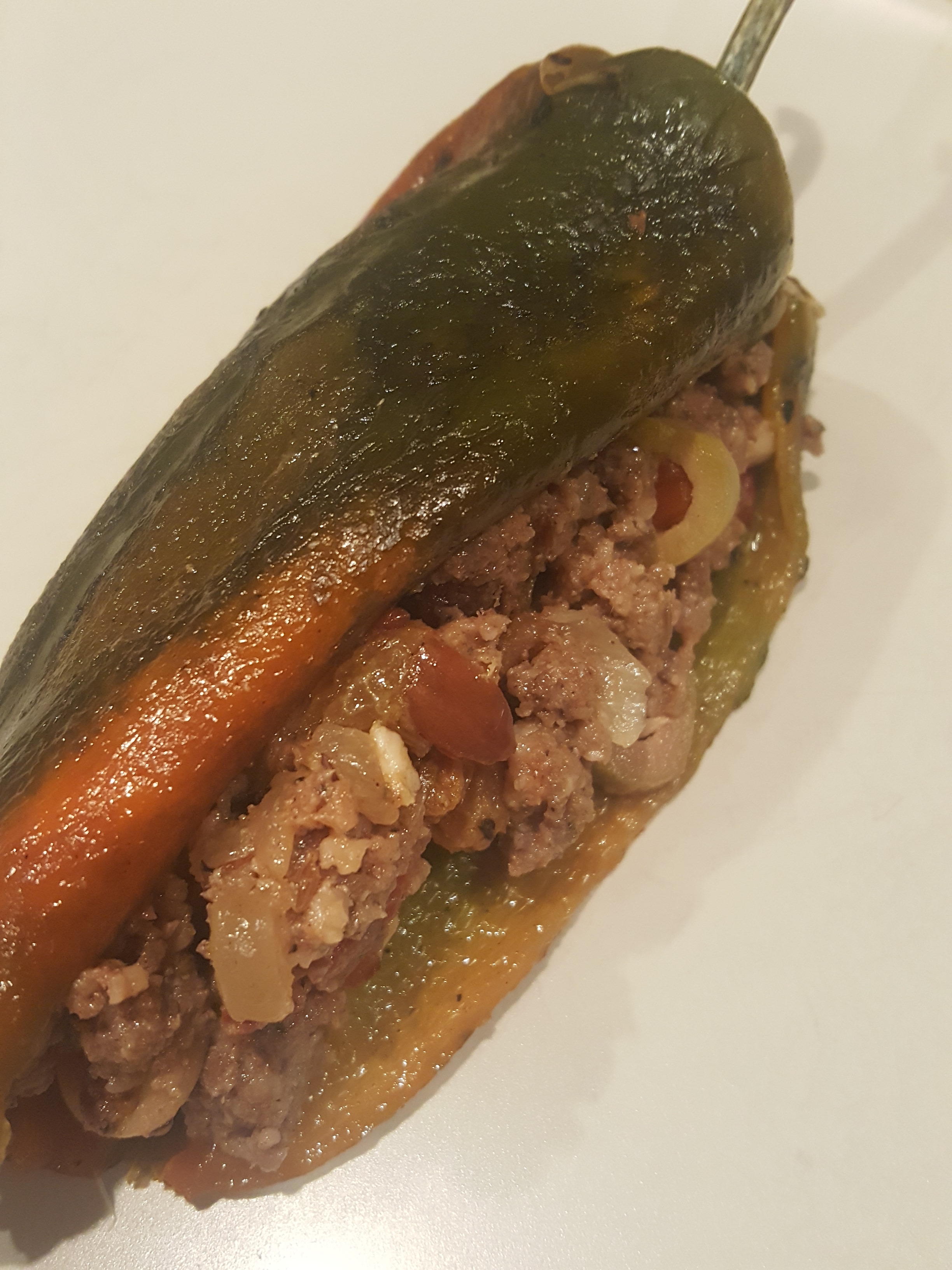
Chile poblano and pomegranate season: Chiles Rellenos en Nogada

Hello all, Amy here. Every year in the late summer or early fall, I end up with pomegranates and fresh green poblano chiles at the same moment, and need to make Chiles en Nogada. The huge, green (but this time blushing red!) poblano chiles were from Tucson CSA/Crooked Sky Farms and a CSA member brought in the pomegranates from their bush at home.

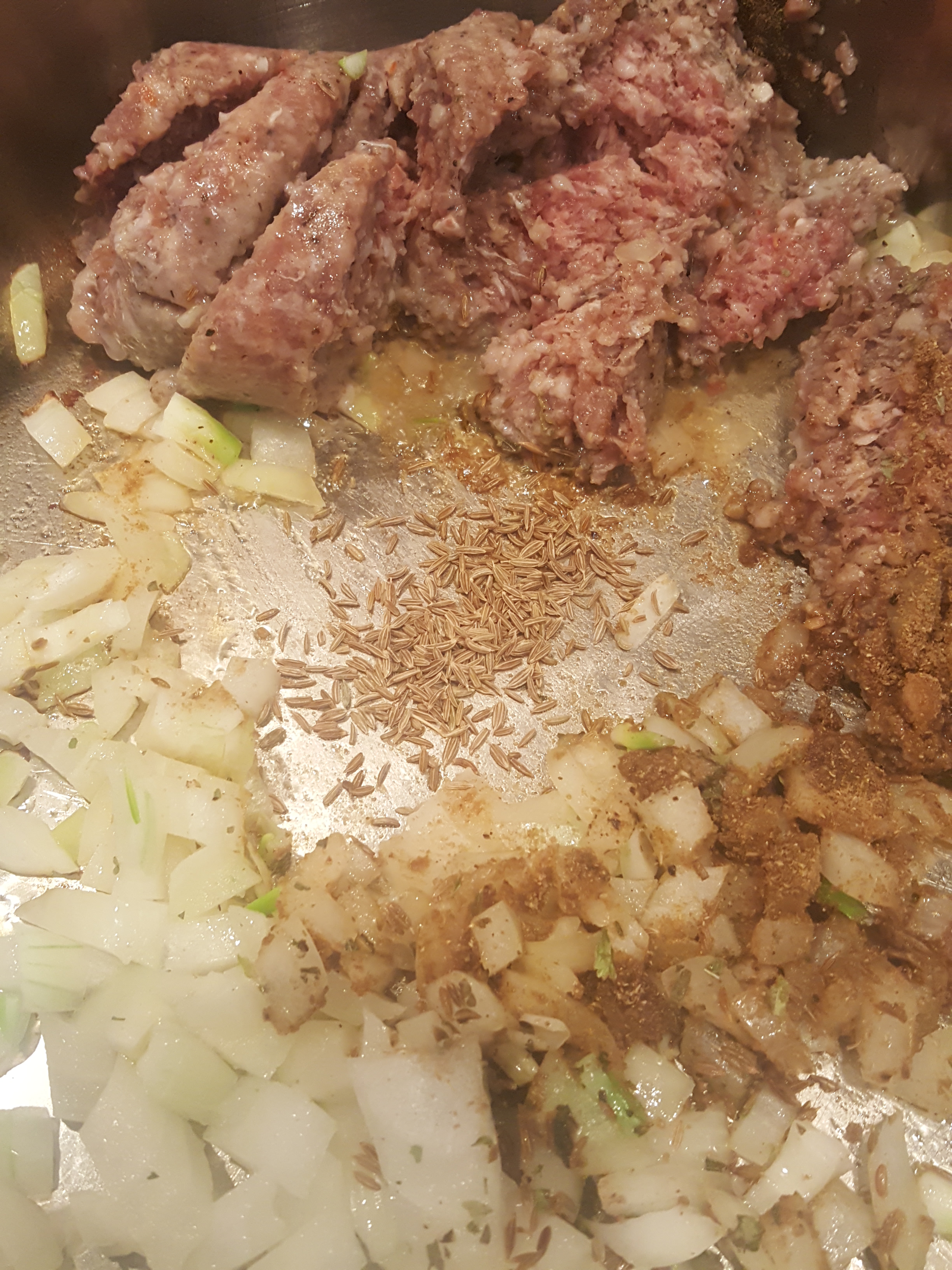
There are many filling options for chiles rellenos (singular: chile relleno) but I love a traditional picadillo for this dish. I started by cooking ground pork with onion, garlic, and whole cumin. But beef, or a mix of the two, is good, too.

Then I spiced the meat with ground coriander seed, cinnamon, Mexican oregano, tomato, raisins, slivered almonds and green olives.

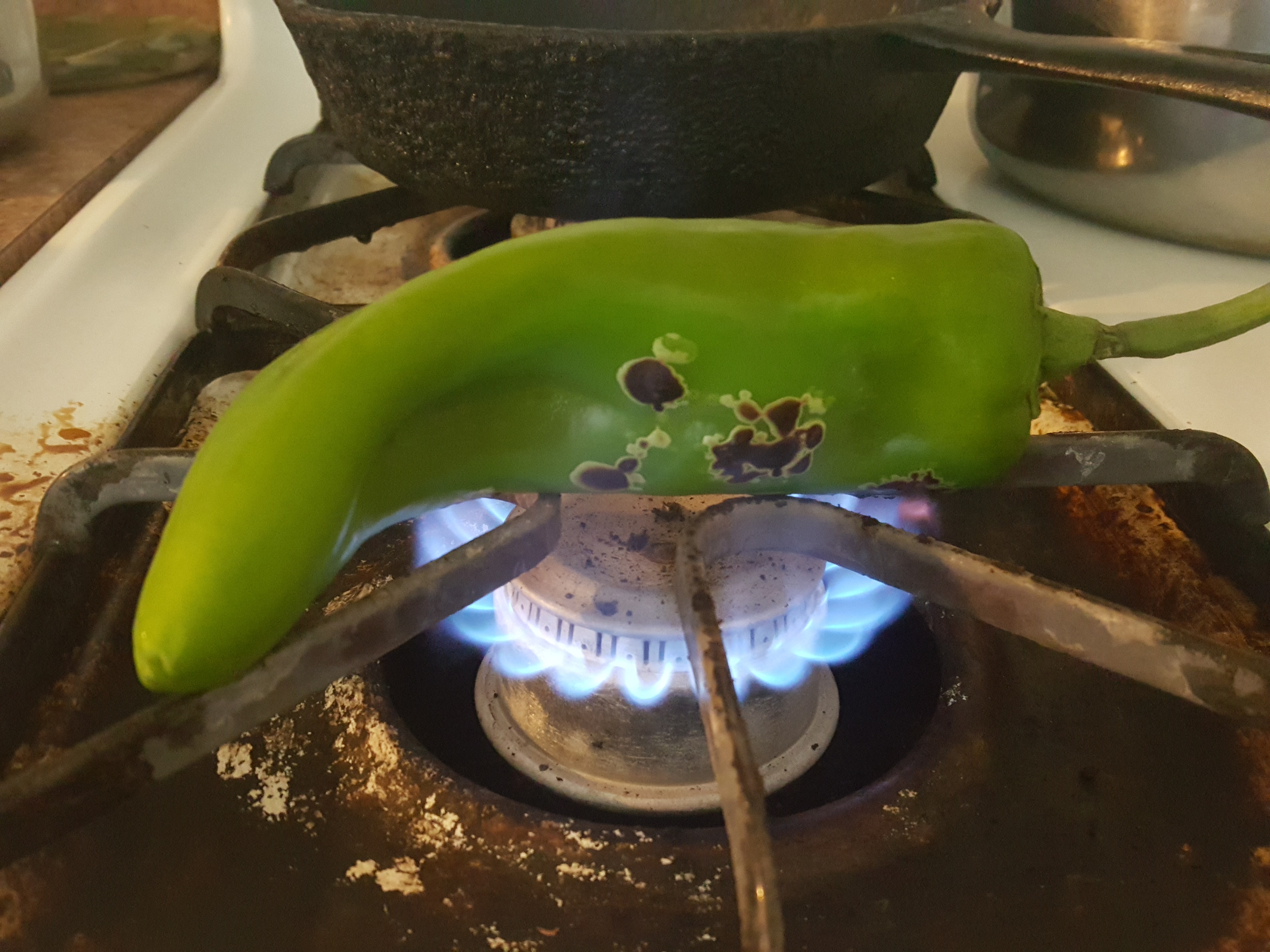
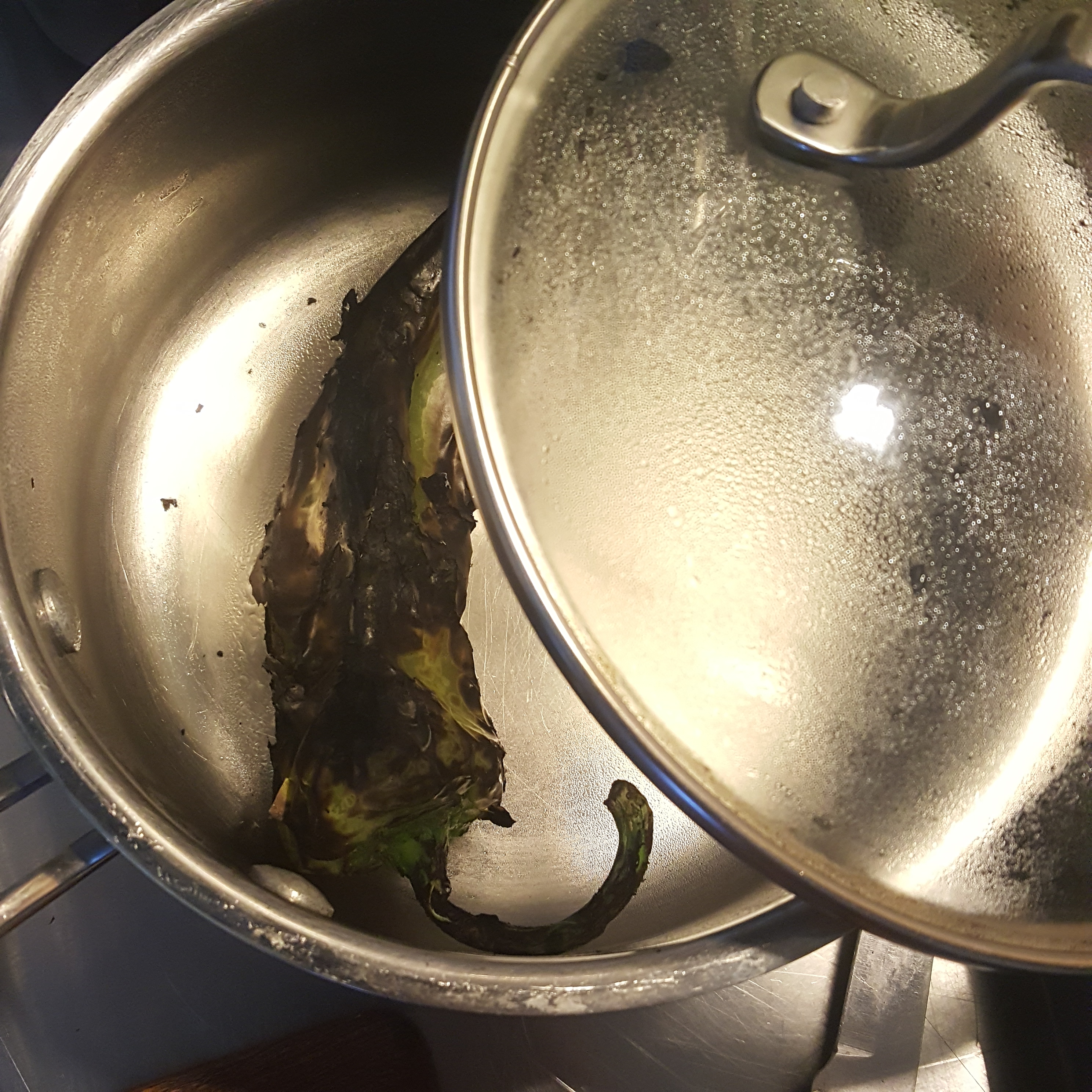
Charring fresh chiles over an open flame smells so wonderful! After evenly blackening the chiles, place them in a paper bag or saucepan with a lid as they cool and sweat off their skins. Peel without rinsing, as few pieces of skin are not worth watering down the chile’s flavor. While I was already making a mess on the stove top, I roasted a few chiles for other projects. Of course any chile or bell pepper could be used with this filling, so use what you have. Chile poblano, to some people at least, is the fresh version of chile ancho. I always add a disclaimer since chile nomenclature varies, and different chiles get different names and some names are used for different chiles!

Slit each chile and remove the core and seeds while keeping the stem and the rest of the chile as intact as possible. Stuff the chile with the meat.

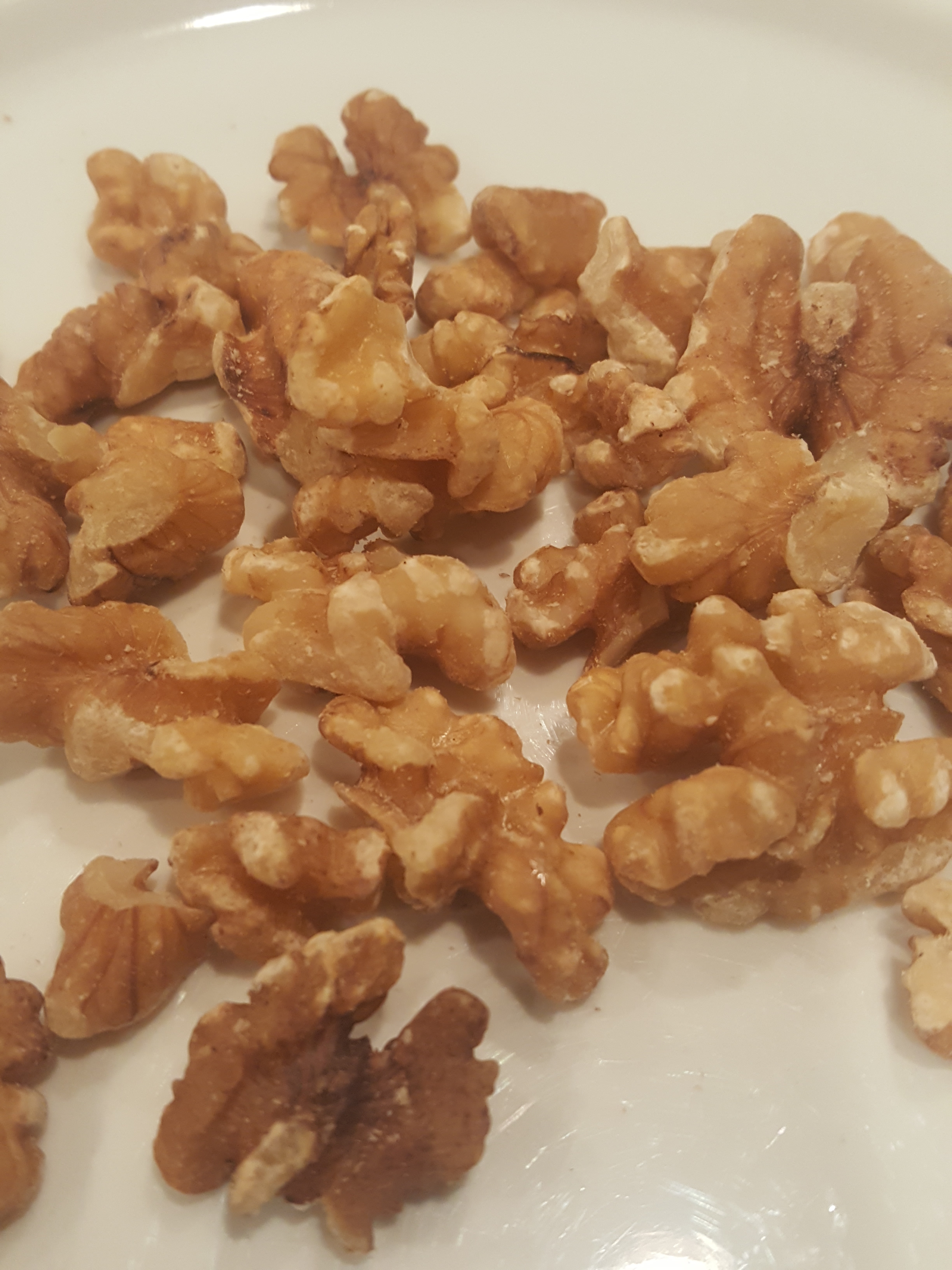
For the sauce, soak about one cup walnuts in water.

Then drain and liquify in a blender with about one cup Mexican crema or sour cream and half a pound of queso fresco.

Salt to taste and adjust with a little water or more cheese or nuts to taste. Make plenty of this cooling sauce in case one of the chiles is very spicy! Top with sauce immediately before eating and garnish with plenty of pomegranate arils (seeds).

Unlike the fried version, this dish is great served hot, warm or room temperature, which it makes is good to serve a crowd. Another time I’ll post my great grandmother’s battered and fried version that is famous for a reason, but they need to be eaten as they are made. Also, when you have pomegranates, make this one. !Buen provecho!


Southwest Youth Plant the Seeds of Food Security

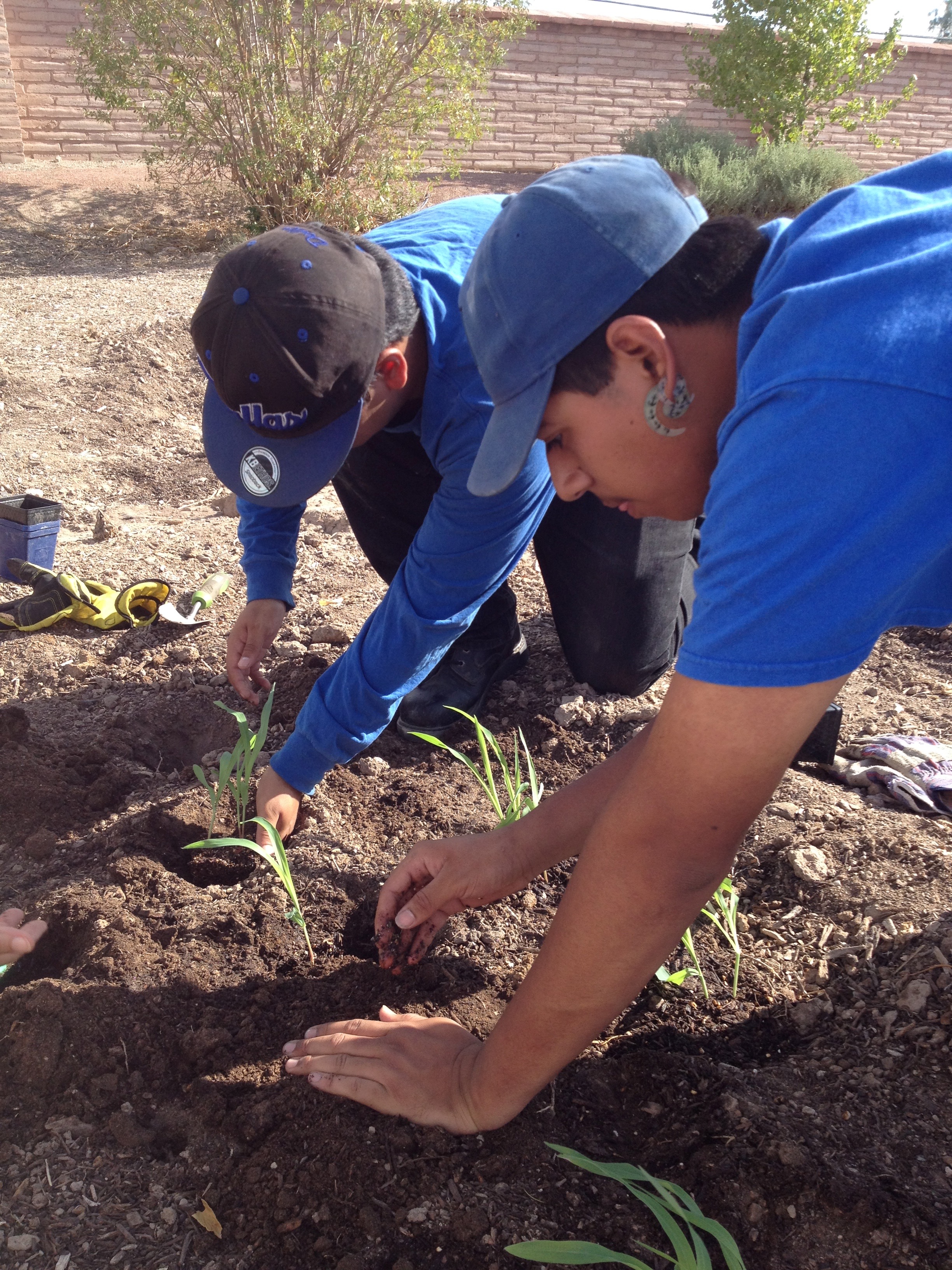
Young volunteers planting heirloom corn seedlings at Mission Garden, Tucson  (MABurgess photo)

It is so exciting and deeply inspiring to see how our Baja Arizona young people are taking to gardening!  From the looks of it, the future of our food will be in good hands!  Tia Marta of Flor de Mayo Arts here to let you know about just a few of the interesting projects several school programs have quietly begun.   Knowledge is growing out of the desert soil, along with delicious produce.

High school students at Youth Ag Day celebration at San Xavier Farm Coop learn how to de-spine and peel prickly pear fruit for making prickly pear lemonade.  It is not only delicious but also helps balance blood sugar and curb cholesterol! (MABurgess photo)

Our children are connecting with Nature, soil microorganisms, and living plants that can feed them–doing healthy activity that produces not only healthier bodies but also nutritional consciousness planted deep in the brain.  Funny how dirty garden fingers can make you smarter–What a neat link!

University of Arizona “Compost Cats” are on the go daily to “harvest” organic waste all over town. Here they are teaching students at Youth Ag Day how to turn kitchen and cafeteria waste into rich soil to feed the next crop. (MABurgess photo)

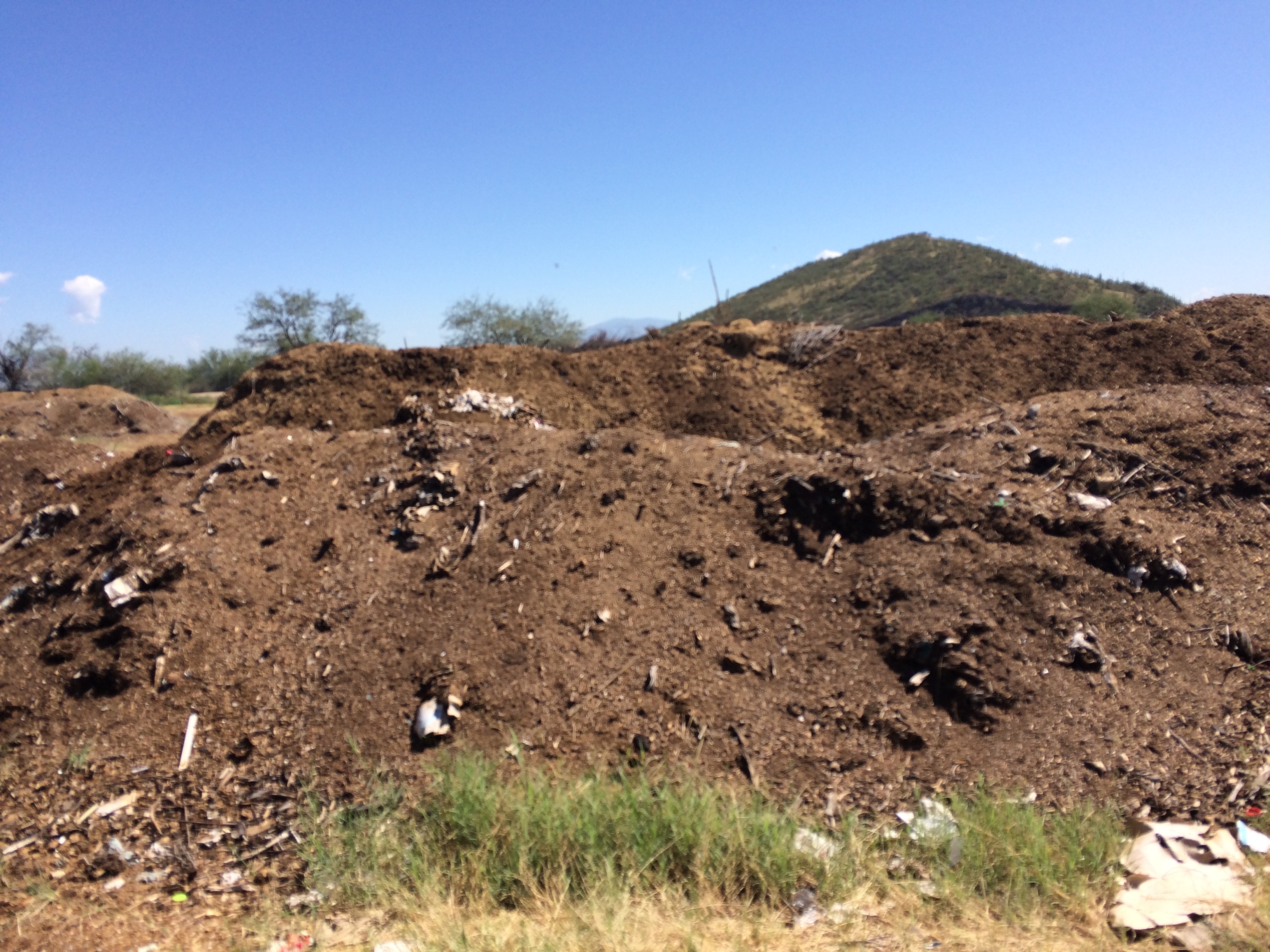
Who in the world would think a compost pile worthy of note?  Well this is a record-breaker.  The young Compost Cats have created a gift to the future of gardening and farming in Tucson by #1 changing peoples’ habits about recycling organic waste on a big scale. (There should be a better term than “waste” –perhaps “discards”–because….)   Then #2, these Cats have turned all that Tucson waste around to be a positive asset, a resource!

This mountain of compost is but a fraction of the “Sierra Madre of Super Soil” at San Xavier Coop Farm collected by the UA Compost Cats. They IMPROVE the soil with traditional composting, giving the crops a healthy nutrient boost. (MABurgess photo)

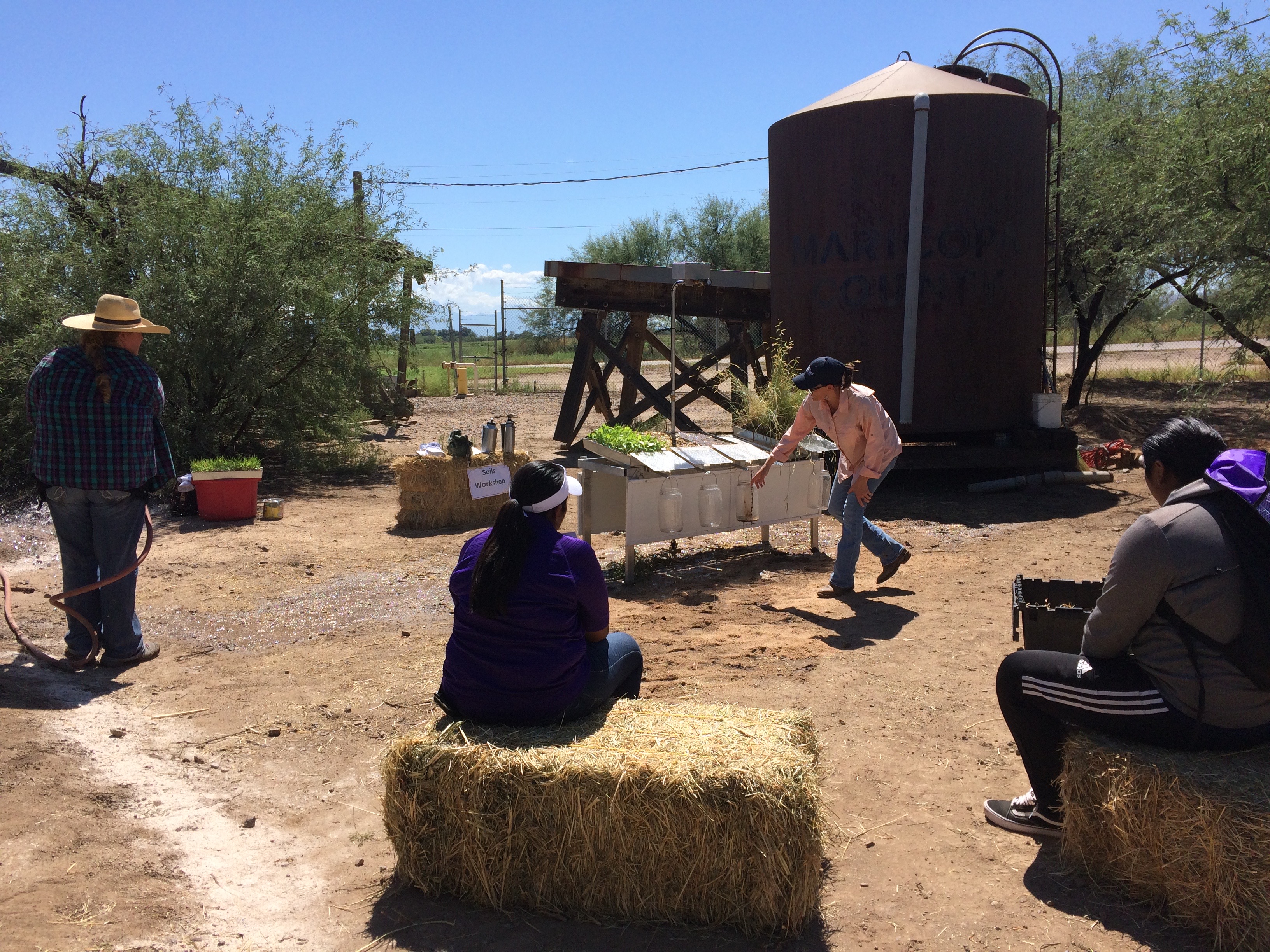
There’s nothing like being out there observing what happens in Nature! Here representatives from NRCS (Natural Resources Conservation Service, USDA) show students at Youth Ag Day how ground covers and different plantings help infiltration of rainwater into the soil. With no plant cover, rain sluices away as floodwater. (MABurgess photo)

Our local southwest seed-conservation organization NativeSeedsSEARCH is providing a priceless resource to groups who can apply for their Community Seed Grants. (For details check out www.nativeseeds.org).  Recently a number of Tucson schools are growing amazing vegetable gardens with the seeds donated by NativeSeedsSEARCH, including Ochoa Elementary, Nosotros Academy, Tully Elementary, Roskruge Bilingual K-8 Magnet School, and Pima Community College.  You can read about Seed Grant Superstars in the latest issue of Seedhead News available by calling 520-622-0380.  Become a member and support this program for the future!

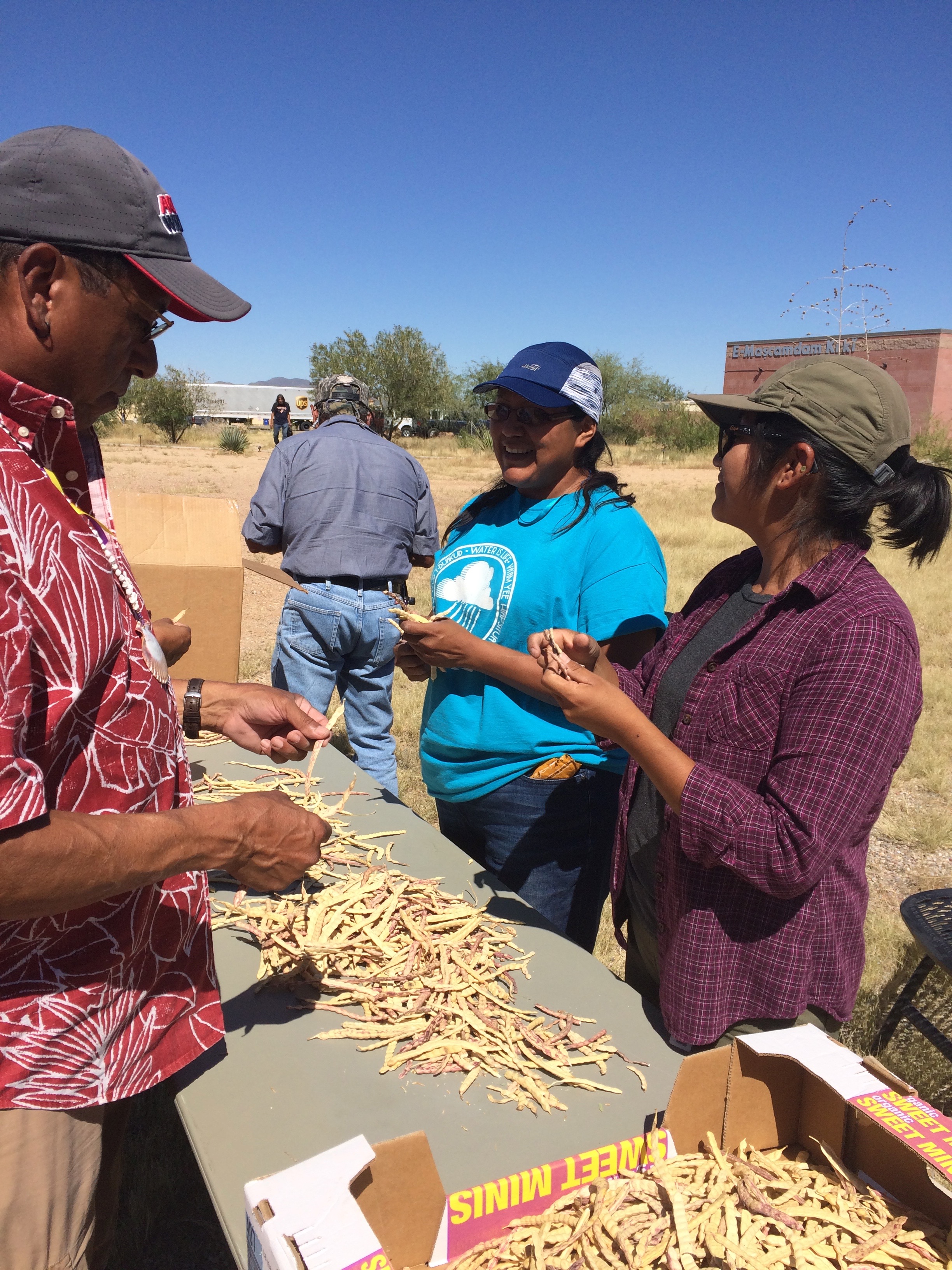
Tohono O’odham Community College Agriculture interns clean mesquite beans they have harvested for milling into a sweet, nutritious flour. (MABurgess photo)

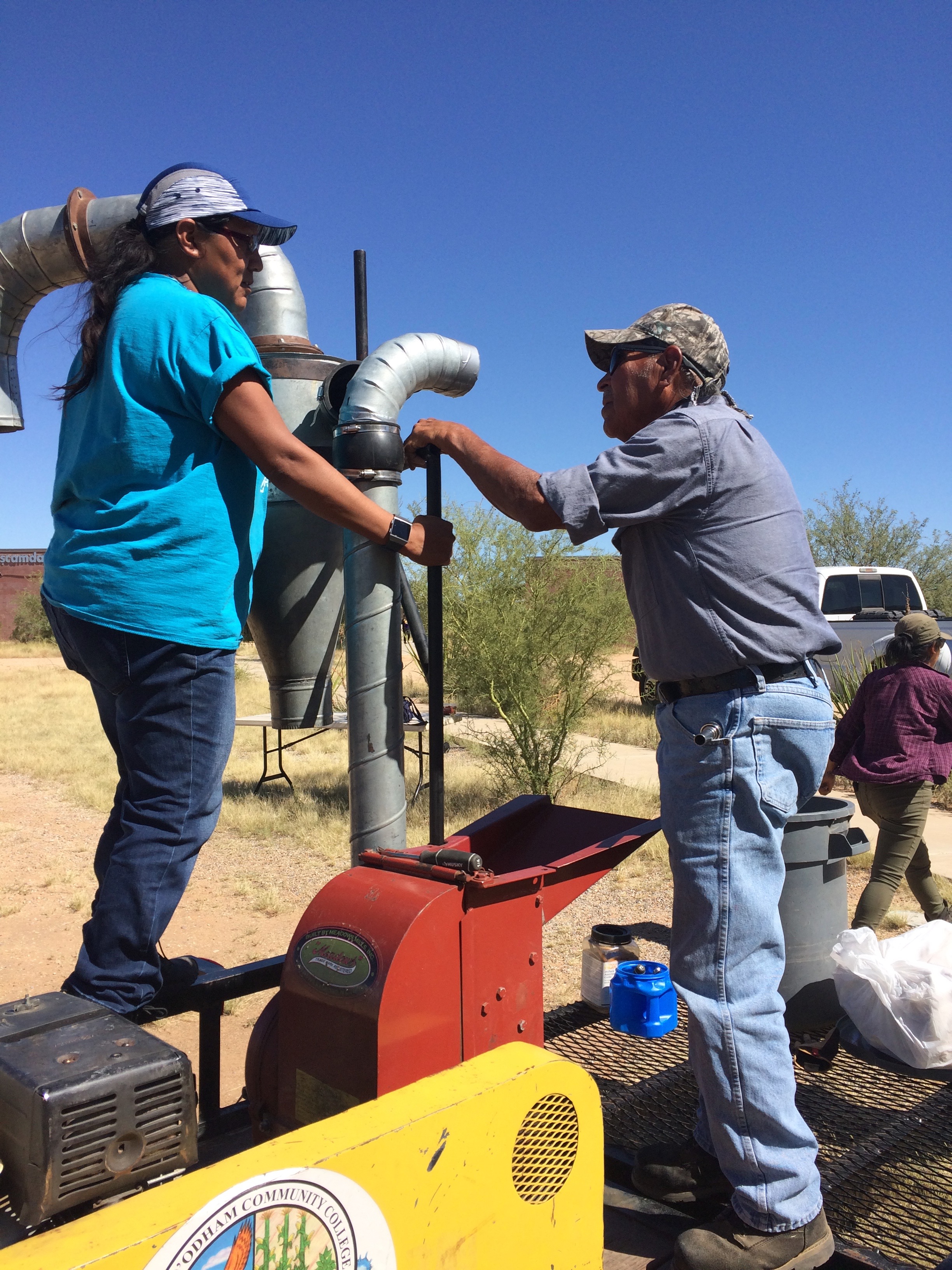
TOCC Agriculture Intern Joyce Miguel and Cooperative Extension Instructor Clifford Pablo prepare the mill for grinding dry mesquite pods into useful flour–a new method for an important traditional food! (MABurgess photo with permission)


Teachers, like Tohono O’odham Community College Professor Clifford Pablo in the Agriculture Program and through Cooperative Extension, have inspired a couple of generations of youth to learn modern ag methods along with a deep respect for traditional foods and foodways.  His interns have become teachers themselves, and their agricultural products–grown as crops and wild-harvested–are being used for celebration feasts, special ceremonies, and sometimes even appear in the TOCC cafeteria.

Let’s rejoice in the good work that these young people, in many schools and gardening programs throughout Baja Arizona, are doing!  In the words of Wendell Berry, one of the great voices of our time about the very sources of our food, “Slow Knowledge” is what we gain from gardening and farming.  For our youth, the connection of healthy soil, healthy work outside, the miracle of seeds sprouting into plants that eventually feed us–this slow knowledge cannot be learned any other way.  We now know that such “slow knowledge” gained from assisting Nature to grow our food actually grows healthy neurological pathways in young brains and makes them think more clearly, be less stressed, achieve better understanding in math and language, and develop better critical-thinking skills.  What better prep for being leaders than to play in the garden as a youth!!

Link to the latest UA Alumni Magazine (fall 2018) for a heartwarming article by our Blog-Sister Carolyn Niethammer about the University of Arizona’s partnerships with local school gardening programs.

Watch the Mission Garden’s website www.tucsonsbirthplace.org for many gardening activities, celebrations, and workshops coming up that are perfect for kids and elders alike.  You can contact me, Tia Marta, on my website www.flordemayoarts to learn of desert foods workshops where interested young people are welcome.

Young people know that food security will be in their hands.  Indigenous youth and some disadvantaged communities seem to realize that “the government” will probably not be there as a fall-back food provider.  Youth all across Arizona are learning the skills of growing food sustainably and may even begin re-teaching the elders–in time.

Amaranth for Alegría

Special for Savor the Southwest, Sept 2018

Jacqueline Soule here to close National Honey Month with a sweet way to use honey plus a summer growing plant – amaranth.  This article also tells how to make a treat for Dia de Muertos.
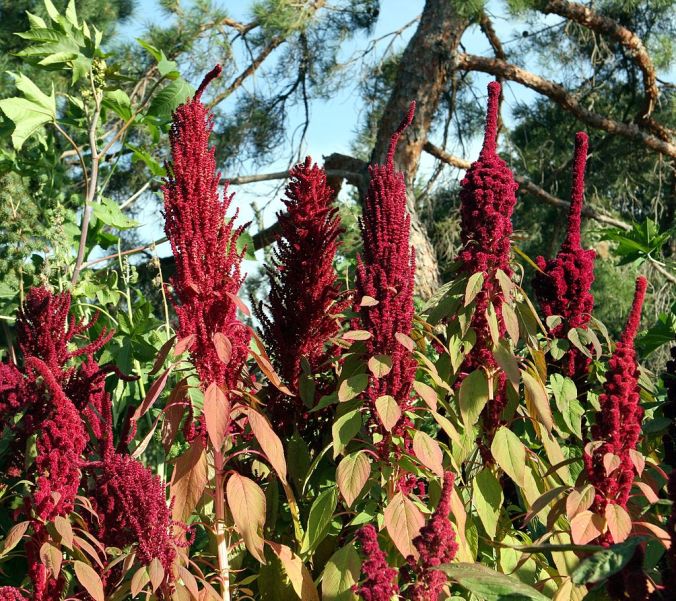
Amaranthus flowers by hardyplants wiki CfreeAmaranth is famed as one of the staple foodstuffs of the Incas, but it was used by many other people around the globe, including here in the Pimería Alta. Amaranth was and still is popular throughout Mexico for a number of drinks and foods. The greens can be used in a number of ways (as the Backyard Forager mentions), and so can the seeds.  To this day, amaranth seeds are popped much like popcorn and mixed with honey, molasses or other syrup to make a treat called alegría, which means joy in Spanish.

amaranth 1112988_1280

Popping Amaranth for Alegría
Easiest is to purchase puffed amaranth cereal, but if you’ve grown your own seed, or foraged for wild seed, you will have to pop your own.
* The trick to popping amaranth seed is a cast iron skillet or wok with a tight-fitting lid.
* Heat the lightly oiled pan nice and hot.
* When you think the pan is hot enough, add one single tablespoon of amaranth and close the lid immediately. If it doesn’t start popping, your pan wasn’t hot enough.
* Within a minute of adding the tiny amaranth seeds, the popping will slow down. Swirl the pan a little to pop any un-popped seeds.
* Once the popping dies down, quickly shake the puffed amaranth into a bowl, and then make more.
* Oil the pan as needed, and repeat this process until you have enough popped seeds (2 cups for this recipe).  Don’t be tempted to add too much seed at one time, or you’ll end up with too many un-popped seeds.

cast iron pan 2202193_1280

Traditional Alegría
A very enjoyable gluten-free treat.
2 cups popped amaranth
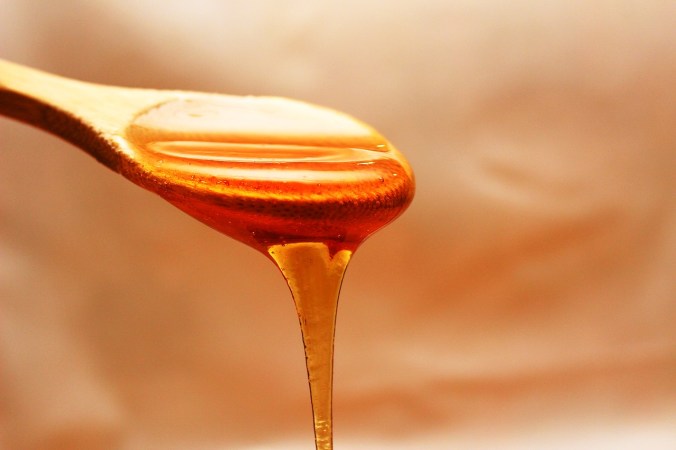
3 tablespoons honey
3 tablespoons light molasses or dark corn syrup (or more honey)
3 tablespoons butter

honey 1970592_1280

* Combine honey, molasses and butter in a large saucepan or skillet; bring slowly to a boil.

* Cook over medium heat five to seven minutes, stirring constantly, until mixture turns golden brown and becomes thick and sticky. I have never used a candy thermometer, but I estimate this mixture will be 325 degrees or more.

* Remove from heat and add the popped amaranth. Stir until amaranth is coated with the syrup.

* Transfer to 9 X 9 or 9 X 13 inch pan that has been lined with parchment or waxed paper. Or just pour it out on a cooled marble slab (not wood, it will stick). Gently push mixture into corners of pan – NOT with your fingers, it is hot! use a spatula or wooden spoon.

* Let cool, then cut into bars.

* Alternatively, when it is cooled but not set, place in sugar skull molds to make the ancient Dia de Muertos skulls.

Amaranth Día de muertos by A Yang Wiki CC3.0

Somewhat traditional Dia de Muertos skulls. Photo by A. Yang.

To learn more about Dia de Muertos, come by my free lecture at the Main Library at noon on October 30.

JAS avatarWant to learn more? Look for my free lectures at your local Pima County Library branch, Tubac Presidio, Tucson Festival of Books and other venues. After each event I will be signing copies of my books, including Father Kino’s Herbs: Growing and Using Them Today (Tierra del Sol, $14.95).
© Article copyright by Jacqueline A. Soule. All rights reserved. Republishing an entire blog post or article is prohibited without permission. I receive many requests to reprint my work. My policy is that you may use a short excerpt but you must give proper credit to the author, and must include a link back to the original post on our site. Photos may not be used.


Arroz Verde with Sweet Potato Greens

Happy autumn! Amy here, wanting to make arroz verde to go with beans my friend made. But the summer amaranth greens are too mature and the winter greens aren’t ready to harvest. My new favorite vegetable the past few weeks is sweet potato vines. Mild and tender, and not at all bitter. I had some cooked in Asian food, but I’d never grown or cooked them myself. A couple cuttings turned into a large planter full in no time! I’ll report back if I ever get any edible sweet potato tubers…

To make the dish, I started with cilantro stems that would otherwise go to waste, onion, green chile, and the sweet potato leaves plucked from the vines.

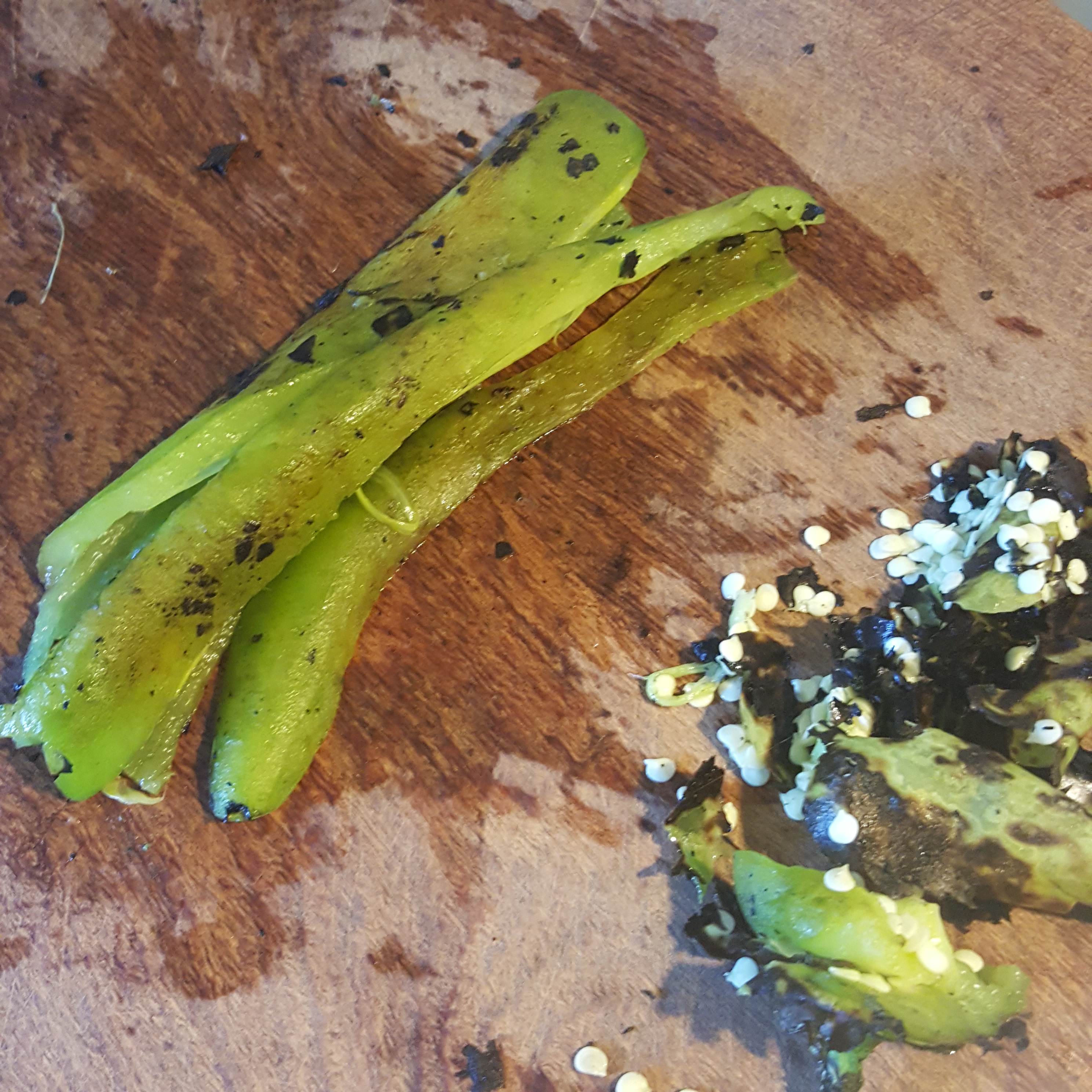
I roasted the chile and let it cool as it sweated it in a covered container. Then I peeled, seeded and chopped it.

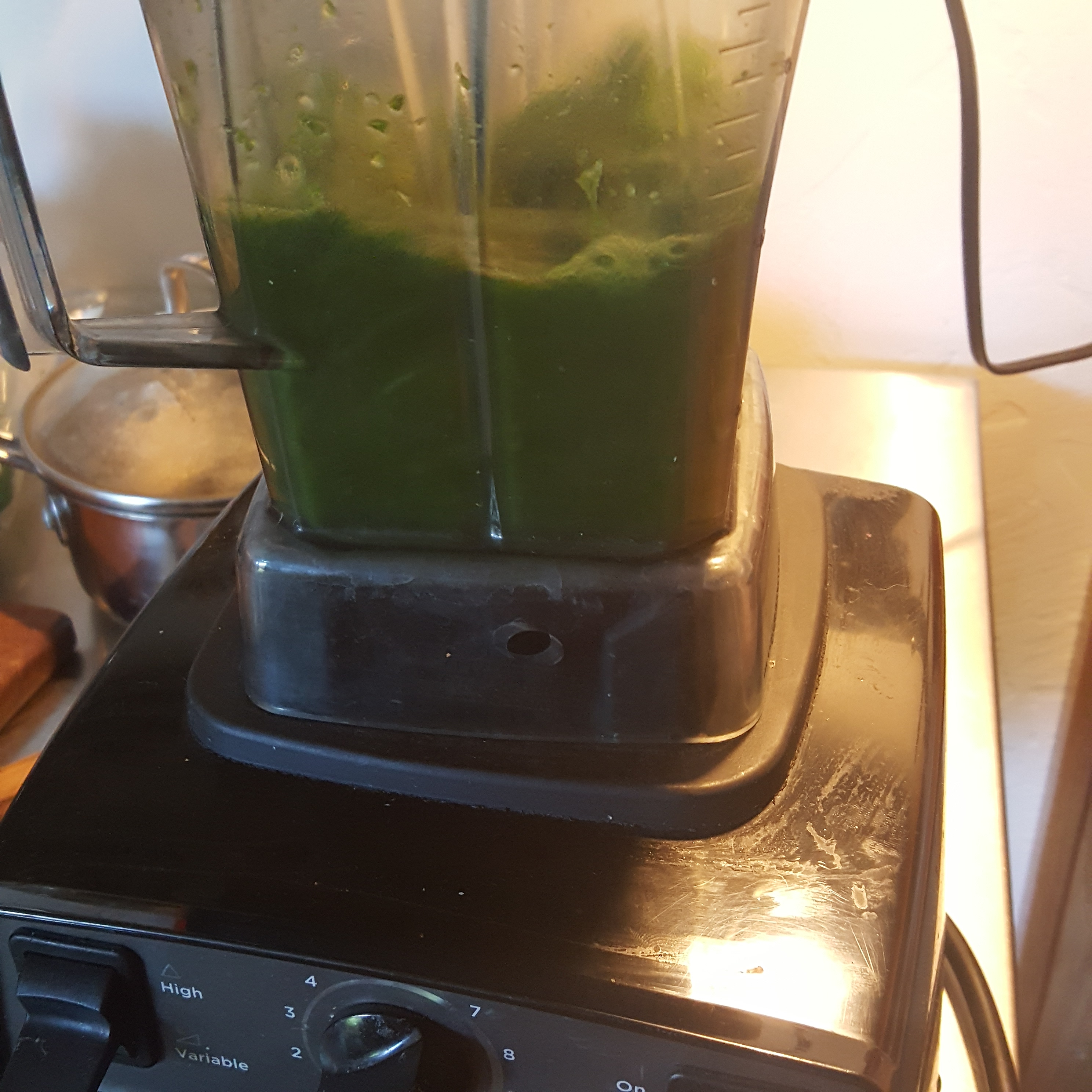
Then cilantro stems, onion and a handful of sweet potato leaves went in the blender with the amount of water needed to cook a cup of rice (The volume of water varies by variety of rice.) The chile can go in the blender, but opted to leave it coarse. Actually, it could all be coarsely chopped instead of blended.

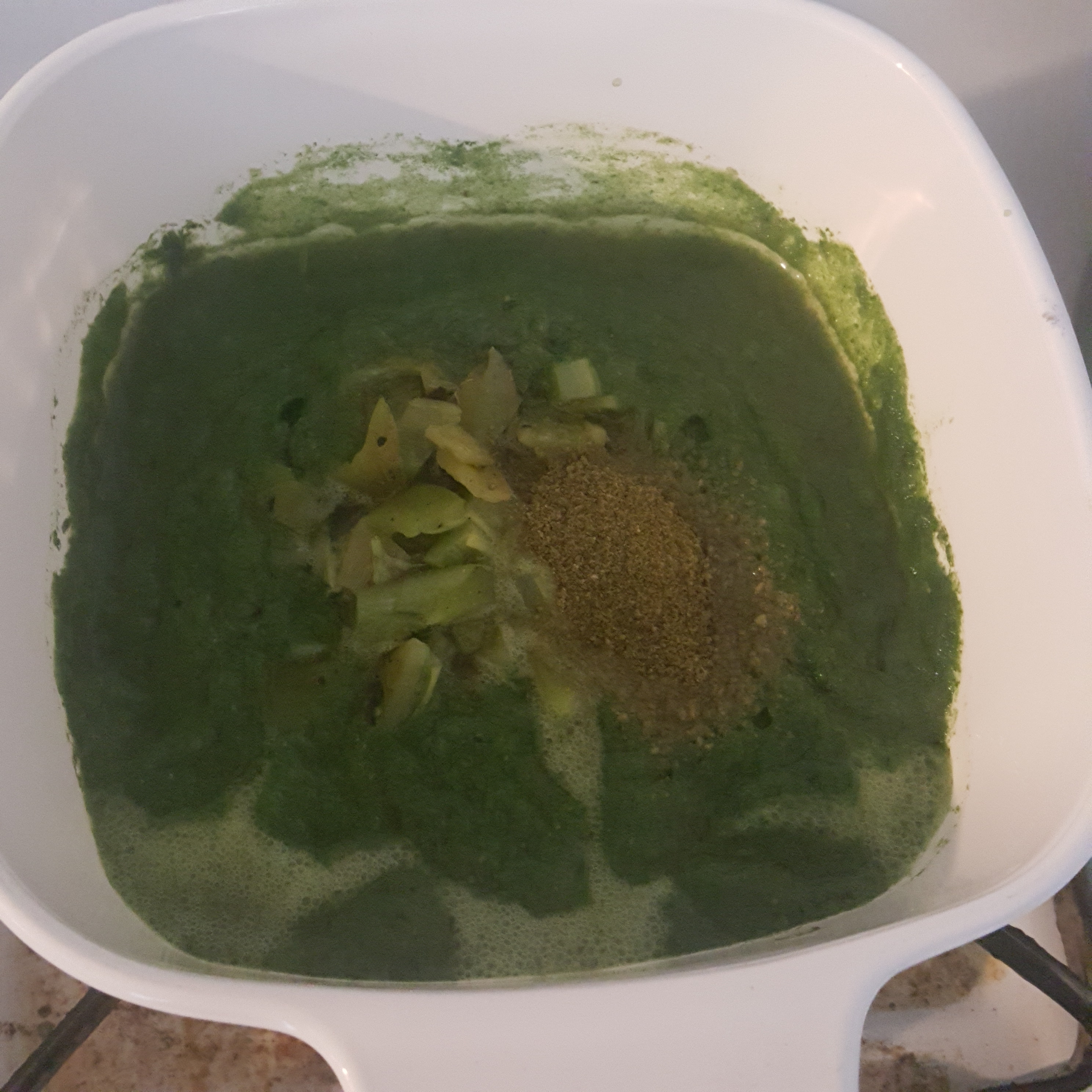
The green slurry went into a dish to simmer with the chile, salt and some Mano Y Metate Mole Verde powder.

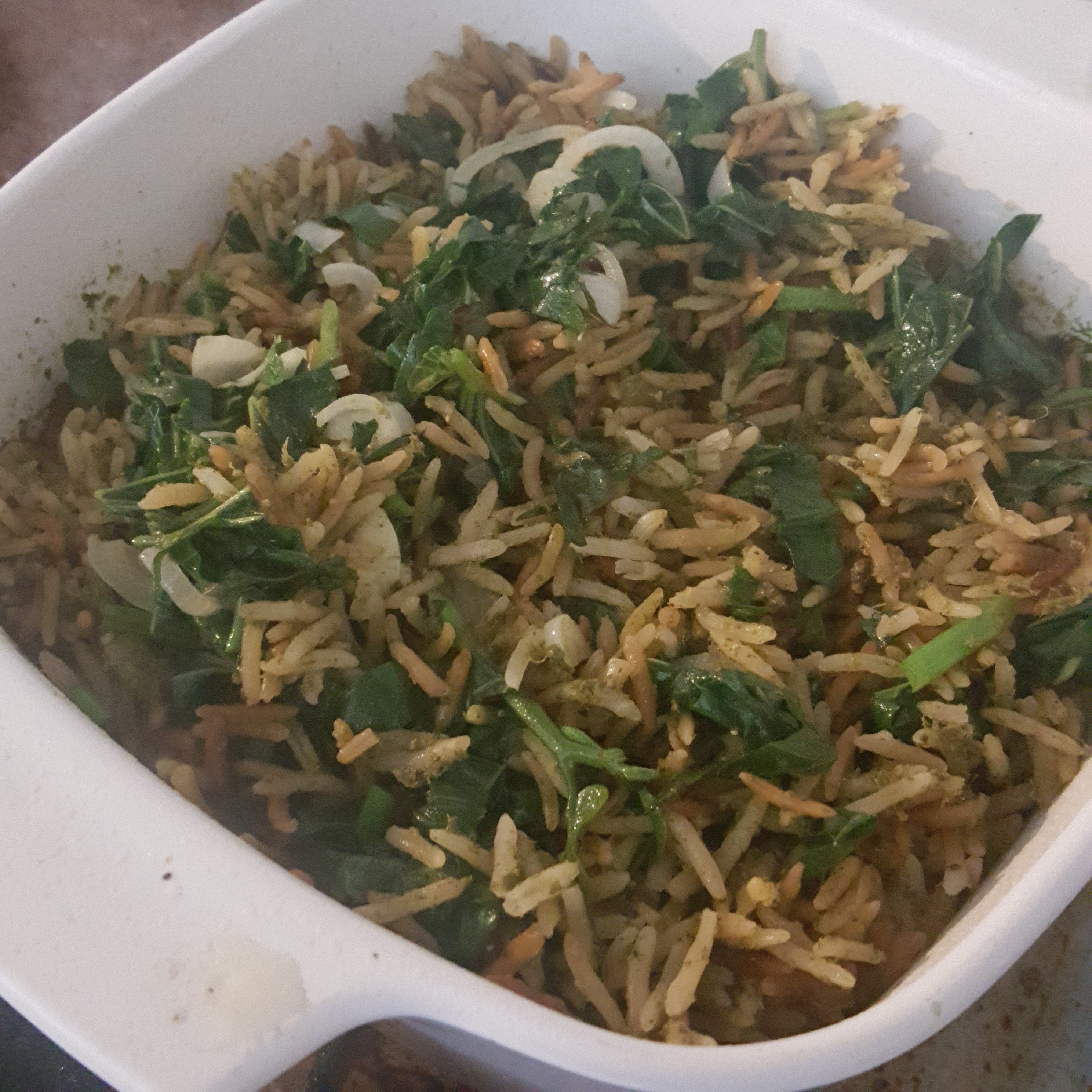
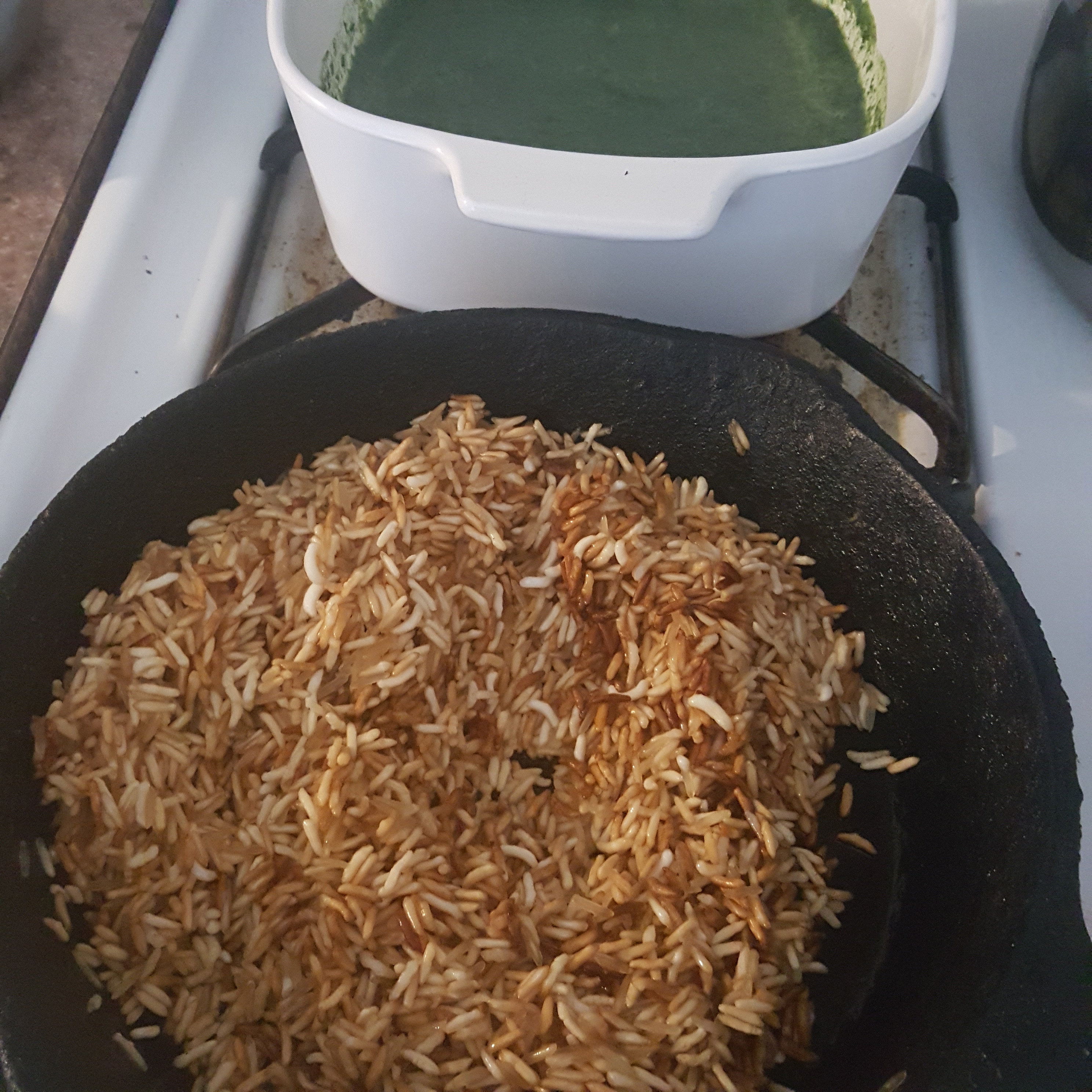
While that heated, I browned the rice in olive oil. For me, the trick is to keep from stirring it too often, so it gets some nice dark spots. I spooned the browned rice into the green liquid, covered and simmered on very low heat.

Once the rice was tender and the liquid absorbed, I added some chopped sweet potato greens sauted with onion and garlic and folded all together.

 Enjoy with beans.

Sikil Pak – Yucatan Pumpkin Seed Dip

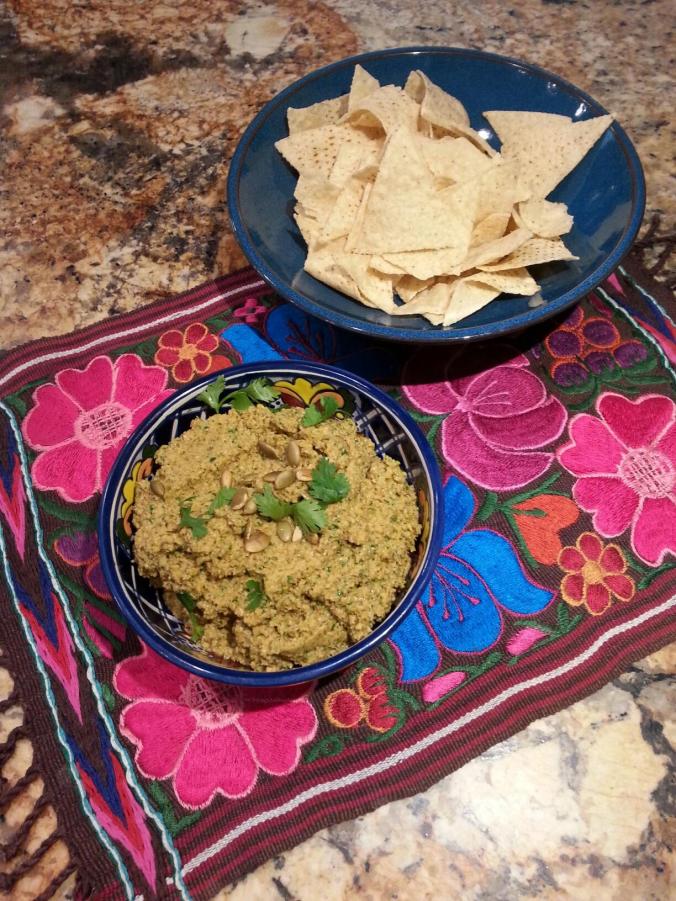
Hello, Amy here eating something totally new to me that my sister Laura just made. Sikil Pak is a Yucatan condiment made with pumpkin seeds.

She recently had this dip at our uncle’s house and fell in love immediately with this bright and rich mixture. She didn’t have his recipe but took a guess at the general proportions and ingredients he used and came up with a close version. It’s a blend of cooked and raw elements plus lots of citrus. Make sure to cool before blending in the herbs at the end to keep it fresh.

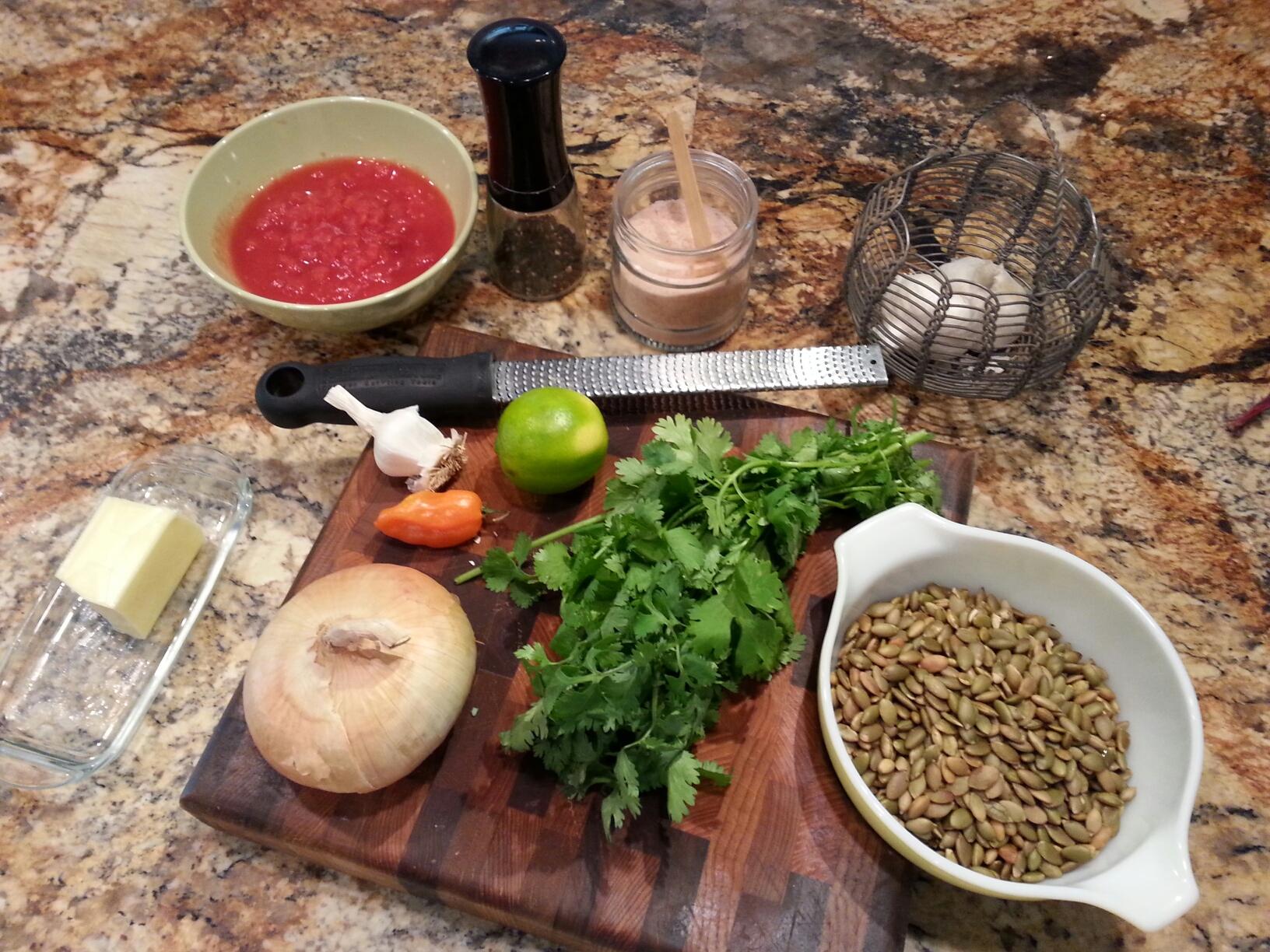
1 medium sweet onion

2 tablespoons butter

1 habanero chile

12oz tomatoes, canned or fresh

2 cups toasted, unsalted pumpkin seeds. Or start with raw, then toast and cool

2 limes, juice and zest

1 bunch cilantro

salt and pepper

agave nectar

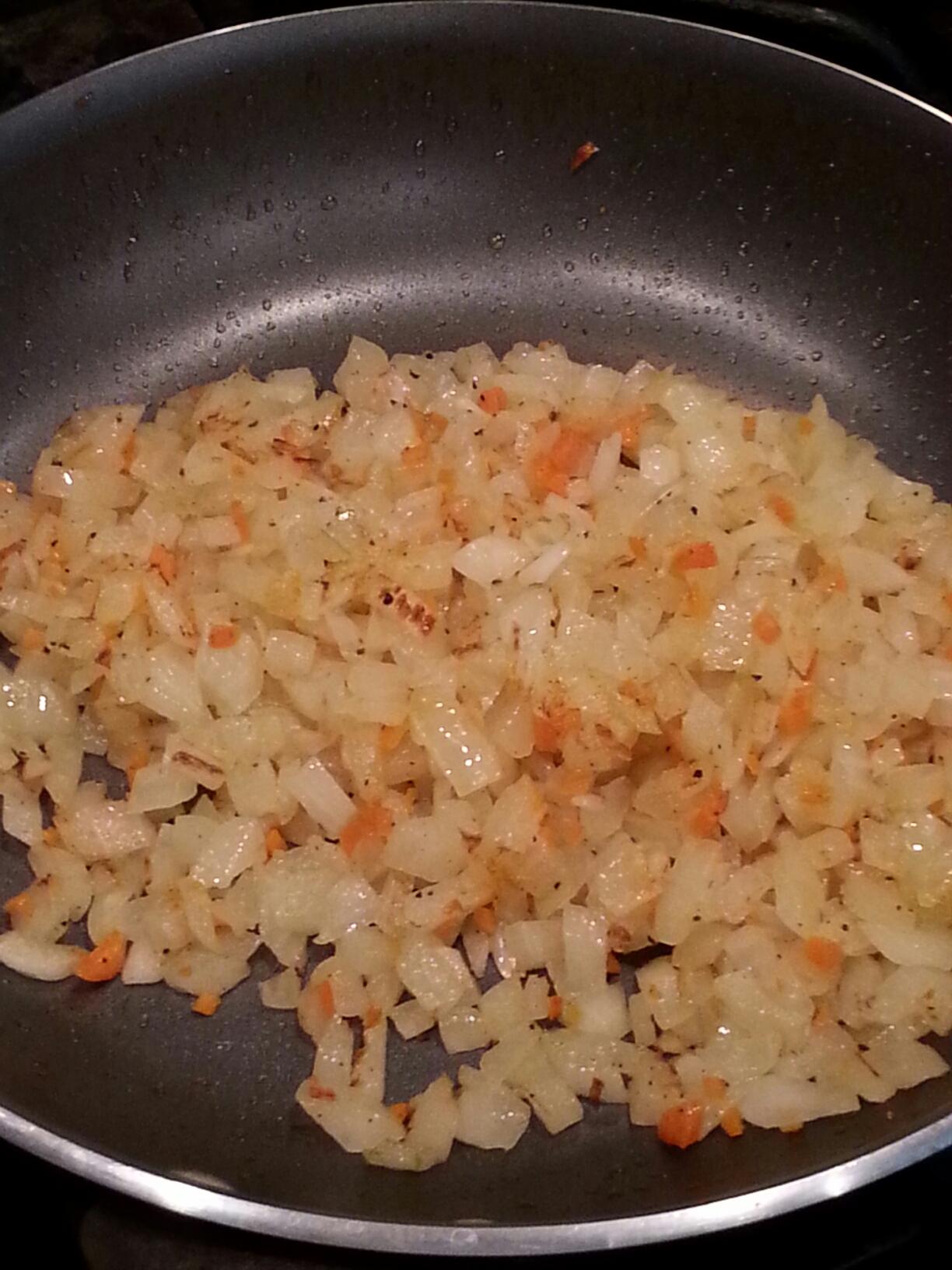
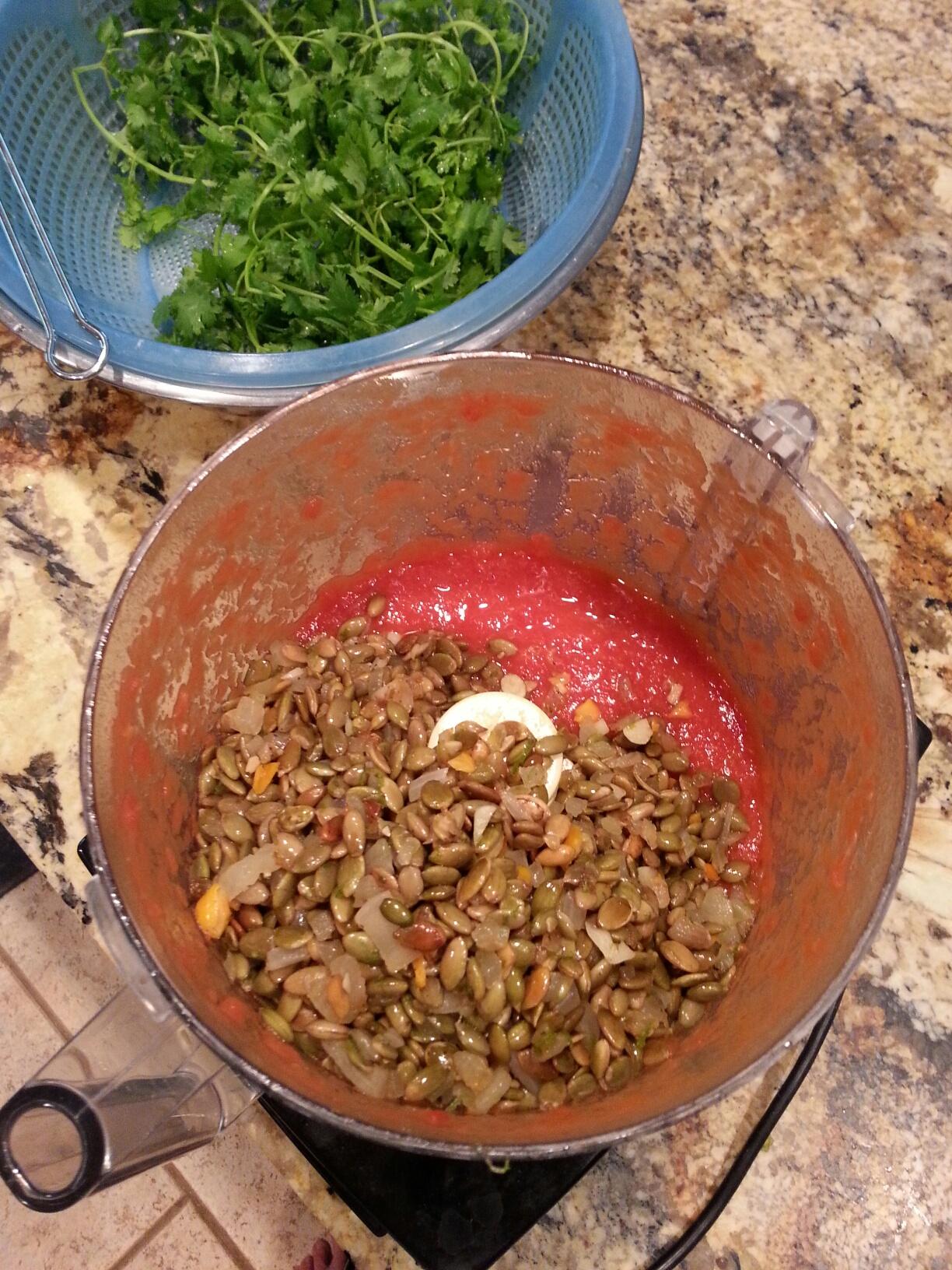
Sauté diced onion and habanero in butter until golden brown, let cool. Sauté tomato until liquid slightly reduces, let cool. Place onion, pumpkin seeds and tomato in food processor, add lime juice and zest, and pulse together.

Add coarse chopped cilantro into processor and pulse until the texture is like wet sand, do not over mix. Adjust seasonings; add agave drizzle to balance the acidity of the lime juice. Garnish with pumpkin seeds and chopped cilantro. Serve with corn chips. Maybe jicama would be good, too. Thanks, Laura!

Read more use of pumpkin seeds here.

amy mole

Amy Valdez Schwemm

Amy Valdés Schwemm

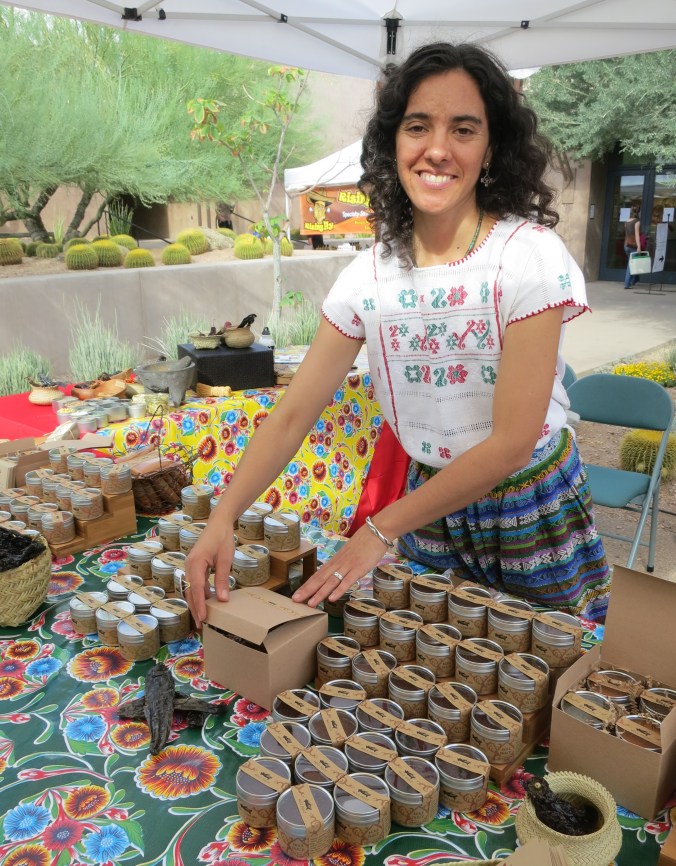
With her family’s love of cooking as her inspiration, Amy founded Mano Y Metate, offering freshly ground mole powders for people to make and serve mole at home. She inspires Tucsonans to become Desert Harvesters, to plant and harvest native foods in their yards. At Tucson Community Supported Agriculture, she advocates for underappreciated veggies and celebrates food’s seasons. She loves to hike the deserts and forests, make plant remedios, and feed people.

Southwestern Pintxos– Basque-style Tapas


On a recent trip to Spain we enjoyed an adventurous meal in a Basque tavern where we were introduced to Pintxos–the special Basque version of tapas–northwest Iberian finger-food.  These culinary mini-sculptures bring together the most unexpected combination of foods and flavors.  Each one is a creative work of edible art, visually and deliciously pleasing, handy for a pick-me-up meal or a many-course dinner.
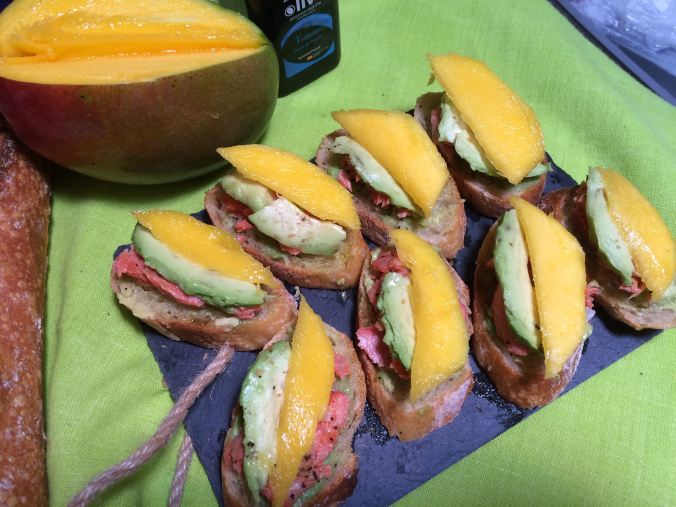
Pintxos–traditional finger food of northwest Spain adapted for Baja Arizona! (MABurgess photo)

Tia Marta here to share ways I’ve adapted these traditional Basque food creations, incorporating our local Baja Arizona ingredients.  Pintxos (pronounced peent’shows) are fun to make.  They let your creativity take off.  The endearing individual servings make a pretty presentation.  Bringing a tray of pintxos to the dinner table makes for some drama too.  Your guests’ curiosity is piqued to find out what interesting delicacies make up each pintxo.  All eyes are focused, tastebuds on alert.  The eating pace slows down to savor-mode as each bite is tested—like sipping a new wine.  If being present matters to you, pintxos certainly makes it happen for everyone at the table.  [I can hardly wait to serve pintxos to adolescents to see what happens with their devices!]
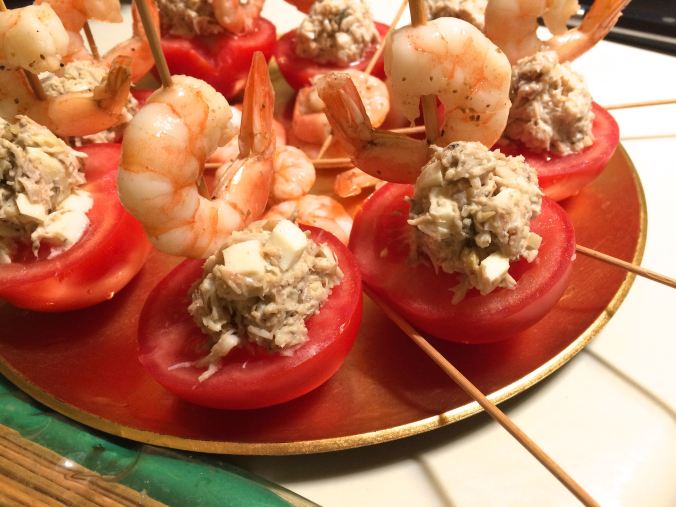
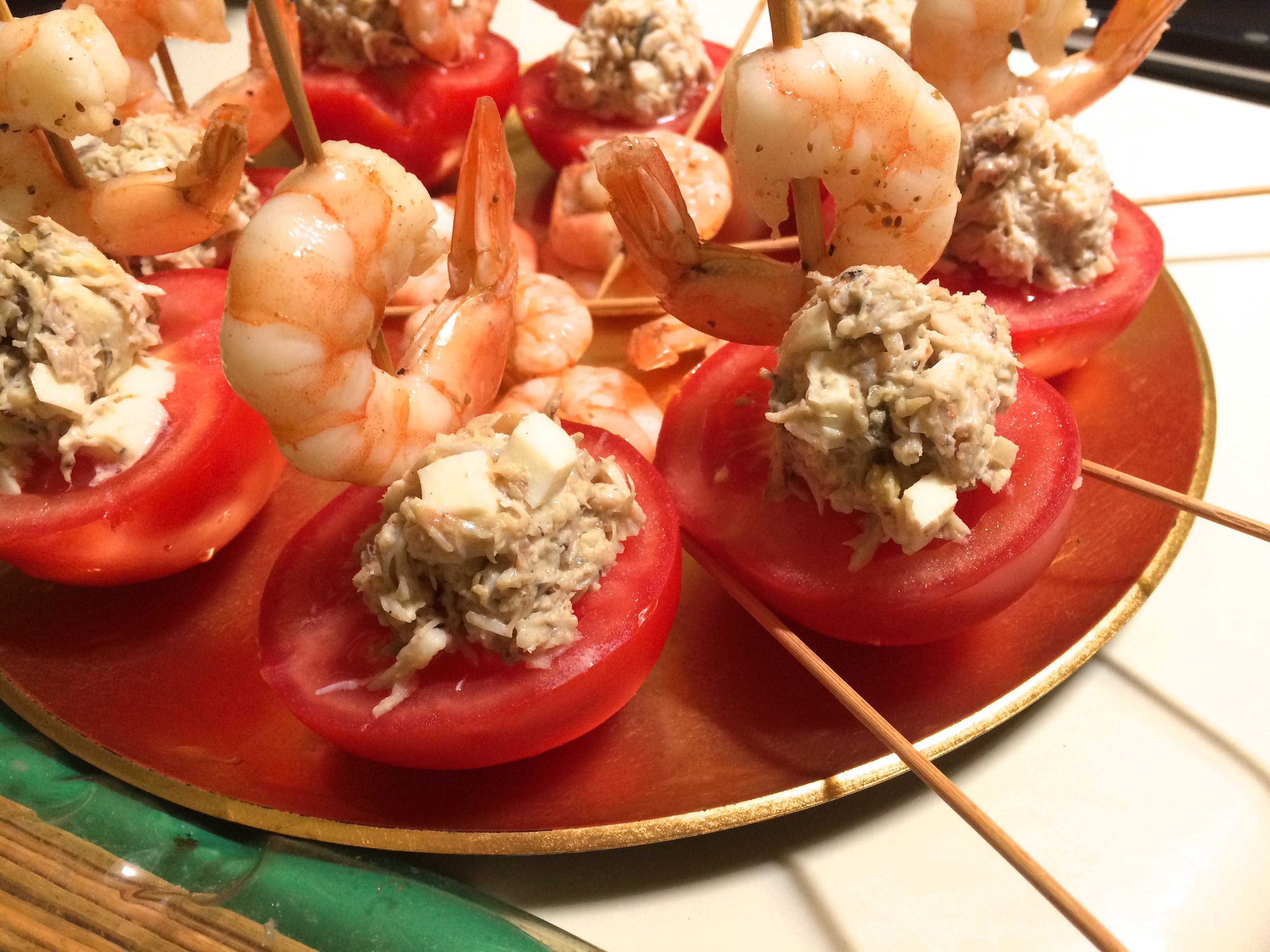
A “shrimp boat” pintxo — a cool seafood “salad” for summertime, made with crab or tuna on a “boat” of tomato with “spinnaker sail” of chilled, cooked shrimp. (MABurgess photo)

Here’s a perfect summer pintxo—a little Sea of Cortes Seafood “Boat.” First find some ripe tomatoes from your garden or your favorite farmers’ market.  Next source some fresh, sustainably-harvested crab meat or tuna and Sea of Cortes shrimp.
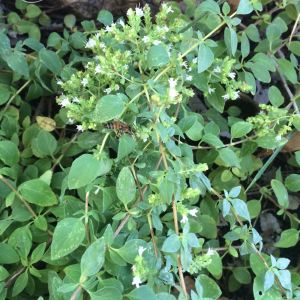
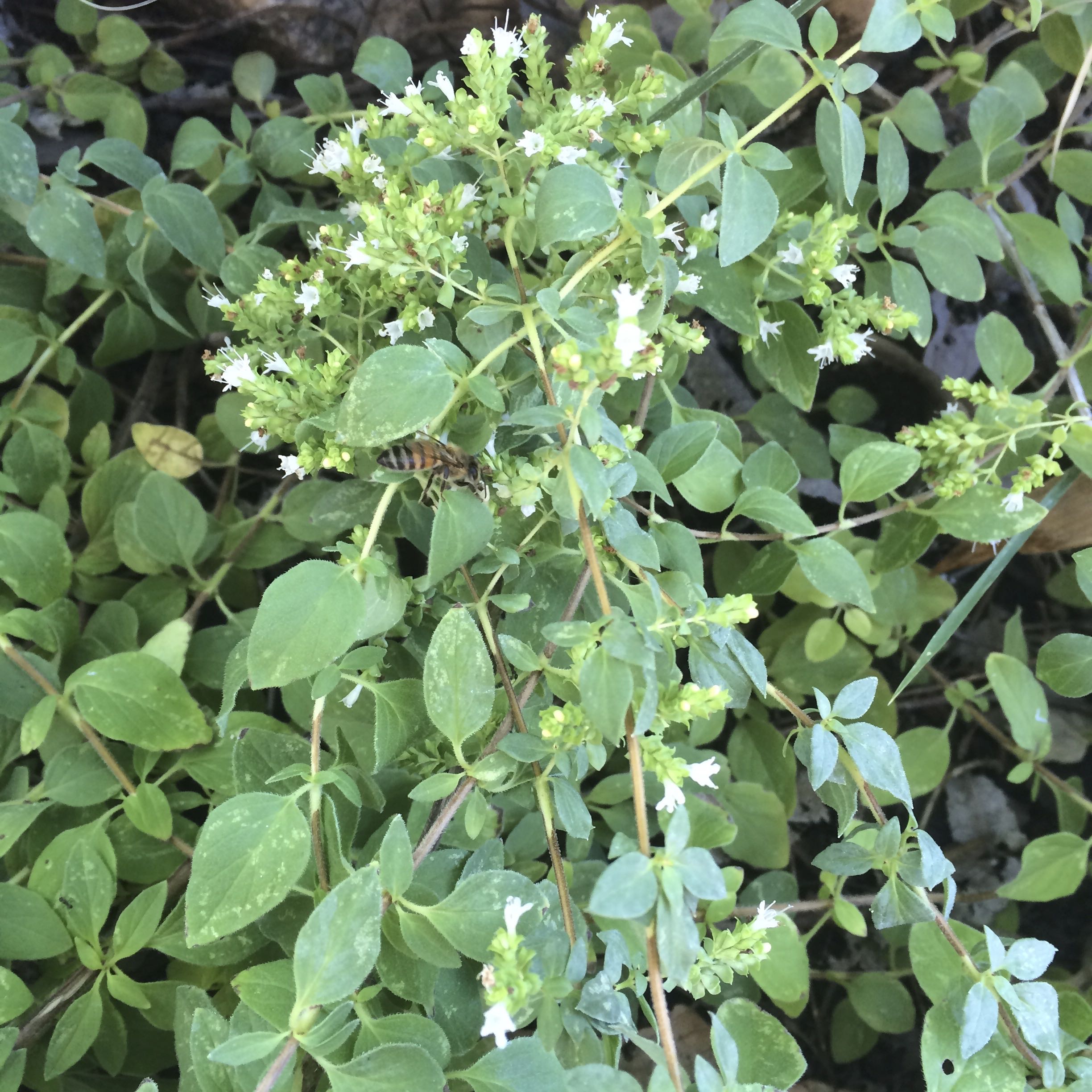
Culinary oregano (Oreganum vulgare) with happy bee pollinating the flowers in my Tucson garden (MABurgess)

Harvest a few sprigs of fresh oregano from the garden (yours or a friend’s.  This fragrant herb grows so easily in low desert gardens.  See Savor-Sister Dr Jacqueline Soule’s post by searching August 28,2015 “Joy of the Mountains” on this blog for fantastic oregano info. They grow readily from cuttings.)

Pintxo actually means “toothpick” or “skewer,” so have a supply of long toothpicks or bamboo skewers ready.  You will also need:  1)  fresh tomato, cut in half so that each half can rest as a “boat” without tipping.  2)  crab or tuna salad, made with  boiled egg chopped, fresh chopped oregano leaf and a tad of mayonaise to taste; formed into a ball, 3) cooked, chilled shrimp.  Skewer a shrimp vertically from the top and then down thru the tomato (see photo) so that the shrimp becomes the “spinnaker sail” in your little sculpture.

Other neat pintxos can be made as layered, open-faced miniature sandwiches.

 

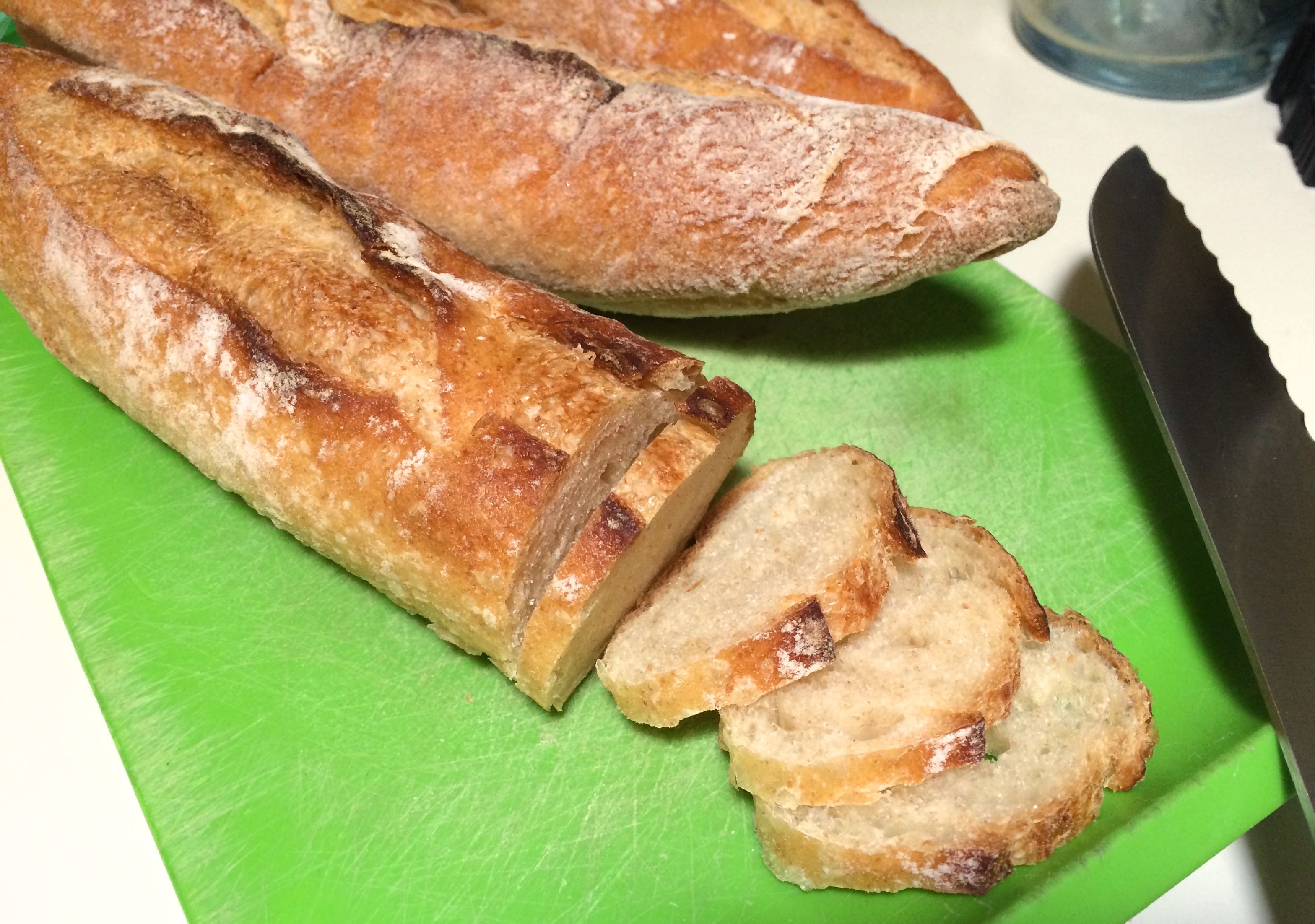
The perfect base for several styles of pintxos is Baja Arizona’s own Barrio Bread baguette, which can be cut in different shapes to suite each different pintxo. (MABurgess photo)
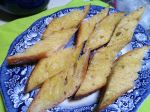
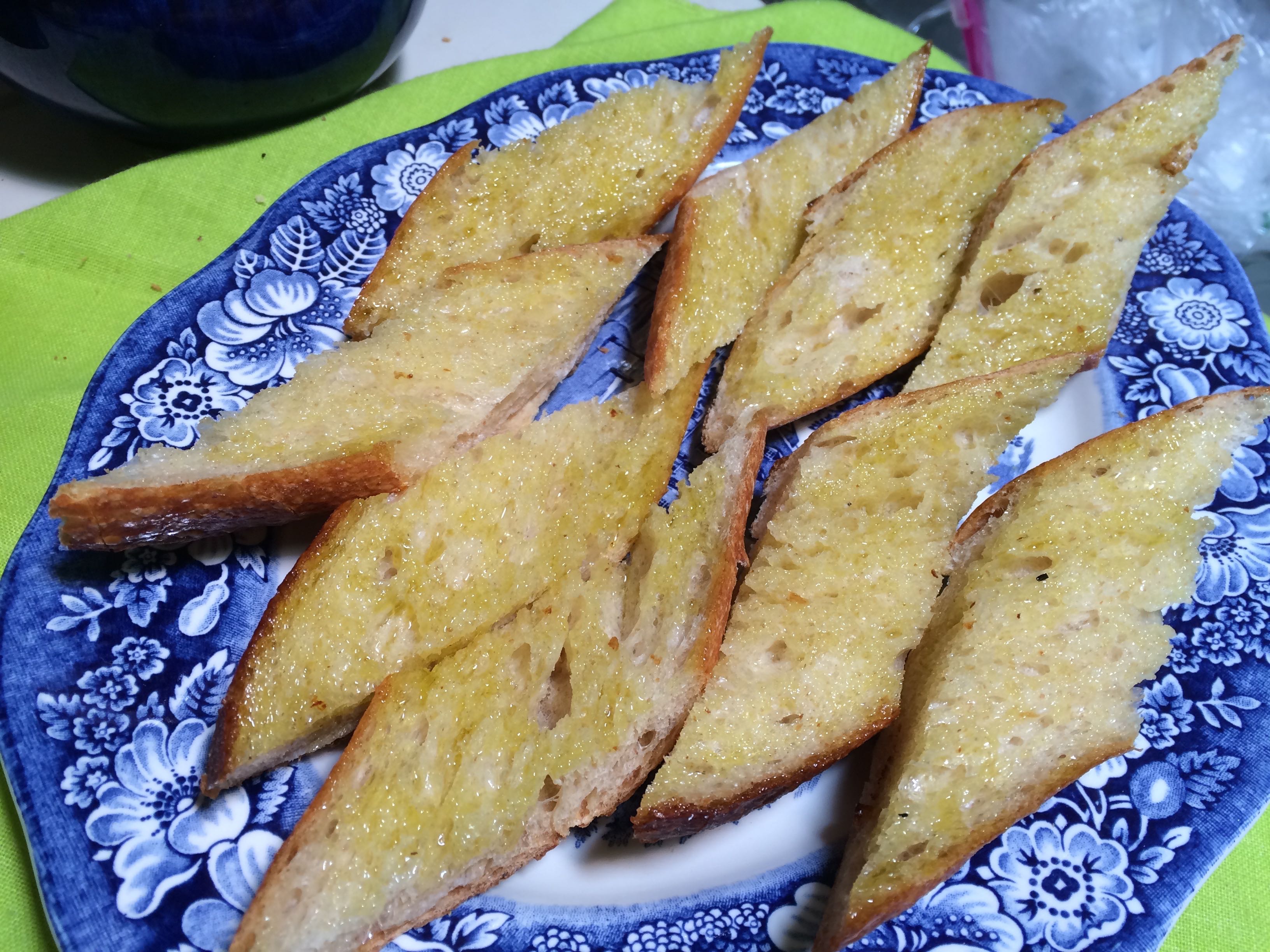
These baguette slices for other pintxos I cut flat then diagonally to make diamond bases for the Asparagus Spear Pintxos. (MABurgess photo)

I went to Don Guerra of Barrio Bread to find our best local equivalent of the bread the Basque are using in Spain for making pintxos.  Having been in Spain himself, he knew immediately and suggested his baguettes made with BKWFarms‘ heirloom organic Padre Kino White Sonora Wheat flour as our perfect pintxo bread.  Indeed it is! Barrio baguettes lend themselves to cutting in several different shapes, a distinct shape for each different pintxo style.

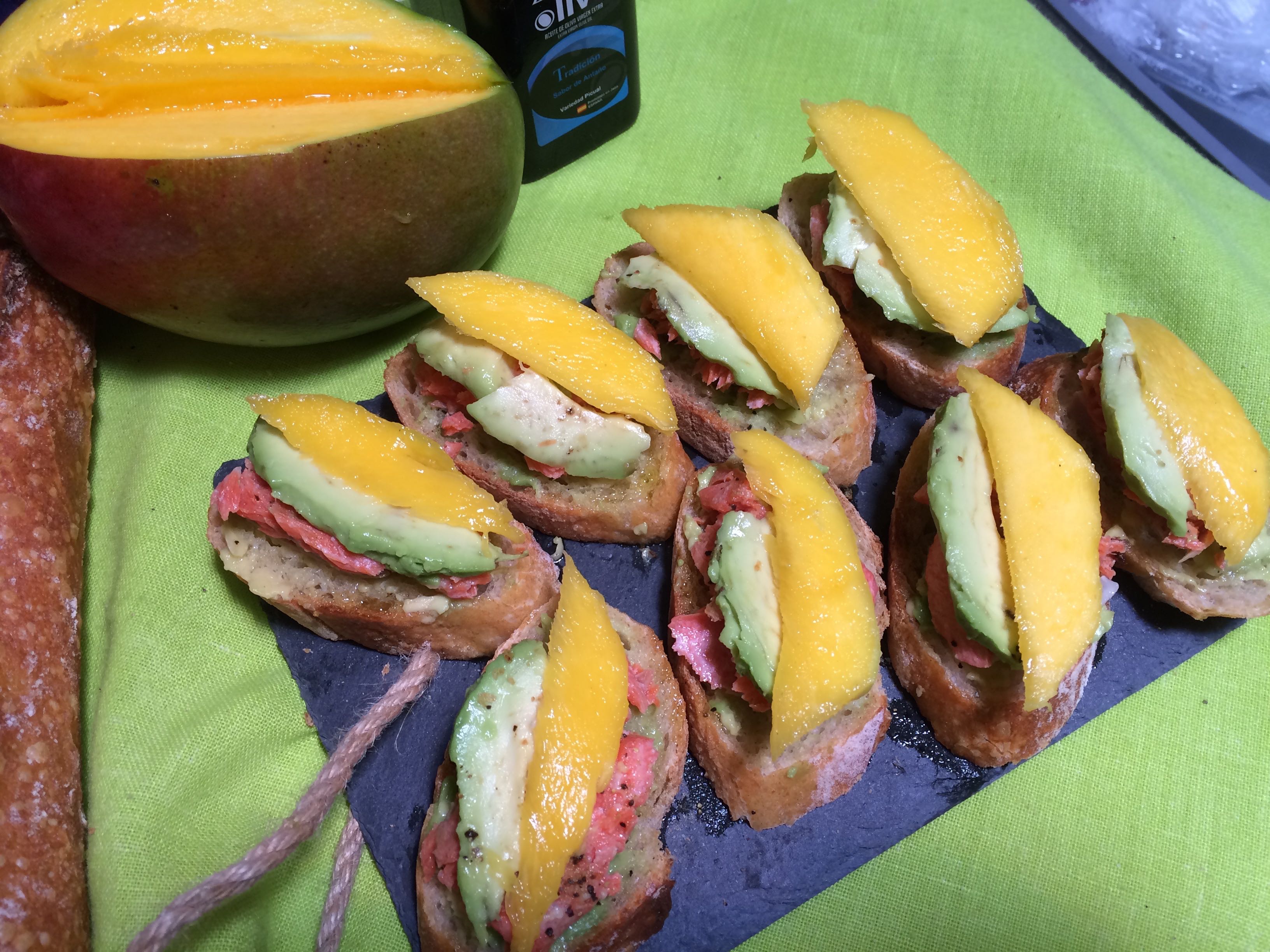
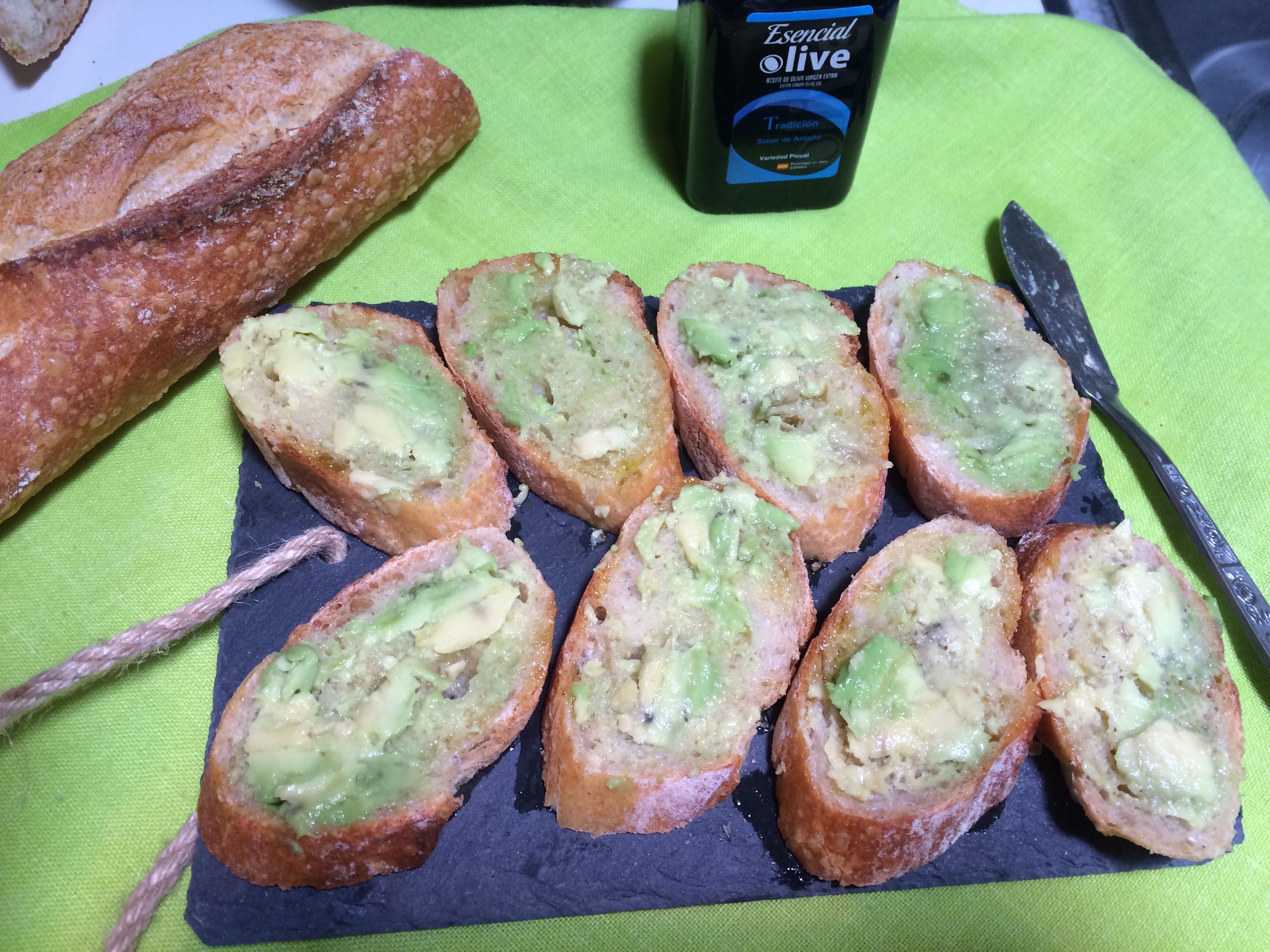
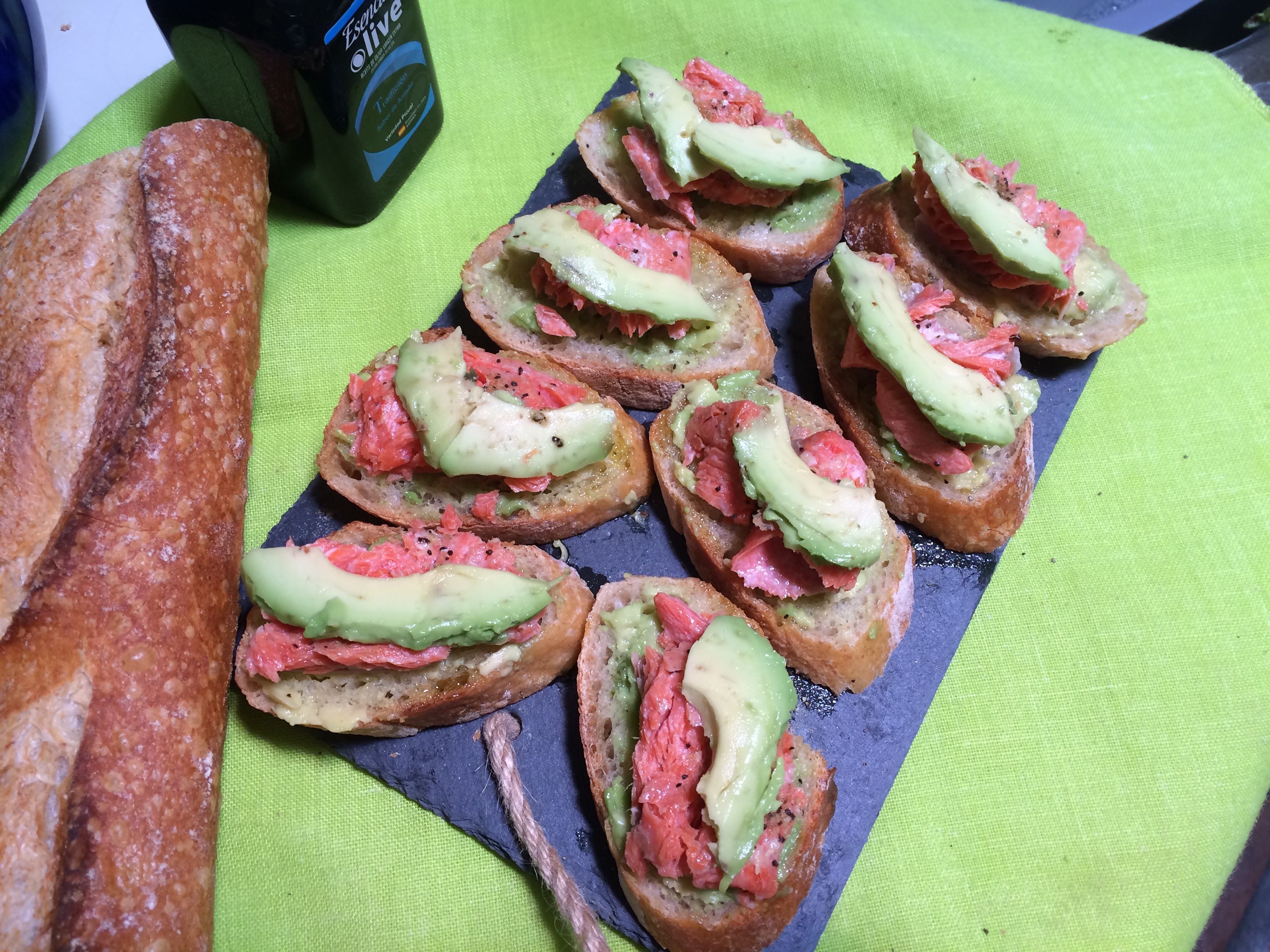
For the next pintxo–the Four-layer “Salmon in the Tropics” Pintxo–I cut the baguette at an angle to make elongate ovals as the pintxo base.
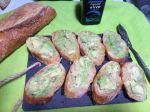
First step–to make the Four-layer “Salmon in the Tropics” Pintxo–spread avocado thinly on an oval of Barrio Bread baguette

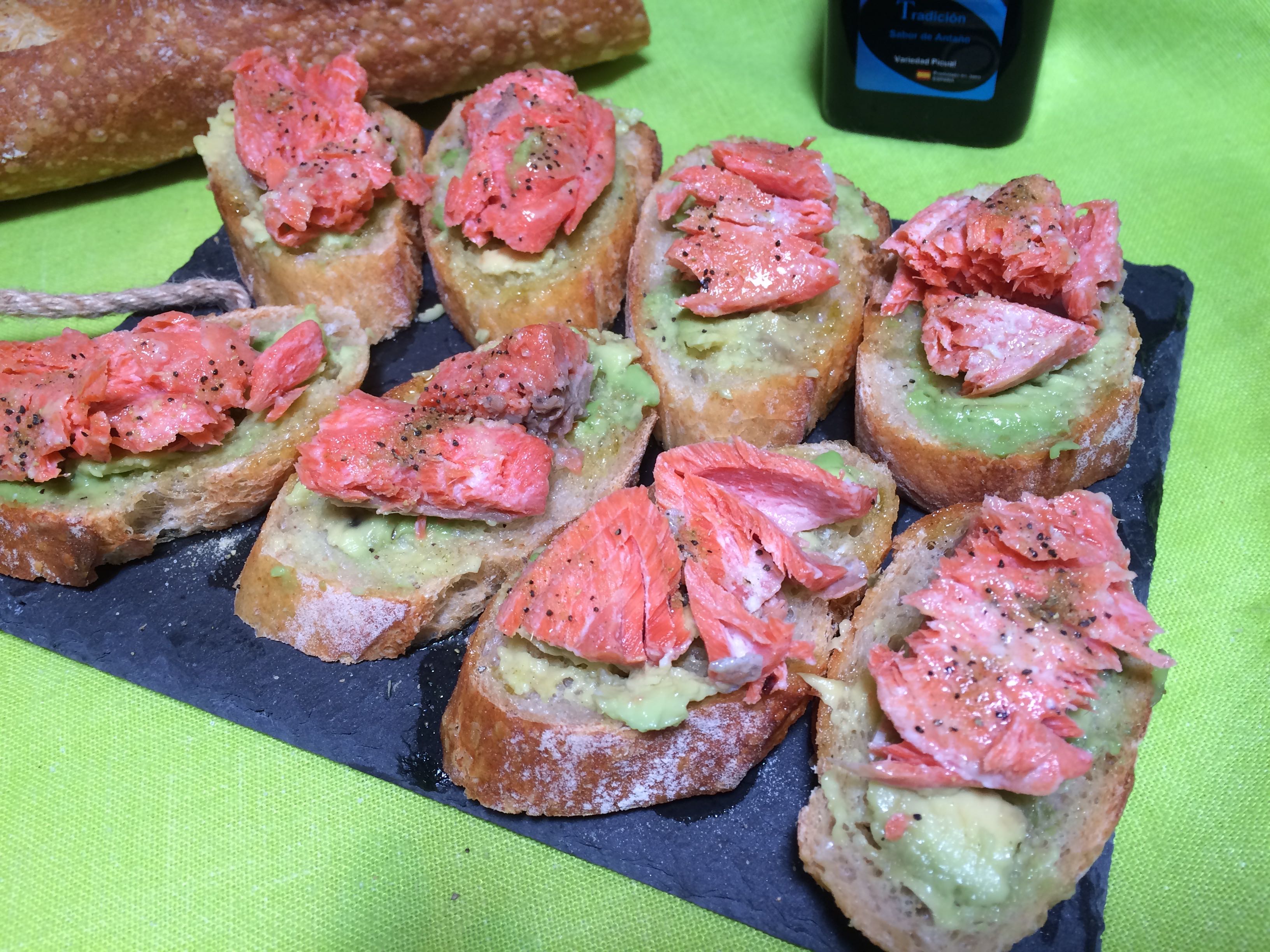
Step 2–spread marinated, cooked salmon thinly on the avocado layer

Step 3–place a thin slice of avocado right on the salmon

Step4–place a thin slice of fresh mango on the top (MABurgess photos)


So there you have the Four-layer Salmon in the Tropics Pintxo–a taste combo that I personally would never have thought of, were it not for the creative Basques.

If you aren’t hooked or at least amazed yet, here’s another fun pintxo idea, this time using our local asparagus and chorizo!  Have you ever heard of such an unexpected combination of flavors?  Well it really works!

Asparagus-Spears-with-Chorizo Pintxo

Chorizo-wrapped Asparagas Pinto–cooked in the solar oven! (MABurgess photo)

For this pintxo, you will need:

1) sliced diamonds of Barrio Bread baguette,    2)  fresh farmers market asparagus spears, 3) Mexican-style chorizo OR sliced Spanish-chorizo (available at Trader Joe’s or other specialty grocers) to wrap the asparagus, 4) boiled egg sliced, 5) topping of plain yogurt mixed with your favorite mild chile powder or Spanish pimenton powder.ch

Wrap asparagus spears in chorizo.  If you have Mexican-style chorizo, fry the chorizo-wrapped spears until chorizo is barely done then place on bread to bake in oven or solar oven.  If sliced Spanish-style chorizo is used, bake entire bread/asparagus/chorizo stack in oven or solar oven.  Bake pintxos until asparagus is al-dente (not too long, 300degrees 12-15minutes, or roughly 20-25minutes in a preheated solar oven).  Top with sliced boiled egg and Chile-yogurt sauce.

These pintxos are only the tip of the iceberg of ideas you can create with silvers of your favorite veggies, fruits, fish, or sliced cheeses and meats!  Try thin slices of  Mexican queso asadero melted into your pintxo or Spanish manchego cheese.   Or try a combo of thinly sliced sweet cajeta de membrillo (Sonoran style quince conserve*) and asadero cheese baked gently on a Barrio Bread baguette oval!

*Tucson’s Mission Garden is the place to learn about membrillo fruit and the delicious traditional Hispanic recipes for it.  During the fall harvest you can sign up for workshops to learn how to make your own cajeta de membrillo.
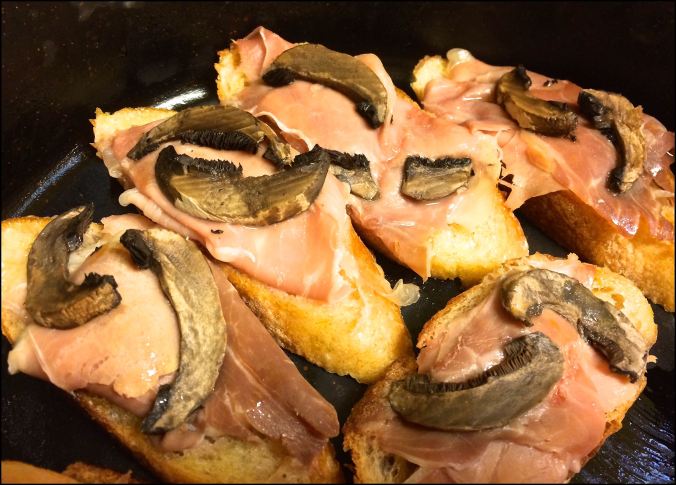
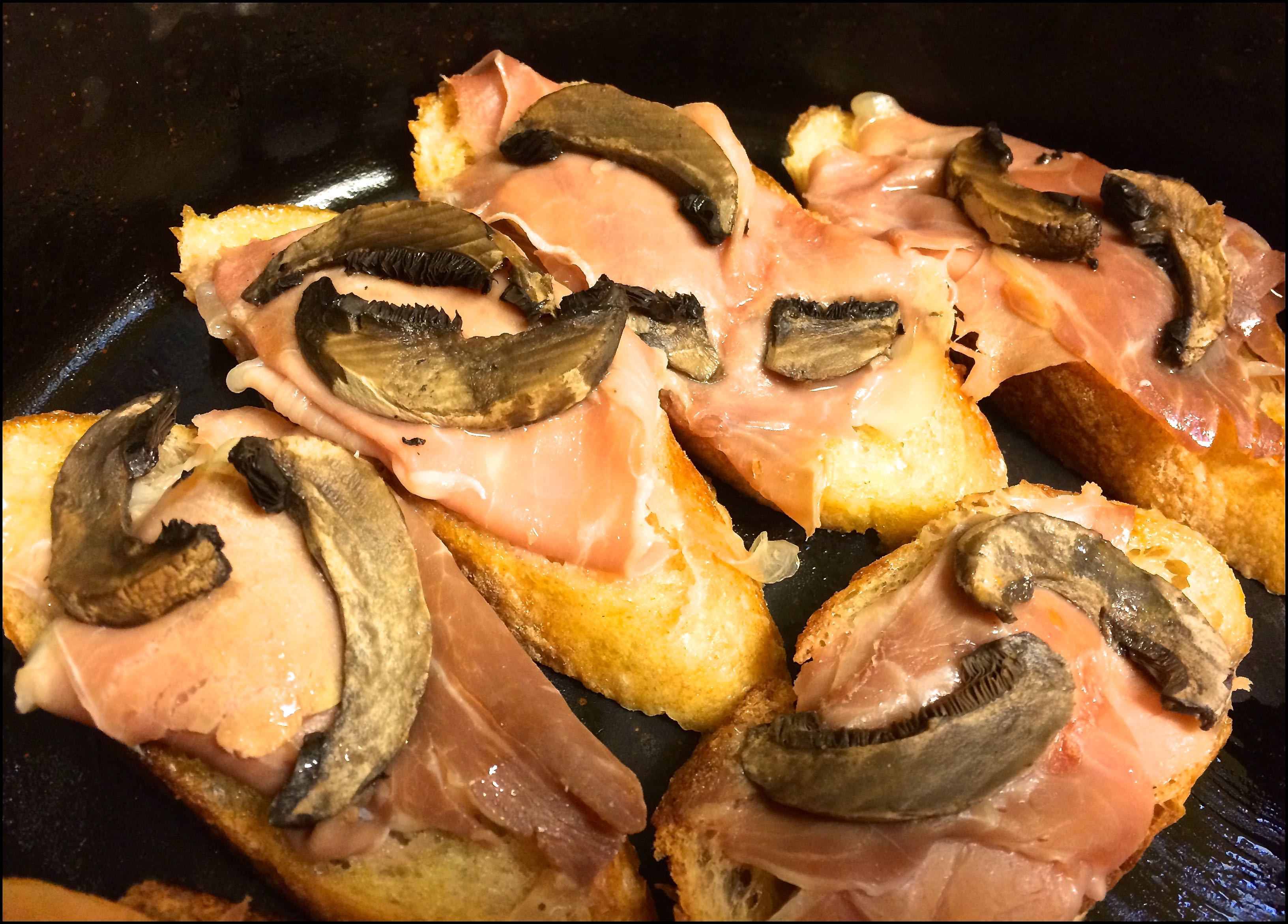
Best-yet pintxo: local thin-sliced ham on manchego cheese on Barrio baguette topped with farmers market mushrooms–and baked to perfection in solar oven (MABurgess photo)

For easy pinxto baking, reaping the gifts of our intense sun, you can order a sleek, easy-to-use solar oven from Flor de Mayo.  Check out www.flordemayoarts.com for a how-to video.  Tia Marta here encouraging you to enjoy new combinations of our local Baja Arizona provender in your own pintxo creations!

 

Awesome Amaranth

Jacqueline here with a confession. I confess I am not a fussy gardener. I prefer plants that I can plant and forget about until harvest time.  Likewise, in the kitchen, I prefer foods that are easy to prepare, needing few steps to provide a satisfying meal. Lucky for me the Sonoran Desert abounds in such plants, and amaranth is just one of them – great in both the garden and kitchen.

amaranth 2709238_1280

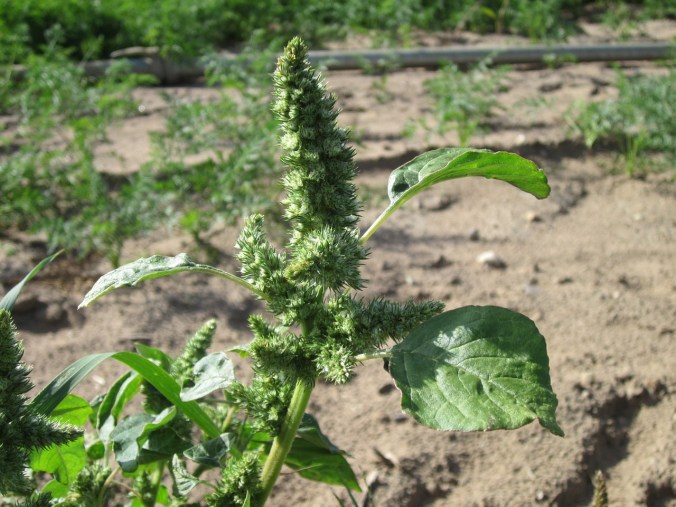
There are over 60 species of amaranth, and while several species are considered weeds, many people around the world value amaranths as vegetables, for the seeds, for dye, and as ornamentals. Amaranth grows best in the heat of summer, and it is not too late to plant some.

Some species of amaranth are eaten as greens – and are anything but green! Foliage ranges in hue from crimson, to red, to vivid magenta, all due to natural pigments called betalains. Whatever their color, they are a very good source of vitamins including vitamin A, B3, B6, C, vitamin K, and folate, along with dietary minerals calcium, iron, magnesium, phosphorus, potassium, zinc, copper, and especially manganese.

amaranth foxtail 2769772_1280

The root of mature amaranth is a palatable parsnip-like vegetable. It is fine added to stews or cooked and mashed.

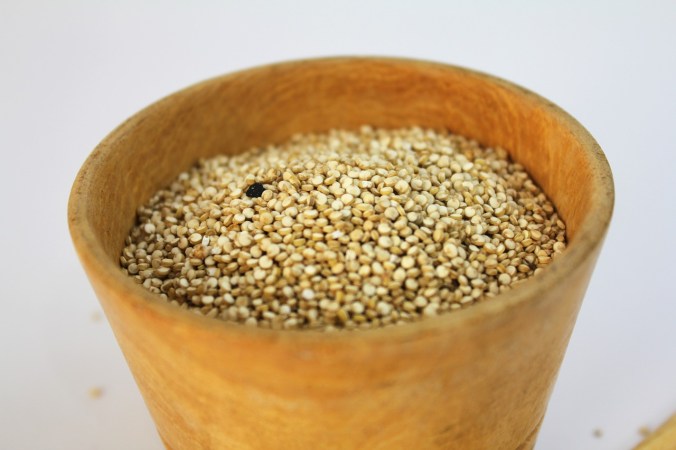
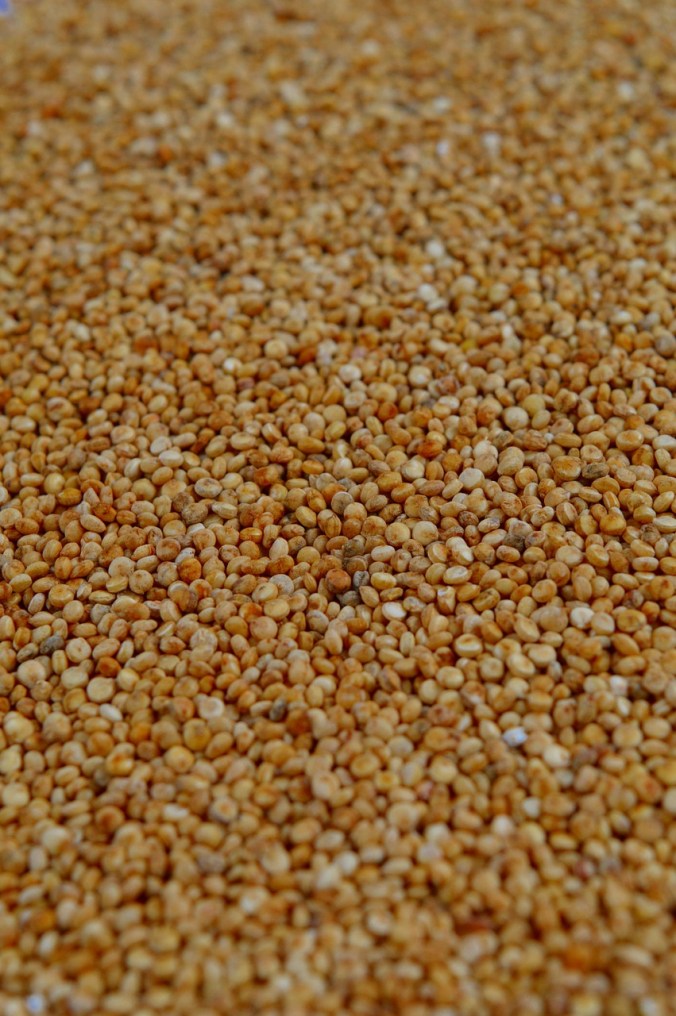
Amaranth seeds, like quinoa, teff, and buckwheat, contain “complete protein” (a complete set of the amino acids needed by humans). These examples are called “pseudograins” because of their flavor and cooking is similar to grains, but unlike grain, they do not contain gluten. (By the way, “true” grains are in the grass family.) As with rice and other grains, use two cups liquid to one cup seeds.

quinoa 1243592_1280

Amaranth is related to quinoa.


Amaranth greens and seed are used as a tonic in Chinese medicine for their richness in minerals and vitamins – to help the body recover from a variety of ills, including infections, rashes, and migraines.

In India, amaranth is recommended for people with low red blood cell count. Several studies have shown that amaranth seed and amaranth seed oil may be of benefit for those with hypertension and cardiovascular disease; regular consumption reduces blood pressure and cholesterol levels, while improving antioxidant status and some immune parameters.

Amaranthus retroflexus 844463_1280

Young amaranth leaves are tasty right off the plant, in salads, or they can be steamed as a potherb. In Greece, their native green amaranth (Amaranthus viridis) is used in a popular dish called “vleeta.” Leaves are boiled, then served with olive oil and lemon, usually alongside fried fish.

Amaranth grows very rapidly and their large seed heads can weigh several pounds and contain a half-million seeds. Mature seed heads of amaranth are ideally harvested while still somewhat green, before the bracts open to release the seed. Thus seed will drop where you can more easily capture it, like within a paper bag.

These seeds can be boiled, parched or even toasted much like popcorn and mixed with honey, molasses or chocolate to make a Mexican treat called alegría, which will have to be a topic for the future, or see the chapter Using Father Kino’s Herbs for a recipe.

greens and eggs 694677_1280

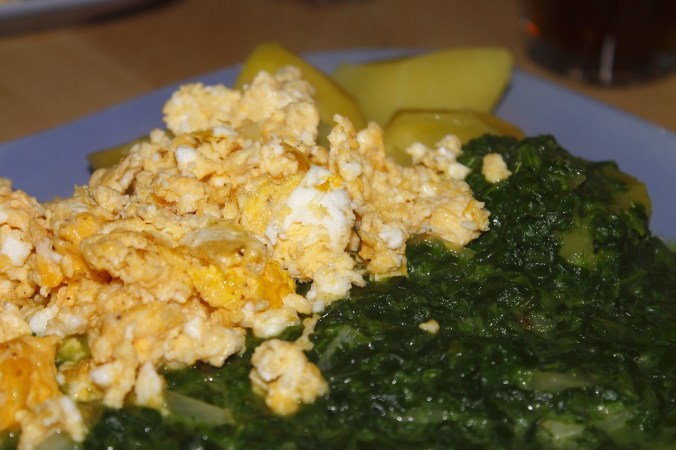
A quick dinner when you don’t want to heat the kitchen too much is steamed amaranth greens and scrambled eggs.

JAS avatarWant to learn more about growing amaranth? Look for my free lectures at your local Pima County Library branch, Tubac Presidio, Tucson Festival of Books and other venues. After each event I will sell and sign copies of my books, including Southwest Fruit and Vegetable Gardening (Cool Springs Press, $23).
© Article copyright by Jacqueline A. Soule. All rights reserved. Republishing an entire blog post or article is prohibited without permission. I receive many requests to reprint my work. My policy is that you may use a short excerpt but you must give proper credit to the author, and must include a link back to the original post on our site. Photos © Jacqueline A. Soule where marked and they may not be used.

Summer fruit: pickled figs, grape salad

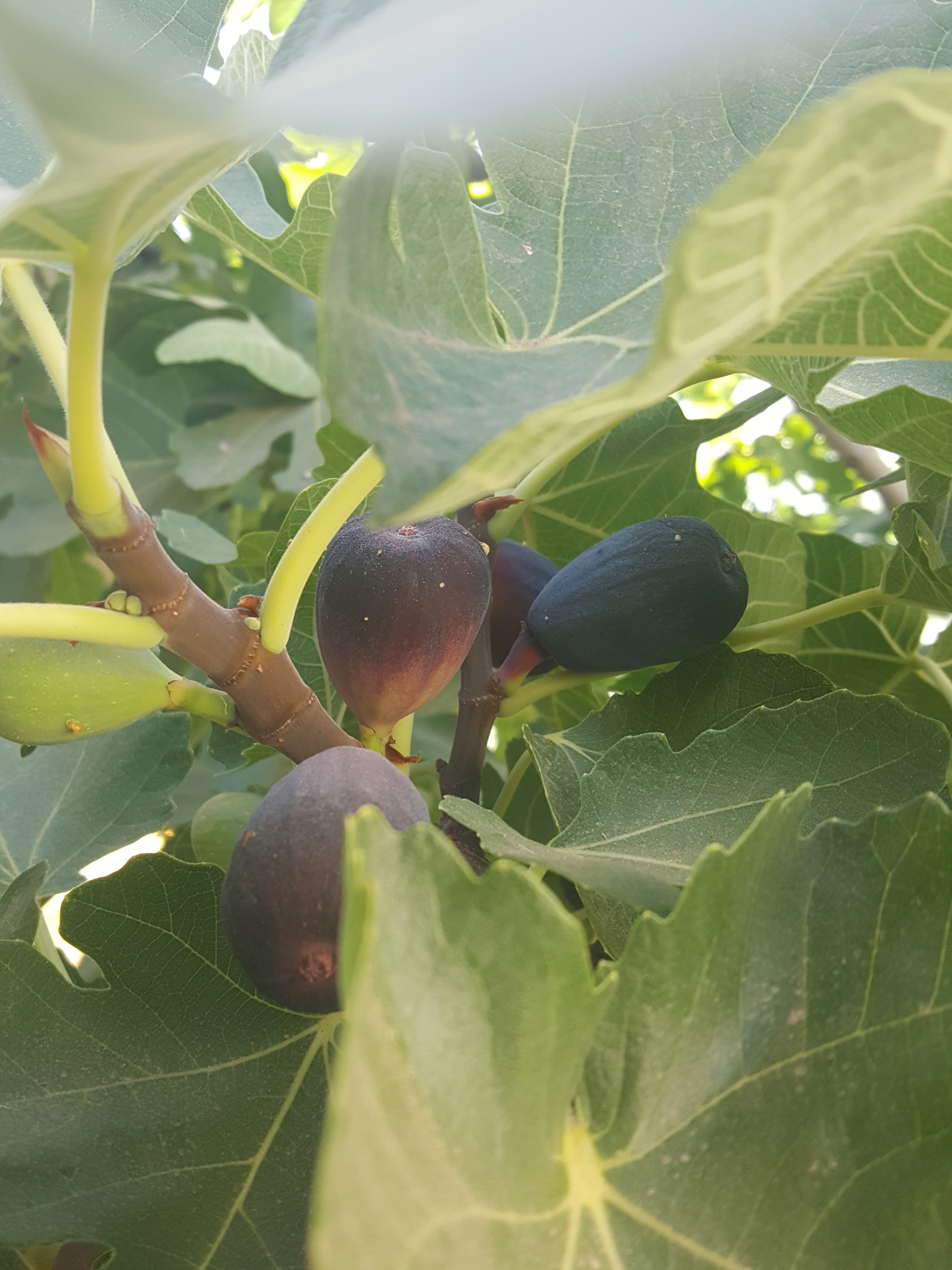
Hi, Amy here today, giddy with a pile of fresh figs and fresh grapes! The Black Mission figs are from a very old tree in my mom’s yard.

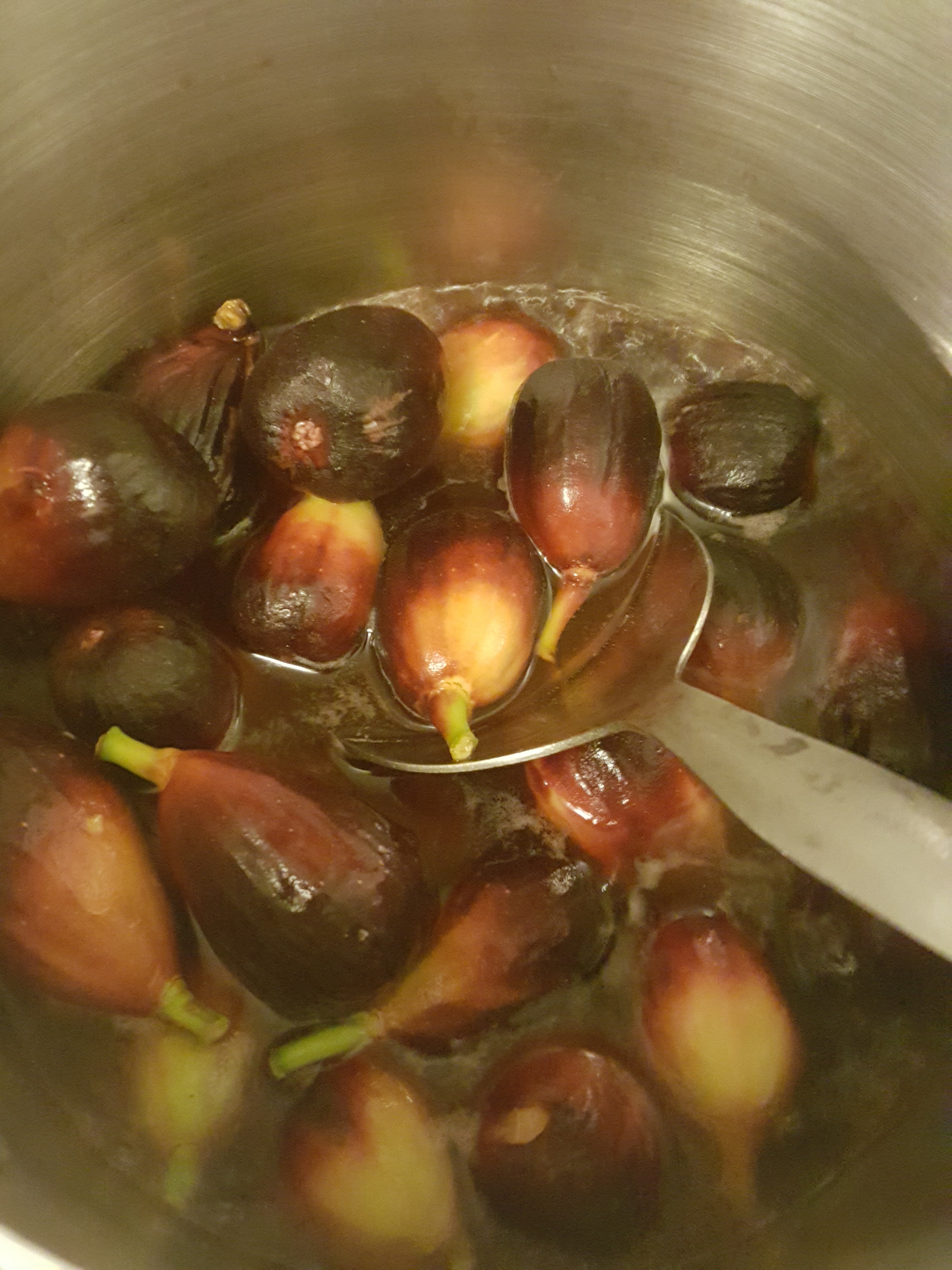
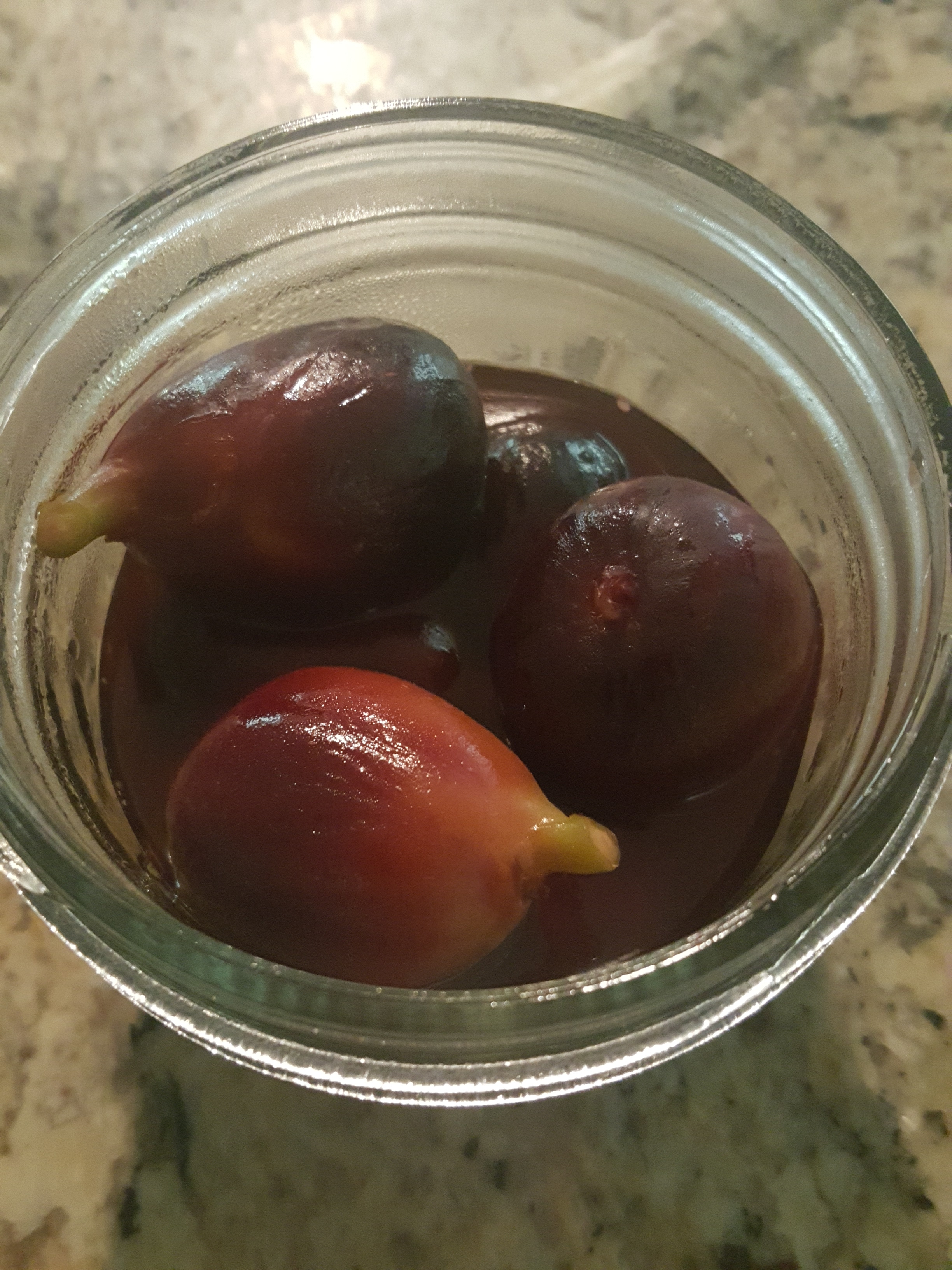
My mom dries them in a hot car and freezes them to preserve. This year I decided to try pickling some. I poured about one cup red wine vinegar into a pan, along with two tablespoons sugar and a teaspoon salt. Then I tossed in about a dozen fresh but firm figs and brought them to a simmer. I’m sure honey instead of sugar is fine, and any vinegar would work as well. You could add more or less sweet or salt to suit your taste. Quick pickles are as forgiving as they are delicious.

After simmering for a few minutes, I let them cool in the liquid. I refrigerated the figs and brine together, where they softened and darkened a little more. Perfect.

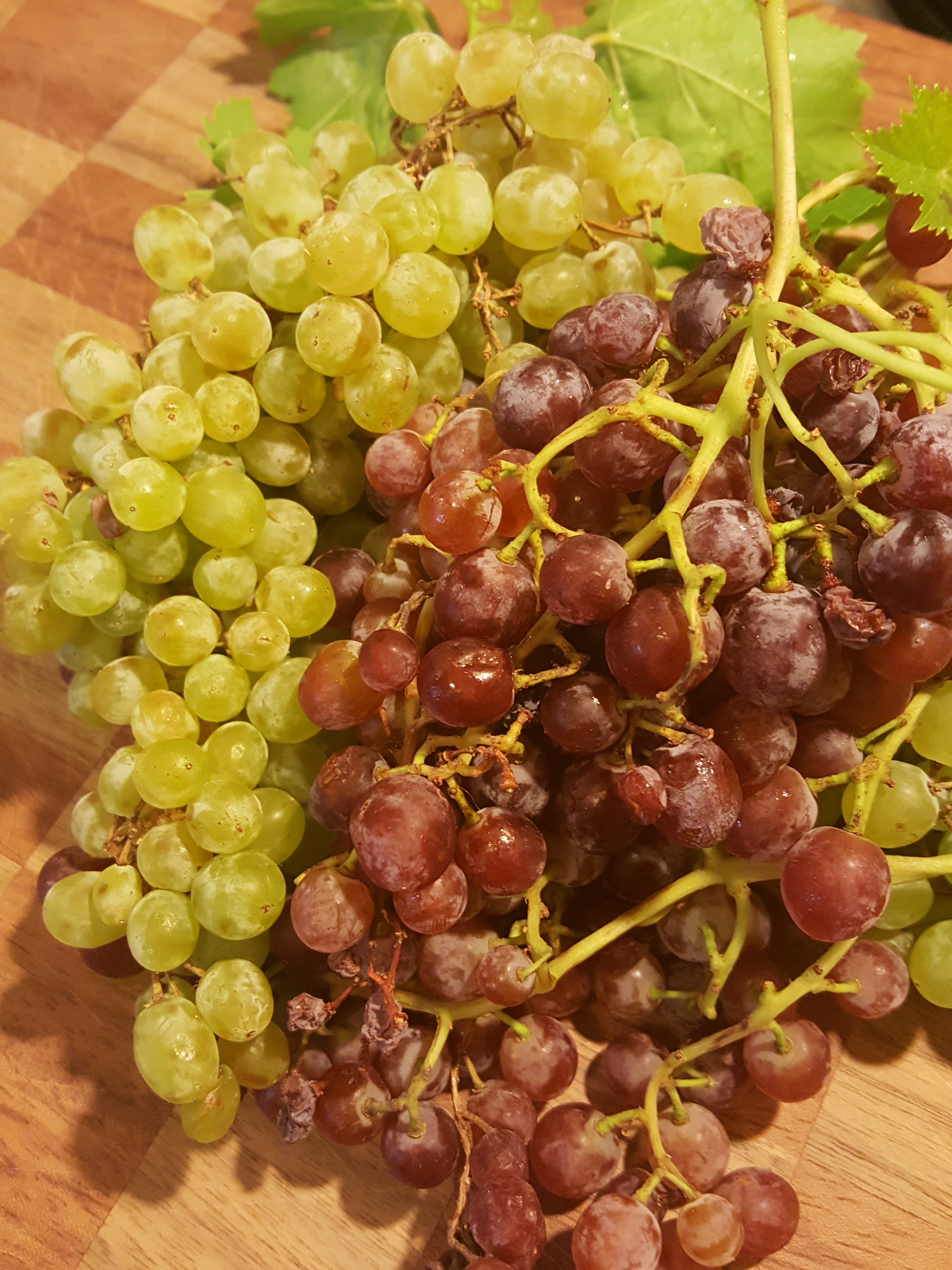
A few days later, a friend shared some seedless grapes from her garden. Amazing!!!! You can see some turning to raisins on the vine.

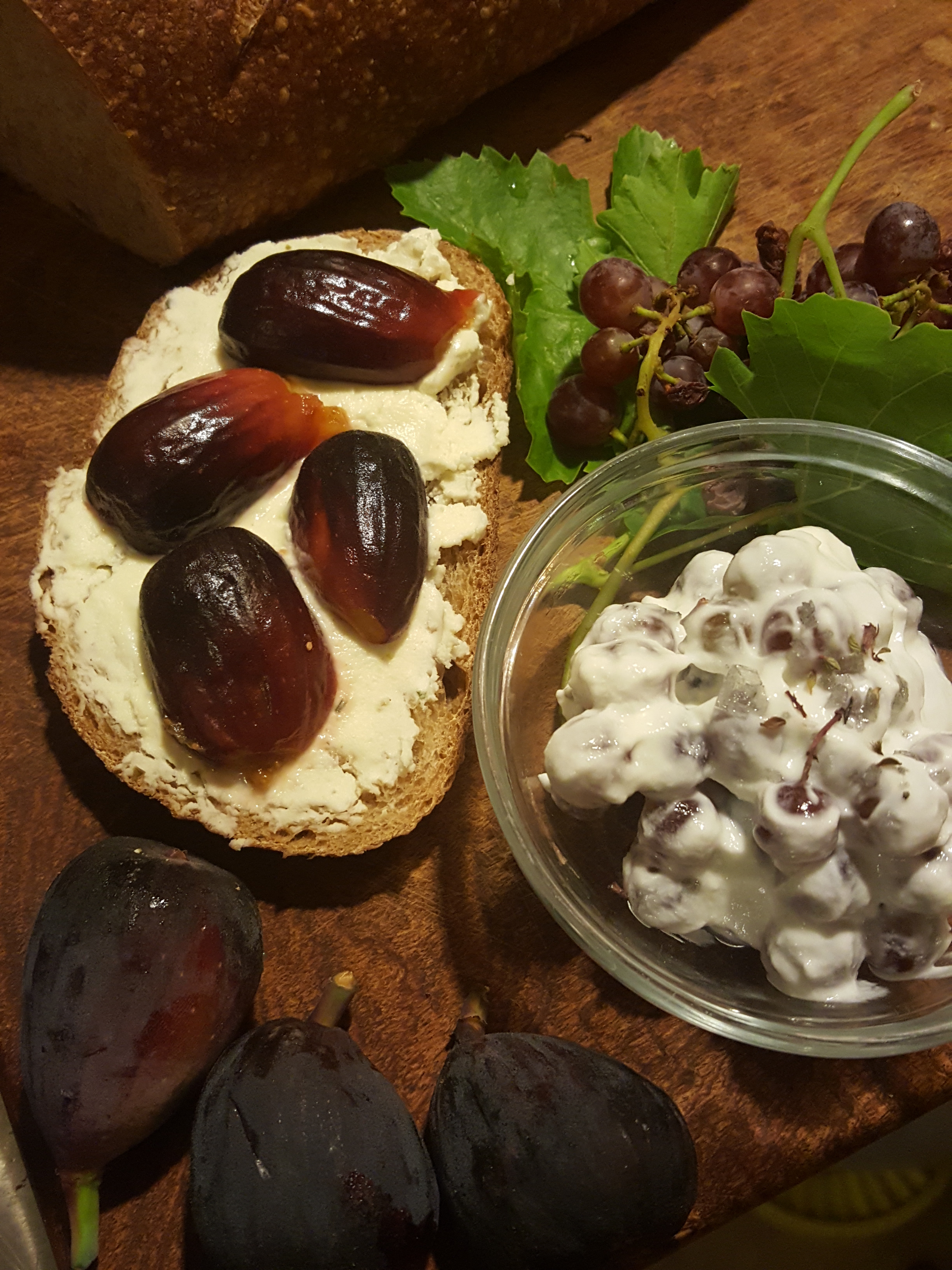
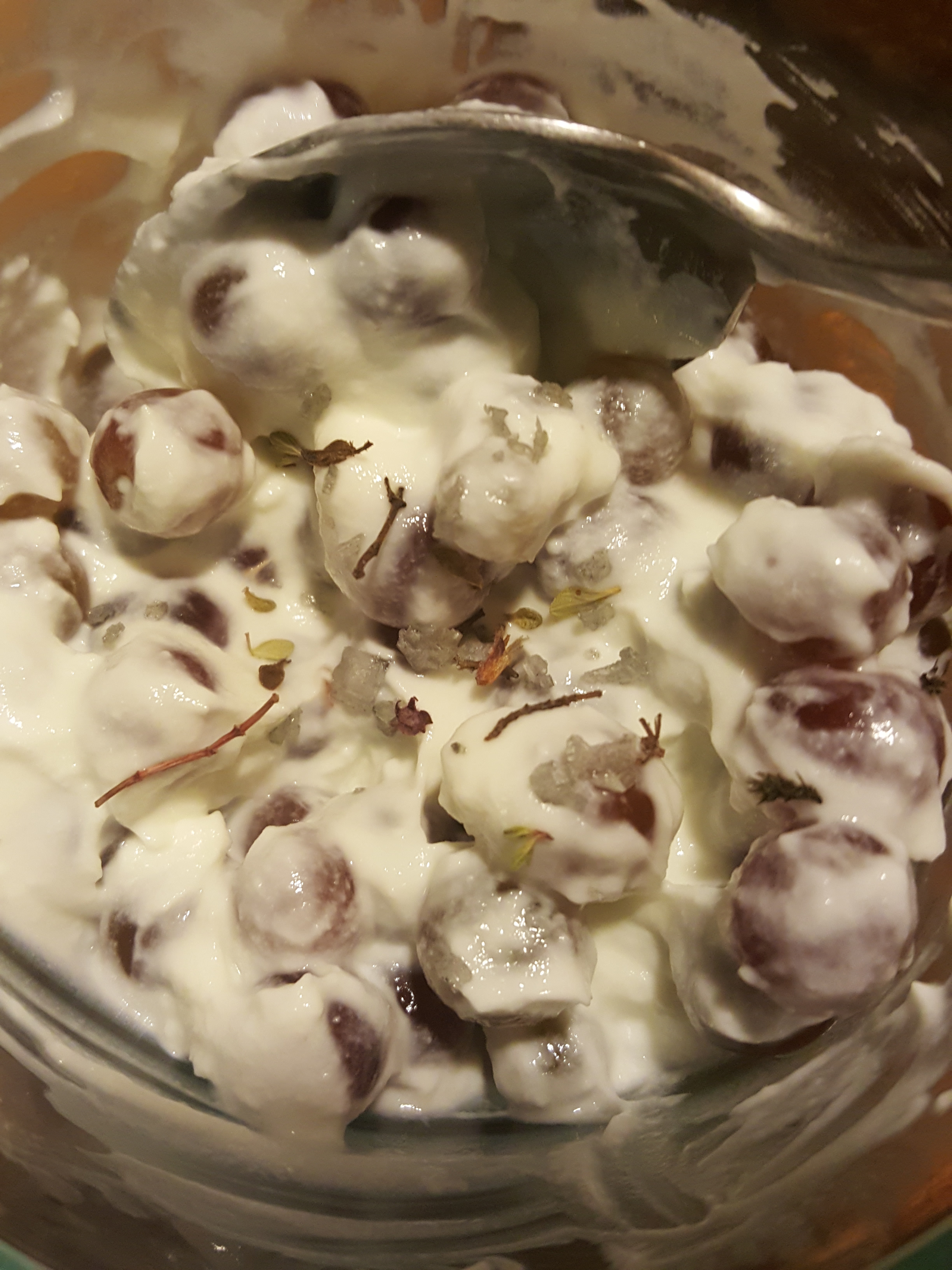
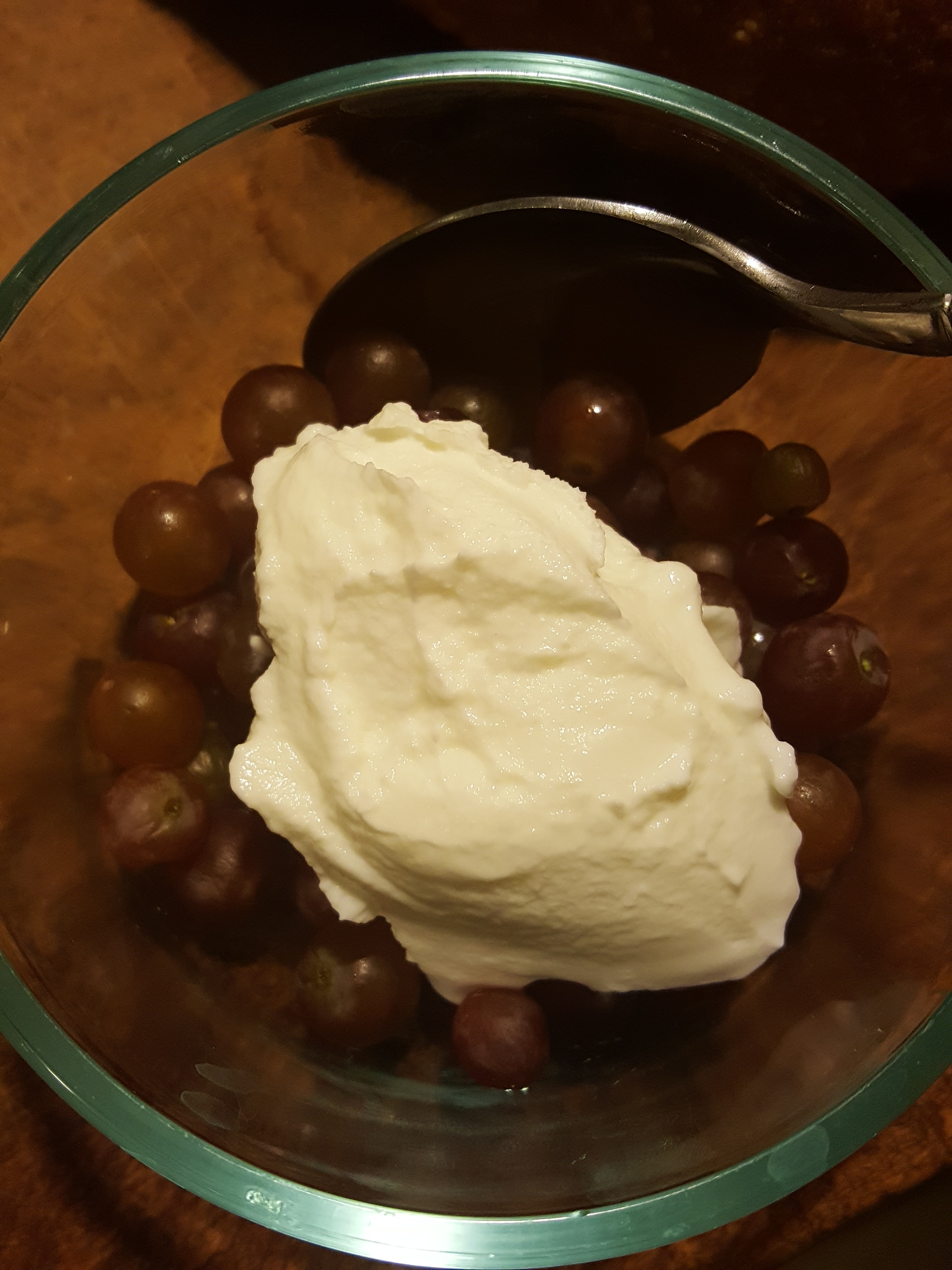
For a fresh, light meal, I put stemmed grapes with some tart Greek yogurt.

I sprinkled some sea salt thyme blend and called it a salad. Of course, any salt and herbs would be wonderful here.

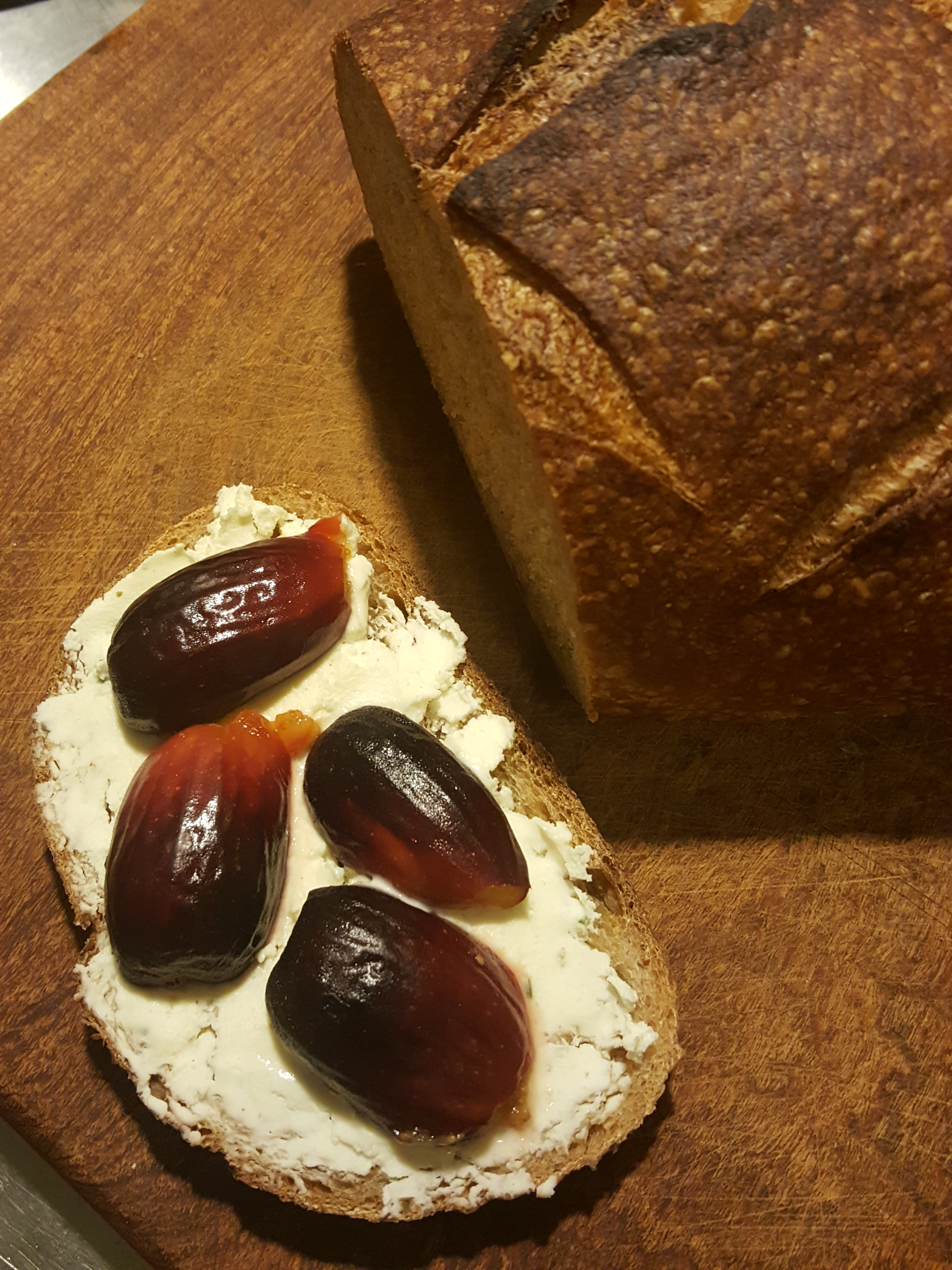
For a sandwich, I spread Black Mesa Ranch goat cheese with herbs on a slice of Barrio Bread whole wheat levain (both from Tucson CSA) and topped with halved figs. Dinner to eat while watching the clouds and sunset.

Here’s to hoping for more summer rains in the desert!

Heirloom Cowpeas for a Summer Garden Surprise

You are in for a treat this summer–don’t wait until New Year’s Day feasting.  If you have “black-eye-pea prejudice,” or if you have never tasted a FRESH black-eye-pea, read on!  Black-eyes will be a reward for your palate–and positive reinforcement for the novice gardener.  First, action is needed:  With monsoon moisture it is time to get those seeds in the ground!  Tia Marta here to share some hot-weather garden advice, recipe inspiration, with some historical spice, about the sweet and nutritious black-eye “pea” Vigna unguiculata.

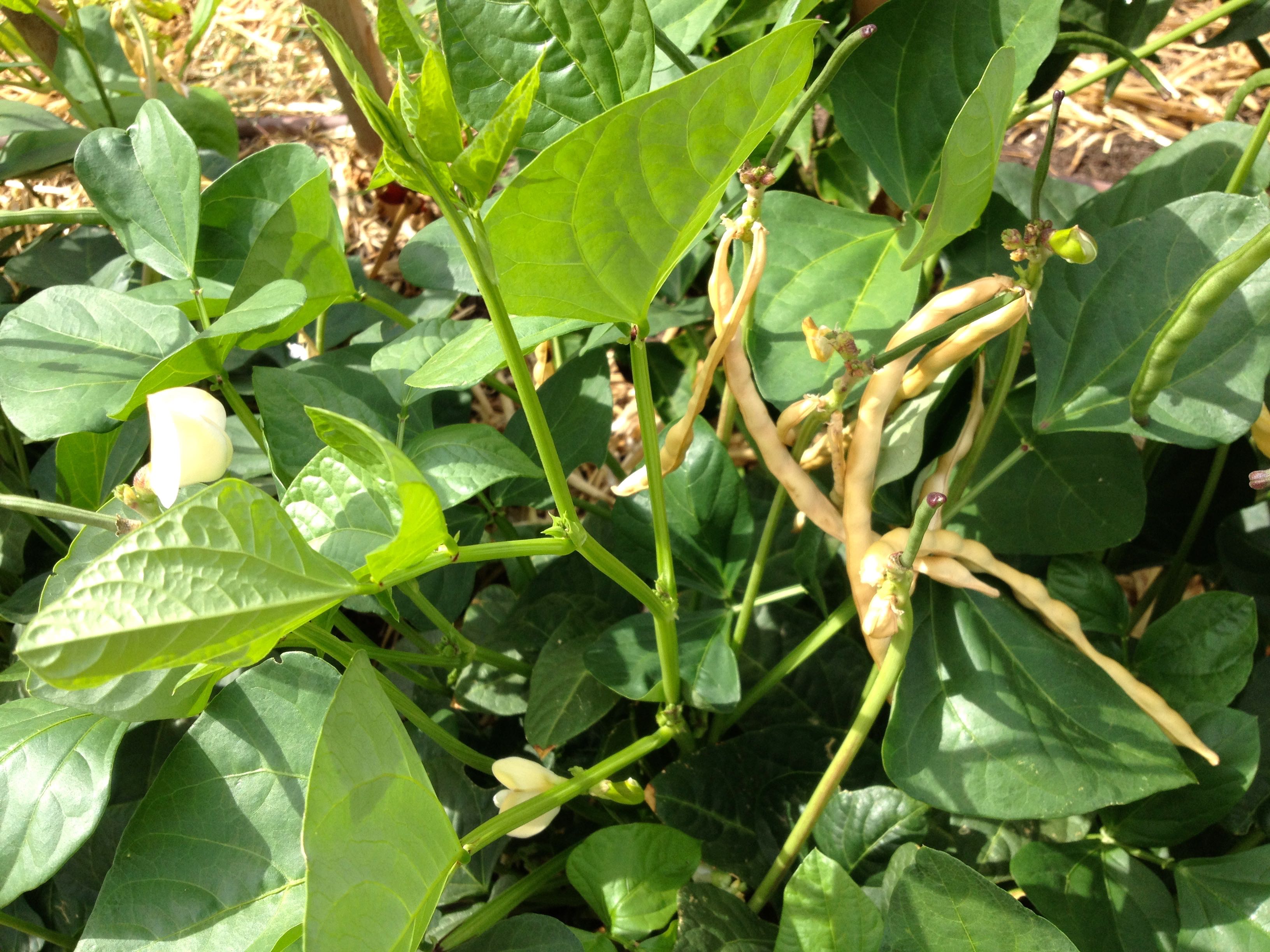
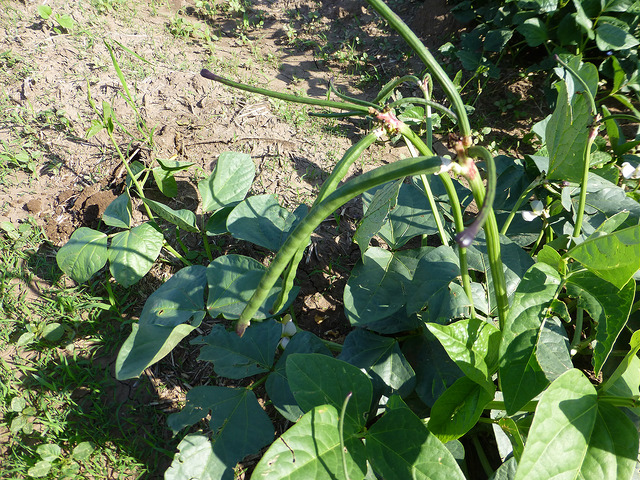
Lovely foliage, flowers, and pods of Tohono O’odham native black-eye pea U’us Mu:n maturing in a monsoon timeline garden at Mission Garden, Tucson (MABurgess photo)

A rose by any other name…..Really it’s not a pea at all!  (Here in Baja Arizona, true peas, English peas, Pisum sativum, must be planted in the cool season.)  Nor is black-eye a common bean either.  Other monikers for this frijol-like legume are cowpea (it used to be cow forage), and crowder pea (its fat seeds are packed against each other in the pod.)  Spanish called them frijoles de carete.  Cowpea varieties that became part of Chinese cuisine are called long beans.   The generic term for edible legumes including cowpeas is pulses, a term that nutritionists tend to use.

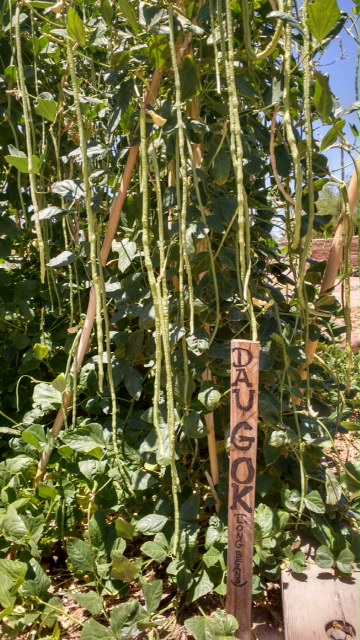
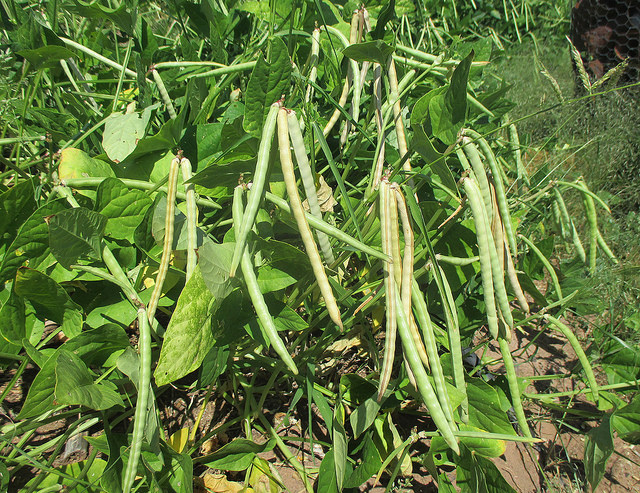
An amazing relative of cowpea– Chinese long bean–growing at Mission Garden in the new Chinese Timeline Garden, a Wong Family heirloom planted by Nancy Tom (DenaCowan photo)

Cowpeas were first domesticated in sub-Saharan Africa a few thousand years ago and made it on their agricultural-culinary odyssey to Spain during the Middle Ages, according to historian William Dunmire.  Cowpea came to the New World with Spanish explorers and arrived in the American Southwest with Padre Kino around 1706  (according to Bolton’s 1948 translation of Kino’s journals.)  Native People of what is now northwest Mexico and the US Borderlands quickly adopted this sweet, nutritious food.  It dovetailed perfectly into their traditional summer temporal gardens, their bean staples, and their taste buds.

Over years of selection for color, flavor, and adaptation to arid agriculture, the Mayo, Pima Bajo, Tarahumara and other Native farmers shaped this Old World gift into different colorfully-patterned landraces.  The Tohono O’odham, with selection, altered their adopted variety into a spotted vivid black and white bean, naming it U’us Mu:n or “sticks-bean” because the pods are long, straight or curvy, and clustered.  The Guarijio and Mountain Pima (now of Sonora) named theirs Yori Muni meaning “foreigner’s bean” as yori is slang for something akin to “gringo.”  (Names can reveal alot.)  Mexican and Anglo pioneers and later African-Americans continued to bring “new” varieties of black-eye peas into the Baja Arizona borderlands–which all thrive in our humid hot summers.

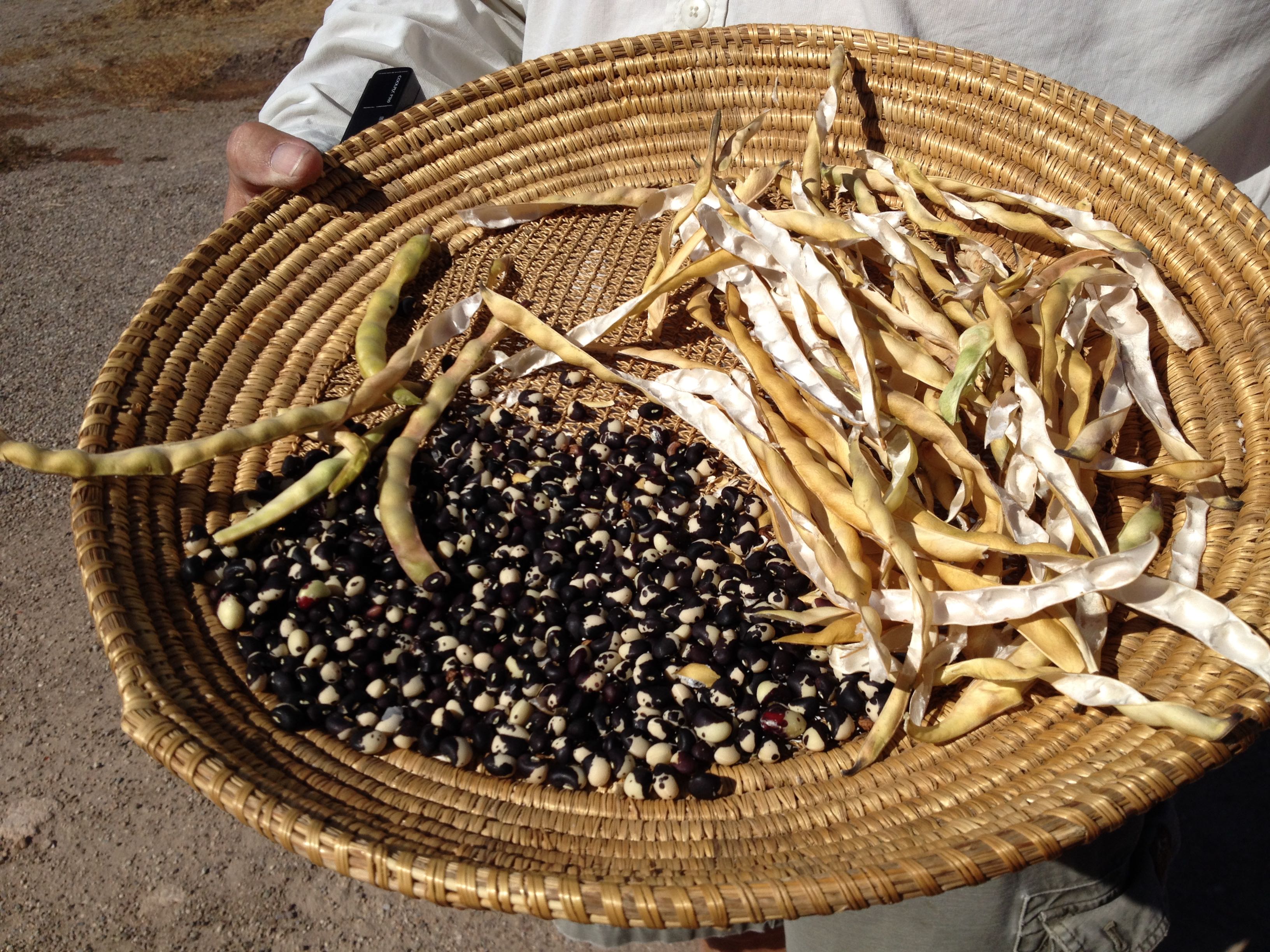
A rich harvest of Tohono O’odham U’us Mu:n grown at Mission Garden from seed saved by NativeSeedsSEARCH (MABurgess photo)

Your monsoon garden is bound for success choosing from NativeSeedsSEARCH’s many heirloom cowpea varieties –known success stories in the Southwest.  The seeds will be up in no time and flowering, great for gardening with kids.  Down below soil level cowpea roots will be feeding the earth with nitrogen.  Above ground they feed us well.  When pods are plump with seed, before they dry, harvest and cook the seeds fresh.  When you taste fresh black-eyes your eyes will roll back in ecstasy as your tummy goes “whoopee!”  After they dry, they can be kept for months, even years, but New Year’s is a good time to share them for good luck.

A prolific producer is pioneer heirloom Bisbee cowpea saved by NativeSeeds/SEARCH, available at the NSS Store (NativeSeeds/SEARCH photo)

My favorite dish is a simple compote of cowpeas with garden vegetables.  As cooking beans goes, cowpeas are much speedier than common beans, as they do not need to be presoaked, although soaking an hour before cooking does reduce cooking time.  I quick-sauté my onions, garlic, carrots and celery in a little olive oil, add them to cowpeas and soak-water in a dark lidded saucepan, and put them in the solar oven.  They will be done and smelling delightful in 2-3 hours, depending on the summer or winter sun during the brighter time of day.  You can also make a hummus with black-eyes for a cool summertime dip.

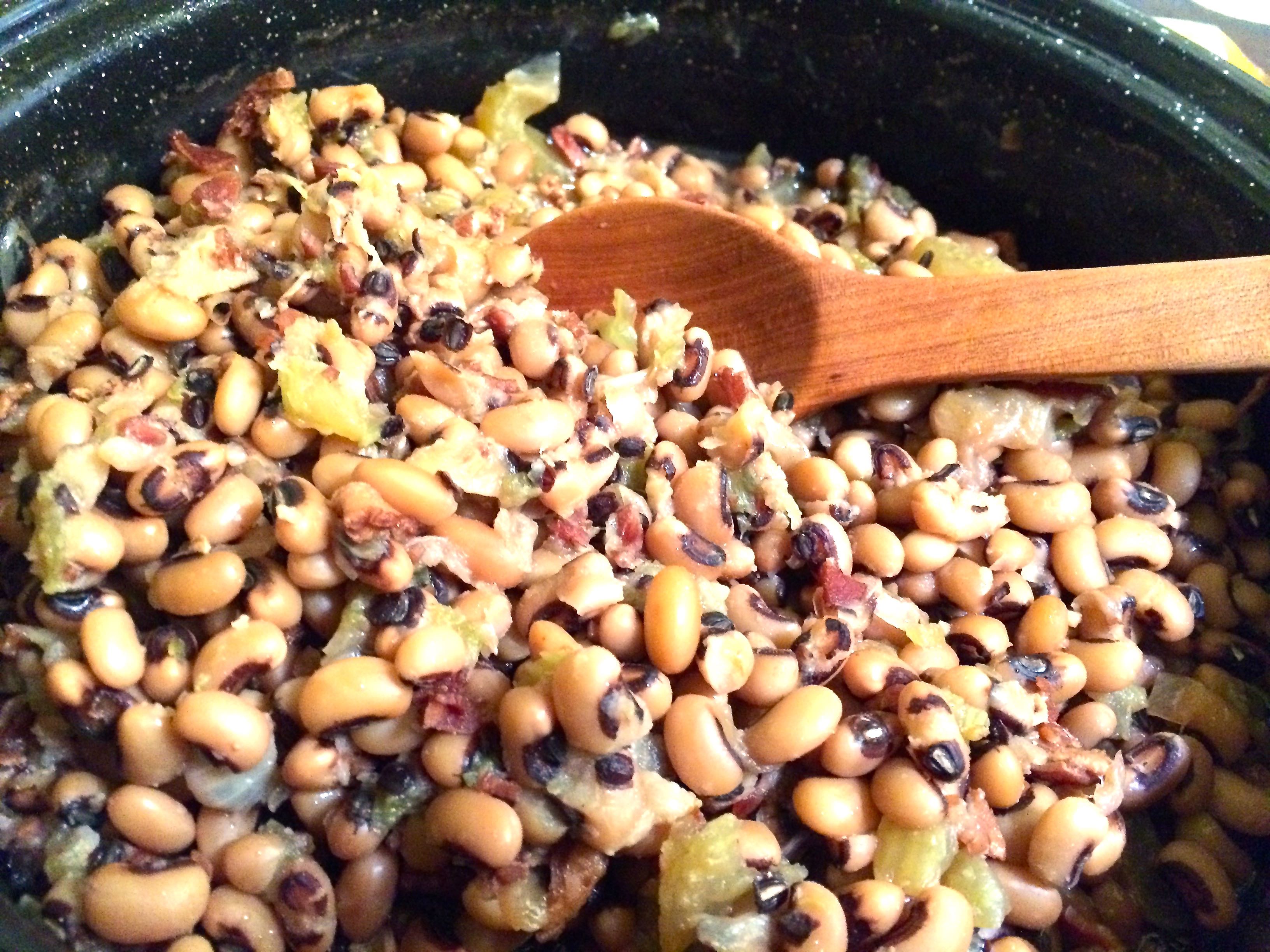
Black-eye pea compote with garden vegetables –cooked in the solar oven! (MABurgess photo)

We grew a red cowpea heirloom from NativeSeedsSEARCH one summer that had foot-long straight pods.  The refreshing green mass of foliage, flowers and pods sprawled across the garden and kept producing for weeks.

For a rainbow of cowpea ideas for your garden, go to www.nativeseeds.org, click on shop then enter cowpeas in the search box, or go directly to the NativeSeeds/SEARCH store, 3061 N Campbell and browse for instant gratification.  Prep your soil, pop seeds in the ground, add water and get ready for botanical action.  By late August you will be pleasing palates with your own home-grown cowpeas, black-eyes, crowders, u’us mu:n–fabulous food by whatever name you want to give them!  Savor Sister Jacqueline Soule discusses growing beans in our area on her site, Gardening With Soule here.

The colorful and reliable Tohono O’odham cowpea in the NSS Conservation Garden–U’us Mu:n (NativeSeeds/SEARCH photo)

Can you hardly wait to have such greenery and goodness in your garden?  All it takes is some seeds in the ground!  You can find even more detailed info about cowpeas at the NativeSeedsSEARCH blog and scroll down to May 14, 2018 post.  Tia Marta wishing you happy and prolific gardening with the monsoons!

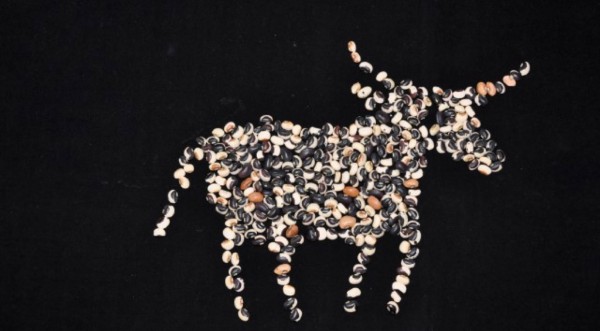
Mosaic of cowpeas created by NativeSeedsSEARCH aficionados (credit NSS)

Perennial Herbs for Honey

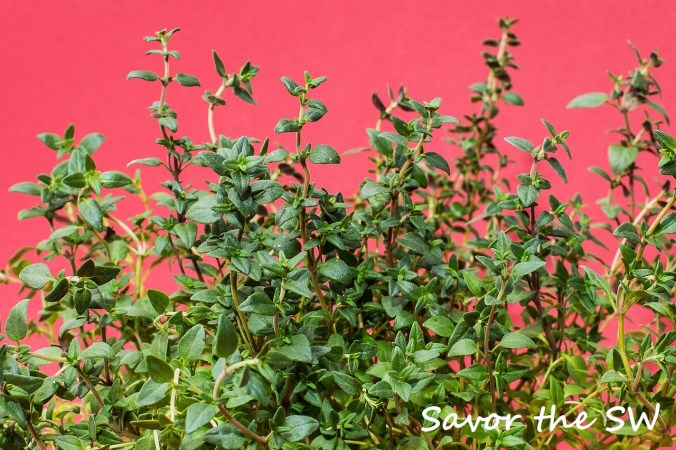
thyme 1781005_1280 savor

Thyme is tasty in the kitchen and a great herb for honey bees.

Jacqueline Soule here to discuss perennial herbs that can be grown in Sonoran home landscapes. Herbs that both honey bees and our native solitary bees – not to mention us humans – all use and enjoy.  I have been thinking about this topic a great deal as we celebrate National Pollinator Week the third week of June each year, plus June is National Perennial Plant Month.  (National Honey Month is September, so look for the honey recipes then!)

Yes, honey bees and native bees are disappearing.  Intense scientific research into the problem has led to the conclusion that there are many factors.  One culprit is pesticides, another is genetically modified organisms (GMO’s) in crops (Ecotoxicol. Environ. Saf. 2008. 70(2):327-33).  Air pollution makes it harder for honey bees to navigate and they get lost and die.  Habitat destruction threatens native species. All these factors point to one more reason to support organic farmers.  Plus grow some bee food in our own yards.

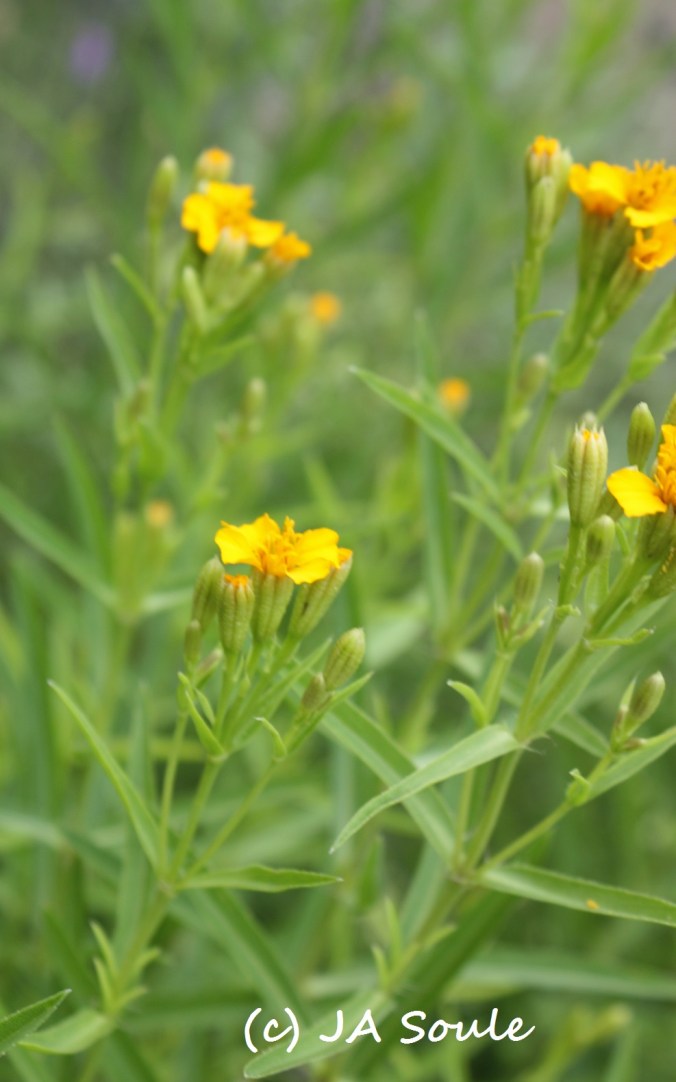
Tagetes lucida JAS 8392 web

Sweet marigold comes to us from the mountains of Sonora, and can be used in cooking anywhere it calls for tarragon.

I realize that a list of plants can be boring to read, but lists are very handy when you want to think about plants for your yard. We five Savor Sisters have written about many of these herbs over the years (since we started this blog in 2013) and I have inserted links where I could.

Perennial Herbs for the Southwest & Bees

yarrow (Achillea milifolium) – afternoon shade in summer
wild hyssop (Agastache species) – Sononran mountain natives
garlic chives (Allium tuberosum) – full sun to part shade

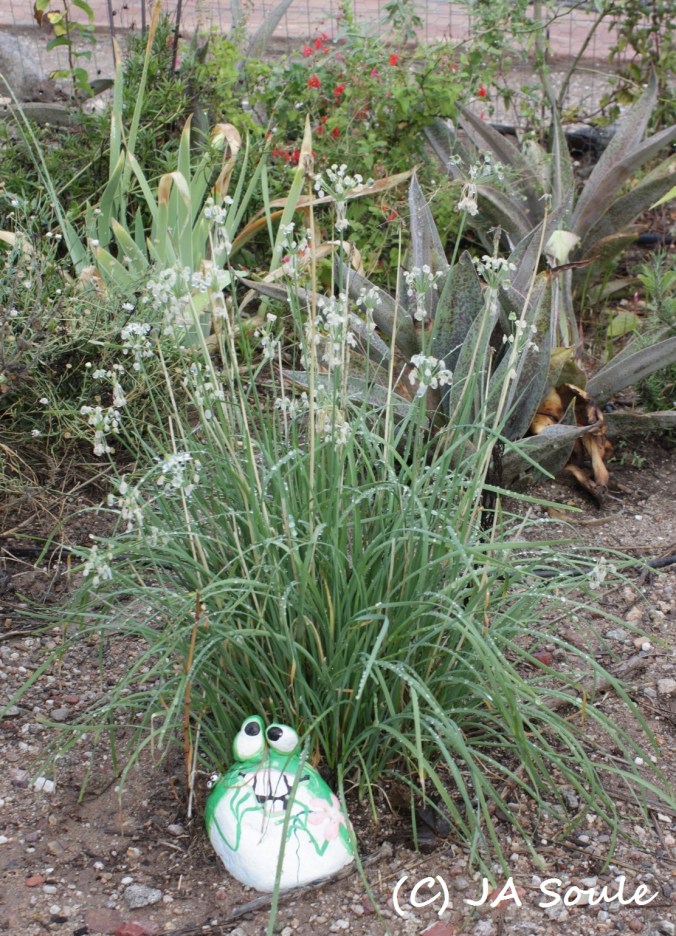
Allium tuberosum AMAP 4590 web

Garlic chives do just fine in alkaline desert soils. Harvest some leaves anytime you want a mild garlic flavor.

yerba mansa (Anemopsis californica) – best in a water garden
Arizona wormwood (Artemisia ludoviciana ssp. mexicana) – Sononran native
golden marguerite (Anthemis tinctoria) – afternoon shade in summer
chamomile (Chamaemelum nobile) – afternoon shade in summer
chiltepin (Capsicum annuum var. aviculare) – Sononran native, found under trees (Sorry folks – too many links!  We use this a lot!)
brittlebush (Encelia farinosa) – full sun, Sononran native
hyssop (Hyssopus officinalis) – afternoon shade in summer
French lavender (Lavendula dentata) – afternoon shade in summer
horehound (Marrubium vulgare) – afternoon shade in summer

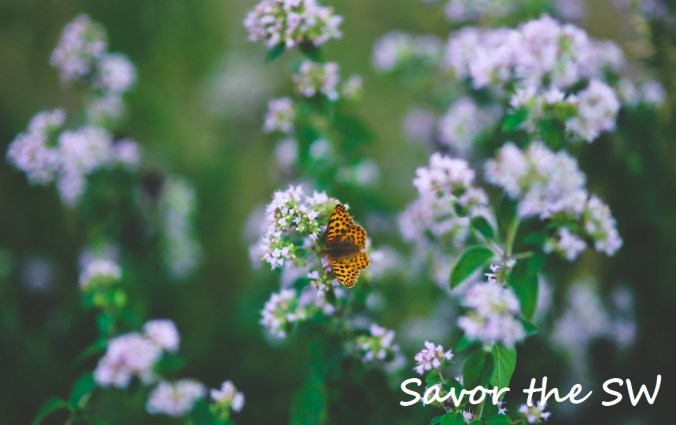
oregano 791486_1280 savor

Oregano is a charming plant for pollinators, and for cooking.

bee balm (Monarda species) – some species Sonoran mountain natives
marjorum (Originum majorana) – part shade
oregano (Originum vulgare) – part shade to full sun
slender poreleaf (Porophyllum gracile) – full sun, Sonoran native
rosemary (Rosmarinus officinalis) – sun to shade
wild rhubarb (Rumex hymenosepalus) – blooms in winter, dies back to storage root
rue (Ruta graveolens) – sun to shade
sage (Salvia officinalis) – part shade in summer
sweet marigold (Tagetes lucida) – great in a water garden or part shade
tansy (Tanacetum vulgare) – afternoon shade in summer
thyme (Thymus vulgaris) – afternoon shade in summer
valerian (Valerian officinalis) – afternoon shade, dies back to storage root
violet, heartease (Viola odorata) – full shade in summer

There you have it – 25 herbs I have successfully grown in my Sonoran Desert yard – with little tips for keeping them going. There are other herbs I could put on this list – but we haven’t covered them yet, so stay tuned for updates!

Wishing you, and your bees, a sweet Sonoran Summer!

yerba mansa 6276 web

Yerba mansa is a California native plant that has strong anti-bacterial and anti-fungal properties.

JAS avatarWant to learn more? Look for my free lectures at your local Pima County Library branch, Tubac Presidio, Tucson Festival of Books and other venues. After each event I will sell and sign copies of my books, including Southwest Fruit and Vegetable Gardening (Cool Springs Press, $23).
© Article copyright by Jacqueline A. Soule. All rights reserved. Republishing an entire blog post or article is prohibited without permission. I receive many requests to reprint my work. My policy is that you may use a short excerpt but you must give proper credit to the author, and must include a link back to the original post on our site. Photos © Jacqueline A. Soule where marked and they may not be used.
Featured image is slender poreleaf, Porophyllum gracile.


# # # # #