Mmmmm–Wish you could taste this hot and hearty heirloom bean soup! It hits the spot on this chilly desert evening. Makes me want to share the message of its goodness.
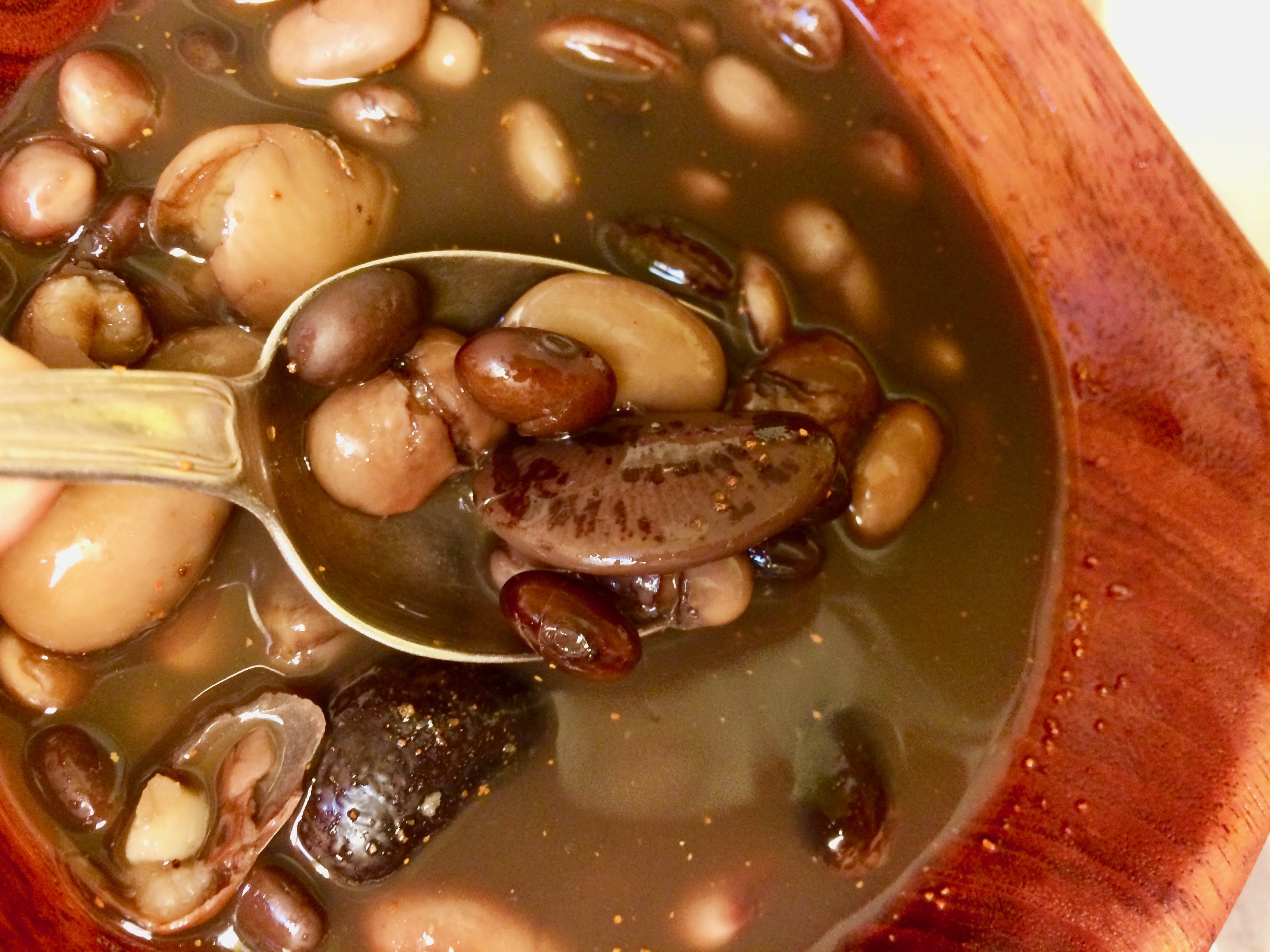
Piping hot and delicious Tom’s Mix heirloom bean soup warms the soul and enriches the body….
November is National Diabetes Awareness Month and diabetes is indeed now EVERYONE’s issue. WE ALL need to tune in to be aware of this increasing health problem, now of epidemic proportions especially here in the Southwest. The wonderful thing is that we CAN DO SOMETHING TO HELP by the very foods we serve each other–both for meals and snacks.
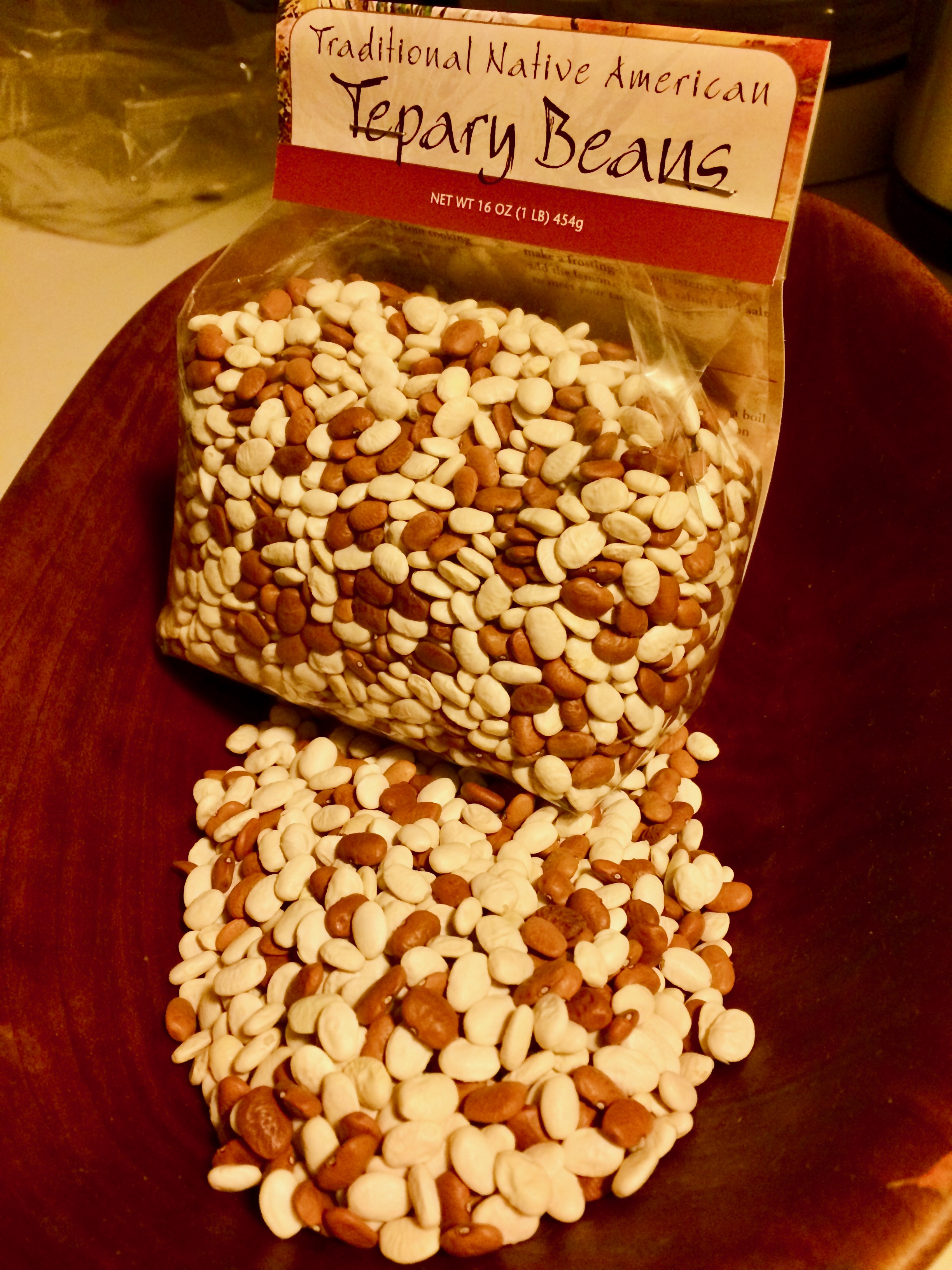
Southwestern Native tepary beans are among the lowest glycemic index foods, with published low figures of 30 to 44. In addition to great burritos, they also make a fantastic healthy hummus! (see recipe plus links to local sources for teparies below)
Tia Marta here with healthy recipes that diabetics can enjoy for pot lucks and drop-ins over the holidays or any time. Interestingly, the great majority of our traditional Southwest foods have LOW GLYCEMIC INDICES. (The lower the glycemic index the better. Pure sugar has an index of 100. Foods lower than a GI of 55 are considered low-glycemic.) So many of the fabulous recipes recorded in this Savor-the-Southwest archive using traditional wild desert foods (e.g. mesquite and cholla buds) and SW Native crops of Baja Arizona are low glycemic foods great for HELPING TO BALANCE BLOOD SUGAR! Beans have Glycemic Indices from 30-49, high in complex carbs, soluble, and insoluble fiber, which slow the release of sugar into the bloodstream. Our rich tasting and versatile Tepary Beans are among the best!
Easy Tepary Hummus RECIPE
2 cups cooked Traditional Native American Tepary Bean Mix (cooked until tender)
reserved liquid from cooking beans
1-2 cloves garlic, minced (or more to taste!)
3-4 Tbsp lemon juice
2-3 Tbsp olive oil
1-2 Tbsp tahini (optional, not needed for tepary’s great flavor)
1 tsp sea salt
In a blender or food processor, add beans and garlic. Blend gradually with enough reserved liquid to make a frosting-like consistency. Add lemon, olive oil, salt (and optional tahini) to taste.
Store in freezer, or in fridge in serving size containers to be ready for impromptu company. Serve with corn chips or whole grain crackers for a healthy low-glycemic snack.
Flor de Mayo’s Traditional Native American Tepary Mix makes the ideal consumable holiday guest gift– available at NativeSeedsSEARCH store on North Campbell, Tucson; at Tohono Chul Park Museum Shop; Tucson Presidio Museum and at ArtHouse.Centro in Old Town Artisans, downtown Tucson; and the UNICEF Store at Monterrey Village, Tucson. Assorted tepary beans can be ordered from Ramona Farms in Sacaton, AZ, or San Xavier Farm Coop.
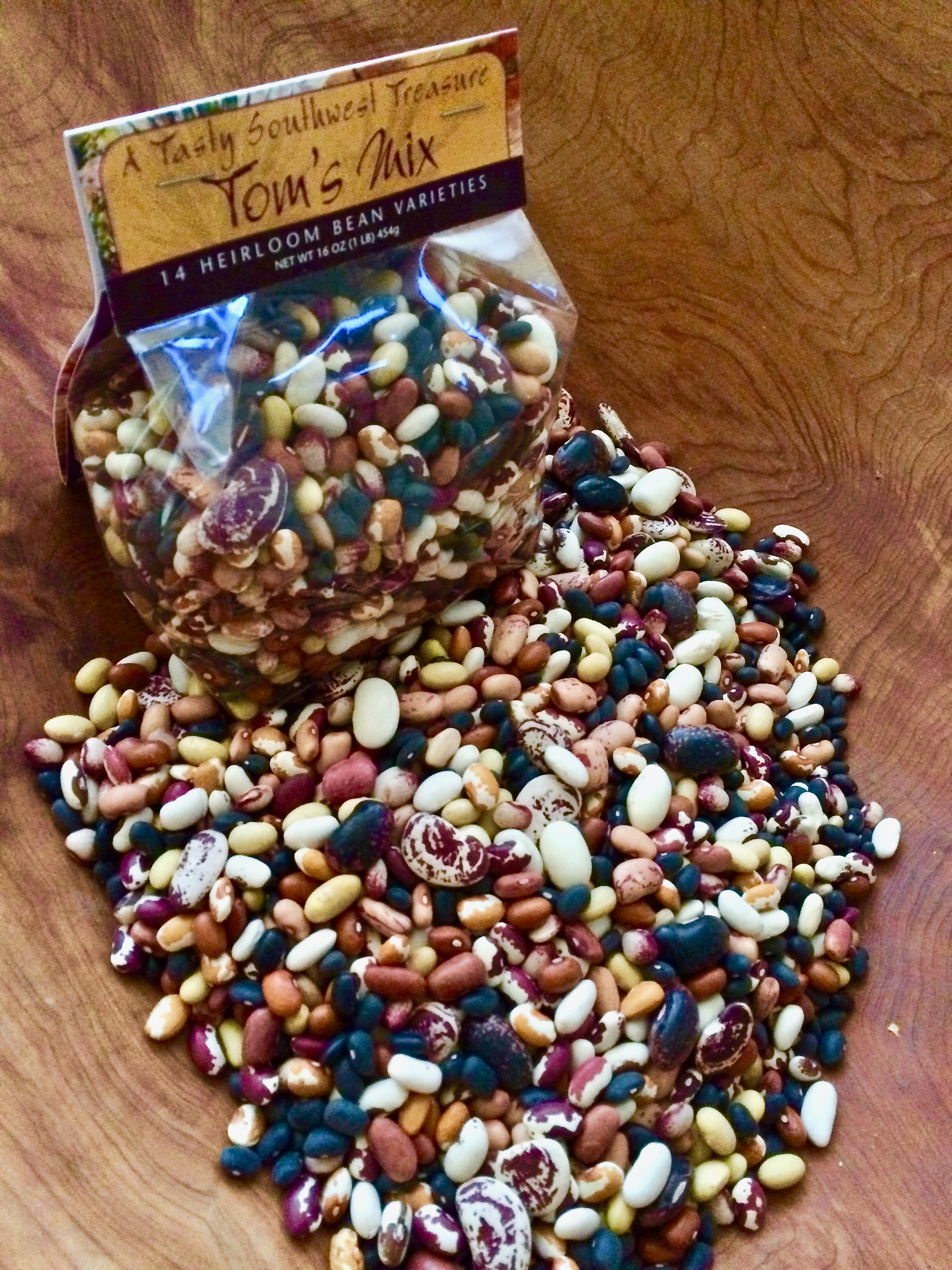
Tom’s Mix–the most delectable mix of 14 colorful heirloom beans from the Southwest! Tom’s Mix makes a rich, warming soup, delicious dip, or mixed bean salad. Yummy easy cooking instructions and recipes are on the label.
The taste-jewels in Flor de Mayo’s Tom’s Mix Southwest heirloom beans can be viewed in detail at Tia Marta’s earlier post Glorious Diversity–check it out and start salivating. You can find them at the above linked sources in Tucson, or online at NativeSeeds/SEARCH and Flor de Mayo. Tepary Mix or Tom’s Mix will cook easily (after a few hours’ soaking, change water) either in a solar oven or crock-pot slow-cooker.
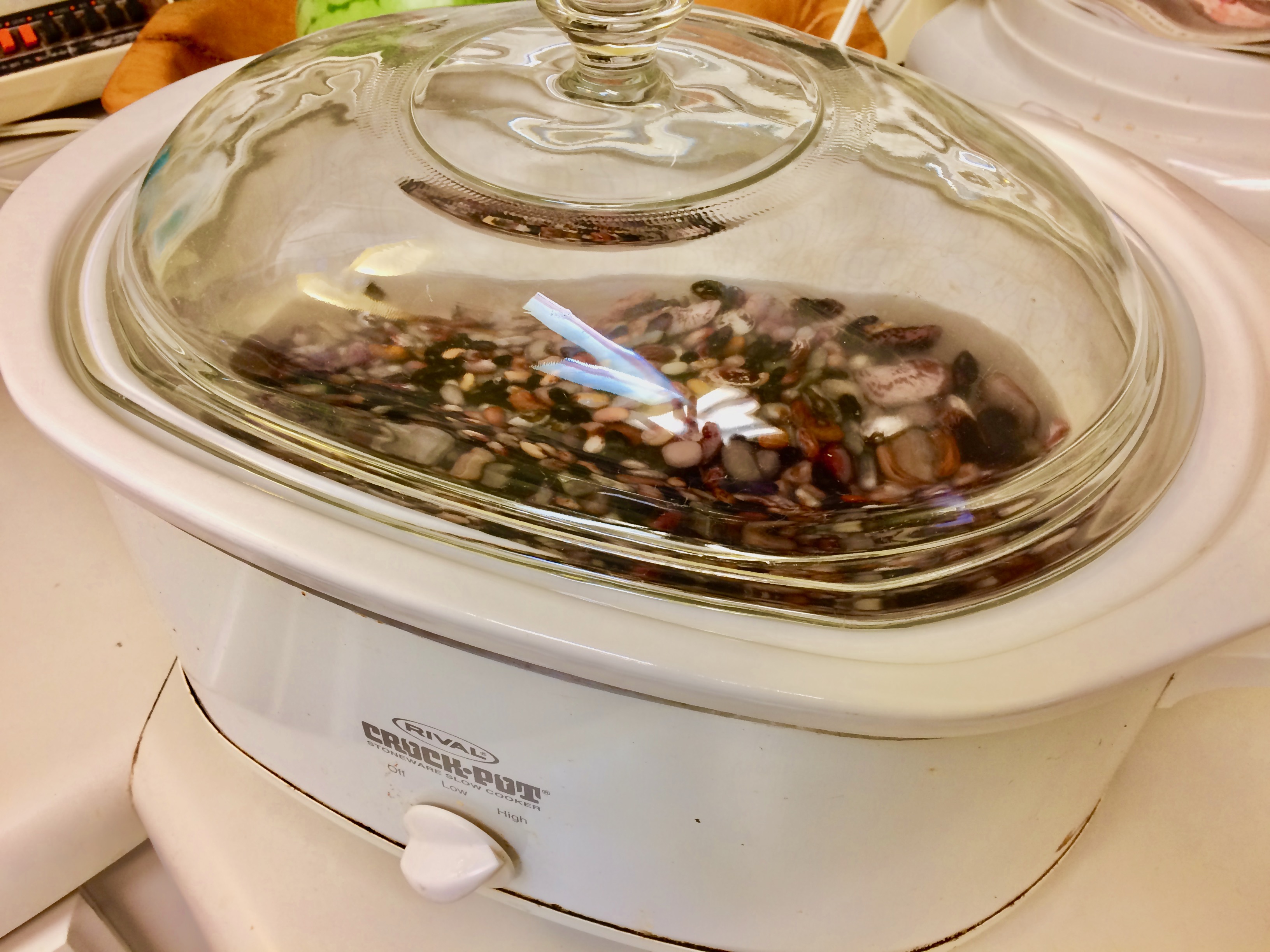
The most efficient way to cook Tom’s Mix (after presoak and change water) is in a crock-pot. Put them on before you leave for the day and their inviting aroma meets you when you come in the door!
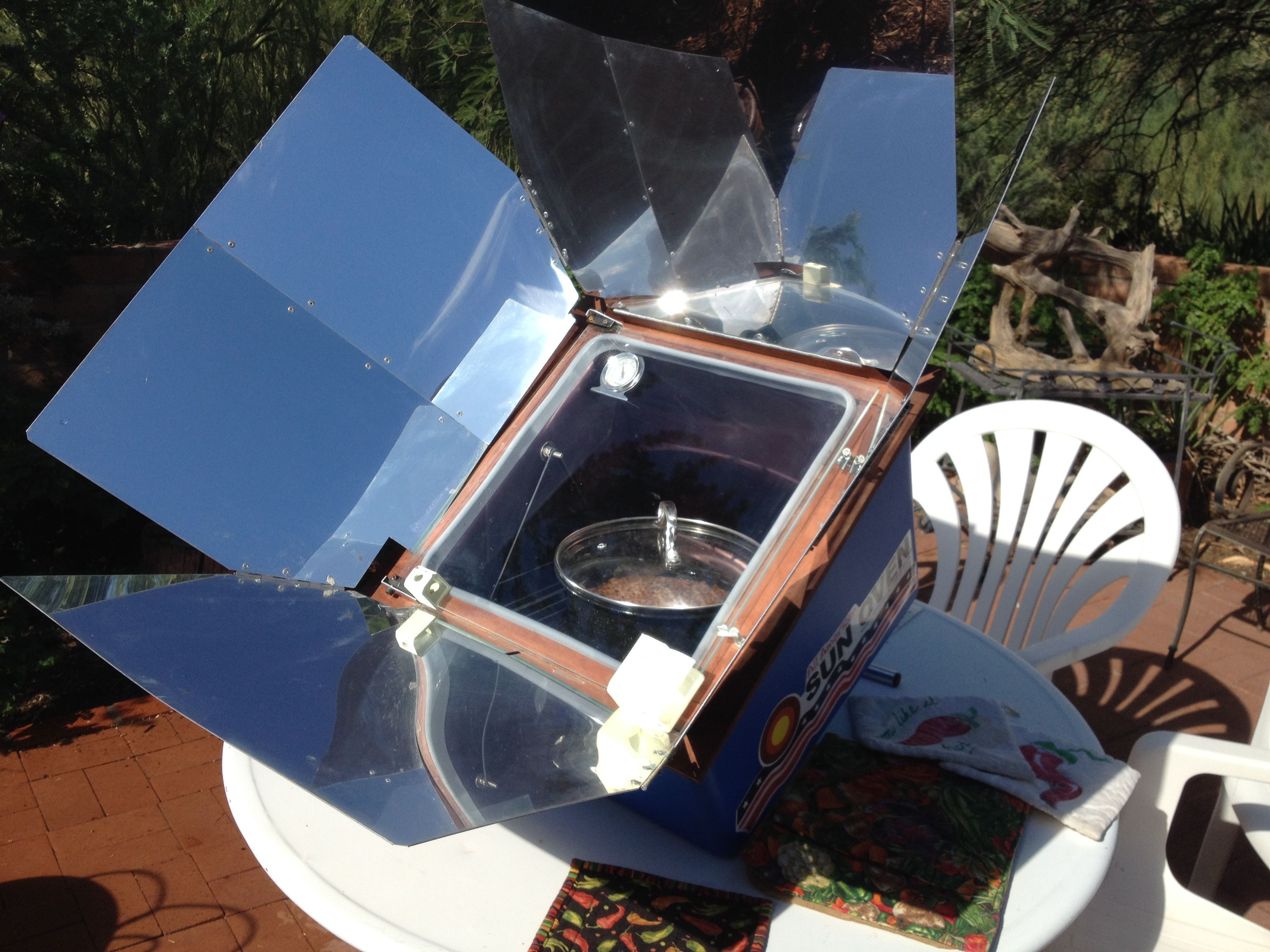
When energy efficiency matters, cook your beans in a solar oven. Sunlight is a gift! You can find a smoking deal on solar ovens at www.flordemayoarts.com.
Here’s a recipe for the best bean dip you ever tasted–great to keep on hand in the fridge or freezer for when company pops in. As a bonus it is super healthy, gluten-free, high in protein, gives sustained energy, and helps to balance blood sugar! What more can one ask of a great fun-food?
Tom’s Mix Southwest Treasure Bean Dip Recipe
2 cups (the 1-lb package) Tom’s Mix washed and drained
2 quarts drinking water
1 tsp sea salt
1 tsp fresh ground black pepper
1 Tbsp cumin seed ground
1 Tbsp olive oil
1 tsp minced garlic
1 Tbsp fresh lime or lemon juice
1-3 tsp Red Devil hot sauce,
1-2 chiltepin peppers, ground (optional for picante taste) (see Savor blog posts on chiltepines!)
1 tsp Tony Chachere’s Creole Seasoning (optional but good)
Wash, drain beans. (Presoaking beans 1-2 hours, drain liquid, speeds up the cooking but is optional). In a large pot put beans and drinking water. Bring to boil then simmer 2-3 hours or until tender. Alternatively, put soaked beans in drinking water to cook in slow-cooker 5-6 hours, or in solar oven, tending sun angle at 1/2 hour intervals, 3-4 hours. When beans taste done, drain into bowl reserving the bean liquid. With mixer or hand-mashing, puree the hot beans with other ingredients, adding about 2 cups reserved hot bean liquid until mixture is dip consistency. Put in microwavable dish for easy re-heating. Serve with corn chips for a complete protein complement, and enjoy the gifts of many Southwest farmers through ages of desert harvests. What a legacy!
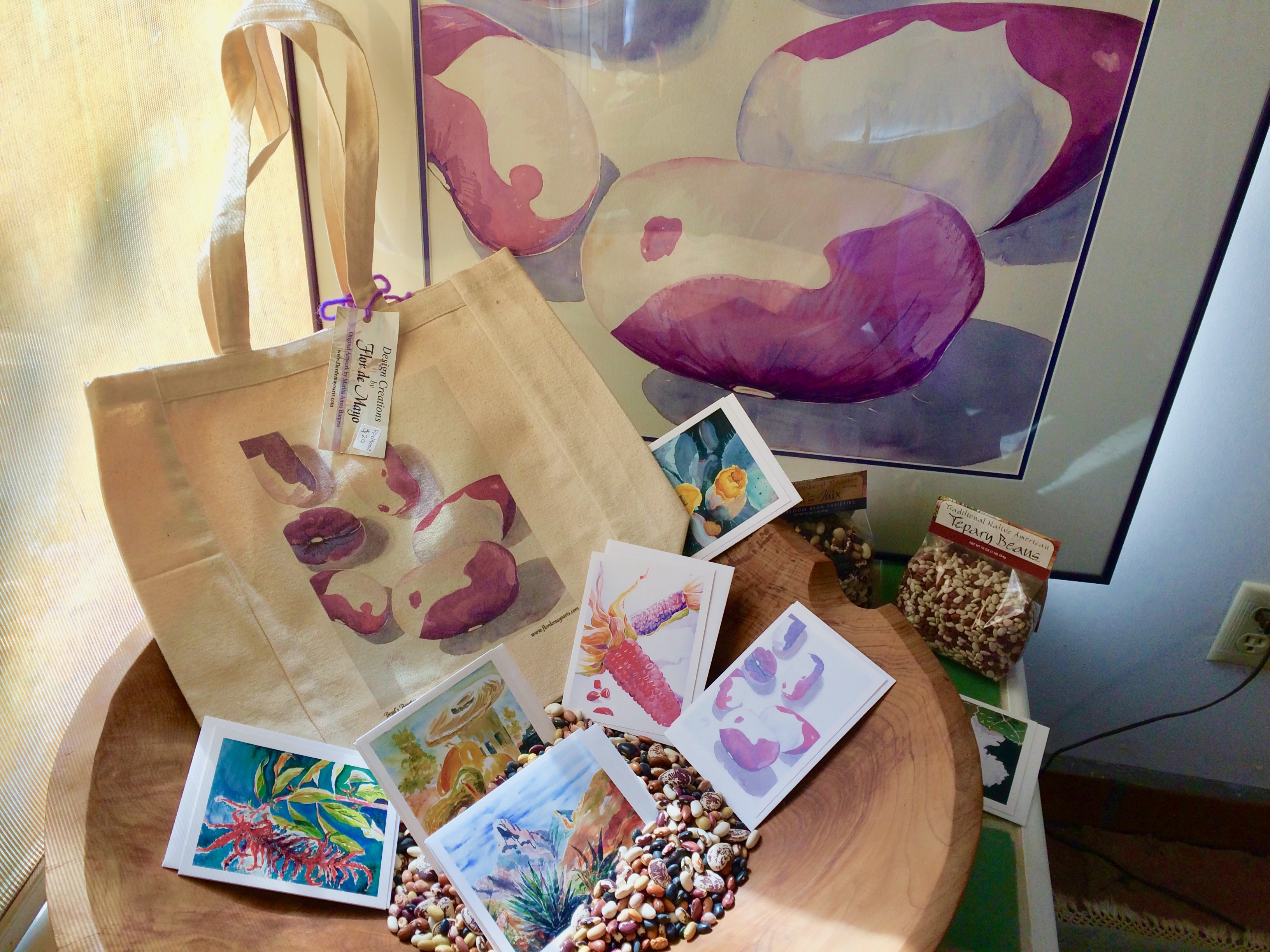
Southwest “bean gifts” from Flor de Mayo include not only these precious heirloom food flavors, but also feasts for the eyes, Native food watercolor notecards, canvas art totes, and original paintings by yours truly Tia Marta. Check links below…..
I invite you to visit the specialty and other shops, parks, and museums in Tucson which carry our Flor de Mayo heirloom food mixes and other creations, totes, art notes, and jojoba soaps. At Sunday’s Rillito Farmers Market look for Tom’s Mix at Cindy Burson’s Country Harvest booth. You can also explore the Flor de Mayo website for perfect holiday gifts. We will soon be adding an online gallery of fine one of a kind watercolor paintings by Martha Burgess and the WildDesert nature photography of Roderick Mondt.
Happy holidays–eating well on joyous low-glycemic heirloom tastes from Tia Marta!
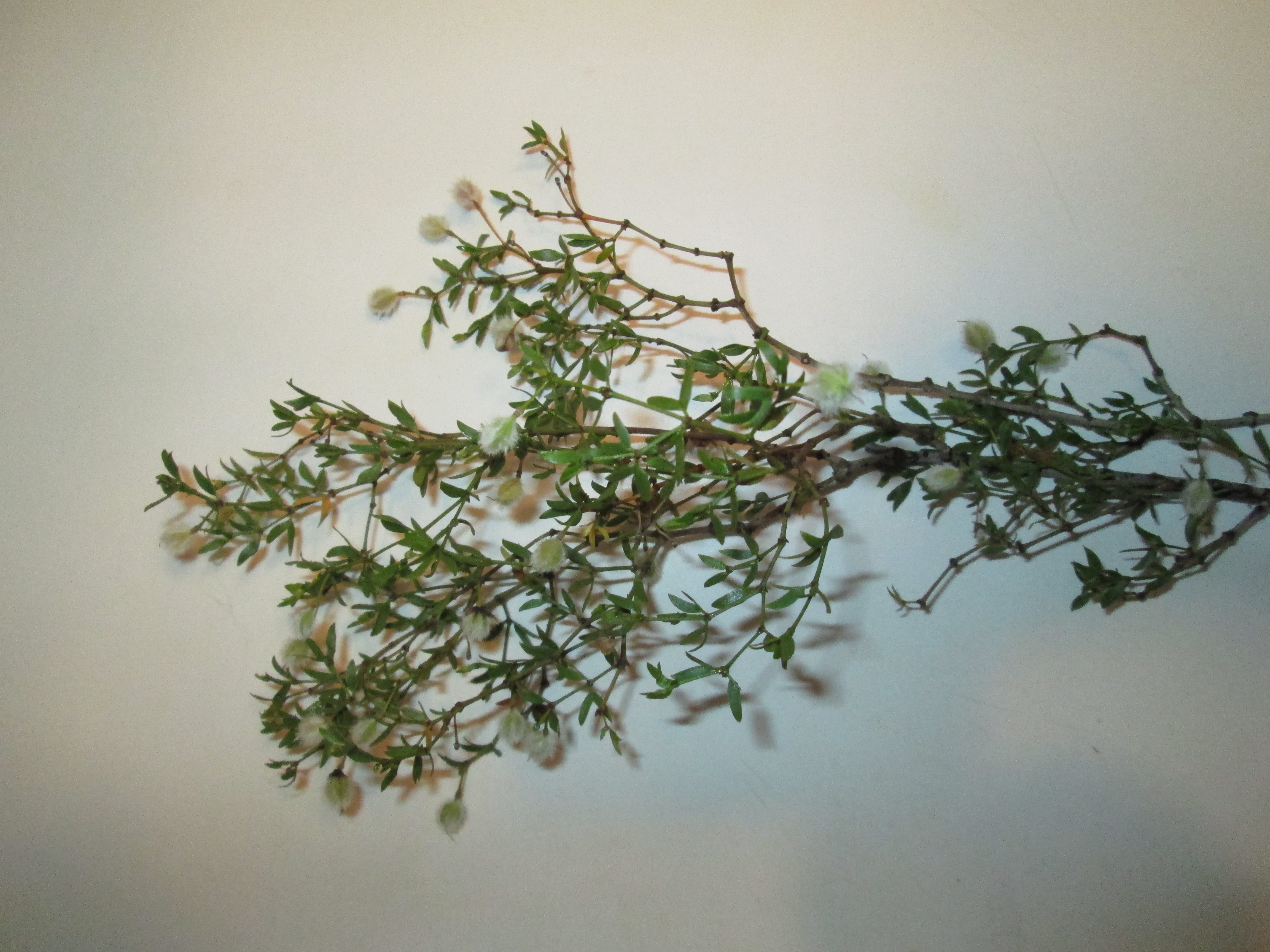
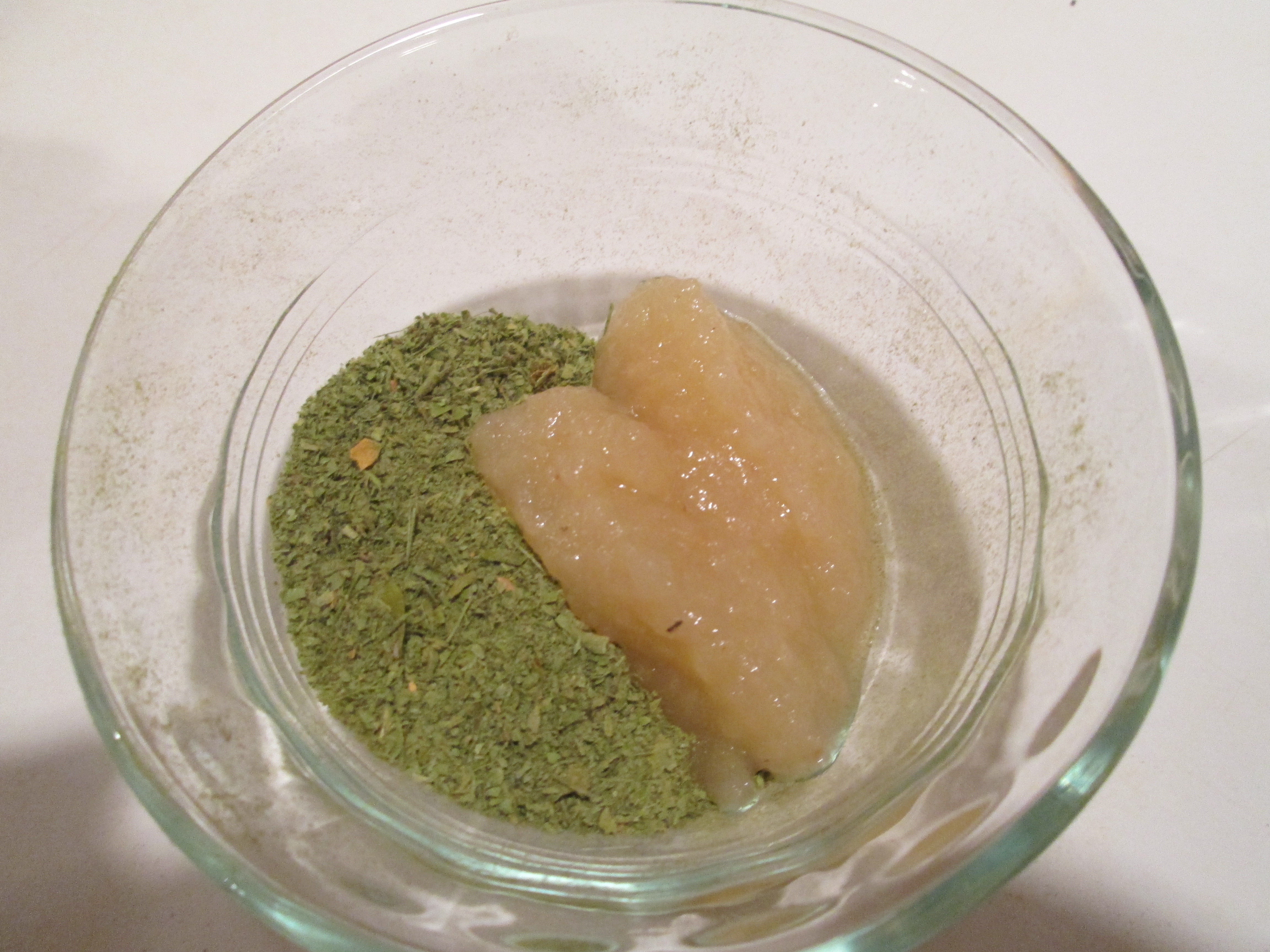
 You can read more about using creosote bush (and other native herbs) in my book Father Kino’s Herbs: Growing and Using Them Today.











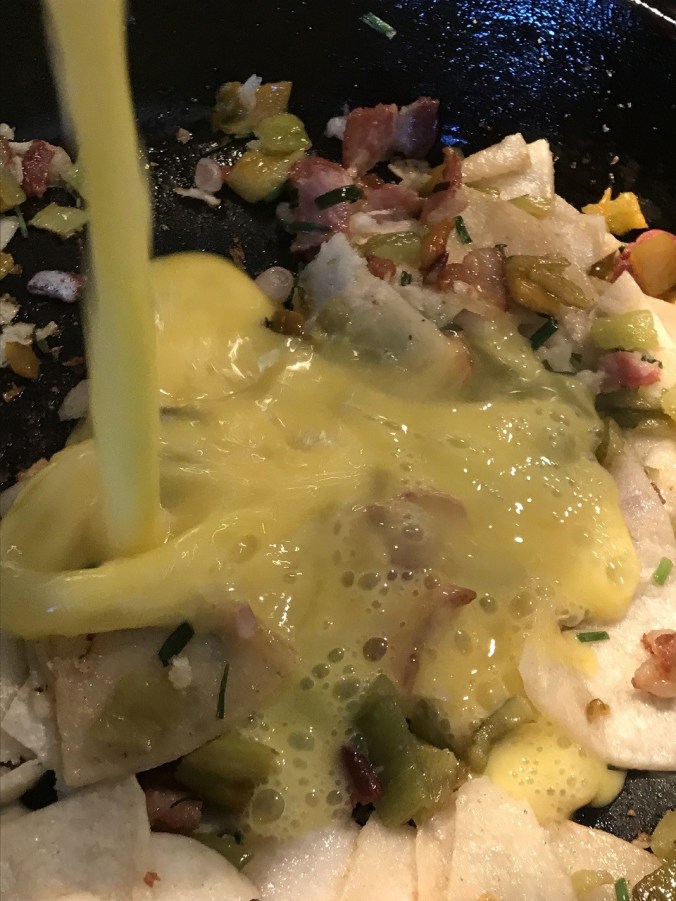
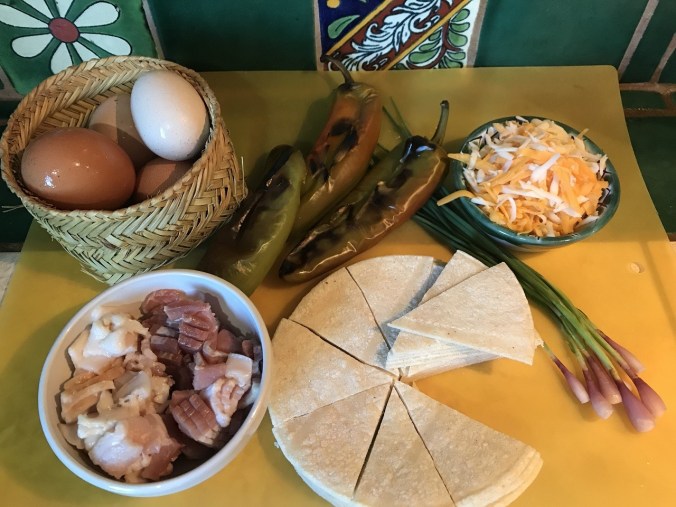 Breakfast “Migas“


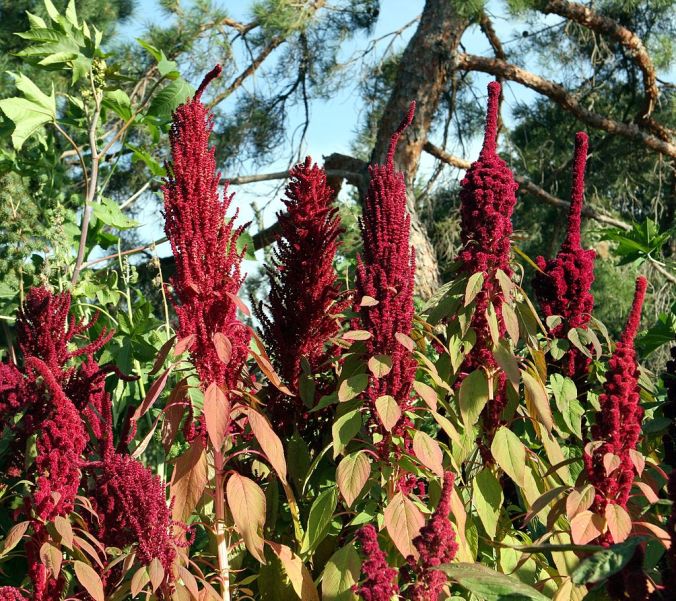 Amaranth is famed as one of the staple foodstuffs of the Incas, but it was used by many other people around the globe, including here in the Pimería Alta. Amaranth was and still is popular throughout Mexico for a number of drinks and foods. The greens can be used in a number of ways (as the