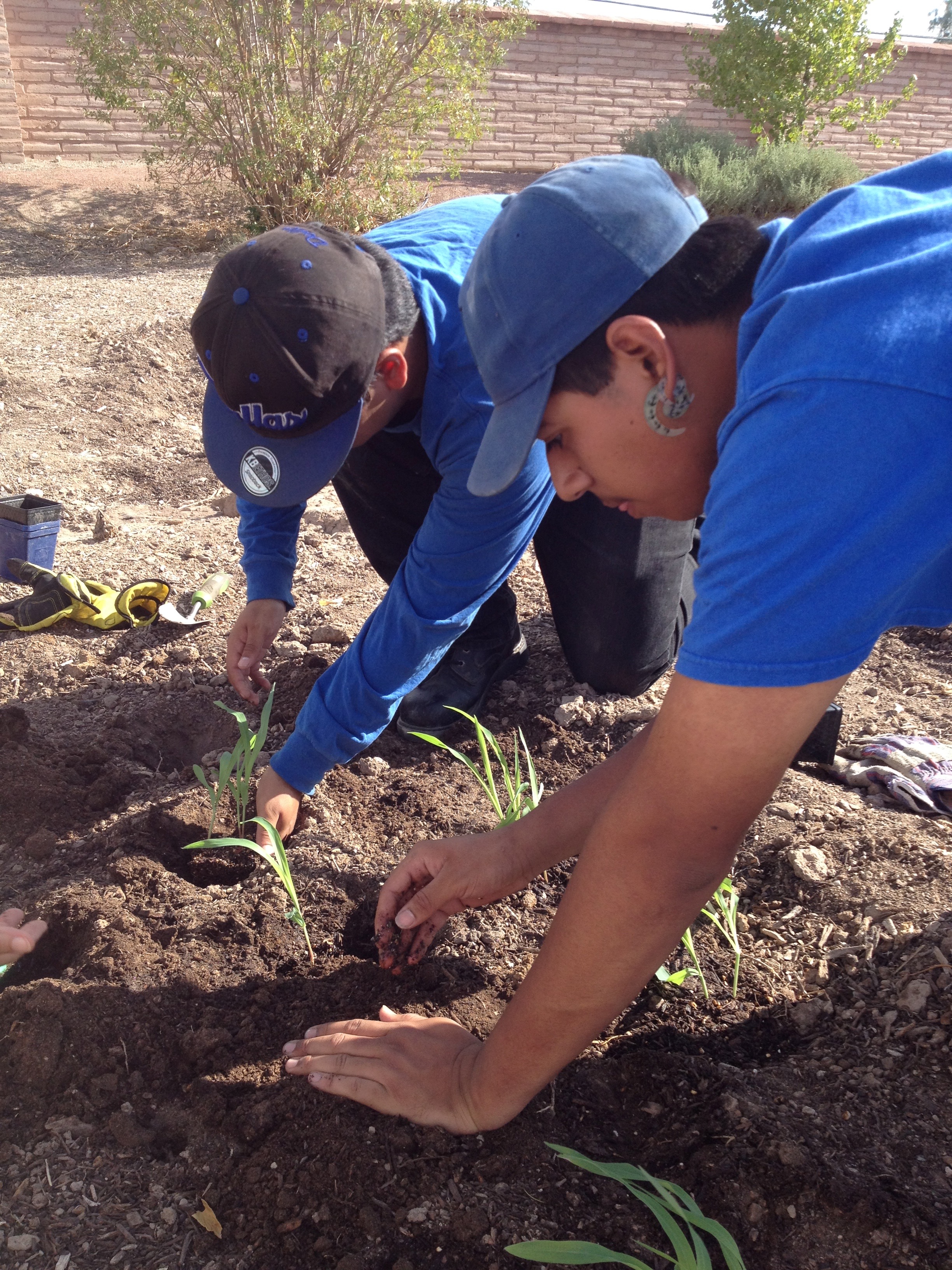
Young volunteers planting heirloom corn seedlings at Mission Garden, Tucson (MABurgess photo)
It is so exciting and deeply inspiring to see how our Baja Arizona young people are taking to gardening! From the looks of it, the future of our food will be in good hands! Tia Marta of Flor de Mayo Arts here to let you know about just a few of the interesting projects several school programs have quietly begun. Knowledge is growing out of the desert soil, along with delicious produce.

High school students at Youth Ag Day celebration at San Xavier Farm Coop learn how to de-spine and peel prickly pear fruit for making prickly pear lemonade. It is not only delicious but also helps balance blood sugar and curb cholesterol! (MABurgess photo)
Our children are connecting with Nature, soil microorganisms, and living plants that can feed them–doing healthy activity that produces not only healthier bodies but also nutritional consciousness planted deep in the brain. Funny how dirty garden fingers can make you smarter–What a neat link!

University of Arizona “Compost Cats” are on the go daily to “harvest” organic waste all over town. Here they are teaching students at Youth Ag Day how to turn kitchen and cafeteria waste into rich soil to feed the next crop. (MABurgess photo)
Who in the world would think a compost pile worthy of note? Well this is a record-breaker. The young Compost Cats have created a gift to the future of gardening and farming in Tucson by #1 changing peoples’ habits about recycling organic waste on a big scale. (There should be a better term than “waste” –perhaps “discards”–because….) Then #2, these Cats have turned all that Tucson waste around to be a positive asset, a resource!
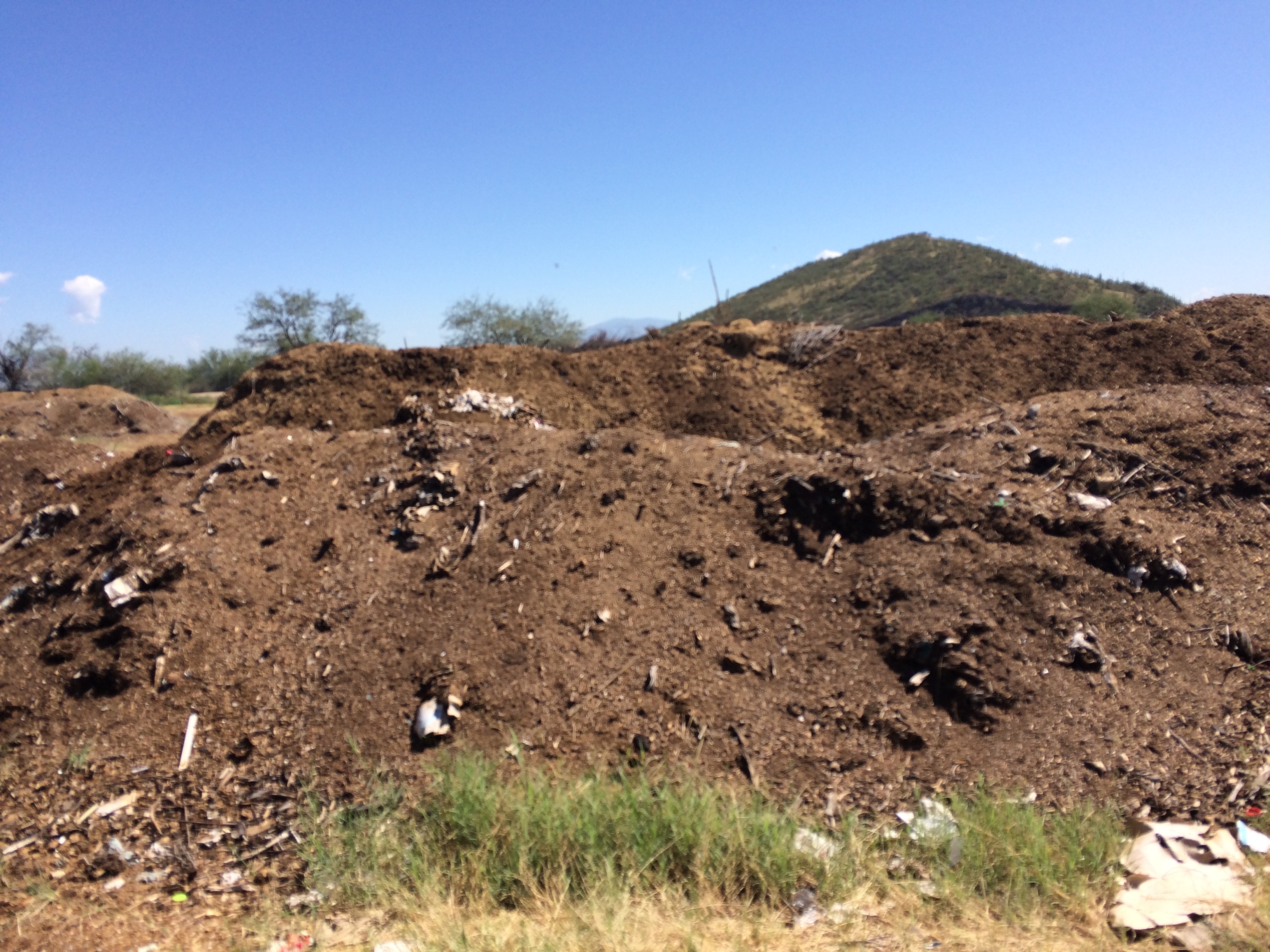
This mountain of compost is but a fraction of the “Sierra Madre of Super Soil” at San Xavier Coop Farm collected by the UA Compost Cats. They IMPROVE the soil with traditional composting, giving the crops a healthy nutrient boost. (MABurgess photo)
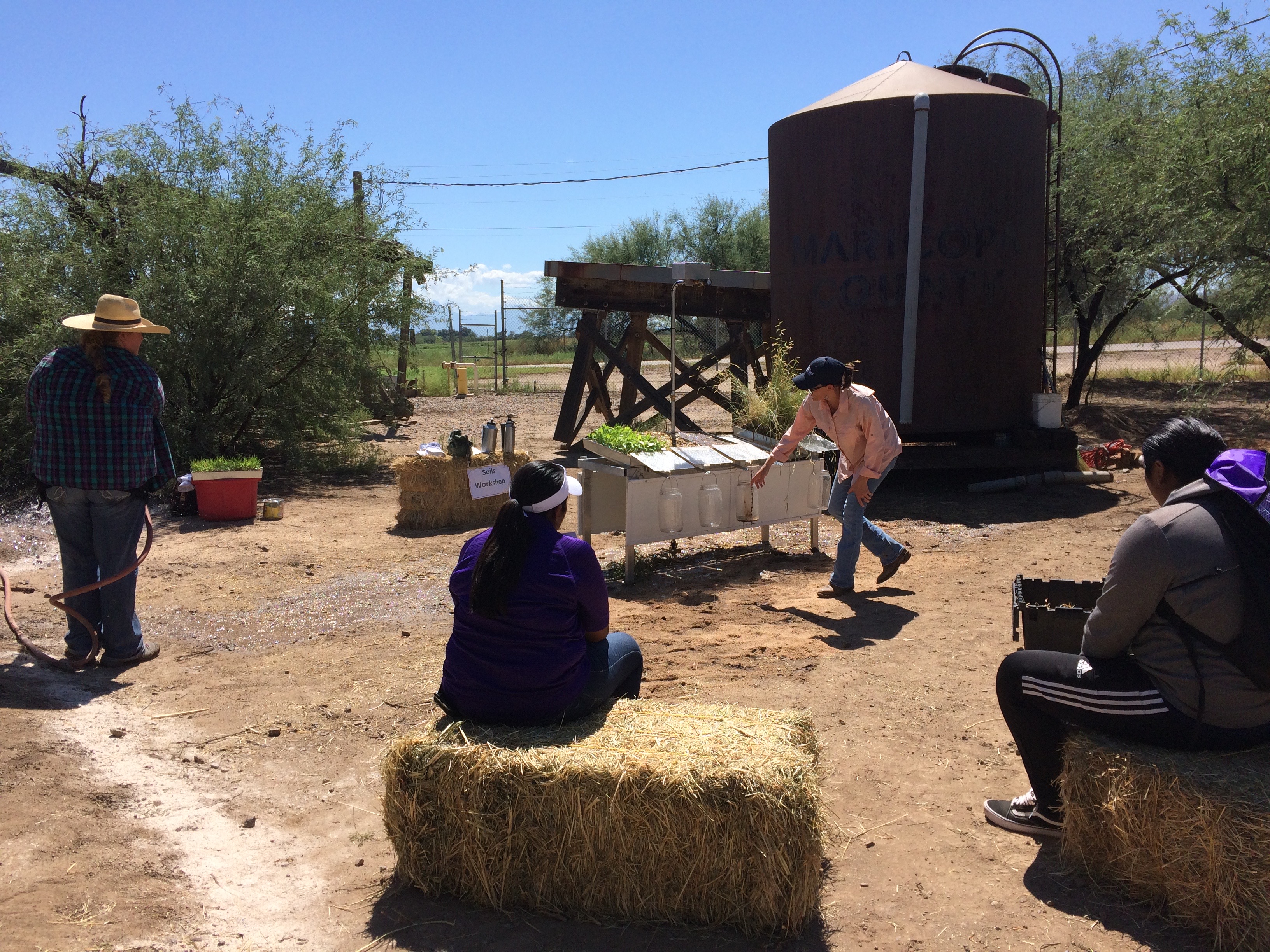
There’s nothing like being out there observing what happens in Nature! Here representatives from NRCS (Natural Resources Conservation Service, USDA) show students at Youth Ag Day how ground covers and different plantings help infiltration of rainwater into the soil. With no plant cover, rain sluices away as floodwater. (MABurgess photo)
Our local southwest seed-conservation organization NativeSeedsSEARCH is providing a priceless resource to groups who can apply for their Community Seed Grants. (For details check out www.nativeseeds.org). Recently a number of Tucson schools are growing amazing vegetable gardens with the seeds donated by NativeSeedsSEARCH, including Ochoa Elementary, Nosotros Academy, Tully Elementary, Roskruge Bilingual K-8 Magnet School, and Pima Community College. You can read about Seed Grant Superstars in the latest issue of Seedhead News available by calling 520-622-0380. Become a member and support this program for the future!
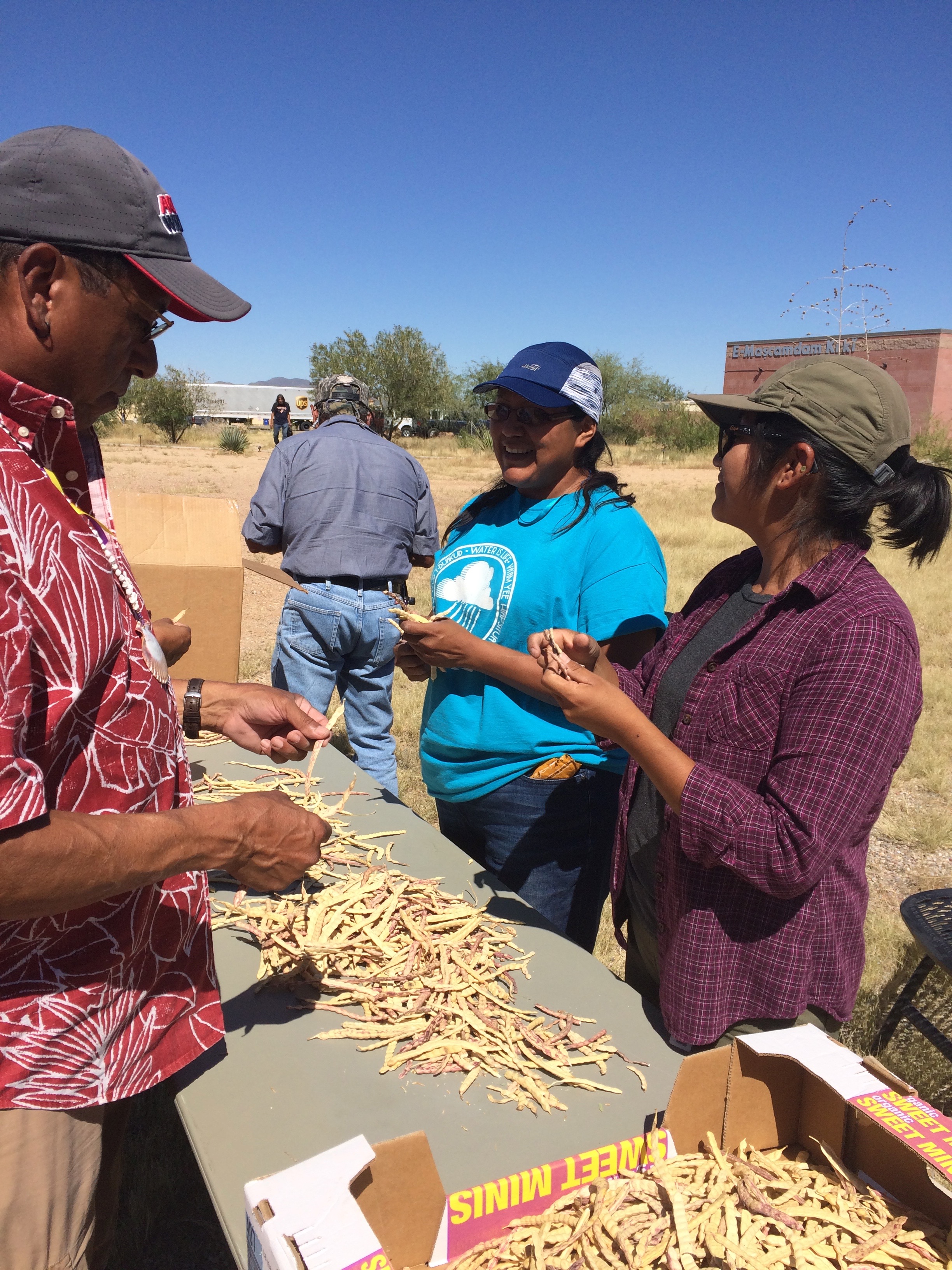
Tohono O’odham Community College Agriculture interns clean mesquite beans they have harvested for milling into a sweet, nutritious flour. (MABurgess photo)
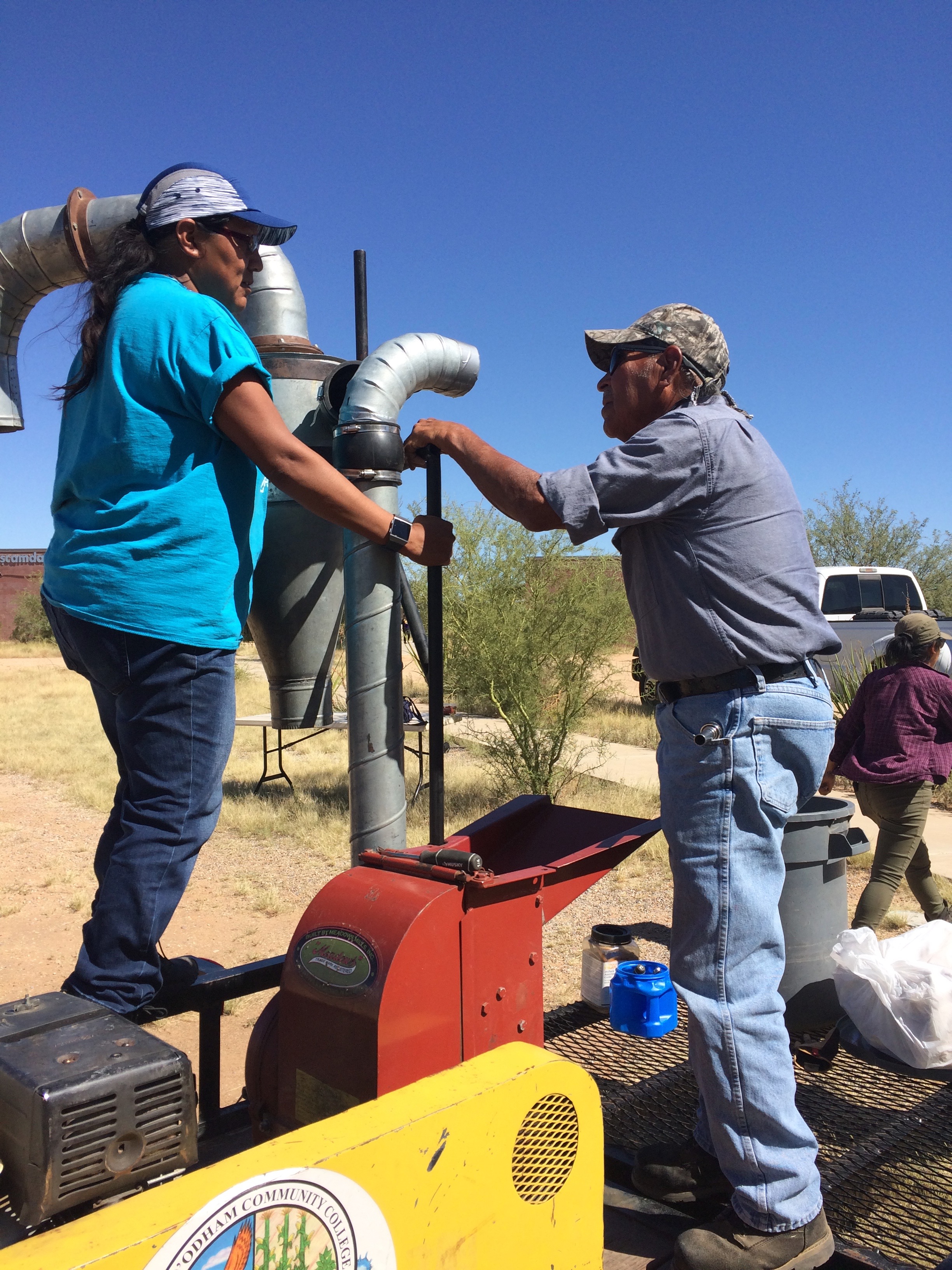
TOCC Agriculture Intern Joyce Miguel and Cooperative Extension Instructor Clifford Pablo prepare the mill for grinding dry mesquite pods into useful flour–a new method for an important traditional food! (MABurgess photo with permission)
Teachers, like Tohono O’odham Community College Professor Clifford Pablo in the Agriculture Program and through Cooperative Extension, have inspired a couple of generations of youth to learn modern ag methods along with a deep respect for traditional foods and foodways. His interns have become teachers themselves, and their agricultural products–grown as crops and wild-harvested–are being used for celebration feasts, special ceremonies, and sometimes even appear in the TOCC cafeteria.
Let’s rejoice in the good work that these young people, in many schools and gardening programs throughout Baja Arizona, are doing! In the words of Wendell Berry, one of the great voices of our time about the very sources of our food, “Slow Knowledge” is what we gain from gardening and farming. For our youth, the connection of healthy soil, healthy work outside, the miracle of seeds sprouting into plants that eventually feed us–this slow knowledge cannot be learned any other way. We now know that such “slow knowledge” gained from assisting Nature to grow our food actually grows healthy neurological pathways in young brains and makes them think more clearly, be less stressed, achieve better understanding in math and language, and develop better critical-thinking skills. What better prep for being leaders than to play in the garden as a youth!!
Link to the latest UA Alumni Magazine (fall 2018) for a heartwarming article by our Blog-Sister Carolyn Niethammer about the University of Arizona’s partnerships with local school gardening programs.
Watch the Mission Garden’s website www.tucsonsbirthplace.org for many gardening activities, celebrations, and workshops coming up that are perfect for kids and elders alike. You can contact me, Tia Marta, on my website www.flordemayoarts to learn of desert foods workshops where interested young people are welcome.
Young people know that food security will be in their hands. Indigenous youth and some disadvantaged communities seem to realize that “the government” will probably not be there as a fall-back food provider. Youth all across Arizona are learning the skills of growing food sustainably and may even begin re-teaching the elders–in time.


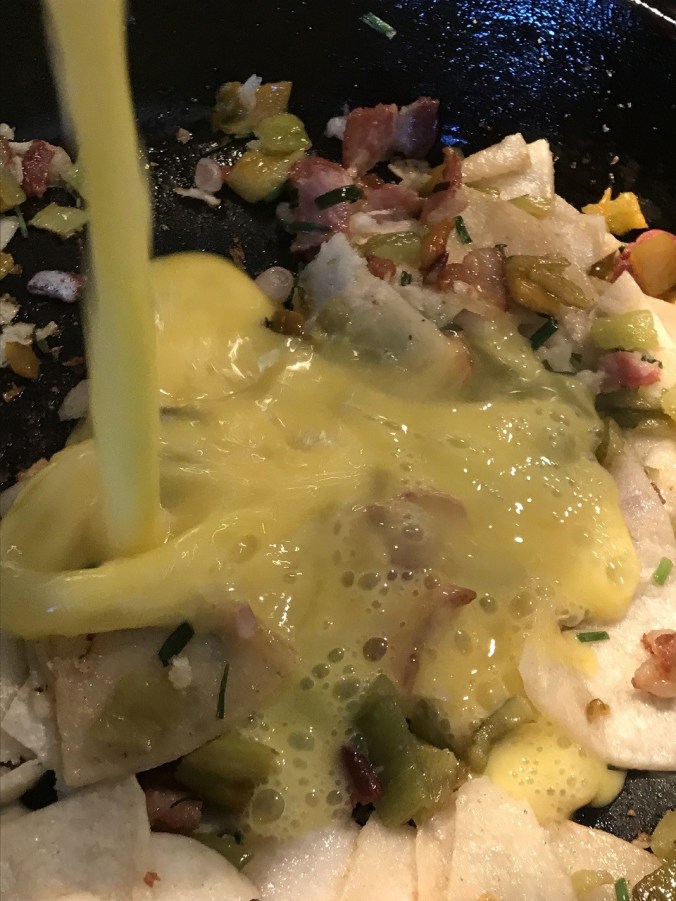
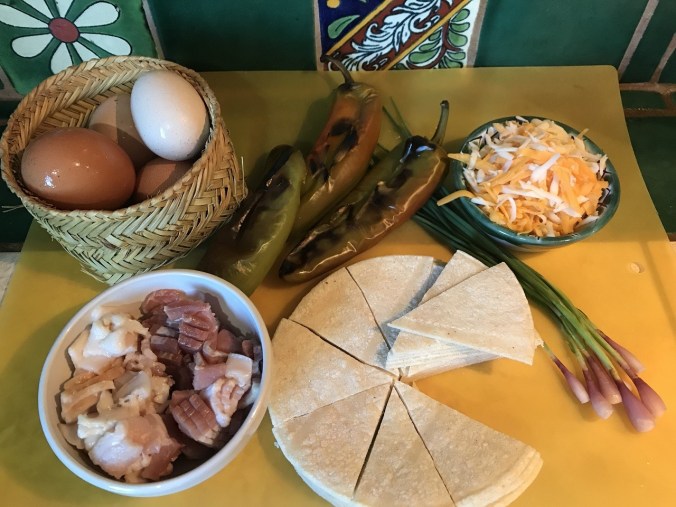 Breakfast “Migas“

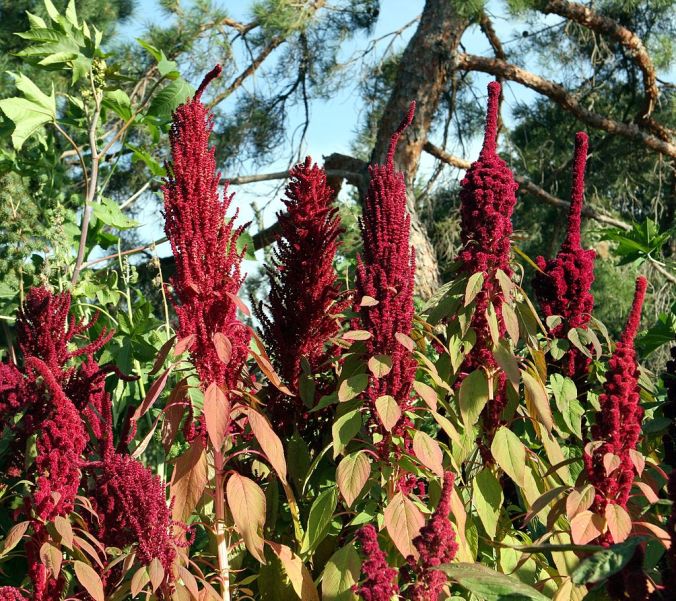 Amaranth is famed as one of the staple foodstuffs of the Incas, but it was used by many other people around the globe, including here in the Pimería Alta. Amaranth was and still is popular throughout Mexico for a number of drinks and foods. The greens can be used in a number of ways (as the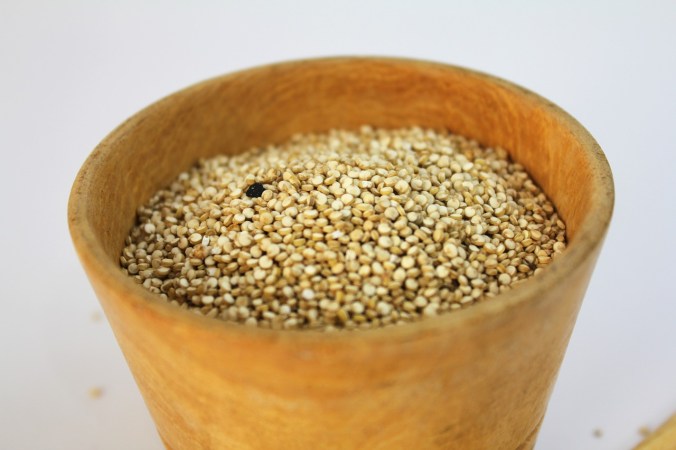

 Want to learn more? Look for my free lectures at your local Pima County Library branch, Tubac Presidio, Tucson Festival of Books and other venues. After each event I will be signing copies of my books, including





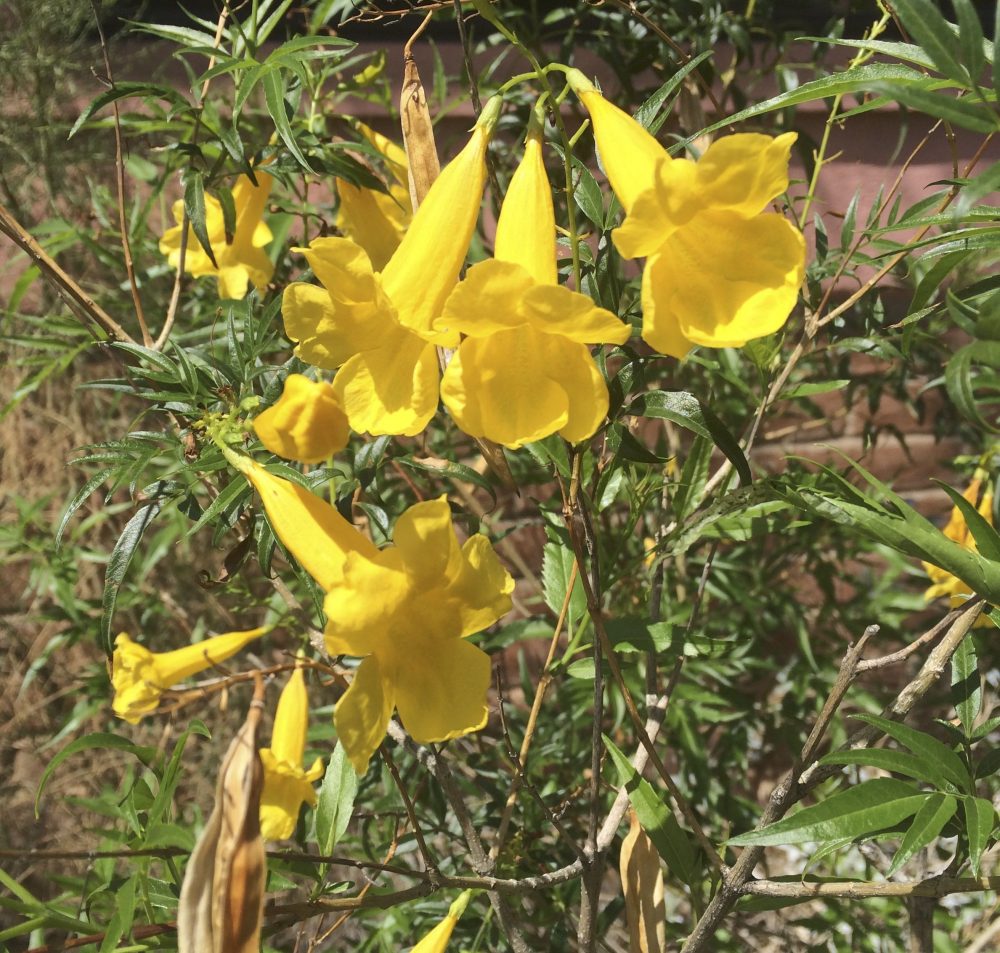
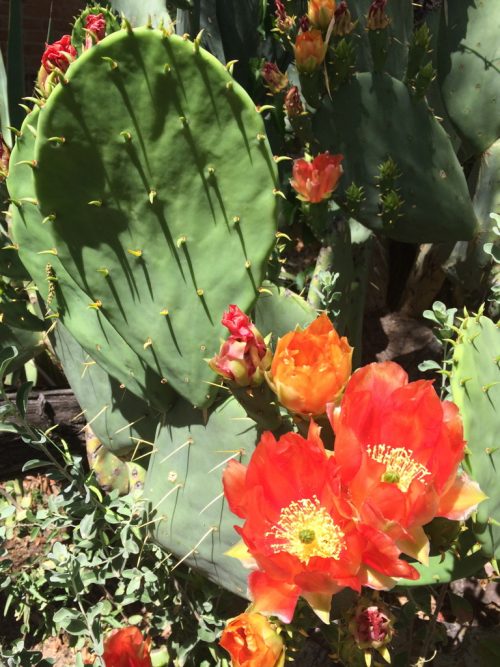

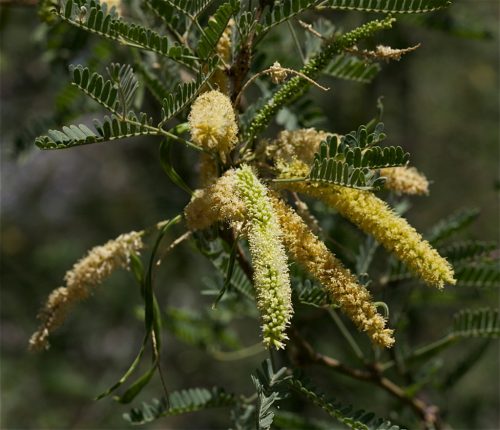
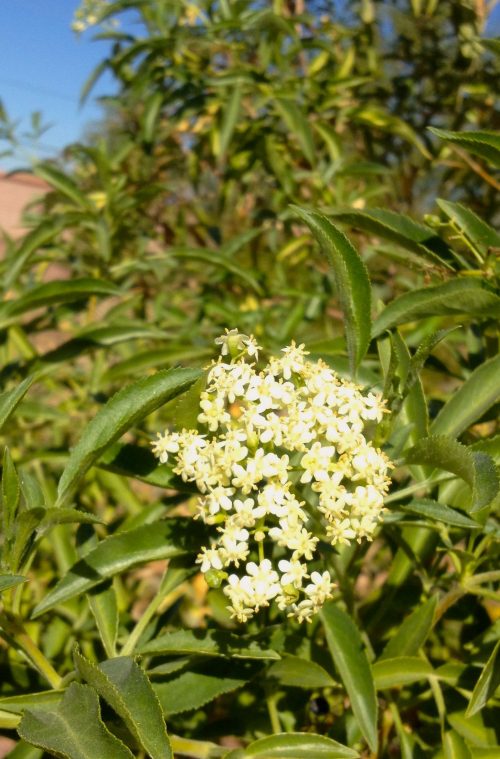


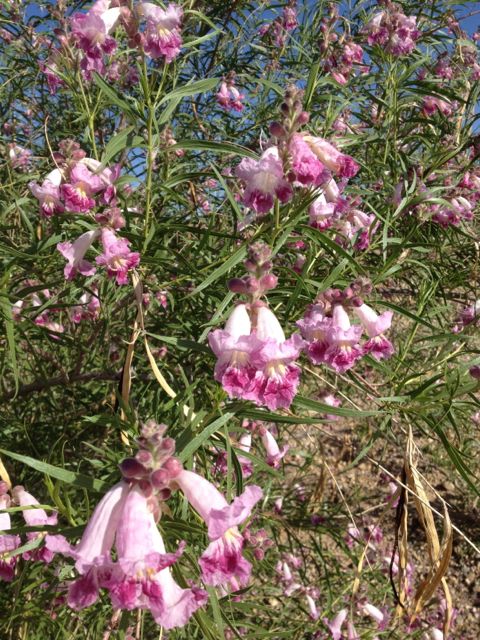
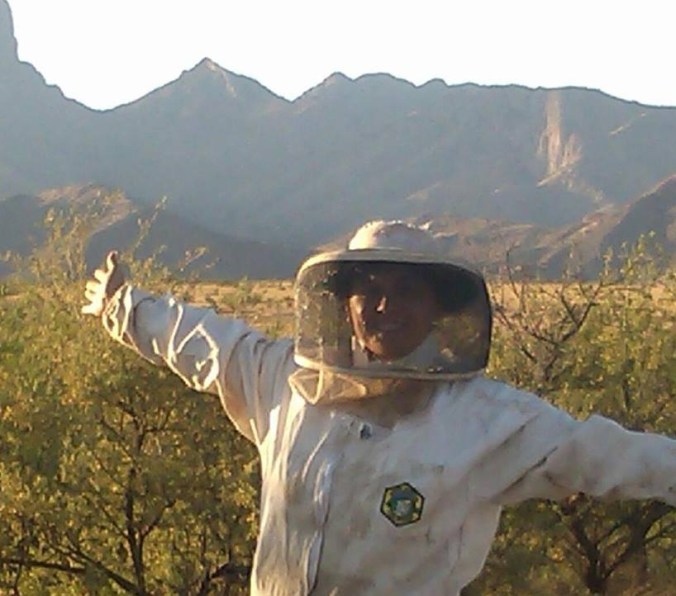
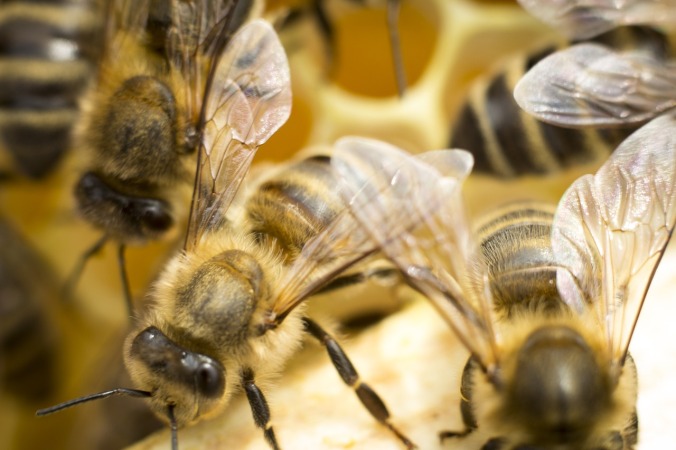
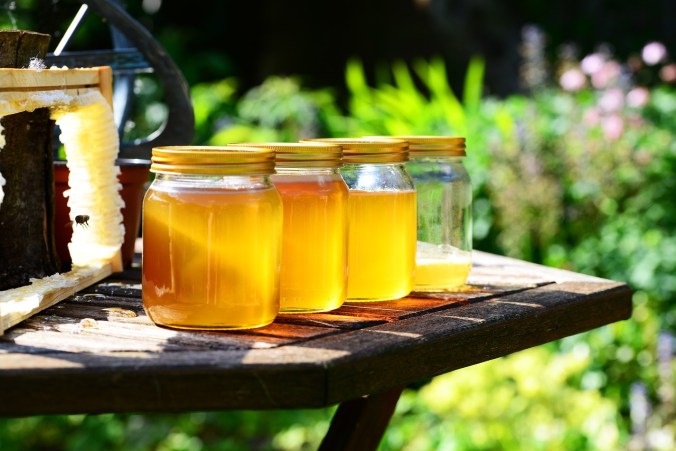 Monica King here to kick off National Honey Month since I’m a beekeeper. This awareness month was initiated by the National Honey Board in 1989 to promote American beekeepers and honey. But just how long have humans recognized the importance of honeybees? Archaeological evidence says 8,000 years. The bond between humans and bee is documented on cave paintings in Spain that depict a man harvesting honey from a wild colony.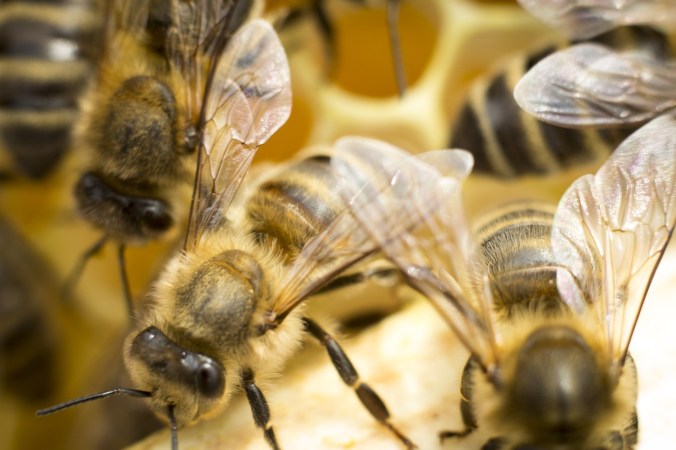
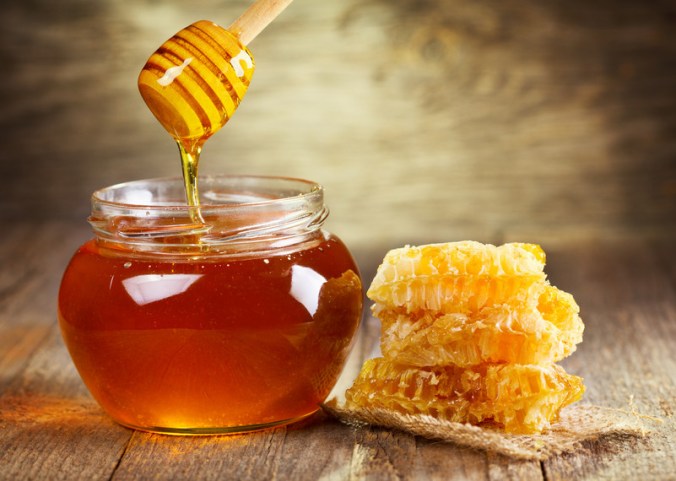

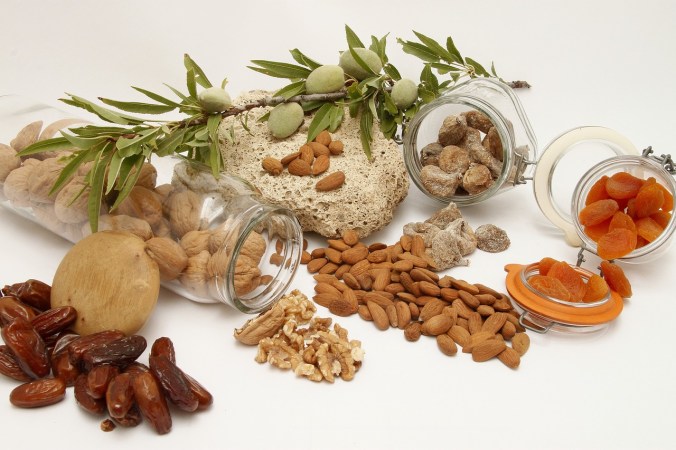
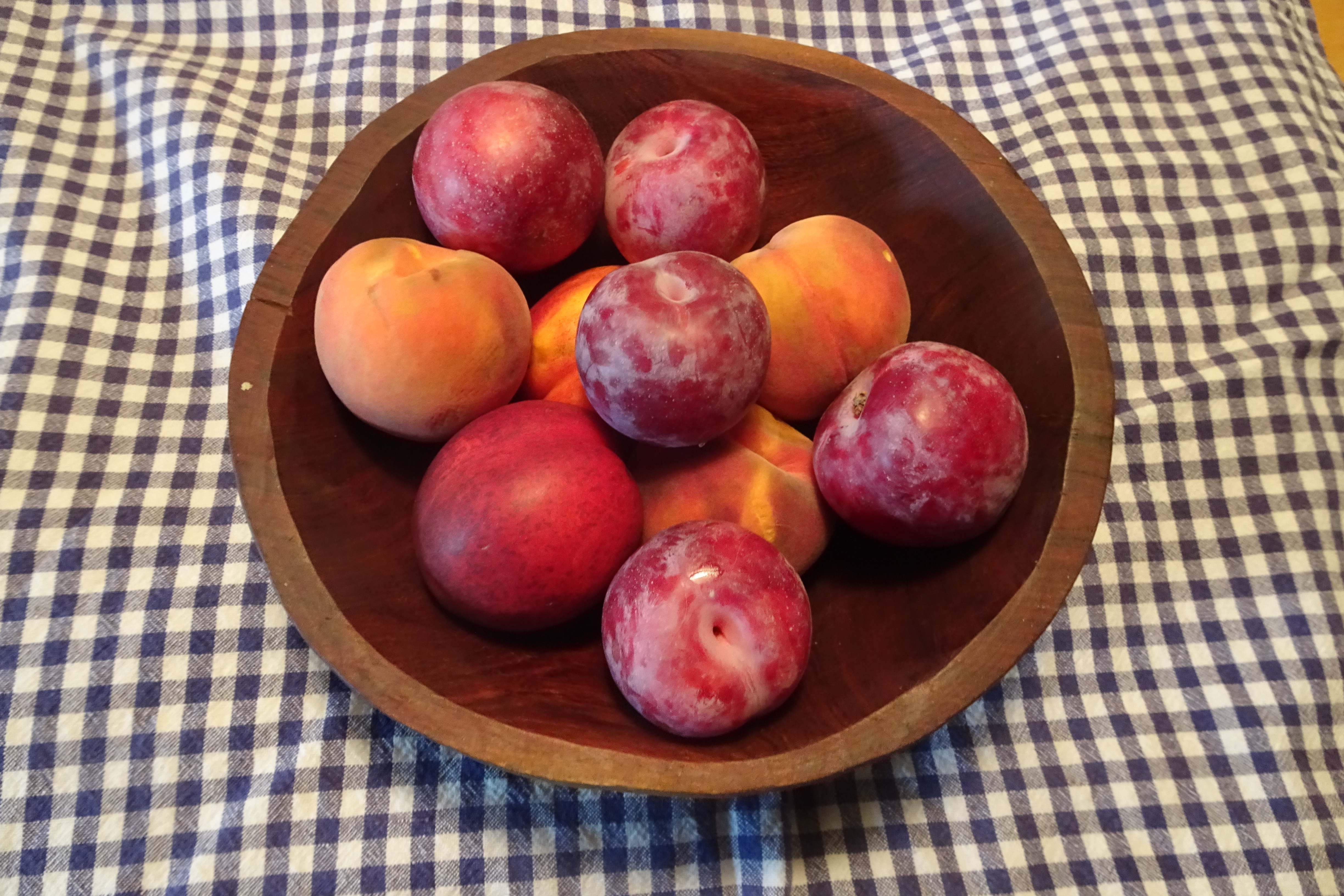

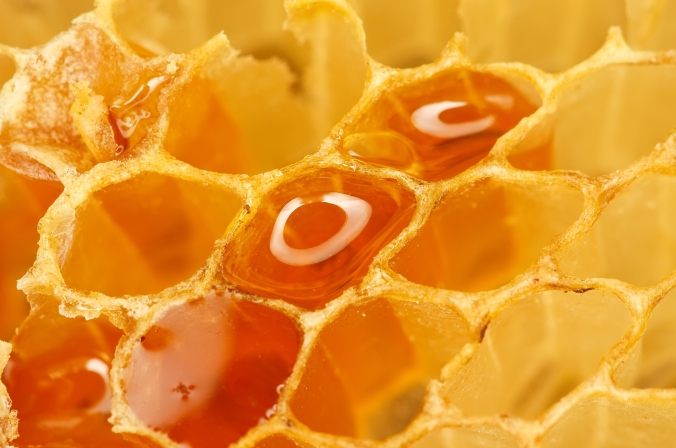
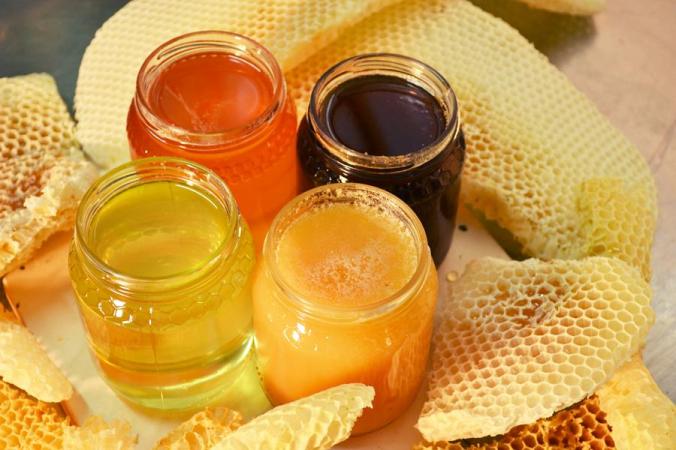
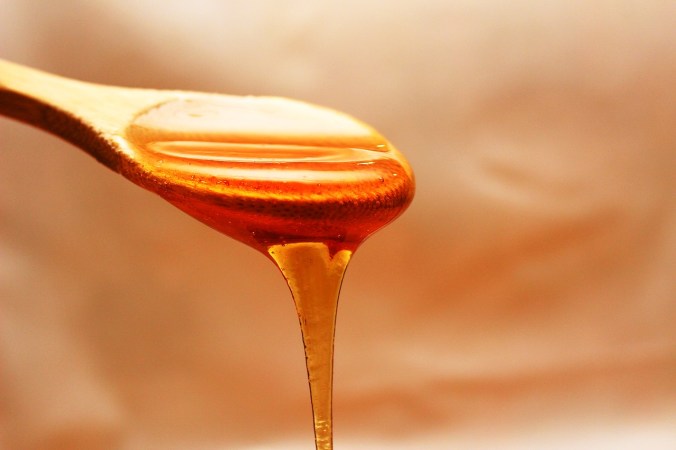
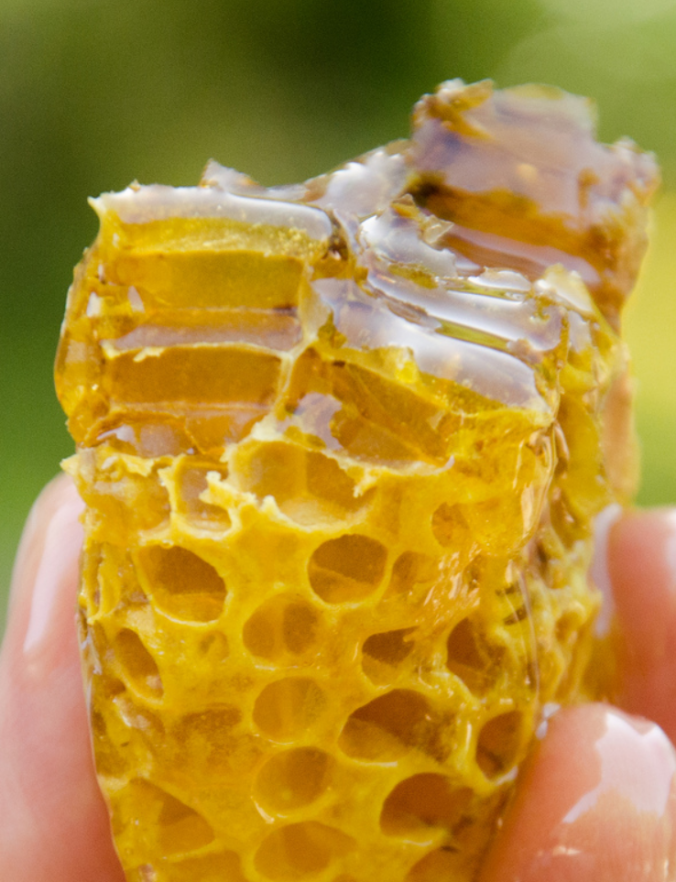 Honey and energy. Honey is a concentrated source of fructose, glucose, and other di-, tri-, and oligosaccharides, as well as amino acids human bodies need for energy. Studies show that honey is an economical alternative to carbohydrate gels for athletes.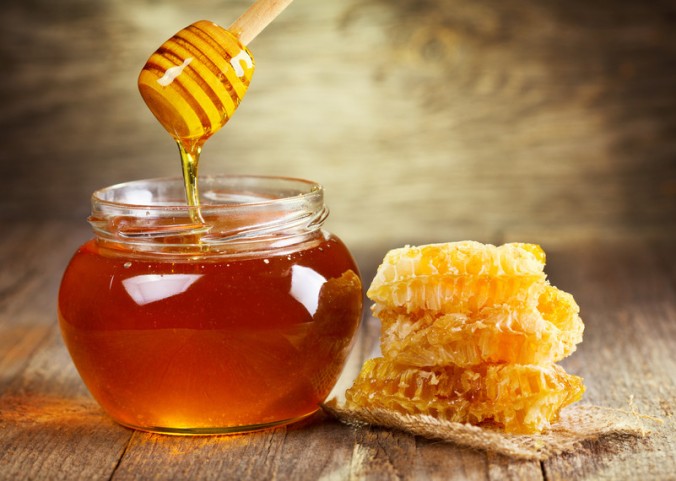
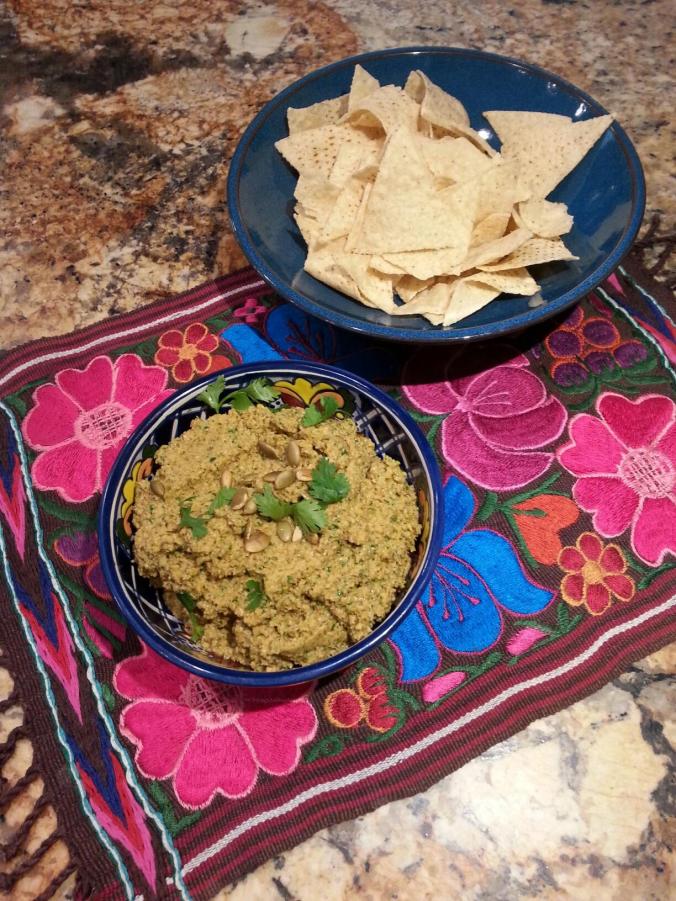
 Savor the Southwest: