The Palo Verde “Window”

The foothills palo verde bloom-show in late April and early May of 2020 in the Tucson Mountains was a sight to behold, and promised a plentiful harvest…..

Yellow Moon (the April time that the Sonora Desert turns yellow with flowers) has now passed into to the bright green phase of early June when palo verde pods swell with sweet peas!  Bolster yourself for this small window of time to “jump through” for tasting a special Sonoran Desert treat.

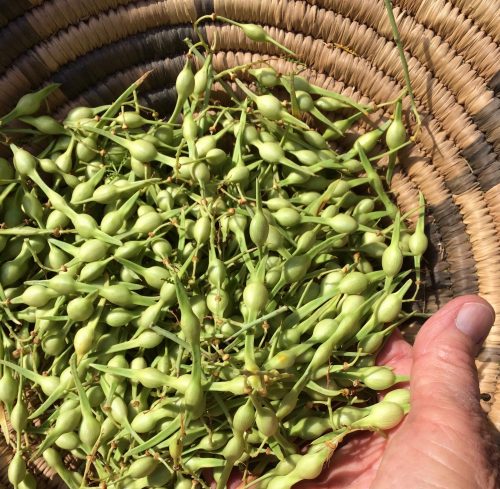
Foothills –aka “little leaf” and kuk cuhudak in O’odham– paloverde pods are hanging on the trees for only a short few days in early June. This timing may change with global warming.

Tia Marta here, encouraging you to head out THIS WEEK into the desert with gloves and basket to pick plump pods of foothills palo verde while they are still in the sweet stage.

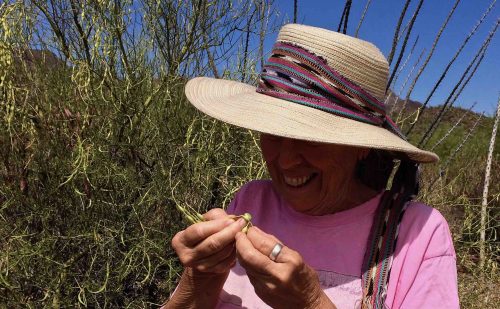
(Parkinsonia microphylla) Foothills paloverde pods are at their peak of sweetness in early June when they are still very green and the seeds inside have swelled to plumpness. You can eat them safely right off the tree. Peel back the pod covering and pop the peas right in your mouth–with thanks to the tree!

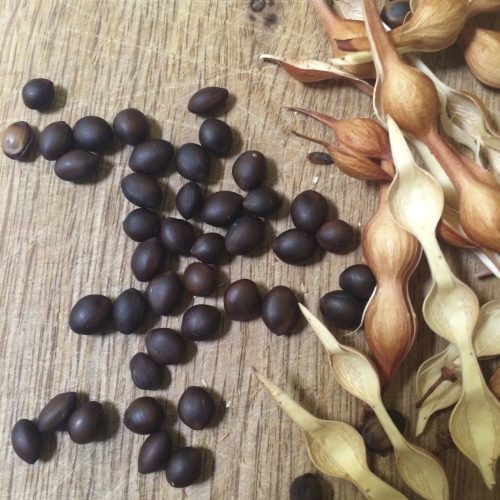
It won’t last long with the heat of June.  Timing is everything!  And NOW is IT.  Next week, when the pea-like seeds inside the pods are drying and turning to a stony chocolate-brown, they are still edible and nutritious–but that is a different ball game involving lots more culinary prep work.

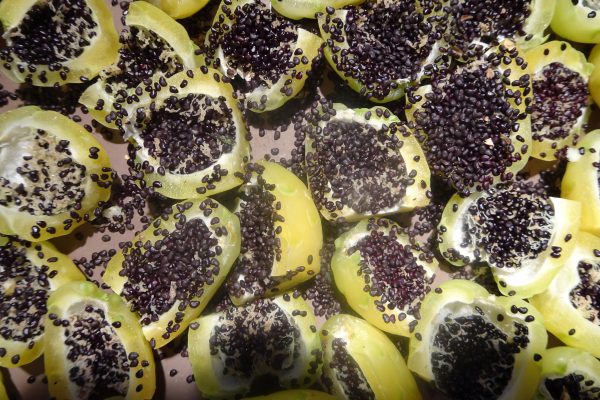
Dry pods and hard dry seeds of foothills paloverde, harvestable by mid-June for milling into protein-rich flour.

Scroll back in this SavortheSouthwest.blog archive to my post about Luscious Legume Trees for some fun instructions and recipes.

This is an invitation to experience palo verdes from your comfortable and cool shut-in solitude–no masks needed:    Join me for an  enriching how-to online Zoom Workshop about our 3 Tucson area palo verdes, coming up SOON, June 2, 2020 at 2pm via Mission Garden.    You can sign up thru this “Palo Verde Window.”

With the Zoom format you will learn to identify our 3 different local palo verdes (blue, little leaf and Mexican), get to know which ones are edible, their rich nutrition, their ethnobotany, and recipe ideas.  As we share Mission Garden’s “Zoom kitchen” you’ll be able to ask questions in face-time.  See you there!

Note–if you can’t join the live Zoom Workshop June 2, you might still be able to register to “attend” via recorded Zoom thereafter.

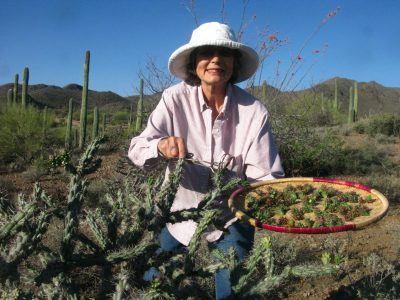
Tia Marta peels open a foothills paloverde “pea” from its pod for a sweet and nutritious gift from the desert

Happy wild-harvesting –with thanks for the paloverde-plenty that surrounds us through this window of opportunity!

Find other Southwest heirloom foods available online at www.flordemayoarts.com and www.nativeseeds.org .

Yellow squash blossoms with blue corn


Hello all, Amy here with my two little summer squash plants growing in the garden. 

They’ve been flowering beautifully, but I’ve only eaten one patty pan. 

Each squash plant produces flowers that make pollen (male flowers) and flowers that make fruit (female flowers). Each flower only opens for one day. On that day insects (or a human with a tiny paint brush) pollinate from one flower to the next, from the same or different plants, resulting in the famous swelling summer squash. Without pollination, the little fruit withers and dries. Looking at the stem below the flower is the fastest way to determine a fruit or pollen producing flower. Since I don’t plan to save seed and both plants are of the same species, I’m mingling pollen from the pale green patty pans and the yellow patty pans. I won’t see the difference in this year’s crop. Often pollen producing flowers bloom days before any fruit bearing flowers appear, so those are fair game to eat. Unfortunately, I also had many days with only female flowers and no pollen! I did not have any cheese on hand to stuff them like Carolyn used in this recipe, but I did have some lovely heirloom blue corn meal.


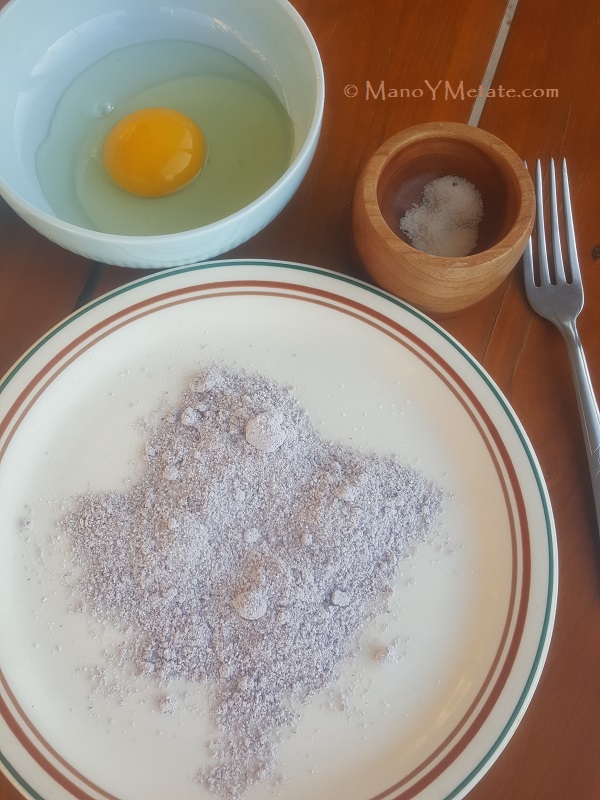
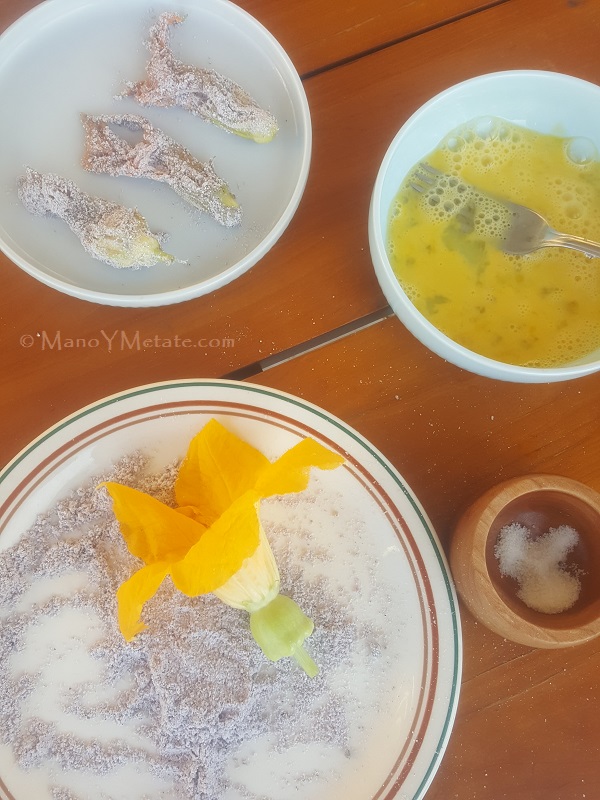
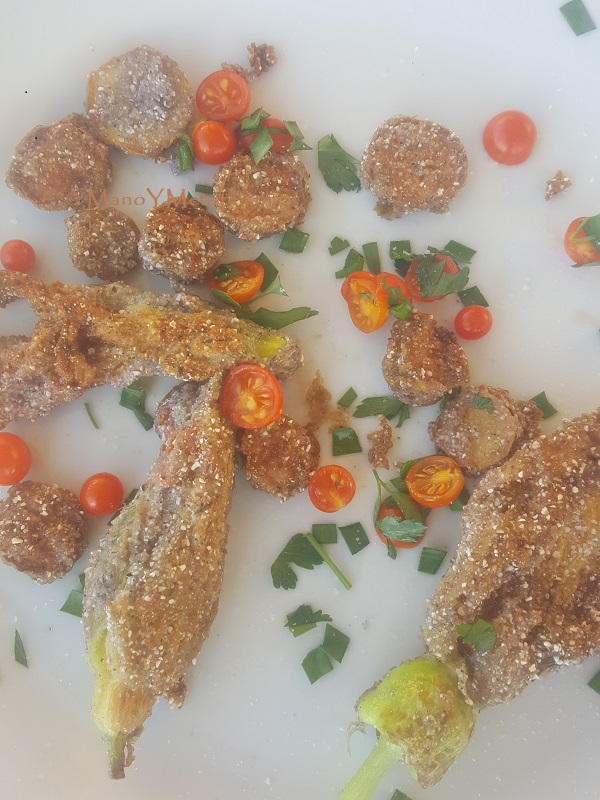
After dipping in beaten egg, I dusted the blossoms (a few male flowers from my Tucson CSA share and the females from my garden) in the salted cornmeal.

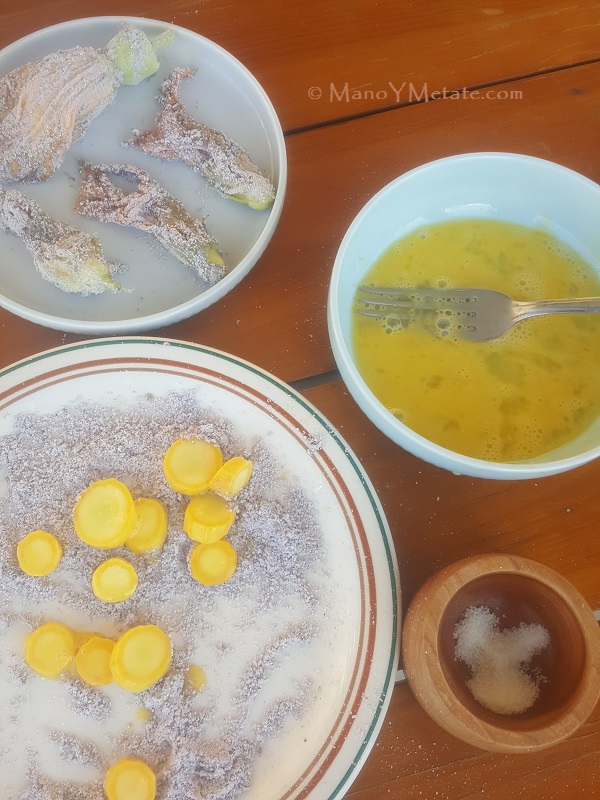
I also sliced a yellow crookneck from the share and treated it the same.

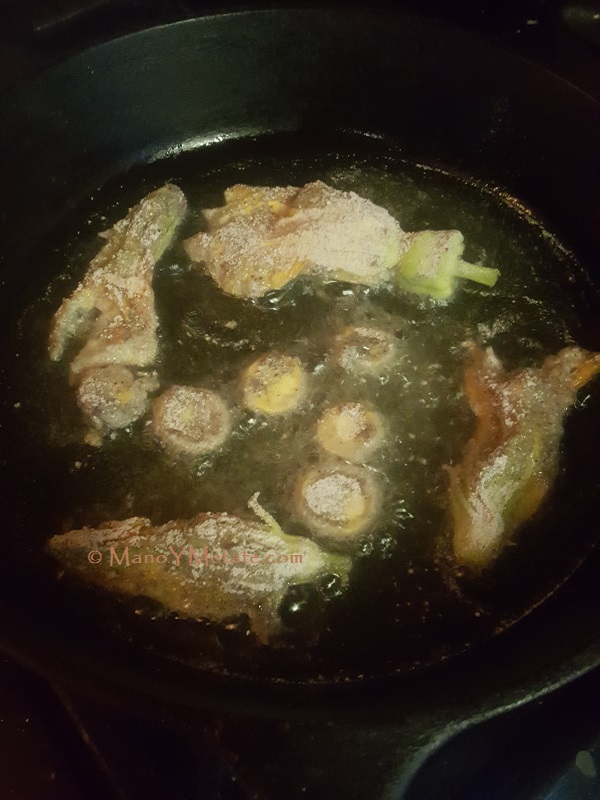
Then into hot oil…

While that was going, I RAN out to find something fresh to garnish this crispy little dish.

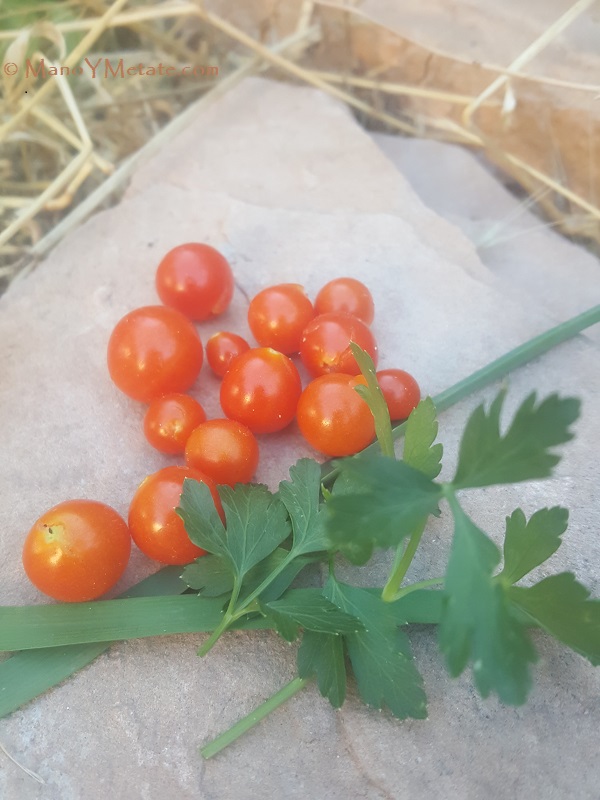
 I found garlic chives, flat leaf parsley and a volunteer “wild” tomato I’ve been babying in a pot since last summer.

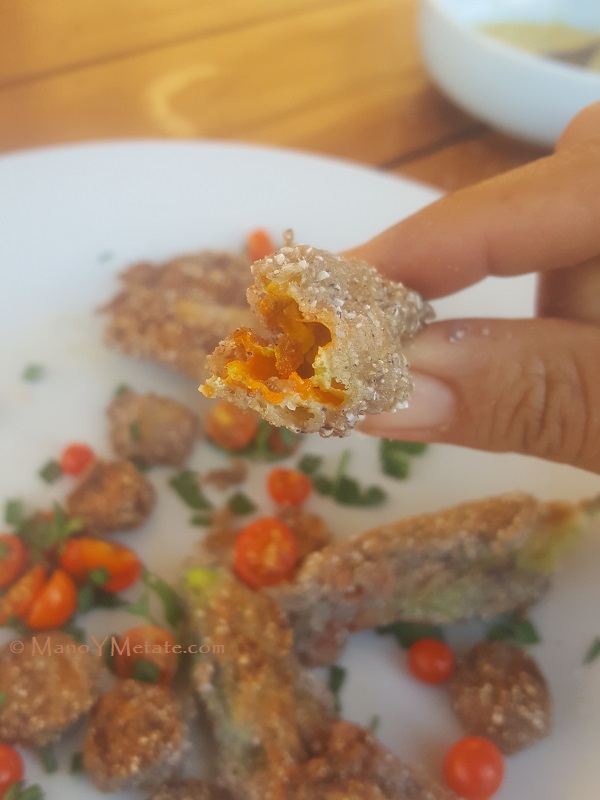
After a final sprinkling of sea salt, I ate it immediately, very hot! 

A delicate treat from the garden. There’s plenty of summer left to eat giant green baseball bats. 

Enjoy Ya Cholla!

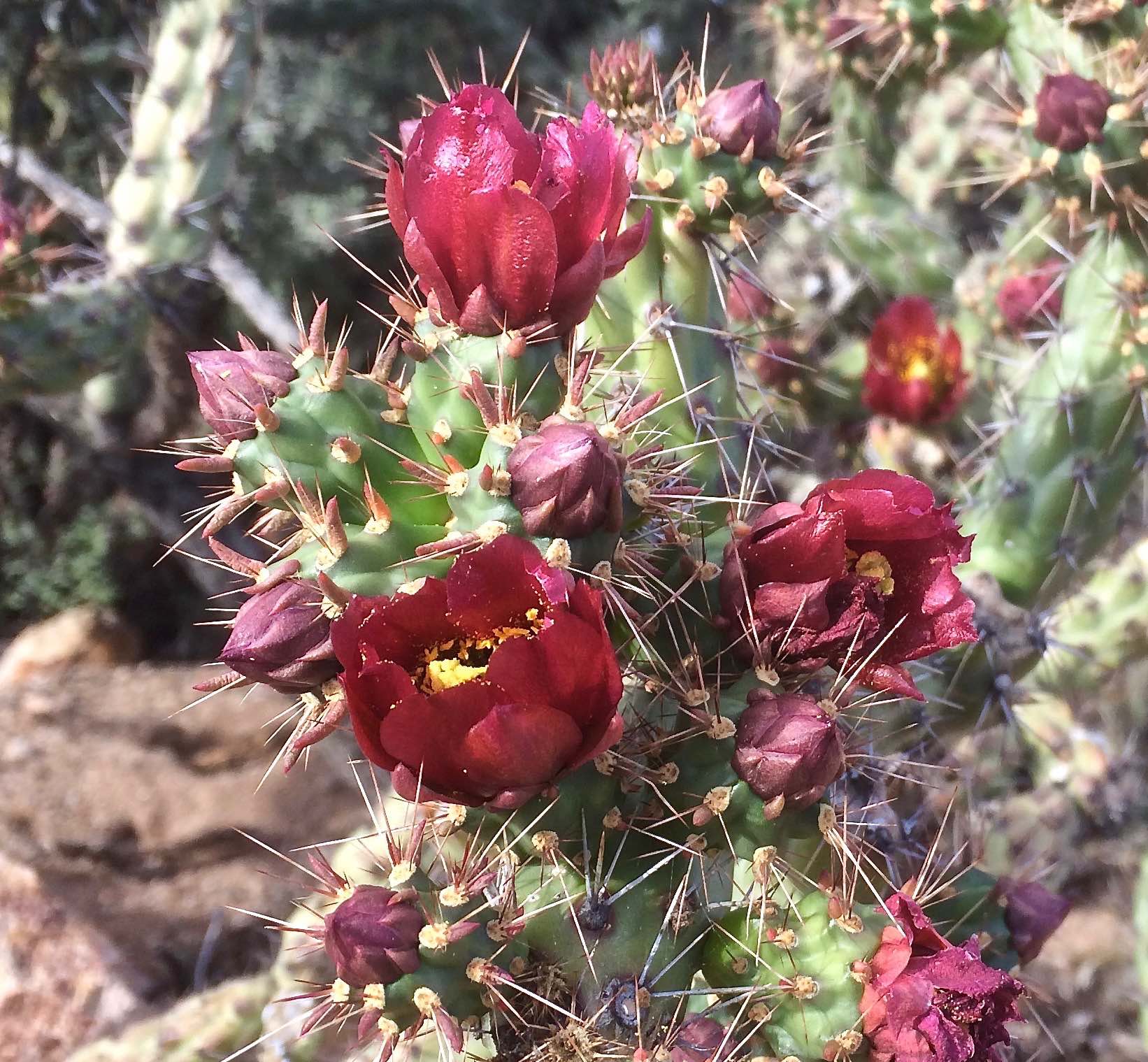
With so much plenty around us in the desert–like this glorious staghorn cholla (Cylindropuntia versicolor)–2-leggeds can be rewarded while social-distancing with healthy outdoor exercise and super nutrition.  Read on…… (MABurgess photo)

The cholla bloom is in full swing!  The low desert in Baja Arizona continues to explode with color late April into early May, with several species of cholla cactus punctuating the landscape colorfully with a rainbow of colors-and a fiesta of flavor.  When the first flower buds open on cholla, traditional O’odham harvesters knew this short window of time is for feasting on this nutritious food, and for drying and storing enough for the rest of the year.
Tia Marta here to share creative and fun ideas for the generous harvest available without getting near a grocery.  For detailed “how-to” ideas, view this earlier SavortheSouthwest post and a short video from a  NativeSeedsSEARCH workshop.

Why harvest unopened buds? Note how loosely opening petals grab spines and don’t let go. After brushing and screening off spines, cleaned buds must be boiled or roasted before eating. (MABurgess photo)

Enjoy my article A Budding Meal _ Martha Ames Burgess EdibleBajaAZ 2014 explaining how Tohono O’odham Elder Juanita Ahil harvested cholla, or, check out www.desertharvesters.org for guidance.

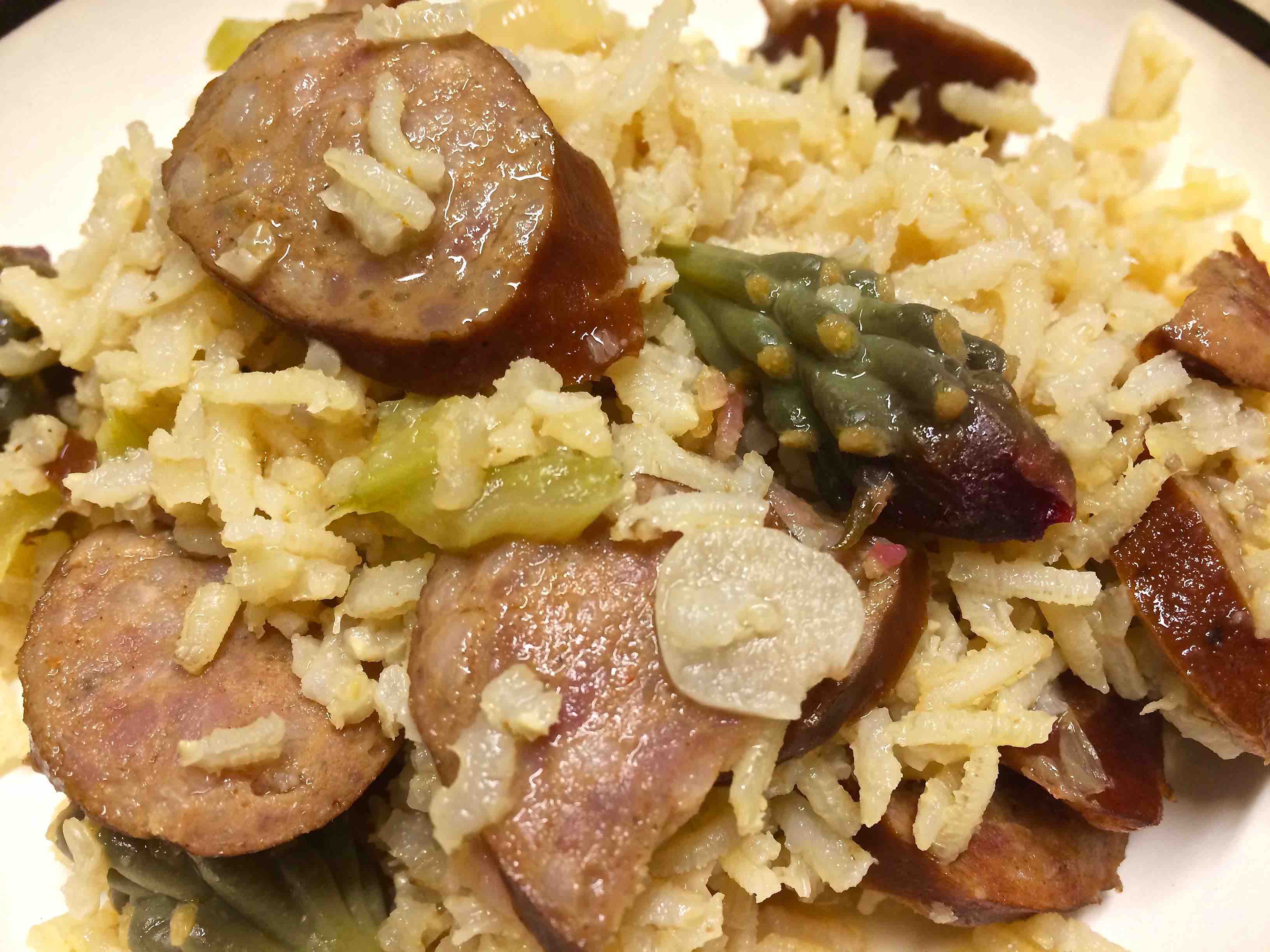
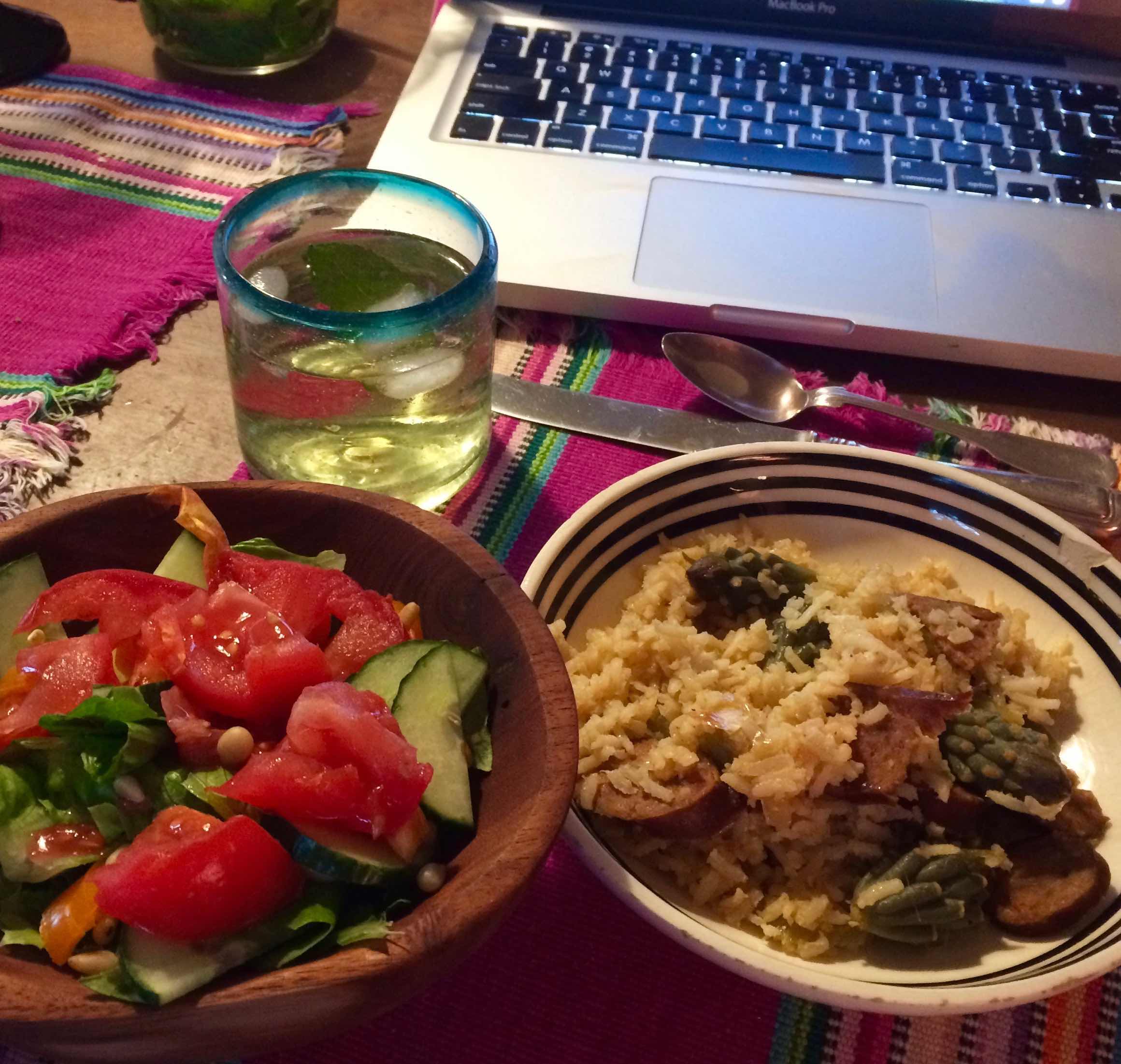
Jambalaya a la Cholla made with andouille sausage, sauteed garlic and celery, cooked cholla buds, served with brown rice. Find great jambalaya recipes online–just add prepared cholla buds!

Jambalaya a la Cholla was our centerpiece dinner shared on Zoom with pals.

When you venture into harvesting, be sure to start with three awarenesses:  giving thanks for this plentiful gift from the desert,  watching for snakes, and checking the wind for where spines might blow.

These off-the-wall ideas for sure are not traditional ways of cooking cholla.  Hopefully these ideas can inspire you to get creative with cholla.  As desert dwellers we should all have a deep respect for this much ignored or maligned cactus.  Cholla reminds us that there is no time for boredom.

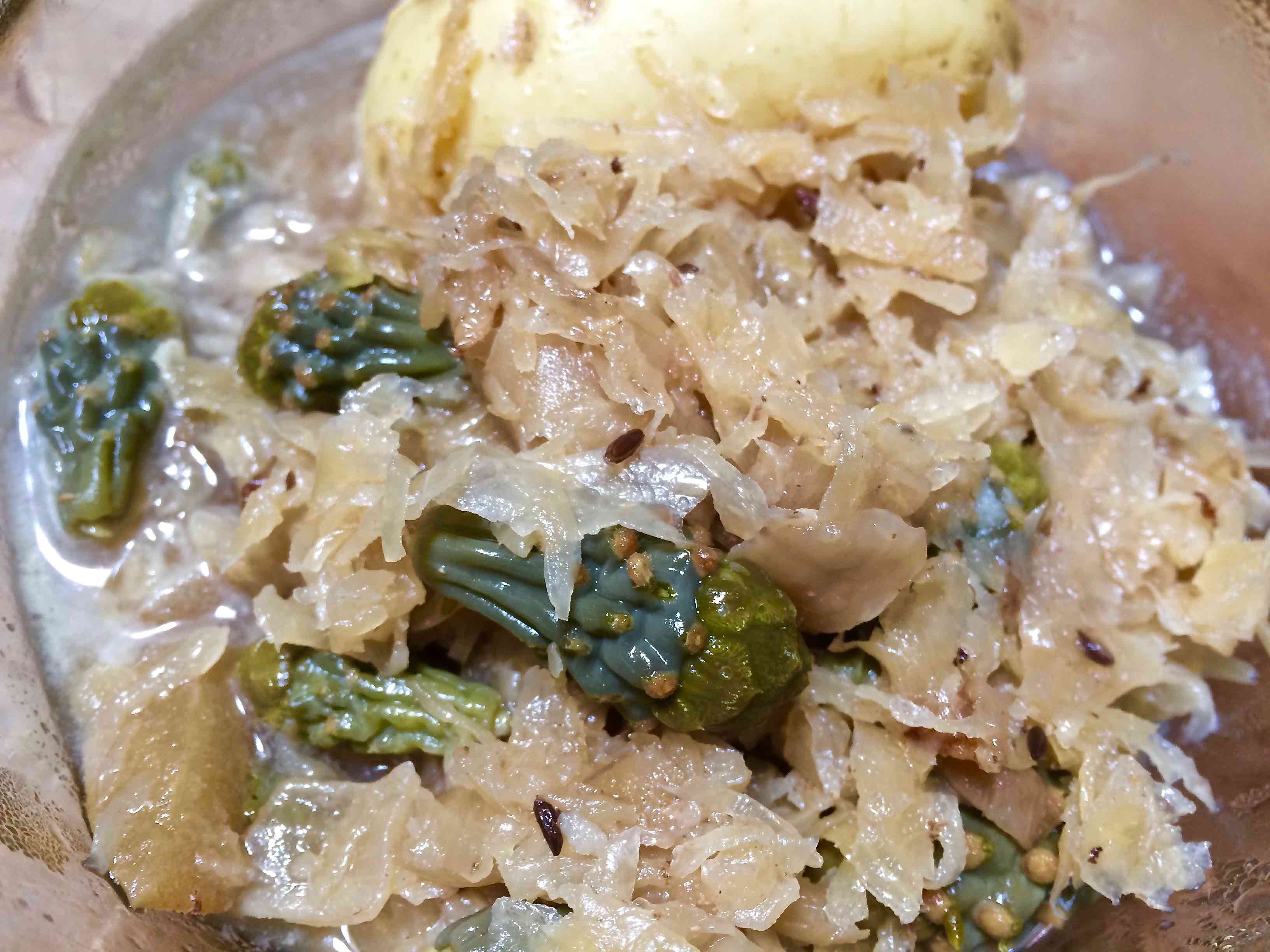
Try diluting the pucker-up sourness of sauerkraut by adding chunks of apple, caraway seed, and…tah-dah…cooked cholla buds for a wonderful addition!

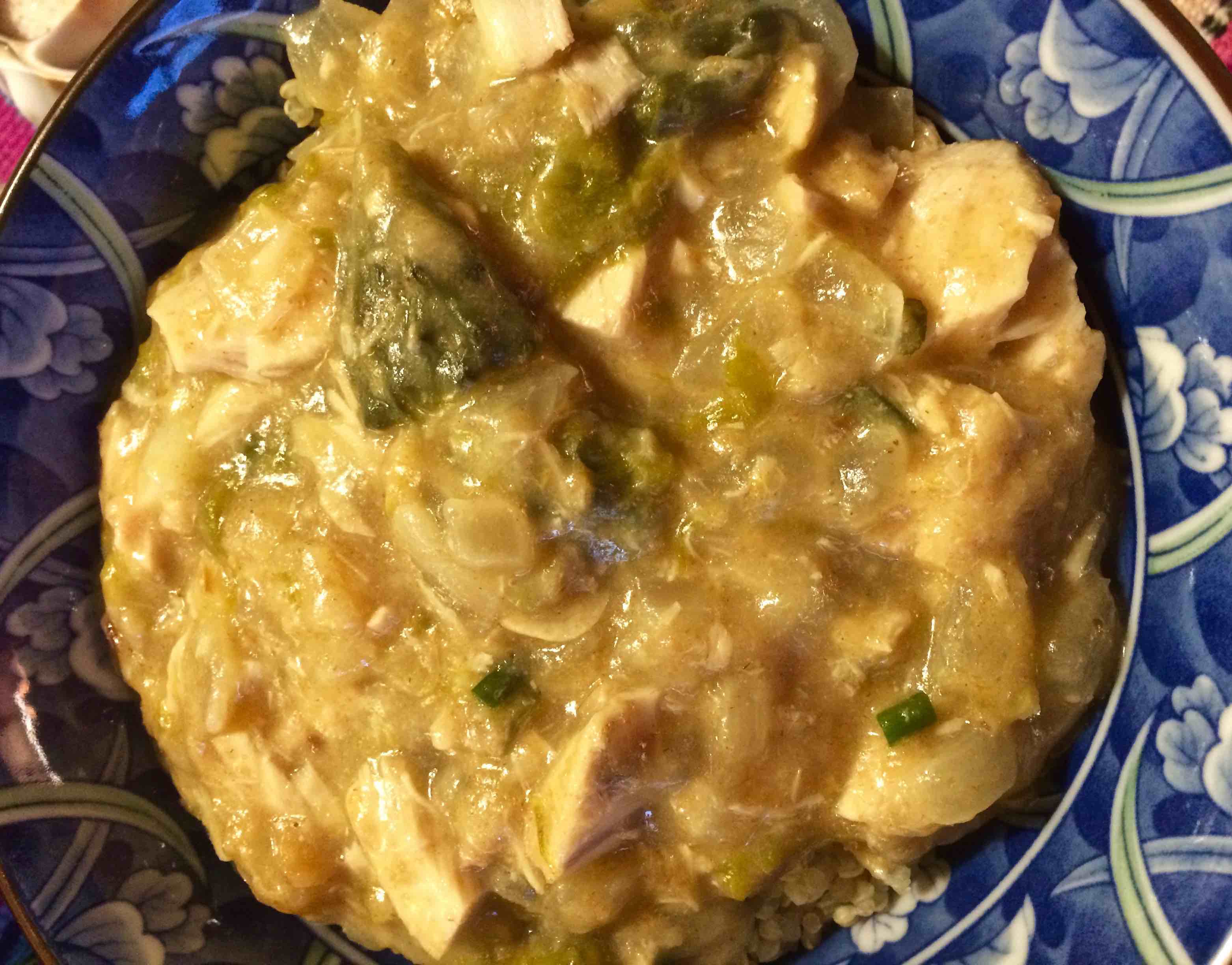
Try this variation on a favorite comfort food–Add prepared cholla buds to creamed chicken or chicken stew.

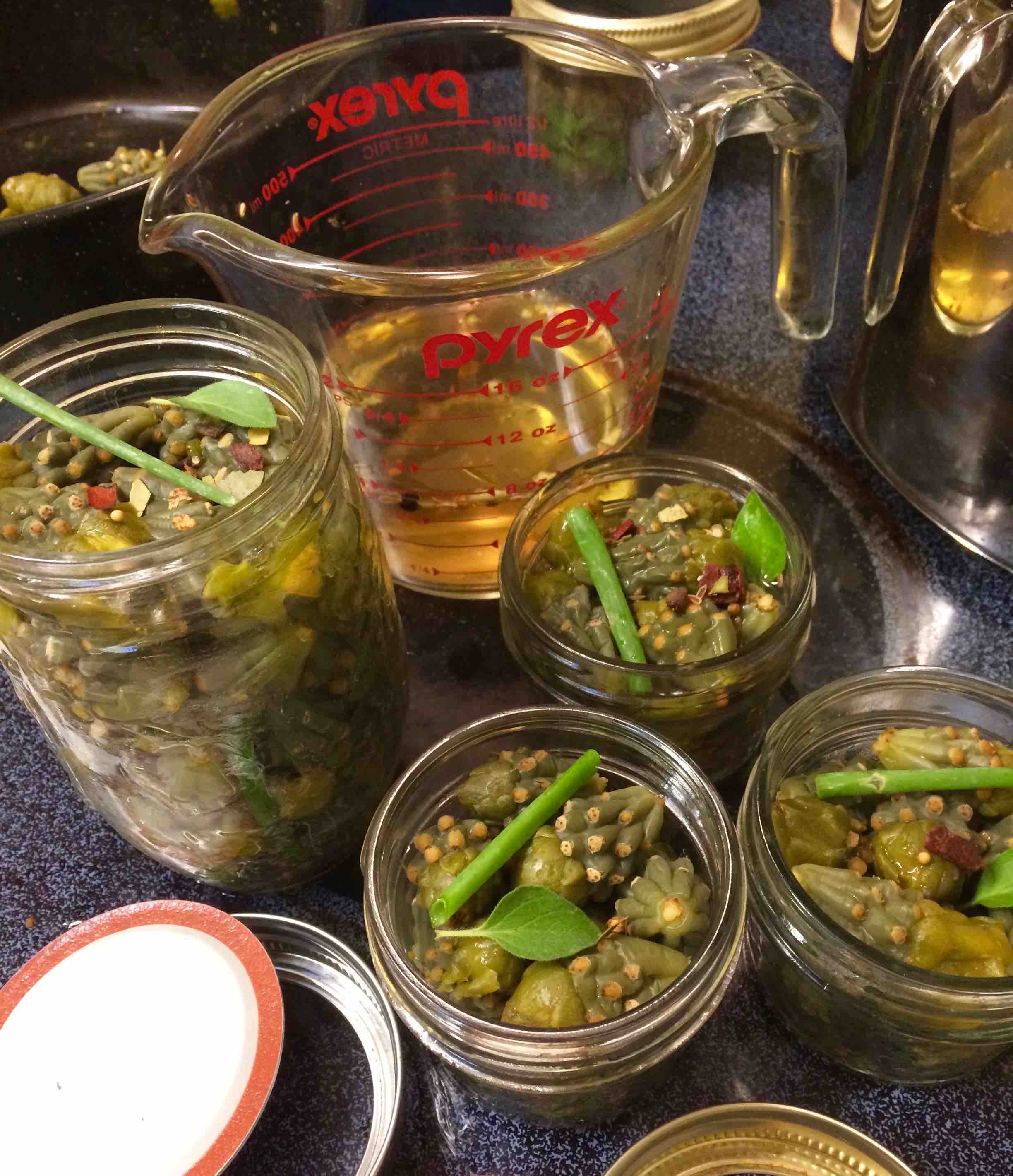
Using a simple dill pickling recipe online, I packed 20-minute-boiled buds into canning jars with snips of fresh oregano and I’itoi’s onion from my garden, then filled jars with a cider vinegar and spice mix. After a 15-minute waterbath jars were ready for storage or use as gourmet hors d’oeuvres.

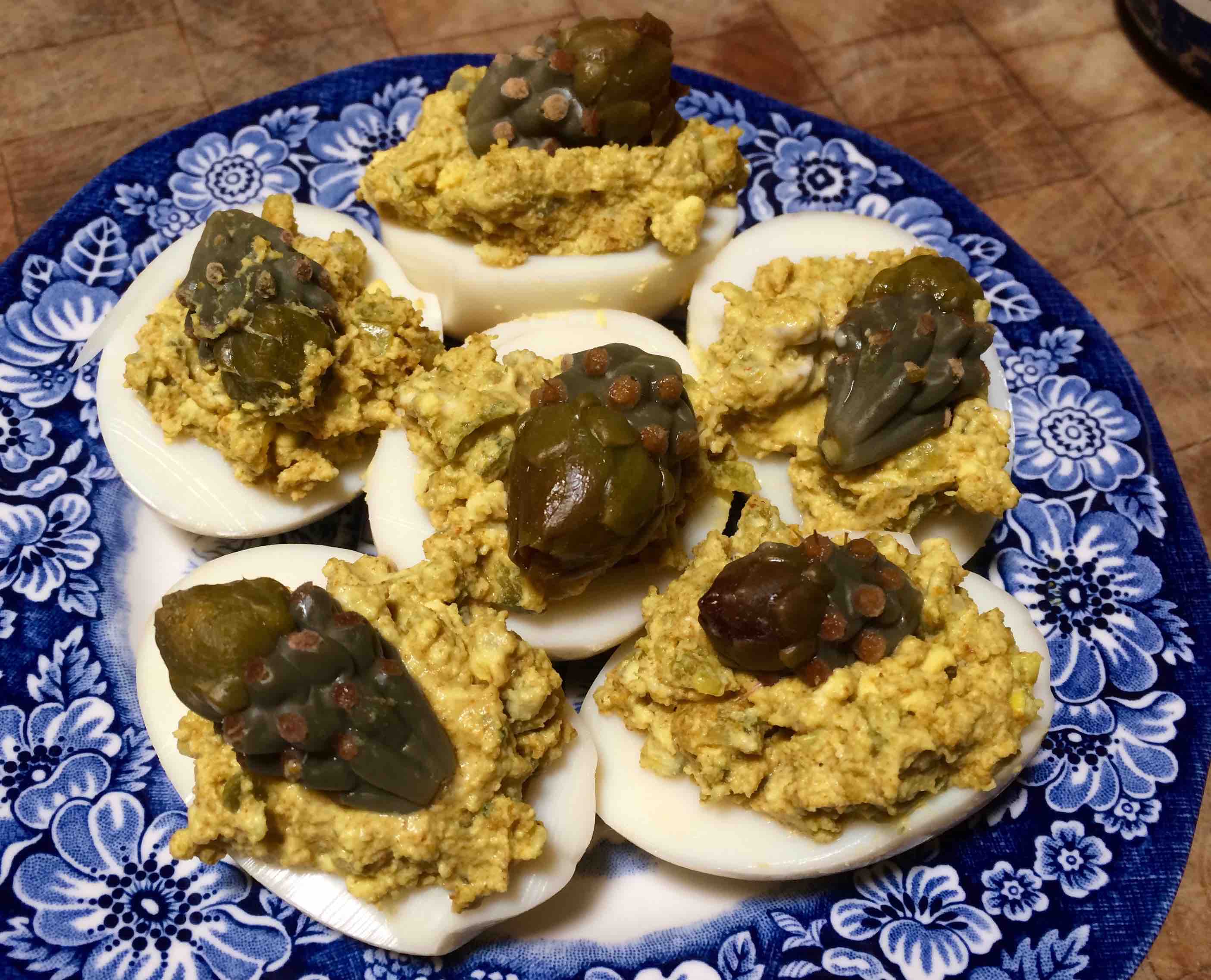
Deviled eggs made with chopped pickled cholla buds are a perfect hot-weather lunch or unusual buffet feature.  Try spicing up your deviled eggs with curry powder for a great complement to cholla!

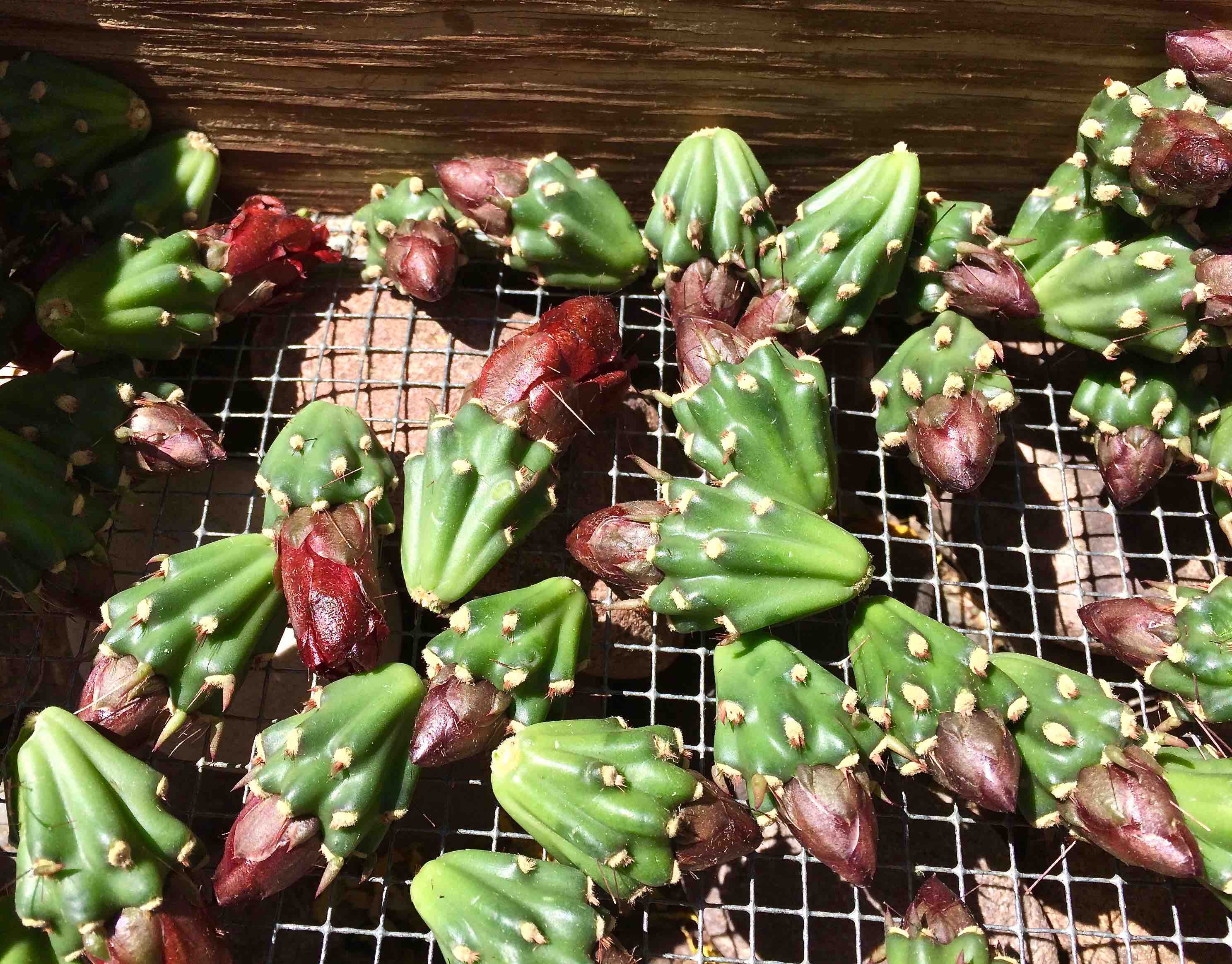
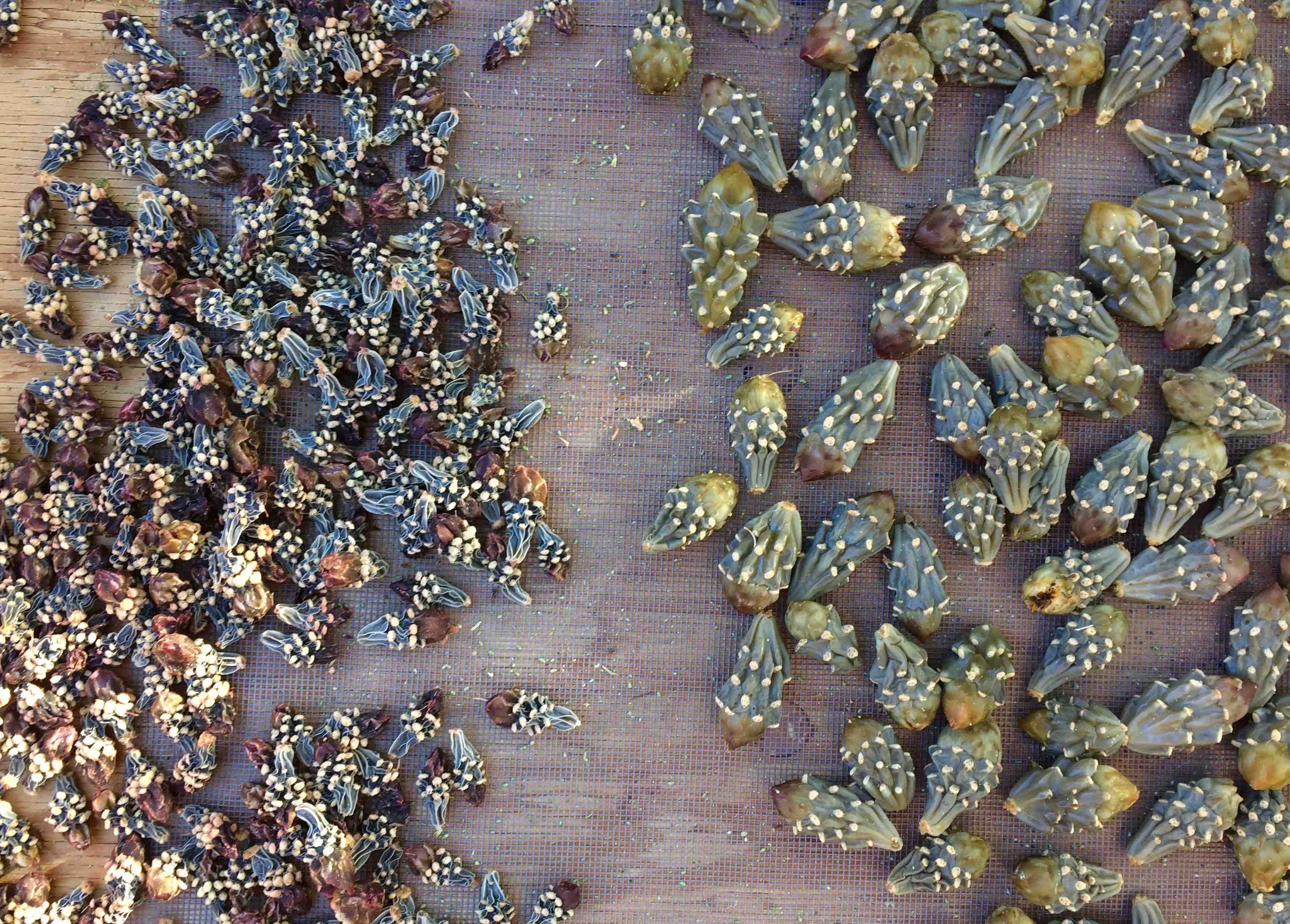
If planning for future food is on your mind, consider drying your cholla buds. Compare sizes on my drying screen of freshly boiled buds (right) and tiny, stone-hard dry buds(left) ready for storage. If fully dried patiently over several days, buds will keep for years in a glass jar.

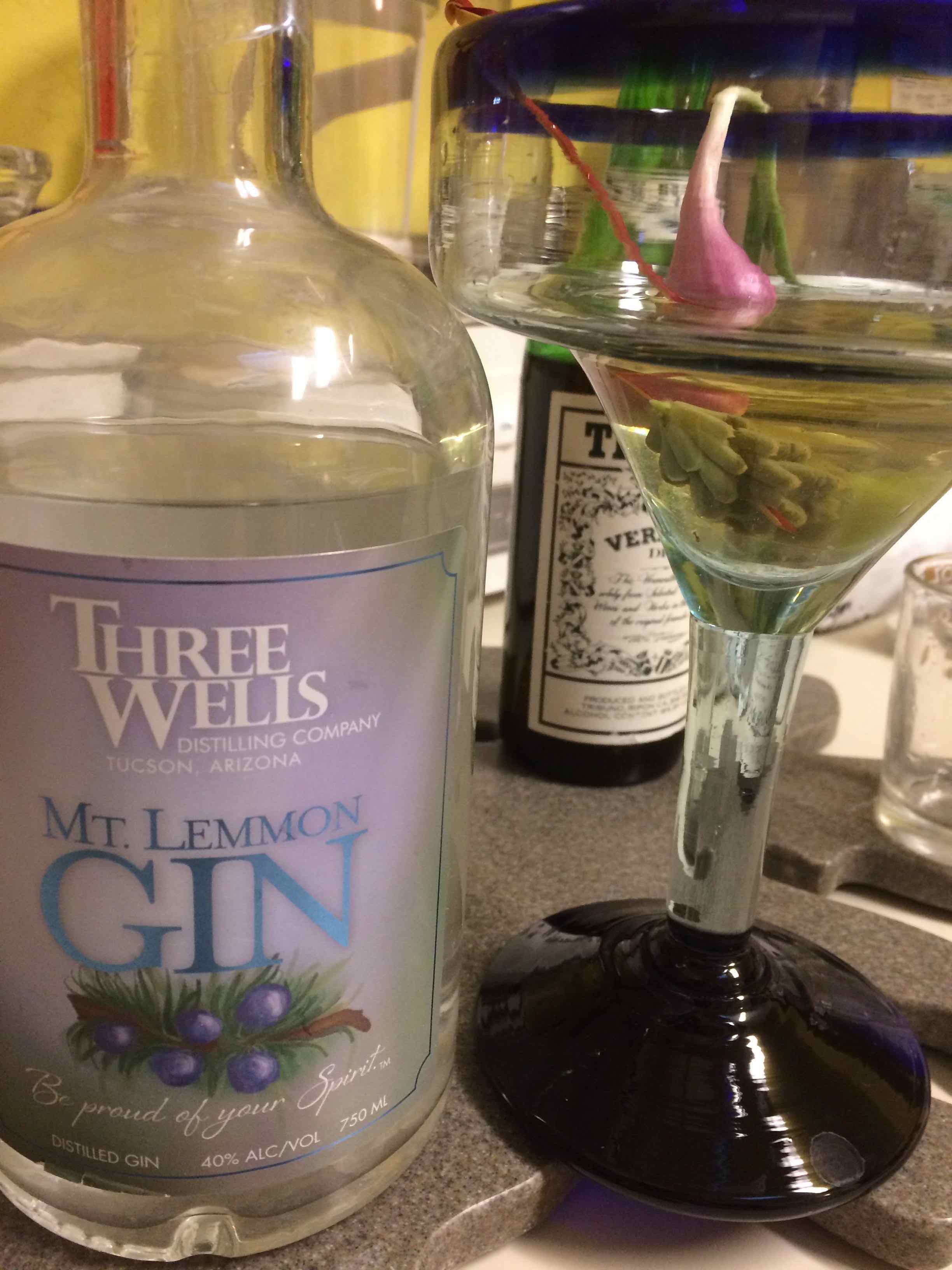
For the best in local libation to allay woes of social distancing, quaff a Sonoran quarantini made with Tucson’s ThreeWells Mt.Lemmon gin and garnished with a pickled cholla bud in place of an olive, plus a bulb of I’itoi’s onion. It can’t get more festively flavorful and local than that!

Read more about traditional cholla bud use by Native cultures in Dr.Wendy Hodgson’s Food Plants of the Sonoran Desert (University of Arizona Press).  Find more cactus cookery ideas in Cooking the Wild Southwest by Savor-Sister Carolyn Niethammer (also UofA Press).

Tia Marta wishes you happy cholla harvesting in our beautiful desert spring!

Dried cholla buds are available online at www.nativeseeds.org and at www.flordemayoarts.com.  You can find them also at the SanXavier Co-op.  For cooking with the sun on these hot days, order handy solar ovens at www.flordemayoarts.com or check craigslist for used solar ovens.

Backyard Wolfberry Salsa

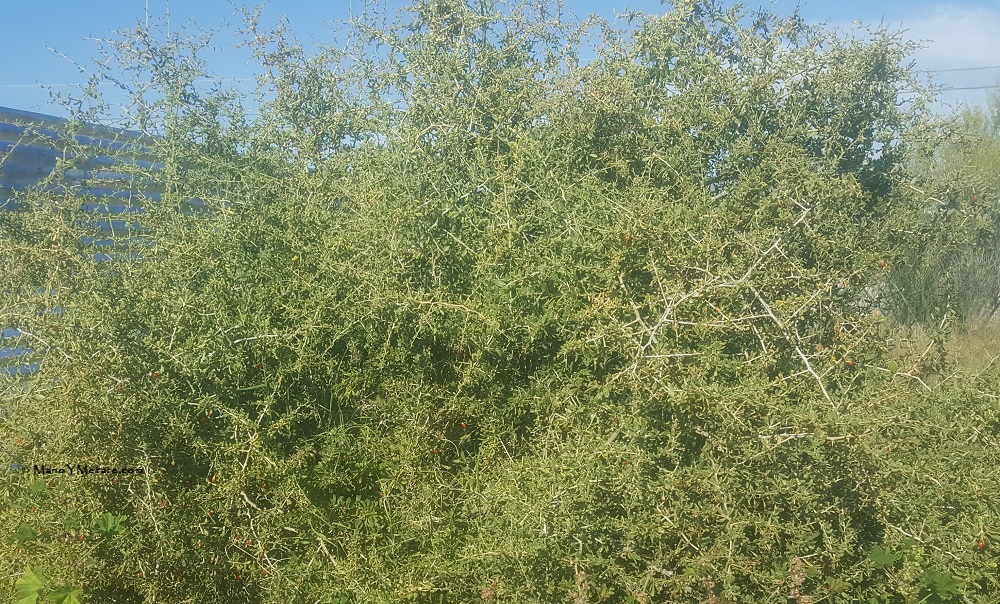
I planted a one gallon container wolfberry bush in a water harvesting basin on a dry corner of the yard in 2015. That first summer I watered it sporadically, then after that I left it alone to compete with the grass and weeds. Five years later, it’s a seven foot tall by seven foot wide bird sanctuary. Wolfberry certainly once grew wild on this land, in the floodplain of the Santa Cruz River, about a third of a mile from the current channel.

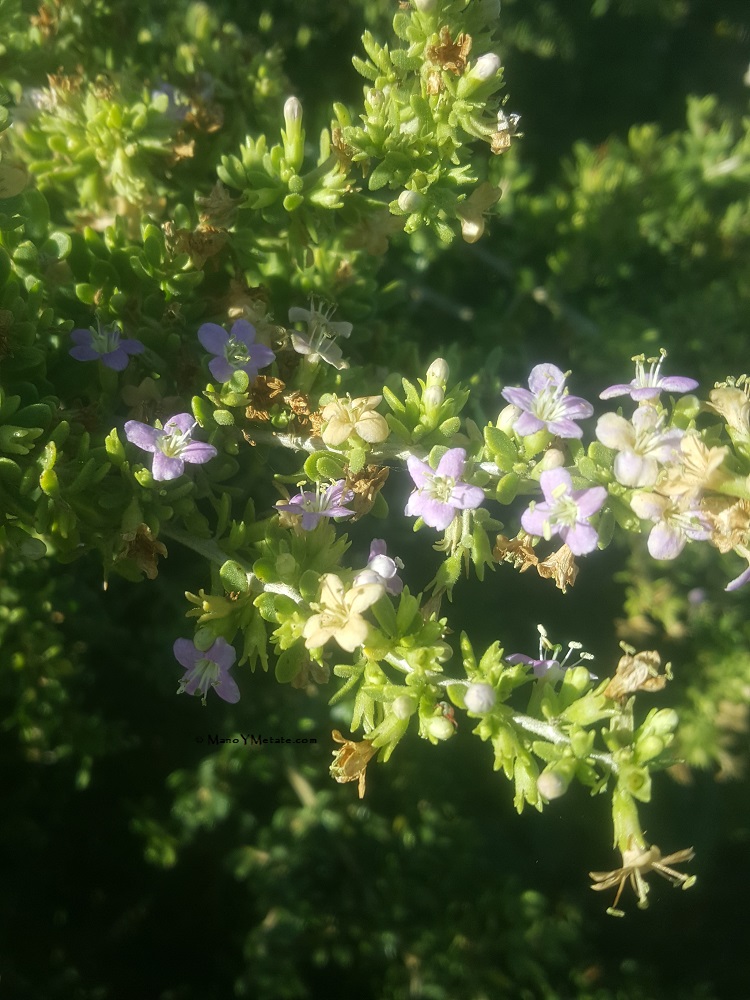
Actually I planted several species of wolfberry, and a Baja species has only lavender flowers now, but has a very long fruiting season.

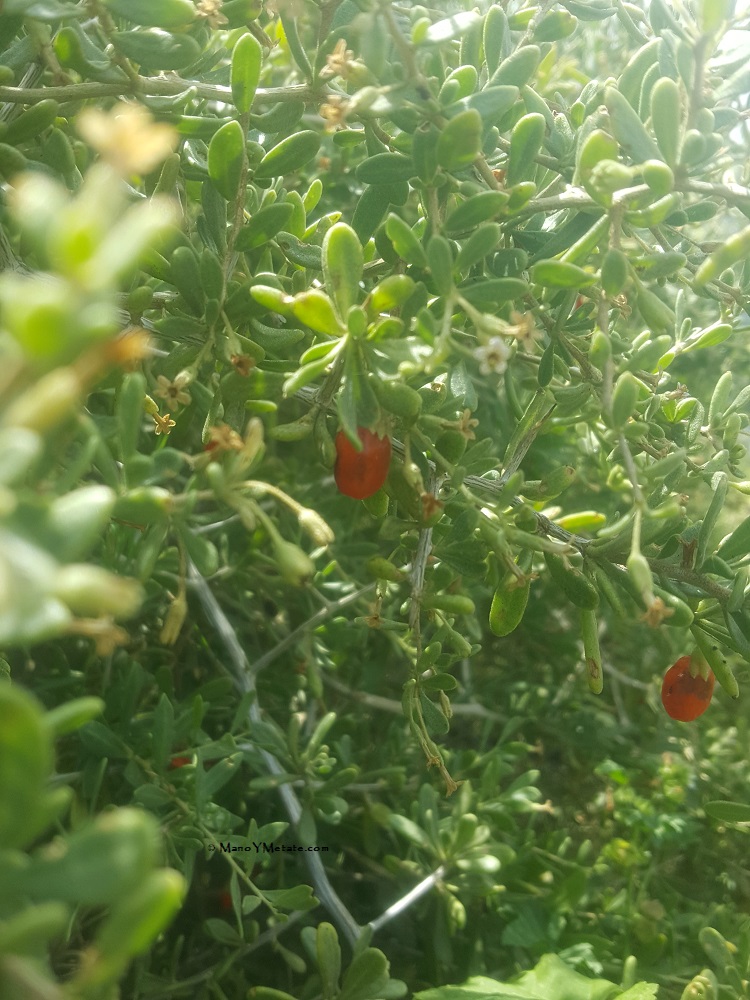
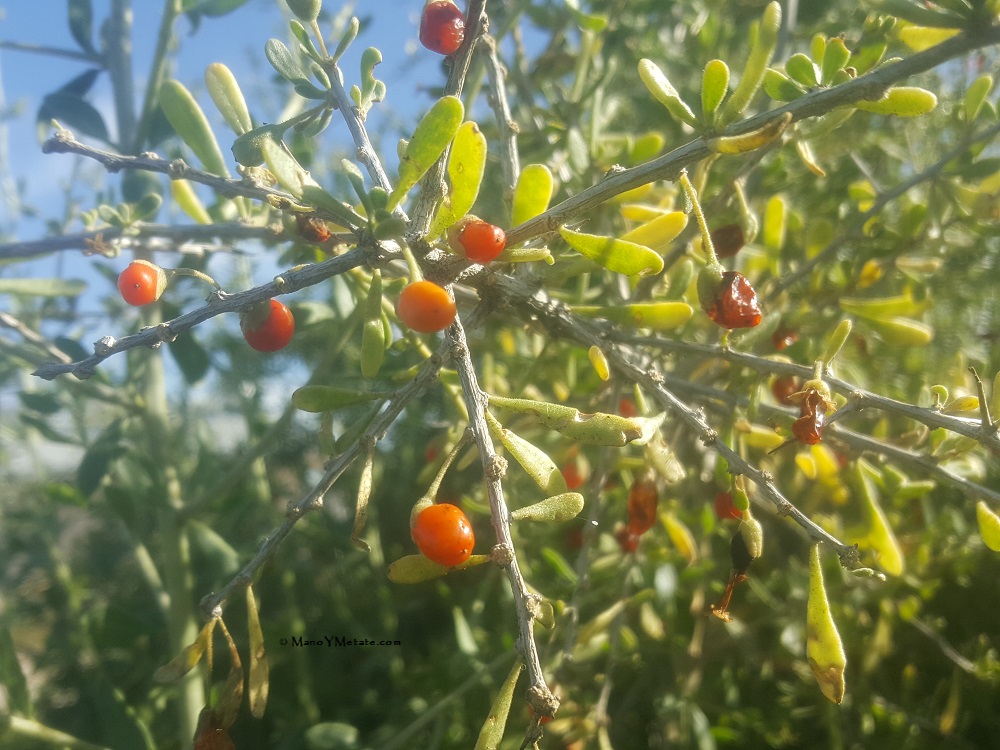
This Tucson native Fremont wolfberry, however, has a short bountiful spring fruiting in years with good winter rains. If you look closely, you’ll see a few white flowers among the red berries.

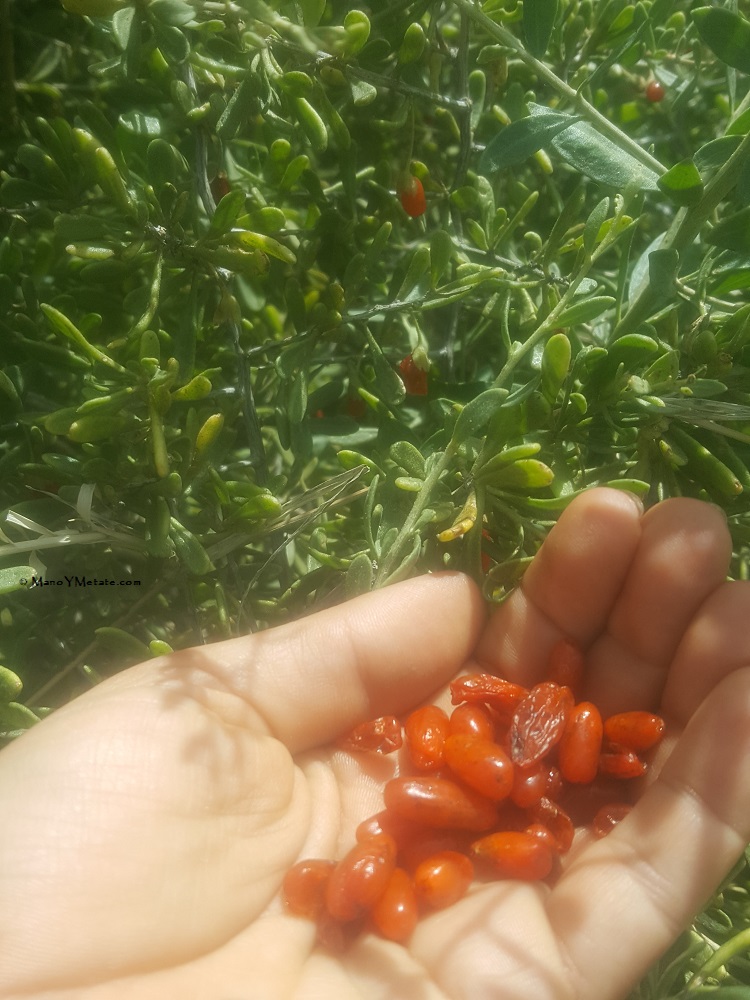
The North American wolfberries are close relatives of the gojiberry from China and distant relatives of tomatoes. Wolfberries are slightly sweet but taste and look somewhat like little tomatoes, so are also called tomatillos.

Harvesting in the thorny branches is meditative to me, unlike for the flitting verdins working the other side of the bush.

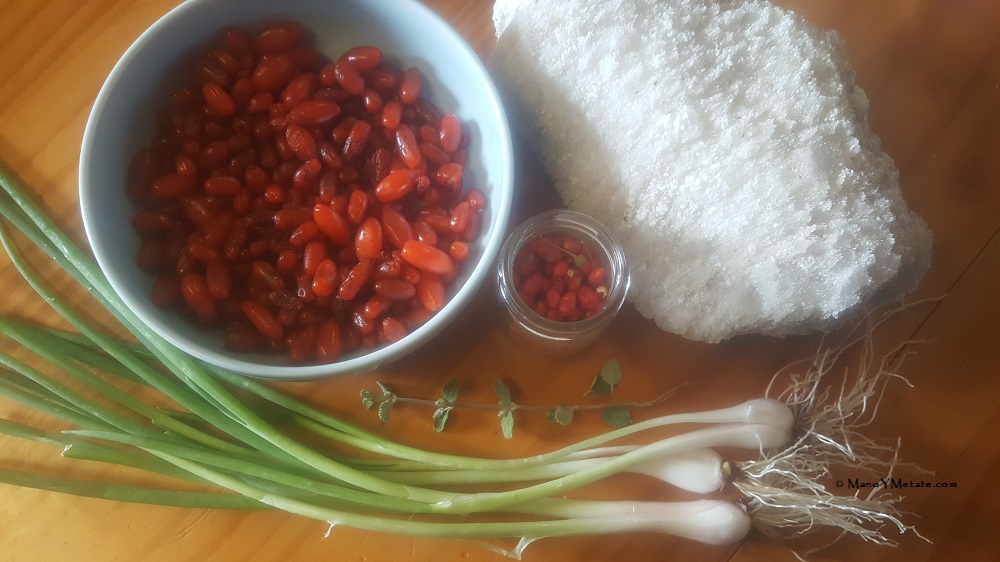
In the absence of fresh tomatoes, I decided to make a salsa. Also in the yard are I’itoi’s bunching onion.

Our Tucson wild oregano, oreganillo, is also known as Aloysia wrightii or Wright’s beebrush. It tastes somewhat like Mediterranean Mint family oregano, somewhat like other Verbena family Mexican oregano species. It definitely has a lemony scent that I sometimes catch in the breeze before I spot the scraggly plants hiding in plain sight in the wild. The leaves never get much larger than this.

Putting all this together, I broke out last year’s stash of backyard grown chiltepin and the salt I collected a few years ago near the Sea of Cortez.

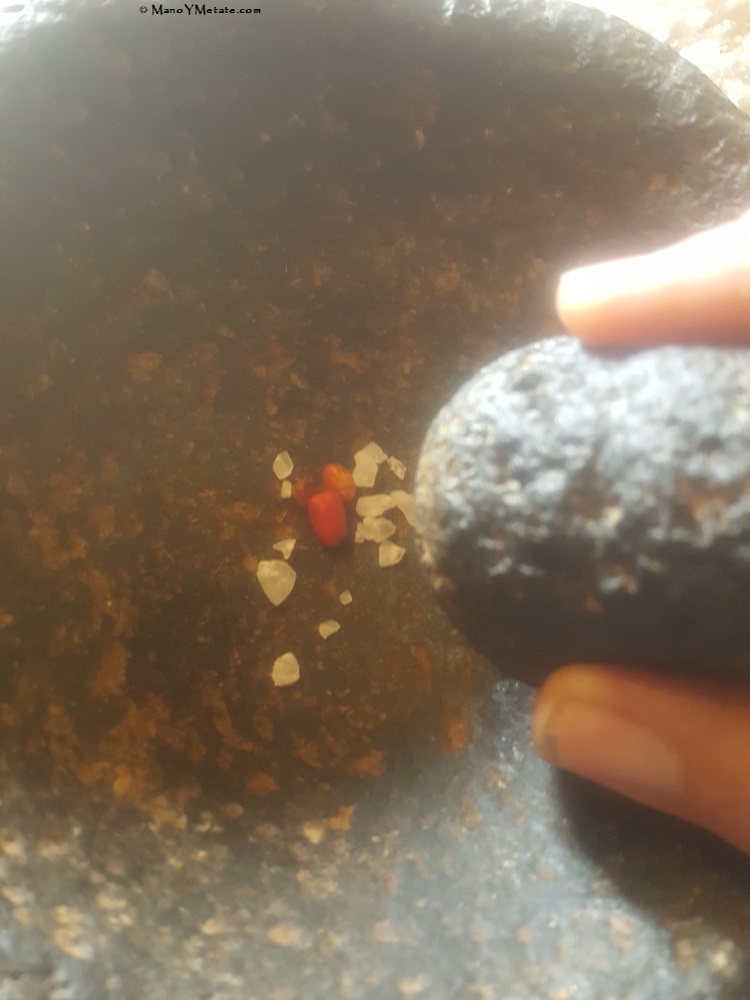
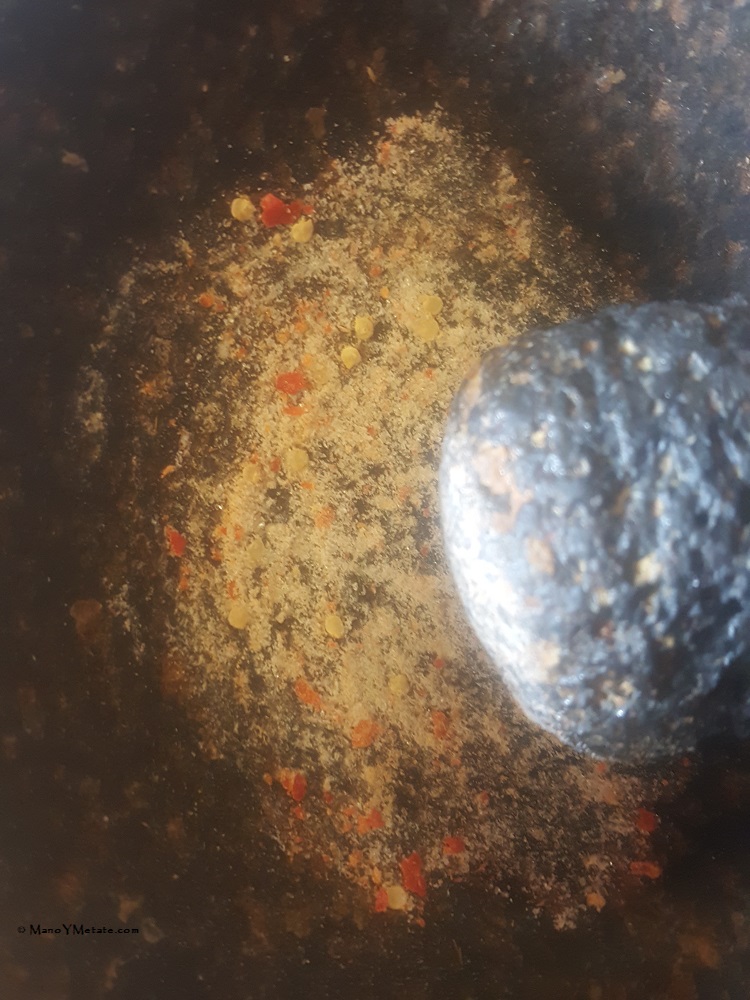
In the molcajete, I started with the chiltepin and salt.

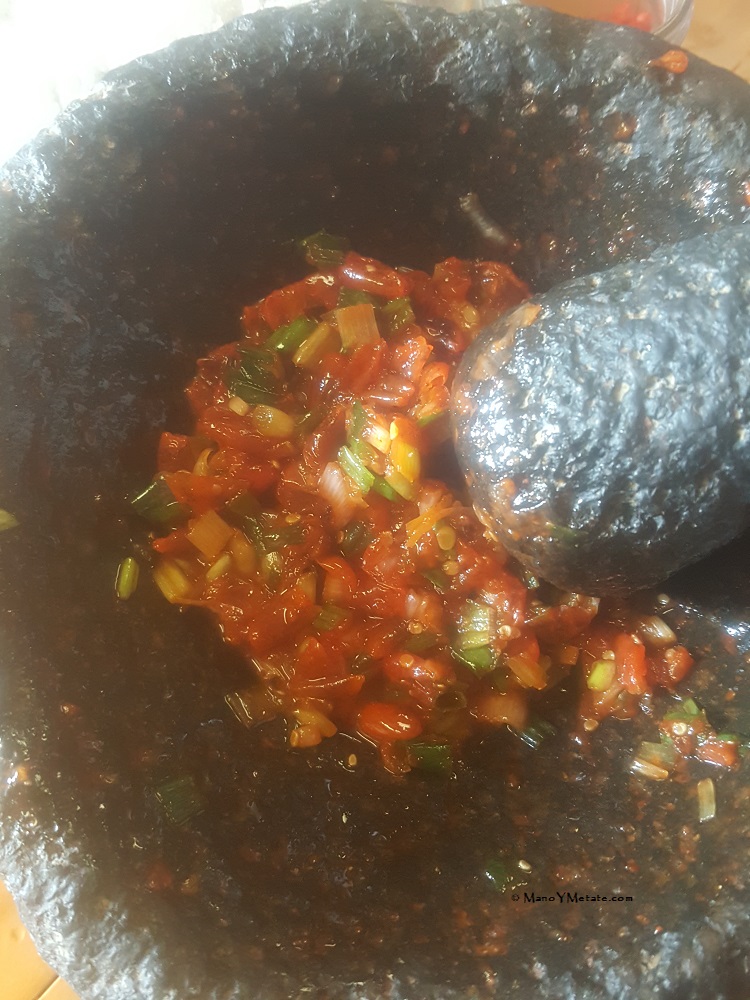
The diced I’itoi’s onions

And the fresh wolfberries and oreganillo

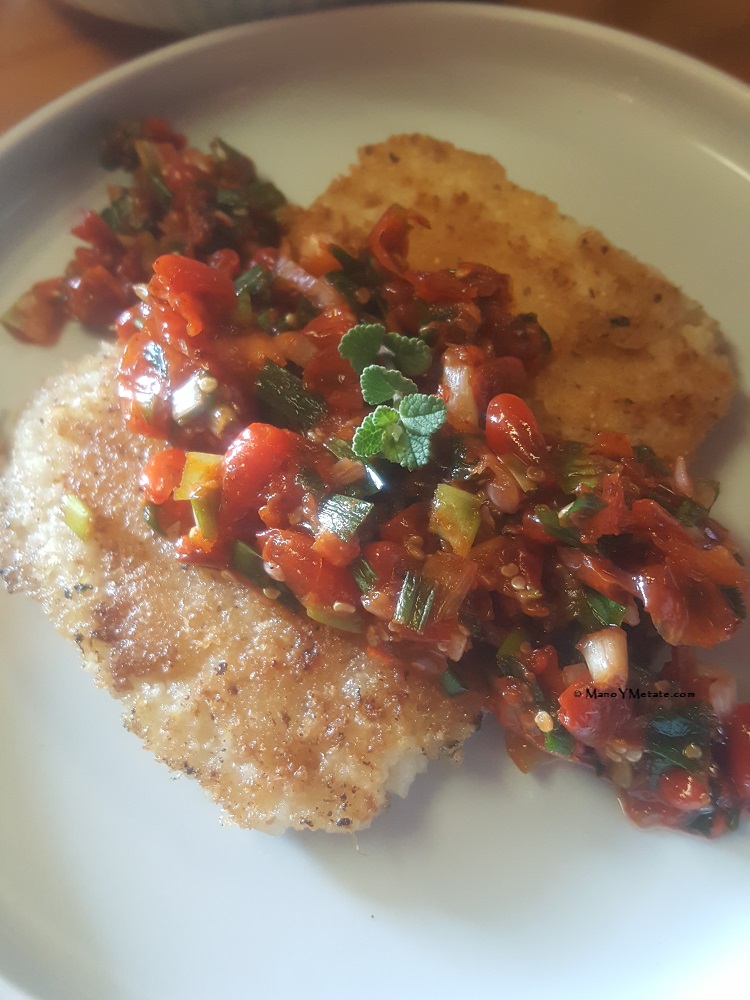
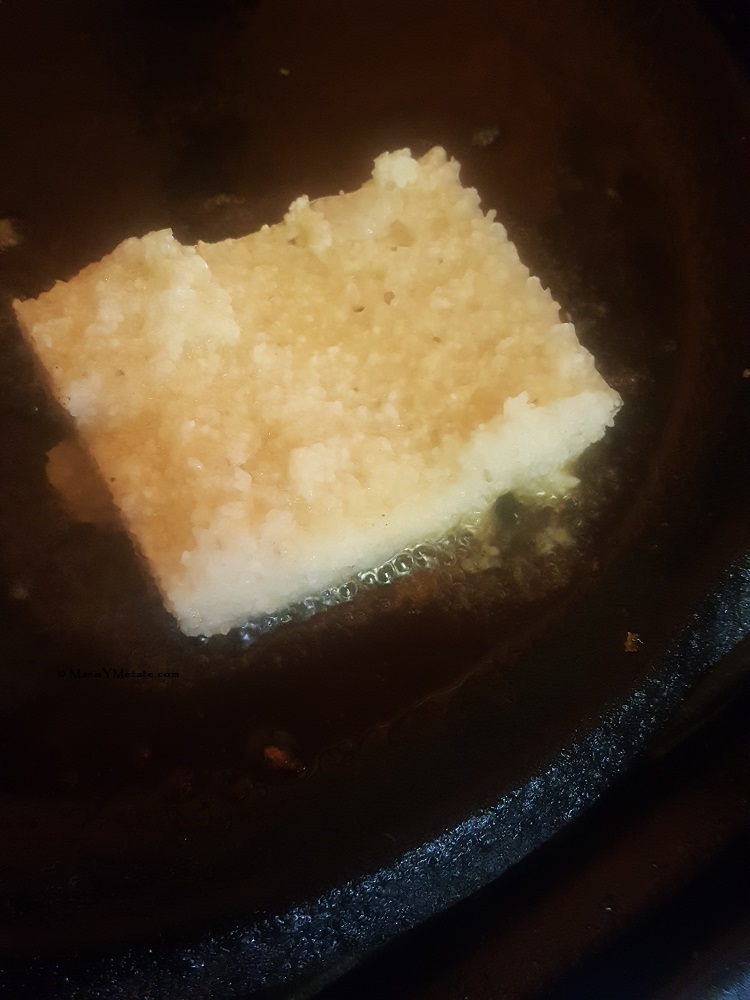
When making Mano Y Metate mole powders, I sift the largest particles from the lime treated masa meal. I’ve been making this leftover coarse meal into a mush and frying it. From frozen to crispy in the time it took to make the salsa.

I ate in the yard, contemplating the bounty of the desert.


Mexican Cornbread: Familiar, Comforting and Delicious

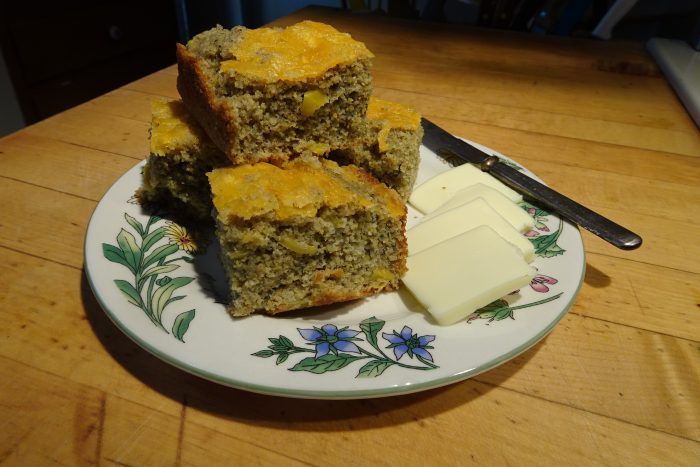
Mexican Cornbread goes with every meal. Great for breakfast, aside a salad for lunch, and the perfect accompaniment to a hearty soup for dinner.

In this food blog, we often challenge you with recipes using wild plants, unusual flavors, and special ingredients that will help you make great food with Southwest flavors.  But maybe this is time time for something familiar and comforting. Mexican Cornbread used to be in regular rotation on our dinner menu, but I’d forgotten about it.

It’s Carolyn today and this has been a head-spinning month for anyone in the food world. Which I guess includes anyone who eats, but especially those involved in getting you that food. First, I want to celebrate the incredible response of the Tucson restaurant community in the first American UNESCO City of Gastronomy. Many sit-down restaurants managed to pivot in a day to take-out establishments after our mayor declared they could no longer seat patrons. When hundreds of restaurant workers lost their jobs, some of their colleagues with funding from generous donors, stepped up to provide meals for their out-of-work buddies.

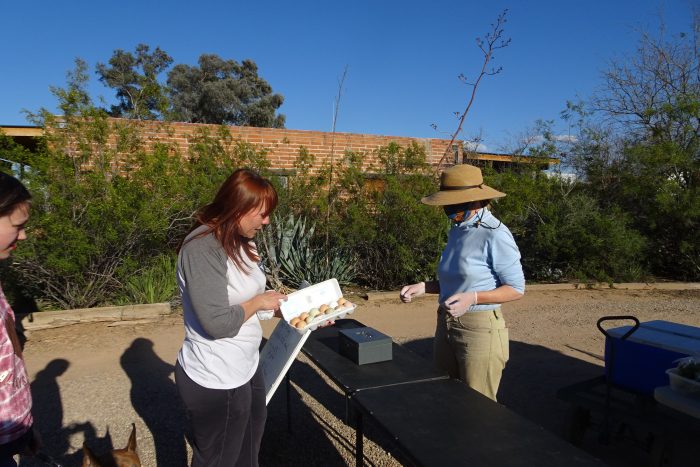
My friend Lorien who has a small in-town farm is staying away from the farmer’s market and instead is serving customers from the alleyway behind her garden. (Those are her chicken’s beautiful eggs in the photo below). This is just one example of how Tucson’s food community is adapting to the pandemic. My forthcoming book “A Desert Feast: Celebrating Tucson’s Culinary Heritage” is entering the design stage, but my editors allowed me the opportunity to quickly add an Epilogue discussing the heroic measures that help keep the food flowing in our city.

Lorien’s neighbor gets some eggs from the alley behind her Dreamflower Garden.

So, on to the recipe. There is a standard method for putting all the ingredients together, but I’d bet if you just dumped everything in the bowl at once and stirred, it probably would be fine.

Most of the ingredients for Mexican Cornbread are pantry staples.

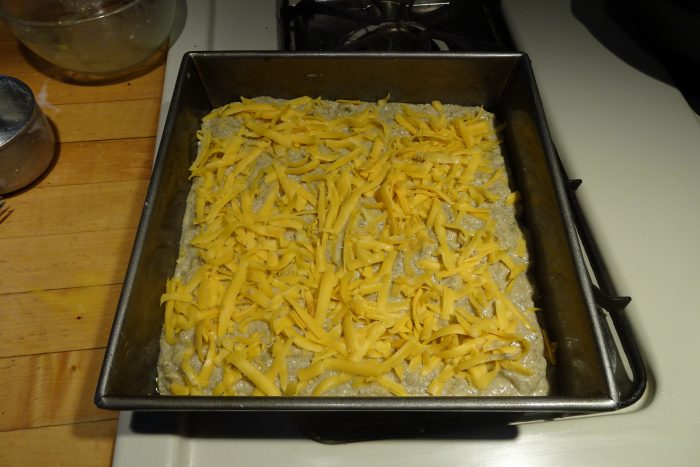
Ready for the oven.


This recipe is remarkably forgiving. Since I store my cornmeal at the back of the fridge and hadn’t seen it recently, I was surprised to find that I didn’t have quite enough yellow cornmeal. I certainly wasn’t going to run to the store for one item, so I  filled in with blue cornmeal of which I had an abundance. I prefer to use whole wheat flour, but you might want to use white flour. You probably don’t have buttermilk. Instead add a tablespoon of vinegar to regular milk. It will help the baking soda to do its work.  Here in the Southwest, we are used to eating spicy food, so we’d use at least some pepperjack cheese and add some jalapeños. But the cornbread is delicious in the milder version as well.

If you live in an area where prickly pear cactus are growing new pads and you are itching to use them, feel free to add some nopalitos to this recipe. Here, in a previous post, are full instructions on how to prepare them.  Nopalitos will add additional nutrition to your cornbread.

Mexican Cornbread

1 cup cornmeal

1 cup flour

1/2 cup melted butter

1 tablespoon sugar

1 1/2 teaspoons salt

1 1/2 teaspoons baking powder

1/2 teaspoon baking soda

2 large eggs, lightly beaten

3/4 cup buttermilk or milk

1 cup cream-style canned corn

1 (4-ounce) can chopped green chiles (chopped)

1/4 cup minced jalapeño peppers (optional)

1 ½  cups shredded longhorn, pepperjack or cheddar cheese

Instructions

Preheat oven to 425 degrees. Grease a 9-inch square baking pan.

In a large mixing bowl, combine the cornmeal, melted butter, sugar, salt, baking powder and baking soda.

In another bowl, whisk the eggs with the buttermilk. Add melted butter. Add the wet mixture to the dry ingredients and mix just until blended. Stir in the cream-style corn and chopped chiles. Add jalapeños if using. Stir to blend.

Pour half the mixture into the prepared baking pan. Sprinkle half of the shredded cheese over the batter.

Spoon remaining batter over the cheese layer and then top with the remaining cheese.

Bake for 20 to 25 minutes until lightly browned around the edges.

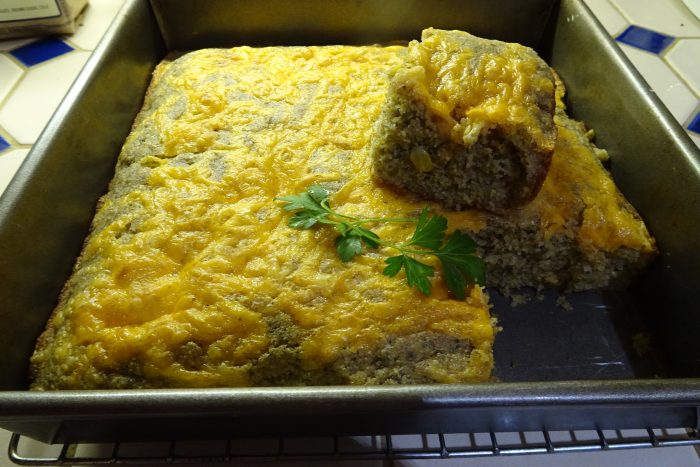
Just out of the oven.

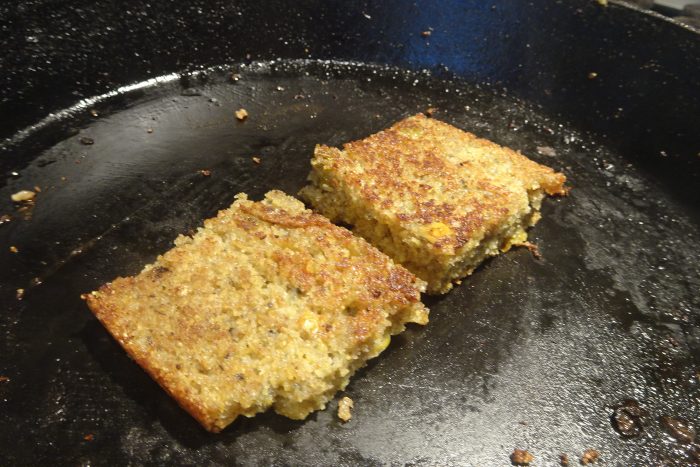
Unless you have a large family or are really hungry, you’ll have some cornbread left. This is a good thing. It makes a lunch salad a satisfying meal, it is great beside a supper soup, and any leftovers can be fried in a little butter for breakfast. Add an over easy egg.  Oh my!

Try frying Mexican Cornbread for breakfast.

_____________________________________

Carolyn Niethammer has written about the food of the Southwest for more decades that she is willing to admit to. She is excited that The New Southwest Cookbook has been recently re-released. The New Southwest Cookbook can help you up your game with easy but innovative recipes. The dishes originated with top chefs using familiar Southwest ingredients in delicious new ways. These chefs were well-trained and knew how to layer flavors to come up with either new spins on the old favorites or entirely unique ways of blending the iconic chiles, corn, beans, and citrus.  The New Southwest Cookbook can be ordered from your favorite bookstore or ordered from Barnes & Noble, Amazon, or the publisher.

Rescued sourdough crackers

Hello, Amy here today in the waste not want not kitchen. Feeding a sourdough culture usually creates more dough than an irregular baker needs, especially baking for one. I never like to waste, but now I have an elevated purpose for my cause….

Since my all sourdough pizza experiment was such a success, I tried the supposedly easier task of making a crust from older, less active, refrigerated “discard” sourdough with added commercial baking yeast for extra insurance. The dough never rose AT ALL.

So I decided to make crackers. Good save, and at the first taste I was so glad that I had not salted the tops! Also, I discovered what may have happened to my pizza dough. The recipe called for weighing all the ingredients except the tiny amounts of salt and yeast. But I glibly went online for weight equivalents. This would be fine had I used my fancy mole weighing scale at work instead of my less precise home scale. The excess salt must have inhibited the yeast and sourdough. Anyway…so today I have crackers!

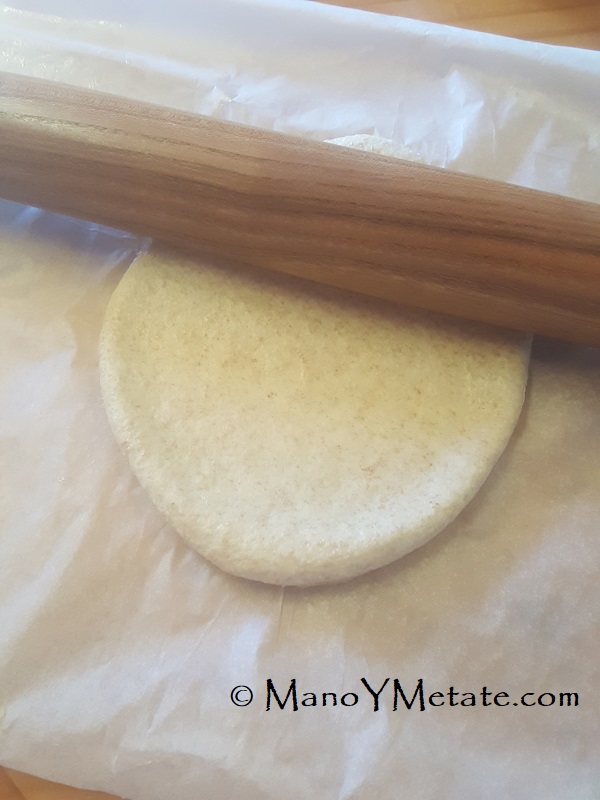
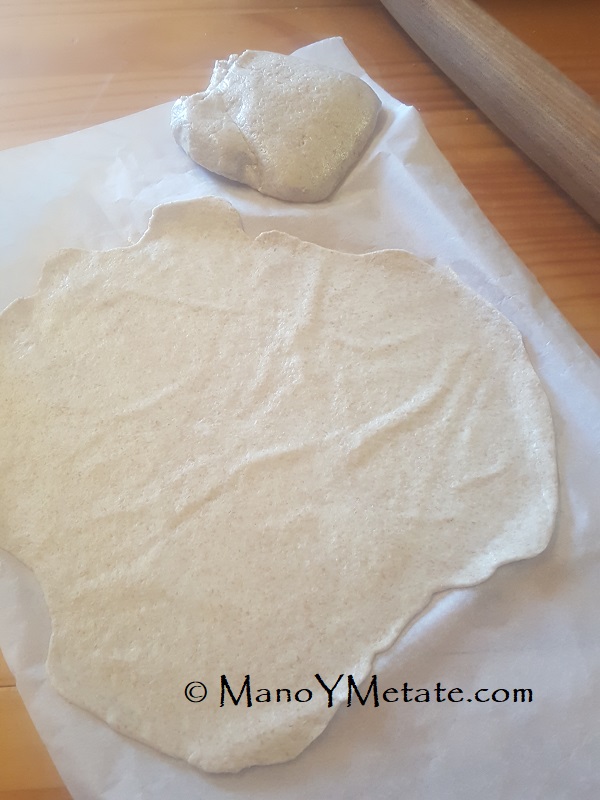
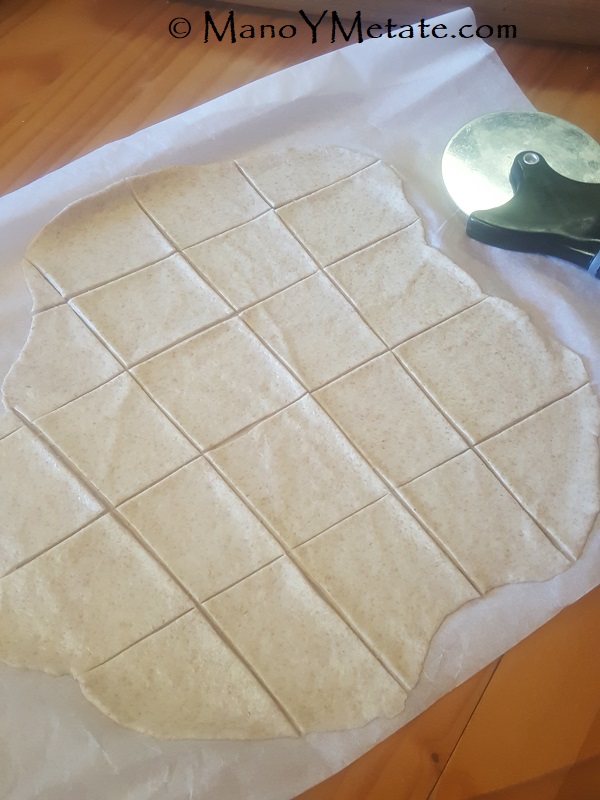
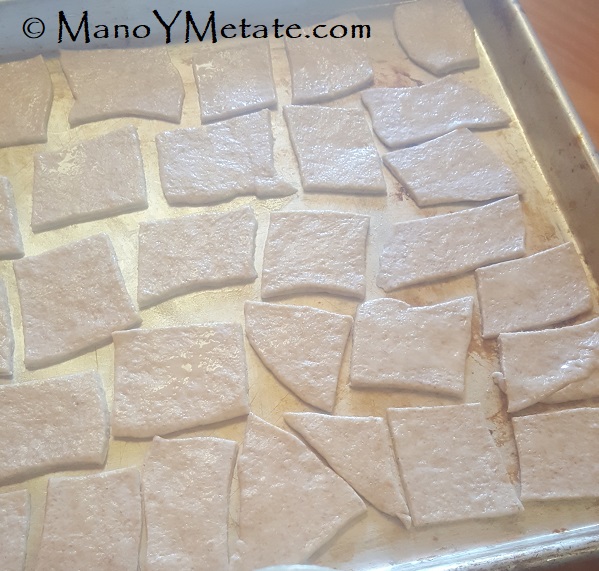
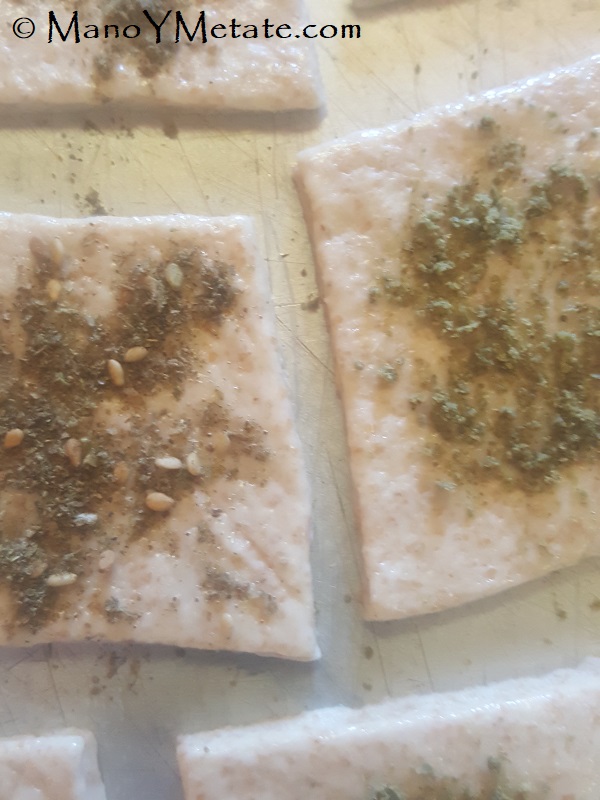
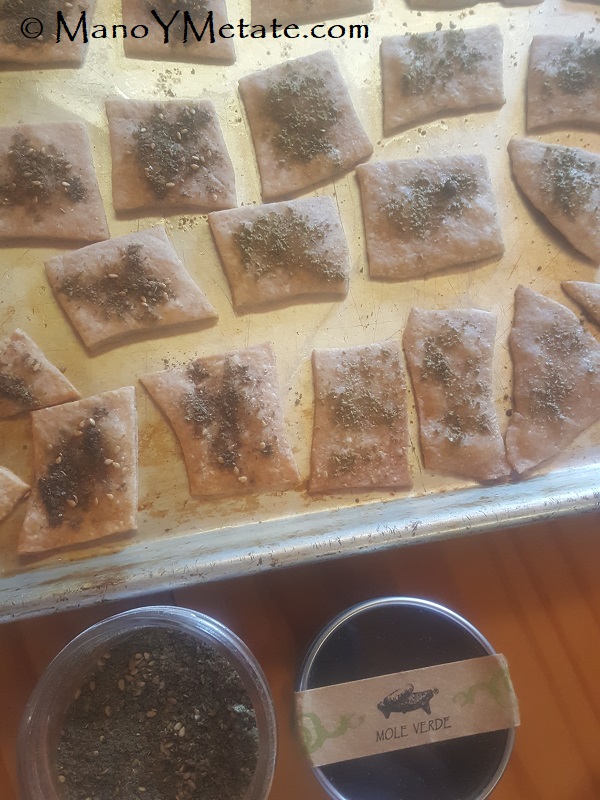
Basically, I rolled the dough very, very thin, cut to size and placed on a greased baking sheet.

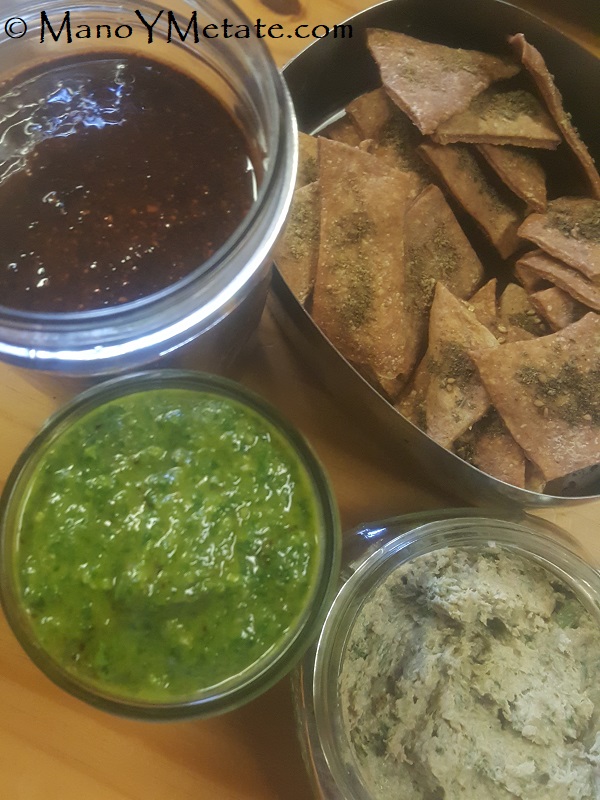
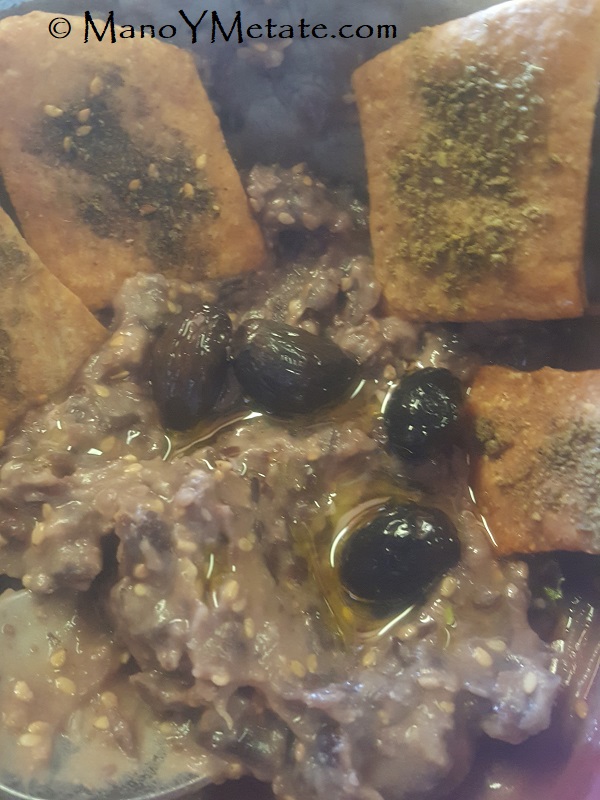
I sprinkled the tops with either za’atar or with Mano Y Metate Mole Verde powder. The one on the right is Mole Verde (featuring cilantro, parsley, epazote). On the left is za’atar (a Middle Eastern spice mix made with thyme). Both have sesame and look so similar!!!!

After baking, the crackers were crisp. Unfortunately, there was no sourdough flavor, but the toasty wheat and the herbaceous spice blends were delicious.

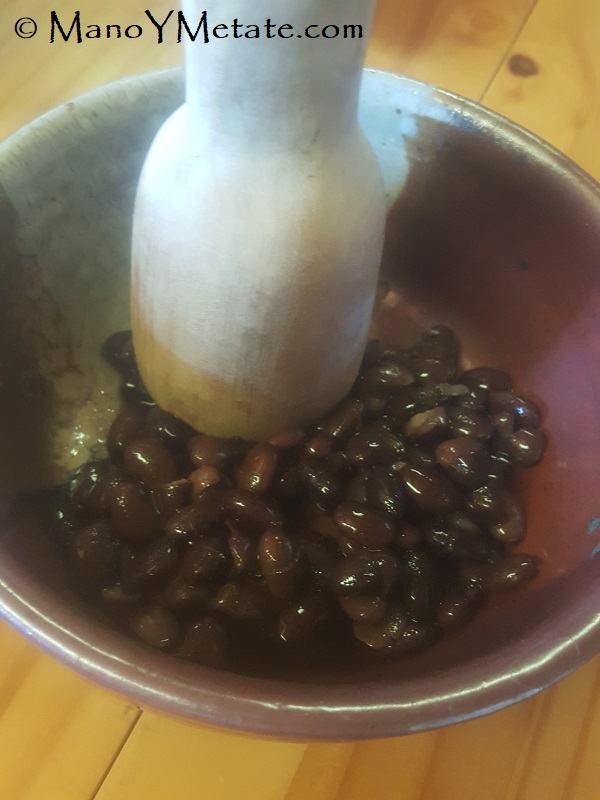
To serve, I mashed back beans to make a quick hummus like dip.

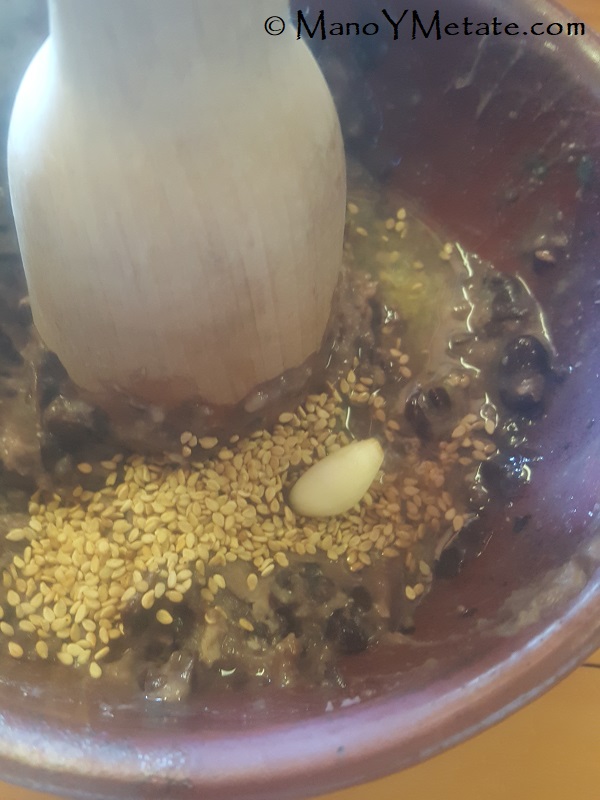
A clove of garlic, a squeeze of lemon, a splash of olive oil and in place of tahini, whole sesame.

I topped with home cured olives and ate it all myself.

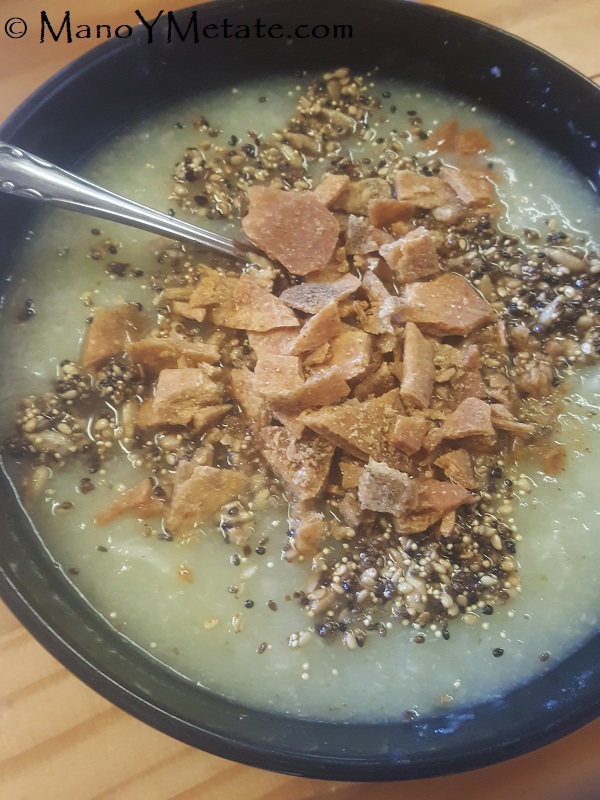
The next day, the less thin of the crackers were pretty hard. So they got crushed, mixed with toasted seeds, and served on top of a cream of cauliflower soup. It was an unreasonably good combination that stared with cauliflower stems cooked in leftover in pasta water. I’m not sure I could replicate any of this, but here’s hoping we keep each other inspired as we do with what we have. Love, Amy


Green Chile Makes Zippier Mac n’ Cheese

A recent discussion somewhere on social media had people recalling their favorite foods as kids. For many, it was macaroni and cheese. Carolyn here today recalling that when my dad worked late, my mom would let me and my brother choose what we wanted for dinner. It was always macaroni and cheese. Specifically Kraft macaroni and cheese in the blue box. Recently when planning a kid-friendly dinner for my 4-year-old nephew I remembered my own childhood and made macaroni and cheese, but from scratch. He wouldn’t eat it, didn’t even recognize it. Not like what he gets at daycare. Not like the stuff in the box.

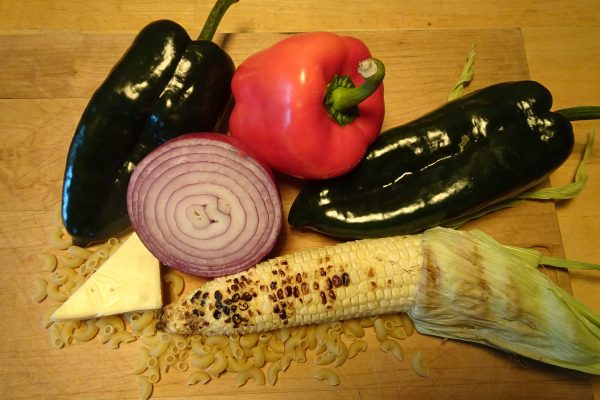
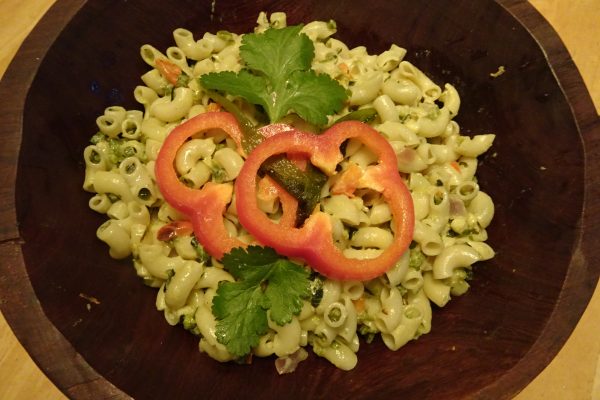
If you have moved beyond daycare food, this version of the old favorite includes ingredients that raise the flavor level many notches. It is almost  impossible to eat just one serving. The roasted poblano chiles add a deep chile flavor that isn’t too spicy. The recipe originated with Chef Robert McGrath at Roaring Fork restaurant in Scottsdale and is included in the recently re-released New Southwest Cookbook. that includes dozens of recipes that bring Southwest flavors to salads (Chile Lime Dressing), entrees (Pork with Prickly Pear Glaze), and desserts (Pumpkin Flan) . This mac n’ cheese recipe takes a little more time than dumping out the box, but it is so worth it.

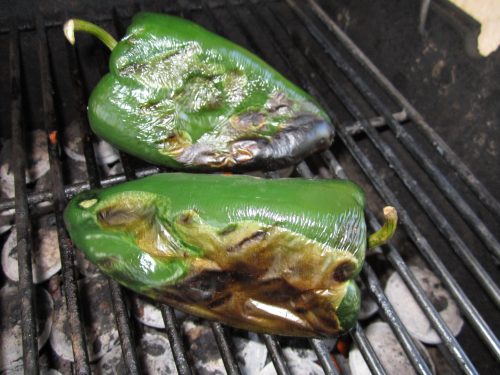
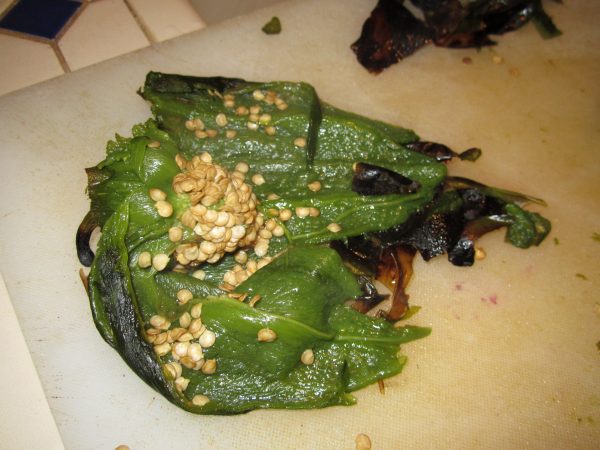
Poblano chiles are broader and fleshier than the more widely available Anaheims. Roast them on a grill or under a broiler until blistered black, then transfer to a lidded casserole dish or plastic bag to steam before peeling and removing the seeds .If you have fresh corn on the cob, roast it along with the chiles. If not, canned or frozen kernels will do fine.

Roast chiles on a grill or under a broiler until all skin is blistered.


Open chiles and clean out seeds and ribs. Chop until you have a puree.

Chop chile flesh until you have a puree.

This is billed as four servings. Nobody eats just one serving so plan accordingly.

Green Chile Macaroni and Cheese

1/4 cup diced red bell pepper

1/2 cup sweet corn kernels

1/4 cup diced red onion

2 teaspoons chopped garlic

1 teaspoon corn oil

2 cups cooked macaroni

1/2 – 3/4 cup puree of roasted peeled poblano chile

2/3 cup grated hot pepper jack cheese

1/4 cup heavy cream or half and half

Kosher salt and cracked black pepper to taste

Sauté the bell pepper, corn, red onion and garlic in oil in a medium heavy saucepan or deep frying pan over medium heat until the vegetables are soft. Add the macaroni, poblano puree, and jack cheese, and stir until cheese is melted. Fold in heavy cream. Season with salt and pepper to taste.

______________________________

Ready to expand your Southwest recipe repertoire beyond the basic enchiladas and tacos? The New Southwest Cookbook can help you up your game with easy but innovative recipes. The dishes originated with top chefs using familiar Southwest ingredients in delicious new ways. These chefs were well-trained and knew how to layer flavors to come up with either new spins on the old favorites or entirely unique ways of blending the iconic chiles, corn, beans, and citrus.  The New Southwest Cookbook can be ordered from your favorite bookstore or ordered from Barnes & Noble, Amazon, or the publisher.


Wonderful Winter-Squash!

It may not be intuitive that WINTER Squash refers to a number of fantastic SUMMER crops!  Many winter squashes (or pumpkins) are in the same genus Cucurbita.  They can be eaten fresh in their youthful softness in summertime.  If left on the vine to mature into autumn, the same bulbous fruit develops a sturdy, tough skin, “shell” or “rind” which  makes them into great “keepers” through the winter.  You can save one whole, without refrigeration, until a feast or potluck occasion calls you to open it up to serve a crowd.

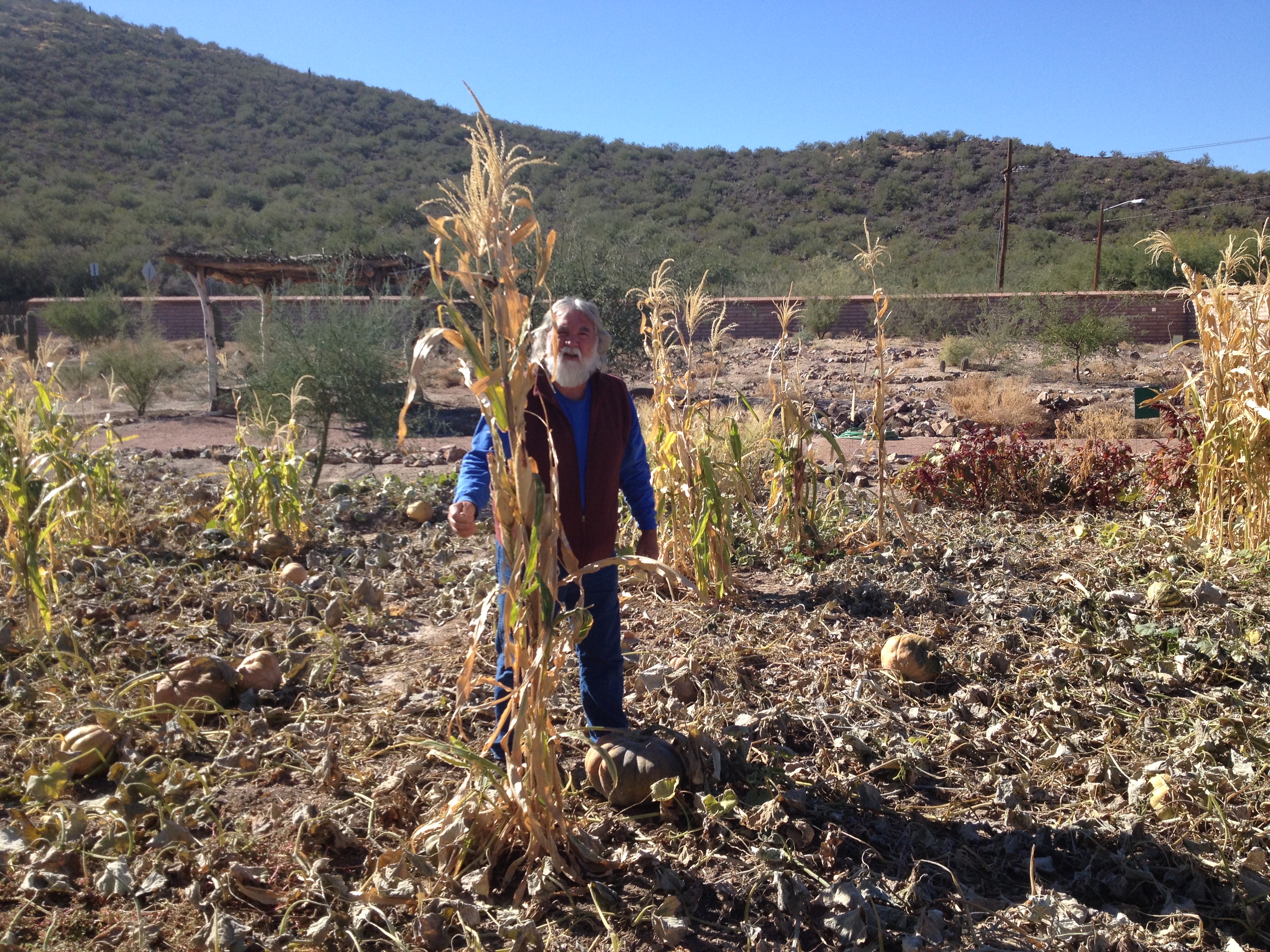
A volunteer at Tucson’s Mission Garden at a fall harvest. Two of the “Three Sisters” (Chapalote corn and Magdalena Big Cheese Squash) were dry and ready to harvest.(MABurgess photo)

Tia Marta here to share some creative ideas for serving winter squash–aka pumpkins.   The harvest of heirloom pumpkins at Tucson’s Mission Garden last fall was sumptuous and I purchased one of my favorites, Magdalena Big Cheese Squash.  It is so named because NativeSeedsSEARCH plant explorers were given it many decades ago by a farmer in Magdalena, Sonora, and its shape resembles an old-fashioned cheese-wheel.

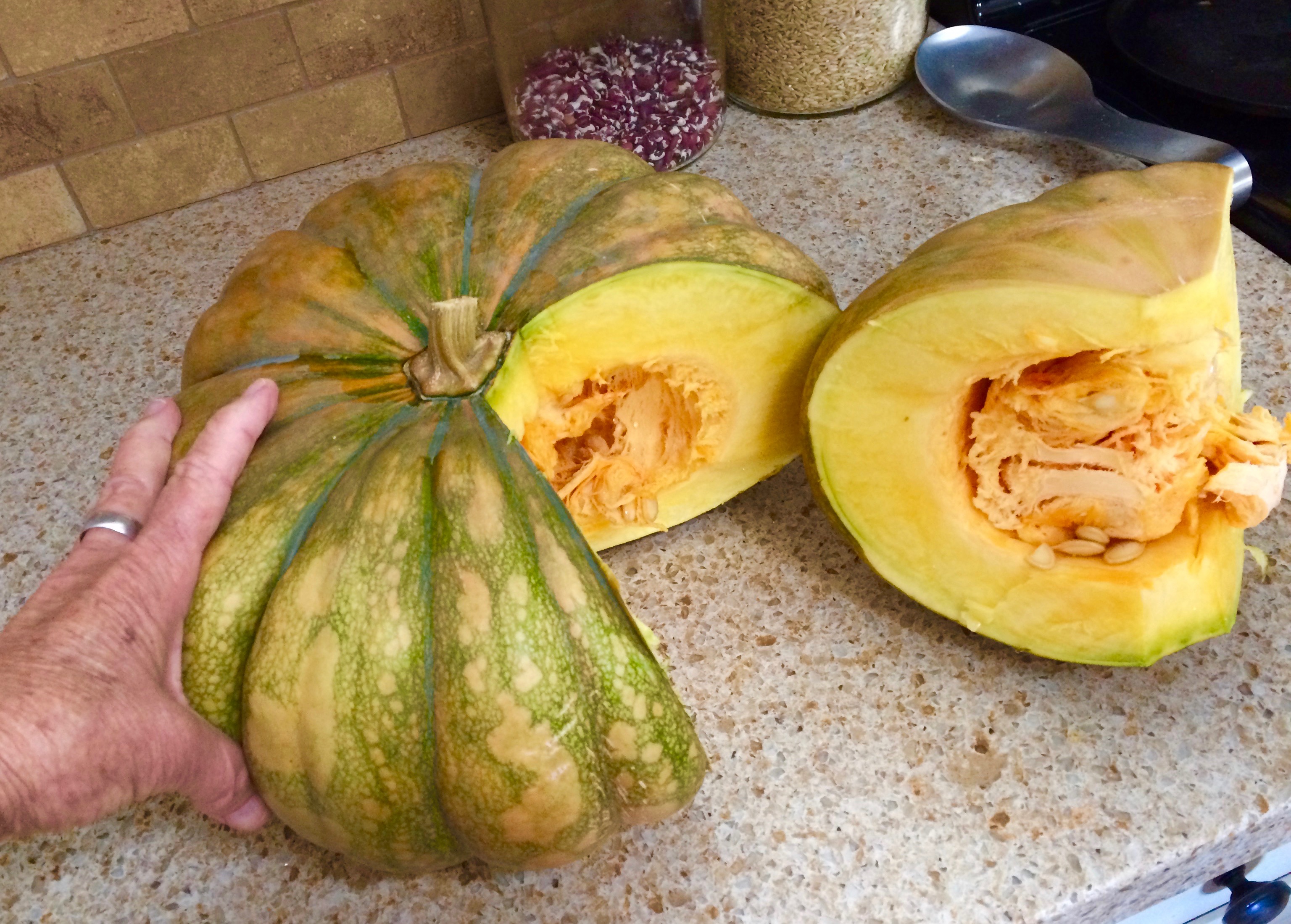
A fresh Magdalena big cheese squash cut open, ready to seed–Visually savor the glorious orange flesh full of beta-carotenes.  Even better to savor its taste!
 (MABurgess photo)

Exercise care in cutting this huge pumpkin. It can be tough and requires a hefty knife. You can clean the seed to dry and save for next summer’s monsoon garden, or to share with the Pima County Public Library’s Seed Library. There are enough seeds inside to use some to toast with garlic oil and salt for a healthy, zinc-filled snack (especially good to eat for boosting the immune system in flu season).

It took two of us to cut wedges of it, one to stabilize the fat fruit keeping hands out of the way.  We shared chunks with several friends and relatives, and, unbeknownst to each other, each sent an email exclaiming how it was “truly the best squash I have EVER tasted!”  There couldn’t be better recommendations.

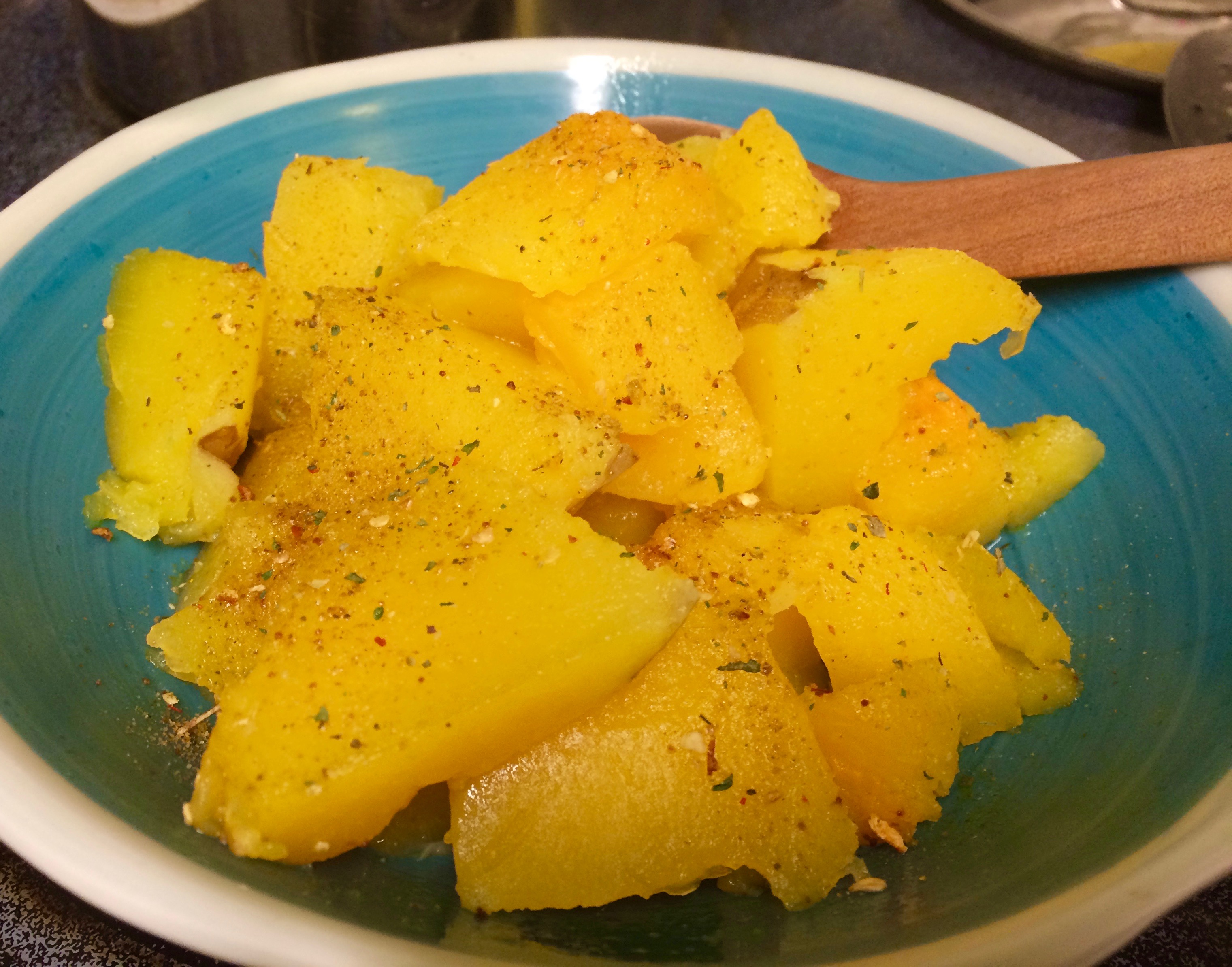
Simply steamed, chunks of Magdalena Big Cheese are a totally blissful experience. Here I dusted it with Spike spice-blend –but it really needs nothing –just eating!

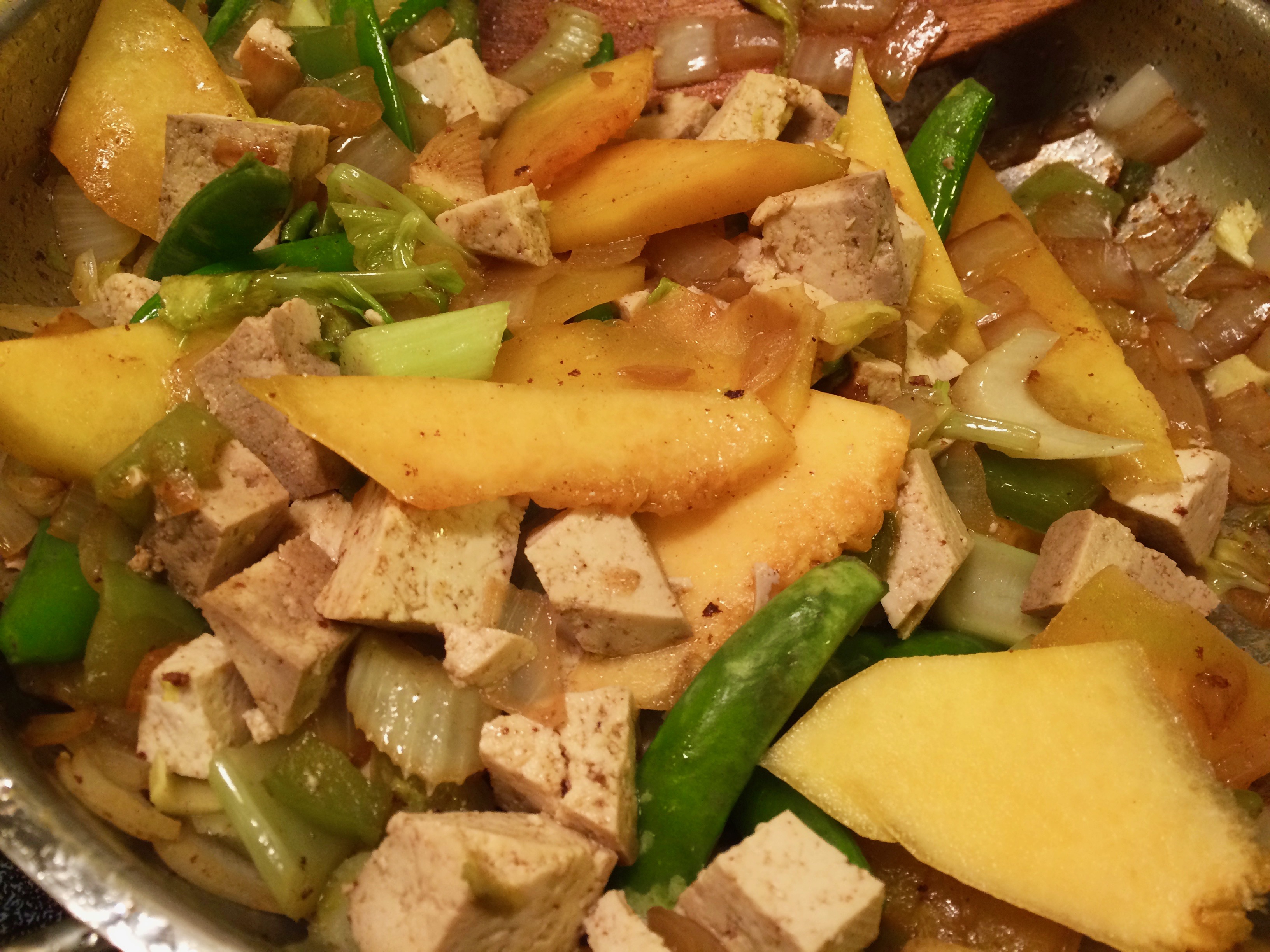
For a down-home easy dish, try stir-frying slices of Magdalena Big Cheese with marinated tofu and other veggies, and serve over rice.

Stir-fried sliced Magdalena Big Cheese pumpkin with soy-sauce-marinated tofu, onion, and pea pods. Delish! Serve over rice. (MABurgess photo)

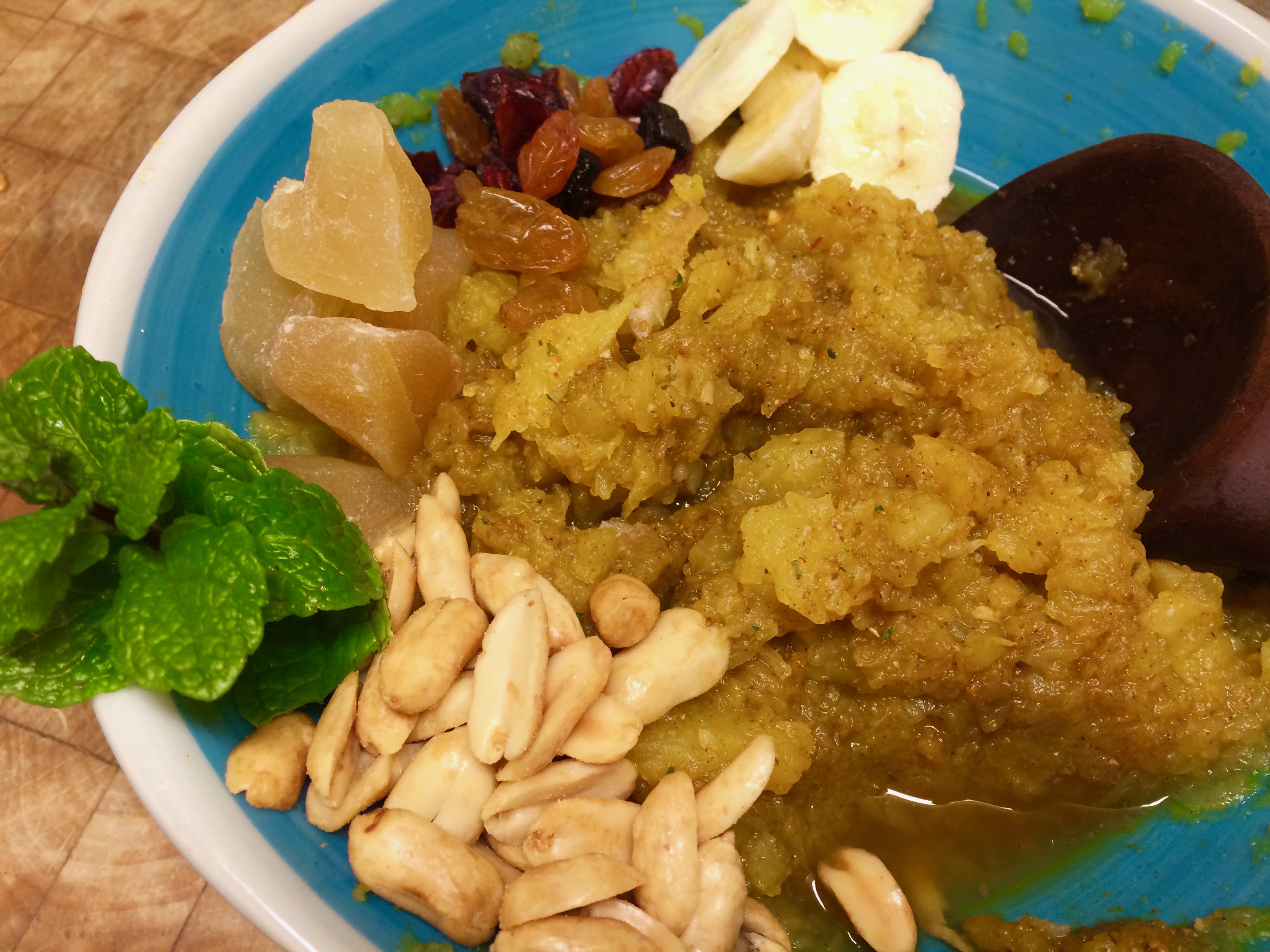
If you have leftovers, or if you want to serve a more exotic dish, you can curry your steamed or roasted squash, mashing with curry powder, salt and pepper to taste, then serving it with side “boys” to complement the curry.  I place little bowls of crystalized ginger, TJ’s blistered peanuts, dried currants, grated coconut, and banana slices for guests to bedeck their curry with.

Curried Magdalena Big Cheese squash with garnishes of peanut, mint leaf, crystal ginger, raisins, and banana. (MABurgess photo)

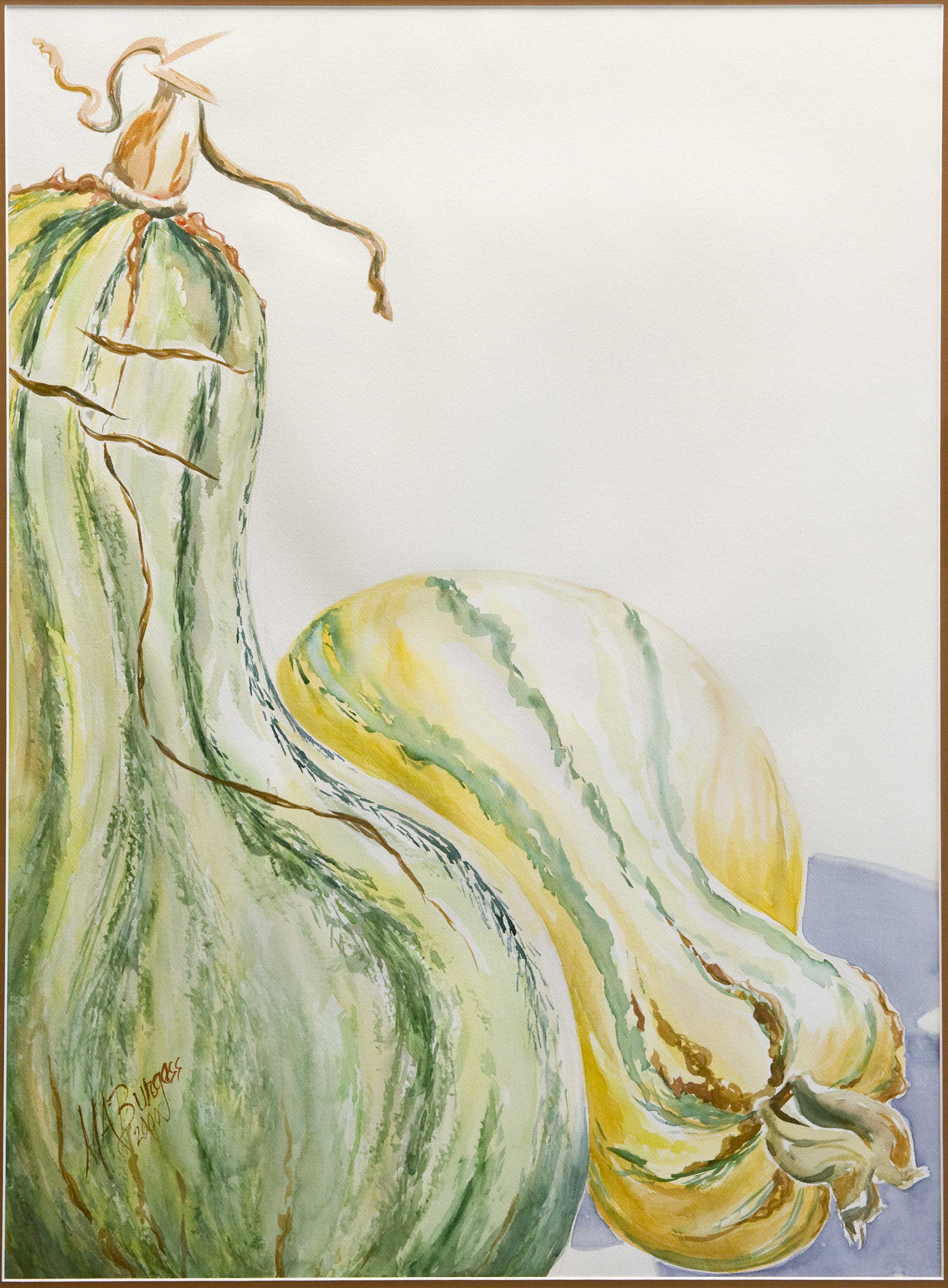
I don’t just cook winter squashes.  They are so sculptural that I have to document them–to paint them!  You are cordially invited to see my squash and gourd watercolors displayed next weekend at our Flor de Mayo StudioSaturday and Sunday, February 8 and 9, 2020–at our ArtTrails.org OPEN STUDIO TOUR on Tucson’s West Side.  See the ArtTrails website for a map to Flor de Mayo Studio (also showing photographer Rod Mondt’s nature images).

Shapely Dine Cushaw –a big-as-life watercolor by MA Burgess–Join us for the ArtTrails.org OPEN STUDIO TOUR Sat-Sun Feb.8-9 to see more!

Camp cooking at home

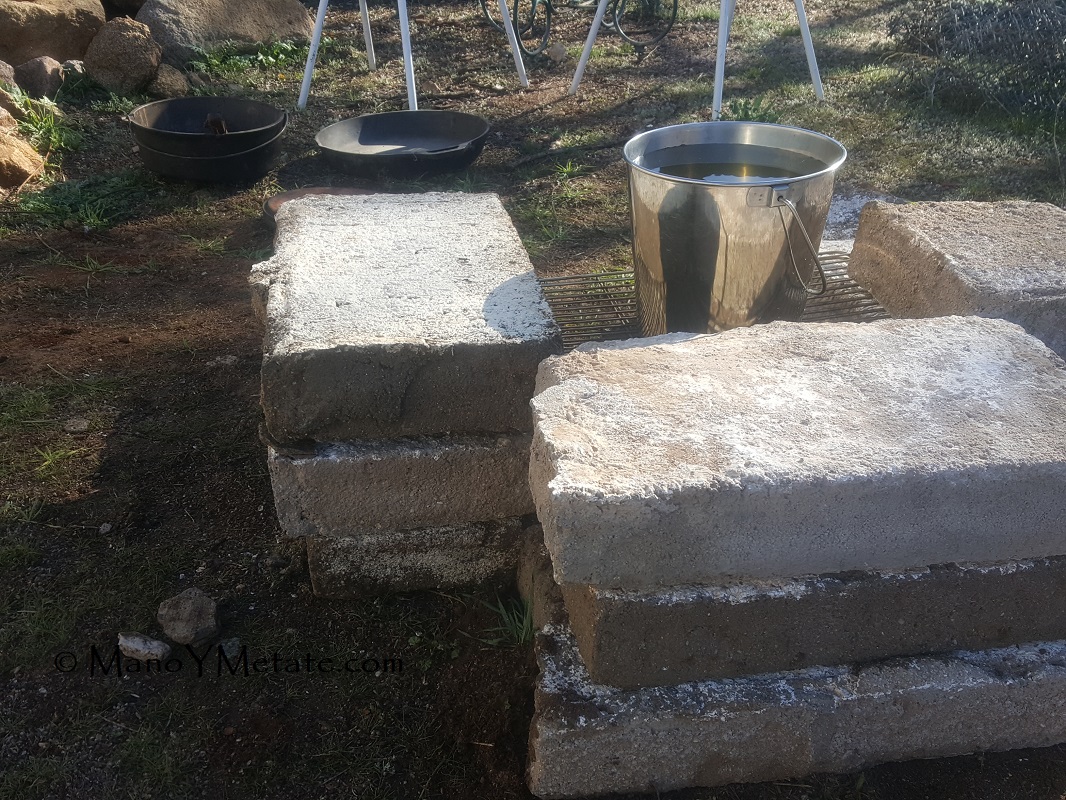
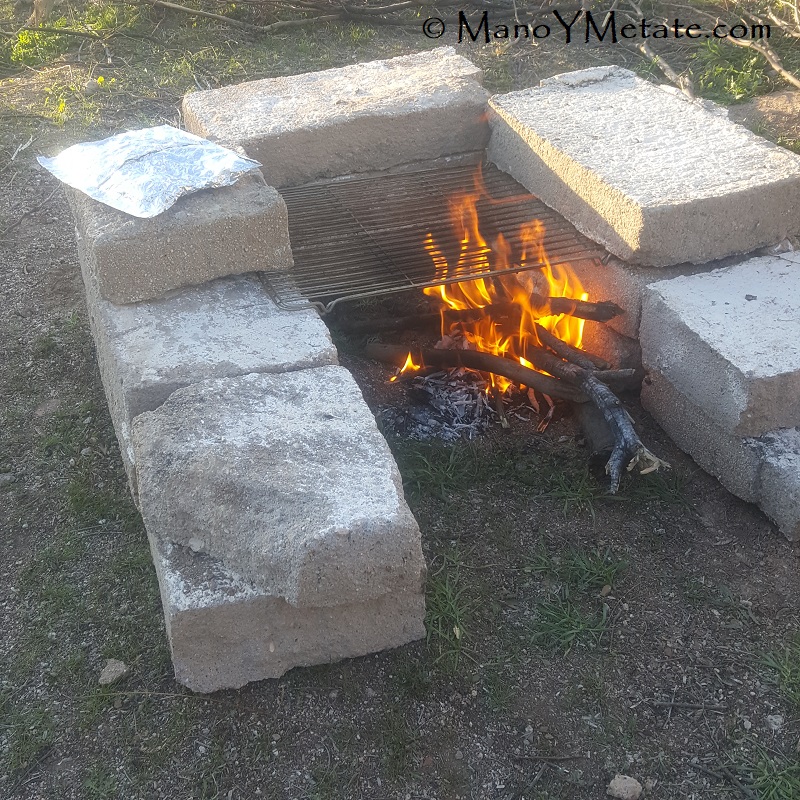
Hi all, Greetings from sunny Tucson! Amy here, at my new urban homestead. Taking out a wall left me a pile of old bricks to re-purpose, so I made a little outdoor hearth. This bucket of rainwater helped me level the cooking rack, sturdy enough for my over-sized, seldom used, cast iron cookware.

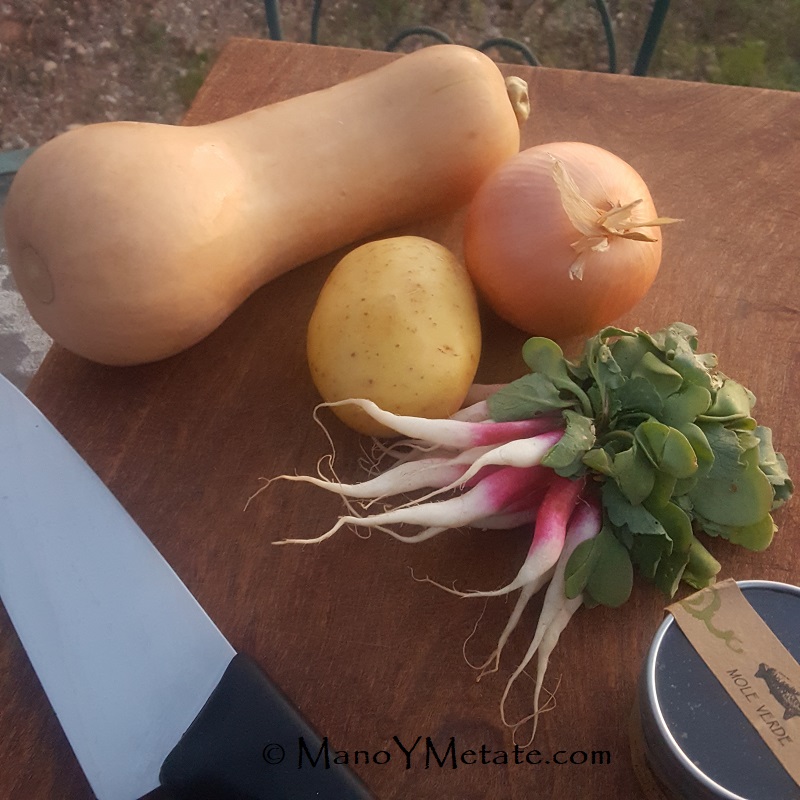
Making dinner for myself outside to admire the newly cleared yard, I cooked what was on hand from my Tucson CSA share: a butternut squash, Yukon gold potato, yellow onion, and French breakfast radishes. I decided to make a dish from my camping childhood, a foil meal cooked on the fire!

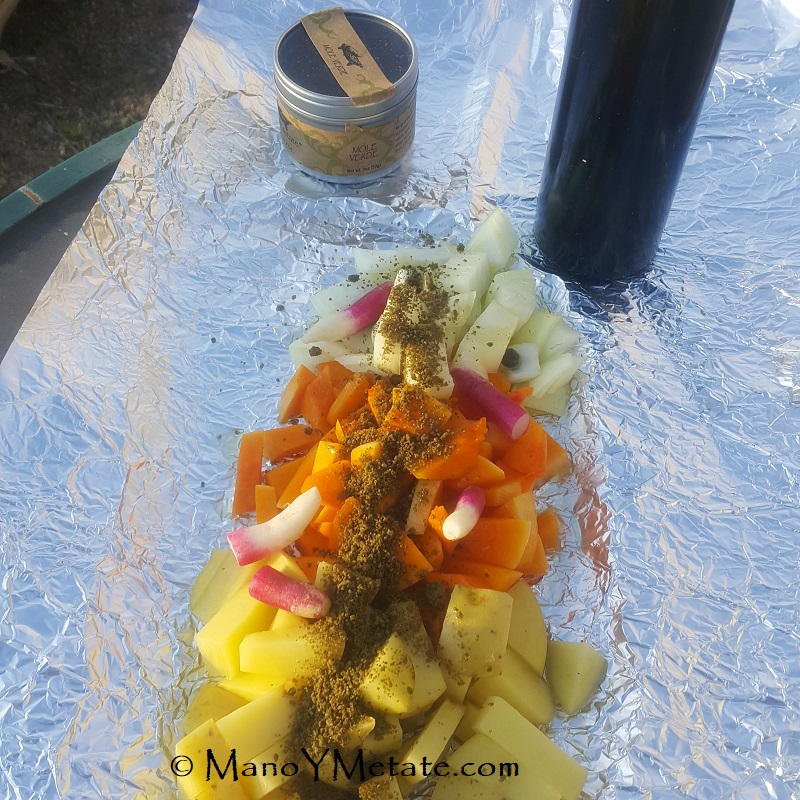
I cut the veggies into bite sized pieces, added a sprinkle of salt, and doused with olive oil and Mano Y Metate Mole Verde powder.

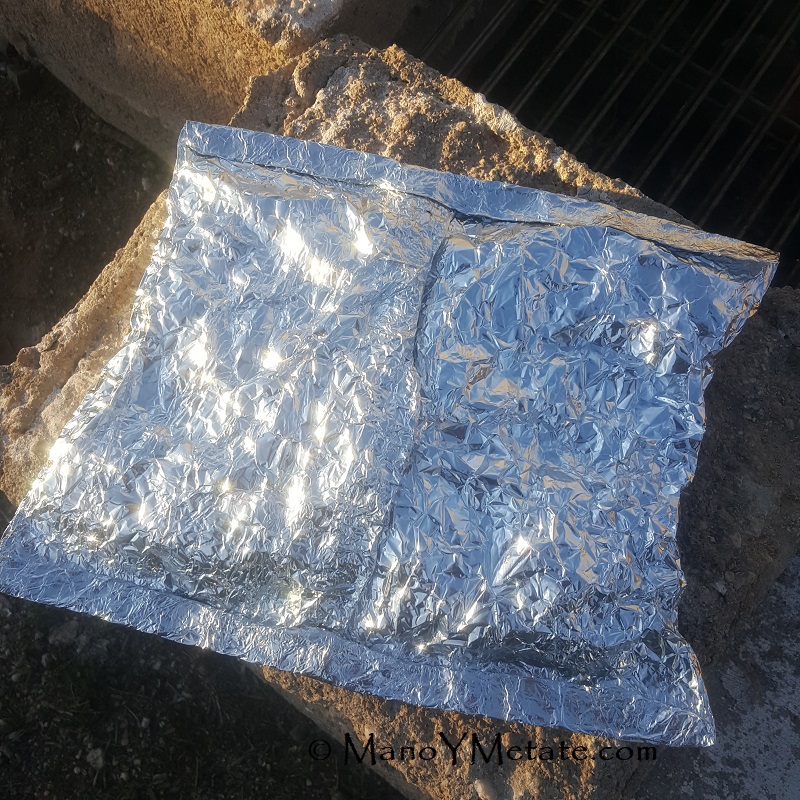
Then I sealed the foil seams very well and made a mesquite fire.

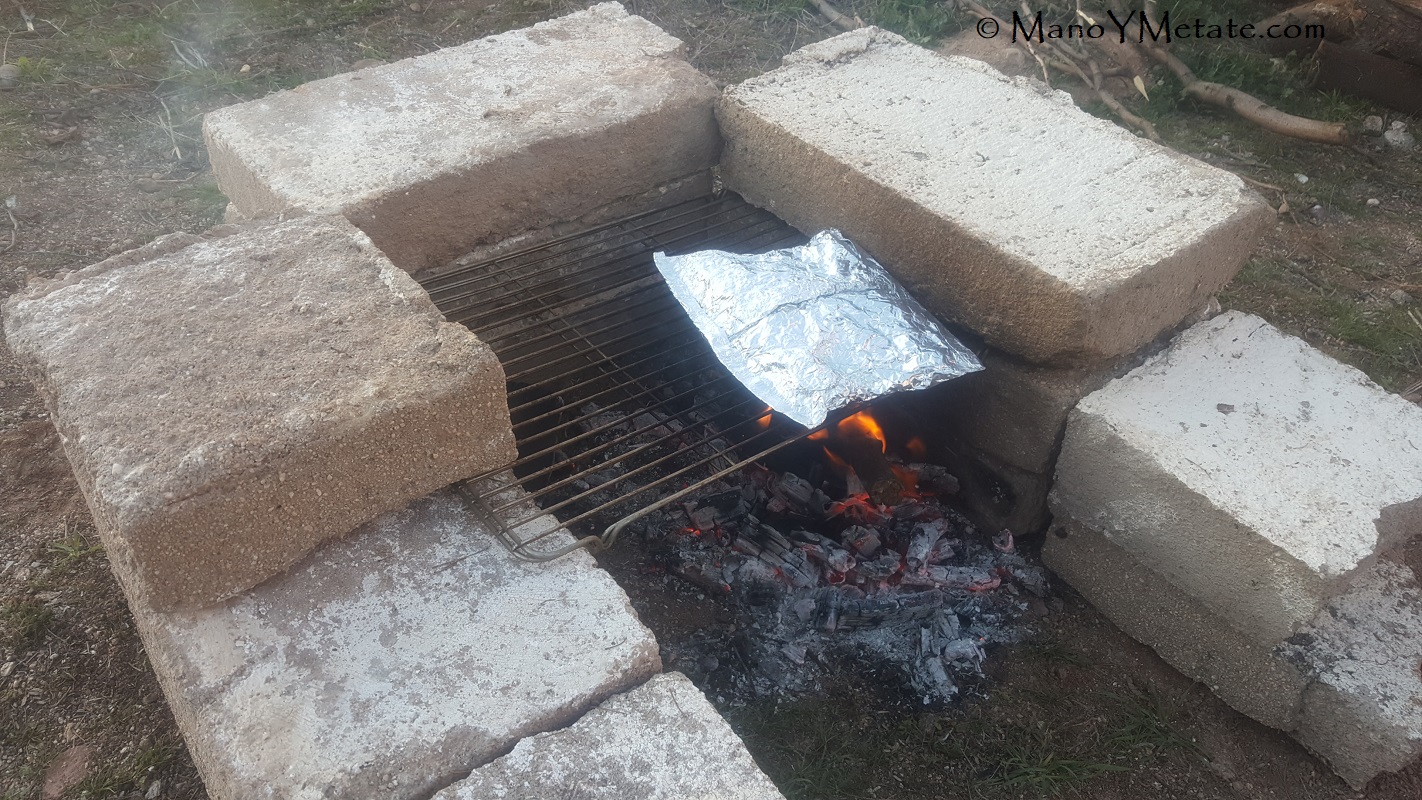
When the fire was almost down to coals, I put the sealed packet on the grill.

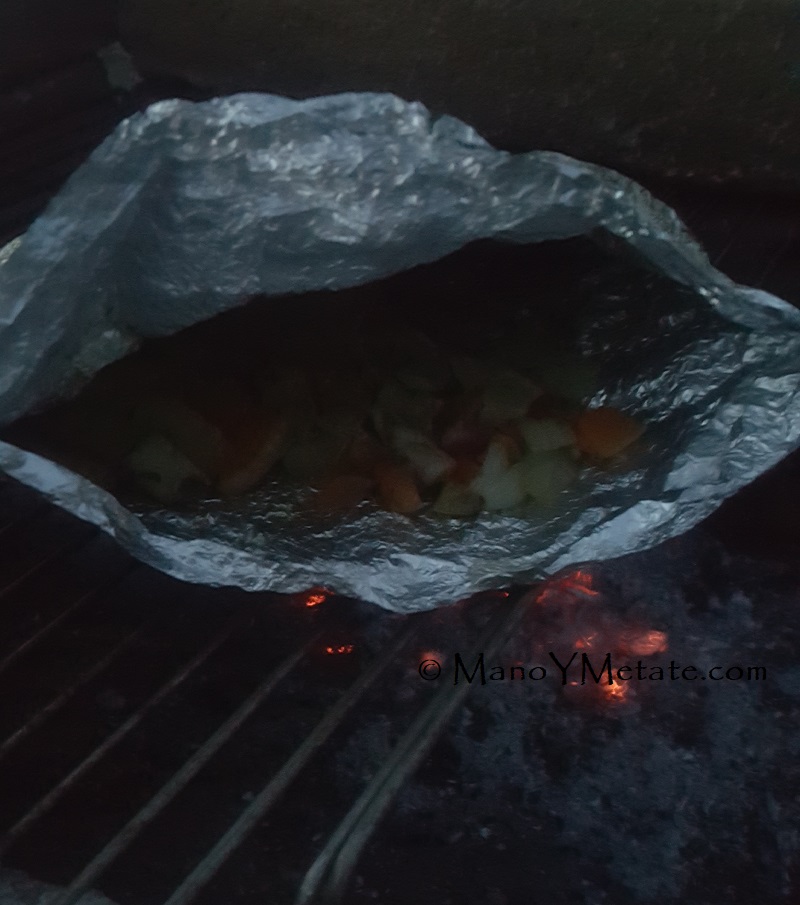
After about 45 minutes, the potatoes were perfectly tender and the embers glowing more dimly.

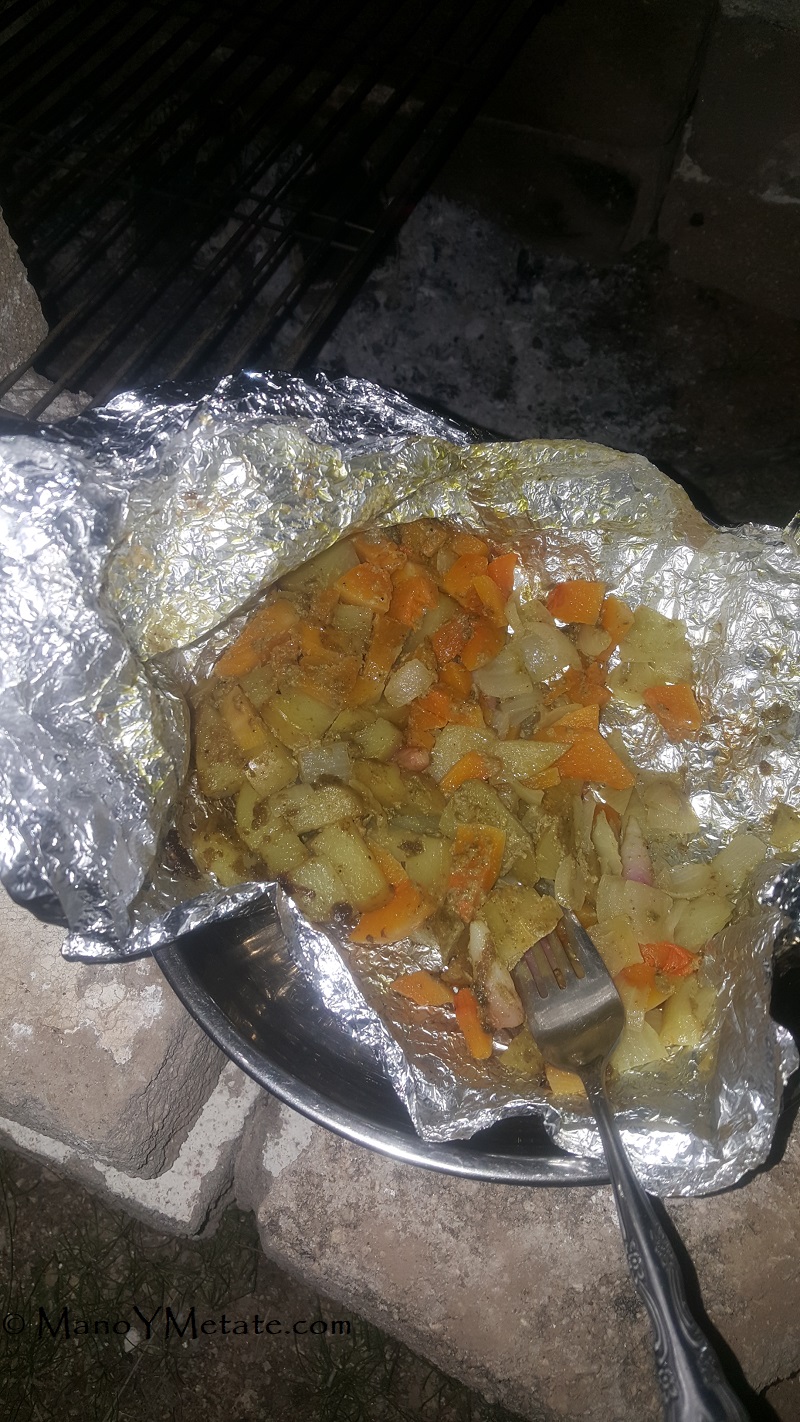
The steam from the veggies and the Mole Verde powder made a slight bit of sauce in the packet. It was mildly spicy and herbaceous from the cilantro, parsley and epazote in the mole powder. Of course, this would work with many other veggie and meat combinations, and any of the mole powder varieties.

I ate my dinner by the fire and dreamed of what might come next on this old urban lot.

Buenas noches, Amy


Festive Buffet Ideas–Southwest Style

Winter is here, and out-of-town company is sure to invade our relatively sunny climes in Baja Arizona.  Tia Marta here with some ideas for local Sonoran Desert goodies that you can make ahead to have at-the-ready for creating a glorious buffet or instant party.

This festive table features colorful, delectable Sonoran-desert fare.  Note lemon juice ice-float for flavoring and chilling the punch.  Many other buffet ideas following….. (MABurgess photo)

With freezing nights everyone is harvesting citrus like mad.  What to do with all those lemons your neighbor has generously dumped at your door?  Right!–save space and squeeze the wonderful juice into a plastic bowl to freeze and use as a floating ice-block or as lemon ice cubes.

Zoom in to check out the buffet table details:  On the cheese plate note the thin slices of barrel cactus fruit as rings atop the cheese wedge, adding a zesty touch to the spread.  Squares of white manchego cheese top squares of sweet local cajeta de membrillo, a lovely conserve made with heirloom quince fruits from Mission Garden.  My special veggie dip is laced with “chives” of chopped I’itoi’s Onion and fresh oregano from my garden, moringa leaves from friend Wanda’s tree, and a single crushed dry chiltepin pepper for a picante kick.

Tangy pickled cholla cactus flower bud hors d’oeuvres (MABurgess photo)

In place of olives or pickles I like to feature my pickled cholla flower buds  or nopalito pickles.  In place of mixed nuts I serve bellotas (Emory oak acorns) or pinyon nuts, both supporting local harvesters (see Southwest Foraging).  Instead of peanuts I like to present Incan corn nuts (not local, from Peru, but a bow to Native tradition.)

Refreshing and colorful prickly pear lemonade and mesquite-amaranth-white Sonora wheat-chocolate chip cookies! (MABurgess photo)

For luscious “local cookies” I use a basic toll-house cookie recipe (calling for 2 cups flour) by substituting 1/2 cup mesquite flour, 1/2 cup amaranth flour, and 1 cup white Sonora wheat flour, plus an extra egg and a cup of pine nuts in place of pecans.  These treats will get snarfed up as soon as you put them on the table.  (See Dec13 post for other cookie recipes)

Sparkly and nutritious cherry punch with ginger ale and a floating iceberg of pure prickly pear juice (MABurgess photo)

Whirl your thawed prickly pear tunas in blender

Squeeze whirled prickly pear fruit thru 4 layers of cheesecloth

SPARKLY PRICKLY PEAR CHERRY PUNCH RECIPE:

In a big clear punchbowl mix:

1  block of frozen pure prickly pear juice   (OR, 1 bottle of Cheri’s Desert Harvest Prickly Pear Syrup plus ice cubes)

1 pint (half jar) Trader Joe’s pure Cherry Juice

1 liter chilled ginger ale

Serve with joy!

(As ice block is thawing in the punchbowl and the punch is consumed around it, add the remaining pint of cherry juice and another liter of chilled ginger ale over the block.)

With a bag of prickly pear tunas frozen whole from last September’s hasty harvest, I thawed them to extract the juice to then refreeze as a cactus-fruit ice-block.  It is an easy process–but timely action required.  If you haven’t harvested from the desert, Cheri’s Desert Harvest Prickly Pear Syrup is available at NativeSeedsSEARCH Store, 3061 N.Campbell Avenue or at other special Southwest food shops.

To make your own cholla or nopalito pickles, as March approaches, watch for announcements of cholla bud harvesting workshops.  Tia Marta may schedule classes through Mission Garden or www.flordemayoarts.com.

Happy entertaining with a local Southwest flair!