Perennial Herbs for Honey

thyme 1781005_1280 savor

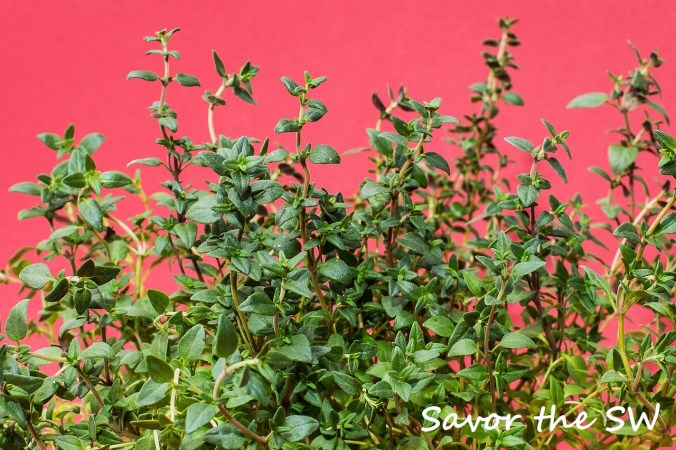
Thyme is tasty in the kitchen and a great herb for honey bees.

Jacqueline Soule here to discuss perennial herbs that can be grown in Sonoran home landscapes. Herbs that both honey bees and our native solitary bees – not to mention us humans – all use and enjoy.  I have been thinking about this topic a great deal as we celebrate National Pollinator Week the third week of June each year, plus June is National Perennial Plant Month.  (National Honey Month is September, so look for the honey recipes then!)

Yes, honey bees and native bees are disappearing.  Intense scientific research into the problem has led to the conclusion that there are many factors.  One culprit is pesticides, another is genetically modified organisms (GMO’s) in crops (Ecotoxicol. Environ. Saf. 2008. 70(2):327-33).  Air pollution makes it harder for honey bees to navigate and they get lost and die.  Habitat destruction threatens native species. All these factors point to one more reason to support organic farmers.  Plus grow some bee food in our own yards.
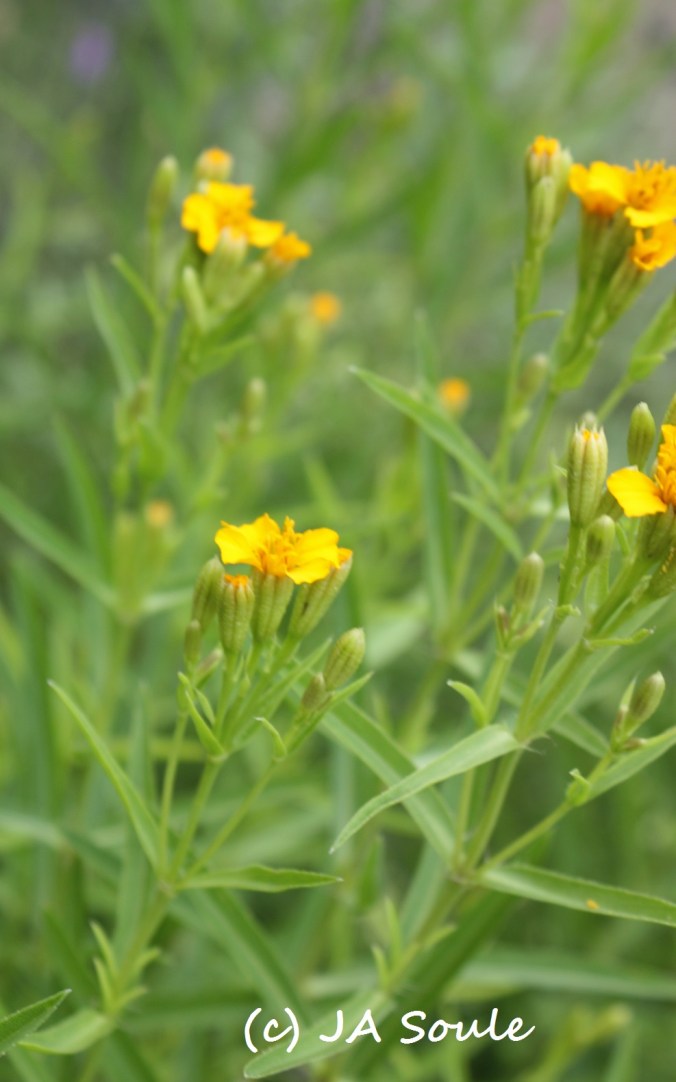
Tagetes lucida JAS 8392 web

Sweet marigold comes to us from the mountains of Sonora, and can be used in cooking anywhere it calls for tarragon.

I realize that a list of plants can be boring to read, but lists are very handy when you want to think about plants for your yard. We five Savor Sisters have written about many of these herbs over the years (since we started this blog in 2013) and I have inserted links where I could.

Perennial Herbs for the Southwest & Bees

yarrow (Achillea milifolium) – afternoon shade in summer
wild hyssop (Agastache species) – Sononran mountain natives
garlic chives (Allium tuberosum) – full sun to part shade
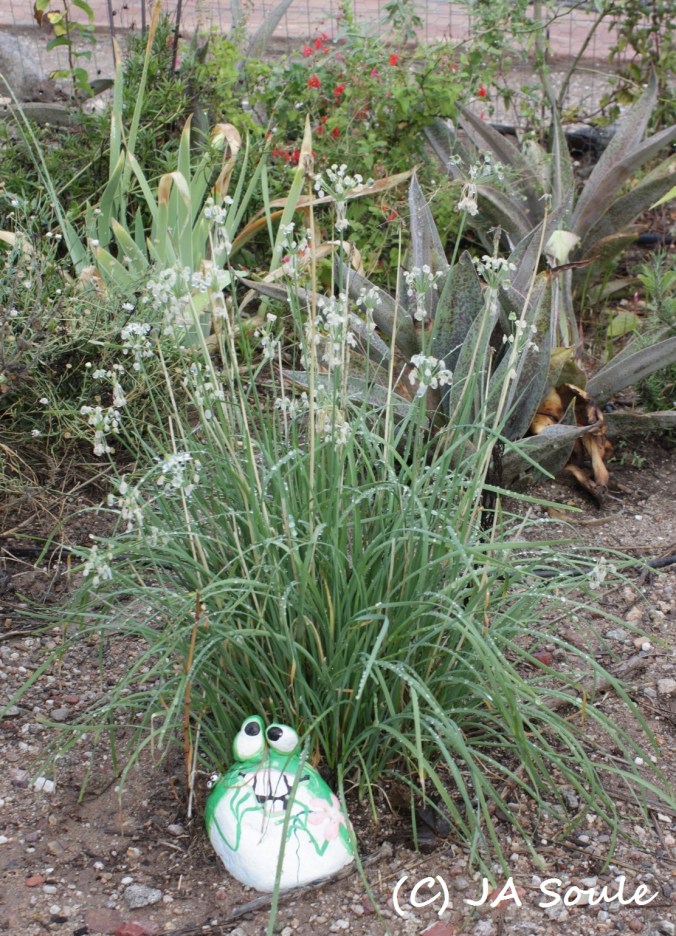
Allium tuberosum AMAP 4590 web

Garlic chives do just fine in alkaline desert soils. Harvest some leaves anytime you want a mild garlic flavor.

yerba mansa (Anemopsis californica) – best in a water garden
Arizona wormwood (Artemisia ludoviciana ssp. mexicana) – Sononran native
golden marguerite (Anthemis tinctoria) – afternoon shade in summer
chamomile (Chamaemelum nobile) – afternoon shade in summer
chiltepin (Capsicum annuum var. aviculare) – Sononran native, found under trees (Sorry folks – too many links!  We use this a lot!)
brittlebush (Encelia farinosa) – full sun, Sononran native
hyssop (Hyssopus officinalis) – afternoon shade in summer
French lavender (Lavendula dentata) – afternoon shade in summer
horehound (Marrubium vulgare) – afternoon shade in summer
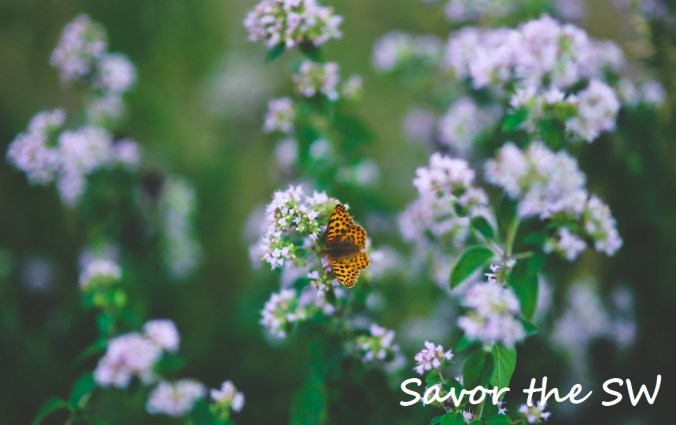
oregano 791486_1280 savor

Oregano is a charming plant for pollinators, and for cooking.

bee balm (Monarda species) – some species Sonoran mountain natives
marjorum (Originum majorana) – part shade
oregano (Originum vulgare) – part shade to full sun
slender poreleaf (Porophyllum gracile) – full sun, Sonoran native
rosemary (Rosmarinus officinalis) – sun to shade
wild rhubarb (Rumex hymenosepalus) – blooms in winter, dies back to storage root
rue (Ruta graveolens) – sun to shade
sage (Salvia officinalis) – part shade in summer
sweet marigold (Tagetes lucida) – great in a water garden or part shade
tansy (Tanacetum vulgare) – afternoon shade in summer
thyme (Thymus vulgaris) – afternoon shade in summer
valerian (Valerian officinalis) – afternoon shade, dies back to storage root
violet, heartease (Viola odorata) – full shade in summer

There you have it – 25 herbs I have successfully grown in my Sonoran Desert yard – with little tips for keeping them going. There are other herbs I could put on this list – but we haven’t covered them yet, so stay tuned for updates!

Wishing you, and your bees, a sweet Sonoran Summer!
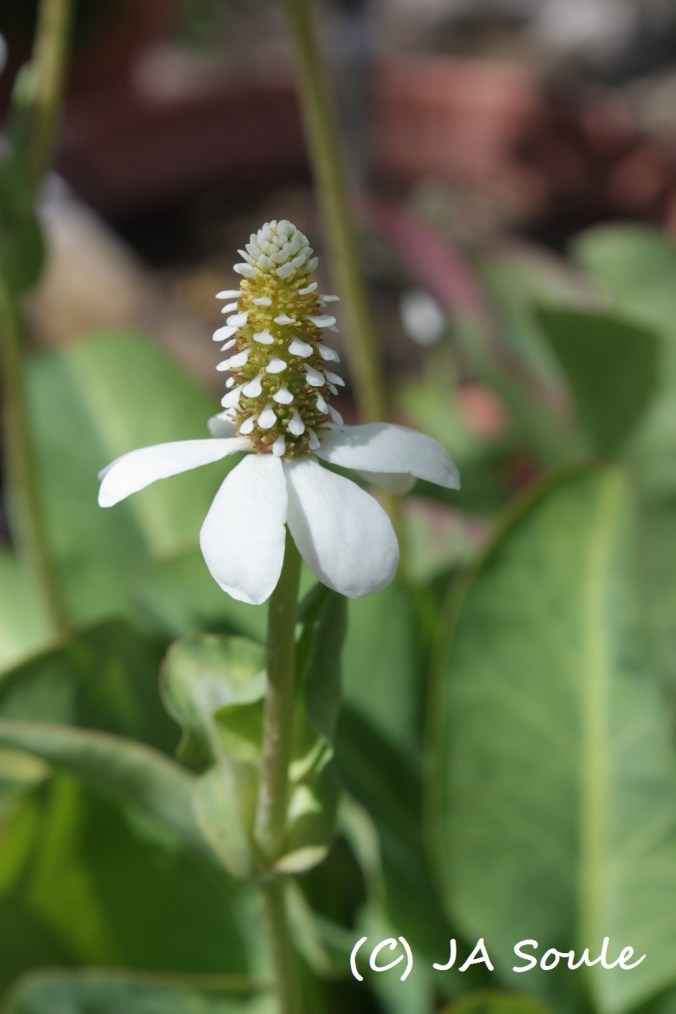
yerba mansa 6276 web

Yerba mansa is a California native plant that has strong anti-bacterial and anti-fungal properties.

JAS avatarWant to learn more? Look for my free lectures at your local Pima County Library branch, Tubac Presidio, Tucson Festival of Books and other venues. After each event I will sell and sign copies of my books, including Southwest Fruit and Vegetable Gardening (Cool Springs Press, $23).

© Article copyright by Jacqueline A. Soule. All rights reserved. Republishing an entire blog post or article is prohibited without permission. I receive many requests to reprint my work. My policy is that you may use a short excerpt but you must give proper credit to the author, and must include a link back to the original post on our site. Photos © Jacqueline A. Soule where marked and they may not be used.

Featured image is slender poreleaf, Porophyllum gracile.


# # # # #
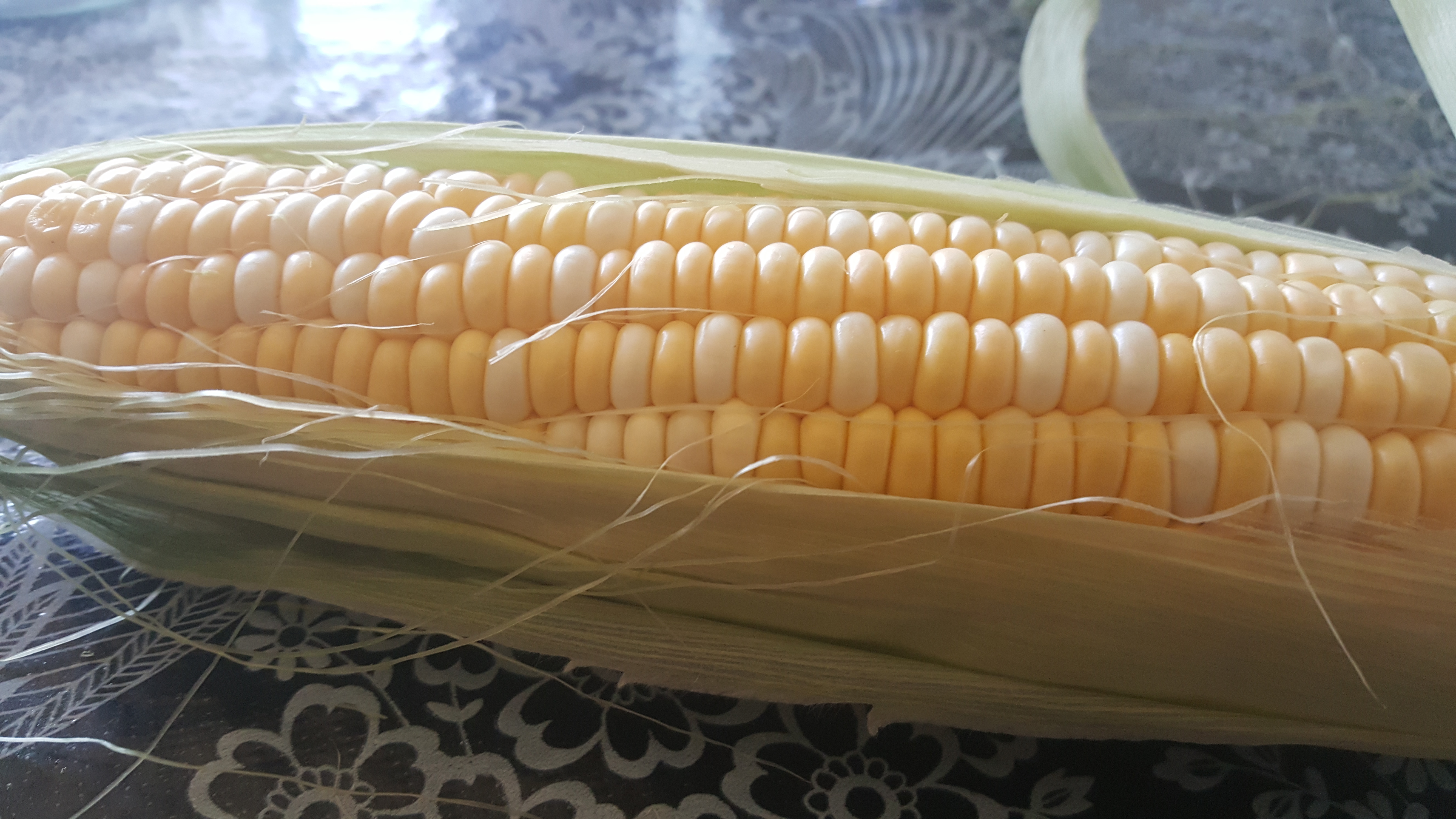
 

Mole buttered Corn on the Cob

Happy Solstice! Midsummer Greetings! By the time you read this, I’ll be in the mountains of New Mexico. Driving thought farming towns, hoping to see roadside stands with fresh sweet corn, tomatoes, stone fruit, who knows?!?!

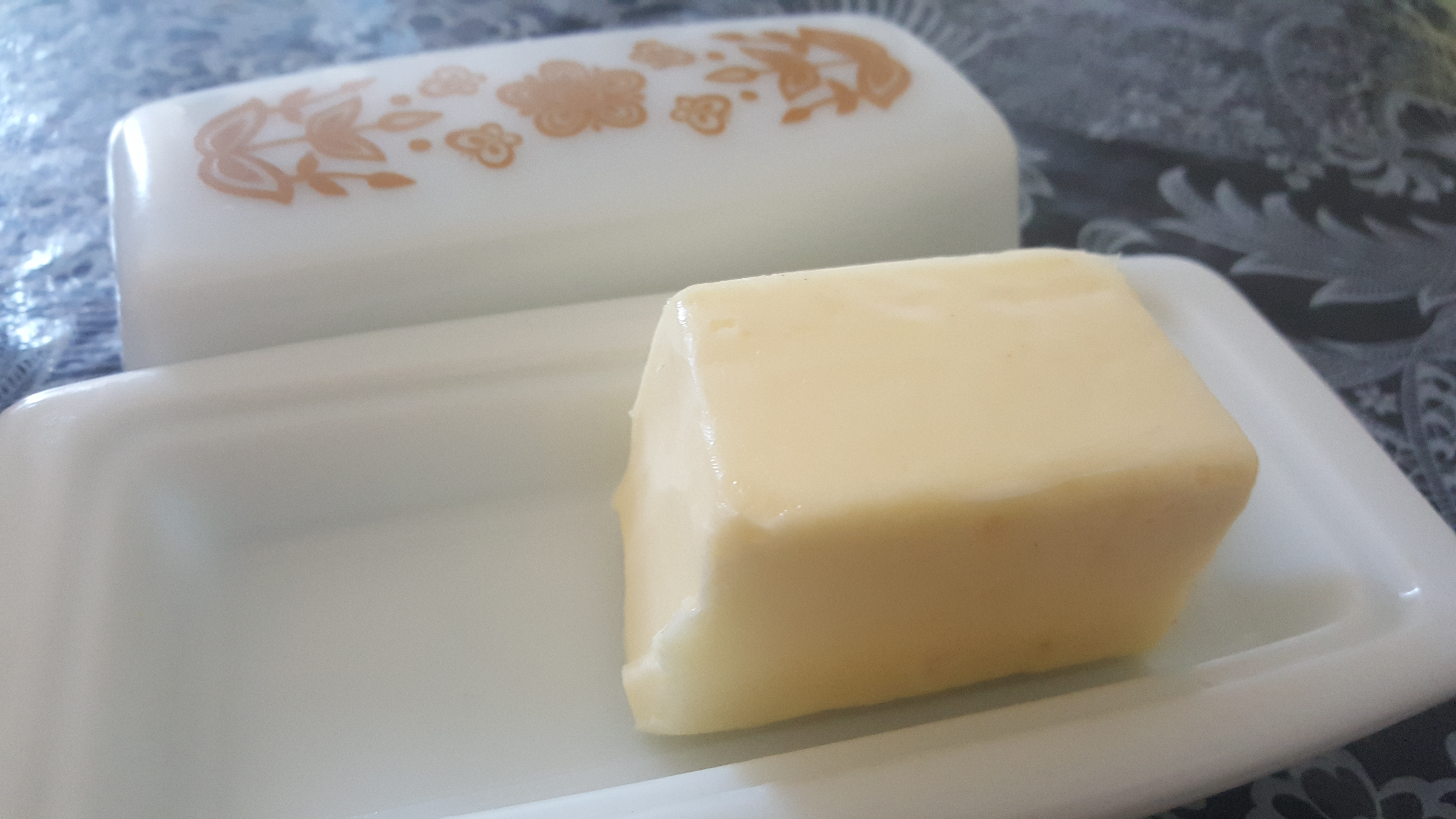
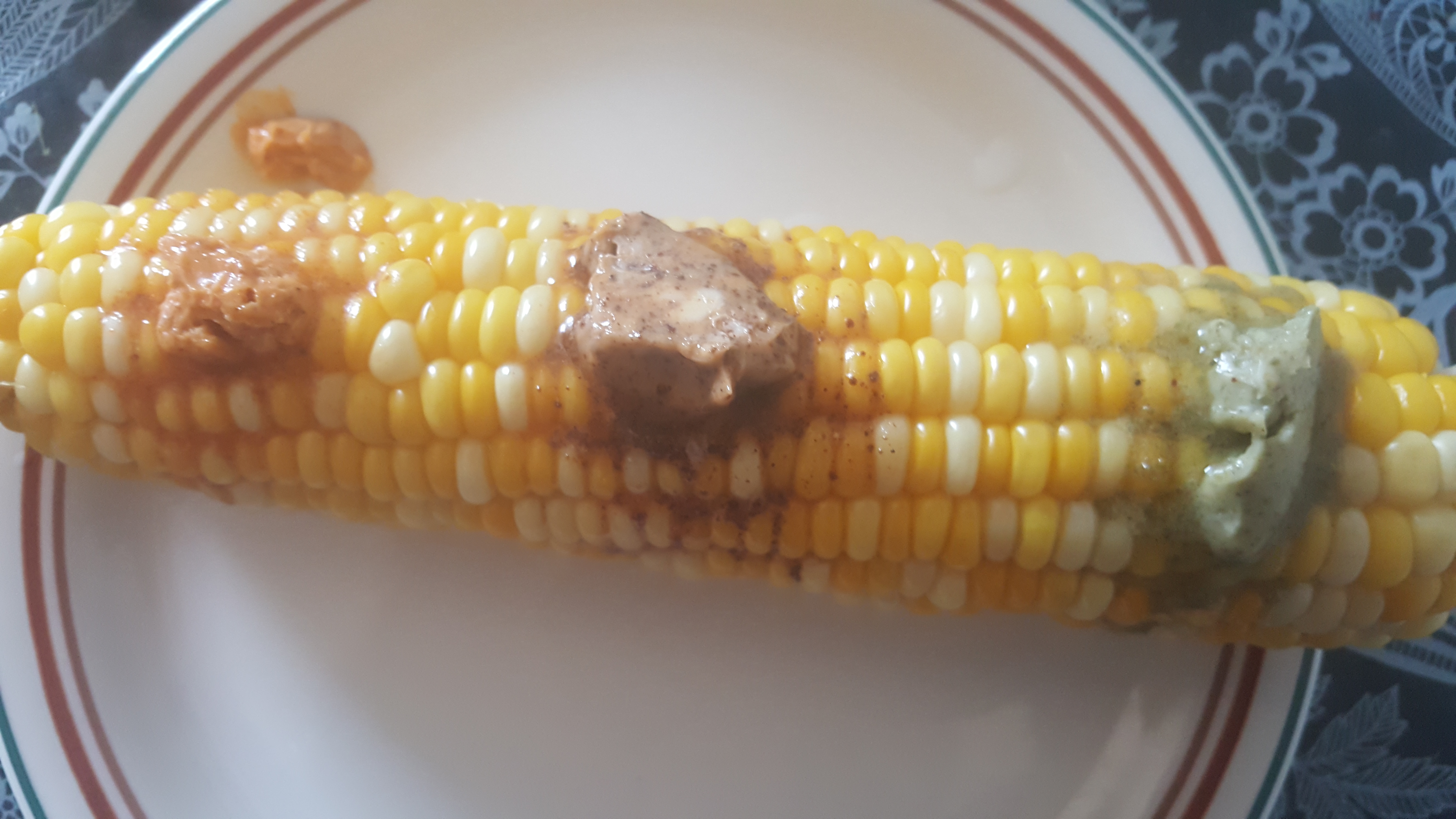
Before I left home, I had an idea to test. (Thank you for the inspiration, Mom!) I wanted a way to share Mano Y Metate Moles with my travel companions camping. So I purchased one ear of organic bicolor sweet corn from the market. Then I let some butter come to room temperature.

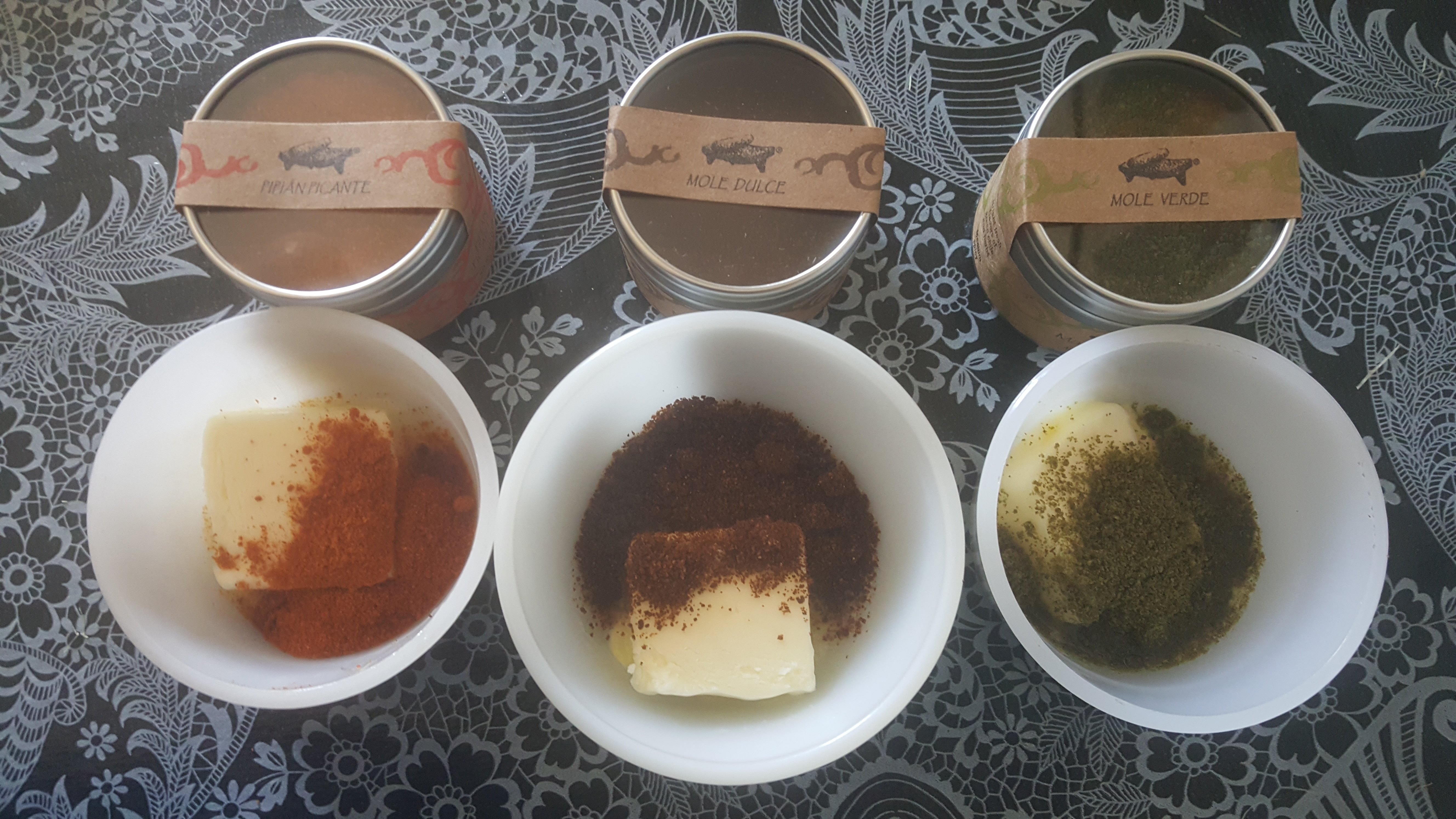
I divided the butter into two tablespoon portions, and added about a two teaspoons Pipian Picante, Mole Dulce or Mole Verde powders in separate dishes.

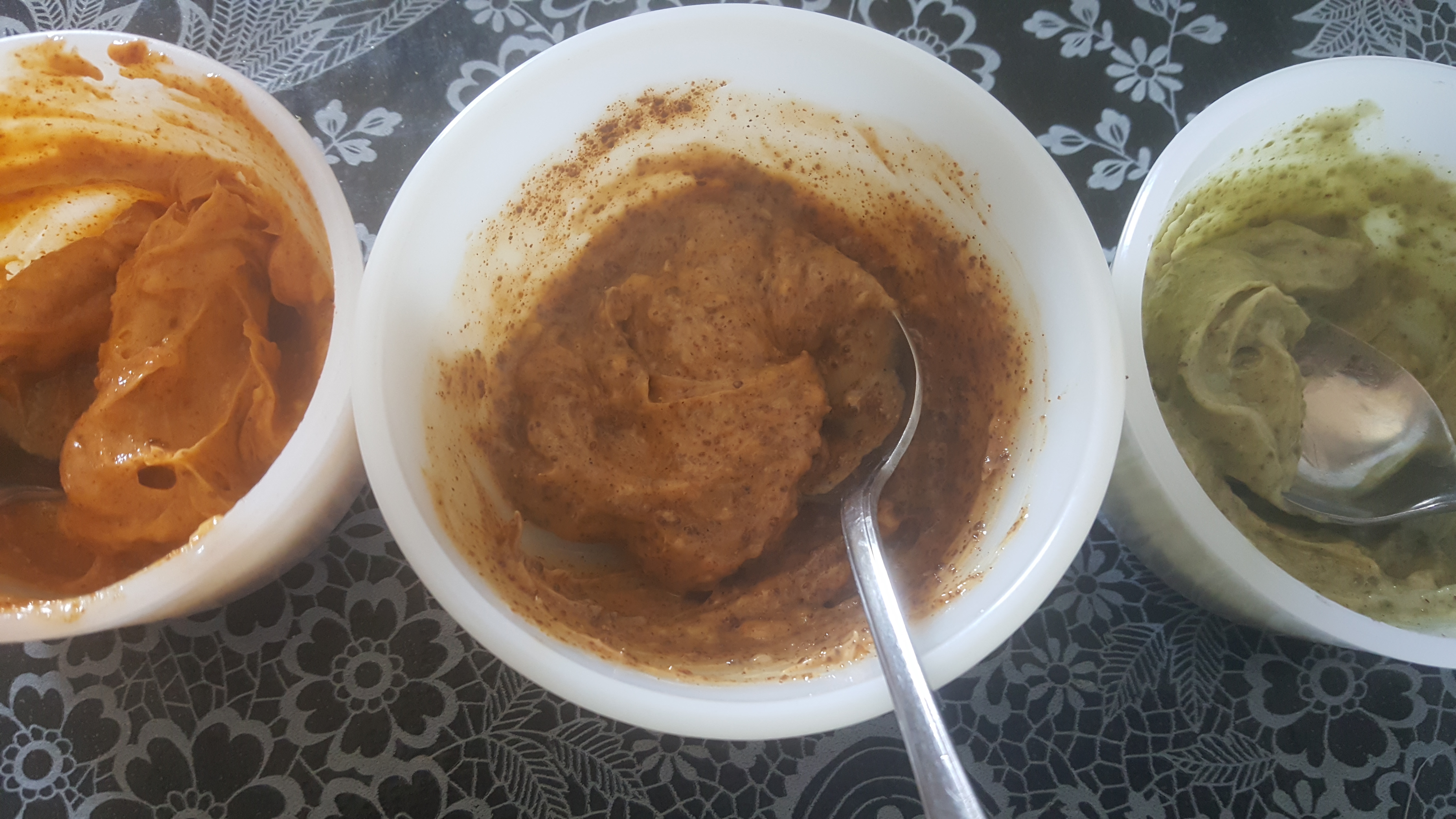
After mixing, I popped the dishes into the freezer for a few minutes while the corn steamed.

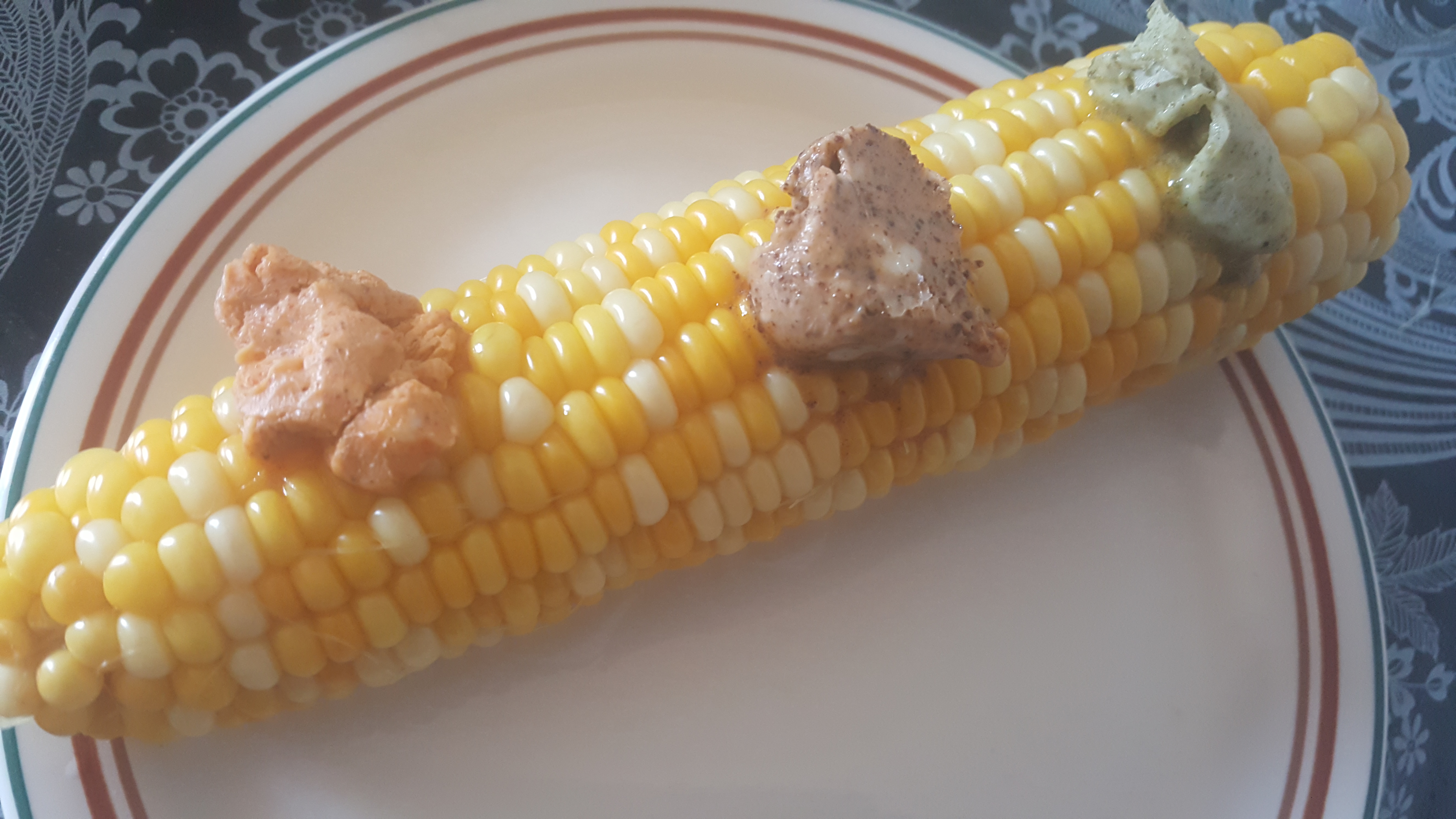
All together, it looked promising.

Butter melting into kernels…WOW. Just try it!

Actually, I’ll be trying Mole Butter on many other things. !Buen provecho!

Cooking with the SUN!

A sleek fold-up All American sun oven is set up on my patio table.  I slightly rotate it and reposition the angle every hour or so to track the sun. (MABurgess photo)

June in Baja Arizona should officially be Solar Cookery Month– time to not add any more heat in the house.  Thanks to some fabulous Baja Arizona “solarizers,” namely Technicians for Sustainability (www.TFSsolar.com), our house is now blessed with a PV array–yet despite this “free” electricity we still don’t want any extra BTUs loose in the kitchen.

Tia Marta here encouraging you to take your cooking OUTSIDE!!  A great project to do with kids is to make your own solar oven with a cardboard box and lots of tinfoil.  (The internet has easy do-it-yourself plans.)  Or you can purchase a ready-made solar oven online.  Check my website http://www.flordemayoarts.com under the menu “Native Foods” to buy one of the most efficient and least expensive solar ovens you’ll find anywhere!

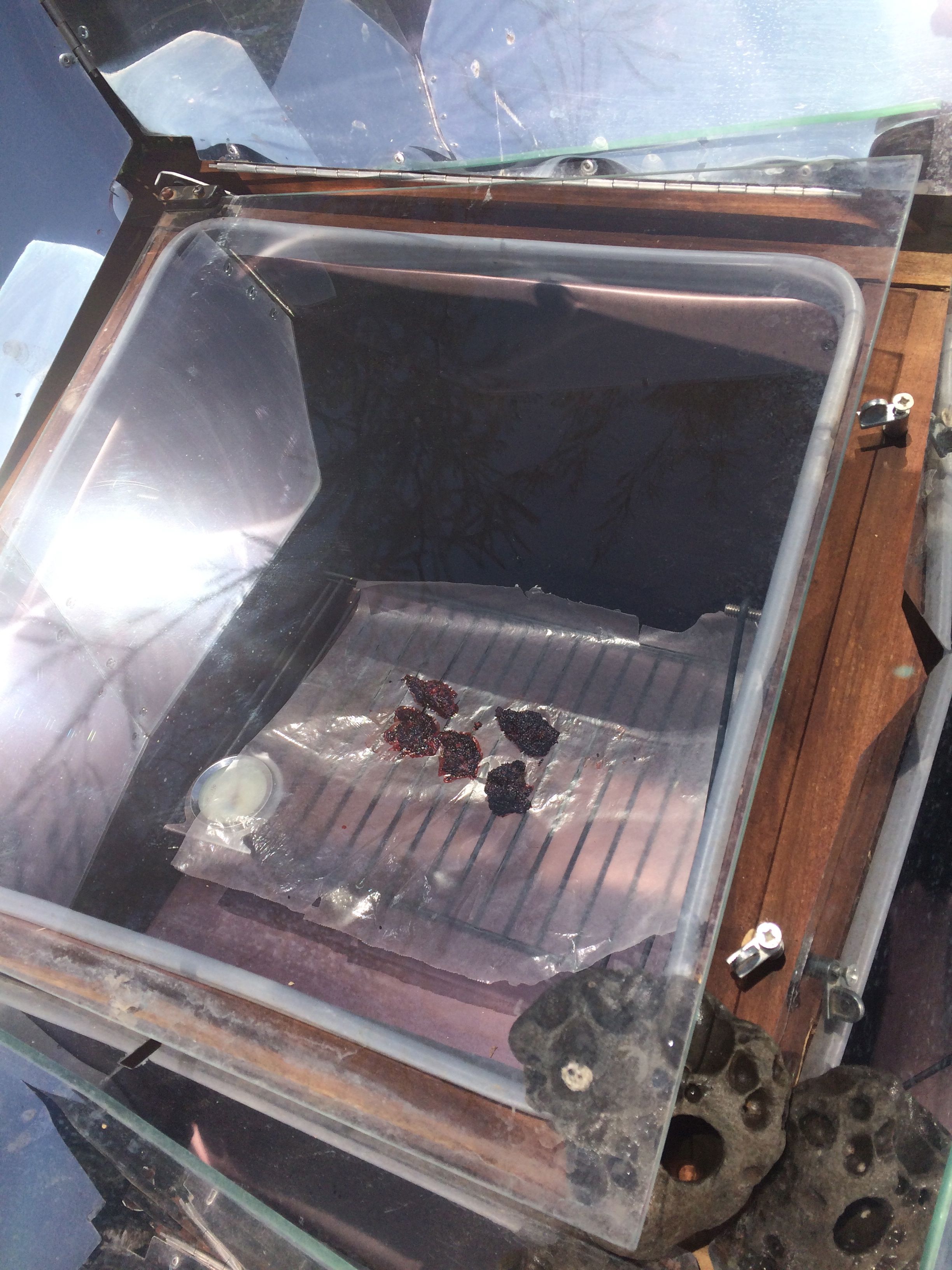
Try de-hydrating saguaro fruit in a solar oven with the lid partially open to allow moisture to escape. It doesn’t take long to dry sliced fruits or vegetables. (MABurgess)

Wild desert fruits and orchard fruits will be coming on aplenty, and when solar-dried, they make wonderful snacks and trail mix.  As seasonal veggies come available in your garden or at farmers markets, you can slice and solar dry them for winter soups and stews.

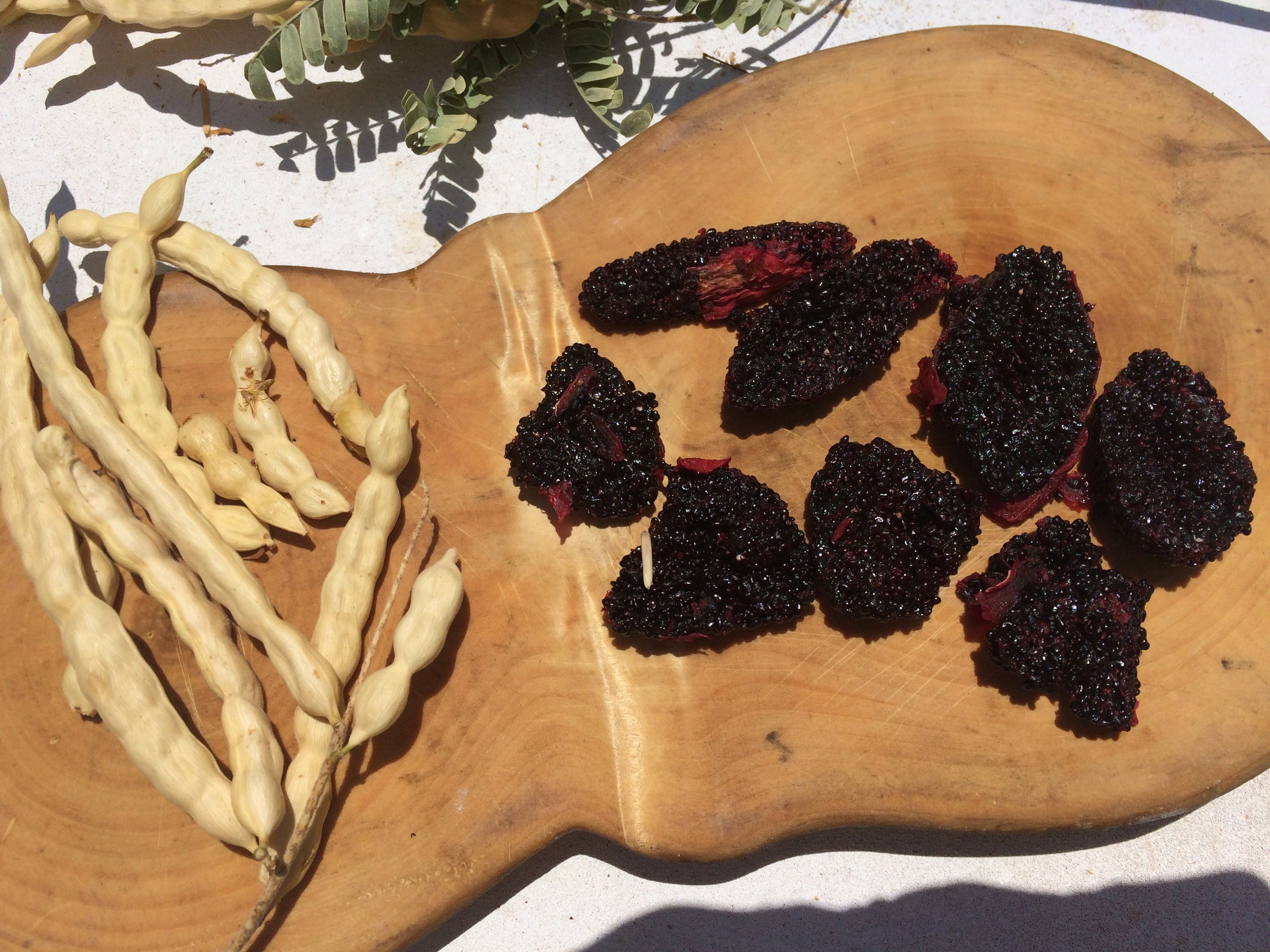
It’s almost time to harvest mesquite pods (kui wihog) and saguaro fruit (bahidaj), in the dry heat of Solstice-time before monsoon moisture arrives.  Here are solar-oven-dried mesquite pods, crispy and ready to mill into flour.  Solar drying of mesquite pods–oven door slightly open–allows bruchid beetles to escape.   Solar-dried aguaro fruit chun (pronounced choo’nya) is ready to store or eat as rare sweet snacks! (MABurgess photo)

Washed velvet mesquite pods, covered with drinking water, set in solar oven to simmer for making Tia Marta’s “Bosque Butter.” (MABurgess photo)

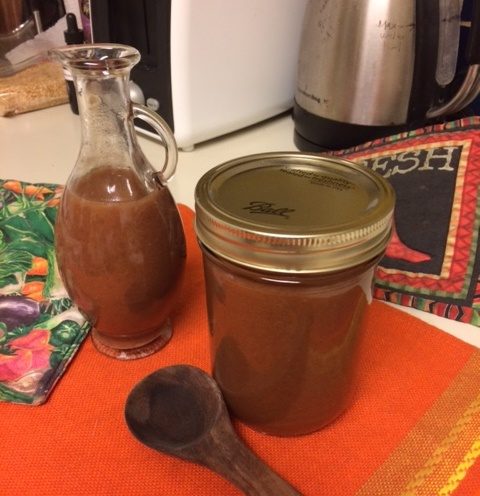
Mesquite “Bosque Butter” and “Bosque Syrup” a la Tia Marta–Scroll back to the July 15, 2017 Savor post for how-to directions for these delicious products, made from solar-oven-simmered mesquite pods. (MABurgess photo)

Pellet-sized fan-palm dates washed and ready to simmer for making “Datil Silvestre Syrup”–First they should be transferred with water to a dark pan with dark lid for placing in solar oven to absorb more heat.  Scroll to Jan.30,2015 post for recipe.

Concentrated Solar Fan Palm Syrup–nothing added–just water and fan palm fruit simmered in solar oven.  For easy directions search “More Ideas for Wild Dates” post for January 30,2015. (MABurgess)


Solar-oven-dried figs get even sweeter and more flavorful, and keep for a long time. These are heirloom mission figs harvested from my Padre Kino fig tree purchased from the Mission Garden’s and Jesus Garcia’s Kino Tree Project–the “Cordova House” varietal.  You swoon with their true sweetness.  (A caveat for any dried fruit or veggies:  be sure there is NO residual moisture before storing them in glass or plastic containers to prevent mold.)

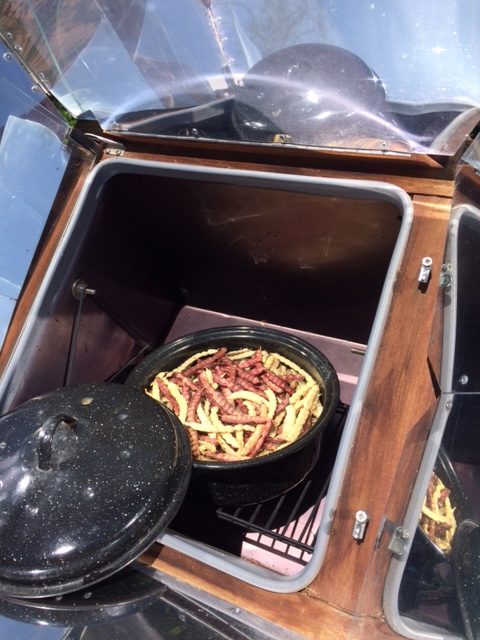
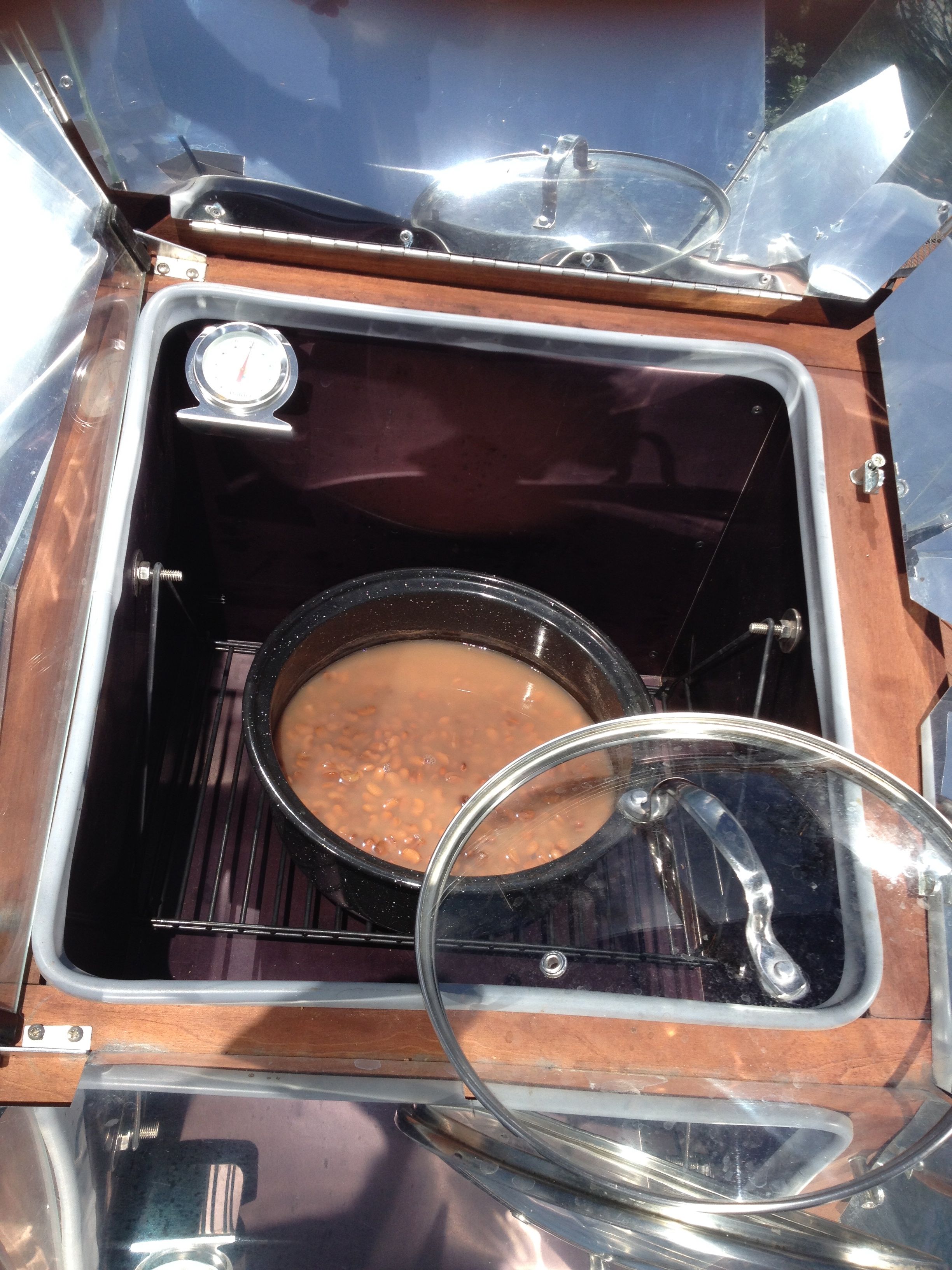
Tepary beans, presoaked overnight, into the solar oven by 10am and done by 2pm, avg temp 300 or better (see thermometer).  Note the suspension shelf to allow for no-spill when you change the oven angle to the sun.  This is a demo glass lid.  A black lid for a solar cooking pot will heat up faster absorbing sunlight.  (MABurgess photo)


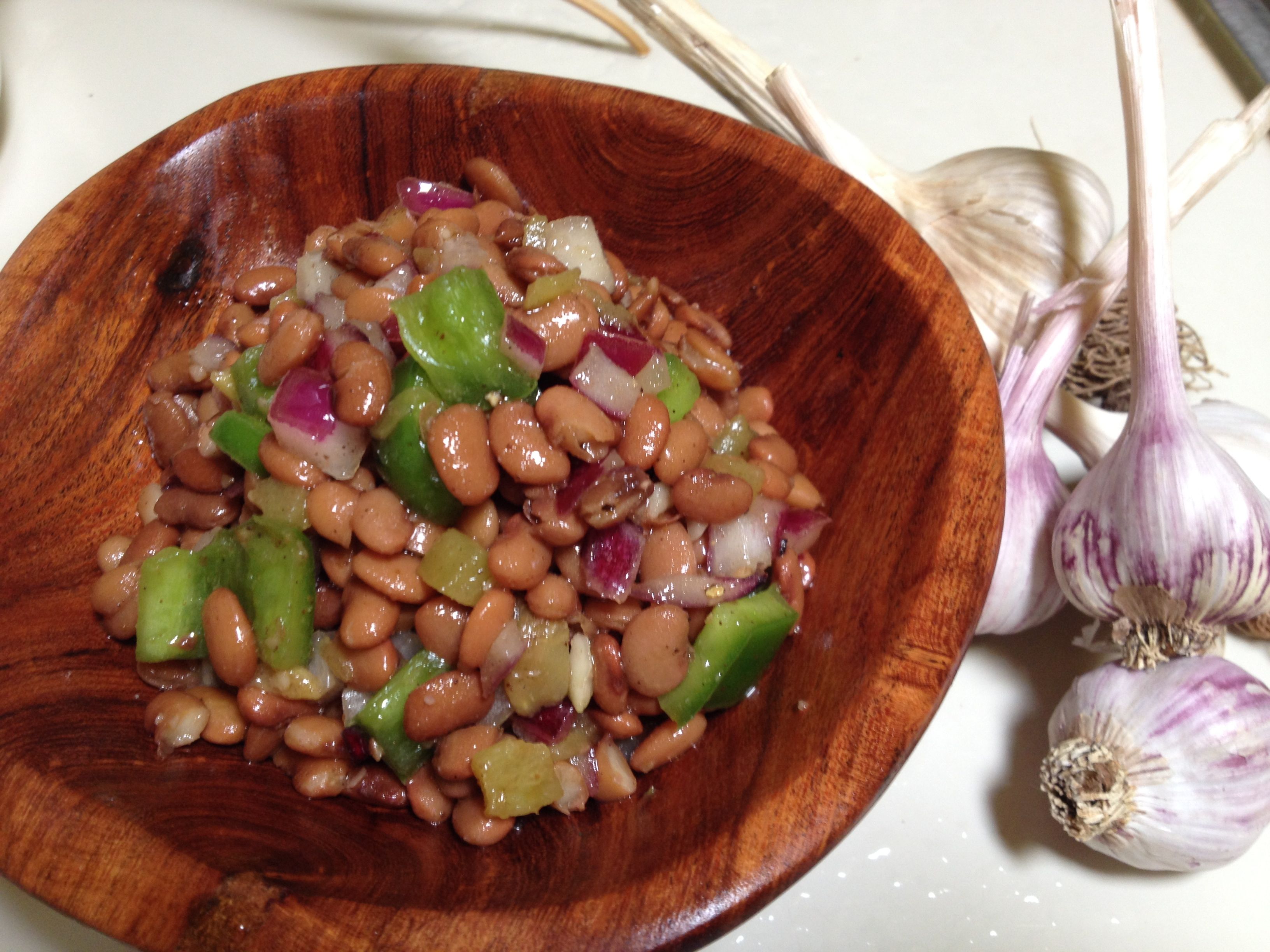
George Price’s “Sonoran Caviar”–Cooking pre-soaked tepary beans slowly in a solar oven or crockpot makes them tender while keeping their shape for delicious marinated salads.  Directions for making “Sonoran Caviar” are in the Aug.8,2014 post Cool Summer Dishes. (MABurgess photo)


We cook such a variety of great dishes–from the simple to the complex– out on our patio table.  I stuff and bake a whole chicken and set it in the solar oven after lunch.  By suppertime, mouth-watering aromas are wafting from the patio.

For fall harvest or winter dinners, I like to stuff an heirloom squash or Tohono O’odham pumpkin (Tohono O’odham ha:l) with cooked beans and heirloom wheat- berries to bake in the solar oven.  It makes a beautiful vegetarian feast.

A solar oven is a boon on a camping trip or in an RV on vacation for heating dishwater as well as for cooking.  It was a God-send for us when power went out.  Solar ovens in emergency situations can be used for making safe drinking water.  (Hurricane-prone areas– take heed!)


For one of my favorite hot-weather dishes–marinated White Sonora Wheat-berry Salad–the solar oven is a must.  On stove-top, wheat-berries take an unpleasant hour20minutes to fully plump up.  That’s alot of heat.  Outdoors in the solar oven they take about 2 hours while the house stays cool, keeping humidity low.  Hey–no brainer!


Muff’s Marinated White Sonora Wheat-berry Salad Recipe

1 cup washed heirloom wheat-berries (available from NativeSeeds/SEARCH, grown organically at BKWFarms in Marana)

4 cups drinking water

Simmer wheat-berries in solar oven until round, plump and softer than al dente, and have absorbed the water–approximately 2-2 1/2 hours depending on the sun.  Drain any excess water.

Chill in frig.  Marinate overnight with !/2 cup balsamic vinegar or your favorite citrus dressing.  Add any assorted chopped veggies (sweet peppers, I’itoi’s onions, celery, carrots, pinyon nuts, cholla buds, barrel cactus fruit, nopalitos….).  Toss and serve on a bed of lettuce.

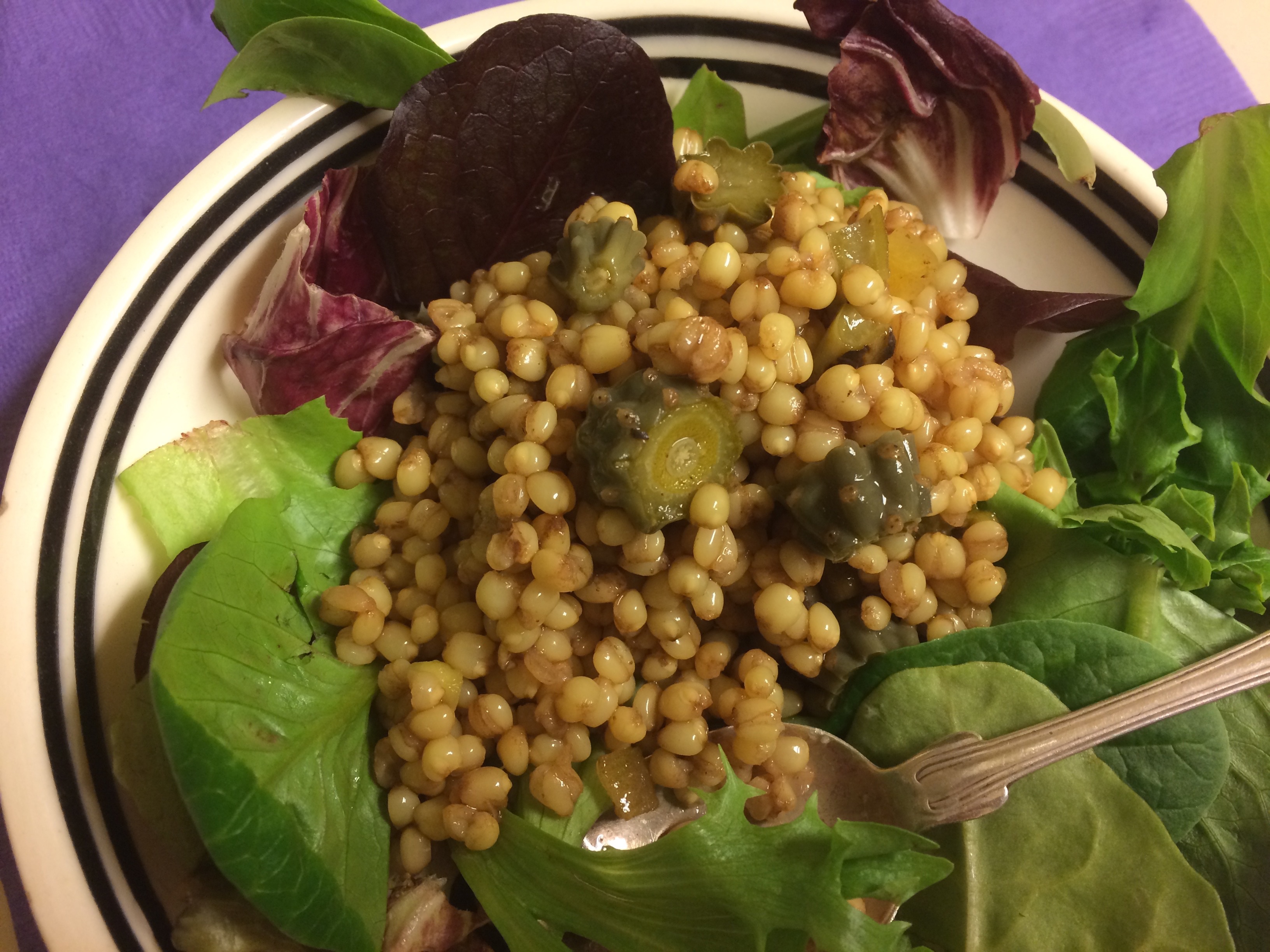
Muff’s White Sonora Wheat-berry Salad laced with pickled cholla buds, roasted nopalitos and barrel cactus fruit nibbles. (MABurgess photo)

While cooking with a solar oven, it will help to “visit” your oven every 1/2 hour or hour to adjust the orientation to be perpendicular to the sun’s rays.  Think about it–You gotta get up that frequently anyway from that computer or device where you’ve been immobile–just for health and circulation’s sake!  Think of your solar oven as part of your wellness program.

A solar oven is so forgiving too.  If you need to run errands, just place the oven in a median position to the movement of the sun.  Cooking may take a little longer, but, you are freed up to take that class, get crazy on the internet, texting or whatever.  And if you should get detained, good old Mr. Sun will turn off your oven for you.  No dependency on digital timers.  Happy cooking with the sun this summer!

Flower Pesto

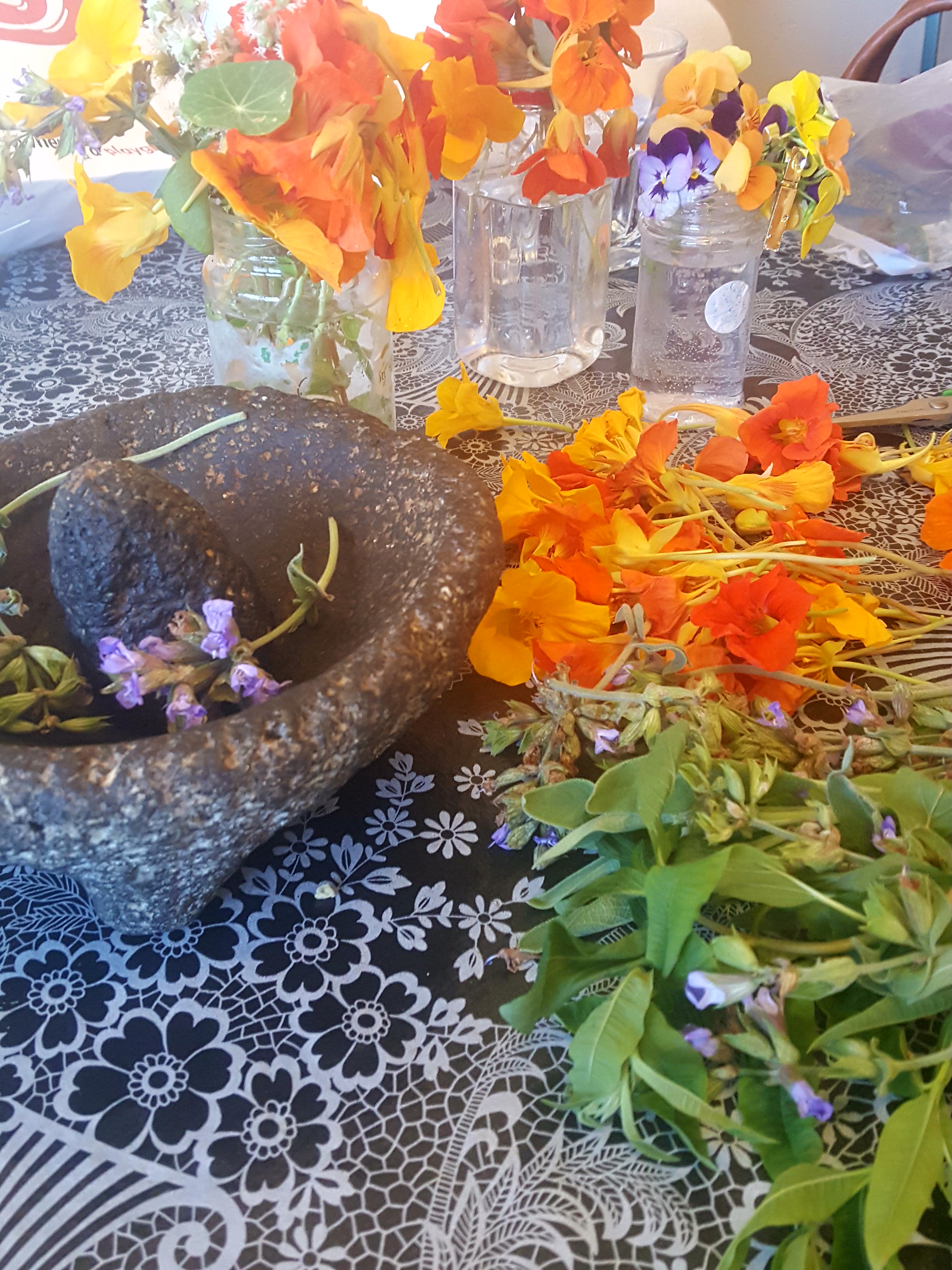
Hello all, Amy here with Marjorie and a pile of nasturtiums, pansies and sage flowers from her garden! So many edible flowers, and so much inspiration!

Basil leaf pesto is stunningly beautiful and a taste sensation, so what would pesto made with flowers look like? And taste like???

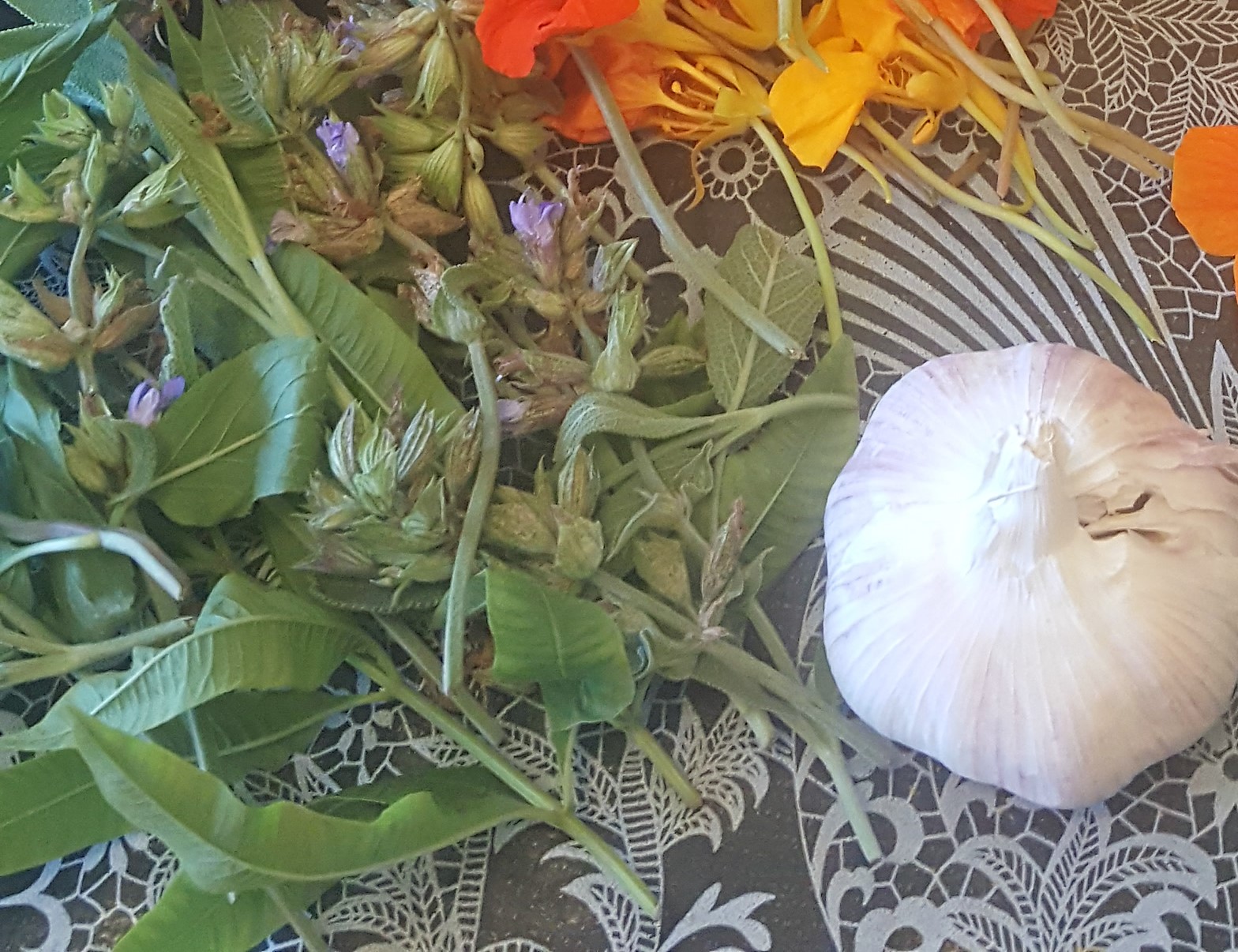
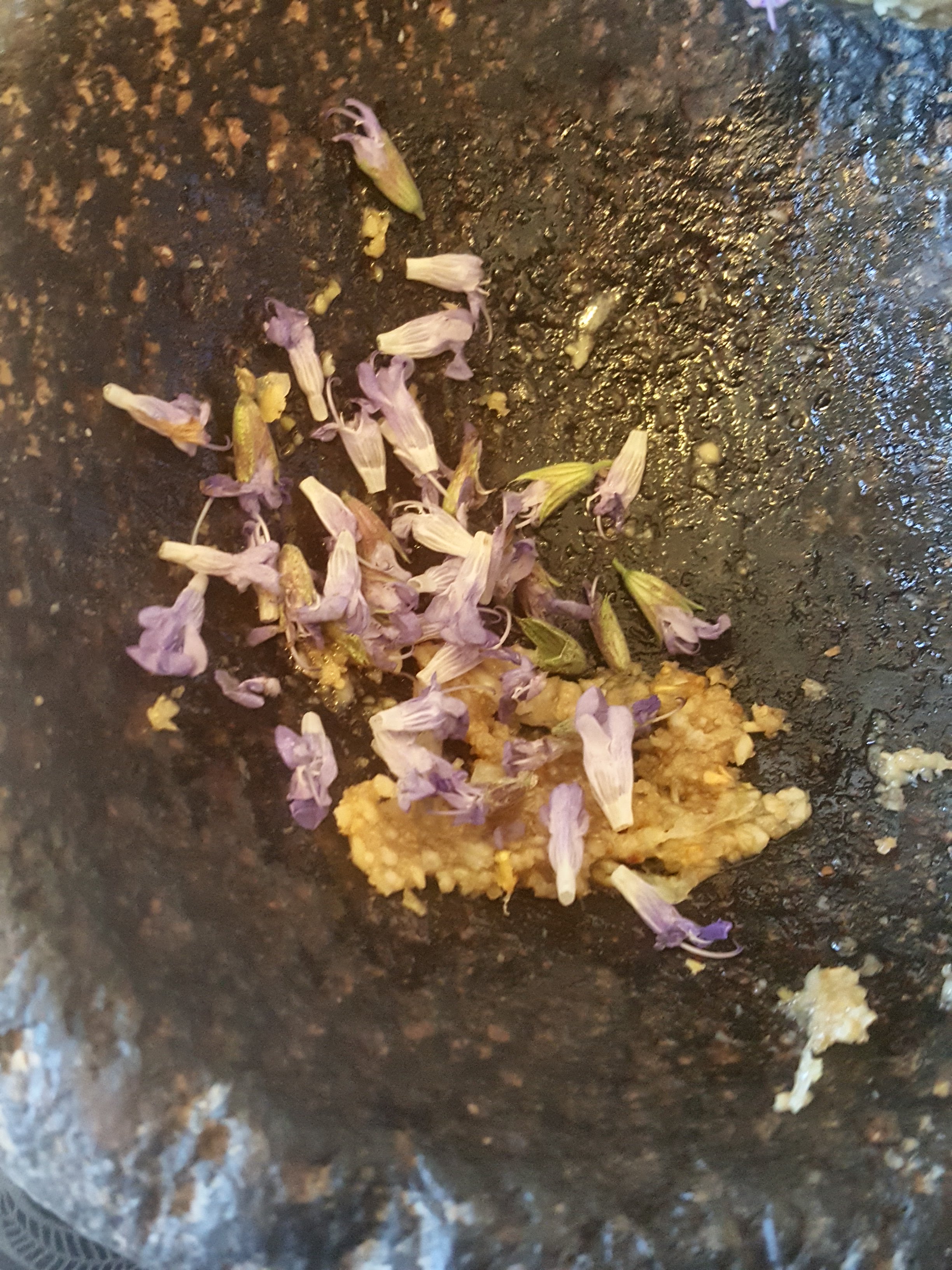
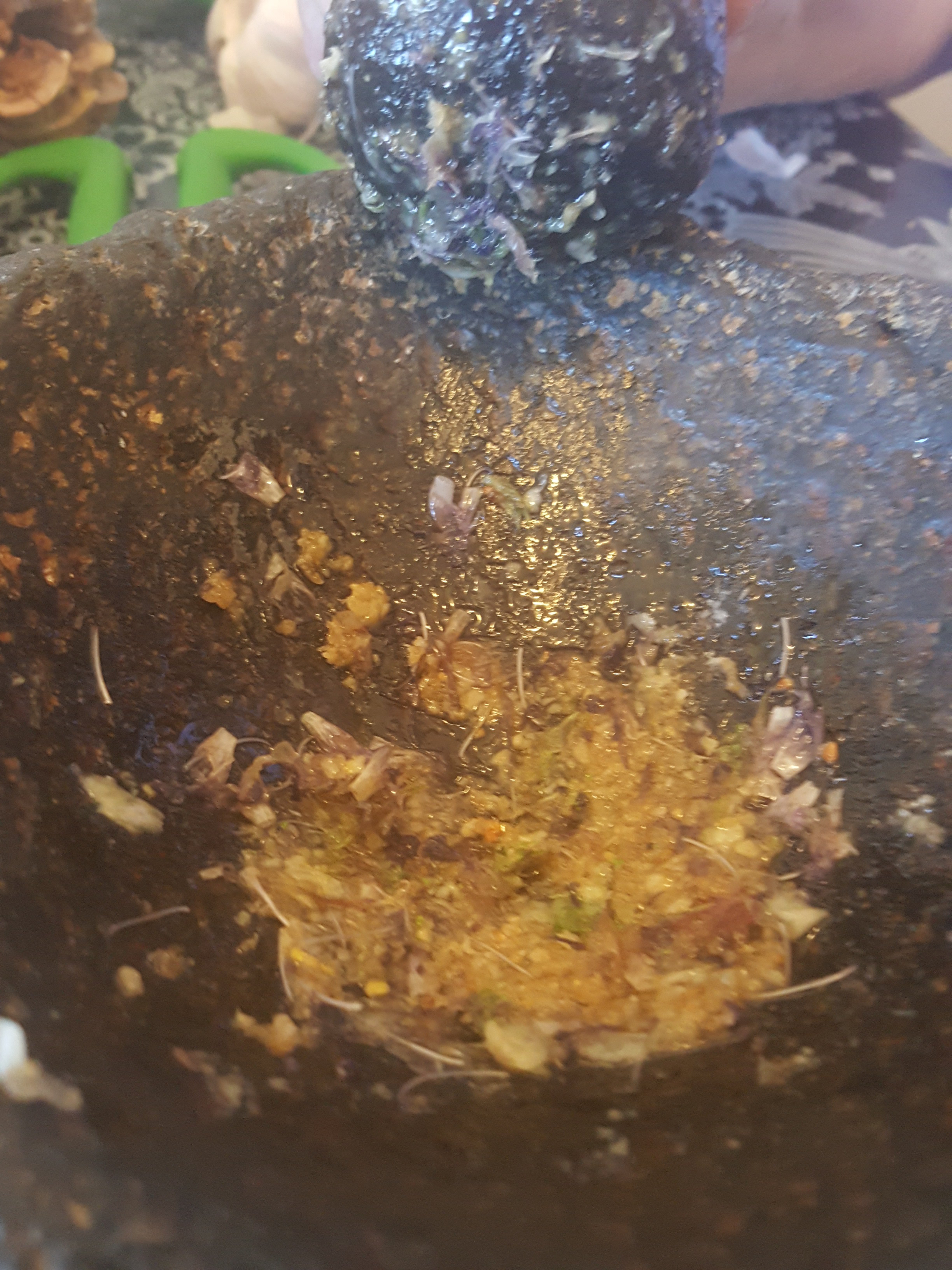
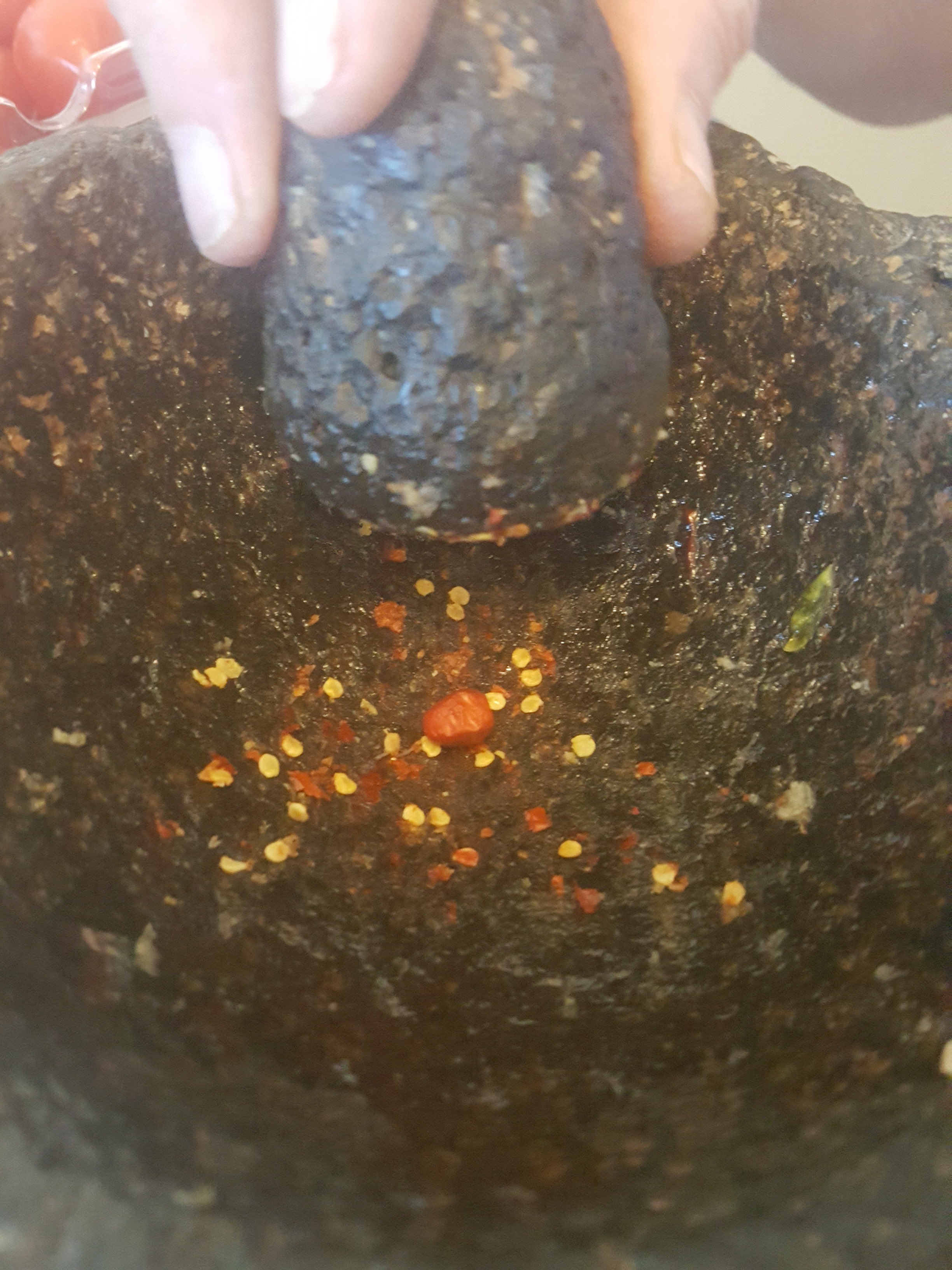
We started by picking the little purple flowers from garden sage. Then we mashed them with garlic, pine nuts, salt and olive oil.

The taste of sage was warming and delicious but not overpowering like sage leaves or even basil leaves.

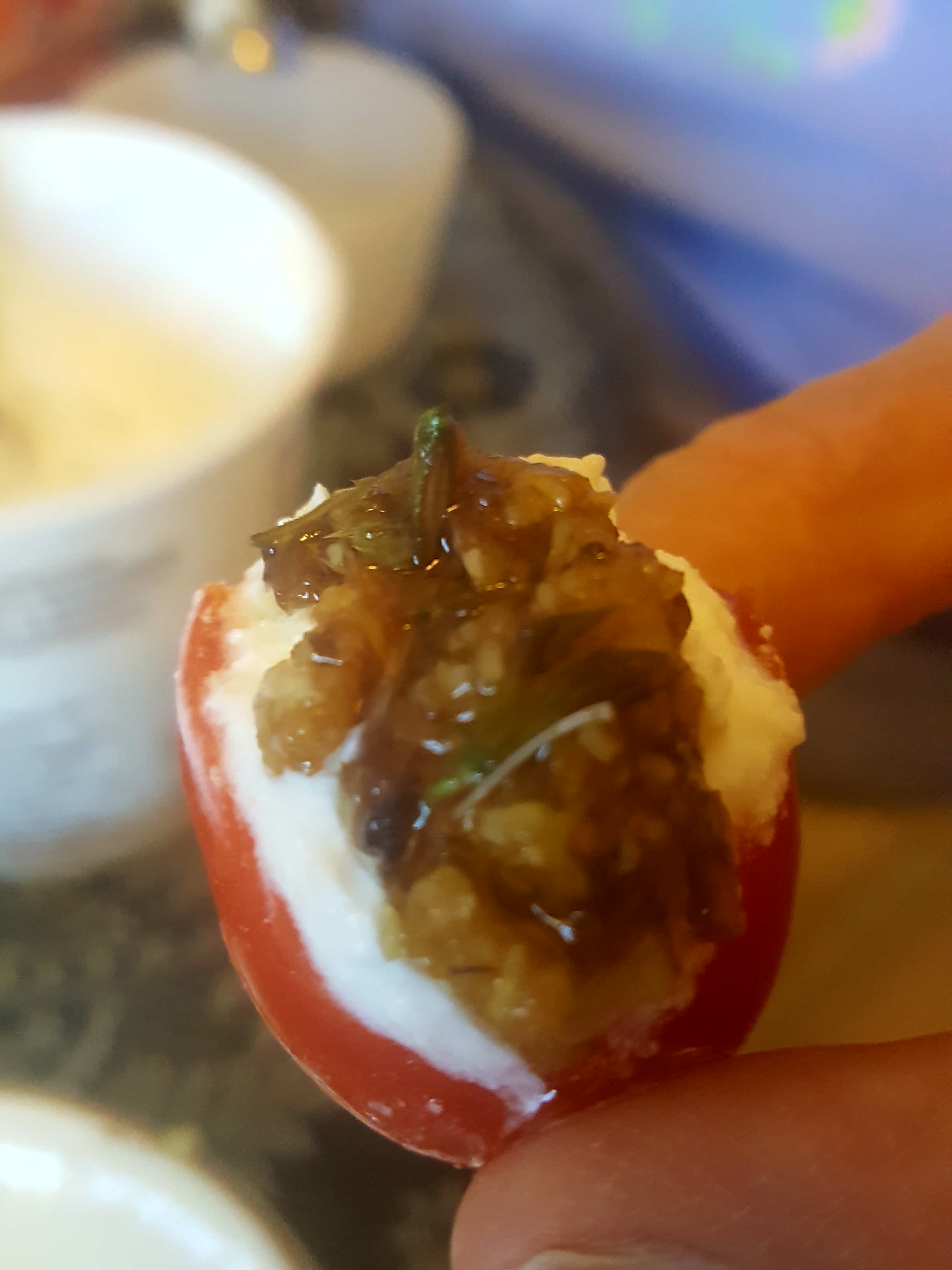
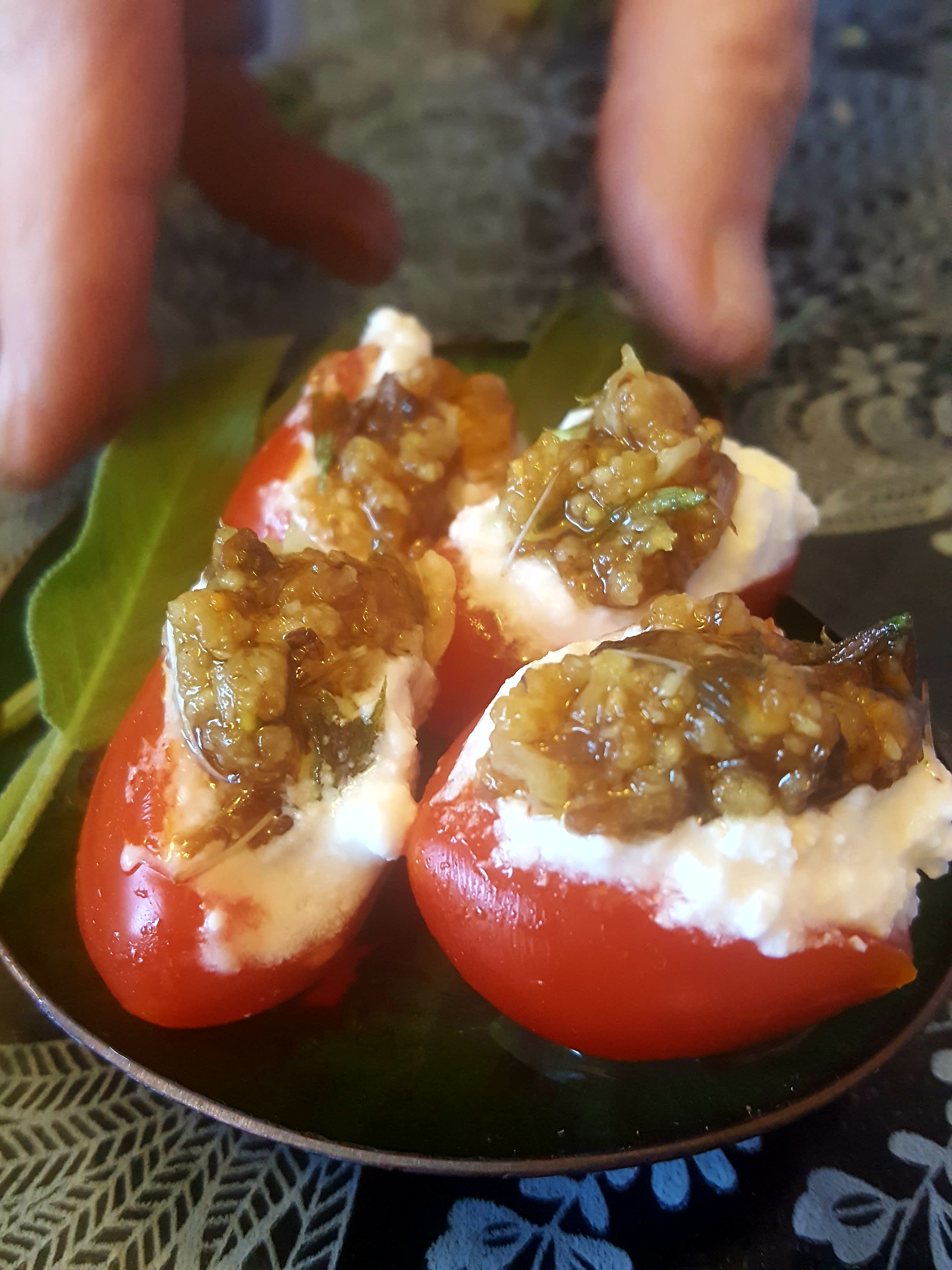
So we hollowed little cherry tomatoes, filled with goat cheese or coconut yogurt, and topped with our little pesto experiment. Success! (in four unforgettable bites…)


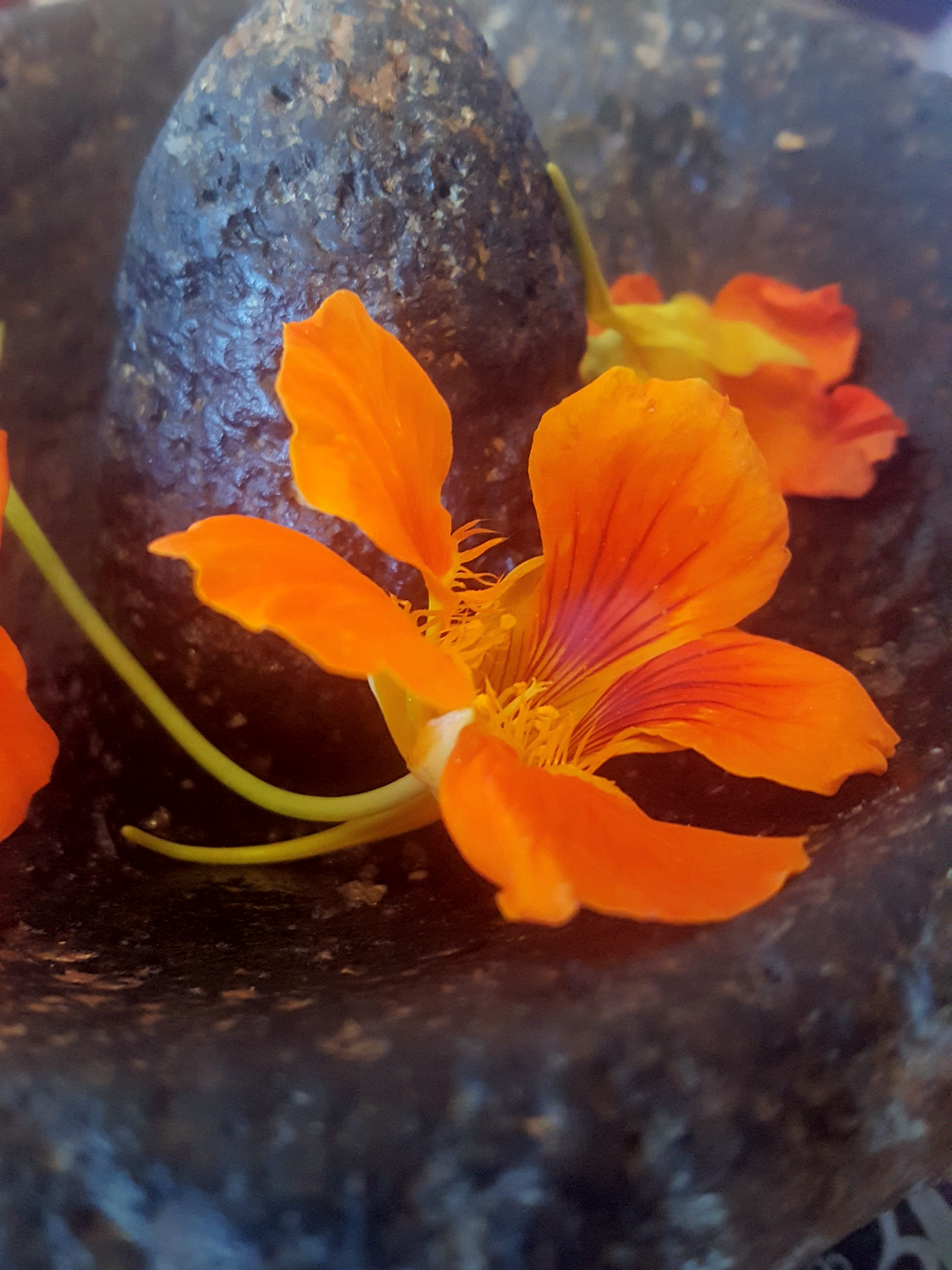
Next up was flowers from Marjorie’s spring crop of nasturtiums, their days numbered with the increasingly hot and dry weather.

This batch started with a bright chiltepin or two.


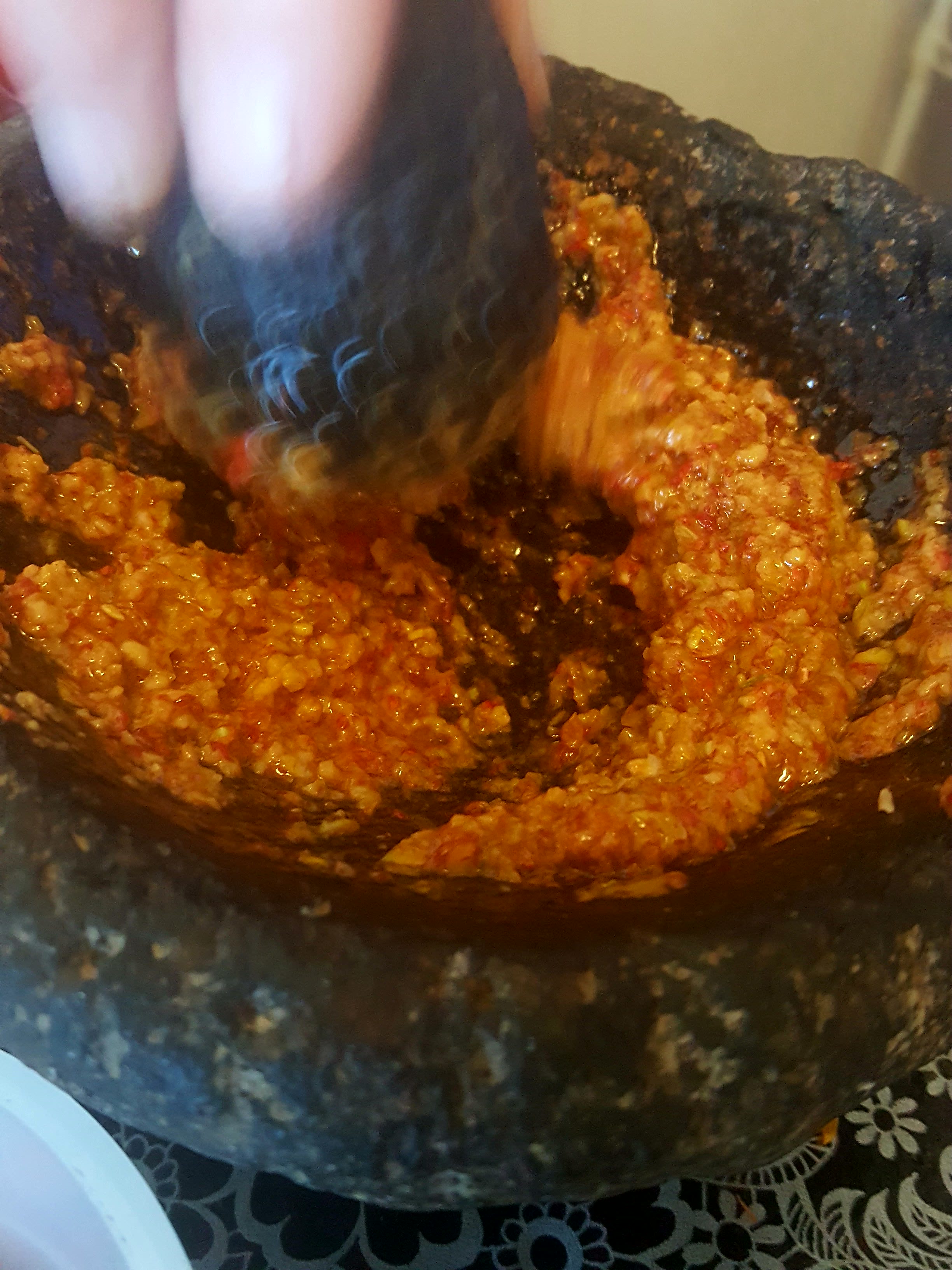
Then garlic, pine nuts, salt, olive oil and nasturtiums.

Peppery, bright, and sooooo worth all the fuss!!!!

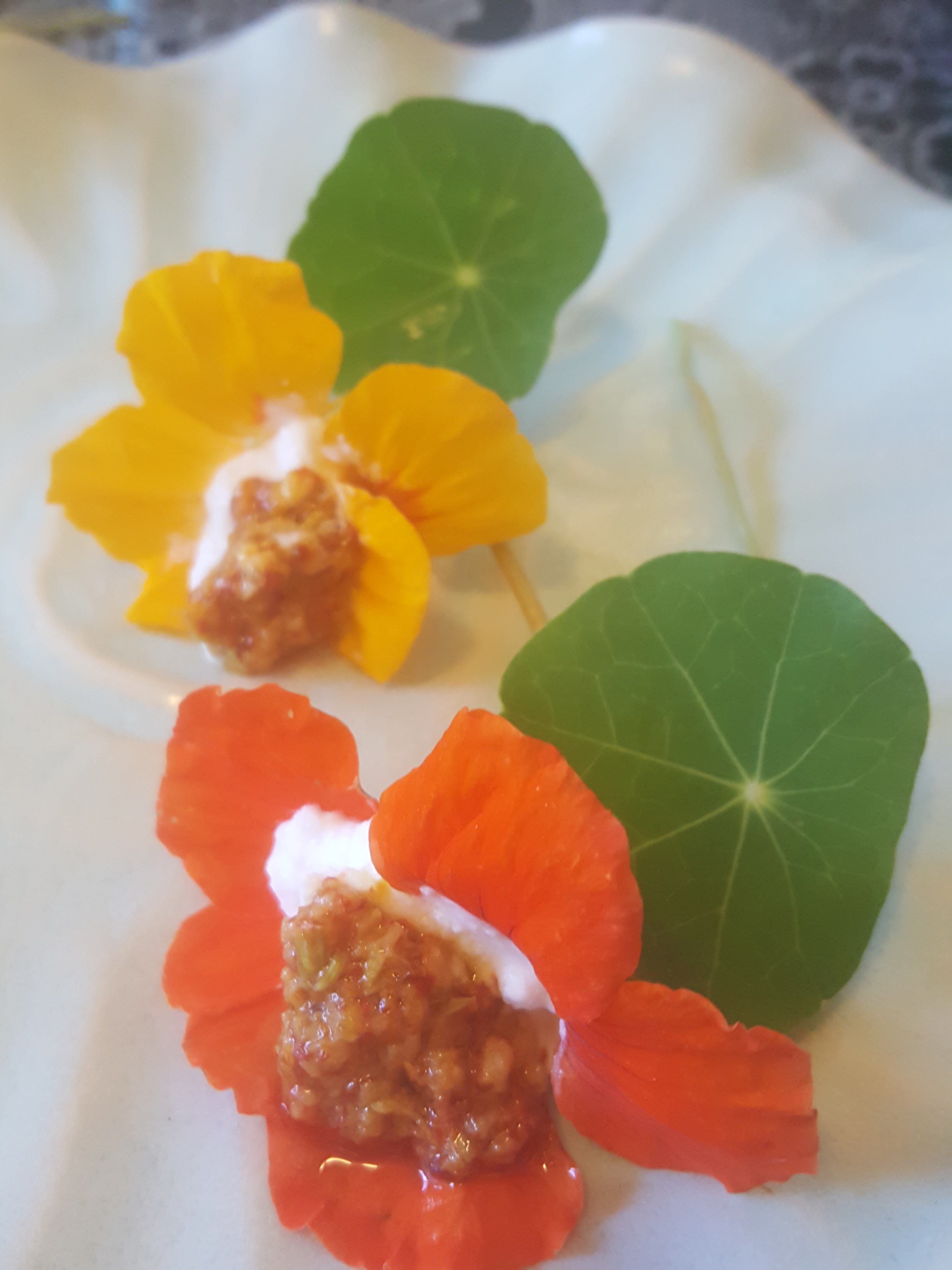
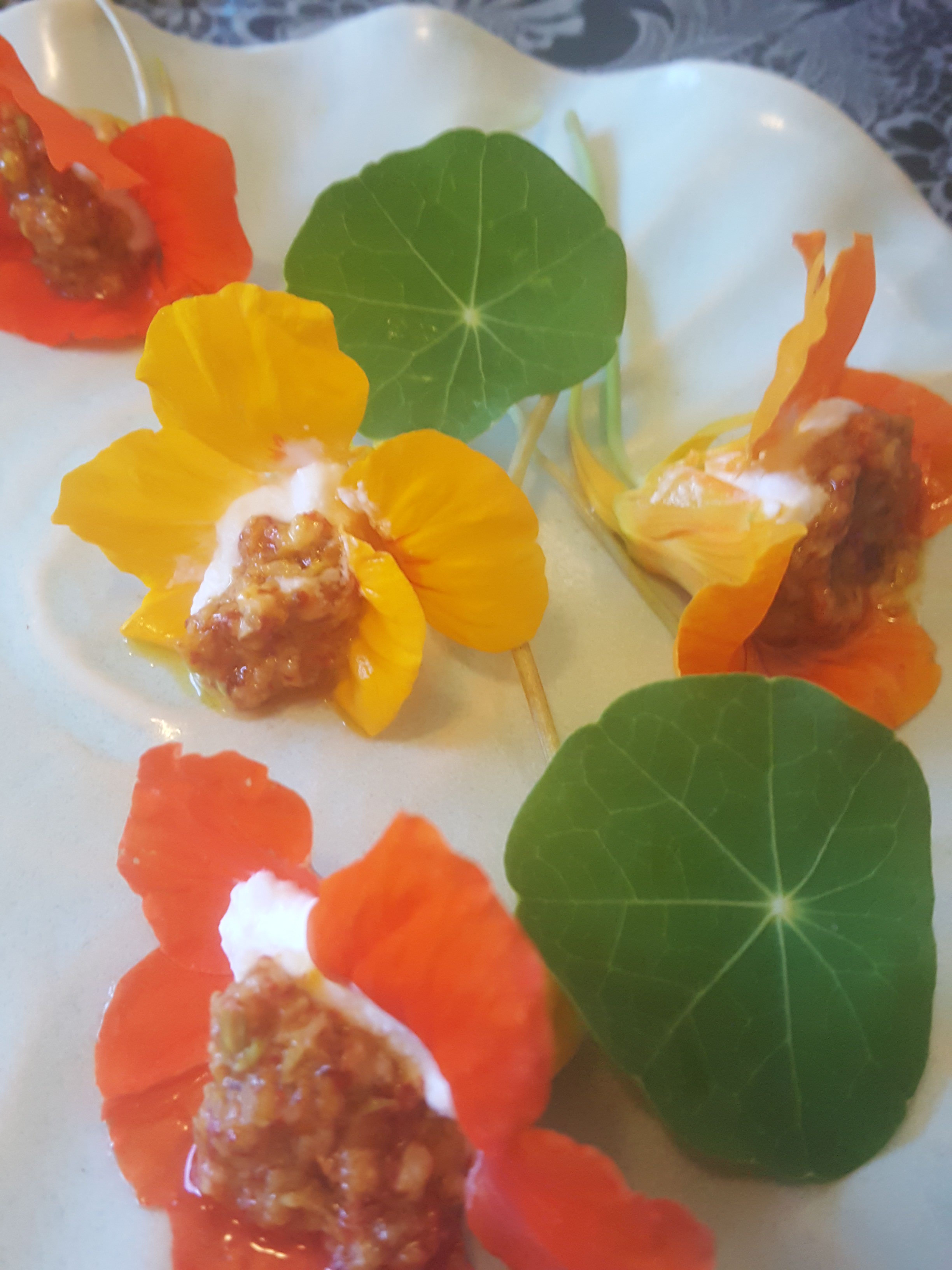
To serve this pesto, we scooped it into whole nasturtiums, again with a bit of goat cheese or coconut yogurt. (These are diary free and vegan, but don’t tell anyone unless they need to know, because they aren’t lacking anything!)

Enjoy with tea and friends.

(Happy birthday, Marjorie!)

A New Addiction– Nopalito Tortilla Chips

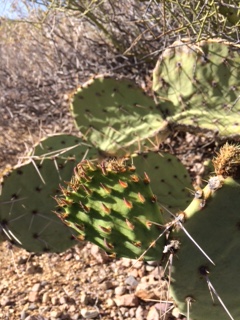
Young pad of our native Engelmann’s prickly pear. Note the little leaves protruding from each aureole. (MABurgess photo)

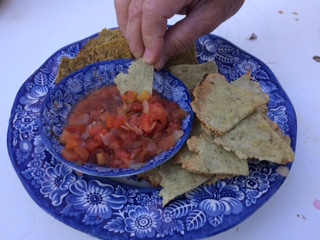
Luscious and healthy hors d’oeuvres–nopalito tortilla chips! They are sturdier than other chips and much better for dipping. (MABurgess photo)

Here’s an off-the-wall-fun idea that will enhance a party or pot luck to bring a zillion laughs and mmmm’s, not to mention great new taste.   It’s tortilla chips made with something you can pick from the “back forty” in the desert for free, i.e. fresh prickly pear cactus pads—nopalitos. Talk about justifying your addiction to tortilla chips by enhancing your vitamin intake AND balancing your blood sugar!

This idea came originally via my cousins in California who frequent farmers markets, where they found “Nopaltillas,” a trademarked chip produced by Nopaltilla LLC. [Google “cactus chips” for a full description.]

Sez I, “For having some fun in the des, burning off a few calories, why not make them ourselves?”  Tia Marta here to share with you my experiences making Cactus Corn Chips –Nopalito Tortilla Chips.

Young pad of orange flowered O.linheimeri ready for harvesting to make nopal tortilla chips (MABurgess photo)

Notice the leaves on these cladophyll. This is the right stage for harvesting nopales.

Chips are great any time, but now in May (beginning in April) is perfect for this seasonal “specialty.”  Through spring in the Sonoran Desert, our first exercise is to recognize new growth on a prickly pear cactus.  The so called “pads” on a prickly pear are really inflated green stems–not leaves.  These vertical, flat, succulent oval pads (called nowh by the Tohono O’odham and cladodes by botanists) grow out from the edges of mature, spiny pads.  You can recognize the young pads by their thinner shape, their brighter green color, AND the KEY INDICATOR, tiny dunce-cap-shaped prongs at each aereole (spots on the pads where spines emerge.)  These little dunce caps are the only true LEAVES on a cactus!   They are temporary, shed when major heat arrives.   Only harvest pads if you see those little green dunce-caps!!  Be ye warned:  not all pads will do as food. The presence of the tiny leaves shows there is, as yet, no woody tissue inside.  Unless you have the digestive system of a termite to break down cellulose, don’t try to eat mature prickly pear pads.

Wild-harvesting the youthful pads will require tongs, a pocketknife, and 360 degree awareness to avoid touching tiny hair-like spines called glochids that are really bothersome in skin or clothing.  Go to www.desertharvesters.org for good instruction.   Far easier to find young pads in town on the semi-spineless nopal in many older yards around Baja Arizona,  the cultivated Indian-fig cactus, Opuntia ficus-indica, first propagated by Nahuatl people of central Mexico.   Better still, I suggest that you grow your own.  What I grow in my garden in harvestable profusion is an orange-flowered species Opuntia lindheimeri, very productive with nopalitos and tunas.  Whichever nopales you harvest, you’ll need to singe off the spines and leaves over a flame or gas stove before you dice them to prep for making our nopalito chips.

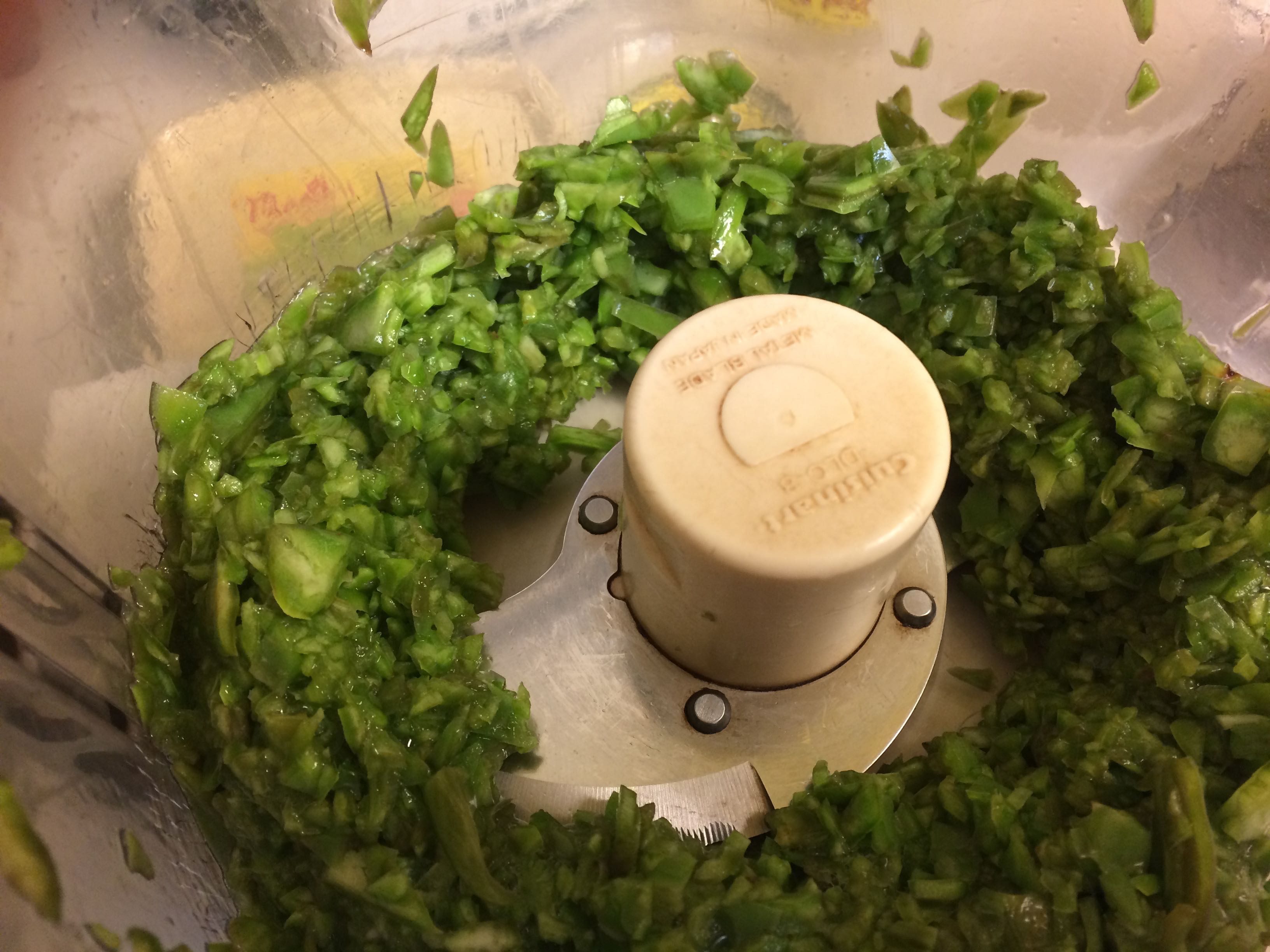
Freshly diced nopalitos ready to puree. Labor-saving short cut: these are available from Food City!

The “cheater option”  is to purchase fresh-diced nopalitos or fresh nopal pads in the produce section of Food City.  These are in fact from the same Indian-fig cactus available by reaching over any fence in old neighborhoods.


Chopping diced nopalitos in Cuisinart

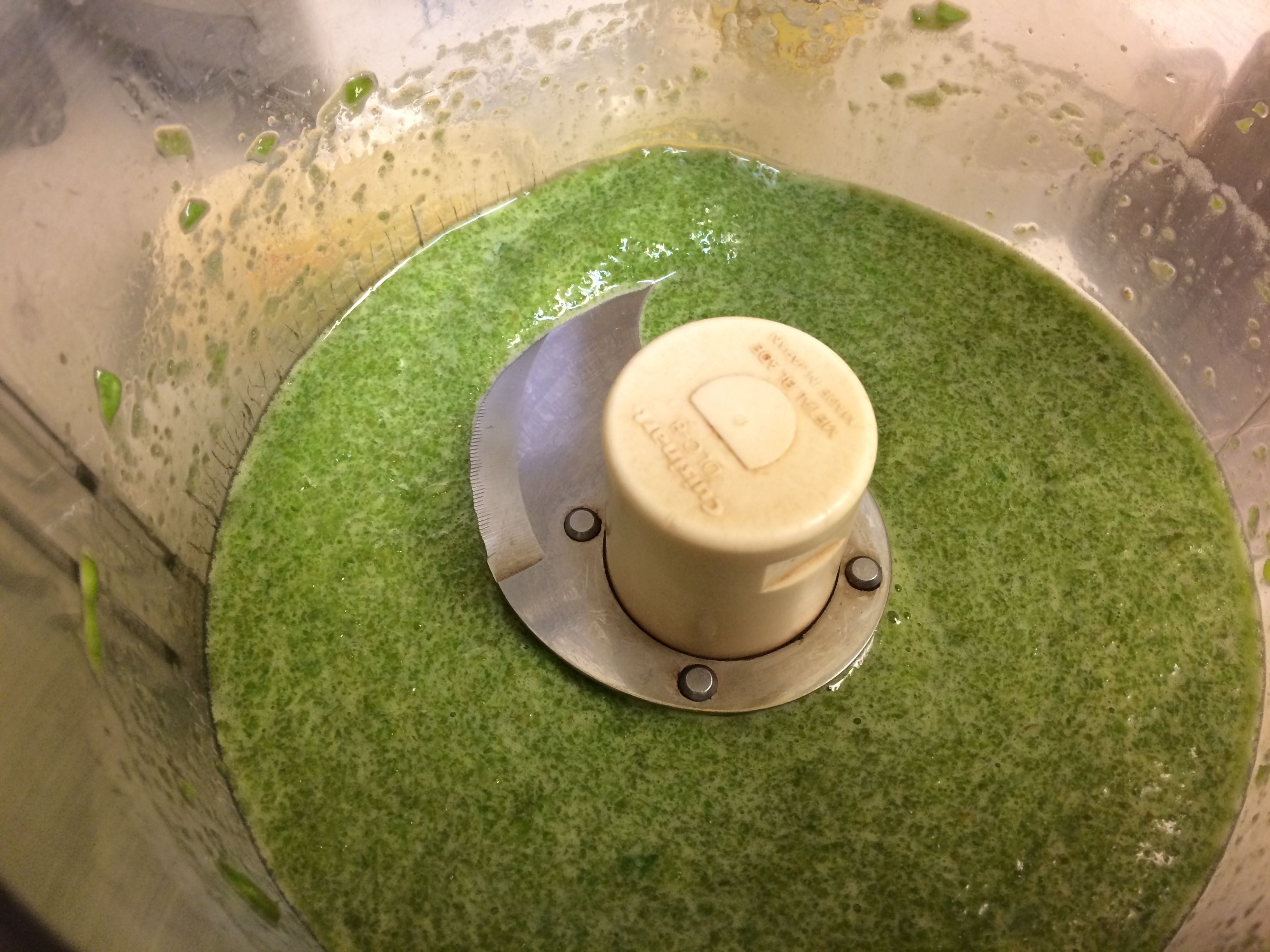
Pureed fresh nopalitos prepped for mixing with masa to make nopal tortilla chips–pretty weird –such a rich healthy green!

Now for the quick and easy recipe:

Nopalito Tortilla Chips 

You will need a Cuisinart or mixer, mixing bowl and fork, flat surface and rolling pin OR a tortilla press, gallon ziplock bag, tea-towel, hot griddle, and oven.

Ingredients:

2 cups corn Maseca (instant masa corn flour mix from Mexican foods section of grocery)

1 1/2 cups diced fresh nopalitos

3-10 tbsp warm water

1/4 tsp sea salt (and powdered salt–optional–for surface)

Directions with photos:

Puree your diced nopalitos.

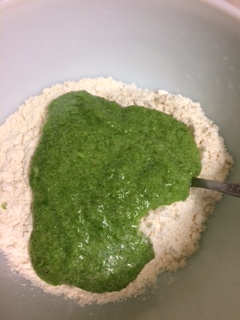
Add pureed nopalito liquid into the masa flour and mix

In a bowl with the 2 cups masa flour and sea salt, pour pureed nopalito liquid gradually into the masa flour and stir until dough becomes workable with hands and not sticking to the sides of the bowl.  If mixture is too dry, add water one tablespoon at a time, mixing after each until you can make a dough ball with your hands.

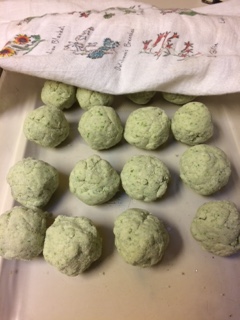
Rolled balls of nopalitos masa dough golf-ball size left to set awhile

Roll chunks of dough into golfball-size balls and set aside covered with tea-towel for up to an hour to set.  Cut the sides of a gallon plastic bag.

If you don’t have a tortilla press you can flatten your dough ball between 2 layers of a cut ziplock with a rolling pin

Place ball of dough within two sides of the plastic to flatten with rolling pin or in a tortilla press.

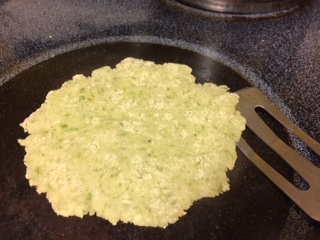
Nopalito tortilla on a hot griddle–You can even grill it on a glass-top stove like this or in an iron skillet over an open fire.

On a medium-hot griddle cook the flat tortilla dough on both sides until edges are tinged golden brown.  Tortillas should still be flexible.

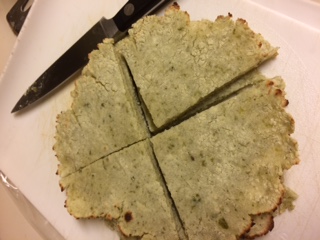
Cutting a stack of warm tortillas into corn chip size

Cut tortillas to chip size.  Brush sparingly with corn oil, avocado oil, or olive oil.  Place in a hot oven (400 degrees) for 6-8 minutes watching carefully to remove before browning.  Dust with powdered salt if desired.  Serve hot or cold.

Nopalito tortilla chips brushed lightly with oil and then baked in a medium-hot oven

You will find that nopalito tortilla chips have a wonderful tangy flavor, and also a sturdiness that will not crack with heavy bean dips or guacamole.

And what nutrition!  Nixtamalized corn in the masa has preserved the amino acids in the corn.  And nopalitos are full of complex carbs that give sustained energy and available calcium for bones, teeth, and nerves.  What more could one ask from a snack food?

Tia Marta encouraging you to make and enjoy these easy and not-so-sinful treats from the desert!


Pear Prickly Pear Desert Dessert

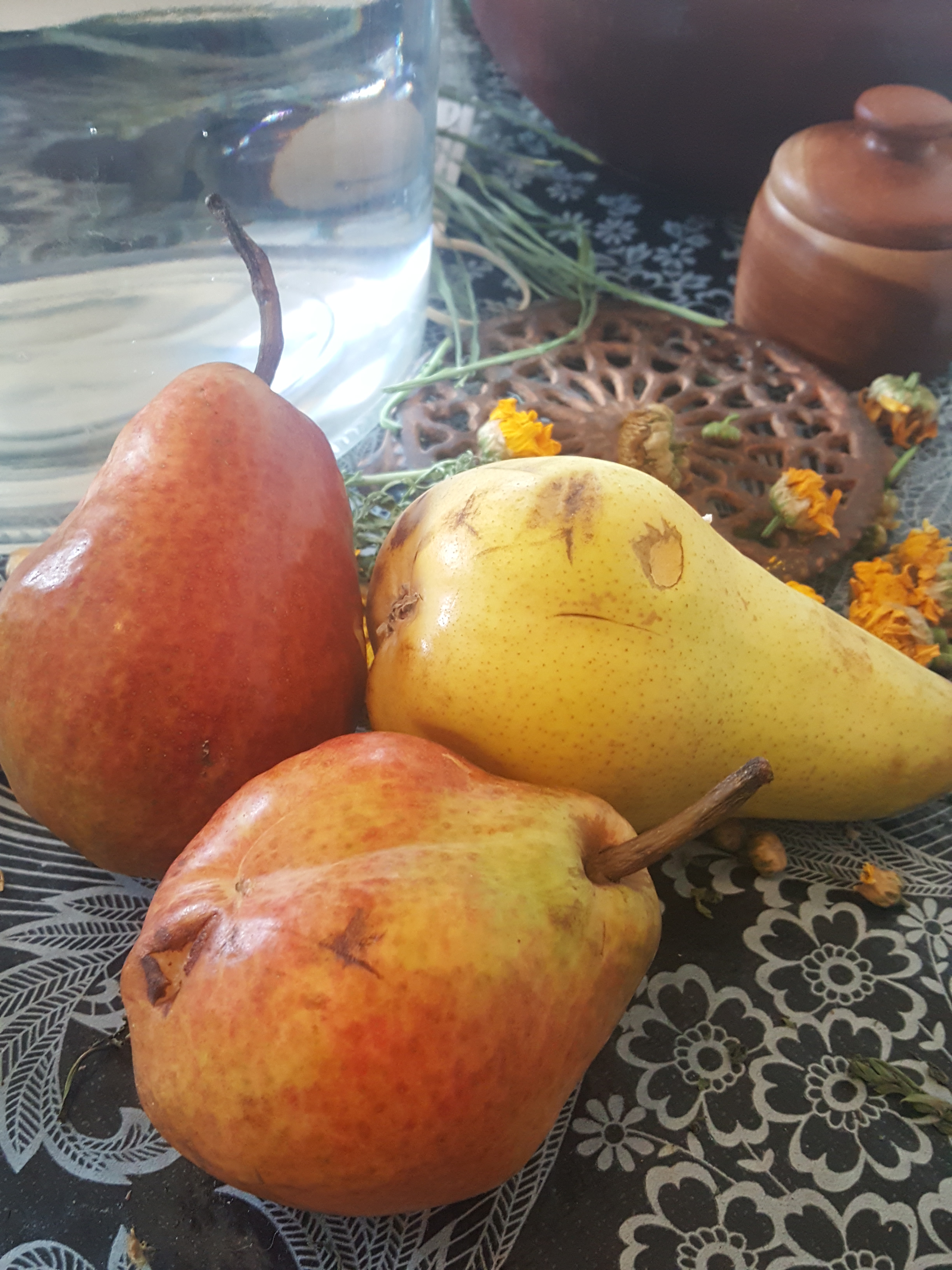
Hello, Amy here, preparing a dessert for some new friends completely new to the desert, passing through on their way to Costa Rica. A few pears that had seen some travel were sitting on the kitchen counter…

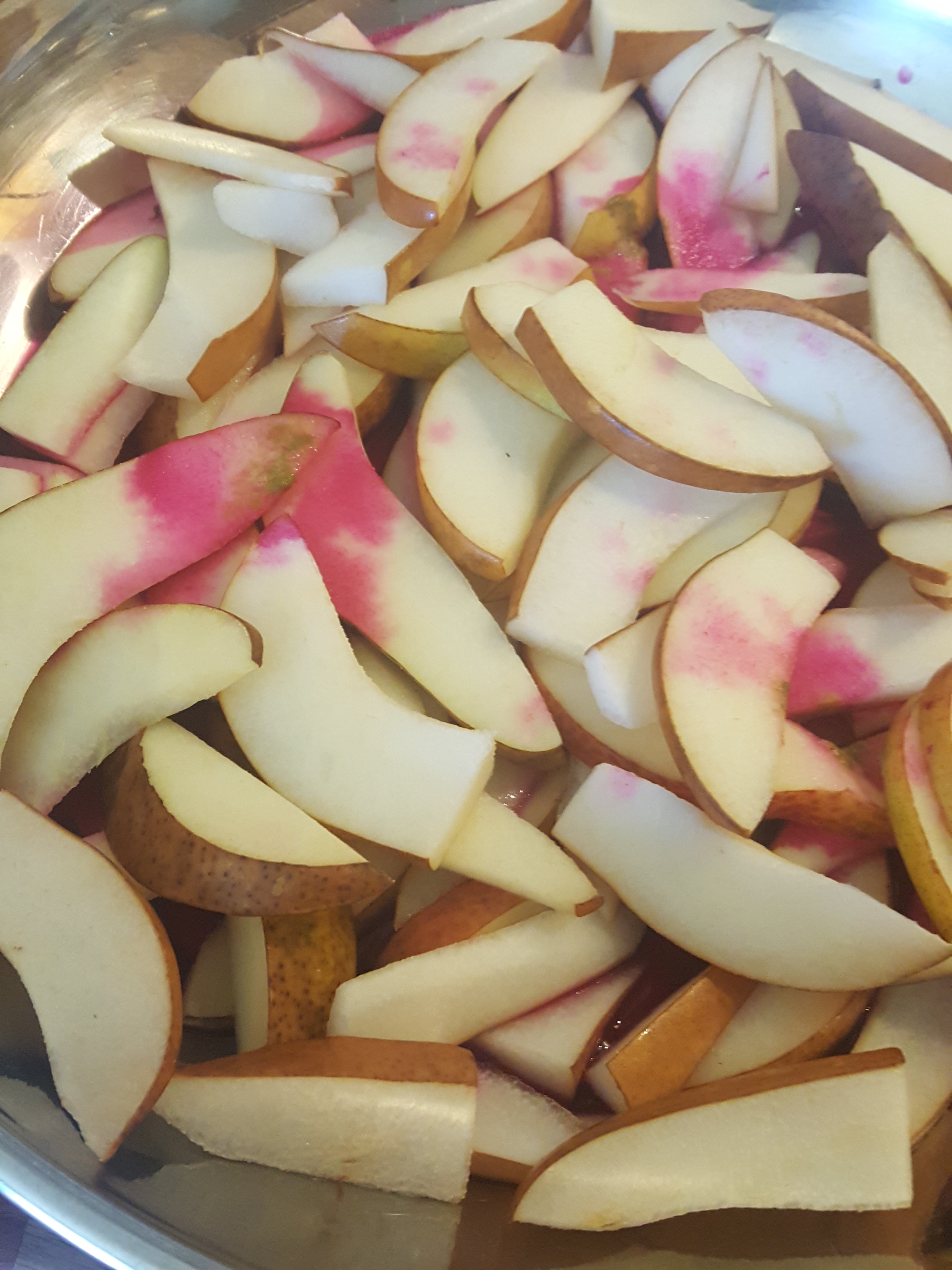
So I pared, sliced and put them in the oven with a few cubes of frozen prickly pear juice.

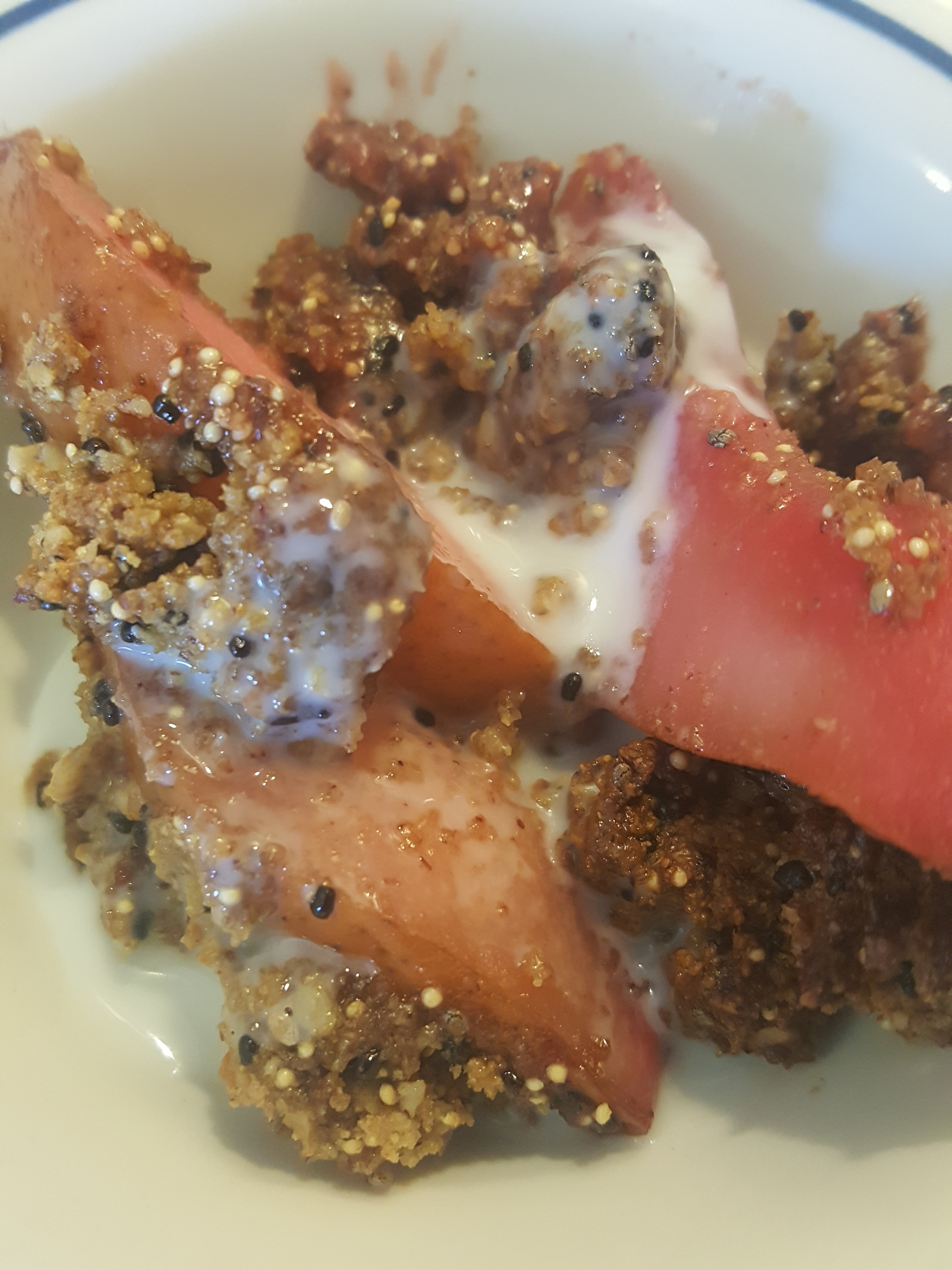
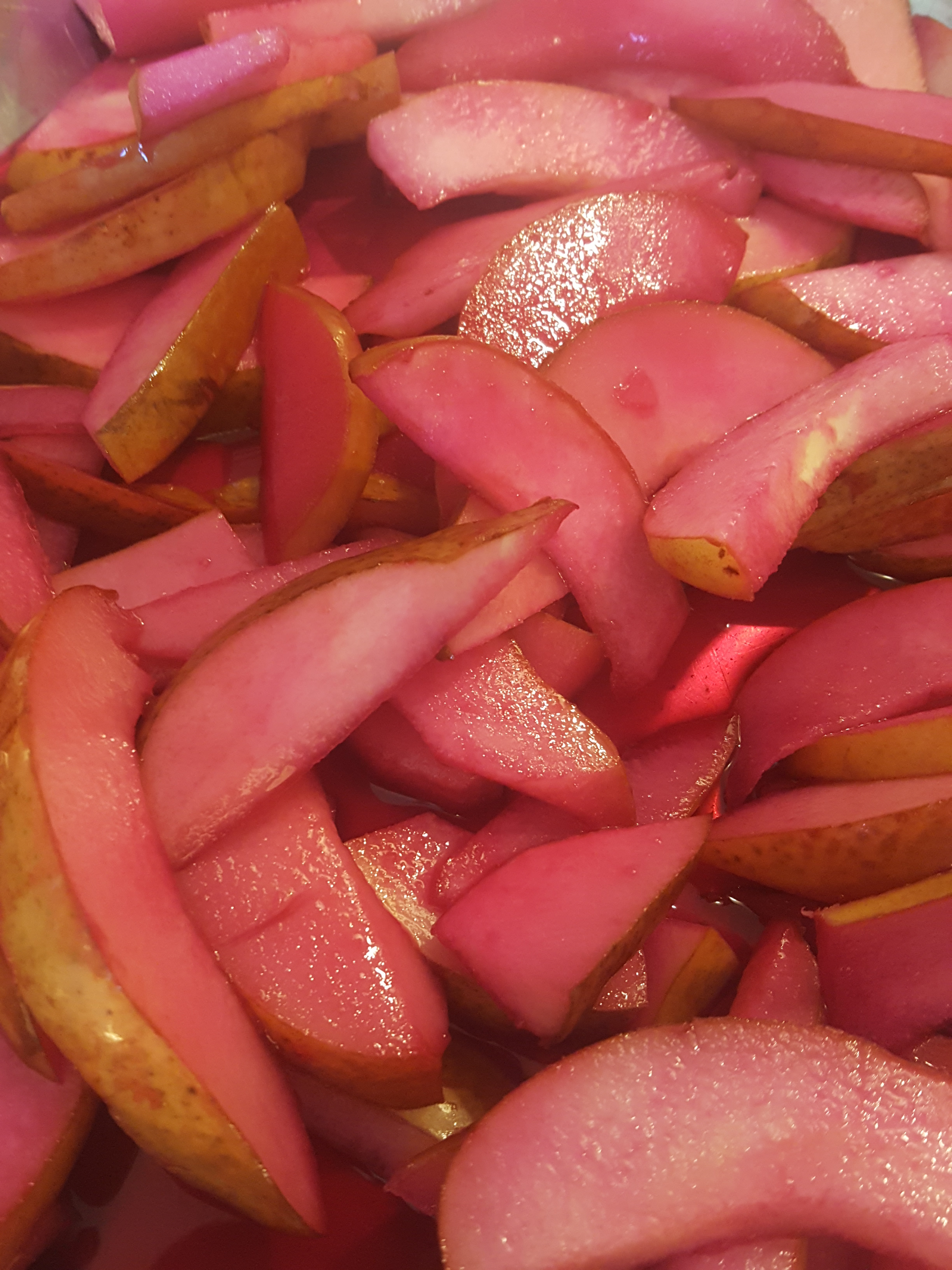
After baking and stirring, they looked like this!

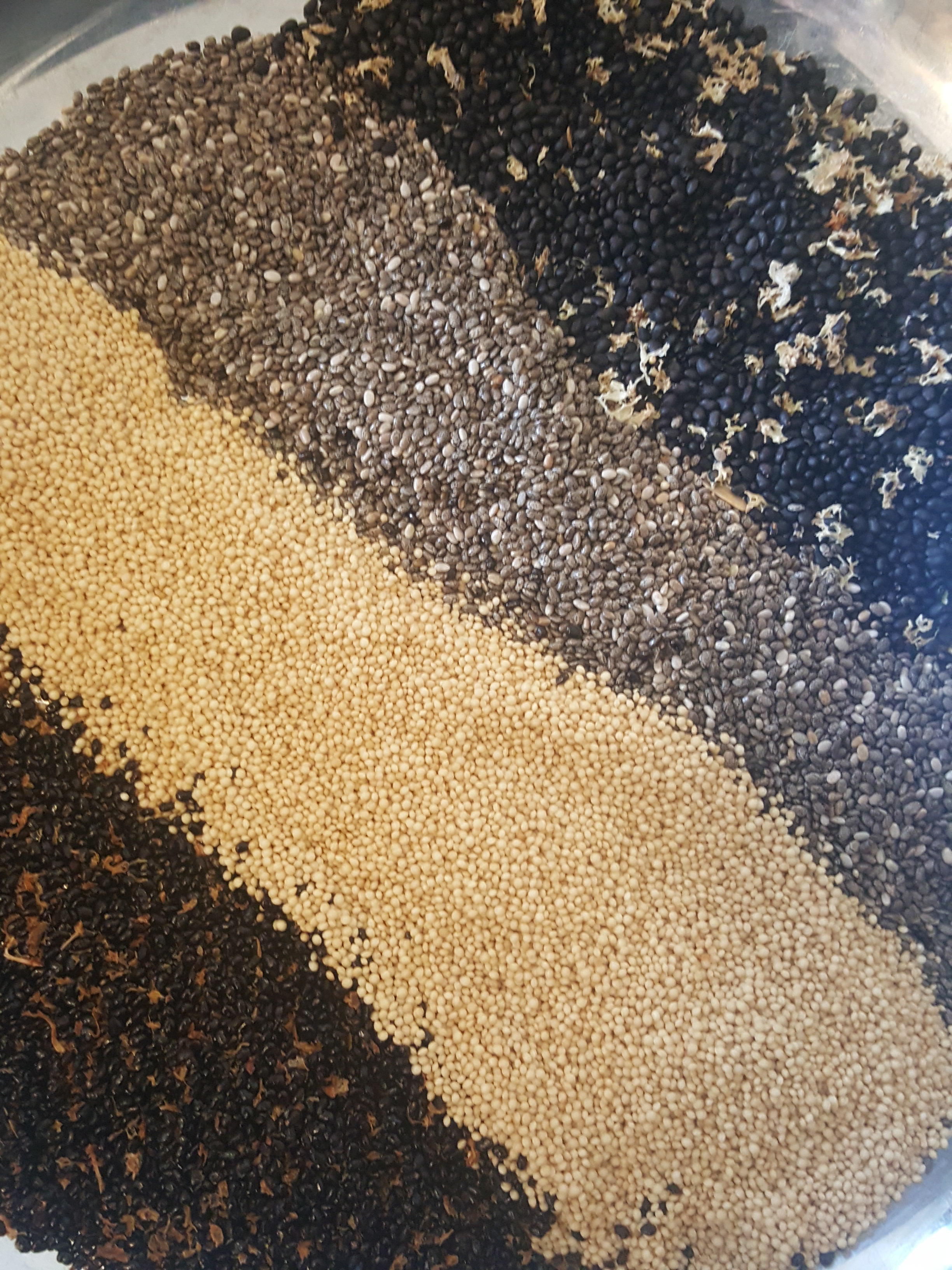
Then I made a crumble topping, staring with plenty of desert seeds, from left to right: saguaro, amaranth, chia, barrel cactus.

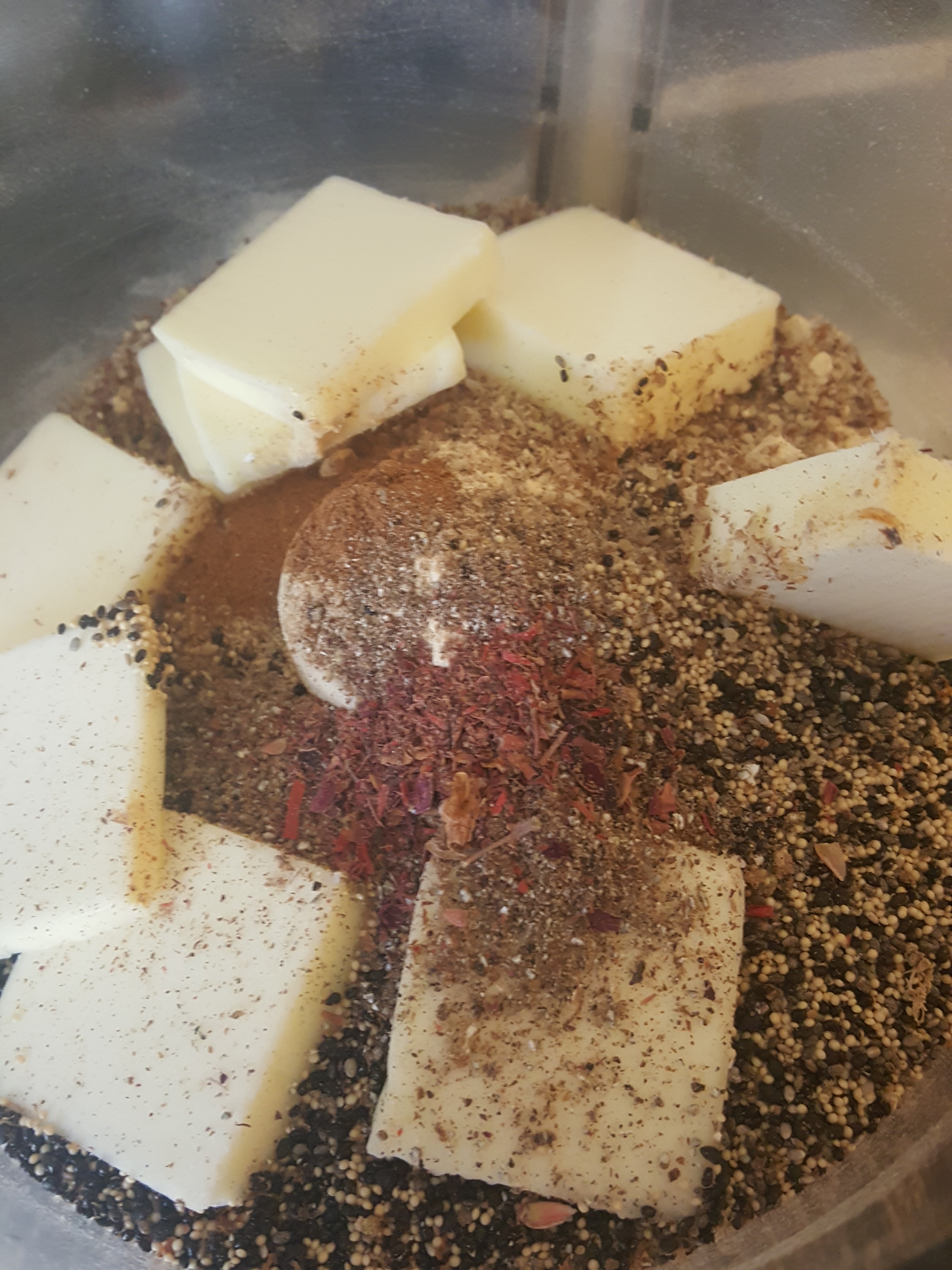
The bulk of the mixture was mesquite meal, rolled oats, pecan meal, butter, sugar (evaporated cane juice). For seasoning, I used cinnamon, cardamon, dried rose petals and dried ocotillo flowers.

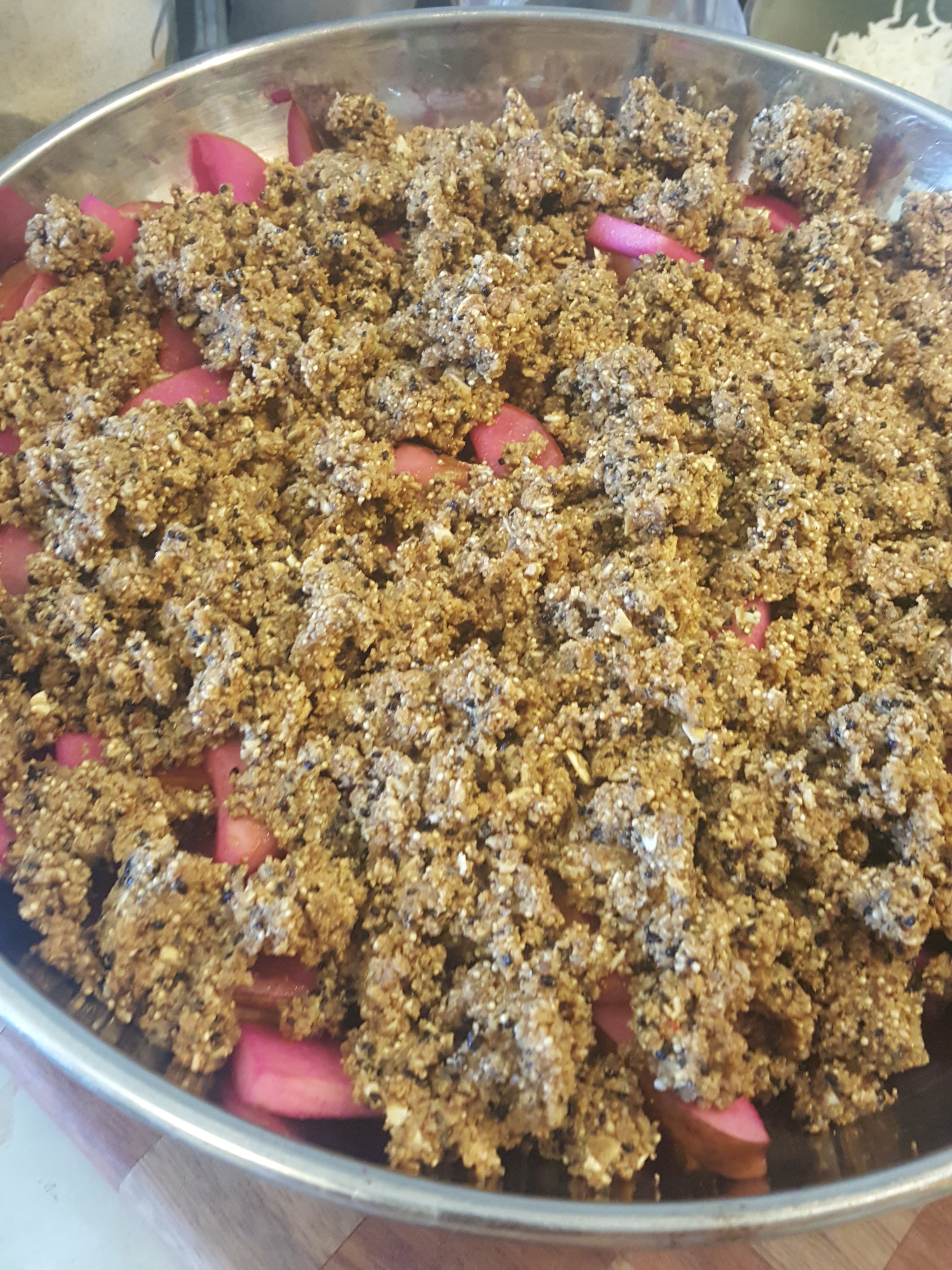
Once mixed, I crumbled the mixture over the pears and put back into the 350 degree F oven to bake until browned and crunchy.

It is best served warm, here with a little homemade goat yogurt, but cream or ice cream works, too!

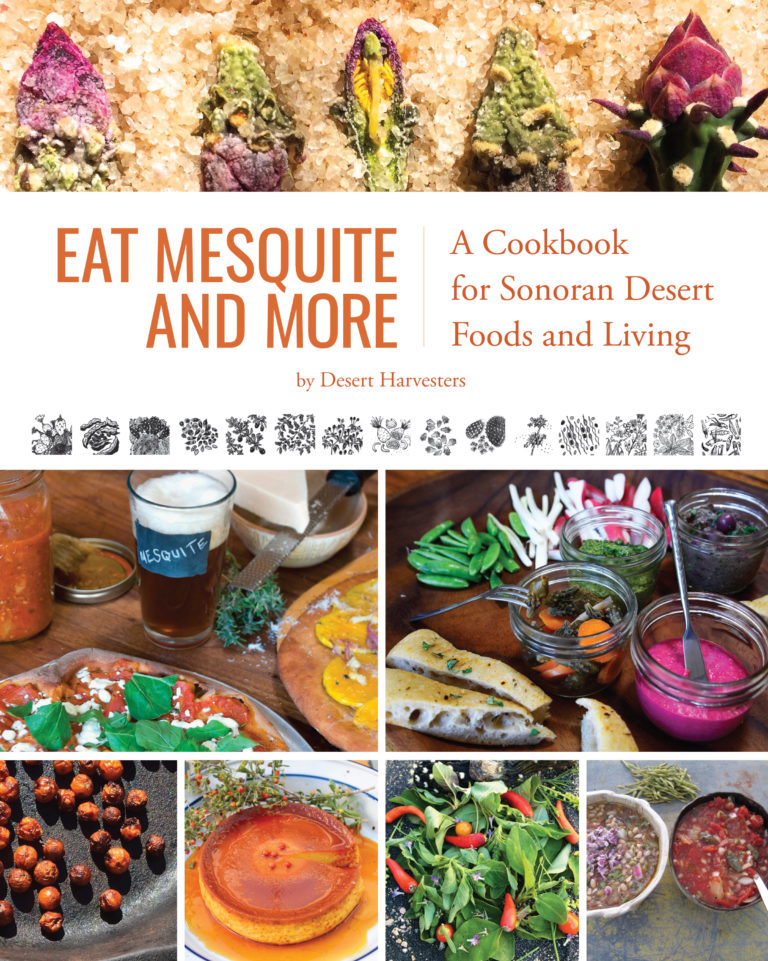
The recipe can be found in the Desert Harvesters’ Cookbook:

This recipe is so forgiving. I was short on oats so increased the pecans. I doubled the cardamom, traded evaporated cane juice for the brown sugar, substituted water for milk, changed the orange/apple juice to prickly pear, and doubled the seeds. Coconut oil works fine instead of butter for this, too.


Amy’s Apple Crisp

2 pounds apples, local organic heirlooms if possible (Or pears. No need to weigh!)

2 tablespoons orange, apple or prickly pear juice (or more)


Topping:

1 cup mesquite meal

1 cup rolled oats

1/2 cup seeds, like amaranth, chia, barrel cactus, saguaro

1/3 cup evaporated cane juice or brown sugar (0r less)

1/4 cup chopped pecans

1/4 teaspoon cinnamon

1/4 teaspoon cardamom

1/4 pound (1 stick) butter

2 tablespoons milk or water

Slice the fruit into a baking dish, add juice, and bake at 350 degrees while preparing the topping. Mix all the topping ingredients in the food processor, distribute over sliced fruit, and bake at 350-375 degrees F until browned. Enjoy!


Celebrating Succulent Food-Plants–Sonoran Centuries and Cholla

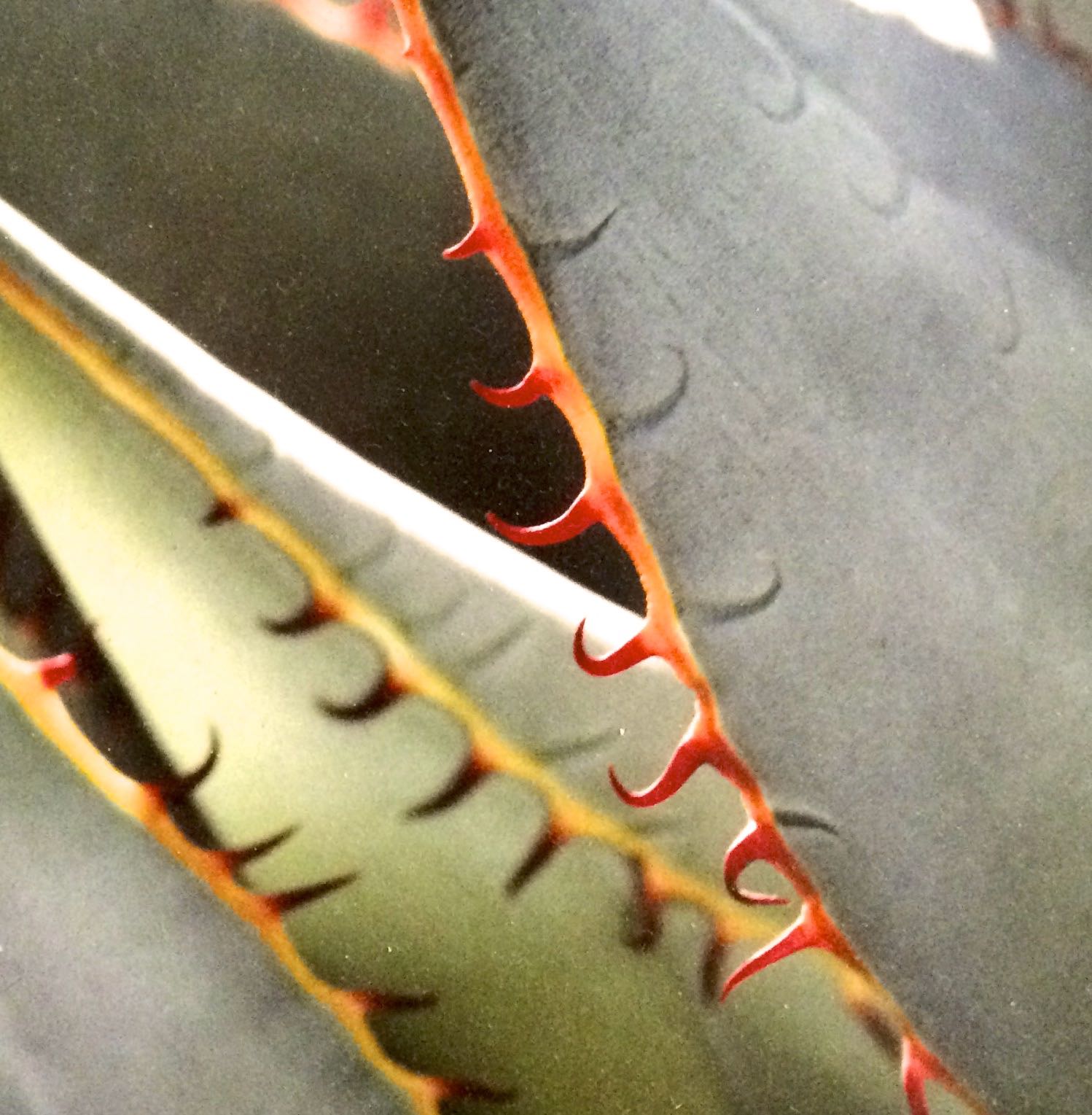
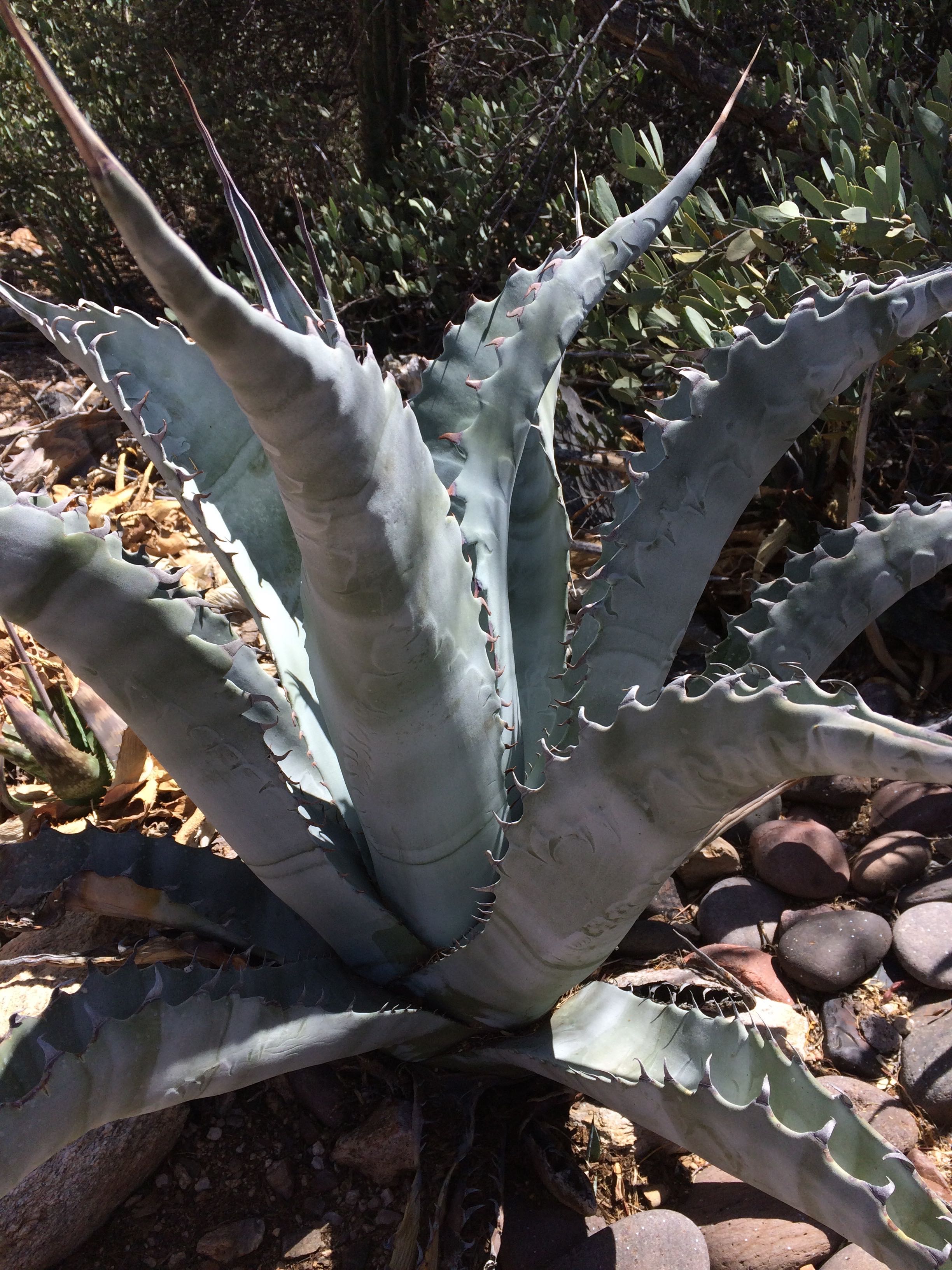
Glowing marginal teeth of Agave shrevei from central Sonora. Known there as lechuguilla ceniza (ashy color), and as totosali by the Warijio people, it was traditionally pit-baked for communal eating. (MABurgess photo)

Tia Marta here to take you on a visual tour of our strikingly beautiful Sonoran Desert century plants and cholla which have, for centuries, fed Sonoran Desert people–and continue to do so in interesting new ways!  This is a “photographic appetizer” for the grand gastronomic and libation experiences planned for April into May–an invitation for you to participate in Tucson’s amazing Agave Heritage Festival and Cholla Harvest Workshops.  [For a full schedule of the many culinary, ethnobotanical, artistic and musical agave events, go to http://www.agaveheritagefestival.com.  For info on cholla harvests go to http://www.tucsonsbirthplace.org or call 520-907-9471.]

The Hohokam Century Plant, Agave murpheyi, is planted at Mission Garden to simulate a Hohokam archaeological site where ancient desert people farmed it.  This will be one of the agaves to taste at the Mission Garden’s pit-roasting event as part of the Agave Heritage Festival. (MABurgess photo)

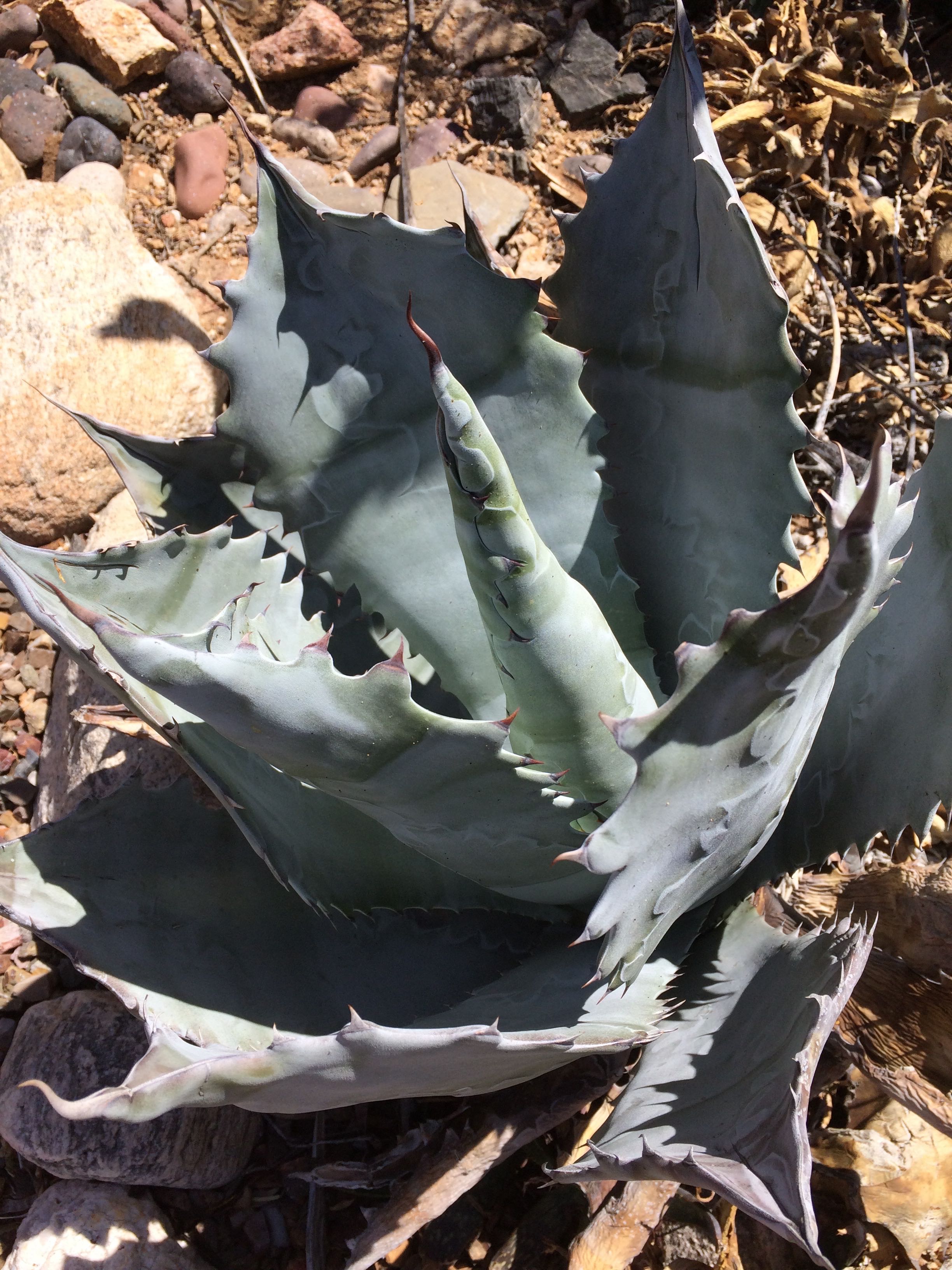
Mescal cenizaAgave colorata–a sculptural Sonoran century plant, was traditionally pit-baked by Native People of NW Mexico.  It gives a superbly attractive focal point in an edible landscape!  (MABurgess)

Natives of the low Sonoran Desert region surrounding the Sea of Cortes, especially Yuman, Tohono O’odham (calling it a’ut) and Seri people (calling it ahmmo), traditionally used various varieties or subspecies of Agave deserti to cook as an important staple in their diet.

Agave deserti (this subspecies from the Anza-Borrego State Park in SE California) was pit-roasted by Native People, adding a rare and delicious sweet to their often sparse menu. (MABurgess)

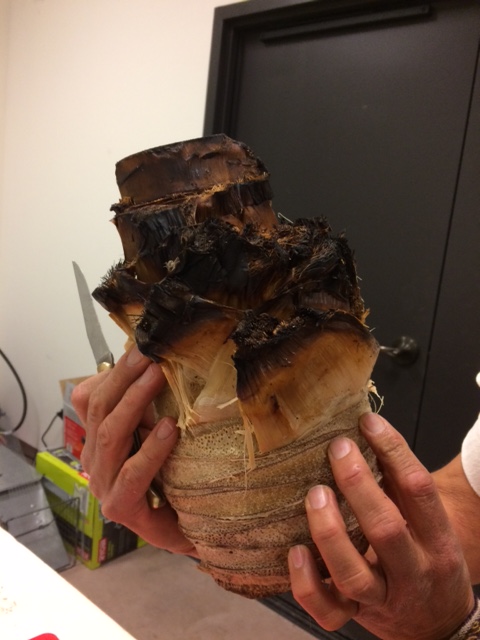
Roasted agave heart of Agave murpheyi ready to divide and eat! (MABurgess photo)

Agaves bloom only once– a magnificent flower show after a long lifetime–hence the name “Century Plant” as the 15-25 years before maturing seems like a century.   Harvesters, mescaleros, watch year after year until they observe when the center of the leaf rosette begins to show the flower-stalk emerging, the signal the plant is changing its stored starches to sugars for blooming.  (There is a giant agave in central Mexico, Agave salmiana, from which harvesters remove the young flower stalk to create a center “well.” Sweet sap, agua miel, wells up daily, for weeks.  Cooked down and concentrated, that’s the so-called “nectar” being sold as a sweetener to gringos.  Good sweetness–nice product–wrong name.  Nectar is what pollinators drink from flowers; agave sweetener is made from internal sap.)

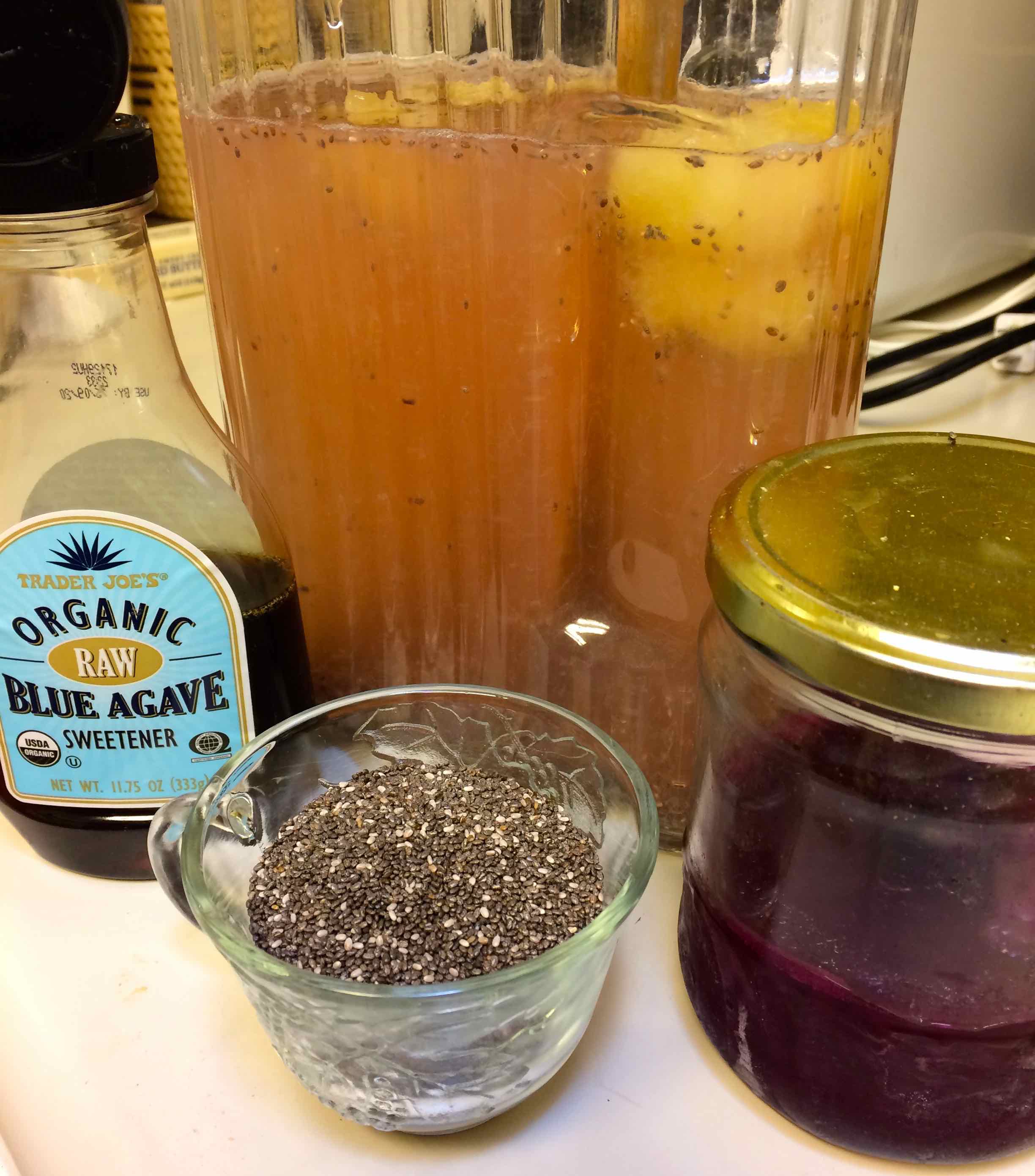
Agave “nectar”–really sap–makes a healthy sweetener for my prickly pear and chia lemonade. (MABurgess)

When the agave is about to bloom, to make roasted agave (for maguey or mescal), the whole mature plant is harvested, thick leaves chopped off (used for fiber), and the center or head, the cabeza that looks like a pineapple, is roasted in a rock-lined pit.  Cooking often takes 2-3 days and nights.  Once roasted, the fibrous pulp is a nutritious, sweet, chewy treat with complex healthy carbohydrates.

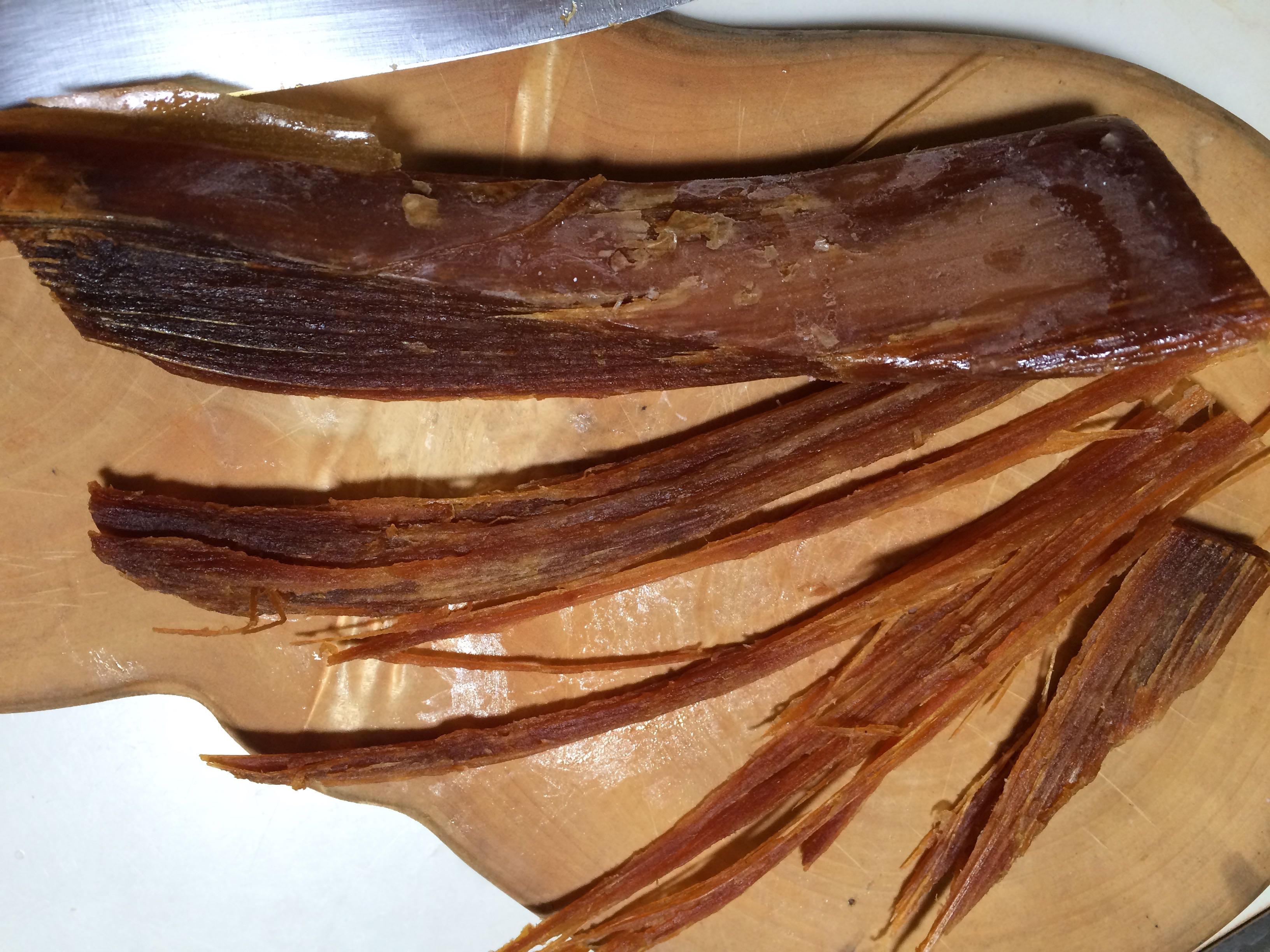
Roasted agave (maguey) leaf base ready to eat, showing fiber and pulp. Wish you could taste its smokey flavor! (MABurgess photo)

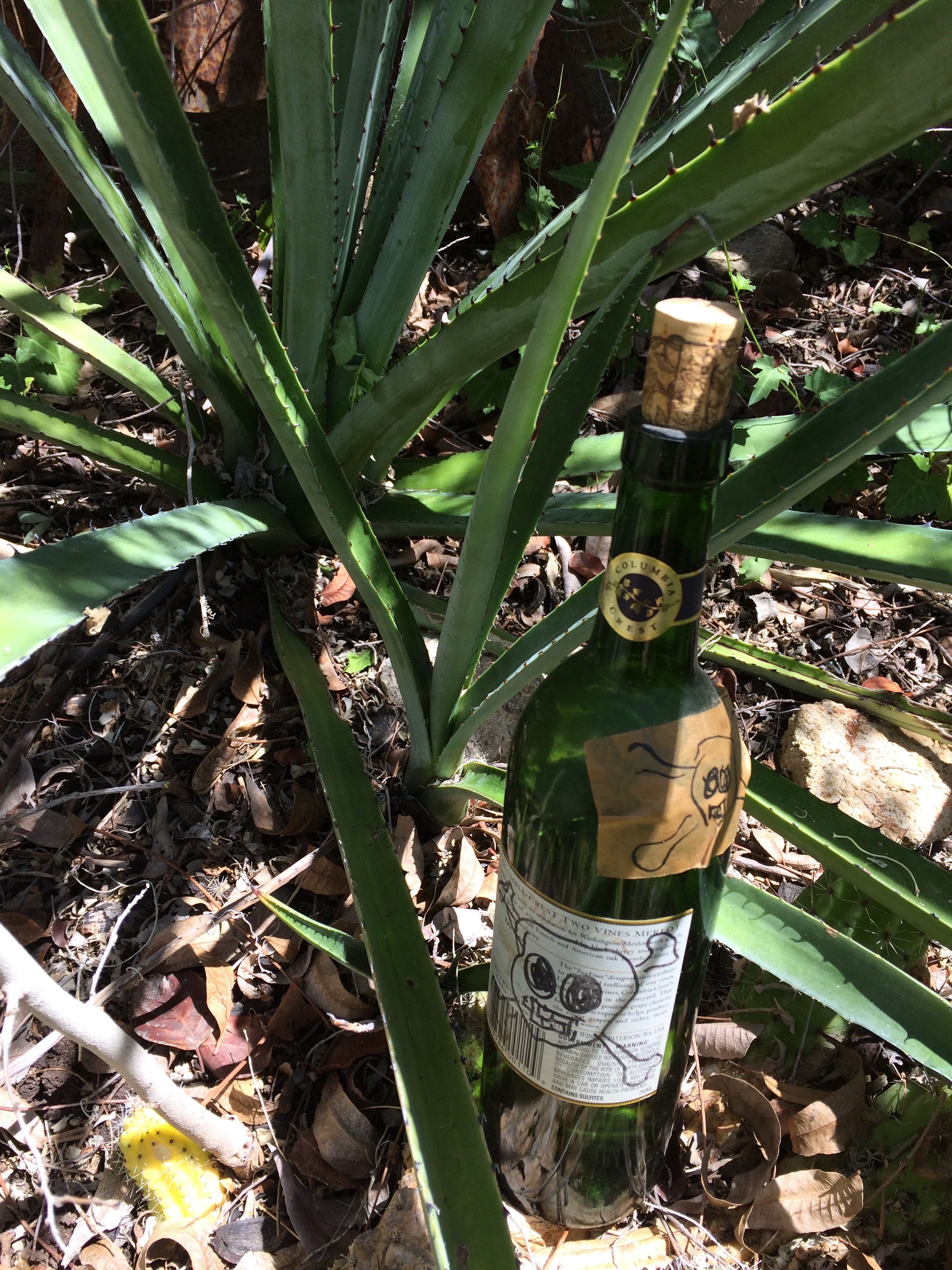
Bootleg Sonoran bacanora mescal, made in backyard stills from Agave angustifolia, rests in the succulent linear leaves of its unassuming century plant source.  Importers are now bringing this indigenous Sonoran mescal, bottled legally, into the US–now available at unique saloons such as EXO Coffee and specialty liquor stores.  (MABurgess)

If you haven’t tasted mescal, the distilled spirit made from roasted and fermented agave, you have a treat coming.  In a particular district of Jalisco, Mexico, it is made from  Agave tequilana –the blue agave–known only from there by the more familiar name tequila!  Select Sonoran Desert Agave species produce mescals that some connoisseurs consider even better than tequila.  At the Agave Heritage Festival you can taste several such spirits, to make that determination for yourself!

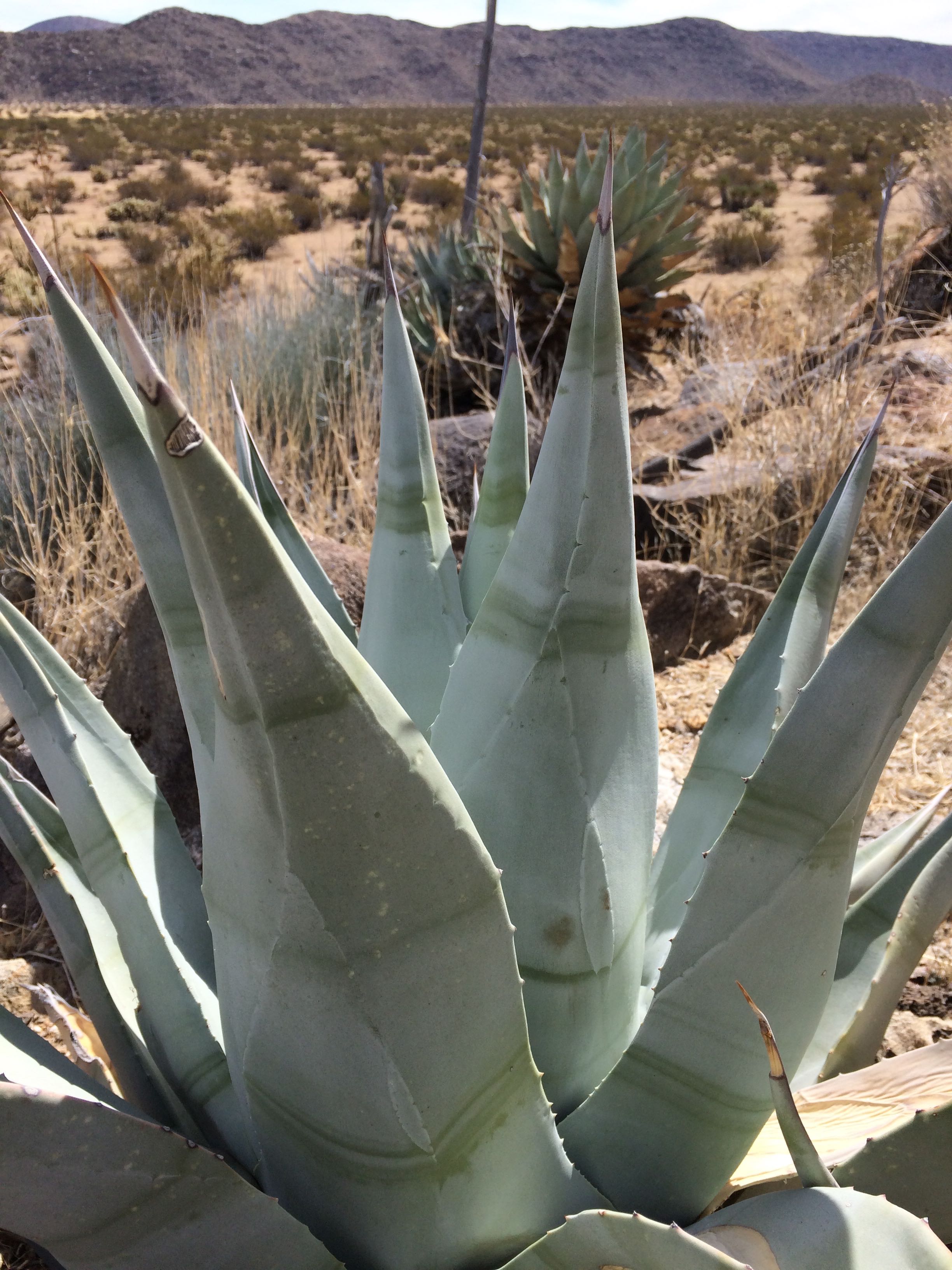
The beautifully cross-banded, fountain-shaped Agave zebra, from the hottest mountains of NW Sonora, was known for making mescal by local Sonorans prior to the 1950s.  Its stripes and fountain-form adds dramatic accent to an edible landscape.  Young agave plants can be purchased at Tucson’s primo succulent plant source, Plants for the Southwest for growing your own. (MABurgess photo)

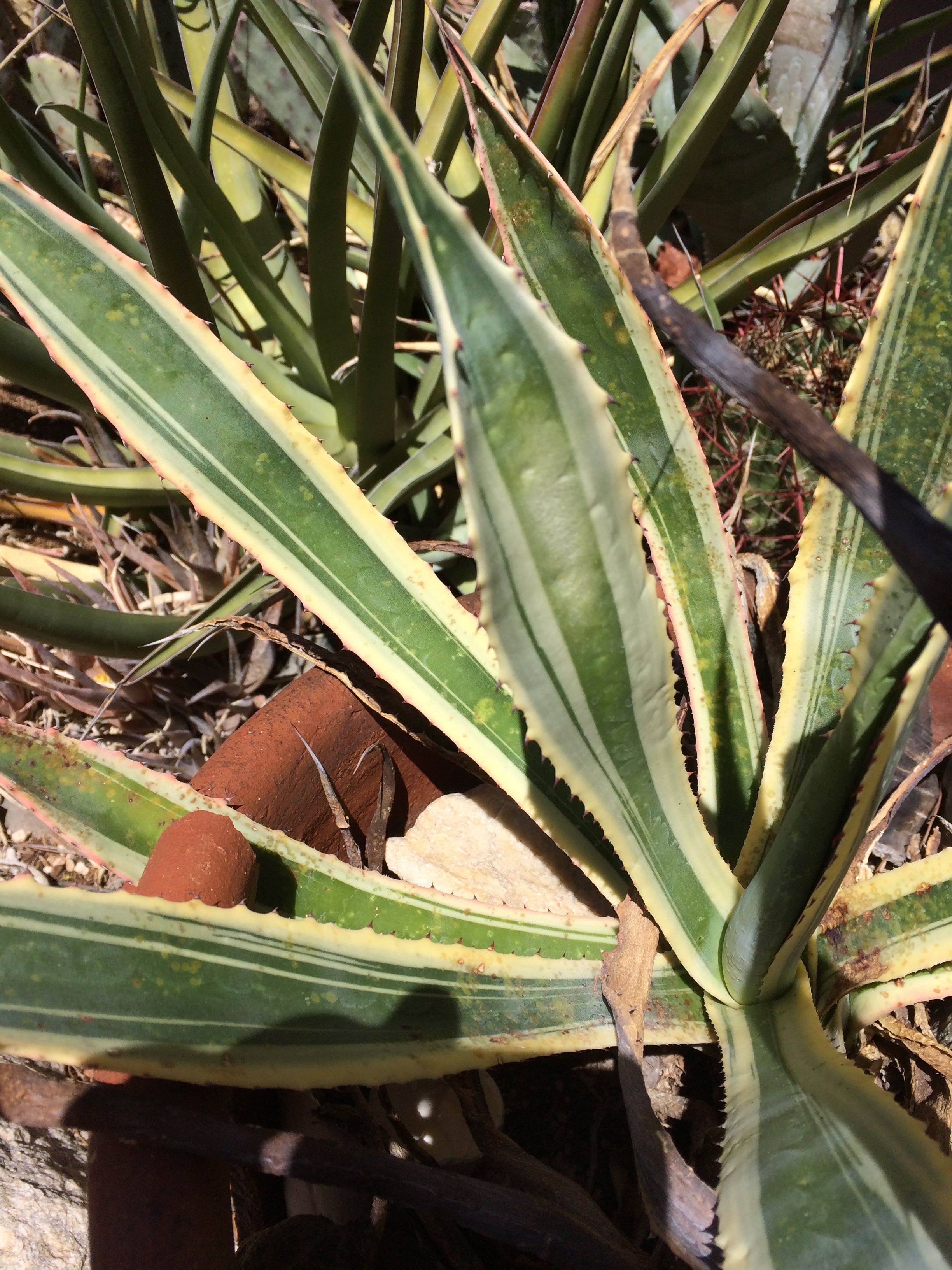
Variegated Agave americana makes a vivid desert ornamental. It may have been one of several agaves cultivated by ancient people of the Southwest. (MABurgess photo)

At this year’s Agave Heritage Festival, at celebratory, culinary, artsy and educational events–from Mission Garden to Maynard’s MarketDesert Museum to Carriage House Tucson,  Tohono Chul to Tumamoc Hill,  UA to Pima College, with horticulturalists, scholars, artists, musicians–we will delve into the lore and many gifts of the Agave family.  Learn hands-on–even tastebuds-on— from esteemed experts, ethnobotanist Jesus Garcia, Southwest foods authors Carolyn Niethammer and Gary Paul Nabhan, culinary artists Chef Janos Wilder, Barry Infuso, and Don Guerra, scholars Karen Adams and Maribel Alvarez, to name just a few!  Sign up soon at http://www.agaveheritagefestival.com, giving yourself a gift while supporting such special organizations as NativeSeeds/SEARCH, Friends of Tucson’s Birthplace, Arizona-Sonora Desert Museum, and Tohono Chul Park.

Alongside the Agave events, as the succulent season progresses, there are other desert foods to harvest and taste in new recipes, inspired by both traditional knowledge and ideas for sustainable desert living into the future.  Cholla buds and nopalitos from several cactus species will be featured in upcoming workshops.  To call up lots of neat info from past http://www.SavortheSouthwest.blog posts, insert the word “cholla” into the search-box above for a feast of ideas, then……


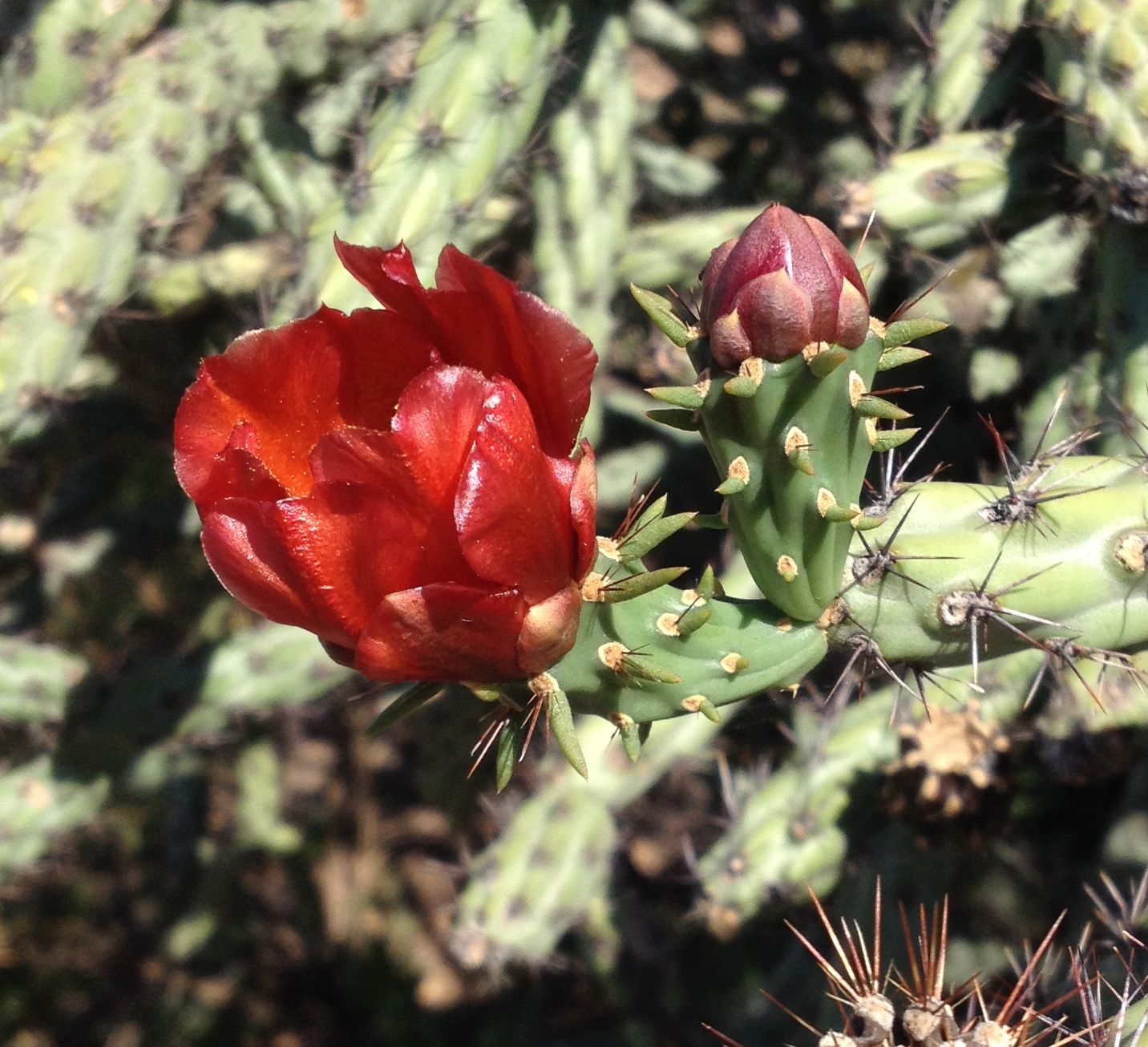
Vivid flower of staghorn cholla (Cylindropuntia versicolor) with spiny bud ready to harvest.  Learn how to carefully pick, de-spine, cook and prepare this super-food in wondrous recipes at Mission Garden and Flor de Mayo workshops.  (MABurgess photo)

As cholla cacti begin to bloom, it’s time to harvest the buds!  Join me Friday, April 20, 2018, at the Mission Garden Cholla Harvest Workshop — Sign ups at http://www.tucsonsbirthplace.org.  Or, on Saturday, April 21, come to Flor de Mayo’s Cholla Harvest on Tucson’s west side–contact www.flordemayoarts.com and 520-907-9471.  Cooking School classes are happening at Janos’ Carriage House, http://www.carriagehousetucson.com, and Gastronomy Tours downtown are being scheduled at the Presidio Museum, http://www.tucsonpresidio.com.

I hope you have enjoyed my Photo Gallery and that you may enjoy many a succulent Sonoran Desert dish and libation this season–more ways to honor Tucson as an International City of Gastronomy!

May we all toast the spirit of Agave Goddess Mayahuel!

Mole Pecan Crackers and Goat Cheese

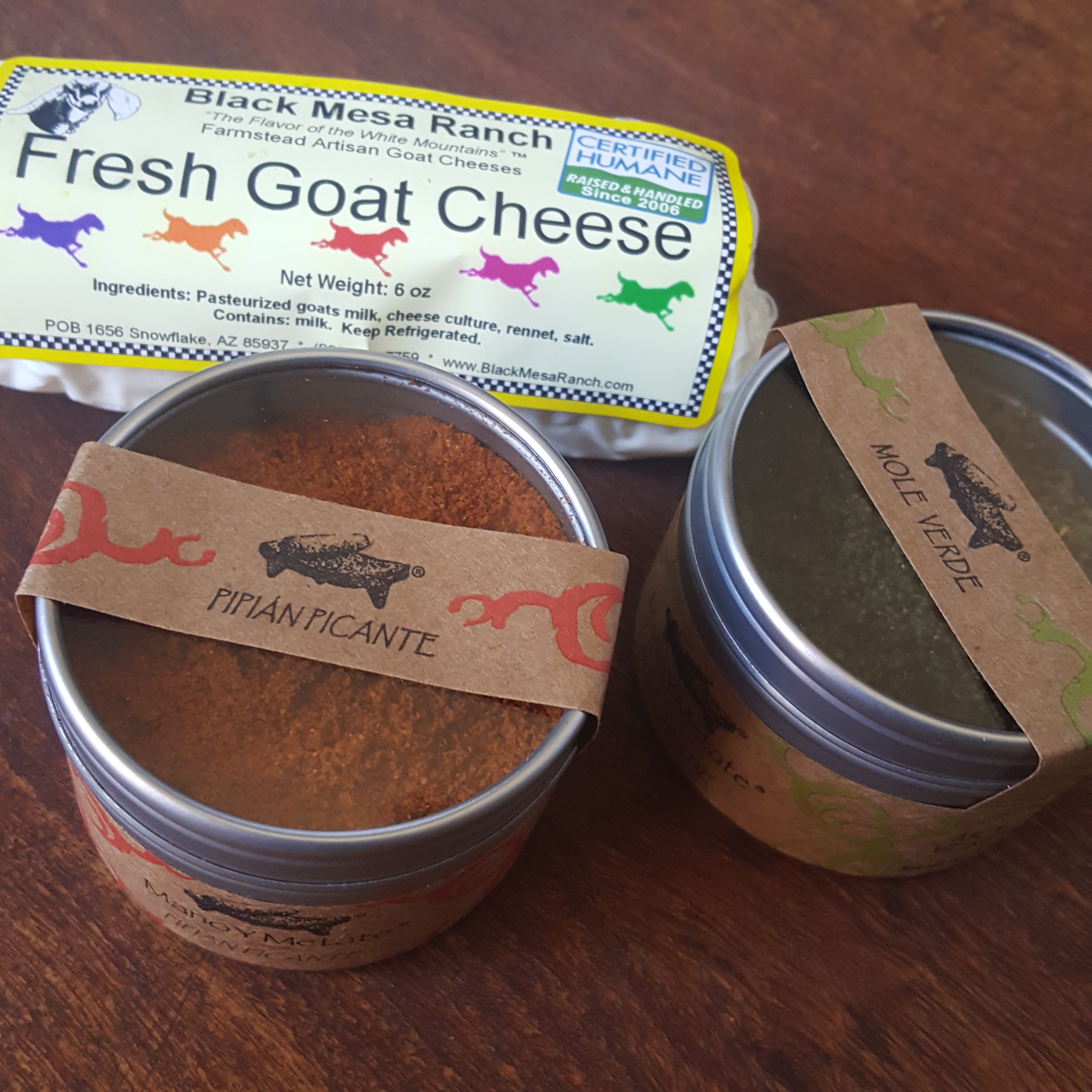
Happy spring! Amy here, riding the waves of rushing spring activity. At Tucson CSA this week, we saw the first fresh chevre of the season from Black Mesa Ranch.

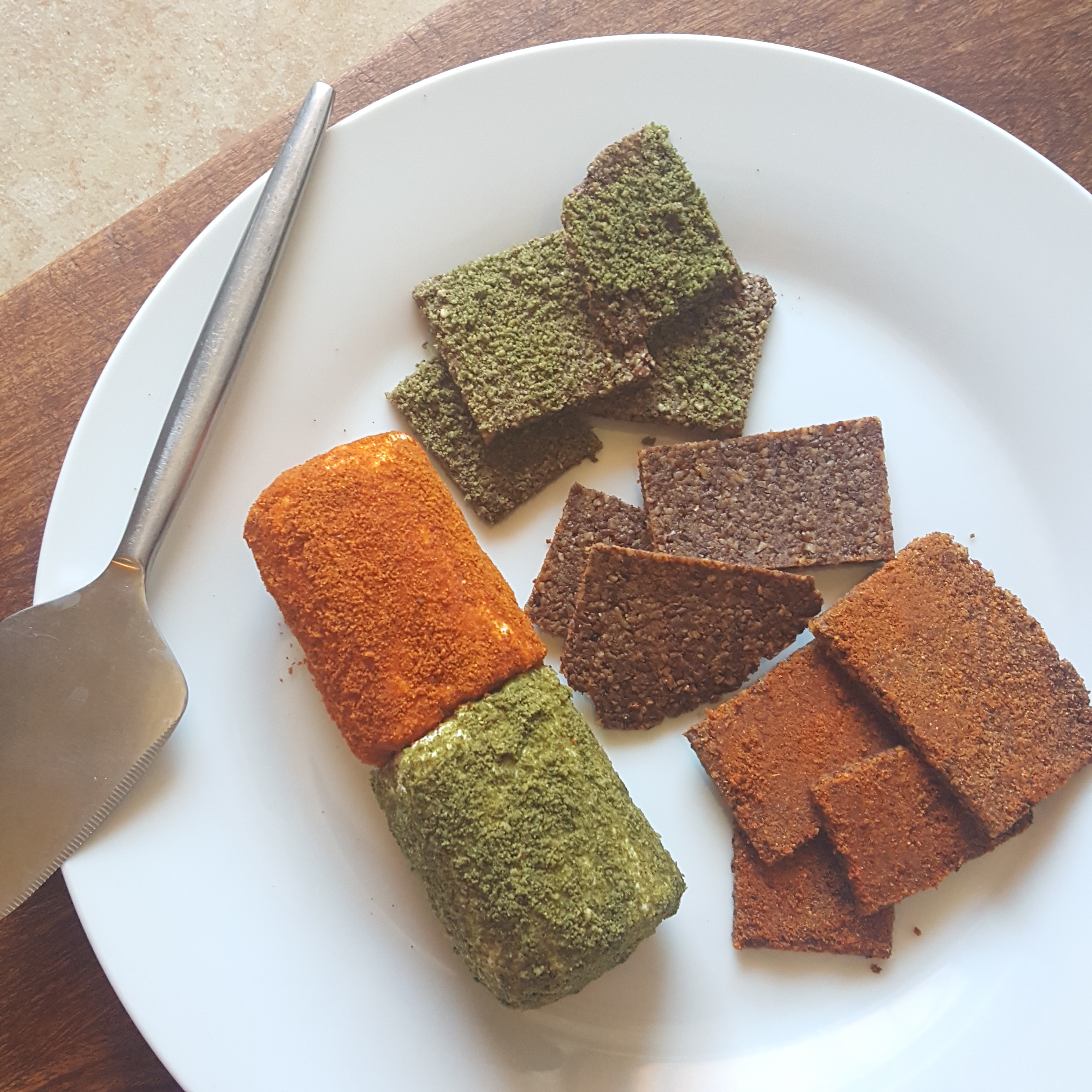
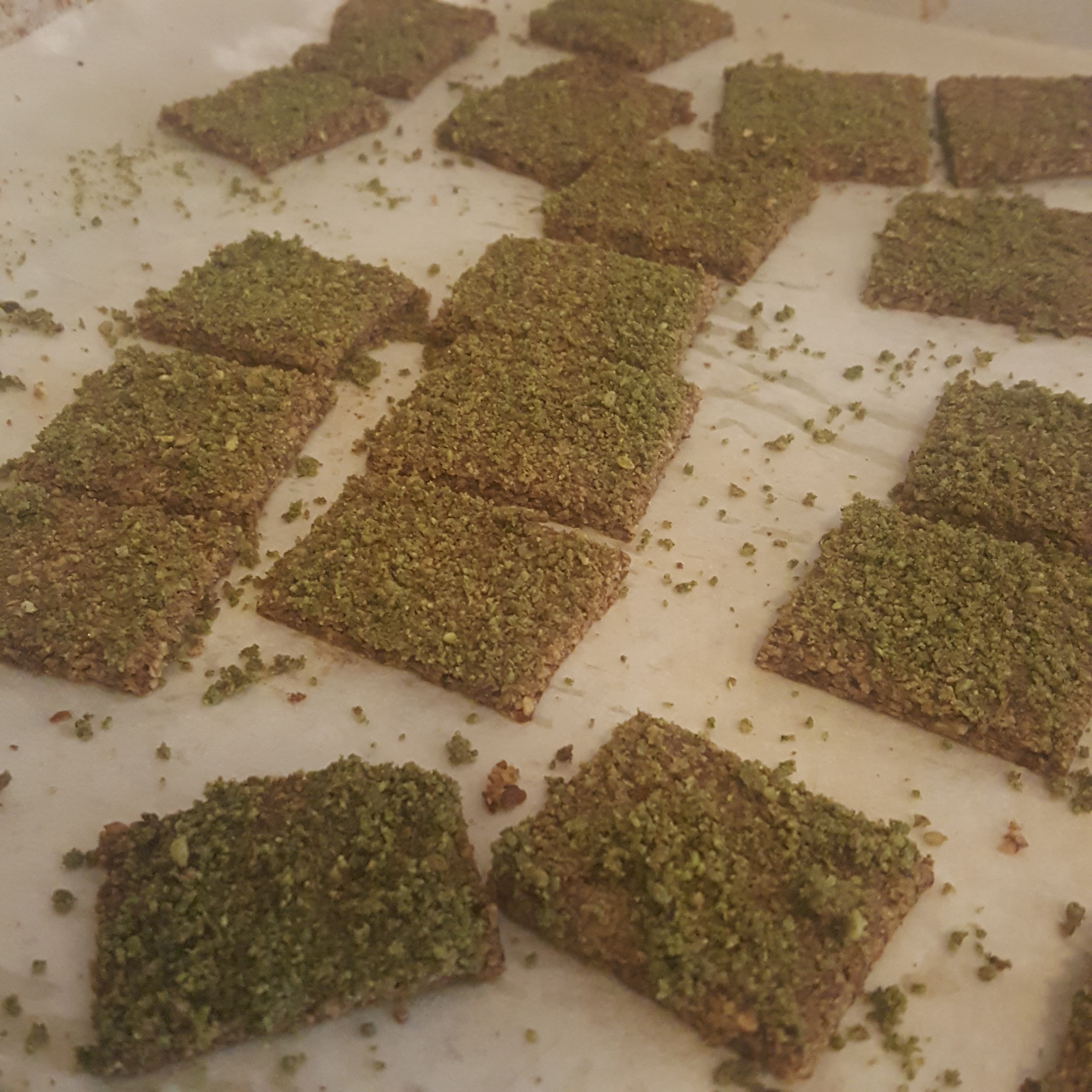
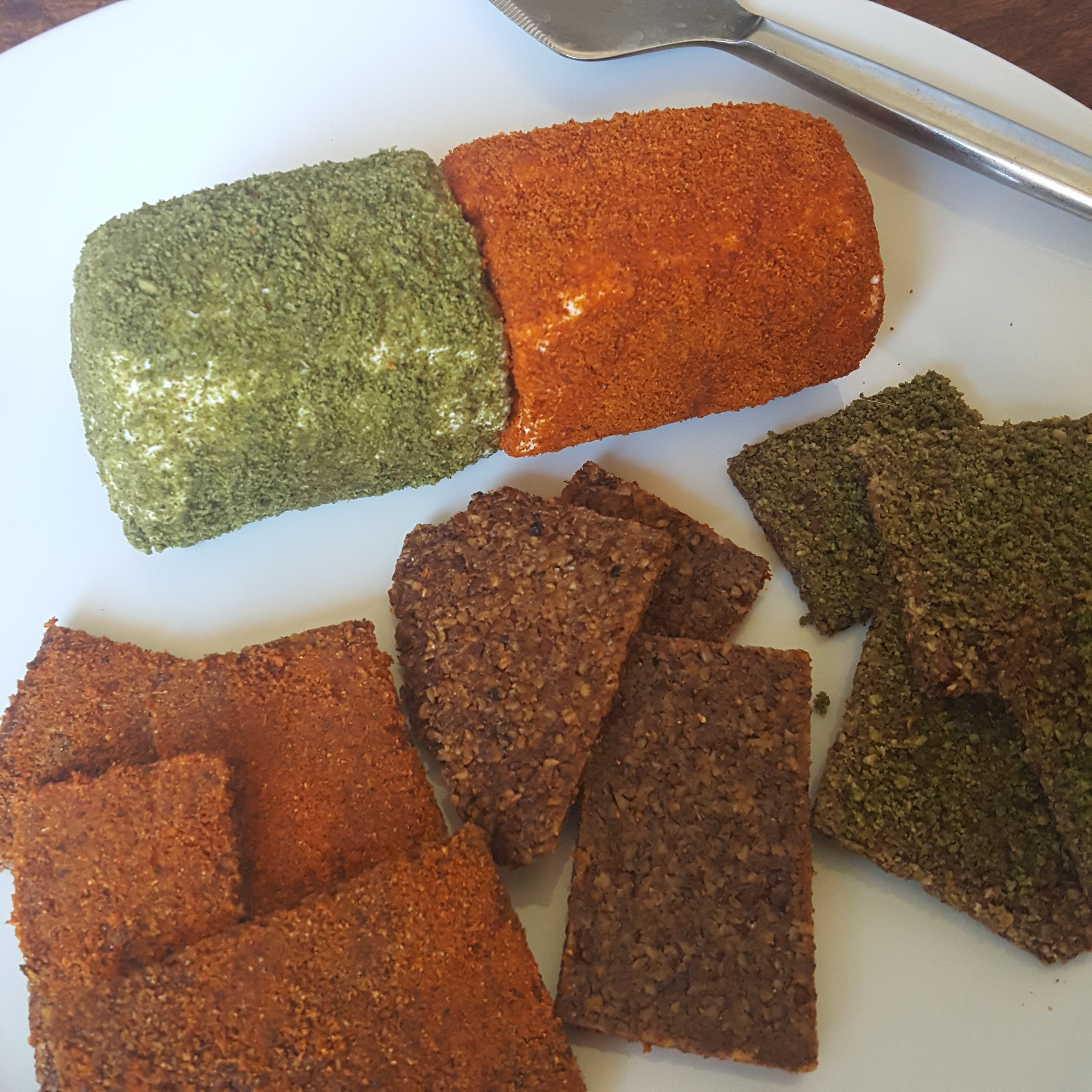
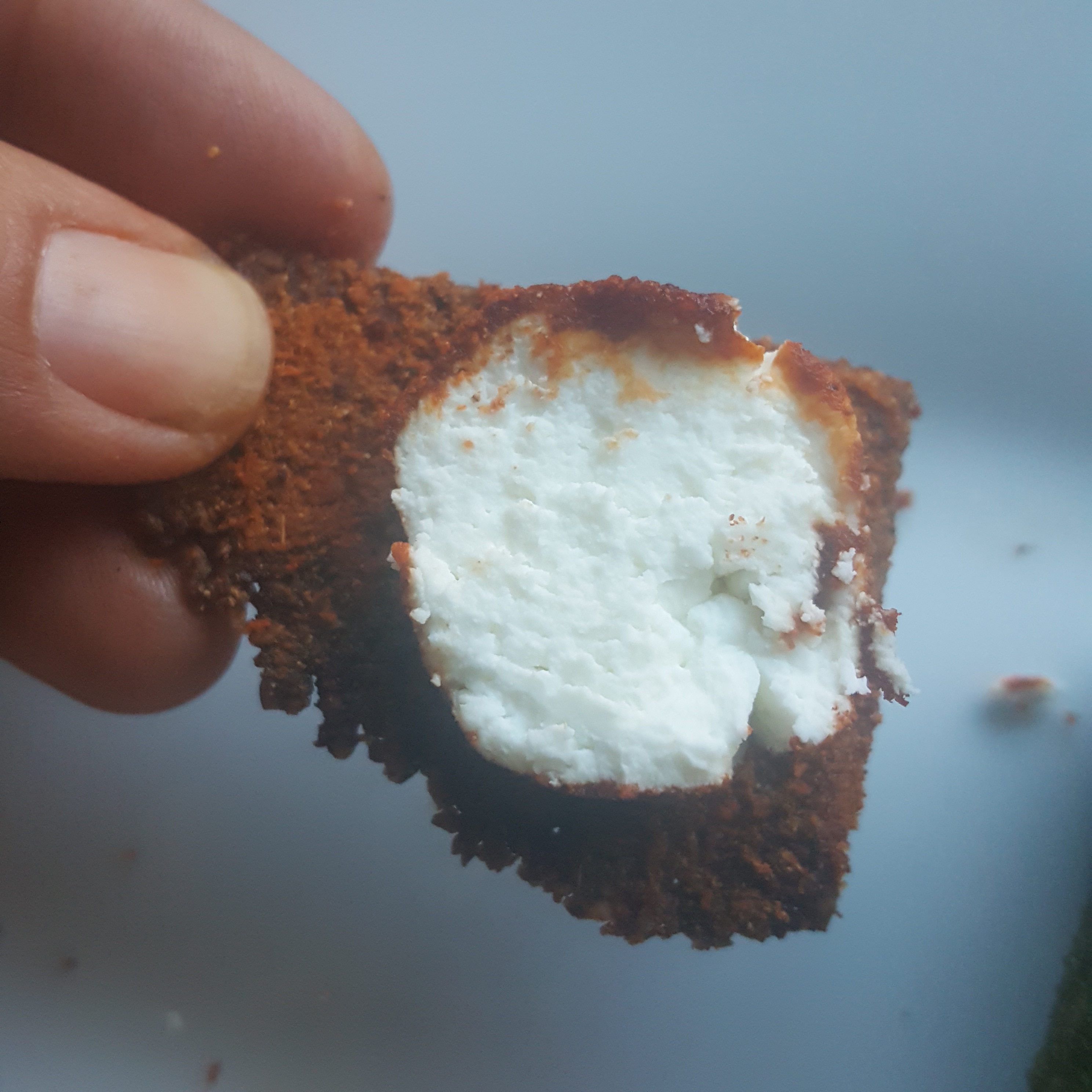
Later in the season, David will send us cheese rolled in herbs, or green chile, or chipotle. Since this chevre was plain, I decided to roll some in Mano Y Metate Mole Verde powder and some in Pipian Picante.

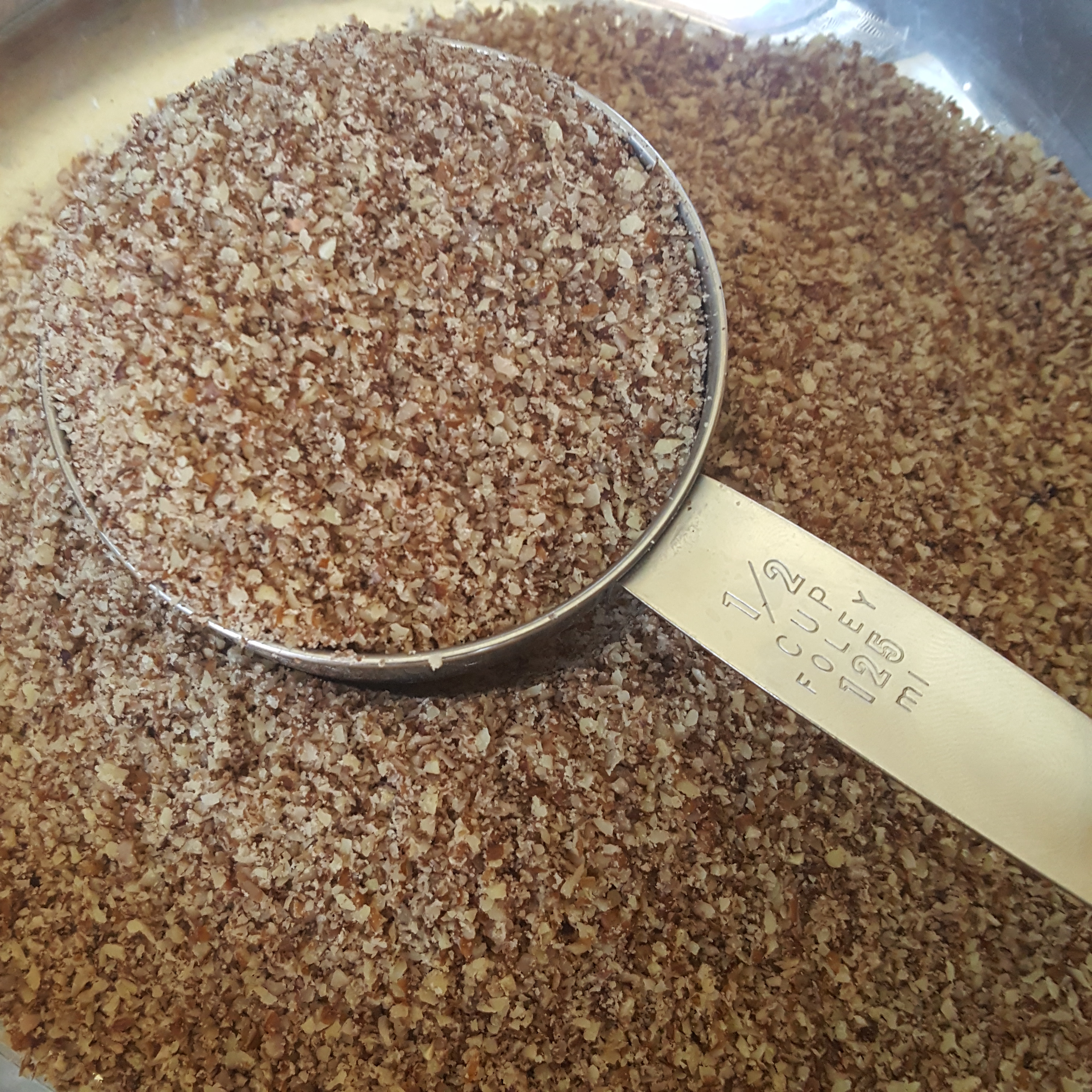
To accompany it, I wanted to make something special. Pecan crackers are delicious yet easy, and can be made with entirely local ingredients. Green Valley Pecan Company in Saguarita, just south of Tucson, sells finely ground pecans, which I use in the Mole Negro. Almond meal works just as well as pecan in this recipe. In other batches, I’ve added some mesquite meal, acorn meal, barrel cactus seed, chia seed, sesame seed, amaranth seed, and/or cracked wheat. Use what you collect!

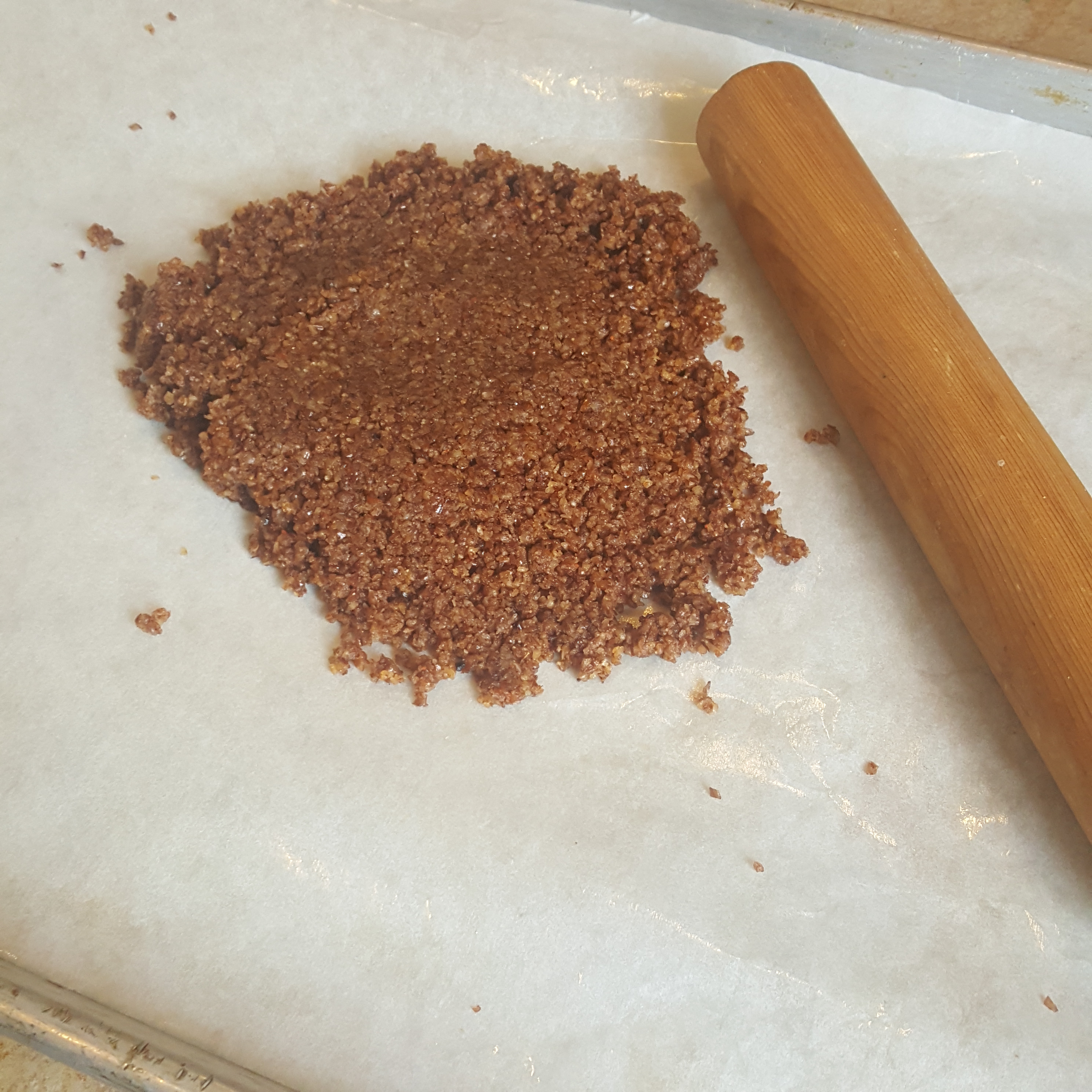
For this batch, I mixed 2 cups pecan meal with an egg and a tablespoon of olive oil. No need to measure; as long as it comes together into a dough that can be rolled, it works. Normally I add salt, but this time I added 2 teaspoons mole powder.

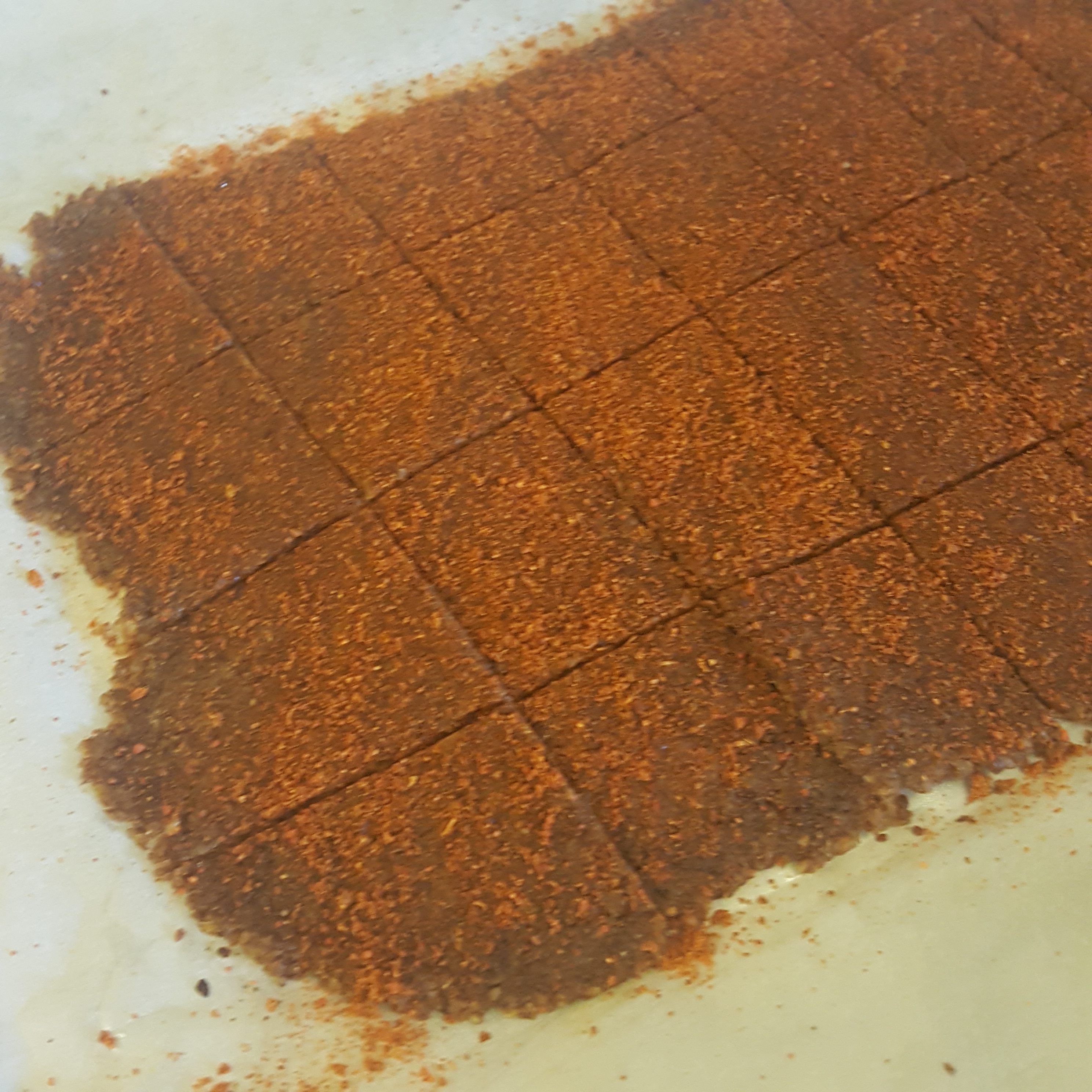
Roll the dough onto a piece of parchment paper on a baking sheet as thin as possible, and cut into squares with a pizza cutter.


Top with salt, seasonings, or Mole Powder and bake at 350 degrees F for 10 to15 minutes, depending on thickness. I usually let them get a little brown, so they will be crispy. Towards the end, they can burn quickly.

After baking, re-cut and separate the crackers. Cool and enjoy! Store any left in a dry place.

Marvelous Mints

Mint is one of those plants that want to spread everywhere in the garden, and that can be a good thing if you use a lot of mint – like I like to.  Mint is useful for all manner of beverages, from mint tea to mint julep to crème de menthe, or you can use it to make jelly, various sauces, make tabouli, throw some in salad, in wine,,,, the list goes on, but you get the idea.  Oh, and mints are used medicinally and for bath and beauty products too.

mint 2480624_1280


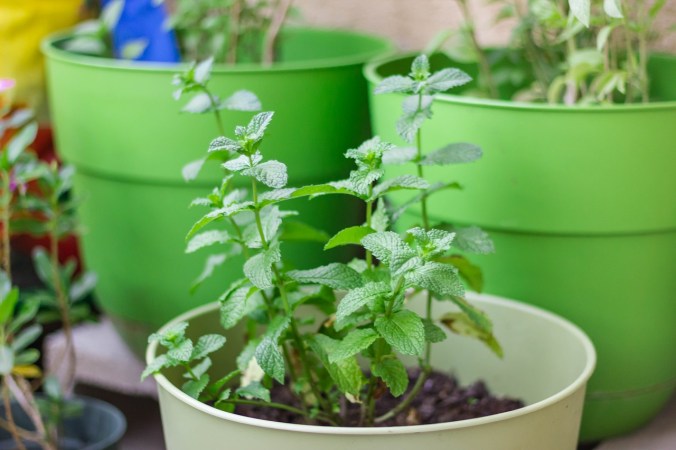
Mint gets a bad rap because it can spread in the garden and crowd out other, less aggressive, plants.  The solution is to grow your mint in pots – and make sure those pots are up off the ground so the mint can’t creep out the drainage hole.  I put my pots of mint up on bricks.

mint 3175117_1280


There are over 100 species of mint, plus many hybrids, and more being bred all the time – to offer new flavors – like “berries and cream mint” I spotted the other day in Rillito Nursery in Tucson. Since we are here to savor the Southwest, today I will talk about using mint for culinary purposes.

Mint and Sweets

mint 2450015_1280


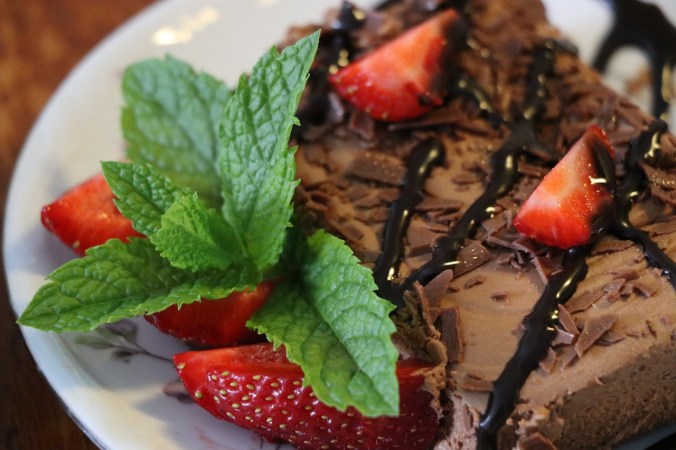
Mint is an herb that offers a tangy counterpoint to foods, especially sweets. A slice of luscious chocolate torte offered with sprigs of mint is one good example. Several bites of rich creamy torte followed by a nibble of mint offers a refresher for your palate, allowing you to savor the chocolaty flavor all over again when you bite back into it.


mint 1804431_1280

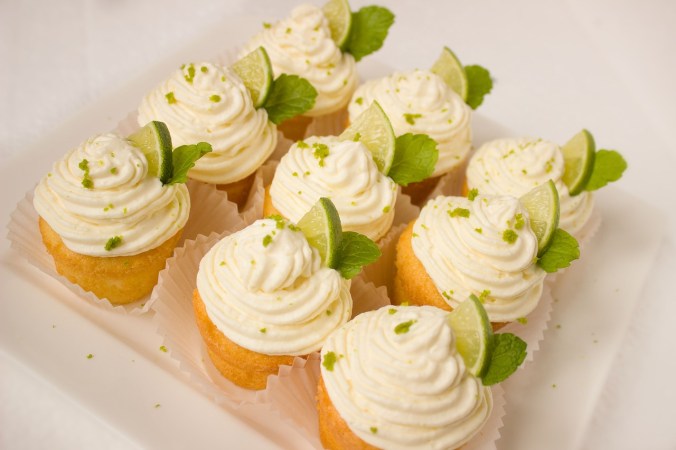
Mints work well with all manner of sweet things. Lime juice and chopped mint leaves combine to make a tangy and refreshing frosting on orange flavored cupcakes.

Mint and Fruit

mint 3136714_1280

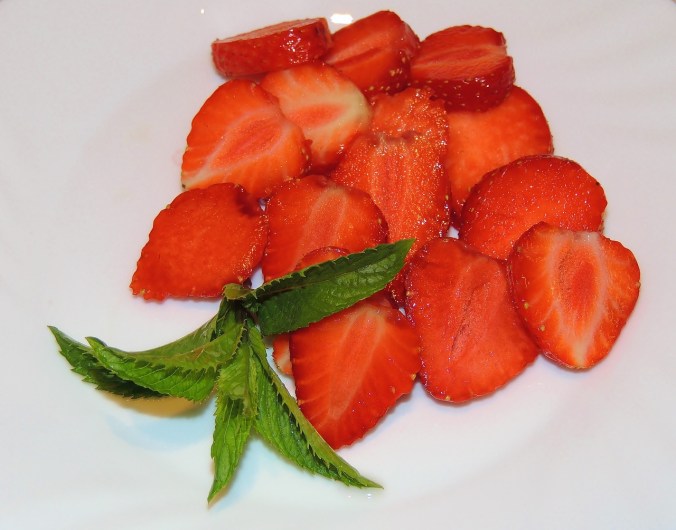
Mint pairs well with many fruits. Like savoring the torte, a few bites of strawberry followed with a nibble of mint offers a refreshing and more flavorful experience.

mint 3090326_1280

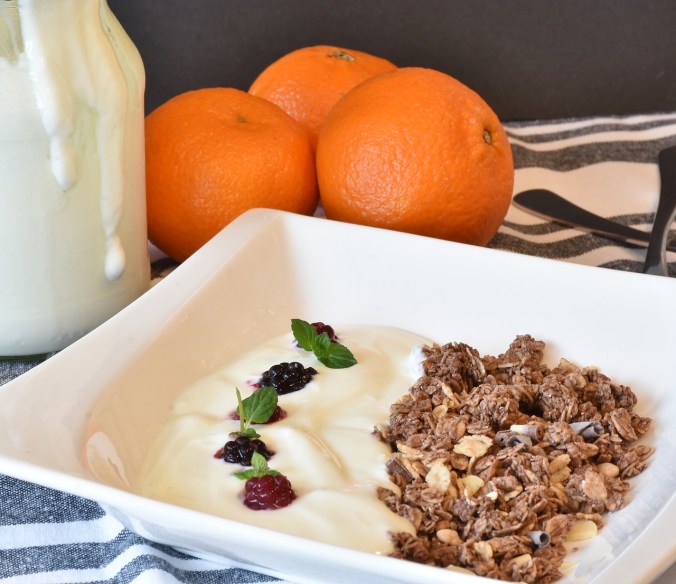
Don’t limit your mint use to dessert, wake up your morning yogurt and granola with a sprig or two of mint. Mint is said to aid digestion.

Mint and Drinks

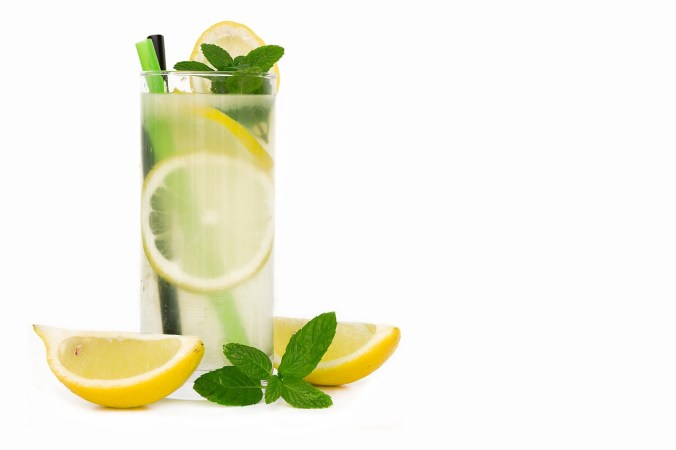
Summer is coming – perk up your lemon-aid and make it even more refreshing with some sprigs of mint.

mint julep 1471533_1280

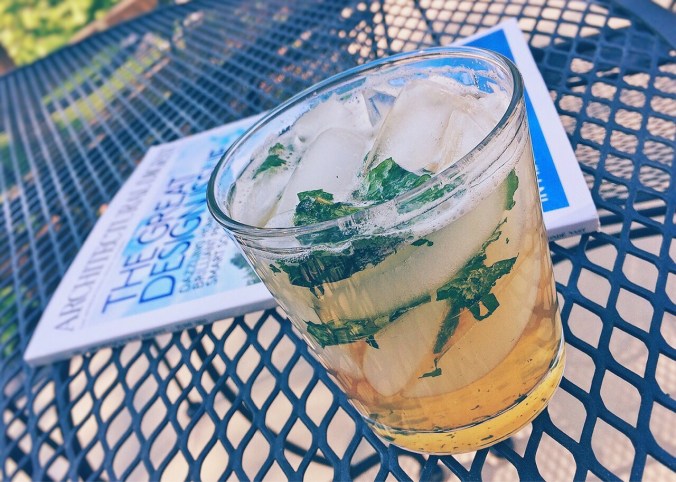
And last but not least, plan ahead for Kentucky Derby Day, and make some mint syrup to make mint julep with. Here is the recipe I got several decades ago from my friend Karen from Kentucky. Sorry that I don’t recall her last name, but I remember her sweet nature every year as we watch the Derby and sip minty drinks.

Mint syrup. In a mason jar, put one cup sugar, one cup compressed fresh mint leaves, and add one cup boiling water. Stir as needed to help dissolve the sugar. When cooled, store in the back of the fridge for up to a month. Mint syrup can be used for mint juleps but it’s also a dandy way to sweeten iced tea.

Mint julep. In a glass add 2 ounces of bourbon, ½ ounce mint syrup, sprigs of mint, and stir, bruising the mint leaves. Fill the glass with finely crushed ice. Optionally garnish with fresh mint. Sip and enjoy!


JAS avatarIf you live in Southeastern Arizona, please come to one of my lectures. Look for me at your local Pima County Library branch, Steam Pump Ranch, Tubac Presidio, Tucson Festival of Books and other venues. After each event I will be signing copies of my books, including, “Southwest Fruit and Vegetable Gardening,” written for Arizona, Nevada and New Mexico (Cool Springs Press, $23).
© Article is copyright by Jacqueline A. Soule. All rights reserved. Republishing an entire blog post or article is prohibited without permission. I receive many requests to reprint my work. My policy is that you may use a short excerpt but you must give proper credit to the author, and must include a link back to the original post on our site. Photos are courtesy of Pixabay and may not be used.


A Gastronomy Tour thru Time–from Ancient to Now!

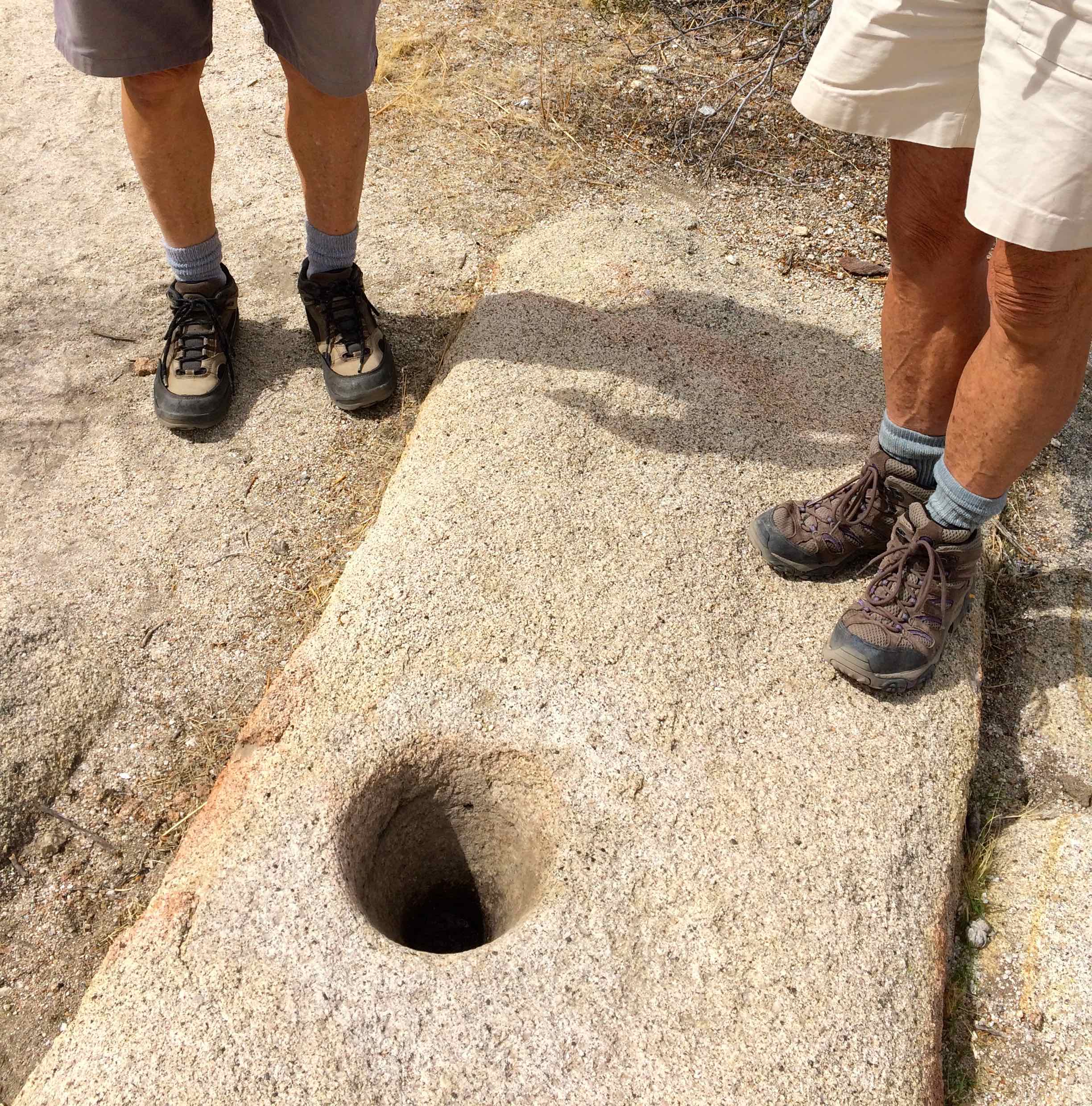
Bedrock mortar hole where ancient desert people milled mesquite, legume pods, and other seeds  (MABurgess photo)

All around us in the desert–in our own Tucson Basin and beyond–there is evidence in the rocks that people long ago were gathering, processing, growing and eating bountiful desert plant foods.  The same plants (mesquite beans, amaranth, chia, corn…) are providing us today with a smorgasbord of yummy ingredients for new culinary creativity.  The pre-history and history of our diverse food cultures–not to mention the amazing inventiveness of our local chefs, farmers and gardeners–led UNESCO to name Tucson the first International City of Gastronomy in the US!

Tia Marta here to tell you about upcoming GASTRONOMIC TOURS created to celebrate our diverse local food heritage.  Are you ready for total immersion in culinary bliss?  Tucson’s Presidio Museum is sponsoring tours of our food heritage in the heart of Old Town.  Look for announcements about The Presidio District Experience:  A Progressive Food Heritage and History Tour.

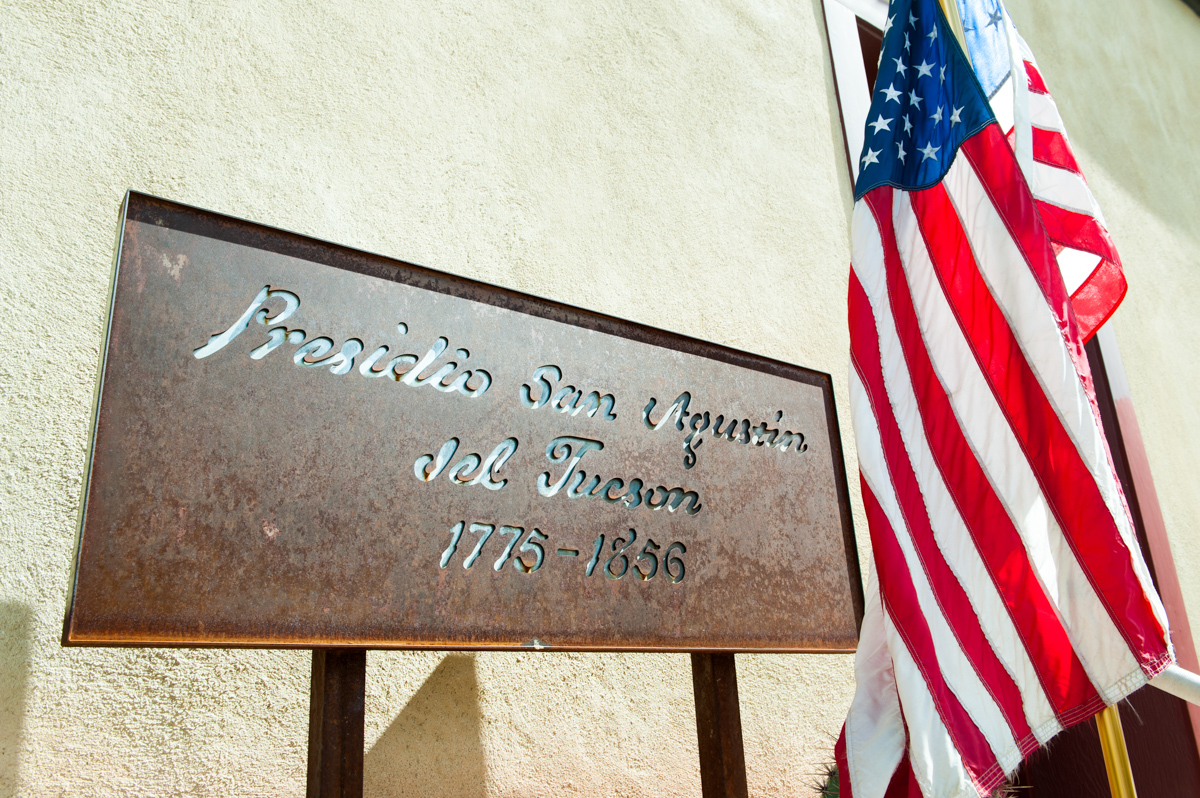
Tucson’s Presidio San Augustine Museum–a living-history treasure at the center of downtown where visitors can envision life of 18th century Spanish conquistadores and their families on the new frontier.

In the style of progressive dinners or “round-robins” the tour will begin at the Tucson Presidio Museum, developing a sense of Tucson’s setting and cultures over the recent 10,000 years.  Participants will enjoy samples of traditional wild-harvested desert foods, then surprising Spanish introductions.  Next tourers venture forth afoot to taste Hispanic and Anglo family traditions plus nouvelle cuisine desert-style at some of our one-of-a-kind historic restaurants.  Past meets present in a symphony of taste sensations with spirits, entree, bebidas or dessert at each new venue.

These tours are educational-plus!  Feeding not only body and satisfaction-center, knowing Tucson’s gastronomic history feeds the mind and soul as well.  Tours are scheduled for Sunday afternoon, March 25, April 8, 15 or 29, from 1pm-3:45pm.  Check out http://www.tucsonpresidio.com , go to the event calendar and click on Heritage Tour for details and registration for each date.

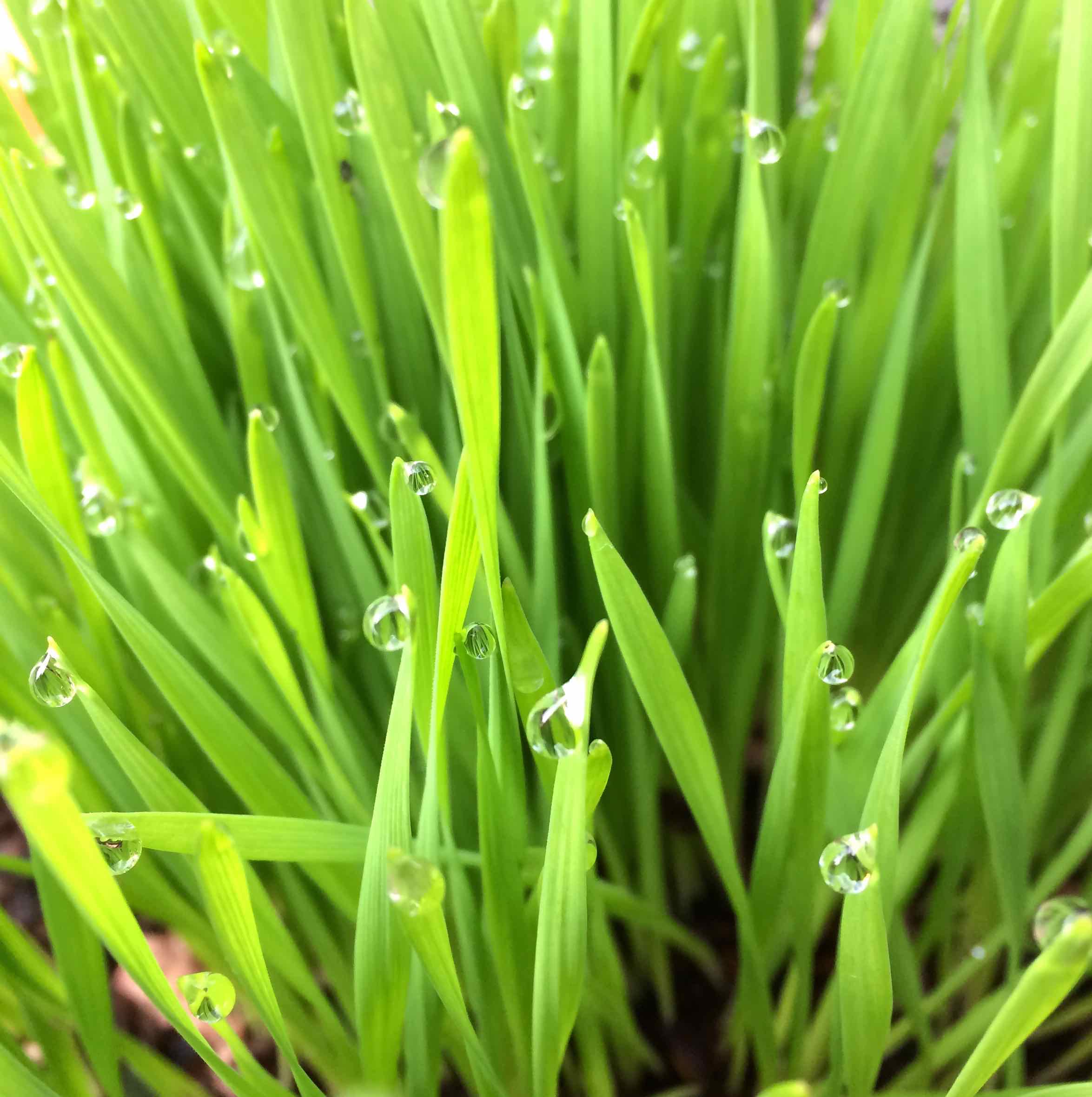
Seedlings of heirloom white Sonora wheat seed from NativeSeeds/SEARCH and BKWFarms, planted early Feb and gladly doused by mid-February rains, growing rapidly, to be harvested in May (MABurgess photo)

Now, with the goal of merging plant knowledge with many food cultures into one tasty recipe, I’d like to share a quick and easy idea to enhance a pot luck or dinner for a few:  Muff’s Multi-Heritage Biscuits. 

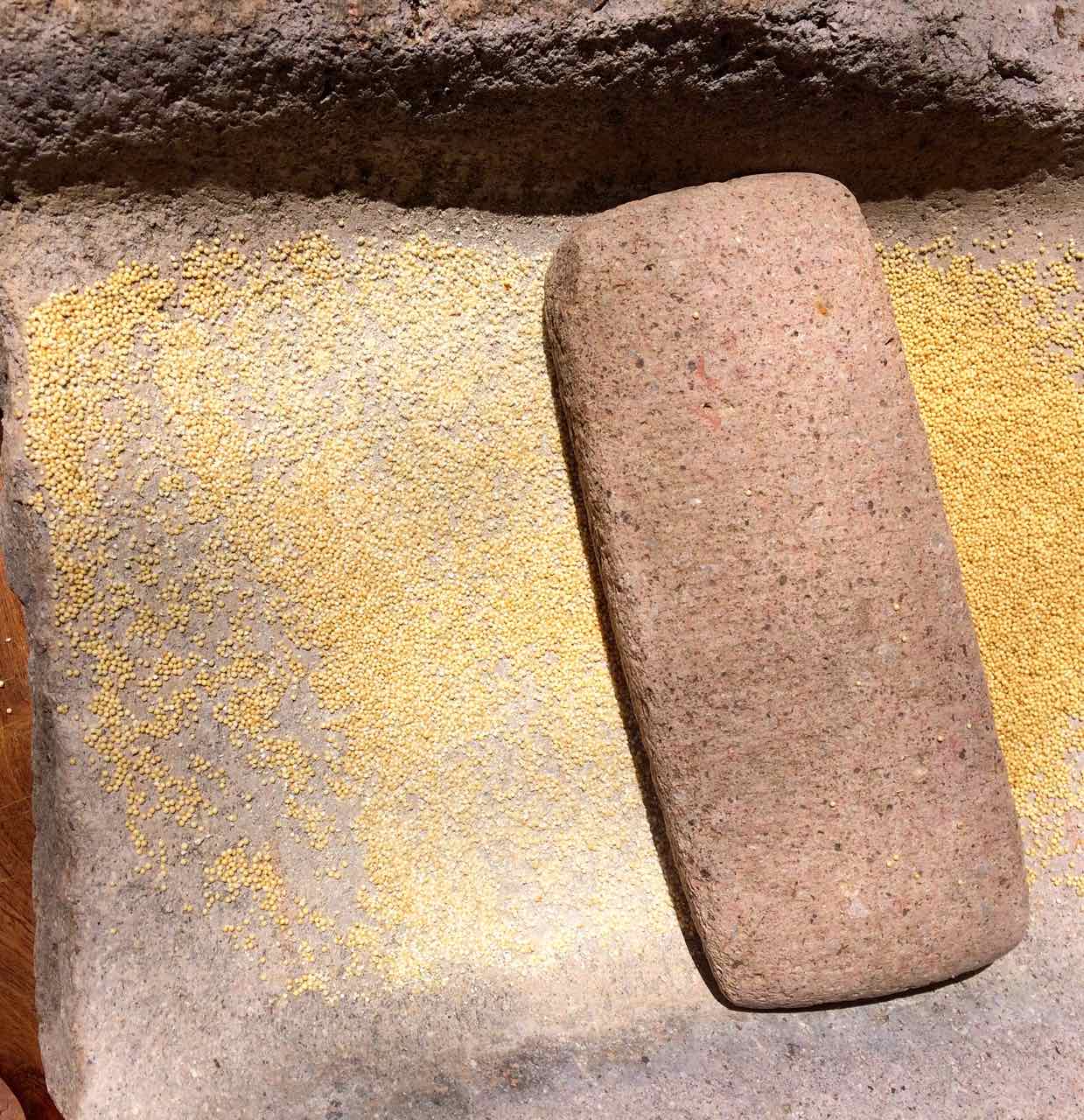
A traditional milling of amaranth with stone mano on a metate.  Today, hard amaranth seed can be easily ground in a grain mill or coffee mill.  Traditional Tohono O’odham gatherers ate “rain spinach” or juhuggia i:wagi (Amaranthus palmeri) when summer rains started, then harvested these ollas of small seeds from the spiny stalks later when the weeds dried.   Plan to harvest your wild amaranth (aka pigweed) seed next September if monsoon rains are good.  Amaranth grain is 15-18% protein and high in iron, fiber and phytonutrients!  (MABurgess photo)

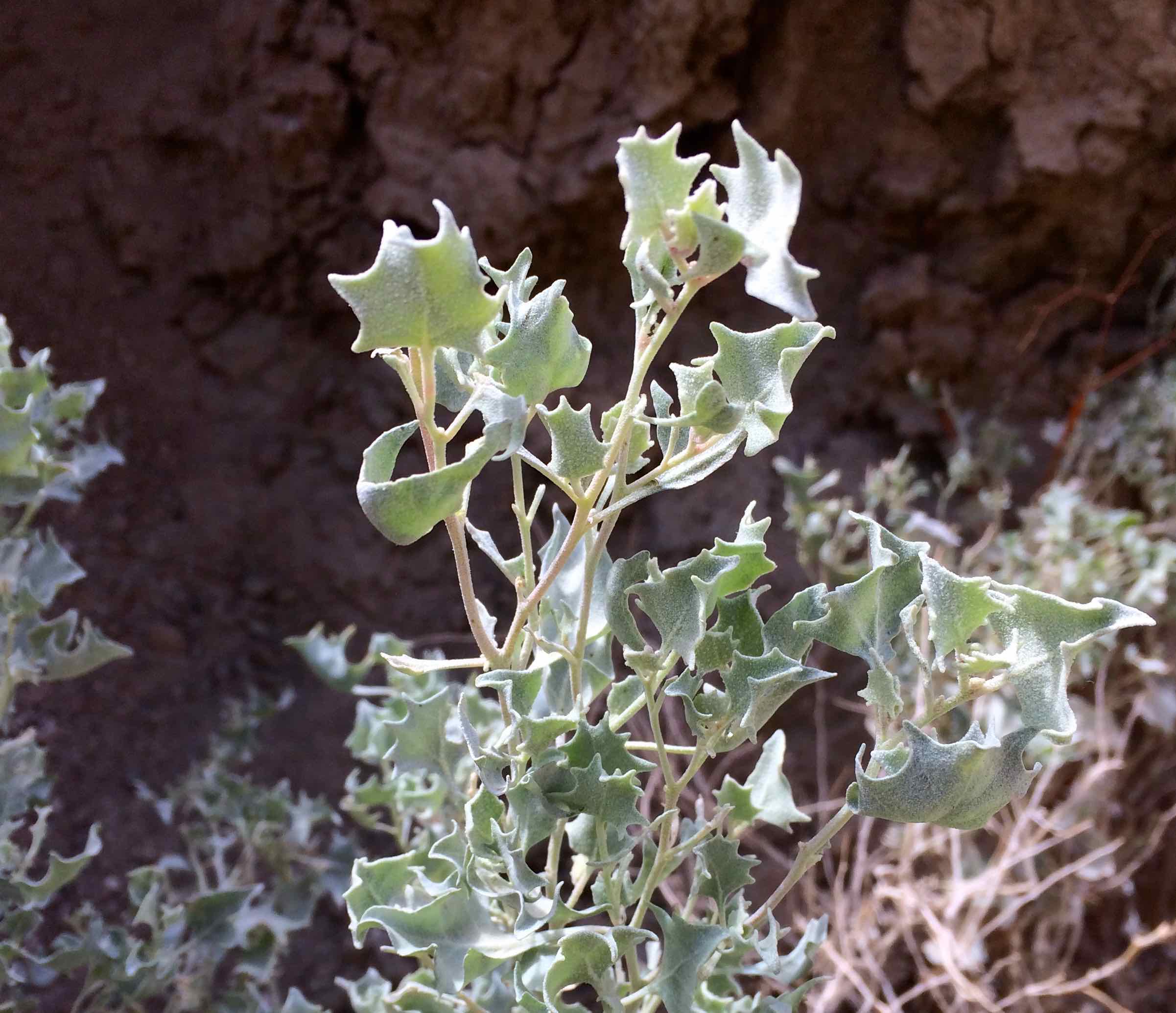
One of many species of Sonoran Desert saltbush, traditionally used by Tohono O’odham.  It can be dried and pulverized as baking powder. (Atriplex hymenolytra) (MABurgess photo)

Bringing together Amaranth, Mesquite, and sea salt from Tohono O’odham traditional fare, and Hispanic White Sonora Wheat introduced by Missionary Padre Kino, in a very Anglo-style biscuit from my Southern background,  here is a fast, tasty, local and nutritious complement to any meal:

Muff’s Multi-Heritage Biscuits 

You will need:

1/2 cup mesquite flour [from NativeSeedsSEARCH or desert harvesters.org]

1/2 cup amaranth flour [home-milled from NativeSeedsSEARCH’s whole grain, or Bob’s Red Mill amaranth flour]

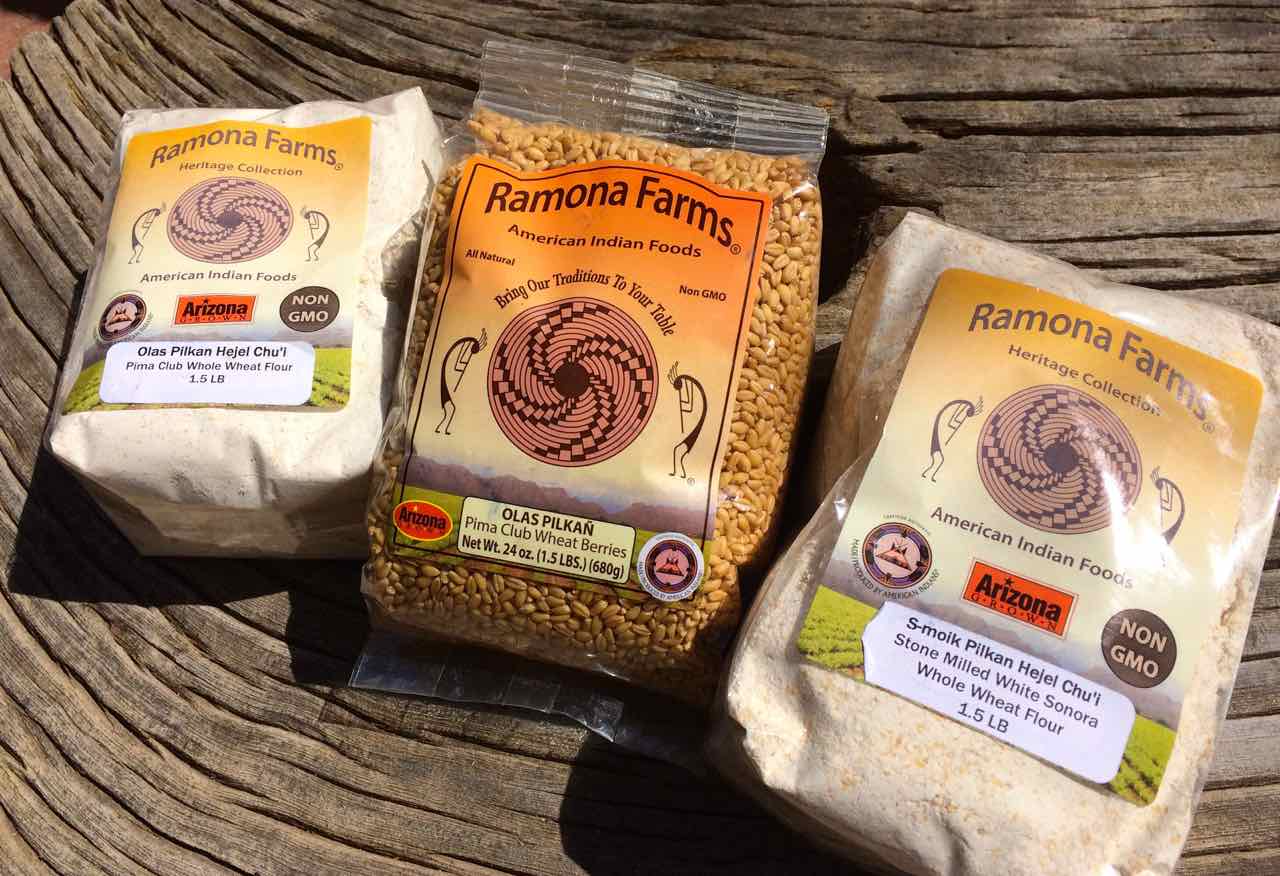
1 cup white Sonora wheat flour (or Pima Club wheat flour)  [from Ramona Farms, San Xavier Coop Association, or NativeSeedsSEARCH]

2 1/2 tsp baking powder

3/4 tsp sea salt

1/3 cup butter

3/4 cup milk (or sour milk, rice milk, soy milk)

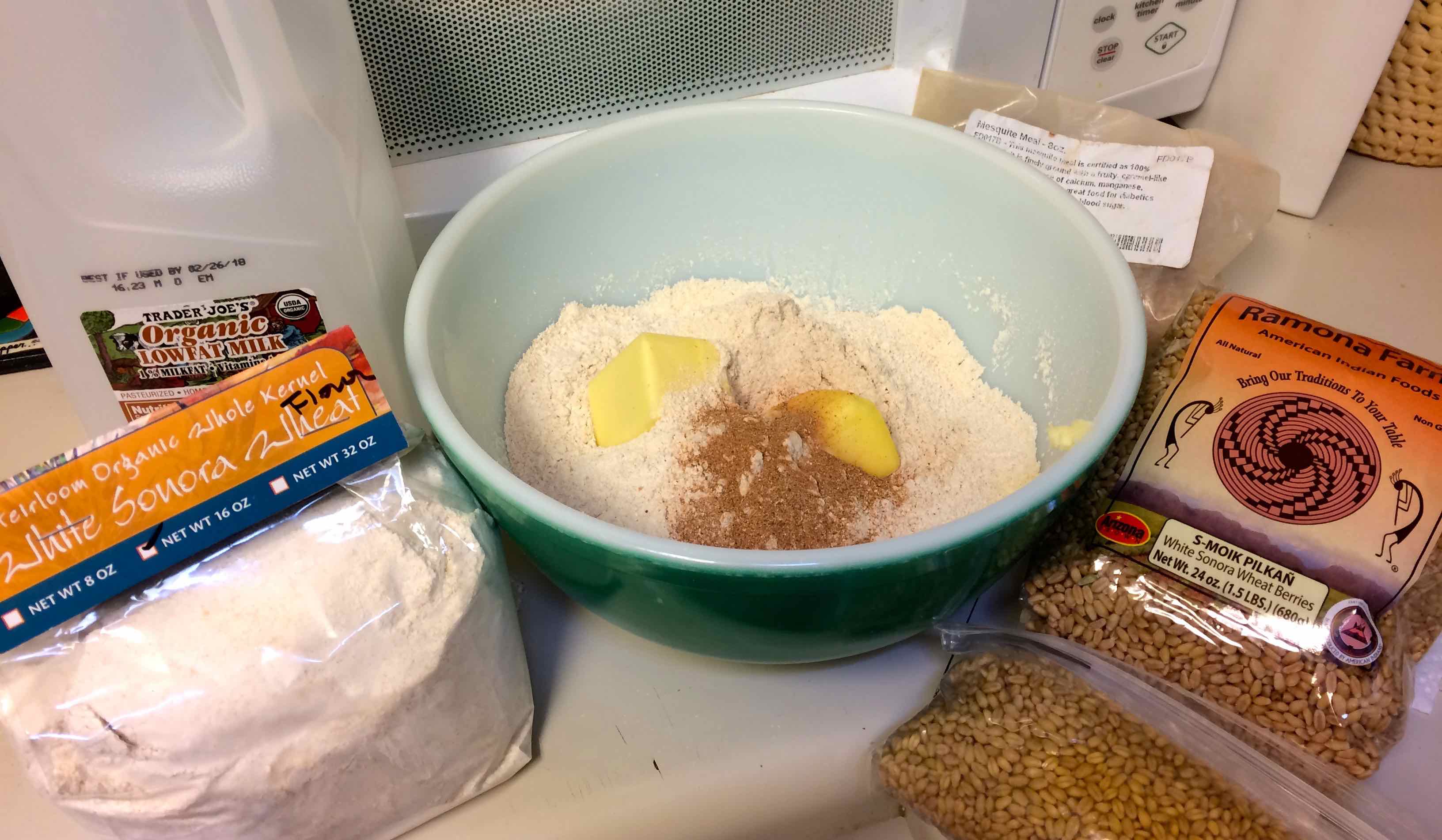
Mixing organic white Sonora wheat flour from BKWFarms, plus amaranth flour, roasted mesquite flour, and butter for Muff’s Mixed Heritage Grain Biscuits (MABurgess photo)

Preheat oven to 450 degreesF.  [You can use a solar oven but it will not get quite that hot.  Solar biscuits come out harder–reminiscent of cowboy hard-tack.]. Sift together flours, baking powder, and sea salt.  Cut in the butter to small pellet size.  Add milk.  Stir until soft dough forms.  Either drop by spoonfuls onto cookie sheet for “bachelor biscuits” OR, turn the dough ball out onto a floured board.  Knead a few turns.  Pat or roll lightly to about 1/2-inch thickness.  Use any shape cookie cutter to form biscuits–small for bite-size, large for cowboys, initialed for kids.  Bake on ungreased cookie sheet 12-15 minutes until barely golden.  Serve hot, rejoicing in the diversity of heritage foods still available from local farmers or in nearby desert!

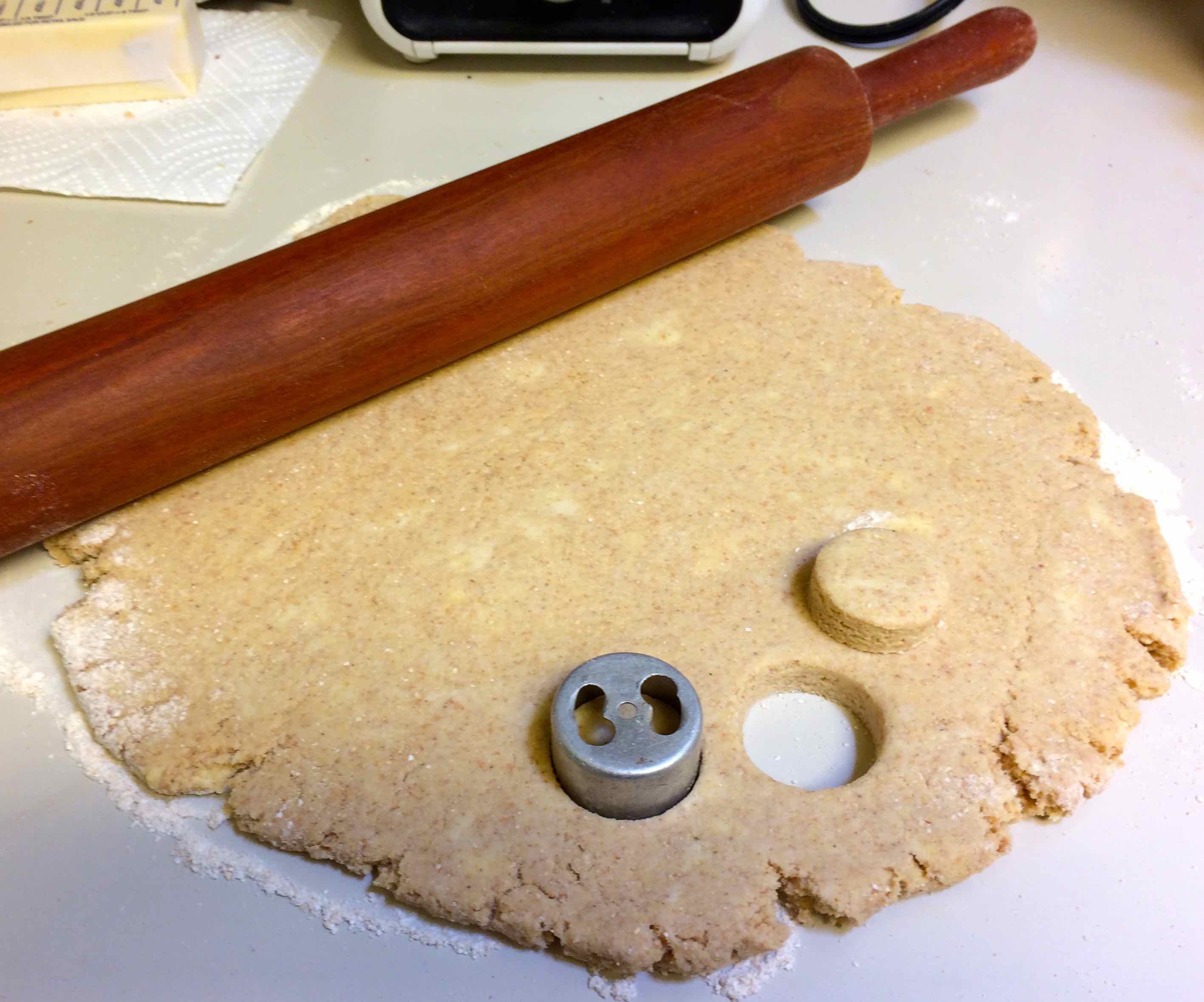
Rolling out mesquite, amaranth, white Sonora wheat biscuit dough with Mayo Indian palo chino rolling pin purchased from NativeSeedsSEARCH (MABurgess photo)

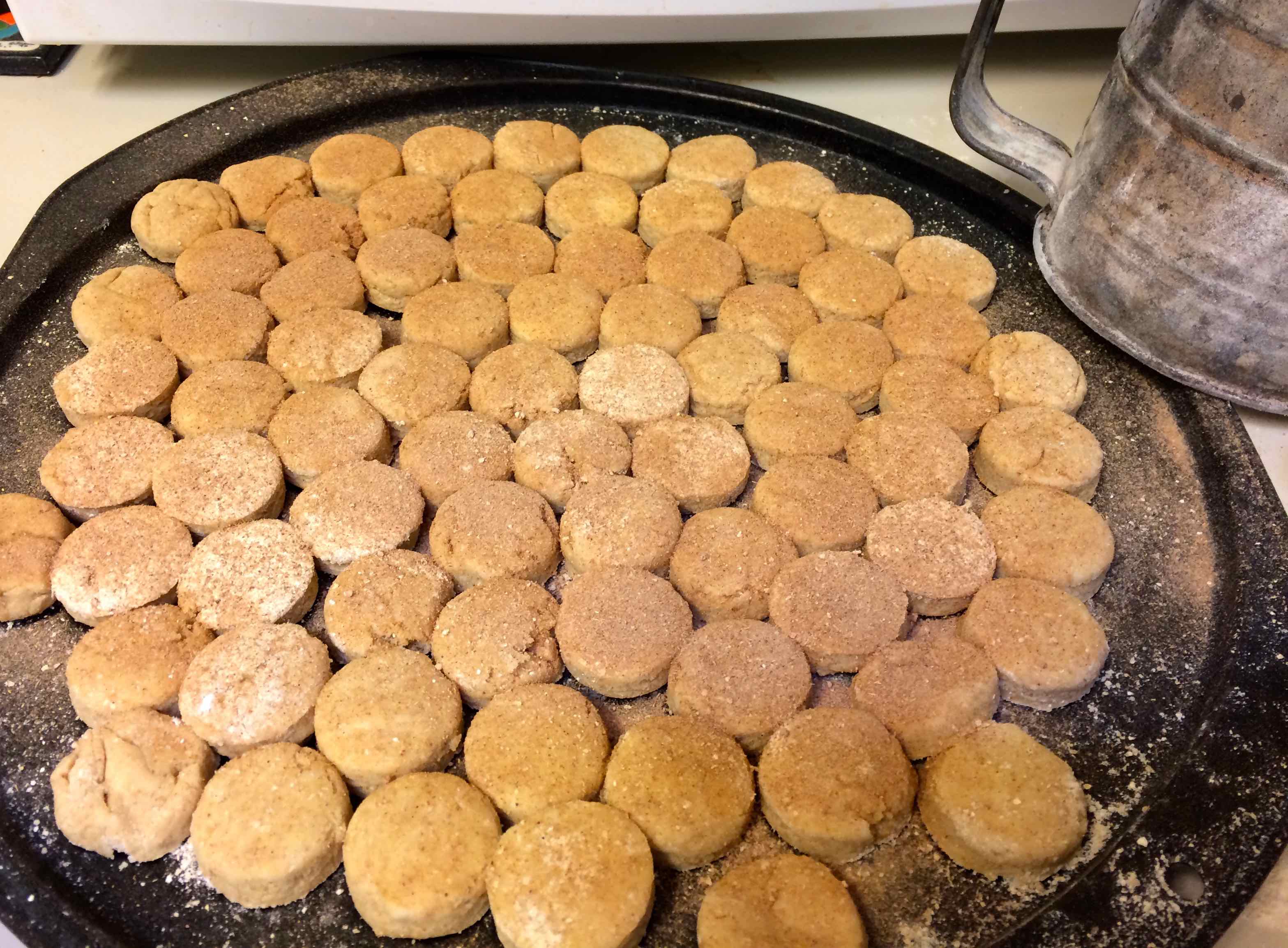
Muff’s Mixed Heritage Grain (Mesquite-Amaranth-White Sonora Wheat) Biscuits hot from the oven (MABurgess photo)


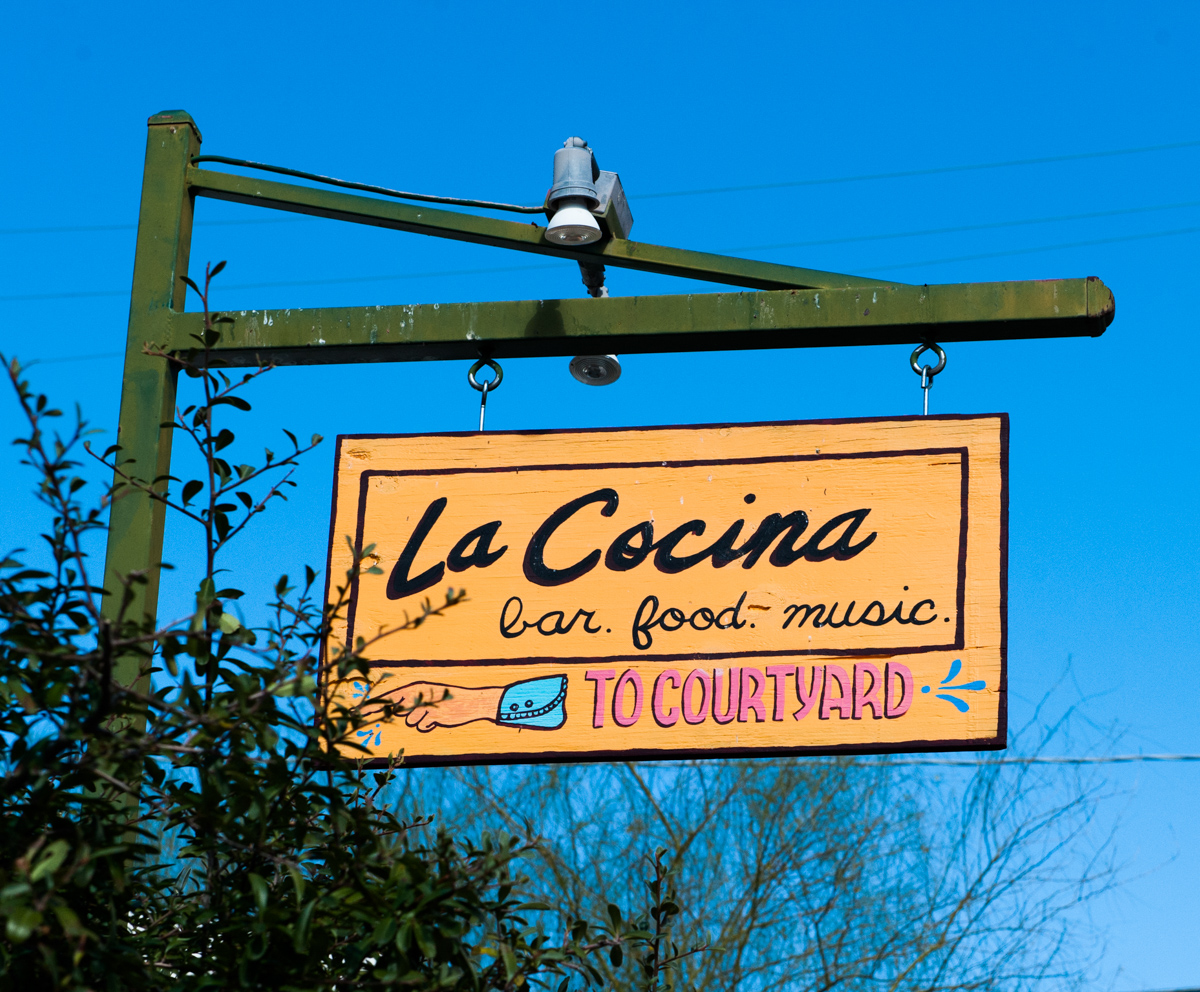
A landmark in the heart of Tucson’s Old Town, this restaurant, shops and music venue occupy the oldest existing structure in the neighborhood, across Court Street from Tucson Presidio Museum

Two heirloom wheat flours introduced by Missionaries (White Sonora “S-moik Pilkan” and Pima Club “Oras Pilkan”) grown by a traditional Piman farmer at Ramona Farms; also grown at San Xavier Coop Association and organically at BKWFarms Inc in Marana (available at NativeSeeds/SEARCH store)               (MABurgess photo)


You can find many traditional desert foods and artworks depicting these botanical and culinary treasures at http://www.flordemayoarts.com.   Flor de Mayo native heritage foods can be purchased at ArtHouse.Centro in Old Town Artisans at LaCocina Courtyard, NativeSeeds/SEARCH store and online catalog http://www.nativeseeds.org, at Tumacacori National Historic Site, Tucson Presidio Museum Shop, Saguaro National Park Bookstore, and Tohono Chul Park Museum Shop.  Join us at Mission Garden (http://www.tucsonsbirthplace.org) Saturday, March 31, 2018 for a public tour by Herbalist Donna Chesner and ethnobotanist Martha Ames Burgess about Desert Foods as Medicine.

Hoping to see you in Old Town for a gastronomic tour this spring! Plan now for some of that immersion experience in local culinary bliss….