Create a Sonoran Scents Pomander

I posted this in 2013, but was just learning to blog and I didn’t make it searchable.  Here it is again – in time for holiday decorating.

Pomanders are used to add fragrance to stored clothing while they are said to also deter moths.  Pomanders have traditionally been made by sticking cloves into oranges, or mixing cinnamon and nutmeg with applesauce.  For those of you that love the scent of creosote bush, here is a Sonoran Pomander recipe I invented.

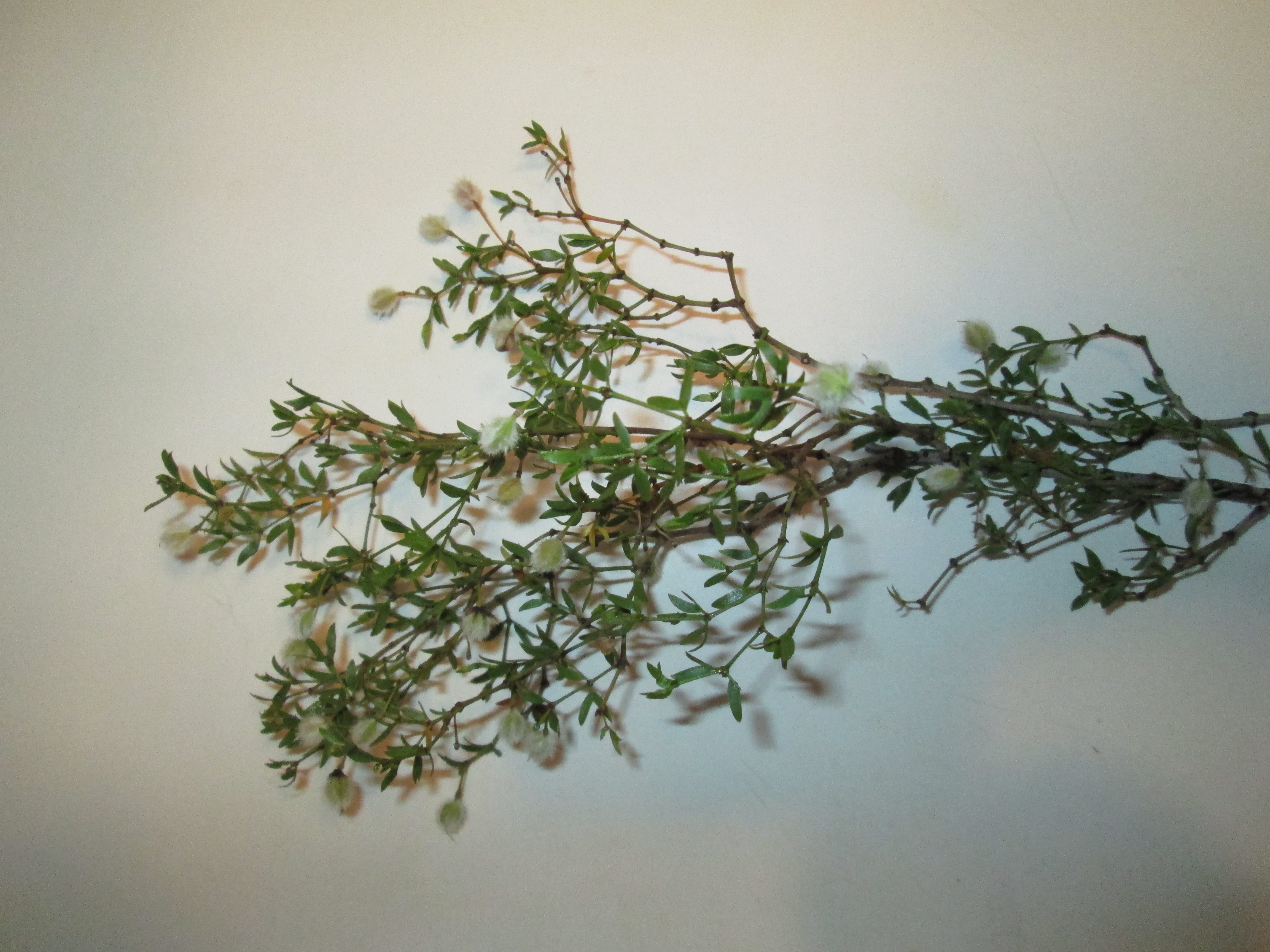
Dry creosote leaves until well dried.

Dry leaves of creosote bush.  Collect more than you think you need!

Dry leaves of creosote bush. Collect more than you think you need!

Turn them into leaf “powder” in a blender.

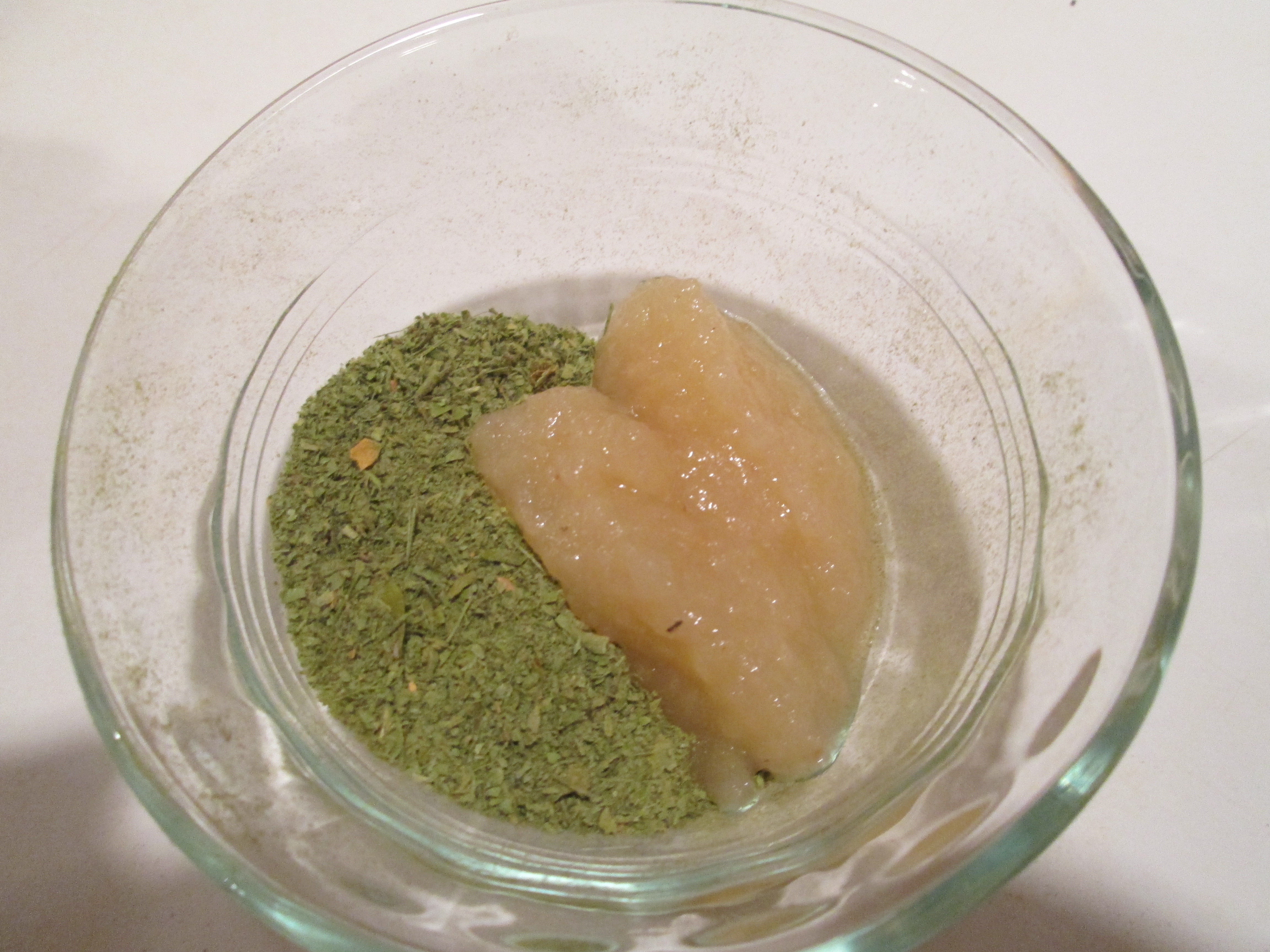
Mix three parts leaf powder to one part applesauce.

Mix powdered leaves with applesauce.

Mix powdered leaves with applesauce.

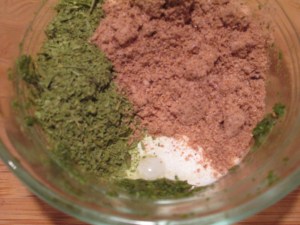
Form into walnut sized balls, or pat into thick disks.  If you get the mix too wet and have no more leaf powder, use a mild spice (like nutmeg) to add more “powder.”  Don’t use something moths eat, like flour or mesquite meal.

larrea_tridentata_pomander_JAS_009

You can use nutmeg if you run out of powdered leaves.

larrea_tridentata_pomander_JAS_010

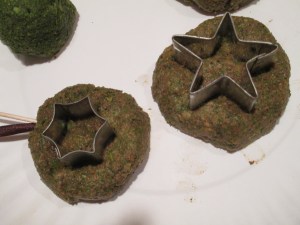
Use small cookie cutters to make impressions if you wish.

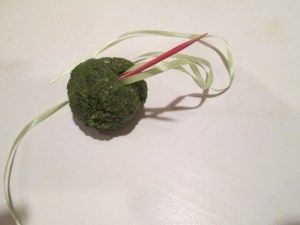
Add ribbon if you wish to hang them (later!).  Poke ribbon into the center with a toothpick.
Allow to dry for three to seven days.  If you hang them too soon they fall apart.

larrea_tridentata_pomander_JAS_006

Insert ribbon into still moist pomander with a toothpick.

Notes:
* Substitute white glue for some or all of the applesauce.
* Hang one of these in your car and carry the desert with you as you drive!


JAS avatarYou can read more about using creosote bush (and other native herbs) in my book Father Kino’s Herbs: Growing and Using Them Today.
If you live in Southeastern Arizona, please come to one of my lectures. Look for me at your local Pima County Library branch, Steam Pump Ranch, Tubac Presidio, Tucson Festival of Books and other venues. After each event I will be signing copies of my books, including the latest, “Southwest Fruit and Vegetable Gardening,” written for Arizona, Nevada and New Mexico (Cool Springs Press, $23).

© All articles are copyright by Jacqueline A. Soule. All rights reserved. Republishing an entire blog post or article is prohibited without permission. I receive many requests to reprint my work. My policy is that you may use a short excerpt but you must give proper credit to the author, and must include a link back to the original post on our site. Photos may not be used.

Epic Eggs

At the start of October, Monica King posted about lucky chickens and using their eggs, and then I got the review copy of the book Epic Eggs. Then the fact that the name of the month begins with a sort-of egg-shaped letter . . . This is not the first time the universe has demonstrated its inter-connectivity to me.

chicken eggs 316412_1280


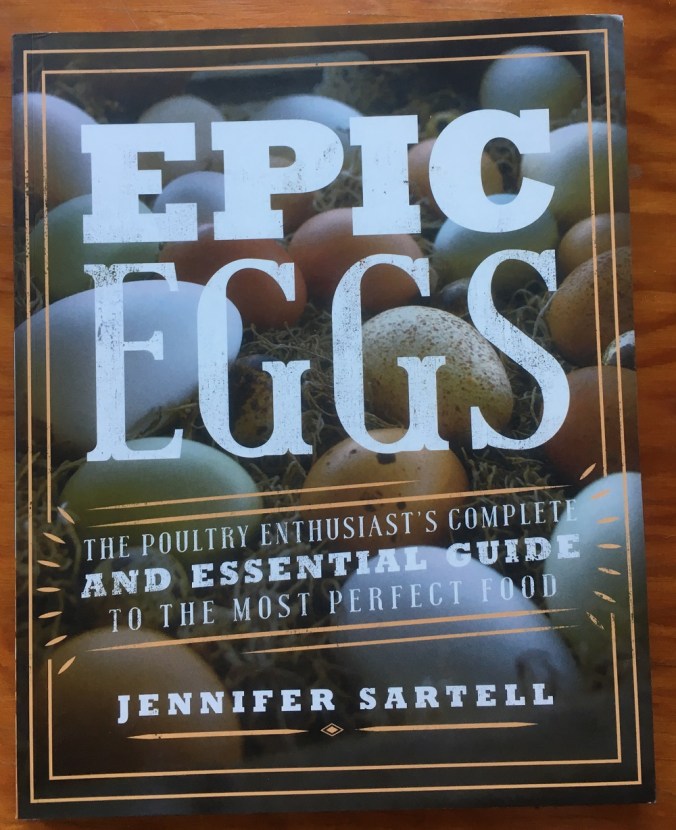
No mater where you are in the chicken-keeping spectrum, Epic Eggs (Voyageur Press) is a useful volume. Not merely useful, it is also nicely written by Jennifer Sartell, a long-time poultry farmer.

IMG_9525 crop

First – if you have no desire whatsoever in keeping chickens, Epic Eggs has highly useful information about cooking eggs that explains the science of egg cooking without jargon – the antics of Alton Brown, which were fun in their own way.

egg omlete 1882887_1280


Next – If you were ever thinking about keeping chickens, Epic Eggs is a wonderful book to start with. Jennifer shares stories of her starting out keeping chickens, and some pitfalls to avoid. She includes numerous photos of her own chicken operation, which includes geese, ducks, turkey, and guinea fowl. She talks about the merits of these and various chicken breeds.

chicken 1415260_1280

If you already have chickens, it’s still a great book full of useful tips, in part due to the discussion on the various breeds, plus a chapter on adding to the flock.


For the daydreamer – I greatly enjoyed the chapter on which color eggs come from which breeds, and spent some time considering which I would like to have clucking and making their odd happy noise as they scratch around the yard. It is an indefinable noise that I think of as chicken purring.

chicken 2678608_1280

What I like about having a book like this is that it is ever so much easier to gain information without wading past web pages that in reality have nothing at all to do with the information I am searching for. That said, Jennifer has fascinating notes scattered throughout – like the “Egg Flip Cheat” or “Eggs for 007,” Ian Fleming’s original James Bond, and which eggs he preferred! I leave that for you to discover. Time for me to go make scrambled eggs with chopped fresh herbs from the garden for breakfast!

Allium tuberosum AMAP IMG_4640

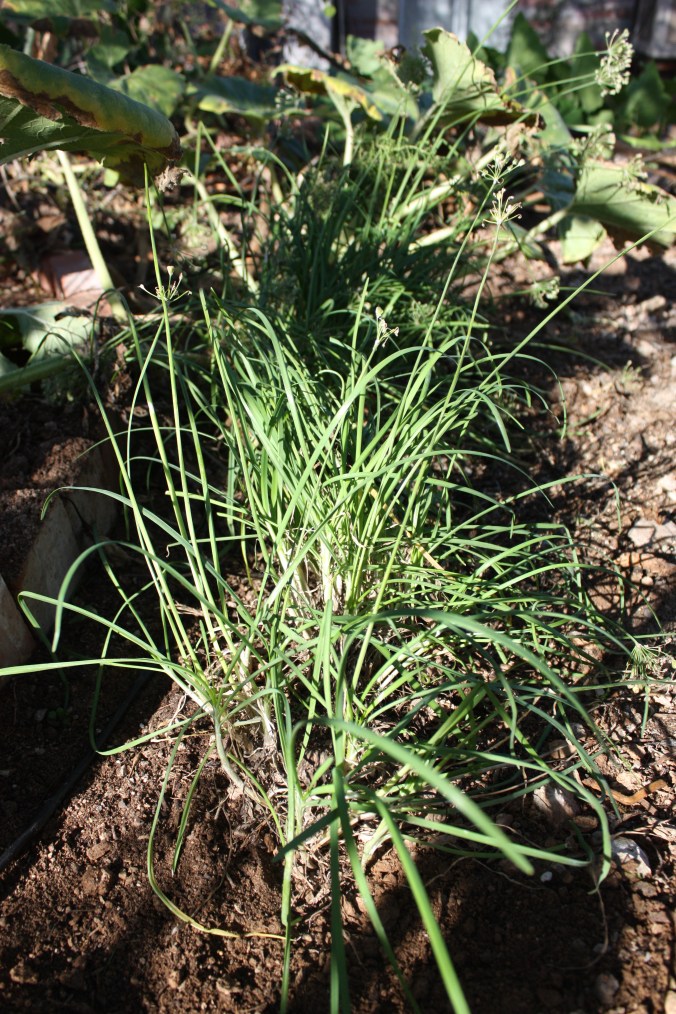
Garlic chive leaves are fresh and ready to use all year long.

Jacqueline Soule business portrait. Tucson, AZ. © 2012 Mark Turner

Want to learn more? Look for my free lectures at your local Pima County Library branch, Tubac Presidio, Tucson Festival of Books and other venues. After each event I will be signing copies of my books, including Southwest Fruit and Vegetable Gardening (Cool Springs Press, $23).

© Article copyright by Jacqueline A. Soule. All rights reserved. Republishing an entire blog post or article is prohibited without permission. I receive many requests to reprint my work. My policy is that you may use a short excerpt but you must give proper credit to the author, and must include a link back to the original post on our site. Photos may not be used.

Chile poblano and pomegranate season: Chiles Rellenos en Nogada

Hello all, Amy here. Every year in the late summer or early fall, I end up with pomegranates and fresh green poblano chiles at the same moment, and need to make Chiles en Nogada. The huge, green (but this time blushing red!) poblano chiles were from Tucson CSA/Crooked Sky Farms and a CSA member brought in the pomegranates from their bush at home.

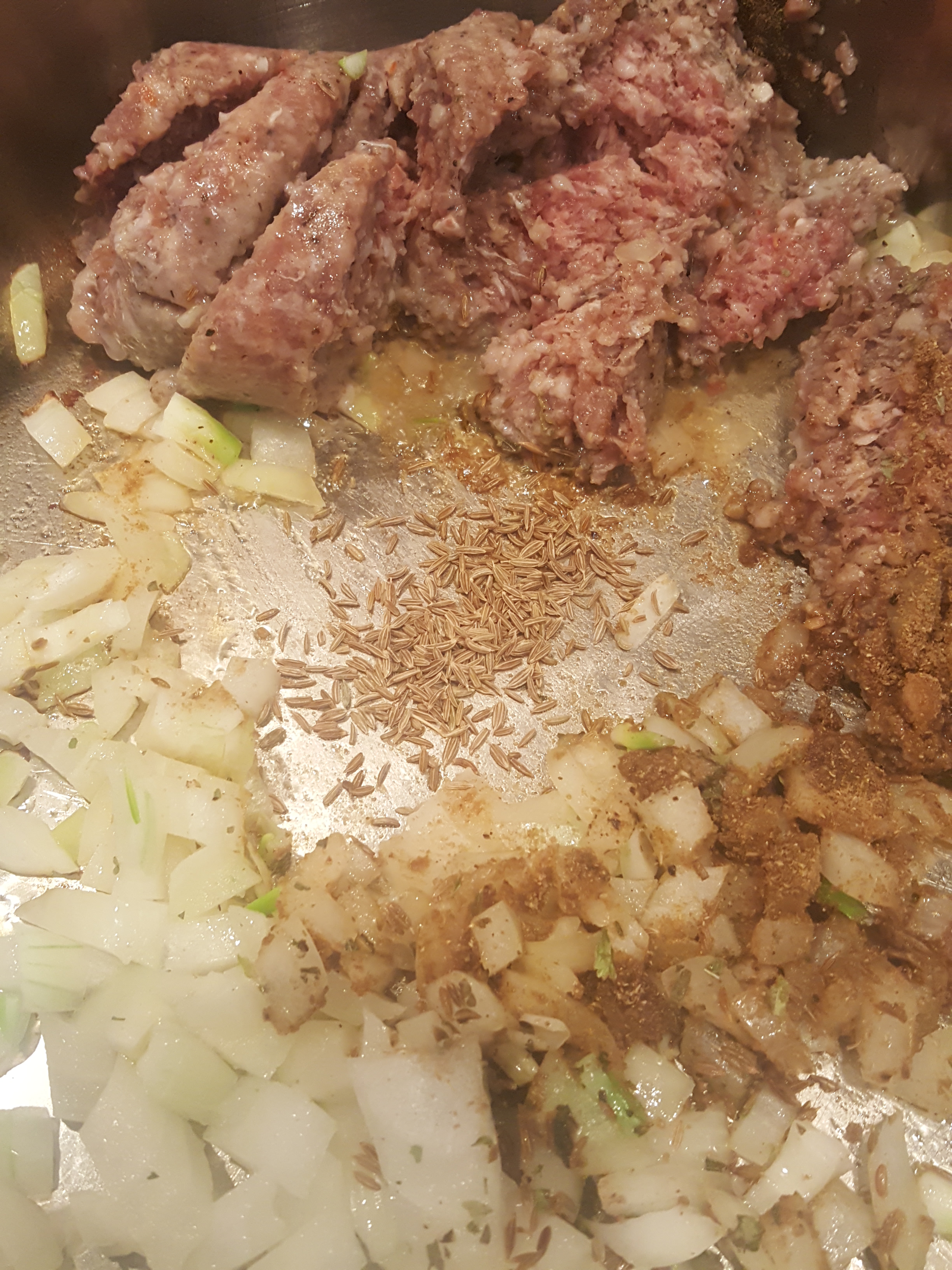
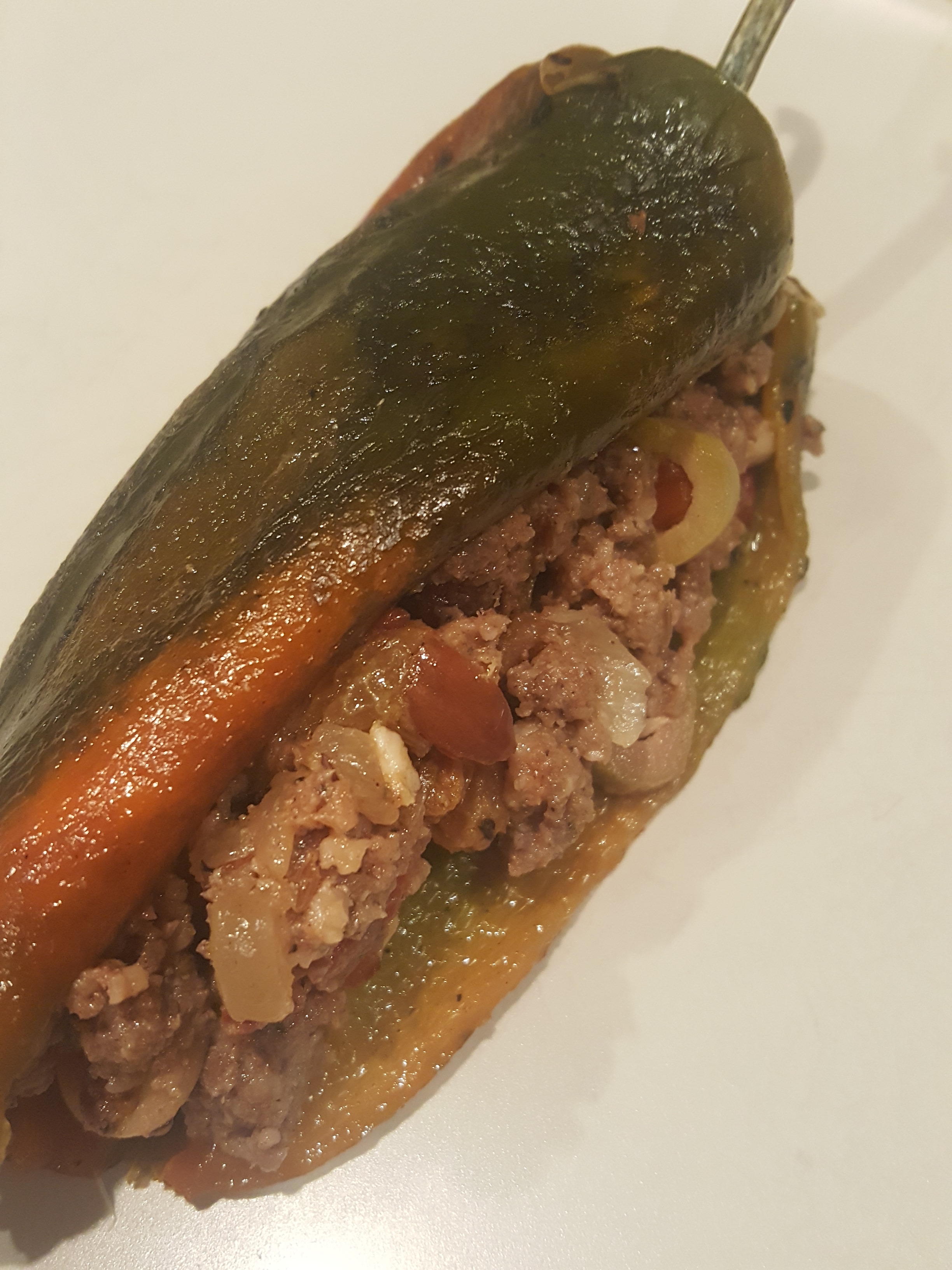
There are many filling options for chiles rellenos (singular: chile relleno) but I love a traditional picadillo for this dish. I started by cooking ground pork with onion, garlic, and whole cumin. But beef, or a mix of the two, is good, too.

Then I spiced the meat with ground coriander seed, cinnamon, Mexican oregano, tomato, raisins, slivered almonds and green olives.

Charring fresh chiles over an open flame smells so wonderful! After evenly blackening the chiles, place them in a paper bag or saucepan with a lid as they cool and sweat off their skins. Peel without rinsing, as few pieces of skin are not worth watering down the chile’s flavor. While I was already making a mess on the stove top, I roasted a few chiles for other projects. Of course any chile or bell pepper could be used with this filling, so use what you have. Chile poblano, to some people at least, is the fresh version of chile ancho. I always add a disclaimer since chile nomenclature varies, and different chiles get different names and some names are used for different chiles!

Slit each chile and remove the core and seeds while keeping the stem and the rest of the chile as intact as possible. Stuff the chile with the meat.

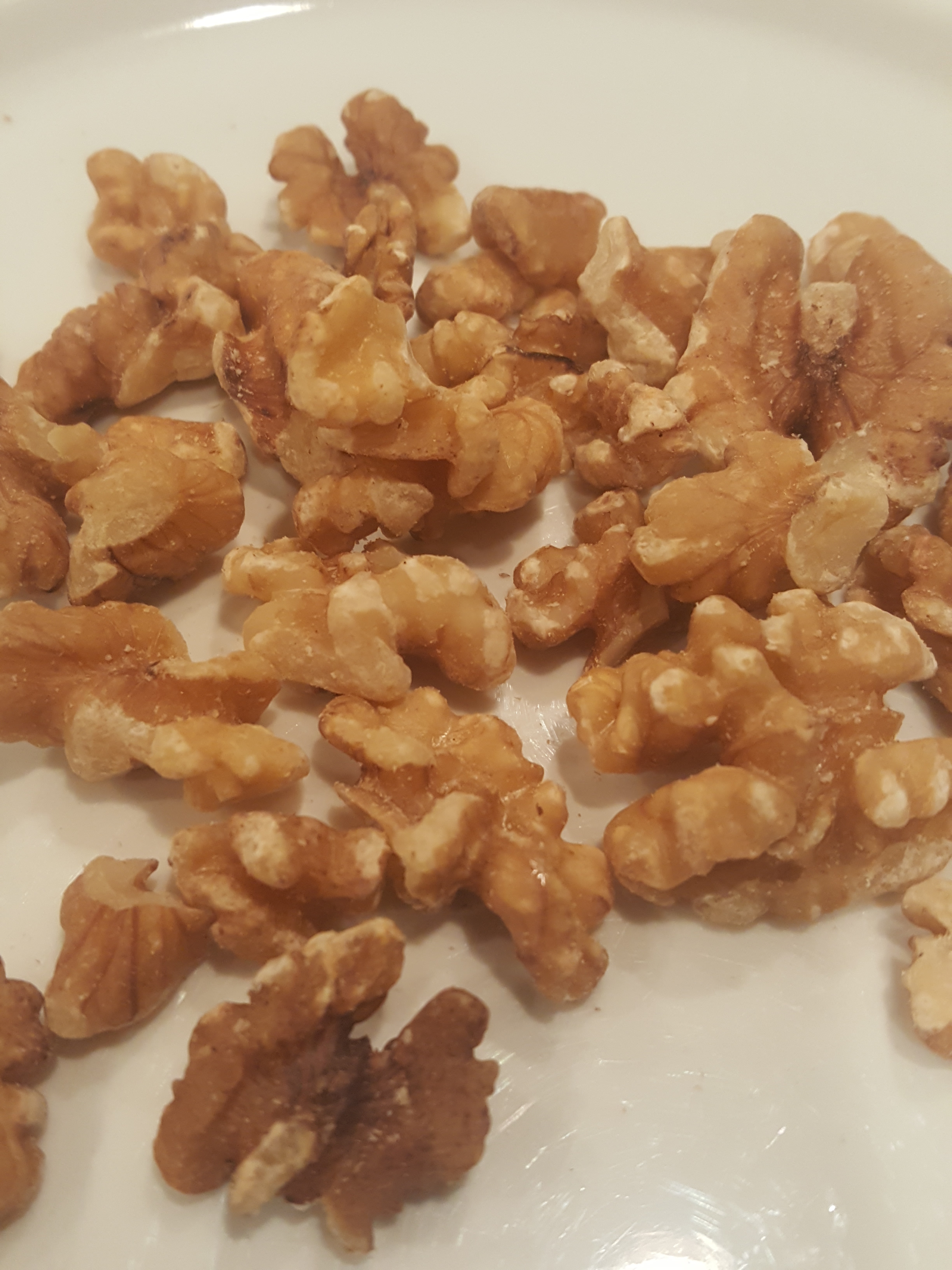
For the sauce, soak about one cup walnuts in water.

Then drain and liquify in a blender with about one cup Mexican crema or sour cream and half a pound of queso fresco.

Salt to taste and adjust with a little water or more cheese or nuts to taste. Make plenty of this cooling sauce in case one of the chiles is very spicy! Top with sauce immediately before eating and garnish with plenty of pomegranate arils (seeds).

Unlike the fried version, this dish is great served hot, warm or room temperature, which it makes is good to serve a crowd. Another time I’ll post my great grandmother’s battered and fried version that is famous for a reason, but they need to be eaten as they are made. Also, when you have pomegranates, make this one. !Buen provecho!


Chiltepin

IMG_1935

An old post that got lost in the ether, and now shared:

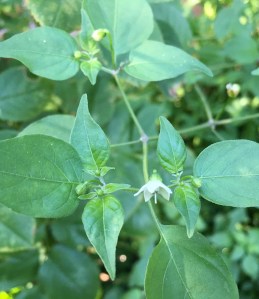
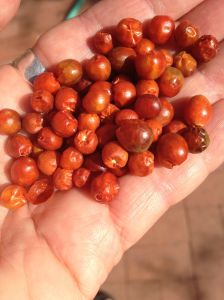
Savor Sister Linda writing today. The photo above is a view of the chiltepin plant that not very many people see! I took this photo in early fall in the Sierra Madres of Mexico, of a chiltepin plant with buds that will become the white flowers that eventually become green and then red fruit that you see in the photo below. I love seeing the plant in it’s different stages, and thought you might too. Coprolites, or human droppings, show that humans have been eating this chile (chiltepin is the closest living relative to the oldest known wild chile) for 8-9000 years!

chiltepines-harvested-in-hand

Fresh-picked mature chiltepin peppers–Caution: do not rub eyes after picking chiltepines!

Today most chiltepin plants still grows wild (!) although there are folks who have been experimenting with growing them in fields. I have seen, walked through, and tasted these field grown chiltepin. I understand the spirit in which they are planted. The fields of chiletpin that I have seen over the past few years require a lot of water, fertilizer, insecticides, sometimes fungicides etc,  — and most of the locals consider the field grown chiles’ to not taste as “hot” as the wild growing ones.

Personally, I admire the adaptive strategy of a wild plant that has not only survived, but thrived for at least 8000 years, and that still grows heartily and gracefully today; without needing mankind thank you very much.  It has a powerful adaptive strategy that has carried it through the ages.

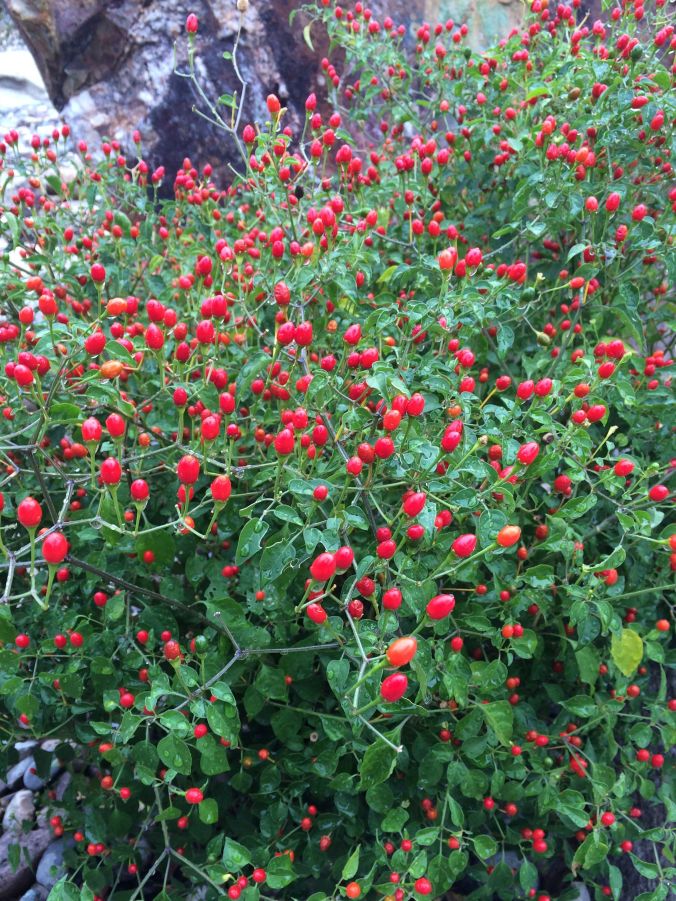
chiltepine in full picante fruit at TCP

At summer’s end your garden will be punctuated with bright Chiltepin peppers! You–and your wild birds–will prosper with picante delights full of vitamin C and A. In addition, you can use them in a topical salve to soothe the anguish of shingles or muscle-sore. (MABurgess photo)

Southwest Youth Plant the Seeds of Food Security

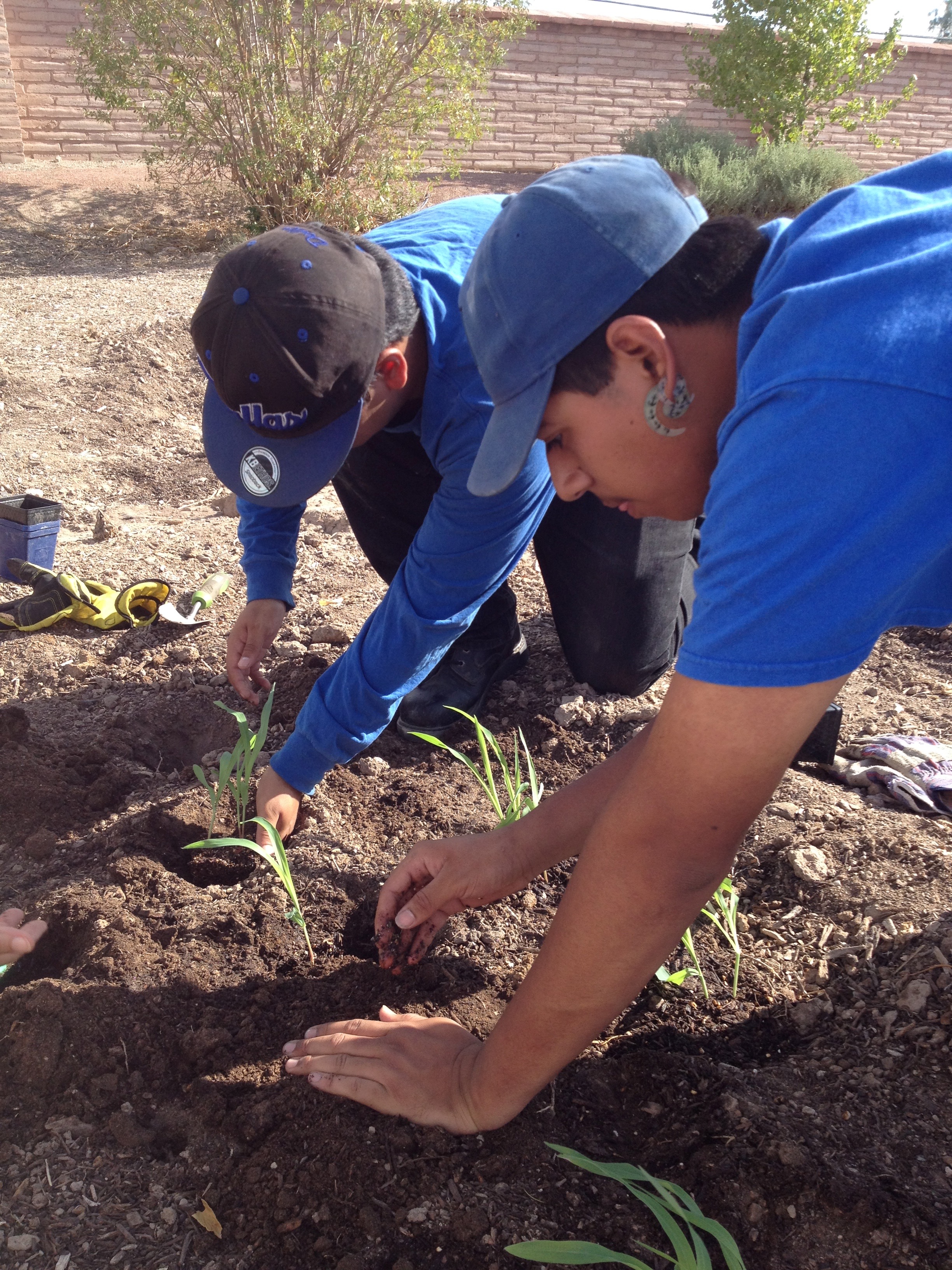
Young volunteers planting heirloom corn seedlings at Mission Garden, Tucson  (MABurgess photo)

It is so exciting and deeply inspiring to see how our Baja Arizona young people are taking to gardening!  From the looks of it, the future of our food will be in good hands!  Tia Marta of Flor de Mayo Arts here to let you know about just a few of the interesting projects several school programs have quietly begun.   Knowledge is growing out of the desert soil, along with delicious produce.

High school students at Youth Ag Day celebration at San Xavier Farm Coop learn how to de-spine and peel prickly pear fruit for making prickly pear lemonade.  It is not only delicious but also helps balance blood sugar and curb cholesterol! (MABurgess photo)

Our children are connecting with Nature, soil microorganisms, and living plants that can feed them–doing healthy activity that produces not only healthier bodies but also nutritional consciousness planted deep in the brain.  Funny how dirty garden fingers can make you smarter–What a neat link!

University of Arizona “Compost Cats” are on the go daily to “harvest” organic waste all over town. Here they are teaching students at Youth Ag Day how to turn kitchen and cafeteria waste into rich soil to feed the next crop. (MABurgess photo)

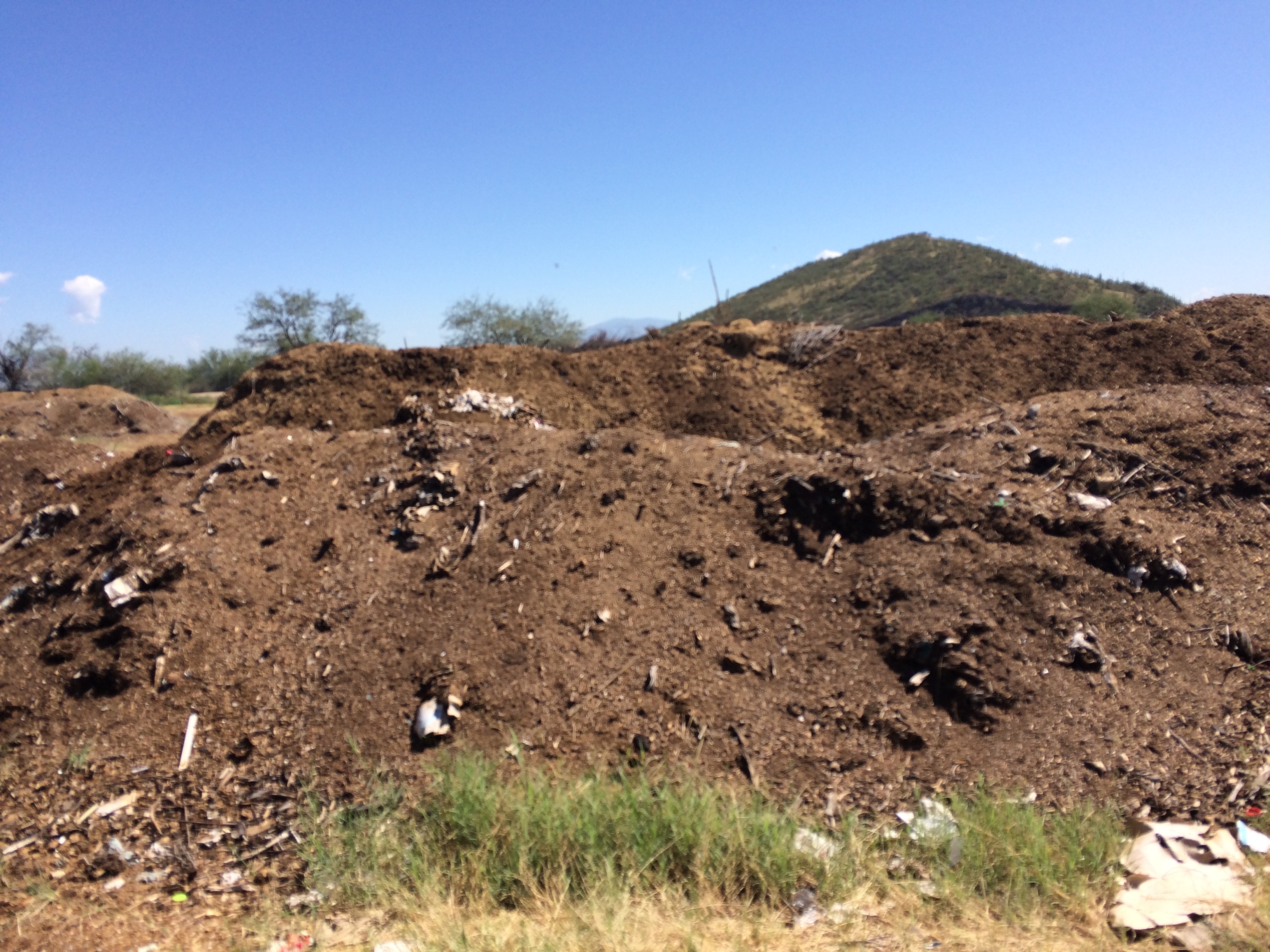
Who in the world would think a compost pile worthy of note?  Well this is a record-breaker.  The young Compost Cats have created a gift to the future of gardening and farming in Tucson by #1 changing peoples’ habits about recycling organic waste on a big scale. (There should be a better term than “waste” –perhaps “discards”–because….)   Then #2, these Cats have turned all that Tucson waste around to be a positive asset, a resource!

This mountain of compost is but a fraction of the “Sierra Madre of Super Soil” at San Xavier Coop Farm collected by the UA Compost Cats. They IMPROVE the soil with traditional composting, giving the crops a healthy nutrient boost. (MABurgess photo)

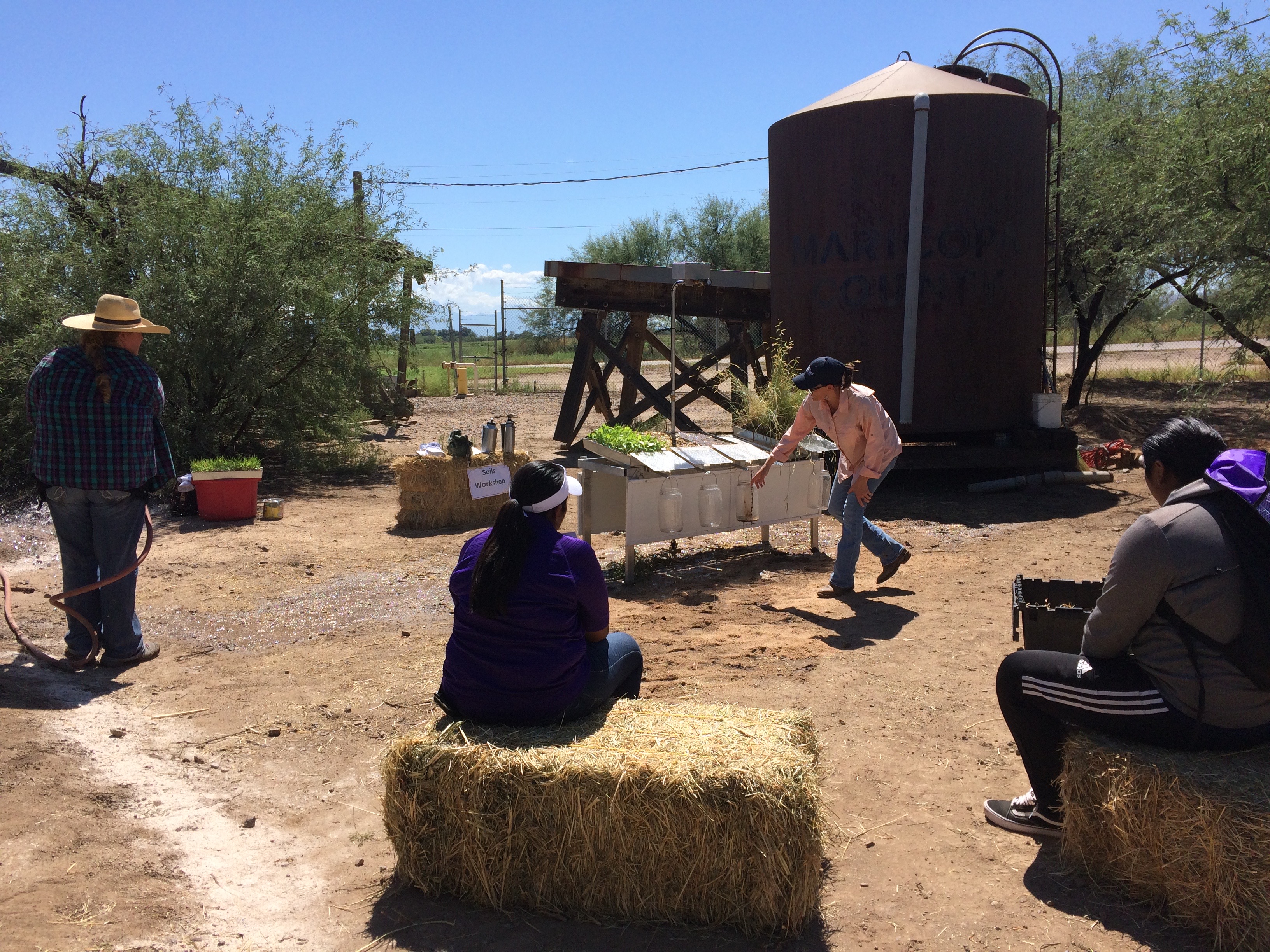
There’s nothing like being out there observing what happens in Nature! Here representatives from NRCS (Natural Resources Conservation Service, USDA) show students at Youth Ag Day how ground covers and different plantings help infiltration of rainwater into the soil. With no plant cover, rain sluices away as floodwater. (MABurgess photo)

Our local southwest seed-conservation organization NativeSeedsSEARCH is providing a priceless resource to groups who can apply for their Community Seed Grants. (For details check out www.nativeseeds.org).  Recently a number of Tucson schools are growing amazing vegetable gardens with the seeds donated by NativeSeedsSEARCH, including Ochoa Elementary, Nosotros Academy, Tully Elementary, Roskruge Bilingual K-8 Magnet School, and Pima Community College.  You can read about Seed Grant Superstars in the latest issue of Seedhead News available by calling 520-622-0380.  Become a member and support this program for the future!

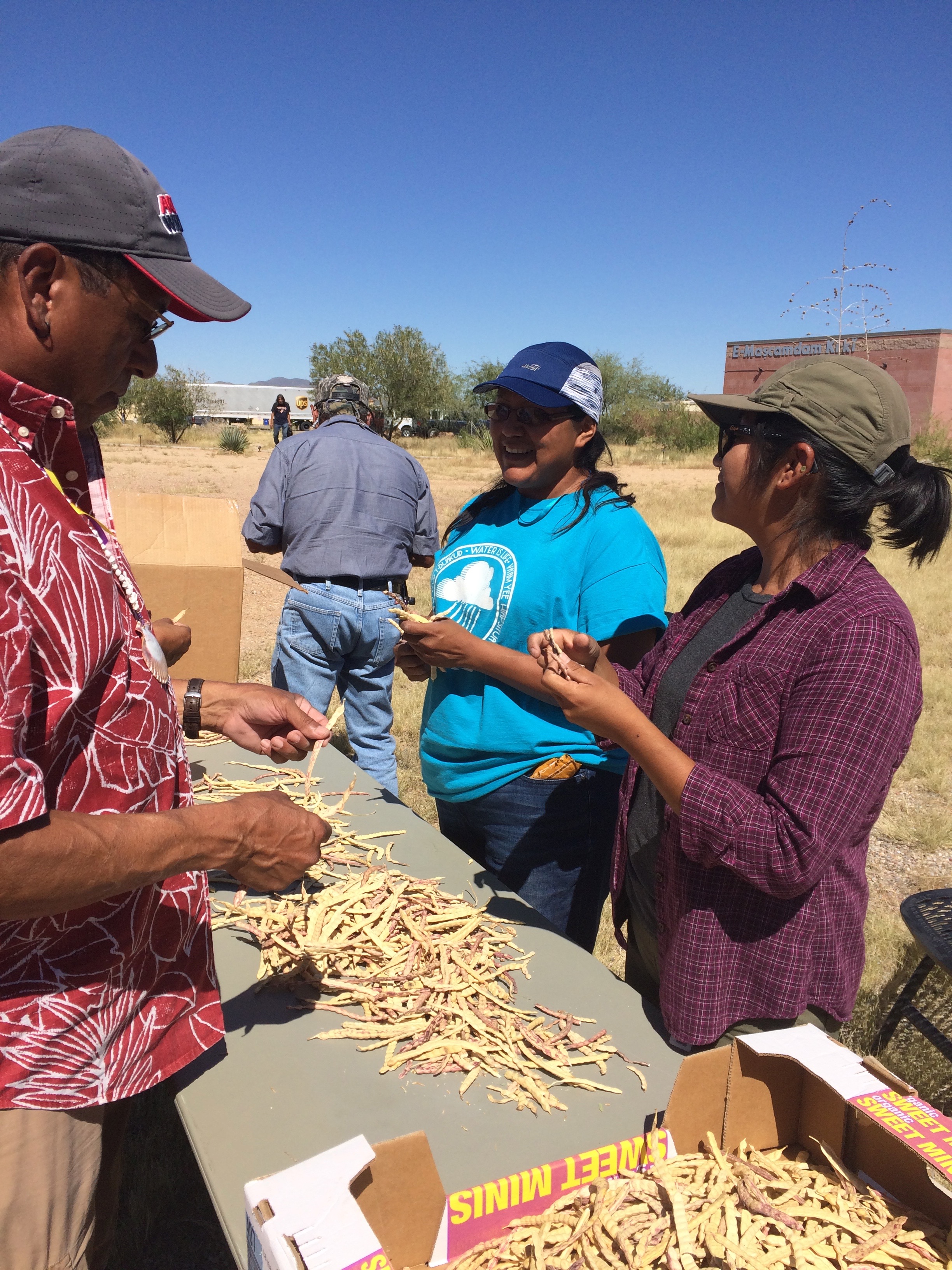
Tohono O’odham Community College Agriculture interns clean mesquite beans they have harvested for milling into a sweet, nutritious flour. (MABurgess photo)

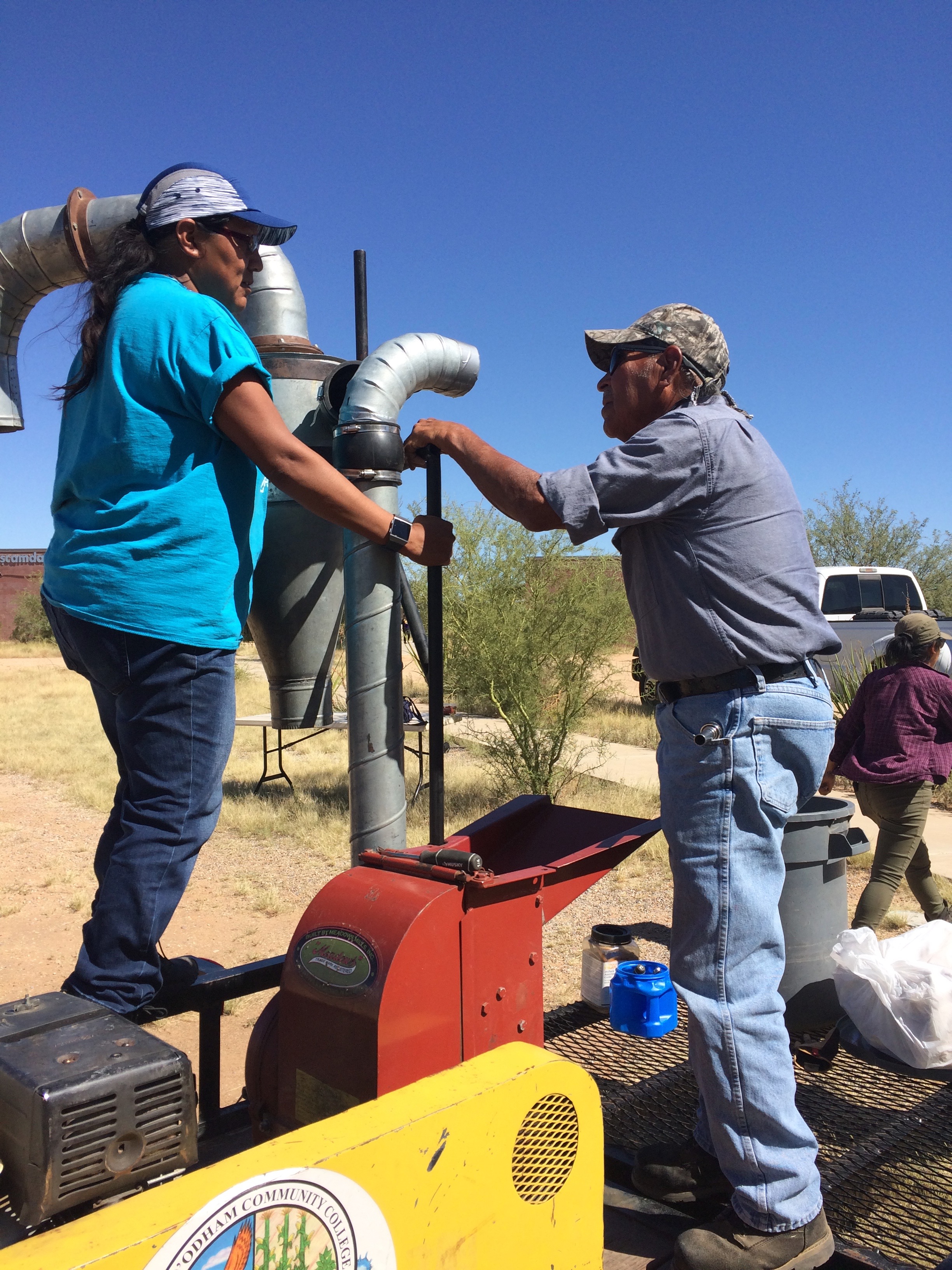
TOCC Agriculture Intern Joyce Miguel and Cooperative Extension Instructor Clifford Pablo prepare the mill for grinding dry mesquite pods into useful flour–a new method for an important traditional food! (MABurgess photo with permission)


Teachers, like Tohono O’odham Community College Professor Clifford Pablo in the Agriculture Program and through Cooperative Extension, have inspired a couple of generations of youth to learn modern ag methods along with a deep respect for traditional foods and foodways.  His interns have become teachers themselves, and their agricultural products–grown as crops and wild-harvested–are being used for celebration feasts, special ceremonies, and sometimes even appear in the TOCC cafeteria.

Let’s rejoice in the good work that these young people, in many schools and gardening programs throughout Baja Arizona, are doing!  In the words of Wendell Berry, one of the great voices of our time about the very sources of our food, “Slow Knowledge” is what we gain from gardening and farming.  For our youth, the connection of healthy soil, healthy work outside, the miracle of seeds sprouting into plants that eventually feed us–this slow knowledge cannot be learned any other way.  We now know that such “slow knowledge” gained from assisting Nature to grow our food actually grows healthy neurological pathways in young brains and makes them think more clearly, be less stressed, achieve better understanding in math and language, and develop better critical-thinking skills.  What better prep for being leaders than to play in the garden as a youth!!

Link to the latest UA Alumni Magazine (fall 2018) for a heartwarming article by our Blog-Sister Carolyn Niethammer about the University of Arizona’s partnerships with local school gardening programs.

Watch the Mission Garden’s website www.tucsonsbirthplace.org for many gardening activities, celebrations, and workshops coming up that are perfect for kids and elders alike.  You can contact me, Tia Marta, on my website www.flordemayoarts to learn of desert foods workshops where interested young people are welcome.

Young people know that food security will be in their hands.  Indigenous youth and some disadvantaged communities seem to realize that “the government” will probably not be there as a fall-back food provider.  Youth all across Arizona are learning the skills of growing food sustainably and may even begin re-teaching the elders–in time.

Make Migas! Amigas!

Monica King is a local rancher who recently wrote about honey and bees for us.  She also keeps chickens, and has this to share.

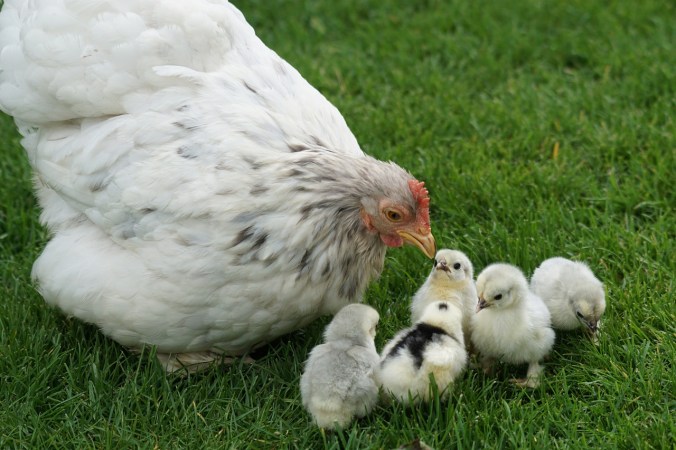
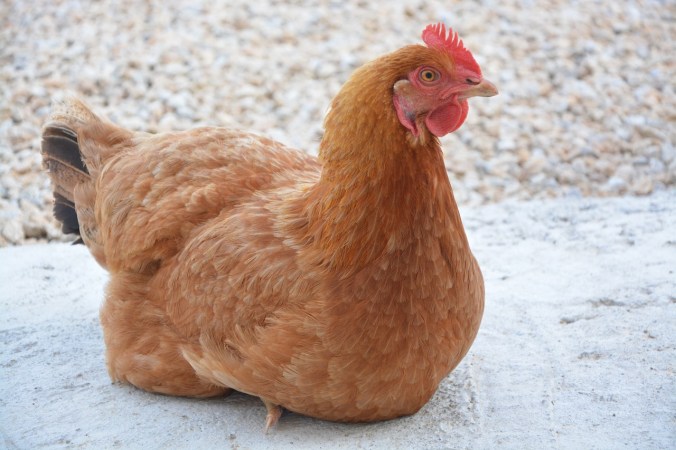
Chickens are a common sight on farms and ranches, but did you know there are “city” chickens? I don’t mean “backyard” chickens, I am talking pets. Chickens with their toes painted with fingernail polish wearing fancy diapers or tutus strutting across the floor on the way to roost on the couch. So maybe, instead of “city” chickens, I should call them “house” chickens.

House chicken” is not quite right either, because 100 years ago chickens were commonly brought inside the people house in winter, to warm by the wood stove, scratch at the dirt floors, and chase any bugs that were to be found in the house.

chicken 3417194_1280

Perhaps the best term for the dressed up pet chickens, would be “lucky” chickens, as in not living on a farm or ranch, and thus considered livestock. Maybe the chicken crossed the road to get away from the farmer’s ax?

chicken pet 1967157_1280


Which brings this to me, the realist. Daughter of a farmer, I grew up in farming community, living on a ranch today. We gather fresh eggs and cull hens and roosters when necessary. These older tough birds end up in the soup pot and canner to stock our pantry with an easy way to use cooked chicken for fast enchiladas, burritos, pot pies, soups and more. We raise meat chickens, special fast growing breeds bred for tender muscular builds, and harvest them for the freezer.

chicken 3104528_1280


Don’t get me wrong, I love my fine feathered friends and can spend hours on end watching their goofy antics, fighting over bugs, taking dirt baths, and just being free to be chickens. Chickens are truly a pleasure to have around.


Whether you wake up in the morning with an egg on your pillow, have to go to the nesting boxes to grab them, get them at the local farmers market, or buy them at the grocery store, here is a hearty ranch breakfast recipe for you:


migas 001 MKingBreakfast “Migas

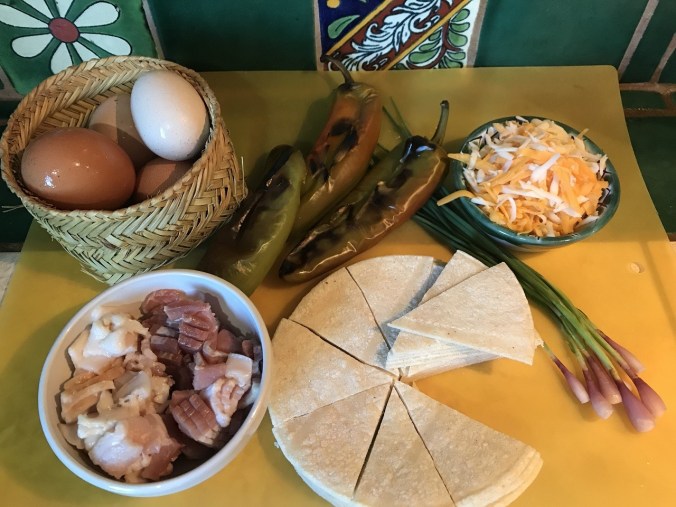
4 strips uncooked bacon, sliced into pieces

5-6 I’itoi onions or 2 scallions

2-3 medium green chilies, roasted, peeled, seeded and diced

1/2 cup cheese (I use mozzarella and cheddar)

4 corn tortillas – sliced into triangles

cilantro & hot sauce (optional)

migas 002 MKing

Add pieces of bacon to large pan, frying until desired doneness.

Add onions and green chilies, stir over medium heat for 3-5 minutes until onions are cooked.

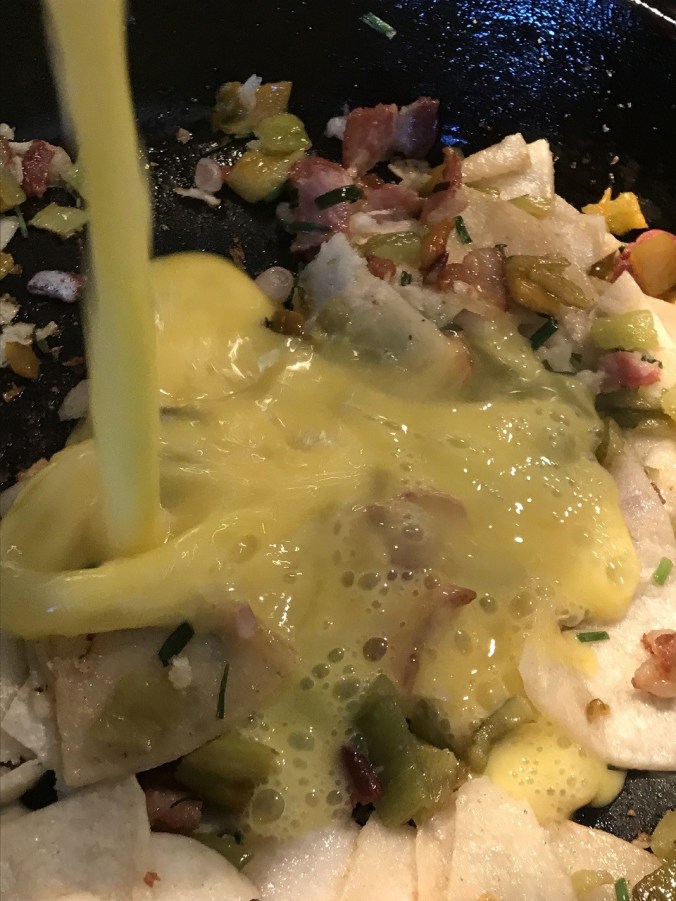
Add sliced tortillas and stir, the tortillas will start to become soft, at this stage add the scrambled eggs and continue stirring until eggs are done.

migas 004 MKing

Turn off heat, top with cheese and place a lid on the pan until cheese is melted.

Optionally serve with cilantro and hot sauce.

My sides on this particular morning were sliced tomatoes and toast with chia-pear jam.

migas 005 MKing


Monica King 001

Monica King is a rancher near Tucson.

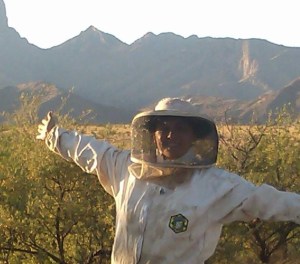
If you want to learn more about keeping chickens or bees, or gardening come visit Monica and Jacqueline at the Savor the Southwest table at the 6th annual Membrillo Festival at Mission Gardens, Sunday 21 October, from 3:00 – 5:00pm.  946 W. Mission Lane, Tucson, AZ 85745.  Monica will also be selling local honey, and things made with beeswax while Jacqueline will sell books, and we will both have savory things for you to sample!  Watch the Savor the Southwest on facebook for more details.


Amaranth for Alegría

Special for Savor the Southwest, Sept 2018

Jacqueline Soule here to close National Honey Month with a sweet way to use honey plus a summer growing plant – amaranth.  This article also tells how to make a treat for Dia de Muertos.
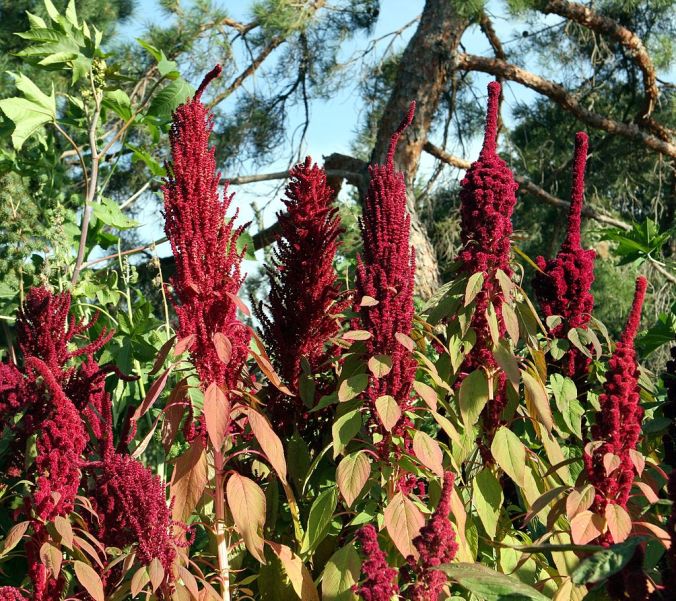
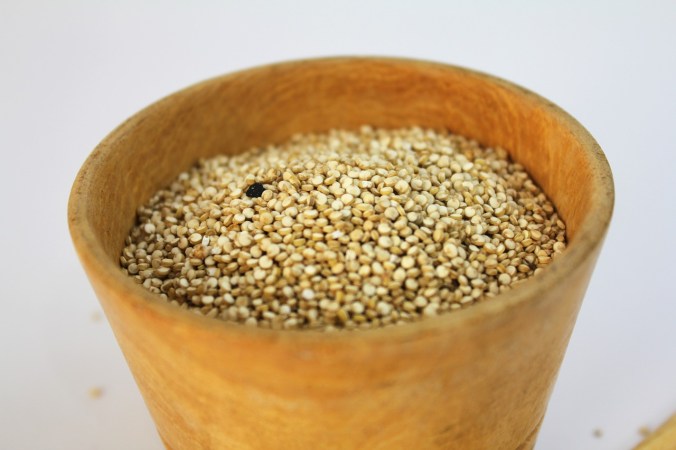
Amaranthus flowers by hardyplants wiki CfreeAmaranth is famed as one of the staple foodstuffs of the Incas, but it was used by many other people around the globe, including here in the Pimería Alta. Amaranth was and still is popular throughout Mexico for a number of drinks and foods. The greens can be used in a number of ways (as the Backyard Forager mentions), and so can the seeds.  To this day, amaranth seeds are popped much like popcorn and mixed with honey, molasses or other syrup to make a treat called alegría, which means joy in Spanish.
amaranth 1112988_1280

Popping Amaranth for Alegría
Easiest is to purchase puffed amaranth cereal, but if you’ve grown your own seed, or foraged for wild seed, you will have to pop your own.
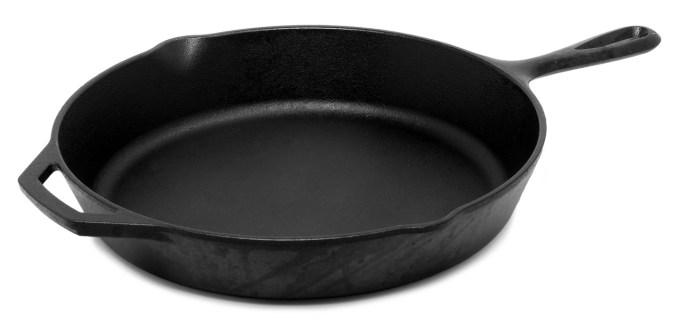
* The trick to popping amaranth seed is a cast iron skillet or wok with a tight-fitting lid.
* Heat the lightly oiled pan nice and hot.
* When you think the pan is hot enough, add one single tablespoon of amaranth and close the lid immediately. If it doesn’t start popping, your pan wasn’t hot enough.
* Within a minute of adding the tiny amaranth seeds, the popping will slow down. Swirl the pan a little to pop any un-popped seeds.
* Once the popping dies down, quickly shake the puffed amaranth into a bowl, and then make more.
* Oil the pan as needed, and repeat this process until you have enough popped seeds (2 cups for this recipe).  Don’t be tempted to add too much seed at one time, or you’ll end up with too many un-popped seeds.

cast iron pan 2202193_1280

Traditional Alegría
A very enjoyable gluten-free treat.
2 cups popped amaranth
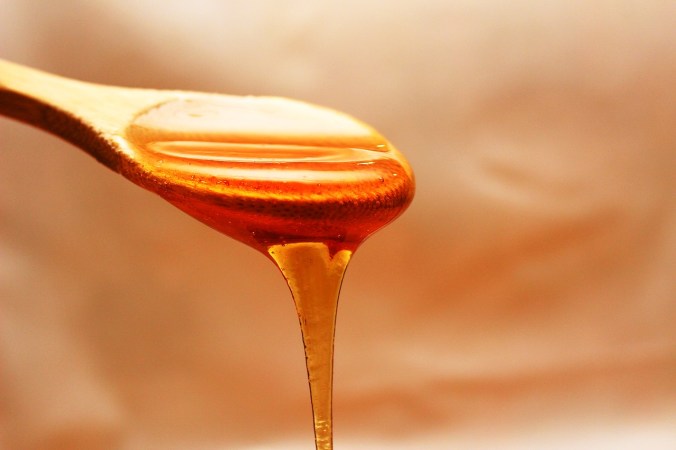
3 tablespoons honey
3 tablespoons light molasses or dark corn syrup (or more honey)
3 tablespoons butter

honey 1970592_1280

* Combine honey, molasses and butter in a large saucepan or skillet; bring slowly to a boil.

* Cook over medium heat five to seven minutes, stirring constantly, until mixture turns golden brown and becomes thick and sticky. I have never used a candy thermometer, but I estimate this mixture will be 325 degrees or more.

* Remove from heat and add the popped amaranth. Stir until amaranth is coated with the syrup.

* Transfer to 9 X 9 or 9 X 13 inch pan that has been lined with parchment or waxed paper. Or just pour it out on a cooled marble slab (not wood, it will stick). Gently push mixture into corners of pan – NOT with your fingers, it is hot! use a spatula or wooden spoon.

* Let cool, then cut into bars.

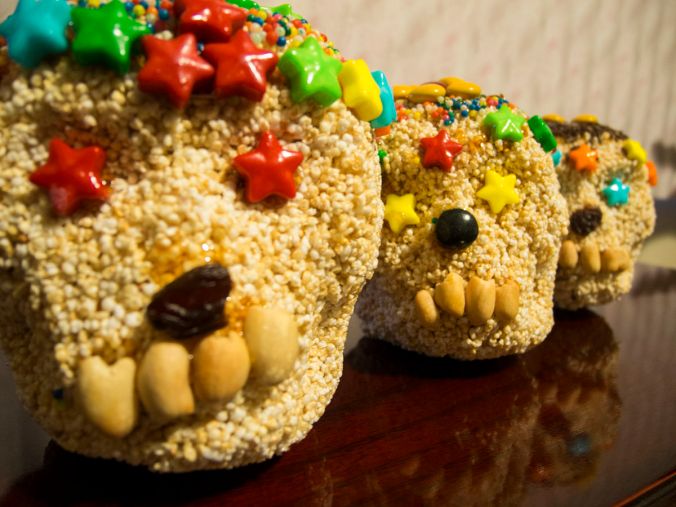
* Alternatively, when it is cooled but not set, place in sugar skull molds to make the ancient Dia de Muertos skulls.

Amaranth Día de muertos by A Yang Wiki CC3.0

Somewhat traditional Dia de Muertos skulls. Photo by A. Yang.

To learn more about Dia de Muertos, come by my free lecture at the Main Library at noon on October 30.

JAS avatarWant to learn more? Look for my free lectures at your local Pima County Library branch, Tubac Presidio, Tucson Festival of Books and other venues. After each event I will be signing copies of my books, including Father Kino’s Herbs: Growing and Using Them Today (Tierra del Sol, $14.95).
© Article copyright by Jacqueline A. Soule. All rights reserved. Republishing an entire blog post or article is prohibited without permission. I receive many requests to reprint my work. My policy is that you may use a short excerpt but you must give proper credit to the author, and must include a link back to the original post on our site. Photos may not be used.


Arroz Verde with Sweet Potato Greens

Happy autumn! Amy here, wanting to make arroz verde to go with beans my friend made. But the summer amaranth greens are too mature and the winter greens aren’t ready to harvest. My new favorite vegetable the past few weeks is sweet potato vines. Mild and tender, and not at all bitter. I had some cooked in Asian food, but I’d never grown or cooked them myself. A couple cuttings turned into a large planter full in no time! I’ll report back if I ever get any edible sweet potato tubers…

To make the dish, I started with cilantro stems that would otherwise go to waste, onion, green chile, and the sweet potato leaves plucked from the vines.

I roasted the chile and let it cool as it sweated it in a covered container. Then I peeled, seeded and chopped it.

Then cilantro stems, onion and a handful of sweet potato leaves went in the blender with the amount of water needed to cook a cup of rice (The volume of water varies by variety of rice.) The chile can go in the blender, but opted to leave it coarse. Actually, it could all be coarsely chopped instead of blended.

The green slurry went into a dish to simmer with the chile, salt and some Mano Y Metate Mole Verde powder.

While that heated, I browned the rice in olive oil. For me, the trick is to keep from stirring it too often, so it gets some nice dark spots. I spooned the browned rice into the green liquid, covered and simmered on very low heat.

Once the rice was tender and the liquid absorbed, I added some chopped sweet potato greens sauted with onion and garlic and folded all together.

 Enjoy with beans.

Ornamental Medicinals–for Showy Color and Healing Gifts

Yellow trumpet flower–tronador (Tecoma stans)–is super-showy in a desert landscape. It will bloom multiple times through warm and hot seasons triggered by rainfall or watering. Its foliage and flowers have been used as a tea for treating blood sugar issues of insulin-resistant diabetes. (MABurgess photo)

Attention:  native-plant-lovers, desert gardeners, Southwest culture buffs, curanderas, survivalists, artists and the just plain curious!  Set your iPhone Calendar ready to mark right now for a long-awaited event:   the Grand Opening of the Michael Moore Memorial Medicinal Plant Garden, this coming Saturday, September 22, 2018, 8am-10am at Tucson’s Mission Garden.

Tia Marta here to give you a little “taste” of how you can incorporate what you learn about our native medicinal plants into your own landscaping–to add not only sensational seasonal beauty around you, but also to put their gifts of traditional medicine right at hand, in your own yard!

[A little knowledge can be dangerous, so DO use reputable reference books such as those by Michael Moore, Charles Kane, John Slattery, and DesertHarvesters.org  if you intend to use your desert landscape plants for medicine.]

This showy orange-flowered prickly pear, collected by Dr Mark Dimmitt in the Chihuahuan Desert (Opuntia lindheimeri), is now a favorite in desert gardens all over Baja Arizona. Plentiful young pads of all prickly pears (flat new stems called nopales in Spanish, nowh in Tohono O’odham)–are an important traditional source of blood-sugar-balancing mucilage plus available calcium for bones or lactation, when prepared properly. (MABurgess photo)

Prickly pear fruits (i:bhai in Tohono O’odham, tunas in Spanish, Opuntia engelmannii) add landscaping color and a feast for wildlife. They ALSO are important traditional medicine with their complex carbs used for sustained energy, blood-sugar balance and high available calcium for preventing and treating osteoporosis. (MABurgess photo)

Sweet catkin-like flowers of mesquite covers this handsome “Giving Tree” in spring, to mature into healthy sweet pods by late May and June. Its beauty is far more than bark-deep. Almost every part of mesquite can be used medicinally–leaf, sap, flower, bark, branchlets and bean pod! (JRMondt photo)

Native Mexican elderberry–sauco in Spanish (Sambucus mexicana)–makes an effective screen as a shrubby, dense tree. It bears cream colored flower nosegays that become clusters of dark berries (tasty but toxic unless cooked). Its flowers and foliage have been used also for curbing fever and as a diuretic. (MABurgess photo)

Two important books are burning on the presses  by our own Baja Arizona ethnobotany writer-philosopher Gary Paul Nabhan ,  entitled:

Mesquite, an Arboreal Love Affair and      Food from the Radical Center (Island Press)

available at upcoming events in Tucson.  Plus another new one– Eat Mesquite and More by Brad Lancaster’s DesertHarvesters.org, will be celebrated at the UA Desert Lab on Sept.19.  Mission Garden will also feature Nabhan’s latest Sept 29 sponsored by BorderlandsRestoration.

As the nights get cool, toss a handful of desert chia seed in your garden and scratch it into the soil for a sky-blue (and useful) addition to your wildflower mix. Medicinally, desert chia seed–da:pk in Tohono O’odham (Salvia columbariae)–has proven to be a cholesterol remover in addition to its traditional use for sustained energy and blood-sugar balancing.  Chia’s foliage has been used as a topical disinfectant and throat gargle tea. (MABurgess photo)

For a mound of glorious color in a rock garden, landscaped hillside or spring accent, our desert Goodding’s Verbena is perfect. And what a handy source at your fingertips for brewing up a soothing sedative tea that is even safe for children! (MABurgess photo)

You may find many of these showy medicinals like Verbena gooddinggii,  desert willow, Tecoma stans, native velvet mesquite, honey-mesquite and screwbean, or elderberry at upcoming fall plant sales at Arizona-Sonora Desert Museum Sept 29-30, Tohono Chul Park Oct.13-14, and at Desert Survivors Sept.25-29, 2018.

Beautiful flowers of desert willow (Chilopsis linearis)–known as ahhn in Tohono O’odham, in Spanish as mimbre–are an important addition to desert landscaping. Not only can it be brewed for a gentle, refreshing tea, but its anti-fungal properties can be a rescue when needed. (MABurgess photo)

I hope these photos have been an inspiration for you to delve deeper and to plant a medicinal!  Members of Tucson Herbalist Collective (better known as THC), including Tia Marta here, will be on hand at the Michael Moore Memorial Herbal Medicine Garden Opening, Tucson’s Mission Garden Sept 22, to introduce you to many gifts of our desert medicinals, share samples of herbal teas, tastes, and answer questions.  Please pass the word about these neat events by sharing this blog with potential followers.  See you there!

Bees: Tears of the Sun God Re

honey 352205_1280.jpgMonica King here to kick off National Honey Month since I’m a beekeeper.  This awareness month was initiated by the National Honey Board in 1989 to promote American beekeepers and honey. But just how long have humans recognized the importance of honeybees? Archaeological evidence says 8,000 years. The bond between humans and bee is documented on cave paintings in Spain that depict a man harvesting honey from a wild colony.

Over 2000 years ago in Egypt, they not only worshiped cats, but also the honeybee. They believed bees were the tears of the Sun God Re. On a papyrus written around 300 BCE, it reads, “The God Re wept, and the tears from his eyes fell on the ground and turned into a bee. The bee made his honeycomb and busied himself the the flowers of plants and so wax was made and also honey out of the tears of Re.”

honey bee 831843_1280

Temples kept bees in order to satisfy the desire of the gods (and people) for honey. In medical papyri, 900 odd prescriptions were found and close to 500 of those listed honey as an ingredient. Not everyone in Ancient Egypt was allowed honey! Evidence suggests only those that worked with the Kings were allowed a ration of honey, while regular laborers were not privy to such a delicacy.

jar of honey with honeycomb

Titles such as “Keeper of the Bees” and “Sealer of the Honey” are found on ancient hieroglyphics. Honey, stored in earthen clay jars was stamped with this important information, including location of where the honey was harvested. With such detailed records, the quality of the honey had accountability. No evidence has yet to be found suggesting what may have happened to the “Keeper” or the “Sealer” should something have gone wrong with the precious, sacred commodity. King Tut’s tomb included several containers of honey, thousands of years old, yet still preserved, a remarkable testament to the eternal shelf-life of honey.

milk 518067_1280

One pharoah, Cleopatra, used honey in her beauty regime. One of Cleopatra’s secrets, and her most famous, was her ritual bathing in milk and honey. Both of these ingredients naturally soften the skin, exfoliate, and leave a fresh, sweet scent. You can do this yourself by adding two cups milk and half cup honey to your bath water.

Personally, it is Cleopatra’s sweet tooth that I can relate to. Cleopatra’s favorite treat was a sweet honey ball called “Dulcis Coccora” also known as “Tiger Nut Sweets.” A recipe was reported to have been found on a broken piece of Egyptian pottery dating from 1600 BCE. This recipe was adapted from www.antiquitynow.org:

“Dulcis Coccora”
1 pound pitted dates
water
2 Tablespoons ground cinnamon
1/2 Teaspoon fresh ground cardamon
4 tablespoons chopped walnuts
honey – to coat
ground almonds and/or pomegranate seeds

Mash dates with enough water to form a rough paste.
Add cinnamon, cardamon, and walnuts.
Blend well.
Roll into walnut sized balls.
Coat in honey.
Then roll in finely chopped almonds and/or pomegranate seeds.
Set on a parchment paper to air dry for several hours before sealing in a container.

dates 3324097_1280

Why not put a local spin on Cleopatra’s recipe and make a Southwestern Dulcis Coccora with other variations such as:

saguaro seeds
barrel cactus seeds
chia seeds
chopped dried prickly pear fruit
wolfberries (related to gogi berries)
hackberries
or how about a hot kick with a touch of crushed chiltepin?

Don’t forget, using different honeys such as mesquite or a catclaw acacia will also give different flavor to the honey ball.

About the author: This is Monica King’s second blog on Savor the Southwest.  She introduced us to her bees in July (read more here), and we hope to hear more from her in the future!

Monica King 001

Monica King is a rancher near Tucson.