Warm summer rains in the Borderlands cue carpets of fast-growing wild greens. Among them is bwarom, an important food plant beloved among Yoeme (Pascua Yaqui) people and other communities of the region. This delightful, nutritious crop is also known as purslane, or verdolagas by Spanish speaking communities. For all of you who enjoy botanical specifications, it is Portulaca oleracea.
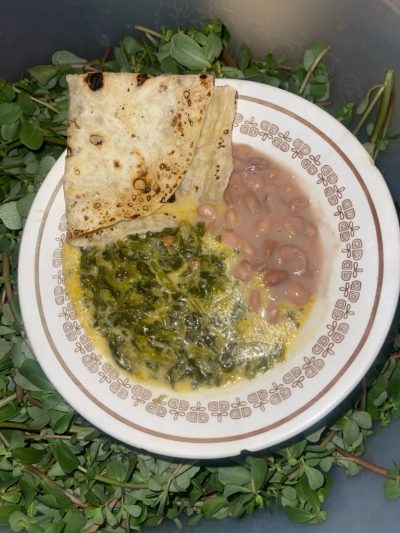
Bwarom is easy to grow from seed and with little effort, looking perky on even the hottest Southwestern summer day. The origin of purslane is unknown, but there is reference to it as early as 4,000 years ago during the Roman Empire. Judging by its succulent, juicy stems and fleshy leaves, it may have originated in the desert climates of West Asia and India. Over many moons, the plant made itself at home and naturalized in the Sonoran Desert of so-called northwestern Mexico and southwestern US.

There are two common types of verdolagas: one is delicious and tasty to eat cooked (sauteed, stewed, or in soups) or raw in salads. They have yellow flowers and distinct oblong leaves with a bit of a glossy sheen. The other is referred to as ‘verdolagas de cochi,’ or pig’s purslane, because they’re not very good to eat (it won’t hurt you and I know folks who eat them, but it’s not nearly as palatable). Those have purple flowers, reddish stems, and much rounder leaves which are less shiny than the edible bwarom/verdolagas. Seeing them side by side (see photo) makes them easy to distinguish. I recommend sticking to the “true” bwarom/verdolagas/purslane with yellow flowers and oblong leaves.
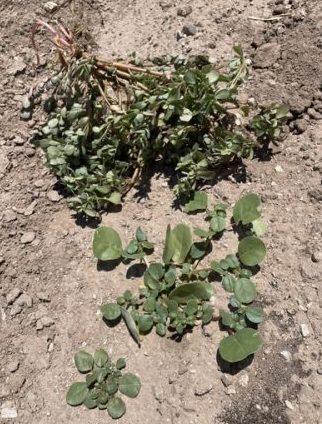
Photo: The more tasty Bwarom/ Verdolagas/ Purslane on top with yellow flowers, and the less-palatable Kowi bwarom/Pig’s Purslane/Verdolaga de Cochi on the bottom with purple flowers and very round leaves.
While working in the Yoeme Garden at Mission Garden alongside friends Angela Montiel and Amalia Reyes, I learned about the Yoeme’s friendly relationship with bwarom, and how they like to prepare it. Angela’s mother Valentina is a plant medicine knowledge keeper, and she appreciates the summer monsoons bringing the plentiful bwarom greens to eat. She taught Angela how to harvest and prepare them. Today, Angela and her young family collect bwarom and share it with numerous households, especially elders who welcome the greens wholeheartedly. She hopes that next generations can learn how to identify, grow, harvest, and enjoy bwarom in traditional and new dishes.
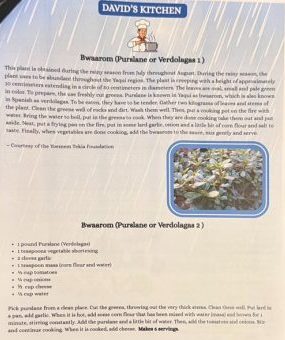
Recipes for bwarom appeared in the Pascua Yaqui Liogue Senior Center newsletter recently, because it is the season and the elders know this plant. Many Yoeme people have their favorite places to harvest bwarom, and they return seasonally to their prime spot to reap armfuls of succulent stems that grow quickly from the preceding season’s scattered seeds. Unfortunately, those places can be lost to development, becoming a Whataburger or whatnot.
Angela and her family enjoy bwarom with onion, garlic, and tomato, stirring in cheese to melt at the end (recipe below). The hearty greens make a complete meal alongside beans and tortillas. The health benefits of purslane are astounding: they are high in many vitamins and especially alpha-linolenic acid, an omega-3 fatty acid. Purslane has been identified as the richest vegetable source of this essential omega-3, which reduces the thickness of the blood, aiding in heart-healthy prevention and treatment of vascular diseases (Uddin et al, 2014).
The other neat thing about verdolagas is that they are abundant and free. Some folks refer to purslane as a weed, but then again, weeds are defined as “unwanted plants.” What’s not to want and love about bwarom?? It has “tremendous nutritional potential” deserving of special attention from agriculturalists and nutritionists (Uddin, 2014). I admit I’m tempted to suggest it could be labeled as a ‘superfood’ (though this trendy title has proved to be problematic).
Another traditional knowledge keeper in Tucson’s Yaqui community, Amalia Reyes, is often consulted about Yoeme language, stories, history, plants. She teaches her grandchildren on all these topics, and volunteers at Mission Garden’s Yoeme Garden. She learned to cook from her mother, Maria, and grandmother, Juana, a Yaqui woman who was deported by the Mexican government to the Yucatán in the late 1800s (source: Texas Band of Yaquis). Eventually (or miraculously, as Amalia says), Juana brought back new food traditions to Yoeme lands, such as tropical papaya fruit.
Amalia’s husband doesn’t care for bwarom because he had to eat them more often than he liked when he grew up in Rarámuri (Tarahamara) lands of Chihuahua, Mexico. On the other hand, Amalia’s brother used to venture out to collect the greens, filling a pail for his mother to cook as it was his favorite food. Like Angela, Amalia also notes the changes in access to and availability of bwarom today.
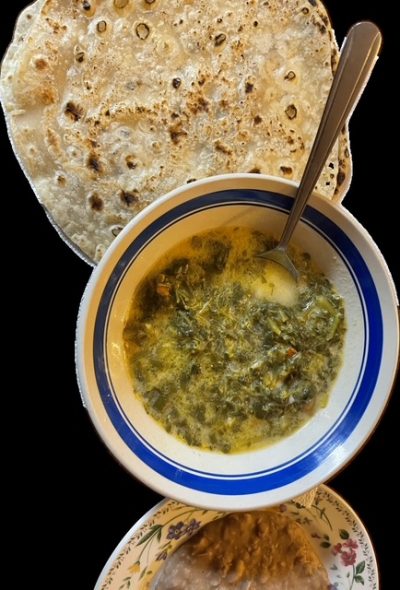
Aside from wild foraging or growing it in your garden, you can sometimes find bwarom/verdolagas in farmers markets and Mexican groceries. Jorge at Las Milipitas grows robust carpets of verdolagas in long beds in his plots at the community garden to sell in the community. They are well known in Latin American cuisine, and many Tohono O’odham people also seek them out.
Amalia’s family recipe is slightly different: the greens are made thick and silky by a flour roux, recipe to follow. While Amalia and I were recently visiting, she had a great lightbulb moment: an idea for a new way to enjoy verdolagas inspired by her husband’s Rarámuri family’s version of tamales called sapetas or nojim. Amalia envisions making these tamales with fresh ‘green’ corn, and filling them with the bwarom stewed in tomato and onion, maybe a little bit of meat for flavor, and finish by garnishing with fresh queso fresco cheese…It sounds brilliant! (She encouraged me to try to create them myself, which I intend to do, but if you get to it first, please comment below and let us know how you liked it!)
As for me, summer in Tucson means that my friends know what I’m bringing to a potluck, or can pretty well guess what’s for dinner. After the first rains, our corn field and gardens are suddenly covered in lush tufts of short seedlings that grow rapidly, almost magically, becoming more than we can find homes for. Although many people have tried it once or just heard of it, too few people today to take advantage of the richness that it offers, including a strong, regional cultural history, and its incredible health benefits. I’d be thrilled to see it grow into mainstream popularity.
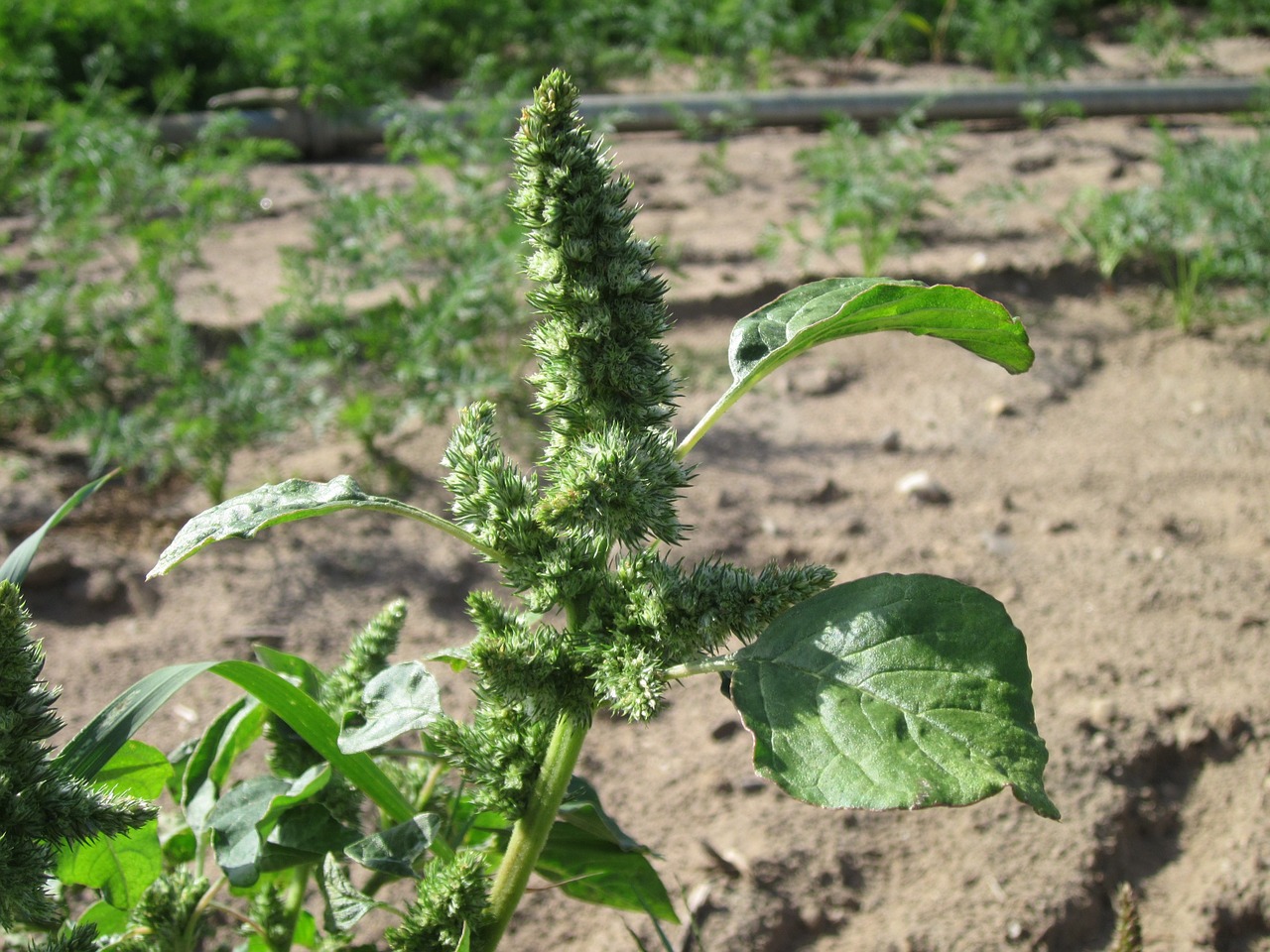
And why shouldn’t it? These are times of harrowing reports of an increasing number of bathtub rings on river reservoirs whose water primarily flows to agricultural regions known as the “salad bowls” of the nation. Succulent verdolagas are heat and drought tolerant, have low water needs, and require no fertilizer. I’m not aware of any pests or diseases that plague this plant, which removes the need for pesticides. Please do seek out, grow, and enjoy this generous and bountiful plant. Also note that it’s not the only quelite green of its kind—try amaranth greens or bledos, for example…
Special thanks to Angela Montiel and Amalia Reyes for their generous information about a culturally significant plant. May your bwarom harvests always be bountiful!
Amalia’s mother MARIA’S Bwarom recipe
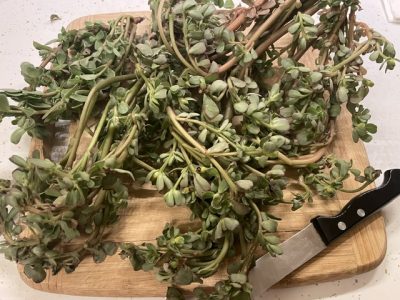
Because purslane grows close to the soil, rinse it three times in a catchment basin. This way you can gather the tiny black seeds (see photo), which are also edible. After all the rinsing, dump the full basin somewhere in the yard, maybe a low spot that gathers a bit of water, and grow more verdolagas.
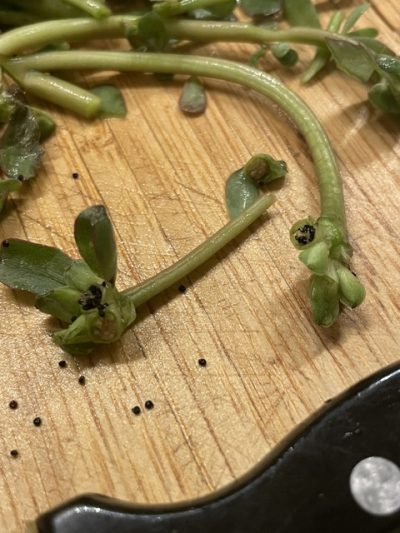
Then, remove the bigger stems, and chop the greens. Add some olive oil to a wide pan (Amalia‘s mother used manteca– animal fat or lard- but Amalia chooses a heart-healthier oil nowadays). Fry a sliced onion till gently brown. Next add some chopped garlic. Add the verdolagas and sauté a few minutes. In another pan, toast a few tablespoons or so of unbleached flour until it is golden but not burned. The add to it an equal volume of the cooking juices from the verdolagas. Whisk till smooth on low heat – this is called a roux (say: roo). Then put the roux into the greens, stir to incorporate. Add pepper or seasoning to taste, and serve.
Bwarom Recipe from the Yoemem Tekia Foundation Museum
Gather 2 kg of tender bwarom leaves and stems. Clean the greens well, then put a cooking pot on the fire with water. Boil the water and add the greens to cook. When they are tender, take them out and put them aside. Next, put a frying pan on the fire, add some lard, garlic, onion, and a little bit of corn flour and salt to taste. When the onion and garlic are tender, add the bwarom to the pan, mix gently, and serve.
References
Learn more about Pascua Yaqui (Yoeme) culture at Tucson’s Old Pascua Museum & Cultural Center
Texas Band of Yaqui Indians. (no date). History. Retrieved August 4, 2026, from https://www.tbyi.gov/history
Uddin, M. K., Juraimi, A. S., Hossain, M. S., Nahar, M. A., Ali, M. E., & Rahman, M. M. (2014). Purslane weed (Portulaca oleracea): a prospective plant source of nutrition, omega-3 fatty acid, and antioxidant attributes. The Scientific World Journal, 2014, 951019. https://doi.org/10.1155/2014/951019
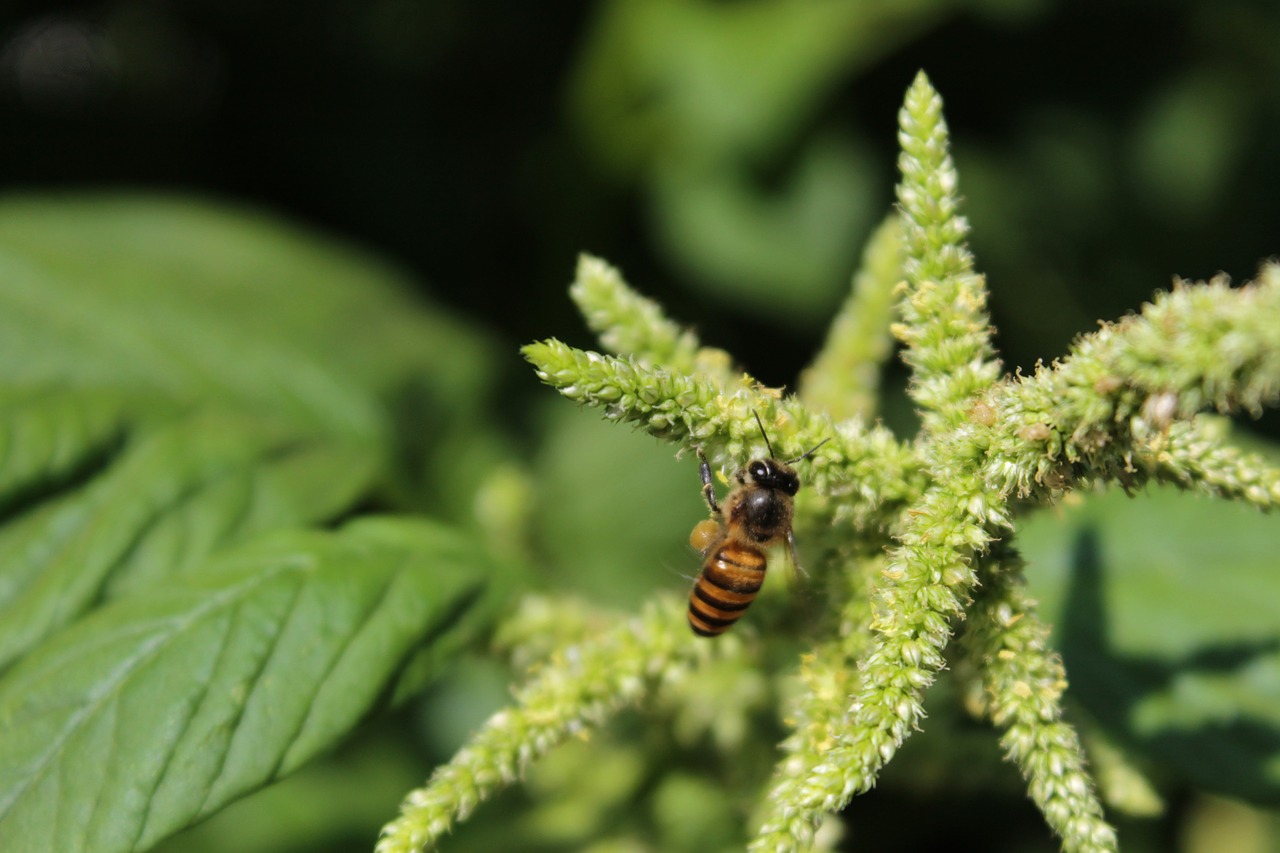
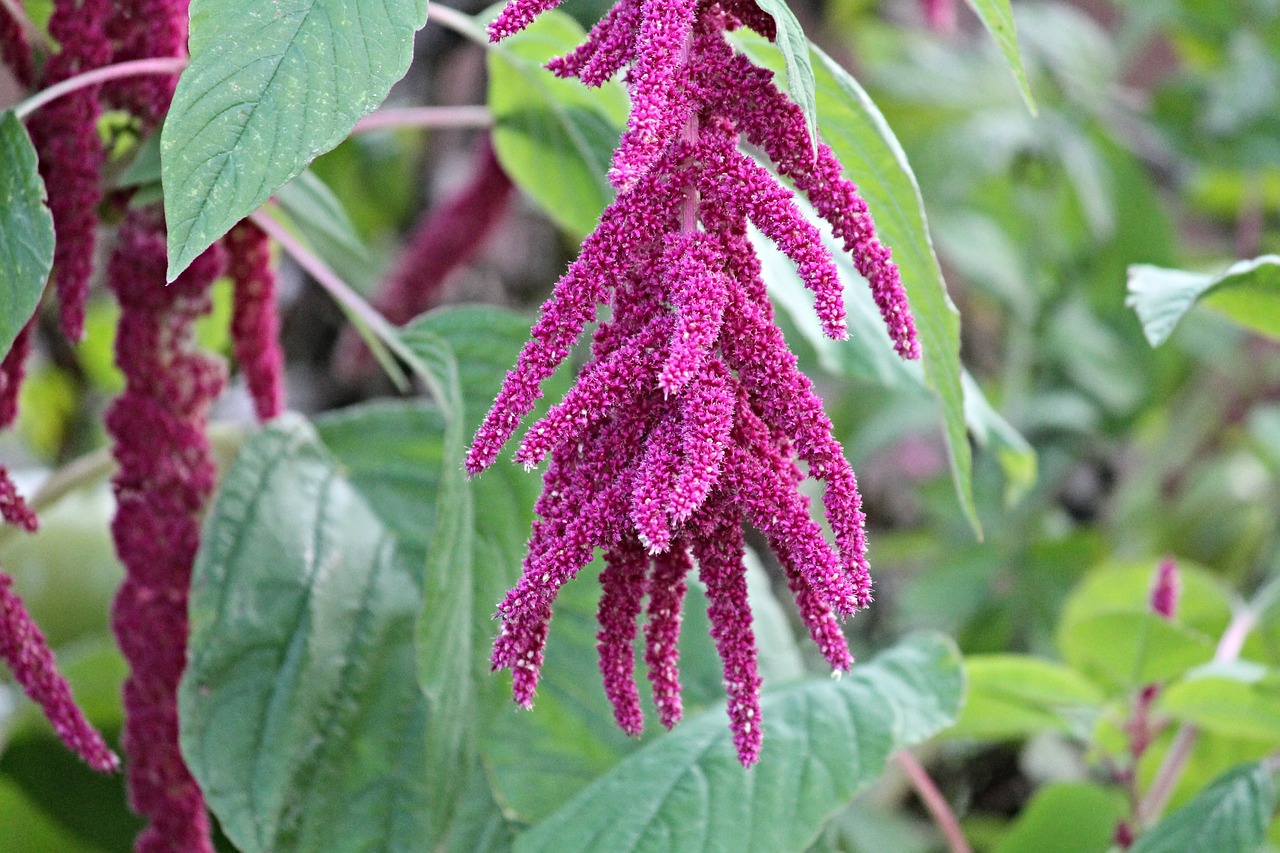
 Want to learn more about growing amaranth? Look for my free lectures at your local Pima County Library branch, Tubac Presidio, Tucson Festival of Books and other venues. After each event I will sell and sign copies of my books, including S
