Fermented salsas

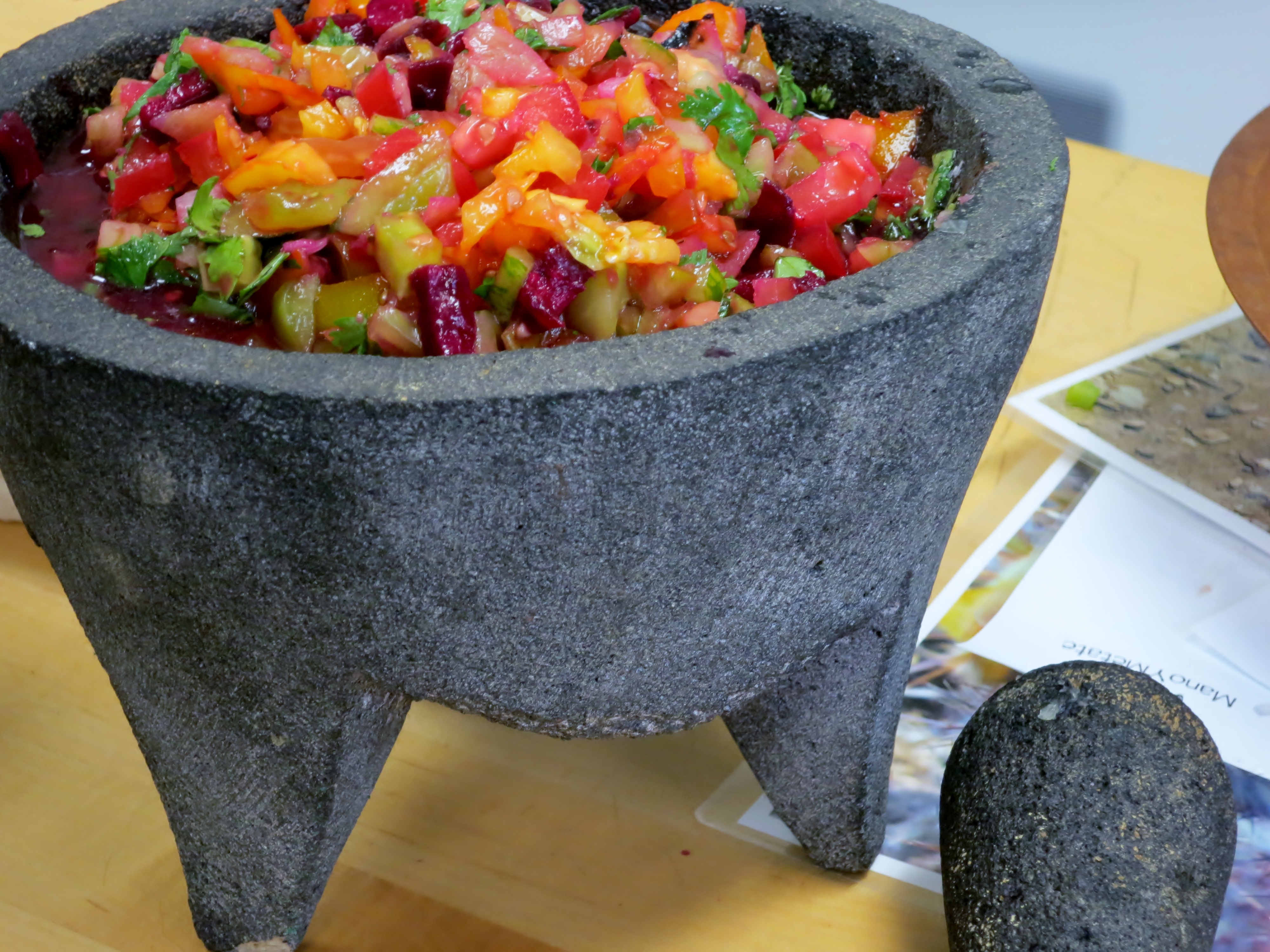
molcajete

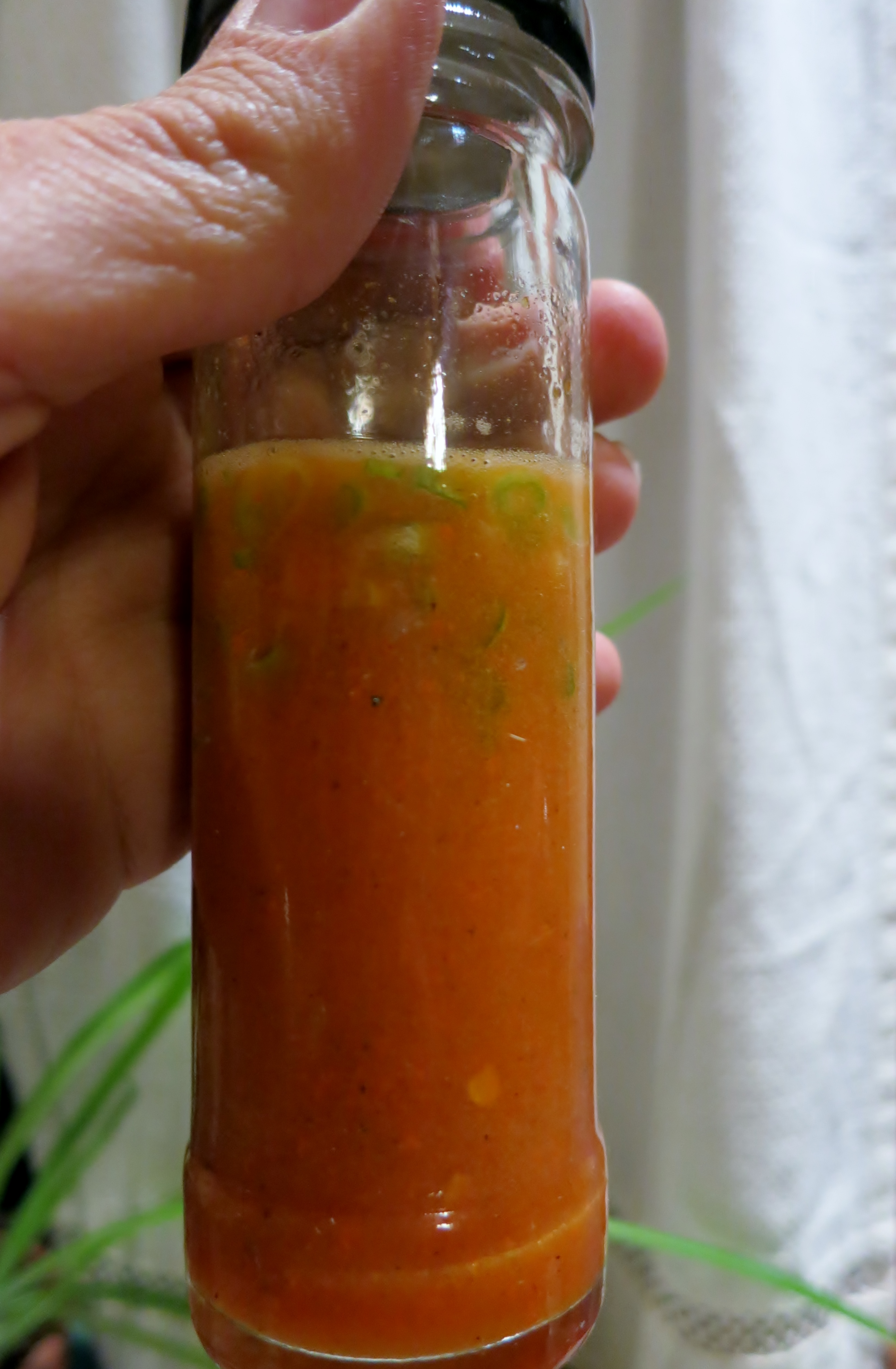
fermented salsa,with fresh cilantro and tunas (prickly pear fruit) added before serving

Amy Valdés Schwemm

Amy Valdés Schwemm

Naturally fermenting salsa makes a richer and more complex flavor than simply adding vinegar or lime juice, but it does take a little patience. I love tart salsas and sour foods with a bite. Grandma and Grandpa Schwemm on my dad’s side passed on a tradition of sauerkraut, and my mom’s family loves chile. How could chiles fermented like kraut not be my favorite food?

Fermented salsa is a source of pro-biotic microorganisms, recently rediscovered as essential for the digestive system. Home fermented foods probably provide more active and diverse cultures than what comes in a capsule at great expense.

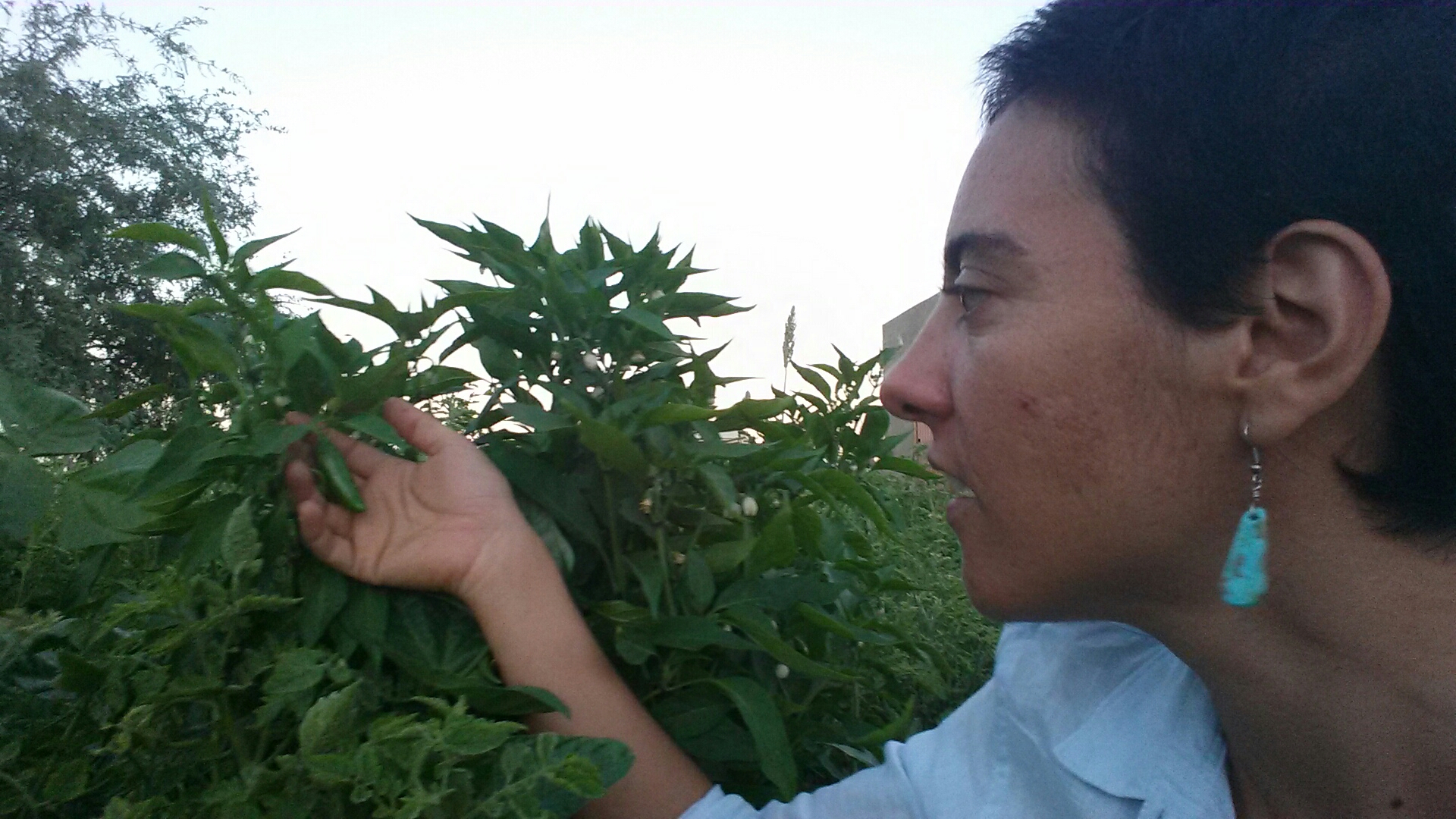
late summer is chile season at Tucson CSA, Walking J, Santa Cruz Farmers' Market Consignment

late summer is chile season at Tucson CSA, Walking J, Santa Cruz Farmers’ Market Consignment

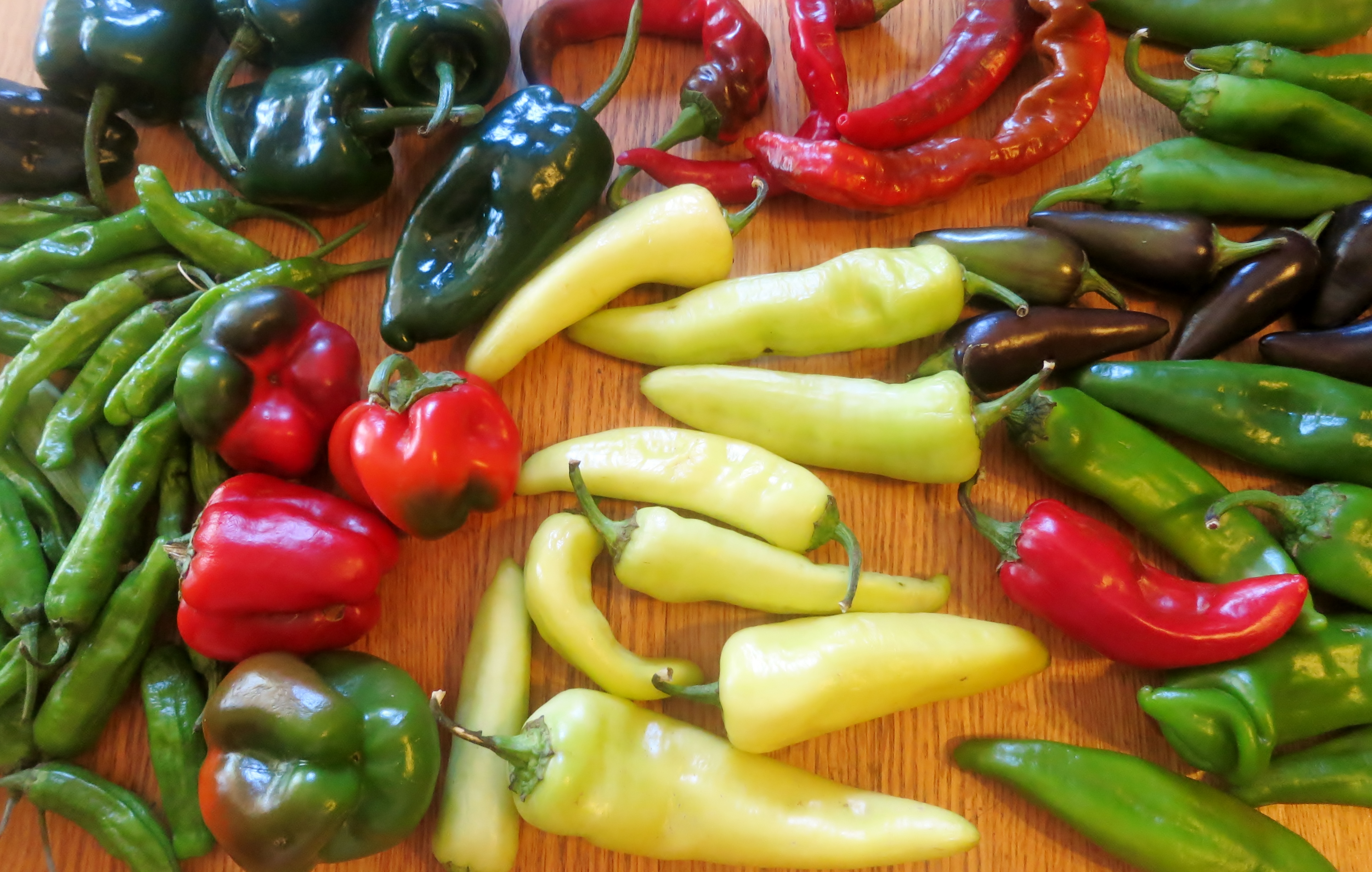
Chiles for this preparation can be fresh or roasted or even dried. I’ve used everything from dried chiltepines to fresh Big Jims and sweet peppers. Hot, fleshy chiles like Jalapeño, Serrano, Guero, Wenks Yellow Hot, and Sinahuisa are ideal.

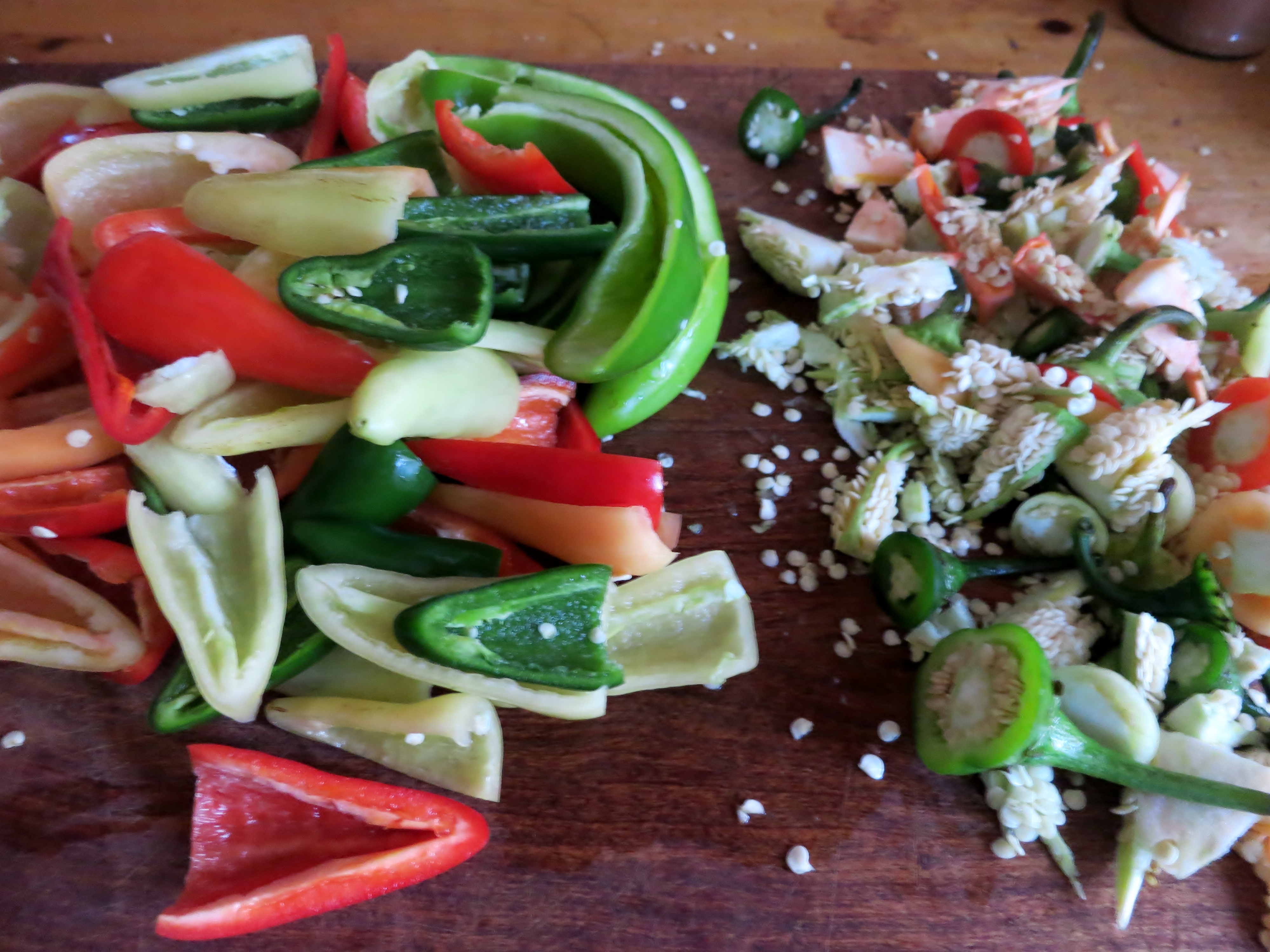
deseeding chiles

deseeding chiles

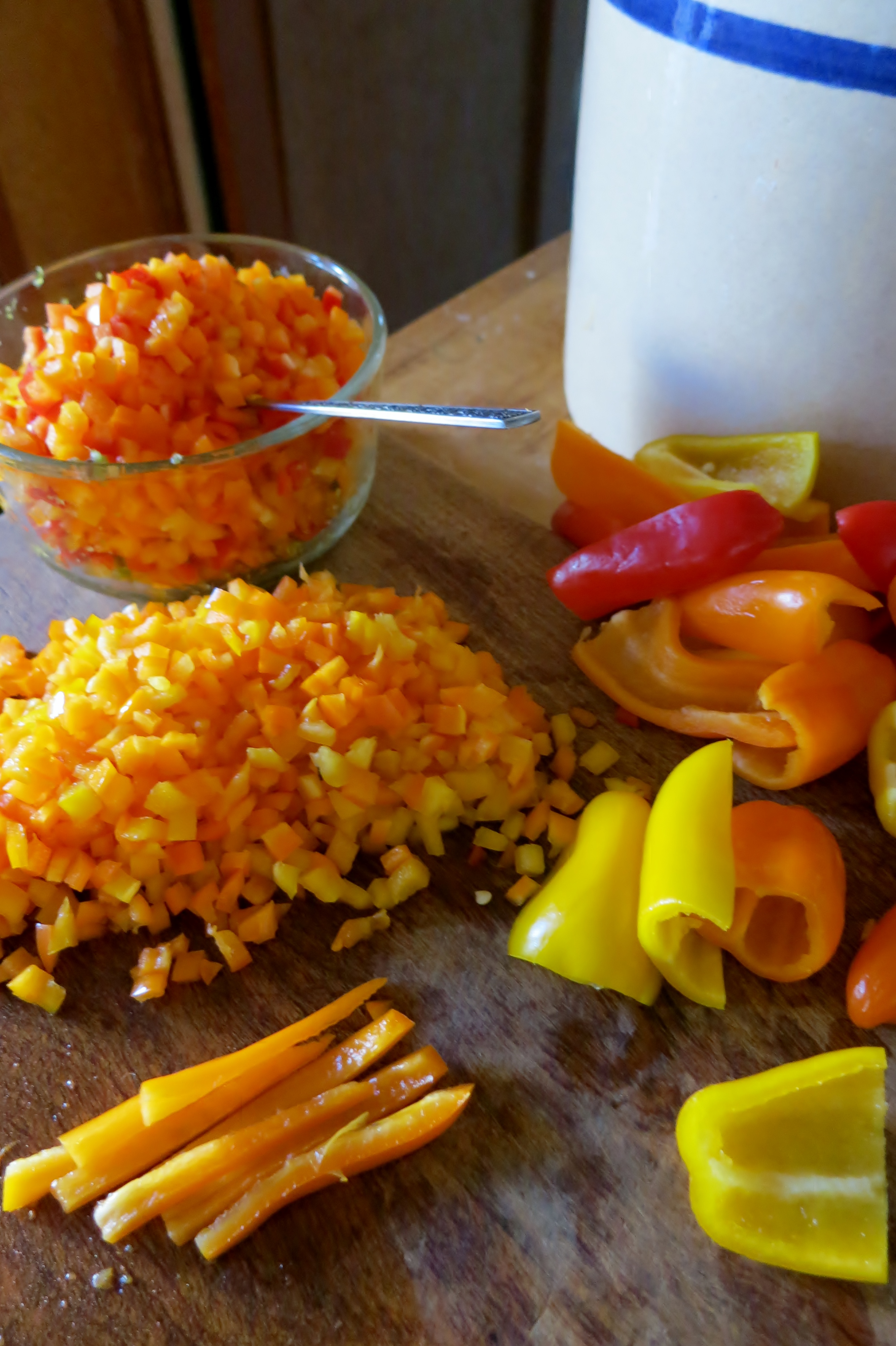
Sometimes I meticulously seed and dice the chiles, sometimes I only cut off the stems and coarsely chop in the food processor.

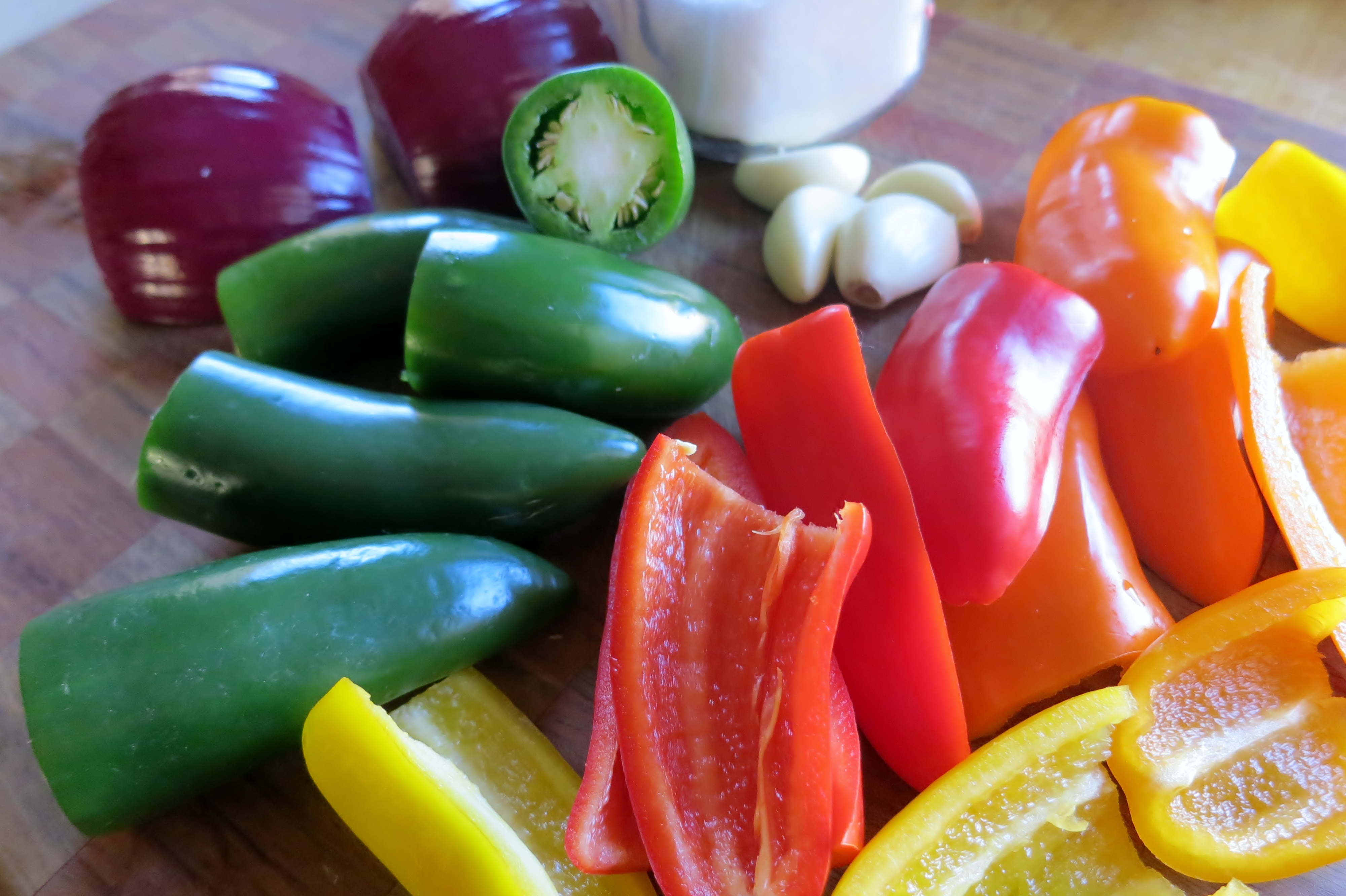
chiles, onion, garlic and salt

chiles, onion, garlic and salt

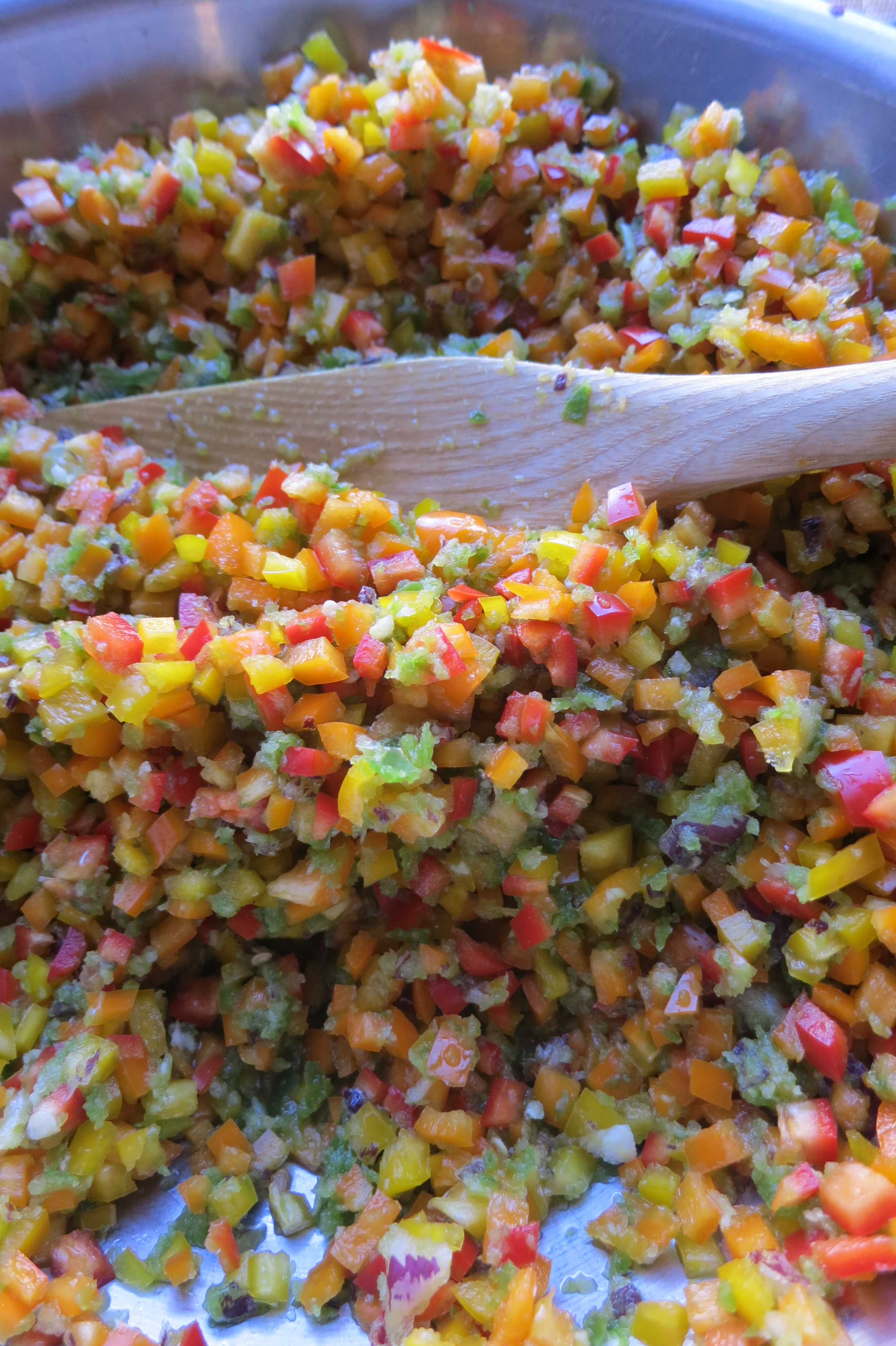
I usually add onion, garlic and herbs, as the season and whim direct.

chopping chiles reminds me of Uncle Bob and cousin Doug

chopping chiles reminds me of Uncle Bob and cousin Doug

Add salt to the salsa, 2% of vegetables’ weight. This is roughly 1 teaspoon non-iodized salt per cup of diced vegetables, more or less. Salt slows and directs biological activity to make the food more delicious. Lactobacilli thrive in salty environments where other organisms cannot, and the lactic acid they make further inhibit harmful bacteria. Since this is a condiment, I don’t mind it a little salty. There are enough beneficial bacteria on the fresh produce and in the air, so no starter culture is necessary.

diced chiles

diced chiles

If the chiles are not very fleshy or I want a thinner sauce, I add a little brine made with 2 teaspoons salt per cup of water. Thinning the sauce is a good idea when the chiles are very hot!
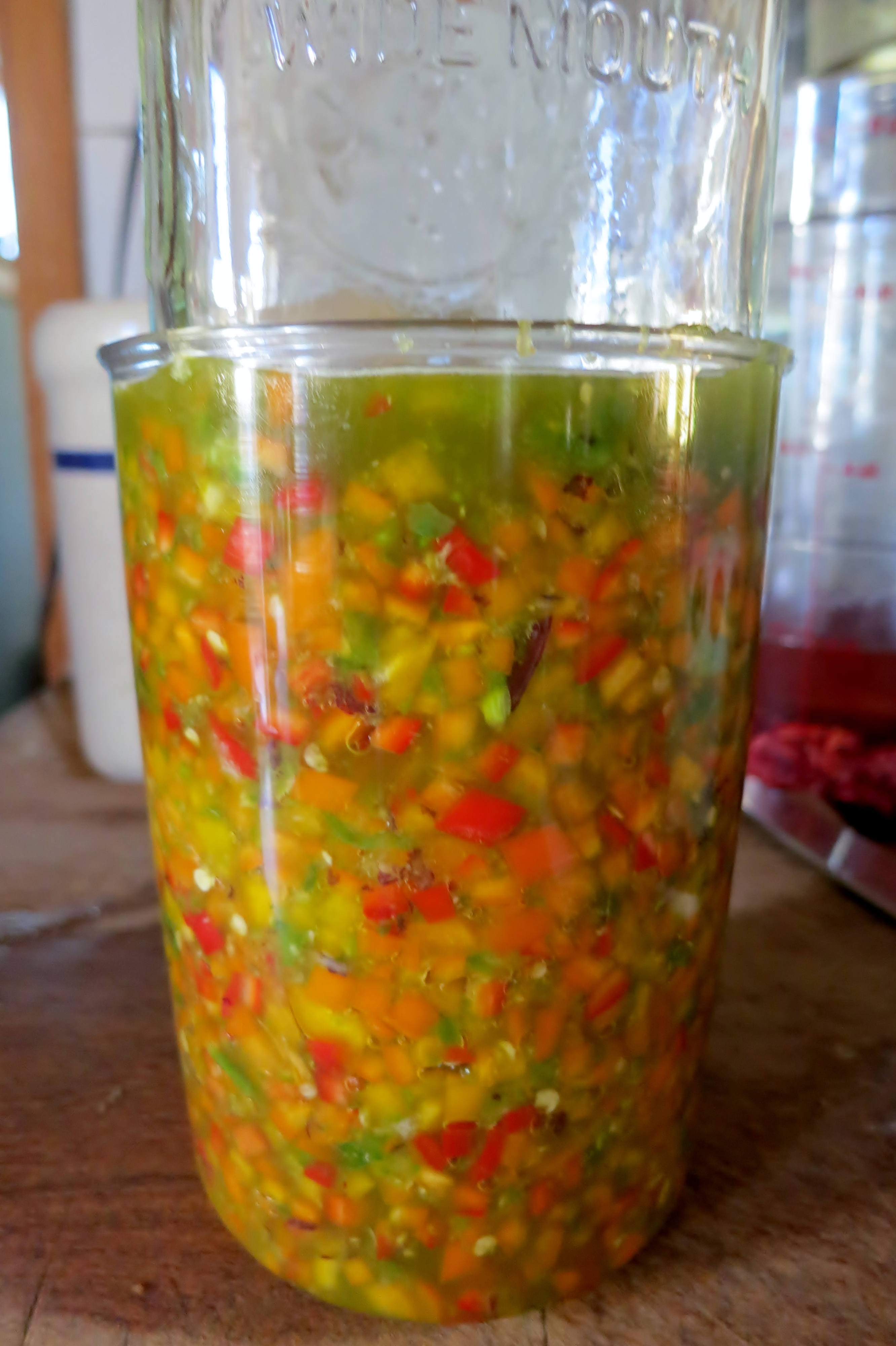
Put the salsa in a jar with a weight on top, keeping the pieces of chile submerged in exuded juice or brine. I use a smaller jar as a weight.

pureed jalapenos with  diced multicolor sweet peppers

pureed jalapenos with diced multicolor sweet peppers

Cover the tower with a tea towel to keep out dust and insects, and keep at room temperature.

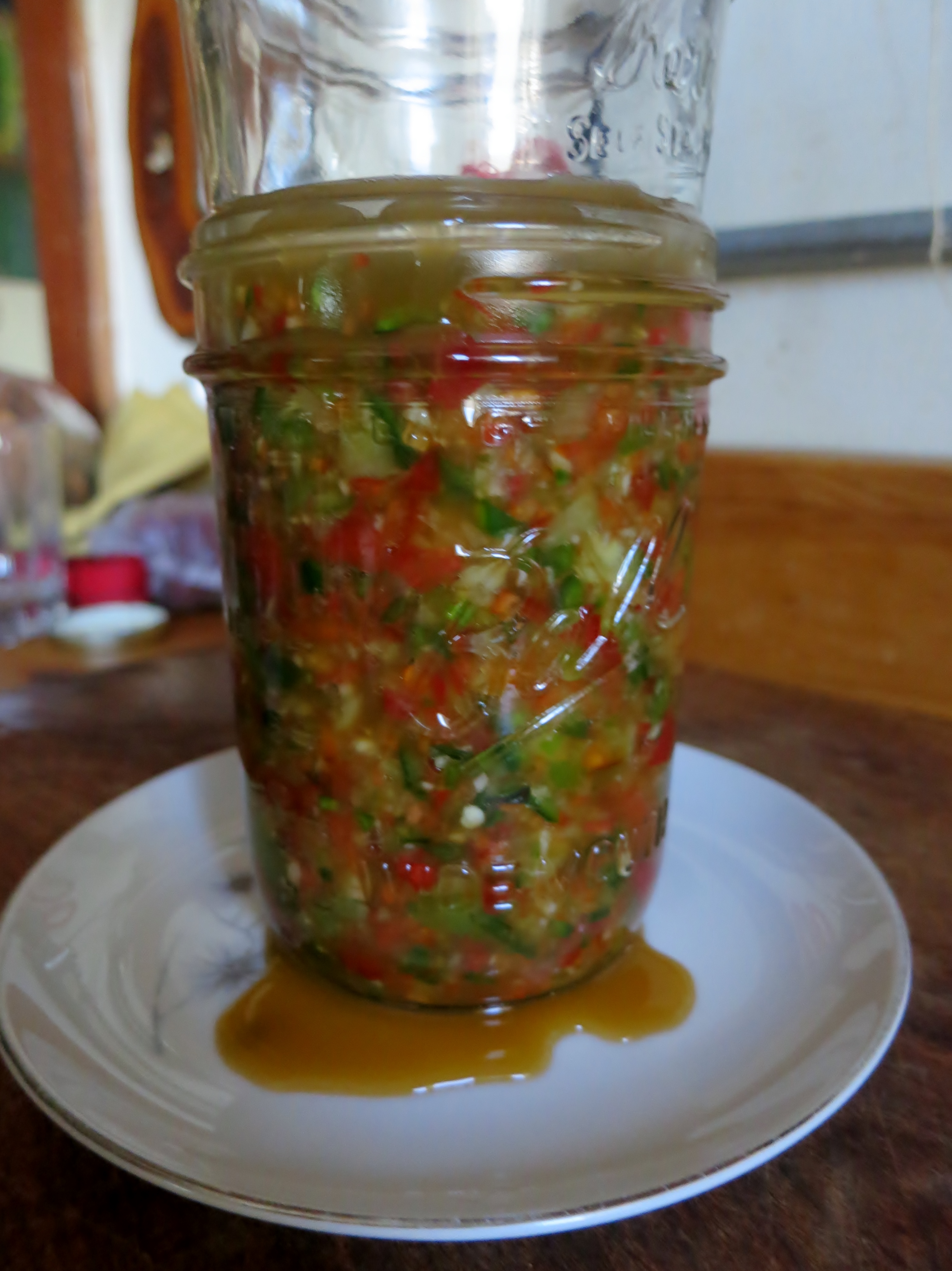
fermenting chiles can be messy

fermenting chiles can be messy

How long before it’s ready? Test daily in warm weather to see if it is sour enough for your taste. In winter, the process is slower, taking up to a couple weeks. If white mold forms on the surface, skim off the top. It is harmless. If the mold is any color other than white, or below the surface of the liquid, discard the whole batch. Better safe than sorry.
When the salsa is tart and delicious, it can be eaten as is or pureed. For a smooth salsa, it can be strained. Sometimes I add fresh herbs or minced I’itoi onion tops.

pureed salsa with diced I'itoi onion tops

pureed salsa with diced I’itoi onion tops

Store fermented salsa in the refrigerator with an airtight lid.
Chef Molly Beverly from Prescott, Arizona suggested fermenting a sauce from Mano Y Metate Pipian Rojo, so I have some of that going now. I can’t wait to taste it!
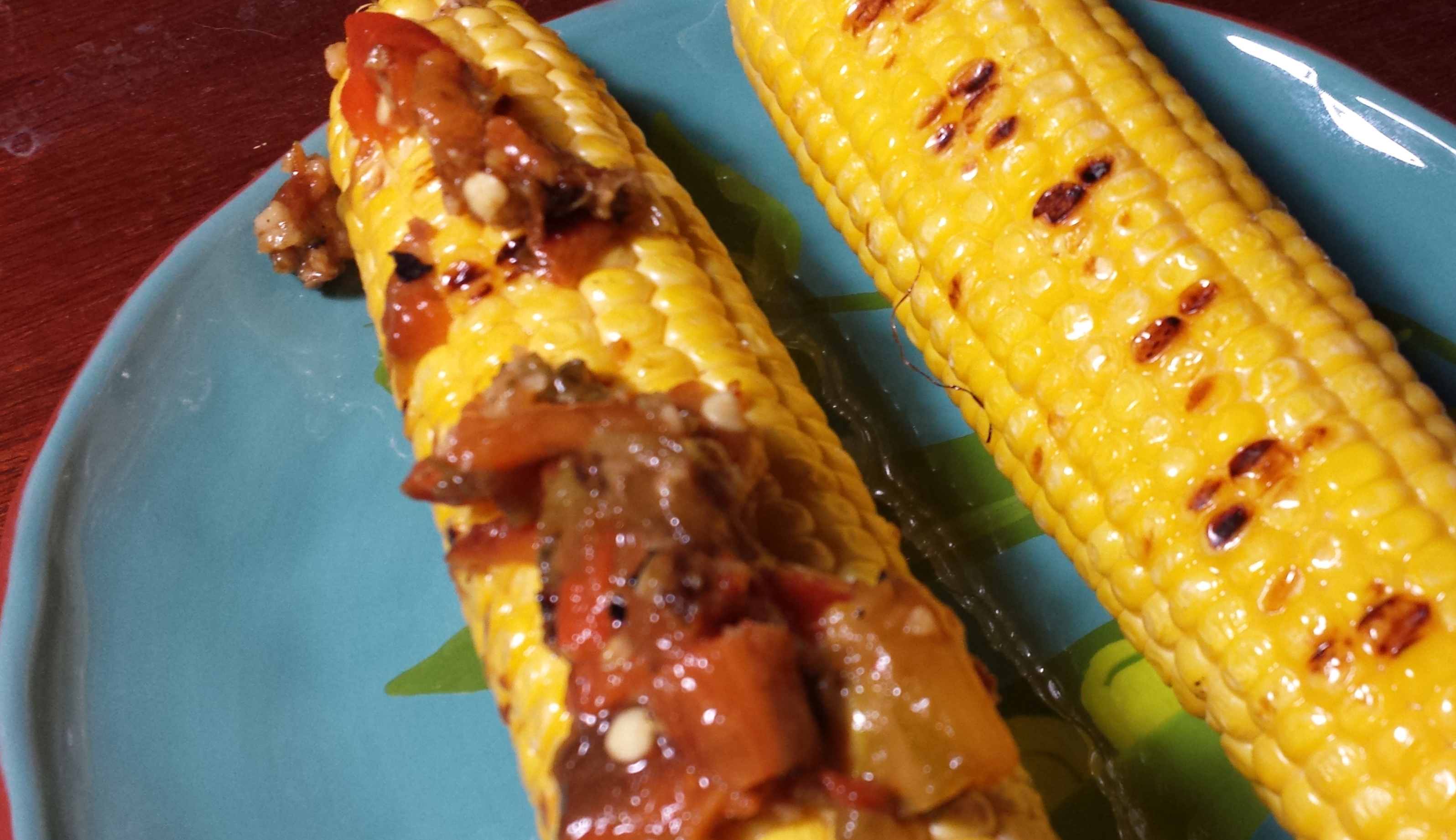
elote salsa
For more details about fermenting food, see Sandor Katz’s The Art of Fermentation. For an encouraging primer on safely fermenting food, find Wild Fermentation also by Katz. This is one of my all time favorite cookbooks.

Cool Summer Bean Dishes….with Heirlooms

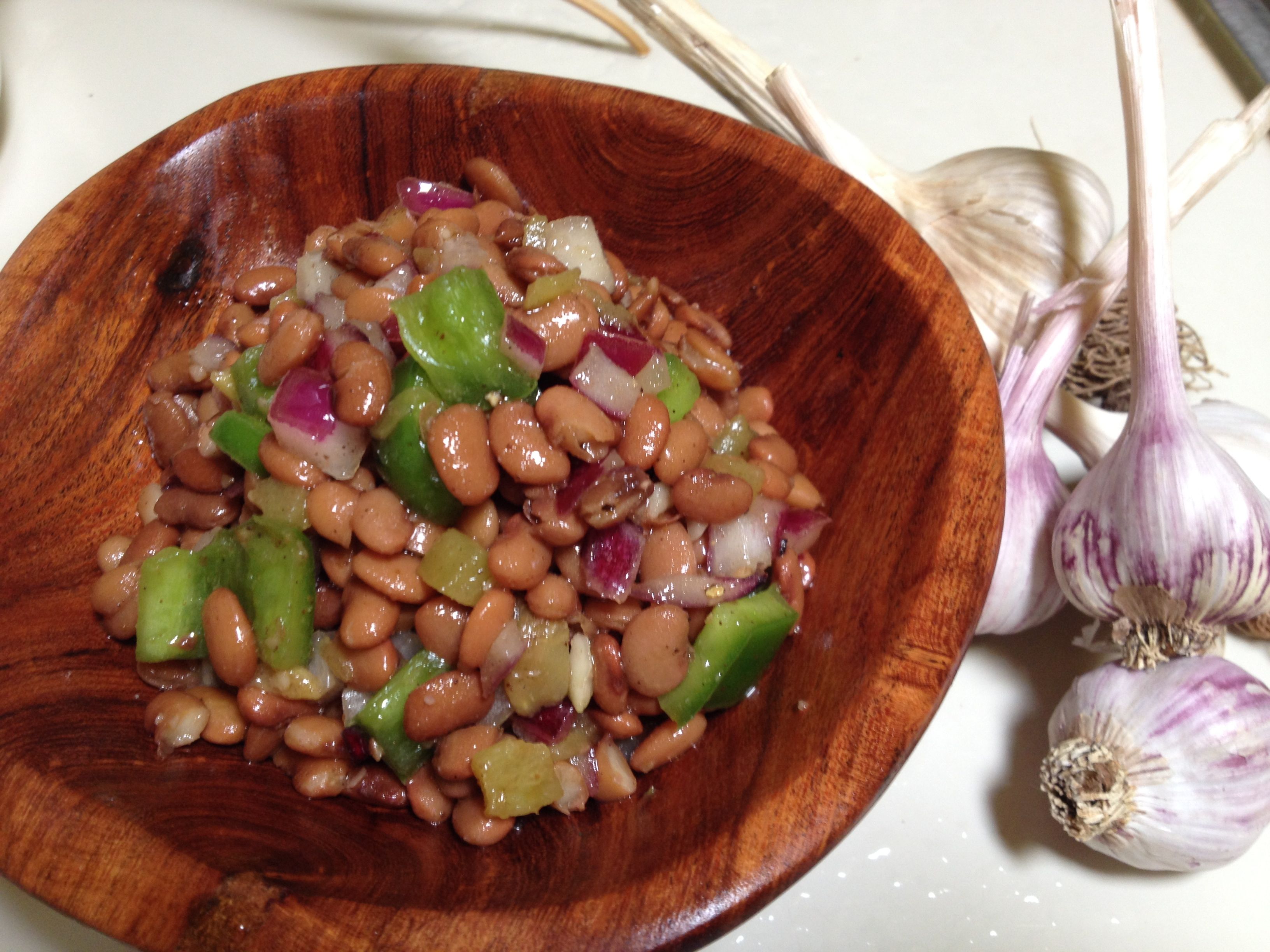
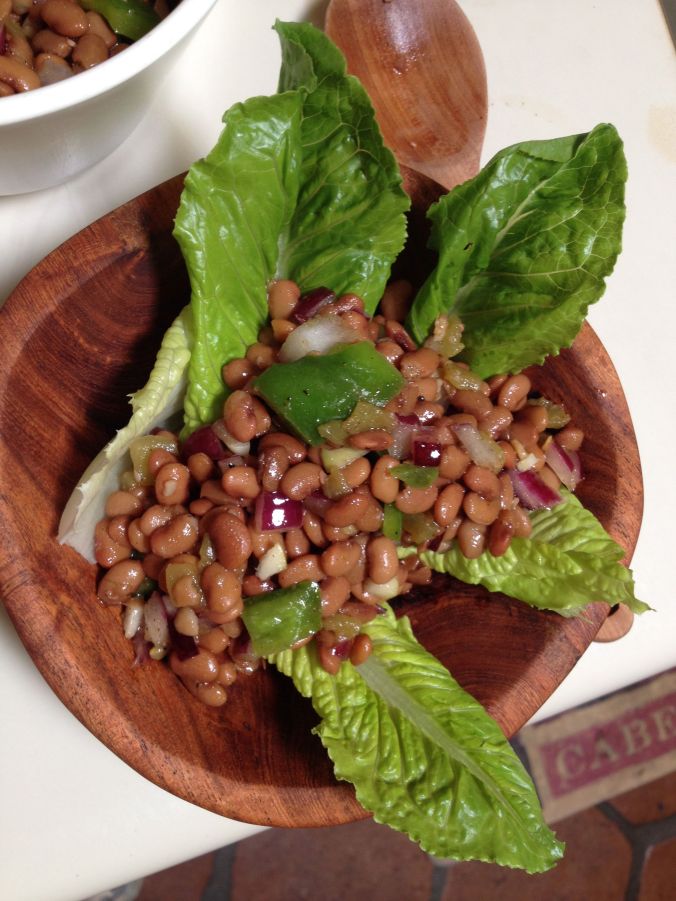
Sonoran Caviar in Mayo mesquite bowl (MABurgess photo)

Sonoran Caviar in Mayo mesquite bowl (MABurgess photo)

For picnics, barbeques or simple pick-me-ups, here are some fun ideas to bring a variety of heirloom beans into your summer fare.  We usually think of beans as winter food, but in the heat of August these tasty bean treats will help chill you out with gusto.

Tia Marta here to share ways of bringing the original “fast food” into your summertime menus.  Fast–that is, cook ’em first and have them “at the ready” for dressing them to suit any mood or occasion.  I am a founding member of the Heirloom Bean Fan Club, always amazed by the array of bean possibilities we have in the Southwest available to us.  Here in Baja Arizona we are blessed with inherited gifts of delectable, nutritious, desert-adapted beans from Native farmers, traditional Hispanic families, Black, Chinese, Anglo and other newcomers.  They grow well in our backyard gardens, bedecking our tables with colorful goodness.

All American sun oven set up on patio table-available thru Flor de Mayo (MABurgess photo)

All American sun oven set up on patio table-available thru Flor de Mayo (MABurgess photo)

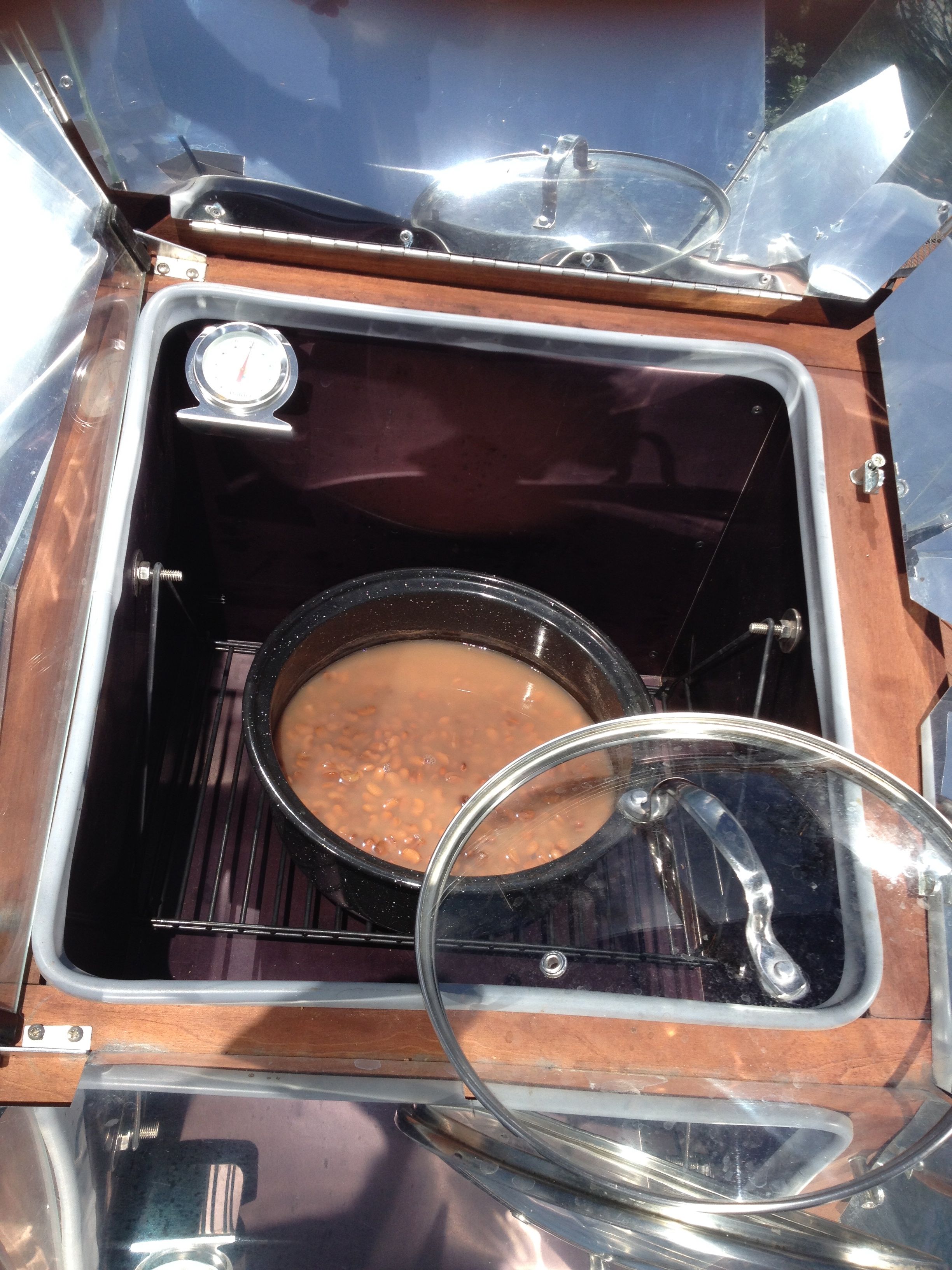
When the summer sun fully hits our porch about 10am, out comes our sun-oven to help us pull the heat of preparation out of the kitchen.  Unfolding its reflector “wings,” I place a saucepan of pre-soaked Native tepary beans–the ones the Tohono O’odham call s-wepegi ba:wi or red tepary–covered by plenty of drinking water, nothing else necessary.  About every half hour or hour (you don’t have to be too regimented if you don’t feel like it), I go out and re-adjust the orientation of the sun-oven, vertically and horizontally, to keep it as close to perpendicular to the sun as possible.  The teps will be smelling good and testing done about 2pm if the sky has remained relatively bright.
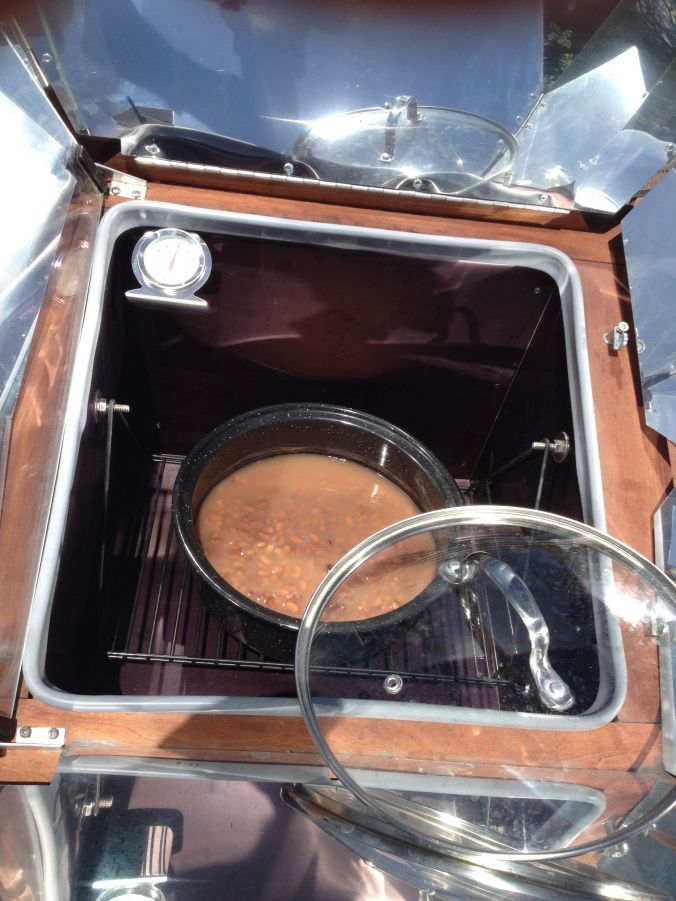
Tepary beans, done by 2pm in solar oven, temp 300 (MABurgess photo)

Tepary beans, done by 2pm in solar oven, temp 300 (MABurgess photo)

Now, with my well-cooked teparies, if I’m not ready for kitchen cookery action I let them cool down then store them labeled in the frig or freezer.  If I am in cook mode, I drain them, reserving the liquid for soup, and let them cool while I chop veggies.  My plan–“Sonoran Caviar”–the best salad ever invented for desert rats in need of a pinch of picante.  This is the culinary creation of desert survival instructor, raconteur, and one-of-a-kind character George Price, and my thanks go to him for bringing even more excitement out of teparies!  Give it a try.
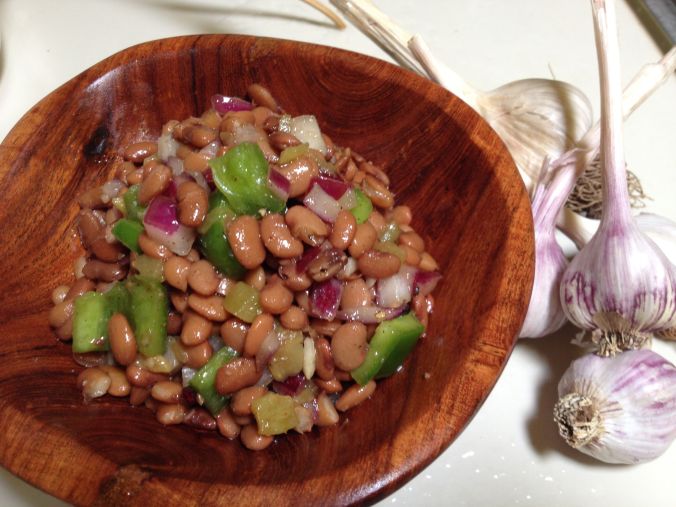
George's Sonoran Caviar--teparies with NSS heirloom garlic (both available at St Phillips Sunday farmers market)

George’s Sonoran Caviar–teparies with NSS heirloom garlic (both available at St Phillips Sunday farmers market)

Sonoran Caviar recipe:

Ingredients:

4 cups cooked brown tepary beans, drained and cooled (from less than 1 lb dry beans)

1 cup diced red onion

1 red bell pepper, diced

2 crisp Anaheim Chiles, diced, skinned, and de-seeded

1 Tbsp crushed garlic

1 Tbsp Tony Chacere’s Original Creole Seasoning (to taste)

1/3 cup olive oil

1/3 cup red wine vinegar

1 tsp black pepper ground

Mix all ingredients thoroughly in a large bowl.  Chill in refrigerator for 24 hours, stirring occasionally.  Stir again before serving.  Buen provecho, George (Be advised that this one serves 6 hungry folks including teenage boys.)

[His Sonoran Caviar will get rave reviews at any pot luck or picnic.]
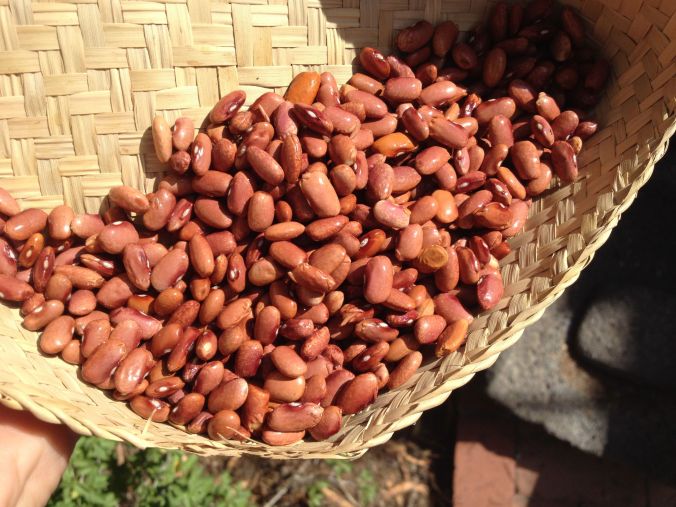
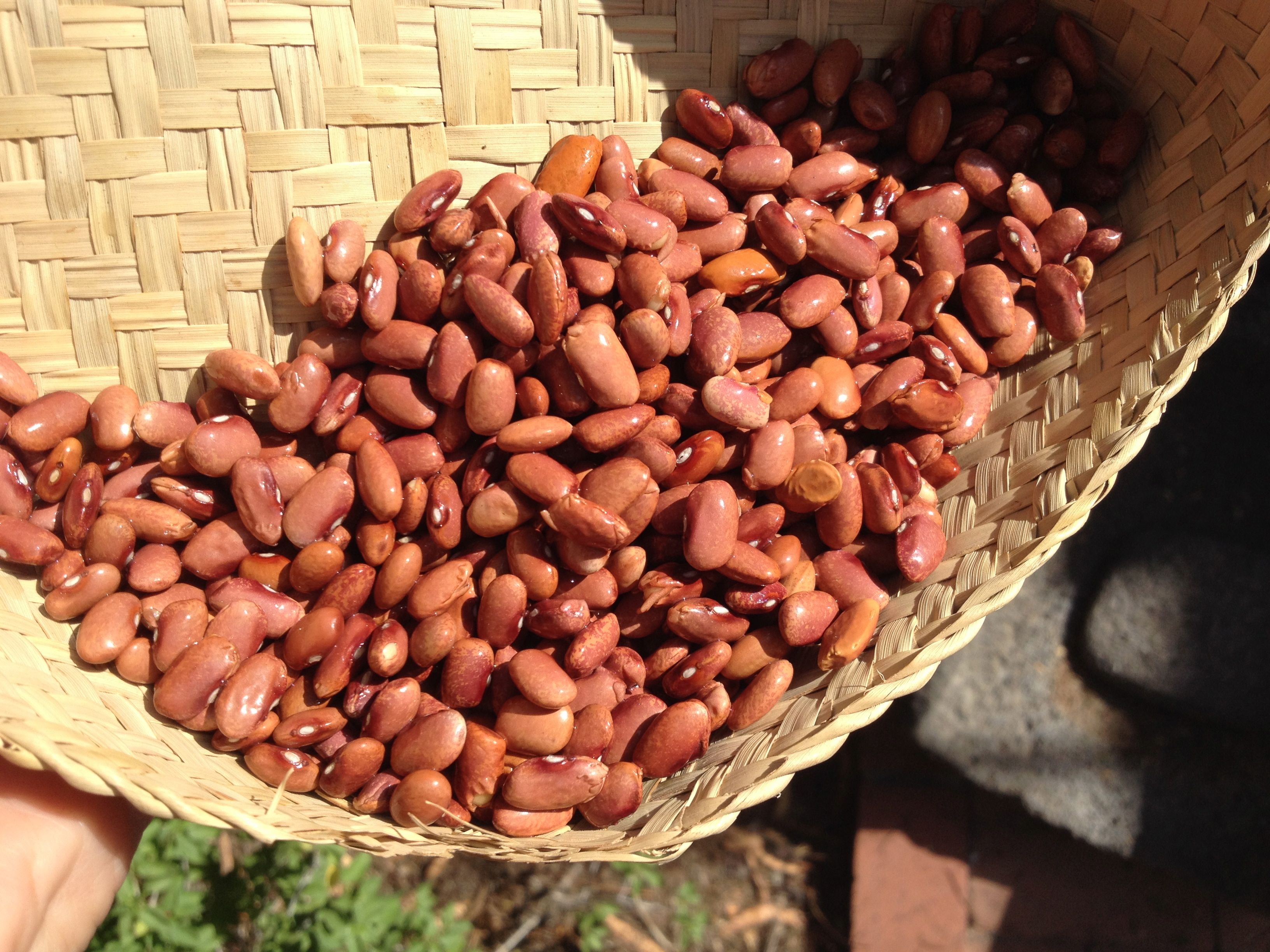
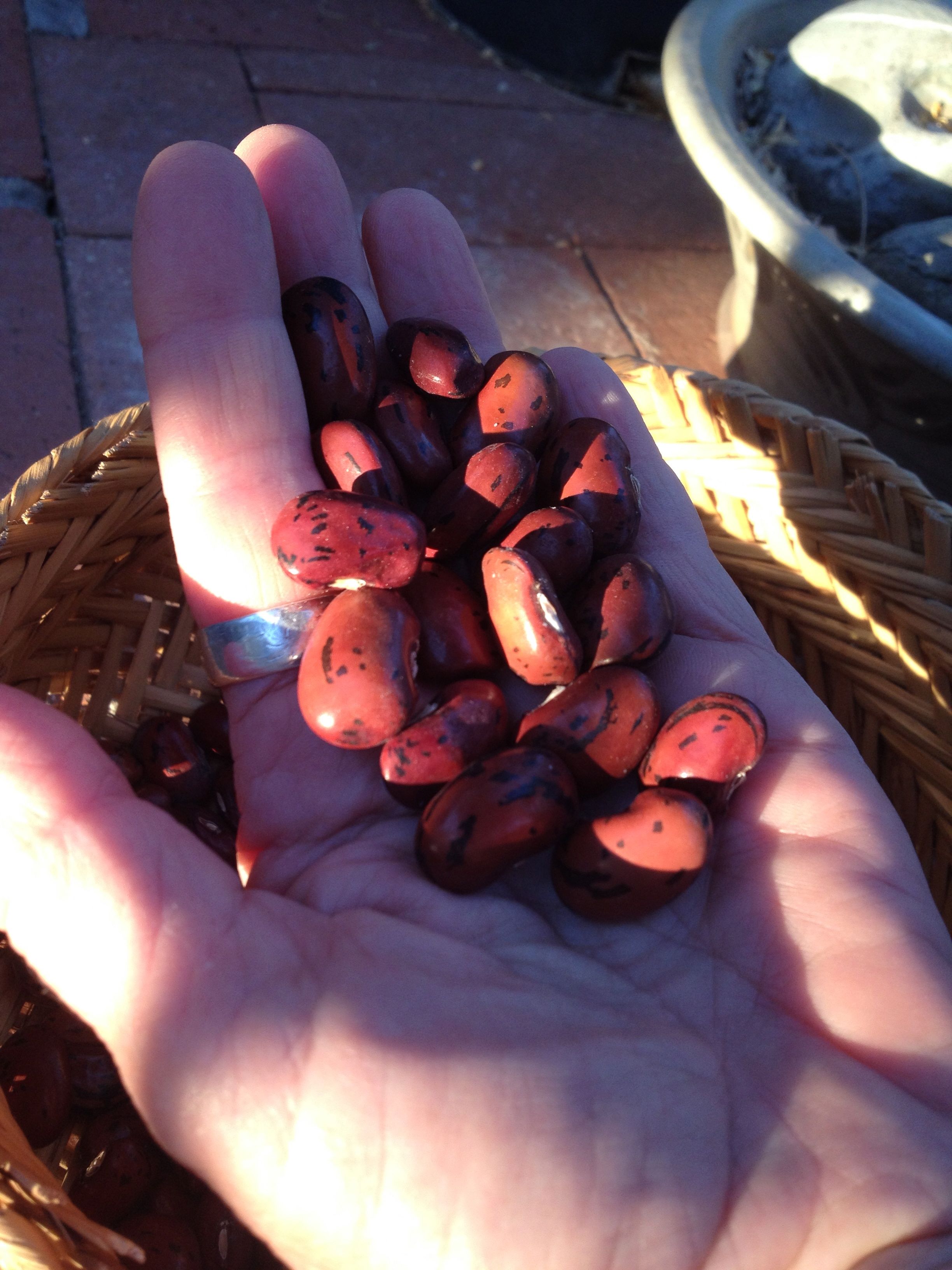
Flor de Mayo beans in Mayo palm basket (beans and baskets from Sunday St Phillips market)

Flor de Mayo beans in Mayo palm basket (beans and baskets from Sunday St Phillips market)

In the realm of cool summer dishes, I can always count on Heirloom Flor de Mayo Mixed Bean Salad (my namesake!).  When I was in college, Mother sent me a little book by Barbara Goodfellow, Make it Now Bake it Later from the ’60s.  It has inspired my hostessing ever since, especially my adaptation for this sweet recipe which delights in everything from your garden:
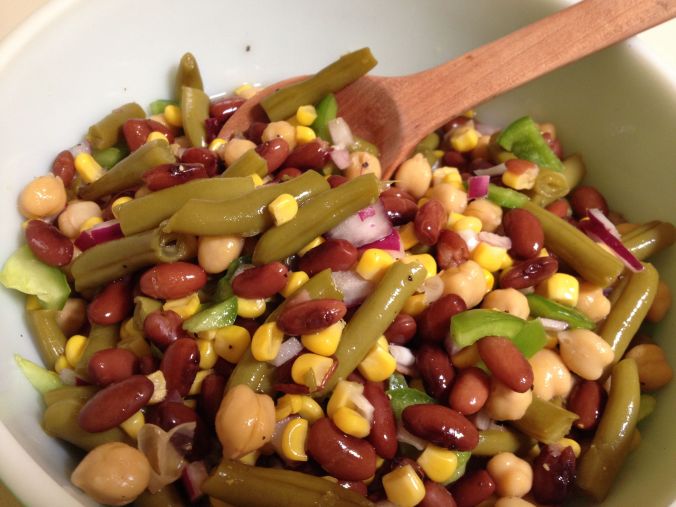
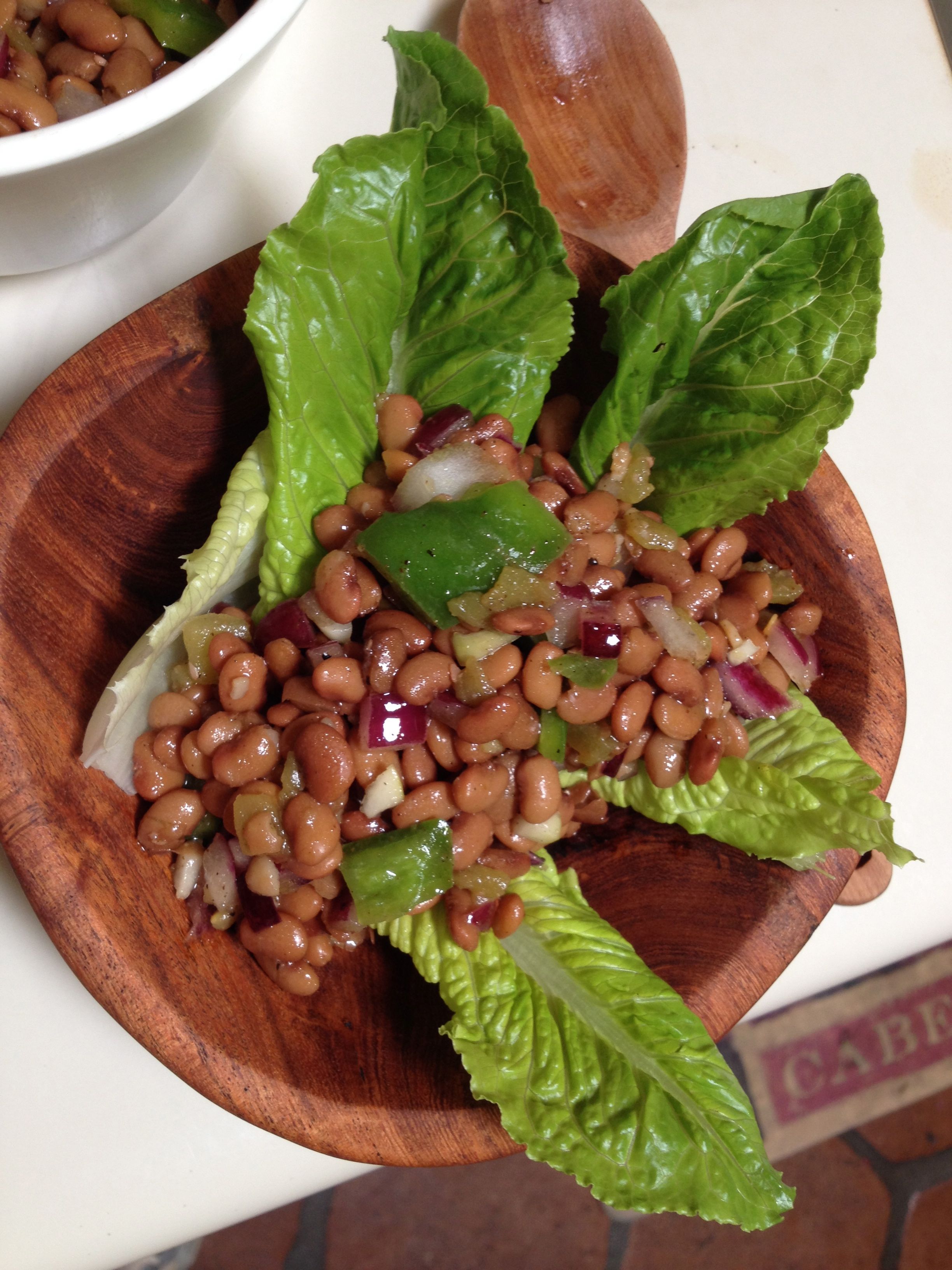
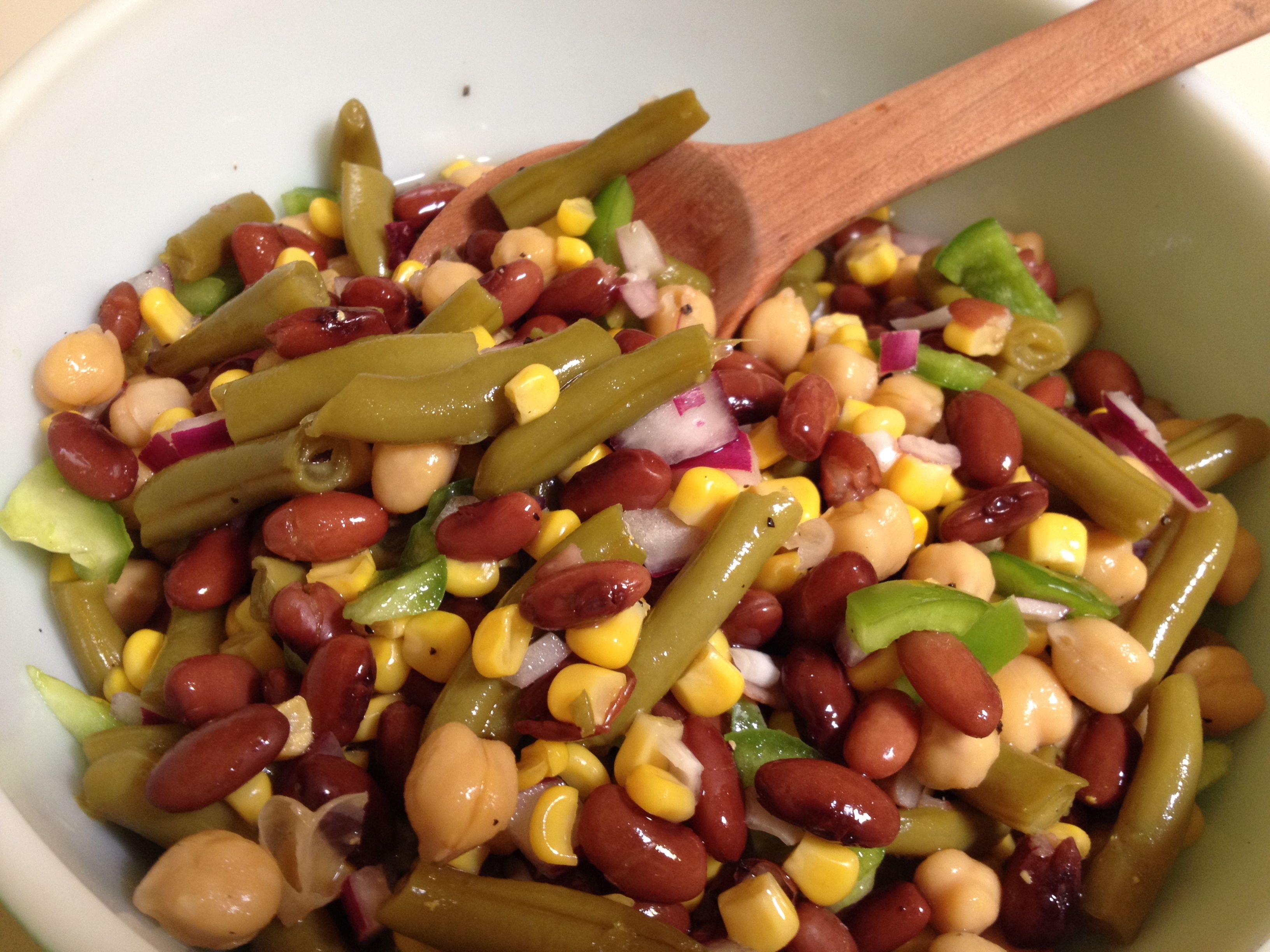
Marinated Mixed Bean Salad with Flor de Mayo heirlooms (MABurgess photo)

Marinated Mixed Bean Salad with Flor de Mayo heirlooms (MABurgess photo)

Heirloom Flor de Mayo Mixed Bean Salad Recipe:

(Fool-proof for picnics and barbeques–and it keeps well for days in the frig)

1 cup (or more) cooked heirloom Flor de Mayo beans for bright color (or another SW heirloom such as Ojo de Cabra, Rio Zape, Bolita, Cannellini–all taste wonderful in this marinated salad)

1 cup cooked green beans or snap beans from your garden (or organic canned)

1 cup cooked garbanzo beans (organic canned garbanzos/chickpeas) from your winter garden

1 cup cooked GMO-free corn kernels (off the cob or canned)

1/2 cup chopped green pepper

1 Tbsp chopped shallots, chives,  sweet onion, or I’itoi’s onion from the garden

1/2 cup organic sugar or agave nectar

1 cup organic cider vinegar

1/2 cup extra virgin olive oil

1 tsp sea salt

Drain cooked beans.  In mixing bowl dissolve sweetener and spices in liquid.  Add beans, chopped green pepper and onion, then mix.  Let stand in refrigerator overnight, mix again.  When serving, reserve liquid for other marinades.  Serves 6 generously.
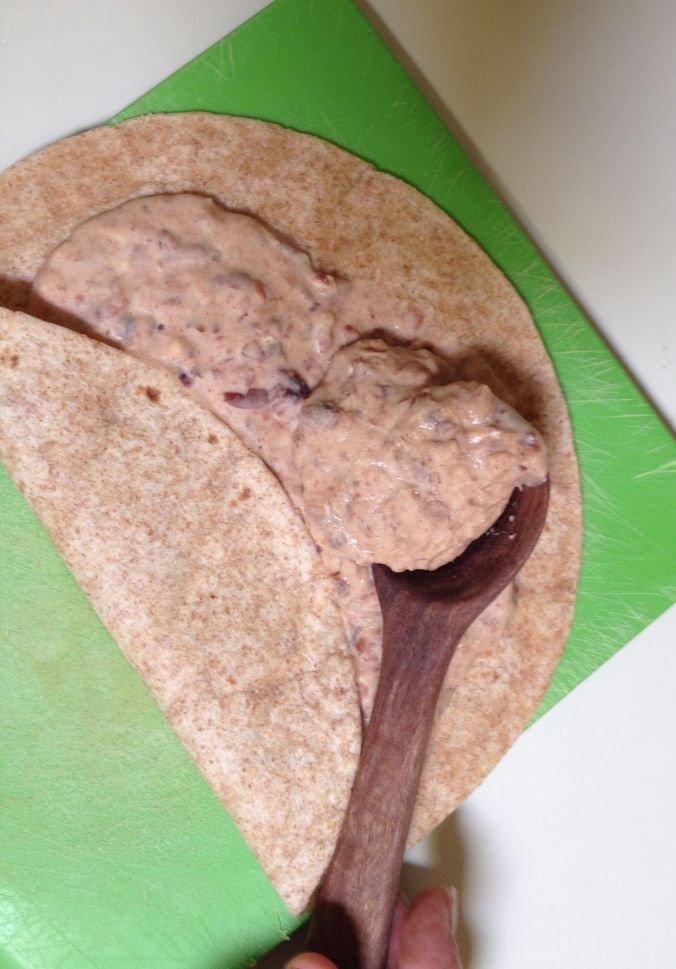
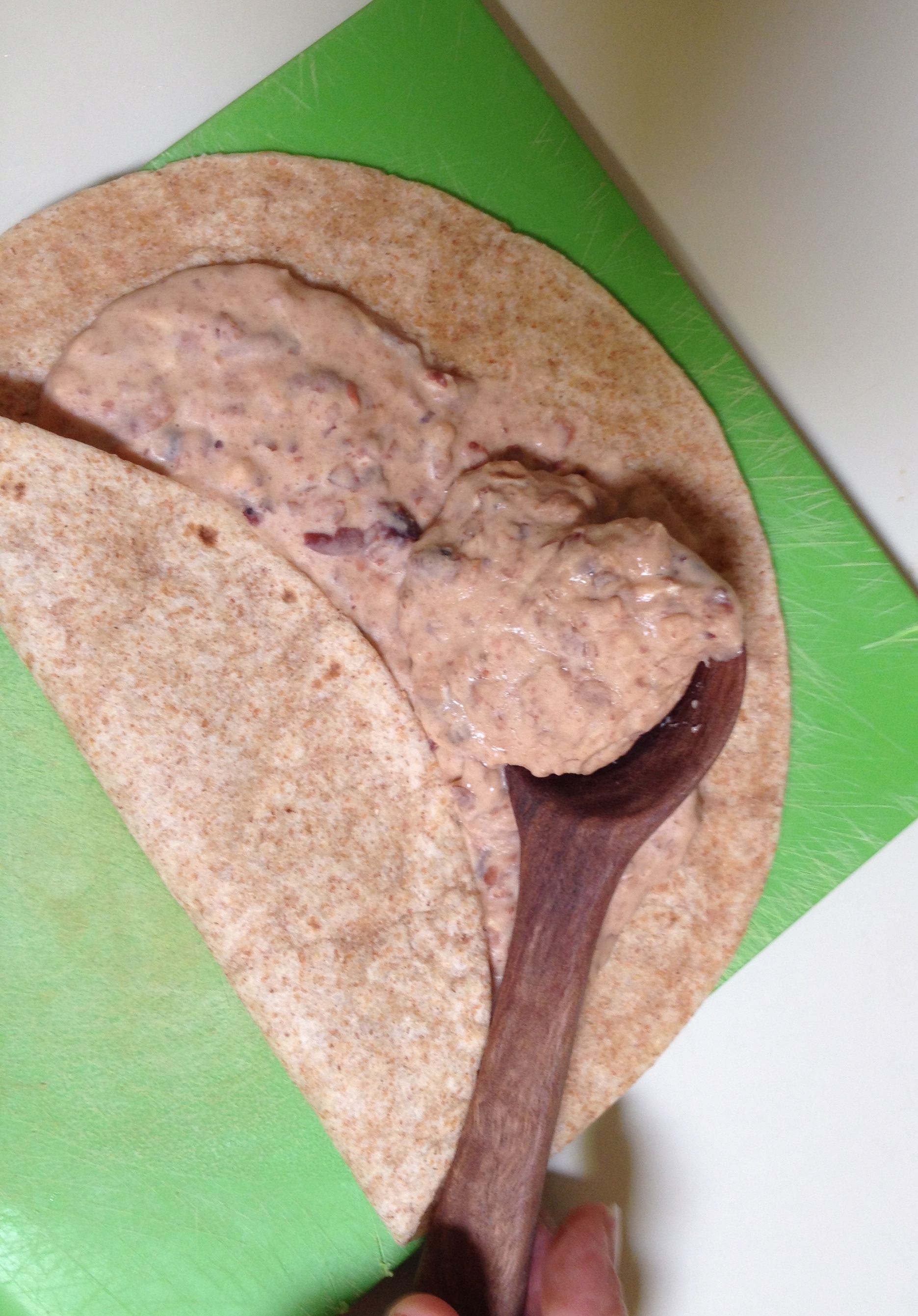
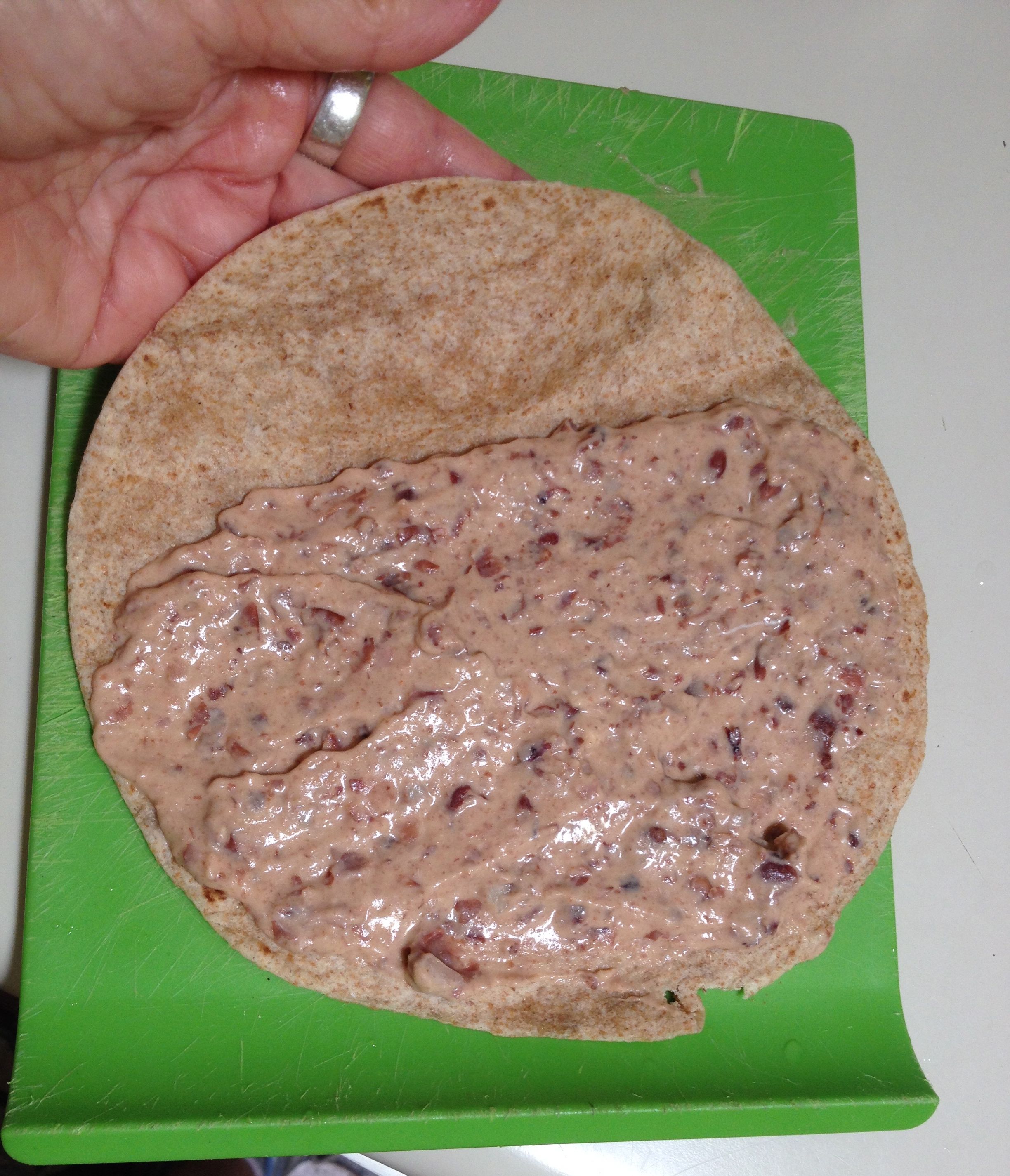
Mortgage Lifter burrito in whole wheat tortilla--first step for making heirloom bean roll-up appetizers

Anasazi Bean burrito in whole wheat tortilla–preliminary for making heirloom bean roll-up appetizers

Another fun way to get your complex carbs and vegetable protein is to make heirloom bean dips– then to get fancier using the dip, the next step is Easy Heirloom Bean Roll-ups.  For the fastest, most crowd-pleasing bean-spread, I use either Mortgage Lifter beans or Anasazi beans–both great.  Mortgage Lifter is a giant white runner bean, also known as Aztec white runner or Bordal.  Grown in your garden, it will vine over itself and its neighbor plants with big white flowers that attract hummingbirds.

Easy Heirloom Bean Roll-up Appetizers Recipe:

Ingredients:

2 cups cooked Mortgage Lifter beans, or purple & white Anasazi beans

4 oz low-fat cream cheese (1/2 block of neuchatel)

1 Tbsp Red Devil hot sauce

1 tsp ground cumin seed

pinches of sea salt, to taste

3 or 4 medium whole wheat tortillas

Drain cooked beans (reserving liquid if you need to make a thinner texture after mashing).  Mash beans and cream cheese together with pastry cutter or bean masher.  Mash in all other ingredients. [You can sometimes find traditional Tarahumara madrone-wood bean mashers at NativeSeeds/SEARCH or at Flor de Mayo.]  At this point you have the best dip ever, and also the filling for instant burritos ready to feed to drop-in visitors.  Read on for further Roll-up directions…..
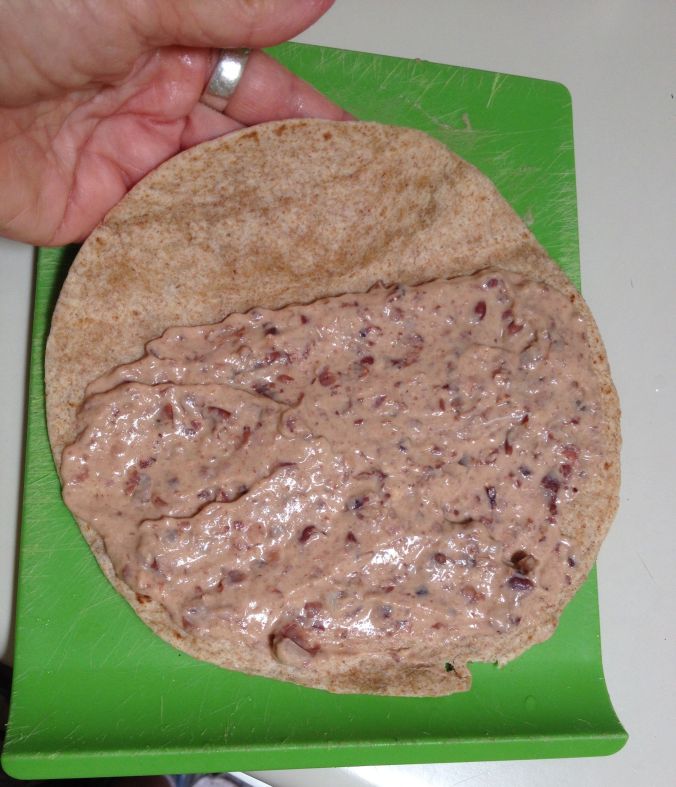
Heirloom bean "roll-ups" Step 1--with Anasazi beans

Heirloom bean “roll-ups” Step 1–with Anasazi beans
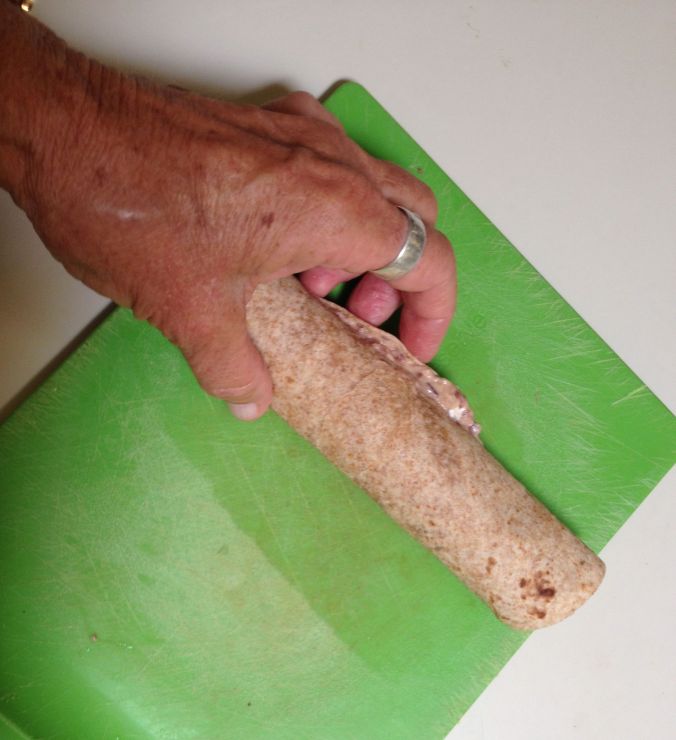
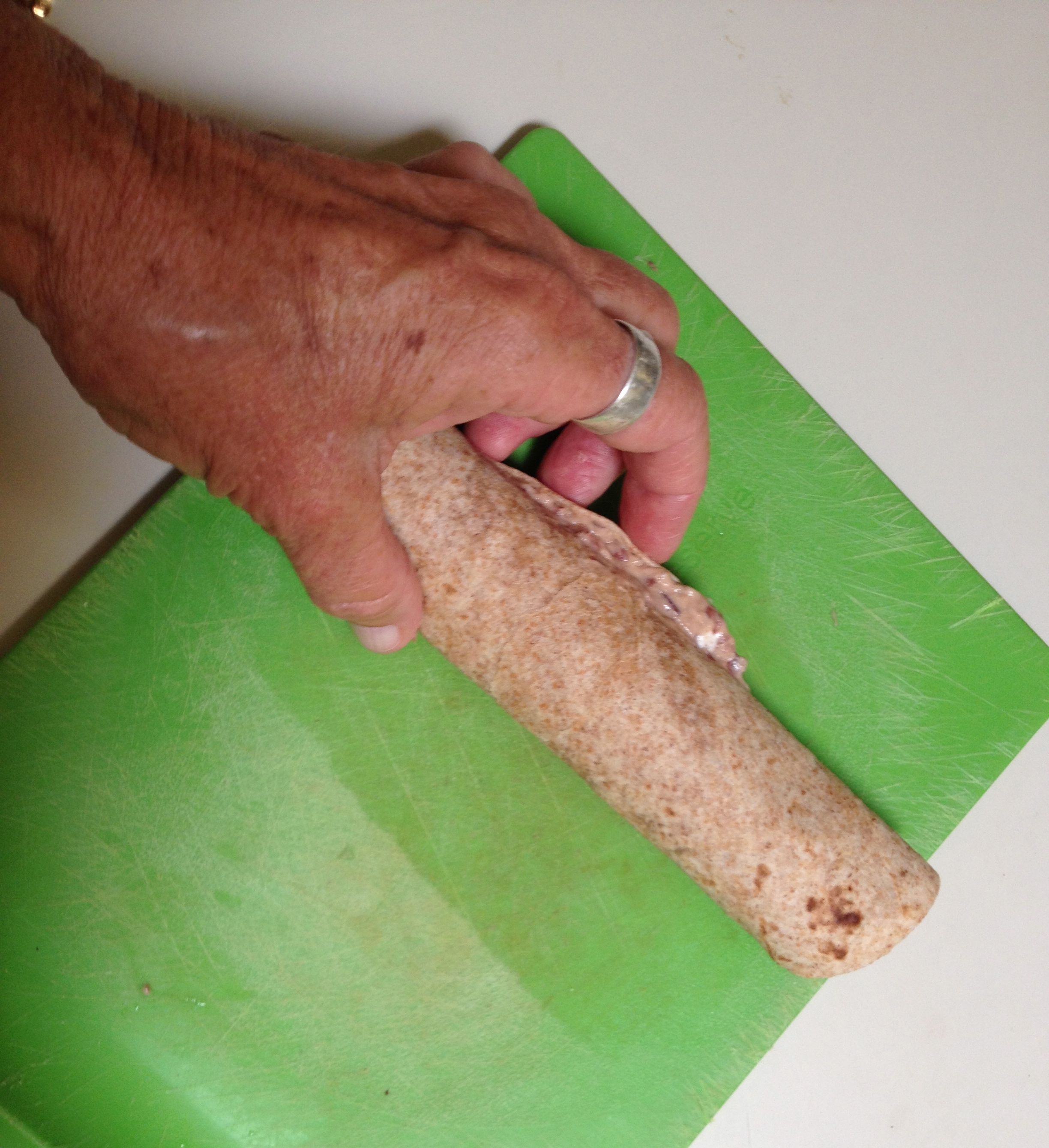
Rolling up heirloom bean hors d'oeuvres--Step 2 before cutting

Rolling up heirloom bean hors d’oeuvres–Step 2 before cutting

To finish these festive heirloom bean appetizers…spread the bean mixture onto 3/4 of one tortilla leaving a chord of the circle uncovered.  You will see why when you roll it up.  Begin rolling the tortilla tightly from the bean-covered edge and continue to roll snugly.  The bean spread will squeeze toward the unrolled edge, filling it.  The rolled tortilla will be held together by the bean spread.  Repeat with remaining tortillas and dip.

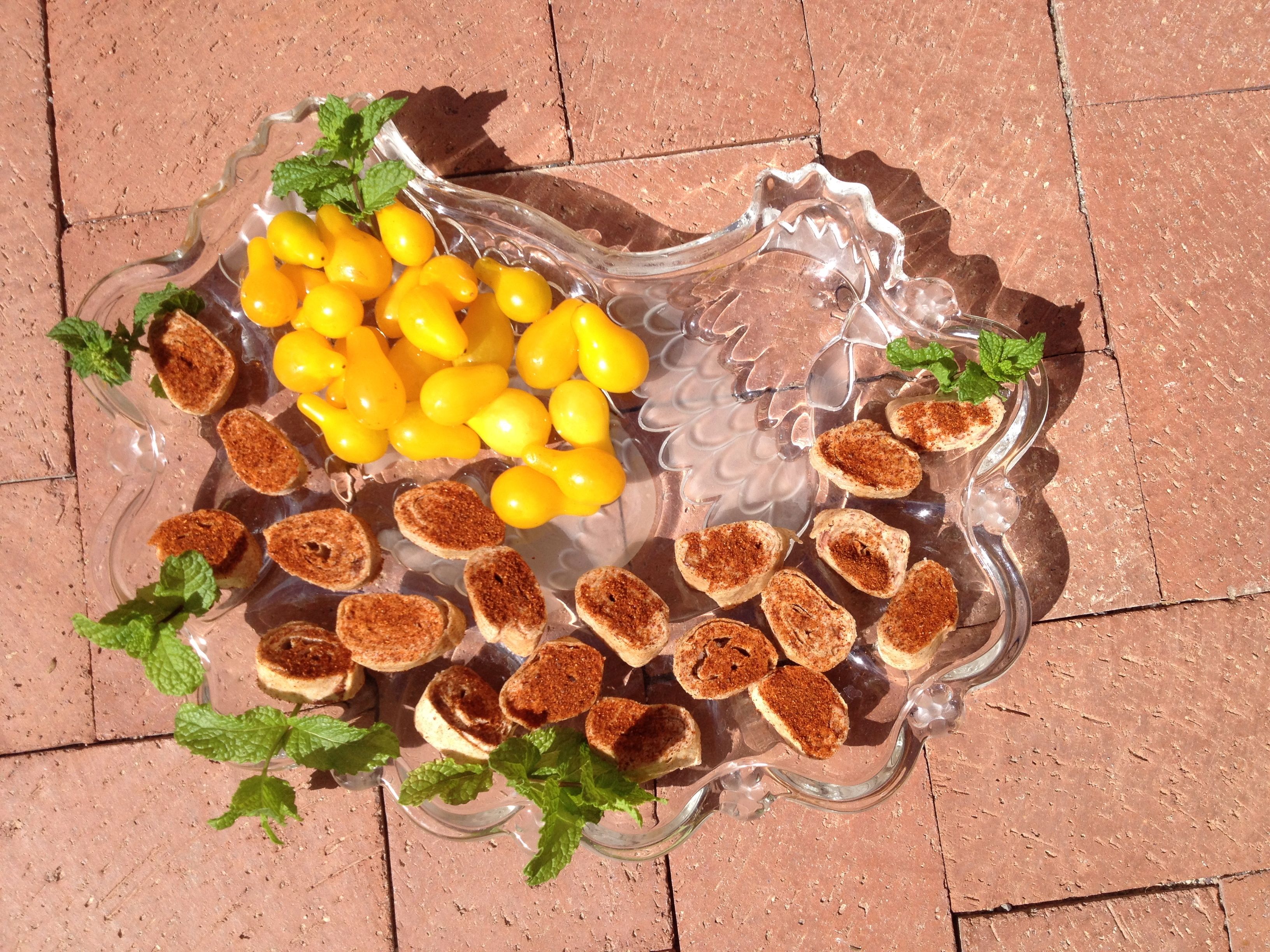
Place tortilla rolls on wax paper and chill in freezer or frig long enough to become firm for cutting.  Place chilled rolled tortillas on cutting board one at a time.  Slice in 1/2-inch rounds and place the disc-shaped spirals on a serving tray.  Chill until served.  Bedeck each Heirloom Bean Roll-up with a sprinkle of paprika or a cilantro leaf.  Each tortilla should produce about 6-8 roll-ups.  (With any leftover bean mixture, enjoy it as dip or in a burrito.)  These appetizers are a tasty celebration–and a tacit bow to Southwestern farming traditions.
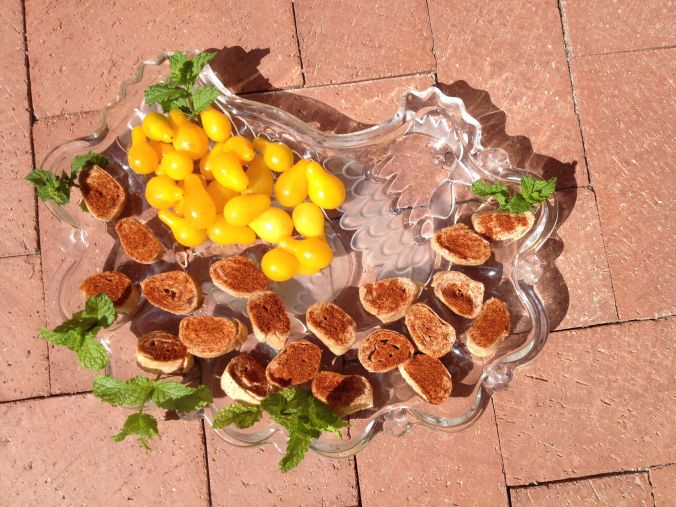
Heirloom Bean Roll-up Appetizers and yellow pear tomatoes in chicken hors d'oeuvre tray (MABurgess photo)

Heirloom Bean Roll-up Appetizers and yellow pear tomatoes in chicken hors d’oeuvre tray (MABurgess photo)

By the way, you can find all of the wonderful Southwest heirloom beans to use in these recipes either at the NativeSeeds/SEARCH store, 3061 N Campbell Ave, Tucson, or at our Flor de Mayo booth at the charming St Phillips farmers market on Sundays in the shade of spreading sycamores and mesquites.
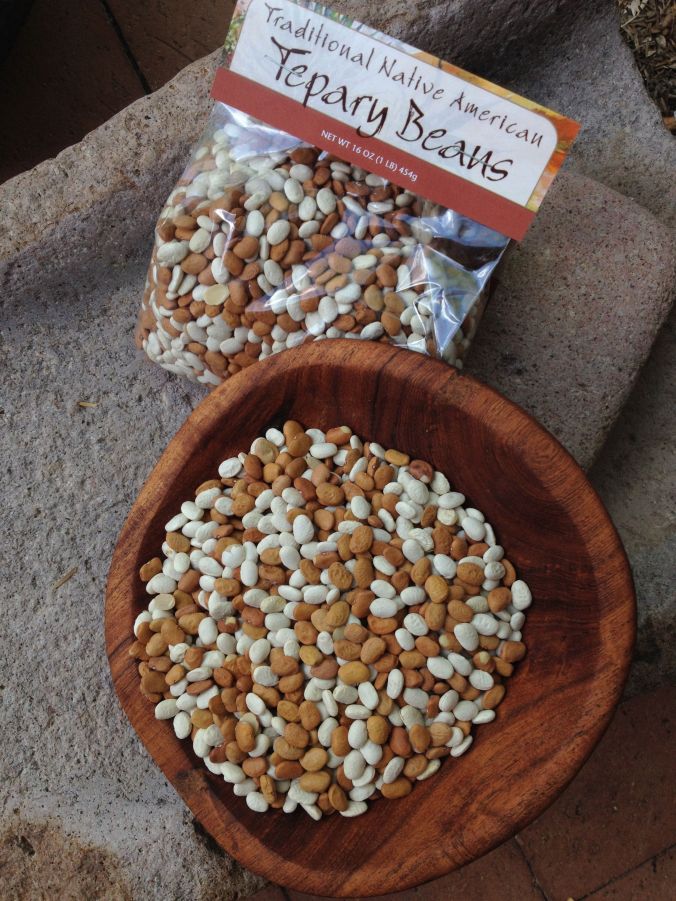
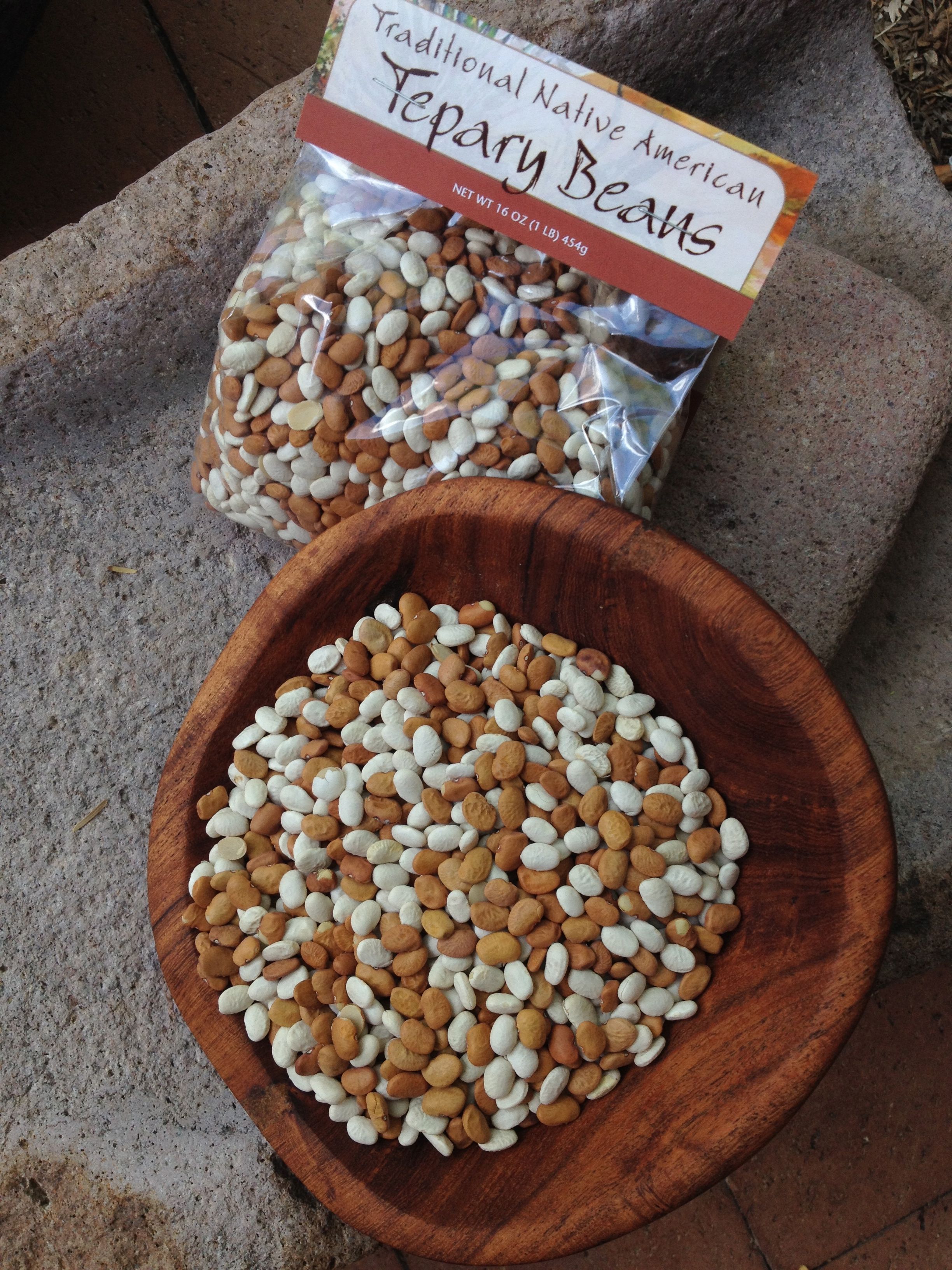
Traditional Native tepary beans--colorful mix available at Tohono Chul Park gift shop, NativeSeeds/SEARCH and Flor de Mayo booth at farmers market

Traditional Native tepary beans–colorful mix available at Tohono Chul Park gift shop, NativeSeeds/SEARCH and Flor de Mayo booth at farmers market

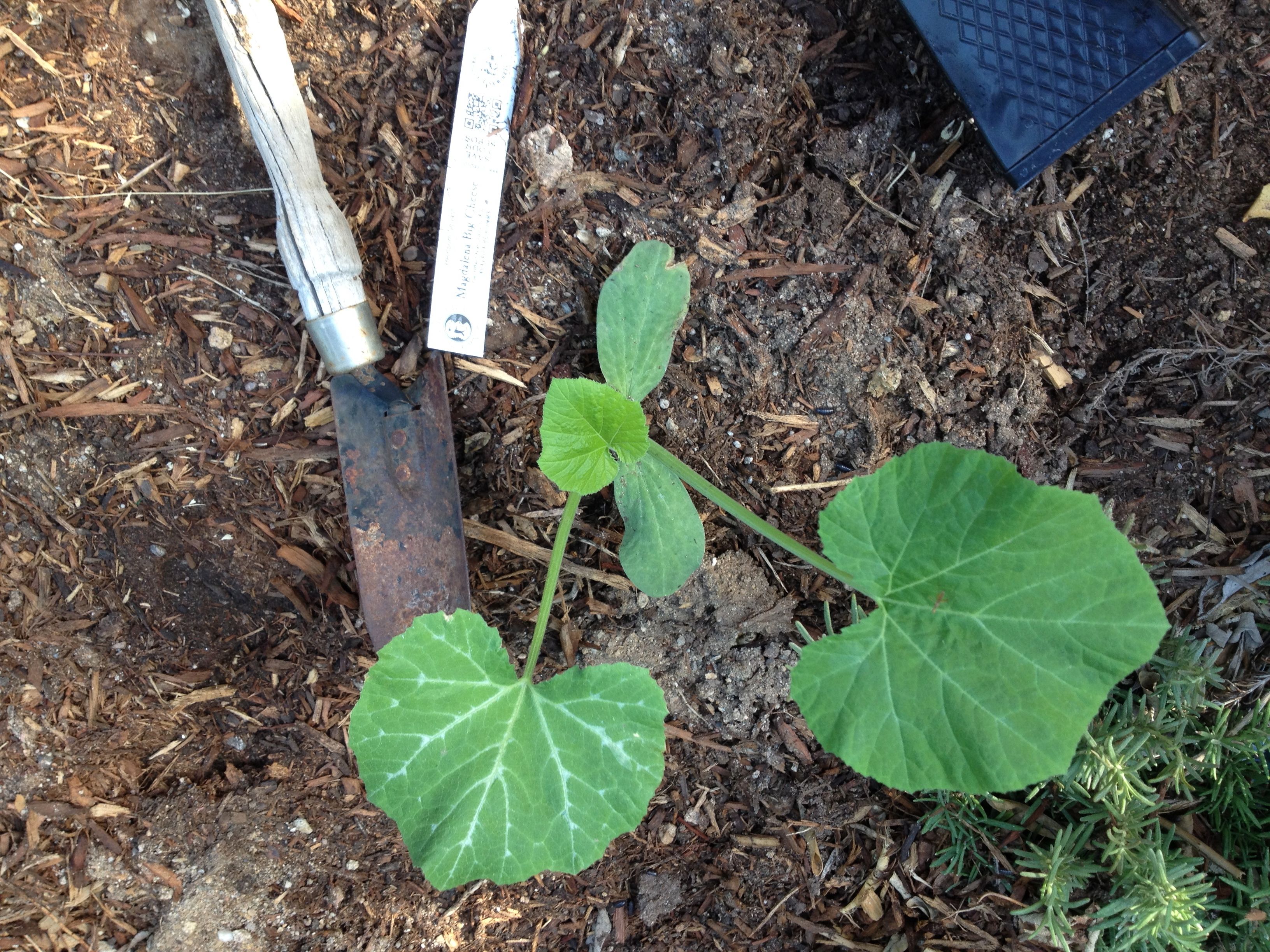
For the experienced or the novice desert gardener, now is the time to do the last planting in your monsoon garden.  One of my Tohono O’odham mentors taught me that the second week in August is really the last opportunity to put bean, corn, melon, or squash seed in the ground.  Even better to give your garden a jump-start by planting starts!  Right now at the NativeSeeds/SEARCH store you will find a variety of healthy seedlings hungry to be in the soil–and on sale.  Come give them a future–and a delectable future for your palette in the months to come….
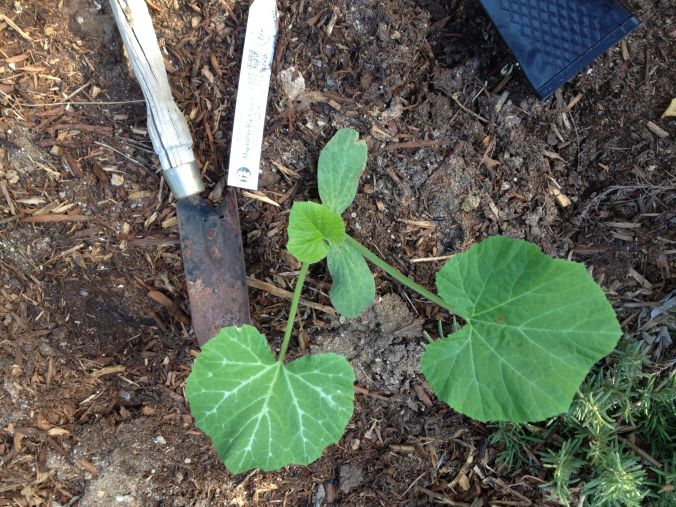
Happily planted--seedling Magdalena Big Cheese Squash seedling from NativeSeeds/SEARCH monsoon plant sale still on!

Happily planted–Magdalena Big Cheese Squash seedling from NativeSeeds/SEARCH monsoon plant sale (still going)

Happy gardening–and healthy eating to you from Tia Marta!
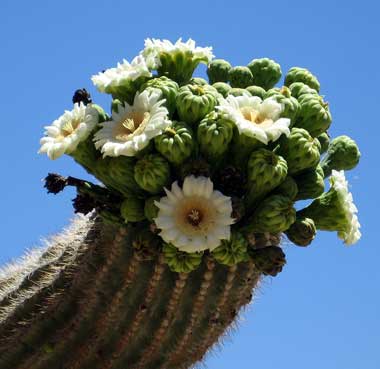
It’s Saguaro Season

Saguaro flowers and unripe fruit. Photo by Rael B.

Saguaro flowers and unripe fruit. Photo by Rael B.

Our fire has burned and the sun has gone down;

Our fire has burned and the sun has gone down.

Come together, following our ancient custom.

Sing for the liquor,

Delightfully sing.

This was the song that called the people of the Tohono O’odham villages together for the saguaro wine ceremony that followed the  harvest. During the ceremony, they people invoked the intercession of a deity far away in a “rainhouse” full of wind, water and seeds in the hopes of hastening the storms.

This and many other songs were collected and translated by Ruth Murray Underhill, an early anthropologist who lived among what were then called the Papago in 1938. They appear in her book Singing for Power.

When I go saguaro gathering, I get up around 4:30 a.m. and aim to be out among the saguaros just at dawn.  I am always joined by doves and other birds looking for their breakfast. Alone on the desert, I occasionally find myself talking to the saguaros. “So what have you got for me?” I ask. I might worry about my sanity, but I know others have felt the same way. The late desert chronicler Edward Abbey agreed, calling saguaros “planted people.”

Dove getting breakfast

Dove getting breakfast

My harvest

My harvest


The orginal desert dwellers used a dead saguaro rib to push the fruits off the cactus. If you can’t find one, any long pole or a fruit picker will do. You can separate the fruit from the rind in the field or bring it home to clean. Each fruit comes with its own sharp-edged knife, like a natural can opener.


Opening a fruit with the calyx on the blossom end.

Opening a fruit with the calyx on the blossom end.


Sharp edge of the calyx can be used as a knife.

Sharp edge of the calyx can be used as a knife.


Once you have extracted the fruit, you can either dry it whole or separate it into the seeds and juice. This is a simple process. To your pan or bucket, add as much water as you have fruit. Let it sit, covered loosely for six to eight hours. Then plunge your hands in and break up the fruit. Strain off the juice. Boil to concentrate.  If you want to make syrup from the concentrated juice, add half as much sugar as you have juice and boil until clear. Store in a clean glass jar in the refrigerator. It will usually keep for months.

So what are the options for the seeds. You can put them in any baked good, make pilaf or porridge or cookie filling. But an easy use is homemade crackers. Spread the wet seeds on a cookie sheet in the sun. There will be some white material left from the juice, but either blow it off or ignore it.  I made these crackers in around a half hour. We are accustomed to eating commercial crackers that are very sweet and salty. So if you want a familiar flavor, use the higher amounts of salt and sugar.

Black Beauty Wafers

1/4 cup saguaro seeds

1 cup whole wheat flour

1/4 teaspoon baking powder

1/4 to 3/4 teaspoon salt

1-2 teasp0ons sugar

1/4 cup water

1 tablespooncider vinegar

1/4 cup vegetable oil

8 teaspoons whole saguaro seeds

Preheat oven to 400 degrees. Grind the 1/4 cup saguaro seeds in a blender or coffee grinder. In a large bowl, combine seeds, flour, baking powder, salt and sugar. Add water, vinegar and oil and mix, stirring and kneading until a stiff dough forms.

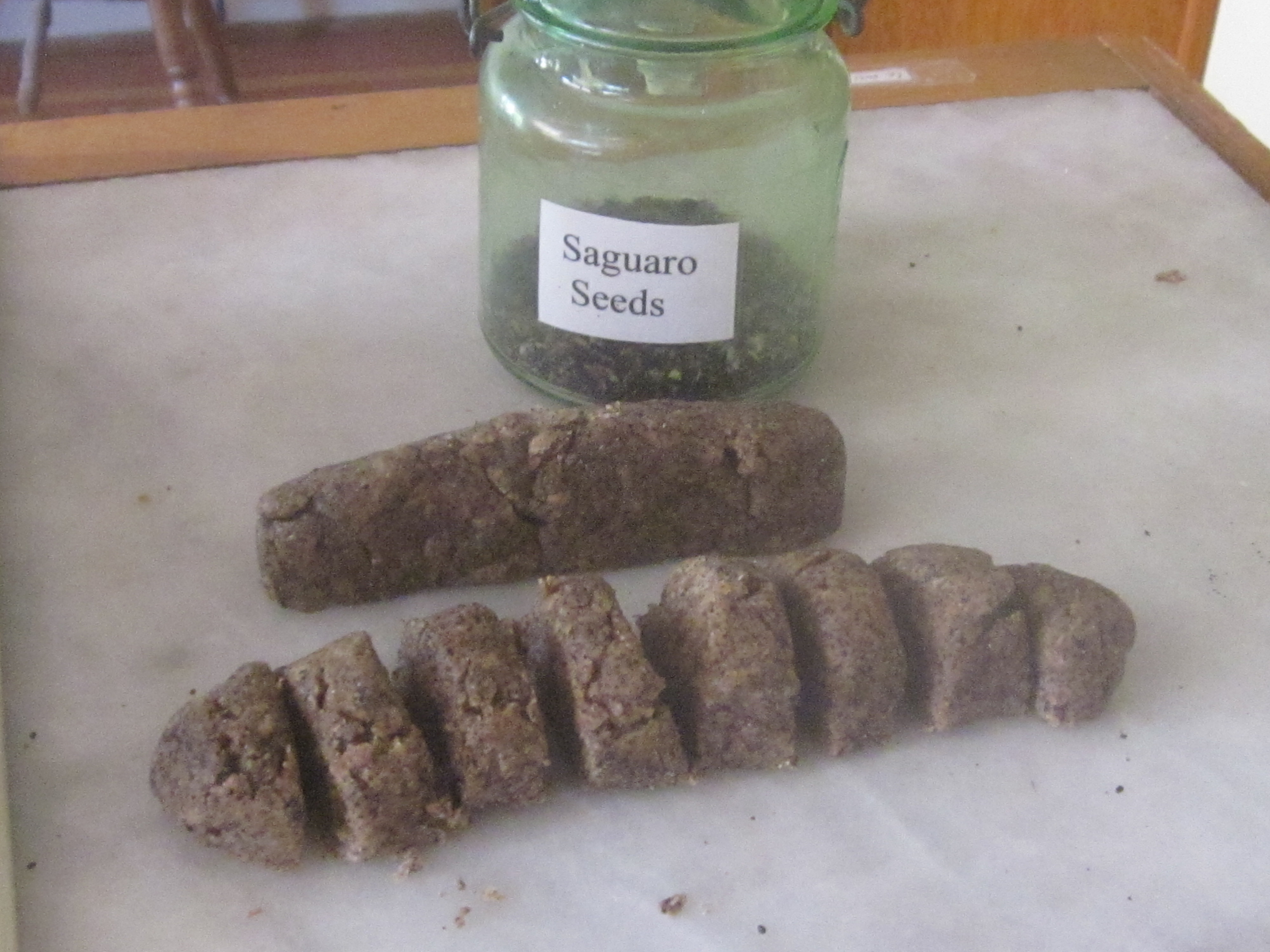
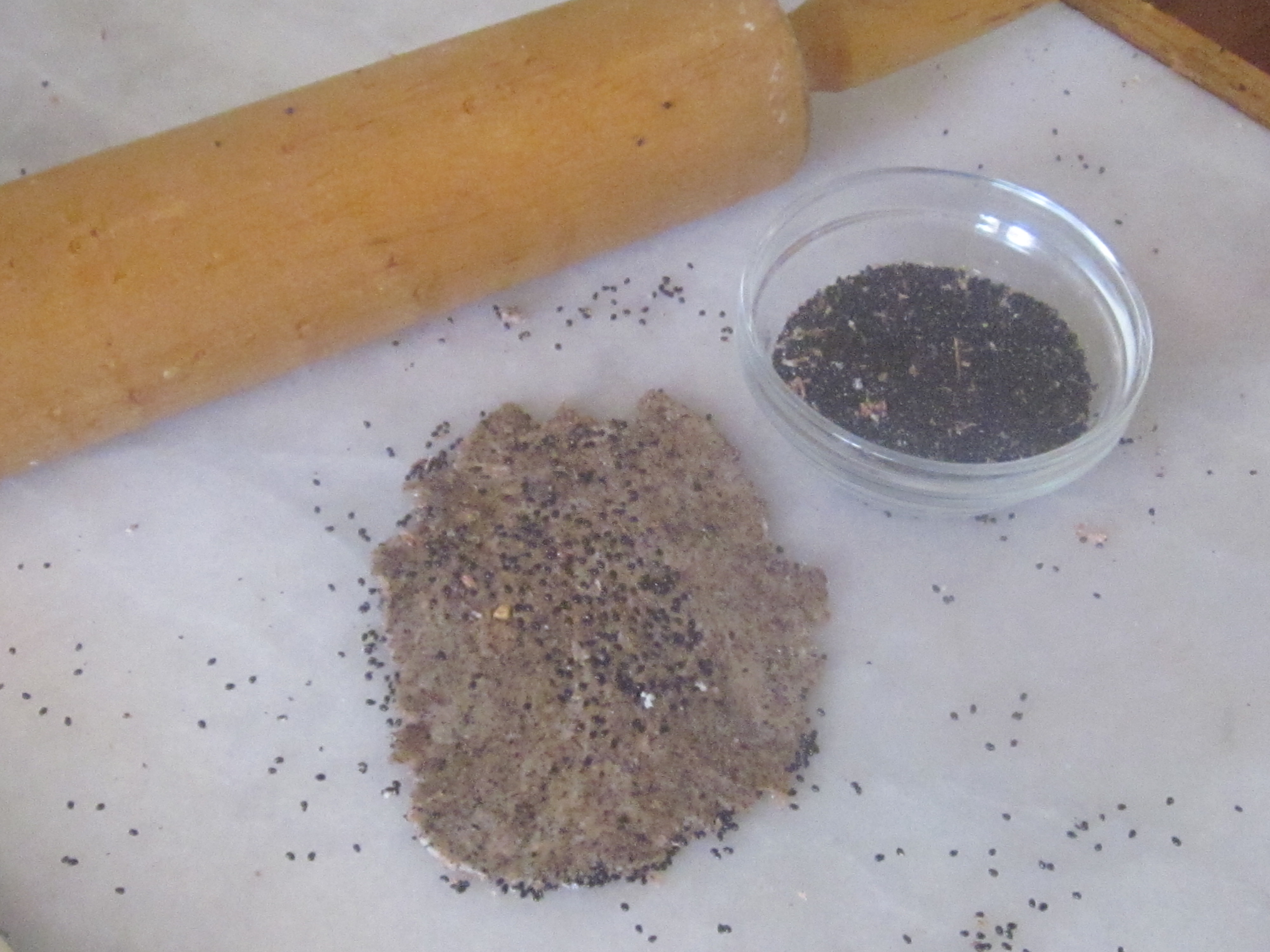
Shape dough into two rolls, 6 inches long and 1 inch in diameter. Then slice each roll into eight wafers.  Sprinkle some seeds on a flat surface, place one disk of dough on it, sprinkle some more seeds on top and roll with a rolling pin as thinly as you can. The thinner the cracker, the crisper they will be.  The shapes will be irregular.

Form dough into log and divide into eight portions.

Form dough into log and divide into eight portions.


Roll out each portion of dough.

Roll out each portion of dough.

Transfer the crackers to an ungreased nonstick cookie sheet. If you have a regular metal pan, use a sheet of parchment paper. Bake in the preheated oven for just 5 to 7 minutes. Watch closely to ensure they do not burn.

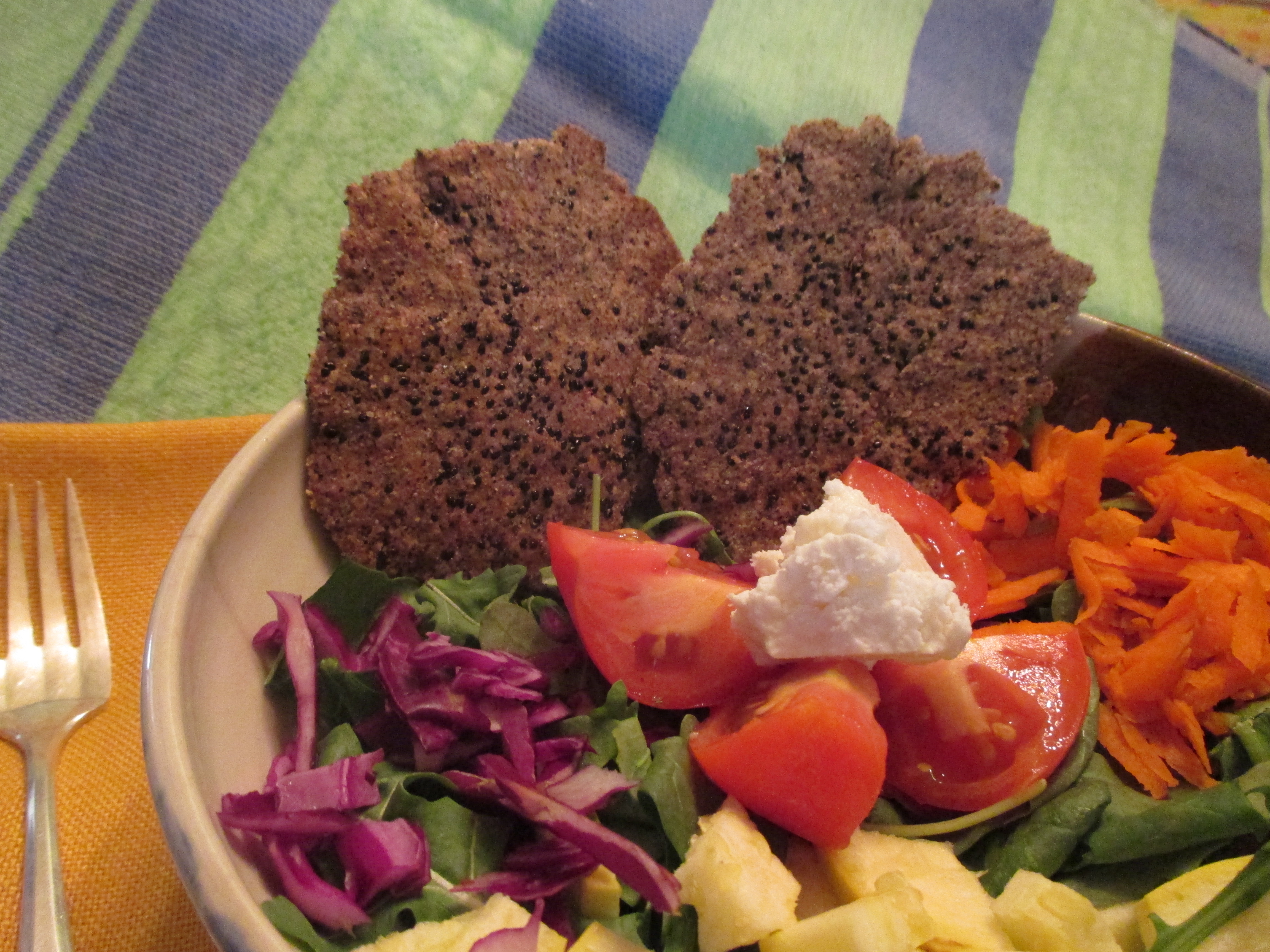
You can serve with soup or salad. Or spread with a soft cheese.


Serve your Black Beauty Wafers with a crisp salad.

Serve your Black Beauty Wafers with a crisp salad.


And when you eat your saguaro syrup or enjoy your Black Beauty Wafers, remember the words an elderly Tohono O’odham woman said to Ruth Underhill back in 1938:

“To you Whites, Elder brother gave wheat and peaches and grapes. To us, he gave the wild seeds and the cactus. Those are the good foods.”


____________________

For more recipes using both saguaro fruit and seeds, consult Cooking the Wild Southwest: Delicious Recipes for Desert Plants.  You can find a copy at Native Seeds SEARCH or order online here.


Wild Greens and Mole Enchiladas

blog1Hello, this is Amy Valdés Schwem, and I’m honored to be here with such esteemed plant and cooking women!

I love harvesting wild greens, but my day job is making mole as Mano Y Metate. Today I’m going to make enchiladas made with Mole Dulce and fill them with wild greens and summer squash. It won’t heat up the house, if you take the toaster oven outside! Enchiladas made with tomato sauce instead of chile are called entomatados, and those made with mole are enmoladas. So the menu can read: Enmoladas de Mole Dulce con Quelites y Calabacitas.

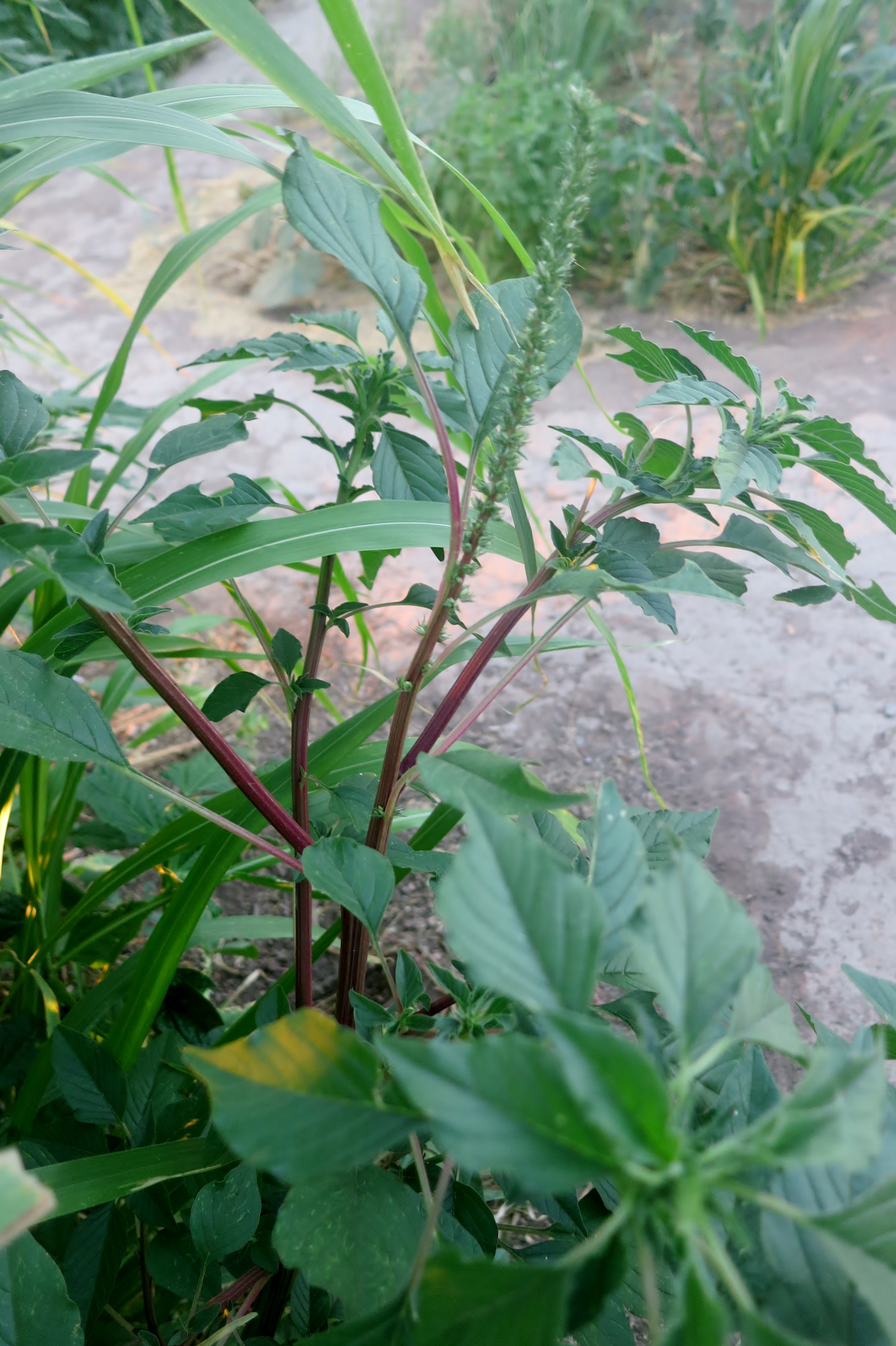
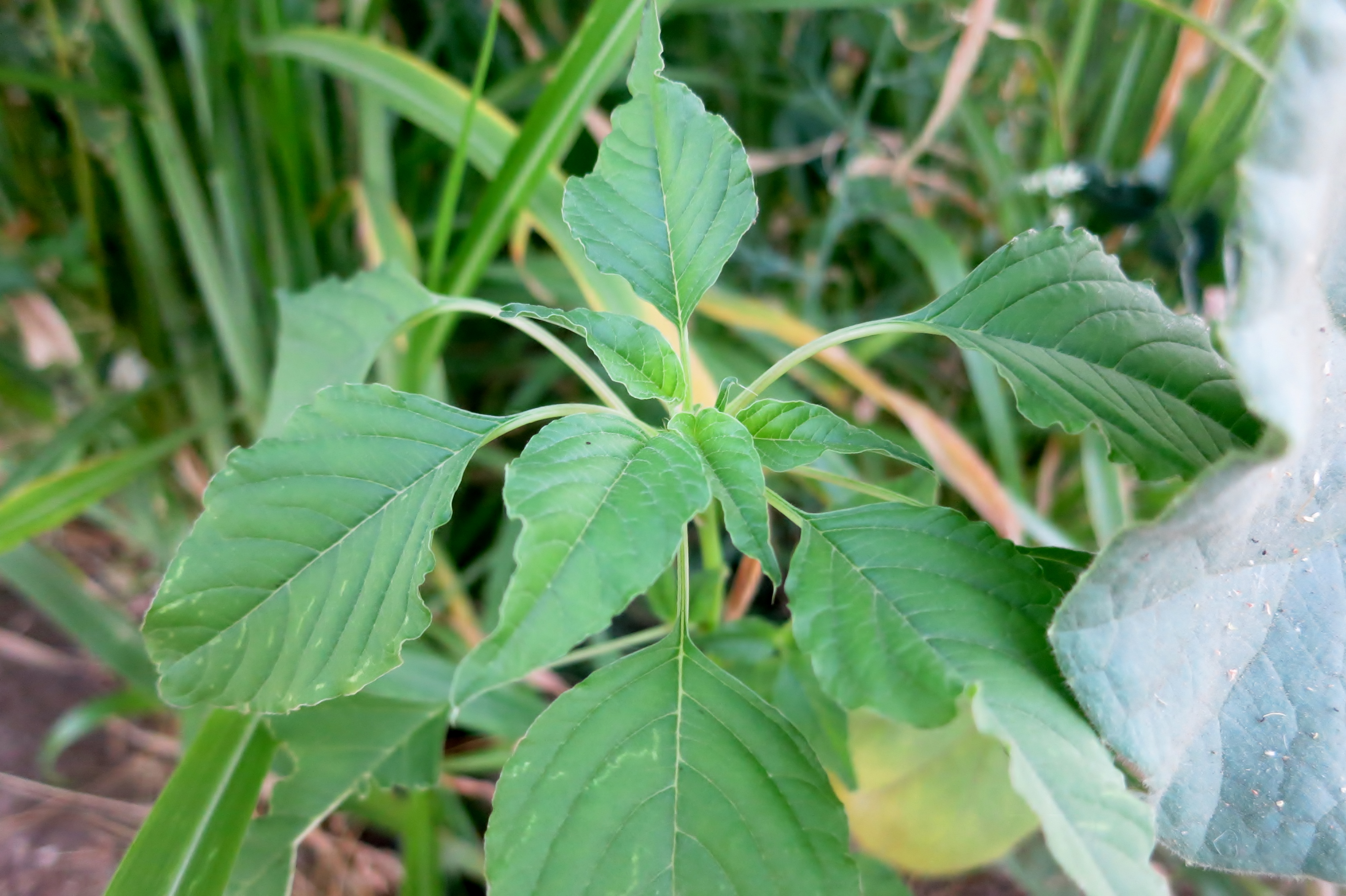
Quelites can refer to several unrelated wild greens, but to me they are wild amaranth greens, Amaranthus palmeri, also known as pigweed.

I grew up eating quelites with my maternal grandfather, and he knew no shame jumping fences to pick weeds. They make a few tiny black seeds, unlike its Mexican domesticated relatives that make enough blond seed to fill bulk bins at the health food store.

It is native to the southwest US and northwest Mexico, and its wild and domesticated relatives are enjoyed around the world both as a green and for its grain-like seed. It easily out-competes summer garden and field crops and is becoming resistant to glyposphate (Roundup). But you wouldn’t want to harvest from those over fertilized fields anyway, since it can absorb too much nitrate, making it unsafe for humans and animals. However, grown in native desert soil, they are safe and nutritious, high in vitamin A, vitamin C, and folate, among other vitamins and valuable minerals.

Some species and cultivars available at Native Seeds/SEARCH are used for dye and have red leaves, and some make a huge red inflorescence pretty enough to grow as an ornamental, even if the birds eat all the seed. I’ve never had much luck popping the seed I grew, but you can buy commercially popped seed, like miniature popped corn.

blog2 blog4

I just visited my closest community garden, Las Milpitas de Cottonwood, and found these beauties in the irrigated beds already in flower. If this was all I had, I would pick the smallest leaves from the stalks and use those.

blog5Hopefully you find quelites before flowering, shorter than a foot tall. I found a few plants in my yard where other things get watered. Many more will sprout with the summer rains.

blog7a


Last year I had so many from my Tucson Community Supported Agriculture share that I dried some, just like my great aunt Tia Lucy told me they used to do. I just plucked leaves from the stems and air dried them in the house. To use, I soaked in water overnight, then sauteed with the others. I’ll dry more this summer, for sure.

blog7b blog8


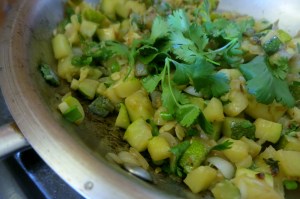
To prepare the fresh quelites, wash, chop tender stems and all, and saute with a little onion and garlic in oil. My grandfather always used bacon grease, so that’s what I did.

blog6


It’s also prime season for calabacitas, so use them if you don’t have any fresh or dried quelites. My grandfather also collected and cooked verdolagas for us, which would work here, too.


blog9a


Calabacitas, sauteed with onion and garlic. This filling with mushrooms and queso fresco, inside mole dulce enchiladas, is my brother’s signature dish. Well, one of his signature dishes.


blog9b blog9c


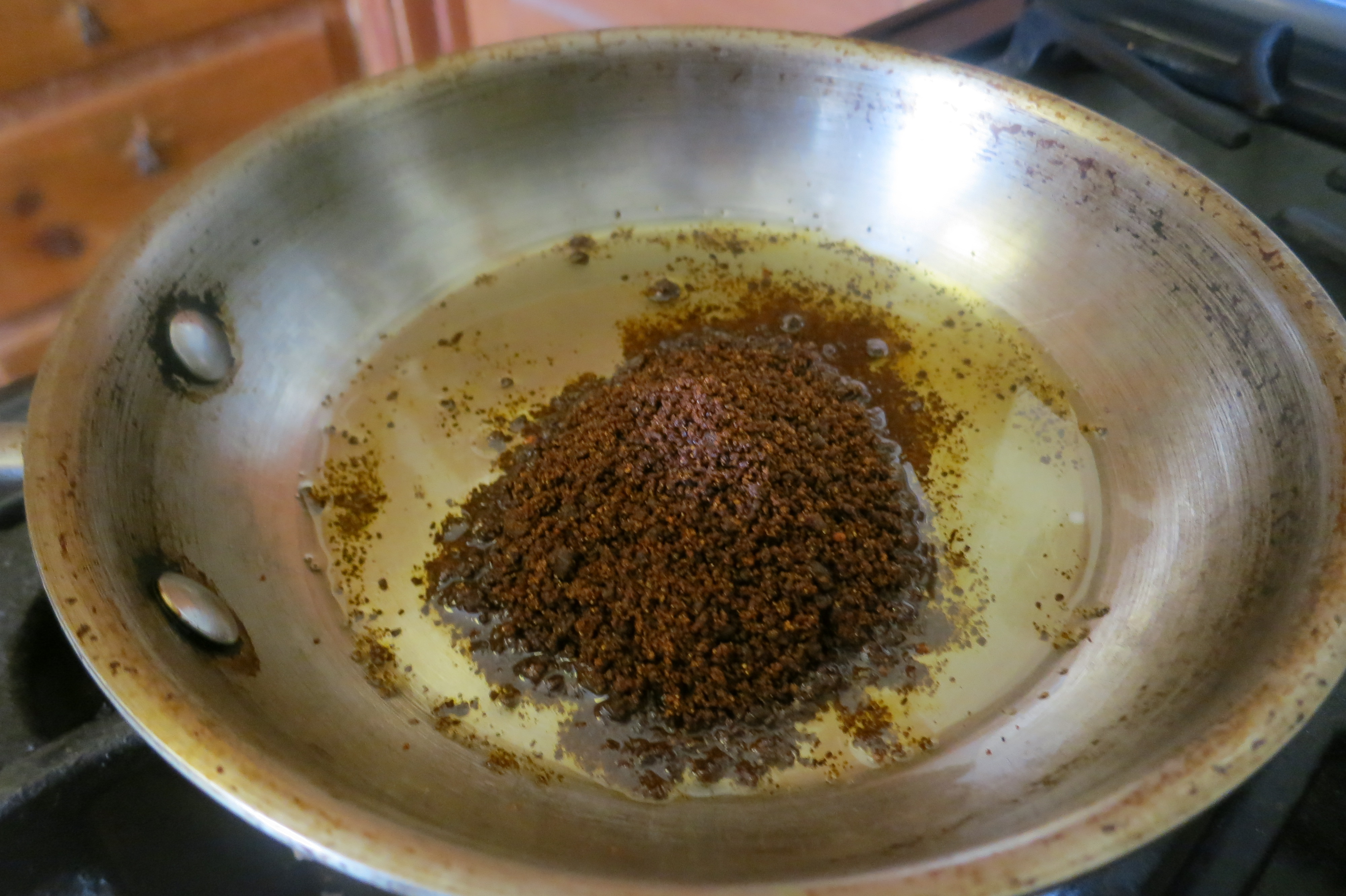
Now for the mole! For a half dozen enchiladas, to serve two people, I used about half of a tin of Mano Y Metate Mole Dulce powder, cooked in mild olive oil to make paste.

blog9d

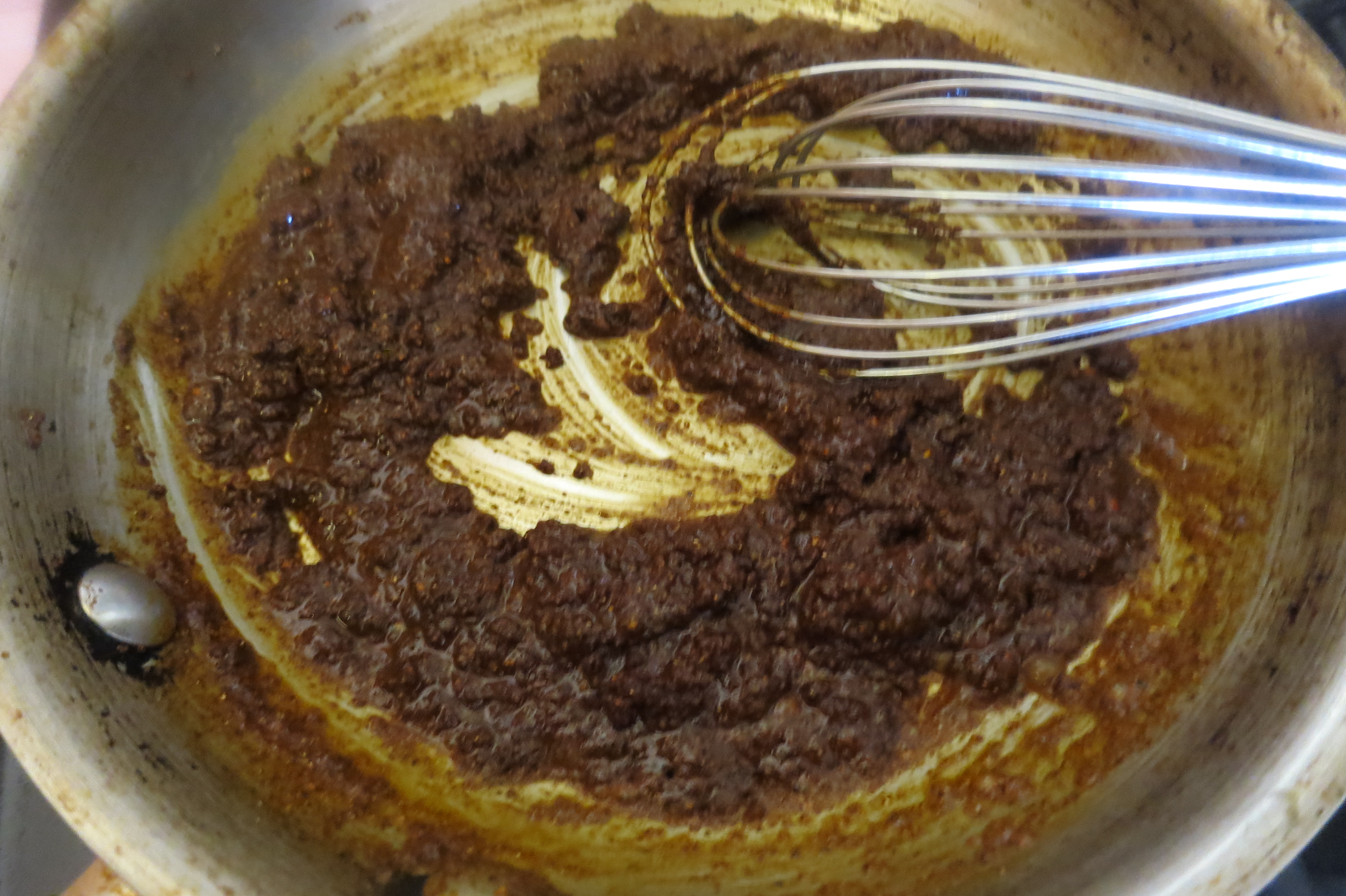
Then I added about half a cup homemade chicken stock and a dash of salt, but veggie stock is great, too. Water doesn’t quite do it. Simmer until you have a nice sauce, adding more broth as necessary. There will be steam and good smells.


blog9f blog9g


The secret to enchiladas: start with thin corn tortillas and fry briefly in oil hot enough to sizzle, but not hot enough to make them crispy!!! DO NOT skip this step!

If the tortilla cooks too much, or if it breaks, just turn up the heat and make that one into a corn chip.

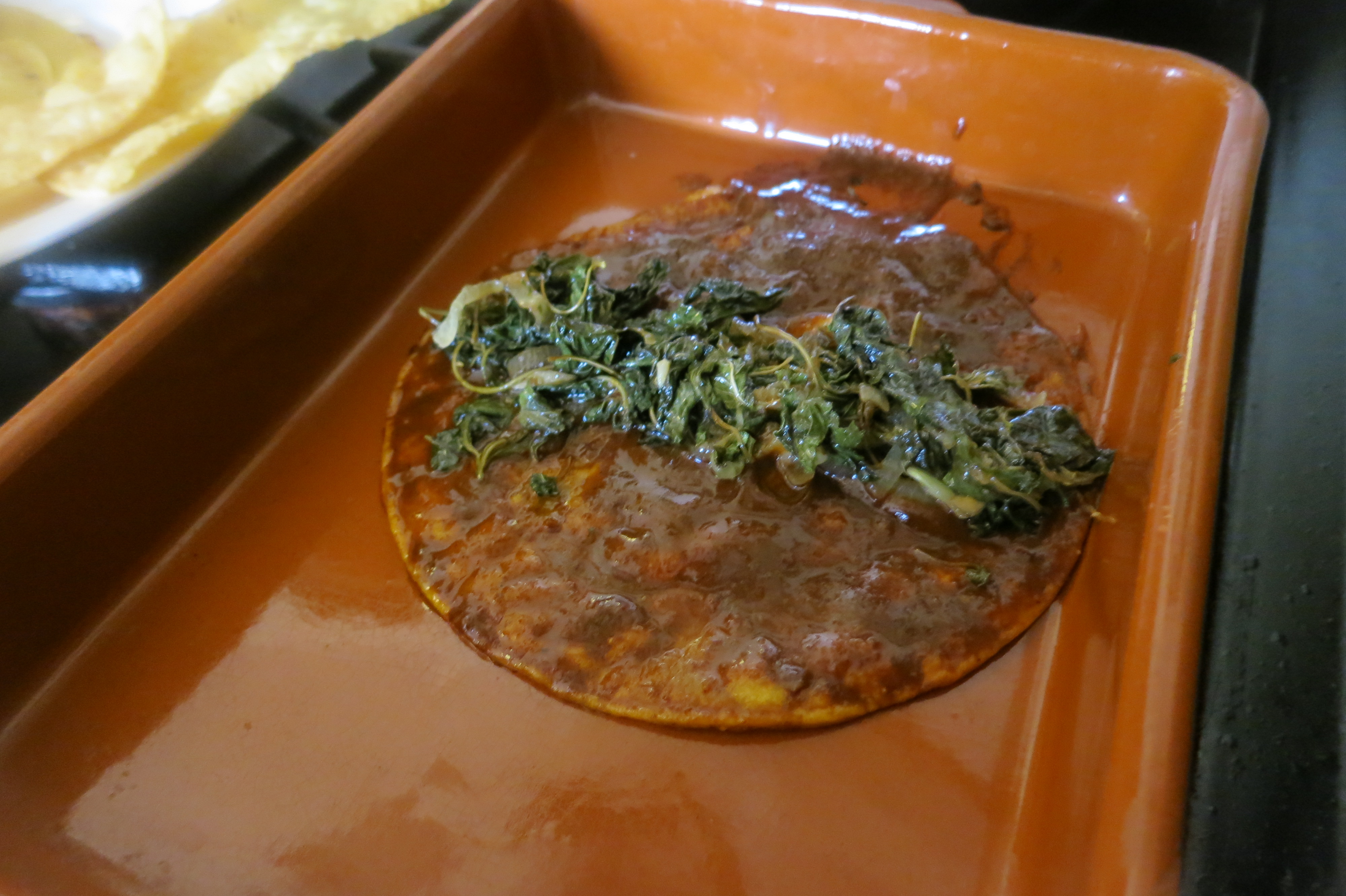
Dip the flexible tortilla in the mole dulce.

blog9h blog9i


Put quelites or calabacitas in the tortilla and roll.

blog9j blog9l


Top with homemade queso fresco and bake until heated though. My grandfather used the toaster oven outside on the patio in the summer to make enchiladas. No need to heat the house!

Depending on your oven, you may need to cover them with foil, but I didn’t. I like crispy edges. Serve with a cucumber, tomato salad dressed with a squeeze of lime, beans, and prickly pear grapefruit-ade.

Leftovers are best fried in a cast iron pan until crispy.

Mano Y Metate moles can be purchased from Martha Burgess of Flor de Mayo Arts at the Sunday Heirloom Farmers’ Market at St. Philip’s Plaza, Native Seeds/SEARCH, and ManoYMetate.com.


Edible Flowers of Spring

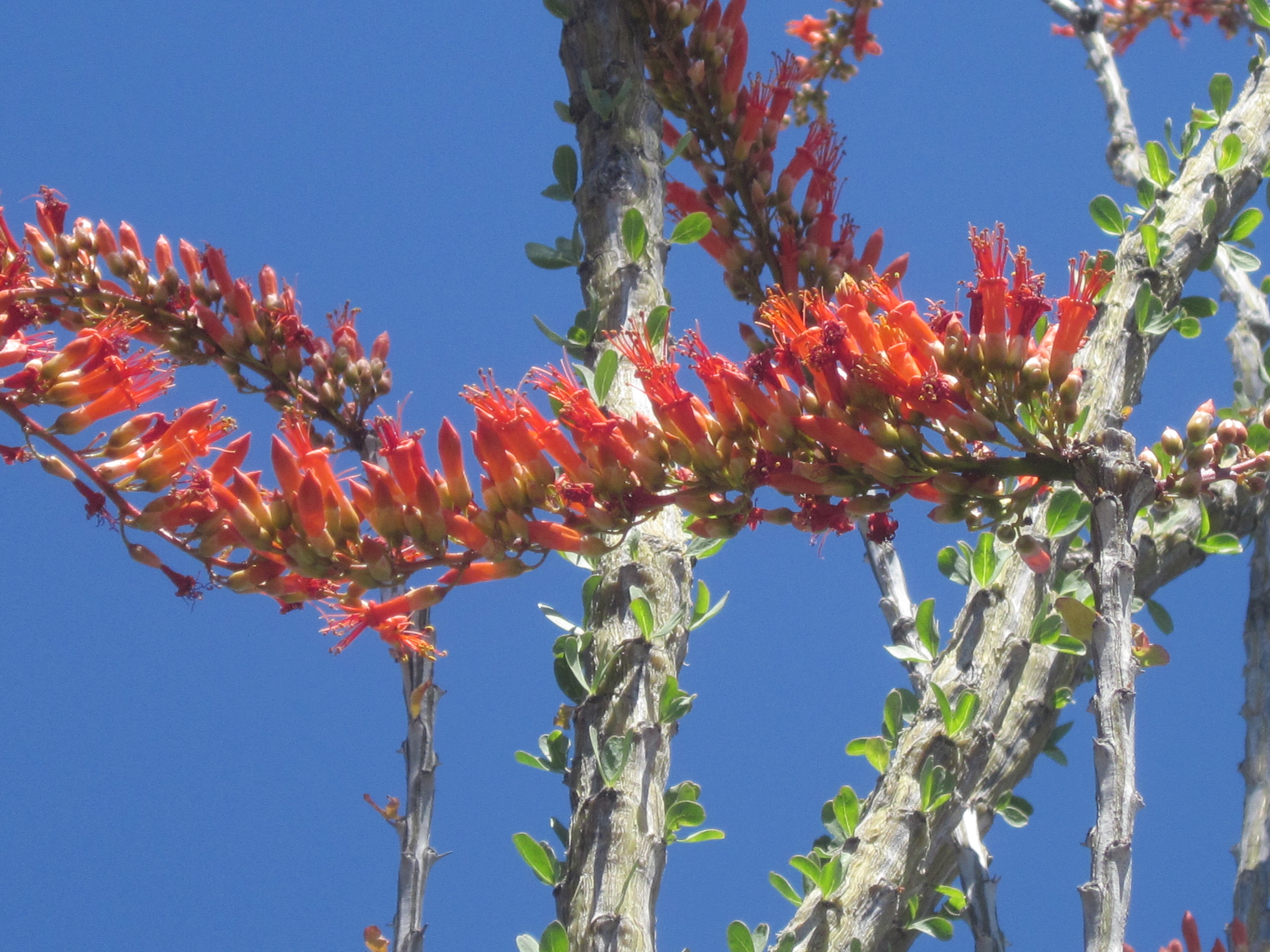
Ocotillo blossoms

Ocotillo blossoms

It’s Carolyn today. Two months ago Tia Marta wrote about gathering and preparing delicious cholla buds, but that is only the barest beginning of the edible flowers that can add fun and interest to our meals. Spring is the best time to find the biggest bounty of  beautiful munchibles.  Gather a bowlful of ocotillo blossoms, add water, and let it stand overnight. You’ll have a delicate juice. The flowers must be open for the nectar to leach into the water.  I wrote about the early Native American uses to ocotillo as a medicinal herb in American Indian Cooking: Recipes from the Southwest. 

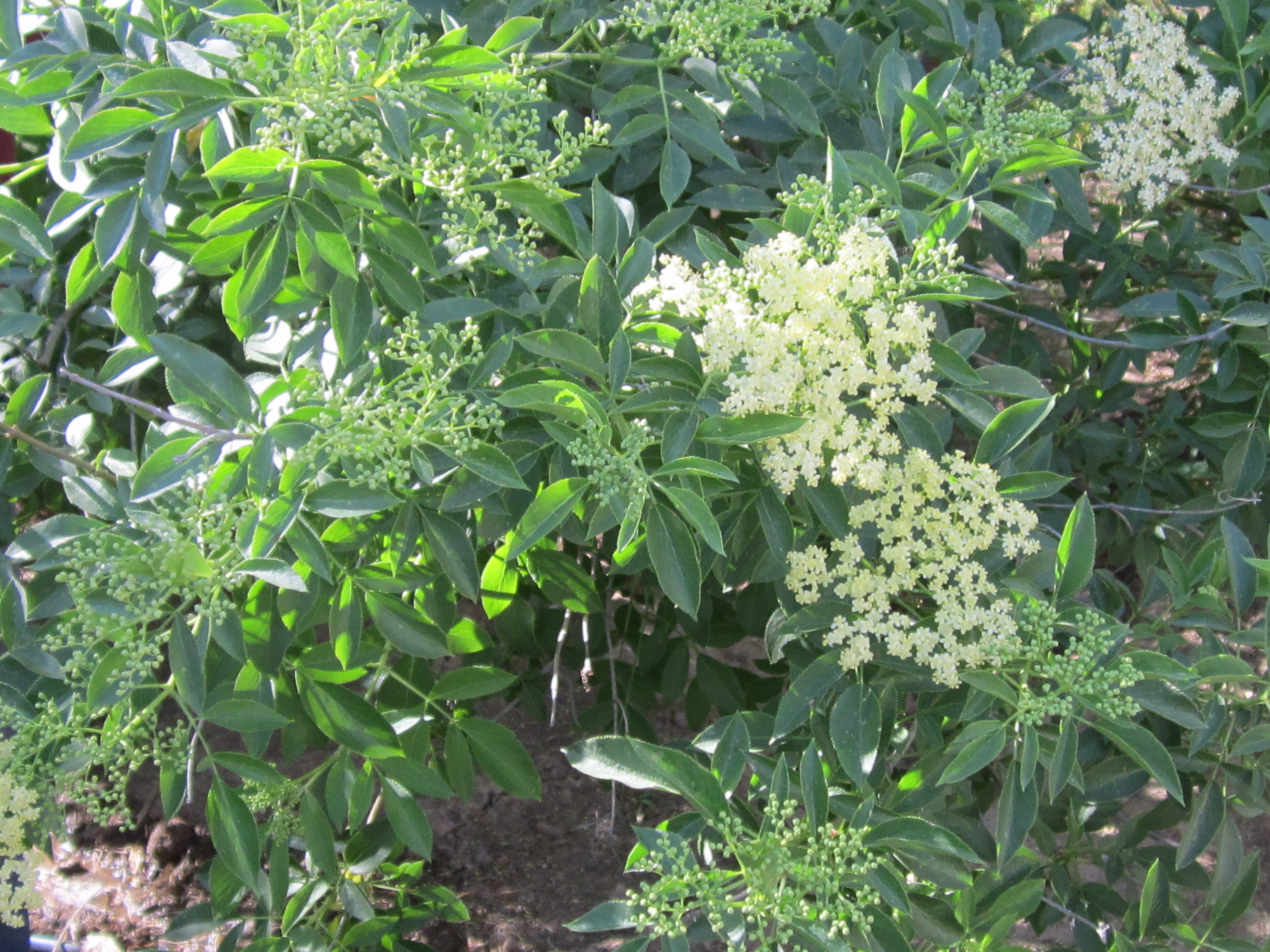
Ford at Empire 015

Blossoms on elderberry bush.

This is also the season for elderberry bushes to flower.  Sometimes called elderblow, the flowers make delicious fritters.  I have given full directions in my earlier blog Carolyn’s Southwest Kitchen and you can see it here.

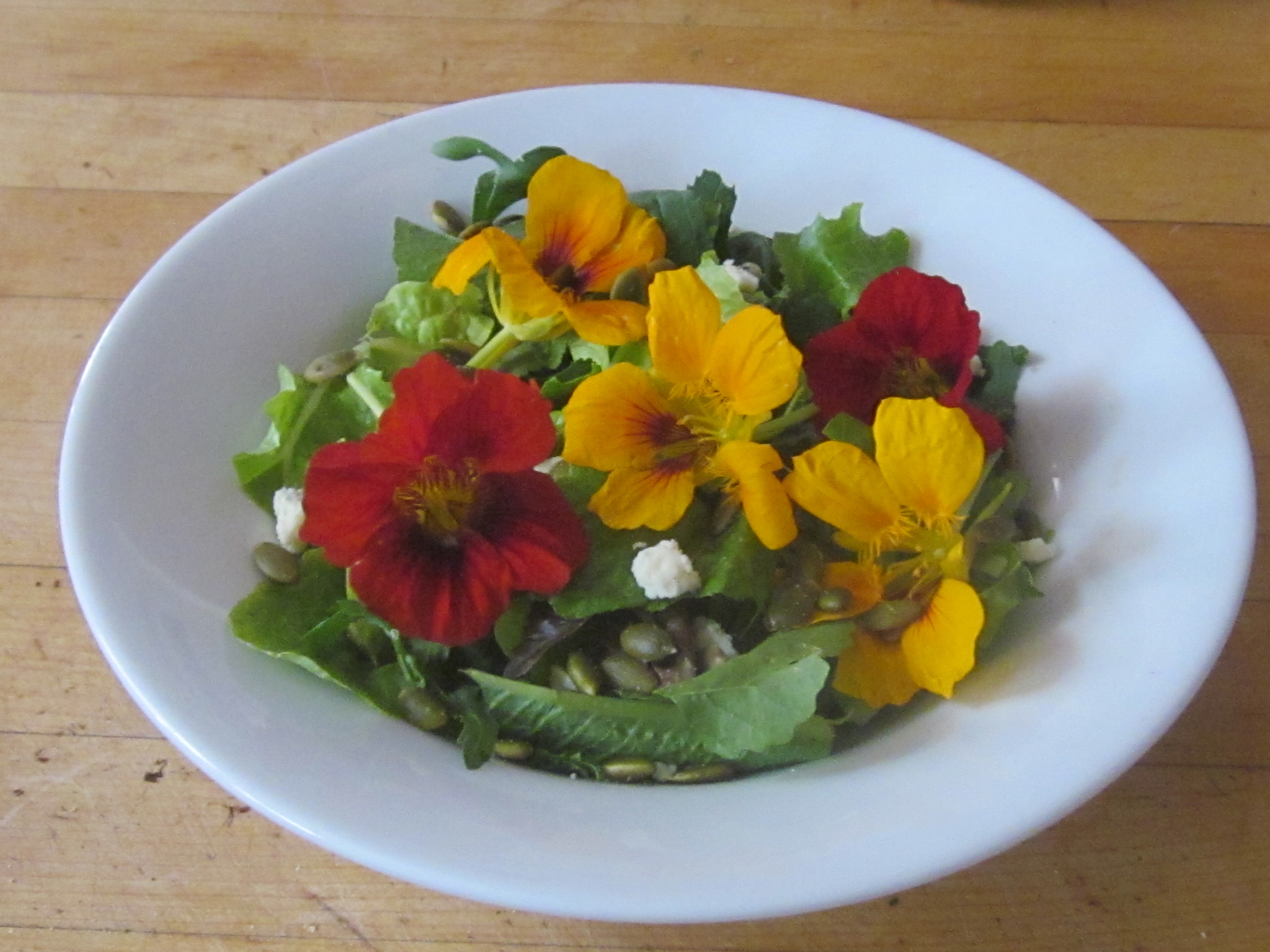
Moving from the desert to your own garden, you’ll find many edible flowers. Many of them make delicious additions to salads.  Among them are nasturtium flowers, which have bright, peppery flavor.

Two colors of nasturtium flowers on a fresh garden salad.

Two colors of nasturtium flowers on a  garden salad.

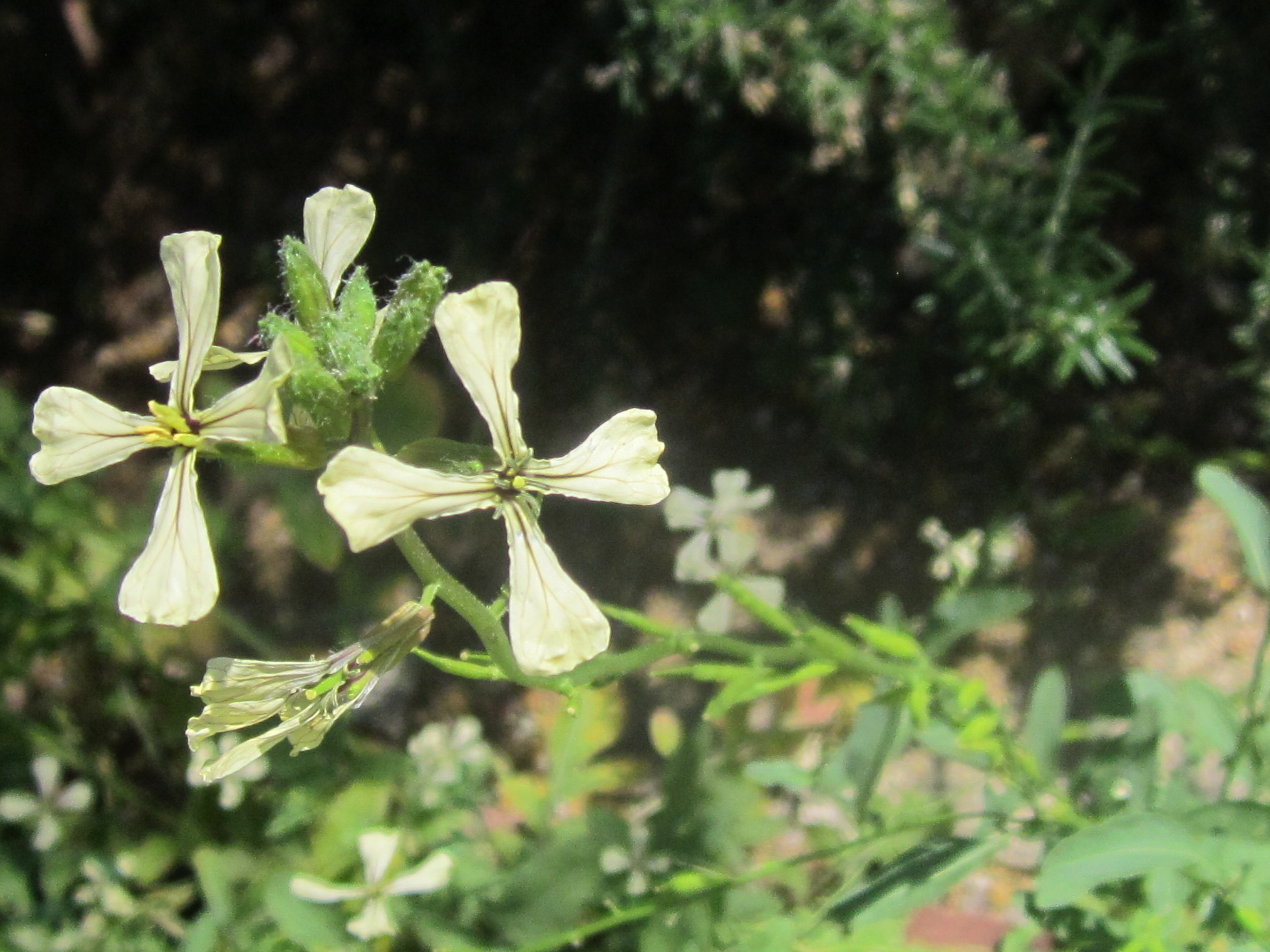
Arugula tends to bolt early and especially did so on this very hot spring on the Sonoron Desert.  But the flowers, though small, taste lovely, not quite as intense as the the leaves.

Arugula flowers

Arugula flowers


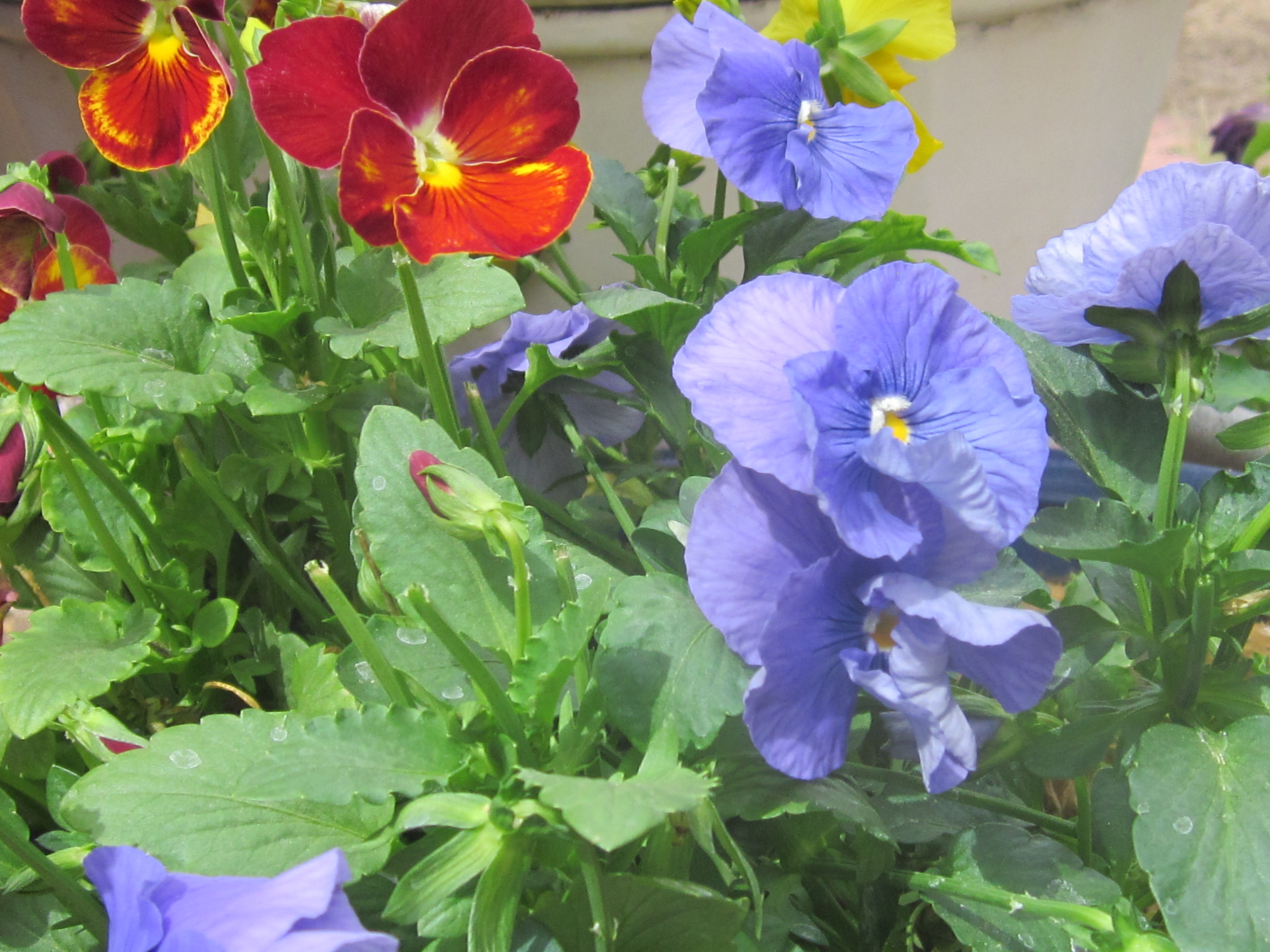
Other delicious salad additions are pansies and violas, their smaller cousins.

Pansies

Pansies

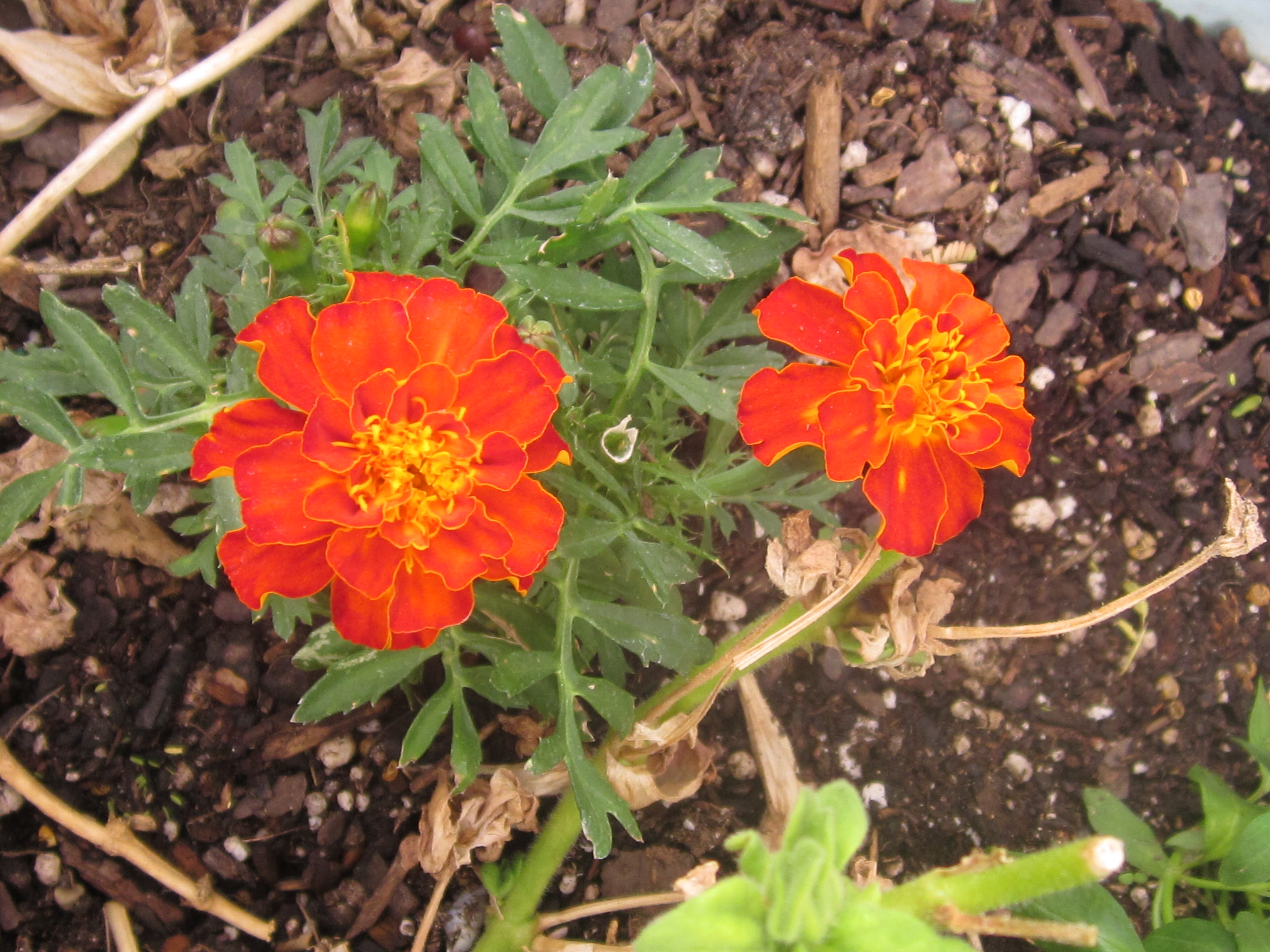
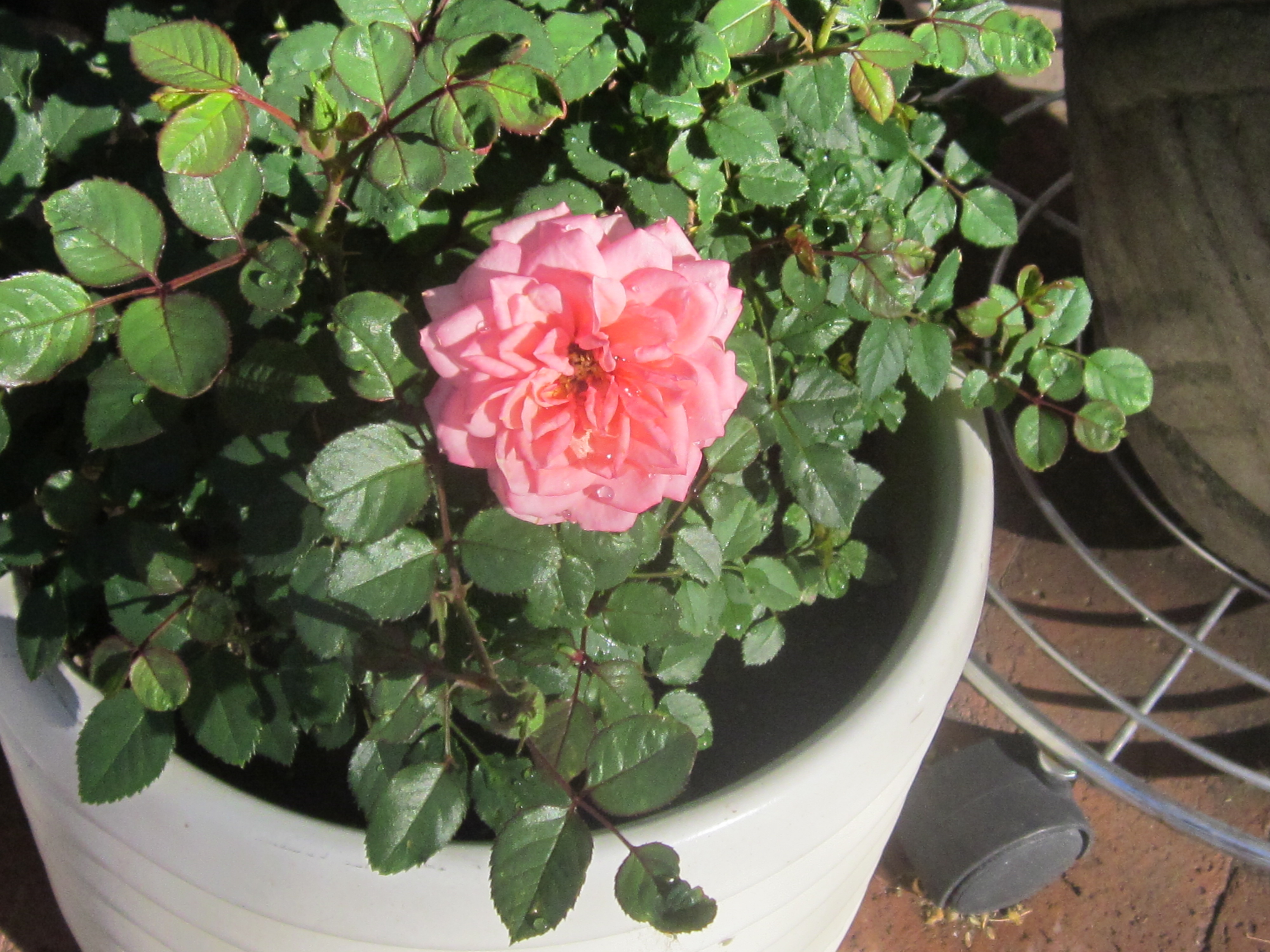
When I began gathering material for this post, I recalled a dish I made  years ago that involved sauteeing chicken with cinnamon and rose water and then finishing the dish with a sprinkle of small rose and marigold petals.  My friend Suzann and I served that at a wedding we catered for two naturalists.

Marigold

Marigold

Teacup rose

Teacup rose


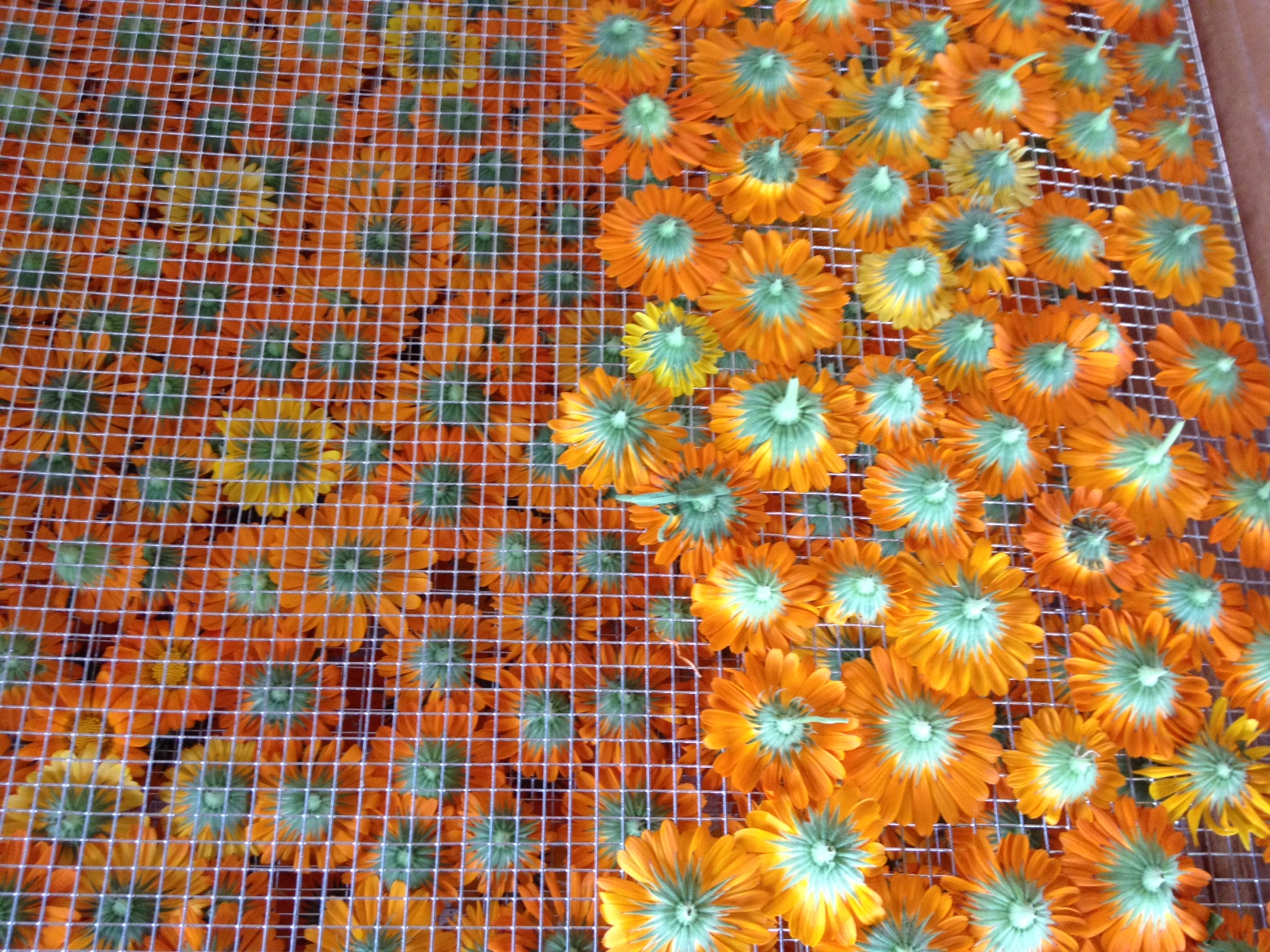
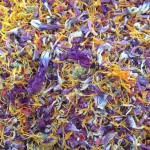
Dried edible flowers make wonderful and healthy teas. Tina Bartsch at Walking J Farm grows and dries calendula flowers for John Slattery  at Desert Tortoise Botanicals who uses them as one ingredient in his Desert Flower Tea. He combines them with desert willow flowers, ocotillo flowers, hollyhock flowers, and prickly pear flowers.  His website says that the tea is an anti-oxidant and good for tissue repair.  The tea is available at Native Seeds Search,  Tucson Community Acupuncture,  the Food Conspiracy. Calendula petals taste  tangy and peppery and add a golden hue to food. Calendula has been called “the poor man’s saffron.”

Calendula flowers drying

Calendula flowers drying


Desert Flower Tea

Desert Flower Tea


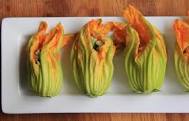
One of the most used flowers in cooking, particularly in Mexico, is the squash flower.  The male flowers will never develop into squash, so you can harvest some of them. When I was in Oaxaca a few summers ago, I took a cooking class from Chef Oscar Crespo and just had the best time.  One of the things we cooked was stuffed squash blossoms.  Here is the recipe.

Squash blossoms

Squash blossoms

FLORES DE CALABAZA RELLENAS DE QUESO
Cheese-filled Squash Flower Blossoms


12 squash flower blossoms, washed

½ cup (2.5 oz/80 g) fresh cheese, sliced into sticks

12 epazote leaves (optional)

1 cup all-purpose  flour

3/4 cup club soda

Oil for frying


Slice the cheese so that it fits in the blossoms. Remove the sepals and pistils (that’s the parts inside the petals), then cut the stem to 1¼ in . Fill the whole blossom with a slice of cheese and an epazote leaf. Push the cheese all the way in, and twist the petals to close.

Make a batter with the flour and club soda, starting with 1/2 cup of the club soda. Add more if necessary to make a thin batter like pancake batter.

Place the oil in a frying pan and bring to high heat, about 350 degrees. Dip the stuffed blossoms in the flour mixture. Fry them for 2 minutes or until golden brown, turning at least once. Remove from the oil and drain on absorbent paper.

These can be served accompanied with a red or green salsa or floated in a tomato  broth.

For more ideas on cooking squash blossoms, check here.  If you want more information on edible flowers, you can click here and here.

__________________________

Carolyn Niethammer writes books on the food and people of the Southwest.


In Praise of Seeds and Rebirth

Scarlet runner beans grown by ace gardener T.S.Swain–good nutrition and beauty besides (MABurgess photo)

Tia Marta here this beautiful Easter week, singing the praises of seeds, with stories of rebirth to share! When I hold seeds in my hand, I am blown away by their significance. These little lightweight packages of starch and protein, exine skins and genetic chains, are weighty with potential for what they can do in the future, and truly weighty with messages from the past—genetic wisdom selected by the many forces of Nature through time, and in the case of agricultural seed, by caring humans—all encased in a holding pattern, a portal where time stretches. Seeds are life in abeyance. Each seed is a nexus, connecting the ways of the past with hopes for the future. To see life spring again from a seed is a miracle every time it happens—even for elders who have seen it happen a zillion times, and one worth sharing with children for their first.

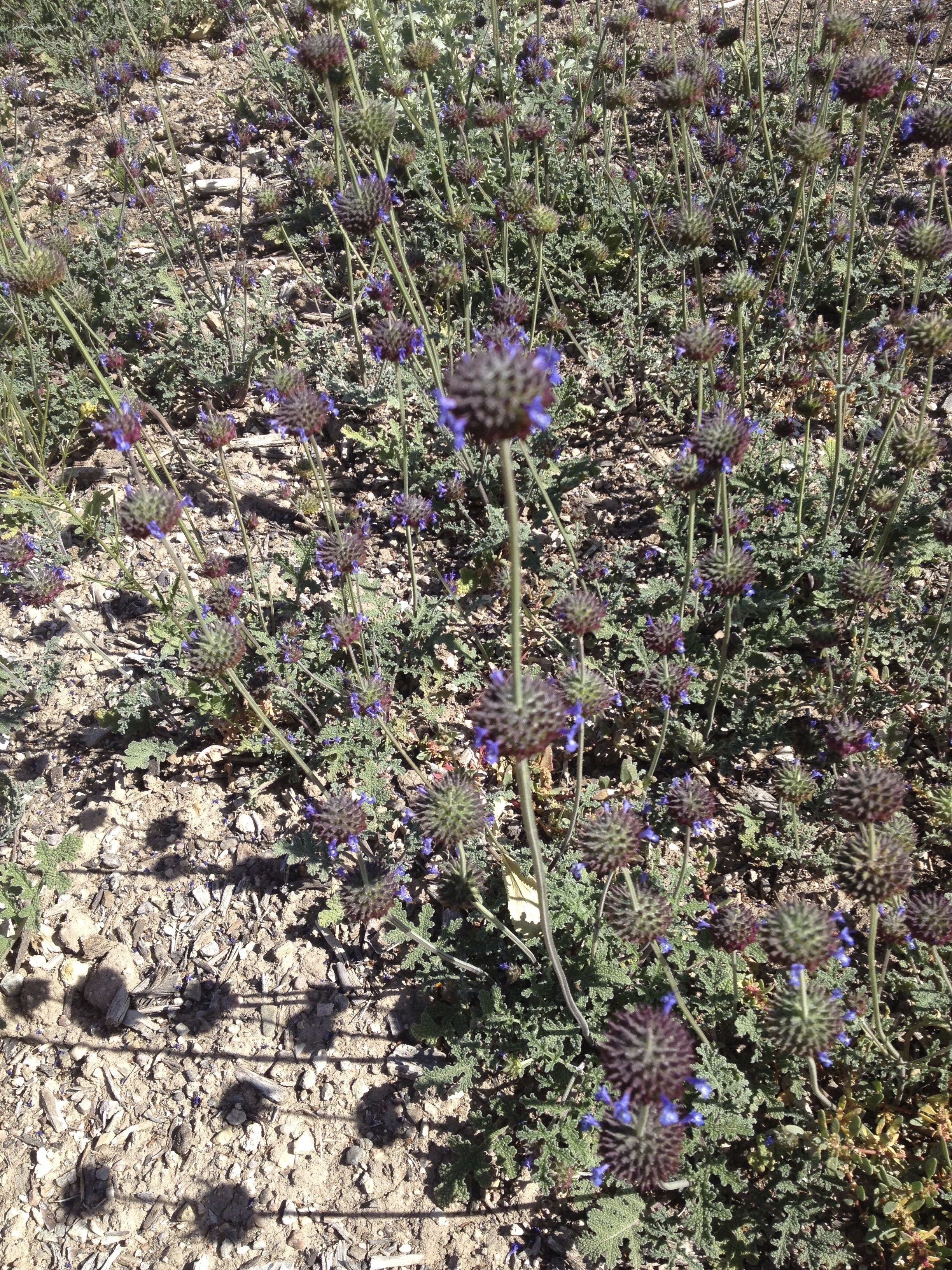
native chia (Salvia columbariae) in bloom at Mission Garden (MABurgess)

wild native chia seedheads (Salvia columbariae) ready to winnow (MABurgess photo)

wild native chia seedheads (Salvia columbariae) ready to winnow (MABurgess photo)

All of life celebrates spring re-energizing time with Nature’s renewal, Easter’s message of life out of death. In the Sonoran Desert we are celebrating not only new growth but also nourishment with the spring harvest, the results of winter rains. Here, our winter ephemerals (a totally different suite of plants than our hot-weather annuals) are completing their blooming and pollination cycles, their seedheads bulging and ready to be scattered, shattered, caught by wind, coyote legs, or human socks, to be spread to the next possible patch of desert soil in prep for this fall’s rainy season (or for feeding furry or feathered desert dwellers.) Chia seedheads will soon be ready to gather and winnow for their superfood nutrition. Don’t forget to thank the plant (and all the forces which brought those chia seeds to fruition) as you chow down on its high omega-3 fatty acids and its blood-sugar-balancing complex carbs in your smoothie or chia fruit salad!


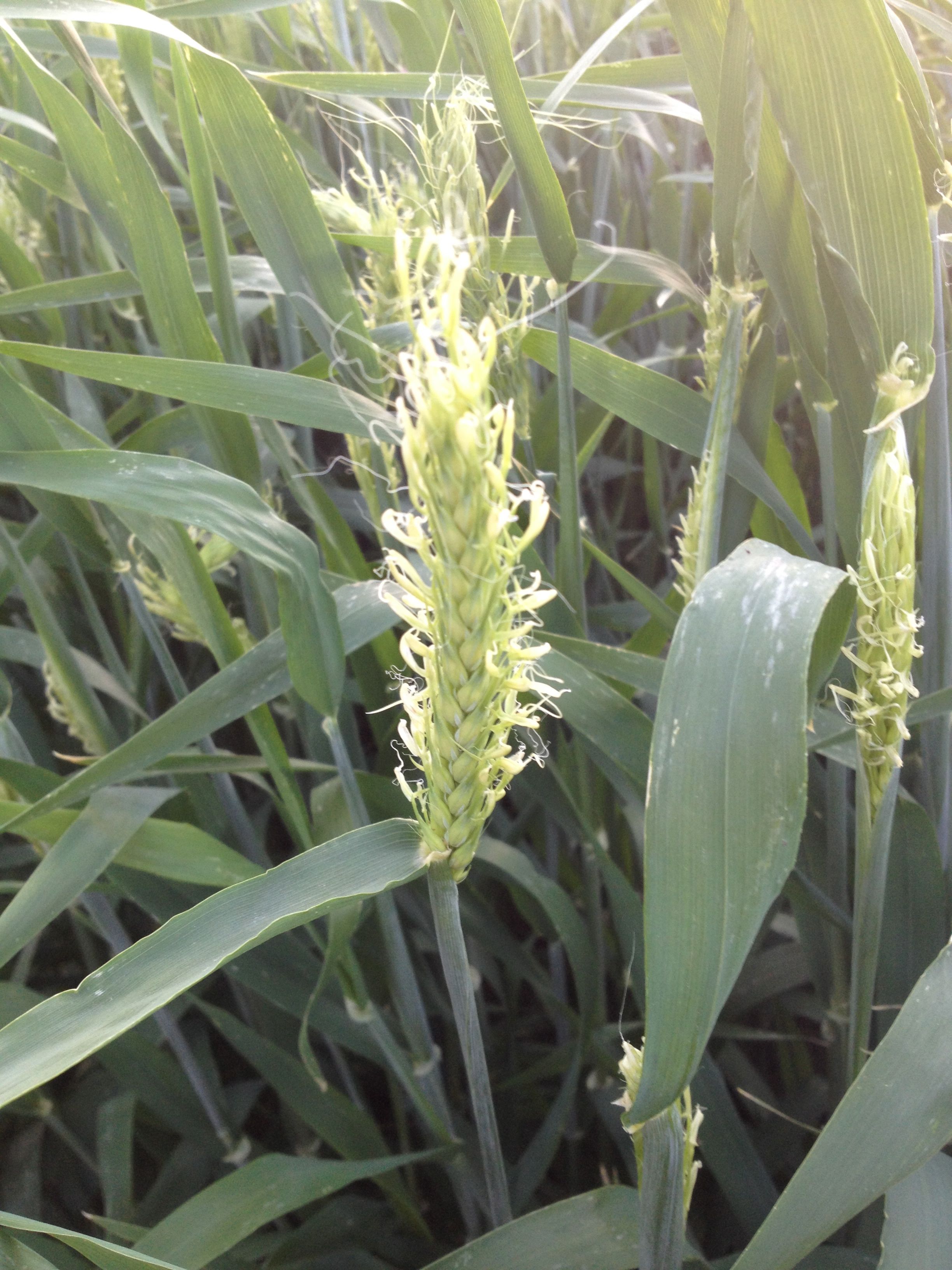
Heirloom barley in flower at Mission Garden (MABurgess photo)

Heirloom barley in flower at Mission Garden (MABurgess photo)

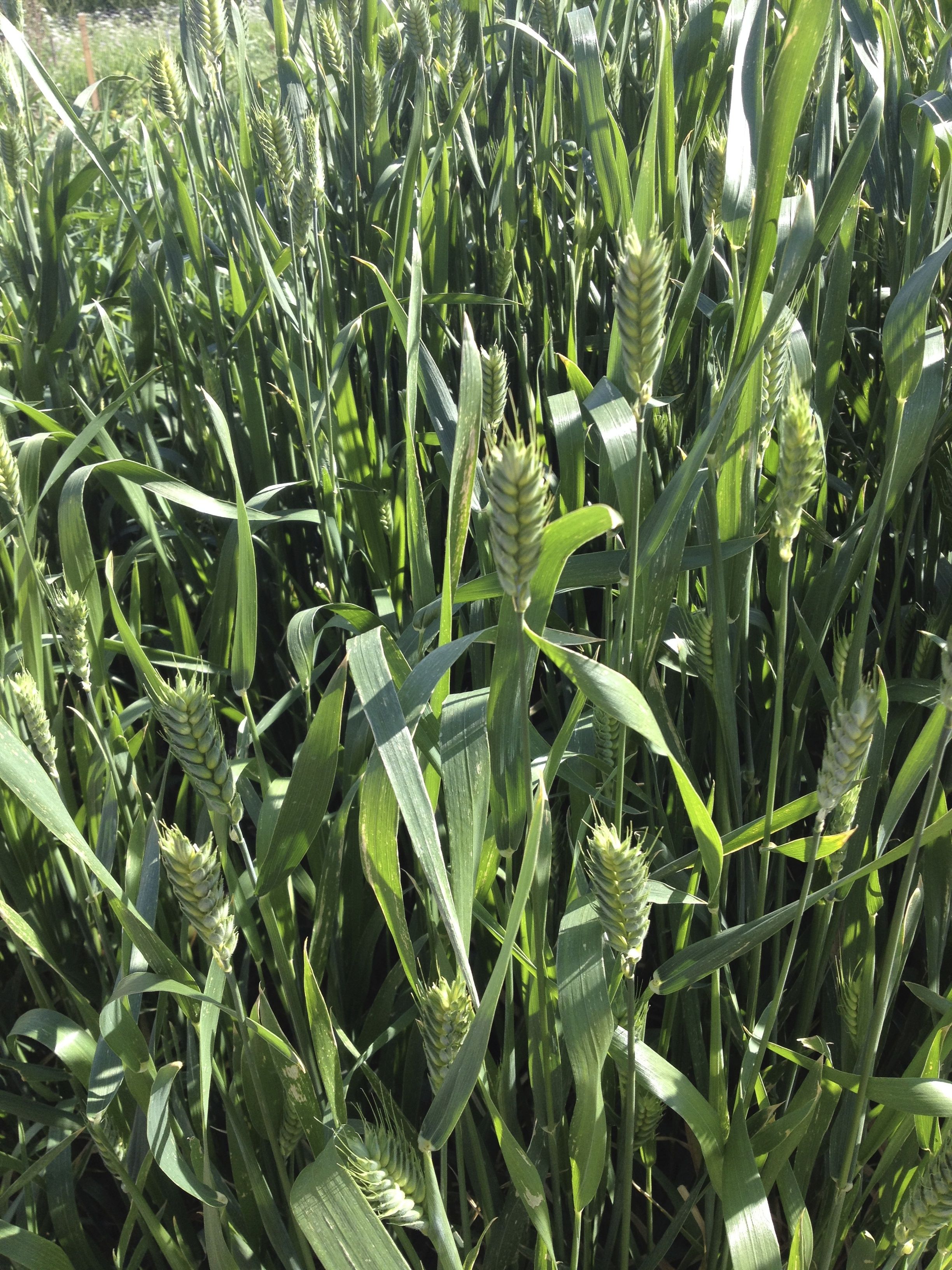
Heirloom White Sonoran Wheat seedheads filling out at Mission Garden (MABurgess photo)

Heirloom White Sonoran Wheat seedheads filling out at Mission Garden (MABurgess photo)

It is written that Passover (the roots of which began in a desert akin to our own with winter rainfall and grains grown as winter crops) cannot be celebrated until the barley is harvested. When Father Kino and other Padres brought Old World grains like wheat and barley to our corner of the Southwest, the same winter growing was observed. Now, at the Friends of Tucson’s Birthplace Mission Garden (at the foot of A-Mountain) direct descendants of those original heirloom grains are topping out where you can see them “in action” any Saturday for a tour (see http://www.tucsonsbirthplace.org).

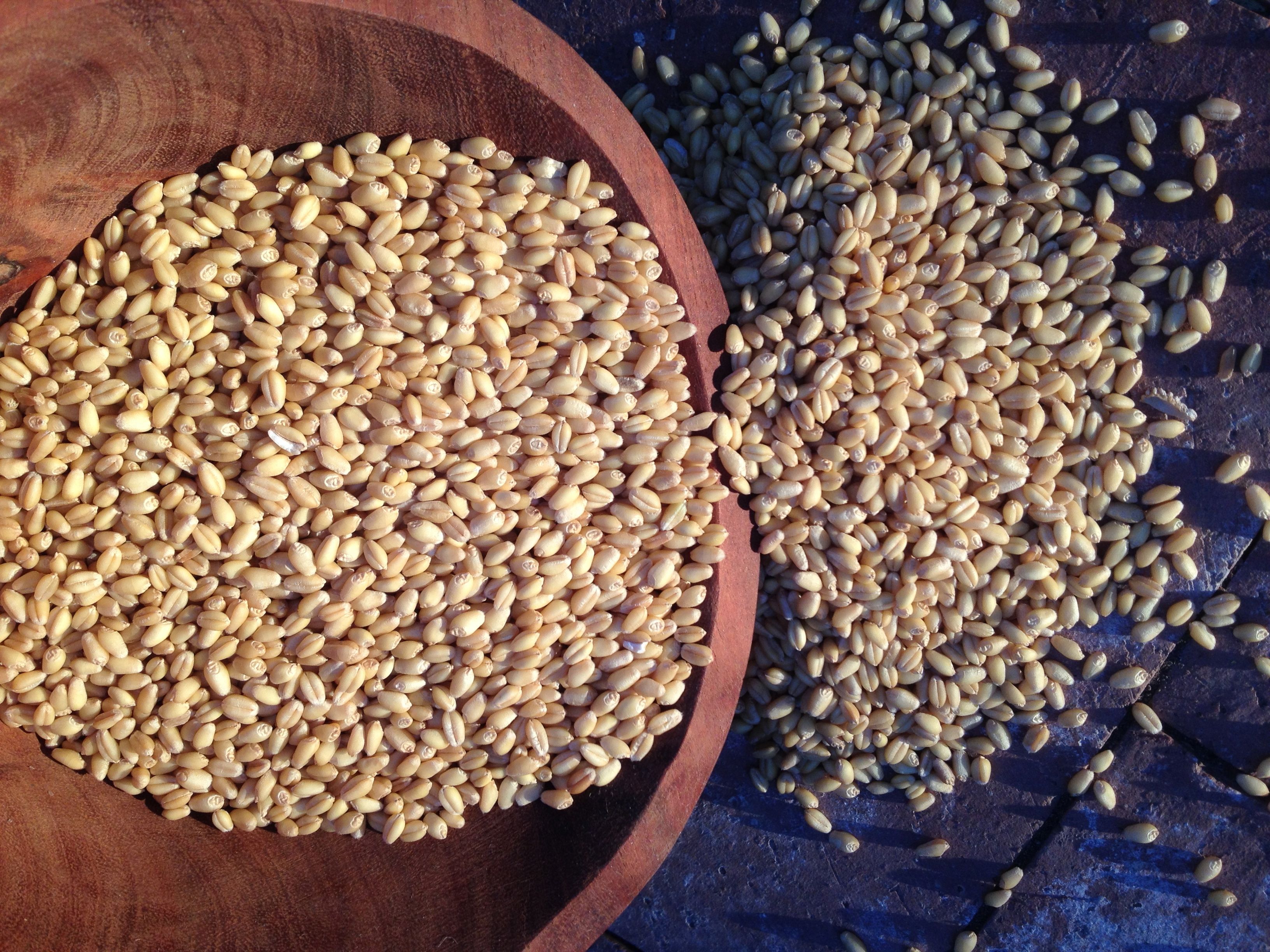
Heirloom White Sonoran Wheat berries, local, organic, traditional, from BKWFarms (MABurgess photo)

Heirloom White Sonoran Wheat berries, local, organic, traditional, from BKWFarms (MABurgess photo)

Scroll thru our savorthesouthwest posts to check out Tia Marta’s January blog for some enjoyable insights on the ancient White Sonoran Wheat and great recipe ideas, and a nutshell history –introduced by Kino, found again by Native Seeds/SEARCH, and now being grown with soil-enriching organic methods by the Wong Family in Marana.

Wheat is rich with symbolism as well as nutrition—full of life-giving energy, complex carbohydrates when the whole grain is eaten, and good protein. Irish farmers weave complex seedhead sculptures and hangings for good luck, representing protection, provender, and plenty. For traditional Italians especially, wheat symbolizes renewal and rebirth and has become an important Easter food.

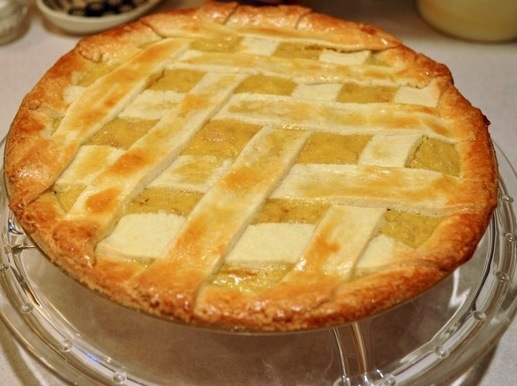
Tucson Foodie-par-excellence Vanda Gerhardt located a most marvelous recipe for an Italian traditional Easter pie (judysculinaria.wordpress.com) made with wholesome wheat grain. She has served samples to delighted farmers market visitors at the Flor de Mayo booth at St Phillips Sunday market (www.heirloomfarmersmarkets.com).  With her inspiration I have modified it for a totally local treat, made with our own Padre Kino White Sonoran Wheat berries from BKWFarms!

Luscious Easter Wheatberry pie, from judysculinaria.wordpress.com

Luscious Easter Wheatberry pie, from judysculinaria.wordpress.com

Here’s my version of this yummy custard Pastiera di Grano dessert for you to enjoy with its Sonoran Desert name:

Heirloom Wheat Berry Pie—Postre de TrigoEntero–Pastel Pascual de la Pimeria Alta!
Ingredients for pre-cooking wheat berries:
1 cup whole grain heirloom White Sonoran Wheat Berries (available from NSS or Flor de Mayo)
5 cups drinking water
2-4 narrow strips lemon peel, orange or tangerine peel
Pinch salt optional
Instructions for cooking wheat:
Rinse white Sonoran Wheat berries to remove chaff. (Overnight soak optional.)
In saucepan, bring to boil, cover, reduce heat and simmer an hour, then check doneness. Berries are best when they are al dente but done through. Allow more simmer time if need be.
[After wheat berries are cooked you can use them for many different delicious recipes.]

Sweet Pie Crust (Pasta Frolla)
(You can make this and the filling while your wheat berries are simmering!)
Ingredients for pie crust:
1 2/3 cups White Sonoran Wheat pastry flour or 00 (available from NSS, HaydenFlourMills)
1/3 cup organic sugar, OR ¼ cup sugar and 1 T mesquite pod flour
1 tsp lemon or orange zest (optional)
½ cup butter chilled and diced
1 large egg lightly beaten
1 tsp vanilla
1/8 tsp salt (if unsalted butter)
Instructions for pie crust:
Combine flour, sugar, zest, and salt. Mix thoroughly (in food processor if available). Cut in butter until breadcrumb texture. Whisk in wet ingredients—egg and vanilla. If needed (as in dry climates) add 1-3 T of ice water and mix. Form mixture into a ball, wrap in plastic and chill at least an hour.

Ingredients for Pastry Cream Filling:
2 T organic sugar
1 T White Sonoran Wheat flour
½ cup milk
1 large egg
1 tsp vanilla
Pinch of salt
Instructions for Pastry Cream:
Sift sugar, flour, salt together into saucepan. Whisk in egg and milk. Mix well. Cook on low heat stirring constantly until it boils and thickens (approx. 3 minutes). Place in bowl and cover with plastic wrap directly on top of cream mixture eliminating all air bubbles, and set in frig to chill.

Ingredients for Ricotta Cheese Filling:
1 cup ricotta cheese
¼ cup organic sugar
2 large eggs
½ cup finely chopped orange or tangerine peel candied (optional)
1 tsp orange flower water or rose water
½ tsp cinnamon
Instructions for making Ricotta Filling:
Preheat oven to 350 degreesF
In mixing bowl beat ricotta until creamy. Mix in sugar and eggs. Fold in candied citrus peel, flower water, and cinnamon. Next fold in the refrigerated pastry cream and 1 cup of the cooked White Sonoran Wheat berries. Mixture should feel thick.

Final steps–Cooking Wheat berry Custard Pie:
Roll out 2/3 of the pastry dough and spread on floor of 9-inch pie dish. Pour in the cream/ricotta/wheatberry mixture. For creating lattice top on pie, roll out remaining 1/3 dough. Cut in strips about ½ inch wide and place atop pie filling.
For a glistening egg wash, whisk 1 egg and pinch of salt and brush the pastry lattice.
Bake 50-60 minutes or until top and crust edges are golden brown and the custard filling is firm in the middle. Test with cake tester or toothpick in pie center. Cook additional minutes until tester comes out clean. Remove from oven and cool on wire rack. Best chilled for a few hours before serving.
Buon Appotito –y buen provecho!

Note: you can find organic White Sonoran Wheat Berries at Native Seeds/SEARCH store or online http://www.nativeseeds.org, also at Flor de Mayo’s booth at Sunday St Phillips Farmers’ Market, Tucson, http://www.flordemayoarts.com or 520-907-9471. Orange blossom water is available at Mid-Eastern groceries.


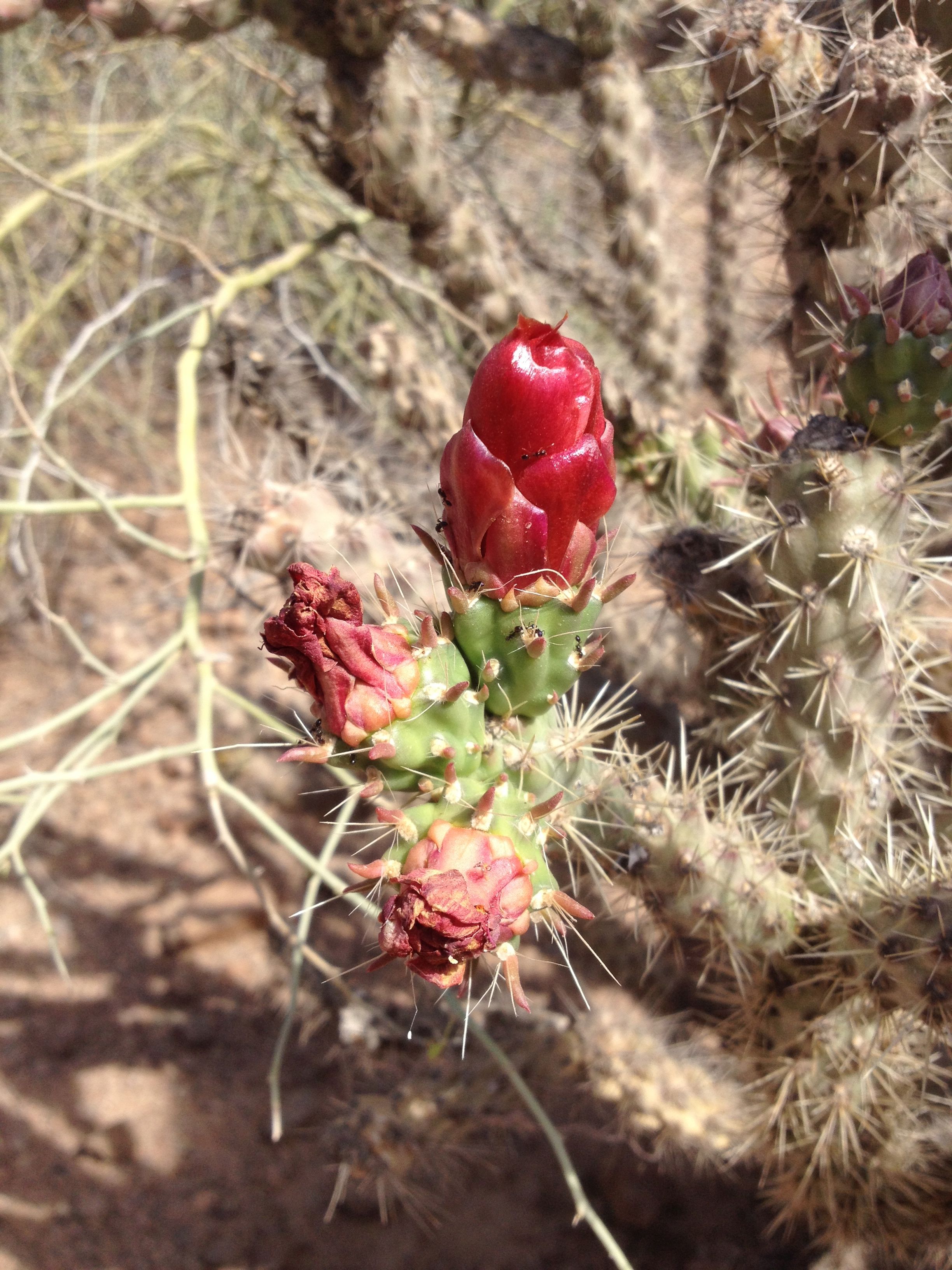
Staghorn cholla bud about to open, with ants enjoying extra-floral nectaries (MABurgess photo)

Staghorn cholla bud about to open, with ants enjoying extra-floral nectaries (MABurgess photo)


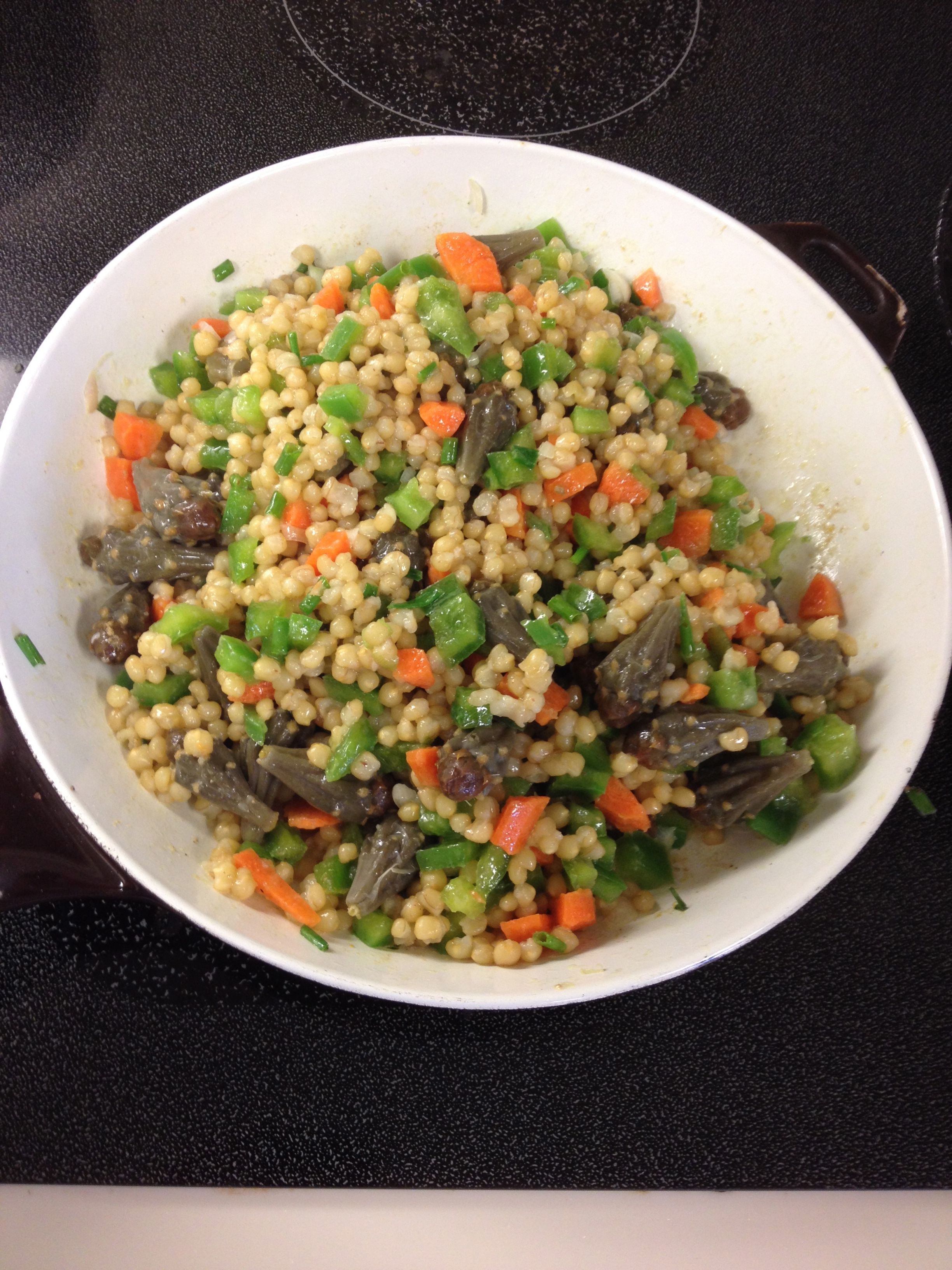
Wheatberry salad with cholla buds--an April delight (MABurgess photo)

Wheatberry salad with cholla buds–an April delight (MABurgess photo)

With cholla bud season in full swing, it’s a great time to make a marinated wheatberry and cholla bud salad for a refreshingly cool hot-weather dish. Marinate cooked wheatberries in your favorite dressing, chop fresh veggies and add cooked cholla buds—and voila you have flavor, fun, and nutrition!
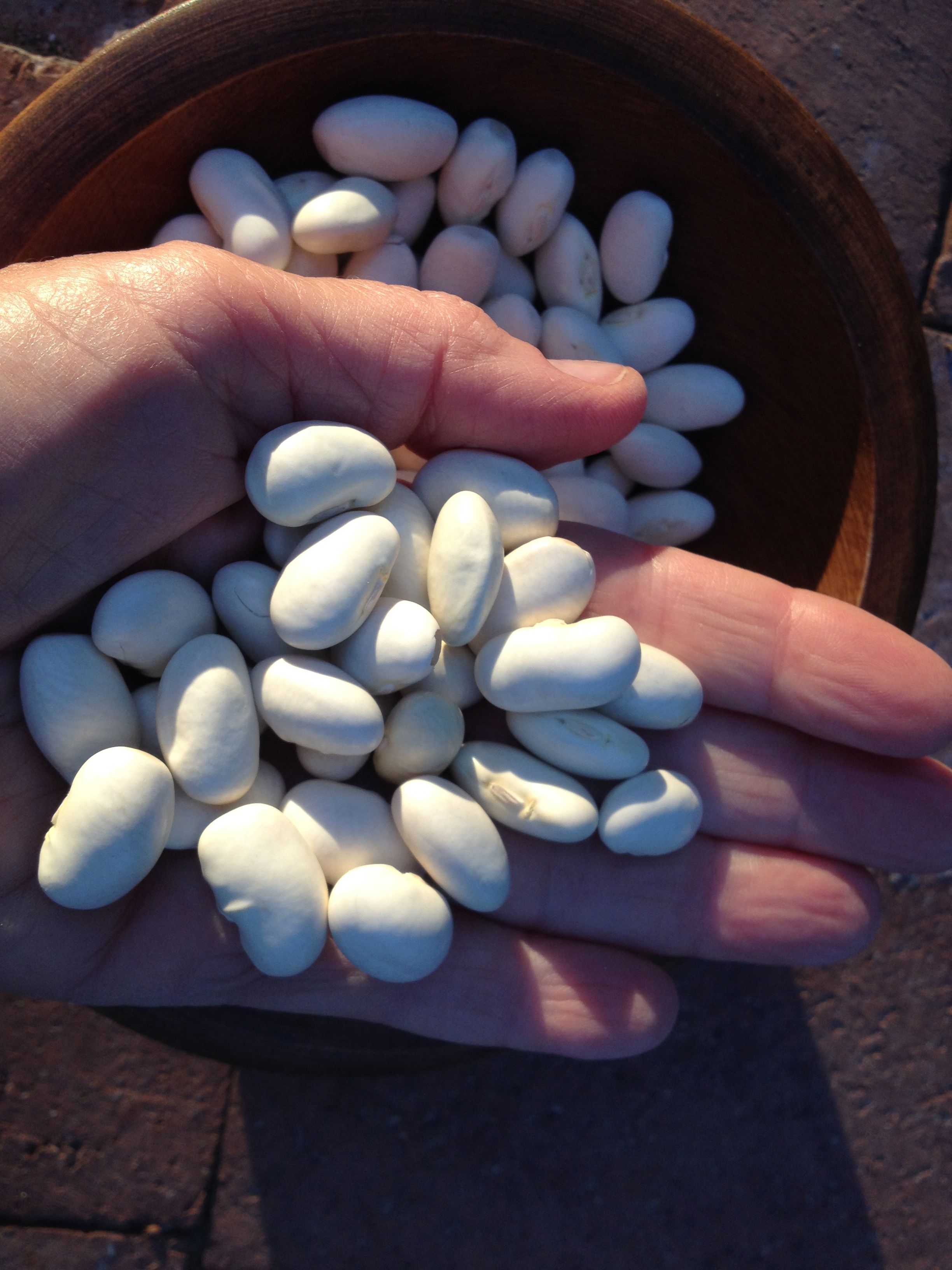
Giant Aztec white runner-beans, aka bordal and "mortgage lifter" (MABurgessphoto)

Giant Aztec white runner-beans, aka bordal and “mortgage lifter” (MABurgessphoto)

With the sap rising, and the gardening bug tugging at you, now is the perfect time to sew seeds of two very special long-season beans—the Tarahumara scarlet runner (see top of post) and the Aztec white runner (available at http://www.nativeseeds.org).   (Note: white runners looking like small Easter eggs are also referred to as “bordal” and, similar to the tomato by the same name, “mortgage lifter.”  If you can baby your young plants thru the heat and drought of May and June into monsoon growth, both of these beans will give you not only great food next fall but also glorious ornamental vines until then. Trellis them on the east side of your house or a wall for eastern light and protection from the blasting western sun. Hummingbirds will love you as they visit both the brilliant scarlet flowers and even the white flowers.

May your garden and your table be blessed with the fruits of the desert, bringing rebirth of good nutrition to the land and to our greater community of creatures and cultures!

How Nopales Become Nopalitos

Pick prickly pear pads when they are the size of your hand.

Pick new prickly pear pads in the spring when they are the size of your hand.

Carolyn Niethammer with you this week. In our last post,  Martha Burgess wrote about how early cholla buds were appearing this year. I have seen pads beginning to form on the native prickly pear, but not yet on my Ficus Indica, the tall Mexican variety.  But they will be out soon, so let’s talk about how to prepare them for use in salads and casseroles.

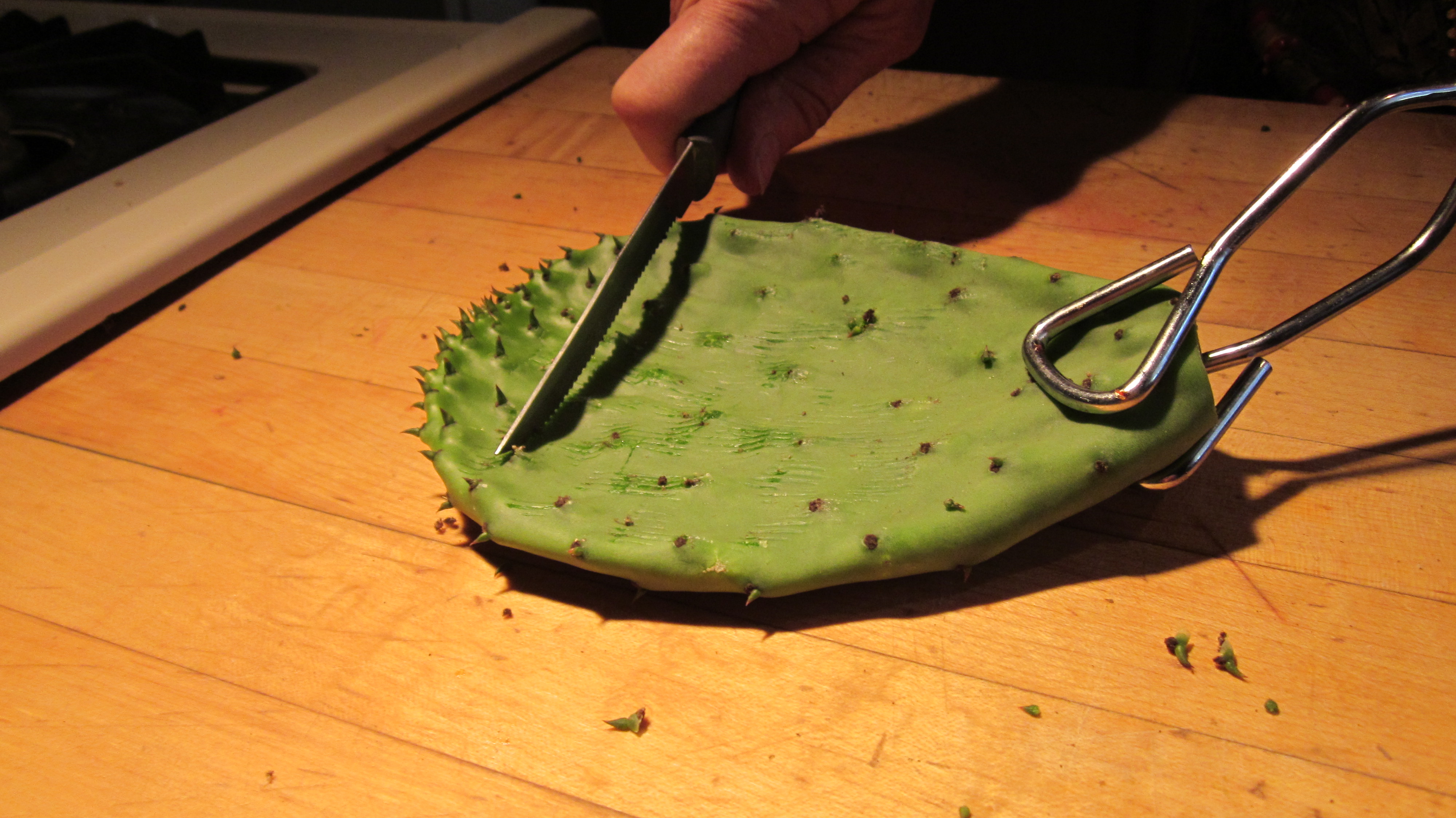
Scape off the stickers with a serrated steak knife.

Scape off the stickers with a serrated steak knife.

First thing is to don your rubber gloves. Even though these cactus pads don’t have large stickers, they do have the tiny glochids that can be awful to get out of your hands. Then using an old-fashioned steak knife with a serrated edge, go against the grain to scrape off the stickers. Keep a paper towel nearby to clean the knife and keep your working surface clean.

Trim off the edge.

Trim off the edge.

There are an abundance of stickers on the edge of the pad, so just trim it off and discard it.

The nopal becomes nopalitos.

The nopal becomes nopalitos.

At this point you can put the whole, cleaned  nopal on the grill next to  some chicken pieces or pork chops. Or you can chop the pad into smallish pieces. The Chicago restaurant owner, TV star and author Rick Bayless coats the pieces with oil, puts them on a cookie sheet and bakes until done.  You can also do it in a frying pan.  Cook until the color changes to a more olive hue. The slippery substance that is so healthy for your blood will dry up and become less noticeable.

Cook nopalitos until they turn olive colred and loose some of their moisture.

Cook nopalitos until they turn olive colred and loose some of their moisture.

I watched my friend Amy Valdez Schwemm do a nopal cooking demo at the Mercado last year. Her method is a little different. After cleaning the nopal, she cooks it whole and cuts it up later.  If you are cooking in a frying pan, this eliminates having to flip each piece individually.


Amy cooks the pads whole then cuts later.

Amy cooks the pads whole then cuts later.

At this point you can add to a salad (maybe picnic-style potato salad) or a casserole such as this one with lentils from my cookbook Cooking the Wild Southwest.

French Green Lentils with Nopalitos

French Green Lentils with Nopalitos

Although prickly pear is a New World plant, it has spread over the globe. The Spaniards originally took it back to Europe from Mexico. I was fascinated to learn that it has colonized in Ethiopia in a big way.  Some impoverished groups live on the prickly pear fruits for months when they are ripe. But people do not eat the pads there, although they feed them to their livestock.  Here are some photos my friend Seyoum took showing prickly pear and his family in Irob, Ethiopia.

A very large prickly pear plant in Irob, Ethiopia.

A very large prickly pear plant in Irob, Ethiopia.


Preparing nopales for the livestock.

Preparing nopales for the livestock.

All prickly pear pads are edible; it just depends on how much time you want to spend getting the stickers off. I usually wait until the Ficus Indica pads develop. Those with access to a Mexico grocery store can usually find them there, sometimes already cleaned. Once they are cleaned, they tend to deteriorate quickly, so buy just before you want to cook them. The very best tasting prickly pear pads I’ve ever eaten are grown on the foggy slopes of central California by John Dicus at Rivenrock Gardens. You can find him at http://www.rivenrock.com. He will go in the morning and pick you a boxful and it will be on your porch the next day. They are so fresh, they will last for many weeks in the refrigerator. He grows a variety he found in Maya country in Mexico and they are virtually spineless. And delicious!

________________________________________

Excited to try prickly pear?  I give you lots of recipes in The Prickly Pear Cookbook and Cooking the Wild Southwest.  Very helpful for controlling blood sugar and cholesterol.


On Cows and the Sweetness of Milk (Dulce de Leche)

Image

Tia Linda:  It is Springtime and we are preparing for our spring roundup.  At a roundup we move all cattle into the corrals, eye each animal, and tend to any that need tending. We  talk about pasture and how to work with “the conditions”. Climate and weather are huge topics of conversation, because when you ranch, you first and foremost raise grass and pasture.  After that, you can raise animals.

Image

Here a mother cow nurses two calves, one her own, one an orphan.

During roundup we have a few cows set in one area for milking.  All milking is done my hand.  It is both a reverent and practical act to milk an animal.  And one you need to be completely present to, as you are working with big animals with big hoofs who are shifting their weight here and there, while you balance on the balls of your feet, as you grip a cold metal pail between your knees. Working warm moist teats, the humid smell of fresh milk flows, the sounds of the warm liquid hits the metal of the pail and then softens as the pail fills.  Most milking happens right before dawn, so the stars are still above, the air is cool, bats are still out hunting insects. As they fly by, I can feel their batwing air currents on my face. The metal pail, initially cold from the morning air, warms as it fills.

Image

Image

Image

We milk some “Vacas de Leche” because they have great udders. Others because they need a bit of “gentle-ing”. Milking a cow can be just as much about a process as a product. You are teaching her – inviting her –  to trust you, and every morning as you work with her, the hope is that she accepts your invitation.

To the ancient Celts the beginning of spring was called Imbolic, from the old words for “ewes milk” or “in the belly” as pregnant sheep began to lactate.  I love that this ritual is rooted in hoofed animals and milk. I feel a kind of  archetypal resonance with lactating animals.   Female animals.  In Anne Baring’s and Jules Cashford’s scholarly book,  The Myth of the Goddess, they write “there was (a) tradition,… in which the Primeval Waters and the High God (was) feminine, and the heavenly ocean was imagined as a ‘great flood’, which was manifest in the form of a great cow nourishing the world with her rain-milk, an image familiar from the Neolithic.” (P252) Isis and Hathor are just two Goddesses that the authors reference, that embody the cow as cosmic mother.

Image

Photo Above: This painting on papyrus is from 1000BC shows Hathor; stars of the night on her. You can find this and other ancient Cow as Cosmic Mother representations, in the book cited above. This photo is on the internet.

The image of the cosmic mother as cow is not one most in people modern life have been exposed to.  Nourishment happens on multiple levels, and  we see that pasture based animals’ “life giving” energies manifest in the  nutritional content of milk.  Their milk differs greatly from cows whose lives are spent in the mainstream, industrial food system. In her book,  The Grassfed Gourmet, ,  Shannon Hayes’s  writes: “…  milk from grass-fed animals offers exceptional health benefits, due in large part to the proper ratio of omega-3 to omega-6 fatty acids and the high levels of conjugated linoleic acid (CLA). As a result of their pasture based diet, the milk from grass fed cows is naturally high in vitamins A and E and rich in beta-carotene, which contributes to its characteristic buttery color.” She goes on to cite “recent research (that has) uncovered significant findings pointing to the cancer-fighting properties of grass-fed dairy products. A recent Finnish study … concludes that a diet composed of CLA-rich foods, particularly cheese, may protect against breast cancer in post menopausal women.” (see p219)

Just like flowers for honey, grapes for wine, and cactus (liquors) for your margarita, milk directly reflects the land on which the animals are raised. The flavor and texture of milk depends upon the condition of the grasses, and forage, and are affected by  whether or not we  received summer and/or winter rains.

Feeding hard working folks nourishing foods is important during the long “up before sunset -working past dark days” of a cattle roundup. Sweets make it all the sweeter. And one sweet is made with a ranch ingredient: Milk.

RECIPE: Dulce de Leche   (Adapted a tad from Marilyn Noble’s, Southwest Comfort Food)

Ingredients:

2 quarts whole cows milk (pasture raised if you can find it)

3 cups sugar (i had good success with organic cane sugar; honey didn’t work texture   wise, but it tastes OK)

1 vanilla bean

½ teaspoon baking soda

(Note: the goat milk option is called Cajeta. For a vegan option: try coconut milk.)

Image

In a large saucepan, stir together the milk, sugar, and vanilla bean – and bring to a simmer over medium heat. Stir until the sugar is dissolved. Add the baking soda and stir. Reduce heat to low and continue to barely simmer, stirring occasionally, for 1 hour. Remove the Vanilla bean and continue to simmer for another few hours until the liquid is a golden brown and thickened and reduced to about 2 cups.

Image

I love eating this simple “sweet”  by the spoonful.  If you have never eaten Dulce de Leche, try it this way first, without any other flavors or on top of any other foods. The flavor and texture are so pure it is as if Life is revealing one of Her simpler riches to you, saying “Ahhhh, you thought it had to be complicated …and all along it was right here, in this very spoon.”

In Sonora, it is eaten on tortillas, cookies, bread, and  stirred into in Atole de Pechita (a Mesquite drink).  I like in on top of mesquite pancakes, mesquite cookies, ice cream, or fresh fruit.

Note: picking up on the theme of nourishment coming in many forms ….  the Aroma that wafts through the kitchen while the milk and sugar are reducing is amazing. It is worth making JUST for the pleasure of inhaling such sweetness.

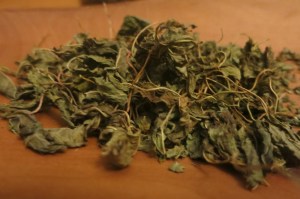
Wondrous Weeds!

Tia Marta here to share ideas about our new neighbors—the weedy greens popping up all around us.  With those fall rains we had here in the low desert, there is a bloomin’ haze of green on the desert floor– not what you’d call a florid show—but wait—what is happening where November’s mud-puddles were collecting?  That may be real food lurking in your own backyard!  Now is prime time to take advantage of spontaneous tender mercies and phytonutrients.  Interesting tastes await us, to spice up our salads and bedeck our burritos.

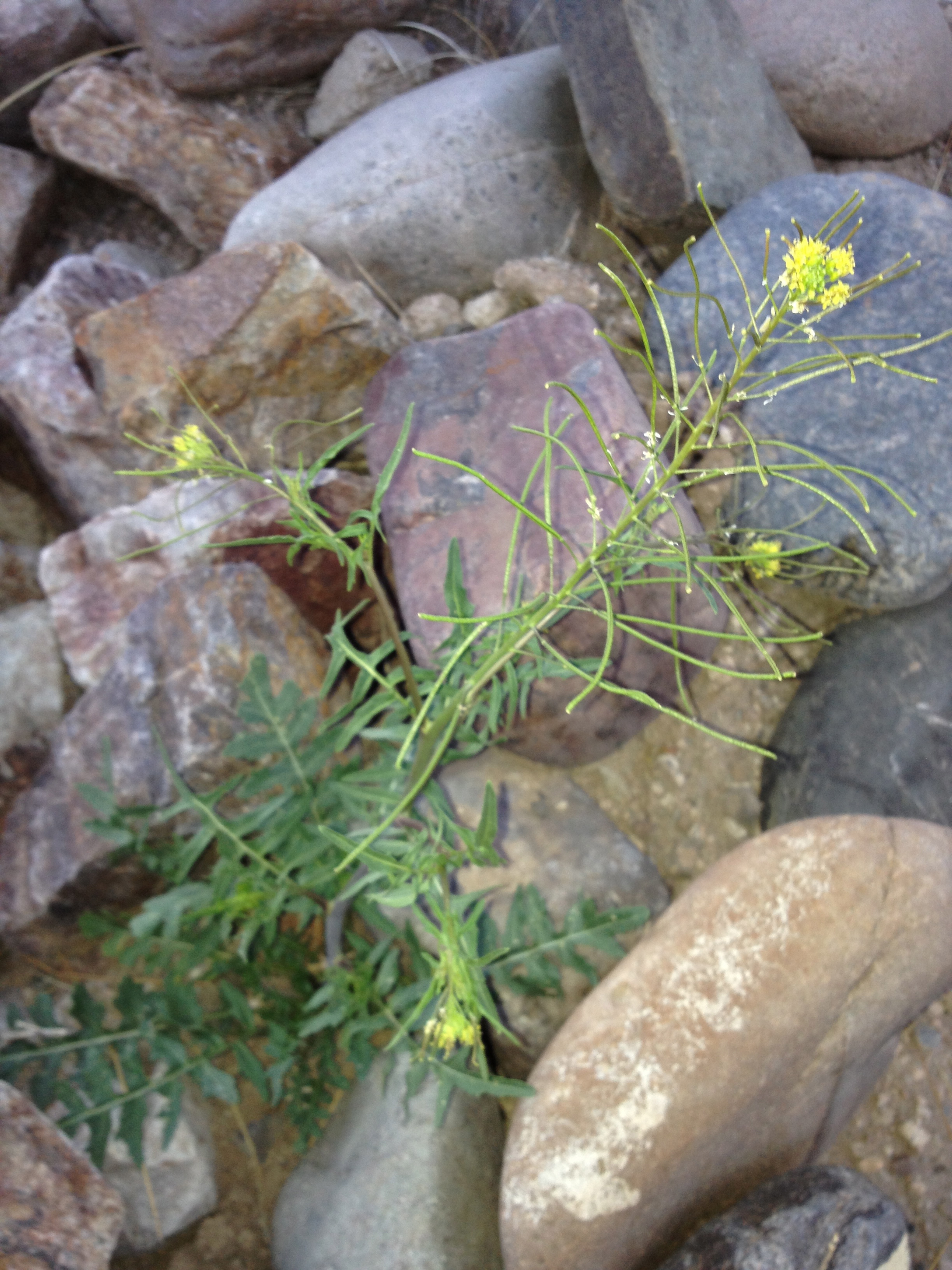
"Wild arugula” or London rocket (Sisymbrium irio) provides zesty greens, flower garnish, and later, mustard seeds when mature. (MABurgess photo)

“Wild arugula” or London rocket (Sisymbrium irio) provides zesty greens, flower garnish, and later, mustard seeds when mature. (MABurgess photo)

London rocket (read “wild arugula”) is everywhere, its greenery literally growing before our eyes in every low swale, rocky hillside, every ditch where water has run.  Sisymbrium irio is an introduced weed which we can enjoy with impunity—the more we eat of them the more we are removing competition for our beloved native plants.  So harvest away!  (A good rule of thumb is to collect at least 50’ from a road.  No need to ingest road dust and pollutants when there is so much to be found in friendly yards or out in the des.)

Prepare for a picante treat, sometimes a picante bite, from these wild mustards.  Toss a few wild arugula leaves with baby greens, or in a BLT to liven it up.  Try them steamed with your favorite garden greens or added to stir-fry.

Hot February weather is telling our wild mustards, “Summer’s coming.  Better go ahead and bloom fast!”  Already we see tiny 4-petaled yellow flowers rising from the rosettes of deeply lobed leaves.  Small erect spikelets of seedpods (called siliques) stand out from the central stem.  Whole flower heads with seedpods are edible, and zingingly picante.  Sooner than we think, seedheads will mature and you can harvest their tiny mustard seeds for dressings or salad sprinkles.

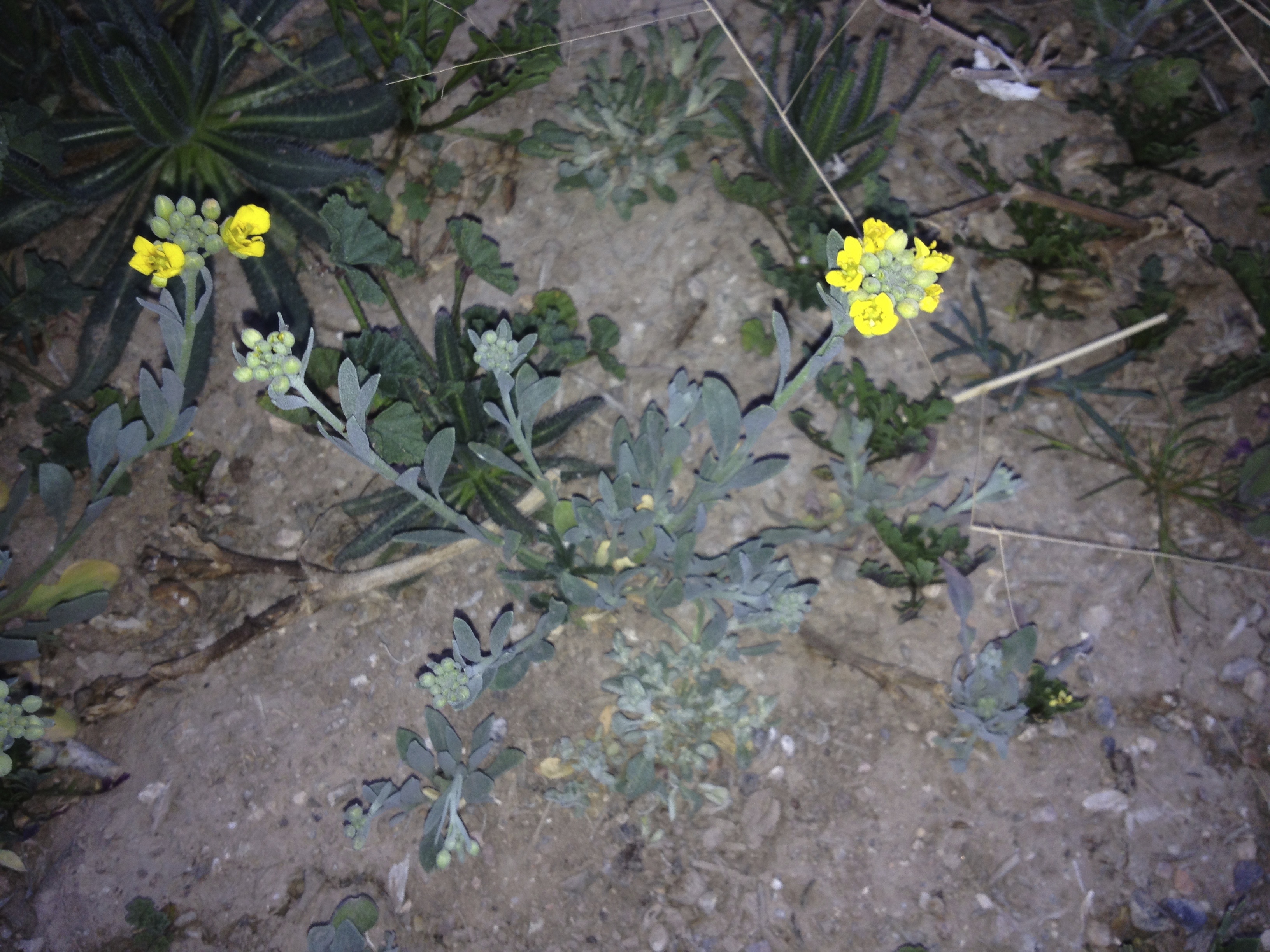
This year, if you spy Lesquerella gordoni (bladderpod), it will stand out like little yellow stars on the bare ground. (MABurgess photo)

This year, if you spy Lesquerella gordoni (bladderpod), it will stand out like little yellow stars on the bare ground. (MABurgess photo)

In some wet winters, a different native mustard known as bladderpod has made carpets of lemon-yellow flowers on the desert floor.  No such show this year.  Should you find a patch of blooming bladderpod, try a taste of its petals.  Their nice nip will add vivid color, nutrition, and excitement to any salad, garni, or burrito topping.

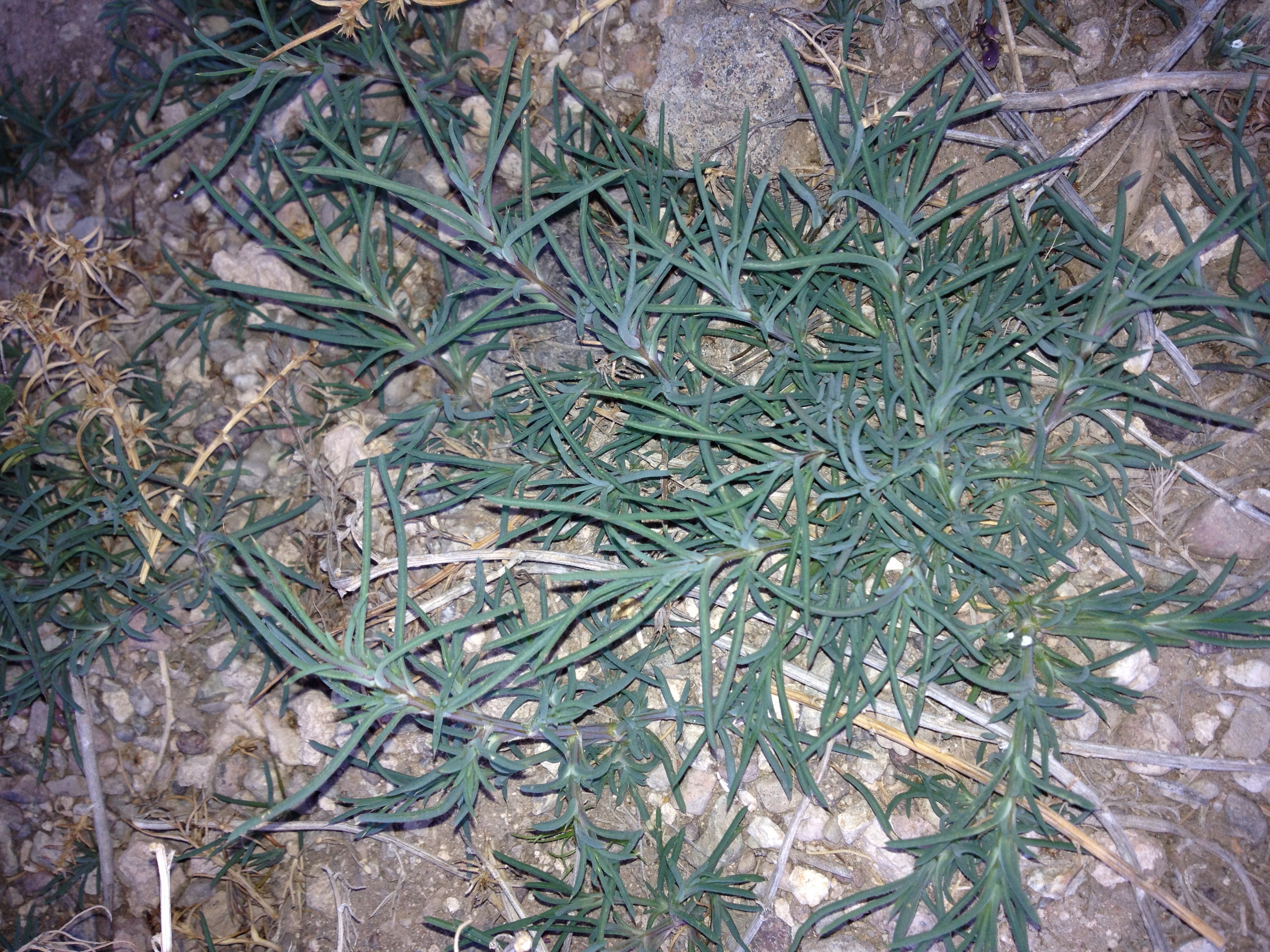
Better known as tumbleweed, Russian thistle (Salsola kali) is best harvested in this tender stage—and every rancher will thank you for your service! (MABurgess photo)

Better known as tumbleweed, Russian thistle (Salsola kali) is best harvested in this tender stage—and every rancher will thank you for your service! (MABurgess photo)

The most ubiquitous of weeds is the introduced Russian thistle which no one seems to notice until it dries, dislodges, tumbles across the road on a crosswind, and stacks up next to a fence or obstacle.  So now, while it is in its infancy, go out to that windbreak and find its progeny!  Have no compunction about snipping it at ground level while it is only inches high, young, and tender—before sharp stems develop making it unpalatable to humanoids.  You will be amazed at what it adds, snipped in short pieces fresh in a salad, steamed with butter and pepper, or stir-fried with other veggies.

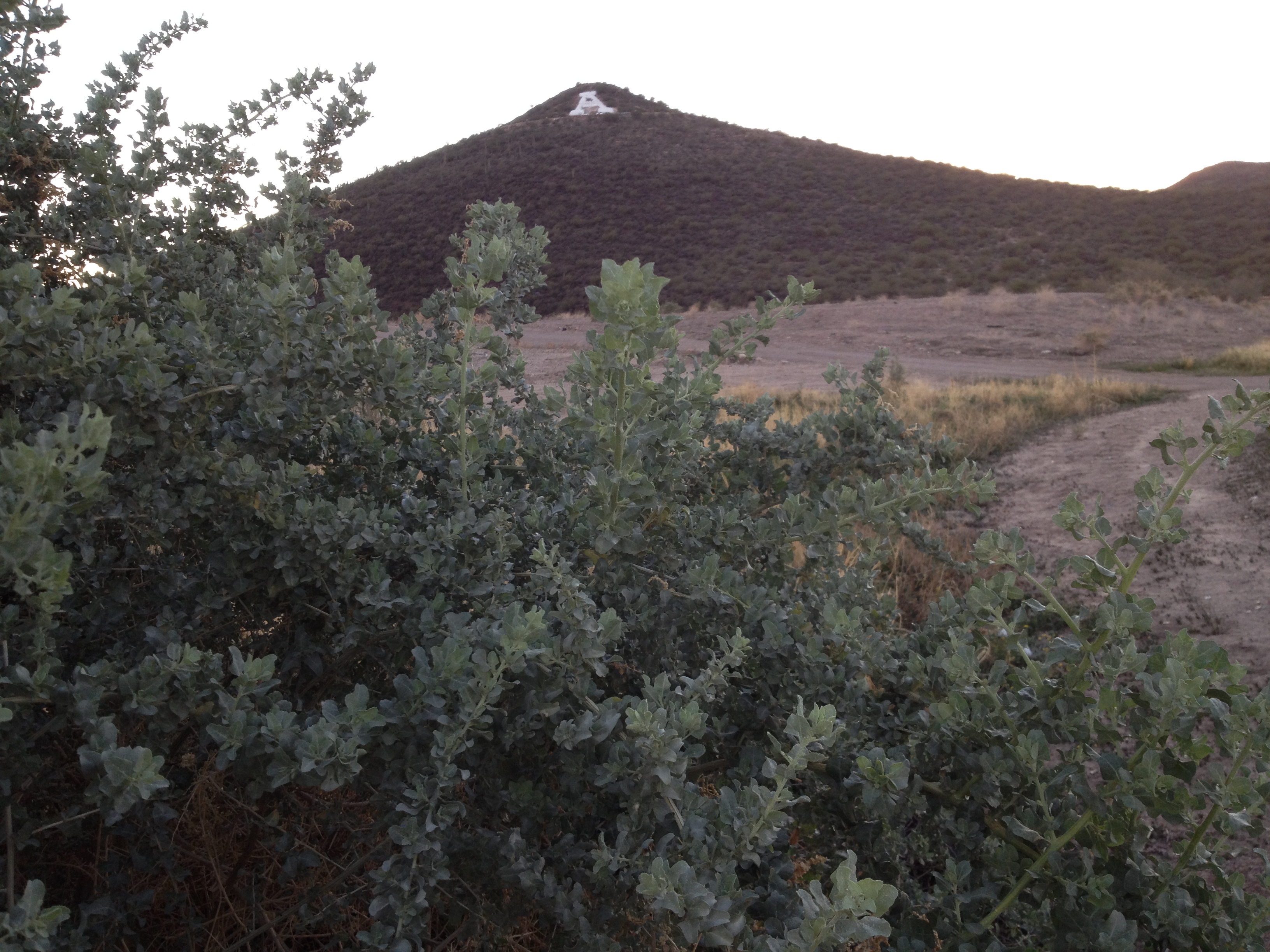
Our many species of saltbush (Atriplex spp.) are tender and ready for picking in late winter into spring. (MABurgess photo)

Our many species of saltbush (Atriplex spp.) are tender and ready for picking in late winter into spring. (MABurgess photo)

Find saltbush's gray greenery along the Santa Cruz floodplain--or plant it in your yard for wildlife habitat. (MABurgess photo)

Find saltbush’s gray greenery along the Santa Cruz floodplain–or plant it in your yard for wildlife habitat. (MABurgess photo)

Now is saltbush’s time to shine—in landscaping and in cuisine.  Here in Baja Arizona there are many species of Atriplex, and all are edible.  These tough shrubs are desert survivors for sure.  They tend to grow in “waste places” where hardly any other plants can make it.  The name saltbush indicates its habitat, where soil is salty,heavy, or full of caliche.  Quail and other creatures find refuge and forage in the dense shrubs.  If you want to attract birds into your yard, go to Desert Survivors Nursery, Tucson, and buy any saltbush to plant—then stand back.  We humans can join in the saltbush foraging guiltlessly, as saltbush is plentiful and our harvesting may even stimulate re- growth.

Nearly every Native nation in the Southwest has a tradition of using saltbush in multiple ways.   When its stiff salty leaves are youthful they can be picked for cooking with other greens, the style of traditional Akimel O’odham, the River Pima.  My Tohono O’odham teacher Juanita would steam saltbush with cholla buds, and told me how “the old people would roast their cholla buds in layered beds of ontk i:wagi [salt spinach].”  Hopi cooks make a kind of baking powder out of pulverized saltbush foliage.

Try young saltbush leaves cooked with heirloom cannelini beans or cranberry beans—for a flavorful variation on beans-and-greens.  You’ll find that the salts which the plants have sequestered from the soil will add a delicious desert flavoring.  Move over, Hawaiian sea-salt!  (After saltbushes have flowered, we will “talk seeds”—stay tuned….)

NativeSeeds/SEARCH (www.nativeseeds.org) and Mission Garden (www.tucsonsbirthplace.org) carry seed of a domestic relative of saltbush called “orache” which provides a purple-leafed “green” for a winter veggie garden.

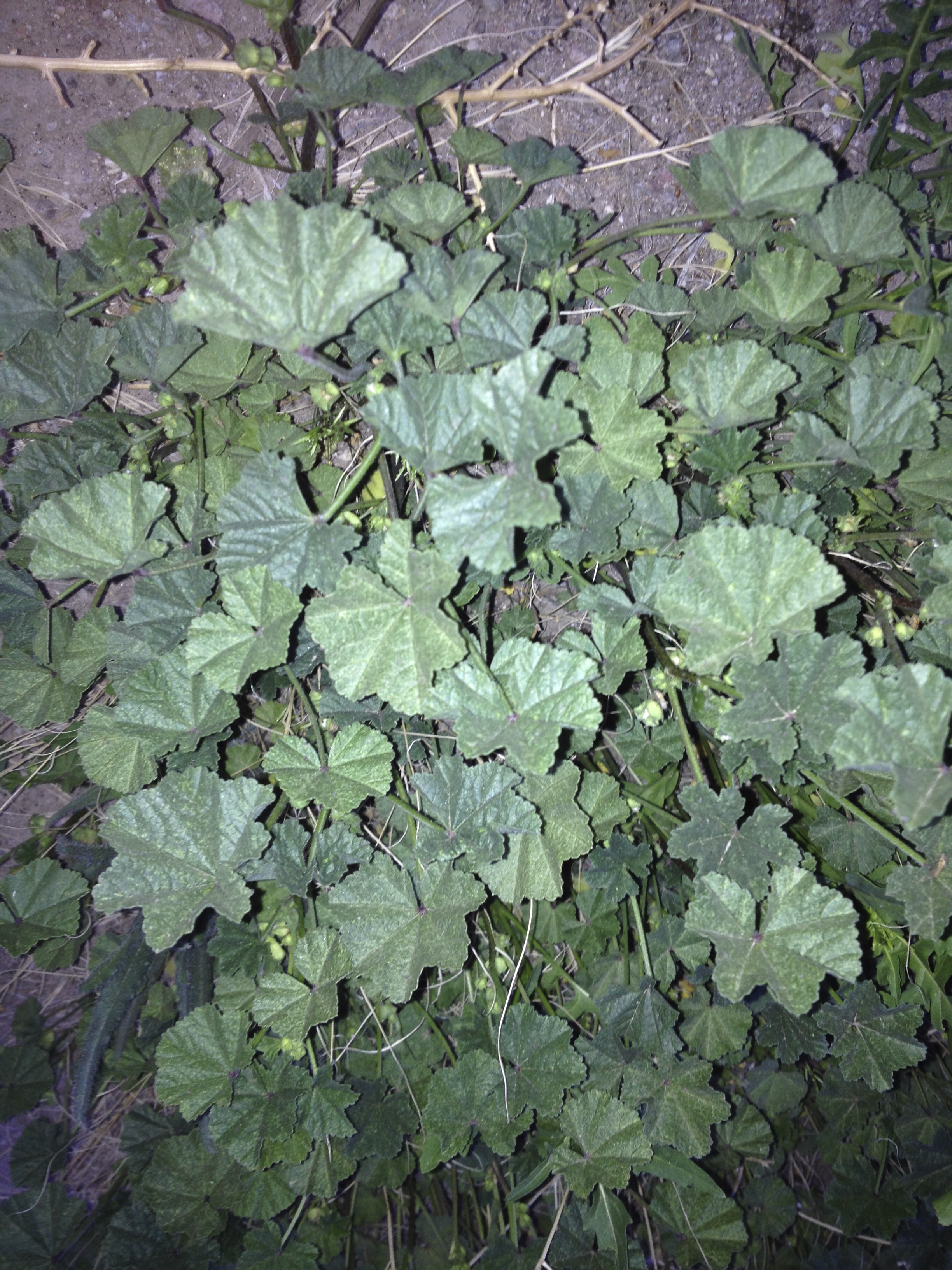
Did you ever contemplate cheeseweed thru the day? (Are you kidding?) Its palmate leaf is a sun-tracker!  I discovered these young Malva neglecta in late afternoon with each leaf bent westerly, cupped, facing the setting sun.(MABurgess photo)

Did you ever contemplate cheeseweed thru the day? (Are you kidding?) Its palmate leaf is a sun-tracker! I discovered these young Malva neglecta in late afternoon with each leaf bent westerly, cupped, facing the setting sun.(MABurgess photo)

Ah, cheeseweed—the “scourge” of gardeners, when it gets established.  Malva or cheeseweed, so called for its cheese-wheel shaped seed pod, is another one of those introduced weeds which tend to follow humans.  Only harvestable when young– get it while you can.  You’ll find it in disturbed flat areas where stock or off-roaders have churned up the natural soil, along fencelines or untended sidewalk margins.  Beware, cheeseweed seems to be sought-after by wandering dogs as a “marker plant” so wash your harvest well.

New Malva foliage can make a nutritious addition to steamed collards, kale, acelgas, or turnip tops; or stir-fried with peppers, onion, and slices of winter squash.  If you want to explore Malva’s medicinal qualities, try the foliage steeped as a tea for soothing tender digestive tract tissue or urinary tract.  It makes a healing topical poultice as well.

Life-giving weeds are all around us, especially now with their ju-ju rising.  Really no one need be hungry here.  We’d all be healthier if we were eating more of these spontaneous gifts brought by Nature and human mobility.  My respect for weeds and knowledge of their goodness outweighs my frustration as I pull them from my garden.  Here’s wishing you happy weed harvesting, a new way of enjoying the pulses of life in the desert!

If you are lucky enough to locate Carolyn Niethammer’s book Tumbleweed Gourmet, Univ. of AZ Press, 1987, grab it!  Find more info about traditional uses of saltbush in Food Plants of the Sonoran Desert by Wendy Hodgson, Univ. of AZ Press, 2001.  Find medicinal uses of Malva neglecta in Medicinal Plants of the Desert and Canyon West, Mus. of NewMexico Press, 1989.  Mission Garden is open on Saturday afternoons for guided tours, and NativeSeeds/SEARCH store at 3061 N Campbell Ave, Tucson, is open daily 10am-5pm.

Visit me, Tia Marta, for more weedy ideas and heirloom beans galore at the Flor de Mayo booth, St Phillips Farmers Market on Sundays 9am-1pm. (www.flordemayoarts.com).

Sonoran Flat Enchiladas, a demo by the experts

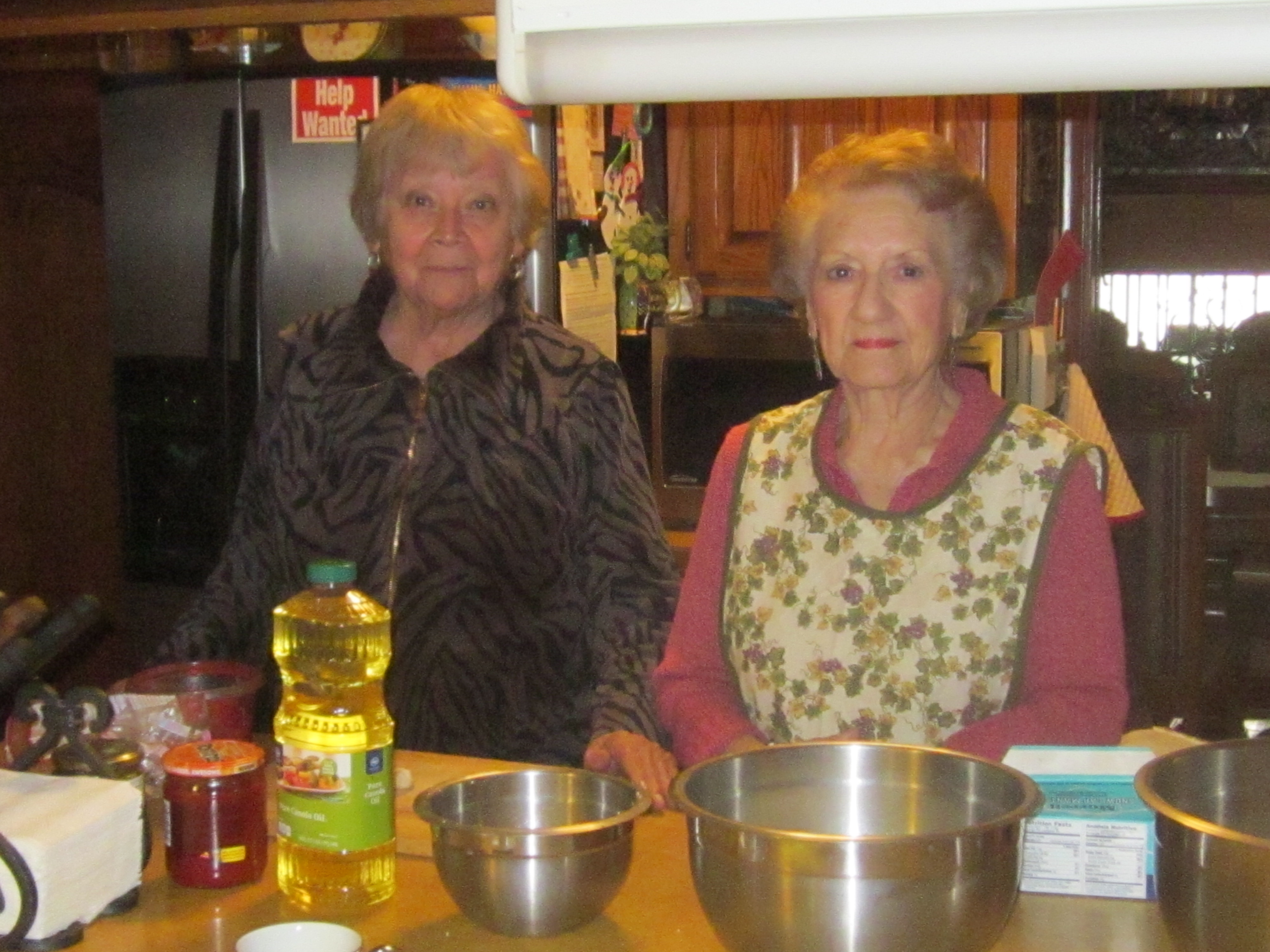
Elda Islas and Armida Islas as sisters-in-law who make Sonoran flat enchiladas according to directions handed down by Elda's mother and their mother-in-law Josefa.

Elda Islas and Armida Islas are sisters-in-law who make Sonoran flat enchiladas according to directions handed down by Elda’s mother and their mother-in-law Josefa Islas.

Hello. It’s Carolyn here with you this week.  First I want to welcome all our new followers. Always feel free to leave a note, an observation, even a qibble. We want this to be a community conversation.

When I heard that Slow Food was considering nominating Sonoran flat enchiladas as a vanishing food tradition, I knew exactly where to go to document what in the Islas family is a recurring staple. Elda Islas and Armida Islas are sisters-in-law who are married to brothers who ran the American Meat Company on South Fourth Avenue in Tucson. Their families and their husbands go back many generations in Tucson and Sonora.

Elda’s husband Filiberto told me that Sonoran flat enchiladas were traditionally served on Fridays when Catholics were prohibited from eating meat. Since fresh fish wasn’t always available in the desert, this was a hearty substitute.

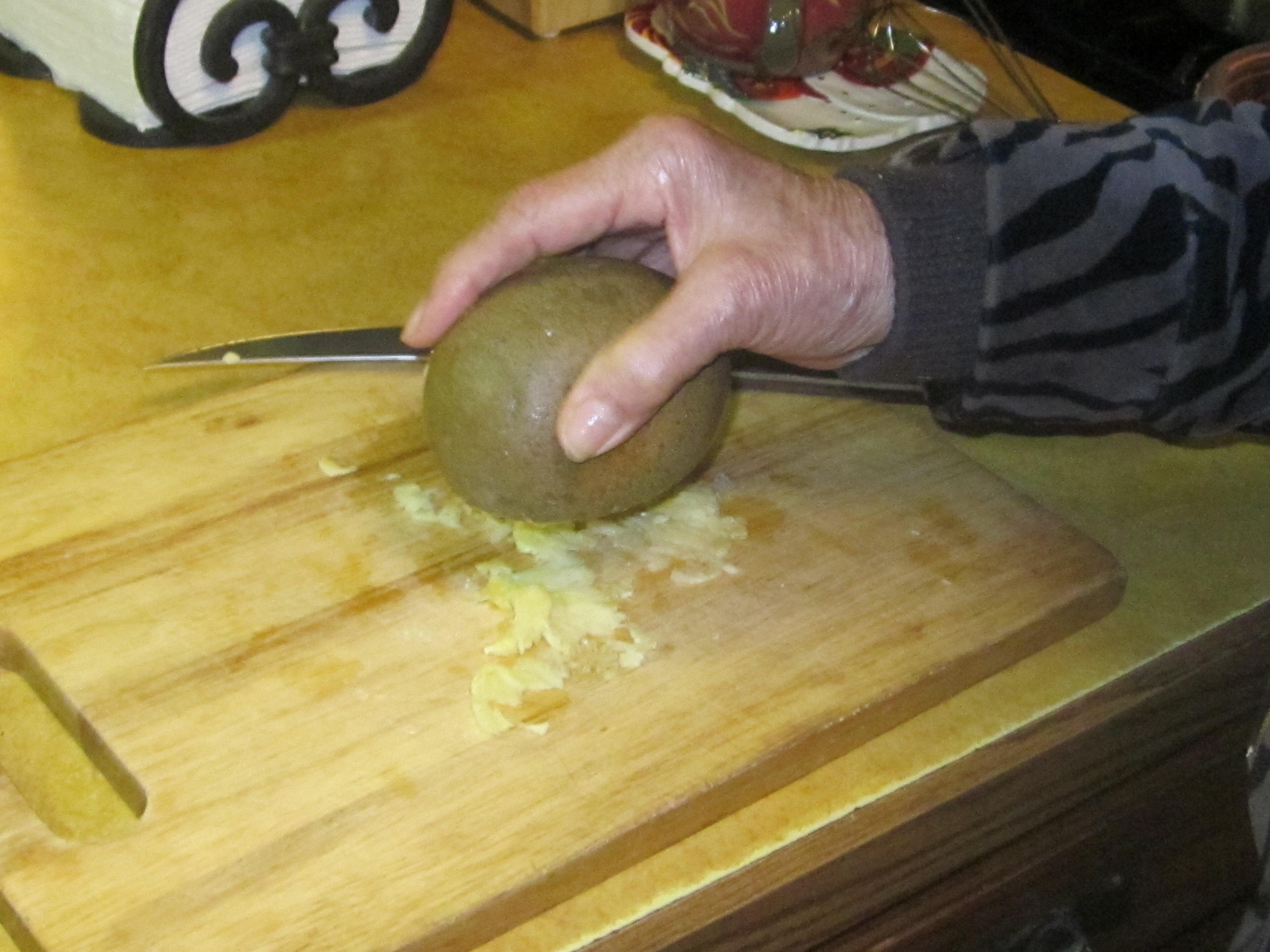
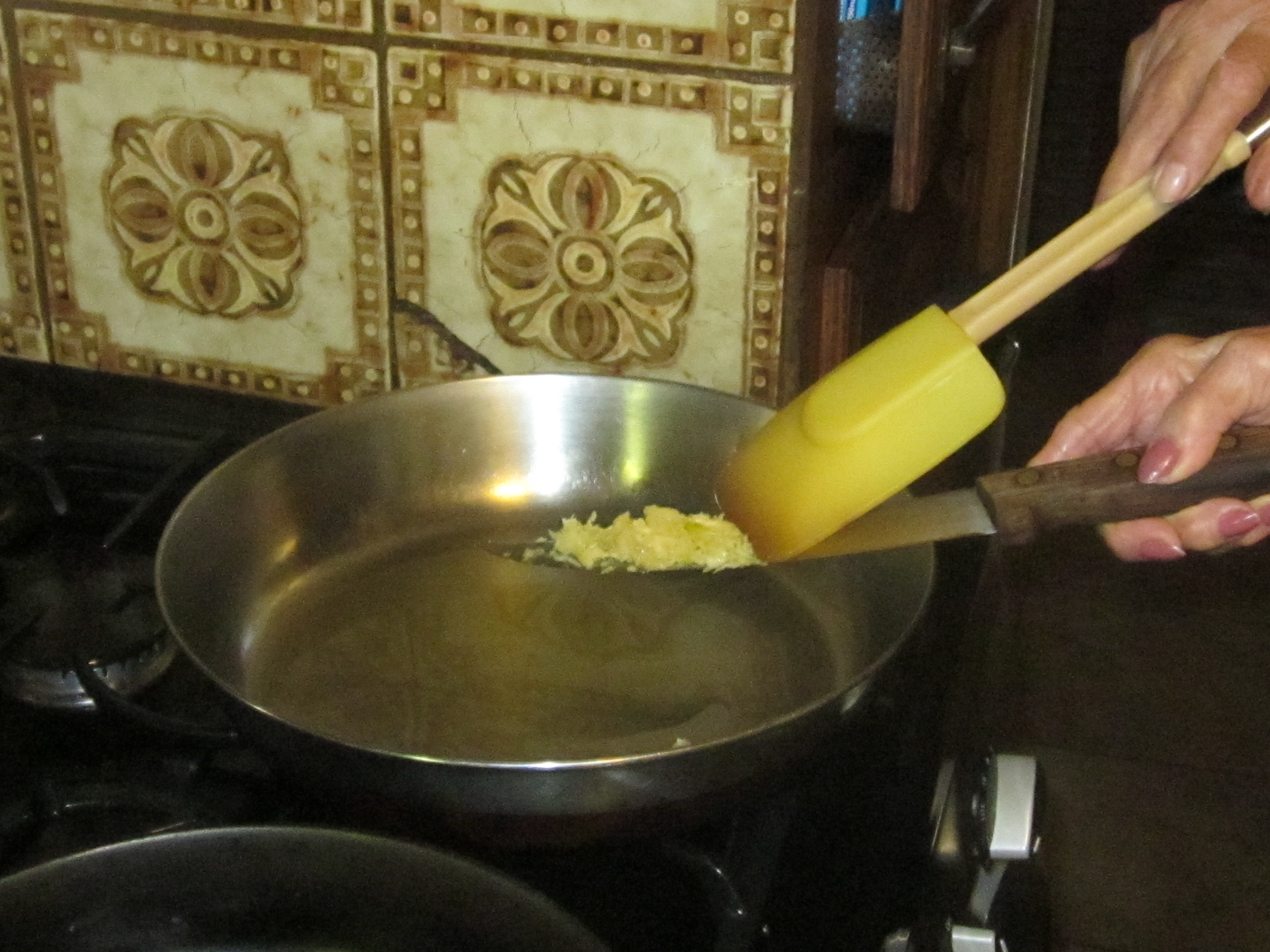
For our lesson, we met one afternoon last week in Elda’s comfortable kitchen in the Menlo Park neighborhood in Tucson. First we made the chile sauce.  In this case, we used fresh chile paste prepared from plump red chiles by Filiberto. But you can also use canned Las Palmas chile or Santa Cruz chile paste.  Elda began by smashing some garlic with a stone with a flat side she had inherited from her mother-in-law. It has been used by generations of women and has grooves worn where the fingers grip it.  Then we browned the garlic in a little oil.

Smashing the garlic with a stone.

Smashing the garlic with a stone.


Brown the garlic in a little oil.

Brown the garlic in a little oil.

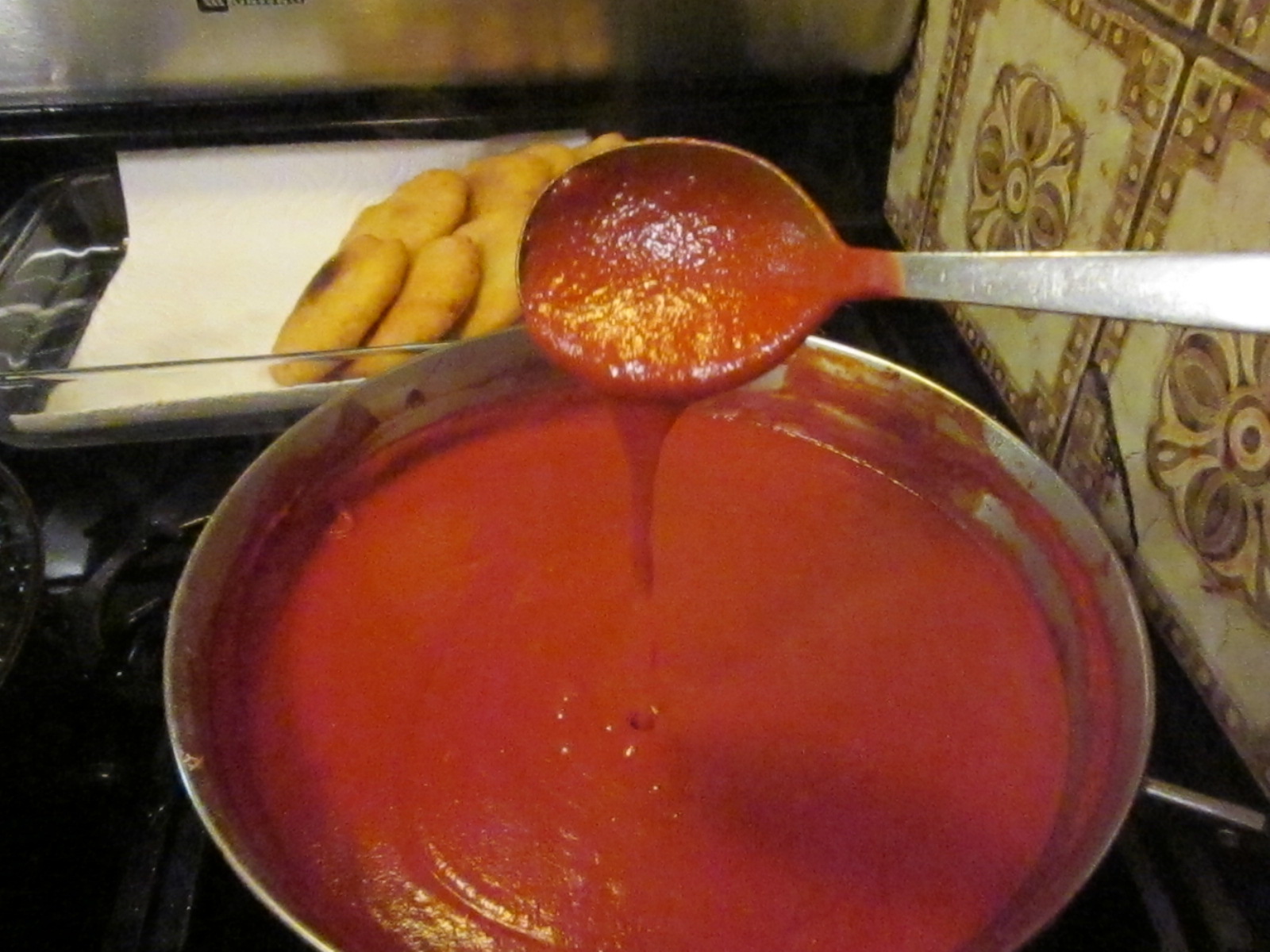
Next we added 3 tablespoons flour, the  2 cups of chile paste and a little broth and let it simmer gently.

The chile sauce should be thick but fluid

The chile sauce should be thick but fluid.

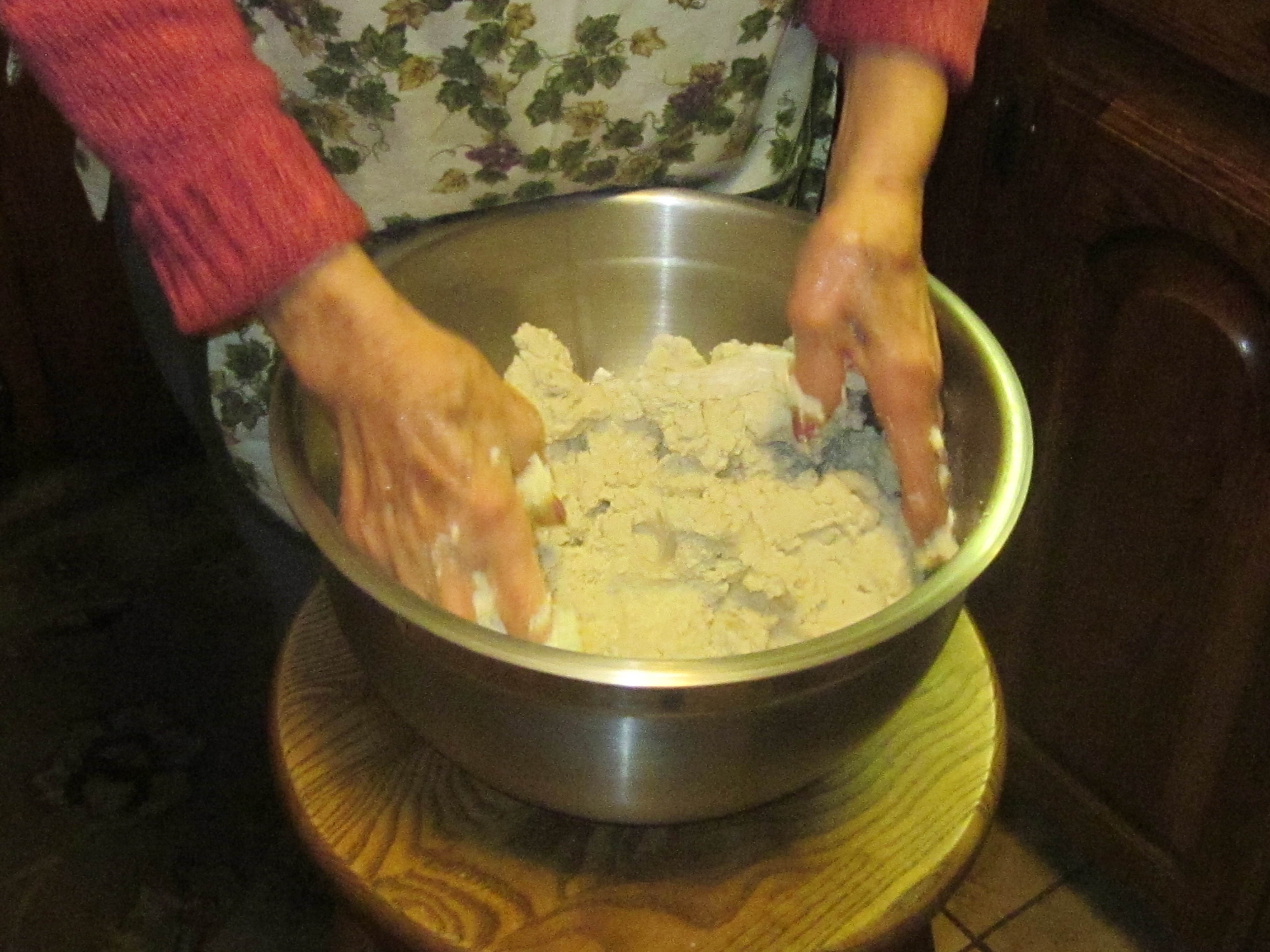
Next we made the masa.  She used lard which recent studies have shown is not as bad for you as Crisco.  Armida mixed it with her hands.

IMG_1104

5 pounds fresh masa

¼ cup soft lard (yes indeed)

2 cups queso fresco, grated

2 teaspoons baking powder

3 tablespoons salt

(Some cooks also include mashed potatoes, cottage cheese or a beaten egg)

Combine all in a deep bowl and knead with hands until thoroughly combined. It should be creamy, damp but not sticky. 

Making the masa patties.

Making the masa patties.


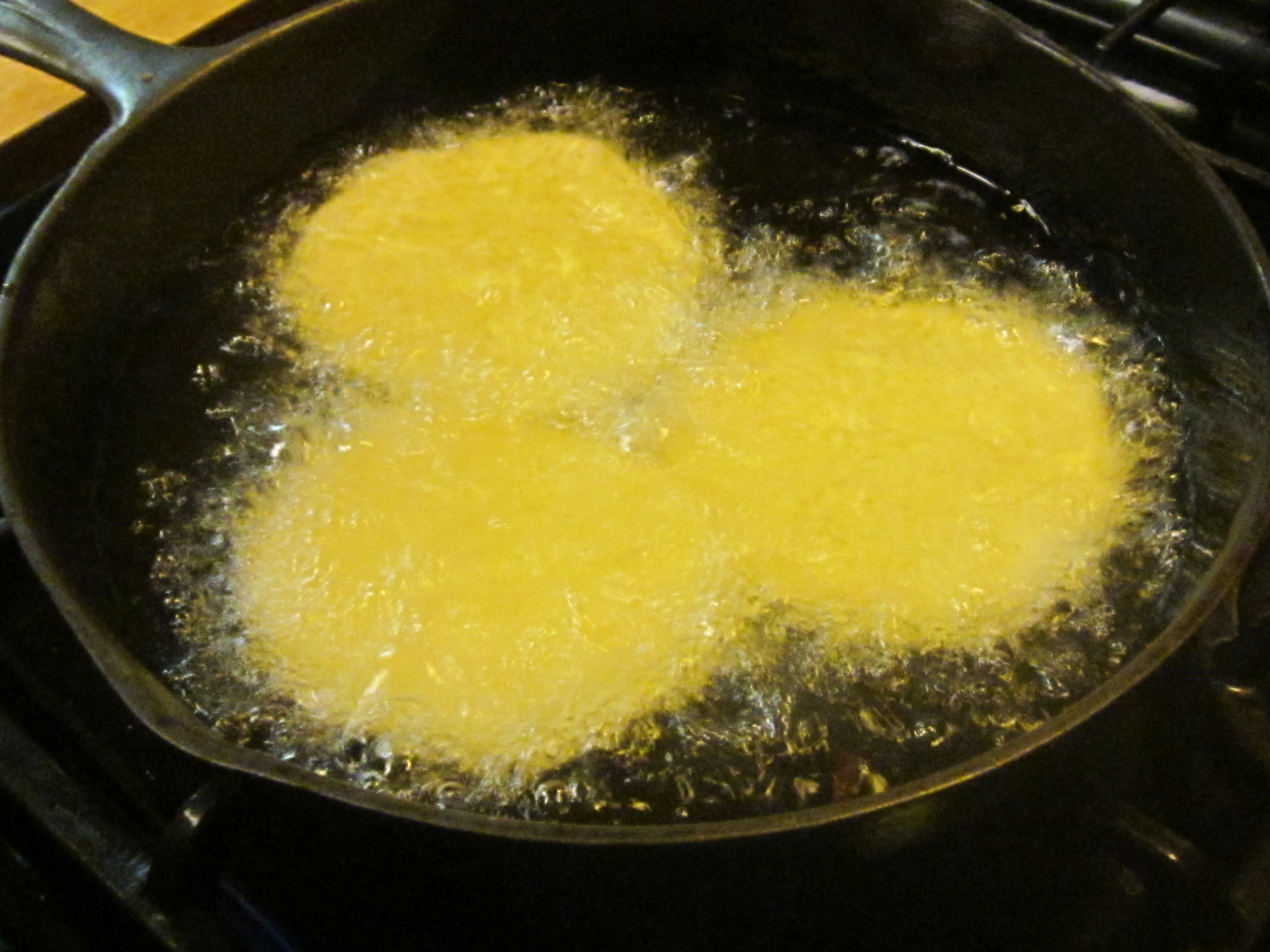
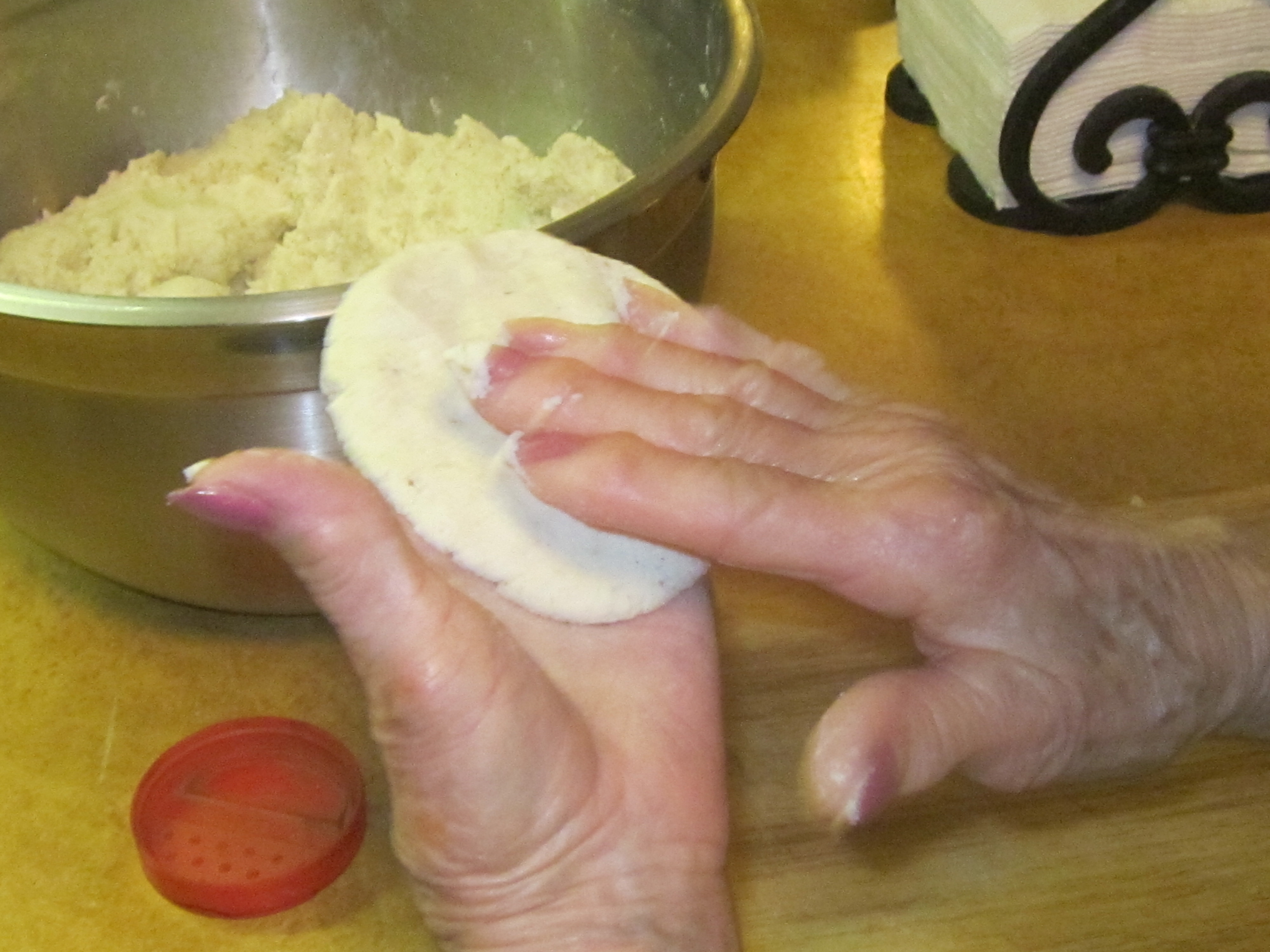
When the masa was ready, we formed it into patties 1/4- to 3/8- inch thick and 3 to 4 inches in diameter. Meanwhile  ½-inch of vegetable oil was heating in a heavy frying pan When it was hot (didn’t have a thermometer, but probably around 350 degrees F.), Armida slid in three patties. A bigger frying pan could probably accommodate four.

She fried them until they were golden on the underside, about three minutes.  Then she turned them to fry another 2 to 3 minutes until golden. She lined a oblong dish with paper towels and stacked the finished patties to drain. Eventually we ended up with 3 dozen patties.

Sizzling and smelling delicious.

Sizzling and smelling delicious.


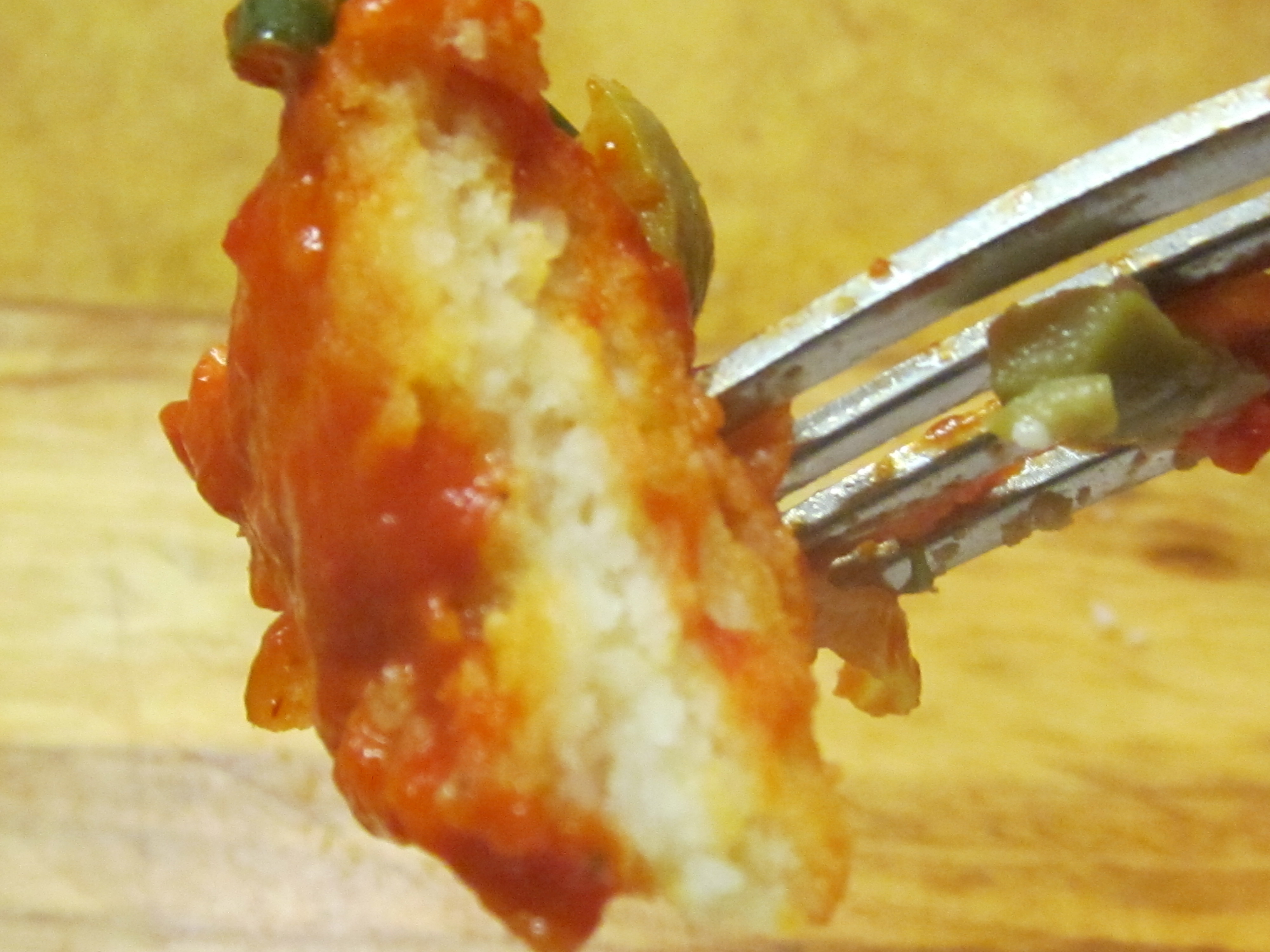
The patties should be crispy on the outside and light on the inside.

The patties should be crispy on the outside and light on the inside.

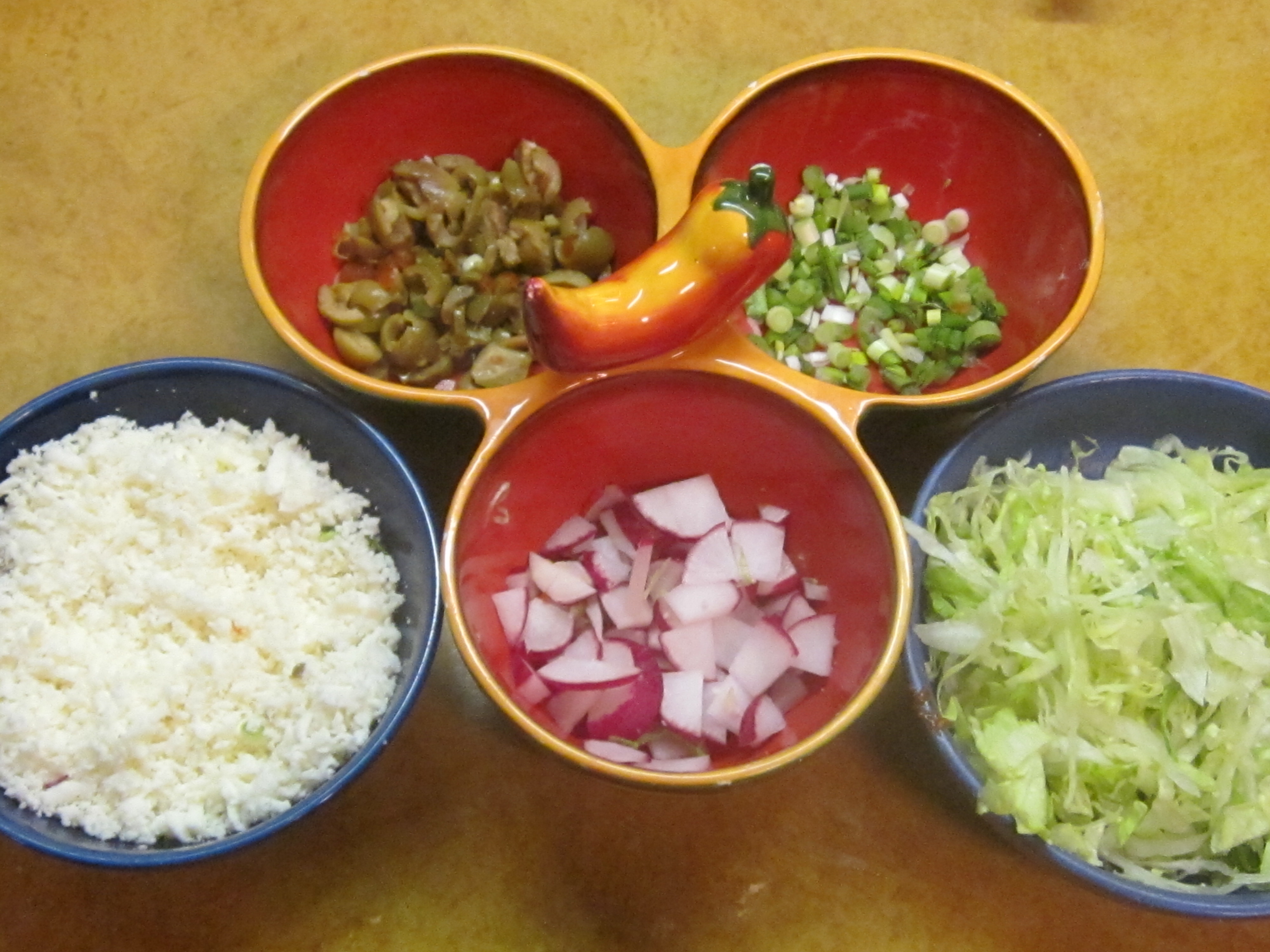
Now it was time to assemble the enchiladas.  Armida dipped each patty in the chile sauce and arranged them on a plate.  Then it was time for the condiments.  We used lettuce, grated queso fresco, chopped green olives, radishes, and chopped green onion.

The condiments

The condiments

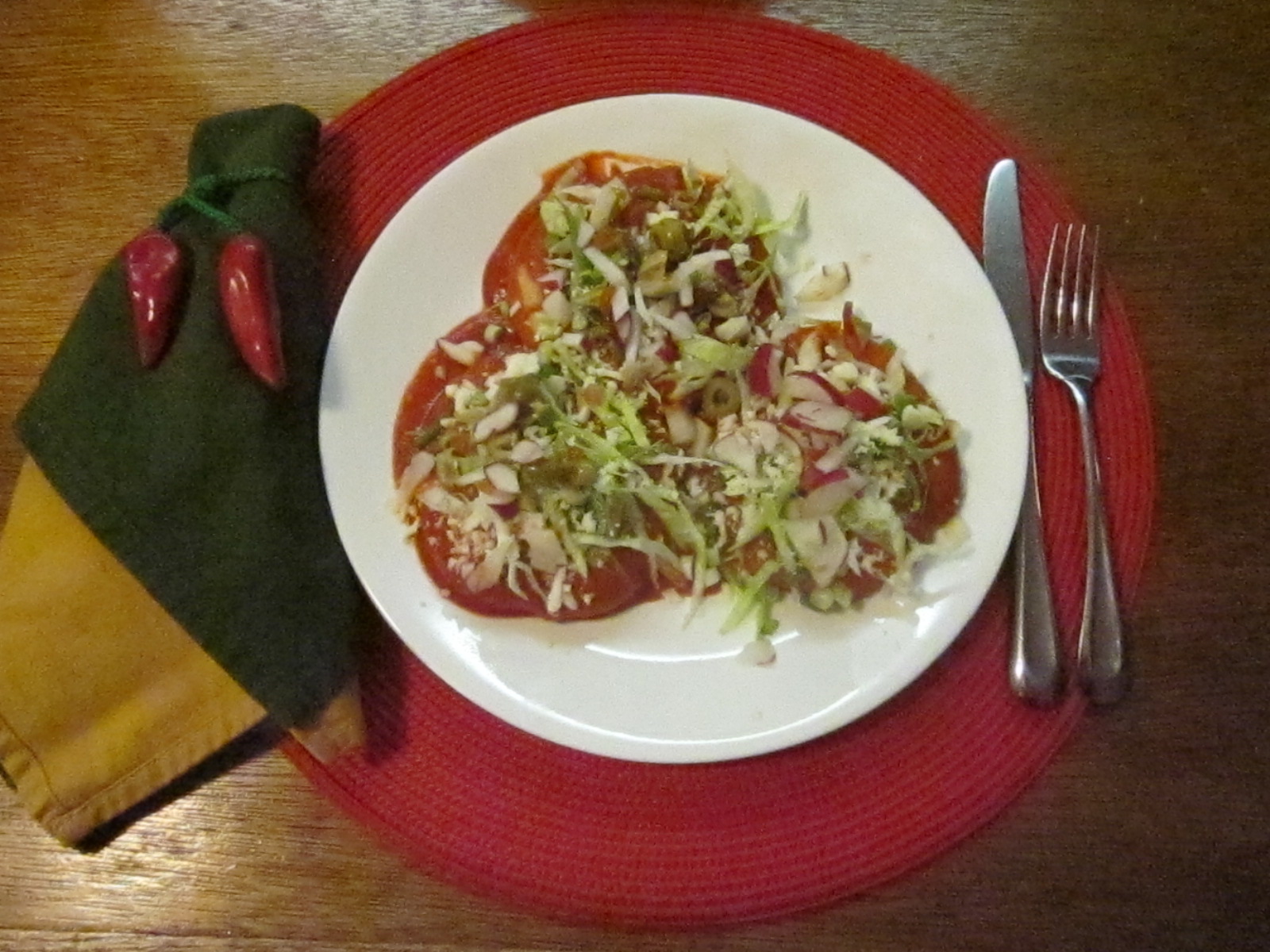
 When the Sonoran flat enchiladas are assembled, they look like this.  What is missing from the photo is the aroma.  Heavenly!

Three enchiladas made a nice meal. You can also add beans and rice.

Three enchiladas made a nice meal. You can also add beans and rice.

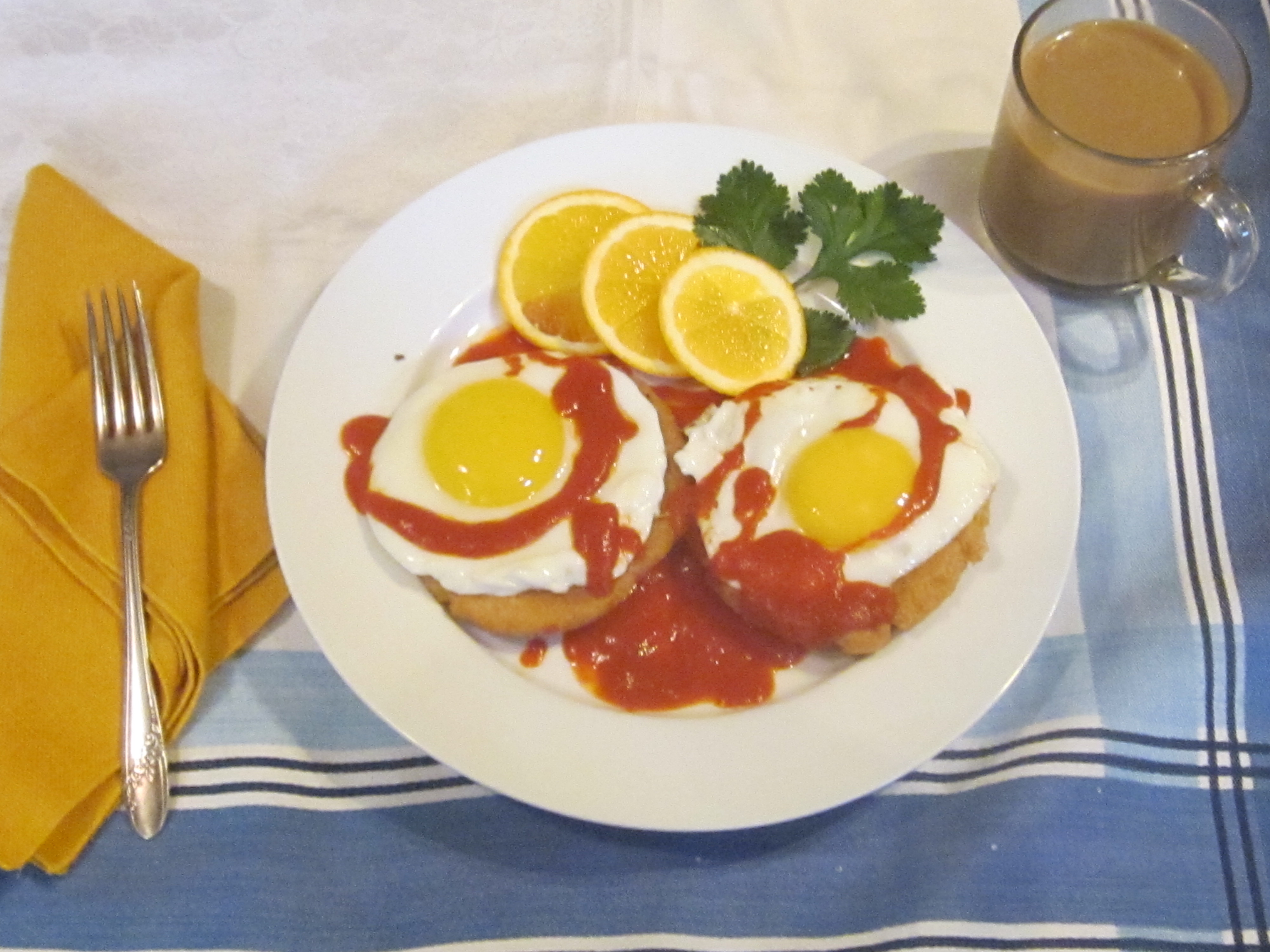
Should you have any leftovers, they are great warmed up and served for breakfast with eggs.  Filiberto Islas said this is called Enchiladas de Caballo.

Enchiladas de Caballo

Enchiladas  a Caballo

My sincere thanks to Elda and Armida for the lesson and a lovely afternoon!

_____________________________________

Want more recipes for delicious food with a Southwest twist?  My book The New Southwest Cookbook contains recipes from top restaurant and resort chefs throughout the Southwest, using our local ingredients for mouthwatering dishes. You can find it at your local bookstore or order it here.   See all my cookbooks at my website.