An Invitation to Celebrate El Dia de San Ysidro Labrador

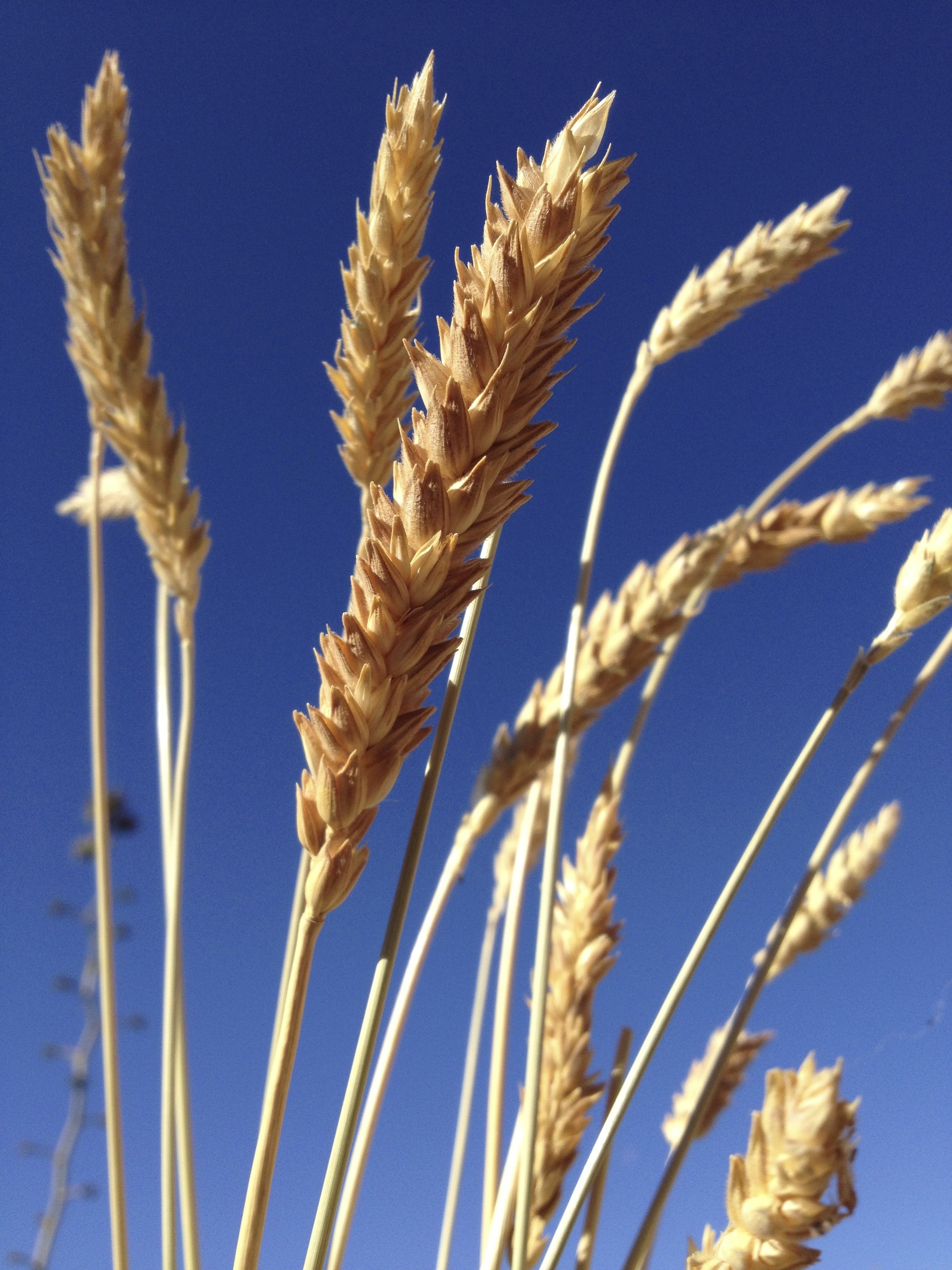
With White Sonora Wheat waving its ripening seed heads in May’s wind, it’s time again to celebrate our local agriculture–our ability to feed ourselves locally.  Yea!.. harvest time now for our winter gardens’  bounty as it dries…

Ripened seed heads of organic heirloom White Sonora Wheat from BKWFarms in Marana (MABurgess photo)

Ripened seed heads of organic heirloom White Sonora Wheat from BKWFarms in Marana (MABurgess photo)

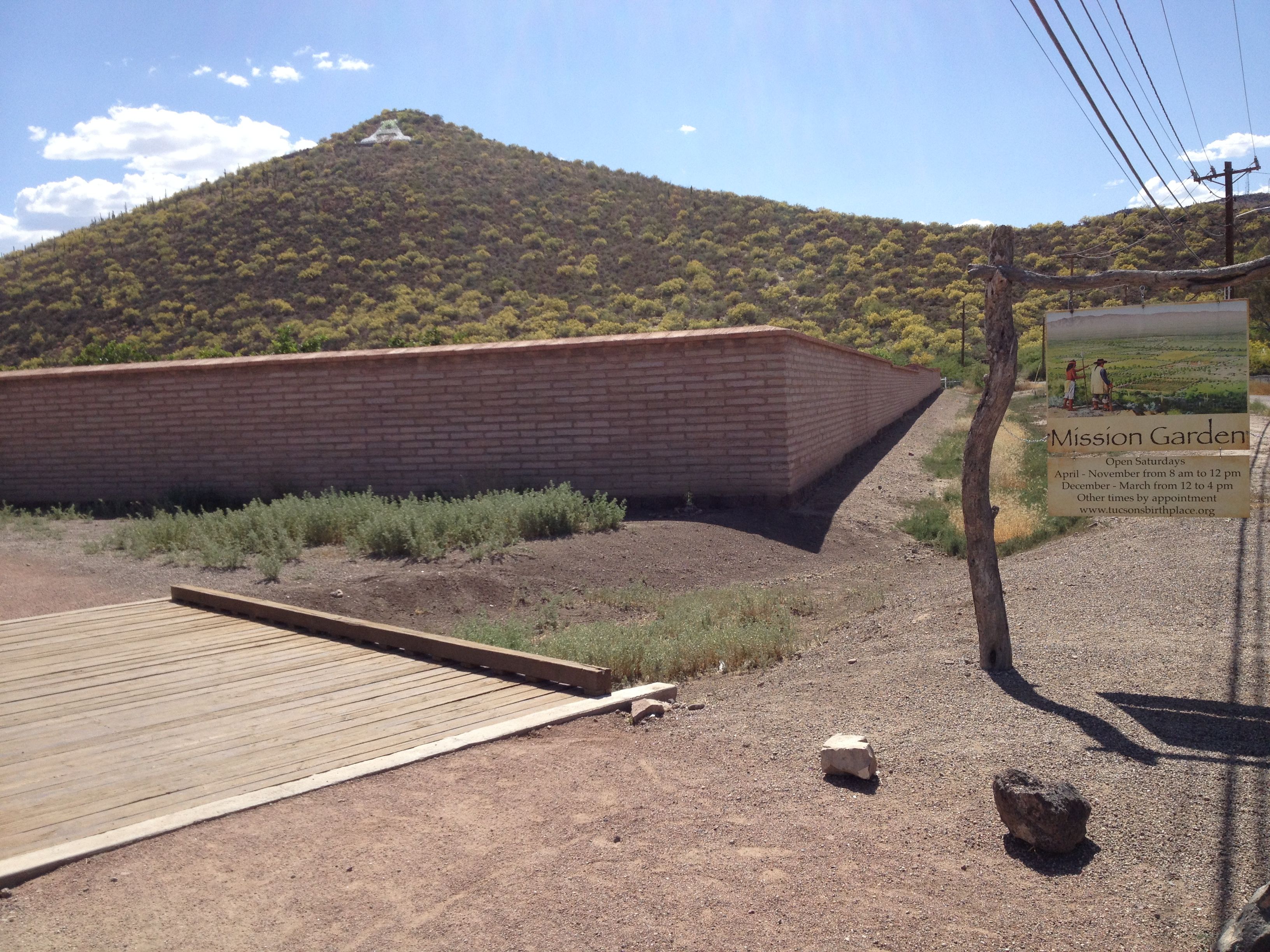
Tia Marta here inviting you to return to the hallowed soil of Schuk-shon–Tucson’s Birthplace “Black Spring”–at the foot of “A” Mountain, in the new Mission Garden, to the very site of the original garden supporting Mission San Augustin de Schuk-shon.  The Feast of San Ysidro Labrador is approaching.

May 15 is the traditional Dia de San Ysidro, Saint Isidor, patron saint of farmers and gardeners.

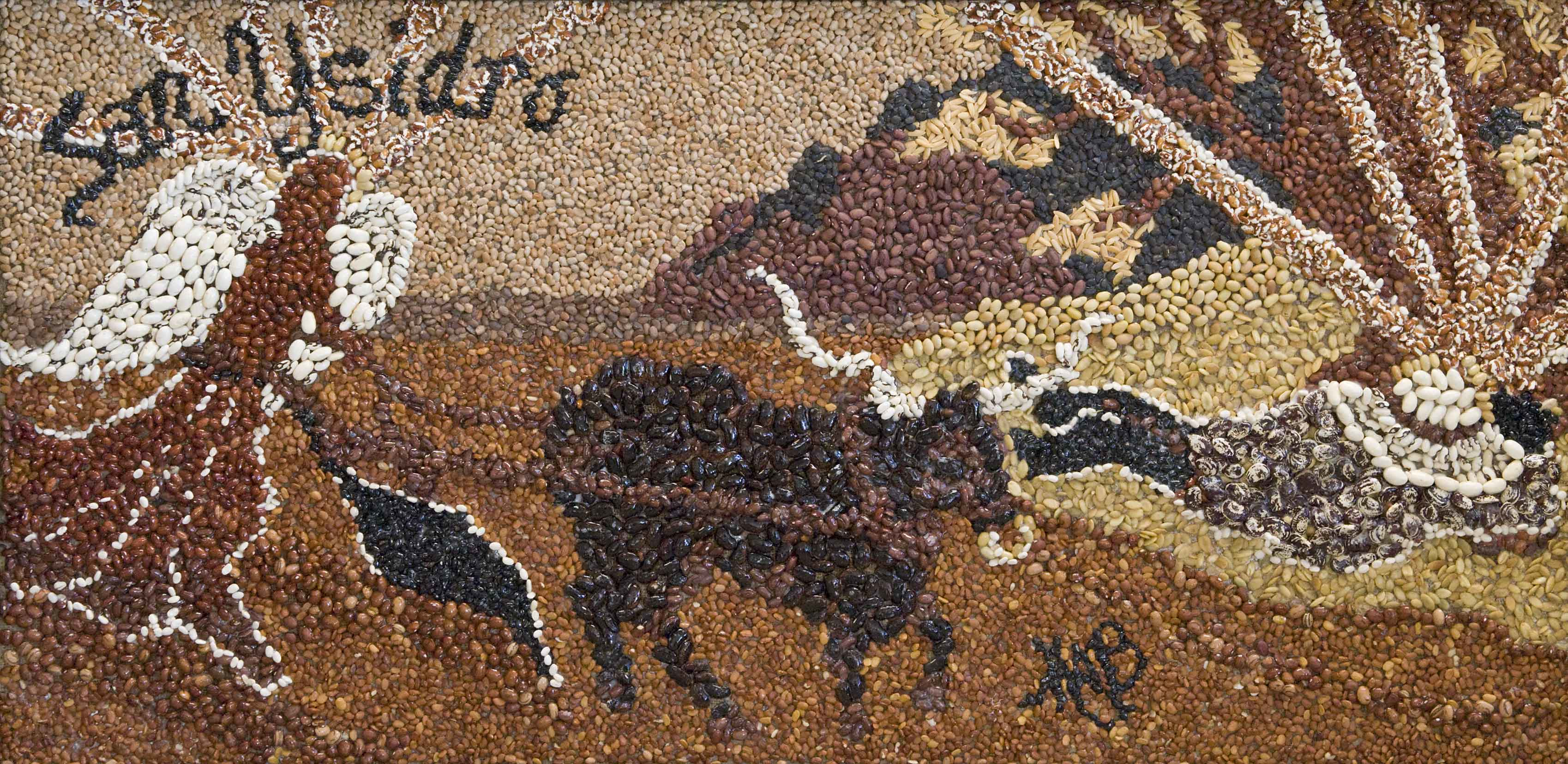
According to legend, San Ysidro Labrador was so hard-working and generous with his produce to all in need—people or animals–that angels would plow next to him to triple his crop. In my artistic interpretation, San Ysidro lies exhausted under a tree from working his field while an angel guides his ox to finish his plowing.

Heirloom bean mosaic of San Ysidro Labrador created by artist/ethnobotanist MABurgess

Heirloom bean mosaic of San Ysidro Labrador created by artist/ethnobotanist MABurgess

Here in my big-scale heirloom bean mosaic, the “medium is the message”–in part.   It was assembled using more than 21 colorful varieties of Southwestern heirloom beans and seeds, grown out from the Native Seeds/SEARCH Collection, in Tucson, Arizona.

The ancient seeds used to “paint” this image pay homage not only to San Ysidro but also to the generations of traditional farmers who have selected their seed and labored to grow the best for feeding family and community. Their seed-saving has provided us today with priceless heirlooms, fitting genes, and hope for a food-secure future.  (Notecards of my San Ysidro mosaic will be on sale at the fiesta as a fund-raiser for Mission Garden’s good work.)

This year, our San Ysidro fiesta will be celebrated on Saturday, May 16, within the adobe-walled orchard of living agricultural history, Tucson’s newest “museum park” sponsored by the non-profit Friends of Tucson’s Birthplace.  Planted in this living museum are representative crops that have fed the sequence of Tucson residents over the last 4100 years.  Seeds of these ancient crops were blessedly conserved by the caring staff and volunteers of NativeSeeds/SEARCH over the past 34 years.

The new Mission Garden--living agricultural history

The new Mission Garden–living agricultural history


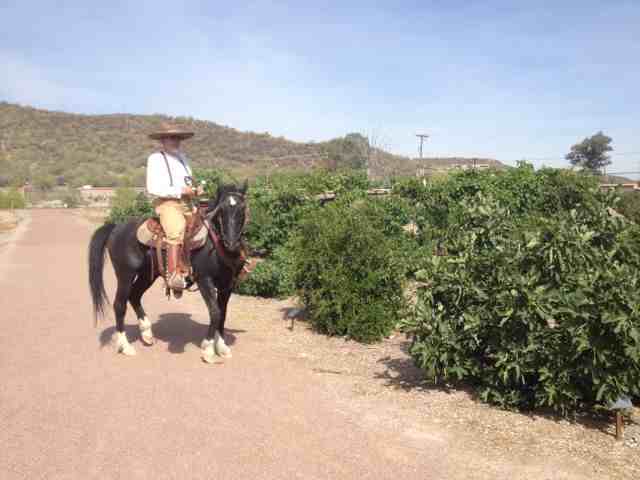
Vaquero in the Orchard of heirloom Mission Period fruit trees at San Ysidro Fiesta 2014 (MABurgess photo)

Vaquero in the Orchard of heirloom Mission Period fruit trees at San Ysidro Fiesta 2014 (MABurgess photo)


The Dia de San Ysidro celebration will officially begin at 9am with a procession from the future Tucson Origins Heritage Park next to the Santa Cruz “river” channel to Mission Garden’s east gate at 929 West Mission Lane, just east of  Grande (Mission Road.)  Festivities will include music by Mariachi Las Aguilitas from Davis Elementary, Alabanza with Bobby Benton, a presentation by historian/author Dr. Tom Sheridan, Native American four-direction prayers and blessing of the fields, food, and animals, and the Tohono O’odham Desert Indian Dancers from San Xavier.  Designs for the new cultural theme gardens (Chinese, Mexican, Afro-American, and Medicinal) will be unveiled.

Activities will culminate with a tasting of Pozole de Trigo, the traditional Sonoran stew for the feast-day prepared by talented volunteer cooks from Tucson’s Hispanic community.  For a fabulous recipe to try in your own kitchen, check out Bill Steen’s article for Sonoran Wheat Posole in Edible Baja Arizona–here’s the link to directions with his mouth-watering photos:

http://www.ediblebajaarizona.com/a-personal-posole

Or, for an even more local recipe, try this Akimel O’odham (Pima) recipe for Heirloom Wheat Posole with Tepary Beans:

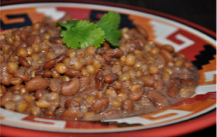
Pima Posole Stew with Tepary Beans and White Sonora Wheat, served at Heard Museum

Pima Posole with Tepary Beans and White Sonora Wheat, served at Heard Museum

The combination of high protein Native Teparies and delicious low-gluten Heirloom Wheat Berries makes this a rich and nutritious stew.


Heirloom Wheat Posole with Tepary Beans—Pilt’kan ch Ba’bawi Posh’oldt

Ingredients:

2 cups dry tepary beans *

Water to more than cover the beans for initial soaking and cooking

1 large marrow bone (or beef broth as substitute for ½ the water when simmering, omit for vegetarian)

2 cups dry whole wheat berries (wheat kernels) **

3-4 cups drinking water or stock

Sea salt to taste (1-2 Tbsp.)

Black pepper or native chiltepine peppers***, to taste

Directions:

Carefully sort dry beans to remove stones. Wash, rinse, and cover with good water to soak overnight. Drain when plumped and ready to cook.

In big cooking pot, put beans, marrow bone, and drinking water to cover. Bring to a boil then simmer for 2+ hours.

Separately, rinse wheat berries and drain. Add wheat berries and salt to the cooking teparies. Add more water and/or stock. Bring to boil, then simmer an additional 1 ½ hours or until wheat berries are round and tender, and teparies are tender(not chewy).

Reserve excess water for later soup stock. Remove bone.  For serving, posole should be moist with broth. Add black pepper and sea salt to taste. If picante bite is desired, add one or two crushed chiltepine peppers.

Enjoy this traditional taste of the desert! ***********Here’s where to find these traditional ingredients (being grown anew in their home turf):

*Native tepary beans are available at www.nativeseeds.org or at www.ramonafarms.com .

** Organic White Sonora Wheatberries are available at Flor de Mayo tent at Sunday St Philips Farmers Market, Tucson, or at the NativeSeeds/SEARCH Store, 3061 N Campbell Ave, Tucson.

***whole wild-harvested chiltepine peppers are available at Flor de Mayo tent, Sunday St Philips Farmers Market, Tucson, or at the NativeSeeds/SEARCH Store, Tucson.

*****************************************************************************************

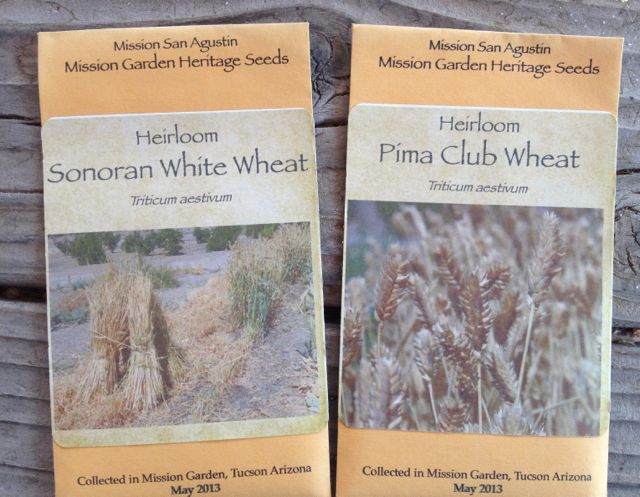
Seed packets of heirloom wheat varieties grown at Mission Garden

Seed packets of heirloom wheat varieties grown at Mission Garden, for sale to plant in your own winter garden.

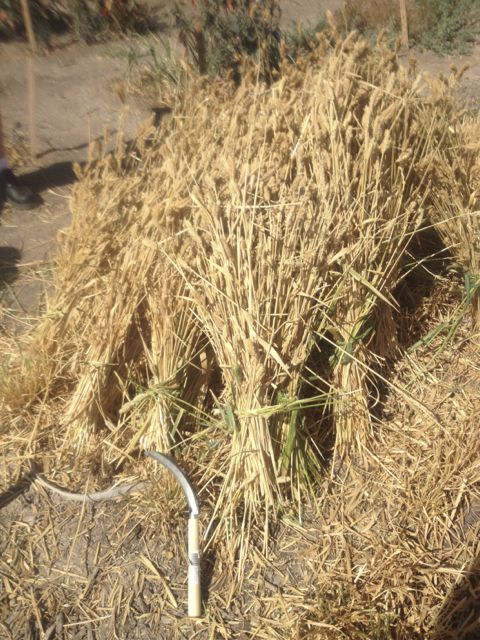
Sheaves of heirloom White Sonora Wheat hand-harvested at Mission Garden

Sheaves of heirloom White Sonora Wheat hand-harvested at Mission Garden

Because Dia de San Ysidro especially heralds the wheat harvest, the staple grain introduced by Padre Eusebio Kino and other missionaries over 300 years ago to the Native Tohono O’odham community living here, this year’s festivities will include a ceremonial wheat harvest, guided by expert plantsman and Desert Museum staff person Jesus Garcia, to take place around 8am, Saturday, May 16, before the procession.

Support organizations, such as NativeSeeds/SEARCH, San Xavier Coop Association, BKWFarmsInc, and Tucson Herbalist Collective will have booths with demonstration items, tastes of native foods, solar cooked White Sonoran Wheat berries, traditional food products packaged for sale, and resource people to talk with about desert gardening for real food.

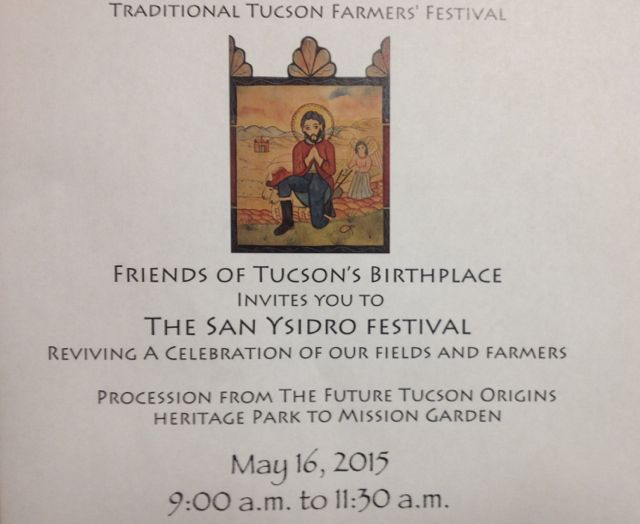
Invitation to the 2015 San Ysidro Fiesta

Invitation to the 2015 San Ysidro Fiesta

The event is free with a donation requested.   Find out more details of the San Ysidro Festival at  www.tucsonsbirthplace.org.   Hope to see you there!

[For more great recipes and stories about White Sonora Wheat, you can search with the box above using those key words, thru the last 2 years of this blog.]

April Brings Nopales

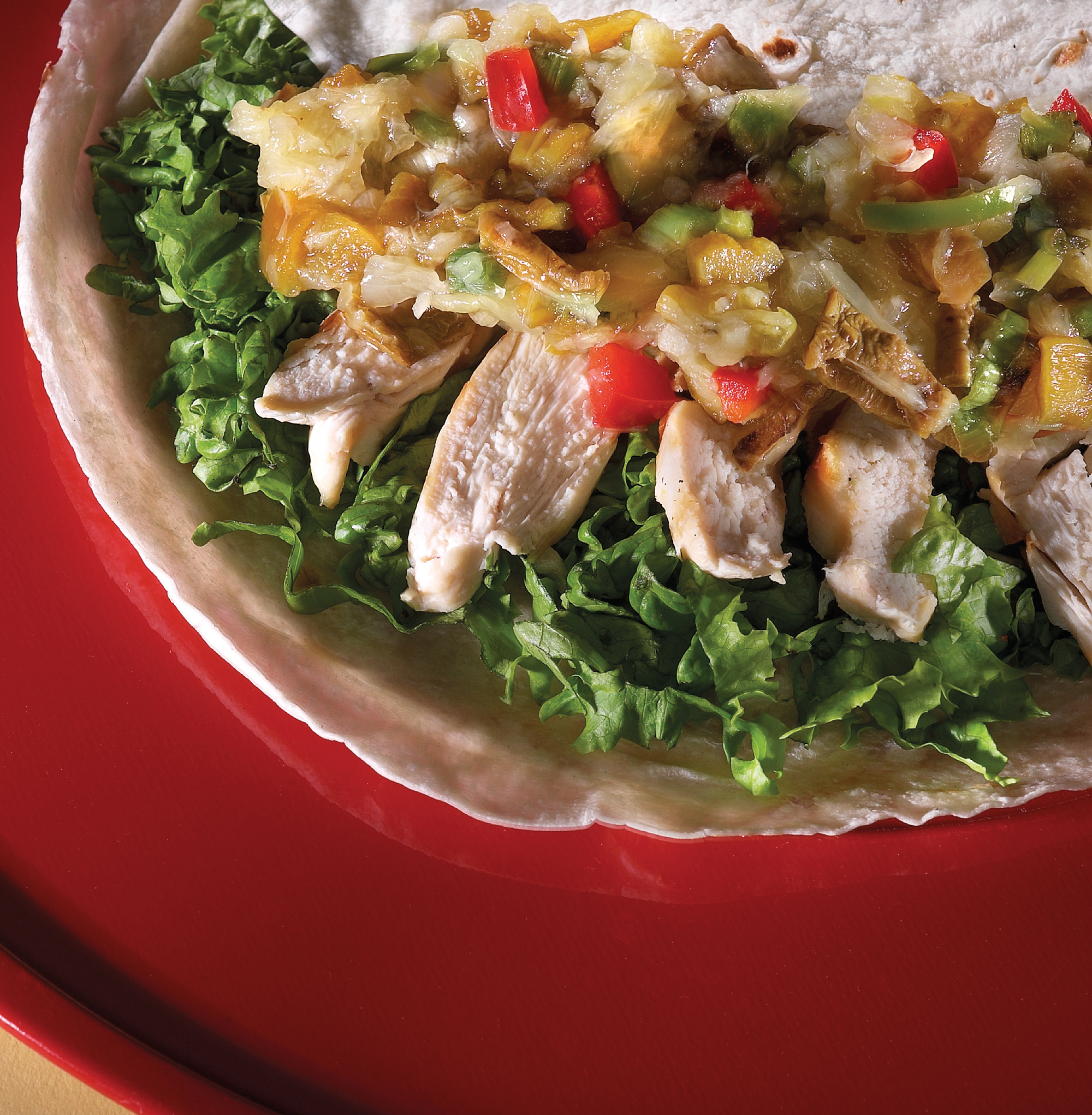
Grilled Chicken with Nopalito and Pineapple Salsa

Grilled Chicken with Nopalito and Pineapple Salsa (from The Prickly Pear Cookbook)

If it’s April, it’s time to gather nopales here on the Sonoran Desert. Carolyn here today tempting you to read further with this photo of a delicious salsa made with nopalitos. (Definition of nopalito: a nopal, or cactus pad, cut into little pieces).  At the bottom of the post, I’m going to give you the recipe and a video of how to turn a cactus pad into a yummy taco.

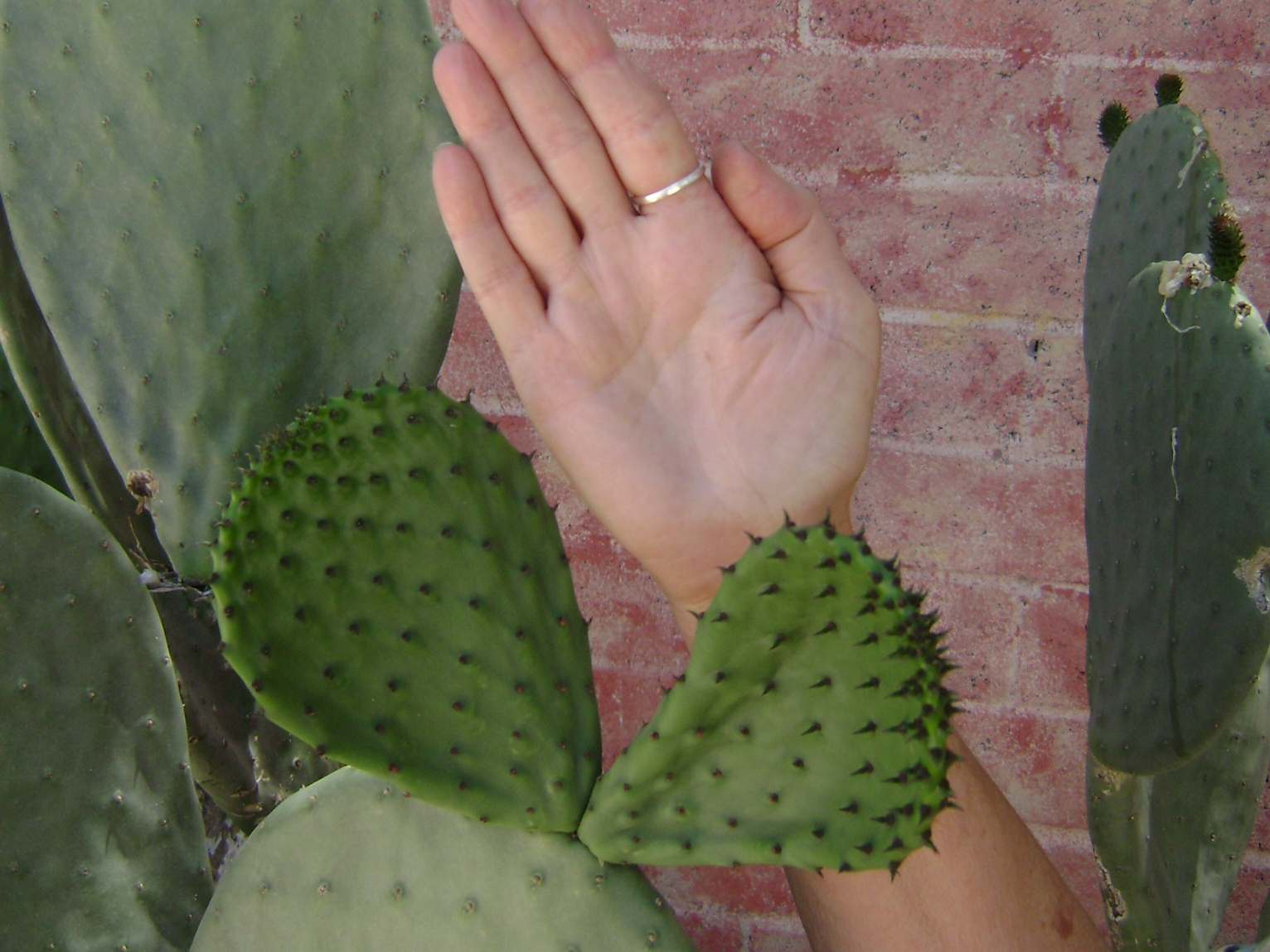
The many varieties of prickly pear put out their new growth when the spring warms up. All prickly pear pads are edible (meaning they not only won’t kill you but in this case are very nutritious), but they are only appropriate for food when they are new. After about six weeks, they develop a fibrous infrastructure. The easiest kind to prepare are the pads from the large Mexican variety of prickly pear that do not grow wild this far north. They are called Ficus indica or sometimes Burbank because Luther Burbank did some breeding work on them. The wild cactus pads are also delicious, but harder to prepare because of the abundance of spines.  You can do a rough estimate of when a pad is ready to pick if it is about the size of your hand. The nopales available in Mexican grocery stores are grown by farmers who know how to manipulate the plant to keep fresh pads coming year ’round.

Pick nopales in the spring when the size of your hand.

Pick nopales in the spring when the size of your hand.

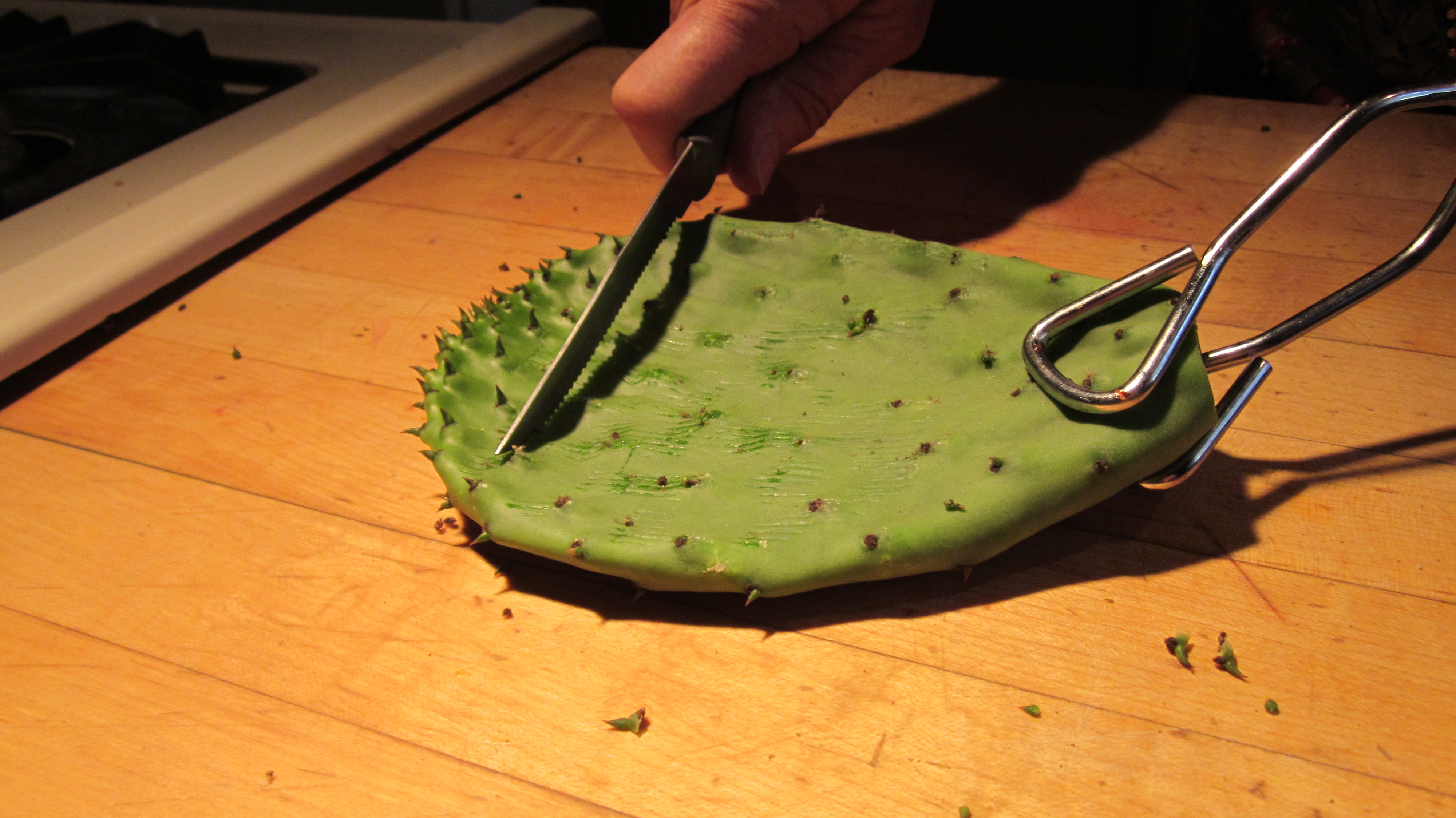
To prepare the nopales, you’ll use  tongs, of course, and then don rubber kitchen gloves to protect your hands as you get rid of the stickers. You don’t need industrial strength gloves, just good quality ones from the grocery store will do. Using a common steak knife, scrape vigorously against the growth (from outer edge to stem) to remove the stickers.

Scrape the thorns vigorously in the direction of the stem.

Scrape the thorns vigorously in the direction of the stem.

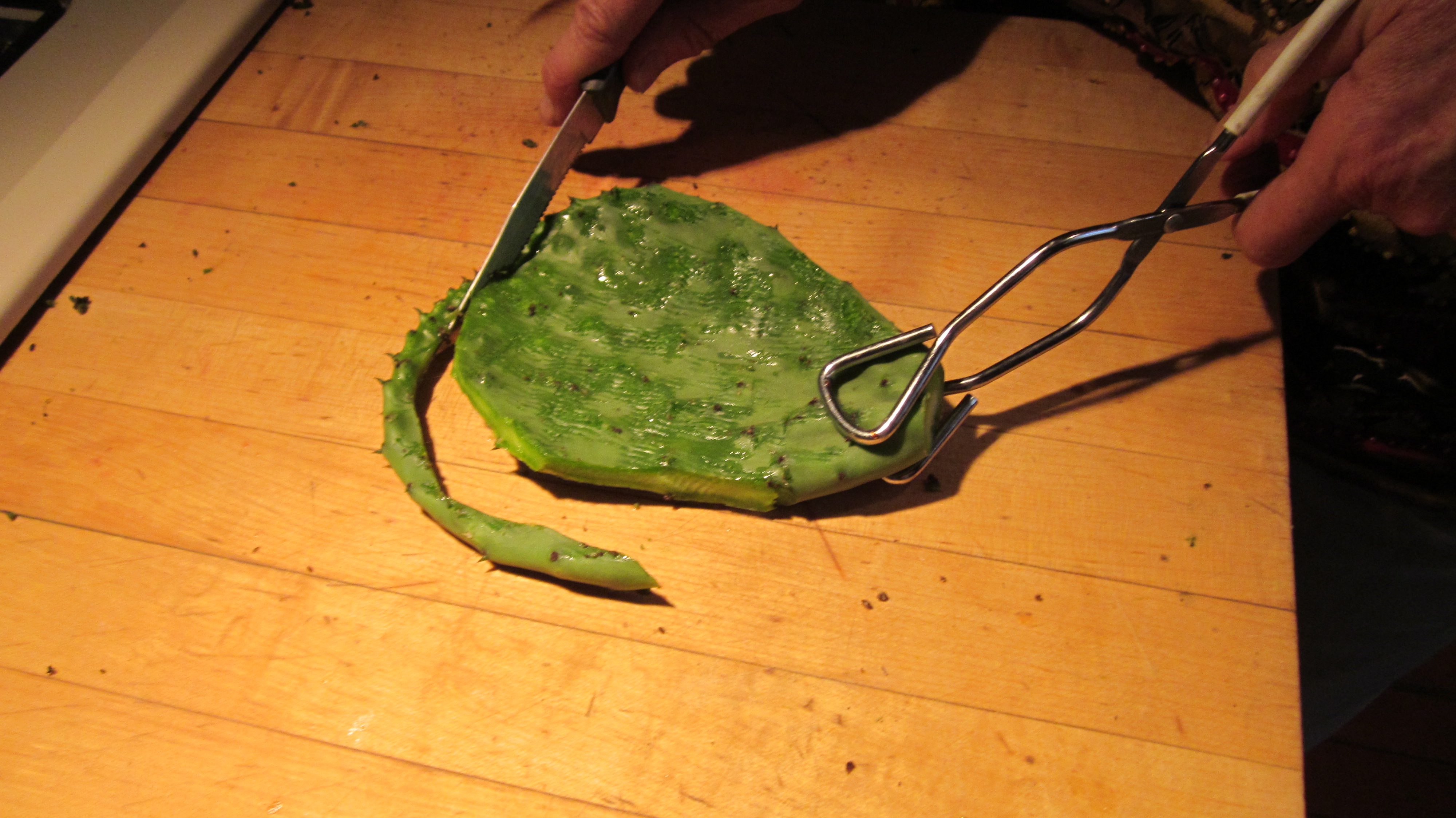
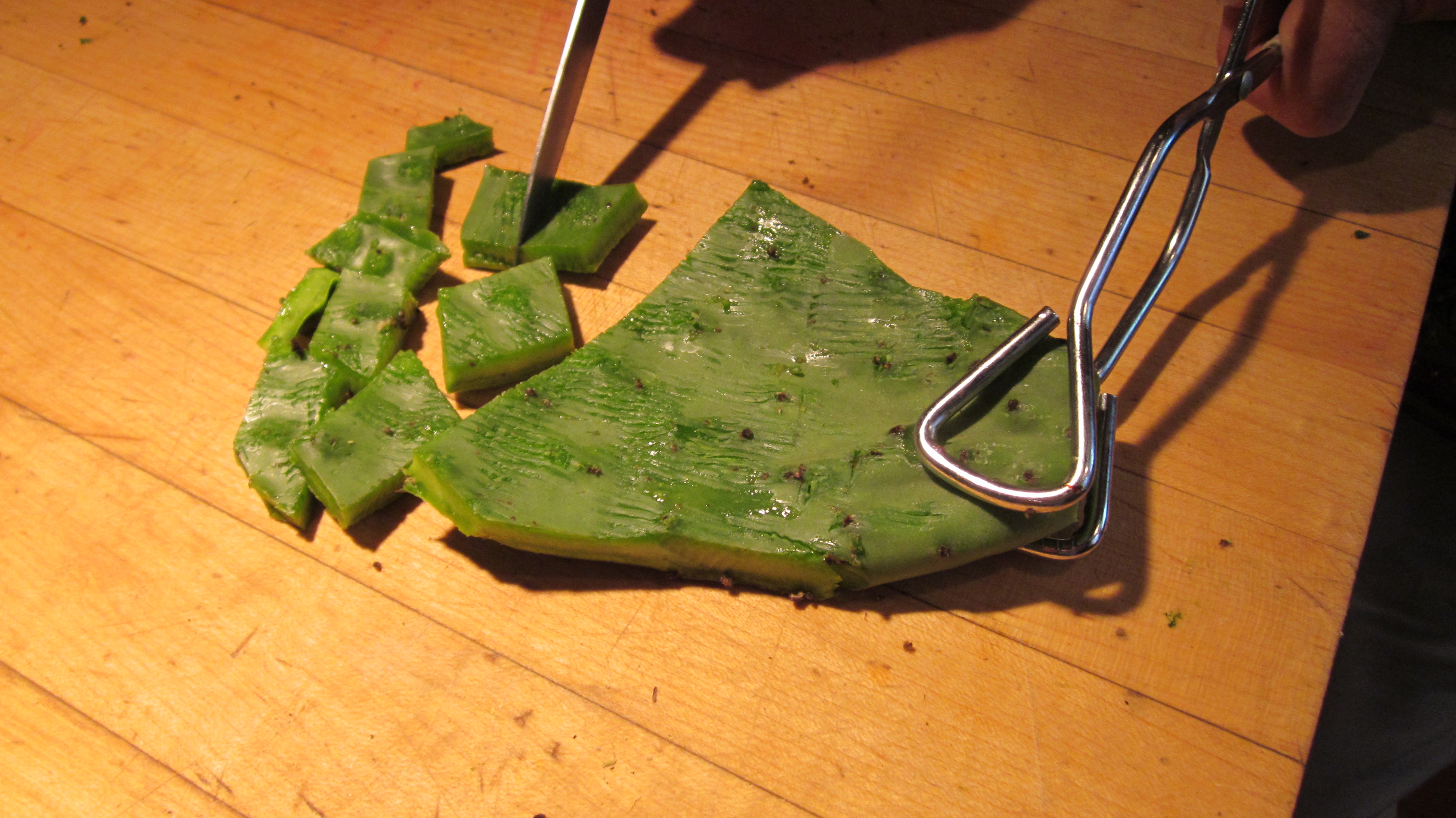
The edge has lots of stickers so just trim it off.

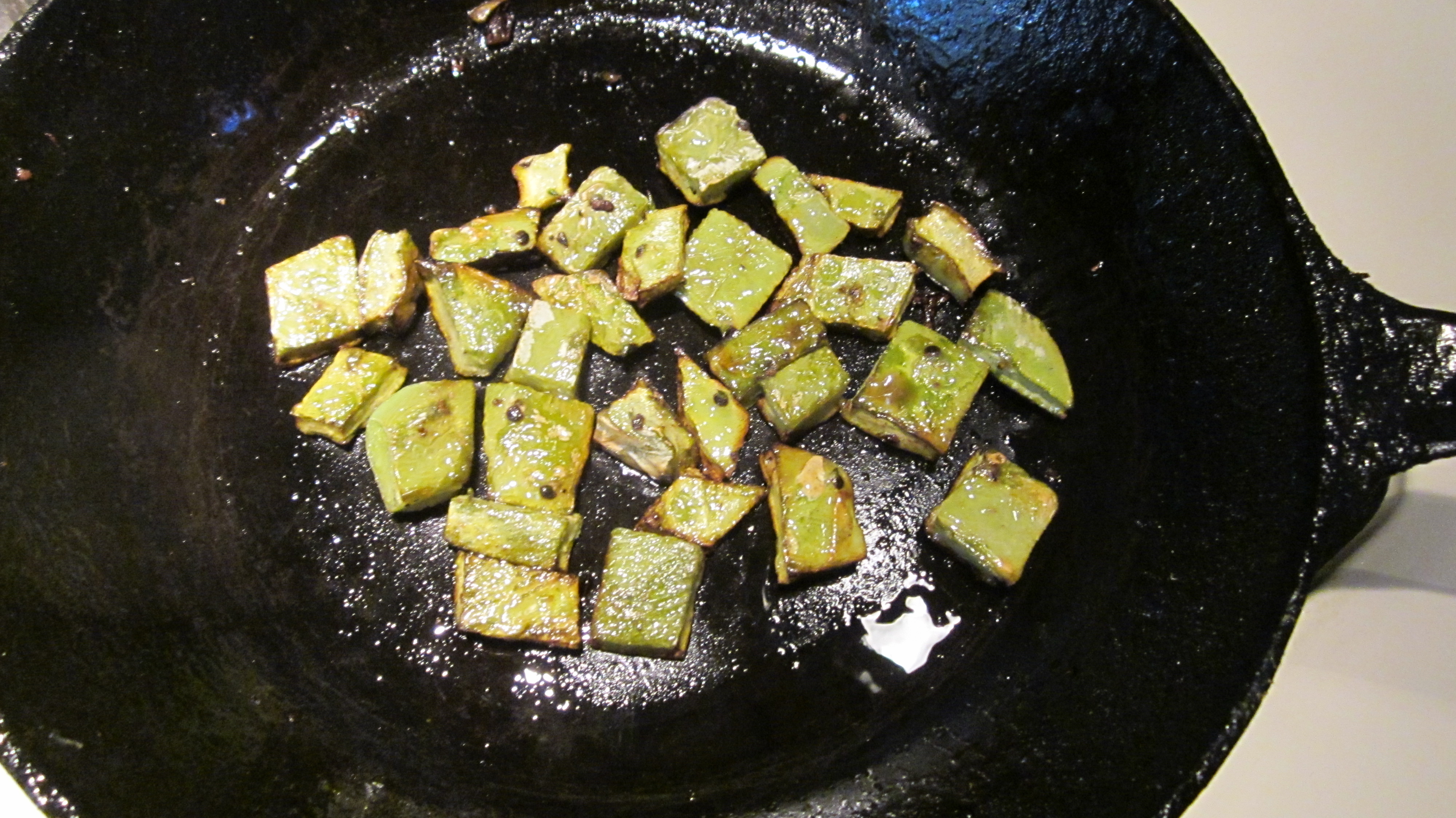
IMG_0196At this point, you can cut it into small pieces to cook or leave it whole and cut it up later. You can cook them in a frying pan filmed with oil, or use the Rick Bayless method (he of TV show fame) and toss them with a little oil, sprinkle with sale, put on a cookie sheet and roast in a 375 degree oven for 20 minutes.  In any case, you should check them and turn them over as they cook.

Cut into small pieces to cook.

Cut into small pieces to cook.

The nopales will turn from bright green to a more olive color as they cook. The gummy sap that some people find objectionable will dry up and become less noticeable.

The cooked nopalitos turn from bright green to olive.

The cooked nopalitos turn from bright green to olive.

You can also cook nopales on the barbecue alongside some chicken to make a delicious taco. This video ( find it at the bottom of the magazine article) shows you how to clean the nopal and grill it.  Take a look here.

Here’s the recipe for the sauce in the picture at the top of the blog:

Grilled Chicken  with Nopalito and Pineapple Salsa

(Makes 4 servings)

This is good to serve as a light entrée with rice and a vegetable.  It is also great as a stuffing for fresh flour tortillas topped with shredded lettuce.

1 raw, cleaned prickly pear pad

1 tablespoon vegetable oil

1 cup canned crushed pineapple packed in it’s own juice

¼ cup finely chopped red bell pepper

¼ cup thinly sliced green onions, including some tops

1 tablespoons canned green chiles

1 finely minced serrano chile (optional)

½ teaspoon finely minced garlic

2 tablespoons lime juice

¼ teaspoon salt

1 tablespoon finely minced cilantro (optional)

4 large boneless chicken breasts

Cut prickly pear pad in 1 ½ inch squares.  Film a heavy frying pan with the oil and add the prickly pear pads.  Cook over low heat, turning occasionally, until pieces have given up much of their juice and are slightly brown. Remove from pan, cool, and chop into pieces as wide as a matchstick and about ¼-inch long.

Transfer to medium bowl.  Add remaining ingredients, stir to combine and set aside for flavors to mingle.

Grill chicken breasts until done. Slice each one crosswise into five or six pieces and arrange each on a plate.  Put a portion of the salsa on top of  or beside the chicken.

______________________

Want more recipes for the bountiful crop of nopales we’ll have this year?  Check out The Prickly Pear Cookbook and Cooking the Wild Southwest.  You can flip through The Prickly Pear Cookbook here. Both books are available locally at Native Seeds/SEARCH on Campbell or from on-line booksellers.
Luscious Lemons

IMG_0092

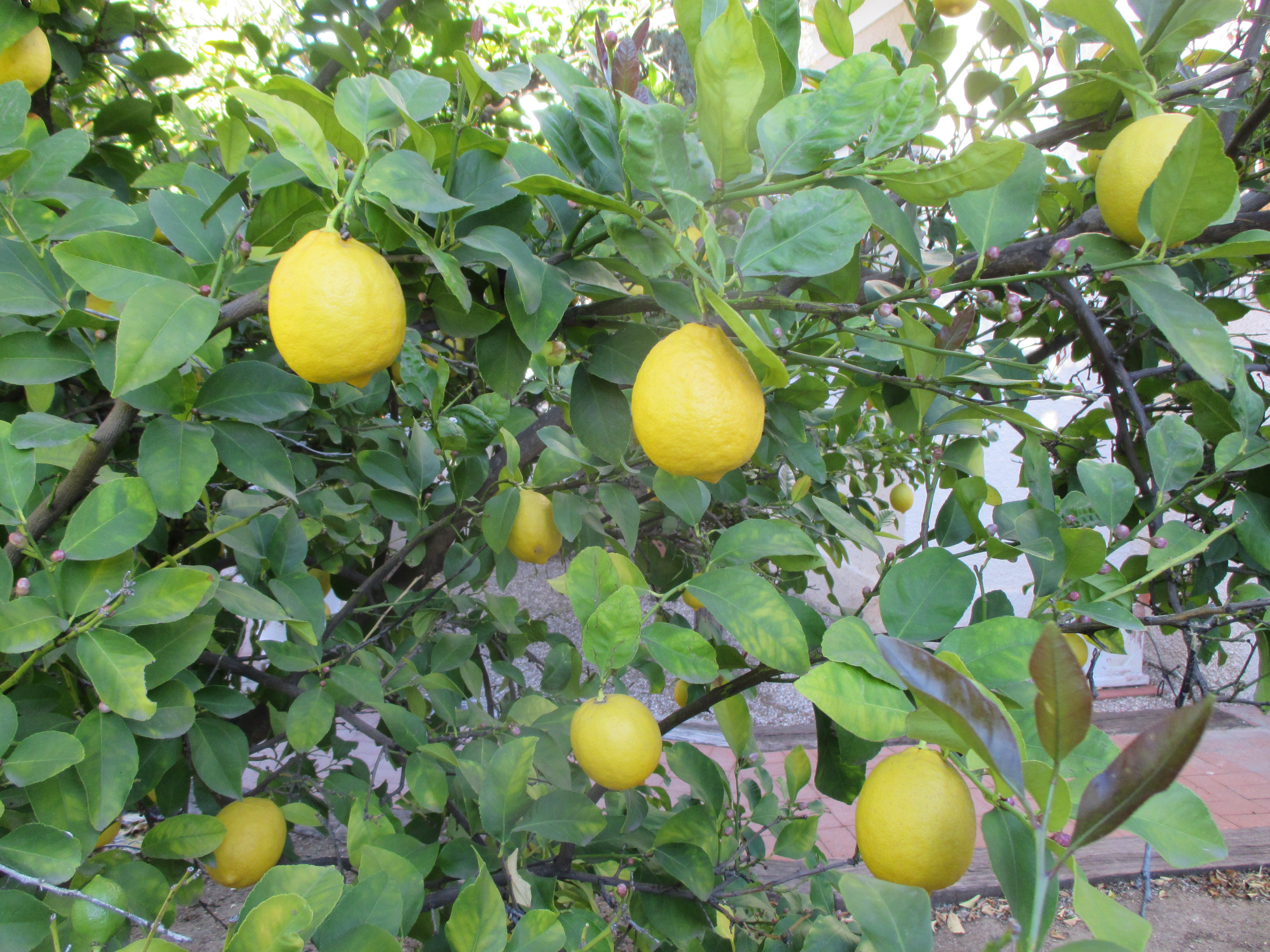
As I write, the citrus trees in my neighborhood are beginning to bloom and sending waves of  scented the air through my exuberantly flowering garden. This is the kind of experience poets rhapsodize about. The two big freezes we had in 2011 and 2013 affected most of Tucson’s lemon trees, and some gardeners went without lemons as the trees recovered. But this spring they came roaring back. It’s Carolyn this week giving you ideas for using lemons from your own trees, those you can beg from neighbors or buy at the farmers’ market.

Make Some Lemon Curd

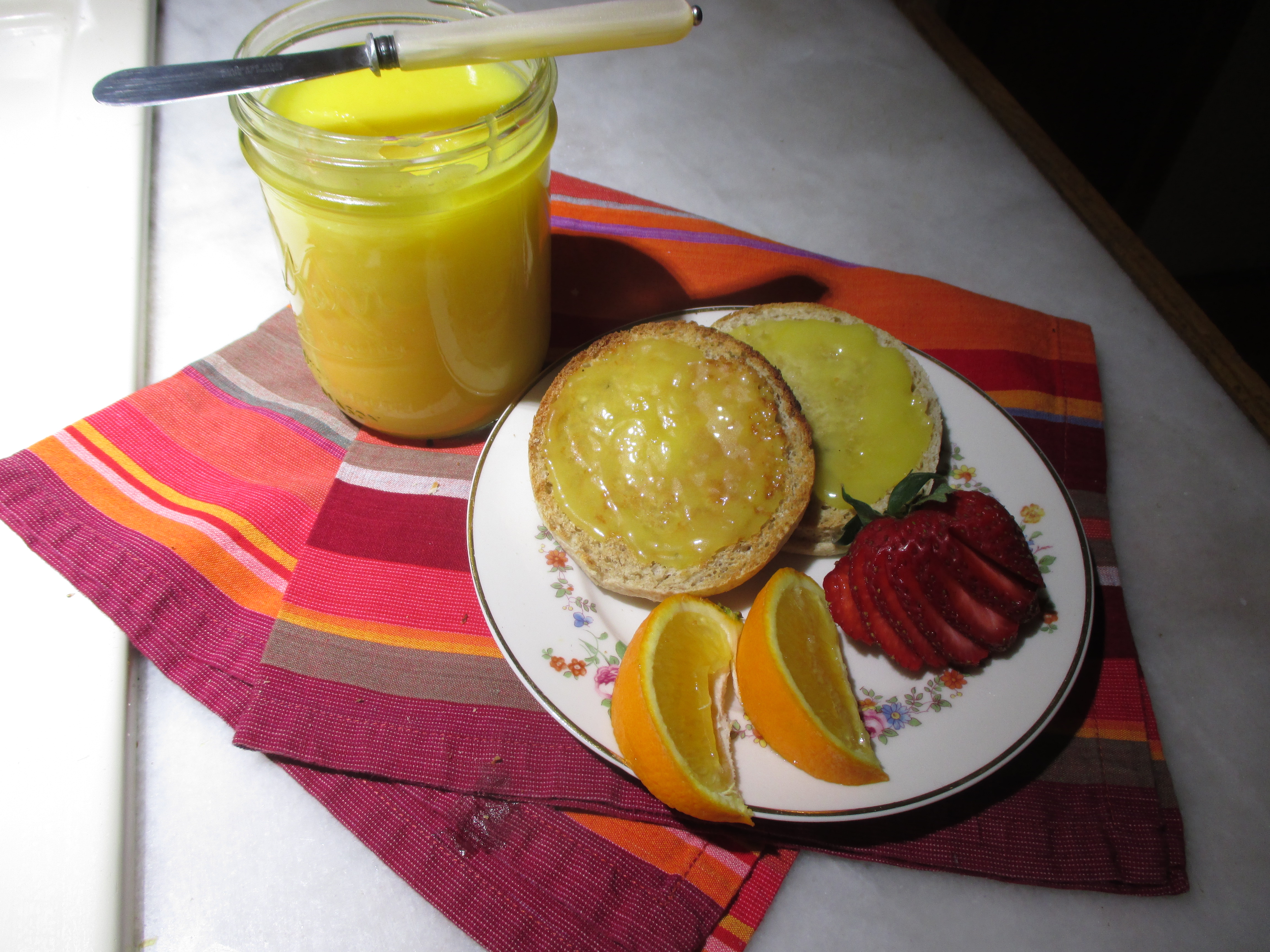
The word “luscious” could have been invented to describe lemon curd. It’s sweet without being cloying; tart without being sour. Yum. I made it once before with so-so results. As with any recipe involving cooked eggs, there is always the chance of curdling if you don’t handle the ingredients delicately. This recipe, developed by Elinor Klivans from Fine Cooking reduces the risk. You can use your lemon curd on toast or scones or fill tiny tart shells for a dessert.

Lemon curd and English muffins make an elegant breakfast.

Lemon curd and English muffins make an elegant breakfast.

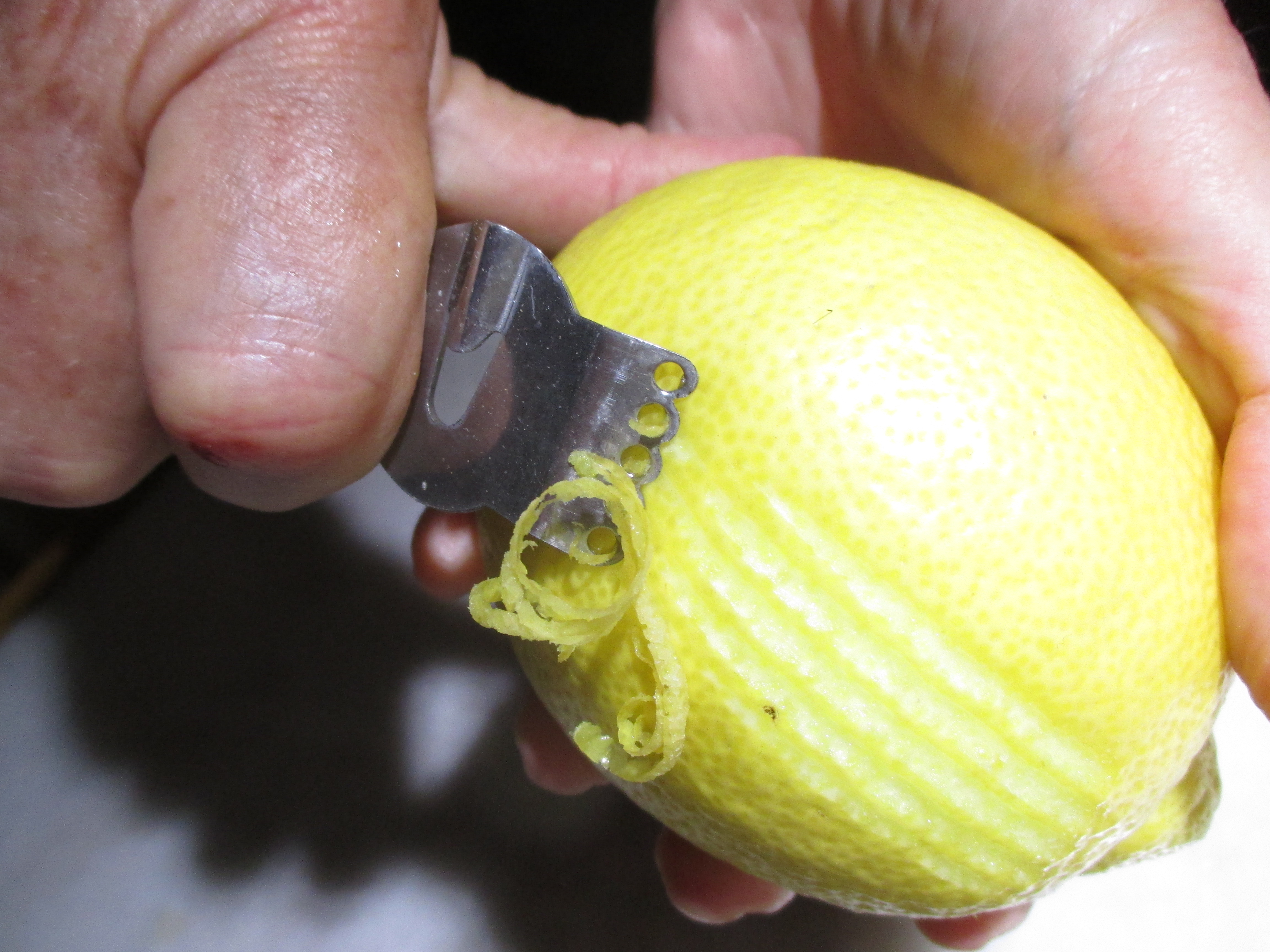
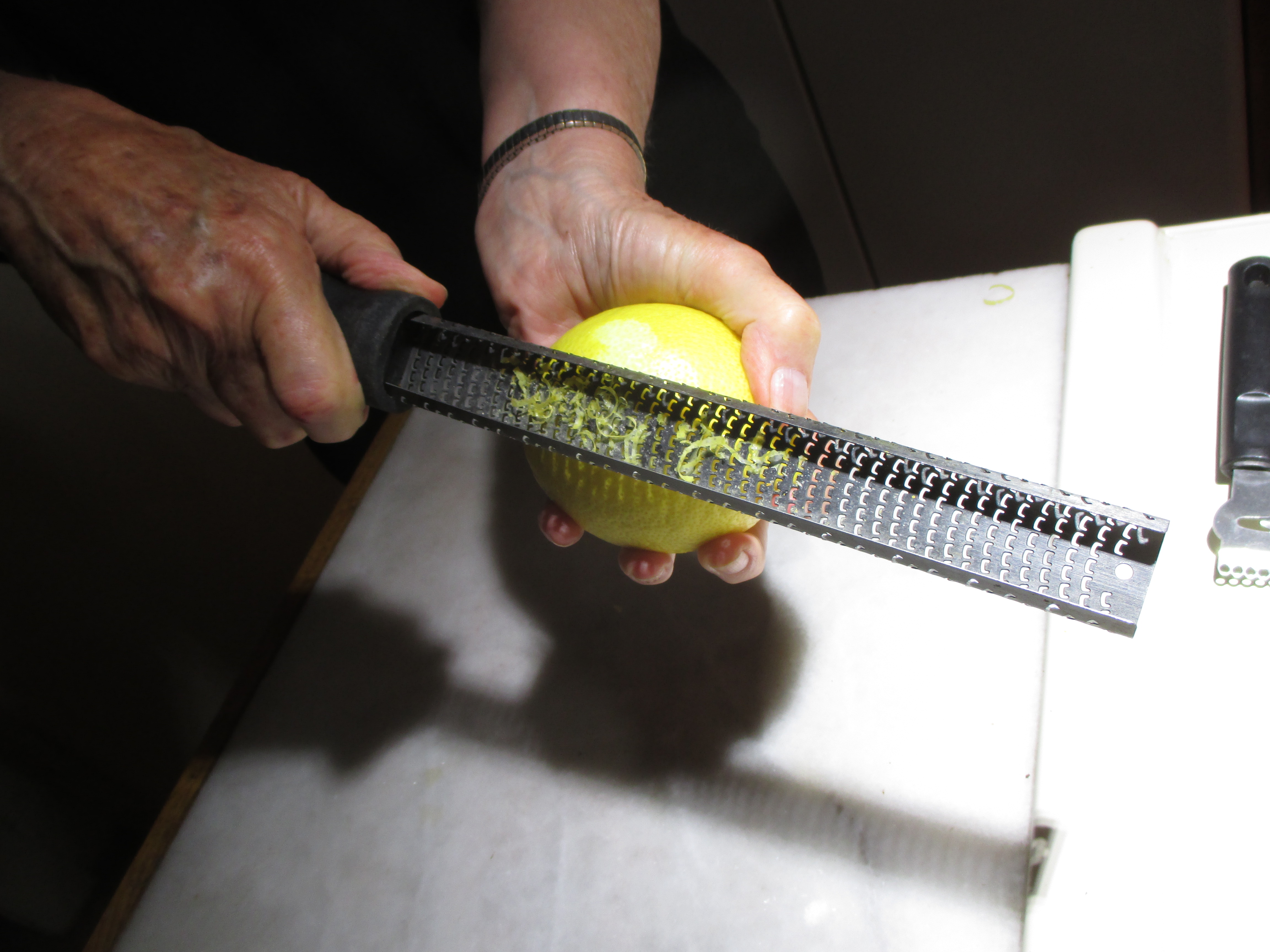
To make lemon curd, you’ll need to zest a lemon first. You only need a tablespoon of zest. You can use a lemon zester or get finer zest with a microplane.

Zesting with a simple lemon zester.

Zesting with a simple lemon zester.

Using a microplane to make lemon zest.

Using a microplane to make lemon zest.

Lemon Curd

by Elinor Klivans from Fine Cooking

6 tablespoons unsalted butter, softened at room temperature

1 cup sugar

2 large eggs

2 large egg yolks

2/3 cup fresh lemon juice

1 tablespoon grated lemon zest

In a large bowl, beat the butter and sugar with an electric mixer, about 2 minutes. Slowly add the eggs one at a time, beating between, then add the yolks. Beat for 1 more minute. Mix in the lemon juice. The mixture will look curdled. Don’t worry as it will smooth out as it cooks.

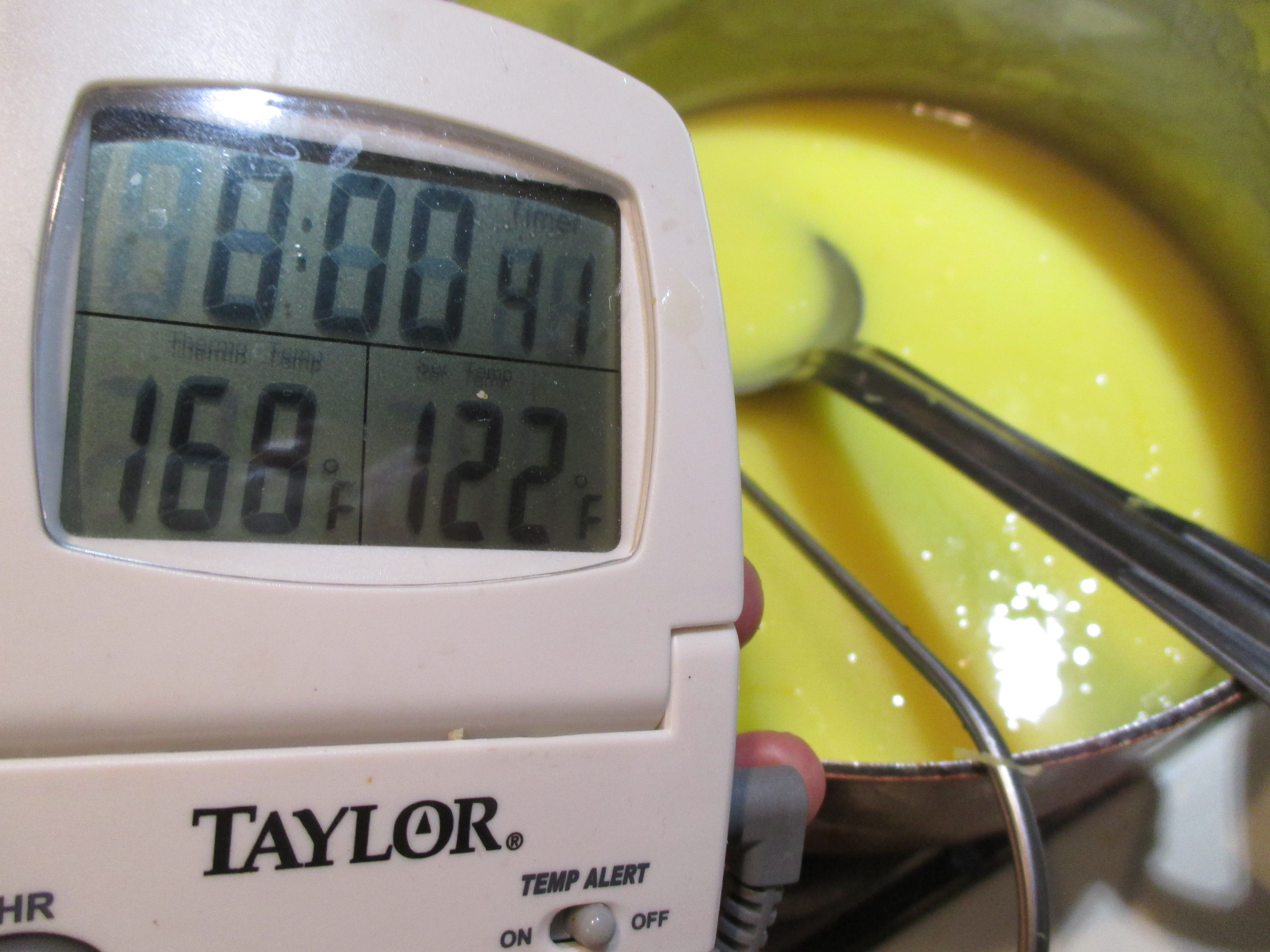
Transfer the mixture to  a medium, heavy-bottomed saucepan and cook the mixture over low heat until it looks smooth. You will find that the curdled appearance will disappear as the butter in the mixture melts. Increase the heat to medium and cook, stirring constantly, until the mixture thickens, from 8 to 15 minutes. Don’t try to rush this. Put on the radio or some music to entertain yourself. If you have a cooking thermometer, it should read 170 degrees F. when the curd is finished.

The curd is almost ready.

The curd is almost ready.

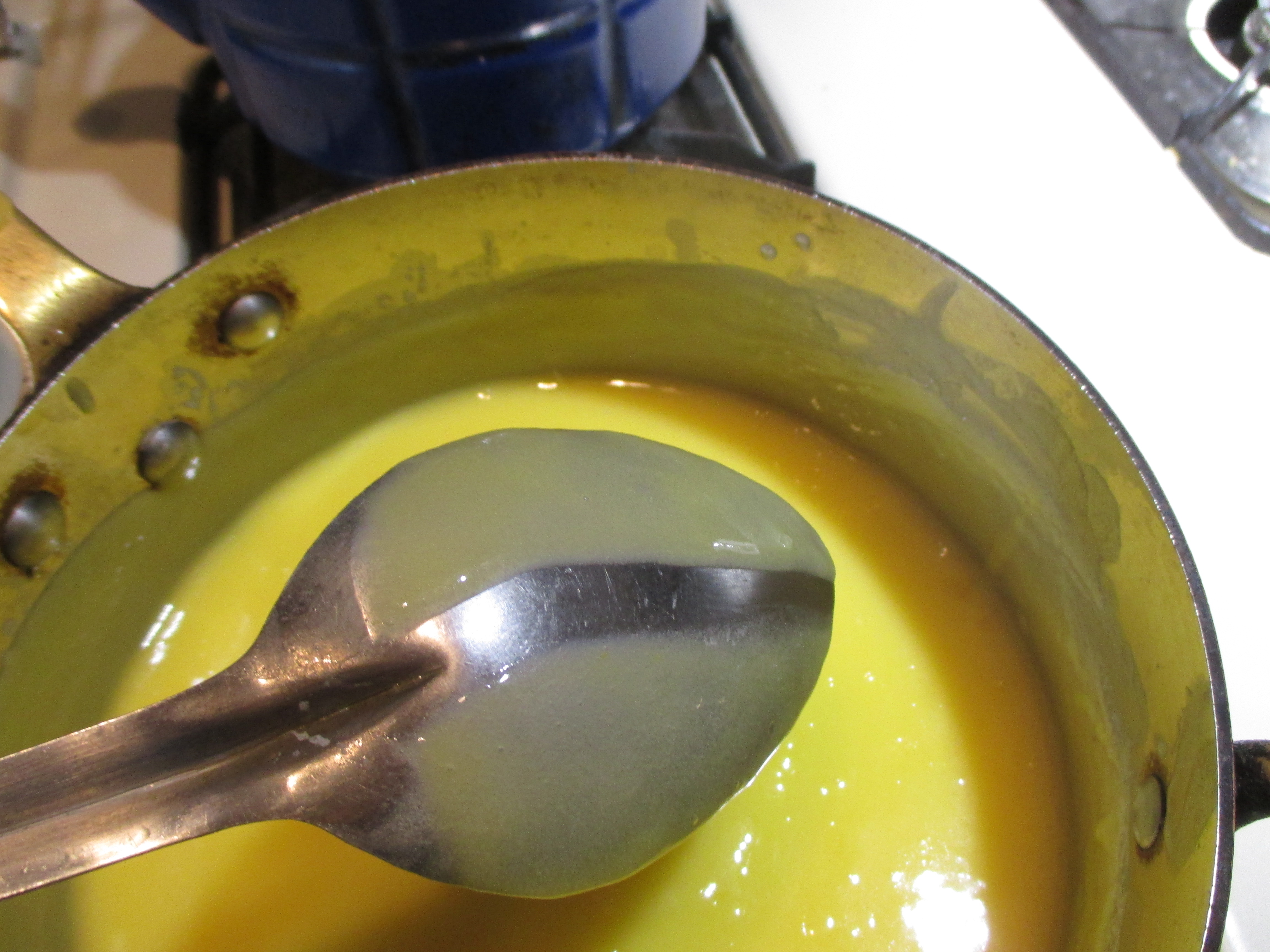
If you don’t have a thermometer, dip the back of a spoon into the sauce, and and run your finger through it. A path should remain. Most important:  Don’t let the mixture boil.

Test doneness without a thermometer.

Test doneness without a thermometer.

Remove the pan from the heat; stir in the lemon zest. Transfer the curd to a bowl. Press plastic wrap on the surface of the lemon curd to keep a skin from forming and chill  in the refrigerator. The curd will thicken further as it cools. Covered tightly, it will keep in the refrigerator for a week and in the freezer for 2 months. Each tablespoon has about 50 calories.

Limoncello: A Treat from Italy

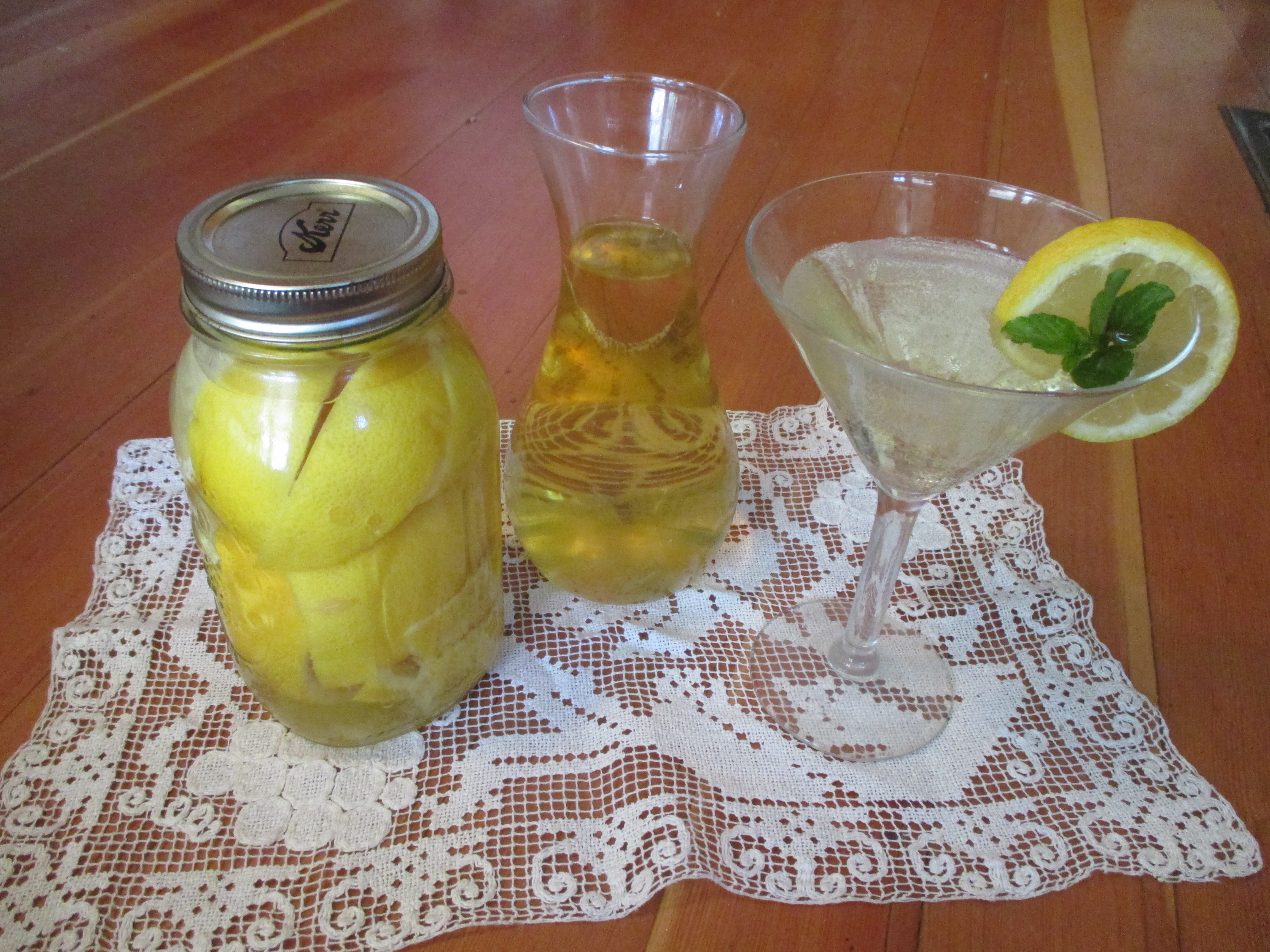
Italian limoncello is easy to make.

Italian limoncello is easy to make.

If you have ever been to Italy, you probably know about limoncello, the generic name for an Italian citrus-based lemon liqueur that is served well chilled in the summer months. All you need is lemons, vodka and sugar. When choosing lemons you want to use organic if possible to avoid wax and pesticides on the peel. This recipe is adapted from one given by the television cook Giada De Laurentiis.

Limoncello

10 lemons
1 (750-ml) bottle vodka
3 1/2 cups water
2 1/2 cups sugar

Start with a clean gallon jar. First, carefully peel the lemons in long strips with a vegetable peeler so there is no white pith on the peel. Use only the outer part of the rind. Put the rinds in the jar and cover with the vodka. Let it sit at room temperature for at least 10 days and up to 40 days in a cool dark place.

When you are ready to proceed, combine the water and sugar in a saucepan, bring to a gentle boil and let it boil 5 to 7 minutes. Remove from heat and let the syrup cool. Add to the limoncello mixture and let it rest from overnight to 10 days (the experts really differ on this. I just waited 2 days and it was fine.) Strain into bottles, seal and refrigerate.

Limoncello Cocktail

Mix half-and-half limoncello, seltzer water, tonic, or champagne and serve over ice.

Easier, Better Lemonade

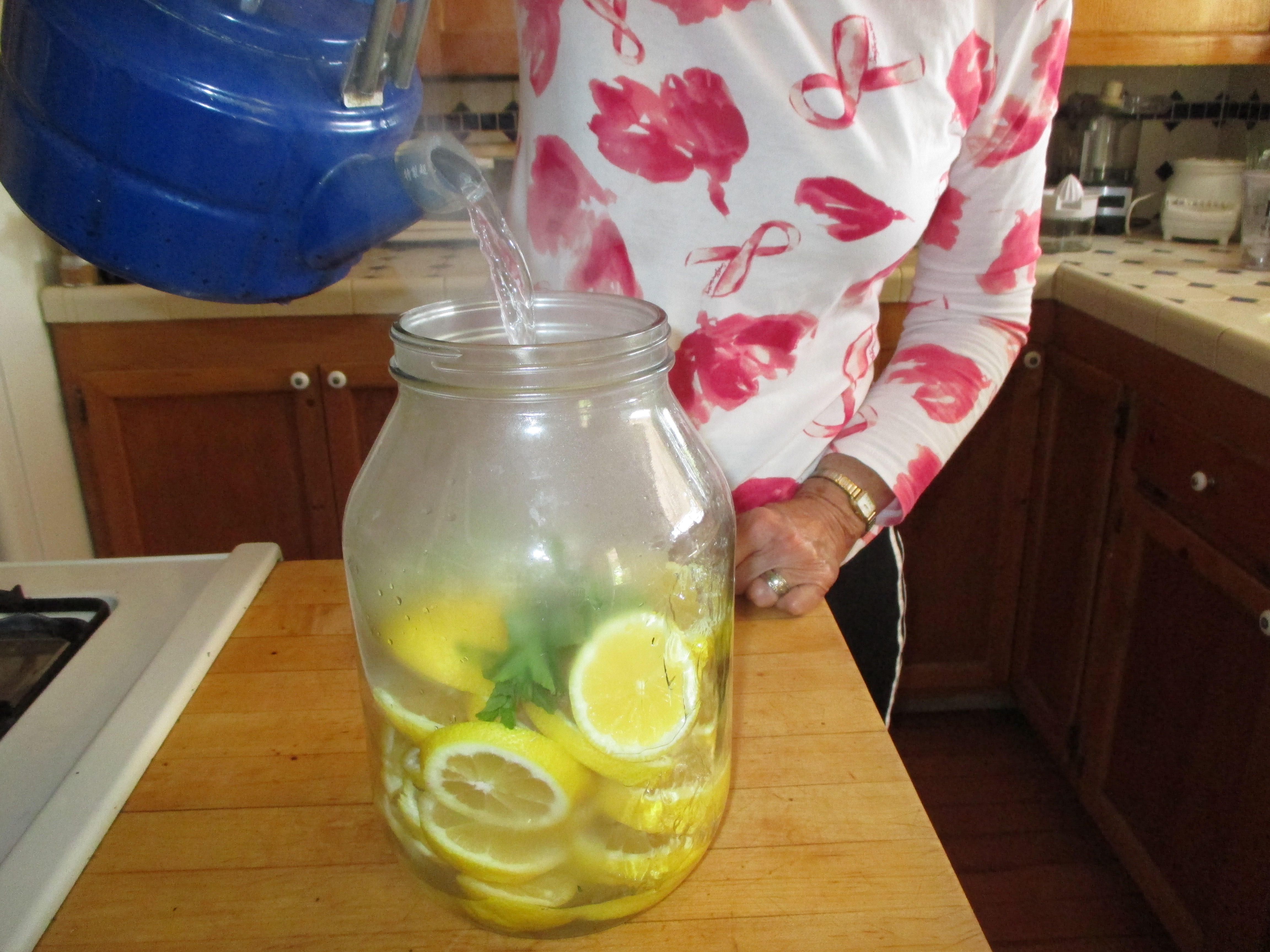
No squeezing needed when you pour boiling water over sliced lemons.

No squeezing needed when you pour boiling water over sliced lemons.

I learned to make the best lemonade from my friend Ann who lives in New Jersey. She learned it from a woman in Germany. Neither of these areas are lemon-growing regions so it may be a way of conserving. Rather than squeezing them, slice the lemons and pour boiling water over them. Let them steep for a couple of hours, pour off the water and repeat. You can keep adding water, letting it sit and draining until the taste grows too weak. This makes a juice with greater depth of flavor because it extracts the lemon oils from the rinds. Sweeten to taste with your choice of sugar, honey or agave syrup.

And Don’t Forget…

Tia Marta is running several classes in gathering and preparing cholla buds. This is a great year for desert plants and the cholla buds are fat and juicy.

Workshop Dates (find a downloadable flyer on the website http://www.flordemayoarts.com):
Saturday April 4, 2015, 7:30-9:30am—register at 520-907-9471
Wednesday, April 8, 8-11am, Pima Co Parks & Rec 520-615-7855 x 6
Saturday, April 11, 8-11am, Westside, sponsored by NativeSeeds/SEARCH, call 520-622-0830×100

Saturday, April 18, 8:30-11:30am, Tohono Chul Park, 520-742-6455 x 228

Here’s to the Budding Desert!

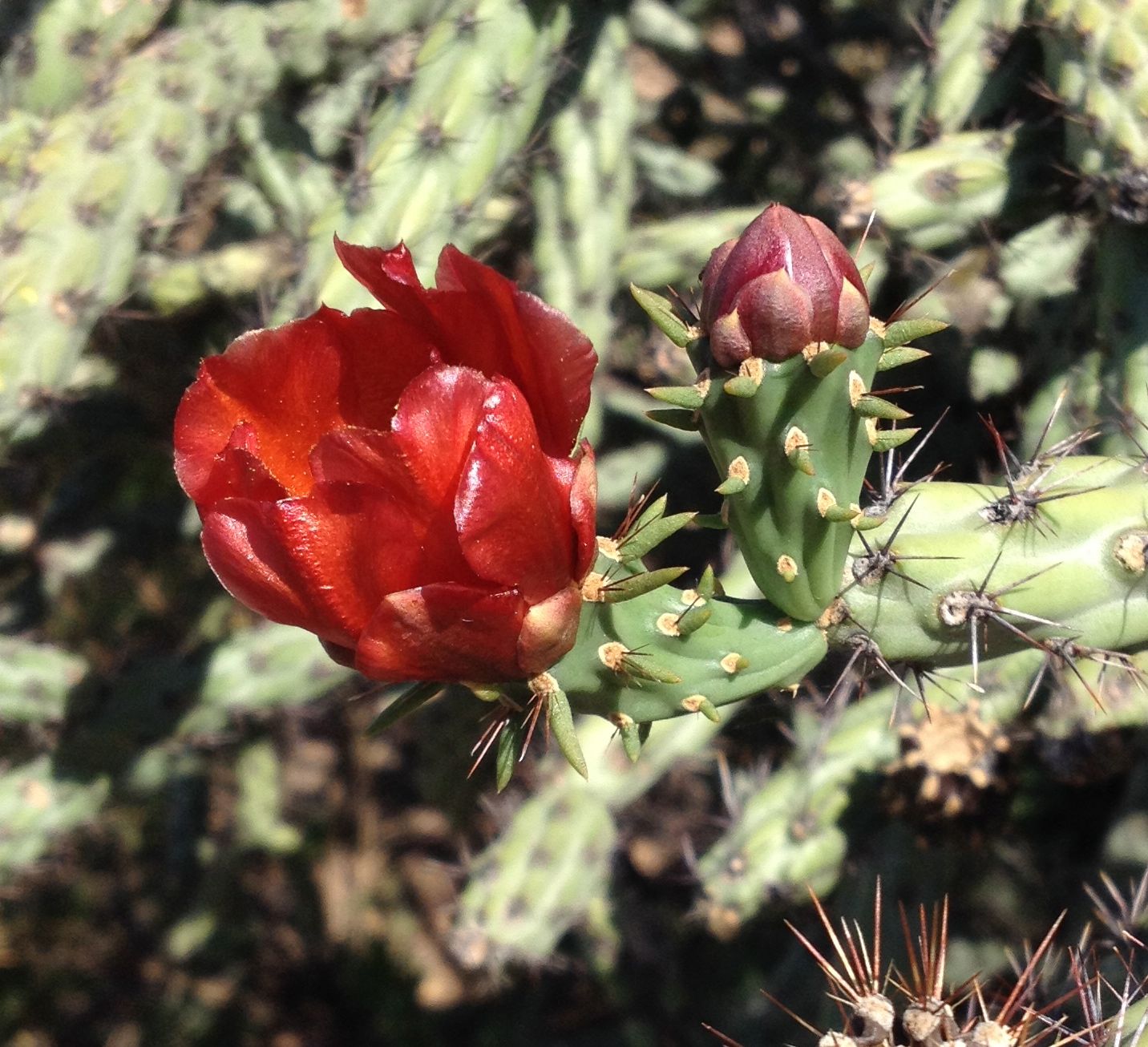
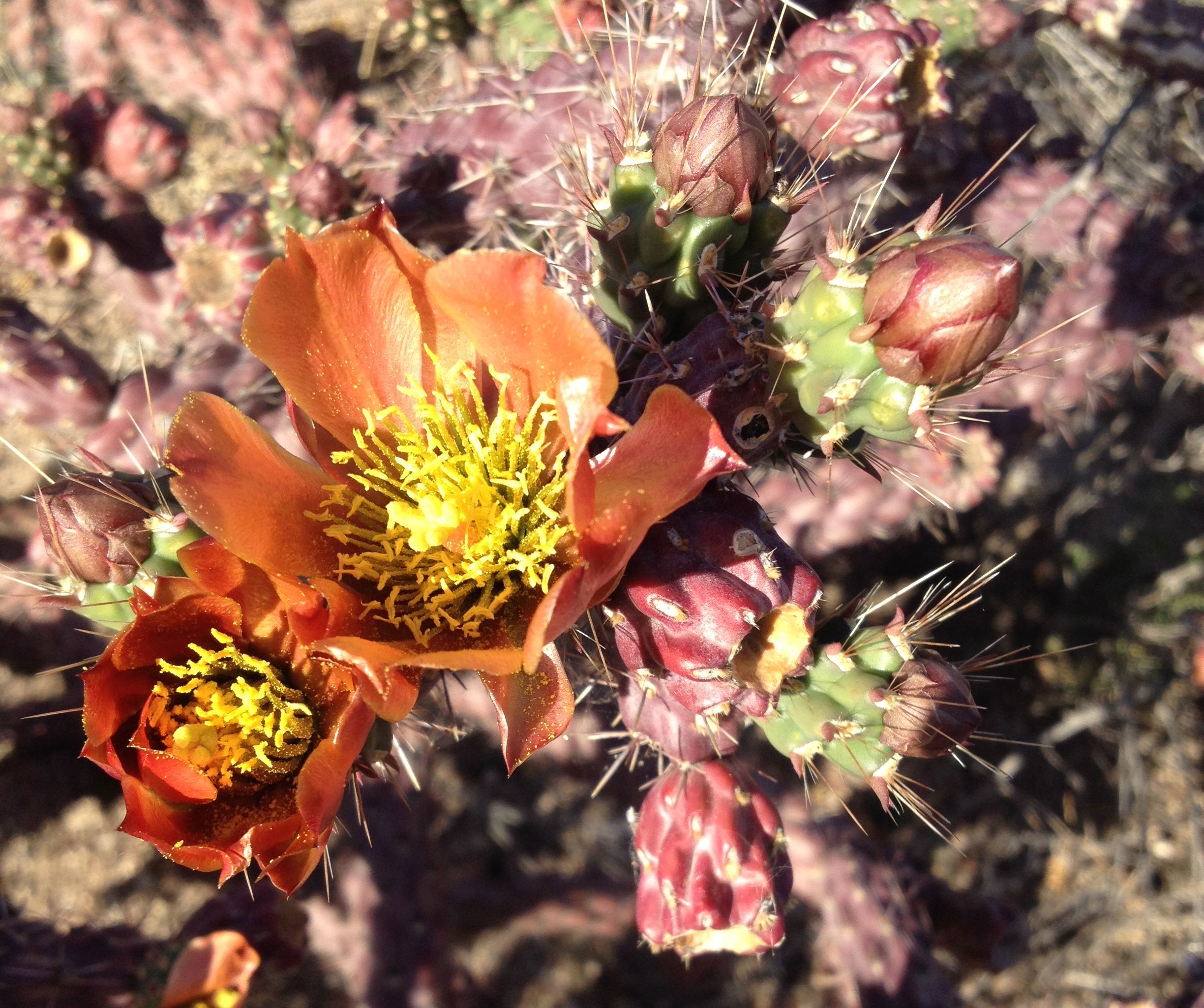
red staghorn cholla flower and bud (MABurgess photo)

red staghorn cholla flower and bud (MABurgess photo)

Can you almost hear them?  I mean the sound of buds swelling and bursting with life out there is the rain-soaked desert?  This spring the wildflowers are a joy, for sure, but the perennials this season will really be in their glory.  Tia Marta here with some wonderful ideas about how we can share in the coming cornucopia of cholla.

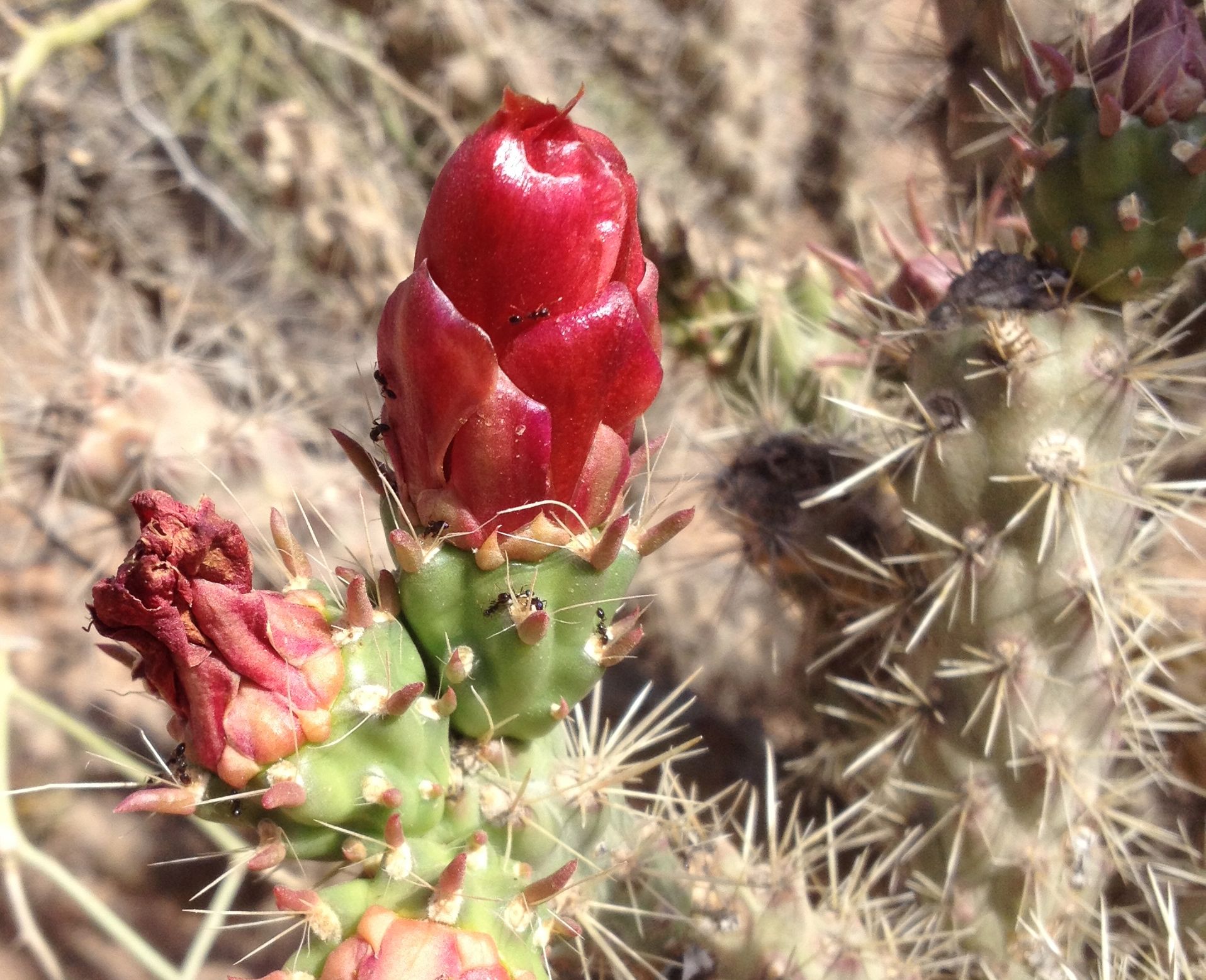
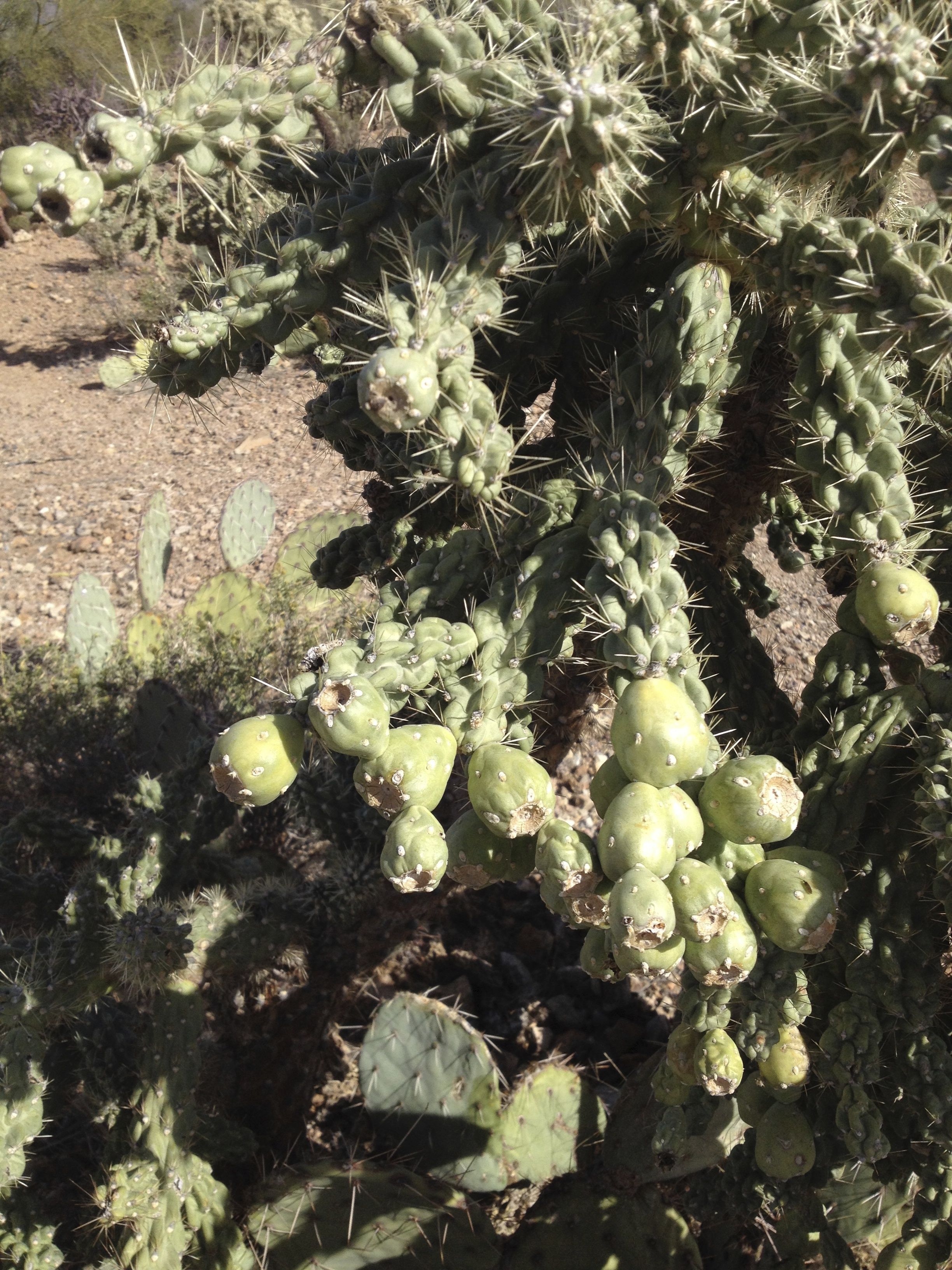
Cholla cactus flower buds emerging, covered with spines--brimming with goodness for all desert creatures….

Cholla cactus flower buds emerging, covered with spines–brimming with goodness for all desert herbivores….(MABurgess)

It should be a bountiful bloom this year–the buds are off and running already.  Every branch on our Sonoran Desert chollas is loaded with little buds, and they seem to double in size every day.  It looks the same in the western part of Arizona, the Mojave….a zillion buds on the golden branches of Cylindropuntia echinocarpa.

While the chollas are preparing for their yearly reproductive ritual–a wildly colorful show for attracting pollinators–many desert creatures will be benefitting from this flamboyant event, including Native Desert People who have always shared in the bounty.

cholla feeds many desert creatures (MABurgess photo)

cholla feeds many desert creatures (MABurgess photo)

You can learn traditional and modern ways of harvesting, preparing and cooking cholla buds in one of several classes coming up soon in April.  With the guidance of ethnobotanist of Tia Marta (yo,) we will get out in the bloomin’ stickery desert, get up close and personal with chollas, get to know their lore, their anatomy, their culture, learn to carefully de-spine them, cook, dry, pickle, and prep them into the most unusual and fun recipes.  Their health benefits are off the charts–we’ll learn about those too.

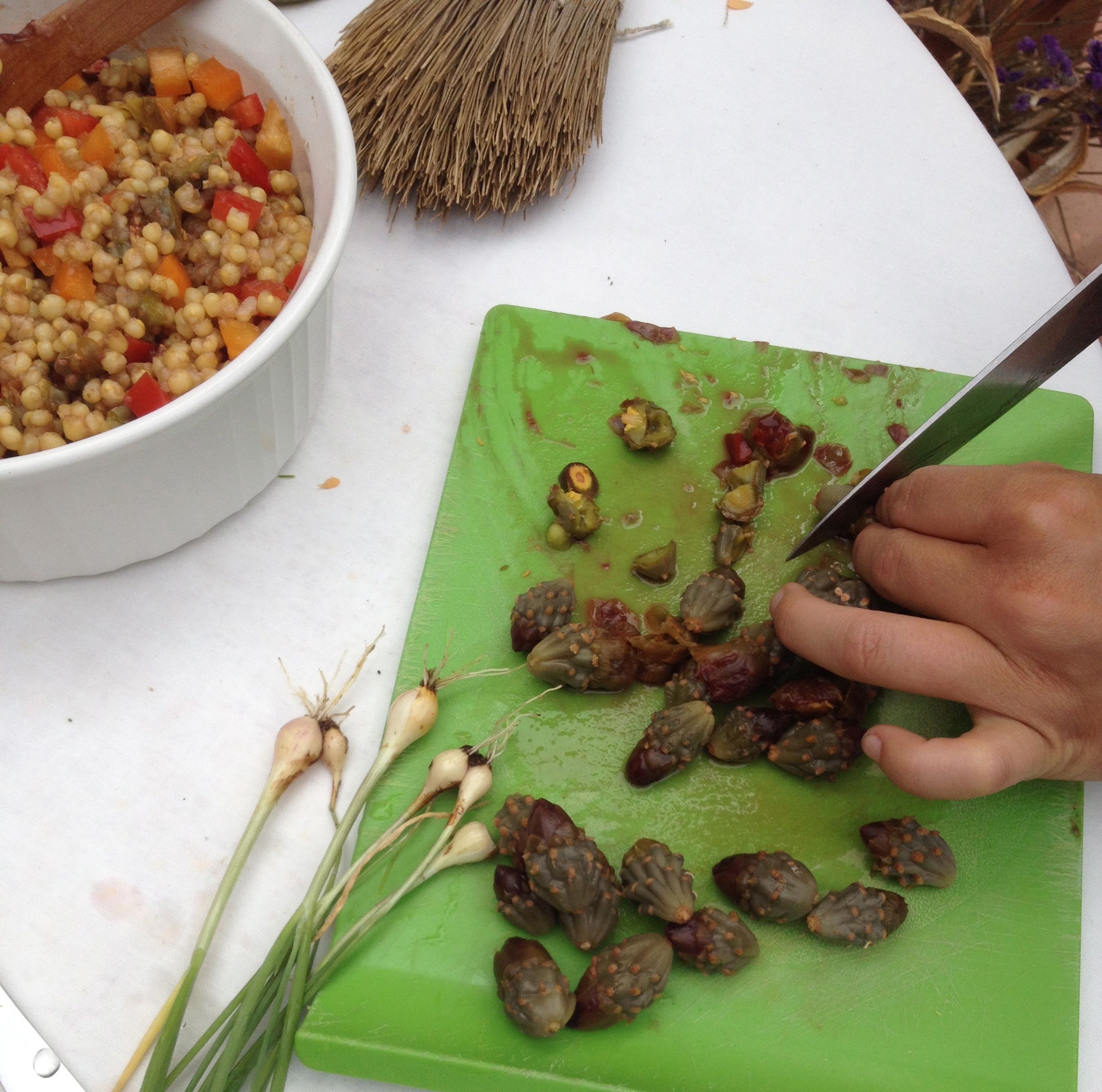
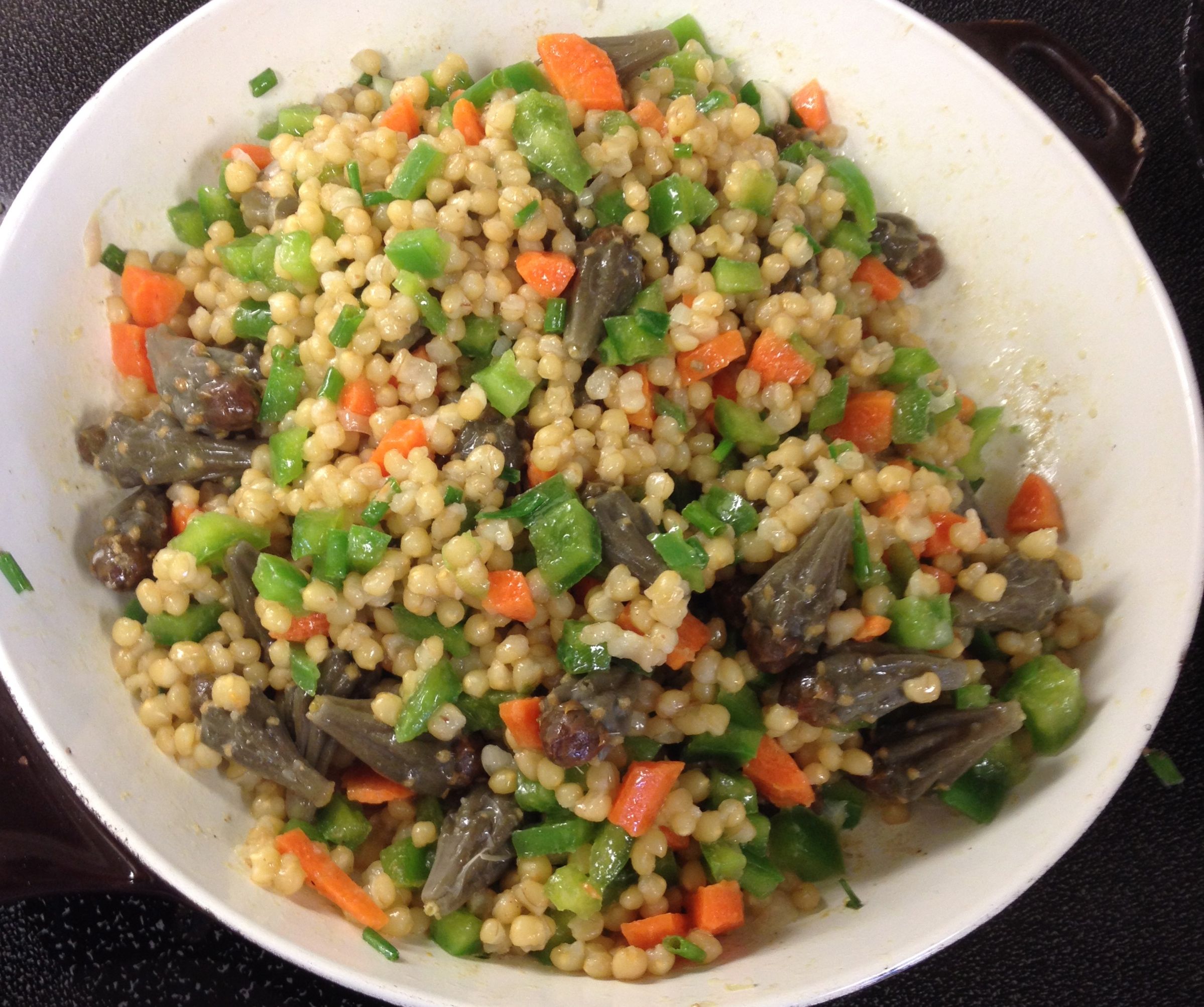
prepping cooked cholla buds with I'itoi's onions for White Sonoran Wheatberry salad

prepping cooked cholla buds with I’itoi’s onions for White Sonoran Wheatberry salad (MABurgess photo)

The biggest kick will be impressing your family and friends with off-the-wall gourmet recipes that no one else makes (other than some wild and wonderfully creative foodies like Janos Wilder, Chef of the Downtown Kitchen, not to mention NativeSeeds/SEARCH staff cooks!)


rusty orange flower of the various-colored staghorn chollas

Rusty orange flower of the various-colored staghorn cholla, Cylindropuntia versicolor (MABurgess photo)

We have many cholla varieties in the Sonoran Desert—each with its own distinct characters and timing of flowering. The cane cholla (Cylindropuntia spinosior) is found in a few places in low desert but is more typical of higher desert and desert grassland. It’s the one with the persistent round yellow fruits, and gorgeous magenta flowers. The jumping cholla (C. fulgida) always has long clusters of green persisting green fruits hanging like bunches of grapes. It typically blooms with the monsoon rains of summer with a lovely deep rose flower. If you can find the buds of either of these chollas in their season, their buds are great tasting too.  The buds of both are spiny, but the first-mentioned staghorn cholla (C.versicolor) bears easily-removable spines, so that’s the one my Tohono O’odham “grandmother” and mentor Juanita preferred to pick. I will be demonstrating her teaching at our upcoming workshops in April.
cane cholla in bud with last year's persistent yellow fruits

Cane cholla (C.spinosior) in bud with last year’s persistent yellow fruits

fruits of jumping cholla clinging to former years' fruits

Fruits of jumping cholla (C.fulgida) clinging to former years’ fruits


tongs specially designed for harvesting cholla buds and prickly pear--available at Flor de Mayo tent Sunday St Phillips farmers' market

Tongs specially designed for harvesting cholla buds and prickly pear–available at Flor de Mayo tent Sunday St Phillips farmers’ market

The best instrument for safely harvesting buds is simply a pair of tongs. Long barbeque tongs can help you maneuver through hazardous cactus branches at a safe distance. We commissioned a young woodworker from Sedona to fabricate the right size tongs for us out of fire-killed ponderosa pine—available at the NativeSeeds/SEARCH store and in our selection of handmade wooden utensils at our Flor de Mayo booth at the Sunday St Phillips market.

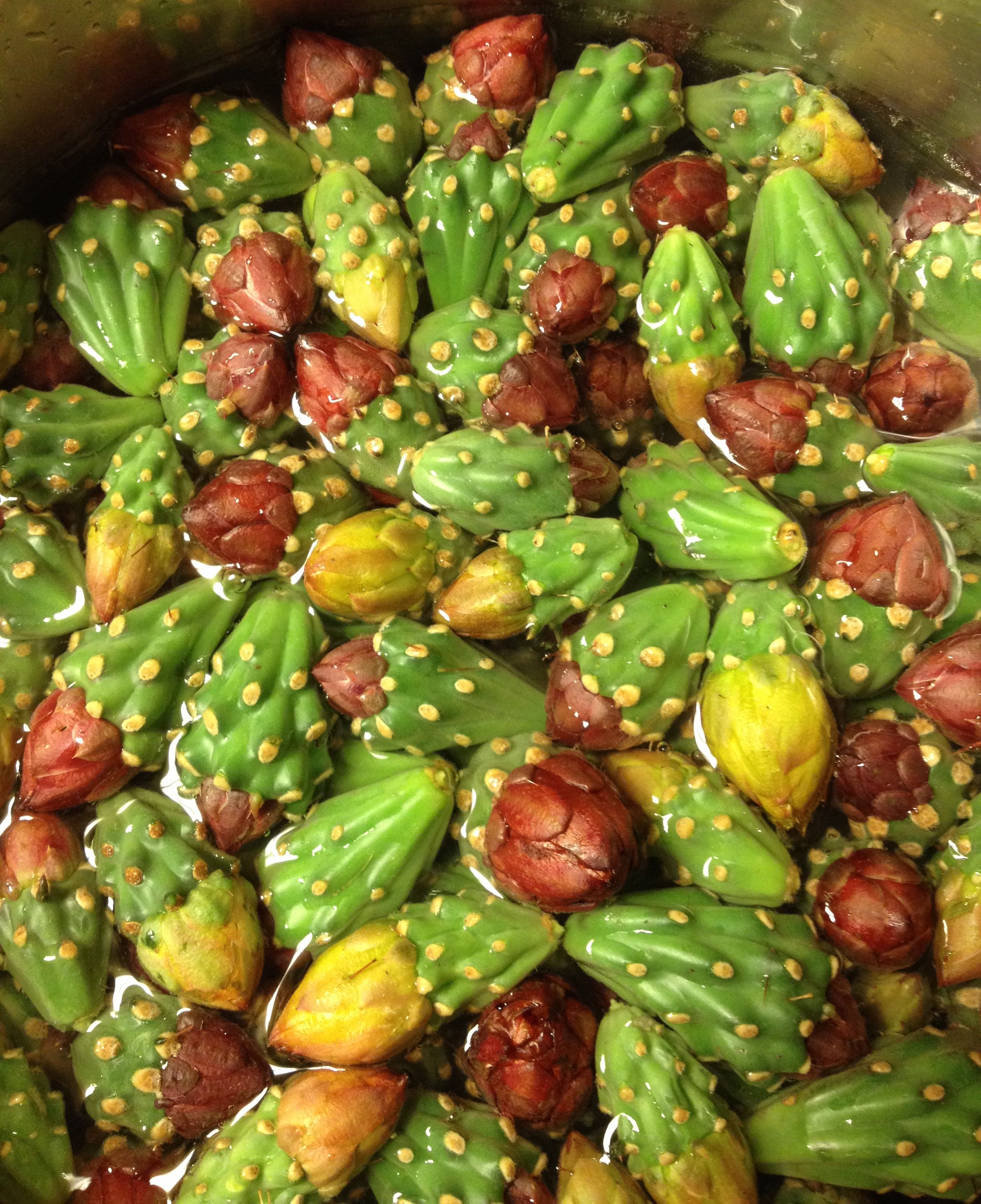
Cholla buds from yellow and red flowers--de-spined and ready to cook

Cholla buds from yellow and red flowers–de-spined and ready to cook (MABurgess)

After de-spining, the buds must be further prepared by roasting or boiling before eating them either plain as a tasty vegetable or fixing into other delectable dishes.


Here’s an easy sure-fire winner for pot lucks……

delectable cholla bud and white Sonora wheat-berry salad

Delectable cholla bud and white Sonora wheat-berry salad


Marinated Wheat-berry Salad with Cholla Buds!                                                                                         

Ingredients:                                                                                                                                                                                                                    2 cups cooked and cooled White Sonora Wheat-berries**                                                                                                                                1/4 -1/2 cup of your favorite Italian vinagrette dressing

¼ cup chopped celery
¼-1/2 cup chopped colorful sweet peppers
¼ cup minced I’itoi’s Onion bulbs and tops, or minced red onion
1/2 cup cherry tomatoes cut in half (optional)
½ cup cooked and cooled cholla buds.                                                                                                                                                                                                                     Romaine lettuce leaves as bed

Instructions: Marinate cooked white Sonora wheat-berries in the dressing overnight in frig, stir once or twice.
Mix in all fresh chopped veggies and cholla buds.
Serve on a fresh romaine leaf.   Makes 6 generous servings.

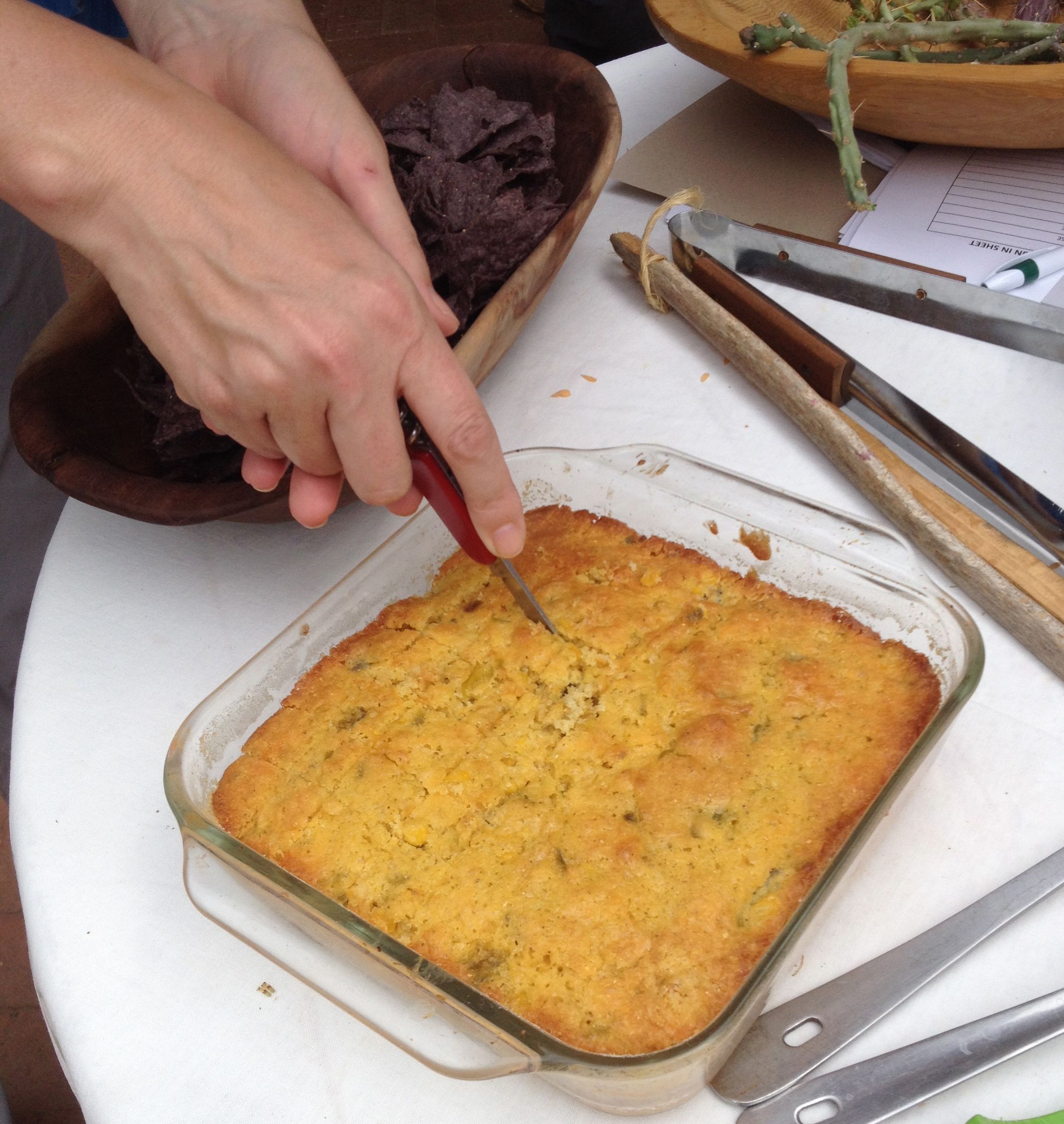
first cut into cholla bud cornbread--yum!

first cut into cholla bud cornbread–yum!

At our up-coming Cholla Bud Harvesting Workshops you will joyously taste cholla in a variety of gourmet recipes. You will a;sp learn how to preserve them, dry them for storage, learn their survival strategies and how those natural “tricks” can help us. Come “internalize” a deeper appreciation of these desert treasures!

For more photos and interesting details, please check out my Edible Baja Arizona article from April 2014 online at http://www.ediblebajaarizona.com. You can view a neat short clip about cholla harvesting created by videographer Vanda Pollard through a link on my website http://www.flordemayoarts.com.  Best of all, you can attend one of our scheduled Cholla Bud Harvesting Workshops to learn the process first-hand!  From there you can harvest your own–and bring these nutritious and off-the-wall taste treats into your home and party menus.


Workshop Dates (find a downloadable flyer on the website http://www.flordemayoarts.com):
Saturday April 4, 2015, 7:30-9:30am—register at 520-907-9471
Wednesday, April 8, 8-11am, Pima Co Parks & Rec 520-615-7855 x 6
Saturday, April 11, 8-11am, Westside, sponsored by NativeSeeds/SEARCH, call 520-622-0830×100                   Saturday, April 18, 8:30-11:30am, Tohono Chul Park, 520-742-6455 x 228

Hoping to see you at one of these fun classes!  Happy harvesting–to all budding harvesters and cholla aficionados!

**Certified organic heirloom White Sonora Wheat-berries from BKWFarms are available at the Flor de Mayo booth at FoodInRoot’s Sunday St Phillips Farmers Market, St Phillips Plaza, N Campbell Avenue, or online from http://www.flordemayoarts.com in ½ lb, full pound, kilo bags, and greater quantities for chefs. Also available from the NativeSeeds/SEARCH Store, 3061 N Campbell Ave, Tucson.

Dry cholla buds for reconstituting to cook are available at San Xavier Coop Association booth at Thursday Santa Cruz Market and at NativeSeeds/SEARCH.

Pescado en Mole Verde, Spring Roots with Spicy Creamy Dip

053

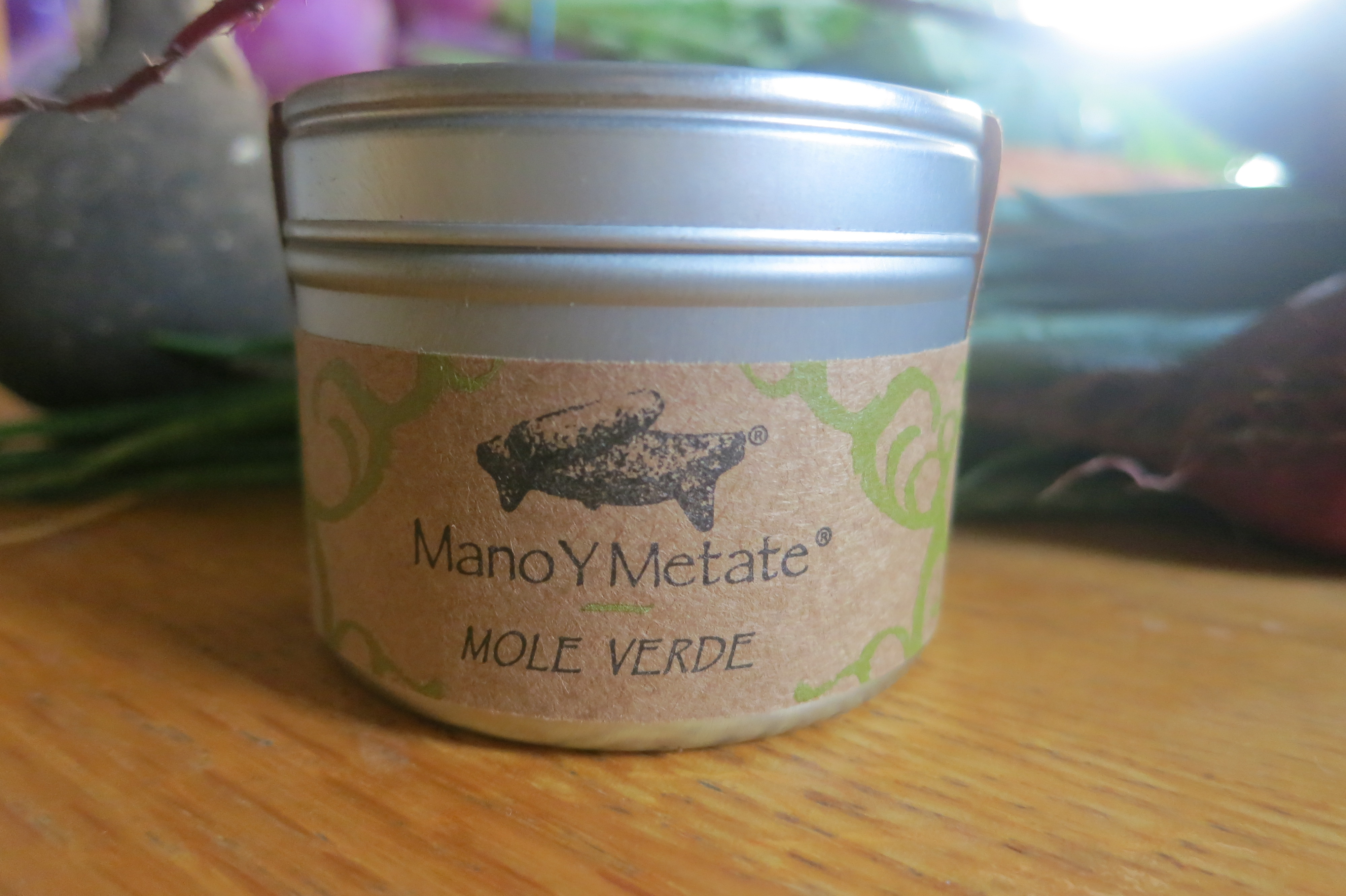
Hello, Amy Valdés Schwemm here, celebrating spring with two recipes using Mano Y Metate Mole Verde.

Spring root vegetables are on the table now! Carrots and purple diakon from Tucson CSA/Crooked Sky Farms, baby onions, and Cylindra beets from the Breckenfelds are very tender. The purple daikon is so mild and the baby beets and carrots sweet, and all prettiest when fresh. I’m sure we’ll have humongous taproots later in the season that will need roasting or pureeing.

023029

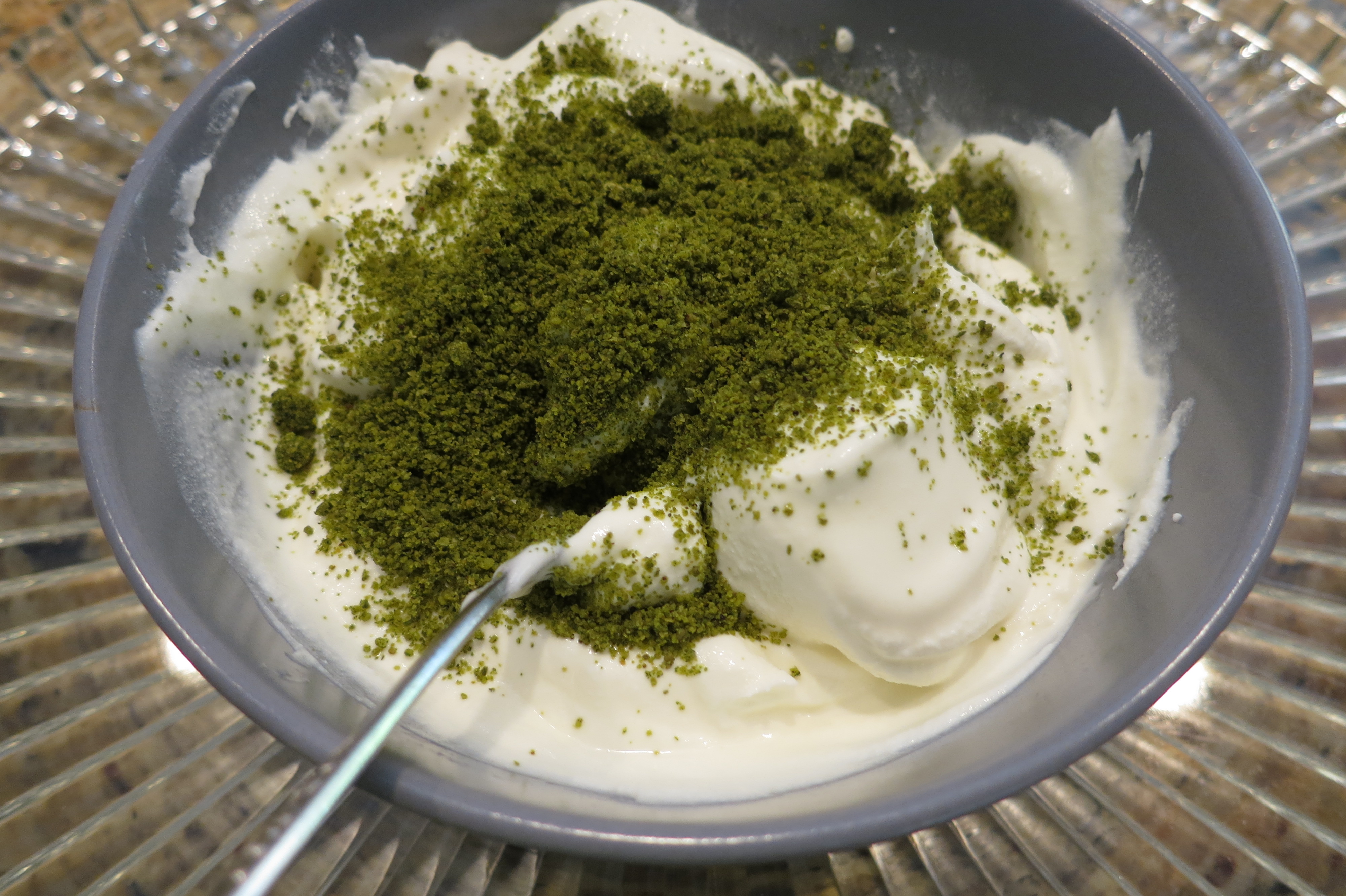
I love creamy dips with crisp, raw veggies. My sister makes a spicy and creamy dip from Mole Verde powder and sour cream. Just mix the two ingredients to taste and refrigerate to let the flavors blend.

thanksgiving 2012 (2)

Common sour cream works beautifully for this dish, but I had milk to use up, so I made homemade cultured ricotta to use as the base.

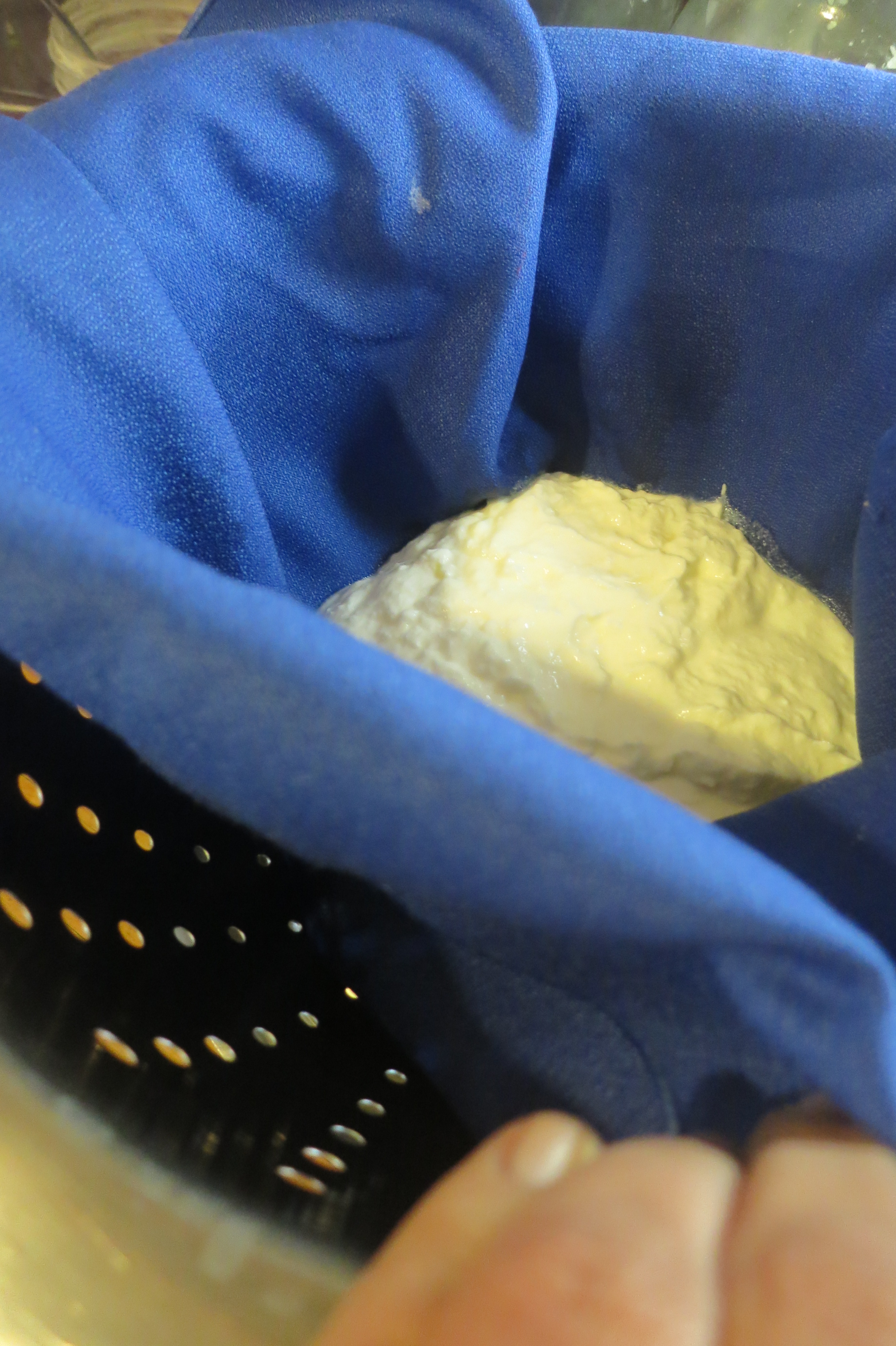
021To make, gently heat any milk in a pot directly on the stove to almost boiling, add strained lemon juice a spoonful at a time, then stir and watch the tiny curds form and the whey turn translucent. (My milk was raw and apparently soured enough to form curds when heated without added acid.) Allow to cool to room temperature, add an envelope of “Bob and Ricki’s Sour Cream Culture” available in Tucson from Brew Your Own Brew.

Strain though a cloth napkin, incubate at room temperature for 24 hours (either hanging in the tied up cloth or in a covered dish). For a smooth texture, whip in a blender or food processor. Salt to taste and refrigerate.

When you add the Mole Verde powder to taste, it can be as spicy or mild as you like. Delicious on tacos or any savory dish where you would use Mexican crema.


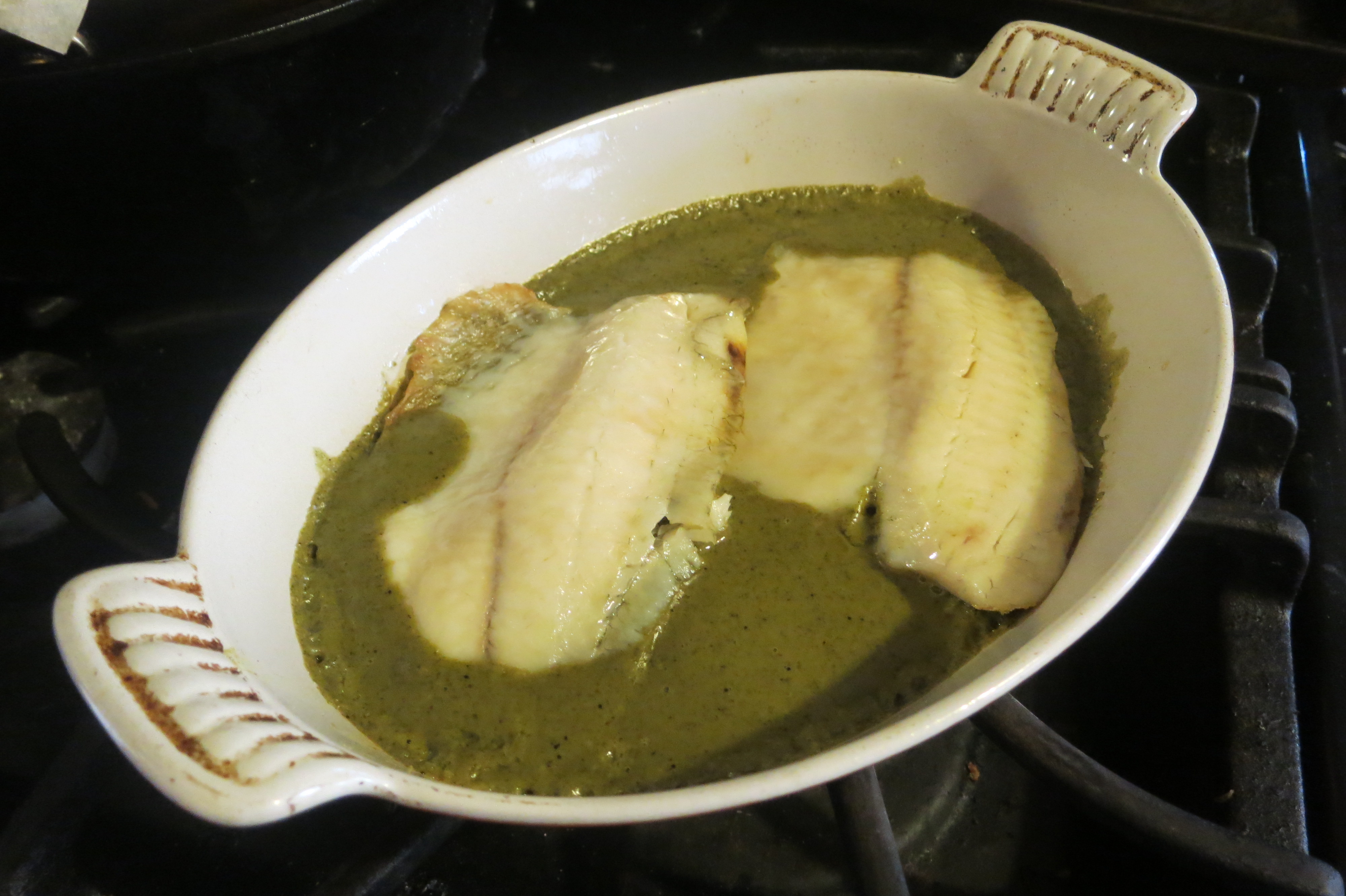
Pescado en Mole Verde/Fish with Mole Verde

I’m waiting patiently for the tilapia to grow to harvestable size at a local school’s aquaponic system, so in the meantime, I purchase filets from the market. Simply oil both sides and bake for about 15 minutes at 400 degrees F. To make the sauce, put a couple tablespoons of chicken fat and one tin of Mole Verde powder in a saucepan, and stir until the paste is sizzling and fragrant. Add a cup of chicken broth and simmer until it thickens. (Any mild oil and broth can be used.) Pour over fish and return to the oven to keep warm.

001025
Mano Y Metate Mole Verde powder is only thickened with pumpkin seeds and sesame, where the other mole powders are thickened with organic corn tortilla meal and/or organic graham cracker in addition to other nuts and seeds. So Mole Verde makes a lighter sauce than the other moles, perfect for spring. It is spicy from roasted green Hatch chiles and jalapeno. The herbal notes are from parsley, cilantro and epazote. See Jacqueline’s excellent posts about each of those herbs.

014

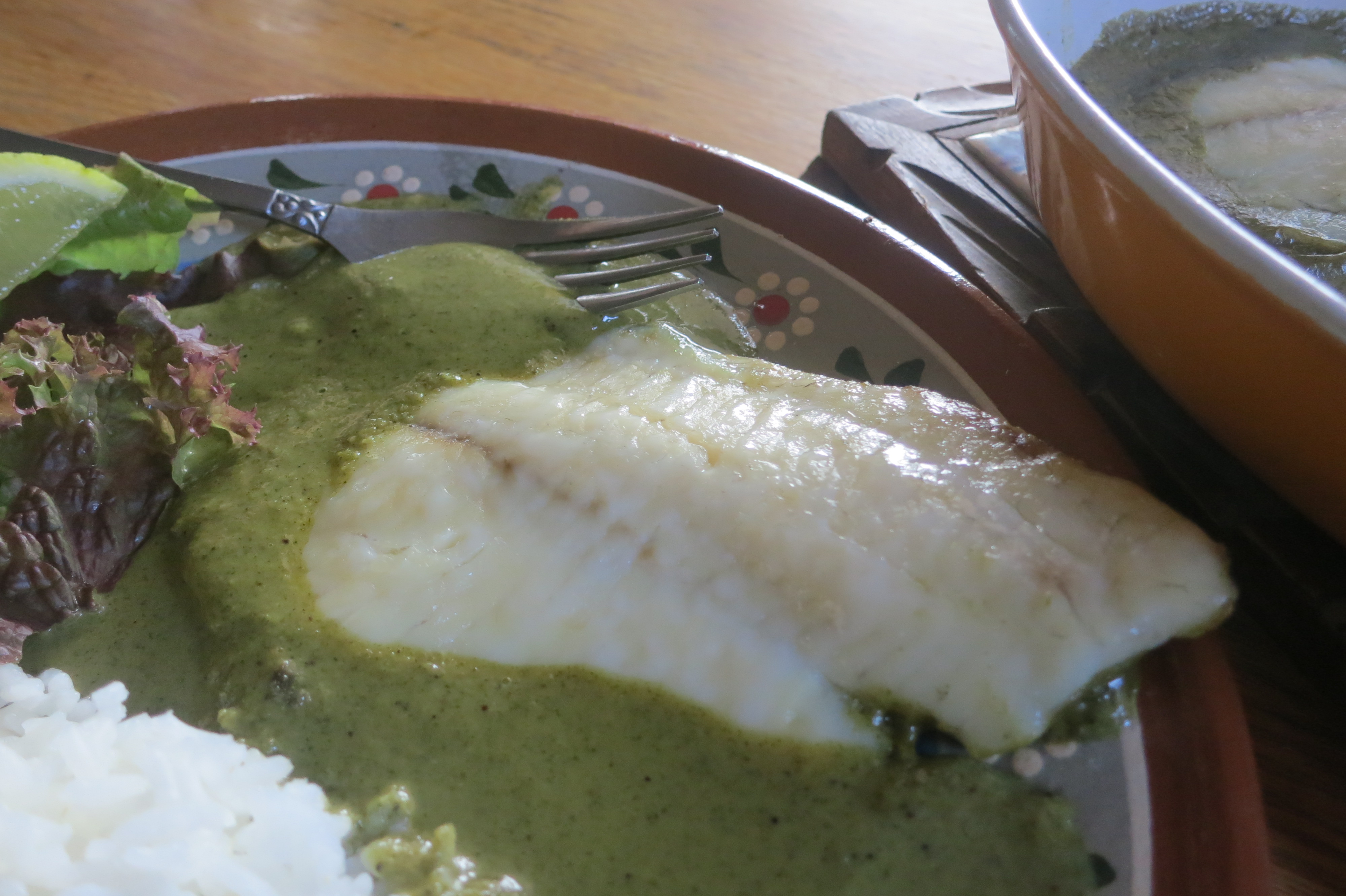
Serve with plain rice, corn tortillas, and lettuce drizzled with lime juice. I had an anxious tester that doesn’t eat dairy, but I sometimes I add creama and a melty cheese to the sauce, reminiscent of Mariscos Chihuahua’s famous Filete Culichi.

krik

Have a good spring and enjoy the weather and wildflowers, and I’ll be back here in May.

Amy

ManoYMetate.com


Playing with Washingtonia palm fruit

Washingtonia filifera (California fan palm)

Washingtonia filifera (California fan palm)


It’s Carolyn this week, taking you backstage to a food experiment. As we move into a hotter, drier climate here in the Southwest, we’ll have to consider agricultural products that can handle the changes. Although I’ve been playing with edible wild plants for decades and Tia Marta (Muffin Burgess) has put in similar years of work, it’s always exciting for us to find something new. We’re going to do a two-part investigation of what to do with a wild food new to both of us.


Big box of palm fruit.

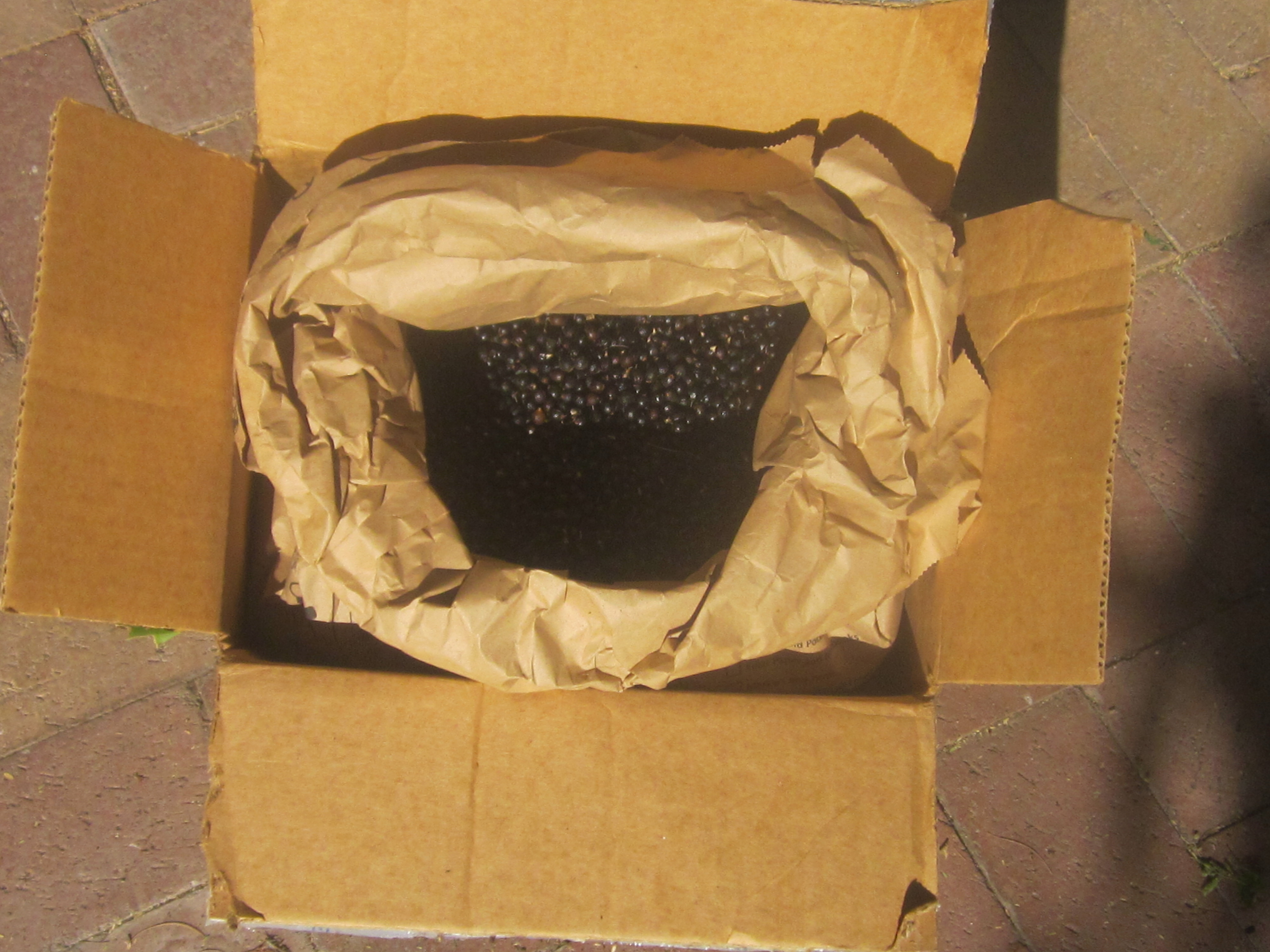
A big box of  W. robusta palm fruit arrived at my house.


Last fall I received an email from noted ethnobotanist Dr.Richard Felger. He and a colleague, Dr. Don Hodel, an environmental horticulturist for the University of California Cooperative Extension, were working on some wild palm fruits, two species of Washingtonia, also called Mexican or California fan palm. He wondered if I could come up with some recipes. Back in the early 1970s when I was just beginning work with wild edibles, Dr. Felger took me on one of my first plant walks and over the years has answered many questions for me. I figured I owed him. I also asked Tia Marta if she wanted to join in the fun.

After a couple of days,  FedX deposited a box with about 10 pounds of tiny hard black nodules on my doorstep – Washingtonia robusta fruit gathered from a park in Signal Hill, Calif. , near Long Beach. Not promising, they were little more than skin on seed with almost nonexistent flesh, nothing like their cousins the palm fruits we know as dates. Humans have a long history of using palm fruits – in fact some scholars think that the honey referenced in the Bible was actually date syrup.

Wendy Hodgson, THE expert on wild desert foods, says in her book Food Plants of the Sonoran Desert, that the Washingtonia fruits were very important to the Cahuilla and Cocopa. She writes, “They made flour from the ground dried fruits and mixed it with other flours and water to form a mush.” We don’t eat much mush anymore (unless you consider oatmeal for breakfast), so I’d have to devise something else to do with them.

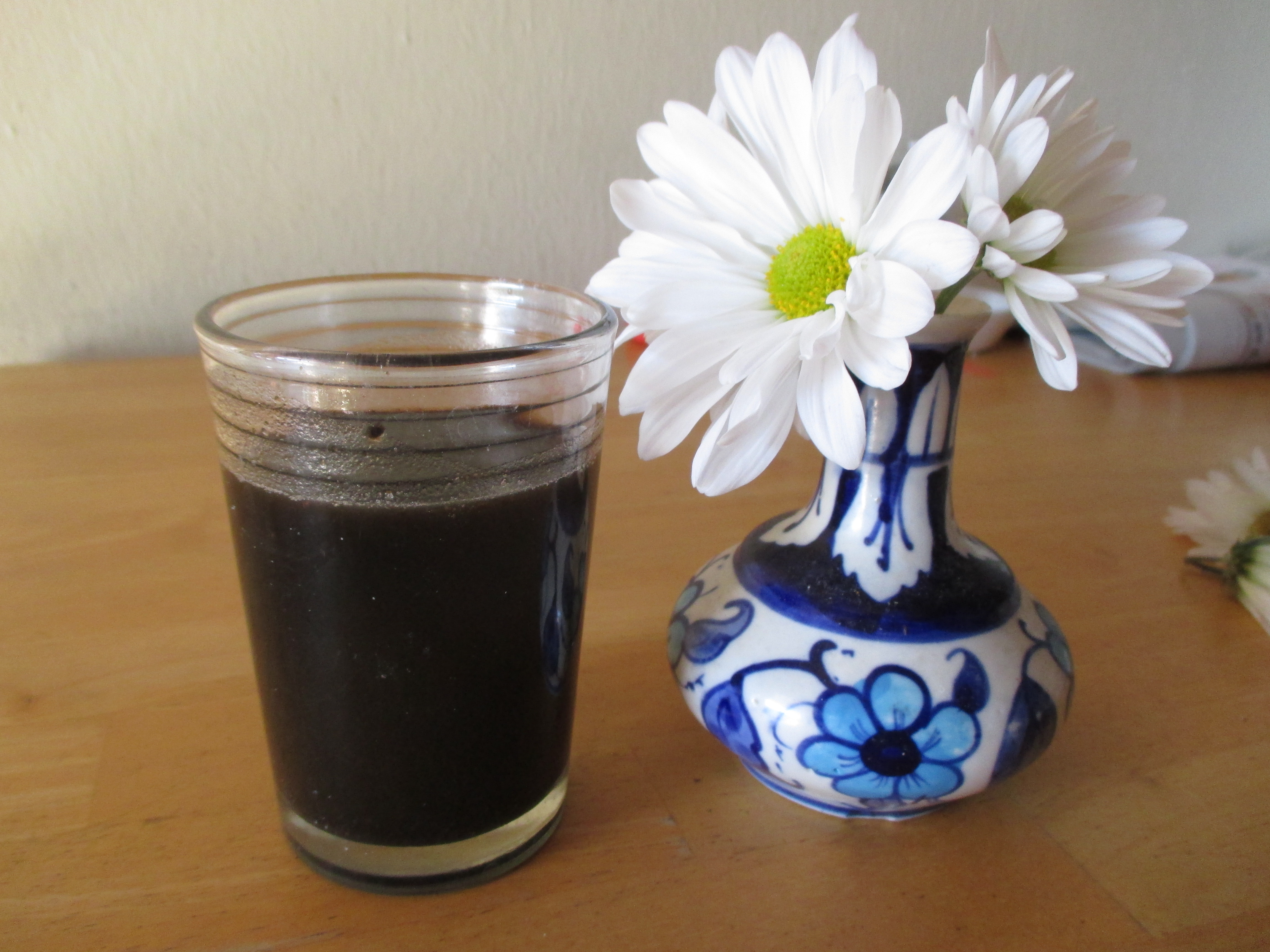
I took 4 cups of fruit and covered them with 8 cups of water. Brought it all it to a boil, then simmered uncovered for 30 minutes. I ran the softened fruit through a blender in batches and strained the liquid, ending up with 5 cups of almost black liquid that tasted something like prune juice.

Even flowers don't make this liquid look appetizing.

Even flowers don’t make this liquid look appetizing.

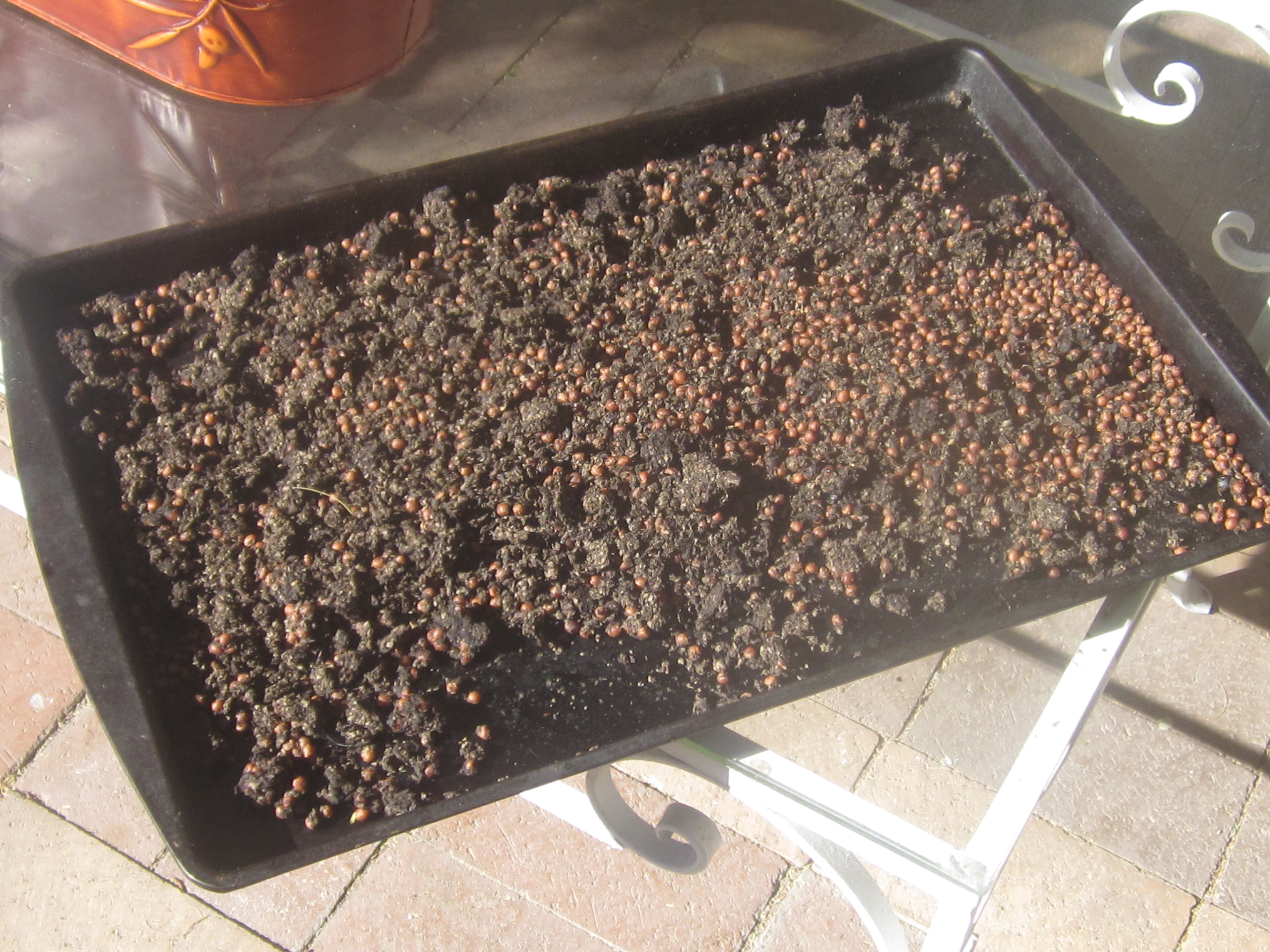
. I simmered it until reduced to ¾ cup pulpy liquid then spread the remaining pulp and seeds on a cookie sheet and put it in sun to dry. Later, I sifted out ¼ cup dried flakes and discarded the hard seeds.

Pulp and seeds drying in the sun.

Pulp and seeds drying in the sun.

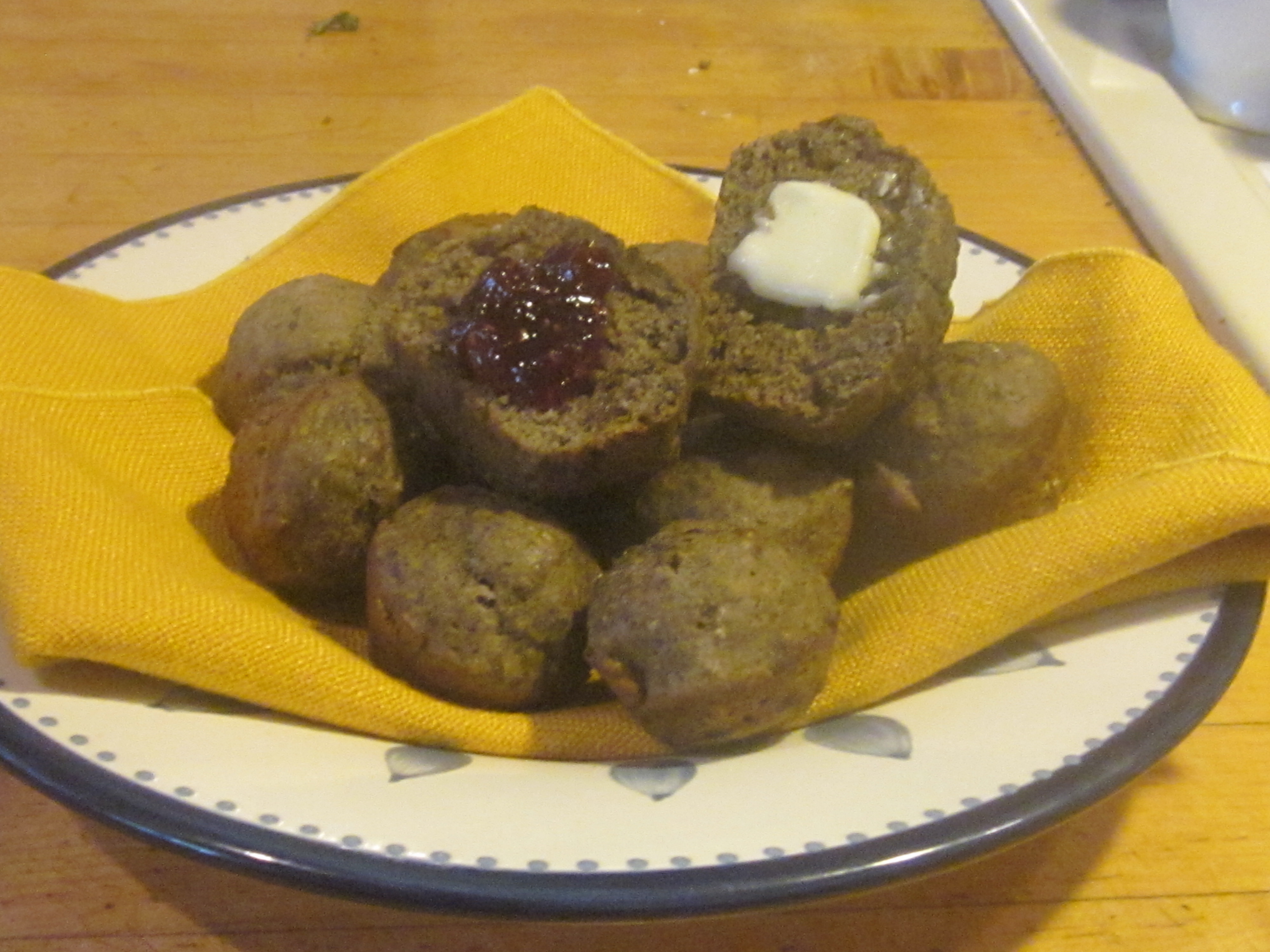
At this point I wrote Dr. Felger my scientific assessment: Sweet — but definitely not yummy. I pressed on and made some tasty muffins. Since there is interest in natural sweeteners, I concentrated on that aspect. Using a standard muffin recipe, I substituted the palm syrup for the liquid milk and reduced the sugar. I added the dried flakes just because I had them and to add some texture.

Muffins with palm syrup and dried flakes.

Muffins with palm syrup and dried flakes.

Fan Palm Muffins

Makes 1 dozen

1 ¾ cup unbleached white flour

¾ teaspoon salt

2 teaspoons baking powder

2 tablespoons sugar

¼ cup dry powdered milk

¼ cup dried Washingtonia  flakes

2 eggs

¾ cup pulpy Washingtonia syrup

3 tablespoons melted butter

Mix dry ingredients in a bowl. In another bowl, mix eggs, Washingtonia syrup and melted butter. Stir wet ingredients into dry ingredients. Do not overmix; some lumps are OK. Bake in greased muffin tins at 400 degrees F for about 15 minutes or until they appear done.

Washingtonia filifera fruit (about 1/4 inch) on left and W. robusta on the right.

Washingtonia filifera fruit (about 1/4 inch) on left and              W. robusta on the right.

Meanwhile, Dr. Hodel acquired some Washingtonia filifera fruit from a street tree near Indio, Calif., and sent another 10 pounds. Oh boy. They were still tiny, but bigger than the robusta. I put them through a similar process of simmering, blending, straining and reducing. The taste difference was subtle – more date-like than prune-like. Better.

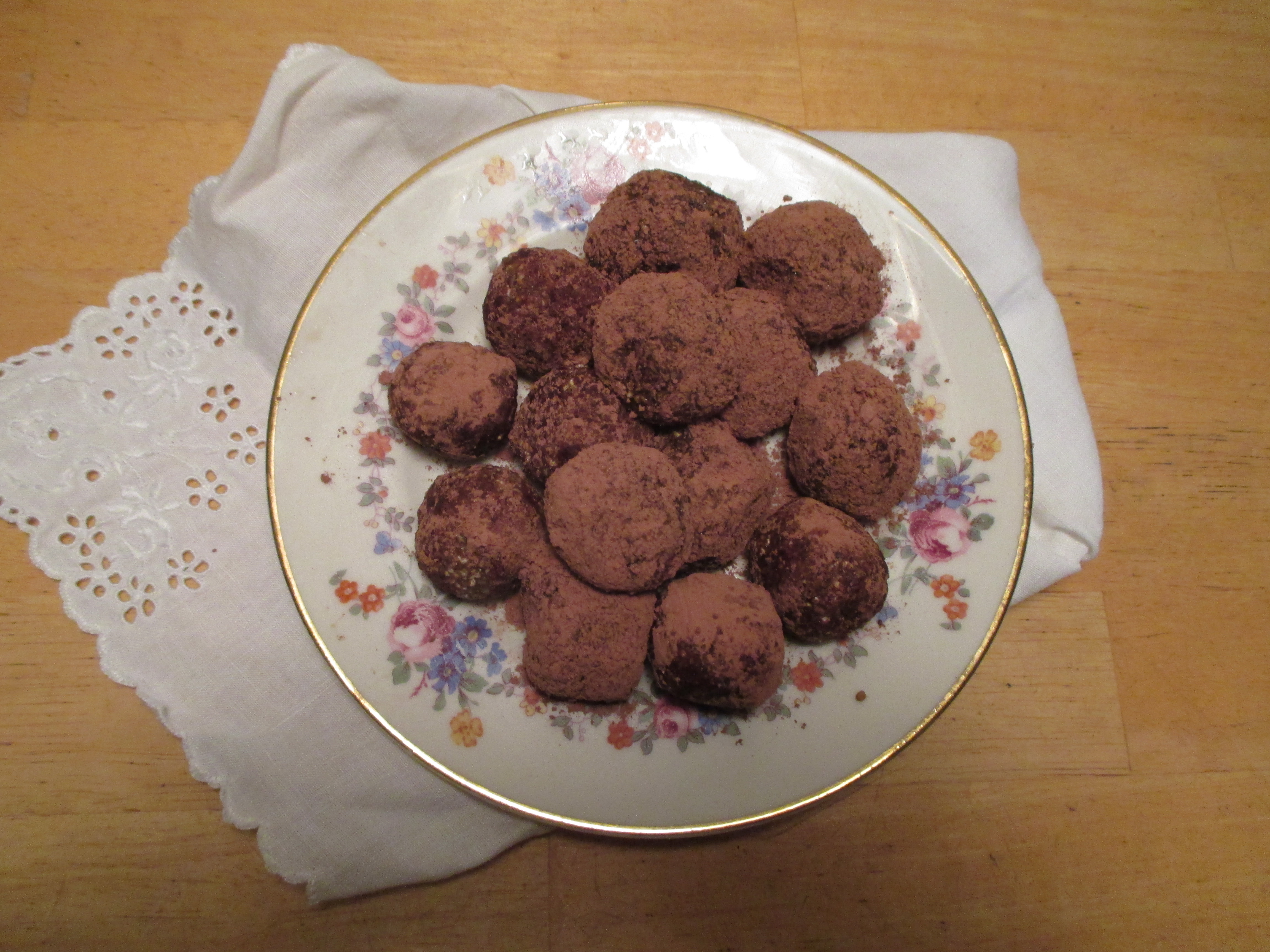
I decided to use the filifera syrup in a healthy treat, showcasing its natural sweetness, and came up with these truffles. I used almond butter, but other nut butters will do.


Nutty truffles sweetened with W. filifera syrup and rolled in cocoa.

Nutty truffles sweetened with palm syrup and rolled in cocoa.

Nutty Truffles

Makes 1 dozen

½ cup almond butter

½  cup popped amaranth grain

¼ cup ground popped amaranth

6 tablespoons Washingtonia filifera palm syrup

1/3 cup cocoa or carob powder

Combine all ingredients except cocoa in a bowl and blend with a spoon. Form into 12 small balls. Roll each in cocoa. (You can buy popped amanranth at Native Seeds SEARCH)

 ♥  ♦  ♥  ♦

What’s the point of trying to find a way to use the fan palm fruits? With climate change bringing hotter, drier summers to the Southwest, ethnobotanists like Dr. Felger and Dr. Hodel are looking for plants that can take those conditions and still produce food.

I don’t expect a rush of  people heading out to gather bushel baskets of fan palm fruits. They’ll appeal to the more ardent wild food enthusiasts who, like me, want to taste every berry on every bush.  But  they may have uses in more industrialized food production. They are sweet and easy to harvest and process. Some entrepreneur may see opportunity there. After all, nobody I know makes their own agave syrup.

(Check out Dr. Richard Felger ‘s article at  “Arizona Native Food Plants for a Dry Future” in The Plant Press: The Arizona Native Plant Society vol. 37, no. 2: 1, 3-5.)


Celebrate the Solstice-tide with Heirloom Bean Treasures

Our ancestors did it—and we still do it today in many ritual ways—we await and call out to the returning light. Indeed in these holy-days of Solstice, Hanukkah, Shálako, Christ-mass, the Yule, we still hope and pray that the light will return to our hearts and our communities throughout our small planet!

Four Corners Gold beans in a Tarahumara madrone scoop

Four Corners Gold beans in a Tarahumara madrone scoop

Tia Marta here to share some ideas of foods that have assisted in traditional winter rites, and which can grace our  tables anew for these holy-days.

To me, sprouts, more than anything else, symbolize the return of longer light, the rebirth of life–on so many levels. Out of the darkness and dormancy a sprout brings new life, vitality, a tiny, fragile but hopeful future. Nutritionally, a sprout is a wave of exuberant phytonutrients surging with life-giving properties for itself–and for those who might consume it.

Four Corners Gold bean sprouts on the 2nd day just emerging from seed coat

Four Corners Gold bean sprouts on the 2nd day just emerging from seed coat

Ancient cultures of the Southwest have used sprouts in ceremony since time-immemorial, helping communities through rough times of transition, phases of seasons, new homes and life changes. My special favorite for sprouting is the beautiful Four Corners Gold bean, a bright mottled golden-yellow Jacob’s cattle bean, a genetic gift from Native Zuni farmers over the centuries. I sprout the beans by first soaking a ½ cup of dry beans overnight in a cup or bowl, then rinsing and draining them at least 2-3 times daily over a 3-5-day period. Watch life virtually explode out of those little packages of potential! I use the sprouts as a respected garnish or as a flavorful addition to salads or stir-fry. It is like a form of communion to eat sprouts–ingesting renewal.

Four Corners Gold beans up close--check out the difference with Yellow-eye--very different tastes--both wonderful

Four Corners Gold beans up close–check out the difference with Yellow-eye–very different tastes–both wonderful

These colorful dry Zuni beans cooked from scratch also make a hearty and nutritious soup or chile-bean dish for chilly wintry nights. On sunny winter days I like to cook the dry beans (pre-soaked the night before) in the solar oven and have them “at the ready” later in the frig. A pot of beans on the back burner during the holiday season can help make a party happen. Cooked beans are a wonderfully patient food you can have waiting to leap into culinary action when company pops in unexpectedly, or if teenage appetites require between-meal satisfaction.

Heirloom Scarlet Runner Beans washed and ready to soak for cooking

Heirloom Scarlet Runner Beans washed and ready to soak for cooking

Here’s a hearty Tia Marta recipe for enlivening a holiday season buffet:

BARBECUED Heirloom SCARLET RUNNER BEAN Dippers
These make the perfect vegetarian hors d’oeuvres to serve at a holiday buffet or to have ready to heat for drop-in company!

Start them the day before you want to serve them by soaking 1 cup of dry Scarlet Runner Beans.
Soak beans in plenty of water (3-4 cups) for at least 12-24 hours until fully plump and twice their original size.
Drain beans, and add 3-4 cups drinking water.
Simmer on low (stovetop or crockpot) for 3-4 hours until done through and pass the taste test, beyond al dente. The beans should keep their shape and integrity. This will produce extra beans to freeze for other recipes or for doubling the recipe. You will need about 8-10 oz or 1 generous cup of cooked beans for this barbeque recipe.

BBQed Scarlet Runner beans glazed and delicious after simmering in sauce

BBQed Scarlet Runner beans glazed and delicious after simmering in sauce

Ingredients:
1 large or 2 medium onions, diced                                                                                                                                                                                                                                                      1 Tbsp. olive oil                                                                                                                                                                                                                                                                                  3-4 Tbsp. butter                                                                                                                                                                                                                                                                                    1 tsp. sea salt
4 Tbsp. molasses
1-2 Tbsp. prepared mustard
1/2 cup mild chile salsa
1 Tbsp. cider vinegar
1-2 tsp. Worcestershire sauce
Dashes of Tabasco or Red Devil hot sauce to taste

To make the Barbeque sauce:
Saute onion in butter until clarified. Add all seasoning ingredients to sauteed onions, stir and simmer for 5 to 10 minutes or more.
Add in cooked, drained beans–8-10 oz cooked Heirloom Scarlet Runner beans (about 1 generous cup).  Simmer smothered beans and sauce 10 minutes or longer (the longer the better).  Making the BBQ scarlet runners ahead, you can refrigerate them at this point.  Heat before serving.
Serve smothered beans on a hot platter or in a chaffing dish with a fancy toothpick in each bean for a wonderful party surprise that is more satisfying than meat-balls.  Serves a gang of hungry party-ers.
(By doubling this sauce recipe you can use all your cooked beans in it.) Bon appetit! And happy holidays to you and your guests!

Barbequed Scarlet Runner beans as hors d'oeuvres--each one is a perfect tasty bite!

Barbequed Scarlet Runner beans as hors d’oeuvres–each one is a perfect tasty bite!

At New Year’s, our family tradition, with one branch hailing from the South, has always been Black-eye Peas. It is a joy to know that there are Native People here in Baja Arizona who adopted black-eye peas into their own traditional cuisine when European padres first brought them from the Old World. Locally-grown black-eye peas (u-us muñ) may still be available from a Pima farm at http://www.ramonafarms.com and sold through the Native Seeds/SEARCH store.
Heiloom Yellow-eye Bean--a delectable alternative to black-eye peas for New Years or great as baked beans anytime!

Heiloom Yellow-eye Bean–a delectable alternative to black-eye peas for New Years or great as baked beans anytime!

For those who want to break away one step from tradition, it is fun to try a delicious alternative New Year’s bean—the yellow-eye. Natives of New England introduced it to Colonists and it became the real Boston Baked Bean long before newer varieties like navy beans or great northerns ever came on the scene. Yellow-eye has a flavor like no other bean and is worth trying in different dishes. I especially like yellow-eyes spiced with freshly ground pipian rojo móle from our own local Mano y Metate (www.manoymetate.com).

We think of cranberries as a holiday fruit but have you tried cranberry beans for warming winter dish? There are many Italian recipes for cranberry bean. My stick-to-the-ribs favorite, which delectably uses winter’s plethora of fresh greens, is cranberry beans-and-greens. Tucson’s Mission Garden is producing bundles of the best acelgas greens ever—available at Thursday’s Santa Cruz farmers market at Mercado San Augustine. I invite you to scroll back to last December 2013’s savorthesouthwest.wordpress blog for more great holiday bean recipes.

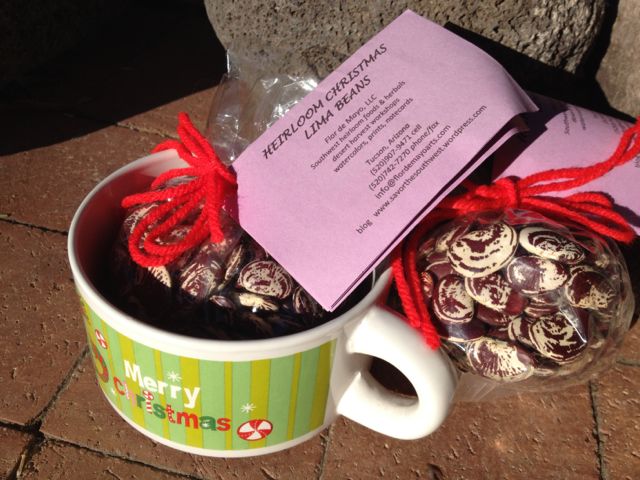
Heirloom Christmas Limas can lend themselves to our BBQ bean recipe as well

Heirloom Christmas Limas can lend themselves to our BBQ bean recipe as well

Until I was introduced by Dr Barney Burns (co-founder of Native Seeds/SEARCH) to the diversity of Southwestern heirloom beans, I was a beans-out-of-the-can cook. Indeed even now, with growing awareness of heirloom foods, there are many folks whom Rod and I meet at our farmers market booth who are daunted by the idea of cooking beans from scratch. Yes, dry beans do take time—but with simple low-tech tools like the crockpot or solar oven, multitasking is a breeze. Nothing could be simpler! Cooking one’s own beans opens up a whole new array of flavor possibilities. It’s a color and flavor rainbow of Native American, Hispanic, and pioneer traditional beans which we now have available (largely through the exploratory Southwest seed-saving by Native Seeds/SEARCH over the last 30+ years). All beans are not created equal. Each heirloom has its own unique flavor and bouquet well worth tasting, and its own adaptations to the Baja Arizona desert well worth planting in your garden. Scarlet runner, for example, is long season. Plant it under a mesquite and watch it vine up into the branches, blooming with red flowers for the hummingbirds—the best in edible landscaping! Harvest the giant pods in the fall for next year’s holiday feast.

For limited budgets, buying and cooking dry beans also saves money—big-time. One pound of dry beans when cooked will yield the equivalent of 4 to 6 cans of heat-and-serve beans. Nor will you find our rich SW variety of heirloom beans on any grocery shelf. The Native Seeds/SEARCH store at 3061 N.Campbell Ave, Tucson and the NSS website (www.nativeseeds.org), or the Flor de Mayo booth at Sunday’s St Phillips farmers market (www.flordemayoarts.com) are the very best places to experience that AH-HAH moment when you see 18-20 beautiful heirloom varieties spread out before your very eyes.  I look forward to your visit to our market booth!

Christmas limas with recipe ideas--a yummy stocking stuffer

Christmas limas with recipe ideas–a yummy stocking stuffer–at Flor de Mayo Sunday St Phillips market booth

When one thinks of the cultures, the farmers, the planting and harvesting knowledge, the years of patient selection that all this bean diversity represents, it can boggle the mind and can truly humble the best of cooks and gardeners.

Tia Marta and Rod of Flor de Mayo are sending our thanks to those traditional farmers and to the many young  innovative organic food growers.  May the light be born again in us as we share honorable heirloom foods graciously with our family and friends this Solstice-tide!

Mesquite Gingerfolk for Christmas

Mesquite Gingerfolk are tasty treats for the holidays.

Mesquite Gingerfolk are tasty treats for the holidays.

It’s Carolyn today sharing one of my favorite holiday recipes. The flavor of mesquite meal blends nicely with the warm spices we like in the winter.  These Mesquite Ginger Folk are pretty cute and they taste wonderful.  I used good quality margarine rather than butter or Crisco because I like the eventual texture and the flavor is good. This recipe makes a spicy cookie. If you want more of the mesquite flavor to come through, cut down on the spices. The dough must be well chilled before you roll it out, so this is a two-step recipe: mixing first, then later rolling and baking.

Mesquite Ginger Folk (makes about 3 1/2 dozen rolled cookies)

In a medium bowl, combine 2 cups all-purpose flour, 1/2 cup whole-wheat flour,  1/2 cup mesquite meal, 1 1/2 teaspoons ground cinnamon, 2 teaspoons ground ginger, 1 teaspoon allspice, 1/2 teaspoon salt, 1/4 teaspoon ground black pepper.  Stir and fluff with a fork and then set aside.

In a large bowl, use an electric mixer to beat 1 1/2 sticks margarine  with 1/2 cup packed brown sugar until fluffy. Beat in 2/3 cup molasses and one large egg. Then gradually add the flour mixture to make a stiff dough. You may need to give up the mixer for a wooden spoon.  Divide the dough into two thick disks and wrap each in plastic wrap.  Refrigerate until chilled, about three hours.

When you are ready to bake, take one disk from the refrigerator .   You’ll want the dough just warm enough to roll without cracking.  While you are waiting, preheat the oven to 350 F. and put out brown paper or wire racks to receive the baked cookies. You’ll also need lots of flour to keep the dough from sticking when rolled.  So get a small bowl of flour, take part of the disk, and roll it in the flour before you roll out with the rolling pin.

Roll a ball of dough in the flour.

Roll a ball of dough in the flour.

Roll out the dough about 1/8-inch thick on flour-dusted surface. Cut out the cookies and transfer them to the cookie sheet, placing them 1 inch apart. Gently knead the scraps together and roll out again.  When you fill one cookie sheet, bake it for about 10 – 12 minutes while you prepare another sheet.

This cutter gives a nice uni-sex cookie.

This cutter gives a nice uni-sex cookie.

If you wish, you can use raisins and dried cranberries to make eyes, a mouth and buttons.  Chop the dried fruit into tiny pieces.

IMG_0413

Sometimes it is difficult to position those tiny pieces on the cookies. But remember those tweezers you keep in the kitchen to deal with cactus stickers?  Perfect for placing the eyes and buttons.

IMG_0408

To further decorate the cookies, perhaps make some shoes or pants, mix up some white frosting using powered sugar, a little butter and a few drops of milk.  If you have a decorator bag, use it to pipe out some decorations or just draw the decorations with a flat-end toothpick.  Either way, you’ll love your Mesquite Ginger Folk and you’ll love sharing them.

If you’d like to make some mesquite cookies but can’t face the cutting and decorating, you can use the same recipe to make drop cookies. Frost if you have time.

Mesquite Ginger Cookies in simple form.

Mesquite Ginger Cookies in simple form.

If you have not harvested your own mesquite meal, here are a few places to purchase it:  The Flor de Mayo Table at Sunday St. Phillips Farmers Market; the Native Seeds/SEARCH store at 3061 N. Campbell Ave. and http://www.nativeseeds.org for mail order; and the San Xavier Farm Store, http://www.sanxavierfarm.org.  If you are in Phoenix, check the farmers markets there.

For more great mesquite recipes, check out my cookbook Cooking the Wild Southwest: Delicious Recipes for Desert Plants. You’ll learn how to make Mesquite Apple Coffeecake, a fabulous rolled cake with mesquite and coconut, a a dozen other delicious recipes.


Versatile Tomatillo Salsa

Salsa Verde is the perfect addition to a tostada.

Salsa Verde is the perfect addition to a tostada.

When I was interviewing chefs for my book The New Southwest Cookbook back in 2005, tomatillos were the vegetable du jour — every chef had them on the menu, usually “blackened” or roasted to heighten the flavor.  I gained new respect for how versatile they are.

I planted six tomatillo plants in August and hoped for a plentiful harvest, I even dreamed about making enough green salsa to can or freeze. Alas, my homegrown tomatillos were so tiny they weren’t worth the trouble and I ended up buying tomatillos grown by a farmer who had a better technique.

My homegrown tomatillos next to commercial

My homegrown tomatillos next to commercial

In Mexico the tomatillo is called tomate verde, which means “green tomato.” However, tomatillos are not just small, underripe tomatoes, but a distinct vegetable in their own right. Tomatillos are the size of an apricot and covered with a papery husk. They are meatier and less juicy inside than a tomato.  Tomatillos are an essential part of Mexican cuisine and have been since the Aztecs domesticated them. Most tomatillos are harvested slightly underripe when then have a tart, slightly lemony flavor that adds zip to salsas.  As they fully ripen they turn more golden and become sweeter.

Tomatillos are the main ingredient in the classic salsa verde which includes tomatillos, sliced green onions, green chiles of some variety, garlic and cilantro.  Salsa verde can be served raw or very lightly cooked. Of course, you can always put your own spin on salsa verde by using the herbs you have fresh in your garden.

To prepare tomatillos, remove the husk and rinse off the stickly substance on the skin. Rub them with a little oil and then put them under the broiler until they are soft and just slightly brown.

Roast the tomatillos until soft.

Roast the tomatillos until soft.

I love the flavor of poblano chiles in anything, so I roasted a couple of those while the tomatillos were cooling.  When their skins were charred on all sides, I put them in a paper bag to sweat for about 10 minutes (OK, 5 minutes, I was impatient).  This makes them easy to peel.  Also take off the stem and the seeds.

Nicely charred poblano chiles.

Nicely charred poblano chiles.

Next it is time to get creative.  Put your tomatillos, skin and all into the blender with some sliced green onions, some peeled garlic cloves, and the peeled chiles. If you want a little more heat, add a half or whole jalapeno, chopped. (And of course you remember to use gloves while chopping the jalapeno and don’t touch your eyes.)  Add some chopped cilantro. I had some lovely fresh basil, so I added that as well. Blend well until you have a nice smooth consistency.  The chef at Medizona, a top Scottsdale restaurant, added a little apple juice to mellow out the tartness.


Blend together tomatillos, chiles, onions, garlic and herbs.

Blend together tomatillos, chiles, onions, garlic and herbs.

So now you have this wonderful salsa.  How to use it?  Try it on tacos or tostadas (photo top of post) or as a sauce for chicken, pork chops or even shrimp.

Salsa Verde on broiled chicken.

Salsa Verde on broiled chicken.

Charboiled Tomatillo Sauce from Medizona

Feel free to vary the amounts in this recipe.  As they say, “for reference only.”

1/4 pound tomatillos

1 tablespoon olive oil

2 poblano chiles

1/2 jalapeno (optional)

3 green onions, sliced

1/2 cup chopped cilantro leaves

5 cloves garlic, peeled

1/4 cup apple juice

Salt and pepper to taste.

1. Remove husks from tomatillos, wash and rub with oil. Put under boiler until soft and slightly browned. Let cool.

2. Broil or grill poblano chiles until all sides are charred. Sweat in paperbag until skins remove easily. Peel and deseed.

3. Combine all ingredients in a blender and whirl until smooth.  If using on hot food, heat in a saucepan before serving.


And just for fun, here’s a garnish tip I learned from Chef Janos Wilder. Carefully loosen the husk from tomatillos, peel them back and you have a lovely flower. They are a great addition to a cheese plate or relish tray for a party.

IMG_0130____________________________

For more great Southwestern recipes using local ingredients or fruits and vegetables from the wild, check out my cookbooks Cooking the Wild Southwest (University of Arizona), The Prickly Pear Cookbook (Rio Nuevo Press), or The New Southwest Cookbook (Rio Nuevo Press). 


Savoring Our First Anniversary (and Mesquite Cake)

(From left) Aunt Linda, Amy Valdez Schwem, Carolyn Niethammer,  Tia Marta, and Jacqueline Soule.

The Savor sisters: (From left) Aunt Linda, Amy Valdes Schwemm, Carolyn Niethammer, Tia Marta, and Jacqueline Soule.

Carolyn Niethammer here today with this celebratory post. The Savor Sisters, the five writers who bring you Savor the Southwest, got together this week to celebrate the first anniversary of our wide ranging blog about the glories of Southwest food traditions –  traditional, modern, wild and cultivated. The Savor the Southwest month always starts out with Aunt Linda who frequently writes about her bees, recipes with honey, and even making cheese from milk from cows on her ranch. Her posts are lyrical and sometimes spirtual. On the second Friday, you hear from Tia Marta (Muffin Burgess), our ethnobotanist who keeps an eye on what the desert is producing, traditional Native American agricultural products, and ingredients she sometimes uses in her Flor de Mayo products.  I take the third Friday and write about edible desert plants, Southwest specialties and interview other interesting folks in the food world.  On the fourth Friday we hear from Jacqueline Soule who has been taking us through her book Father Kino’s Herbs among other subjects. That’s her gluten-free barrel cactus seed cake Muffin is slicing in the photo. You’ll get the recipe later this month. So far we have only heard from Amy Valdes Schwemm, producer of fabulous spices, on the occasional fifth Friday, but she will be writing more frequently in the coming year.

We are grateful to all of you readers who join us each week as we explore and celebrate the culinary delights of this fabulous area here on the Sonoran desert where we are so privileged to live. Every celebration needs something sweet, so today I’m going to give you a recipe for an easy and delicious mesquite cake that uses whatever fruits are in season. I used peaches and grapes, but plums, pears, apples or even prickly pear would be great additions. This is good for brunch or a not-too-sweet dessert.

Golden Mesquite Fruit Cake

3/4 cup all-purpose flour

1/4 cup mesquite meal

2 teaspoons baking powder

1/2 teaspoon ginger or cinnamon

1/4 teaspoon salt

1 stick soft butter

3/4 cup sugar

2 large egs

1 teaspoon vanilla extract

1 cup chopped fresh fruit

For topping

1 tablespoon mesquite meal

1 tablespoon sugar

1/2 teaspoon ginger or cinnamon

Method:

Preheat oven to 350 degrees F with rack in middle. Chop fruit. Lightly butter a springform pan. In a small bowl, whisk together flour, baking powder, salt and spice of choice. In medium bowl, beat butter and sugar with an electic mixer until pale and fluffy. Add eggs one at a time, beating well after each addiotn, then beat in vanilla. At low speed,  add flour mixture until ljust combined. Spread batter evenly in pan.

Spread batter evenly in springform pan.

Spread batter evenly in springform pan.

Scatter chopped fruit over top of batter.

Scatter chopped fruit over top of batter.

In a small bowl, stir together the topping mixture and sprinkle evenly over the cake.

Sprinkle sugar mixture evenly over cake.

Sprinkle sugar mixture evenly over cake.

Put in preheated oven for 45 to 50 minutes. As the cake bakes it will rise over the fruit. Cake is done when it is golden brown and top is firm but tender when lightly touched. Cool in the pan for around 10 minutes and then remove the sides of the pan. Serve warm or at room temperature. A little whipped cream never hurt anything.

Yummm, warm and fragrant from the oven.

Yummm, warm and fragrant from the oven.

________________________________

Want more delicious recipes using ingredients from the Southwest?  I have lots of ideas for you. In Cooking the Wild Southwest, I introduce you to 23 easily identified and delicious wild plants of the arid Southwest. The Prickly Pear Cookbook is all about the fruits and leaves of the nopal plant. In The New Southwest Cookbook, you’ll meet some of the most innovative professional chefs in the Southwest and get to try the recipes they serve in their restaurants.