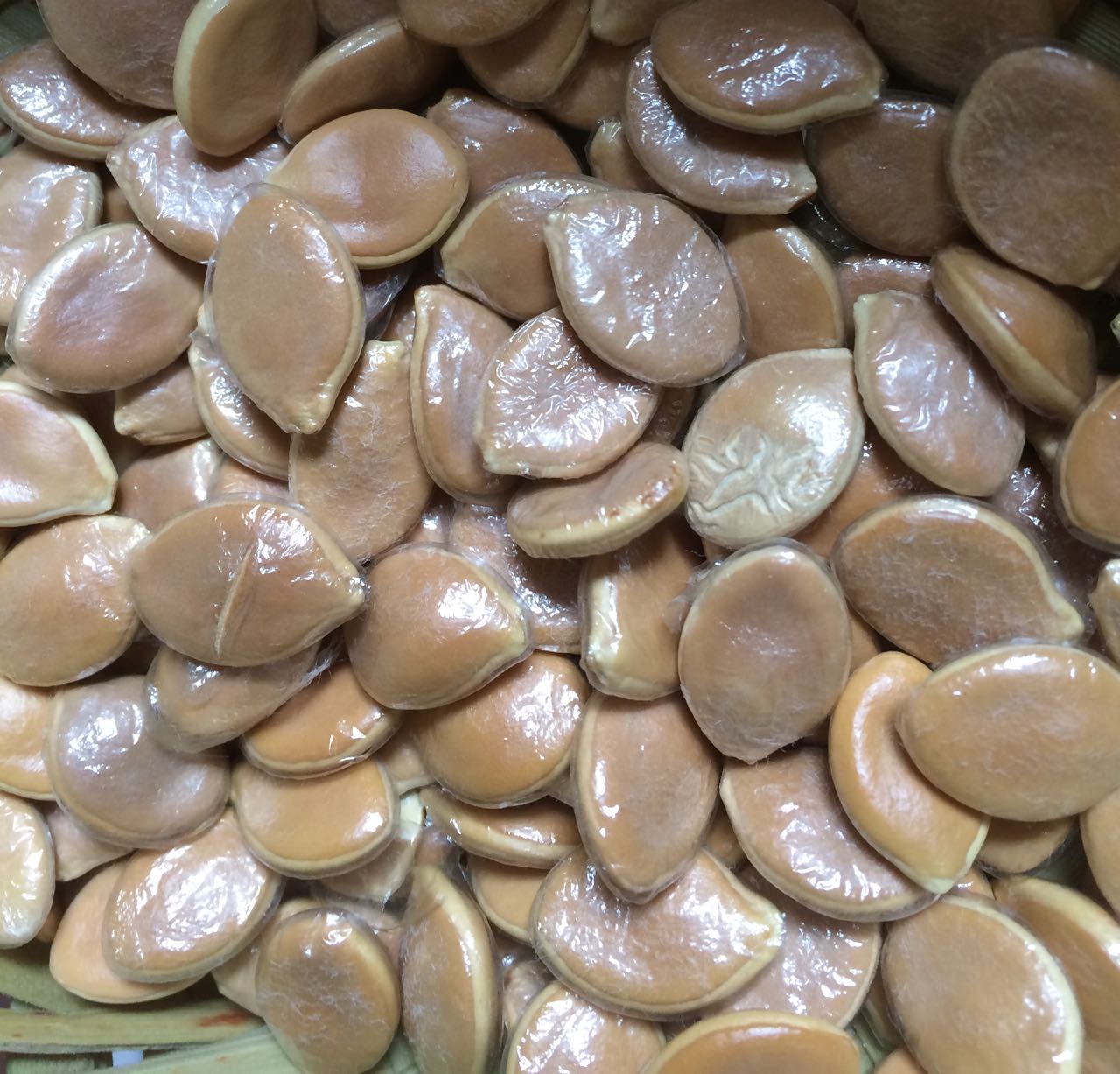
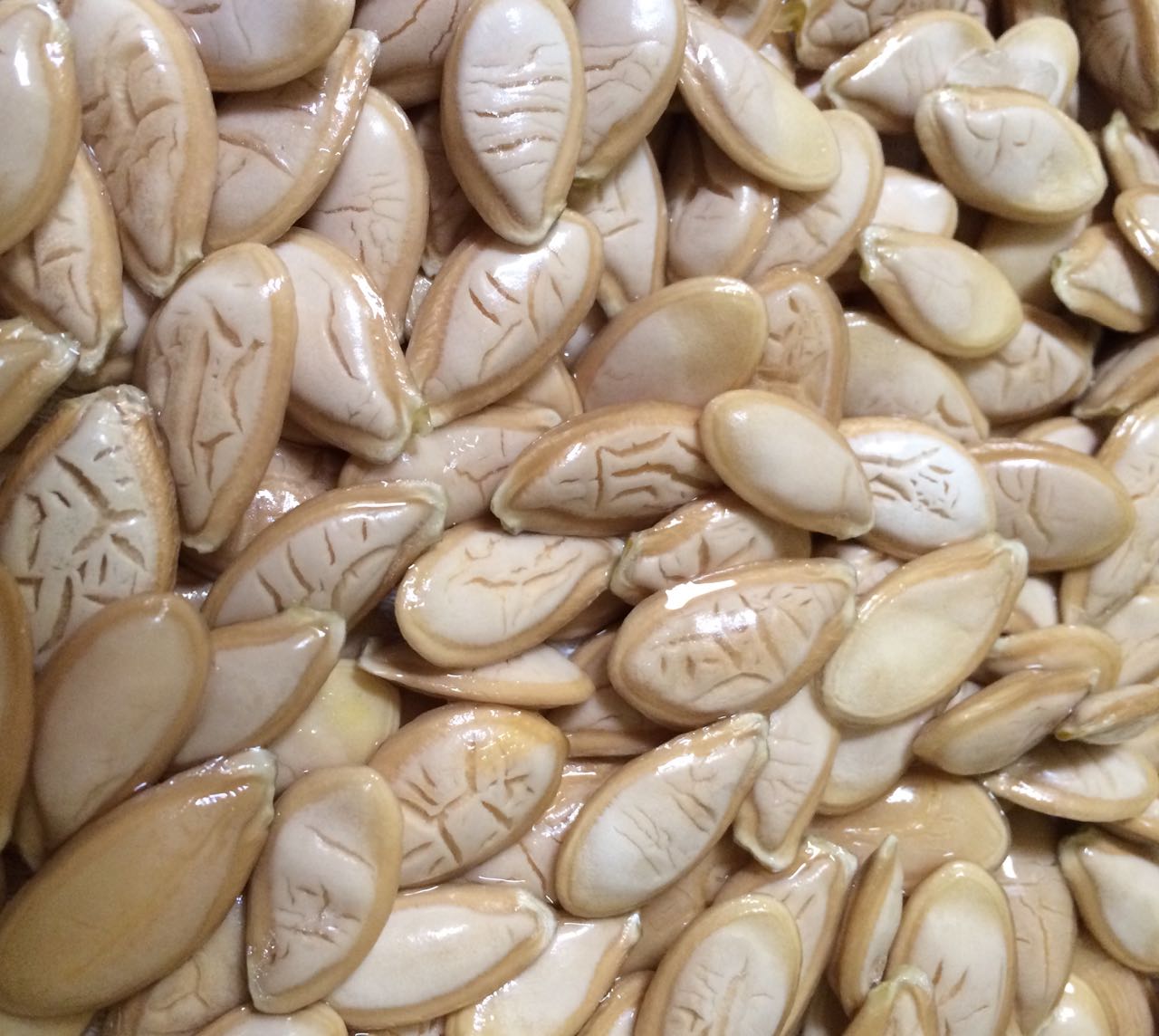
Barrel Cactus Seeds Make Irresistible Appetizers

It’s Carolyn today bringing you a simple recipe to help you shine in a social situation. We’ve all had the experience of  politely asking what you can bring when invited to a dinner party. “How about an appetizer?” the hostess (or host) suggests. Oh oh, now what? We know the perfect appetizer should be both delicious and amusing. Chips and dip? Way too trite. A vegetable tray? Healthy, but nobody eats them.

These Wild Seed Cheese Appetizers are the perfect solution.  They are a good conversation starter and you can star as a savvy wild-food expert. The appetizers come together very quickly if you already have a stash of seeds; not too bad even if you have to hunt up some barrel cactus fruit.  Barrel cactus are one of the easiest wild foods to gather: they are usually about knee-level, the plants have vicious thorns but the fruit is free of spines, and as Savor Sister Jacqueline told us in an earlier Savor post, they can bloom up to three times a year, making ample fruit available.  If you happen to have some saguaro seeds, they will work as well. And like all seeds, they bring great nutrition. After all, in that tiny package they contain all the nutrition necessary for starting another whole plant.

This is what you are looking for is a cactus that looks like the one in the top photo. No need to use tongs to gather. When you get home, first wash the fruit and cut each in half and this is what you’ll see:

Halved barrel cactus seeds showing the nutritious seeds.

You can dry the seeds in the fruit or scoop them out and spread them on a cookie sheet.  If you are trying to rush the process, toast them for a few minutes in a dry frying pan. When dry, the seeds will have a little white material. Shake the seeds in a bowl and the white matter will rise to the top and you can blow it off.  If you are including the seeds in something like cake or muffins, just ignore the white and it will disappear into the batter.

The appetizer recipe is basically a cheese-butter-flour mixture most easily made in a food processor. If you don’t have a food processor, you can combine the ingredients with a heavy spoon and some elbow grease. Chile powder adds a delicious zip to the cheese balls.  I used chipotle powder,  but you can use chiltepine or another flavoring of your choice.

Now here’s a use for that melon-baller that’s been bouncing around in your drawer unused for years.  Using it to scoop up the dough made perfect sized appetizers.
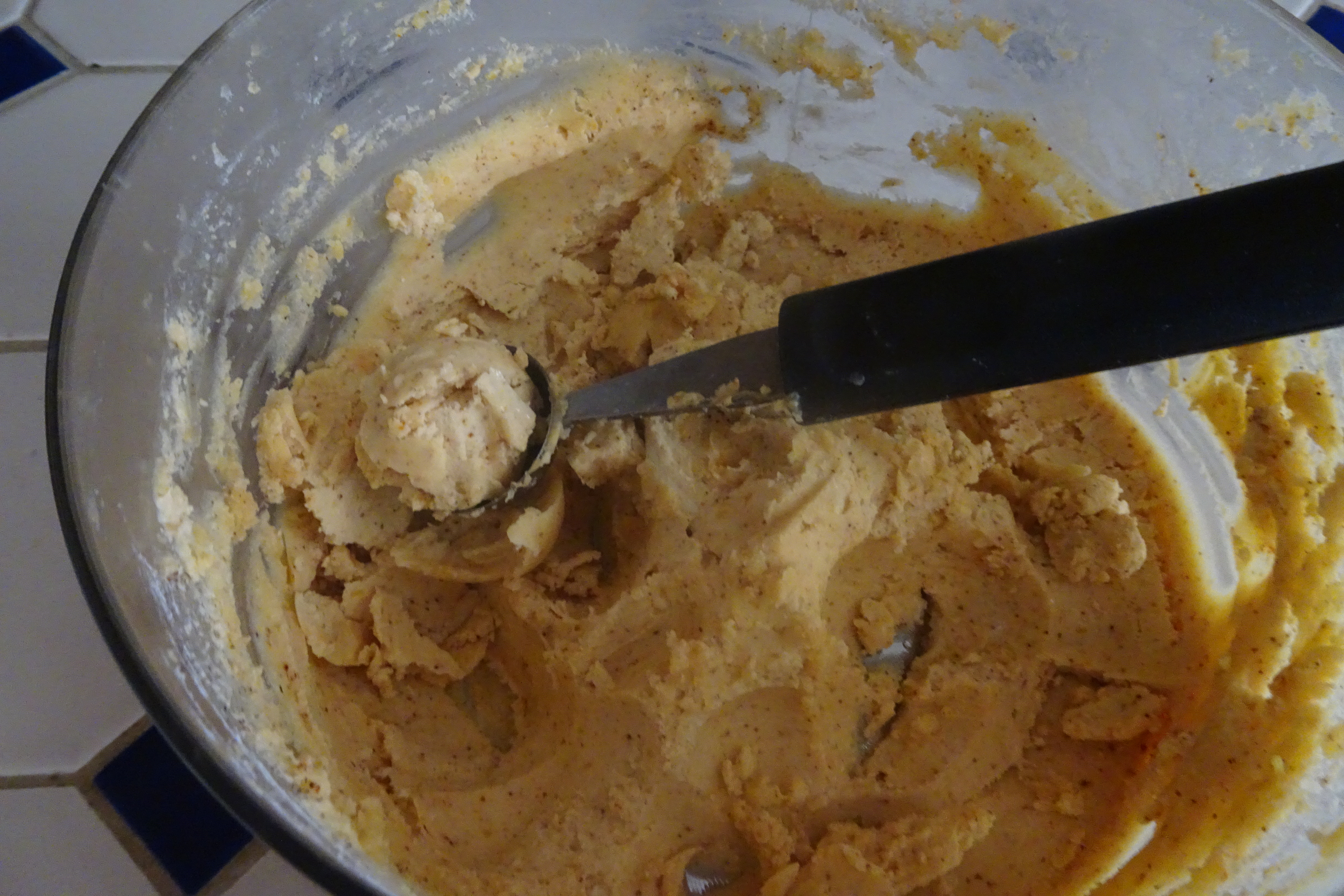
Scoop out small balls of cheese dough with a melon-baller. I you don’t  have one, use a spoon and roll dough into balls.

Put about a half cup of seeds in a small dish and press each ball of cheese dough into the seeds. Then line them up on a cookie sheet to bake.

Appetizers ready to go in the oven.

And the finished appetizers, ready to serve.
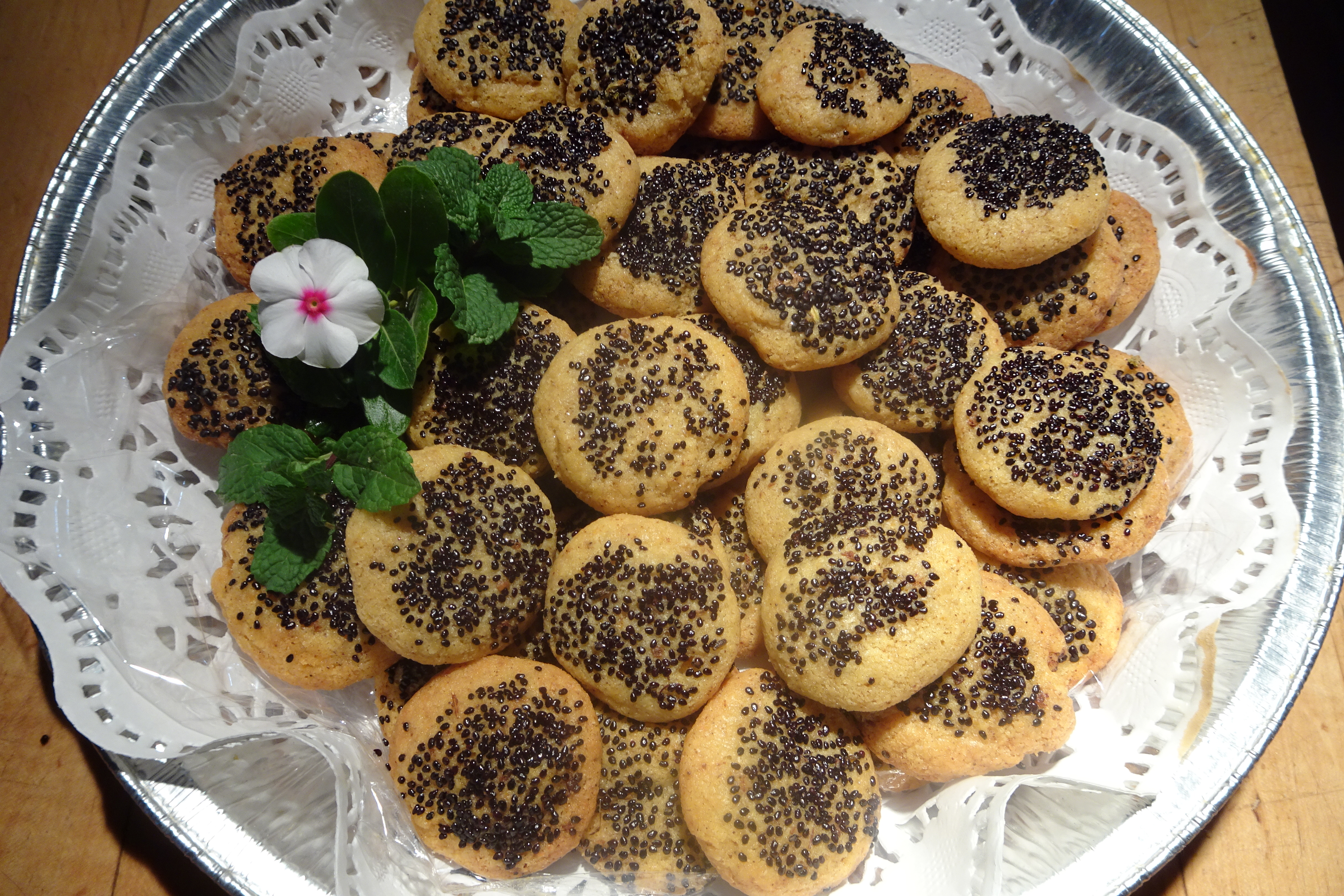
A plate of cheese appetizers topped with crunchy and nutritious barrel cactus seeds.

There is a necessary warning before I go further. These little devils are so delicious you will be tempted to just take a bottle of wine to the party and keep these at home, all for yourself. Rich, spicy. So yum.  Here’s the recipe:

Cactus Seed Cheese Appetizers

½ pound shredded cheddar cheese

½  pound (2 sticks) soft butter

2 ½ cups flour (can use part whole wheat or non-wheat flour)

1 teaspoon salt

½ to 1 teaspoon chipotle powder or cayenne

¼ cup barrel cactus or saguaro seeds

Preheat oven to 350 degrees F. Mix all ingredients except the seeds. This is most easily done in a food processor, but can also be done with a heavy spoon and some elbow grease. Roll small balls using a melon-baller if you have one. Put seeds in a shallow bowl. Press each cheese ball into the seeds deeply enough so that they adhere. Bake on ungreased cookie sheets at 350 degrees F. for 13-15 minutes. Makes 4 dozen.

____________________________________

Carolyn Niethammer writes cookbooks showcasing the use of edible wild plants of the arid Southwest. They include The Prickly Pear Cookbook, Cooking the Wild Southwest, and American Indian Cooking, Recipes from the Southwest. You can buy them through Native Seeds/SEARCH, Amazon, or ask your independent bookstore to order them for you.
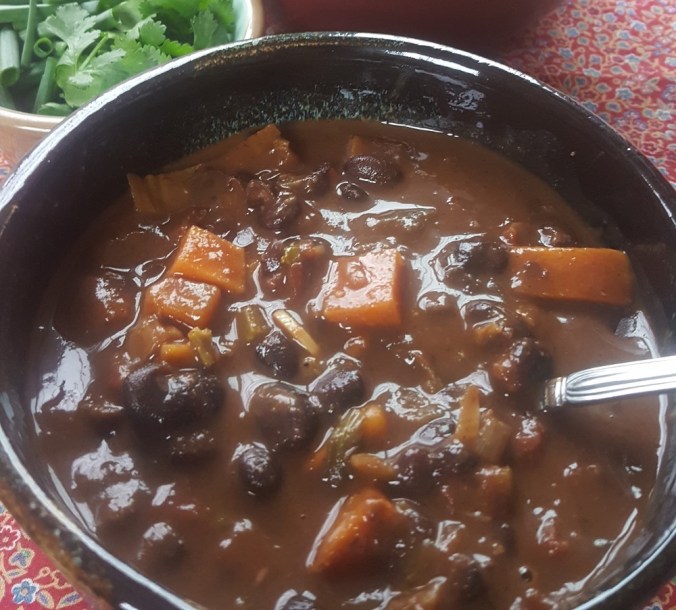


Black Bean Mole Negro

Hello, Amy here on a cool, rainy day in Tucson! For an upcoming potluck, my classmates have requested I bring a dish with “my spices”. For this group, it needs to be vegetarian, so I’m making my friend Barb’s black bean, sweet potato dish. She says it’s her mix of a couple recipes, a stew and a chili. It is always a hit and I know it will wait patiently in a slow cooker from morning until lunch break.

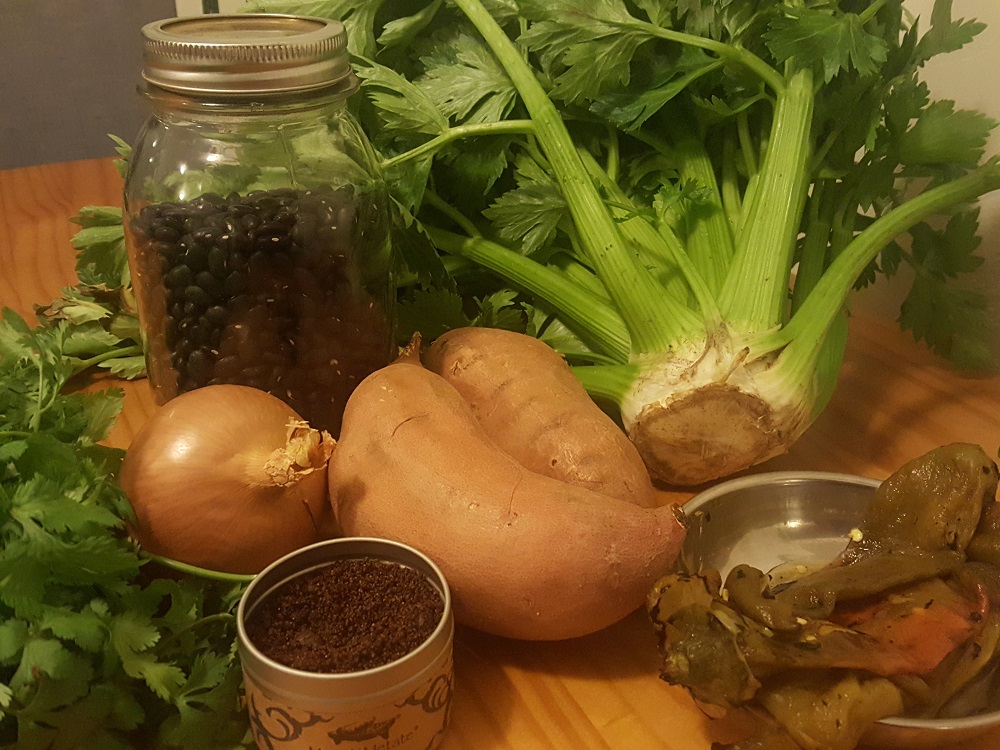
I started with a collection of veggies from my Tucson CSA share and a tin of Mano Y Metate Mole Negro.

In the fall Crooked Sky Farms sent us dry beans, and roasted chiles that I squirreled away in the freezer. Recently the shares have included Beauregard sweet potatoes, yellow onion, cilantro, I’itoi onion, and bountiful celery! Normally I love celery leaves, but I used very few today because these were so strong. I’ll dry them to use as a seasoning.

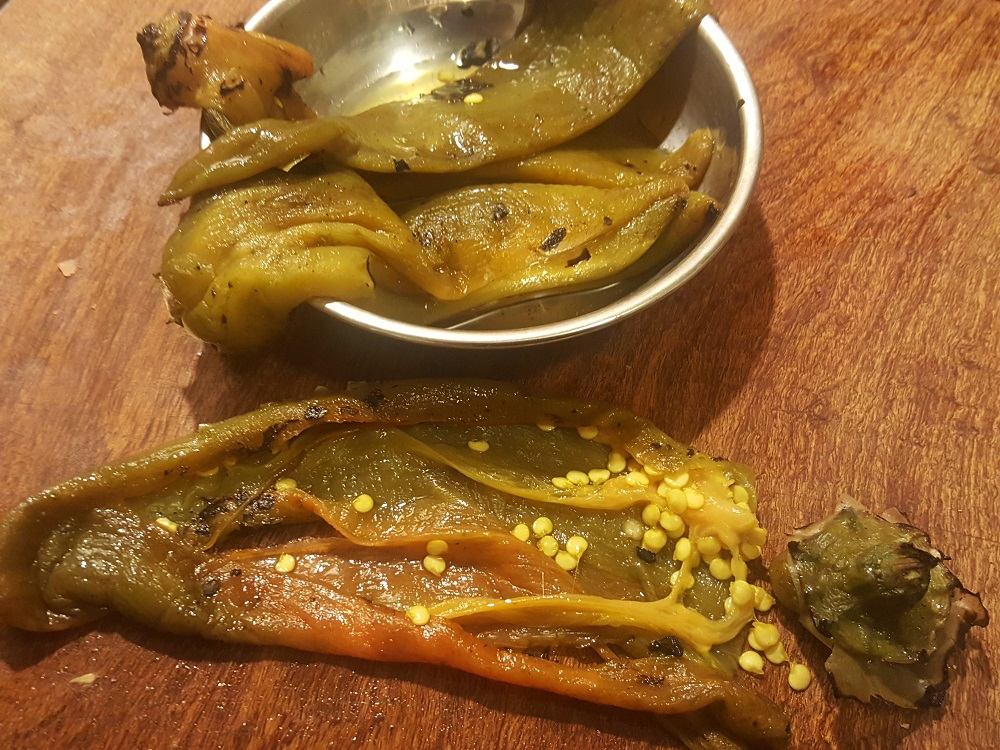
Once defrosted, I peeled, stemmed and seeded the chiles, saving all the juice.

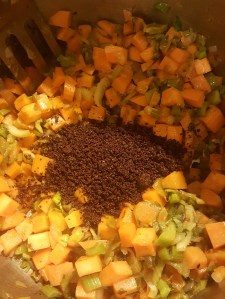
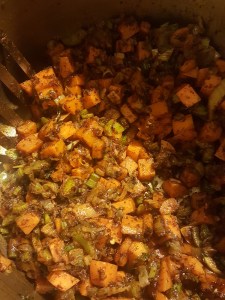
I started by cooking the onion in oil. Then went in a clove of garlic and the celery, sweet potato, and chile. After all was soft and starting to brown, I added a tin of Mole Negro.

When all was smelling delicious, I added a can of tomatoes and some water.

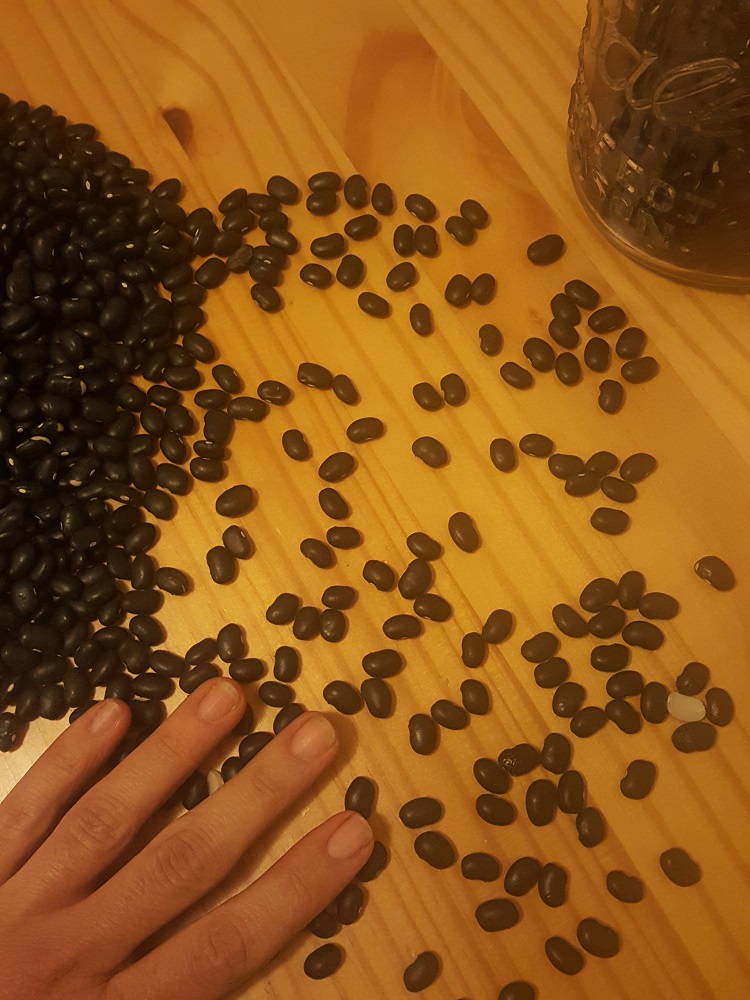
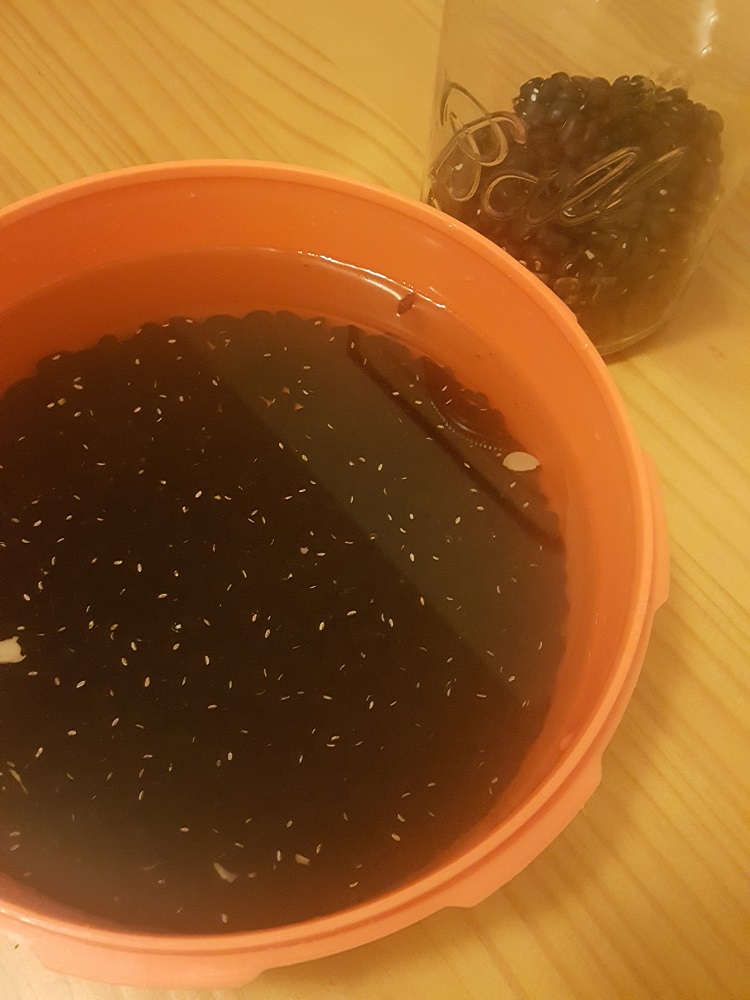
Previously, I had sorted and soaked a pound of beans. I cooked them in a slow cooker until tender.

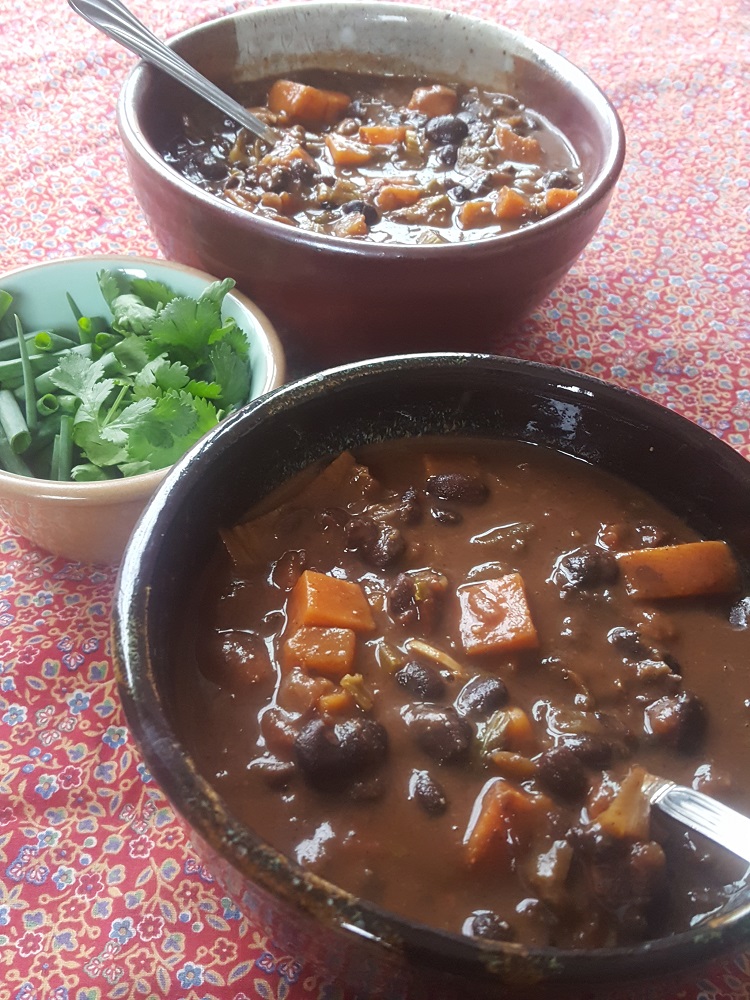
Then into the veggies with the cooked beans and all their broth. Simmer for a bit, salt to taste, and done! Garnish with cilantro and I’itois.


A Cordial Tribute to Time Itself–Valentine’s Dessert Toasts

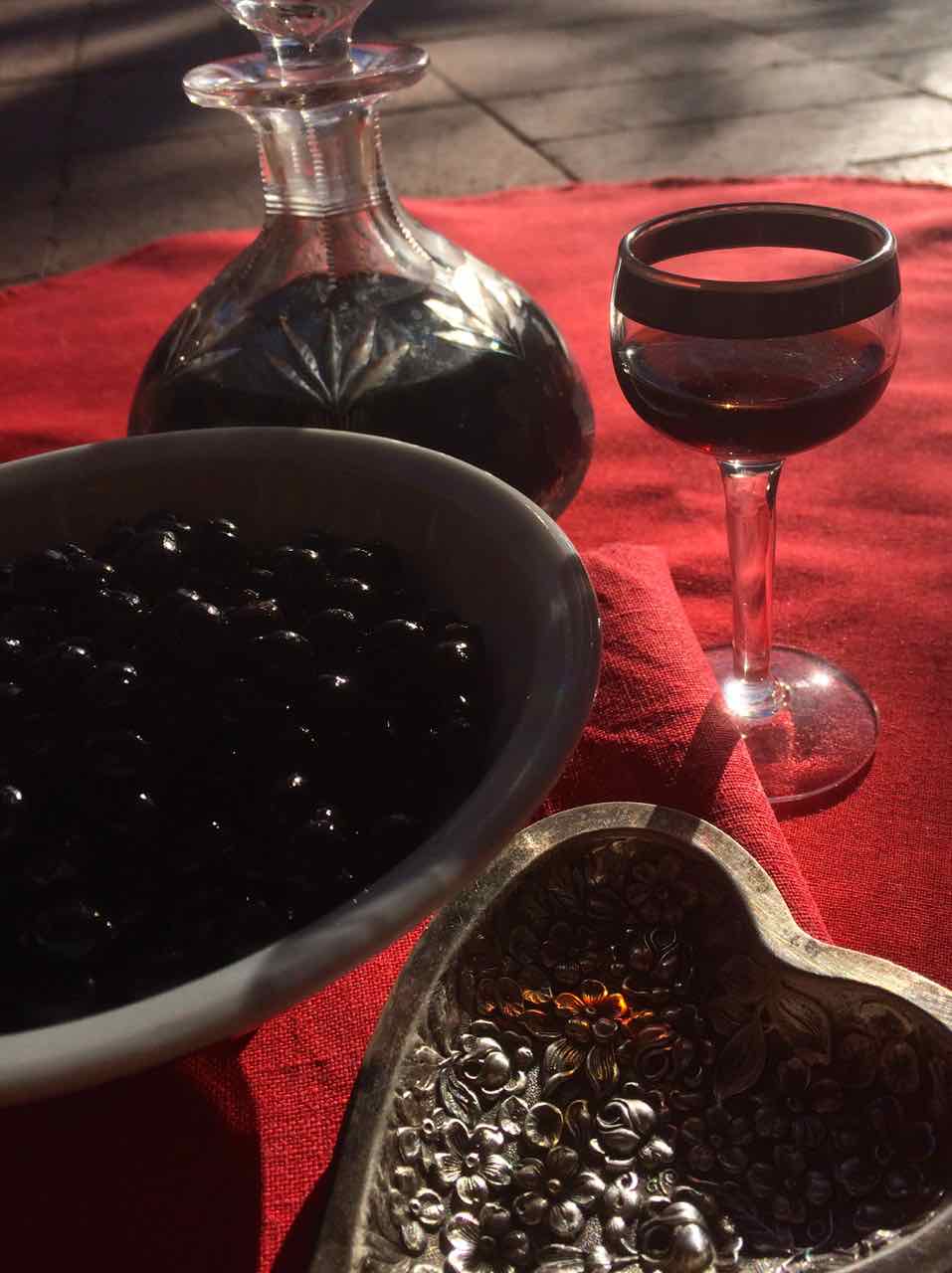
Time–to be exact, good timing, plus duration and patience–are necessary ingredients in making most good dishes.  All of these are enlisted in creating festive cordials. Here, a native fan palm cordial made with tiny wild dates (in bowl), harvested & put up in the fall…after months later… produced a luscious cordial for a sweet Valentine surprise.  Time to celebrate! (MABurgess photo)

Let’s tip a toast to Father Time who allows magic to be wrought upon our local desert fruits.  The joyous results of his temporal magic can be festive and delightful cordials.  With a little industry, when our desert fruits are ripe in late summer or fall, there can be heartwarming dessert drinks to help celebrate chilly winter evenings–and especially fine for your favorite Valentine.

Tia Marta here, with an additional toast, this one to the father of Slow Knowledge, agricultural philosopher/author Wendell Berry.  His “slow knowledge”–yea wisdom–comes with growing one’s own food (or wild-harvesting), watching the near-imperceptable progress played by Nature and Father Time on leafing, flowering, fruiting, fermentation, decay of individual plants, small or tall, in garden, farm, wild desert, forest.  Being present is a key to “slow knowledge,” something sorely missed if one is always absorbed in a device.  Lack of slow knowledge may lead to atrophy of human brain neurons. There is evidence that practicing slow knowledge, being out in Nature, in fact enhances brain function and development, broadens associative thinking, deductive and inductive reasoning, adds serenity, promotes compassion….Hey what’s not to like about it?

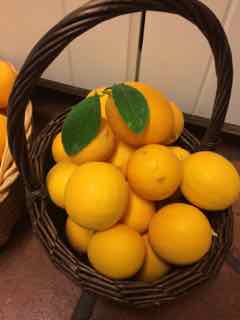
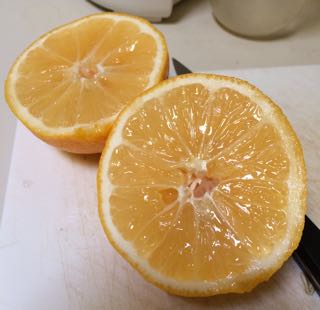
We had left our Meyer lemons on the tree past the holidays to fully sweeten up. When frost was predicted, we quick-harvested 52 giant juicy fruits from one little tree! (MABurgess photo)

Meyer lemon does well in a low desert garden. It’s juice is so sweet and even its thin rind is edible!  All parts of Meyer lemon are used in creating limoncello.  Juice and thinly sliced rind all go into the mix to mull. (MABurgess photo)

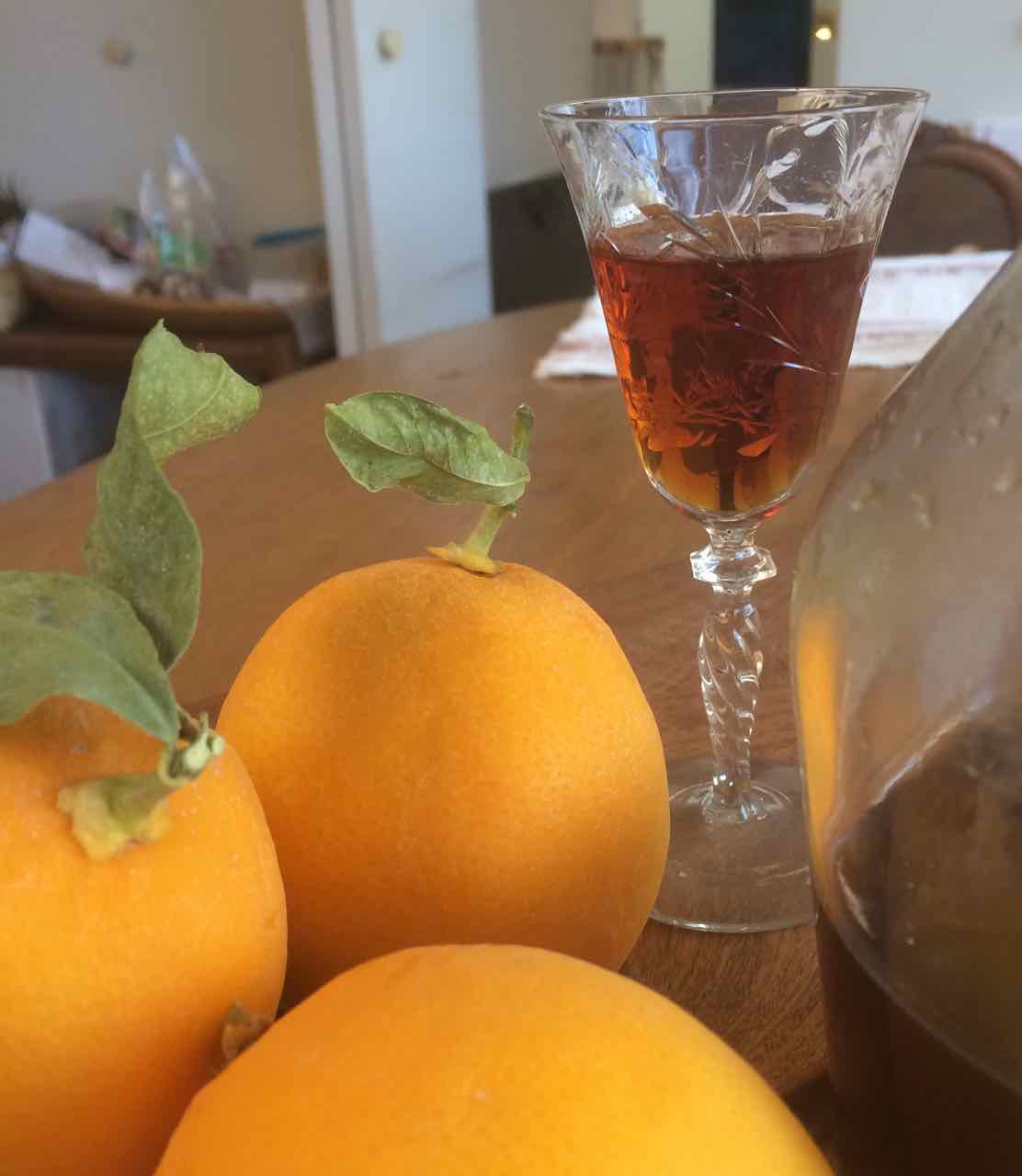
Time and tequila produced the finest limoncello ever with Meyer lemon!  (MABurgess photo)

I’d like to share four of my favorite ways–four cordials– to celebrate time, with fruits that our Southwest gardens, orchards, and even prickly desert can supply in plenty:  1) Native fan palm “Desert Oasis Cordial” depicted above made with the seedy dates of our ubiquitous Washingtonia filifera (Read more by searching Jan.20, 2015’s post in this blog archive), 2) special Meyer Limoncello, 3) Prickly Pear Cordial, and 4) Colorado Cherry Cordial.  They are really so easy to make with speedy prep-time– a good investment in one’s spare minutes when there is a bumper crop of fruits shouting for attention.

General Cordial Instructions:  In order for all four cordials to “make,” i.e. to sit and mull, you will need a sanitized sealable crock or large canning jar.  Wash and cut your fruits (no need to cut the teensy native palm dates), measure equal quantities of:

a) fruit,

b) spirits (I use good 100% agave tequila or mescal, but vodka also works fine), and

c) a natural sweetener (I use agave nectar but my mother used sugar successfully).

Pack fruit into jars, add sweetener, cover with spirits, seal, and set aside in a cool, dark place for as many weeks or months as possible, checking periodically for progress or problems.

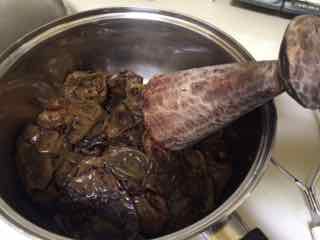
After mulling for months in tequila, the halved prickly pear tunas have lost their bright purple color but have lost none of their great flavor! Mash to free up their juices.

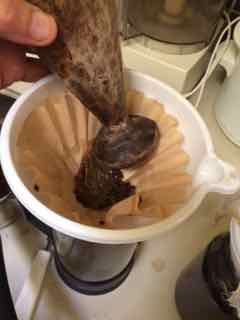
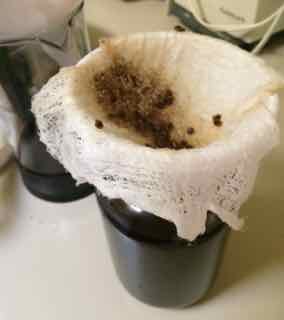
Decant by filtering prickly pear fruit&juice mix, separating fruit, seed, and remaining spines using a masher and coffee filter set in a funnel over a bowl or measuring cup to capture the precious cordial.

Several folded layers of cheesecloth set in a funnel can be used in decanting the prickly pear cordial.

Essentially, with the help of Time, you are making a sweet herbal tincture. Decanting is the next step.  Remember those gorgeous rosey red prickly pear tunas gathered carefully in August?  (Yes, planning ahead is paramount.  Put it on your calendar now for next August.)  At harvest, I washed and removed as many spines as possible, cut them in half, and set them in the canning jar, seeds and all, with the other ingredients.  Now at decanting time I must make sure to filter out all solid parts to clarify the cordial.  Coffee filters or layered cheesecloth resting in a funnel over your catcher-cup or bottle will work perfectly.  After filtering, store your cordial in glass indefinitely–to enjoy on special occasions.

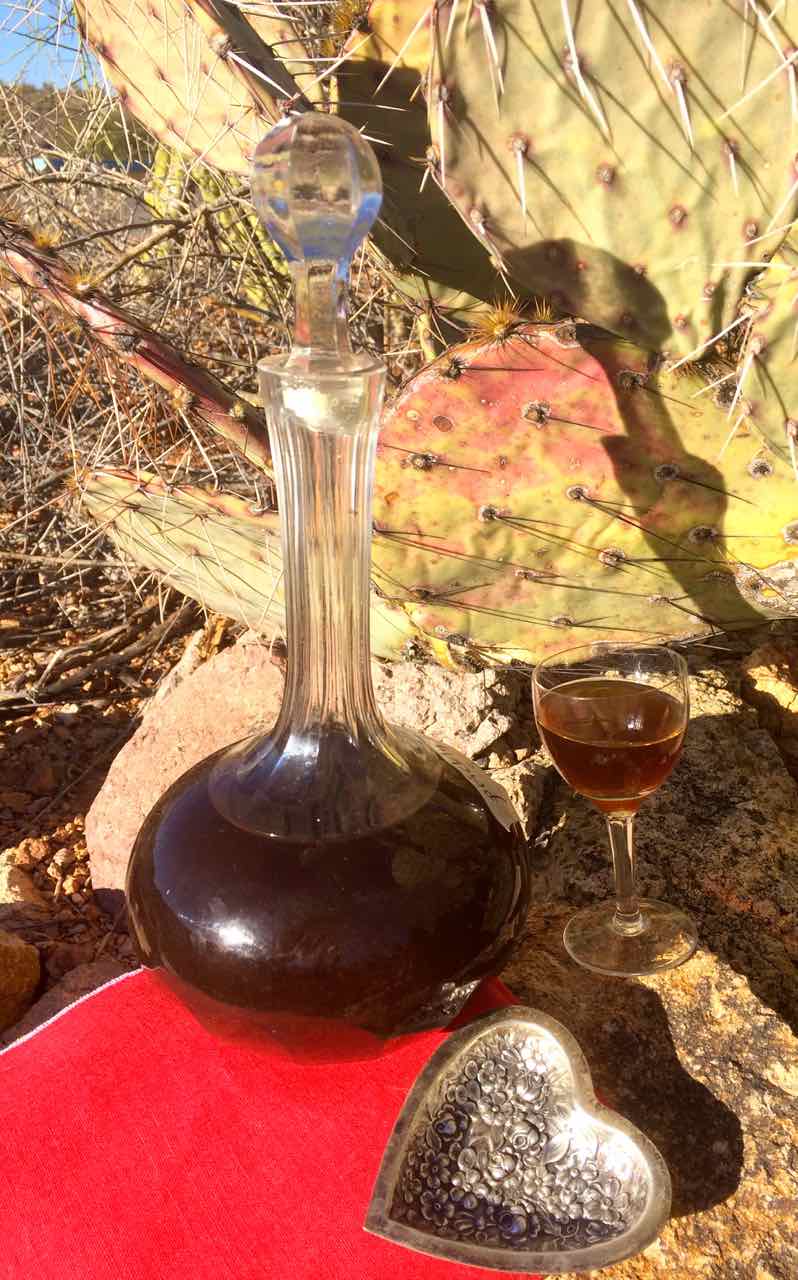
Prickly Pear Cordial sits next to its drought-stressed provider, Engelmann’s prickly pear (Opuntia engelmannii) the winter after a grand August harvest. What gifts these plants provide!  Given rain, they bounce back to give more next year.  (MABurgess)

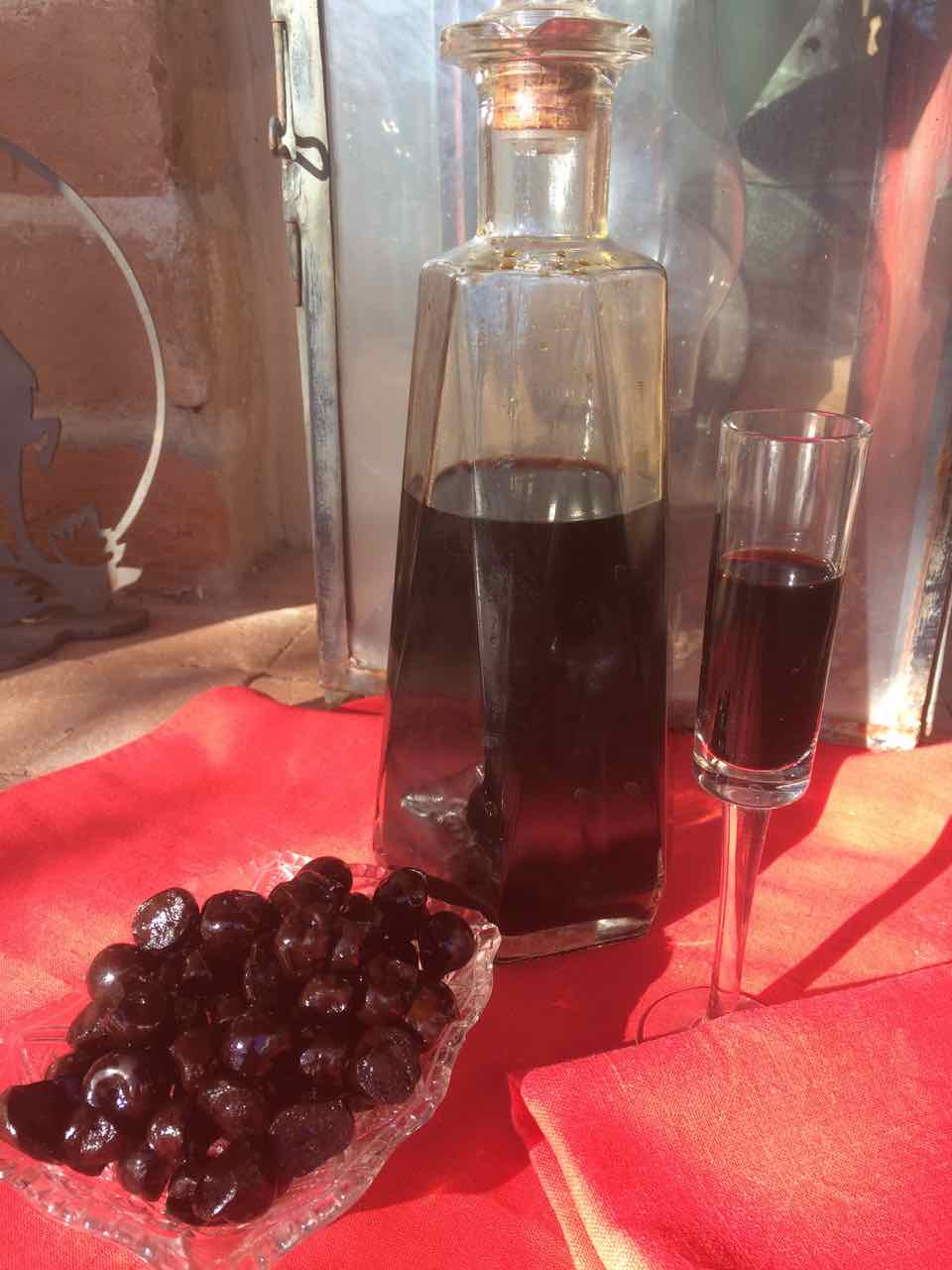
Colorado Cherry Cordial with delicious “marinated” cherries to be used for topping on ice cream. (MABurgess photo)

You can view native fan palms on the University of Arizona campus, lemon trees at the Tucson Botanical Garden, and Engelmann’s prickly pear close up at the Arizona-Sonora Desert Museum and at Tucson’s Mission Garden.  Find more traditional foods at http://www.flordemayoarts.com and http://www.nativeseeds.org.  And watch for upcoming City of Gastronomy tours in Tucson beginning in March at Tucson’s Presidio Museum–Stay tuned at http://www.tucsonpresidio.com.

Now a cordial toast to you, dear Savor Blog Follower!  May you delight in these spirited fruits of the desert and delight in the time they take to bring us this cheer!

Easy Homemade Chorizo, Vegan Cauliflower or Traditional

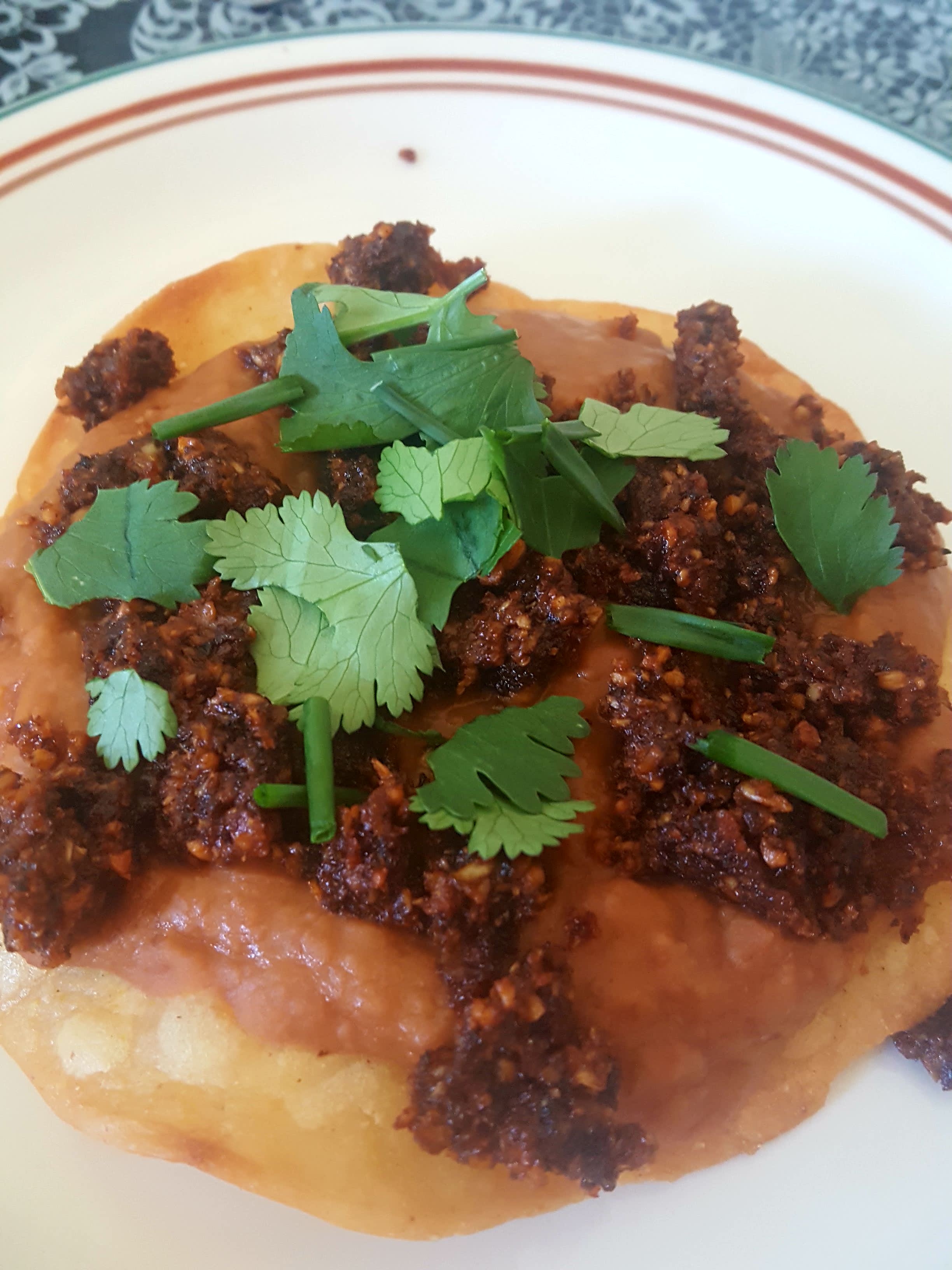
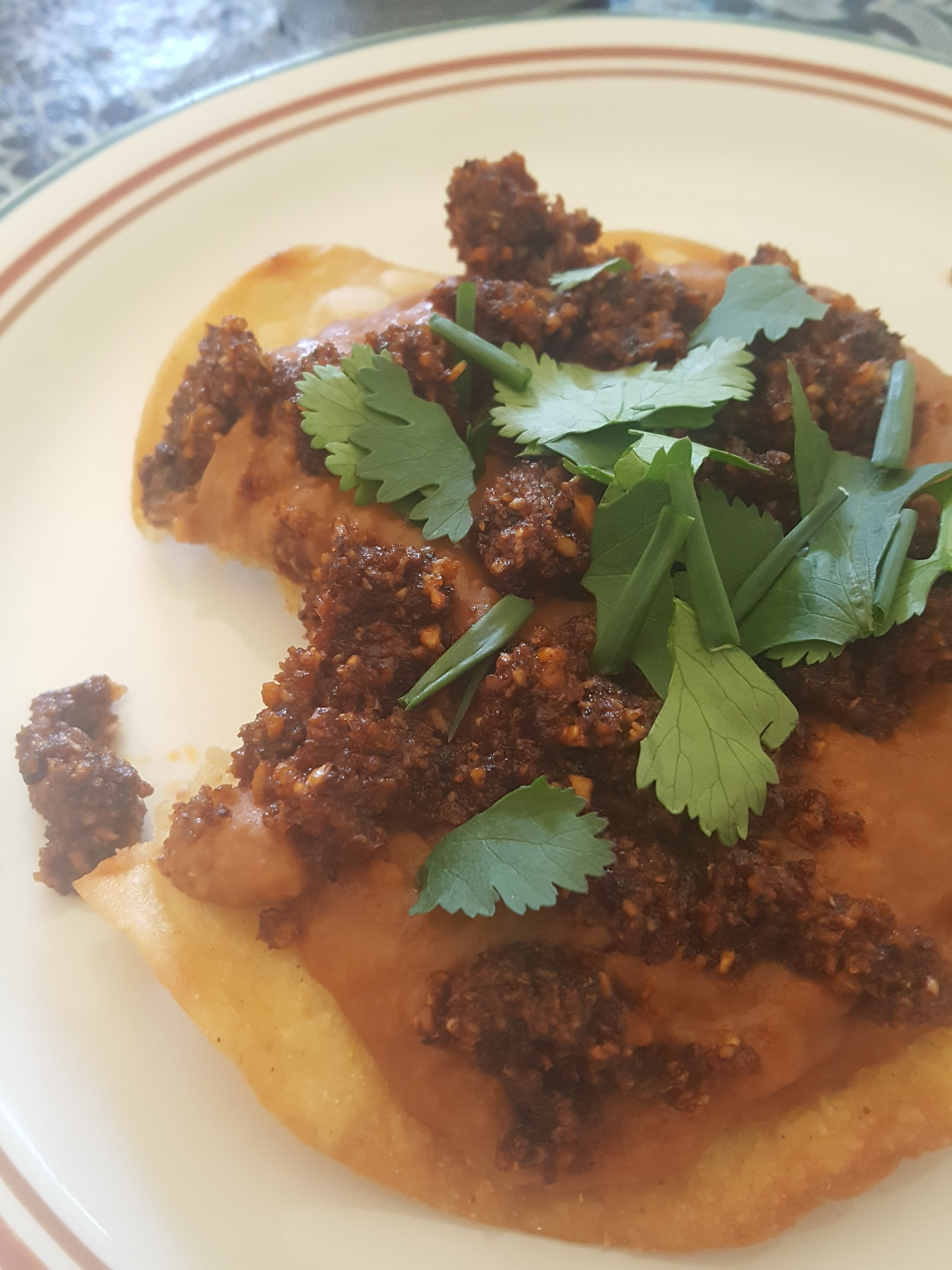
Cauliflower chorizo on bean tosdada

Hello, Amy here on a cold sunny day looking for spicy comfort food. I remember my grandfather made huge batches of great homemade chorizo, usually from beef, and froze it in half or quarter pound balls for use later. We had it for breakfast mixed into skillet fried potatoes like hash, or scrambled into eggs and wrapped in hot flour tortillas. Also, he would mix it into mashed pinto beans for tostadas.

It turns out that Mano Y Metate Adobo powder is nearly all you need to season homemade chorizo. I’ve made it with beef, lamb, a mix of pork and beef, or tofu with great success. Extra firm non-silken tofu, squeezed of excess water, was surprisingly realistic when well fried and scrambled into eggs.

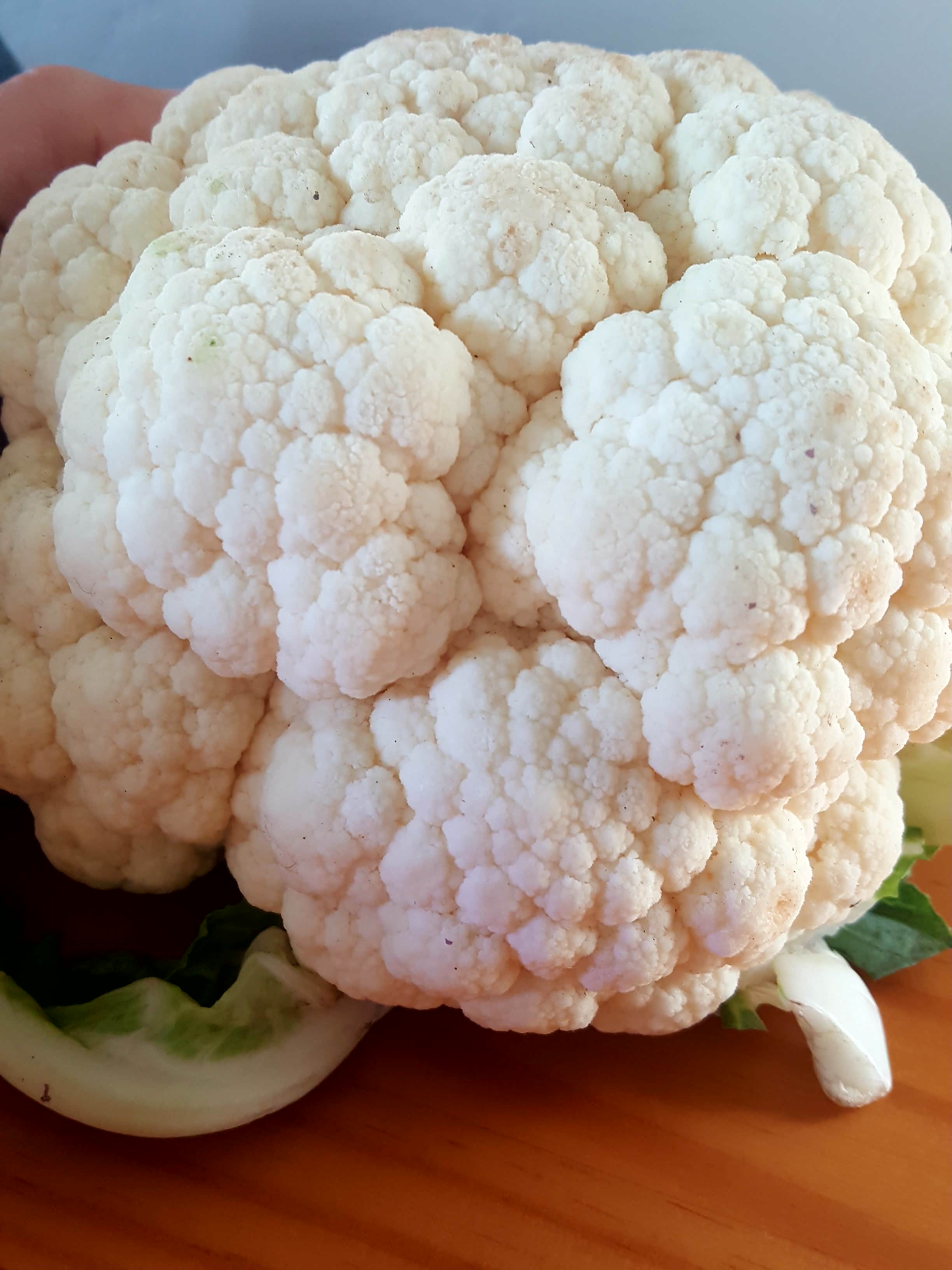
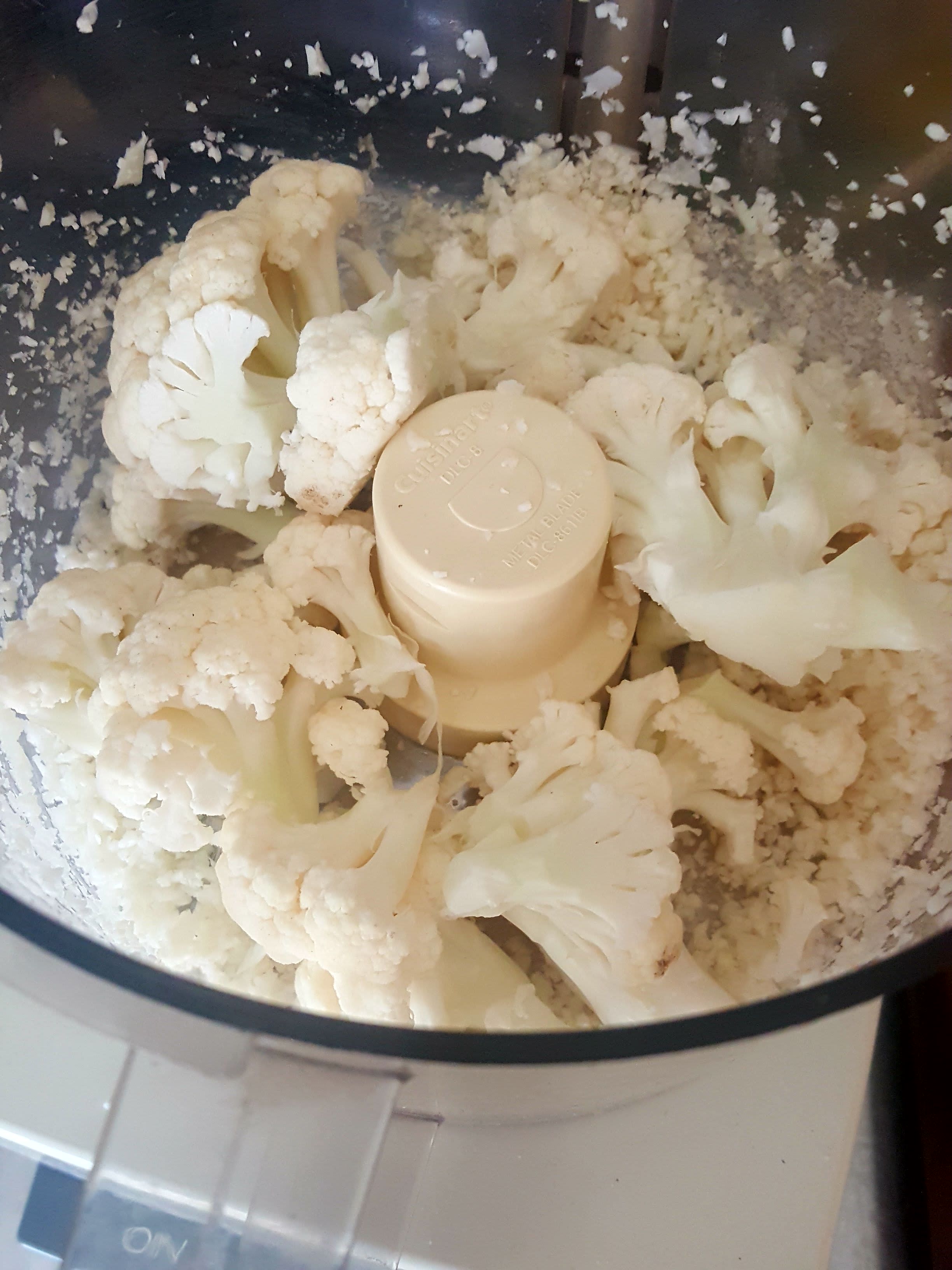
But I recently heard of someone making chorizo out of cauliflower, and sure enough, a quick internet search turned up plenty of variations. Cooks added all manner of creative ingredients with cauliflower to simulate a meaty taste and texture. I happened to have a huge beautiful head of cauliflower from Tucson CSA/Crooked Sky Farms, so I simply substituted cauliflower for raw meat to start. YUM! While searching, I also found a dozen places to substitute cauliflower for other traditional ingredients. Potatoes, wheat, rice, look out!

The following measurements are strictly to taste, and you can always spike with some crushed chiltepin or hot crushed red chile.

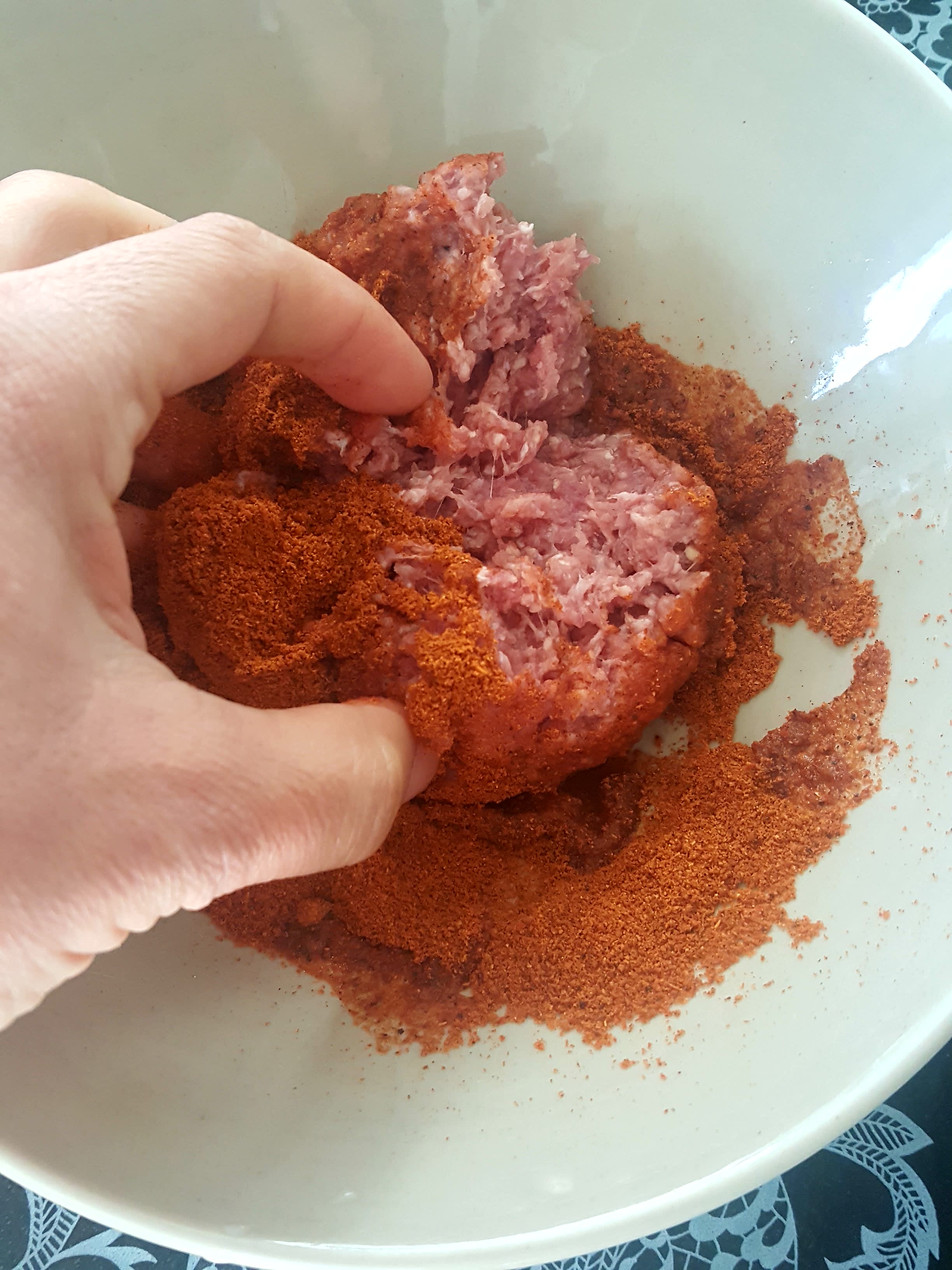
I put about half a pound of ground beef with a tin of Adobo powder and two teaspoons of vinegar. Yes, the whole tin. If you use less, it could be bland. I did the same with a cup of (packed) cauliflower I had minced in the food processor.

If possible, marinate in the refrigerator for a couple days.

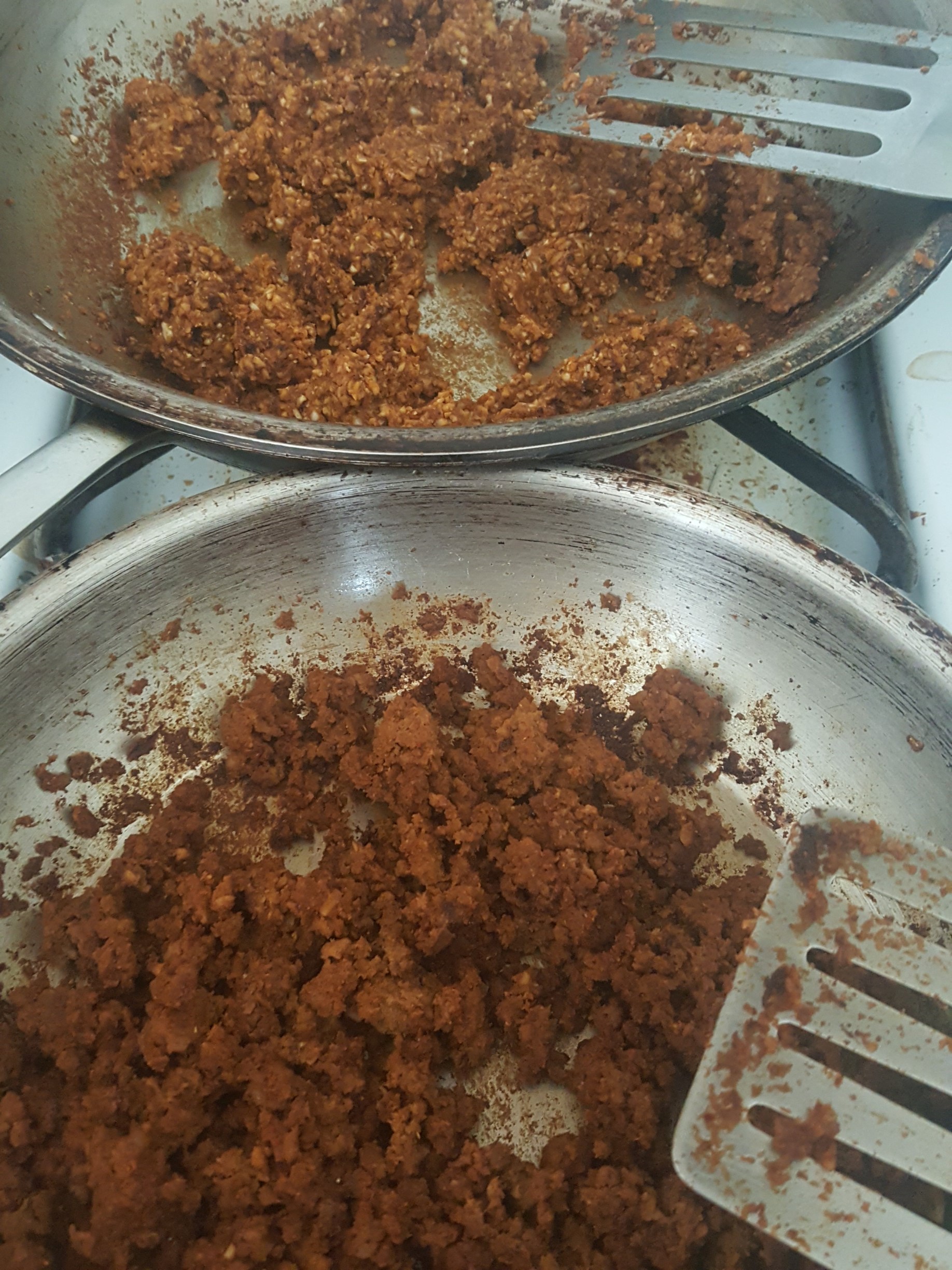
Then fry in a skillet until brown. The cauliflower needed quite a bit of oil to brown, the beef none. Salt to taste.

Then I heaped the cauliflower chorizo on a bean tostada, and garnished with cilantro and I’itois green onion. I’ll be serving that at a vegetarian potluck very soon!

Real Smut–Good Smut

Aroused by so much truly disgusting smut in the news these days (not “fake smut” at all), I am motivated to expose another perspective here.  Lets talk ‘smut of a different color’ to distinguish current human smut from sources of the word itself.  “Sooty,” “smudged,” “covered with black flakes of soot” seems to be how the term’s usage began, and of course that came to mean “tainted” or “stained,” its figurative, moral usage of today.

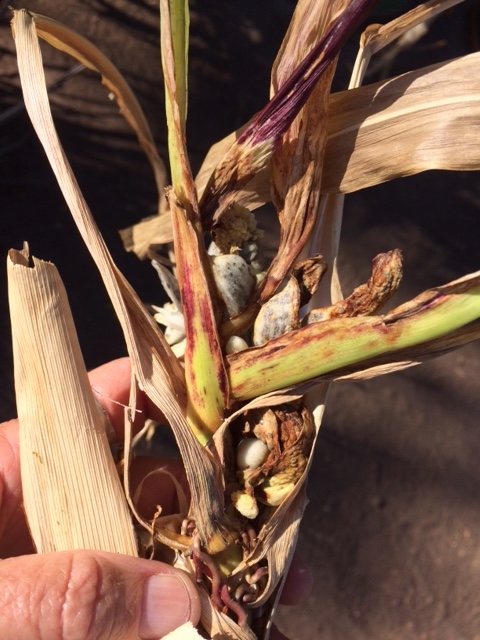
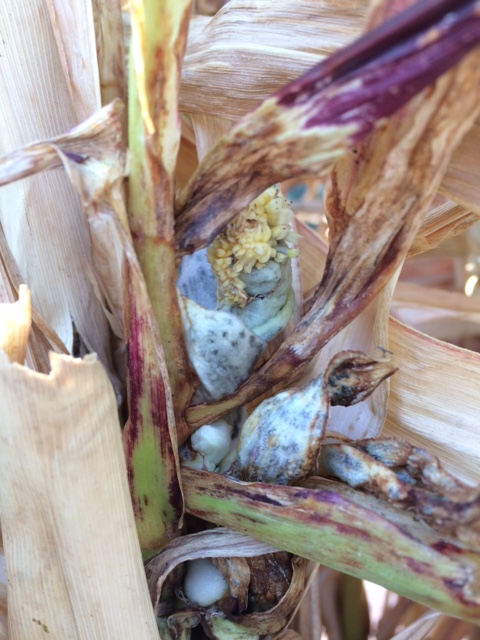
Corn smut–better known as “Mexican Corn-Truffle”–on teosinte (the ancient precursor of domestic corn) growing in the NativeSeeds/SEARCH Store “landscape” (MABurgess photo)

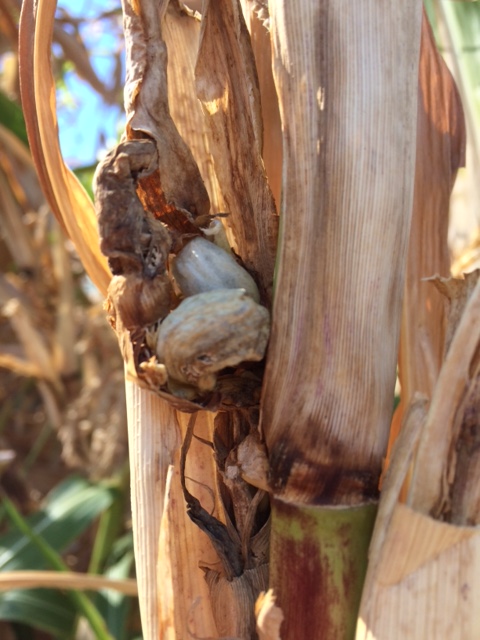
Tia Marta here to tell you about –believe it or not–Good Smut!  Smut the Food, CORN SMUT, an incredibly interesting, nutritious, even ceremonially-important food!  However, spured on by the USDA, farmers, not in the know about corn smut’s food history and value, have tried to eradicate it from US corn fields for years.  Corn smut is a reaction to spore invasion by Ustilago maydis which gets into young kernels and causes reactive growth.  Admittedly, corn smut does look unappealing, weird, even tainted or disgusting if you are looking for the perfect corn cob, hence the moves in modern agriculture to get rid of it. (Just search images of corn smut on the internet for an eye-full!)

Fungal growth of Ustilago maydis (corn smut) on commercial corn (internet source)

On the positive side, corn smut has had a very beneficial role in research on human breast cancers.  Looks are not everything–This “ugly” growth has been a blessed gift to life-saving biomedical research.  We might know very little about these cancers without DNA lab studies using corn smut fungus’ DNA.  “Corn Soot,” as the fungus was termed by the people of Zuni, NewMexico, was also used traditionally as herbal medicine to hasten childbirth then to reduce bleeding after childbirth.  [You can read lots more in a neat article by Kevin Dahl in Etnobiologia 7, in 2009, pp.94-99; or in Stevenson,M.L,1915, Ethnobotany of the Zuni, Ann.Rpt.Bur.Am.Ethnology 1908-1909, pp.31-102.]

Cuitlacoche (also spelled and pronounced huitlacoche) in the Aztec (Nahuatl) language, i.e corn smut food, has been used since time immemorial as a nutritious delicacy by Native People from MesoAmerica into what is now the Southwestern US.  Nutritionally, cuitlacoche actually has more protein even than its host, corn.  Corn by itself, however, does not contain a critically important amino acid building block in the human diet, lysine, which cuitlacoche provides. Corn smut would be a significant addition to a vegetarian diet.

Alas, because of its looks, corn smut has been almost completely relegated to oblivion in the USA.  Not too many years ago I used to buy it canned, moist and ready to use, at Food City in Tucson, but recently I’ve asked for it at several Hispanic foods outlets like LaCarniceria on W.St.Mary’sRoad, El Super in South Tucson, and at every Food City.  Nada–Young store attendants don’t even know the word!  Obviously cuitlacoche is out of favor.  Too bad, what popular market demand can do.  We will have to grow our own smut from now on, or travel deeper into Mexico to find the right stuff….

Small bulbous “buds” of cuitlacoche (corn smut) harvested from teosinte for cooking (MABurgess photo)

Because….there are some super recipes for this delicacy!  To create better press for corn smut as food, restaurants now market it as “Mexican Corn Truffle.” Some gourmet bistros have tried to create awareness of it, to no avail.  When and if you find corn smut at a farmers’ market, or if you grow it yourself, you can find some great CUITLACOCHE  recipe ideas online.  Just Google “Cuitlacoche Recipes” for fabulous “new” takes on tacos, quesadillas, soups, meat sauces, enchiladas, tamales, stuffed chicken….

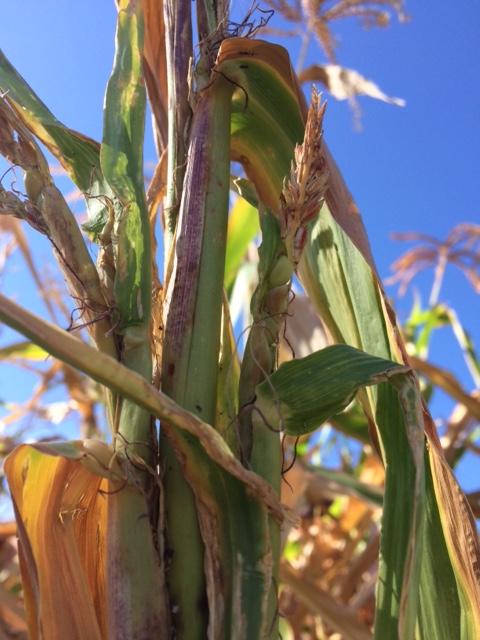
Normal non-infected teosinte “cob” maturing on the stalk. Note the green kernels aligned vertically at angles. (MABurgess photo)

Cuitlacoche (corn smut) on NSS teosinte cob (MABurgess photo)

Inspired by NativeSeeds/SEARCH Store Manager Chad Borseth (who sings the praises of corn smut), I like to make a smut stir-fry or sauce-base with onion, green chiles, garlic and corn “truffle buds” whole or sliced in olive oil.  Using the same ingredients with butter and eggs in the frypan, I make a Cuitlacoche Omelette or Scramble.  It’s an off-the-wall delicious surprise, simple, nutritious–IF you can find that critical ingredient!

Or, I saute diced corn smut with onions, mild green chiles, bison burger, and leftover potatoes, and slip it all in the oven for the flavors to meld.  It makes a heart-warming Cuitlacoche Casserole perfect for a wintery supper.

Here’s a visual caution:  When you cook cuitlacoche, the color sometimes will turn darker–like soot.  Aahhhh, but the taste is a delicate delight:  woodsy, earthy, richly mushroomy with a bouquet of fresh corn, hints of Hobbit food.

Teosinte corn smut diced for scrambling or adding to a cuitlacoche omelette (MABurgess photo)

Cuitlacoche Casserole made with ground bison burger, onion, potatoes, mild green chiles, and diced teosinte corn smut (MABurgess photo)

For more on Huitlacoche, check out the NativeSeedsSEARCH article in SeedHead News by Dr. Melissa Kruse-Peeples at http://www.nativeseeds.org/learn/nss-blog/293-huitlacoche.

Happy reading!  Then order your favorite heirloom corn seed from the NSS 2018 Seedlisting, http://www.nativeseeds.org, or the Whole Seed Catalog and plan right now to PLANT them this next summer season in your own garden.  If cuitlacoche buds out at the tip of your maturing cobs then rejoice– and enjoy its traditional flavor and sustenance!

This kind of smut is well worth experiencing – and don’t forget to spread their spores.

Beautiful cuitlacoche, corn smut at the top of an ear of corn

New Desert Harvesters Cookbook Celebrates Glories of Wild Desert Foods

Hello everybody. It is Carolyn today with an exciting new book for you. I’ve been studying and writing about edible wild plants of the Southwest deserts for more decades than I want to fess up to, and one of the most energizing things for me is when other people catch the bug and begin gathering and experimenting.

Last year we had John Slattery’s great book Southwest Foraging with colorful photos to help us identify plants new to us (see review here). Now we have even more riches in Desert Harvesters’ new book Eat Mesquite and More: A Cookbook for Sonoran Desert Foods and Living.

The 170 recipes range from the very simple to lightly challenging. While heavy on dishes using mesquite, the book includes recipes for some less exploited plants such as desert ironwood, palo verde, wolfberry, and creosote (creosote capers!).

One of the most exciting things about the book is the range of contributors. While there are familiar names in the local foraging world, including fellow Savor Sisters Muffin Burgess and Amy Valdés Schwemm and myself, Janos Wilder, Brad Lancaster, Barbara Rose, Jeau Allen, and Jill Lorenzini, you will also find dozens of other folks who have also shared their recipes. What fun to see how cooks have included Sonoran desert plants in favorite family recipes. That’s exactly how to introduce a new food to family members leary of something strange—by incorporating it into something familiar.

This book goes far beyond recipes with essays on solar cooking, neighborhood water harvesting, and medicinal uses of some of the plants.

Ethnobotanist Dr. Richard Felger, who was my first mentor and thus has been writing about and advocating for  “wild agriculture” even longer than I have, contributes an article that tells us that 10,000 years ago Prosopis (mesquite) formed the nutritional foundation of some of the first human populations along the Pacific Coast of South America, long before the use of corn in their society. And we do know that mesquite was also the staple of the desert Tohono O’odham. As Dr. Felger has been advocating for decades, it is time we begin (or go back to) fitting our food production to fit the climate rather than changing the environment to fit the crop just as earlier desert inhabitants did.

Now for a recipe. For years the artists in Cascabel have put on a pancake breakfast in the beautiful San Pedro Valley. Here is the recipe they have used, developed by Pearl Mast.

Nothing beats mesquite pancakes on a winter morning.

Pearl’s Mesquite Pancakes

(Makes about 12)

1 cup mesquite flour

1 cup whole wheat flour

1 cup unbleached white flour

1 tablespoons baking powder

1 ½ teaspoons baking soda

1 teaspoon salt

1 egg

1 tablespoon oil

1-2 cups of buttermilk, sour milk or fresh mile

1 tablespoon vinegar (optional)

In a large bowl, mix together dry ingredients. In a small bowl, whisk together egg, oil, 1 cup of milk and vinegar. Add wet ingredients to dry. Add more milk to thin the batter. Cook on medium heat and enjoy with your favorite syrup or toppings.

________________________________________________

Carolyn Niethammer writes about edible wild plants of the Southwest deserts in her books American Indian Food and Lore, The Prickly Pear Cookbook, and Cooking the Wild Southwest. They are available at the Native Seeds/SEARCH store or on-line bookshop or your favorite on-line book seller.


Mole Dulce Latte and Hot Chocolate

Hello all, Amy here on bright, cold day. My friends at EXO Coffee make Mole Dulce Lattes, and they are amazing. They discovered Mano Y Metate mole, developed the recipe, and only later did we meet!

I can’t make coffee like that, but I wanted to make a hot drink for myself at home. So I decided to try Mole Dulce Hot Chocolate.

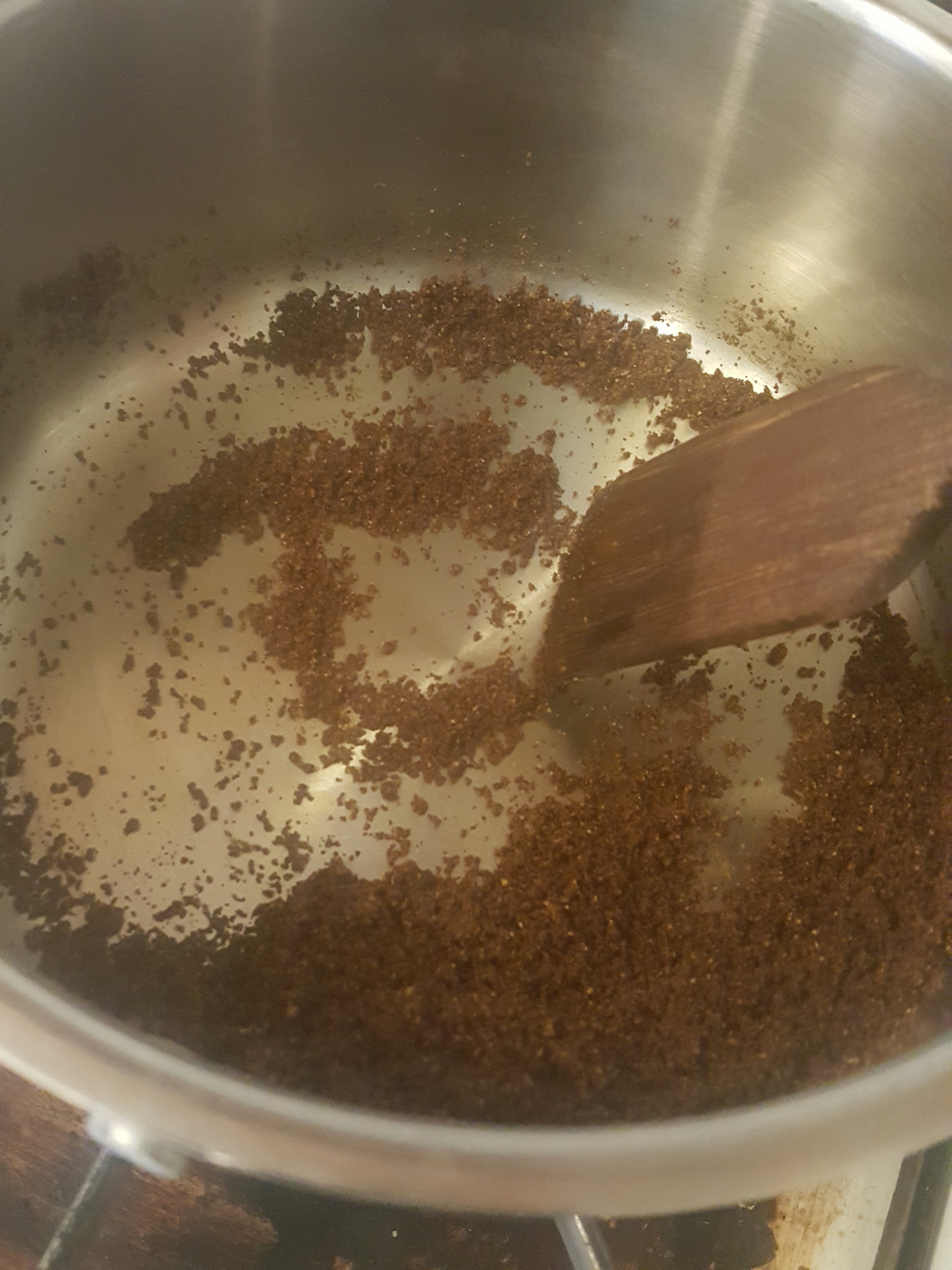
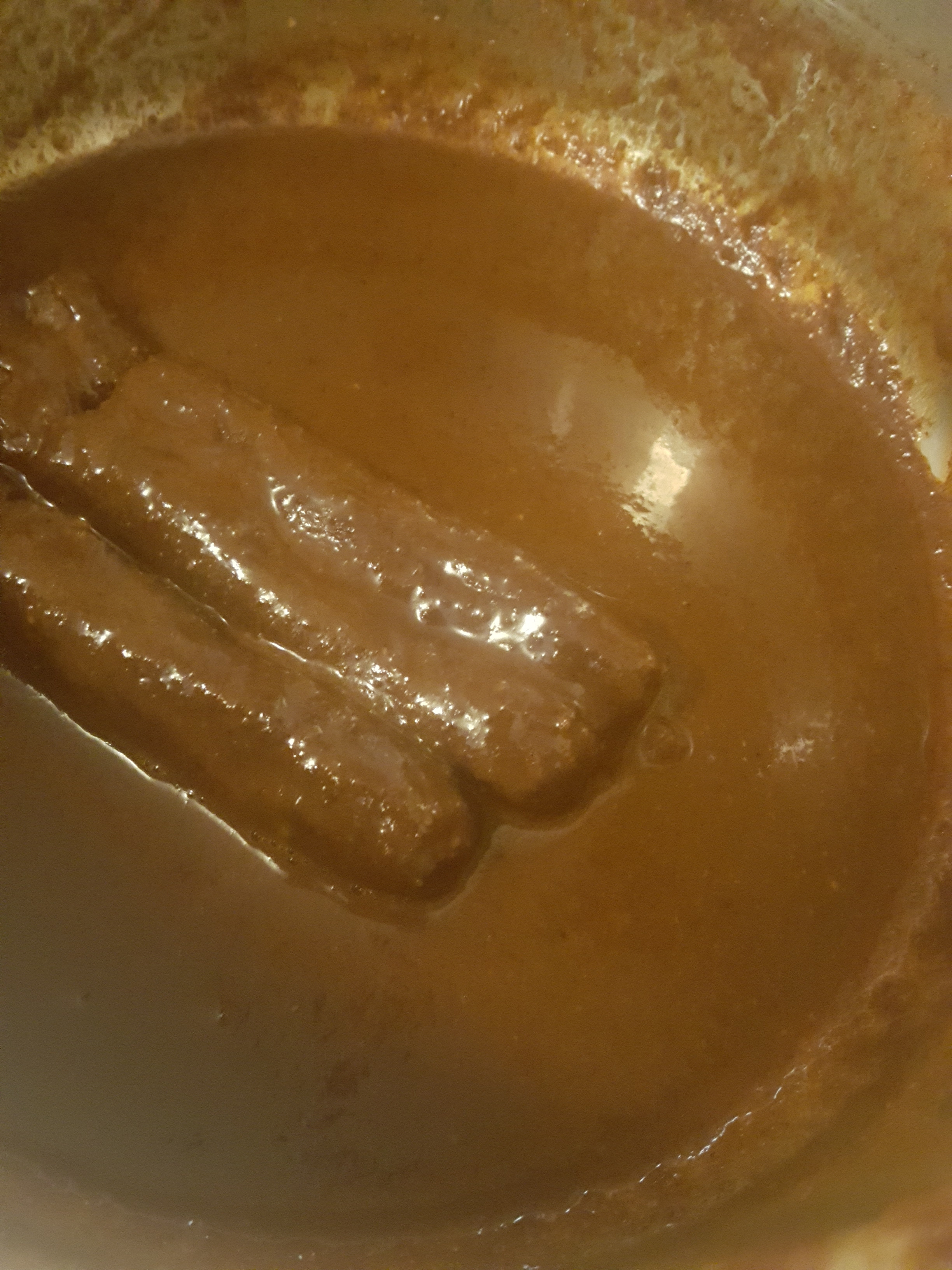
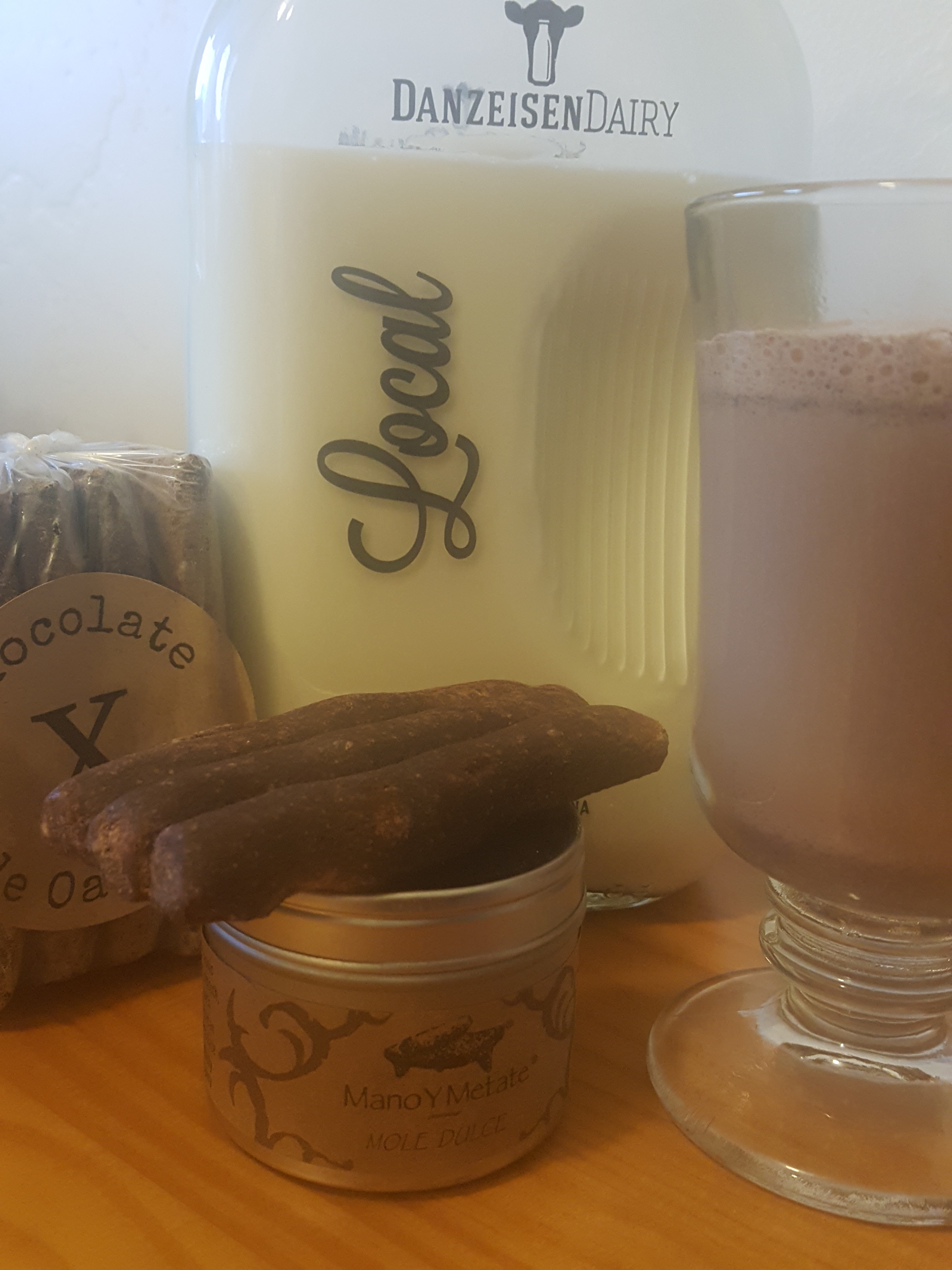
I started with half a tin of Mano Y Metate Mole Dulce powder (about 1 oz). In a dry pan I toasted it over low heat, stirring constantly until it got a shade darker and I started to smell the spices and cough just a bit from the chile. You can see oil from the almonds and the melting chocolate on the wooden spoon.

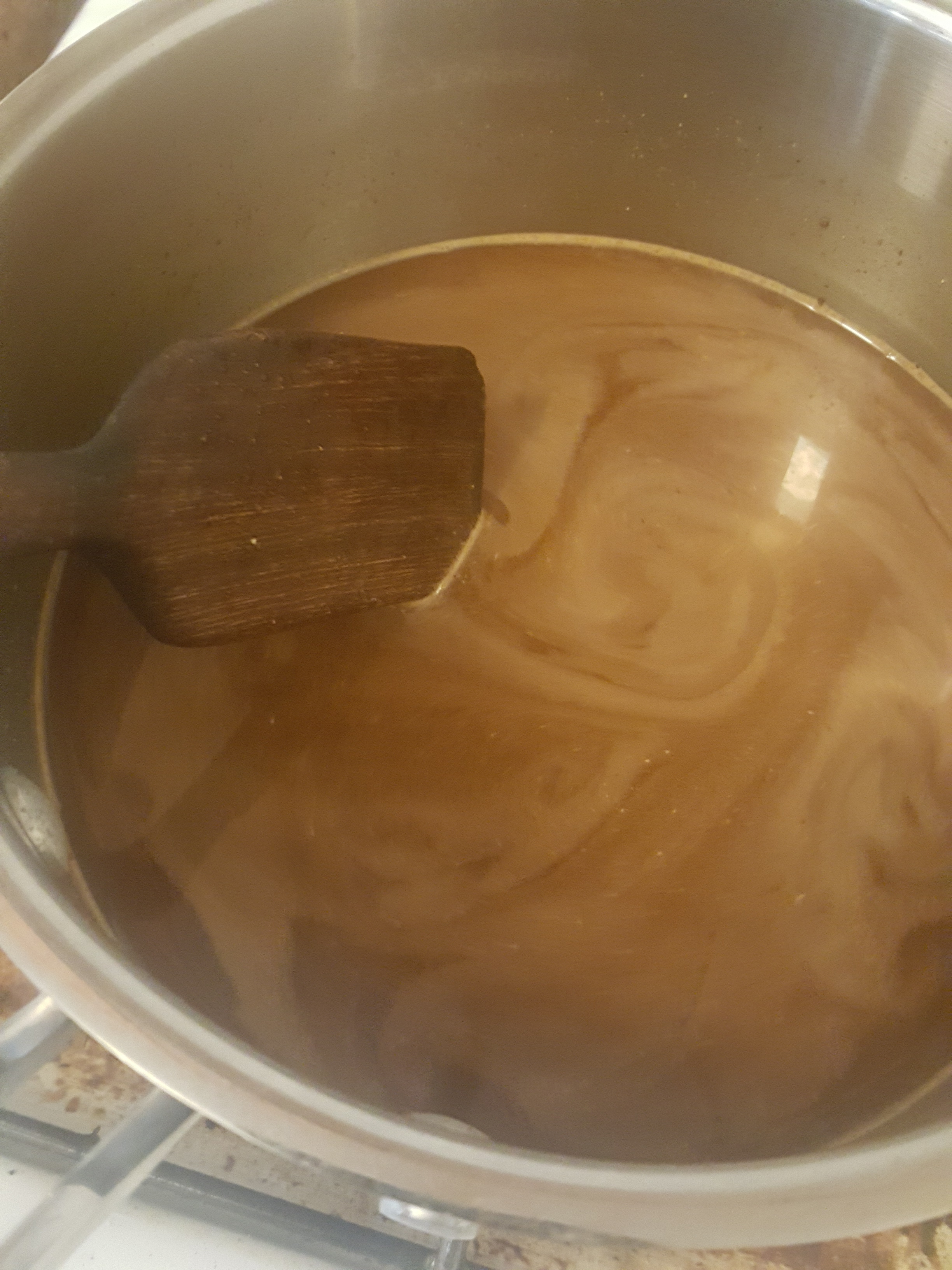
Then I added one cup of water and simmered for about 15 to 20 minutes.

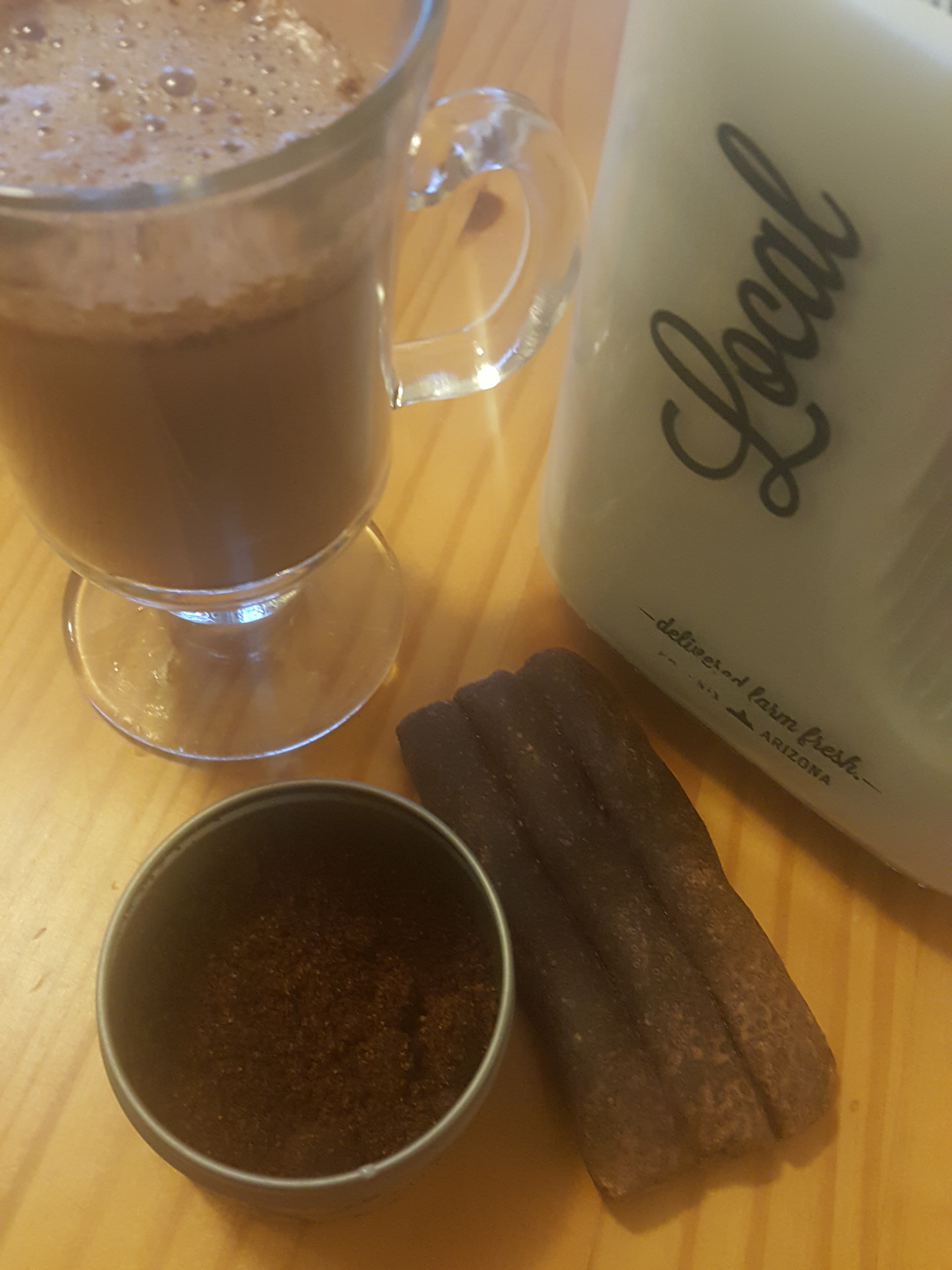
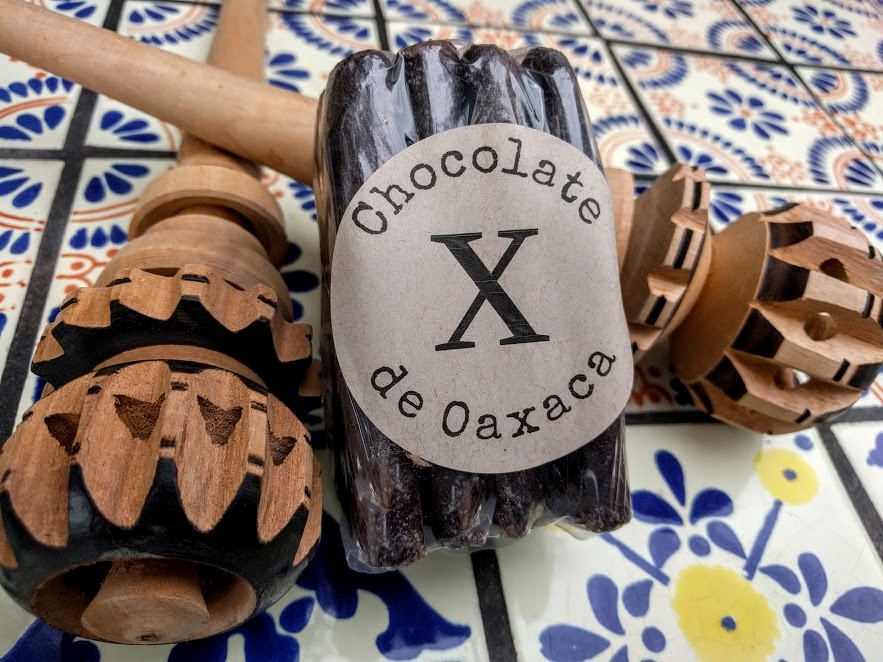
Mole Dulce powder is made with A LOT of chocolate.  I use Xocolatl, a handmade Oaxacan drinking chocolate imported by a sweet Tucson family and available seasonally at the Rillito Farmers’ Market and online. (Tell the young salesperson Isaac we sent you.) The only ingredients in Xocolatl are cacao beans from Chiapas (60%), cane sugar, Mexican/Ceylon cinnamon and almonds. It is wonderful eaten straight, where you’ll notice its coarse ground texture, formerly found in chocolates like Ibarra, before they changed their recipe. Xocolatl also comes in 70%.

I melted 6 small sticks (about 125g) of Xocolatl Classic into the pan, making a glossy chocolate sauce, with some suspended solids from the mole and chocolate giving it interesting texture.

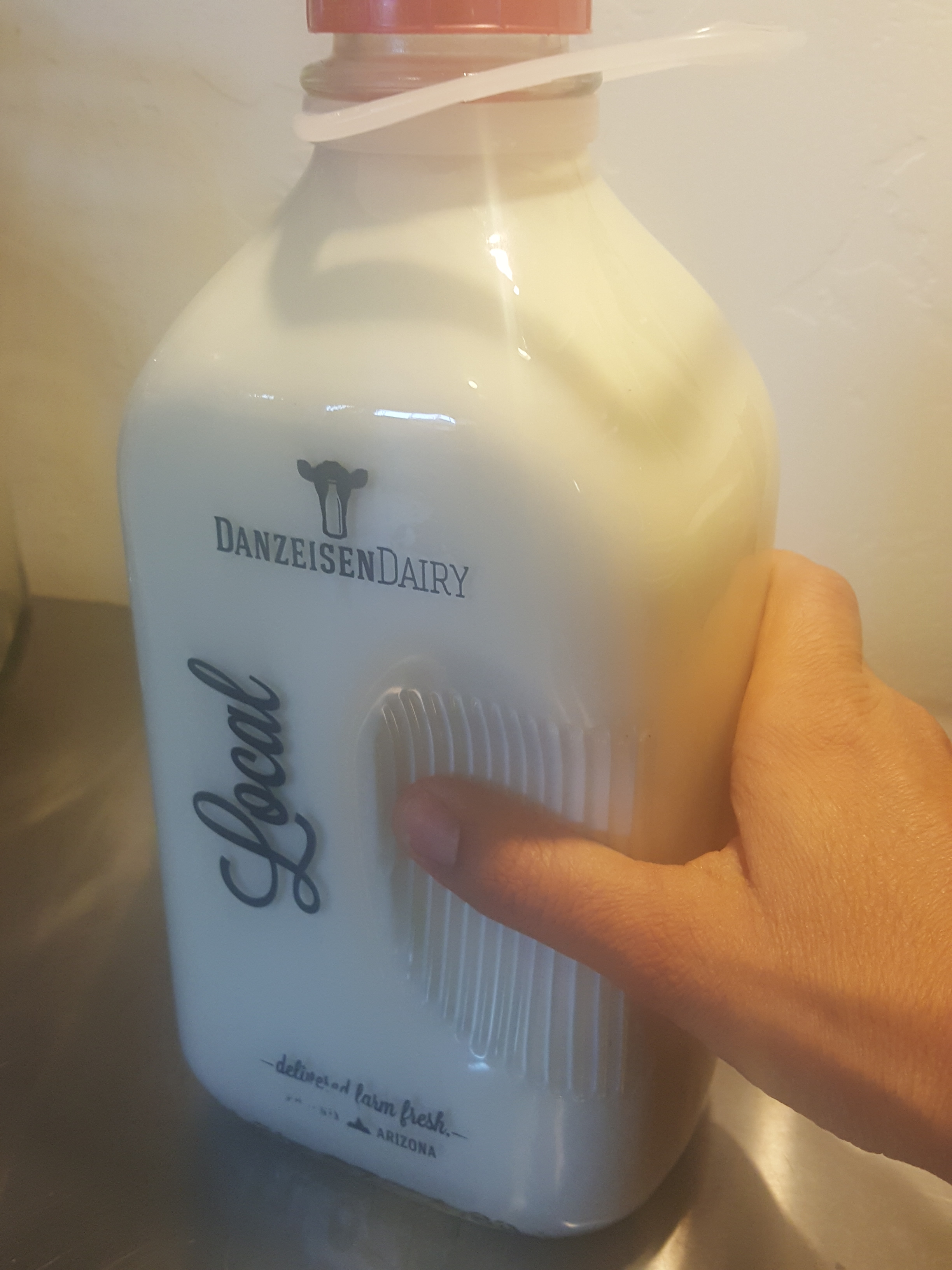
Then I added 4 cups of milk from Danzeisen Dairy from Laveen, Arizona. When I was a kid, my mom would buy raw milk with a cream layer in bottles like these from a drive through milk store. What the milks then and now do have in common are freshness, lower ‘food miles’ (less transportation fuel from farm to consumer), and returnable bottles with a deposit. Plus, the bottles are so pretty!

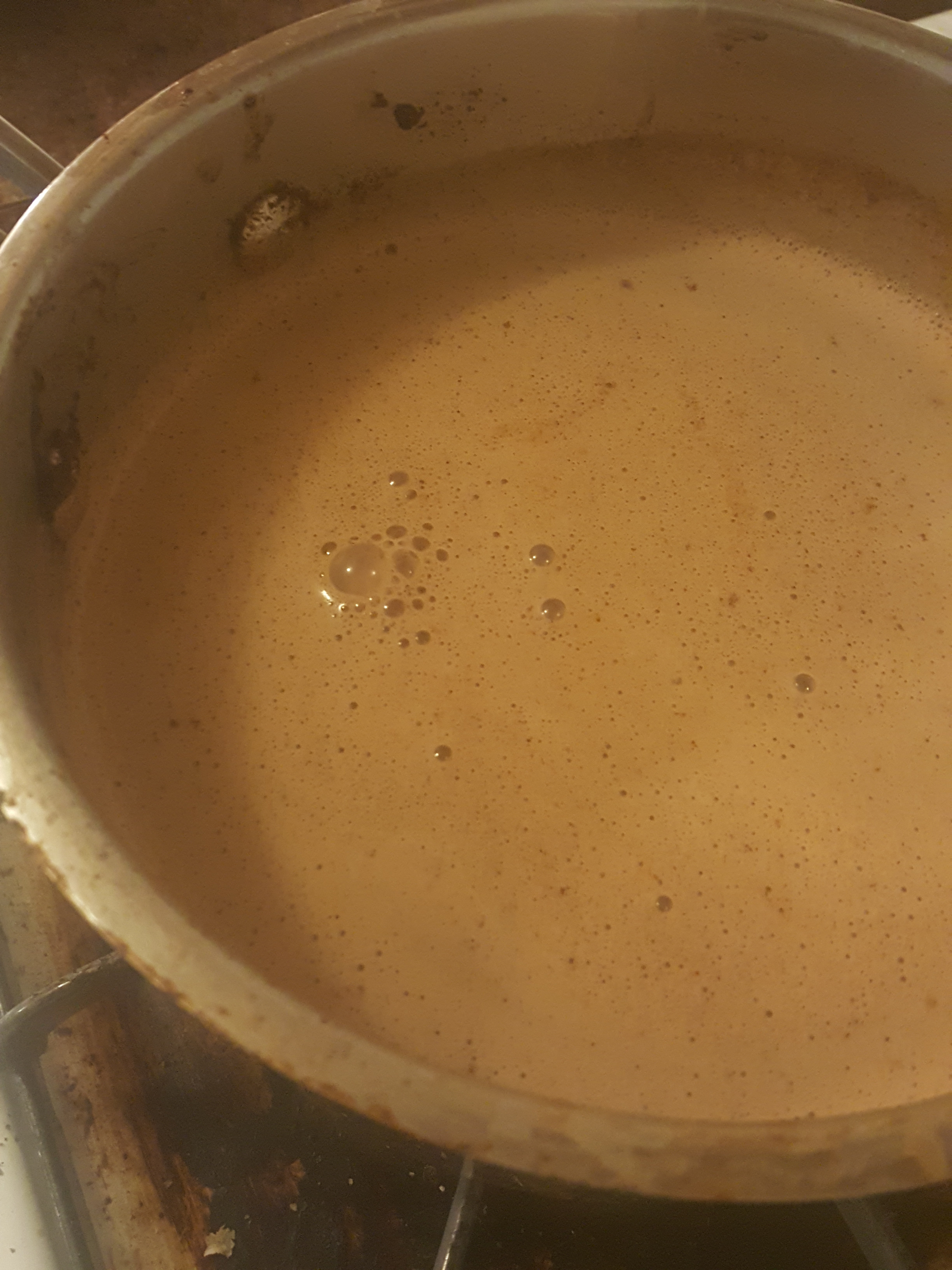
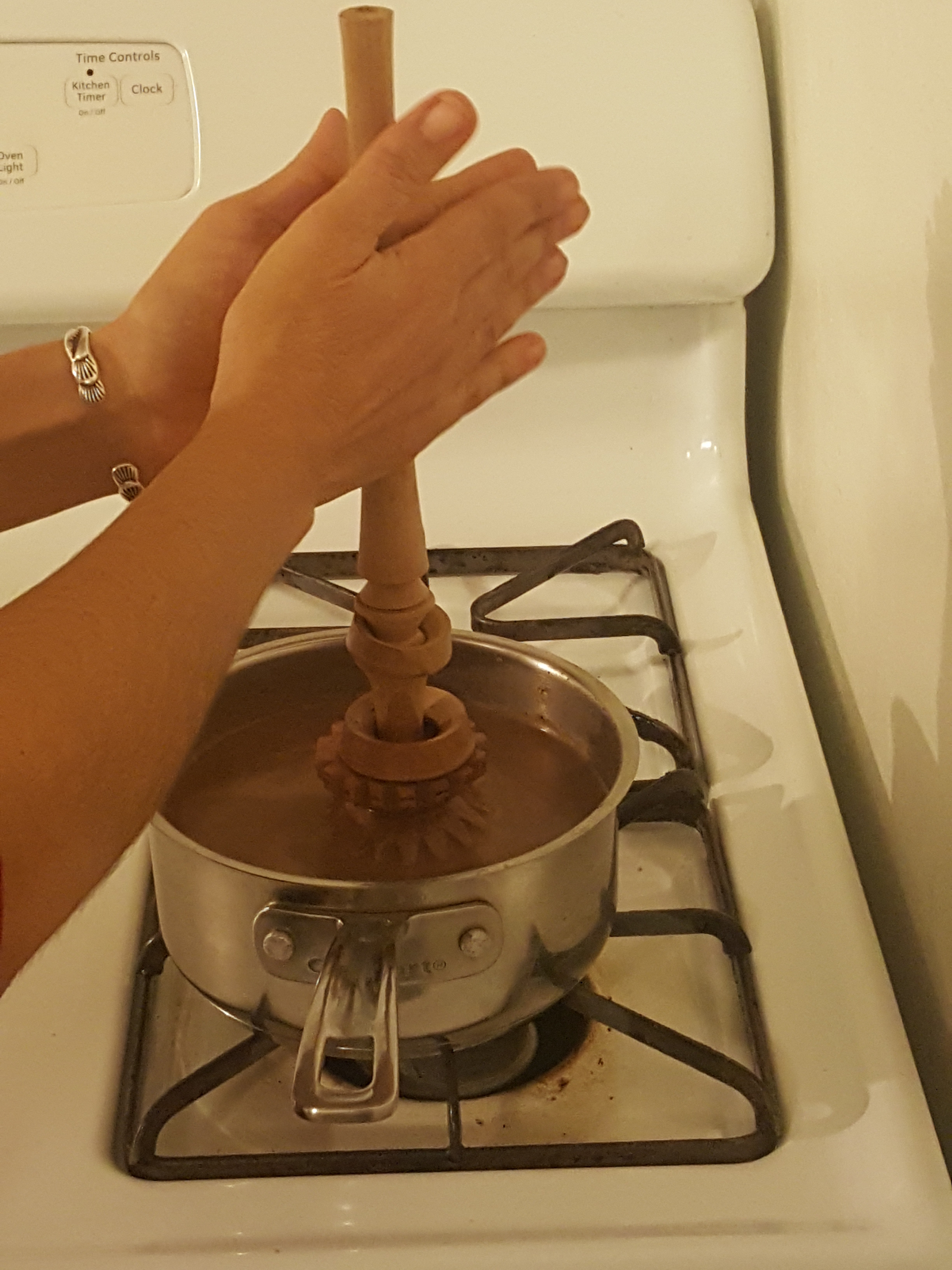
Now, for the frothy topping. The saying goes that as much work as someone put into the foam layer on the top of your chocolate mug, that’s how much they love you. I heard you could get this by pouring from one container into another from as high as you can, but I found this is messy, possibly dangerous and disappointing.

But there’s a tool designed for this purpose. My grandmother had a molinillo just like this.

However, she didn’t let us use it, just like the fancy dishes, the living room, or anything else that grandkids would certainly ruin or break. These are now available at big Mexican grocery stores, and are so fun to use! They have free-spinning rings and holes which act like wires on a whisk. (Of course, a metal whisk works at least as well.) To use a molinillo, put the handle between your palms, rolling back and forth to spin it in the liquid. Yes, this is when you sing the cho-co-la-te song, singing and spinning as fast as you can! Then sit and savor your warm, frothy, sweet, spicy, rich cup slowly.


Sweet New Ideas for the honorable old Sweet-lime

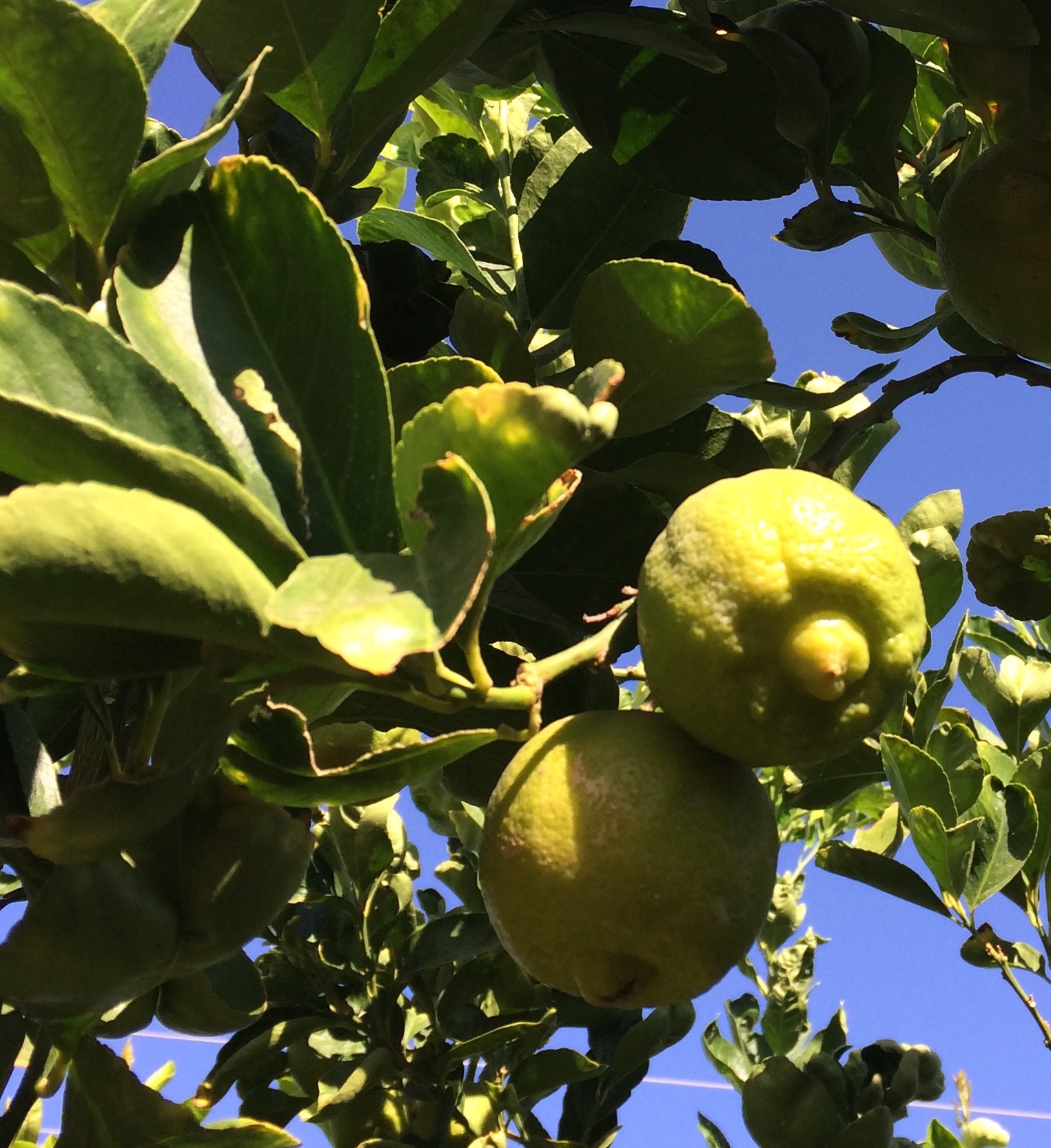
Surprisingly aromatic and gracefully sweet despite its continued green, the heirloom Mexican Sweet Lime is ready to harvest at Mission Garden. This ancient and honorable citrus was brought to Tucson by the Padres and is a proven producer in our desert kitchen-gardens and orchards. Note the characteristic “nipple” on the base of the fruit which distinguishes it from other citrus.  (photos by MABurgess)

Boughs are hanging heavy with fruit in the Mission Garden’s living history orchard at the foot of A-Mountain!  With chilly nights at last descending upon us, it is time for all of us in low desert country to harvest citrus for the holidays.  The heirloom SWEET-LIME, brought by Father Kino to the Pimeria Alta more than 3 centuries ago, is a living, lasting gift to us, conserved and propagated now by ethnobotanist Jesus Garcia of the Arizona-Sonora Desert Museum and the Kino Mission Fruit-tree Project.

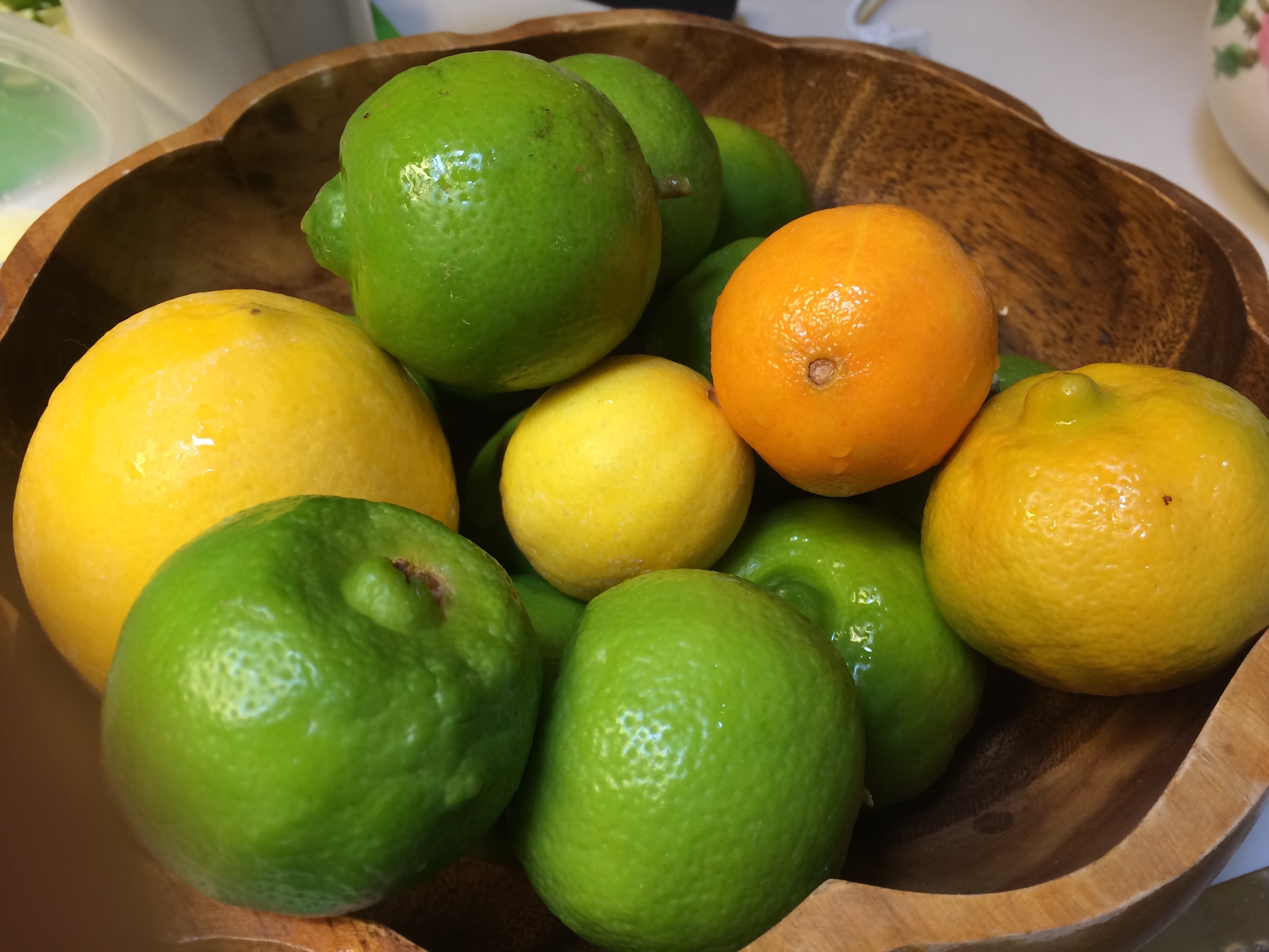
Citrus time again in Baja Arizona! I’ve harvested Meyer Lemon, Mexican lime, and tangerine from my trees, and I hope to buy an heirloom sweet-lime from Mission Garden to plant in mi huertita–my mini-orchard.

Tia Marta here, wanting so much to share this amazinging sweet-lime with you–and doggone technology has not caught up with my wish to have you just scratch and sniff it right now!  (When will techno-dudes ever perfect the digital transmission of olfactory joys?).   For the time being you will just have to visit the Community Food Bank booth at Thursday’s Santa Cruz Farmers’ Market, or come in person to visit the Mission Garden any Saturday 10am-2pm (within the adobe wall off S.Grande Ave.  See http://www.tucsonsbirthplace.org for directions.)

Mexican sweet-limes –sliced and ready to eat– There is NO puckering up with THESE limes; their gentle sweetness and bouquet will thrill your tastebuds! (And note gladly: the seeds are small and few.)

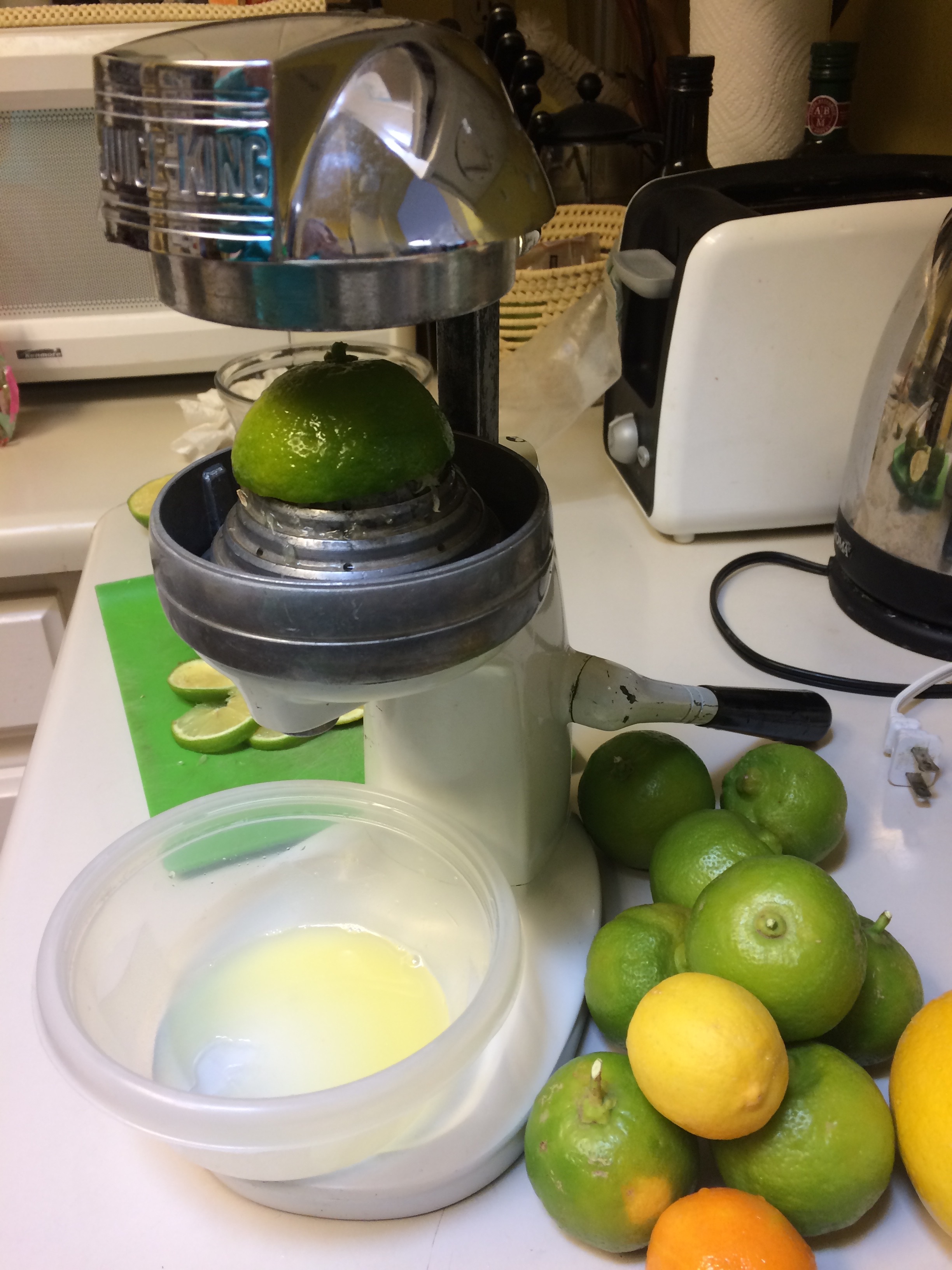
It’s easy to juice sweet-limes in a manual squeezer.

Ideas for sweet-lime juice:  Amazing what baby-boomers are getting rid of these days.  I found a manual juicer at a yard sale which is perfect for citrus halves and even for sections of pomegranate.

With sweet-lime juice you can wax creative.  For a festive punch, try it mixed with prickly pear juice that you have saved frozen from your August harvest.  Or, for more colorful punches, mix sweet-lime juice with grenadine, or your home-squoze pomegranate juice, or jamaica tea.  It also tastes great with mango.  Another admired Tucson ethnobotanist, Dr Letitia McCune, (www.botanydoc.com) is an expert in cherry nutrition so of course I had to try sweet-lime with tart cherry.  Yum!

Sweet-lime juice and tart cherry punch–a glass full of flavor and colorful cheer for the holidays!

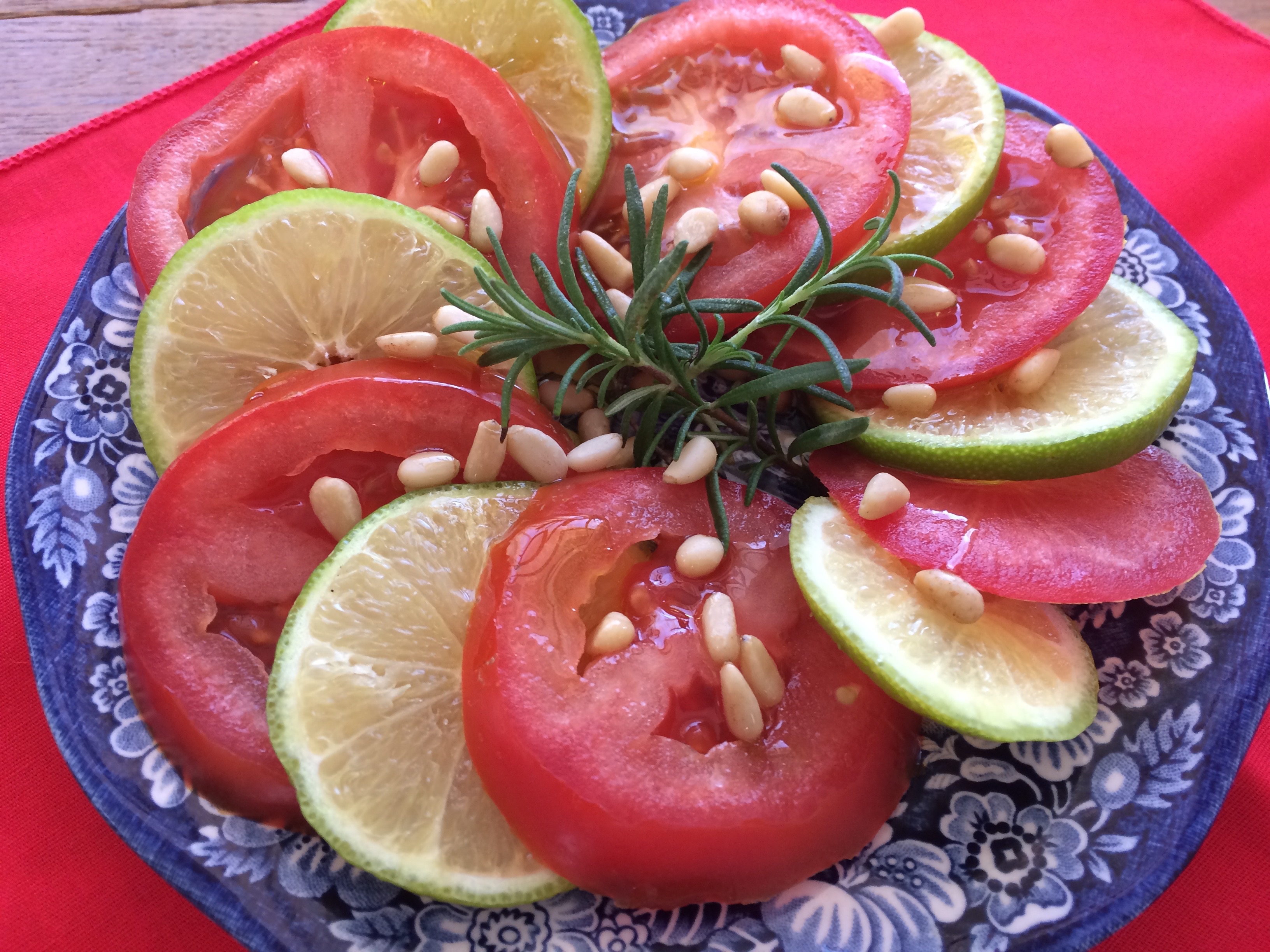
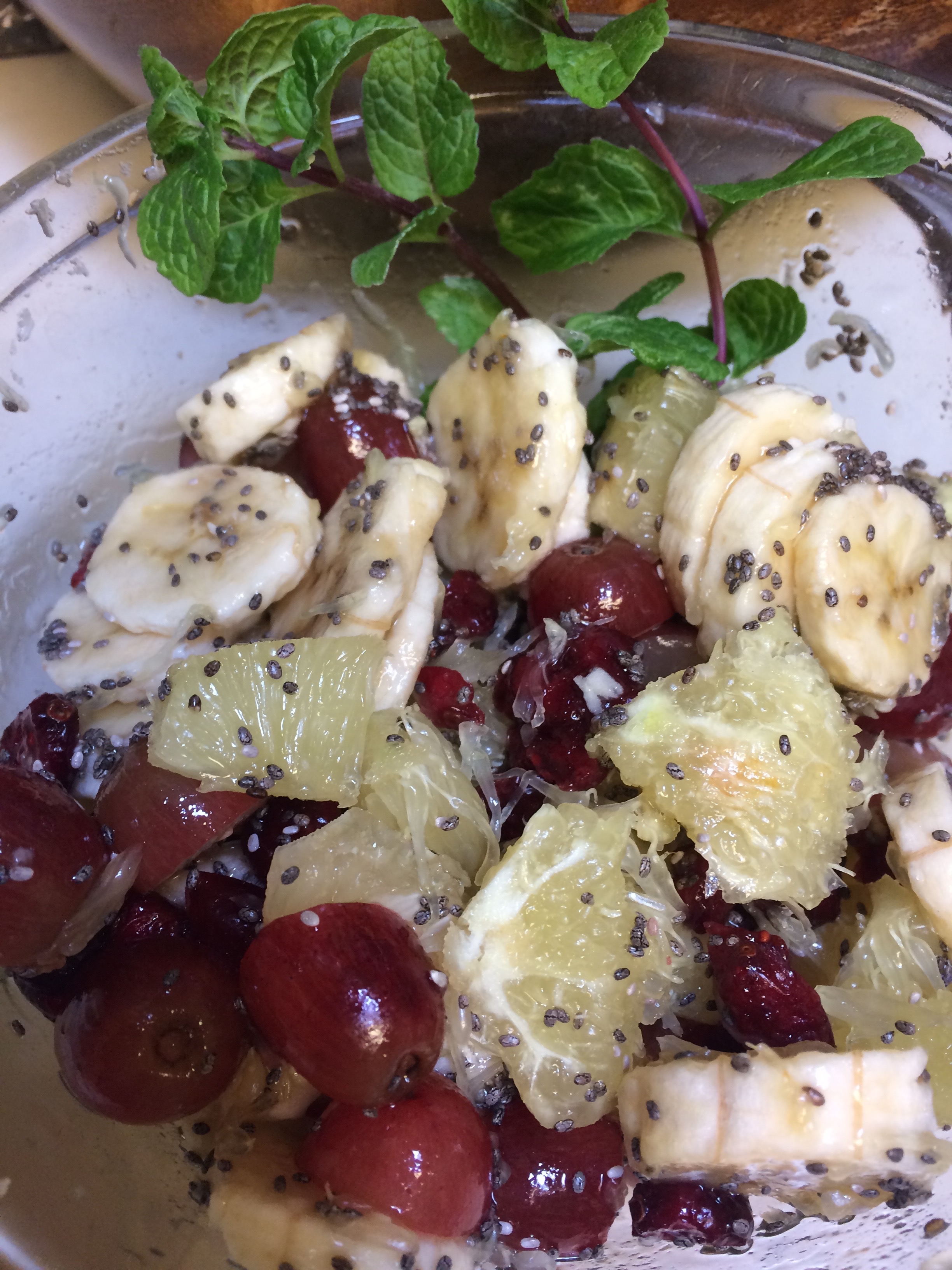
Here are more ideas for sliced or diced sweet-lime fruit:

Sweet-lime, sweet sliced tomato, and rosemary Garni, topped with pine nuts and drizzled with olive oil.

Peeled and diced sweet-lime fruit makes an incomparable aromatic addition to a fruit salad. Here sweet-lime chunks are tossed with sliced red grapes and bananas, dressed with chia seed and agave nectar.

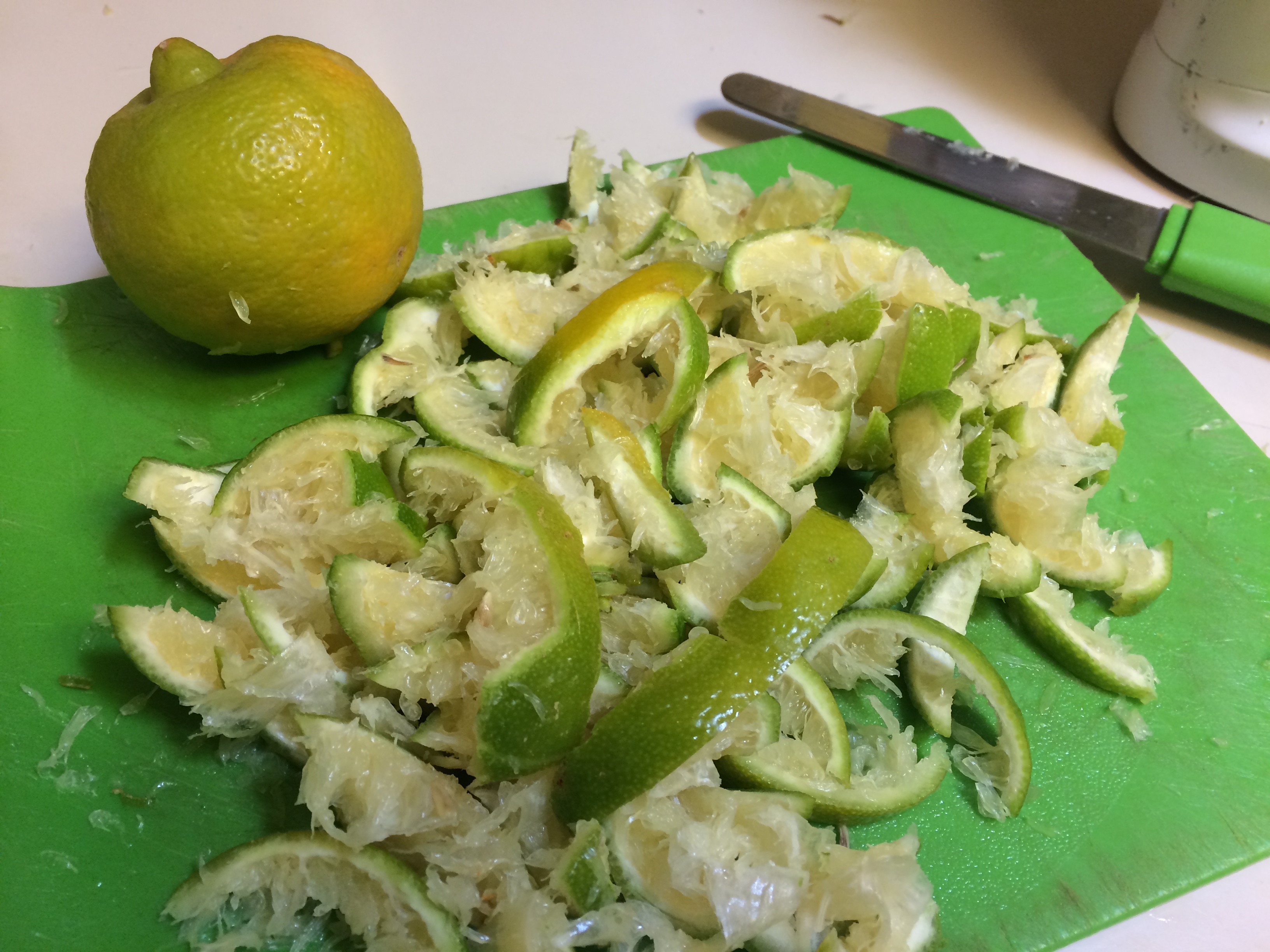
No need to throw away these fragrant sweet-lime rinds! Everything has a use.

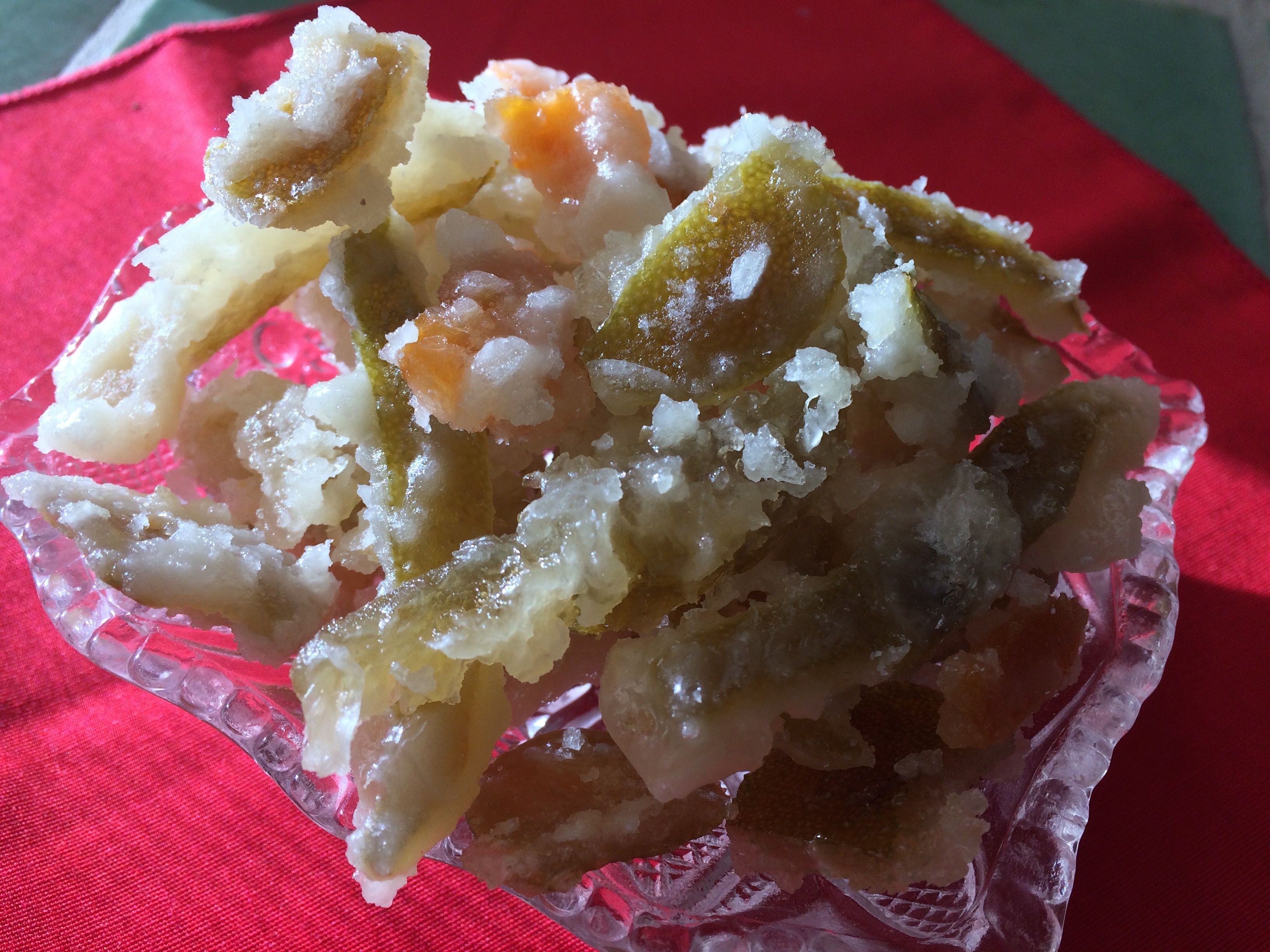
Crytallized sweet-lime and tangerine rinds make a marvelous home-made holiday candy.

SWEET-LIME CANDY RECIPE:  For a simple-to-make holiday treat of sweet-lime and other citrus rinds, boil sweet-lime rinds for 5-10 minutes to denature some bitter oils, drain completely, add equivalent amount of organic sugar (i.e. if you have 2 cups of sliced rinds then add 2 cups of sugar).  Do not add ANY liquid.  In saucepan, cook on medium heat until a thick syrup forms (at the hard-ball stage).  With tongs, remove each syrup-coated slice and place to dry and harden on a cookie sheet or waxed paper.  Each will crystallize into a crunchy piece of aromatic candy to excite both the youthful and mature palette.

AN EVEN BETTER SERVING SUGGESTION:  (Ah-hah!–You have already thought of this!)  “Enhance” your punch into a fabulous SWEET-LIME MARGARITA by adding a jigger of your favorite local Bacanora, Sotol or mescal spirits to your sweet-lime punch.  Then pow!!–taste that “nutrition”!  If you happen to add prickly pear juice, you even have a built-in hangover helper.  Happiest holiday wishes to all!  Wassail wassail as we hail the heirlooms!

(All photos by the author, copyright 2017)

Roasted Veggies with a hint of Pipian

Happy Thanksgiving week! Amy here, planning the menu with the cooking team, which is pretty much everyone in our family. It’s fun to mix it up and offer something interesting for the big meal, but it can’t stray too far… on Thursday.

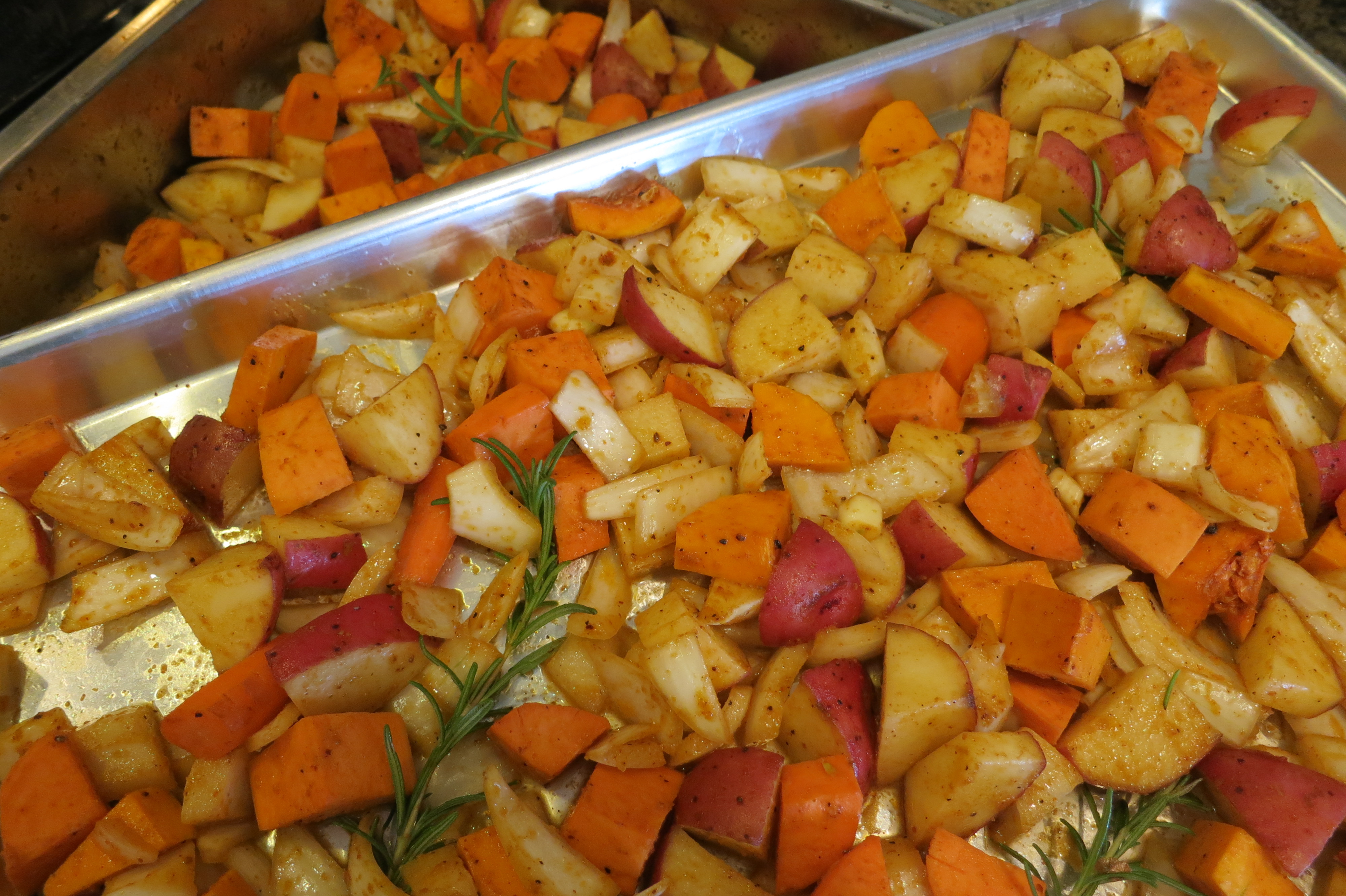
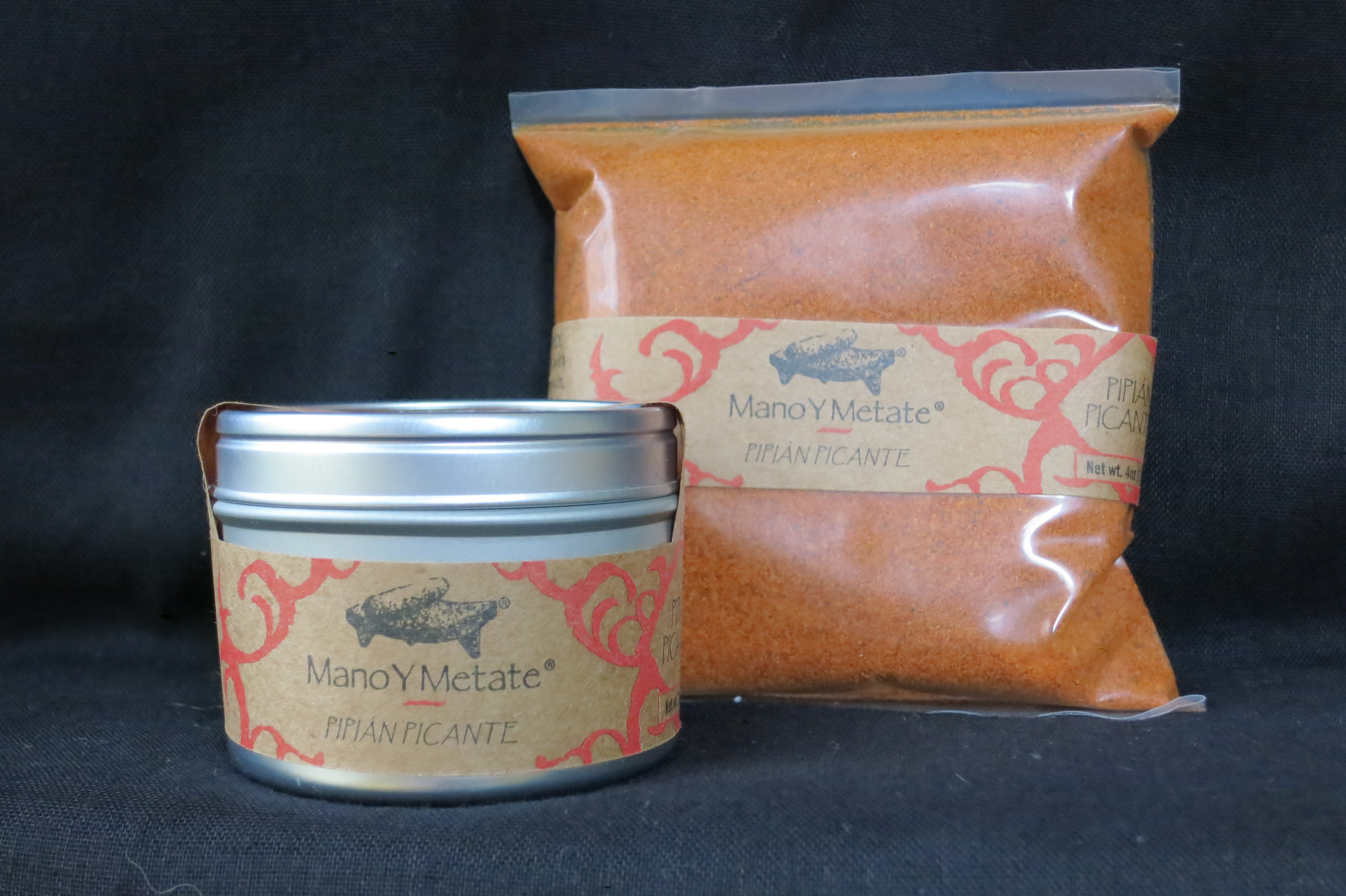
A few years ago my sister and I spiced the veggies with a dusting with Mano Y Metate Pipian Picante powder and a splash of Alfonso olive oil before going into the screaming hot oven.

This was a Tucson CSA mix of small Red La Soda potatoes, Glendale Gold onions, a Beauregard Sweet Potato and cubes of this unknown winter squash. If I had carrots or mild turnips, I would have added them, too.

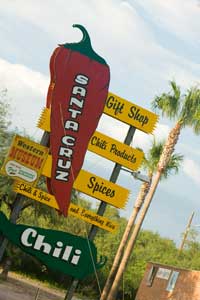
Pipian Picante is medium spicy, but for a mild dish, use Pipain Rojo. The two Pipian are nearly the same recipe, but Pipain Rojo is made with Santa Cruz Mild Chile from Tumacacori, Arizona, while Pipian Picante uses Santa Cruz Hot Chile. This chile is fruity and flavorful. It’s bright red in color and the flavor matches the color. Of all the varieties of mole powder that I make, these two are the only ones that use only one type of chile, because this chile is special enough to stand on its own. By the way, if you’re looking for a fun road trip to take out of town guests, the little Santa Cruz Chili and Spice Sore is fun and right across from the mission.

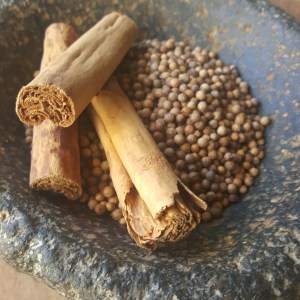
Both Pipian Rojo and Pipian Picante are made with lots of pepitas, or pumkin seeds, along with almonds and a few sesame seeds. It also features plenty of coriander (cilantro) seeds and canela, the soft, easy to break sticks of Ceylon cinnamon.

Sweet cinnamon, sweet chile, and evaporated cane juice in the Pipian go great with the beautiful winter squash that usually looks sweeter than it is. And the kick in the chile is great on the sweet onion and sweet potato. The finished dish is unquestionably savory and spicy. I hope you like it as much as we do. Add a sprig of rosemary from the garden if you have it, just for fun.


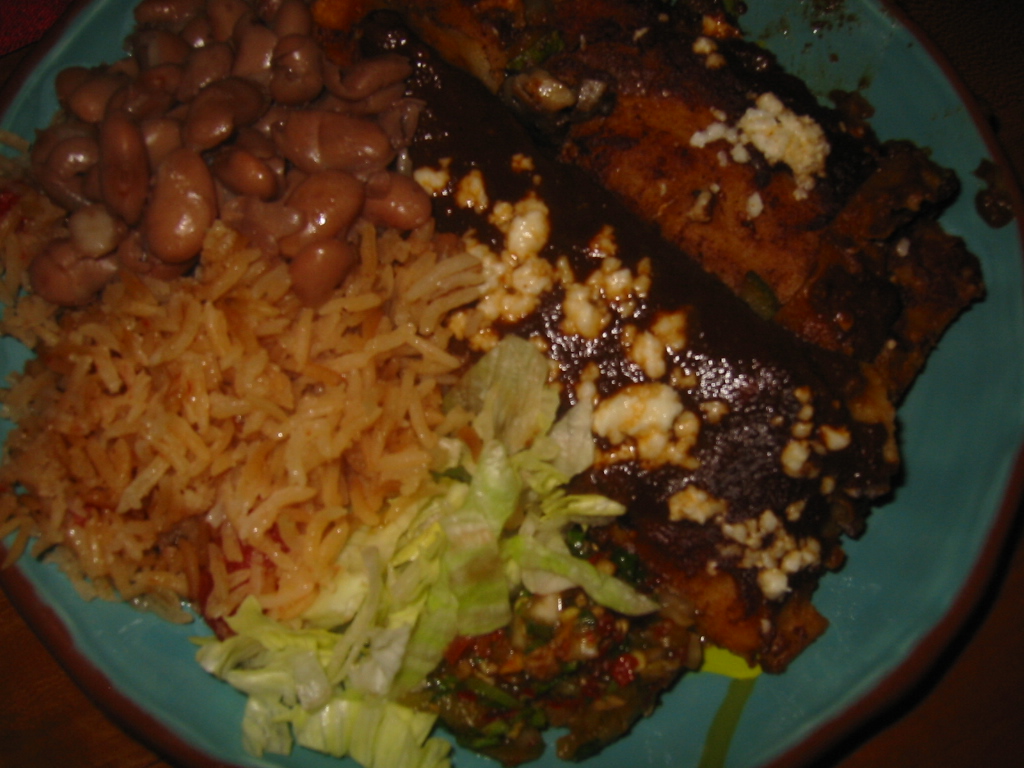
Now, for Friday after Thanksgiving, I recommend Enmoladas with Turkey. These are enchiladas made with mole instead of just chile. Please forgive the candlelit photo, but this is all I could take before it was devoured! For the recipe, go to my very first post on this blog, and substitute leftover turkey for the amaranth greens filling.

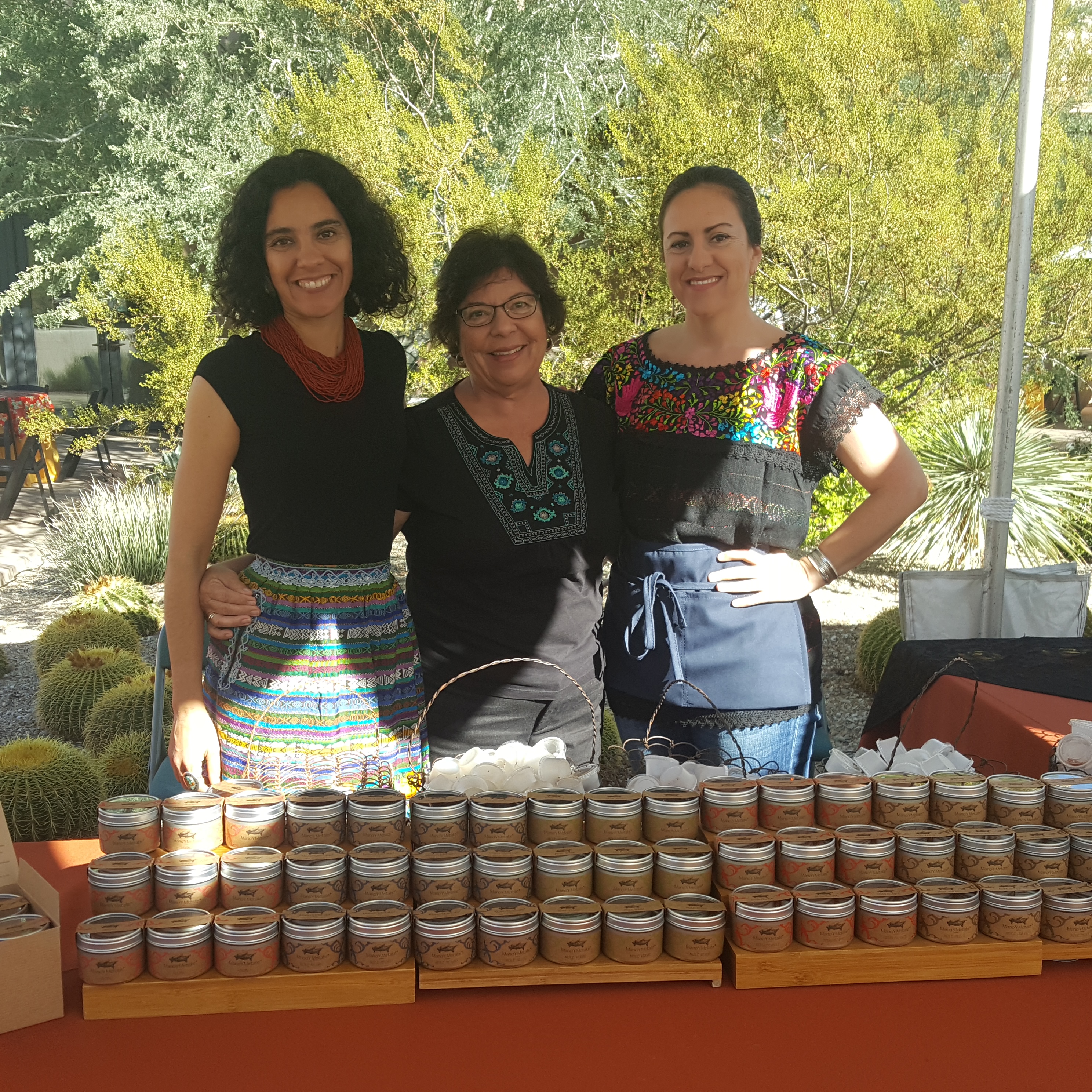
Thank you to my family that helped me sell mole at the Desert Botanical Garden and Tohono Chul, and my friends that helped me fill and label tins to prepare for the events. Mil Gracias.

So Many Pumpkins…So Little Time!

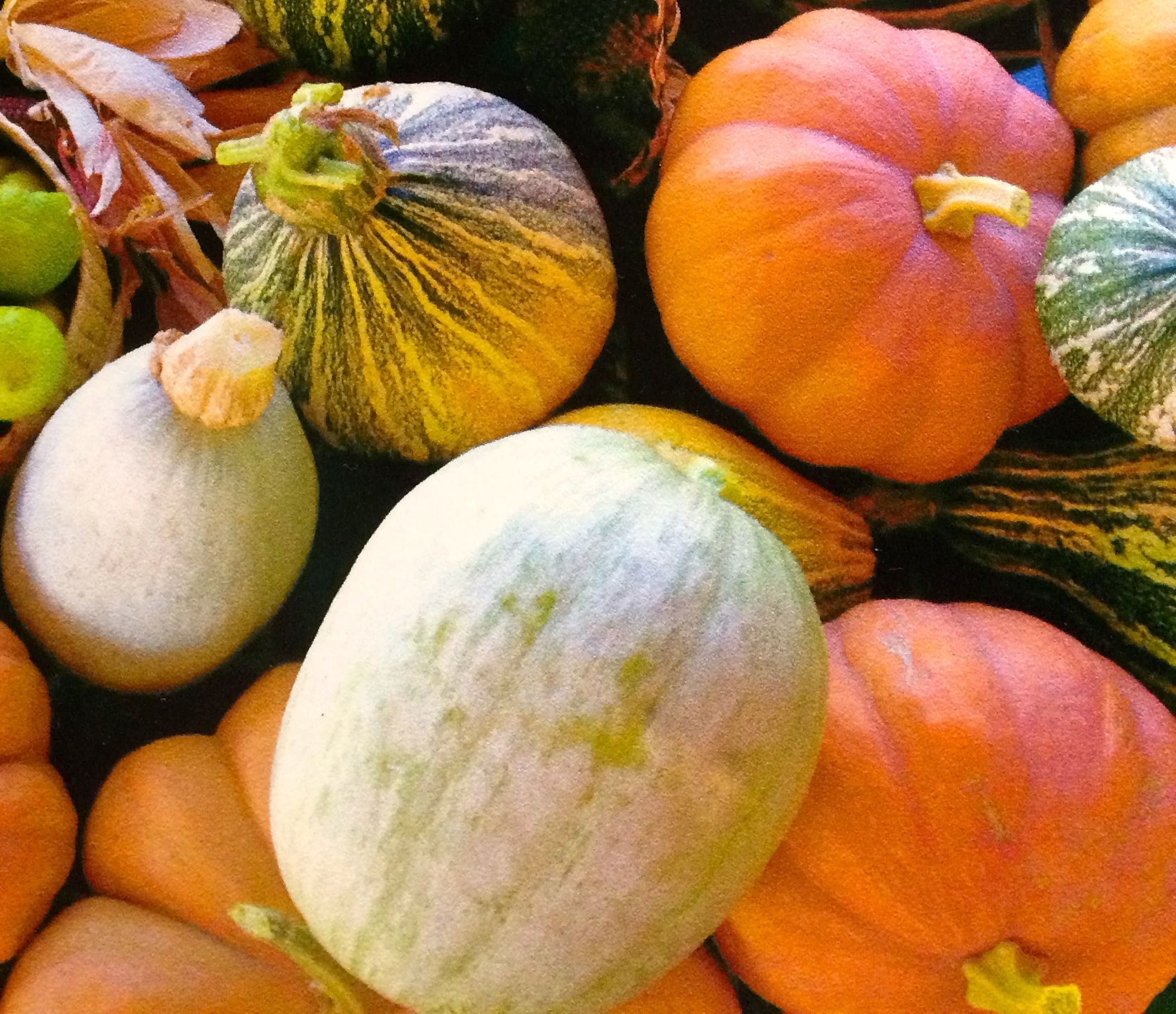
Tohono O’odham Ha:l “TO pumpkin” –a striped cushaw winter squashes with their corky peduncle attachments–and bright orange Tarahumara pumpkins (a NativeSeeds/SEARCH harvest) MABurgess photo

Pumpkin-bashing may be fantastic sport after Halloween, and indeed it can create great compost with the right follow-through, but I’m in the camp of those waste-not-want-not folks who enjoy pumpkins and squashes for their wholesome flavors and vibrant nutrition (not to mention their esthetic colors and sculptural forms–see last month’s post).  Tia Marta here, delighting in the diversity of our Southwestern heirloom pumpkins and sharing some diverse ways to enjoy them.

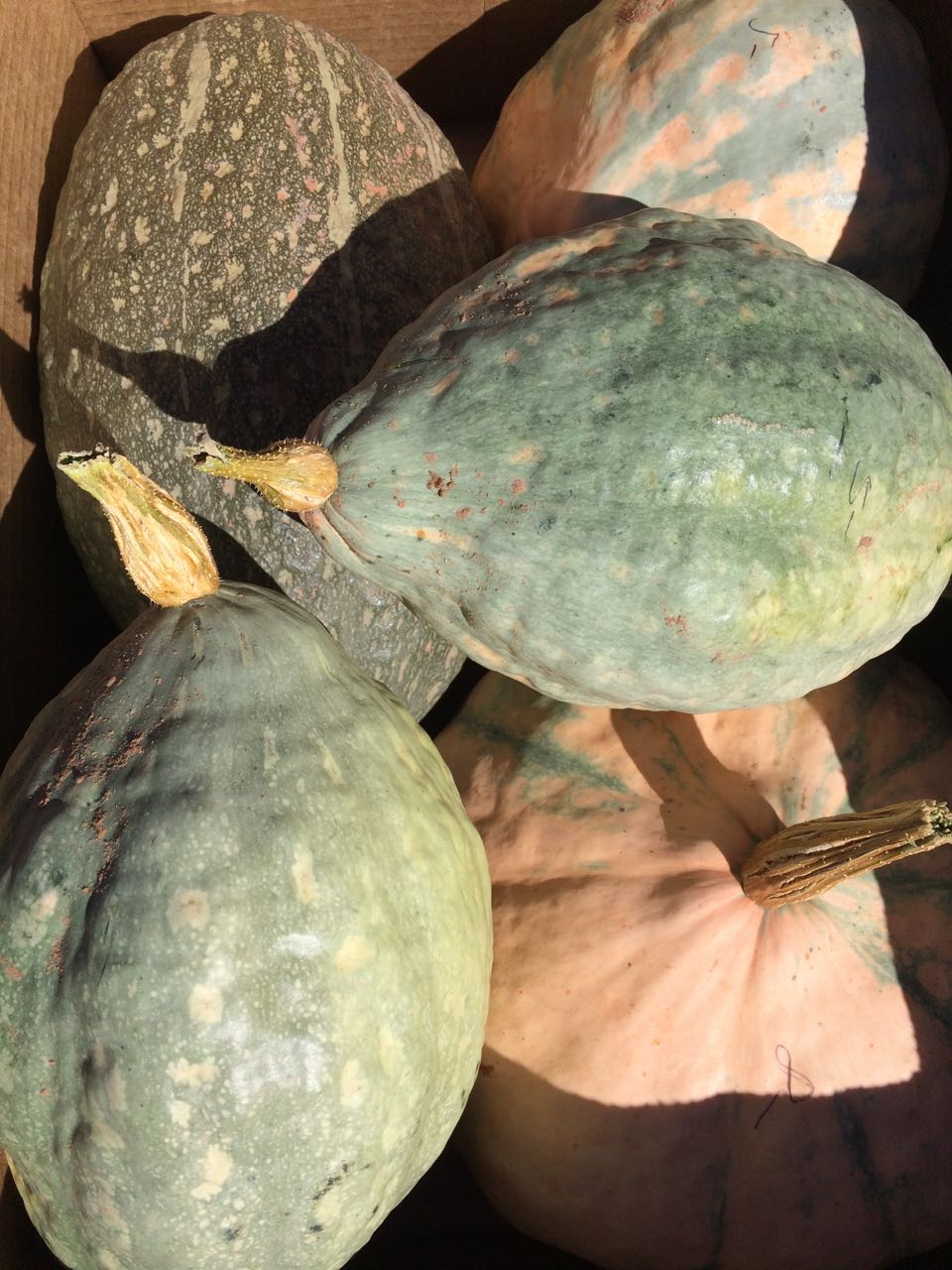
An assortment of Dineh Hubbard-type pumpkins from a Navajo community in northeastern Arizona (MABurgess photo)

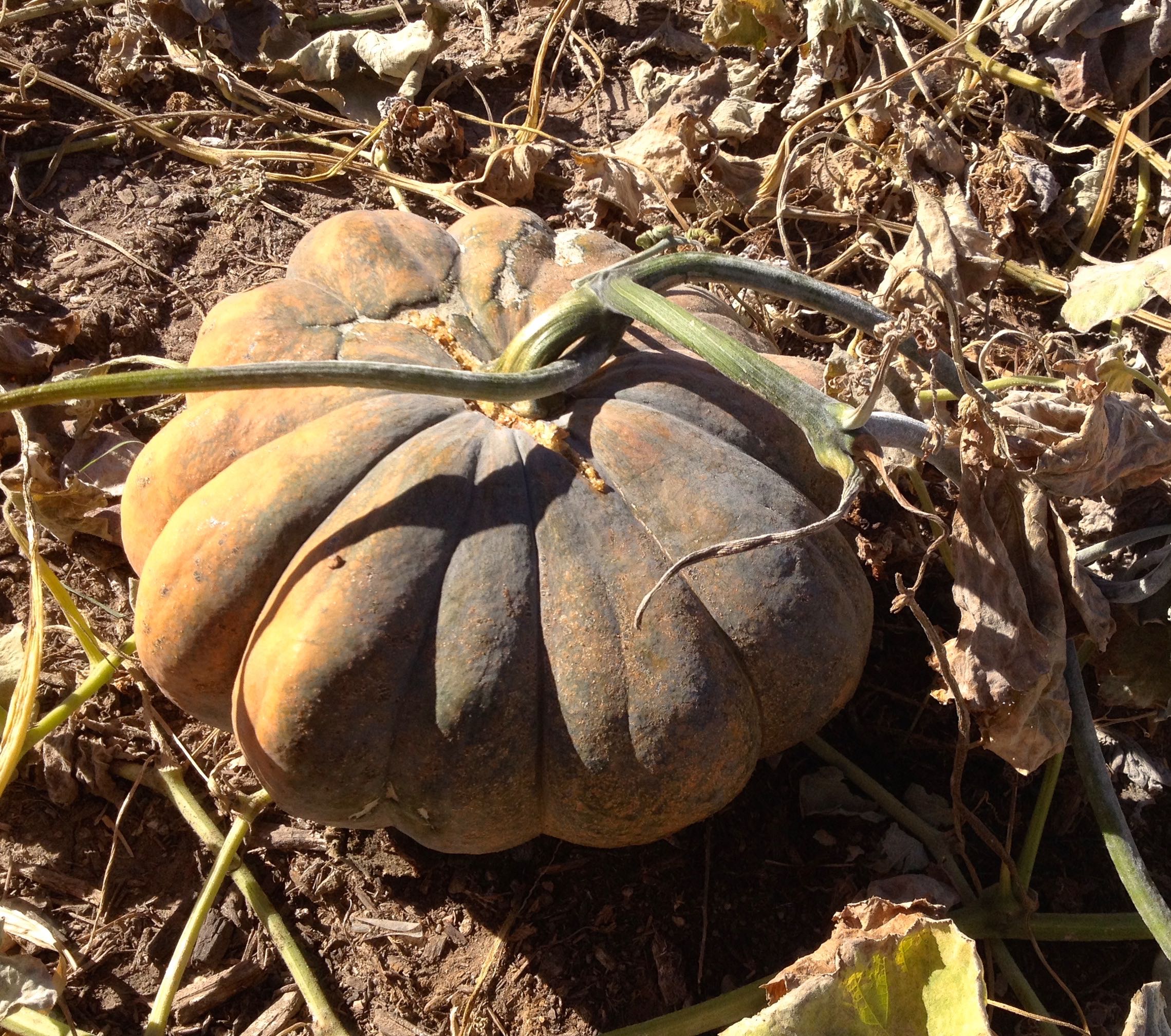
The so-called “Magdalena Big Cheese squash” from Sonora, shaped like an ancestral jackolantern, has a glorious color inside and great flavor, here pictured at Mission Garden grown from NativeSeeds/SEARCH seed. (MABurgess photo)

Pumpkins are easy and fun to grow over the summer if you have a nice sunny space where the vines can sprawl, a little plot of good deep soil for the roots, and consistent water.

[Do you think that the word squash has a bad rap?  You’ll notice that I prefer to use the word pumpkin for many of the squash group within the Cucurbit family that mature with a harder shell and an be saved for longer periods.]  Pumpkins can actually take many forms–not just the carve-able Halloween type.  I think of squash as the early, thin-skinned stage of several different pumpkin relatives in the Cucurbitaceae family.  There are four different species of pumpkins that Southwestern Native People have created into a diversity of successfully adapted crops over the centuries.  You can plant seed of all 4 species in one garden as they will not easily cross-pollinate.   Dig into the NativeSeeds/SEARCH website http://www.nativeseeds.org to explore the wide realm of Southwest indigenous squashes.

Three different pumpkin lineages–the light green “Mayo Blusher”(Cucurbita maxima), the striped “TO ha:l” (C. argyrosperma), and golden-orange “Magdalena Big Cheese” (C.moschata). Surprisingly, they can all be grown together and remain pure because the different species will not easily cross.

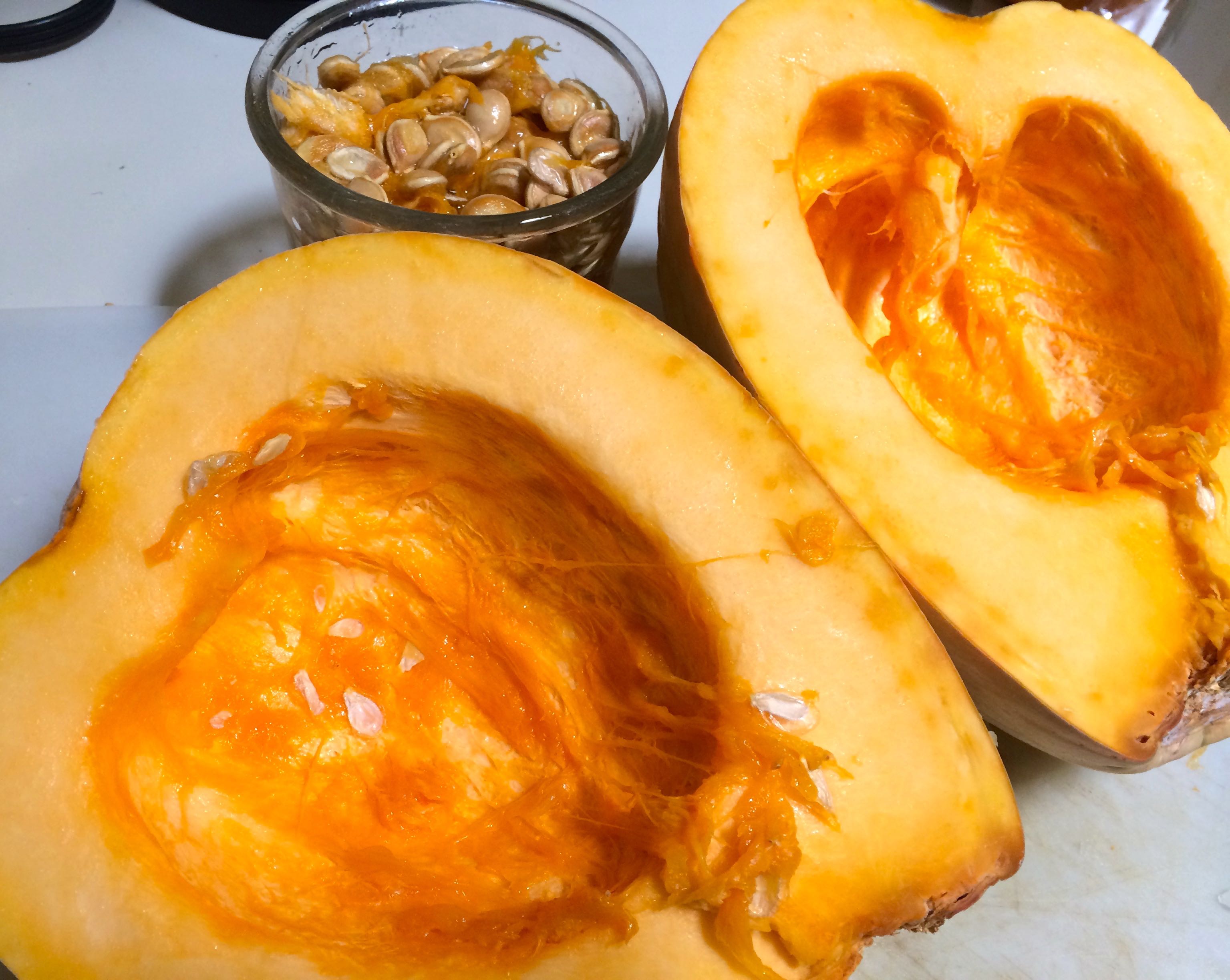
Now for the fun of “internalizing” these colorful and nutritious foods–  Look what happens when you open one up!

Rich orange betacarotenes of Mayo Blusher pumpkin can brighten many a meal– and a nutrition panel!  After de-seeding you can roast a half pumpkin turned open-side-down in the oven or solar oven.  Served with melted butter, there isn’t anything finer nor simpler to prepare!  (MABurgess photo)

My Tohono O’odham teacher and mentor Juanita Ahil told how, when she was young, her family would take a whole TO ha:l on long trips in their wagon.  When they rested the horses they’d make a fire, roast the ha:l whole on the coals, and when done cut and serve chunks in the shell communally with the family.  That was dinner–easy, packable, nutritious, sumptuous, no mess to clean up, just toss the shell.

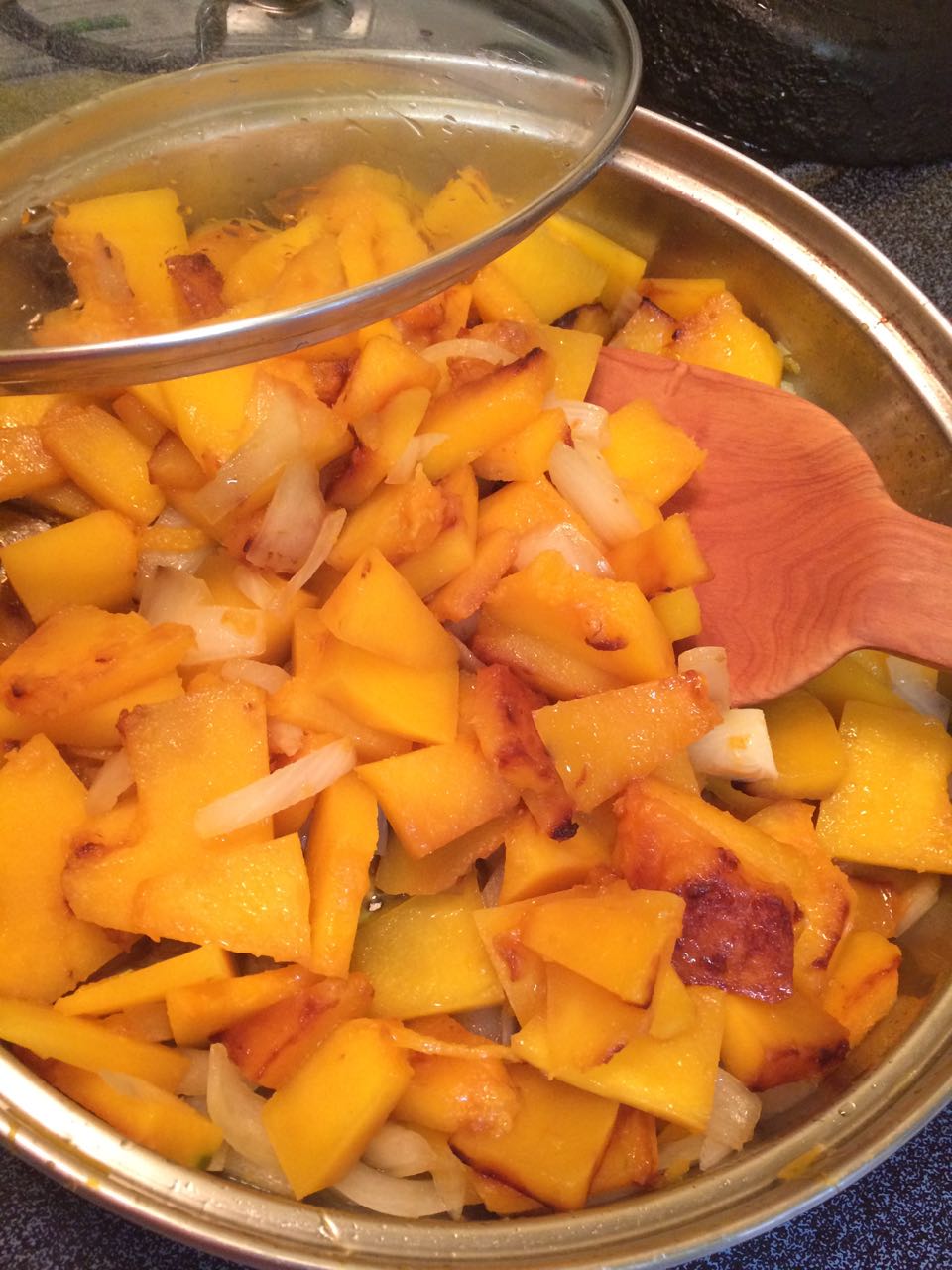
Winter Pumpkin stir-fry–Skin and dice fresh Mayo Blusher (or any hefty heirloom winter squash) into chunks to stir-fry with onion or garlic. Enjoy as is, or add herbs and other veggies as desired. Don’t be hesitant to even try adding curry to this stir-fry for a healthy pizzaz.  Yum!  (MABurgess photo)

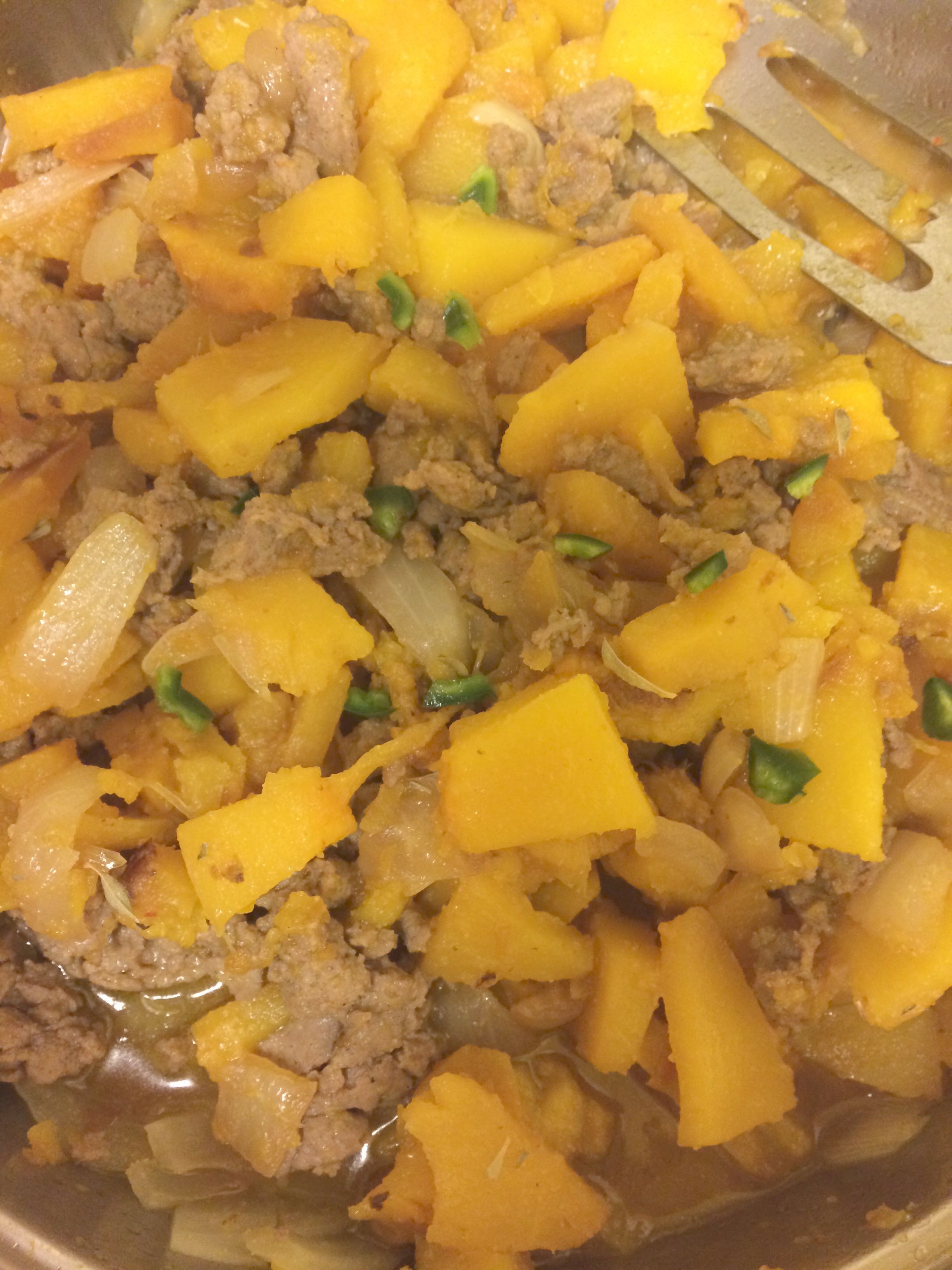
A delectable one-dish meal with stir-fry pumpkin:  Mayo Blusher turkey-skillet–the perfect way to use turkey left-overs!  You can use TO Ha:l, Magdalena Big Cheese, Dineh pumpkin, or any other winter squash (or other meats). to achieve flavor-filled variations on this wonderful dish. (MABurgess photo)

Carrying the stir-fry of heirloom pumpkin to the next level, try it in a stir-fry one-dish meal with meat.  Here I have sautéed ground turkey before adding it to the Mayo Blusher and onion stir-fry.  Add fresh diced green peppers or diced I’itoi’s onions for color and flavor–or if you have a picante palate, dice a jalapeño into the entire dish, gradually testing it to your own level of “heat.”  This is an innovative use of left-over turkey a few days after Thanksgiving.

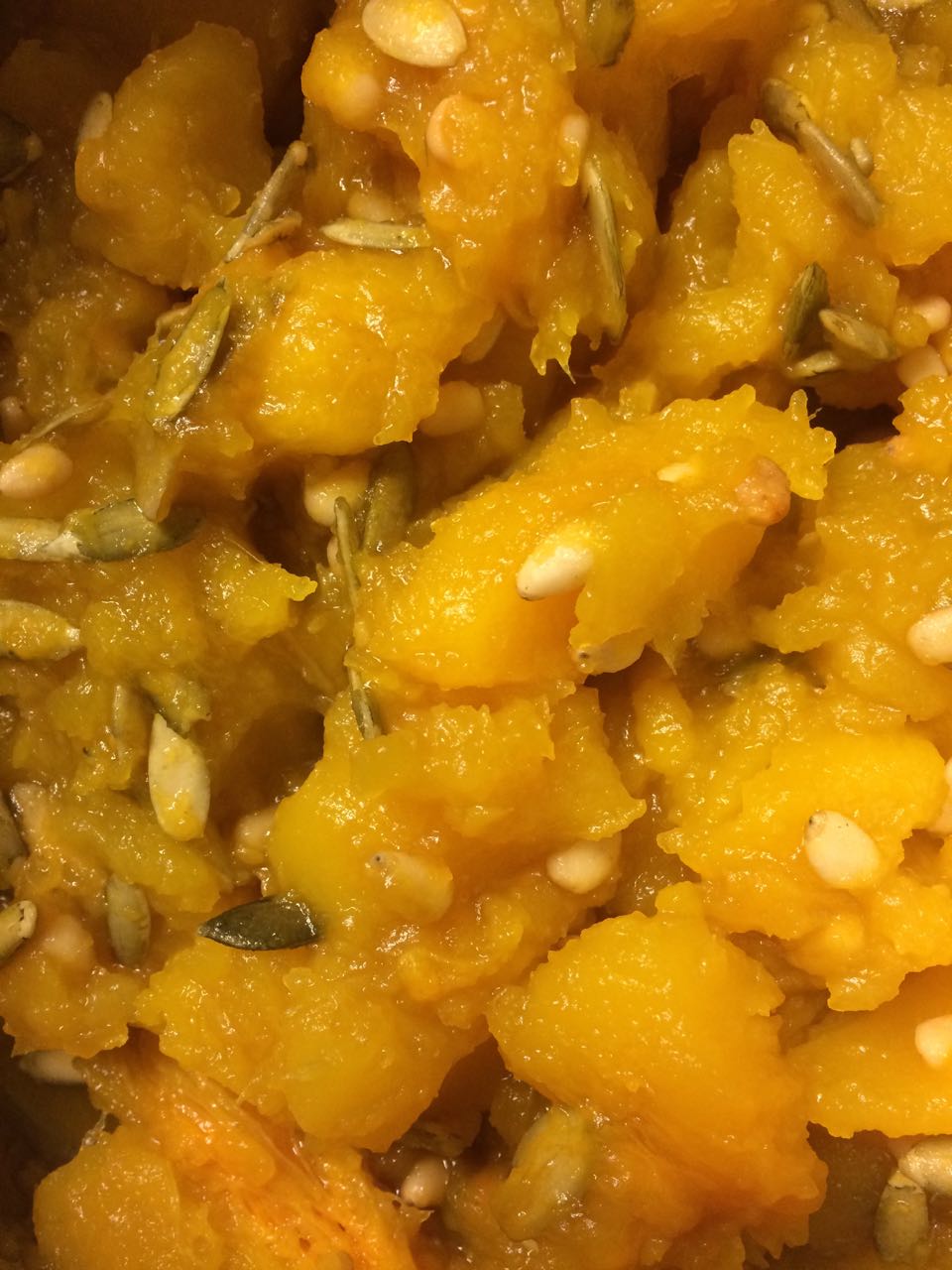
With roasted or steamed Mayo Blusher (or other pumpkin heirloom) you can make a slightly sweet dish pleasing to a younger palate.  Add agave nectar to taste, pine nuts and/or pumpkin seeds to add crunchy texture.  (MABurgess photo)

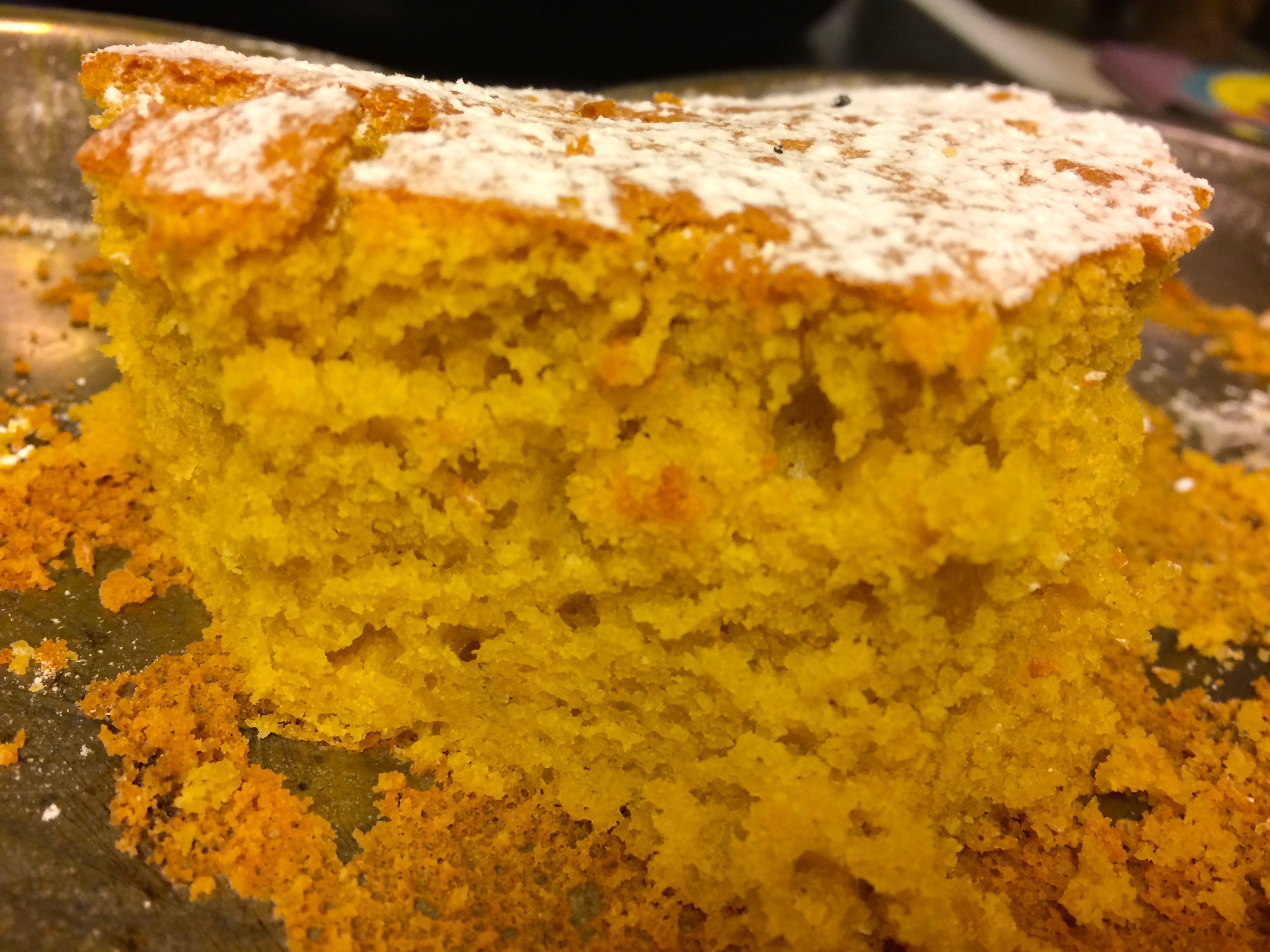
After steaming or roasting your pumpkin (here I”ve used Mayo Blusher again as we had a bumper crop), add 1 cup of mashed pumpkin as a substitute for the wet ingredients in any coffeecake recipe. It will add flavor, color, and nutrition.  (MABurgess photo)

Many hard-shelled winter squashes/pumpkins have the helpful attribute of storability without refrigeration.  I kept a whole Tohono O’odham Ha:l in the shade of my back porch all winter long until March when I cooked it up.  Its weight was getting lighter but it had lost no flavor!  Steamed or roasted pumpkin leftovers can be stored frozen ready for quick defrosting, a more effective use of space than storing whole pumpkins.

Shiny Mayo Blusher (Cucurbita maxima)  seeds washed, dried, ready to save for planting–or to roast as a healthy snack

Tohono O’odham Ha:l seed saved from a pumpkin, cleaned & saved for summer planting or winter snacking

Honoring those ancient Southwestern farmers through the ages (and those who still grow traditional squashes and pumpkins), let’s rejoice in their agricultural creativity and plant a seed next summer.  Meanwhile, with heirlooms from farmers’ markets, we can reap the benefits of their beautiful culinary contributions.  Enjoy a pumpkin served in new and delightful ways this holiday season!