Farmers’ Market Sources for Warming Body and Soul, Baking and Gifting

Autumn harvest from the NativeSeeds/ SEARCH Conservation Farm in Patagonia, AZ-heirloom Navajo banana squash

Autumn harvest from the NativeSeeds/ SEARCH Conservation Farm in Patagonia, AZ–heirloom Navajo banana squash (MABurgess photo)

What makes Tucson an International City of Gastronomy?  It is not only that we are blessed with amazingly creative chefs–like the ones showcased at the Mission Garden Picnic feast.  It’s also the availability of rare and wonderful heirloom foods that are adapted to our particular Baja Arizona climate, soil, and cultures!  Few other places have the flavorful and nutritious diversity of crops that have been part of our Baja Arizona agricultural landscape for about 4000 years. 

Tia Marta here to share ideas for finding the raw materials for some great slow-food feasting this Winter Solstice season.
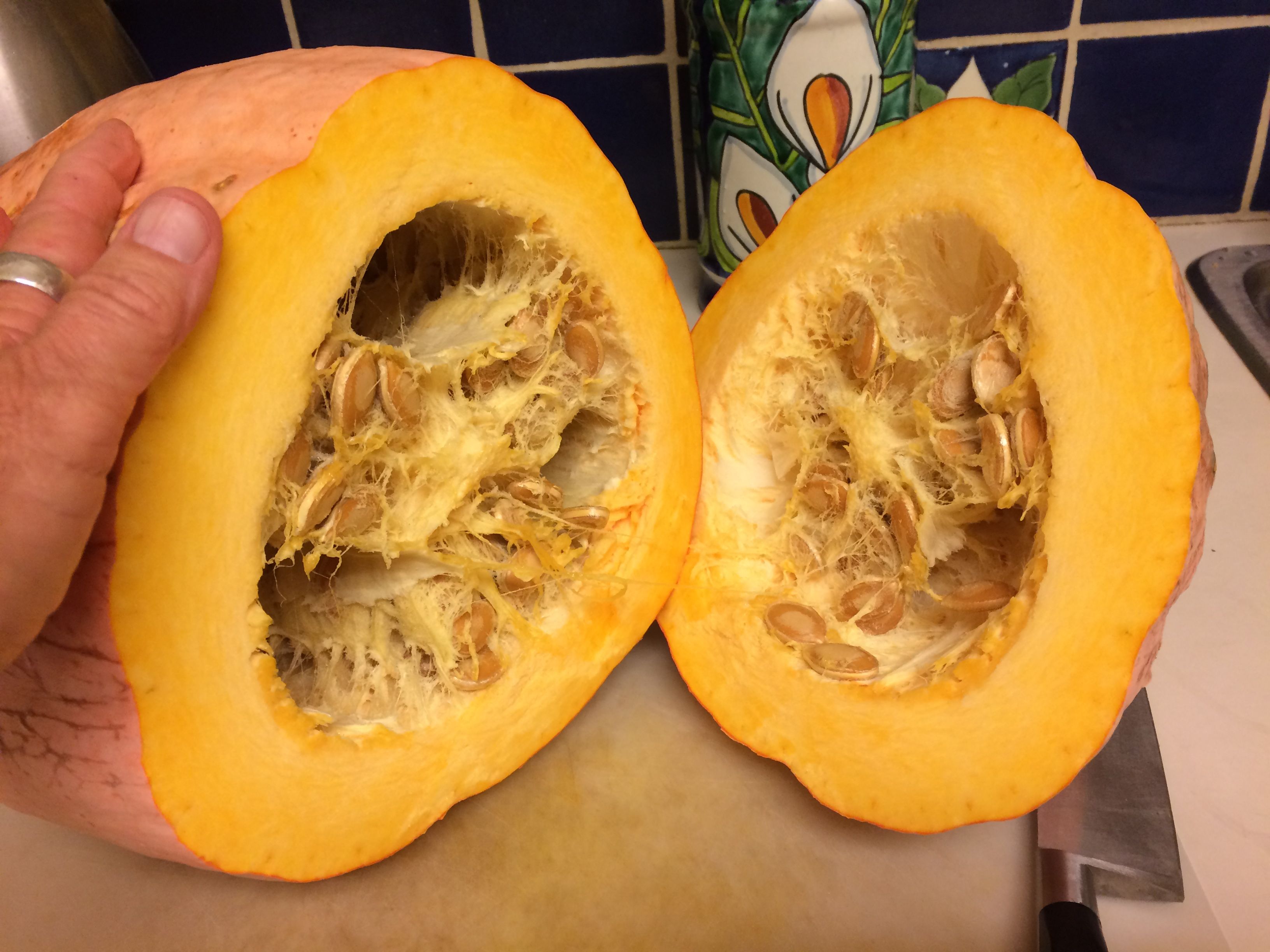
OPEN NSS NAVAJO BANANA SQUASH FOR AN EXPLOSION OF BETA-CAROTENES!

OPEN NSS NAVAJO BANANA SQUASH FOR AN EXPLOSION OF BETA-CAROTENES!

Ignored, more than maligned, by present-day dominant cultures, the squash is a gift to menu-inventors.  It can be prepared as a savory dish with good old salt/pepper/butter, or fancied up with moles.  Or it can be made into fabulous desserts.  Use it in place of sweet potato for a genteel variation.  My favorite is to make it into a festive “Kentucky Pudding”.

Muff’s “Kentucky Pudding” Dessert Recipe

4 cups steamed or baked heirloom Navajo banana squash (or other heirloom) mashed or pureed

2-4 Tbsp mesquite honey or agave nectar (to taste)

2-3 Tbsp chopped crystallized ginger root (I found it at Trader Joe’s)

1/2 cup chopped walnuts or pecans or pine nuts

1/4 cup good bourbon whiskey

Steam or bake squash ahead.  (You can freeze it for using later in a variety of recipes–it’s so convenient!0  In a saucepan, heat mashed squash on medium.  Add honey, ginger, nutmeats.  When hot and steamy, stir in the bourbon quickly and serve with a flair.  You could even try flambé. Serves 4-6.
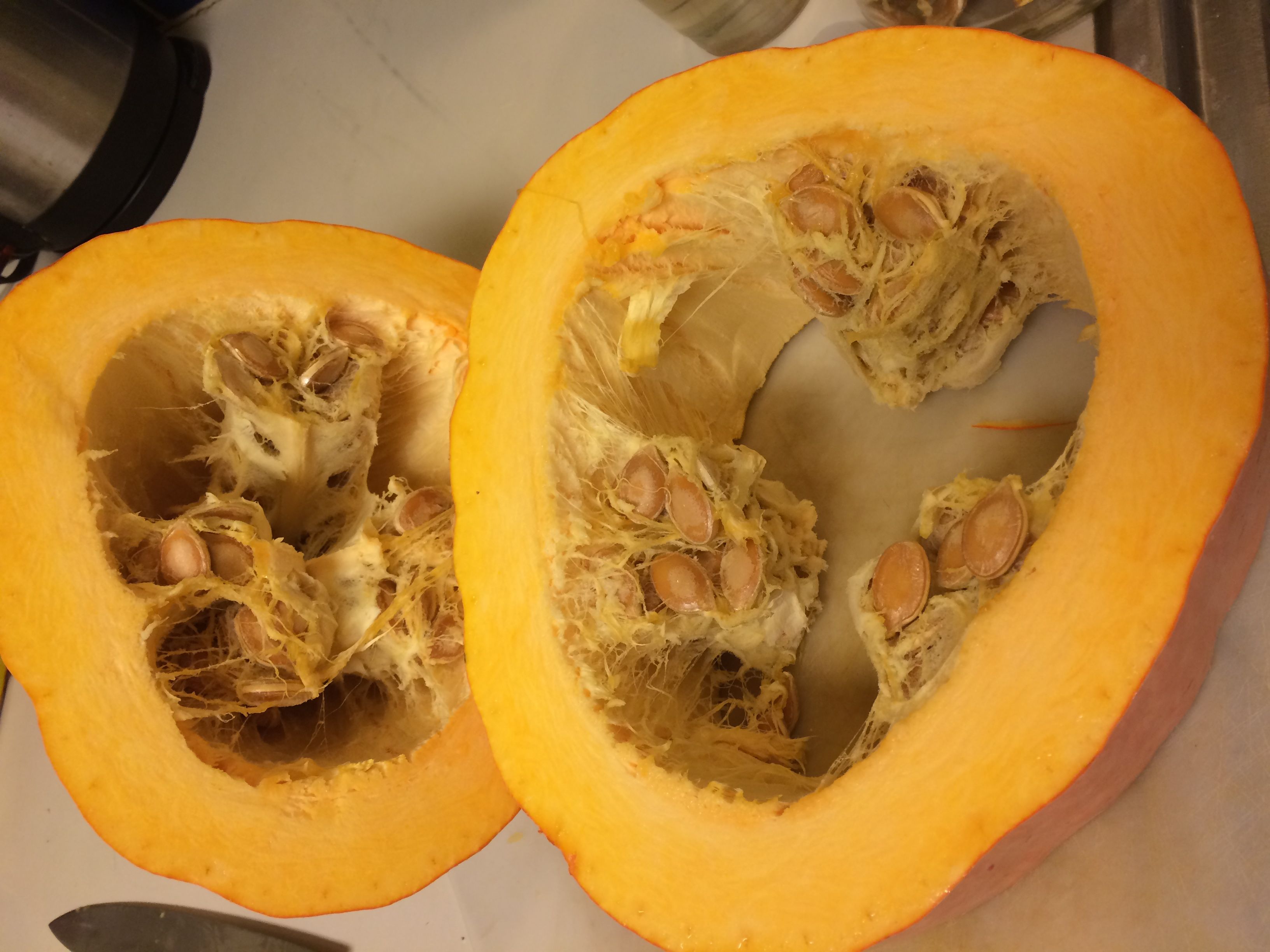
Navajo banana squash showing its interesting pattern of seeds inside

Navajo banana squash showing its interesting pattern of seeds inside

These luscious heirloom squashes, grown at NativeSeeds/SEARCH’s Seed Conservation Farm in Patagonia, are available now at our Flor de Mayo booth at Sunday’s St Philips Farmers’ Market.  Come see the size of them–one of them could feed the whole extended family or a small tribe!  We will be selling them by the smaller family-sized chunk as well.  Start salivating…  If you are seeking Vitamin A in glorious beta-carotenes, this is the food to find.

And don’t forget those giant seeds inside!  They can be roasted easily with a little olive oil and sea salt and voila you have a healthy snack full of zinc to ward off colds in this chilly season.  You can save a handful of those seeds to plant next summer in your garden and keep the gift growing.
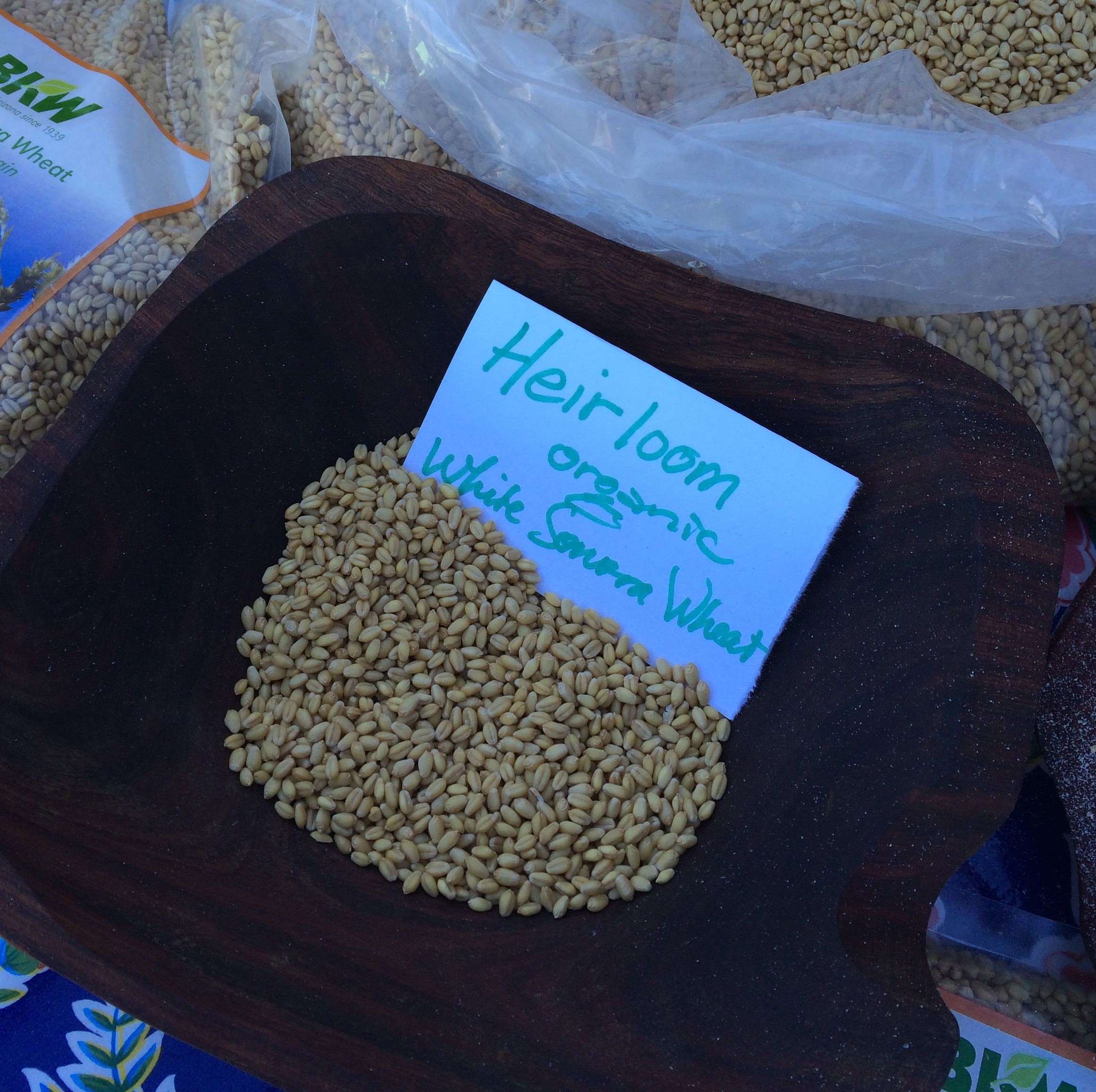
Heirloom organic locally grown White Sonora Wheat-berries

Heirloom organic locally grown White Sonora Wheat-berries

And here are some ideas about baking with local heirloom grains….  Get out your VitaMix or your hand-mill and get ready for a real treat–home-baked goodies made with fresh-milled flour from whole heirloom grains.  Find these precious ancient grains at the NativeSeeds/SEARCH Store (3061 N Campbell near Prep and Pastry) and at the Flor de Mayo booth–Sunday St Philips Food-In-Root Market.
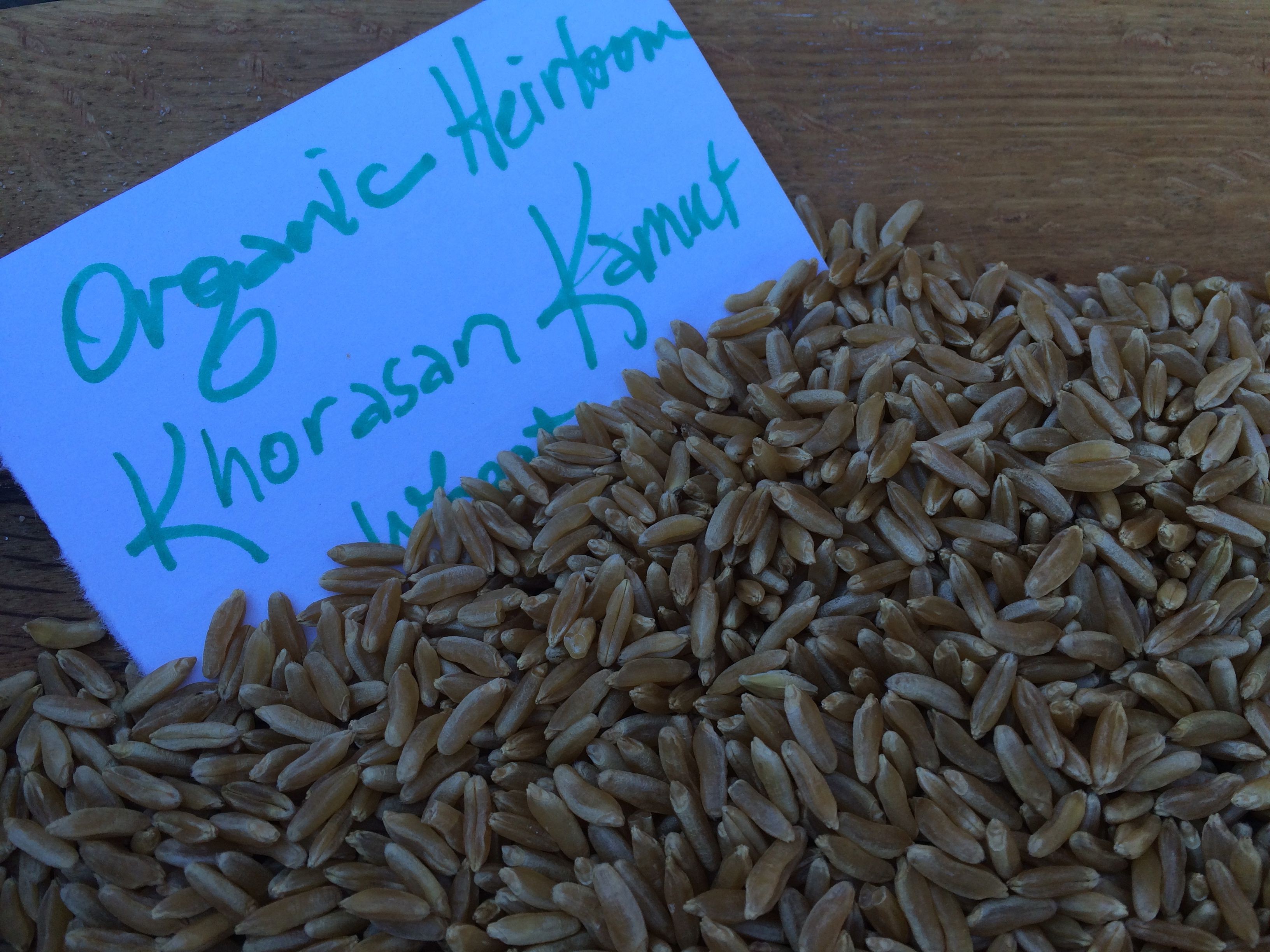
Organic Khorasan Kamut wheat--great for bread baking

Organic Khorasan Kamut wheat–great for bread baking

If you don’t want to take the time, or if you don’t have milling equipment, no problem!  Just come by our Flor de Mayo farmers market booth and see your special grain being fresh-milled before your very eyes.  It is especially neat for kids to see where flour comes from.  Surprisingly, many an adult has difficulty making the connection with grain and flour.  The beauty and significance of keeping the grain whole until milling is that the grain is ALIVE!  When used fresh-milled within a few days of milling, the beneficial enzymes–the “life force” in the whole kernel–are still active in the flour.  And the taste of freshly-milled flour is a whole new flavor-ballgame.
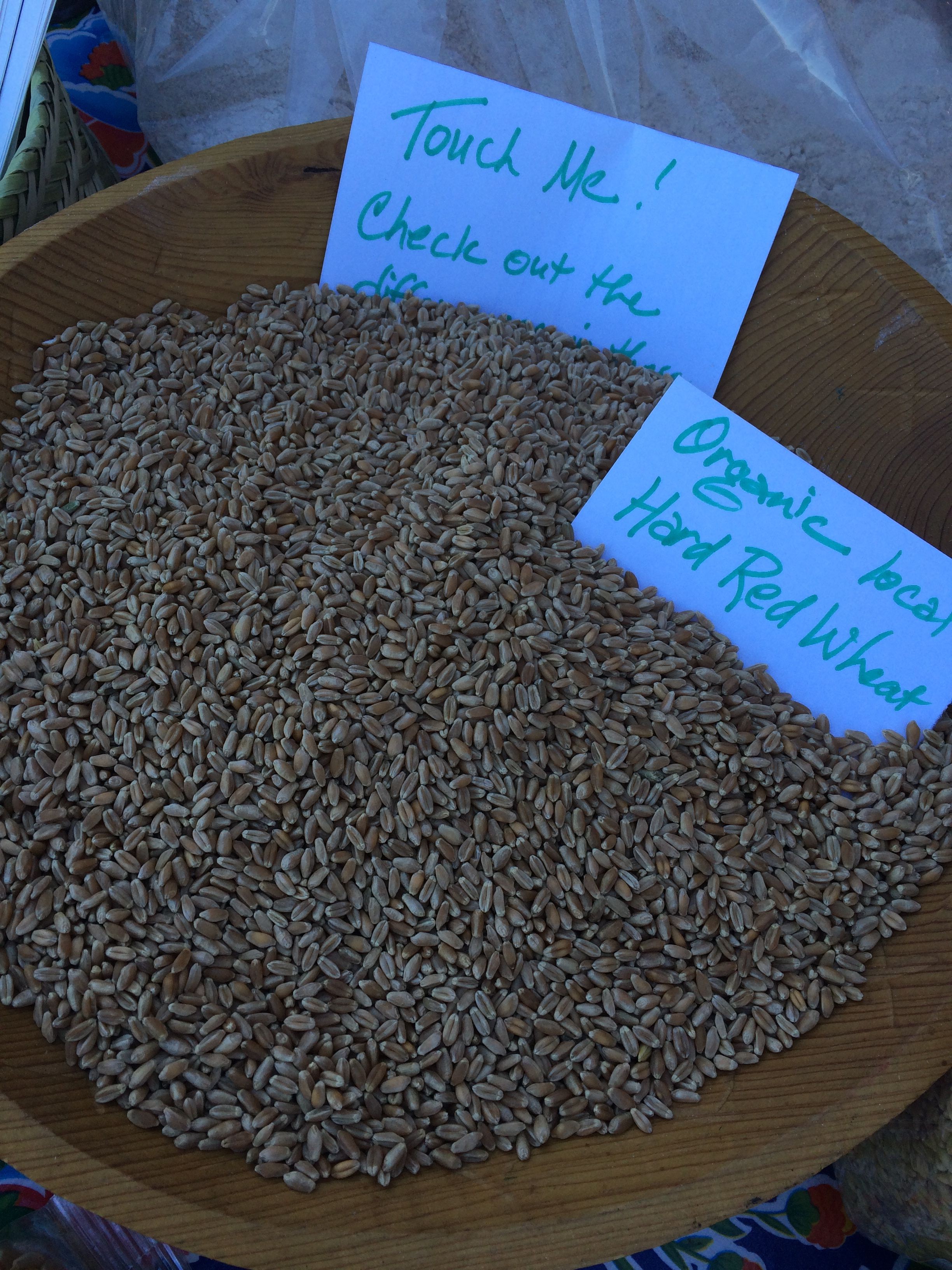
Organic hard red wheat--perfect for Christmas cookies and cakes

Organic hard red wheat–perfect for Christmas cookies and cakes

Come actually touch our good organic grains!   Feel their liveliness.  We have recipe ideas to share, like our Baja Arizona White Sonora Wheat flour and Mesquite pie crust.  In addition we can recommend lots delicious whole wheat-berry recipes for Padre Kino’s white Sonora wheat grown locally by BKWFarms or the Pima club wheat grown by San Xavier Farm Coop and Ramona Farms.

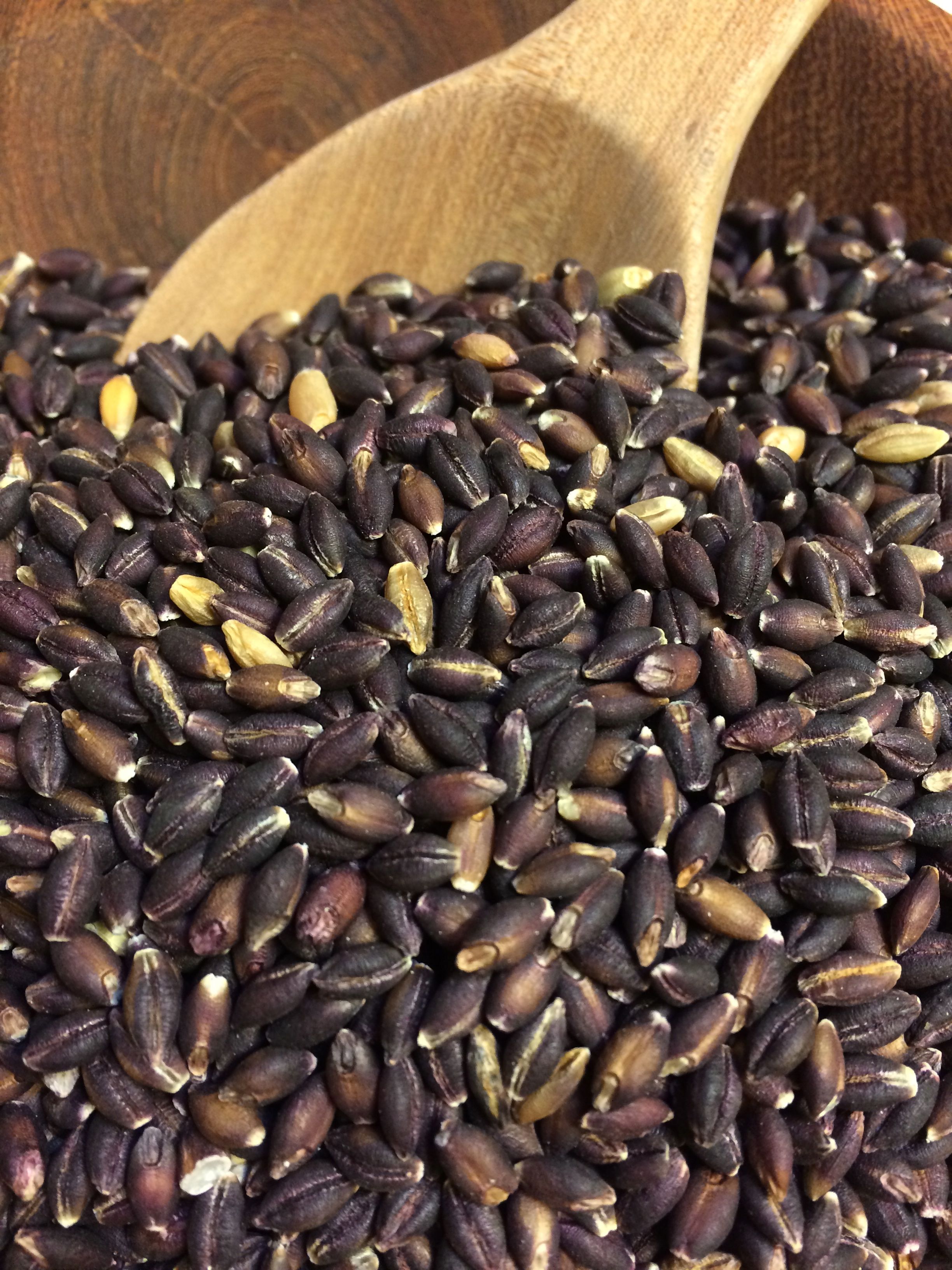
For a completely new experience, try baking with a purple grain!–our heirloom Purple Prairie Barley.  Barley flour has the lowest glycemic index of all the grain flours hence helping to balance blood sugar.  It has a rich flavor that can enhance any bread or biscuit recipe.  The purple color indicates a high anthocyanin content– an important antioxidant.  When you cook the purple barley as a whole grain, you can use it in pilafs and marinated grain salads the way you might use rice or quinoa.  Combined with rice it makes a colorful high-contrast pilaf.  (I’d be happy to elaborate in another post.)
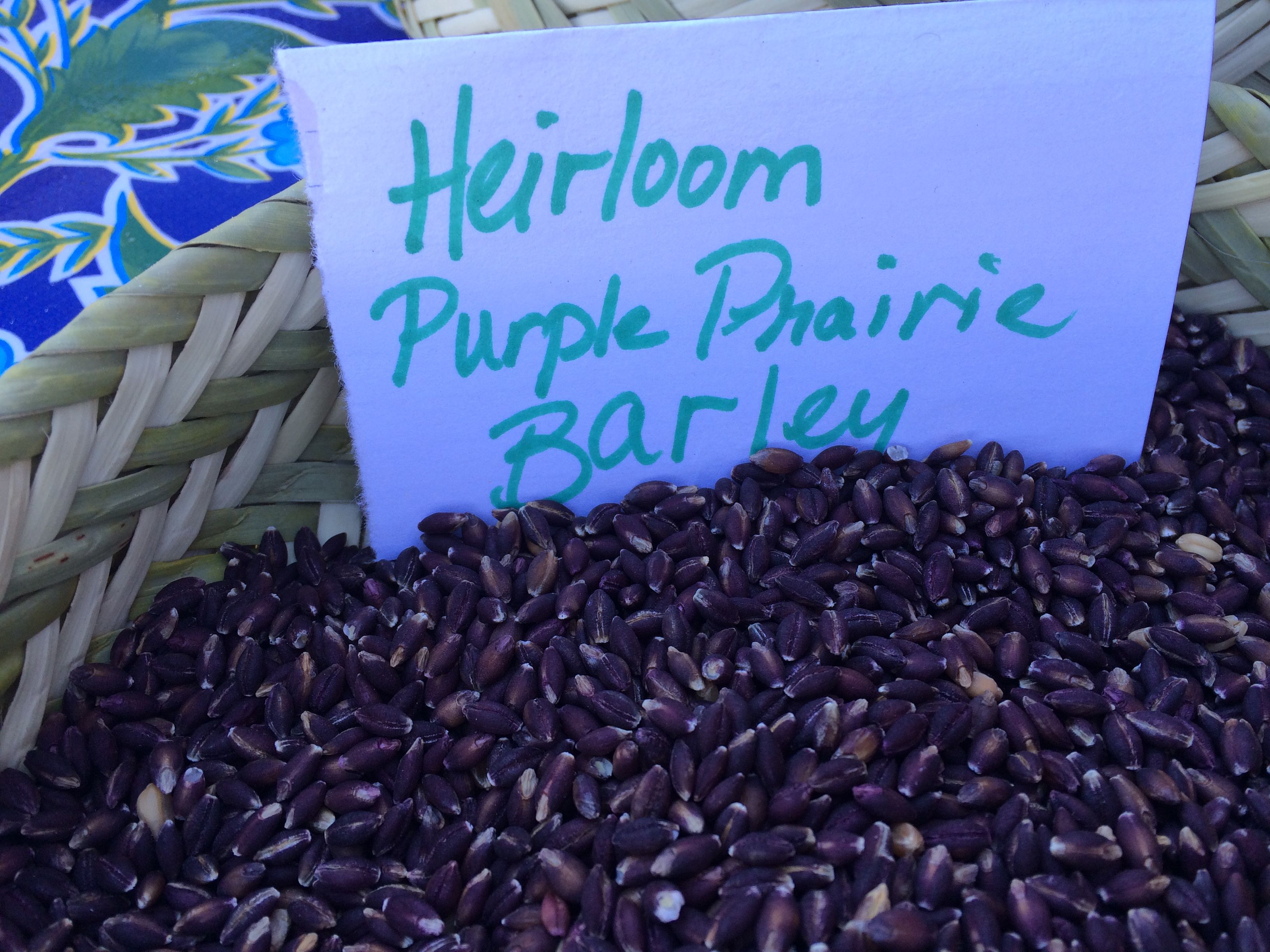
Beautiful purple prairie barley--an heirloom originally from Tibet

Beautiful purple prairie barley–an heirloom originally from Tibet–full of the healthful flavonoid anthocyanin
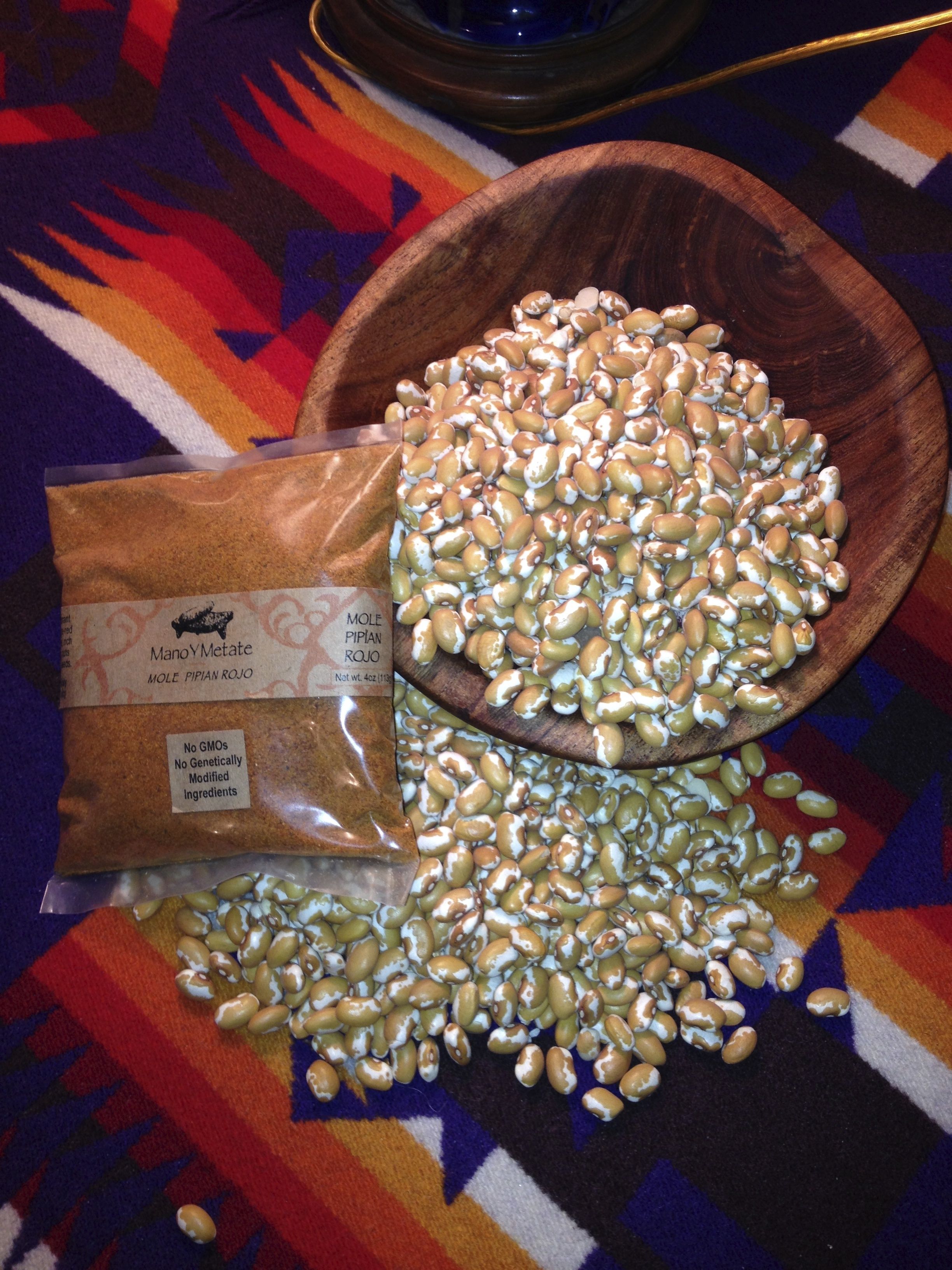
Try using Mano y Metate's Pipian Rojo Mole as a vegetarian spice for these Zuni Gold beans!

Try using Mano y Metate’s Pipian Rojo Mole as a vegetarian spice for these Zuni Gold beans!

Tis the season also to rejoice in the indigenous beans that have supported Native cultures for unknown centuries.
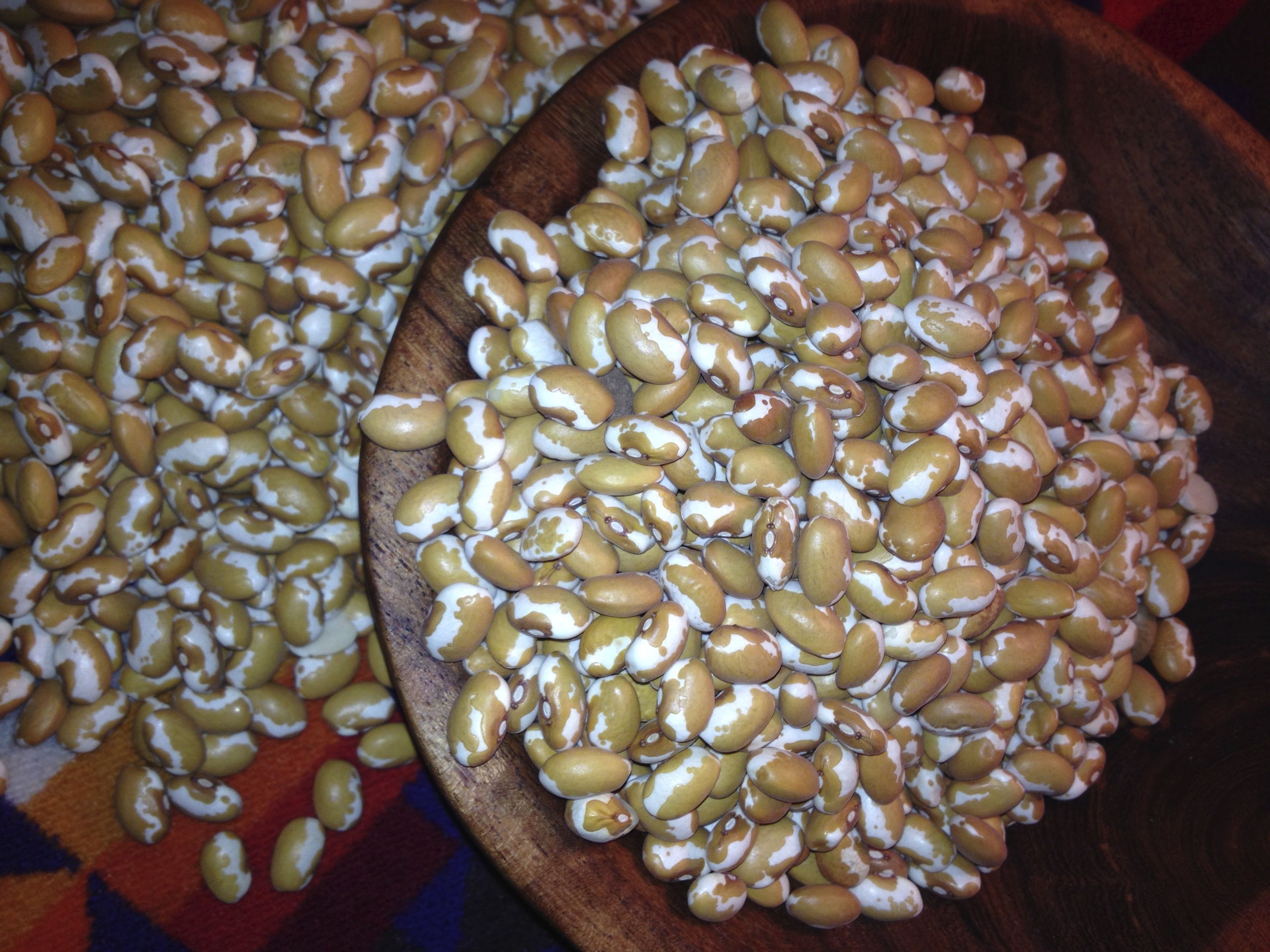
Beautiful Zuni Gold beans--used traditionally in the Winter Solstice celebration

Beautiful Zuni Gold beans–used traditionally in the Winter Solstice celebration

Heirloom beans are full of protein, full of flavor, and so versatile.  I like to cook up a big pot of these golden Solstice beans and then freeze them in serving sizes to prepare later in a variety of fun ways–as chile beans, as dips, in burritos, as hummus, and of course heart-warming bean soup–the list goes on… Come get inspired at our Flor de Mayo table when you see the biodiversity of beans spread before you!
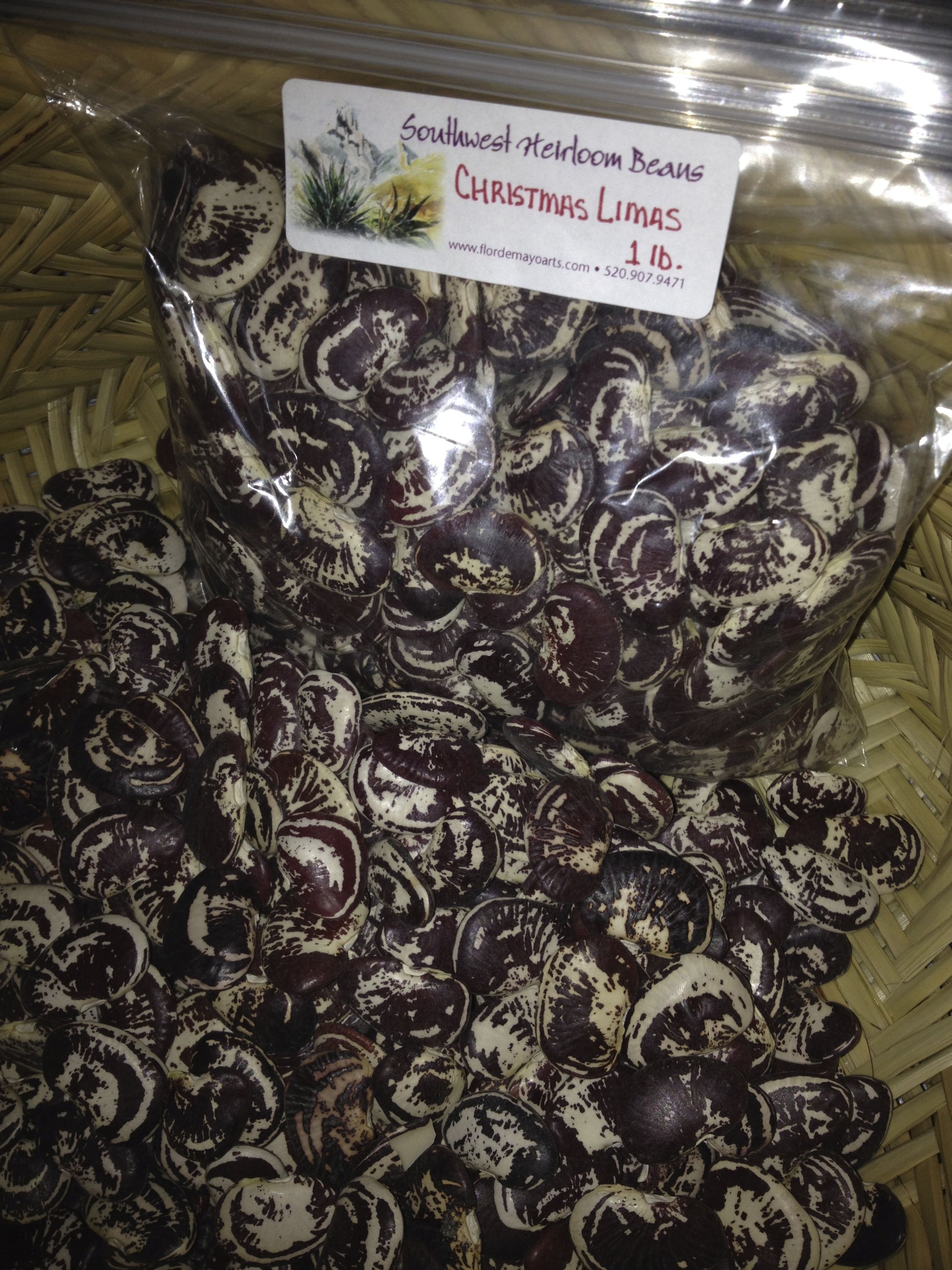
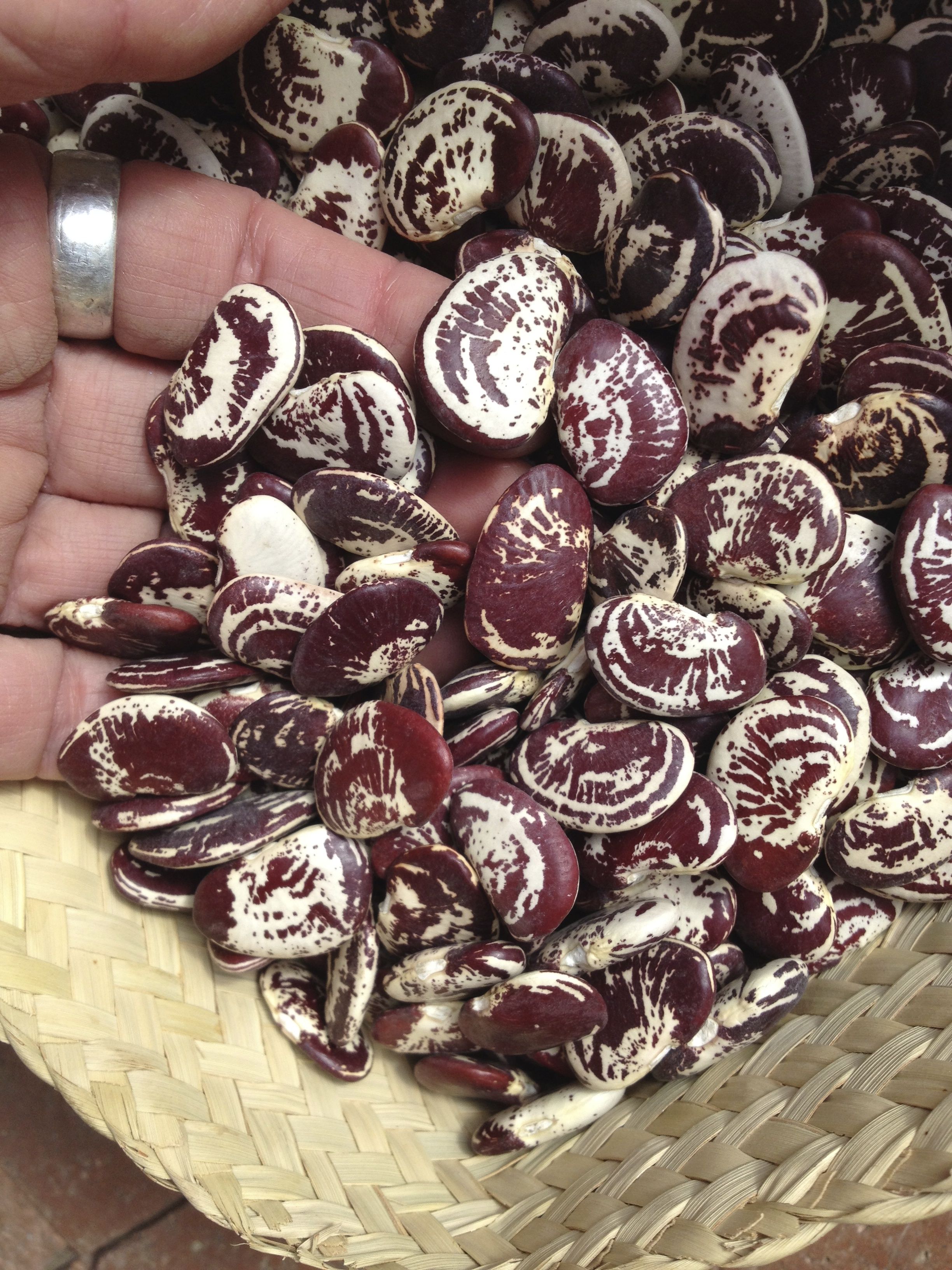
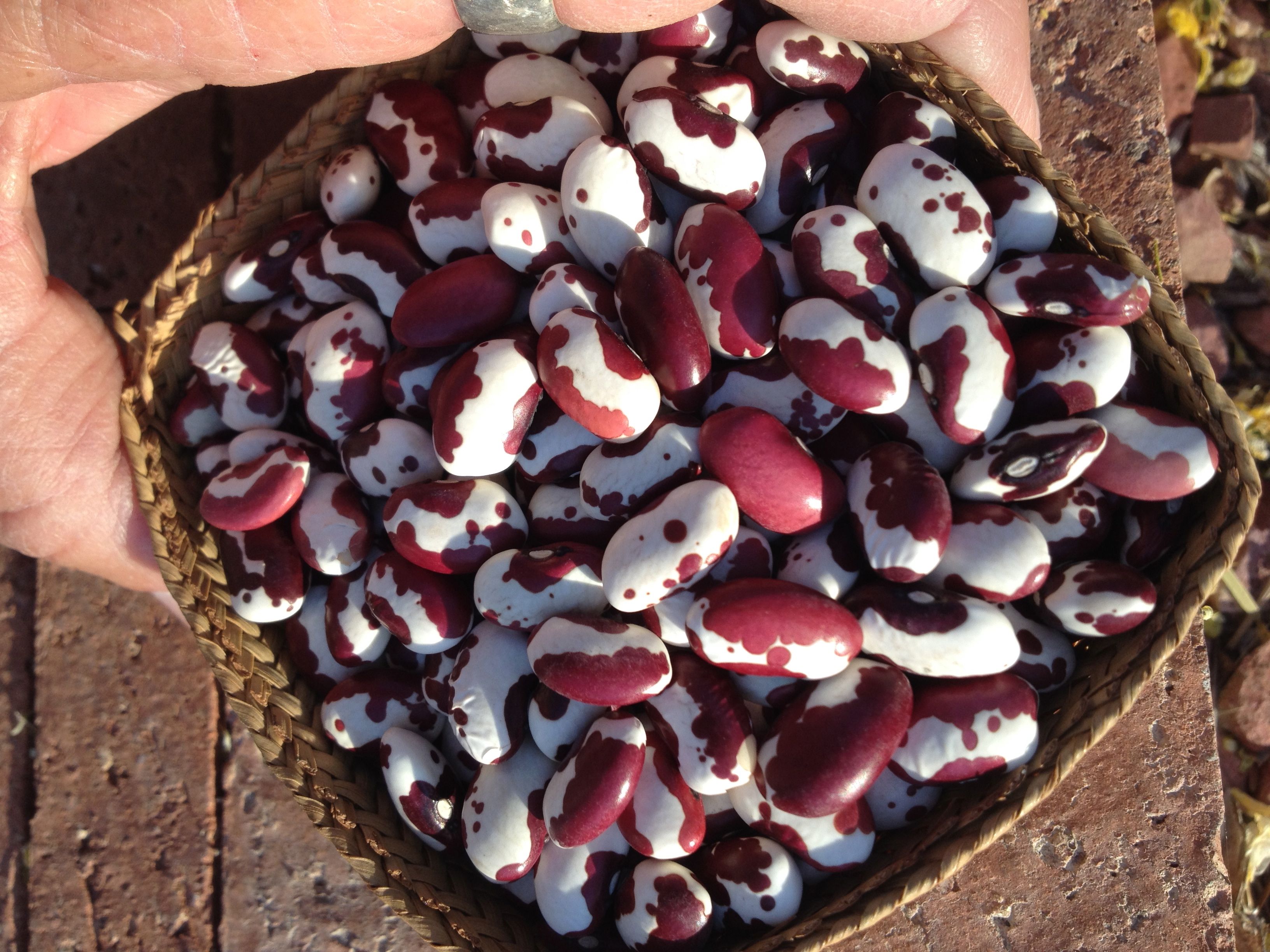
Delectable Christmas Limas can be prepared as vegetarian centerpiece dishes to honor the season!

Delectable Christmas Limas can be prepared as vegetarian centerpiece dishes to honor the season!

The most festive heirloom bean of the holiday season is the colorful Christmas Lima (AKA Chestnut Lima) so called because of the timing when it is harvested.  (Check out past blog posts for some great recipes.)  We have even had jewelry-makers buy this bean to string as fetish-style necklaces.

Calling creative gift-givers!  Join us at the Sunday St Philips Farmers Market for some meaningful, local, healthful and tasty gifts that say “Baja Arizona” in the most delightful way.
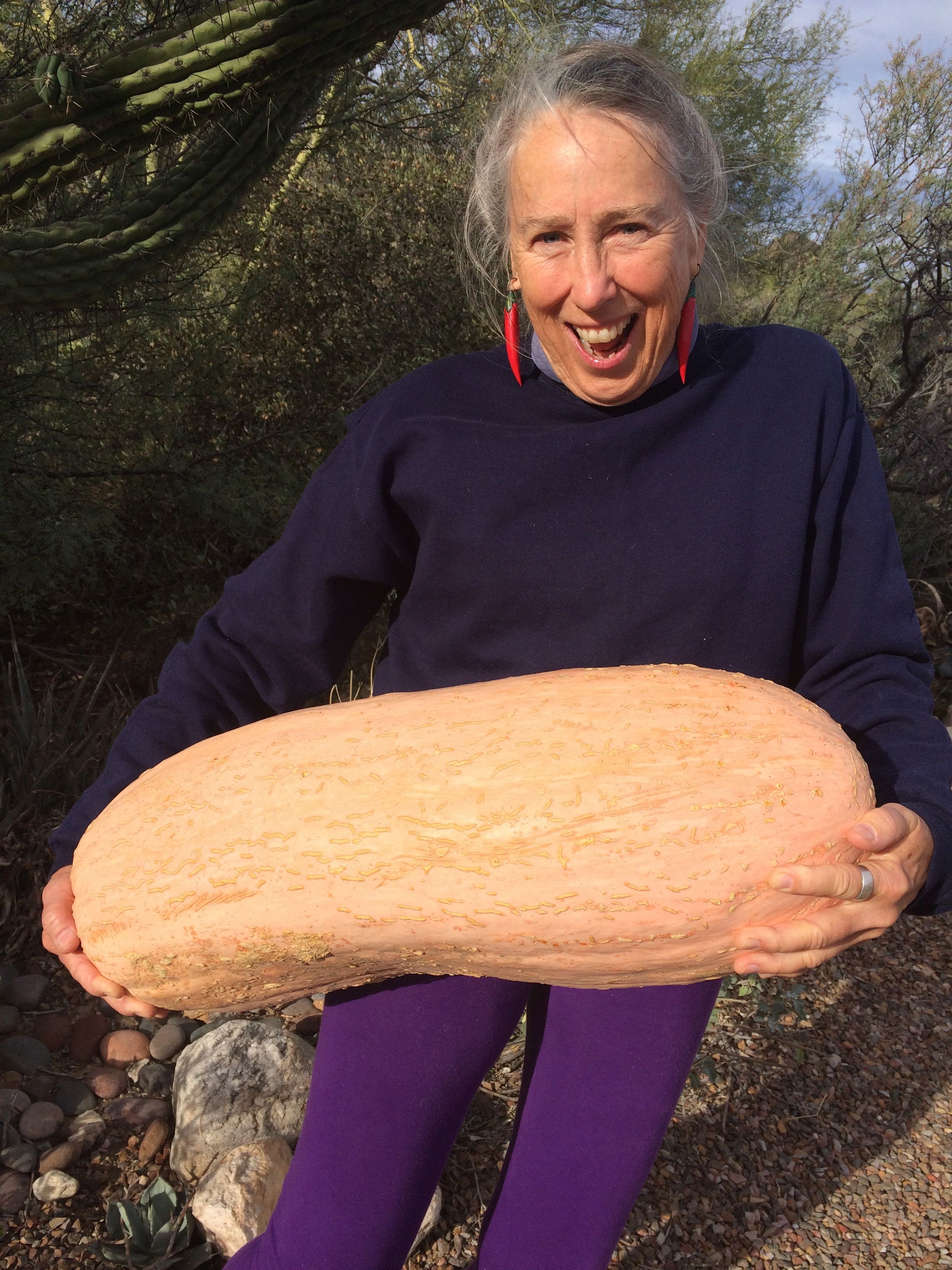
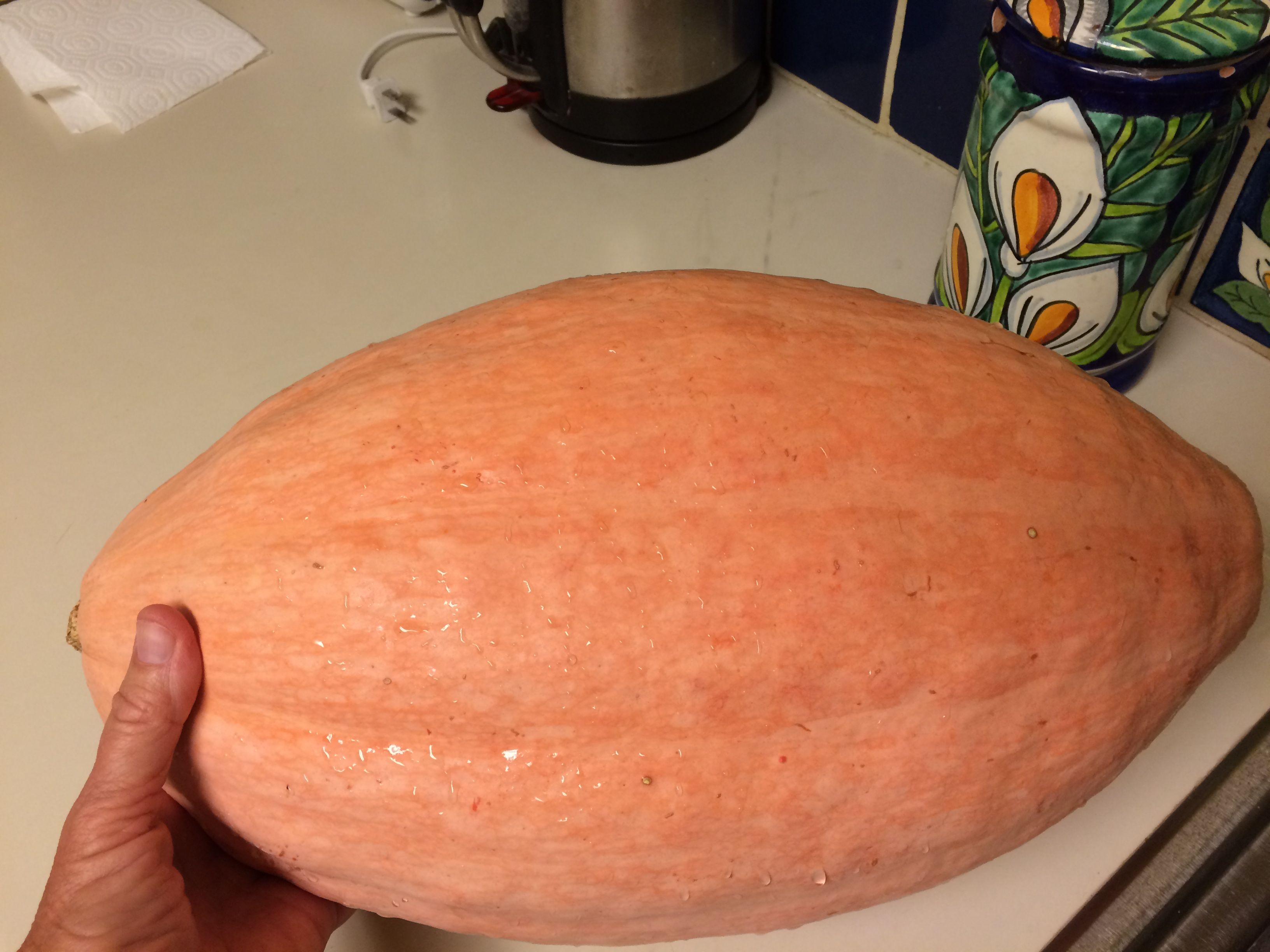
Just for scale, Tia Mart hefts this heirloom Navajo squash. Who needs a workout center if you are a gardener or farmer?

Just for scale, Tia Marta hefts this heirloom Navajo squash. Who needs a workout center if you are a gardener or farmer?

May you have happiness, health, peace in your hearts, and good cheer this holiday season –greetings from Rod and Tia Marta at Flor de Mayo!
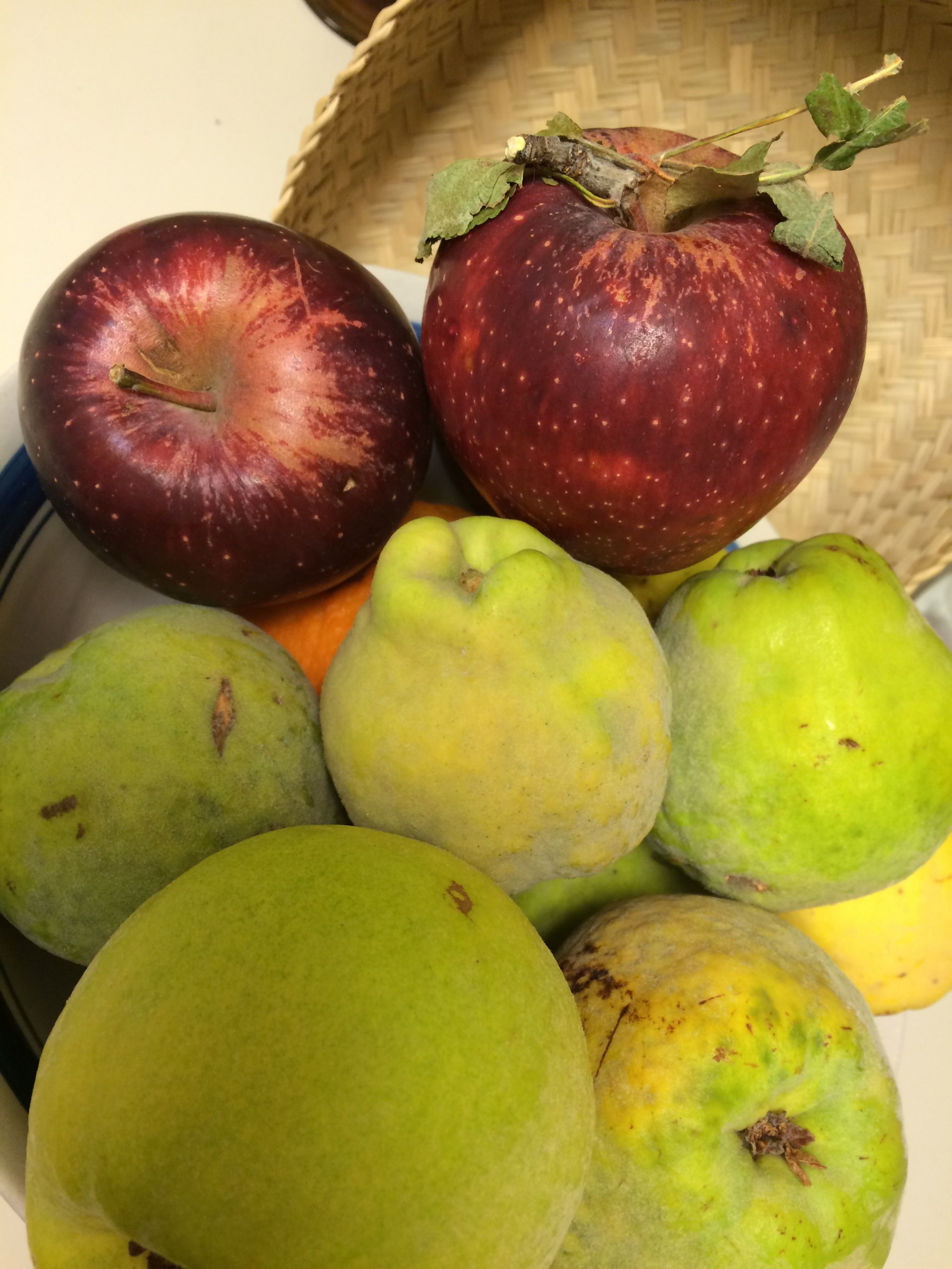
Heirloom Grains & Heirloom Fruits marry in a Holiday Pie

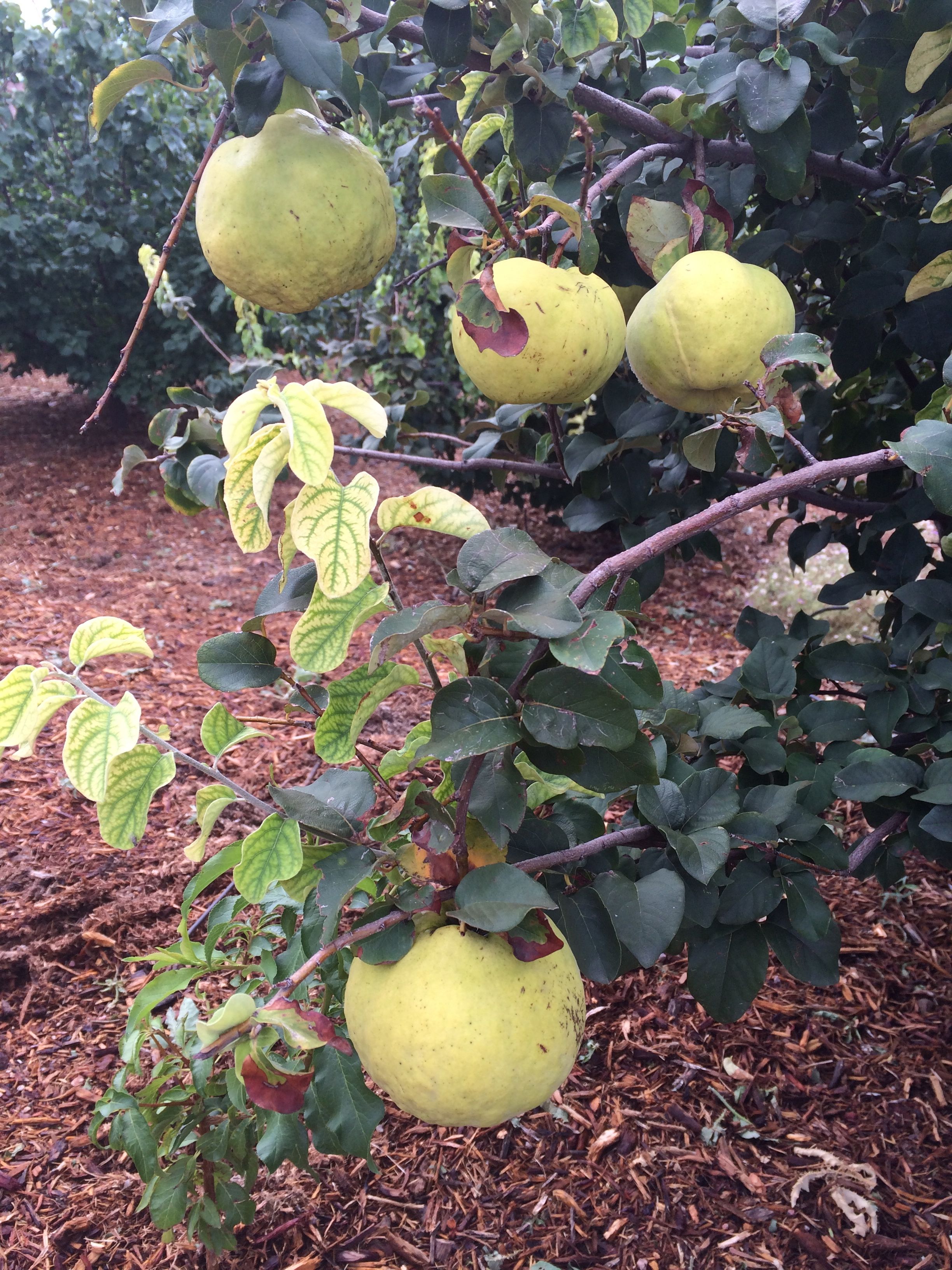
Padre Kino's Membrillo Fruit with Slide Rock Star King Old Fashioned Double Delicious Apples

An Heirloom Fruit Harvest:  Padre Kino’s Membrillo Fruit from my garden with Star King Old Fashioned Double Delicious Apples from Slide Rock State Park heirloom orchard (MABurgess photo)

In both the low Sonoran Desert and in the higher Southwest, fruits are hanging on the trees ready for harvest.  At Mission Garden the quince trees, better known as membrillo, are bearing their last sturdy fruits.  Mission Garden was the site of a wonderful celebration of membrillo in October with talented cook Josefina demonstrating how to make cajeta de membrillo, our sweet autumn dessert delicacy.

Membrillo (Quince) trees heavy with fruit at Mission Garden Tucson, near A-Mountain

Membrillo (Quince) trees heavy with fruit at Mission Garden in Tucson, Arizona, near A-Mountain–Come visit any Saturday morning!

Membrillo is a perfect food-giving tree for low desert as it can can handle heat--great for a kitchen garden

Membrillo is a perfect food-giving tree for low desert as it can can handle heat–great for a kitchen garden

Tia Marta here to share what is happening in my kitchen these days, bringing together some of my most admired heirloom grain and fruit ingredients–both cultivated and wild–knowing that I have guests coming for the holidays who need a little taste of LOCAL!

It is pie time in our household.  And today it is Membrillo-Apple Pie with White Sonora Wheat-Mesquite pie crust!      I mean, how much more local can one get?

This was the year that our five-year-old quince tree, which we purchased from Desert Survivors Nursery Kino Fruit-tree Project, and which we planted a couple of years ago in our backyard, decided to flower and set fruit–just enough this time to make a couple of pies.  We look forward to the amazing productivity in future years that the Mission Garden quince trees are already showing.  Quince or membrillo fruits look like a cross between yellow apples and pears but are far more sturdy than either of those.    Before ripening they are covered with fuzz and, as they lose it and become shinier and more yellow, you know they are ripening.

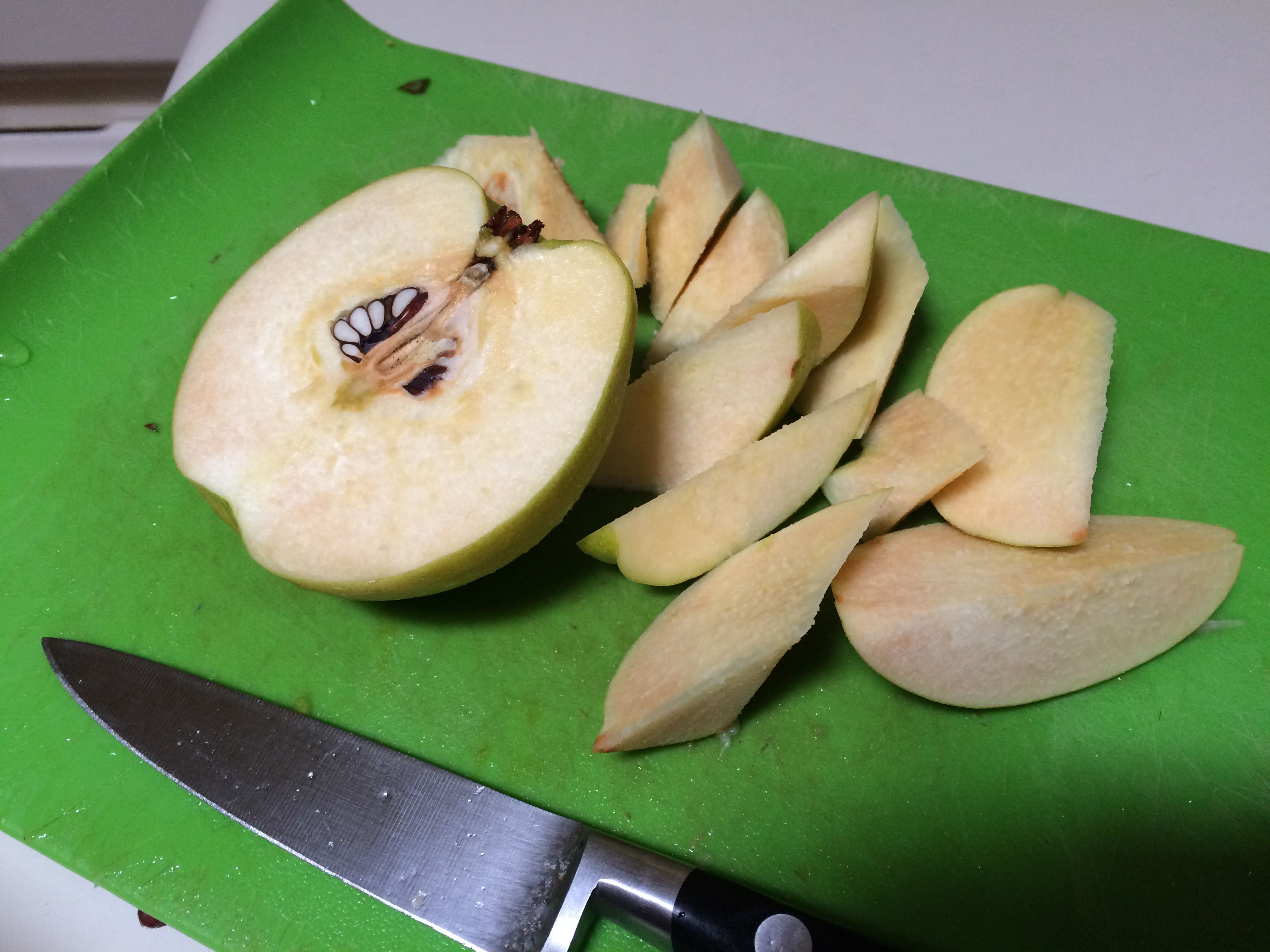
Because they are harder than other fruit, be sure to cut membrillo very carefully. Expect them to come out with not-so -symmetrical slices.

Because they are harder than other fruit, be sure to cut membrillo with extra care. Expect this to result in not-so -symmetrical slices–no problem inside a pie.

Even when this aromatic rose-family fruit is ripe, its somewhat sweet tissue never really softens.  They may feel and taste granular, similar to some pear varieties.  But they are substantial food, full of good potassium, vitamin C, dietary fiber, and iron.  In other regions, quince has been used with apples to make jellies as it aids the gelling process.  Since the time of the missionaries into Pimeria Alta, the traditional way of preparing membrillo here is to cook it down with raw sugarcane sugar to make the cajeta confection.  (A detailed report of cajeta de membrillo will make a neat separate post.)

I chose to mix membrillo with its sweet cousin, heirloom local apples, to create a Southwestern version of the all-American pie.  From the neat old Pendley Homestead at Slide Rock State Park in Oak Creek Canyon near Sedona, I obtained the deep maroon-skinned apples shown above from a 1912 orchard.  From the English Family Orchards at Willcox I added a few little galas.  Don’t ever be ashamed to ask orchardists at farmers’ markets if they have any “rejects” for sale.  Many a tasty apple gets tossed because it has a blemish or knick.  Such apples can become a rewarding gift in pies, apple-brown-betty, or applesauce.

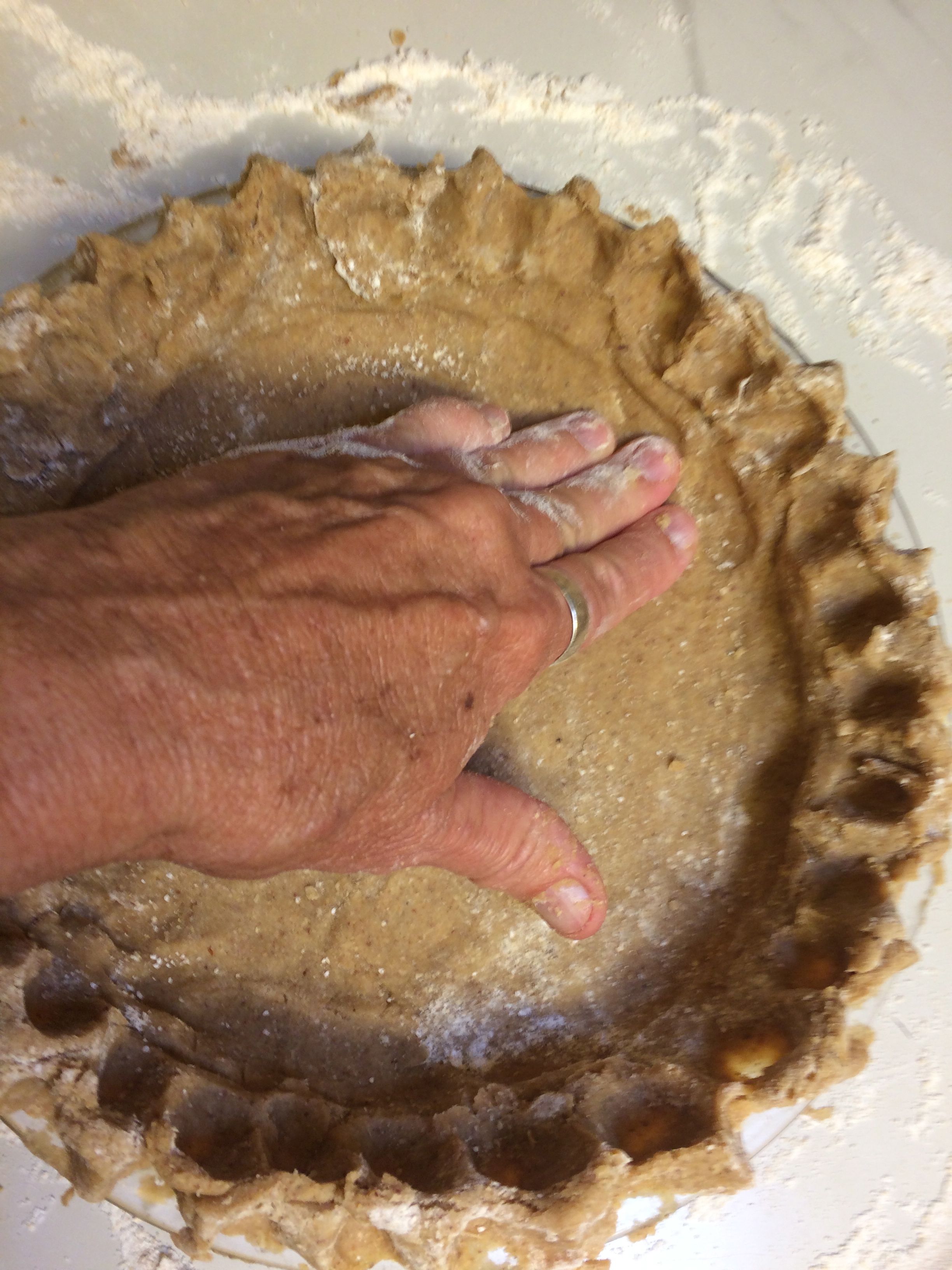
Pressing mesquite/whiteSonora wheat dough into pie pan

Pressing mesquite/whiteSonora wheat dough into pie pan

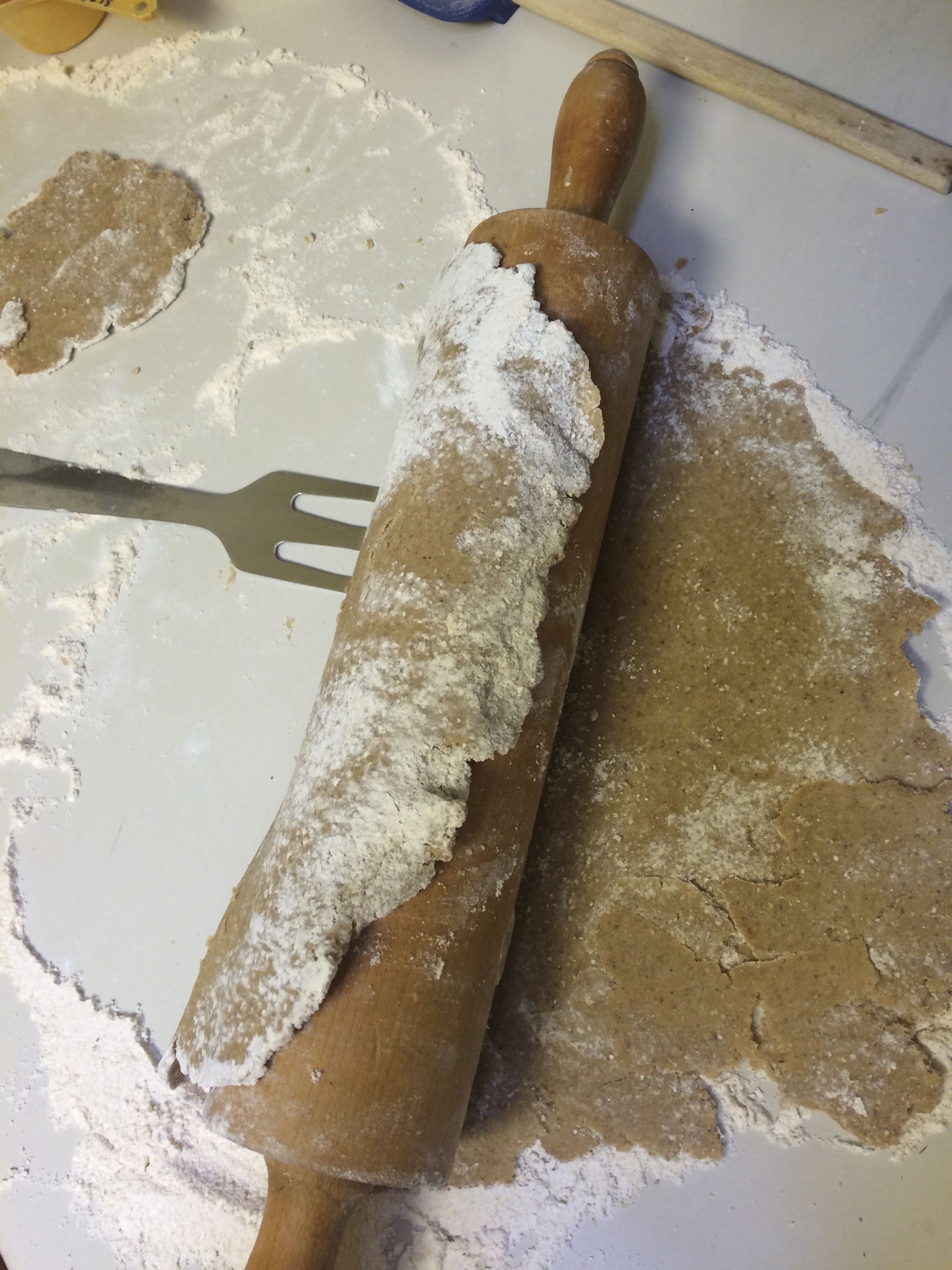
rolling mesquite white Son wheat pie dough

Mesquite meal and white Sonora wheat make a fabulous pie-crust! It is not as elastic as store-bought crusts so be careful in rolling it onto your pie pan. Shown here is a very flat spatula I use as an assist.

Next step, after growing, harvesting, slicing the heirloom fruits, is getting dusted by making my local heirloom Mesquite/White Sonora Wheat Pie Crust (recipe following):

[Kids, don’t try this culinary photographic technique at home.  Your one-handed iPhone will get really sticky.  Mine will never be the same.]


Ingredients for heirloom wheat pie crust:

1 1/2 cups freshly milled whole, organic White Sonora Wheat flour*

1/2 cup freshly milled local velvet mesquite meal**

1 tsp Real-salt or sea salt

2/3 cup shortening (I use organic butter)

5-7 Tbsp ice water

*Organic, fresh-milled white Sonora wheat flour is available for your holiday baking from our Flor de Mayo booth at Sunday St Philips Farmers Market, or by contacting us at info@flordemayoarts.com or  520-907-9471 to order it ahead.                                                                                                                                                                             **Freshly-milled velvet mesquite pod meal (flour) is available via the same Flor de Mayo contacts above.                                                                                                                                                                     Both kinds of heirloom flour are available at a special Heirloom Grains event this coming SATURDAY November 21 at the NativeSeeds/SEARCH store, 3061 N Campbell, Tucson–the public is invited 10am-2pm.

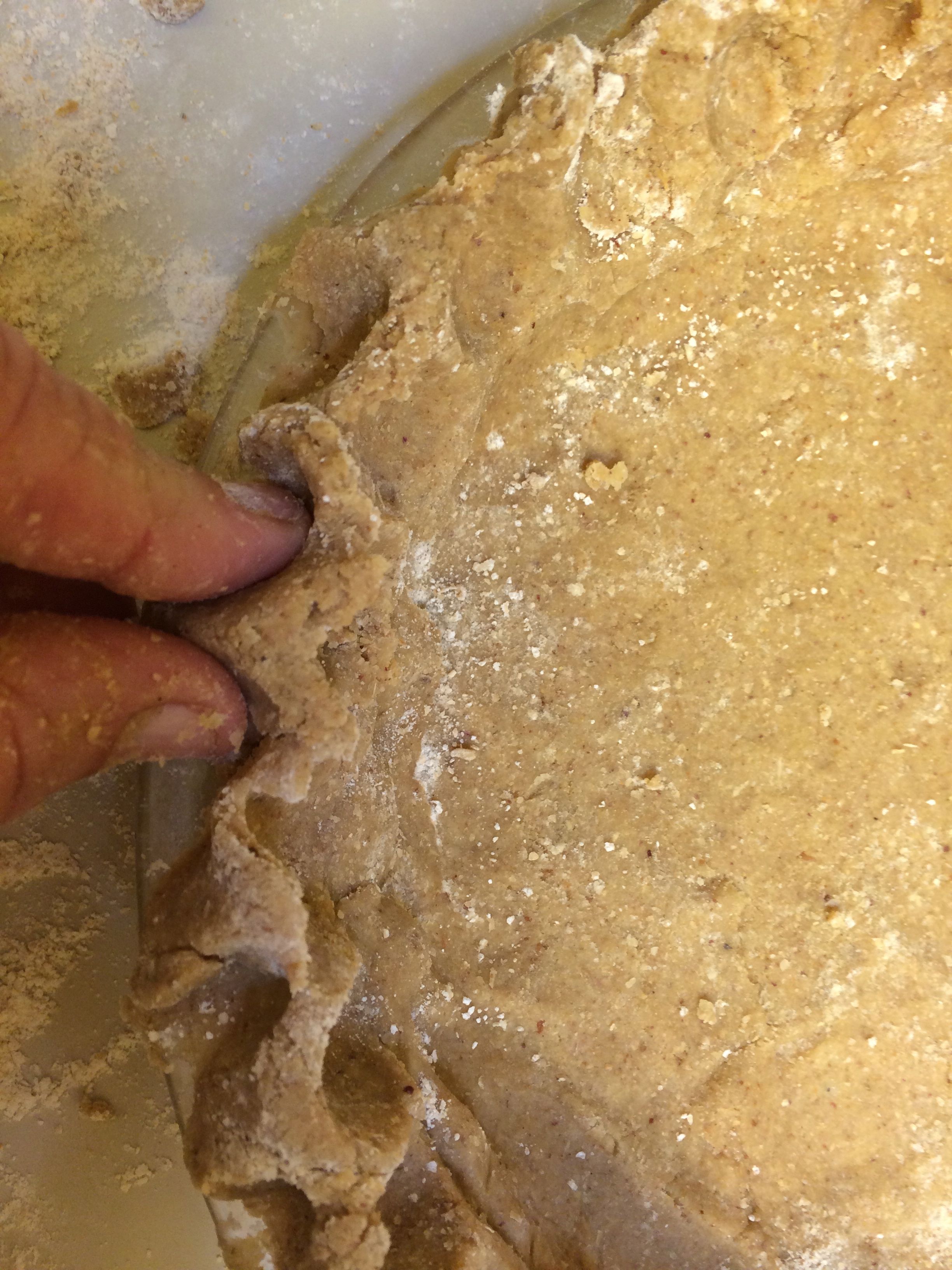
Pinching a tall edge of my mesquite/heirloom wheat pie crust

Pinching a tall scalloped edge of my mesquite/heirloom wheat pie crust–This provides a retaining wall so juicy filling will not overflow while cooking.

Directions for heirloom wheat pie crust (lattice top):

Sift dry ingredients.  Cut in shortening into small pea size lumps.  Sprinkle in tablespoons of ice water gradually, mixing with a fork.  Form 2 balls of dough. Dust each ball with more white Sonoran wheat flour. Flatten each out on a well floured board and roll with rolling pin or bottle.  Use rolling pin as in the illustration, to lift lower pie crust dough onto pie pan.  Press in with fingers.  Keep second ball of dough for working on after pie filling has filled the lower crust. [See recipe for Membrillo/Apple Pie Filling below.]

With second dough ball, roll out as before then cut in 1/2 inch wide strips to lay in basket-weave pattern atop the pie filling to allow filling to lower as it cooks.

Membrillo/Apple Pie Filling ingredients:

(Cook ahead slices and chunks of 4-5 membrillo fruits, washed, then cut with or without skin.  Boil in good drinking water for 20 minutes or until soft.  I am one of those crazies who thinks fruit skins are healthy and full of phytonutrients, so I leave the colorful fruit skins on.)

2 cups sliced membrillo fruit, pre-cooked  (reserve liquid for other gelled salads)

2 cups thinly sliced heirloom apples

1/2 cup organic cane sugar

1/2 cup organic brown sugar

2 Tbsp organic heirloom white Sonora Wheat flour

1/2-1 tsp ground cinnamon

dash sea salt

1-2 Tbsp organic butter

juice of one small heirloom sweet lime       (I got mine from the Friends of Tucson’s Birthplace Mission Garden booth at the Thursday Santa Cruz farmers market at the Mercado San Agustin, West Congress, Tucson)

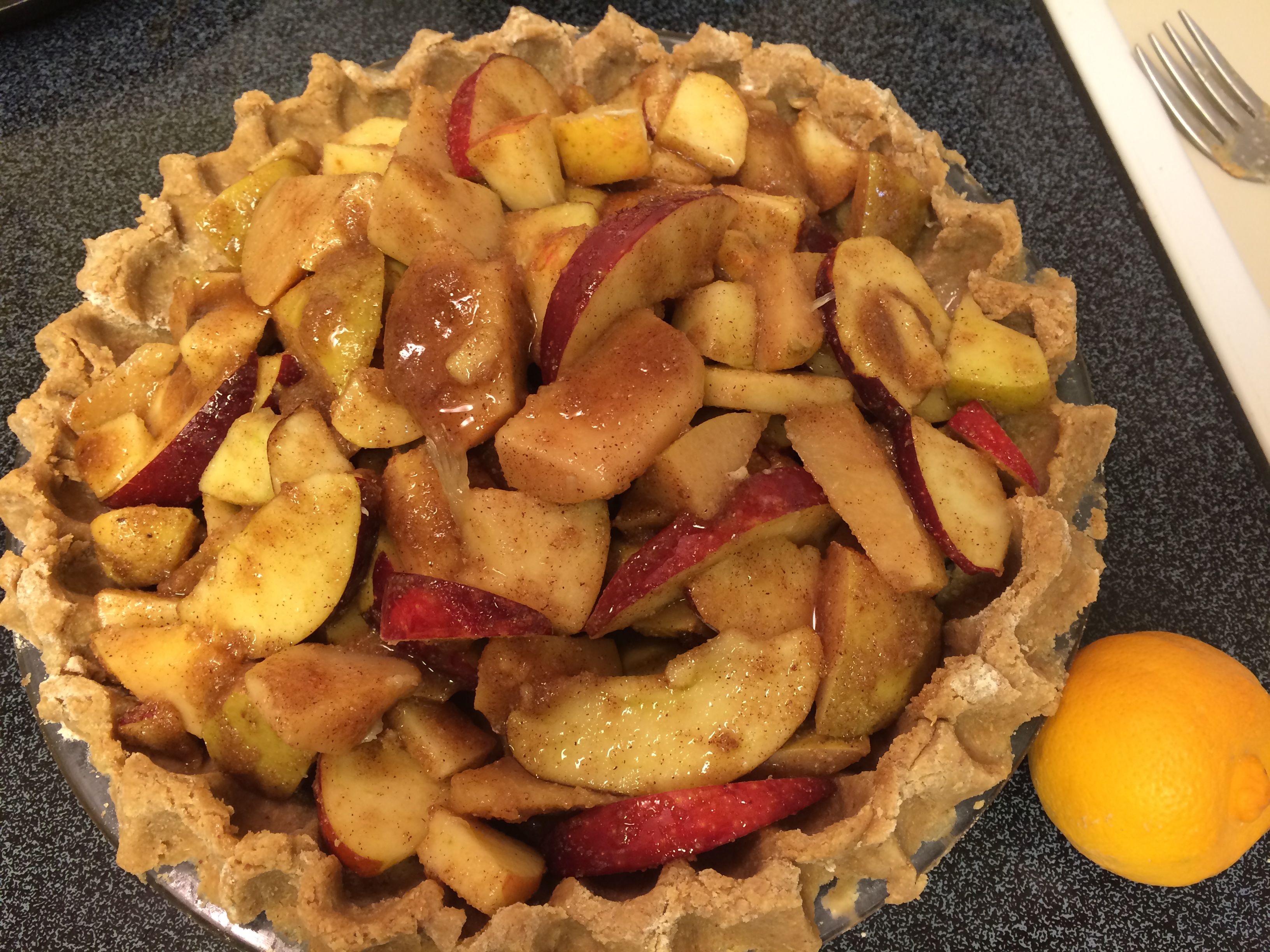
Membrillo/apple pie filling in shell ready to bake

Membrillo/apple pie filling in shell ready to bake. Check out the heirloom sweet lime adjacent–with the dimple–this one from Mission Garden.

Membrillo/Apple Pie-Filling Directions:       Preheat oven to 400 degrees.

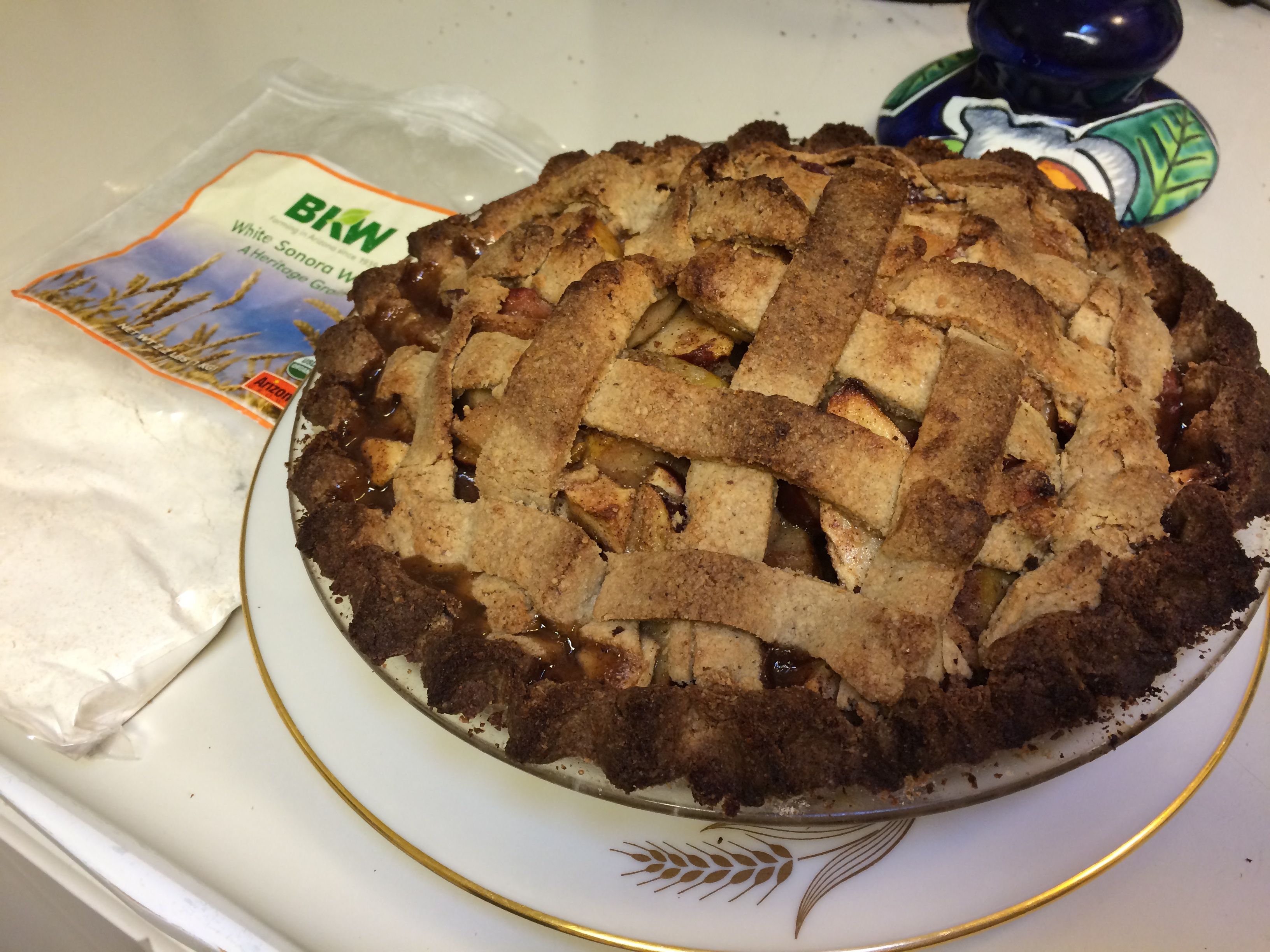
Combine sugars, flour, cinnamon, salt, then mix with the sliced apples.  Fill uncooked pastry crust (shell) with mixture.  Squeeze the sweet lime juice over the filling and place dollups of butter on top.  Place lattice strips of the mesquite/whiteSonorawheat dough across the top of the filling as in picture below.  BAKE for 40-50 minutes or until the crust looks golden brown.  Note:  mesquite meal has natural complex sugars which may caramelize or brown faster than white flour so keep an eye on it after 40 minutes.  The one in my photo got a little too done for my taste, but it will still be fabulous.

Membrillo/heirloom apple pie with mesquite/white Sonora wheat crust--hot and ready to serve

Membrillo/heirloom apple pie with lattice crust of mesquite/white Sonora wheat –hot and ready to serve–To the left in photo is flour milled from BKWFarms wheat-berries.

There will be several ancient grains available at our upcoming Celebration of Heirloom Grains this SATURDAY at the NativeSeeds/SEARCH Store.  Put it on your calendar and dig out your favorite recipes!

Heirloom purple prairie barley available at Flor de Mayo booth,St Philips Farmers Market and at the NSS Grain Event Saturday!

Heirloom purple prairie barley available at Flor de Mayo booth,St Philips Farmers Market and at the NSS Grain Event Saturday!

In addition to our native Mesquite Flour, there will be such fresh lovely grains as organic Hard Red Wheat grown by BKW Farms in Marana which is superb for breads.  Our organic white Sonora wheat is the best for pastries.   Also available will be the ancient Purple Prairie Barley originally from Afghanistan, now from Hayden Mills.

For the knowing baker, milling the whole grain fresh creates a totally different and wondrous effect to breads and pastries because the enzymes and other constituents in the grain remain “lively” for only a few days after milling.  Come enjoy the milling process right before your eyes and feel the vitality of the flour you can take home to bake with!

Our thanks go to the caring padres who first brought the grains to the desert Southwest, to the generations of farmers who continued to grow and save the grain, to NSS for “rediscovering” and conserving them so carefully for the future, and to new farmers like San Xavier Farm Coop, BKWFarmsInc, Ramona Farms, and Hayden Flour Mills for multiplying them for our nutrition, enjoyment, and sustainable desert living!

For more info please call NativeSeeds/SEARCH at 520-622-5561 or Flor de Mayo at 520-907-9471.  See you at the Milling and our Celebration of the Heirloom Grains!!

Magdalena heirloom barley grown at Mission Garden, Tucson

Magdalena heirloom barley grown at Mission Garden, Tucson

A savory pilaf made with heirloom purple prairie barley--watch for future recipes--Grain available at the Flor de Mayo booth, Sunday St Philips market

A savory pilaf made with heirloom purple prairie barley–watch for future recipes–Whole grain available at the Flor de Mayo booth, Sunday St Philips market, and at Saturday’s Heirloom Grain Celebration

You Say Purslane, I Say Verdolagas

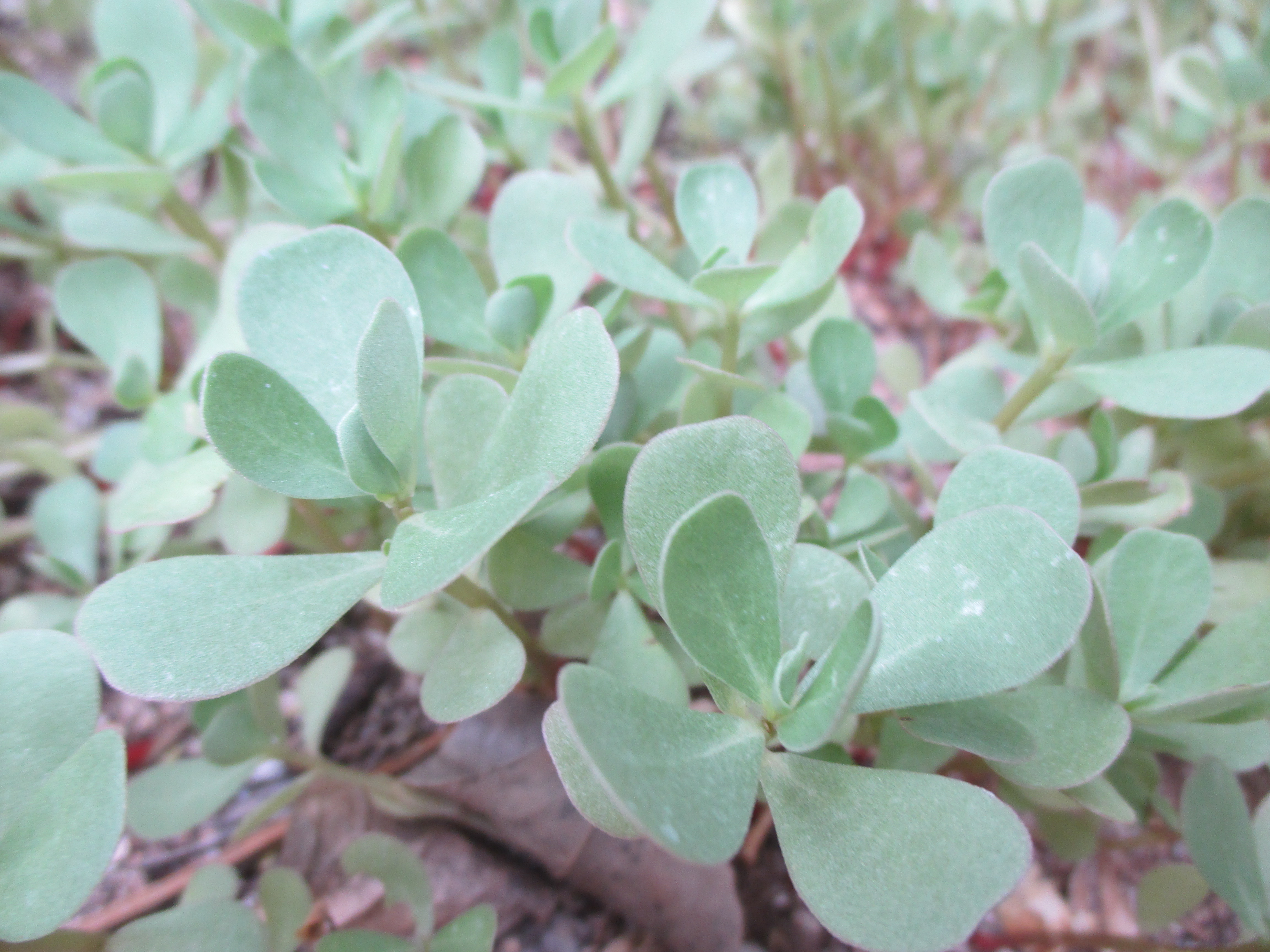
Purslane just sprigs so far due to late rains at my house.

Purslane is  just sprigs so far this year due to late rains at my house.

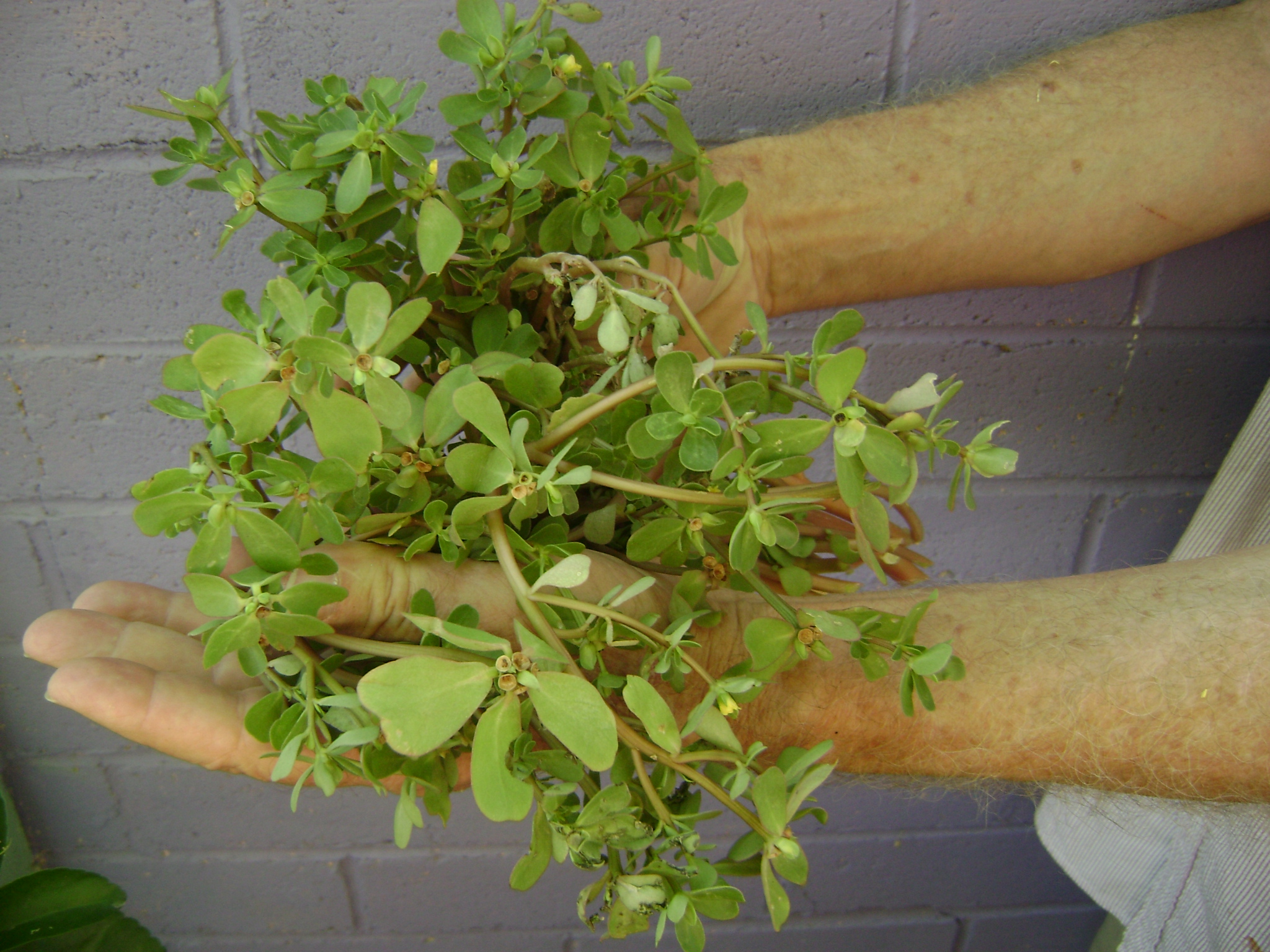
Here's how it should look once we get some more rain.

Here’s how it should look once we get some more rain.

If you’ve had any decent monsoon rain by now, you may have a vitamin powerhouse coming up in your yard.  Purslane, also called verdolagas, grows in many Southwest backyards in the summer.  It prefers rich, recently turned soils so look for it under your rose bushes or in a flower garden. It has small fleshly leaves about the size of a fingernail, pinkish stems, and grows close to the ground.  I have only a small patch this year where a small rain barrel spilled over. There should be more, but rains have been skimpy in our part of downtown Tucson.

It’s sad but true that right now people are out in their yards pulling these plants out and tossing them in the garbage (or compost for the more enlightened). They should be tossing them in the wok (see recipe below.) Purslane provides six times more vitamin E than spinach and seven times more beta carotene than carrots. It’s also rich in vitamin C, magnesium, riboflavin, potassium and phosphorus. One cup of cooked purslane has 25 milligrams (20 percent of the recommended daily intake) of vitamin C.

Especially important to those of us eating a modern diet, purslane is very high in an essential omega-3 fatty acid called alpha-linolenic acid (ALA). Omega-3s are a class of polyunsaturated essential fatty acids. Your body cannot manufacture essential fatty acids, so you must get them from food. Certain fibers also help in controlling blood sugar.

Sometimes all this talk of nutrition can turn people off  — you might be saying “OK, but what does it taste like?” Delicious, actually. There are lots of ways to use purslane. The mild lemony flavor goes with everything. Purslane can be eaten raw chopped in salads or sautéed . Add it to a stew.   Or toss it in the blender when making a green smoothie and it will add body as well as vitamins.

There’s something else, too. Something beyond just the vitamins that come from eating plants from your own yard. It’s a connection to the land you live on, the seasonal treat that Mother Nature has provided. By eating with the season, you become more than a mere spectator to life’s cycle. You think about these tiny seeds that wait for the rain, then manage to live as the sun beats down with 100-degree fury. And there’s the connection to past generations of people who lived here and ate these plants–a connection that broccoli will never give you.

My friend Roni Rivera-Ashford taught me to put a bowl under the colander and catch the water you use to rinse the purslane. You will find lots of very tiny black seeds in the water.  Botanists tell us that a single purslane plant can produce up to 200,000 seeds. Pour that water with the seeds on a potted plant and you’ll have purslane next year.

Since it’s free and (usually) abundant, why not try some?  Here’s the classic prepartion cooked up in Mexican kitchens every summer.

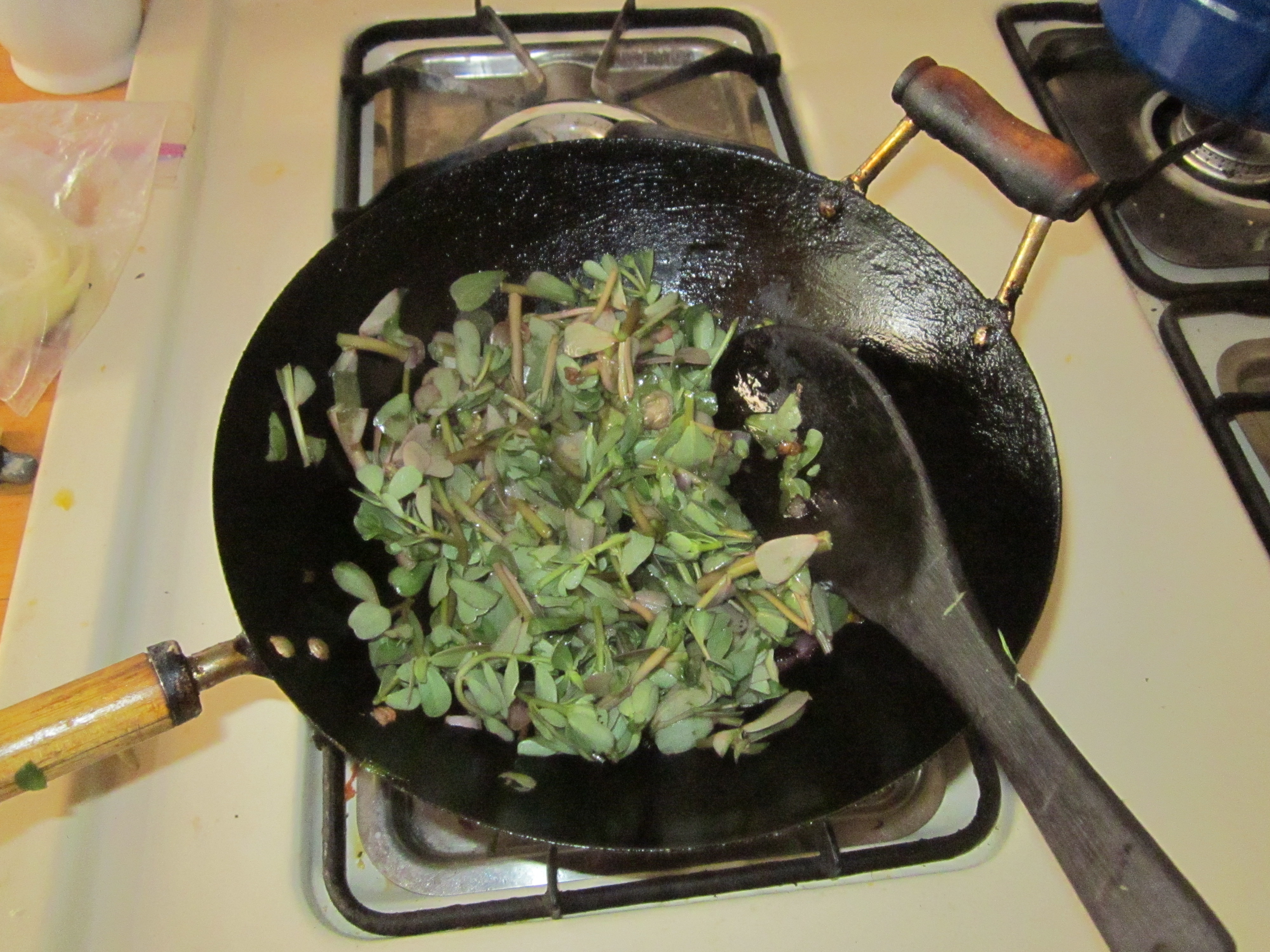
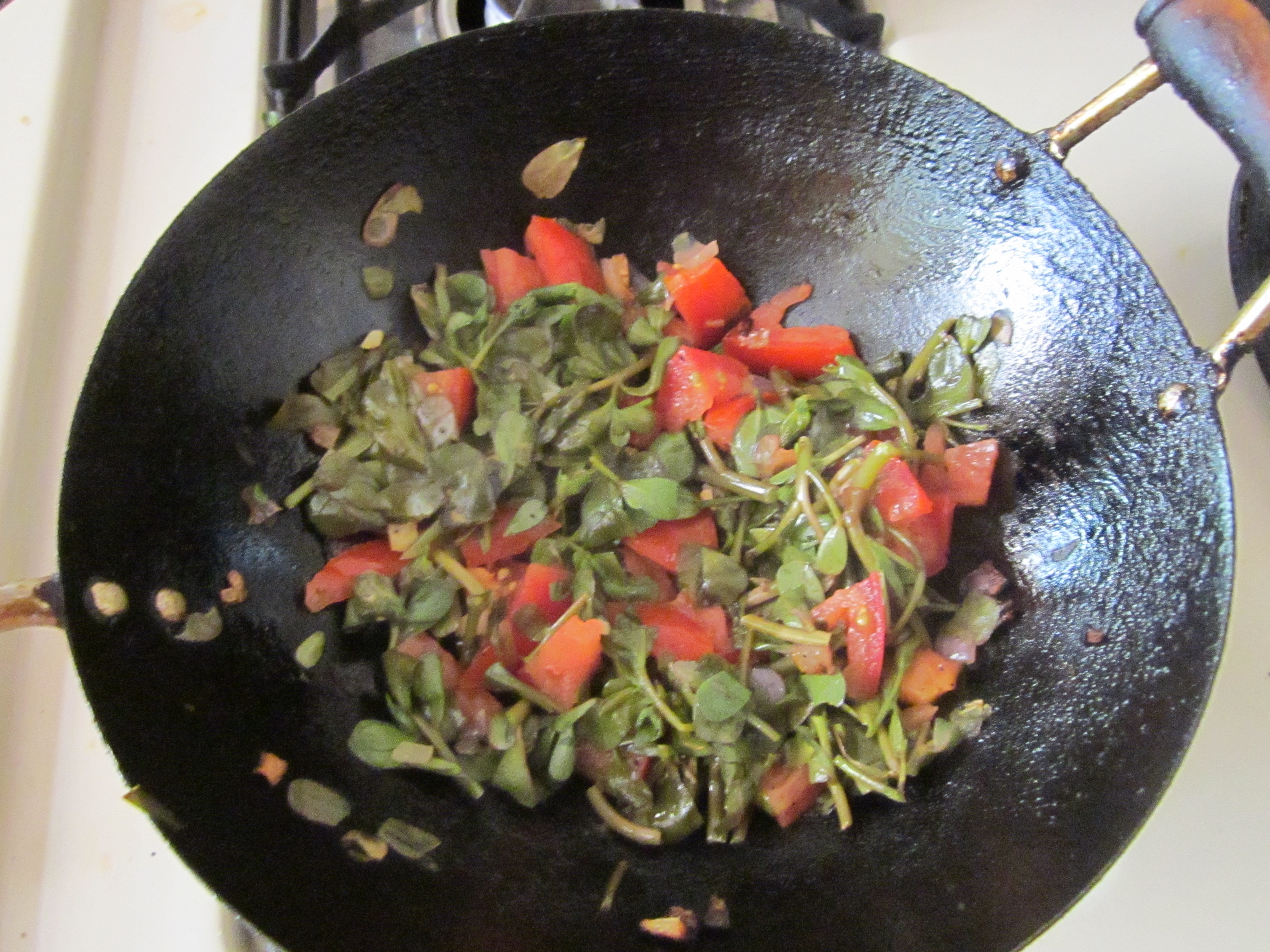
To prepare the purslane, first chop and sauté  some onion and garlic in a little oil.  When the onion is translucent, add the purslane.

IMG_0880

Next, toss in some chopped fresh tomatoes.

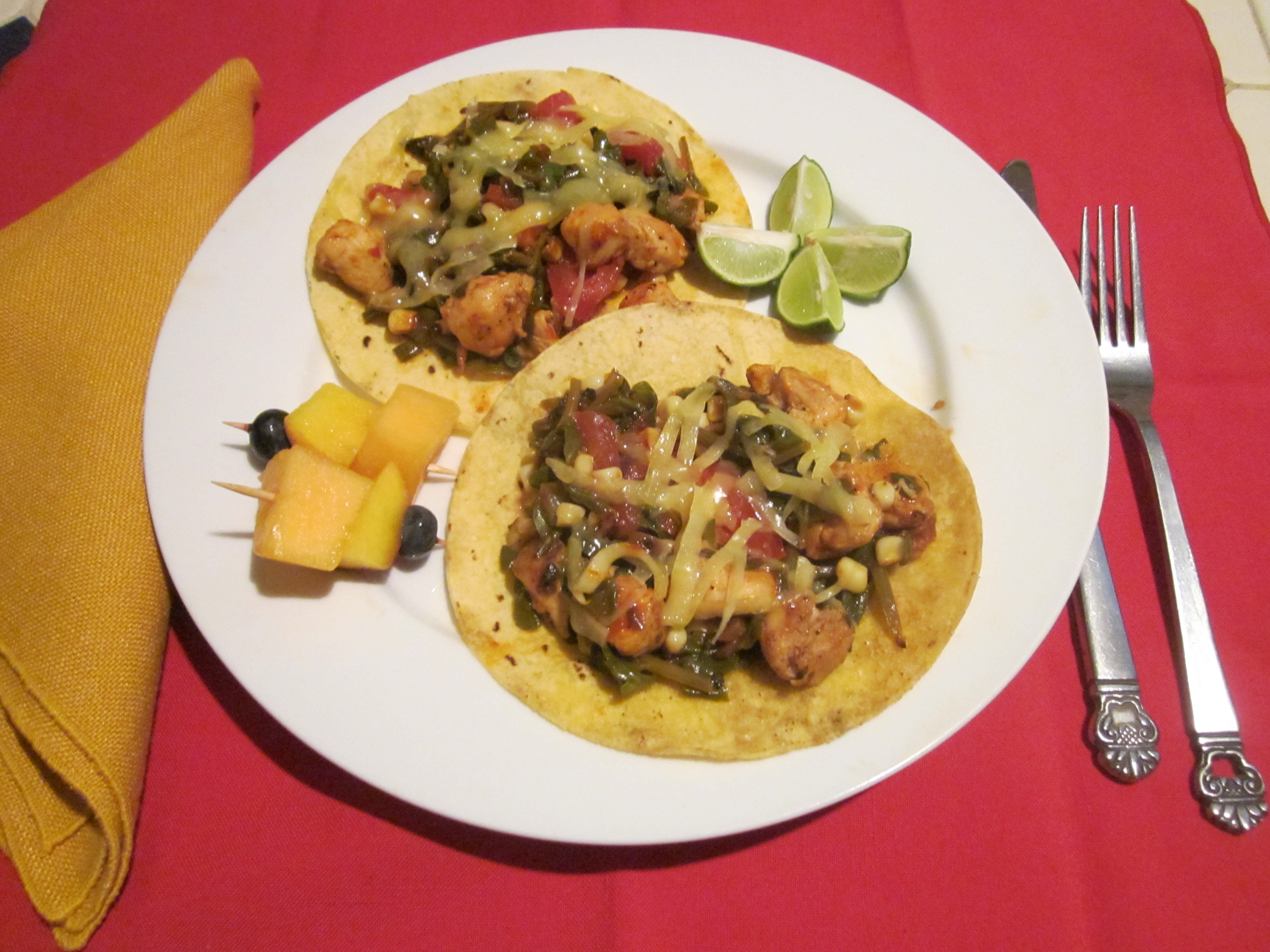
IMG_0881At this point you can eat it, maybe with a little cheese on top. Or to make a heartier meal, saute some small bits of chicken. Now you’ve got a great side dish. Or how about filling for some enchiladas.

Dip the tortilla in chile sauce, add some purslane and roll.

Dip the tortilla in chile sauce, add some purslane and roll.

My favorite is tostadas. Yum!

IMG_0884

_________________________________________

Interested in more ideas for using the wild foods of the Southwest?  Check out my books Cooking the Wild Southwest  where you’ll find recipes for 23 delicious wild plants, and The Prickly Pear Cookbook with lots of recipes for both the prickly pear fruit and pads.   Here’s a little video with ideas for other local wild plants to add novelty and nutrition to your diet.

A Useful Desert Broom

baccharis AMP_5239

People complain that they want more green in their landscape. Desert broom is one option for bright green foliage.

Desert broom is called escoba amarga in Spanish, and also called a weed by many.  But I advocate you take a moment to consider this shrub more fully.

Desert broom (Baccharis sarothroides) is a vigorous plant – often the first plant to grow on a cleared stretch of desert (or over the septic tank).  It can be useful to have such a tough plant in your landscape palatte.  Along with landscaping it is useful in a number of other ways.

baccharis seedling crop_6477

Sad to say – some people think the only good desert broom is a dead one.

Uses.

Desert broom has a history of use as a medicinal plant.  A decoction made by cooking the twigs of desert broom is used to treat colds, sinus headache, and in general “sore aching” ailments. The Seri use this when other medicinal plants are not available. The same tea is also used as a rub for sore muscles.  (Perchance Father Kino used some after one of his epic rides.)

Studies done on plant extracts show that desert broom is rich in leutolin, a flavonoid that has demonstrated anti-inflammatory, antioxidant, and cholesterol-lowering capabilities. Desert broom also has quercetin, a proven antioxidant, and apigenin, a chemical which binds to the same brain receptor sites that Valium does. However, many members of the Sunflower family also contain compounds that cause negative side effects, thus caution is advised.

baccharis seedling AMP_6330

Desert broom seedlings are often among the first plants to appear in a cleared area. The rabbits do not eat them.

As it’s name indicates, branches of desert broom do make a passable broom for sweeping the dirt floors of an adobe home.

Desert broom is so plentiful, and many of it’s seep willow cousins are used as dye, so I had to do the experiment. The result – yes! It does dye wool. Various mordants result in differing shades as seen below.  Other members of the Baccharis genus have excellent colorfastness.

baccharis dye on wool crop

Baccharis on wool with different mordants. I use the chemical symbols to mark my mordants. Al = alum, Cu = copper, FE = iron.

Desert broom can be used as filler in fresh and dried floral arrangements, with long lasting color and minimum mess since it has few leaves to lose.

baccharis AMP_5426

This plant gets chopped often for filler in my flower arrangements. Regular clipping helps keep it a dense and bushy.

Desert broom comes in separate male and female plants. The females release their tiny fluffy seeds at the same time a number of other plants release their pollen, thus the seeds of desert broom often get erroneously called an allergen. The pollen of the male plants is released in fall and can be allergenic.

IMG_2701

No, desert broom does not have yellow flowers. In this case a desert broom grew up through a Cassia.

Planting and Care.
Plants may be purchased at nurseries or can be grown from seed. Avoid over-watering in heavy soils as desert broom will drown.

Desert broom will accept shearing and can be trained into a decent, short-lived privacy hedge. Such a short lived hedge is helpful while the longer-lived, taller, non-allergenic, but slower growing Arizona rosewood (Vauquelinia californica) reaches hedge size. Desert broom can also be useful in the landscape since it grows in heavy clay or saline soils where few other plants thrive.

IMG_2708

These plants get sheared once a month by landscapers with power tools. Note that the native desert broom is growing more vigorously than the non-native cassia from Australia.

JAS avatar If you live in Southeastern Arizona, please come to one of my lectures. Look for me at your local Pima County Library branch, Steam Pump Ranch, Tubac Presidio, Tucson Festival of Books and more. After each event I will be signing copies of my books, including the latest, “Southwest Fruit and Vegetable Gardening,” written for Arizona, Nevada and New Mexico (Cool Springs Press, $23).

All photos and all text are copyright © 2015, Jacqueline A. Soule. All rights reserved. I receive many requests to reprint my work. My policy is that you may use a short excerpt but you must give proper credit to the author, and must include a link back to the original post on our site. Photos may not be used.

Harvest Time for I’itoi Onions

Big clump of iItoi onions. All this from just one little onion planted last October.

Big clump of  I’itoi onions. All this from just one little onion planted last October.

I had to put my vegetable garden to bed for the summer early this year since we were leaving for a month.  No use having the housesitter water for the weeks we were gone as the hot weather would overcome the vegetables about the time we got home anyhow. The plants were at the end of their season, but still pulling them up was almost as painful as putting down a beloved pet. I go through this mourning every year when one by one the winter crops reach the end of their production – first the peas, then the broccoli, then the last of the lettuce and spinach even in the shade. The kale was still so hearty I simply could not consign it to the compose bin. After freezing some for soup and making as many kale chips as we could handle, I dug up the plants and put them in a pot to transfer to a friend.

One chore involved pulling out the remaining I’itoi bunching (or multiplier) onions.  I’ve been using them all spring, but they are very prolific. One little onion that looks like this produced the bunch in my hands at the top of the page:

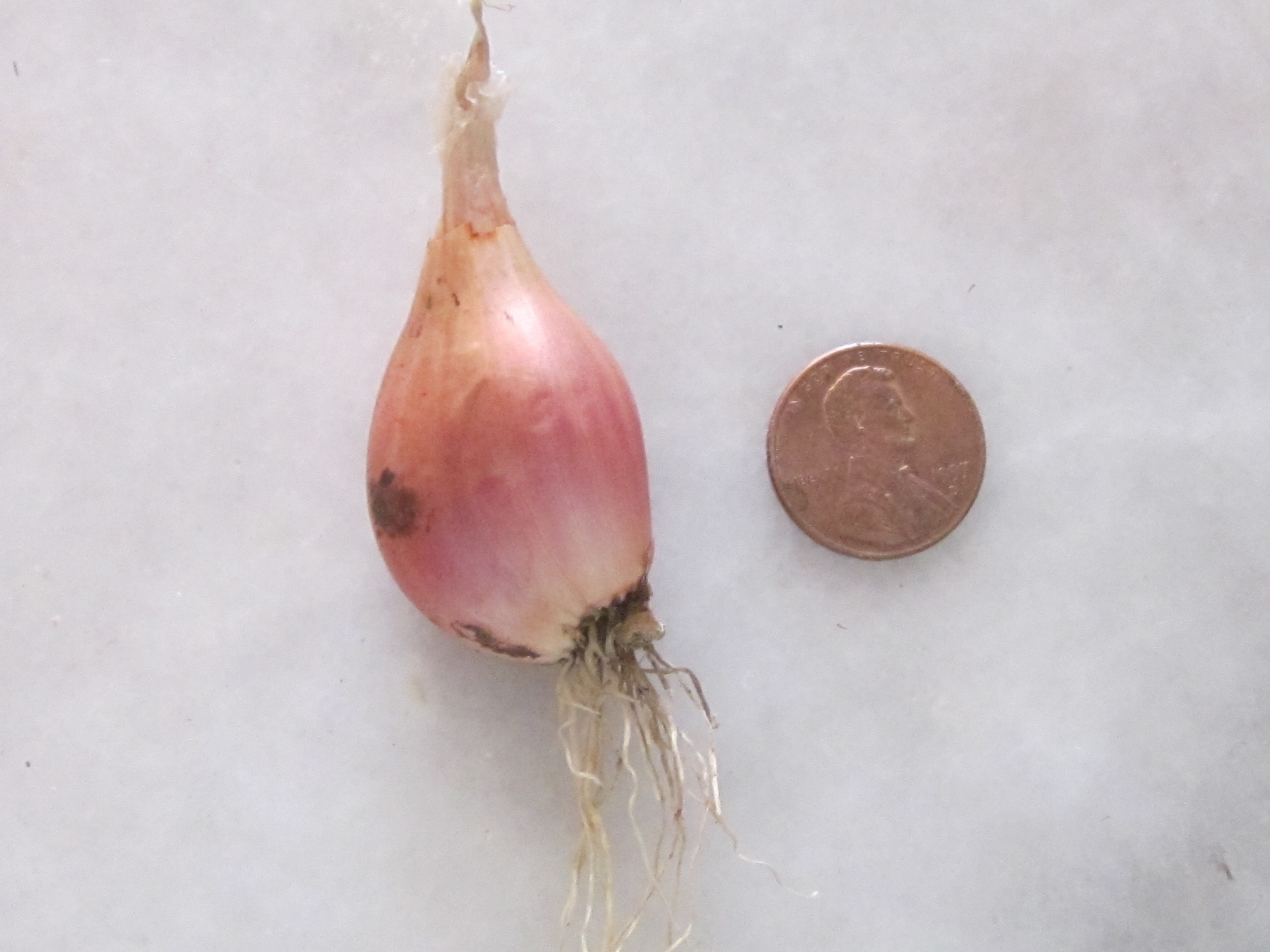
Lovely little iItoi onion with penny for size comparison.

Lovely little I’itoi onion with penny for size comparison.

I’itoi onions were brought to the Southwest in the 17th century by Spanish missionaries, but have become such a part of the Tohono O’odham biology that they are called by the name of their creation diety, Elder Brother, or I’itoi.  These little gems were beginning to die out when they were brought to Native Seeds SEARCH by a Tohono O’odham woman.  They are one of the plants in the Slow Food Ark of Taste. 

I’itoi onions (Allium cepa var. aggregatum) are easy to grow — in the fall, just plant each bulb about an inch below the surface and at least eight inches apart.  They will send up chive-like greens first that can be used until you decide they have multiplied enough and pull them up for use.  When you harvest the last clump in the summer,  put aside a dozen or so bulbs in a paper bag and set aside on a cool shelf to await fall.  (I find it amusing that the onions “know” when to start again — if I don’t get around to putting them back in the ground until later in September, I sometimes find that they have begun to sprout in anticipation.)

To prepare onions for cooking, first separate and clean off the dirt,  then peel.

Like most onions, these contain potassium, vitamin C, folic acid and vitamin B6. Onions contain substantially the same amount of vitamins and minerals when cooked.  I’itoi onions can be substituted for onions or shallots.  You can find them at farmers’ markets and from Crooked Sky Farms in Prescott and the Phoenix area and from Native Seeds SEARCH. Both of these places will ship to you as well.

A healthy row of iItoi onions.

A healthy row of iItoi onions.

You’ll have a ratio of green tops to bulb of about 10:1 so you’ll have to find a use for all the green onion tops.   When you’ve used all you can fresh, freeze them to add to soup stock later. You can also make delicious Chinese Onion Pancakes.

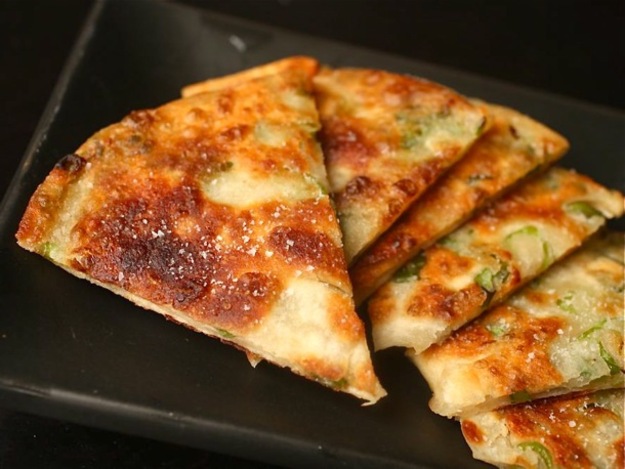
Savory pancakes using onion tops.

Savory pancakes using onion tops. (Photo from Serious Eats)

It’s easy, but rather than recount the recipe here, go to this link. These are the best directions I’ve found for making this delicacy and the author also gives a wonderful tutorial on the difference between adding cold and hot water to flour.

If you’d like a recipe to show off your onion harvest, this one is easy and delicious.

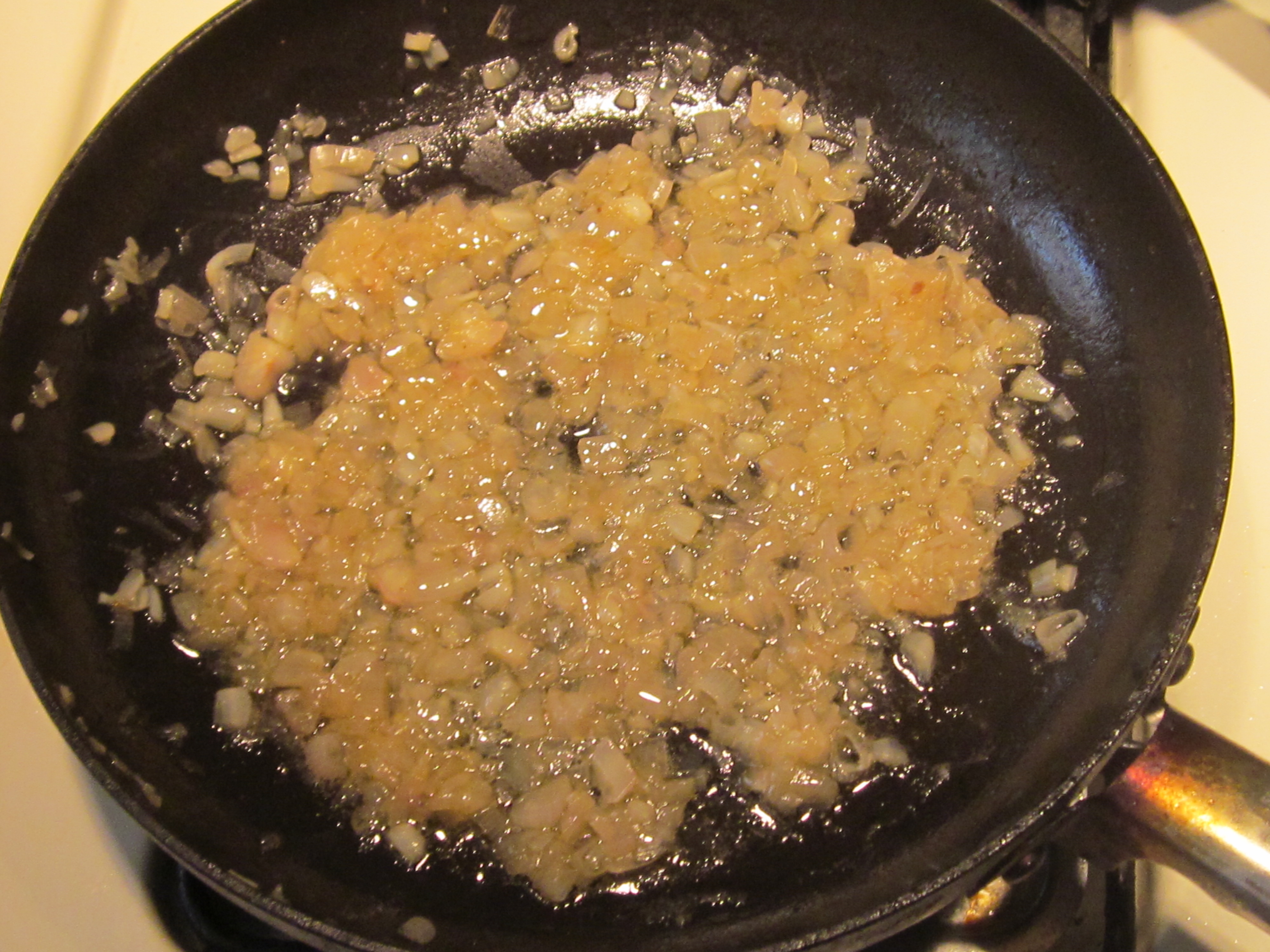
I'itoi onions cooking for Sweet and Sour sauce.

I’itoi onions cooking for Sweet and Sour sauce.

 Sweet and Sour I’itoi Onions

Here’s my recipe for sweet and sour I’itoi onions.  You can use red wine and red wine vinegar or white wine and white wine vinegar. Makes a great topping for grilled fish or chicken or mix it into steamed vegetables to add flavor.

1 cup cleaned and sliced I’itoi onions

1/2 cup water

2 tablespoons wine vinegar

2 tablespoons wine

1 tablespoon olive oil

1 teaspoon sugar or agave syrup

1/2 cup water (again)

In a large heavy frying pan, cook sliced I’itoi onions and water covered over very low heat for 10 minutes until soft.  Add wine, wine vinegar, olive oil and sugar or agave syrup.  Cook over very low heat for another 10 minutes.

My blog sister Jacqueline Soule wrote a column about I’itoi onions for the Explorer and finished with a recipe for I’itoi onion and goat cheese scones. You can see it here

**************************

If you are interested in wild and heritage foods of the Southwest, check out my cookbooks Cooking the Wild Southwest, Delicious Recipes for Desert Plants,   and the Prickly Pear Cookbook.  The books are also available through Native Seeds/SEARCH. For inspiration and directions on what wild plants are available in what season, watch a short video here.

An Invitation to Celebrate El Dia de San Ysidro Labrador

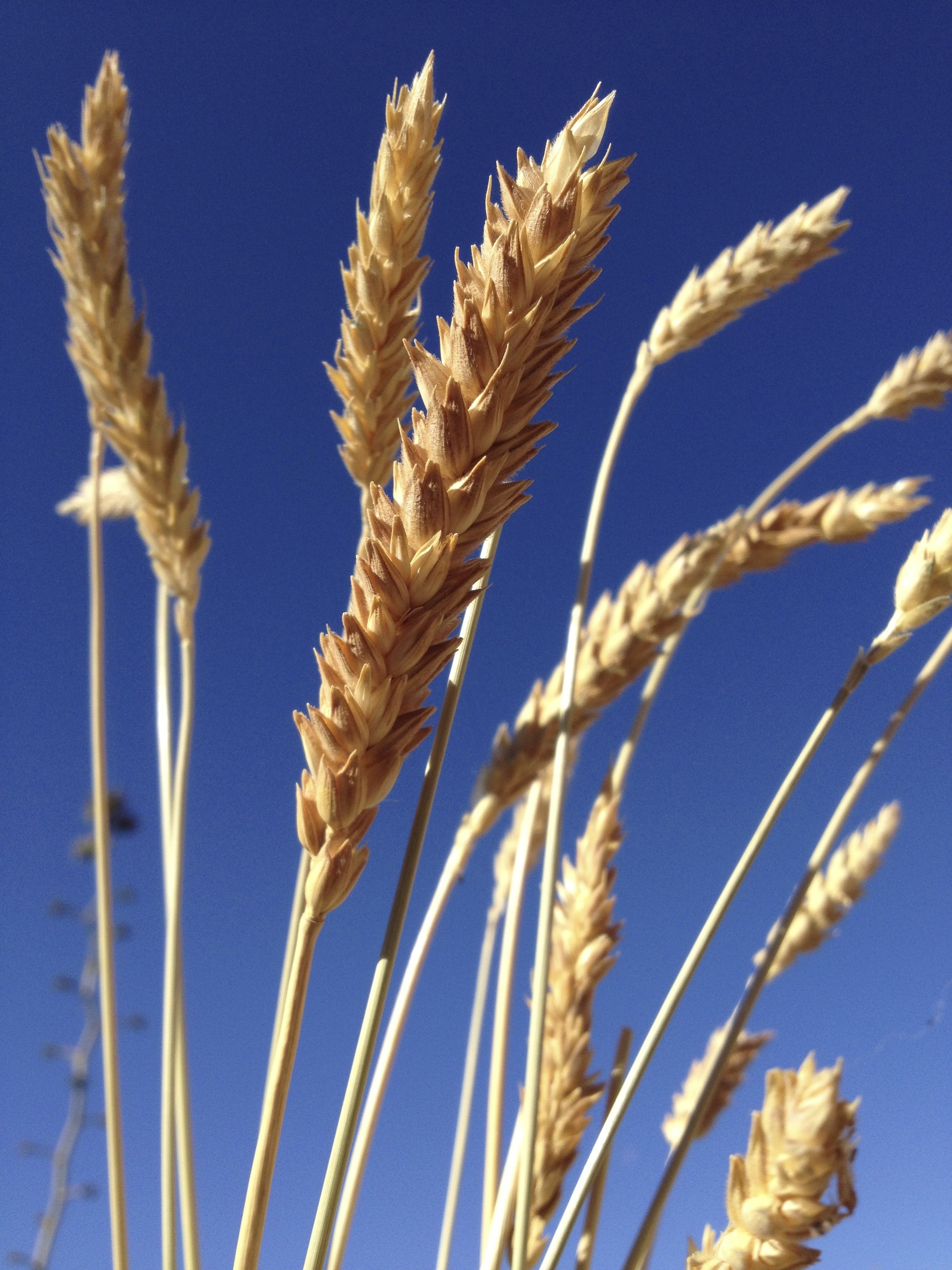
With White Sonora Wheat waving its ripening seed heads in May’s wind, it’s time again to celebrate our local agriculture–our ability to feed ourselves locally.  Yea!.. harvest time now for our winter gardens’  bounty as it dries…

Ripened seed heads of organic heirloom White Sonora Wheat from BKWFarms in Marana (MABurgess photo)

Ripened seed heads of organic heirloom White Sonora Wheat from BKWFarms in Marana (MABurgess photo)

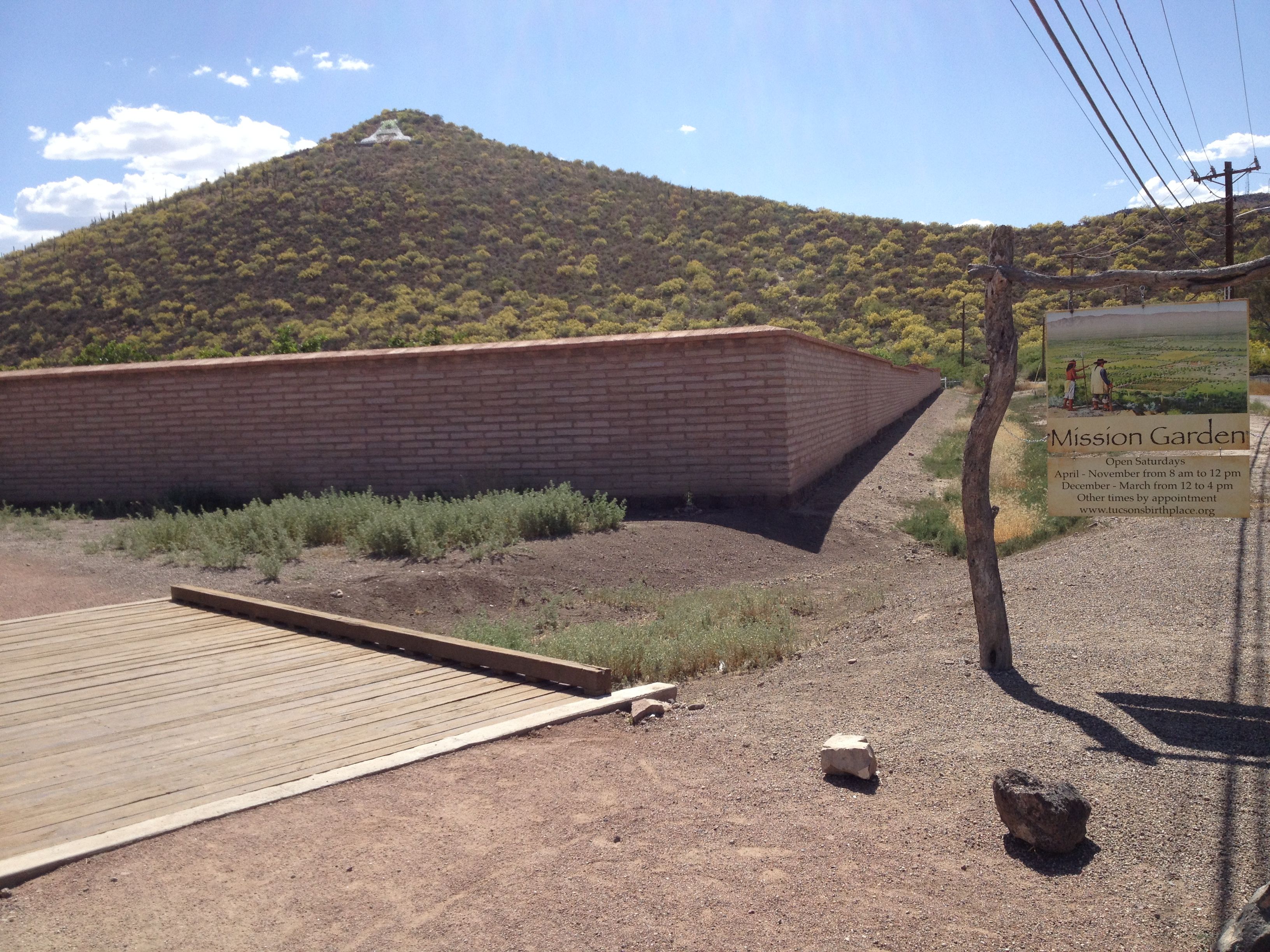
Tia Marta here inviting you to return to the hallowed soil of Schuk-shon–Tucson’s Birthplace “Black Spring”–at the foot of “A” Mountain, in the new Mission Garden, to the very site of the original garden supporting Mission San Augustin de Schuk-shon.  The Feast of San Ysidro Labrador is approaching.

May 15 is the traditional Dia de San Ysidro, Saint Isidor, patron saint of farmers and gardeners.

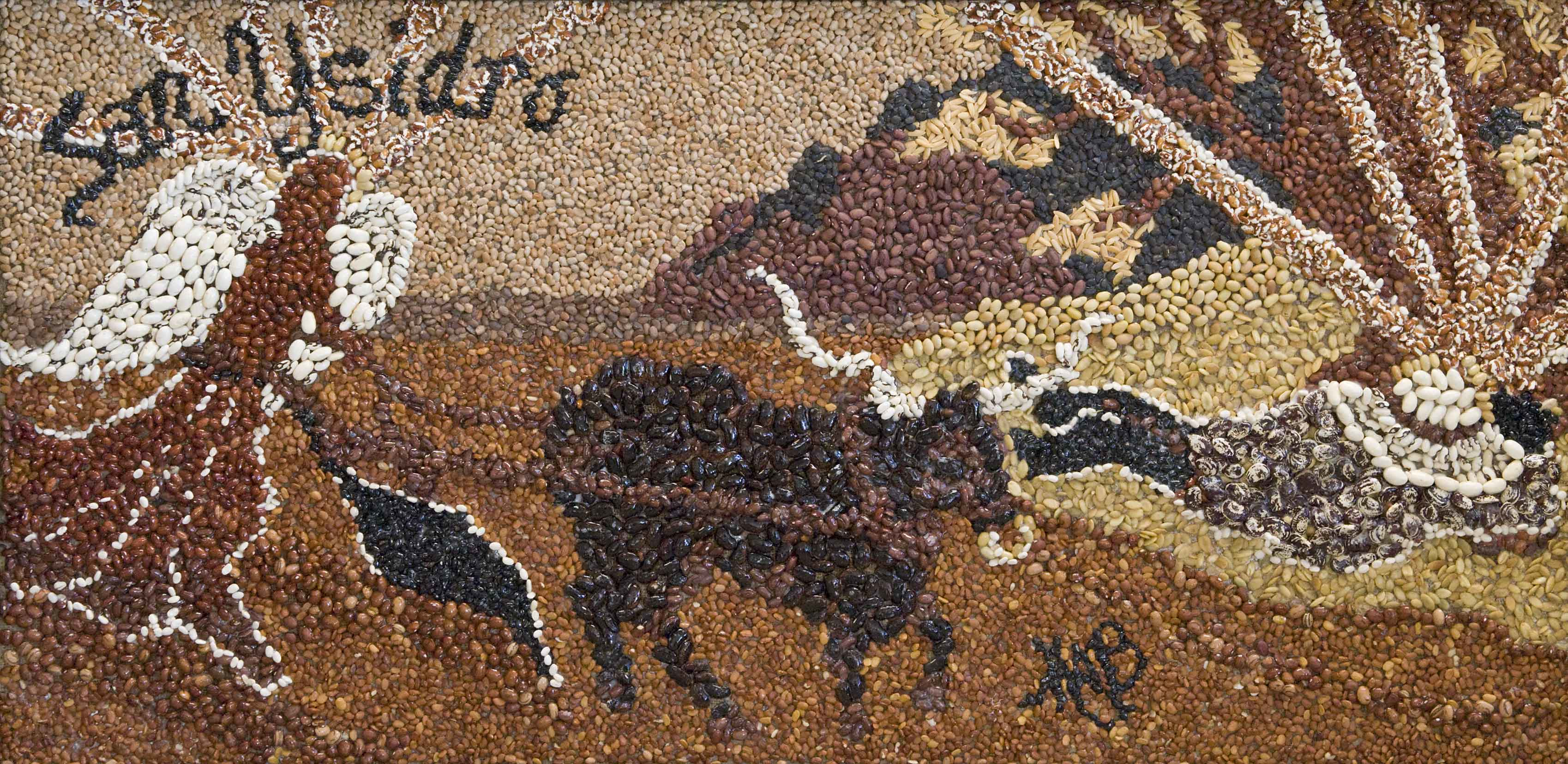
According to legend, San Ysidro Labrador was so hard-working and generous with his produce to all in need—people or animals–that angels would plow next to him to triple his crop. In my artistic interpretation, San Ysidro lies exhausted under a tree from working his field while an angel guides his ox to finish his plowing.

Heirloom bean mosaic of San Ysidro Labrador created by artist/ethnobotanist MABurgess

Heirloom bean mosaic of San Ysidro Labrador created by artist/ethnobotanist MABurgess

Here in my big-scale heirloom bean mosaic, the “medium is the message”–in part.   It was assembled using more than 21 colorful varieties of Southwestern heirloom beans and seeds, grown out from the Native Seeds/SEARCH Collection, in Tucson, Arizona.

The ancient seeds used to “paint” this image pay homage not only to San Ysidro but also to the generations of traditional farmers who have selected their seed and labored to grow the best for feeding family and community. Their seed-saving has provided us today with priceless heirlooms, fitting genes, and hope for a food-secure future.  (Notecards of my San Ysidro mosaic will be on sale at the fiesta as a fund-raiser for Mission Garden’s good work.)

This year, our San Ysidro fiesta will be celebrated on Saturday, May 16, within the adobe-walled orchard of living agricultural history, Tucson’s newest “museum park” sponsored by the non-profit Friends of Tucson’s Birthplace.  Planted in this living museum are representative crops that have fed the sequence of Tucson residents over the last 4100 years.  Seeds of these ancient crops were blessedly conserved by the caring staff and volunteers of NativeSeeds/SEARCH over the past 34 years.

The new Mission Garden--living agricultural history

The new Mission Garden–living agricultural history


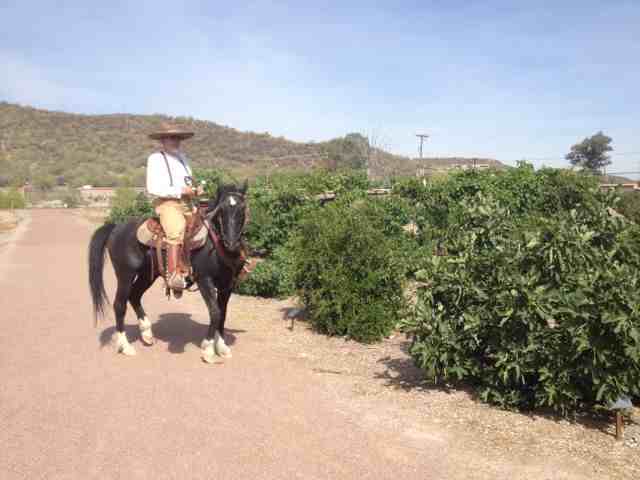
Vaquero in the Orchard of heirloom Mission Period fruit trees at San Ysidro Fiesta 2014 (MABurgess photo)

Vaquero in the Orchard of heirloom Mission Period fruit trees at San Ysidro Fiesta 2014 (MABurgess photo)


The Dia de San Ysidro celebration will officially begin at 9am with a procession from the future Tucson Origins Heritage Park next to the Santa Cruz “river” channel to Mission Garden’s east gate at 929 West Mission Lane, just east of  Grande (Mission Road.)  Festivities will include music by Mariachi Las Aguilitas from Davis Elementary, Alabanza with Bobby Benton, a presentation by historian/author Dr. Tom Sheridan, Native American four-direction prayers and blessing of the fields, food, and animals, and the Tohono O’odham Desert Indian Dancers from San Xavier.  Designs for the new cultural theme gardens (Chinese, Mexican, Afro-American, and Medicinal) will be unveiled.

Activities will culminate with a tasting of Pozole de Trigo, the traditional Sonoran stew for the feast-day prepared by talented volunteer cooks from Tucson’s Hispanic community.  For a fabulous recipe to try in your own kitchen, check out Bill Steen’s article for Sonoran Wheat Posole in Edible Baja Arizona–here’s the link to directions with his mouth-watering photos:

http://www.ediblebajaarizona.com/a-personal-posole

Or, for an even more local recipe, try this Akimel O’odham (Pima) recipe for Heirloom Wheat Posole with Tepary Beans:

Pima Posole Stew with Tepary Beans and White Sonora Wheat, served at Heard Museum

Pima Posole with Tepary Beans and White Sonora Wheat, served at Heard Museum

The combination of high protein Native Teparies and delicious low-gluten Heirloom Wheat Berries makes this a rich and nutritious stew.


Heirloom Wheat Posole with Tepary Beans—Pilt’kan ch Ba’bawi Posh’oldt

Ingredients:

2 cups dry tepary beans *

Water to more than cover the beans for initial soaking and cooking

1 large marrow bone (or beef broth as substitute for ½ the water when simmering, omit for vegetarian)

2 cups dry whole wheat berries (wheat kernels) **

3-4 cups drinking water or stock

Sea salt to taste (1-2 Tbsp.)

Black pepper or native chiltepine peppers***, to taste

Directions:

Carefully sort dry beans to remove stones. Wash, rinse, and cover with good water to soak overnight. Drain when plumped and ready to cook.

In big cooking pot, put beans, marrow bone, and drinking water to cover. Bring to a boil then simmer for 2+ hours.

Separately, rinse wheat berries and drain. Add wheat berries and salt to the cooking teparies. Add more water and/or stock. Bring to boil, then simmer an additional 1 ½ hours or until wheat berries are round and tender, and teparies are tender(not chewy).

Reserve excess water for later soup stock. Remove bone.  For serving, posole should be moist with broth. Add black pepper and sea salt to taste. If picante bite is desired, add one or two crushed chiltepine peppers.

Enjoy this traditional taste of the desert! ***********Here’s where to find these traditional ingredients (being grown anew in their home turf):

*Native tepary beans are available at www.nativeseeds.org or at www.ramonafarms.com .

** Organic White Sonora Wheatberries are available at Flor de Mayo tent at Sunday St Philips Farmers Market, Tucson, or at the NativeSeeds/SEARCH Store, 3061 N Campbell Ave, Tucson.

***whole wild-harvested chiltepine peppers are available at Flor de Mayo tent, Sunday St Philips Farmers Market, Tucson, or at the NativeSeeds/SEARCH Store, Tucson.

*****************************************************************************************

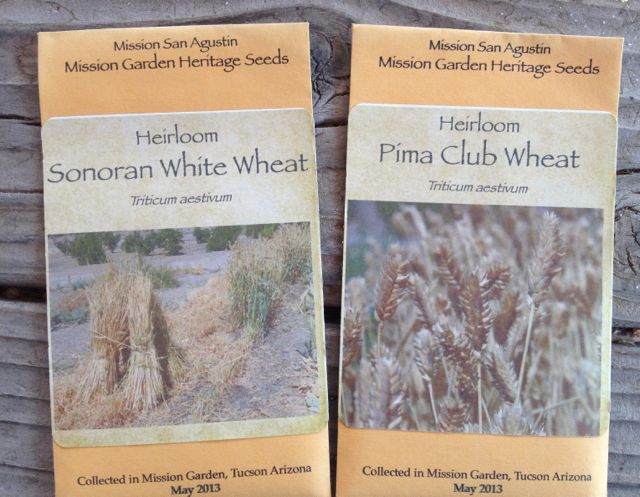
Seed packets of heirloom wheat varieties grown at Mission Garden

Seed packets of heirloom wheat varieties grown at Mission Garden, for sale to plant in your own winter garden.

Sheaves of heirloom White Sonora Wheat hand-harvested at Mission Garden

Sheaves of heirloom White Sonora Wheat hand-harvested at Mission Garden

Because Dia de San Ysidro especially heralds the wheat harvest, the staple grain introduced by Padre Eusebio Kino and other missionaries over 300 years ago to the Native Tohono O’odham community living here, this year’s festivities will include a ceremonial wheat harvest, guided by expert plantsman and Desert Museum staff person Jesus Garcia, to take place around 8am, Saturday, May 16, before the procession.

Support organizations, such as NativeSeeds/SEARCH, San Xavier Coop Association, BKWFarmsInc, and Tucson Herbalist Collective will have booths with demonstration items, tastes of native foods, solar cooked White Sonoran Wheat berries, traditional food products packaged for sale, and resource people to talk with about desert gardening for real food.

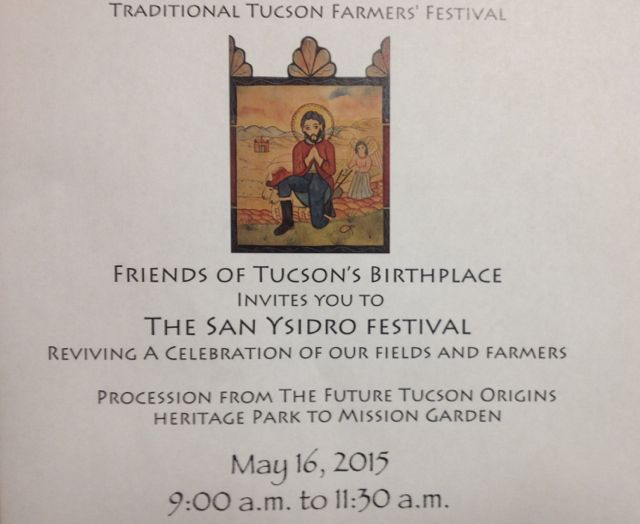
Invitation to the 2015 San Ysidro Fiesta

Invitation to the 2015 San Ysidro Fiesta

The event is free with a donation requested.   Find out more details of the San Ysidro Festival at  www.tucsonsbirthplace.org.   Hope to see you there!

[For more great recipes and stories about White Sonora Wheat, you can search with the box above using those key words, thru the last 2 years of this blog.]

Glorious Diversity–A Palette of Heirloom Legumes

The desert this spring is exploding with color, its rainbow shades reminding us of the amazing diversity of life, of species, of varieties of plants in this rich Sonoran Desert! Cholla flowers themselves are a veritable palette of genetic diversity within a species and between species.

Tia Marta here to talk about the rich diversity of beans selected and cultivated over the centuries by smart Native farmers in what is now the southwest borderlands…..

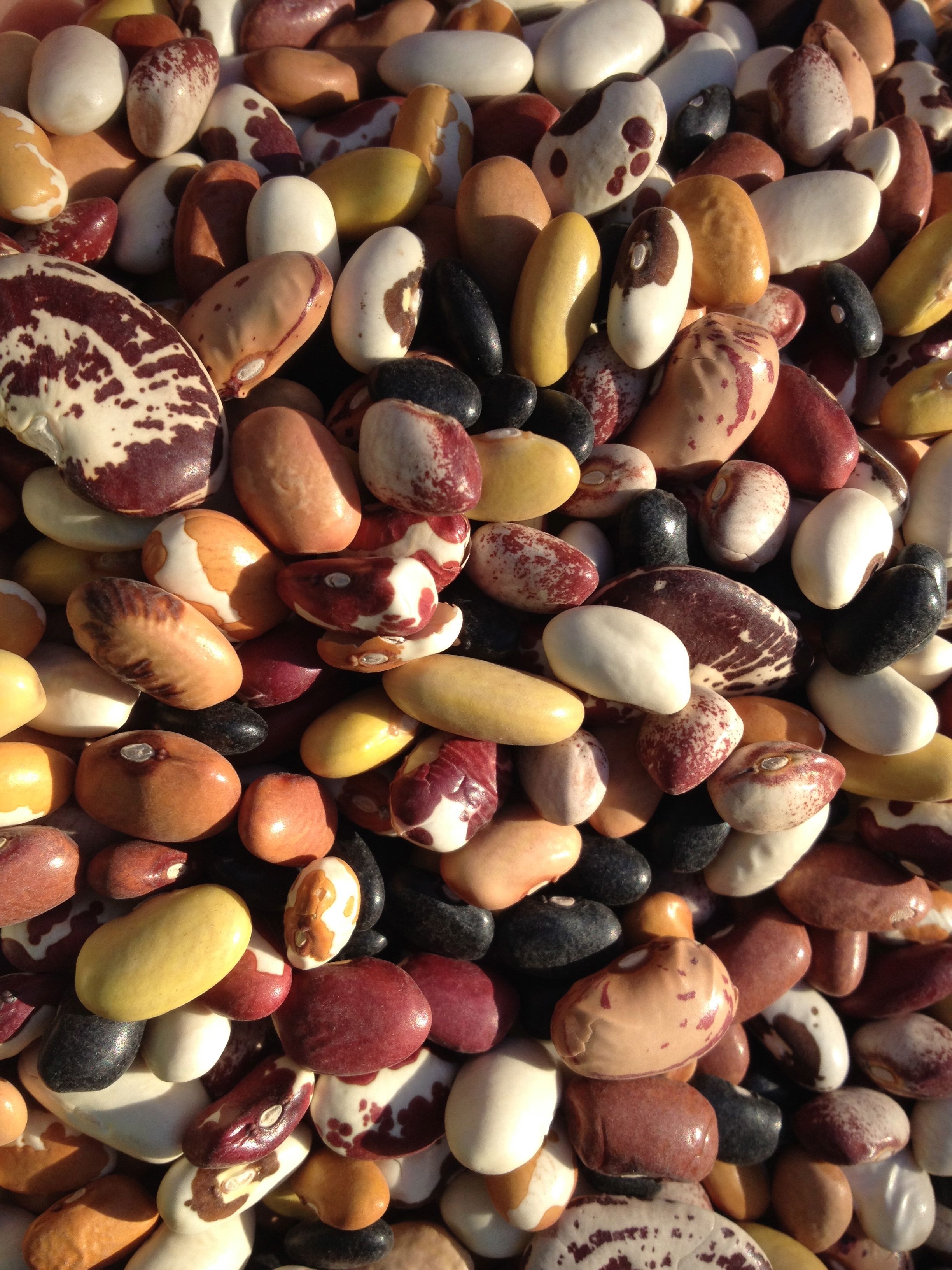
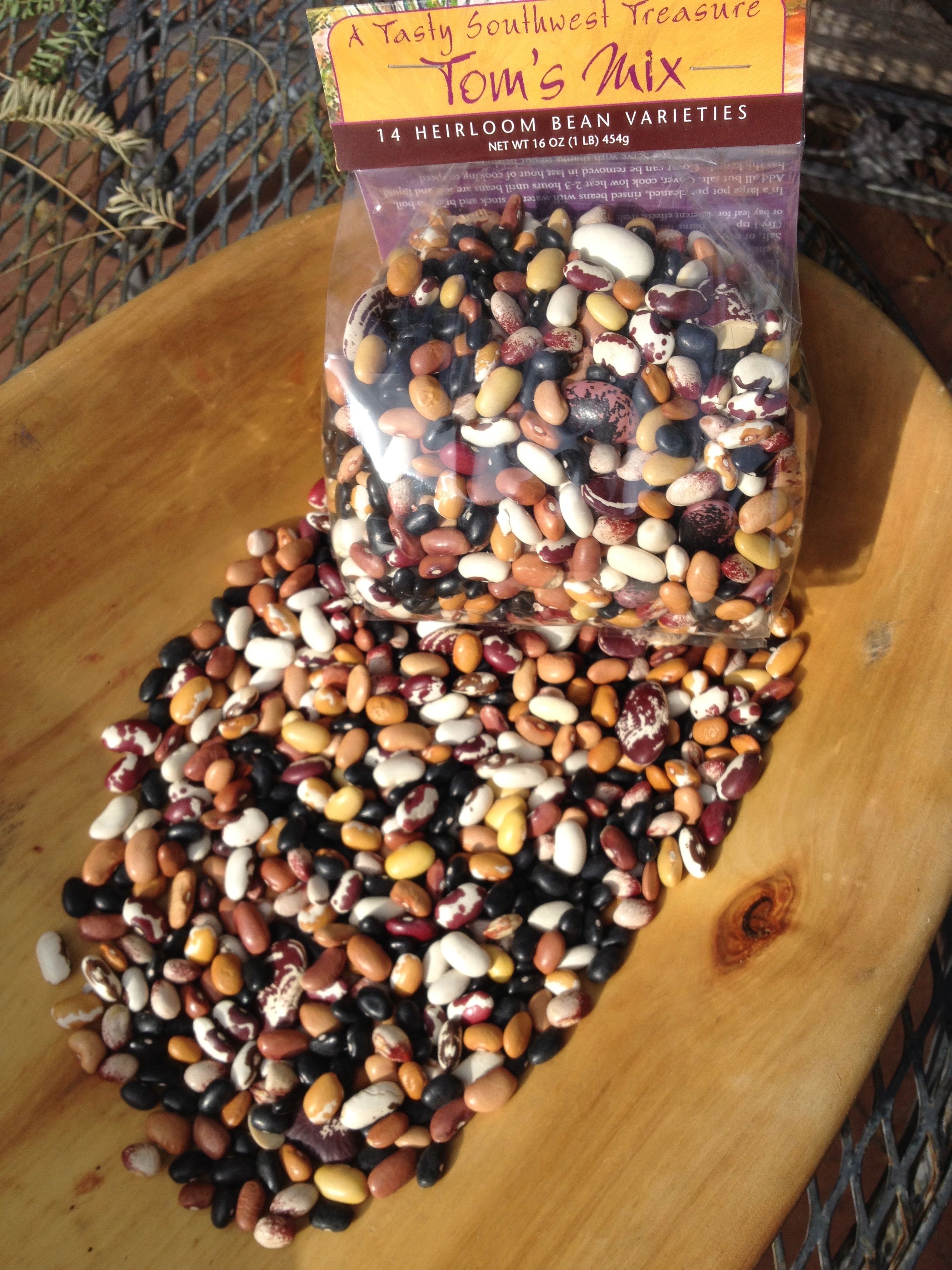
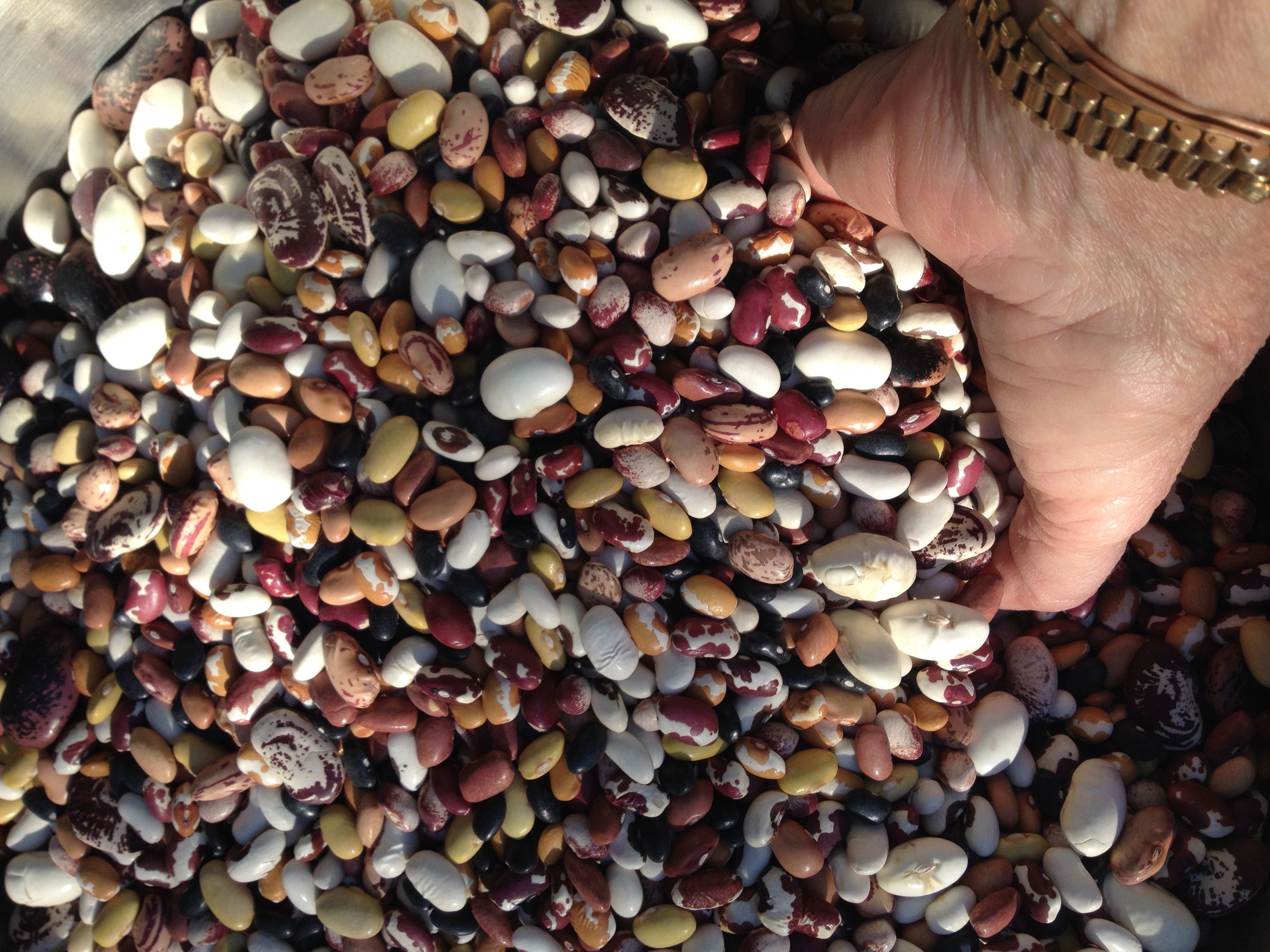
Tom's Mix is a rainbow of color, flavor, nutrition, and genetic adaptations to the desert Southwest! (MABurgess photo)

Tom’s Mix is a rainbow of color, flavor, nutrition, and genetic adaptations to the desert Southwest! (MABurgess photo)

In the genetic treasure trove of the NativeSeeds/SEARCH Seed Bank, there are hundreds of varieties and landraces of common bean, runner bean, and limas that can dazzle both our eyes, tastebuds–and our souls. Their colors, theirs shapes, sizes, sculpture are miniature works of art. And inside each little bean, each variety carries a complex of genes shaped over time to fit a specific local rainfall regime, soil, daylength, temperature range, and human habits. Their genetic potential may provide us some nutritional lifeboats into the uncharted waters of climate change.  (We are in this together.)

Delectable Tom's Mix available online at NativeSeeds.org and FlordeMayoArts.com.

Delectable Tom’s Mix available online at NativeSeeds.org and FlordeMayoArts.com.

Long ago, my gardening pal and mentor Tom Swain “invented” a mix of 14 different beautiful Southwestern heirloom beans garnered from the NativeSeeds/SEARCH collection. Of course we had to call it “Tom’s Mix” (ok–“oldsters” get it). It is the most beautiful set of genetic as well as flavor jewels—truly a treasure to behold and to eat.

Many people at our Flor de Mayo booth at Sunday St Phillips Farmers Market have asked how to identify each bean in the mix. To sort them, ID each variety, and come to know them is a fun challenge.  I’d like to create a game for kids (and adults) to teach taxonomy in a cool way using them.


So, head for the NativeSeeds store or Sunday’s St Phillips market, pick up a bag of Tom’s Mix, and take the BEAN CHALLENGE!

Herewith is your KEY to unlocking some the of mystery beans of our beautiful desert region.  (They each carry stories with them–come learn more from Tia Marta at the Sunday market… see, buy, taste each beautiful bean, see which one is cooking in the solar oven, and press her to finish her bean book!)  Until then, you can feast on these gorgeous visual hints—first a feast for the eye, later for the palette–with this photographic key to the makings of Tom’s Mix:

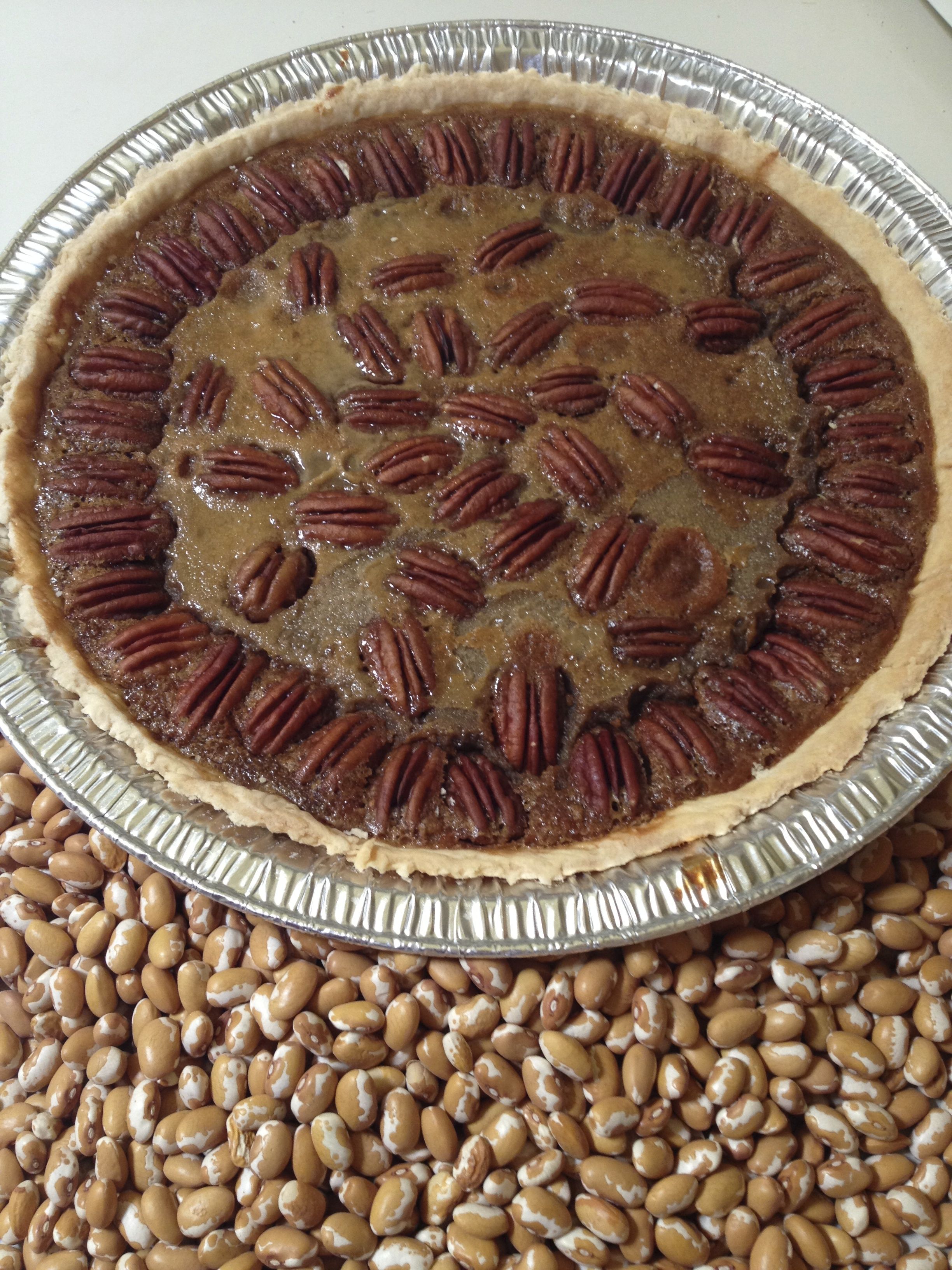
Ed's perfect pecan pie made with Zuni beans--a healthy dessert!.

Ed’s perfect pecan pie made with Zuni beans–a healthy dessert!.

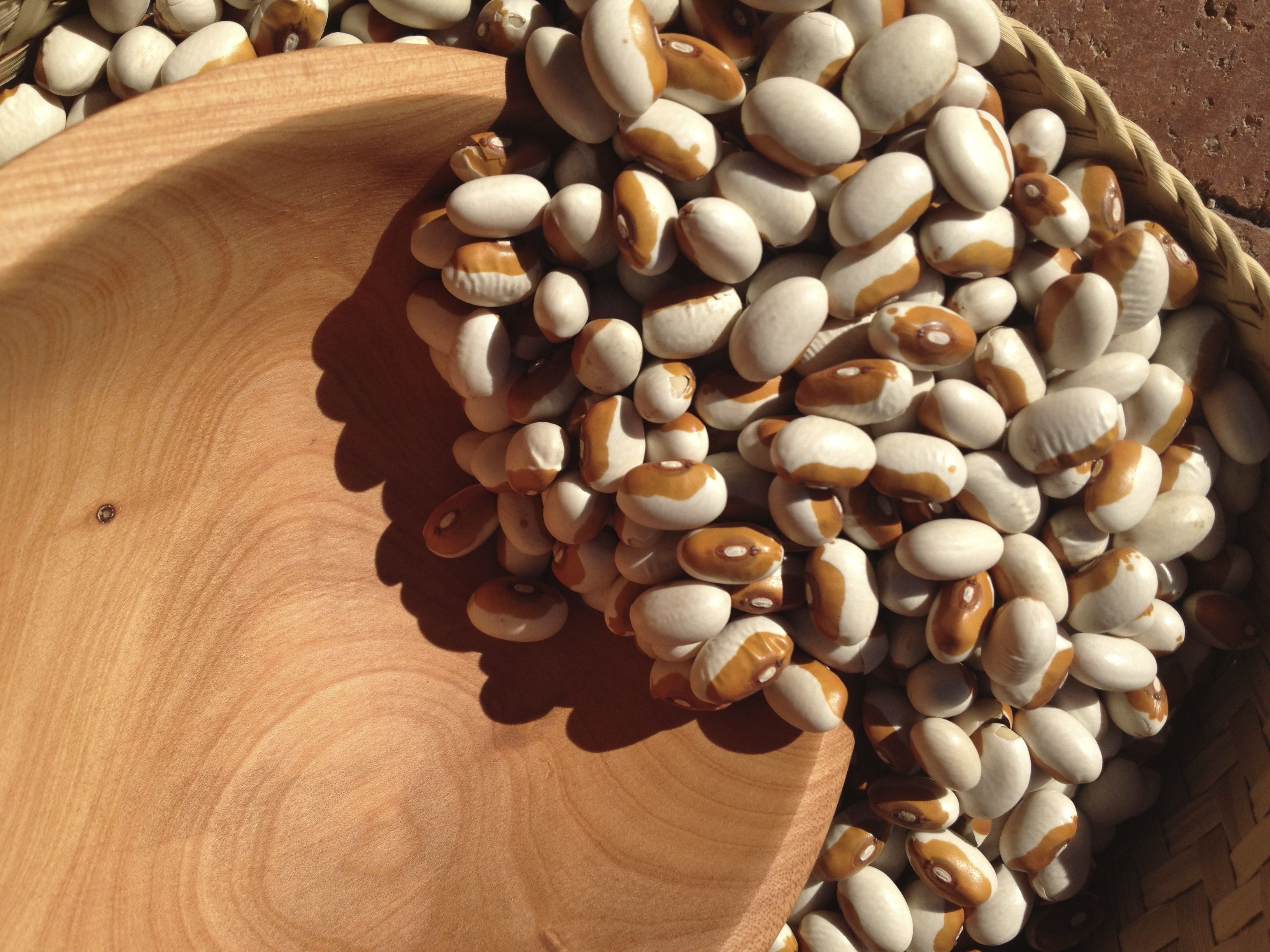
“Zuni Gold” (aka “Four Corners Gold”) was originally from the Native Zuni people of NW New Mexico, a flavor gift to the world.

“Zuni Gold” (aka “Four Corners Gold”) was originally from the Native Zuni people of NW New Mexico, a flavor gift to the world.


"Yellow-eye bean" (not related to black-eye pea) similar to Zuni Gold but with a distinctively different flavor.  It was the original Boston baked bean before coming west.  So rare it is not often used in the mix.

“Yellow-eye bean” (not related to black-eye pea) similar to Zuni Gold but with a distinctively different flavor. It was the original Boston baked bean before coming west. So rare it is not often used in the mix.


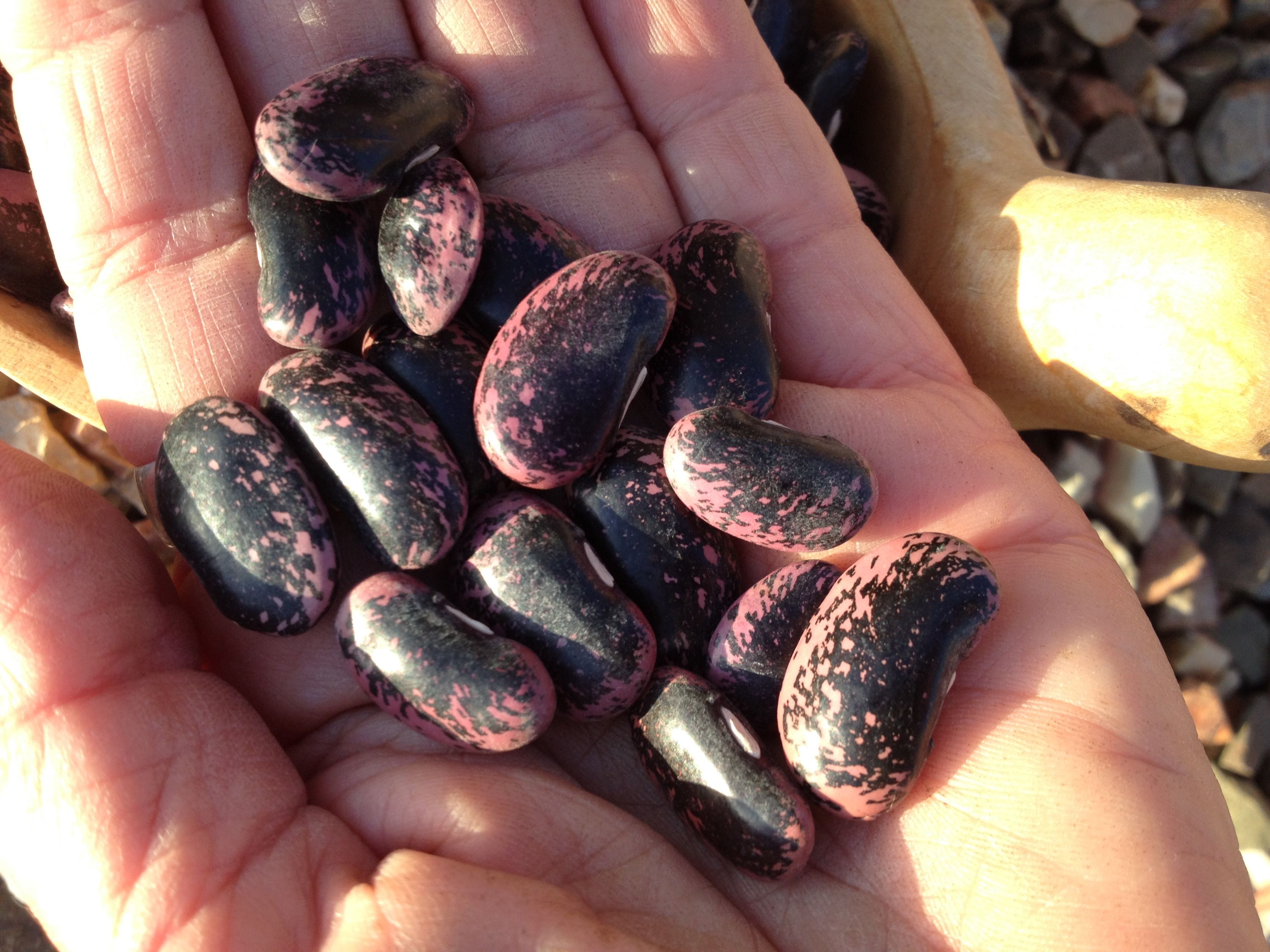
“Scarlet Runner” is a vining bean with brilliant red flowers that attract hummingbirds.  It is a large purplish speckled bean not to be confused with lima.

“Scarlet Runner” is a vining bean with brilliant red flowers that attract hummingbirds. It is a large purplish speckled bean not to be confused with lima. (MABurgess photo)

Runner beans (Phaseolus coccineus) are larger than so-called “common” beans (Phaseolus vulgaris–an insulting name for such wonderful food plants!)  Runner beans, as the name implies, are climbers as compared with bush-beans.  Their flowers are bigger and they bear huge pods.  Runner beans make a great addition to soups and stews.

Related to scarlet runner is “Aztec White Runner” or “Bordal” (aka “Mortgage Lifter”) is another vining bean with a big white flower.  It is large, plump and a little sweet.

Related to scarlet runner is “Aztec White Runner” or “Bordal” (aka “Mortgage Lifter”) is another vining bean with a big white flower. It is large, plump and a little sweet.  (MABurgess photo)


“Yellow Indian Woman” is the only bean in the mix not from the SW.  As legend has it, Swedes brought this bean to Native people of the northern plains.

“Yellow Indian Woman” is the only bean in the mix not from the SW. As legend has it, Swedes brought this bean to Native people of the northern plains.

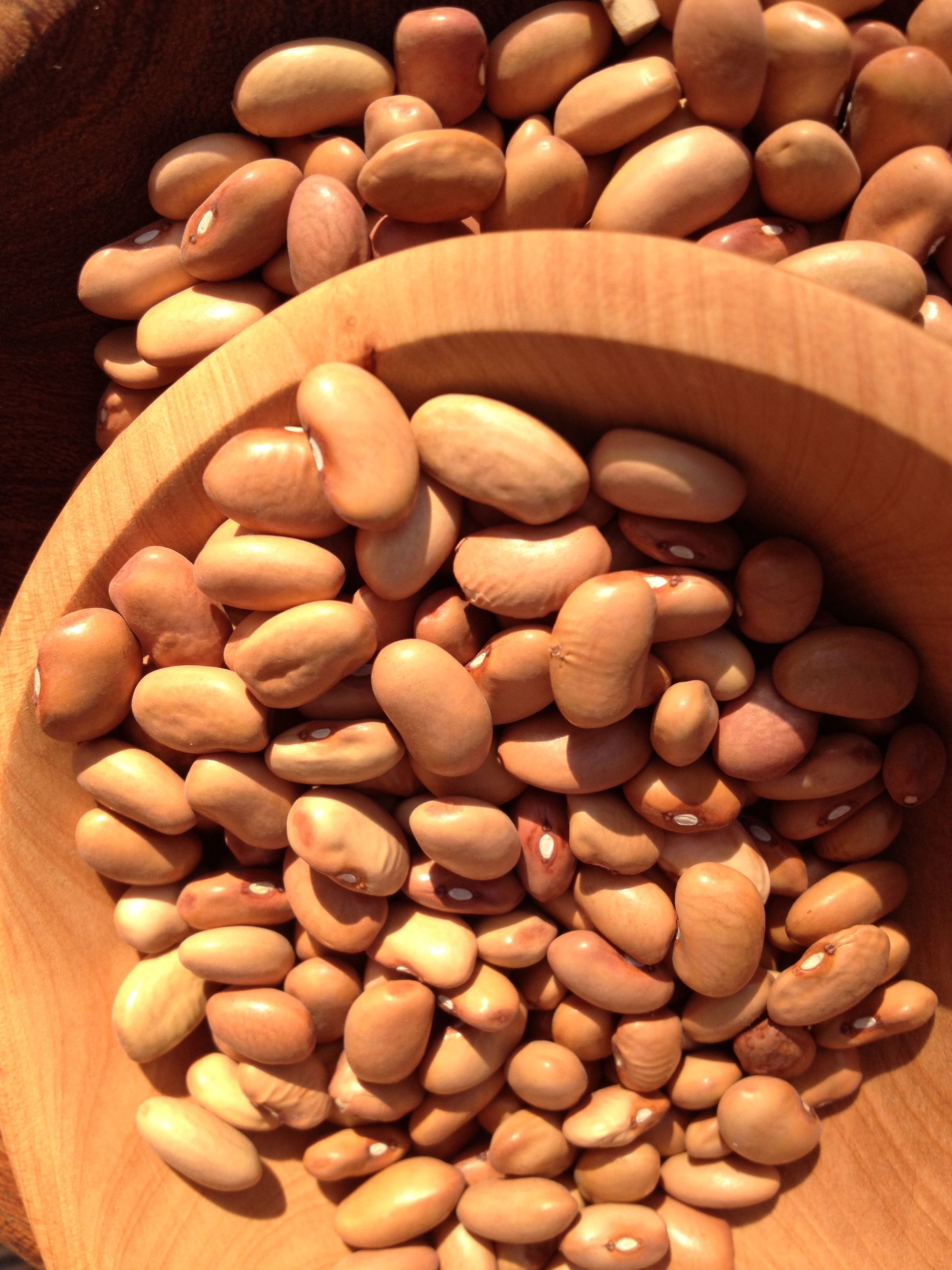
“Flor de Mayo”  (Mayflower) is a favorite of traditional people from Chihuahua and Texas to southern Sonora.

“Flor de Mayo” (Mayflower) is a favorite of traditional people from Chihuahua and Texas to southern Sonora.

“Bolita” or “little bullet” is a champion of flavor and makes a delish burrito or refried bean.

“Bolita” or “little bullet” is a champion of flavor and makes a delish burrito or refried bean.


These three beans are of similar shape and color–though different in flavors.  It is neat to try them separately, to enjoy their individual attributes.  Watch for announcements when Native Seeds/SEARCH sponsors its Great Bean Tasting Events.


“Moon Bean” (also known in Colorado as “pinkeye bean”)  is a mild, tasty, versatile bean.

“Moon Bean” (also known in Colorado as “pinkeye bean”) is a mild, tasty, versatile bean.

In Tucson our culinary hero Chef Janos Wilder of the Downtown Kitchen has created the most delectable casserole using Moon Beans, chicken, and other surprise veggies.  Try this one out also in marinated salads with white Sonora wheat berries.

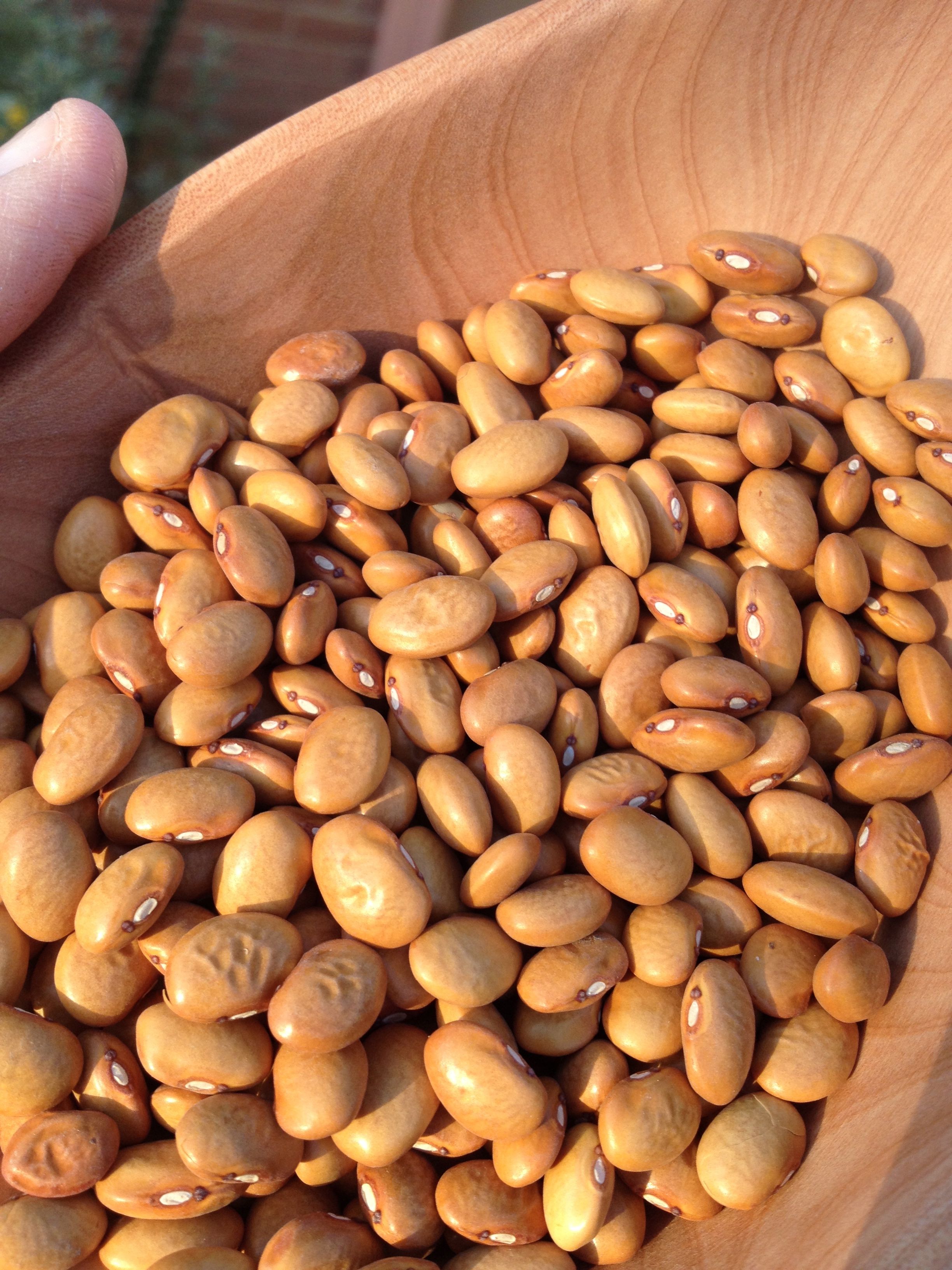
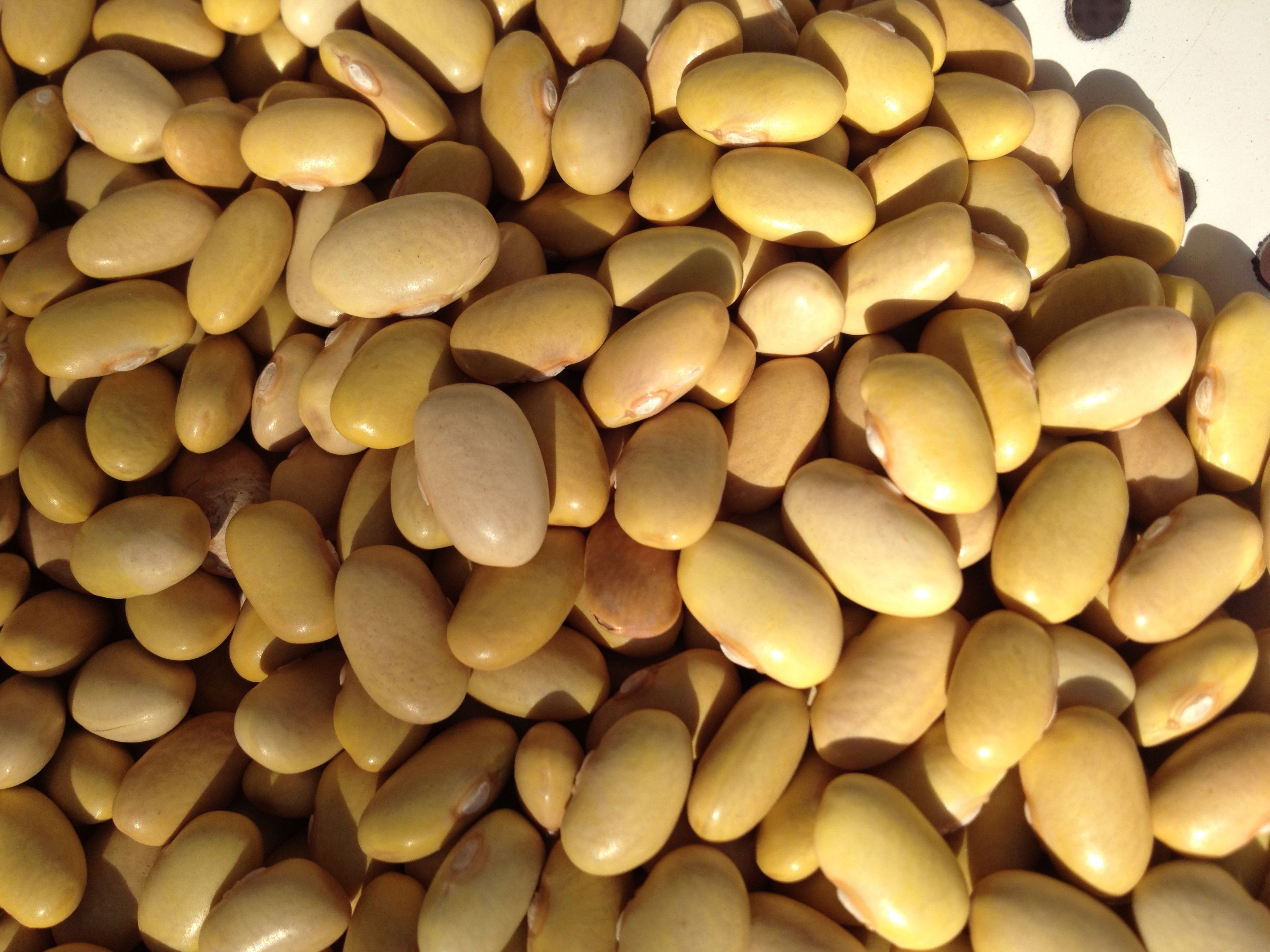
“Maicoba”  is named for the Pima Bajo village in Sonora where it originated.  This yellow bean goes by many monikers—sulfur bean, azufrado, canario, peruano.

“Maicoba” is named for the Pima Bajo village in Sonora where it originated. This yellow bean goes by many monikers—sulfur bean, azufrado, canario, peruano.

The versatile Maicoba makes a fabulous refried bean, a great dip, or burrito.

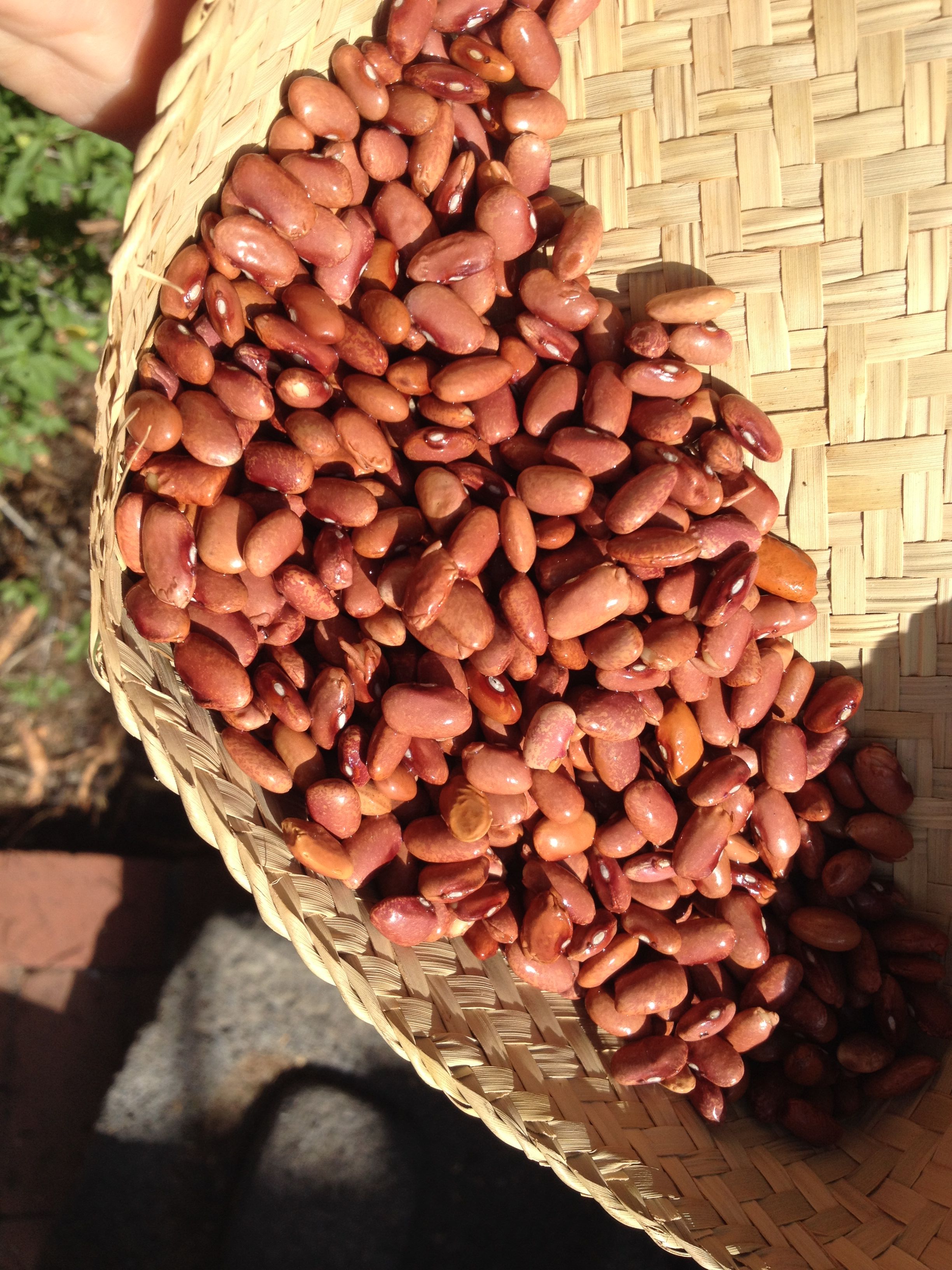
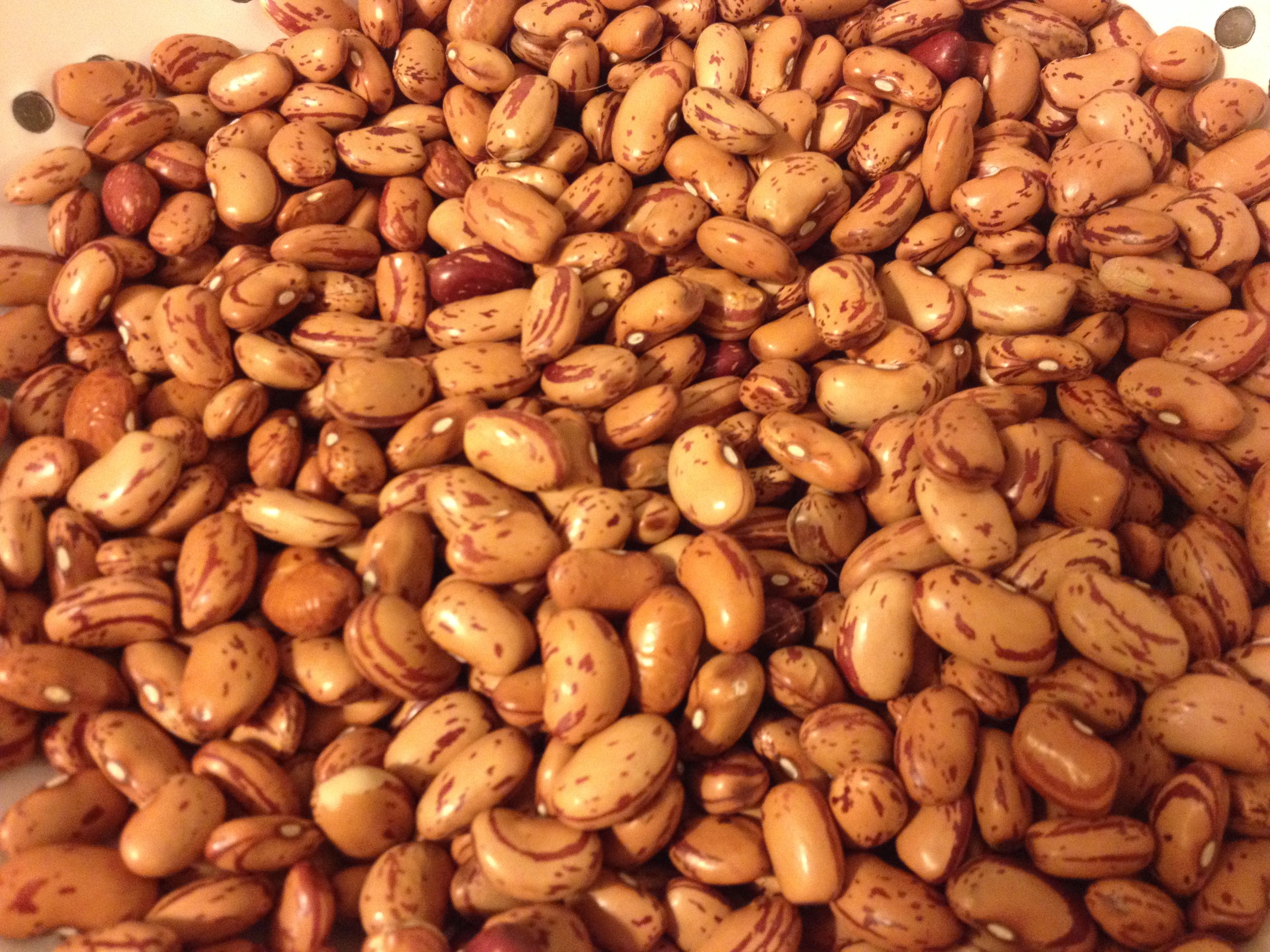
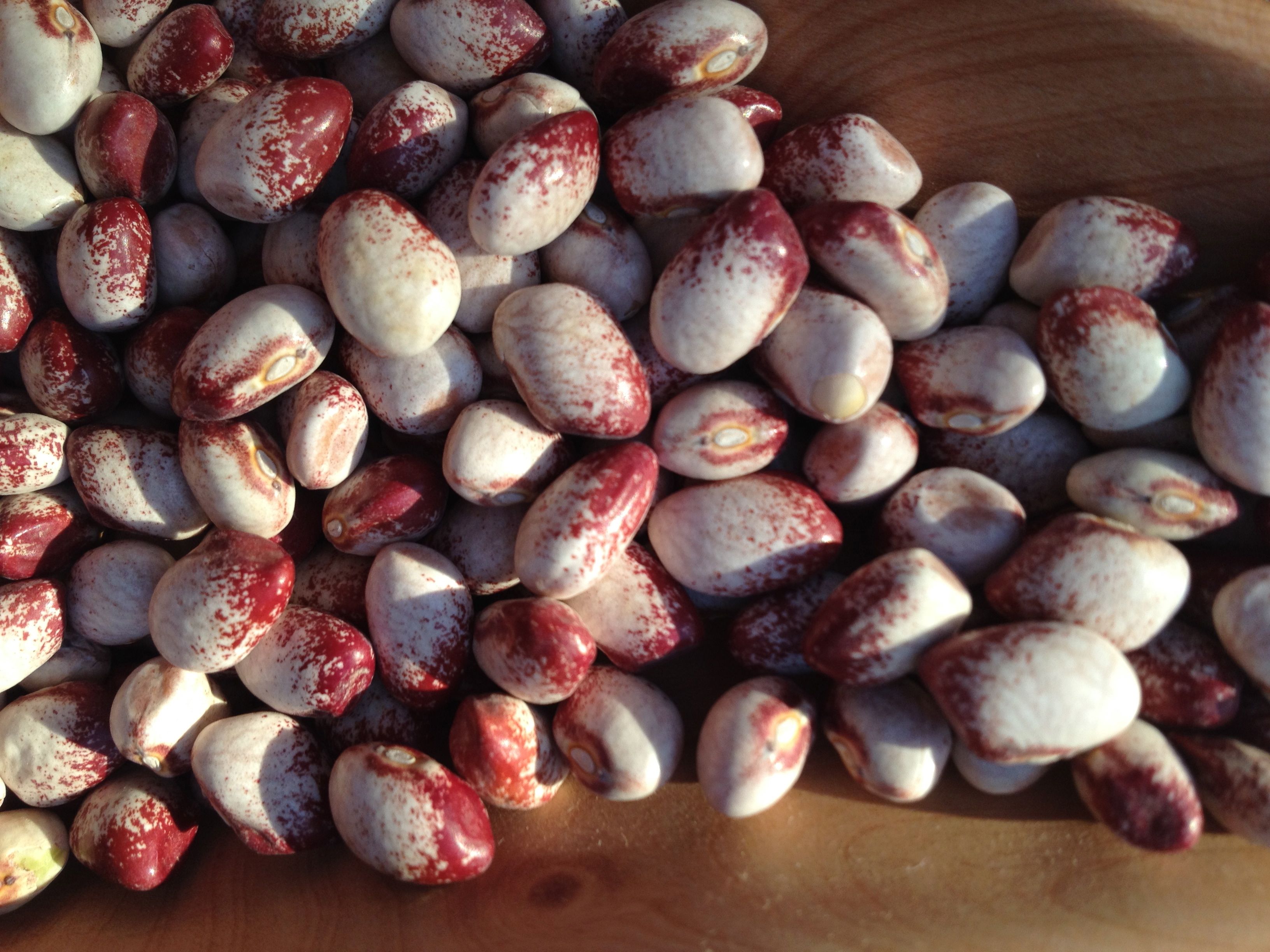
“Cranberry bean” refers to the flecks and strips of dark maroon or cranberry coloration on beige, not to its flavor.

“Cranberry bean” refers to the flecks and strips of dark maroon or cranberry coloration on beige, not to its flavor.

You will often see Italian recipes calling for cranberry bean.  This year’s crop of cranberry was for some weather reason a bust; let’s hope that next year it comes back strong again.  To participate, plant some locally.

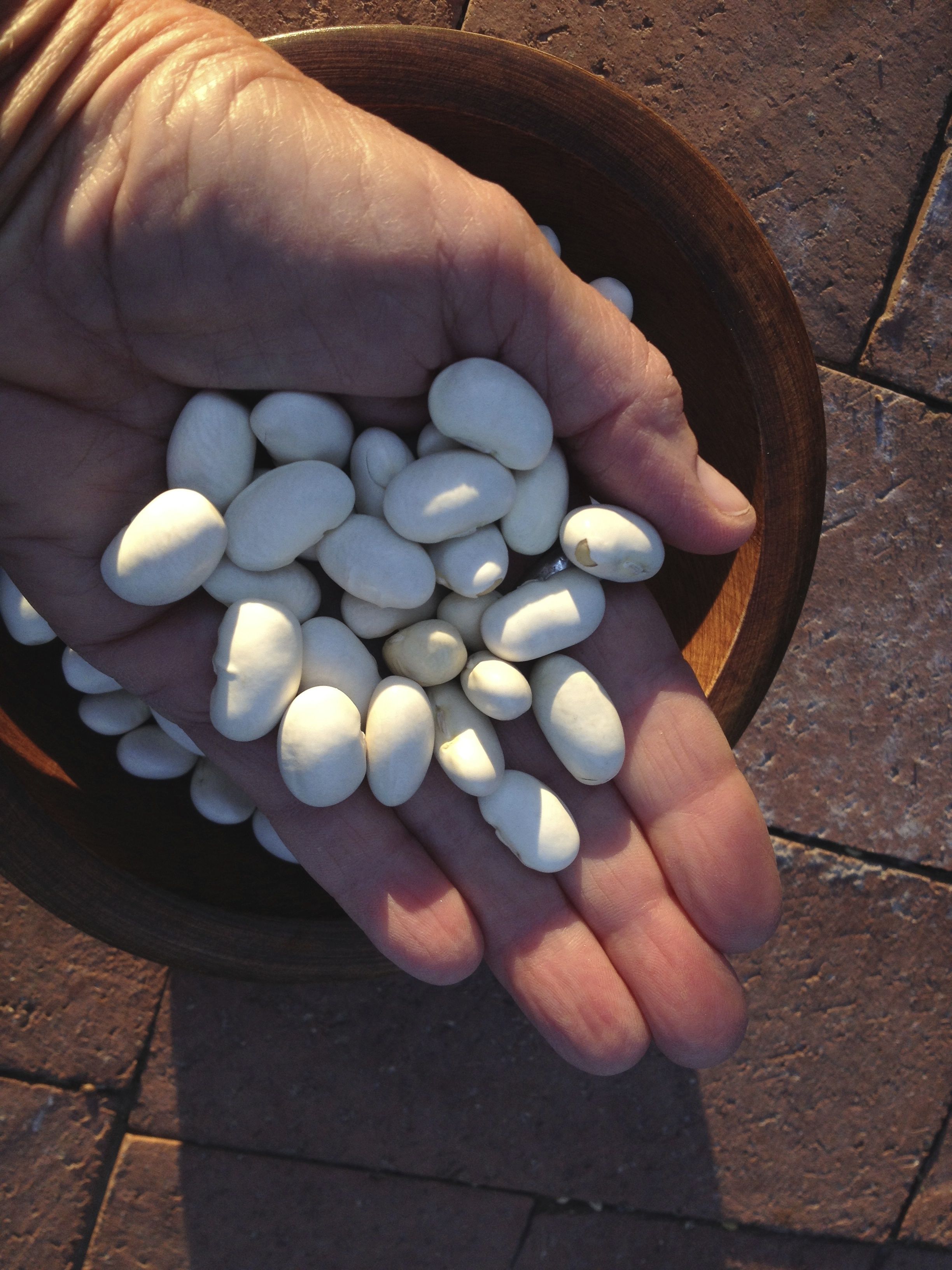
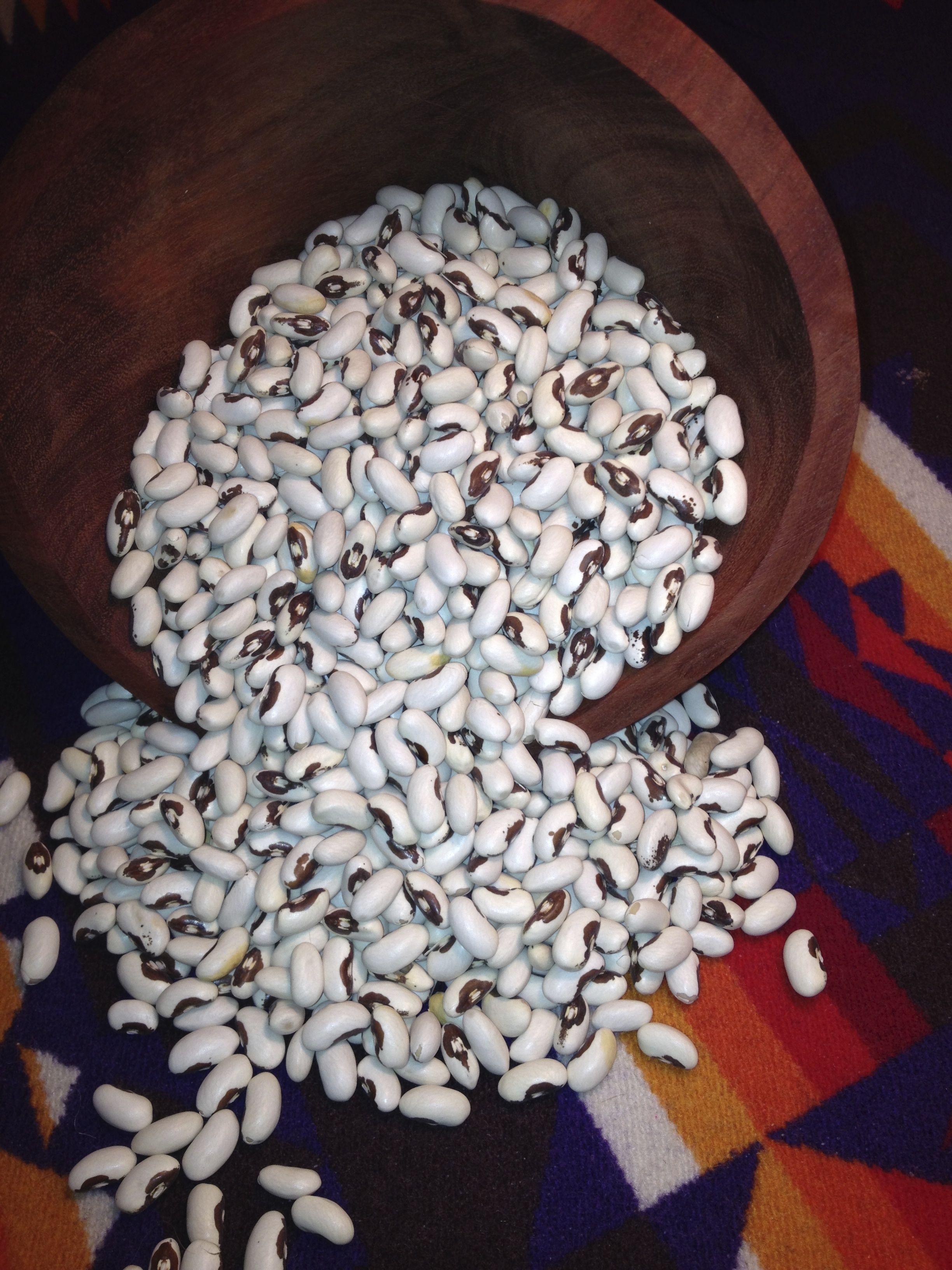
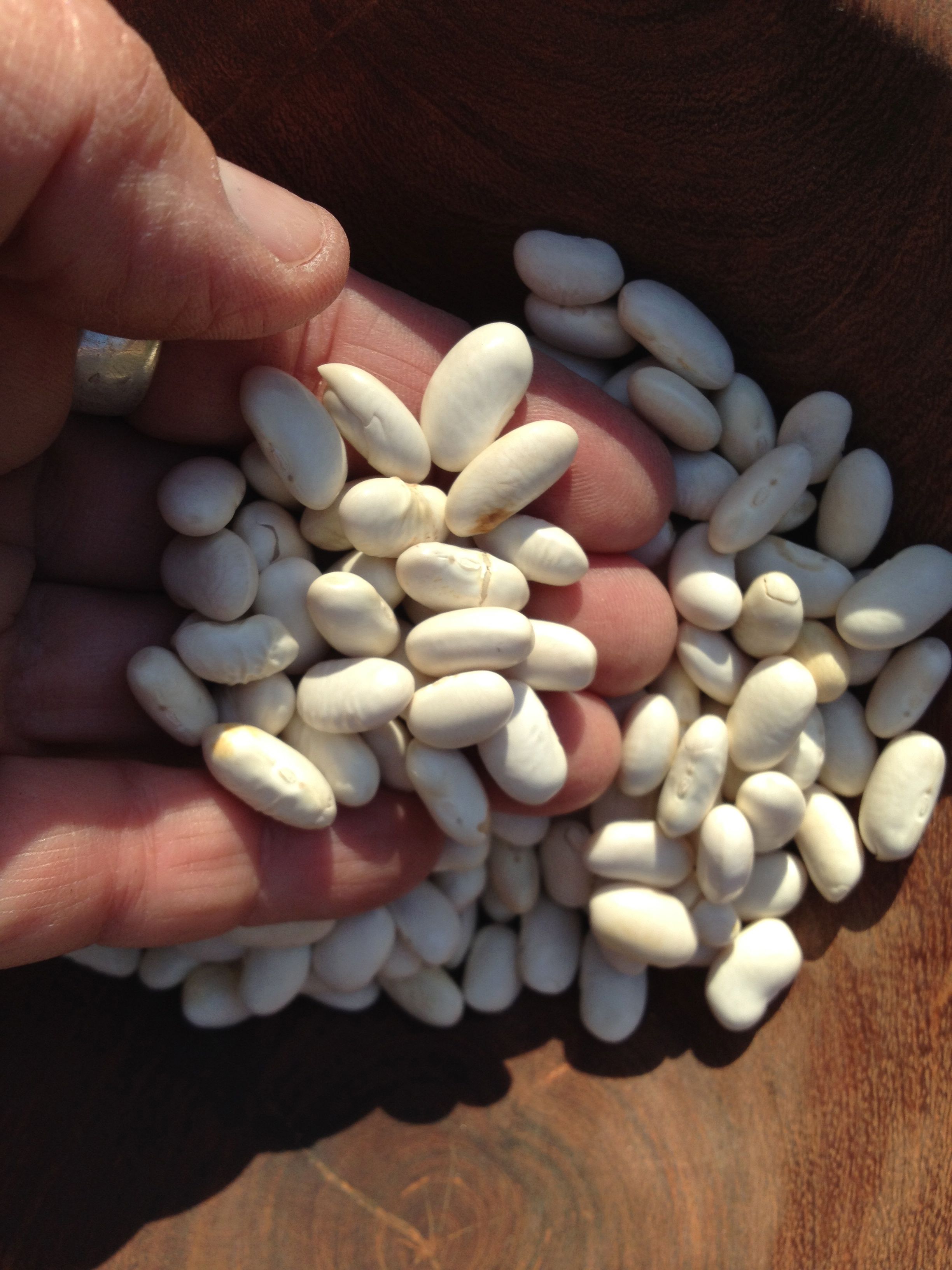
“Cannellini” is an elongated white bean grown in the Four Corners for years, brought there by immigrants.

“Cannellini” is an elongated white bean grown in the Four Corners for years, brought there by immigrants.

Cannellini makes a fabulous addition to minestrone, or becomes the center of a yummy Mediterranean marinated bean salad.  A smaller, creamier bean is the “Colorado River Bean” which resembles the Mayflower bean from SeedSavers catalog.

“Colorado River bean” takes its name from the Colorado Plateau where it is grown.  This small speckled bean makes a wonderfully creamy soup.

“Colorado River bean” takes its name from the Colorado Plateau where it is grown. This small speckled bean makes a wonderfully creamy soup.

Worlds apart in flavor and size is the Christmas lima–a true lima bean (Phaseolus lunatus–like a moon).  This one is not like your average butter bean.  It is massive as beans go, rich and almost meaty–great for a vegetarian centerpiece dish.

“Christmas lima” or “Chestnut lima” is a true lima bean Phaseolus lunatus, large, flat, purple mottled, and hearty flavored.

“Christmas lima” or “Chestnut lima” is a true lima bean, large, flat, purple mottled, and hearty flavored.


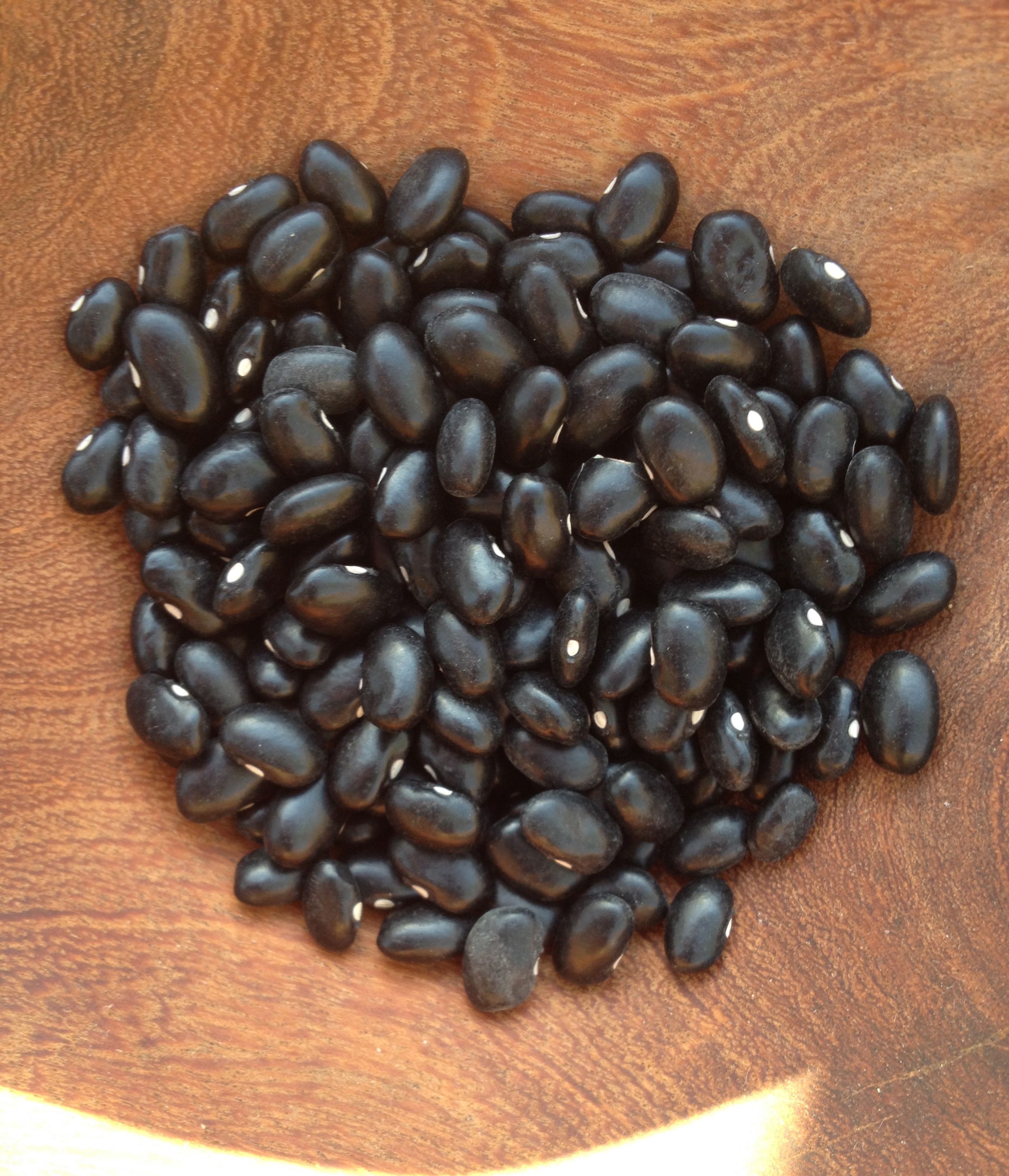
“Aztec Black Bean” or “Black Turtle” is the traditional bean of the Nahuatl or central Mexico.

“Aztec Black Bean” or “Black Turtle” is the traditional bean of the Nahuatl or central Mexico.


“Anasazi Bean” is the only trademarked bean in the mix.  Original seeds of this fast-cooking bean were actually found in an ancestral Puebloan ruin in the Four Corners.

“Anasazi Bean” is the only trademarked bean in the mix. Original seeds of this fast-cooking bean were actually found in an ancestral Puebloan ruin in the Four Corners.

These two beautiful beans, Black Turtle and “Anasazi bean,” bind up the full complement of flavors in Tom’s Mix.  As individual beans, each is hard to beat flavor-wise and texture-wise.  Together, combined in our Tom’s Mix, they are a culinary delight.

Black beans are the staple of many traditional diets, from Meso-America to northern New Mexico.

The “Anasazi” is the fastest cooking and least distressing to digestion of any bean I know of.

So now are you feeling enriched by these visual legume wonders?  I hope so!  Now to come try your hand at identifying them firsthand, and to treating your taste-buds at our Flor de Mayo tent at Sunday farmers market.
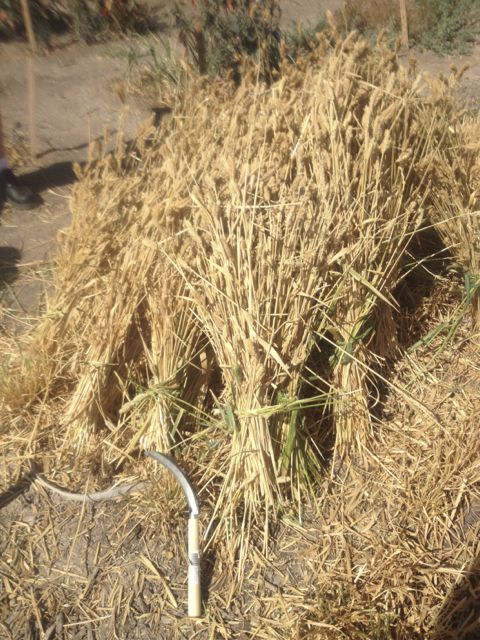
Identified or not, these precious heirloom beans in Tom’s Mix make a fabulous soup that our market and online customers rave about. You can ship out this Southwest gift to all corners of the globe via paypal at http://www.flordemayoarts.com.

Tom’s Mix is so versatile—try them as a dip or as a most colorful marinated bean salad when the weather heats up. If you are inspired to assist the bean genes into the future, try your hand at growing some of the Tom’s Mix varieties this summer in your own garden.  You can learn lots more at our Seed Libraries (Pima County Public Library) and at the upcoming International Seed Library Conference to be held in Tucson in early May.

Diversity of Southwestern heirlooms in Tom's Mix

Diversity of Southwestern heirlooms in Tom’s Mix

See you Sunday at St Phillips Plaza or at the NSS Store, 3061 N Campbell. We look forward to talking heirloom beans with you!
[As for the diversity of those cholla flowers mentioned at the start….. Tia Marta will be exploring our diverse cholla flora at upcoming cholla bud harvesting workshops: Sat April 11 sponsored by NativeSeeds/SEARCH and Sat April 18 sponsored by Tohono Chul Park. Contact each for more info: http://www.nativeseeds.org and http://www.tohonochulpark.org, or call Flor de Mayo at 520-907-9471.]

Here’s to the Budding Desert!

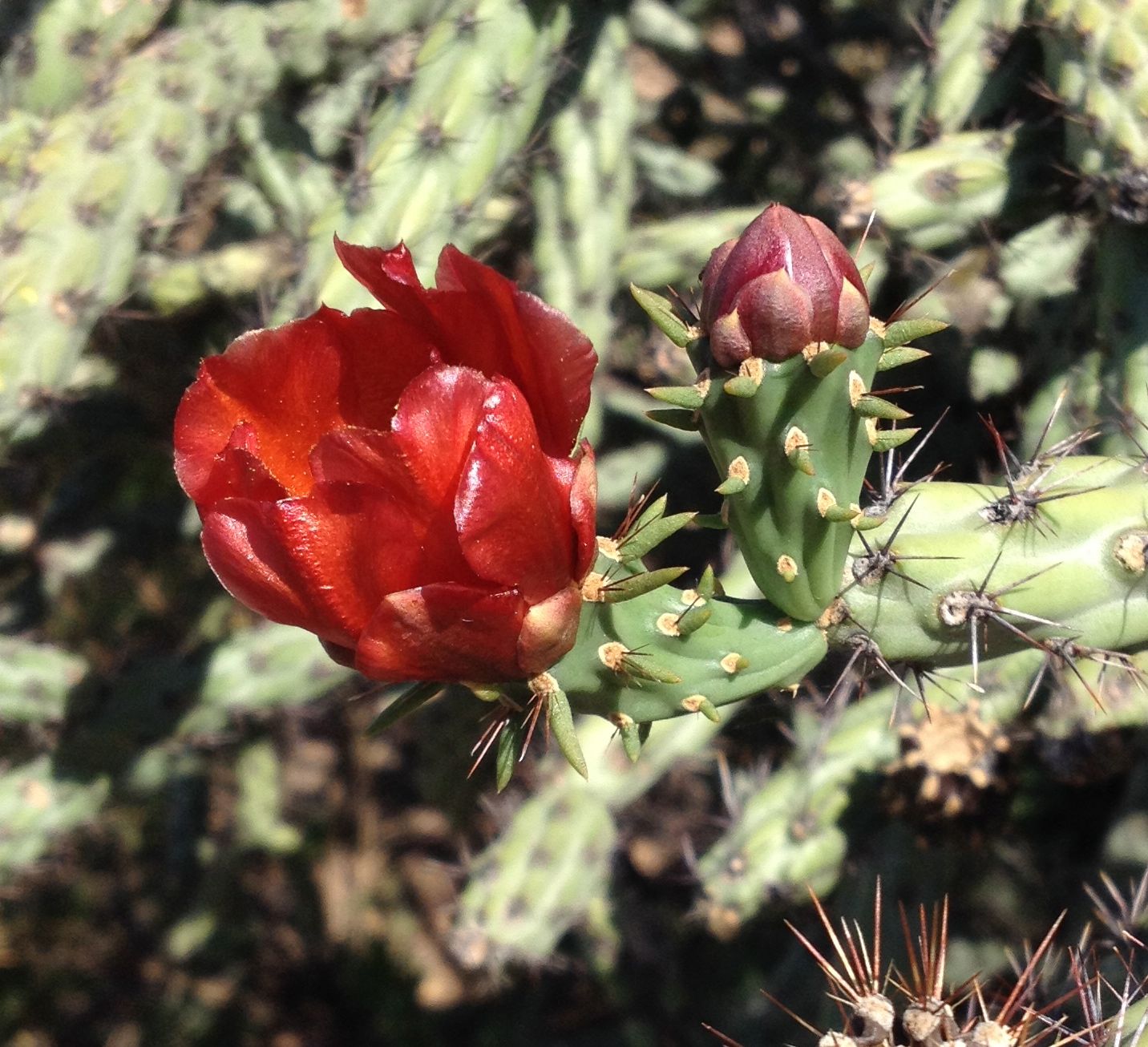
red staghorn cholla flower and bud (MABurgess photo)

red staghorn cholla flower and bud (MABurgess photo)

Can you almost hear them?  I mean the sound of buds swelling and bursting with life out there is the rain-soaked desert?  This spring the wildflowers are a joy, for sure, but the perennials this season will really be in their glory.  Tia Marta here with some wonderful ideas about how we can share in the coming cornucopia of cholla.

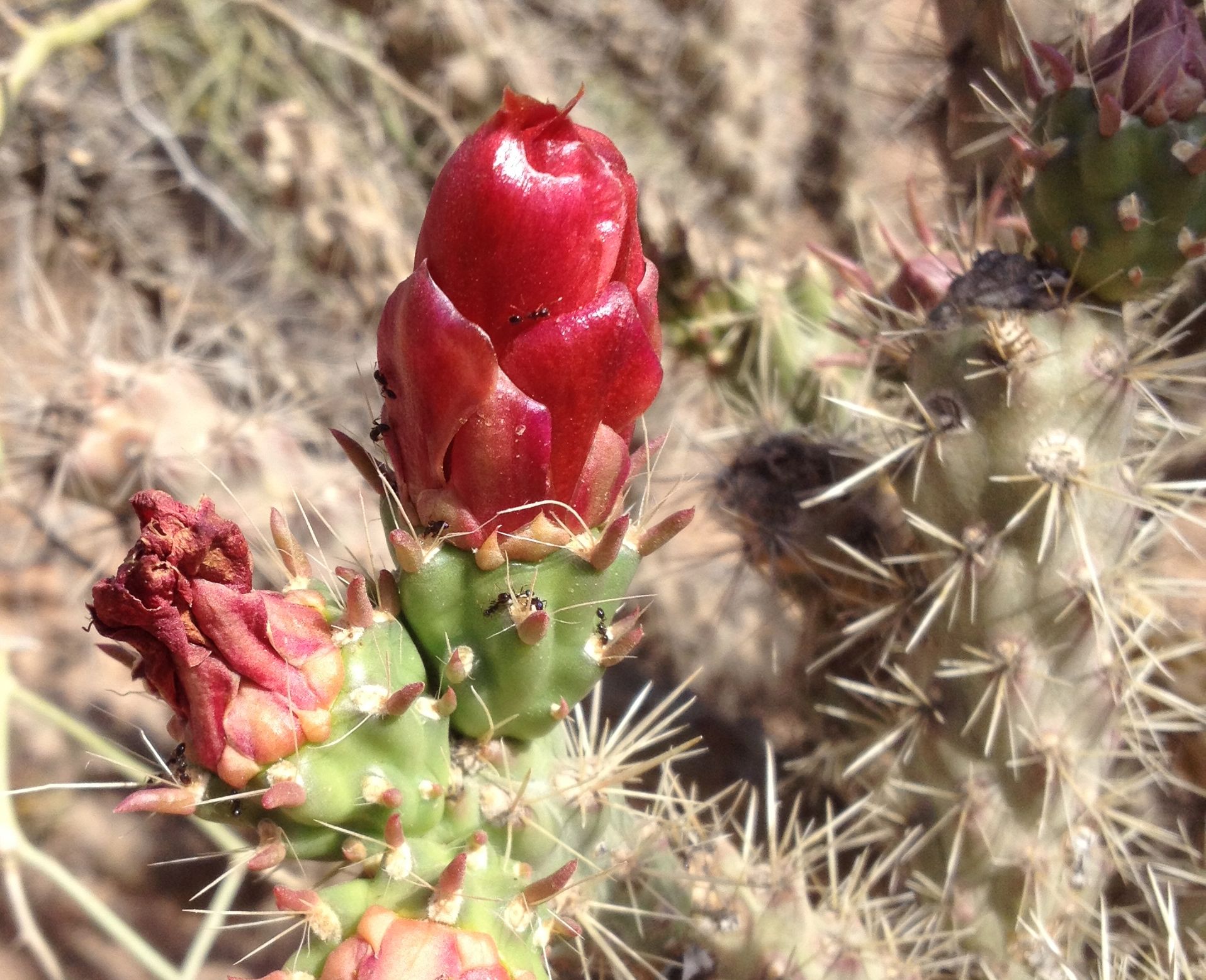
Cholla cactus flower buds emerging, covered with spines--brimming with goodness for all desert creatures….

Cholla cactus flower buds emerging, covered with spines–brimming with goodness for all desert herbivores….(MABurgess)

It should be a bountiful bloom this year–the buds are off and running already.  Every branch on our Sonoran Desert chollas is loaded with little buds, and they seem to double in size every day.  It looks the same in the western part of Arizona, the Mojave….a zillion buds on the golden branches of Cylindropuntia echinocarpa.

While the chollas are preparing for their yearly reproductive ritual–a wildly colorful show for attracting pollinators–many desert creatures will be benefitting from this flamboyant event, including Native Desert People who have always shared in the bounty.

cholla feeds many desert creatures (MABurgess photo)

cholla feeds many desert creatures (MABurgess photo)

You can learn traditional and modern ways of harvesting, preparing and cooking cholla buds in one of several classes coming up soon in April.  With the guidance of ethnobotanist of Tia Marta (yo,) we will get out in the bloomin’ stickery desert, get up close and personal with chollas, get to know their lore, their anatomy, their culture, learn to carefully de-spine them, cook, dry, pickle, and prep them into the most unusual and fun recipes.  Their health benefits are off the charts–we’ll learn about those too.

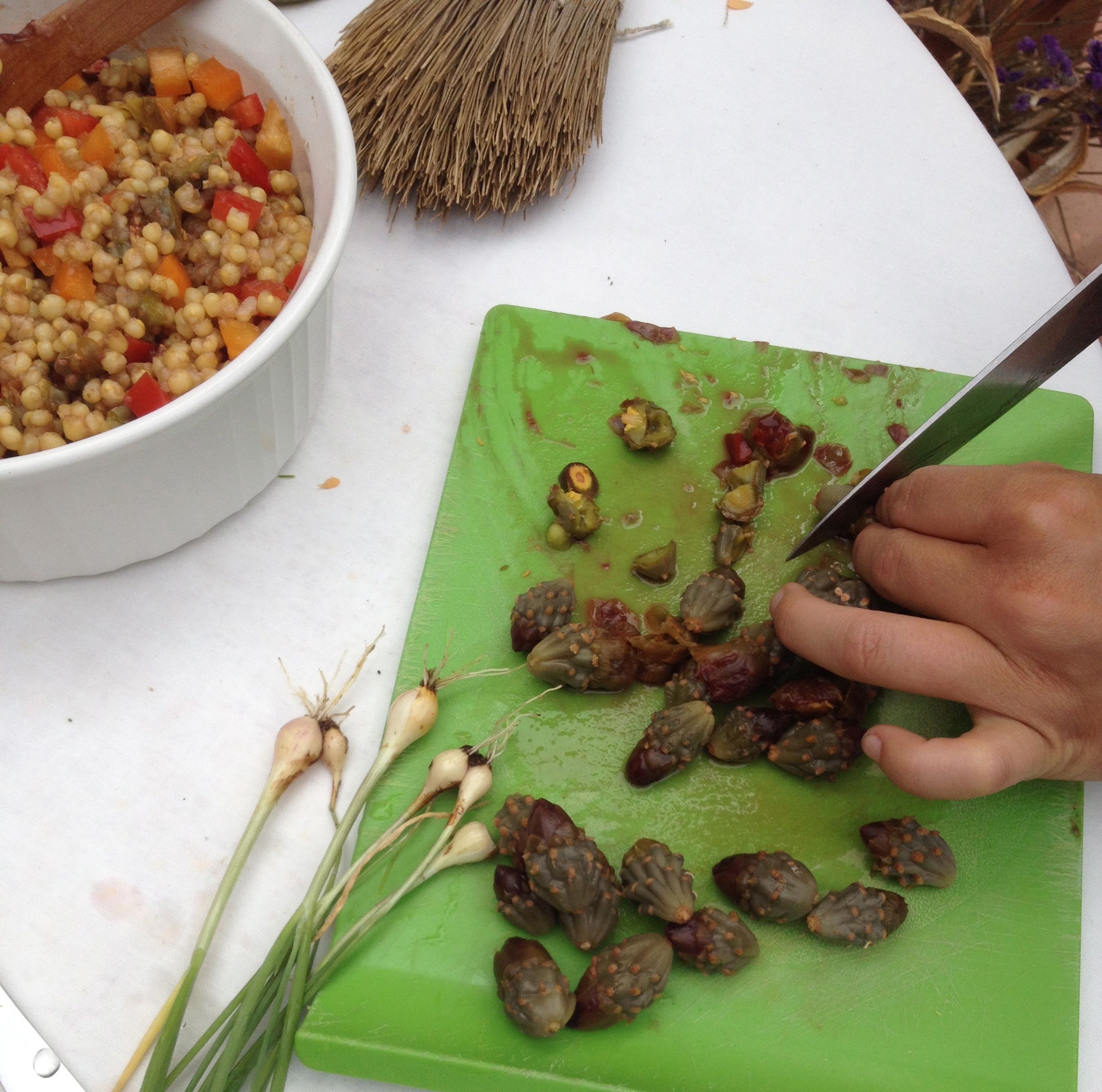
prepping cooked cholla buds with I'itoi's onions for White Sonoran Wheatberry salad

prepping cooked cholla buds with I’itoi’s onions for White Sonoran Wheatberry salad (MABurgess photo)

The biggest kick will be impressing your family and friends with off-the-wall gourmet recipes that no one else makes (other than some wild and wonderfully creative foodies like Janos Wilder, Chef of the Downtown Kitchen, not to mention NativeSeeds/SEARCH staff cooks!)


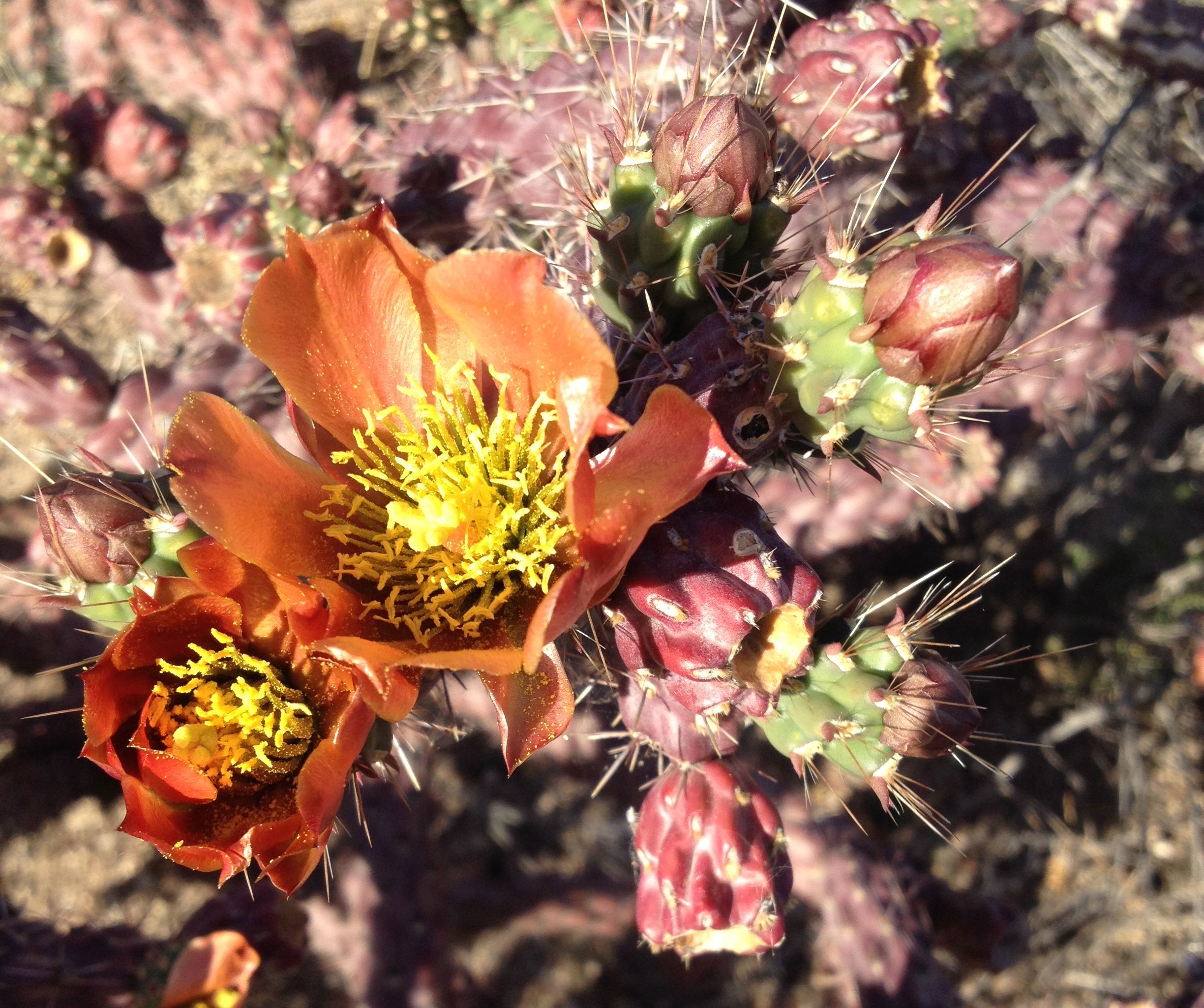
rusty orange flower of the various-colored staghorn chollas

Rusty orange flower of the various-colored staghorn cholla, Cylindropuntia versicolor (MABurgess photo)

We have many cholla varieties in the Sonoran Desert—each with its own distinct characters and timing of flowering. The cane cholla (Cylindropuntia spinosior) is found in a few places in low desert but is more typical of higher desert and desert grassland. It’s the one with the persistent round yellow fruits, and gorgeous magenta flowers. The jumping cholla (C. fulgida) always has long clusters of green persisting green fruits hanging like bunches of grapes. It typically blooms with the monsoon rains of summer with a lovely deep rose flower. If you can find the buds of either of these chollas in their season, their buds are great tasting too.  The buds of both are spiny, but the first-mentioned staghorn cholla (C.versicolor) bears easily-removable spines, so that’s the one my Tohono O’odham “grandmother” and mentor Juanita preferred to pick. I will be demonstrating her teaching at our upcoming workshops in April.

cane cholla in bud with last year's persistent yellow fruits

Cane cholla (C.spinosior) in bud with last year’s persistent yellow fruits

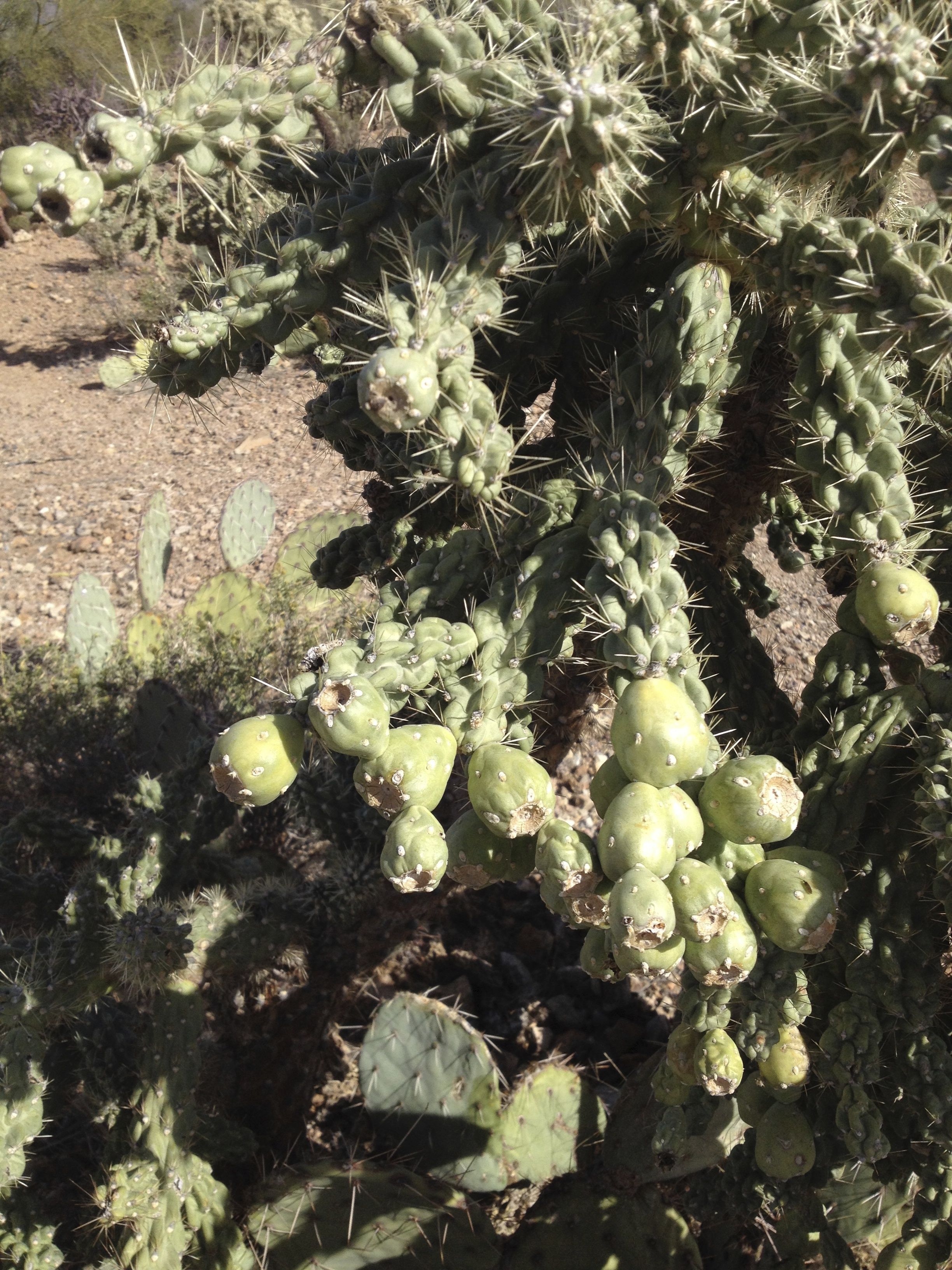
fruits of jumping cholla clinging to former years' fruits

Fruits of jumping cholla (C.fulgida) clinging to former years’ fruits


tongs specially designed for harvesting cholla buds and prickly pear--available at Flor de Mayo tent Sunday St Phillips farmers' market

Tongs specially designed for harvesting cholla buds and prickly pear–available at Flor de Mayo tent Sunday St Phillips farmers’ market

The best instrument for safely harvesting buds is simply a pair of tongs. Long barbeque tongs can help you maneuver through hazardous cactus branches at a safe distance. We commissioned a young woodworker from Sedona to fabricate the right size tongs for us out of fire-killed ponderosa pine—available at the NativeSeeds/SEARCH store and in our selection of handmade wooden utensils at our Flor de Mayo booth at the Sunday St Phillips market.

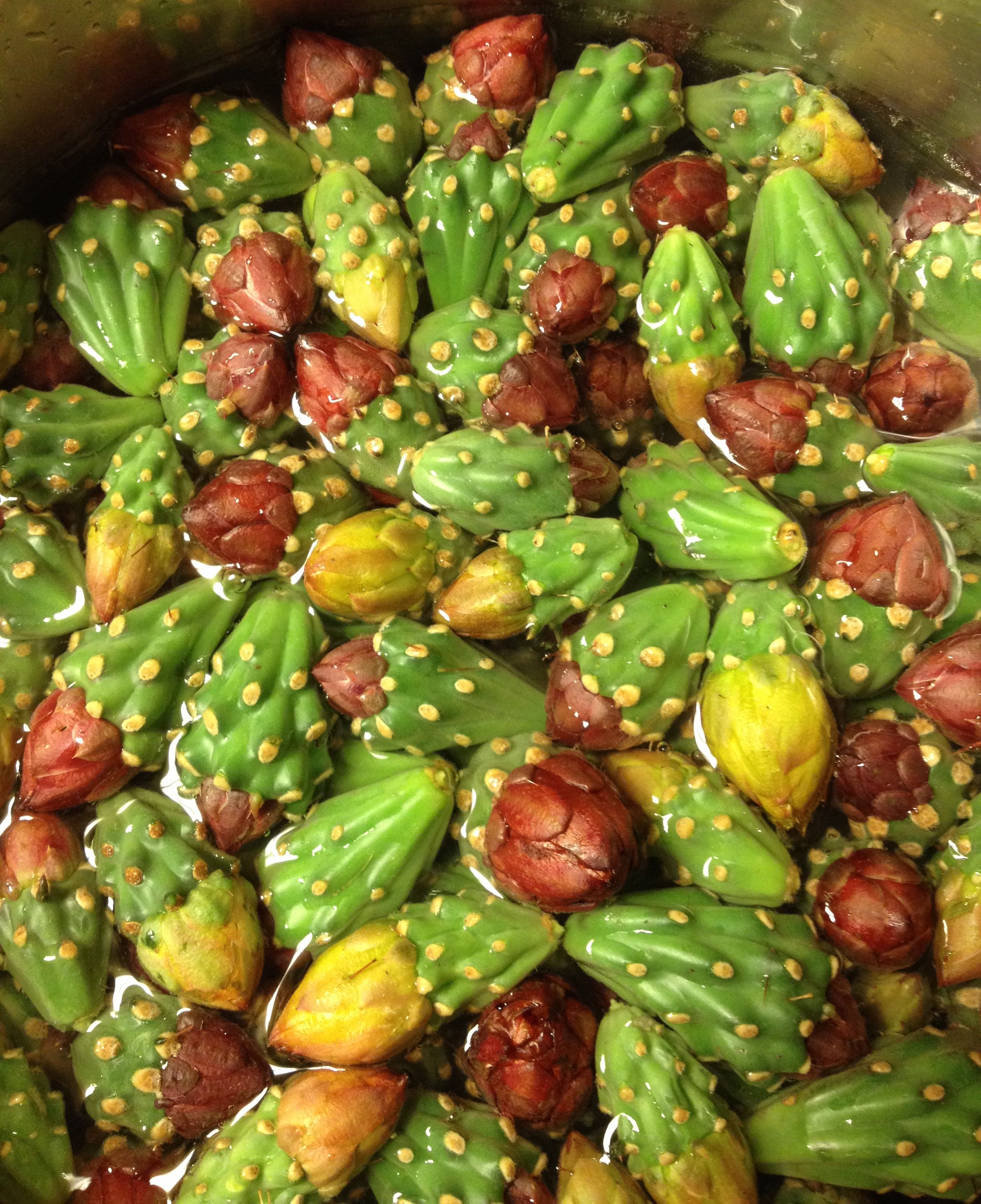
Cholla buds from yellow and red flowers--de-spined and ready to cook

Cholla buds from yellow and red flowers–de-spined and ready to cook (MABurgess)

After de-spining, the buds must be further prepared by roasting or boiling before eating them either plain as a tasty vegetable or fixing into other delectable dishes.


Here’s an easy sure-fire winner for pot lucks……

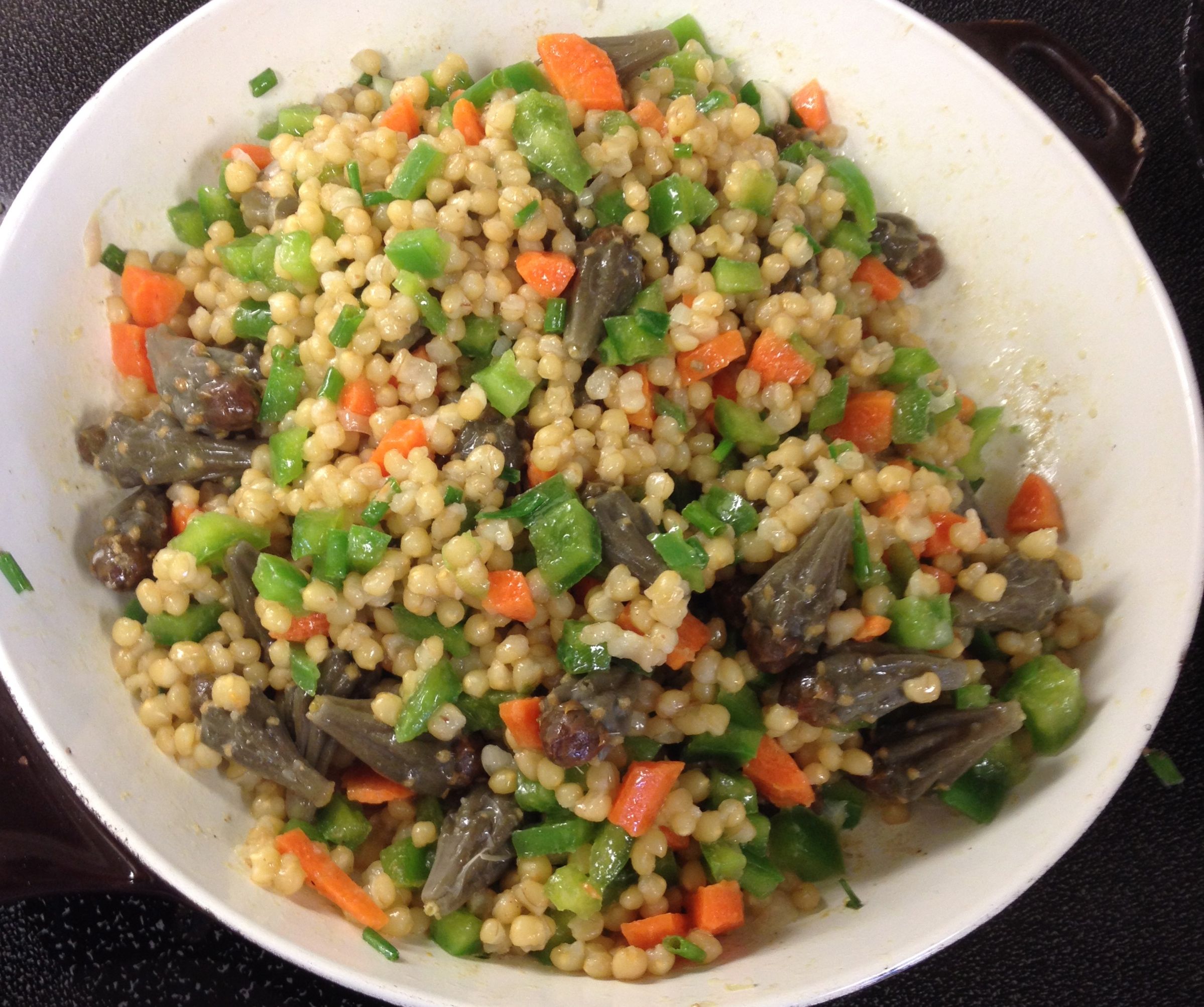
delectable cholla bud and white Sonora wheat-berry salad

Delectable cholla bud and white Sonora wheat-berry salad


Marinated Wheat-berry Salad with Cholla Buds!                                                                                         

Ingredients:                                                                                                                                                                                                                    2 cups cooked and cooled White Sonora Wheat-berries**                                                                                                                                1/4 -1/2 cup of your favorite Italian vinagrette dressing

¼ cup chopped celery
¼-1/2 cup chopped colorful sweet peppers
¼ cup minced I’itoi’s Onion bulbs and tops, or minced red onion
1/2 cup cherry tomatoes cut in half (optional)
½ cup cooked and cooled cholla buds.                                                                                                                                                                                                                     Romaine lettuce leaves as bed

Instructions: Marinate cooked white Sonora wheat-berries in the dressing overnight in frig, stir once or twice.
Mix in all fresh chopped veggies and cholla buds.
Serve on a fresh romaine leaf.   Makes 6 generous servings.

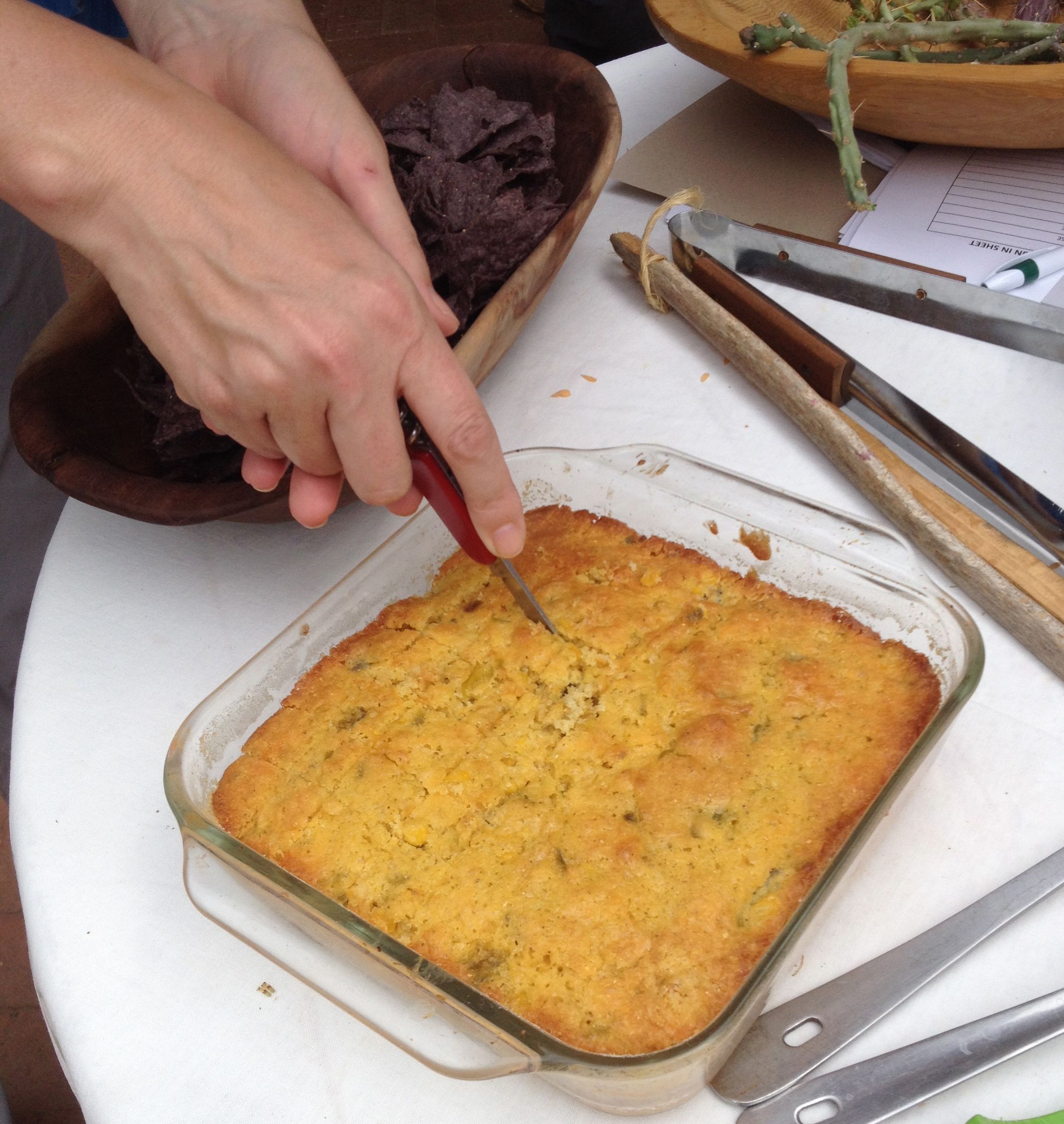
first cut into cholla bud cornbread--yum!

first cut into cholla bud cornbread–yum!

At our up-coming Cholla Bud Harvesting Workshops you will joyously taste cholla in a variety of gourmet recipes. You will a;sp learn how to preserve them, dry them for storage, learn their survival strategies and how those natural “tricks” can help us. Come “internalize” a deeper appreciation of these desert treasures!

For more photos and interesting details, please check out my Edible Baja Arizona article from April 2014 online at http://www.ediblebajaarizona.com. You can view a neat short clip about cholla harvesting created by videographer Vanda Pollard through a link on my website http://www.flordemayoarts.com.  Best of all, you can attend one of our scheduled Cholla Bud Harvesting Workshops to learn the process first-hand!  From there you can harvest your own–and bring these nutritious and off-the-wall taste treats into your home and party menus.


Workshop Dates (find a downloadable flyer on the website http://www.flordemayoarts.com):
Saturday April 4, 2015, 7:30-9:30am—register at 520-907-9471
Wednesday, April 8, 8-11am, Pima Co Parks & Rec 520-615-7855 x 6
Saturday, April 11, 8-11am, Westside, sponsored by NativeSeeds/SEARCH, call 520-622-0830×100                   Saturday, April 18, 8:30-11:30am, Tohono Chul Park, 520-742-6455 x 228

Hoping to see you at one of these fun classes!  Happy harvesting–to all budding harvesters and cholla aficionados!

**Certified organic heirloom White Sonora Wheat-berries from BKWFarms are available at the Flor de Mayo booth at FoodInRoot’s Sunday St Phillips Farmers Market, St Phillips Plaza, N Campbell Avenue, or online from http://www.flordemayoarts.com in ½ lb, full pound, kilo bags, and greater quantities for chefs. Also available from the NativeSeeds/SEARCH Store, 3061 N Campbell Ave, Tucson.

Dry cholla buds for reconstituting to cook are available at San Xavier Coop Association booth at Thursday Santa Cruz Market and at NativeSeeds/SEARCH.

Sweet Roasted Mesquite for a Happy Valentine’s

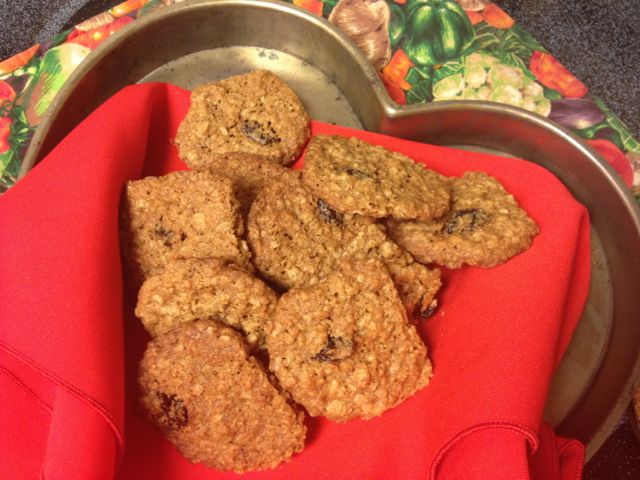
Valentine's Roasted Mesquite and Heirloom White Sonora Wheat Oatmeal Cookies

Valentine’s Roasted Mesquite and Heirloom White Sonora Wheat Oatmeal Cookies


[If only this were a scratch-and-sniff site….]

‘Tis the season for the sweetest, rarest, and heart-healthy mesquite treat of the whole year– Roasted Mesquite! During this relatively cool and occasionally soppy “wintery” weather, stored mesquite pods, which may have drawn in moisture from the humid air since harvesting last summer, can be roasted or toasted for ease of milling into a fine meal. The result is a transformation into something even sweeter than the already-yummy natural raw mesquite meal.


Tia Marta here to introduce you to Roasted Mesquite and to share some creative ideas for celebrating Valentine’s (and beyond).


When mesquite pods are roasted, their complex sugars burst with an almost chocolat-y bouquet. Roasted mesquite has hints of its “botanical cousin,” the carob, from the Near East (known as Saint John’s Bread in the Bible, as it fed St. John so well through his desert wilderness retreat). Those soluble complex carbohydrates that make mesquite such a heart-healthy food–giving sustained energy, helping with cholesterol, balancing blood sugar—come flavorfully to the fore when mesquite is roasted. Take note: all fitness fans, hypoglycemics, diabetic and gluten-free cooks! Roasted mesquite is a super booster-food especially for you. Its complex sweetness and its nutrition make it a gift for everyone you love.

Comparing roasted mesquite flour and natural raw mesquite flour (MABurgess photo)

Comparing roasted mesquite flour and natural raw mesquite flour (MABurgess photo)

You can use roasted mesquite meal in so many ways. In addition to baking with it, the distinctive aroma and richness puts it into the category of seasoning or spice. Shake roasted mesquite through a big-holed spice shaker to jazz up bland dishes or for sprinkling atop coffeecakes, muffins, sundaes, custards, frapaccinos, salads….Yum, it is waiting for your inventions. I make a little mix of garlic powder, sea salt, and roasted mesquite meal, then put the combo in a shaker and keep it handy by the stove or on the table to sprinkle on about everything. Try it on your steamed greens or in quinoa. When corn-on-the-cob season rolls around, there isn’t anything better than my roasted mesquite salt dusted on it. (Mesquite orchardist and agriculturalist Mark Moody will have fresh corn with roasted mesquite at Flagstaff farmers markets this summer—don’t miss it.)

Add a tablespoon of roasted mesquite meal to any hot cereal. It does wonders for oatmeal. Mesquite is the tastiest of all nutritional supplements. Whatever you add it to, you know you are boosting flavor and nutrition—making hearts happier!

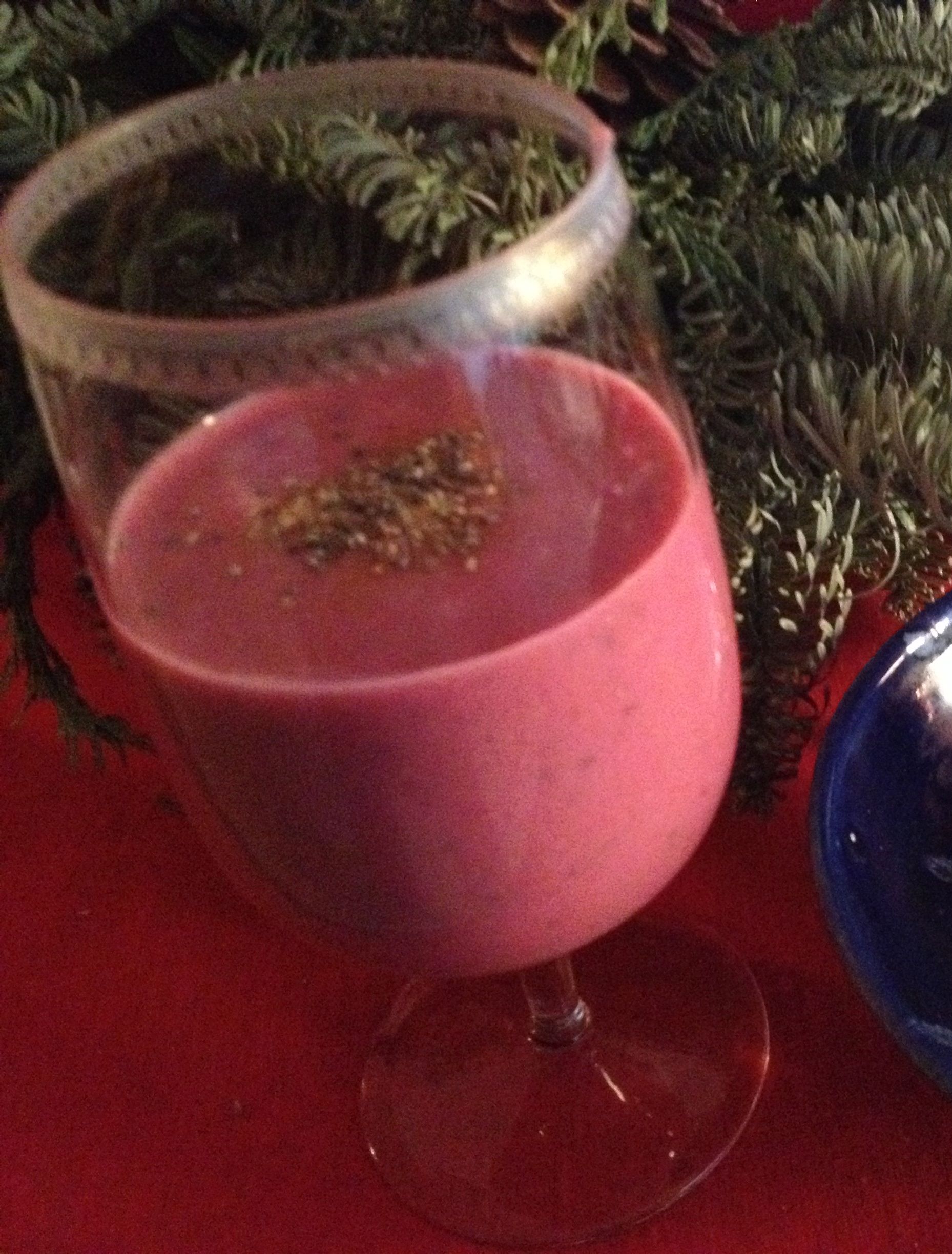
Taste the glorious nutrition of a roasted mesquite and berry smoothie! (MABurgess photo)

Taste the glorious nutrition of a roasted mesquite and red berry smoothie! (MABurgess photo)

Try this delectable and easy Desert Delight–Roasted Mesquite & Red Berry Smoothie—so colorful it can make breakfast into a Valentine’s feast. So rich it can be a Valentine’s dessert served with a spoon. (You can double or triple this recipe for company):

Presoak: 1 Tablespoon chia seed in 1 Cup organic apple juice for a few minutes.

In a blender, mix:

1 cup organic plain or vanilla non-fat yogurt.

2 Tbsp. Roasted Velvet Mesquite Meal*

1 cup frozen raspberries or blueberries

2 Tbsp. prickly pear juice or nectar

your pre-soaked applejuice-chia mix

½ or whole ripe banana

1 Tbsp agave nectar (optional as desired for more sweetness)

A few ice cubes (optional as needed for chill or dilution)

Blend on medium ½ minute until smoothie is gloriously pink. Serve in parfait glass with a thin sprinkle of chia seed or pinch of roasted mesquite meal on top as a garni.

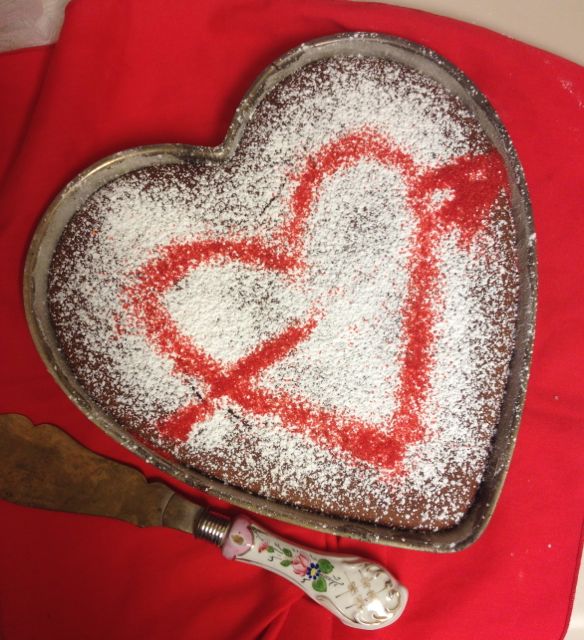
Valentine's gluten-free roasted mesquite/almond coffeecake (MABurgess photo)

Valentine’s gluten-free roasted mesquite/almond coffeecake (MABurgess photo)

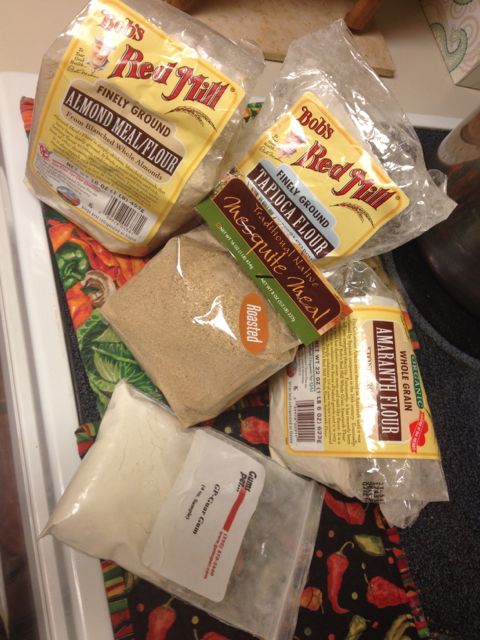
Ingredients for gluten-free roasted mesquite and almond coffeecake looks like an ad for Bob's Red Mill

Ingredients for gluten-free roasted mesquite and almond coffeecake looks like an ad for Bob’s Red Mill

And here’s a wonderful gluten-free recipe to share with wheat-sensitive friends:

Muff’s Gluten-Free Roasted Mesquite/Almond CoffeeCake:

(This is a heavier cake that sometimes turns out more like an energy bar when sliced.)

Preheat oven to 350 degrees. Lightly oil or butter an 8×8” pyrex baking dish and dust with rice flour.

Sift together:

½ cup Roasted Velvet Mesquite Meal*

¾ cup organic brown rice flour and/or amaranth flour

½ cup almond meal

¼ cup tapioca flour

2 tsp guar gum or locust bean gum (for leavening)

1 tsp baking powder

¼ tsp sea salt

Mix In:

¼ cup agave nectar

¼ cup canola or other cooking oil

¾ cup soy milk, rice milk, or almond milk

Beat separately then add in:

2 eggs

1 tsp vanilla extract

1 tsp almond extract

Pour into baking dish. Bake 25-35 minutes or more until cake tests done. Serve with thanks to the nutritious bean trees of the desert!

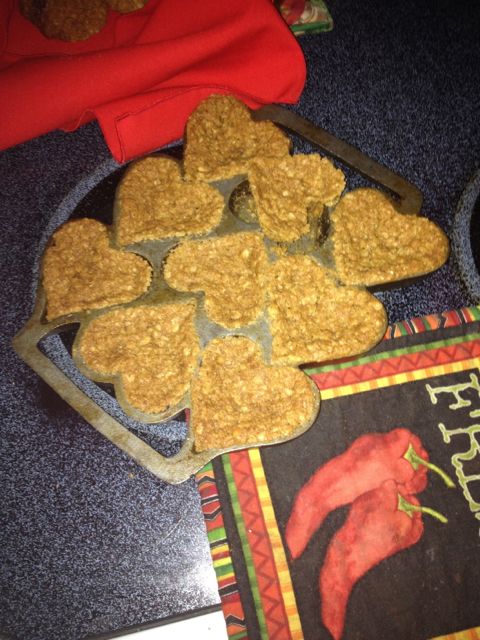
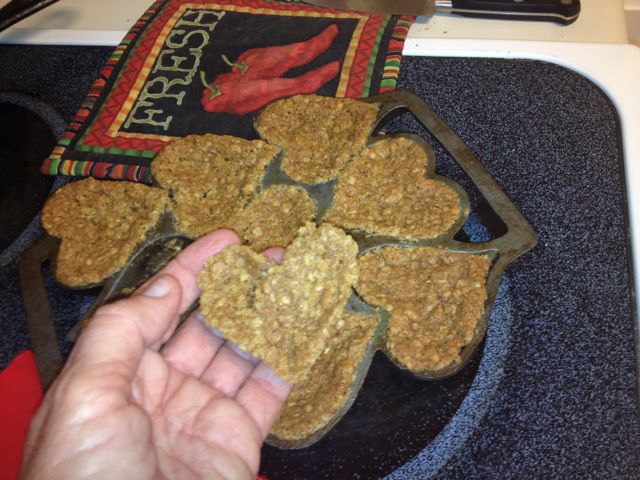
Roasted mesquite cookies in valentine iron pan

Roasted mesquite cookies in valentine iron pan

Roasted mesquite cherry oatmeal cookies

Roasted mesquite heirloom wheat & cherry oatmeal cookies

Now for a relatively “healthy” cookie try this celebration treat with roasted mesquite—

Muff’s Roasted Mesquite & White Sonora Wheat Valentine Oatmeal Cookies (with pinyones and dried red cherries to honor George Washington’s birthday too)—a great cookie for any time of year.

Preheat oven to 350 degrees.

Cream together: 1 cup (2 sticks) organic butter softened, ½ cup organic brown sugar firmly packed, and ½ cup organic white sugar

Beat in and mix until creamy: 2 eggs and 1 teaspoon vanilla

In a separate bowl, sift together: 1 tsp. baking soda, 1 tsp sea salt, 1 cup organic White Sonora Wheat flour**, and ½ cup Roasted native velvet Mesquite Meal*

Mix dry ingredients with moist ingredients until smooth.

Add, and mix in: 2-3 cups quick oatmeal (uncooked), ¼-1/2 cup pine nuts (pinyones) shelled, and ¾ cup dry cherries or dry cranberries.

Onto a well-greased cookie sheet, drop 1-tsp glops of cookie dough well-spaced. (You could use a heart-shaped mold or heart cookie cutter.) Press a dry cherry on top of each glop for décor.

Bake 10-12 minutes until barely golden brown, and enjoy the festive desert flavor of roasted mesquite with your Valentine!

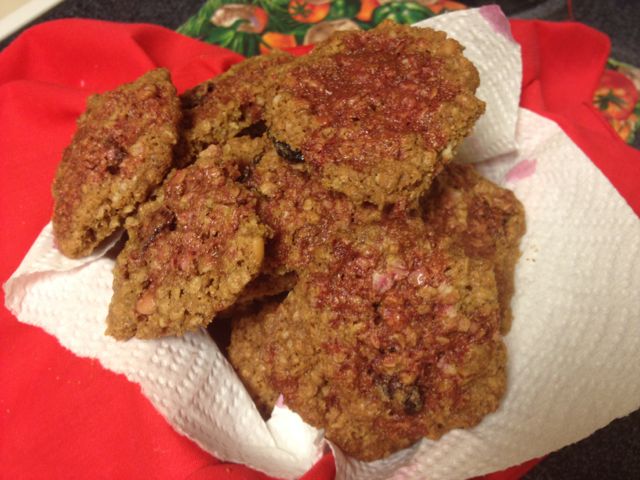
Roasted Mesquite and Heirloom White Sonora Wheat Oatmeal cookies droozled with prickly pear juice (MABurgess photo)

Roasted Mesquite and Heirloom White Sonora Wheat Oatmeal cookies droozled with prickly pear juice (MABurgess photo)

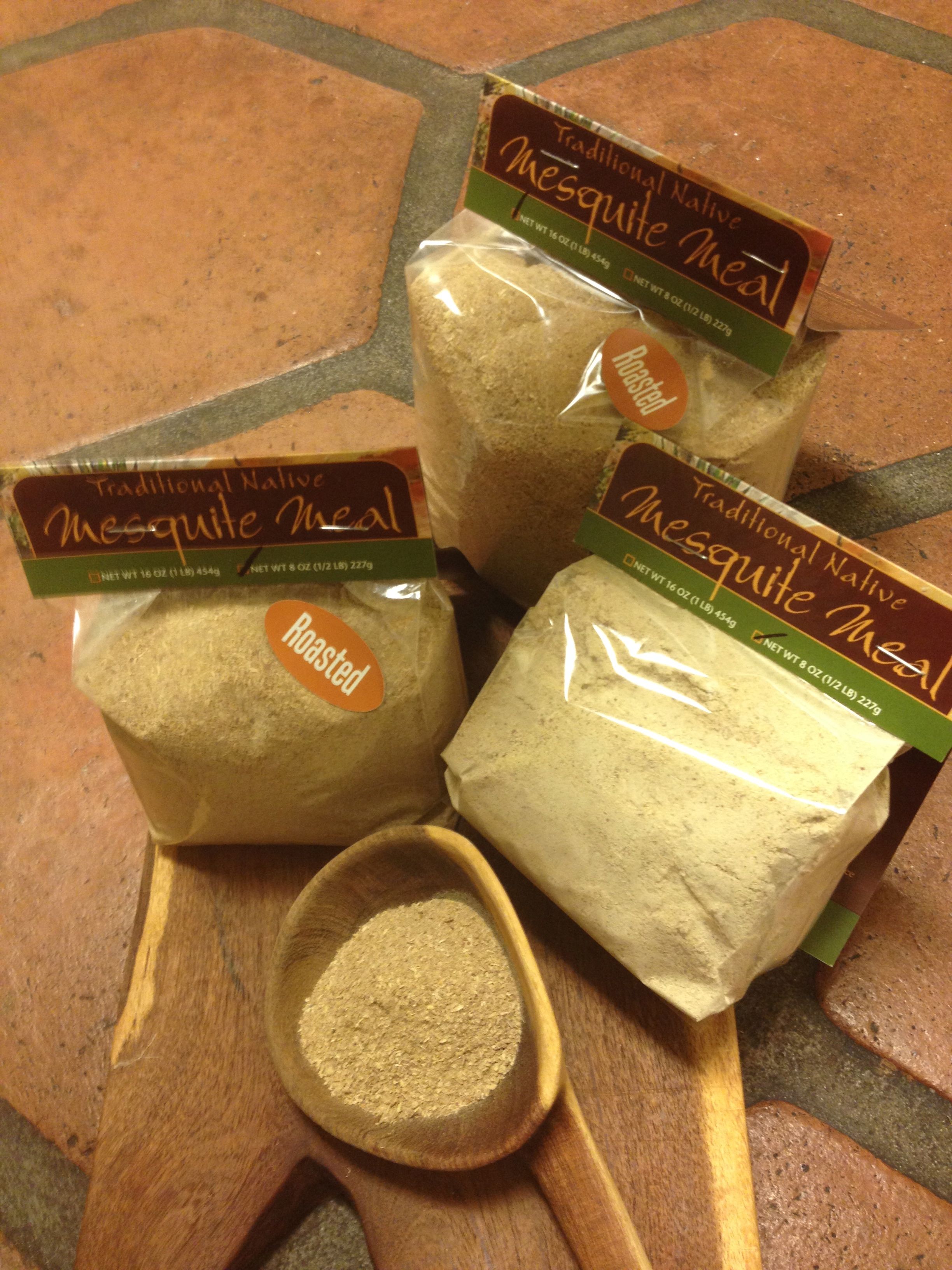
*For purchasing Roasted Mesquite Meal–seek and ye shall find. There are only a few places where you can source this seasonal culinary treasure, if you are not roasting and milling it yourself! Find it at the wonderful NativeSeeds/SEARCH store (3061 N. Campbell Ave, Tucson, www.nativeseeds.org). Our roasted mesquite is from native Arizona velvet mesquite, Prosopis velutina, grown and milled with the highest standards. For tastes, visit the Flor de Mayo booth on Sundays at St.Phillips Farmers Market (SE corner River Rd and Campbell Ave), or order at www.flordemayoarts.com via PayPal. It is also online at www.mesquiteflour.com and from the Prickly Pops booth at Thursday Santa Cruz Farmers Market.

**The special local ingredient for the cookie recipe above, heirloom White Sonora Wheat flour, is available at two Tucson locations. Several different grinds of Hayden Flour Mills’ heirloom flour is at the Native Seeds/SEARCH store. For super-fresh-milled “live” White Sonora flour, from local, certified organic whole grain grown by BKWFarms, you can contact Tia Marta by phone or email by the Friday before pick-up at Sunday’s St Phillips Farmers Market, along with the roasted mesquite meal.

For more ideas on how to cook with mesquite—roasted or natural–check out the recipe book Eat Mesquite! published by www.desertharvesters.org, and available at the NativeSeeds/SEARCH store. Visit www.bajaaz.org, the website of Baja Arizona Sustainable Agriculture, for more mesquite details.

Newcomers as well as confirmed “desert rats” can see the actual plants which produce the local ingredients of our Valentine Cookies—mesquite trees and heirloom White Sonora Wheat growing at our special Baja Arizona parks. See and appreciate them in their winter-spring glory at the Friends of Tucson’s Birthplace Mission Garden (base of A-Mountain, Saturdays), at the Arizona-Sonora Desert Museum, and in the ethnobotanical garden at Tohono Chul Park.

Enjoying roasted mesquite treats is indeed another way of rejoicing in the desert’s natural bounty, and of supporting appropriate, sustainable desert agriculture. Happy Valentine’s, and may your heart be happy cooking with roasted mesquite!—from Tia Marta and Rod at www.flordemayoarts.com.


Playing with Washingtonia palm fruit

Washingtonia filifera (California fan palm)

Washingtonia filifera (California fan palm)


It’s Carolyn this week, taking you backstage to a food experiment. As we move into a hotter, drier climate here in the Southwest, we’ll have to consider agricultural products that can handle the changes. Although I’ve been playing with edible wild plants for decades and Tia Marta (Muffin Burgess) has put in similar years of work, it’s always exciting for us to find something new. We’re going to do a two-part investigation of what to do with a wild food new to both of us.


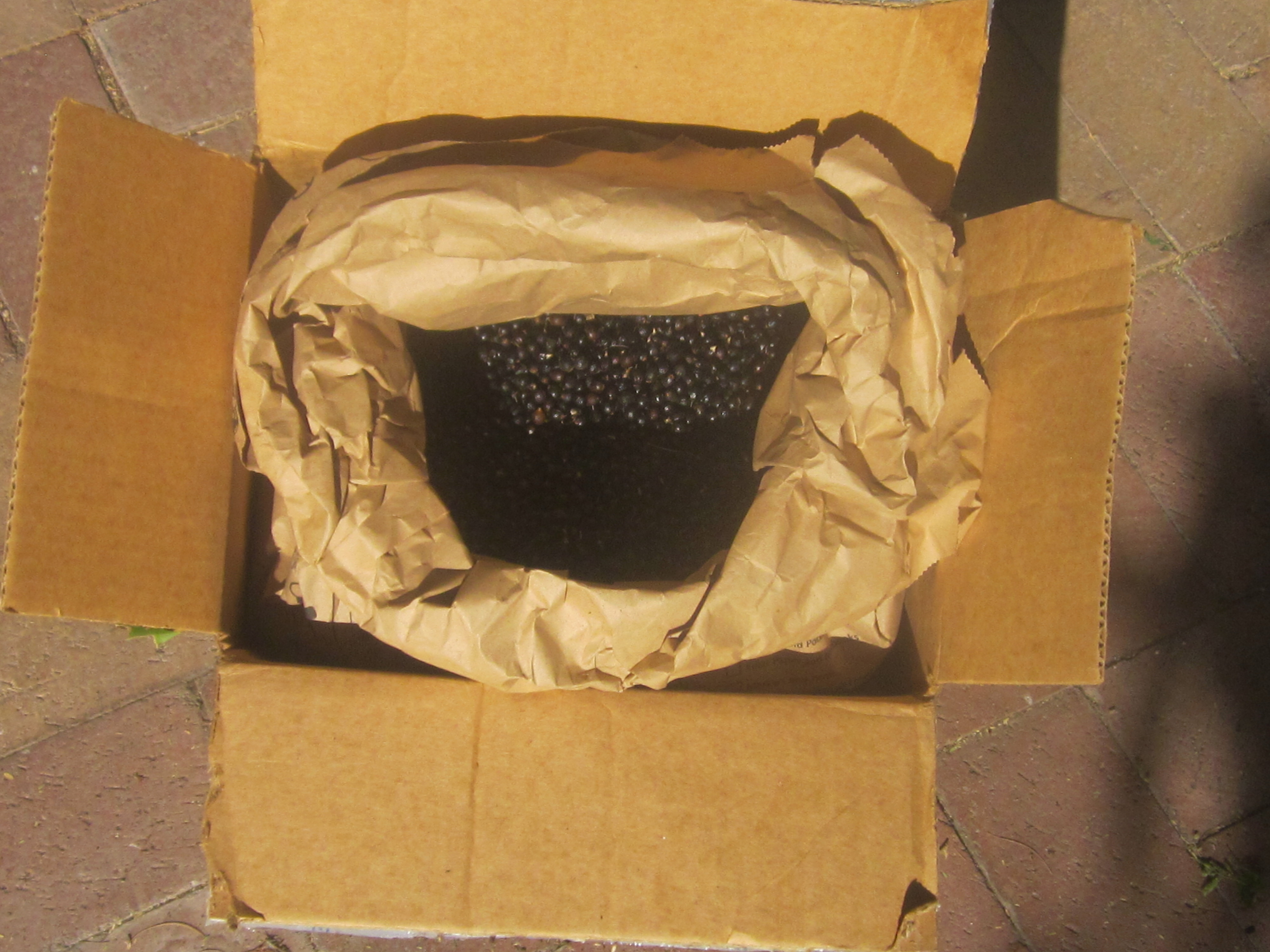
Big box of palm fruit.

A big box of  W. robusta palm fruit arrived at my house.


Last fall I received an email from noted ethnobotanist Dr.Richard Felger. He and a colleague, Dr. Don Hodel, an environmental horticulturist for the University of California Cooperative Extension, were working on some wild palm fruits, two species of Washingtonia, also called Mexican or California fan palm. He wondered if I could come up with some recipes. Back in the early 1970s when I was just beginning work with wild edibles, Dr. Felger took me on one of my first plant walks and over the years has answered many questions for me. I figured I owed him. I also asked Tia Marta if she wanted to join in the fun.

After a couple of days,  FedX deposited a box with about 10 pounds of tiny hard black nodules on my doorstep – Washingtonia robusta fruit gathered from a park in Signal Hill, Calif. , near Long Beach. Not promising, they were little more than skin on seed with almost nonexistent flesh, nothing like their cousins the palm fruits we know as dates. Humans have a long history of using palm fruits – in fact some scholars think that the honey referenced in the Bible was actually date syrup.

Wendy Hodgson, THE expert on wild desert foods, says in her book Food Plants of the Sonoran Desert, that the Washingtonia fruits were very important to the Cahuilla and Cocopa. She writes, “They made flour from the ground dried fruits and mixed it with other flours and water to form a mush.” We don’t eat much mush anymore (unless you consider oatmeal for breakfast), so I’d have to devise something else to do with them.

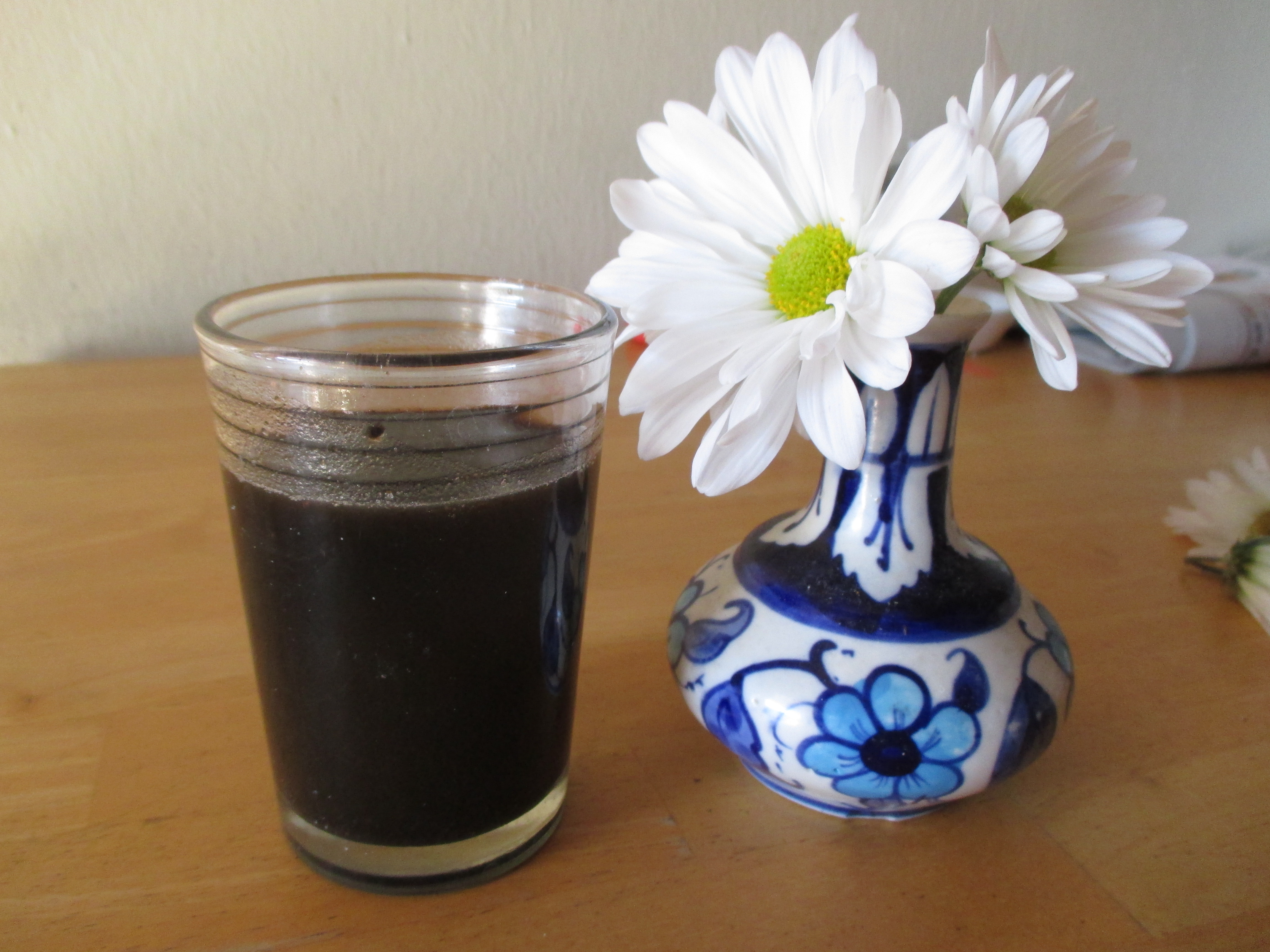
I took 4 cups of fruit and covered them with 8 cups of water. Brought it all it to a boil, then simmered uncovered for 30 minutes. I ran the softened fruit through a blender in batches and strained the liquid, ending up with 5 cups of almost black liquid that tasted something like prune juice.

Even flowers don't make this liquid look appetizing.

Even flowers don’t make this liquid look appetizing.

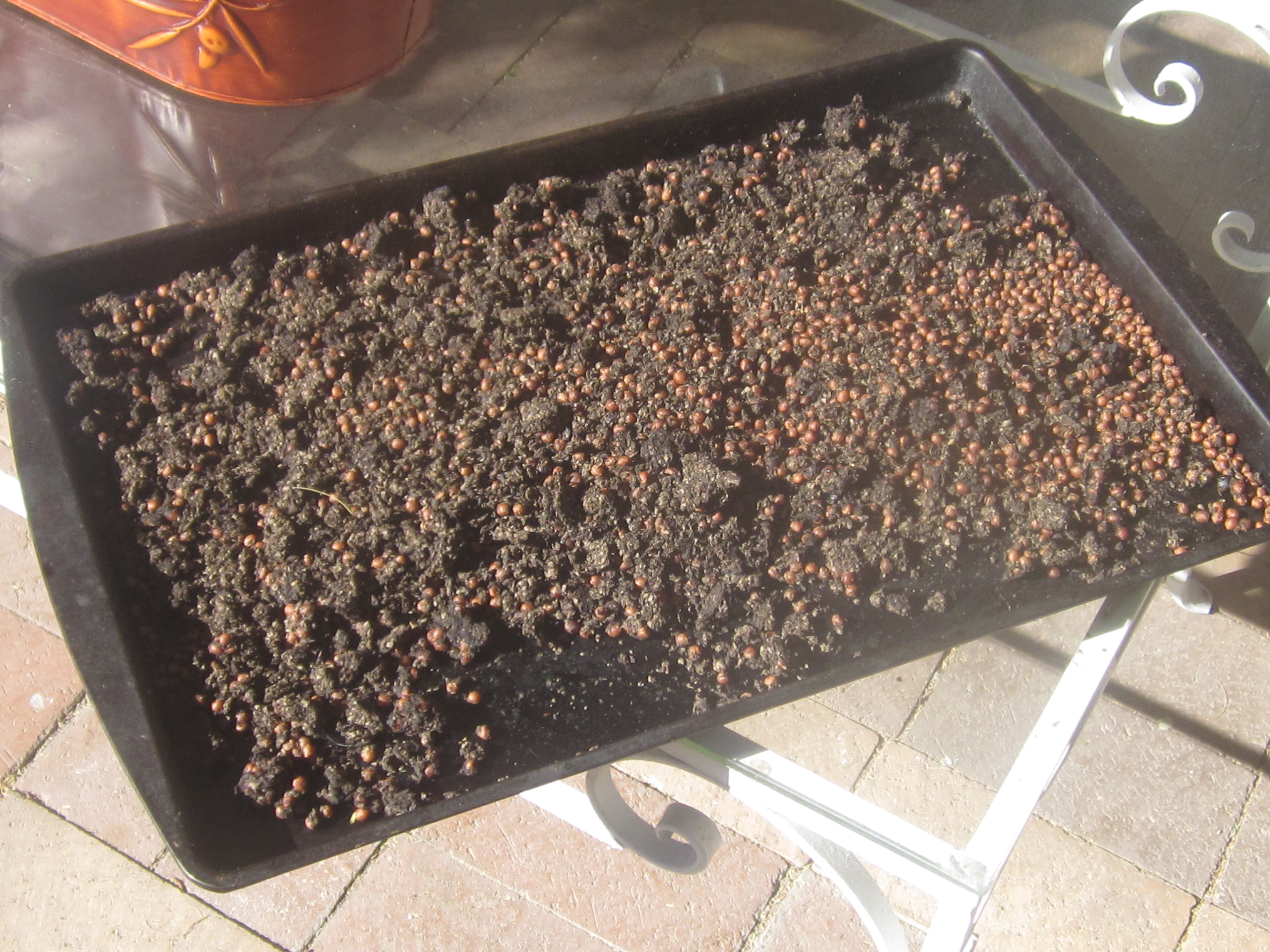
. I simmered it until reduced to ¾ cup pulpy liquid then spread the remaining pulp and seeds on a cookie sheet and put it in sun to dry. Later, I sifted out ¼ cup dried flakes and discarded the hard seeds.

Pulp and seeds drying in the sun.

Pulp and seeds drying in the sun.

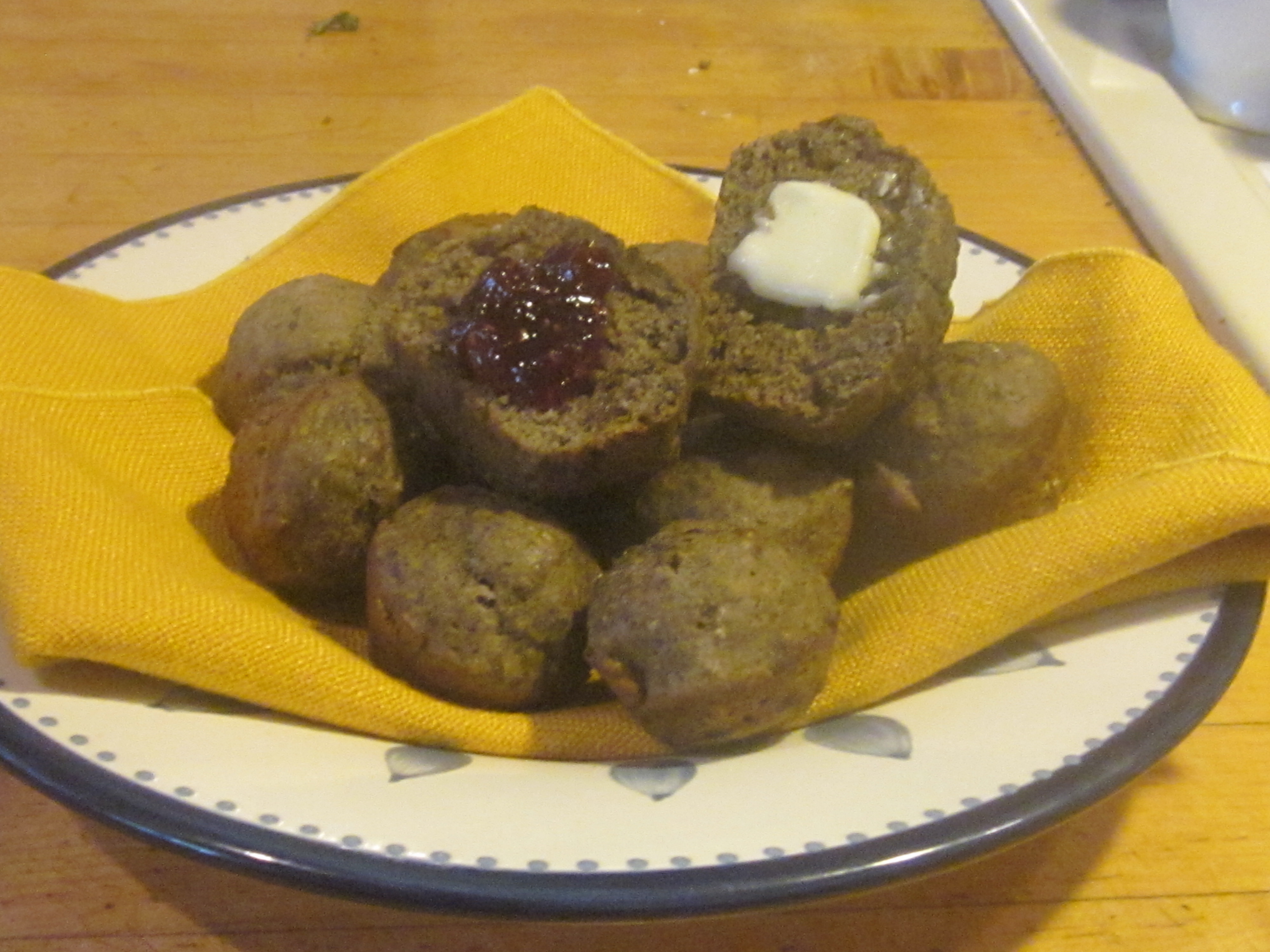
At this point I wrote Dr. Felger my scientific assessment: Sweet — but definitely not yummy. I pressed on and made some tasty muffins. Since there is interest in natural sweeteners, I concentrated on that aspect. Using a standard muffin recipe, I substituted the palm syrup for the liquid milk and reduced the sugar. I added the dried flakes just because I had them and to add some texture.

Muffins with palm syrup and dried flakes.

Muffins with palm syrup and dried flakes.

Fan Palm Muffins

Makes 1 dozen

1 ¾ cup unbleached white flour

¾ teaspoon salt

2 teaspoons baking powder

2 tablespoons sugar

¼ cup dry powdered milk

¼ cup dried Washingtonia  flakes

2 eggs

¾ cup pulpy Washingtonia syrup

3 tablespoons melted butter

Mix dry ingredients in a bowl. In another bowl, mix eggs, Washingtonia syrup and melted butter. Stir wet ingredients into dry ingredients. Do not overmix; some lumps are OK. Bake in greased muffin tins at 400 degrees F for about 15 minutes or until they appear done.

Washingtonia filifera fruit (about 1/4 inch) on left and W. robusta on the right.

Washingtonia filifera fruit (about 1/4 inch) on left and              W. robusta on the right.

Meanwhile, Dr. Hodel acquired some Washingtonia filifera fruit from a street tree near Indio, Calif., and sent another 10 pounds. Oh boy. They were still tiny, but bigger than the robusta. I put them through a similar process of simmering, blending, straining and reducing. The taste difference was subtle – more date-like than prune-like. Better.

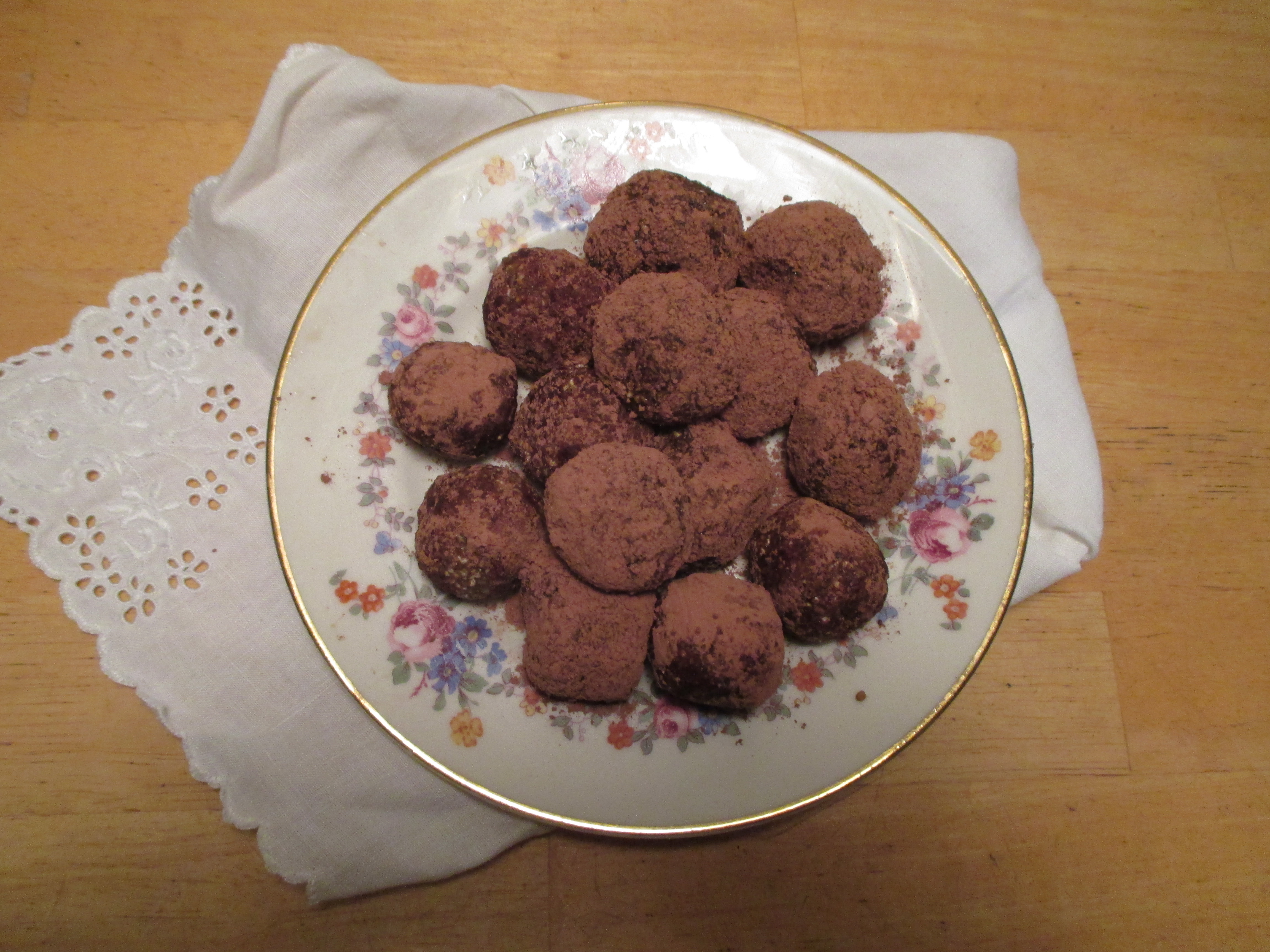
I decided to use the filifera syrup in a healthy treat, showcasing its natural sweetness, and came up with these truffles. I used almond butter, but other nut butters will do.


Nutty truffles sweetened with W. filifera syrup and rolled in cocoa.

Nutty truffles sweetened with palm syrup and rolled in cocoa.

Nutty Truffles

Makes 1 dozen

½ cup almond butter

½  cup popped amaranth grain

¼ cup ground popped amaranth

6 tablespoons Washingtonia filifera palm syrup

1/3 cup cocoa or carob powder

Combine all ingredients except cocoa in a bowl and blend with a spoon. Form into 12 small balls. Roll each in cocoa. (You can buy popped amanranth at Native Seeds SEARCH)

 ♥  ♦  ♥  ♦

What’s the point of trying to find a way to use the fan palm fruits? With climate change bringing hotter, drier summers to the Southwest, ethnobotanists like Dr. Felger and Dr. Hodel are looking for plants that can take those conditions and still produce food.

I don’t expect a rush of  people heading out to gather bushel baskets of fan palm fruits. They’ll appeal to the more ardent wild food enthusiasts who, like me, want to taste every berry on every bush.  But  they may have uses in more industrialized food production. They are sweet and easy to harvest and process. Some entrepreneur may see opportunity there. After all, nobody I know makes their own agave syrup.

(Check out Dr. Richard Felger ‘s article at  “Arizona Native Food Plants for a Dry Future” in The Plant Press: The Arizona Native Plant Society vol. 37, no. 2: 1, 3-5.)