Celebrating Three Tucson Women and Their Innovative Work with Southwest Foods

An Interview with Gary Paul Nabhan

by a SavortheSouthwest.blog Fan
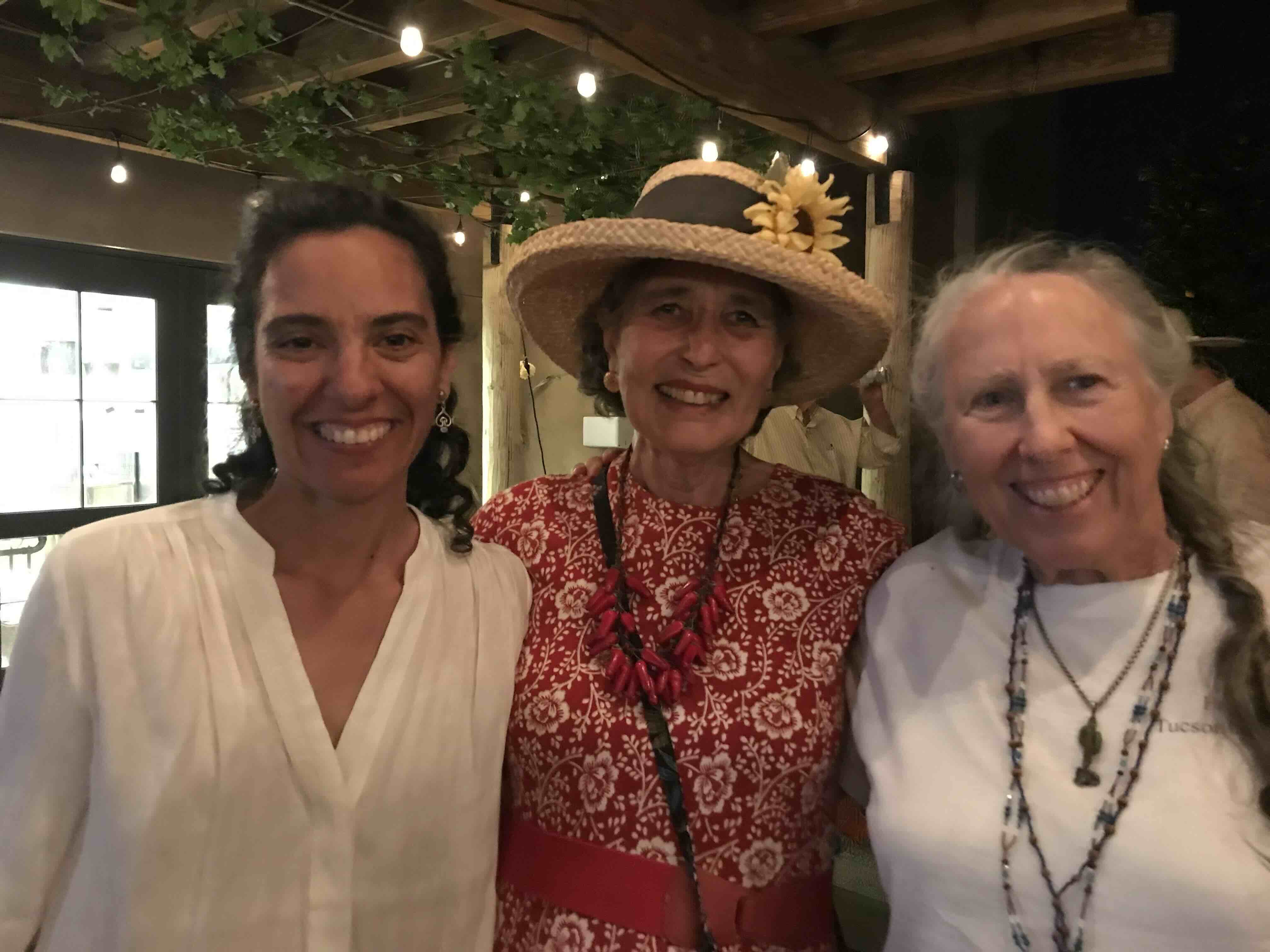
Caption:  Faces behind the blog–the SavorSisters left to right:  Mano y Metate Molera Amy Valdes Schwemm, Author/Culinary Artist/Hostess Extraordinaire Carolyn Niethammer, and Flor de Mayo Prickly Harvester/Frijol Aficionada Martha Ames Burgess

[Esteemed SavortheSouthwest Blog Readers:  Our friend, colleague, desert foods philosopher, orchardist, inspirational instigator of culinary action, and author Gary Paul Nabhan asked to be interviewed.  We were super-honored to learn he is such a fan of our blog!  Here are his shared off-the-cuff remarks.]

Author Gary Paul Nabhan, with local beef and lamb grower Dennis Moroney, owner/founder of Sky Island Brand Meats (enjoying a concert by musician- grasslands botanist-author Jim Koweek in Sonoita, AZ)

INTERVIEW FOLLOWS

Question from a SavortheSouthwest.blog Fan:  So Gary, why are you eager to celebrate these Southwest foodies’ lifework, that of Carolyn Niethammer, Martha Ames Burgess, and Amy Valdés Schwemm?

Gary:  Aside from the fact that they have had enormous influence, not just on me but our whole community, each of them has been a remarkable pioneer or innovator with Southwest foods.  I value their friendships –but also their brightness.

Question: When and how did you get to know each of them?

Gary: When I moved to Tucson in 1975 or so, both Kit Schweitzer and Lloyd Finley heard of my interest in food ethnobotany and said I had to meet Carri.  She was probably working on her book American Indian Food and Lore by then, which was one of the first regional books on Indigenous cuisine in the Southwest.  We did some field harvesting workshops together on seasonal wild foods in the Tucson area, calling it “Gary and Carri’s Thorny Food Review.”  Next we worked together on Pima County Public Library’s amazingly innovative live-talk series, the Sonoran Heritage Program.

With Muffin, in the 1970s we were both engaged with the Arizona-Sonora Desert Museum and with Tumamoc Hill’s Mescal,Marching,&Menudo Society. As fellow grad-students, we’d practice our research findings on each other with presentations and potlucks.  Later, we were conserving seeds and traditional planting know-how with NativeSeedsSEARCH [the organization Gary co-founded] and shared by Indigenous farmer friends. To this day, no single educator of nature and culture has eclipsed Muffin’s capacity to bring Tucsonans out for hands-on experiential programs.  I recall an event that she organized, a Desert Museum program with Tucson explorer Tad Nichols showing his 1943-44 film of flying over the newly-exploding Paricutin volcano. Over 600 people were attracted to Tad’s presentation thanks to Muffin’s enthusiasm. We both had friendships with Tohono O’odham Elder women on the Nation, so traveled out there together a lot, learning from them.  She actually was a model for one of the characters in my first book.
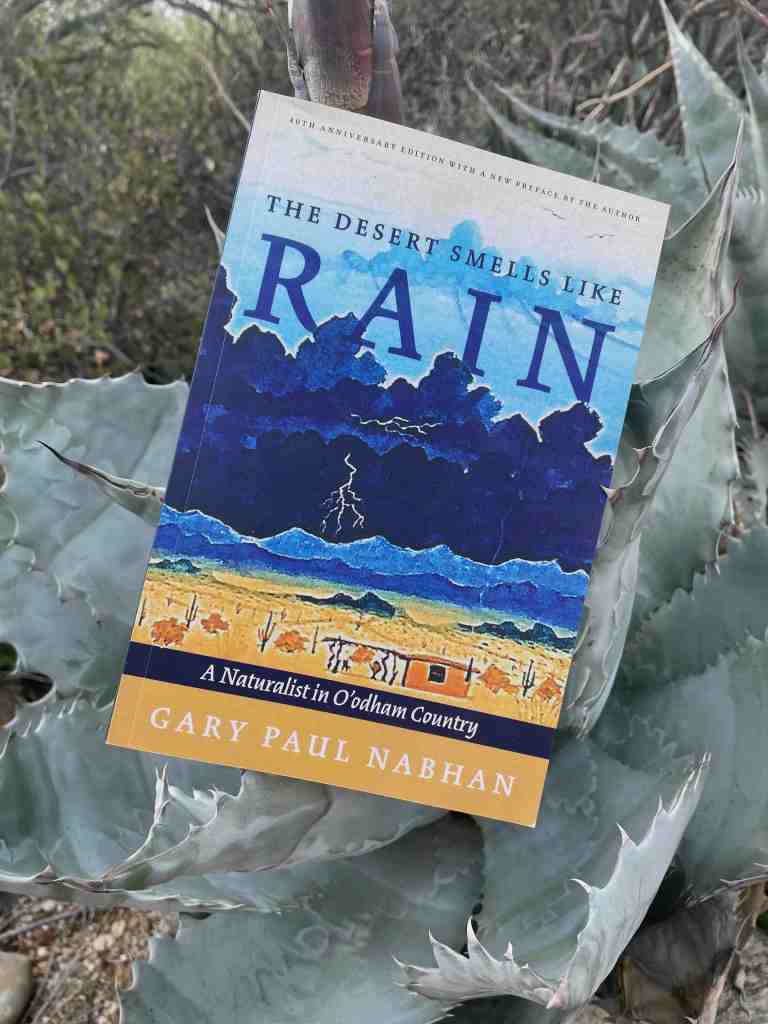
[Nabhan’s book The Desert Smells like Rain, a Naturalist in O’odham Country, first published in 1982, has been reprinted recently by University of Arizona Press!]

I got to know Amy later through her work with Mano y Metate and Desert Harvesters.  Her Mano y Metate moles—which she re-created from scratch when NativeSeedsSEARCH’s Mexican mole source vanished–have always been extraordinary in both honoring tradition–and in kicking fragrances up a notch. Amy agreed to cater one of the first dinners we had in Patagonia when I founded the national network on rare food conservation called Renewing America’s Food Traditions. Our guests from all over–Deborah Madison from Santa Fe, leaders in Chefs Collaborative, and Slow Food USA–loved her creativity as much as I did.

[Amy’s Mole mixes make being a gourmet cook almost instantly possible!]

Question:  What do you think these three Savor-Sisters have in common, in terms of values and strategies for promoting Southwestern foods?

Gary:  That’s easy to respond to:  They all have deeply listened to Indigenous and traditional home cooks, rather than –excuse my Espanglish—simply sitting on their nalgas in front of their desks to make up mierda without any tangible ties to historic traditions. Carolyn’s first book was really a food ethnography acknowledging dozens of Southwest Native women and their traditional foodways. Muffin has done the same with Tohono O’odham women–listening and participating in food harvesting and preparation with elders. And Amy has continued the traditions of her own grandmothers. Not every writer or chef takes that time:  each of these three Tucsonans stands in the tradition of Paula Wolfert, Diana Kennedy and Lois Ellen Frank.

Question:  Any other thoughts you dare share about these Three Mesquiteers?

Gary:  Actually yes–one more thing:  One of the aspirations that Jonathan Mabry, head of Tucson’s City of Gastronomy program, and I had when we were submitting the proposal to make Tucson the first UNESCO City of Gastronomy in the U.S. was this:  to continue the elaboration and celebration of the unique gastronomy of this place and its many cultures. Shortly after getting that designation, I knocked on Carri’s door and said, “Tag, you’re it! No one else can offer the detailed overview of Tucson’s complex culinary legacy in print better than you.  What still needs to happen is to create or articulate a collective identity for a Sonoran Desert cuisine that is identifiable, unique—as it is in New Orleans, Charleston, Boston, or Santa Fe.  So, it’s up to you to express what a distinctive regional cuisine means for us, and illustrate it with great sample dishes, sample menus.”

That’s really a huge task—larger than what one book can ever do—but she started that process.  She had Tucson’s home cooks, chefs, growers–young, veteran, Indigenous—even brewers and distillers all understand what they, as a community, have to build on– that no one in Phoenix, El Paso or Albuquerque can touch.  The result was her latest book A Desert Feast: Celebrating Tucson’s Culinary Traditions.      

Each of Carolyn’s books is a treasure trove of local food delights, ideas and info.

Question:  Okay, so what are you up to these days as Extinguished Professor Nabhan?  We’ve heard a rumor that you sometimes write books in the middle of the night.

Gary:  Yeah, sleeplessness is my only real asset.  Of course, I’m still rambling around festivals promoting Agave Spirits, my latest book coauthored with David Suro. But I’m also at work on a book with James Beard-award-winning chef and food writer Beth Dooley on the links between and benefits of desert cuisines from around the world in this time of rapid climate change. We’re showing a commonality between what people grow and how they prepare foods from the deserts of India and Persia, through the Middle East and North African “Maghreb”, to the Canaries, Caribbean, northern Mexico and the U.S. Southwest. These will be recipes so aromatic and full of healthful antioxidants that no one will ever say again that living well and eating sustainably in a hot dry world is difficult–if not impossible. And most hopeful, these deserts’ foods can even buffer us from heat stress, dehydration and damaging solar radiation…  So stay tuned!
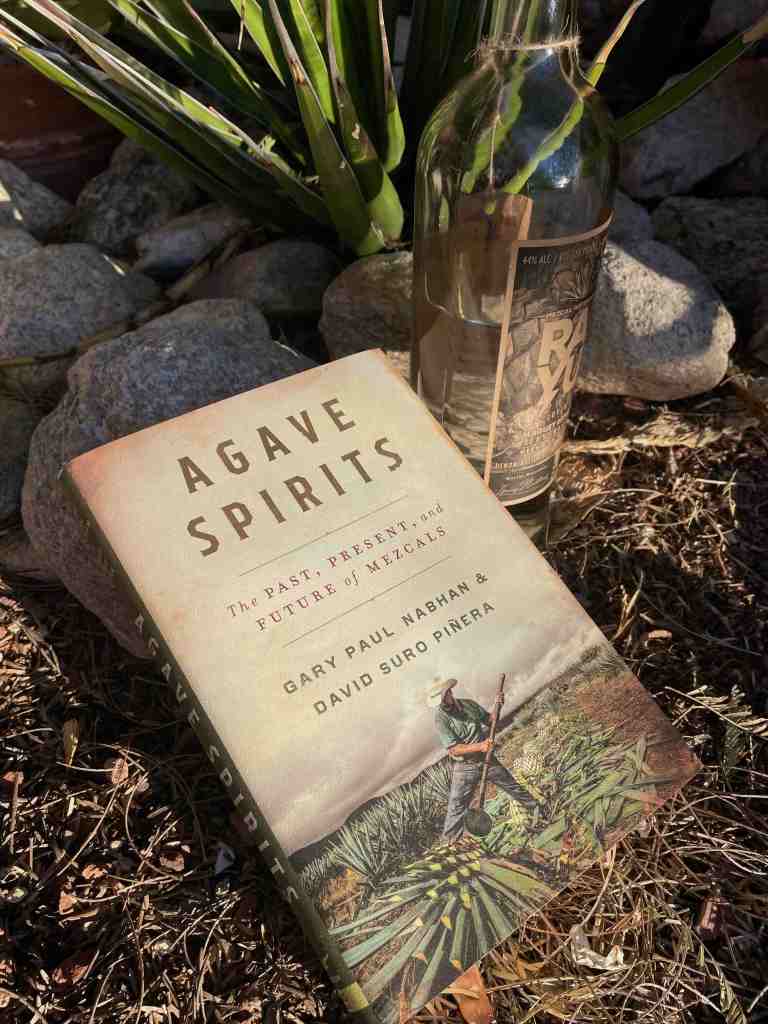
[The Savor-Sisters thank you, Gary, for your candid thoughts and perspectives about us and our mission in sharing what we do via this blog.  Indeed all of us, dear blog readers included, are anticipating Gary’s next book.  (We can hardly keep up with his blistering writing rate.)  Bravo to him for continuing to share his significant desert stories, and to inspire us resiliently into hotter, drier times! With appreciation, Carri, Amy, and Muff]
Cheering with Agave Spirits!

Tia Marta here, tipping a glass to Mayahuel, Goddess of the Agave, for her many gifts–and, in addition, I’m toasting the current voice of Agave: Southwest native foods author/philosopher Gary Paul Nabhan. Heads-up for a not-to-be-missed event SOON!! — Make plans for Saturday, October 21 to meet Nabhan at a totally celebratory book-signing in downtown Tucson for his latest book, AGAVE SPIRITS!

More than just literary, this event will be laced with enlivening tastes of small-batch mezcales! So take note: NOON til 3pm THIS SATURDAY at PETROGLYPHS EMPORIUM at 160 S.AVENIDA DEL CONVENTO just north of El Mercado along the trolley route west loop.

I just got a copy and can hardly wait to dive into Gary’s special way of weaving us into a sensual and spiritual world of amazing culture, botany, cuisine, all with such humor and human sensitivity. Yay another gift from the Guru! There will be plenty of copies of the book for sale at the event, but just in case, you can also find it available at Antigone Books on 4th Ave. Tucson..

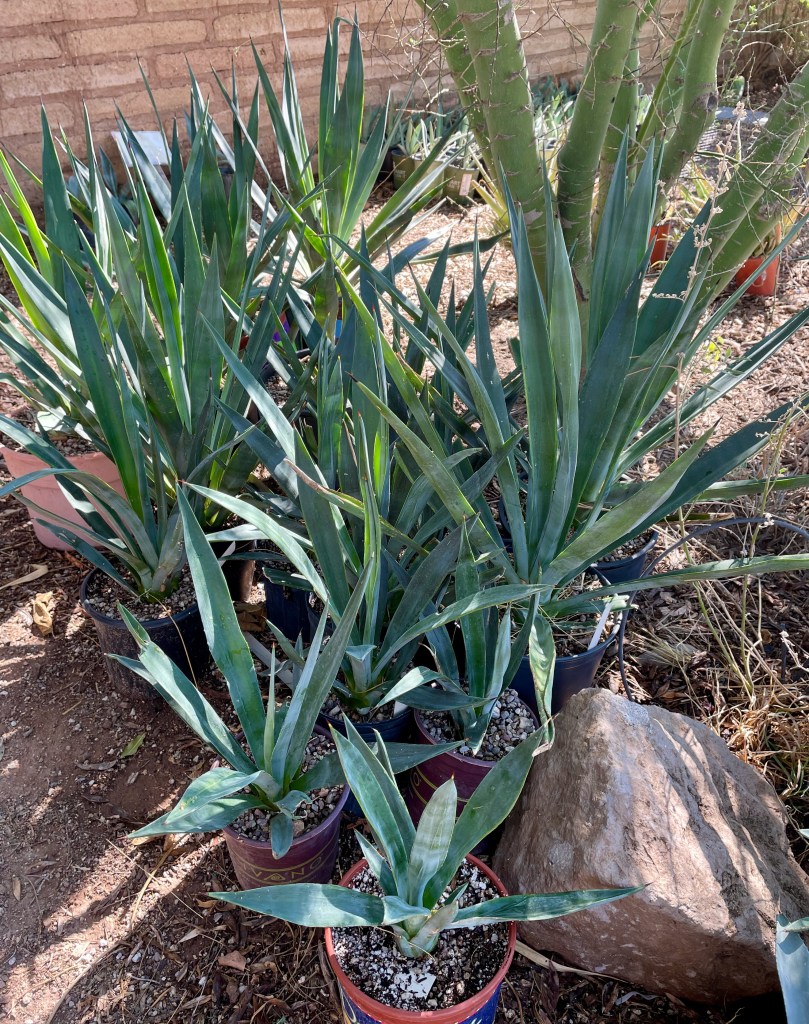
Many native species of agave–known as A’ut to Tohono O’odham ancestors who cultivated them long before European colonists arrived in the Sonoran Desert–were and can still be used for food, fiber, drink, and landscaping. To grow your own, check out the agaves for sale at Mission Garden (such as this Agave murpheyi).

For celebrating–yea honoring–mezcal and other agave spirits in their many forms, here is my very local idea for a Century Plant toasting:

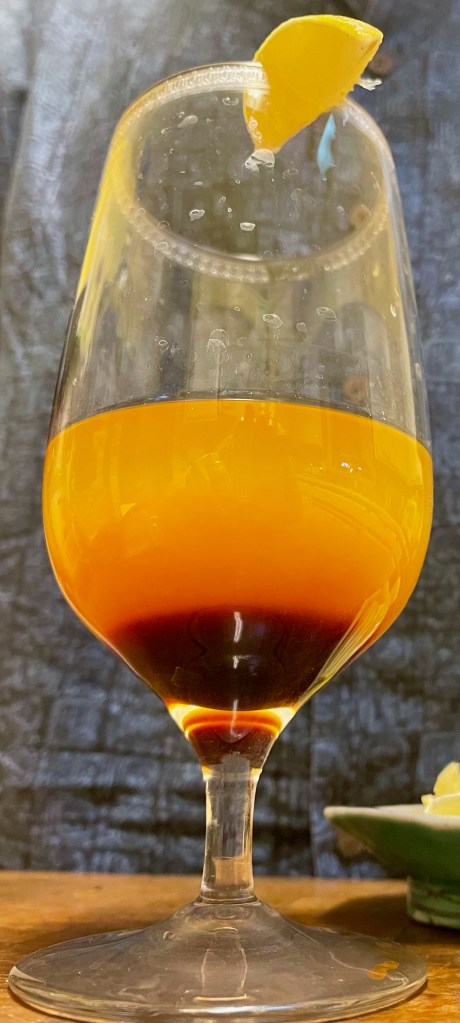
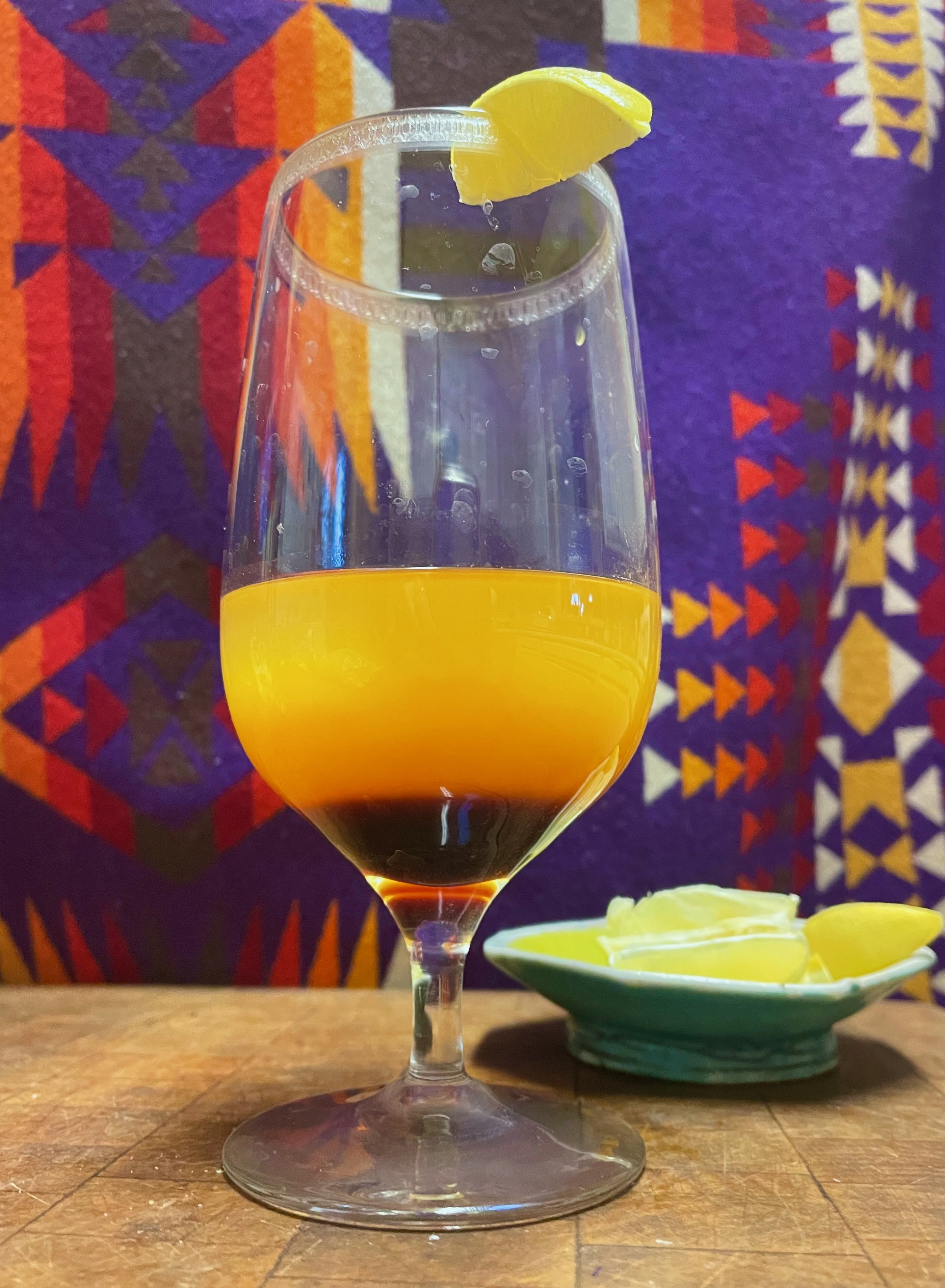
The Torch-bearer Mezcal-Saguaro Sunrise–Tia Marta’s recipe

1–In the bottom of a lovely glass, pour 1 TBSP precious thick saguaro syrup (if you have been so lucky to have bought some from a traditional saguaro harvester, or to have made your own syrup last June).

2–Reserve a jigger of small-batch-mezcal (bought or smuggled from a grower, fermenter, or trader.)

3–Dilute 1 jigger mango juice (available TJ’s, Natural Grocers) with 1/2 jigger drinking water to thin its density.

4–To garnish rim, slice a lime harvested from your own tree or a neighbor’s…

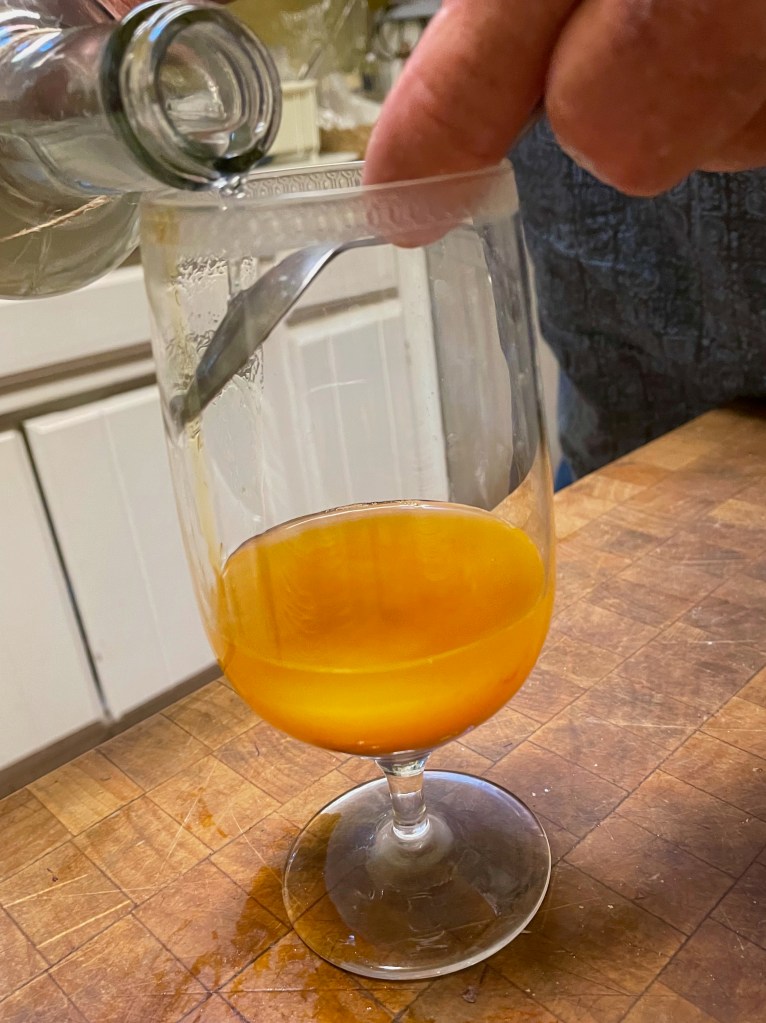
5–(a secret from my formerly-bartender partner): Gently pour the diluted mango juice atop the saguaro syrup layer by placing a spoon upside down to slow the flow against the glass interior, thus preserving the horizonal layers of different densities.

6–Similarly as illustrated over clean inverted spoon, gently pour jigger of mezcal for the top “layer.”

7–Salud! a toast to Agave and its Spirit

A step above and beyond the traditional “tequila sunrise,” this glorious libation is named for the Torch-bearer, who, I was taught by O’odham mentors, lights up and brightens the eastern horizon every dawn with the glowing red, orange, yellow of his solar torch…. This drink helps us rejoice in our local saguaro fruit and spirit of Sonoran agave with its colors, flavors–even nutrition.

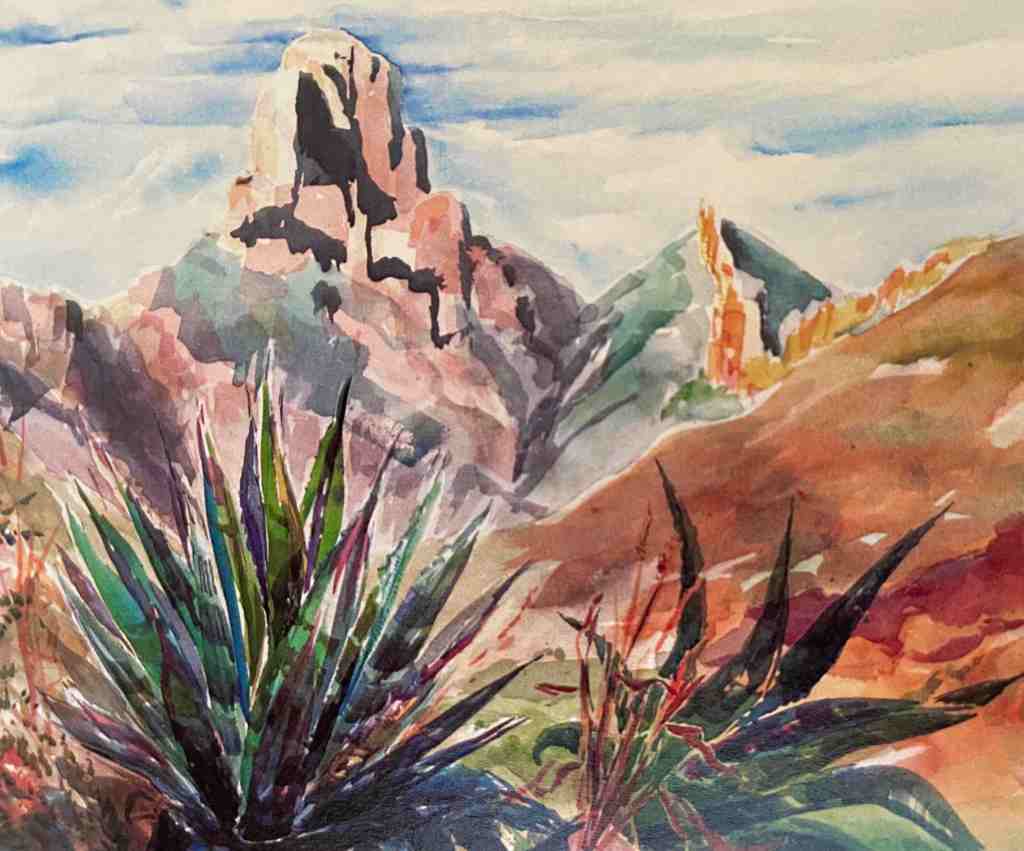
Celebrate agaves also with notecards of my painting “Sacred peak with Agaves,” available at Buenos Aires National Wildlife Refuge visitor center and at Mission Garden. For 11″x17″ matted prints, call Flor de Mayo, 520-907-9471.

More mezcal ideas await…. Check out SavorSister Carolyn Niethammer’s post about the yearly Agave Heritage Festival in Tucson– with agave roasting at Mission Garden– late April. For specialized mezcal tastings locally, visit ExoBarTucson for Thursday evening samplings–It’s an “educational experience.” And stay tuned for more Agave Spirit posts as the holidays approach. Cheers to Mayahuel, to Nabhan’s new book, and indeed to the patient and giving A-ut plant!

See you at Petroglyphs Emporium this Saturday!

Ornamental Medicinals–for Showy Color and Healing Gifts

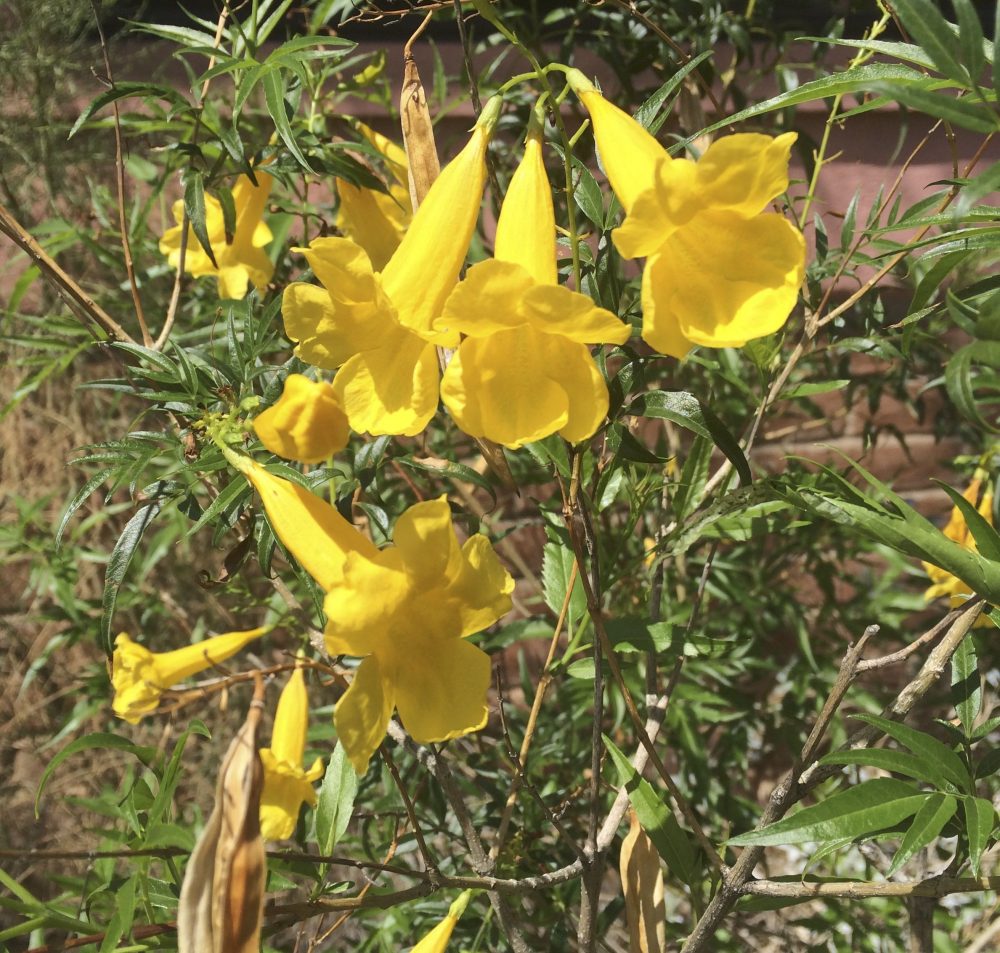
Yellow trumpet flower–tronador (Tecoma stans)–is super-showy in a desert landscape. It will bloom multiple times through warm and hot seasons triggered by rainfall or watering. Its foliage and flowers have been used as a tea for treating blood sugar issues of insulin-resistant diabetes. (MABurgess photo)

Attention:  native-plant-lovers, desert gardeners, Southwest culture buffs, curanderas, survivalists, artists and the just plain curious!  Set your iPhone Calendar ready to mark right now for a long-awaited event:   the Grand Opening of the Michael Moore Memorial Medicinal Plant Garden, this coming Saturday, September 22, 2018, 8am-10am at Tucson’s Mission Garden.

Tia Marta here to give you a little “taste” of how you can incorporate what you learn about our native medicinal plants into your own landscaping–to add not only sensational seasonal beauty around you, but also to put their gifts of traditional medicine right at hand, in your own yard!

[A little knowledge can be dangerous, so DO use reputable reference books such as those by Michael Moore, Charles Kane, John Slattery, and DesertHarvesters.org  if you intend to use your desert landscape plants for medicine.]

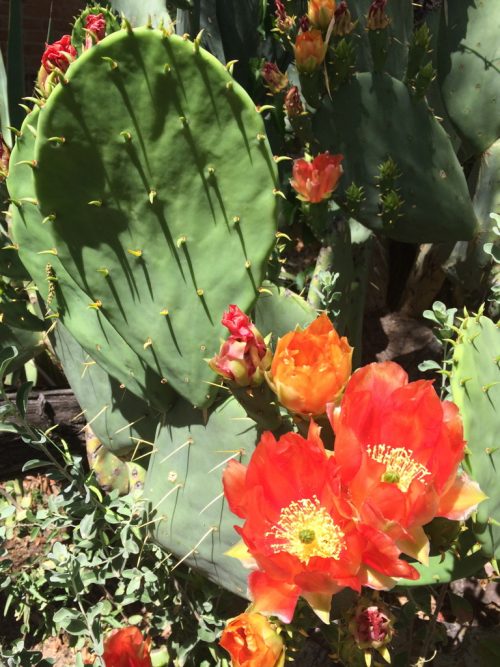
This showy orange-flowered prickly pear, collected by Dr Mark Dimmitt in the Chihuahuan Desert (Opuntia lindheimeri), is now a favorite in desert gardens all over Baja Arizona. Plentiful young pads of all prickly pears (flat new stems called nopales in Spanish, nowh in Tohono O’odham)–are an important traditional source of blood-sugar-balancing mucilage plus available calcium for bones or lactation, when prepared properly. (MABurgess photo)

Prickly pear fruits (i:bhai in Tohono O’odham, tunas in Spanish, Opuntia engelmannii) add landscaping color and a feast for wildlife. They ALSO are important traditional medicine with their complex carbs used for sustained energy, blood-sugar balance and high available calcium for preventing and treating osteoporosis. (MABurgess photo)

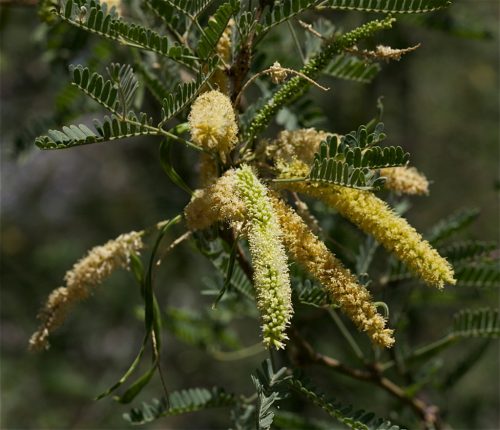
Sweet catkin-like flowers of mesquite covers this handsome “Giving Tree” in spring, to mature into healthy sweet pods by late May and June. Its beauty is far more than bark-deep. Almost every part of mesquite can be used medicinally–leaf, sap, flower, bark, branchlets and bean pod! (JRMondt photo)

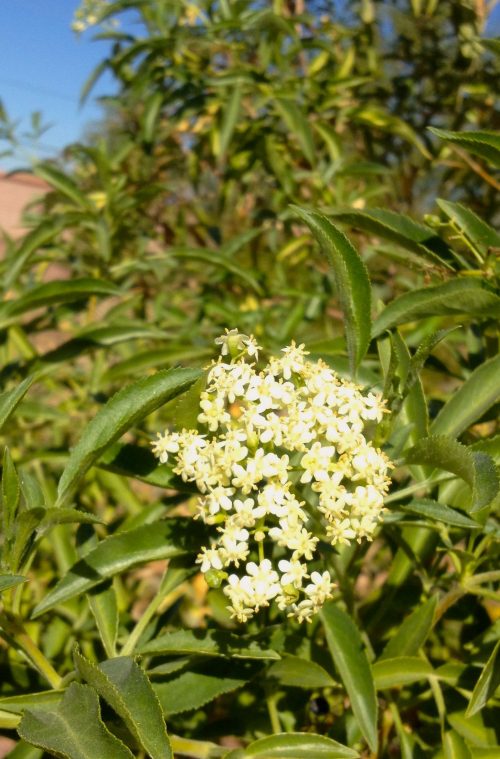
Native Mexican elderberry–sauco in Spanish (Sambucus mexicana)–makes an effective screen as a shrubby, dense tree. It bears cream colored flower nosegays that become clusters of dark berries (tasty but toxic unless cooked). Its flowers and foliage have been used also for curbing fever and as a diuretic. (MABurgess photo)

Two important books are burning on the presses  by our own Baja Arizona ethnobotany writer-philosopher Gary Paul Nabhan ,  entitled:

Mesquite, an Arboreal Love Affair and      Food from the Radical Center (Island Press)

available at upcoming events in Tucson.  Plus another new one– Eat Mesquite and More by Brad Lancaster’s DesertHarvesters.org, will be celebrated at the UA Desert Lab on Sept.19.  Mission Garden will also feature Nabhan’s latest Sept 29 sponsored by BorderlandsRestoration.

As the nights get cool, toss a handful of desert chia seed in your garden and scratch it into the soil for a sky-blue (and useful) addition to your wildflower mix. Medicinally, desert chia seed–da:pk in Tohono O’odham (Salvia columbariae)–has proven to be a cholesterol remover in addition to its traditional use for sustained energy and blood-sugar balancing.  Chia’s foliage has been used as a topical disinfectant and throat gargle tea. (MABurgess photo)

For a mound of glorious color in a rock garden, landscaped hillside or spring accent, our desert Goodding’s Verbena is perfect. And what a handy source at your fingertips for brewing up a soothing sedative tea that is even safe for children! (MABurgess photo)

You may find many of these showy medicinals like Verbena gooddinggii,  desert willow, Tecoma stans, native velvet mesquite, honey-mesquite and screwbean, or elderberry at upcoming fall plant sales at Arizona-Sonora Desert Museum Sept 29-30, Tohono Chul Park Oct.13-14, and at Desert Survivors Sept.25-29, 2018.

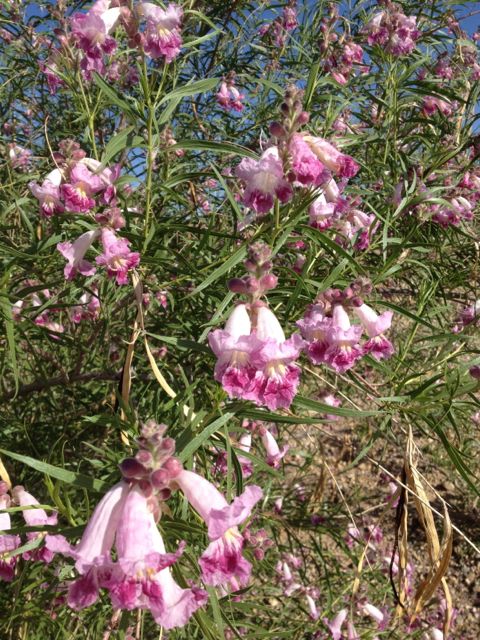
Beautiful flowers of desert willow (Chilopsis linearis)–known as ahhn in Tohono O’odham, in Spanish as mimbre–are an important addition to desert landscaping. Not only can it be brewed for a gentle, refreshing tea, but its anti-fungal properties can be a rescue when needed. (MABurgess photo)

I hope these photos have been an inspiration for you to delve deeper and to plant a medicinal!  Members of Tucson Herbalist Collective (better known as THC), including Tia Marta here, will be on hand at the Michael Moore Memorial Herbal Medicine Garden Opening, Tucson’s Mission Garden Sept 22, to introduce you to many gifts of our desert medicinals, share samples of herbal teas, tastes, and answer questions.  Please pass the word about these neat events by sharing this blog with potential followers.  See you there!

Celebrating Succulent Food-Plants–Sonoran Centuries and Cholla

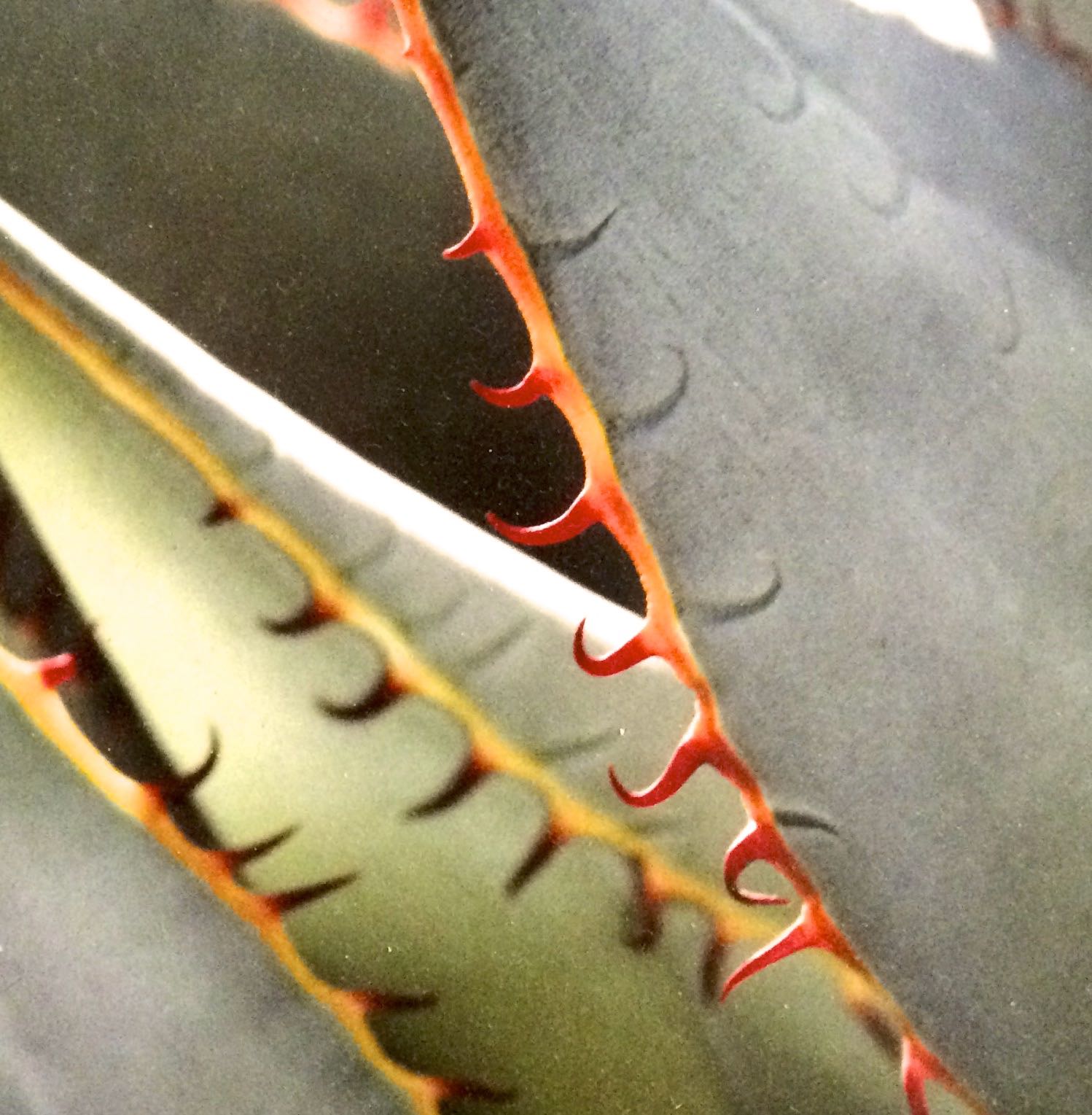
Glowing marginal teeth of Agave shrevei from central Sonora. Known there as lechuguilla ceniza (ashy color), and as totosali by the Warijio people, it was traditionally pit-baked for communal eating. (MABurgess photo)

Tia Marta here to take you on a visual tour of our strikingly beautiful Sonoran Desert century plants and cholla which have, for centuries, fed Sonoran Desert people–and continue to do so in interesting new ways!  This is a “photographic appetizer” for the grand gastronomic and libation experiences planned for April into May–an invitation for you to participate in Tucson’s amazing Agave Heritage Festival and Cholla Harvest Workshops.  [For a full schedule of the many culinary, ethnobotanical, artistic and musical agave events, go to http://www.agaveheritagefestival.com.  For info on cholla harvests go to http://www.tucsonsbirthplace.org or call 520-907-9471.]

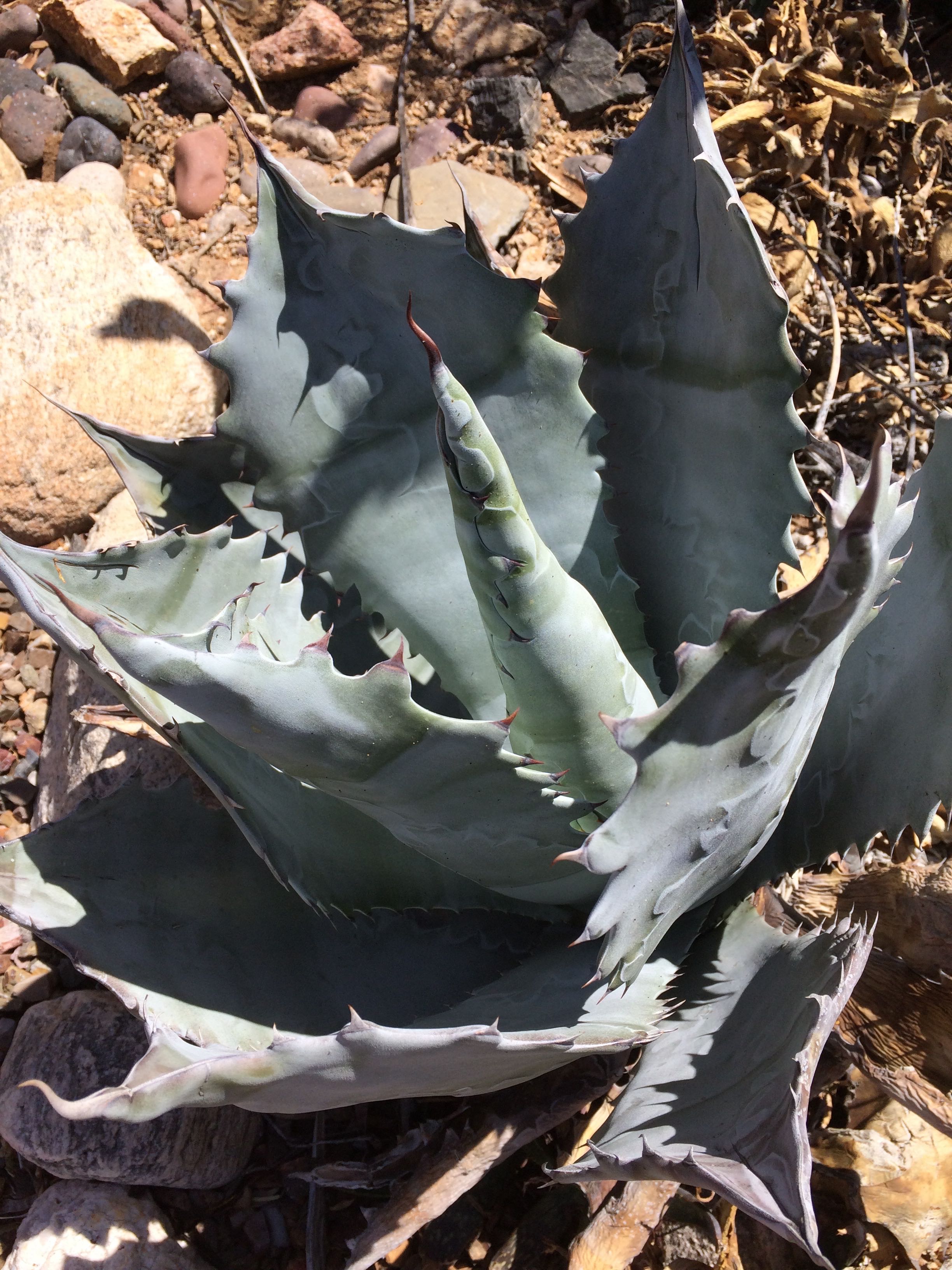
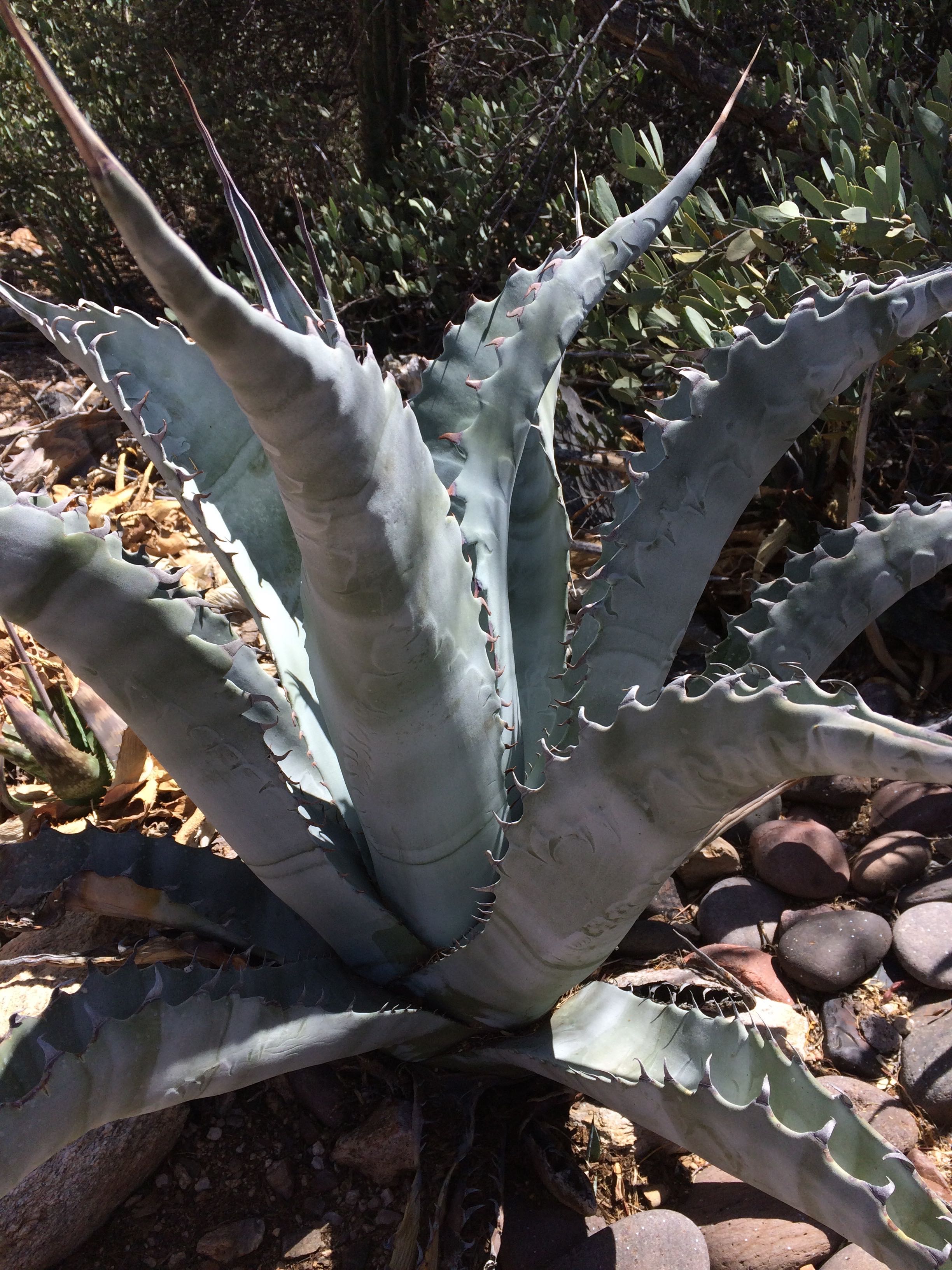
The Hohokam Century Plant, Agave murpheyi, is planted at Mission Garden to simulate a Hohokam archaeological site where ancient desert people farmed it.  This will be one of the agaves to taste at the Mission Garden’s pit-roasting event as part of the Agave Heritage Festival. (MABurgess photo)

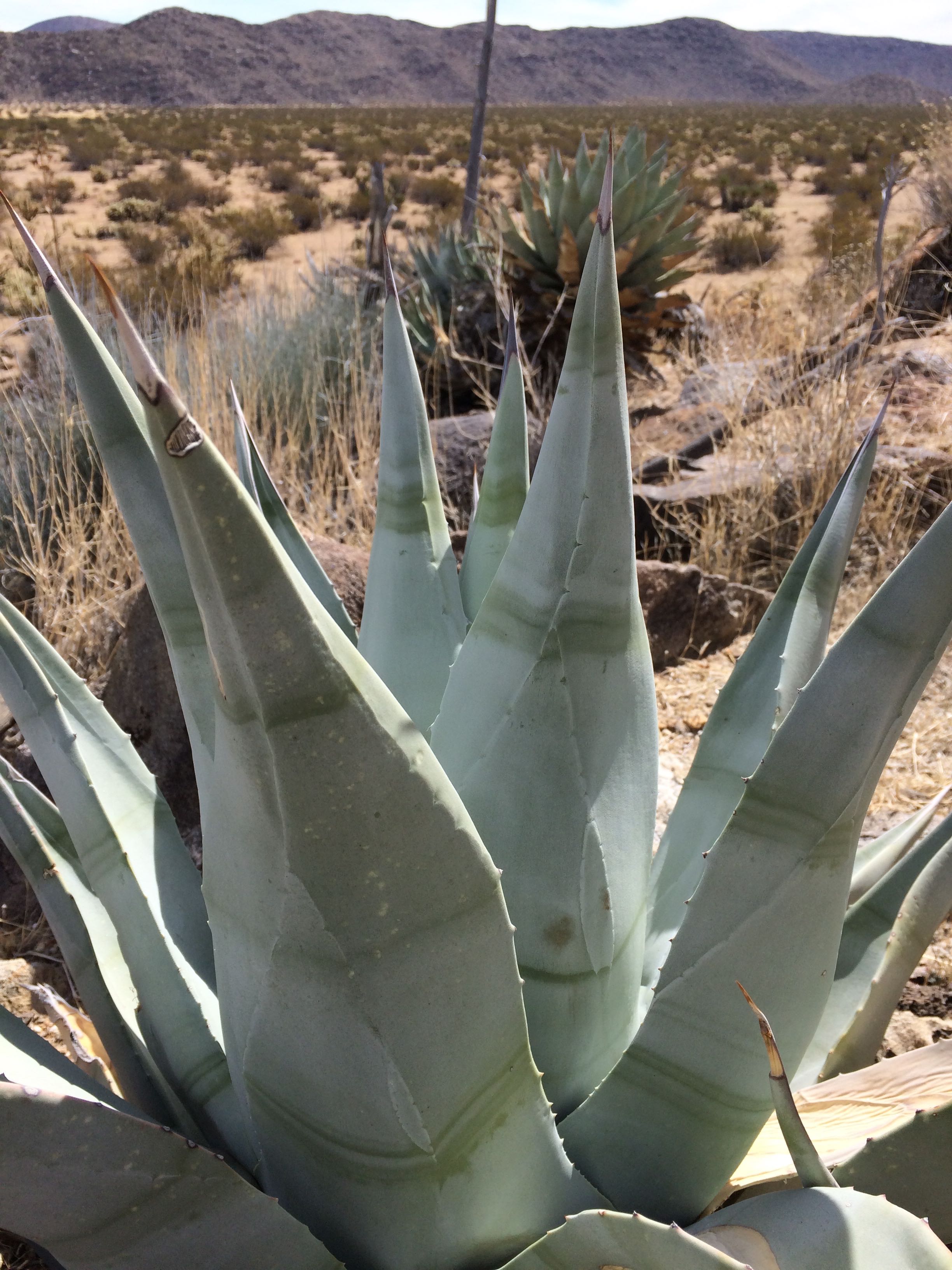
Mescal cenizaAgave colorata–a sculptural Sonoran century plant, was traditionally pit-baked by Native People of NW Mexico.  It gives a superbly attractive focal point in an edible landscape!  (MABurgess)

Natives of the low Sonoran Desert region surrounding the Sea of Cortes, especially Yuman, Tohono O’odham (calling it a’ut) and Seri people (calling it ahmmo), traditionally used various varieties or subspecies of Agave deserti to cook as an important staple in their diet.

Agave deserti (this subspecies from the Anza-Borrego State Park in SE California) was pit-roasted by Native People, adding a rare and delicious sweet to their often sparse menu. (MABurgess)

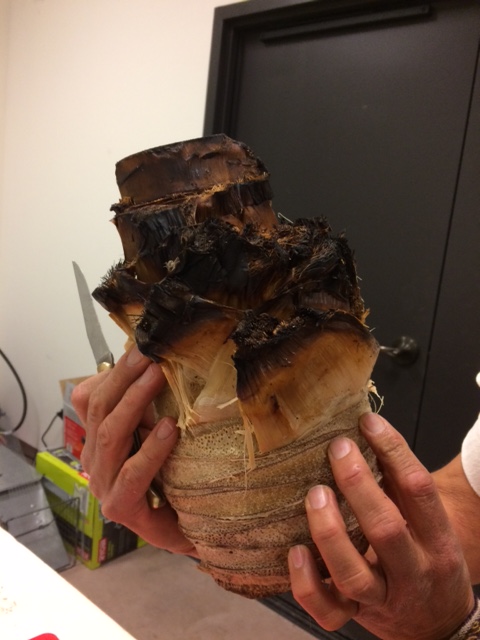
Roasted agave heart of Agave murpheyi ready to divide and eat! (MABurgess photo)

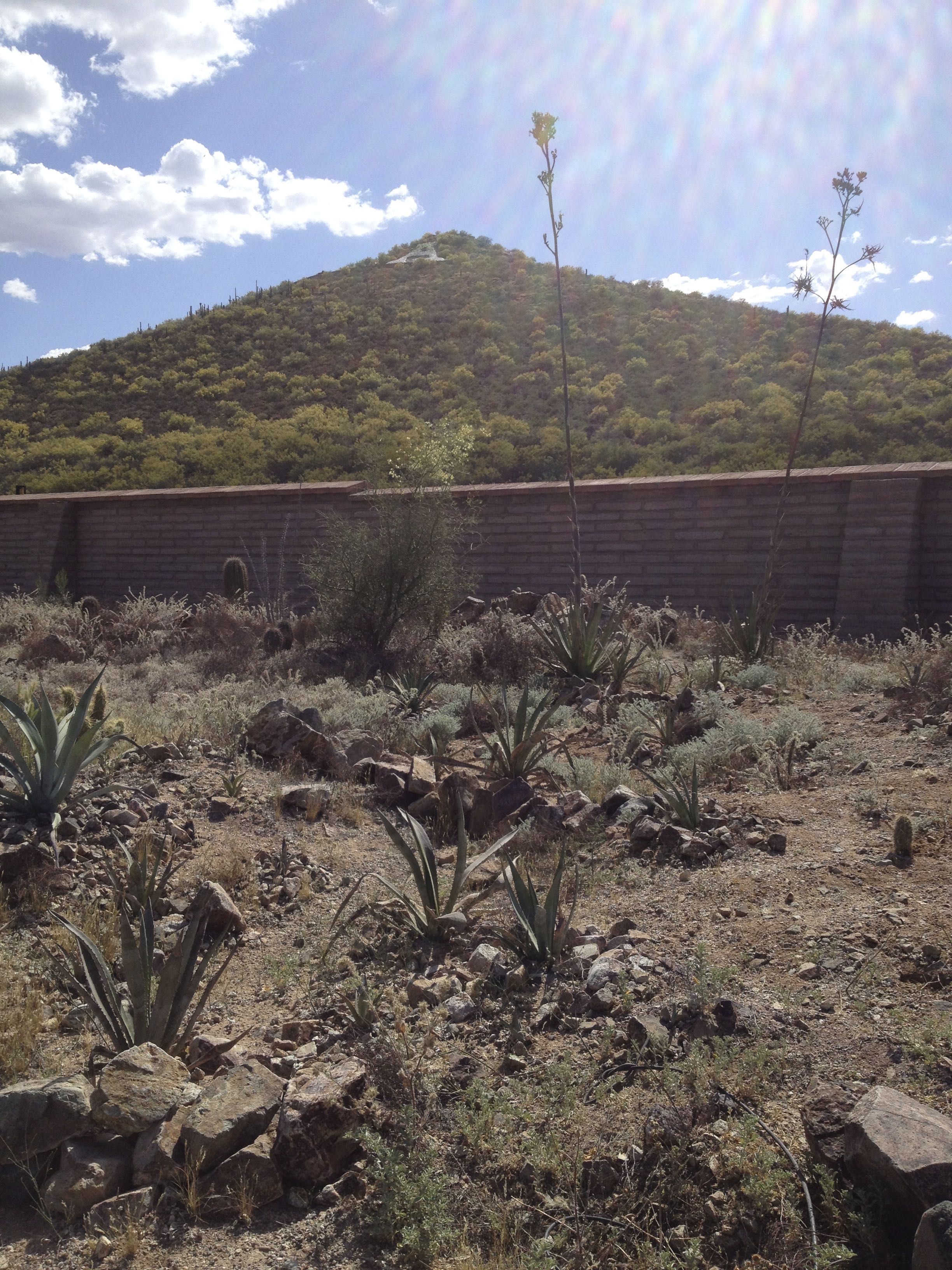
Agaves bloom only once– a magnificent flower show after a long lifetime–hence the name “Century Plant” as the 15-25 years before maturing seems like a century.   Harvesters, mescaleros, watch year after year until they observe when the center of the leaf rosette begins to show the flower-stalk emerging, the signal the plant is changing its stored starches to sugars for blooming.  (There is a giant agave in central Mexico, Agave salmiana, from which harvesters remove the young flower stalk to create a center “well.” Sweet sap, agua miel, wells up daily, for weeks.  Cooked down and concentrated, that’s the so-called “nectar” being sold as a sweetener to gringos.  Good sweetness–nice product–wrong name.  Nectar is what pollinators drink from flowers; agave sweetener is made from internal sap.)

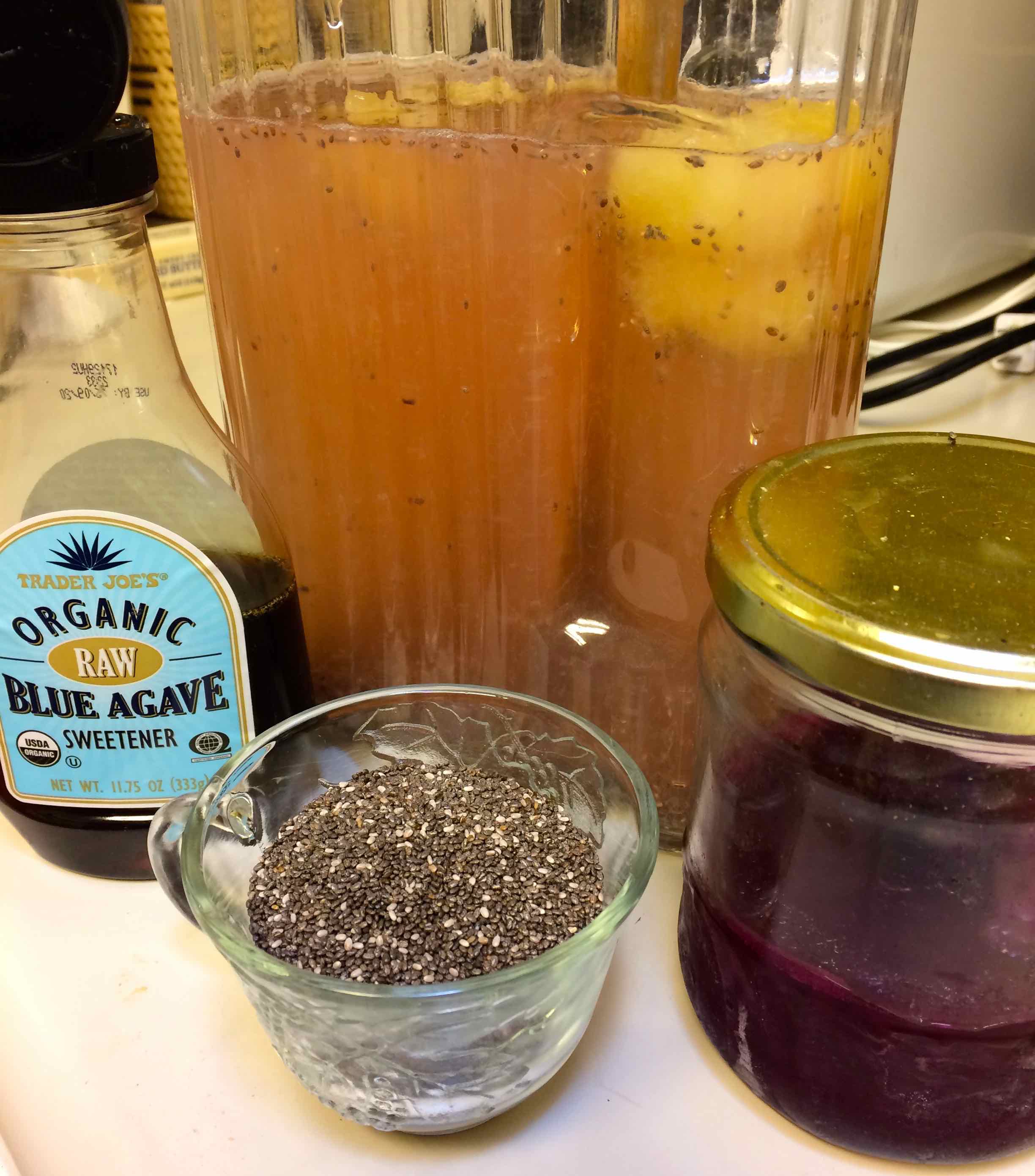
Agave “nectar”–really sap–makes a healthy sweetener for my prickly pear and chia lemonade. (MABurgess)

When the agave is about to bloom, to make roasted agave (for maguey or mescal), the whole mature plant is harvested, thick leaves chopped off (used for fiber), and the center or head, the cabeza that looks like a pineapple, is roasted in a rock-lined pit.  Cooking often takes 2-3 days and nights.  Once roasted, the fibrous pulp is a nutritious, sweet, chewy treat with complex healthy carbohydrates.

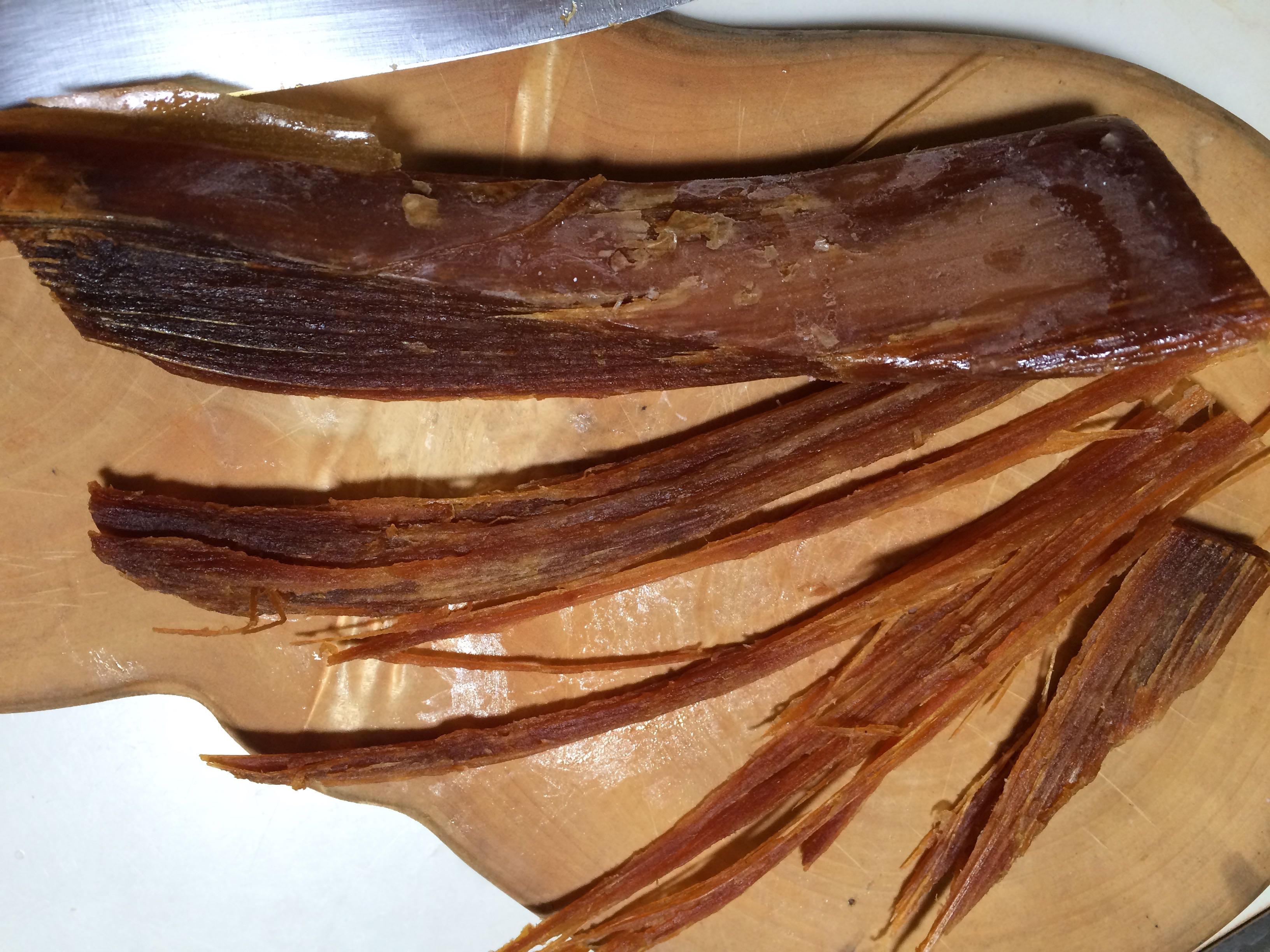
Roasted agave (maguey) leaf base ready to eat, showing fiber and pulp. Wish you could taste its smokey flavor! (MABurgess photo)

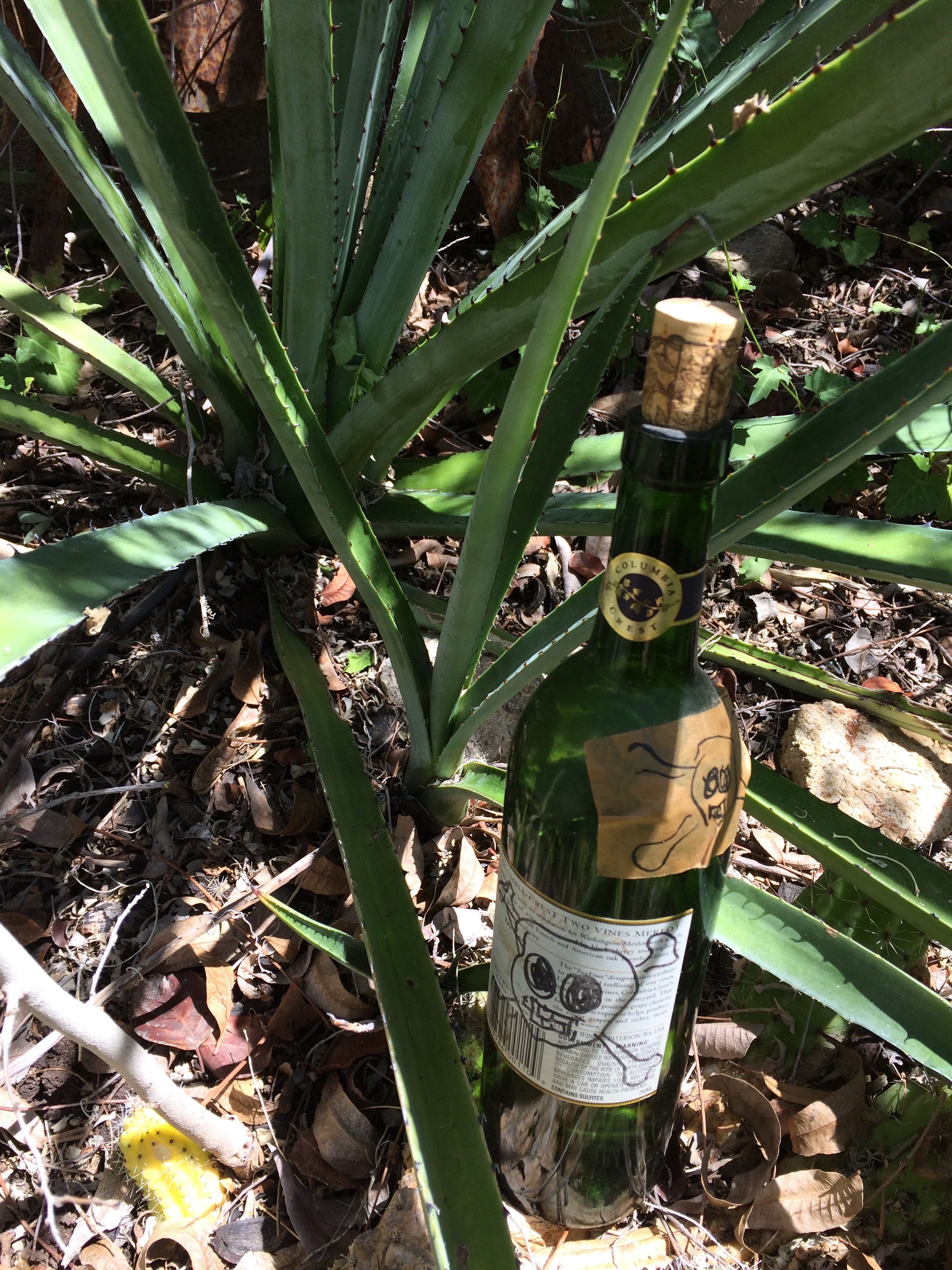
Bootleg Sonoran bacanora mescal, made in backyard stills from Agave angustifolia, rests in the succulent linear leaves of its unassuming century plant source.  Importers are now bringing this indigenous Sonoran mescal, bottled legally, into the US–now available at unique saloons such as EXO Coffee and specialty liquor stores.  (MABurgess)

If you haven’t tasted mescal, the distilled spirit made from roasted and fermented agave, you have a treat coming.  In a particular district of Jalisco, Mexico, it is made from  Agave tequilana –the blue agave–known only from there by the more familiar name tequila!  Select Sonoran Desert Agave species produce mescals that some connoisseurs consider even better than tequila.  At the Agave Heritage Festival you can taste several such spirits, to make that determination for yourself!

The beautifully cross-banded, fountain-shaped Agave zebra, from the hottest mountains of NW Sonora, was known for making mescal by local Sonorans prior to the 1950s.  Its stripes and fountain-form adds dramatic accent to an edible landscape.  Young agave plants can be purchased at Tucson’s primo succulent plant source, Plants for the Southwest for growing your own. (MABurgess photo)

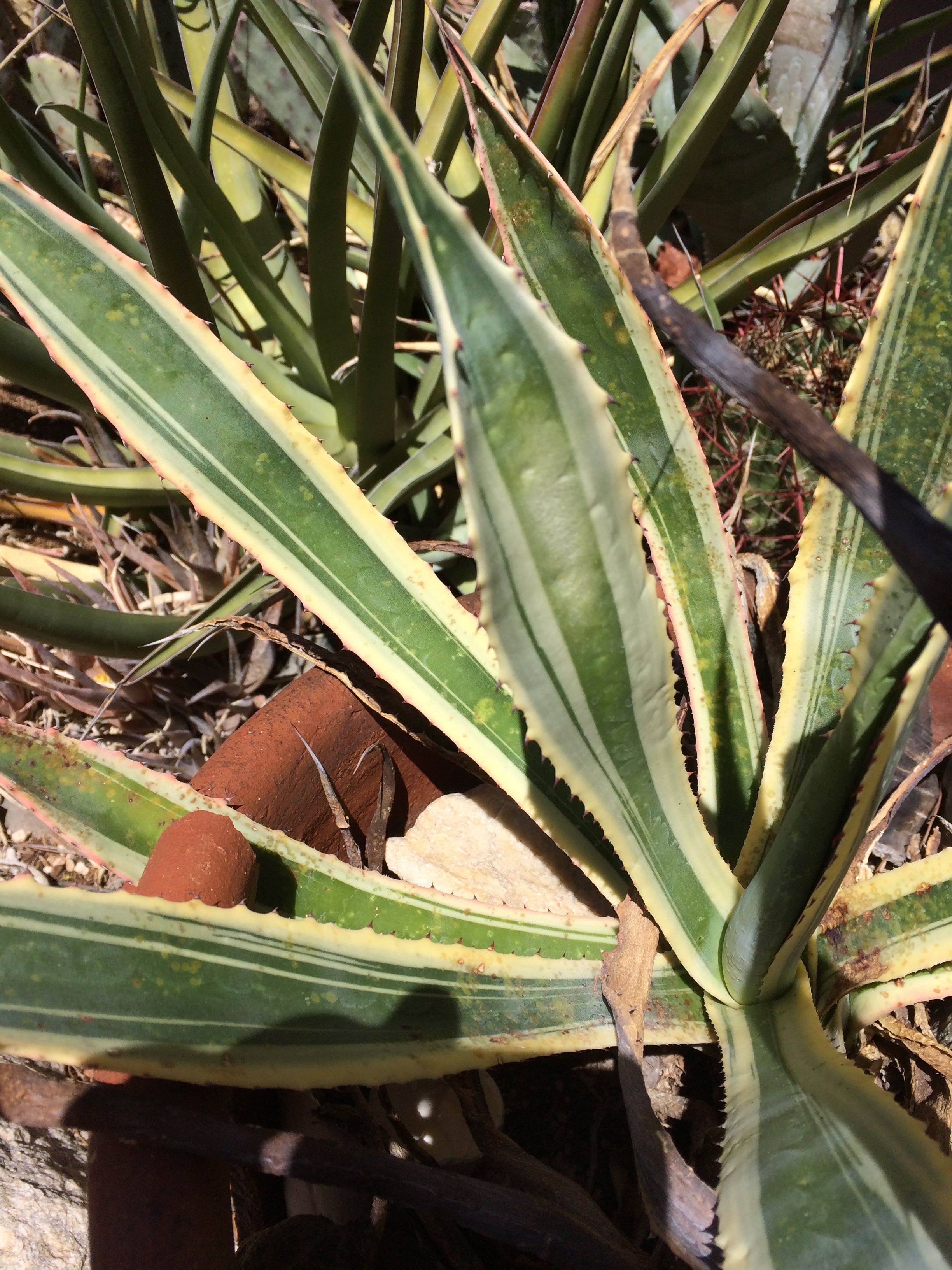
Variegated Agave americana makes a vivid desert ornamental. It may have been one of several agaves cultivated by ancient people of the Southwest. (MABurgess photo)

At this year’s Agave Heritage Festival, at celebratory, culinary, artsy and educational events–from Mission Garden to Maynard’s MarketDesert Museum to Carriage House Tucson,  Tohono Chul to Tumamoc Hill,  UA to Pima College, with horticulturalists, scholars, artists, musicians–we will delve into the lore and many gifts of the Agave family.  Learn hands-on–even tastebuds-on— from esteemed experts, ethnobotanist Jesus Garcia, Southwest foods authors Carolyn Niethammer and Gary Paul Nabhan, culinary artists Chef Janos Wilder, Barry Infuso, and Don Guerra, scholars Karen Adams and Maribel Alvarez, to name just a few!  Sign up soon at http://www.agaveheritagefestival.com, giving yourself a gift while supporting such special organizations as NativeSeeds/SEARCH, Friends of Tucson’s Birthplace, Arizona-Sonora Desert Museum, and Tohono Chul Park.

Alongside the Agave events, as the succulent season progresses, there are other desert foods to harvest and taste in new recipes, inspired by both traditional knowledge and ideas for sustainable desert living into the future.  Cholla buds and nopalitos from several cactus species will be featured in upcoming workshops.  To call up lots of neat info from past http://www.SavortheSouthwest.blog posts, insert the word “cholla” into the search-box above for a feast of ideas, then……


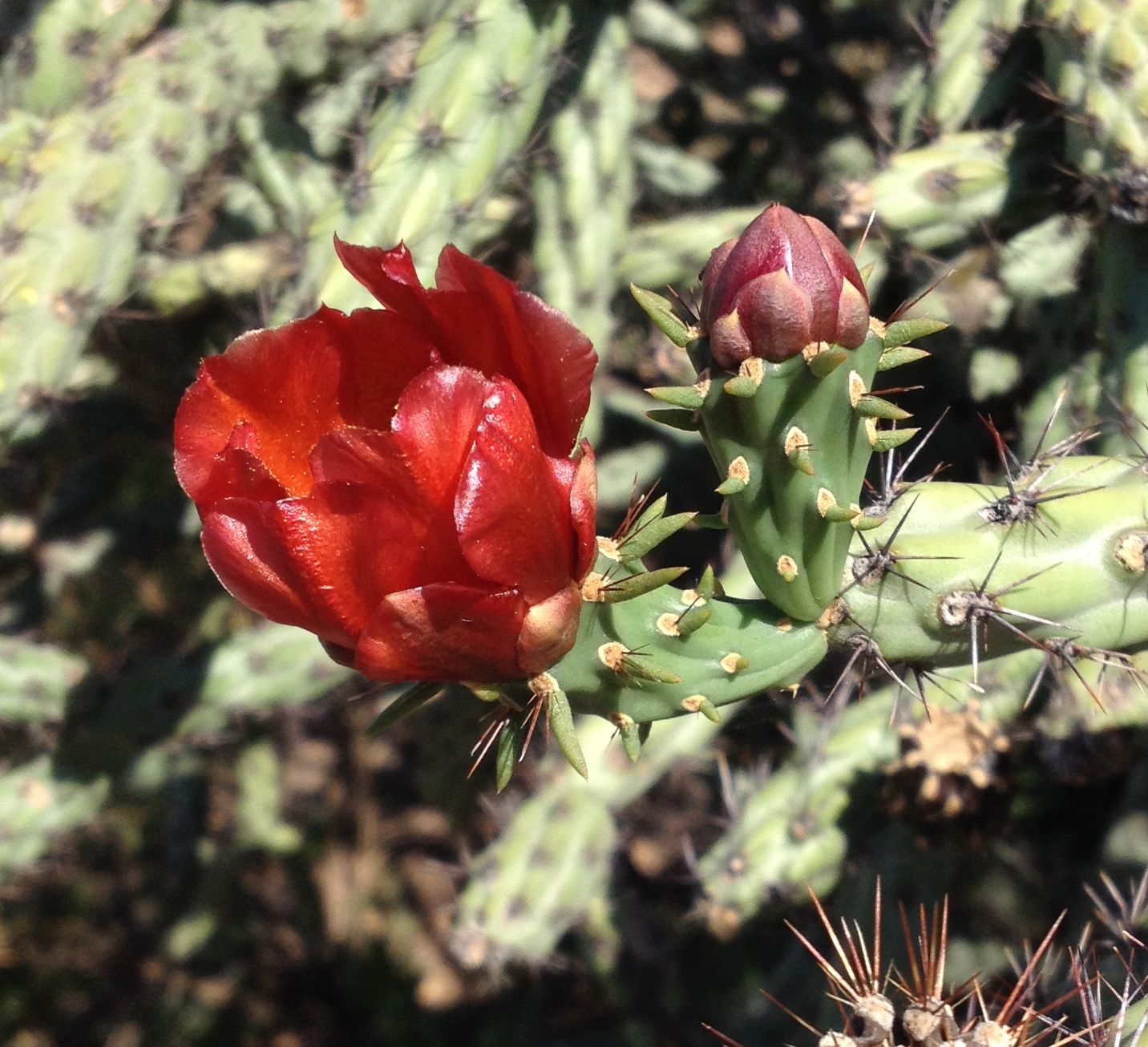
Vivid flower of staghorn cholla (Cylindropuntia versicolor) with spiny bud ready to harvest.  Learn how to carefully pick, de-spine, cook and prepare this super-food in wondrous recipes at Mission Garden and Flor de Mayo workshops.  (MABurgess photo)

As cholla cacti begin to bloom, it’s time to harvest the buds!  Join me Friday, April 20, 2018, at the Mission Garden Cholla Harvest Workshop — Sign ups at http://www.tucsonsbirthplace.org.  Or, on Saturday, April 21, come to Flor de Mayo’s Cholla Harvest on Tucson’s west side–contact www.flordemayoarts.com and 520-907-9471.  Cooking School classes are happening at Janos’ Carriage House, http://www.carriagehousetucson.com, and Gastronomy Tours downtown are being scheduled at the Presidio Museum, http://www.tucsonpresidio.com.

I hope you have enjoyed my Photo Gallery and that you may enjoy many a succulent Sonoran Desert dish and libation this season–more ways to honor Tucson as an International City of Gastronomy!

May we all toast the spirit of Agave Goddess Mayahuel!

Taste Buds Ready to “Rejoice in Local”–at Mission Garden!

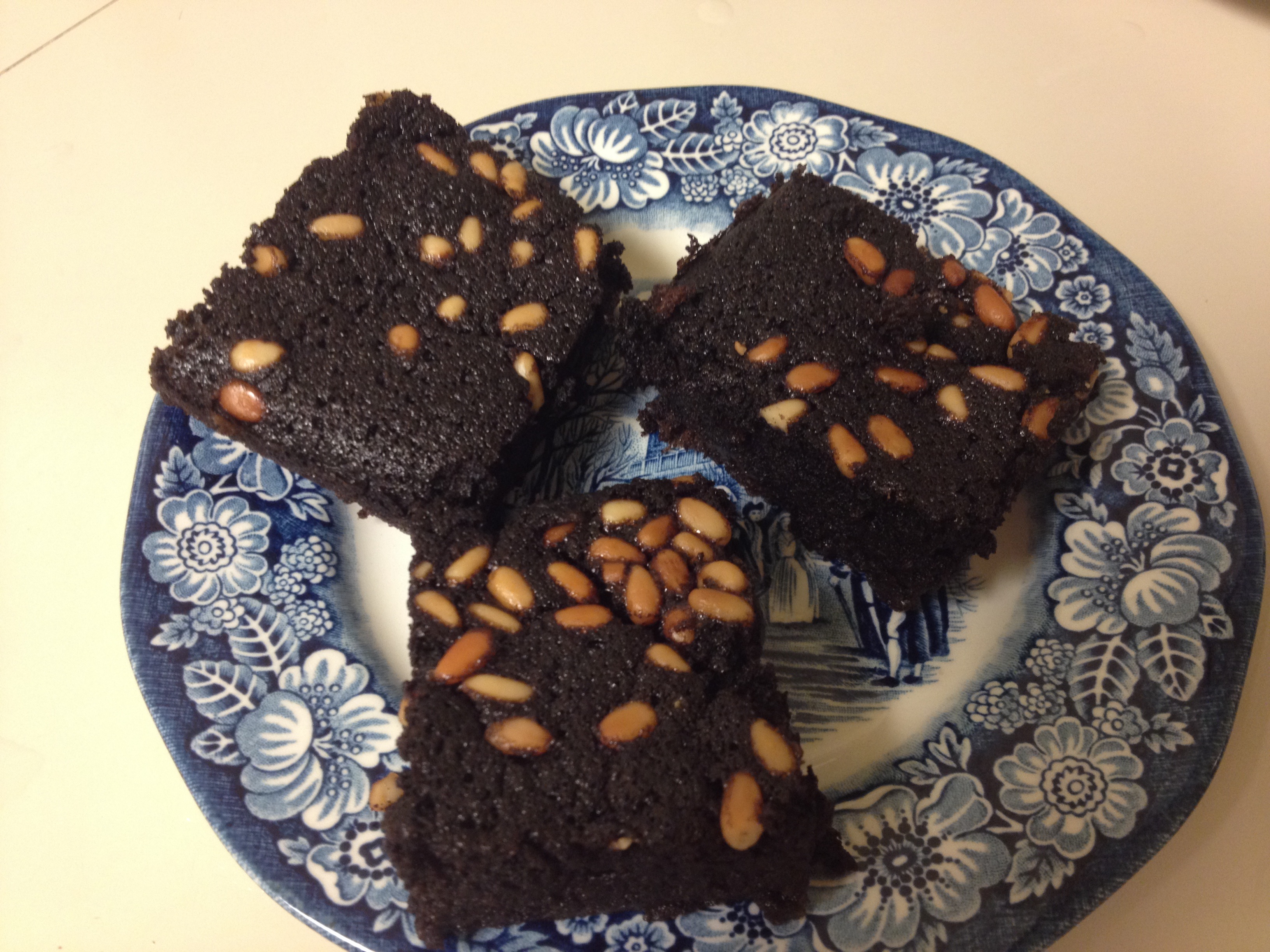
Gluten-free black tepary brownie-cockaigne for a desert dessert!

Yum!–Gluten-free Akimel O’odham Black Tepary Bean brownies with pinyones — a truly desert dessert served at the Farm-to-Table Picnic Feast at Mission Garden

Indeed, there is no doubt Tucson should be given the designation as an International City of Gastronomy!  Where else in the world could we enjoy a finer, more diverse, perfectly indigenous, more delectable and nutritious PICNIC-FEAST than here in Tucson?  Delicious dishes were the pieces de resistance by some of Tucson’s most renowned chefs for……the first-ever Farm-to-Table Picnic at Tucson’s Mission Garden.

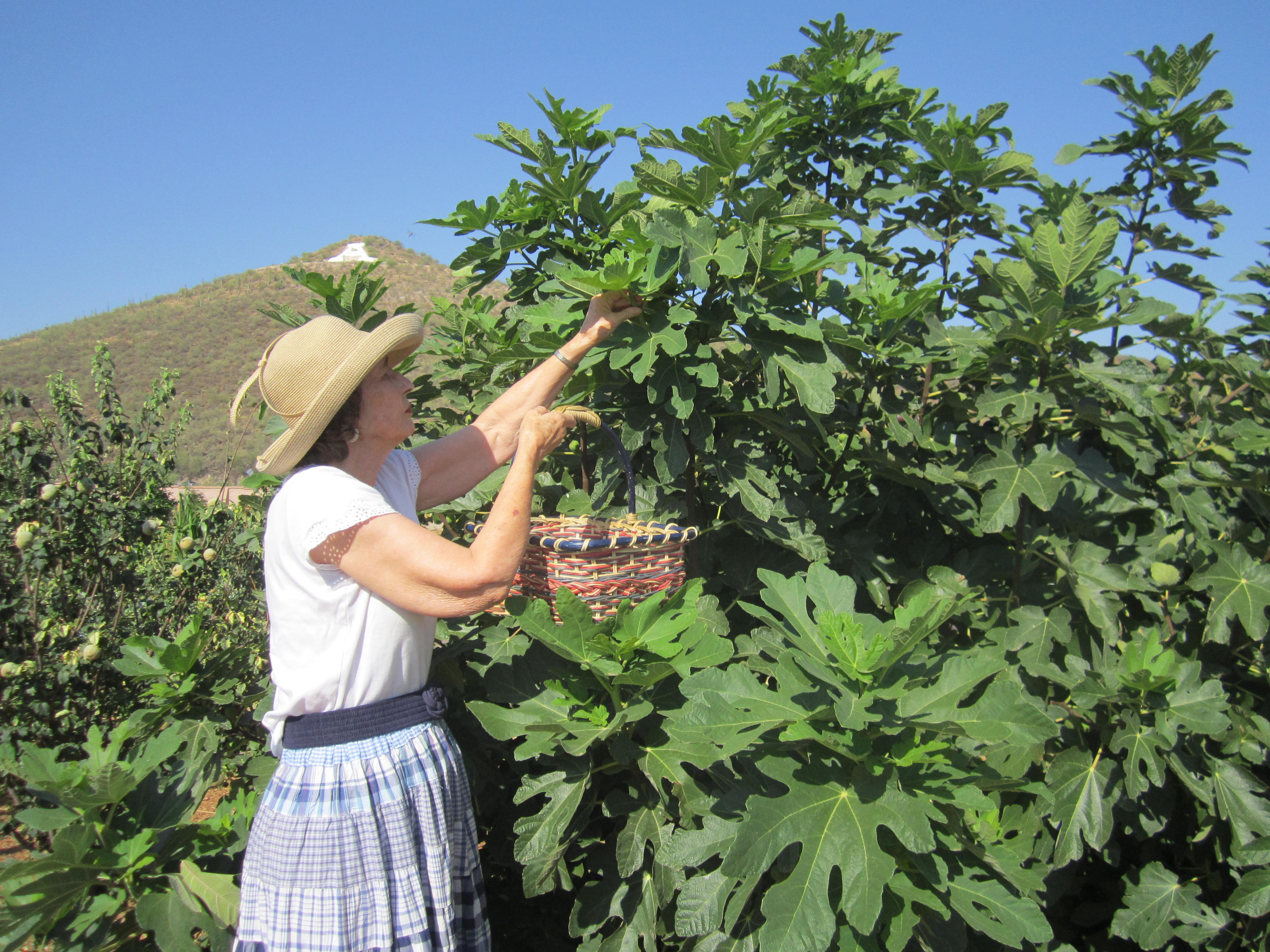
Picking heirloom figs at the Mission Garden for the Farm to Table Feast.

Native-foods cook and author Carolyn Niethammer picking heirloom figs at the Mission Garden for the Farm to Table Feast for her gone-to-heaven fig-bar postre.

At the base of our landmark A-Mountain–the very birthplace of Schuuck-shon–set in a scene of verdant orchard trees heavy with fruit, and heirloom vegetables bearing their colorful autumn harvest, we feasted this past Sunday, October 18, on the tried and true fruits of our desert land.    The community registered for this edible fundraiser via the two hosts of the Farm-to-Table Picnic Feast–our Tucson-born-and-bred organizations– Friends of Tucson’s Birthplace and NativeSeeds/SEARCH.   The cost of $75 covered a magnificent repast–not just a dainty little taste of hors d’oeuvres but a sumptuous serving of at least 7 gourmet entrees, plus a variety of hand-made desserts and some locally fermented beverages!  Either website can guide you to ways of supporting or volunteering for these worthy outfits–http://www.tucsonsbirthplace.org or http://www.nativeseeds.org.

At our special outdoor feast, we learned and appreciated where every single bite comes from!  Every ingredient was LOCAL–grown on our own Baja Arizona soil, bathed by our own Arizona sun, watered by our own Pleistocene aquifer, tended by our own neighbors’ hands not to mention those of Mission Garden and NSS volunteers and staff.

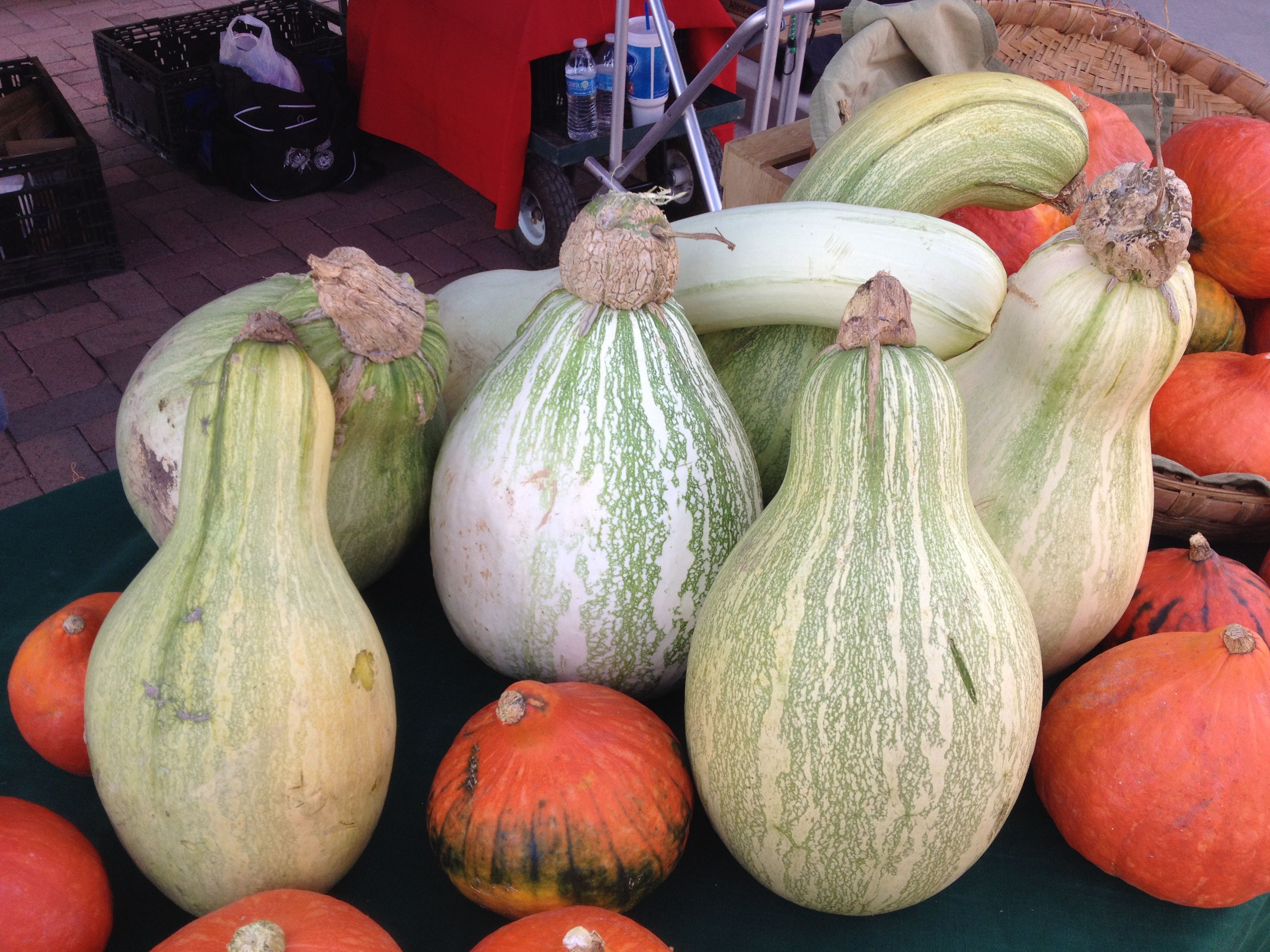
To recognize them from the source….the beautiful Native Tohono O’odham Ha:l squashes, grown at the NativeSeeds/SEARCH Conservation Farm, in combo with I’itoi’s Onions and other heirloom veggies, morphed into betacarotene-rich chile with Loew’s Ventana Canyon‘s Chef Ken Harvey’s magic.   Mission Garden’s heirloom pumpkins and greens transformed by Chef Doug Levy at Feast Tucson to a superb salad-supreme.

Traditional and delicious--Tohono O'odham Ha:l winter squash with magic inside--and curry pumpkins (MABphoto)

Traditional and delicious–Tohono O’odham Ha:l winter squash with magic inside of them–with curry pumpkins (MABphoto)

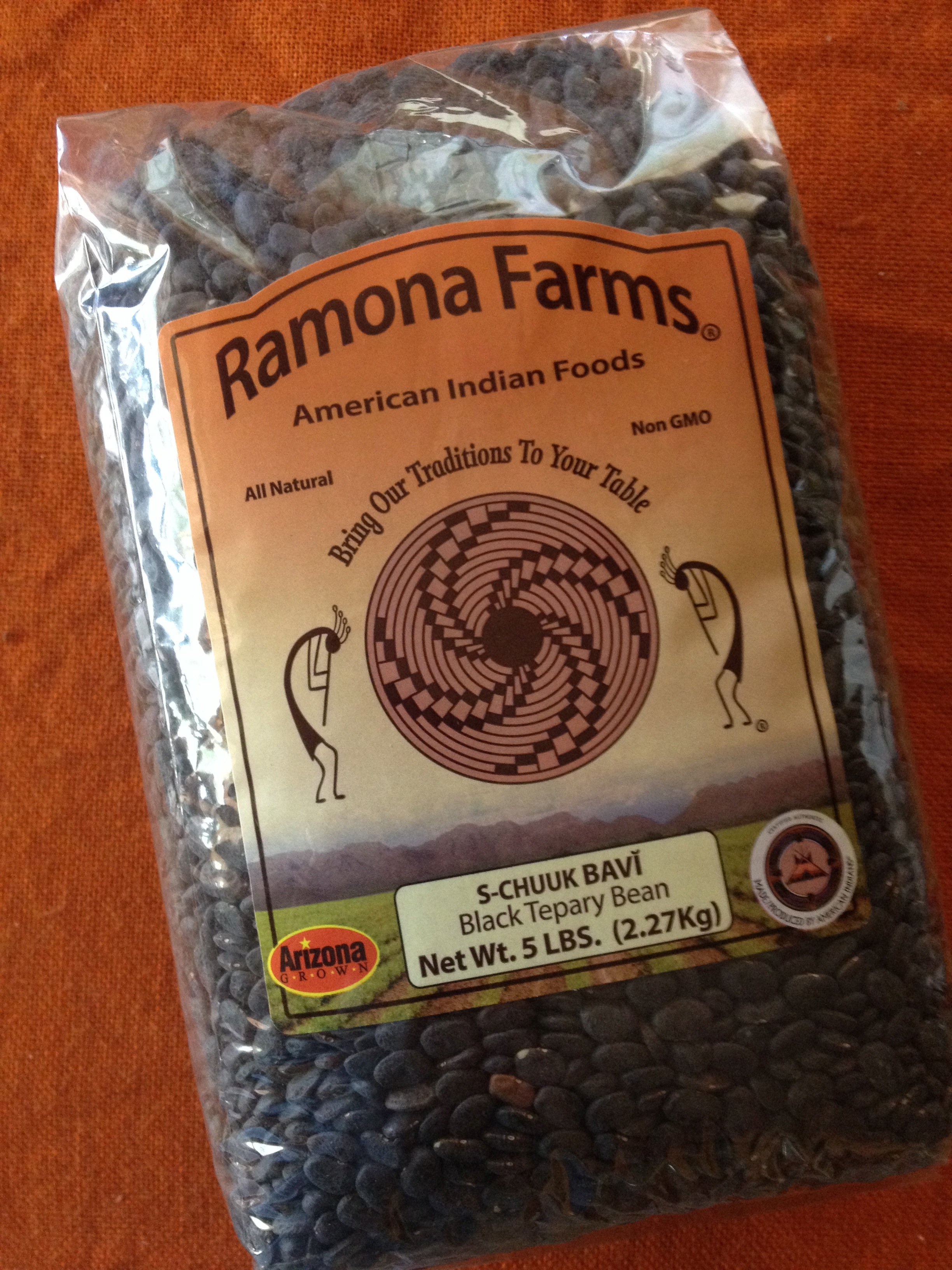
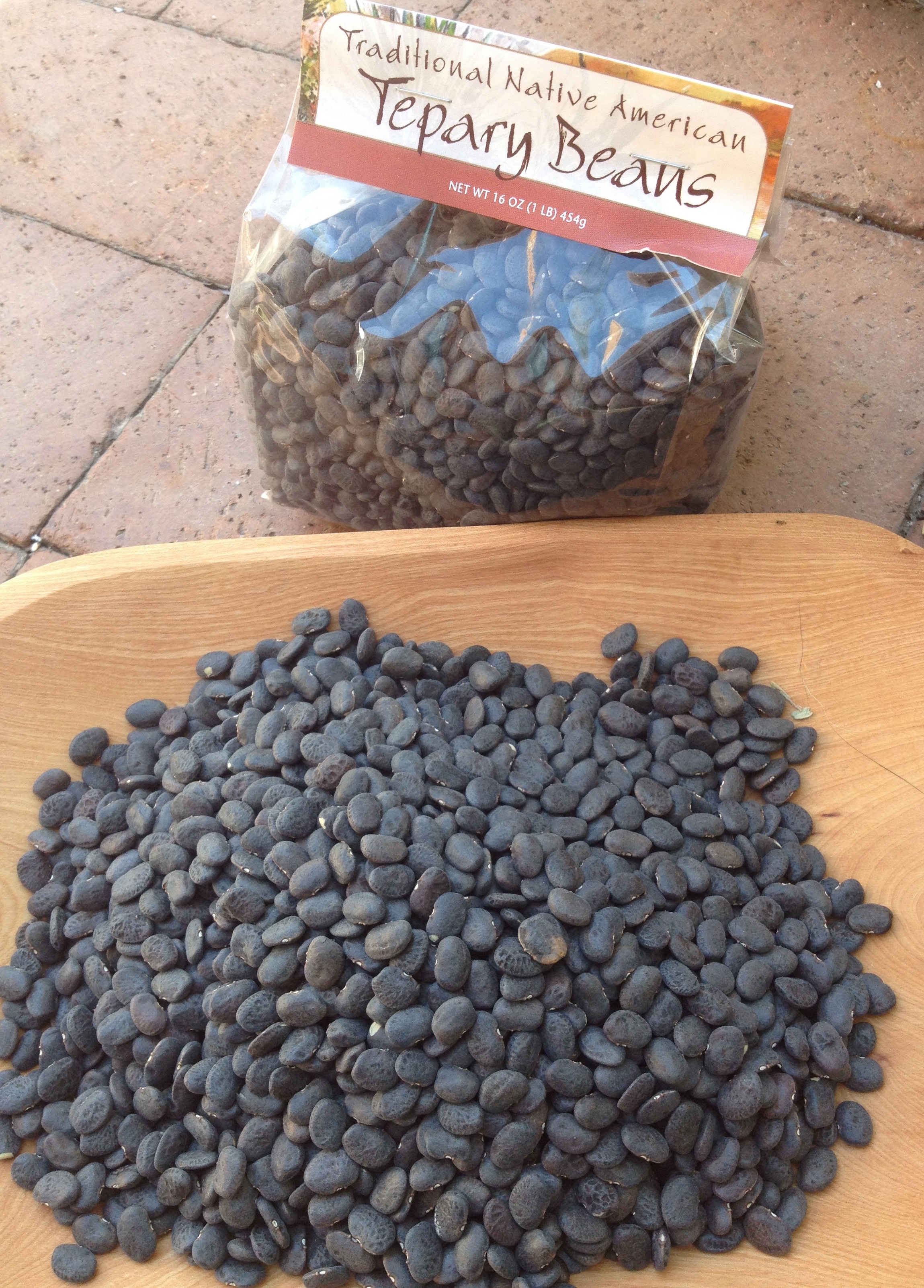
Akimel O’odham pearly black teparies from Pima farmer Ramona Button‘s fields  and locally-harvested cholla buds transformed with culinary sorcery by Chef Janos Wilder’s Downtown Kitchen into the most gourmet vegetarian delight.

S-Chuuk Bavi from Ramona Farms

Padre Kino’s White Sonora Wheat from BKWFarms‘ organic fields became the most flavorful and delicately marinated wheat-berry salad by the hand of Chef Rebecca Ramey at Blue Willow Restaurant.  And speaking of transformation, BKWFarms’ organic white Sonora wheat, with the magic of friendly microbes at Dragoon Brewery, became a festive brew with an amazing back-story to delight all samplers.

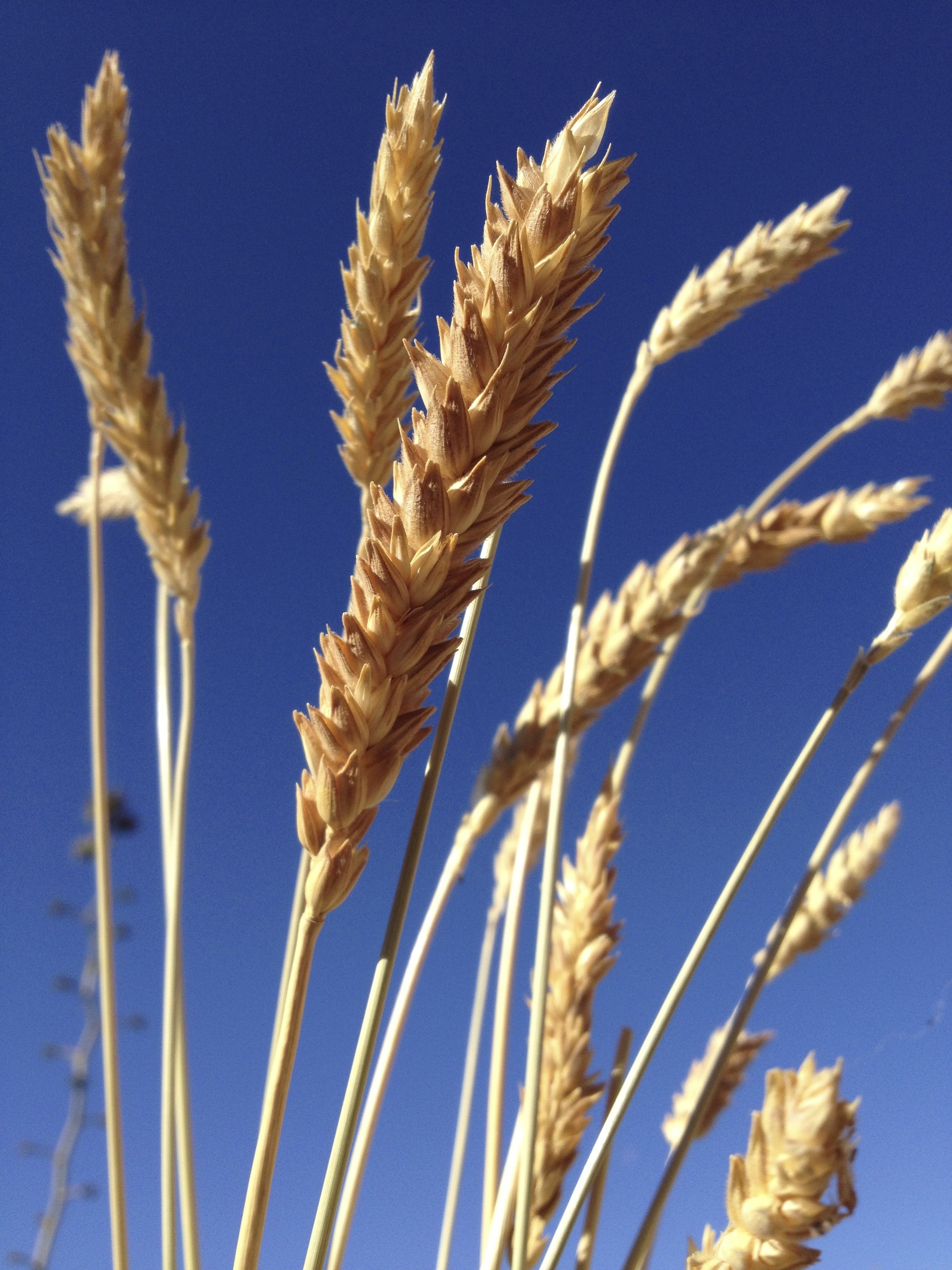
Ripened seed heads of organic heirloom Padre Kino White Sonora Wheat from BKWFarms in Marana (MABurgess photo)

Ripened seed heads of organic heirloom Padre Kino White Sonora Wheat from BKWFarms in Marana (MABurgess photo)


Farmer Frank’s Crooked Sky Farms‘ GMO-free fresh corn expressed itself in a fresh-from-the garden casserole by Proper’s Chef Kris Vrolijk.    Tohono O’odham traditional melon with other fresh corn and tomato, evolved into a gourmet gazpacho created by the Chef at Desert Diamond Casino, our major event sponsor.


Tia Marta here thanking ALL who came to the Table–the Farm-to-Table outdoor Picnic Feast at Mission Garden–to enjoy this enriching experience of Tucson’s traditional foods, cultivated with love in our own “desert terroir.”*  THANKS TO ALL our local–yet world-famous–culinary talent who prepared these sacred foods with care and dedication!  THANKS ALSO to the supporters and volunteers who made this event such a success!   Was it a sign of its significance at that moving moment culminating the feast when the heavens blessed us with a glorious sunset?

The public is invited to visit the ever-changing setting of this feast–the very garden and orchard where many of the heirloom foods are still hanging on fruit-tree boughs or ripening on the vine.  The Mission Garden is open for tours every Saturday with knowledgeable guides to take you through this special desert oasis–a living agricultural history museum.  (For info see http://www.tucsonsbirthplace.org).

For your own table, you too can source the heirloom foods served at the Picnic Feast, at the NativeSeeds/SEARCH Store, 3061 N Campbell, Tucson, http://www.nativeseeds.org, or at the Flor de Mayo booth (online at http://www.flordemayoarts.com) and other farm booths at Sunday’s St Philips Farmers’ Market (www.foodinroot.com).

Native Black Tepary Beans from Flor de Mayo at St Philips farmers market Sundays

Native Black Tepary Beans from Flor de Mayo at St Philips farmers market Sundays

Join NativeSeeds/SEARCH as a member and stay in touch with seed-savers, gardeners, and cooks as we keep these desert-adapted foods alive and well into an unknown future.

Yours truly, Tia Marta, have also honored these heirloom foods artistically by documenting them from my garden in their harvest splendor as watercolor images.  I invite you to view them firsthand at two upcoming OPEN STUDIO eventsART TRAILS on Saturday, Oct 24, and the TPAC OPEN STUDIO weekend Nov.14-15 at Carolyn Leigh Studio.  Search by my studio name, Flor de Mayo Studio, or by artist’s name, Martha Ames Burgess, at  http://www.ArtTrails.org , and at http://www.tucsonpimaopenstudiotour.org  for directions, and do come by for a visit.  You can also check out some of my Southwest Native heirloom food images on my website gallery http://www.flordemayoarts.com — enjoy!

NativeSeeds/SEARCH heirloom Navajo Cushaw Squash watercolor by artist Martha Ames Burgess

NativeSeeds/SEARCH heirloom Navajo Cushaw watercolor by artist Martha Ames Burgess


What will Tucson's top chefs cook for the Heritage Picnic?

Tucson’s top chefs cook for the Farm-to-Table Heritage Foods Picnic Feast


*Desert Terroir,  by renowned author and co-founder of NativeSeeds/SEARCH, available at the NSS store, is a great read about the deep significance of LOCAL.  We can “internalize” his messages by shopping at farmers’ markets,  growing our own, and honoring long-successful desert traditions, seeds, and foods.