Aunt Linda here: Happy February ! The peak of February’s very gorgeous very Full moon was Tuesday. Also easily visible with the naked eye, the planet Jupiter played flirtatiously around the moon for several days.
Today’s blog offers a little parable. So pour yourself a cup of tea, coffee, or whatever you prefer, and travel with me.
Once upon a time, during a moon such as this with Jupiter visible to the naked eye, in a land not so far away …. a pilgrim, or a seeker, or a soldier, or an emperor, or someone just like you and me, crested the peak of a mountain having finally found the Wise One. After many moons of seeking this particular Wise Person, the seeker arrives with high hopes of learning what they had so dearly yearned to learn. They were in Search of Answers.
“Ah”, said the Wise One, “sit down and let us talk over some tea”. So, after warming the water and preparing tea, the Wise One began to pour the liquid into the cup of the One in Search of Answers.
The Wise One poured.
And poured.
And poured.
Until the tea cup overflowed. Spilling onto the table, the floor, the person.

In some versions of the story, the more polite seeker, is startled, and exclaims: “Teacher! Perhaps you have not noticed that my cup is spilling over!”. In another version, the tea spilled onto the robes of the (not so polite) emperor, who becomes angry, chiding the Wise One for ruining his robes.
In each version, the reply of the Wise One is the same: “There is no room in the mind of the seeker, for the wisdom he/she says he wants, and has searched for for so many years. Emptiness, whether mind or cup, is needed before new insights can be received”. Being filled with opinions, speculations, habits of mind, hinders the ability to take in of fresh insights/knowledge.
Temple Grandin ran into this phenomena in the world of animal husbandry. Having discovered extremely practical wisdom about how to work with large animals more efficiently and calmly. She developed methods that significantly decreased the stress on both animal and human, and other methods that significantly increased efficiency. Her ideas were practical. Her ideas were “humane” and efficient . They offered ranchers and industry alike, to save money.
And they were met with “full”-on resistance, if you pardon the pun.
Rolling forward in time, the vast majority of ranchers, have integrated some if not all of her ideas of moving animals. Corrals and shoots have been redesigned. Transportation trailers for horses were redesigned (diagonal facing not front facing) . It goes on and on. But before the “industry” could take in all this animal-human wisdom “it” had to empty It’s mind of preconceived ideas.
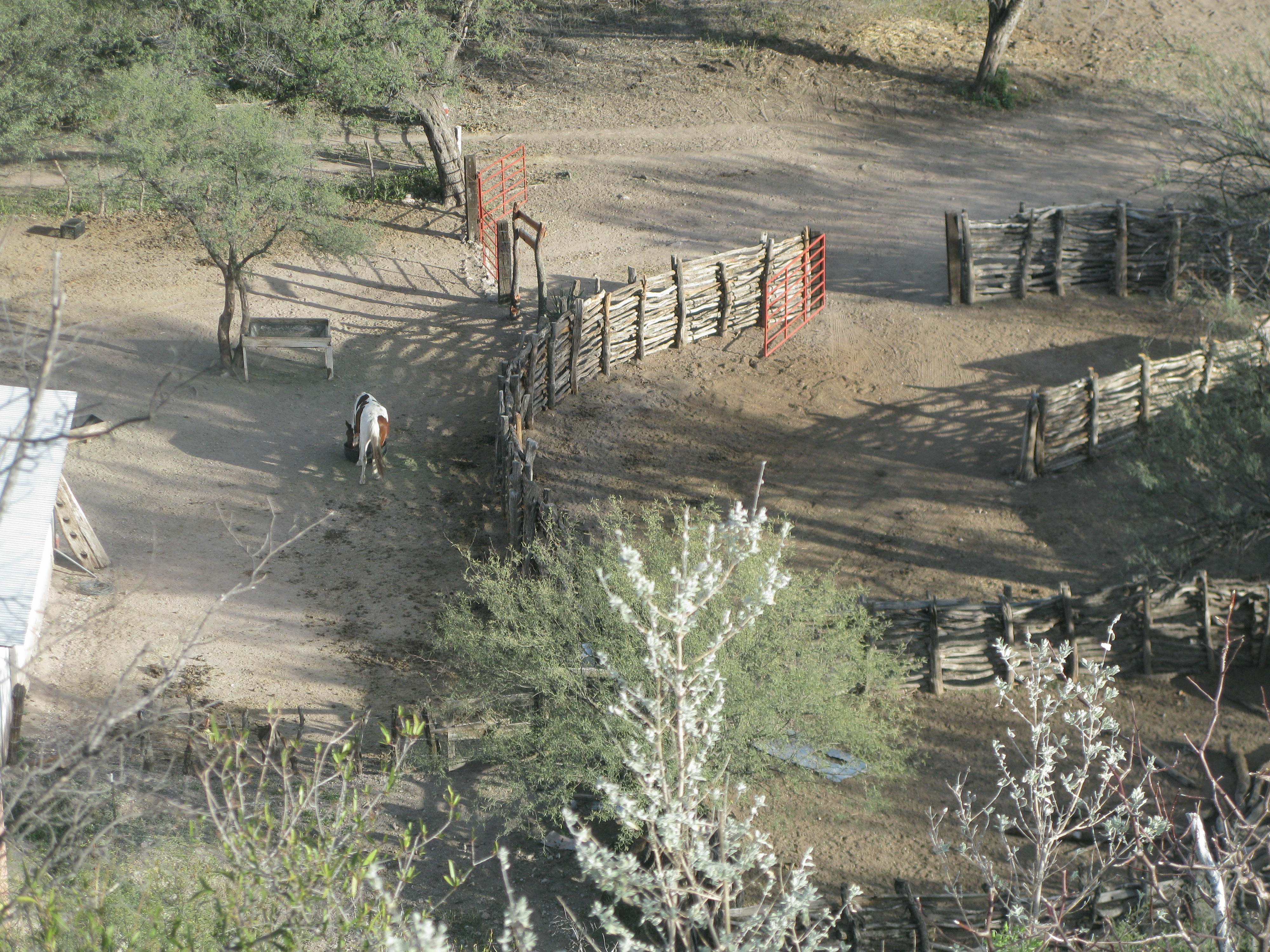
 We redesigned our corrals. No more box shapes with corners. Curves allow flight animals such as cows and horses to feel safer and move as they would in the field.
On a personal level, when my mind is “full” of worry, I can sometimes miss the more innovative solutions available to me. Conversely, when I empty my mind enough, life gets easier. For me, “easier” is simply more practical.
One example from the week: I discovered a nest of baby mice in the feed bin this week. I immediately felt stress. TO be clear, I am not “anti-mouse”. I am just “anti-TOO MANY MICE that it becomes unhealthy”. An occasional mouse is not uncommon around poultry, and the “girls” (the chickens themselves) or a king snake take care of them. Until recently, our cat was a good “mouser”, but she is 20 years old now and no longer on the job. So this issue of mouse nests is a new dilemma for me. I do not want unhealthy mouse droppings around the hens and eggs. I do not want mice eating the feed, and bugging the chickens all night long, as they nibble here and there. Follow the trail of mouse poop and you will be amazed at what acrobatics they are! I hate to use poison for a variety of reasons, one being fear that a predator such as a hawk or neighbors cat could be poisoned itself if it eats the bait-ridden mouse. And baby mice, despite knowing all of the above, are just so cute. I don’t Want to kill them!

Adorable for sure, this nest of baby mice is nevertheless not welcome in the hen house.
I was full -on- fretting. No space for innovative solutions to present themselves. Deciding to relax my mind, I went for a walk, switching mental channels from a litany of methods of killing mice, none of which I liked … to a question… How does Mother Nature do it? Mice have a plethora of babies, presumably because there are a plethora of animals that eat/need those mice. What eats mice? Snakes came to mind. ( Just as I am not anti-mouse, I am not anti-snake either. All have their place. It is BALANCE that I am looking for). I sent out a text (modern world) and within minutes had a Python present itself. Then another snake owner said she was looking for a good source of mice for her reptile. Later this afternoon, a litter of mice, will be delivered to a Python. And I will be rid of the “seed” stock of multiple generations of mice. Whether or not the snake-owners will raise the mice and feed them as needed, or freeze them for later feeding, I do not know. Stay posted.
The Recipe:
Chocolate-Chiltepin Cupcakes with Cool/Hot Cream Cheese Frosting


 I Love the sensation(s) on my tongue as the cool of the mint in the frosting meets the heat of the chiltepin! And while it is my “go to” cupcake recipe all year long, it might be a Very fun Valentines Day treat, what with the Chocolate/Chile combination as well as the sensual mint-chile interaction.
Ingredients for Cupcakes:
1 Cup Milk (cow, almond, rice, coconut, etc)
1 teaspoon apple cider vinegar
¼ cup honey (local honey if you can; it is good for you and your local beekeepers)
½ cup oil of your choice
1 teaspoon vanilla extract
1 cup unbleached all purpose flour
1/3 cup cocoa
¼ teaspoon dried and crushed chiltepins, seeds removed if desired.
¾ teaspoon baking soda
¾ teaspoon baking powder
¼ teaspoon salt
How to:
Preheat your oven to 350 degrees and line 12 cupcake cups with paper liners.
Whisk together the milk and vinegar and in a large bowl and set aside to allow time to curdle. Once curdled, add the honey, oil, and vanilla extract and blend well.
Sift the dry ingredients together and slowly add to the wet mixture, stirring between additions. Divide batter among the cups, filling each about ¾ full.
Bake in preheated oven for 18-20 minutes.
Once the cupcakes have cooled, you can frost them with the Cool/Hot Cream Cheese Frosting that you have made while the cake-lets were baking.
Ingredients for Frosting:
2, 8-ounce packages cream cheese, softened
2 tablespoons unsalted butter, softened
1 teaspoon vanilla extract
1 teaspoon mint extract
1 teaspoon chocolate extract
1 tablespoon cocoa powder
¾ cup powdered sugar
1-2 tablespoons milk (cow, nut, coconut etc)
¼ teaspoon dried and crushed chiltepins. Note: leave seeds of you are going to eat promptly or want the heat to remain stable. Remove seeds if you will be eating frosting in a few days and do not want the “heat” to increase. The “heat” from chile comes from the oils on the seeds, and with time, the heat will “grow”. Experiment and see what you prefer!
12 springs fresh mint – for an edible garnish atop the cupcakes.g
How to:
Combine all the ingredients except the fresh mint in a food processor bowl and mix well until combined. Add just 1 tablespoom of milk to begin, adding the rest by teaspoons if you want to thin the mixture.

Frost the cupcakes; top each cupcake with a small sprig of mint for an edible garnish.