Sikil Pak – Yucatan Pumpkin Seed Dip

Hello, Amy here eating something totally new to me that my sister Laura just made. Sikil Pak is a Yucatan condiment made with pumpkin seeds.
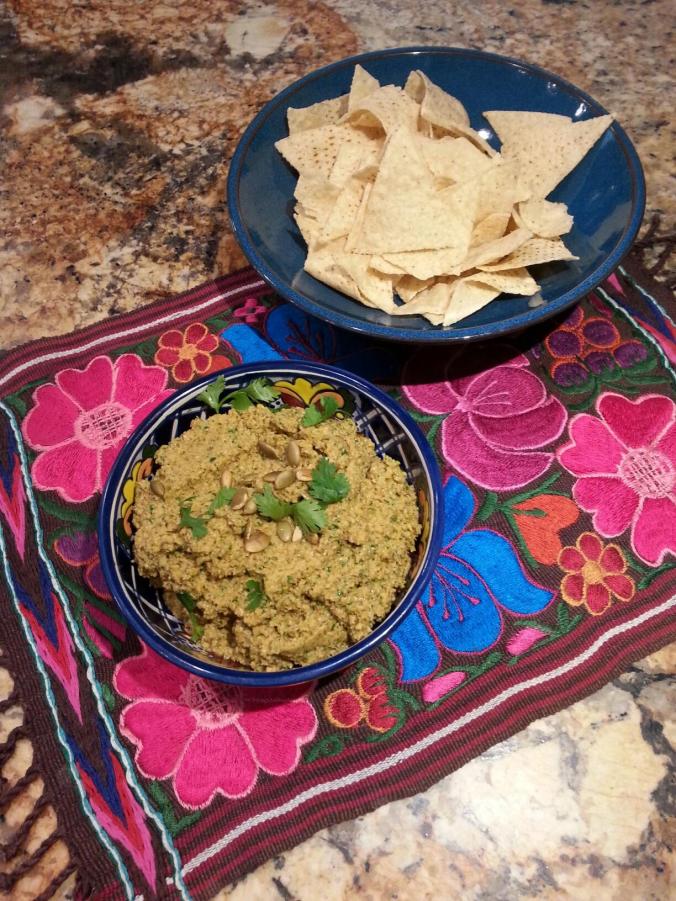
She recently had this dip at our uncle’s house and fell in love immediately with this bright and rich mixture. She didn’t have his recipe but took a guess at the general proportions and ingredients he used and came up with a close version. It’s a blend of cooked and raw elements plus lots of citrus. Make sure to cool before blending in the herbs at the end to keep it fresh.
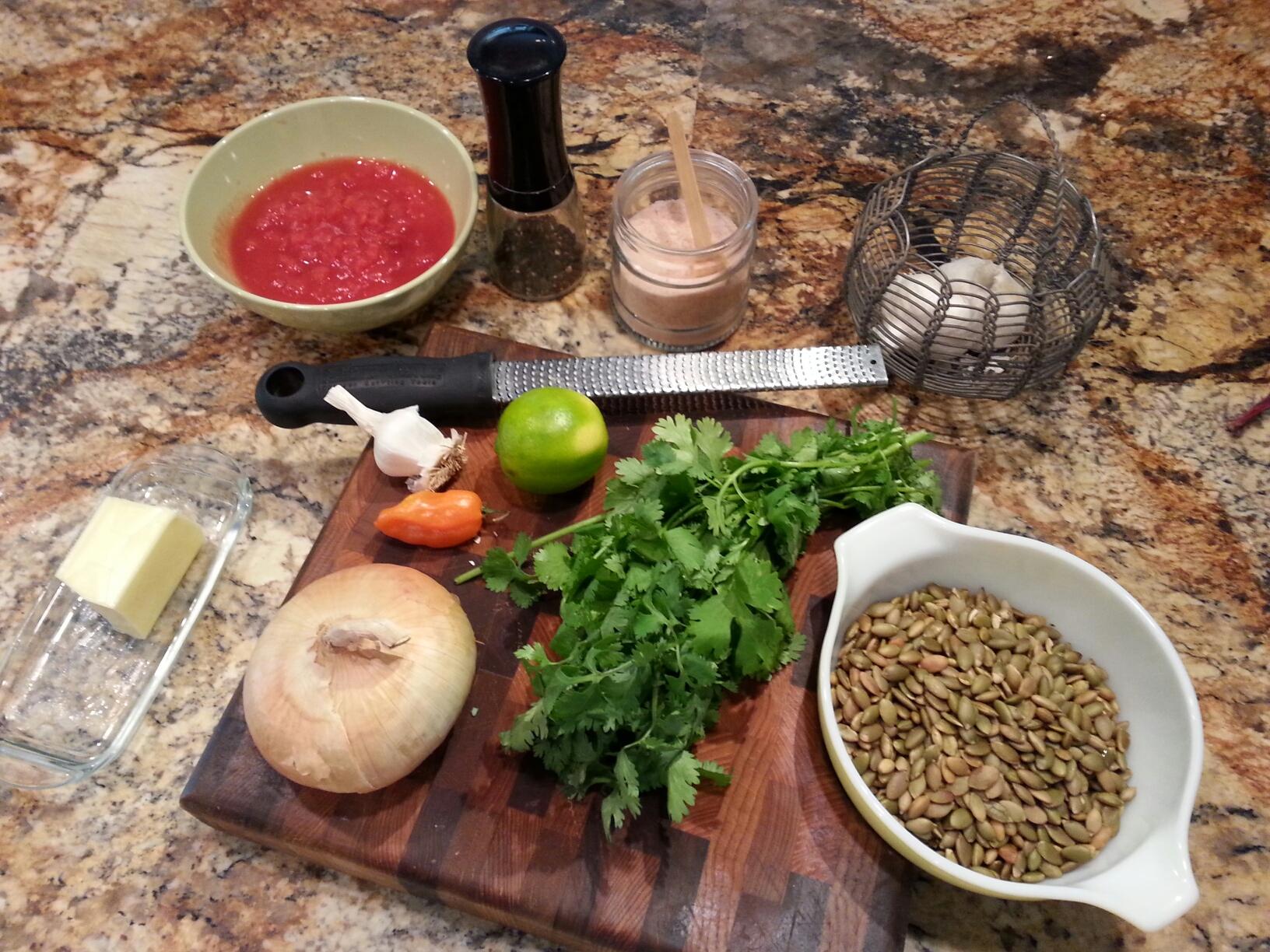
1 medium sweet onion

2 tablespoons butter

1 habanero chile

12oz tomatoes, canned or fresh

2 cups toasted, unsalted pumpkin seeds. Or start with raw, then toast and cool

2 limes, juice and zest

1 bunch cilantro

salt and pepper

agave nectar
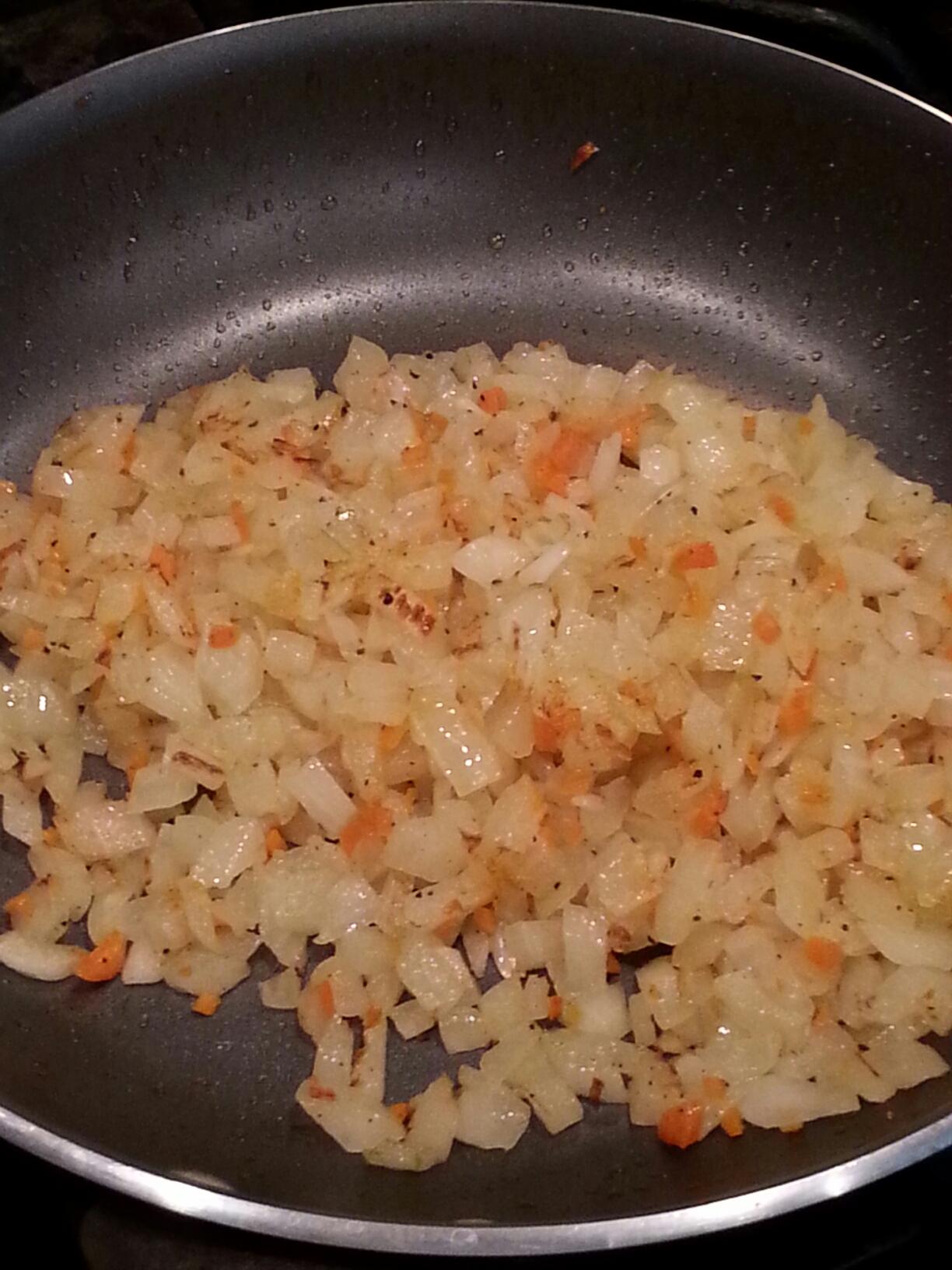
Sauté diced onion and habanero in butter until golden brown, let cool. Sauté tomato until liquid slightly reduces, let cool. Place onion, pumpkin seeds and tomato in food processor, add lime juice and zest, and pulse together.
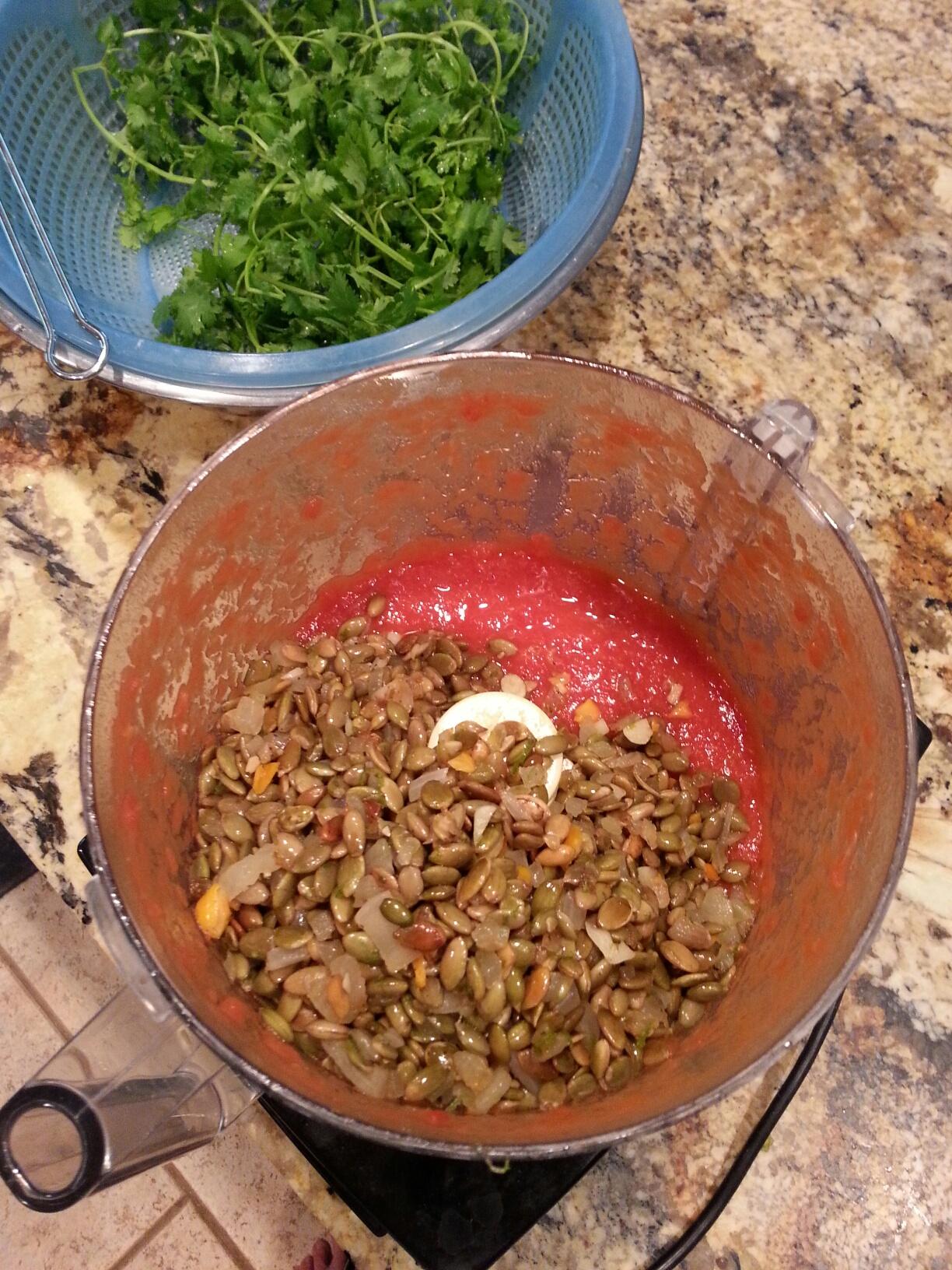
Add coarse chopped cilantro into processor and pulse until the texture is like wet sand, do not over mix. Adjust seasonings; add agave drizzle to balance the acidity of the lime juice. Garnish with pumpkin seeds and chopped cilantro. Serve with corn chips. Maybe jicama would be good, too. Thanks, Laura!

Read more use of pumpkin seeds here.
amy mole

Amy Valdez Schwemm

Amy Valdés Schwemm

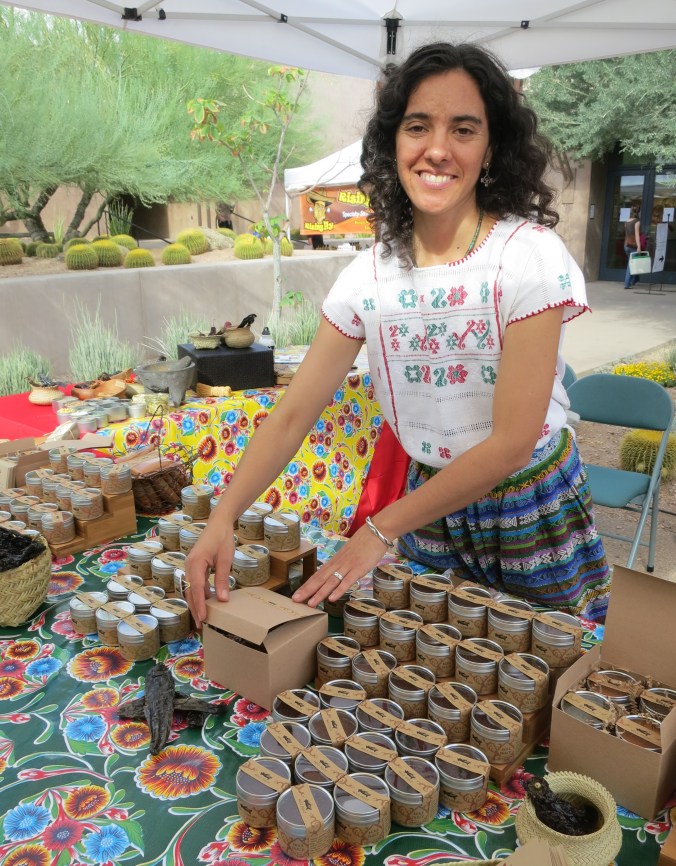
With her family’s love of cooking as her inspiration, Amy founded Mano Y Metate, offering freshly ground mole powders for people to make and serve mole at home. She inspires Tucsonans to become Desert Harvesters, to plant and harvest native foods in their yards. At Tucson Community Supported Agriculture, she advocates for underappreciated veggies and celebrates food’s seasons. She loves to hike the deserts and forests, make plant remedios, and feed people.
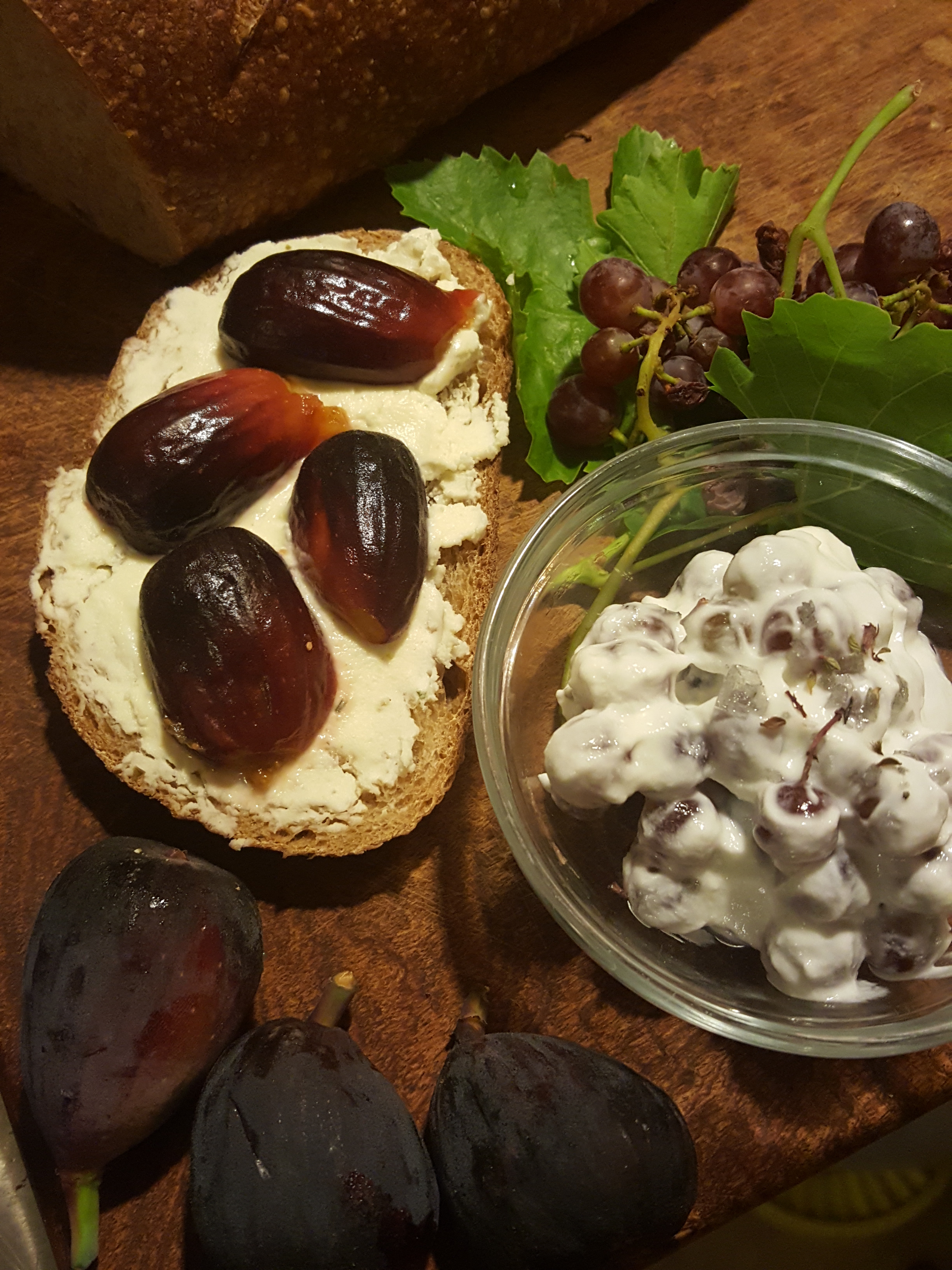
Summer fruit: pickled figs, grape salad

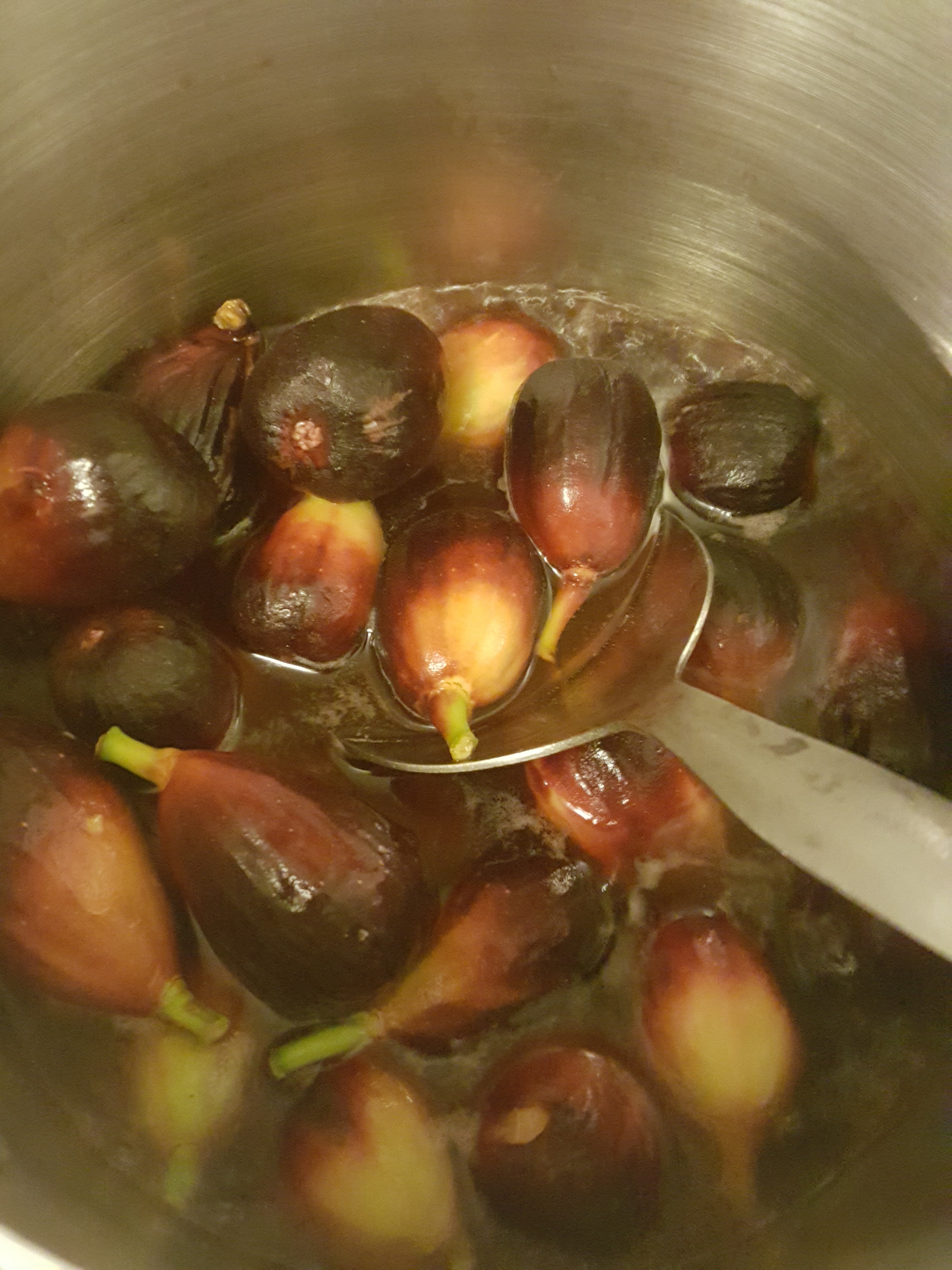
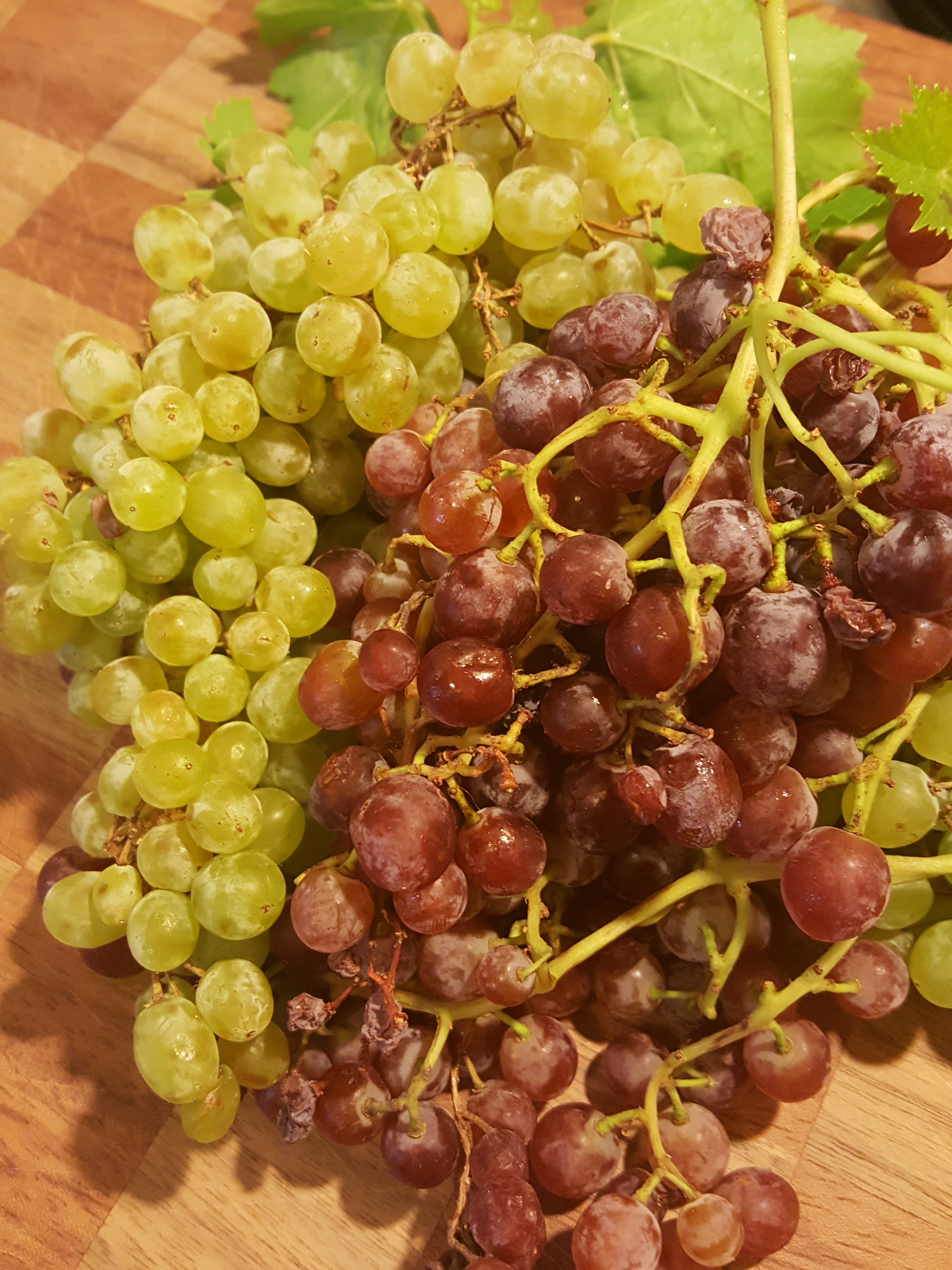
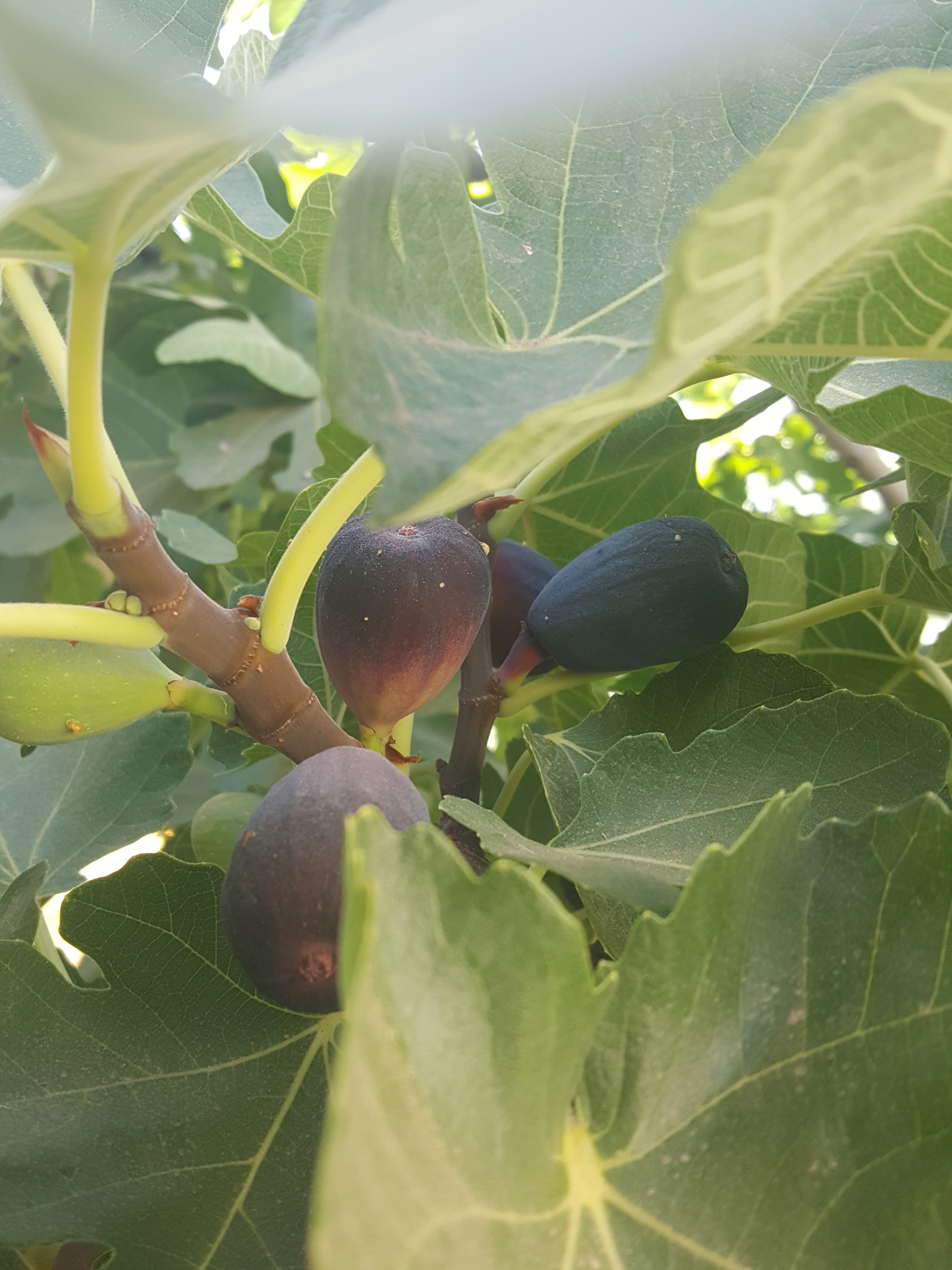
Hi, Amy here today, giddy with a pile of fresh figs and fresh grapes! The Black Mission figs are from a very old tree in my mom’s yard.

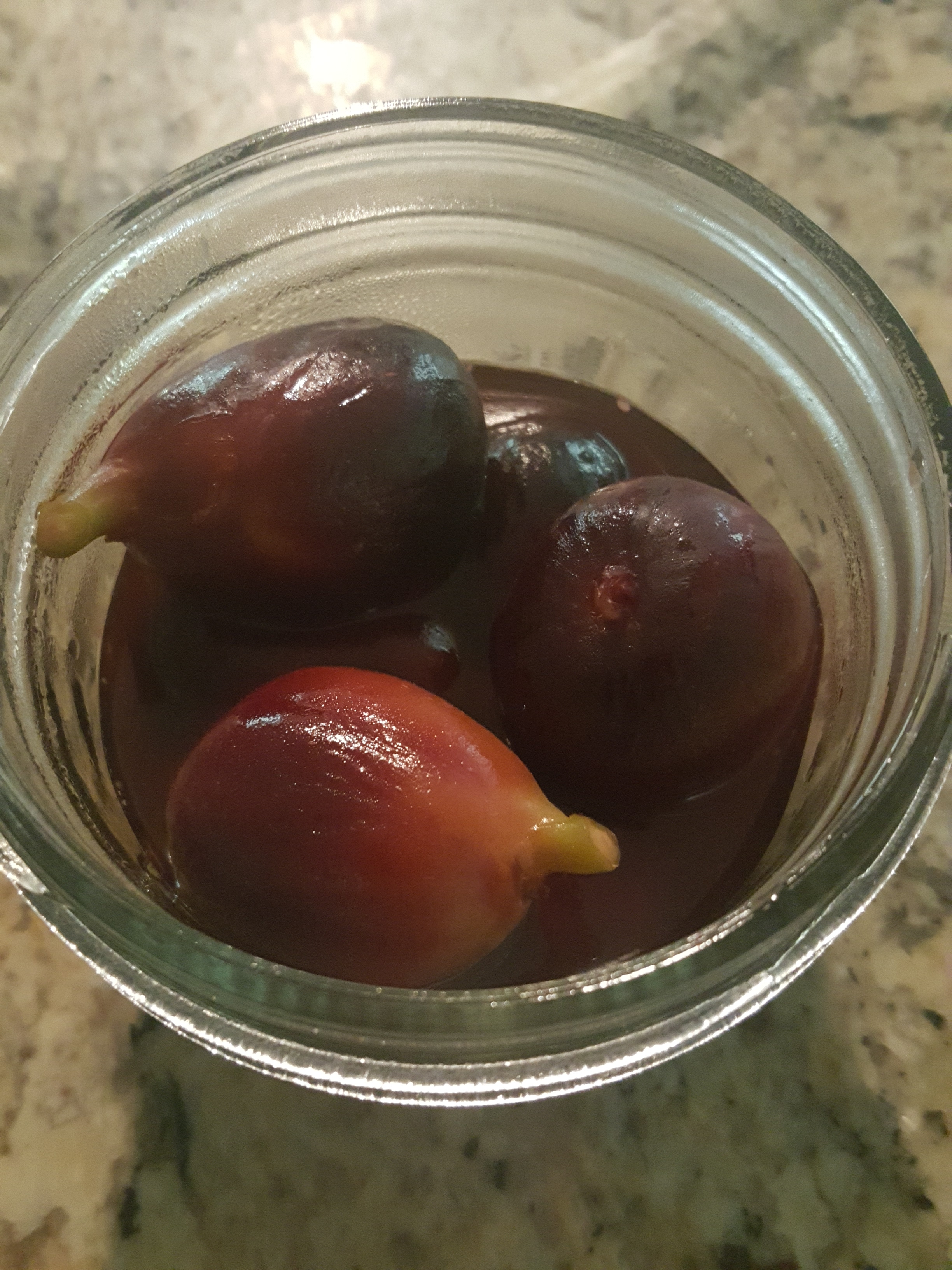
My mom dries them in a hot car and freezes them to preserve. This year I decided to try pickling some. I poured about one cup red wine vinegar into a pan, along with two tablespoons sugar and a teaspoon salt. Then I tossed in about a dozen fresh but firm figs and brought them to a simmer. I’m sure honey instead of sugar is fine, and any vinegar would work as well. You could add more or less sweet or salt to suit your taste. Quick pickles are as forgiving as they are delicious.

After simmering for a few minutes, I let them cool in the liquid. I refrigerated the figs and brine together, where they softened and darkened a little more. Perfect.

A few days later, a friend shared some seedless grapes from her garden. Amazing!!!! You can see some turning to raisins on the vine.

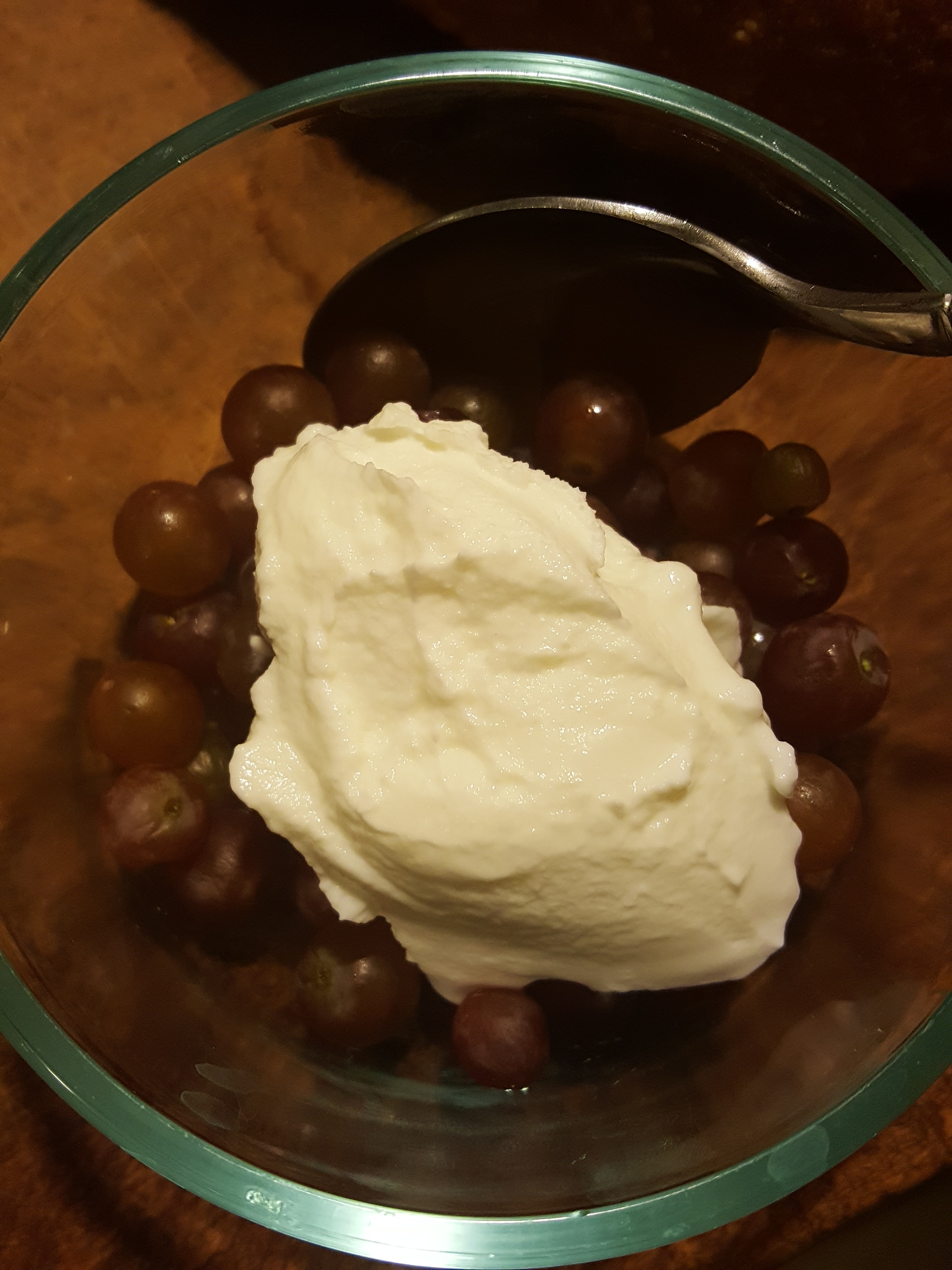
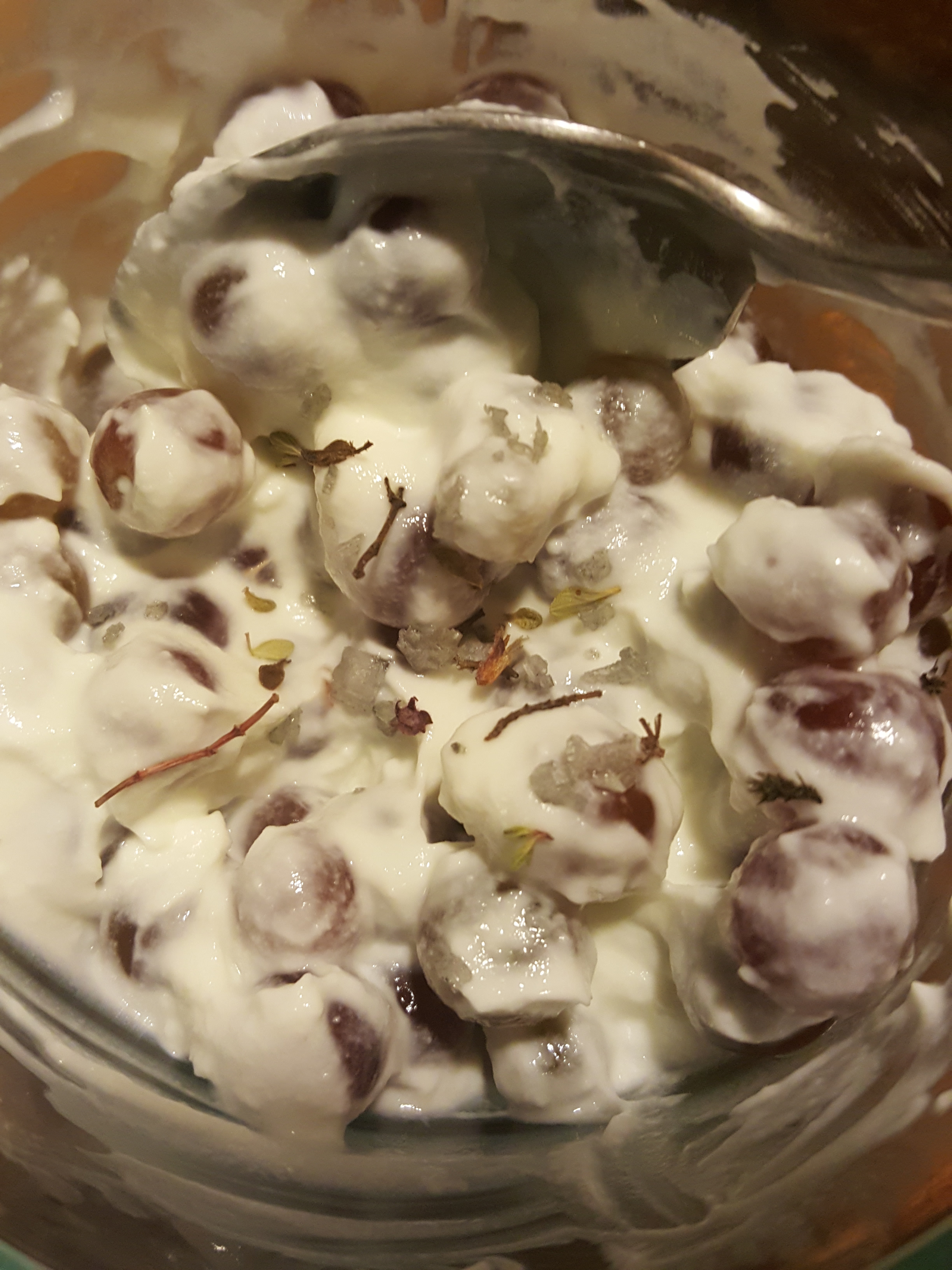
For a fresh, light meal, I put stemmed grapes with some tart Greek yogurt.

I sprinkled some sea salt thyme blend and called it a salad. Of course, any salt and herbs would be wonderful here.

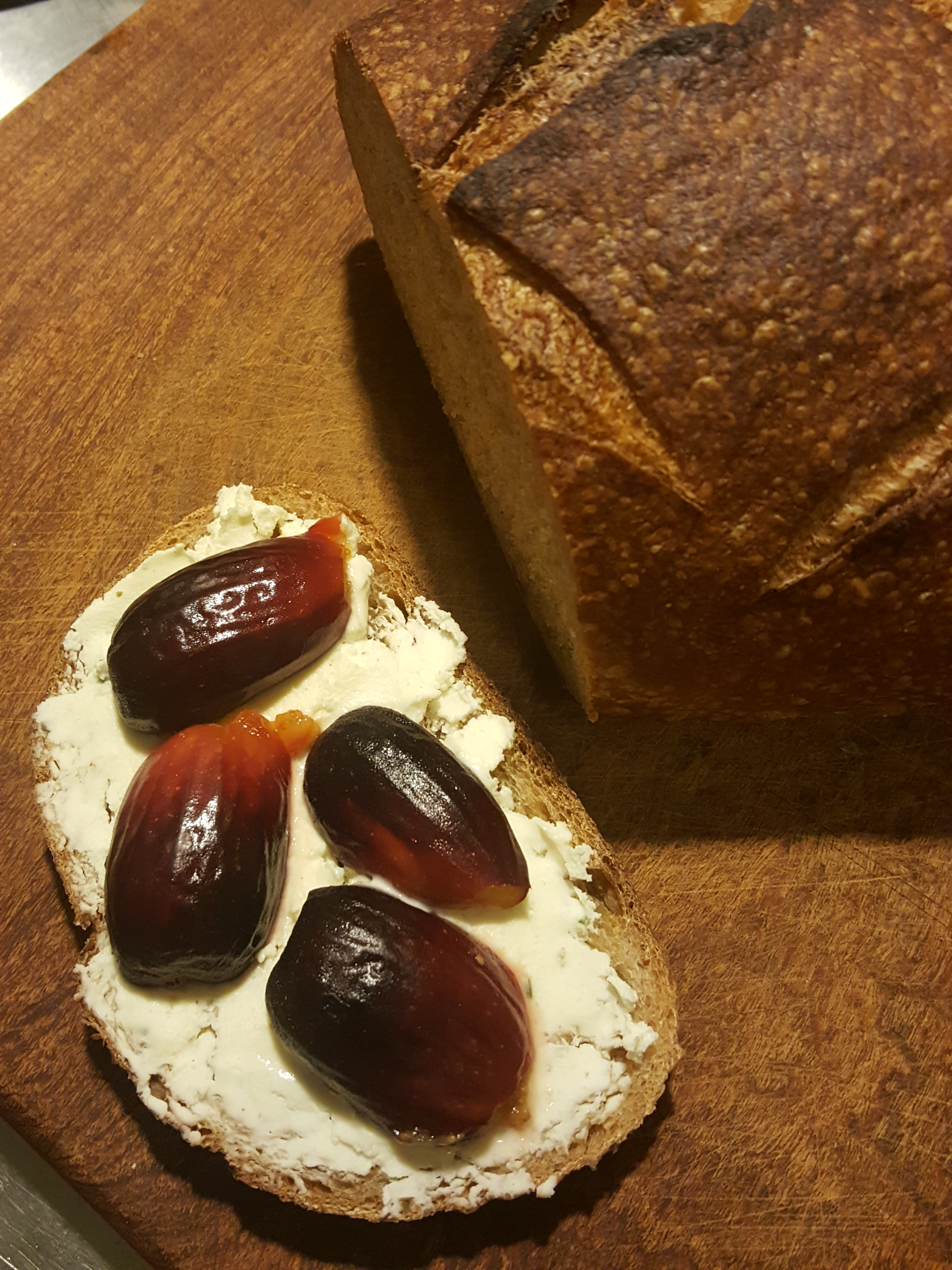
For a sandwich, I spread Black Mesa Ranch goat cheese with herbs on a slice of Barrio Bread whole wheat levain (both from Tucson CSA) and topped with halved figs. Dinner to eat while watching the clouds and sunset.

Here’s to hoping for more summer rains in the desert!

Mole buttered Corn on the Cob

Happy Solstice! Midsummer Greetings! By the time you read this, I’ll be in the mountains of New Mexico. Driving thought farming towns, hoping to see roadside stands with fresh sweet corn, tomatoes, stone fruit, who knows?!?!

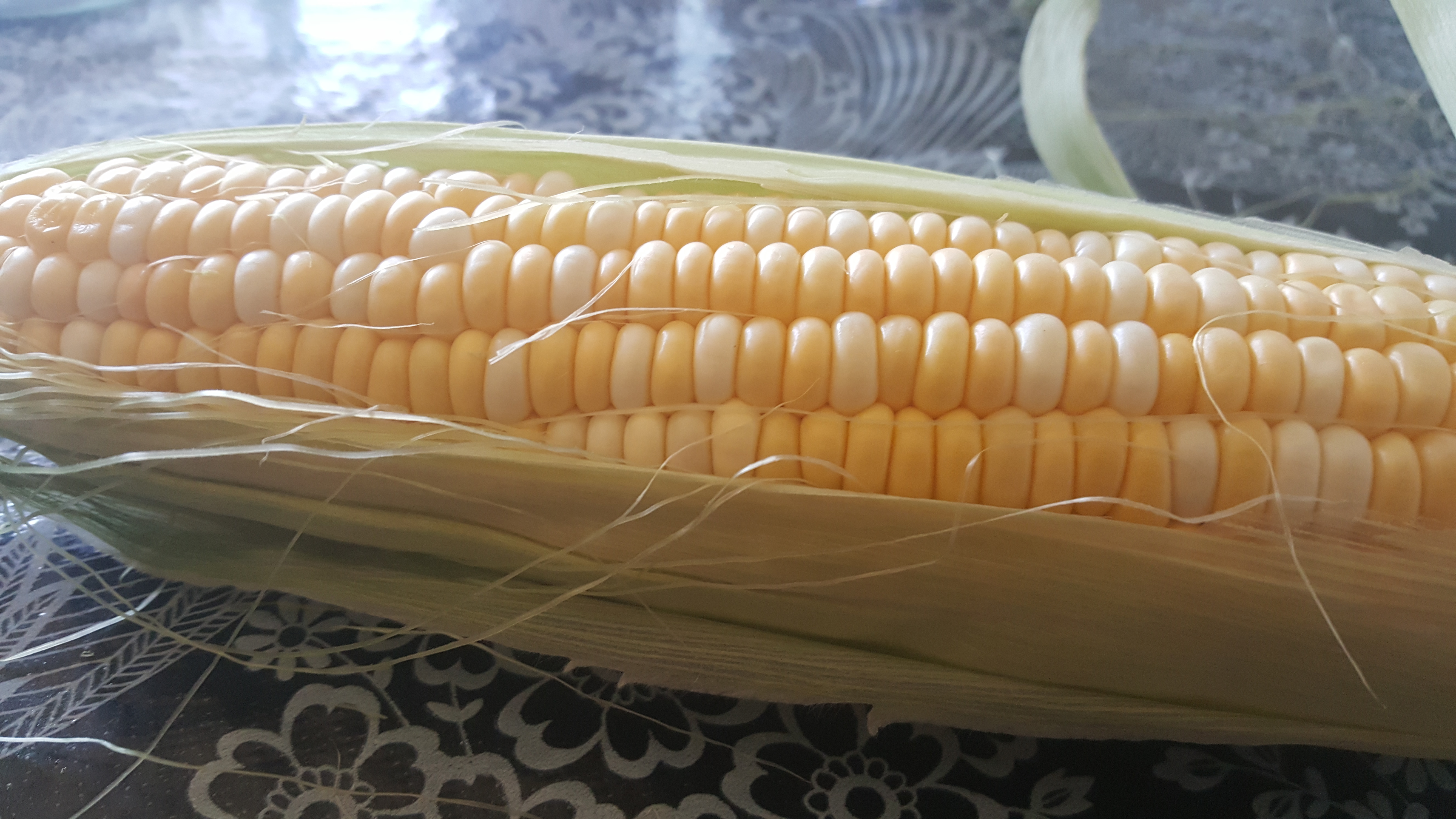
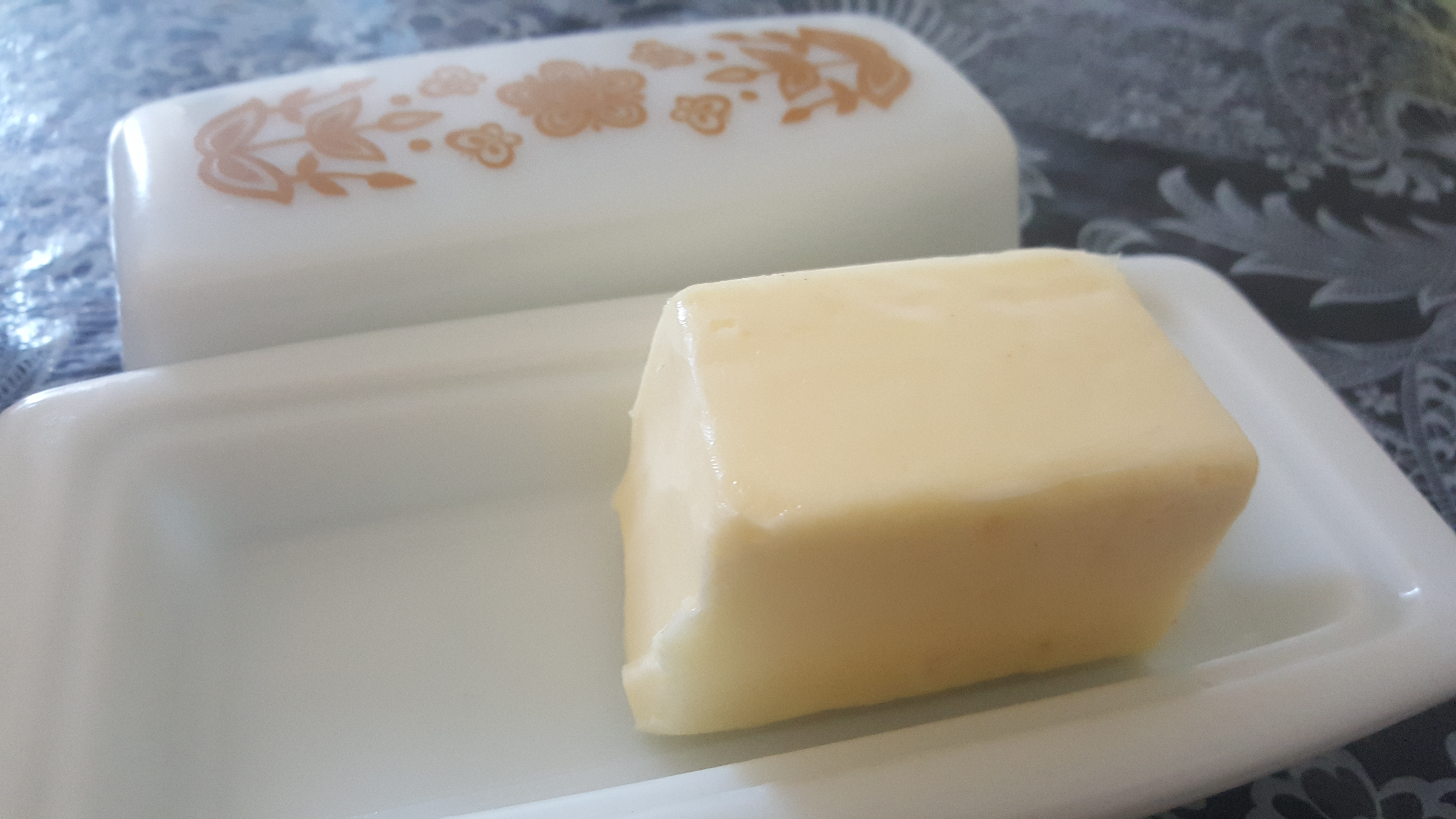
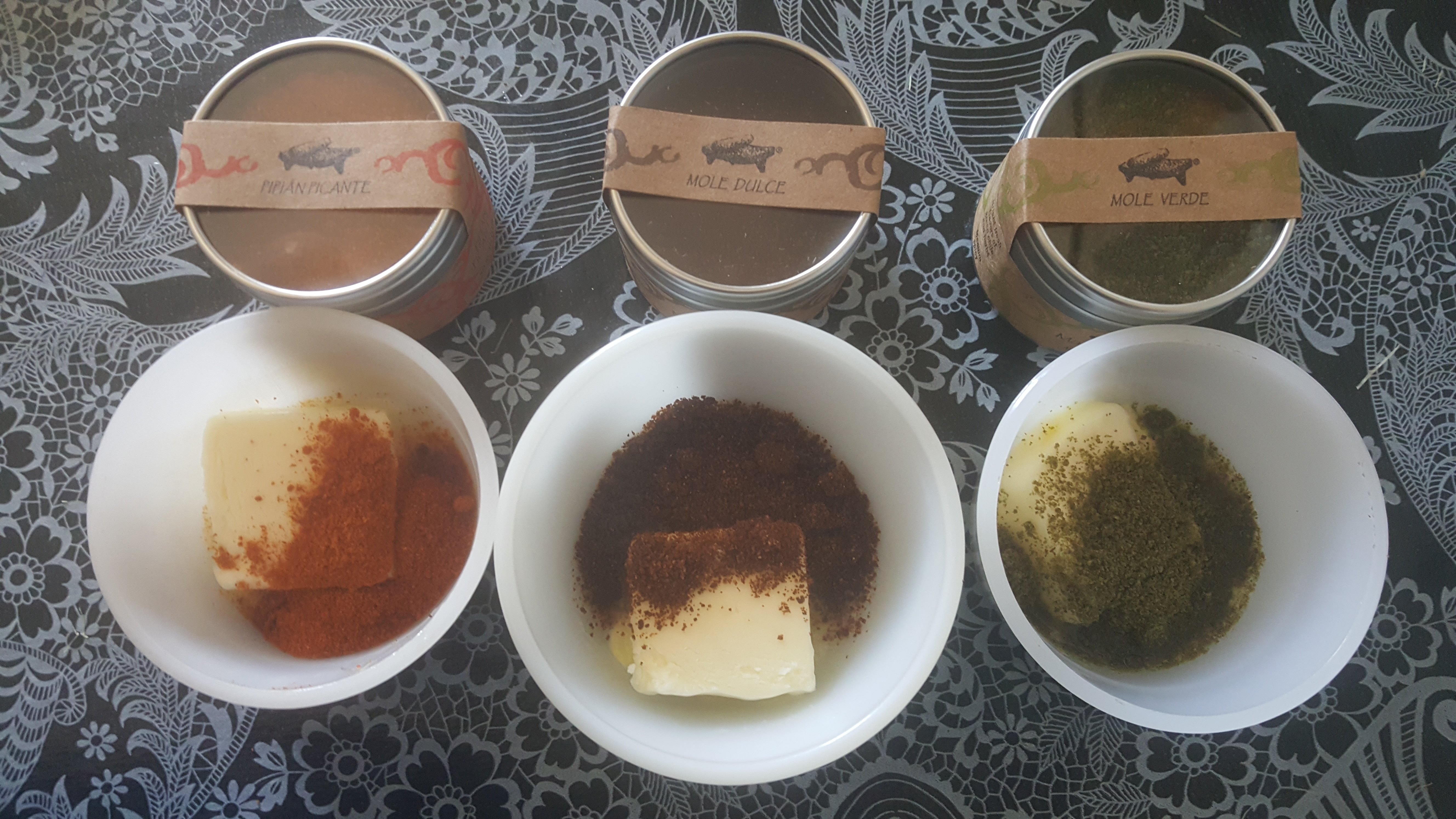
Before I left home, I had an idea to test. (Thank you for the inspiration, Mom!) I wanted a way to share Mano Y Metate Moles with my travel companions camping. So I purchased one ear of organic bicolor sweet corn from the market. Then I let some butter come to room temperature.

I divided the butter into two tablespoon portions, and added about a two teaspoons Pipian Picante, Mole Dulce or Mole Verde powders in separate dishes.

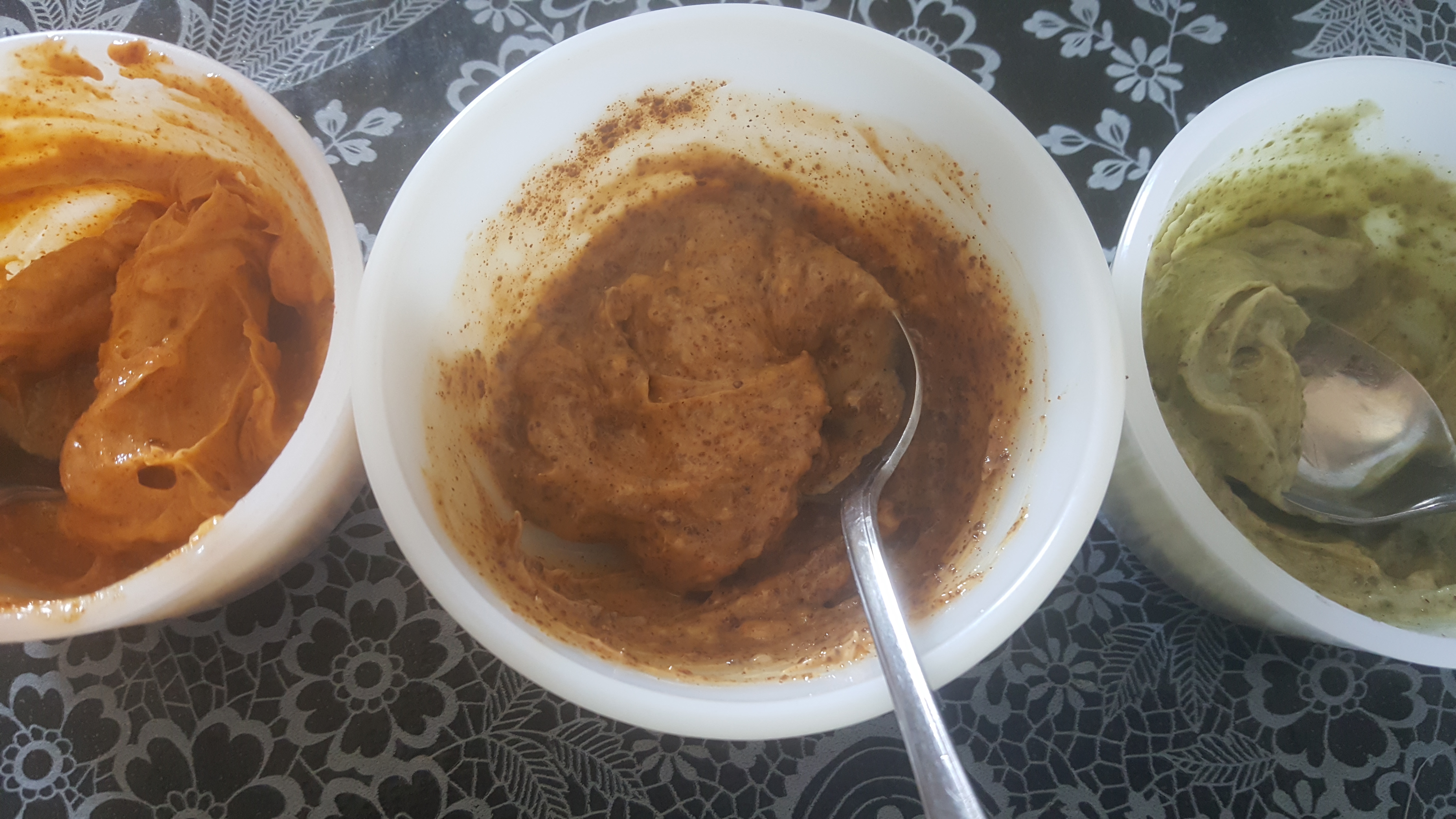
After mixing, I popped the dishes into the freezer for a few minutes while the corn steamed.

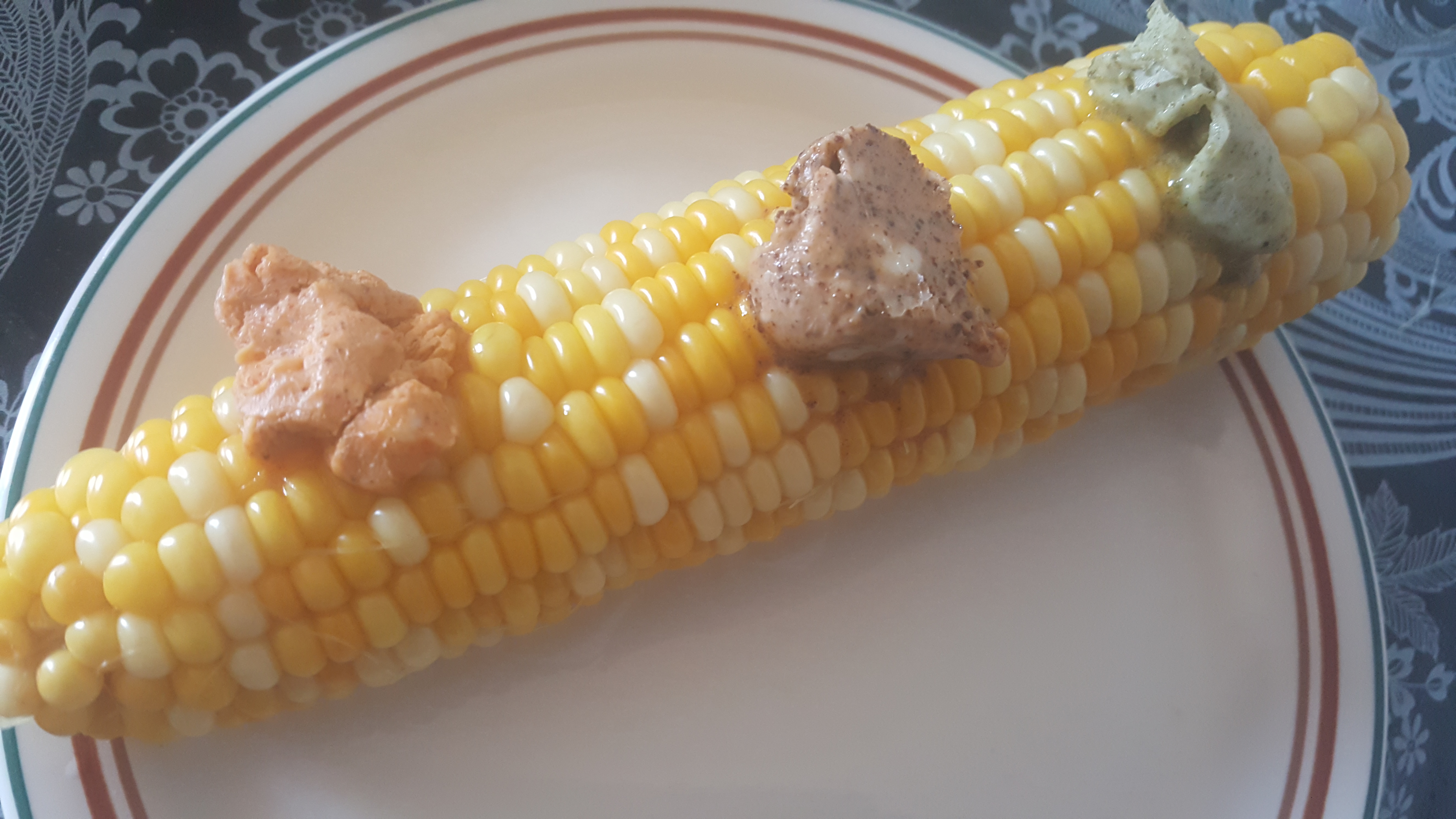
All together, it looked promising.

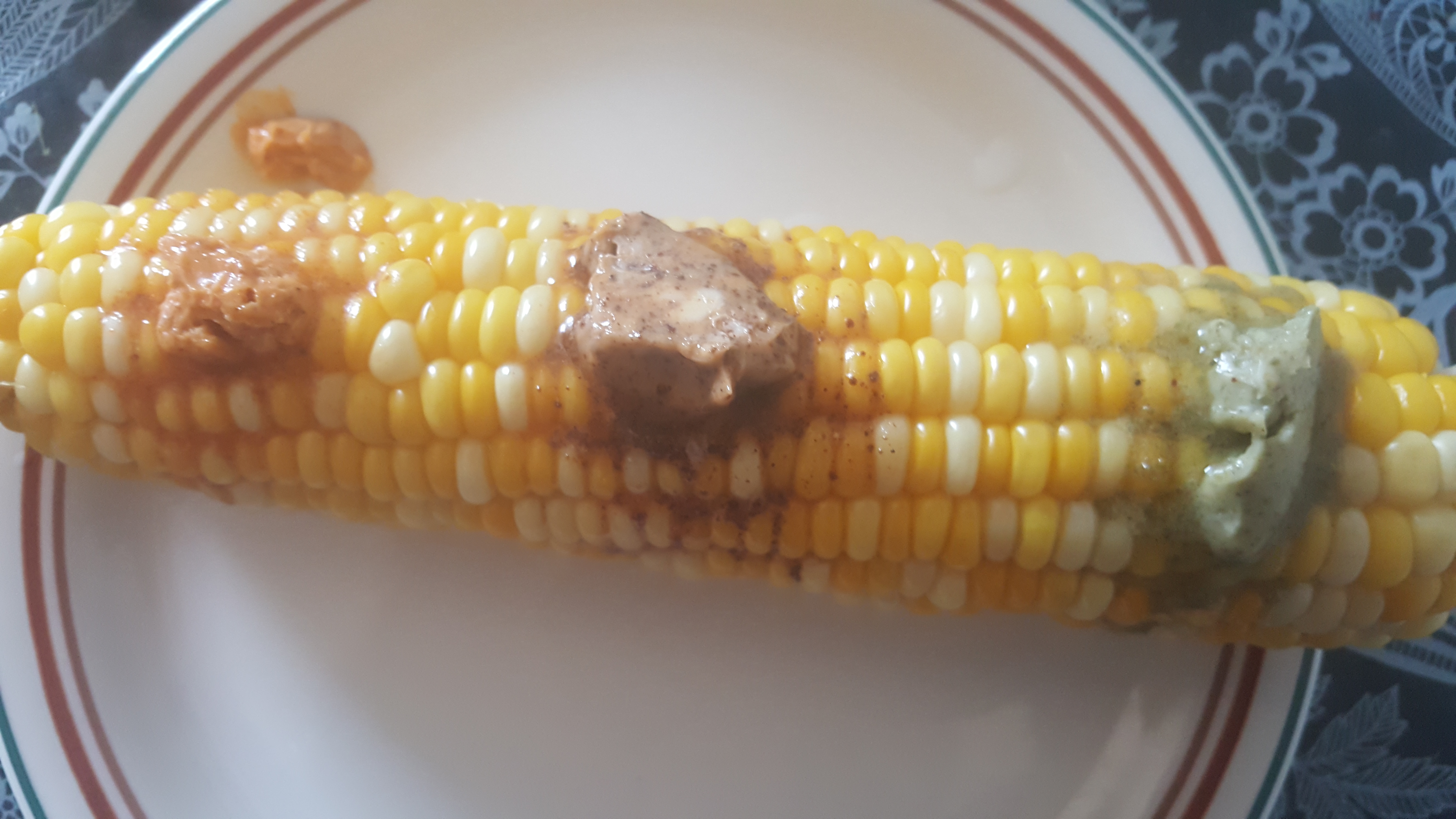
Butter melting into kernels…WOW. Just try it!

Actually, I’ll be trying Mole Butter on many other things. !Buen provecho!

Flower Pesto

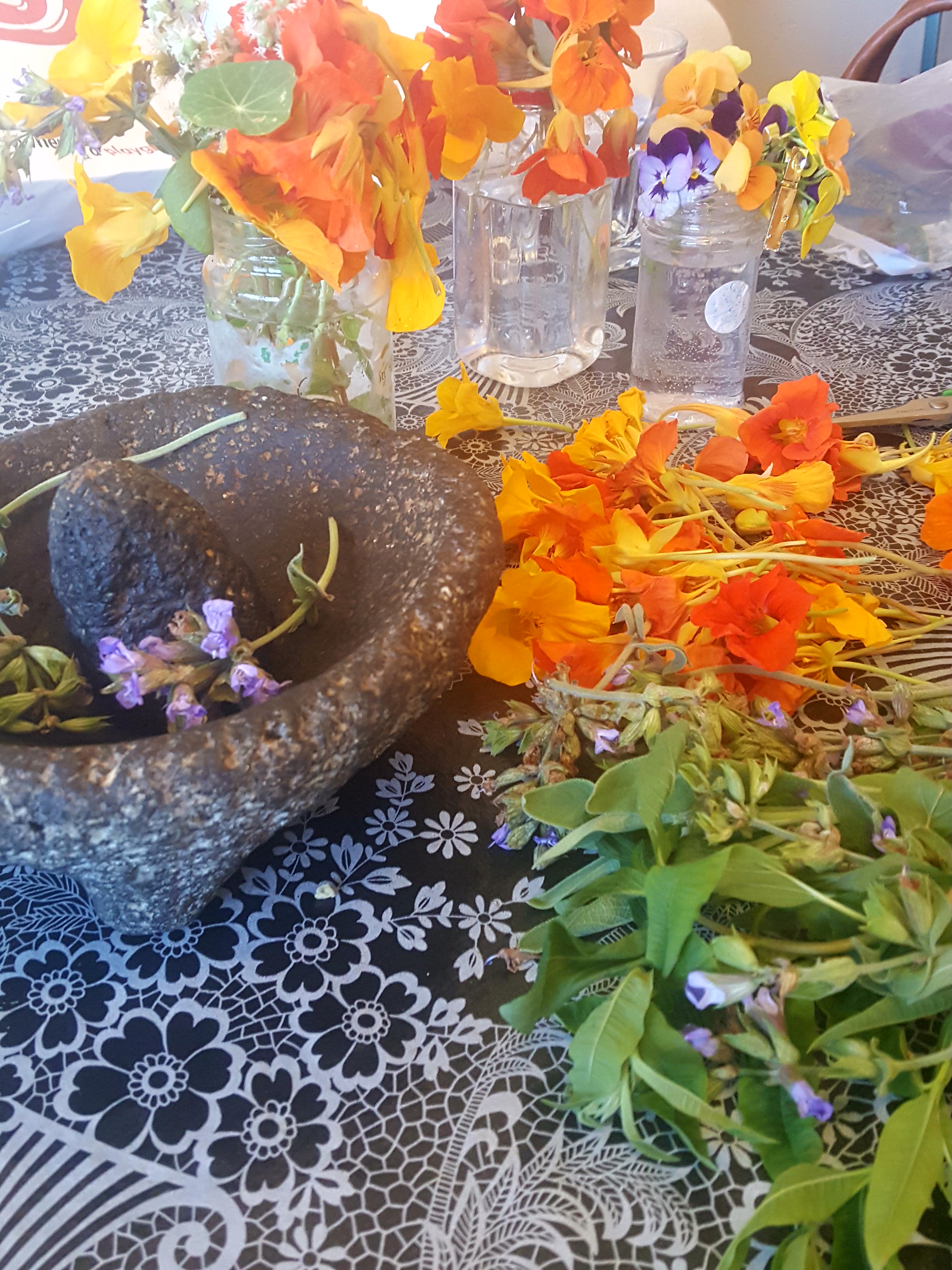
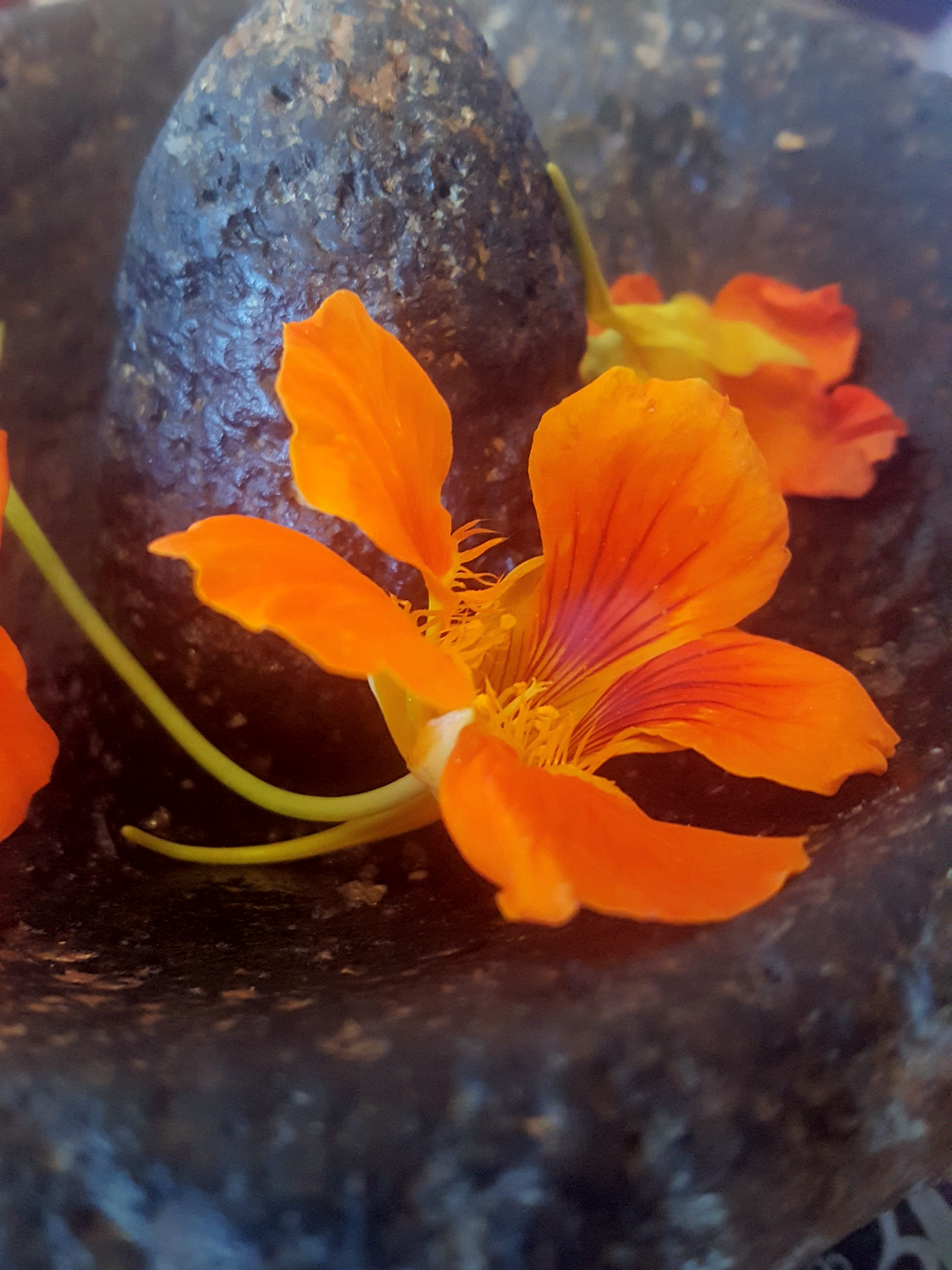
Hello all, Amy here with Marjorie and a pile of nasturtiums, pansies and sage flowers from her garden! So many edible flowers, and so much inspiration!

Basil leaf pesto is stunningly beautiful and a taste sensation, so what would pesto made with flowers look like? And taste like???

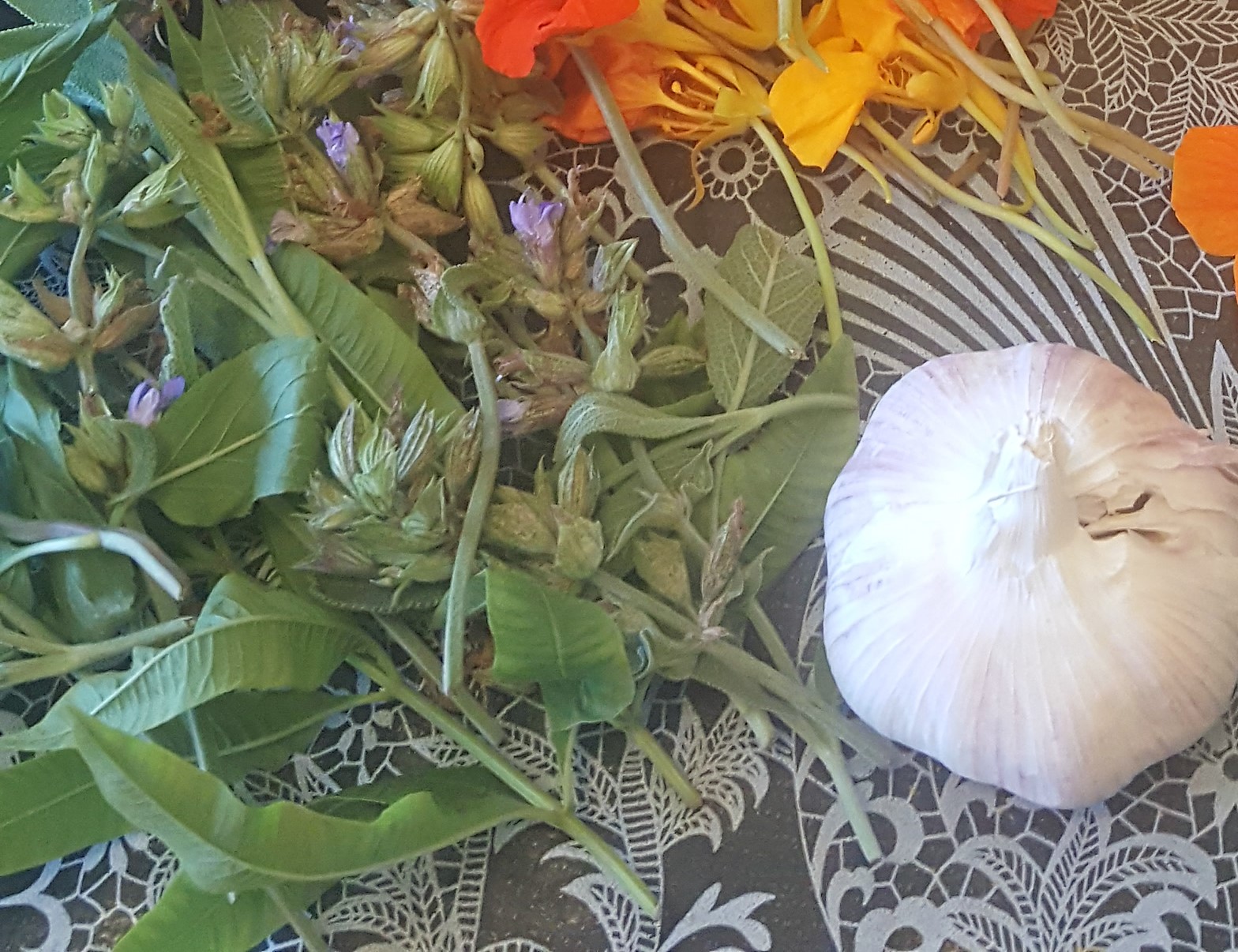
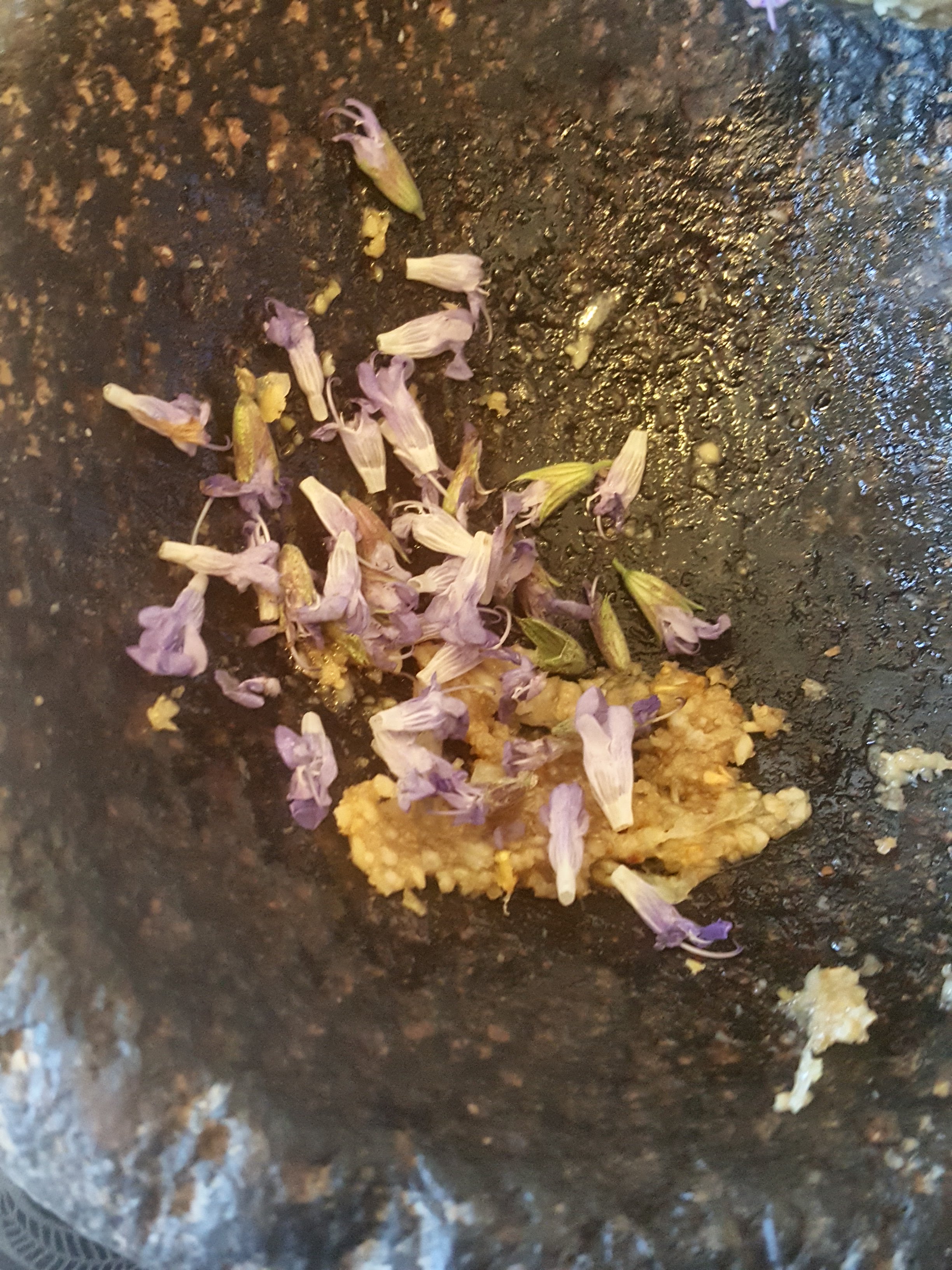
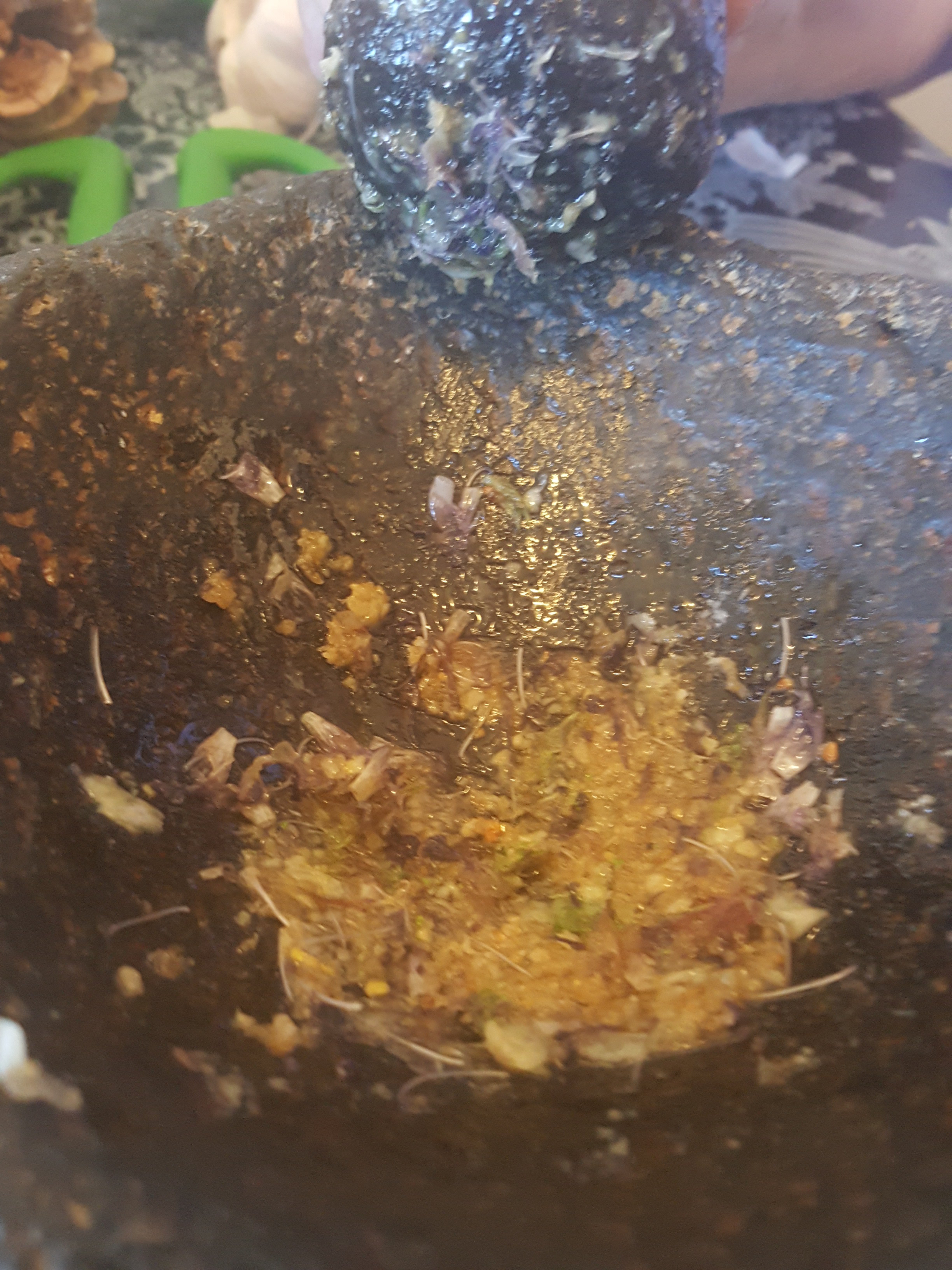
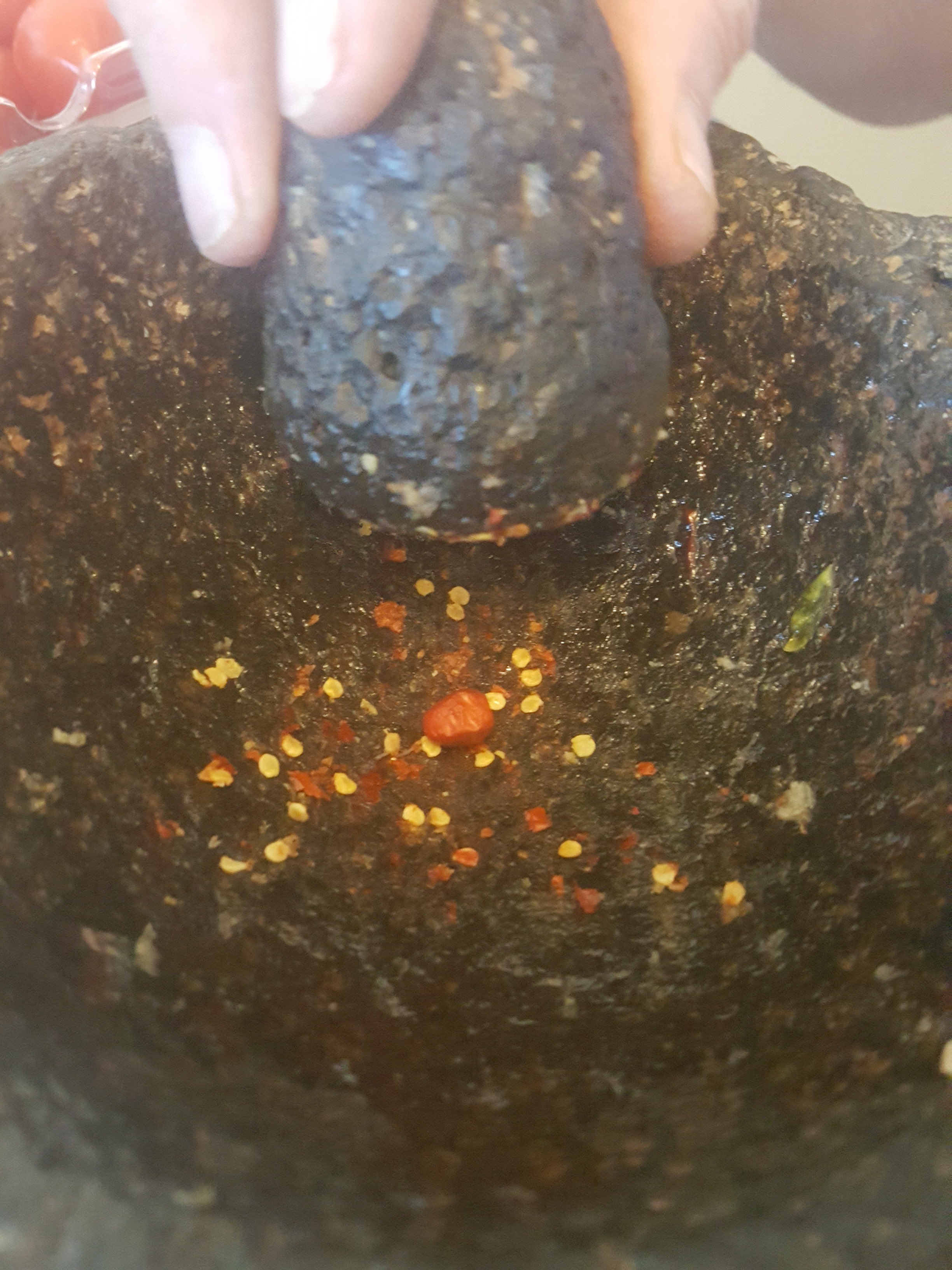
We started by picking the little purple flowers from garden sage. Then we mashed them with garlic, pine nuts, salt and olive oil.

The taste of sage was warming and delicious but not overpowering like sage leaves or even basil leaves.

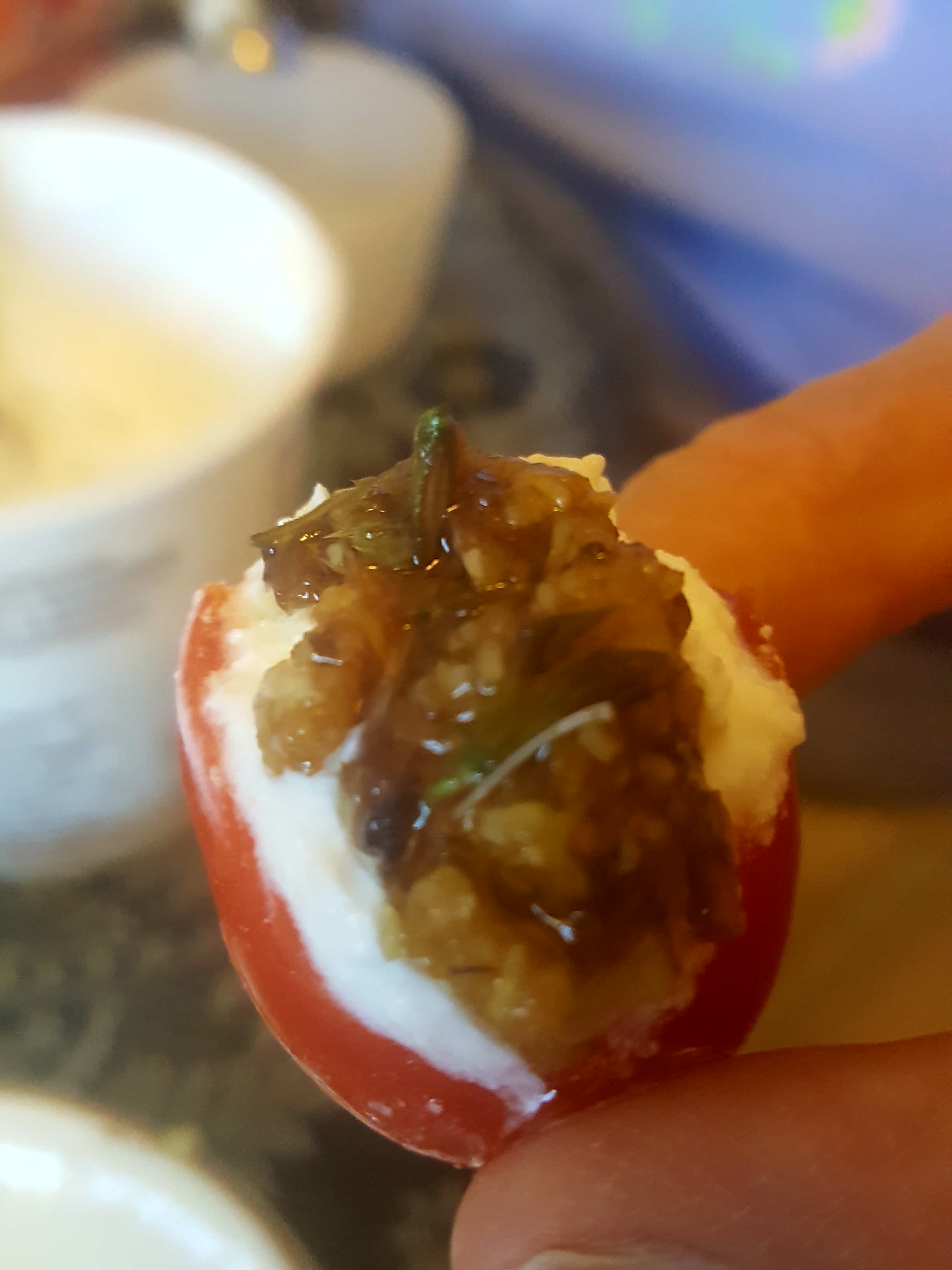
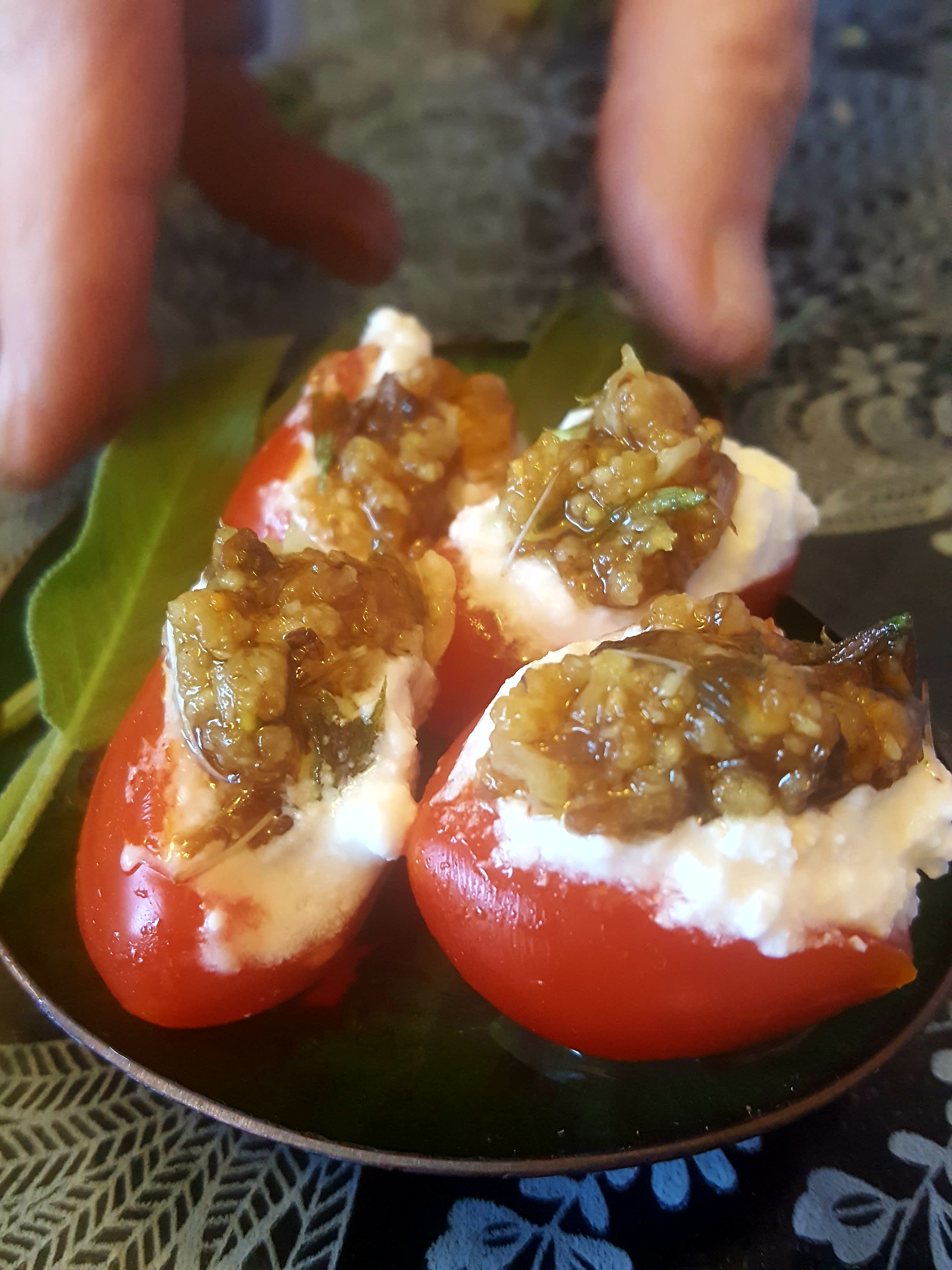
So we hollowed little cherry tomatoes, filled with goat cheese or coconut yogurt, and topped with our little pesto experiment. Success! (in four unforgettable bites…)


Next up was flowers from Marjorie’s spring crop of nasturtiums, their days numbered with the increasingly hot and dry weather.

This batch started with a bright chiltepin or two.


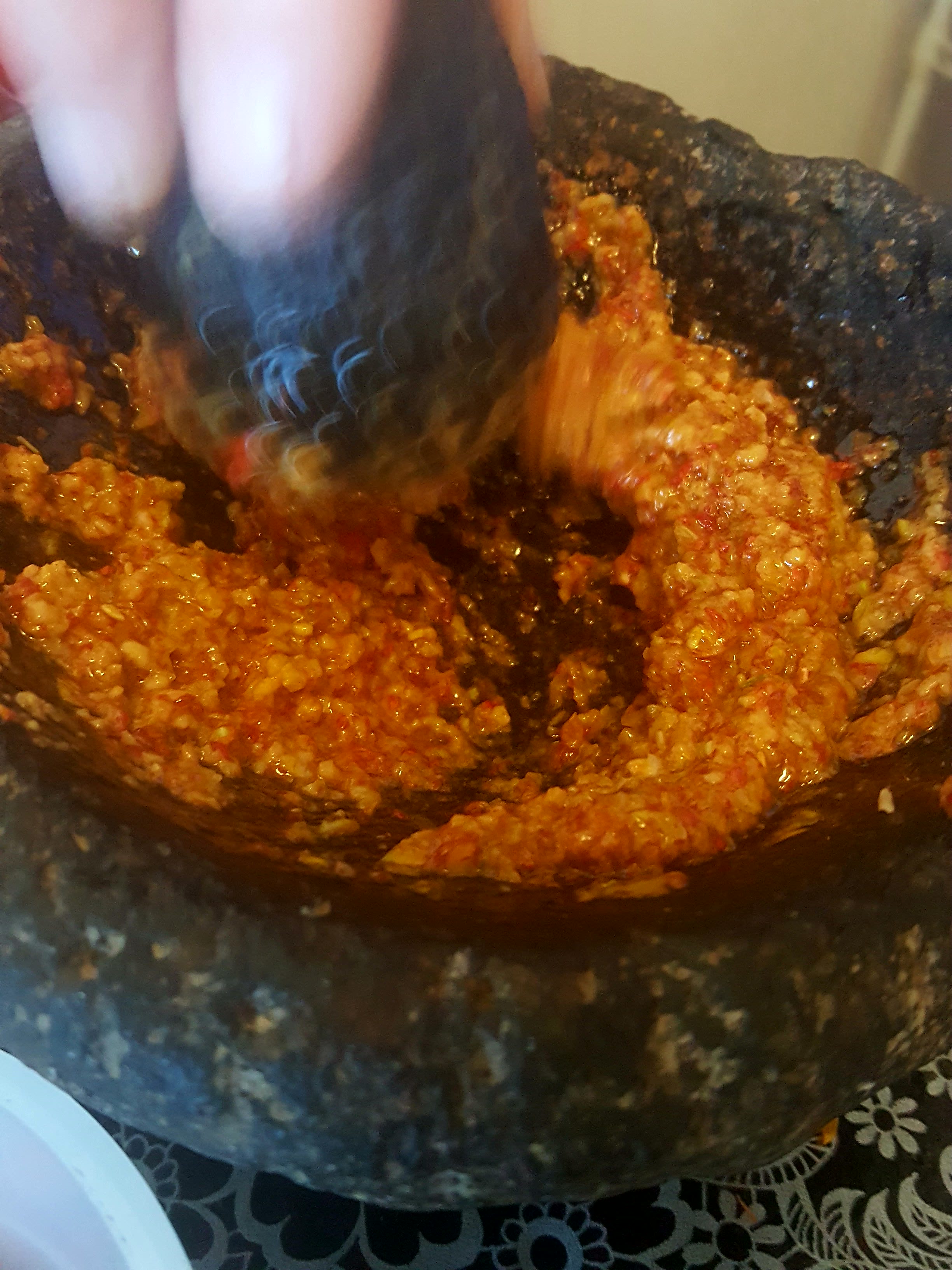
Then garlic, pine nuts, salt, olive oil and nasturtiums.

Peppery, bright, and sooooo worth all the fuss!!!!

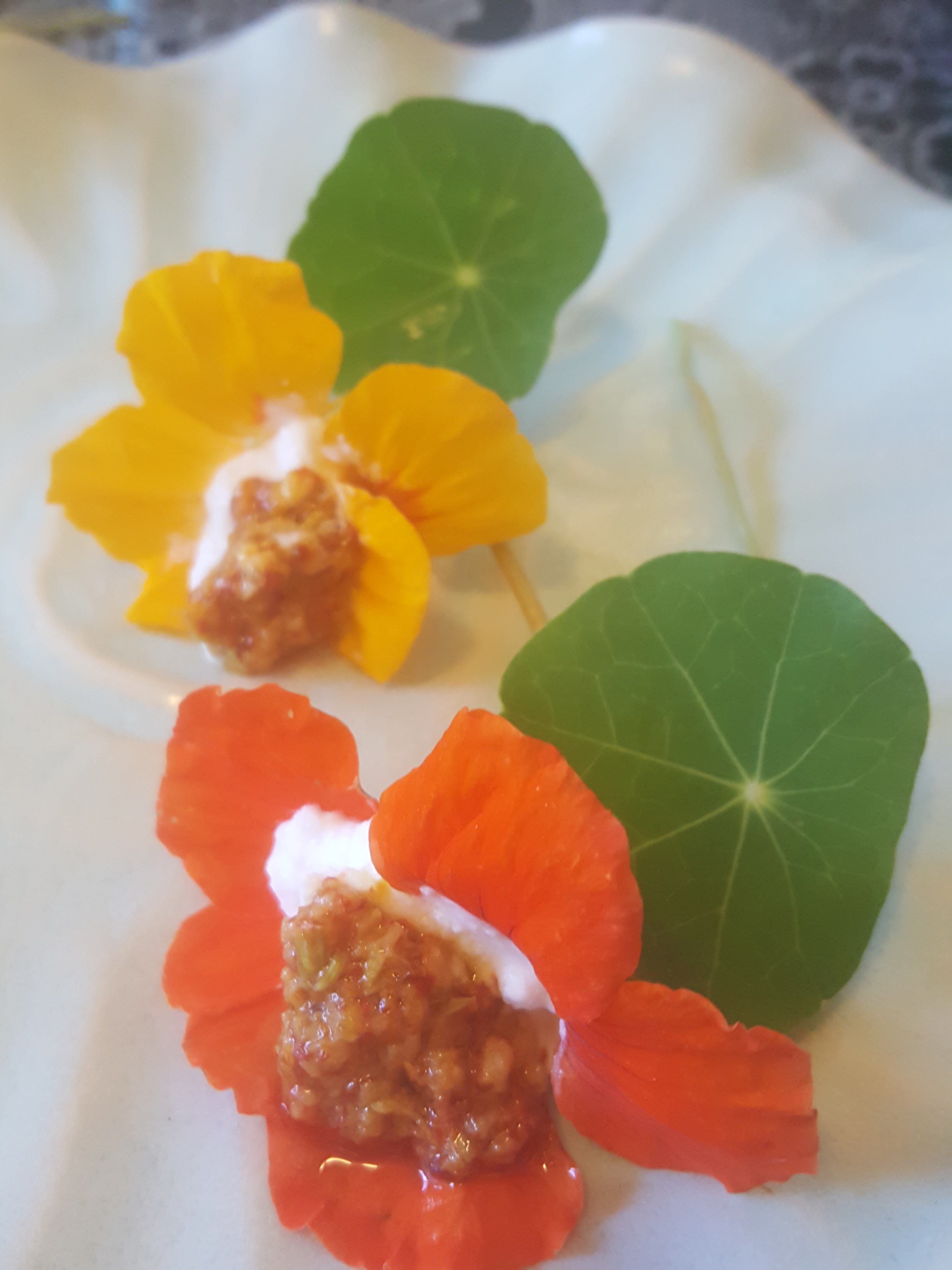
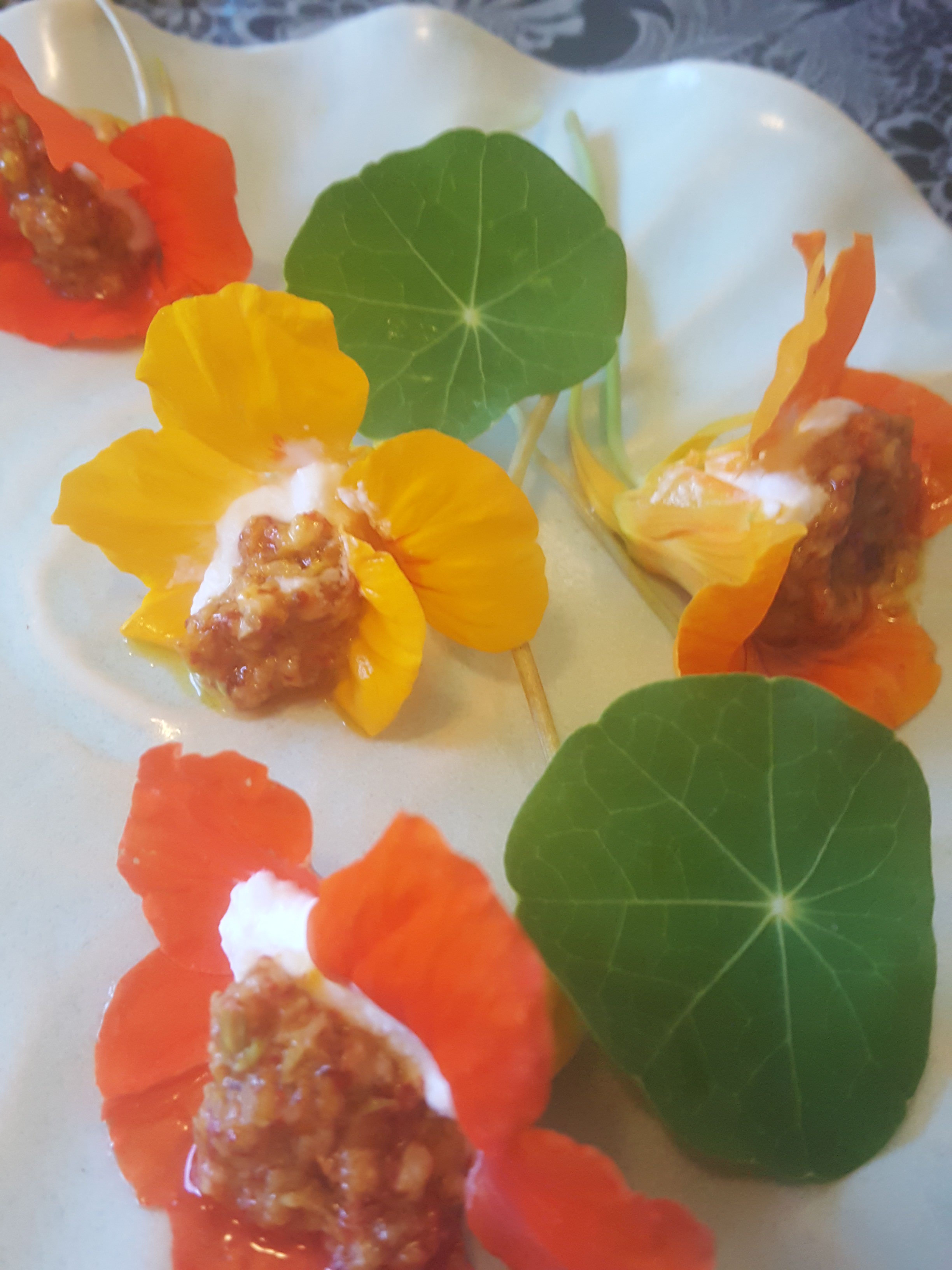
To serve this pesto, we scooped it into whole nasturtiums, again with a bit of goat cheese or coconut yogurt. (These are diary free and vegan, but don’t tell anyone unless they need to know, because they aren’t lacking anything!)

Enjoy with tea and friends.

(Happy birthday, Marjorie!)

Pear Prickly Pear Desert Dessert

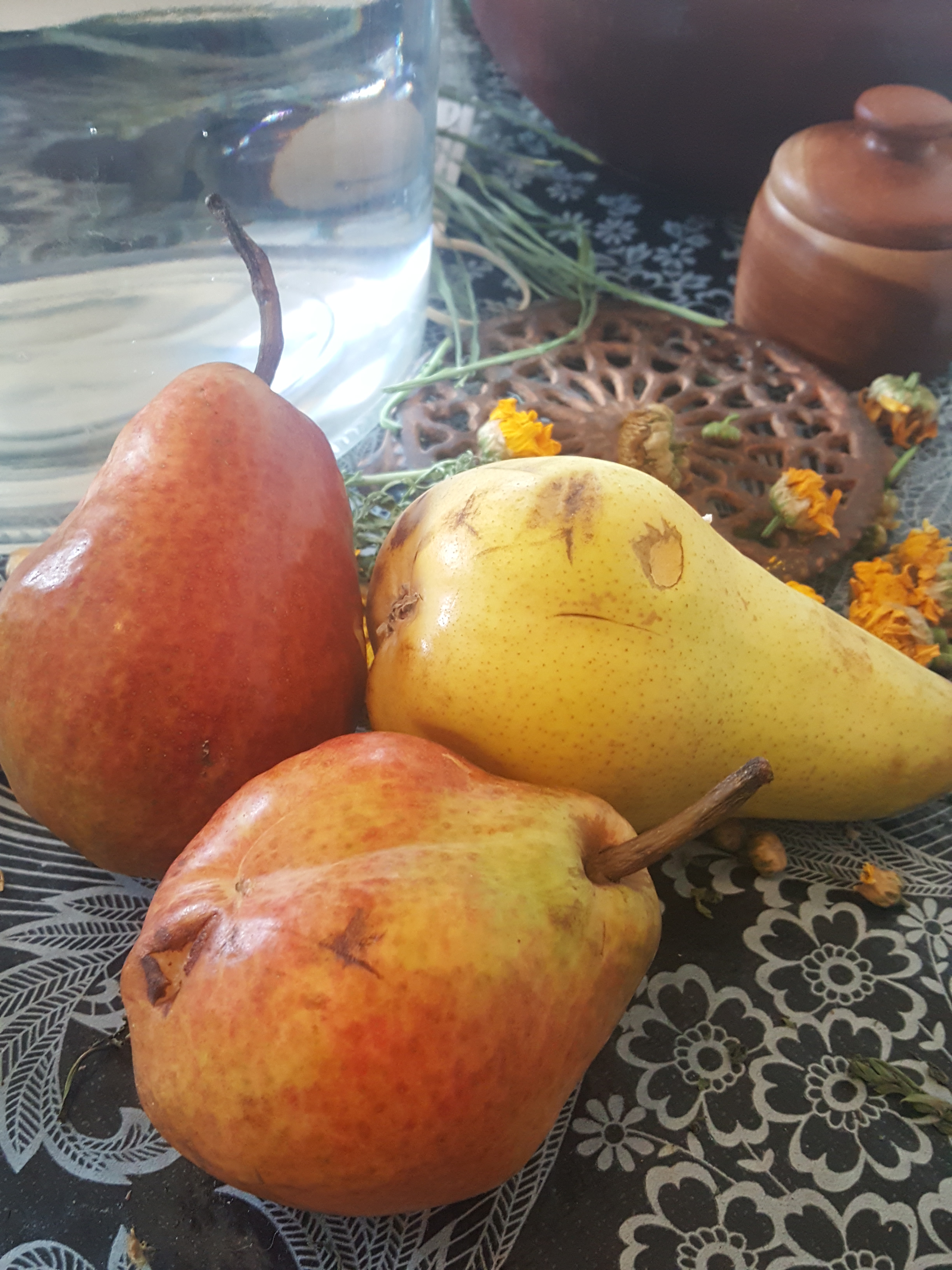
Hello, Amy here, preparing a dessert for some new friends completely new to the desert, passing through on their way to Costa Rica. A few pears that had seen some travel were sitting on the kitchen counter…

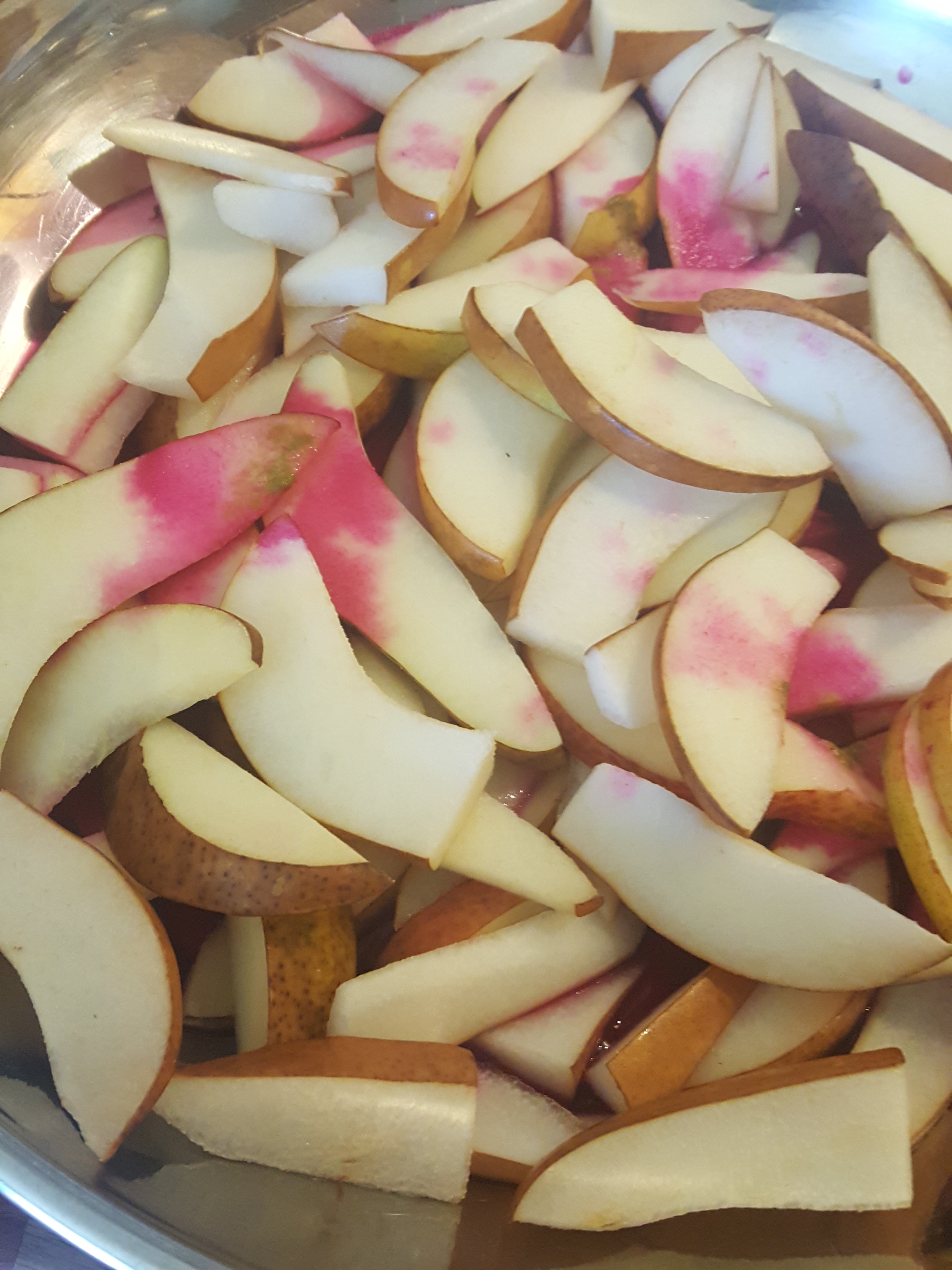
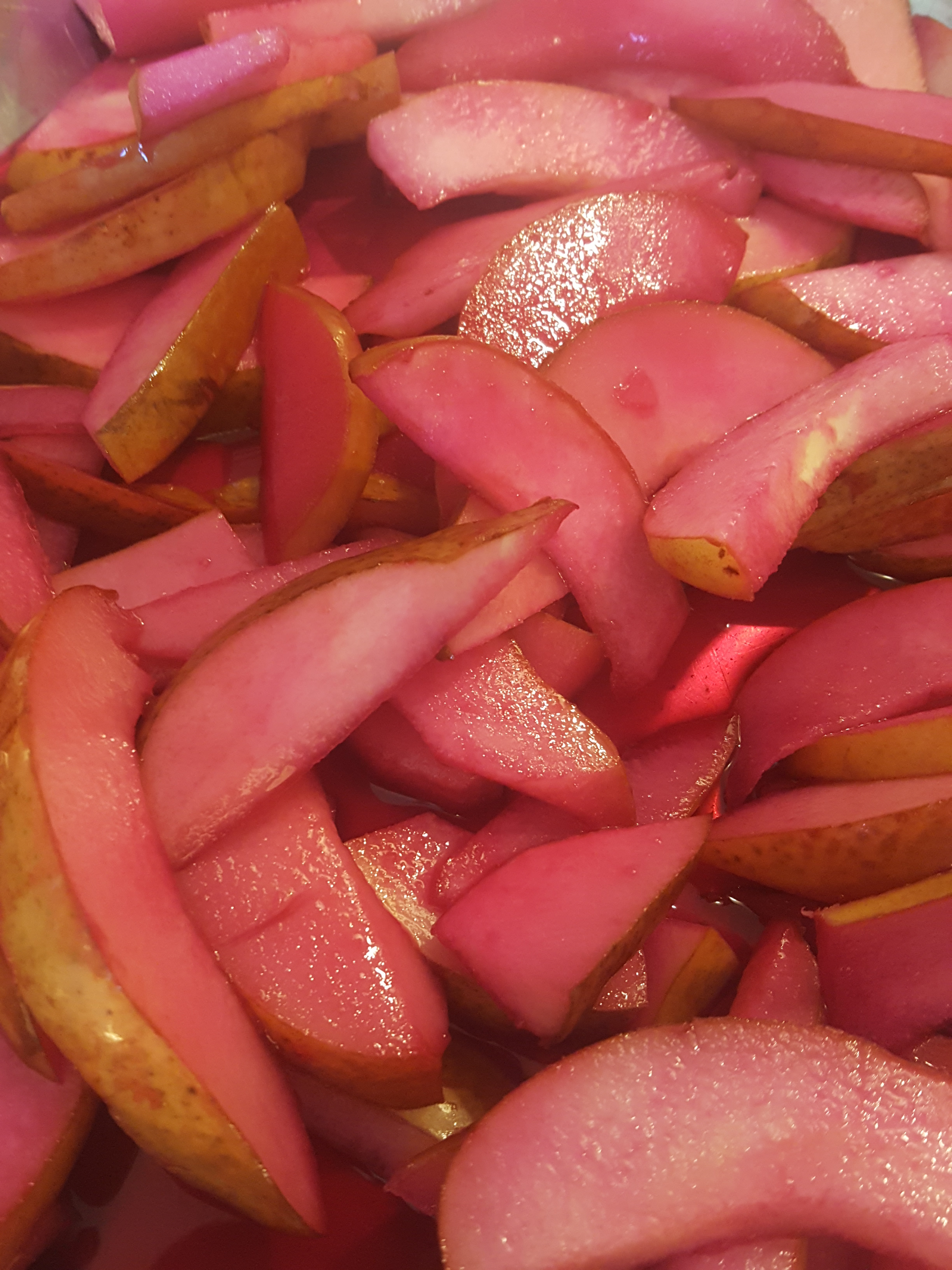
So I pared, sliced and put them in the oven with a few cubes of frozen prickly pear juice.

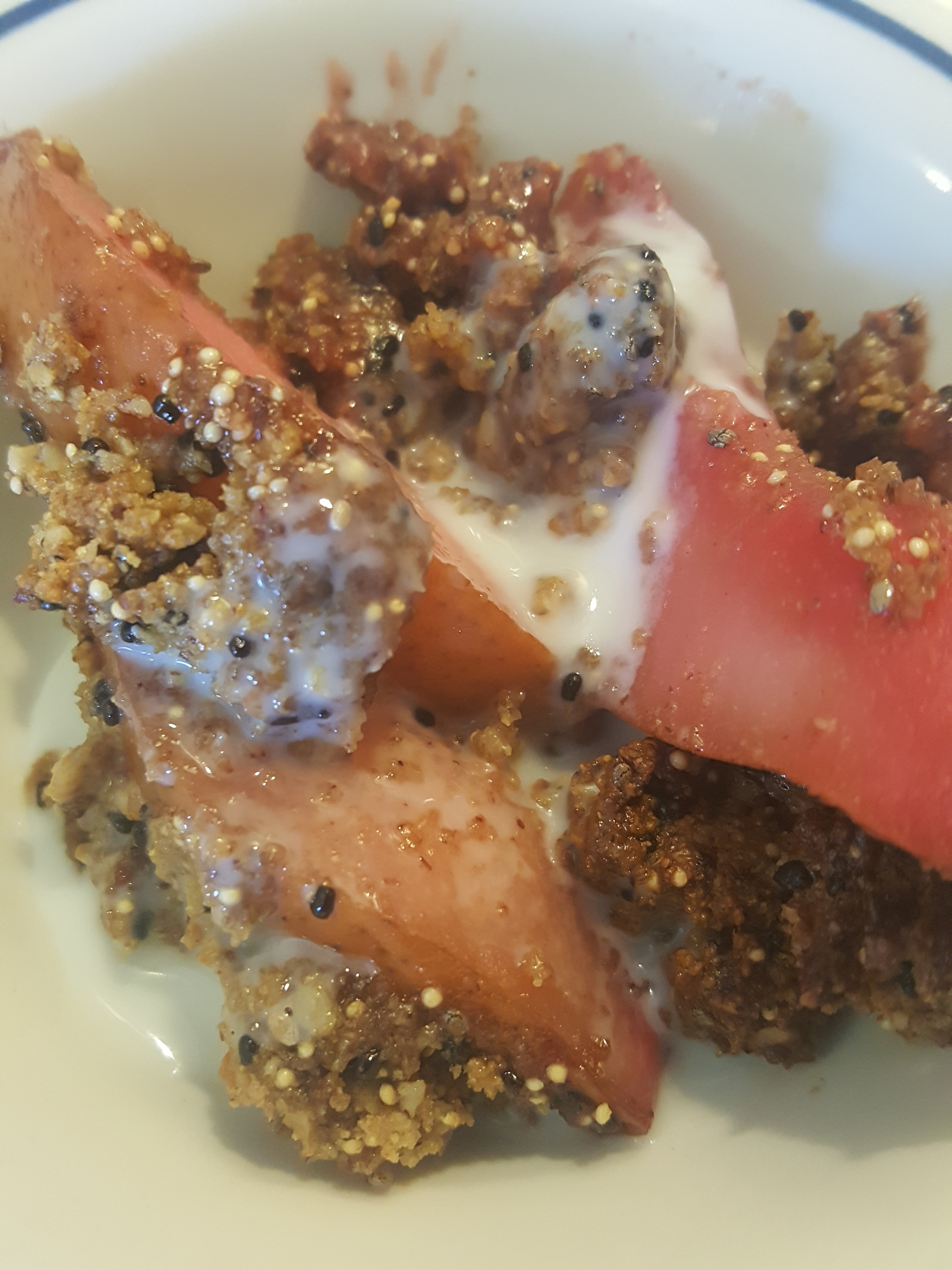
After baking and stirring, they looked like this!

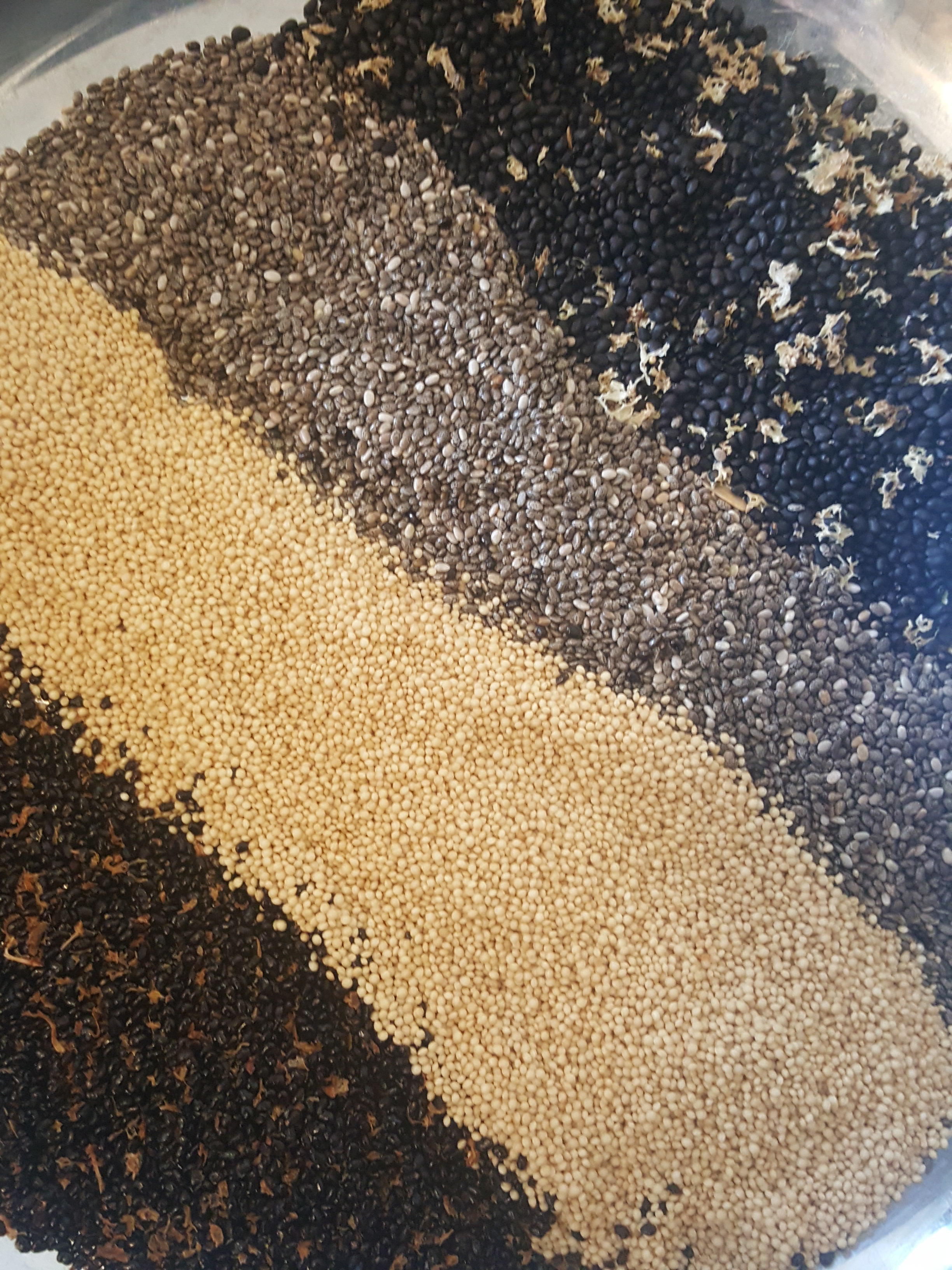
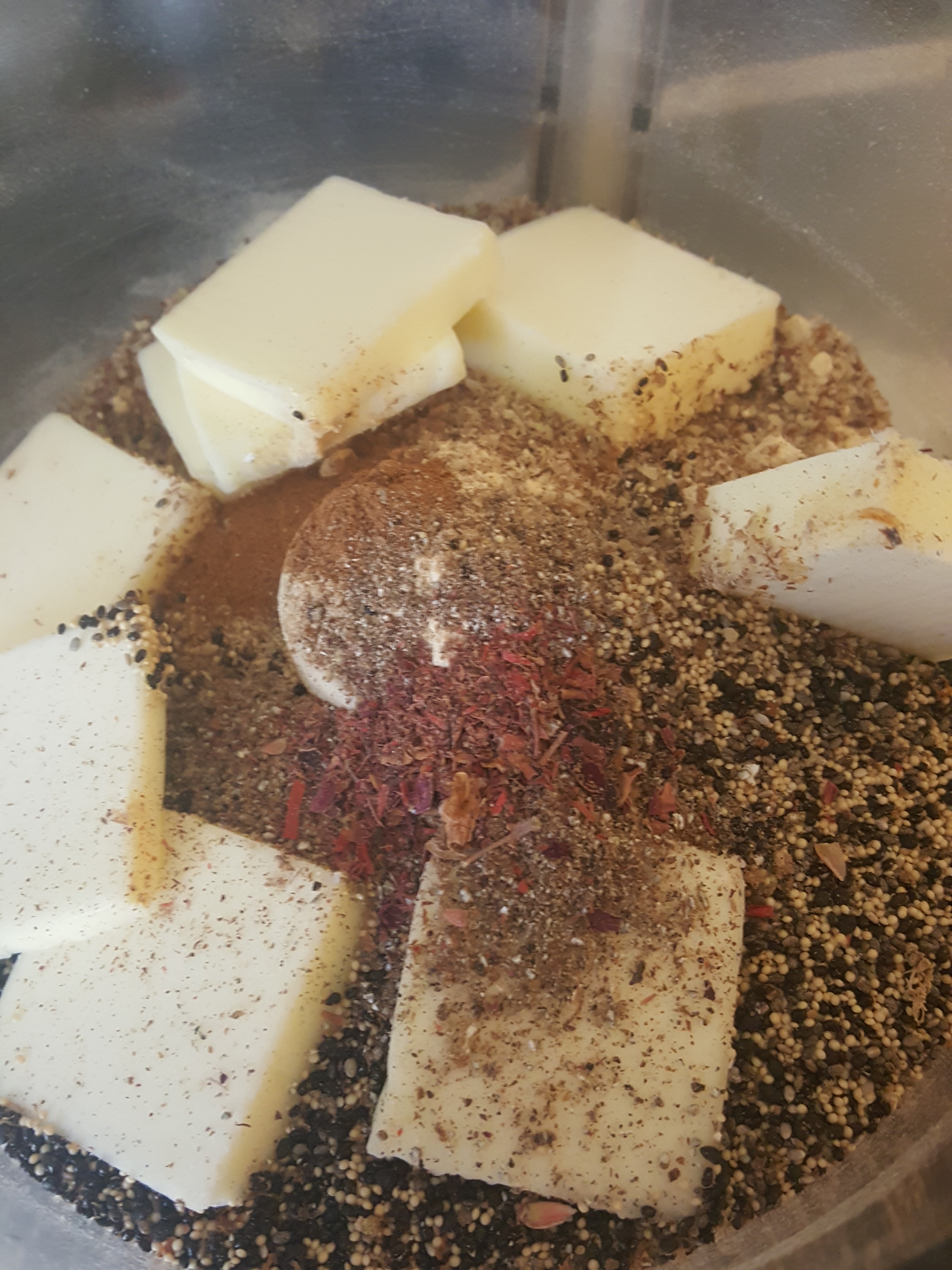
Then I made a crumble topping, staring with plenty of desert seeds, from left to right: saguaro, amaranth, chia, barrel cactus.

The bulk of the mixture was mesquite meal, rolled oats, pecan meal, butter, sugar (evaporated cane juice). For seasoning, I used cinnamon, cardamon, dried rose petals and dried ocotillo flowers.

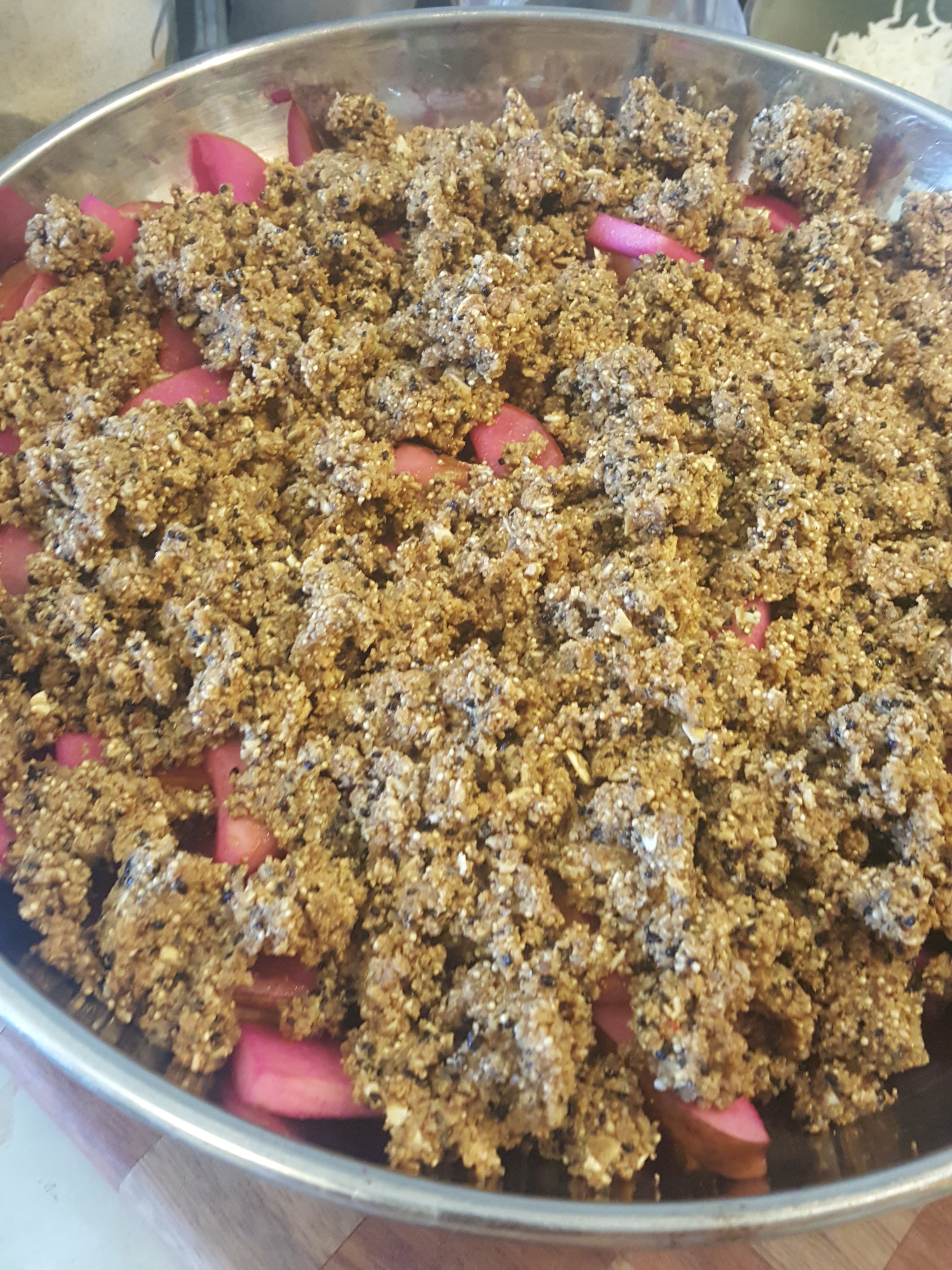
Once mixed, I crumbled the mixture over the pears and put back into the 350 degree F oven to bake until browned and crunchy.

It is best served warm, here with a little homemade goat yogurt, but cream or ice cream works, too!

The recipe can be found in the Desert Harvesters’ Cookbook:

This recipe is so forgiving. I was short on oats so increased the pecans. I doubled the cardamom, traded evaporated cane juice for the brown sugar, substituted water for milk, changed the orange/apple juice to prickly pear, and doubled the seeds. Coconut oil works fine instead of butter for this, too.


Amy’s Apple Crisp

2 pounds apples, local organic heirlooms if possible (Or pears. No need to weigh!)

2 tablespoons orange, apple or prickly pear juice (or more)


Topping:

1 cup mesquite meal

1 cup rolled oats

1/2 cup seeds, like amaranth, chia, barrel cactus, saguaro

1/3 cup evaporated cane juice or brown sugar (0r less)

1/4 cup chopped pecans

1/4 teaspoon cinnamon

1/4 teaspoon cardamom

1/4 pound (1 stick) butter

2 tablespoons milk or water

Slice the fruit into a baking dish, add juice, and bake at 350 degrees while preparing the topping. Mix all the topping ingredients in the food processor, distribute over sliced fruit, and bake at 350-375 degrees F until browned. Enjoy!


Mole Pecan Crackers and Goat Cheese

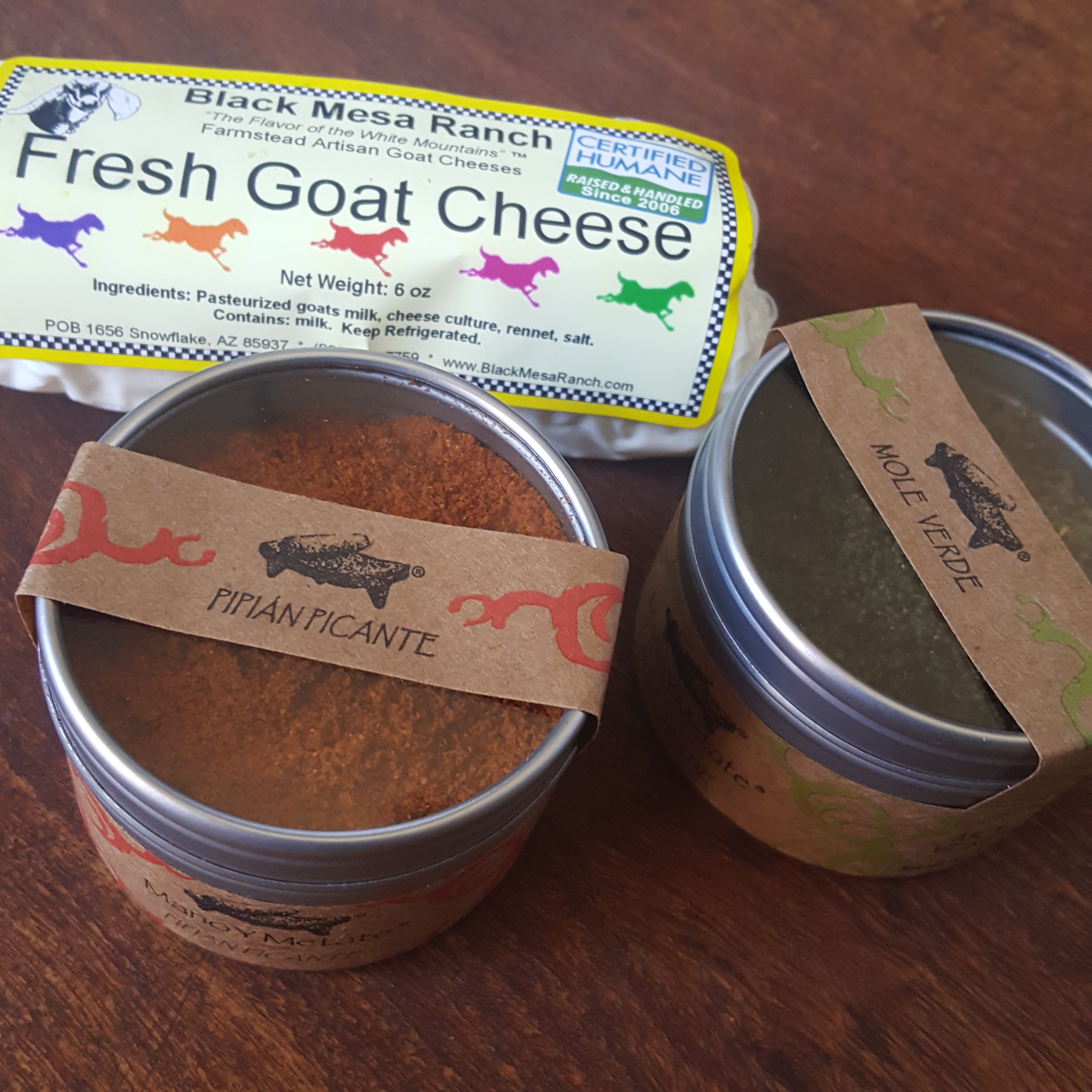
Happy spring! Amy here, riding the waves of rushing spring activity. At Tucson CSA this week, we saw the first fresh chevre of the season from Black Mesa Ranch.

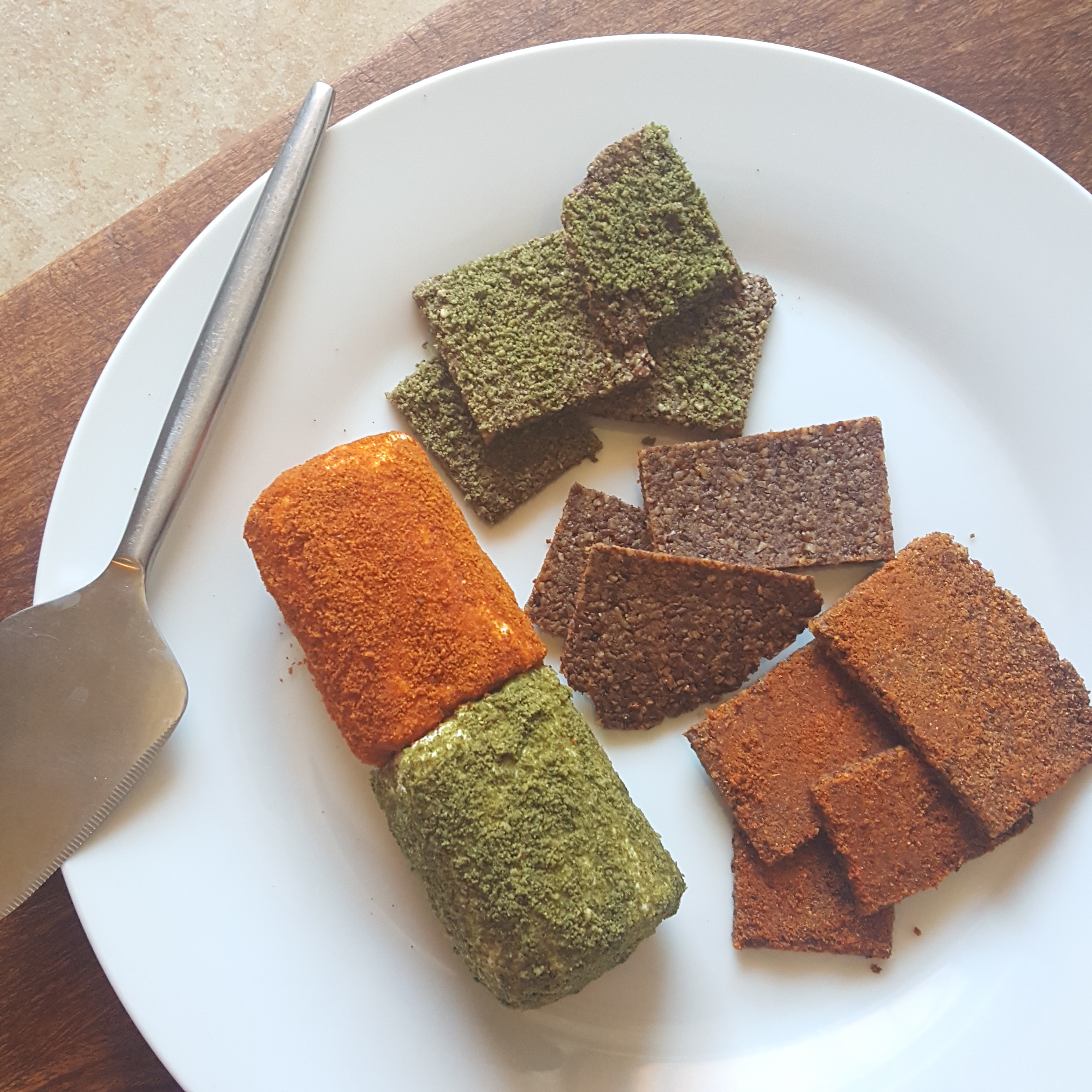
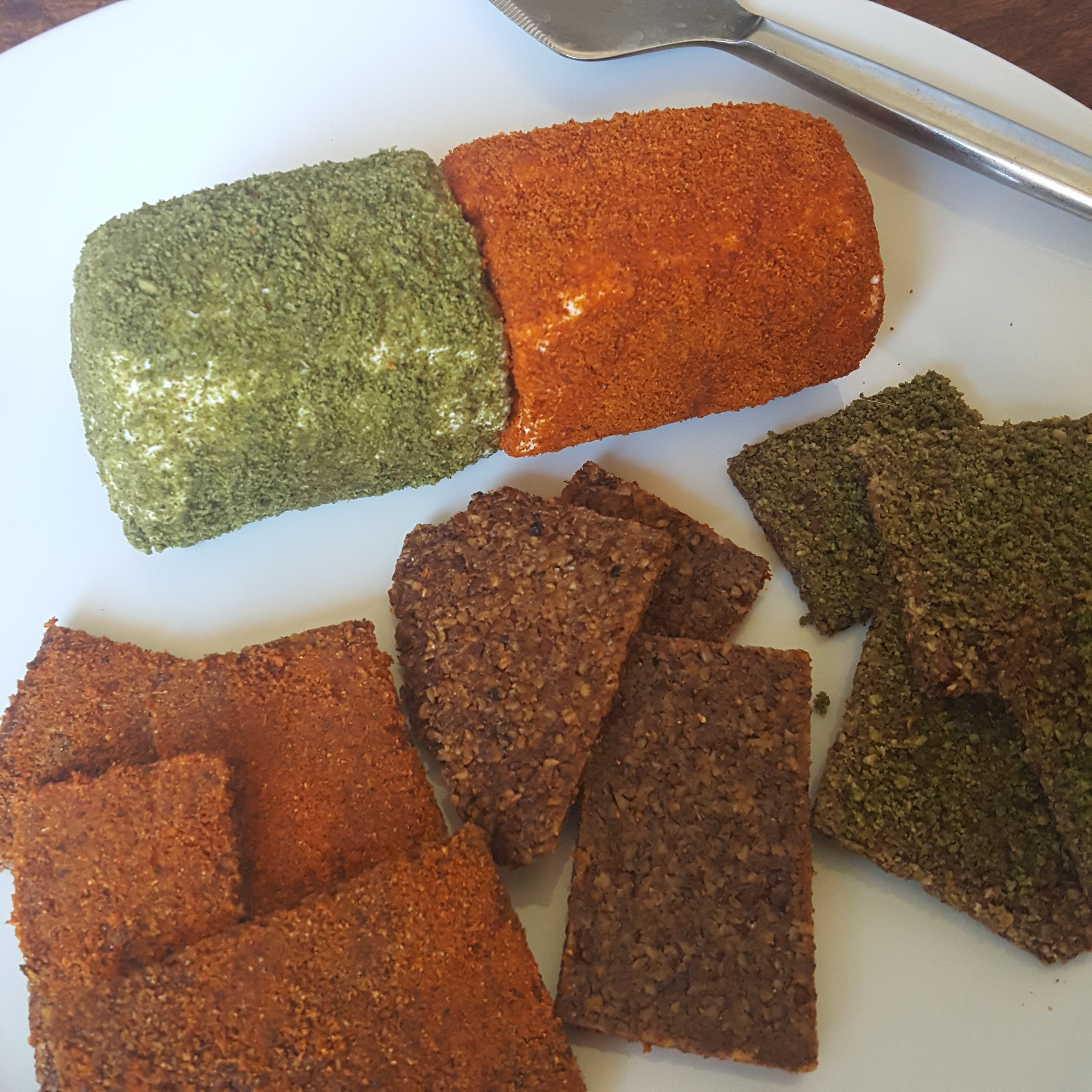
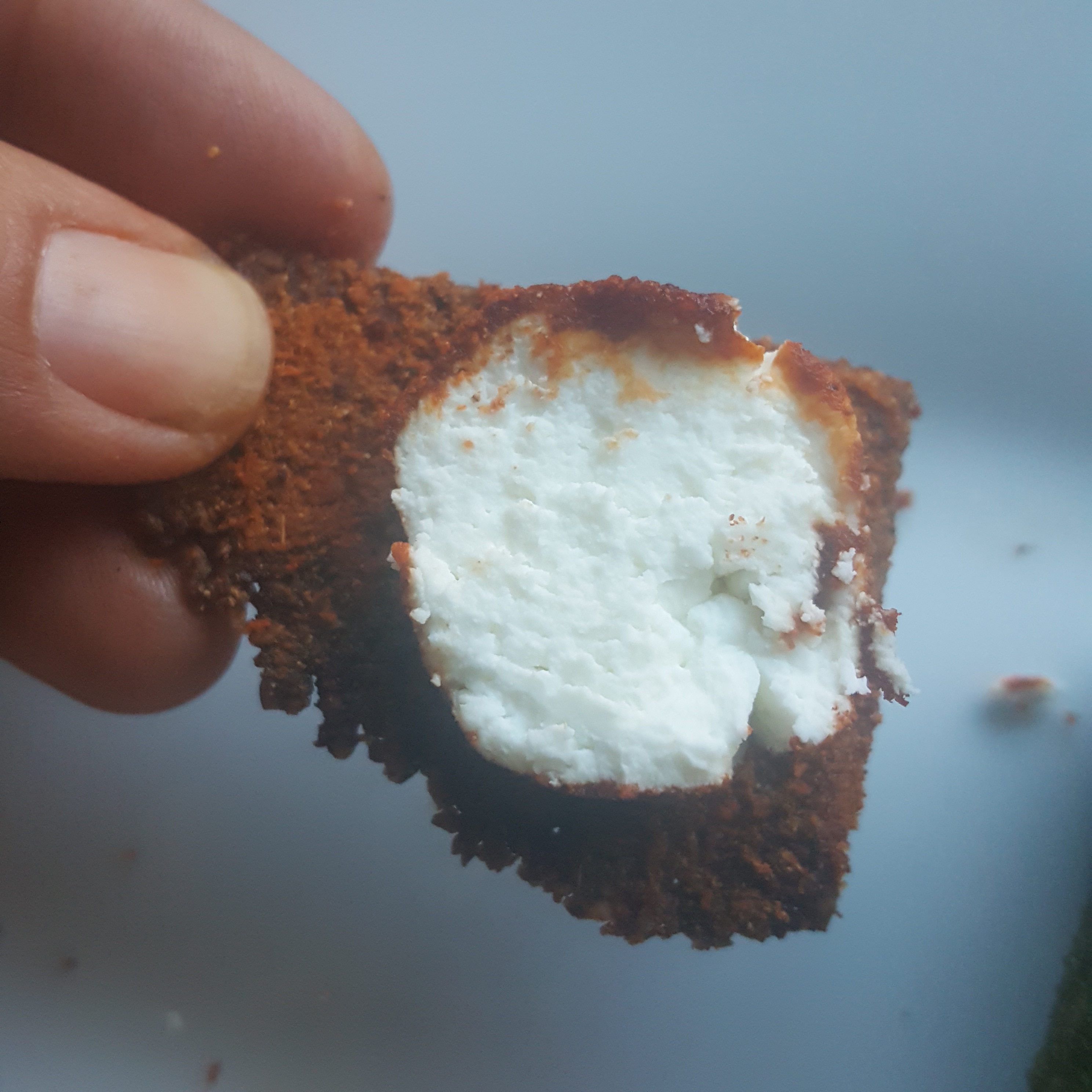
Later in the season, David will send us cheese rolled in herbs, or green chile, or chipotle. Since this chevre was plain, I decided to roll some in Mano Y Metate Mole Verde powder and some in Pipian Picante.
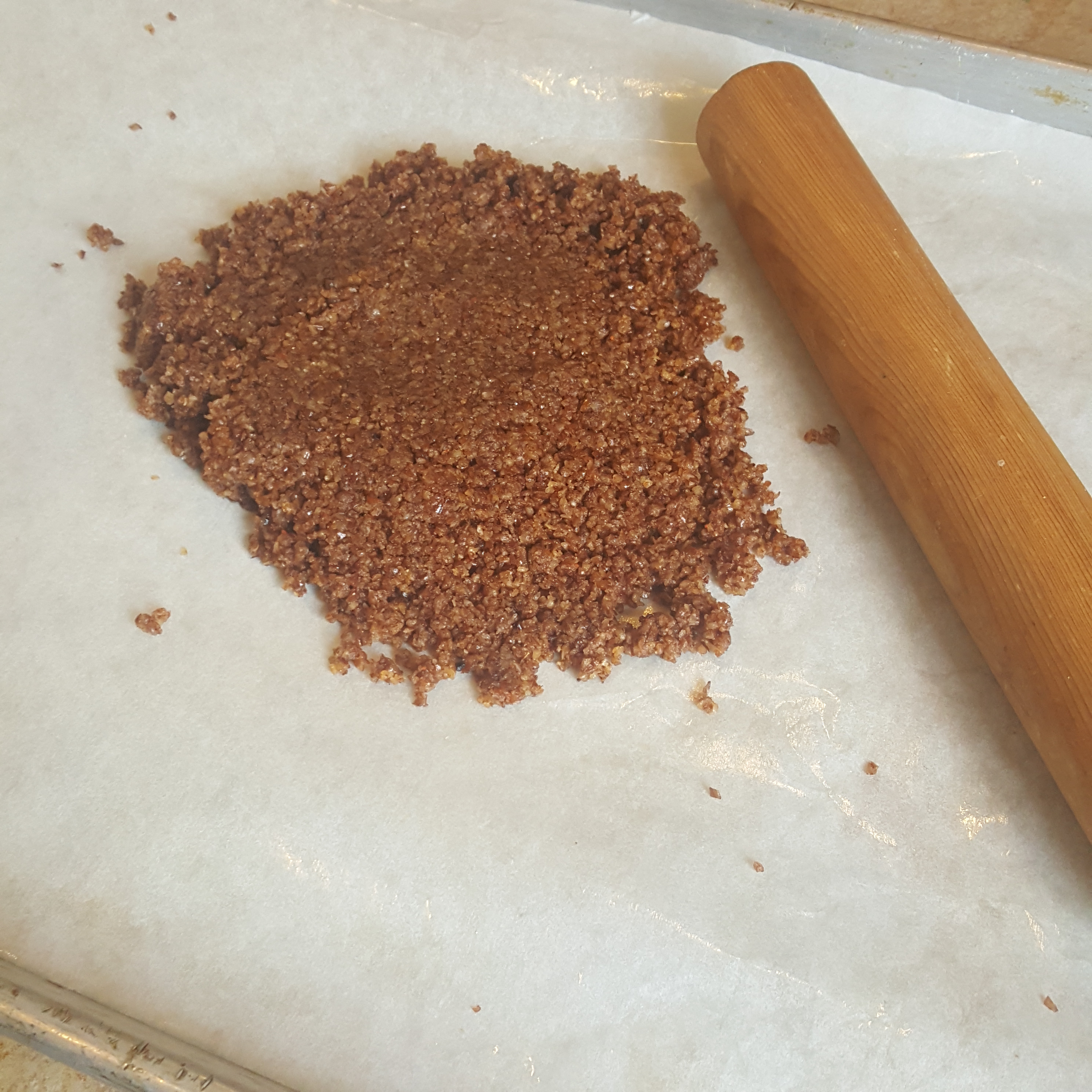
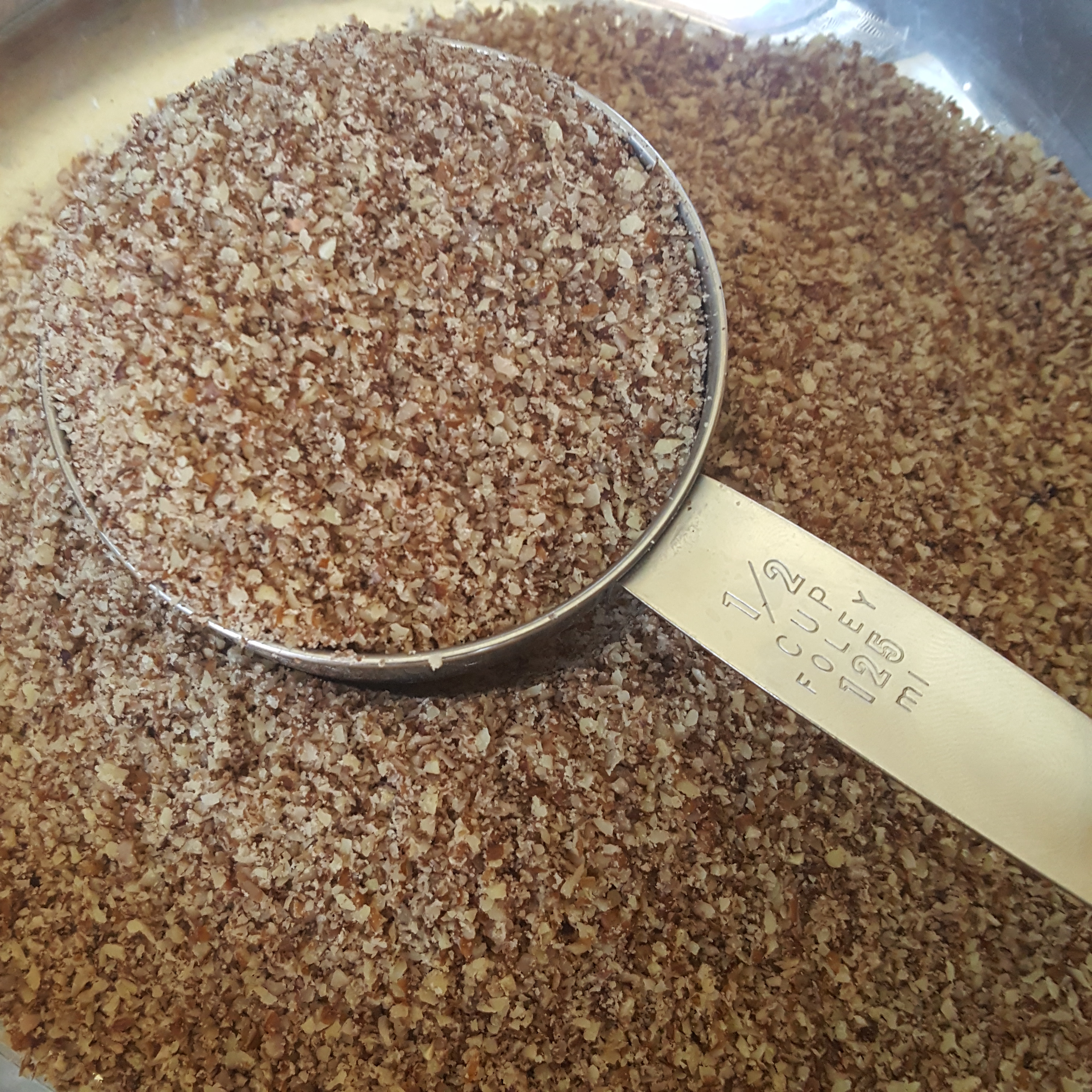
To accompany it, I wanted to make something special. Pecan crackers are delicious yet easy, and can be made with entirely local ingredients. Green Valley Pecan Company in Saguarita, just south of Tucson, sells finely ground pecans, which I use in the Mole Negro. Almond meal works just as well as pecan in this recipe. In other batches, I’ve added some mesquite meal, acorn meal, barrel cactus seed, chia seed, sesame seed, amaranth seed, and/or cracked wheat. Use what you collect!
For this batch, I mixed 2 cups pecan meal with an egg and a tablespoon of olive oil. No need to measure; as long as it comes together into a dough that can be rolled, it works. Normally I add salt, but this time I added 2 teaspoons mole powder.

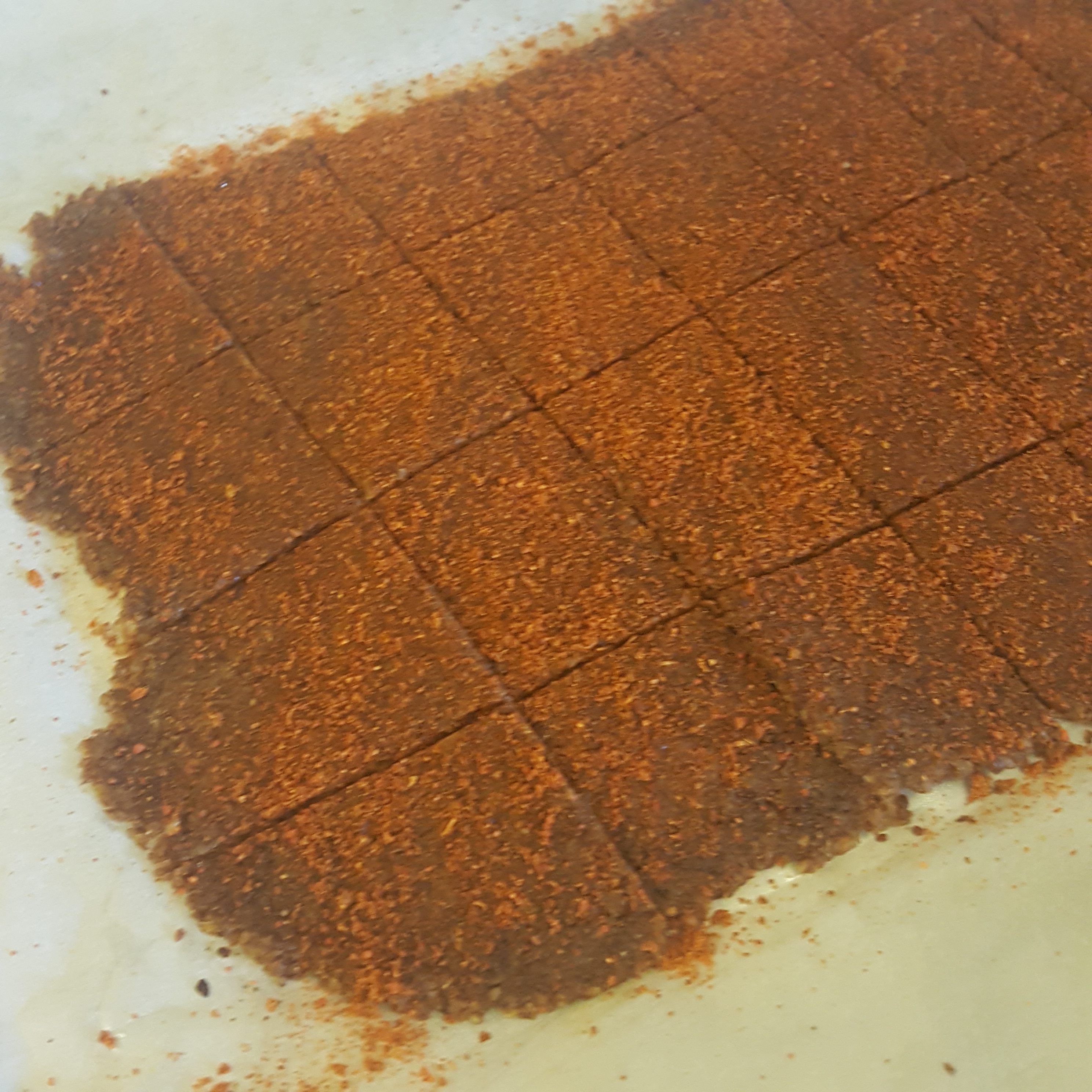
Roll the dough onto a piece of parchment paper on a baking sheet as thin as possible, and cut into squares with a pizza cutter.


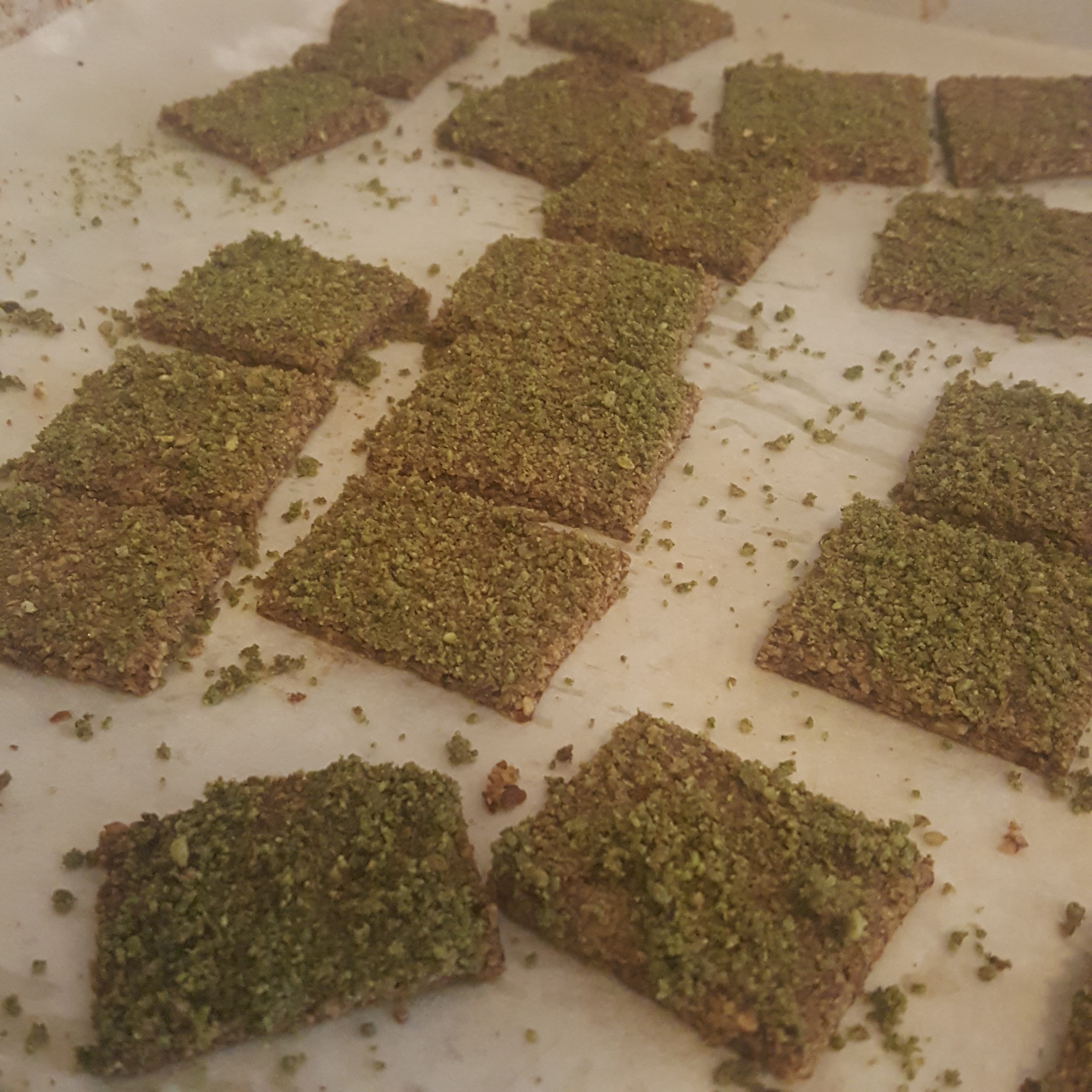
Top with salt, seasonings, or Mole Powder and bake at 350 degrees F for 10 to15 minutes, depending on thickness. I usually let them get a little brown, so they will be crispy. Towards the end, they can burn quickly.

After baking, re-cut and separate the crackers. Cool and enjoy! Store any left in a dry place.

Black Bean Mole Negro

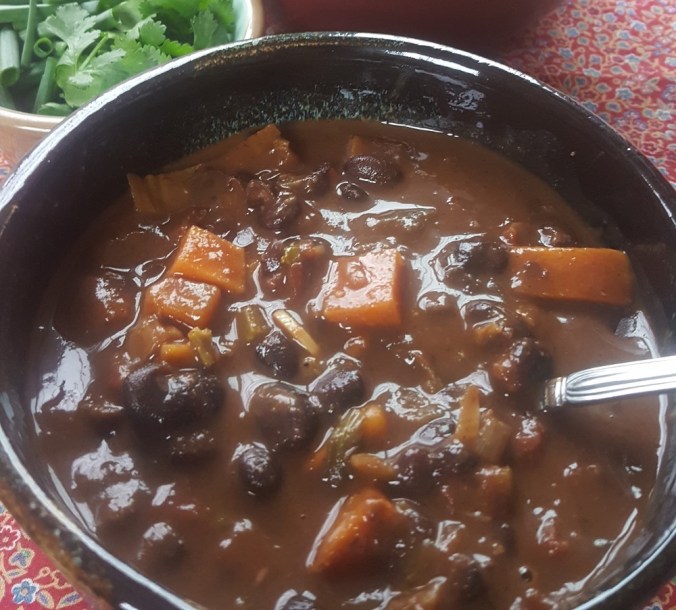
Hello, Amy here on a cool, rainy day in Tucson! For an upcoming potluck, my classmates have requested I bring a dish with “my spices”. For this group, it needs to be vegetarian, so I’m making my friend Barb’s black bean, sweet potato dish. She says it’s her mix of a couple recipes, a stew and a chili. It is always a hit and I know it will wait patiently in a slow cooker from morning until lunch break.

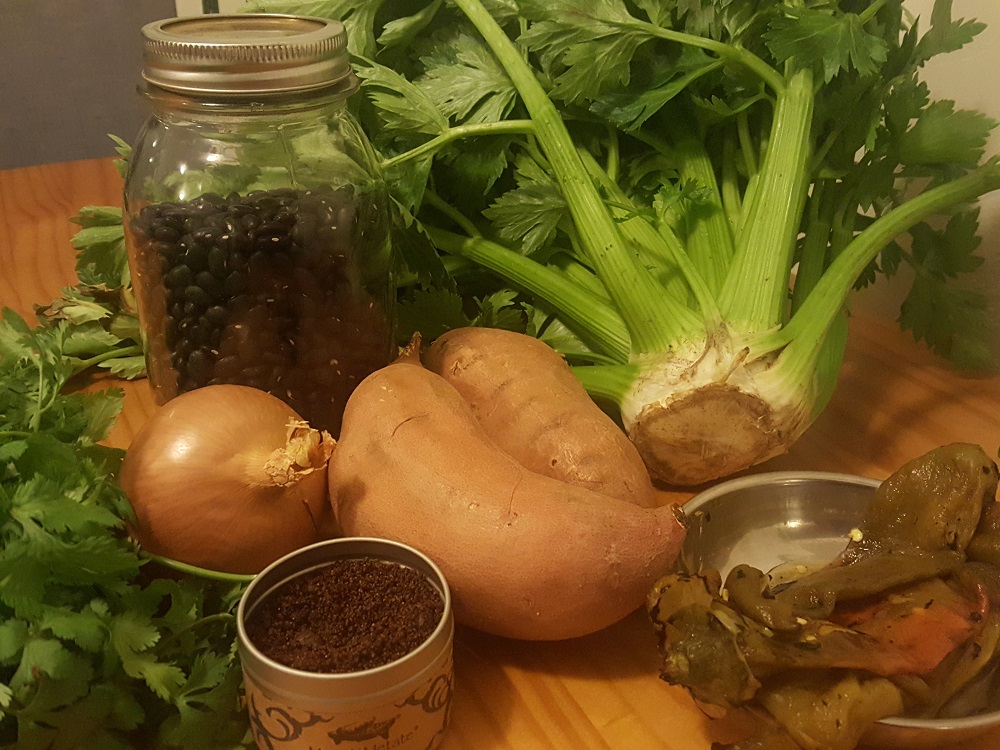
I started with a collection of veggies from my Tucson CSA share and a tin of Mano Y Metate Mole Negro.

In the fall Crooked Sky Farms sent us dry beans, and roasted chiles that I squirreled away in the freezer. Recently the shares have included Beauregard sweet potatoes, yellow onion, cilantro, I’itoi onion, and bountiful celery! Normally I love celery leaves, but I used very few today because these were so strong. I’ll dry them to use as a seasoning.

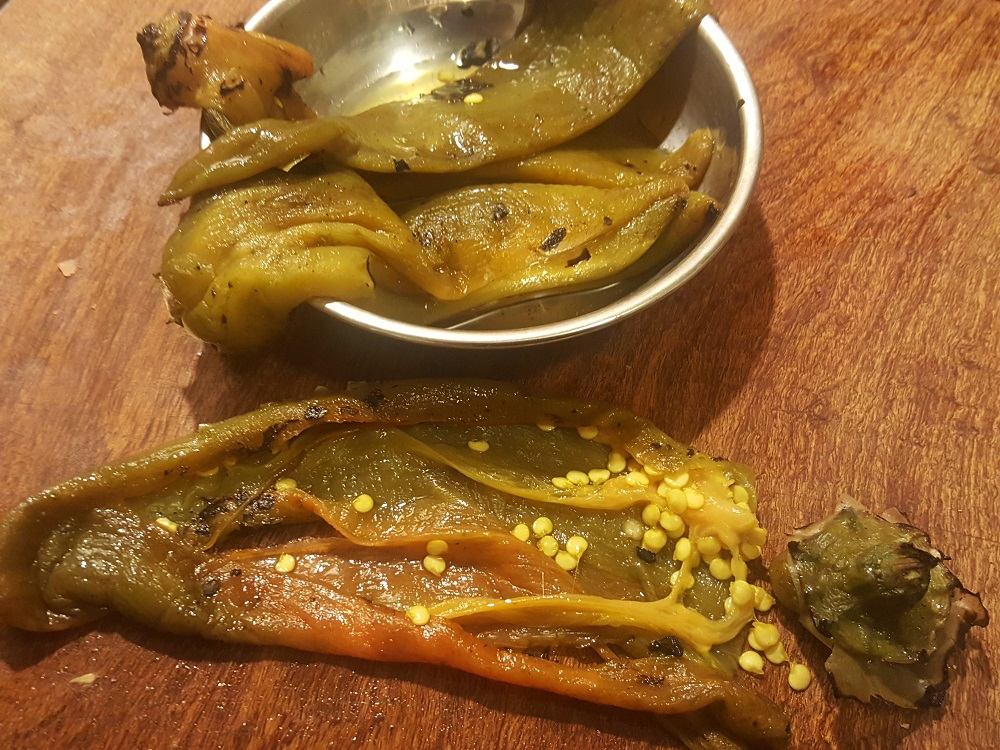
Once defrosted, I peeled, stemmed and seeded the chiles, saving all the juice.

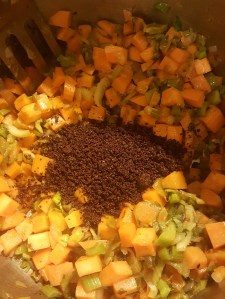
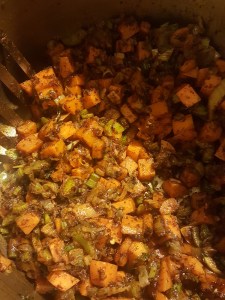
I started by cooking the onion in oil. Then went in a clove of garlic and the celery, sweet potato, and chile. After all was soft and starting to brown, I added a tin of Mole Negro.

When all was smelling delicious, I added a can of tomatoes and some water.

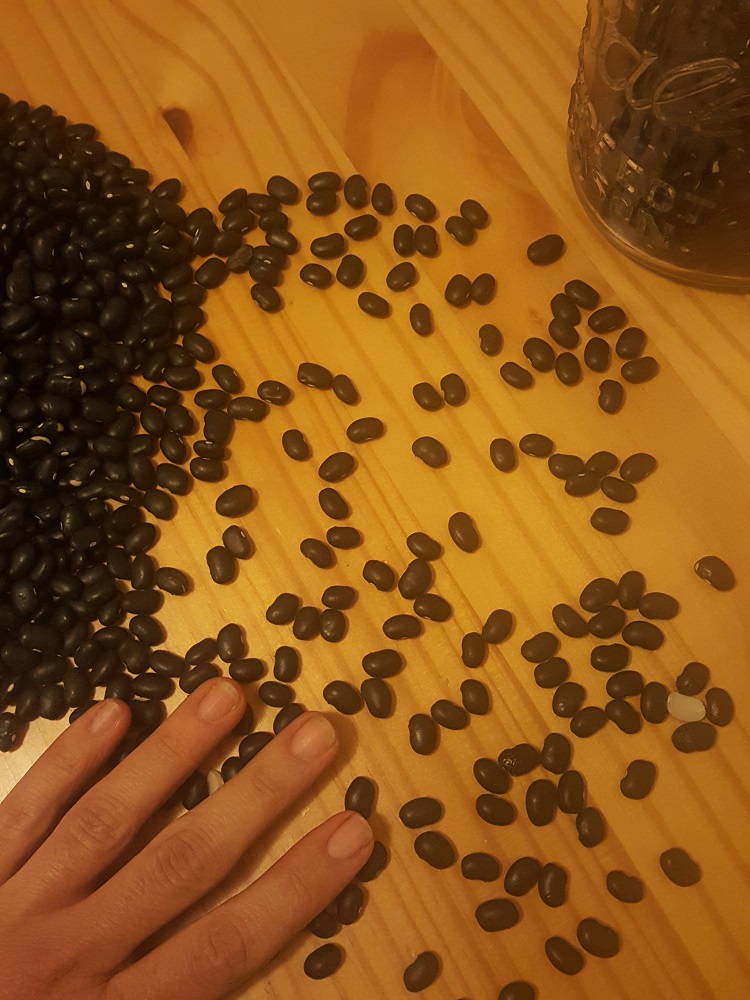
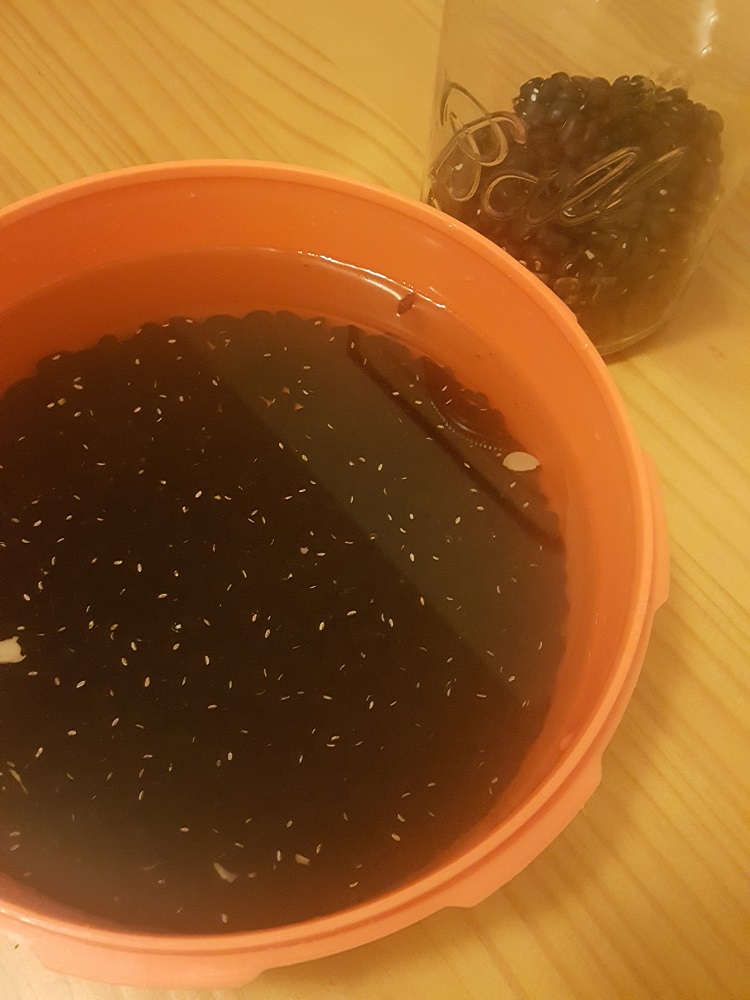
Previously, I had sorted and soaked a pound of beans. I cooked them in a slow cooker until tender.

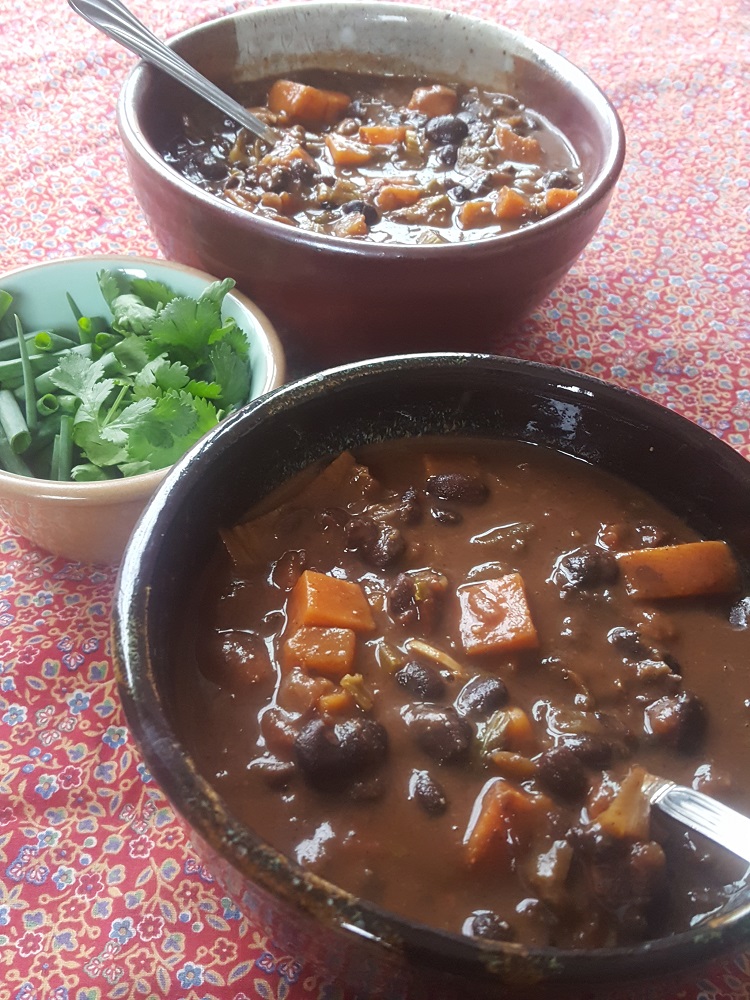
Then into the veggies with the cooked beans and all their broth. Simmer for a bit, salt to taste, and done! Garnish with cilantro and I’itois.


Easy Homemade Chorizo, Vegan Cauliflower or Traditional

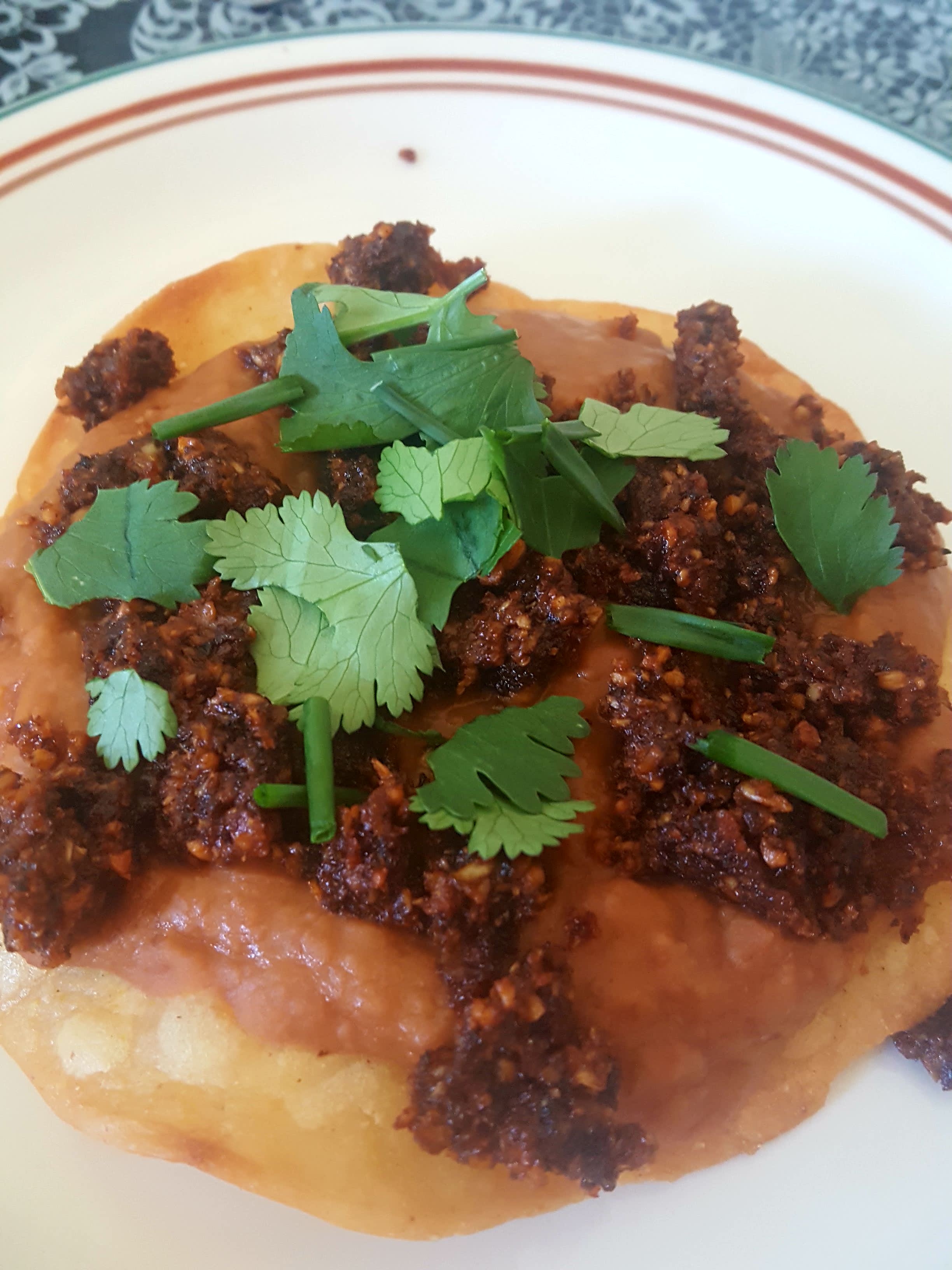
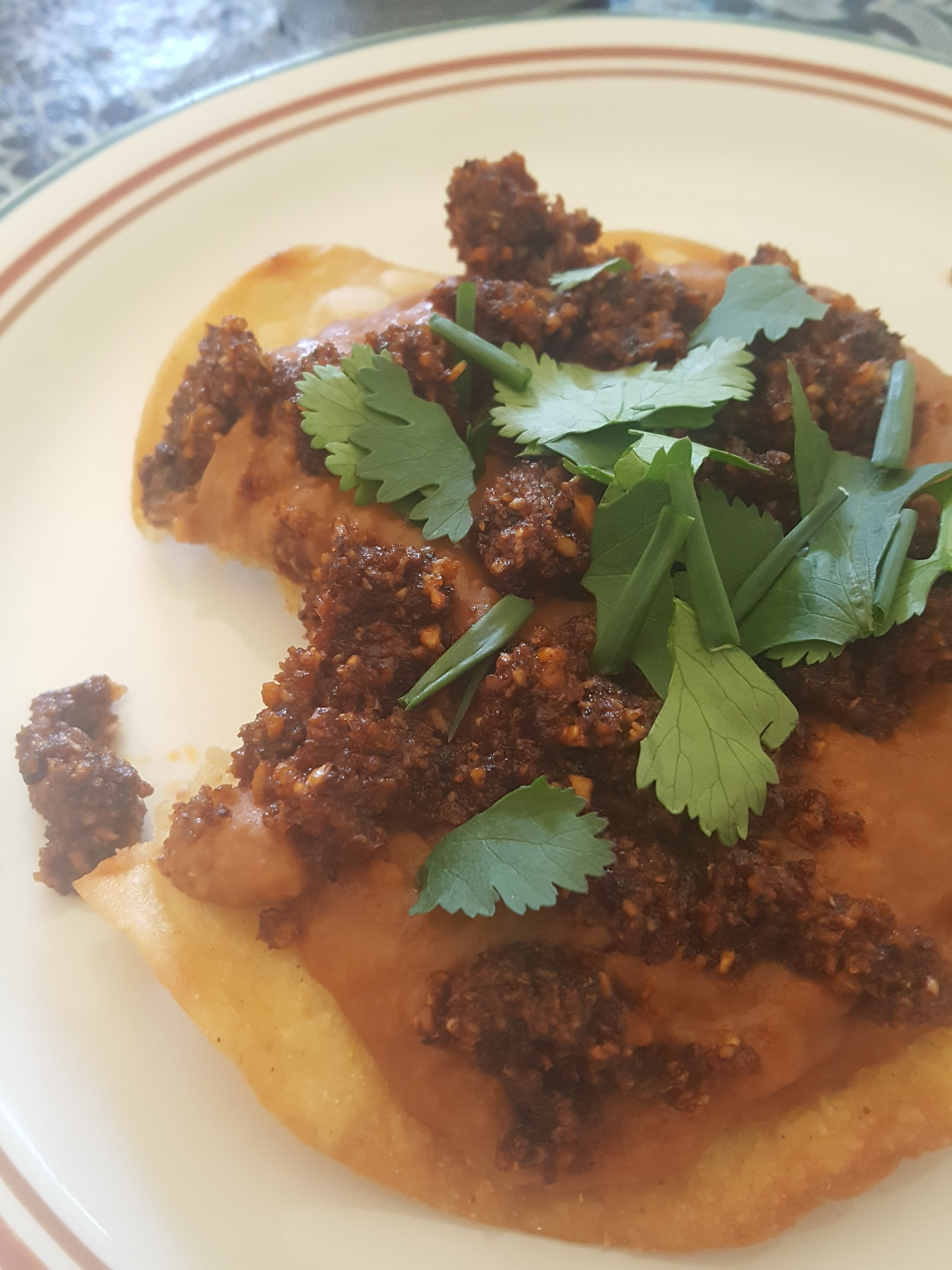
Cauliflower chorizo on bean tosdada

Hello, Amy here on a cold sunny day looking for spicy comfort food. I remember my grandfather made huge batches of great homemade chorizo, usually from beef, and froze it in half or quarter pound balls for use later. We had it for breakfast mixed into skillet fried potatoes like hash, or scrambled into eggs and wrapped in hot flour tortillas. Also, he would mix it into mashed pinto beans for tostadas.

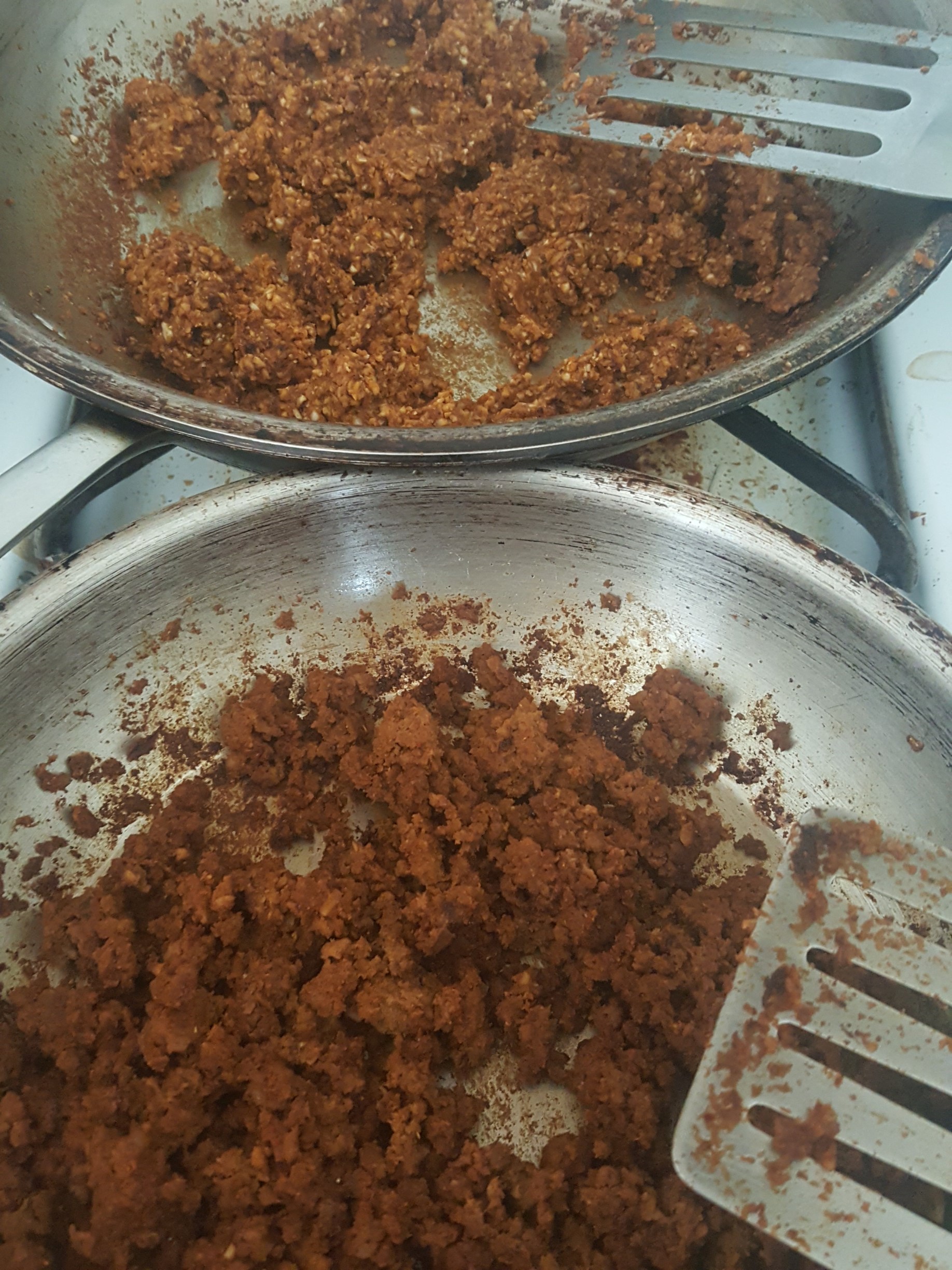
It turns out that Mano Y Metate Adobo powder is nearly all you need to season homemade chorizo. I’ve made it with beef, lamb, a mix of pork and beef, or tofu with great success. Extra firm non-silken tofu, squeezed of excess water, was surprisingly realistic when well fried and scrambled into eggs.

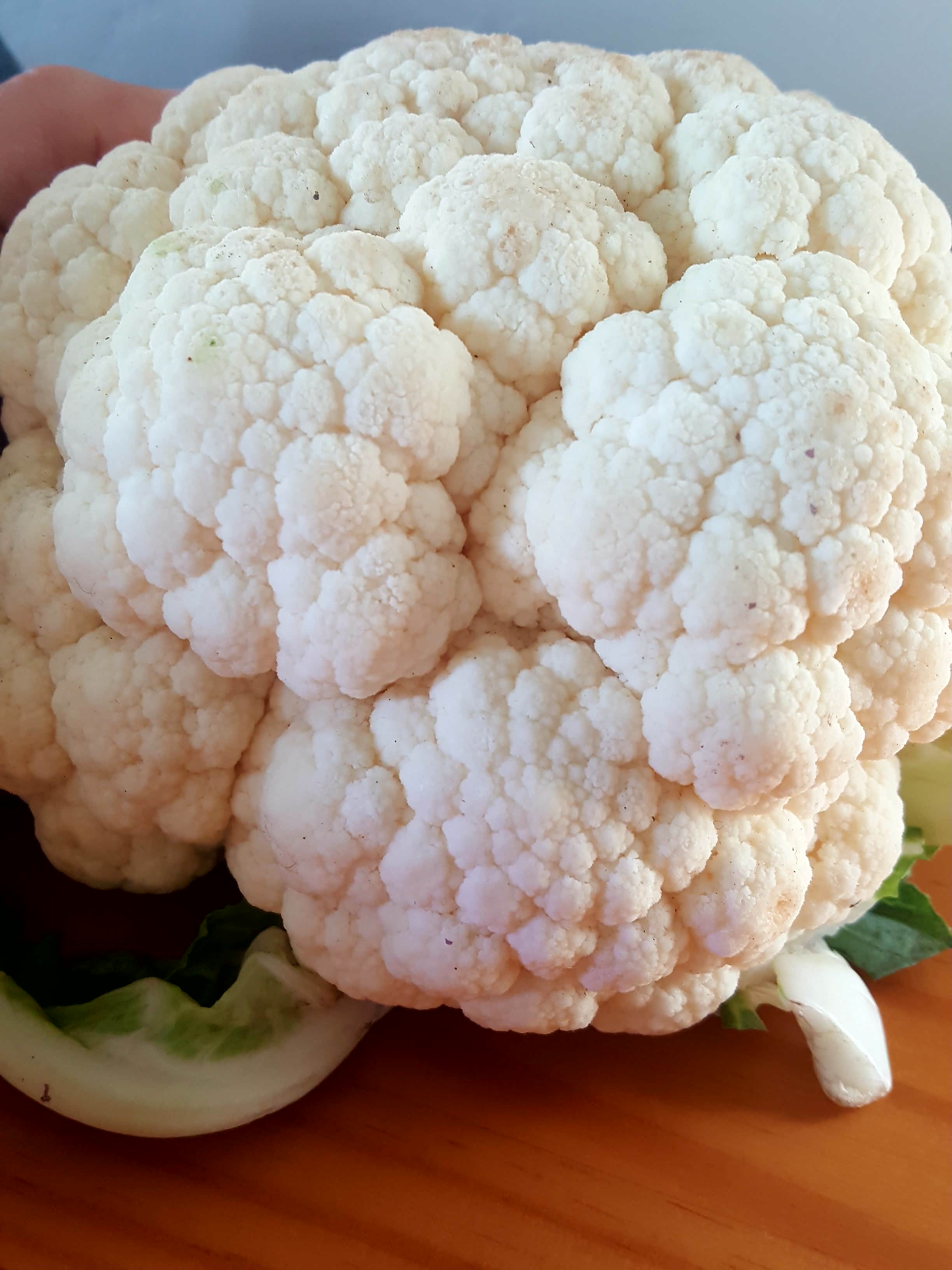
But I recently heard of someone making chorizo out of cauliflower, and sure enough, a quick internet search turned up plenty of variations. Cooks added all manner of creative ingredients with cauliflower to simulate a meaty taste and texture. I happened to have a huge beautiful head of cauliflower from Tucson CSA/Crooked Sky Farms, so I simply substituted cauliflower for raw meat to start. YUM! While searching, I also found a dozen places to substitute cauliflower for other traditional ingredients. Potatoes, wheat, rice, look out!

The following measurements are strictly to taste, and you can always spike with some crushed chiltepin or hot crushed red chile.

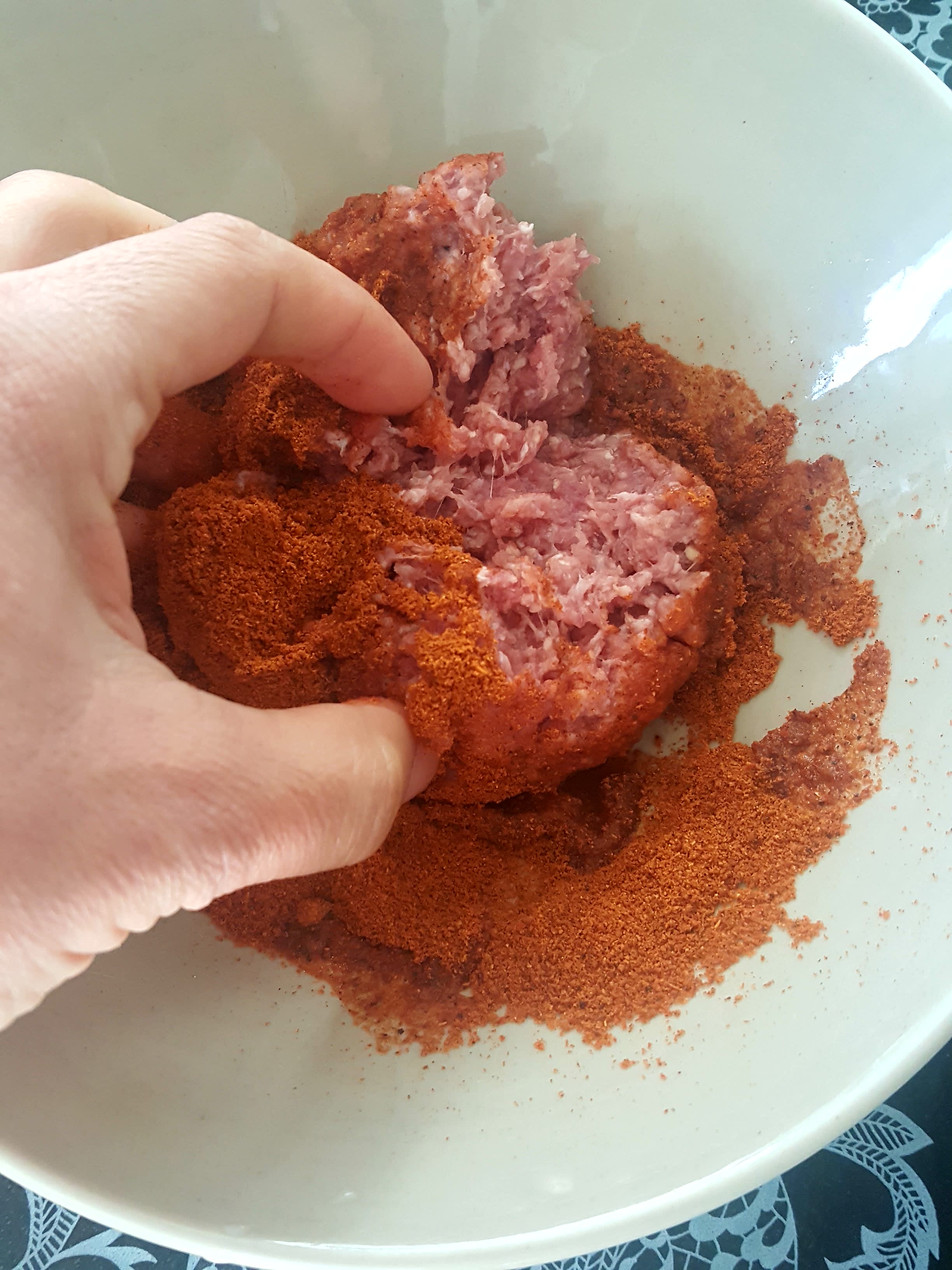
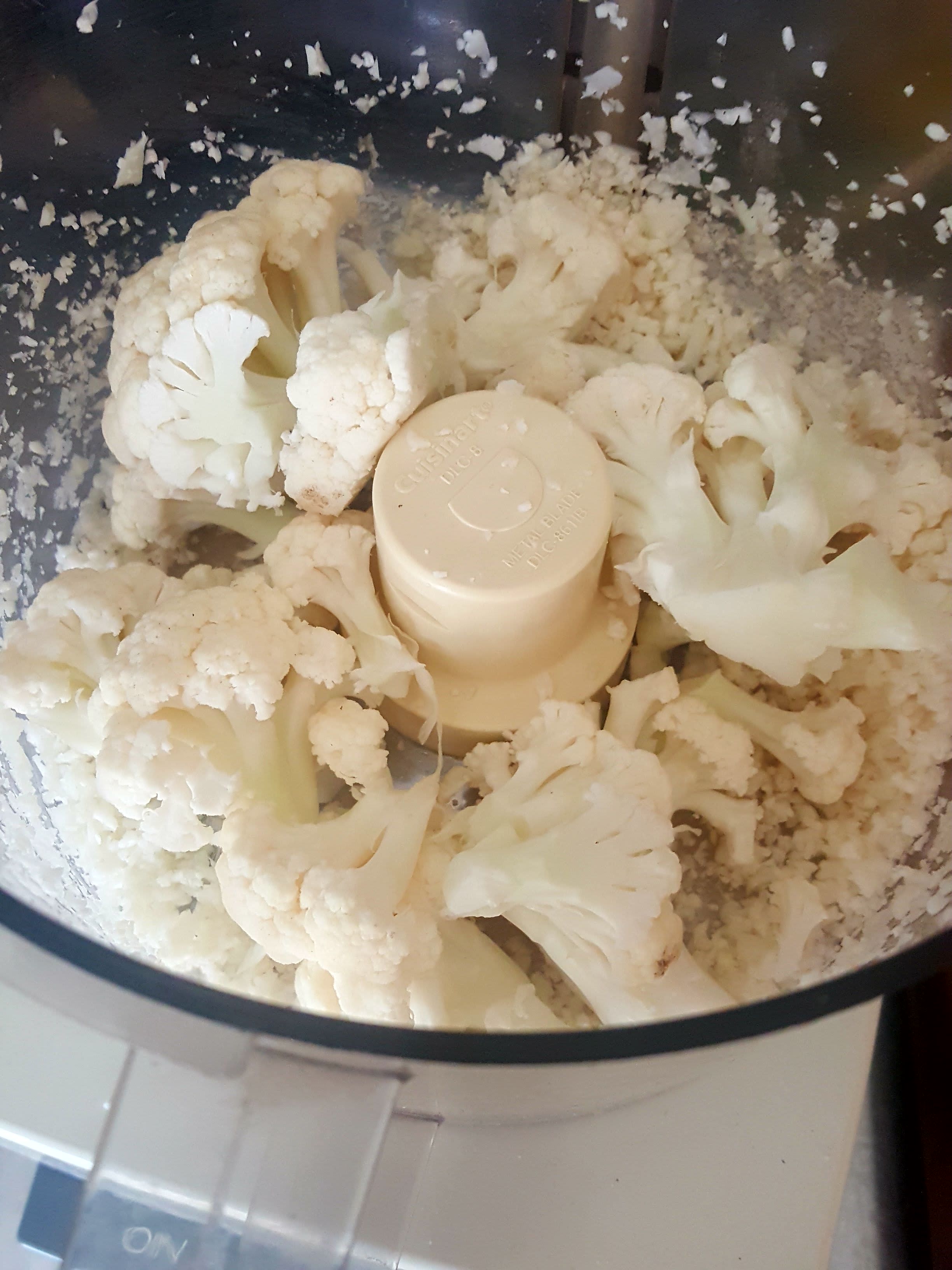
I put about half a pound of ground beef with a tin of Adobo powder and two teaspoons of vinegar. Yes, the whole tin. If you use less, it could be bland. I did the same with a cup of (packed) cauliflower I had minced in the food processor.

If possible, marinate in the refrigerator for a couple days.

Then fry in a skillet until brown. The cauliflower needed quite a bit of oil to brown, the beef none. Salt to taste.

Then I heaped the cauliflower chorizo on a bean tostada, and garnished with cilantro and I’itois green onion. I’ll be serving that at a vegetarian potluck very soon!

Mole Dulce Latte and Hot Chocolate

Hello all, Amy here on bright, cold day. My friends at EXO Coffee make Mole Dulce Lattes, and they are amazing. They discovered Mano Y Metate mole, developed the recipe, and only later did we meet!

I can’t make coffee like that, but I wanted to make a hot drink for myself at home. So I decided to try Mole Dulce Hot Chocolate.

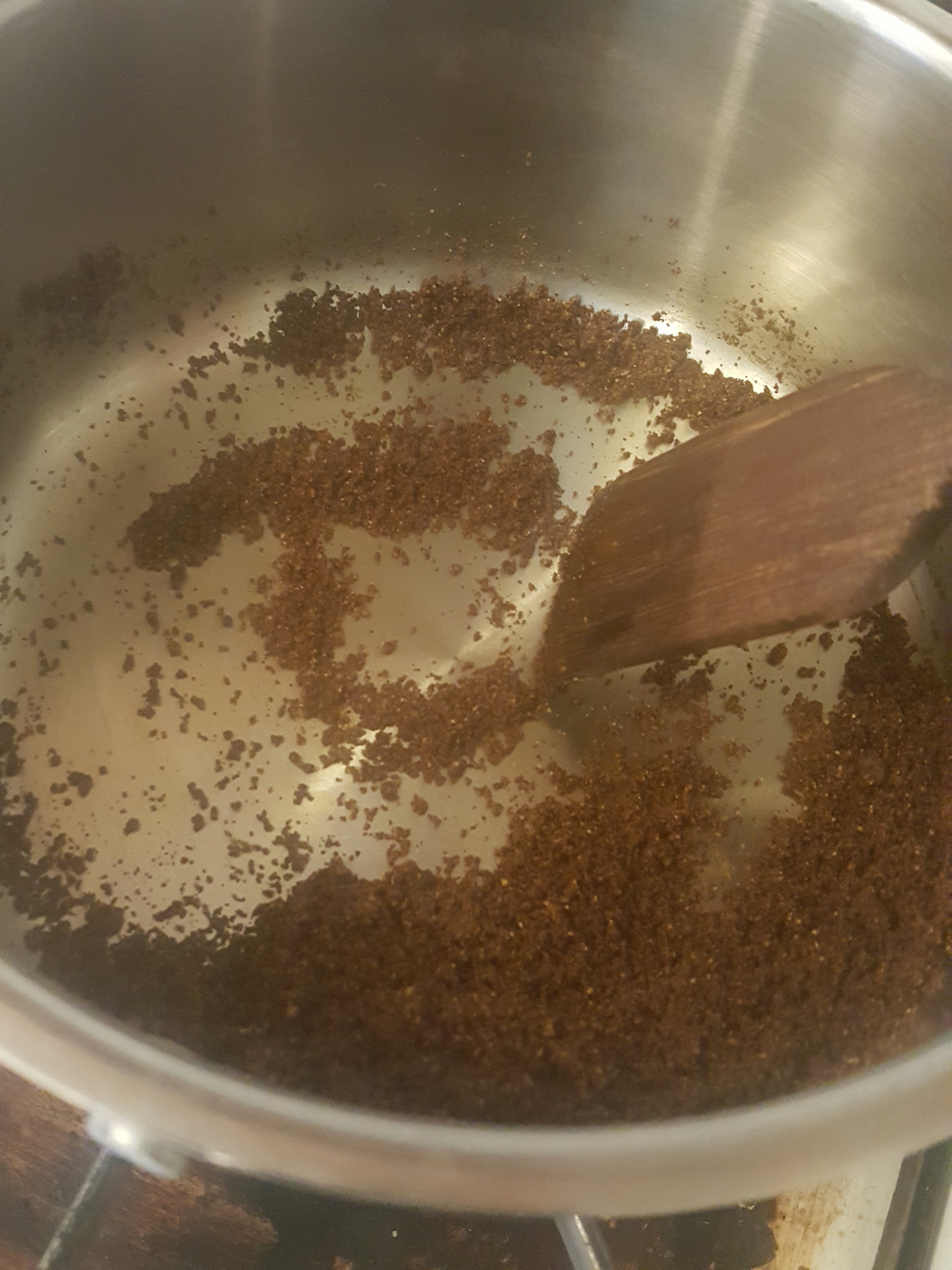
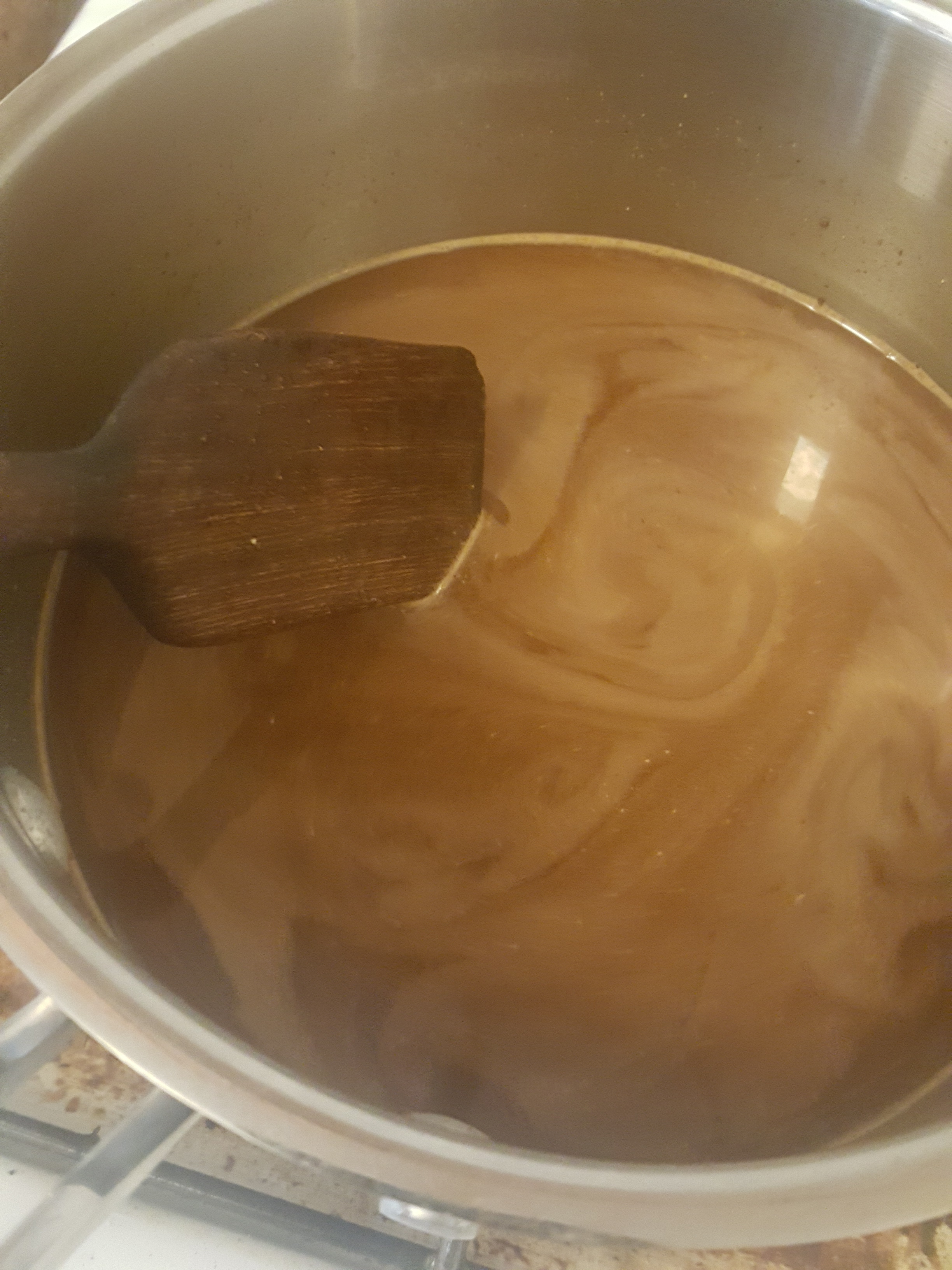
I started with half a tin of Mano Y Metate Mole Dulce powder (about 1 oz). In a dry pan I toasted it over low heat, stirring constantly until it got a shade darker and I started to smell the spices and cough just a bit from the chile. You can see oil from the almonds and the melting chocolate on the wooden spoon.

Then I added one cup of water and simmered for about 15 to 20 minutes.

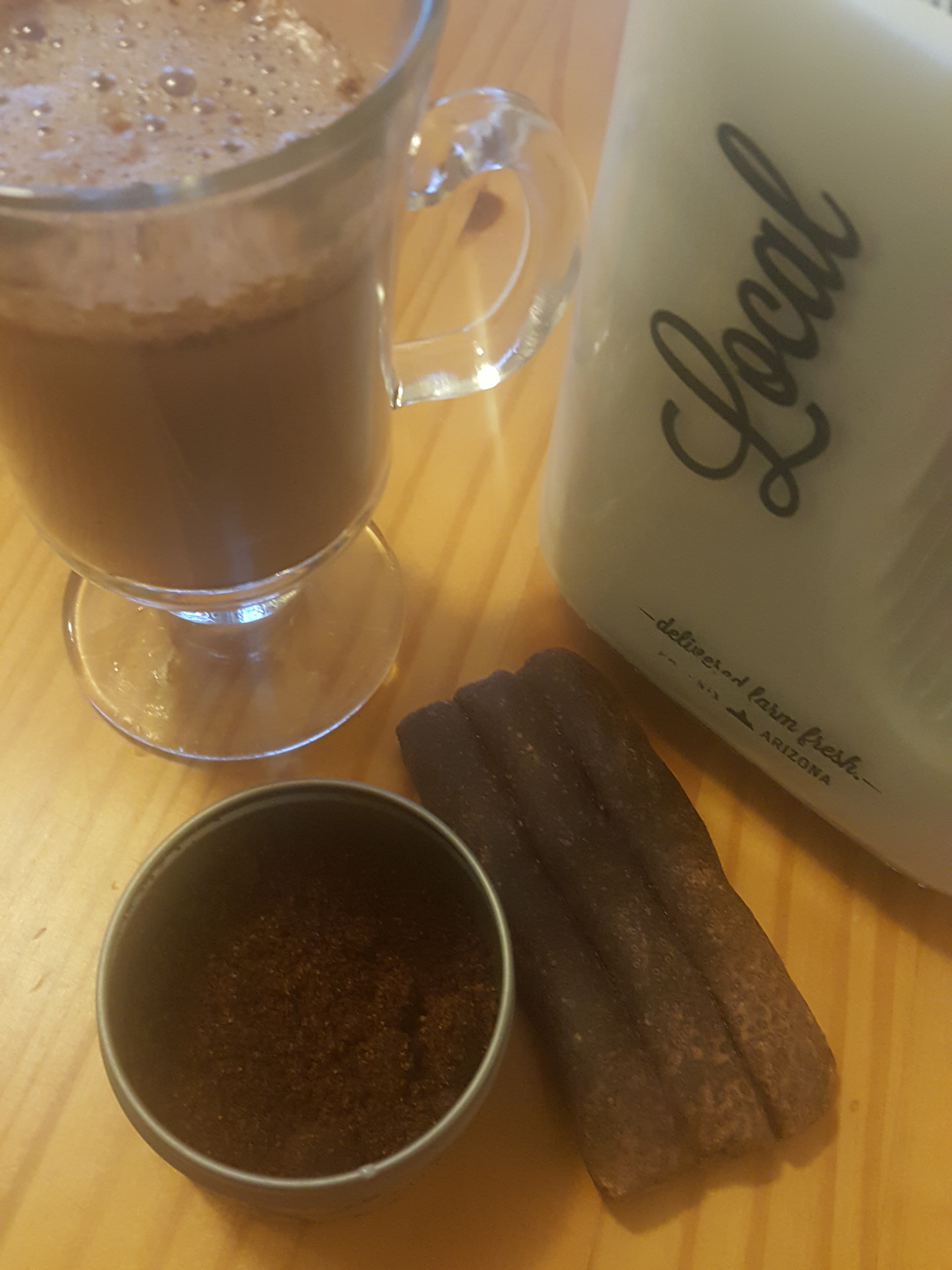
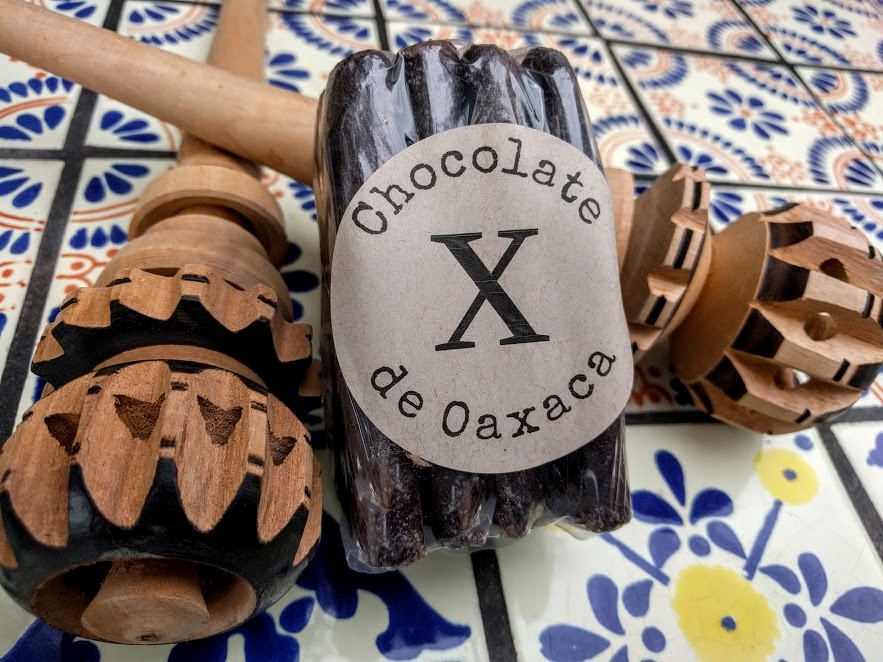
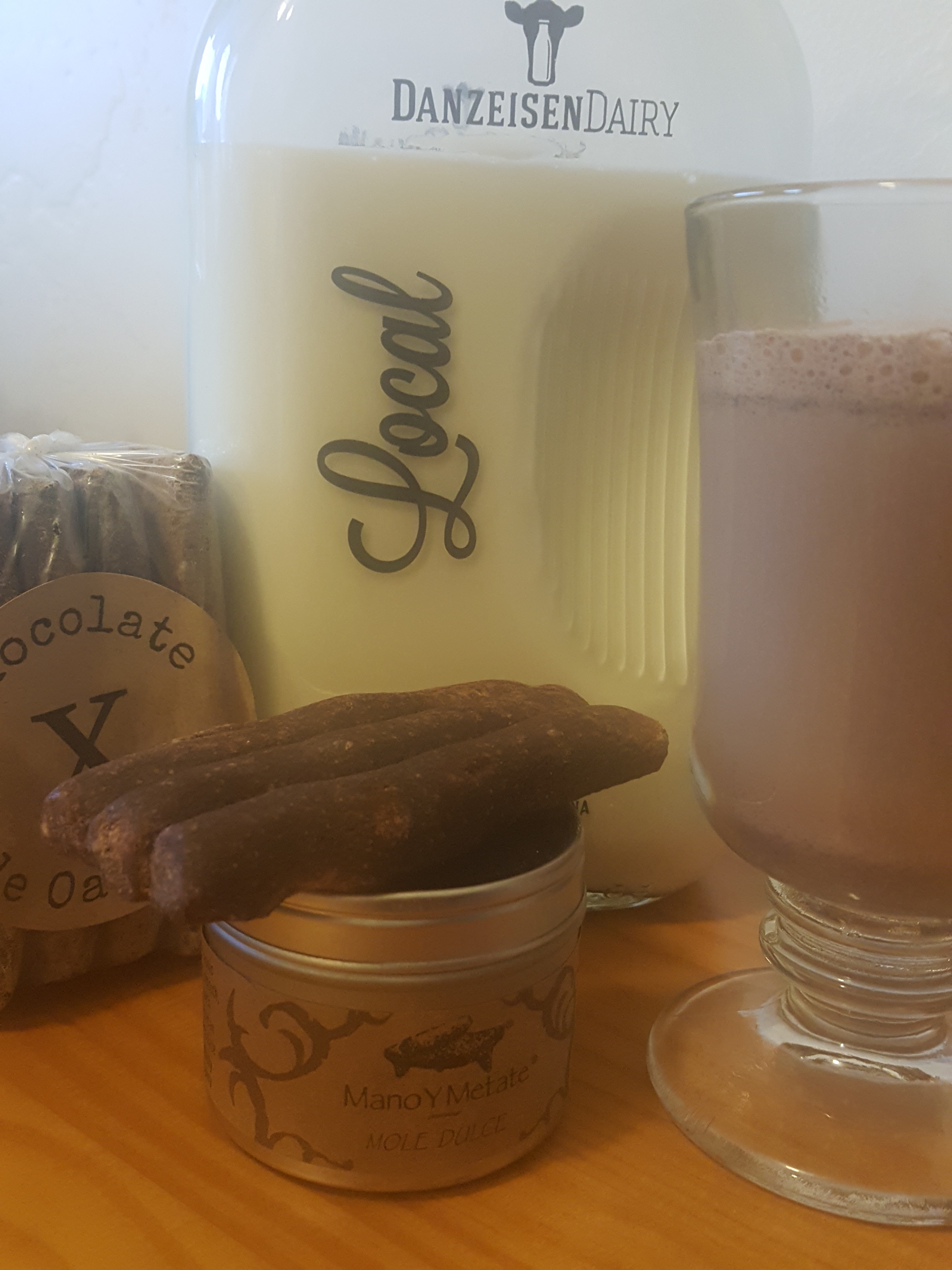
Mole Dulce powder is made with A LOT of chocolate.  I use Xocolatl, a handmade Oaxacan drinking chocolate imported by a sweet Tucson family and available seasonally at the Rillito Farmers’ Market and online. (Tell the young salesperson Isaac we sent you.) The only ingredients in Xocolatl are cacao beans from Chiapas (60%), cane sugar, Mexican/Ceylon cinnamon and almonds. It is wonderful eaten straight, where you’ll notice its coarse ground texture, formerly found in chocolates like Ibarra, before they changed their recipe. Xocolatl also comes in 70%.

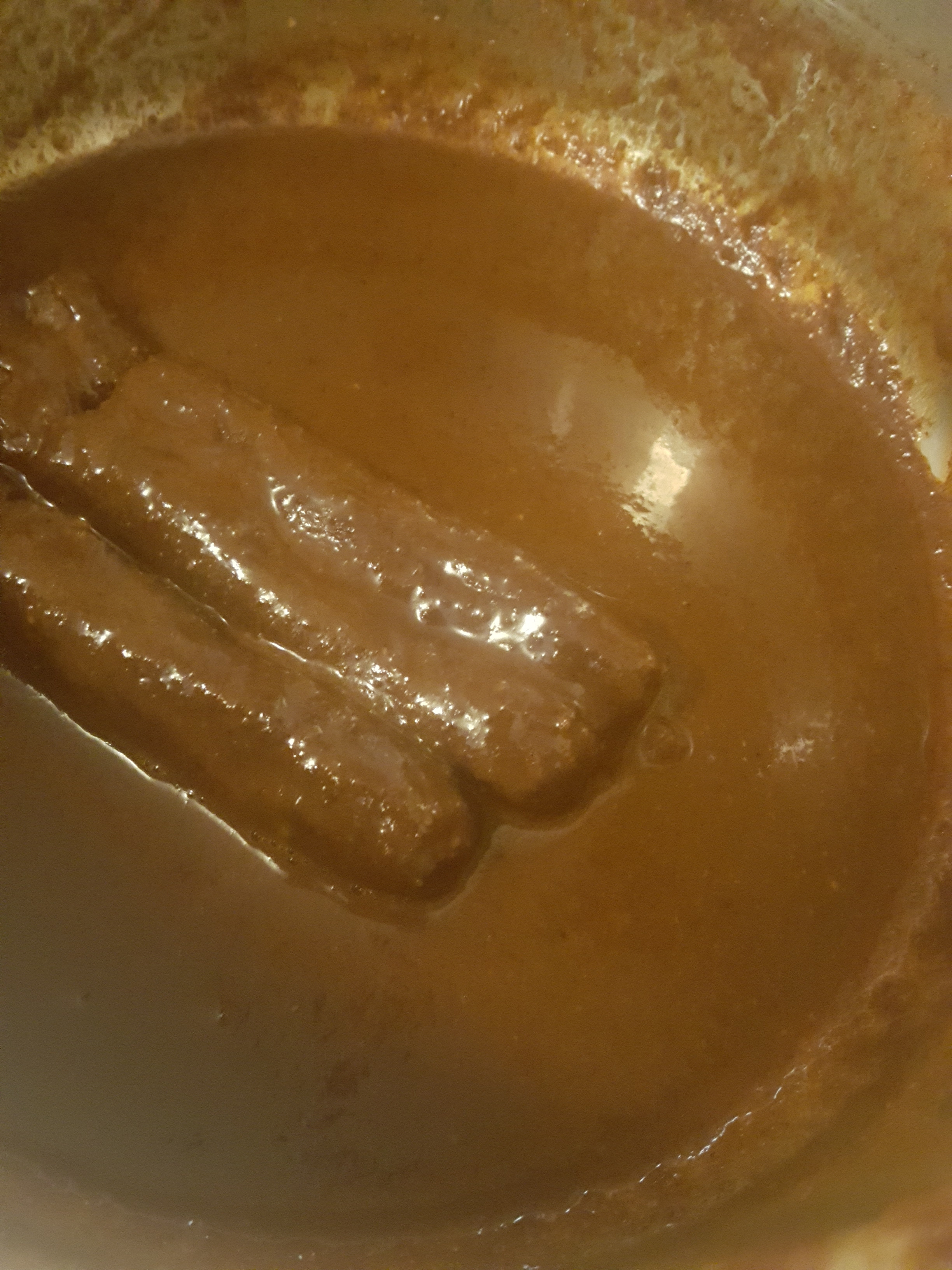
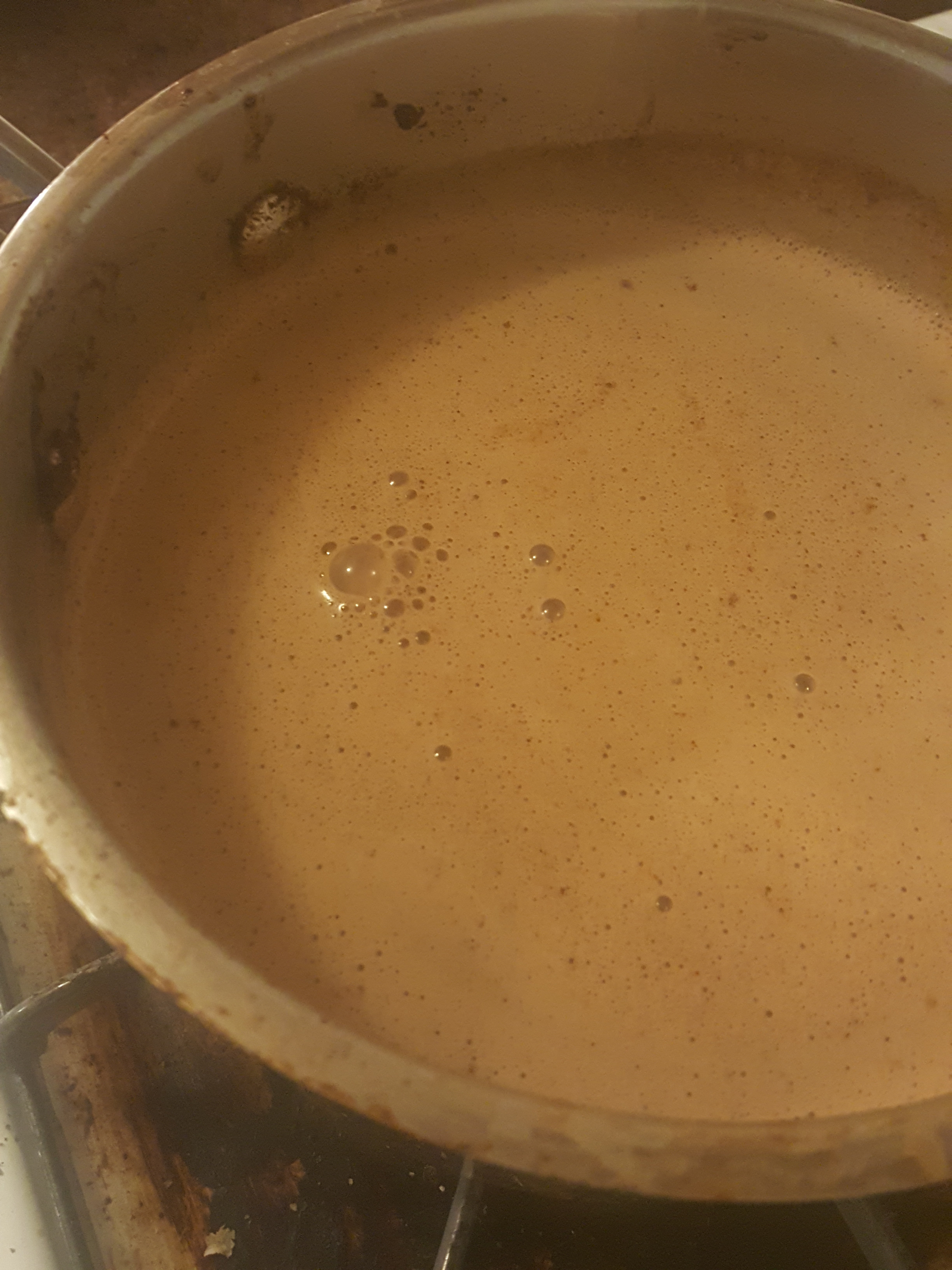
I melted 6 small sticks (about 125g) of Xocolatl Classic into the pan, making a glossy chocolate sauce, with some suspended solids from the mole and chocolate giving it interesting texture.

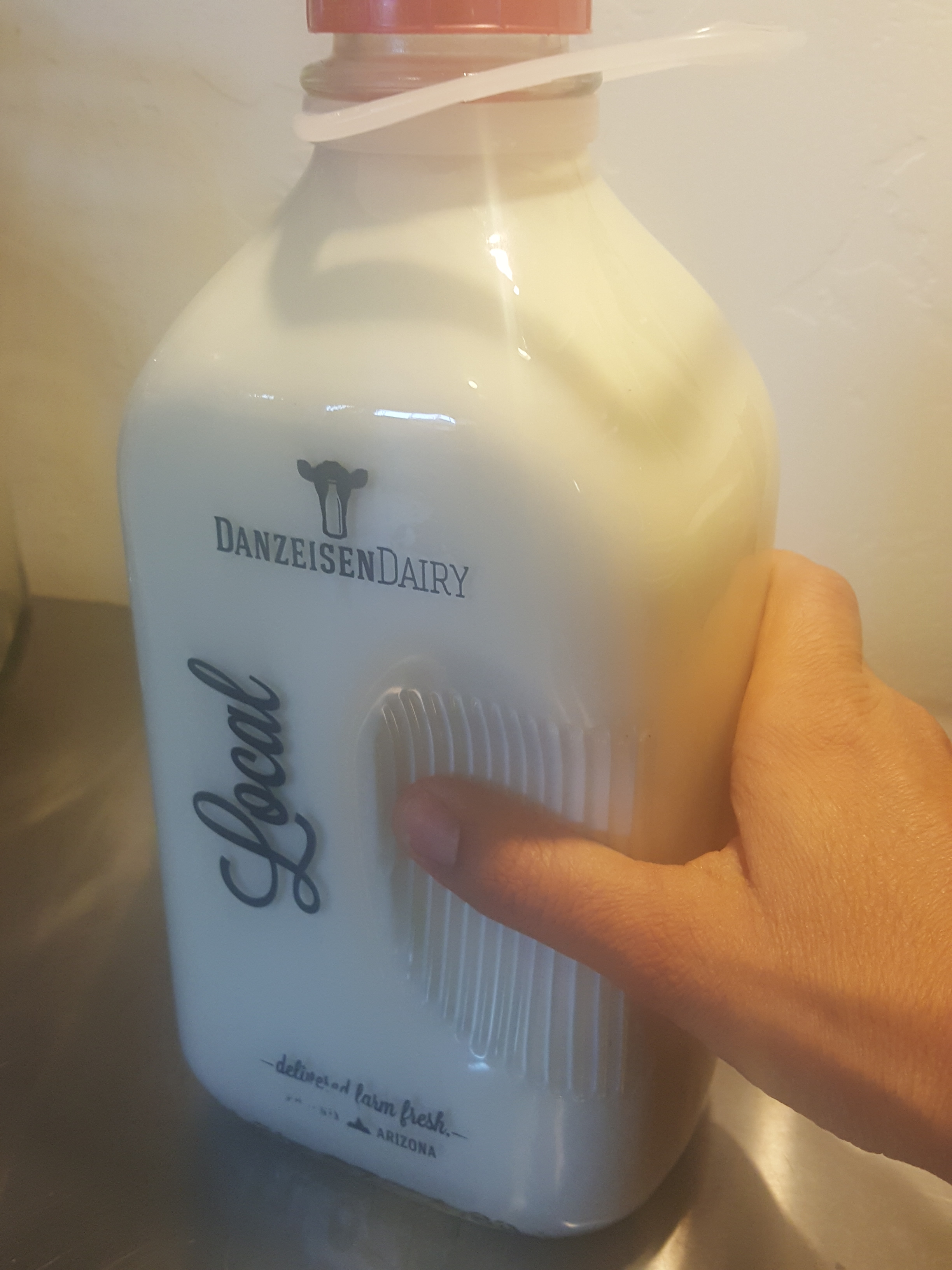
Then I added 4 cups of milk from Danzeisen Dairy from Laveen, Arizona. When I was a kid, my mom would buy raw milk with a cream layer in bottles like these from a drive through milk store. What the milks then and now do have in common are freshness, lower ‘food miles’ (less transportation fuel from farm to consumer), and returnable bottles with a deposit. Plus, the bottles are so pretty!

Now, for the frothy topping. The saying goes that as much work as someone put into the foam layer on the top of your chocolate mug, that’s how much they love you. I heard you could get this by pouring from one container into another from as high as you can, but I found this is messy, possibly dangerous and disappointing.

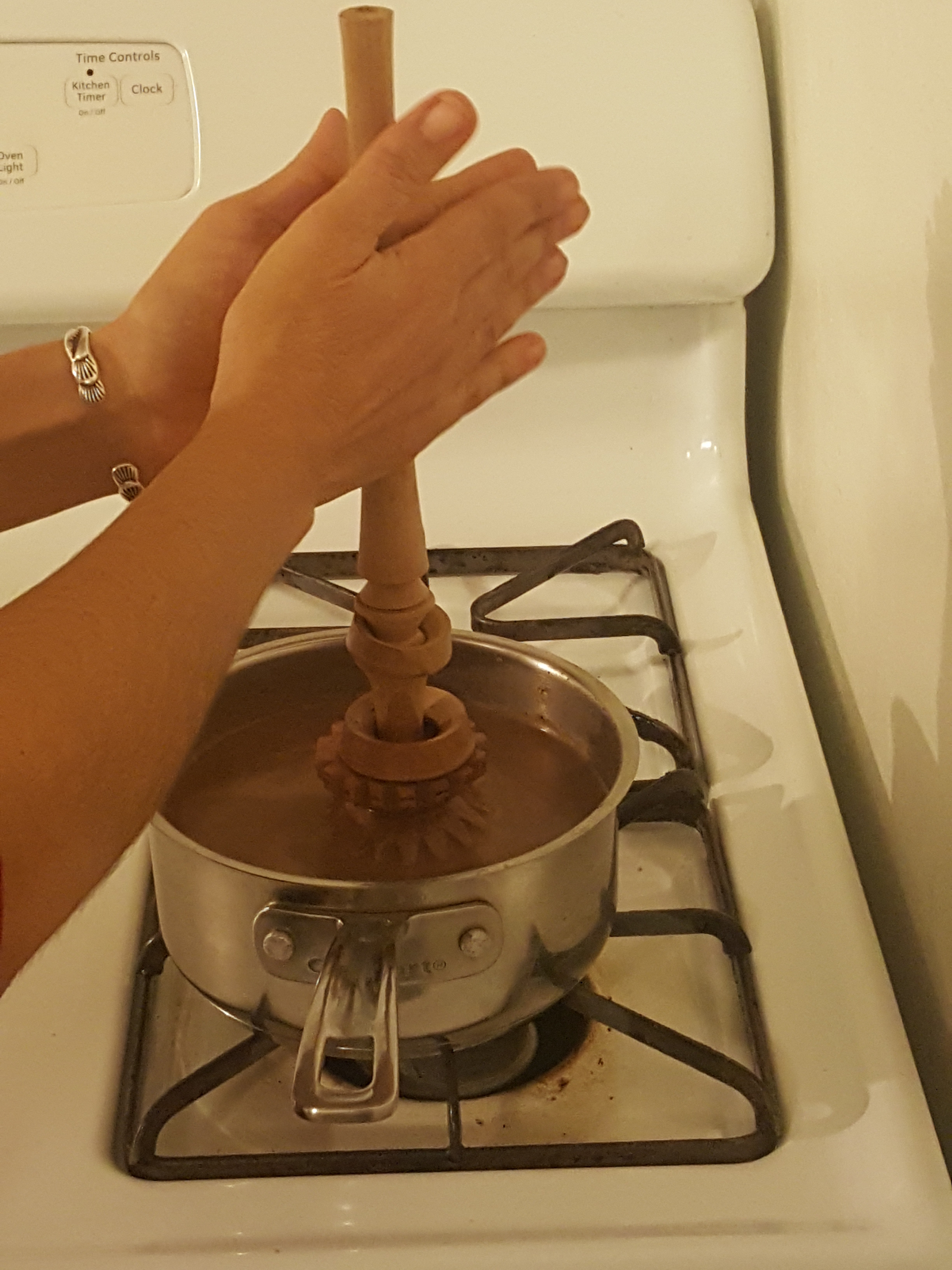
But there’s a tool designed for this purpose. My grandmother had a molinillo just like this.

However, she didn’t let us use it, just like the fancy dishes, the living room, or anything else that grandkids would certainly ruin or break. These are now available at big Mexican grocery stores, and are so fun to use! They have free-spinning rings and holes which act like wires on a whisk. (Of course, a metal whisk works at least as well.) To use a molinillo, put the handle between your palms, rolling back and forth to spin it in the liquid. Yes, this is when you sing the cho-co-la-te song, singing and spinning as fast as you can! Then sit and savor your warm, frothy, sweet, spicy, rich cup slowly.


Roasted Veggies with a hint of Pipian

Happy Thanksgiving week! Amy here, planning the menu with the cooking team, which is pretty much everyone in our family. It’s fun to mix it up and offer something interesting for the big meal, but it can’t stray too far… on Thursday.

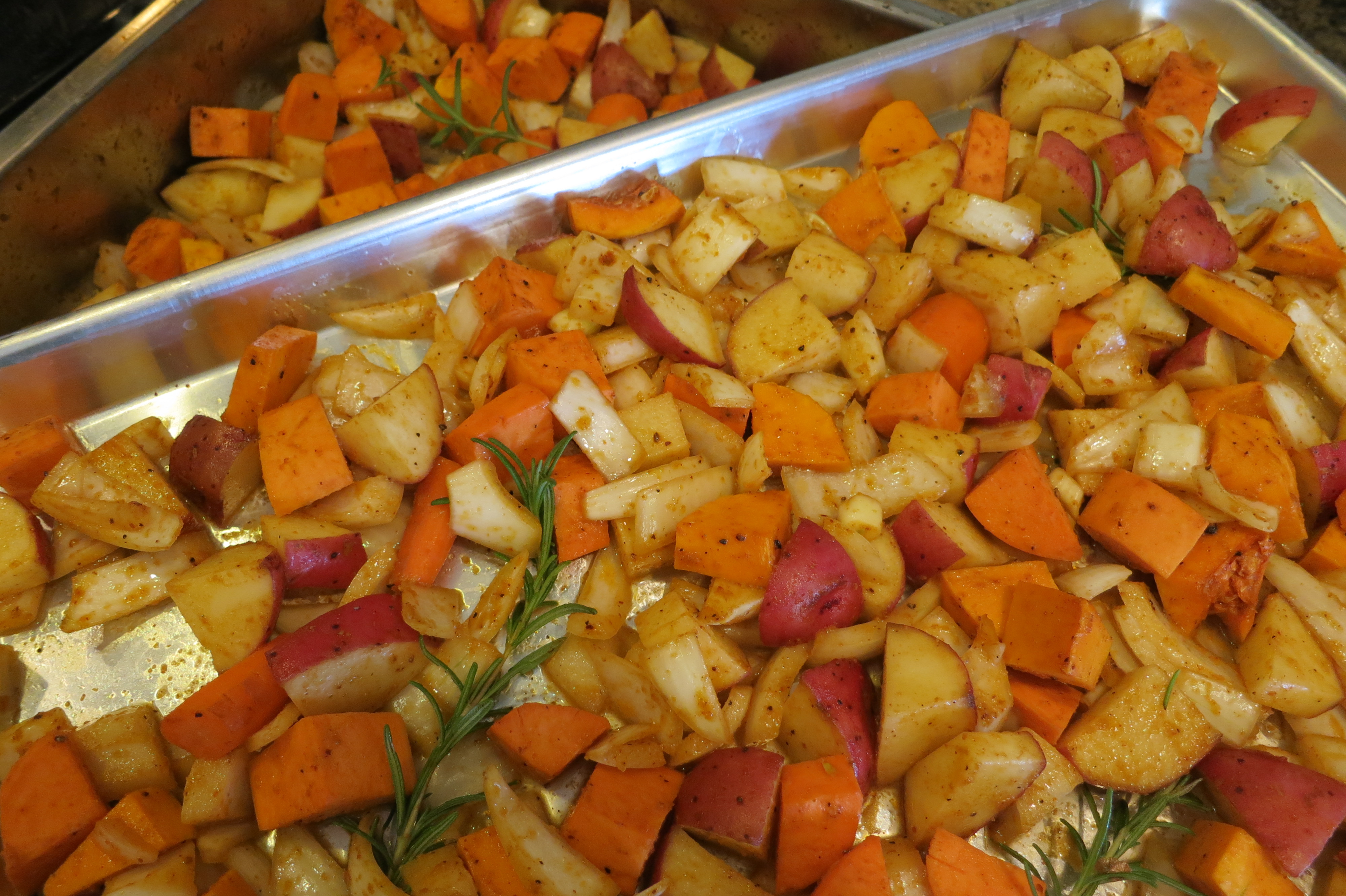
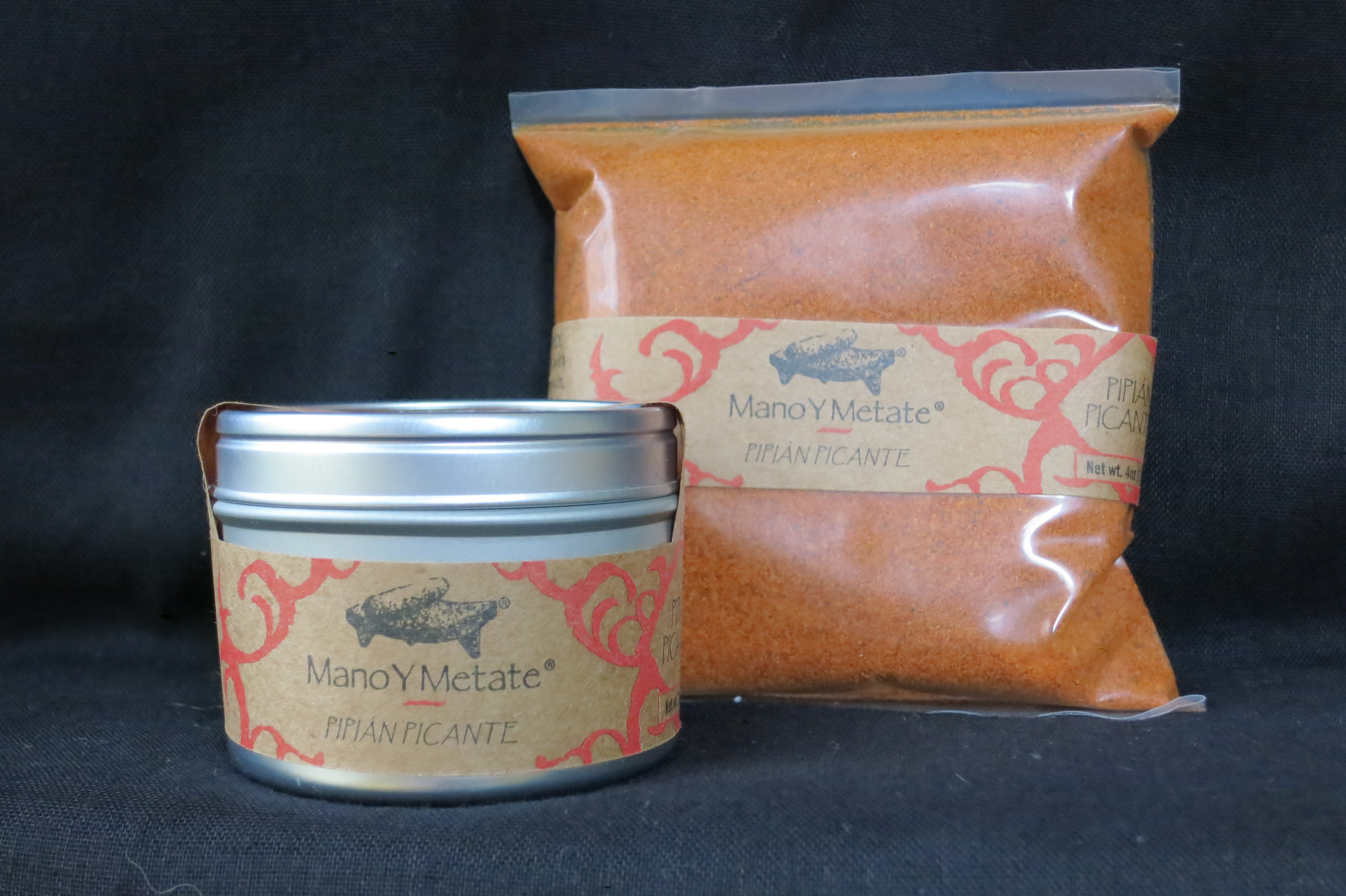
A few years ago my sister and I spiced the veggies with a dusting with Mano Y Metate Pipian Picante powder and a splash of Alfonso olive oil before going into the screaming hot oven.

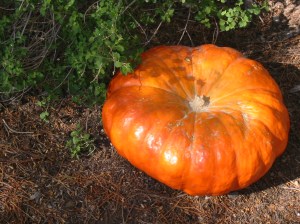
This was a Tucson CSA mix of small Red La Soda potatoes, Glendale Gold onions, a Beauregard Sweet Potato and cubes of this unknown winter squash. If I had carrots or mild turnips, I would have added them, too.

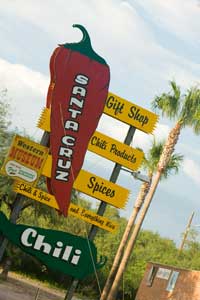
Pipian Picante is medium spicy, but for a mild dish, use Pipain Rojo. The two Pipian are nearly the same recipe, but Pipain Rojo is made with Santa Cruz Mild Chile from Tumacacori, Arizona, while Pipian Picante uses Santa Cruz Hot Chile. This chile is fruity and flavorful. It’s bright red in color and the flavor matches the color. Of all the varieties of mole powder that I make, these two are the only ones that use only one type of chile, because this chile is special enough to stand on its own. By the way, if you’re looking for a fun road trip to take out of town guests, the little Santa Cruz Chili and Spice Sore is fun and right across from the mission.

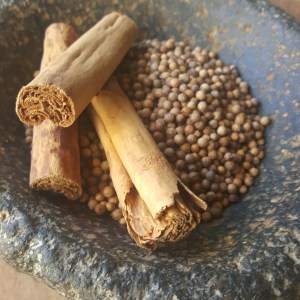
Both Pipian Rojo and Pipian Picante are made with lots of pepitas, or pumkin seeds, along with almonds and a few sesame seeds. It also features plenty of coriander (cilantro) seeds and canela, the soft, easy to break sticks of Ceylon cinnamon.

Sweet cinnamon, sweet chile, and evaporated cane juice in the Pipian go great with the beautiful winter squash that usually looks sweeter than it is. And the kick in the chile is great on the sweet onion and sweet potato. The finished dish is unquestionably savory and spicy. I hope you like it as much as we do. Add a sprig of rosemary from the garden if you have it, just for fun.


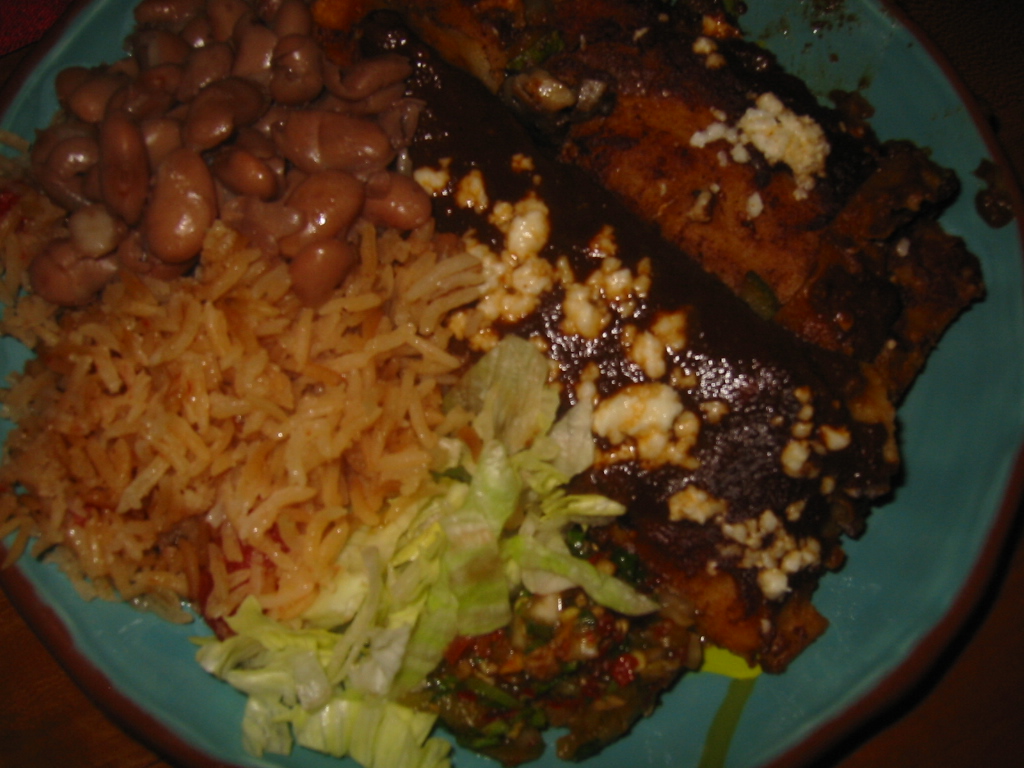
Now, for Friday after Thanksgiving, I recommend Enmoladas with Turkey. These are enchiladas made with mole instead of just chile. Please forgive the candlelit photo, but this is all I could take before it was devoured! For the recipe, go to my very first post on this blog, and substitute leftover turkey for the amaranth greens filling.

Thank you to my family that helped me sell mole at the Desert Botanical Garden and Tohono Chul, and my friends that helped me fill and label tins to prepare for the events. Mil Gracias.