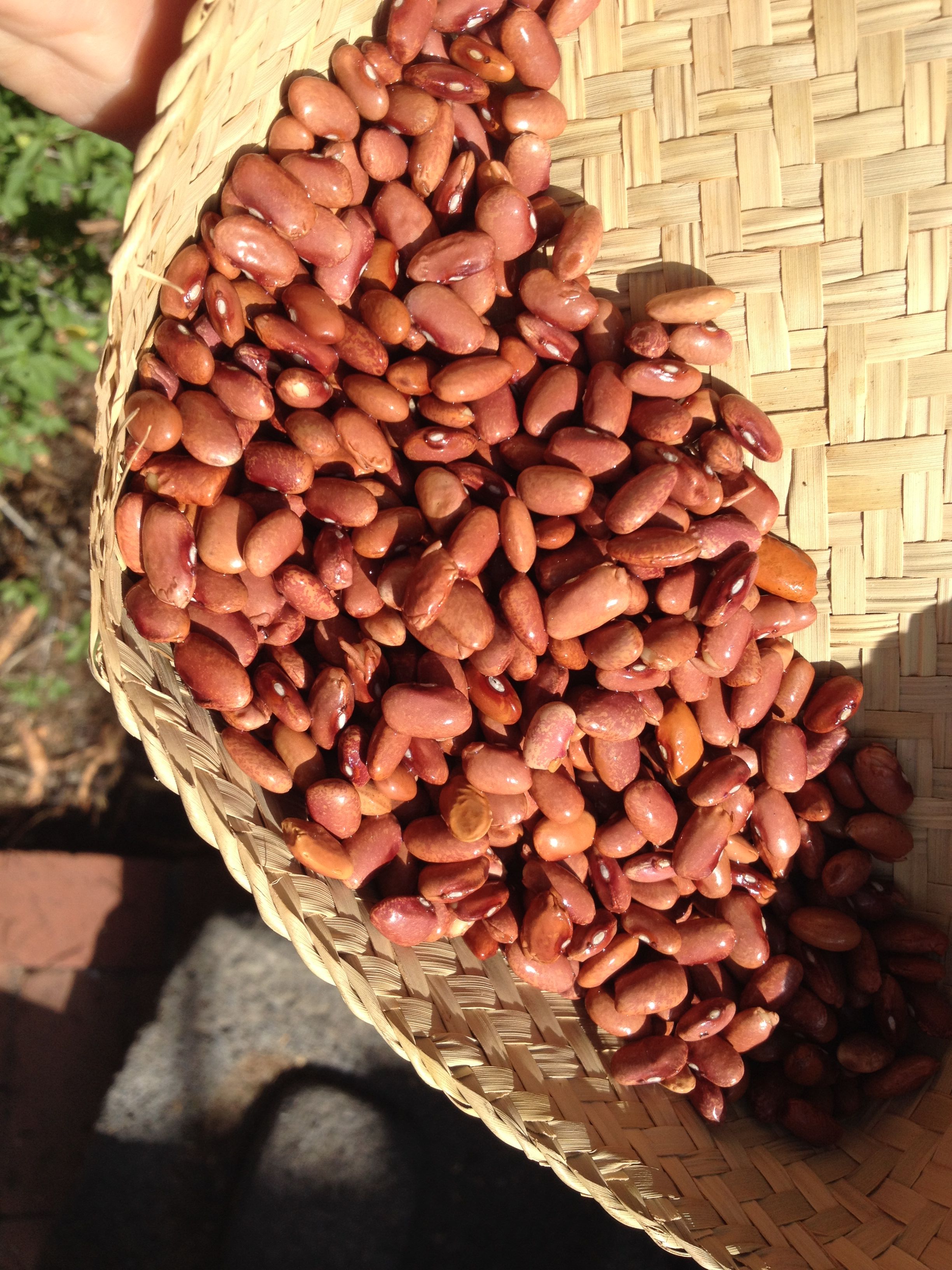
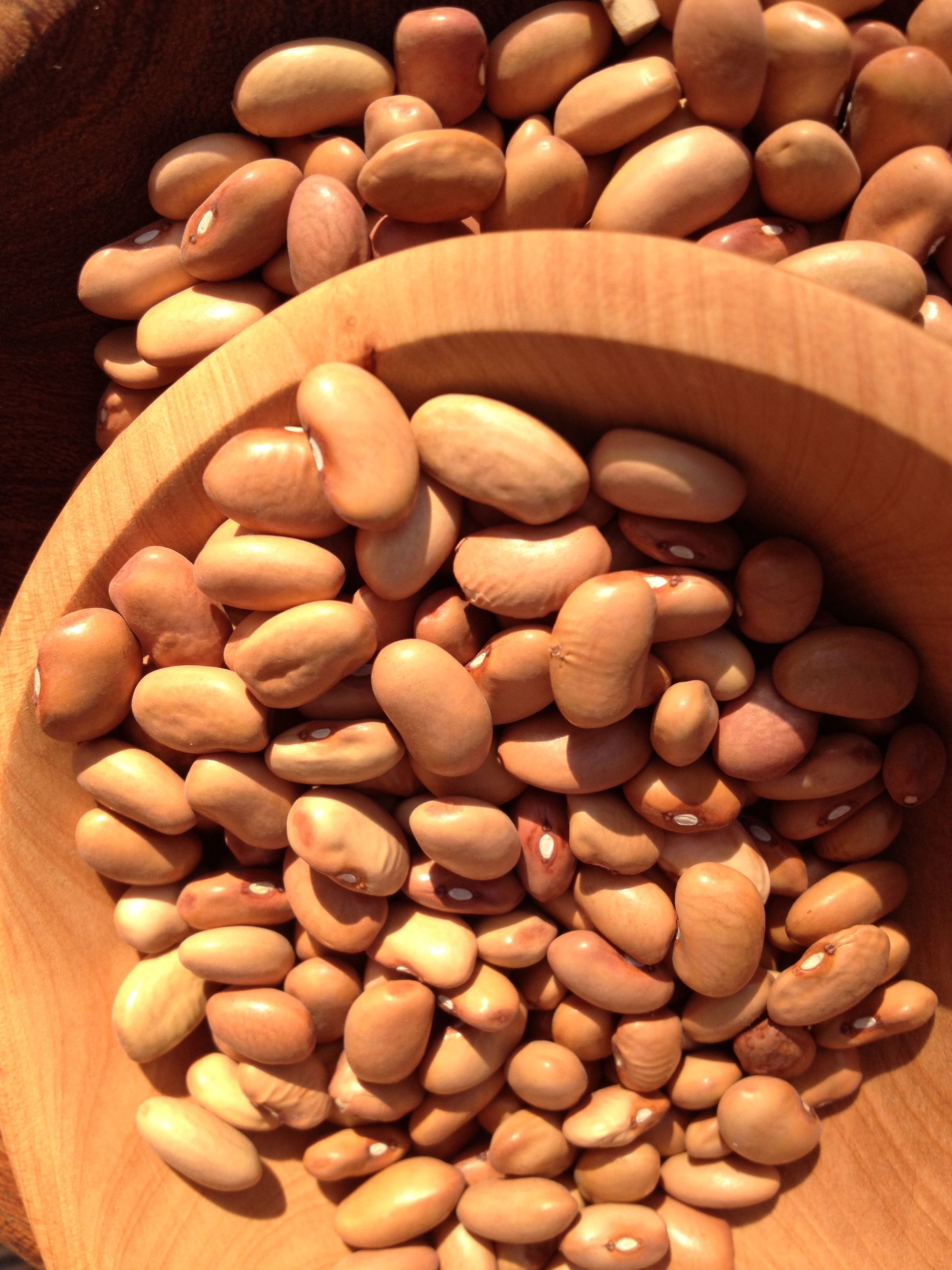
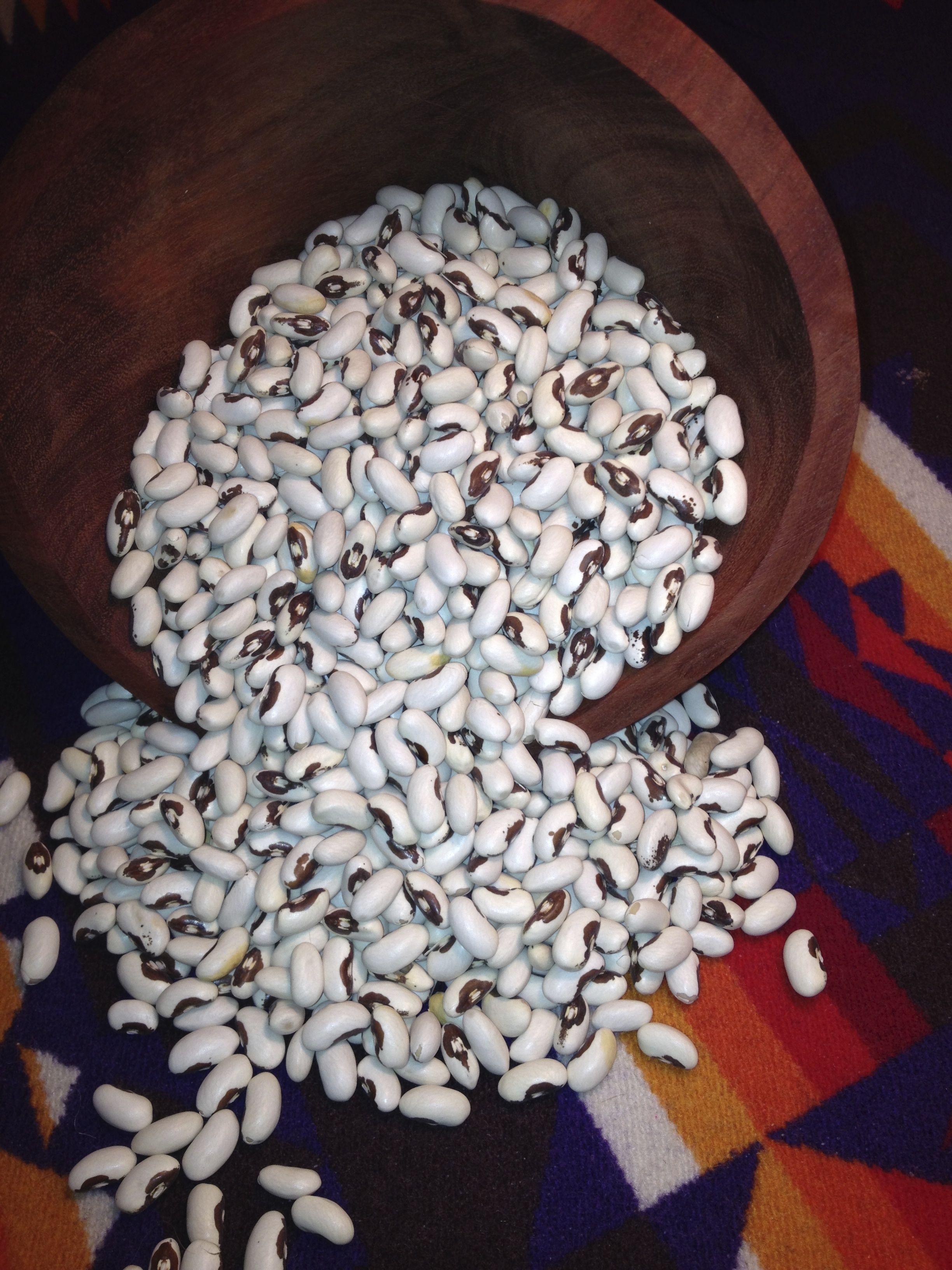
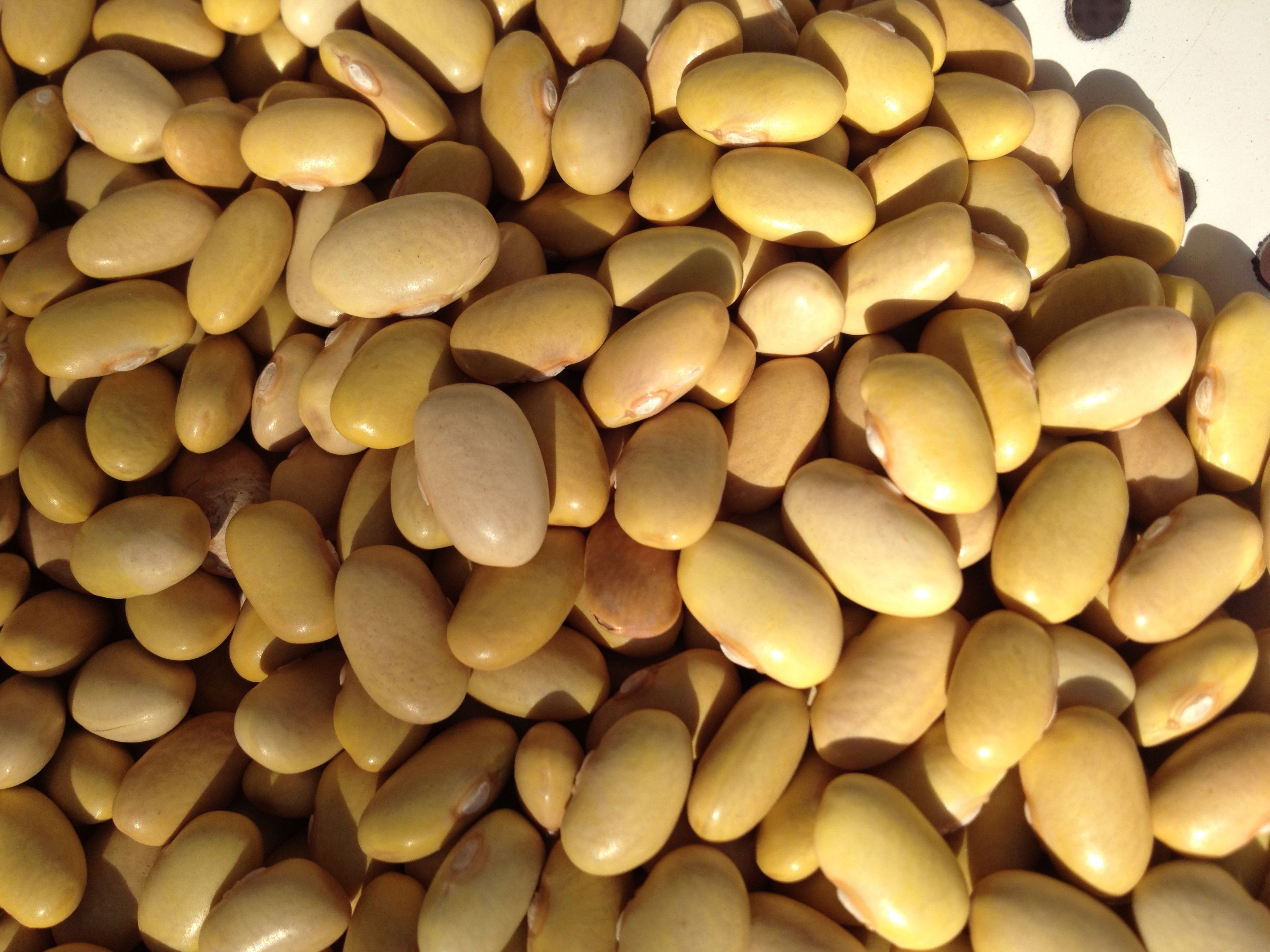
An Invitation to Celebrate El Dia de San Ysidro Labrador

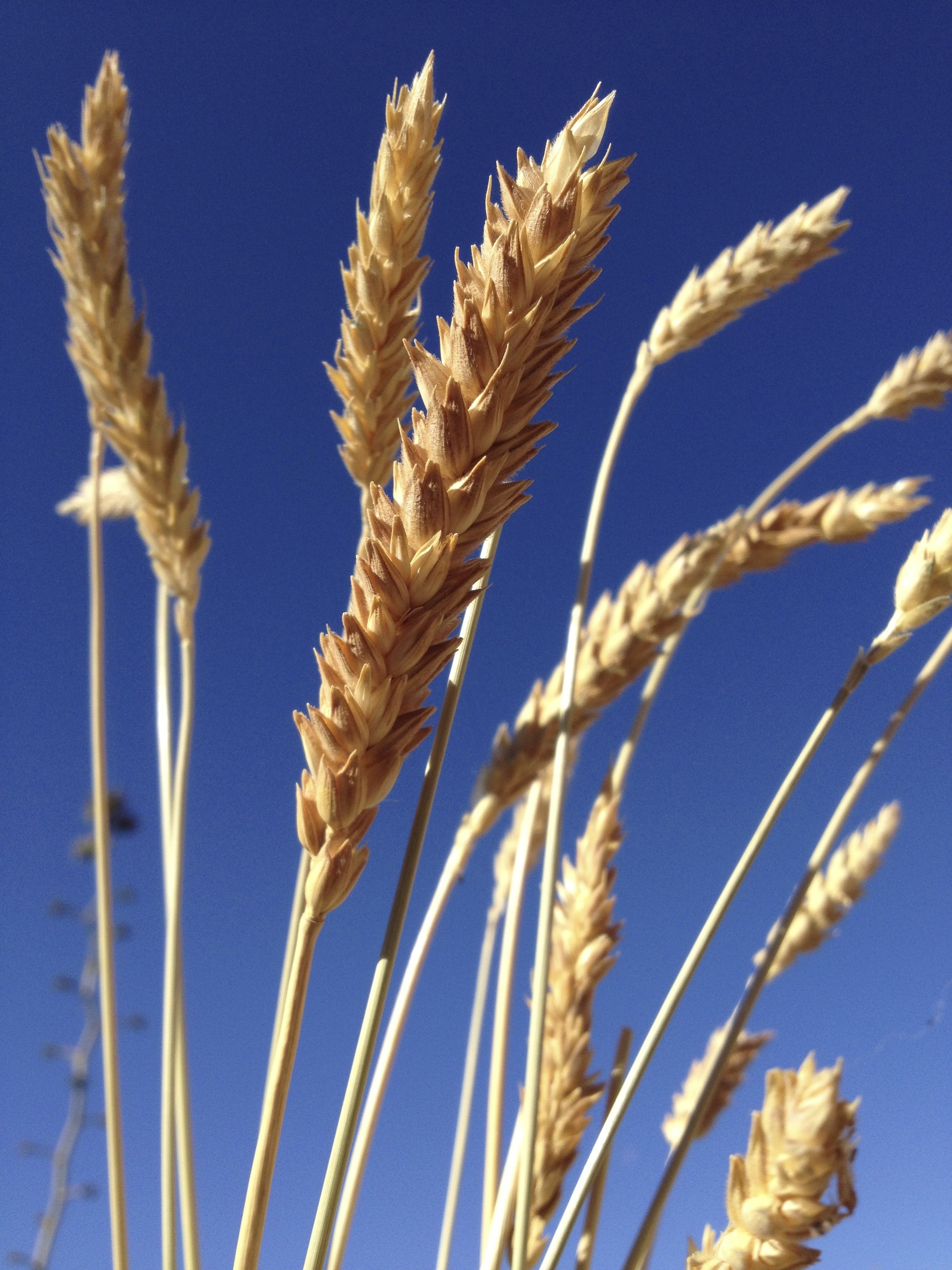
With White Sonora Wheat waving its ripening seed heads in May’s wind, it’s time again to celebrate our local agriculture–our ability to feed ourselves locally.  Yea!.. harvest time now for our winter gardens’  bounty as it dries…
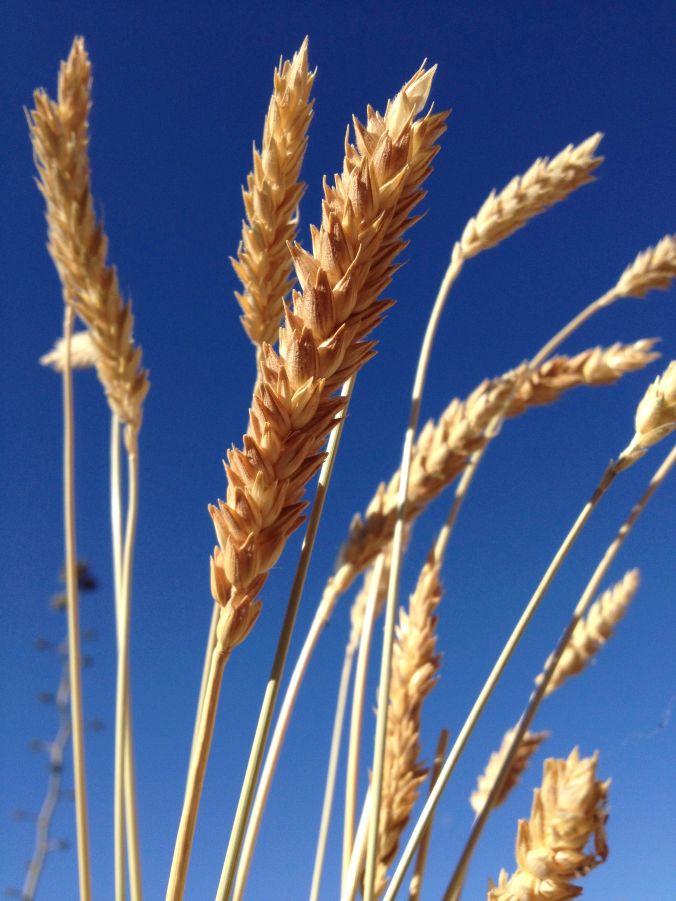
Ripened seed heads of organic heirloom White Sonora Wheat from BKWFarms in Marana (MABurgess photo)

Ripened seed heads of organic heirloom White Sonora Wheat from BKWFarms in Marana (MABurgess photo)

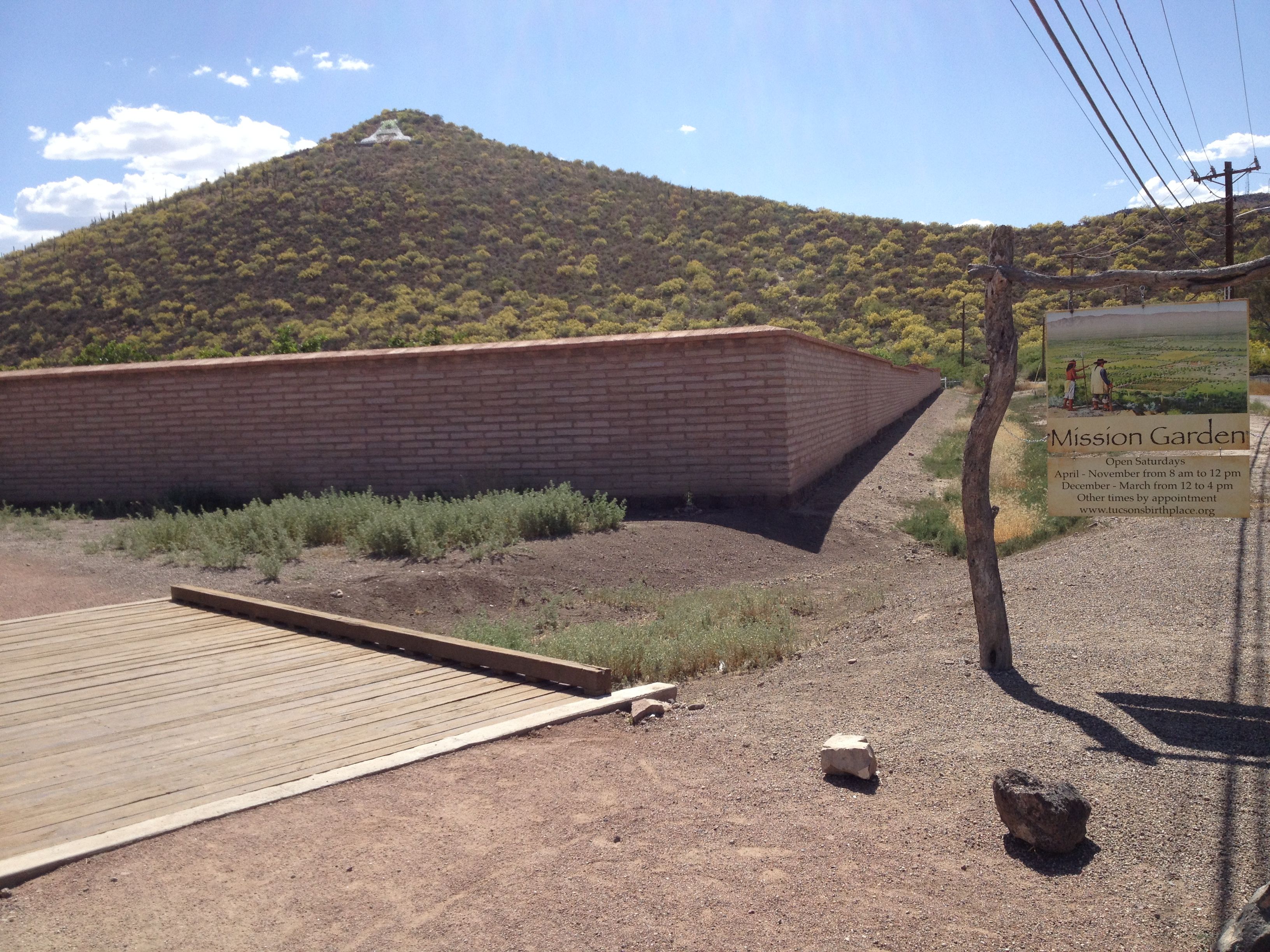
Tia Marta here inviting you to return to the hallowed soil of Schuk-shon–Tucson’s Birthplace “Black Spring”–at the foot of “A” Mountain, in the new Mission Garden, to the very site of the original garden supporting Mission San Augustin de Schuk-shon.  The Feast of San Ysidro Labrador is approaching.

May 15 is the traditional Dia de San Ysidro, Saint Isidor, patron saint of farmers and gardeners.

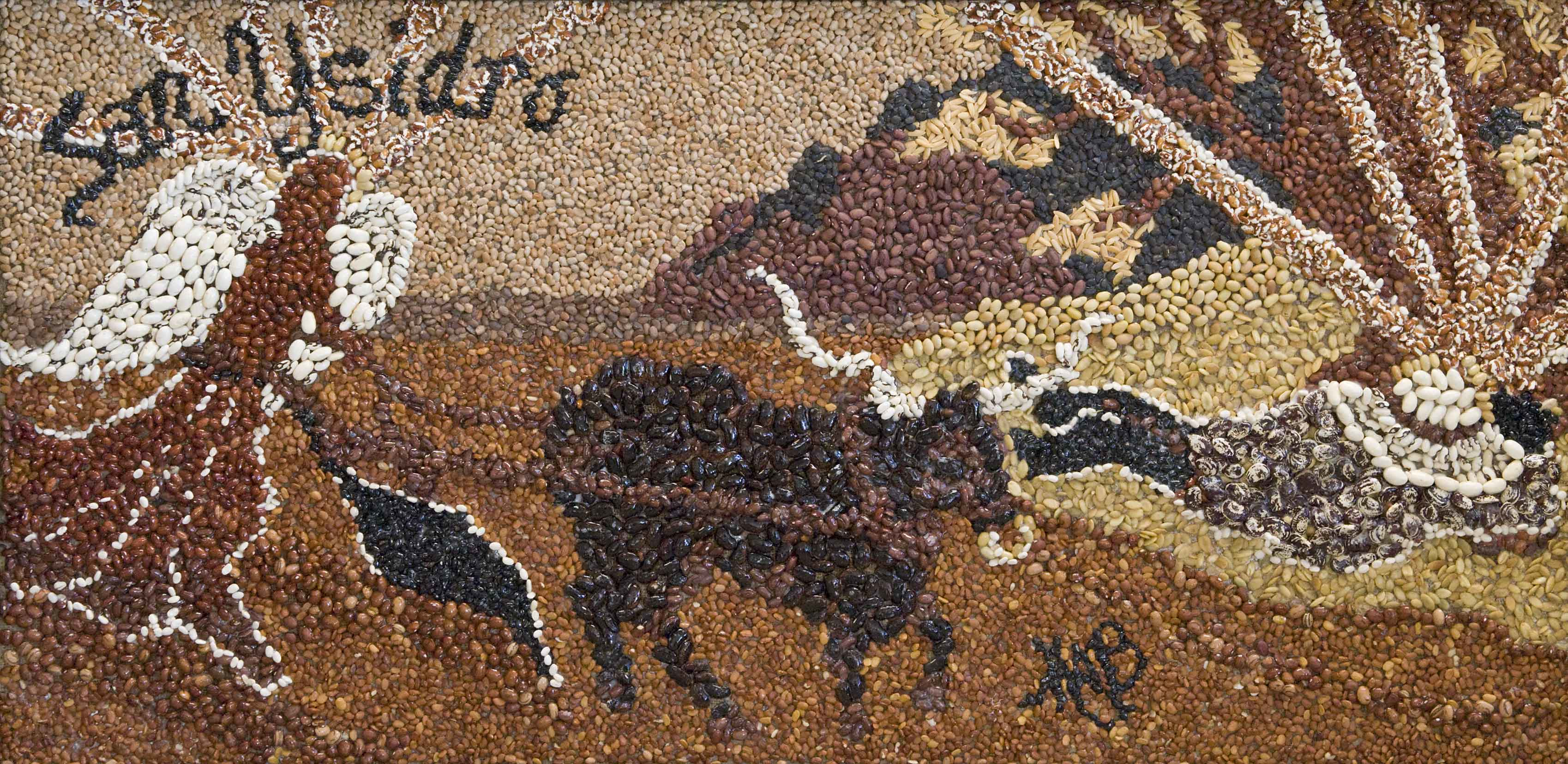
According to legend, San Ysidro Labrador was so hard-working and generous with his produce to all in need—people or animals–that angels would plow next to him to triple his crop. In my artistic interpretation, San Ysidro lies exhausted under a tree from working his field while an angel guides his ox to finish his plowing.
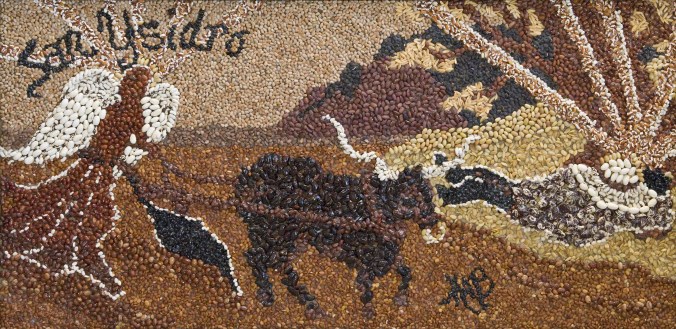
Heirloom bean mosaic of San Ysidro Labrador created by artist/ethnobotanist MABurgess

Heirloom bean mosaic of San Ysidro Labrador created by artist/ethnobotanist MABurgess

Here in my big-scale heirloom bean mosaic, the “medium is the message”–in part.   It was assembled using more than 21 colorful varieties of Southwestern heirloom beans and seeds, grown out from the Native Seeds/SEARCH Collection, in Tucson, Arizona.

The ancient seeds used to “paint” this image pay homage not only to San Ysidro but also to the generations of traditional farmers who have selected their seed and labored to grow the best for feeding family and community. Their seed-saving has provided us today with priceless heirlooms, fitting genes, and hope for a food-secure future.  (Notecards of my San Ysidro mosaic will be on sale at the fiesta as a fund-raiser for Mission Garden’s good work.)

This year, our San Ysidro fiesta will be celebrated on Saturday, May 16, within the adobe-walled orchard of living agricultural history, Tucson’s newest “museum park” sponsored by the non-profit Friends of Tucson’s Birthplace.  Planted in this living museum are representative crops that have fed the sequence of Tucson residents over the last 4100 years.  Seeds of these ancient crops were blessedly conserved by the caring staff and volunteers of NativeSeeds/SEARCH over the past 34 years.
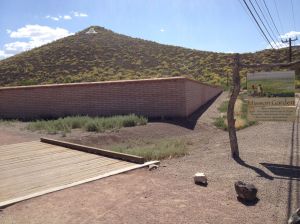
The new Mission Garden--living agricultural history

The new Mission Garden–living agricultural history
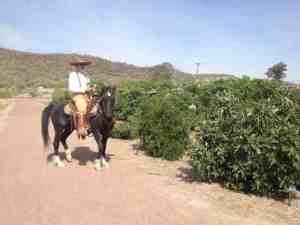
 

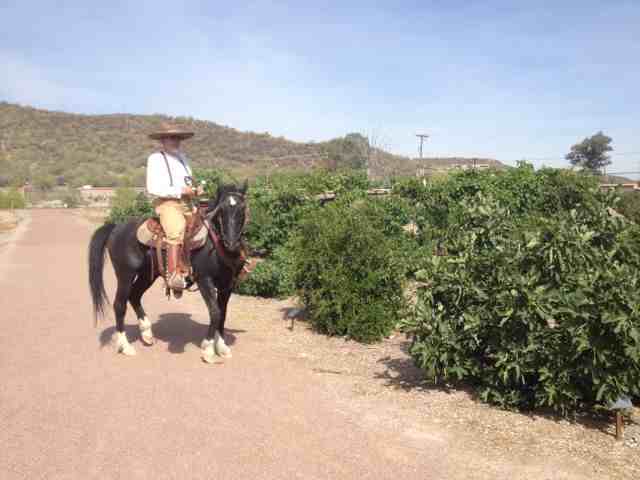
Vaquero in the Orchard of heirloom Mission Period fruit trees at San Ysidro Fiesta 2014 (MABurgess photo)

Vaquero in the Orchard of heirloom Mission Period fruit trees at San Ysidro Fiesta 2014 (MABurgess photo)


The Dia de San Ysidro celebration will officially begin at 9am with a procession from the future Tucson Origins Heritage Park next to the Santa Cruz “river” channel to Mission Garden’s east gate at 929 West Mission Lane, just east of  Grande (Mission Road.)  Festivities will include music by Mariachi Las Aguilitas from Davis Elementary, Alabanza with Bobby Benton, a presentation by historian/author Dr. Tom Sheridan, Native American four-direction prayers and blessing of the fields, food, and animals, and the Tohono O’odham Desert Indian Dancers from San Xavier.  Designs for the new cultural theme gardens (Chinese, Mexican, Afro-American, and Medicinal) will be unveiled.

Activities will culminate with a tasting of Pozole de Trigo, the traditional Sonoran stew for the feast-day prepared by talented volunteer cooks from Tucson’s Hispanic community.  For a fabulous recipe to try in your own kitchen, check out Bill Steen’s article for Sonoran Wheat Posole in Edible Baja Arizona–here’s the link to directions with his mouth-watering photos:

http://www.ediblebajaarizona.com/a-personal-posole

Or, for an even more local recipe, try this Akimel O’odham (Pima) recipe for Heirloom Wheat Posole with Tepary Beans:
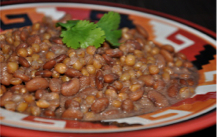
Pima Posole Stew with Tepary Beans and White Sonora Wheat, served at Heard Museum

Pima Posole with Tepary Beans and White Sonora Wheat, served at Heard Museum

The combination of high protein Native Teparies and delicious low-gluten Heirloom Wheat Berries makes this a rich and nutritious stew.


Heirloom Wheat Posole with Tepary Beans—Pilt’kan ch Ba’bawi Posh’oldt

Ingredients:

2 cups dry tepary beans *

Water to more than cover the beans for initial soaking and cooking

1 large marrow bone (or beef broth as substitute for ½ the water when simmering, omit for vegetarian)

2 cups dry whole wheat berries (wheat kernels) **

3-4 cups drinking water or stock

Sea salt to taste (1-2 Tbsp.)

Black pepper or native chiltepine peppers***, to taste

Directions:

Carefully sort dry beans to remove stones. Wash, rinse, and cover with good water to soak overnight. Drain when plumped and ready to cook.

In big cooking pot, put beans, marrow bone, and drinking water to cover. Bring to a boil then simmer for 2+ hours.

Separately, rinse wheat berries and drain. Add wheat berries and salt to the cooking teparies. Add more water and/or stock. Bring to boil, then simmer an additional 1 ½ hours or until wheat berries are round and tender, and teparies are tender(not chewy).

Reserve excess water for later soup stock. Remove bone.  For serving, posole should be moist with broth. Add black pepper and sea salt to taste. If picante bite is desired, add one or two crushed chiltepine peppers.

Enjoy this traditional taste of the desert! ***********Here’s where to find these traditional ingredients (being grown anew in their home turf):

*Native tepary beans are available at www.nativeseeds.org or at www.ramonafarms.com .

** Organic White Sonora Wheatberries are available at Flor de Mayo tent at Sunday St Philips Farmers Market, Tucson, or at the NativeSeeds/SEARCH Store, 3061 N Campbell Ave, Tucson.

***whole wild-harvested chiltepine peppers are available at Flor de Mayo tent, Sunday St Philips Farmers Market, Tucson, or at the NativeSeeds/SEARCH Store, Tucson.

*****************************************************************************************
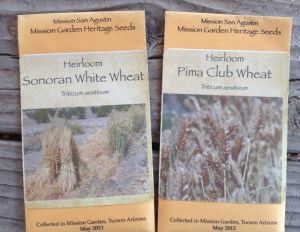
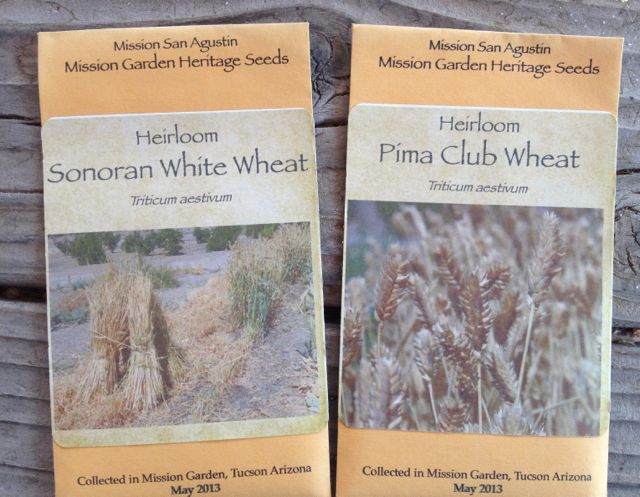
Seed packets of heirloom wheat varieties grown at Mission Garden

Seed packets of heirloom wheat varieties grown at Mission Garden, for sale to plant in your own winter garden.
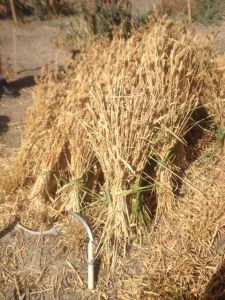
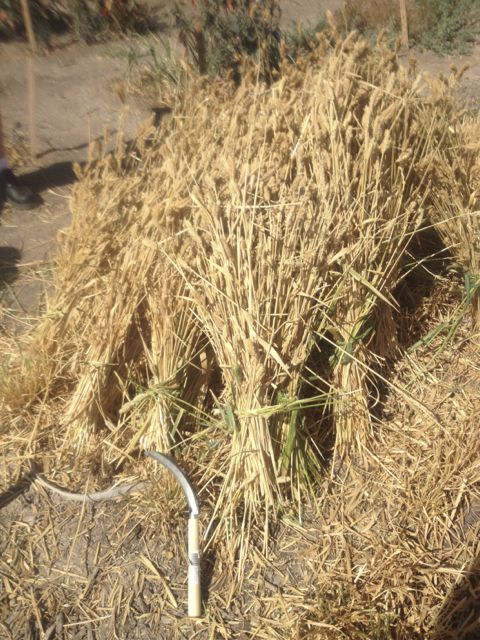
Sheaves of heirloom White Sonora Wheat hand-harvested at Mission Garden

Sheaves of heirloom White Sonora Wheat hand-harvested at Mission Garden

Because Dia de San Ysidro especially heralds the wheat harvest, the staple grain introduced by Padre Eusebio Kino and other missionaries over 300 years ago to the Native Tohono O’odham community living here, this year’s festivities will include a ceremonial wheat harvest, guided by expert plantsman and Desert Museum staff person Jesus Garcia, to take place around 8am, Saturday, May 16, before the procession.

Support organizations, such as NativeSeeds/SEARCH, San Xavier Coop Association, BKWFarmsInc, and Tucson Herbalist Collective will have booths with demonstration items, tastes of native foods, solar cooked White Sonoran Wheat berries, traditional food products packaged for sale, and resource people to talk with about desert gardening for real food.
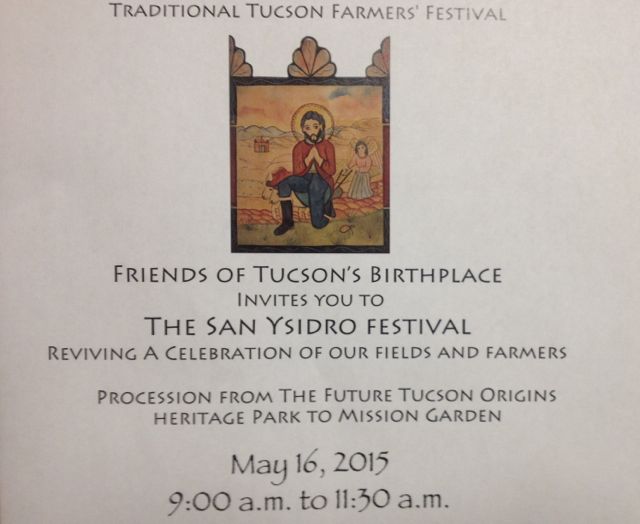
Invitation to the 2015 San Ysidro Fiesta

Invitation to the 2015 San Ysidro Fiesta

The event is free with a donation requested.   Find out more details of the San Ysidro Festival at  www.tucsonsbirthplace.org.   Hope to see you there!

[For more great recipes and stories about White Sonora Wheat, you can search with the box above using those key words, thru the last 2 years of this blog.]
Ancient Dance: Genes, Nutrition, and Sweet Pure Food.

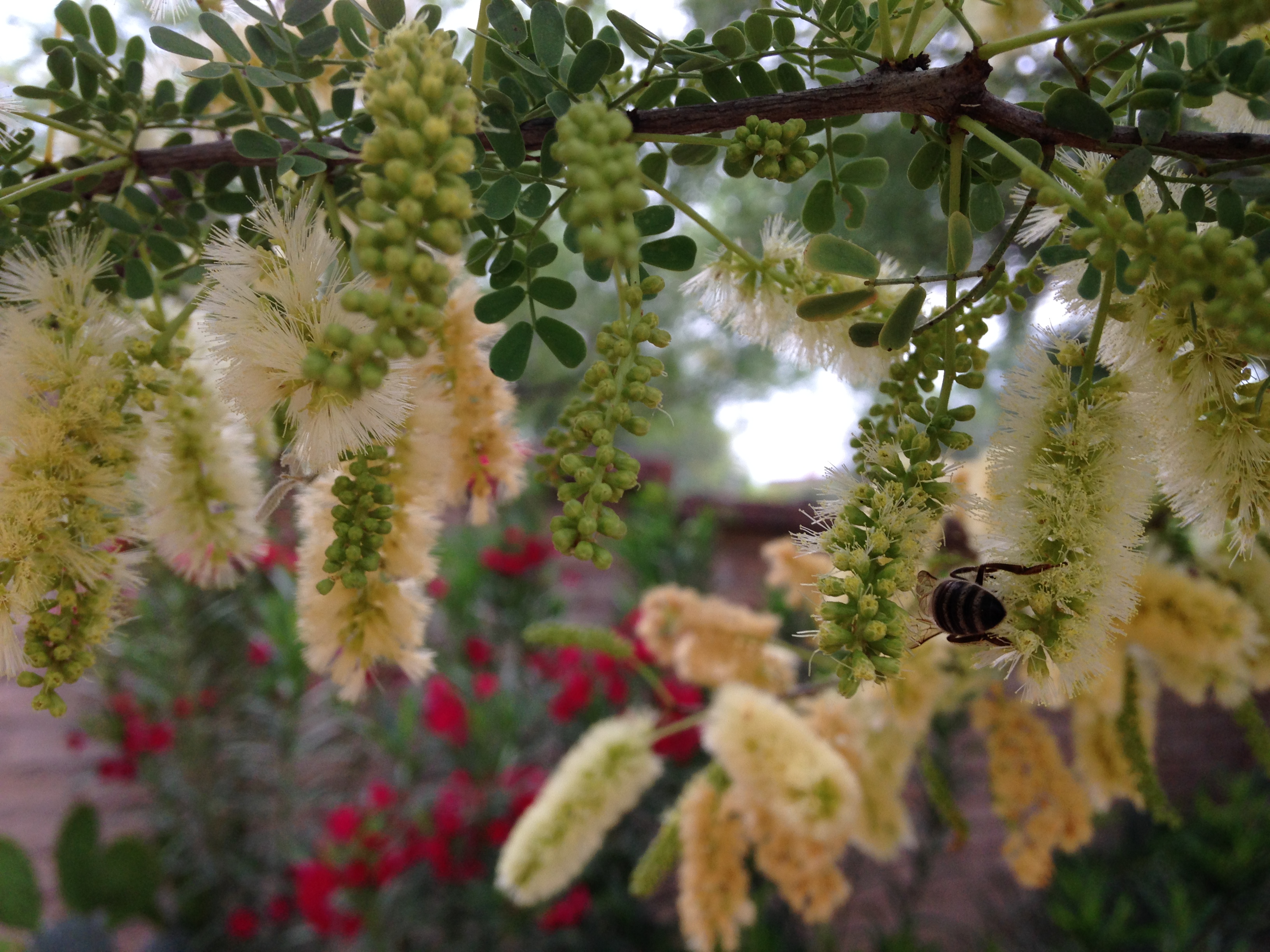
IMG_5582 Aunt Linda here on a hot afternoon this last day of April, in the Old Pueblo. There is notable buzzing in the mesquite tree outside my door. It is a sound I wait for each spring.  For me, the best part of keeping bees is not the honey; though honey is remarkable. The best part is how they open wide my appreciation of the world around me.

If we were to hop a pollen grain and ride it back in time, all the way back to the Cretaceous Period, what would we find?  The first flowers on planet earth.  (Two hundred million years ago, there were plenty of plants on the planet, but no flowers.)

Michael Pollan in The Botany of Desire, describes how “flowers changed everything” when they emerged on the planet.  “Instead of relying on wind or water to move genes around, a plant could enlist the help of an animal by striking a grand coevolutionary compact: nutrition in exchange for transportation.” (p108).

This coevolutionary compact has been so successful that we see it very much in action in our own yards and neighborhoods even as I write.Below are a few photos of this ancient dance thriving in my own backyard – showing Apis Mellifera (honey bees) moving plant pollen around in exchange for nutrition.

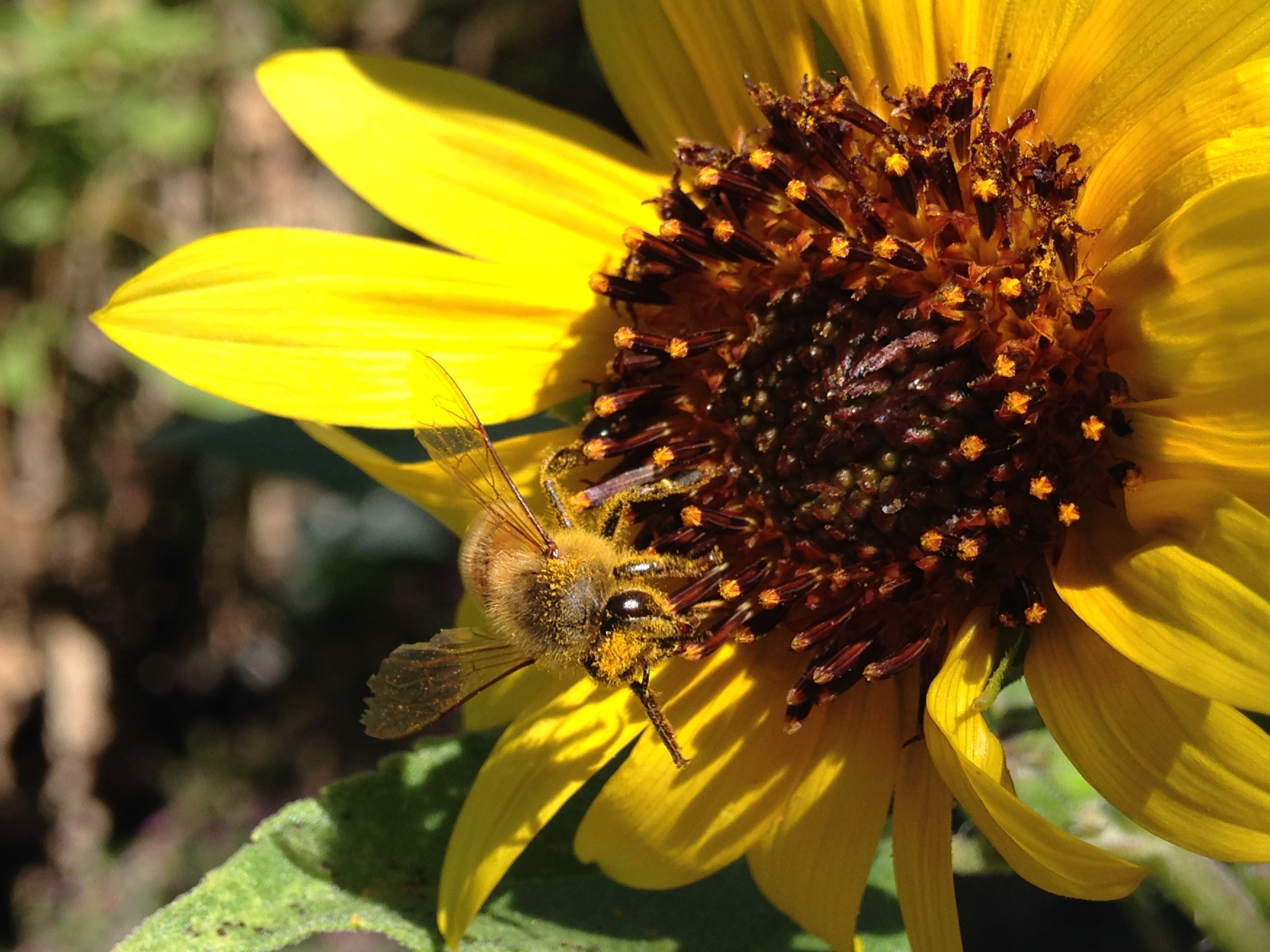
The female foraging bee is gather pollen (protein rich food). She rubs her fur on the anthers of flowers and then combs the pollen off her body with the special “pollen combs” located on her front and middle legs. (below)

IMG_7194

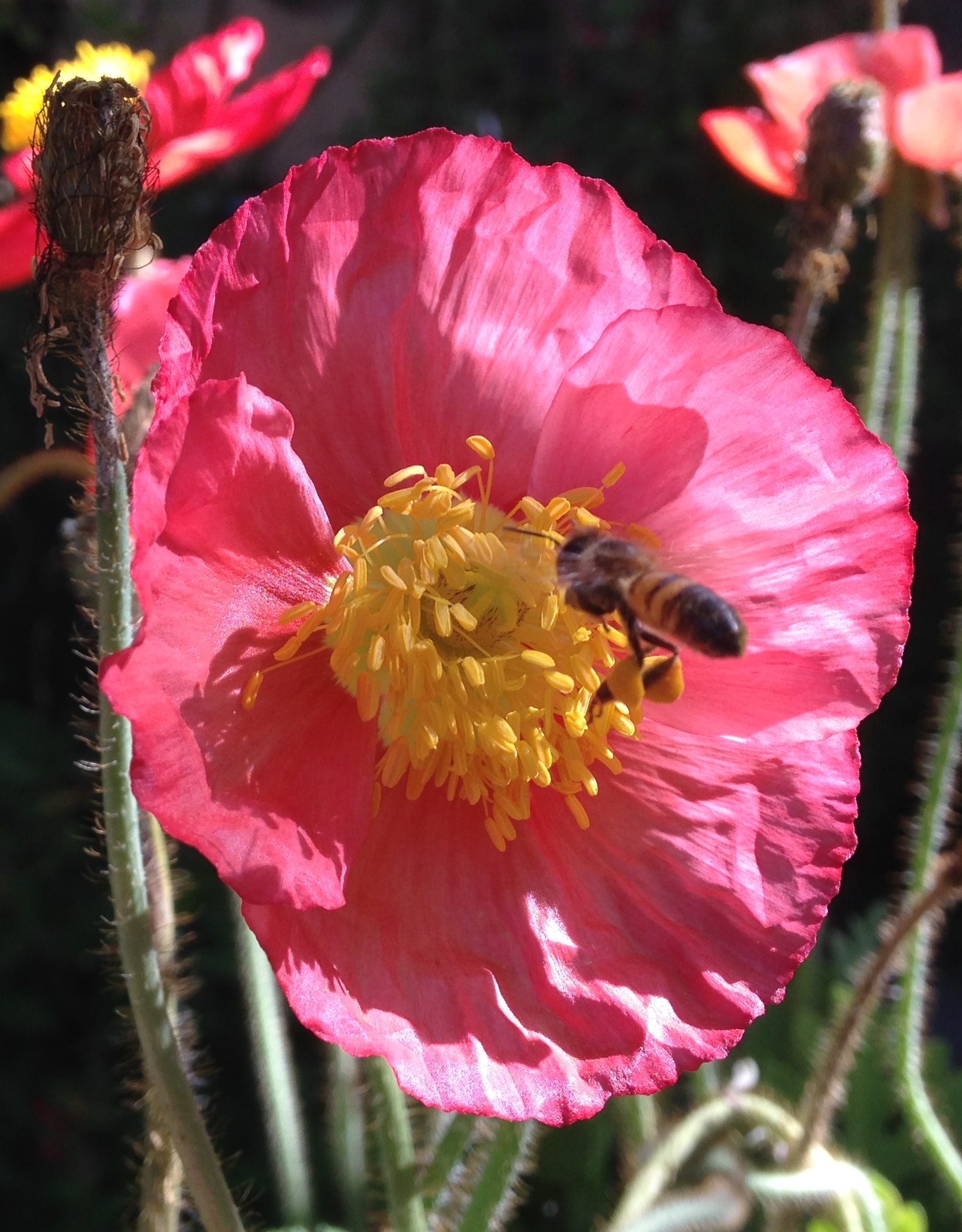
She packs the pollen into her pollen sacks (alot like “saddle bags”) on her back legs and carries it back to the hive. (below)IMG_5277

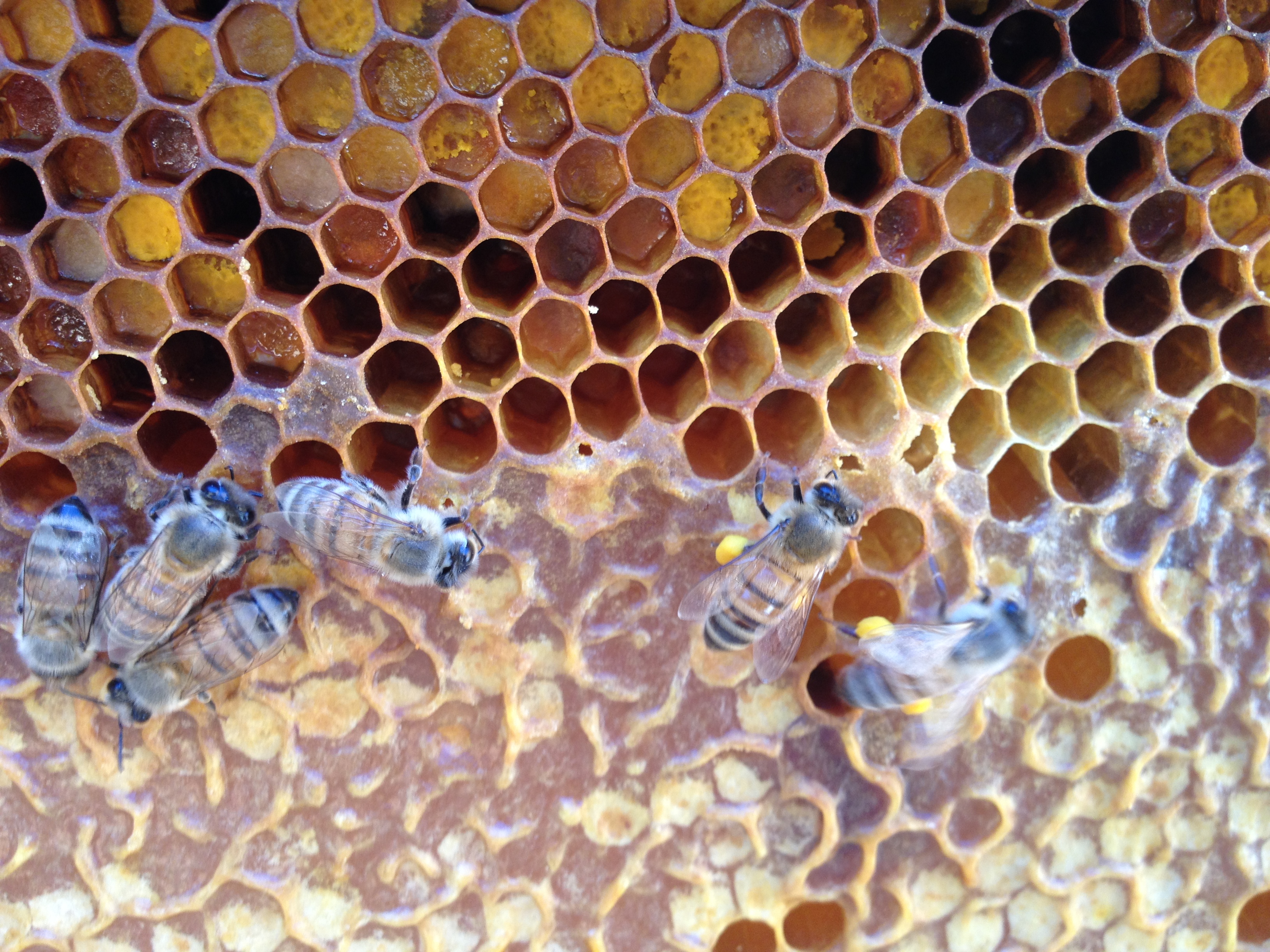
Once back in the hive she will store the pollen into cells near the brood nest; She does this by lowering her back legs into the cell and knocking off the pollen pellet into the cell; if you look closely you will see many colors of pollen and sometimes more than one type of pollen pellet in one cell. (below)  Bee Bread is a mixture of of nectar and pollen stored to be later fed to baby bees.

IMG_2744

Today’s Recipe is not a recipe at all, but an Invitation.

Seek out and taste fresh honeycomb.

Not just honey, but honey still in it’s wax comb.

If you do not have a beekeeper living near you, then look in a health food stores or farmers market.

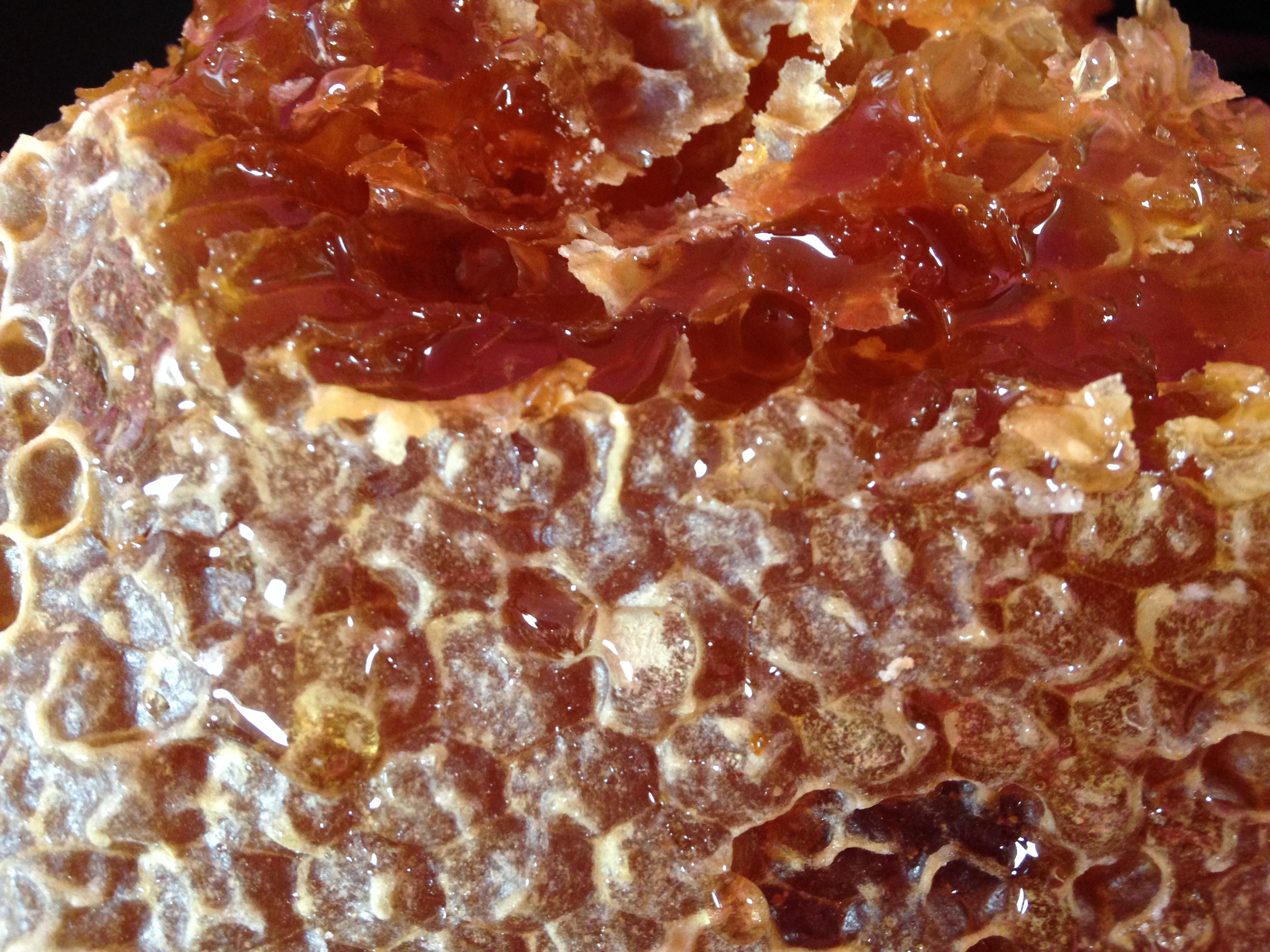
It is pure joy to hold and smell and taste honeycomb –  and to taste honey so pure that the last “hands” that touched the honey, were the bees’s  before they capped the cell.   See if you can taste the mesquite, the rosemary, the cactus flower, or whatever blooms near you, within the honey.

Below is honeycomb I harvested this morning.

IMG_5794

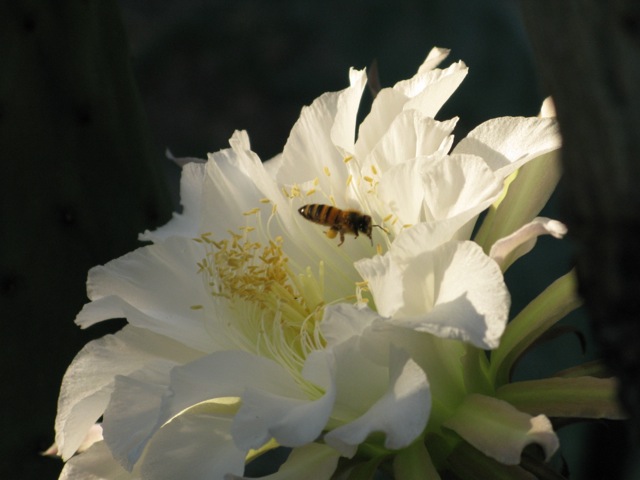
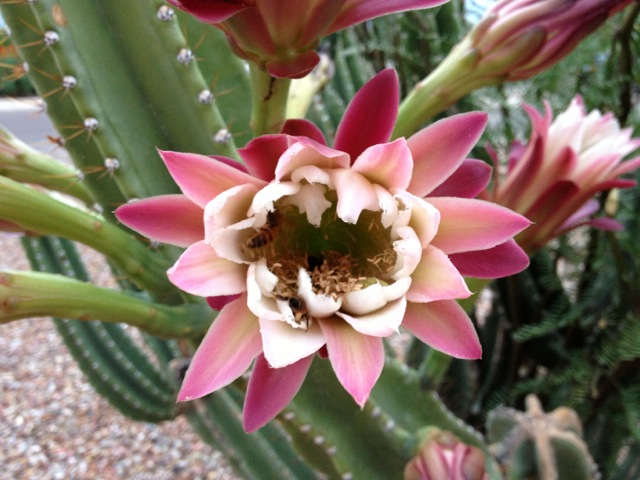
Cactus Flower and pollen being gathered; note the pollen sack on back leg (below)
IMG_0748More Cactus Flower pollinating going on (below)
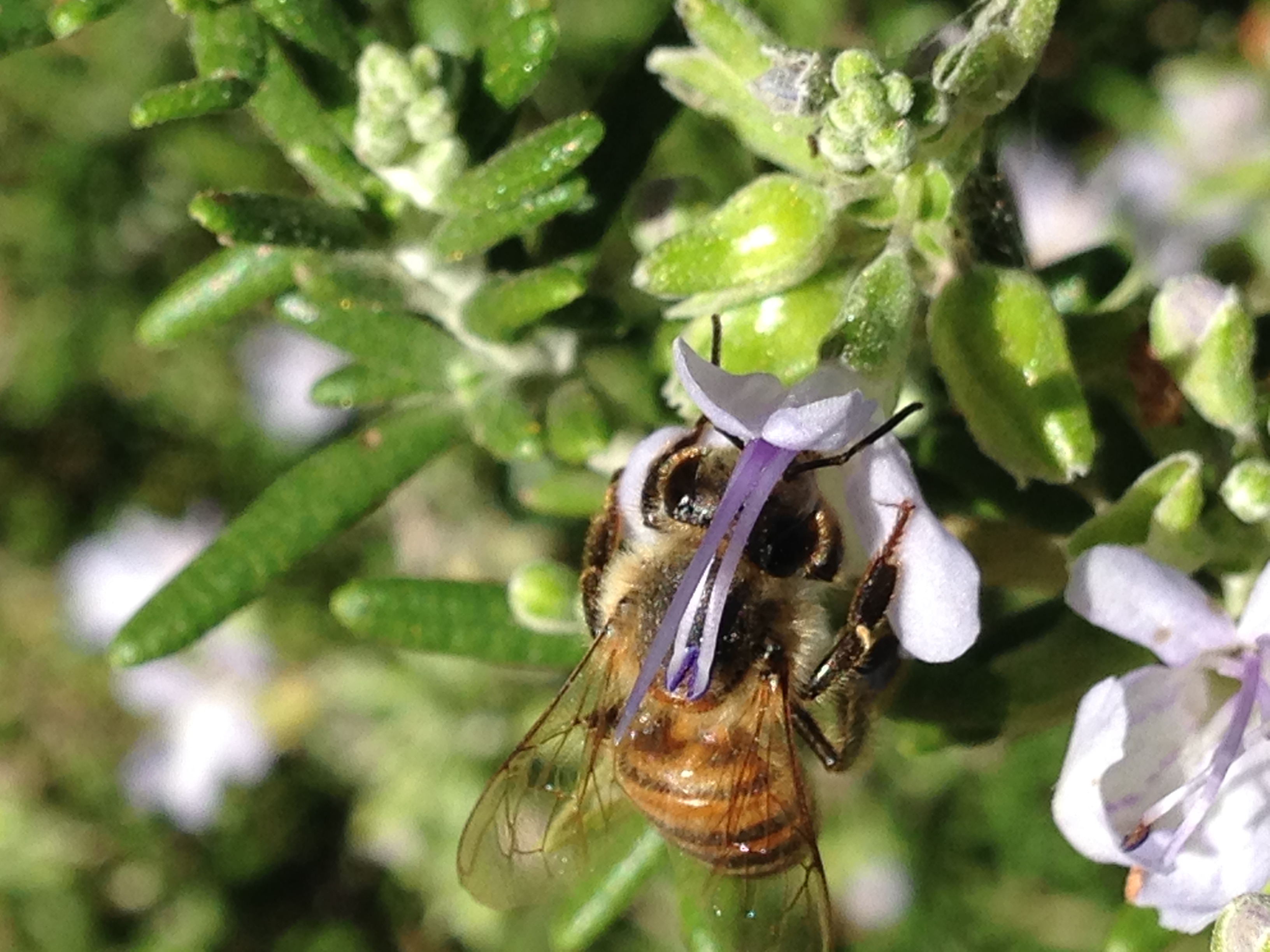
IMG_1293Rosemary flowers and foraging bee (below)

IMG_7803

Lizard Tail Plants

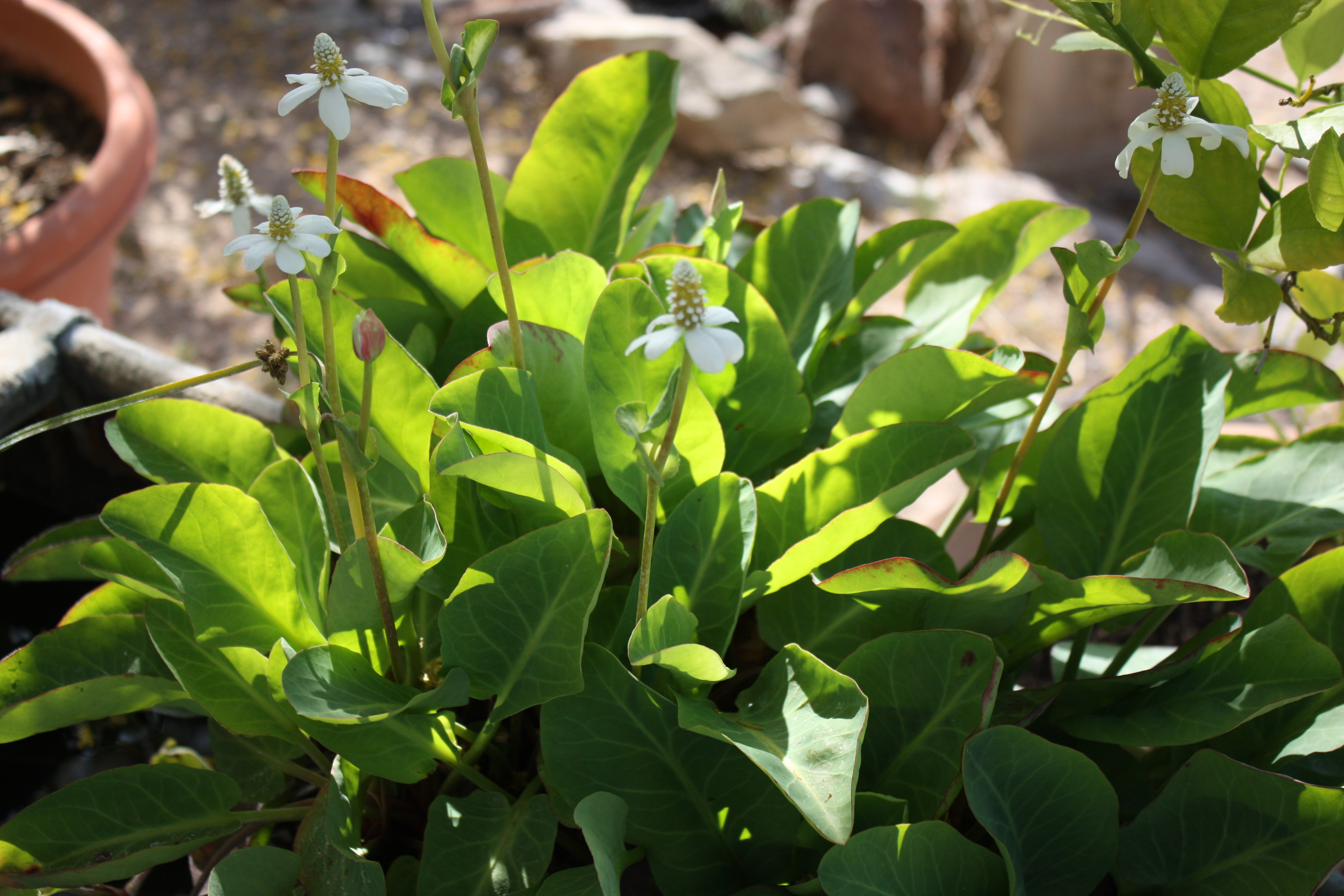
yerba mansaIMG_6196 (4)

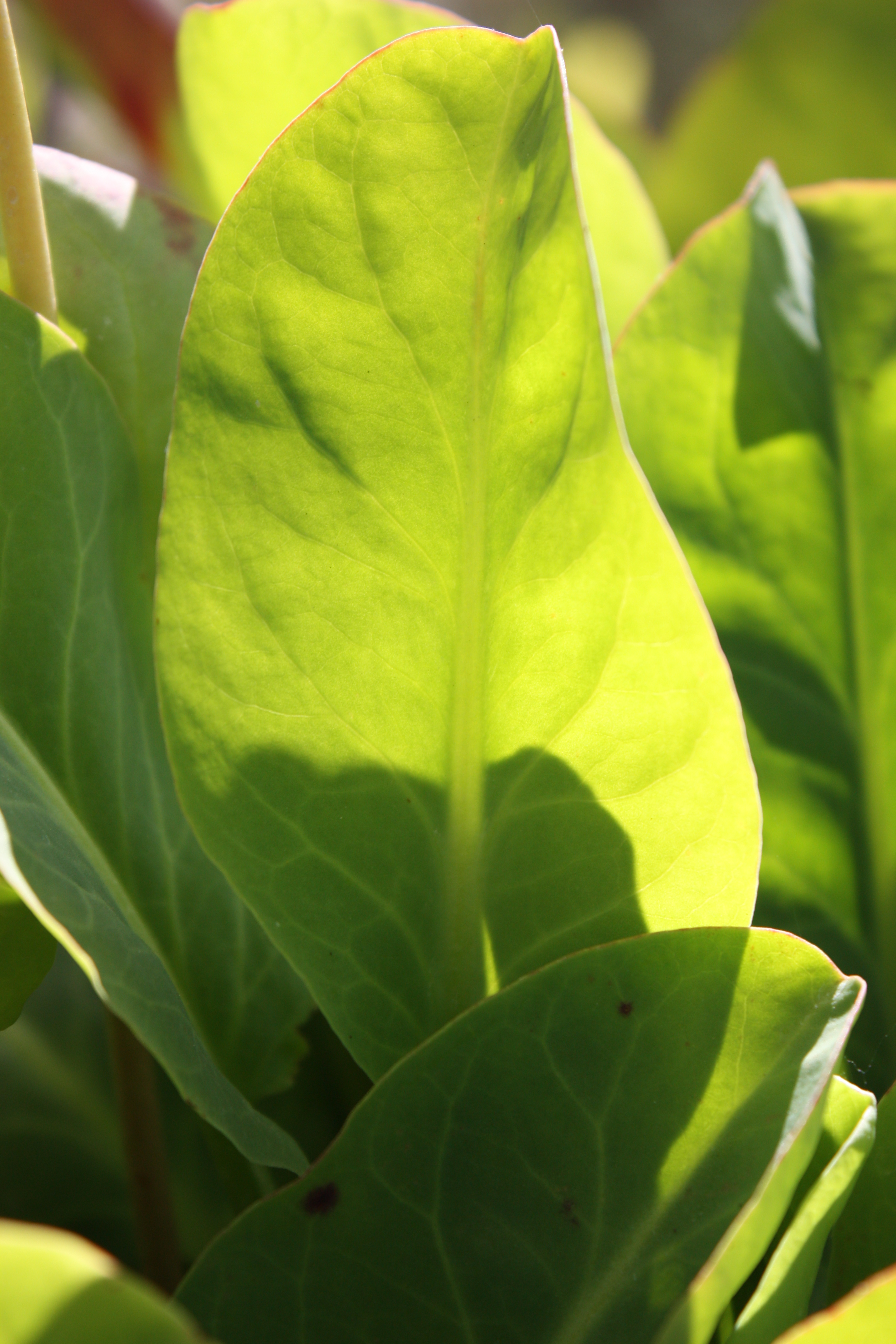
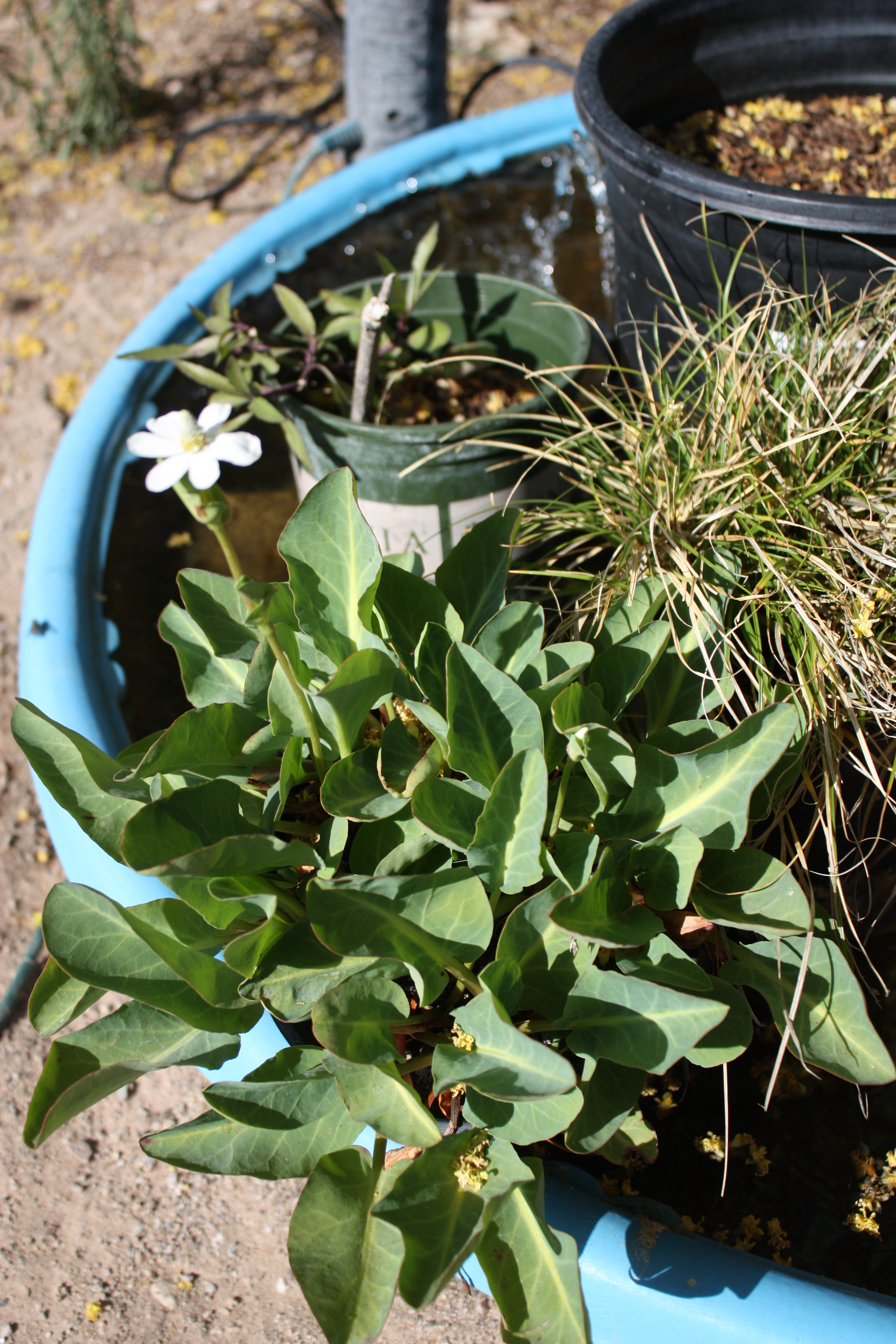
Yerba mansa is a member of a tiny plant family. Our Sonoran Desert has many such unique plants in it.

Jacqueline Soule here to tell you of a very unusual plant blooming in my garden right now – a member of the very unique Lizard Tail Family, the Saururaceae. This distinct plant family has only seven species in it, grouped into four genera. I am writing today about Anemopsis californica, also called yerba mansa.

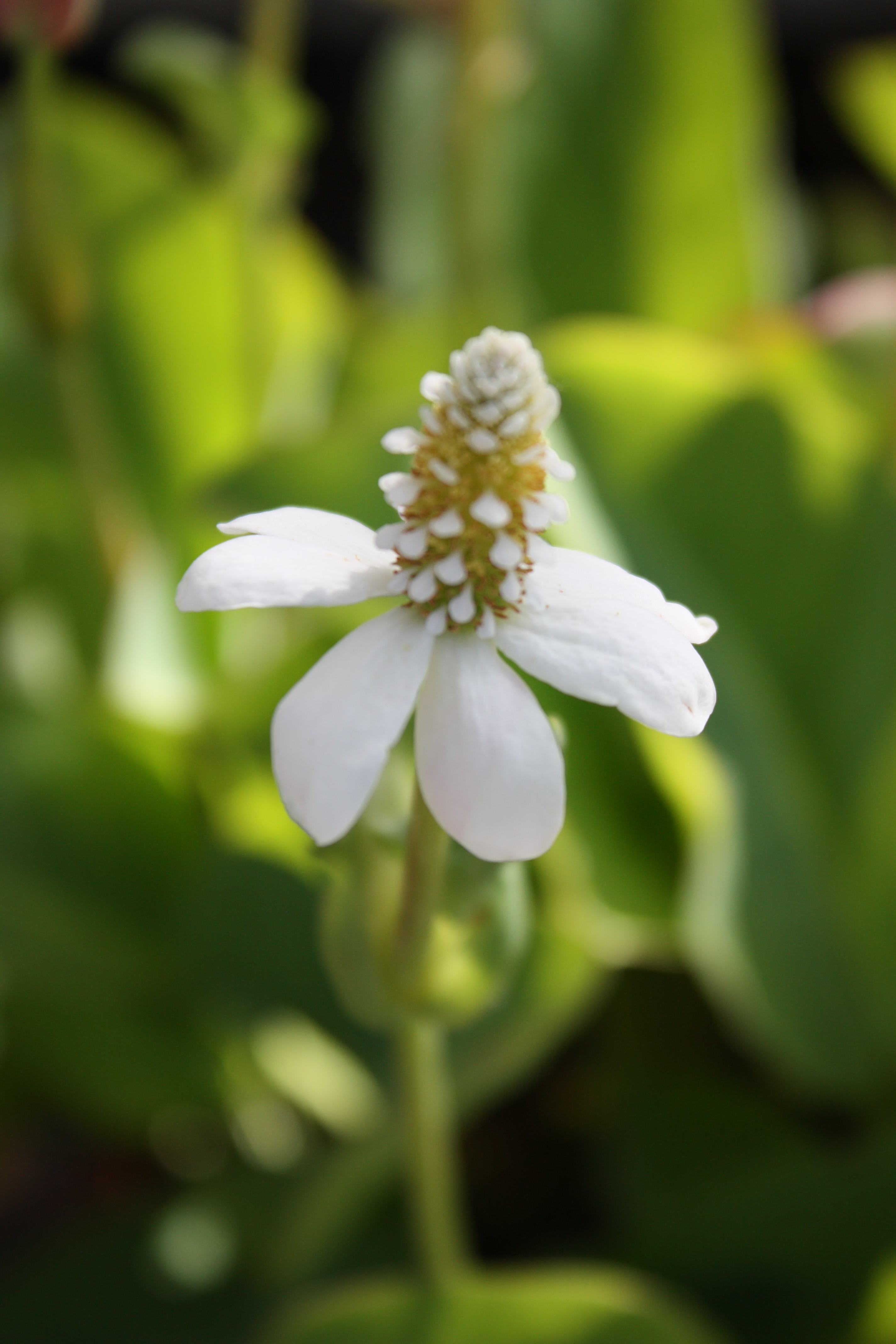
yerba mansaIMG_6196 (1)

What looks like a single flower is technically a cluster of tiny flowers.

Medicinal.

Yerba mansa is used as a medicinal herb, but it also makes a pretty pond plant. All parts of the plant have a distinct spicy fragrance, a blend of ginger, eucalyptus, a touch of juniper and a dash of pepper. The roots are especially fragrant, reminiscent of a cross between camphor and eucalyptus with a hint of pepper. One of the active compounds in yerba mansa is methyleugenol, an anti-spasmodic, similar in chemical structure to compounds found in other medicinal herbs.

yerba mansa IMG_6212 (8)

Even when they are newly emerged, the leaves bear a tracery of the red pigments they feature in fall.

Yerba mansa is versatile; it can be taken orally as a tea, tincture, infusion or dried in capsule form. It can be used externally for soaking inflamed or infected areas. It can be ground and used as a dusting powder. In New Mexico the leaves are used to make a poultice to relieve muscle swelling and inflammation. Spanish settlers in California used the plant as a liniment for skin troubles and as a tea for disorders of the blood.

Planting and Care.

While it is a pretty garden plant, yerba mansa would not appear in xeriscape books. It requires consistently moist soil and will not tolerate drying out between waterings. But by definition a xeriscape should include some oasis, and this is often a water garden.

yerba mansa IMG_6205 (3)

Yerba mansa features large leathery leaves when it gets ample water.

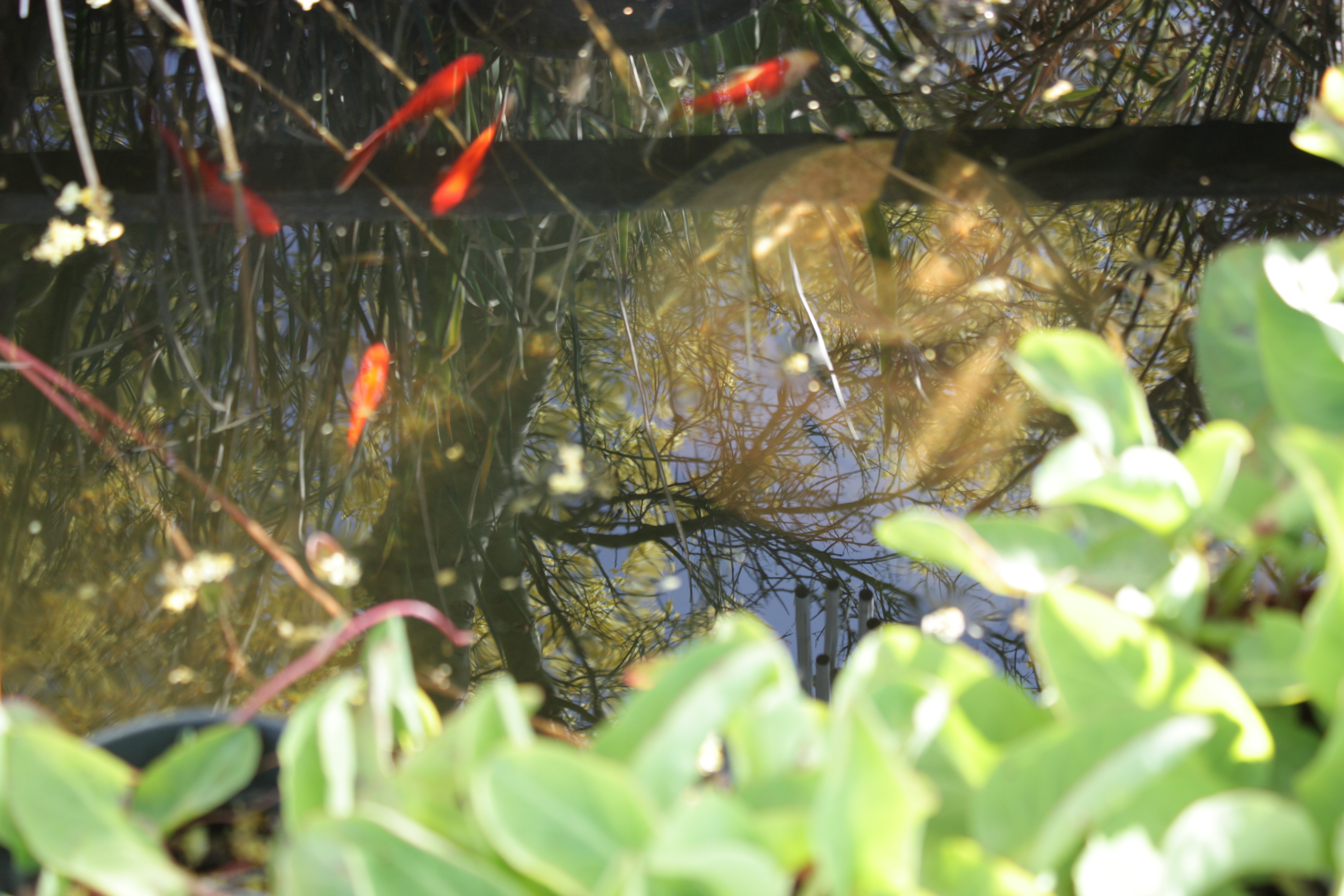
Yerba mansa is valuable in the water garden. Koi and other fish do not browse it like they do many other plants, thus it can readily spread and help clean the water. It also appears to help keep fish from getting bacterial infections such as Pseudomonas fluorescens (causing fin rot and fish dropsy) and fungal infections such as Saprolegnia.

yerba mansa IMG_6212 (19)

Great for the water garden, yerba mansa’s antibacterial properties can help keep your fish healthy.

Cooler autumn weather can bring blotches of maroon to the leaves and stems. If the temperatures are cool but not freezing, the entire plant may turn color. If the temperature falls below 20 F, the leaves die. Not to worry, the plant readily comes back from the roots. The plant is considered hardy to USDA Zone 5.

yerba mansa IMG_6212 (2)

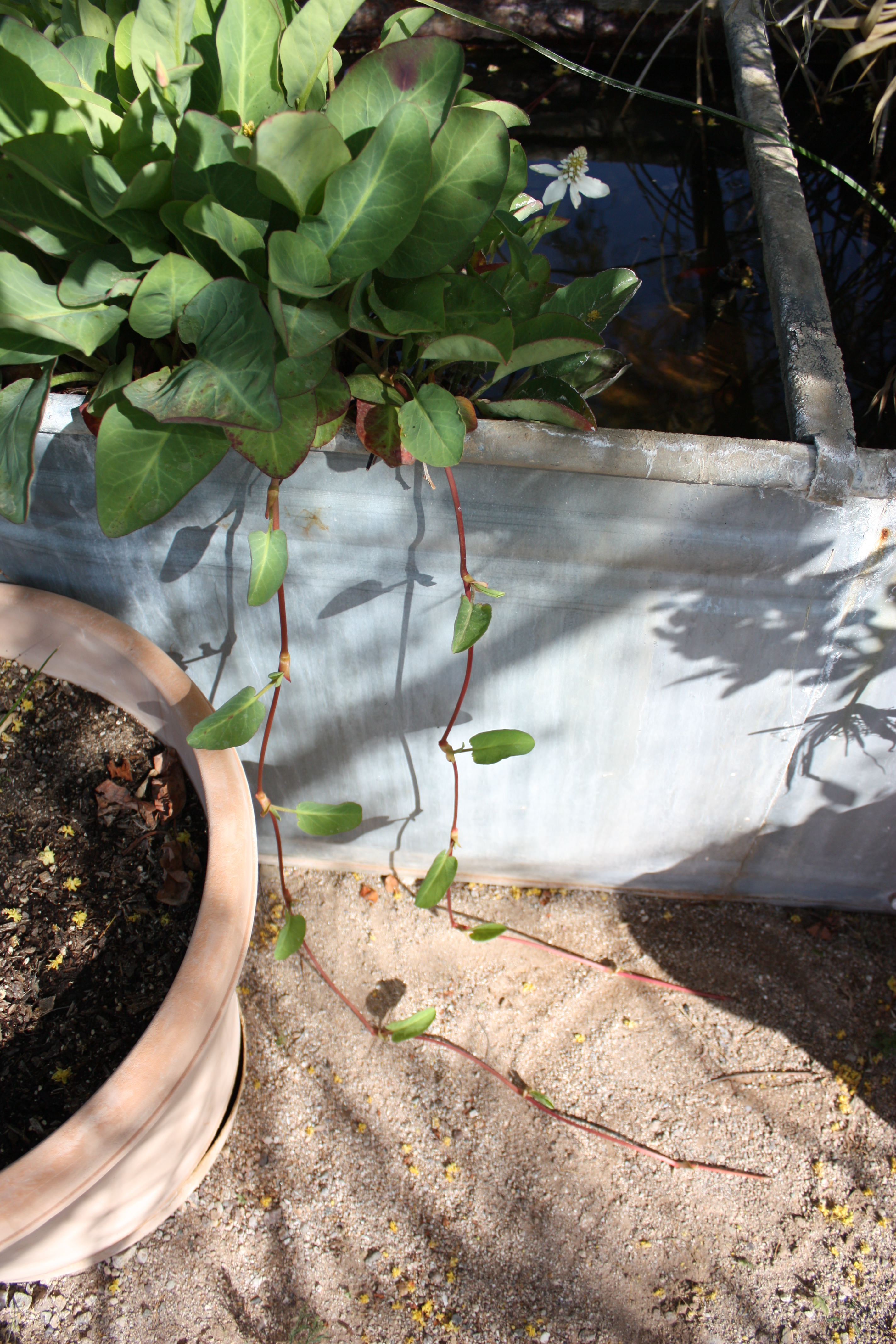
Yerba mansa will send out runners seeking to colonize new territory. It will not take root where there is not ample water – like in the desert outside the water garden!

In our area the plant is gaining popularity and can now be found in a number of nurseries that carry water garden plants.

Harvesting and Use.

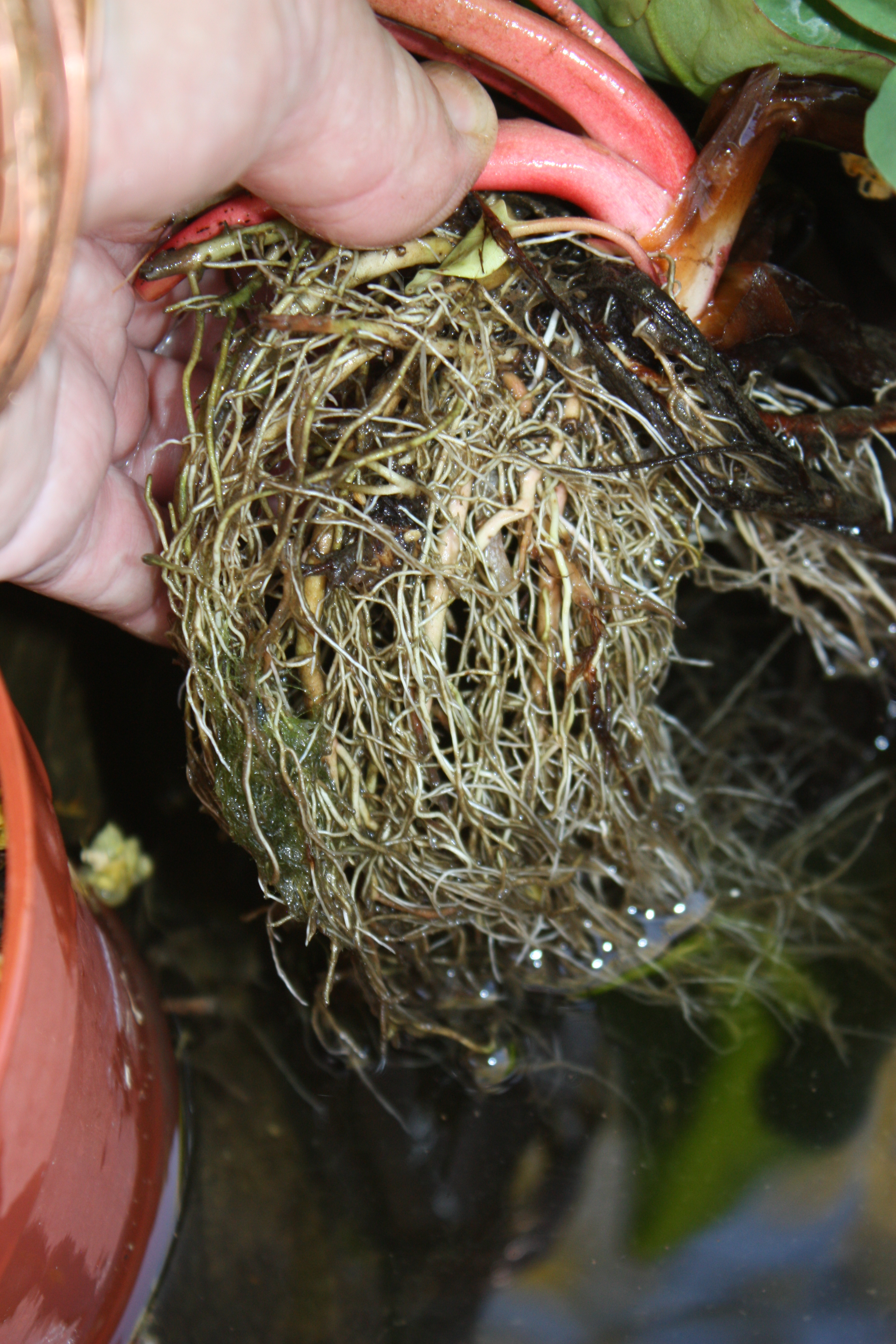
Roots for medicinal purposes should be collected in the fall preferably after the first freeze. After the first freeze the plant will begin to store the useful chemicals in its root system. Harvest the thick fleshy roots under the main part of the plant, not the thin roots on the runners.

yerba mansa IMG_6212 (5)

The smaller white roots are the ones harvested and dried for their medicinal properties.

Wash roots to remove clay and silt, then set them to wilt for several hours before cutting them into small pieces (roughly 1/4 inch square). Continue to dry the chopped roots until firm and dry.

About Jacqueline Soule
If you live in Southeastern Arizona, please come to one of my lectures. Look for me at your local Pima County Library branch, Steam Pump Ranch, Tubac Presidio and more. After each event I will be signing copies of my books, including the latest, “Southwest Fruit and Vegetable Gardening,” written for Arizona, Nevada and New Mexico (Cool Springs Press, $23).
All text and all photos (except where noted) are copyright © 2015 by Jacqueline A. Soule. All rights reserved. I receive many requests to reprint my work. My policy is that you may use a short excerpt but you must give proper credit to the author, and must include a link back to the original post on our site. Photos may not be used.
April Brings Nopales

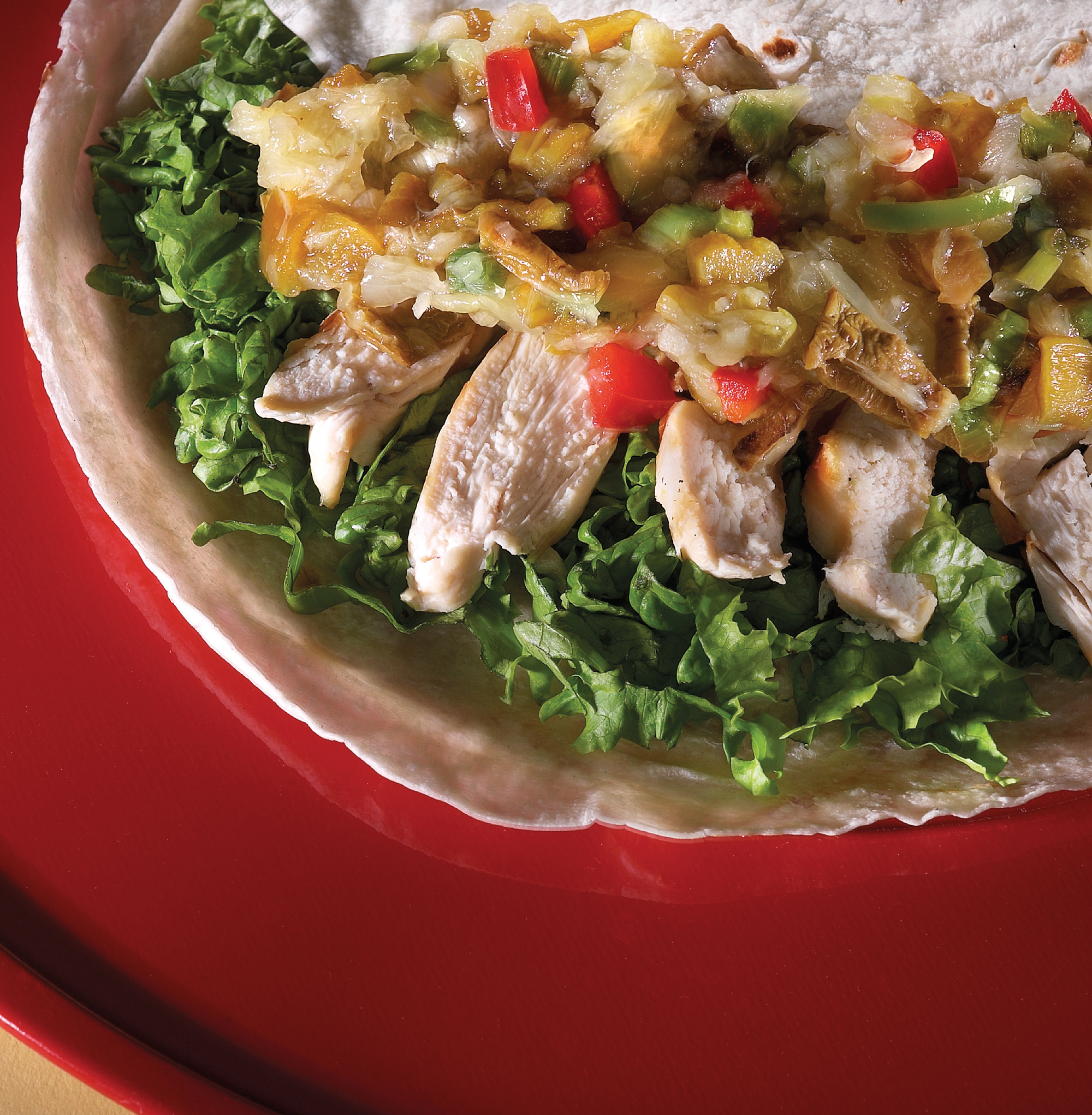
Grilled Chicken with Nopalito and Pineapple Salsa

Grilled Chicken with Nopalito and Pineapple Salsa (from The Prickly Pear Cookbook)

If it’s April, it’s time to gather nopales here on the Sonoran Desert. Carolyn here today tempting you to read further with this photo of a delicious salsa made with nopalitos. (Definition of nopalito: a nopal, or cactus pad, cut into little pieces).  At the bottom of the post, I’m going to give you the recipe and a video of how to turn a cactus pad into a yummy taco.

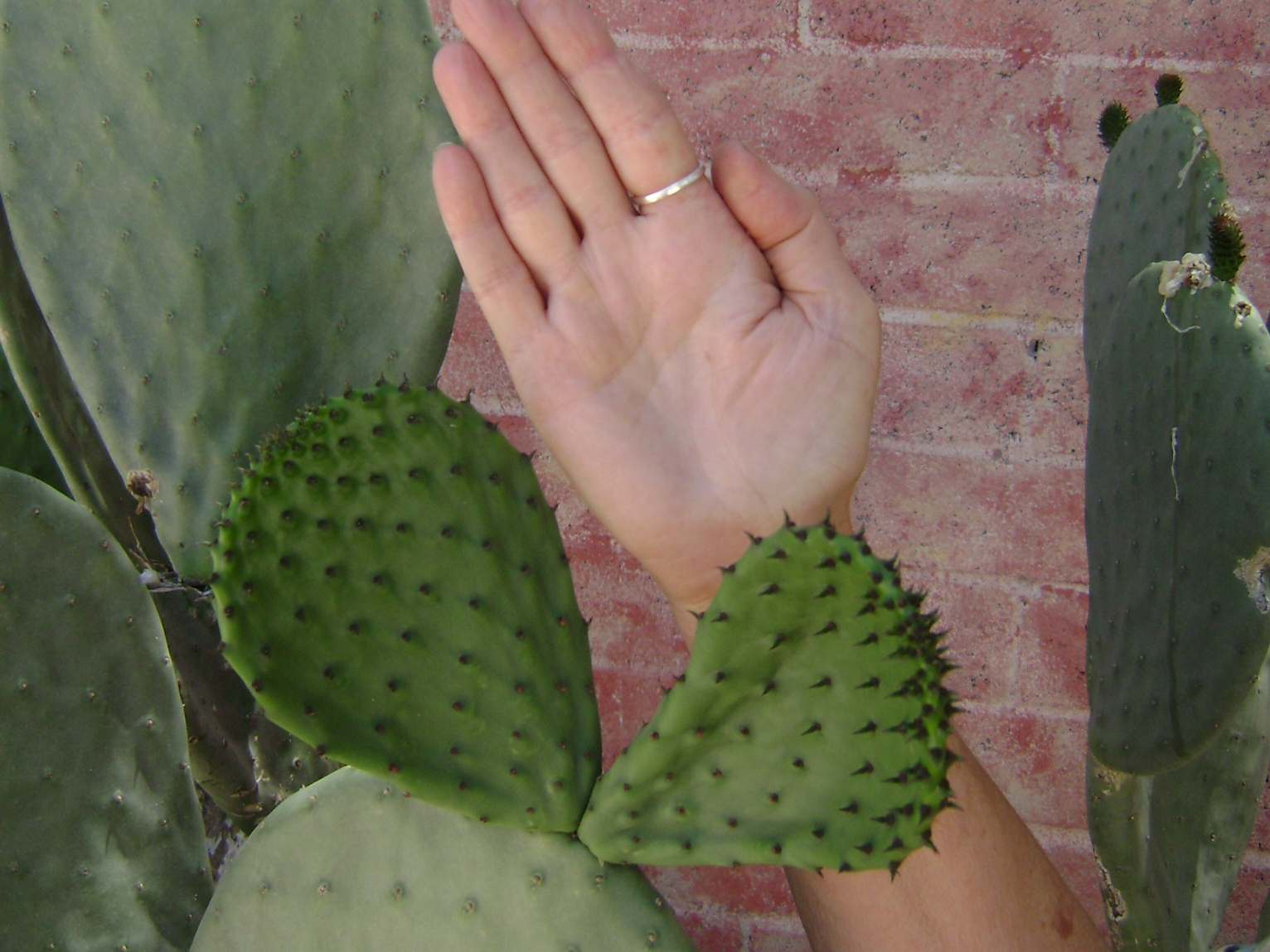
The many varieties of prickly pear put out their new growth when the spring warms up. All prickly pear pads are edible (meaning they not only won’t kill you but in this case are very nutritious), but they are only appropriate for food when they are new. After about six weeks, they develop a fibrous infrastructure. The easiest kind to prepare are the pads from the large Mexican variety of prickly pear that do not grow wild this far north. They are called Ficus indica or sometimes Burbank because Luther Burbank did some breeding work on them. The wild cactus pads are also delicious, but harder to prepare because of the abundance of spines.  You can do a rough estimate of when a pad is ready to pick if it is about the size of your hand. The nopales available in Mexican grocery stores are grown by farmers who know how to manipulate the plant to keep fresh pads coming year ’round.

Pick nopales in the spring when the size of your hand.

Pick nopales in the spring when the size of your hand.

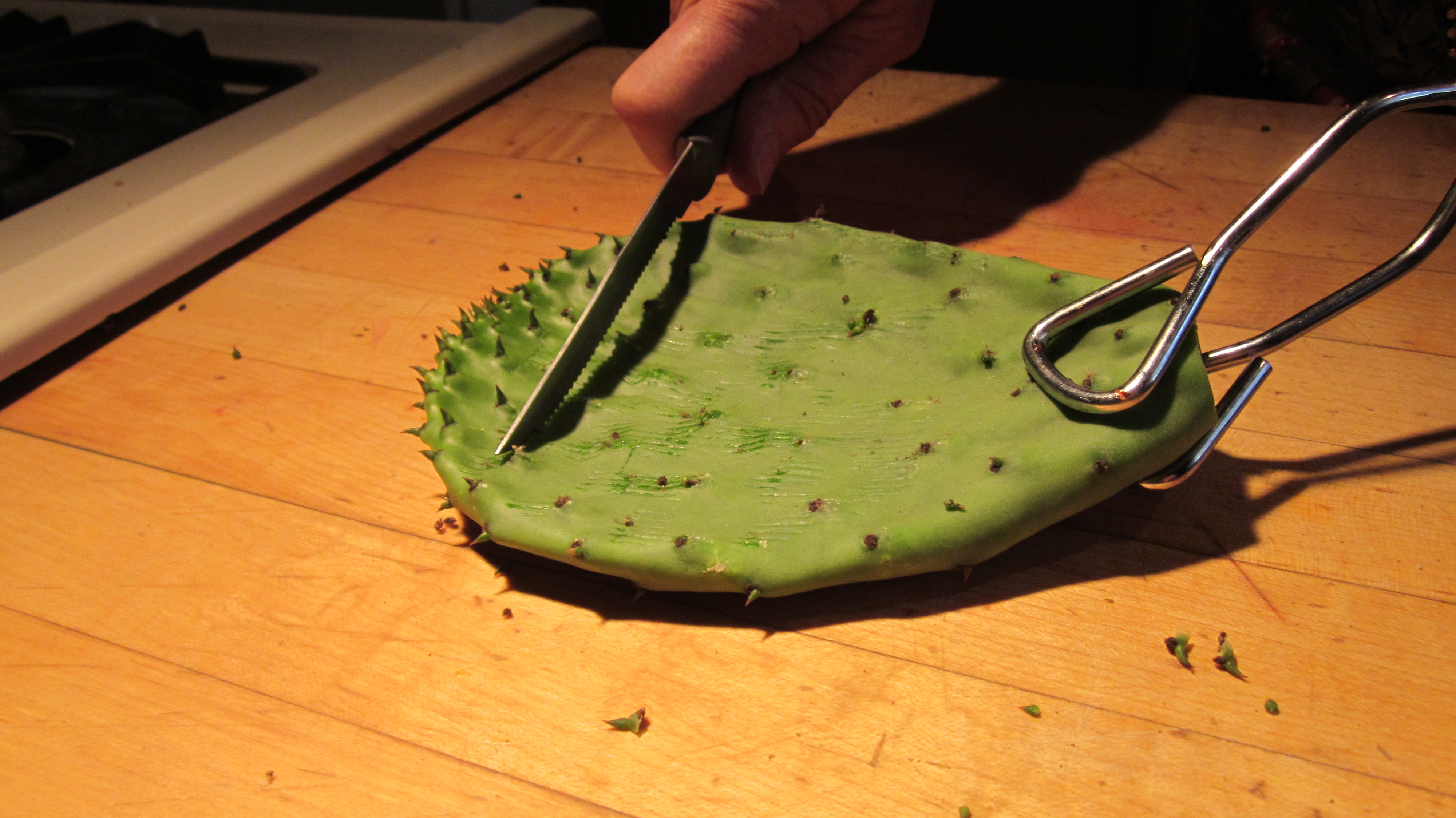
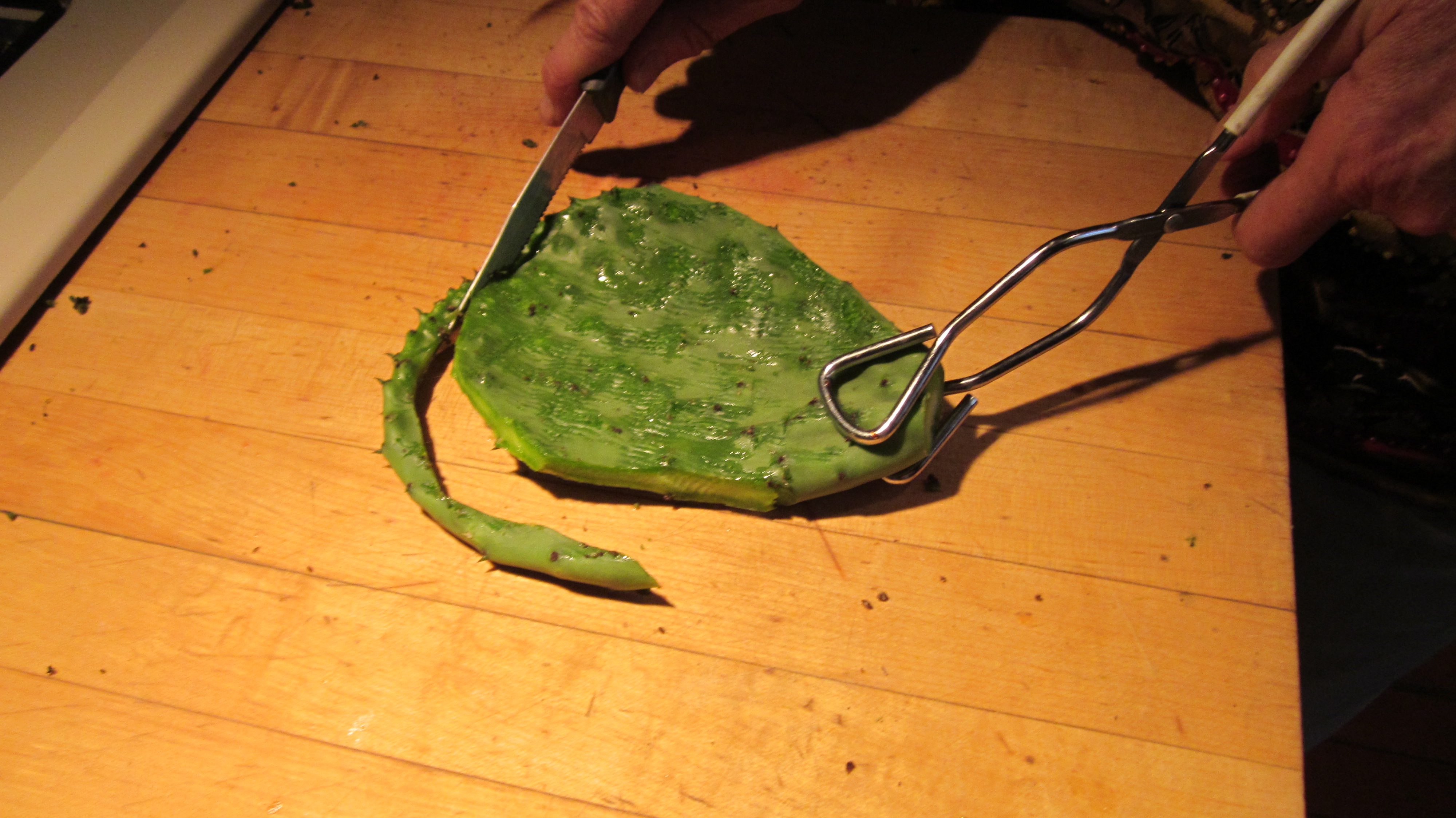
To prepare the nopales, you’ll use  tongs, of course, and then don rubber kitchen gloves to protect your hands as you get rid of the stickers. You don’t need industrial strength gloves, just good quality ones from the grocery store will do. Using a common steak knife, scrape vigorously against the growth (from outer edge to stem) to remove the stickers.

Scrape the thorns vigorously in the direction of the stem.

Scrape the thorns vigorously in the direction of the stem.

The edge has lots of stickers so just trim it off.

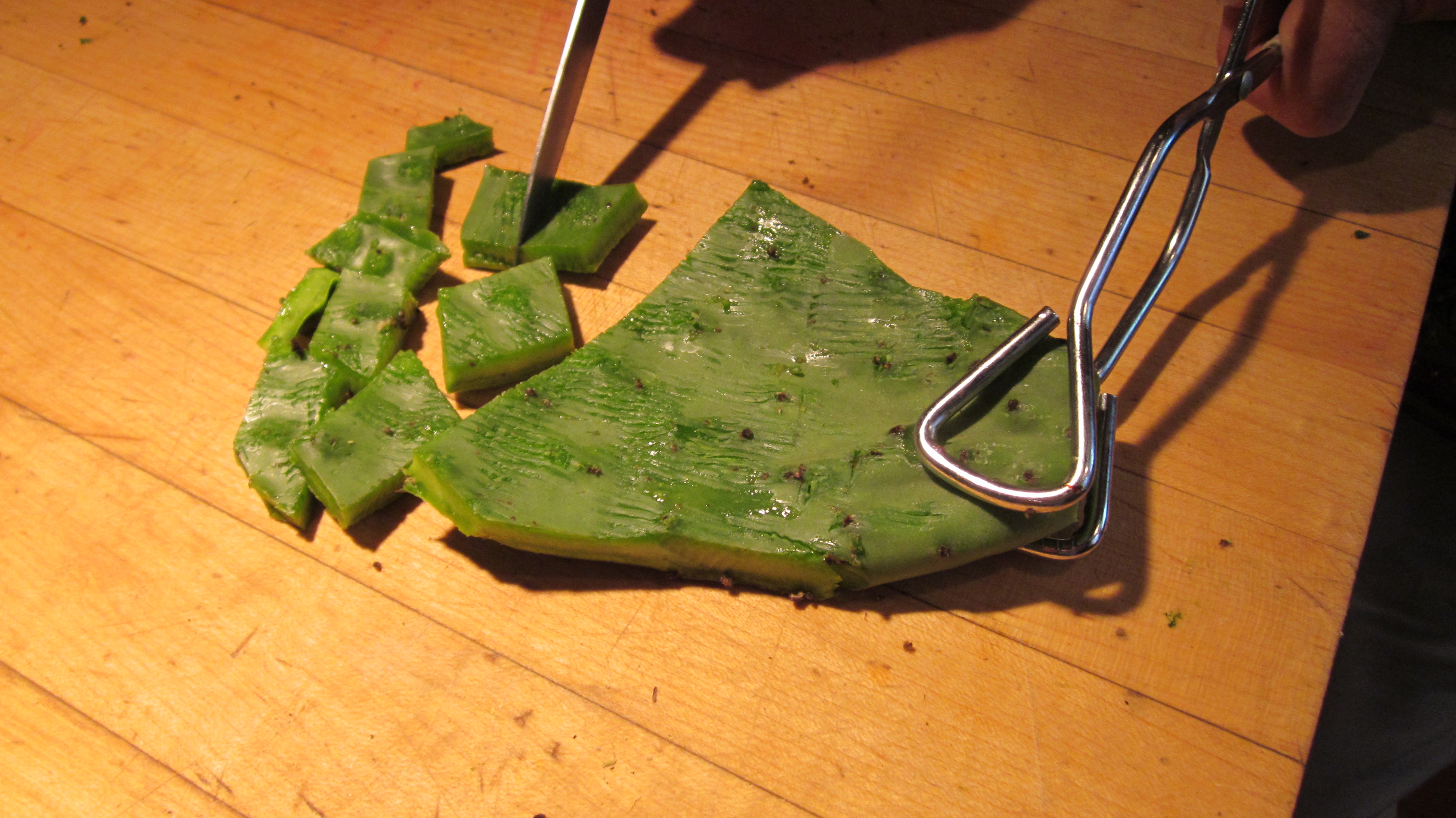
IMG_0196At this point, you can cut it into small pieces to cook or leave it whole and cut it up later. You can cook them in a frying pan filmed with oil, or use the Rick Bayless method (he of TV show fame) and toss them with a little oil, sprinkle with sale, put on a cookie sheet and roast in a 375 degree oven for 20 minutes.  In any case, you should check them and turn them over as they cook.

Cut into small pieces to cook.

Cut into small pieces to cook.

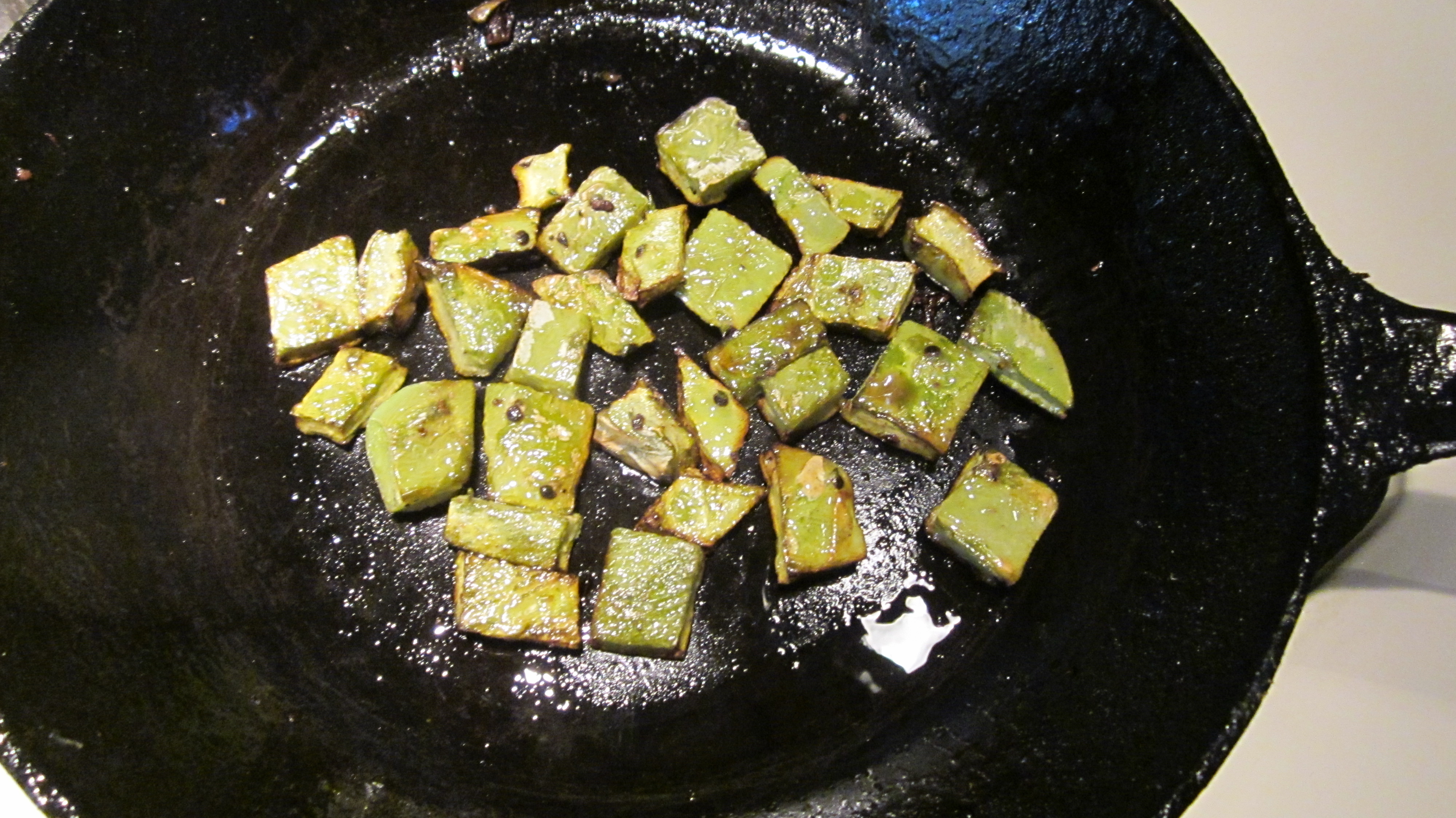
The nopales will turn from bright green to a more olive color as they cook. The gummy sap that some people find objectionable will dry up and become less noticeable.

The cooked nopalitos turn from bright green to olive.

The cooked nopalitos turn from bright green to olive.

You can also cook nopales on the barbecue alongside some chicken to make a delicious taco. This video ( find it at the bottom of the magazine article) shows you how to clean the nopal and grill it.  Take a look here.

Here’s the recipe for the sauce in the picture at the top of the blog:

Grilled Chicken  with Nopalito and Pineapple Salsa

(Makes 4 servings)

This is good to serve as a light entrée with rice and a vegetable.  It is also great as a stuffing for fresh flour tortillas topped with shredded lettuce.

1 raw, cleaned prickly pear pad

1 tablespoon vegetable oil

1 cup canned crushed pineapple packed in it’s own juice

¼ cup finely chopped red bell pepper

¼ cup thinly sliced green onions, including some tops

1 tablespoons canned green chiles

1 finely minced serrano chile (optional)

½ teaspoon finely minced garlic

2 tablespoons lime juice

¼ teaspoon salt

1 tablespoon finely minced cilantro (optional)

4 large boneless chicken breasts

Cut prickly pear pad in 1 ½ inch squares.  Film a heavy frying pan with the oil and add the prickly pear pads.  Cook over low heat, turning occasionally, until pieces have given up much of their juice and are slightly brown. Remove from pan, cool, and chop into pieces as wide as a matchstick and about ¼-inch long.

Transfer to medium bowl.  Add remaining ingredients, stir to combine and set aside for flavors to mingle.

Grill chicken breasts until done. Slice each one crosswise into five or six pieces and arrange each on a plate.  Put a portion of the salsa on top of  or beside the chicken.

______________________

Want more recipes for the bountiful crop of nopales we’ll have this year?  Check out The Prickly Pear Cookbook and Cooking the Wild Southwest.  You can flip through The Prickly Pear Cookbook here. Both books are available locally at Native Seeds/SEARCH on Campbell or from on-line booksellers.

Glorious Diversity–A Palette of Heirloom Legumes

The desert this spring is exploding with color, its rainbow shades reminding us of the amazing diversity of life, of species, of varieties of plants in this rich Sonoran Desert! Cholla flowers themselves are a veritable palette of genetic diversity within a species and between species.

Tia Marta here to talk about the rich diversity of beans selected and cultivated over the centuries by smart Native farmers in what is now the southwest borderlands…..

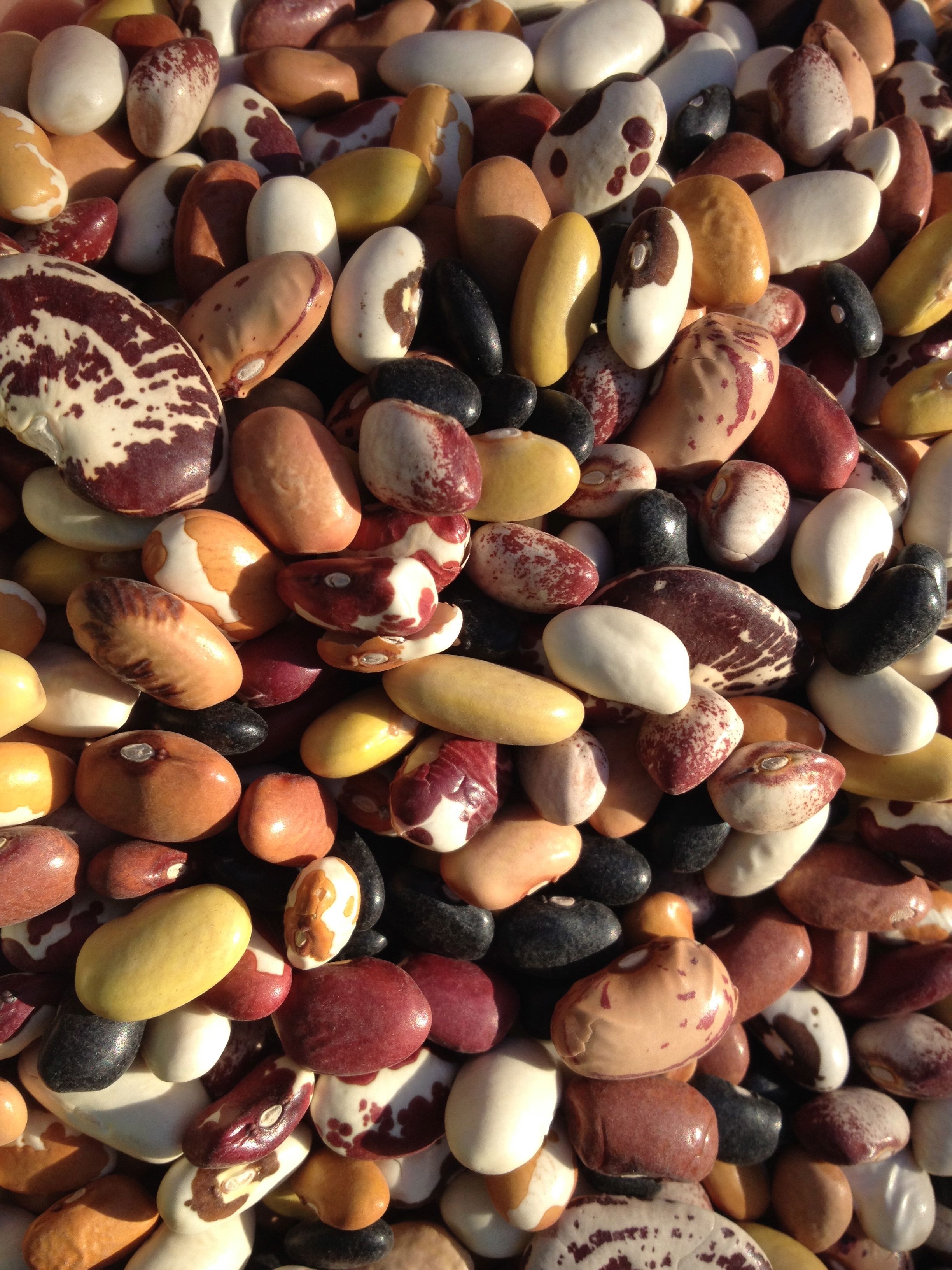
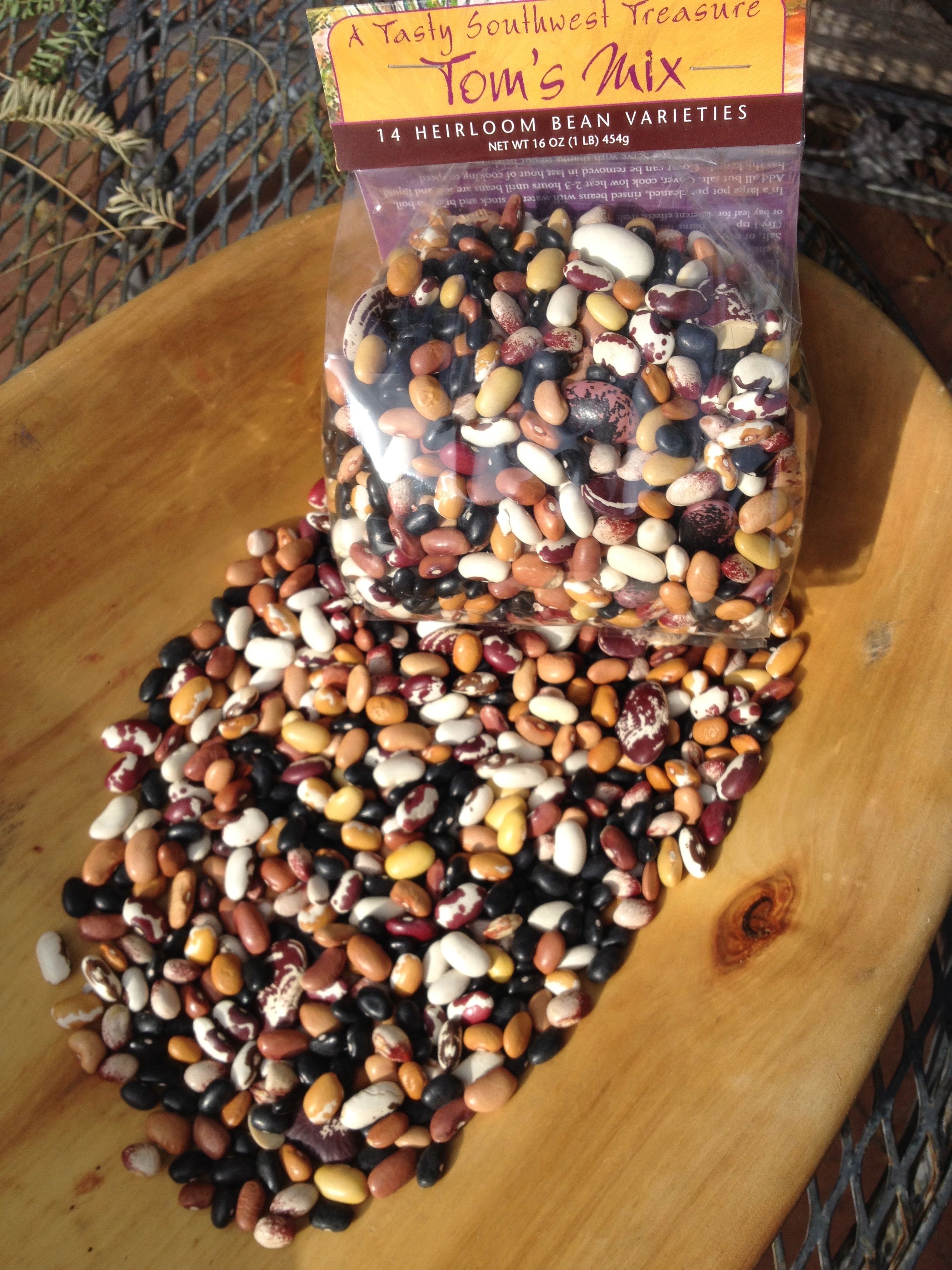
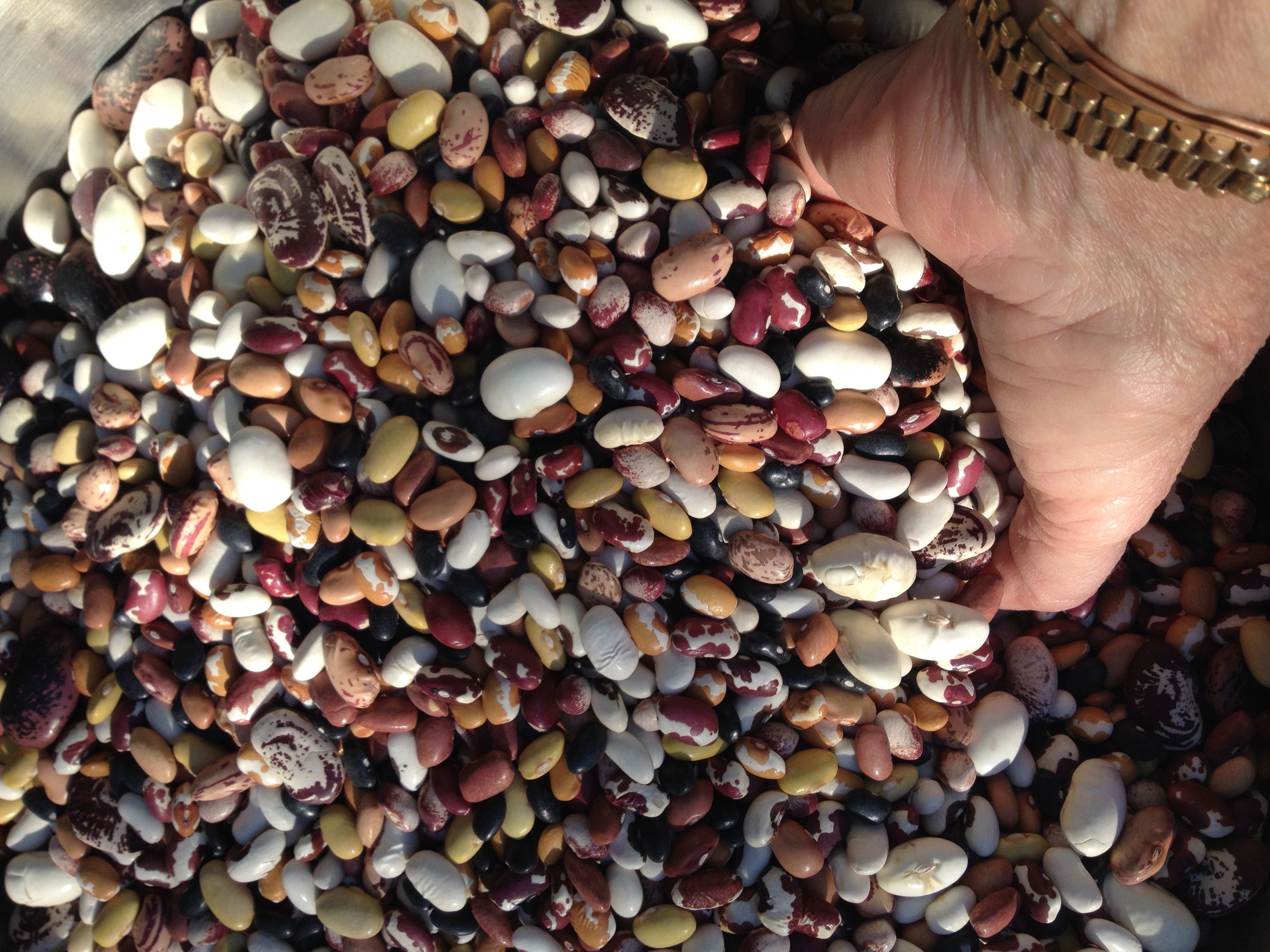
Tom's Mix is a rainbow of color, flavor, nutrition, and genetic adaptations to the desert Southwest! (MABurgess photo)

Tom’s Mix is a rainbow of color, flavor, nutrition, and genetic adaptations to the desert Southwest! (MABurgess photo)

In the genetic treasure trove of the NativeSeeds/SEARCH Seed Bank, there are hundreds of varieties and landraces of common bean, runner bean, and limas that can dazzle both our eyes, tastebuds–and our souls. Their colors, theirs shapes, sizes, sculpture are miniature works of art. And inside each little bean, each variety carries a complex of genes shaped over time to fit a specific local rainfall regime, soil, daylength, temperature range, and human habits. Their genetic potential may provide us some nutritional lifeboats into the uncharted waters of climate change.  (We are in this together.)

Delectable Tom's Mix available online at NativeSeeds.org and FlordeMayoArts.com.

Delectable Tom’s Mix available online at NativeSeeds.org and FlordeMayoArts.com.

Long ago, my gardening pal and mentor Tom Swain “invented” a mix of 14 different beautiful Southwestern heirloom beans garnered from the NativeSeeds/SEARCH collection. Of course we had to call it “Tom’s Mix” (ok–“oldsters” get it). It is the most beautiful set of genetic as well as flavor jewels—truly a treasure to behold and to eat.

Many people at our Flor de Mayo booth at Sunday St Phillips Farmers Market have asked how to identify each bean in the mix. To sort them, ID each variety, and come to know them is a fun challenge.  I’d like to create a game for kids (and adults) to teach taxonomy in a cool way using them.


So, head for the NativeSeeds store or Sunday’s St Phillips market, pick up a bag of Tom’s Mix, and take the BEAN CHALLENGE!

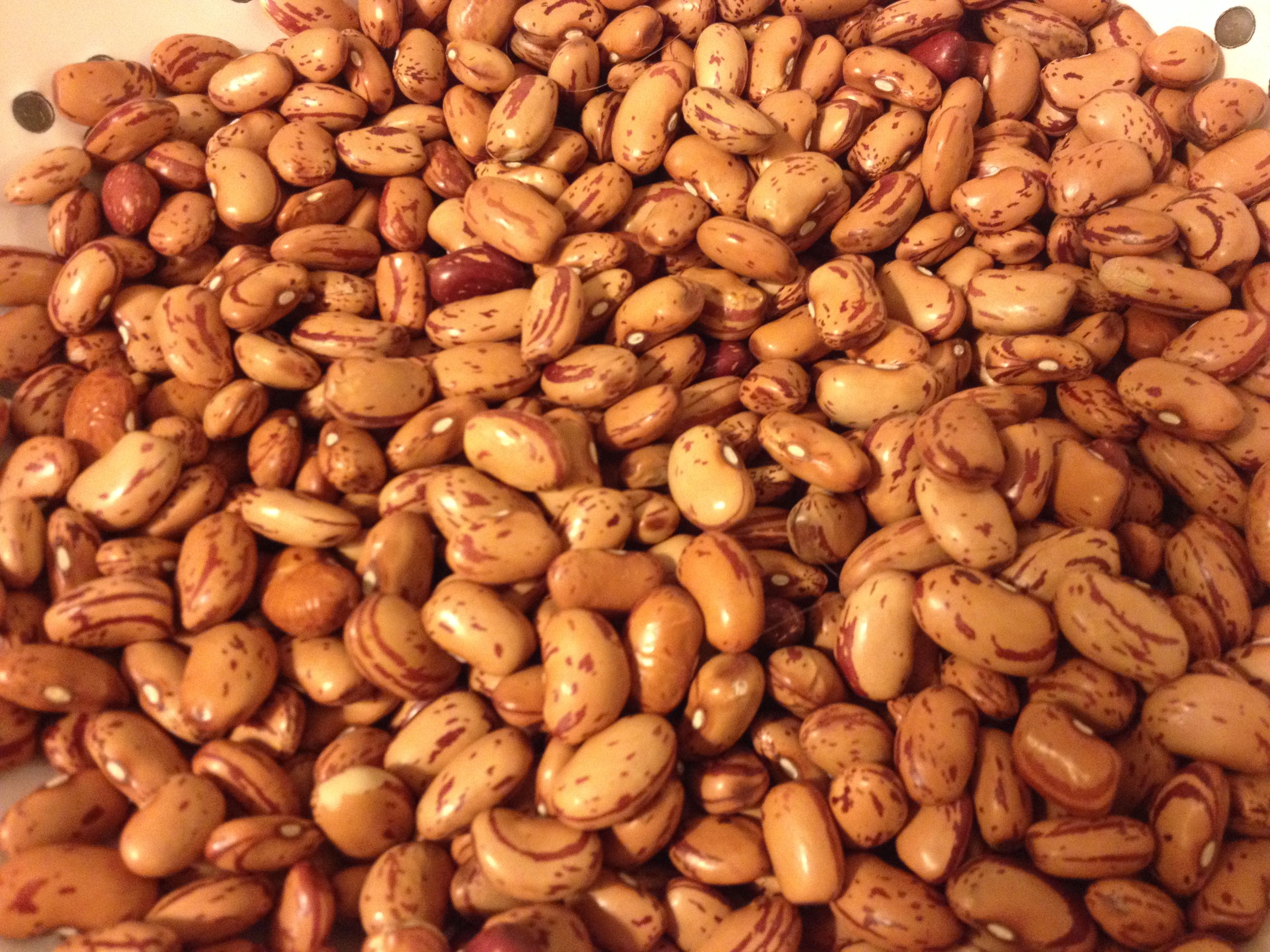
Herewith is your KEY to unlocking some the of mystery beans of our beautiful desert region.  (They each carry stories with them–come learn more from Tia Marta at the Sunday market… see, buy, taste each beautiful bean, see which one is cooking in the solar oven, and press her to finish her bean book!)  Until then, you can feast on these gorgeous visual hints—first a feast for the eye, later for the palette–with this photographic key to the makings of Tom’s Mix:

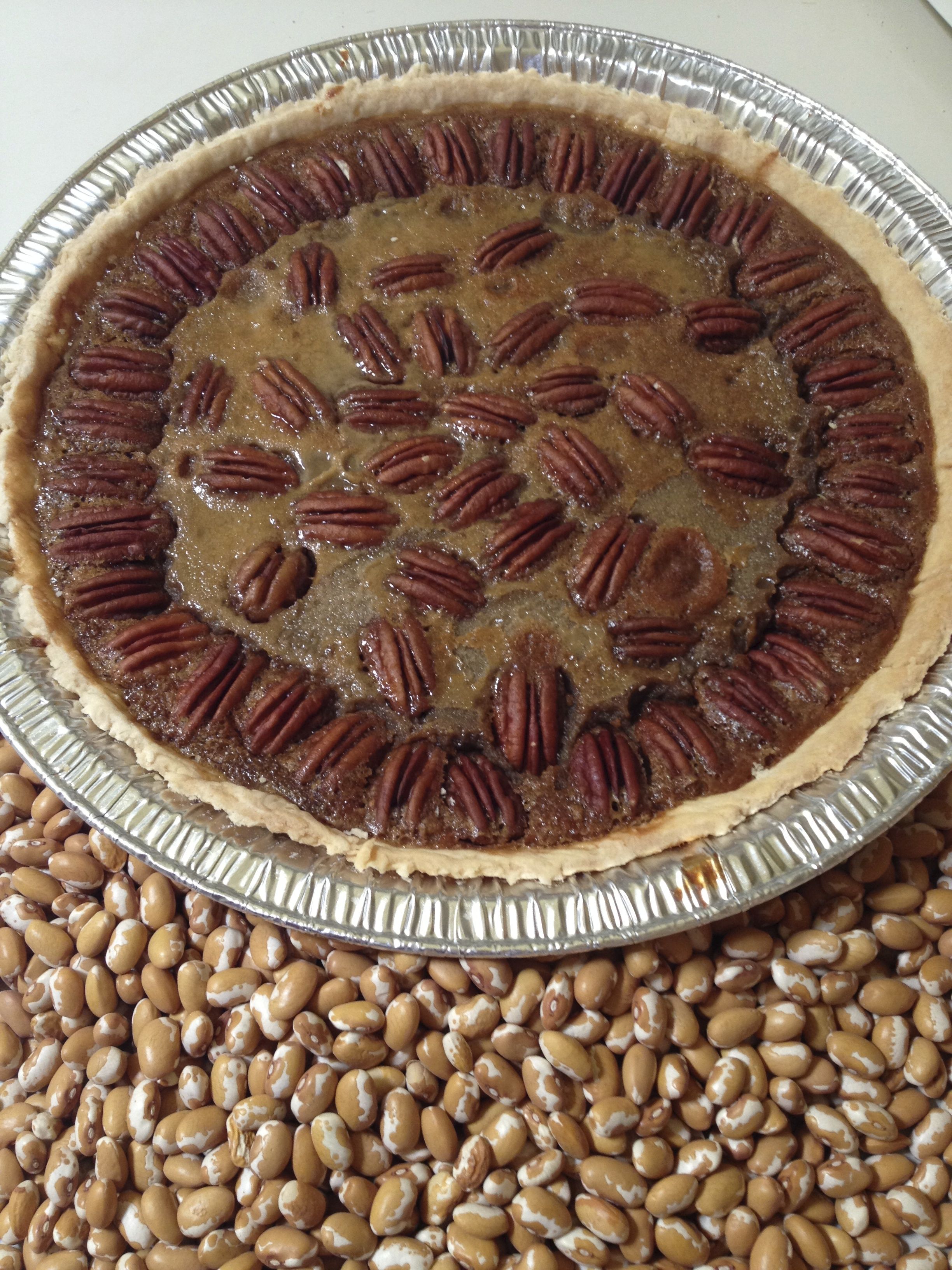
Ed's perfect pecan pie made with Zuni beans--a healthy dessert!.

Ed’s perfect pecan pie made with Zuni beans–a healthy dessert!.

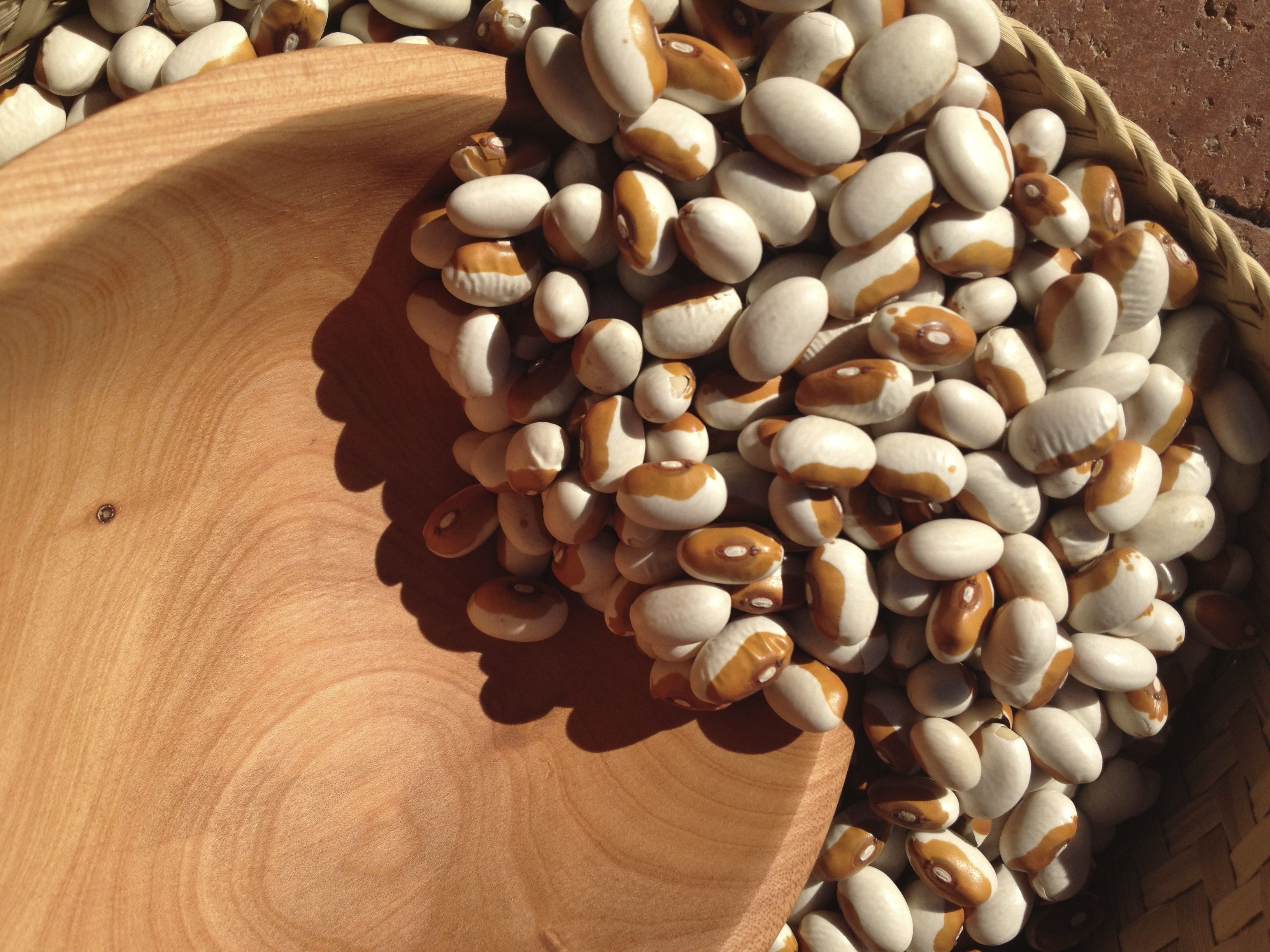
“Zuni Gold” (aka “Four Corners Gold”) was originally from the Native Zuni people of NW New Mexico, a flavor gift to the world.

“Zuni Gold” (aka “Four Corners Gold”) was originally from the Native Zuni people of NW New Mexico, a flavor gift to the world.


"Yellow-eye bean" (not related to black-eye pea) similar to Zuni Gold but with a distinctively different flavor.  It was the original Boston baked bean before coming west.  So rare it is not often used in the mix.

“Yellow-eye bean” (not related to black-eye pea) similar to Zuni Gold but with a distinctively different flavor. It was the original Boston baked bean before coming west. So rare it is not often used in the mix.


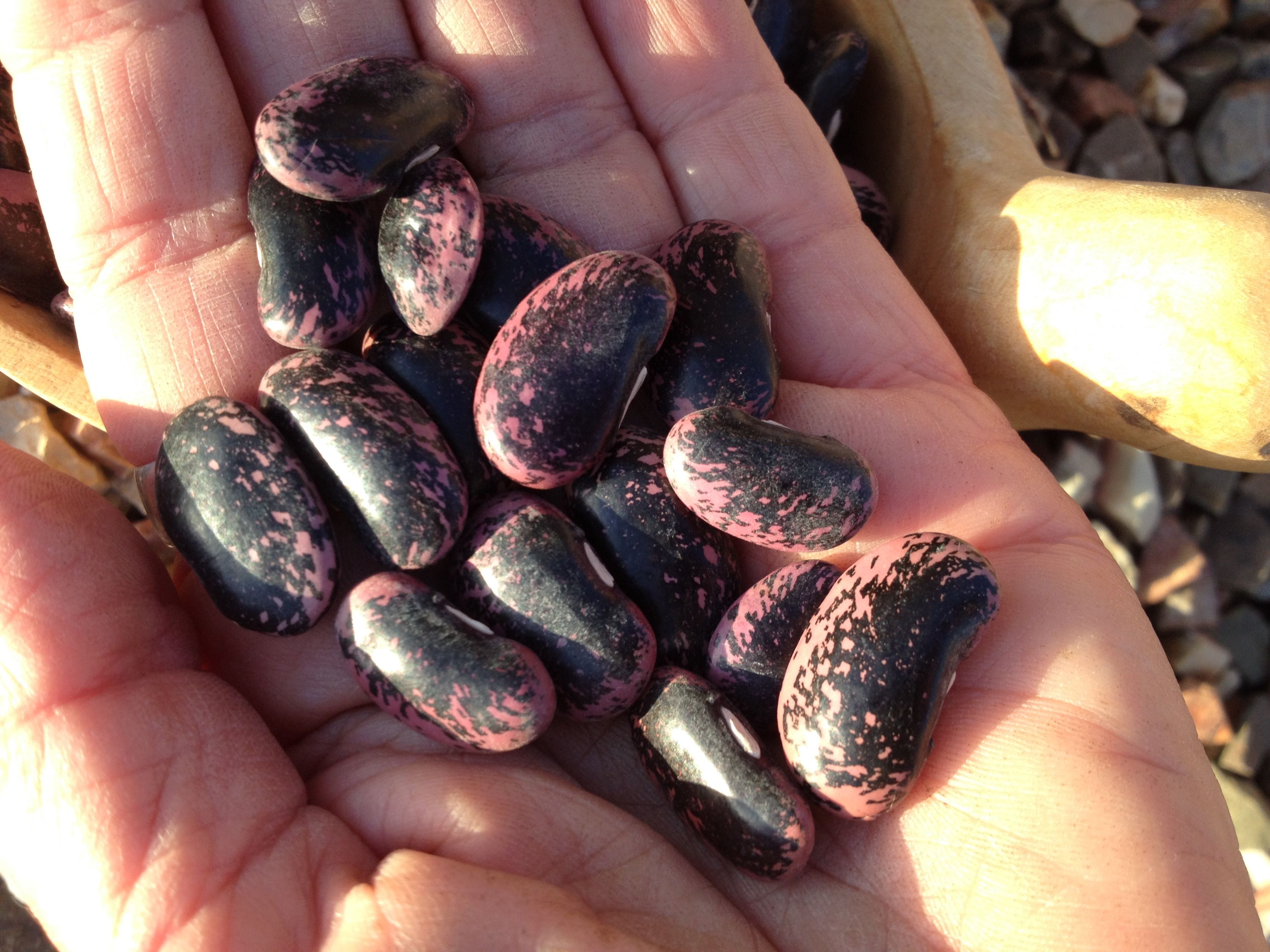
“Scarlet Runner” is a vining bean with brilliant red flowers that attract hummingbirds.  It is a large purplish speckled bean not to be confused with lima.

“Scarlet Runner” is a vining bean with brilliant red flowers that attract hummingbirds. It is a large purplish speckled bean not to be confused with lima. (MABurgess photo)

Runner beans (Phaseolus coccineus) are larger than so-called “common” beans (Phaseolus vulgaris–an insulting name for such wonderful food plants!)  Runner beans, as the name implies, are climbers as compared with bush-beans.  Their flowers are bigger and they bear huge pods.  Runner beans make a great addition to soups and stews.

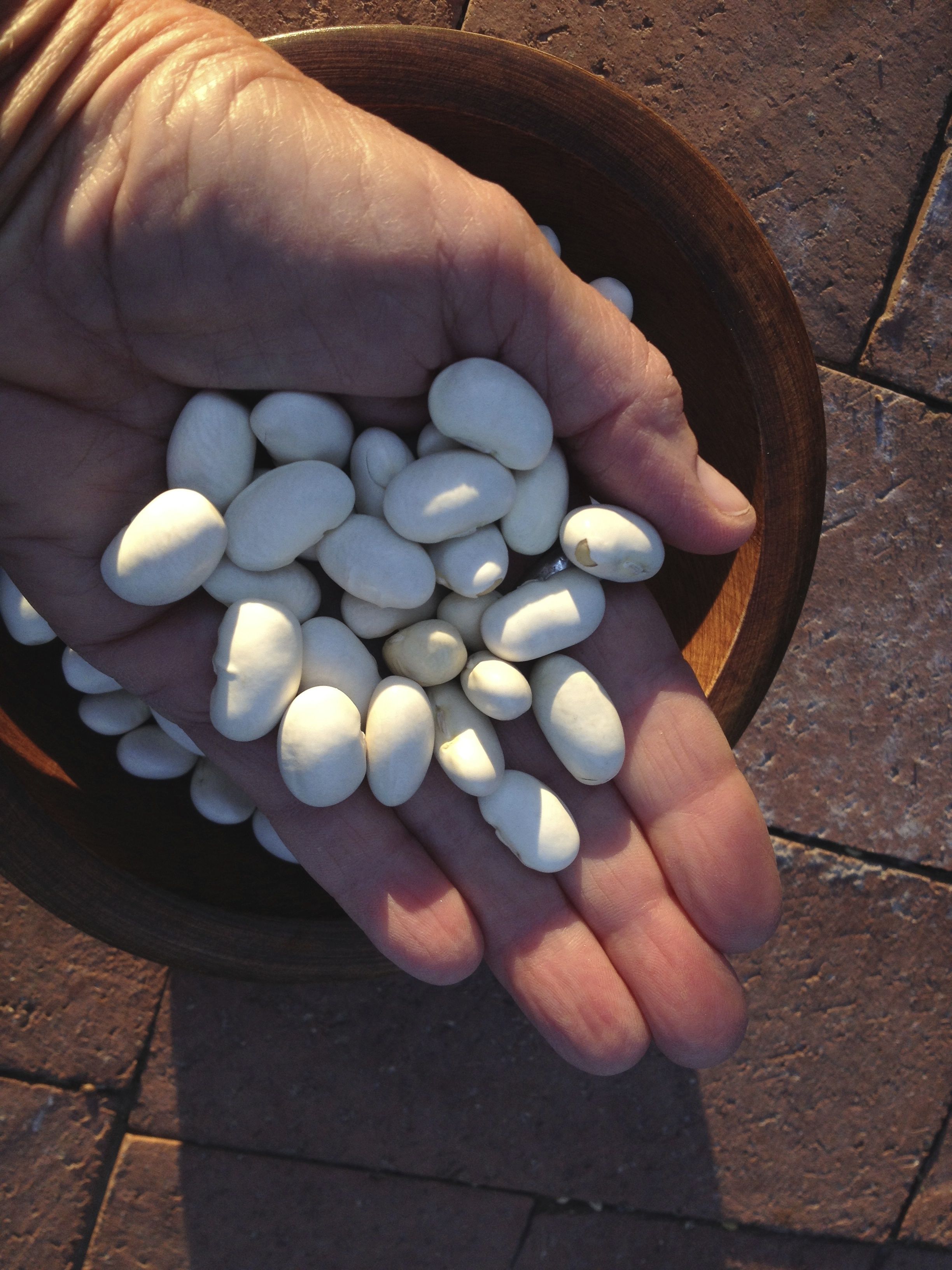
Related to scarlet runner is “Aztec White Runner” or “Bordal” (aka “Mortgage Lifter”) is another vining bean with a big white flower.  It is large, plump and a little sweet.

Related to scarlet runner is “Aztec White Runner” or “Bordal” (aka “Mortgage Lifter”) is another vining bean with a big white flower. It is large, plump and a little sweet.  (MABurgess photo)


“Yellow Indian Woman” is the only bean in the mix not from the SW.  As legend has it, Swedes brought this bean to Native people of the northern plains.

“Yellow Indian Woman” is the only bean in the mix not from the SW. As legend has it, Swedes brought this bean to Native people of the northern plains.

“Flor de Mayo”  (Mayflower) is a favorite of traditional people from Chihuahua and Texas to southern Sonora.

“Flor de Mayo” (Mayflower) is a favorite of traditional people from Chihuahua and Texas to southern Sonora.

“Bolita” or “little bullet” is a champion of flavor and makes a delish burrito or refried bean.

“Bolita” or “little bullet” is a champion of flavor and makes a delish burrito or refried bean.


These three beans are of similar shape and color–though different in flavors.  It is neat to try them separately, to enjoy their individual attributes.  Watch for announcements when Native Seeds/SEARCH sponsors its Great Bean Tasting Events.


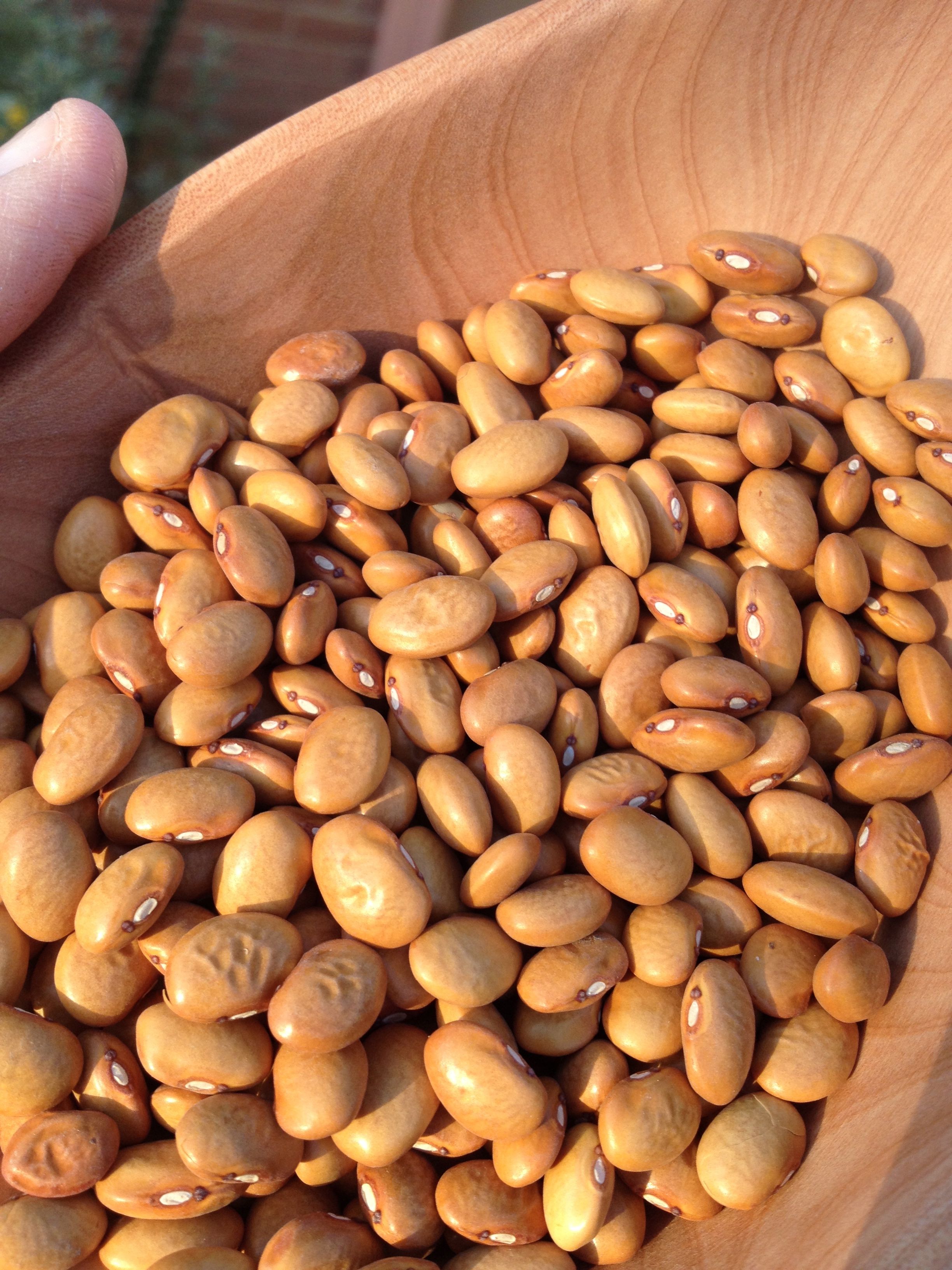
“Moon Bean” (also known in Colorado as “pinkeye bean”)  is a mild, tasty, versatile bean.

“Moon Bean” (also known in Colorado as “pinkeye bean”) is a mild, tasty, versatile bean.

In Tucson our culinary hero Chef Janos Wilder of the Downtown Kitchen has created the most delectable casserole using Moon Beans, chicken, and other surprise veggies.  Try this one out also in marinated salads with white Sonora wheat berries.

“Maicoba”  is named for the Pima Bajo village in Sonora where it originated.  This yellow bean goes by many monikers—sulfur bean, azufrado, canario, peruano.

“Maicoba” is named for the Pima Bajo village in Sonora where it originated. This yellow bean goes by many monikers—sulfur bean, azufrado, canario, peruano.

The versatile Maicoba makes a fabulous refried bean, a great dip, or burrito.

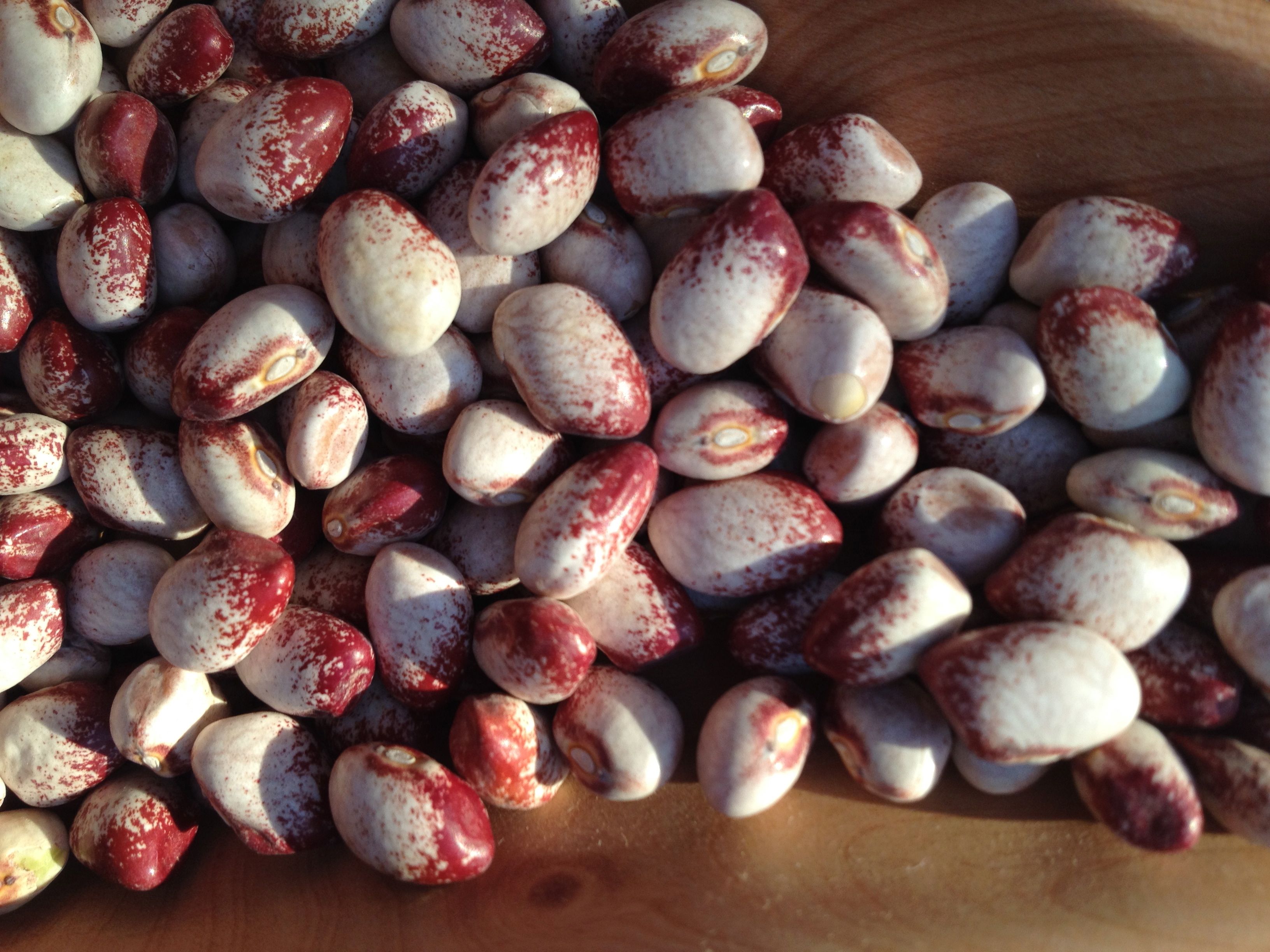
“Cranberry bean” refers to the flecks and strips of dark maroon or cranberry coloration on beige, not to its flavor.

“Cranberry bean” refers to the flecks and strips of dark maroon or cranberry coloration on beige, not to its flavor.

You will often see Italian recipes calling for cranberry bean.  This year’s crop of cranberry was for some weather reason a bust; let’s hope that next year it comes back strong again.  To participate, plant some locally.

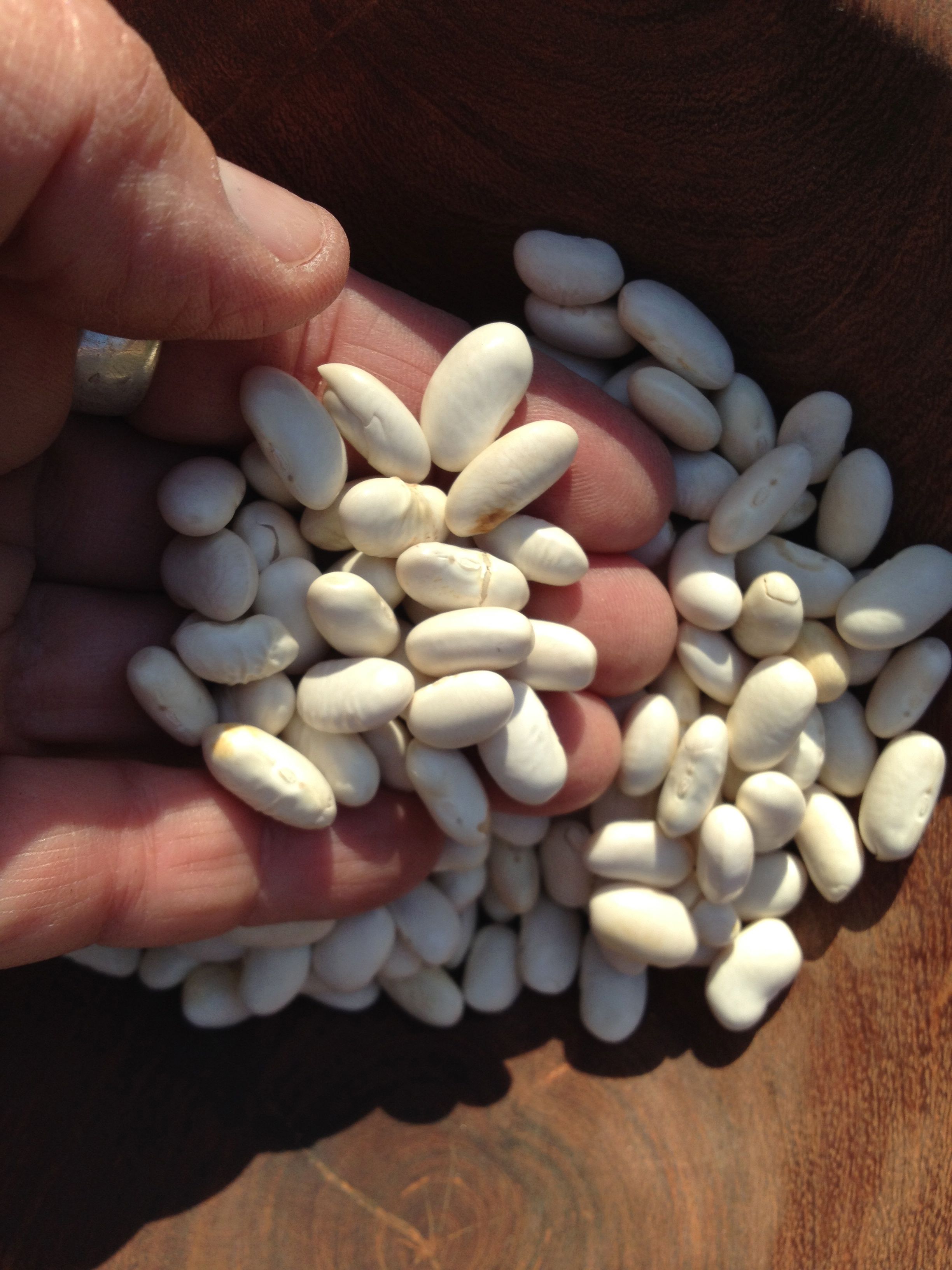
“Cannellini” is an elongated white bean grown in the Four Corners for years, brought there by immigrants.

“Cannellini” is an elongated white bean grown in the Four Corners for years, brought there by immigrants.

Cannellini makes a fabulous addition to minestrone, or becomes the center of a yummy Mediterranean marinated bean salad.  A smaller, creamier bean is the “Colorado River Bean” which resembles the Mayflower bean from SeedSavers catalog.

“Colorado River bean” takes its name from the Colorado Plateau where it is grown.  This small speckled bean makes a wonderfully creamy soup.

“Colorado River bean” takes its name from the Colorado Plateau where it is grown. This small speckled bean makes a wonderfully creamy soup.

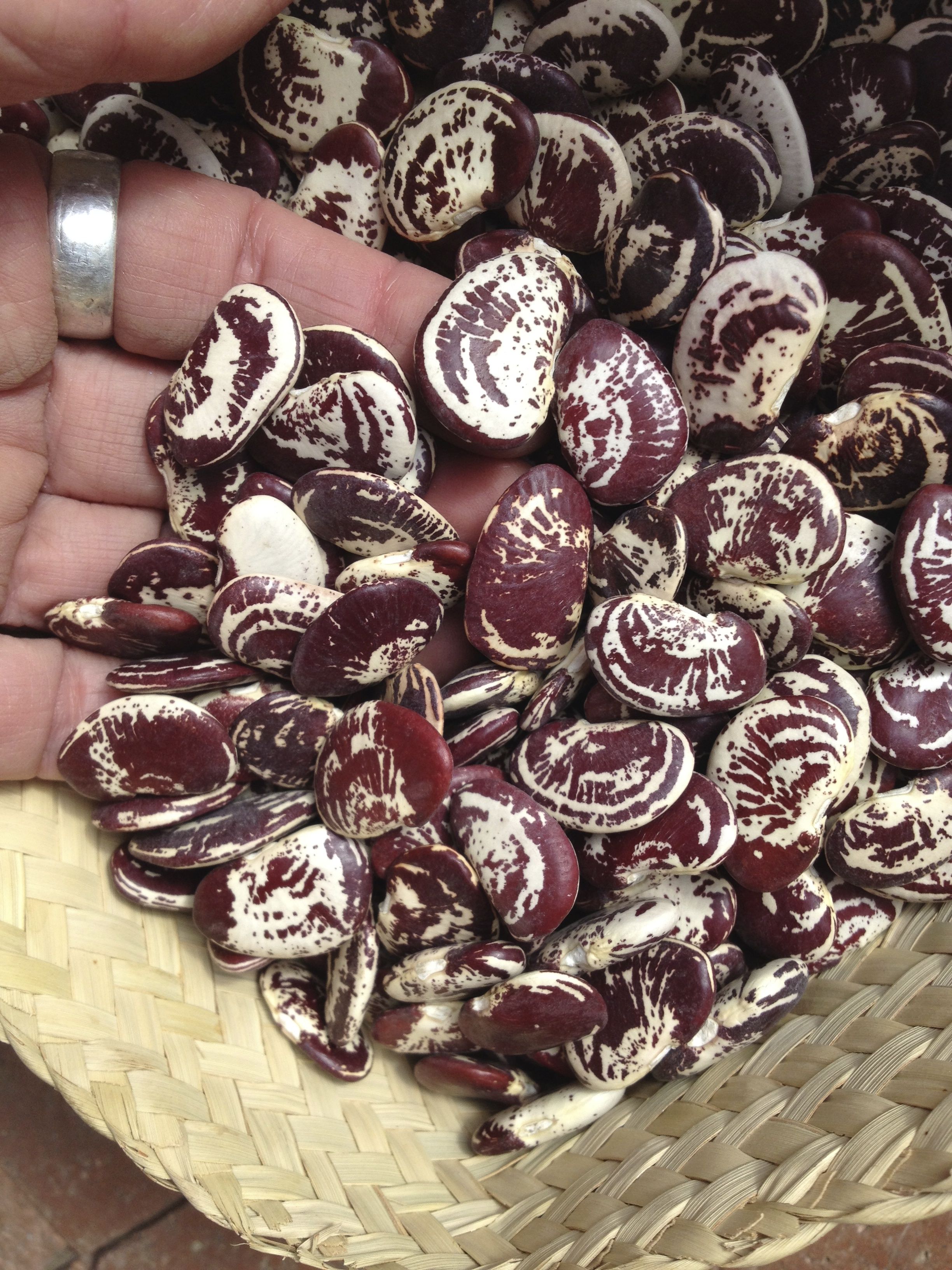
Worlds apart in flavor and size is the Christmas lima–a true lima bean (Phaseolus lunatus–like a moon).  This one is not like your average butter bean.  It is massive as beans go, rich and almost meaty–great for a vegetarian centerpiece dish.

“Christmas lima” or “Chestnut lima” is a true lima bean Phaseolus lunatus, large, flat, purple mottled, and hearty flavored.

“Christmas lima” or “Chestnut lima” is a true lima bean, large, flat, purple mottled, and hearty flavored.


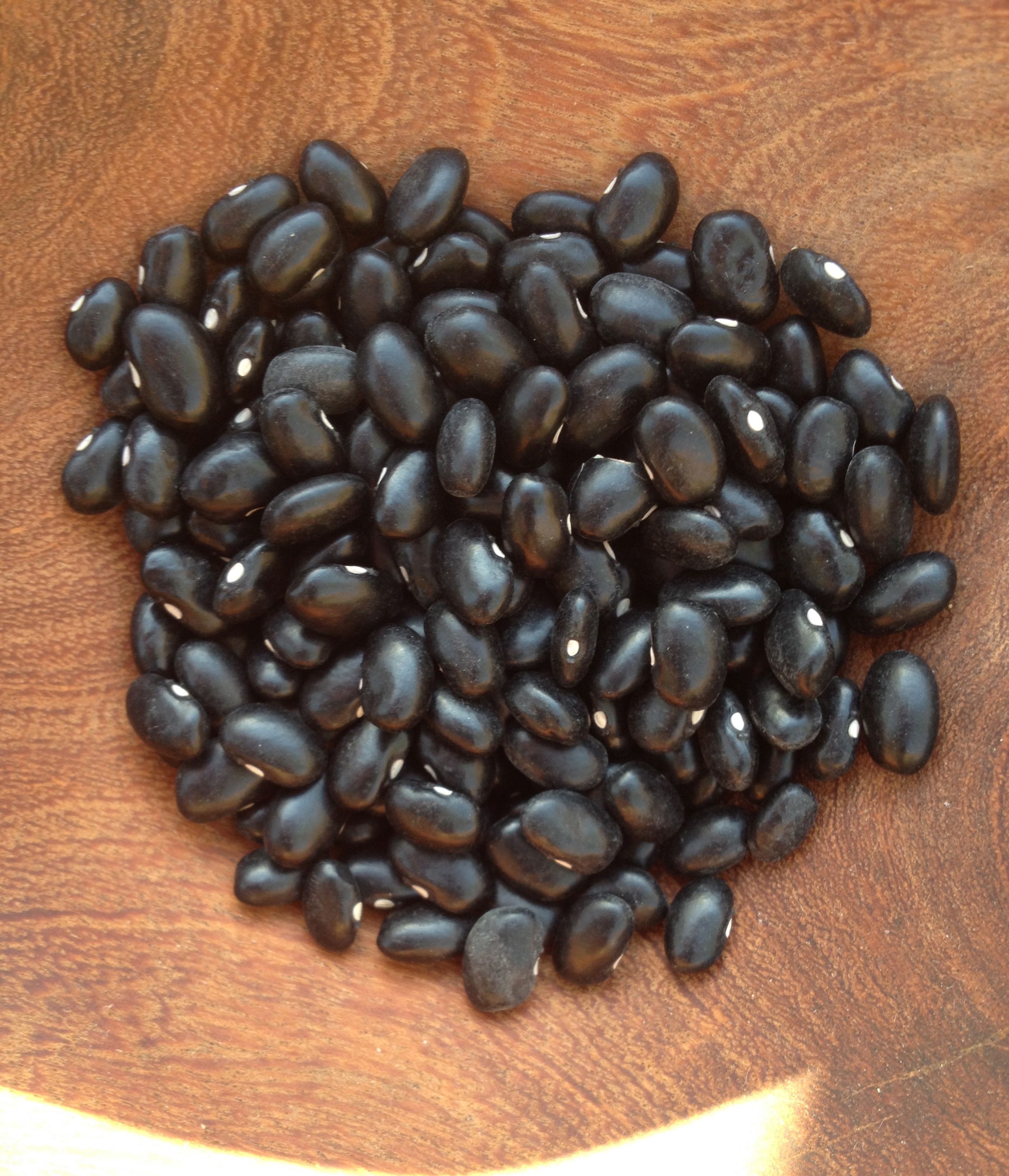
“Aztec Black Bean” or “Black Turtle” is the traditional bean of the Nahuatl or central Mexico.

“Aztec Black Bean” or “Black Turtle” is the traditional bean of the Nahuatl or central Mexico.


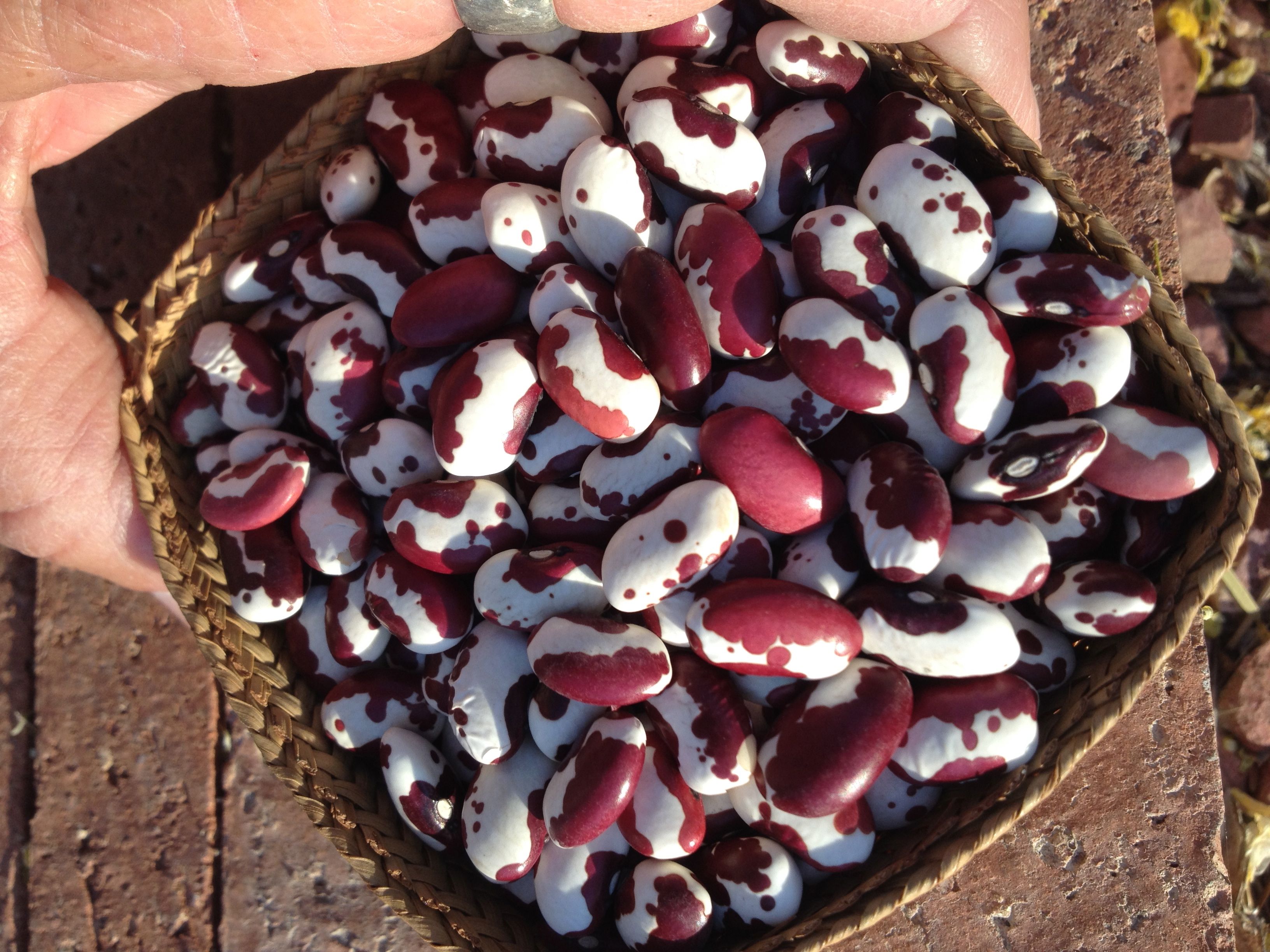
“Anasazi Bean” is the only trademarked bean in the mix.  Original seeds of this fast-cooking bean were actually found in an ancestral Puebloan ruin in the Four Corners.

“Anasazi Bean” is the only trademarked bean in the mix. Original seeds of this fast-cooking bean were actually found in an ancestral Puebloan ruin in the Four Corners.

These two beautiful beans, Black Turtle and “Anasazi bean,” bind up the full complement of flavors in Tom’s Mix.  As individual beans, each is hard to beat flavor-wise and texture-wise.  Together, combined in our Tom’s Mix, they are a culinary delight.

Black beans are the staple of many traditional diets, from Meso-America to northern New Mexico.

The “Anasazi” is the fastest cooking and least distressing to digestion of any bean I know of.

So now are you feeling enriched by these visual legume wonders?  I hope so!  Now to come try your hand at identifying them firsthand, and to treating your taste-buds at our Flor de Mayo tent at Sunday farmers market.

Identified or not, these precious heirloom beans in Tom’s Mix make a fabulous soup that our market and online customers rave about. You can ship out this Southwest gift to all corners of the globe via paypal at http://www.flordemayoarts.com.

Tom’s Mix is so versatile—try them as a dip or as a most colorful marinated bean salad when the weather heats up. If you are inspired to assist the bean genes into the future, try your hand at growing some of the Tom’s Mix varieties this summer in your own garden.  You can learn lots more at our Seed Libraries (Pima County Public Library) and at the upcoming International Seed Library Conference to be held in Tucson in early May.

Diversity of Southwestern heirlooms in Tom's Mix

Diversity of Southwestern heirlooms in Tom’s Mix

See you Sunday at St Phillips Plaza or at the NSS Store, 3061 N Campbell. We look forward to talking heirloom beans with you!

[As for the diversity of those cholla flowers mentioned at the start….. Tia Marta will be exploring our diverse cholla flora at upcoming cholla bud harvesting workshops: Sat April 11 sponsored by NativeSeeds/SEARCH and Sat April 18 sponsored by Tohono Chul Park. Contact each for more info: http://www.nativeseeds.org and http://www.tohonochulpark.org, or call Flor de Mayo at 520-907-9471.]

Tiny Hummingbirds, Spider Silk, and Web of Life Eggs – Part Two

Aunt Linda here:  The full moon is setting in the West early this morning,  and  I am lucky enough to be able to see the moon beaming from this desk. As if that weren’t enough beauty, the morning offers the sound of a male dove beginning his mating song. Soon more will join in.  As moon beams make their horizontal way into the yard, the silvery spider webs in the foliage around my door shimmer silvery white.

IMG_5285

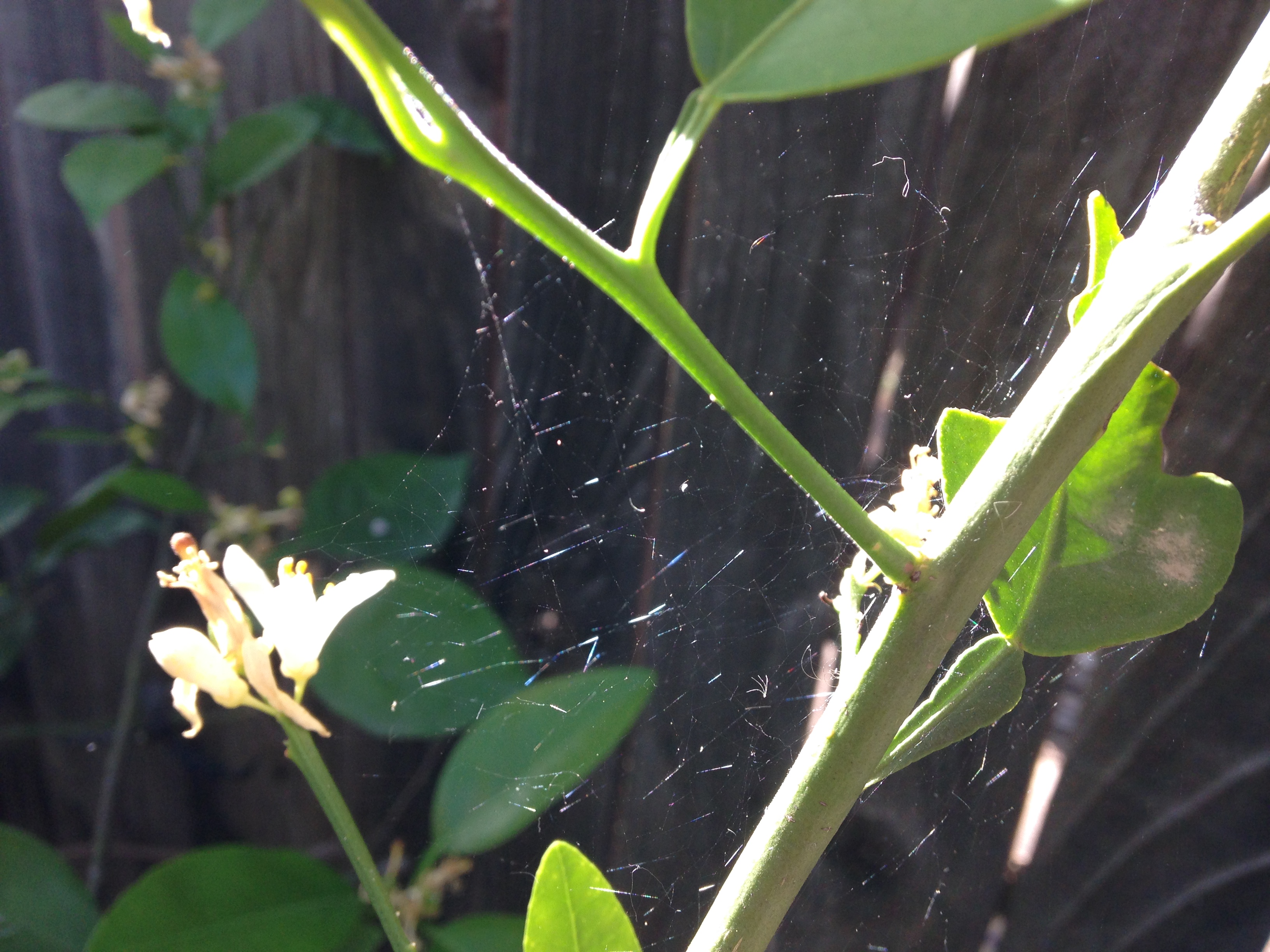
It is Spider Silk like in the above photo that females hummingbirds use to build secure, strong, and flexible nests.

SPIDER SILK:  Spiders use silk for a variety of reasons, web weaving, cocoon construction, and even in a kind of sperm delivery system.  All spiders have silk glands, which are located in their abdomen, and which emerge from tiny tubes in their spinnerets, known as spigots. Spiders, while not the only animals to produce silk, (caterpillars and weaver ants do), do produce the strongest silk, often compared to the strength of steel.  It also has a remarkable capacity to expand.  One example of this is referred to as “capture spiral silk” , and is used in web construction, allowing for prey to impact or collide with the web with minimal breakage.   Spider webbing is also relatively weatherproof, meaning that it has an ability to endure, sometime past the life span of it’s weaver.  This web longevity may be tied to its purported   antimicrobial/antiseptic properties.

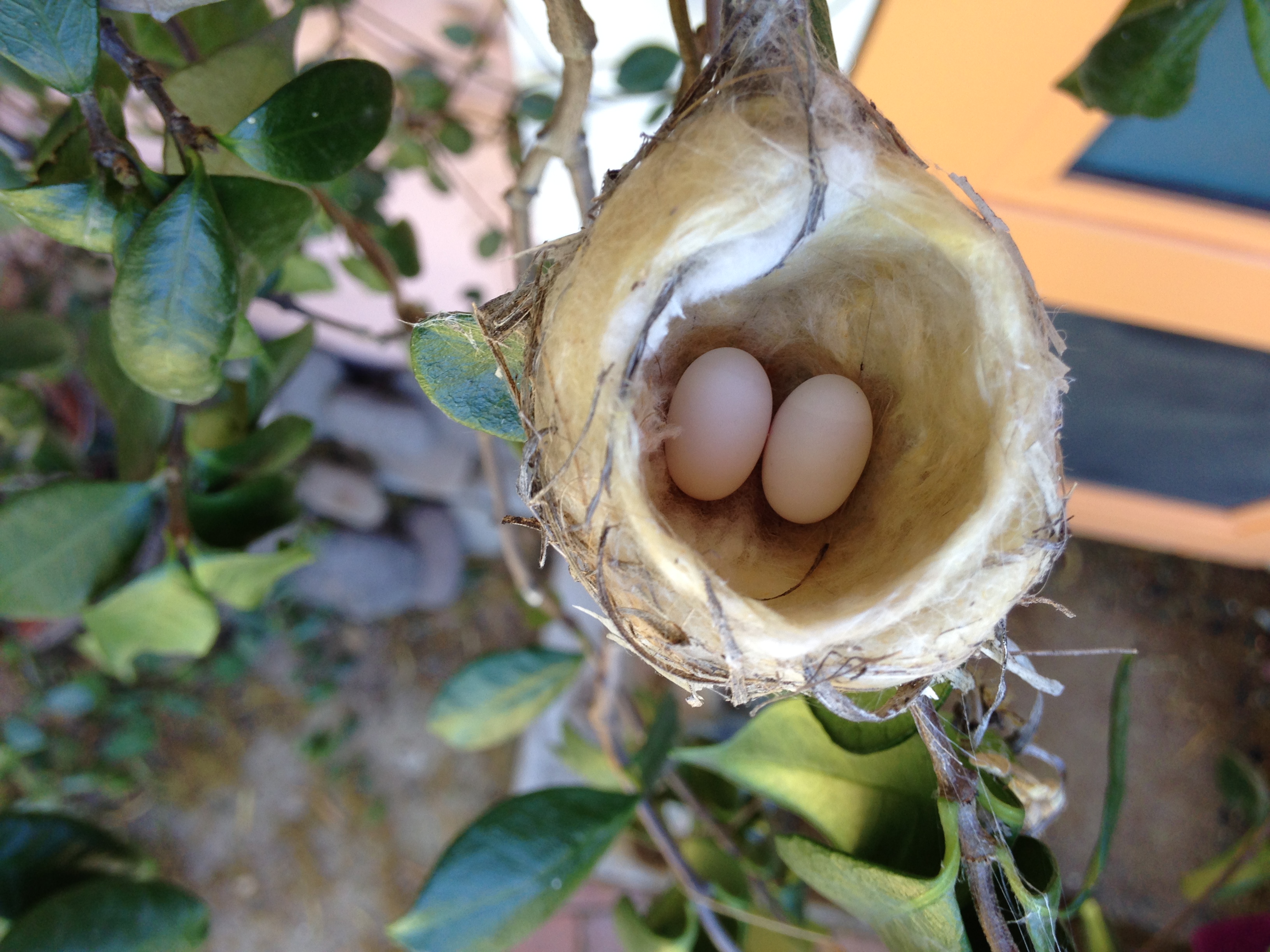
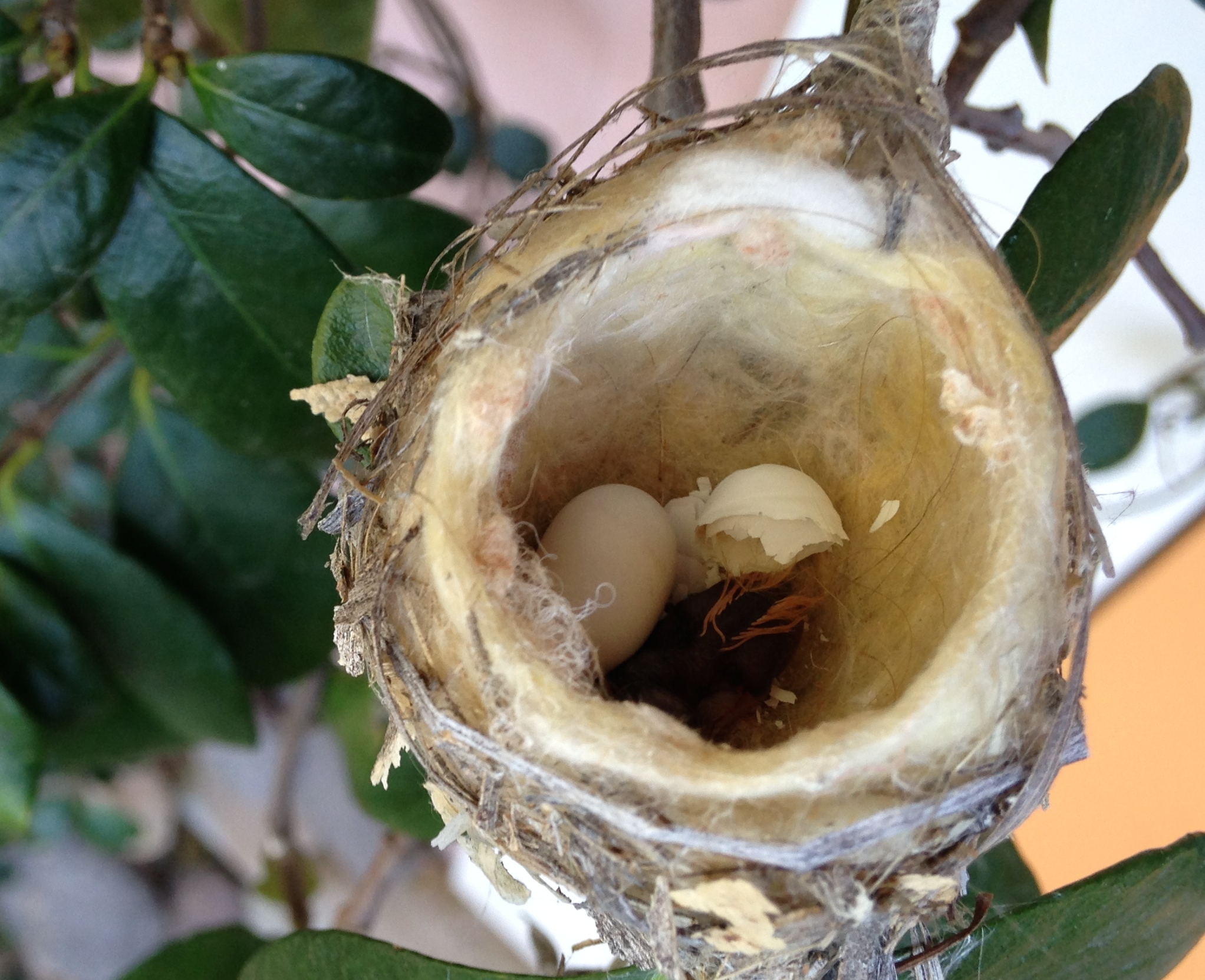
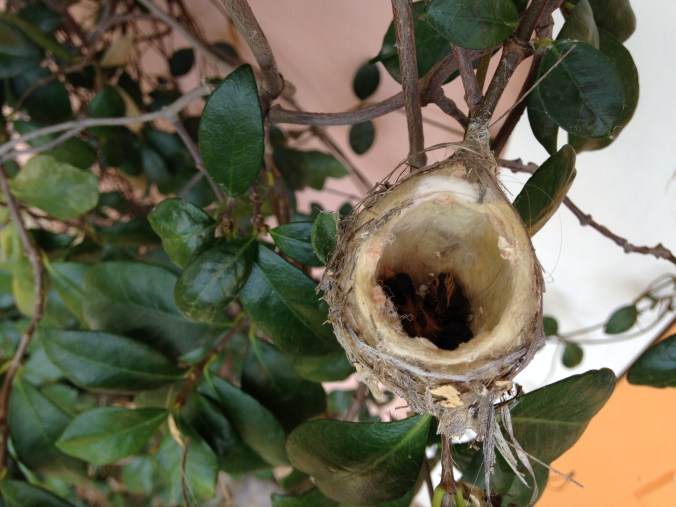
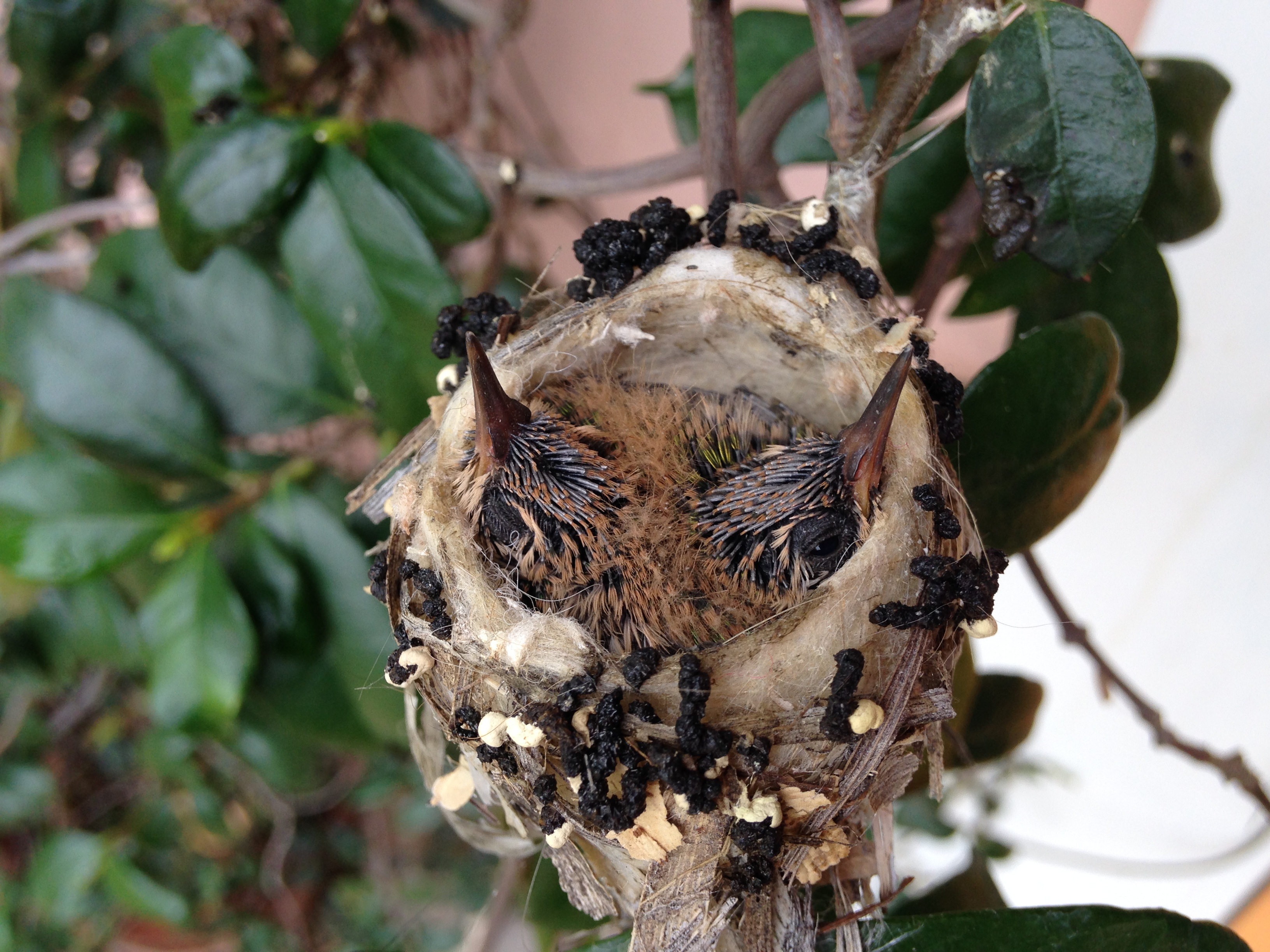
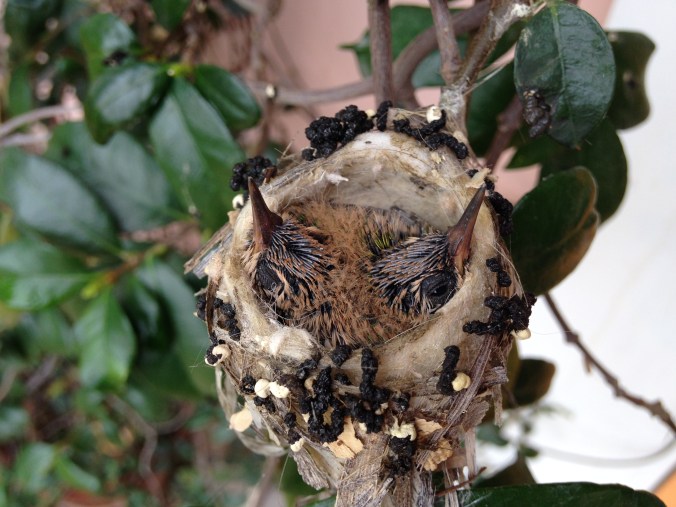
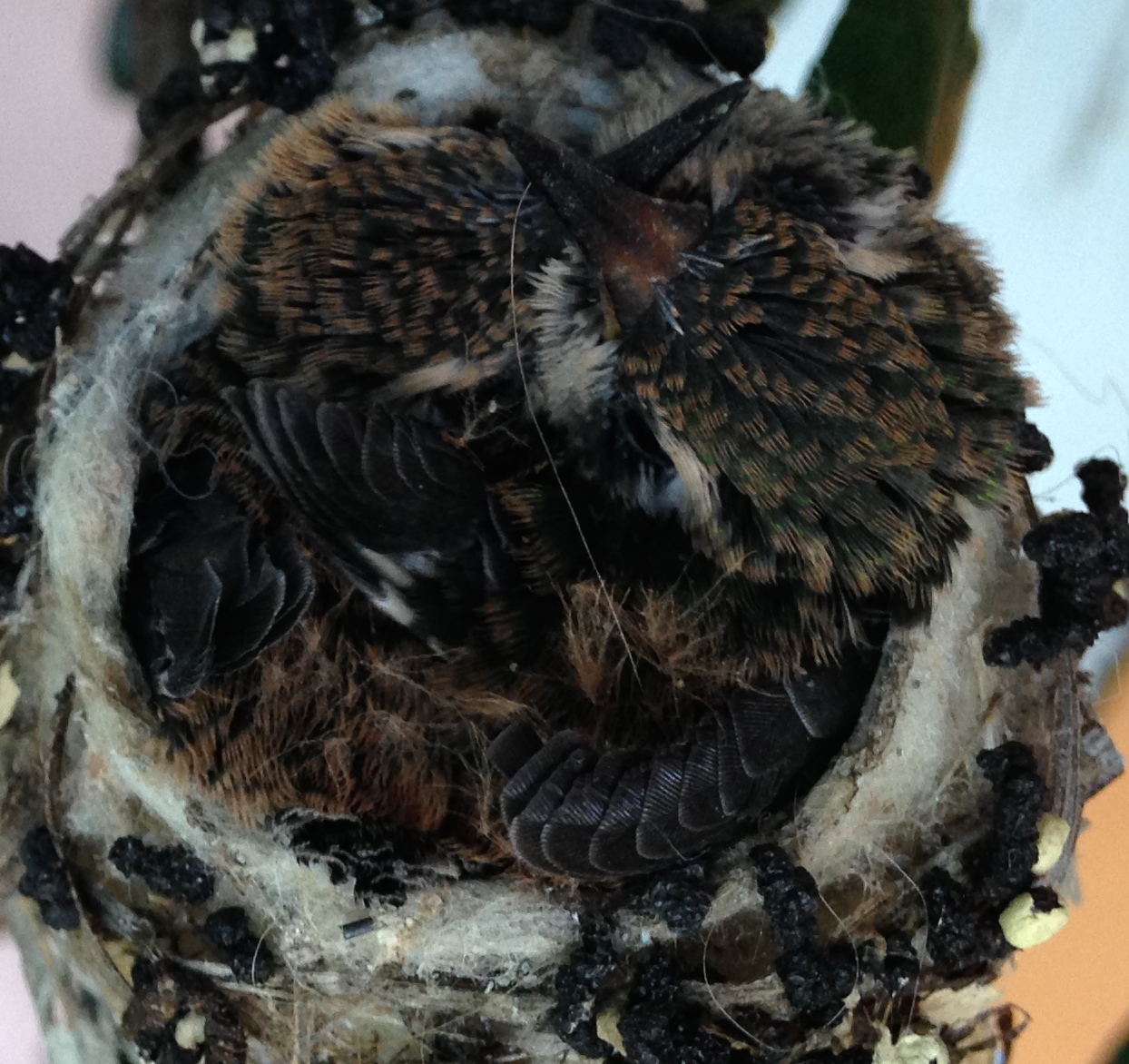
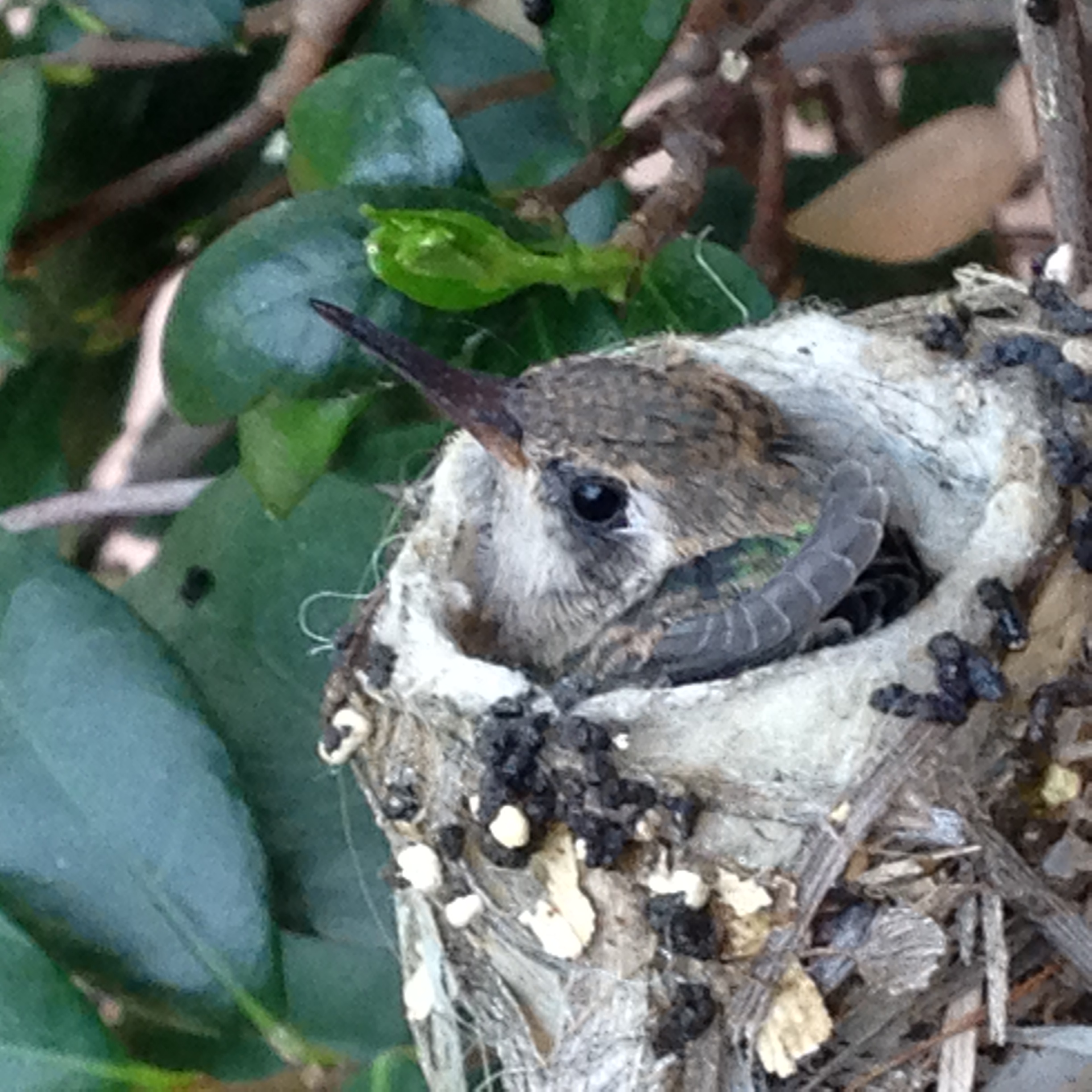
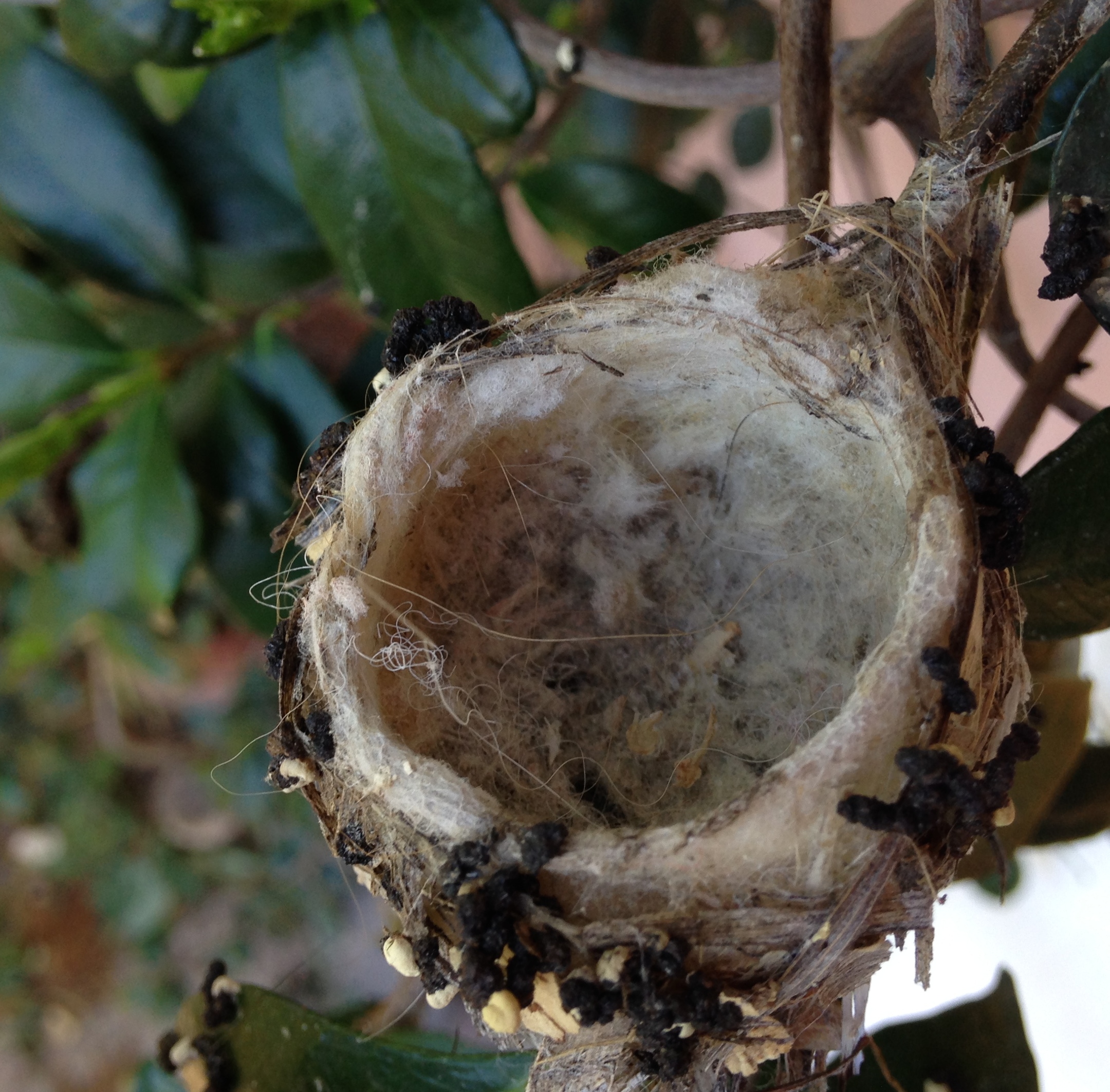
I am going to share with you a few  photos of the young hummers growing; the nest accommodates all that Spring and young birds challenge it with. I am reverberating with the “Ah Hah” of how much of their success in fledging was due to the superior spider-silk building material that their mother used to build a strong, flexible nest.  They rode out significant winds, their little nest bobbing like a tiny boat in a stormy sea, because the nest was nest securely anchored to base of branches with spider web. The rapid growth of the two babies was easily accommodated as well as the spider web allowed it to expanded in size,  without breaking apart, as the babies grew. Much of the success of these little birds’  hatching, growing, and fledging  rested, literally,  on spider silk.

IMG_9314                                                                                                          The First and Second eggs were laid a day apart ….

IMG_9368

IMG_9420                                                                                                             … they then hatched a day apart

IMG_9422

IMG_9463                                                                                         Note: what a difference of just one day makes with their beak size!

IMG_9577

IMG_9602

IMG_9616

When it came time for fledging, they flew off one day apart, as well. I was lucky enough to see this; they flew like “professionals” right off the rim of the nest!IMG_9617

I read this week that little Miss Muffet , (the girl scared away from her tuffet, by a spider, scattering curds and whey; too bad as they are so nutritious) had a father who revered spiders.  The Australian Museum website has a nice little piece on this should you want to find out more. It was from this source that I learned Reverend Dr. Thomas Mouffet (1553-1606) had a deep love of spiders. He wrote of the common house spider that “she doth beautifie with her tapestry and hangings.”. More interestingly, it appears that he liked to treat ailments with the use of spiders. The museum quotes him as writing, ‘The running of eyes is stopped with the dung and urine of a House Spider dropt with Oyl of Roses, or laid in along with Wooll’.

And back to modern day: scientists are exploring what spider silk may have to offer in terms of ligament healing in the human body.  Also interesting, the antimicrobial/antiseptic properties of spider silk that humans have long reported using to bandage and heal wounds, are being explored in scientific labs. This  moves the conversation forward, from anecdotal observation to preliminarily results of effectiveness in the lab as well.  I love a good opportunity to  come to terms with Life on Life’s terms.  The so often feared spider, who frightens so many Miss Muffets in the world, has so very much to offer. The spider contributes to new generations of pollinators, such as hummingbirds.  Yes, it is true that some spider bites do real harm. I know this first hand; a black widow bite is painful and in some can be dangerous. Yet it’s silk may have significant healing properties and scientific utility,  offering varied gifts to humans, as touched on above.

Which brings me to the concept of the Web of Life, which is an all encompassing view of  life where all of nature, including us humans, is seen as connected to all things, as if we were all connected by an enormous, invisible, yet dynamic web. Inspired by this idea, I thought we would revisit a recipe from the past and give it a new twist.

IMG_9291

IMG_9299

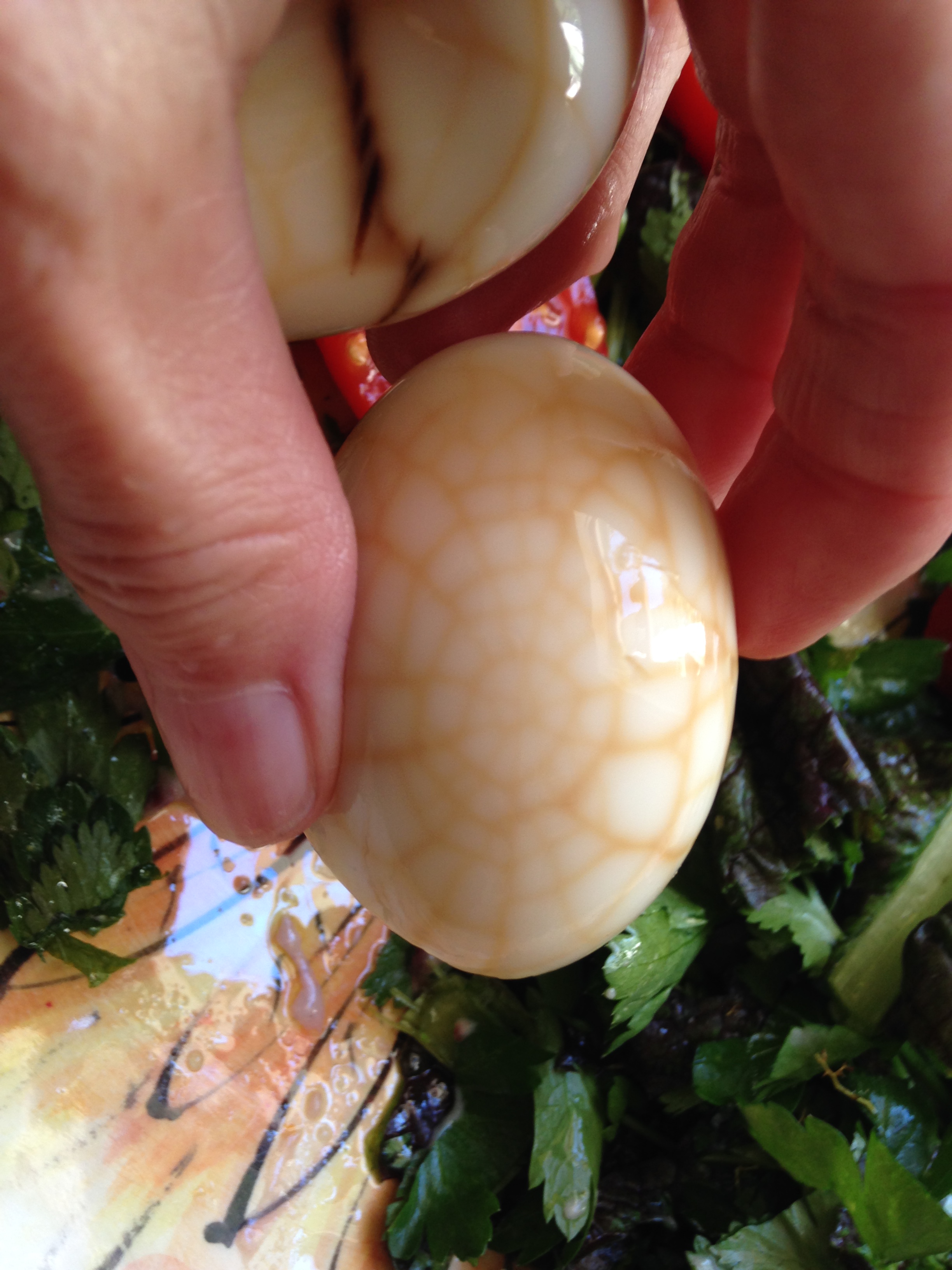
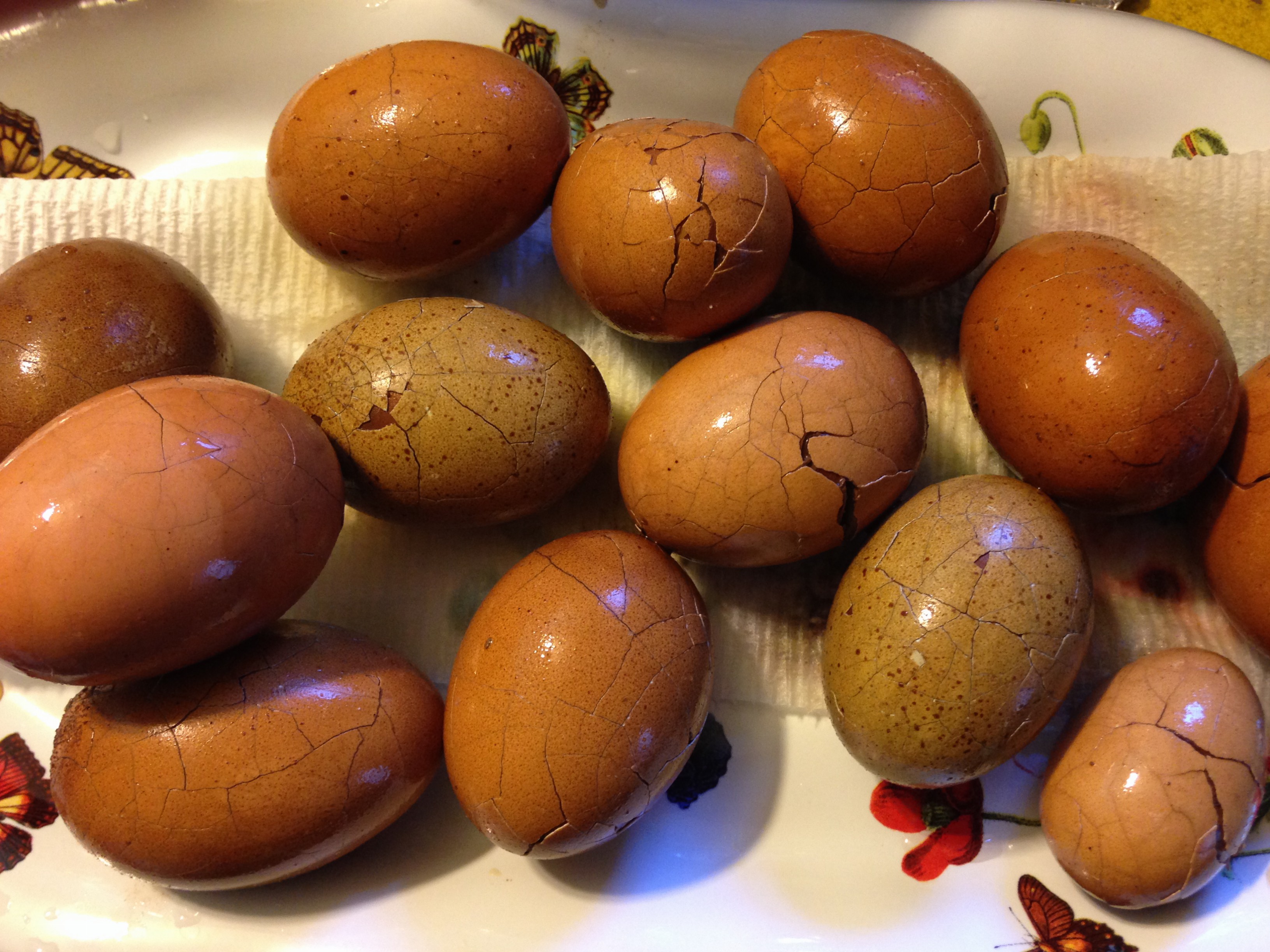
Web of Life Tea Eggs – Chinese Tea Eggs are often described as “marbled”. In the spirit of  todays theme, lets playfully re-interpret them as having a spider Web pattern. We featured this recipe in Feb 2014, but I like the recipe so much that I made a fresh batch and photographed all the steps, so that you will have real success! These Tea eggs are a Portable,  Aromatic, Healthy,  Flavorful and Beautiful savory snack. They can be eaten just as they are,  or can be used as a jumping off point for great deviled eggs or even a flavorful egg salad.

This being Holy Week/Easter you could try these in lieu of dying eggs with food coloring. Eggs are a powerful symbol of regeneration and new life.

Basic Recipe:

Ingredients:

*8-10 eggs

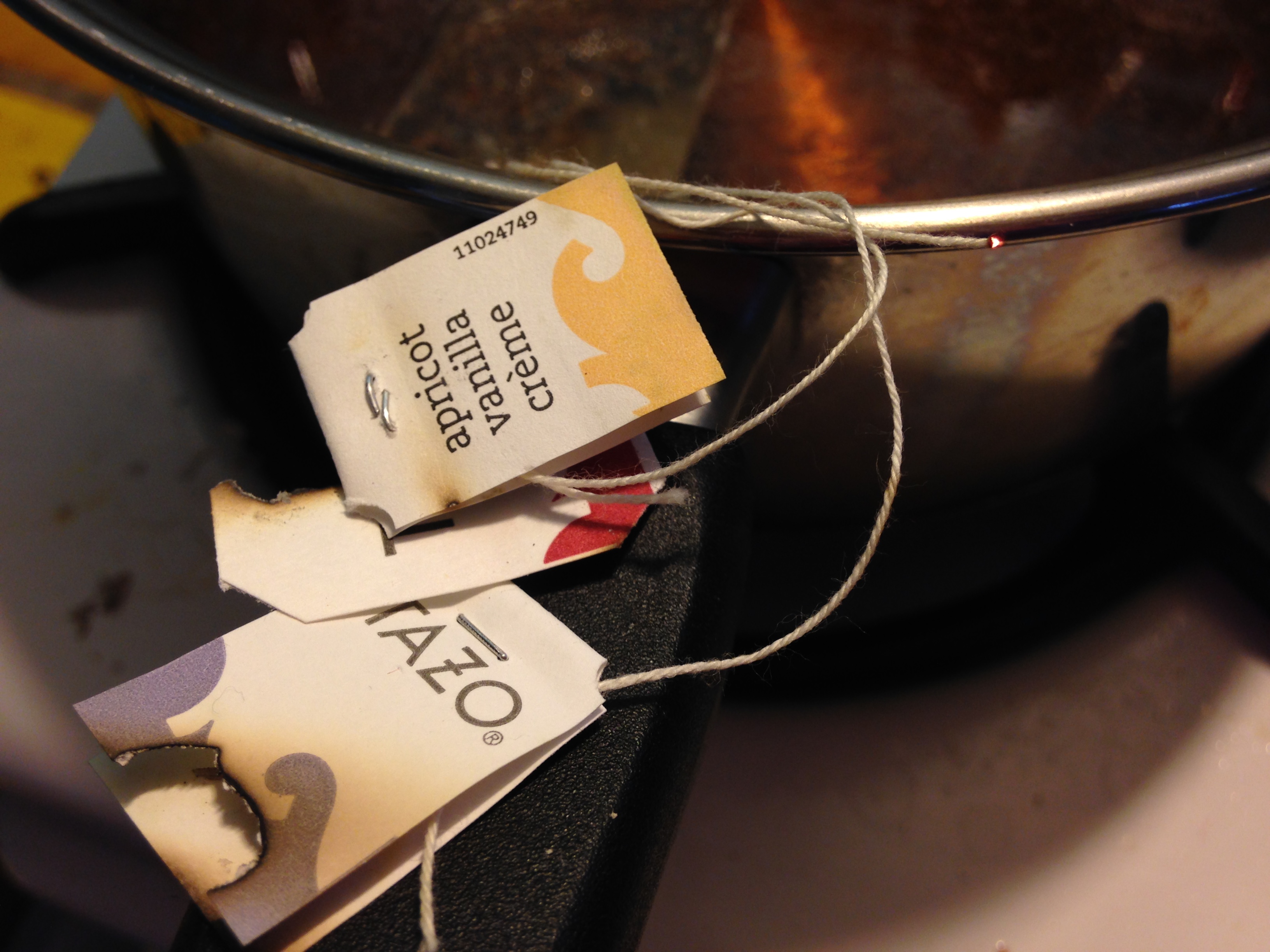
* 3 tablespoons of tea or three tea bags (black tea is most often used in Chinese tea * egg recipes, but any tea will do really – and it is fun to experiment. In the several years I have been making them I have used mostly loose leaf tea – this time I used some very old tea bags that I found in the back of a drawer). I did not give their flavor a second thought; but you could if you would like. Try it with green or oolong tea ….

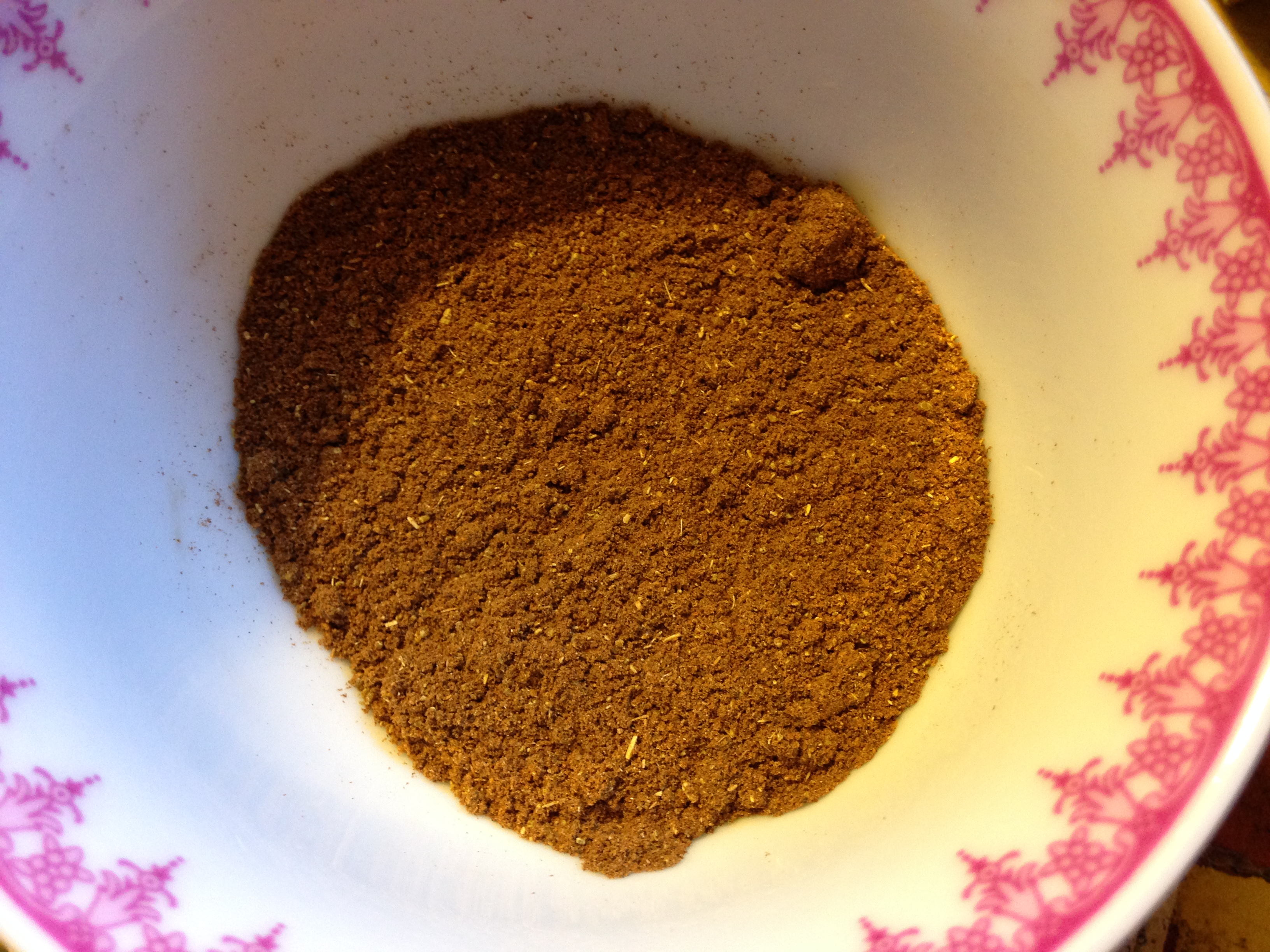
* 3 tablespoons of Chinese Five Spice

The trick here is two baths.

1) In the first, you boil the eggs just like you do normally. Just the eggs and hot/boiling water. Boil until done.

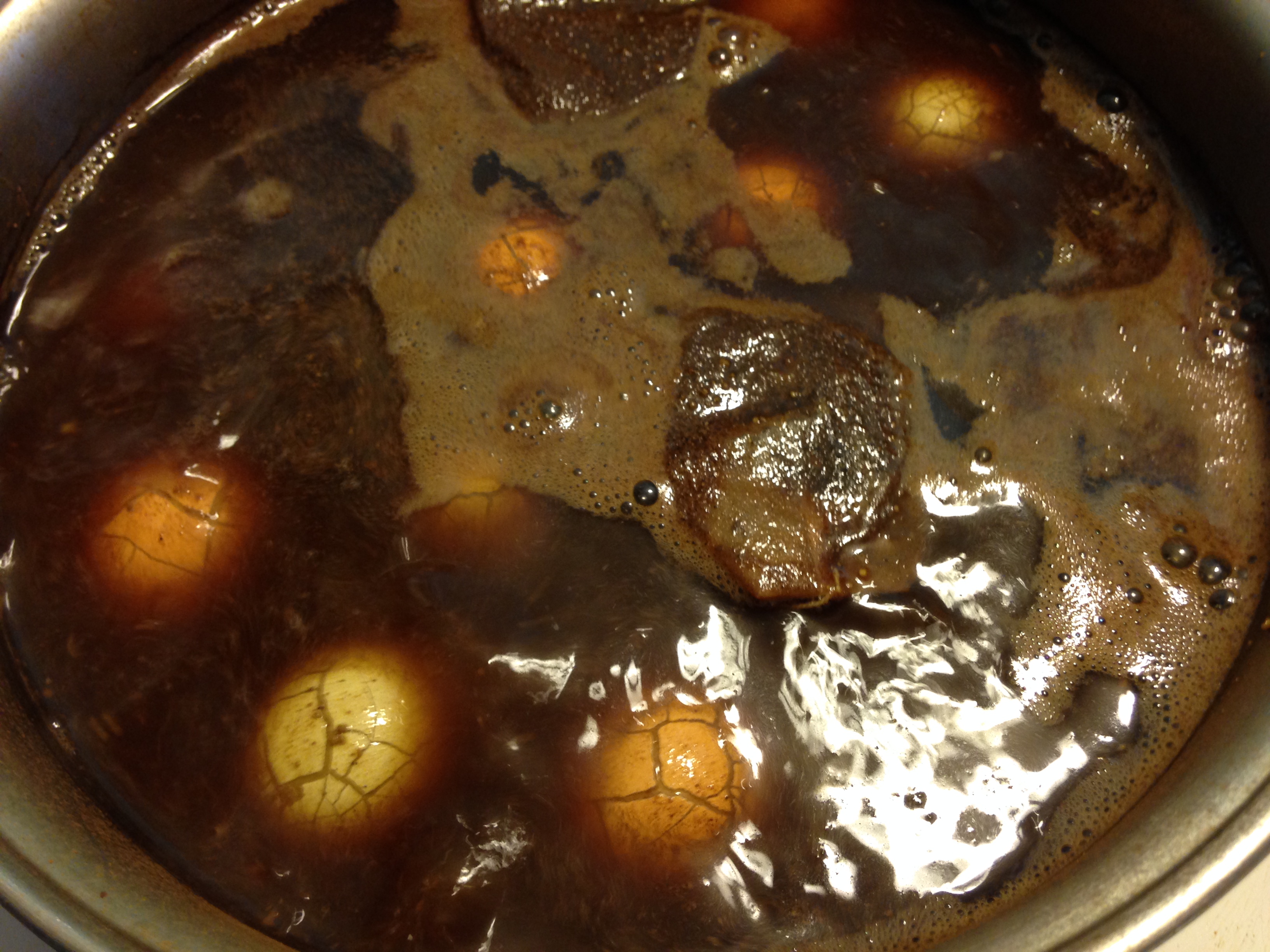
2) In the second bath,  you mix up a bath of the tea and spices. This is the bath that you will simmer the eggs above, for the marbled/webbed flavor and color.

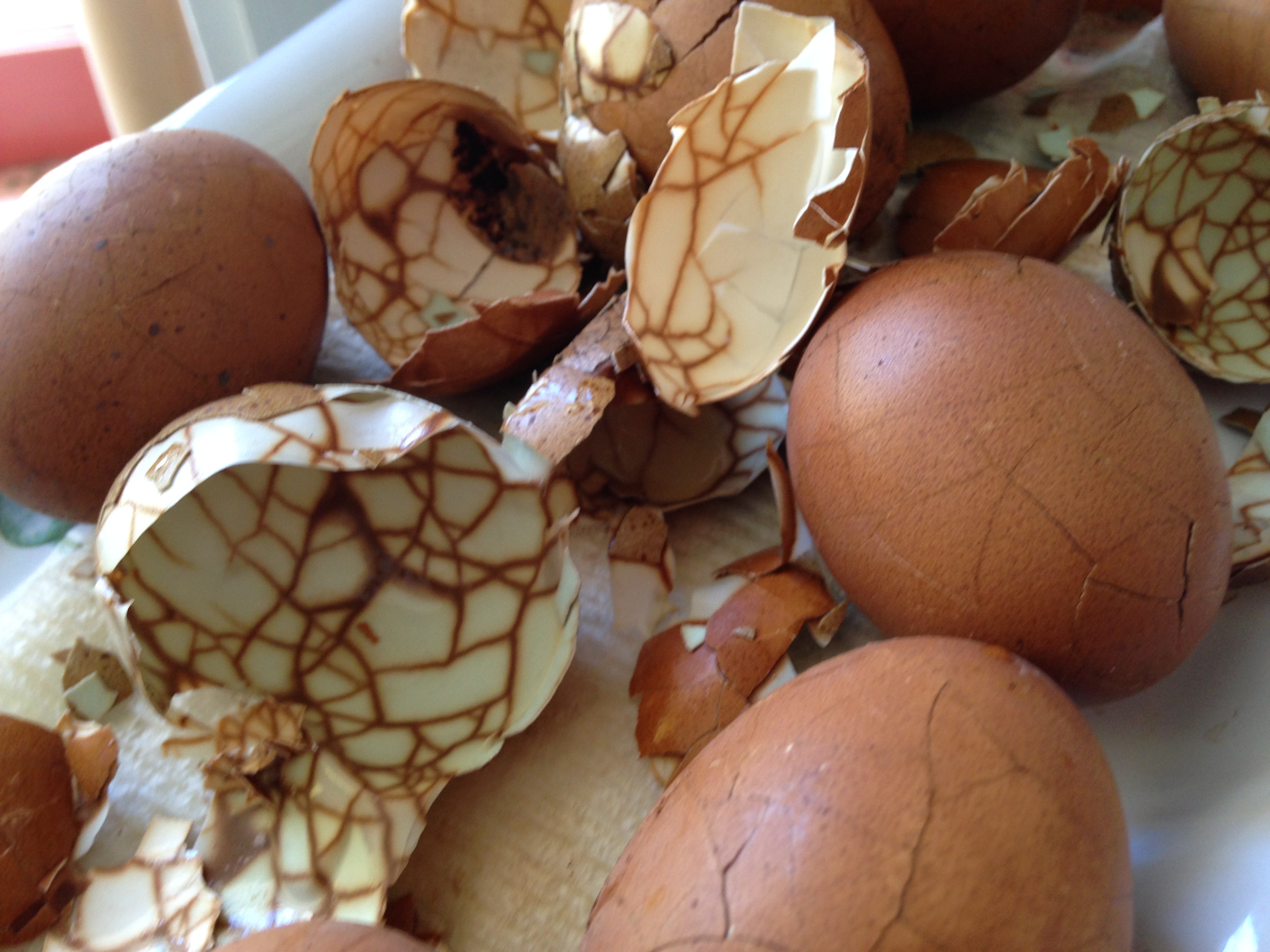
So:  When the eggs are hard boiled, you let them cool a bit for handling,  and then crack them, creating the beautiful web pattern. You can smash one side of an egg against the kitchen counter, and them play around with cracking them with your fingers and hands, for finer details. These cracks allow the flavor and color into the egg white. Simmer the eggs for as long as you would like – I simmered mine on low heat for over an hour.  Then I covered the pot and let them steep in the tea/spice bath for several hours. The peels are gorgeous as well.

IMG_9255IMG_9232IMG_9228IMG_9263

I

IMG_9241 IMG_9254

Lovely Lavender

lavandula _5487

by Jacqueline A. Soule, Ph.D.

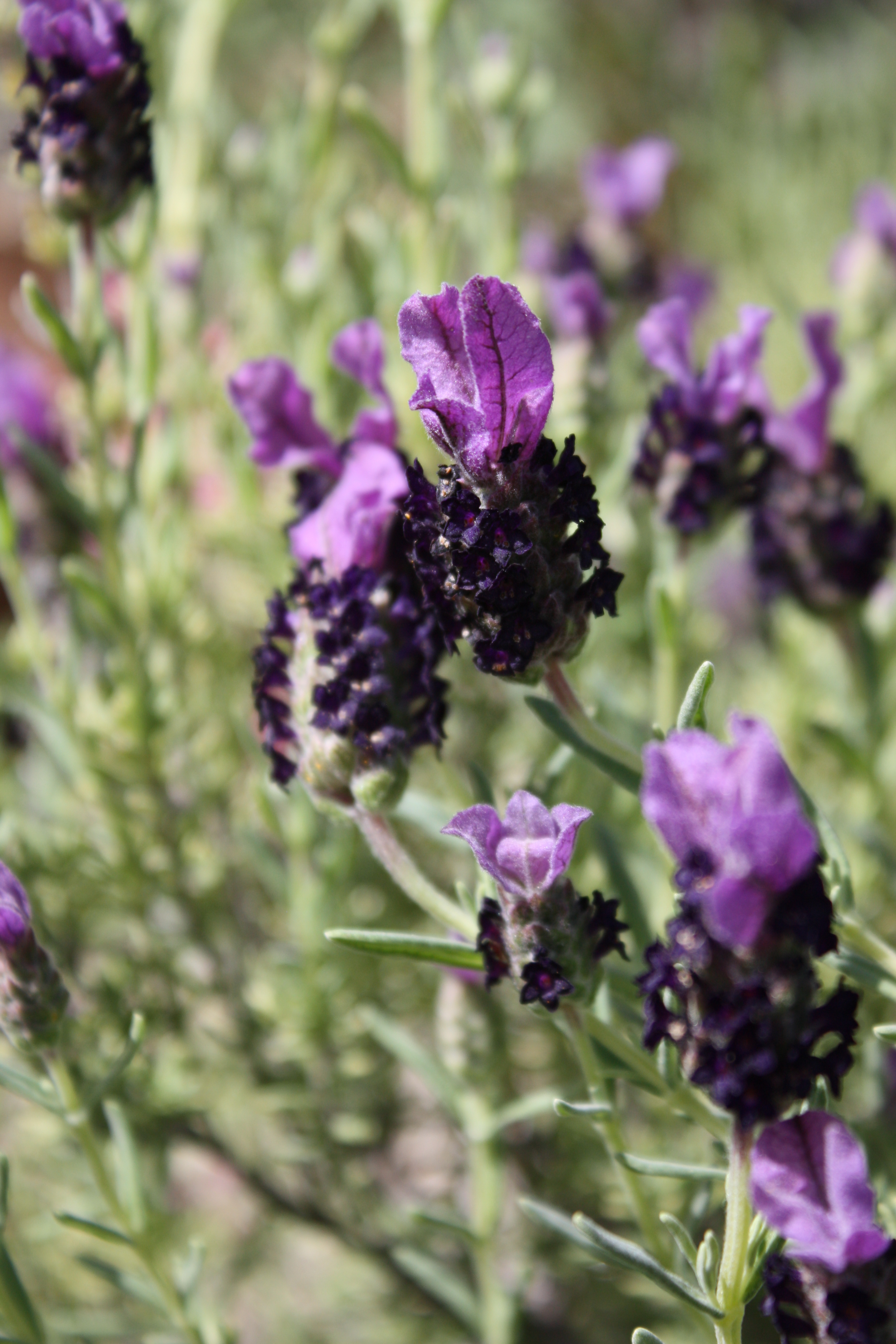
If you want to grow and use your own herbs, or if you simply desire an attractive plant for the landscape, you can’t beat lavender. Cultivated for centuries, this charming low growing perennial has wonderfully fragrant flowers and leaves.

lavandula _5175

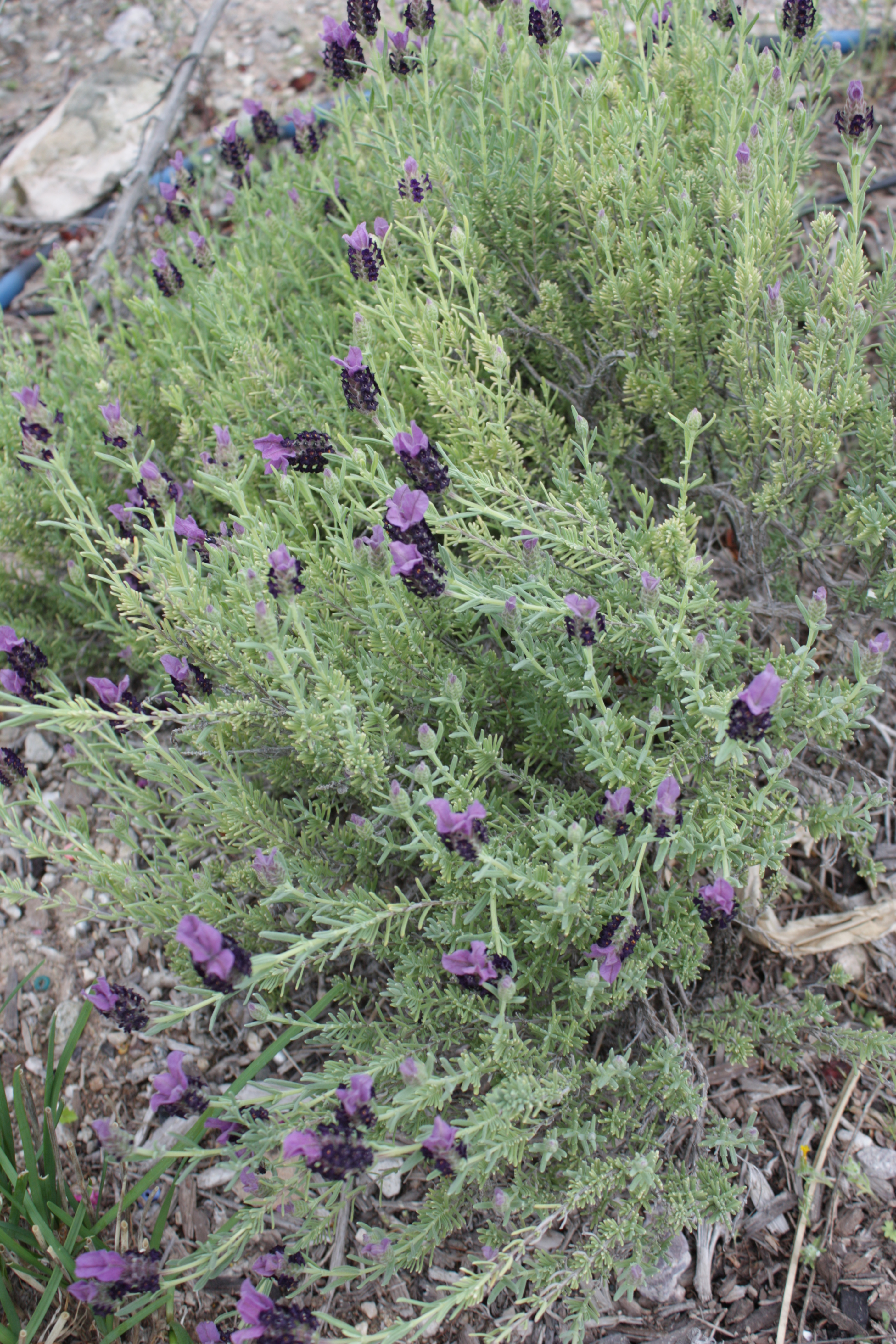
Lavender is forms a fragrant mound and can bloom for months with some added water.

Lavender Uses

The name of the plant is derived from the Latin “lavare,” meaning to wash. Leaves and flowers have been used for several millennia to do just that, wash. Fragrant baths, hair rinses, to cleanse and treat skin ailments, and, in the past, to help eliminate lice and bedbugs from the household. Lavender essential oil is popular in aromatherapy. Tea made from leaves and flowers has been used to treat sleeplessness, restlessness, headache, flatulence, and nervous stomach. At this time, Commission E, a German-based group which scientifically studied herbal medicines, recommends using lavender for insomnia and circulatory and gastrointestinal disorders.

lavandula _5331

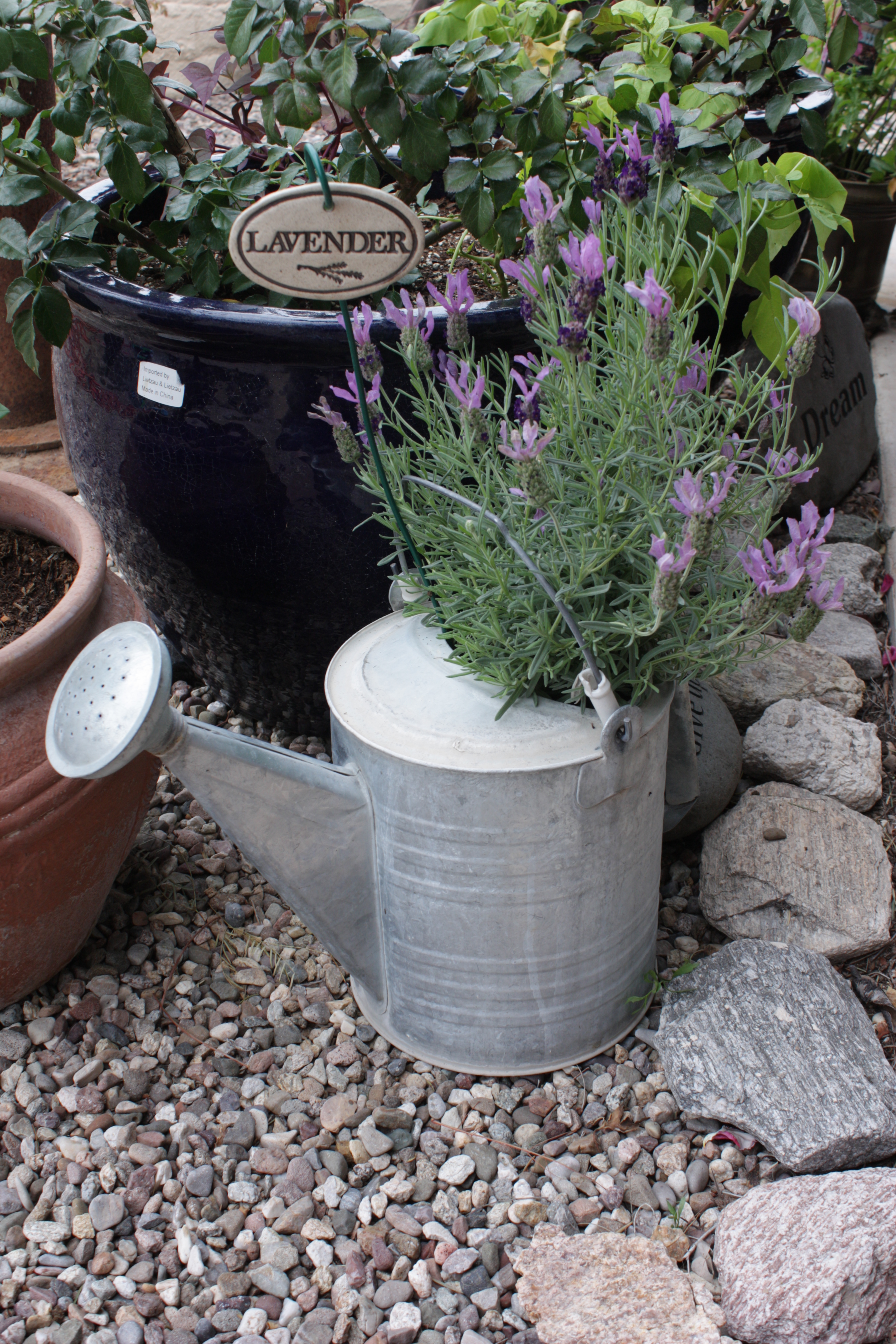
Lavender also grows well in containers, but unlike many herbs, is fussy about being moved.

Growing Lavender

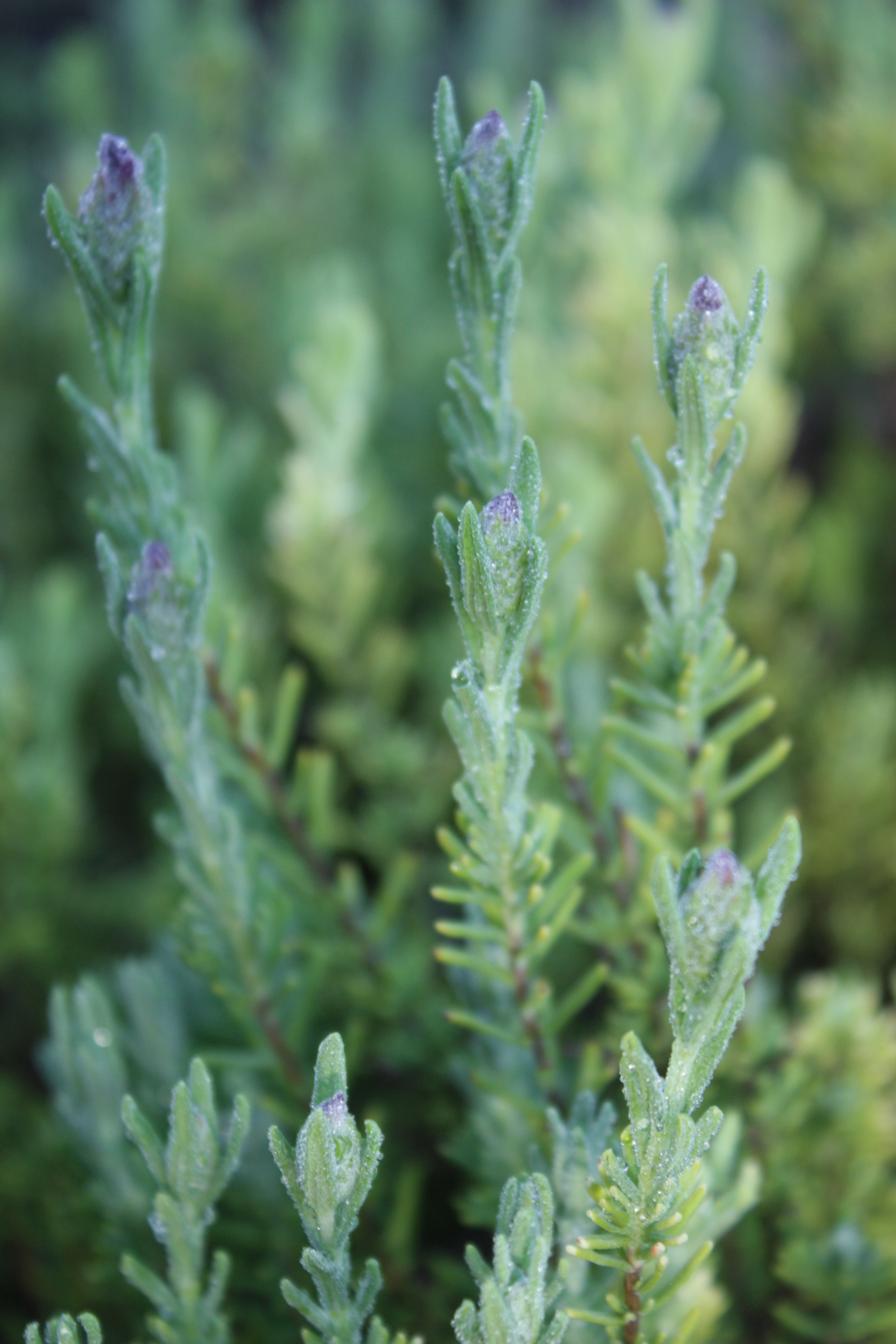
Lavender is easy to grow in our area. There are a number to choose from. English lavender (Lavandula angustifolia) and Spanish lavender (Lavandula stoechas) both tend to be stressed by our summers, but grow well in a garden that gets only morning sun. The French or toothed lavender (Lavandula dentata) does best in my yard in full sun with some noon-time summer shade. Perhaps the fuzziness of the leaves helps reflect sunlight and reduce water loss.

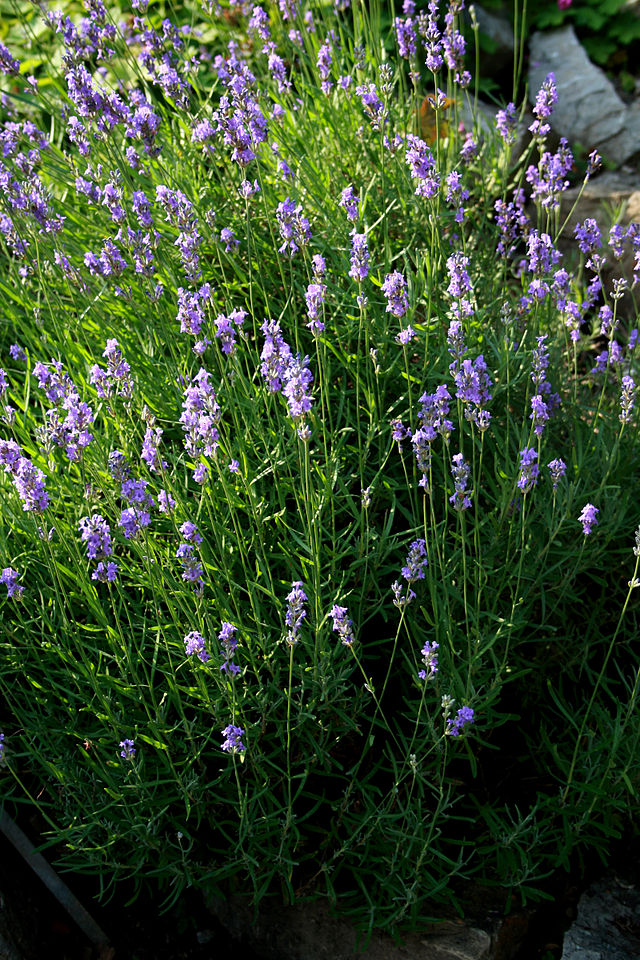
Lavandula_angustifolia_prg_1

English lavender has difficulty surviving the Southwest summer. Photo by Karelj

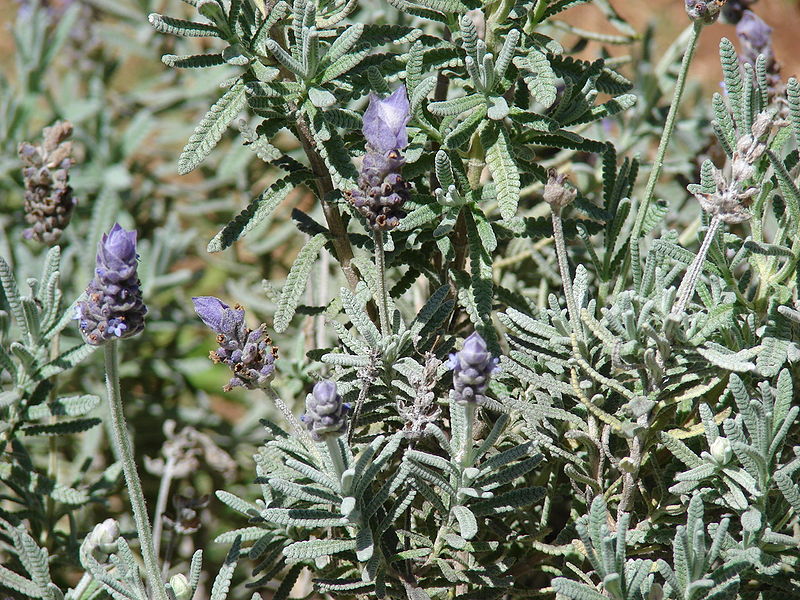
Lavandula_dentata_plant

French lavender is more tolerant of the heat than its’ English cousin.

Like most herbs, all of these lavenders do best in well drained soil. They will need watering during the dryer months, but can often survive on rainfall during monsoon or winter months. Fertilize in moderation or not at all to encourage greater production of the fragrant oils. Harvest and prune often. Like most herbs, lavender should be trimmed two to three times per year to control rampant growth and keep the plant producing quality blooms.

Native Lavender

Ideally however, plant the native desert lavender (Hyptis emoryi), a shrub often found growing along area washes. Desert lavender is a shrub reaching 4 to 6 feet high and covered with fragrant gray green leaves. Summer brings spikes of fragrant purple flowers that butterflies adore.

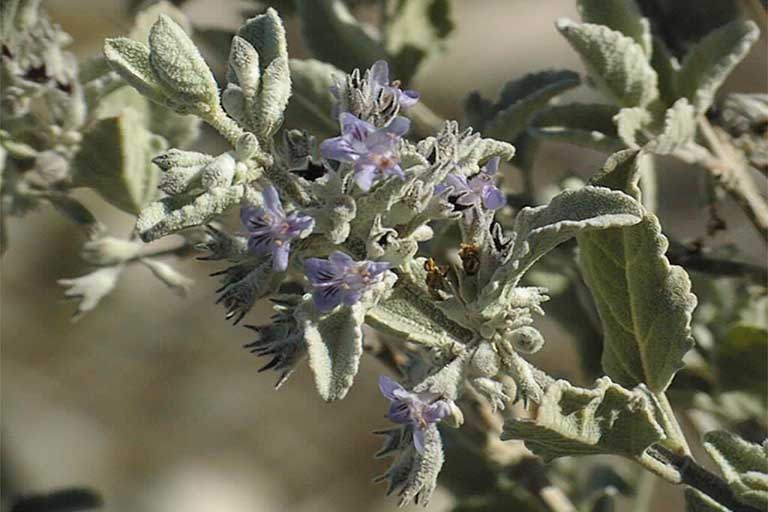
Hyptis emoryi_flowers_001

The native desert lavender is more of a shrub than its’ European cousins.


Harvest Lavender

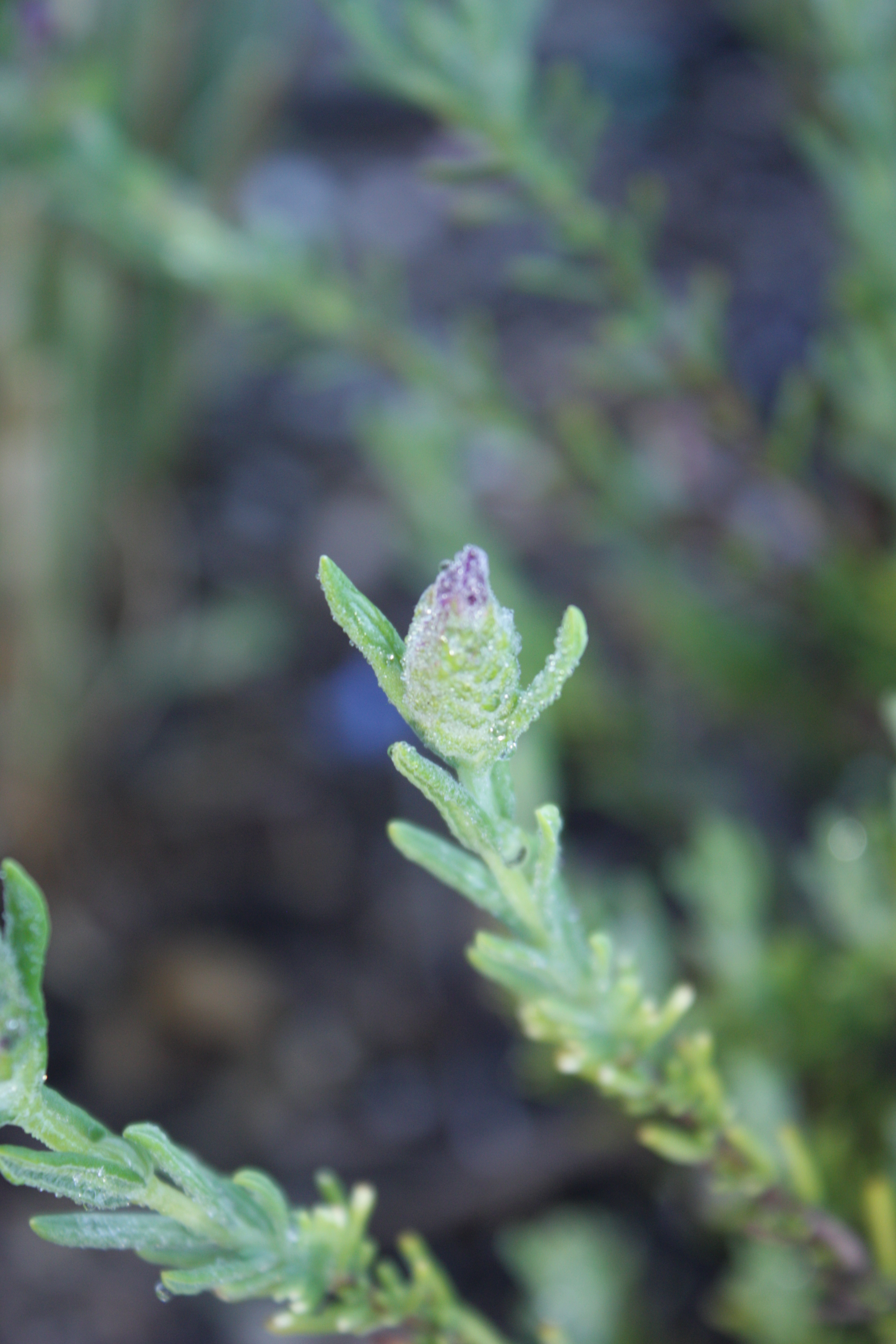
Harvest stalks of lavender blooms as the lower-most flowers open. This gives you buds with optimum fragrance.

Dry your lavender, like all herbs, out of direct sunlight.

lavandula_2015_5108

It is delightful

lavandula_2015_5106

to watch over time

lavandula _5487

as the flowers unfurl.

Live Green

No matter what species of lavender you plant, you’ll be living green. Growing your own lavender reduces lavender imported from half a globe away, usually southeastern Europe. Growing your own also insures that you have a good source of quality organic lavender. For those exploring the energetics (chi) of products, growing your own lavender and harvesting as needed offers the many benefits of strong chi.

Native desert lavender or European species, lavender adds refreshing fragrance to your living spaces, both indoors and out.

lavandula and penstemon_5174

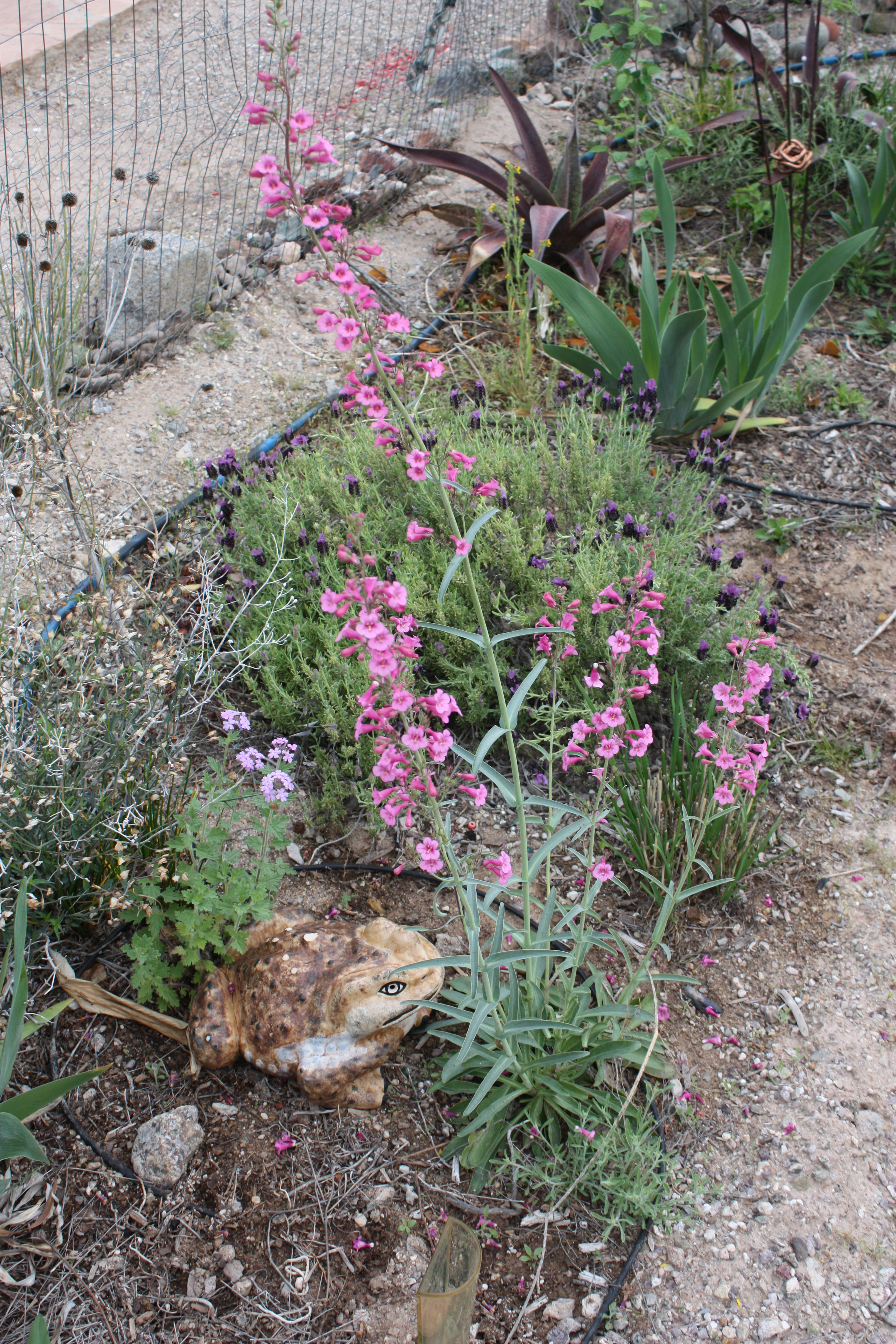
Lavender and Parry’s penstemon grow well beside one another and attract many native pollinators to the garden.


Special Book Signing:

Eastside Costco, Saturday April 4, from 12 noon to 3 pm

Northwest Costco, Saturday April 11, from 12 noon to 3 pm

If you live in Southeastern Arizona, please come to one of my lectures. Look for me at your local Pima County Library branch, Steam Pump Ranch, Tubac Presidio, Tucson Festival of Books and more. After each event I will be signing copies of my books, including the latest, “Southwest Fruit and Vegetable Gardening,” written for Arizona, Nevada and New Mexico (Cool Springs Press, $23).

JAS avatar

All photos (except where noted) and all text are copyright © 2015, Jacqueline A. Soule.

All rights reserved. I receive many requests to reprint my work. My policy is that you may use a short excerpt but you must give proper credit to the author, and must include a link back to the original post on our site. Photos may not be used.

Luscious Lemons

IMG_0092

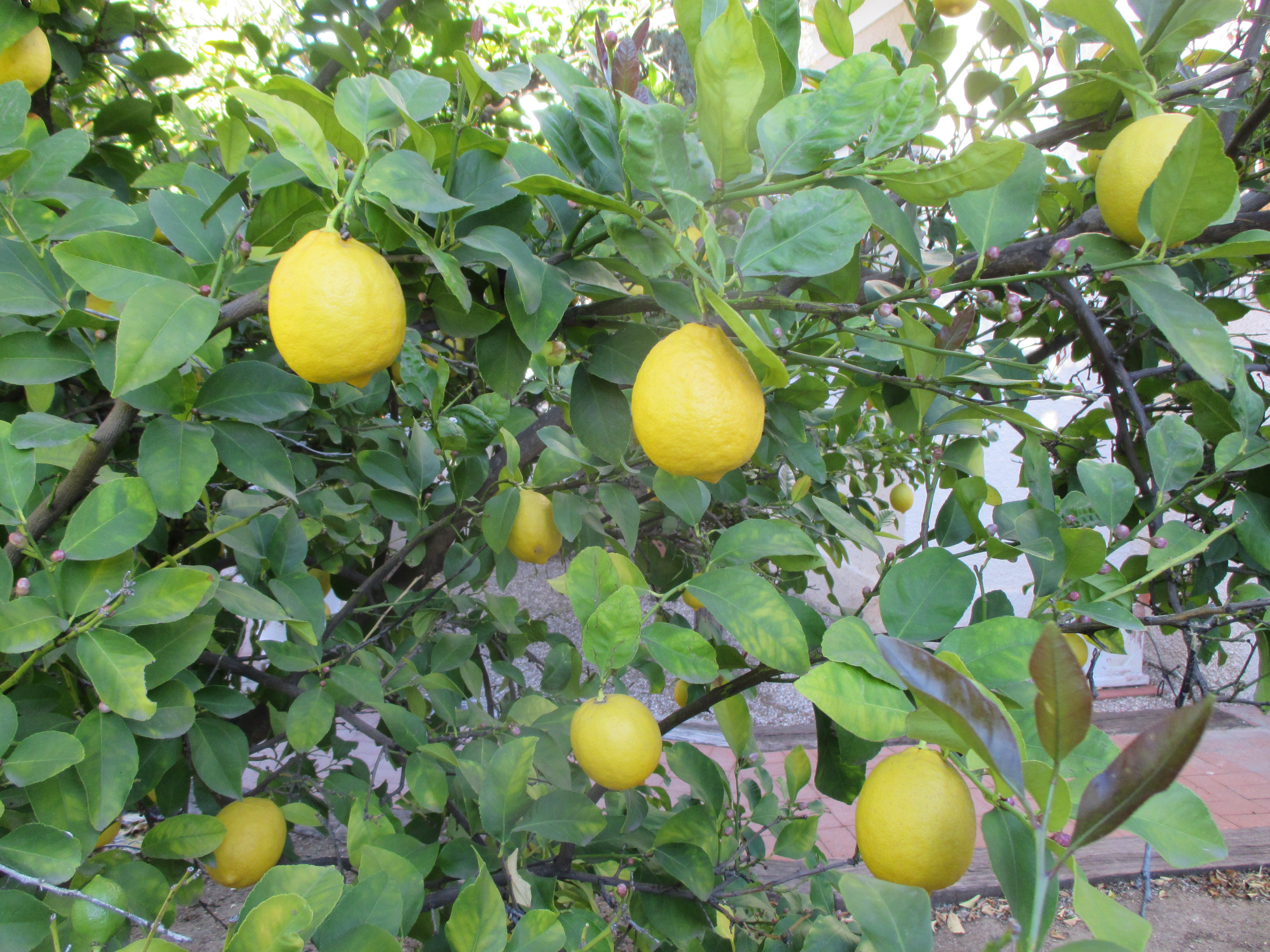
As I write, the citrus trees in my neighborhood are beginning to bloom and sending waves of  scented the air through my exuberantly flowering garden. This is the kind of experience poets rhapsodize about. The two big freezes we had in 2011 and 2013 affected most of Tucson’s lemon trees, and some gardeners went without lemons as the trees recovered. But this spring they came roaring back. It’s Carolyn this week giving you ideas for using lemons from your own trees, those you can beg from neighbors or buy at the farmers’ market.

Make Some Lemon Curd

The word “luscious” could have been invented to describe lemon curd. It’s sweet without being cloying; tart without being sour. Yum. I made it once before with so-so results. As with any recipe involving cooked eggs, there is always the chance of curdling if you don’t handle the ingredients delicately. This recipe, developed by Elinor Klivans from Fine Cooking reduces the risk. You can use your lemon curd on toast or scones or fill tiny tart shells for a dessert.

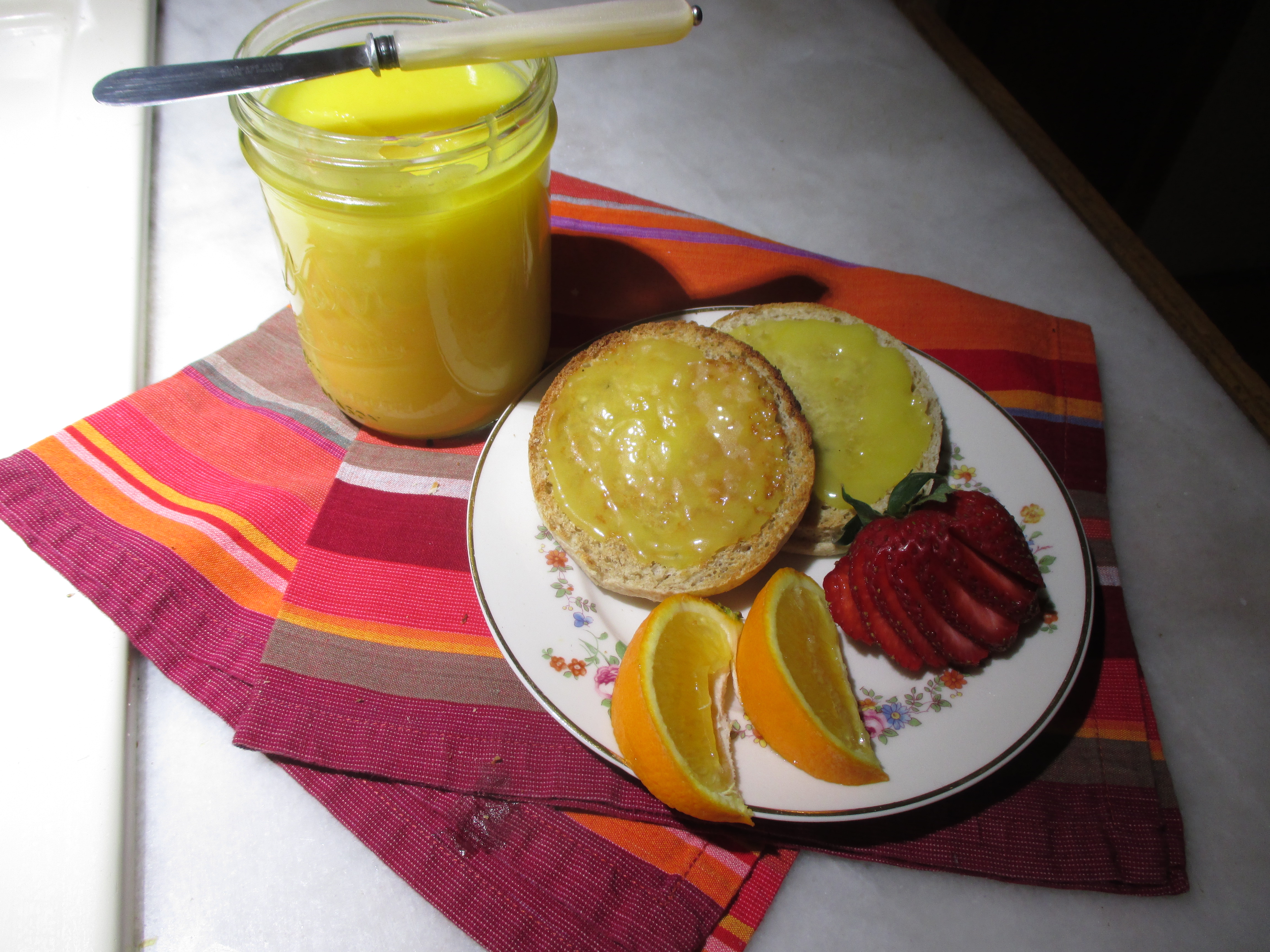
Lemon curd and English muffins make an elegant breakfast.

Lemon curd and English muffins make an elegant breakfast.

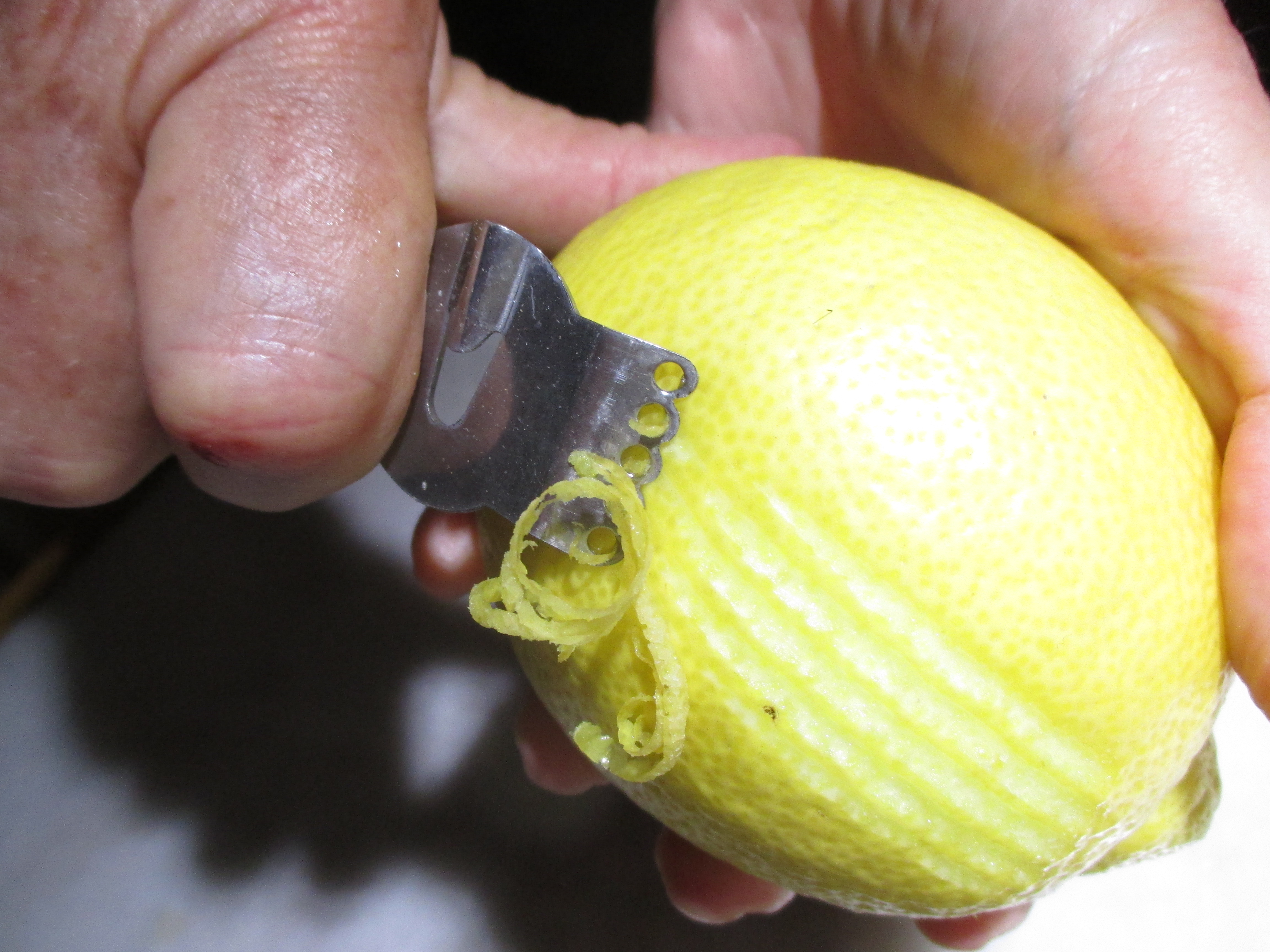
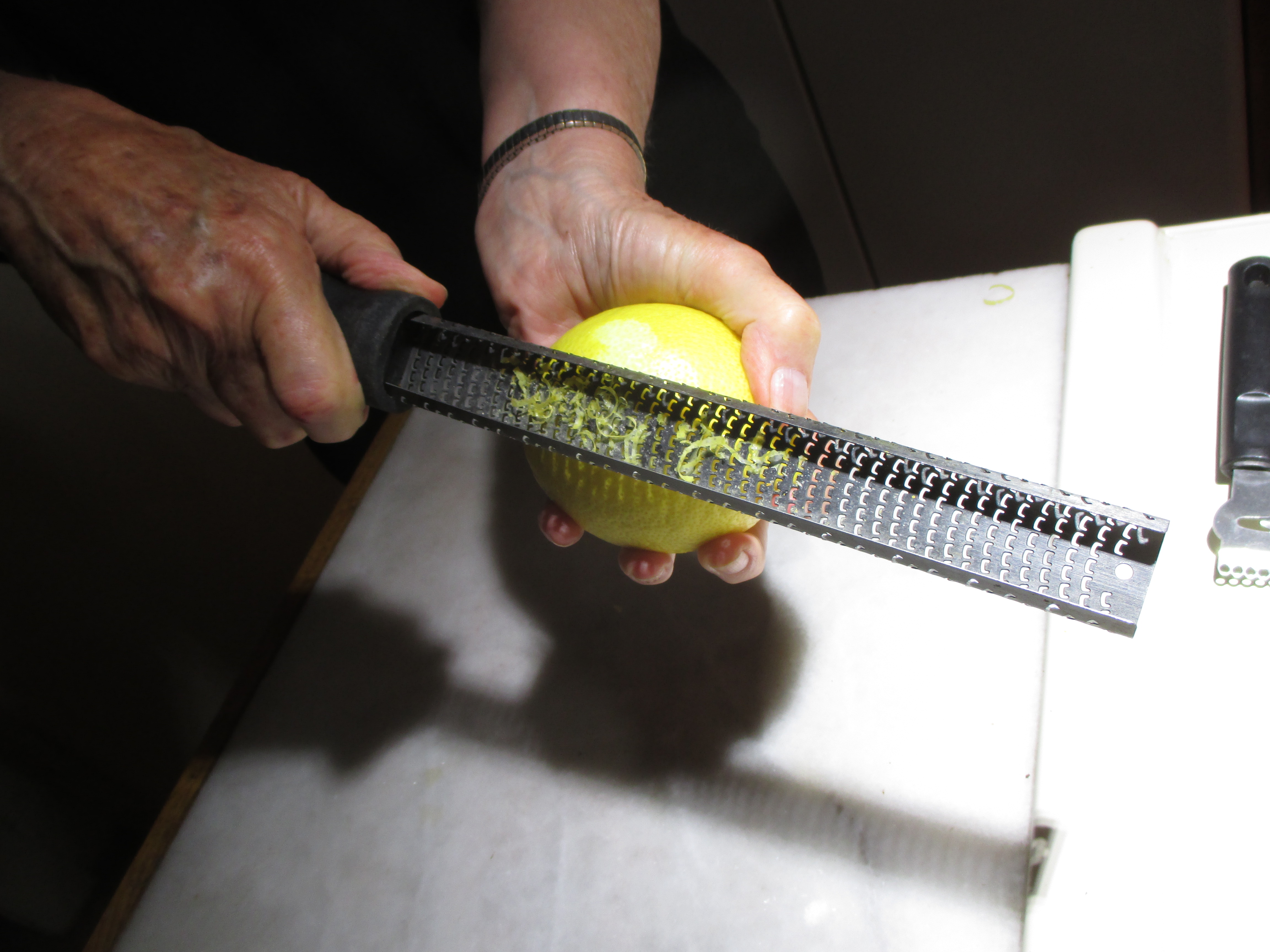
To make lemon curd, you’ll need to zest a lemon first. You only need a tablespoon of zest. You can use a lemon zester or get finer zest with a microplane.

Zesting with a simple lemon zester.

Zesting with a simple lemon zester.

Using a microplane to make lemon zest.

Using a microplane to make lemon zest.

Lemon Curd

by Elinor Klivans from Fine Cooking

6 tablespoons unsalted butter, softened at room temperature

1 cup sugar

2 large eggs

2 large egg yolks

2/3 cup fresh lemon juice

1 tablespoon grated lemon zest

In a large bowl, beat the butter and sugar with an electric mixer, about 2 minutes. Slowly add the eggs one at a time, beating between, then add the yolks. Beat for 1 more minute. Mix in the lemon juice. The mixture will look curdled. Don’t worry as it will smooth out as it cooks.

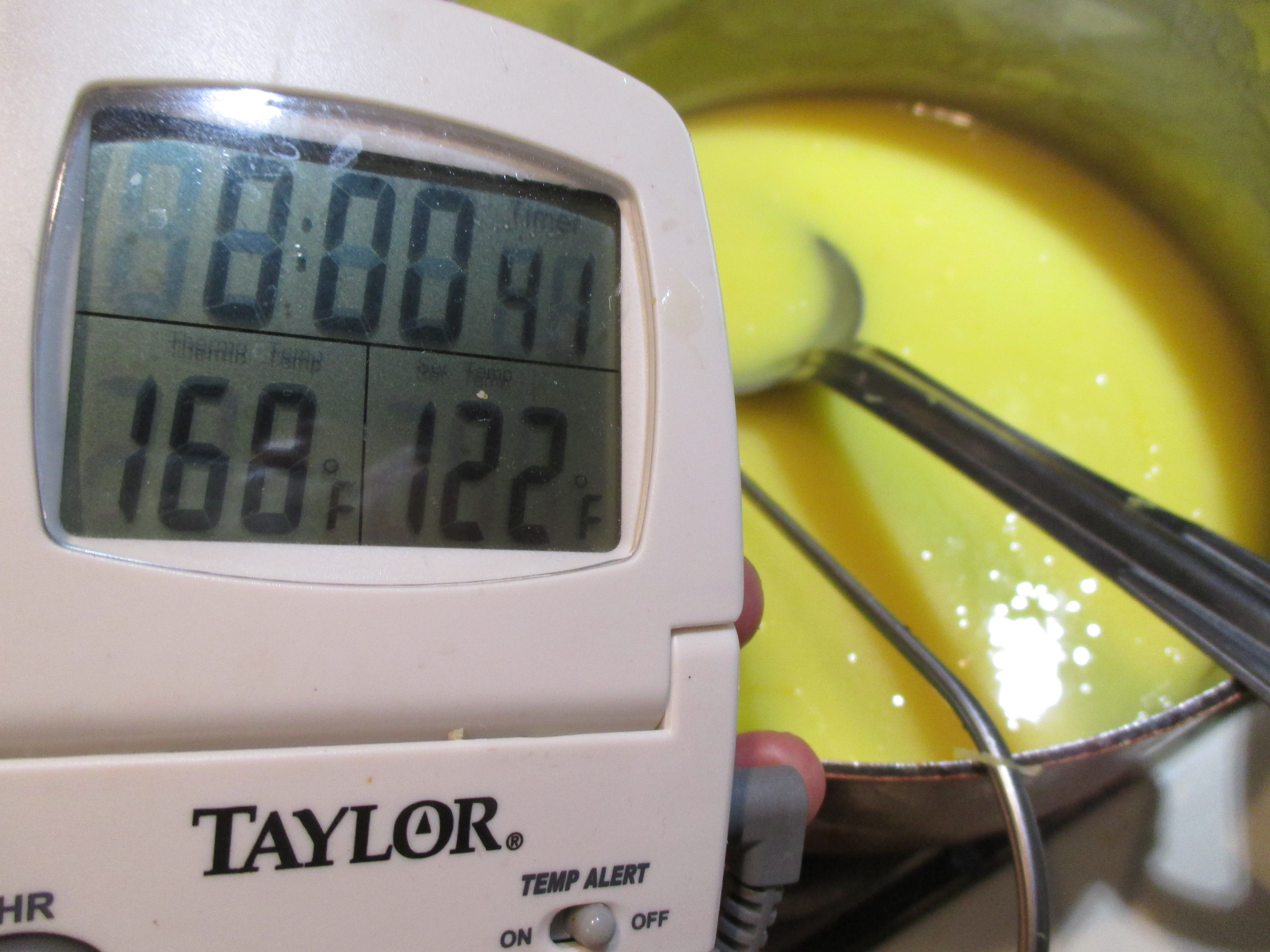
Transfer the mixture to  a medium, heavy-bottomed saucepan and cook the mixture over low heat until it looks smooth. You will find that the curdled appearance will disappear as the butter in the mixture melts. Increase the heat to medium and cook, stirring constantly, until the mixture thickens, from 8 to 15 minutes. Don’t try to rush this. Put on the radio or some music to entertain yourself. If you have a cooking thermometer, it should read 170 degrees F. when the curd is finished.

The curd is almost ready.

The curd is almost ready.

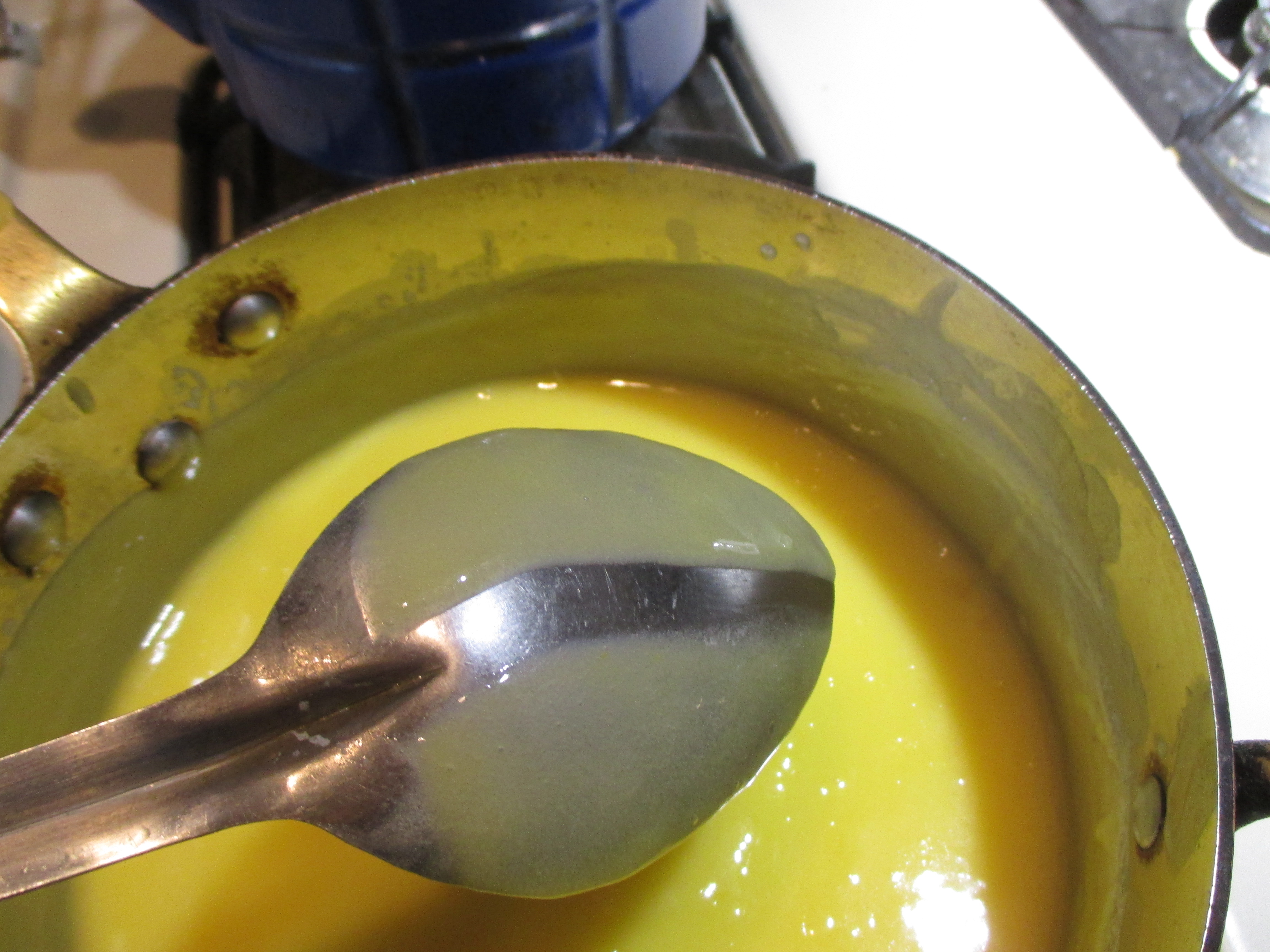
If you don’t have a thermometer, dip the back of a spoon into the sauce, and and run your finger through it. A path should remain. Most important:  Don’t let the mixture boil.

Test doneness without a thermometer.

Test doneness without a thermometer.

Remove the pan from the heat; stir in the lemon zest. Transfer the curd to a bowl. Press plastic wrap on the surface of the lemon curd to keep a skin from forming and chill  in the refrigerator. The curd will thicken further as it cools. Covered tightly, it will keep in the refrigerator for a week and in the freezer for 2 months. Each tablespoon has about 50 calories.

Limoncello: A Treat from Italy

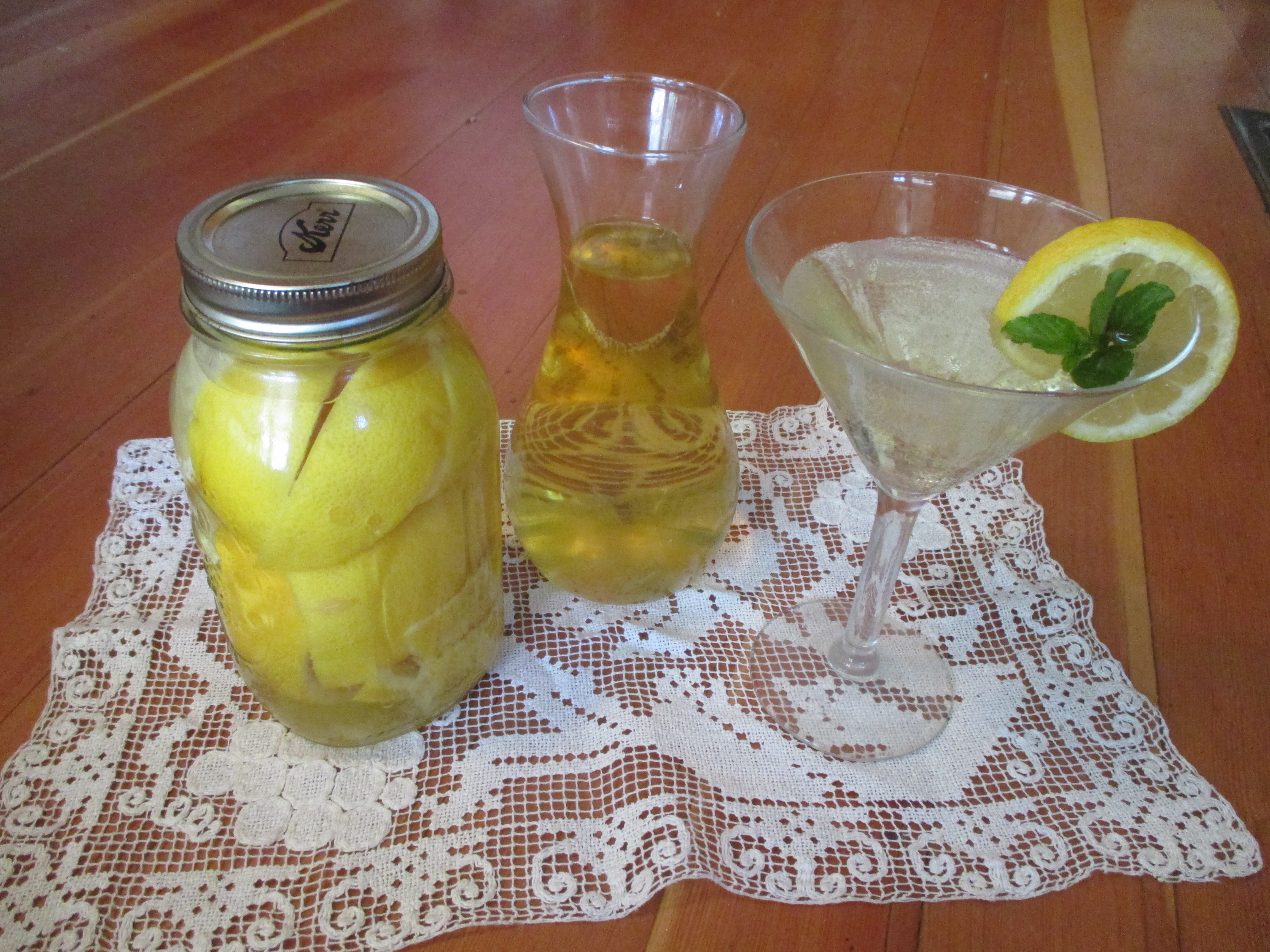
Italian limoncello is easy to make.

Italian limoncello is easy to make.

If you have ever been to Italy, you probably know about limoncello, the generic name for an Italian citrus-based lemon liqueur that is served well chilled in the summer months. All you need is lemons, vodka and sugar. When choosing lemons you want to use organic if possible to avoid wax and pesticides on the peel. This recipe is adapted from one given by the television cook Giada De Laurentiis.

Limoncello

10 lemons
1 (750-ml) bottle vodka
3 1/2 cups water
2 1/2 cups sugar

Start with a clean gallon jar. First, carefully peel the lemons in long strips with a vegetable peeler so there is no white pith on the peel. Use only the outer part of the rind. Put the rinds in the jar and cover with the vodka. Let it sit at room temperature for at least 10 days and up to 40 days in a cool dark place.

When you are ready to proceed, combine the water and sugar in a saucepan, bring to a gentle boil and let it boil 5 to 7 minutes. Remove from heat and let the syrup cool. Add to the limoncello mixture and let it rest from overnight to 10 days (the experts really differ on this. I just waited 2 days and it was fine.) Strain into bottles, seal and refrigerate.

Limoncello Cocktail

Mix half-and-half limoncello, seltzer water, tonic, or champagne and serve over ice.

Easier, Better Lemonade

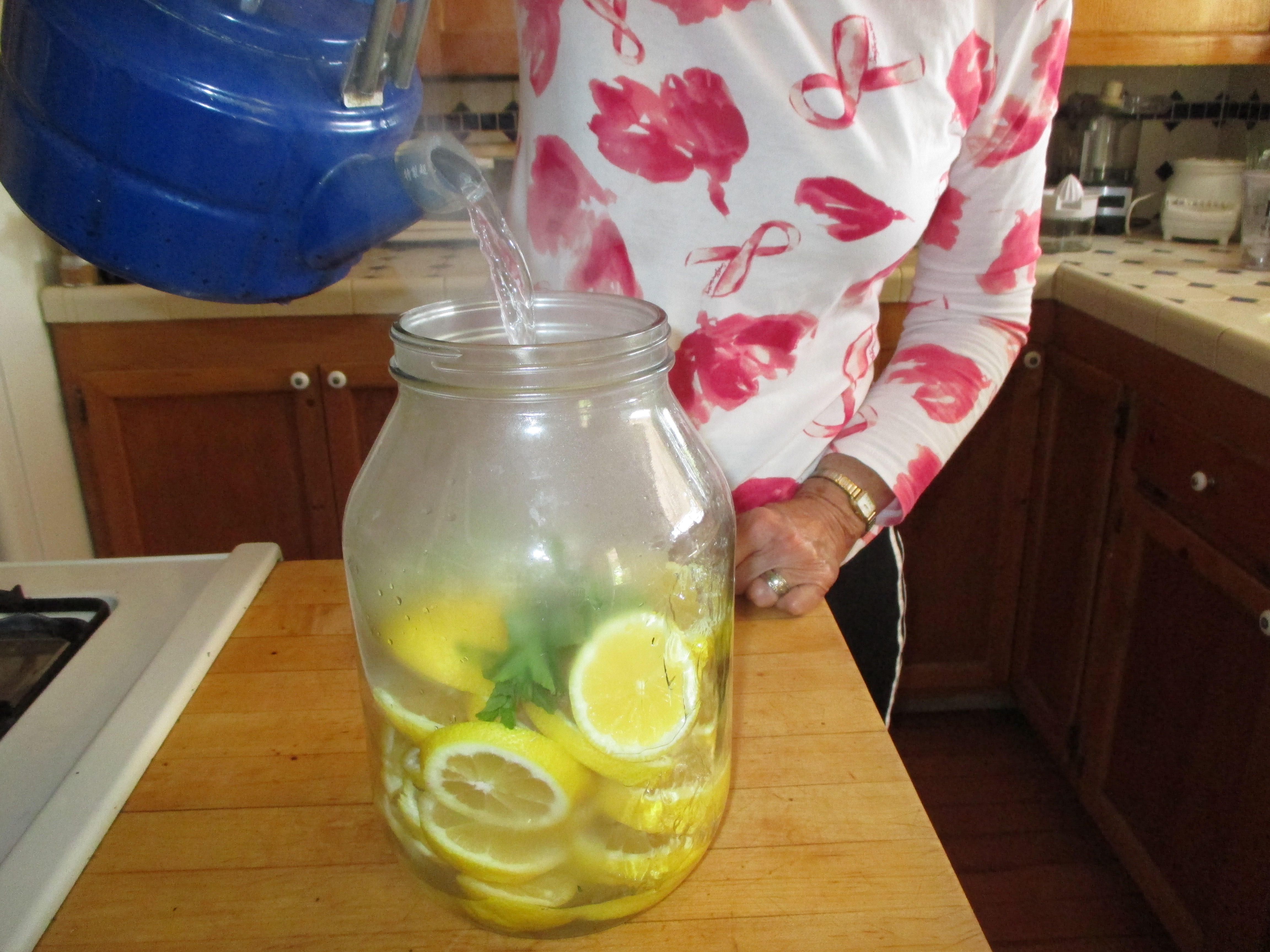
No squeezing needed when you pour boiling water over sliced lemons.

No squeezing needed when you pour boiling water over sliced lemons.

I learned to make the best lemonade from my friend Ann who lives in New Jersey. She learned it from a woman in Germany. Neither of these areas are lemon-growing regions so it may be a way of conserving. Rather than squeezing them, slice the lemons and pour boiling water over them. Let them steep for a couple of hours, pour off the water and repeat. You can keep adding water, letting it sit and draining until the taste grows too weak. This makes a juice with greater depth of flavor because it extracts the lemon oils from the rinds. Sweeten to taste with your choice of sugar, honey or agave syrup.

And Don’t Forget…

Tia Marta is running several classes in gathering and preparing cholla buds. This is a great year for desert plants and the cholla buds are fat and juicy.

Workshop Dates (find a downloadable flyer on the website http://www.flordemayoarts.com):
Saturday April 4, 2015, 7:30-9:30am—register at 520-907-9471
Wednesday, April 8, 8-11am, Pima Co Parks & Rec 520-615-7855 x 6
Saturday, April 11, 8-11am, Westside, sponsored by NativeSeeds/SEARCH, call 520-622-0830×100

Saturday, April 18, 8:30-11:30am, Tohono Chul Park, 520-742-6455 x 228

Here’s to the Budding Desert!

red staghorn cholla flower and bud (MABurgess photo)

red staghorn cholla flower and bud (MABurgess photo)

Can you almost hear them?  I mean the sound of buds swelling and bursting with life out there is the rain-soaked desert?  This spring the wildflowers are a joy, for sure, but the perennials this season will really be in their glory.  Tia Marta here with some wonderful ideas about how we can share in the coming cornucopia of cholla.

Cholla cactus flower buds emerging, covered with spines--brimming with goodness for all desert creatures….

Cholla cactus flower buds emerging, covered with spines–brimming with goodness for all desert herbivores….(MABurgess)

It should be a bountiful bloom this year–the buds are off and running already.  Every branch on our Sonoran Desert chollas is loaded with little buds, and they seem to double in size every day.  It looks the same in the western part of Arizona, the Mojave….a zillion buds on the golden branches of Cylindropuntia echinocarpa.

While the chollas are preparing for their yearly reproductive ritual–a wildly colorful show for attracting pollinators–many desert creatures will be benefitting from this flamboyant event, including Native Desert People who have always shared in the bounty.

cholla feeds many desert creatures (MABurgess photo)

cholla feeds many desert creatures (MABurgess photo)

You can learn traditional and modern ways of harvesting, preparing and cooking cholla buds in one of several classes coming up soon in April.  With the guidance of ethnobotanist of Tia Marta (yo,) we will get out in the bloomin’ stickery desert, get up close and personal with chollas, get to know their lore, their anatomy, their culture, learn to carefully de-spine them, cook, dry, pickle, and prep them into the most unusual and fun recipes.  Their health benefits are off the charts–we’ll learn about those too.

prepping cooked cholla buds with I'itoi's onions for White Sonoran Wheatberry salad

prepping cooked cholla buds with I’itoi’s onions for White Sonoran Wheatberry salad (MABurgess photo)

The biggest kick will be impressing your family and friends with off-the-wall gourmet recipes that no one else makes (other than some wild and wonderfully creative foodies like Janos Wilder, Chef of the Downtown Kitchen, not to mention NativeSeeds/SEARCH staff cooks!)


rusty orange flower of the various-colored staghorn chollas

Rusty orange flower of the various-colored staghorn cholla, Cylindropuntia versicolor (MABurgess photo)

We have many cholla varieties in the Sonoran Desert—each with its own distinct characters and timing of flowering. The cane cholla (Cylindropuntia spinosior) is found in a few places in low desert but is more typical of higher desert and desert grassland. It’s the one with the persistent round yellow fruits, and gorgeous magenta flowers. The jumping cholla (C. fulgida) always has long clusters of green persisting green fruits hanging like bunches of grapes. It typically blooms with the monsoon rains of summer with a lovely deep rose flower. If you can find the buds of either of these chollas in their season, their buds are great tasting too.  The buds of both are spiny, but the first-mentioned staghorn cholla (C.versicolor) bears easily-removable spines, so that’s the one my Tohono O’odham “grandmother” and mentor Juanita preferred to pick. I will be demonstrating her teaching at our upcoming workshops in April.

cane cholla in bud with last year's persistent yellow fruits

Cane cholla (C.spinosior) in bud with last year’s persistent yellow fruits

fruits of jumping cholla clinging to former years' fruits

Fruits of jumping cholla (C.fulgida) clinging to former years’ fruits


tongs specially designed for harvesting cholla buds and prickly pear--available at Flor de Mayo tent Sunday St Phillips farmers' market

Tongs specially designed for harvesting cholla buds and prickly pear–available at Flor de Mayo tent Sunday St Phillips farmers’ market

The best instrument for safely harvesting buds is simply a pair of tongs. Long barbeque tongs can help you maneuver through hazardous cactus branches at a safe distance. We commissioned a young woodworker from Sedona to fabricate the right size tongs for us out of fire-killed ponderosa pine—available at the NativeSeeds/SEARCH store and in our selection of handmade wooden utensils at our Flor de Mayo booth at the Sunday St Phillips market.

Cholla buds from yellow and red flowers--de-spined and ready to cook

Cholla buds from yellow and red flowers–de-spined and ready to cook (MABurgess)

After de-spining, the buds must be further prepared by roasting or boiling before eating them either plain as a tasty vegetable or fixing into other delectable dishes.


Here’s an easy sure-fire winner for pot lucks……

delectable cholla bud and white Sonora wheat-berry salad

Delectable cholla bud and white Sonora wheat-berry salad


Marinated Wheat-berry Salad with Cholla Buds!                                                                                         

Ingredients:                                                                                                                                                                                                                    2 cups cooked and cooled White Sonora Wheat-berries**                                                                                                                                1/4 -1/2 cup of your favorite Italian vinagrette dressing

¼ cup chopped celery
¼-1/2 cup chopped colorful sweet peppers
¼ cup minced I’itoi’s Onion bulbs and tops, or minced red onion
1/2 cup cherry tomatoes cut in half (optional)
½ cup cooked and cooled cholla buds.                                                                                                                                                                                                                     Romaine lettuce leaves as bed

Instructions: Marinate cooked white Sonora wheat-berries in the dressing overnight in frig, stir once or twice.
Mix in all fresh chopped veggies and cholla buds.
Serve on a fresh romaine leaf.   Makes 6 generous servings.

first cut into cholla bud cornbread--yum!

first cut into cholla bud cornbread–yum!

At our up-coming Cholla Bud Harvesting Workshops you will joyously taste cholla in a variety of gourmet recipes. You will a;sp learn how to preserve them, dry them for storage, learn their survival strategies and how those natural “tricks” can help us. Come “internalize” a deeper appreciation of these desert treasures!

For more photos and interesting details, please check out my Edible Baja Arizona article from April 2014 online at http://www.ediblebajaarizona.com. You can view a neat short clip about cholla harvesting created by videographer Vanda Pollard through a link on my website http://www.flordemayoarts.com.  Best of all, you can attend one of our scheduled Cholla Bud Harvesting Workshops to learn the process first-hand!  From there you can harvest your own–and bring these nutritious and off-the-wall taste treats into your home and party menus.


Workshop Dates (find a downloadable flyer on the website http://www.flordemayoarts.com):
Saturday April 4, 2015, 7:30-9:30am—register at 520-907-9471
Wednesday, April 8, 8-11am, Pima Co Parks & Rec 520-615-7855 x 6
Saturday, April 11, 8-11am, Westside, sponsored by NativeSeeds/SEARCH, call 520-622-0830×100                   Saturday, April 18, 8:30-11:30am, Tohono Chul Park, 520-742-6455 x 228

Hoping to see you at one of these fun classes!  Happy harvesting–to all budding harvesters and cholla aficionados!

**Certified organic heirloom White Sonora Wheat-berries from BKWFarms are available at the Flor de Mayo booth at FoodInRoot’s Sunday St Phillips Farmers Market, St Phillips Plaza, N Campbell Avenue, or online from http://www.flordemayoarts.com in ½ lb, full pound, kilo bags, and greater quantities for chefs. Also available from the NativeSeeds/SEARCH Store, 3061 N Campbell Ave, Tucson.

Dry cholla buds for reconstituting to cook are available at San Xavier Coop Association booth at Thursday Santa Cruz Market and at NativeSeeds/SEARCH.

To Build A Nest: Hummingbirds and Elasticity (In honor of spider strands and tiny birds)

                                         “There is another World, but it is in this one.”  W.B. Yeats

IMG_6262

(The photo above is of a young hummer from a nest about three years ago, again here in the yard. At the end of this post is a “recipe” to invite hummer friendly nests into your world.)

Aunt Linda here on a very gusty March morning. Good thing that spiders provide their silky webs to the world, or the tiny nest right outside our door and it’s contents, might have been catapulted into oblivion.  The full moon is setting in the West, the direction I am facing as I write.  It’s white light is being thrown about as it passes through mesquite branches in a still beautifully dark sky

We can practically taste Spring on our tongues here in the Old Pueblo.  The ancient call of regeneration is in the air. Plants and Pollinators alike are in full swing. Native and non native bees are at the stone fruit trees, Birds are wooing one another with their lyrical mating songs.  It is easy to forget the function some birds play in pollination.

Pollination by birds has its own name: “ornithophily”.  Hummingbirds, Orioles, and nectar seeking birds are but a few types of birds that pollinate native plants, trees, and crops and that animals (including humans) eat.

IMG_9331

What re-focused me on ornithophily – was the humming bird nest, (right outside the front door), that a female hummer built about 19-20 days ago. Watching her secure the nest was fascinating. For about 5 days, she brought gathered materials, using beak, chin, wings and her little bird rump to form and secure the nest inside and out.  When she was ready,  she laid her first egg. The second was the laid the very next day. Throughout this process, I watched her bring materials, such as spider webs, to the nest.  Intermittently, she would feast on the offerings of tubular flowers as well as upon tiny insects (that move in small, but visible, insect-clouds) high in the air;. Her graceful, skillful, movements  allowed her to move easily among the flowers and to pick insects out of mid air.

This whole episode opened my eyes and interest WIDE OPEN. I began researching the hatching time for baby hummers, which is approximately 15 to 16 days.  I stayed well away from the nest.  Until yesterday; which was day 16.  When she left to forage I carefully approached the nest, (skillfully built higher than many a predator can reach) and higher than my eye level.   Careful not to touch the nest (or any leaves around it)  I held my camera higher than the nest, and saw via photo that the first baby bird had hatched. (note: it is not the birds “sense of smell” that I am careful not to touch around the nest and leave a scent, but that of predators !)

Anatomy of a Nest:

I have been studying up on humming birds nests. The bottom and the wind side of the nest is often thicker than the downwind side. The thinner sides allow for breezes to pass though on warmer days, when cooling is needed. Interestingly, hummingbird nests built in the earlier and cooler springtime are thicker and deeper than those built in the warmer summer months. She camouflages the outside of the nest with materials from the immediate environment. Here in Tucson many hummingbird nests have tiny mesquite leaves and strips of bark from native trees. The insides are made soft with gathered materials – over the years I have seen (in this yard alone), nests made from cotton swiped from cotton plants that we had hung on the porch from the winter, wool from a mask made of sheep hair, stuffing gathered from outdoor furniture that had seen better days. You can clearly see in the photos in this post, the innovative use of spider webs in nest construction. She uses them to secure the base, as well as to build in the capacity for elasticity into the nest – so it remains in tact even as the babies grow.

The photo below is of the nest as it is being constructed – about day three or four.

IMG_9217

Usually, a female hummingbird will build and fasten the nest onto the part of a tree or bush where branches overlap, crossing each other, or make a “Y”  for stability This is so the eggs or baby birds do not get catapulted off in one of springtime’s storms, or gusty winds like we have had here over the past few days. Note in the photo above, how the spider webs are woven into the nest, as well as how they fasten it to the base branches.   I have read that they will actually test and retest the site by repeatedly landing on it to see how it will hold. This skillful construction has helped the nest stay secure during the past few days of wind, where as this little egg (a robin egg perhaps?) did not fare so well. The broken egg photo was taken a three minute walk from the hummer nest. (note: a reader skilled in Birds wrote me to say she things the broken eggs are a Curved-bill Thrasher! Thank you!!!)

IMG_9415

About 18 years ago, a docent at the Desert Museum shared a story that opened up the way I thought about the interconnectedness of things in nature. After meticulous research in to the types of humming birds,  plants and habitat requirements, the Desert Museum Built a beautiful state of the art Humming Bird sanctuary/exhibit. Once the Hummingbirds were introduced, all appeared to be well – they fed and flew contentedly, living the lives hummingbirds do. All appeared  fine in hummingbird paradise – except that no nest building was going on.

As you can imagine, this was taken very seriously and after thorough research, it was discovered that no spiders had been introduced into the ecosystem of the site.When spiders were introduced to the hummer system, and webs were spun and thus available, the hummers began building nests. For me, this is very profound. This deep interconnectedness of spider and baby hummer. It gives practical meaning to the idea of the web of life. It is also quite a gorgeous thing to behold – this gathering of spider webs by agile hummers. The first time I saw it, it was only because the shiny sliver strands were backlit by the sun. The female gathered them in her beak, with a kind of sweeping motion of her body.

Recipe – Tiny Egg Salad Nests (formally known as Deviled Eggs)

IMG_9303

Like tiny hummer nests in and of themselves, hard boiled egg whites are well built and can hold precious cargo. Packed with protein eggs are a healthy and really tasty treat. Use herbs from your own garden or local surrounds to flavor your tiny-nest- snack.

Ingredients:

Use your favorite Deviled egg recipe, most people have their favorite one. In case you have not made them in a while, here is a basic recipe.

-6 eggs, hard boiled

-4 Tablespoons Mayonaise

-2 Tablespoon Mustard

-salt and paprika to taste.

-Herbs from the garden – here I used cilantro, parsley and pepitas (pumpkin seeds), even chiltepin.  If you use tea eggs, which we are going to revisit next month, you can enjoy the spider web like pattern/motif on the outside of your tiny nest !

-I often chop up the egg whites that break as I am preparing them; and add it to the “deviled egg” mixture – it makes it more like a True Egg Salad, within the tiny egg-white-nest.

– Make sure to “weave in” your version of silk silver spider strands of elasticity into whatever you are incubating.

Recipe to Make Your Own Yard/Surrounds Hummer Friendly :

*Provide nectar by planting their favorite plants (find out what is local to your region). Here in Tucson that includes wild and domestic tubular flowers such as Penstemon, which is a flower that grows wild here.  Hummers likely co-evolved with long, tubular flowering plants (think the length and shape of their beaks and tongues …)   and move deftly to such crimson red flowers in the herb garden, salvias , trumpet vine, penstemon, ocotillo blossoms, chuparosa tubes. They are also insect eaters, and pick the tiny, only to be seen if back lit, insects tight out of the air.

*Leave spider webs – and lichen (!) if you live in a region with lichen, for nest building.

* Avoid the use of harmful chemical sprays and poisons on your plants as the hummingbirds do rub up against blooms as they seek nectar and eat insects (for protein)

* make sure there is a water source for them

IMG_9420The photo above is the one I took yesterday afternoon, of the first hatchling.

I am happy to share that the nest rode out a very gusty night and morning just fine.

Let’s all send some appreciation to spiders for their webs, even when we might find them a little creepy – and to the skillful nest building of female hummingbirds.