Glorious Garlic Chives

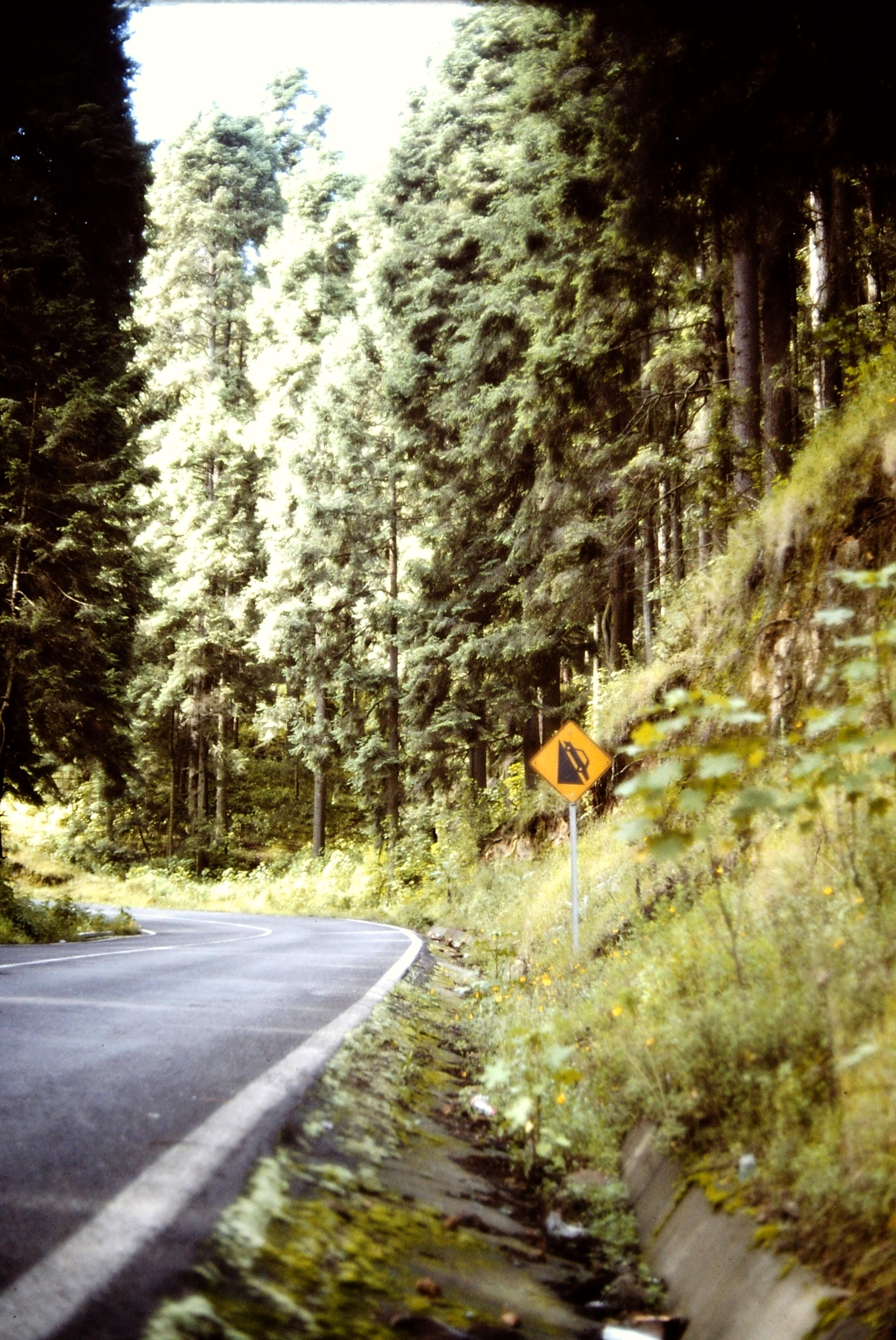
MICHO Mts near Uruzpan 6 Aug 90 050

The mountains of Michoacan in 1990. That road sign is only a slight exaggeration.

Jacqueline Soule this week with a charming and easy-to-grow herb – garlic chives.  This herb offers a dish the hint of garlic and the fresh crispness of scallions. 

The first time I ate garlic chives that I know of was chopped and sprinkled on my soft tacos at a little roadside food stop in a forgotten town in Michoacan. The woman serving us was so taken with my questions about the plant that she sent her son scurrying home to dig up some bulbs to give me. Since I was on a plant collecting trip I had all the permits I needed to legally bring the bulbs back to the USA with me.  These tough perennials have been surviving in my gardens in various USDA zones and even indoors in pots for the next 30 plus years.

Allium tuberosum AMAP IMG_4640

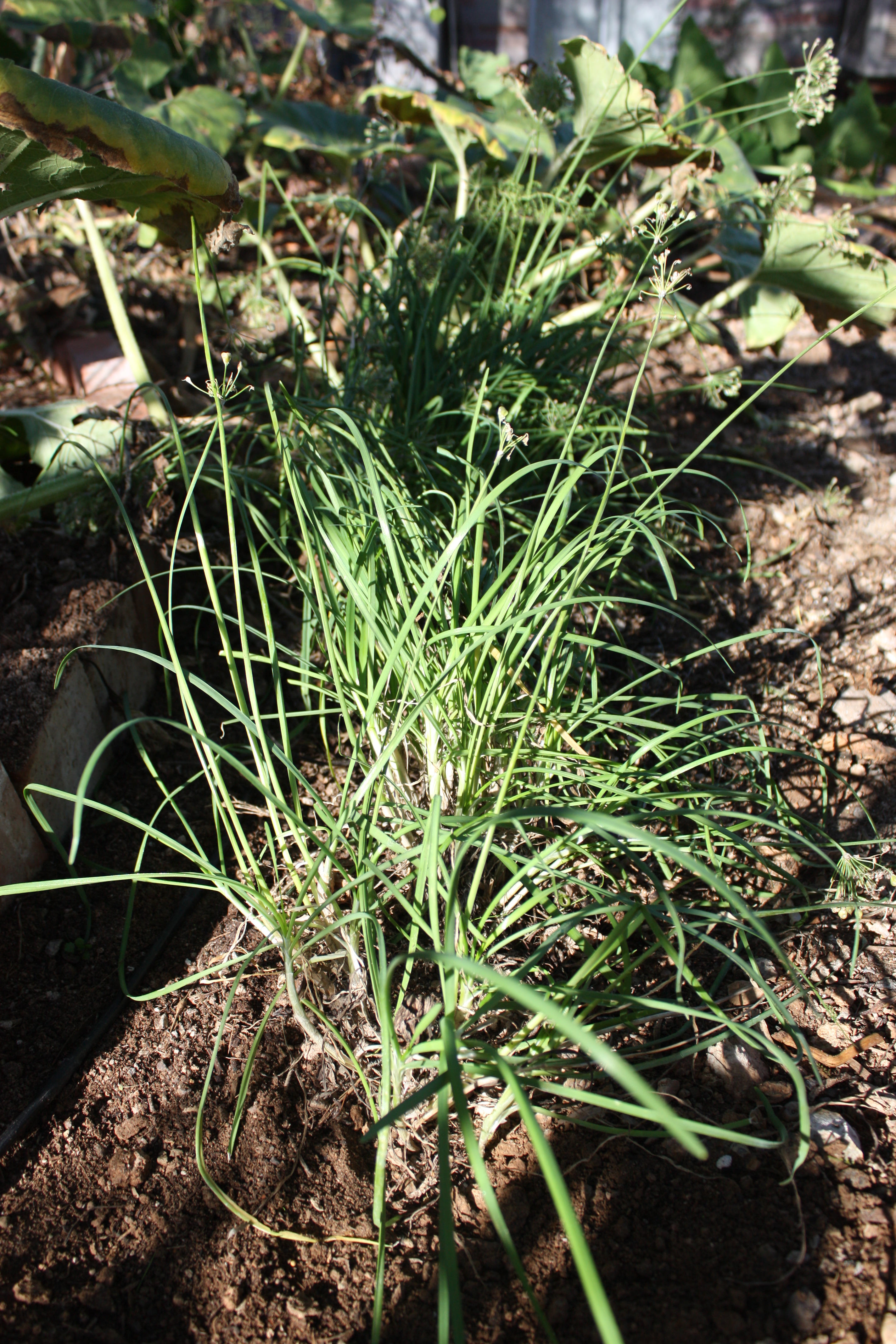
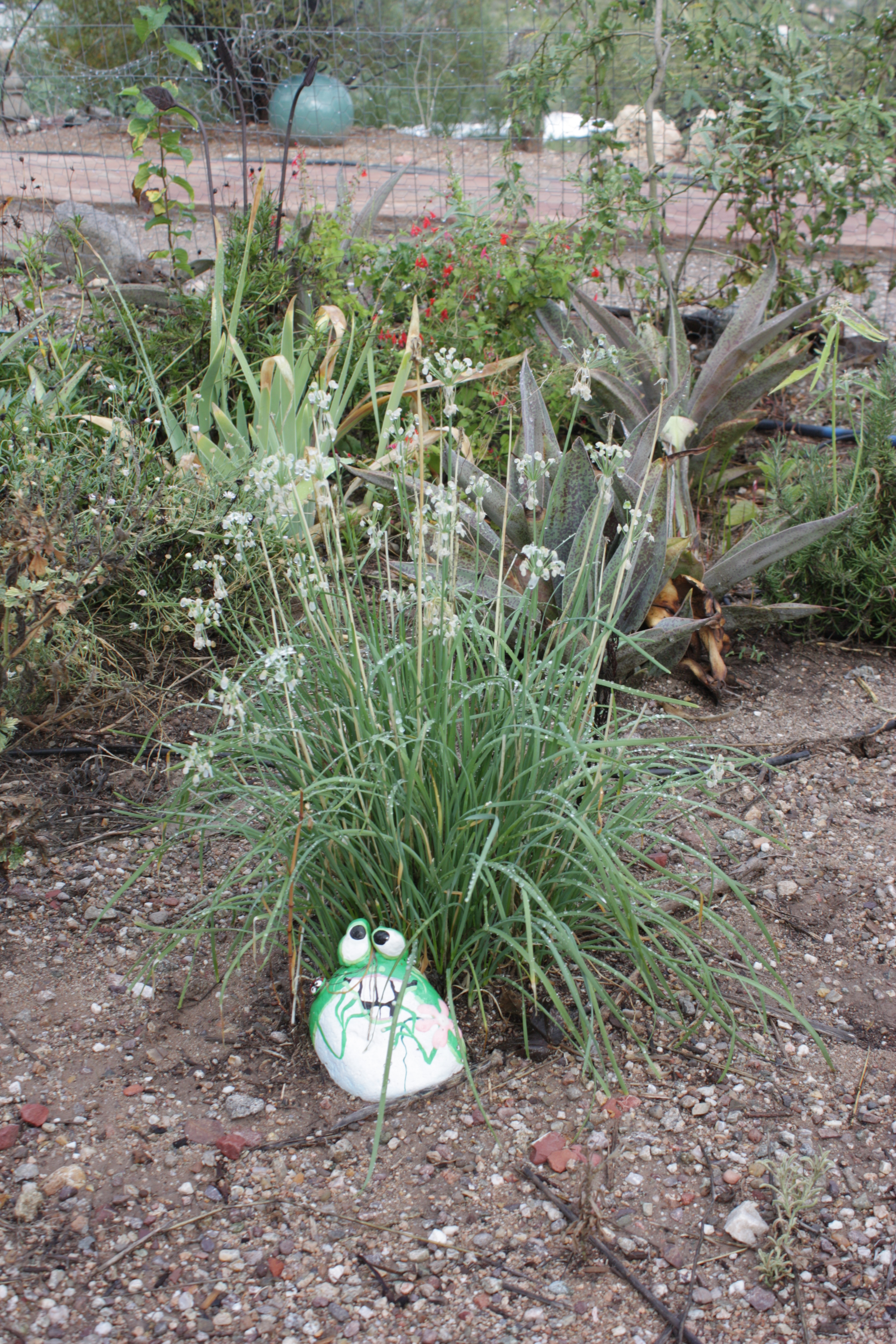
Garlic chives are tough plants that survive with little extra water and taste great.

Garlic chives (Allium tuberosum) make a graceful green statement in the landscape, are low water users, and bloom in September and October with a fireworks-like burst of white bloom on a tall stalk held above the grassy green leaves.

Allium tuberosum AMAP c_4763

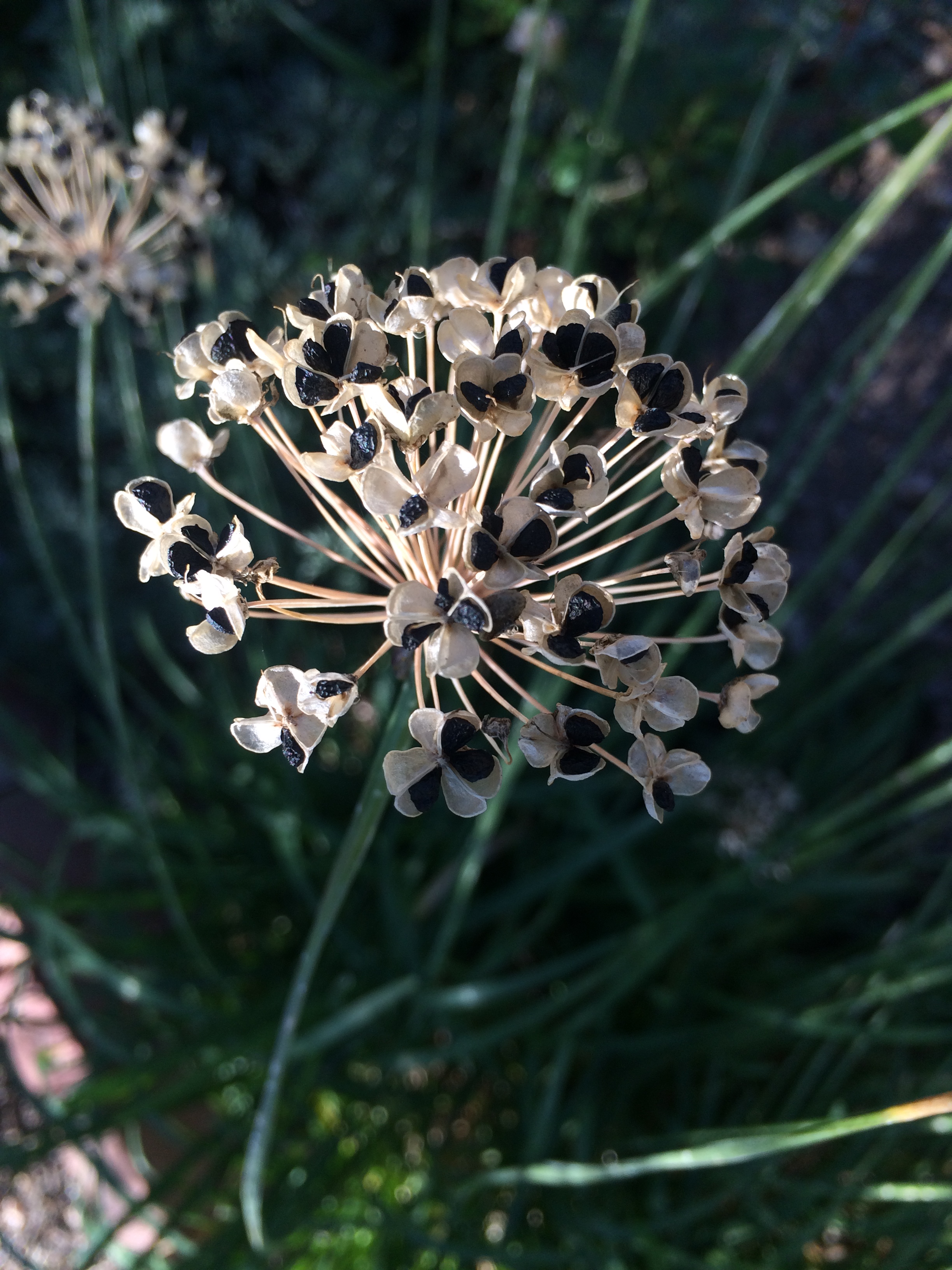
Blooms are white, followed by easy to harvest seed heads.

Originally from the Mongolian steppes, plants tolerate our alkaline soils and thrive in zones 10 to 4. Despite the tuberous name, the part you eat are the leaves. Harvest anytime to add raw or cooked to any dish where you desire a mild garlic flavor.

Allium tuberosum AMAP c_4761

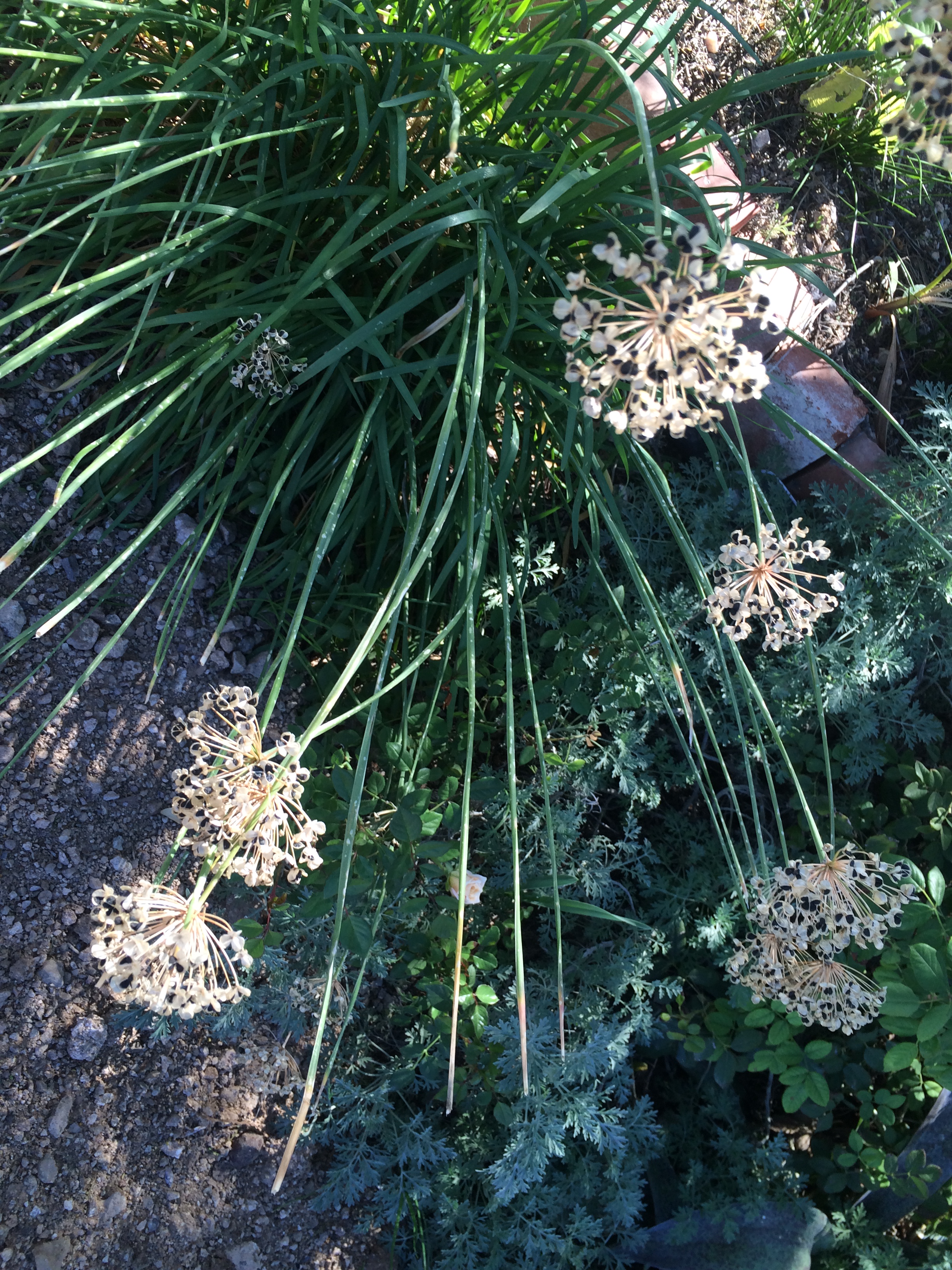
Garlic chives are equally edible when vegetative, in bloom or in seed – quite unlike many other herbs.

Use garlic chive leaves how you would use scallions. We like them in stir-fry and omelets, or just a few to give zing to salad. They are also great in soup, even in simple soup made to hydrate and warm on a cool winter day.

Plant grow readily from seed, and can spread through the garden, appearing in watered areas. It is easily removed if it comes up where you don’t want it. If you are trying to eat only plants that are in season, these are always in season! Garlic chives great addition to the garden, even if you never plan to eat any.

Allium tuberosum AMAP IMG_4590

No matter what your garden style, garlic chives can fit right in.

JAS avatarIf you wish tips on gardening in the Southwest, please visit my facebook page Gardening With Soule.  If you live in Southeastern Arizona, please come to one of my lectures. Look for me at your local Pima County Library branch, Tumacacori (Fruits & Herbs of the Old Missions, 12:30, Thursday February 4th, 2016), Steam Pump Ranch, Tubac Presidio, Tucson Festival of Books and other venues. After each event I will be signing copies of my books, including the latest, “Southwest Fruit and Vegetable Gardening,” written for Arizona, Nevada and New Mexico (Cool Springs Press, $23).

© This article and these photos are copyright by Jacqueline A. Soule. All rights reserved. Republishing an entire blog post or article is prohibited without permission. I receive many requests to reprint my work. My policy is that you may use a short excerpt but you must give proper credit to the author, and must include a link back to the original post on our site. Photos may not be used.

On Fire

IMG_0658
A (Controlled) Fire


Happy New Year. Aunt Linda here this January 1st, to celebrate transformational fire.

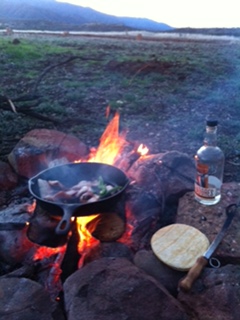
When do you cook or bake with fire?  Like so much in life we can take fire, and it’s transformative power, for granted.

A recent National Geographic article, A Brief History of Cooking With Fire,  is thought provoking. In it Rebecca Rupp, introduces us to Harvard anthropologist and primatologist Richard Wrangham, whose 2009 book Catching Fire; How cooking Made Us Human, suggests that the control of fire and the discovery of cooking may account for the dramatic changes in our ancestors physiology (reduction of large gut to a smaller one, and an increase in brain size). I encourage you to explore this on your own and come to your own conclusions. My personal  recommendation is Michael Pollan’s 2013 book, COOKED for a thorough and insightful perspective.

It is clear that fire was of critical importance to our ancestors. Rupp, in her article ) link below for full article,  writes:  ” Otzi, the 5000-year-old Iceman discovered in 1991 by hikers in the Italian Alps, cautiously carried his fire along with him, in the form of embers wrapped in maple leaves and stored in a birchbark box. As back-up, he was also equipped with a fire-starting kit, consisting of iron pyrites, flint, and tinder fungus. The Neolithic technique seems to have involved grinding the fungus until it was fine and fluffy, then piling it in a mollusk shell, and striking sparks with the flint and pyrite until the tinder ignited.” SEE: http://theplate.nationalgeographic.com/2015/09/02/a-brief-history-of-cooking-with-fire/

To return from our 5000 year old Otzi,  (who you can meet yourself in a small museum in the Alps; he is not the sole property of science, but available to all of us. I know this because I have seen him),  to January 1st, 2016, I encourage you to see fire with fresh eyes.

IMG_0882 (1)

Cooking empanadas with fire/embers above and below

IMG_0871

This humble way of cooking requires a very sophisticated understanding of fire , embers, and heat. How cold or warm the ambient temperature around the oven is, affects the baking of the holiday cookies and empanadas.

IMG_0876

Baking with fire also requires heat tolerance. The smoke imparts a flavor that I adore. It warms twice, once upon baking, then upon eating.

IMG_0931

We cooked/baked into the night. As the temperature drops outside, the embers kept us warm.

IMG_0933

IMG_1511

We built this simple grill with a grate and some brick in the back yard. Marinated zucchini is steaming in the foil.


IMG_1519

This is the same grill as the photo above, you can see that works well for vegetarians, meat eaters, or the general omnivore.

IMG_1521

You do not need a hearth or grill like the ones above. You can use a fireplace to roast  marsh mellow for smores, or hot dogs (meat or vegan) or even wrap potatoes in foil and bake in the embers.

IMG_1156

If you explore more about the nutrition of cooked food, youmay be surprised at how nutritious it is. One example: 90% of a cooked egg is digested; only 65% of a raw egg is digested. See footnote page 61, of COOKED.


This was sent by T who posted a comment but could not post the fire photo that she was “ignited” by – so here it is. (I could not figure out how to get it larger). Taken January 2nd, 2016. Thanks for your enthusiasm T!

IMG_3014

Thank you!


++++++++++++++++

Note: Last night, at New Years Eve dinner, the ceramicists at the table reminded me that clay needs fire to bake, as well. Good point! The making of pots, whether ancient or modern, functional or decorative, requires fires’ transformative quality to go from a raw to fired state.

There is a beautiful 20 minute video of Maria Martinez, of San Ildefonso Pueblo, NM which includes her building a firing mound/kiln. It was shot in 1972, when Maria was in her mid 80’s.  I include it here, though I know most modern folk wont have the patience for it. The reverence it shows, is an inspiration for me personally. Continue reading

Mole Dulce Brownies

mole brownies 002

Amy here, running, needing something for a cookie trade! Recipe below.

Mole Dulce is perfect in desserts and sweet treats, like in EXO Roast Co‘s Mole Latte. My friend Amy there is always asking for more mole. I developed a Mole Dulce variation without the graham cracker, so the drink would be wheat free. Someday I’ll get to making a label for that, so people can buy it on the shelf.

mole latte

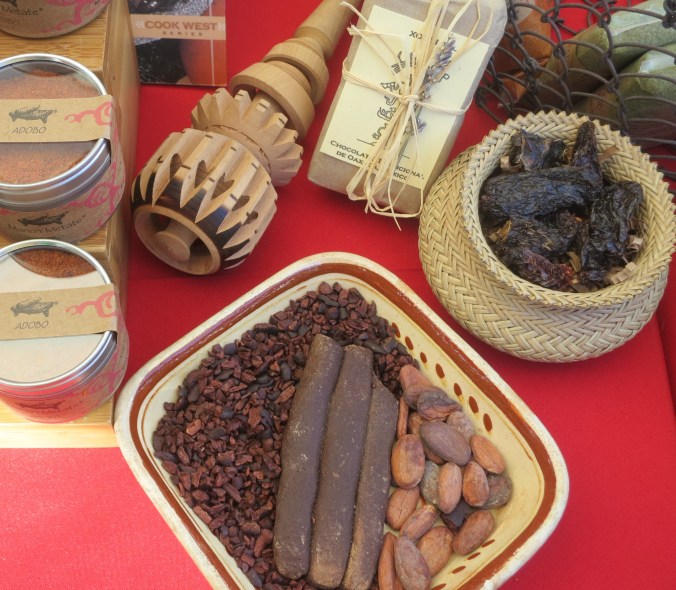
Savory, salty, spicy Mole Dulce gets its sweetness from raisins and Xocolatl, very fine Oaxacan drinking chocolate imported by my friends Yissel and Dave. The beautiful brown paper wrap with dried lavender protects the hand formed sticks.

034

The chocolate contains cacao, cane sugar, almonds and cinnamon. The Mole Dulce powder contains additional almonds, giving body and flavor to the sauce. Or in this case, BROWNIES!

Mano Y Metate Mole Dulce Brownies

4 eggs (room temperature)
2 cups sugar
2 sticks softened butter (8 ounces)
1 1/4 cup cocoa powder
1 teaspoon vanilla
1/2 cup flour
1/4 teaspoon salt
3 tablespoons Mole Dulce powder (www.manoYmetate.com)
Mole Dulce powder for topping, 5 tablespoons or so, to taste
Preheat the oven to 300 degrees F. Line a 9” x13” baking pan (or 2 pans, each 8”x8”) with parchment paper.

With an electric mixer, beat the eggs just until fluffy. Beat in sugar. Add remaining ingredients and beat. Pour batter into pan(s) and spread to level. Push Mole Dulce powder though a wire strainer to evenly distribute over the batter as a topping. Bake for 35 minutes, or until a toothpick inserted comes out with crumbs instead of batter on it.

I like them thinner, so there’s more spicy, chocolaty topping per bite. Feel free to take it out sooner or bake them in a smaller pan if you like them gooey, but the edges of the pan always seem to go first around here.

Now, off to the cookie trade. And to grind more mole.

Love, light and peace to all! Amy

Farmers’ Market Sources for Warming Body and Soul, Baking and Gifting

Autumn harvest from the NativeSeeds/ SEARCH Conservation Farm in Patagonia, AZ-heirloom Navajo banana squash

Autumn harvest from the NativeSeeds/ SEARCH Conservation Farm in Patagonia, AZ–heirloom Navajo banana squash (MABurgess photo)

What makes Tucson an International City of Gastronomy?  It is not only that we are blessed with amazingly creative chefs–like the ones showcased at the Mission Garden Picnic feast.  It’s also the availability of rare and wonderful heirloom foods that are adapted to our particular Baja Arizona climate, soil, and cultures!  Few other places have the flavorful and nutritious diversity of crops that have been part of our Baja Arizona agricultural landscape for about 4000 years. 

Tia Marta here to share ideas for finding the raw materials for some great slow-food feasting this Winter Solstice season.

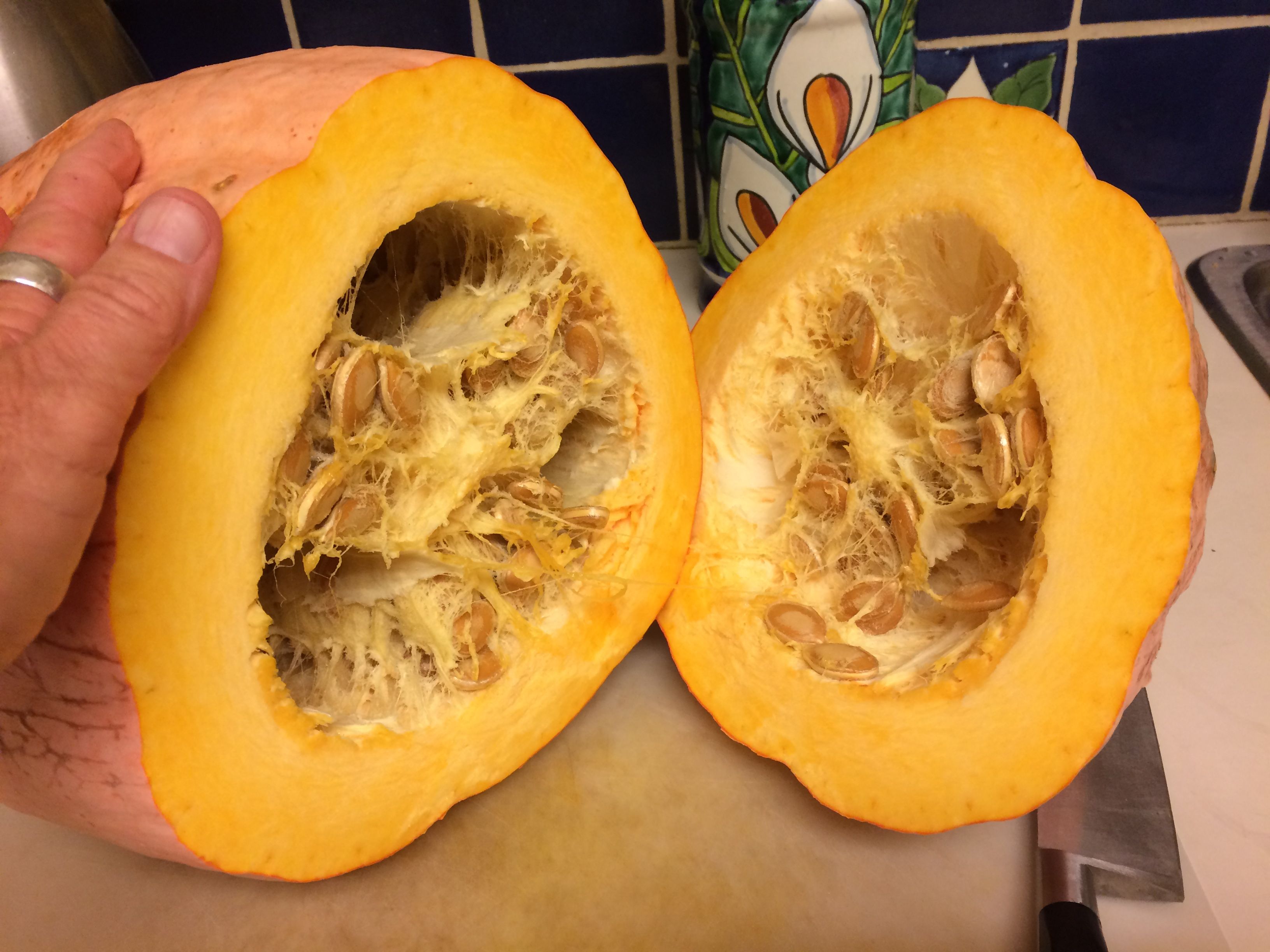
OPEN NSS NAVAJO BANANA SQUASH FOR AN EXPLOSION OF BETA-CAROTENES!

OPEN NSS NAVAJO BANANA SQUASH FOR AN EXPLOSION OF BETA-CAROTENES!

Ignored, more than maligned, by present-day dominant cultures, the squash is a gift to menu-inventors.  It can be prepared as a savory dish with good old salt/pepper/butter, or fancied up with moles.  Or it can be made into fabulous desserts.  Use it in place of sweet potato for a genteel variation.  My favorite is to make it into a festive “Kentucky Pudding”.

Muff’s “Kentucky Pudding” Dessert Recipe

4 cups steamed or baked heirloom Navajo banana squash (or other heirloom) mashed or pureed

2-4 Tbsp mesquite honey or agave nectar (to taste)

2-3 Tbsp chopped crystallized ginger root (I found it at Trader Joe’s)

1/2 cup chopped walnuts or pecans or pine nuts

1/4 cup good bourbon whiskey

Steam or bake squash ahead.  (You can freeze it for using later in a variety of recipes–it’s so convenient!0  In a saucepan, heat mashed squash on medium.  Add honey, ginger, nutmeats.  When hot and steamy, stir in the bourbon quickly and serve with a flair.  You could even try flambé. Serves 4-6.

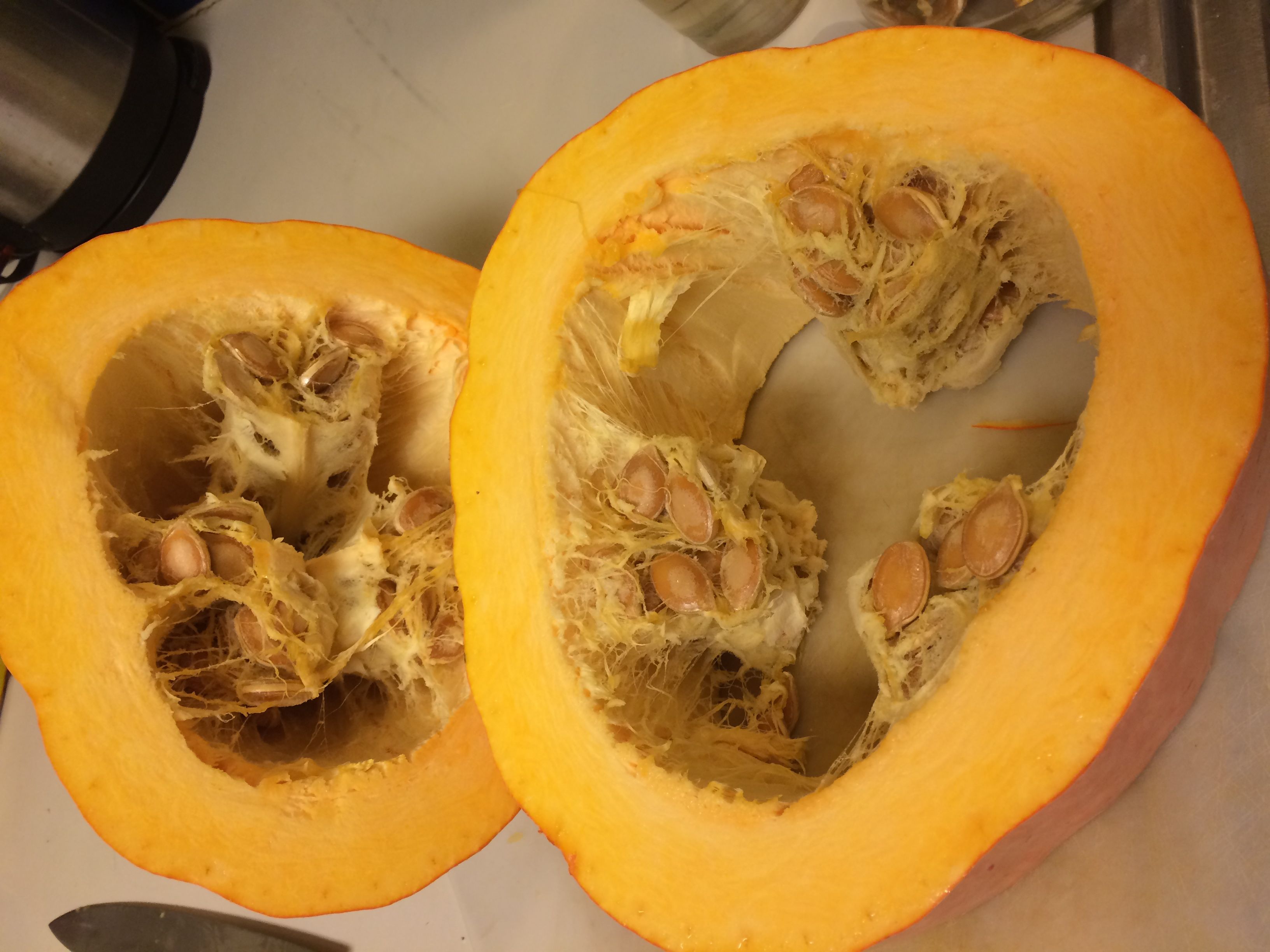
Navajo banana squash showing its interesting pattern of seeds inside

Navajo banana squash showing its interesting pattern of seeds inside

These luscious heirloom squashes, grown at NativeSeeds/SEARCH’s Seed Conservation Farm in Patagonia, are available now at our Flor de Mayo booth at Sunday’s St Philips Farmers’ Market.  Come see the size of them–one of them could feed the whole extended family or a small tribe!  We will be selling them by the smaller family-sized chunk as well.  Start salivating…  If you are seeking Vitamin A in glorious beta-carotenes, this is the food to find.

And don’t forget those giant seeds inside!  They can be roasted easily with a little olive oil and sea salt and voila you have a healthy snack full of zinc to ward off colds in this chilly season.  You can save a handful of those seeds to plant next summer in your garden and keep the gift growing.

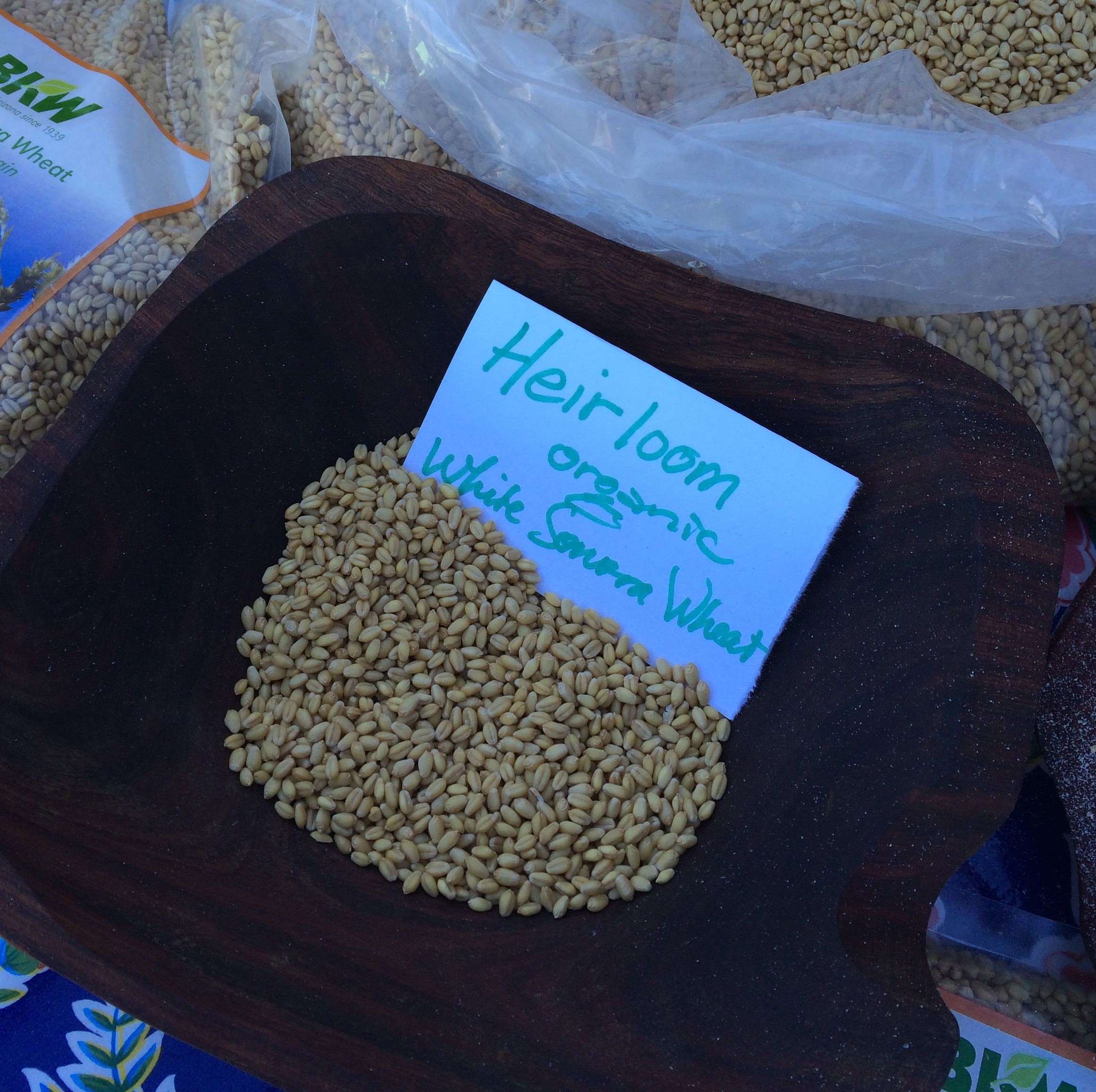
Heirloom organic locally grown White Sonora Wheat-berries

Heirloom organic locally grown White Sonora Wheat-berries

And here are some ideas about baking with local heirloom grains….  Get out your VitaMix or your hand-mill and get ready for a real treat–home-baked goodies made with fresh-milled flour from whole heirloom grains.  Find these precious ancient grains at the NativeSeeds/SEARCH Store (3061 N Campbell near Prep and Pastry) and at the Flor de Mayo booth–Sunday St Philips Food-In-Root Market.

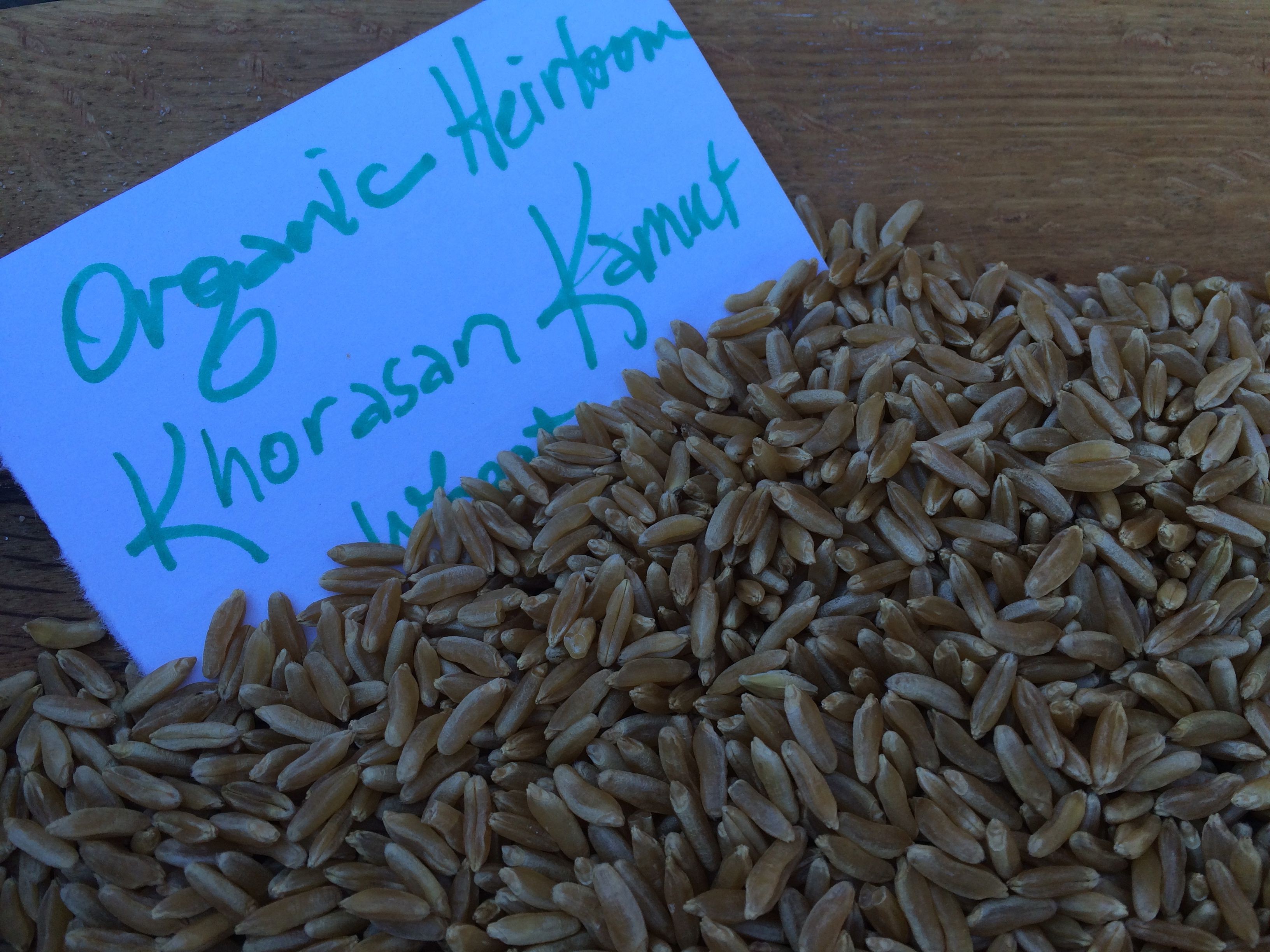
Organic Khorasan Kamut wheat--great for bread baking

Organic Khorasan Kamut wheat–great for bread baking

If you don’t want to take the time, or if you don’t have milling equipment, no problem!  Just come by our Flor de Mayo farmers market booth and see your special grain being fresh-milled before your very eyes.  It is especially neat for kids to see where flour comes from.  Surprisingly, many an adult has difficulty making the connection with grain and flour.  The beauty and significance of keeping the grain whole until milling is that the grain is ALIVE!  When used fresh-milled within a few days of milling, the beneficial enzymes–the “life force” in the whole kernel–are still active in the flour.  And the taste of freshly-milled flour is a whole new flavor-ballgame.

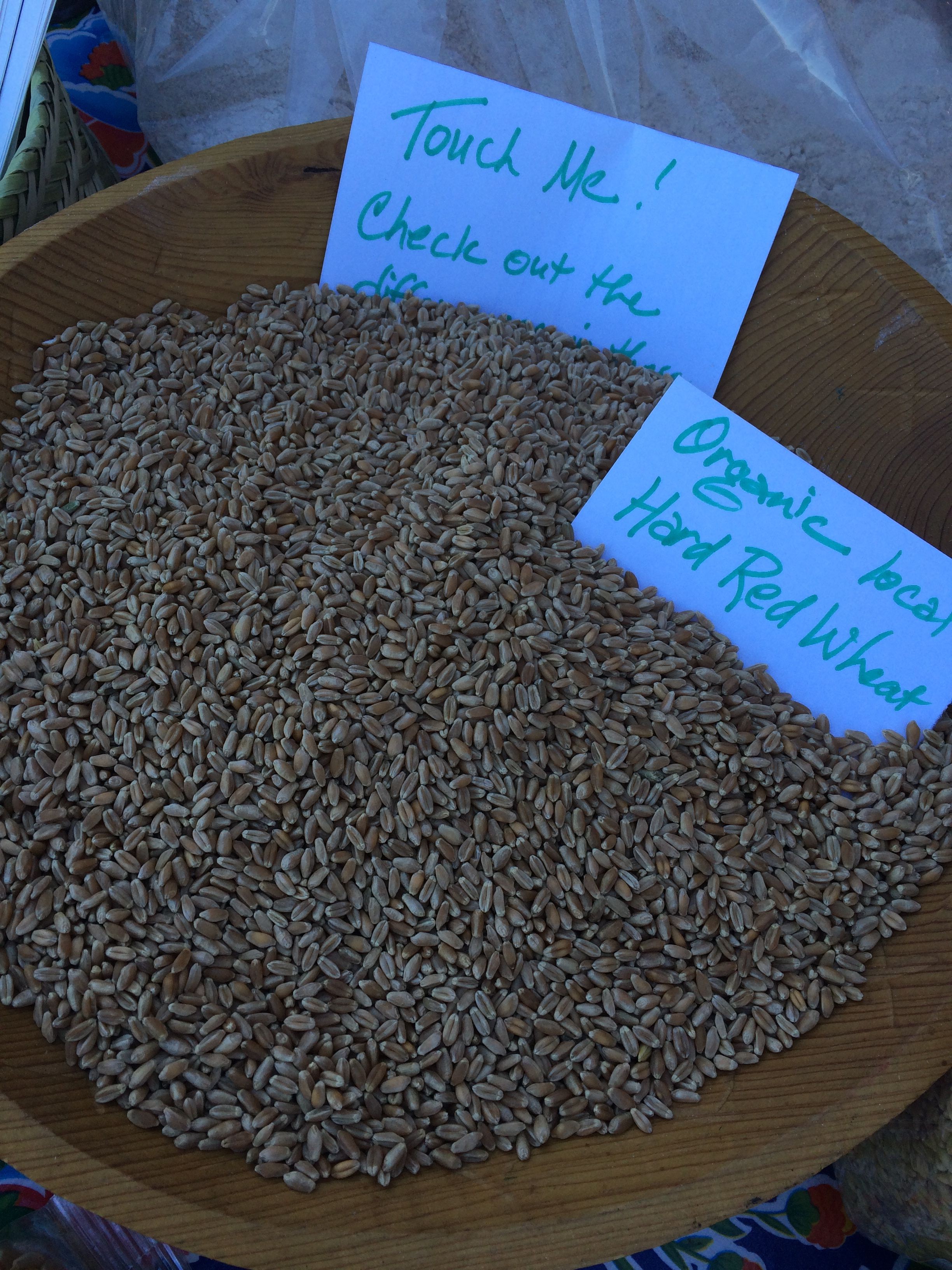
Organic hard red wheat--perfect for Christmas cookies and cakes

Organic hard red wheat–perfect for Christmas cookies and cakes

Come actually touch our good organic grains!   Feel their liveliness.  We have recipe ideas to share, like our Baja Arizona White Sonora Wheat flour and Mesquite pie crust.  In addition we can recommend lots delicious whole wheat-berry recipes for Padre Kino’s white Sonora wheat grown locally by BKWFarms or the Pima club wheat grown by San Xavier Farm Coop and Ramona Farms.

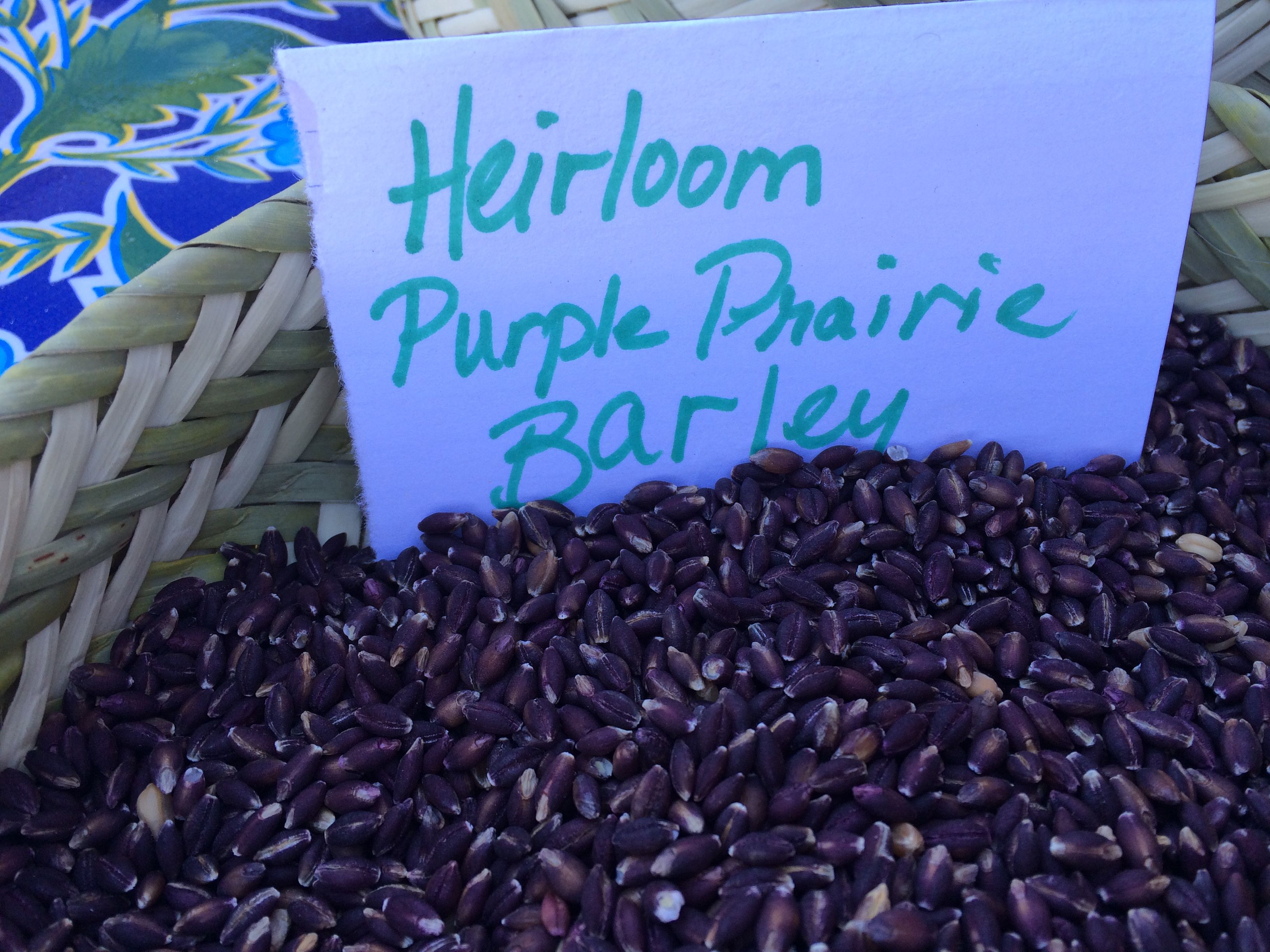
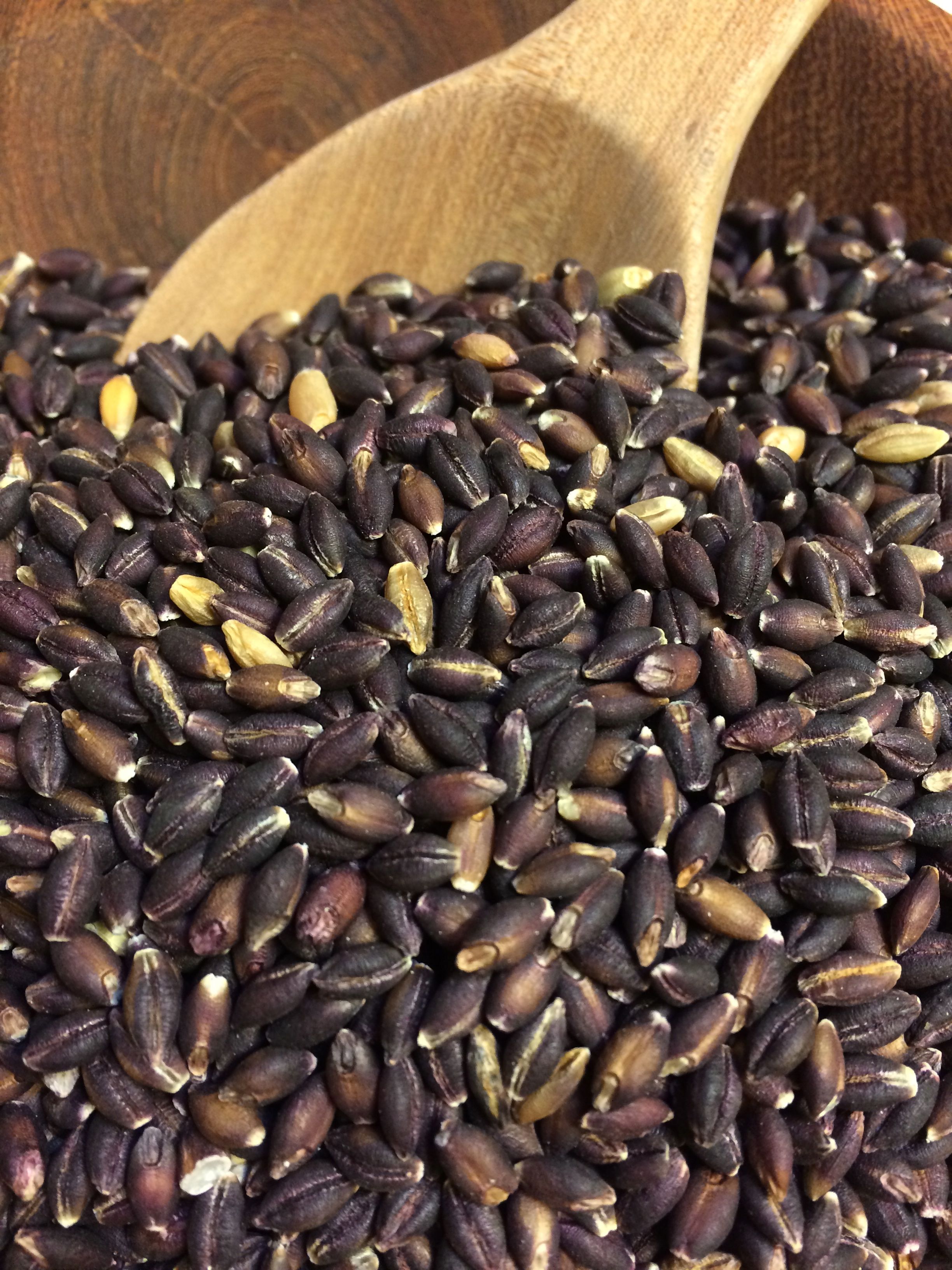
For a completely new experience, try baking with a purple grain!–our heirloom Purple Prairie Barley.  Barley flour has the lowest glycemic index of all the grain flours hence helping to balance blood sugar.  It has a rich flavor that can enhance any bread or biscuit recipe.  The purple color indicates a high anthocyanin content– an important antioxidant.  When you cook the purple barley as a whole grain, you can use it in pilafs and marinated grain salads the way you might use rice or quinoa.  Combined with rice it makes a colorful high-contrast pilaf.  (I’d be happy to elaborate in another post.)

Beautiful purple prairie barley--an heirloom originally from Tibet

Beautiful purple prairie barley–an heirloom originally from Tibet–full of the healthful flavonoid anthocyanin

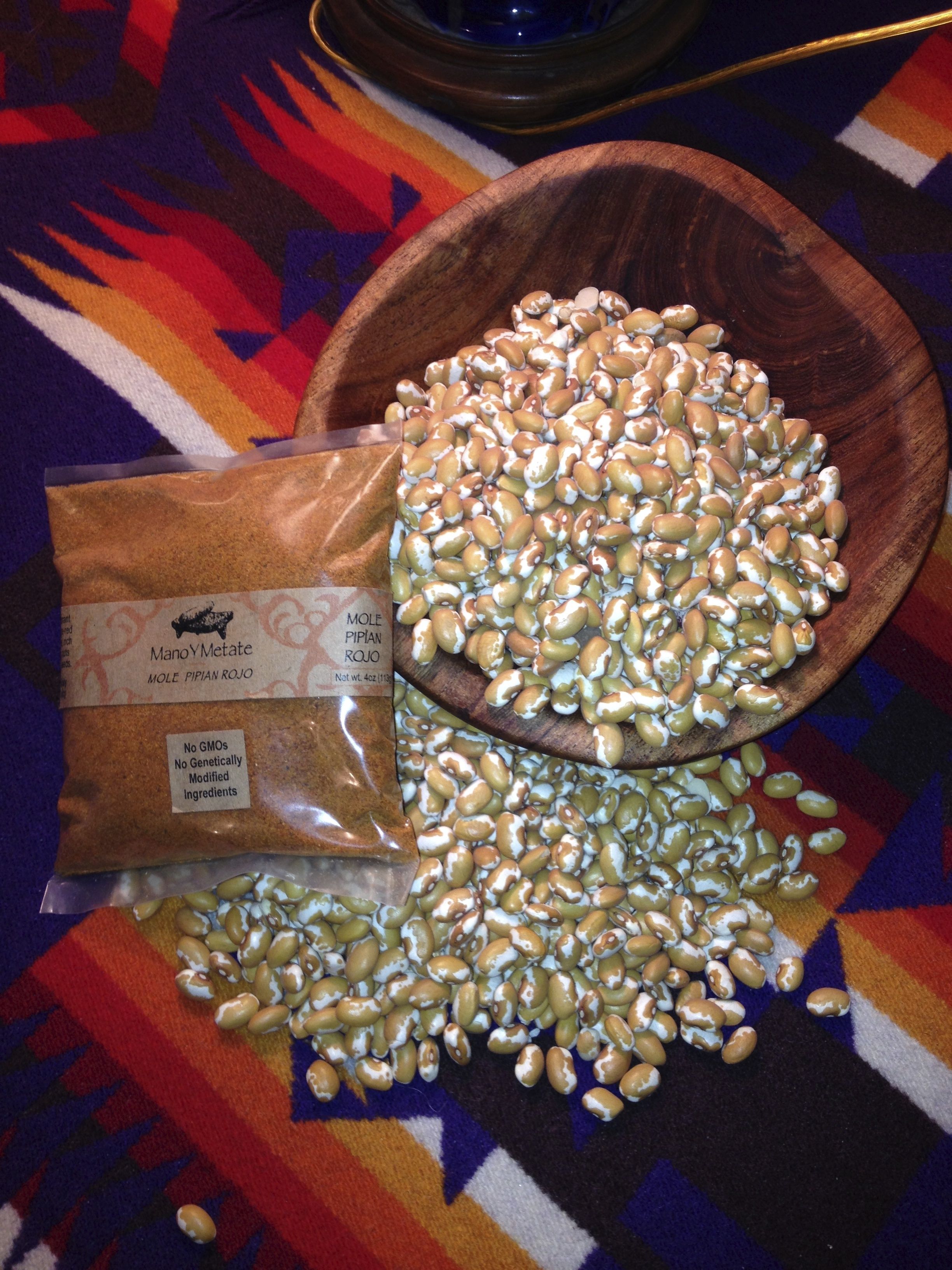
Try using Mano y Metate's Pipian Rojo Mole as a vegetarian spice for these Zuni Gold beans!

Try using Mano y Metate’s Pipian Rojo Mole as a vegetarian spice for these Zuni Gold beans!

Tis the season also to rejoice in the indigenous beans that have supported Native cultures for unknown centuries.

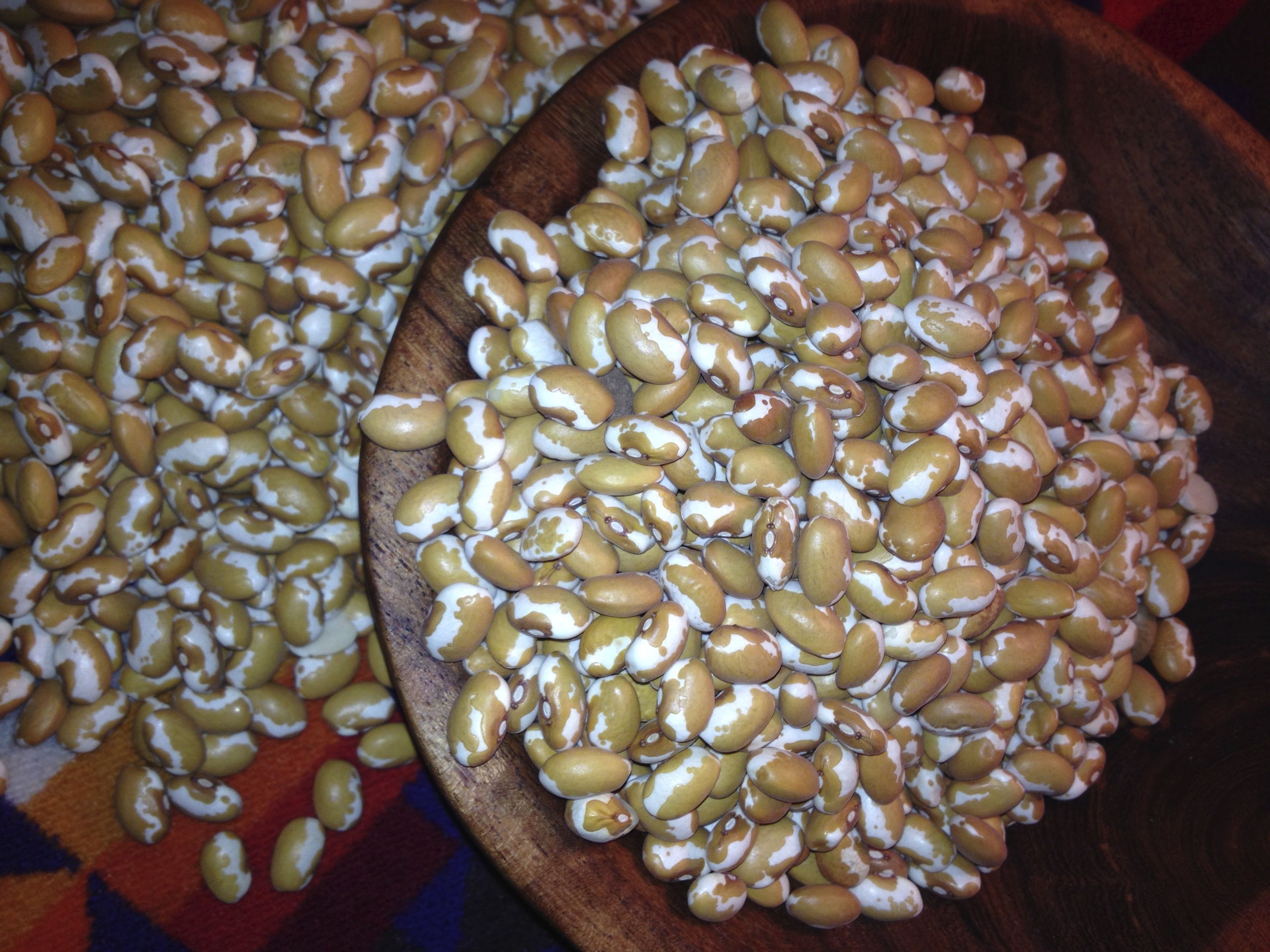
Beautiful Zuni Gold beans--used traditionally in the Winter Solstice celebration

Beautiful Zuni Gold beans–used traditionally in the Winter Solstice celebration

Heirloom beans are full of protein, full of flavor, and so versatile.  I like to cook up a big pot of these golden Solstice beans and then freeze them in serving sizes to prepare later in a variety of fun ways–as chile beans, as dips, in burritos, as hummus, and of course heart-warming bean soup–the list goes on… Come get inspired at our Flor de Mayo table when you see the biodiversity of beans spread before you!

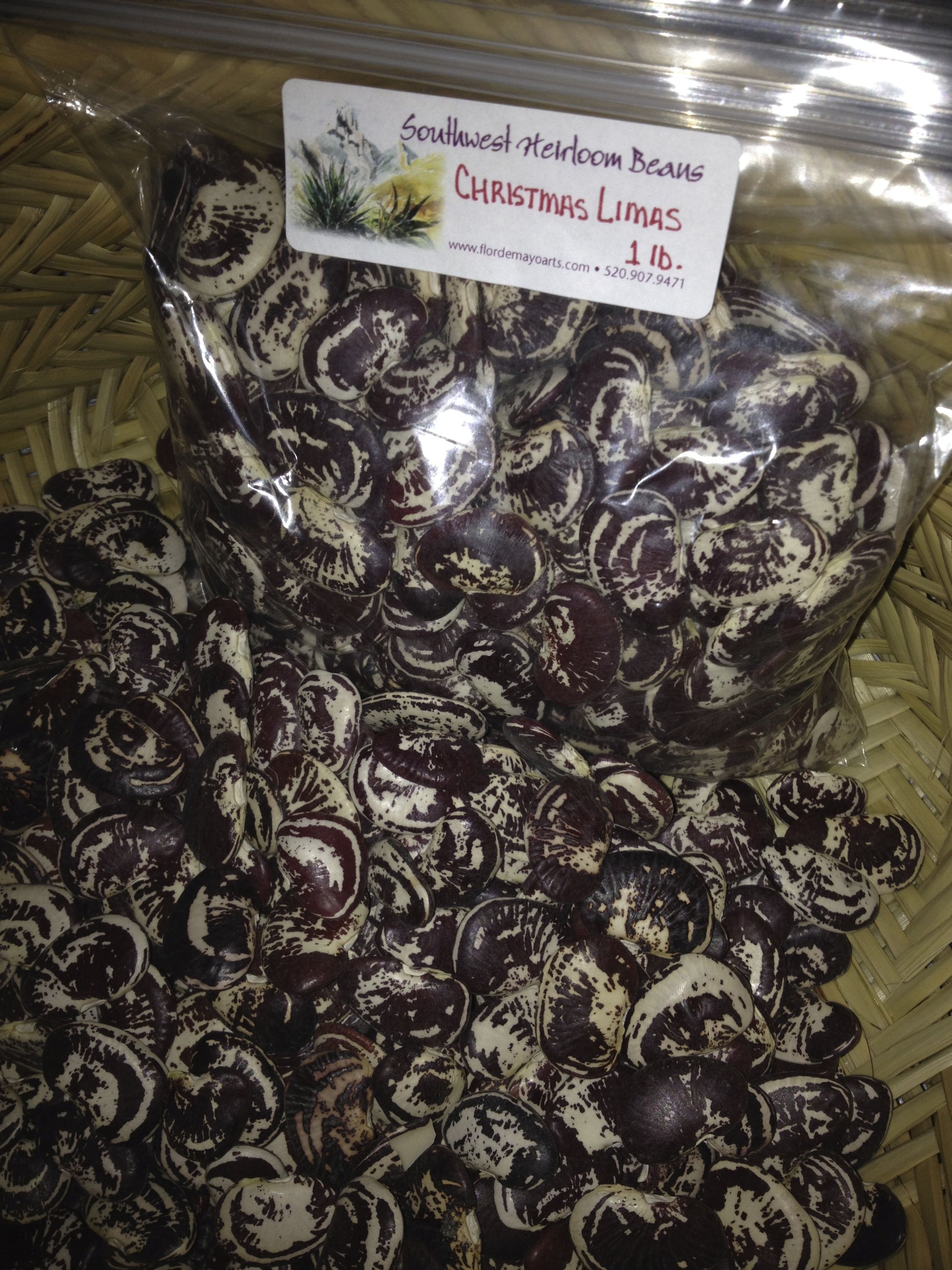
Delectable Christmas Limas can be prepared as vegetarian centerpiece dishes to honor the season!

Delectable Christmas Limas can be prepared as vegetarian centerpiece dishes to honor the season!

The most festive heirloom bean of the holiday season is the colorful Christmas Lima (AKA Chestnut Lima) so called because of the timing when it is harvested.  (Check out past blog posts for some great recipes.)  We have even had jewelry-makers buy this bean to string as fetish-style necklaces.

Calling creative gift-givers!  Join us at the Sunday St Philips Farmers Market for some meaningful, local, healthful and tasty gifts that say “Baja Arizona” in the most delightful way.

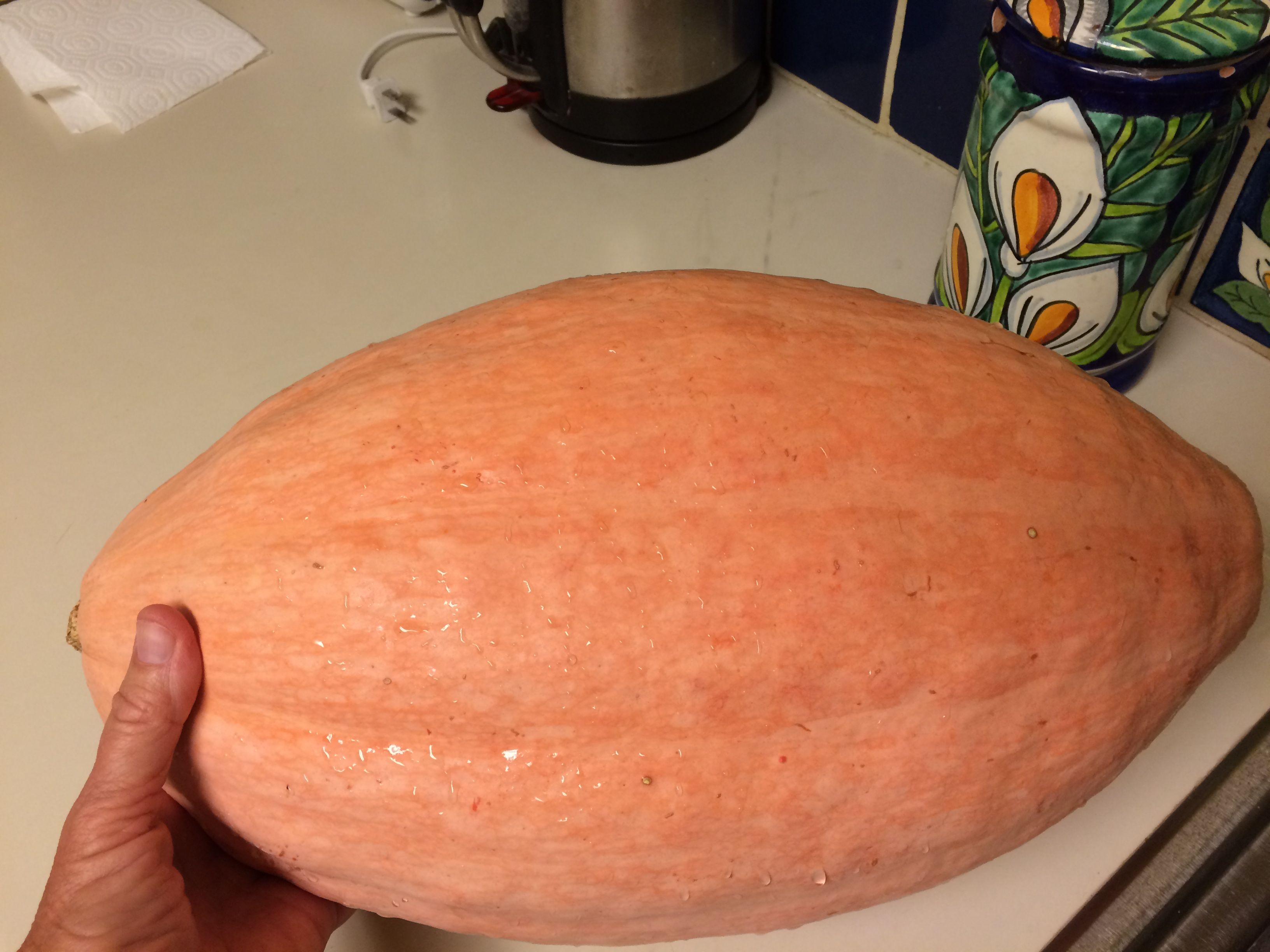
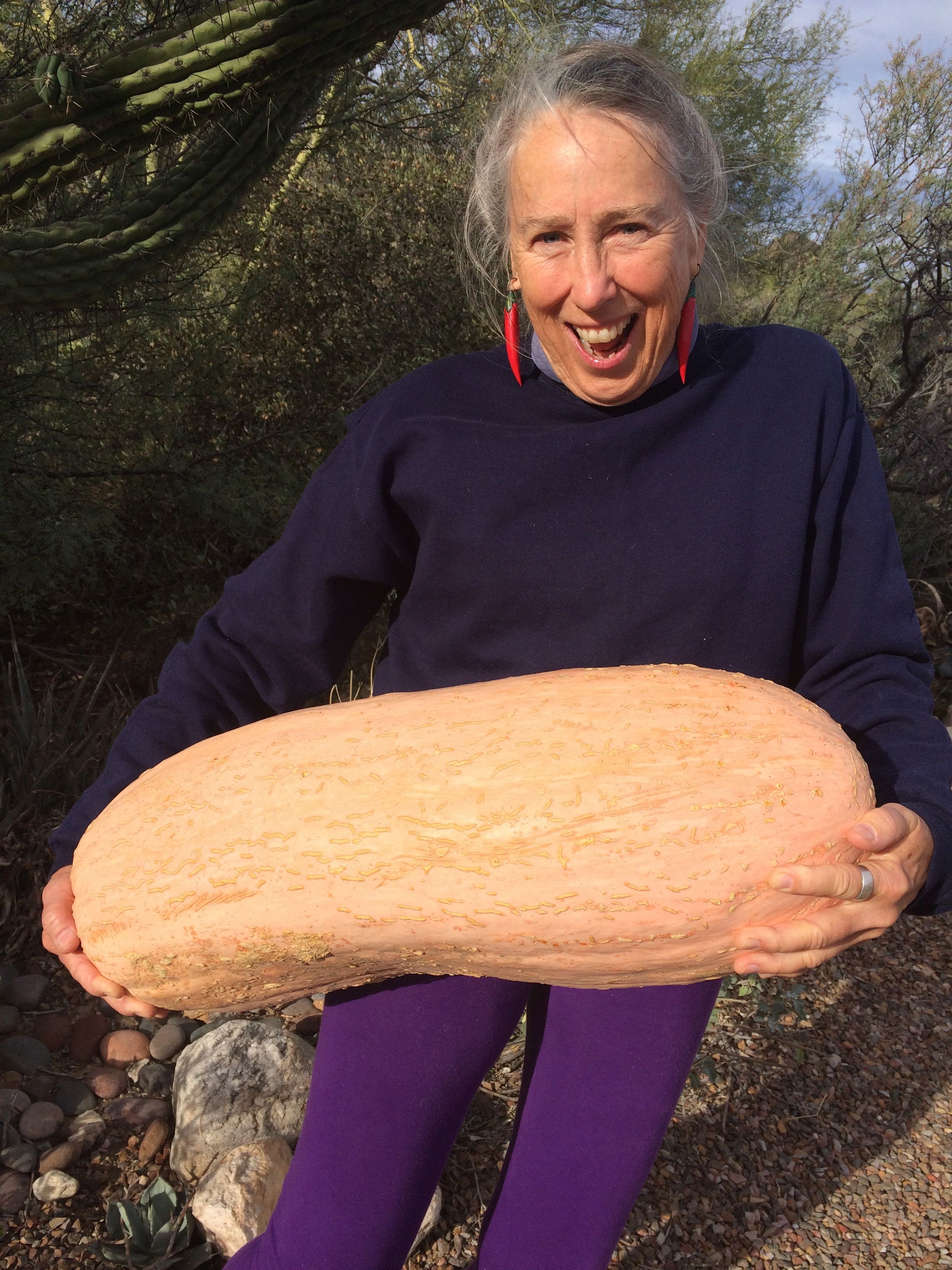
Just for scale, Tia Mart hefts this heirloom Navajo squash. Who needs a workout center if you are a gardener or farmer?

Just for scale, Tia Marta hefts this heirloom Navajo squash. Who needs a workout center if you are a gardener or farmer?

May you have happiness, health, peace in your hearts, and good cheer this holiday season –greetings from Rod and Tia Marta at Flor de Mayo!

Slow-Hot Tequila Toddy

IMG_1555

Aunt Linda here this December morning. We had some COLD weather here this week in the Old Pueblo. Our first pipe burst. That was a surprise. While hastening to shut off the water, I could not help but delight in the rainbow colors of the droplets in the bright dawn light.

The ground in front of my hives was a little frosty as well.  So the tiny corpses of honey bee drones that had been kicked out of the hive in November had little white blankets covering their black bodies. This holds it’s own beauty, but one you have to widen your inner gaze to see. Honey Bee colonies cull what it is not necessary, in order to increase their chances of survival, over winter.  With fewer sources for nectar and pollen available in the winter,  brood production is scaled way back, food foraging reduced, — and since drones eat, but do not contribute to the food stores,  they are escorted (forcefully) out of the hive. This practical strategy means the death of the drones, but increases the chances that the colony as a whole survives. Basically, the hive slows down most functions for the winter.

IMG_9637

The hen’s, older than a year or so, have slowed down there laying as well. The pituitary gland needs a certain amount of light for consistent laying of eggs. I am asked from egg customers and new chicken keepers “why” there are so few eggs this time of year; or “what is wrong”.  A hens pituitary glands requires a certain amount of light in order for a her to lay consistently, and in the winter that light is reduced.  Most of us have become used to a “food on demand “system of shopping and eating – and commercial egg companies keep light on their hens year round in order to push egg laying, even in the winter months. This allows the population to have as many eggs as it desires,  at any time of the year. But this can be rough on the birds.  I personally like to let The Girls stay with the cycles they evolved with, so I learn to live with fewer eggs. And I  have learned to keep hens of all ages so that I can count on at least a few eggs.

We humans do not seem to slow down in the winter.  Whether or not that is an intelligent adaptive strategy I’ll leave that for you to decode for yourself.  Even if we do not need to slow it down for the raw reasons that other creatures do, we may find benefits in doing so, nonetheless.

Hot Tequila Toddy: Todays recipe is a  “Tequila-Take” on the Classic Hot Toddy, which is usually made from amber colored Rum. Whisky, or Brandy.

It is simple. It is relaxing.

It may inspire an artful practice of slowing down – your mind/body, even if it cannot calm your external life. I will include photos of both the traditional as well as the tequila versions, so you can create what you’d like.

INGREDIENTS and How To:IMG_1539 (1)1) Fresh squeezed juice from one lemon or lime (depending on your preference). Squees right into your cup.

(It is citrus season and whether lime, lemon, orange, the fruit all started months ago “at the flower”. Bees, whether honey bee or orchard bees, visited the fragrant flowers, and carried out the ancient dance of completing the sexual transfer of pollen from flower to flower.  See photo below for an example of a bee at a citrus flower; and notice the pollen grains on the bees hind legs.

IMG_9540

The worker bee returns to the hive, where citrus honey is made from the nectar.

IMG_1066

Here you can see a full grown orange – smiling! – as well as two new blossoms.

IMG_9210

2) The best local honey you can find. 1-2 Tablespoons. Adjust to your taste. I learned this week that honey can actually help us sleep at night. I mention this because it relates to our theme of slowing down and relaxing. Apparently, the natural sugars in honey allows tryptophan to work it’s magic on us, just like the sleepy feeling we get after a eating a turkey dinner.

3) 1-2 ounces of Amber colored tequila, rum, whisky, or brandy of your choice. Many people choose to use a cheap quality/priced alcohol when mixing drinks.  In this particular case, where there are really just three ingredients, besides hot water, I used the best tequila I had on hand. It blended beautifully with the best honey and the freshest citrus; after all, this is part physical medicine. And the “medicinal quality” comes as much from the quality tastes as it does from the quality properties of the ingredients.

IMG_1546

A Soldier from Mexico  (a Federale) once shared me that a little tequila can help kill a cold that is beginning in your throat. I tried it the first winter cold that tickled, and sure enough, just a “shot” of Tequila,( held for a minute in the back of my throat before swallowing), seemed to “burn” the germs right out. Note that I am not a health care professional. Note that I am not pushing drinking alcohol. Note that I am sharing with you what worked for me.

IMG_0313

4) Hot Water – about a cup.  but not boiling water. You want the warmth of hot water, but to keep the medicinal qualities of the honey, which some feel boiling water can negate.

The steam is so beautiful you can almost feel the magic of slowing down, even before you take a sip. Enjoy!

IMG_1556


Pine – as an Herb and More

By Jacqueline A. Soule, Ph.D.

As December approaches, let’s look at an herb that many bring into their homes for the holiday season – the pine. Why not opt for a living Christmas tree (or Chanukah bush, as some of my friends call them)?  They are evergreen …. plus green.

christmas tree 685920_1280

Humans around the world have used pine as herbs for eons. They used whichever species of pine lived near them to treat just about every sort of affliction. Pine has especially used for the ailments that have truly plagued humankind, like internal and external parasites and the aches and pains of being human and getting older.

In almost every case pine needles or bark are used as a tea (infusion) to either drink or bathe tissues. For intestinal parasites, the tea was drunk, for external ones such as ringworm (a fungal infection) or lice, the tissues were bathed with pine tea. Pine oils and resins have also been extracted, purified, and used medicinally.

herb_tea_JAS_004

At this time, Commission E, a German-based group which scientifically studies herbal medicines, recommends using pine oils externally for rheumatic and neuralgic complaints, as well as for upper and lower respiratory tract inflammation.

Ideally, harvest and dry pine needles before use. This allows some of the more acrid compounds to evaporate. The active ingredients are predominately in the oils and are not lost by drying.

pine 1813622_1280

Modern housekeepers around the world use pine based cleaners to keep the house smelling clean and fresh, little realizing that this harkens back to a yesteryear tradition of using pine products, including turpentine, to kill off pests, treat colds, and dress wounds.

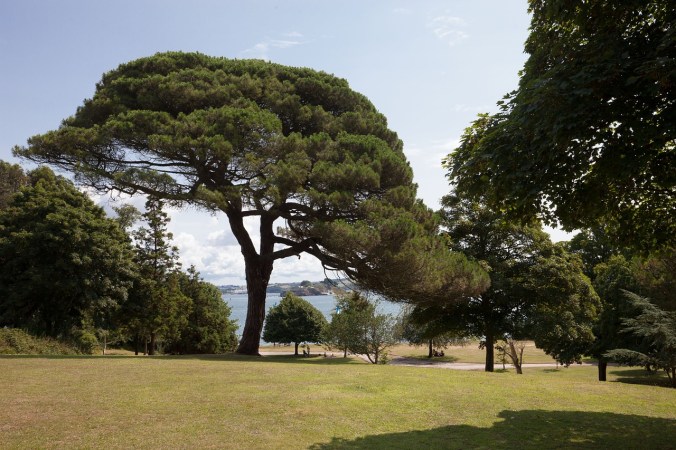
Pines can be grown here in Tucson. Once established, they will need extra water in the hot dry months, especially May and June. Indeed, pines are a very green landscape plant. They provide housing for wildlife, especially hawks and owls, plus shade your home helping reduce energy consumption for cooling. The needles can be used as a wonderful mulch for plants around your yard or garden.

pine 419642_1280

For a living holiday tree that you can plant in your yard, chose from the eldarica (Pinus eldarica) from Afghanistan or Aleppo (Pinus halepensis) from the Middle East.

What about a Southwestern pinyon pine? If you can find some – go for it! I do have to warn you, they grow in higher altitudes than Tucson and will be stressed by our comparatively hotter summers. Extra water should help them survive.

pine 544503_1280What about the pine beetle now attacking Tucson trees? The beetle is the six-spined engraver beetle, one of 11 species of insects living in the inner bark of pine trees. It typically infests the thicker-barked and deeply fissured main tree trunks of older trees. An obnoxious pest to be sure. It appears to only be an issue with larger mature trees. A young tree should be able to grow in your yard for many years. Be sure to keep it healthy with extra water in the dry months.

Dr. Soule is trained as a botanist. She teaches workshops on plants and writes science and garden articles. Jacqueline has been using, growing, researching and writing about herbs for over three decades.

JAS avatarIf you live in Southeastern Arizona, please come to one of my lectures. Look for me at your local Pima County Library branch, Steam Pump Ranch, Tubac Presidio, Tucson Festival of Books and other venues. After each event I will be signing copies of my books, including the latest, “Southwest Fruit and Vegetable Gardening,” written for Arizona, Nevada and New Mexico (Cool Springs Press, $23).

© This article copyright by Jacqueline A. Soule. All rights reserved. Republishing an entire blog post or article is prohibited without permission. I receive many requests to reprint my work. My policy is that you may use a short excerpt but you must give proper credit to the author, and must include a link back to the original post on our site. Photos may not be used.

# # # # #

Bean and Corn Cakes with Mole

IMG_3597

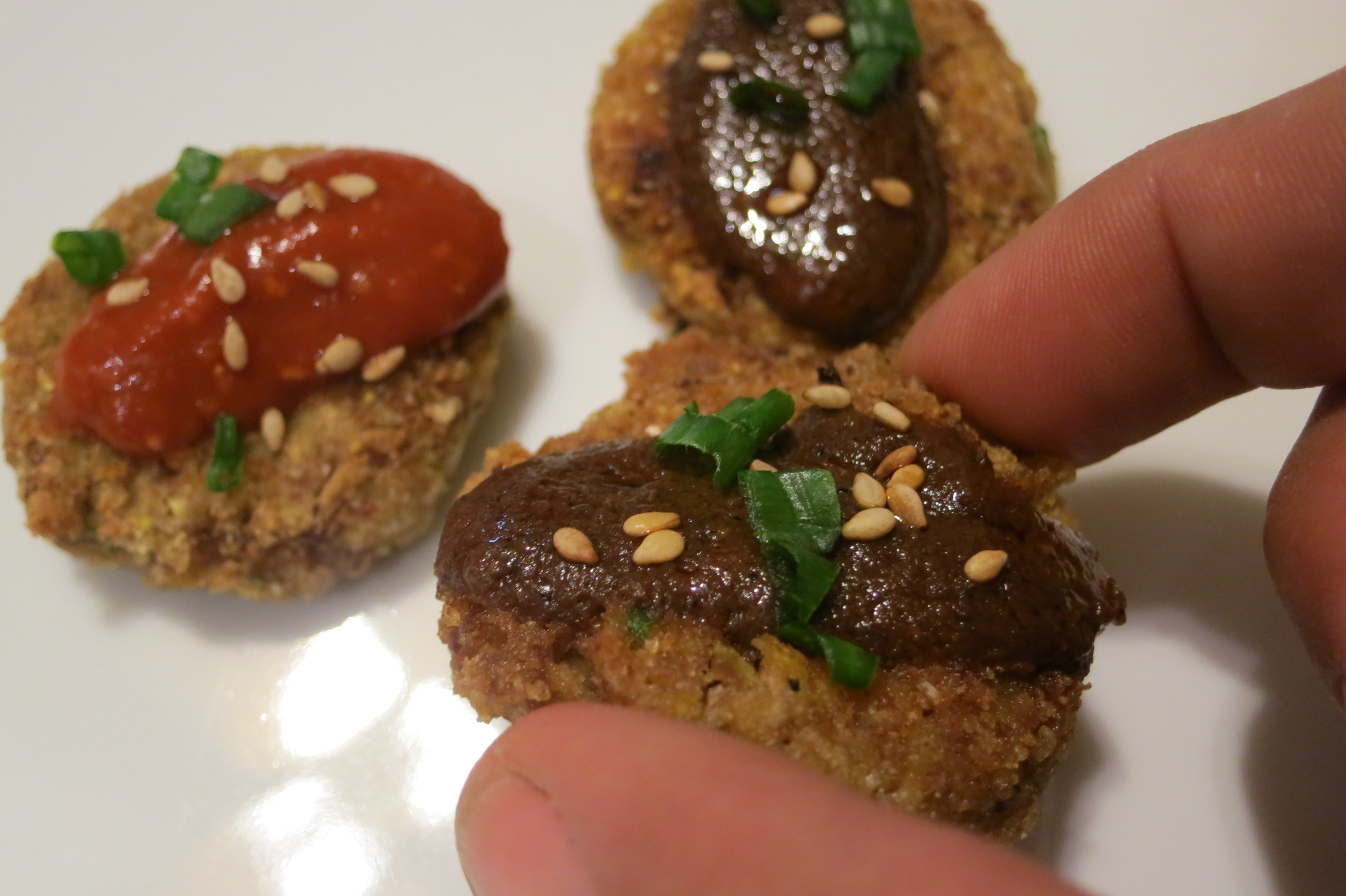
Hello, Amy Valdés Schwemm here. When I want to offer people several varieties of mole to taste, I make small batches of each sauce and serve them in mini electric crocs. Guests can spoon mole over servings of turkey or these bean and corn cakes. They make a perfect vegetarian main course or a hearty side.

011

If you want a taste, meet me at The Food Conspiracy Co-op Saturday, November 21, 4-7pm. There will be other samples, including wine, and everyone (not just members) gets 10% off everything.

The recipe for Bean and Chicos Dinner Cakes was published in Furrow to Fire: Recipes from the Native Seeds/SEARCH Community, its author unknown to the editors. Chicos are New Mexican corn kernels roasted when still fresh, then dried. Sometimes they have a smokey taste that can almost be a seasoning if you cook a handful with a pot of beans. I often substitute Tohono O’odham gai’iwsa or Mexican posole. Using a bean with a creamy texture helps to hold the patties together. I’ve made it countless times, sometimes substituting ingredients wildly. They hold in a warm oven perfectly until ready to serve.

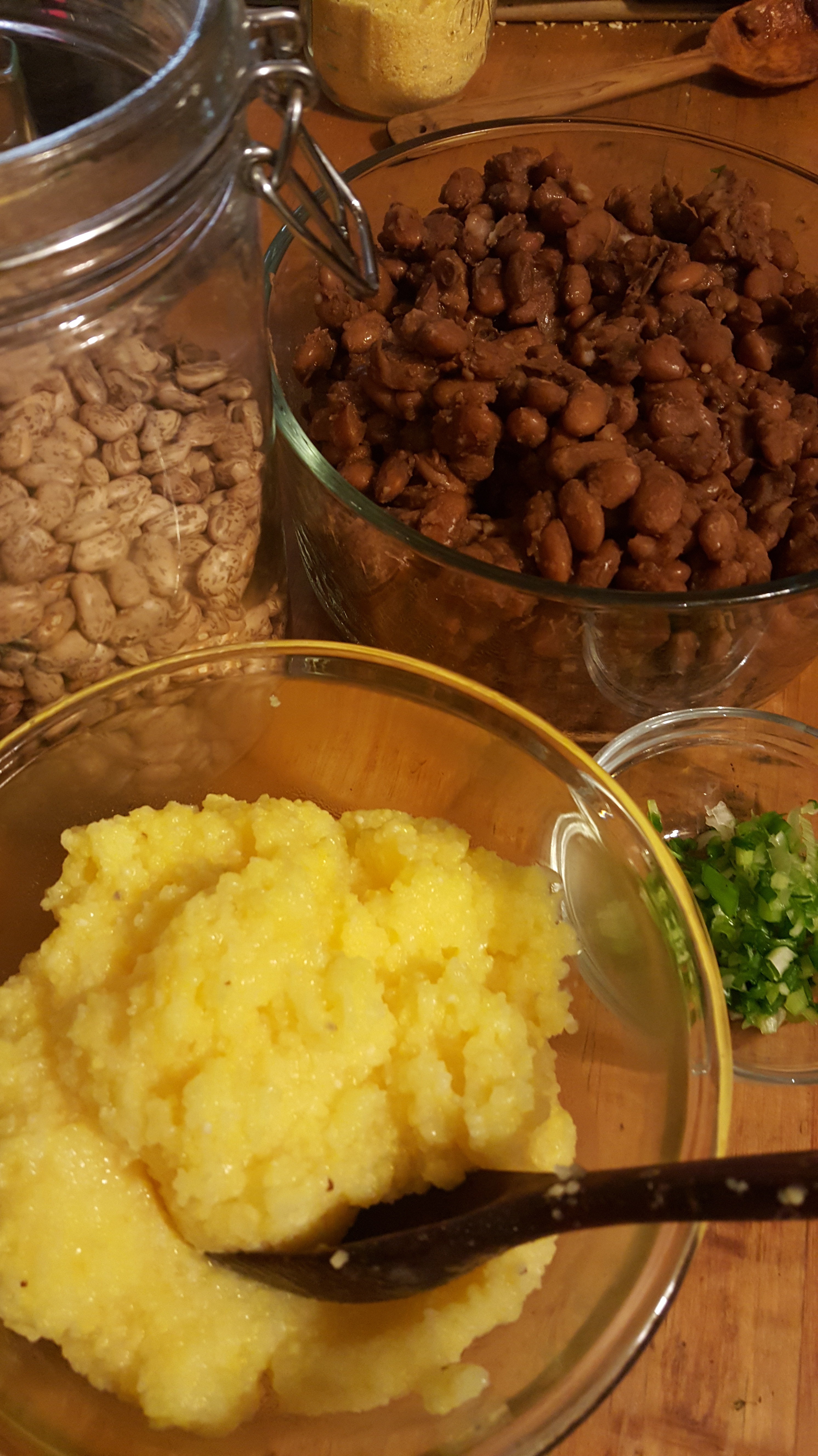
The photo above used lots of white posole and some canario beans. For tomorrow’s tasting, I’m using plenty of pintos and a little yellow polenta. No need to measure or time the polenta, as this recipe is so forgiving. Kneading in dry cornmeal when forming the patties (instead of just mixing it in) will fix the mixture at the perfect consistency.

20151120_205304

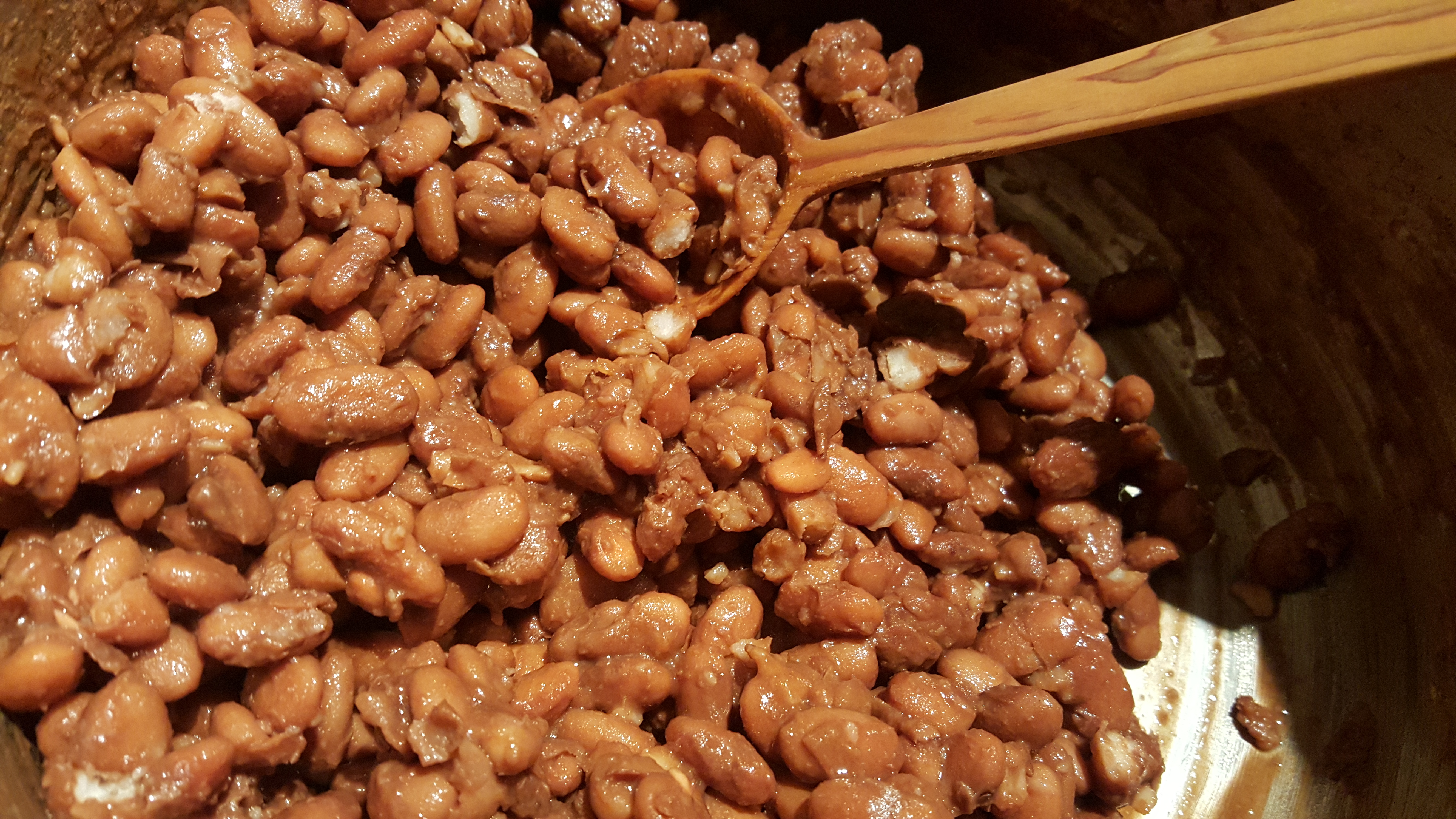
I like to carefully reduce the bean cooking liquid, affectionately referred to as bean juice in our family, because I can’t imagine draining it.

20151120_202041

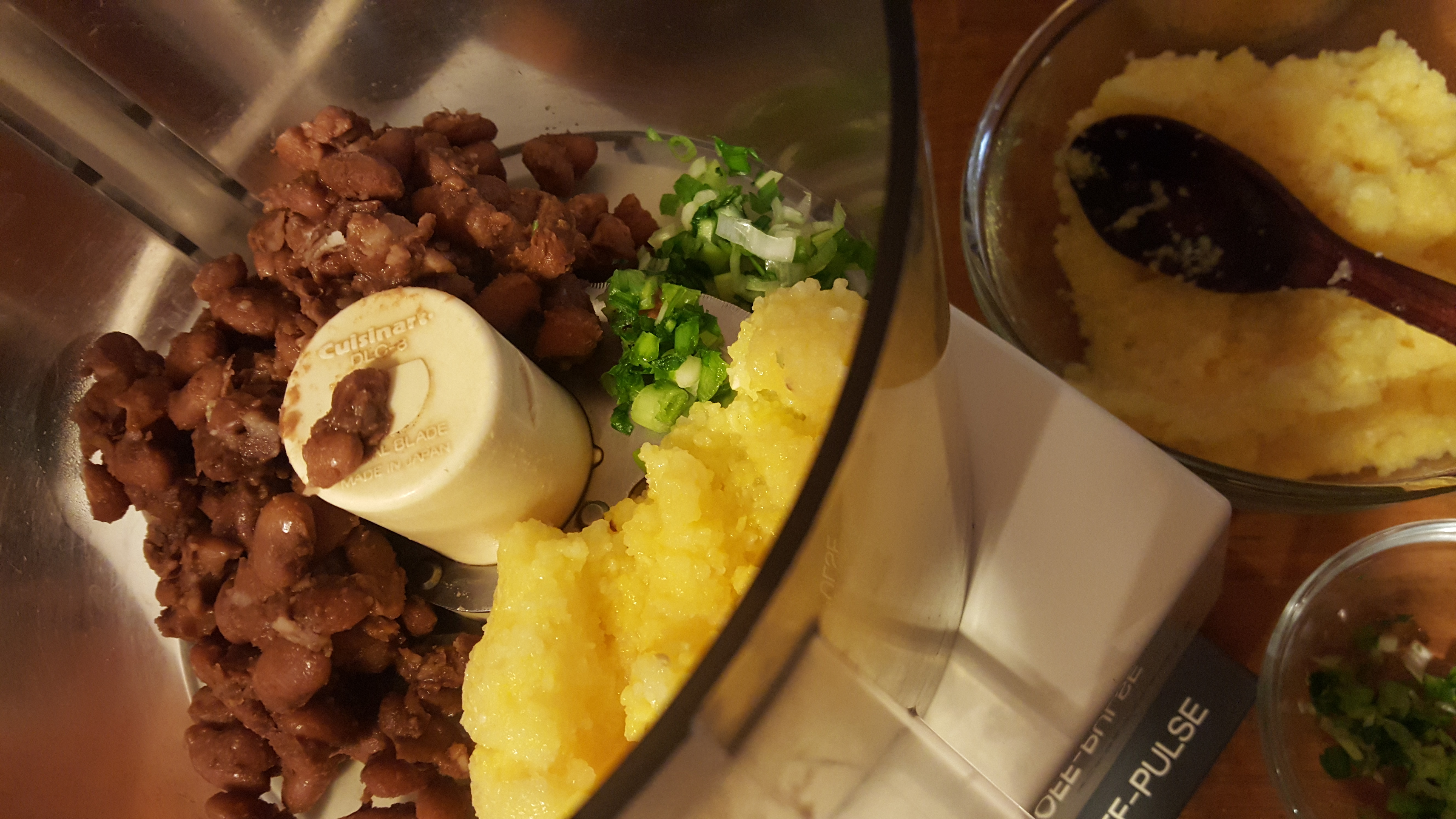
Pulse everything in the food processor or mash by hand, and season to taste. Make big or small cakes to suit the occasion.

20151120_210134_001(1)


1/2 cup chicos

1 cup beans, cooked and drained

2 tablespoons cornmeal

1 I’itoi or green onion, minced

salt to taste

Options:

1/4 teaspoon Mexican oregano

1 teaspoon chile powder (or substitute Mano Y Metate Adobo powder)

Place chicos and enough water to cover in a medium saucepan and bring to a boil. Reduce heat to a simmer and cook for about one hour, until chicos are fairly soft. Cool slightly, then drain and coarsely chop. Set aside.

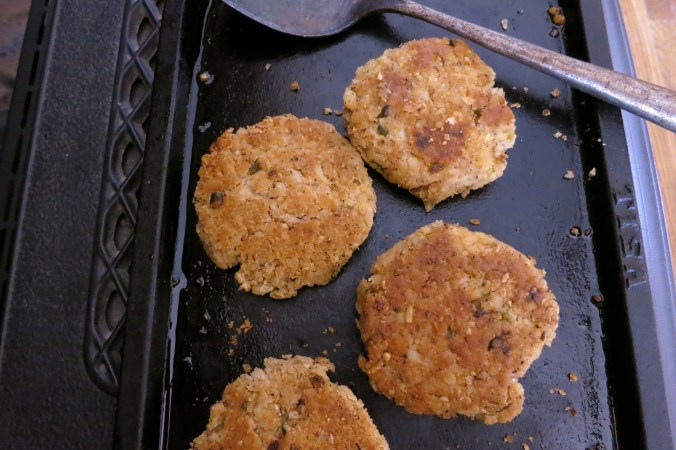
Combine beans, cornmeal, onion and chile powder and either mash by hand or whirl briefly in a food processor. Combine with the chicos, adding salt and adjusting seasoning to taste. Shape into about 1/3 inch thick patties.

In a lightly oiled skillet over medium heat, brown dinner cakes on each side. Serve with mole, pipián, or salsa.


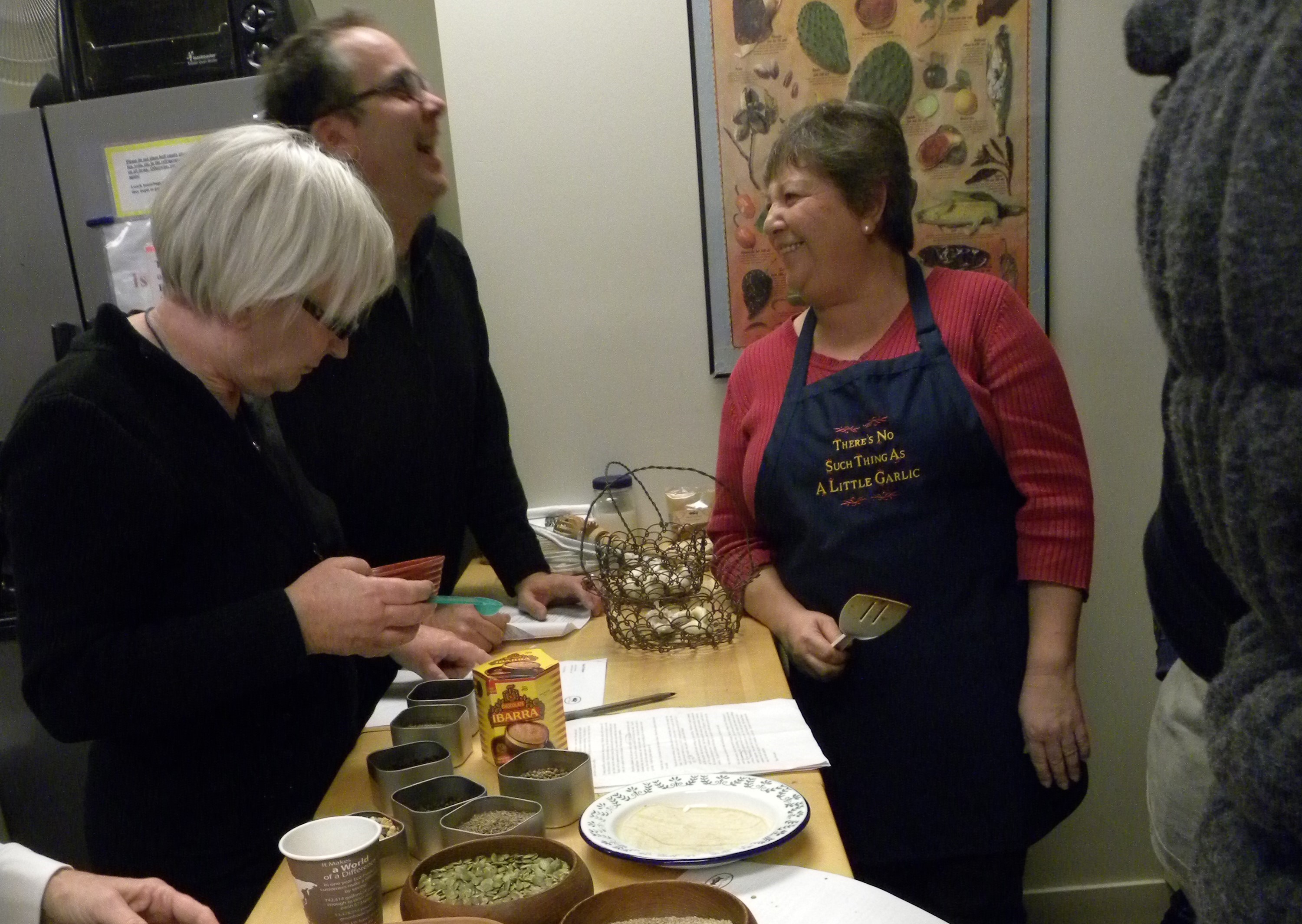
My Aunt Bertie has shaped and browned lots of these little things with me. Here she is taking a break from flipping during a cooking class my family taught. We love to cook together!

bertie cooking dbg 11


Heirloom Grains & Heirloom Fruits marry in a Holiday Pie

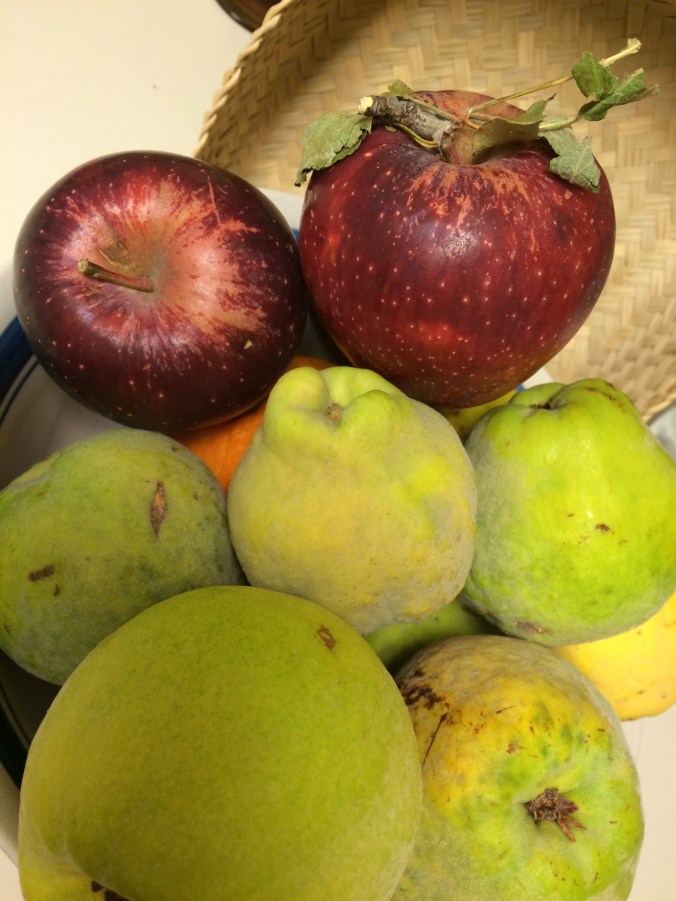
Padre Kino's Membrillo Fruit with Slide Rock Star King Old Fashioned Double Delicious Apples

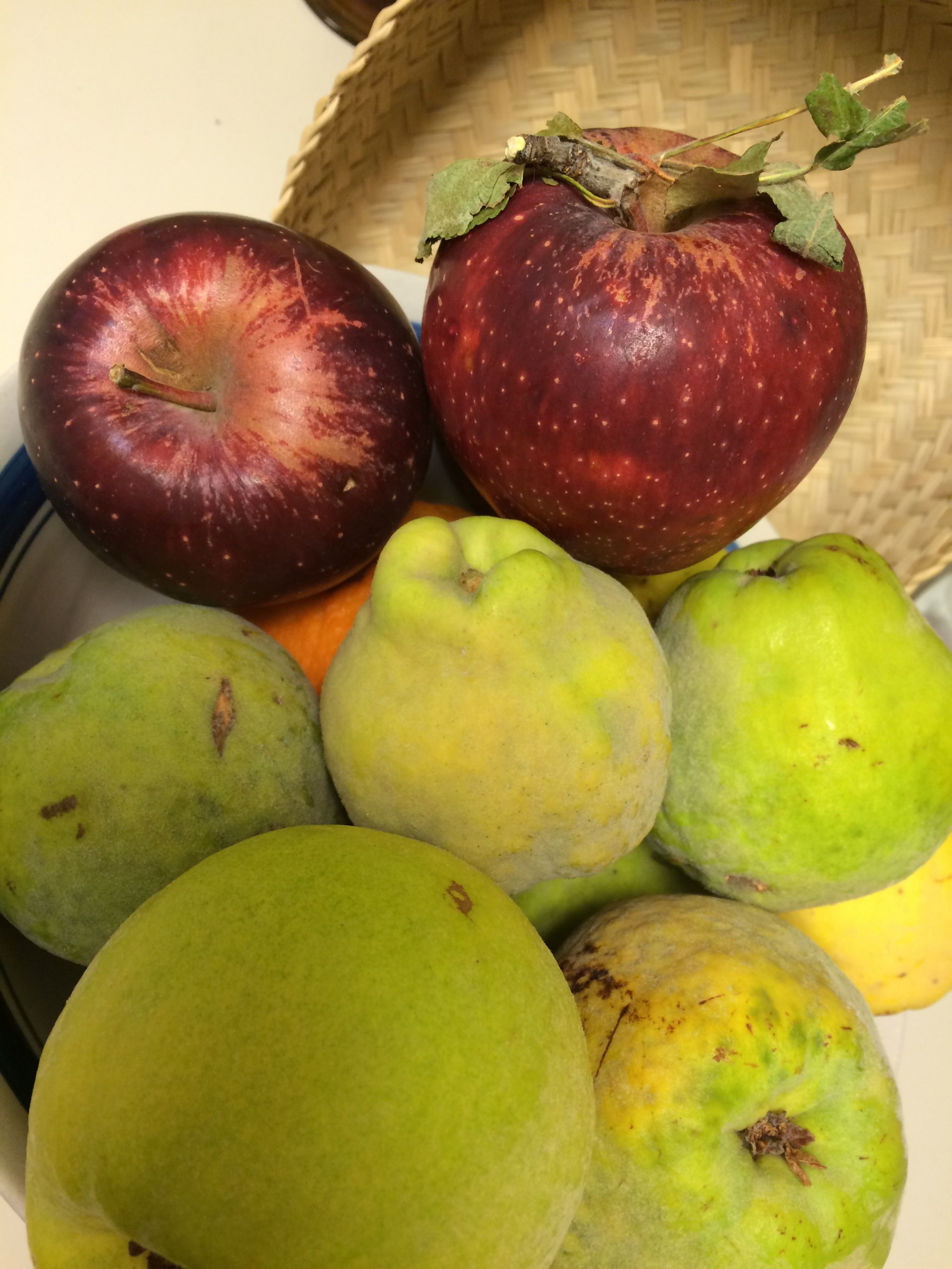
An Heirloom Fruit Harvest:  Padre Kino’s Membrillo Fruit from my garden with Star King Old Fashioned Double Delicious Apples from Slide Rock State Park heirloom orchard (MABurgess photo)

In both the low Sonoran Desert and in the higher Southwest, fruits are hanging on the trees ready for harvest.  At Mission Garden the quince trees, better known as membrillo, are bearing their last sturdy fruits.  Mission Garden was the site of a wonderful celebration of membrillo in October with talented cook Josefina demonstrating how to make cajeta de membrillo, our sweet autumn dessert delicacy.
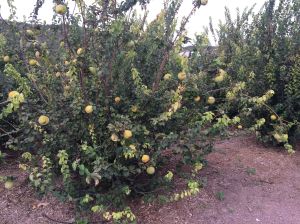
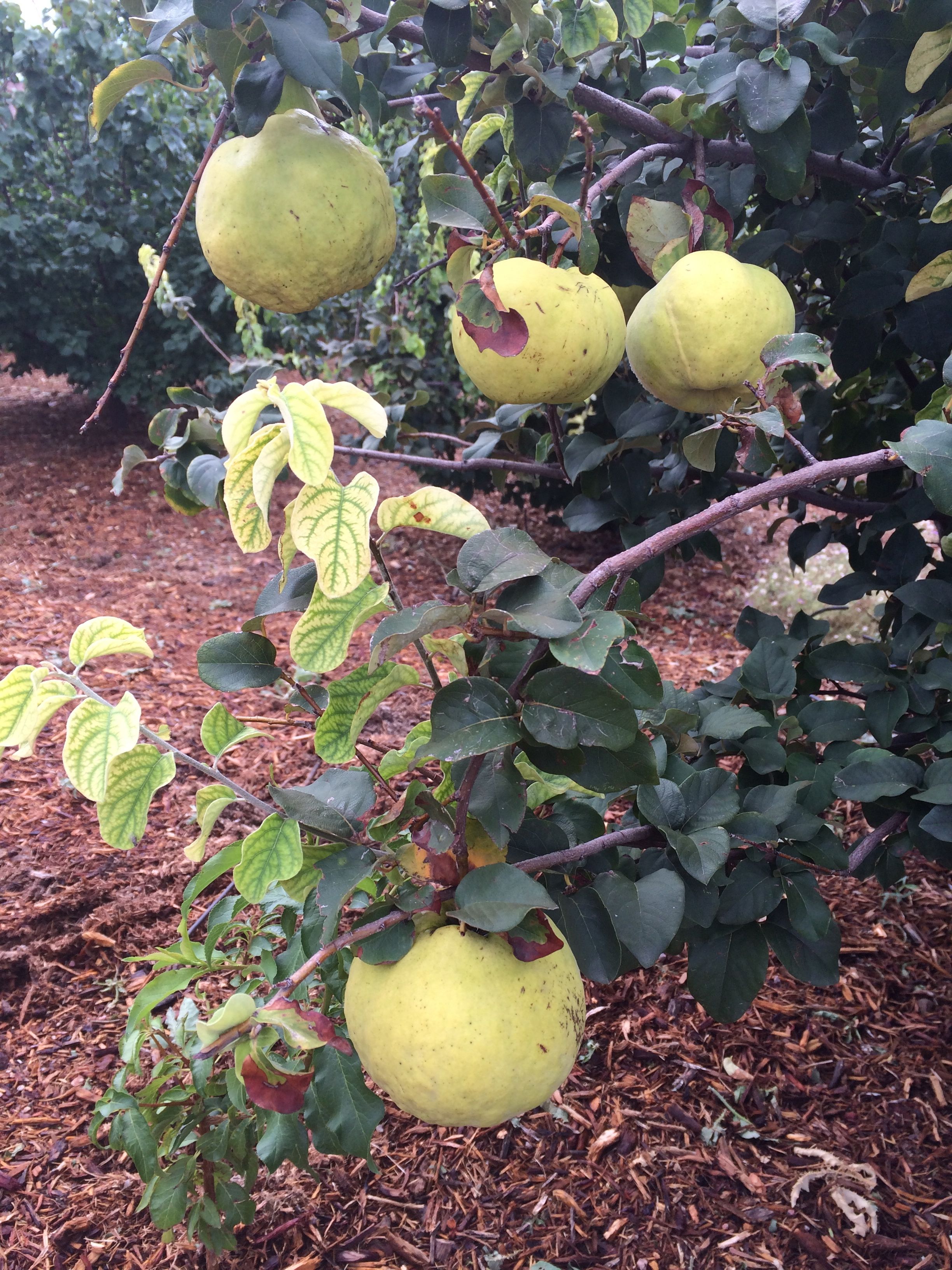
Membrillo (Quince) trees heavy with fruit at Mission Garden Tucson, near A-Mountain

Membrillo (Quince) trees heavy with fruit at Mission Garden in Tucson, Arizona, near A-Mountain–Come visit any Saturday morning!
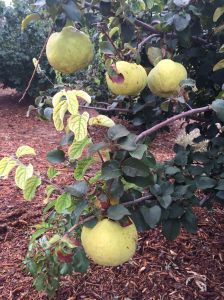
Membrillo is a perfect food-giving tree for low desert as it can can handle heat--great for a kitchen garden

Membrillo is a perfect food-giving tree for low desert as it can can handle heat–great for a kitchen garden

Tia Marta here to share what is happening in my kitchen these days, bringing together some of my most admired heirloom grain and fruit ingredients–both cultivated and wild–knowing that I have guests coming for the holidays who need a little taste of LOCAL!

It is pie time in our household.  And today it is Membrillo-Apple Pie with White Sonora Wheat-Mesquite pie crust!      I mean, how much more local can one get?

This was the year that our five-year-old quince tree, which we purchased from Desert Survivors Nursery Kino Fruit-tree Project, and which we planted a couple of years ago in our backyard, decided to flower and set fruit–just enough this time to make a couple of pies.  We look forward to the amazing productivity in future years that the Mission Garden quince trees are already showing.  Quince or membrillo fruits look like a cross between yellow apples and pears but are far more sturdy than either of those.    Before ripening they are covered with fuzz and, as they lose it and become shinier and more yellow, you know they are ripening.
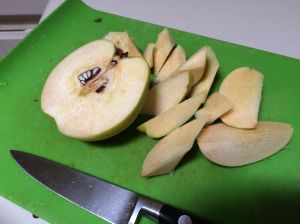
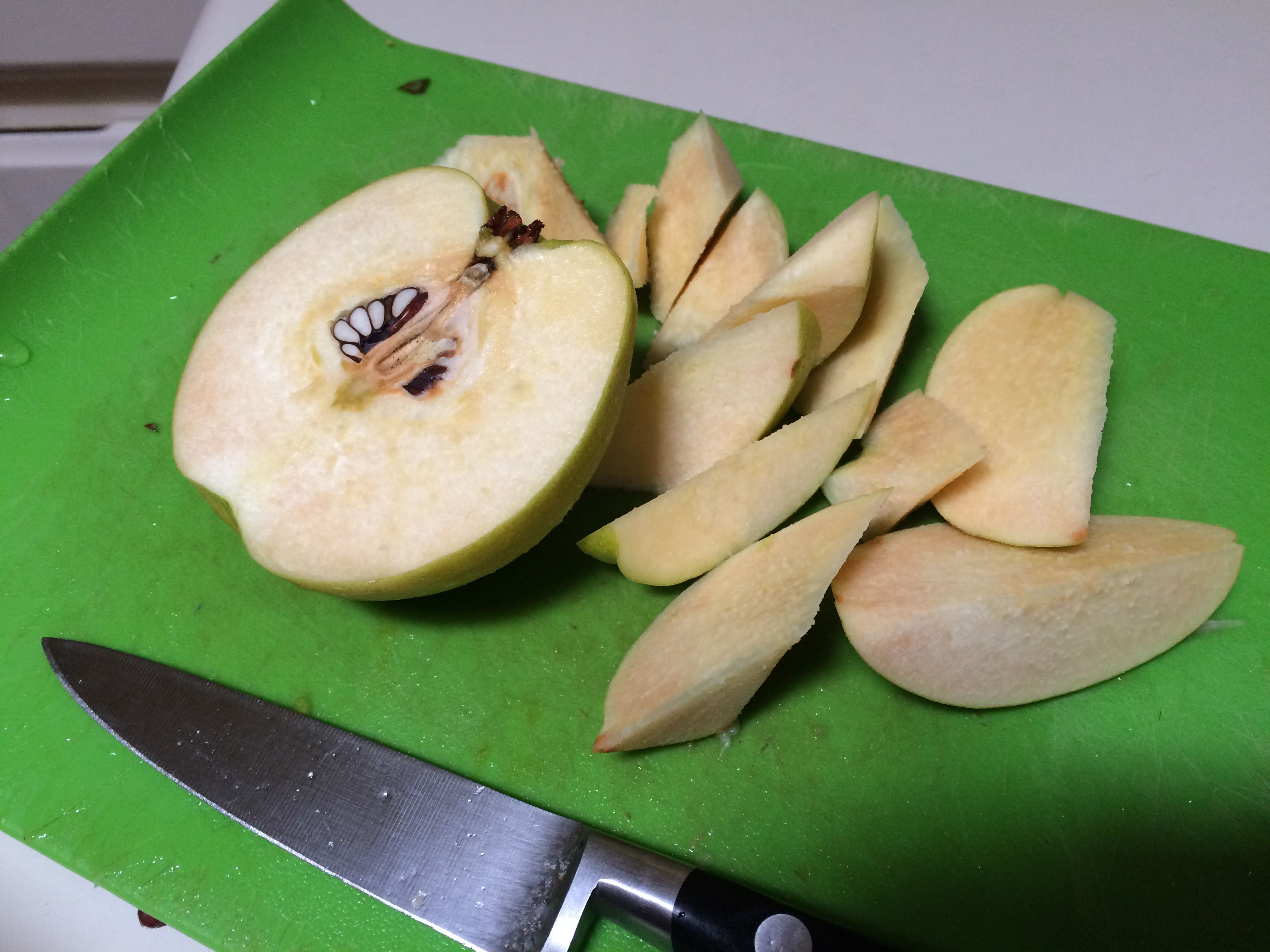
Because they are harder than other fruit, be sure to cut membrillo very carefully. Expect them to come out with not-so -symmetrical slices.

Because they are harder than other fruit, be sure to cut membrillo with extra care. Expect this to result in not-so -symmetrical slices–no problem inside a pie.

Even when this aromatic rose-family fruit is ripe, its somewhat sweet tissue never really softens.  They may feel and taste granular, similar to some pear varieties.  But they are substantial food, full of good potassium, vitamin C, dietary fiber, and iron.  In other regions, quince has been used with apples to make jellies as it aids the gelling process.  Since the time of the missionaries into Pimeria Alta, the traditional way of preparing membrillo here is to cook it down with raw sugarcane sugar to make the cajeta confection.  (A detailed report of cajeta de membrillo will make a neat separate post.)

I chose to mix membrillo with its sweet cousin, heirloom local apples, to create a Southwestern version of the all-American pie.  From the neat old Pendley Homestead at Slide Rock State Park in Oak Creek Canyon near Sedona, I obtained the deep maroon-skinned apples shown above from a 1912 orchard.  From the English Family Orchards at Willcox I added a few little galas.  Don’t ever be ashamed to ask orchardists at farmers’ markets if they have any “rejects” for sale.  Many a tasty apple gets tossed because it has a blemish or knick.  Such apples can become a rewarding gift in pies, apple-brown-betty, or applesauce.
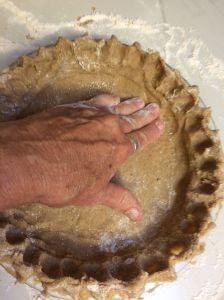
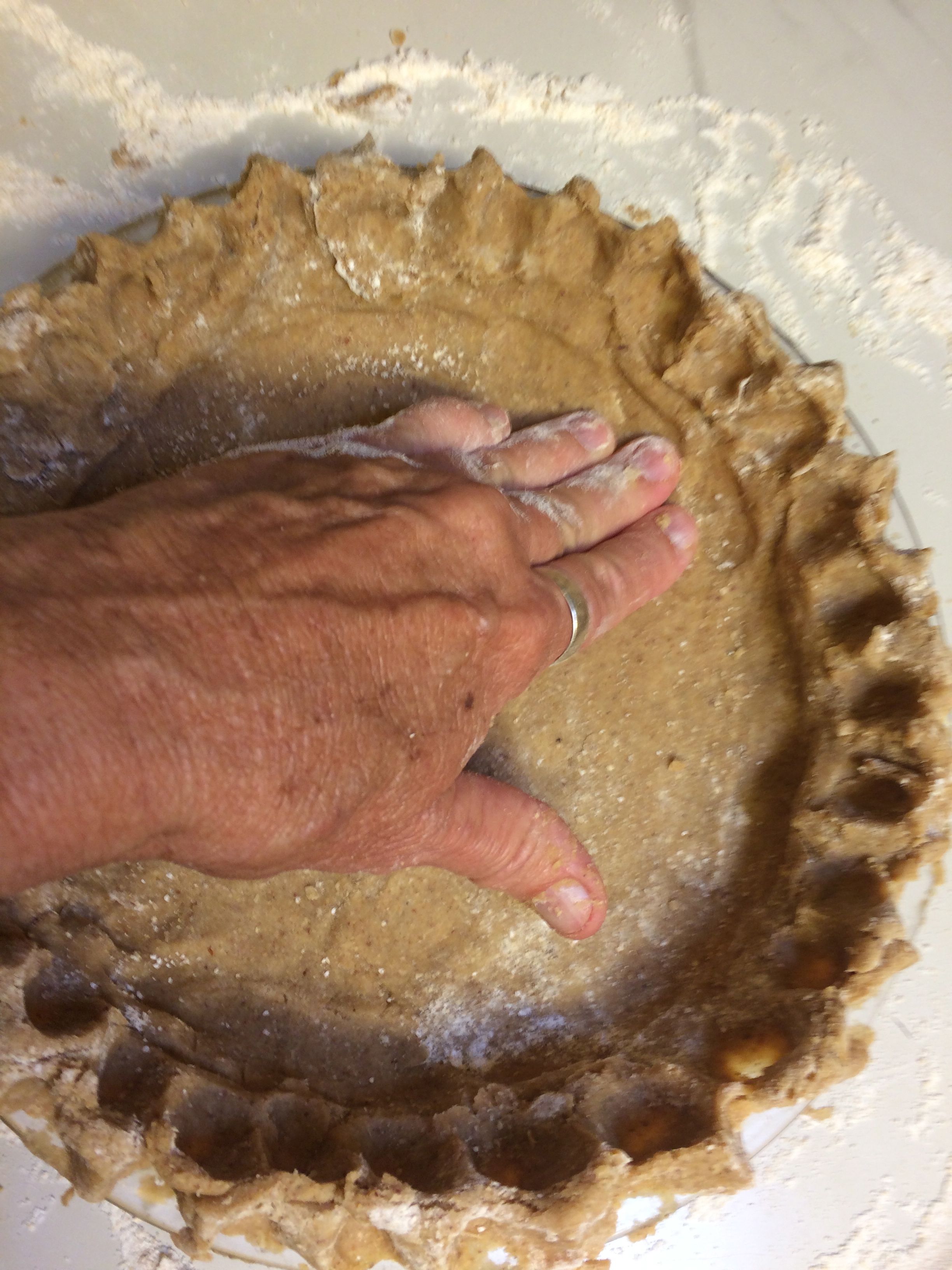
Pressing mesquite/whiteSonora wheat dough into pie pan
Pressing mesquite/whiteSonora wheat dough into pie pan

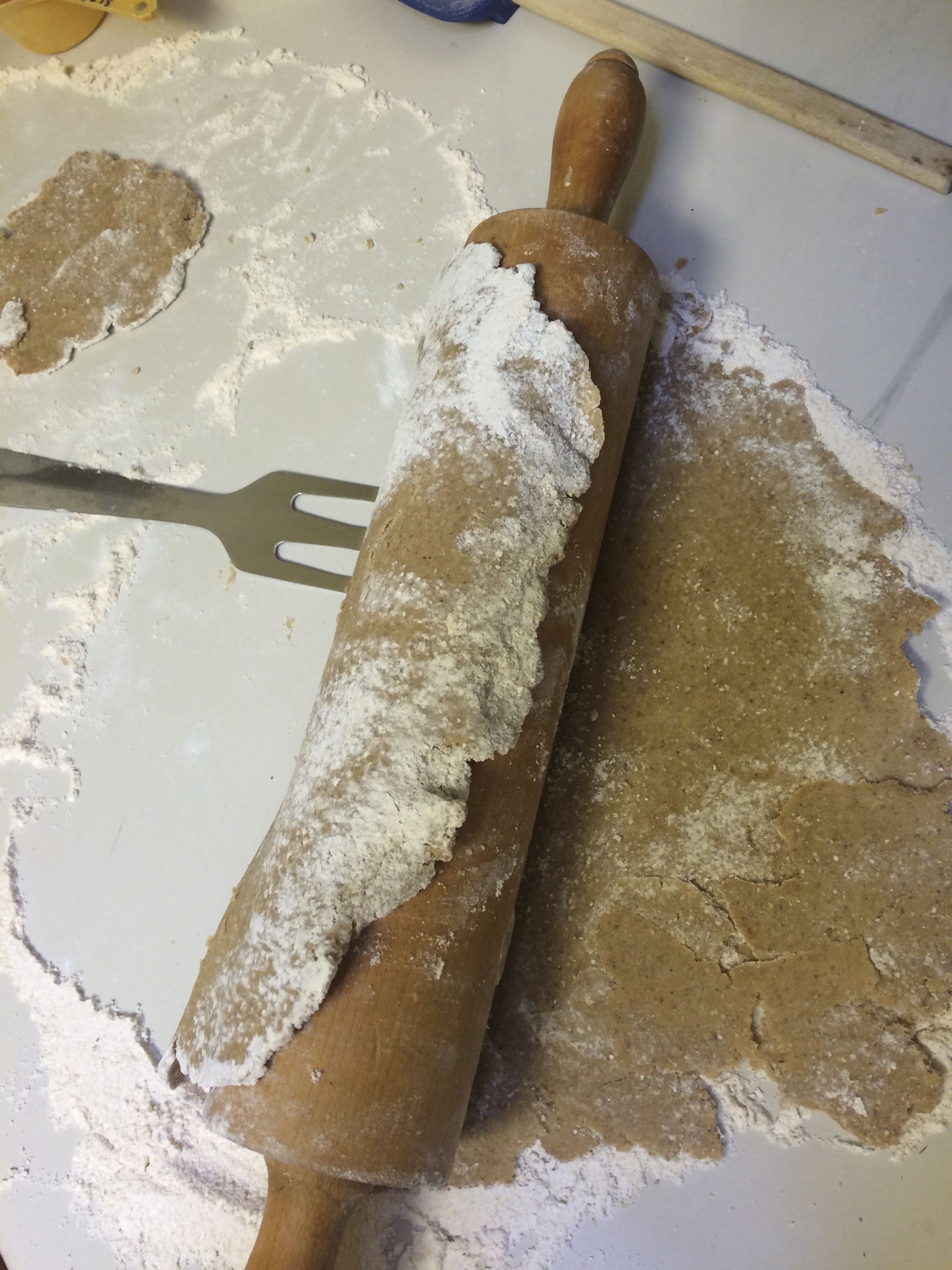
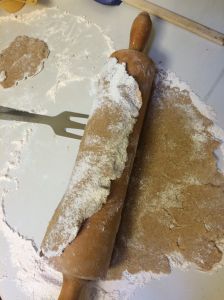
rolling mesquite white Son wheat pie dough

Mesquite meal and white Sonora wheat make a fabulous pie-crust! It is not as elastic as store-bought crusts so be careful in rolling it onto your pie pan. Shown here is a very flat spatula I use as an assist.

Next step, after growing, harvesting, slicing the heirloom fruits, is getting dusted by making my local heirloom Mesquite/White Sonora Wheat Pie Crust (recipe following):

[Kids, don’t try this culinary photographic technique at home.  Your one-handed iPhone will get really sticky.  Mine will never be the same.]


Ingredients for heirloom wheat pie crust:

1 1/2 cups freshly milled whole, organic White Sonora Wheat flour*

1/2 cup freshly milled local velvet mesquite meal**

1 tsp Real-salt or sea salt

2/3 cup shortening (I use organic butter)

5-7 Tbsp ice water

*Organic, fresh-milled white Sonora wheat flour is available for your holiday baking from our Flor de Mayo booth at Sunday St Philips Farmers Market, or by contacting us at info@flordemayoarts.com or  520-907-9471 to order it ahead.                                                                                                                                                                             **Freshly-milled velvet mesquite pod meal (flour) is available via the same Flor de Mayo contacts above.                                                                                                                                                                     Both kinds of heirloom flour are available at a special Heirloom Grains event this coming SATURDAY November 21 at the NativeSeeds/SEARCH store, 3061 N Campbell, Tucson–the public is invited 10am-2pm.
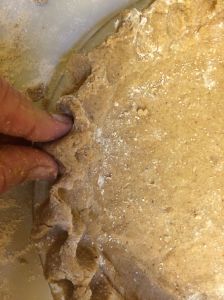
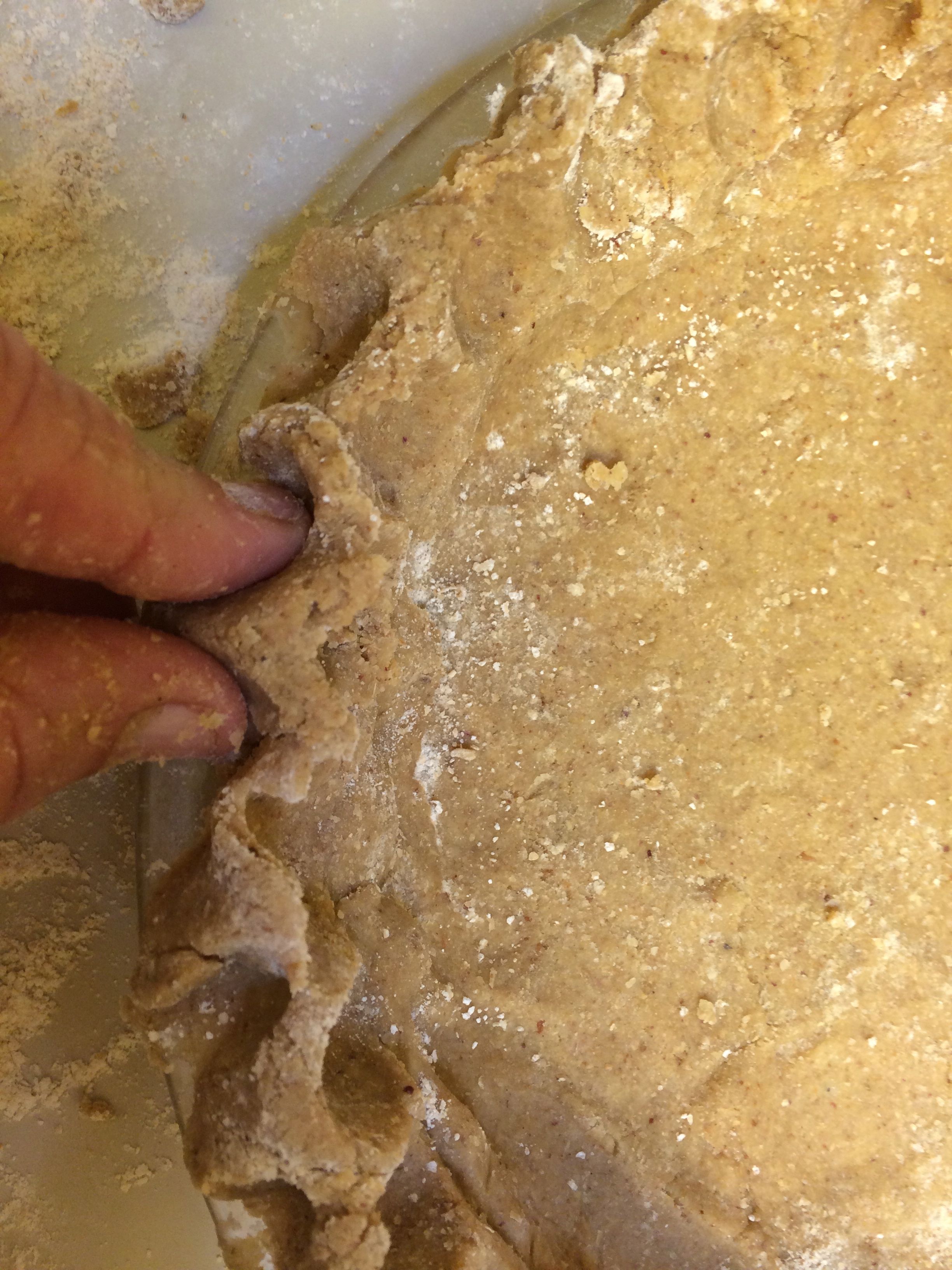
Pinching a tall edge of my mesquite/heirloom wheat pie crust

Pinching a tall scalloped edge of my mesquite/heirloom wheat pie crust–This provides a retaining wall so juicy filling will not overflow while cooking.

Directions for heirloom wheat pie crust (lattice top):

Sift dry ingredients.  Cut in shortening into small pea size lumps.  Sprinkle in tablespoons of ice water gradually, mixing with a fork.  Form 2 balls of dough. Dust each ball with more white Sonoran wheat flour. Flatten each out on a well floured board and roll with rolling pin or bottle.  Use rolling pin as in the illustration, to lift lower pie crust dough onto pie pan.  Press in with fingers.  Keep second ball of dough for working on after pie filling has filled the lower crust. [See recipe for Membrillo/Apple Pie Filling below.]

With second dough ball, roll out as before then cut in 1/2 inch wide strips to lay in basket-weave pattern atop the pie filling to allow filling to lower as it cooks.

Membrillo/Apple Pie Filling ingredients:

(Cook ahead slices and chunks of 4-5 membrillo fruits, washed, then cut with or without skin.  Boil in good drinking water for 20 minutes or until soft.  I am one of those crazies who thinks fruit skins are healthy and full of phytonutrients, so I leave the colorful fruit skins on.)

2 cups sliced membrillo fruit, pre-cooked  (reserve liquid for other gelled salads)

2 cups thinly sliced heirloom apples

1/2 cup organic cane sugar

1/2 cup organic brown sugar

2 Tbsp organic heirloom white Sonora Wheat flour

1/2-1 tsp ground cinnamon

dash sea salt

1-2 Tbsp organic butter

juice of one small heirloom sweet lime       (I got mine from the Friends of Tucson’s Birthplace Mission Garden booth at the Thursday Santa Cruz farmers market at the Mercado San Agustin, West Congress, Tucson)
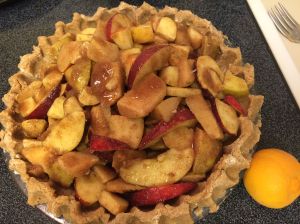
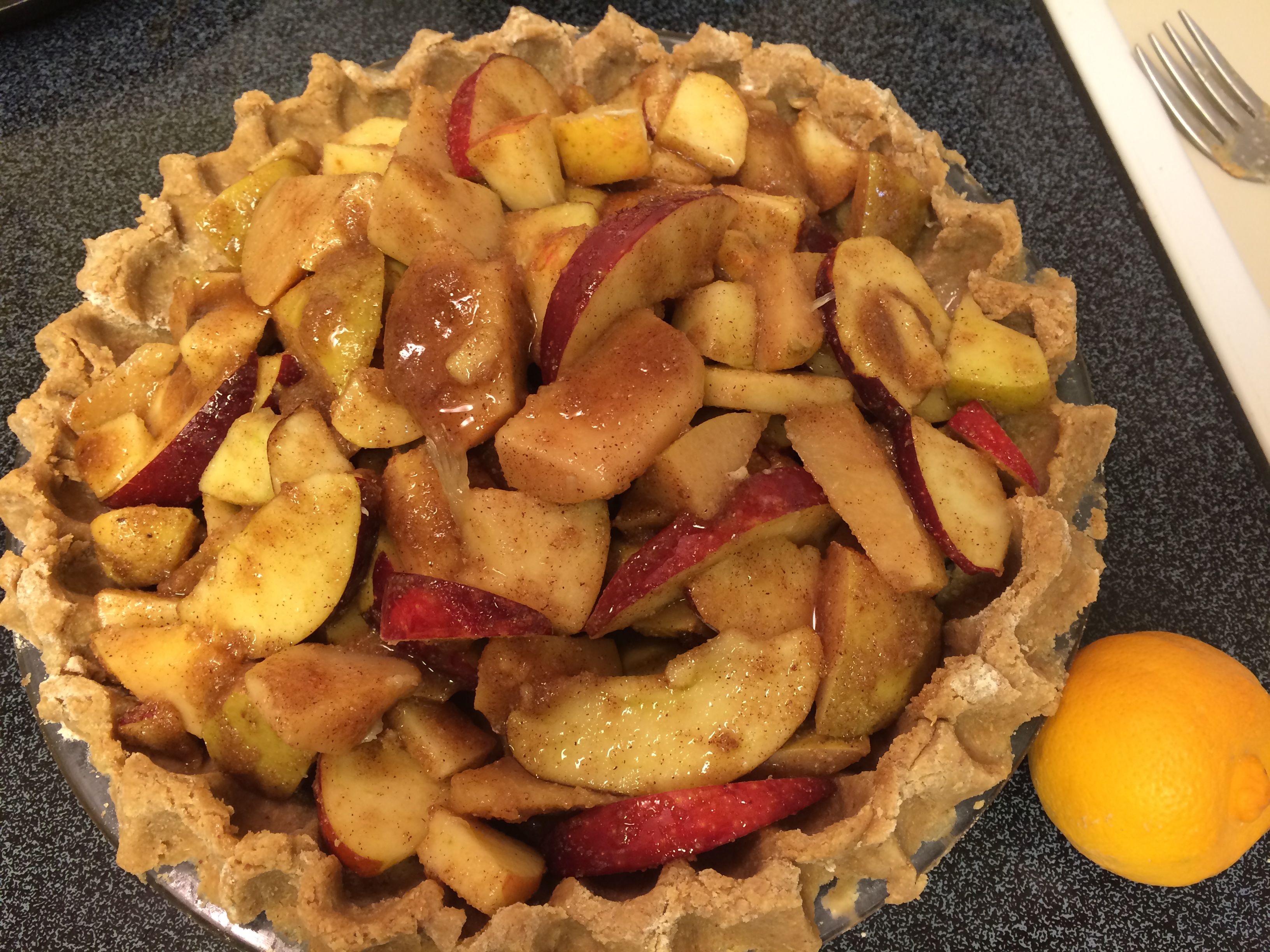
Membrillo/apple pie filling in shell ready to bake

Membrillo/apple pie filling in shell ready to bake. Check out the heirloom sweet lime adjacent–with the dimple–this one from Mission Garden.

Membrillo/Apple Pie-Filling Directions:       Preheat oven to 400 degrees.

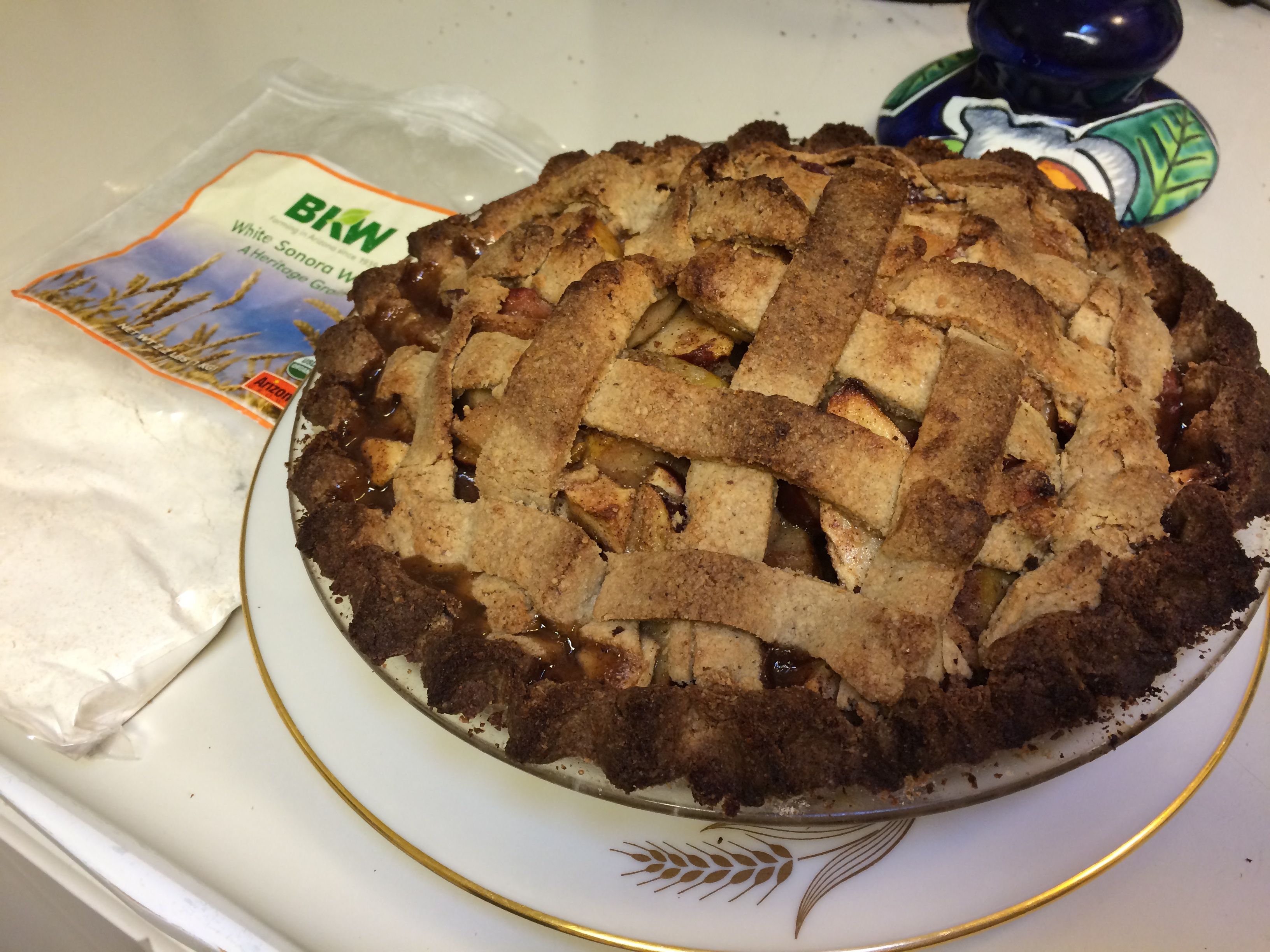
Combine sugars, flour, cinnamon, salt, then mix with the sliced apples.  Fill uncooked pastry crust (shell) with mixture.  Squeeze the sweet lime juice over the filling and place dollups of butter on top.  Place lattice strips of the mesquite/whiteSonorawheat dough across the top of the filling as in picture below.  BAKE for 40-50 minutes or until the crust looks golden brown.  Note:  mesquite meal has natural complex sugars which may caramelize or brown faster than white flour so keep an eye on it after 40 minutes.  The one in my photo got a little too done for my taste, but it will still be fabulous.
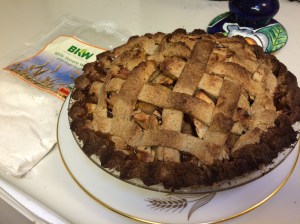
Membrillo/heirloom apple pie with mesquite/white Sonora wheat crust--hot and ready to serve

Membrillo/heirloom apple pie with lattice crust of mesquite/white Sonora wheat –hot and ready to serve–To the left in photo is flour milled from BKWFarms wheat-berries.

There will be several ancient grains available at our upcoming Celebration of Heirloom Grains this SATURDAY at the NativeSeeds/SEARCH Store.  Put it on your calendar and dig out your favorite recipes!
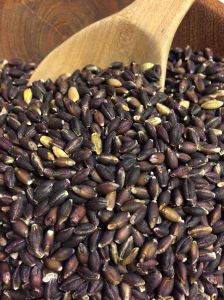
Heirloom purple prairie barley available at Flor de Mayo booth,St Philips Farmers Market and at the NSS Grain Event Saturday!

Heirloom purple prairie barley available at Flor de Mayo booth,St Philips Farmers Market and at the NSS Grain Event Saturday!

In addition to our native Mesquite Flour, there will be such fresh lovely grains as organic Hard Red Wheat grown by BKW Farms in Marana which is superb for breads.  Our organic white Sonora wheat is the best for pastries.   Also available will be the ancient Purple Prairie Barley originally from Afghanistan, now from Hayden Mills.

For the knowing baker, milling the whole grain fresh creates a totally different and wondrous effect to breads and pastries because the enzymes and other constituents in the grain remain “lively” for only a few days after milling.  Come enjoy the milling process right before your eyes and feel the vitality of the flour you can take home to bake with!

Our thanks go to the caring padres who first brought the grains to the desert Southwest, to the generations of farmers who continued to grow and save the grain, to NSS for “rediscovering” and conserving them so carefully for the future, and to new farmers like San Xavier Farm Coop, BKWFarmsInc, Ramona Farms, and Hayden Flour Mills for multiplying them for our nutrition, enjoyment, and sustainable desert living!

For more info please call NativeSeeds/SEARCH at 520-622-5561 or Flor de Mayo at 520-907-9471.  See you at the Milling and our Celebration of the Heirloom Grains!!
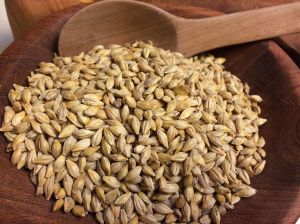
Magdalena heirloom barley grown at Mission Garden, Tucson
Magdalena heirloom barley grown at Mission Garden, Tucson

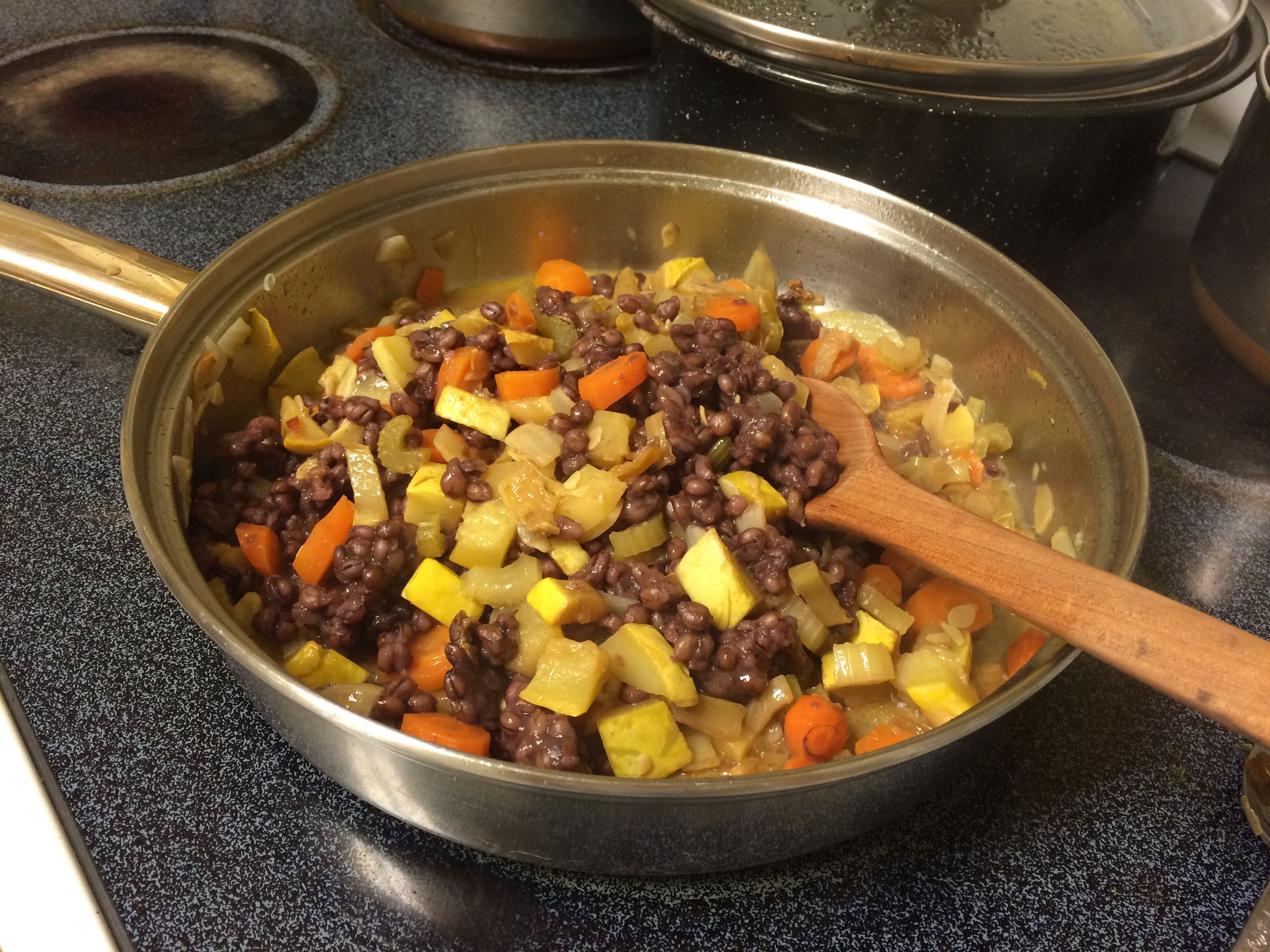
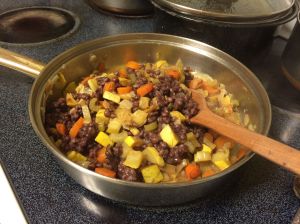
A savory pilaf made with heirloom purple prairie barley--watch for future recipes--Grain available at the Flor de Mayo booth, Sunday St Philips market

A savory pilaf made with heirloom purple prairie barley–watch for future recipes–Whole grain available at the Flor de Mayo booth, Sunday St Philips market, and at Saturday’s Heirloom Grain Celebration

Bat’s, “Seed-Dispersal” Clusters, and Taking Off by Letting Go

IMG_1225 (1)

“Seed Dispersal” Chocolate Clusters, are inspired by bat’s remarkable ability to drop seed where it is needed.

Aunt Linda here on this chilly early November day, writing to you from under a Tucson bridge. My feet are burrowed in the arroyos’ sand – which is dotted with bat guano. The smell of guano is thick and earthy. And while I am not in a cave, it smells like the inside of a cave from down here. The chattering and “chirping” from the bats above delights me. Bridges, it turns out, are comfortable roosting places for bats. The expansion joints offer 1 foot deep grooves for bats to roost. Habitat loss is a significant challenge that bats face, and while bridges were not constructed with bats in mind, it turns out that they are bat friendly places.

IMG_1152

Today we widen our scope beyond the Sonoran Desert and fly into the rainforests. Before we leave though, I’ll mention that bats are more closely related to primates (yes, humans included) than they are to rodents.They are the only mammals to achieve true flight. They are not flying mice; they do not glide like some squirrels. They fly. 

And they have been doing so for 50 million years.

One of many reason bats are considered a “keystone species” – meaning so essential to certain ecosystems that they would collapse without them – is that they are extremely effective “seed dispersers”.  As we know, huge areas of the planet’s rainforests are cleared every year. Regenerating these vast expanses of open areas, where once a forest thrived,  requires seed dispersal. Birds and many primates, fear crossing vast areas where there is little shelter from attacking flying predators, so they usually stick to trees, where they they defecate seeds directly beneath where they perch. In contrast, nocturnal fruit bats have no such concern. Covering large distances over large clearings every evening while they feed and forage, they also drop seeds in those wide expanses.  It turns out that many of those very seeds are from “pioneer plants”; those plants capable of growing in the hot/dry extreme conditions found in clearings. The growth of these plants invite other more delicate plants to grow and take root, they do this by the shelter they provide other plants, as well as by providing safe perching sites for birds and other primates, who are now too, dispersing more varieties os seeds.  I discovered that seeds dropped by bats usher in up to 95% of the first new growth within these clearings.

Bats have been reported to disperse seeds such as dates, figs, cashews (hence the recipe today) as well as MANY others.

RECIPE : Seed Dispersal Clusters

                                                                         Ingredients: 

  • 2, 3oz chocolate bars (or just a plane 6 oz) I used Lilly’s dark chocolate (coconut flavor) because I like the lack of sugar, but I have used the Trader Joe’s Jumbo bars for bigger batches, chocolate chips, … The Point: use whatever YOU Like. Dark, not dark ….
  • a handful of roasted salted (your preference of salted or not) cashews. I love the salt with the sweet.
  • 1-2  Figs – dried and unsulfured – slice
  • 4 dates (I used sun-dried and unsulfured) sliced
  • Optional: for the tops – 1 chiltepin per cluster, or a few pomegranate seeds. Or combine the two.

(And use what you have on hand.  I have used almonds, ginger, chia seeds, poppy seeds, sunflower seed, pepita (pumpkin)  seeds, dried cranberries … the bats might agree: sky is the limit)

                                                                             How To:

IMG_1238

In a double boiler (I used a pan inside a pan with boiling-roiling water), add the chocolate. As it melts you can begin adding the “seeds”.

IMG_1235

I chopped the figs and dates roughly because I like the unexpected texture; feel free to be as uniform as you would like.

Stir the cashews and dried fruit until coated with the chocolate.

Stir the cashews and dried fruit until coated with the chocolate.

Place dollops of the seed mixture onto wax or parchment paper - add chiltepin if you like the heat - or pomegranites if you like the sweet. Place in the freezer until chilled through. 10-15 minutes.

Place dollops of the seed mixture onto wax or parchment paper – add chiltepin if you like the heat – or pomegranates if you like the sweet. Place in the freezer until chilled through, about 10-15 minutes. Don’t freeze freeze them – you want them hard, but not so hard that you cannot bit into them.

When firm, delight in the flavors and taste! Put remaining, if there are any, in an air tight container and keep in the fridge.

When firm, try one; delight in the flavors and taste! Put remaining clusters, if there are any, in an air tight container and keep in the fridge. Eat soon and swiftly.

Letting Go

I discovered a bat fact that surprised me.  Unlike birds and bees and butterflies, very few bats actually “take off”, meaning they don’t push off of the ground or branch or flower in order to take flight.  Because most bats perch upside down, they simply let of the surface from which they are hanging, immediately flap their wings, and fly.

We know this one as well, don’t we. There are times when, having let go of something – (a way of perceiving, an idea no longer relevant,  an identity, a person) –  we have a sense of flight.  I know I have.  There is a sense of an inner lightness. And it can take us places.

—————————–

BATS!! I am ENCHANTED with them. There is so VERY much to admire about these flying mammals!  Stay tuned Bat Friendly Folk:  I will be returning to bats again in future posts. I hope to inspire the building of Bat Houses and the planting of Bat Gardens.  We’ll talk about all this before springtime so that you can  plan. Whether or not you want to build bat houses or plant bat gardens, you will definitely want to learn about making Guano Tea for the gardens you normally tend. Please feel free and write me with any comments and suggestions and experiences you have had with any of the above.

If luck permits, we may also explore the making of “bacanora”, which is a potent drink made from an agave species in Sonora.

The making of this product affects bats.

Stay tuned.

Two Soups featuring Winter Squash and Mole Dulce

IMG_3589

After selling Mano Y Metate moles on this cool, drizzly day with my mom Tedie and sister Laura, we made some soups with what I had on hand.

836 830
We browned a chopped onion in olive oil with a bay leaf, then added a couple cloves of garlic and a tablespoon of Mole Dulce powder. We cooked it until fragrant, then added a quart of homemade turkey broth. A handful of Minnesota wild rice from a friend’s a summer trip simmered in the broth, as well half a butternut squash from the Tucson CSA. Salt and pepper to taste. When tender, we garnished with parsley.

IMG_3585

Starting with the same base of onion, bay leaf, garlic and Mole Dulce, we added cooked, pureed hubard squash and more turkey broth. It didn’t seem like enough spice, so we added more Mole Dulce powder and some ground ginger and turmeric. A tiny touch of honey brought it together, salt and pepper to taste. What really made this soup was Laura’s garnish inspiration. Fresh pomegranate arils and hulled pumpkin seeds added texture. The pomegranate’s cool, juicy tartness contrasted with the hot, sweet, creamy squash.

IMG_3590
The final touch was Mole Dulce oil. Two tablespoons olive oil with one tablespoon Mole Dulce powder cooked until infused. We drizzled on the top of each bowl to taste.

IMG_3587

Join us for Saturday, October 31 for Tohono Chul’s Chile and Chocolate Festival in Tucson. Tia Marta of Flor de Mayo will also be there!

FOR-REVIEW_Chiles-Choclate_16X20-poster_FY16_02

Next weekend Mano Y Metate will be in Phoenix at the Desert Botanical Garden’s Chile and Chocolate Festival November 6, 7 and 8. Enjoy the weather!