Pods to Meal to Cookies at home, TODAY!

Hello friends, Amy here with a baked good I made last week. I wanted to bring treats to share with my friends, something we could nibble while we passed the break table. And if no one had to wash plates, forks or spoons, that was a bonus. My people truly delight in cooking, hadn’t had anything mesquite in ages, and I wanted to impress. After considering my options for a month, I suddenly realized… that’s this afternoon!!!

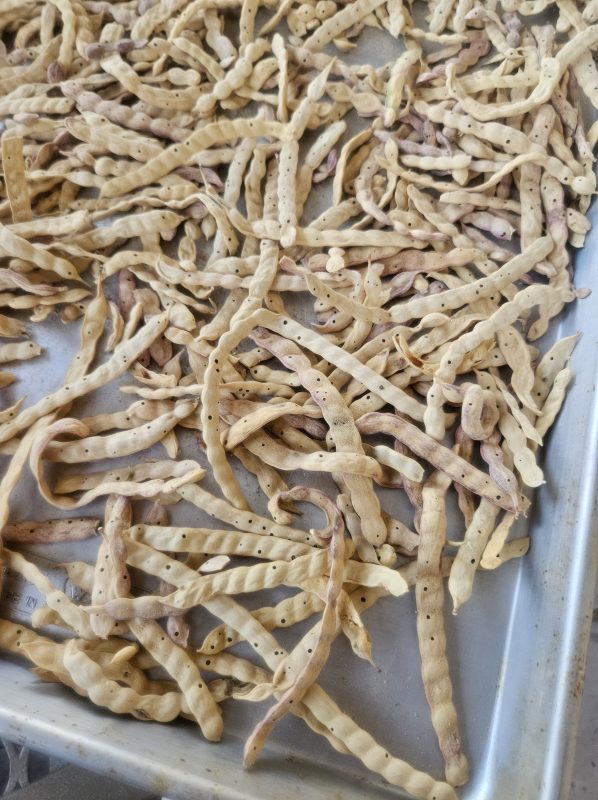
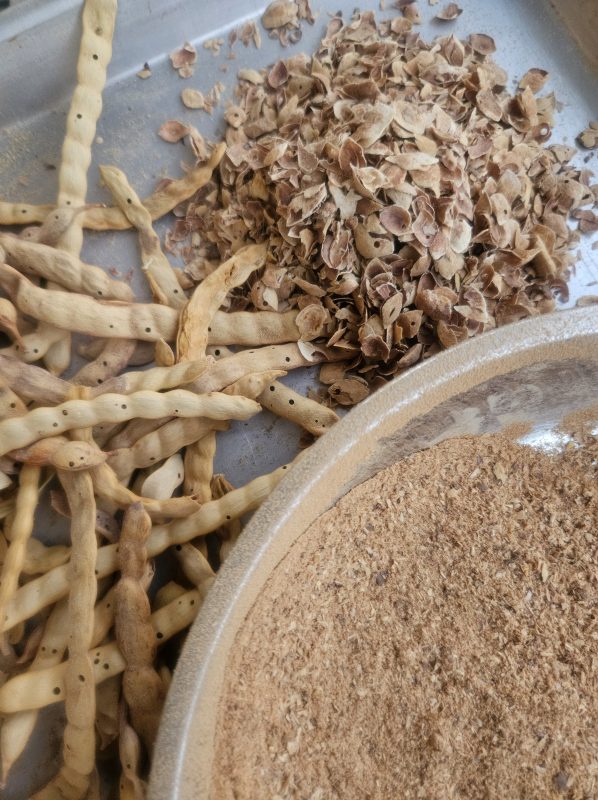
Drought makes for patchy harvesting, but I had a stash of pods. The trick to making HOME grinding work, especially in humid weather, is to toast the pods RIGHT before grinding. No community mesquite pod milling event near you? Need that mesquite meal TODAY? No problem!

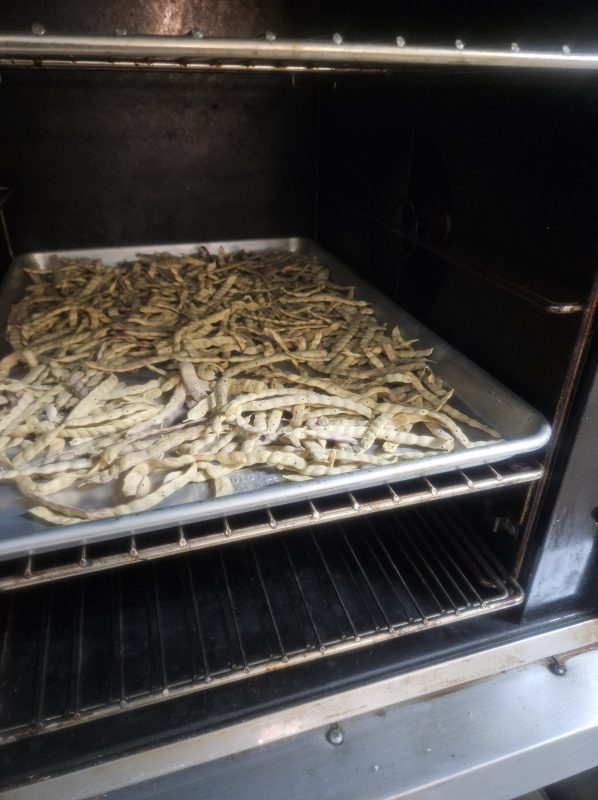
I baked in a thin layer at about 275 degrees F with convection for maybe 5 minutes. Try longer if you don’t use or have a fan. It should smell sweeeeet. I opted to not develop any golden color, but that’s an option!

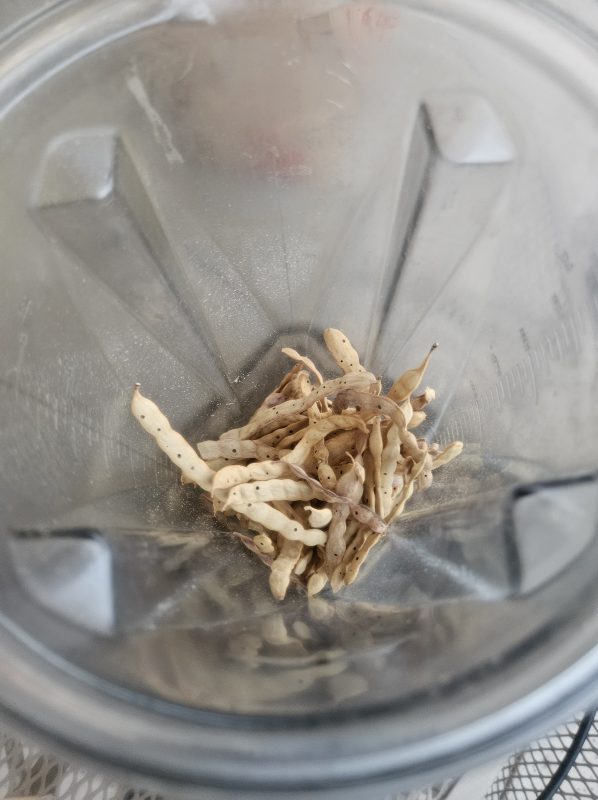
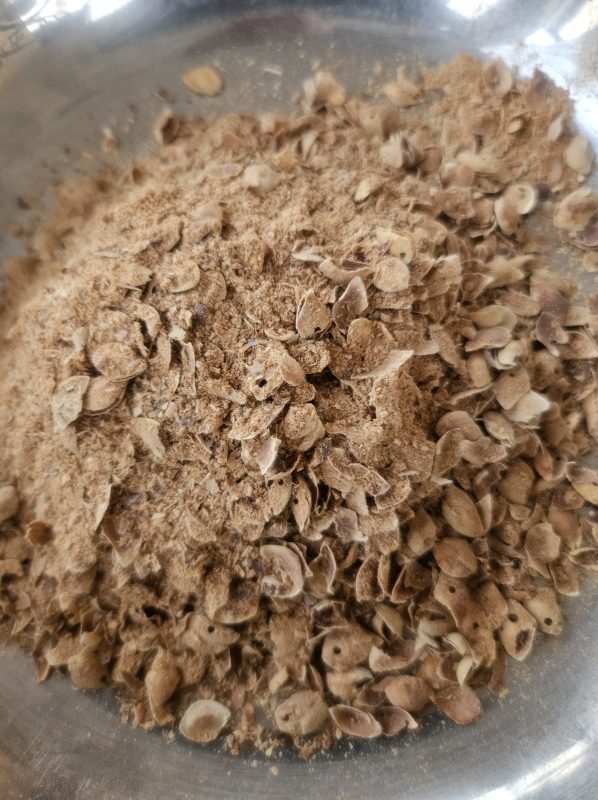
After cooling JUST enough to handle easily, I tossed the pods into a high powered blender. A regular blender or food process does not suffice. Without the last minute toasting, grinding makes a paste in there. This of course is an issue with any mesquite meal grinding method, but expecially for the blender or stone tools.

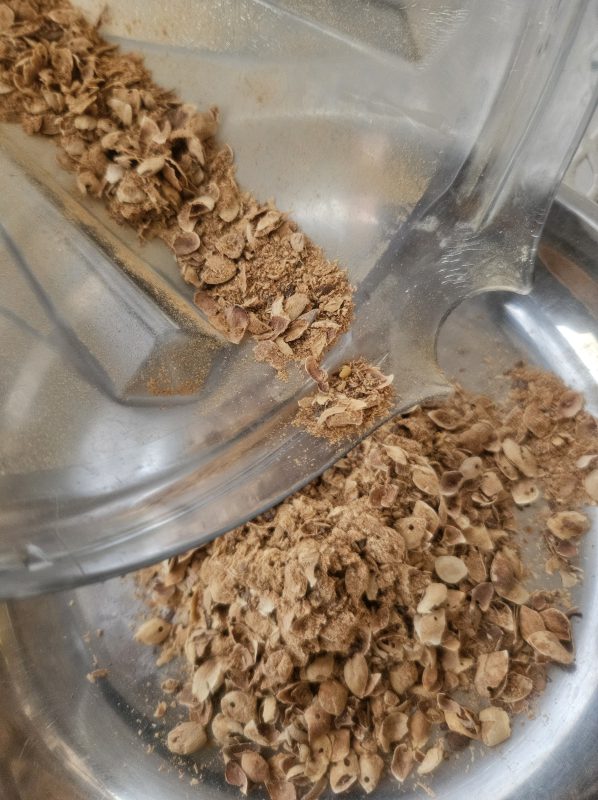
Unbelievablly, it only takes a few pulses.

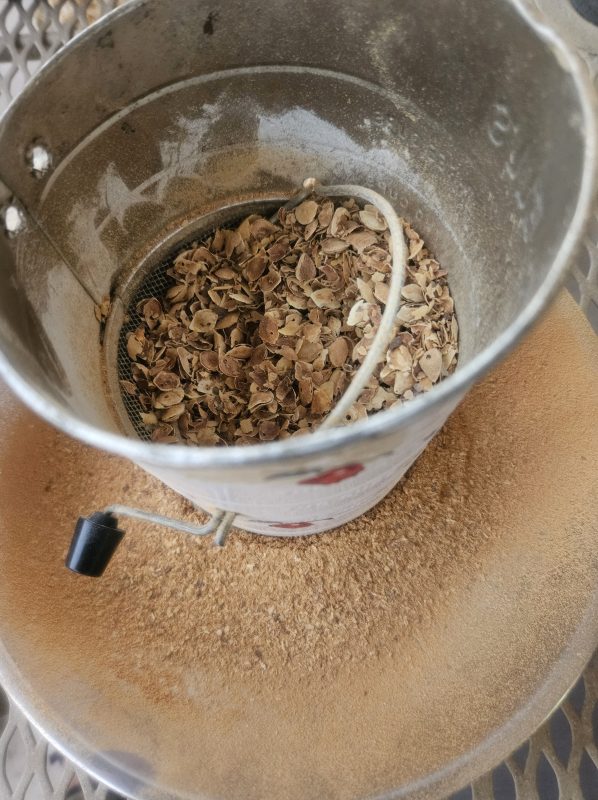
Any fine sieve or a flour sifter can remove the meal form the hard bits of unground pod and seed. Any grinding method will require this step, even hammer mills.

Sifting is even faster than grinding, depending on the size of the holes and quanity of mesquite meal needed.

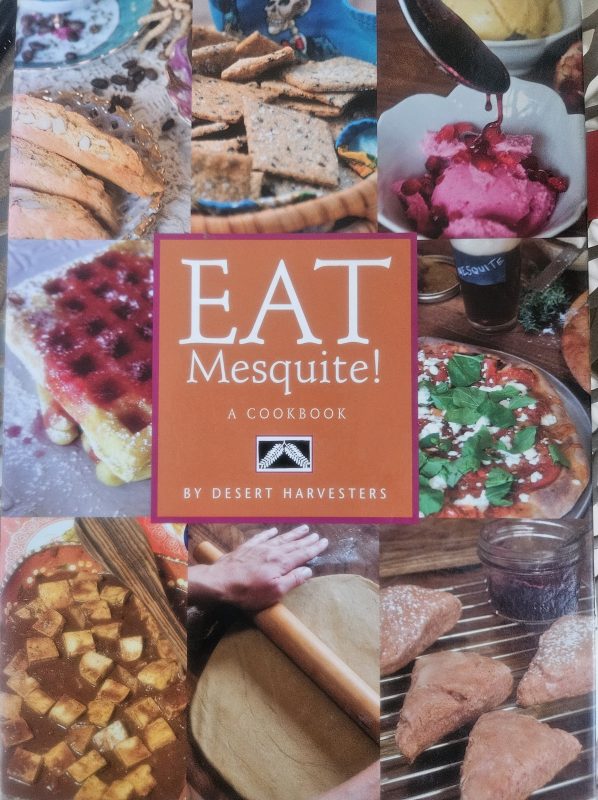
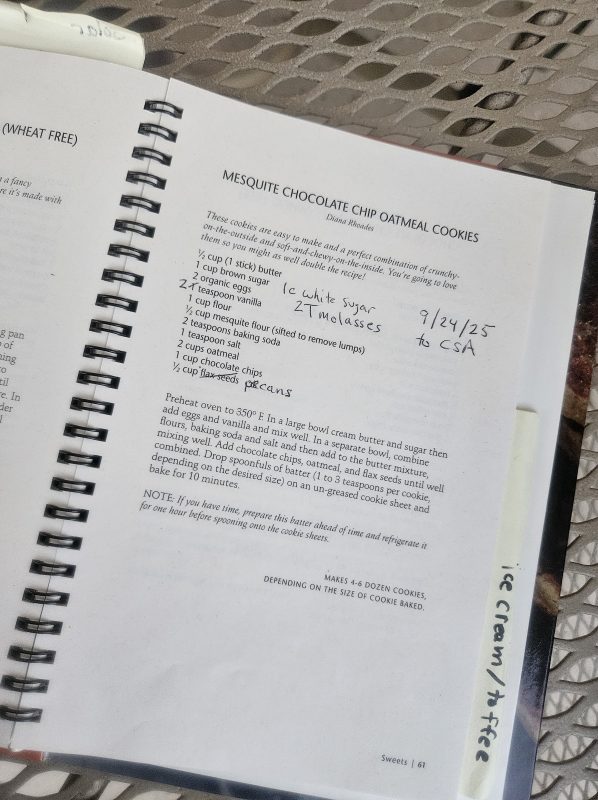
To show off this flour, I impulsively chose a simple recipe from this small out of print book. However, you can purchase the huge current edition!

Chocolate chip cookies! I had a half bag of chocolate chips and pecans on hand, and chocolate with mesquite is classic. In case my butter spent too much time in the freezer, I doubled the vanilla. No brown sugar in sight, but a gallon of mollassas to use up.

I love making my notes in hard copy cookbooks, and reading the kitchen culture from long gone relatives in their books. And the bookmarks that are labels from my friends’ gifted food creations are my kind of treasures.

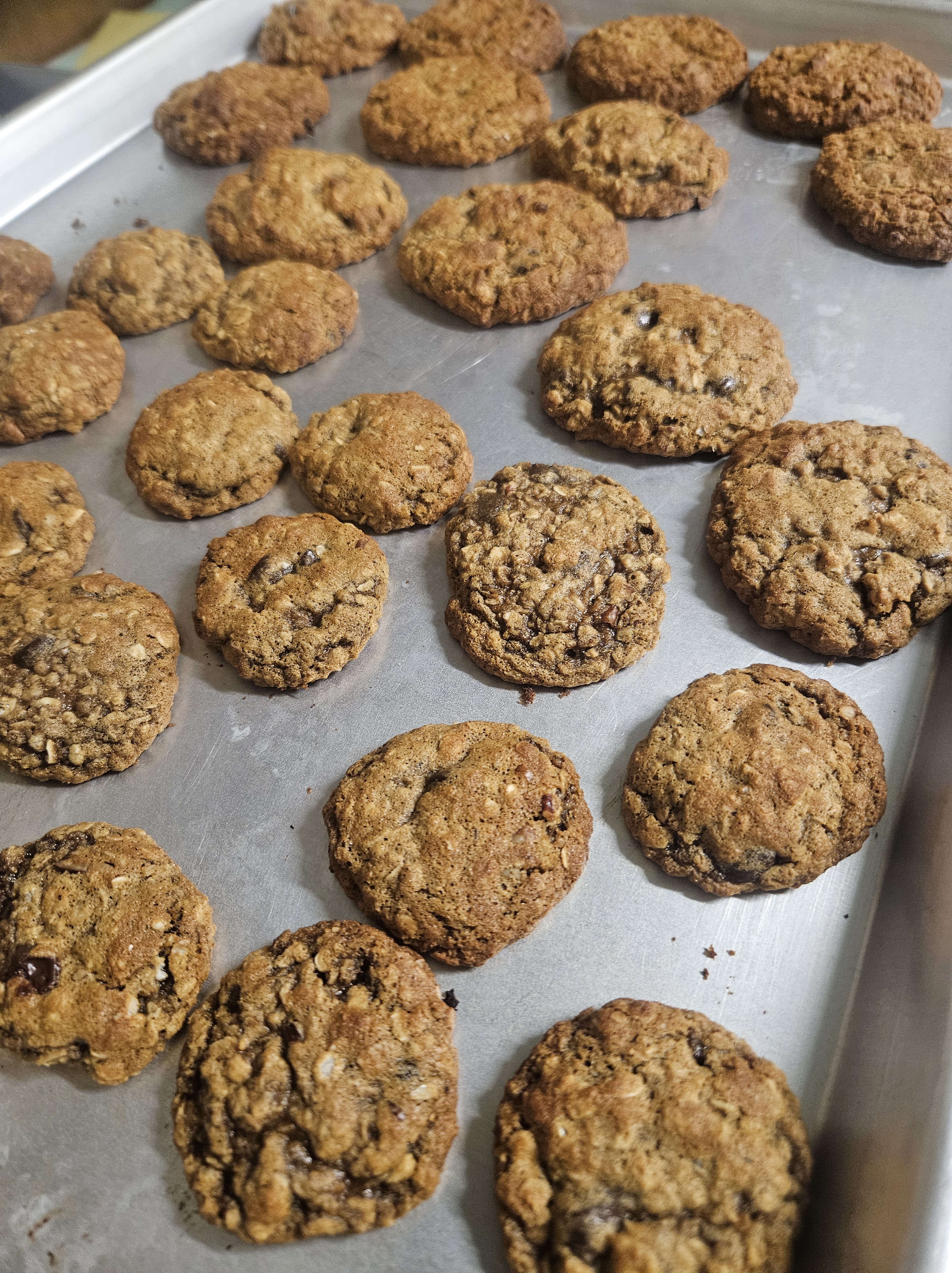
I baked these chocolate chip oatmeal mesquite pecan cookies until just barely set, let them finish cooling in transit, and served them chewy with the chocolate still melted. I’m sure they would not tolerate stacking. Some were full sized, the others bit sized. None were leftover.

Happy autumn!

A Foraging Consciousness for Famine Times

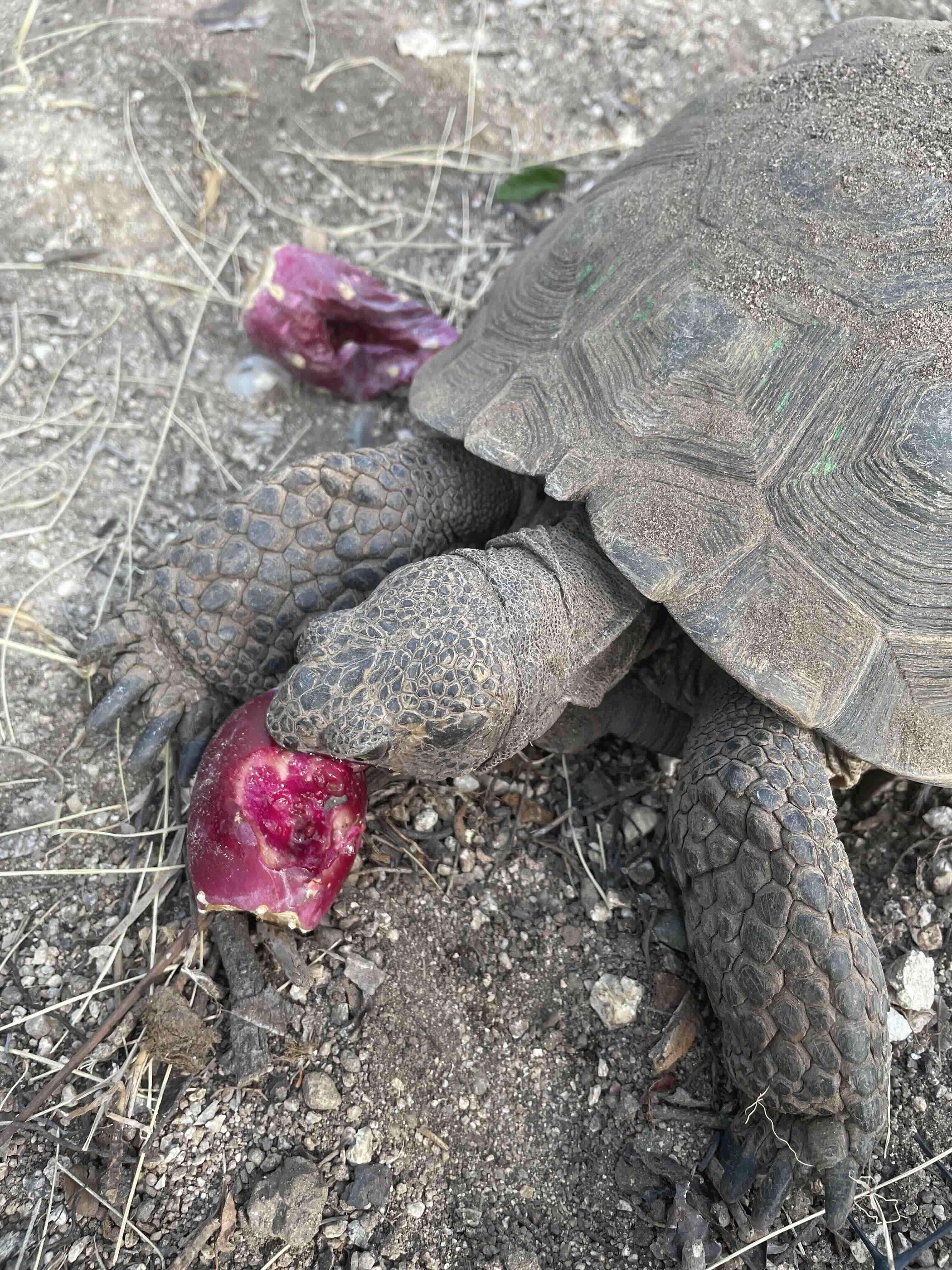
We aren’t alone. Living through this extended drought and awesome heat in the Sonoran Desert is a major feat for any creature out there–plant or animal–no matter how desert-adapted it may be! We are all feeling it. Difficult to imagine how creatures, like the long-lived desert tortoise, manage through the kind of intense drought we are experiencing.

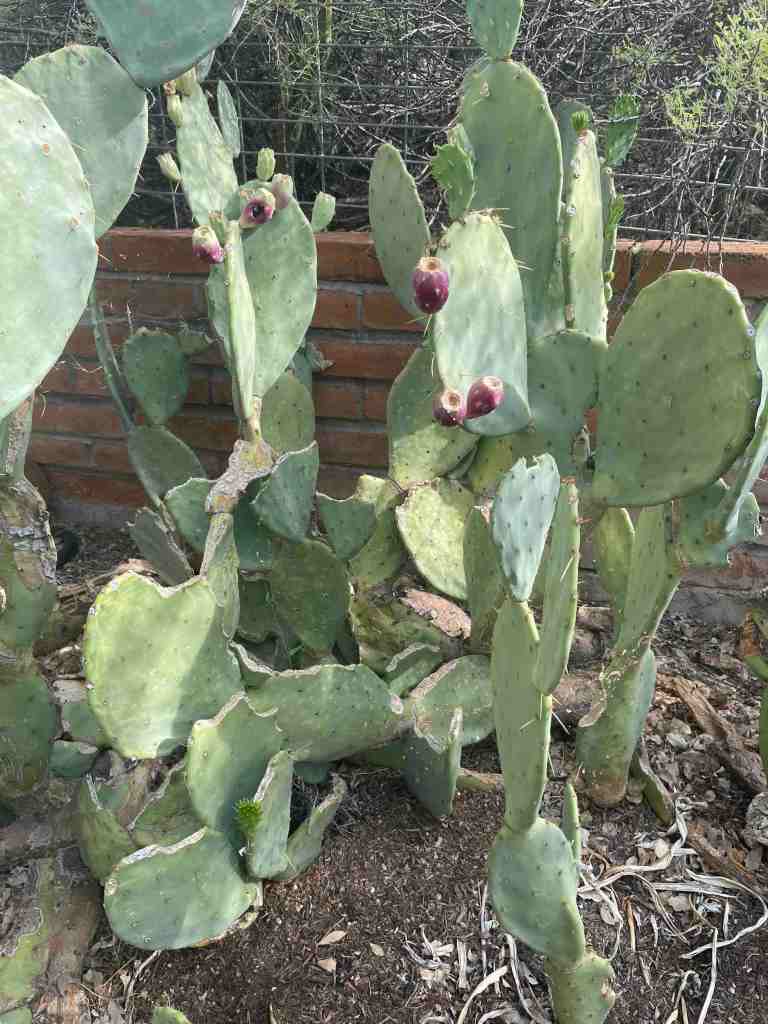
Even in my back yard, my tended prickly pear, covered in buds and tender nopales last April, is ending this summer with tunas dropping before mature or devoured by cactus wrens, and pads chomped by packrats or ground squirrels.

Tia Marta here to share some thoughts about us humans harvesting from the wild. As I learned from my Tohono O’odham mentor, in earlier times Indigenous people had to suffer through lean times using the desert foods they’d stored from times of plenty. They knew sporatic seasonal productivity is the name of the game in the desert. Wise cultural tradition dictates that you harvest abundance when it happens, share your plenty, and store as much as possible against the expected lean times.

Very few native prickly pears have produced fruit this year in the Sonoran Desert, so as human desert harvesters I feel we must refrain this year, and consider the needs of our wild neighbors, the deer, javalina, cottontails, rodents, birds, etc who need what forage remains– far more than we do.

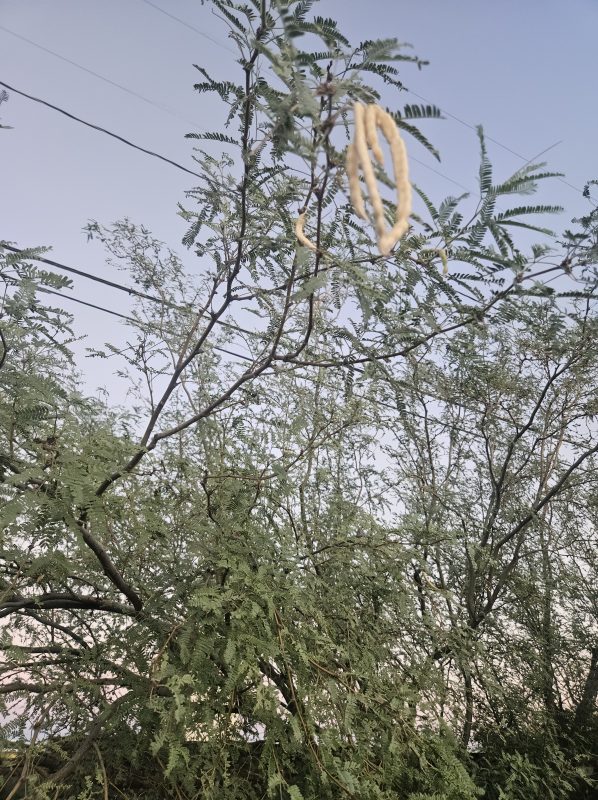
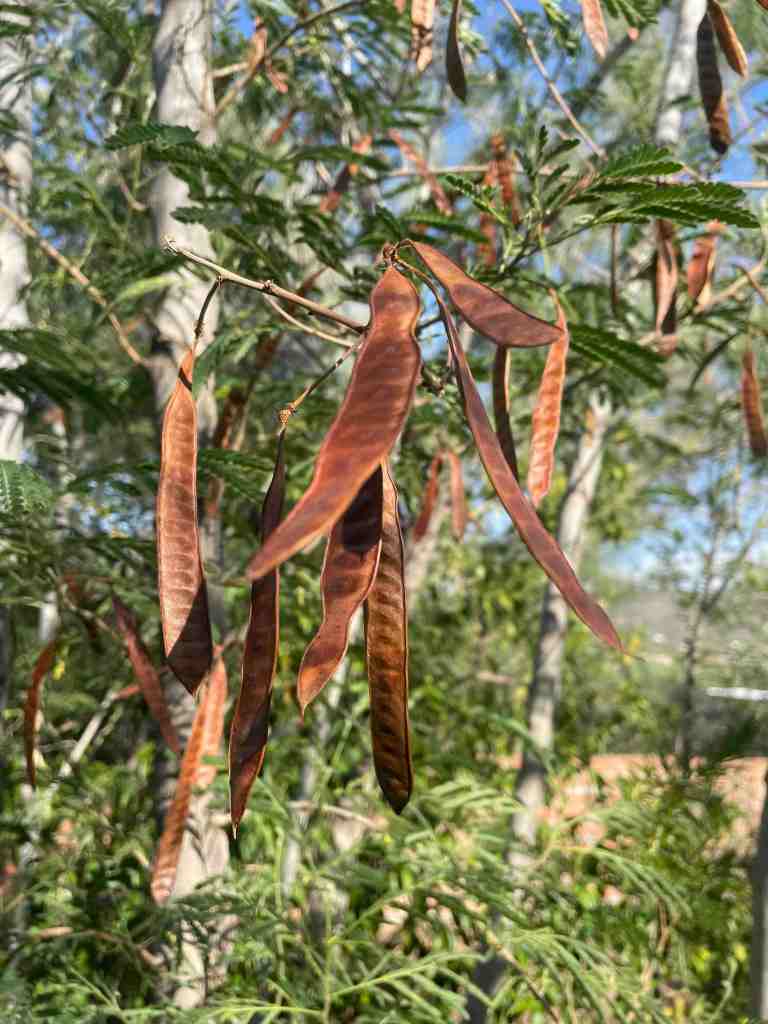
Instead, I suggest we go for an invasive! How about eating from the white lead tree, known as guaje in Mexico, huaxin by the Aztec in its region of origin? Its presence as an invader into the Sonoran Desert generates interesting controversy. The seeds contain an amino acid mimocine toxic for us mammals who have no rumen for digestion. However Guaje‘s young pods, when green, can be cooked in soups or in tacos, as cooking removes the toxicity. This small fast-growing tree has other positive attributes: It is used as great cattle fodder, provides stovewood fuel, erosion remediation, herbal medicine, and it adds soil nitrogen. Its profuse and often continued flowering makes it a good pollinator support. Caution: it IS an invasive species and, if let loose in our desert, could compromise our precious natives..

Guajes (Leucaena leucocephala) have been known and appreciated in Sonora, Mexico, for decades if not centuries. It is planted on the University of Arizona campus (see UA Arboretum) and is being researched as a potential future food plant for climate change by horticulturists at Mission Garden. I’m glad guaje volunteered in our yard from soil in a potted plant. It created a little grove of blessed shade for us, and bees have been abuzz over its puffs of cream-white flowers every spring.

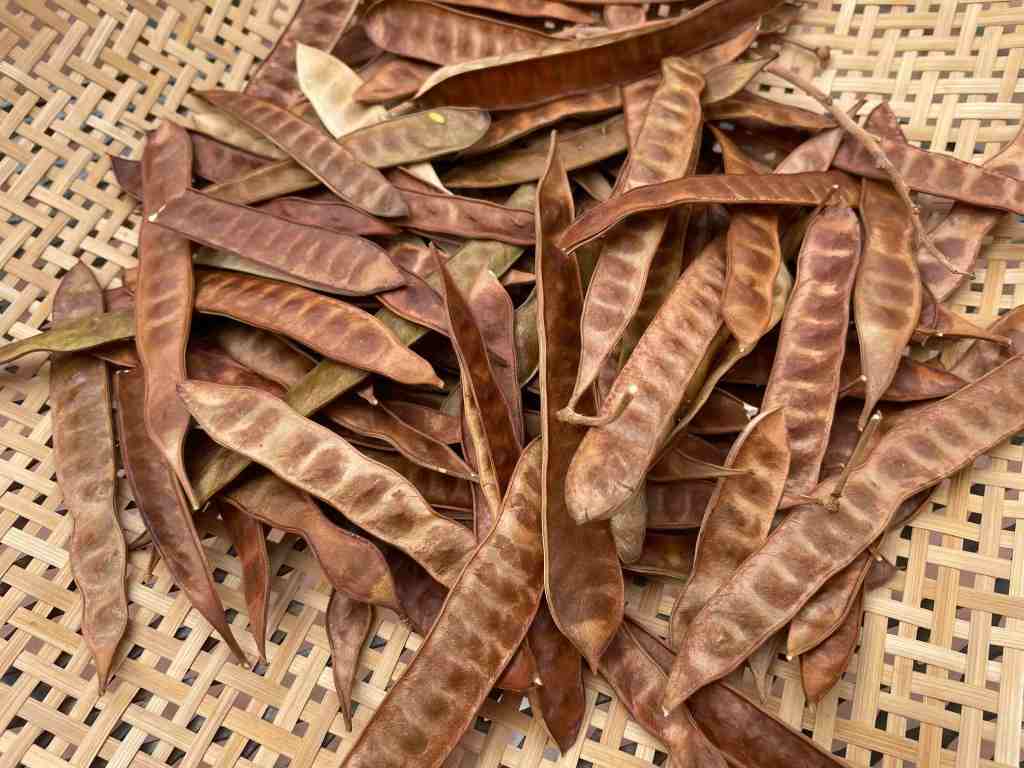
I recently gathered a gallon bag of dry pods which yielded only 1/8 cup of small seed. They resemble flax seed. I soaked them to see if any were viable. About 1/3 of them swelled. When cooked for 15 minutes to remove mimosine, and drained, they proved nut-like and tasty. I’m adding them to my home-made bean dip. As a legume they will provide good protein in addition to texture and new flavor.

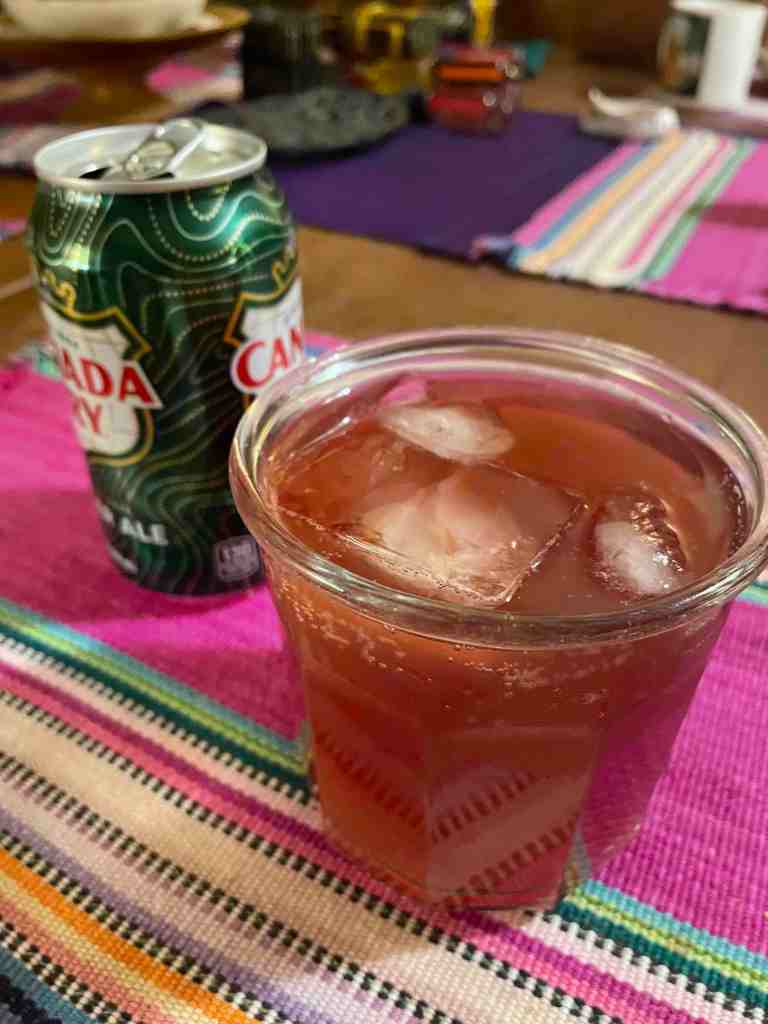
To go with the dip, I’m using a scant amount (a tablespoon per 8oz) of my conserved prickly pear juice, harvested and frozen August last year, with flavored fizzy, gingerale and a splash of mescal. With this dressed up punch, we’re sending a toast to all desert creatures out there! We hope they are benefitting from any prickly pear tunas that may be ripening in our hot, dry desert!

May we be conscious of all the plants and animals around us during these weather-stress times! For more ideas on local “famine foods” see SavorSister Carolyn’s post and Tia Marta’s post. For ideas of what we can grow in prep for more climate extremes, check out Ethnobotanist Gary Paul Nabhan’s inspirational book Growing Food in a Hotter, Drier Land: Lessons from Desert Farmers on Adapting to Climate Uncertainty.

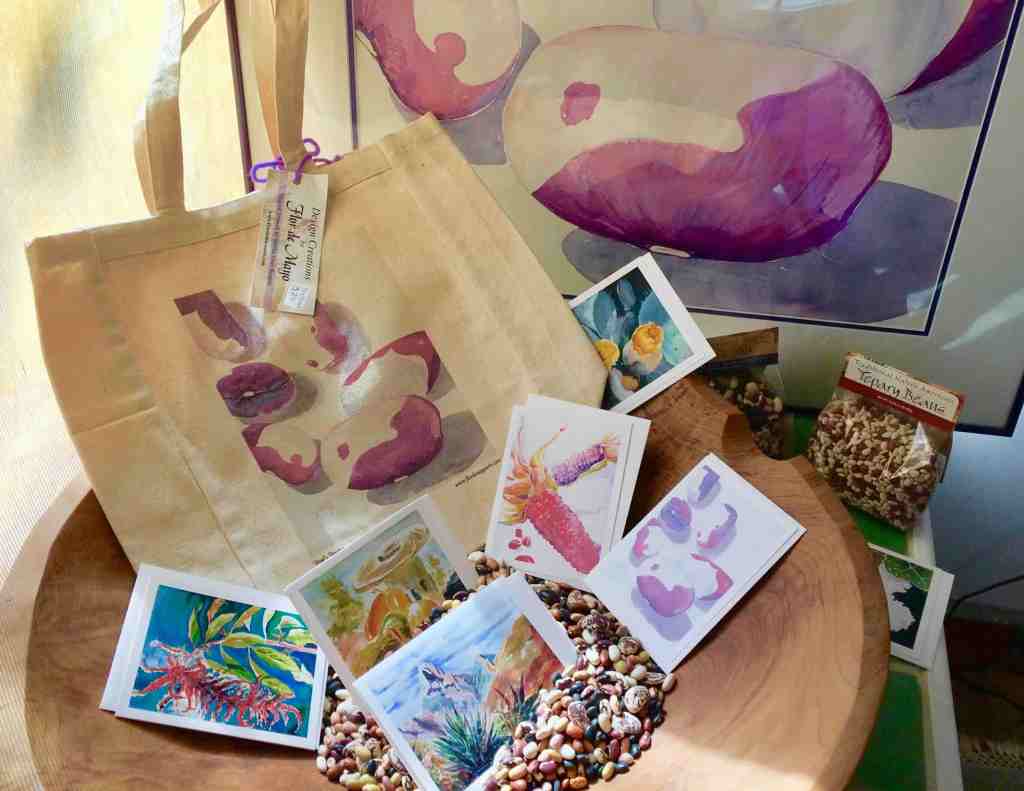
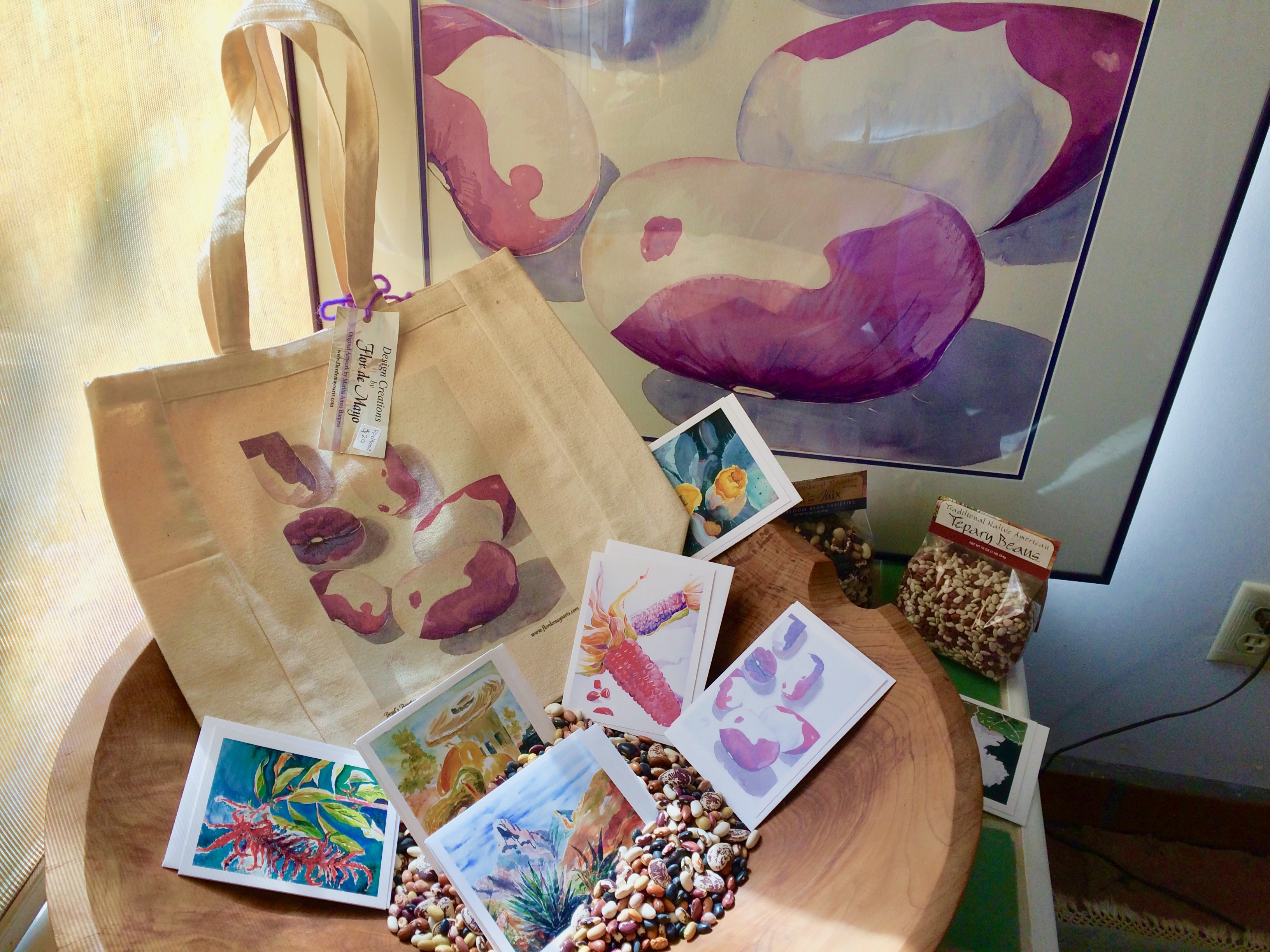
A colorful assortment of Tia Marta’s watercolor art-notecards depicting Southwest Native American heirloom foods can be found at the Mission Garden shop, or online at NativeSeeds/SEARCH.

Eat Mesquite and More: a Cookbook for Sonoran Desert Living

Happy Summer, friends!

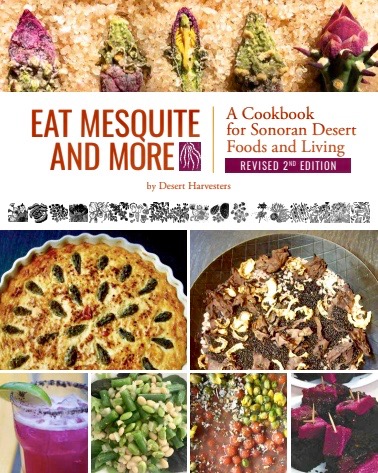
Amy here, on a hot, hot morning, sitting the shade. Have you seen Desert Harvester’s new edition of the cookbook??? It is 400 pages! with lots of color photographs and original art. It really is worth getting the book for the art alone.

But today I want to highlight the ethics in book. It starts with a poem by Ofelia Zepeda, followed by a land acknowledgement, and a Desert Harvesters ManiFEASTO in English and Spanish. There is a recipe for Abundance and a detailed primer on Reciprocity, elaborating on “Get to Know vs Grab and Go” and “Rewild vs Defiled” and a whole other section on living and eating in place. So yes, even if you don’t live in the desert where these plants grow, and even if you never plan to cook, this is still a tremendous resource and inspiration.

As the title declares, Desert Harvesters has morphed from mesquite milling focused to offering intimate portraits and recipes of over 20 desert ingredients. Have you harvested: mesquite, ironwood, saguaro, acorn, devil’s claw, wolfberry, hackberry, mushrooms, chiltepin, barrel cactus, prickly pear pads and fruit, cholla, chia, agave, palo verde, yucca, ocotillo, globe mallow, purslane, packrats, grasshoppers or cicadas? With detailed harvesting instructions, seasonal timing and expert tips, a novice harvesters can actually get out there and try! Many desert plants offer multiple delicacies, such as ironwood tree as green seeds, mature seeds, flowers and seed sprouts.

There are a LOT of recipes, some easy and some taking days or longer to make. I didn’t count how many recipes are in the book, but it says only 80 of them are bilingual, English and Spanish and 65 are new to this edition. There are a few medicine recipes, too. This book really does have something new for even the most seasoned harvester. The recipes are contributed and tested by community members far and wide, encompassing ancient wisdom and modern innovation from many cultures. It also includes many recipes from us Savor Sisters, Carolyn, Tia Marta and I.

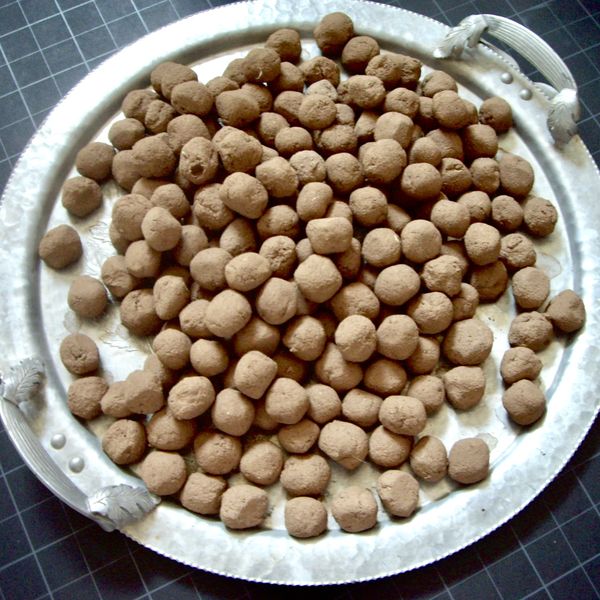
If you still aren’t convinced to buy this book or find it in the library, go to Desert Harvesters Facebook page. There you will see recipes for Seed Balls for planting and Saguaro Fruit Truffles for eating. Don’t mix them up!

Holiday Deliciousness for Diabetics and Friends

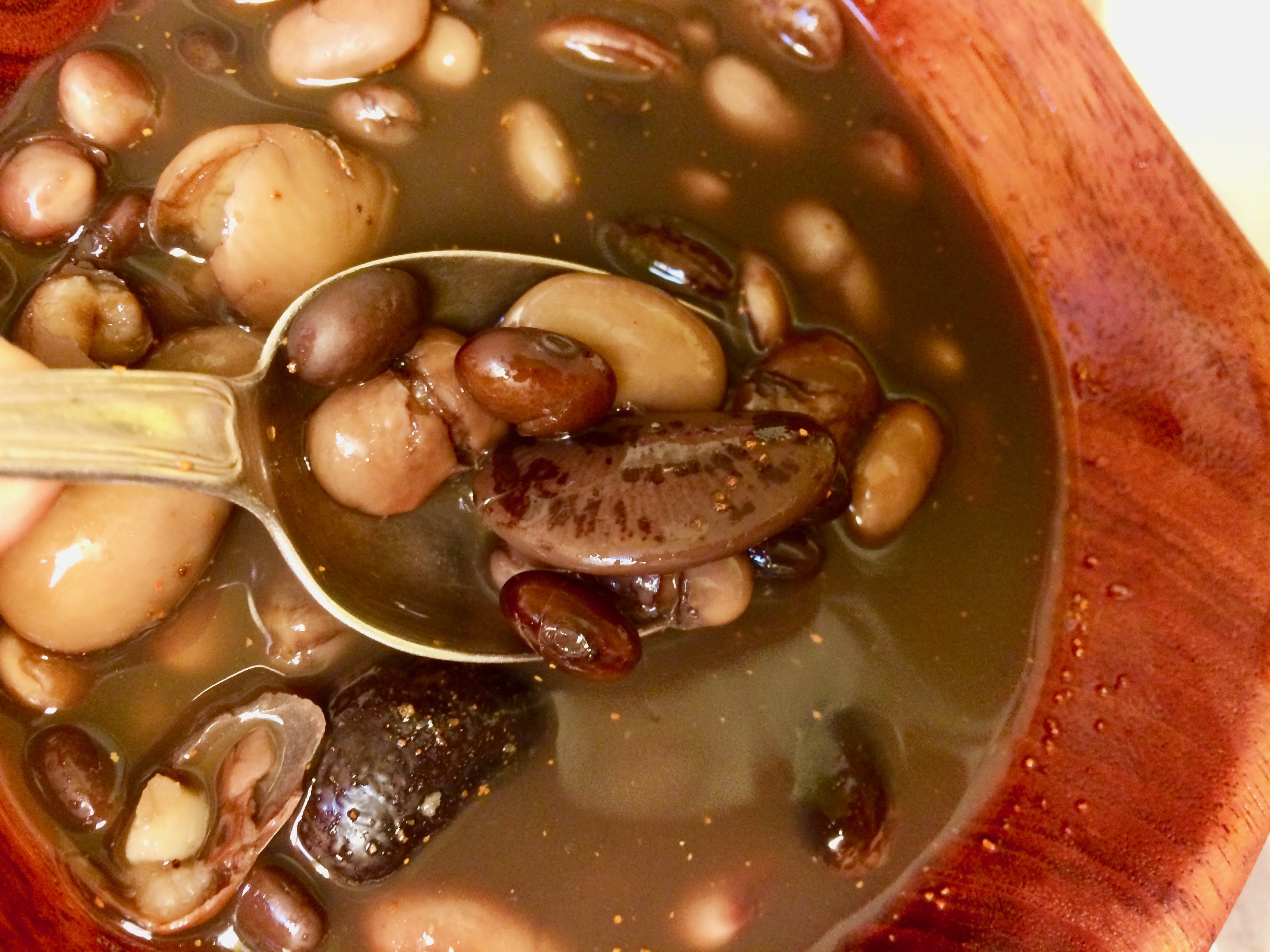
Mmmmm–Wish you could taste this hot and hearty heirloom bean soup!  It hits the spot on this chilly desert evening.  Makes me want to share the message of its goodness.
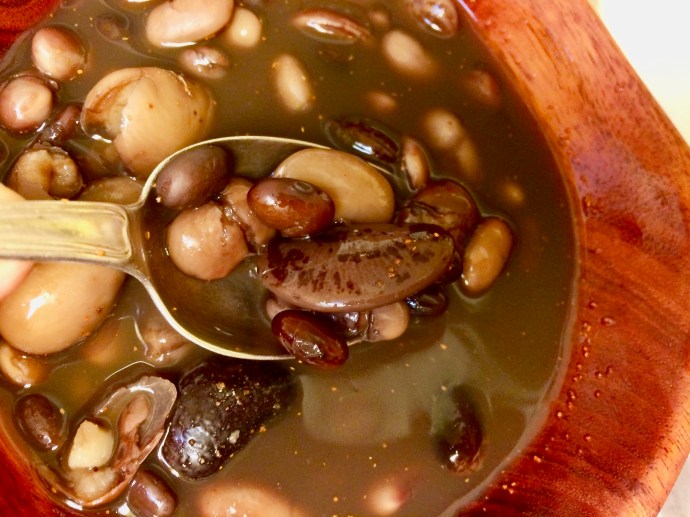
Piping hot and delicious Tom’s Mix heirloom bean soup warms the soul and enriches the body….

November is National Diabetes Awareness Month and diabetes is indeed now EVERYONE’s issue.  WE ALL need to tune in to be aware of this increasing health problem, now of epidemic proportions especially here in the Southwest. The wonderful thing is that we CAN DO SOMETHING TO HELP by the very foods we serve each other–both for meals and snacks.
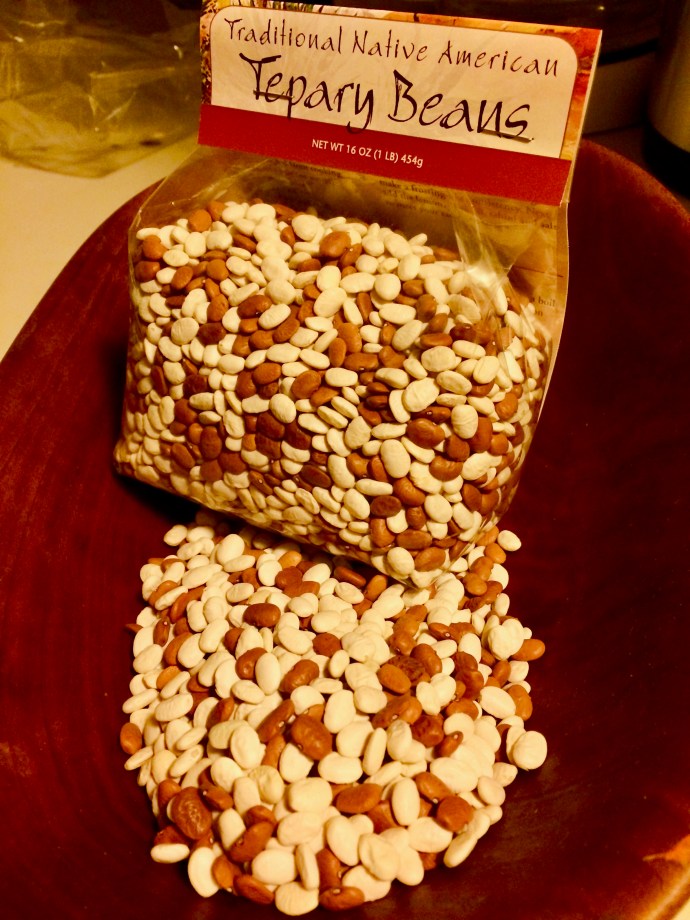
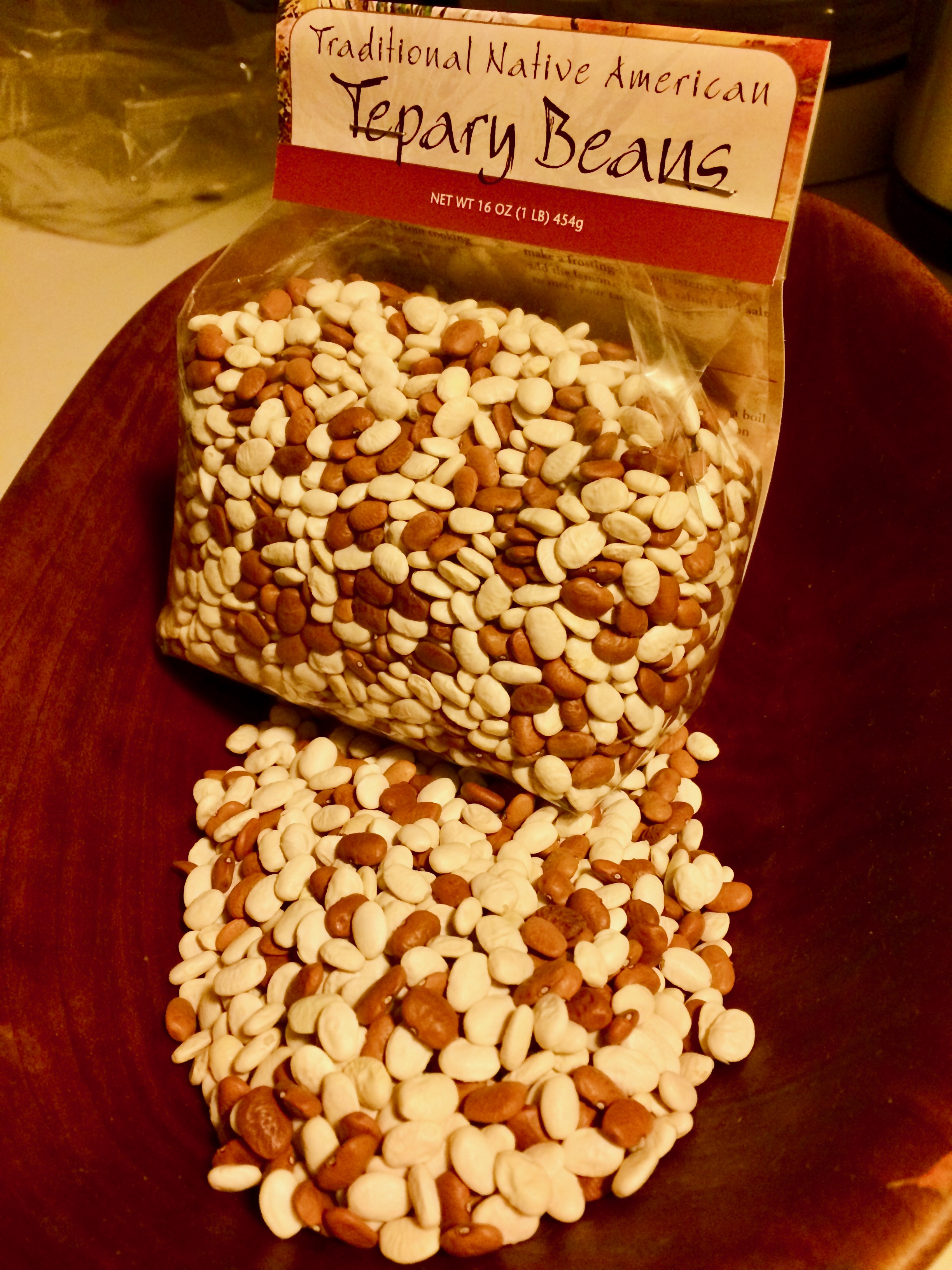
Southwestern Native tepary beans are among the lowest glycemic index foods, with published low figures of 30 to 44. In addition to great burritos, they also make a fantastic healthy hummus! (see recipe plus links to local sources for teparies below)

Tia Marta here with healthy recipes that diabetics can enjoy for pot lucks and drop-ins over the holidays or any time.  Interestingly, the great majority of our traditional Southwest foods have LOW GLYCEMIC INDICES.  (The lower the glycemic index the better.  Pure sugar has an index of 100.  Foods lower than a GI of 55 are considered low-glycemic.)   So many of the fabulous recipes recorded in this Savor-the-Southwest archive using traditional wild desert foods (e.g. mesquite and cholla buds) and SW Native crops of Baja Arizona are low glycemic foods great for HELPING TO BALANCE BLOOD SUGAR!   Beans have Glycemic Indices from 30-49, high in complex carbs, soluble, and insoluble fiber, which slow the release of sugar into the bloodstream.  Our rich tasting and versatile Tepary Beans are among the best!

Easy Tepary Hummus RECIPE

2 cups cooked Traditional Native American Tepary Bean Mix (cooked until tender)

reserved liquid from cooking beans

1-2 cloves garlic, minced (or more to taste!)

3-4 Tbsp lemon juice

2-3 Tbsp olive oil

1-2 Tbsp tahini (optional, not needed for tepary’s great flavor)

1 tsp sea salt

In a blender or food processor, add beans and garlic.  Blend gradually with enough reserved liquid to make a frosting-like consistency.  Add lemon, olive oil, salt (and optional tahini) to taste.

Store in freezer, or in fridge in serving size containers to be ready for impromptu company.  Serve with corn chips or whole grain crackers for a healthy low-glycemic snack.

Flor de Mayo’s Traditional Native American Tepary Mix makes the ideal consumable holiday guest gift– available at NativeSeedsSEARCH store on North Campbell, Tucson; at Tohono Chul Park Museum Shop; Tucson Presidio Museum and at ArtHouse.Centro in Old Town Artisans, downtown Tucson; and the UNICEF Store at Monterrey Village, Tucson.  Assorted tepary beans can be ordered from Ramona Farms in Sacaton, AZ, or San Xavier Farm Coop.
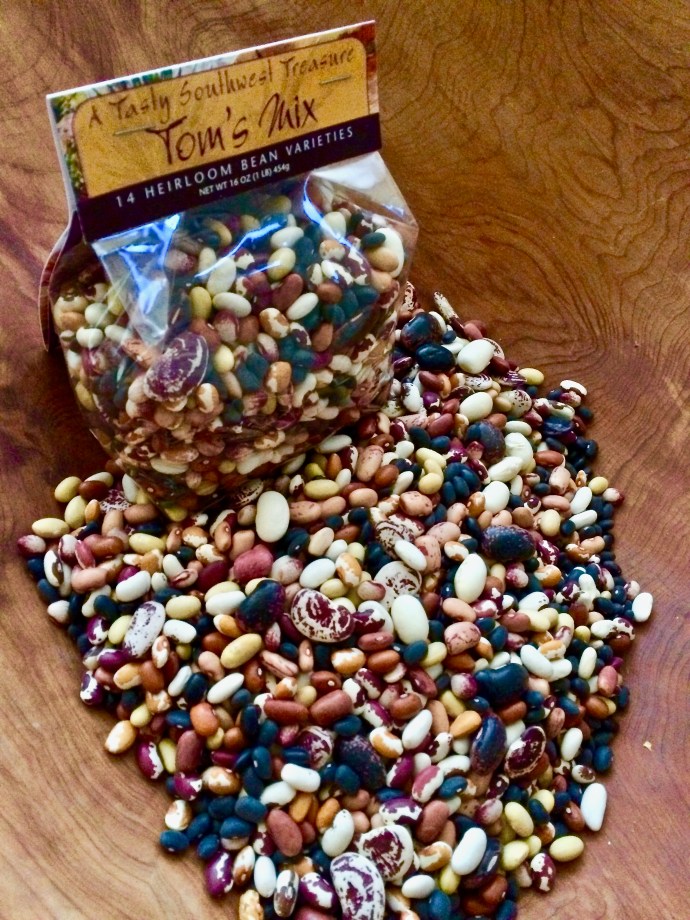
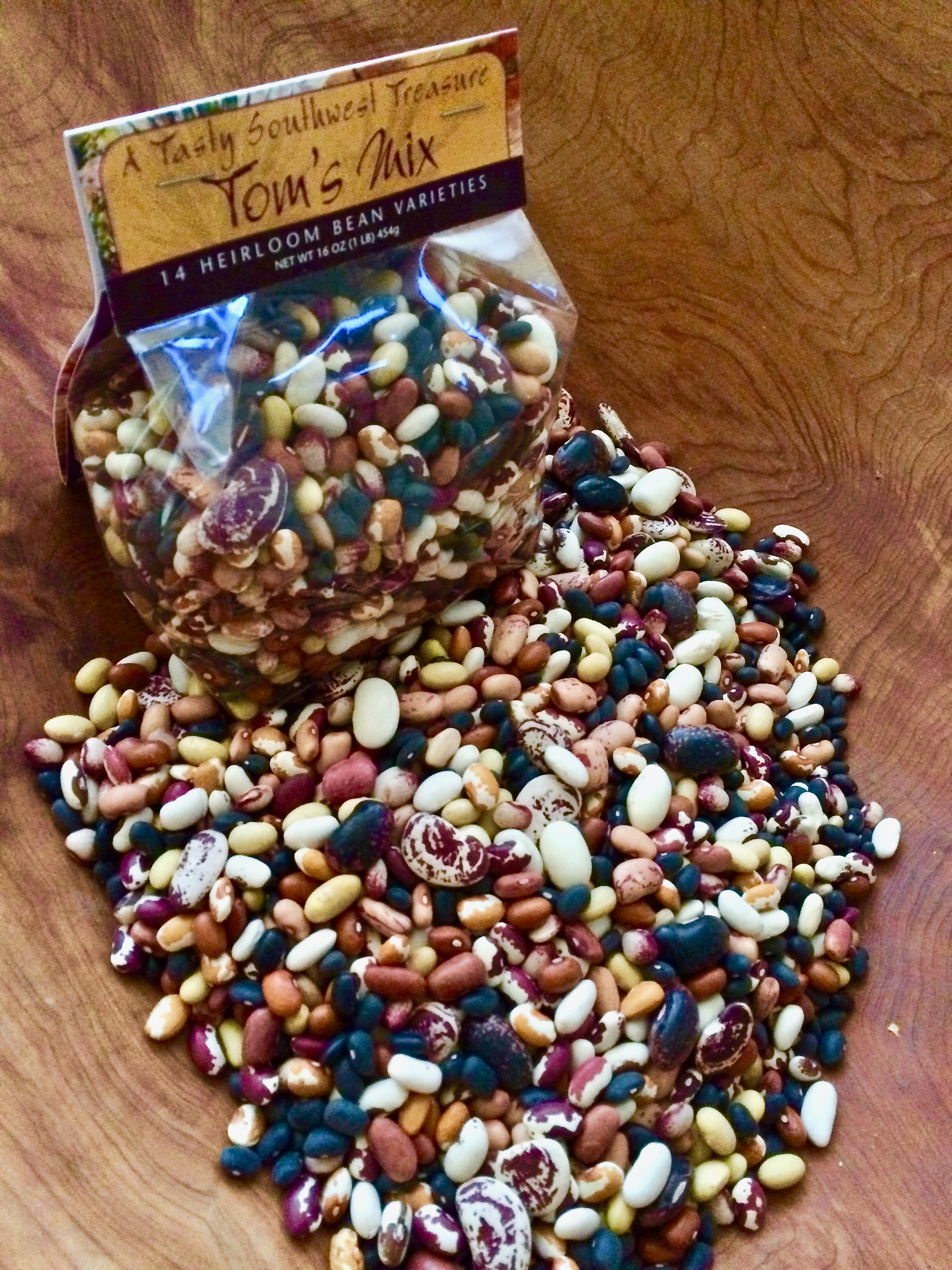
Tom’s Mix–the most delectable mix of 14 colorful heirloom beans from the Southwest! Tom’s Mix makes a rich, warming soup, delicious dip, or mixed bean salad. Yummy easy cooking instructions and recipes are on the label.

The taste-jewels in Flor de Mayo’s Tom’s Mix Southwest heirloom beans can be viewed in detail at Tia Marta’s earlier post Glorious Diversity–check it out and start salivating.  You can find them at the above linked sources in Tucson, or online at NativeSeeds/SEARCH and Flor de Mayo.  Tepary Mix or Tom’s Mix will cook easily (after a few hours’ soaking, change water) either in a solar oven or crock-pot slow-cooker.
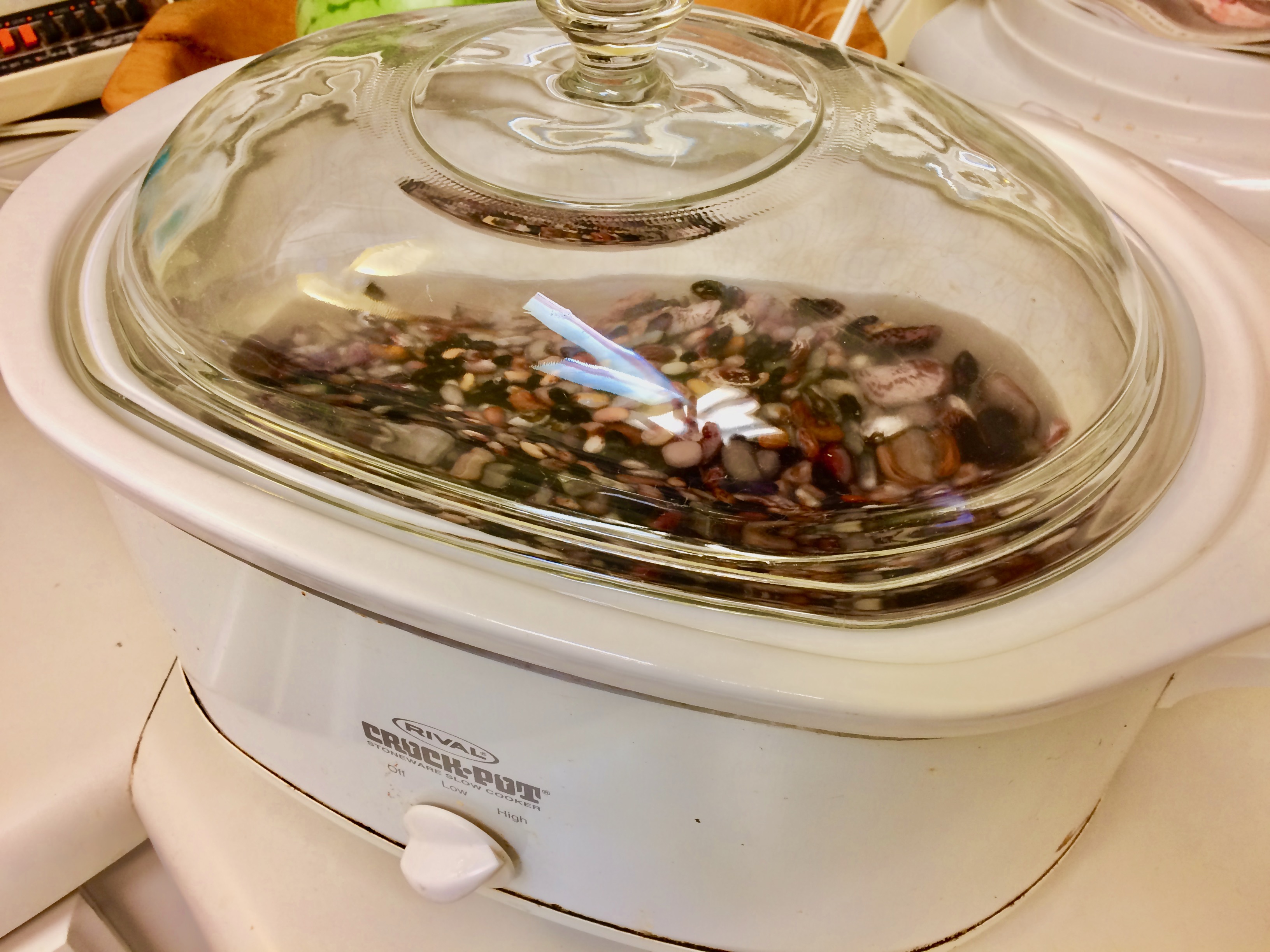
The most efficient way to cook Tom’s Mix (after presoak and change water) is in a crock-pot. Put them on before you leave for the day and their inviting aroma meets you when you come in the door!
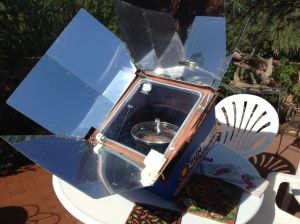
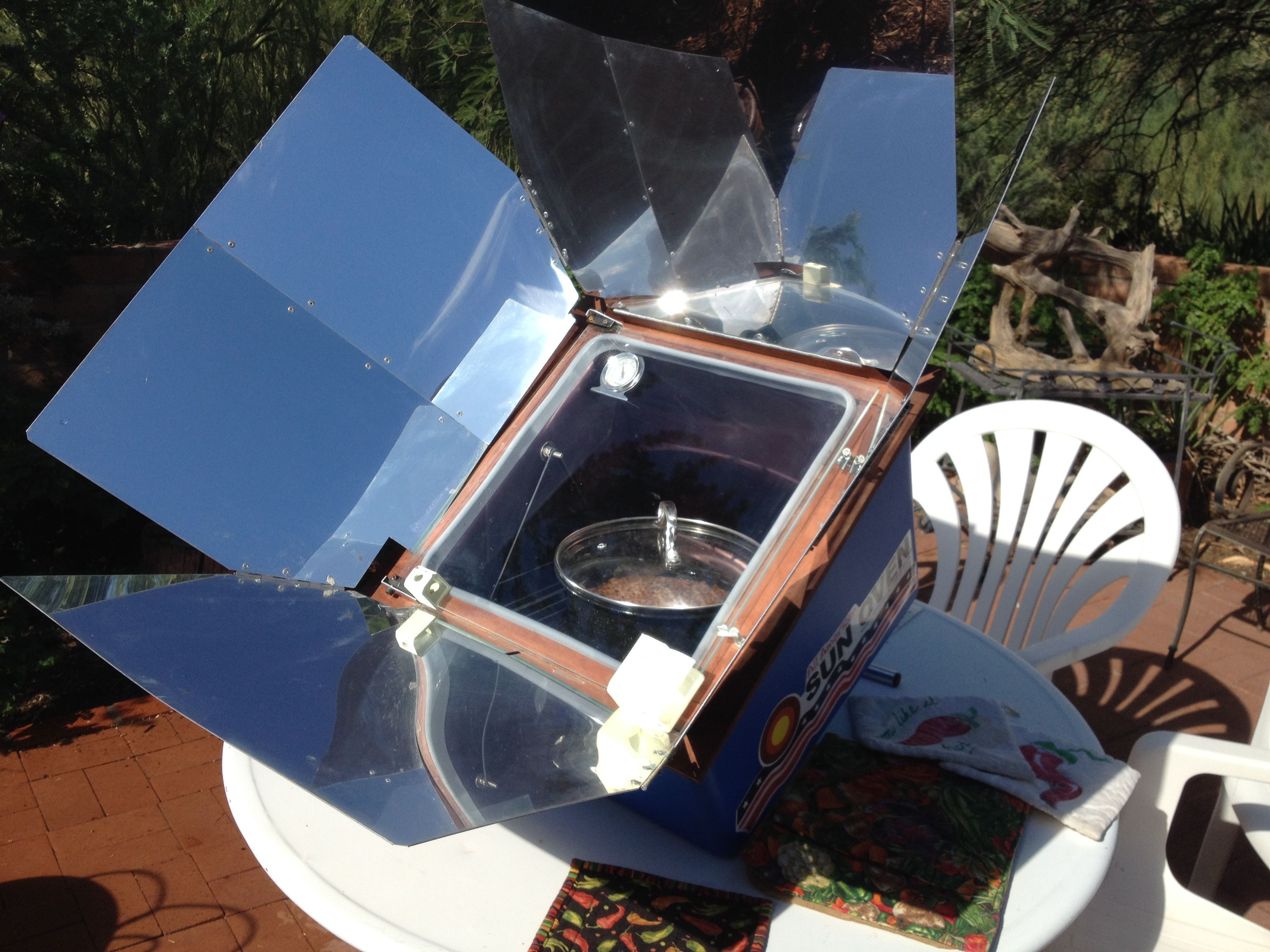
When energy efficiency matters, cook your beans in a solar oven. Sunlight is a gift! You can find a smoking deal on solar ovens at www.flordemayoarts.com.


Here’s a recipe for the best bean dip you ever tasted–great to keep on hand in the fridge or freezer for when company pops in.  As a bonus it is super healthy, gluten-free, high in protein, gives sustained energy, and helps to balance blood sugar!  What more can one ask of a great fun-food?

Tom’s Mix Southwest Treasure Bean Dip Recipe

2 cups (the 1-lb package) Tom’s Mix washed and drained

2 quarts drinking water

1 tsp sea salt

1 tsp fresh ground black pepper

1 Tbsp cumin seed ground

1 Tbsp olive oil

1 tsp minced garlic

1 Tbsp fresh lime or lemon juice

1-3 tsp Red Devil hot sauce,

1-2 chiltepin peppers, ground (optional for picante taste) (see Savor blog posts on chiltepines!)

1 tsp Tony Chachere’s Creole Seasoning (optional but good)

Wash, drain beans.  (Presoaking beans 1-2 hours, drain liquid, speeds up the cooking but is optional). In a large pot put beans and drinking water.  Bring to boil then simmer 2-3 hours or until tender.  Alternatively, put soaked beans in drinking water to cook in slow-cooker 5-6 hours, or in solar oven, tending sun angle at 1/2 hour intervals, 3-4 hours.  When beans taste done, drain into bowl reserving the bean liquid.  With mixer or hand-mashing, puree the hot beans with other ingredients, adding about 2 cups reserved hot bean liquid until mixture is dip consistency.  Put in microwavable dish for easy re-heating.  Serve with corn chips for a complete protein complement, and enjoy the gifts of many Southwest farmers through ages of desert harvests.  What a legacy!
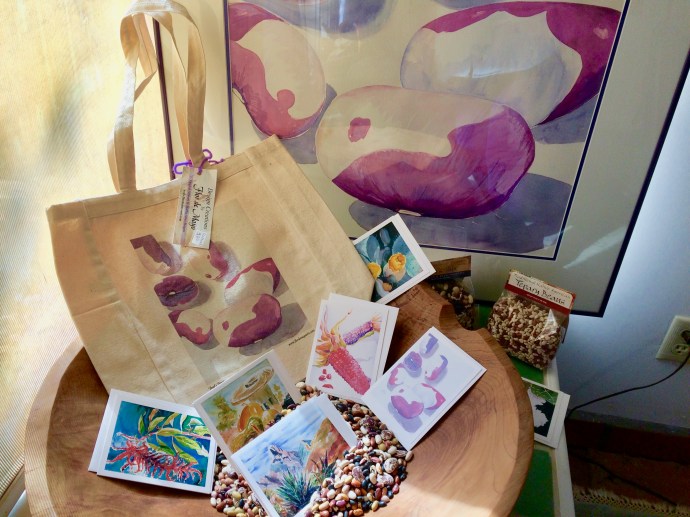
Southwest “bean gifts” from Flor de Mayo include not only these precious heirloom food flavors, but also feasts for the eyes, Native food watercolor notecards, canvas art totes, and original paintings by yours truly Tia Marta. Check links below…..

I invite you to visit the specialty and other shops, parks, and museums in Tucson which carry our Flor de Mayo heirloom food mixes and other creations, totes, art notes, and jojoba soaps.  At Sunday’s Rillito Farmers Market look for Tom’s Mix at Cindy Burson’s Country Harvest booth.  You can also explore the Flor de Mayo website for perfect holiday gifts.  We will soon be adding an online gallery of fine one of a kind watercolor paintings by Martha Burgess and the WildDesert nature photography of Roderick Mondt.

Happy holidays–eating well on joyous low-glycemic heirloom tastes from Tia Marta!


An ARTISTIC Harvest of Desert Foods

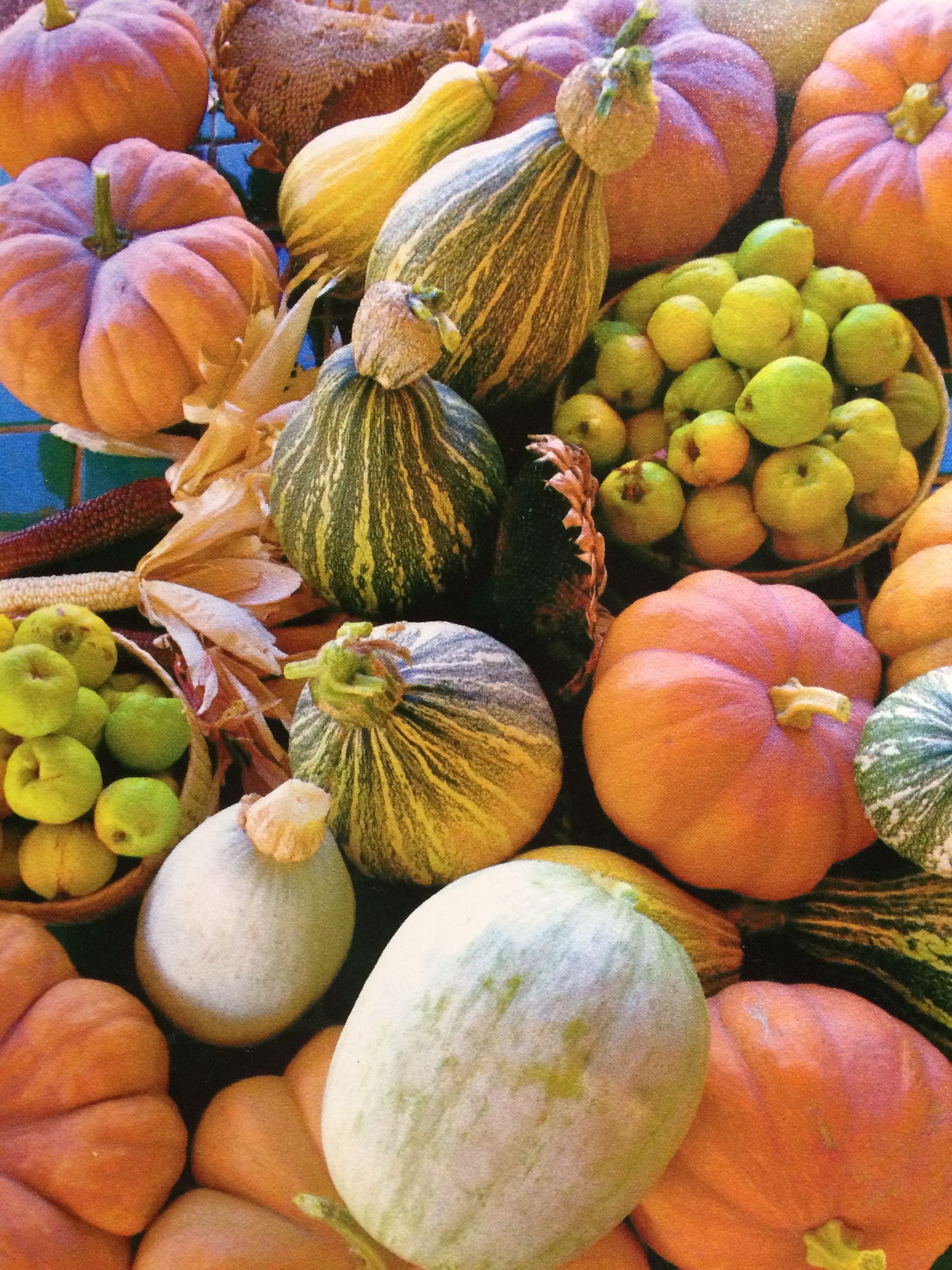
Living sculptures and a study in color–the fall harvest at Mission Garden, Tucson–Tohono O’odham Ha:l,   NSS Mayo Blusher, Magdalena Big Cheese pumpkin, membrillo fruit, T.O 60-day corn and chapalote corn (MissionGarden photo)

You salivate.  Or you catch your breath with it’s beauty!  Maybe the trigger is your taste-buds’ association with the truly GOOD foods from our Sonoran Desert… Or maybe the esthetic forms and colors of these foods clobber an “appreciation center” in our soul… We don’t even have to taste them–We react!

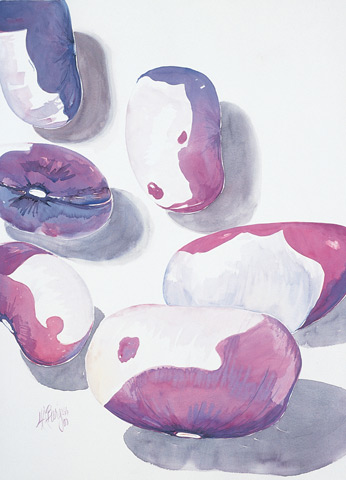
In Georgia O’Keefe-style, up close and intimate with heirloom beans–“Boyd’s Beauties” original watercolor by MABurgess

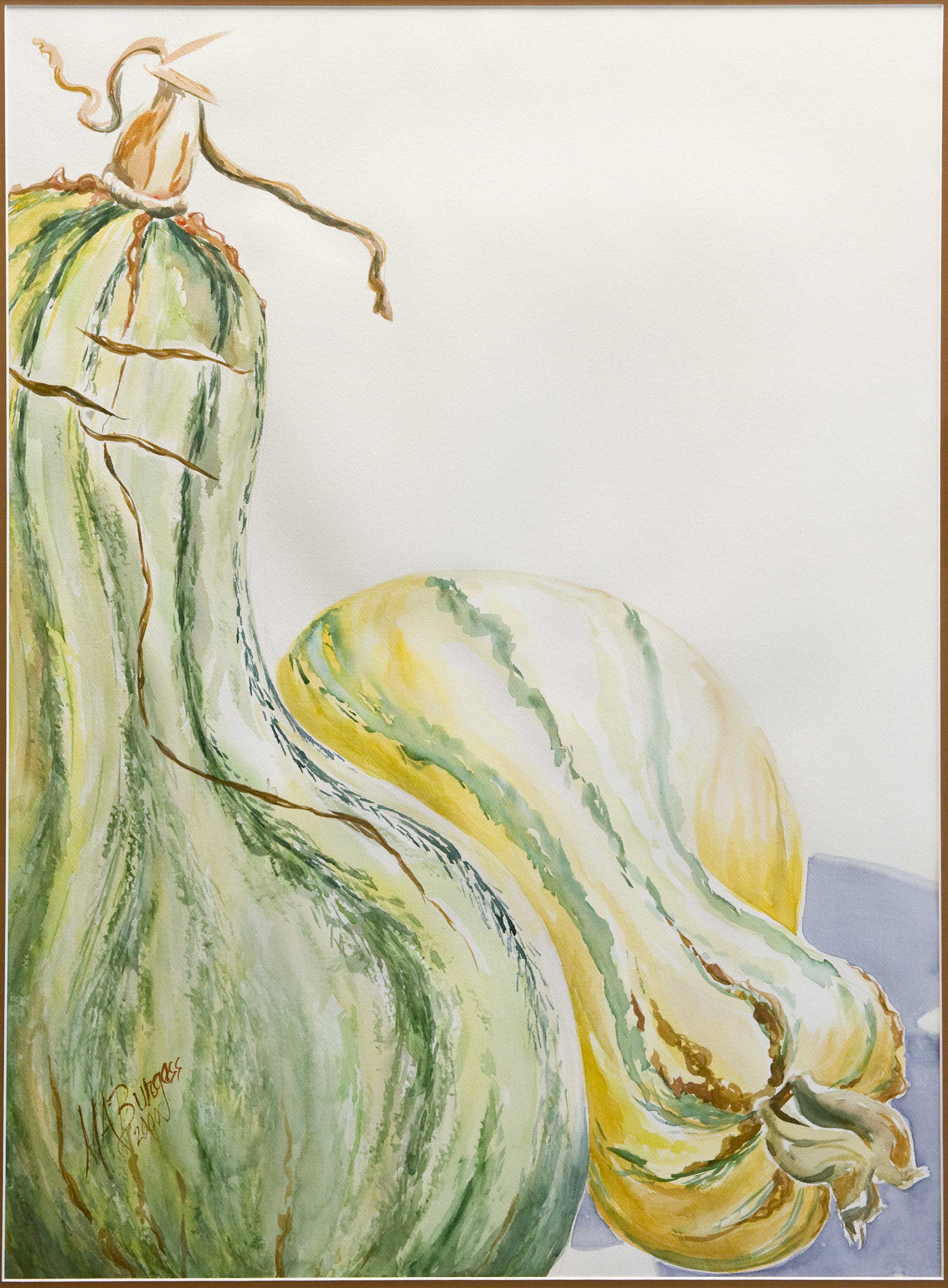
Shapely Dine Cushaw –a big-as-life watercolor by MA Burgess

For me,  just one look at a harvest of desert crops makes me want to PAINT it!  Over the years I’ve grown out many seeds for NativeSeeds/SEARCH (that admirable Southwest seed-conservation group saving our precious food-DNA for the future).  With each harvest–before I extract the seeds or eat the wonderful fruit–I’m always blown away by the sheer colors, patterns, sensuousness, or sculptural shape that each seedhead, each pumpkin, each pod, kernel, or juicy berry displays.  And the kicker is–they are oh-so-transient!  I am compelled to document each, capturing its esthetic essence pronto before it proceeds to its higher purpose, gastronomic and nutritional.

Tia Marta here, inviting you to come see some of my artistic creations depicting glorious desert foods and traditional cultural landscapes.   Next weekend–Saturday and Sunday, October 21-22, is Tucson’s WestSide ArtTrails OPEN STUDIO event!  You can see artworks in action (along with some inspiring fruits of the desert that inspire the art).  Check out http://www.ArtTrails.org and click on the artist’s name (Martha Burgess) for directions.  Join us 10am-4pm either day.

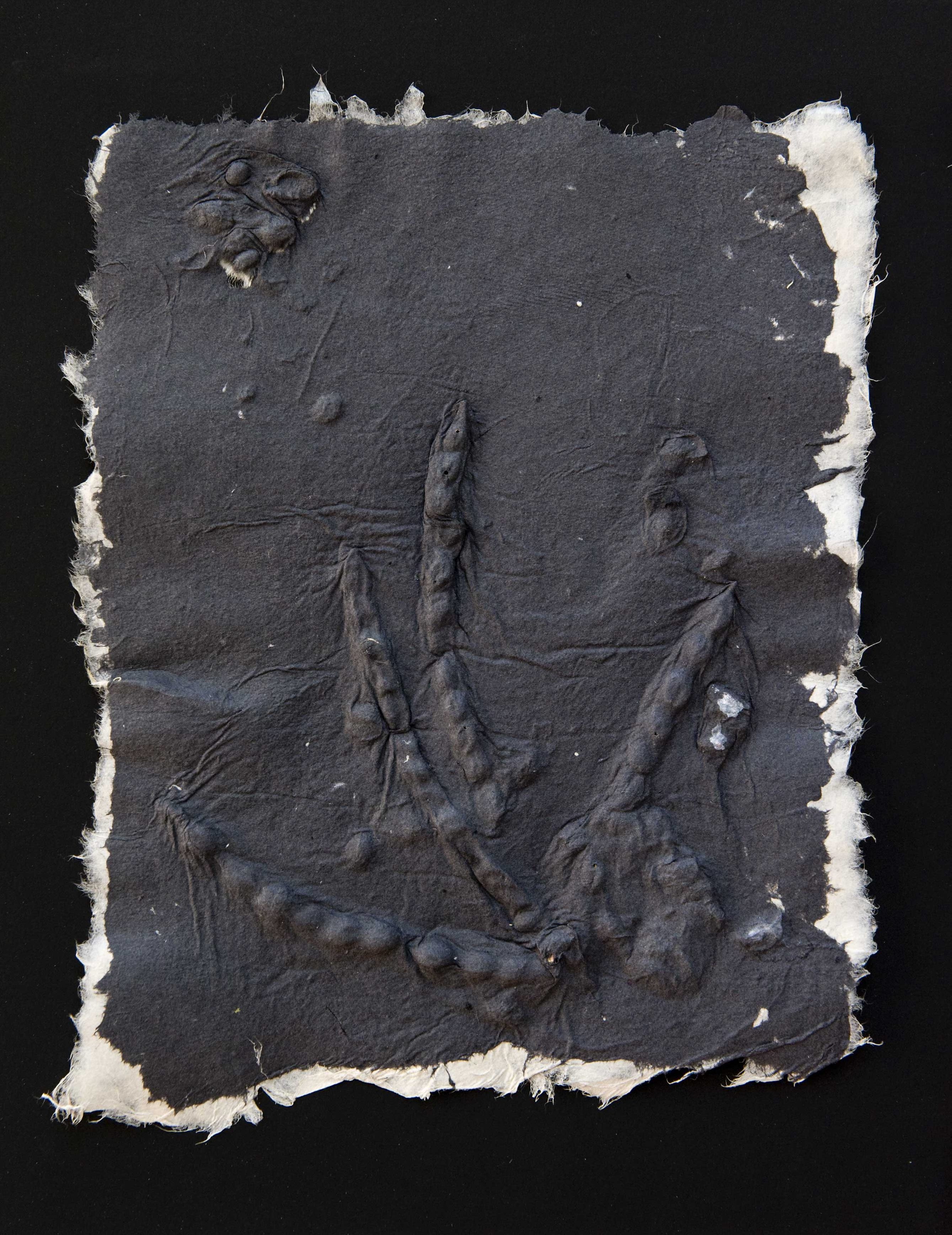
Velvet Mesquite’s Lasting Impressions–Imbedded handmade paper sculpture by MABurgess

In addition, at our OPEN STUDIO TOUR you will see a retrospective of Virginia Ames’ lifetime of diverse creative arts, including pastels, needlework, collographs and silkscreen, with her own interpretations of traditional foods and food-plants.

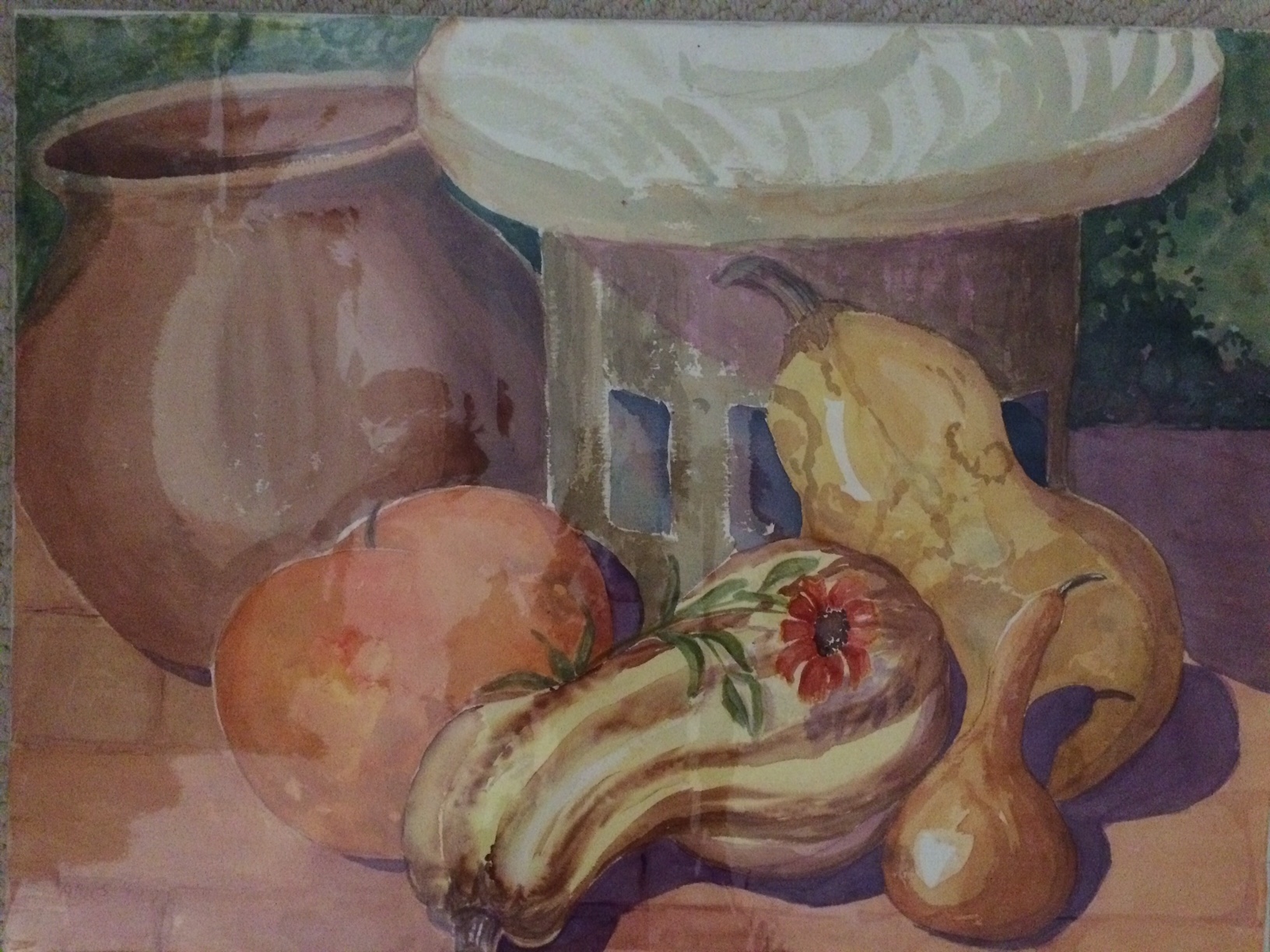
Tohono O’odham Autumn Harvest–large-scale watercolor by Virginia Ames

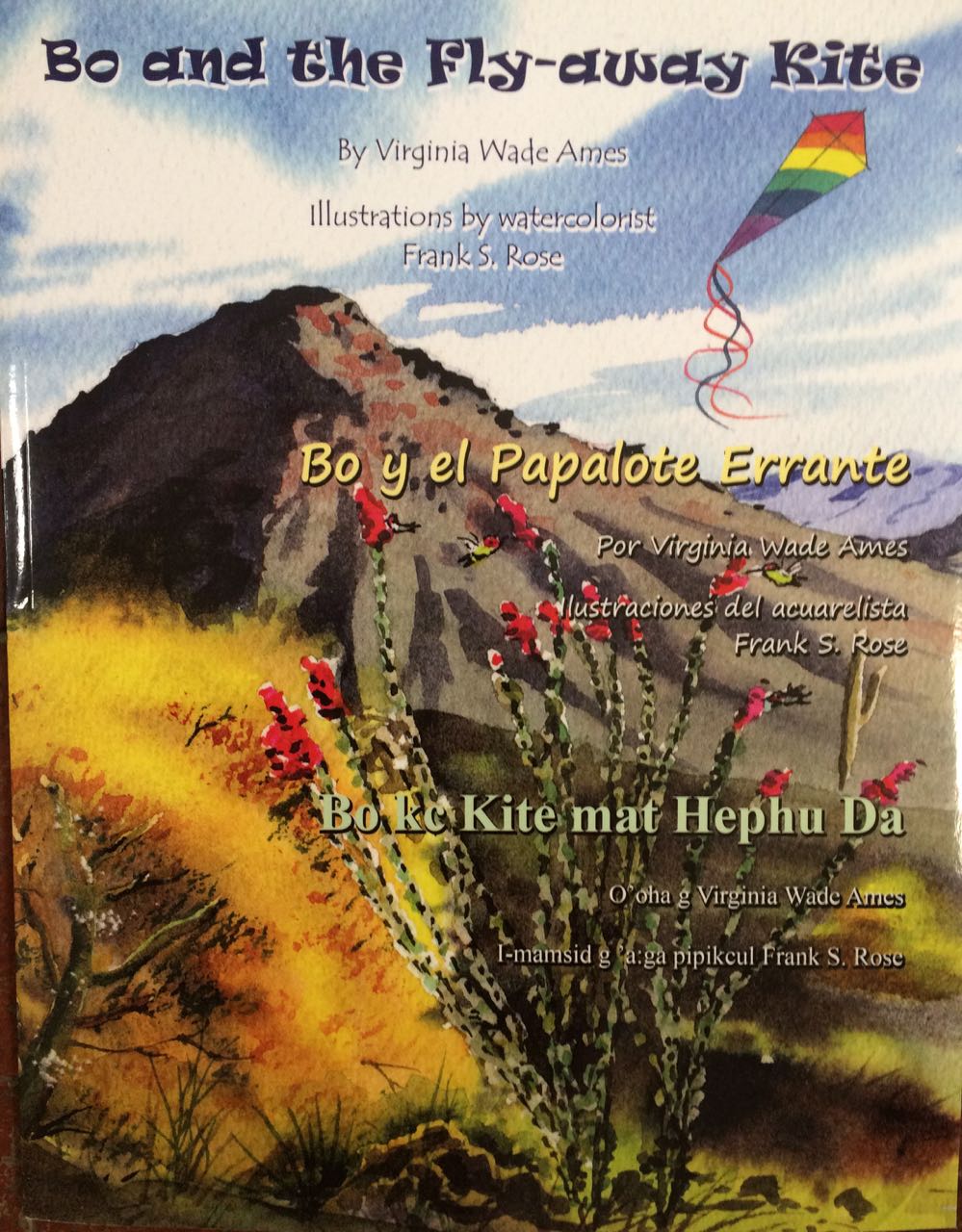
Cover of new children’s adventure picture-book of the Sonoran Desert Borderlands (in 3 languages); by Virginia Ames, illustrated by Frank S. Rose, and edited by Martha Burgess

Her children’s book about the saguaro in the Sonoran Desert Borderlands, entitled Bo and the Fly-away Kite will be available too.  It is illustrated by Tucson artist, plant aficionado and author Frank S. Rose, with the illustrator in person 1:30-4pm to sign copies and discuss desert plants.

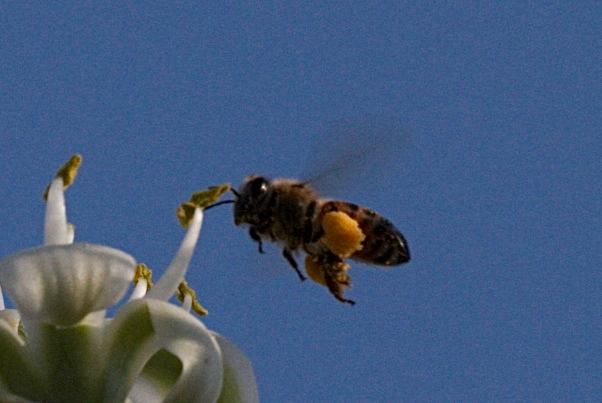
Nature photography by J.Rod Mondt (WildDesertPhotography) will enhance our exhibit with his wildlife images, especially featuring our precious pollinators.

Honeybee heavy with pollen–photo by JRod Mondt

And only at the OPEN STUDIO of Martha Burgess, October 21 or 22 can you try tastes of the Native foods that you see in our artwork (from recipes you may find in earlier posts of this very blog).

Find more samples of our artwork at our website http://www.flordemayoarts.com, also at Tohono Chul Park Museum Shop and at the NativeSeeds/SEARCH Store (3061 N Campbell Ave, Tucson).  “NOW PLAYING” at the Tucson Jewish Community Center is an exhibit by the ArtTrails.org group of diverse WestSide artists–among them yours truly Tia Marta.  The public is invited to the reception at TJCC on Wednesday Oct.18, 6:30-8pm.  Virginia Wade Ames’ books can be found on Amazon.com searching by author.

Add to your fall-fun calendar:   Friday and Saturday, Oct.27-28–not to be missed- the wild and festive Chiles, Chocolate, and Day of the Dead celebration at Tohono Chul Park, 9-4 both days.  Flor de Mayo’s Native heirloom foods will be arrayed deliciously and artistically there for purchase.

Now–with 3 art events featuring my desert food images– first check out ArtTrails.org for details of our upcoming Open Studio Tour Oct 21-22, click on “Artists” and scroll to Martha Burgess for directions.  It will be truly a feast-for-the-eyes, a visual harvest a-plenty.  We’ll see you there!