Jacqueline Soule (Gardening with Soule in the land of El Sol) this week to share a wonderful plant to raise this winter.
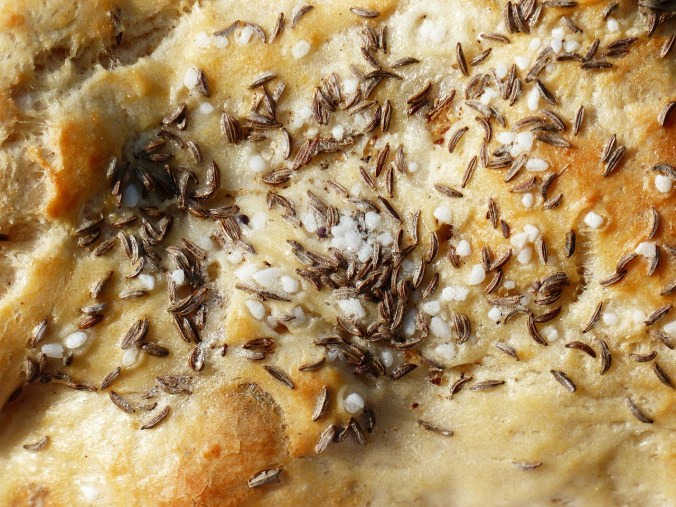
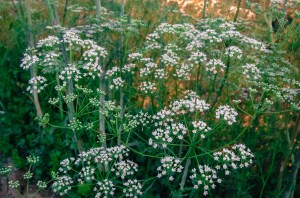
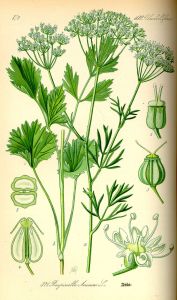
Caraway has a long history of use as both a culinary and medicinal plant. Evidence of the seed has been found among Mesolithic (middle stone age) food remains, indicating that it has been used by humans for over 10,000 years. Caraway is also mentioned in the Ebers Papyrus, an Egyptian medicinal manuscript from 1500 B.C.E. Caraway was used in Roman cooking, and Olde English cooking as well, since it is listed in the “Form of Curry,” a cookbook written by Richard the II’s cook in 1390 C.E.
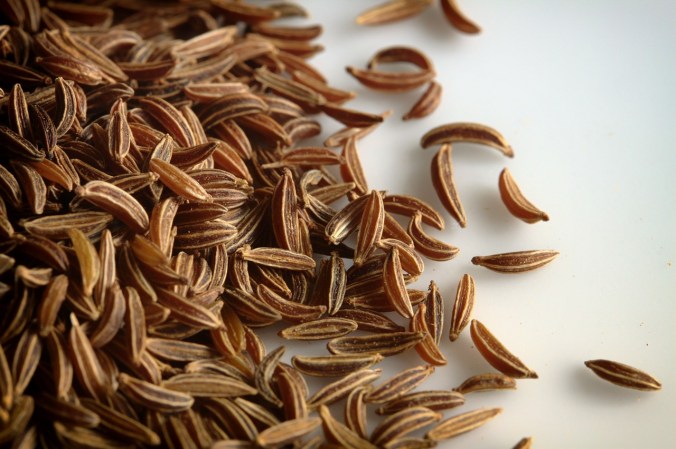
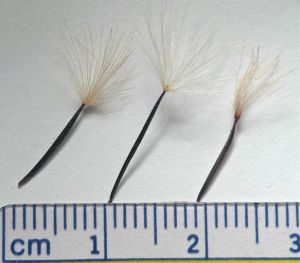
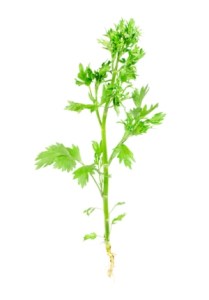
The entire caraway plant is useful. Leaves, roots, flowers, and seed are all edible. As a spice, primarily the seed is used; by Austrians in beef dishes; by Germans to season pork; by Hungarians in goulash; and by Swedes and Norwegians to flavor their bread. Caraway seed is also tasty in eggs, cheeses, baked goods, pastries, fish dishes, or with many types of steamed vegetables, in pickles, or in fruit dishes such as compote, apple sauce, or some chutneys. I mix caraway seed or leaves with tofu and stir-fry for a pleasantly different flavor. Others use the leaves raw in either green or fruit salads, or in soups and stews. The roots may be eaten raw, steamed, or added to soups and stews.
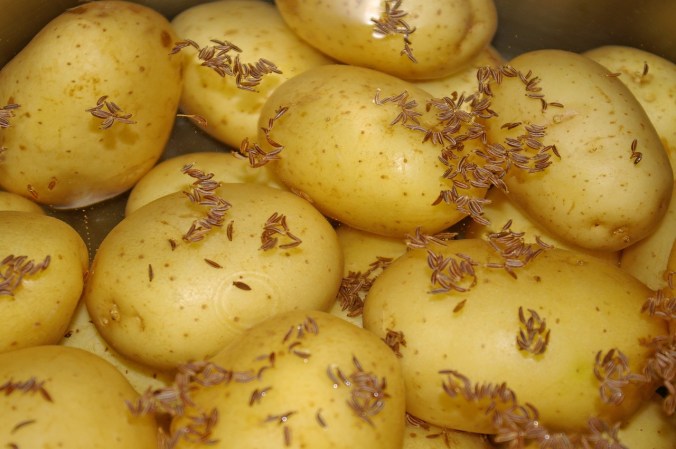
With all these wonderful uses of the plant, you may wonder if caraway will grow in the southwest. The answer is a resounding yes! Start caraway seeds in October in your winter garden. Or plant the seedlings any month without a freeze. If you intend to harvest the roots, be sure that you keep the soil evenly moist throughout the season, otherwise they can be bitter. Caraway can be grown in the yard, in the oasis area of a xeriscape. It also does well in containers at least two feet deep.
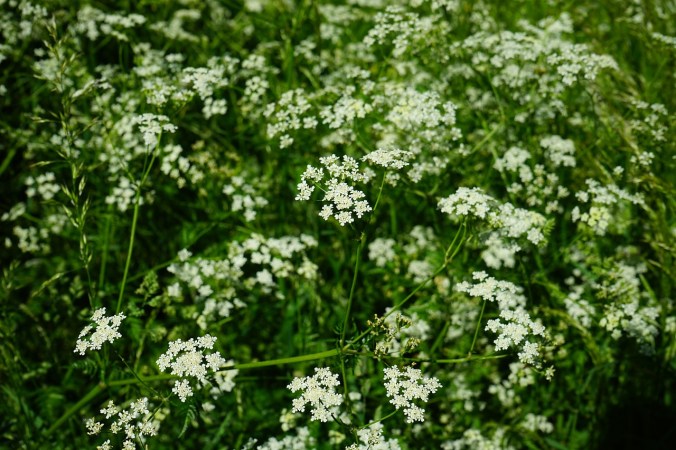
Ethnomedicinally, caraway is used to promote digestion, stimulate the appetite, and relieve cases of diarrhea. In most cases it is prepared as an infusion, and has a slightly sweetish taste to it. There is no known indication of toxicity, but all plants contain defensive compounds to deter pests, thus it is best consumed in small doses. People with food allergies to other members of the carrot family, such as dill or cilantro, should also avoid caraway.
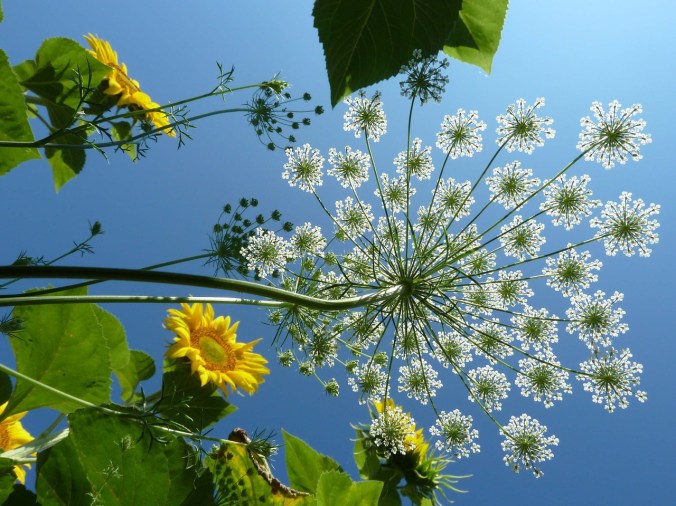
Caraway is easily grown, a prolific seed producer, and a delicious addition many dishes. Adding some caraway to your garden or yard is a green action. It will reduce, at least a little bit, importation of caraway seed from eastern Europe, the principle growers. It can also add a wonderful new flavor dimension to your food.
 If you live in Southeastern Arizona, please come to one of my lectures. Look for me at your local Pima County Library branch, Steam Pump Ranch, Tubac Presidio, Tucson Festival of Books and other venues. After each event I will be signing copies of my books, including the latest, Month-by-Month Garden Guide for Arizona, Nevada, and New Mexico (Cool Springs Press, $26).
© Article copyright by Jacqueline A. Soule. All rights reserved. Republishing an entire blog post or article is prohibited without permission. I receive many requests to reprint my work. My policy is that you may use a short excerpt but you must give proper credit to the author, and must include a link back to the original post on our site.
Photos courtesy of Pixabay.
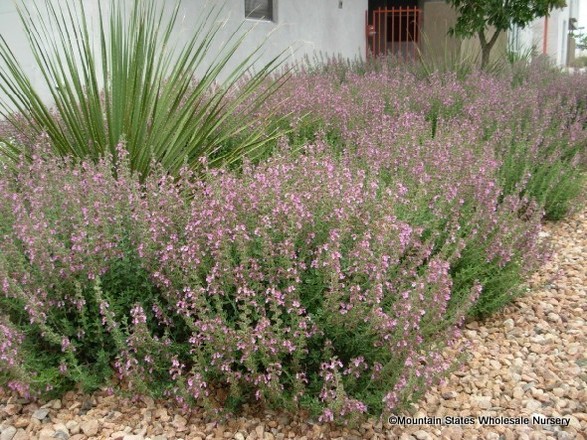 Believe it or not, autumn has officially arrived. Once it no longer gets into the triple digits, it is time to think about planting perennial plants. Get them in the ground in fall – and then they will have a fighting chance to become well established before the heat of next summer hits.
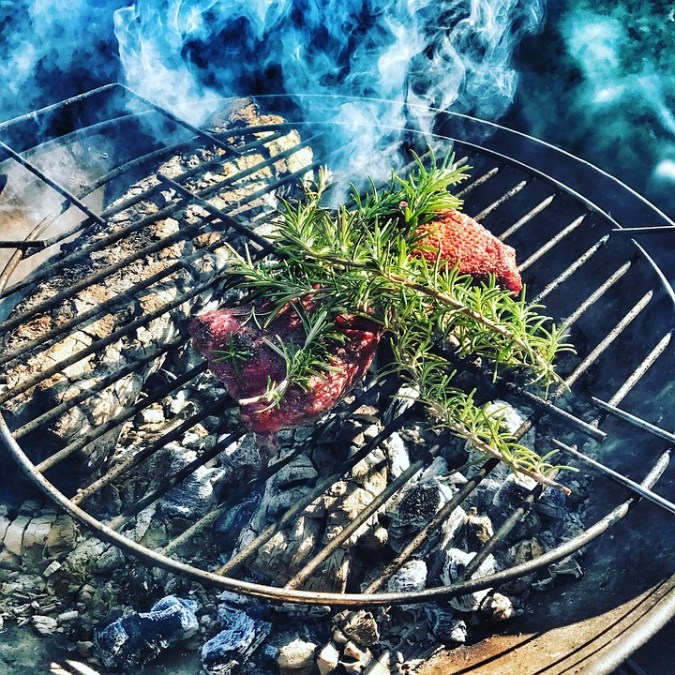
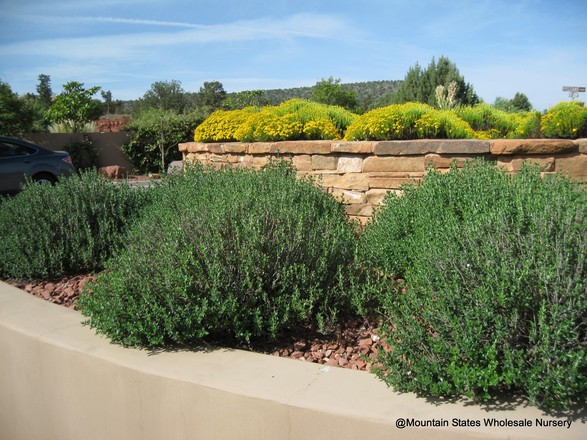 A list of landscape herbs can go on extensively, but I do want to mention one that is often overlooked – germander. Originally brought here in Father Kino’s time, germander was originally used as a medicinal, but it can also be used in cooking. Like so many other herbs that come to us from the eastern edge of the Mediterranean (along with bay laurel, sage, rosemary, thyme, and more). On their native rocky hillsides of Greece and Turkey, these herbs receive rain only in the winter, and are thus excellently drought adapted for our region.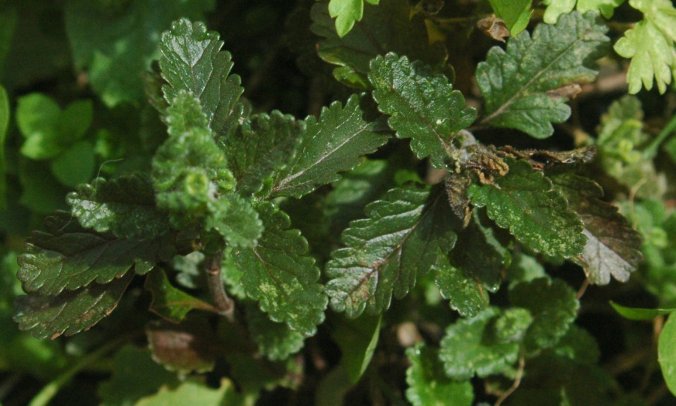
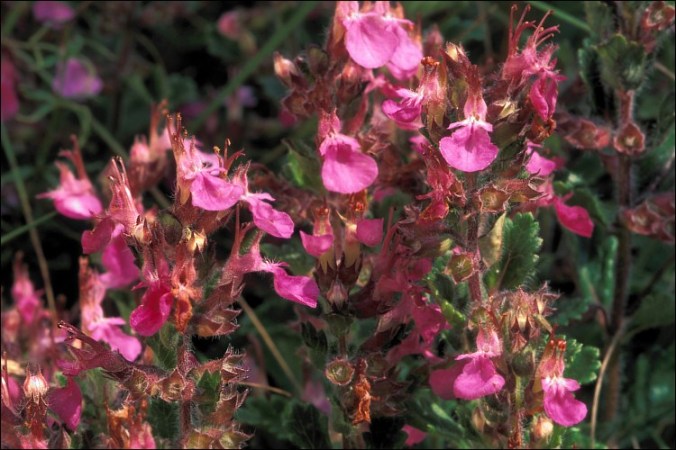
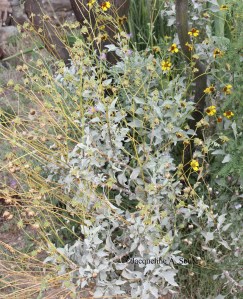
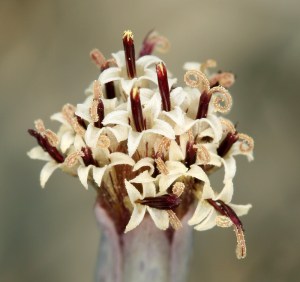 Savor Sister Jacqueline Soule here today with native plant that is lovely in the landscape, never needs water, and can be used as an herb for cooking. Can it get better than this? Well yes, our native solitary bees use this as a food source in that time when spring wildflowers and cacti are done blooming and not much else is in flower.
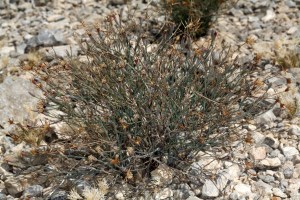


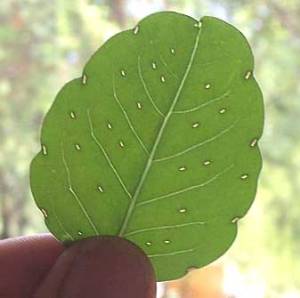
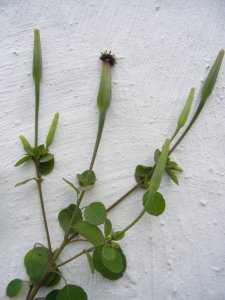
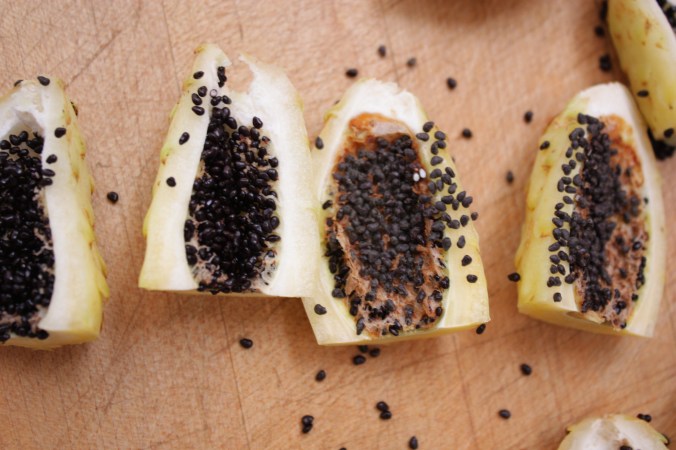
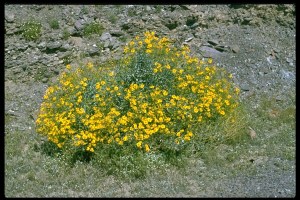 Brittlebush has a long history of native use. The resin collected from the base of the plant is often yellowish to brown in color. This resin can be heated and used as a glue. The O’odham and Seri use it for hafting, to hold points on arrows and, in the case of the Seri, harpoons. A different sort of resin is collected from the upper stems, is more gummy and generally a clear yellow. The Seri use this to seal pottery vessels. As a child, I learned from Sells area Tohono O’odham children that this upper stem resin makes a passable chewing gum.
 Early on the Spanish priests learned that brittlebush resin made a highly fragrant incense, akin to frankincense in odor. In 1702, Father Kino wrote “. . . in this journey inland and on other occasions I have found various things – little trees, fruit, incense, etc. – all species which are peculiar to . . . [this area] . . . alone, and samples of which I bring, to celebrate with the incense, by the favor of heaven, this Easter and Holy Week, and to place five good grains of incense in the Paschal candle.”
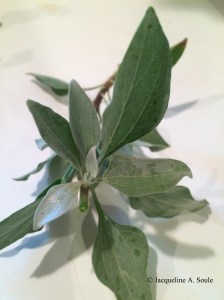 In the 1960’s, I was taught by a longtime cowboy that a brittlebush stem makes a dandy toothbrush. Simply select a largish branch and peal off the bitter bark, no need for toothpaste. He had learned the trick years before from an old cowhand. Whether this was self-taught or learned from natives, it is impossible to say, although the Seri use brittlebush to treat toothache. For toothache the bark is removed, the branch heated in ashes, and placed in the mouth to “harden” a loose tooth. Modern dentistry advocates using mildly alkaline solutions to help maintain oral hygiene, which makes me wonder about the pH of brittlebush sap.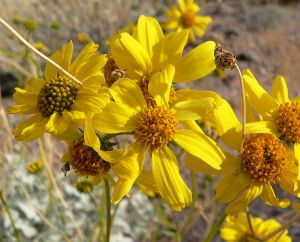
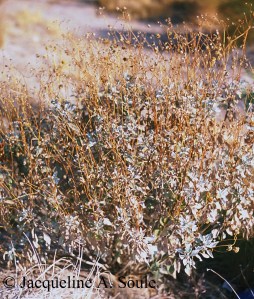


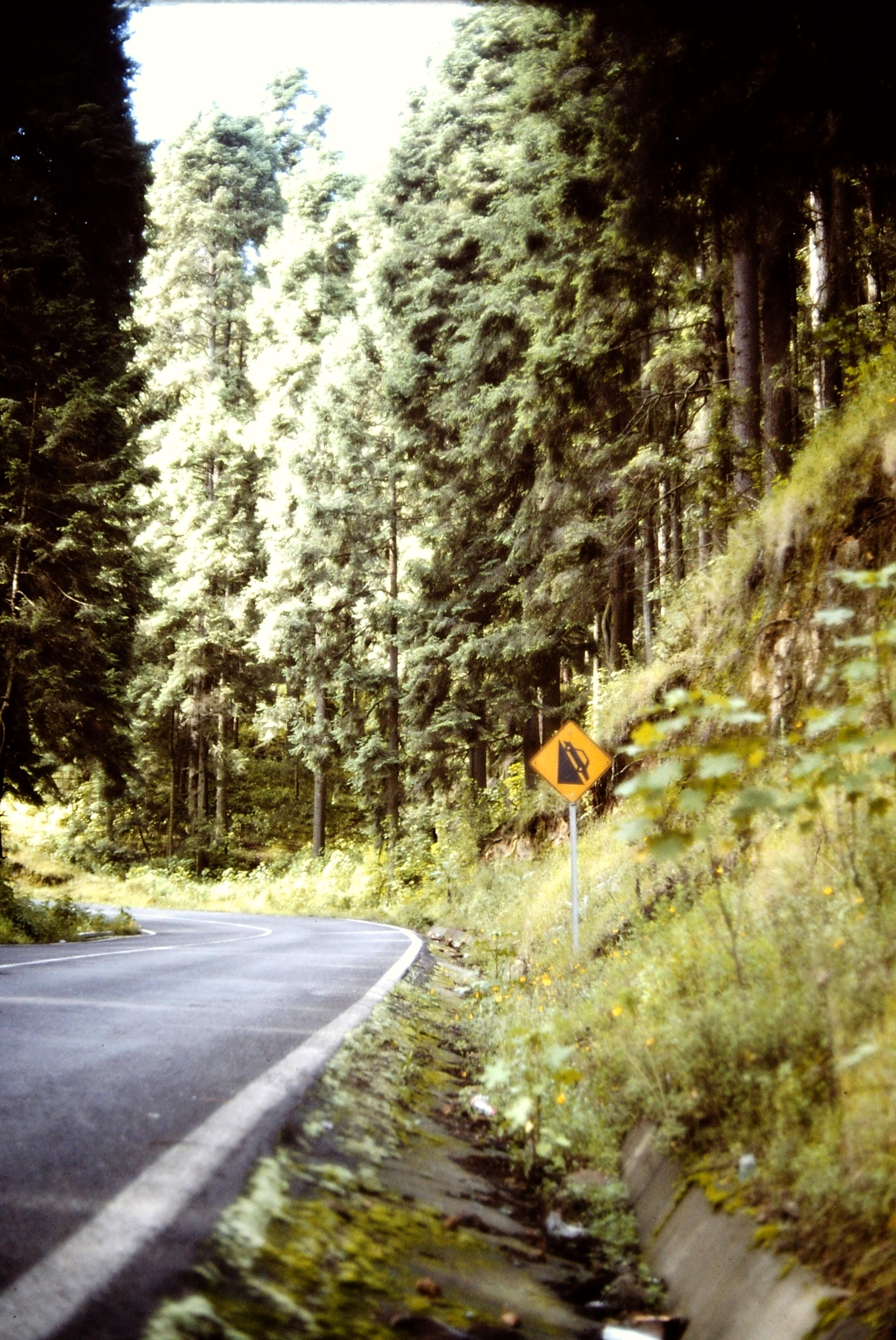


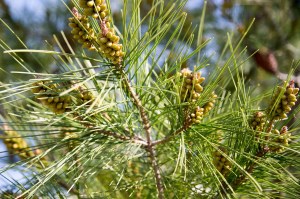
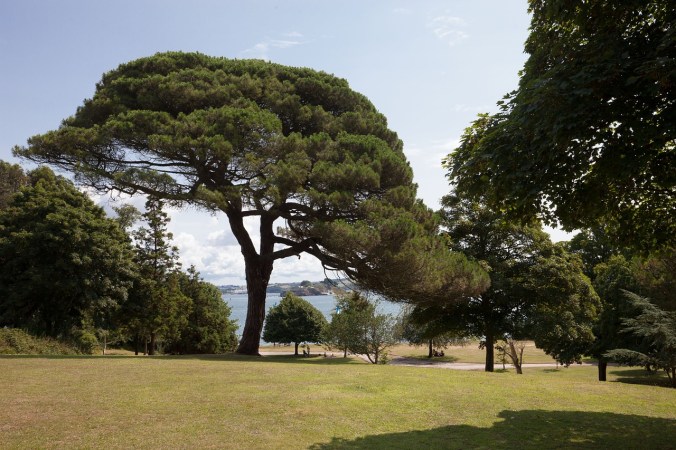
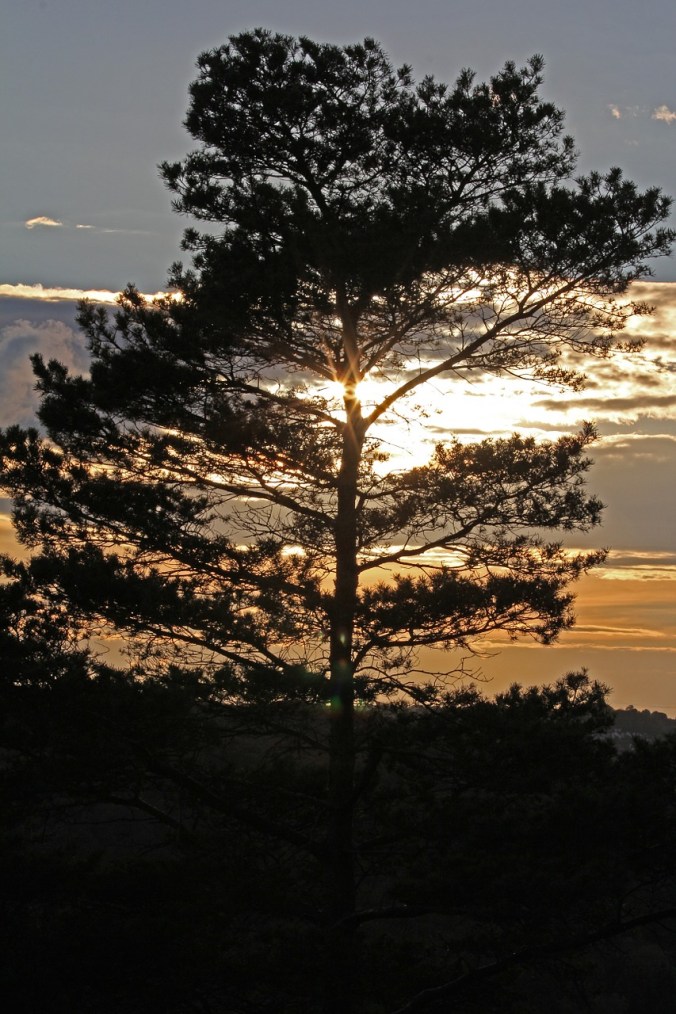 What about the pine beetle now attacking Tucson trees? The beetle is the six-spined engraver beetle, one of 11 species of insects living in the inner bark of pine trees. It typically infests the thicker-barked and deeply fissured main tree trunks of older trees. An obnoxious pest to be sure. It appears to only be an issue with larger mature trees. A young tree should be able to grow in your yard for many years. Be sure to keep it healthy with extra water in the dry months.
  Savor the Southwest: