Fermented salsas

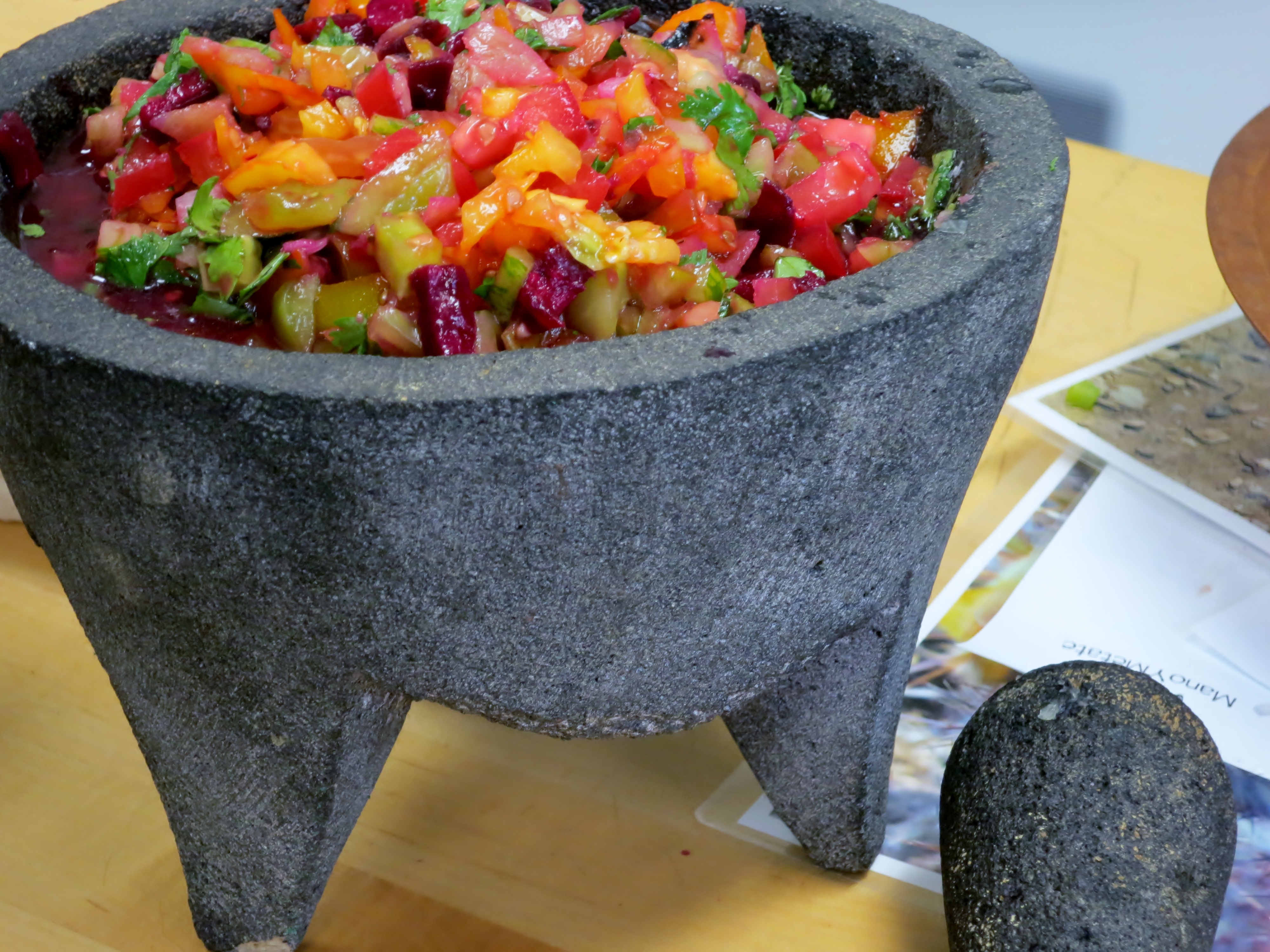
molcajete

fermented salsa,with fresh cilantro and tunas (prickly pear fruit) added before serving

Amy Valdés Schwemm

Amy Valdés Schwemm

Naturally fermenting salsa makes a richer and more complex flavor than simply adding vinegar or lime juice, but it does take a little patience. I love tart salsas and sour foods with a bite. Grandma and Grandpa Schwemm on my dad’s side passed on a tradition of sauerkraut, and my mom’s family loves chile. How could chiles fermented like kraut not be my favorite food?

Fermented salsa is a source of pro-biotic microorganisms, recently rediscovered as essential for the digestive system. Home fermented foods probably provide more active and diverse cultures than what comes in a capsule at great expense.

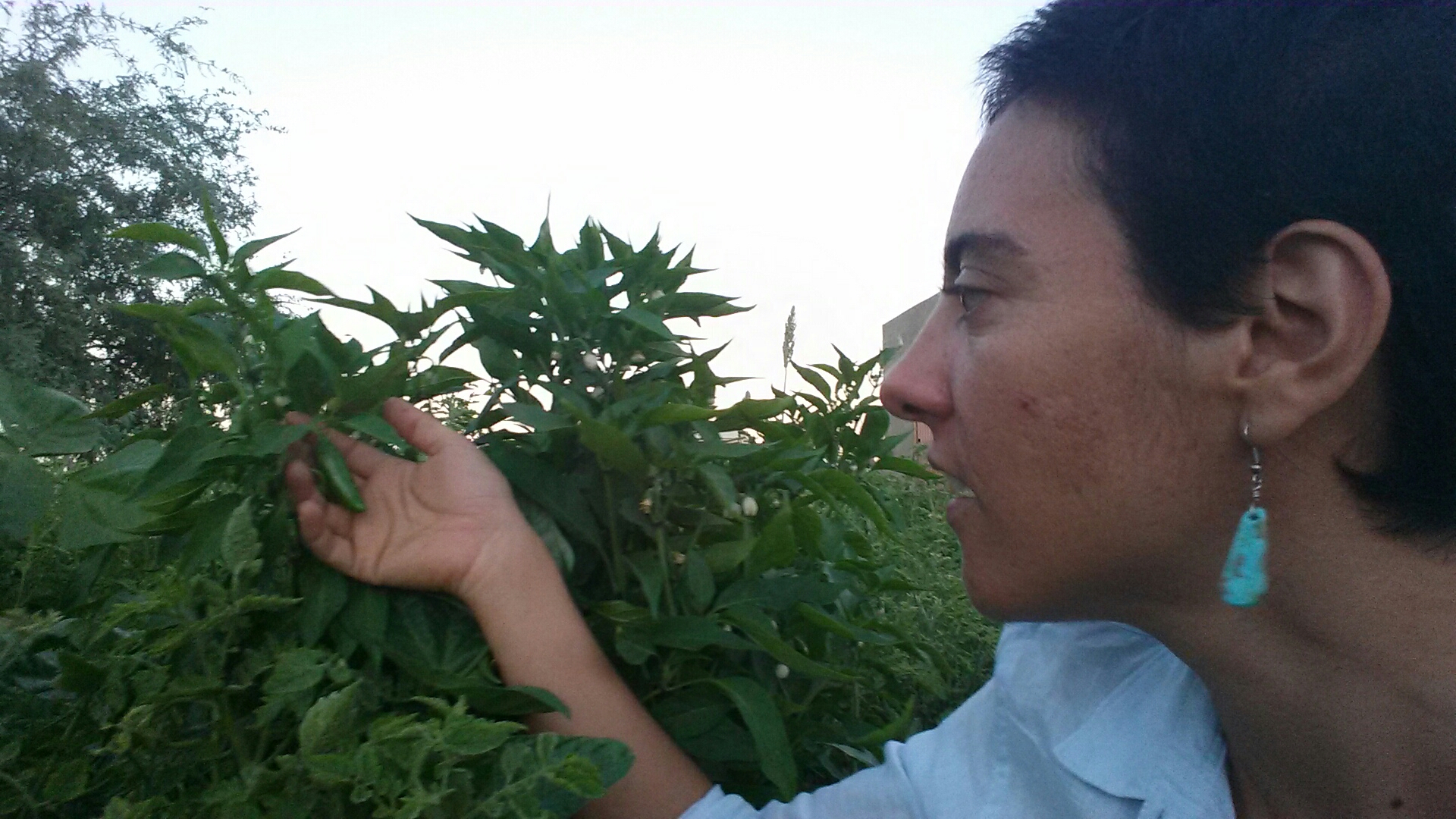
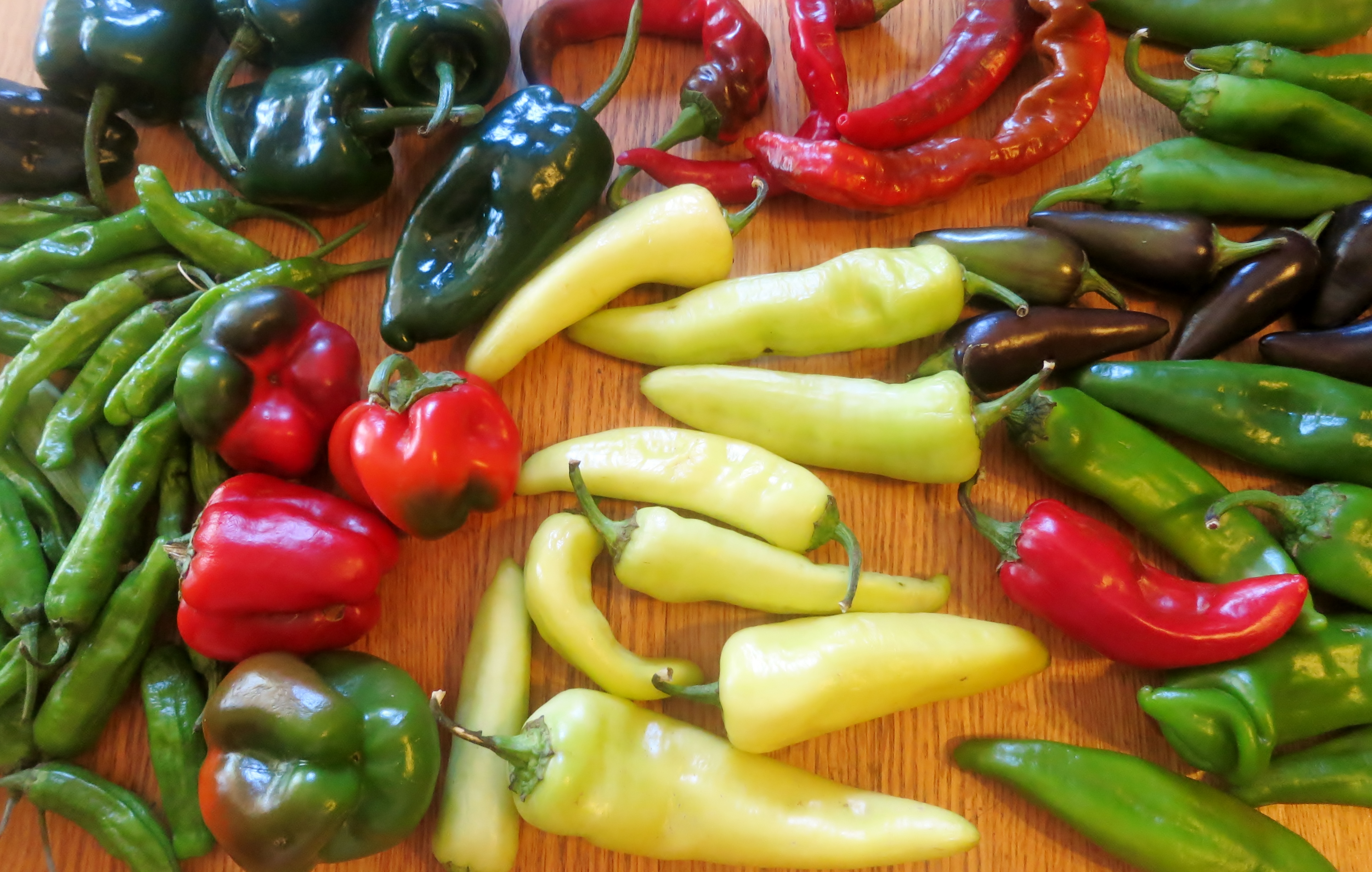
late summer is chile season at Tucson CSA, Walking J, Santa Cruz Farmers' Market Consignment

late summer is chile season at Tucson CSA, Walking J, Santa Cruz Farmers’ Market Consignment

Chiles for this preparation can be fresh or roasted or even dried. I’ve used everything from dried chiltepines to fresh Big Jims and sweet peppers. Hot, fleshy chiles like Jalapeño, Serrano, Guero, Wenks Yellow Hot, and Sinahuisa are ideal.

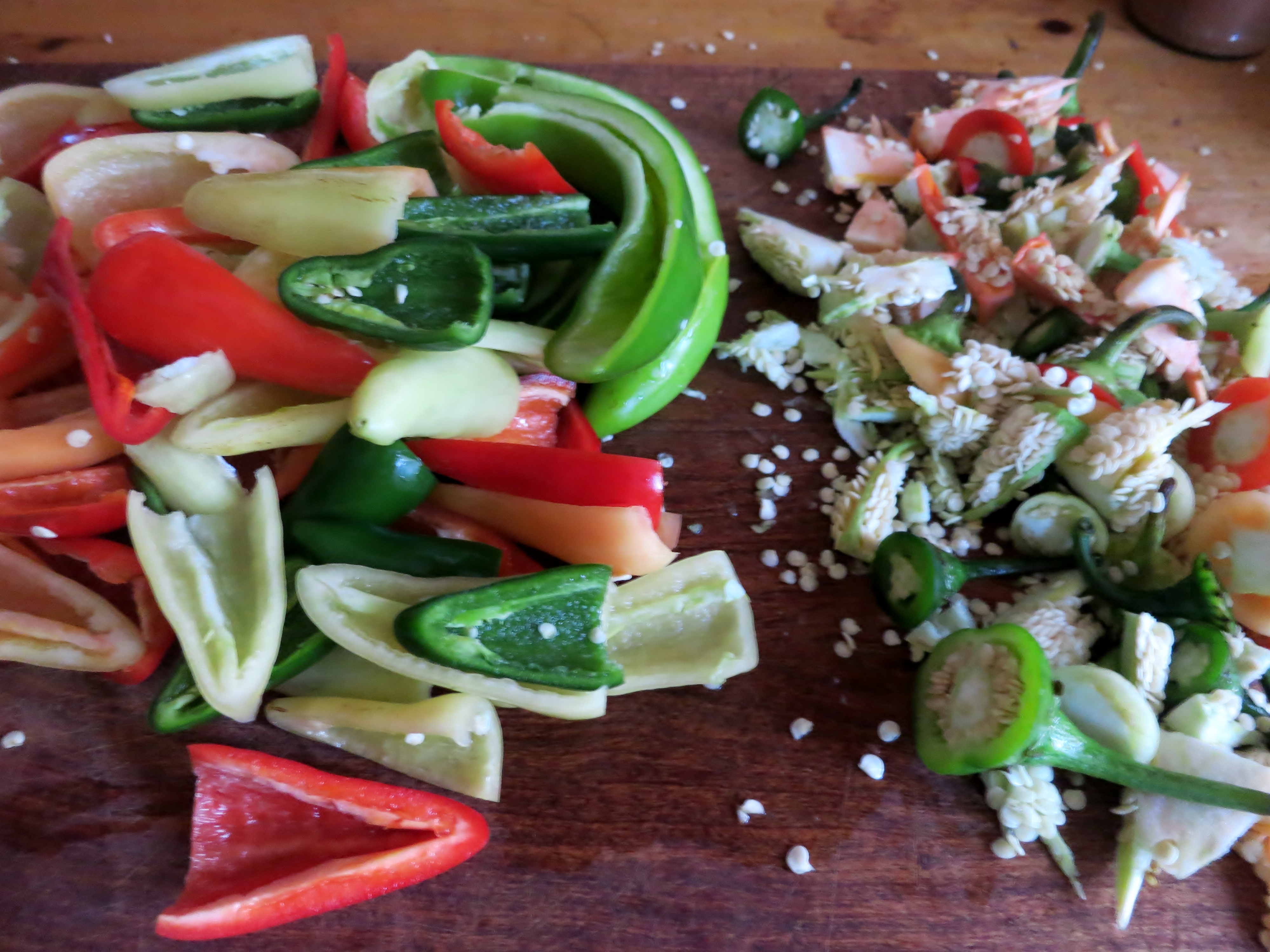
deseeding chiles

deseeding chiles

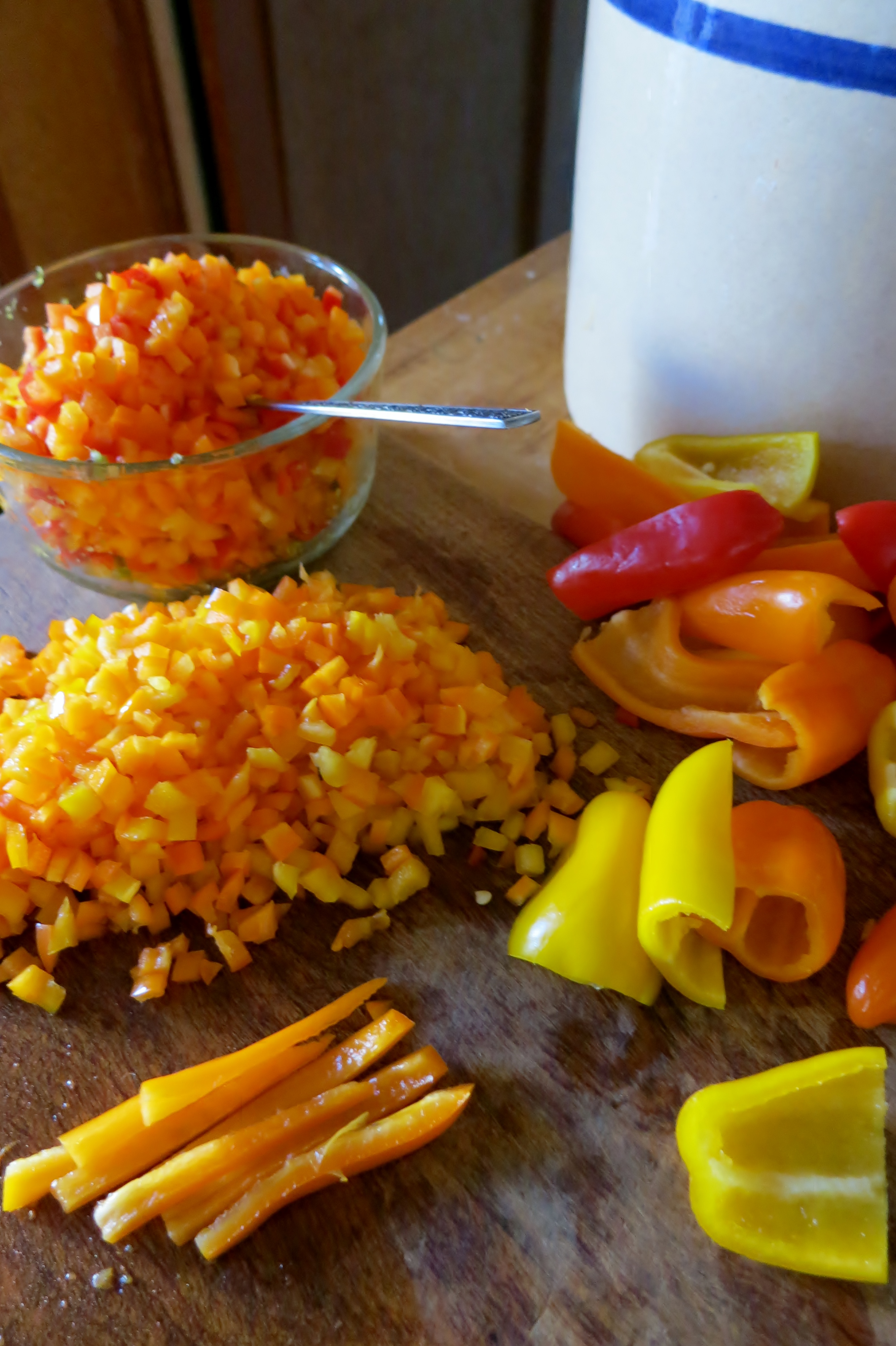
Sometimes I meticulously seed and dice the chiles, sometimes I only cut off the stems and coarsely chop in the food processor.

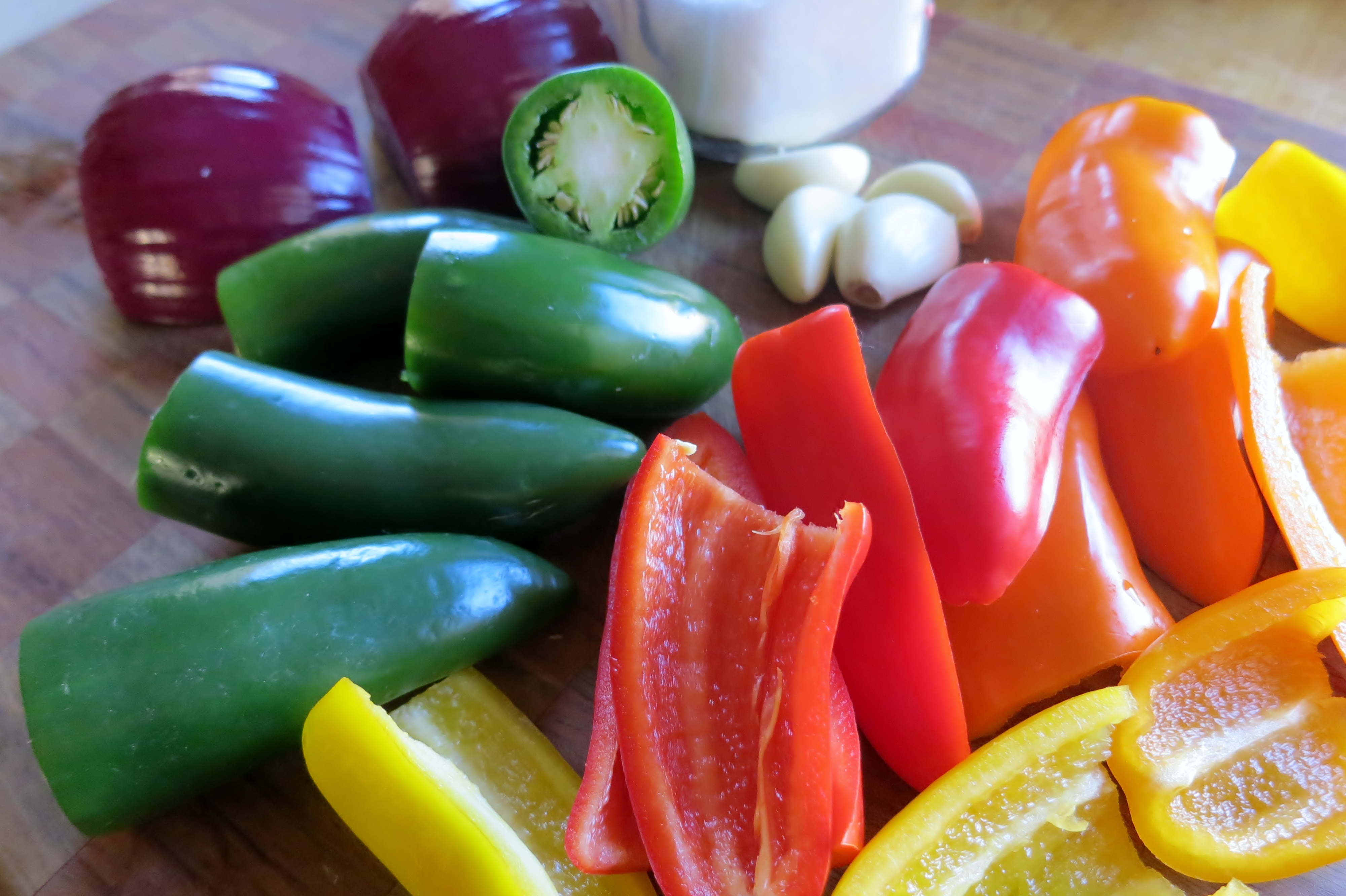
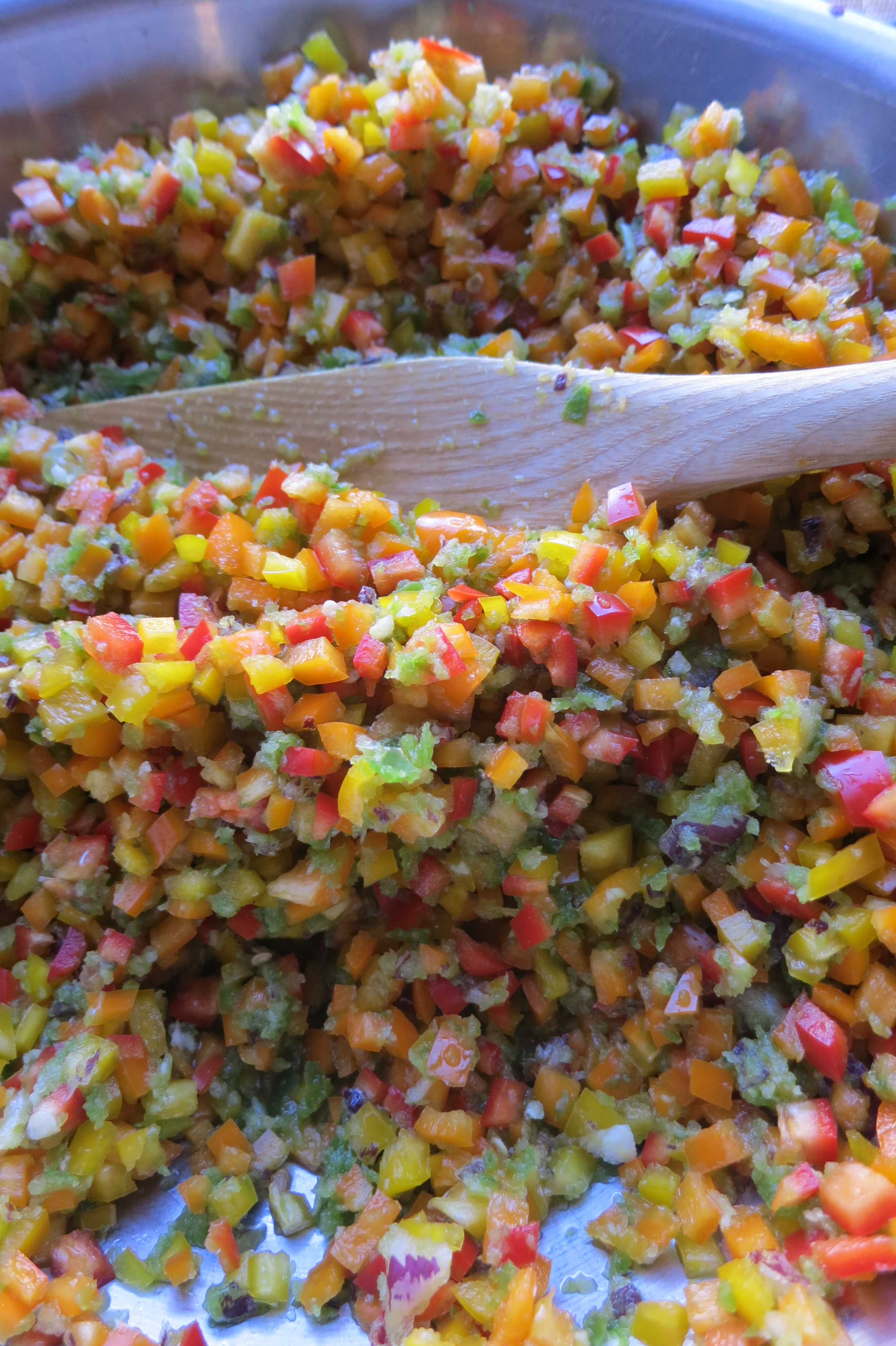
chiles, onion, garlic and salt

chiles, onion, garlic and salt

I usually add onion, garlic and herbs, as the season and whim direct.

chopping chiles reminds me of Uncle Bob and cousin Doug

chopping chiles reminds me of Uncle Bob and cousin Doug

Add salt to the salsa, 2% of vegetables’ weight. This is roughly 1 teaspoon non-iodized salt per cup of diced vegetables, more or less. Salt slows and directs biological activity to make the food more delicious. Lactobacilli thrive in salty environments where other organisms cannot, and the lactic acid they make further inhibit harmful bacteria. Since this is a condiment, I don’t mind it a little salty. There are enough beneficial bacteria on the fresh produce and in the air, so no starter culture is necessary.

diced chiles

diced chiles

If the chiles are not very fleshy or I want a thinner sauce, I add a little brine made with 2 teaspoons salt per cup of water. Thinning the sauce is a good idea when the chiles are very hot!
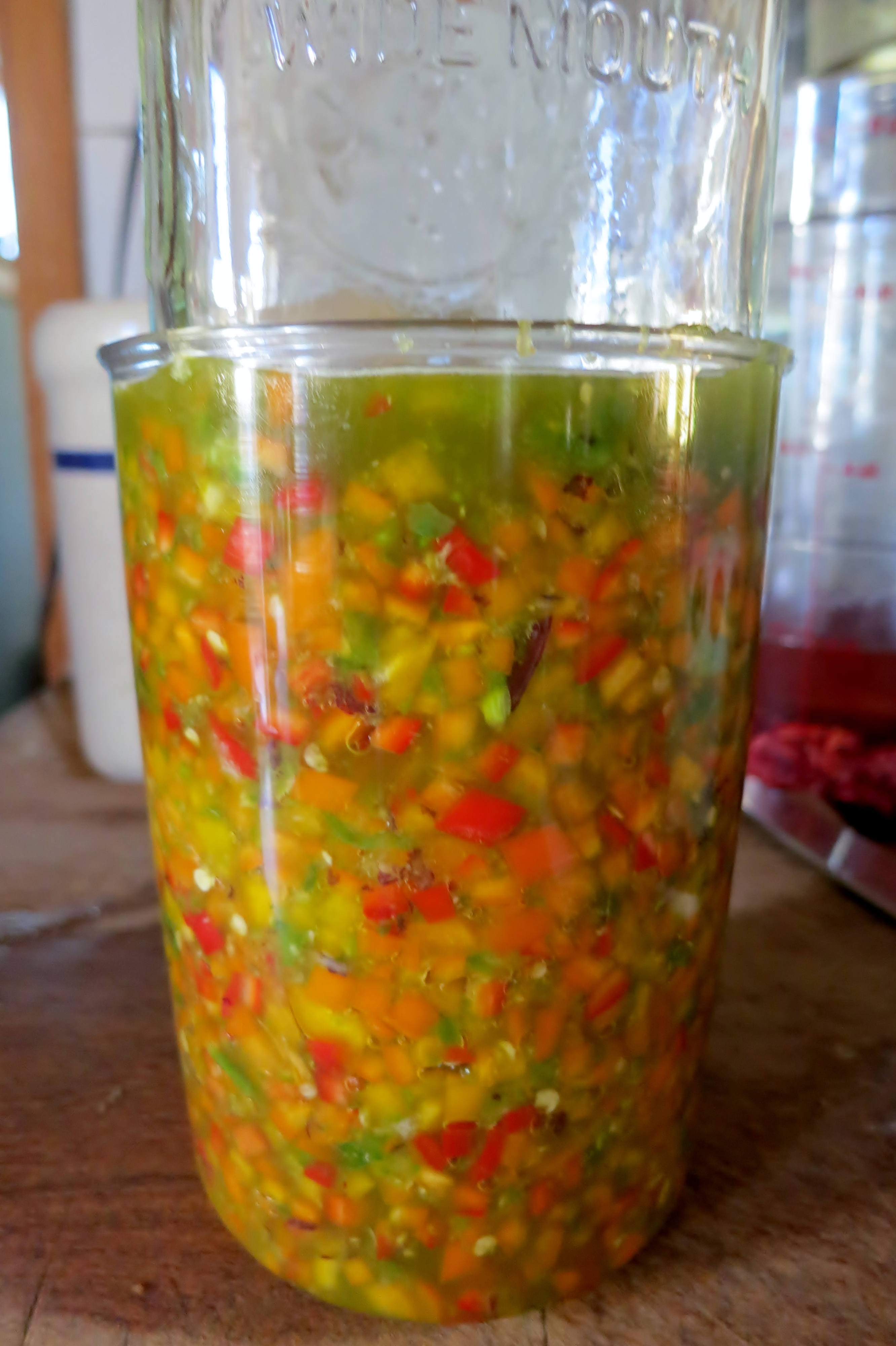
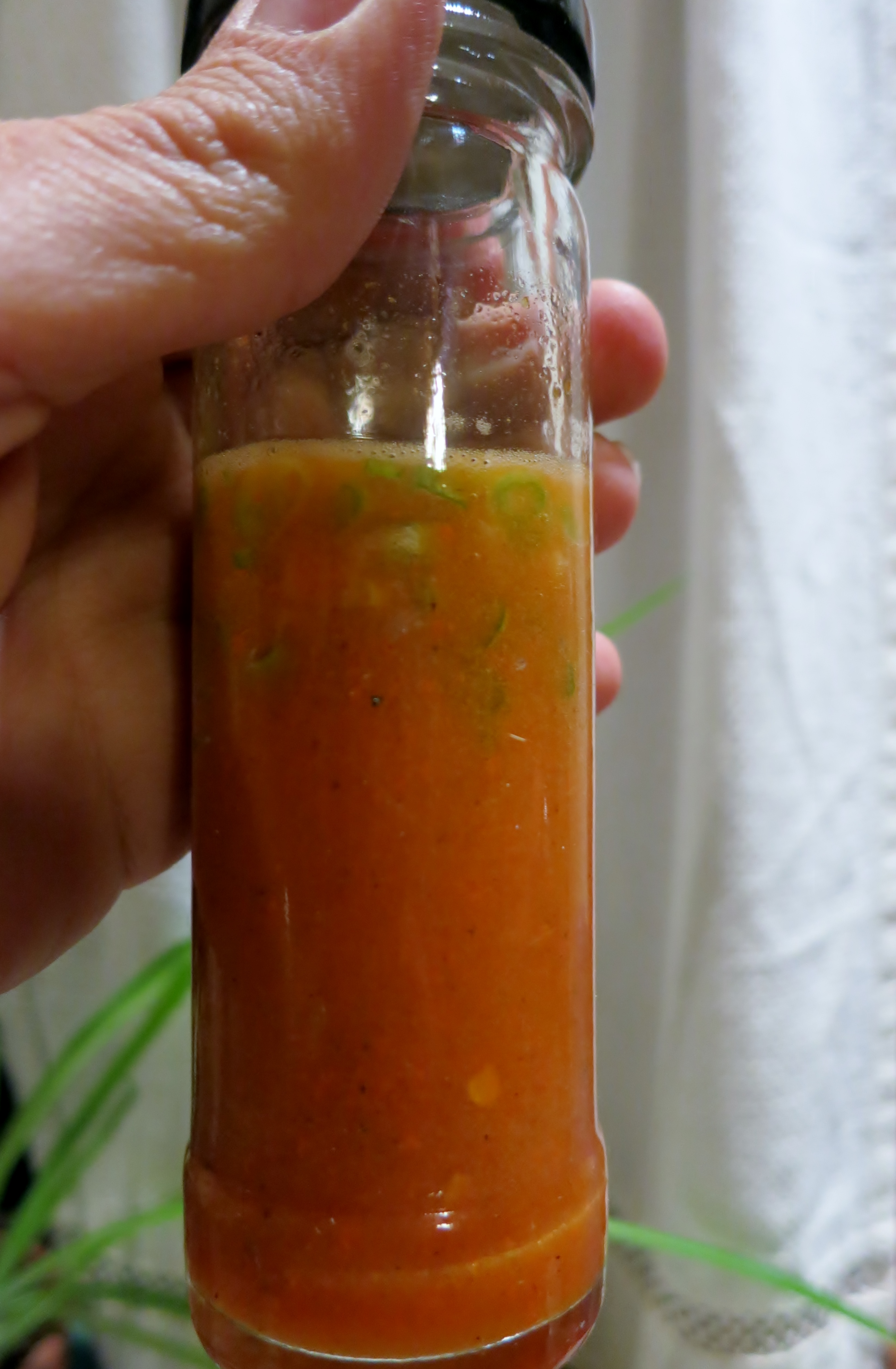
Put the salsa in a jar with a weight on top, keeping the pieces of chile submerged in exuded juice or brine. I use a smaller jar as a weight.

pureed jalapenos with  diced multicolor sweet peppers

pureed jalapenos with diced multicolor sweet peppers

Cover the tower with a tea towel to keep out dust and insects, and keep at room temperature.

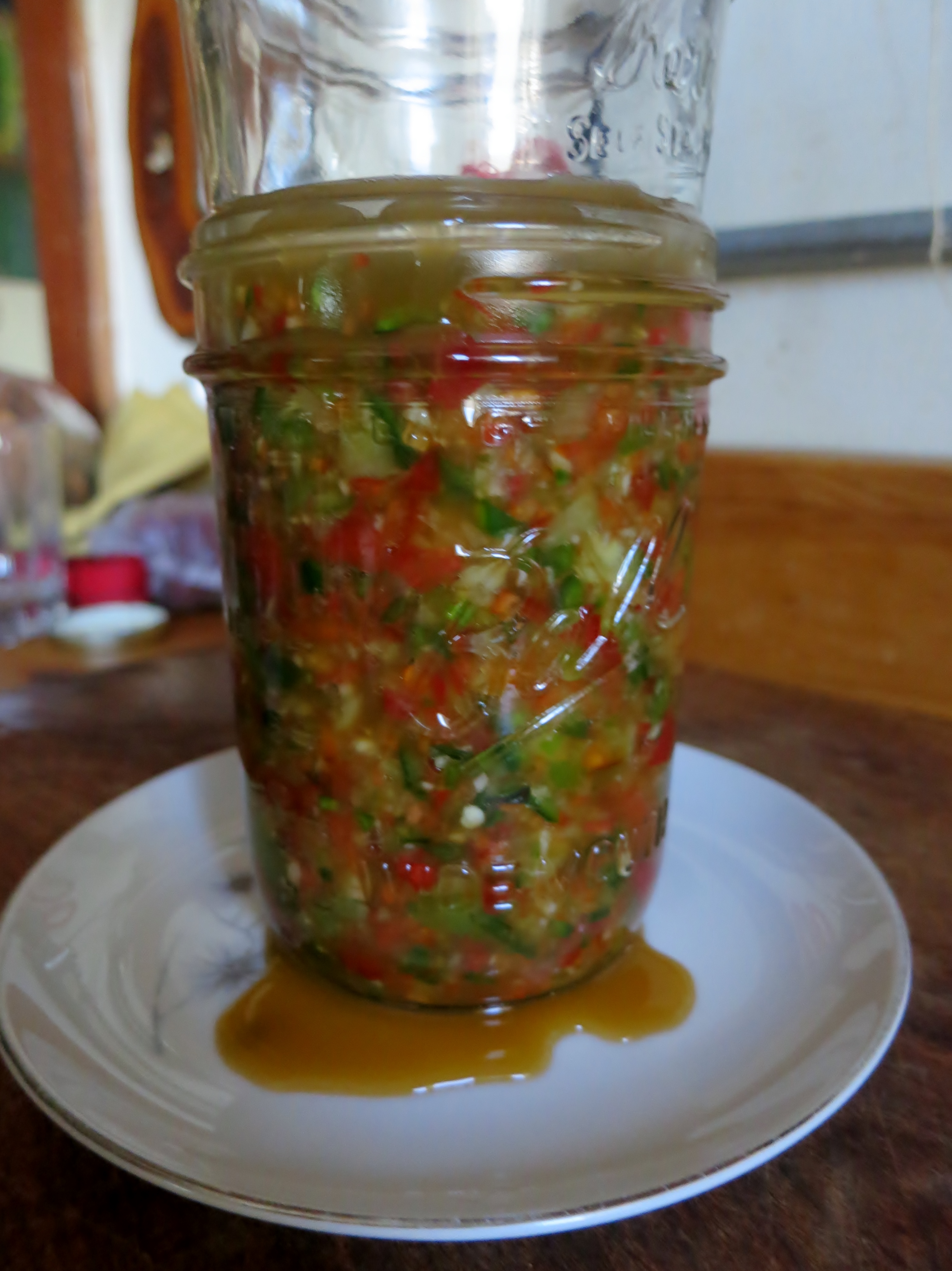
fermenting chiles can be messy

fermenting chiles can be messy

How long before it’s ready? Test daily in warm weather to see if it is sour enough for your taste. In winter, the process is slower, taking up to a couple weeks. If white mold forms on the surface, skim off the top. It is harmless. If the mold is any color other than white, or below the surface of the liquid, discard the whole batch. Better safe than sorry.
When the salsa is tart and delicious, it can be eaten as is or pureed. For a smooth salsa, it can be strained. Sometimes I add fresh herbs or minced I’itoi onion tops.

pureed salsa with diced I'itoi onion tops

pureed salsa with diced I’itoi onion tops

Store fermented salsa in the refrigerator with an airtight lid.
Chef Molly Beverly from Prescott, Arizona suggested fermenting a sauce from Mano Y Metate Pipian Rojo, so I have some of that going now. I can’t wait to taste it!
elote salsa
For more details about fermenting food, see Sandor Katz’s The Art of Fermentation. For an encouraging primer on safely fermenting food, find Wild Fermentation also by Katz. This is one of my all time favorite cookbooks.

Cool Summer Bean Dishes….with Heirlooms

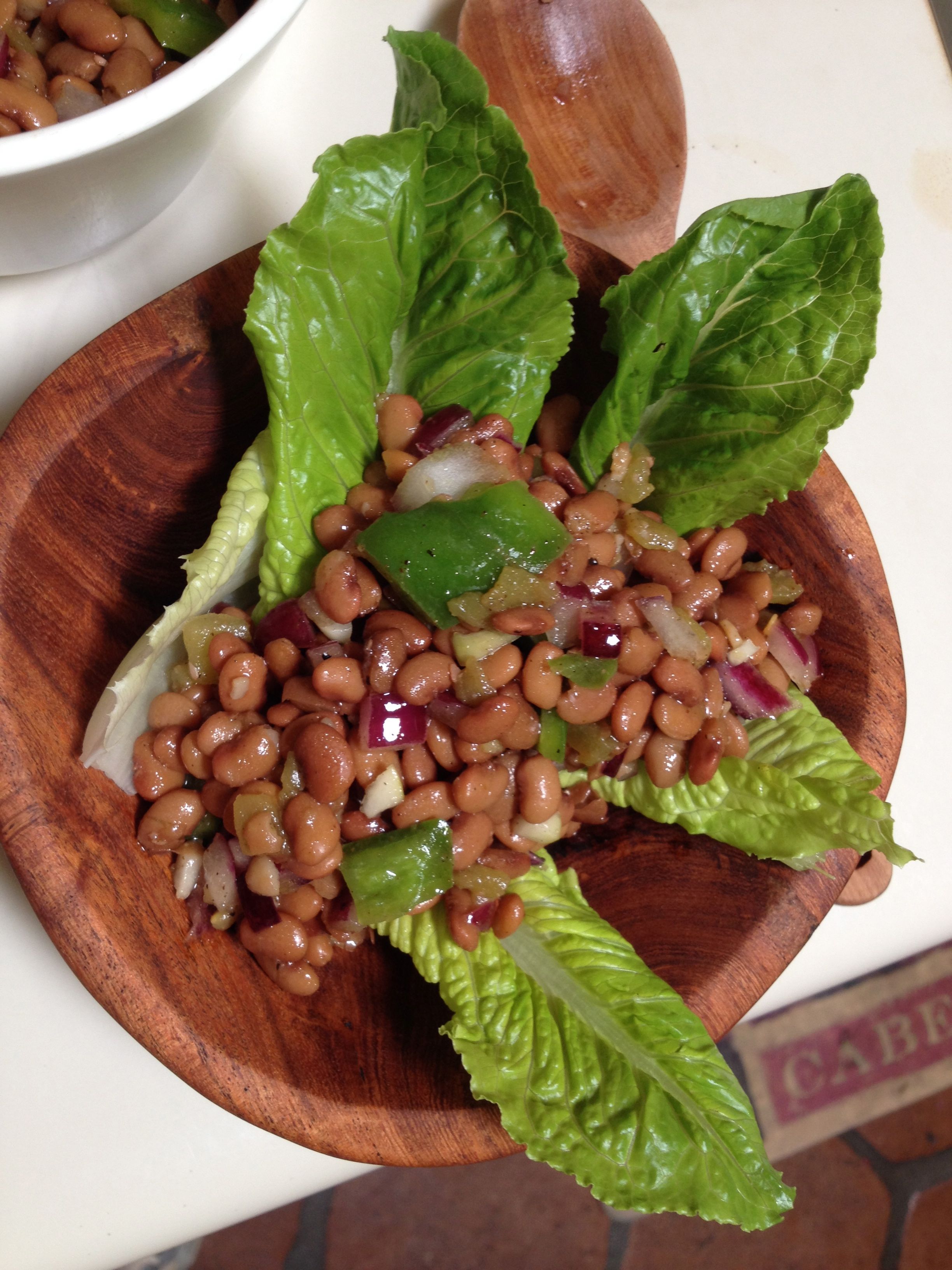
Sonoran Caviar in Mayo mesquite bowl (MABurgess photo)

Sonoran Caviar in Mayo mesquite bowl (MABurgess photo)

For picnics, barbeques or simple pick-me-ups, here are some fun ideas to bring a variety of heirloom beans into your summer fare.  We usually think of beans as winter food, but in the heat of August these tasty bean treats will help chill you out with gusto.

Tia Marta here to share ways of bringing the original “fast food” into your summertime menus.  Fast–that is, cook ’em first and have them “at the ready” for dressing them to suit any mood or occasion.  I am a founding member of the Heirloom Bean Fan Club, always amazed by the array of bean possibilities we have in the Southwest available to us.  Here in Baja Arizona we are blessed with inherited gifts of delectable, nutritious, desert-adapted beans from Native farmers, traditional Hispanic families, Black, Chinese, Anglo and other newcomers.  They grow well in our backyard gardens, bedecking our tables with colorful goodness.

All American sun oven set up on patio table-available thru Flor de Mayo (MABurgess photo)

All American sun oven set up on patio table-available thru Flor de Mayo (MABurgess photo)

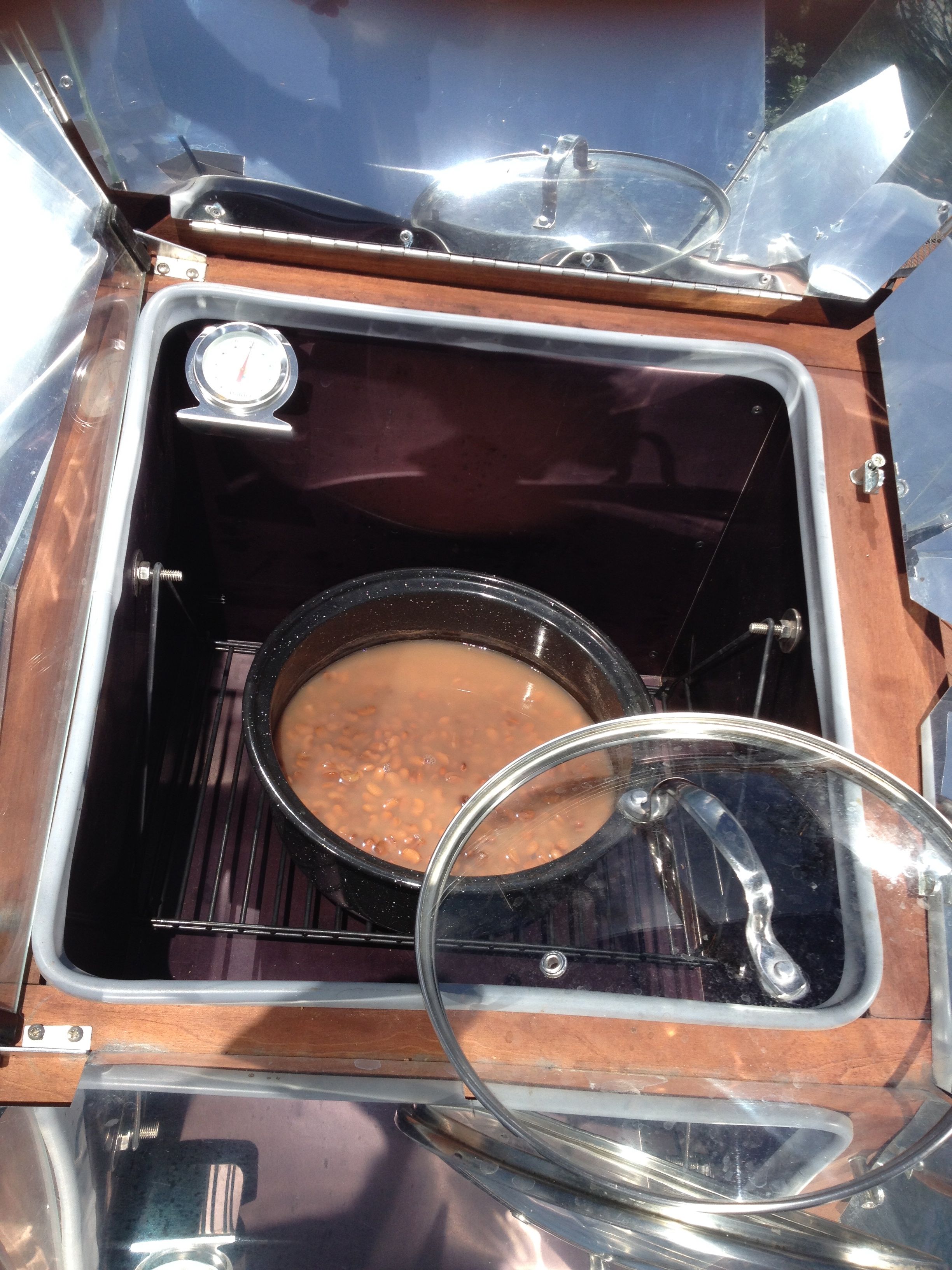
When the summer sun fully hits our porch about 10am, out comes our sun-oven to help us pull the heat of preparation out of the kitchen.  Unfolding its reflector “wings,” I place a saucepan of pre-soaked Native tepary beans–the ones the Tohono O’odham call s-wepegi ba:wi or red tepary–covered by plenty of drinking water, nothing else necessary.  About every half hour or hour (you don’t have to be too regimented if you don’t feel like it), I go out and re-adjust the orientation of the sun-oven, vertically and horizontally, to keep it as close to perpendicular to the sun as possible.  The teps will be smelling good and testing done about 2pm if the sky has remained relatively bright.
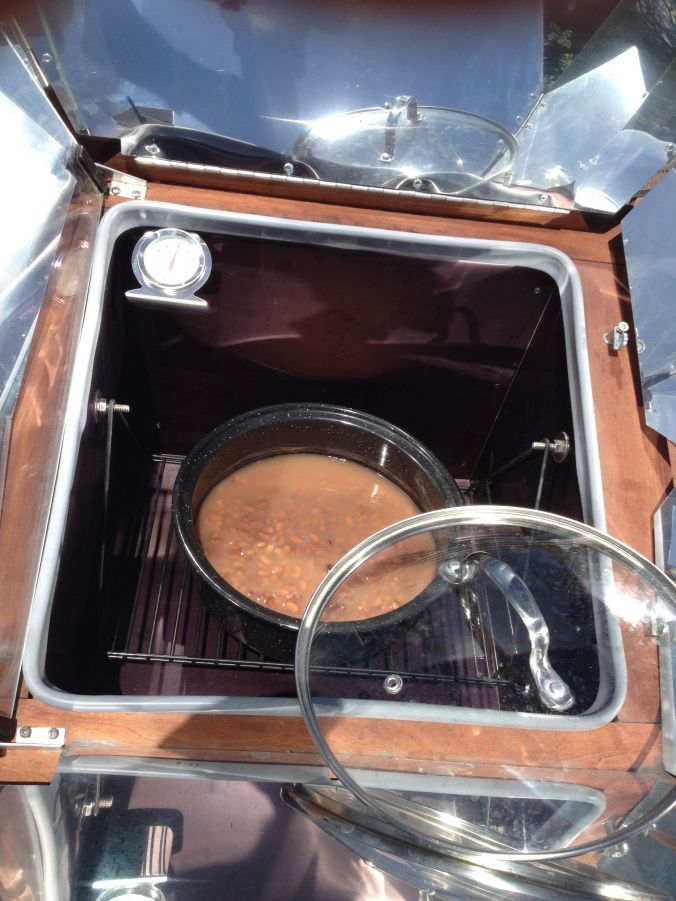
Tepary beans, done by 2pm in solar oven, temp 300 (MABurgess photo)

Tepary beans, done by 2pm in solar oven, temp 300 (MABurgess photo)

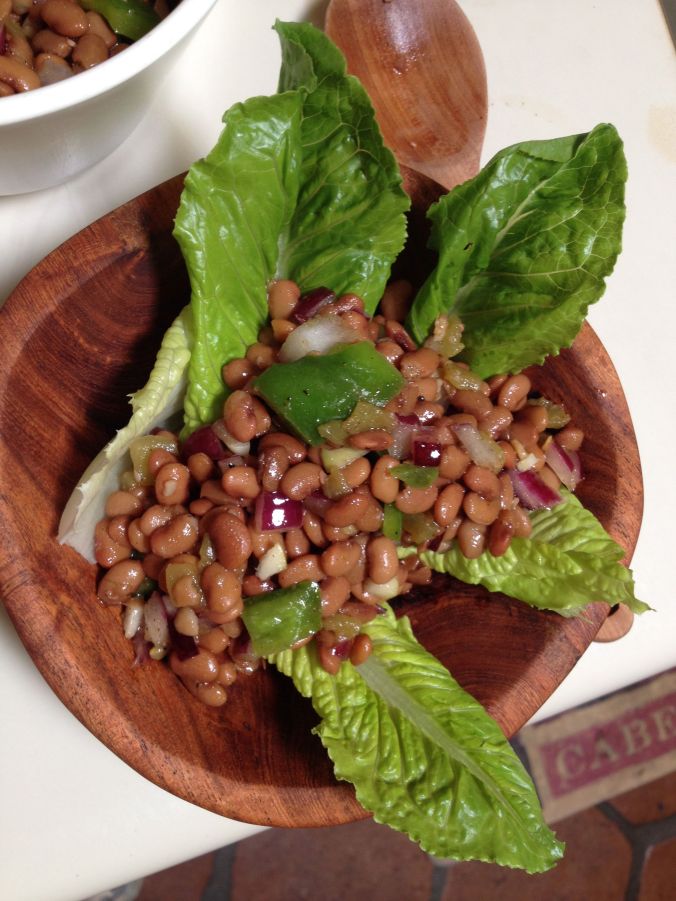
Now, with my well-cooked teparies, if I’m not ready for kitchen cookery action I let them cool down then store them labeled in the frig or freezer.  If I am in cook mode, I drain them, reserving the liquid for soup, and let them cool while I chop veggies.  My plan–“Sonoran Caviar”–the best salad ever invented for desert rats in need of a pinch of picante.  This is the culinary creation of desert survival instructor, raconteur, and one-of-a-kind character George Price, and my thanks go to him for bringing even more excitement out of teparies!  Give it a try.
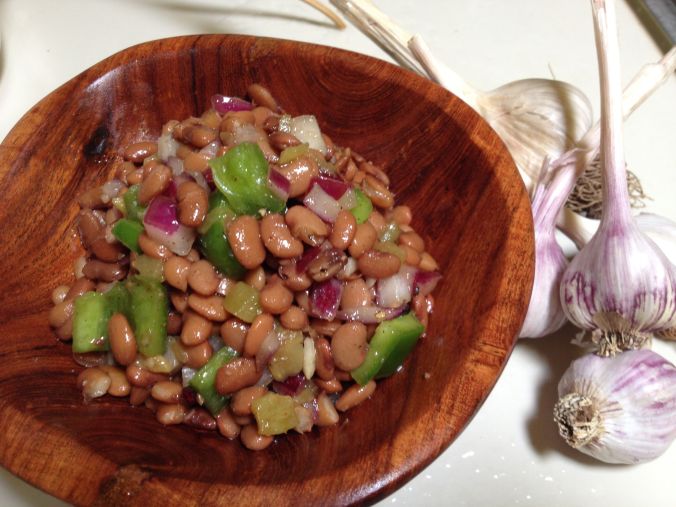
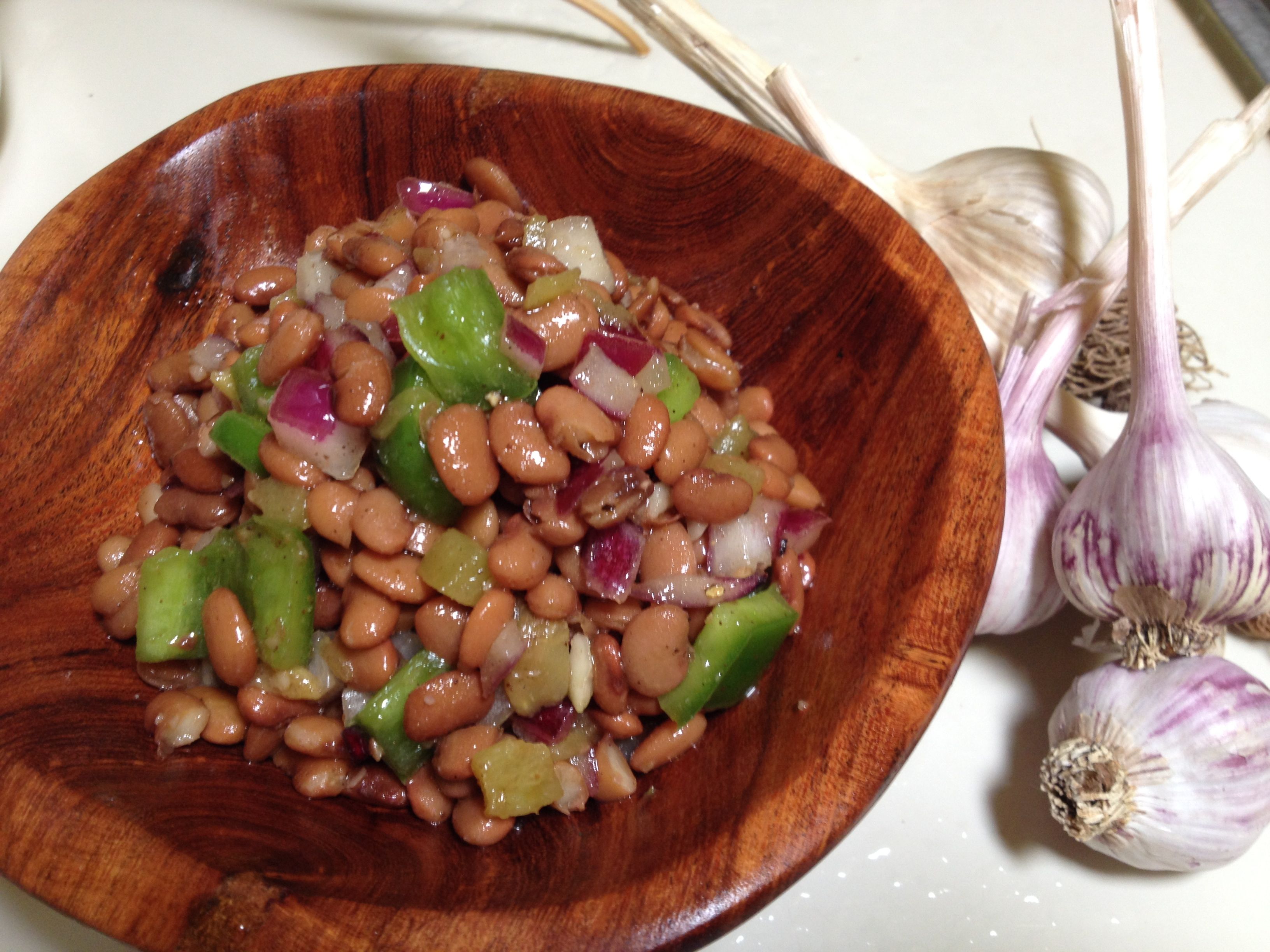
George's Sonoran Caviar--teparies with NSS heirloom garlic (both available at St Phillips Sunday farmers market)

George’s Sonoran Caviar–teparies with NSS heirloom garlic (both available at St Phillips Sunday farmers market)

Sonoran Caviar recipe:

Ingredients:

4 cups cooked brown tepary beans, drained and cooled (from less than 1 lb dry beans)

1 cup diced red onion

1 red bell pepper, diced

2 crisp Anaheim Chiles, diced, skinned, and de-seeded

1 Tbsp crushed garlic

1 Tbsp Tony Chacere’s Original Creole Seasoning (to taste)

1/3 cup olive oil

1/3 cup red wine vinegar

1 tsp black pepper ground

Mix all ingredients thoroughly in a large bowl.  Chill in refrigerator for 24 hours, stirring occasionally.  Stir again before serving.  Buen provecho, George (Be advised that this one serves 6 hungry folks including teenage boys.)

[His Sonoran Caviar will get rave reviews at any pot luck or picnic.]
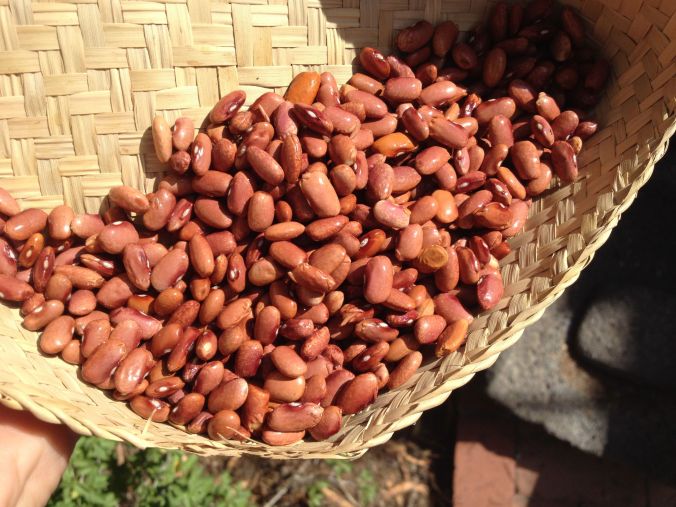
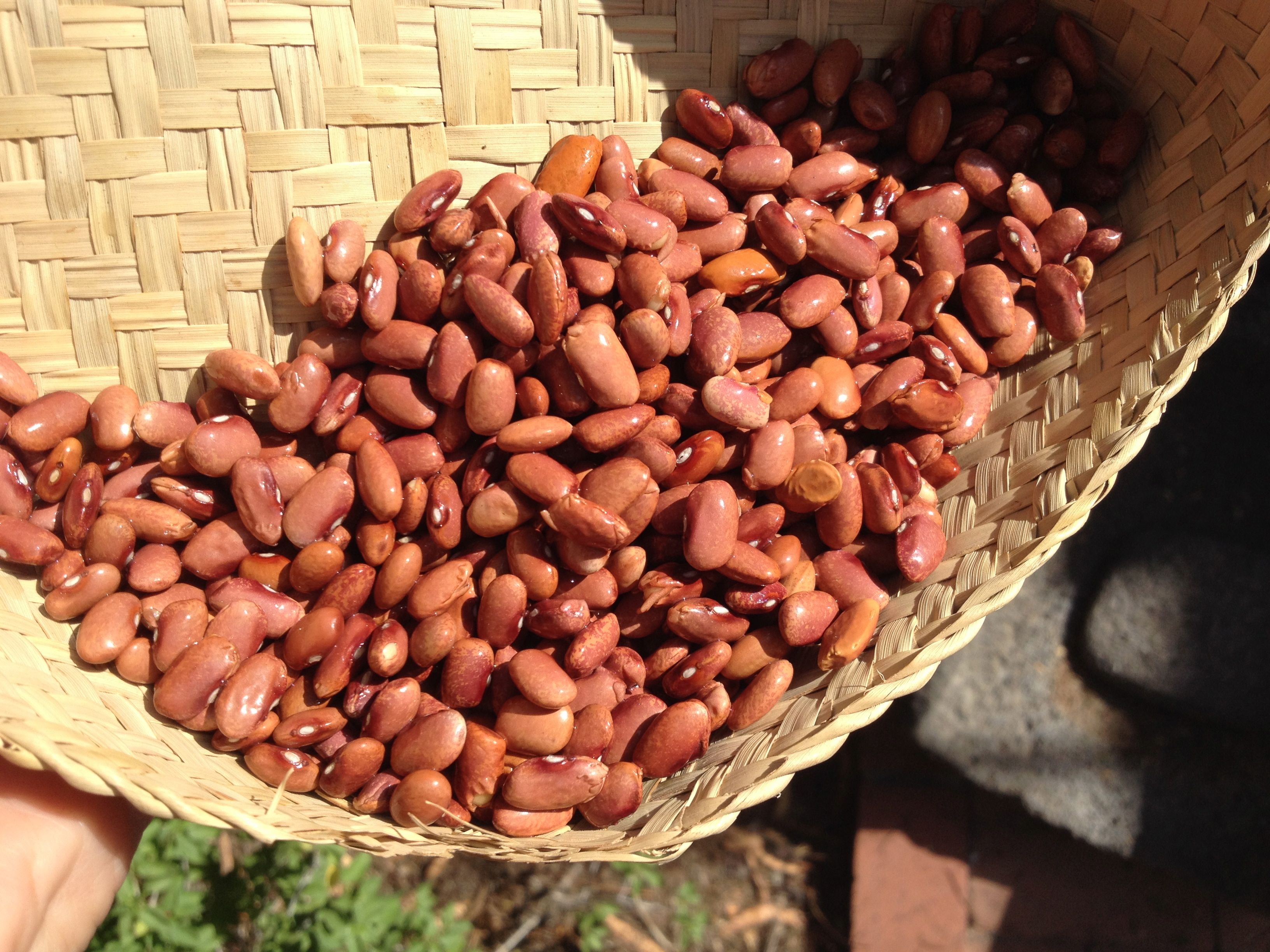
Flor de Mayo beans in Mayo palm basket (beans and baskets from Sunday St Phillips market)

Flor de Mayo beans in Mayo palm basket (beans and baskets from Sunday St Phillips market)

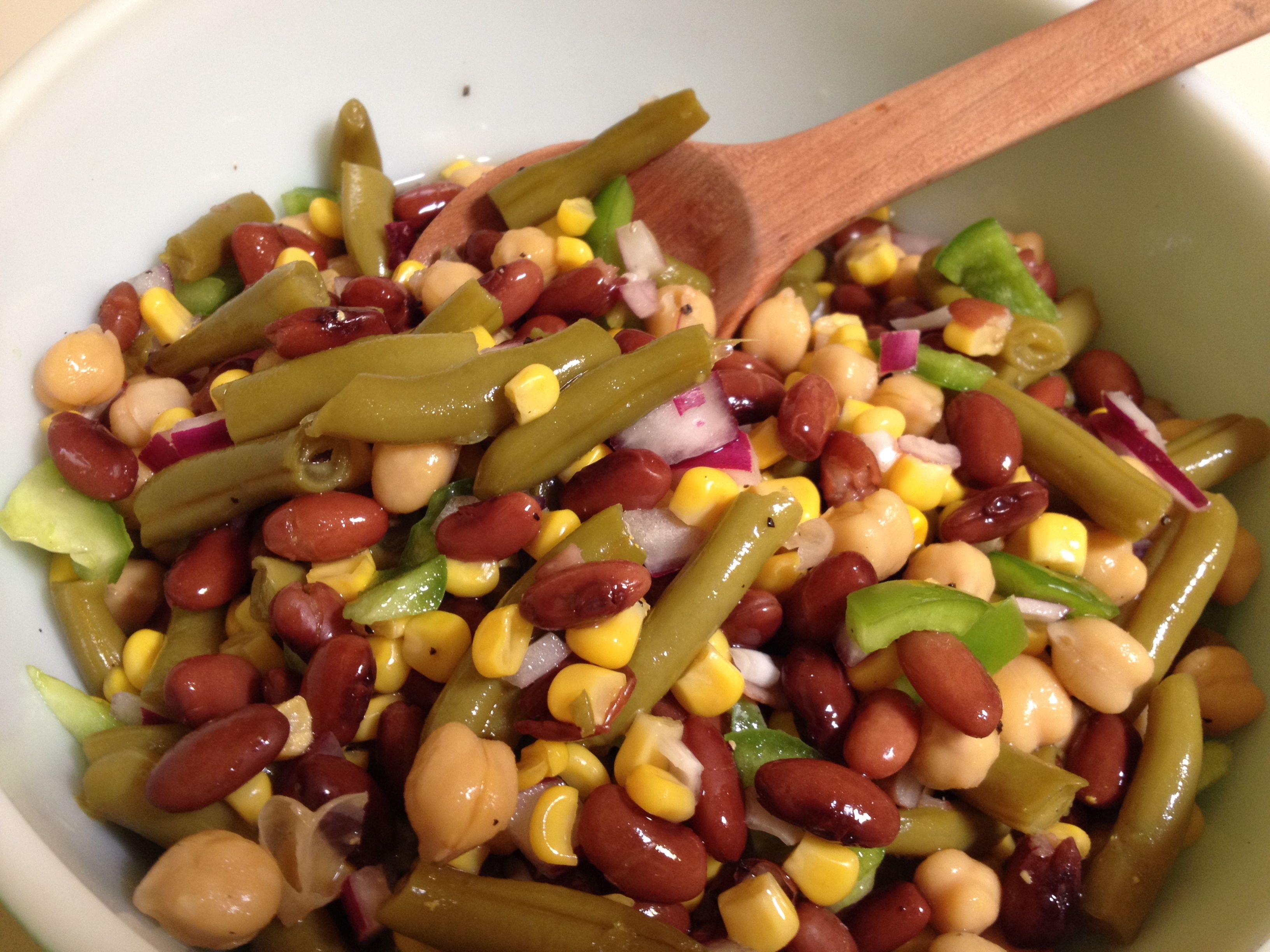
In the realm of cool summer dishes, I can always count on Heirloom Flor de Mayo Mixed Bean Salad (my namesake!).  When I was in college, Mother sent me a little book by Barbara Goodfellow, Make it Now Bake it Later from the ’60s.  It has inspired my hostessing ever since, especially my adaptation for this sweet recipe which delights in everything from your garden:
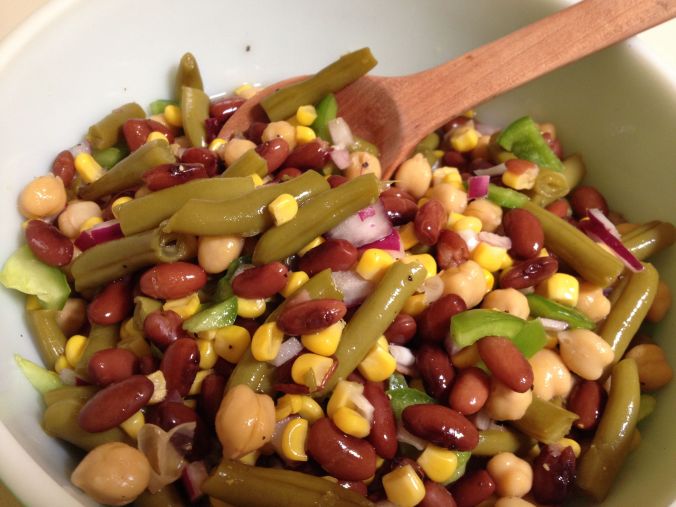
Marinated Mixed Bean Salad with Flor de Mayo heirlooms (MABurgess photo)

Marinated Mixed Bean Salad with Flor de Mayo heirlooms (MABurgess photo)

Heirloom Flor de Mayo Mixed Bean Salad Recipe:

(Fool-proof for picnics and barbeques–and it keeps well for days in the frig)

1 cup (or more) cooked heirloom Flor de Mayo beans for bright color (or another SW heirloom such as Ojo de Cabra, Rio Zape, Bolita, Cannellini–all taste wonderful in this marinated salad)

1 cup cooked green beans or snap beans from your garden (or organic canned)

1 cup cooked garbanzo beans (organic canned garbanzos/chickpeas) from your winter garden

1 cup cooked GMO-free corn kernels (off the cob or canned)

1/2 cup chopped green pepper

1 Tbsp chopped shallots, chives,  sweet onion, or I’itoi’s onion from the garden

1/2 cup organic sugar or agave nectar

1 cup organic cider vinegar

1/2 cup extra virgin olive oil

1 tsp sea salt

Drain cooked beans.  In mixing bowl dissolve sweetener and spices in liquid.  Add beans, chopped green pepper and onion, then mix.  Let stand in refrigerator overnight, mix again.  When serving, reserve liquid for other marinades.  Serves 6 generously.
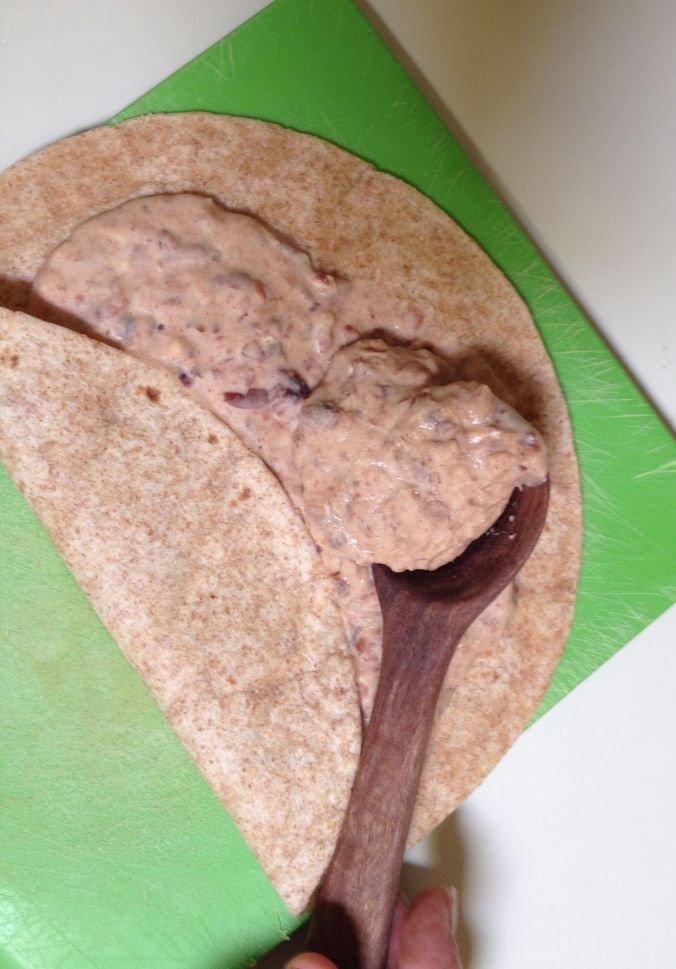
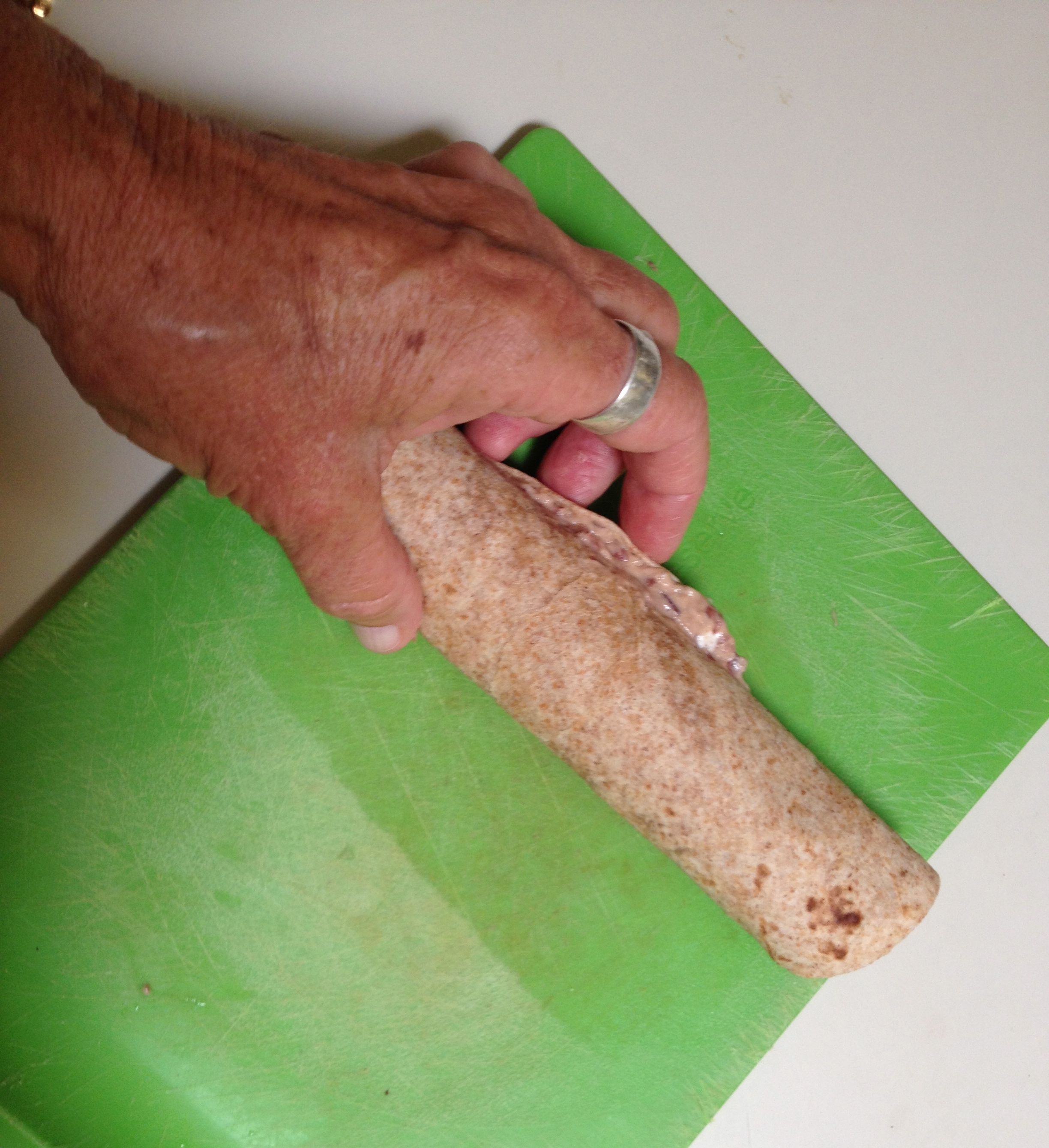
Mortgage Lifter burrito in whole wheat tortilla--first step for making heirloom bean roll-up appetizers

Anasazi Bean burrito in whole wheat tortilla–preliminary for making heirloom bean roll-up appetizers

Another fun way to get your complex carbs and vegetable protein is to make heirloom bean dips– then to get fancier using the dip, the next step is Easy Heirloom Bean Roll-ups.  For the fastest, most crowd-pleasing bean-spread, I use either Mortgage Lifter beans or Anasazi beans–both great.  Mortgage Lifter is a giant white runner bean, also known as Aztec white runner or Bordal.  Grown in your garden, it will vine over itself and its neighbor plants with big white flowers that attract hummingbirds.

Easy Heirloom Bean Roll-up Appetizers Recipe:

Ingredients:

2 cups cooked Mortgage Lifter beans, or purple & white Anasazi beans

4 oz low-fat cream cheese (1/2 block of neuchatel)

1 Tbsp Red Devil hot sauce

1 tsp ground cumin seed

pinches of sea salt, to taste

3 or 4 medium whole wheat tortillas

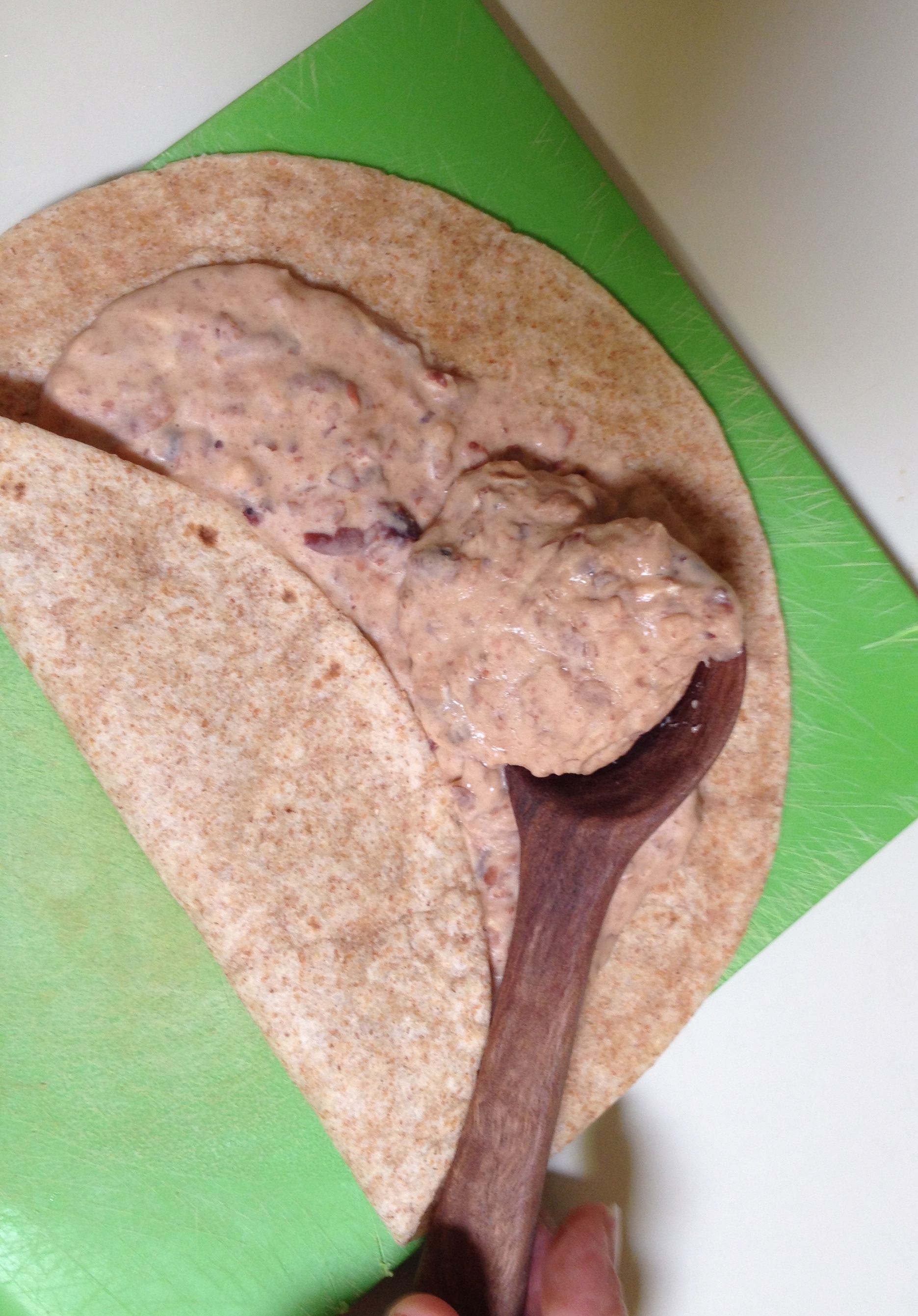
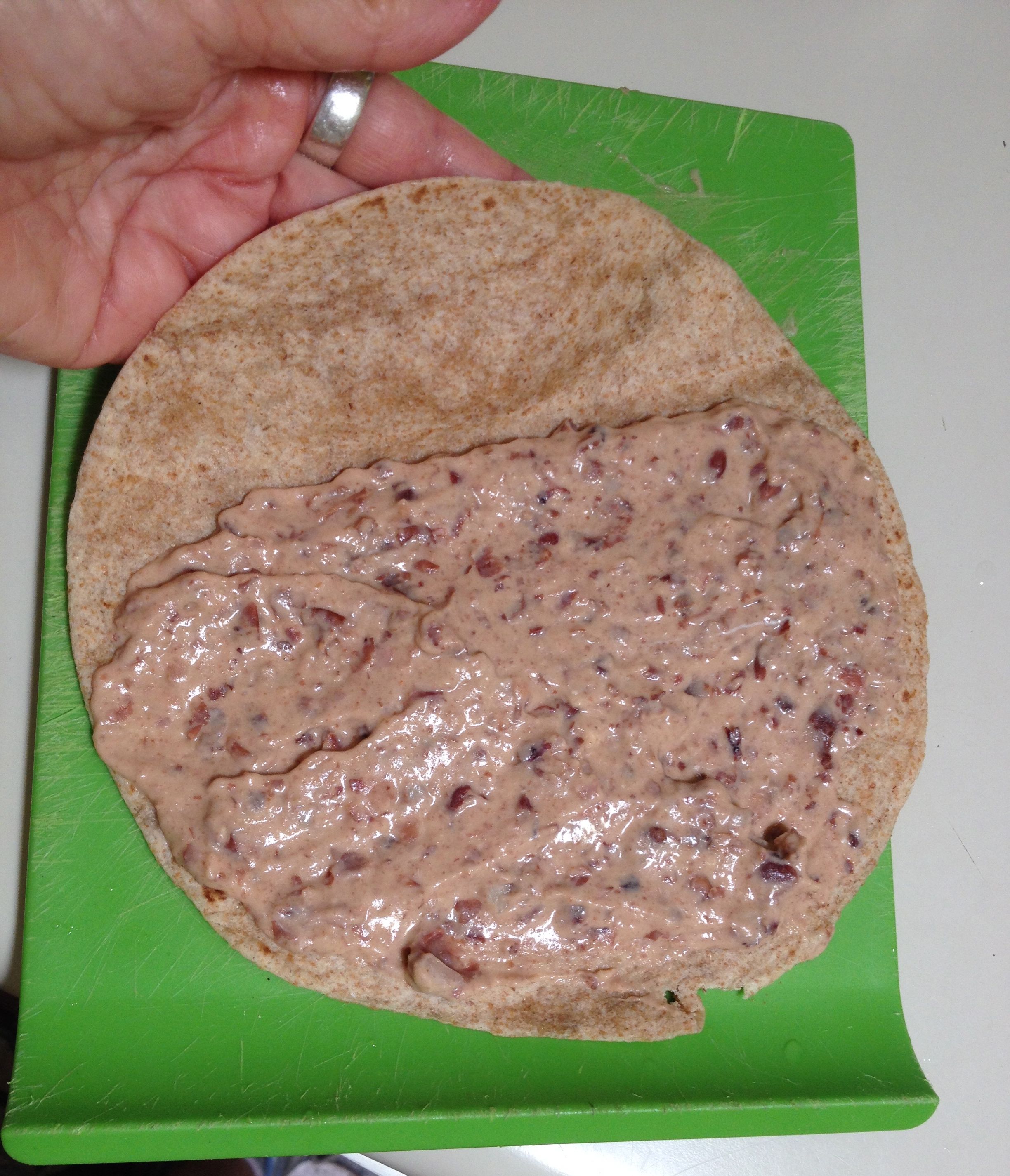
Drain cooked beans (reserving liquid if you need to make a thinner texture after mashing).  Mash beans and cream cheese together with pastry cutter or bean masher.  Mash in all other ingredients. [You can sometimes find traditional Tarahumara madrone-wood bean mashers at NativeSeeds/SEARCH or at Flor de Mayo.]  At this point you have the best dip ever, and also the filling for instant burritos ready to feed to drop-in visitors.  Read on for further Roll-up directions…..
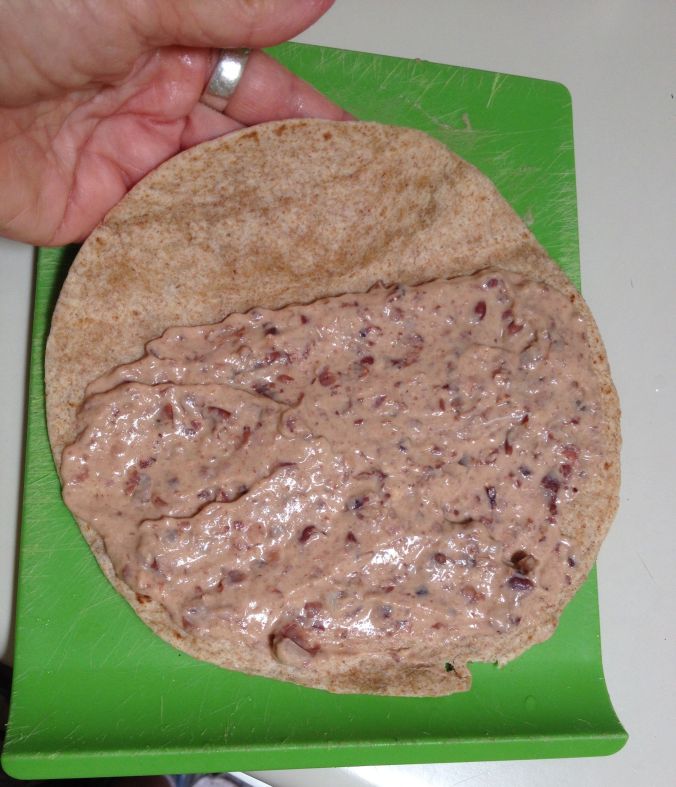
Heirloom bean "roll-ups" Step 1--with Anasazi beans

Heirloom bean “roll-ups” Step 1–with Anasazi beans
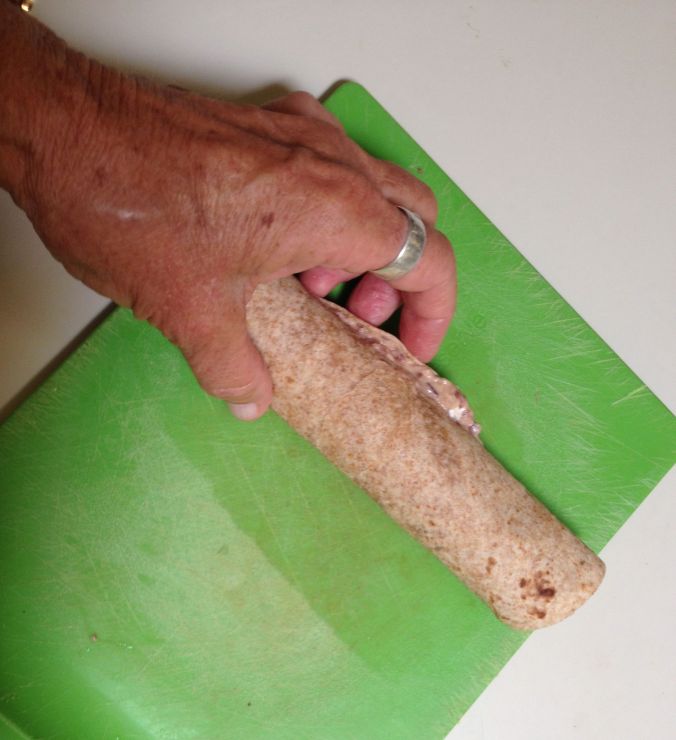
Rolling up heirloom bean hors d'oeuvres--Step 2 before cutting

Rolling up heirloom bean hors d’oeuvres–Step 2 before cutting

To finish these festive heirloom bean appetizers…spread the bean mixture onto 3/4 of one tortilla leaving a chord of the circle uncovered.  You will see why when you roll it up.  Begin rolling the tortilla tightly from the bean-covered edge and continue to roll snugly.  The bean spread will squeeze toward the unrolled edge, filling it.  The rolled tortilla will be held together by the bean spread.  Repeat with remaining tortillas and dip.

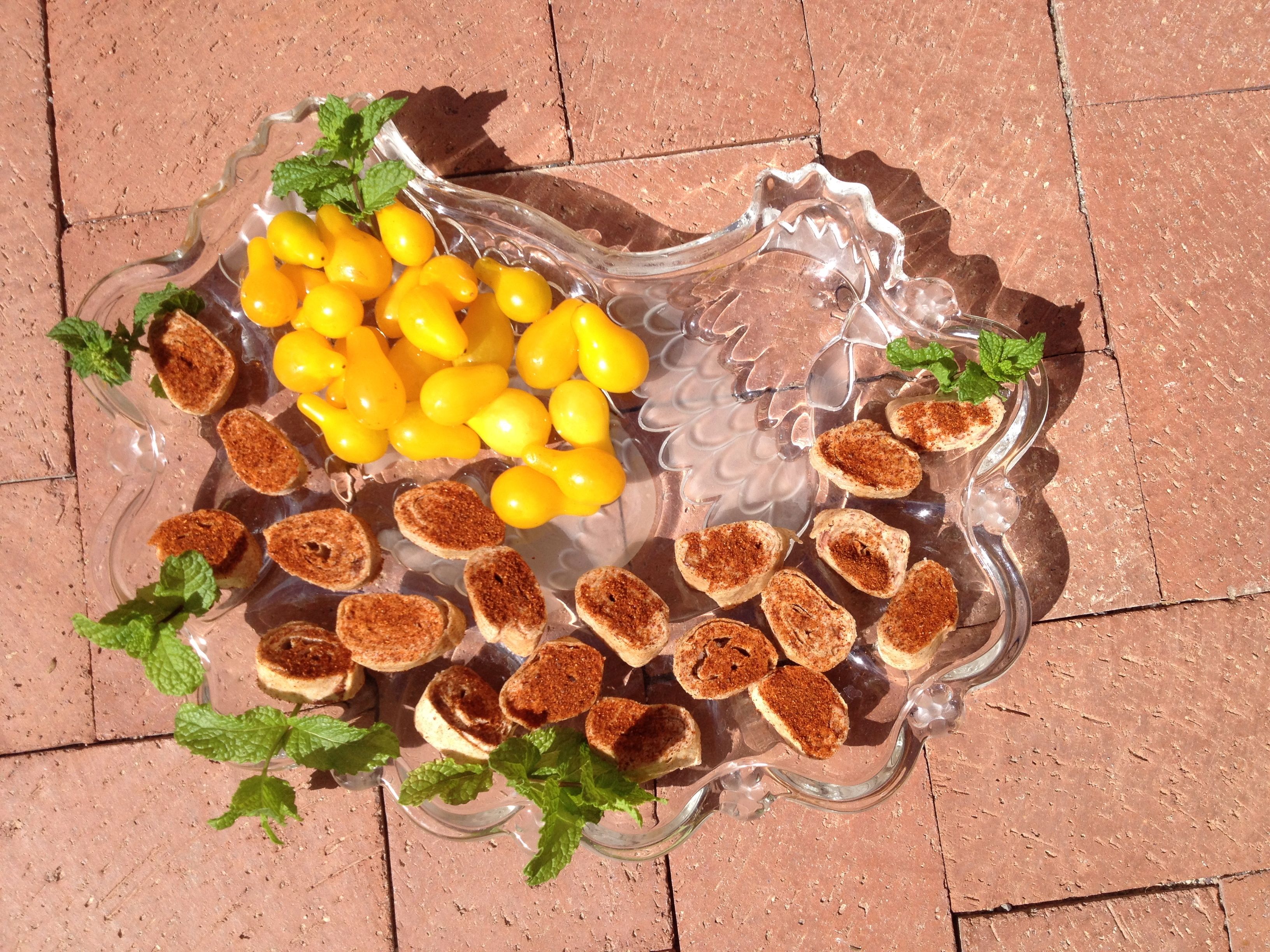
Place tortilla rolls on wax paper and chill in freezer or frig long enough to become firm for cutting.  Place chilled rolled tortillas on cutting board one at a time.  Slice in 1/2-inch rounds and place the disc-shaped spirals on a serving tray.  Chill until served.  Bedeck each Heirloom Bean Roll-up with a sprinkle of paprika or a cilantro leaf.  Each tortilla should produce about 6-8 roll-ups.  (With any leftover bean mixture, enjoy it as dip or in a burrito.)  These appetizers are a tasty celebration–and a tacit bow to Southwestern farming traditions.
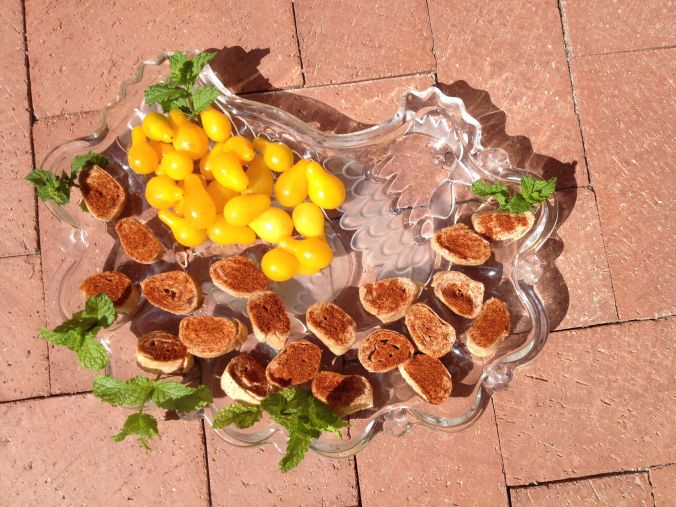
Heirloom Bean Roll-up Appetizers and yellow pear tomatoes in chicken hors d'oeuvre tray (MABurgess photo)

Heirloom Bean Roll-up Appetizers and yellow pear tomatoes in chicken hors d’oeuvre tray (MABurgess photo)

By the way, you can find all of the wonderful Southwest heirloom beans to use in these recipes either at the NativeSeeds/SEARCH store, 3061 N Campbell Ave, Tucson, or at our Flor de Mayo booth at the charming St Phillips farmers market on Sundays in the shade of spreading sycamores and mesquites.
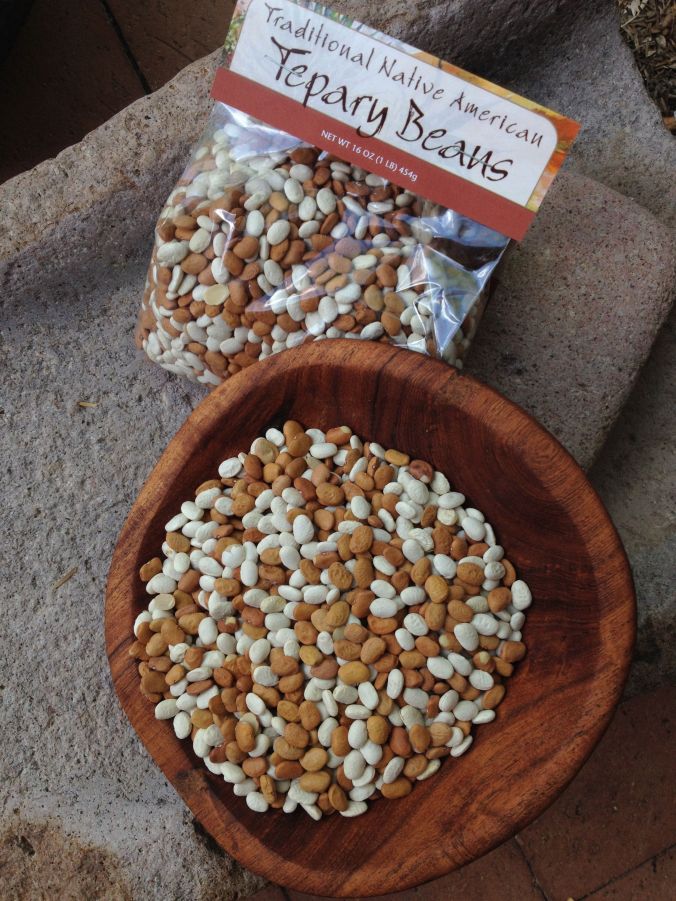
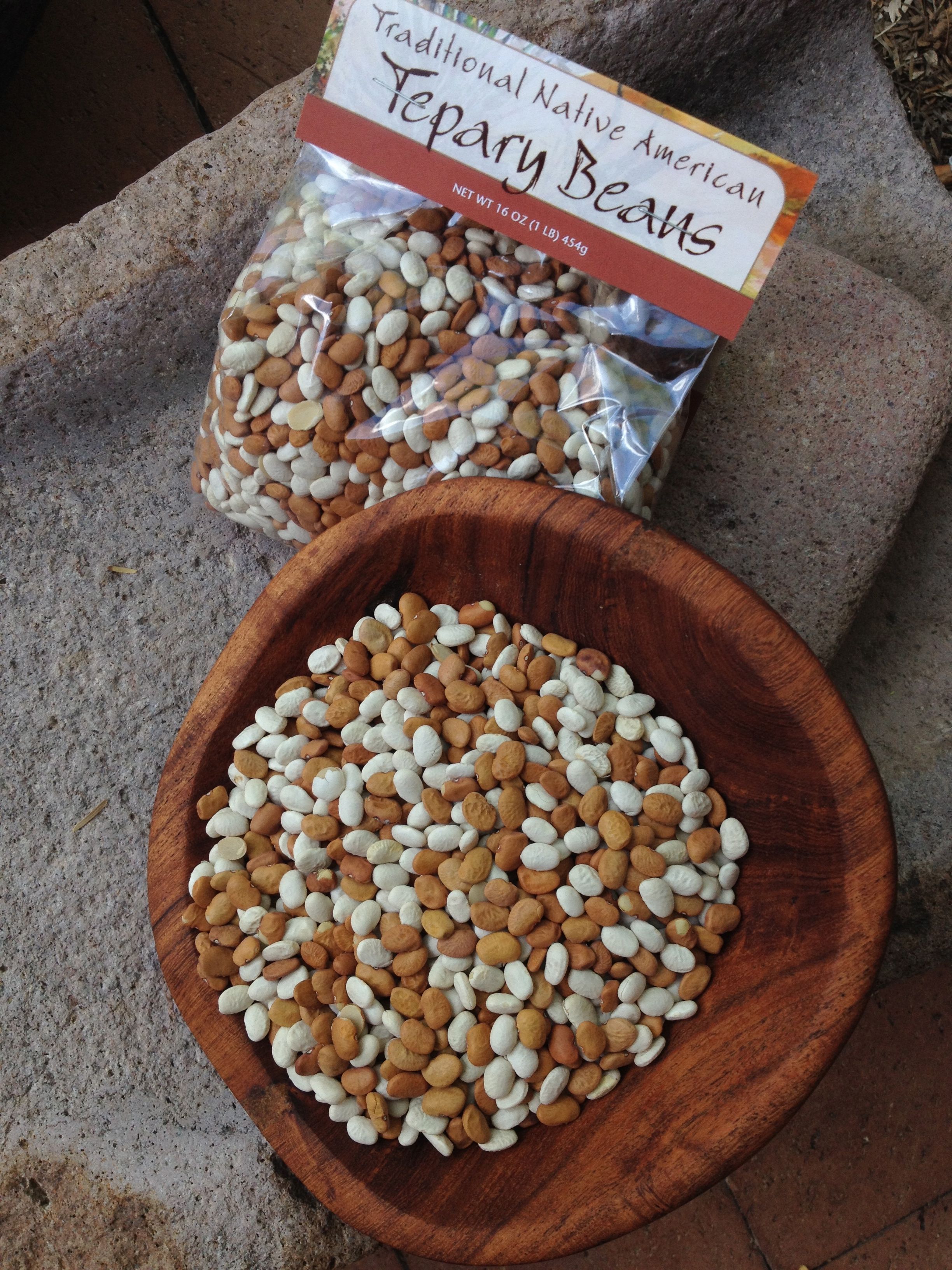
Traditional Native tepary beans--colorful mix available at Tohono Chul Park gift shop, NativeSeeds/SEARCH and Flor de Mayo booth at farmers market

Traditional Native tepary beans–colorful mix available at Tohono Chul Park gift shop, NativeSeeds/SEARCH and Flor de Mayo booth at farmers market

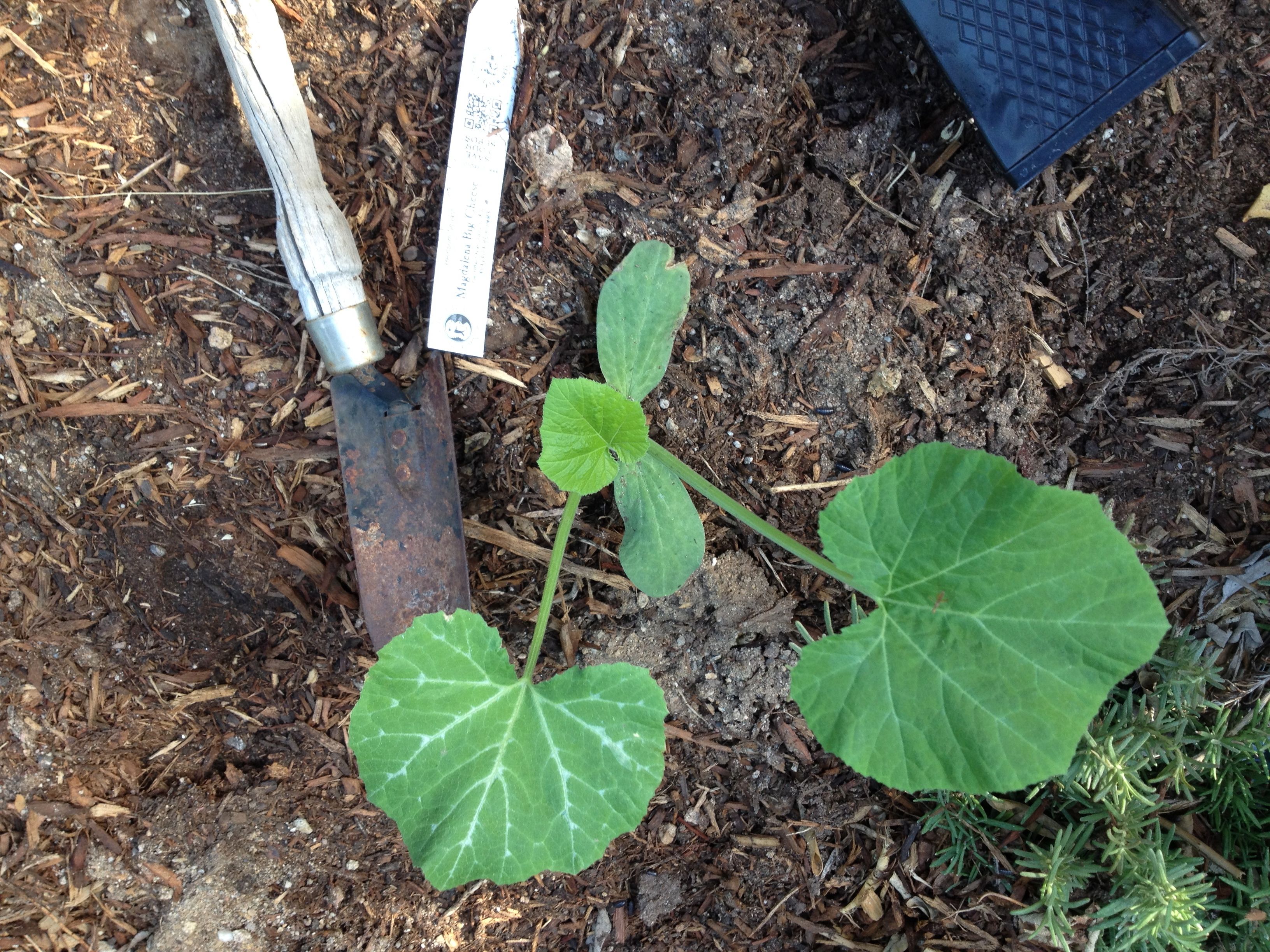
For the experienced or the novice desert gardener, now is the time to do the last planting in your monsoon garden.  One of my Tohono O’odham mentors taught me that the second week in August is really the last opportunity to put bean, corn, melon, or squash seed in the ground.  Even better to give your garden a jump-start by planting starts!  Right now at the NativeSeeds/SEARCH store you will find a variety of healthy seedlings hungry to be in the soil–and on sale.  Come give them a future–and a delectable future for your palette in the months to come….
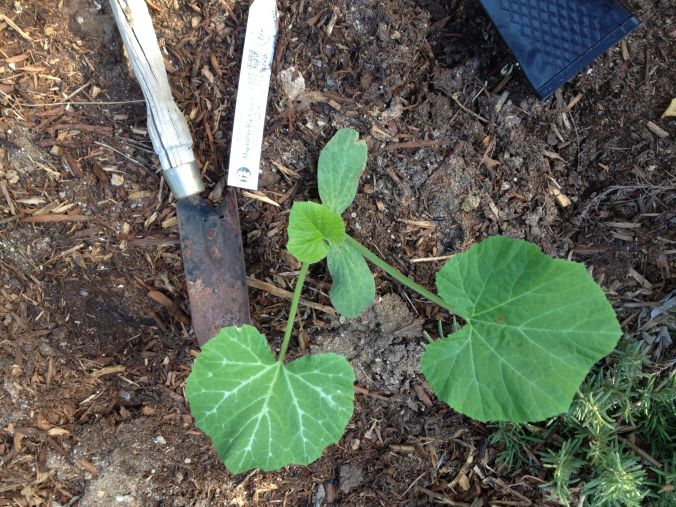
Happily planted--seedling Magdalena Big Cheese Squash seedling from NativeSeeds/SEARCH monsoon plant sale still on!

Happily planted–Magdalena Big Cheese Squash seedling from NativeSeeds/SEARCH monsoon plant sale (still going)

Happy gardening–and healthy eating to you from Tia Marta!
Foes or Friends ? and Foes as Friends Fudge !

Aunt Linda here:

Walking home this humid evening, and exactly as I was gazing up at the gorgeous, dark grey, monsoon clouds, a tiny insect flew right into my eye. Ironically, I had been admiring the bats just above me, swooping and eating insects with both efficiency and drama.  The tiny bug now in my eye, had somehow escaped their skill, yet flew right into my moist eye, where it became stuck, wriggled a bit, and then met its end in involuntary blinking of eyelids.

Which got me thinking about life and death in the worlds of insects.

IMG_5842

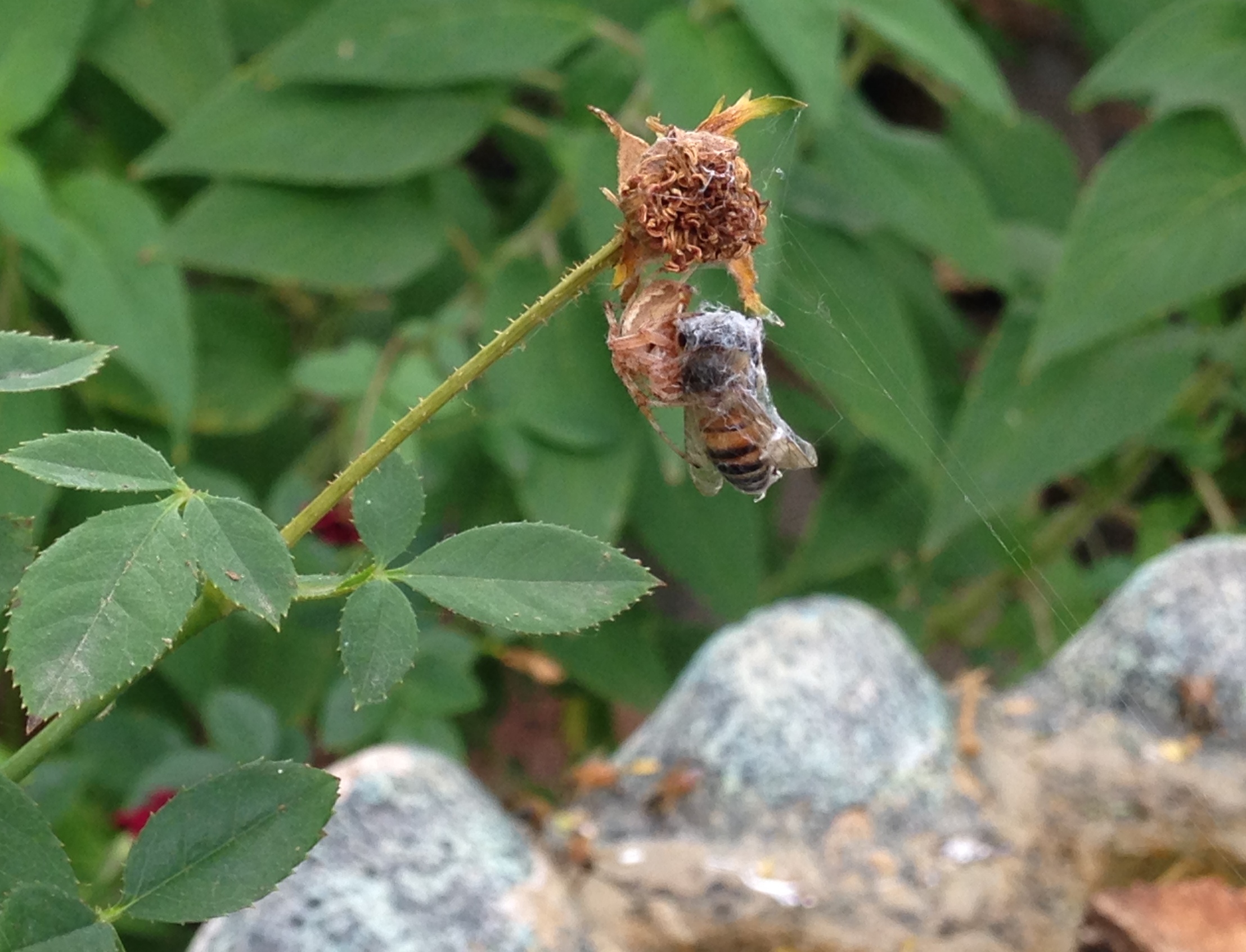
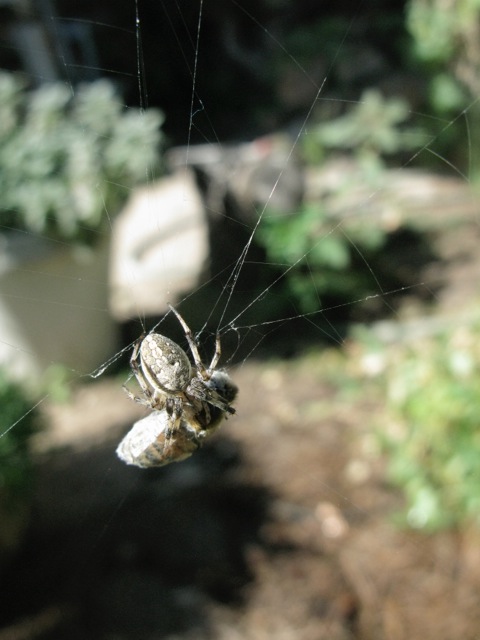
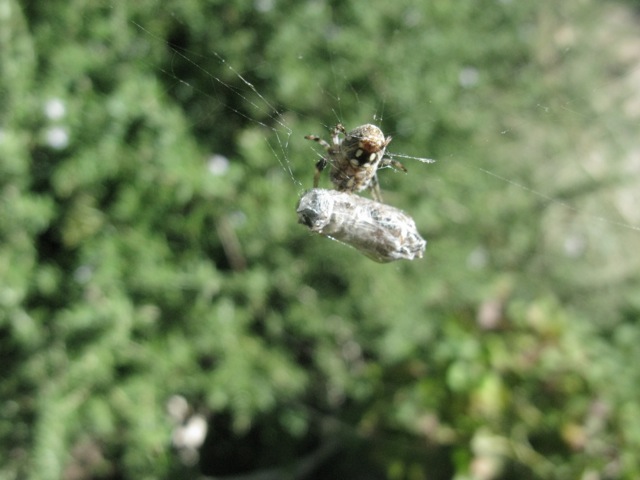
Over the past few days I have been watching one particular spider. Hiding itself under a similarly colored part of the plant, it is quite the hunter.  Strategically situated above the birdbath designated as a primary water sources for honeybees, it has cast its web, and quite efficiently catches and eat bees.

Now, if you find that you are a bit squeamish about these photos you are not alone.

Many in this culture have lives and palates and plates, very much disassociated from their food sources.   Much of our food had become de-animalized and is often unrecognizable from its original source. Insects have no distance between themselves and their sources of nourishment. This is perhaps one reason that we wince a bit when we see such raw feasting before us.

IMG_1246

I suspect that there may be more going on for us than that, however.  It is possible that we are rooting for the sweet bee. After all, it is a HONEY bee. It is fuzzy, and cute, and provides it’s own species (as well as ours)  with delicious honey!  It may be the one insect on the planet  — , (but I am not an entomologist, so please chime in with corrections or tweaks if you are one)  —   that actually enhances the flowers/plants from which it “takes” its food. It does not take a life as some insects do.  It does not harm one leaf or petal. It leaves plants “stronger” than they were before it’s visit to gather pollen and nectar.

So, perhaps, when we wince at scenes like the ones in this post, some part of us feels a metaphorical, or archetypal, pinging somewhere inside us. That of the Monster. Eating the Hero, or in this case, the Heroine.  Myths, children’s stories, and movies, are full of Monsters. And here, right in our own back yards, we find this multi-legged, relatively ugly (to all but the most arachnida-loving predator or human), weird eyed monster eating our Sweet Honey Bee.

IMG_1245

Ah.  But things in Life, and in stories/movies, are not always what they seem. The sweet honey bee has a sting and powerful venom that is not subtle. And spiders are amazing allies, weird appearances aside, as their diets keep overpopulation, and therefore disease, in check.  Even inside our homes, where we generally do not welcome spiders nor monsters, they are powerful allies for humans.  For several years now, I have allowed spiders to live and hunt in the corners and crannies of our old adobe home. (Being selective is obviously important; I don’t welcome black widows for example.)   Co-habitation with them is mutually beneficial. Our home provides them with a happy hunting ground with few predators, while they rid the house of SIGNIFICANT numbers of mosquitoes and flies. Getting a good night sleep without that incessant mosquito whine, is but one benefit.  For me, they are the equivalent of having a cat that is a skilled “mouser”.  Home spiders also eat fleas and flies and cockroaches.; some even eat black widows.

photo

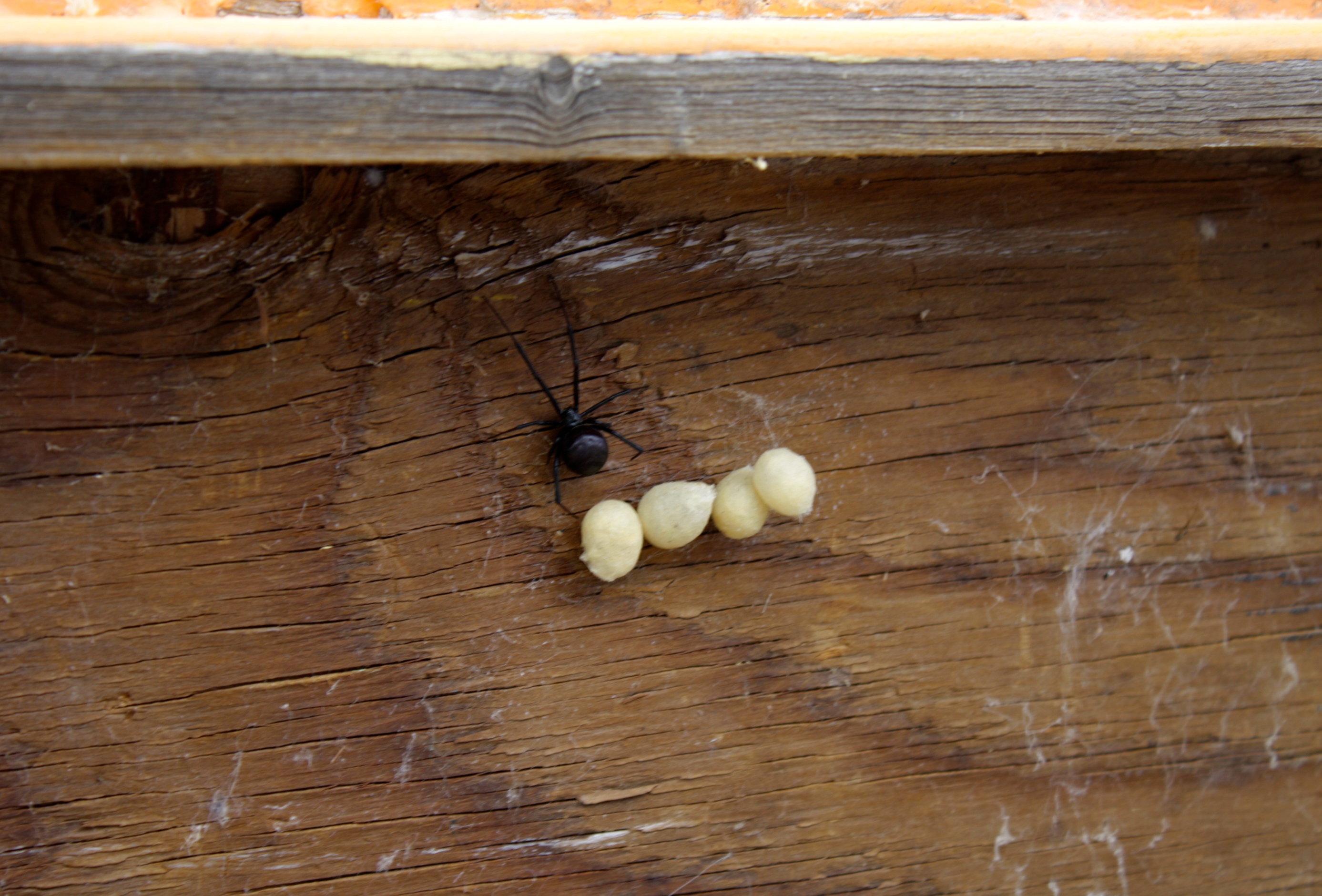
I wish I had a black widow-eating -spider in one of my hives.   In nearly 20 years of being in and out of hives, this is the only one in which I have a problem. (see photo above).  But for two consecutive years,  beginning about this time of year, when I open up the hives there they are. Black bodies, egg sacks, and bees all tied up in webs.  I admit to smooshing these red-8 abdominal spiders and their egg sacs with my hive tool. Yuck. Having a spider to do Black Widow Patrol for me would be so much nicer.

So, sometimes foes are foes; and friends are friends.  Othertimes, who/what we think of as foes are actually friends. When we can adjust our focus to include that possibility, now that is when the world can open up.

IMG_5998

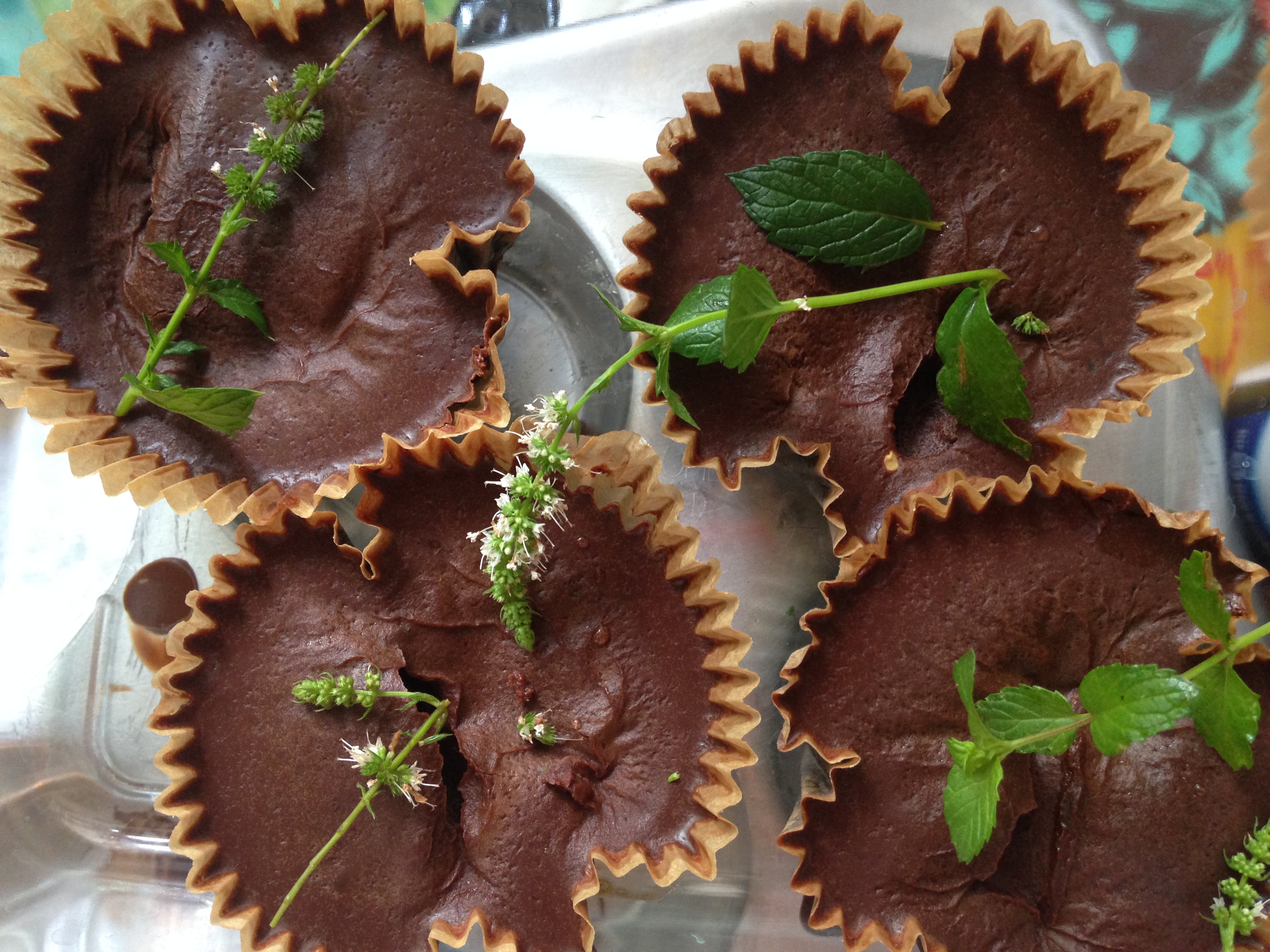
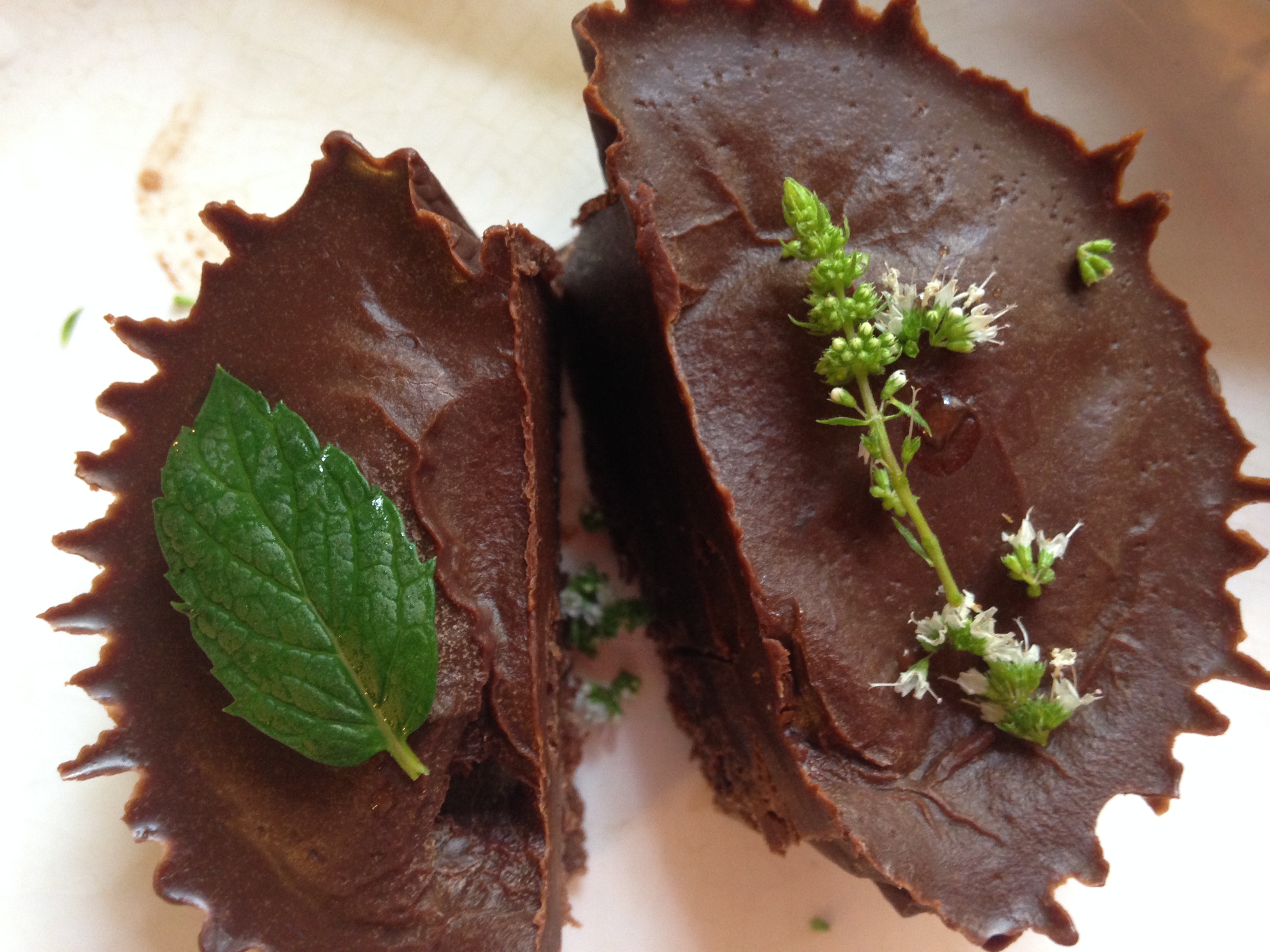
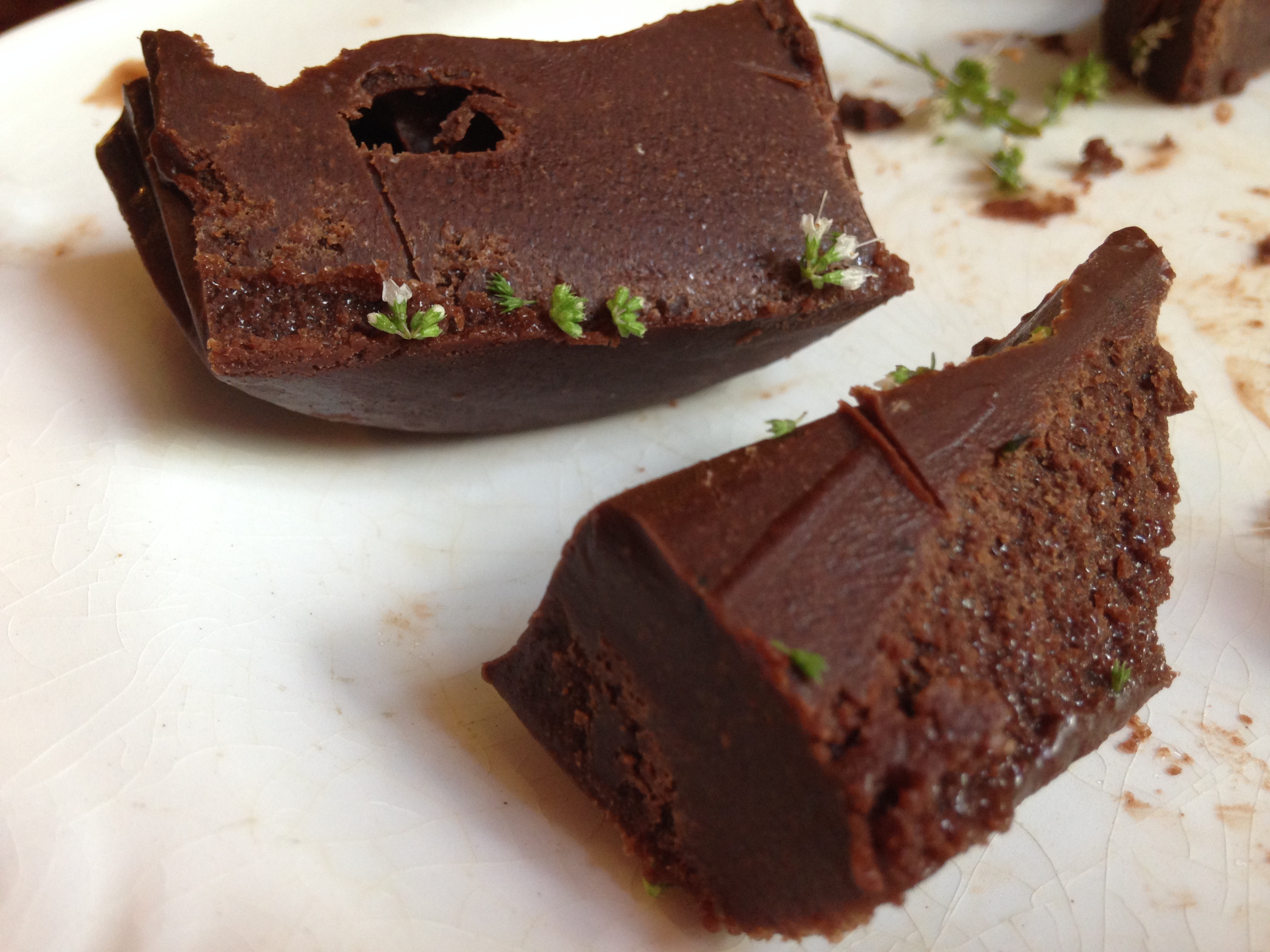
Foes as Friends Fudge: 

(makes five thick fudge rounds or 9 thin ones)

This fudge, I have to say, may be a Super Food.  It’s ingredients that are so healthy, that this fudge might even be considered medicinal.

Ingredients:

The Must Have ingredients

– 1/2  cup refined coconut oil, melted

– 1/3 cup of (local) honey (healthier than sugar; and honors insects)

– 1/2 cup cacao (unsweetened)

– 2 tablespoons almond butter (play around with this; try peanut butter)

–  a few tablespoons of fresh mint and a few mint flower (leave the lion share of flowers on the plant for bees)

Optional Ingredients:

– 3 Tablespoons Goji berry powder or berries (Goji Berries are also Wolf Berries, which grow right here in the South West and are considered a power food)

– 3 Tablespoons Cacao nibs

How to:

– Put all the ingredients (except the nibs) in an electric mixer (I used as Cuisinart but am sure you could use one of those submersible mixers and mix it al right together in a bowl) and blend.

– Place parchment paper in a cupcake or muffin pan; or if you want squares, place parchment in a pan. Pour mixture into the parchment/pan and freeze for 15 minutes for thinner rounds and 20 for thicker.

– Refrigerate.  Left at room temperature these will melt a bit.

IMG_5983

IMG_5997

Desert Lavender

posted by Jacqueline A. Soule

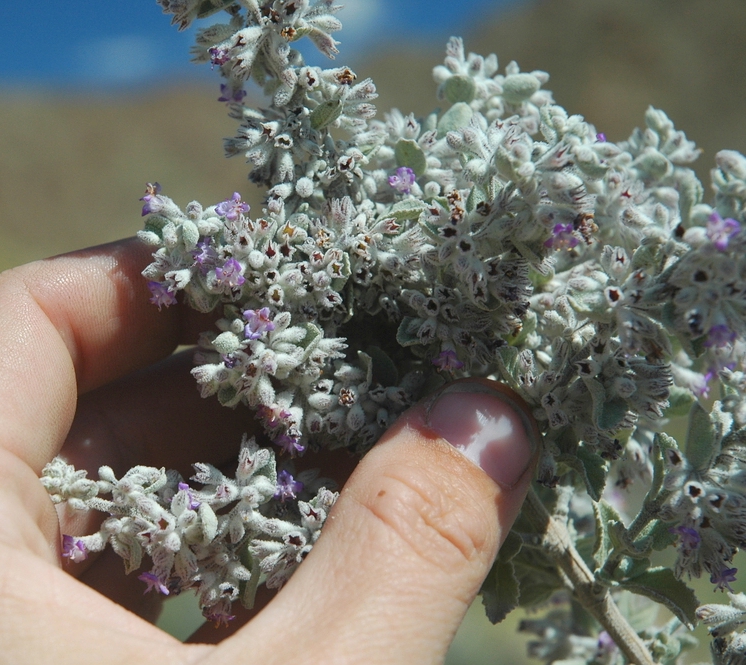
In the days before indoor plumbing, daily showers, and sanitation in general, the clean fresh fragrance of lavender was highly welcome. The name lavender is derived from the Latin “lavare,” meaning to wash. Leaves and flowers have been used for several millennia to do just that, wash. Fragrant baths, hair rinses, to cleanse and treat skin ailments, and, in the past, to help eliminate lice and bedbugs from the household. Tea made from leaves and flowers has been used to treat sleeplessness, restlessness, headache, flatulence, and nervous stomach.


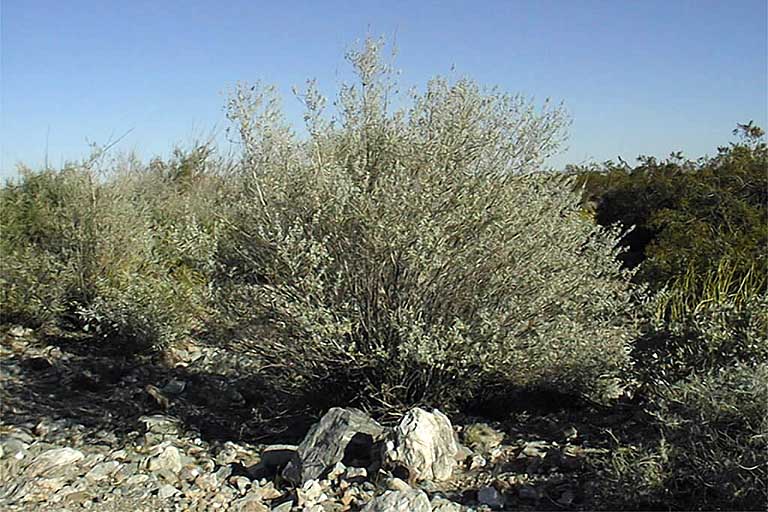
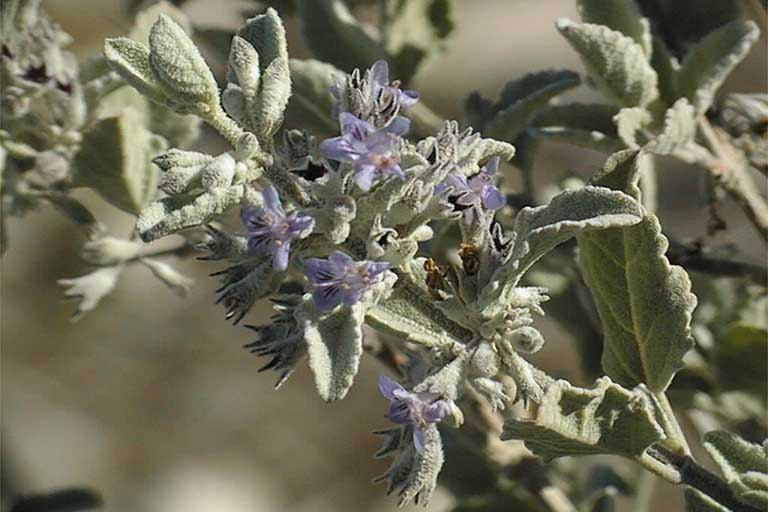
Hyptis_emoryi_flowers_002


Hyptis_emoryi_habit


Imagine the delight the Europeans experienced when first encountering this fragrant desert plant in our area. Here they were, after an arduous sea voyage, months of horseback travel along dusty deer trails, riding into progressively odder lands – strange towering saguaros, bulging barrel cactus, pungent creosote bush – to come across a gentle evocative fragrance of their childhood home, the sweet scent of lavender. Some, like Father Kino, may have seen it as a sign from God that their journey was blessed.


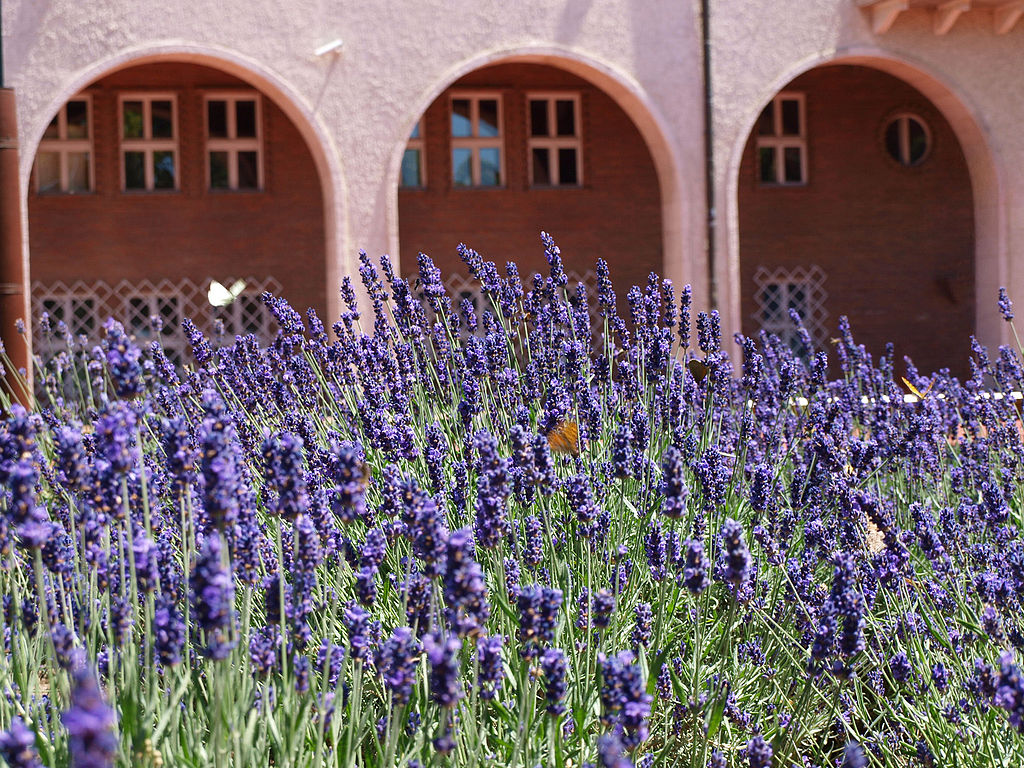
lavendula in Hungary


Hyptis_emoryi_flowers_001


Native Seri use a tea of desert lavender (Hyptis emoryi) to help treat a cold. The Franciscans (who came to the area well after Padre Kino) were known to have harvested and used the leaves and flowers in the sick room, to soothe the ill with the fragrance and to bathe fevered foreheads.

Harvesting and Use.
Harvest stalks of desert lavender as the lower-most flowers open. This gives you buds with optimum fragrance. Dry these, like all herbs, out of direct sunlight. I have used desert lavender in all the same external applications European lavender is used for with no observed ill effects. Here are three ways you can use desert lavender.


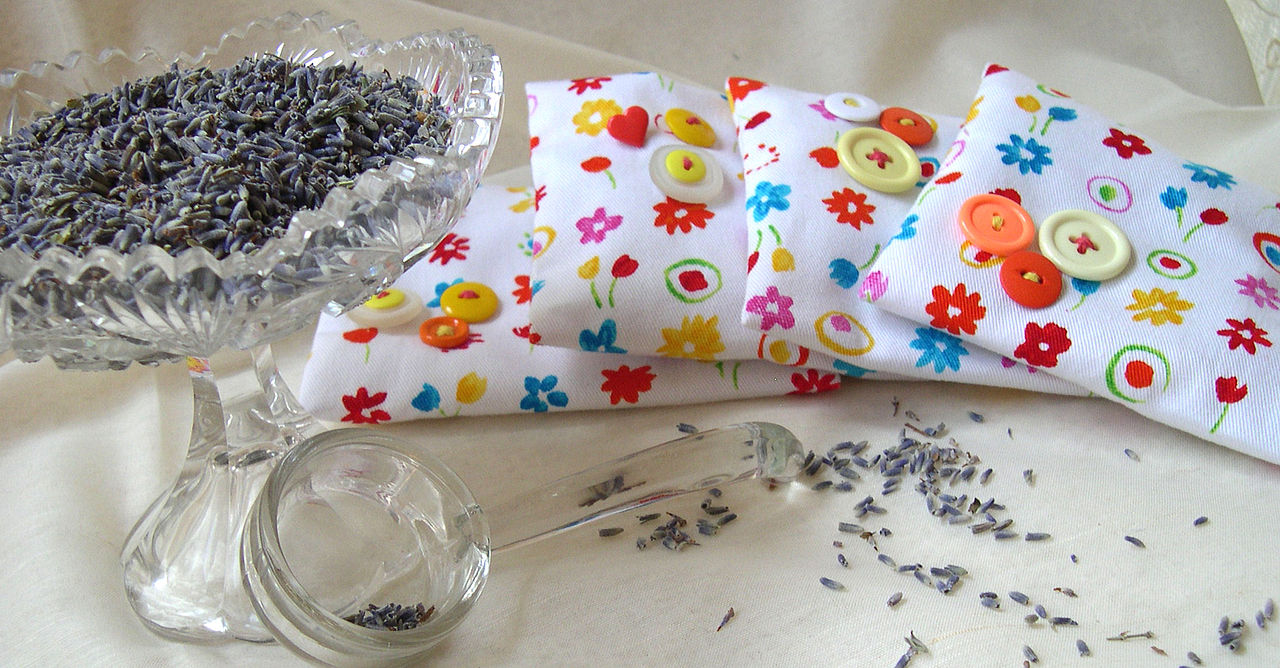
Herbal sachets can be made with desert lavender.

Lavender_Sachets


Herbal Tisane
“Tisane” is the general term for a herbal tea not consumed as a medicinal tea.
1 tablespoons dried herbs or 2 tablespoons fresh herbs
1 cup boiling water
Pour boiling water over the herbs and steep for 3 to 5 minutes. Strain. Sweeten to taste. Serve warm or chilled. Serves 1.

herb_tea_JAS_004


Floral Water
In the Victorian age, floral waters became popular. Floral waters are made by steeping leaves and flowers in water until it becomes fragrant. The water can then be used in tea, pudding, cake, and pastries. There are a number of commercially available floral waters, such as rose water and orange water (made with orange blossoms).

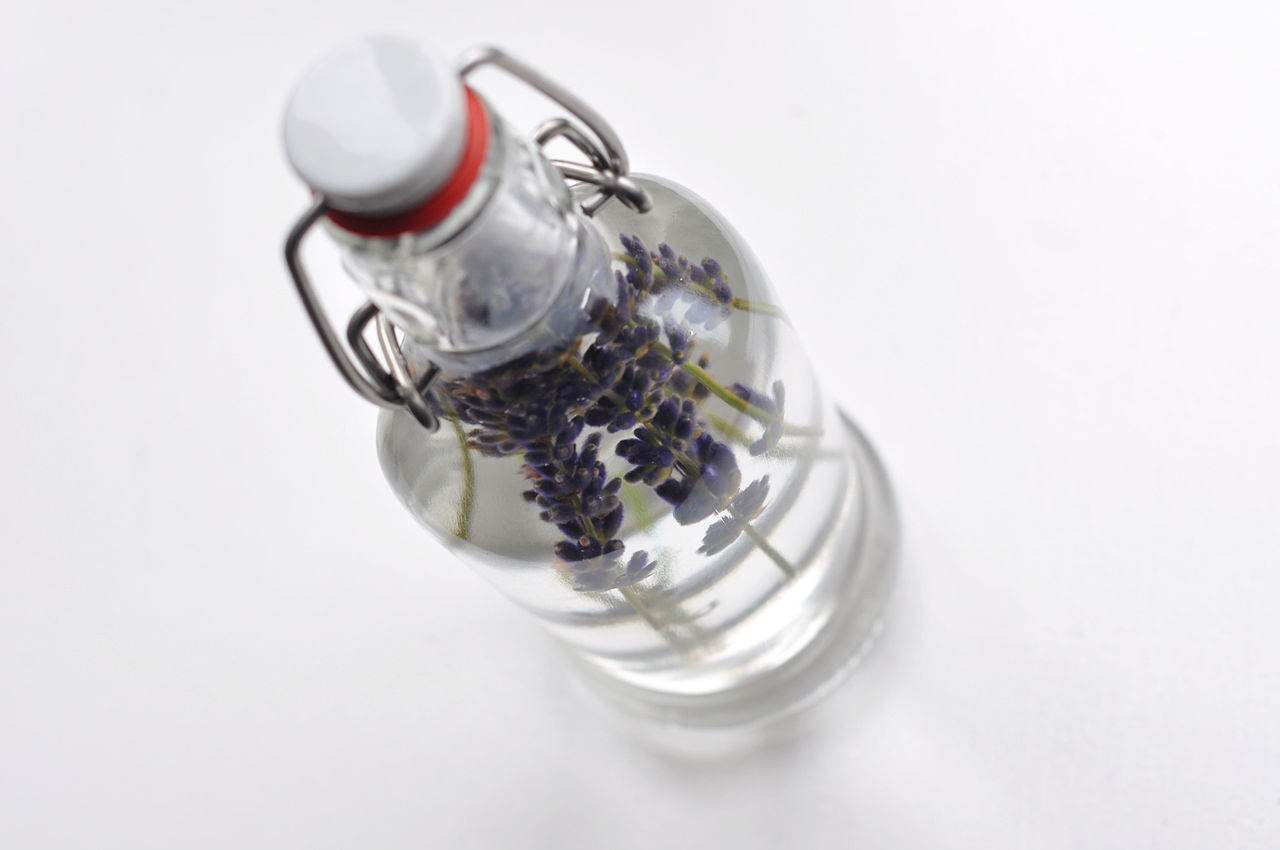
Lavendula in vodkaelsnaps_(4917058844).jp


Herb Syrup
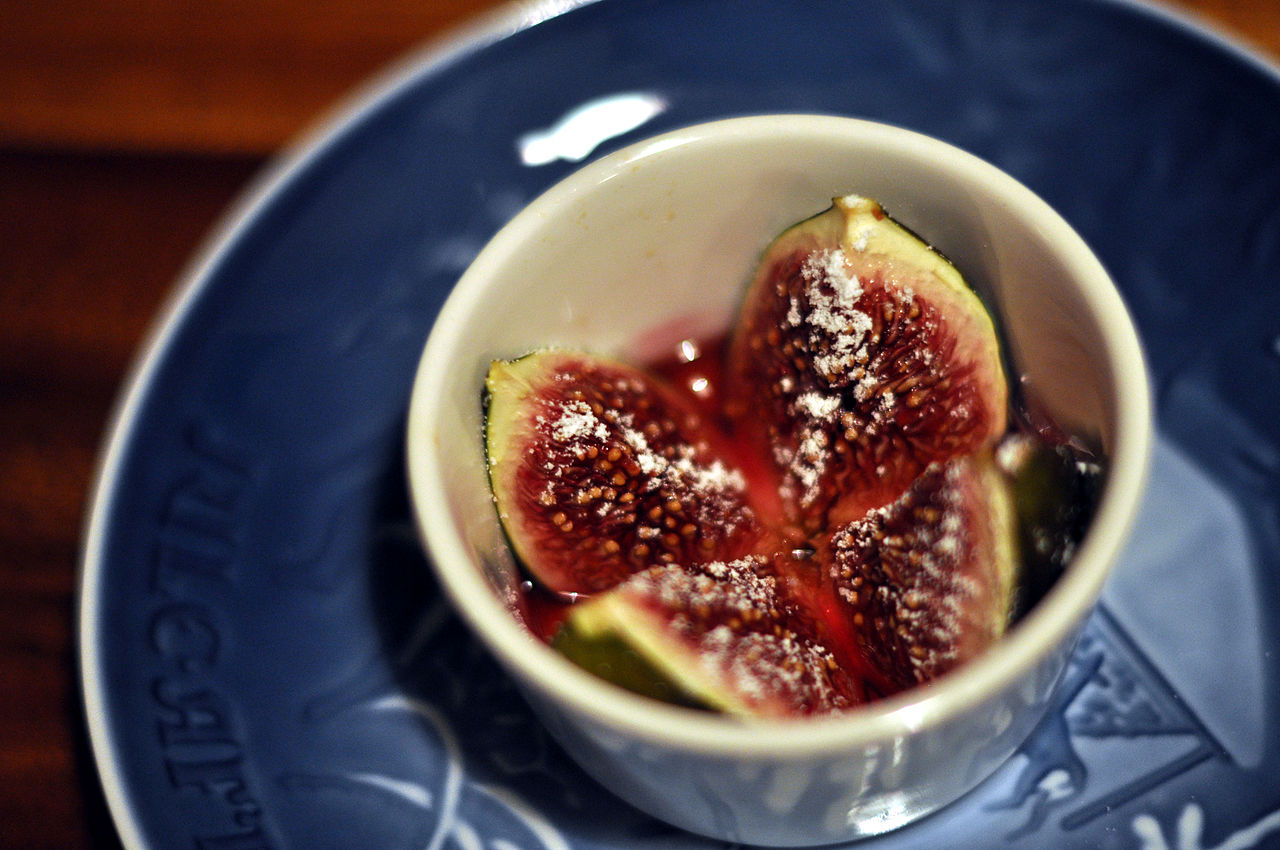
One of the more famous herb syrups is the mint syrup used in making mint juleps. But herb syrups can be used in many other ways, like topping cakes, ice cream, fruit, pancakes, waffles, or as a base in preparing other foods, like sorbet. In general herb syrups can be used to sweeten anything, including tea. Some herb syrups are used medicinally, like elderberry syrup. Desert lavender syrup makes a nice topping over poached pears, fresh figs or perhaps canned fruit for a quick yet elegant dessert.

1 cup water
3 cups sugar
1 cup chopped fresh herbs
or 1/2 cup crumbled dry herbs

Boil all ingredients together for 10 minutes, or until thickened into a syrup. Strain into a clean glass jar. Store in refrigerator for up to two weeks or preserve by canning.

lavendula syrup over figs


Planting and Care of this Sonoran native will be covered on August 17 in my blog on the Native Plants and Wildlife Gardens site.  The Sonoran butterflies that appreciate this shrub will be discussed in my blog on Beautiful  Wildlife Gardens site on August 5.  I will return to this site to post the links, or follow you can the thread on my Facebook page, Gardening With Soule.

Note:   This topic is covered more extensively in my book “Father Kino’s Herbs: Growing and Using Them Today” (2011, Tierra del Sol Press, $15).  If you live in Tucson, I hope you will consider purchasing a copy locally at Antigone Books, Arizona Experience Store, Magic Garden, Mostly Books, or Rillito Nursery.


© 2014, Jacqueline Soule.  All rights reserved. I have received many requests to reprint my work. My policy is that you are free to use a very short excerpt which must give proper credit to the author, and must include a link back to the original post on our site. Please use the contact me if you have any questions. JAS avatar

Wild Greens and Mole Enchiladas

blog1Hello, this is Amy Valdés Schwem, and I’m honored to be here with such esteemed plant and cooking women!

I love harvesting wild greens, but my day job is making mole as Mano Y Metate. Today I’m going to make enchiladas made with Mole Dulce and fill them with wild greens and summer squash. It won’t heat up the house, if you take the toaster oven outside! Enchiladas made with tomato sauce instead of chile are called entomatados, and those made with mole are enmoladas. So the menu can read: Enmoladas de Mole Dulce con Quelites y Calabacitas.

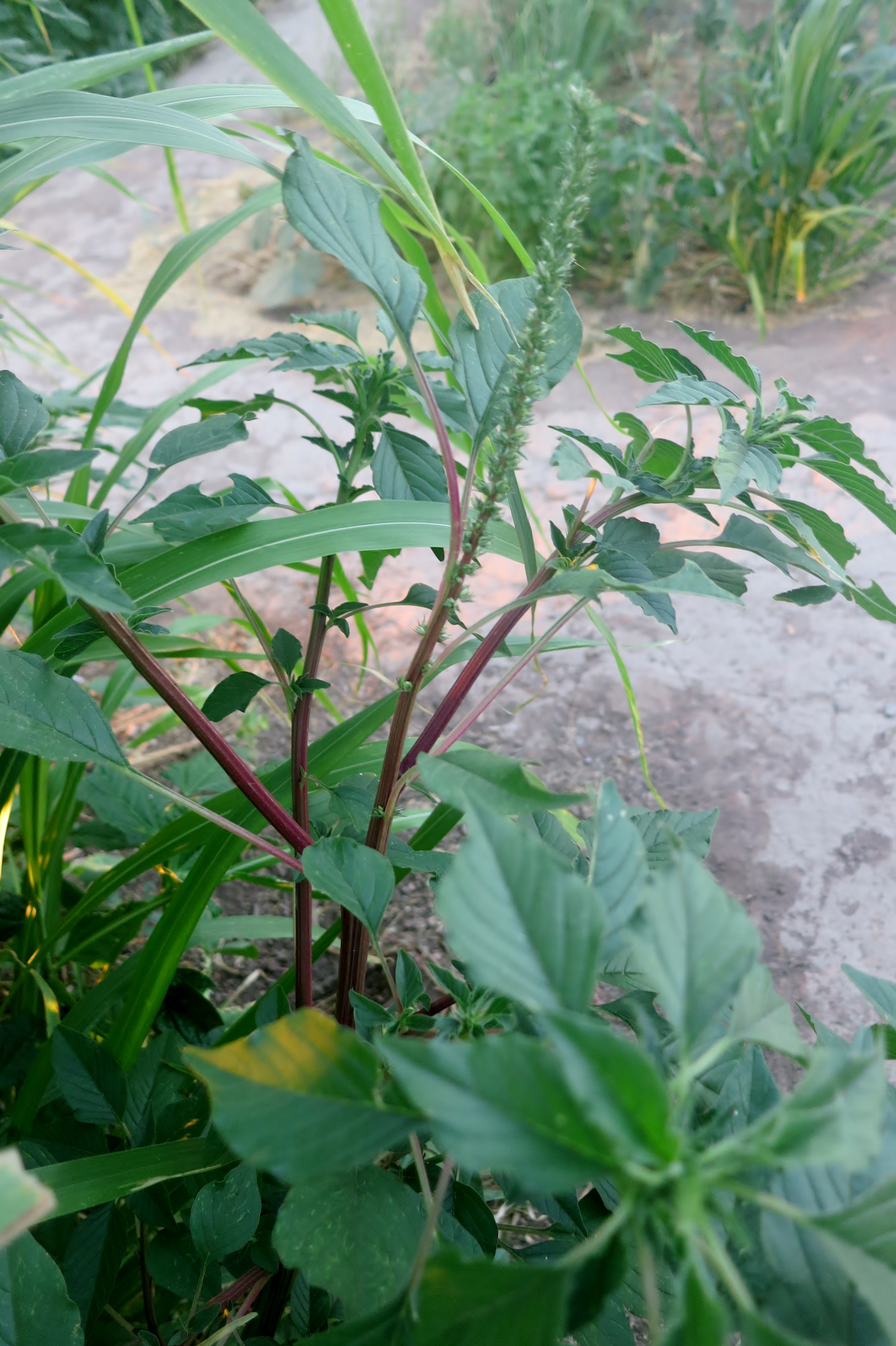
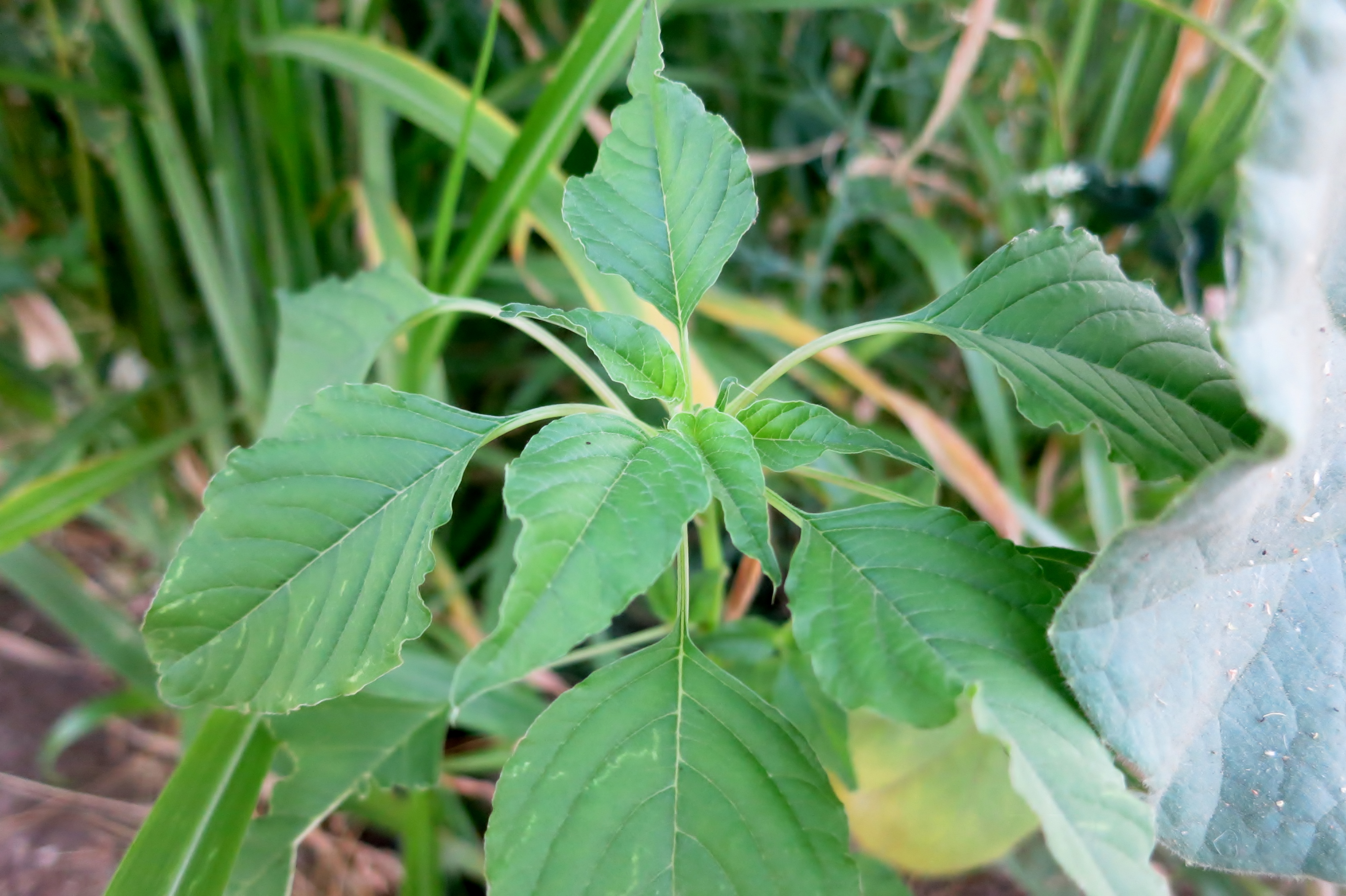
Quelites can refer to several unrelated wild greens, but to me they are wild amaranth greens, Amaranthus palmeri, also known as pigweed.

I grew up eating quelites with my maternal grandfather, and he knew no shame jumping fences to pick weeds. They make a few tiny black seeds, unlike its Mexican domesticated relatives that make enough blond seed to fill bulk bins at the health food store.

It is native to the southwest US and northwest Mexico, and its wild and domesticated relatives are enjoyed around the world both as a green and for its grain-like seed. It easily out-competes summer garden and field crops and is becoming resistant to glyposphate (Roundup). But you wouldn’t want to harvest from those over fertilized fields anyway, since it can absorb too much nitrate, making it unsafe for humans and animals. However, grown in native desert soil, they are safe and nutritious, high in vitamin A, vitamin C, and folate, among other vitamins and valuable minerals.

Some species and cultivars available at Native Seeds/SEARCH are used for dye and have red leaves, and some make a huge red inflorescence pretty enough to grow as an ornamental, even if the birds eat all the seed. I’ve never had much luck popping the seed I grew, but you can buy commercially popped seed, like miniature popped corn.

blog2 blog4

I just visited my closest community garden, Las Milpitas de Cottonwood, and found these beauties in the irrigated beds already in flower. If this was all I had, I would pick the smallest leaves from the stalks and use those.

blog5Hopefully you find quelites before flowering, shorter than a foot tall. I found a few plants in my yard where other things get watered. Many more will sprout with the summer rains.

blog7a


Last year I had so many from my Tucson Community Supported Agriculture share that I dried some, just like my great aunt Tia Lucy told me they used to do. I just plucked leaves from the stems and air dried them in the house. To use, I soaked in water overnight, then sauteed with the others. I’ll dry more this summer, for sure.

blog7b blog8


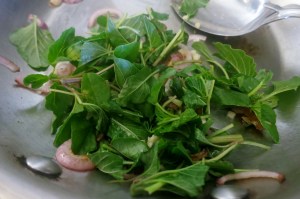
To prepare the fresh quelites, wash, chop tender stems and all, and saute with a little onion and garlic in oil. My grandfather always used bacon grease, so that’s what I did.

blog6


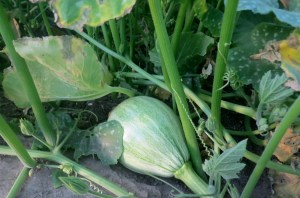
It’s also prime season for calabacitas, so use them if you don’t have any fresh or dried quelites. My grandfather also collected and cooked verdolagas for us, which would work here, too.


blog9a


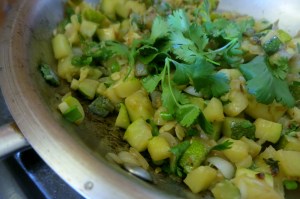
Calabacitas, sauteed with onion and garlic. This filling with mushrooms and queso fresco, inside mole dulce enchiladas, is my brother’s signature dish. Well, one of his signature dishes.


blog9b blog9c


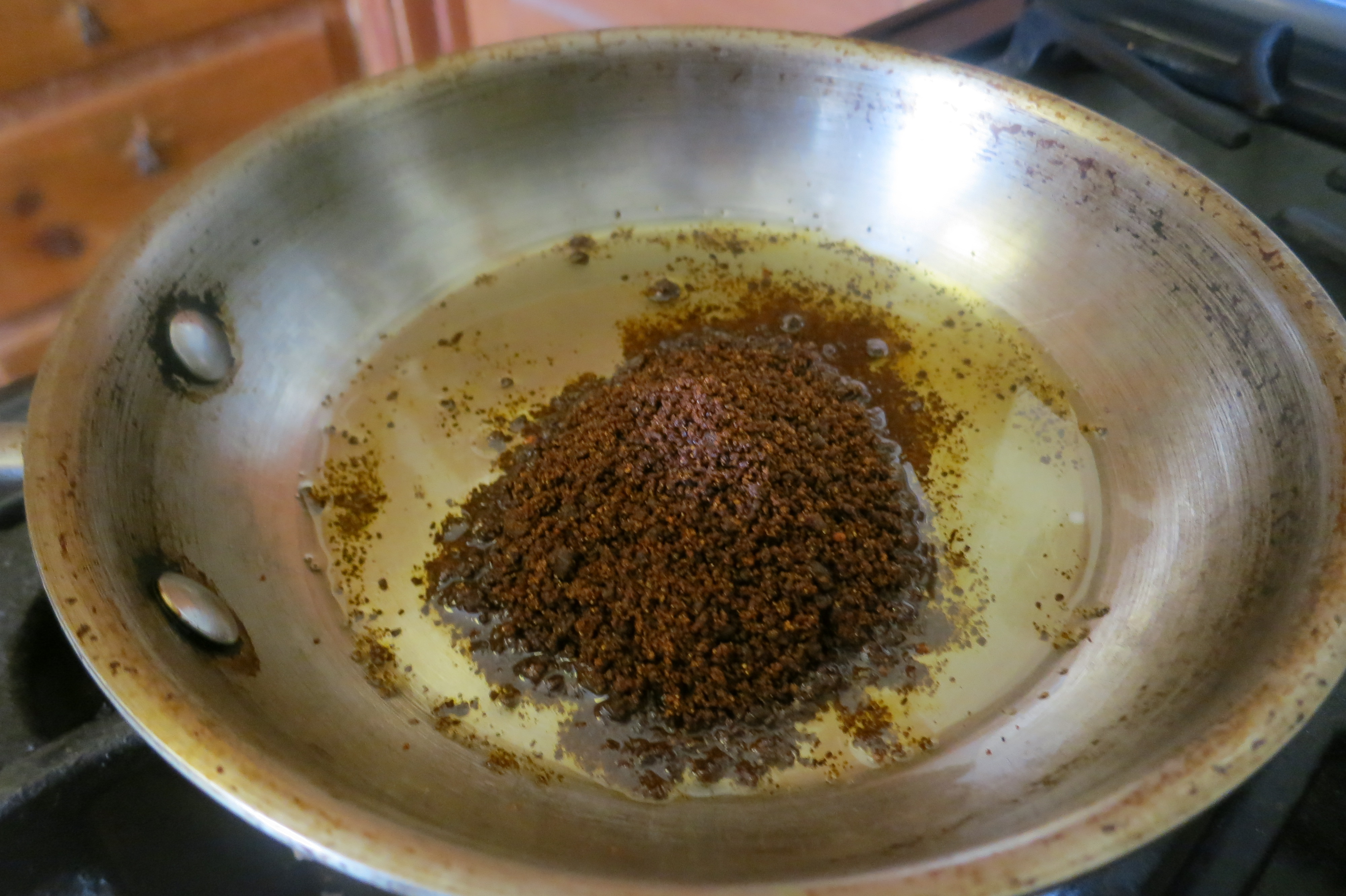
Now for the mole! For a half dozen enchiladas, to serve two people, I used about half of a tin of Mano Y Metate Mole Dulce powder, cooked in mild olive oil to make paste.

blog9d

Then I added about half a cup homemade chicken stock and a dash of salt, but veggie stock is great, too. Water doesn’t quite do it. Simmer until you have a nice sauce, adding more broth as necessary. There will be steam and good smells.


blog9f blog9g


The secret to enchiladas: start with thin corn tortillas and fry briefly in oil hot enough to sizzle, but not hot enough to make them crispy!!! DO NOT skip this step!

If the tortilla cooks too much, or if it breaks, just turn up the heat and make that one into a corn chip.

Dip the flexible tortilla in the mole dulce.

blog9h blog9i


Put quelites or calabacitas in the tortilla and roll.

blog9j blog9l


Top with homemade queso fresco and bake until heated though. My grandfather used the toaster oven outside on the patio in the summer to make enchiladas. No need to heat the house!

Depending on your oven, you may need to cover them with foil, but I didn’t. I like crispy edges. Serve with a cucumber, tomato salad dressed with a squeeze of lime, beans, and prickly pear grapefruit-ade.

Leftovers are best fried in a cast iron pan until crispy.

Mano Y Metate moles can be purchased from Martha Burgess of Flor de Mayo Arts at the Sunday Heirloom Farmers’ Market at St. Philip’s Plaza, Native Seeds/SEARCH, and ManoYMetate.com.


Savor the Southwest Portable Pies

Aunt Linda here….

Image

It is predawn in the Old Pueblo, summer constellations flicker overhead, the early morning mating songs of birds twirl their way to my ears. Right now the air cool and dry. In a matter of hours it will heat up to triple digits. Those who live in the desert a resilient sort. We live with significant temperatures swings all year long, fascinating animals (I saw a Gila Monster June 1st), and lots of spiny cacti, all of which we find beauty in.

I like my food to be resilient as well. Which makes me think of pie. It can be savory or sweet., or both. It can be served hot or cold. It is forgiving in what it allows the pie maker to do. It can be frivolous or serious; nutritious or not. Its flavors can reflect family and cultural identities and preferences. Pie does it all.

Which makes me curious about who the First Pie Maker might have been. The particular “who” remains a mystery. After reading up on pie, it seems to me that there were likely many many many First Pie Makers in nearly every culture known to cook and experiment with food. It is, after all, quite simple: the creating of dough, or pastry, and then filling it with regional, seasonal foods.

Image

“New World Resiliency Pie”   Being inspired by the prickly pear pads that radiate with that fresh spring green color, (photo) right now. I decided to make a pie, ancient and not from this continent, with a New World Flare. New World Pie Fillers:  nopalitos (fresh prickly pear pad), chiltepin, chocolate. (Talk about Resiliency, each of the foods above have survived centuries. One example: Coprolites (human droppings) found in caves reveal that humans have been the relatives of the chiltepin for thousands of years! )


The First Pie Maker was not a Southern American, despite many Americans strong cultural identity about pie. Read even a little bit about pie and you quickly find intensely personal accolades about it. For those who “get” pie, there is a love for it that is both reverential and sensuous. It includes a deep feeling of being “nurtured”, pie often being equated with Grandma’s Love. It is clear that human beings have been feeling nurtured by what we now refer to as pie, for a lot longer than the United States has been a country.

One first version of pie, came from Egypt, around 9500 B.C.  That surprised me.  It places the first pies all the way back to the Neolithic Period. The rustic pies were made from dough made from oat, rye, barley, and wheat – and then filled them with honey! The pies were then baked over hot coals. There is no doubt in my mind that their flavor was fabulous – what with the sweet of the honey and the smoky taste of having been naked in coals. By the time the Pharoh’s bakers got into the action (by 1300 BC-1200-something BC) nuts and fruits were added to the honey “pies”. Ramsey the II’s tomb shows etchings of this.   The beekeeper in me loves this! Remember that the Egyptians were prolific beekeepers, floating their hives up and down the Nile to follow the honey flows.

Image


“The Pharohs’ Honey Nut Pie” (add fruit of your choice)

As epochs continued, and cultures evolved the fillings included meats of all kind, as well fish, muscles, and oysters; dairy products became another beloved filler.   Human are creative and the number and variety of pies world wide is enormous. They include Indonesia’s “panada”;, Jamaica’s “patty” Malasia’s Keripap (curry puff), Nigeria’s “meat pie” and on and it goes. Throughout Latin America and Mexico you find the Empanada. Sweet meat emapanadas are made for Christmas in Mexican tradition.. At the ranch, we make Calabasa (squash) with Pilloncillo (a brown cane sugar) Calabasas.

As much as I value a good, slow cooked meal, it is just too hot in Tucson presently to  be near heat for very long. So I decided to try to create a version of pie that was smaller and thus quicker to bake. It is also more portable. And infinitely flexible: you can eat them warm or cool, pack them for a hike, lunch, bike or car trip, kids lunch. They can be fancy, humble, or decadent.  Create great tasting pies from foods you are most passionate about. Create them from leftovers. The two photos above show you how versatile the ingredients can be.

Savor the Southwest Portable Pies

INGREDIENTS: for 9 to 12 portable pies

All you need in the way of equipment for these joyous little pies is a standard 12 cup, muffin pan and some parchment cupcake-paper inserts for your muffin pan.

+++  Pie Dough or Pie Crust of your choice.

Make the favorite family recipe. Investigate a new one. There are a plethora of recipes available in these food savy days, vegan options, full fat ones, raw ones. I used a store bought crust for these tiny pies. While I have made crust in the past, and value making it, I needed something quicker this week. There are a number of buying options these days. I found one at my local health food store, whose ingredients I felt comfortable with.

I feel dough-headed (brain fog) and lethargic if I eat a lot of dough, so I minimized it in these recipes – but you can and should use as much or as little as your would like.  Fill the sides! Cover the tops (remember to slice air holes). Add decorations with the left over dough.  Remember resilience, and you can practice it in the act of making pies. I used the equivalent of 1, 9″ pie crust; but if you would like to have more pie crust to the pies, make enough for two 9″. Also, using the parchment is completely optional. I used it because I travel a lot and I thought the pies would travel better, too. I think the tiny pies might be more beautiful for your table if you don’t use the paper, and if you use dough for the whole pie, including sides and top. In that case, after unrolling your dough (you’ll do this whether you make it yourself or buy it), place it on a lightly flowered surface, and roll with a rolling pin, to about 1/8′. Using a biscuit or cookie cutter cut 12, 4” circles for the bottom of the pie and 12, 3″ circles for the top, or for as many pies as you would like to make.

+++  3 eggs

+++  Imagination and Play-full-ness as you select your Other Ingredients.  We humans can be a tad on the serious side. Too much seriousness undermines resiliency. A spirit of play help us strengthen resilience.  So allow your spark to guide you, as I did in the New World Pie above.

Image

Fresh egg yolks.


The Basic Recipe/How to:

Place the muffin parchment papers in the muffin tins, or gently handling the dough, press dough into the muffin cups. Break the 3 eggs into a small bowl (preferably one with a pouring spout) and beat with a fork until combined.

Divide your ingredients to the bottom crusts, and then pour about two tablespoons of the egg to the pie. Add the top crust, or weave a top crust. Once you have the pies filled, and topped with crust, refrigerate the muffin tin for 30 minutes. Preheat Your oven to 375 F – and when the small pies have sufficiently chilled, bake them for 20-30 minutes. The time will vary from oven to oven, and from the types of pies.

For the New World  Resiliency Pie, I added prickly pear, chilpetin cheese (see my January post for the recipe), and the 2 T of beaten egg.

Image

I then tried a New World Dessert Pie – and filled the pie with  Chocolate and  Chiltpein Cheese (like a French pastry, but with the chile cheese). Note there is crust just at the bottom.

Image

Then the 2 T of egg was added, and the crust on top. I did this with the Pharohs’ Honey Nut Pie. As well


Image

The “before” baking Portable Pies – you can see the pirckly pear pads peeking through. The “after” photo is at the top of this post.


I was surprised how VERY fun it was to think up names for pies!

Here are a few:

Bye Bye Mrs. Neolithic Pie

Pico de Gallo Pie (hmm there goes the rooster – rooster pie?)

Portable, Picante, Prickly Pear Pad Pies

New World Resilience Pies


Feel free and post some of your pie variations and names!

Desert Mistletoe for Food and Fun

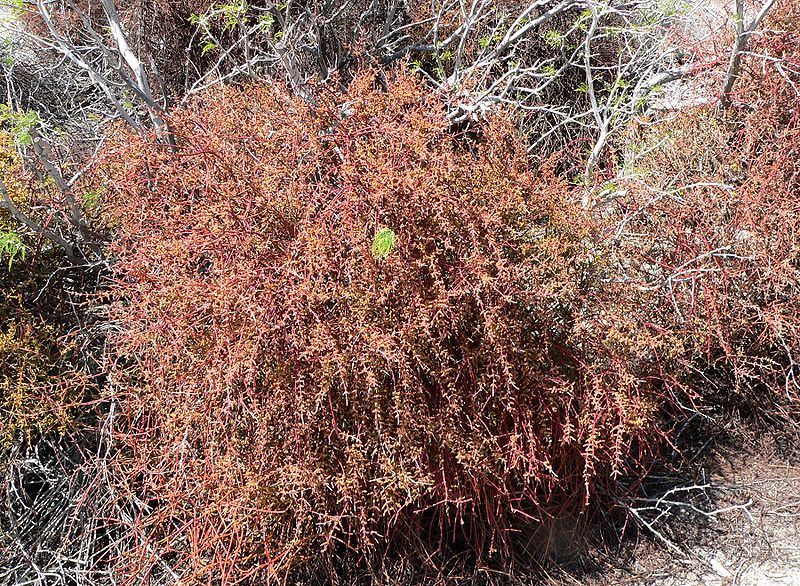
Jacqueline Soule here today to discuss a edible “weed.”  Most people associate mistletoe it with kisses and winter holidays. Sad to say, here in the desert southwest, many homeowners think of our local mistletoe as a weed to be eliminated from their trees. In reality, they should be thinking of it as a crop to be harvested!

Phoradendron_californicum_6 by Stan Shebs

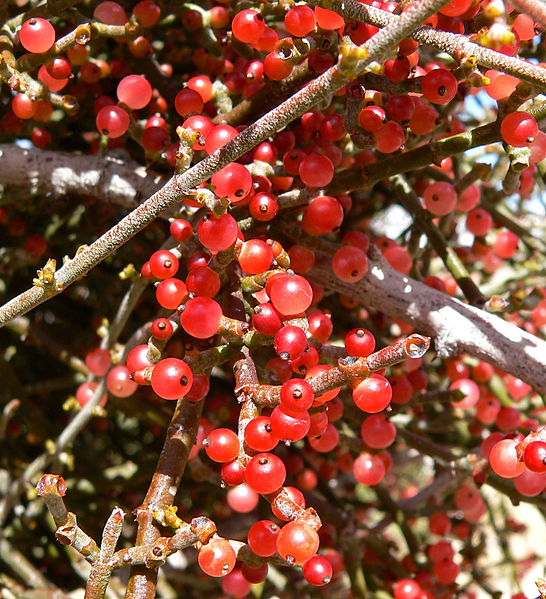
Desert mistletoe fruit is the only mistletoe fruit that is edible. Photo by S. Shebs.


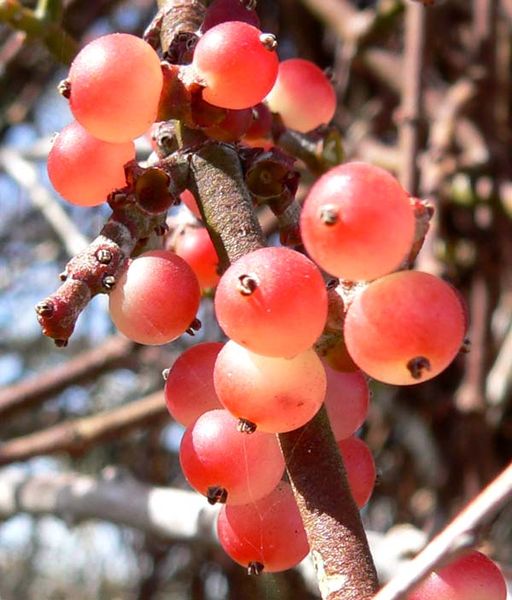
There are many species of mistletoes around the world. The mistletoe plants themselves are all toxic. The berries of most species are toxic. The one exception is our local desert mistletoe, Phoradendron californicum, bearing not only edible but highly palatable white to reddish translucent berries. Native peoples ate only the fruits of mistletoes growing on mesquite, ironwood or catclaw acacia. Found growing on palo verdes or Condalia (desert buckthorn) the fruits are considered inedible.


Phoradendron_californicum_1 by Stan Shebs

Plants of desert mistletoe can become quite large and offer a bountiful harvest of berries. Photo by S. Shebs.


According to literature, the Seri consider mistletoe fruit ripe and harvestable once it turns translucent. Harvest is done by spreading a blanket below the plant and hitting it with sticks to release the fruit. Seri consumed the fruit raw. The Tohono O’odham also consumed the fruit raw. River Pima ate the fruit boiled and mashed, which made it the consistency of a pudding. The Cahilla gathered the fruits November through April and boiled them into a paste with a sprinkle of wood ash added to the pot.  (Bibliography at the end of this article.)

Some desert mistletoe are more red and less translucent.  This is just normal variation within the species.  Photo by S. Shebs.

Some desert mistletoe are more red and less translucent. This is just normal variation within the species. Photo by S. Shebs.


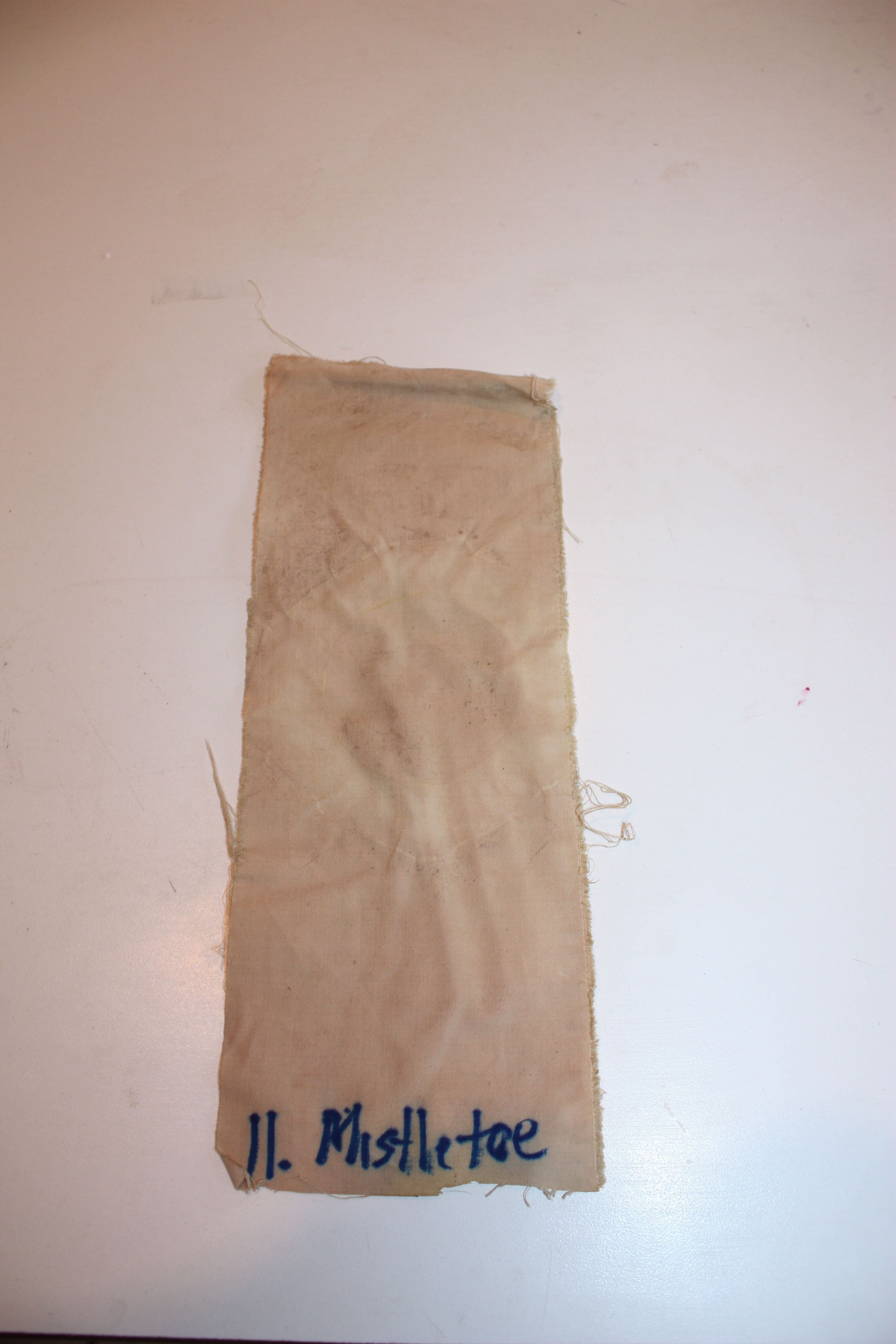
By the way, desert mistletoe plants (not the fruit) contain phoratoxins which can easily lead to death via slowed heart rate, increased blood pressure, convulsions, or cardiac collapse. Some of these compounds can cause hallucinations, but there is no way to judge dosage. People seeking a “high” from mistletoe still turn up in morgues each year. Native peoples used plants other than mistletoe to seek visions, and if one desires visions, one would be wise to follow their example. Although toxic, if used in a well-ventilated place, the foliage of desert mistletoe can be used in crafts and as a dye, producing a pale beige to dark sienna.

Mistletoe dye on cotton

Mistletoe dye on cotton. Photo by J. A. Soule


Harvesting and Use.

Mistletoe berries are ripe once they turn translucent and you can generally see the red seed inside. They also become soft and squishy, losing their hardness. Watch the phainopeplas, when they start devouring berries, then the fruit is ripe! I have only eaten the berries fresh, and find them reminiscent of elderberry in flavor. I was going to experiment with making a jelly this year, but missed my window of opportunity.

When ripe, the berries turn translucent and fall off the plant easily. Photo by S. Shebs.

When ripe, the berries turn translucent and fall off the plant easily. Photo by S. Shebs.


As a dye, mistletoe plants themselves are used. They can be fresh or dried. Place the herbage in the pot, cover with water, bring to a boil, strain. Add an alkalizing agent (ammonia) to intensify the color. You can dye both protein fibers (wool, silk) and plant fibers (cotton) with this solution. Ideally mordant with alum prior to dyeing, but post-mordant baths also work.

paper with desert plants 004

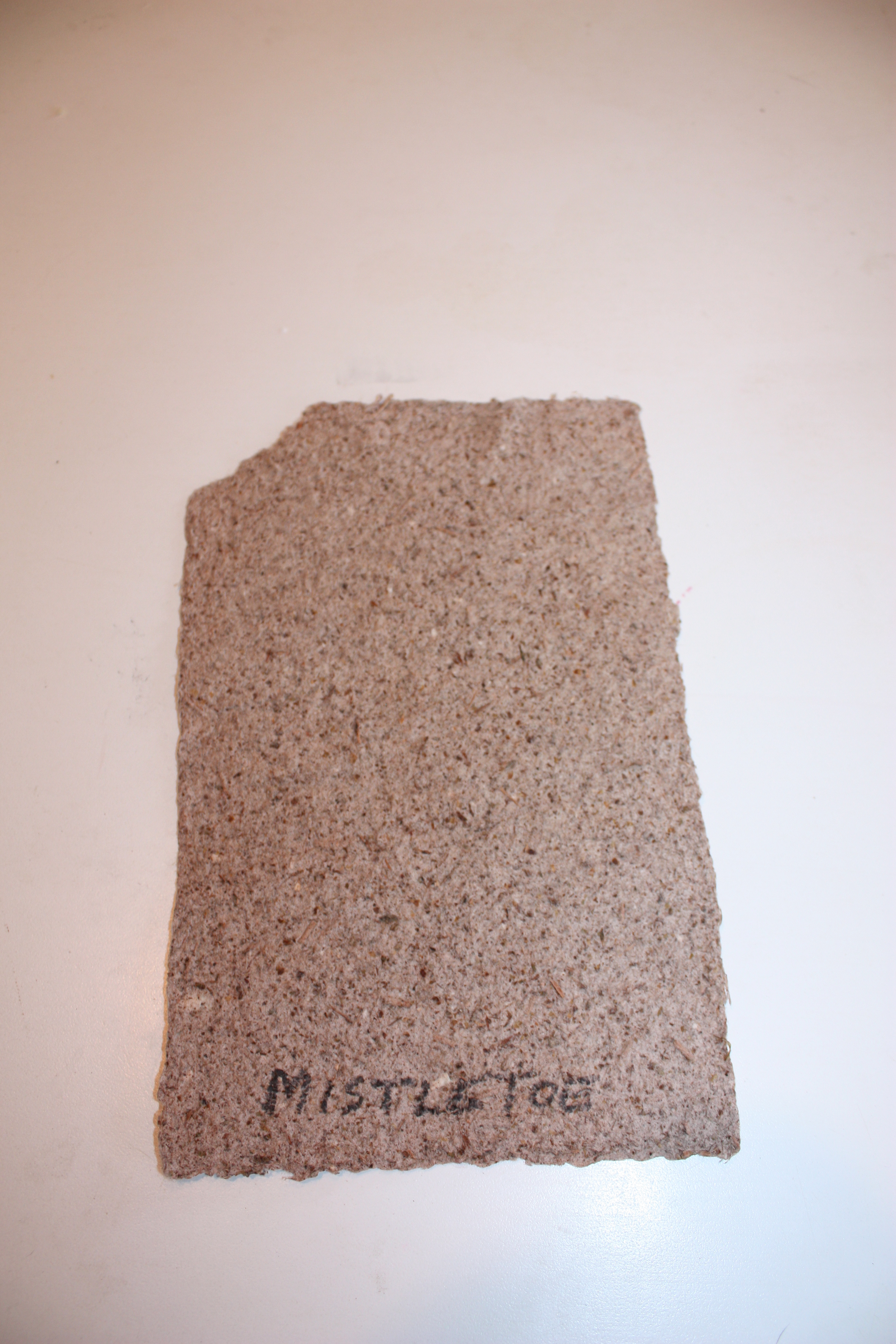
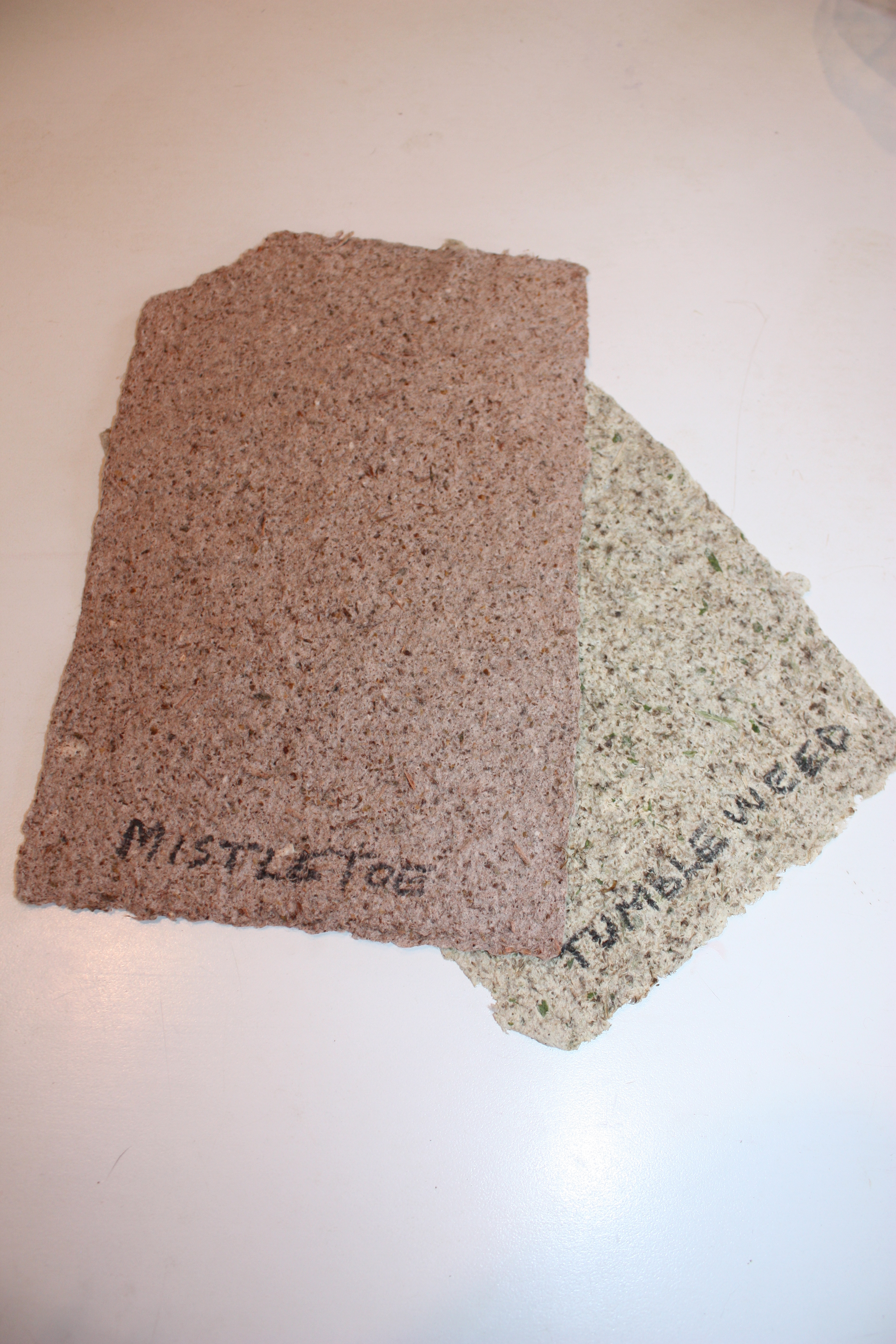
A blend of half paper pulp and half mistletoe plant material yields a nicely textured craft paper. Photo by J. A. Soule.


paper with desert plants 002

All manner of desert plants can be used in papermaking. Photo by J. A. Soule


Rather than discarding the spent mistletoe herbage from making dye, I have frozen it for later use in papermaking. Grind the cooked mistletoe in a blender and mix it half and half with paper pulp to create a lovely, rough-textured, craft paper with a warm brown hue.


Note: This month I have been looking at desert mistletoe in some of my other online articles.

Desert mistletoe and human use is presented here, the third in a series on the topic.
Desert mistletoe and wildlife can be read at: http://www.beautifulwildlifegarden.com/?s=mistletoe
Desert mistletoe as part of a native garden caan be read at: http://nativeplantwildlifegarden.com/?s=mistletoe

This article copyright Jacqueline A. Soule, 2014. The topic is covered more extensively in my book “Father Kino’s Herbs: Growing and Using Them Today” (2011, Tierra del Sol Press, $15). If you live in Tucson, I hope you will consider purchasing a copy locally at Antigone Books, Arizona Experience Store, Magic Garden, Mostly Books, or Rillito Nursery.


For the last eight months, Savor the Southwest has been brought to you every week by four Savor Sisters, me (Jacqueline), Tia Marta, Aunt Linda and Carolyn. Look for our fifth Savor sister, Amy Valdes Schwemm will make her first appearance in June, otherwise she will return to post whenever a month has five Fridays.


Bibliography for this article
Felger, R. S. and M. B. Moser. 1985. People of the Desert and Sea. University of Arizona Press, Tucson, AZ.

Hodgson, W. C. 2001. Food Plants of the Sonoran Desert. University of Arizona Press, Tucson, AZ.

Kearny T. H. and Peebles R. H., et al. 1960. Arizona Flora. University of California Press, Berkeley, CA.

Rea, A. M. 1997. At the Desert’s Green Edge. University of Arizona Press, Tucson, AZ.

Tohono O’odham Nation (s.d.). When Everything Was Real: An Introduction to Papago Desert Foods. Tohono O’odham Nation, Sells, AZ.


© 2014, Jacqueline Soule.  All rights reserved. I have received many requests to reprint my work. My policy is that you are free to use a very short excerpt which must give proper credit to the author, and must include a link back to the original post on our site. Please use the contact me if you have any questions. JAS avatar

Enjoy Beans with Epazote

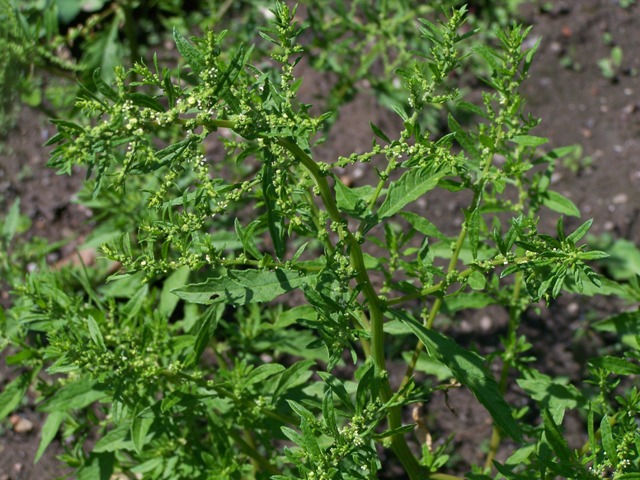
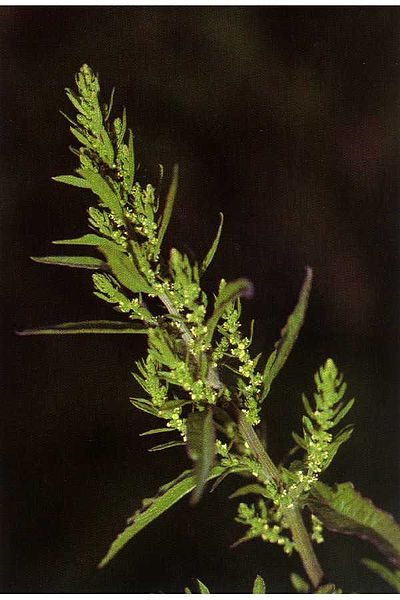
Chenopodium_Dysphania_ambrosioides_08_by H ZellEpazote (formerly Chenopodium ambrosoides, now renamed Dysphania ambrosioides) came to our area from Mayan lands. The name is the same in Nahuatl, Spanish, and English. Who says you are not multilingual?!

Epazote is a summer annual herb popular for culinary and medicinal uses. By the time of Contact, epazote had been cultivated for well over a thousand years in southern and southeast coastal Mexico. It was, and still is, a principle flavoring for a large number of Yucatan and Veracruz dishes, and is indispensable for cooking black beans.

Chenopodium Dysphania ambrosioides by iamtexture

Epazote, like the Old World herbs of cumin and ginger, has the unique ability to help break down hard-to-digest vegetable proteins. These difficult proteins are found most often in beans, peas, and members of the cabbage family. A few leaves of epazote cooked in the pot with the potential offender help break down these offending proteins while alo providing a delightfully piquant flavor to the dish.

This strongly scented herb is reported as a deer repellent. I can report that javalina, jackrabbits, cottontails and quail all avoid eating the plants. Medicinally, epazote has been used in an infusion as a vermifuge (against intestinal parasites), and in a decoction to help induce labor. These uses lead to one of it’s common names, wormseed.

Chenopodium Dysphania_ambrosioides_9061 by t voekler

Planting and Care. Plant epazote from seed in spring once night temperatures rise above the low 50’s. Seeds can take as long as four weeks to germinate. Plants will thrive through the warm season and freeze to the ground at 35 degrees, but often regrow from the roots.

Seed Sources. Check the Pima County Seed Library.  No need to drive there, go online to check for seed availability then reserve some sent to your local branch.  I have also found seed through Renee’s Garden Seed and Botanical Interests.

Soil. Epazote tolerates poor, even clay soil, but plants grow best in average, well-drained soil. Can be grown in containers that are at least eight  inches deep.

Chenopodium_Dysphania_ambrosioides  by S Doronenko

Location. Full sun is ok in the Southwest, but afternoon shade is appreciated by this tropical herb.

Water. Moderate.

Fertilize. Not necessary, but once a month with general purpose fertilizer will help make bushy plants. To really keep the plants bushy, you will need to pinch often. This is a technical term, really! (see “Care”).

Habit & Care. Epazote can reach 5 feet, but will be scraggly. Pinch or clip off the growing tips often to keep it around 2 to 3 feet tall, compact, leafy, and looking attractive in the garden. Usually a single plant provides enough for the household. Epazote reseeds readily, remove the flowering stalks, or be ready to weed excess plants next year. Seed heads turn an attractive bronze in autumn, and finches enjoy the seeds.

Chenopodium_ambrosioides_9059

Harvest and Use. Epazote is used fresh for culinary purposes, and loses “digestive” properties when dried. Chop or mince leaves and add early to dishes that require long cooking, like beans, roasts, soups, or stews. Use one tablespoon minced leaves per cup of beans or to a two pound roast. Not used as a garnish, due to bitter taste. If you want to save epazote for winter use, chop up fresh leaves and freeze them.

Chenopodium_Dysphania_ambrosioides_courtesy of UDSA_01

Go Green. Use epazote to avoid using manufactured bean-digestive compounds. Having the plants in your yard saves packaging, shipping, and all the associated waste of resources inherent in manufactured goods. Even greener, epazote plants provide food for birds, a way to capture carbon, plus a lovely low green plant for your yard.

This article is exerpeted from my book “Father Kino’s Herbs: Growing and Using Them Today” (2011, Tierra del Sol Press, $15). I hope you will consider purchasing a copy locally at Antigone Books, Arizona Experience Store, Magic Garden, Mostly Books, or Rillito Nursery. You can visit my booth at the Arizona Feeds Country Store Spring Expo, Sat. May 3 (10-3), 4743 N. Highway Dr.

Edible Flowers of Spring

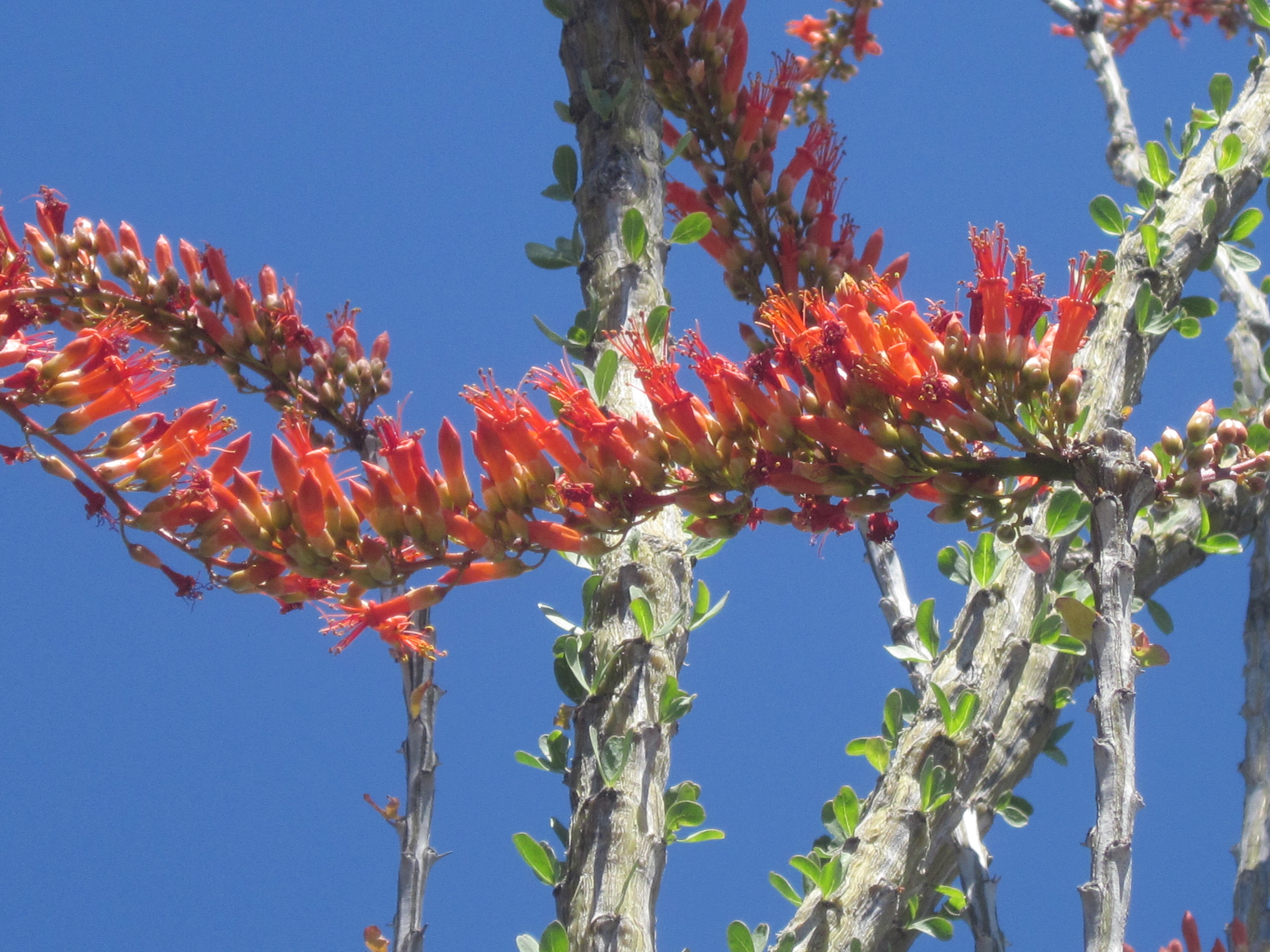
Ocotillo blossoms

Ocotillo blossoms

It’s Carolyn today. Two months ago Tia Marta wrote about gathering and preparing delicious cholla buds, but that is only the barest beginning of the edible flowers that can add fun and interest to our meals. Spring is the best time to find the biggest bounty of  beautiful munchibles.  Gather a bowlful of ocotillo blossoms, add water, and let it stand overnight. You’ll have a delicate juice. The flowers must be open for the nectar to leach into the water.  I wrote about the early Native American uses to ocotillo as a medicinal herb in American Indian Cooking: Recipes from the Southwest. 

Ford at Empire 015

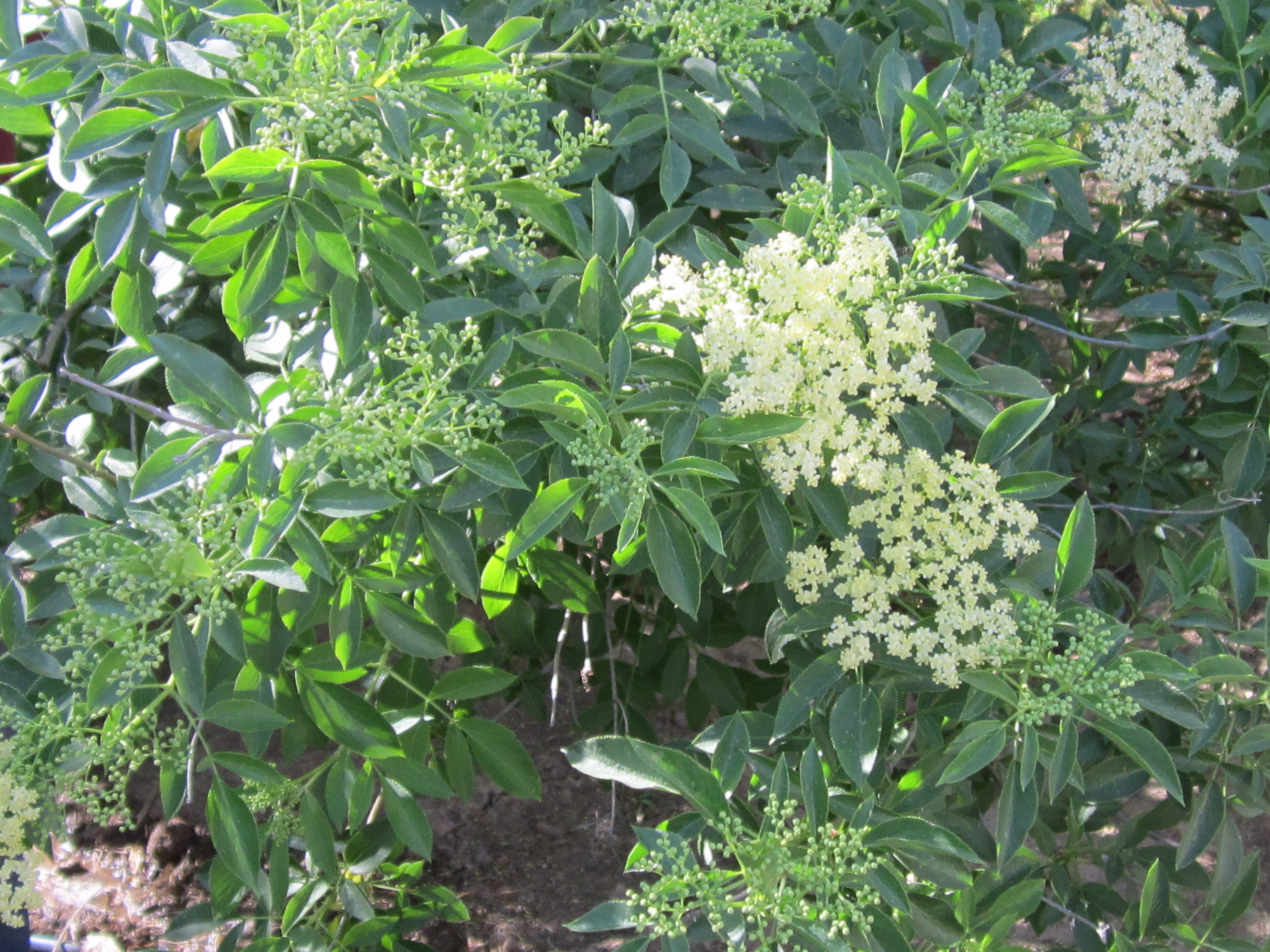
Blossoms on elderberry bush.

This is also the season for elderberry bushes to flower.  Sometimes called elderblow, the flowers make delicious fritters.  I have given full directions in my earlier blog Carolyn’s Southwest Kitchen and you can see it here.

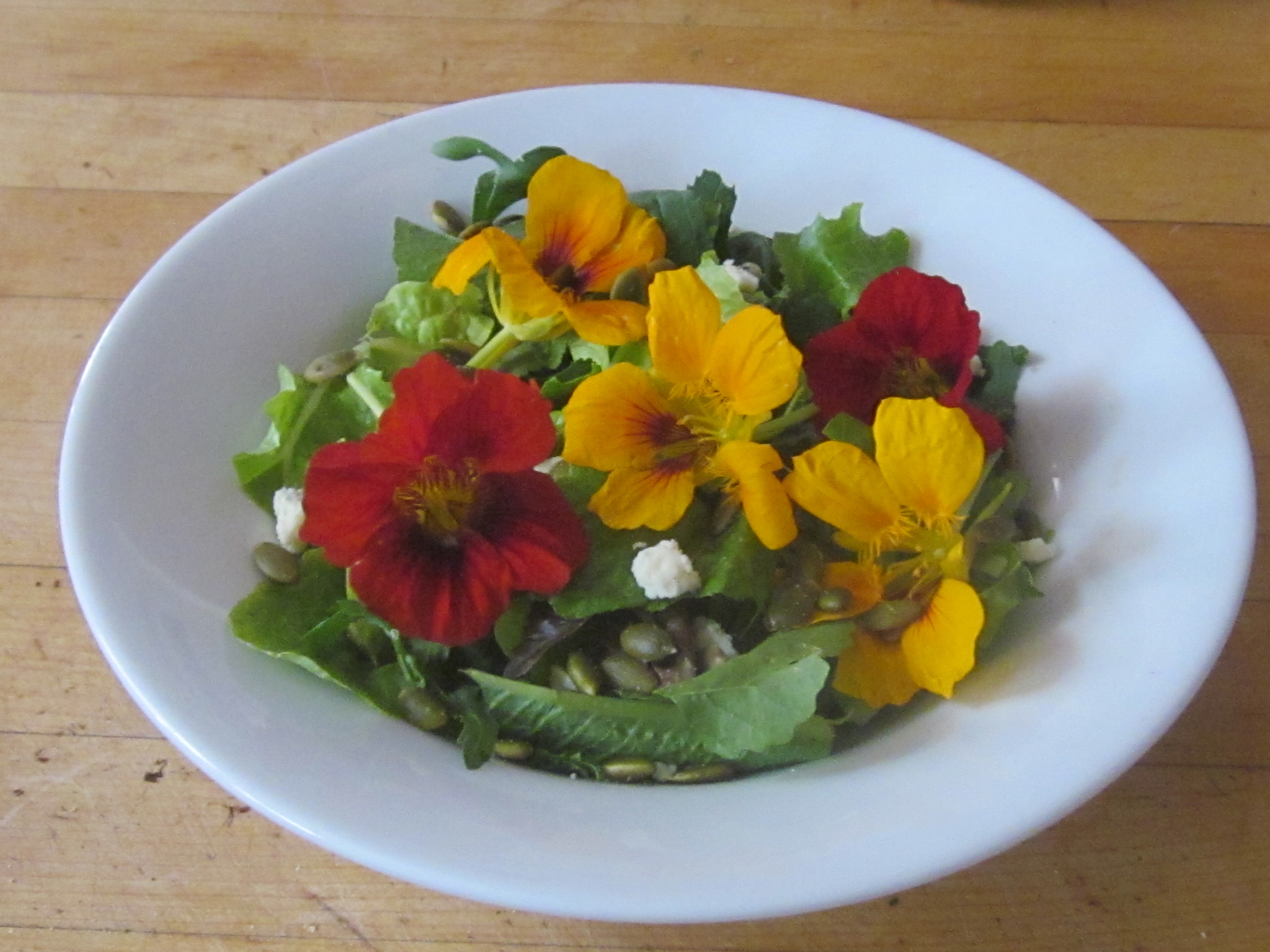
Moving from the desert to your own garden, you’ll find many edible flowers. Many of them make delicious additions to salads.  Among them are nasturtium flowers, which have bright, peppery flavor.

Two colors of nasturtium flowers on a fresh garden salad.

Two colors of nasturtium flowers on a  garden salad.

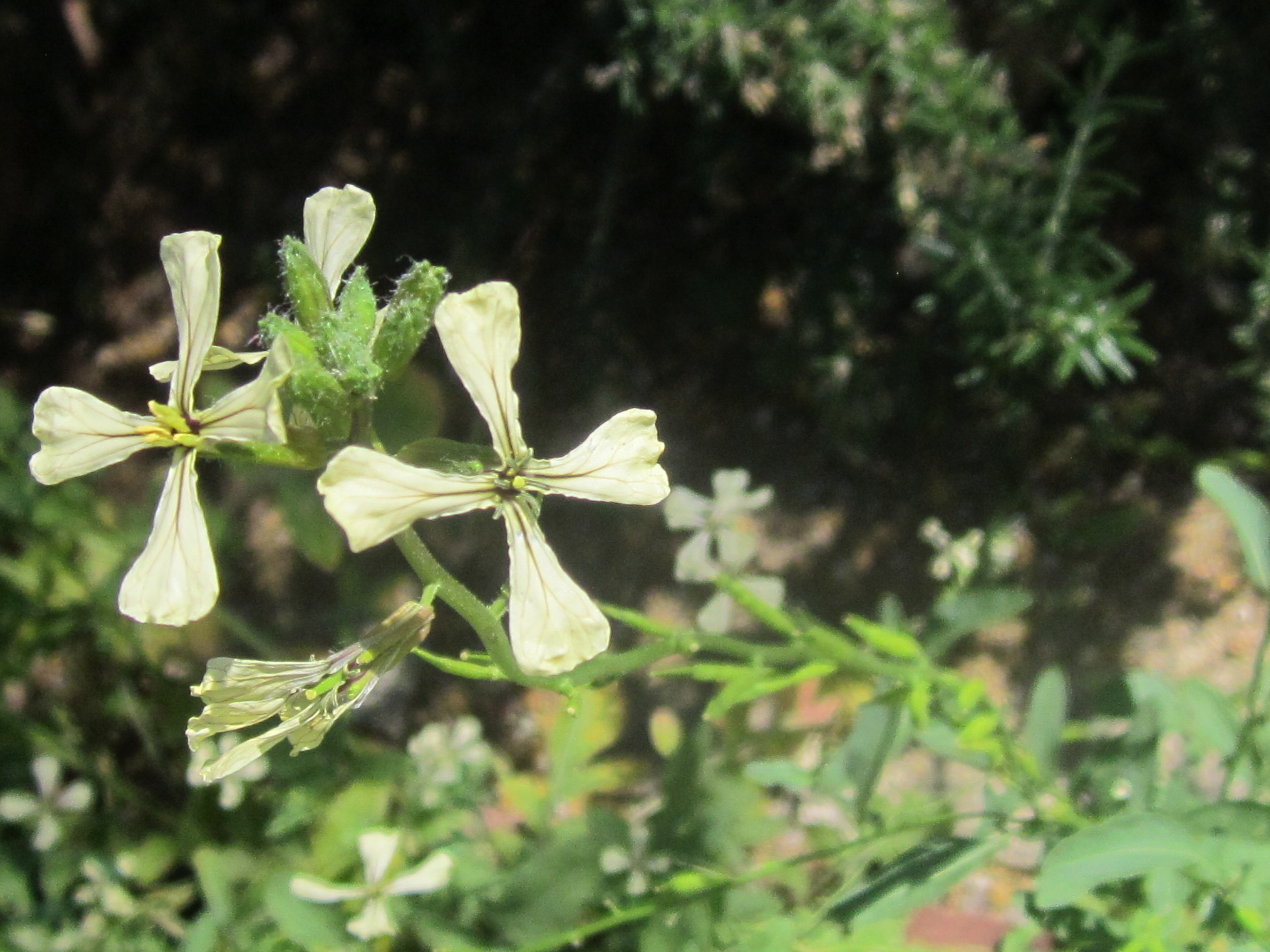
Arugula tends to bolt early and especially did so on this very hot spring on the Sonoron Desert.  But the flowers, though small, taste lovely, not quite as intense as the the leaves.

Arugula flowers

Arugula flowers


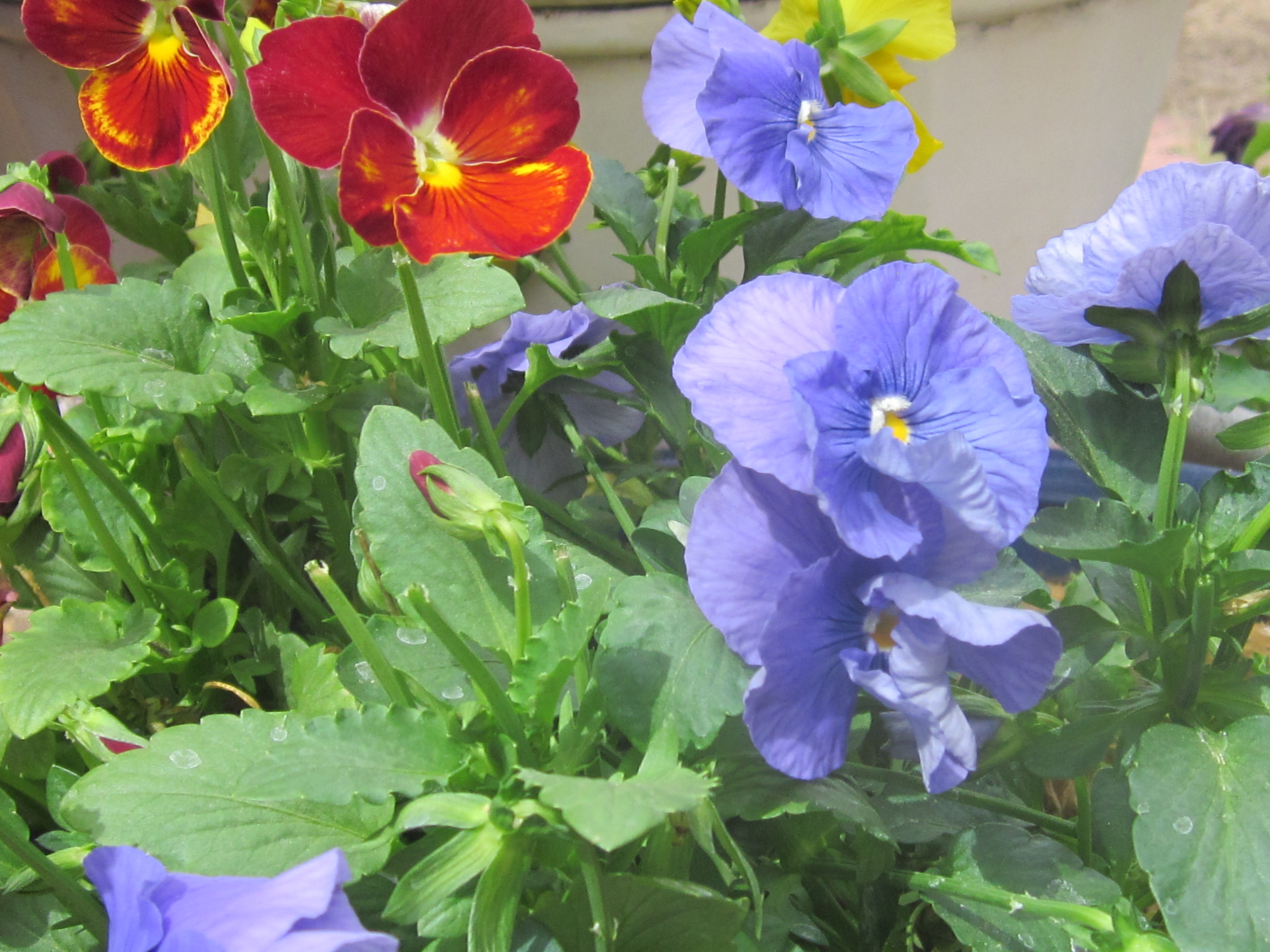
Other delicious salad additions are pansies and violas, their smaller cousins.

Pansies

Pansies

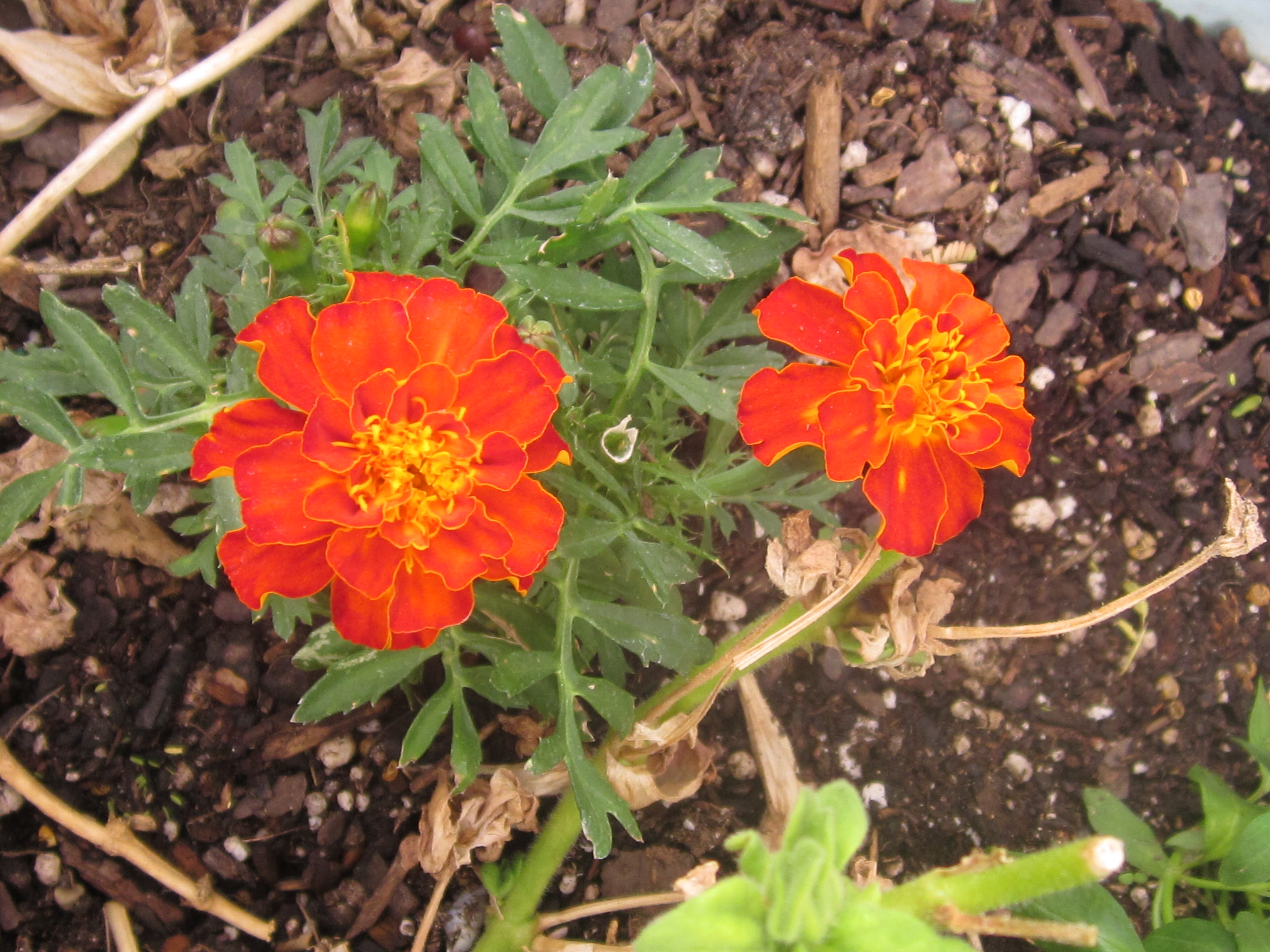
When I began gathering material for this post, I recalled a dish I made  years ago that involved sauteeing chicken with cinnamon and rose water and then finishing the dish with a sprinkle of small rose and marigold petals.  My friend Suzann and I served that at a wedding we catered for two naturalists.

Marigold

Marigold

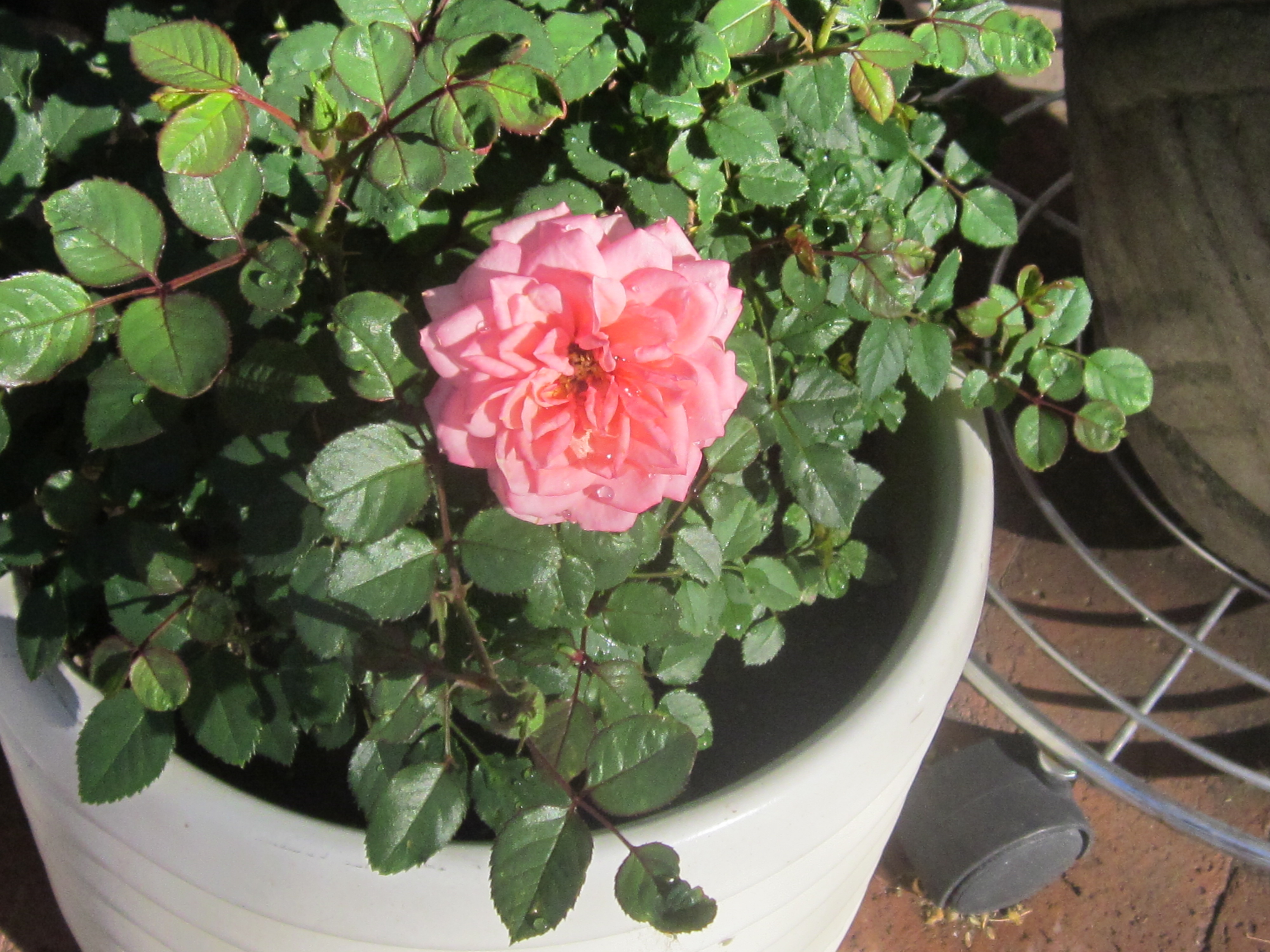
Teacup rose

Teacup rose


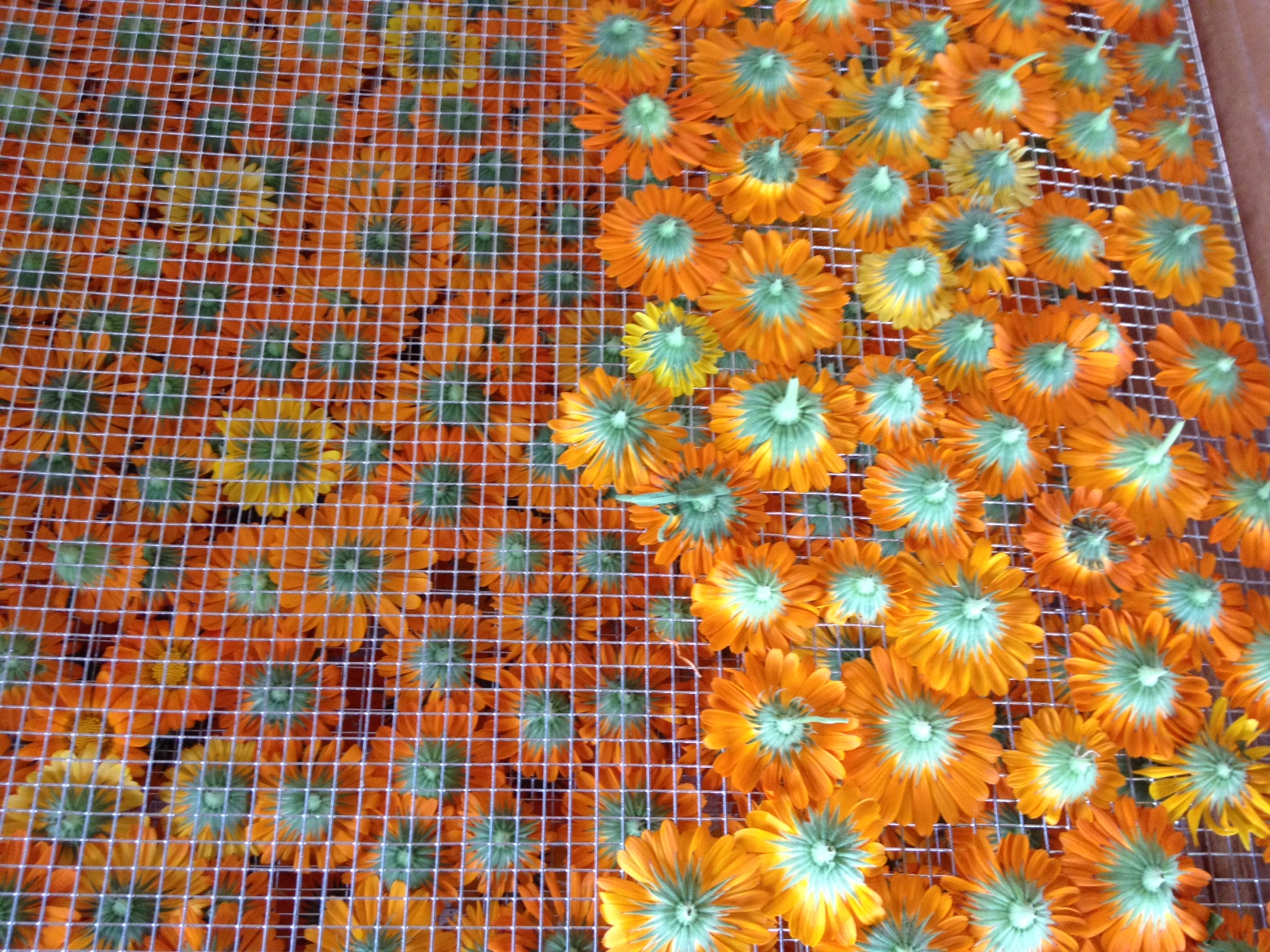
Dried edible flowers make wonderful and healthy teas. Tina Bartsch at Walking J Farm grows and dries calendula flowers for John Slattery  at Desert Tortoise Botanicals who uses them as one ingredient in his Desert Flower Tea. He combines them with desert willow flowers, ocotillo flowers, hollyhock flowers, and prickly pear flowers.  His website says that the tea is an anti-oxidant and good for tissue repair.  The tea is available at Native Seeds Search,  Tucson Community Acupuncture,  the Food Conspiracy. Calendula petals taste  tangy and peppery and add a golden hue to food. Calendula has been called “the poor man’s saffron.”

Calendula flowers drying

Calendula flowers drying


Desert Flower Tea

Desert Flower Tea


One of the most used flowers in cooking, particularly in Mexico, is the squash flower.  The male flowers will never develop into squash, so you can harvest some of them. When I was in Oaxaca a few summers ago, I took a cooking class from Chef Oscar Crespo and just had the best time.  One of the things we cooked was stuffed squash blossoms.  Here is the recipe.

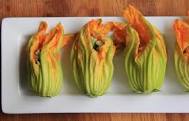
Squash blossoms

Squash blossoms

FLORES DE CALABAZA RELLENAS DE QUESO
Cheese-filled Squash Flower Blossoms


12 squash flower blossoms, washed

½ cup (2.5 oz/80 g) fresh cheese, sliced into sticks

12 epazote leaves (optional)

1 cup all-purpose  flour

3/4 cup club soda

Oil for frying


Slice the cheese so that it fits in the blossoms. Remove the sepals and pistils (that’s the parts inside the petals), then cut the stem to 1¼ in . Fill the whole blossom with a slice of cheese and an epazote leaf. Push the cheese all the way in, and twist the petals to close.

Make a batter with the flour and club soda, starting with 1/2 cup of the club soda. Add more if necessary to make a thin batter like pancake batter.

Place the oil in a frying pan and bring to high heat, about 350 degrees. Dip the stuffed blossoms in the flour mixture. Fry them for 2 minutes or until golden brown, turning at least once. Remove from the oil and drain on absorbent paper.

These can be served accompanied with a red or green salsa or floated in a tomato  broth.

For more ideas on cooking squash blossoms, check here.  If you want more information on edible flowers, you can click here and here.

__________________________

Carolyn Niethammer writes books on the food and people of the Southwest.


In Praise of Seeds and Rebirth

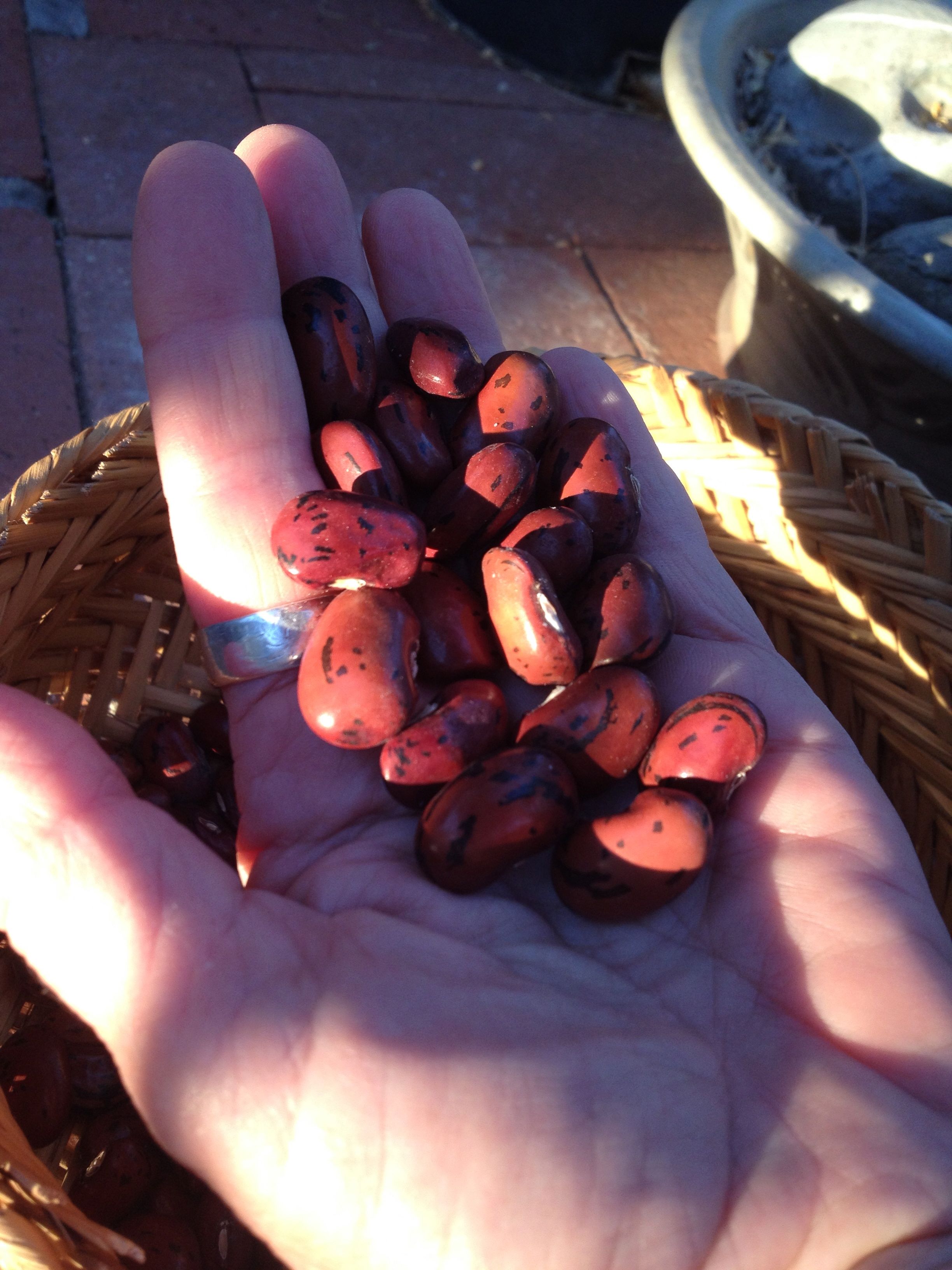
Scarlet runner beans grown by ace gardener T.S.Swain–good nutrition and beauty besides (MABurgess photo)

Tia Marta here this beautiful Easter week, singing the praises of seeds, with stories of rebirth to share! When I hold seeds in my hand, I am blown away by their significance. These little lightweight packages of starch and protein, exine skins and genetic chains, are weighty with potential for what they can do in the future, and truly weighty with messages from the past—genetic wisdom selected by the many forces of Nature through time, and in the case of agricultural seed, by caring humans—all encased in a holding pattern, a portal where time stretches. Seeds are life in abeyance. Each seed is a nexus, connecting the ways of the past with hopes for the future. To see life spring again from a seed is a miracle every time it happens—even for elders who have seen it happen a zillion times, and one worth sharing with children for their first.

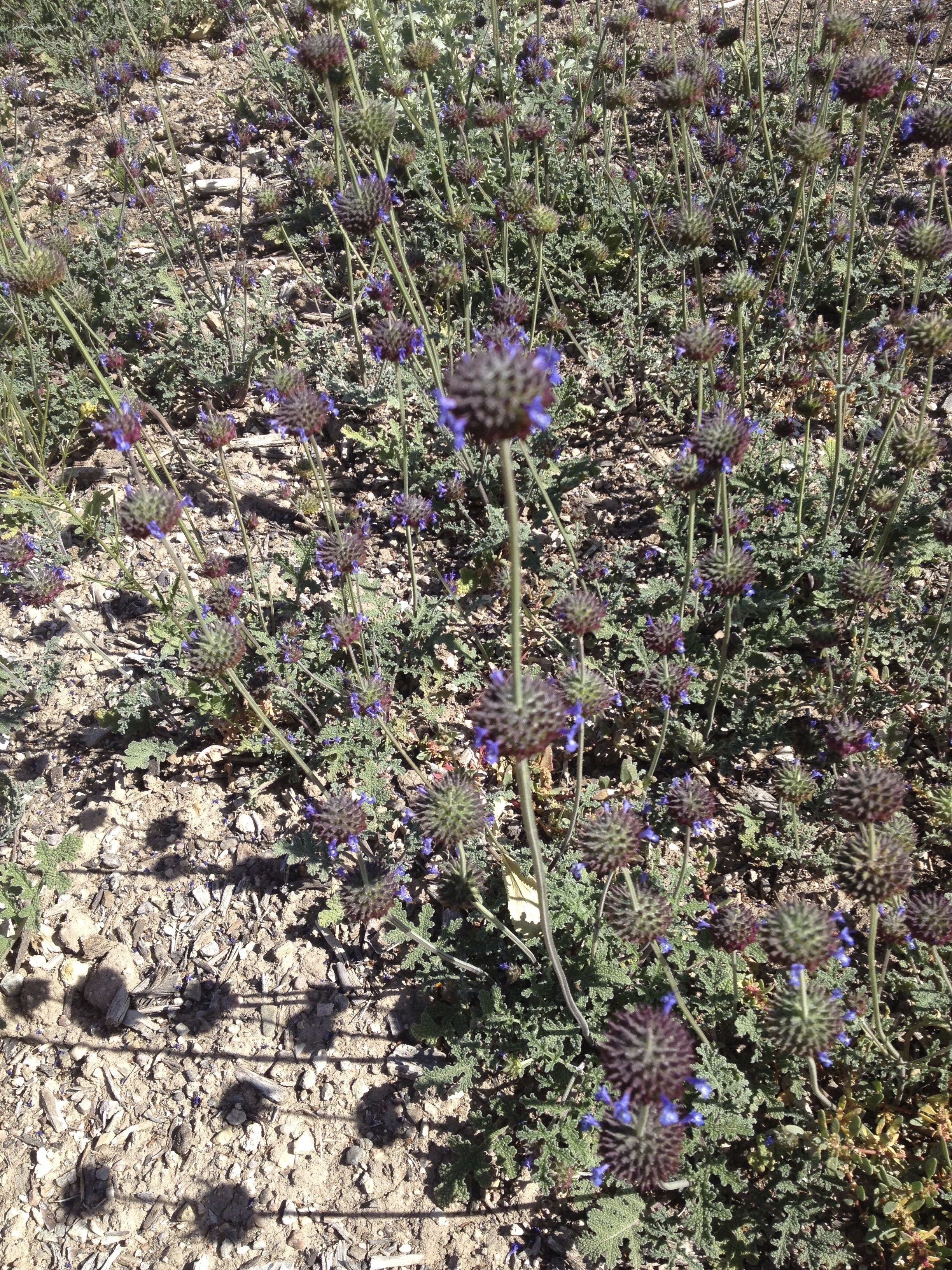
native chia (Salvia columbariae) in bloom at Mission Garden (MABurgess)

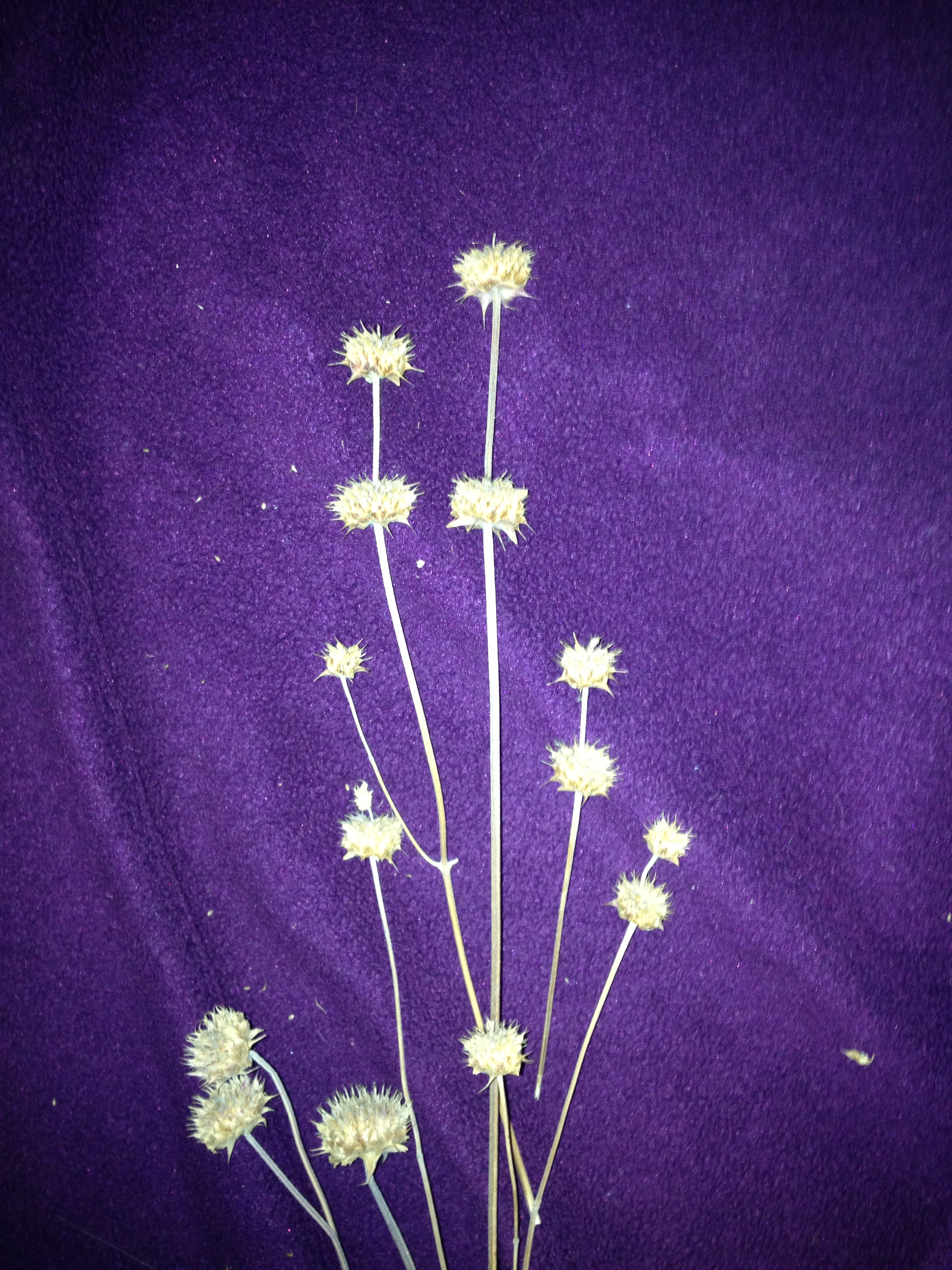
wild native chia seedheads (Salvia columbariae) ready to winnow (MABurgess photo)

wild native chia seedheads (Salvia columbariae) ready to winnow (MABurgess photo)

All of life celebrates spring re-energizing time with Nature’s renewal, Easter’s message of life out of death. In the Sonoran Desert we are celebrating not only new growth but also nourishment with the spring harvest, the results of winter rains. Here, our winter ephemerals (a totally different suite of plants than our hot-weather annuals) are completing their blooming and pollination cycles, their seedheads bulging and ready to be scattered, shattered, caught by wind, coyote legs, or human socks, to be spread to the next possible patch of desert soil in prep for this fall’s rainy season (or for feeding furry or feathered desert dwellers.) Chia seedheads will soon be ready to gather and winnow for their superfood nutrition. Don’t forget to thank the plant (and all the forces which brought those chia seeds to fruition) as you chow down on its high omega-3 fatty acids and its blood-sugar-balancing complex carbs in your smoothie or chia fruit salad!


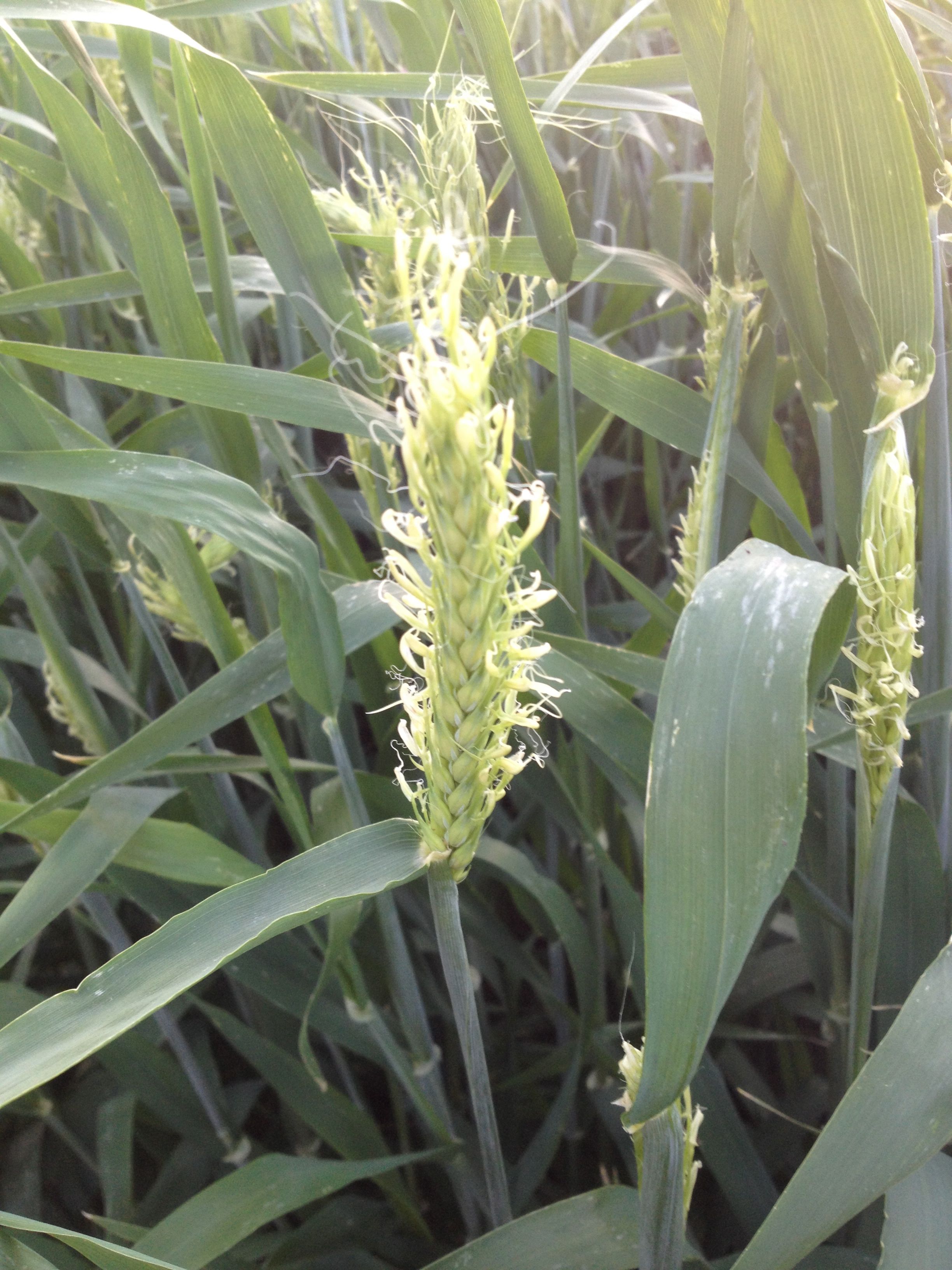
Heirloom barley in flower at Mission Garden (MABurgess photo)

Heirloom barley in flower at Mission Garden (MABurgess photo)

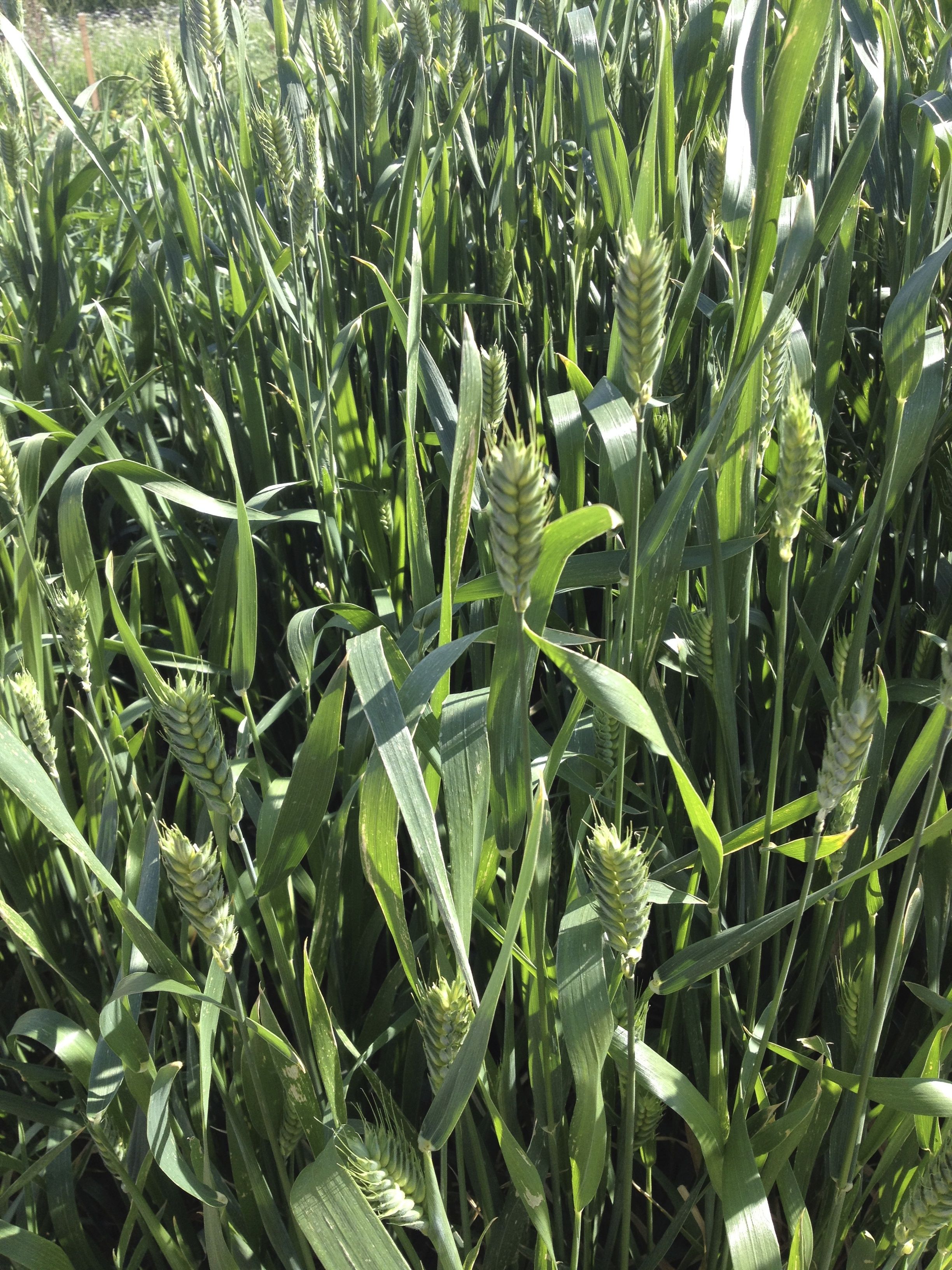
Heirloom White Sonoran Wheat seedheads filling out at Mission Garden (MABurgess photo)

Heirloom White Sonoran Wheat seedheads filling out at Mission Garden (MABurgess photo)

It is written that Passover (the roots of which began in a desert akin to our own with winter rainfall and grains grown as winter crops) cannot be celebrated until the barley is harvested. When Father Kino and other Padres brought Old World grains like wheat and barley to our corner of the Southwest, the same winter growing was observed. Now, at the Friends of Tucson’s Birthplace Mission Garden (at the foot of A-Mountain) direct descendants of those original heirloom grains are topping out where you can see them “in action” any Saturday for a tour (see http://www.tucsonsbirthplace.org).

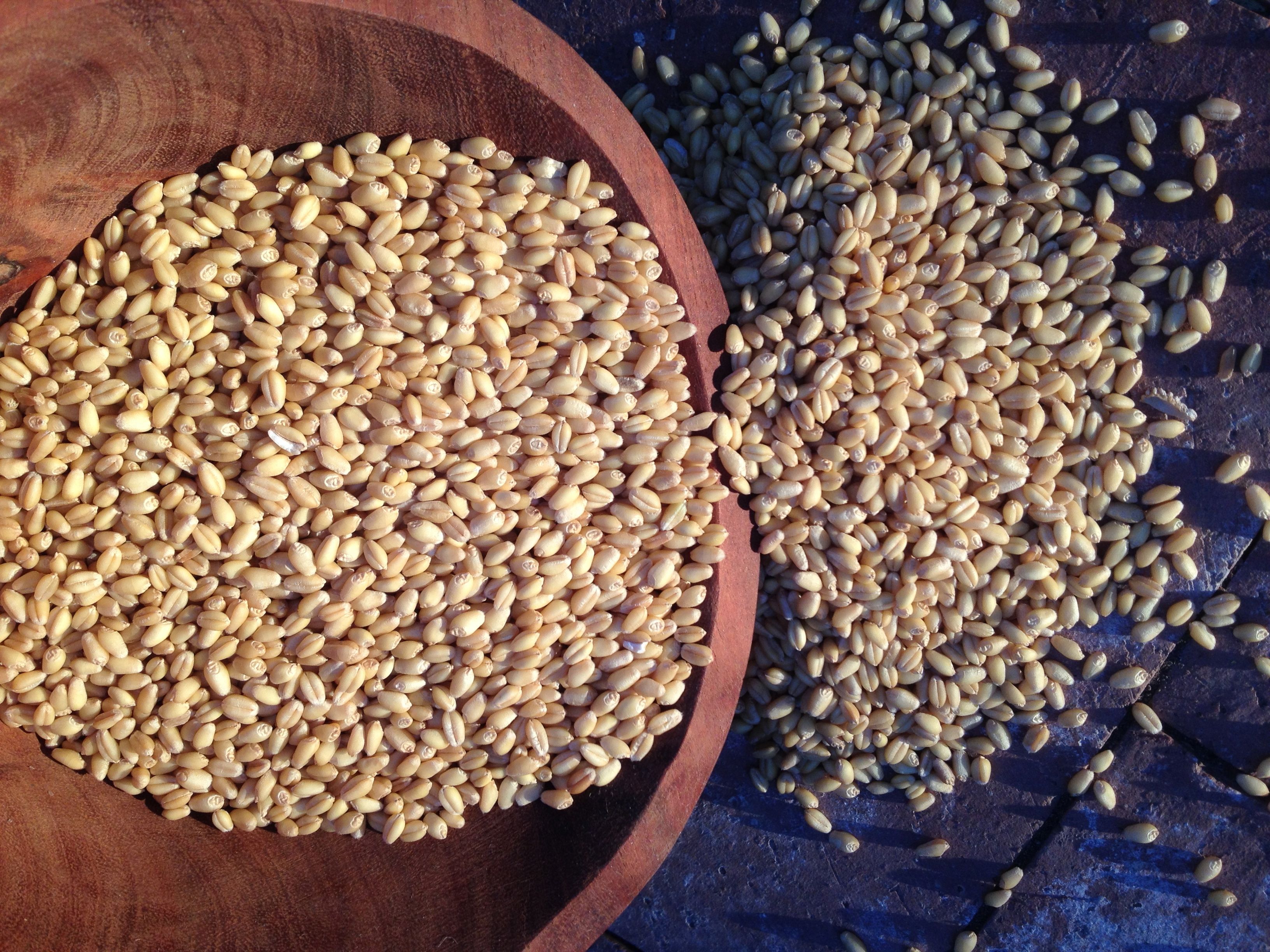
Heirloom White Sonoran Wheat berries, local, organic, traditional, from BKWFarms (MABurgess photo)

Heirloom White Sonoran Wheat berries, local, organic, traditional, from BKWFarms (MABurgess photo)

Scroll thru our savorthesouthwest posts to check out Tia Marta’s January blog for some enjoyable insights on the ancient White Sonoran Wheat and great recipe ideas, and a nutshell history –introduced by Kino, found again by Native Seeds/SEARCH, and now being grown with soil-enriching organic methods by the Wong Family in Marana.

Wheat is rich with symbolism as well as nutrition—full of life-giving energy, complex carbohydrates when the whole grain is eaten, and good protein. Irish farmers weave complex seedhead sculptures and hangings for good luck, representing protection, provender, and plenty. For traditional Italians especially, wheat symbolizes renewal and rebirth and has become an important Easter food.

Tucson Foodie-par-excellence Vanda Gerhardt located a most marvelous recipe for an Italian traditional Easter pie (judysculinaria.wordpress.com) made with wholesome wheat grain. She has served samples to delighted farmers market visitors at the Flor de Mayo booth at St Phillips Sunday market (www.heirloomfarmersmarkets.com).  With her inspiration I have modified it for a totally local treat, made with our own Padre Kino White Sonoran Wheat berries from BKWFarms!

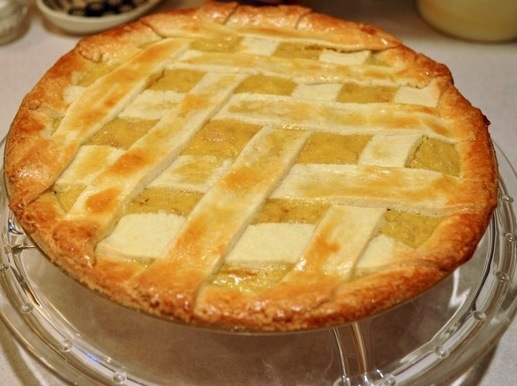
Luscious Easter Wheatberry pie, from judysculinaria.wordpress.com

Luscious Easter Wheatberry pie, from judysculinaria.wordpress.com

Here’s my version of this yummy custard Pastiera di Grano dessert for you to enjoy with its Sonoran Desert name:

Heirloom Wheat Berry Pie—Postre de TrigoEntero–Pastel Pascual de la Pimeria Alta!
Ingredients for pre-cooking wheat berries:
1 cup whole grain heirloom White Sonoran Wheat Berries (available from NSS or Flor de Mayo)
5 cups drinking water
2-4 narrow strips lemon peel, orange or tangerine peel
Pinch salt optional
Instructions for cooking wheat:
Rinse white Sonoran Wheat berries to remove chaff. (Overnight soak optional.)
In saucepan, bring to boil, cover, reduce heat and simmer an hour, then check doneness. Berries are best when they are al dente but done through. Allow more simmer time if need be.
[After wheat berries are cooked you can use them for many different delicious recipes.]

Sweet Pie Crust (Pasta Frolla)
(You can make this and the filling while your wheat berries are simmering!)
Ingredients for pie crust:
1 2/3 cups White Sonoran Wheat pastry flour or 00 (available from NSS, HaydenFlourMills)
1/3 cup organic sugar, OR ¼ cup sugar and 1 T mesquite pod flour
1 tsp lemon or orange zest (optional)
½ cup butter chilled and diced
1 large egg lightly beaten
1 tsp vanilla
1/8 tsp salt (if unsalted butter)
Instructions for pie crust:
Combine flour, sugar, zest, and salt. Mix thoroughly (in food processor if available). Cut in butter until breadcrumb texture. Whisk in wet ingredients—egg and vanilla. If needed (as in dry climates) add 1-3 T of ice water and mix. Form mixture into a ball, wrap in plastic and chill at least an hour.

Ingredients for Pastry Cream Filling:
2 T organic sugar
1 T White Sonoran Wheat flour
½ cup milk
1 large egg
1 tsp vanilla
Pinch of salt
Instructions for Pastry Cream:
Sift sugar, flour, salt together into saucepan. Whisk in egg and milk. Mix well. Cook on low heat stirring constantly until it boils and thickens (approx. 3 minutes). Place in bowl and cover with plastic wrap directly on top of cream mixture eliminating all air bubbles, and set in frig to chill.

Ingredients for Ricotta Cheese Filling:
1 cup ricotta cheese
¼ cup organic sugar
2 large eggs
½ cup finely chopped orange or tangerine peel candied (optional)
1 tsp orange flower water or rose water
½ tsp cinnamon
Instructions for making Ricotta Filling:
Preheat oven to 350 degreesF
In mixing bowl beat ricotta until creamy. Mix in sugar and eggs. Fold in candied citrus peel, flower water, and cinnamon. Next fold in the refrigerated pastry cream and 1 cup of the cooked White Sonoran Wheat berries. Mixture should feel thick.

Final steps–Cooking Wheat berry Custard Pie:
Roll out 2/3 of the pastry dough and spread on floor of 9-inch pie dish. Pour in the cream/ricotta/wheatberry mixture. For creating lattice top on pie, roll out remaining 1/3 dough. Cut in strips about ½ inch wide and place atop pie filling.
For a glistening egg wash, whisk 1 egg and pinch of salt and brush the pastry lattice.
Bake 50-60 minutes or until top and crust edges are golden brown and the custard filling is firm in the middle. Test with cake tester or toothpick in pie center. Cook additional minutes until tester comes out clean. Remove from oven and cool on wire rack. Best chilled for a few hours before serving.
Buon Appotito –y buen provecho!

Note: you can find organic White Sonoran Wheat Berries at Native Seeds/SEARCH store or online http://www.nativeseeds.org, also at Flor de Mayo’s booth at Sunday St Phillips Farmers’ Market, Tucson, http://www.flordemayoarts.com or 520-907-9471. Orange blossom water is available at Mid-Eastern groceries.


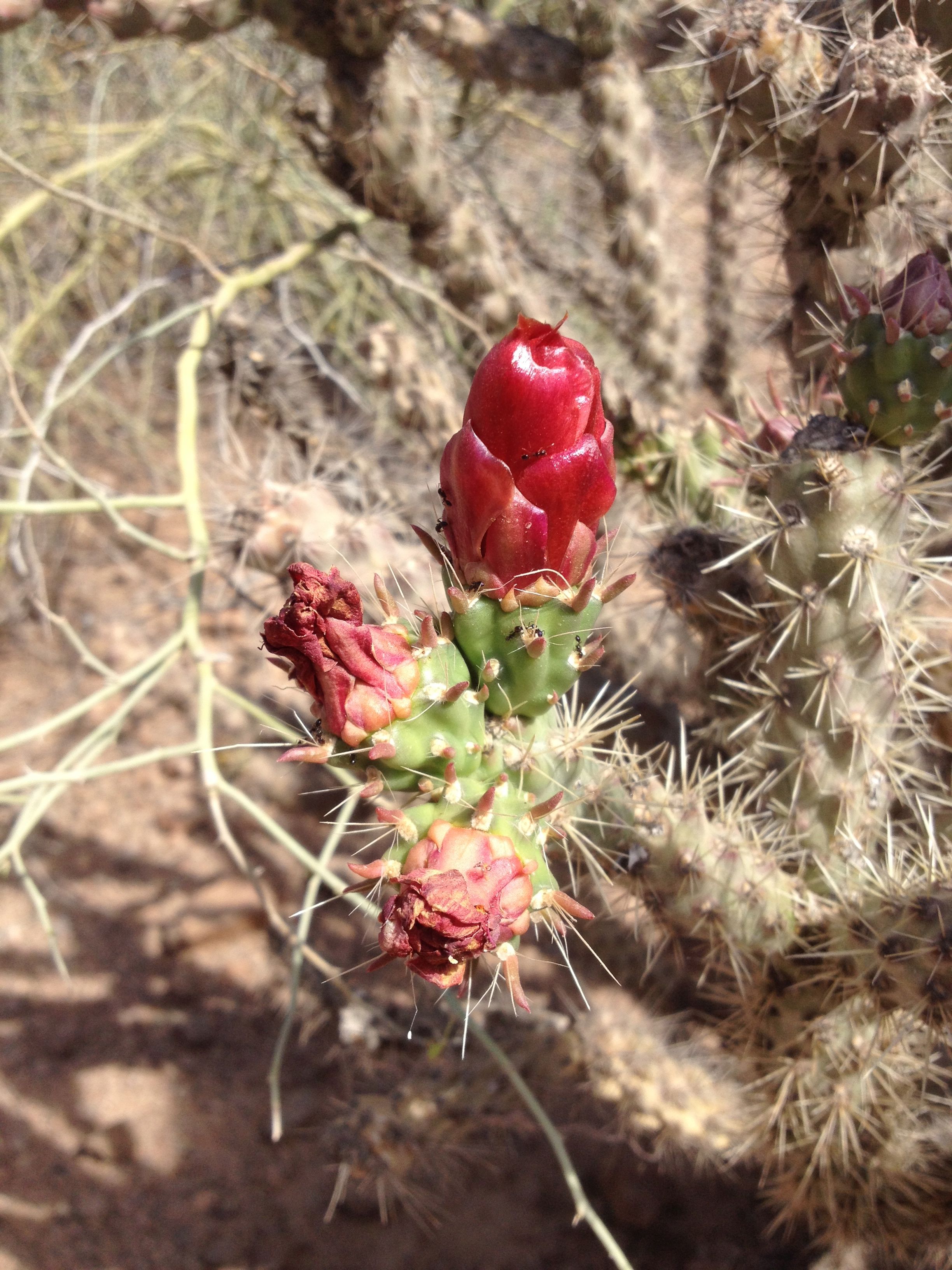
Staghorn cholla bud about to open, with ants enjoying extra-floral nectaries (MABurgess photo)

Staghorn cholla bud about to open, with ants enjoying extra-floral nectaries (MABurgess photo)


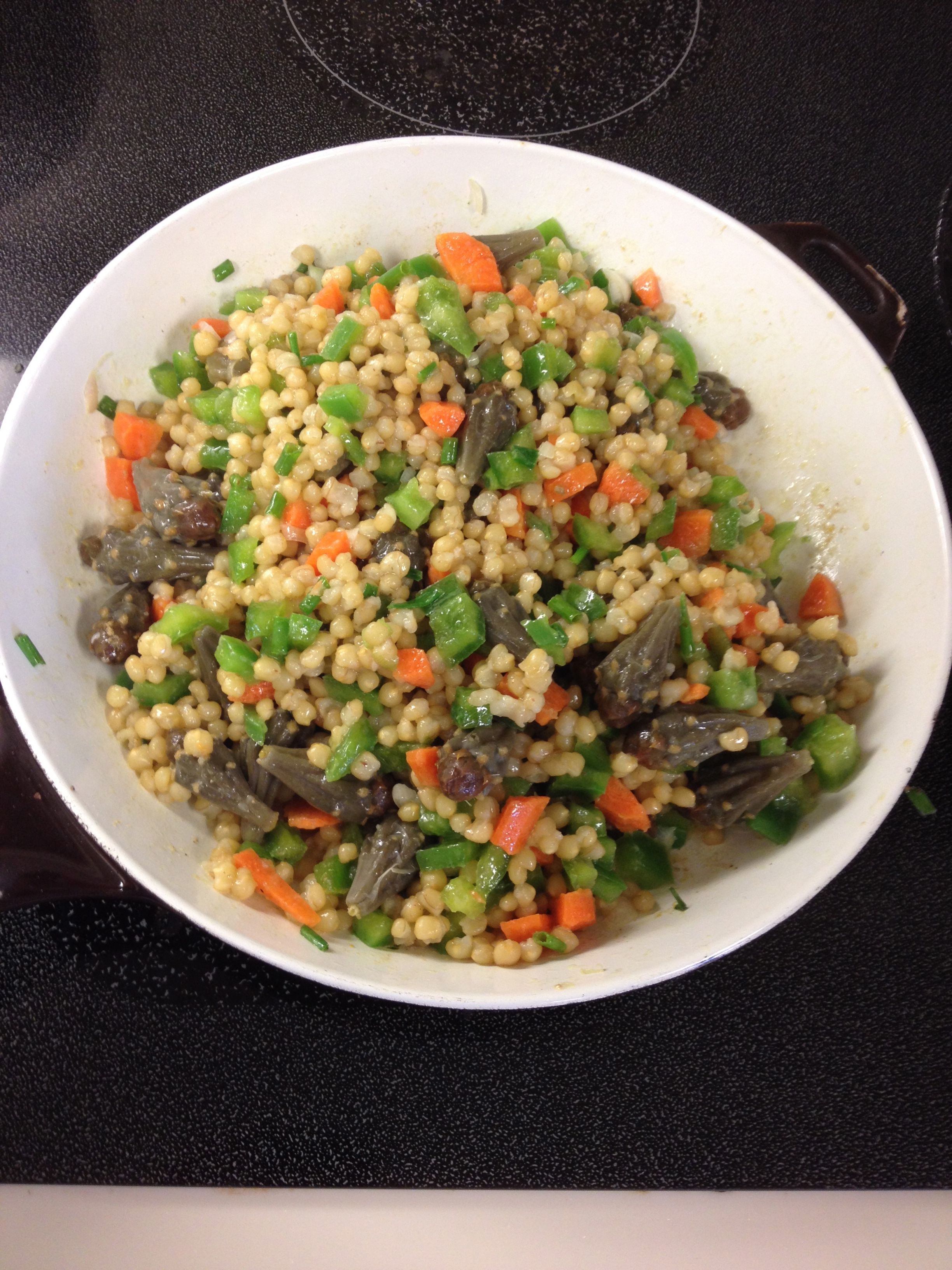
Wheatberry salad with cholla buds--an April delight (MABurgess photo)

Wheatberry salad with cholla buds–an April delight (MABurgess photo)

With cholla bud season in full swing, it’s a great time to make a marinated wheatberry and cholla bud salad for a refreshingly cool hot-weather dish. Marinate cooked wheatberries in your favorite dressing, chop fresh veggies and add cooked cholla buds—and voila you have flavor, fun, and nutrition!

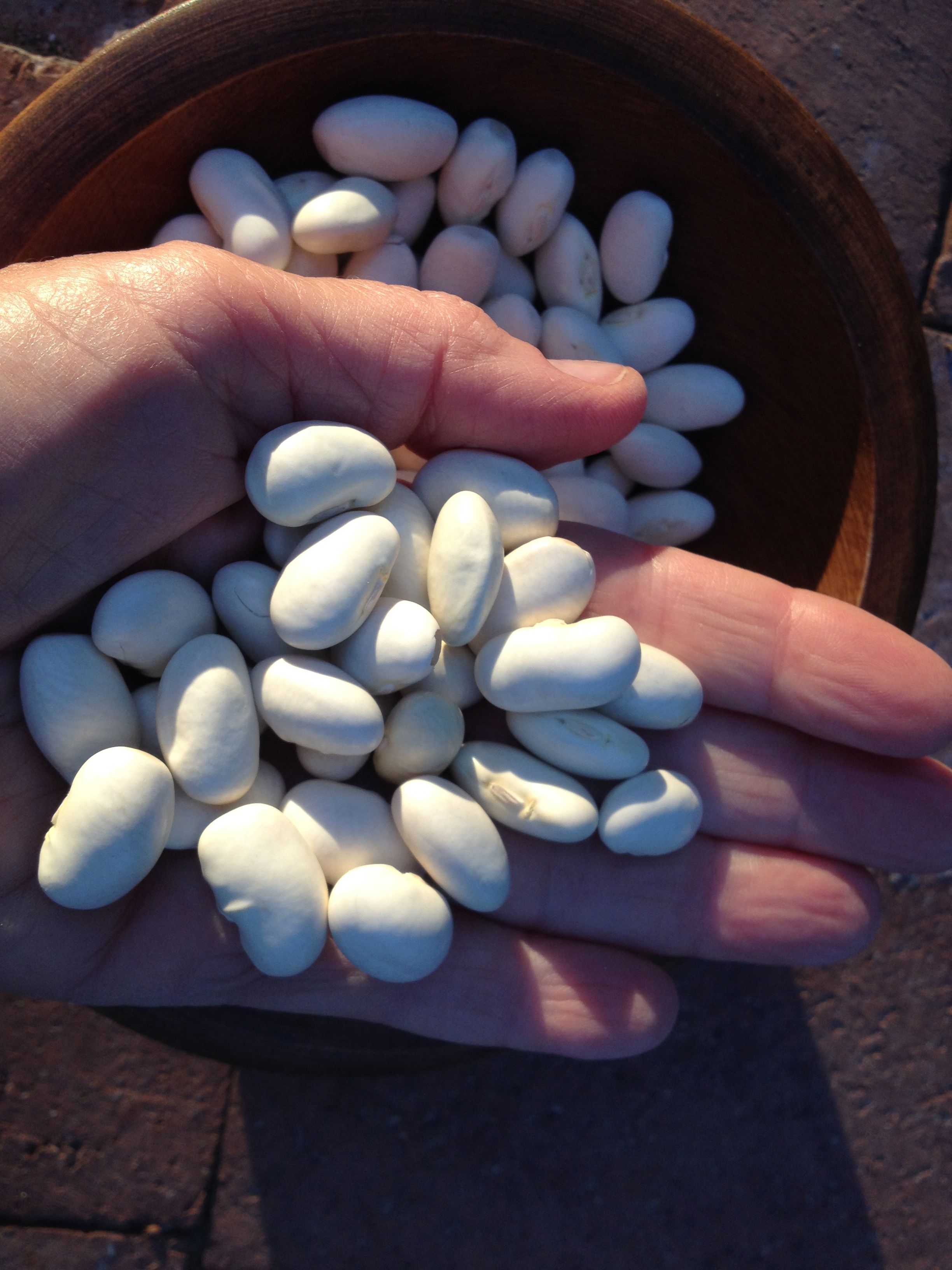
Giant Aztec white runner-beans, aka bordal and "mortgage lifter" (MABurgessphoto)

Giant Aztec white runner-beans, aka bordal and “mortgage lifter” (MABurgessphoto)

With the sap rising, and the gardening bug tugging at you, now is the perfect time to sew seeds of two very special long-season beans—the Tarahumara scarlet runner (see top of post) and the Aztec white runner (available at http://www.nativeseeds.org).   (Note: white runners looking like small Easter eggs are also referred to as “bordal” and, similar to the tomato by the same name, “mortgage lifter.”  If you can baby your young plants thru the heat and drought of May and June into monsoon growth, both of these beans will give you not only great food next fall but also glorious ornamental vines until then. Trellis them on the east side of your house or a wall for eastern light and protection from the blasting western sun. Hummingbirds will love you as they visit both the brilliant scarlet flowers and even the white flowers.

May your garden and your table be blessed with the fruits of the desert, bringing rebirth of good nutrition to the land and to our greater community of creatures and cultures!