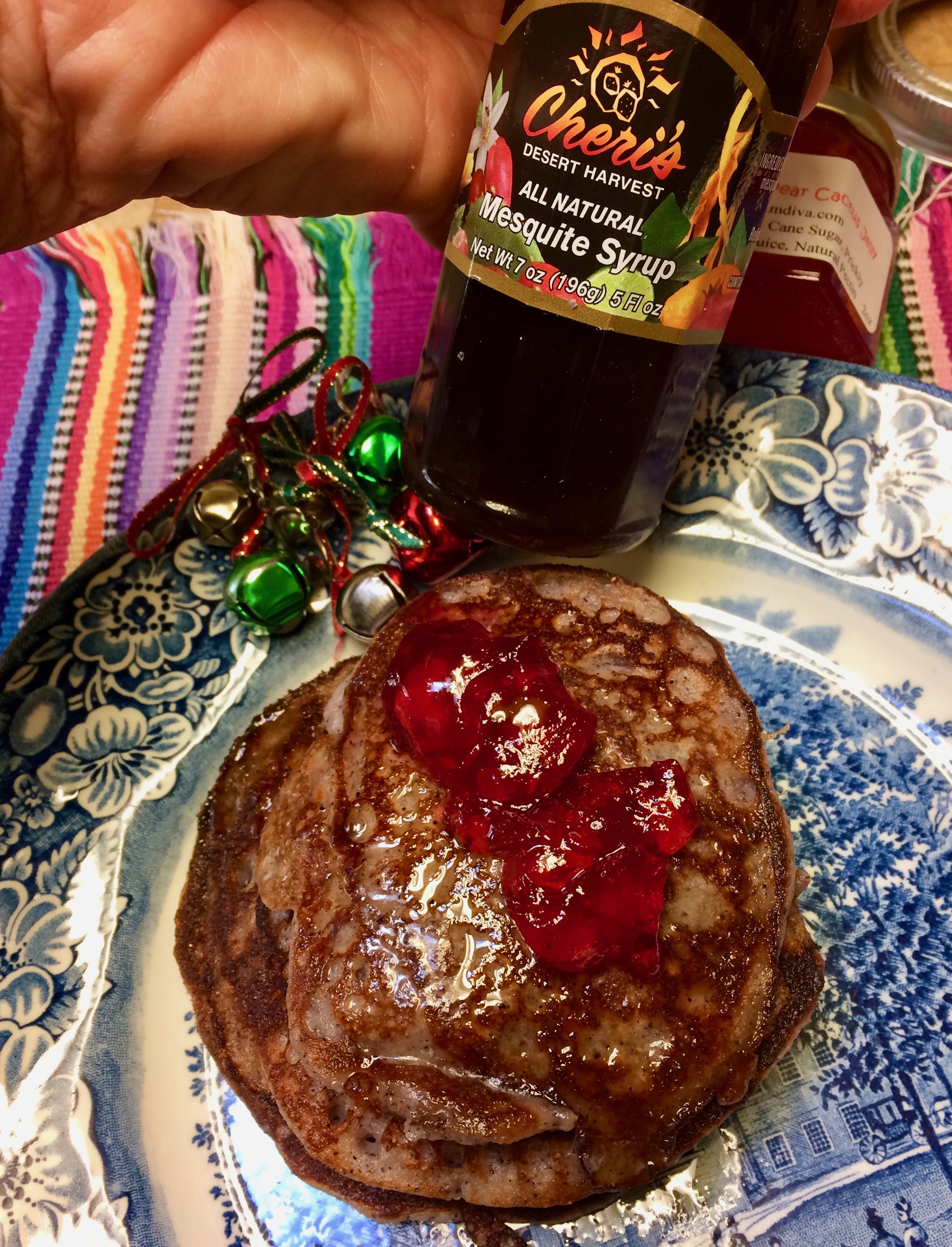
Going local for a holiday breakfast! Gluten-free blue corn pancakes are bedecked with Tucson’s own Cheri’s Desert Harvest mesquite syrup and Coyote Pause’s prickly pear jam. (MABurgess photo)
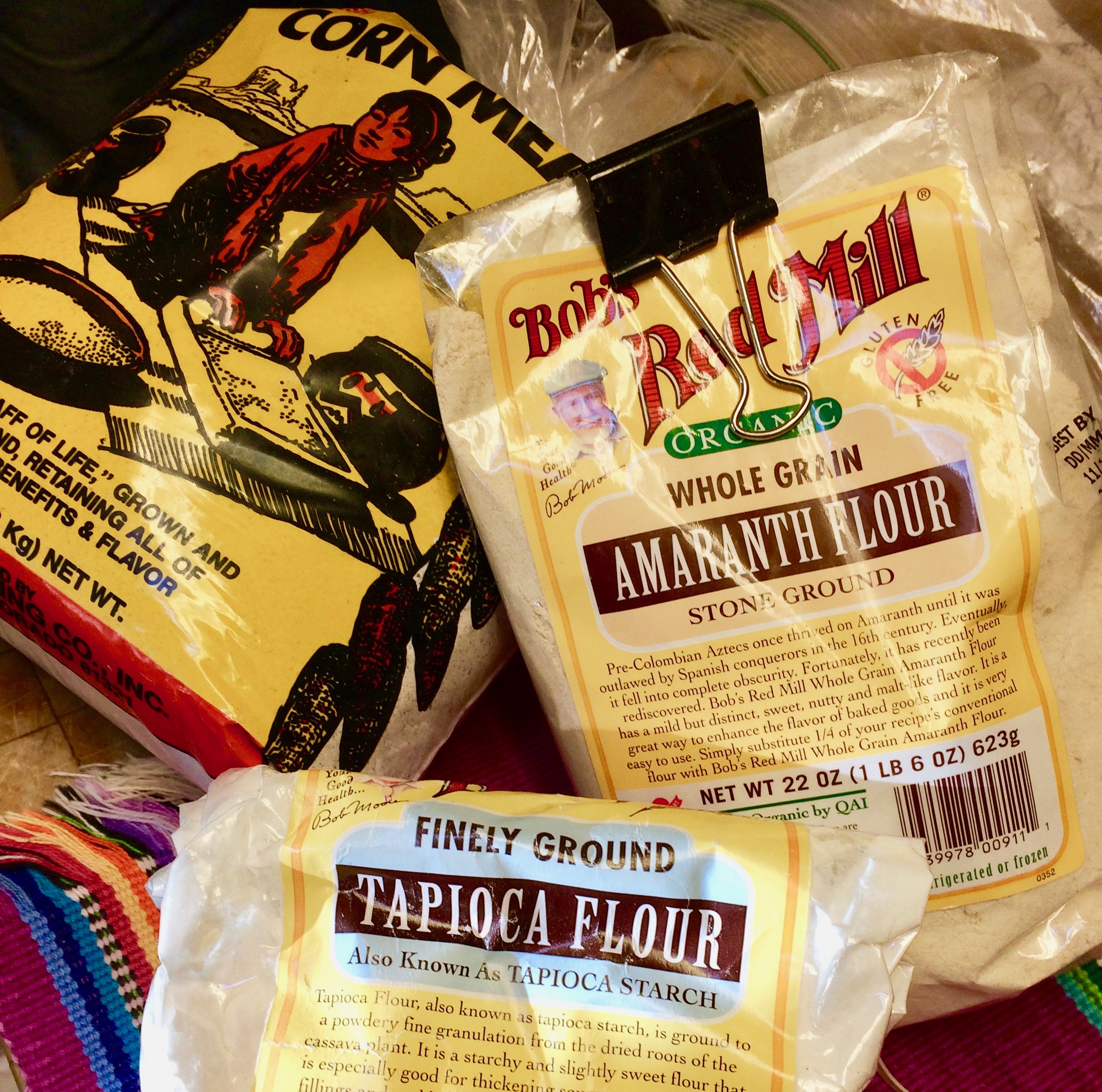
For the wheat-sensitive, try a delicious gluten-free mix of flours for pancake batter–Navajo blue cornmeal, Bob’s Red Mill amaranth flour and tapioca flour,
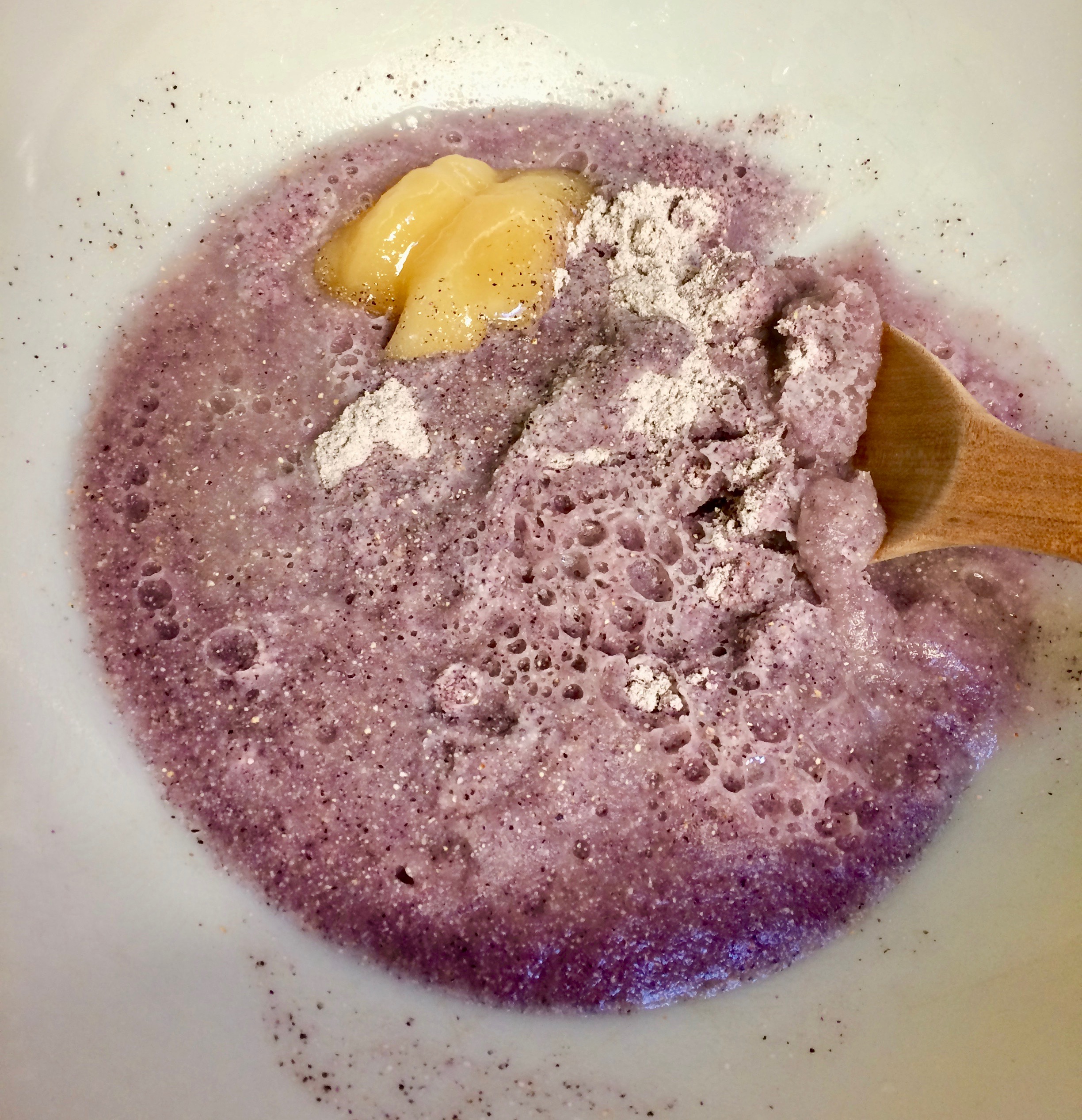
First step for holiday pancake batter–Beautiful blue cornmeal mixed with boiling water and raw honey to mix and let corn’s bouquet permeate the air! (see recipe)
Tia Marta here to share one of our family’s traditional Christmas brunch favorites….
RECIPE–Tia Marta’s Gluten-free Holiday Blue Corn Pancakes
Ingredients:
1 Cup blue cornmeal (available at NativeSeedsSEARCH)
1 tsp sea salt
2 generous Tbsp local raw honey
1 Cup boiling water
1 large egg
1/3 Cup milk (or soy or almond milk)
1 Tbsp avocado oil (or melted butter)
1/4-1/2 Cup plain non-fat yogurt (or sour cream)
1/2 Cup total gluten-free flour mix (I use 1/4 C amaranth flour plus 1/4 C tapioca flour)
1 Tbsp baking powder
Directions: Measure blue cornmeal, sea salt, and honey into a bowl. Stir in boiling water until honey is melted, and let mixture stand 5-10 minutes. Meanwhile in a separate bowl beat together egg, milk and oil, then add to the cornmeal mixture. Sift flour and baking powder together, then add flour mixture into the batter with a few strokes. Stir enough yogurt into batter to desired liquidity. Place batter on hot, greased skillet in 1/4-1/2 cup dollops. Turn when bubbles in the batter begin to stay open (as shown in photo.)
Don’t wait! Serve hot bluecorn pancakes right away. Have your toppings (found locally or home-made from desert cactus fruits or mesquite pods) on the table ready for guests to custom-decorate each pancake stack. Then taste the joy and nutrition of farm and wild desert bounty!
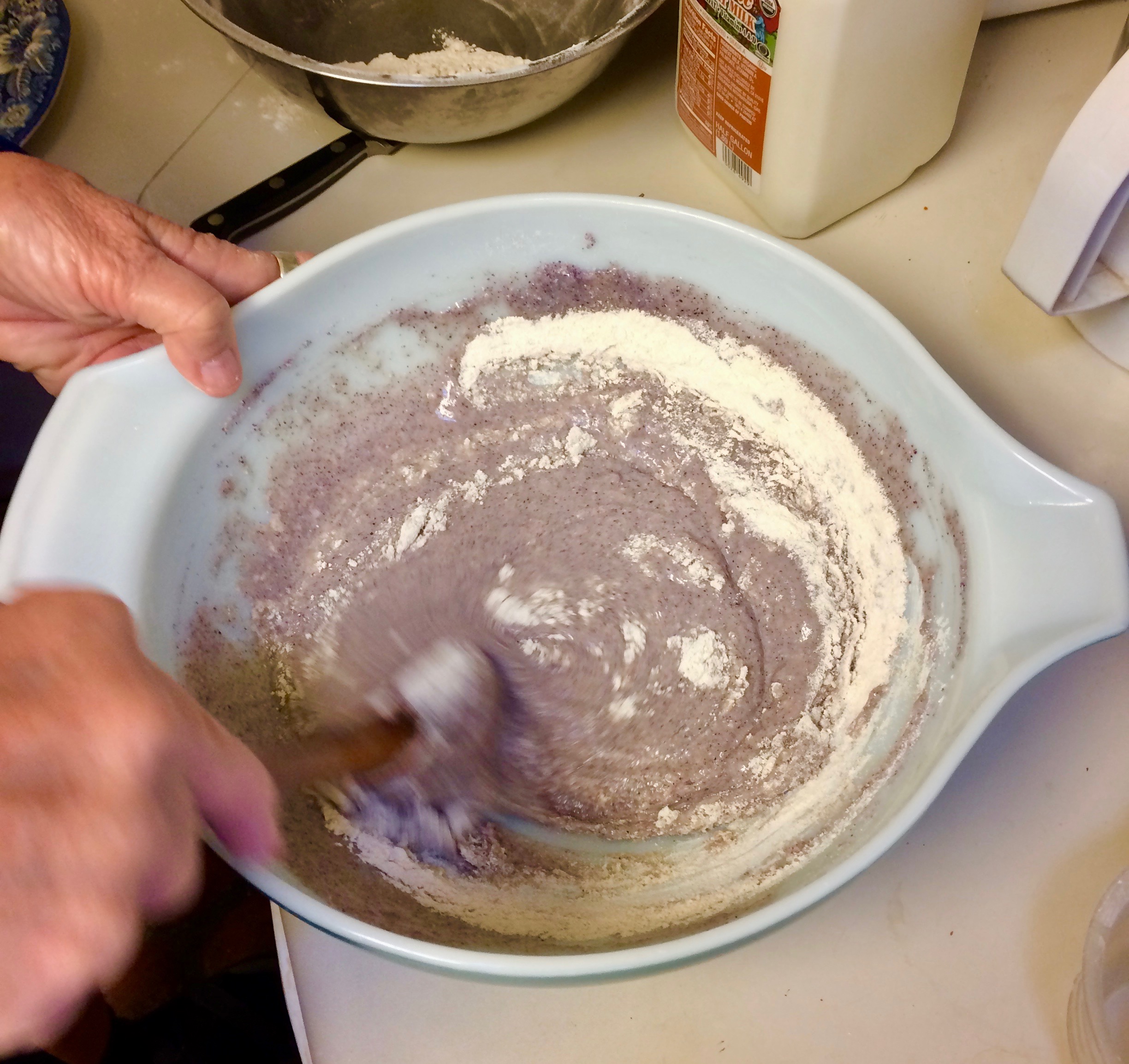
After mixing wet ingredients, quick-beat in your gluten-free flour….
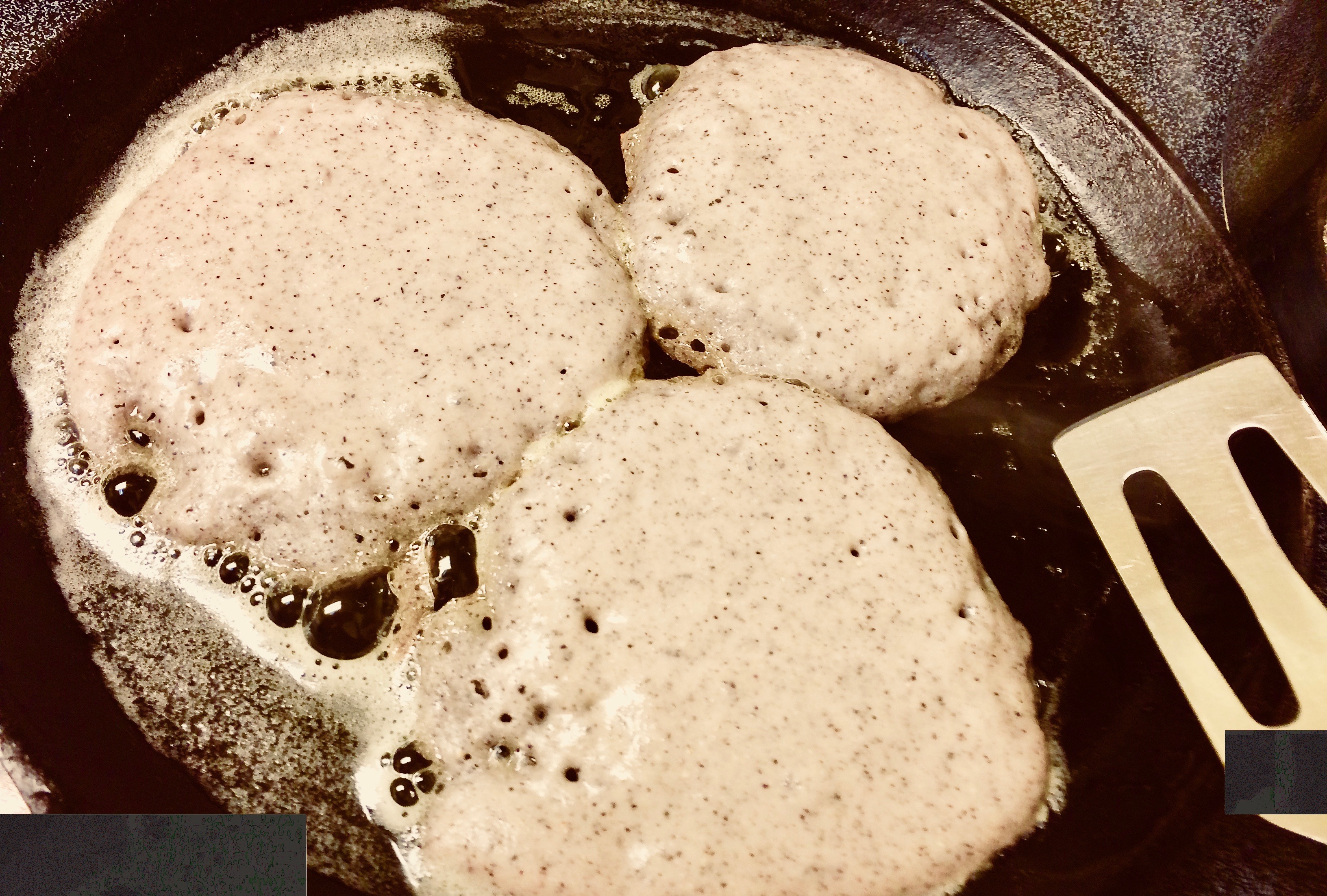
Pancakes on the hot griddle are getting done through and ready to turn when batter bubbles begin to stay open….
As Rod was helping me in the kitchen by whipping the cream he splashed a little libation into one batch. I must admit the Kahlua cafe liqueur gives the whipped cream a festive kick. For the hard-core among us we might go so far as lacing another batch of whipped cream with a crushed chiltepin pepper.
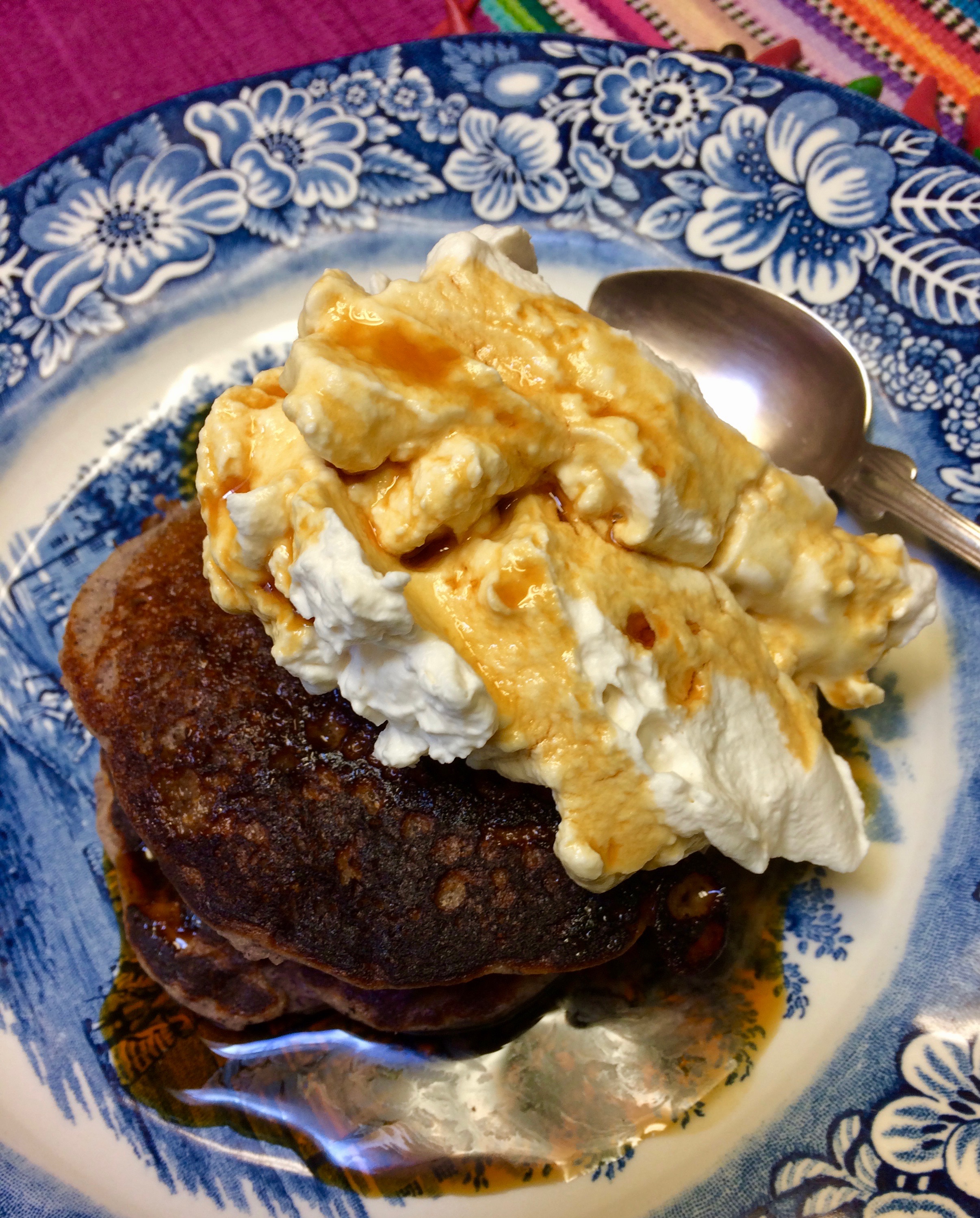
Home-made saguaro syrup tops whipped cream made with Kahlua liqueur on these blue corn pancakes. Is this gilding the lily or what? (Making saguaro syrup is another story, so stay tuned for next June’s blog.)
You can find fabulous local raw honey and precious saguaro syrup at San Xavier Farm Coop at 8100 S. Oidag Wog on the Tohono O’odham Nation near San Xavier Mission. Honey from Fred Terry the Singing Beekeeper at Sunday’s Rillito Farmers Market is also superb, as is our SavorSister Monica King’s honey. Native American-grown blue cornmeal is available at the NativeSeedsSEARCH store, 3061 N.Campbell Ave, Tucson, or online at www.nativeseeds.org (the perfect place for holiday shopping!) Cheri’s Desert Harvest products (like her mesquite syrup in photo) are there at the NSS store and at several specialty shops in Arizona. Great local foods–such as home-made prickly pear jam–are a part of the delectable menu at Coyote Pause Cafe near Tucson Estates.
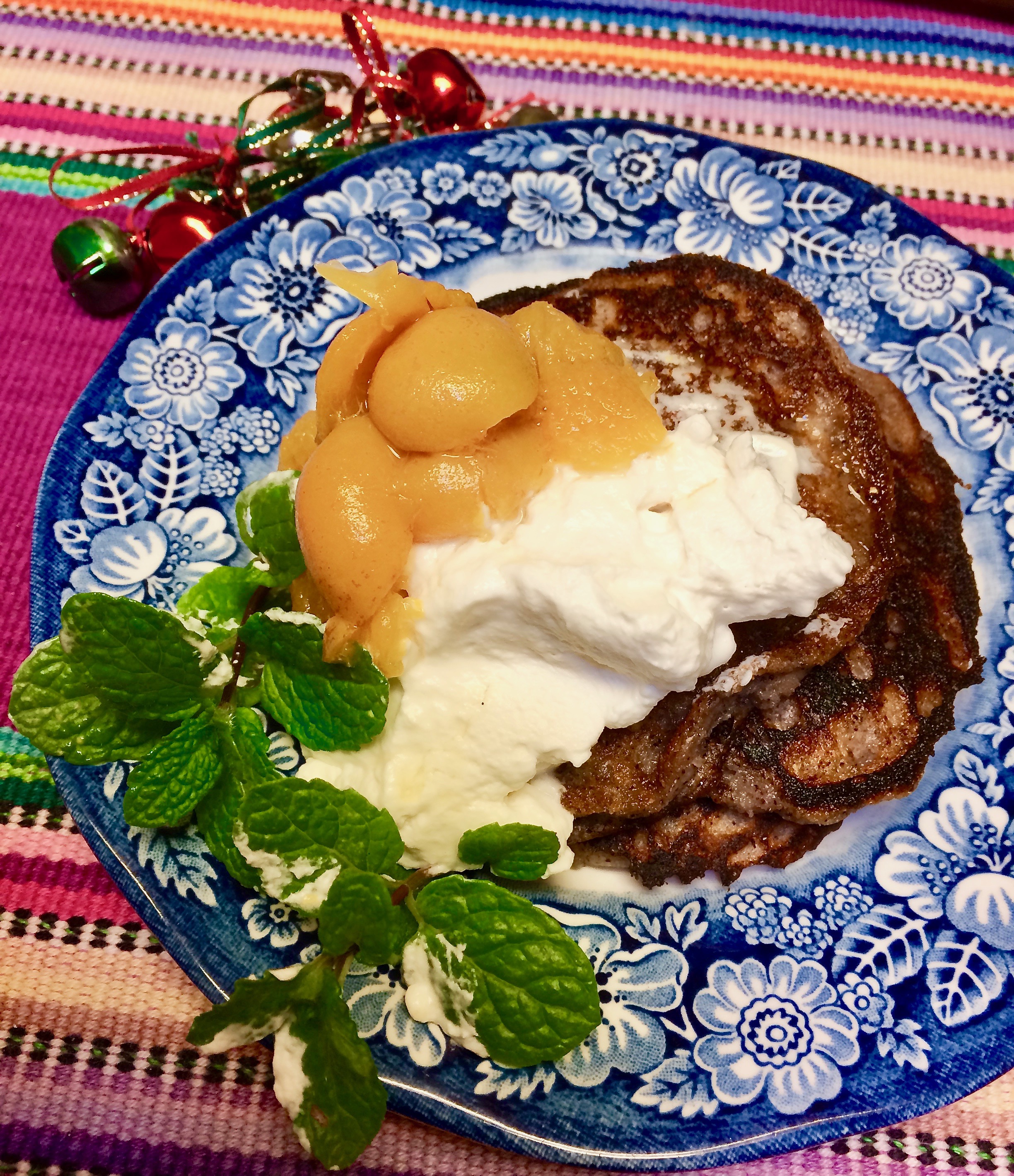
Try topping your blue corn pancakes with whipped cream and fruit–Here I’ve used home-canned apricots purchased in the charming town of Bacoachi, Sonora (south of Cananea), on a recent Mission Garden tour. (MABurgess photo)
Dress up a holiday breakfast to delight the eye and tastebuds–fit for all at your table–with nutritious, LOCALLY-sourced Southwest gluten-free pancakes! Ideas offered with cheers and holiday blessings from Tia Marta!
[Tia Marta is an Ethnobotanist and Artist dba Flor de Mayo Arts. Many of her Southwestern heirloom bean and wheat-berry products, as well as her beautiful canvas art-totes, notecards and prints, are available at the NativeSeedsSEARCH store, at Tohono Chul Park Museum Shop, the UNICEF Store in Monterrey Village, Presidio Museum and Old Town Artisans in OldTown Tucson. Hear her in person as lecturer/guide at several upcoming City of Gastronomy Tours in January-April 2019 sponsored by Tucson Presidio Museum.]
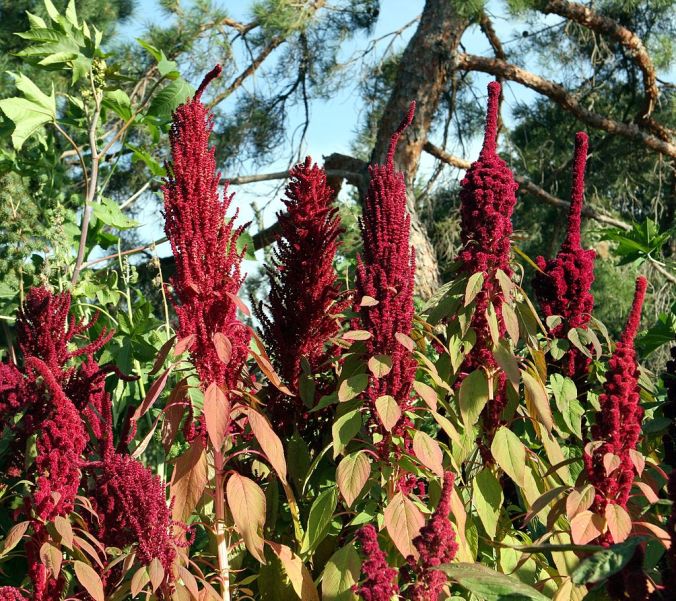 Amaranth is famed as one of the staple foodstuffs of the Incas, but it was used by many other people around the globe, including here in the Pimería Alta. Amaranth was and still is popular throughout Mexico for a number of drinks and foods. The greens can be used in a number of ways (as the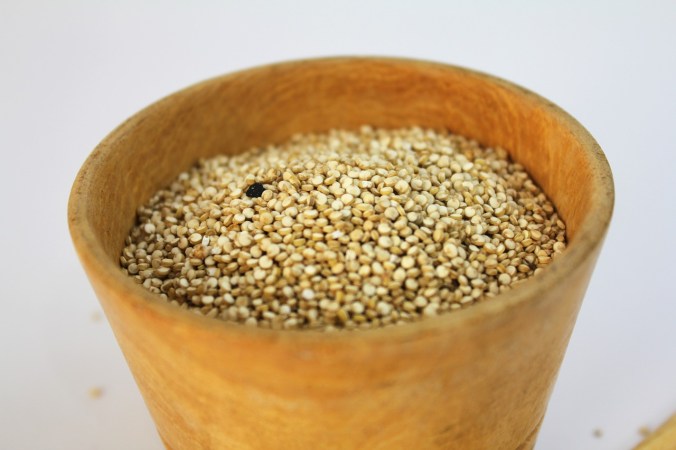


 Want to learn more? Look for my free lectures at your local Pima County Library branch, Tubac Presidio, Tucson Festival of Books and other venues. After each event I will be signing copies of my books, including
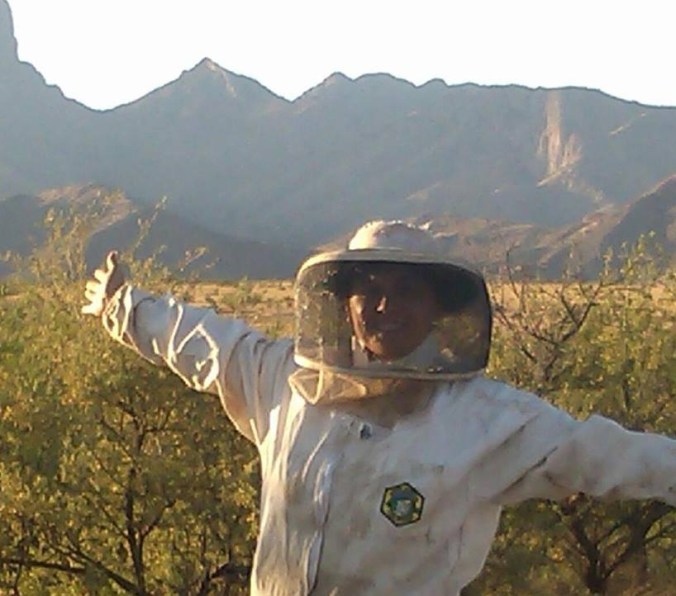
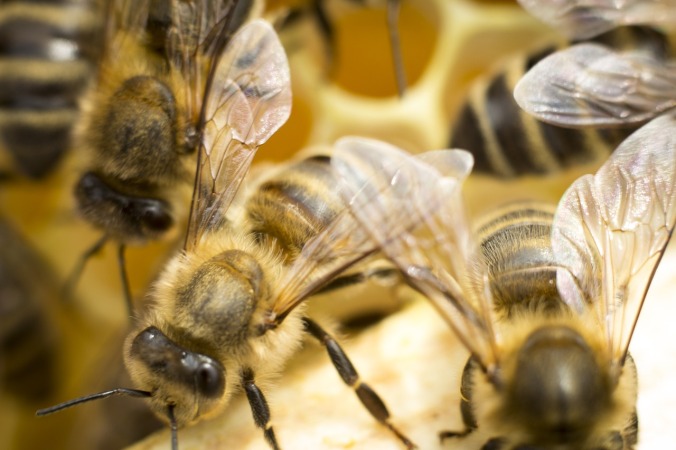
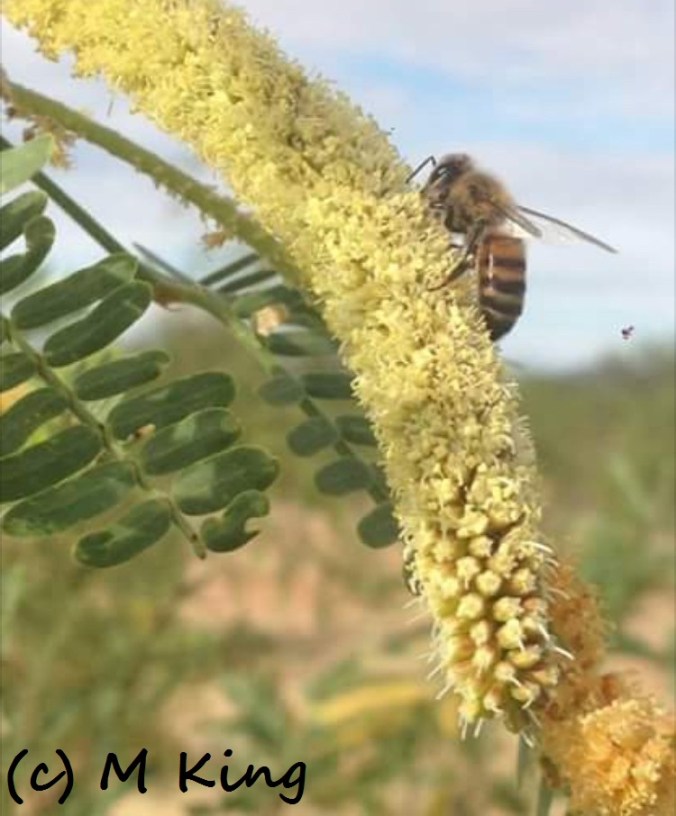
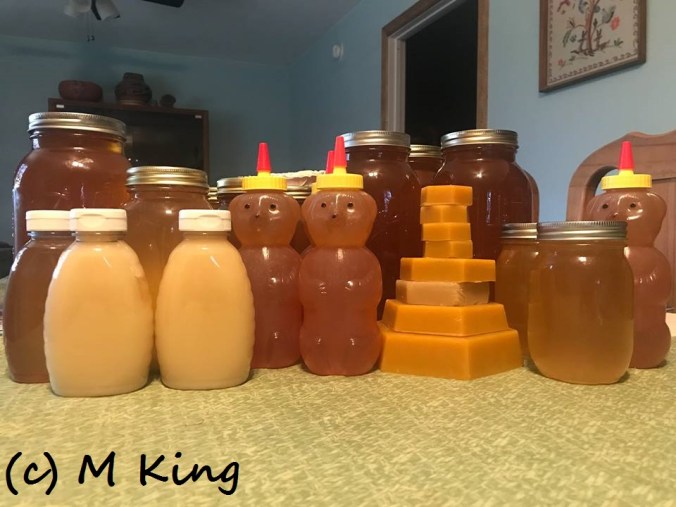
 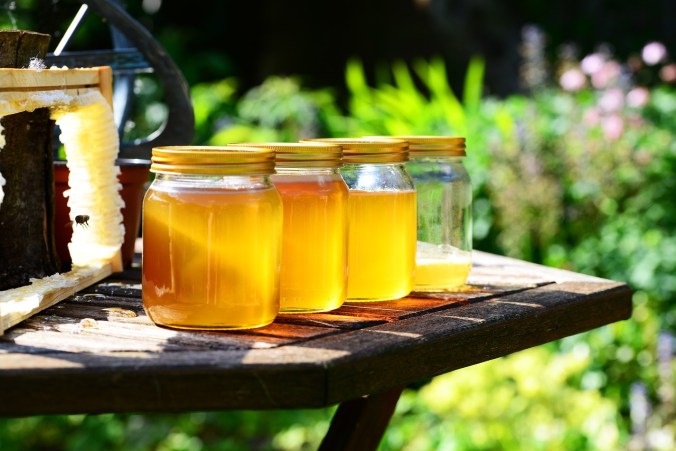 Monica King here to kick off National Honey Month since I’m a beekeeper. This awareness month was initiated by the National Honey Board in 1989 to promote American beekeepers and honey. But just how long have humans recognized the importance of honeybees? Archaeological evidence says 8,000 years. The bond between humans and bee is documented on cave paintings in Spain that depict a man harvesting honey from a wild colony.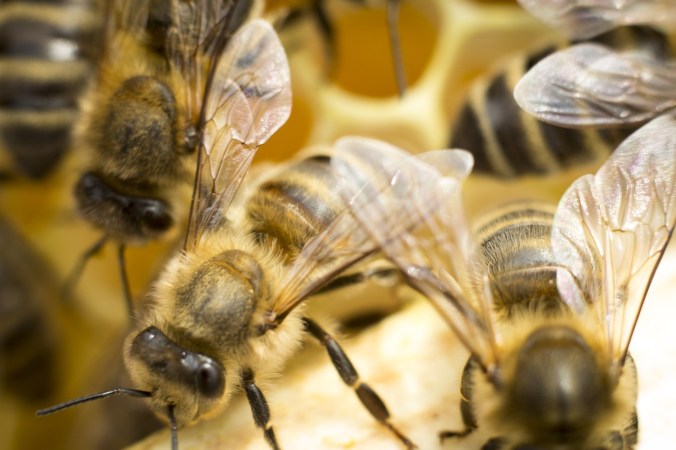
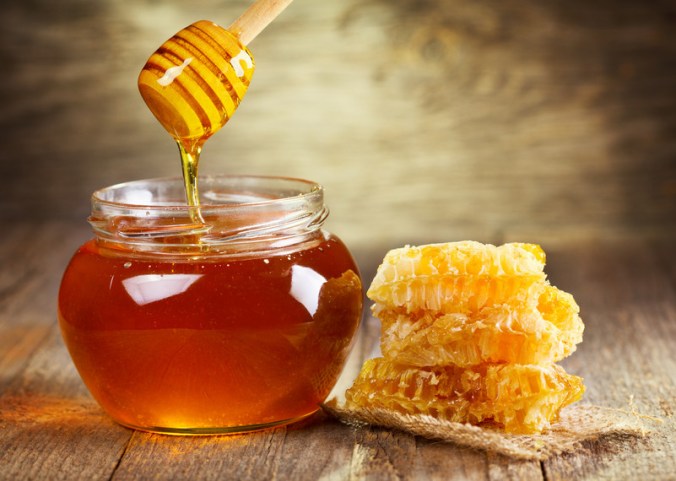

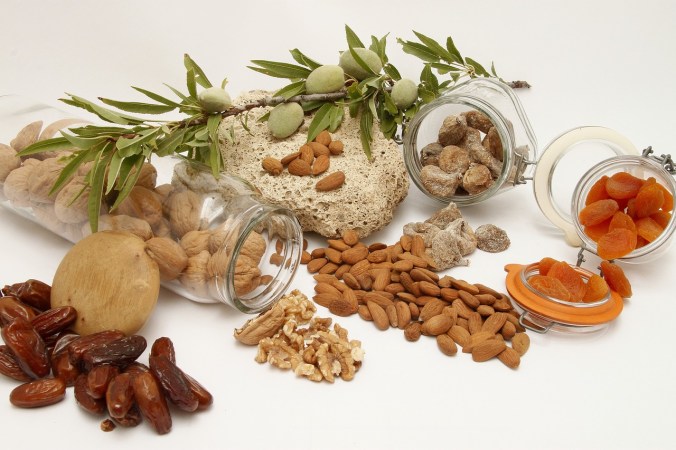
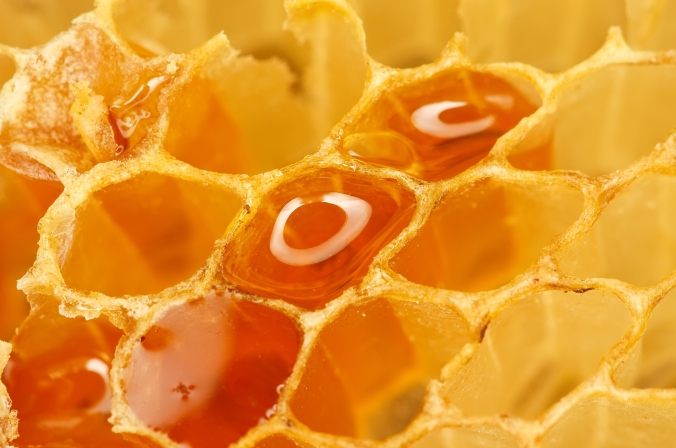
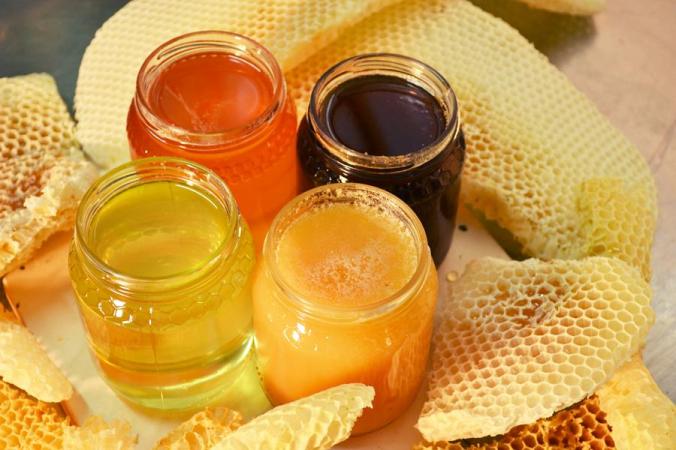
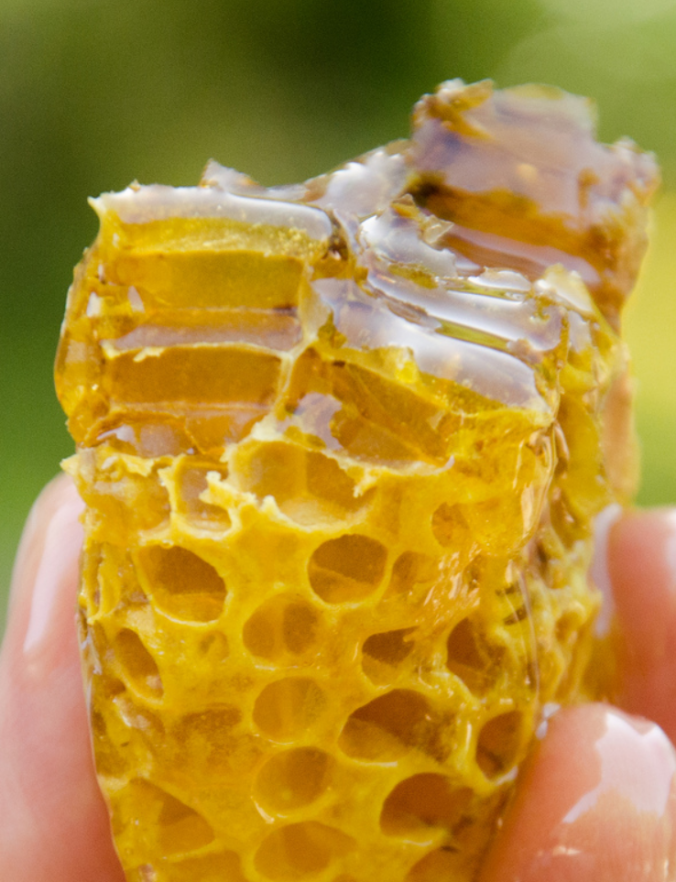 Honey and energy. Honey is a concentrated source of fructose, glucose, and other di-, tri-, and oligosaccharides, as well as amino acids human bodies need for energy. Studies show that honey is an economical alternative to carbohydrate gels for athletes.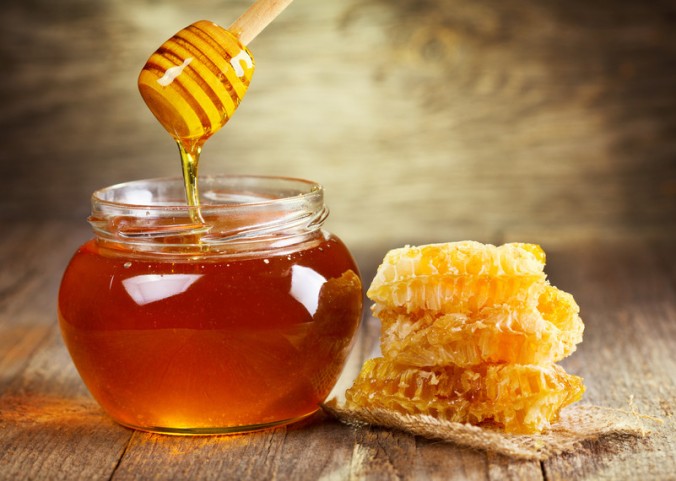
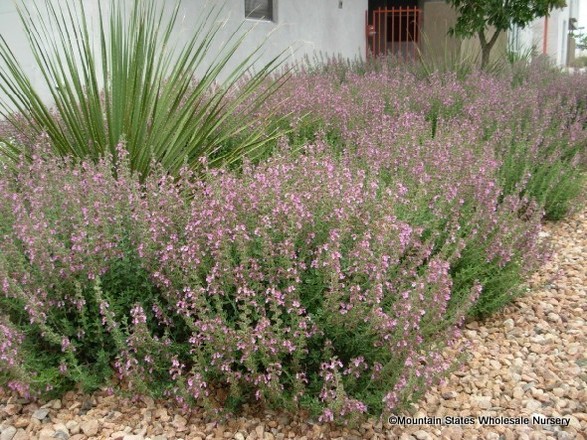 Believe it or not, autumn has officially arrived. Once it no longer gets into the triple digits, it is time to think about planting perennial plants. Get them in the ground in fall – and then they will have a fighting chance to become well established before the heat of next summer hits.
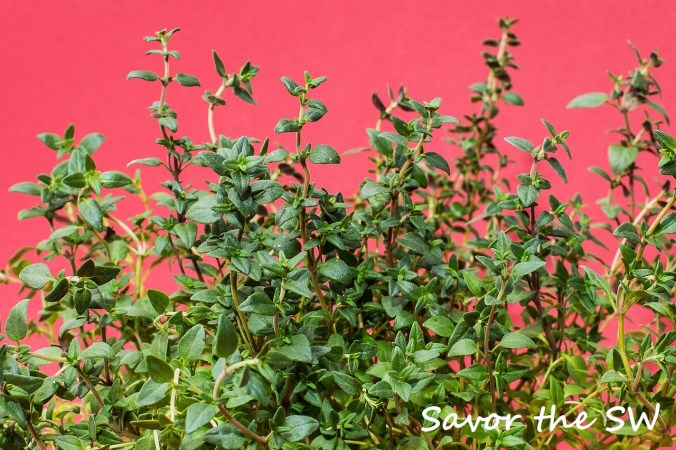
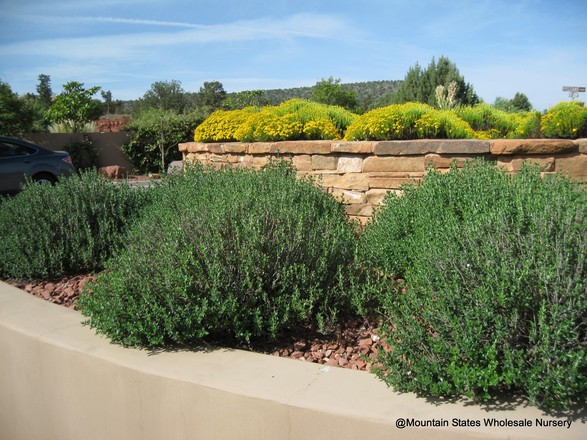 A list of landscape herbs can go on extensively, but I do want to mention one that is often overlooked – germander. Originally brought here in Father Kino’s time, germander was originally used as a medicinal, but it can also be used in cooking. Like so many other herbs that come to us from the eastern edge of the Mediterranean (along with bay laurel, sage, rosemary, thyme, and more). On their native rocky hillsides of Greece and Turkey, these herbs receive rain only in the winter, and are thus excellently drought adapted for our region.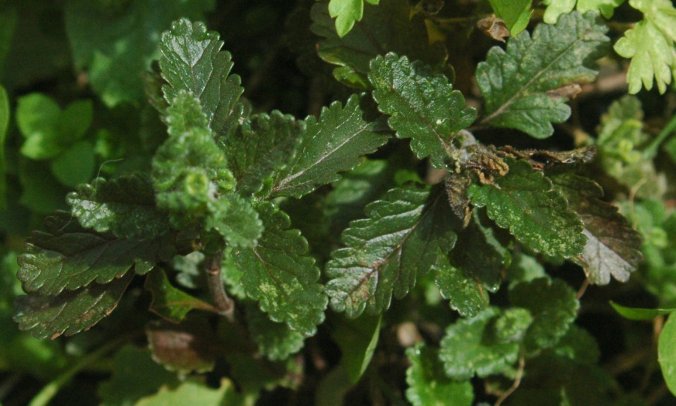
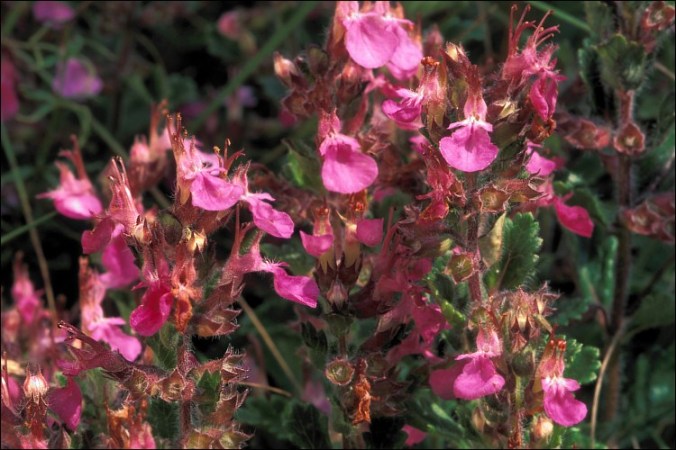
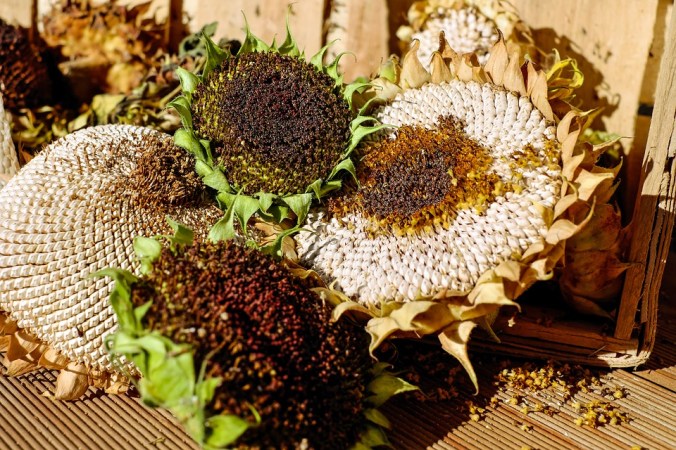
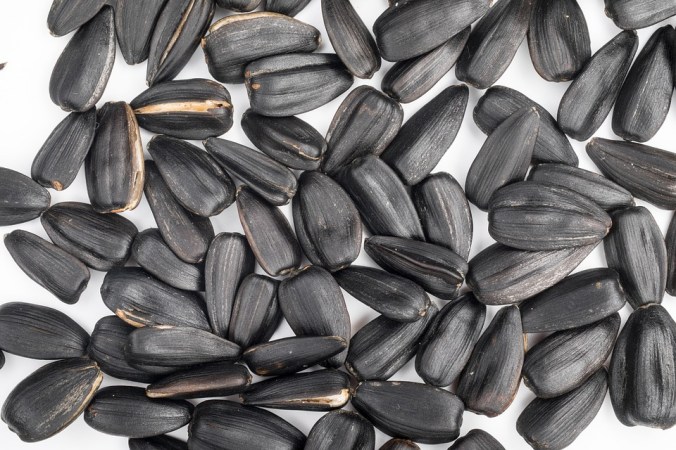
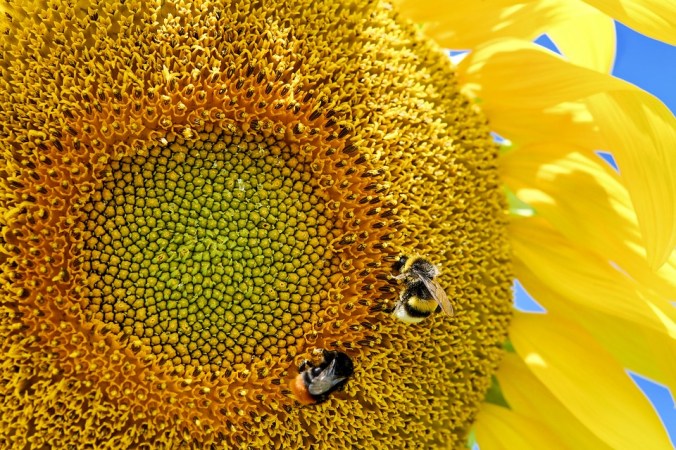
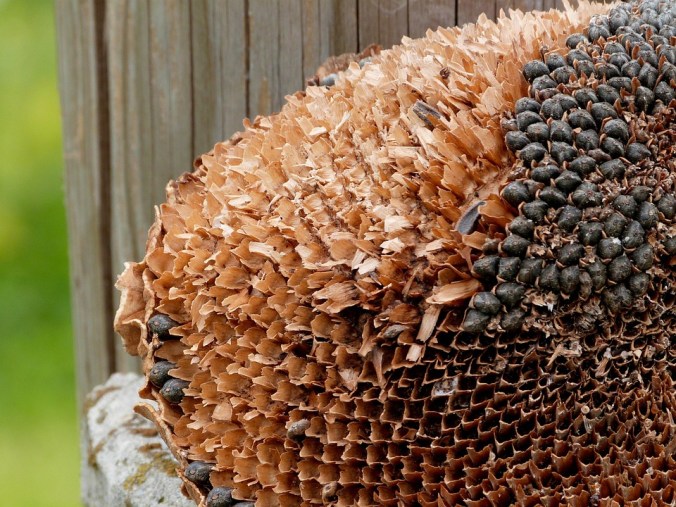
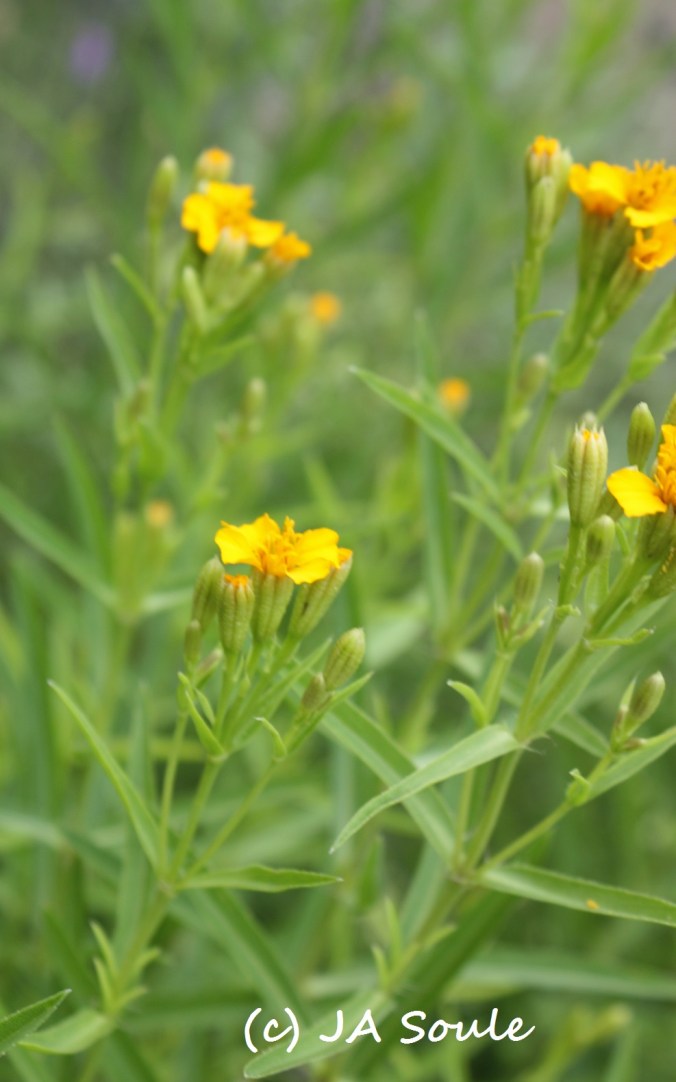
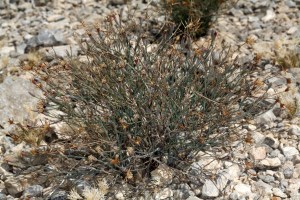
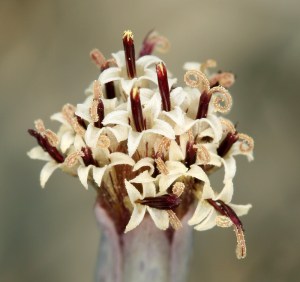 Savor Sister Jacqueline Soule here today with native plant that is lovely in the landscape, never needs water, and can be used as an herb for cooking. Can it get better than this? Well yes, our native solitary bees use this as a food source in that time when spring wildflowers and cacti are done blooming and not much else is in flower.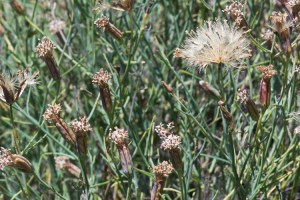

 Savor the Southwest: