Celebrating Three Tucson Women and Their Innovative Work with Southwest Foods

An Interview with Gary Paul Nabhan

by a SavortheSouthwest.blog Fan
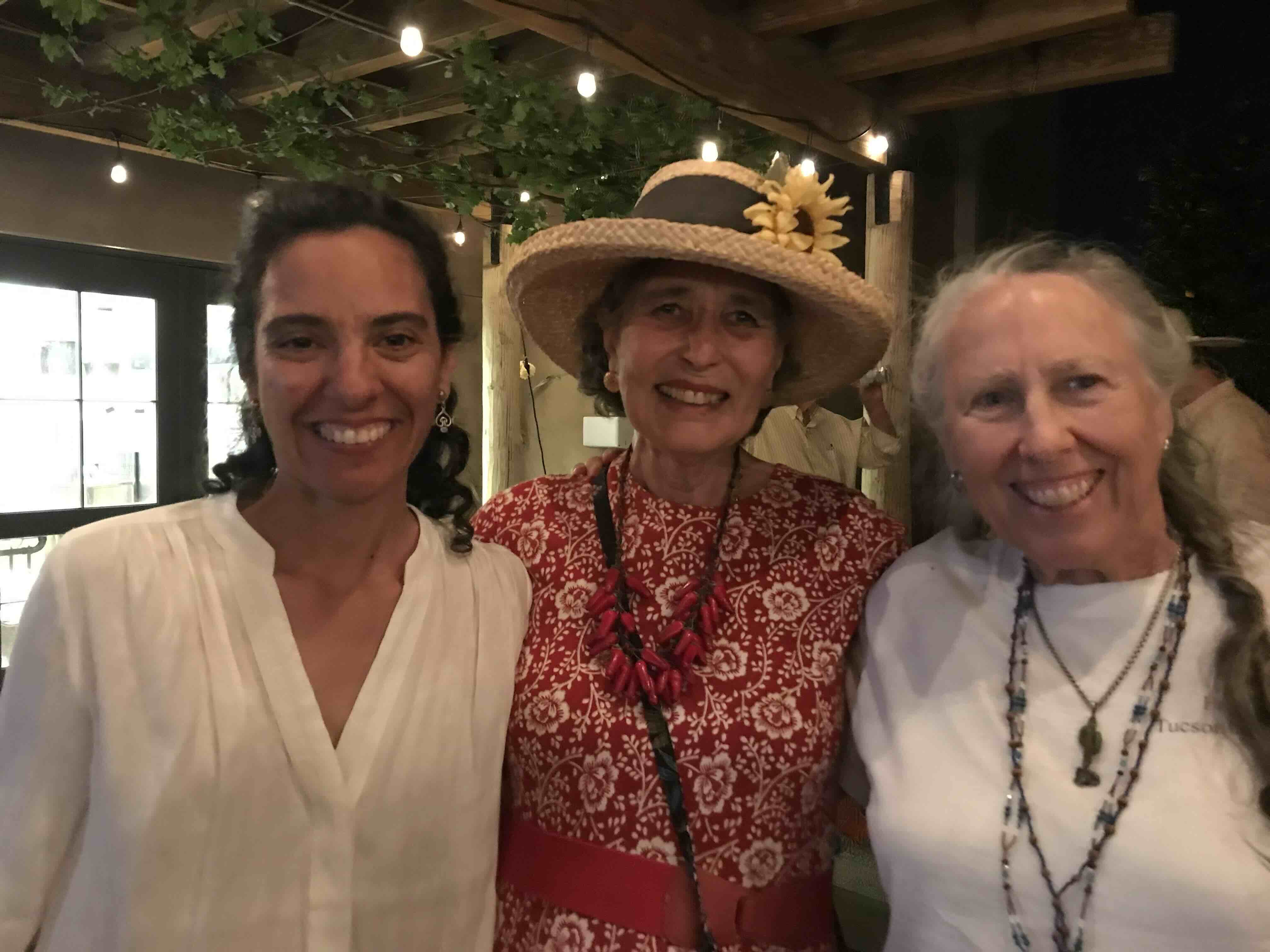
Caption:  Faces behind the blog–the SavorSisters left to right:  Mano y Metate Molera Amy Valdes Schwemm, Author/Culinary Artist/Hostess Extraordinaire Carolyn Niethammer, and Flor de Mayo Prickly Harvester/Frijol Aficionada Martha Ames Burgess

[Esteemed SavortheSouthwest Blog Readers:  Our friend, colleague, desert foods philosopher, orchardist, inspirational instigator of culinary action, and author Gary Paul Nabhan asked to be interviewed.  We were super-honored to learn he is such a fan of our blog!  Here are his shared off-the-cuff remarks.]

Author Gary Paul Nabhan, with local beef and lamb grower Dennis Moroney, owner/founder of Sky Island Brand Meats (enjoying a concert by musician- grasslands botanist-author Jim Koweek in Sonoita, AZ)

INTERVIEW FOLLOWS

Question from a SavortheSouthwest.blog Fan:  So Gary, why are you eager to celebrate these Southwest foodies’ lifework, that of Carolyn Niethammer, Martha Ames Burgess, and Amy Valdés Schwemm?

Gary:  Aside from the fact that they have had enormous influence, not just on me but our whole community, each of them has been a remarkable pioneer or innovator with Southwest foods.  I value their friendships –but also their brightness.

Question: When and how did you get to know each of them?

Gary: When I moved to Tucson in 1975 or so, both Kit Schweitzer and Lloyd Finley heard of my interest in food ethnobotany and said I had to meet Carri.  She was probably working on her book American Indian Food and Lore by then, which was one of the first regional books on Indigenous cuisine in the Southwest.  We did some field harvesting workshops together on seasonal wild foods in the Tucson area, calling it “Gary and Carri’s Thorny Food Review.”  Next we worked together on Pima County Public Library’s amazingly innovative live-talk series, the Sonoran Heritage Program.

With Muffin, in the 1970s we were both engaged with the Arizona-Sonora Desert Museum and with Tumamoc Hill’s Mescal,Marching,&Menudo Society. As fellow grad-students, we’d practice our research findings on each other with presentations and potlucks.  Later, we were conserving seeds and traditional planting know-how with NativeSeedsSEARCH [the organization Gary co-founded] and shared by Indigenous farmer friends. To this day, no single educator of nature and culture has eclipsed Muffin’s capacity to bring Tucsonans out for hands-on experiential programs.  I recall an event that she organized, a Desert Museum program with Tucson explorer Tad Nichols showing his 1943-44 film of flying over the newly-exploding Paricutin volcano. Over 600 people were attracted to Tad’s presentation thanks to Muffin’s enthusiasm. We both had friendships with Tohono O’odham Elder women on the Nation, so traveled out there together a lot, learning from them.  She actually was a model for one of the characters in my first book.
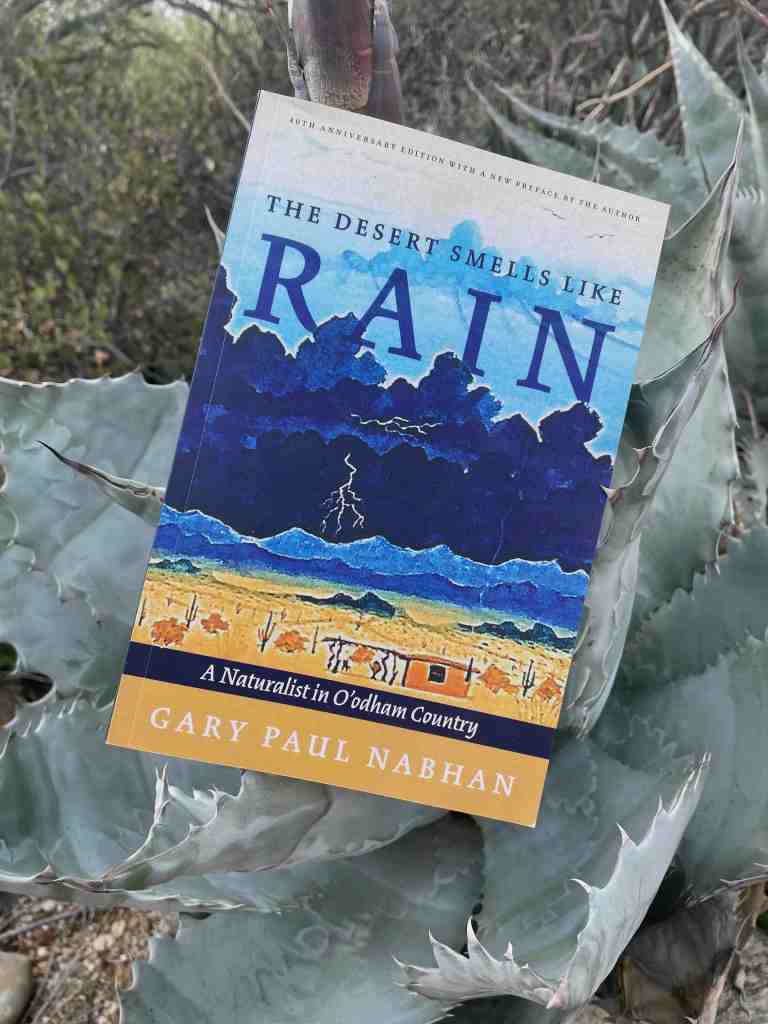
[Nabhan’s book The Desert Smells like Rain, a Naturalist in O’odham Country, first published in 1982, has been reprinted recently by University of Arizona Press!]

I got to know Amy later through her work with Mano y Metate and Desert Harvesters.  Her Mano y Metate moles—which she re-created from scratch when NativeSeedsSEARCH’s Mexican mole source vanished–have always been extraordinary in both honoring tradition–and in kicking fragrances up a notch. Amy agreed to cater one of the first dinners we had in Patagonia when I founded the national network on rare food conservation called Renewing America’s Food Traditions. Our guests from all over–Deborah Madison from Santa Fe, leaders in Chefs Collaborative, and Slow Food USA–loved her creativity as much as I did.

[Amy’s Mole mixes make being a gourmet cook almost instantly possible!]

Question:  What do you think these three Savor-Sisters have in common, in terms of values and strategies for promoting Southwestern foods?

Gary:  That’s easy to respond to:  They all have deeply listened to Indigenous and traditional home cooks, rather than –excuse my Espanglish—simply sitting on their nalgas in front of their desks to make up mierda without any tangible ties to historic traditions. Carolyn’s first book was really a food ethnography acknowledging dozens of Southwest Native women and their traditional foodways. Muffin has done the same with Tohono O’odham women–listening and participating in food harvesting and preparation with elders. And Amy has continued the traditions of her own grandmothers. Not every writer or chef takes that time:  each of these three Tucsonans stands in the tradition of Paula Wolfert, Diana Kennedy and Lois Ellen Frank.

Question:  Any other thoughts you dare share about these Three Mesquiteers?

Gary:  Actually yes–one more thing:  One of the aspirations that Jonathan Mabry, head of Tucson’s City of Gastronomy program, and I had when we were submitting the proposal to make Tucson the first UNESCO City of Gastronomy in the U.S. was this:  to continue the elaboration and celebration of the unique gastronomy of this place and its many cultures. Shortly after getting that designation, I knocked on Carri’s door and said, “Tag, you’re it! No one else can offer the detailed overview of Tucson’s complex culinary legacy in print better than you.  What still needs to happen is to create or articulate a collective identity for a Sonoran Desert cuisine that is identifiable, unique—as it is in New Orleans, Charleston, Boston, or Santa Fe.  So, it’s up to you to express what a distinctive regional cuisine means for us, and illustrate it with great sample dishes, sample menus.”

That’s really a huge task—larger than what one book can ever do—but she started that process.  She had Tucson’s home cooks, chefs, growers–young, veteran, Indigenous—even brewers and distillers all understand what they, as a community, have to build on– that no one in Phoenix, El Paso or Albuquerque can touch.  The result was her latest book A Desert Feast: Celebrating Tucson’s Culinary Traditions.      

Each of Carolyn’s books is a treasure trove of local food delights, ideas and info.

Question:  Okay, so what are you up to these days as Extinguished Professor Nabhan?  We’ve heard a rumor that you sometimes write books in the middle of the night.

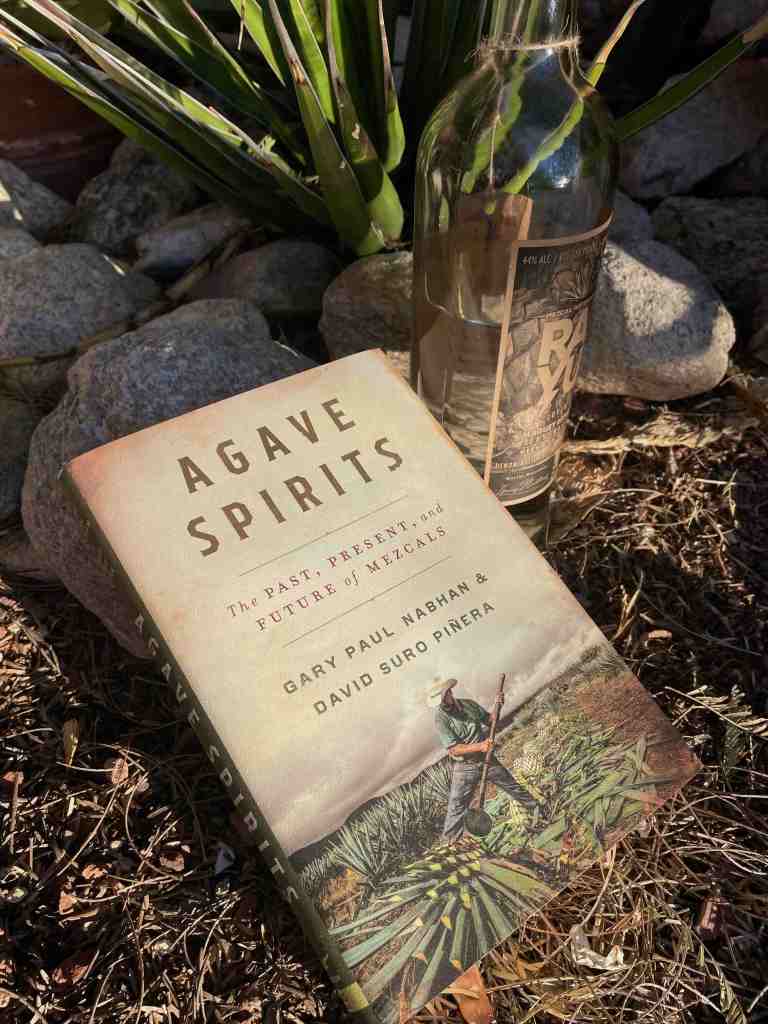
Gary:  Yeah, sleeplessness is my only real asset.  Of course, I’m still rambling around festivals promoting Agave Spirits, my latest book coauthored with David Suro. But I’m also at work on a book with James Beard-award-winning chef and food writer Beth Dooley on the links between and benefits of desert cuisines from around the world in this time of rapid climate change. We’re showing a commonality between what people grow and how they prepare foods from the deserts of India and Persia, through the Middle East and North African “Maghreb”, to the Canaries, Caribbean, northern Mexico and the U.S. Southwest. These will be recipes so aromatic and full of healthful antioxidants that no one will ever say again that living well and eating sustainably in a hot dry world is difficult–if not impossible. And most hopeful, these deserts’ foods can even buffer us from heat stress, dehydration and damaging solar radiation…  So stay tuned!
[The Savor-Sisters thank you, Gary, for your candid thoughts and perspectives about us and our mission in sharing what we do via this blog.  Indeed all of us, dear blog readers included, are anticipating Gary’s next book.  (We can hardly keep up with his blistering writing rate.)  Bravo to him for continuing to share his significant desert stories, and to inspire us resiliently into hotter, drier times! With appreciation, Carri, Amy, and Muff]
Where Monsoon Melons Reign….


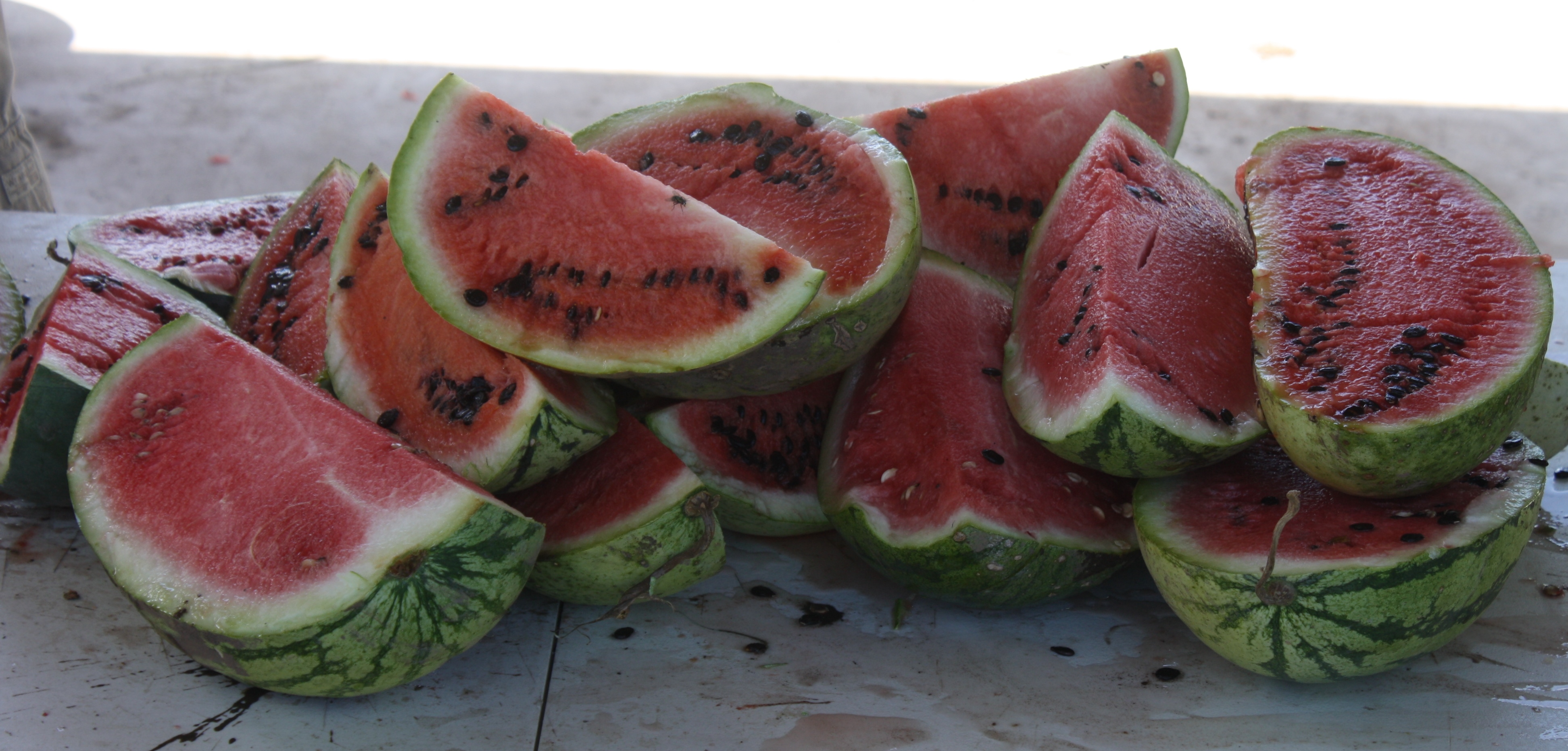
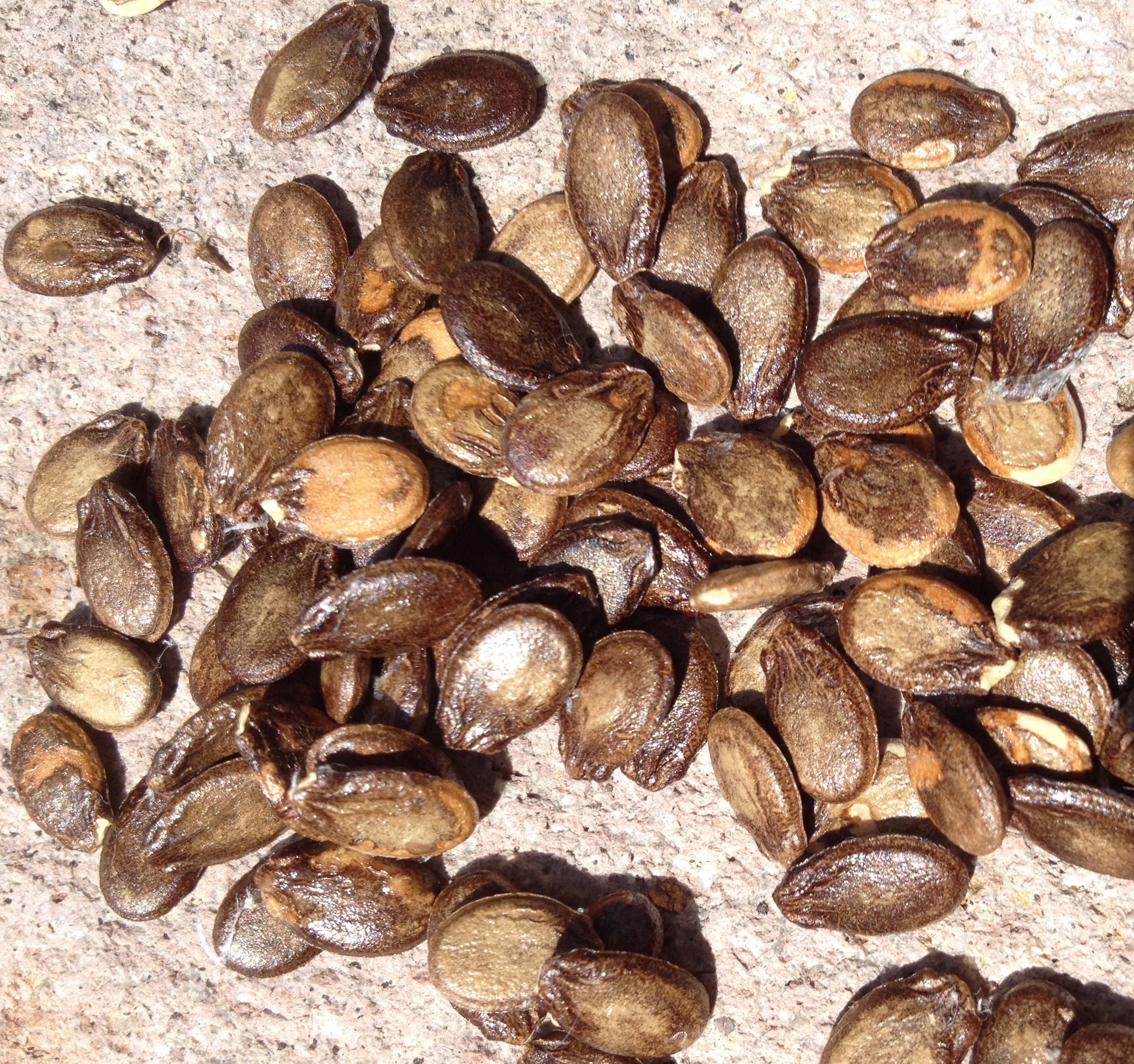
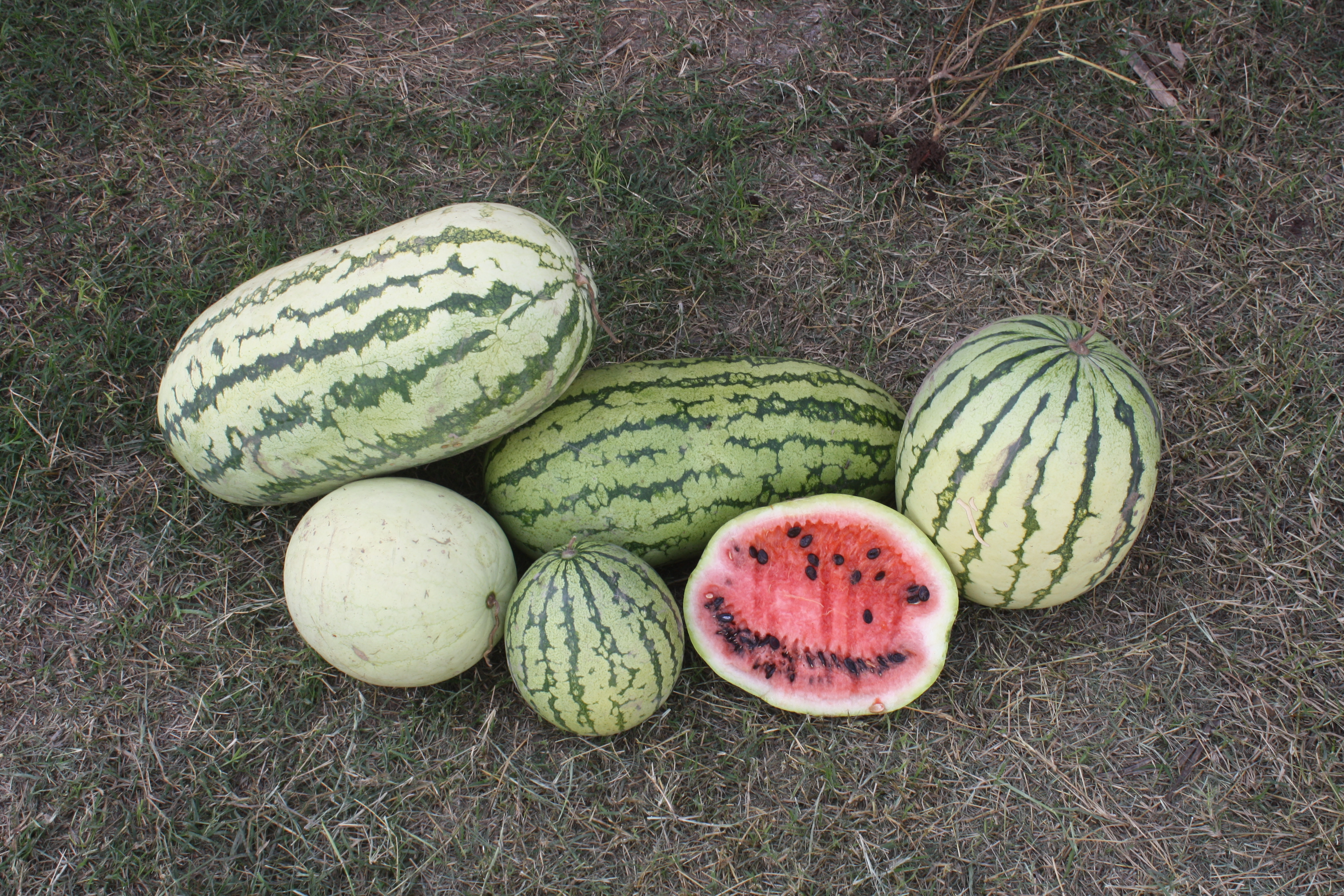
Native Mayo watermelon from the hot coastal plains of Sonora (seed from NativeSeeds/SEARCH)

Native Mayo watermelon from the hot coastal plains of Sonora (seed from NativeSeeds/SEARCH)

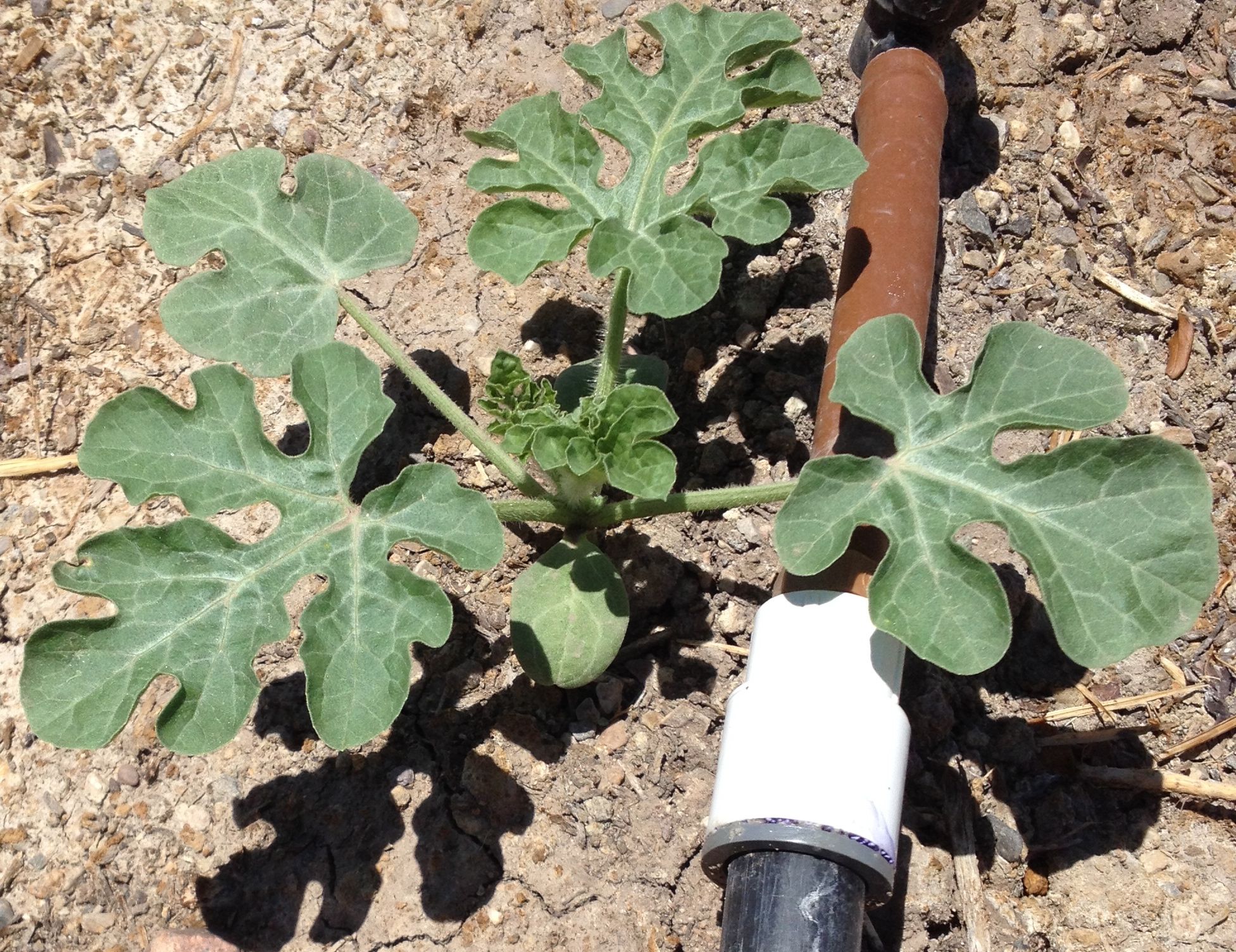
I see them peeking up out of the moist soil and spreading their many-fingered leaves out, inviting sunlight……there in the secluded orchard behind adobe walls at the base of A-Mountain. Hooray, the Tohono O’odham watermelons are rising again in the living history huerta at Mission Garden!…….

Seedling Tohono O'odham watermelon emerges with a water-assist

Seedling Tohono O’odham watermelon emerges with a water-assist

Ah, these monsoon rains have made it happen again—they thrill soul and body, triggering seeds to sprout and bringing the desert to life all around us. I can hear all the little stomates letting out their, “Whoopee! Whoopee at last! We didn’t know if we could hang in there much longer!”

Tia Marta here, wishing you joy with the renewing humidity and moisture blessing the earth—mat o sha ju:–when it rains. It seems all people know deep in their hearts that we need to, and want to, be singing in the rain. In the poetry of wordsmith Ofelia Zepeda, “Wa nt o m-ne’i g ju:kĭ ne’i. I would sing for you rain songs….” What higher compliment or loving expression could one hear in the desert than that? [For more tastes of her poetry, find Zepeda’s book Ocean Power (1995) and other works at University of Arizona Press.]

One of my most admired traditional Tohono O’odham gardening mentors, Laura Kerman, used to watch the southeastern sky as the clouds were building. When she knew rain was close and her skin was getting softer, that meant it was planting time again. To gardeners steeped in more temperate biomes, it’s a different yet palpable signal for planting time, the feeling of the sap rising. Here in the desert it is the reconstituting of our very integumen that we feel—then we know…(and yes some of us truly feel it in our bones too.) It brings a deep urge to plant seed in the ground, an urge imbedded in our physical being, deep in our psyche, somehow in our genetic memory.

At this very moment I can sense that the seed racks at every hardware store are getting lighter. The Native Seeds/SEARCH store and webstore are restocking seed packets at a fast pace to keep up with the monsoon pulse of gardeners.

My tastebuds think ahead as I scan the racks and webcatalogs. What flavorful squashes will I try this season? What fragrant and refreshing melons? What healthier grain, heirloom bean, ancient corn variety? Delicious and appropriate ideas are sprouting at the Mission Garden living history orchard. You can plan a tour any Saturday morning to inspire your own gardening bug. [www.tucsonsbirthplace.org]

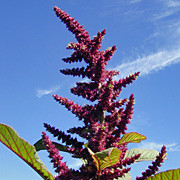
Guarijio Grain Amaranth for greens, high protein grain, and glorious summer color!

Guarijio Grain Amaranth for greens, high protein grain, and glorious summer color!

I think the plant that loves rain most is Amaranth.  (Such an insult to call our wild native amaranth a “careless weed” or “pigweed”! Better, the Tohono O’odham moniker which translates “rain spinach,” ju:hukia i:wagi. Within a week after a rain the tender young greens that pop up uninvited in your garden can be plucked to make a most healthy dish.)   For planting delightful color and beta-carotene-rich greens, try Guarijio Grain Amaranth, originally from the little-known tribe from southern Sonora and saved by Native Seeds/SEARCHers (Amaranthus hypochondriachus x A.hybridus or “guegui” in the Mayo and Guarijio tongue).  Guegui gives extra bonuses beyond greens: after showy red flower plumes grace your garden, you can bag seedheads to retrieve a plentiful grain that is 15-18% protein. Cooked amaranth seeds make a fine pilaf or rich hot cereal. Try popping amaranth seed in a hot dry skillet then add them to salads or to lighten up biscuit dough.

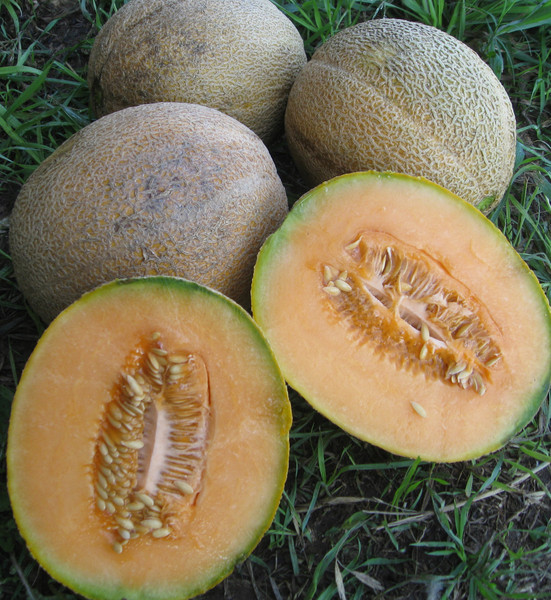
Delicious and well adapted, this Mayo Minol grande is perfect for Baja Arizona

Delicious and well adapted, this Mayo Minol grande is perfect for Baja Arizona

As I plant melon seeds I am thinking of the delectable future they promise.  Native Mayo People of coastal Sonora and Sinaloa have perfected Mayo Minol Grande , a canteloup-like melon adapted to the heat that can perform well in Baja Arizona gardens. It makes a beautiful breakfast complement or a summer dessert served à la mode on a generous wedge of the orange fruit.

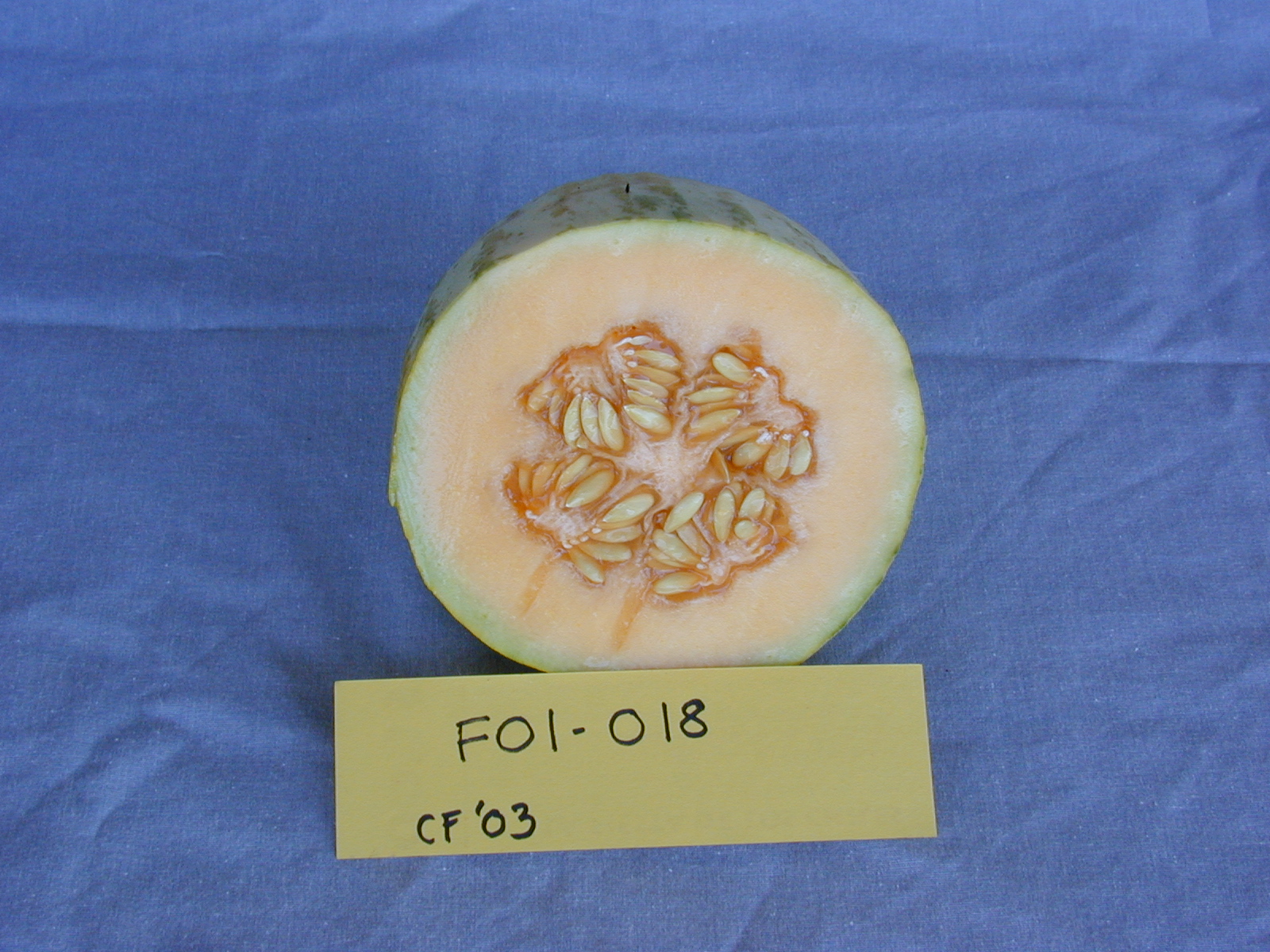
Melon de Castille from NativeSeeds/SEARCH--another summer treat

Melon de Castille from NativeSeeds/SEARCH–another summer treat

Similar in color to Mayo Minol but with smoother outer skin is the Melon de Castille which grew successfully in last summer’s Mission Garden. [Seeds of all of these can be found at the Native Seeds/SEARCH store or in the online catalog http://www.nativeseeds.org.]

Refreshing and prolific are Mayo Indian watermelon (photo from Mission Garden)

Refreshing and prolific are Mayo Indian watermelon (photo from Mission Garden)

At harvest time last summer, Mission Garden volunteers enjoyed an orgy when the rich red-fleshed Mayo watermelons were ripe, in an effort to save seeds to return to NSS. Good duty—such a forward thinking and benevolent activity is seed saving—and someone’s gotta do it.
Melons in your garden will indeed need water so plan on a reliable drip system and some form of water-harvesting berms to direct any rainfall runoff. Plant your melon seeds at the lowest part of your garden where water tends to accumulate. Give the vines room to sprawl out, even over not-so-good ground, so long as the roots are in rich soil.

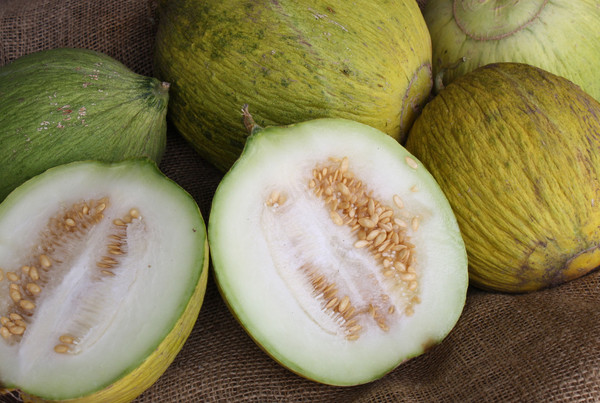
Tohono O'odham keli ba:so--by any name, a success for Baja Arizona gardens

Tohono O’odham keli ba:so–by any name, a success for Baja Arizona gardens

Traditions of Desert People—the Tohono O’odham—provide a model of truly sustainable living in the Sonoran Desert. From them we have been given seeds of two of the best-adapted and tasty melons of all: a honeydew-like cushaw melon known as keli ba:so (pronounced gurli-bahsho), and the Tohono O’odham yellow-meated watermelon.  Open up a keli ba:so for a sweet treat to use in a refreshing liquado or smoothie, or in a melon-ball salad perhaps laced with mint-agave nectar sauce. Translating the name keli ba:so opens up another dimension—the wonderful humor of the Desert People. The name (used especially by women) refers to the super-wrinkly texture of the outer melon skin and means “old man’s chest.” In retaliation, men have a different name for the same melon, “ohks tohn.” You might guess where this is going—it translates “old lady’s knees.”

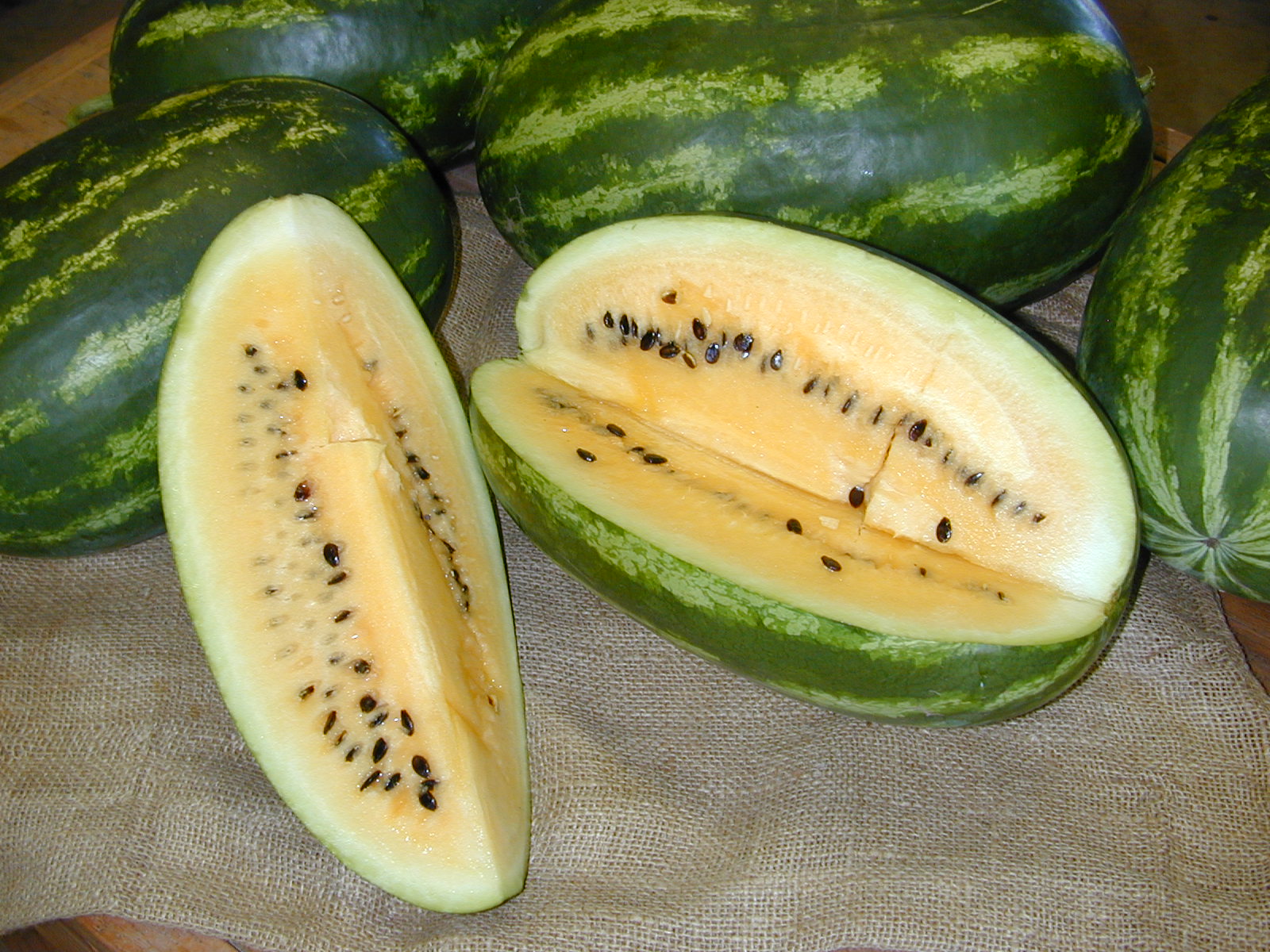
Unique rich flavor, color, and hot-weather-hardy--that's Tohono O'odham yellow watermelon

Unique rich flavor, color, and hot-weather-hardy–that’s Tohono O’odham yellow watermelon

Watermelons must have had an exciting ride to the New World some 400 years ago, arriving in what is now central Mexico from Africa with the first Europeans. Apparently the flavor and plant-ability of watermelon, and indeed its transport-ability, were so appealing to Native Peoples of Mexico that the fruit spread from its introductory source like wildfire. By the time the Spanish explorer Alarçon arrived at the northern end of El Mar de Cortes meeting Yuman people for the first time at the Colorado River’s mouth, watermelon was already part of their agriculture and diet! This fact stumped historians and ethnobotanists for years—(like how could the same watermelon have been cultivated in both hemispheres?)—until they finally figured out the speed with which a favored food can migrate. Watermelon–the original fast food.

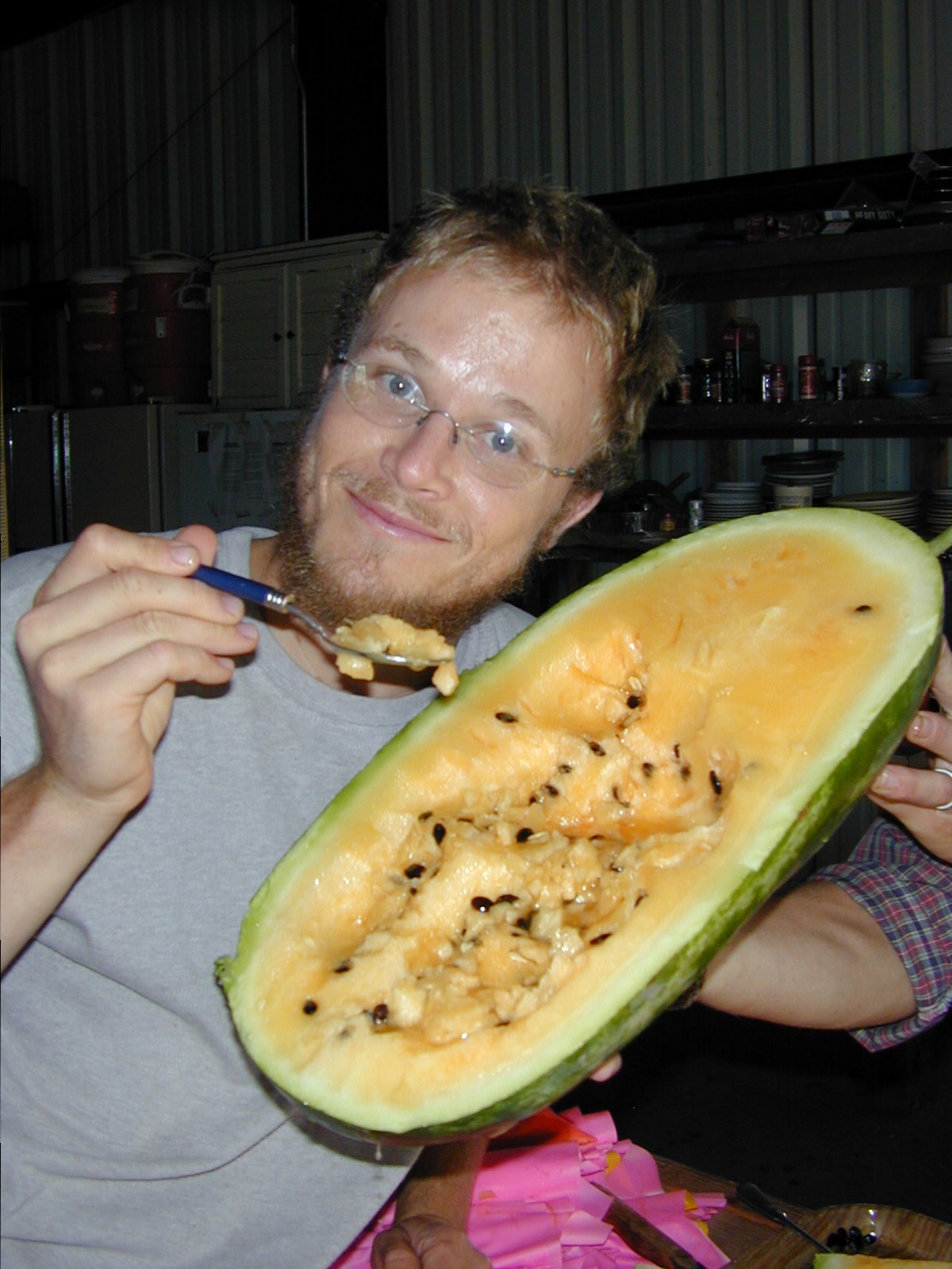
Tohono O'odham yellow-meated watermelon from NativeSeeds/SEARCH is a color and taste delight

Tohono O’odham yellow-meated watermelon from NativeSeeds/SEARCH is a color and taste delight

Prepare yourself for a whole new flavor experience with Tohono O’odham yellow-meated watermelon. Its sweetness is non-cloying and gentle with an almost musky rich bouquet—a different taste realm from any red watermelon you’ve ever tasted. Put slices of this luscious watermelon on an hors d’oeuvres tray, or slice it alternating with red watermelon for a colorful picnic buffet. Joining orange Mayo Minol, cubes of lime-green keli ba:ṣo, red Mayo watermelon, and T.O. yellow watermelon completes a rainbow of color and flavor to create the ultimate Southwest fruit salad.
Happy monsoon planting and gardening to you as you practice sustainable agriculture in your own backyard! With the term introduced by Wendall Berry, may your “slow knowledge” grow as you tend your melon vines and cheer on the pollinators in anticipation of summer’s sweet and nutritious bounty of melons and amaranths!
As the monsoon season progresses, watch for the San Xavier Coop Association’s T.O. yellow watermelons for sale at the Thursday Santa Cruz farmers’ market at Mercado San Augustin. For more ideas, advice and seeds for monsoon garden heirlooms, visit the NSS store on North Campbell Ave.  Also, come by our Flor de Mayo booth at the new St Phillips Sunday farmers’ market in its charming, refreshing oasis setting. Rod and Tia Marta of Flor de Mayo have experience, recommendations, and stories to share, and perfect monsoon seeds for the season. See you Sunday at St. Phillips!

The seeds are READY to put in the ground!  All they need is a little help!

The seeds are READY to put in the ground! All they need is a little help!


Wondrous Weeds!

Tia Marta here to share ideas about our new neighbors—the weedy greens popping up all around us.  With those fall rains we had here in the low desert, there is a bloomin’ haze of green on the desert floor– not what you’d call a florid show—but wait—what is happening where November’s mud-puddles were collecting?  That may be real food lurking in your own backyard!  Now is prime time to take advantage of spontaneous tender mercies and phytonutrients.  Interesting tastes await us, to spice up our salads and bedeck our burritos.

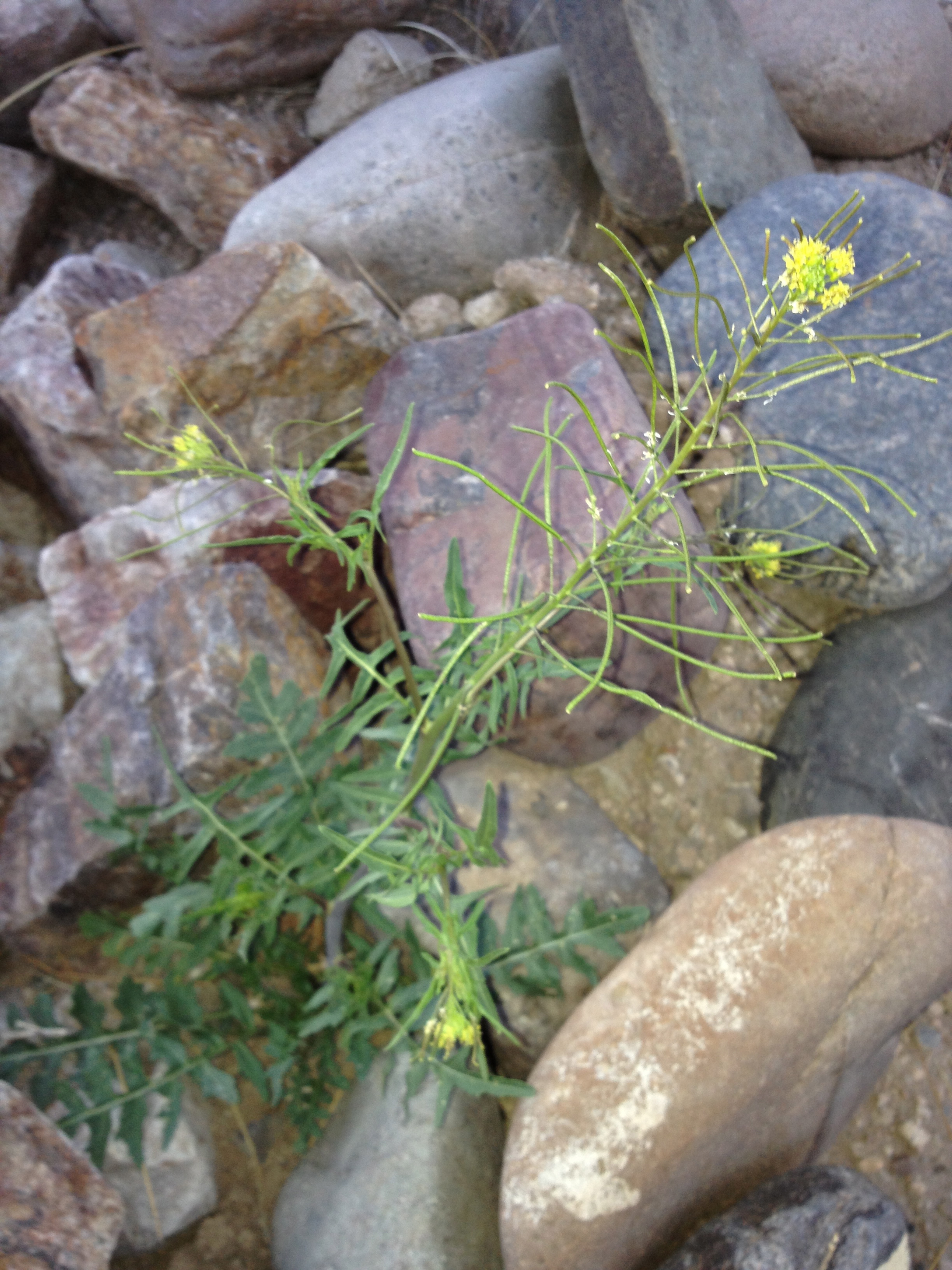
"Wild arugula” or London rocket (Sisymbrium irio) provides zesty greens, flower garnish, and later, mustard seeds when mature. (MABurgess photo)

“Wild arugula” or London rocket (Sisymbrium irio) provides zesty greens, flower garnish, and later, mustard seeds when mature. (MABurgess photo)

London rocket (read “wild arugula”) is everywhere, its greenery literally growing before our eyes in every low swale, rocky hillside, every ditch where water has run.  Sisymbrium irio is an introduced weed which we can enjoy with impunity—the more we eat of them the more we are removing competition for our beloved native plants.  So harvest away!  (A good rule of thumb is to collect at least 50’ from a road.  No need to ingest road dust and pollutants when there is so much to be found in friendly yards or out in the des.)

Prepare for a picante treat, sometimes a picante bite, from these wild mustards.  Toss a few wild arugula leaves with baby greens, or in a BLT to liven it up.  Try them steamed with your favorite garden greens or added to stir-fry.

Hot February weather is telling our wild mustards, “Summer’s coming.  Better go ahead and bloom fast!”  Already we see tiny 4-petaled yellow flowers rising from the rosettes of deeply lobed leaves.  Small erect spikelets of seedpods (called siliques) stand out from the central stem.  Whole flower heads with seedpods are edible, and zingingly picante.  Sooner than we think, seedheads will mature and you can harvest their tiny mustard seeds for dressings or salad sprinkles.

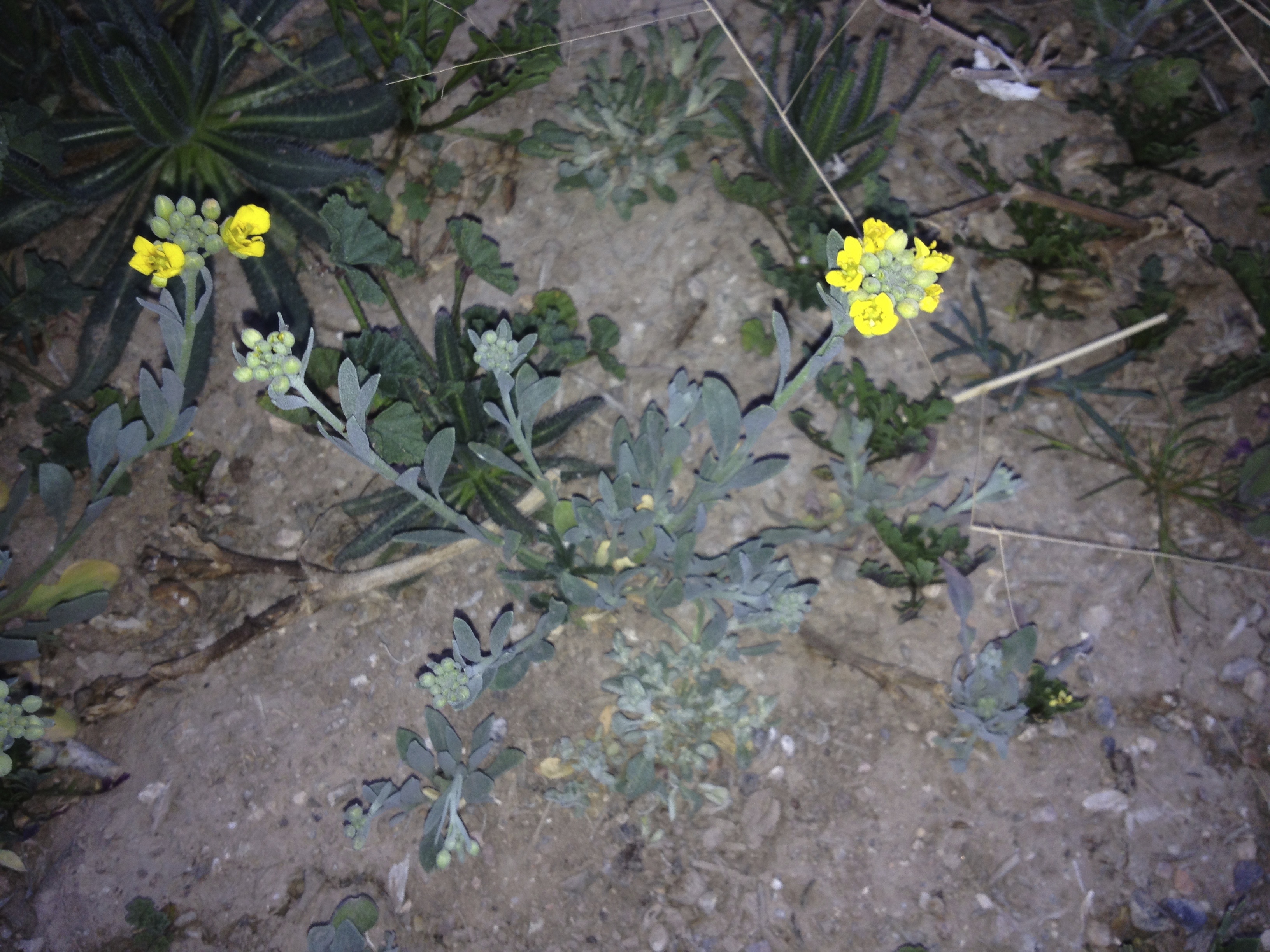
This year, if you spy Lesquerella gordoni (bladderpod), it will stand out like little yellow stars on the bare ground. (MABurgess photo)

This year, if you spy Lesquerella gordoni (bladderpod), it will stand out like little yellow stars on the bare ground. (MABurgess photo)

In some wet winters, a different native mustard known as bladderpod has made carpets of lemon-yellow flowers on the desert floor.  No such show this year.  Should you find a patch of blooming bladderpod, try a taste of its petals.  Their nice nip will add vivid color, nutrition, and excitement to any salad, garni, or burrito topping.

Better known as tumbleweed, Russian thistle (Salsola kali) is best harvested in this tender stage—and every rancher will thank you for your service! (MABurgess photo)

Better known as tumbleweed, Russian thistle (Salsola kali) is best harvested in this tender stage—and every rancher will thank you for your service! (MABurgess photo)

The most ubiquitous of weeds is the introduced Russian thistle which no one seems to notice until it dries, dislodges, tumbles across the road on a crosswind, and stacks up next to a fence or obstacle.  So now, while it is in its infancy, go out to that windbreak and find its progeny!  Have no compunction about snipping it at ground level while it is only inches high, young, and tender—before sharp stems develop making it unpalatable to humanoids.  You will be amazed at what it adds, snipped in short pieces fresh in a salad, steamed with butter and pepper, or stir-fried with other veggies.

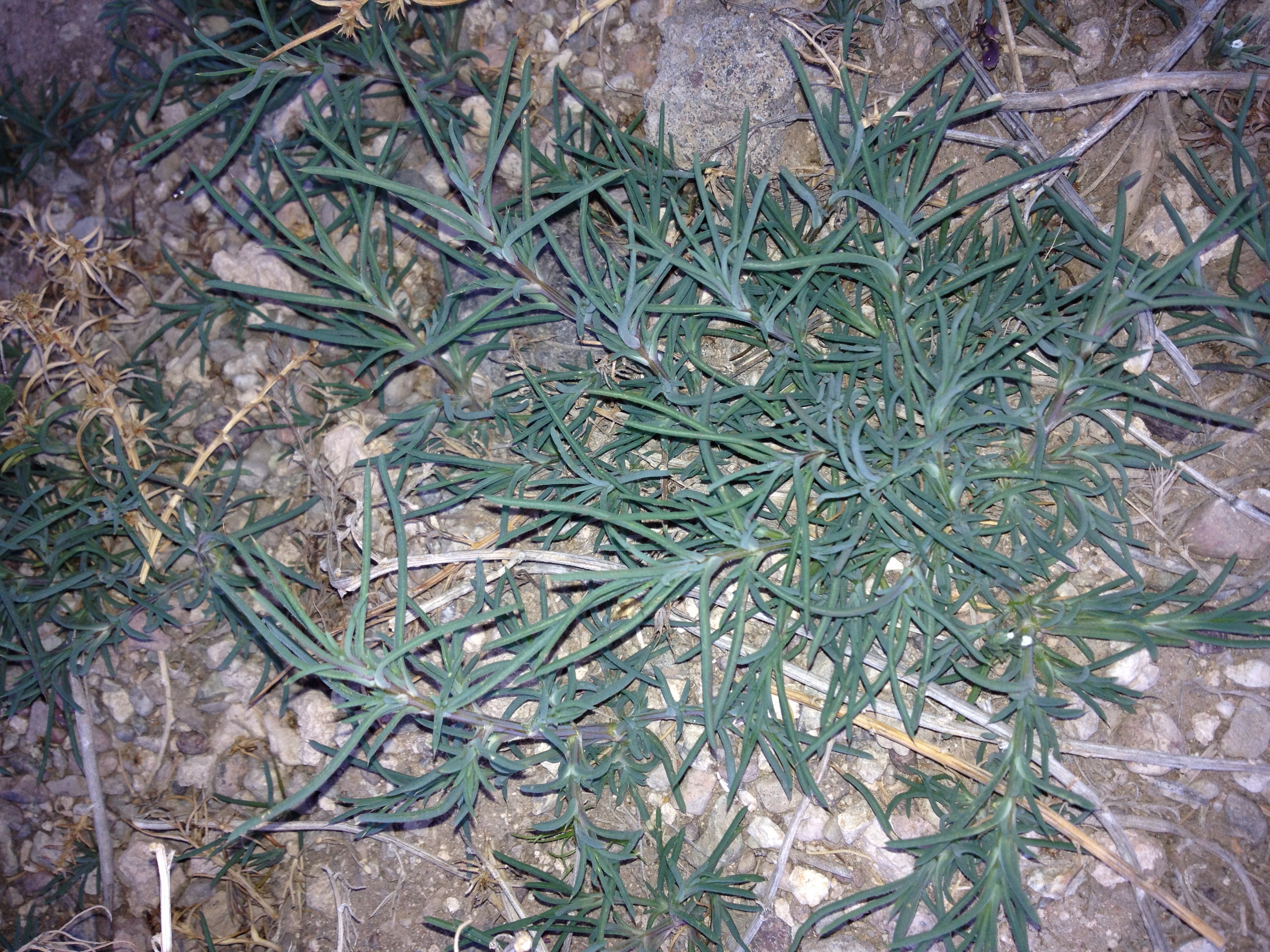
Our many species of saltbush (Atriplex spp.) are tender and ready for picking in late winter into spring. (MABurgess photo)

Our many species of saltbush (Atriplex spp.) are tender and ready for picking in late winter into spring. (MABurgess photo)

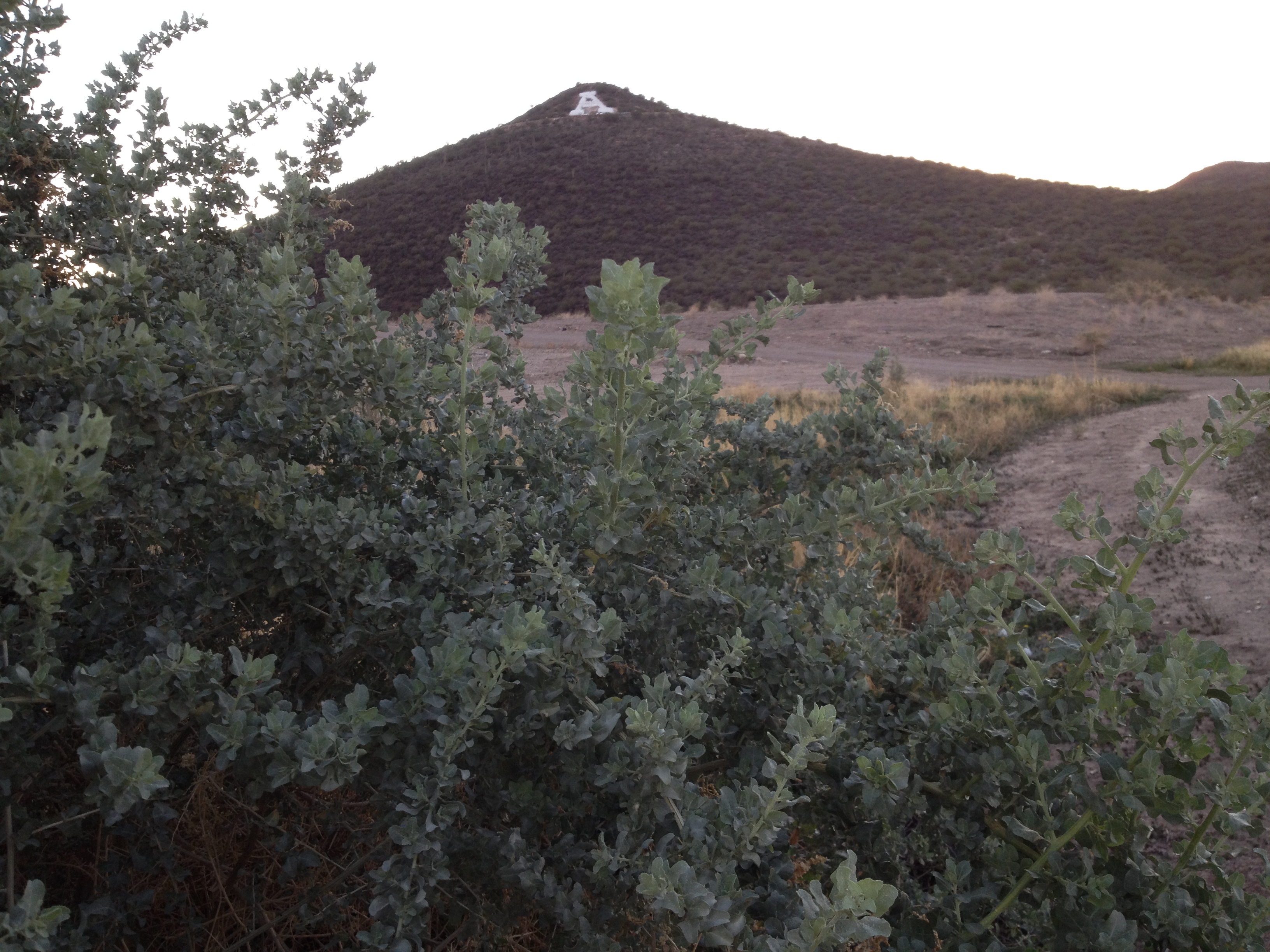
Find saltbush's gray greenery along the Santa Cruz floodplain--or plant it in your yard for wildlife habitat. (MABurgess photo)

Find saltbush’s gray greenery along the Santa Cruz floodplain–or plant it in your yard for wildlife habitat. (MABurgess photo)

Now is saltbush’s time to shine—in landscaping and in cuisine.  Here in Baja Arizona there are many species of Atriplex, and all are edible.  These tough shrubs are desert survivors for sure.  They tend to grow in “waste places” where hardly any other plants can make it.  The name saltbush indicates its habitat, where soil is salty,heavy, or full of caliche.  Quail and other creatures find refuge and forage in the dense shrubs.  If you want to attract birds into your yard, go to Desert Survivors Nursery, Tucson, and buy any saltbush to plant—then stand back.  We humans can join in the saltbush foraging guiltlessly, as saltbush is plentiful and our harvesting may even stimulate re- growth.

Nearly every Native nation in the Southwest has a tradition of using saltbush in multiple ways.   When its stiff salty leaves are youthful they can be picked for cooking with other greens, the style of traditional Akimel O’odham, the River Pima.  My Tohono O’odham teacher Juanita would steam saltbush with cholla buds, and told me how “the old people would roast their cholla buds in layered beds of ontk i:wagi [salt spinach].”  Hopi cooks make a kind of baking powder out of pulverized saltbush foliage.

Try young saltbush leaves cooked with heirloom cannelini beans or cranberry beans—for a flavorful variation on beans-and-greens.  You’ll find that the salts which the plants have sequestered from the soil will add a delicious desert flavoring.  Move over, Hawaiian sea-salt!  (After saltbushes have flowered, we will “talk seeds”—stay tuned….)

NativeSeeds/SEARCH (www.nativeseeds.org) and Mission Garden (www.tucsonsbirthplace.org) carry seed of a domestic relative of saltbush called “orache” which provides a purple-leafed “green” for a winter veggie garden.

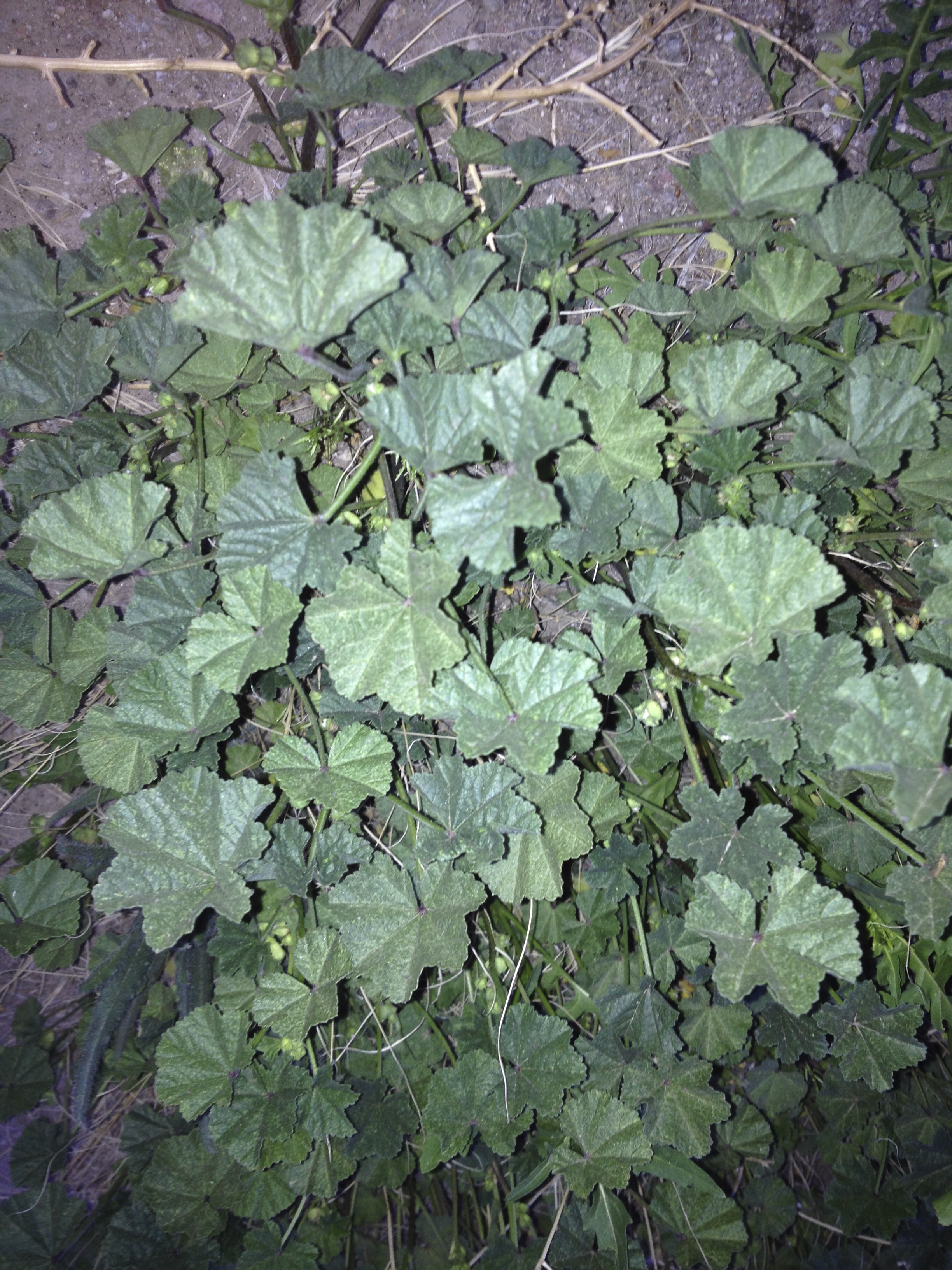
Did you ever contemplate cheeseweed thru the day? (Are you kidding?) Its palmate leaf is a sun-tracker!  I discovered these young Malva neglecta in late afternoon with each leaf bent westerly, cupped, facing the setting sun.(MABurgess photo)

Did you ever contemplate cheeseweed thru the day? (Are you kidding?) Its palmate leaf is a sun-tracker! I discovered these young Malva neglecta in late afternoon with each leaf bent westerly, cupped, facing the setting sun.(MABurgess photo)

Ah, cheeseweed—the “scourge” of gardeners, when it gets established.  Malva or cheeseweed, so called for its cheese-wheel shaped seed pod, is another one of those introduced weeds which tend to follow humans.  Only harvestable when young– get it while you can.  You’ll find it in disturbed flat areas where stock or off-roaders have churned up the natural soil, along fencelines or untended sidewalk margins.  Beware, cheeseweed seems to be sought-after by wandering dogs as a “marker plant” so wash your harvest well.

New Malva foliage can make a nutritious addition to steamed collards, kale, acelgas, or turnip tops; or stir-fried with peppers, onion, and slices of winter squash.  If you want to explore Malva’s medicinal qualities, try the foliage steeped as a tea for soothing tender digestive tract tissue or urinary tract.  It makes a healing topical poultice as well.

Life-giving weeds are all around us, especially now with their ju-ju rising.  Really no one need be hungry here.  We’d all be healthier if we were eating more of these spontaneous gifts brought by Nature and human mobility.  My respect for weeds and knowledge of their goodness outweighs my frustration as I pull them from my garden.  Here’s wishing you happy weed harvesting, a new way of enjoying the pulses of life in the desert!

If you are lucky enough to locate Carolyn Niethammer’s book Tumbleweed Gourmet, Univ. of AZ Press, 1987, grab it!  Find more info about traditional uses of saltbush in Food Plants of the Sonoran Desert by Wendy Hodgson, Univ. of AZ Press, 2001.  Find medicinal uses of Malva neglecta in Medicinal Plants of the Desert and Canyon West, Mus. of NewMexico Press, 1989.  Mission Garden is open on Saturday afternoons for guided tours, and NativeSeeds/SEARCH store at 3061 N Campbell Ave, Tucson, is open daily 10am-5pm.

Visit me, Tia Marta, for more weedy ideas and heirloom beans galore at the Flor de Mayo booth, St Phillips Farmers Market on Sundays 9am-1pm. (www.flordemayoarts.com).