
Hello Friends,
Amy here, sharing a classic dish that I’ve made several times recently. Years ago my young niece showed me how she made nachos. I didn’t grow up with them, and had never before gotten into making or eating nachos. Ava’s authoritative recipe in the microwave was such a delight that afternoon. So even if I make my own version now, I always think of her when I do.
I like to start with corn tortillas. Thin ones are best, and if they’re dried out a little, even better.
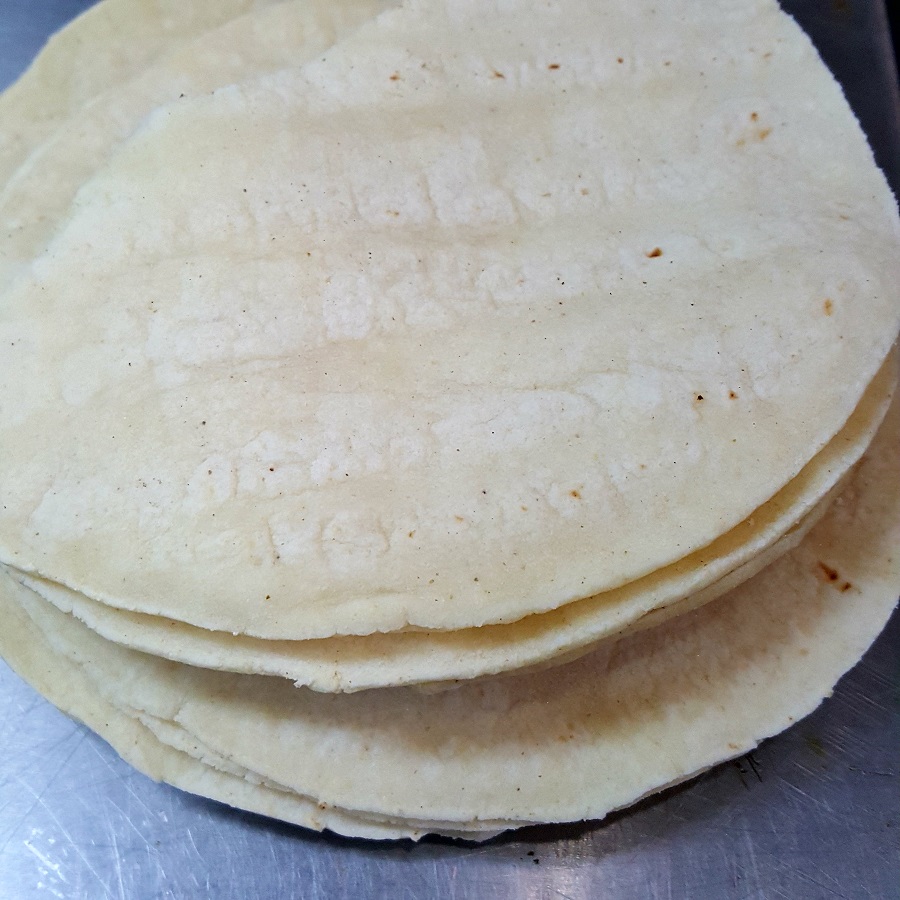
I fry them in a shallow layer of neutral oil until crispy and brown.
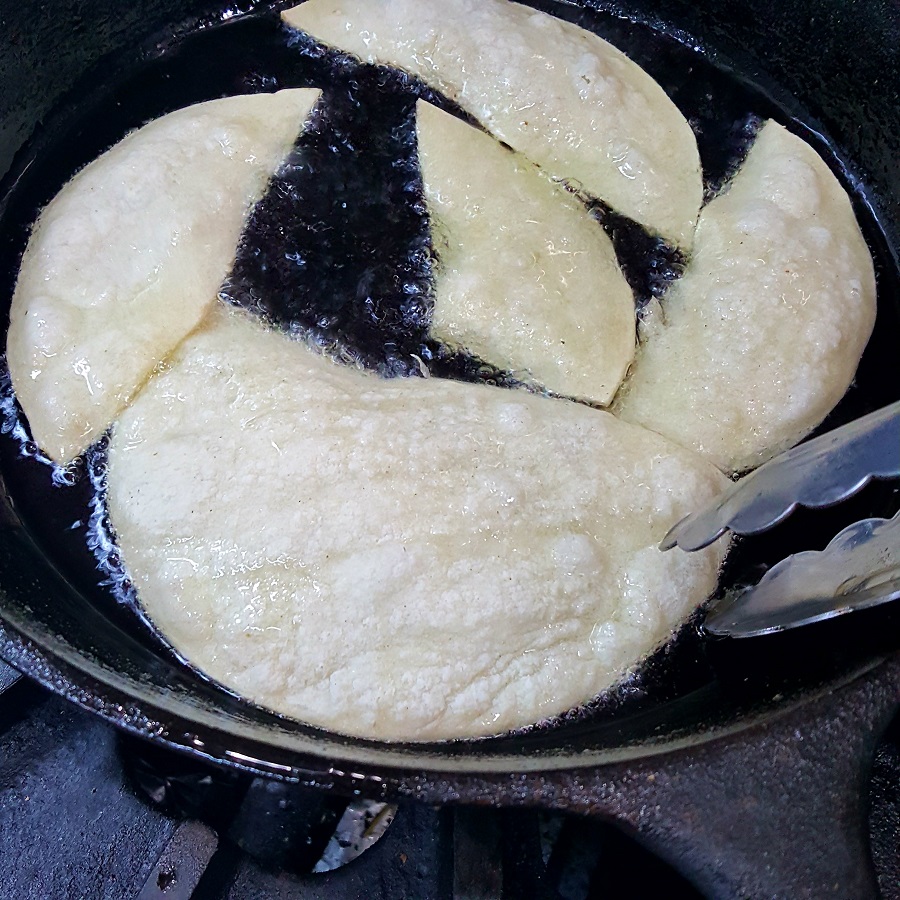
Then sprinkle them generously with salt right after coming out of the oil.

Freshly grated cheese is a must. I like jack, but of course anything that melts is good!

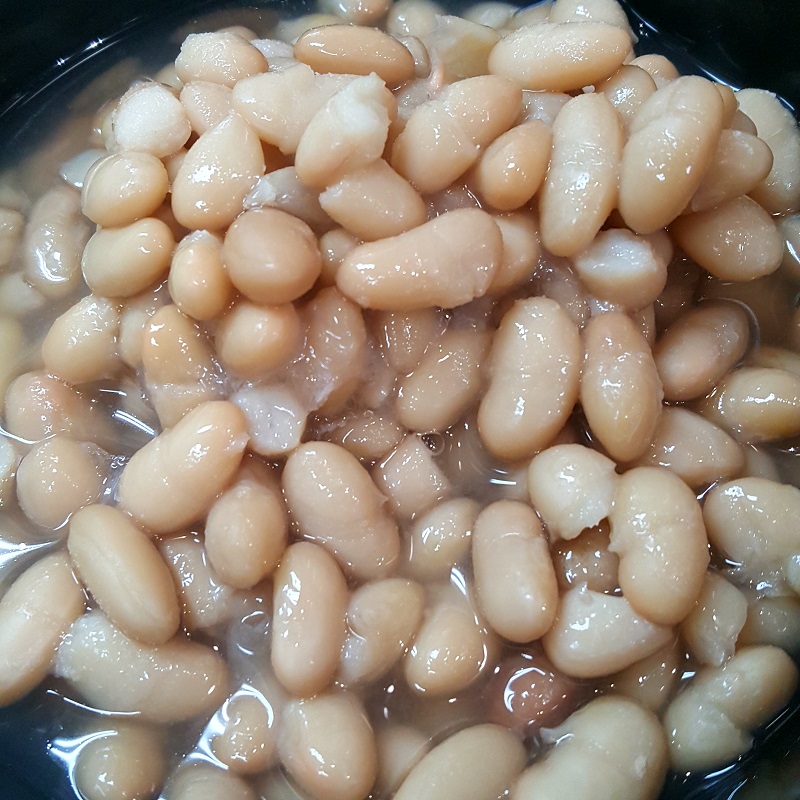
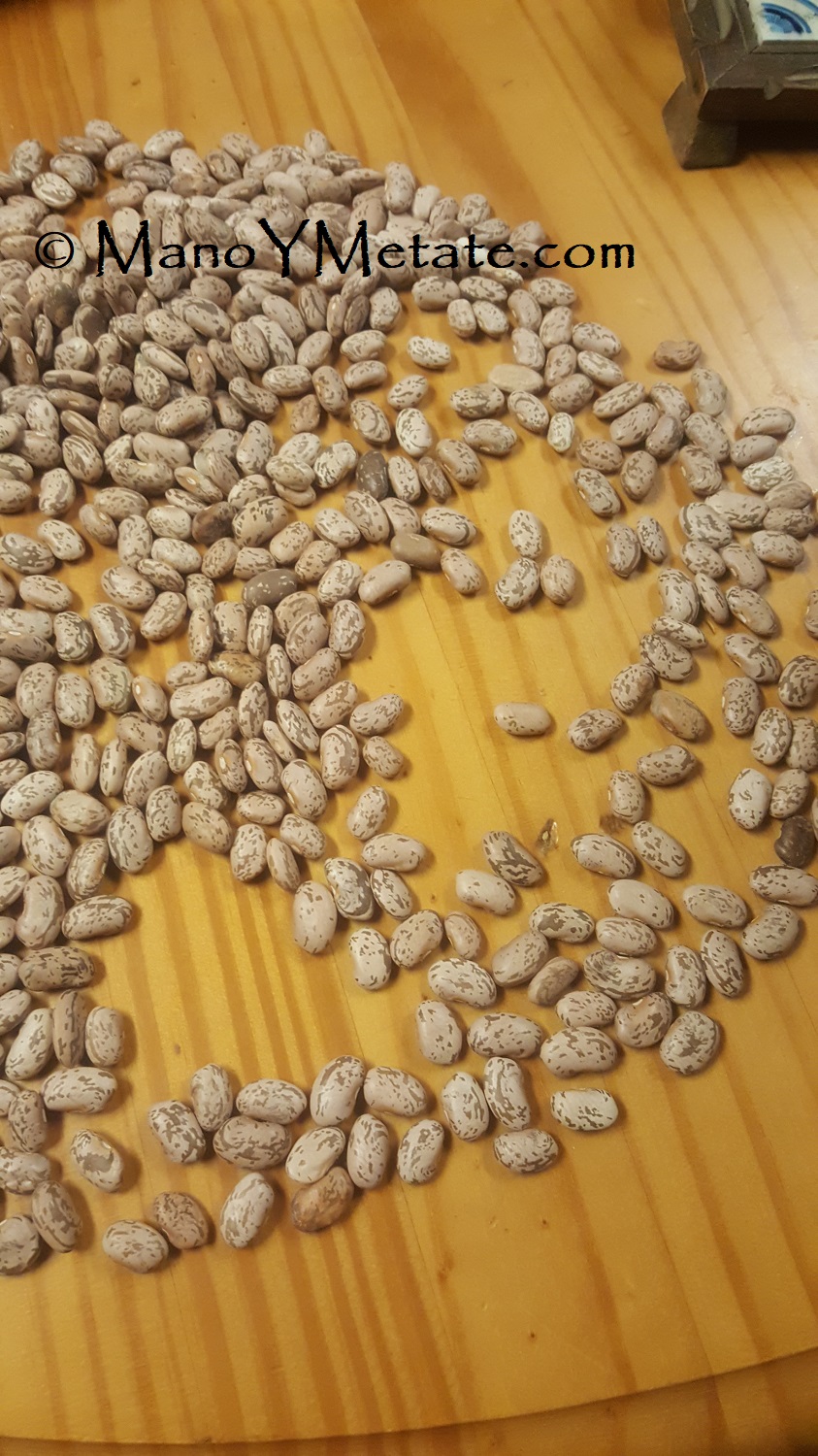
My niece used leftover beans and so did I. These are mayocoba beans cooked with just water, garlic and salt.
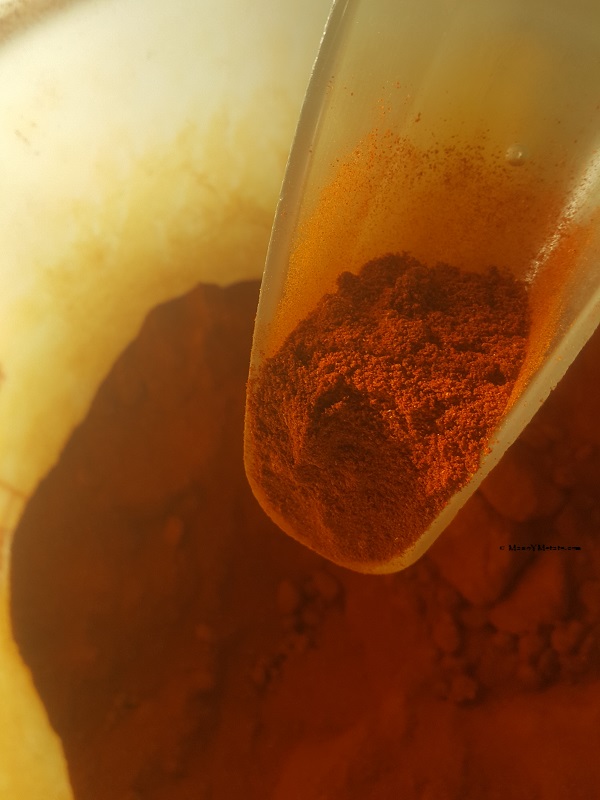
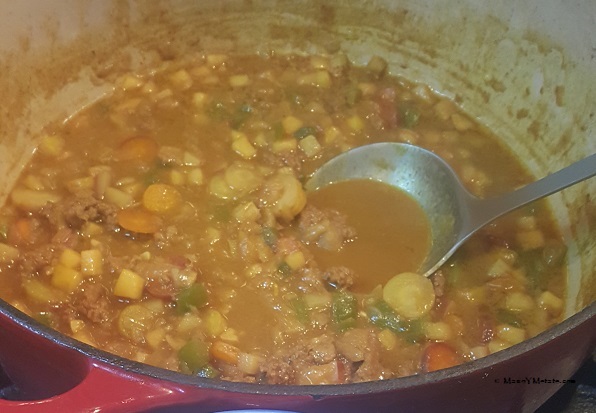
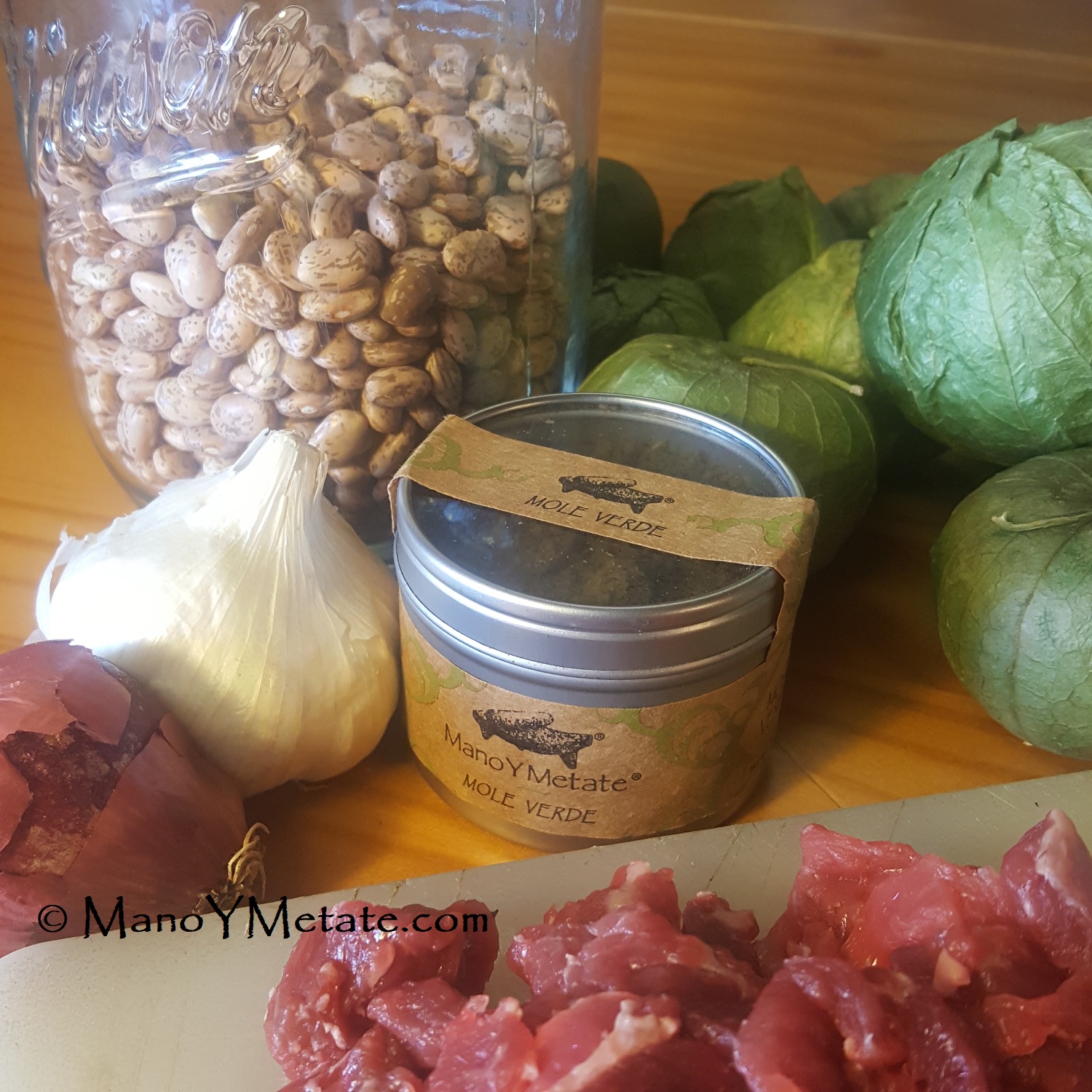
For sauce and spice, I made some Pipian Picante with my Mano Y Metate mole powder and the oil left after frying tortillas.
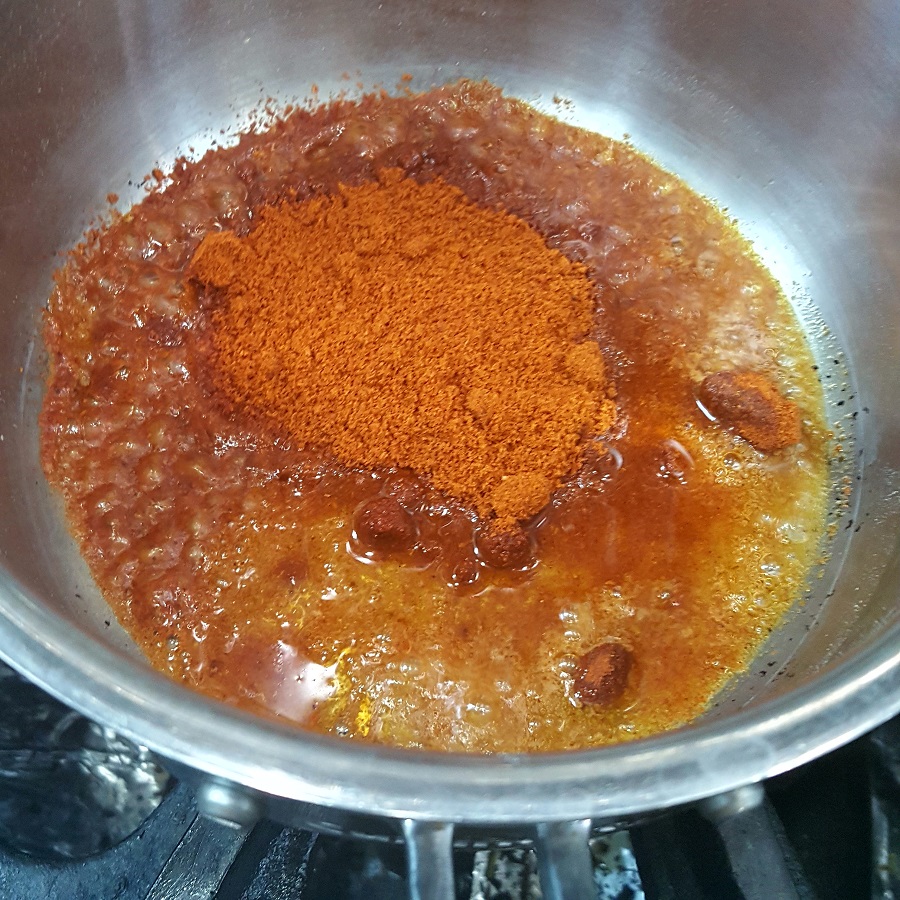
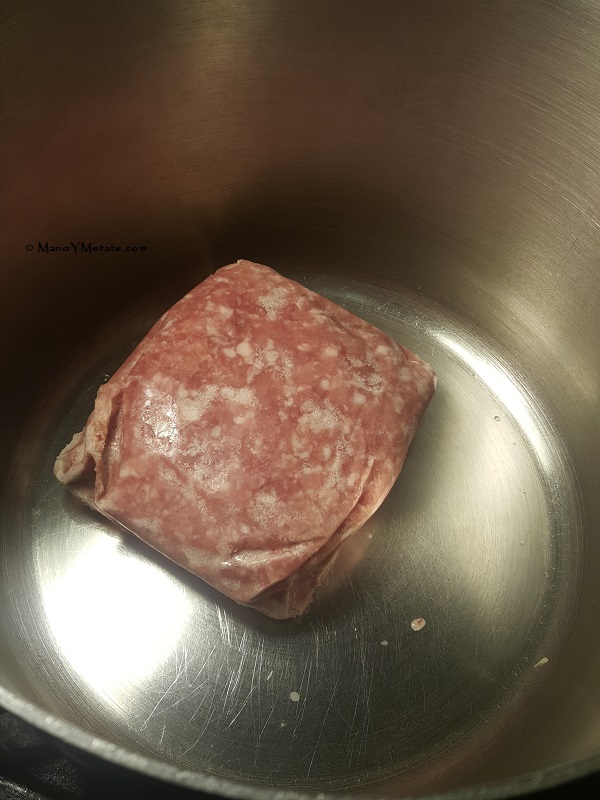
Then I added some leftover carnitas to it!

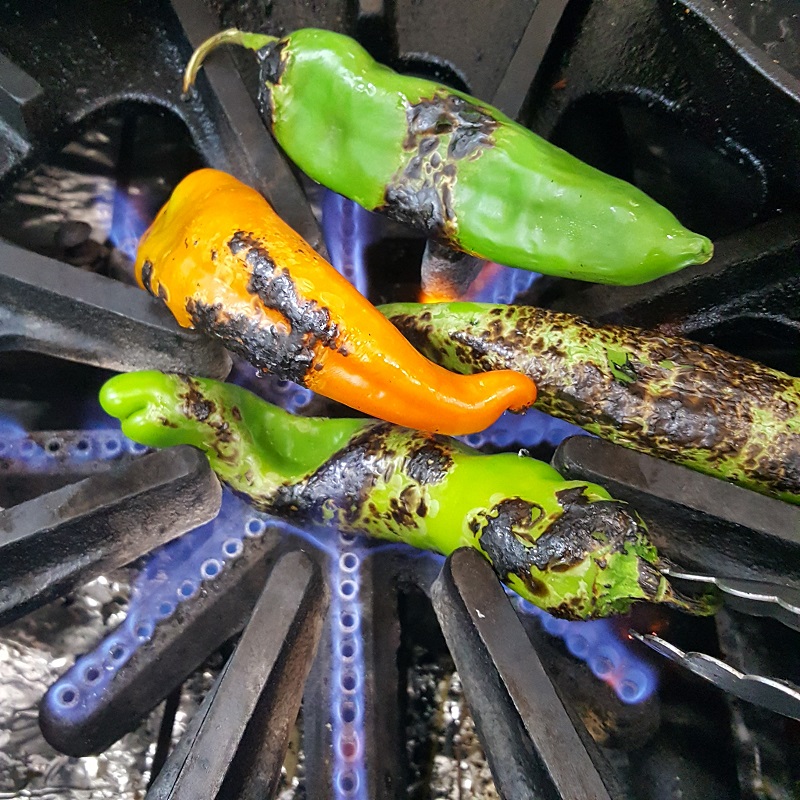
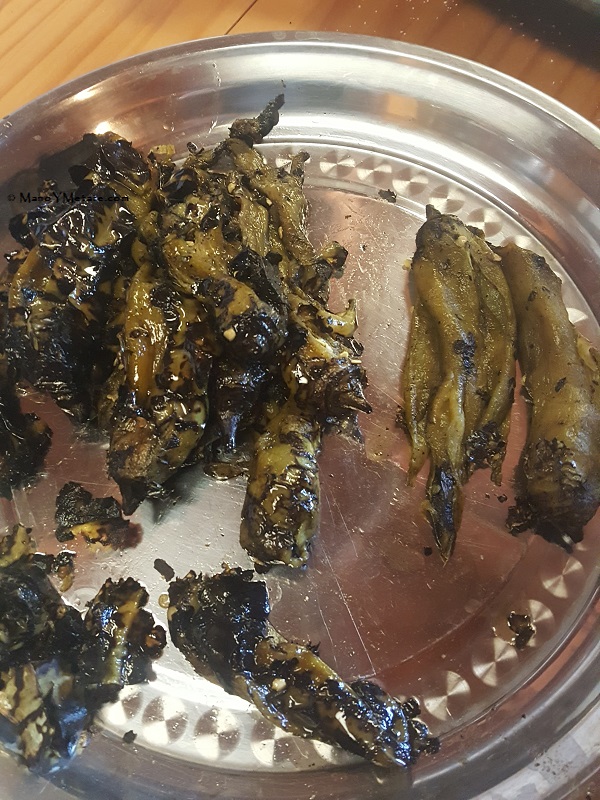
Since it is chile season, I roasted some from the Tucson CSA over the gas stove inside. After evenly charring, I put them in a lidded dry, cold saucepan, allowing them to steam in their own heat. Then the skins slip off easily.
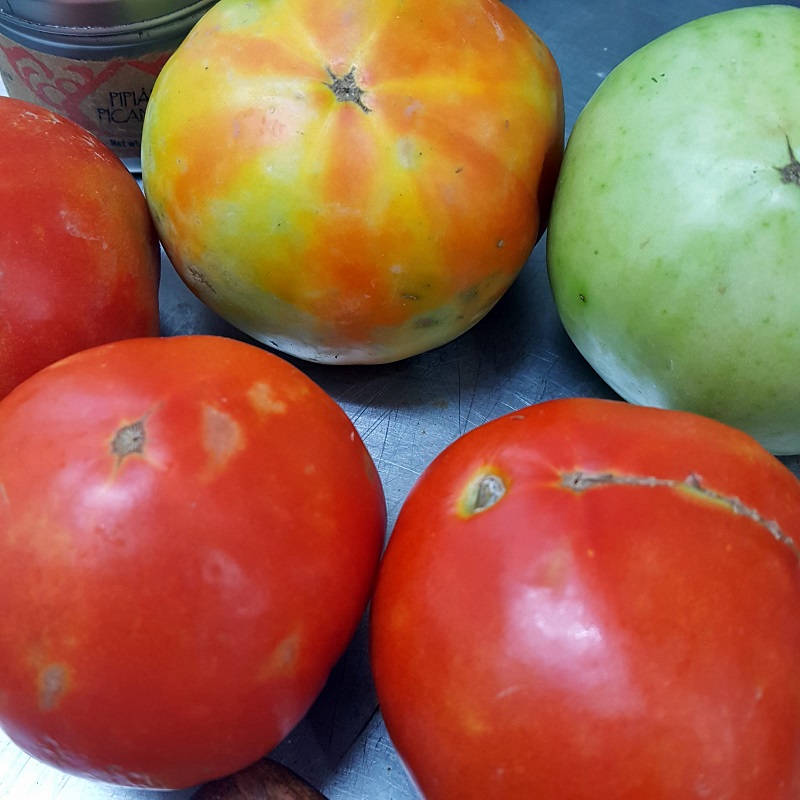
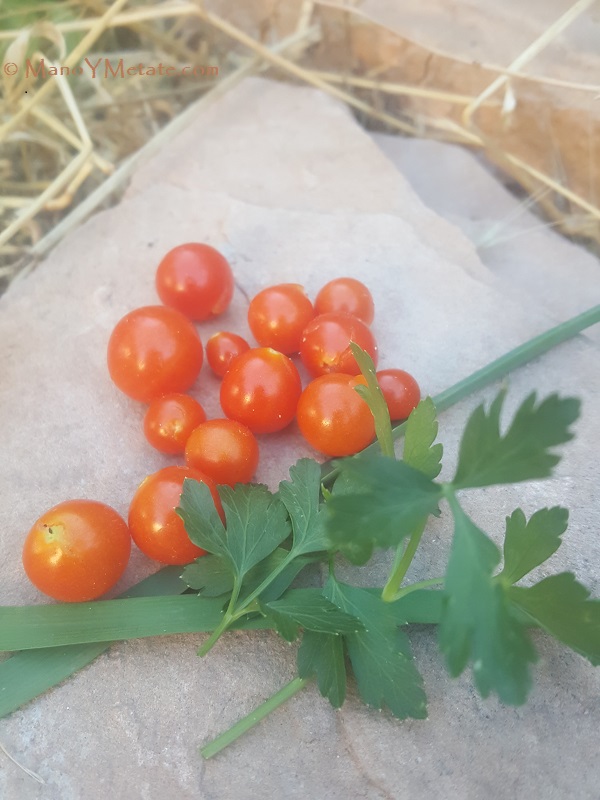
Tucson CSA has had a good heirloom tomato year, so they go in whatever dish I’m making on the day they are ripe. And I sliced some white onion thinly.
I put the tortillas, cheese and beans to heat in the oven.
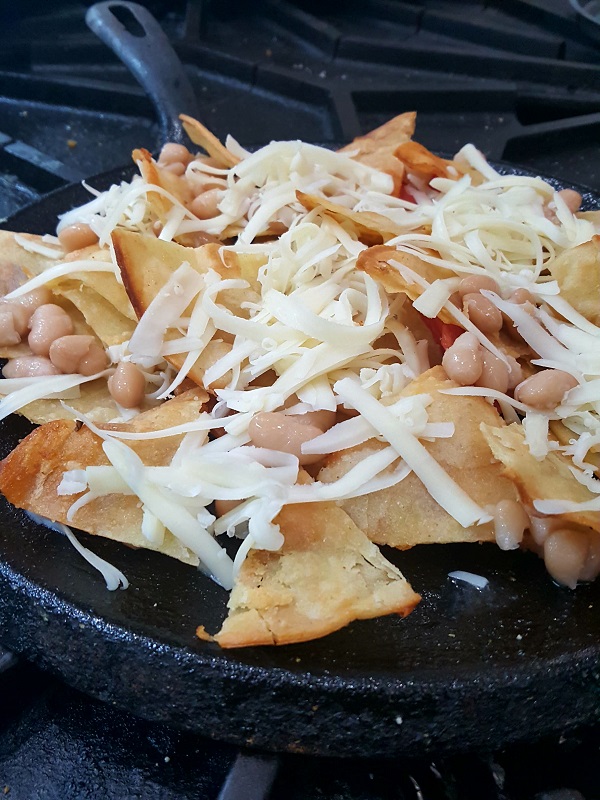
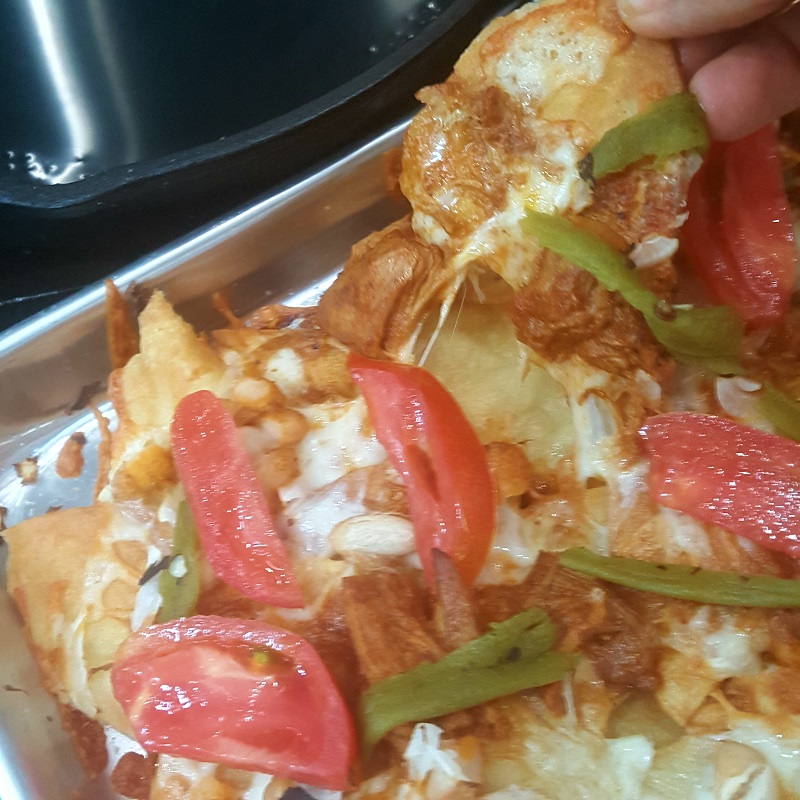
A thin layer of tortillas makes for more edges that can get crisp, but a full sheet pan with extra sauce and cheese is good, too! After baking, I top with the pork in Pipian Picante, tomato, onion and green chile. I recommend eating immediately like I did with my niece, enjoying the outdoors.









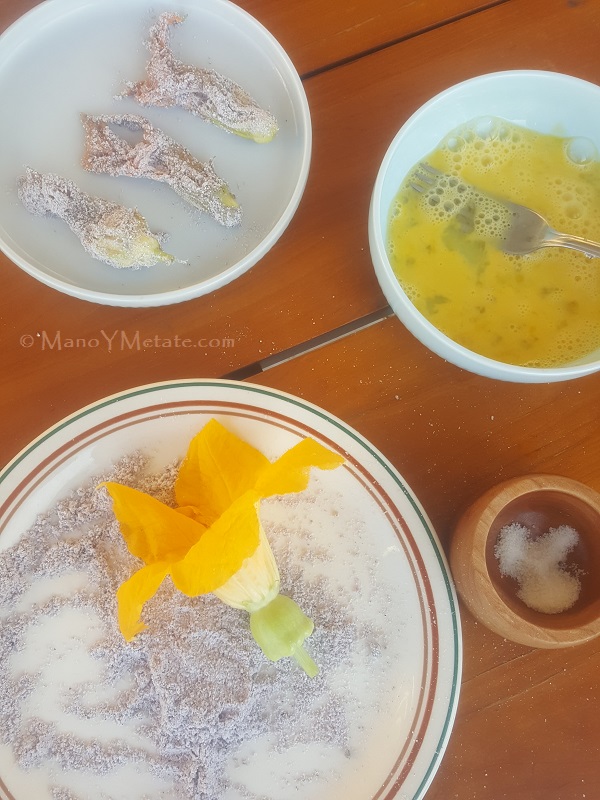
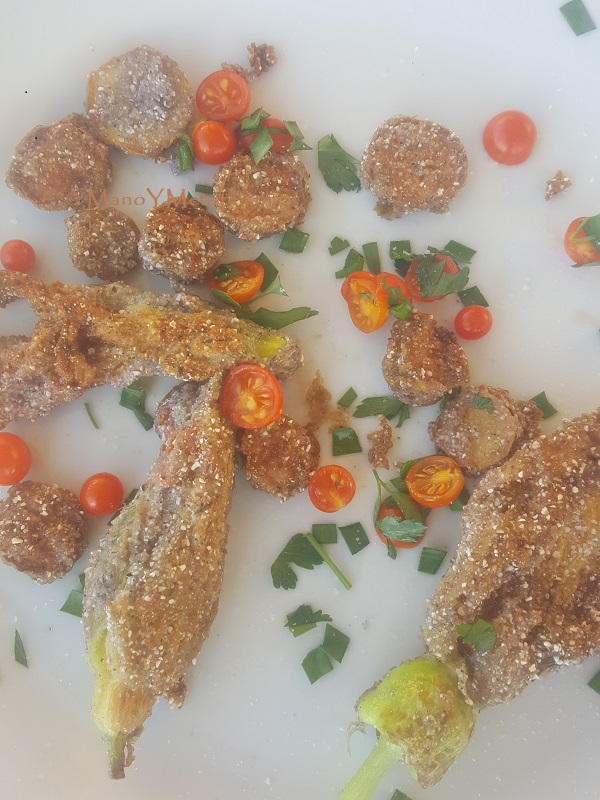
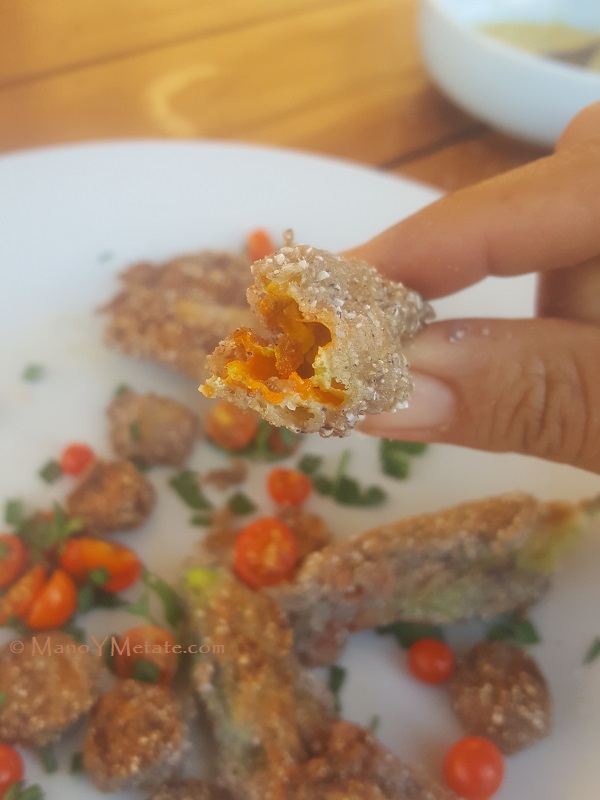
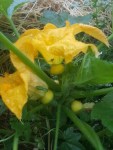 Each squash plant produces flowers that make pollen (male flowers) and flowers that make fruit (female flowers). Each flower only opens for one day. On that day insects (or a human with a tiny paint brush) pollinate from one flower to the next, from the same or different plants, resulting in the famous swelling summer squash. Without pollination, the little fruit withers and dries. Looking at the stem below the flower is the fastest way to determine a fruit or pollen producing flower.



 Savor the Southwest: