Stuffed Squash-Blossom Time!

Squash vines absolutely LOVE this monsoon-season humidity! If you’re growing squash this late-summer season–or if you know anyone who is–now is the time to harvest for the rare and wonderful treat of stuffed squash blossoms! I was inspired by a fantastic meal in Winslow, Arizona, at the Turquoise Room in the lovely old La Posada Hotel, by the SP Railroad and historic Rt.66. The chef there served batter-fried squash blossoms to die for! Tia Marta here to share some experimental ideas for going SW-Gourmet in this short season.
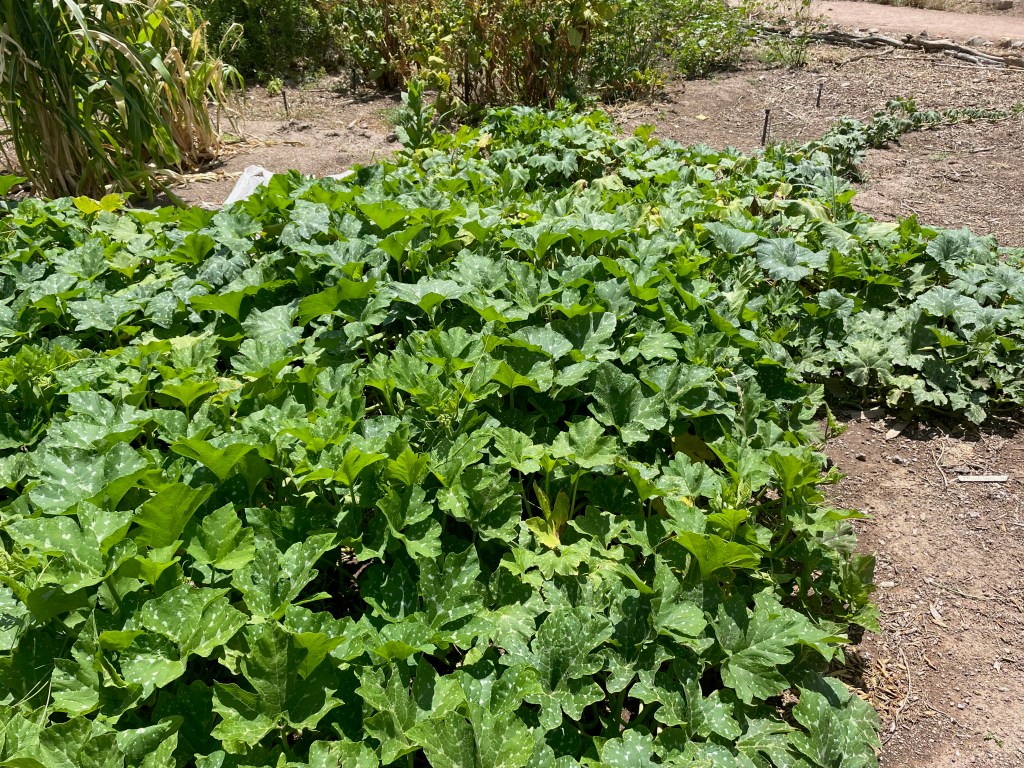
The glorious flower image above is from NativeSeedsSEARCH’s heirloom Magdalena Big Cheese squash grown out at Mission Garden.

Image to left: Hiding under that green cloak of giant spotted leaves of this year’s Tohono O’odham HA:L (growing in the Hohokam-period Timeline Garden at Mission Garden) you might find male flowers, then later, female flowers

.
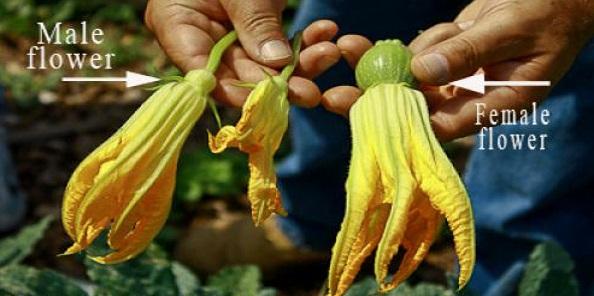
Knowing the difference between male and female flowers is really important! You can tell them apart because the female flowers, which usually appear later on the vines, have a bulbous base below the fused petals which will become the fruit. Keep the female flowers protected on the plant! You can actually aid and abet pollination by “playing bee”–by cutting off male flowers to hand pollinate the stigma of the female flowers. Then–tah dah!–instead of throwing that male flower in the compost, take it to the kitchen to prep some fun hors d’oevres!
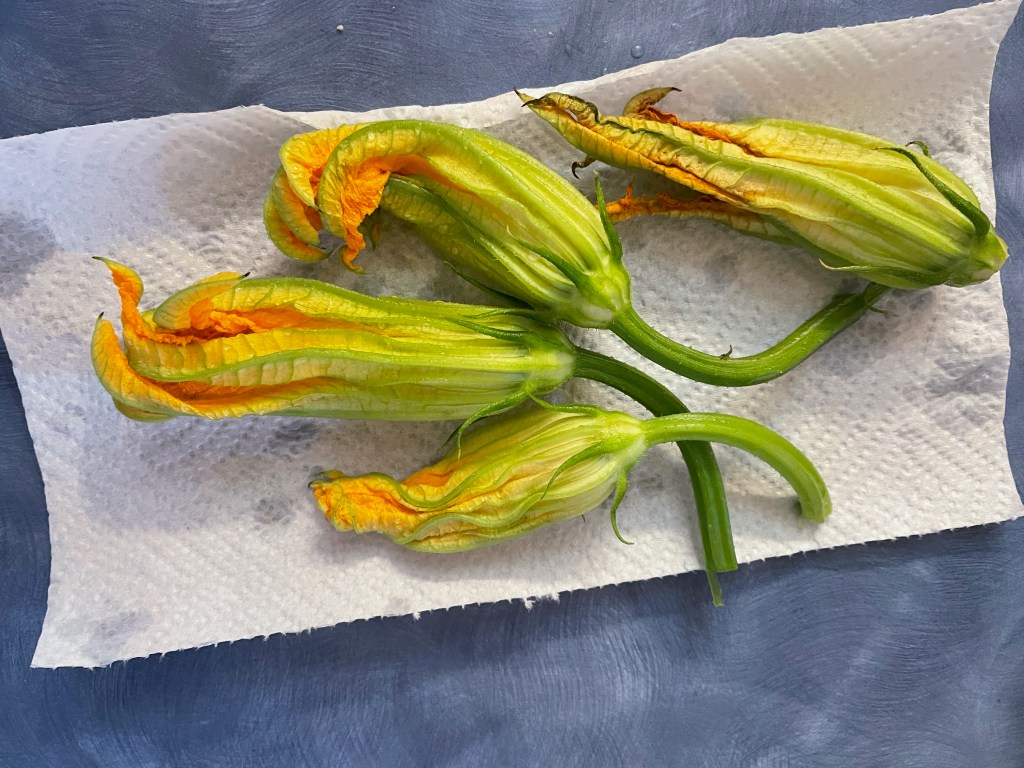
Squash flowers are so sculptural, even animate with a jaunty twist to the petals. These male flowers are washed and ready to stuff!

Gently slice open one side of each male flower vertically “with the grain”. The thick yellow pollen-covered anther will be visible.
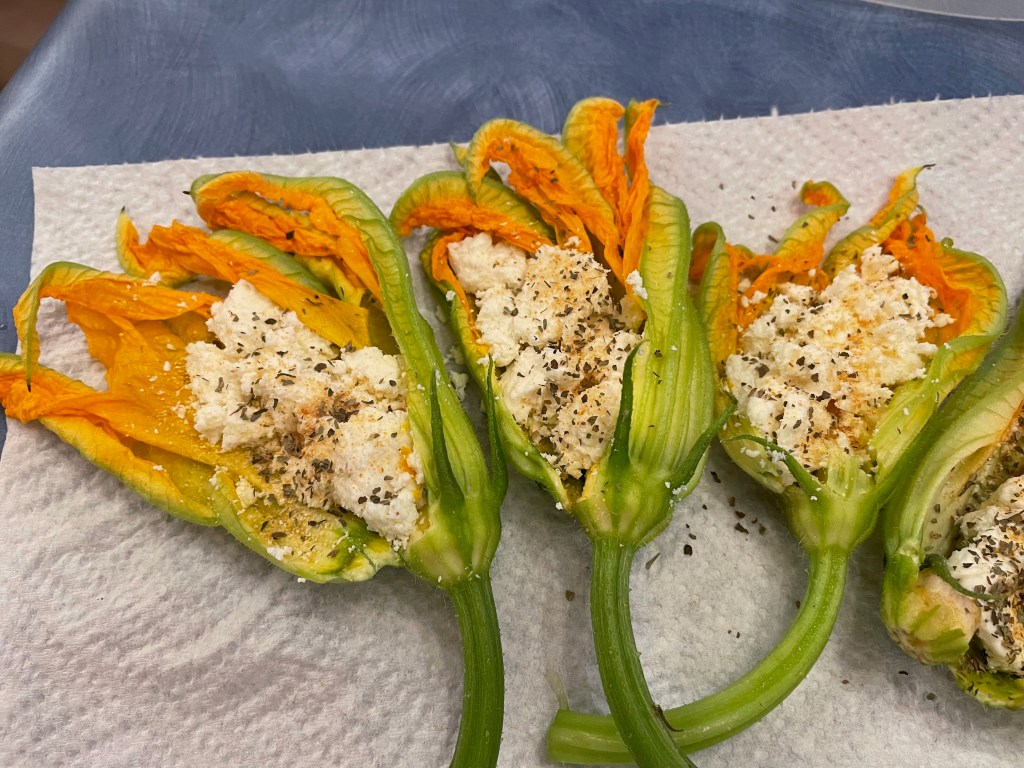
For this stuffing, I mixed blue cheese with enough cream cheese as a binder and added garlic, dried basil, pimenton, and a touch of sea salt. I spooned the mixture into the “cavity” of the flower calyx.
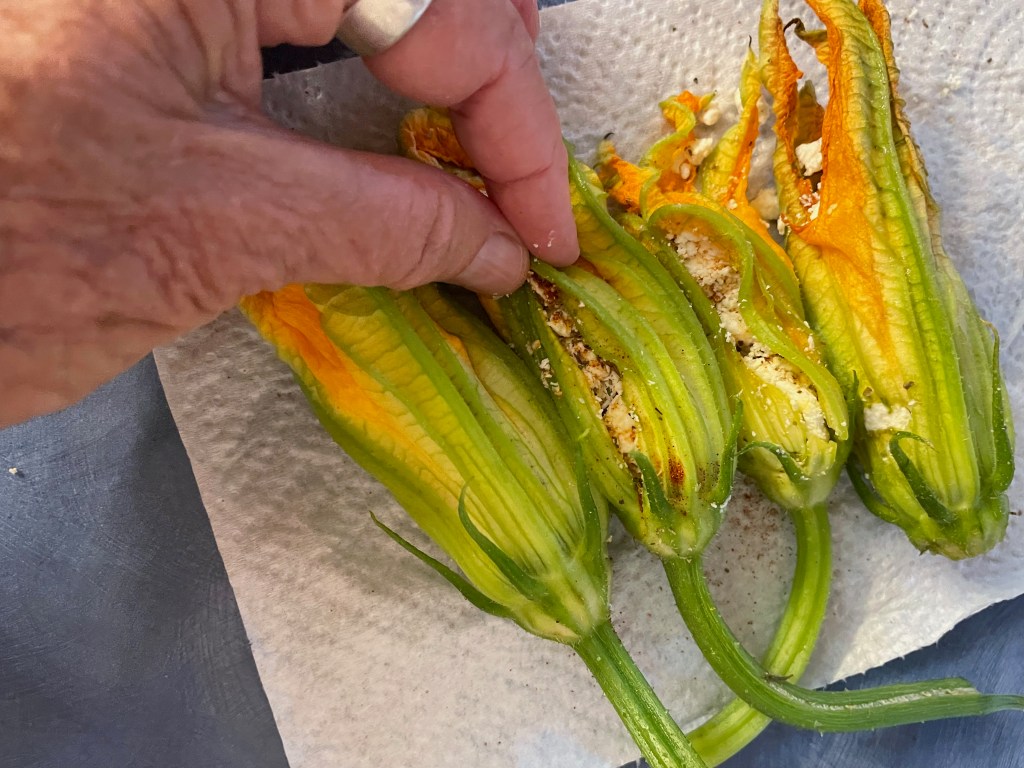
I then carefully closed the petals and sepals together….
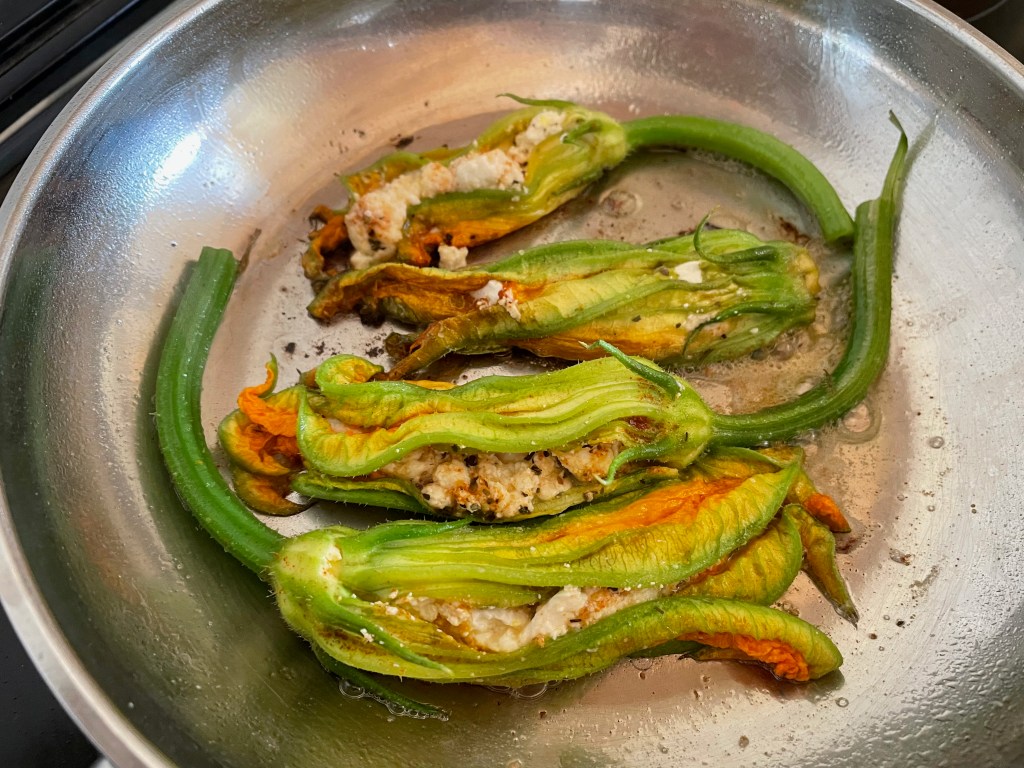
….and simply sauteed them in butter on all sides. The cheese stuffing melted slightly. I served them with toasted Barrio Bread cut melba-thin, and oh my, what a delicacy!
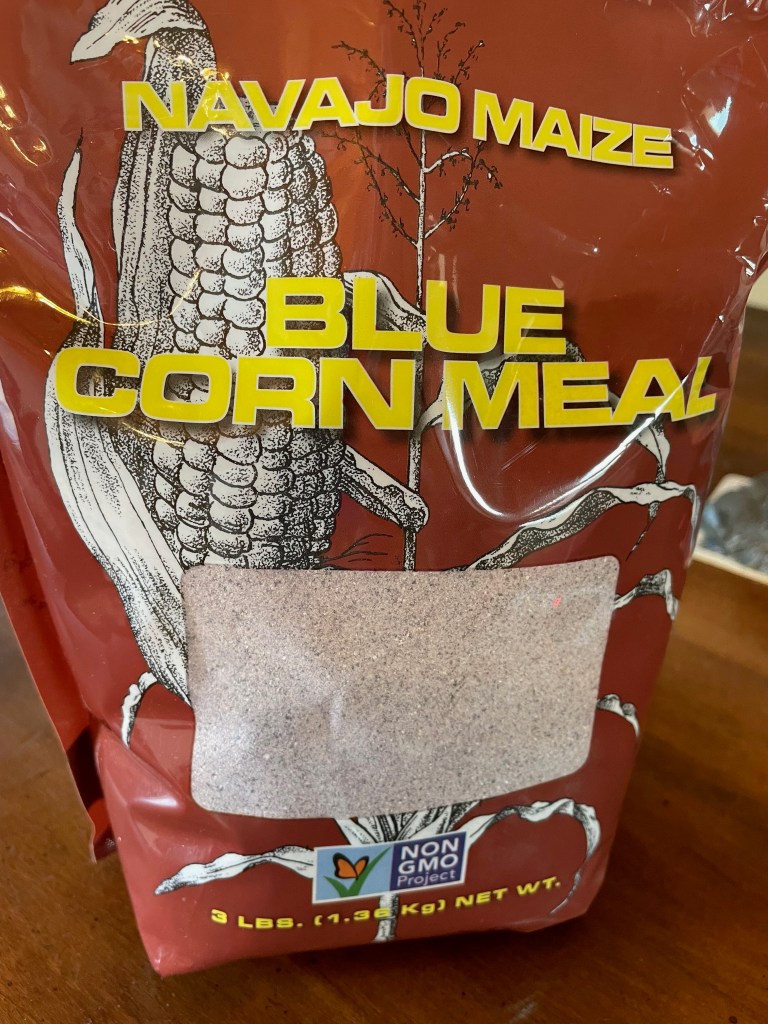
With a new harvest of squash flowers at a later occasion, I decided to try a batter-blossom. I found fabulous Navajo blue cornmeal and made a simple batter with one fresh egg beaten with a generous pinch of sea salt and 1/3 cup cornmeal. (I didn’t add milk but you could if you want a thinner batter.)
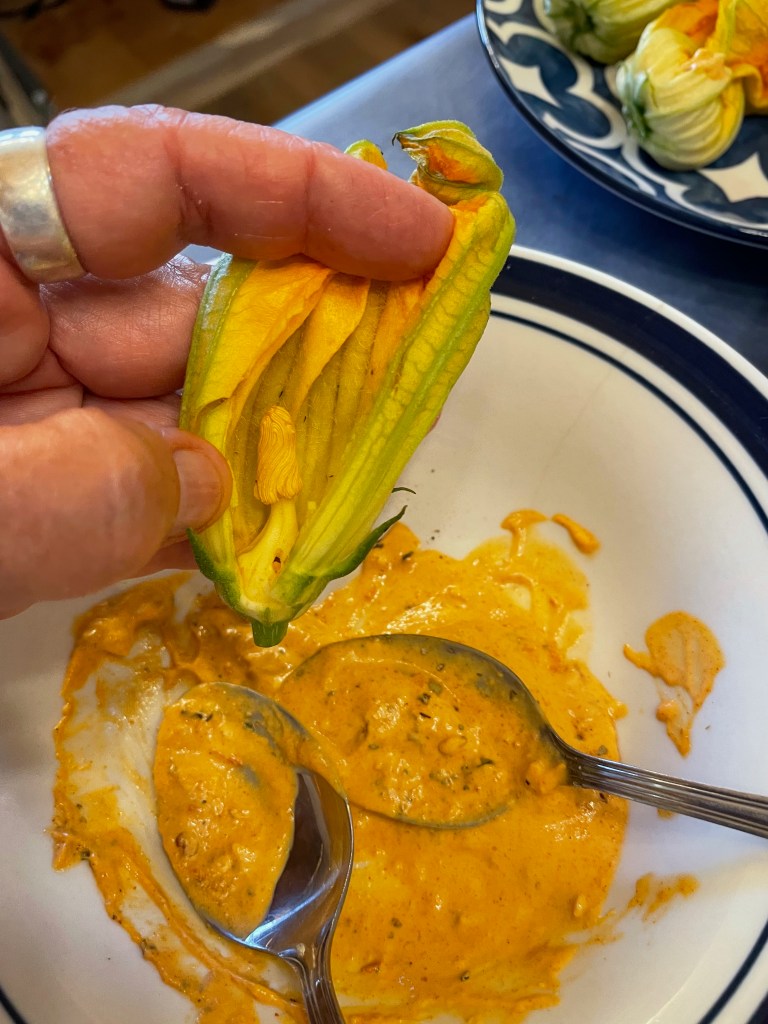
This time I made a chilpotle and cheese stuffing mix: Melt a 1/2 cup of any good grated Mexican cheese and lace with a 1/4 tsp chilpotle flakes or chilpotle powder to taste. I added garlic salt, and pinches of dry Mexican oregano and parsley leaf…..and mixed it to the consistency of a thick dip. I

I spooned the cheese mix again into the open flower cavity and, holding the stuffed closed flower by the petal ends, I dipped each into the blue cornmeal batter….

…..so that 3/4 of each stuffed flower was covered with the batter. I then sauteed these little gems in lots (2 tbsp+) butter on 3 sides….
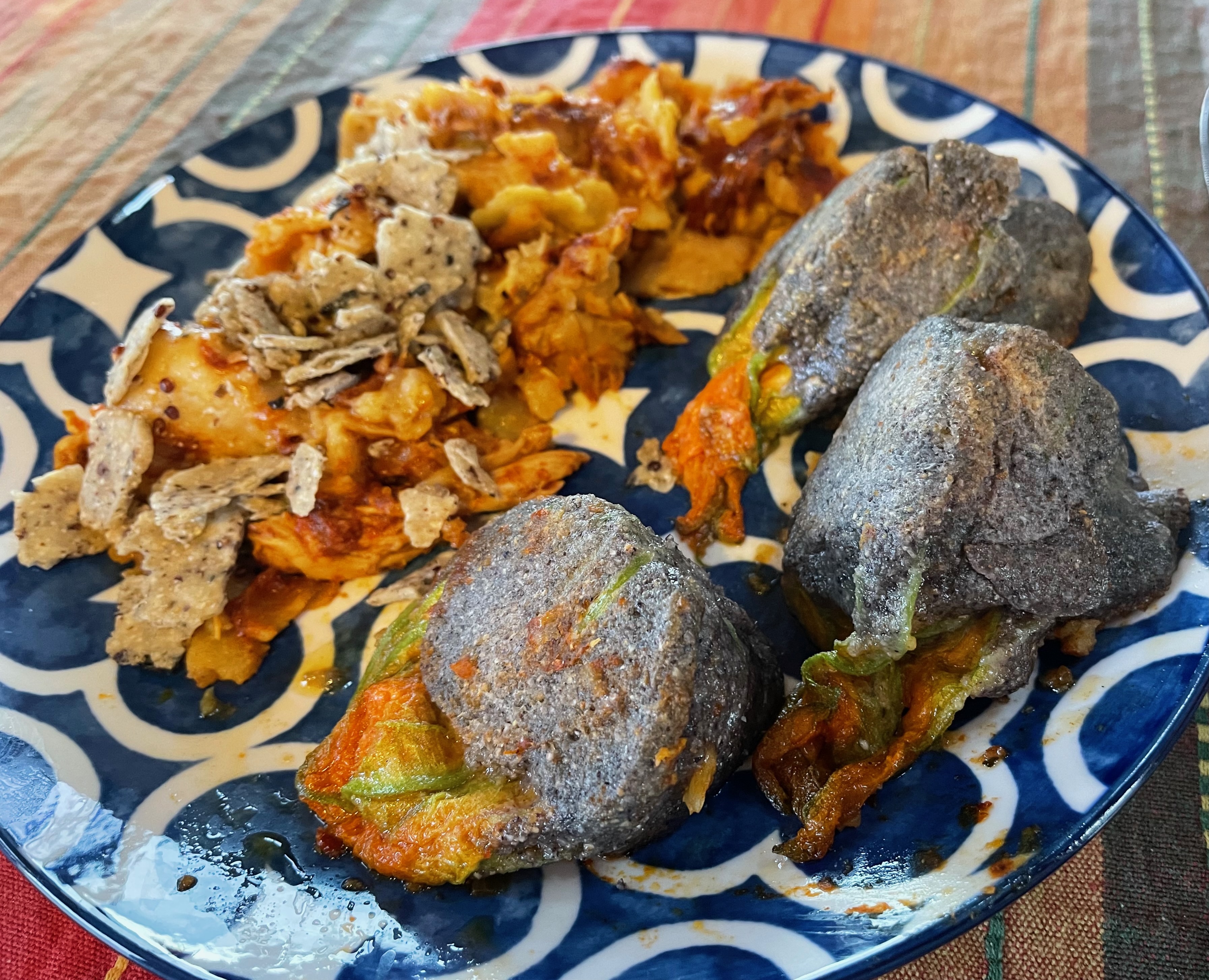
….and served them with enchiladas. What a surprise–They looked like little baby tortoises! And oh they were SO tasty, with a crunch on the outside and a hot spicy, creamy center.

Tia marta hoping you enjoy your late summer in a garden–perhaps with a visit to Tucson’s amazing Mission Garden–exploring for squash blossoms with which to invent new recipes! And do let me know of your successes!

Plan now for next year’s monsoon garden, Tohono O’odham-style. Seeds for many delicious time-and-temperature-tested local squash varieties are available from NativeSeedsSEARCH and Mission Garden. Next summer, have your garden plot ready to put your seeds in the ground with a song when monsoon clouds begin to form. That’s when the O’odham know the squash will be happiest and perform the best.
Edible Flowers of Spring

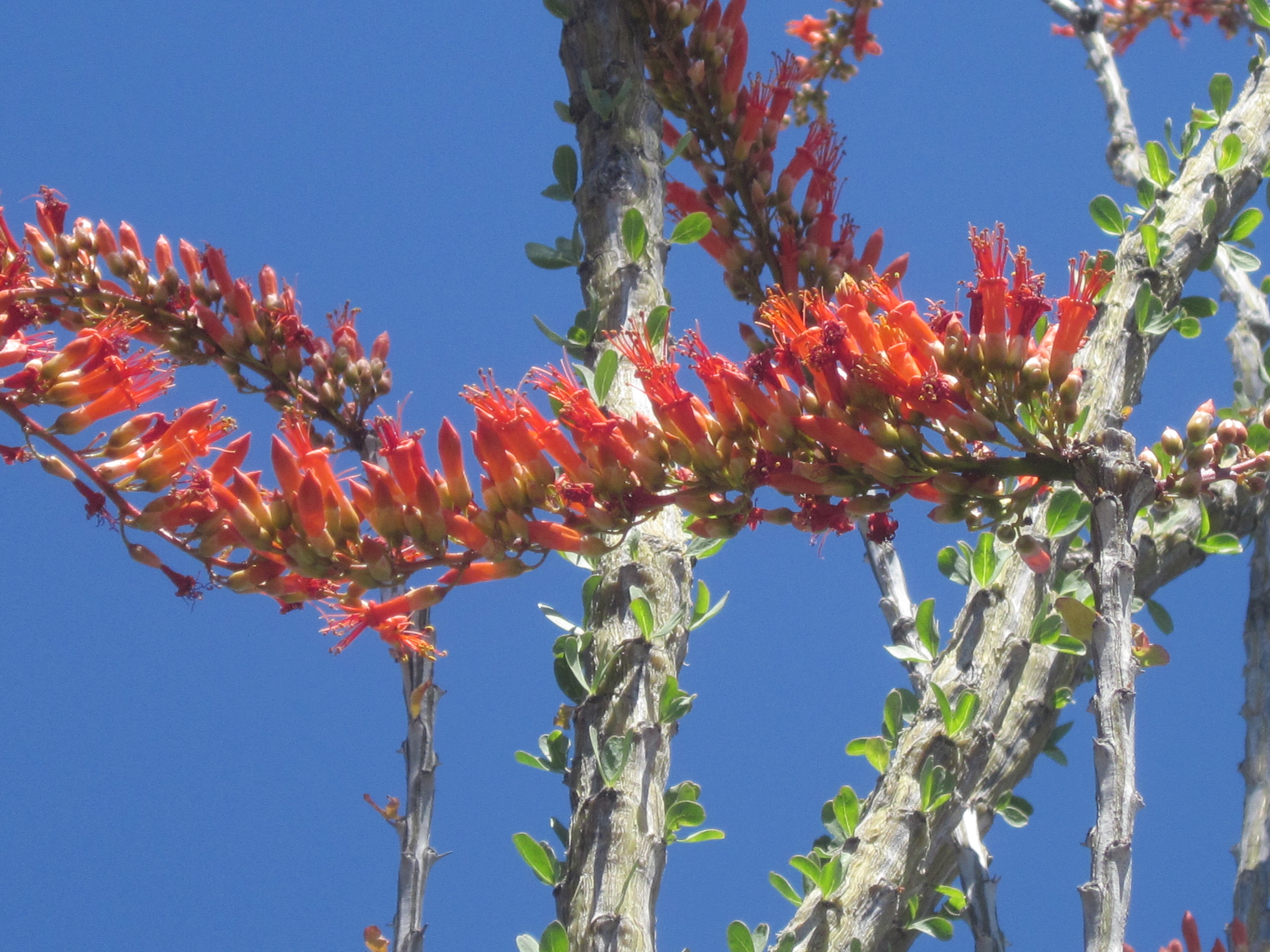
Ocotillo blossoms

Ocotillo blossoms

It’s Carolyn today. Two months ago Tia Marta wrote about gathering and preparing delicious cholla buds, but that is only the barest beginning of the edible flowers that can add fun and interest to our meals. Spring is the best time to find the biggest bounty of  beautiful munchibles.  Gather a bowlful of ocotillo blossoms, add water, and let it stand overnight. You’ll have a delicate juice. The flowers must be open for the nectar to leach into the water.  I wrote about the early Native American uses to ocotillo as a medicinal herb in American Indian Cooking: Recipes from the Southwest. 

Ford at Empire 015

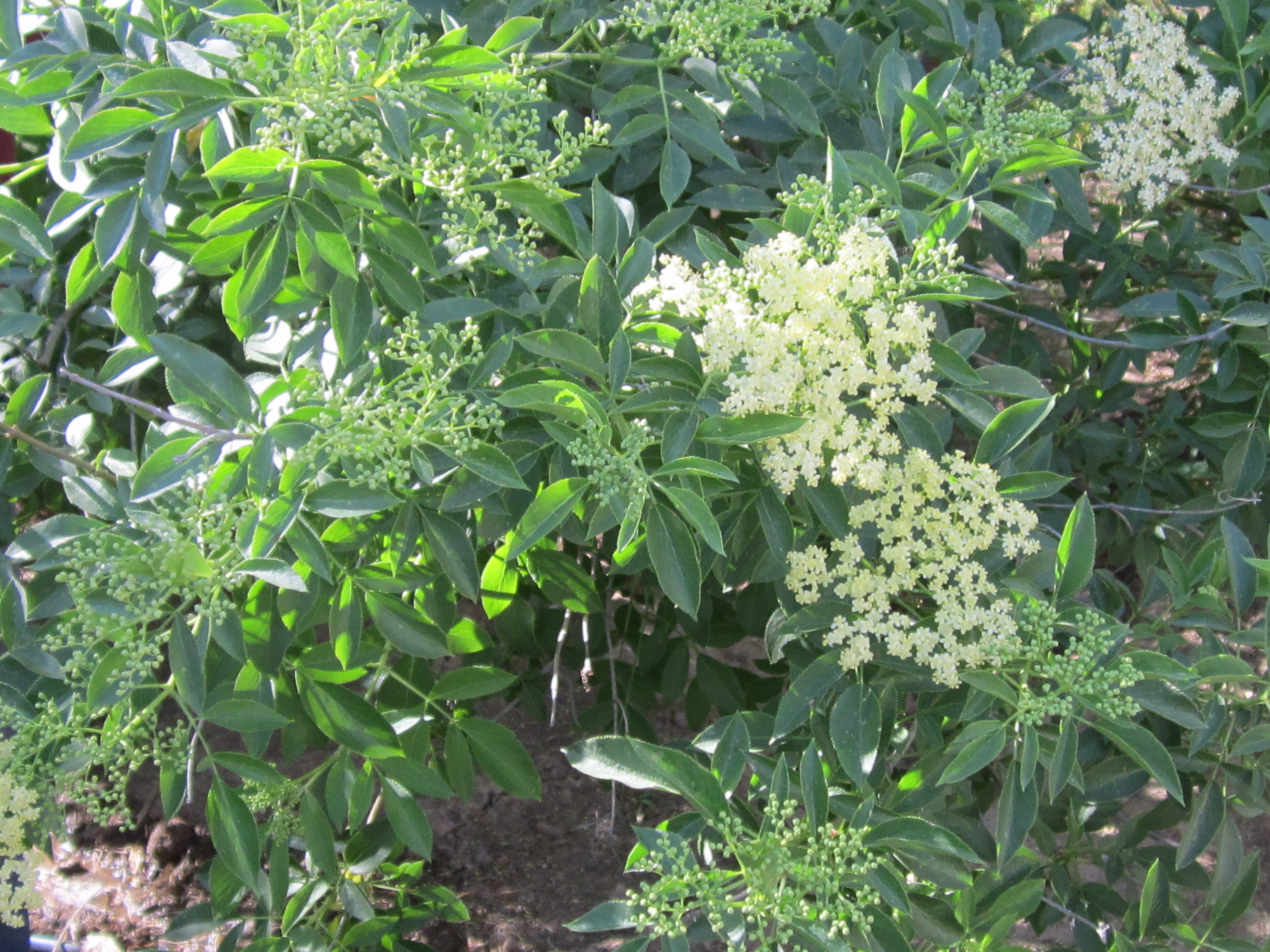
Blossoms on elderberry bush.

This is also the season for elderberry bushes to flower.  Sometimes called elderblow, the flowers make delicious fritters.  I have given full directions in my earlier blog Carolyn’s Southwest Kitchen and you can see it here.

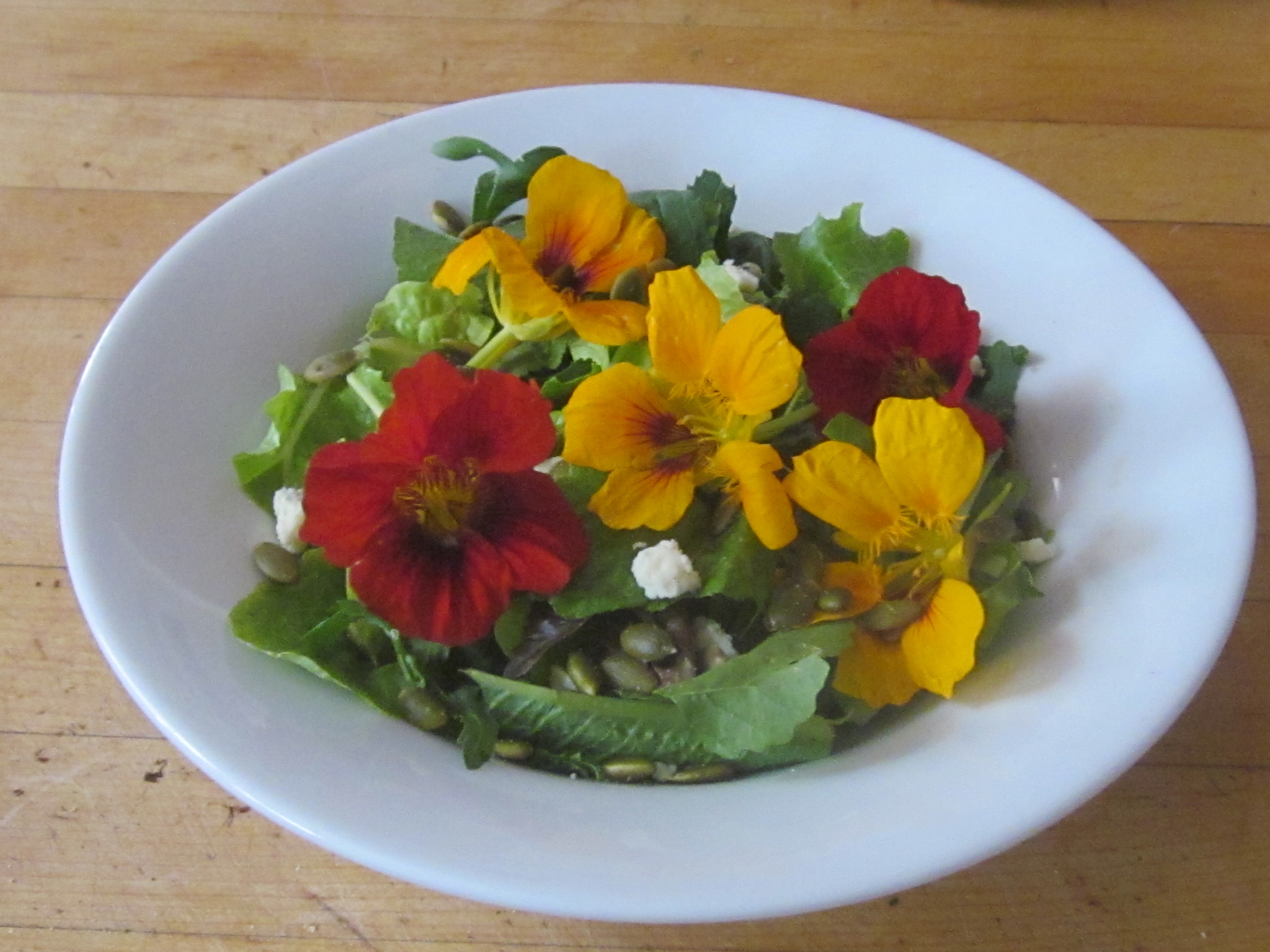
Moving from the desert to your own garden, you’ll find many edible flowers. Many of them make delicious additions to salads.  Among them are nasturtium flowers, which have bright, peppery flavor.

Two colors of nasturtium flowers on a fresh garden salad.

Two colors of nasturtium flowers on a  garden salad.

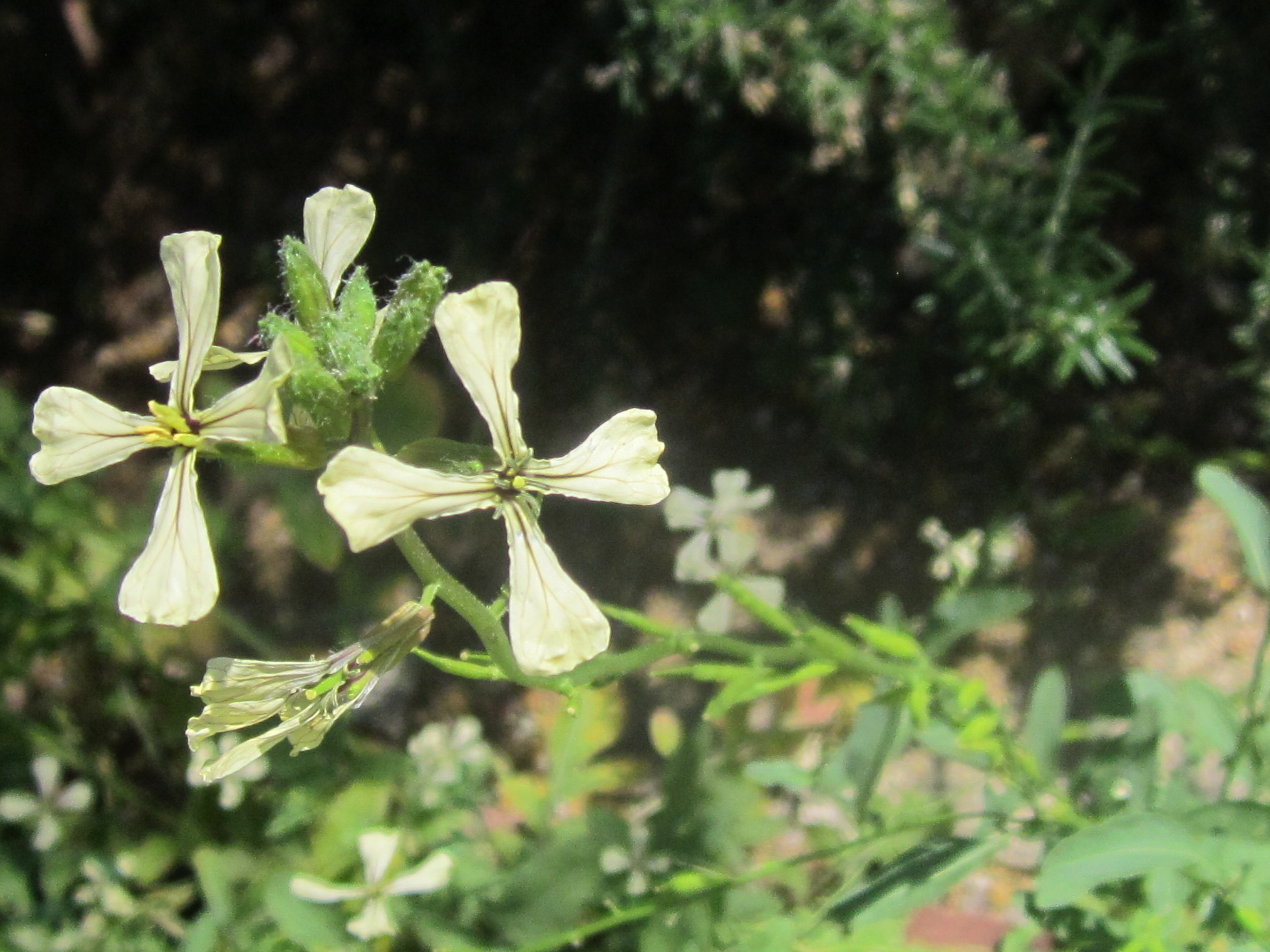
Arugula tends to bolt early and especially did so on this very hot spring on the Sonoron Desert.  But the flowers, though small, taste lovely, not quite as intense as the the leaves.

Arugula flowers

Arugula flowers


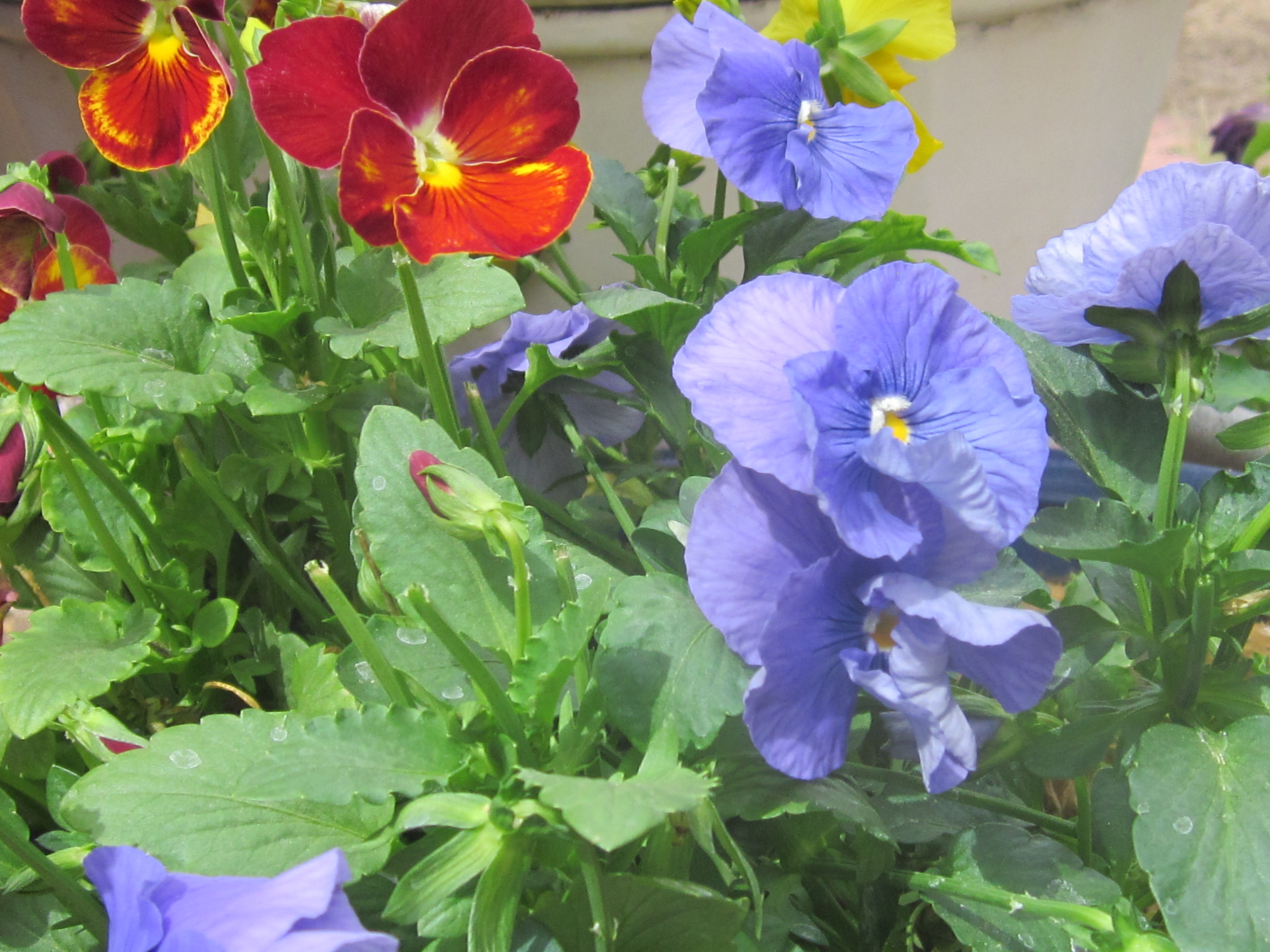
Other delicious salad additions are pansies and violas, their smaller cousins.

Pansies

Pansies

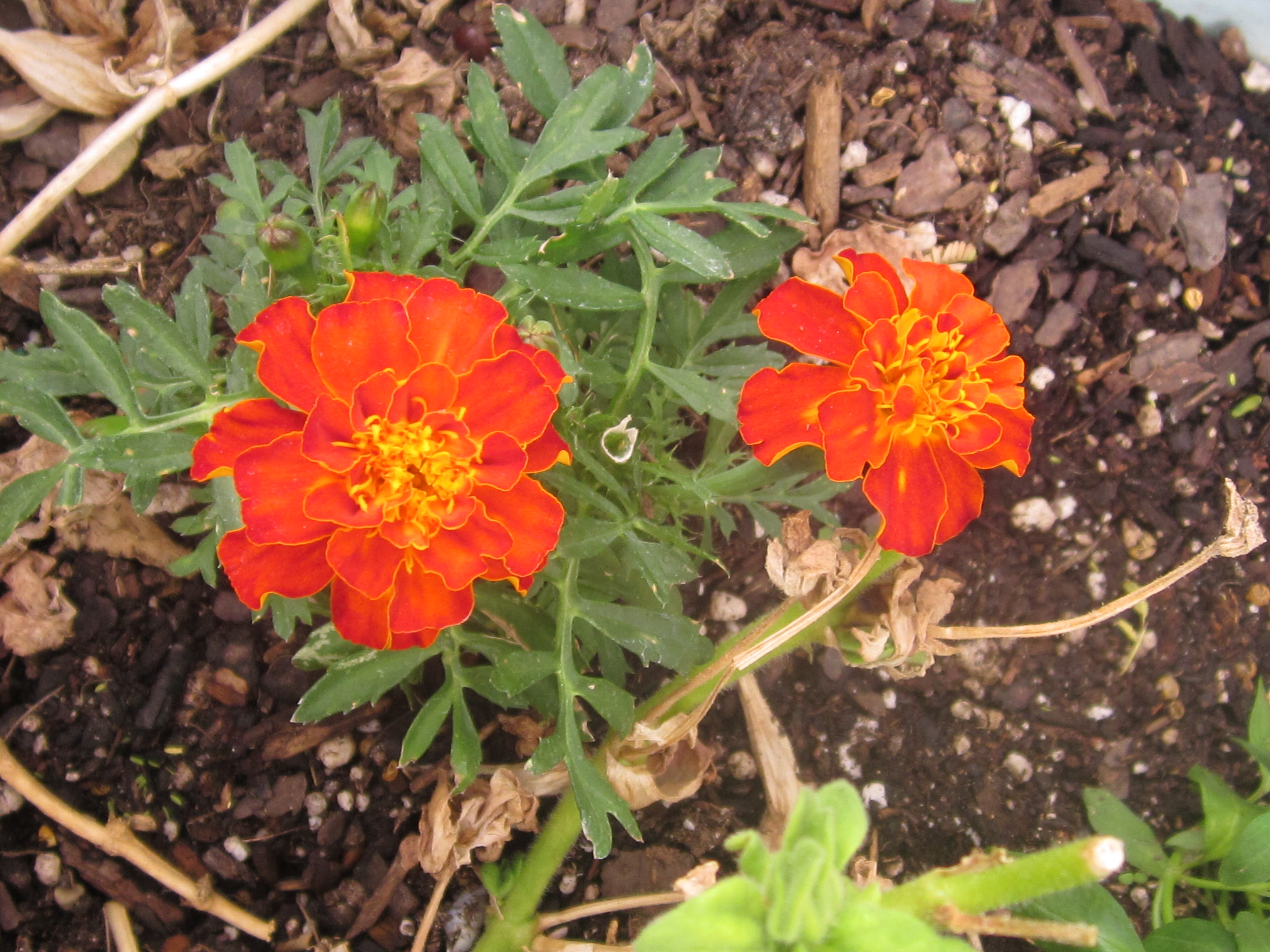
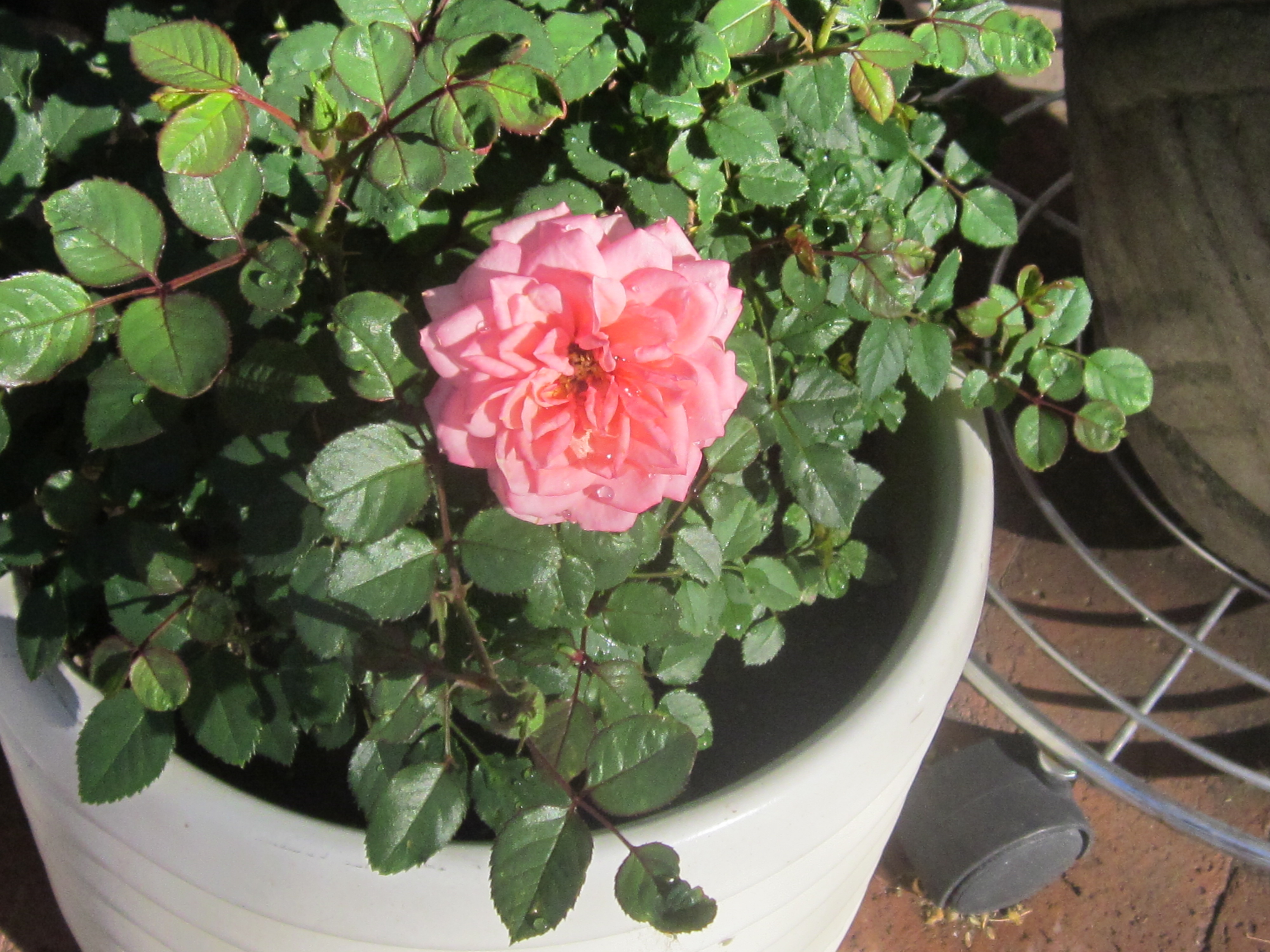
When I began gathering material for this post, I recalled a dish I made  years ago that involved sauteeing chicken with cinnamon and rose water and then finishing the dish with a sprinkle of small rose and marigold petals.  My friend Suzann and I served that at a wedding we catered for two naturalists.

Marigold

Marigold

Teacup rose

Teacup rose


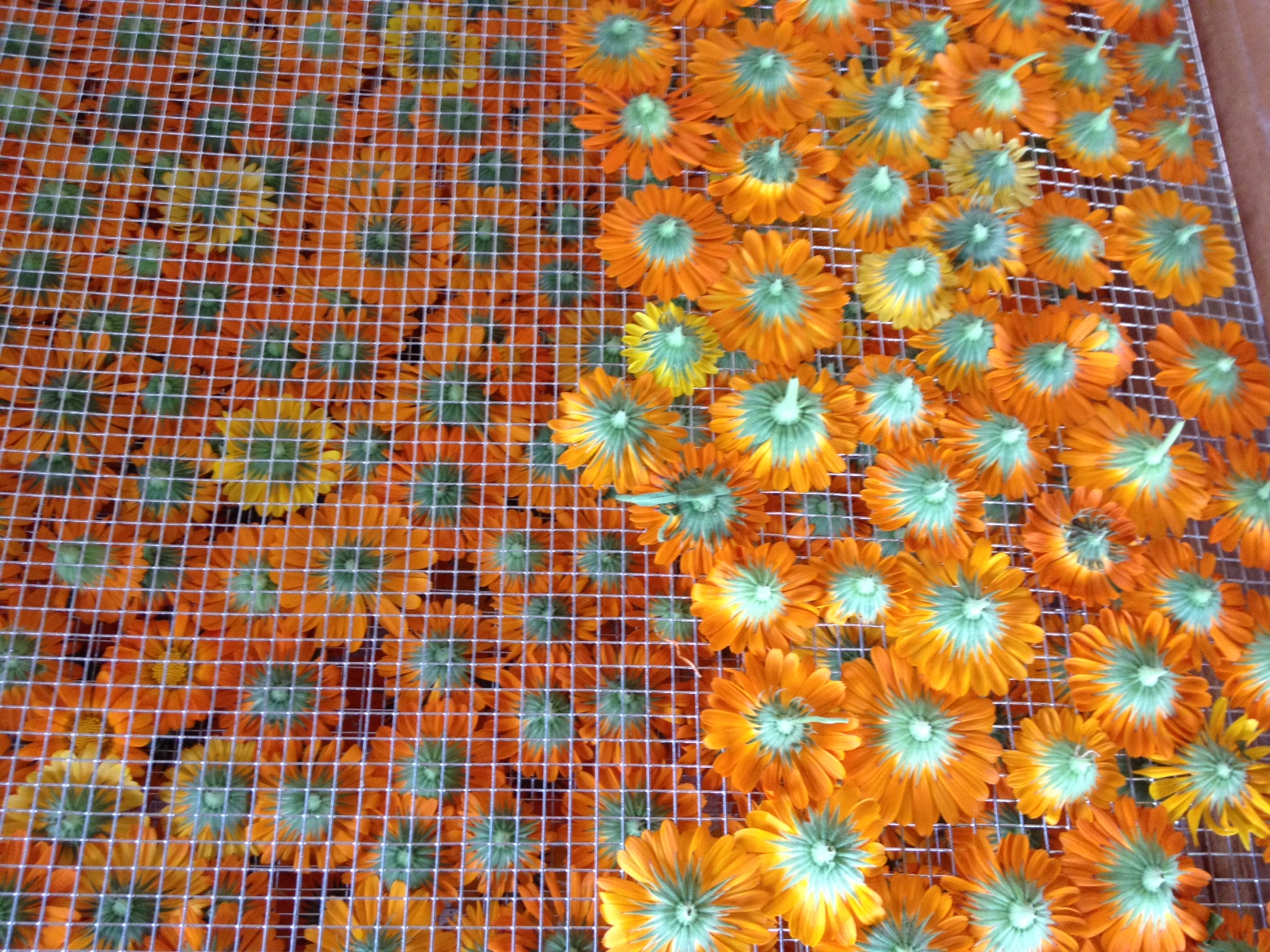
Dried edible flowers make wonderful and healthy teas. Tina Bartsch at Walking J Farm grows and dries calendula flowers for John Slattery  at Desert Tortoise Botanicals who uses them as one ingredient in his Desert Flower Tea. He combines them with desert willow flowers, ocotillo flowers, hollyhock flowers, and prickly pear flowers.  His website says that the tea is an anti-oxidant and good for tissue repair.  The tea is available at Native Seeds Search,  Tucson Community Acupuncture,  the Food Conspiracy. Calendula petals taste  tangy and peppery and add a golden hue to food. Calendula has been called “the poor man’s saffron.”

Calendula flowers drying

Calendula flowers drying


Desert Flower Tea

Desert Flower Tea


One of the most used flowers in cooking, particularly in Mexico, is the squash flower.  The male flowers will never develop into squash, so you can harvest some of them. When I was in Oaxaca a few summers ago, I took a cooking class from Chef Oscar Crespo and just had the best time.  One of the things we cooked was stuffed squash blossoms.  Here is the recipe.

Squash blossoms

Squash blossoms

FLORES DE CALABAZA RELLENAS DE QUESO
Cheese-filled Squash Flower Blossoms


12 squash flower blossoms, washed

½ cup (2.5 oz/80 g) fresh cheese, sliced into sticks

12 epazote leaves (optional)

1 cup all-purpose  flour

3/4 cup club soda

Oil for frying


Slice the cheese so that it fits in the blossoms. Remove the sepals and pistils (that’s the parts inside the petals), then cut the stem to 1¼ in . Fill the whole blossom with a slice of cheese and an epazote leaf. Push the cheese all the way in, and twist the petals to close.

Make a batter with the flour and club soda, starting with 1/2 cup of the club soda. Add more if necessary to make a thin batter like pancake batter.

Place the oil in a frying pan and bring to high heat, about 350 degrees. Dip the stuffed blossoms in the flour mixture. Fry them for 2 minutes or until golden brown, turning at least once. Remove from the oil and drain on absorbent paper.

These can be served accompanied with a red or green salsa or floated in a tomato  broth.

For more ideas on cooking squash blossoms, check here.  If you want more information on edible flowers, you can click here and here.

__________________________

Carolyn Niethammer writes books on the food and people of the Southwest.