Wonders of White Sonora Wheat Berries

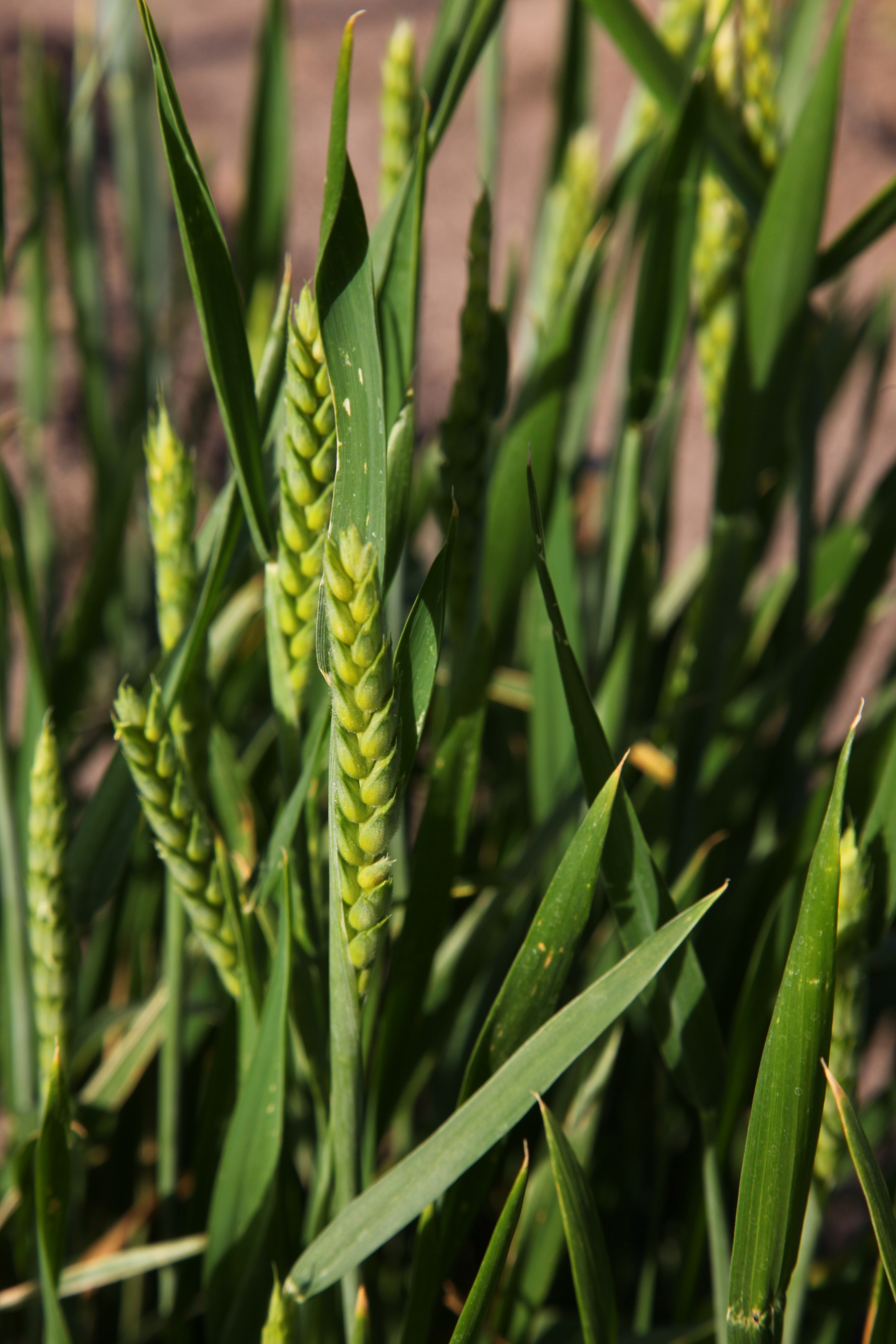
Heirlooom White Sonora Wheat growing at Mission Garden April 2013--Rod Mondt photo

Heirlooom White Sonora Wheat growing at Mission Garden April 2013–Rod Mondt photo

Tia Marta here from Flor de Mayo to share news of an ancient grain newly emerging from its historic quietude as a flavorful and nutritious gift to Southwestern cuisine—a real boon to desert agriculture and health!   I’m talking about the White Sonora Wheat, introduced by Padre Kino, kept alive and well in a Sonoran village for 300 years, “rediscovered” and propagated by Native Seeds/SEARCH plant-sleuths, and at last being grown commercially by a few caring farmers in Baja Arizona.
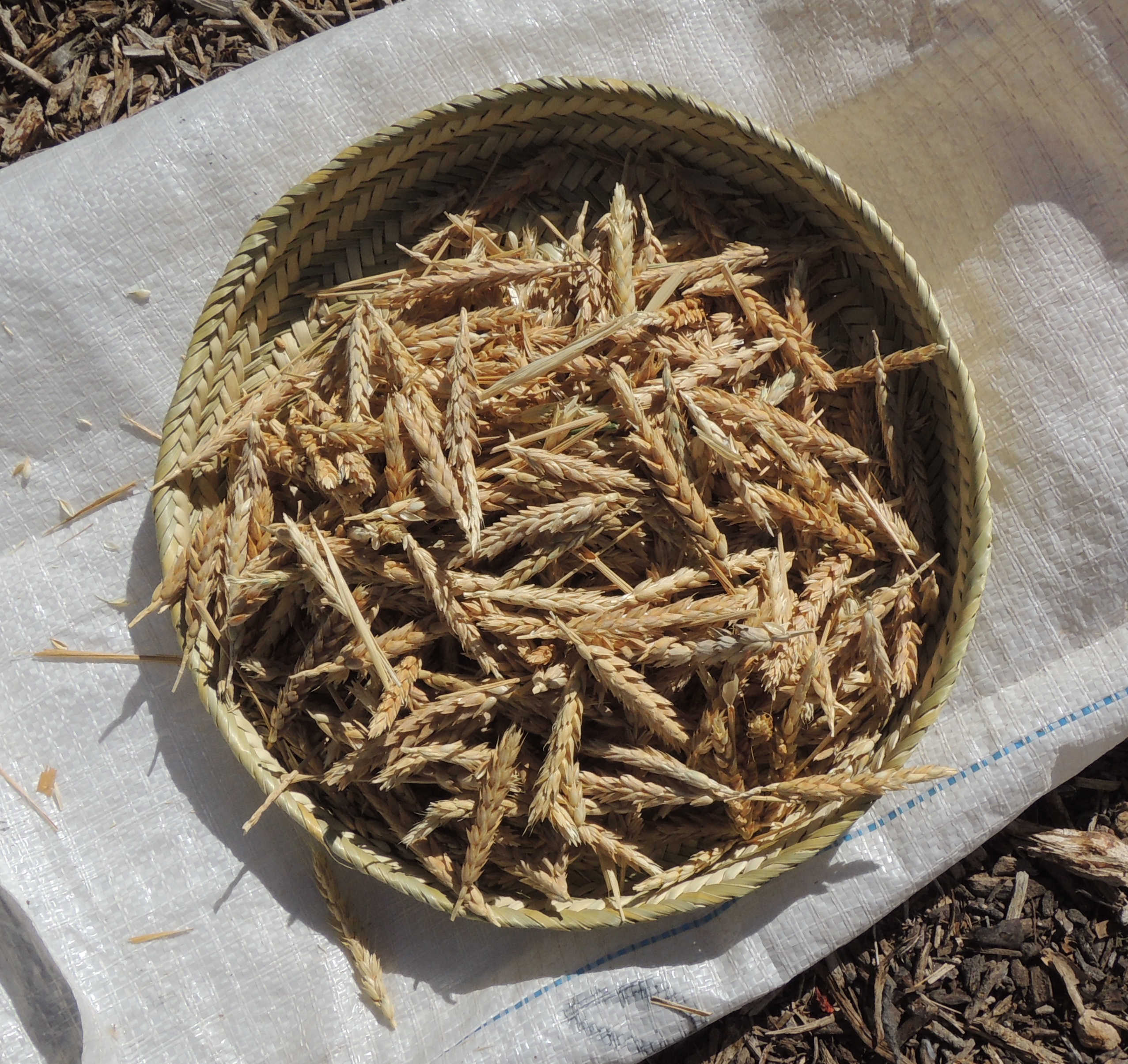
Fresh harvest of White Sonora Wheat Mission Garden May 2013--Bill O'Malley photo

Fresh harvest of White Sonora Wheat Mission Garden May 2013–Bill O’Malley photo

This particular Triticum aestivum variety is a winter wheat for the desert.  Now is the time to plant it in your own garden plot through February for a later harvest into May and June.

Precious White Sonoran Wheat grain was provided by Native Seeds/SEARCH as a start-up ag experiment to a local grower, BKW Farms, and it has really taken off.  Tohono O’odham Elders may likely remember the Wong family of Marana who provided fresh produce out to the res in the early-mid 1900s.  Now in their 5th generation of attuned farming, the Wong family (as BKW Farms www.bkwazgrown.com ) have turned their attention to growing heirloom wheat—USDA Certified Organic.  Bravo for feeding us well AND improving the soil, air and water!  With their first crop a real bumper, BKW Farms is returning more than twice the wheat seed back to NativeSeeds/SEARCH than the original “starter kit” quantity loaned to them.  Kneaded by the skilled hands of Barrio Bread and BigSkye bakers, their White Sonoran Wheat’s flavor is spreading and exciting many a Tucson palate.  Check out www.barriobread.com and www.bigskyebakers.com .

At our Flor de Mayo farmers market booth, a few wheat-sensitive consumers have reported they are actually not affected by this heirloom wheat.  (Hey, scientists, there is information in its genes and constituents we need to know more about!)

BKWFarms' White Sonoran wheat berries cleaned and ready--MABurgess photo

BKWFarms’ White Sonoran wheat berries cleaned and ready–MABurgess photo

Using whole kernals of wheat in cooking seems to be almost an unknown in modern culinary culture, but health benefits are significant.  For one thing wheat berries are “live food” truly sharing life energy.  Vitamins in the bran and germ are super-active.  In commercial so-called “whole wheat bread” the vibrant living constituents have been removed for transport and storage then added back artificially when baked to make it “whole” again.  By eating the wheat berries whole from the git-go, we can enjoy their full nutrition.   [For local, fresh, the only truly whole flour (no parts removed) milled from White Sonora Wheat commercially available, we are blessed with the new Hayden Flour Mills in Phoenix (www.haydenflourmills.com) providing packaged flour to the NSS store and to Flor de Mayo LLC.] 

Providers of other heirloom wheat berry varieties locally are Ramona Farms (www.ramonafarms.com)  and San Xavier Farm Coop (www.sanxaviercoop.org) with Pima Club wheat, and the NSS Store with faro also known as emmer (www.nativeseeds.org).

I made mini “greenhouses” of recycled clear plastic boxes.  Try rice bowls, berry or hamburger boxes for sprouting. MABurgess photo

I made mini “greenhouses” of recycled clear plastic boxes. Try rice bowls, berry or hamburger boxes for sprouting. MABurgess photo

I’ve been having a wheat-berry “hay-day” in the kitchen with White Sonoran Wheat berries.  Here are a few appetizing ideas to introduce wheat berries into your culinary repertoire:

Sprouted White Sonora Wheat Berries:

Sprouts will take about 3-4 days until ready.  Plan on rinsing them daily.  Soak 1 tablespoon of wheat berries overnight in a jar.  Prep “greenhouse” box with coffee filter or paper towel cut to size to prevent grains from passing thru any holes as a strainer.  Pour wheat berries into “greenhouse” box, wash and drain.  Place box on a dishtowel out of direct sunlight.  Rinse and drain them twice a day to keep them from getting sour.  Within 2 days you will see rootlets like tiny white spiders forming.  By the third day greenish stems will rise.  That’s when they are ready to eat.  Try sprouts as a surprise snack—you won’t believe how its relatively blah starch can change with the magic of living enzymes into the sweetest pleasant sweet you ever tasted!  To slow down growth of young wheat sprouts put “greenhouse” box in frig.  You can snip or “mow” elongating wheatgrass and add it to green drinks or smoothies.  Separate wheat sprouts and toss them in salads.  With a hand-crank masa-grinder (such as the one sold at Native Seeds/SEARCH store) grind them fresh to add flavor and texture to bread-baking.  [I will be interested you hear your wheat sprout ideas too!]

White Sonora Wheat berry sprouts at 5 days

White Sonora Wheat berry sprouts at 5 days

Cracked Wheat Berries–Speaking of grinders—a masa grinder or meat grinder can be used to crack dry wheat berries for cooking bulgar dishes.  If you have a stone-burr hand mill, White Sonoran Wheat berries mill to a beautiful flour for baking.  Keep your ear to the ground about upcoming wheat-berry milling events to be announced with my new WonderMill…..

Basic cooking directions for Whole Wheat Berries:  (Simply cooking wheat berries ahead makes some tasty recipes a breeze!)

1) Rinse 1 cup dry White Sonoran Wheat berries to remove any chaff or grit.  Drain.

2) In saucepan cook washed wheat berries with 3 cups drinking water and ¼ tsp sea salt.  Bring to a boil then reduce to low simmer.

3) Check berries after 30 minutes, adding more water if necessary to cover.  Taste for doneness every 5-10 minutes thereafter.   When done, berries should be round, fully plump, softly chewy (beyond al dente) with no white starch remaining.  It may take 45 minutes to an hour to finish taking up water, i.e. to be fully cooked.  One cup dry wheat berries yields about 4 cups of cooked wheat berries.

Then…you can eat hot wheat berries right away (or zap them later) as a hot cereal.  Or, refrigerate them for up to a week for use in pilaf or marinated salads—recipes follow….

wheat berry cereal makes a wonderful hot breakfast

wheat berry cereal makes a wonderful hot breakfast

Berry-Delish Hot Wheat Berry Cereal

1 cup hot white Sonora wheat berries cooked

2 T dry blueberries and/or dry cranberries

1 T chopped walnuts or pecans (optional)

Pinch of sea salt

½ cup warmed milk, rice milk or almond milk

1 pat of butter on top (optional)

Serve hot and enjoy the soft crunchiness.  My elderly mother got a nostalgic look of bliss after tasting this hot wheat berry cereal, saying that it reminded her of what her mother served her as a young child.

hot and tasty White Sonora Wheat berry pilaf-MABurgess photo

hot and tasty White Sonora Wheat berry pilaf-MABurgess photo

Perfect Wheat Berry Pilaf

In  2+ Tablespoons flavored olive oil, sautee 1-2 cups chopped fresh vegetables, such as red onion, yellow or winter squash, red sweet pepper, carrots, celery, greens (optional).

When veggies are al dente in the pan, add 2 cups cooked wheat berries to the mix and 2 more tablespoons flavored olive oil.  Stir-fry until hot through.

Add 2 T pine nuts (optional—they won’t show) and 1 T chopped tops of I’itoi’s Onion (or chives)

Dress with salt, pepper, and spices, such as Santa Cruz Chile and Spice Company’s “zapp.”  Serves 3-4 generously.  Enjoy!

[A cool idea is to make extra pilaf (more than recipe) and chill it to use later as a flavorful salad.]

Wheat Berry Salad Supreme

Marinate 2 cups cooked wheat berries in your favorite Italian, balsamic, or Asian dressing overnight (8-12 hours) then toss with fresh chopped romaine, carrots, celery, sweet peppers, olives.  Serves  4.  As Mom says, “It’s so chewy—you know you’ve eaten something!”

*                                                                 *                                                                    *                                                                     *

Three cheers –for our local seed-savers and growers bringing this ancient grain afresh to our tables!  For our local bakers helping it rise again!  And for our creative Baja Arizona chefs honoring pre-industrial wheat with their culinary alchemy!

Local, heirloom, organic—wow, what more could we ask?  That is White Sonora Wheat.  Come taste a White Sonora wheat berry sprout.  Stop by and see me, Tia Marta, at the St. Phillip’s Sunday Farmer’s Market where I’ll have the BKW organic White Sonoran Wheat berries for sale in 6oz and 1 kilo size packages ready to use.   Or you can find them packaged at the Native Seeds/SEARCH Store, 3061 N Campbell, Tucson.  Order online at www.nativeseeds.org.  Please visit my website for other desert food products and scheduled events at www.flordemayoarts.com.
Prickly Pear Sparkles in Holiday Cocktails

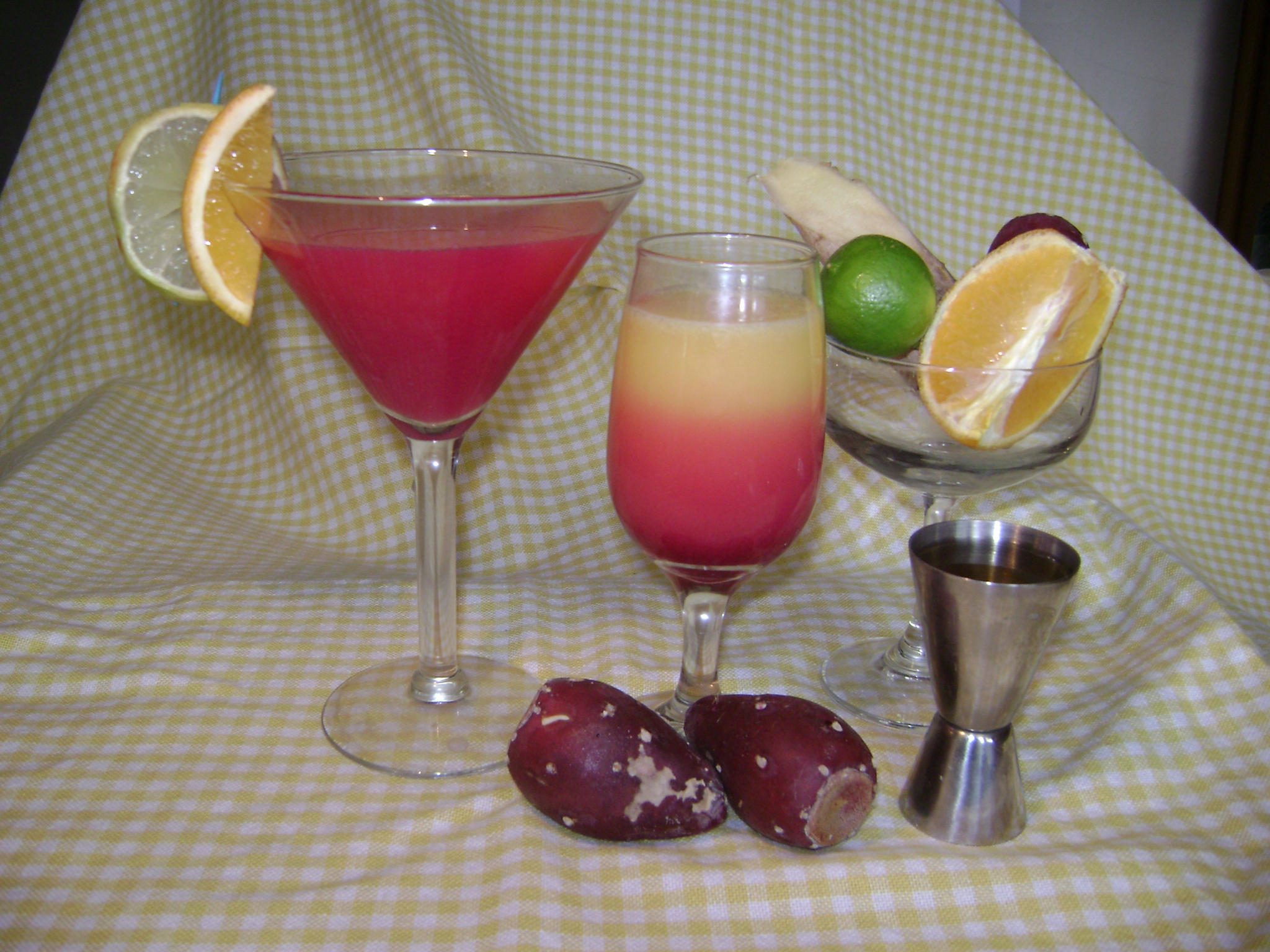
Welcome guests with tasty prickly pear cocktails.

Welcome guests with tasty prickly pear cocktails.

It’s Carolyn Niethammer here this week. First, I want to welcome all the new subscribers. I speak for my fellow bloggers when I say we are so happy to have you join this little community of food lovers. Please feel free to join in at any time with ideas and comments.

Today I want to talk about using prickly pear syrup in holiday cocktails. We all know and love prickly pear margaritas, but there is a world beyond that beloved beverage. And these cocktails don’t have to include alcohol. In fact it is nice to be able to offer your non-drinking guests something tasty and sophisticated way beyond diet coke and seltzer with lime.

There are several keys to delicious cocktails. One important ingredient is fresh juice. It makes a big difference and here in Arizona we have an easy abundance. Some of you need only walk as far as your backyard to grab a handful of oranges or tangelos.  If you are using alcohol, you can choose vodka, tequila or rum.

Make your prickly pear syrup.

Make your prickly pear syrup.

If you have stored some prickly pear juice in your freezer, make a syrup with 1 cup juice to 1 cup sugar.  Simmer gently to evaporate some of the liquid.  If you didn’t get around to storing any juice this year, there are several good commercial syrups made by local entrepreneurs.  You can find Cheri’s Desert Harvest products widely in stores or on-line and Jeau Allen is at farmer’s markets with her products and they are available on-line.

You can buy commerical syrup and a special prickly pear/lime blend.

You can buy commerical syrup and a special prickly pear/lime blend.

To elevate your cocktail with a more sophisticated flavor, you need to add a bitter or sharp flavor such as you get with ginger.  To make ginger syrup, I grate a 5-inch piece of fresh ginger and simmer for 30 minutes in a cup of water.  Strain out ginger and reduce liquid to a half cup.  Add a half cup sugar or agave syrup and cook a few minutes to dissolve sugar. You can also add a few drops of bitters. Angostera bitters is the most available brand and they hold their recipe closely, but bitters is usually a blend of herbs and spices.  You can find some recipes to make your own here and here.

As a final step, top each glass with a little flavored sparkling soda.

Here are some recipes to get you started. Then experiment.

Arizona Sunset

Fill glass with ice. Pour 3/4 full of fresh orange juice. Add a shot of tequila or rum and a tablespoon of ginger syrup. Add two tablespoons of prickly pear syrup. It will sink to the bottom and look like one of our gorgeous sunsets (see picture at top of blog).

Sombrero

1/2 cup pineapple juice

1 ounce rum

1/2 ounce Triple Sec

5 drops bitters

1 ounce prickly pear syrup

1/2 cup crushed ice

Combine all in a blender and serve in a glass with a swizzle stick speared onto a chunk of pineapple.

Carolyn’s Christmas Cocktail

2 ounces fresh orange juice

2 ounce fresh lime juice

1 ounce prickly pear syrup

1/2 ounce ginger syrup

2 ounces cranberry sparkling soda

Combine first four ingredients and pour over ice in large wine glass. Top with cranberry soda. Garnish with lime wedge or circle on glass edge.

________________________________

Want more prickly pear recipes?  Take at look at The Prickly Pear Cookbook.  Available at Native Seeds Search, The Tucson Botanical Gardens, your local bookstore  or on-line here. 


Heirloom Beans for Holiday Feasts!

Colorful Christmas lima, also known as Chestnut lima, will keep some of its purple color and its shape in cooking.  Photo by Muffin Burgess

Colorful Christmas lima, also known as chestnut lima, will keep some of its purple color and its shape in cooking. Photo by Muffin Burgess

Among beans, Christmas Lima is a giant not only in size but in flavor!  This heirloom Phaseolus lunatus is dramatic mottled purple and white, and lends itself to many colorful dishes.  Try a holiday tip from the Heirloom Bean Queen “Tia Pan Dulce”—sure to please vegetarian and omnivore alike:  Curried Christmas Limas!

The evening before cooking, sort and wash ½ lb of dry Christmas Limas.  Presoak overnight in plenty of water (at least a qt) as they will swell.  Next day give remaining water to your compost and add a qt of fresh drinking water.  Simmer limas without salt until they test tender (1 ½-2hrs stove top; 2-3hrs solar oven; 3-5 hrs crock pot).  Some people prefer them al dente.  I like them soft and done through but not mushy.  Reserve the bean liquid.

Saute ½ cup chopped onion, ½ cup chopped celery, ½ cup thin-sliced winter squash, and ½ cup chopped sweet pepper in olive oil and stir in 2 tsp curry powder.  (My favorite curry powder is from Santa Cruz Chile and Spice Co, available at most southern Arizona groceries.  If you are ever in the Tubac area give yourself an olfactory adventure by visiting the SC Spice Co outlet just south of Tumacacori Mission Nat Hist Park.)

Add cooked limas to the veggie curry stir-fry adding either veggie stock or the reserved bean liquid as needed.  Simmer on low heat until flavors are blended (about 1/2 hr) and salt to taste.  Serve with brown rice or polenta for a complete protein complement.

(Here’s another idea to try with cooked Christmas limas:  If they keep their shape as individual beans when done, you can serve them as veggie hors d’oeuvres with toothpicks dipped in your favorite sauce.  Try BBQ or Asian or chilpotle sauce.  They are better than meatballs and much healthier!)

If you want to GROW Christmas limas for yourself, save a few seed out of the bag you find at Sunday’s Heirloom farmers’ market or at the Native Seeds/SEARCH store (3061 N Campbell, Tucson).  Plant them in April where they can vine their way up a trellis in dappled light or into a low-growing tree.  They are long-season, so plan on tending them thru heat of May and June until the monsoons give them a boost.  You will be climbing the tree or trellis to harvest big pods in the fall, ready for homegrown holiday cookery next year.

Bright and beautiful Four Corners Gold beans are used in the traditional winter ceremony by the Zuni.  These beans are truly light-returning and life-renewing.  photo by Muffin Burgess

Bright and beautiful Four Corners Gold beans are truly light-returning and life-renewing.  photo by Muffin Burgess

An important heirloom for the season– used by Native cultures of the Southwest since time-immemorial to celebrate the Winter Solstice—is the festive yellow and white Four Corners Gold Bean (aka Zuni Gold).  It will lend itself to any hearty dish you may want to have simmering in a crock pot ready to drive off any chill from ski-ing, hiking, cycling, or dog-walking thru these short wintry days.  Try them in a bean soup with an oxtail from Jojoba Beef at the farmers’ market; or as chile beans with Native Seeds/SEARCH’s amazing chilpotle chile powder; or as a dip mashed with a Tarahumara bean masher, dashes of Red Devil tabasco sauce and 1 tsp of cumin powder.

"Moon Beans" spiced with Pipian Rojo Mole from Mano y Metate makes an exceptionally festive vegetarian dish!  photo by Muffin Burgess

“Moon Beans” spiced with Pipian Rojo Mole from Mano y Metate makes an exceptionally festive vegetarian dish! photo by Muffin Burgess

My grandmother always served us black-eyed peas for New Year’s telling us grandkids that the number of them we ate was the number of dollars we would make in the new year.  In her tradition of black-eyed peas, as New Year’s approaches, I like to fix a Southwestern version of black-eyes:  Moon Beans!   For a festive flavor try moon beans with pipian rojo mole as a centerpiece dish, adding the prepared mole powder from Mano y Metate in the last half hour of bean cooking.

Solar-cooked Moon Beans can be downright celestial.  If December 30 or 31 is going to be sunny, and if you know you will be “hanging out” available for re-orienting your solar oven every ½ hour or hour, soak your Moon Beans the night before, change the water next day, and in a saucepan with plenty of drinking water add a ham hock and/or chopped onions and veggies to your Moon Beans.  A few hours of solar cookery will provide a New Year’s home-made feast worth a million dollars.

Happy Holiday-time with Heirloom Beans– and Bon appetit from Martha Burgess!  http://www.flordemayoarts.com

Slowing it down: Super-Slow-Rosemary-Crusted-Steak

hearth as heart -

It is early winter, and as the days become shorter, things slow down in the natural world.  Egg laying is noticeably slower. Honeybee brood cycles are are scaled way back; the drones having been cast out (weeks ago) to preserve the resources of the hive. Our cattle are moved to winter pasture; and while we could keep a few cows near the house for milk/cheese,  we prefer to let the girls rest after the rough (read: drought) summer here.  Not taking milk allows the cows a chance to rest and recondition. This slowing down is a part of regeneration.

Humans, often forgetting our animal nature, can be out of sync with the rythms of particular seasons –  especially the slower more inward season that we are in now.  We continue the ceaseless output of energy that culture demands, as if it were perpetual spring – energy bursting upward and outward, rather than inward and in to our metaphorical  roots. .  We are a part  of the animal, insects, and plant kingdoms with which we live.  And seasons, with their increase and decrease in light and energy, offer different things to us. The winter kitchen is one of the few places where we can enjoy the slowness of this season, because winter meals often take time to simmer or bake.  We are nearing the winter solstice, which occurs between December 20th and the 23rd , wrapping the animals, insects, and plants, living on this side of the planet,  in darkness.

This recipe for Super-Slow-Roasted Rosemary-Crusted Chuck Steak, from Shannon Hayes’s THE GRASSFED GOURMET COOKBOOK is a flavorful way to both practice and delight in the Slowness of the Season.  And precisely because it   T A K E S  T I M E, the flavors  have time to mingle sensuously, another perk of the cold season.  More oddly, I feel it gives kitchens – sometimes forgotten as the “heart” of the home –  a chance to embody their mission.  Cooking meals slowly allows the kitchen to warm the home from the kitchen outward; you may find that family and friends linger a little longer, basking in the aromas and warmth and heartbeat. Forgive me for saying it, but I think I hear the kitchen smiling.

Harvesting range/grass fed beef

RECIPE: Super-Slow-Roasted Rosemary-Crusted Chuck Steak

Preheat oven to 250 degrees F.

Rub Garlic Rosemary Rub into the chuck (see below***)

Cover loosely with plastic wrap and let rest for 30-60 minutes.   Roast the meat in a shallow pan for 30 minutes, then lower the oven temperature to 170 degrees F. Continue to roast for 4-6 hours,  (depending on the weight the larger the cut the longer it takes to roast), or until an internal meat thermometer registers 120 F to 125 F. Hayes suggests that you do not cook it beyond 125F or you will loose tenderness.   And in keeping with the Spirit of Slow: allow the meat to rest (with loose foil tented) for 5- 10 minutes before slicing.

*** Garlic-Rosemary Rub: 2 Tablespoons of dried Rosemary, 1 clove garlic, minced, 1 ½ Tablespoons coarse salt, 2 Teaspoons freshly ground black pepper.

Note: I cannot recommend Shannon Hayes, The Grassfed Gourmet Cookbook enough. It will likely change the way you look at farming, flavors, and how they/we are connected.

* If you are a veggie/vegan try slow roasting  winter’s roots vegetables with the oil of your choice and the same spices in the rub, but do not cook them as long, just till as tender and as flavorful as you love.

Please note: The photos were taken by me to share with you; I would love it if you would please leave them here (and not abscond with them to other parts of the internet). Thank you so much.

Seasonal Flavors and Scents of the Southwest Spice Up the Holidays

Wake Up Holiday Salads With Chiltepines!

Contributed by Tia Linda

Chiltepines add zip to holiday salads.

Chiltepines add zip to holiday salads.

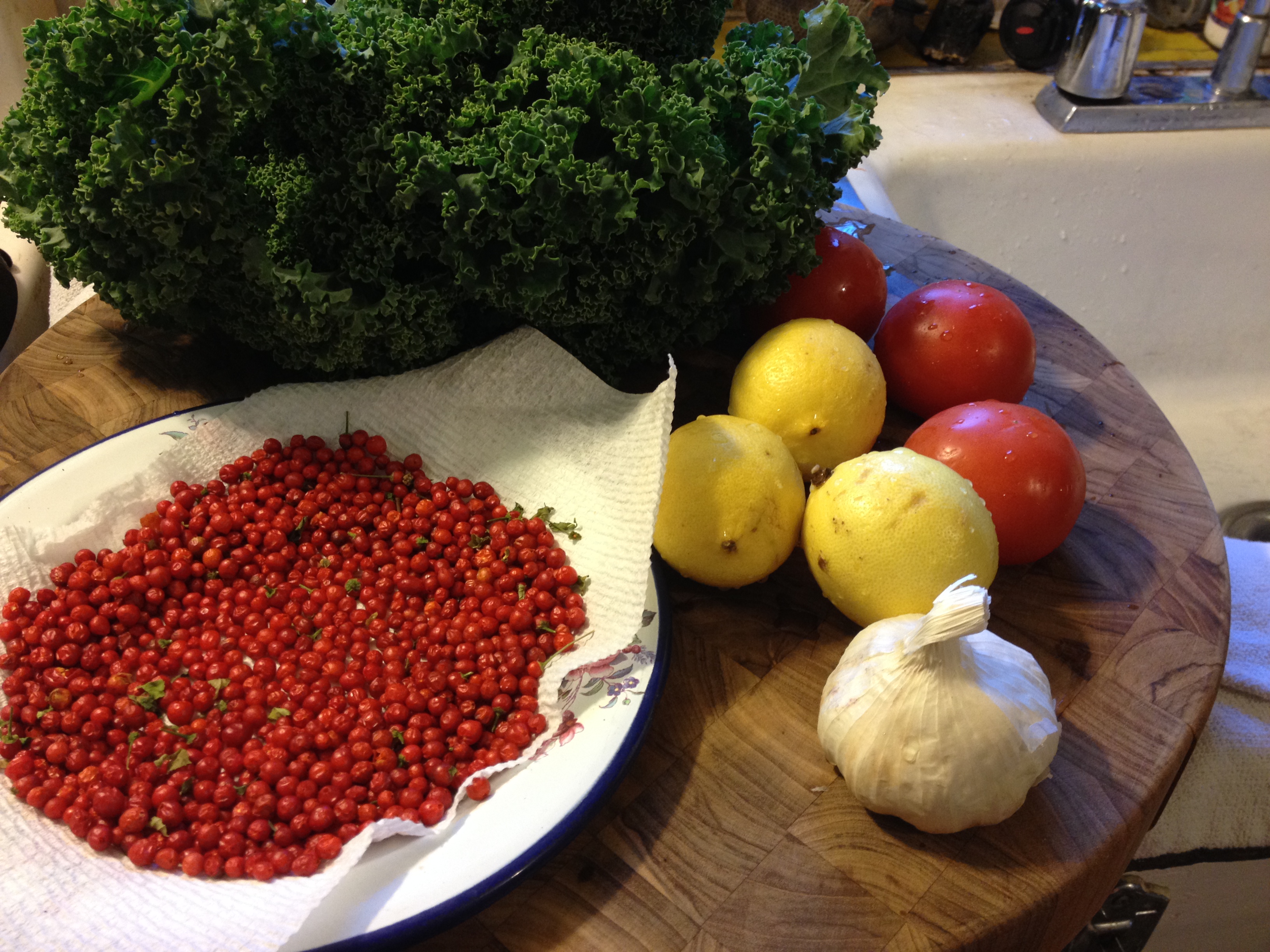
The red, round fruits of  the ancient chiltepin are making a comeback this year, after a rough bout with erratic weather patterns.  This is “their” time of year, as they mature between October and December, giving us just enough time to dry them for use throughout the holidays.  Marinated Kale Salad is easy to make, and offers a fresh, raw energy to the heavy-ish meals often served at the holidays. Prepare it the night before you wish to serve it, to give the juices of the lemon and tomatoes time to work their magic and soften the raw kale.

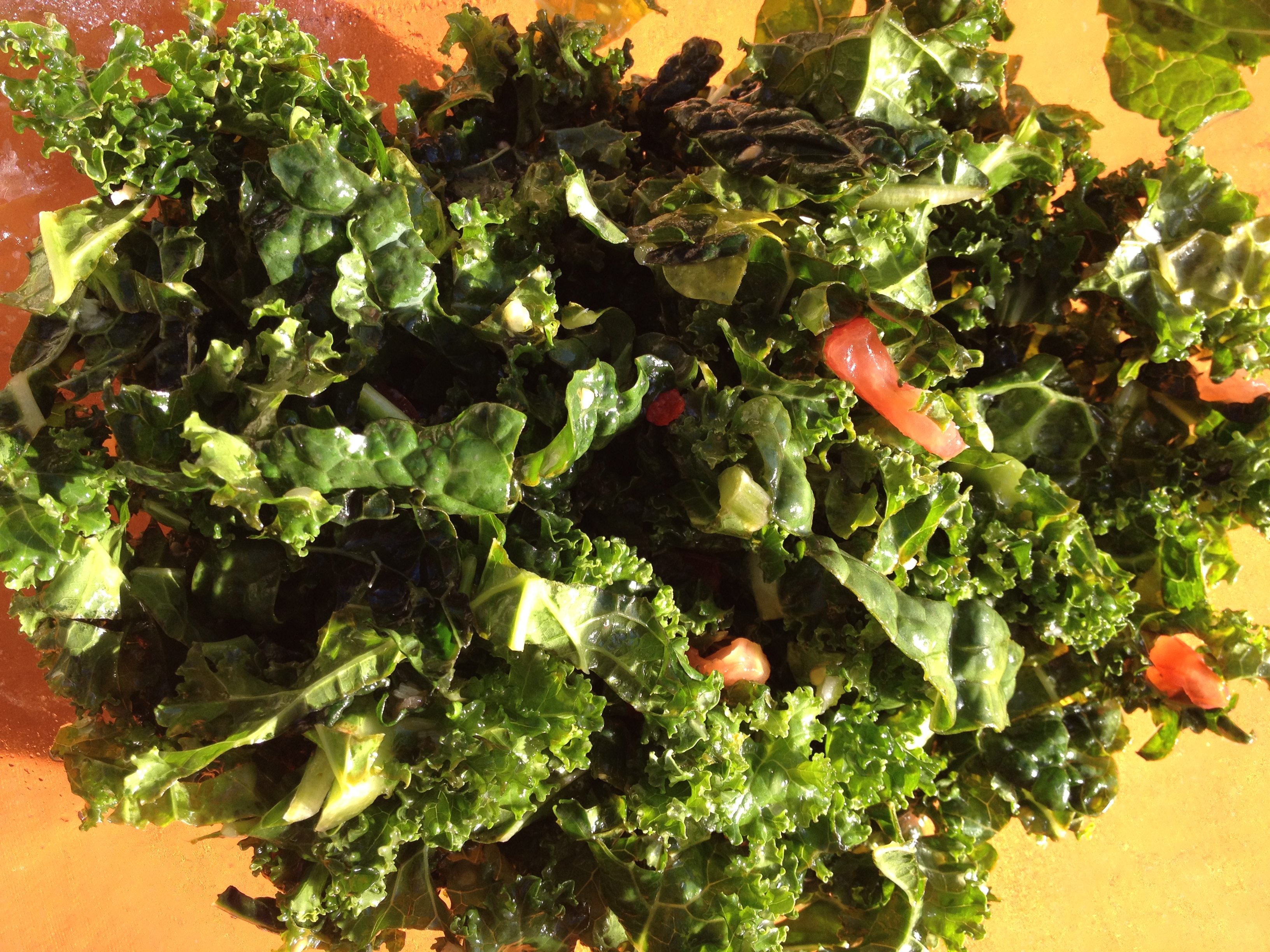
Here’s the recipe: In a bowl, combine 3 bright red chiltepin (crushed),  3 medium tomatoes (diced), the juice of 5 lemons,  about half a cup of olive oil, and salt to taste.  Then chop about 5 cups of raw Kale (also grows in your garden this time of year, here in the SW) as finely as you wish and add it to the mixture.  Place it in some kind of container with a tight fitting lid so that you can periodically shake the green mixture, allowing the juices that inevitably fall to the bottom of the container the chance to coat the kale above.

Kale salad lightens heavy holiday meals.

Kale salad lightens heavy holiday meals.

Make a Sonoran Scents Pomander

Contributed by Jacqueline Soule

Pomanders are used to add fragrance to stored clothing while they are said to also deter moths.  Pomanders have traditionally been made by sticking cloves into oranges, or mixing cinnamon and nutmeg with applesauce.  For those of you that love the scent of creosote bush, here is a Sonoran Pomander recipe I invented.

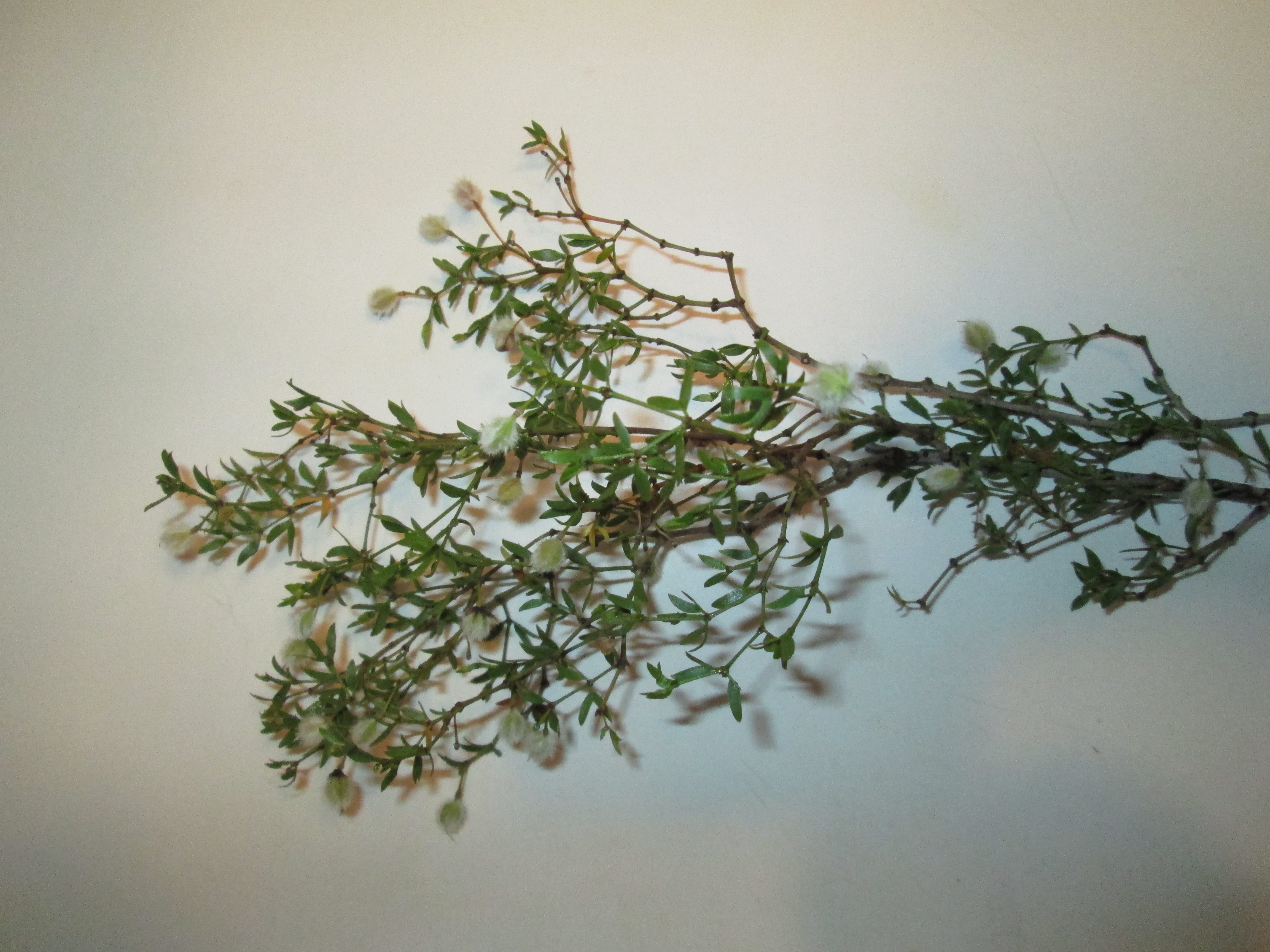
Dry creosote leaves until well dried.

Dry leaves of creosote bush.  Collect more than you think you need!

Dry leaves of creosote bush. Collect more than you think you need!

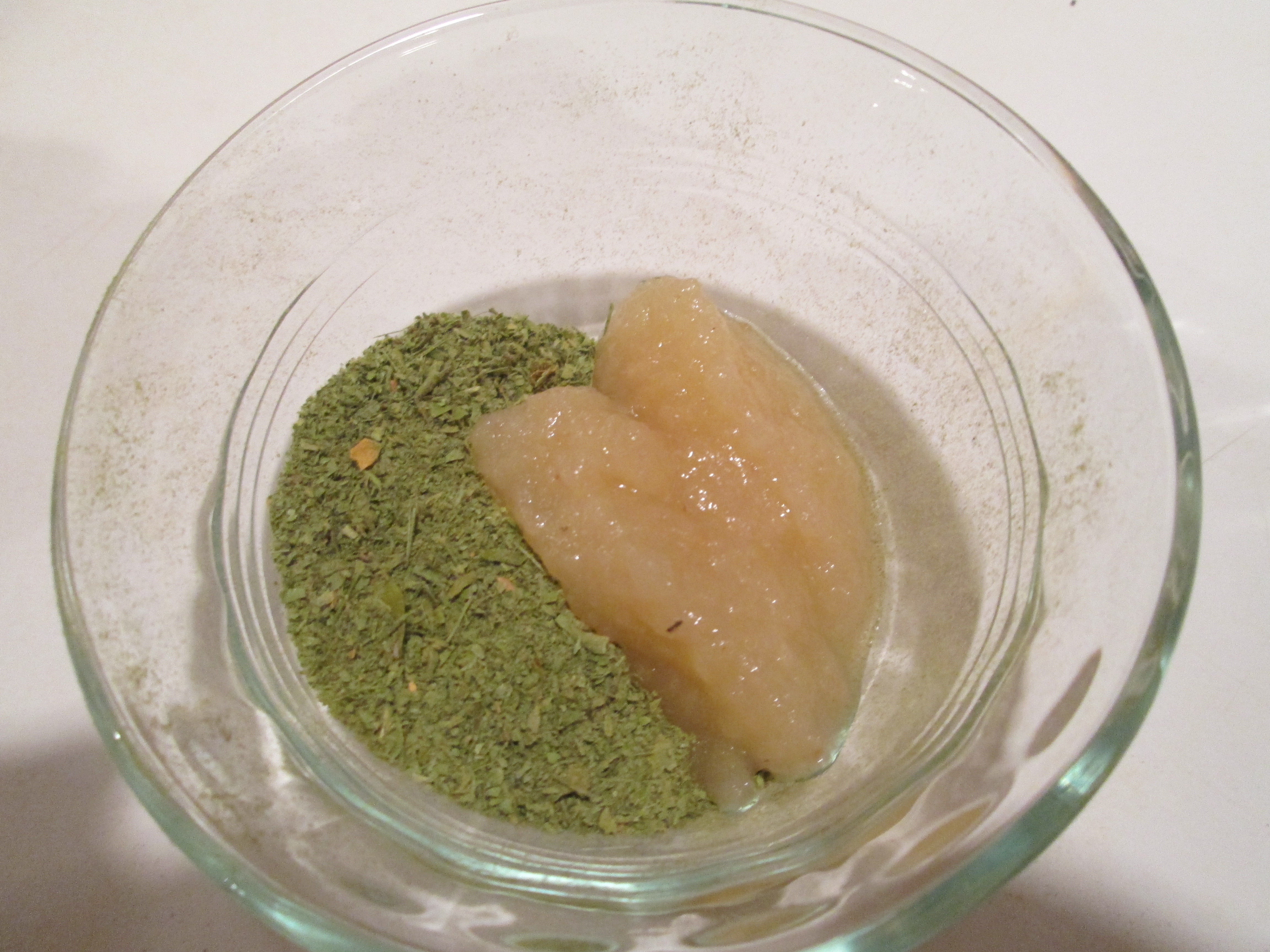
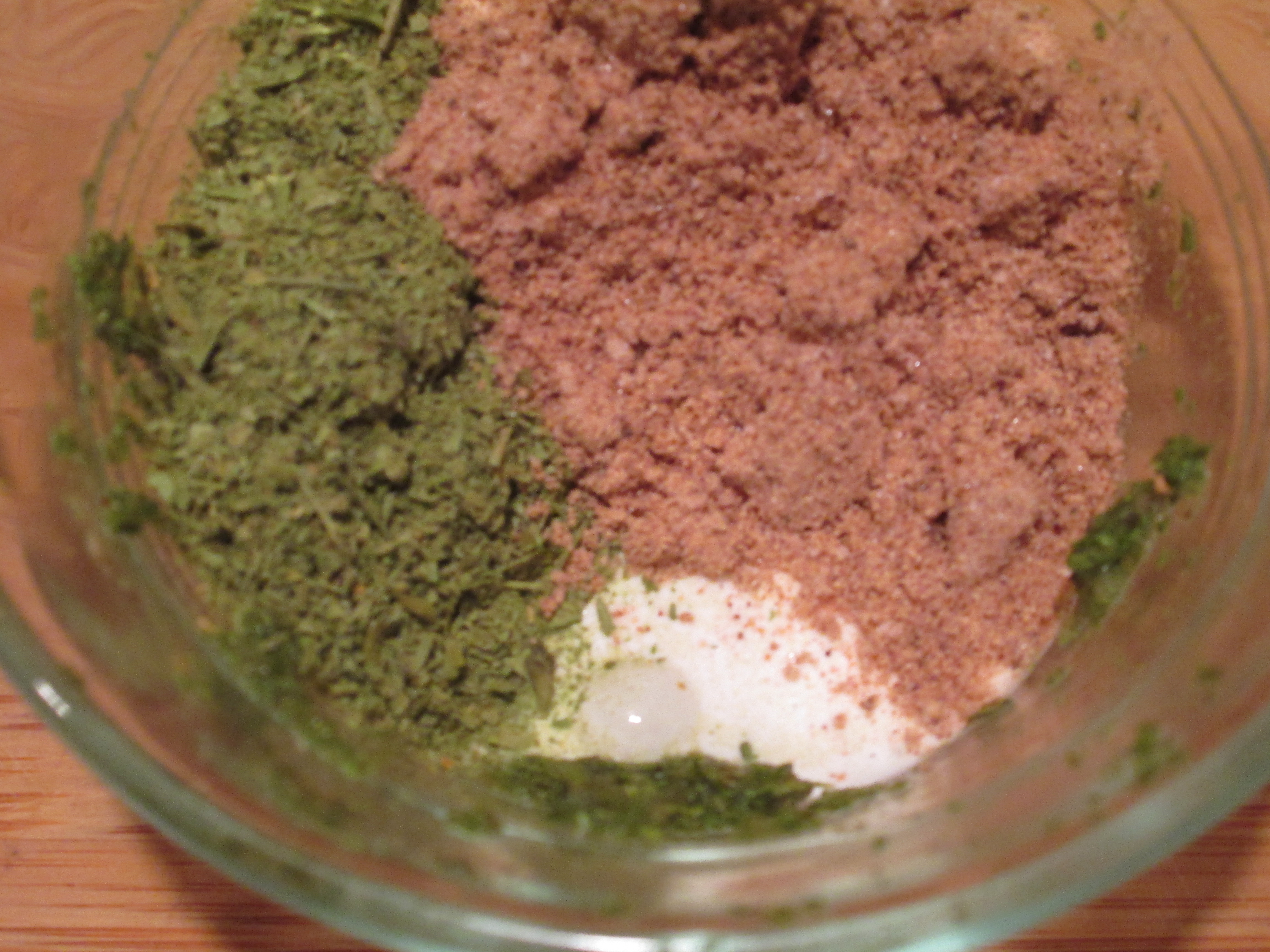
Turn them into leaf “powder” in a blender.  Mix three parts leaf powder to one part applesauce.

Mix powdered leaves with applesauce.

Mix powdered leaves with applesauce.

Form into walnut sized balls, or pat into thick disks.  If you get the mix too wet and have no more leaf powder, use a mild spice (like nutmeg) to add more “powder.”  Don’t use something moths eat, like flour or mesquite meal.

You can use nutmeg if you run out of powdered leaves.

You can use nutmeg if you run out of powdered leaves.

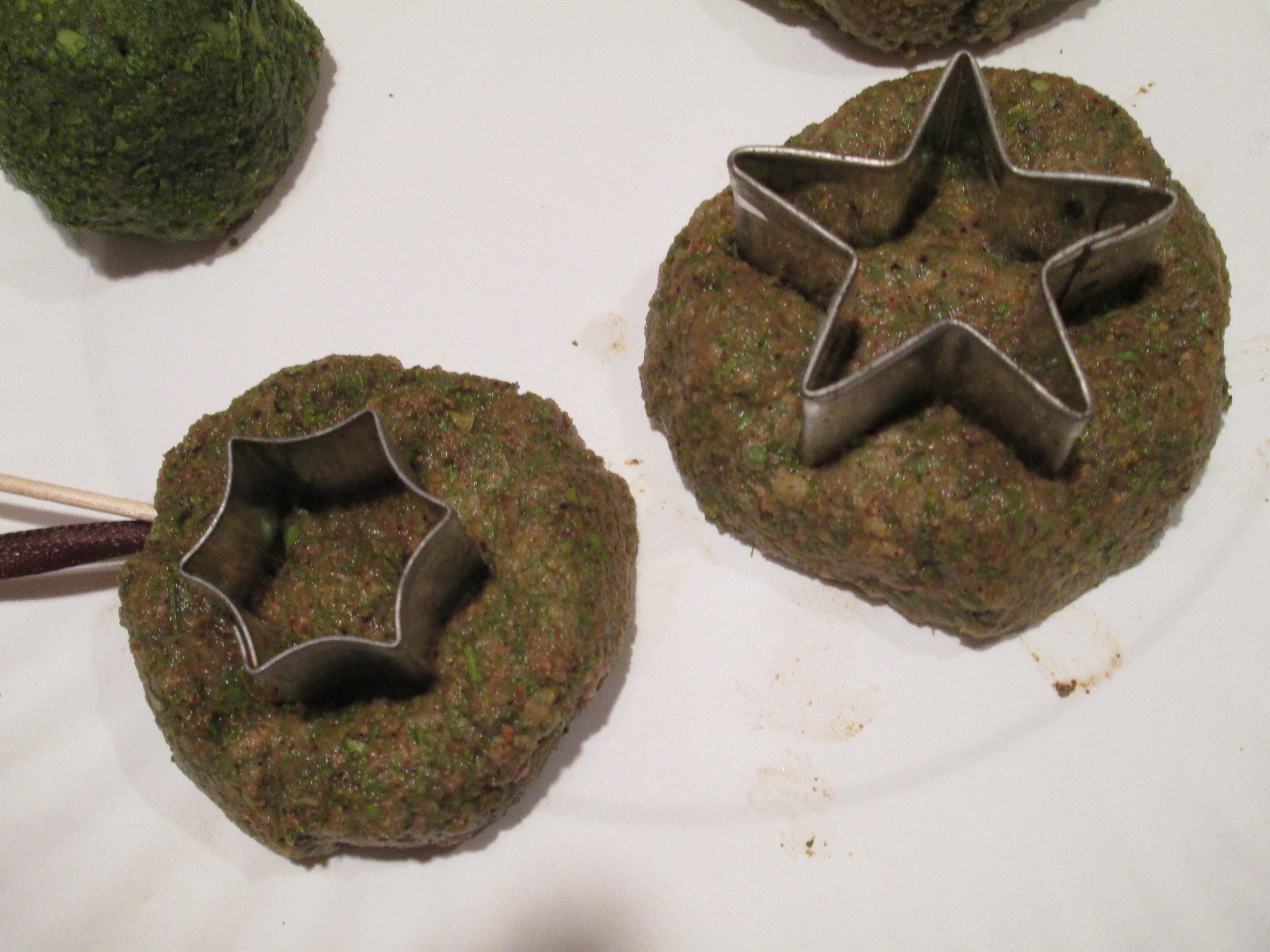
Use small cookie cutters to make impressions if you wish.

Use small cookie cutters to make impressions if you wish.

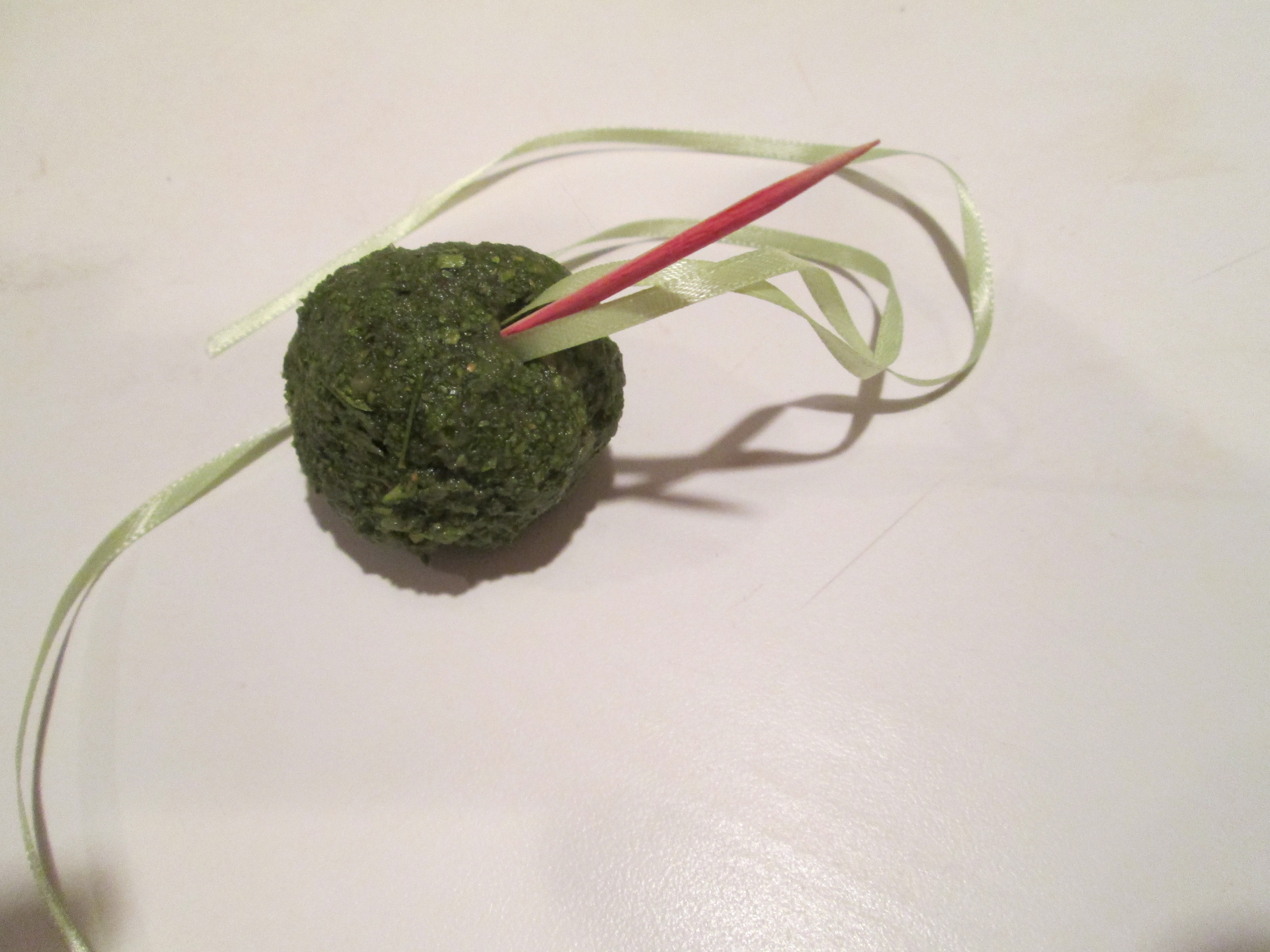
Add ribbon if you wish to hang them (later!).  Poke ribbon into the center with a toothpick.
Allow to dry for three to seven days.

Insert ribbon into still moist pomander with a toothpick.

Insert ribbon into still moist pomander with a toothpick.

Notes:
* Substitute white glue for some or all of the applesauce.
* Hang one of these in your car and carry the desert with you as you drive!

* To learn how to grow creosote in your yard, visit my other blog on creosote, available on http://nativeplantwildlifegarden.com/lovely-larrea/

* You can also read more about using creosote bush (and other native herbs) in my book Father Kino’s Herbs: Growing and Using them Today (available at amazon.com).

Pear and Mesquite: A Perfect Combo

Mesquite Ginger Pear Tart Ready for the oven.

Mesquite Ginger Pear Tart Ready for the oven.

Hello everyone.  This is Carolyn Niethammer and this is my week for the Savor the Southwest blog.

With mesquite millings happening all over Arizona, it’s time to plan for what you’ll make with your delicious mesquite meal.  Pancakes are fine for mornings at home, but when you are headed for a holiday potluck, something a little special is required to show how attuned you are to our desert foods. This Mesquite Ginger Pear Tart fills the bill.  I adapted the recipe from an old Joy of Cooking recipe for an apple cake. This is better! Ginger, a warm spice, always goes so well with mesquite.

I give you the recipe at the bottom, but here are the steps.  Works best if you have a springform pan so you can remove the sides of the pan from the finished cake without disturbing the topping. However if all you have is a regular cake pan, just carefully tip it over onto a plate, then flip it back.  You may have to reposition a few nuts, but it will taste great.

First make the batter.  Use your fingers to push it to the edges of the pan.

Spread the cake batter with your fingers.

Spread the cake batter with your fingers.

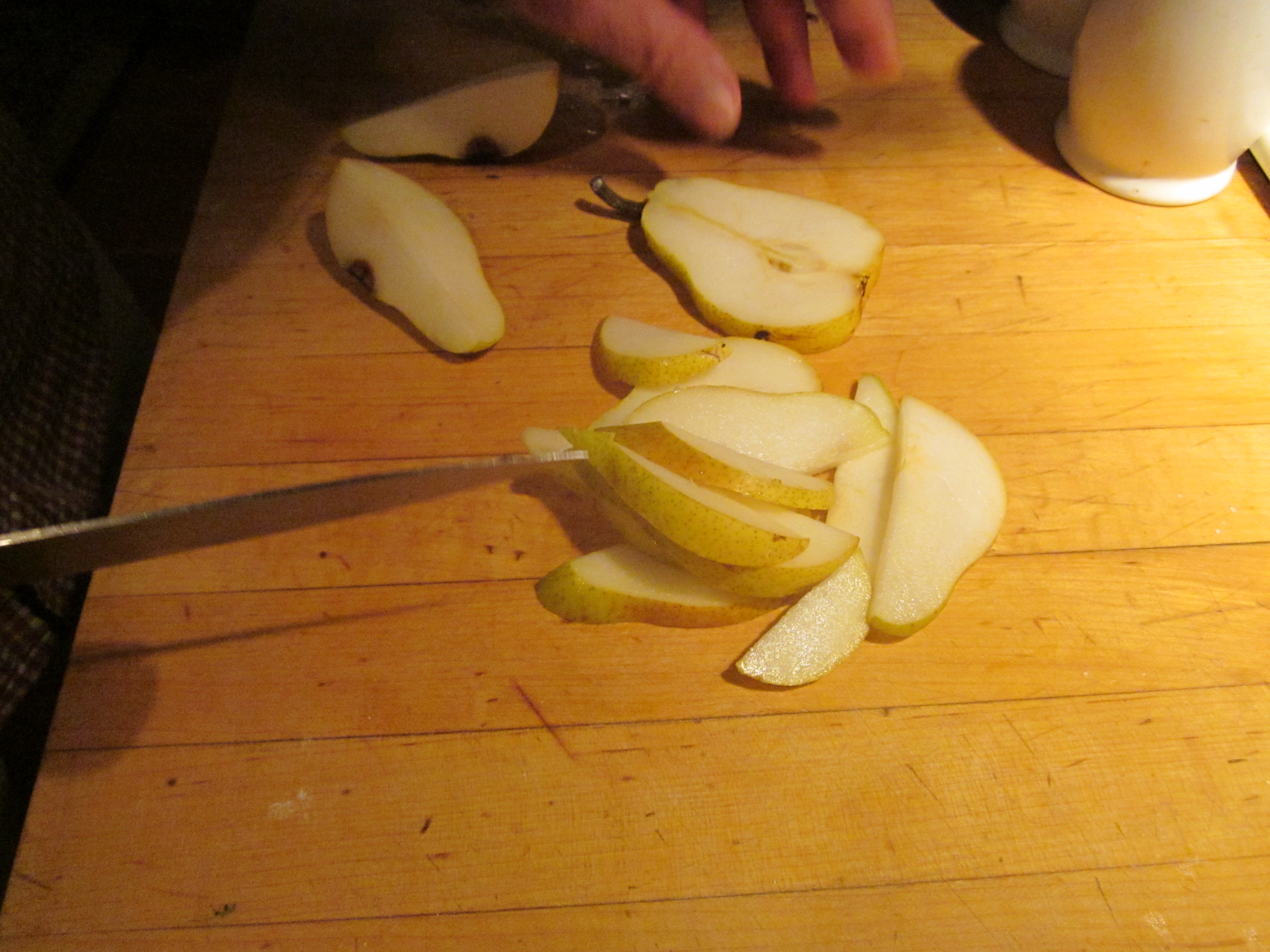
Cut a perfectly ripe pear into quarters, then into nice even slices.

IMG_0938

Arrange the pear slices on top of the batter.

Make a pretty pinwheel pattern with the pear slices.

Make a pretty pinwheel pattern with the pear slices.

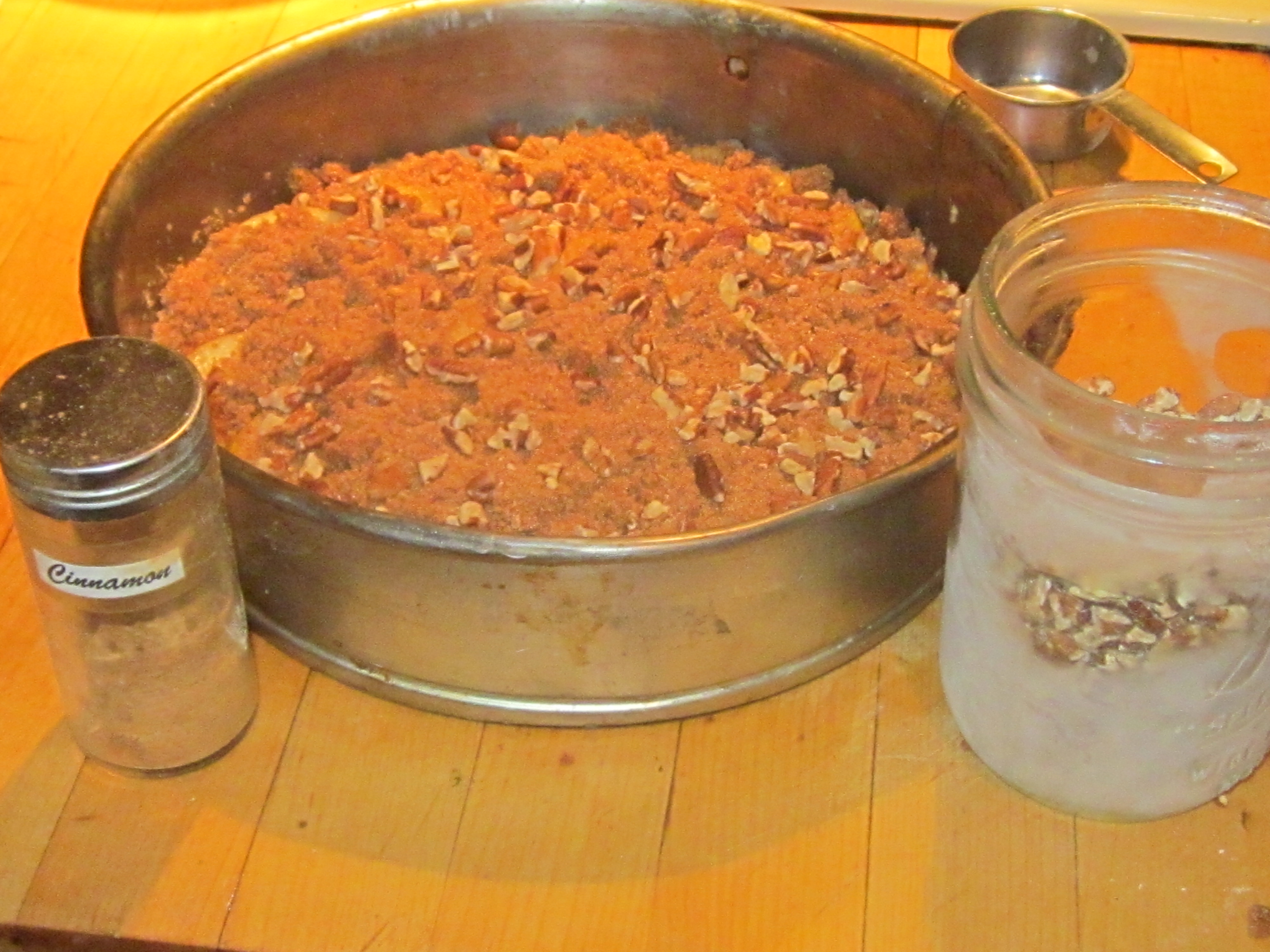
Mix the topping and sprinkle over the pear slices.

Crumbly topping will add sweetness and crunch to your cake.

Crumbly topping will add sweetness and crunch to your cake.

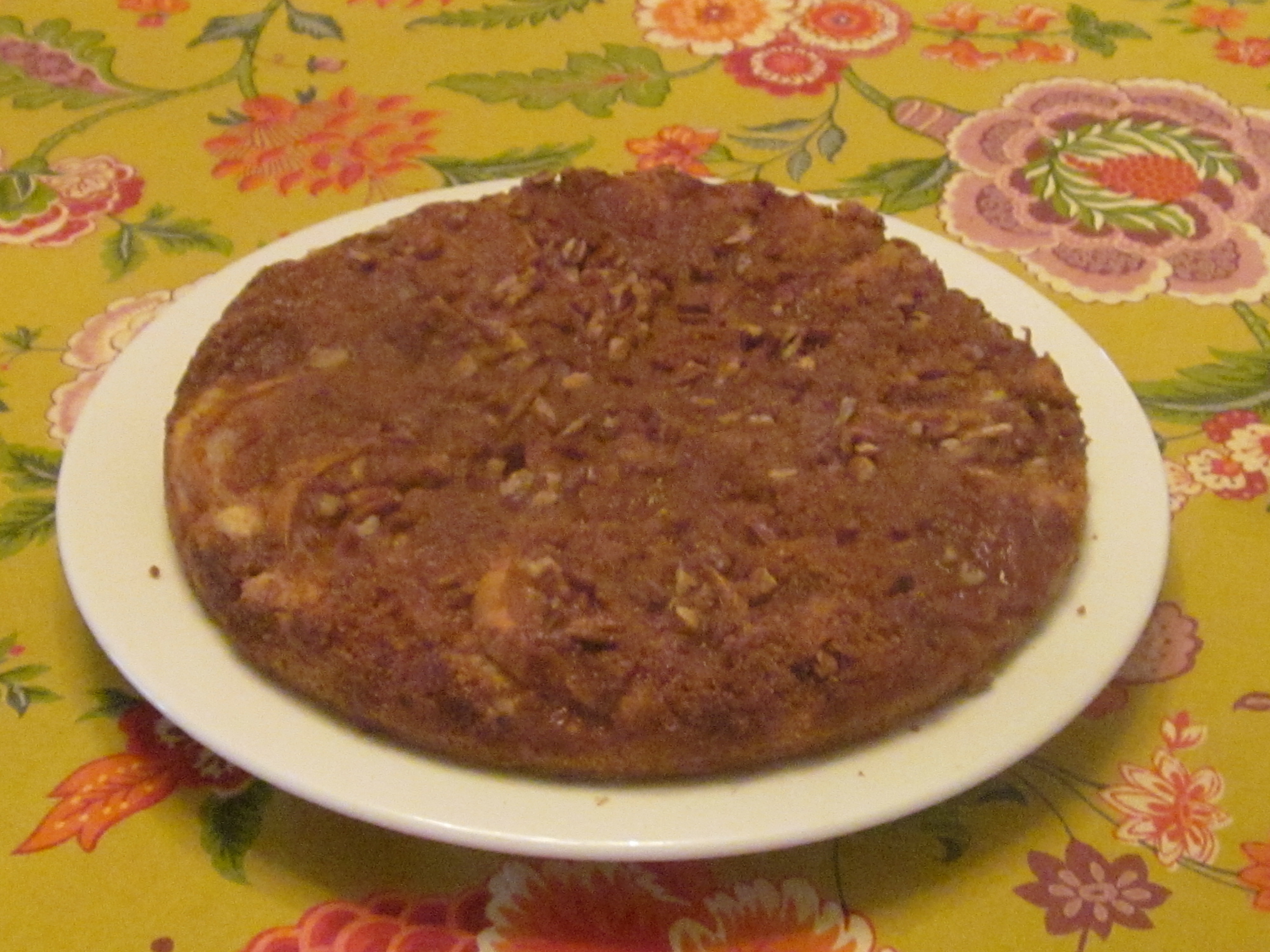
After baking, cool and remove from the springform pan.

Fragrant Mesquite Ginger Pear Cake.

Fragrant Mesquite Ginger Pear Cake.

Now that you know the method, here’s the recipe:

Mesquite-Ginger Pear Cake

1 cup flour

¼ cup mesquite meal

3/4 teaspoon ground ginger

¼ teaspoon salt

2 tablespoons sugar

3 tablespoons butter

1 egg

½ teaspoon vanilla

¼ cup milk

2 large pears, sliced

Topping:

½ cup sugar

¼ cup mesquite meal

3 tablespoons melted butter

¼ cup chopped pecans or walnuts

Prepare a 8- or 9-inch springform pan by lining with a buttered piece of paper cut to fit the pan. Preheat oven to 425 degrees F.

In a medium bowl, combine flour, mesquite meal, salt and sugar.  Fluff with a fork until well combined. Add the butter and rub with your fingers or cut with a pastry blender until butter is worked in.

In a glass measuring cup, put the ¼ cup milk and then beat in the egg and vanilla. Stir into the dry ingredients to make a stiff batter.  Press into the prepared pan with spatula or your dampened fingers. Arranged sliced pears in a circular pattern on top of batter.

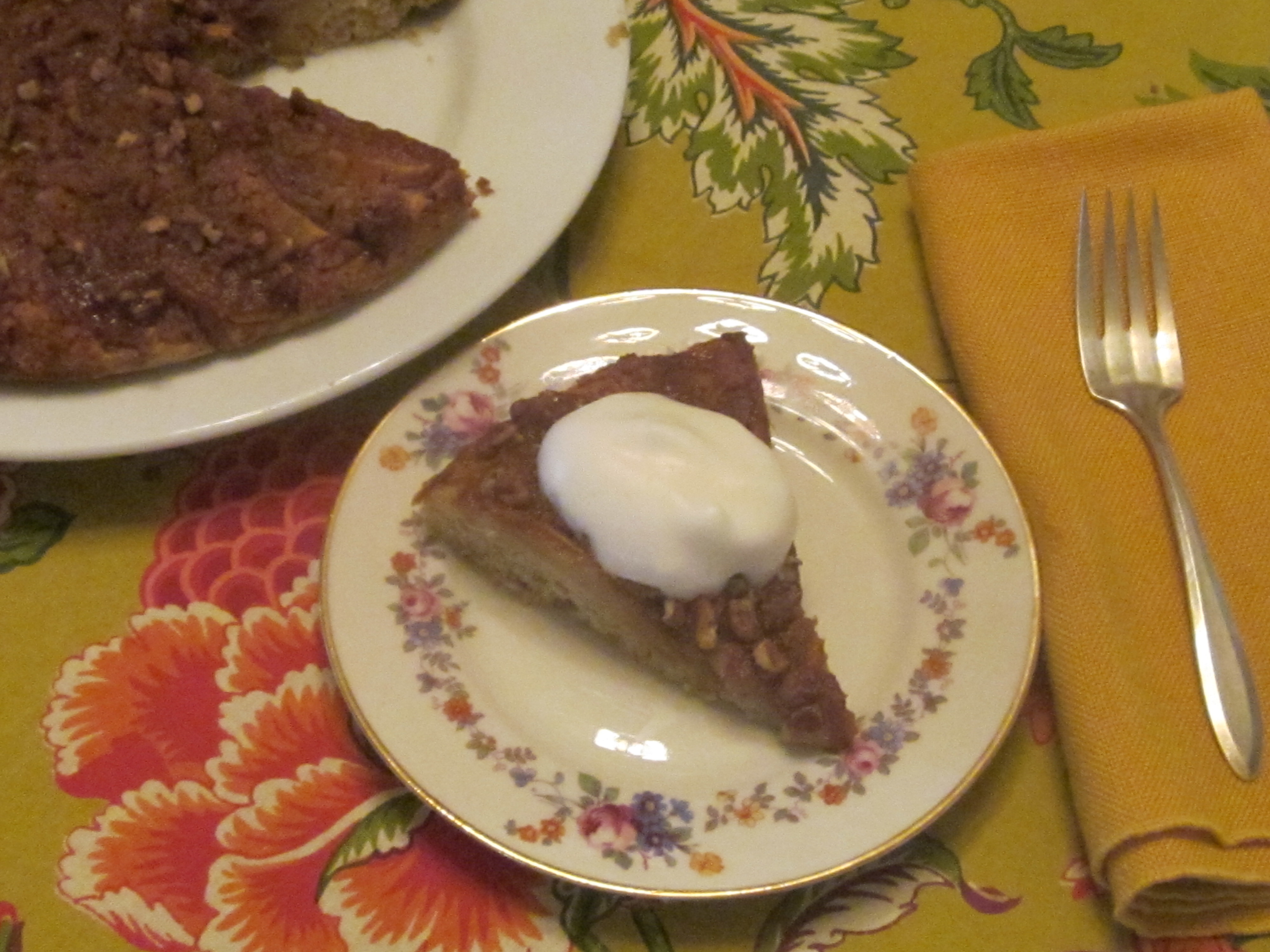
In a small bowl, mix the ½ cup sugar, mesquite meal, and melted butter.  Sprinkle evenly over cake and pears. Top with chopped nuts. Bake in preheated oven for about 25 minutes. Remove sides of pan and cool. Serve with a dollop of whipped cream.

Delicious slice of Mesquite Ginger Pear Tart.

Delicious slice of Mesquite Ginger Pear Tart.

********************

Looking for more ideas to use your mesquite meal? Check out Cooking the Wild Southwest: Delicious Recipes for Desert Plants.  It includes recipes for 23 easily identified and gathered plants that grow all over the Southwest.

New Blog, New Voices

Welcome to our new shared blog of the food and plants of the Southwest.  We are a group of friends who for years,  have been learning from each other. Now we are going to extend our little community and share with you the knowledge and recipes we have been sharing with each other.  We all come to this subject with different personalities. Some of us are practical and straight-forward, others more philosophical. We’ll write in rotation.  But it won’t be just about us.  There are so many other people doing interesting work in local and wild foods, we hope to interview some of them along the way.  Occasionally we’ll ask someone to do a guest post.

We always invite your comments as we want to make this a community conversation.  Whenever I’m with a group of  Southwest foodies, I come away with something new, something that makes me go, “Wow, what a great idea. I never knew that.”  So share with us and the other readers your new ideas for edible wild plants or local animal foods.

Our first post that will arrive in a few days is about bees.

Here’s who we are:

Carolyn Niethammer

Carolyn Niethamm

Carolyn Niethammer writes about Southwest cuisine and edible wild plants of the Southwest. She is happiest when working in her flower or vegetable gardens, out on the desert gathering wild foods, or devising new recipes for the plants she has gathered.  Her five cookbooks range from the way Native Americans cooked wild plants to a collection of recipes devised by the Southwest’s top restaurant and resort chefs for incorporating the area’s iconic ingredients in delicious dishes.

Aunt Linda

Tia Linda (design by Jennifer Parker Designs all rights reserved)


Tia Linda is both an urban and a rural food producer. She ranches in the Sierra Madres foothills in Northern Mexico. She also keeps honeybees and fosters native bee habitat in the urban Southwest. She enjoys raising poultry, with a special fondness for heirloom breeds. She sees herself as an extension of the hives, flocks, and herds that she lives among.

Martha Burgess

Martha Burgess

Mentored by Tohono O’odham Elders, Martha Ames Burgess came into ethnobotany from the inside out, learning how to harvest, prepare, store, and eat many Sonoran Desert edibles, and to make use of desert plant “first aid”.  With O’odham farmers and Native Seeds/SEARCH cofounders, she was taught desert gardening with native heirlooms.  Her mission is to pass along this wildcrafting and gardening knowledge so that new Baja Arizona dwellers may better appreciate and adapt to our desert home, especially in these times of climate change.  She uses on-site outdoor teaching, poetry and art for sharing the awareness.

JAS avatarJacqueline Soule has been writing about plants in the Southwest since the 1980’s, and growing and using them since even before that.  An award-winning garden writer, she is delighted to be the instigator of this venture.  She welcomes you to her free lectures at the Pima County Libraries.