Gathering the Desert, and Gathering Around Honey Wine

Honey, the golden elixir of the bees, is famous for its impressive shelf stability, or resistance to spoiling. By its nature, it can remain edible for an extraordinarily long time. In grade school, I remember delighting in the fact that archaeologists found honey in King Tutankhamun’s 3,000 year old tomb. Cave paintings in Africa dated to thousands of years ago depict honey hunters who braved a defensive colony of bees (Hollmann 2015) to access the calorically valuable, medicinal, and tantalizing substance which could be consumed or stored long term. 

I love to think about the early honey harvesters of Africa and imagine the first time someone combined honey with water, and fermentation soon began–an exciting transformation took place! This is thanks to the action of microbes (as is commonly the case, at least with fermented foods). While humans crave the complex sweetness of honey, it turns out that honey is a favorite food of some microbes such as Saccharomyces cerevisiae, a species of yeast. The yeast consume the honey and convert it to alcohols and carbon dioxide. 
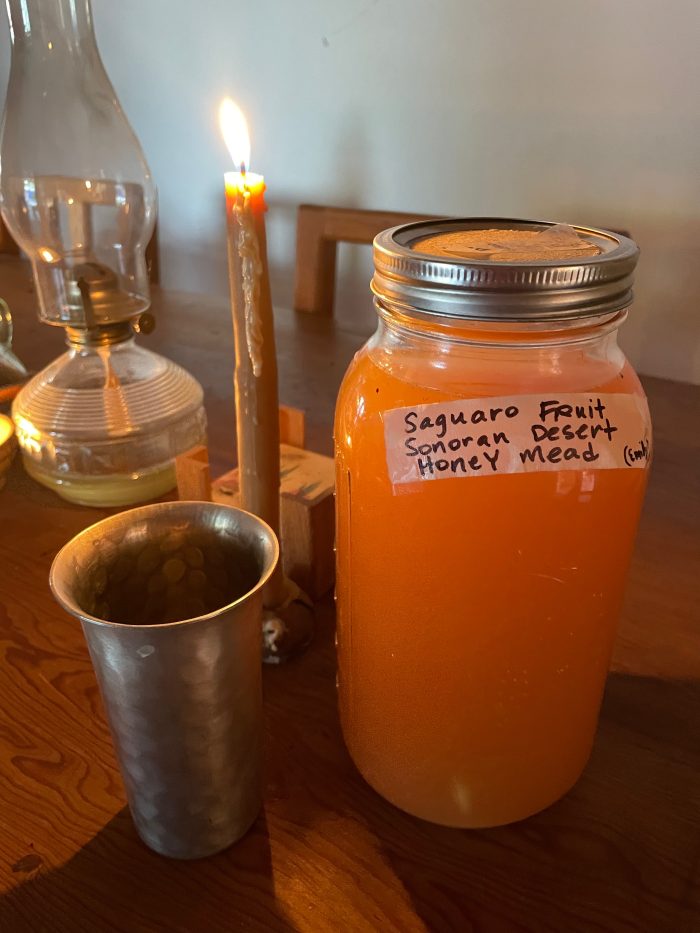
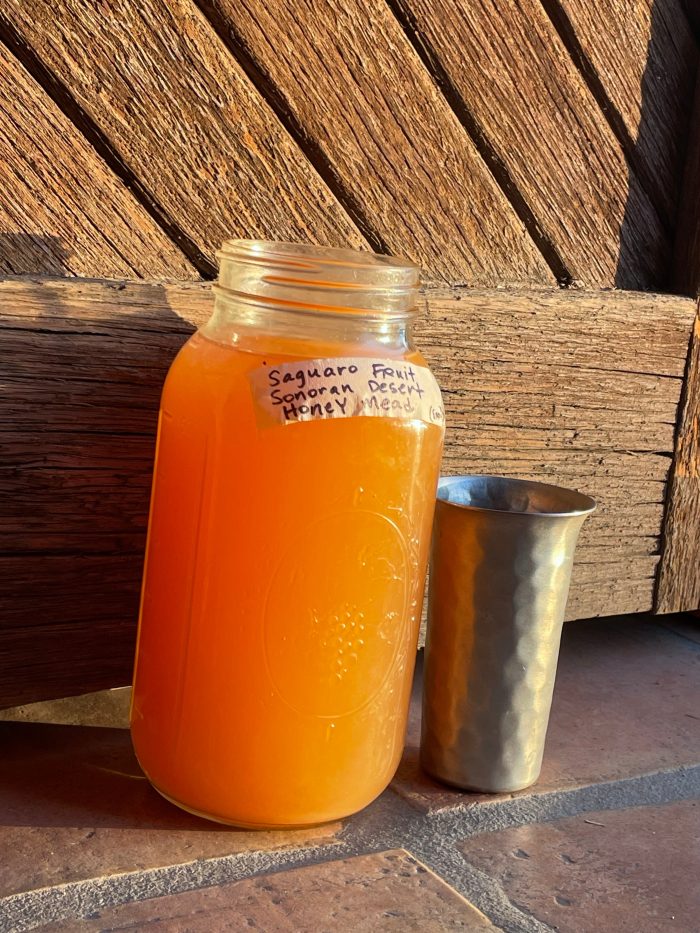
Honey wine, T’ej…sweet and warm like the solstice evening light.

It is thought that honey wine known as t’ej (say: “tedge”, with a soft d) originated in Ethiopia and Eritrea, and upwards of 5 million people consume t’ej on a daily basis (Belay n.d.). However honey wine variations are found in many parts of the world including Mexico and Poland (Katz 2012). You may know t’ej by its other name of mead, an alcoholic beverage made by fermenting honey with water. It is truly simple and fun to make t’ej at home by adding raw unpasteurized honey (which contains natural yeasts that kickstart fermentation) with pure water, but you can also add an endless variety of edible botanicals like herbs and fruit to create a unique or medicinal mead. While mead can be aged for months, you can drink it “young” after only a couple weeks of high-energy fermentation. What kinds of honey wine will you make to share with family and friends?

I was inspired to make t’ej for the first time by my friend Andrias Asnakew, a Tucsonan of Ethiopian descent who established Brillé Mead Company here in 2023. I was honored to share homemade t’ej with him and his welcoming friends who hosted us on Easter, clinking glasses as they described the traditional recipe. They taught me that East African t’ej is traditionally made with honey, water, and the leaves of gesho (Latin name Rhamnus prinoides, a plant native to southern and eastern Africa) which adds a distinct bitter flavor and wild yeast to start the brew (Belay, n.d.). I am grateful for the family’s hospitality and generosity, and to Andrias whose knowledge guided me through the process.
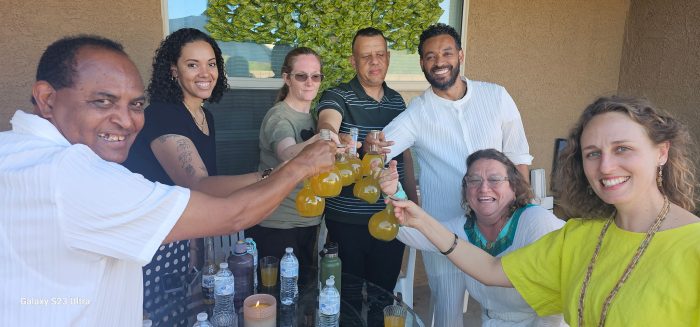
Friends gathering with traditional t’ej (Ethiopean honey wine).

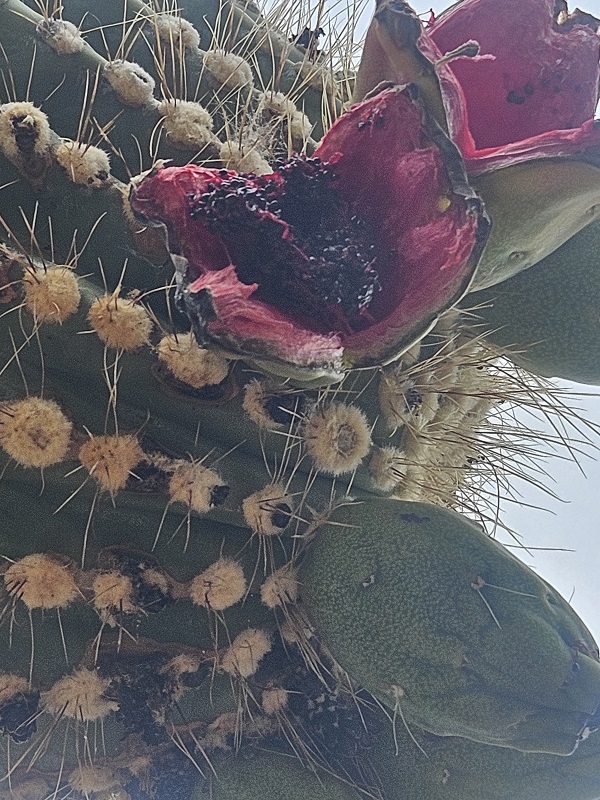
Around the time I was pondering which ingredient to include in my first mead, I was marveling at the crowns of white trumpeting blossoms on the haan (Tohono O’odham name for the native saguaro cacti). I wondered what saguaro fruit honey wine would taste like? It seemed that using fresh red bahidaj saguaro fruit would be a perfect way to celebrate the solstice on June 20th, and to harken for rain on Dia de San Juan on June 24th. (For more on saguaro traditions, enjoy reading about the Tohono O’odham’s beloved bahidaj saguaro fruit from teacher Muffin, known as Sister Marta here at Savor the Southwest blog: Summer Solstice, and Sister Carolyn’s It’s Saguaro Season.). This mead would be fully Sonoran desert, made from local honey and saguaro fruit…
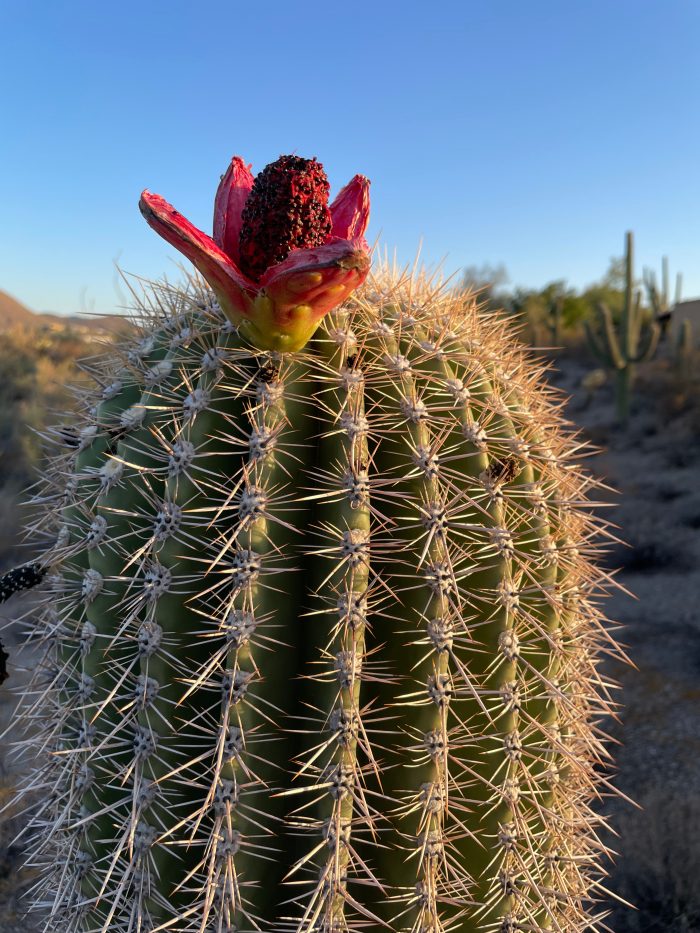
Bahidaj (Tohono O’odham for saguaro fruit), June 2025

I am glad to report that my first batch of honey wine/mead/t’ej was a happy success (recipe to follow) with very little cost and effort. The tasters gave feedback that the flavor is more dynamic than they expected, with real body and interest. There’s a bit of liveliness, but it’s not bubbly. Many folks commented on its balance: a little citrusy, and not too sweet; a light fruitiness, and warmth from the honey. There is a pleasant yeastiness like fresh bread, though it doesn’t taste strongly of alcohol. We all noted the way it gently, pleasantly nudges you toward relaxation (I estimate the percent alcohol of my brew 4.5-5% ABV). If you prefer a stronger t’ej, you can increase the amount of honey, or a lighter less alcoholic brew can be made using less honey. 

The recipe is so flexible and invites endless experimentation. The ratio of honey to water is anywhere from 1:4 (one part honey added to four parts water) to 1:16 (for a very light mead, or if you’re adding a lot of sweet fruit also). The variety of creative optional additions is endless: fresh or dried fruit (berries, native fruits encouraged), herbs (lemon balm, rose, mint) or spices (ginger, cardamom, cloves, or cinnamon). Take notes of your selection, process, and quantities. Andrias started experimenting with different flavors: strawberry, carkeda (hibiscus), habañero. It is a natural beverage; you know exactly what went into it when you make it yourself.

Recipe for Honey Wine (T’ej or Mead)

This recipe was adapted from Sandor Elix Katz’s excellent book, The Art of Fermentation, with inspiration and guidance from Ethiopian t’ej maker Andrias Asnakew (Tucson, Arizona). 

This recipe yields about 2+ gallons mead (can be scaled), potentially 4-5% alcohol, approximately (a hydrometer can measure this precisely if you wish)

1 quart local raw honey (32 ounces)– my personal favorite is Tucson Honey Company from Tucson local farmer’s markets.  
2 gallons+ pure, filtered water (~260 ounces) (if tap water is the only option, see below**) 
~1 cup raisins, optional but recommended to feed the yeast–added a little at a time.
Optional ½ teaspoon mead yeast (such as strain EC-1118. Check your local brew shop or find online).
Optional fresh or dried fruit (local and native fruits encouraged), herbs or spices. Experiment with quantity: a few cups of fresh fruit, or maybe around one cup if of dried herbs. For spices, try a handful or so and see how it goes. 
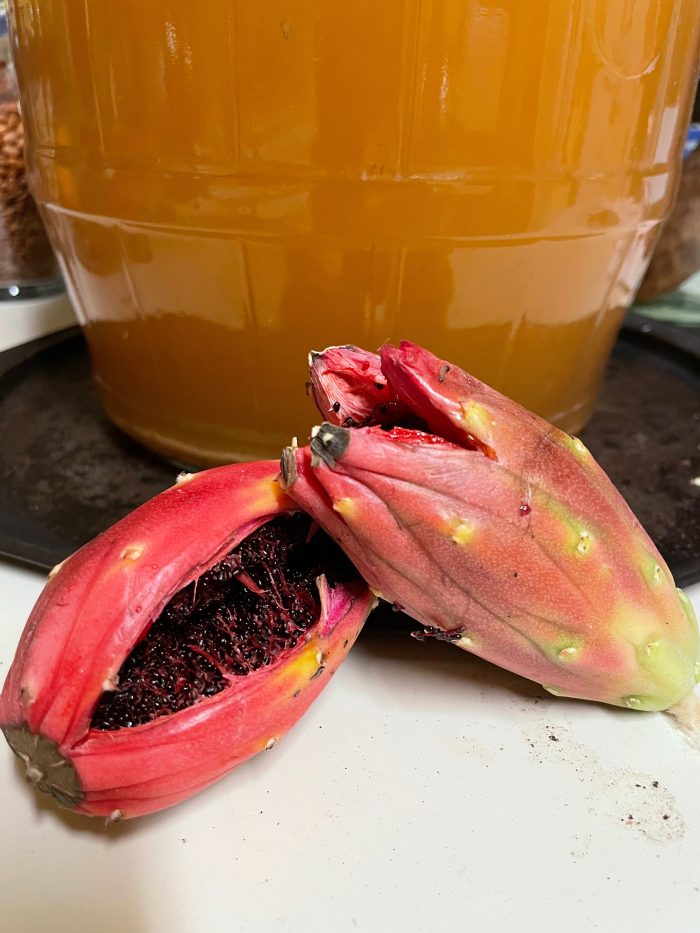
Ripe saguaro fruit

1. Clean a ~2.5 gallon fermentation vessel (ideally glass or stainless steel, but food grade plastic works). Wide mouth is best. 

2. Pour the honey into the vessel, and add about half the water. Stir stir stir till it dissolves, then add the rest of the water, leaving just a few inches at the top for bubbles and stirring. Cover with a cloth or loose lid, and place on a baking sheet to catch any drips. Add optional yeast, and optional fruit or herbs/spices.
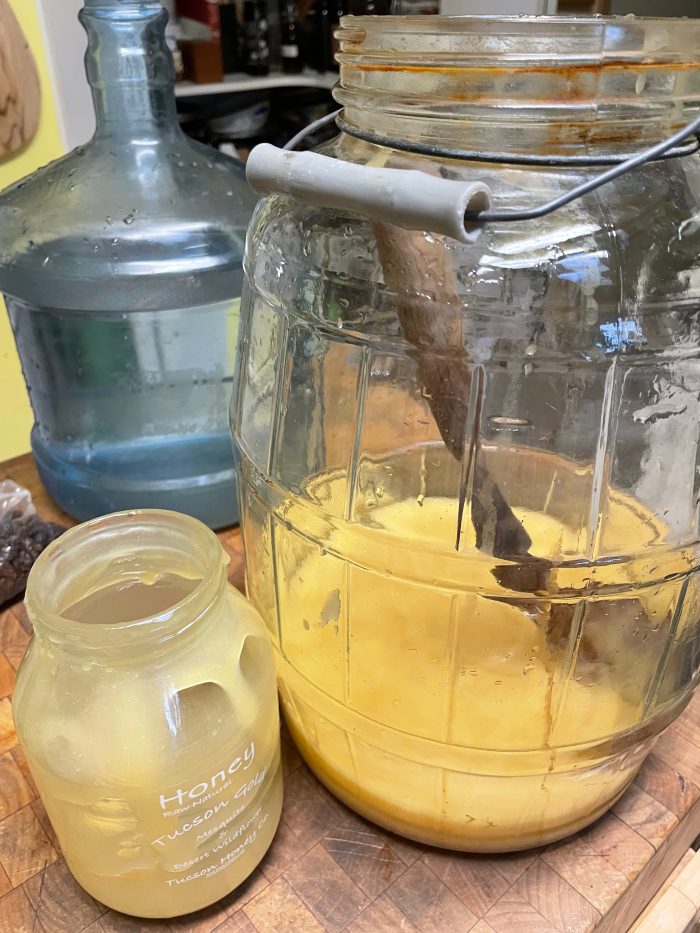
Dissolve honey in pure water to start the fermentation process.

3. This is Day 0. Leave in a cool spot in the house where you’ll walk by frequently. I keep a long stirring spoon next to the vessel and stir it often, daily (at least two or three times+ daily). This introduces air for the yeast. Sandor Katz recommends we stir a few revolutions, then reverse the stir quickly to introduce air (biodynamic style!). Delight in the bubbles and give your greetings to the millions of hungry microbes hard at work! 
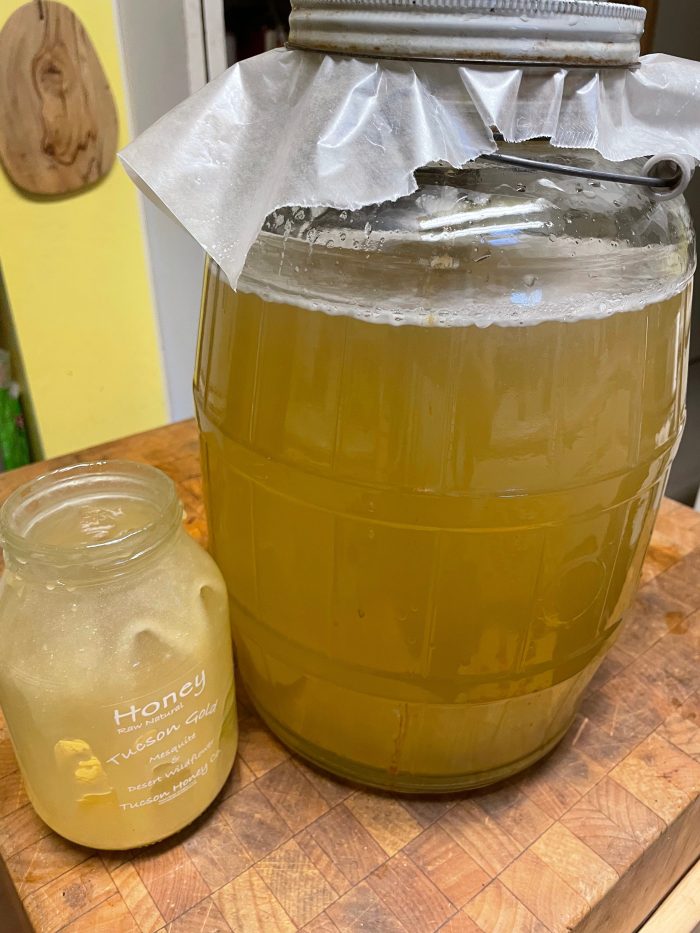
Full quantity of water mixed with honey. Ready to ferment!

4. After a few days of frequent stirring, you should start to see more and more bubbles when you stir. The yeast is waking up. This is Day 3. Add a palmful of raisins (a special ingredient by Andrias- he says it provides food to the yeast!) (This is the point when I harvested and added ripe fresh saguaro fruit, but it can be added at the beginning, too.)
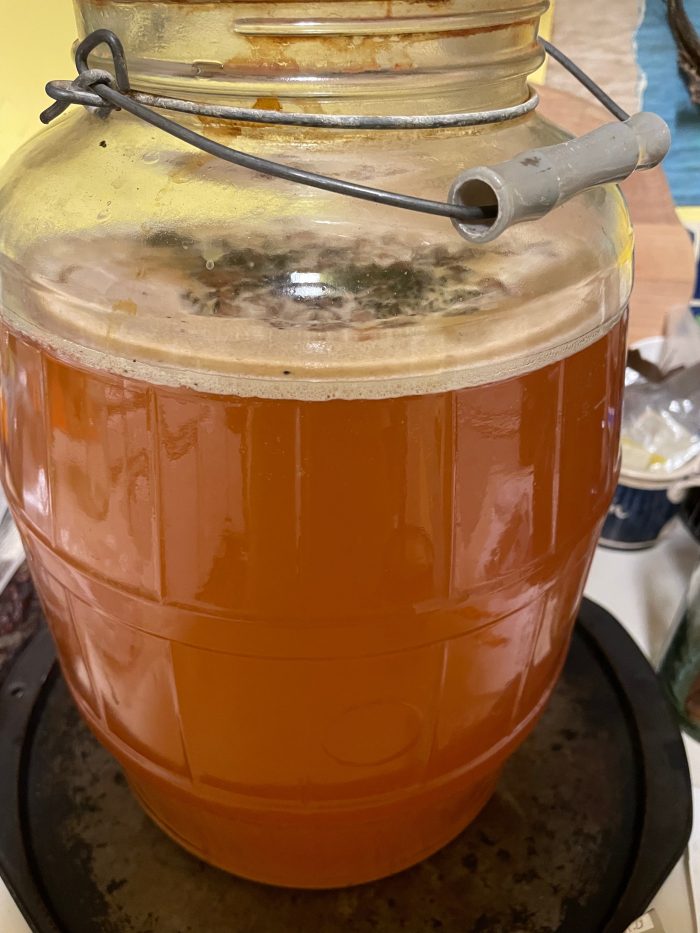
Red saguaro fruit has been added to the bubbling brew.

5. Continue stirring multiple times per day. On Day 5 or 6, add another palmful of raisins, and again at Day 8-9. 

6. At about Day 10-12, the bubbles will begin to reduce in number and fervor. The yeast quickly consume and ferment most of the natural glucose in the honey, producing the alcohol and delicious brew. (The natural fructose takes longer to ferment and only does so if you age your mead for weeks and months.)
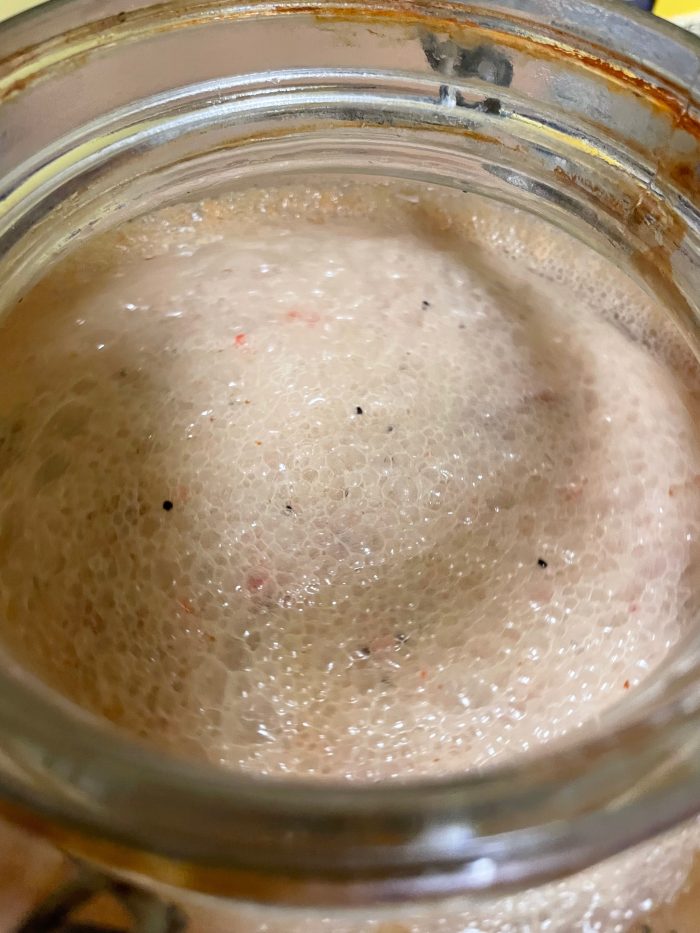
Frothy bubbles of active yeast activity!

7. Taste the mead. If it is too sweet for your liking, you can continue to stir and ferment a bit longer to “dry it out”. If you prefer more sweetness, Andras suggests you can “back sweeten” (add a bit of honey) to taste if desired, ideally a day prior to drinking it. 

8. Strain out any fruit, and serve at room temperature or chilled. Try both! The typical serving vessel for t’ej is a narrow-necked bottle called a berele.

The best way to enjoy your homemade honey wine is with friends, of course. I bet that you’ll pique curiosities about your brewing methods and newfound skill, and bring smiles to everyone’s face. Andrias thoughtfully shared that “you can tell from the smile that the food or drink is good”.

Honey Wine with Saguaro Fruit, Summer Solstice 2025

In Appreciation: 

Thank you to my teachers, including the bahidaj (saguaros), for their ongoing generosity and cultivation of our minds and hearts. 

Thanks to my new friends Andrias and incredible hosts Tilahun and his wife Kidist who are sharing their culture from Ethiopia with all of us in Tucson, Arizona.

Thanks to my mother Judith for kindly copy editing.

**To remove chlorine from the water simply draw the necessary amount of water and leave it out overnight. The chlorine will naturally evaporate from the open vessel. 


Bibliography

Belay, T. B. (n.d.). Call for access and benefit sharing of Rhamnus prinoides (Gesho). Ethiopian Biodiversity Institute, Genetic Resource Access and Benefit Sharing Directorate.

Jeremy C. Hollmann (2015): Bees, honey and brood: southern African hunter-gatherer rock paintings of bees and bees’ nests, uKhahlamba- Drakensberg, KwaZulu-Natal, South Africa, Azania: Archaeological Research in Africa, DOI: 10.1080/0067270X.2015.1079378

Katz, S. E., The Art of Fermentation: An In-depth Exploration of Essential Concepts and Processes from Around the World. Chelsea Green Publishing, 2012.

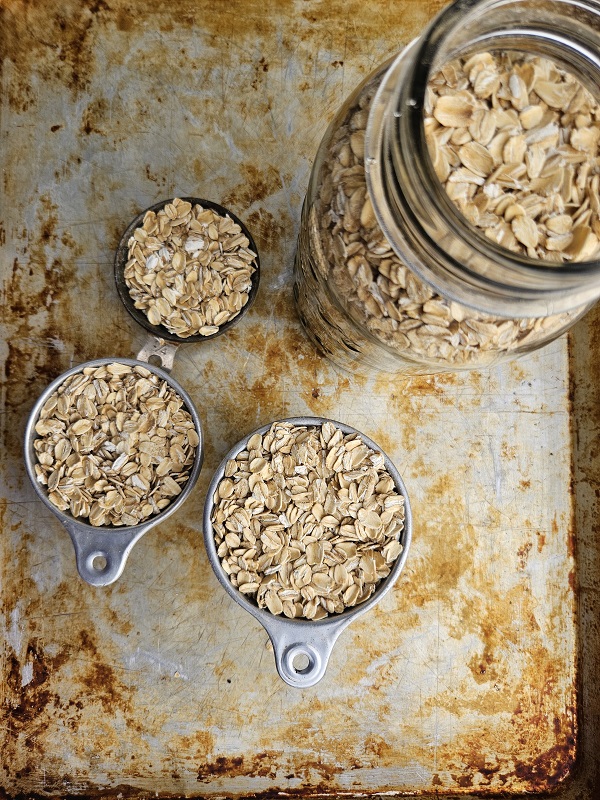
No roll crackers

Hi friends, it’s true, crackers without the rolling. Amy here sharing this week’s iteration of this miracle recipe I found online. It all started with an abundance of oats…

A friend gifted me many pounds of organic rolled oats. Searching for inspiration to use them, I found Camilla’s Easy No-Roll Oat Crackers ( vegan, oil free, GF). It is a brilliant recipe that I’ve been making often these last few weeks since I discovered it. Besides oats, they contain seeds or mix of seeds. Sunflower makes particularly good crackers but branching out, I remembered Carolyn’s Black Beauty Wafers using saguaro seed. The seeds are strained out when making a syrup so those are a brilliant way to use the seed.

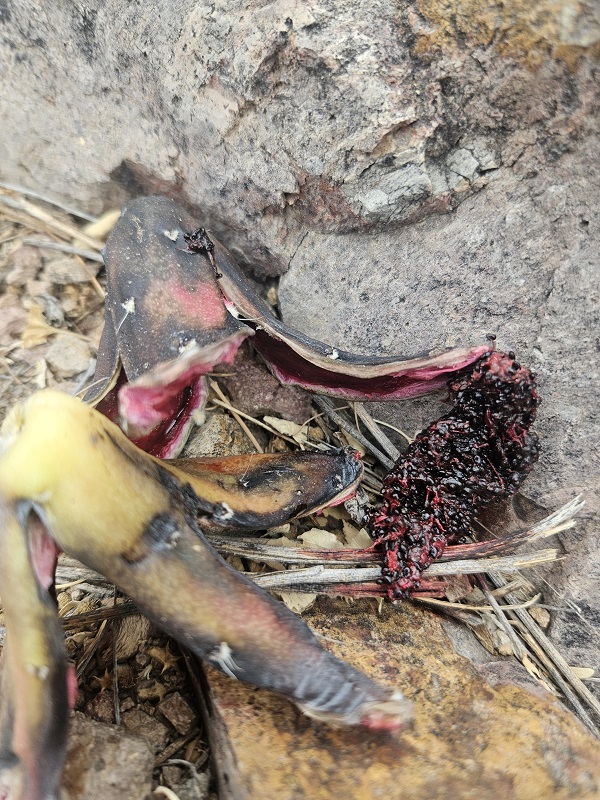
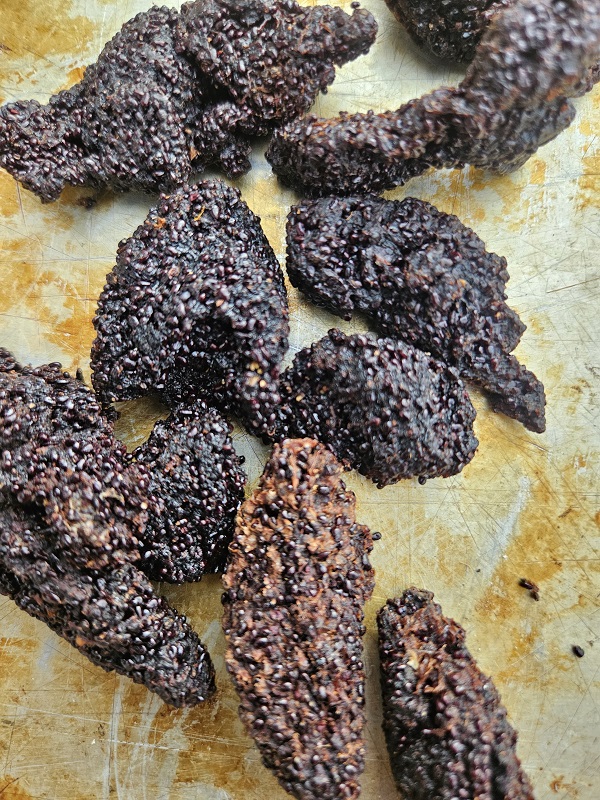
In June, the birds get the first feast of saguaro fruit. If there is more ripening fruit than the birds eat, it falls the ground, often sun dried and intensely concentrated, where I can easily harvest it without poking the plant. No need for a pole!

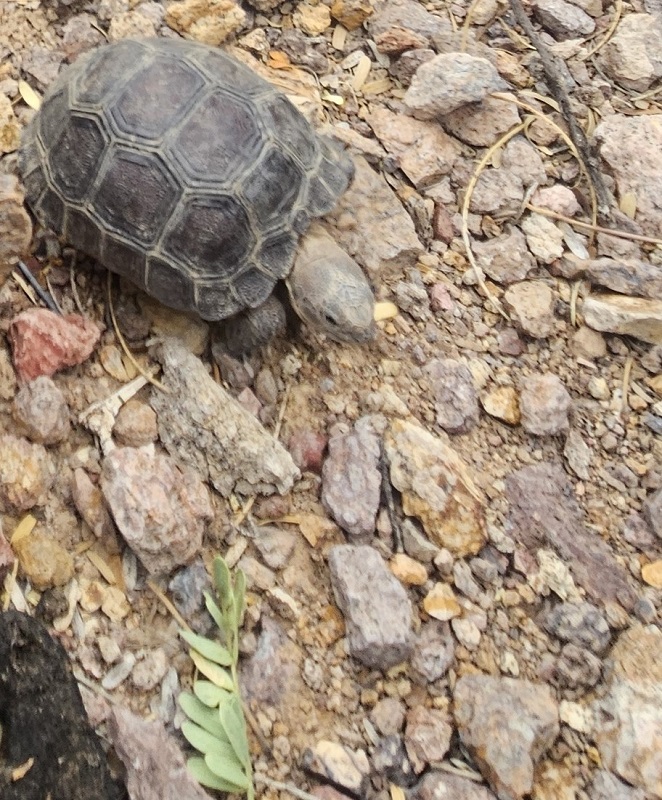
The ground animals get to feast first before the humans, of course, so we waited. But ripe fruit spoils in the rain, and I would never complain about glorious rain! So this year wasn’t the best saguaro fruit harvest for humans. (below, note the mesquite leaflets for scale)

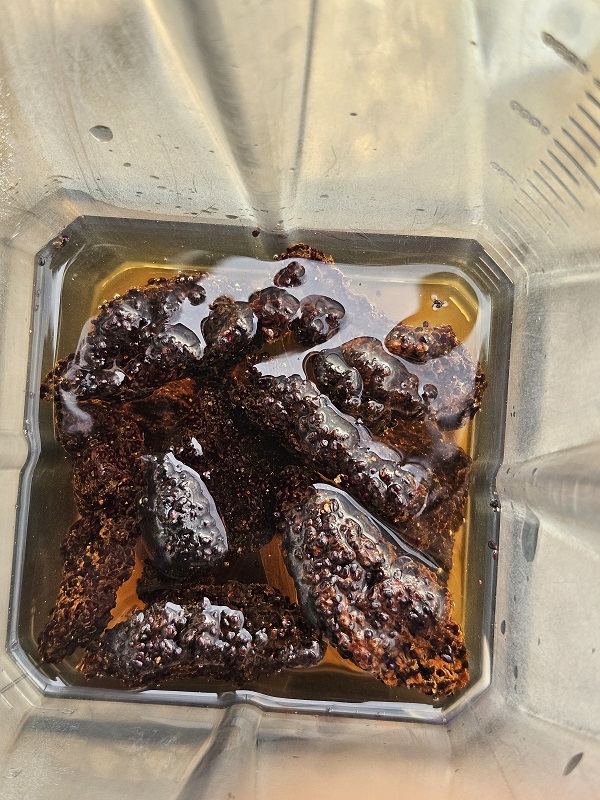
I had some oooold fruit stored in the pantry so I decided to use the whole fruit instead of just the seeds.

I soaked it in water to soften it.

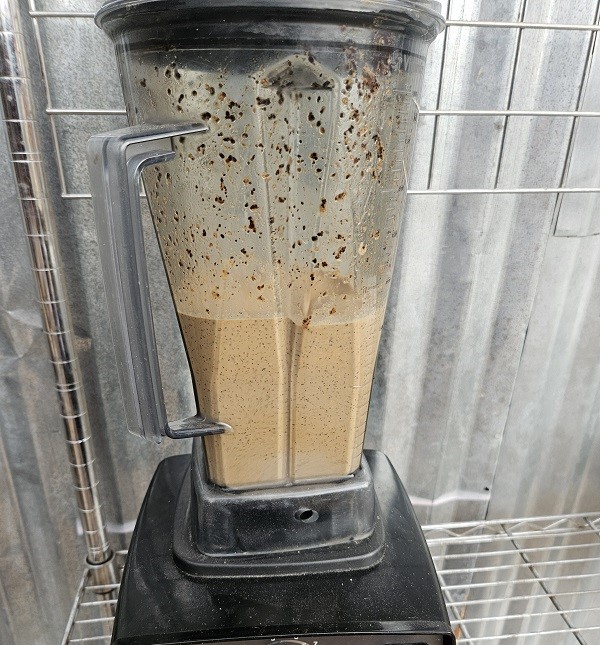
And blended it enough to grind the seeds. Then I added the oats, salt, baking powder and oil.

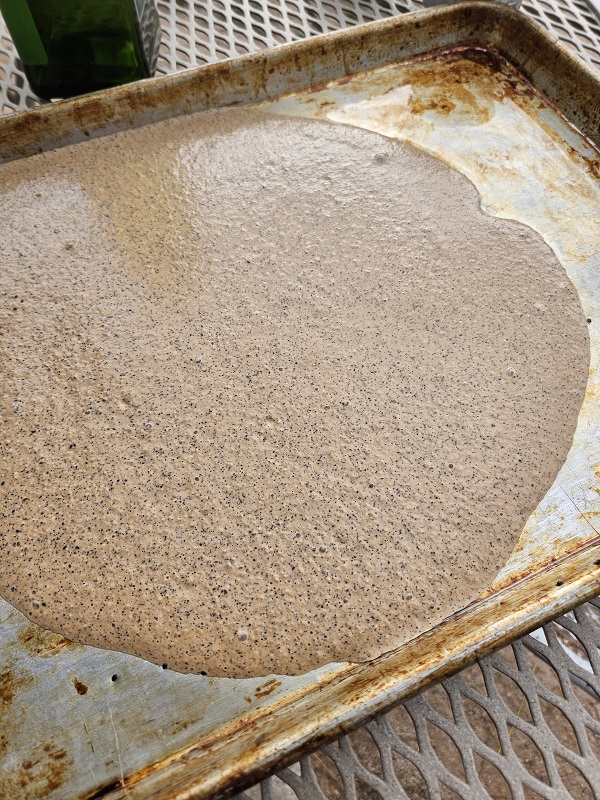
The batter is poured onto a greased half sheet pan (or even a bit larger pan to make crackers just a bit thinner).

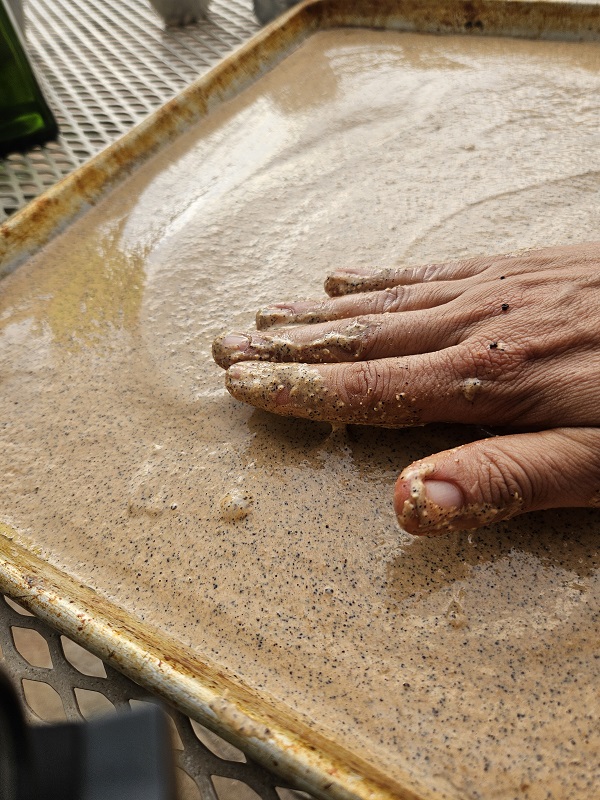
Instead of rolling the dough, it just needs to be smooth!

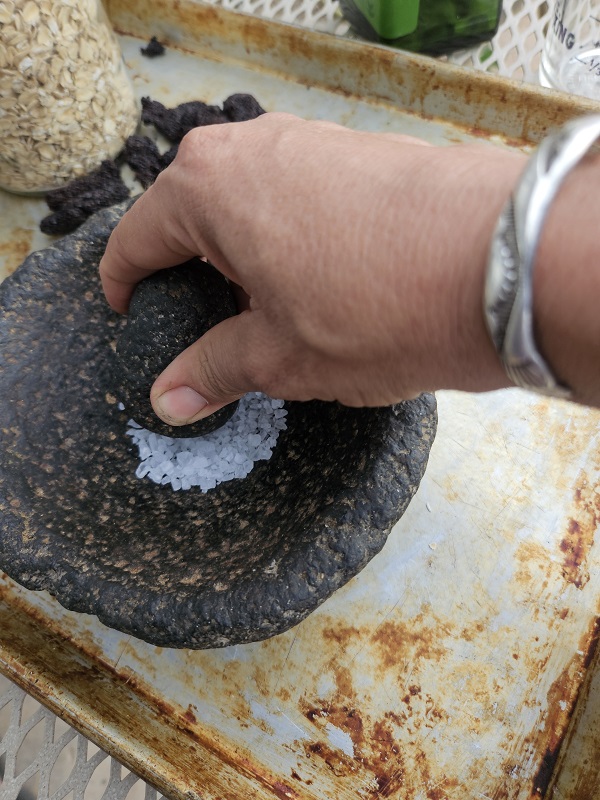
I prefer to add just a touch of salt to the batter so I can sprinkle a decent amount on top. I ground my best Mexican sea salt for this.

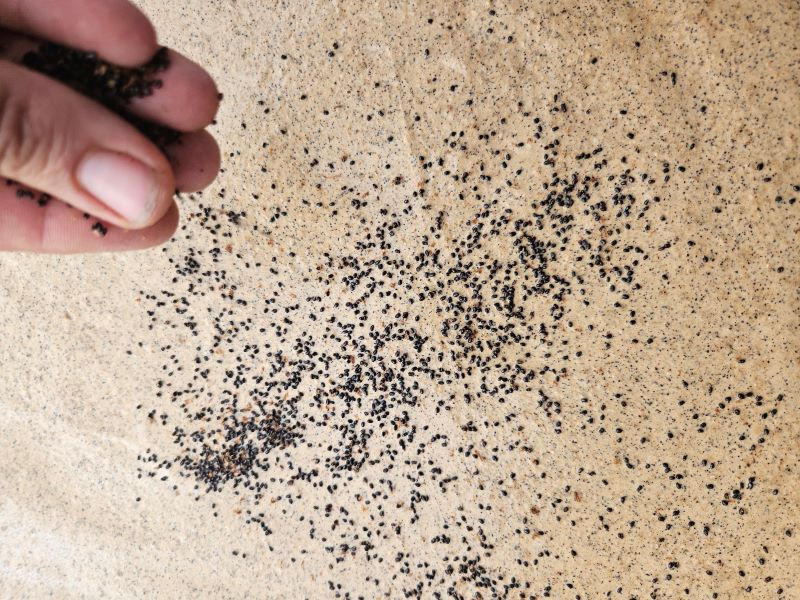
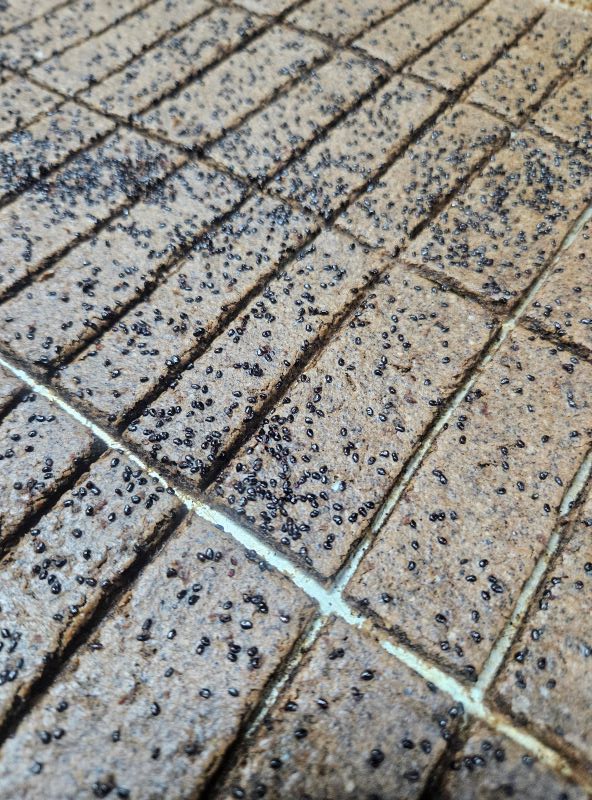
Then I sprinkled with saguaro seed.

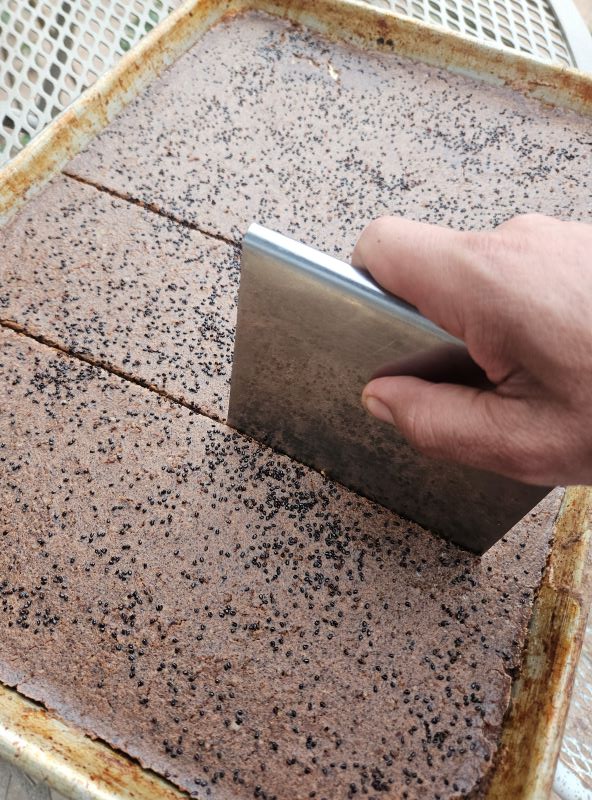
After baking for ten minutes, the crackers can be scored before returning to the oven to finish.

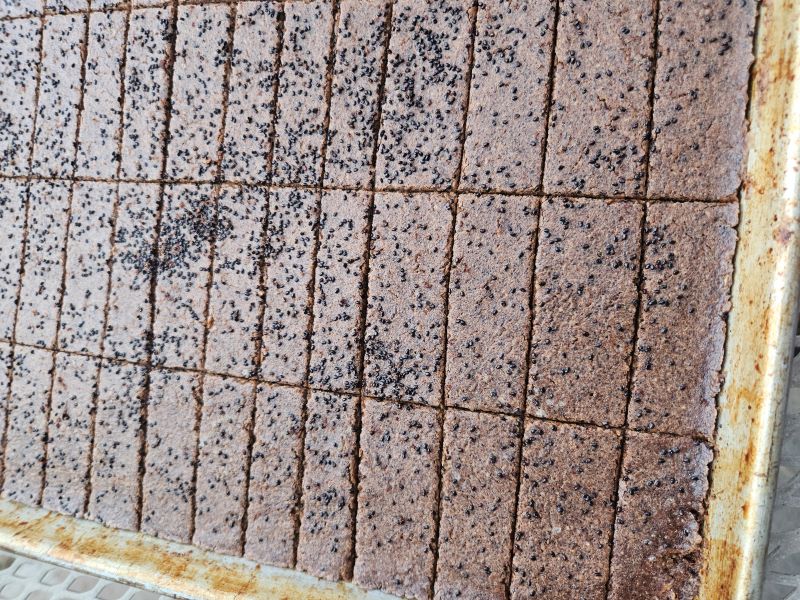
After baking with careful supervision, this batch got darker from the sugar in the saguaro fruit than other batches. A hit of sweetness and delicious! Next time I’ll use a slightly larger yet pan so they are a little thinner. The thinner ones are crispier and more delicate. But think or thin, they are easy to enjoy with spreads, alongside a salad or on their own as a trail snack. Enjoy!

For the recipe, see Camilla’s post on her blog powerhungry.com

Instead of seeds, I added the equivalent weight of dry saguaro fruit. I added a quarter cup of olive oil and reduced the water by that amount. I used approximately 1 teaspoon of coarse sea salt divided between the batter and sprinkled on top with the saguaro seeds. Experiment and have fun!

Pear Prickly Pear Desert Dessert

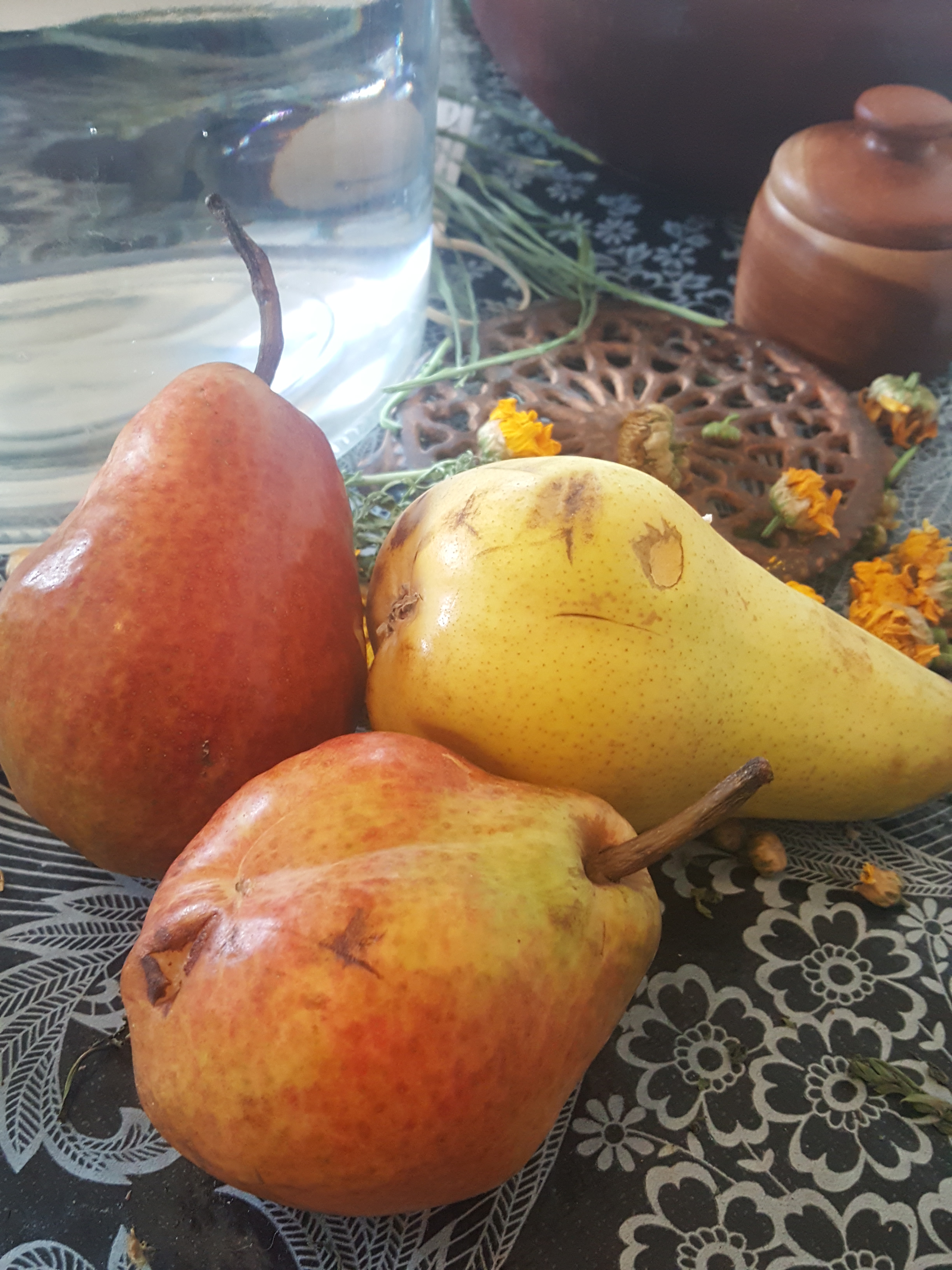
Hello, Amy here, preparing a dessert for some new friends completely new to the desert, passing through on their way to Costa Rica. A few pears that had seen some travel were sitting on the kitchen counter…

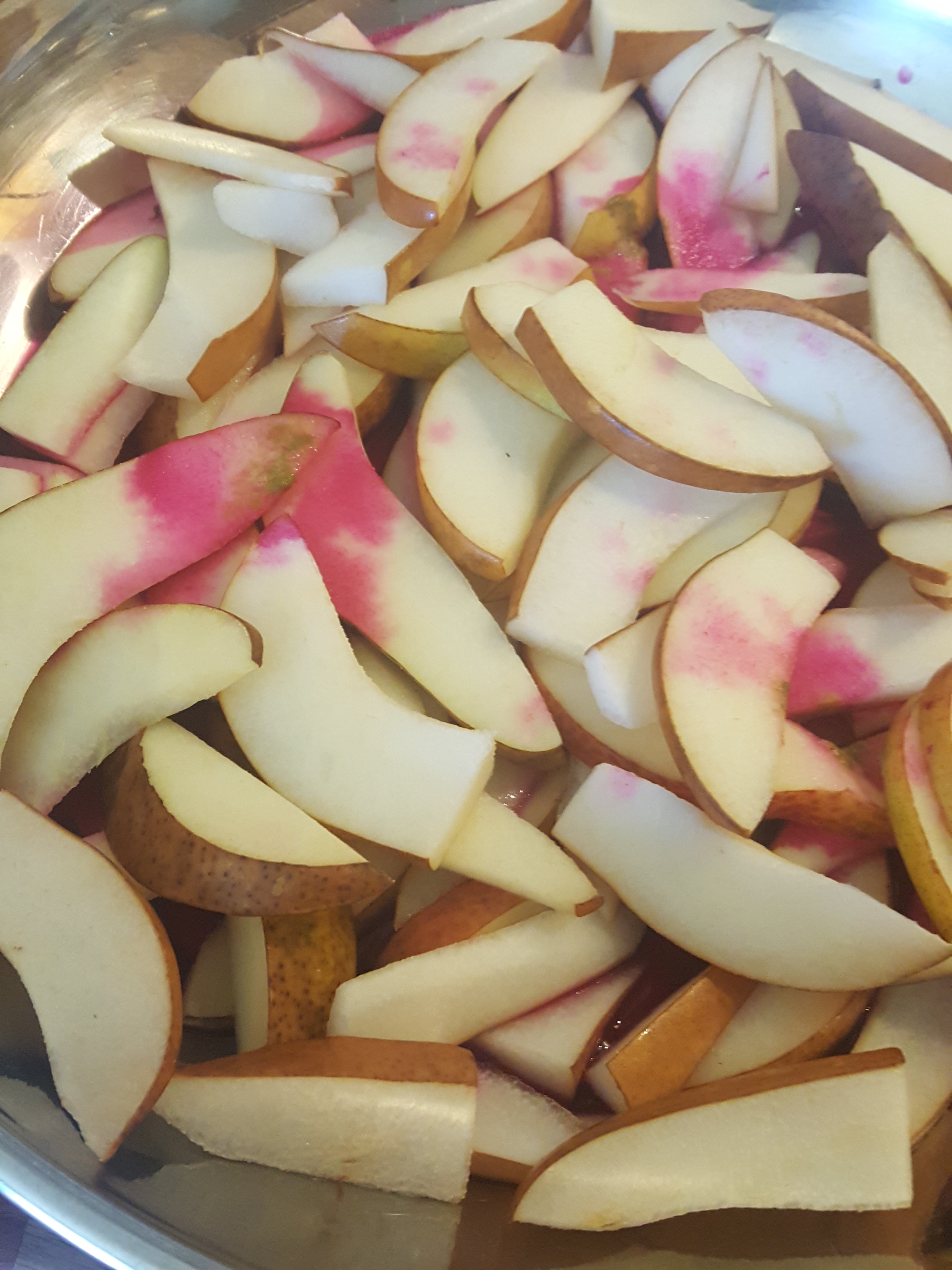
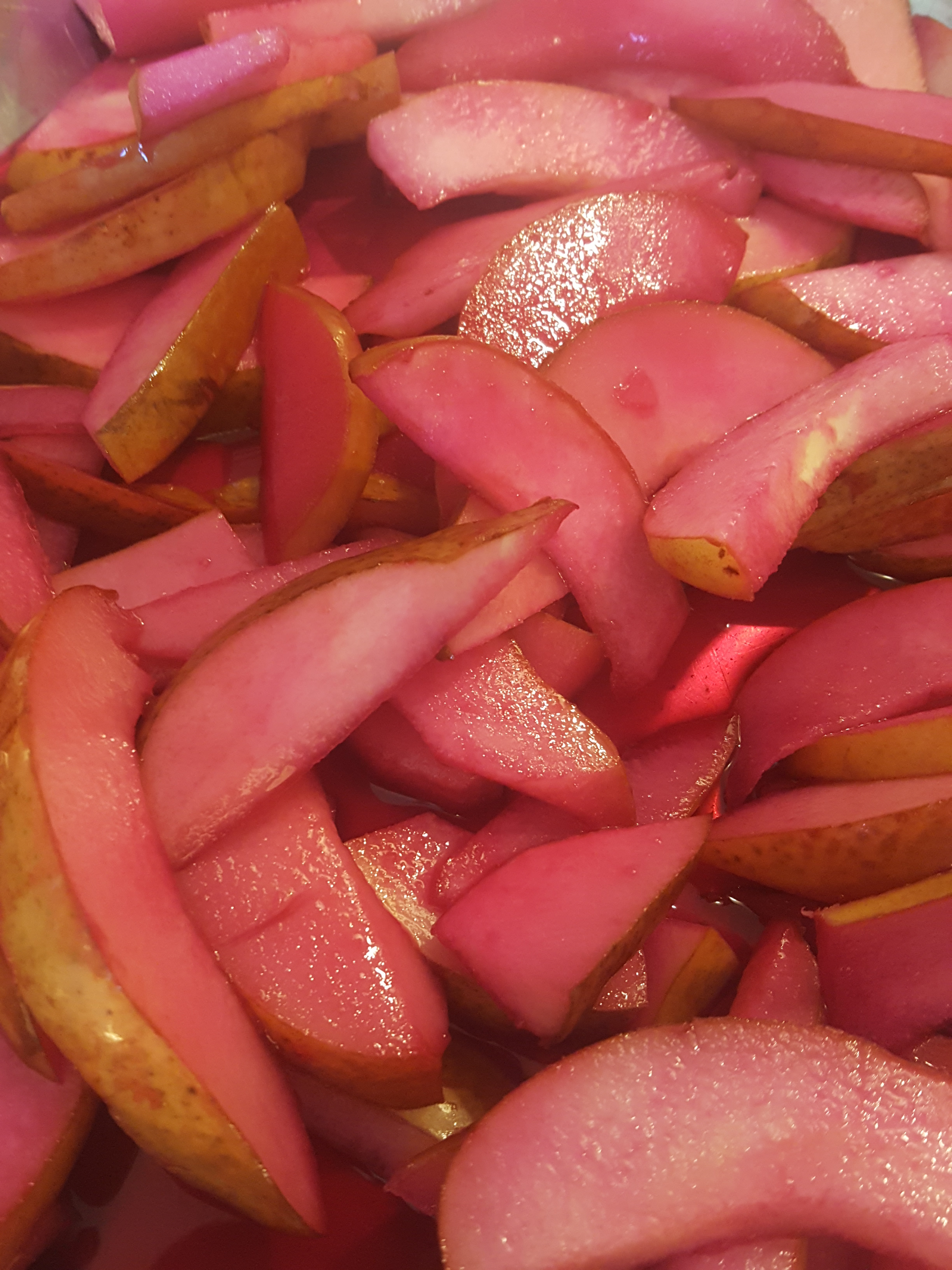
So I pared, sliced and put them in the oven with a few cubes of frozen prickly pear juice.

After baking and stirring, they looked like this!

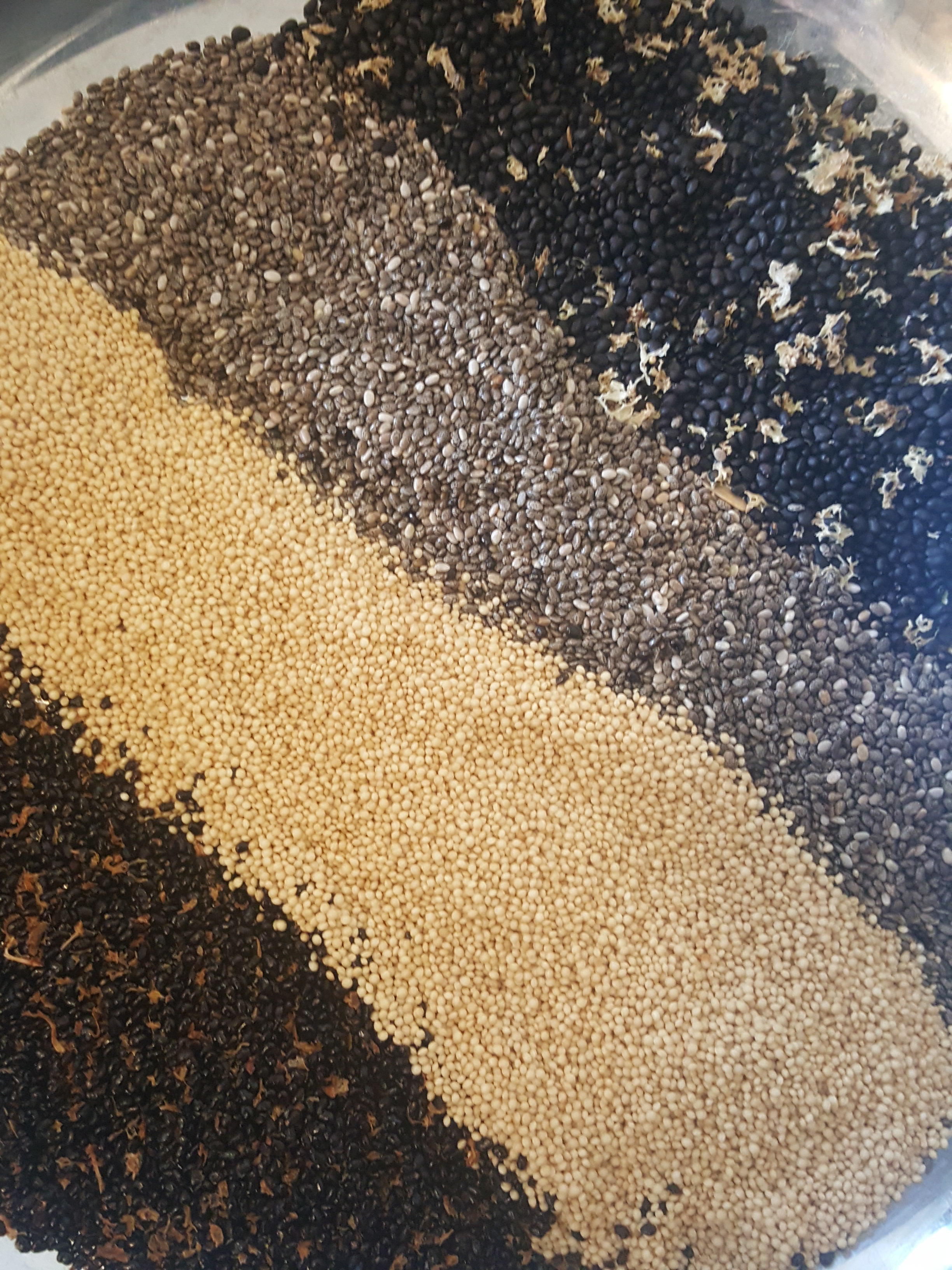
Then I made a crumble topping, staring with plenty of desert seeds, from left to right: saguaro, amaranth, chia, barrel cactus.

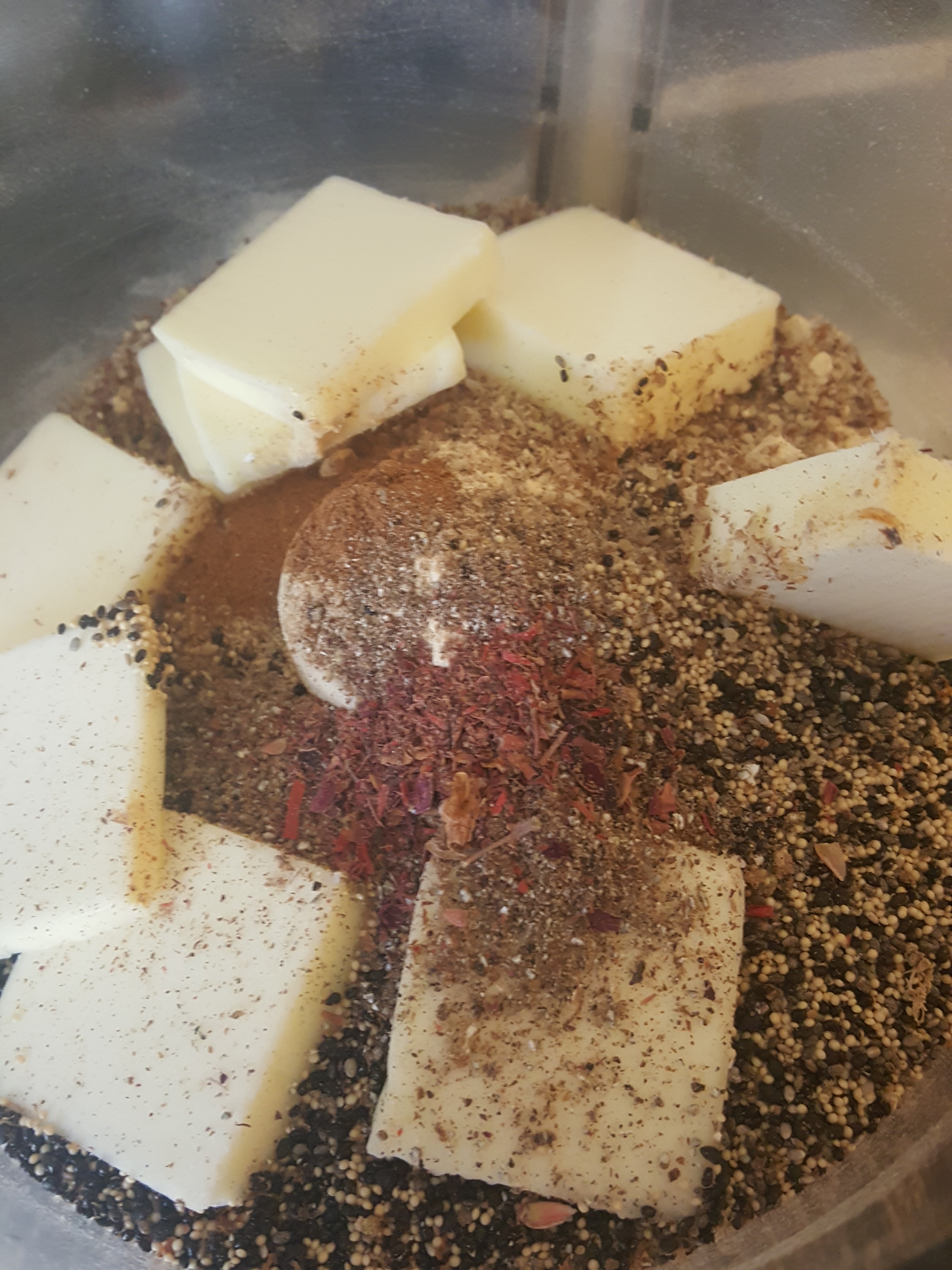
The bulk of the mixture was mesquite meal, rolled oats, pecan meal, butter, sugar (evaporated cane juice). For seasoning, I used cinnamon, cardamon, dried rose petals and dried ocotillo flowers.

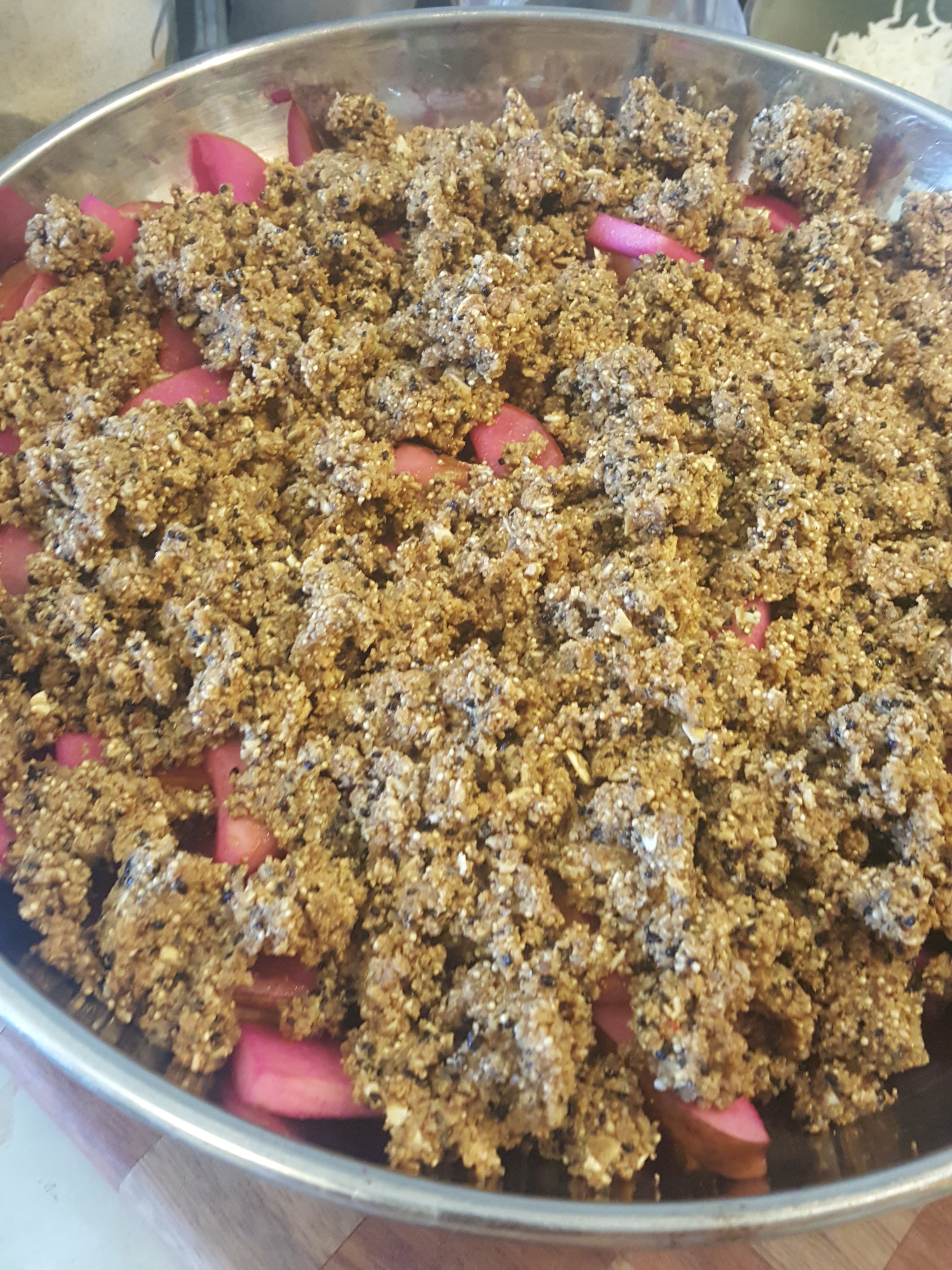
Once mixed, I crumbled the mixture over the pears and put back into the 350 degree F oven to bake until browned and crunchy.

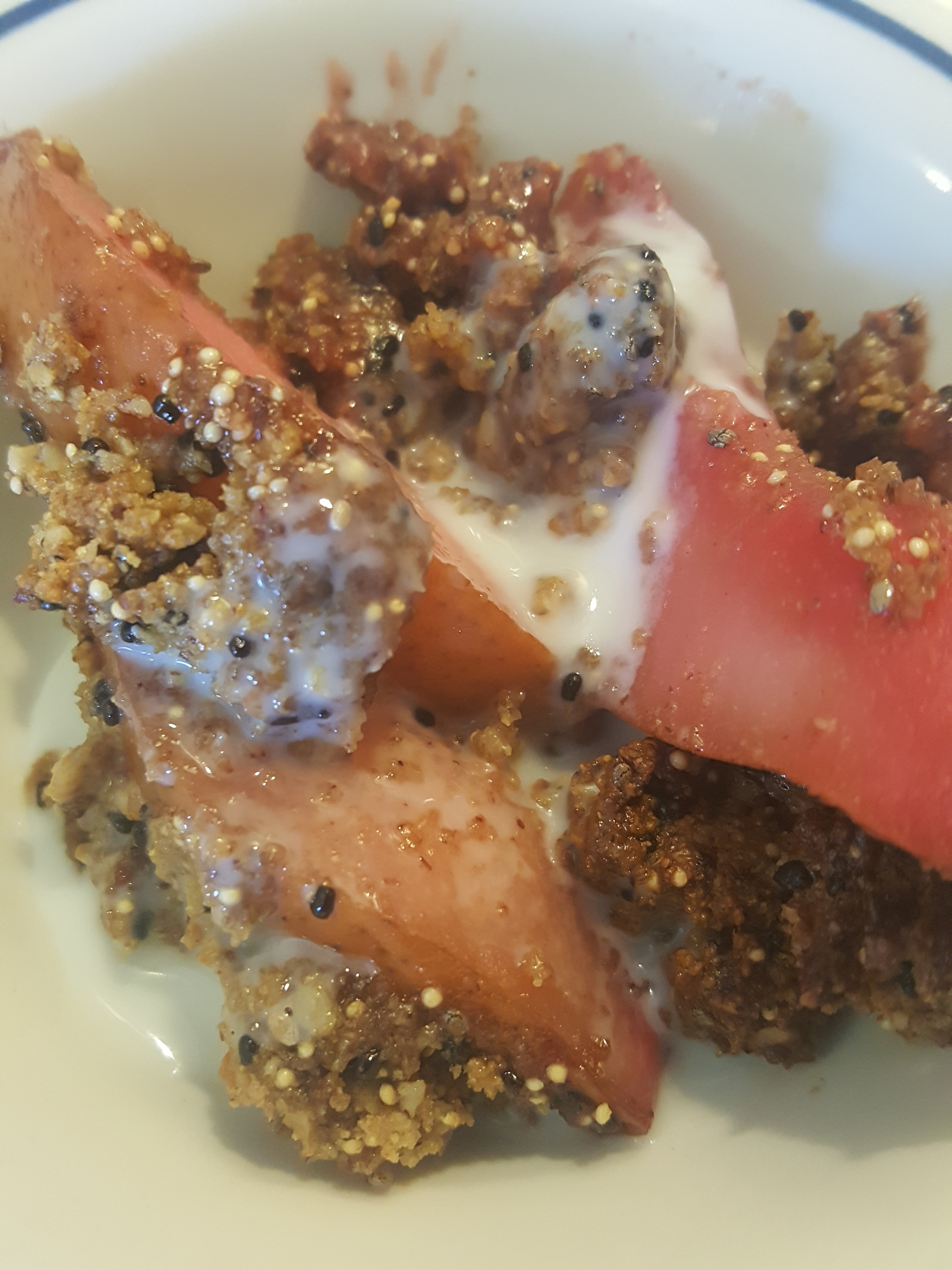
It is best served warm, here with a little homemade goat yogurt, but cream or ice cream works, too!

The recipe can be found in the Desert Harvesters’ Cookbook:

This recipe is so forgiving. I was short on oats so increased the pecans. I doubled the cardamom, traded evaporated cane juice for the brown sugar, substituted water for milk, changed the orange/apple juice to prickly pear, and doubled the seeds. Coconut oil works fine instead of butter for this, too.


Amy’s Apple Crisp

2 pounds apples, local organic heirlooms if possible (Or pears. No need to weigh!)

2 tablespoons orange, apple or prickly pear juice (or more)


Topping:

1 cup mesquite meal

1 cup rolled oats

1/2 cup seeds, like amaranth, chia, barrel cactus, saguaro

1/3 cup evaporated cane juice or brown sugar (0r less)

1/4 cup chopped pecans

1/4 teaspoon cinnamon

1/4 teaspoon cardamom

1/4 pound (1 stick) butter

2 tablespoons milk or water

Slice the fruit into a baking dish, add juice, and bake at 350 degrees while preparing the topping. Mix all the topping ingredients in the food processor, distribute over sliced fruit, and bake at 350-375 degrees F until browned. Enjoy!


It’s Saguaro Season

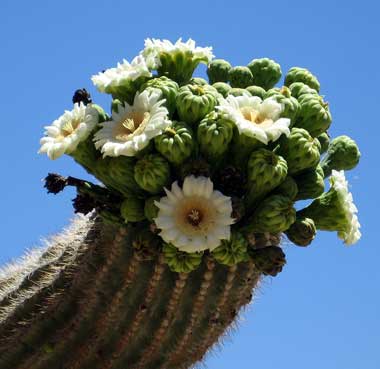
Saguaro flowers and unripe fruit. Photo by Rael B.

Saguaro flowers and unripe fruit. Photo by Rael B.

Our fire has burned and the sun has gone down;

Our fire has burned and the sun has gone down.

Come together, following our ancient custom.

Sing for the liquor,

Delightfully sing.

This was the song that called the people of the Tohono O’odham villages together for the saguaro wine ceremony that followed the  harvest. During the ceremony, they people invoked the intercession of a deity far away in a “rainhouse” full of wind, water and seeds in the hopes of hastening the storms.

This and many other songs were collected and translated by Ruth Murray Underhill, an early anthropologist who lived among what were then called the Papago in 1938. They appear in her book Singing for Power.

When I go saguaro gathering, I get up around 4:30 a.m. and aim to be out among the saguaros just at dawn.  I am always joined by doves and other birds looking for their breakfast. Alone on the desert, I occasionally find myself talking to the saguaros. “So what have you got for me?” I ask. I might worry about my sanity, but I know others have felt the same way. The late desert chronicler Edward Abbey agreed, calling saguaros “planted people.”

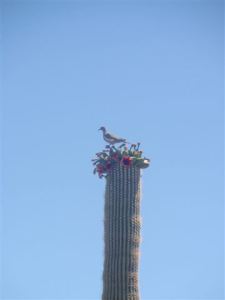
Dove getting breakfast

Dove getting breakfast

My harvest

My harvest


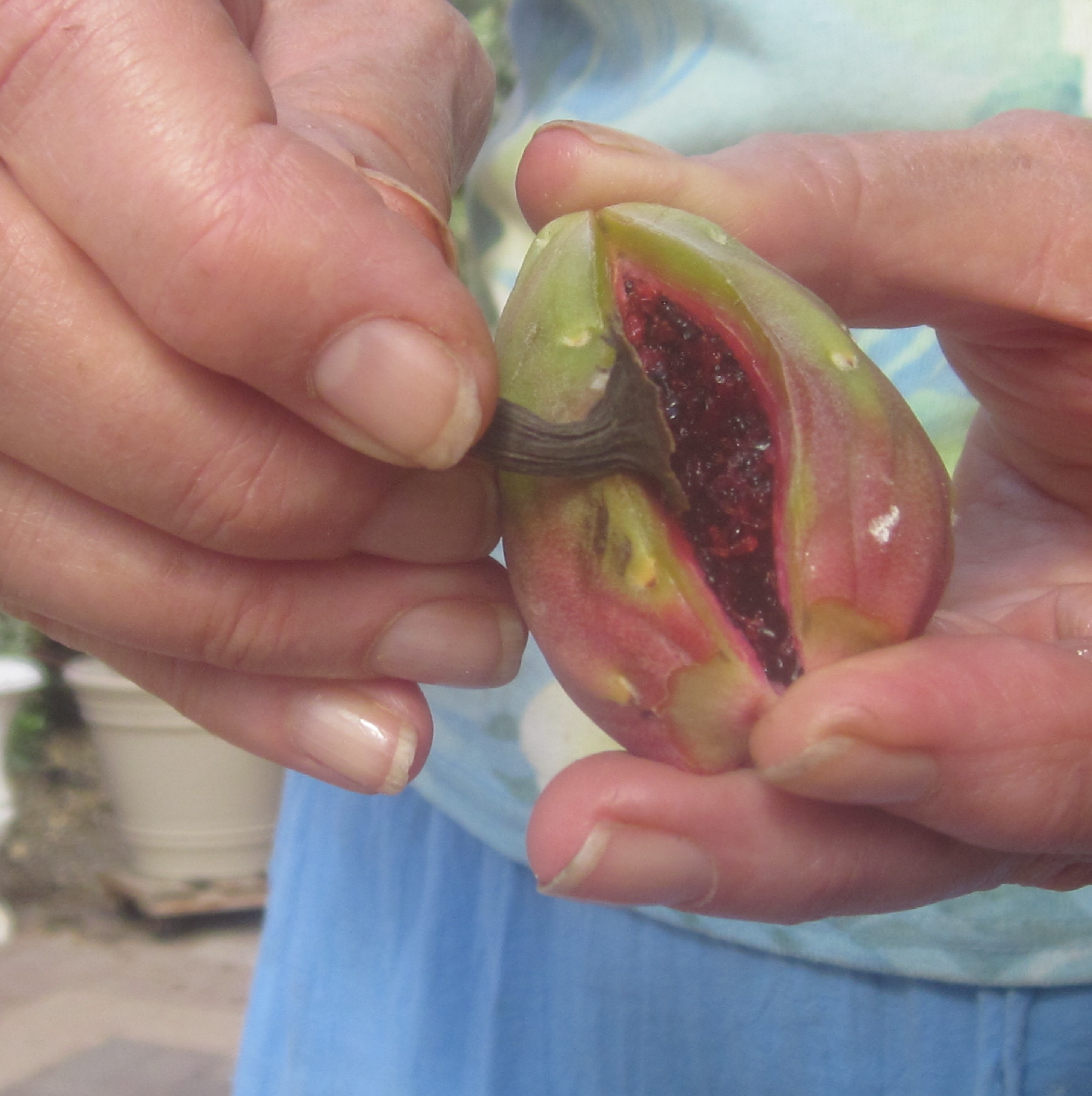
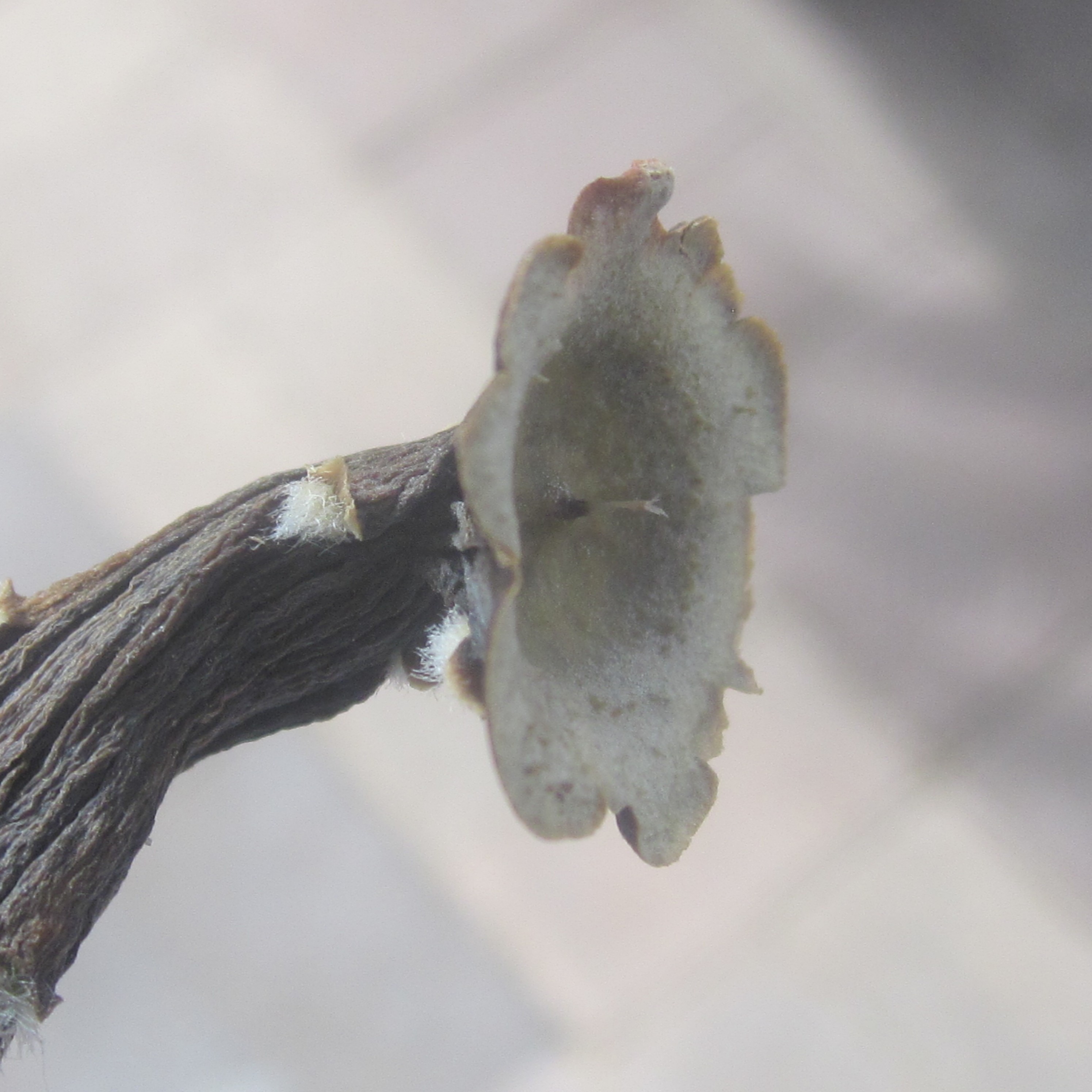
The orginal desert dwellers used a dead saguaro rib to push the fruits off the cactus. If you can’t find one, any long pole or a fruit picker will do. You can separate the fruit from the rind in the field or bring it home to clean. Each fruit comes with its own sharp-edged knife, like a natural can opener.


Opening a fruit with the calyx on the blossom end.

Opening a fruit with the calyx on the blossom end.


Sharp edge of the calyx can be used as a knife.

Sharp edge of the calyx can be used as a knife.


Once you have extracted the fruit, you can either dry it whole or separate it into the seeds and juice. This is a simple process. To your pan or bucket, add as much water as you have fruit. Let it sit, covered loosely for six to eight hours. Then plunge your hands in and break up the fruit. Strain off the juice. Boil to concentrate.  If you want to make syrup from the concentrated juice, add half as much sugar as you have juice and boil until clear. Store in a clean glass jar in the refrigerator. It will usually keep for months.

So what are the options for the seeds. You can put them in any baked good, make pilaf or porridge or cookie filling. But an easy use is homemade crackers. Spread the wet seeds on a cookie sheet in the sun. There will be some white material left from the juice, but either blow it off or ignore it.  I made these crackers in around a half hour. We are accustomed to eating commercial crackers that are very sweet and salty. So if you want a familiar flavor, use the higher amounts of salt and sugar.

Black Beauty Wafers

1/4 cup saguaro seeds

1 cup whole wheat flour

1/4 teaspoon baking powder

1/4 to 3/4 teaspoon salt

1-2 teasp0ons sugar

1/4 cup water

1 tablespooncider vinegar

1/4 cup vegetable oil

8 teaspoons whole saguaro seeds

Preheat oven to 400 degrees. Grind the 1/4 cup saguaro seeds in a blender or coffee grinder. In a large bowl, combine seeds, flour, baking powder, salt and sugar. Add water, vinegar and oil and mix, stirring and kneading until a stiff dough forms.

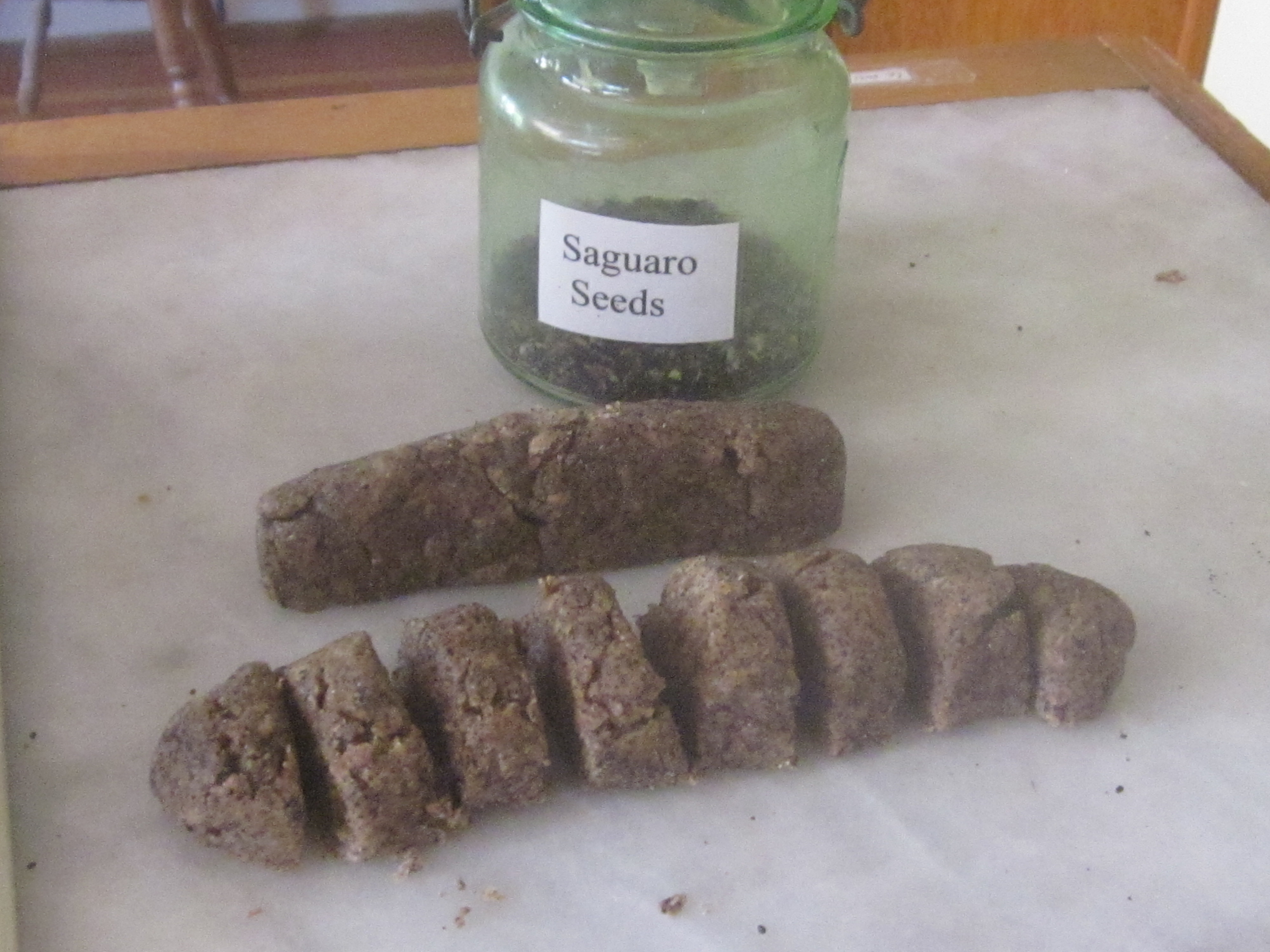
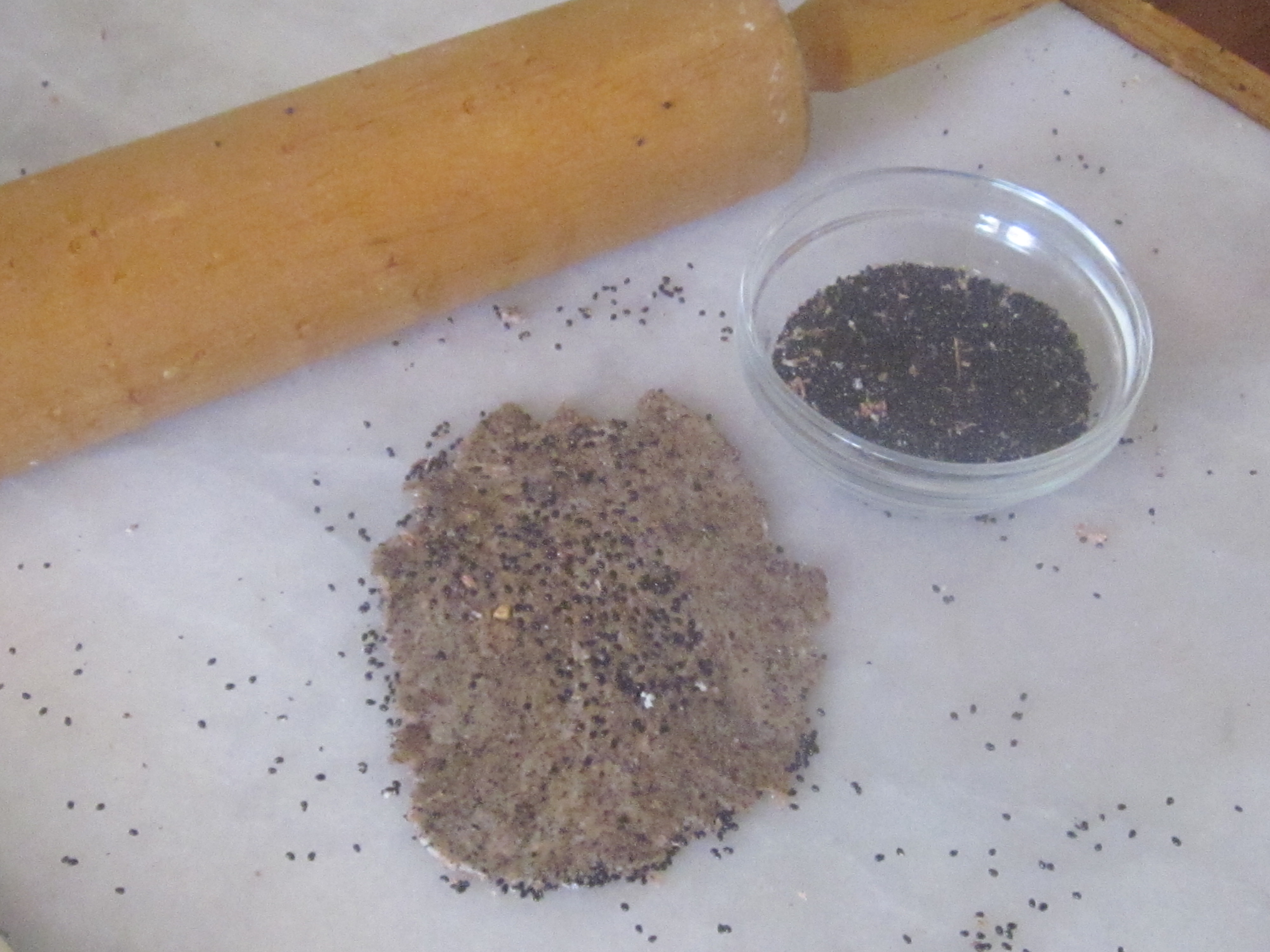
Shape dough into two rolls, 6 inches long and 1 inch in diameter. Then slice each roll into eight wafers.  Sprinkle some seeds on a flat surface, place one disk of dough on it, sprinkle some more seeds on top and roll with a rolling pin as thinly as you can. The thinner the cracker, the crisper they will be.  The shapes will be irregular.

Form dough into log and divide into eight portions.

Form dough into log and divide into eight portions.


Roll out each portion of dough.

Roll out each portion of dough.

Transfer the crackers to an ungreased nonstick cookie sheet. If you have a regular metal pan, use a sheet of parchment paper. Bake in the preheated oven for just 5 to 7 minutes. Watch closely to ensure they do not burn.

You can serve with soup or salad. Or spread with a soft cheese.


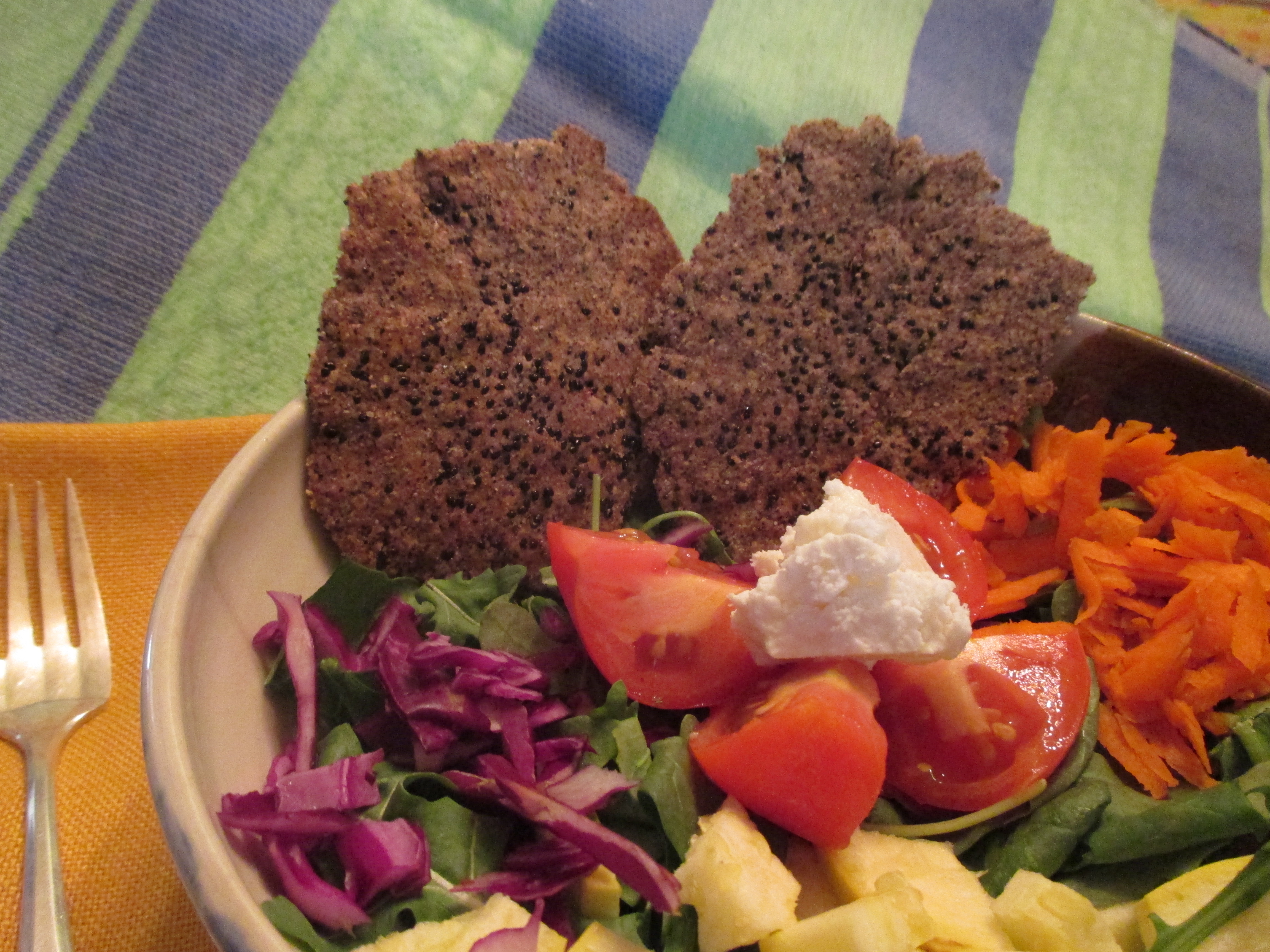
Serve your Black Beauty Wafers with a crisp salad.

Serve your Black Beauty Wafers with a crisp salad.


And when you eat your saguaro syrup or enjoy your Black Beauty Wafers, remember the words an elderly Tohono O’odham woman said to Ruth Underhill back in 1938:

“To you Whites, Elder brother gave wheat and peaches and grapes. To us, he gave the wild seeds and the cactus. Those are the good foods.”


____________________

For more recipes using both saguaro fruit and seeds, consult Cooking the Wild Southwest: Delicious Recipes for Desert Plants.  You can find a copy at Native Seeds SEARCH or order online here.