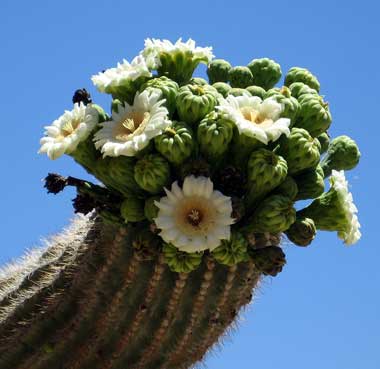
It’s Saguaro Season

Saguaro flowers and unripe fruit. Photo by Rael B.

Saguaro flowers and unripe fruit. Photo by Rael B.

Our fire has burned and the sun has gone down;

Our fire has burned and the sun has gone down.

Come together, following our ancient custom.

Sing for the liquor,

Delightfully sing.

This was the song that called the people of the Tohono O’odham villages together for the saguaro wine ceremony that followed the  harvest. During the ceremony, they people invoked the intercession of a deity far away in a “rainhouse” full of wind, water and seeds in the hopes of hastening the storms.

This and many other songs were collected and translated by Ruth Murray Underhill, an early anthropologist who lived among what were then called the Papago in 1938. They appear in her book Singing for Power.

When I go saguaro gathering, I get up around 4:30 a.m. and aim to be out among the saguaros just at dawn.  I am always joined by doves and other birds looking for their breakfast. Alone on the desert, I occasionally find myself talking to the saguaros. “So what have you got for me?” I ask. I might worry about my sanity, but I know others have felt the same way. The late desert chronicler Edward Abbey agreed, calling saguaros “planted people.”

Dove getting breakfast
Dove getting breakfast

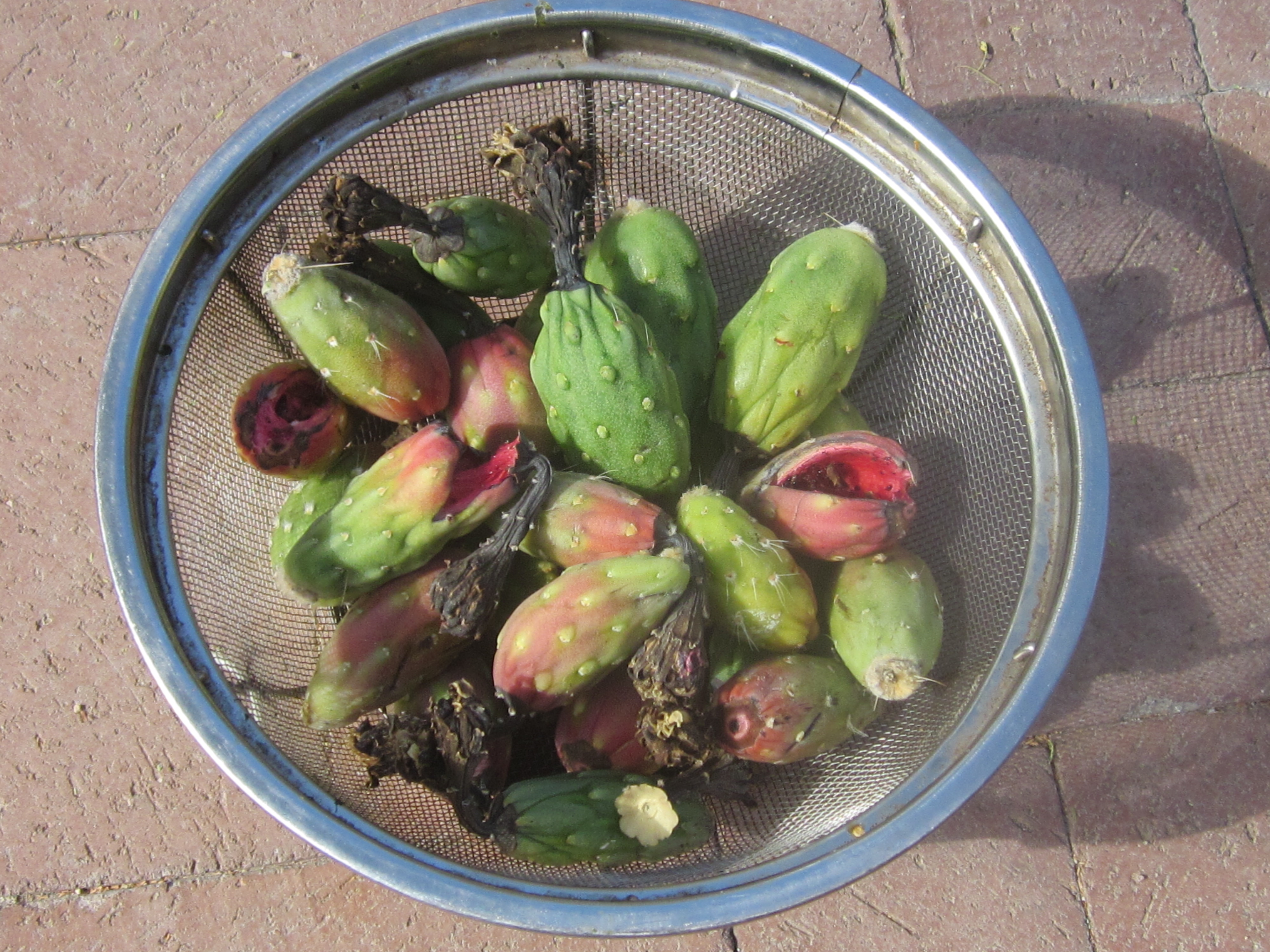
My harvest

My harvest


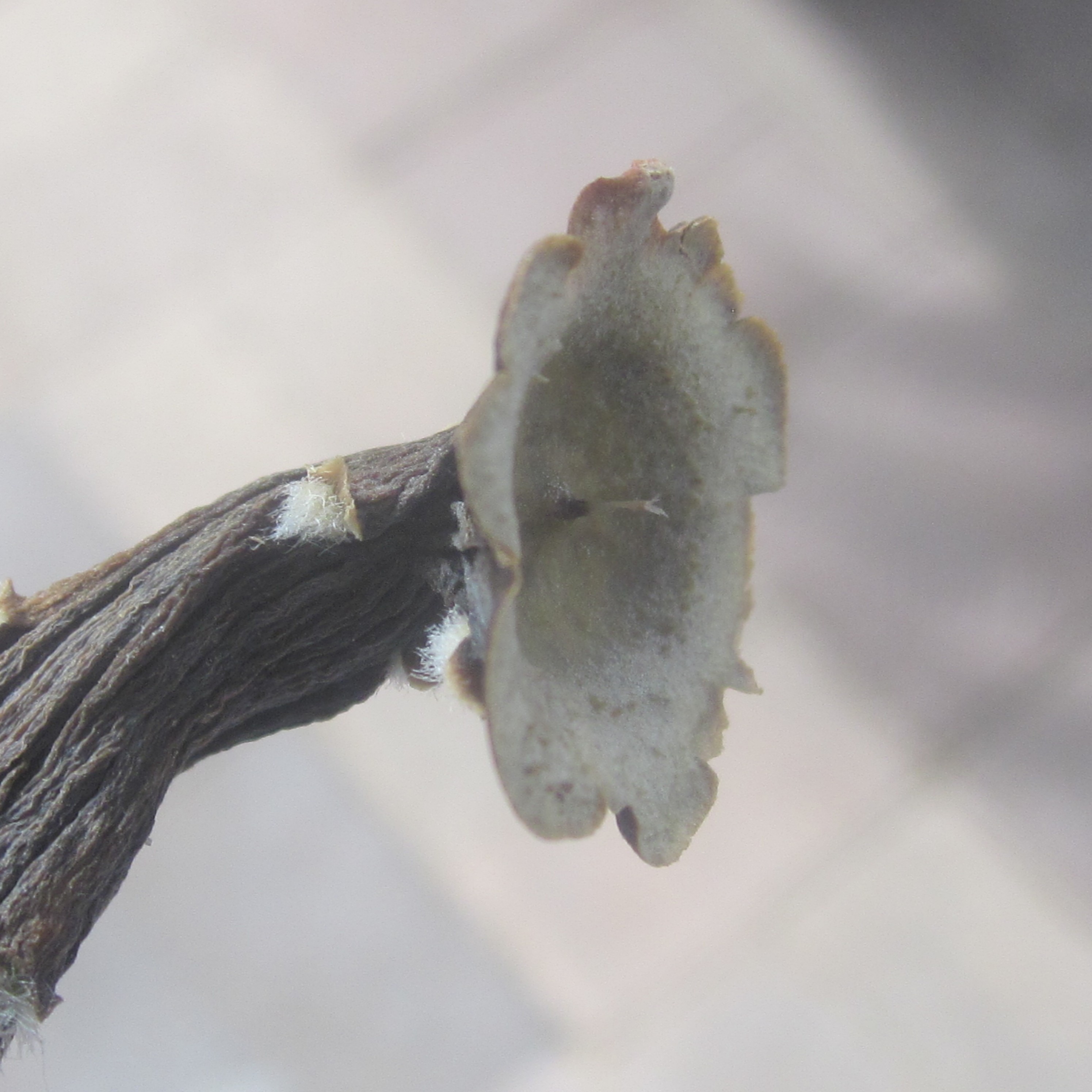
The orginal desert dwellers used a dead saguaro rib to push the fruits off the cactus. If you can’t find one, any long pole or a fruit picker will do. You can separate the fruit from the rind in the field or bring it home to clean. Each fruit comes with its own sharp-edged knife, like a natural can opener.
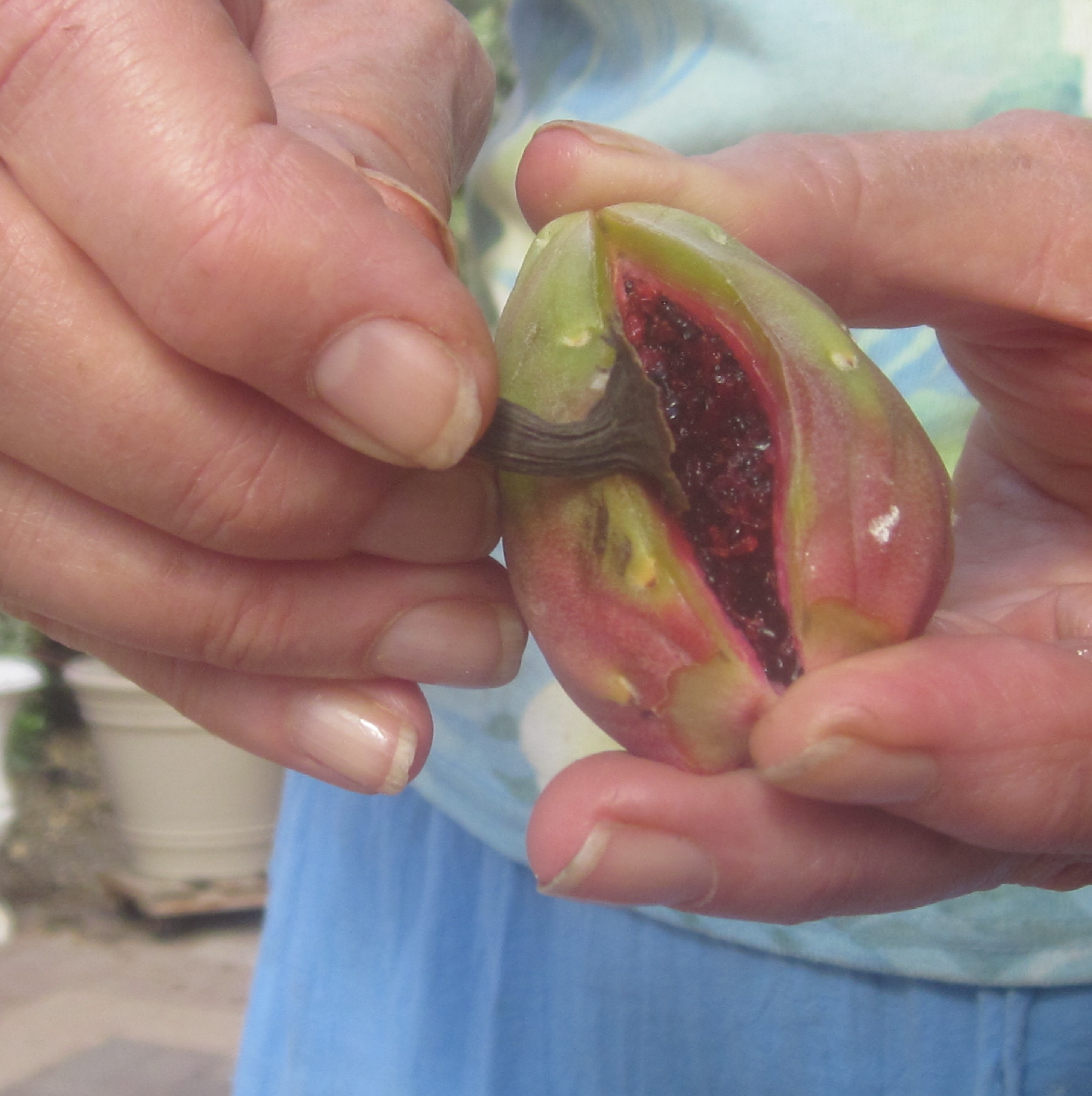
 

Opening a fruit with the calyx on the blossom end.
Opening a fruit with the calyx on the blossom end.


Sharp edge of the calyx can be used as a knife.

Sharp edge of the calyx can be used as a knife.


Once you have extracted the fruit, you can either dry it whole or separate it into the seeds and juice. This is a simple process. To your pan or bucket, add as much water as you have fruit. Let it sit, covered loosely for six to eight hours. Then plunge your hands in and break up the fruit. Strain off the juice. Boil to concentrate.  If you want to make syrup from the concentrated juice, add half as much sugar as you have juice and boil until clear. Store in a clean glass jar in the refrigerator. It will usually keep for months.

So what are the options for the seeds. You can put them in any baked good, make pilaf or porridge or cookie filling. But an easy use is homemade crackers. Spread the wet seeds on a cookie sheet in the sun. There will be some white material left from the juice, but either blow it off or ignore it.  I made these crackers in around a half hour. We are accustomed to eating commercial crackers that are very sweet and salty. So if you want a familiar flavor, use the higher amounts of salt and sugar.

Black Beauty Wafers

1/4 cup saguaro seeds

1 cup whole wheat flour

1/4 teaspoon baking powder

1/4 to 3/4 teaspoon salt

1-2 teasp0ons sugar

1/4 cup water

1 tablespooncider vinegar

1/4 cup vegetable oil

8 teaspoons whole saguaro seeds

Preheat oven to 400 degrees. Grind the 1/4 cup saguaro seeds in a blender or coffee grinder. In a large bowl, combine seeds, flour, baking powder, salt and sugar. Add water, vinegar and oil and mix, stirring and kneading until a stiff dough forms.

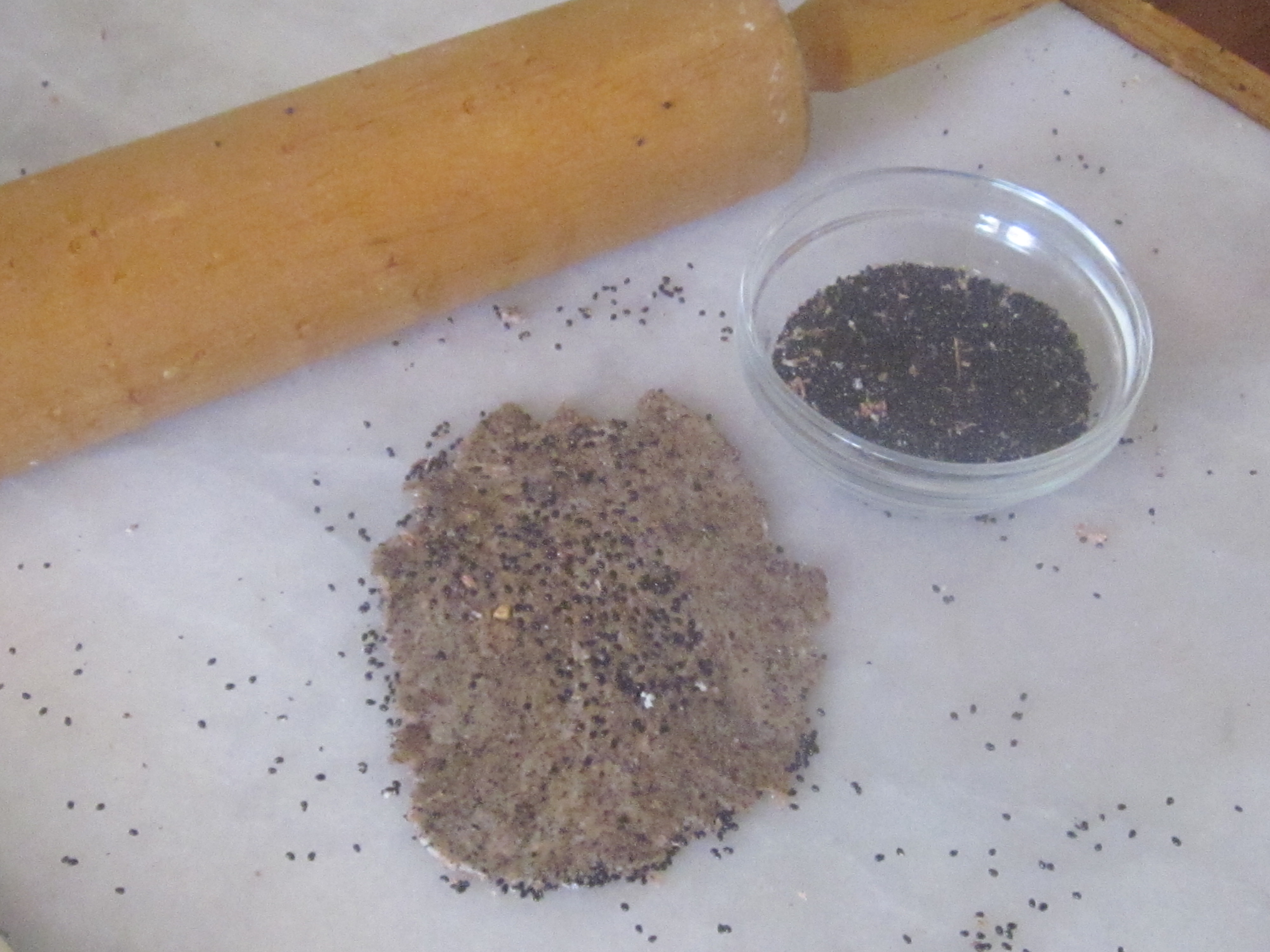
Shape dough into two rolls, 6 inches long and 1 inch in diameter. Then slice each roll into eight wafers.  Sprinkle some seeds on a flat surface, place one disk of dough on it, sprinkle some more seeds on top and roll with a rolling pin as thinly as you can. The thinner the cracker, the crisper they will be.  The shapes will be irregular.
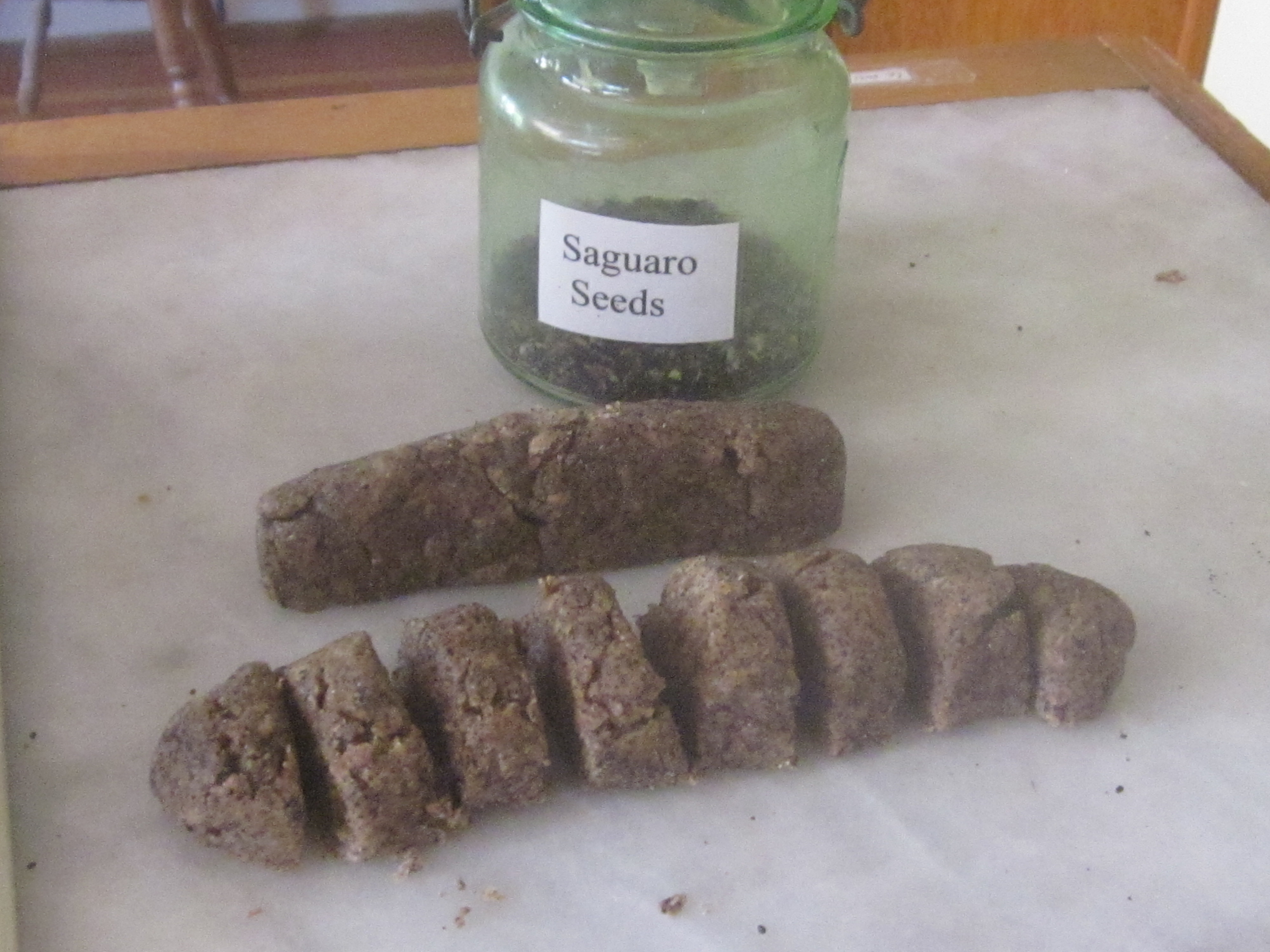
Form dough into log and divide into eight portions.
Form dough into log and divide into eight portions.


Roll out each portion of dough.

Roll out each portion of dough.

Transfer the crackers to an ungreased nonstick cookie sheet. If you have a regular metal pan, use a sheet of parchment paper. Bake in the preheated oven for just 5 to 7 minutes. Watch closely to ensure they do not burn.

You can serve with soup or salad. Or spread with a soft cheese.
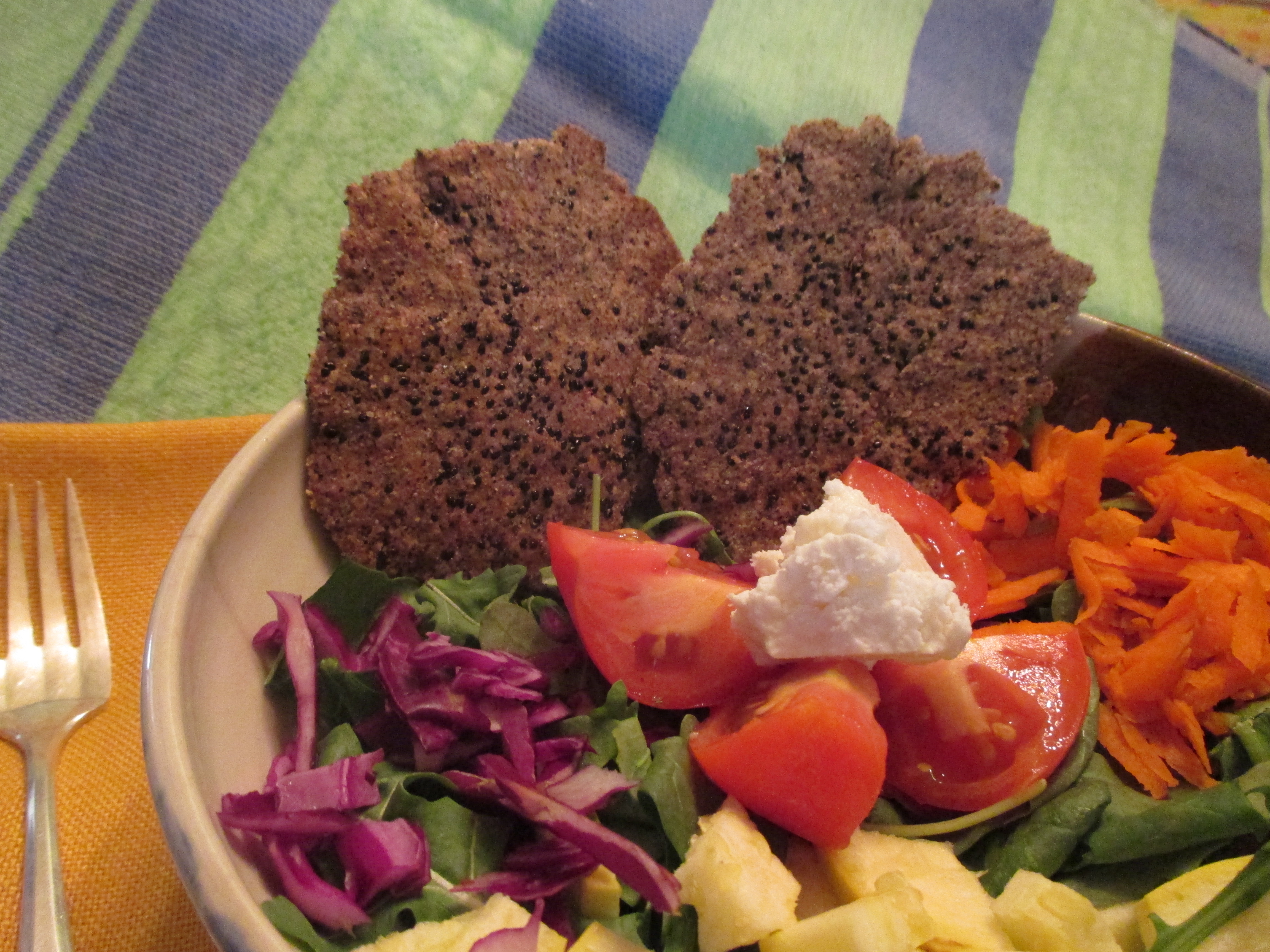


Serve your Black Beauty Wafers with a crisp salad.

Serve your Black Beauty Wafers with a crisp salad.


And when you eat your saguaro syrup or enjoy your Black Beauty Wafers, remember the words an elderly Tohono O’odham woman said to Ruth Underhill back in 1938:

“To you Whites, Elder brother gave wheat and peaches and grapes. To us, he gave the wild seeds and the cactus. Those are the good foods.”


____________________

For more recipes using both saguaro fruit and seeds, consult Cooking the Wild Southwest: Delicious Recipes for Desert Plants.  You can find a copy at Native Seeds SEARCH or order online here.


Wild Greens and Mole Enchiladas

blog1Hello, this is Amy Valdés Schwem, and I’m honored to be here with such esteemed plant and cooking women!

I love harvesting wild greens, but my day job is making mole as Mano Y Metate. Today I’m going to make enchiladas made with Mole Dulce and fill them with wild greens and summer squash. It won’t heat up the house, if you take the toaster oven outside! Enchiladas made with tomato sauce instead of chile are called entomatados, and those made with mole are enmoladas. So the menu can read: Enmoladas de Mole Dulce con Quelites y Calabacitas.

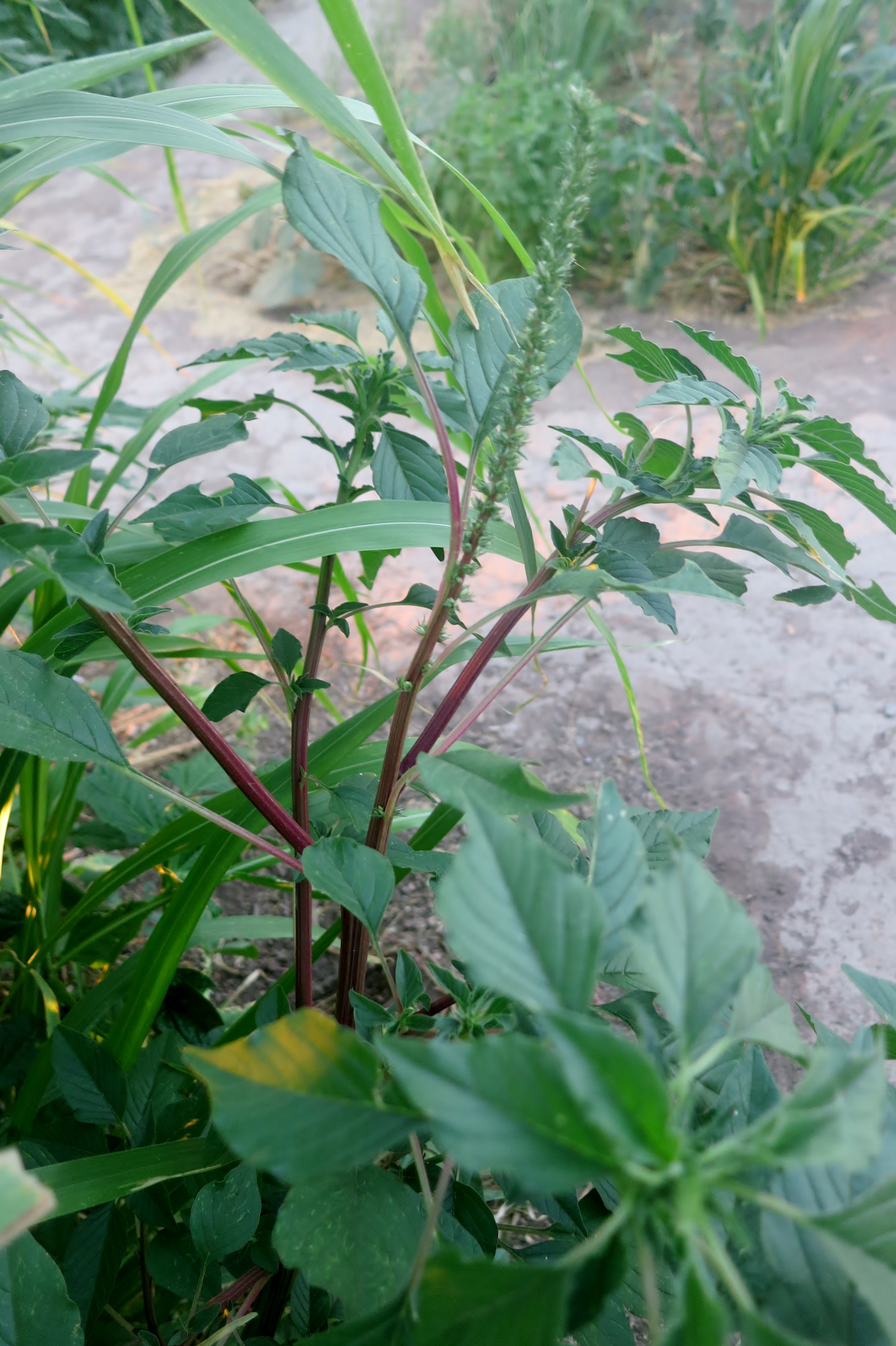
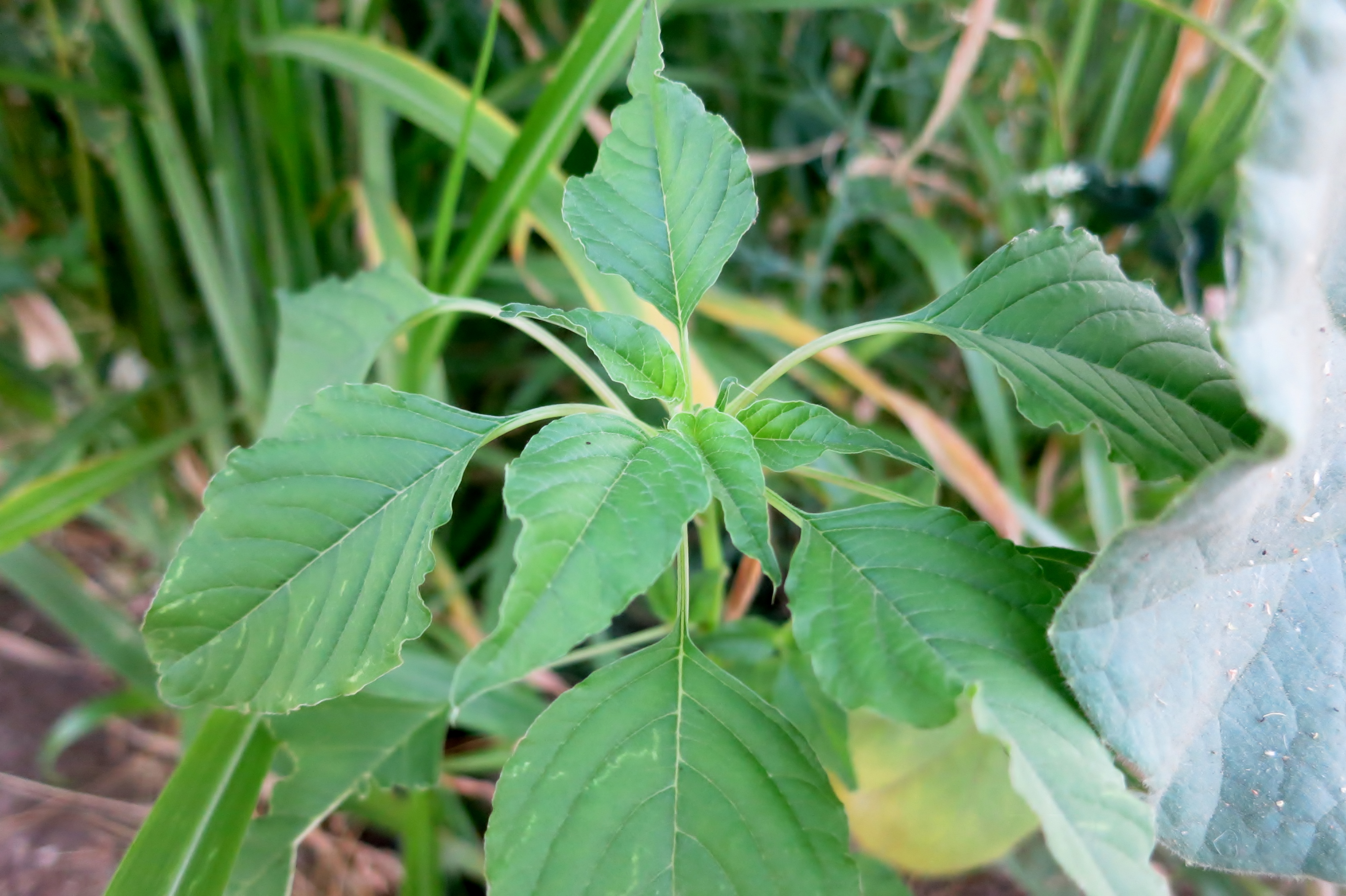
Quelites can refer to several unrelated wild greens, but to me they are wild amaranth greens, Amaranthus palmeri, also known as pigweed.

I grew up eating quelites with my maternal grandfather, and he knew no shame jumping fences to pick weeds. They make a few tiny black seeds, unlike its Mexican domesticated relatives that make enough blond seed to fill bulk bins at the health food store.

It is native to the southwest US and northwest Mexico, and its wild and domesticated relatives are enjoyed around the world both as a green and for its grain-like seed. It easily out-competes summer garden and field crops and is becoming resistant to glyposphate (Roundup). But you wouldn’t want to harvest from those over fertilized fields anyway, since it can absorb too much nitrate, making it unsafe for humans and animals. However, grown in native desert soil, they are safe and nutritious, high in vitamin A, vitamin C, and folate, among other vitamins and valuable minerals.

Some species and cultivars available at Native Seeds/SEARCH are used for dye and have red leaves, and some make a huge red inflorescence pretty enough to grow as an ornamental, even if the birds eat all the seed. I’ve never had much luck popping the seed I grew, but you can buy commercially popped seed, like miniature popped corn.

blog2 blog4

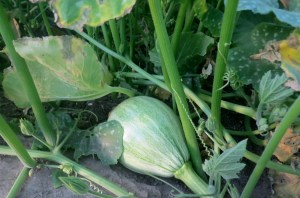
I just visited my closest community garden, Las Milpitas de Cottonwood, and found these beauties in the irrigated beds already in flower. If this was all I had, I would pick the smallest leaves from the stalks and use those.

blog5Hopefully you find quelites before flowering, shorter than a foot tall. I found a few plants in my yard where other things get watered. Many more will sprout with the summer rains.

blog7a


Last year I had so many from my Tucson Community Supported Agriculture share that I dried some, just like my great aunt Tia Lucy told me they used to do. I just plucked leaves from the stems and air dried them in the house. To use, I soaked in water overnight, then sauteed with the others. I’ll dry more this summer, for sure.

blog7b blog8


To prepare the fresh quelites, wash, chop tender stems and all, and saute with a little onion and garlic in oil. My grandfather always used bacon grease, so that’s what I did.

blog6


It’s also prime season for calabacitas, so use them if you don’t have any fresh or dried quelites. My grandfather also collected and cooked verdolagas for us, which would work here, too.


blog9a


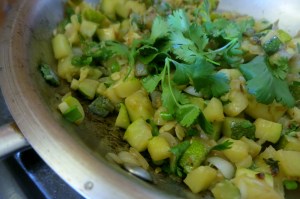
Calabacitas, sauteed with onion and garlic. This filling with mushrooms and queso fresco, inside mole dulce enchiladas, is my brother’s signature dish. Well, one of his signature dishes.


blog9b blog9c


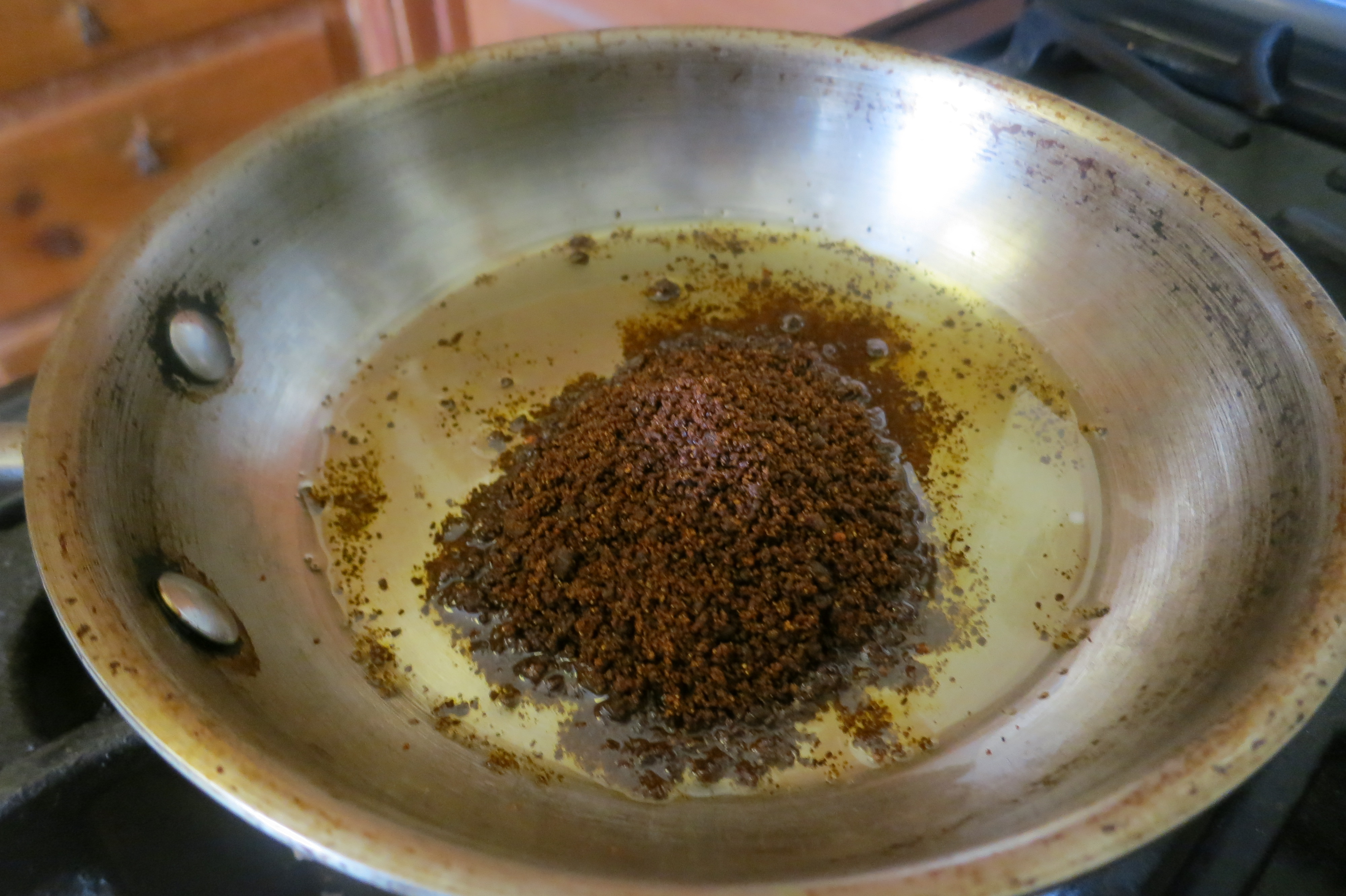
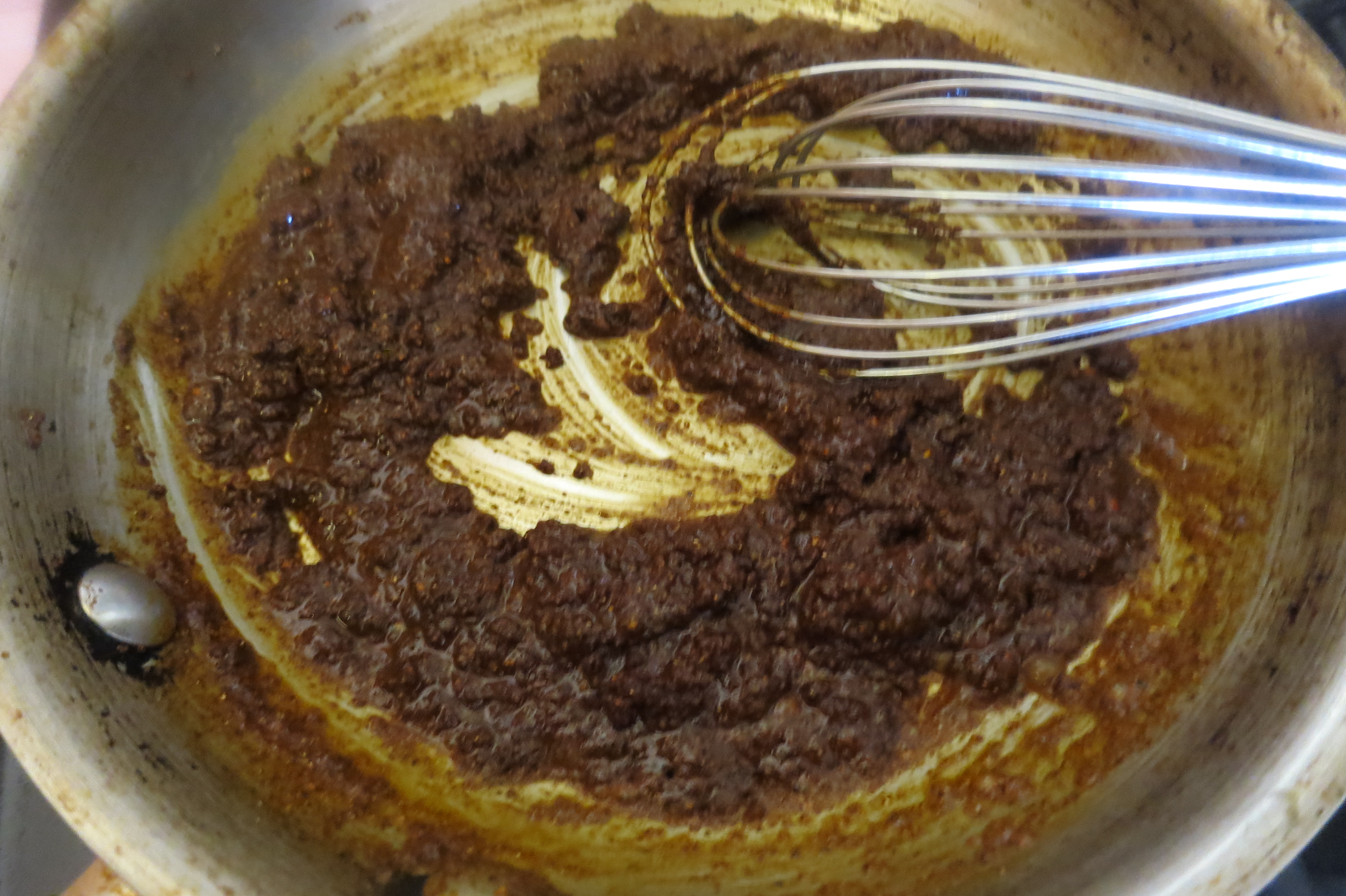
Now for the mole! For a half dozen enchiladas, to serve two people, I used about half of a tin of Mano Y Metate Mole Dulce powder, cooked in mild olive oil to make paste.

blog9d

Then I added about half a cup homemade chicken stock and a dash of salt, but veggie stock is great, too. Water doesn’t quite do it. Simmer until you have a nice sauce, adding more broth as necessary. There will be steam and good smells.


blog9f blog9g


The secret to enchiladas: start with thin corn tortillas and fry briefly in oil hot enough to sizzle, but not hot enough to make them crispy!!! DO NOT skip this step!

If the tortilla cooks too much, or if it breaks, just turn up the heat and make that one into a corn chip.

Dip the flexible tortilla in the mole dulce.

blog9h blog9i


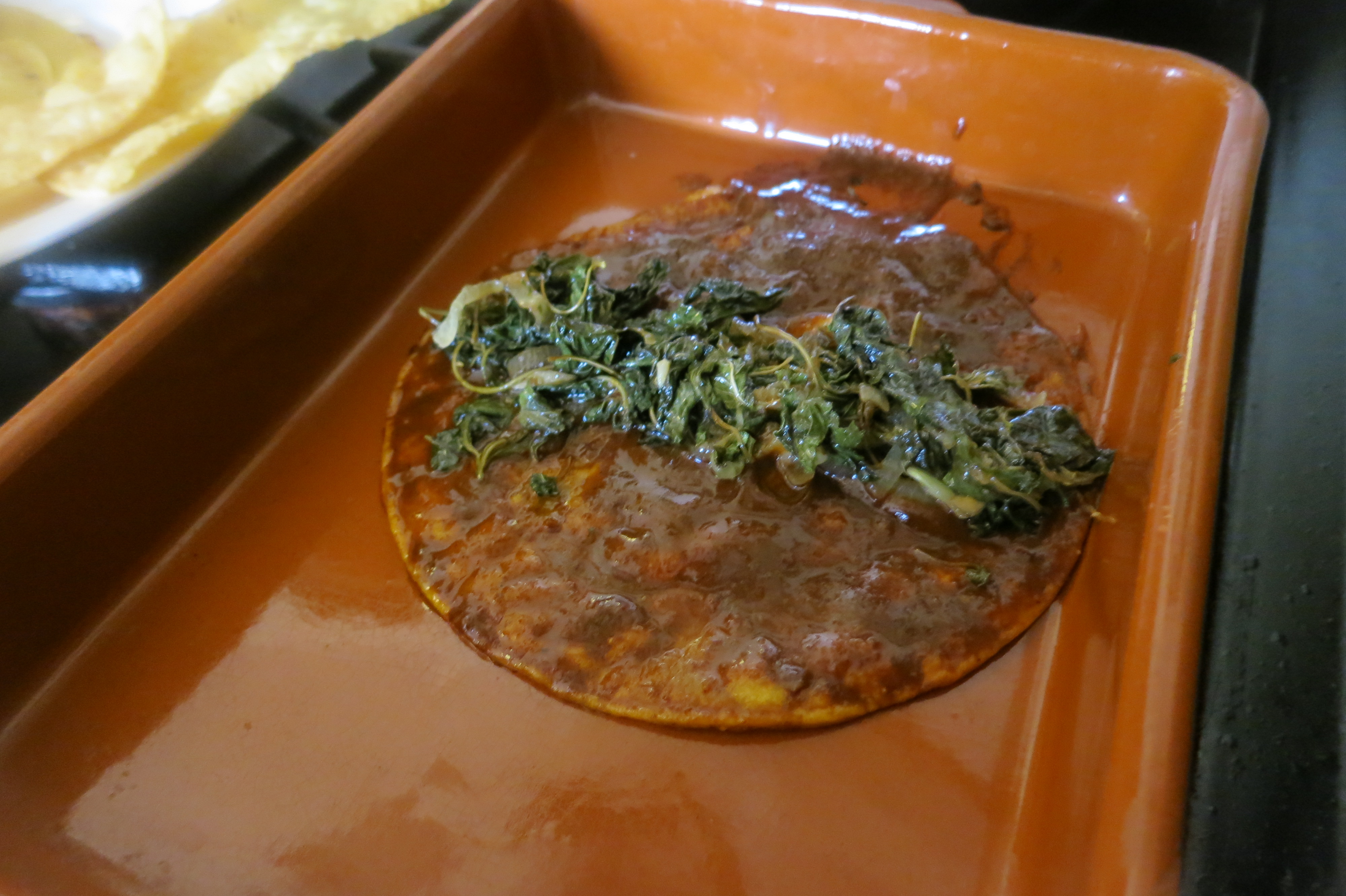
Put quelites or calabacitas in the tortilla and roll.

blog9j blog9l


Top with homemade queso fresco and bake until heated though. My grandfather used the toaster oven outside on the patio in the summer to make enchiladas. No need to heat the house!

Depending on your oven, you may need to cover them with foil, but I didn’t. I like crispy edges. Serve with a cucumber, tomato salad dressed with a squeeze of lime, beans, and prickly pear grapefruit-ade.

Leftovers are best fried in a cast iron pan until crispy.

Mano Y Metate moles can be purchased from Martha Burgess of Flor de Mayo Arts at the Sunday Heirloom Farmers’ Market at St. Philip’s Plaza, Native Seeds/SEARCH, and ManoYMetate.com.


Wondrous Weeds!

Tia Marta here to share ideas about our new neighbors—the weedy greens popping up all around us.  With those fall rains we had here in the low desert, there is a bloomin’ haze of green on the desert floor– not what you’d call a florid show—but wait—what is happening where November’s mud-puddles were collecting?  That may be real food lurking in your own backyard!  Now is prime time to take advantage of spontaneous tender mercies and phytonutrients.  Interesting tastes await us, to spice up our salads and bedeck our burritos.

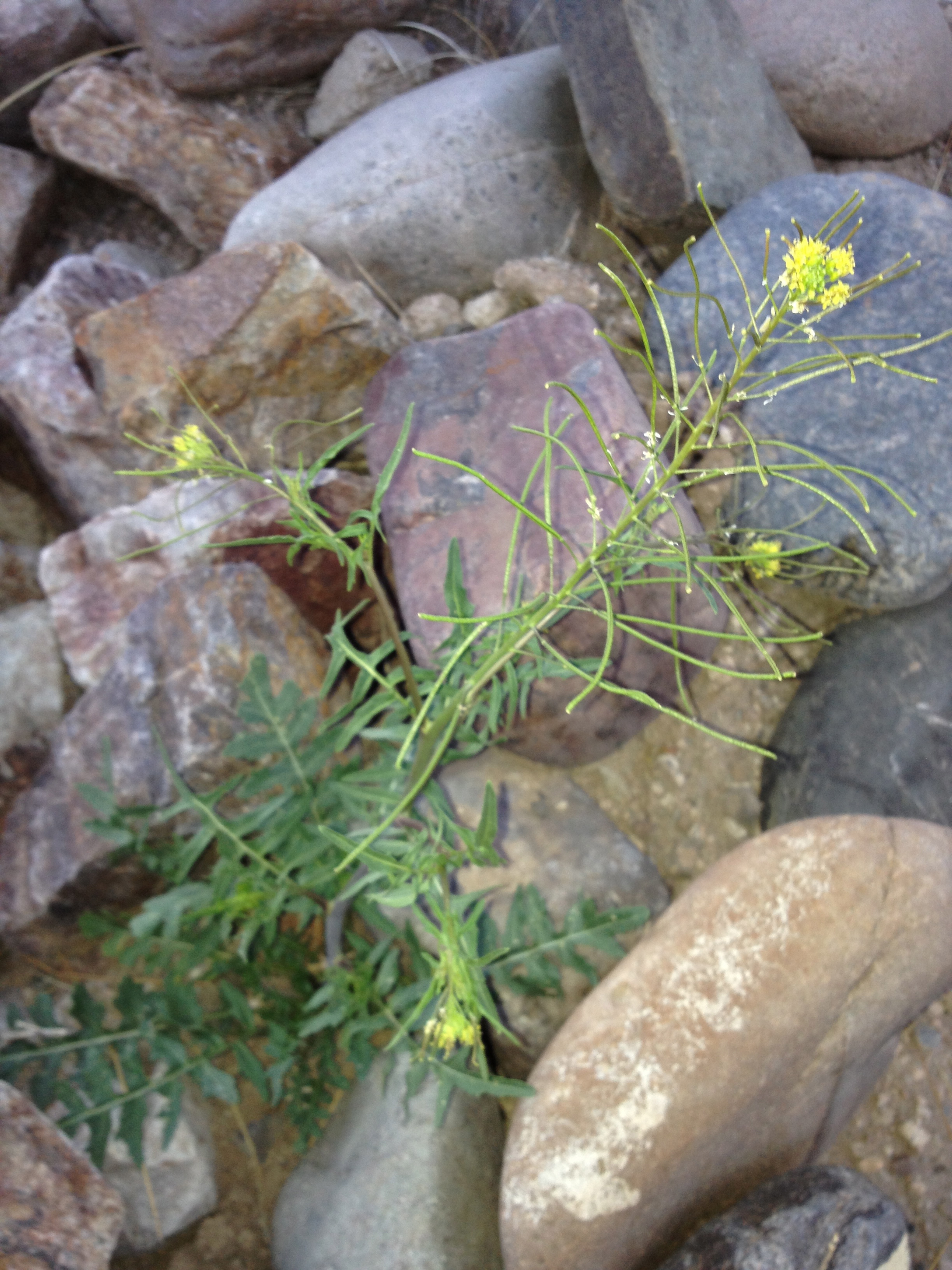
"Wild arugula” or London rocket (Sisymbrium irio) provides zesty greens, flower garnish, and later, mustard seeds when mature. (MABurgess photo)

“Wild arugula” or London rocket (Sisymbrium irio) provides zesty greens, flower garnish, and later, mustard seeds when mature. (MABurgess photo)

London rocket (read “wild arugula”) is everywhere, its greenery literally growing before our eyes in every low swale, rocky hillside, every ditch where water has run.  Sisymbrium irio is an introduced weed which we can enjoy with impunity—the more we eat of them the more we are removing competition for our beloved native plants.  So harvest away!  (A good rule of thumb is to collect at least 50’ from a road.  No need to ingest road dust and pollutants when there is so much to be found in friendly yards or out in the des.)

Prepare for a picante treat, sometimes a picante bite, from these wild mustards.  Toss a few wild arugula leaves with baby greens, or in a BLT to liven it up.  Try them steamed with your favorite garden greens or added to stir-fry.

Hot February weather is telling our wild mustards, “Summer’s coming.  Better go ahead and bloom fast!”  Already we see tiny 4-petaled yellow flowers rising from the rosettes of deeply lobed leaves.  Small erect spikelets of seedpods (called siliques) stand out from the central stem.  Whole flower heads with seedpods are edible, and zingingly picante.  Sooner than we think, seedheads will mature and you can harvest their tiny mustard seeds for dressings or salad sprinkles.

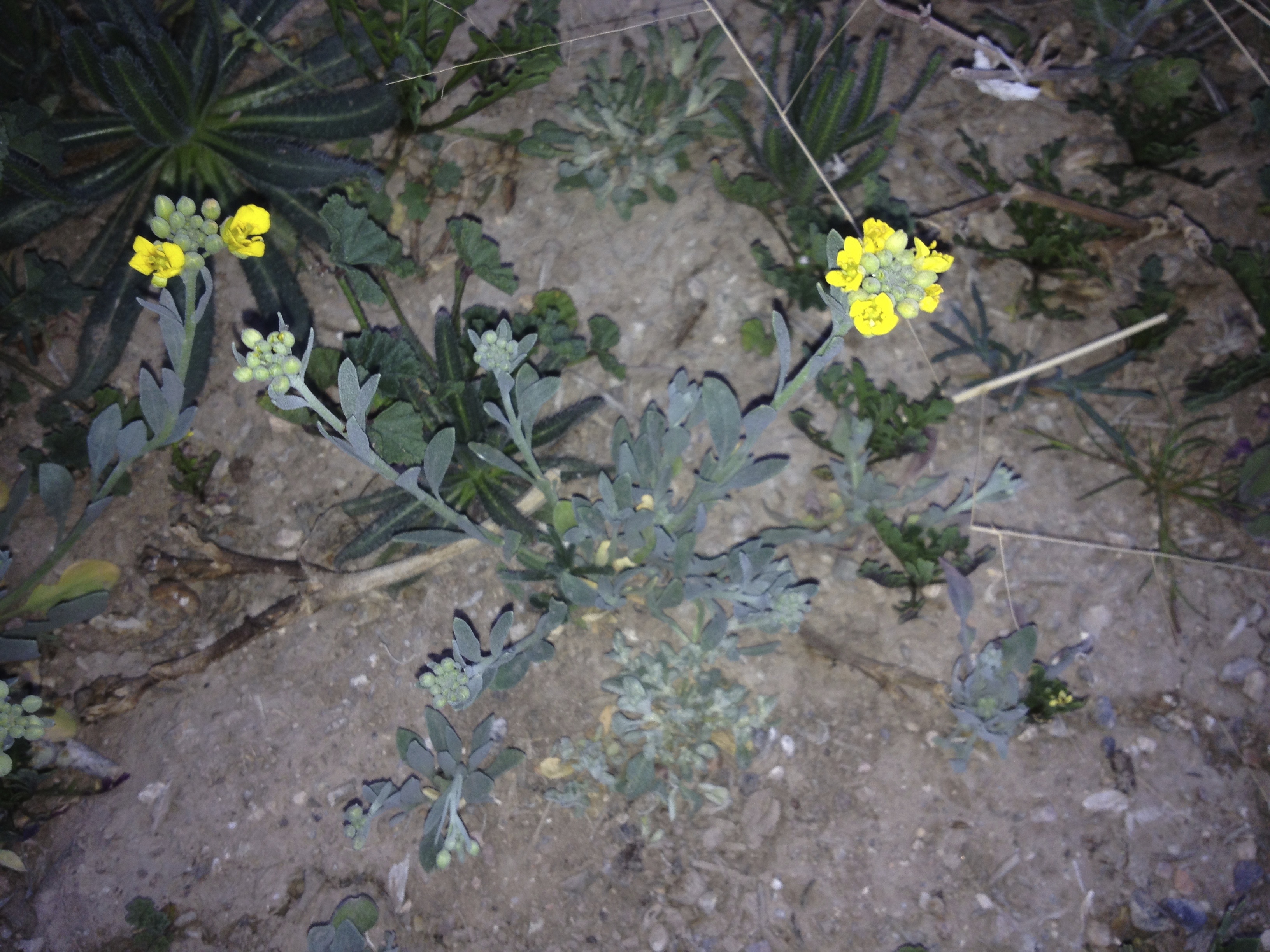
This year, if you spy Lesquerella gordoni (bladderpod), it will stand out like little yellow stars on the bare ground. (MABurgess photo)

This year, if you spy Lesquerella gordoni (bladderpod), it will stand out like little yellow stars on the bare ground. (MABurgess photo)

In some wet winters, a different native mustard known as bladderpod has made carpets of lemon-yellow flowers on the desert floor.  No such show this year.  Should you find a patch of blooming bladderpod, try a taste of its petals.  Their nice nip will add vivid color, nutrition, and excitement to any salad, garni, or burrito topping.

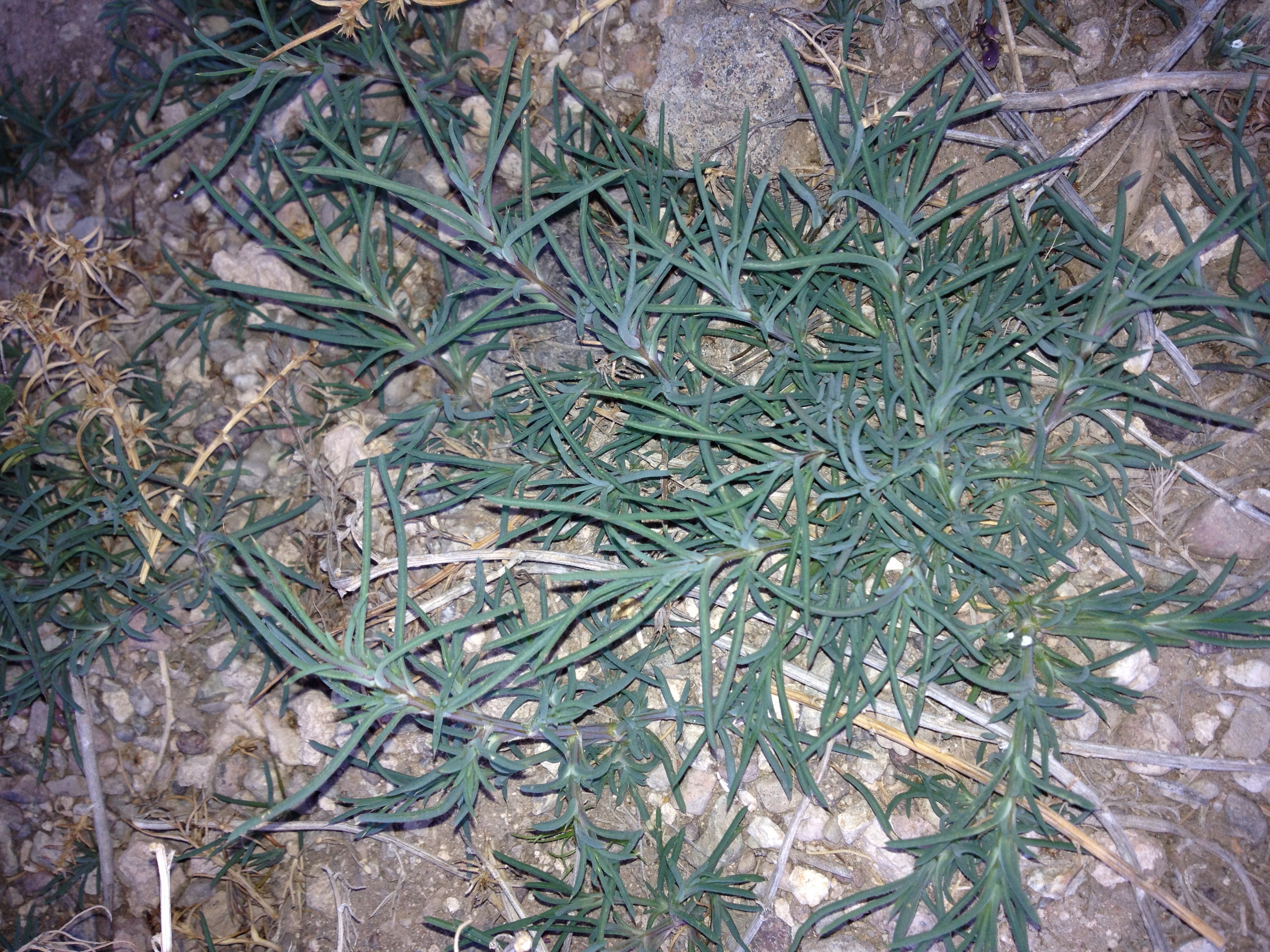
Better known as tumbleweed, Russian thistle (Salsola kali) is best harvested in this tender stage—and every rancher will thank you for your service! (MABurgess photo)

Better known as tumbleweed, Russian thistle (Salsola kali) is best harvested in this tender stage—and every rancher will thank you for your service! (MABurgess photo)

The most ubiquitous of weeds is the introduced Russian thistle which no one seems to notice until it dries, dislodges, tumbles across the road on a crosswind, and stacks up next to a fence or obstacle.  So now, while it is in its infancy, go out to that windbreak and find its progeny!  Have no compunction about snipping it at ground level while it is only inches high, young, and tender—before sharp stems develop making it unpalatable to humanoids.  You will be amazed at what it adds, snipped in short pieces fresh in a salad, steamed with butter and pepper, or stir-fried with other veggies.

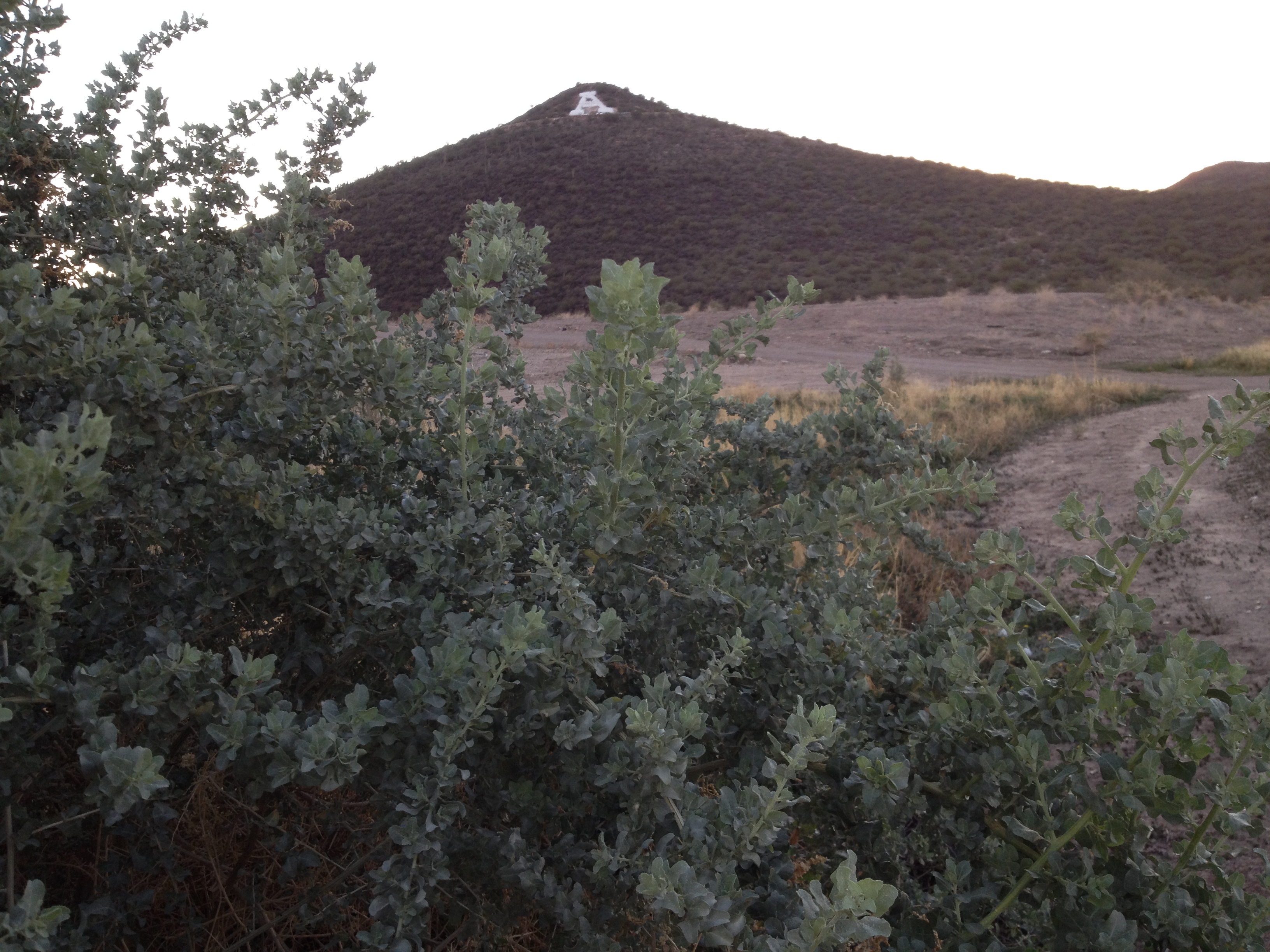
Our many species of saltbush (Atriplex spp.) are tender and ready for picking in late winter into spring. (MABurgess photo)

Our many species of saltbush (Atriplex spp.) are tender and ready for picking in late winter into spring. (MABurgess photo)

Find saltbush's gray greenery along the Santa Cruz floodplain--or plant it in your yard for wildlife habitat. (MABurgess photo)

Find saltbush’s gray greenery along the Santa Cruz floodplain–or plant it in your yard for wildlife habitat. (MABurgess photo)

Now is saltbush’s time to shine—in landscaping and in cuisine.  Here in Baja Arizona there are many species of Atriplex, and all are edible.  These tough shrubs are desert survivors for sure.  They tend to grow in “waste places” where hardly any other plants can make it.  The name saltbush indicates its habitat, where soil is salty,heavy, or full of caliche.  Quail and other creatures find refuge and forage in the dense shrubs.  If you want to attract birds into your yard, go to Desert Survivors Nursery, Tucson, and buy any saltbush to plant—then stand back.  We humans can join in the saltbush foraging guiltlessly, as saltbush is plentiful and our harvesting may even stimulate re- growth.

Nearly every Native nation in the Southwest has a tradition of using saltbush in multiple ways.   When its stiff salty leaves are youthful they can be picked for cooking with other greens, the style of traditional Akimel O’odham, the River Pima.  My Tohono O’odham teacher Juanita would steam saltbush with cholla buds, and told me how “the old people would roast their cholla buds in layered beds of ontk i:wagi [salt spinach].”  Hopi cooks make a kind of baking powder out of pulverized saltbush foliage.

Try young saltbush leaves cooked with heirloom cannelini beans or cranberry beans—for a flavorful variation on beans-and-greens.  You’ll find that the salts which the plants have sequestered from the soil will add a delicious desert flavoring.  Move over, Hawaiian sea-salt!  (After saltbushes have flowered, we will “talk seeds”—stay tuned….)

NativeSeeds/SEARCH (www.nativeseeds.org) and Mission Garden (www.tucsonsbirthplace.org) carry seed of a domestic relative of saltbush called “orache” which provides a purple-leafed “green” for a winter veggie garden.

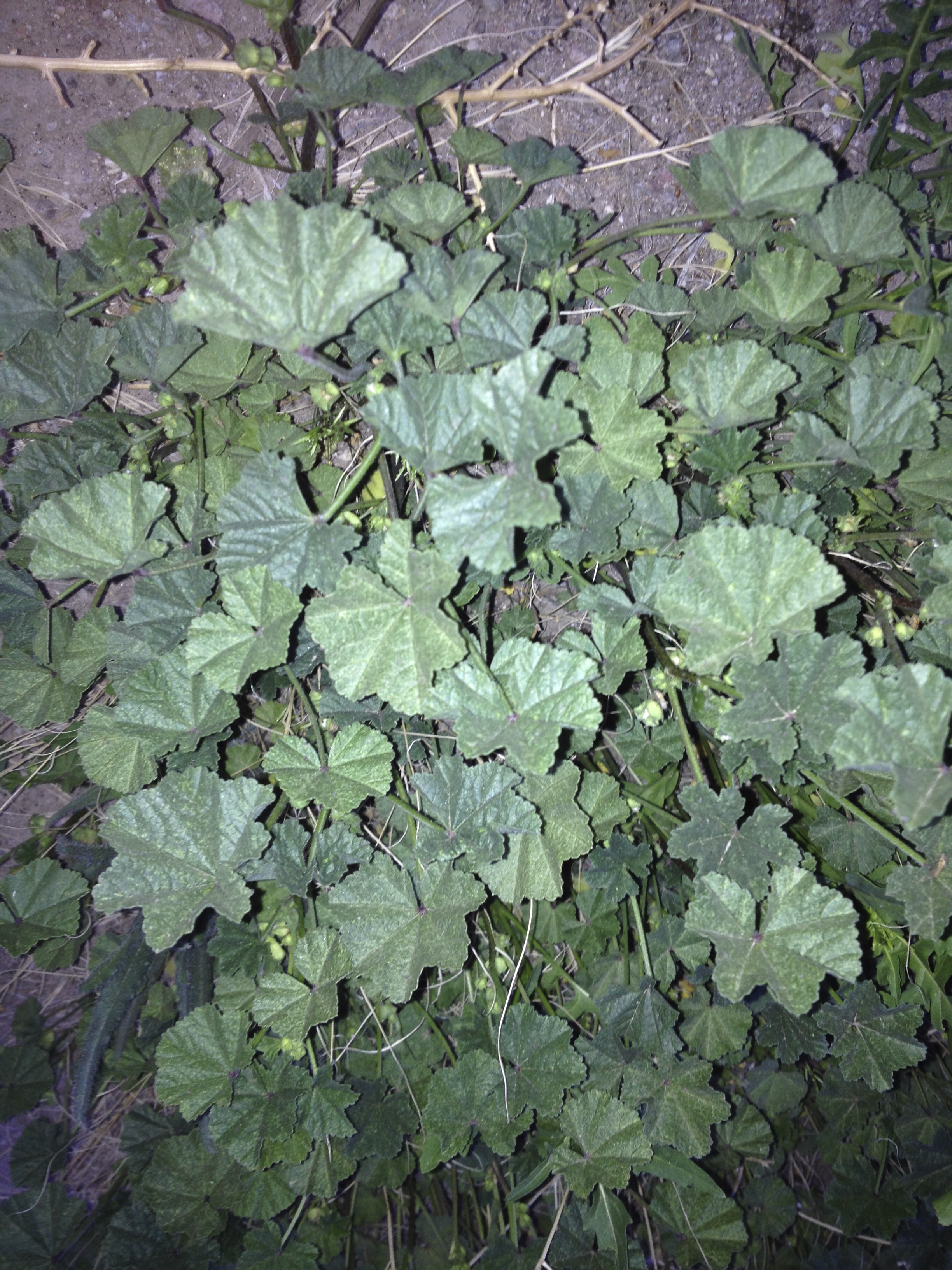
Did you ever contemplate cheeseweed thru the day? (Are you kidding?) Its palmate leaf is a sun-tracker!  I discovered these young Malva neglecta in late afternoon with each leaf bent westerly, cupped, facing the setting sun.(MABurgess photo)

Did you ever contemplate cheeseweed thru the day? (Are you kidding?) Its palmate leaf is a sun-tracker! I discovered these young Malva neglecta in late afternoon with each leaf bent westerly, cupped, facing the setting sun.(MABurgess photo)

Ah, cheeseweed—the “scourge” of gardeners, when it gets established.  Malva or cheeseweed, so called for its cheese-wheel shaped seed pod, is another one of those introduced weeds which tend to follow humans.  Only harvestable when young– get it while you can.  You’ll find it in disturbed flat areas where stock or off-roaders have churned up the natural soil, along fencelines or untended sidewalk margins.  Beware, cheeseweed seems to be sought-after by wandering dogs as a “marker plant” so wash your harvest well.

New Malva foliage can make a nutritious addition to steamed collards, kale, acelgas, or turnip tops; or stir-fried with peppers, onion, and slices of winter squash.  If you want to explore Malva’s medicinal qualities, try the foliage steeped as a tea for soothing tender digestive tract tissue or urinary tract.  It makes a healing topical poultice as well.

Life-giving weeds are all around us, especially now with their ju-ju rising.  Really no one need be hungry here.  We’d all be healthier if we were eating more of these spontaneous gifts brought by Nature and human mobility.  My respect for weeds and knowledge of their goodness outweighs my frustration as I pull them from my garden.  Here’s wishing you happy weed harvesting, a new way of enjoying the pulses of life in the desert!

If you are lucky enough to locate Carolyn Niethammer’s book Tumbleweed Gourmet, Univ. of AZ Press, 1987, grab it!  Find more info about traditional uses of saltbush in Food Plants of the Sonoran Desert by Wendy Hodgson, Univ. of AZ Press, 2001.  Find medicinal uses of Malva neglecta in Medicinal Plants of the Desert and Canyon West, Mus. of NewMexico Press, 1989.  Mission Garden is open on Saturday afternoons for guided tours, and NativeSeeds/SEARCH store at 3061 N Campbell Ave, Tucson, is open daily 10am-5pm.

Visit me, Tia Marta, for more weedy ideas and heirloom beans galore at the Flor de Mayo booth, St Phillips Farmers Market on Sundays 9am-1pm. (www.flordemayoarts.com).

Wonders of White Sonora Wheat Berries

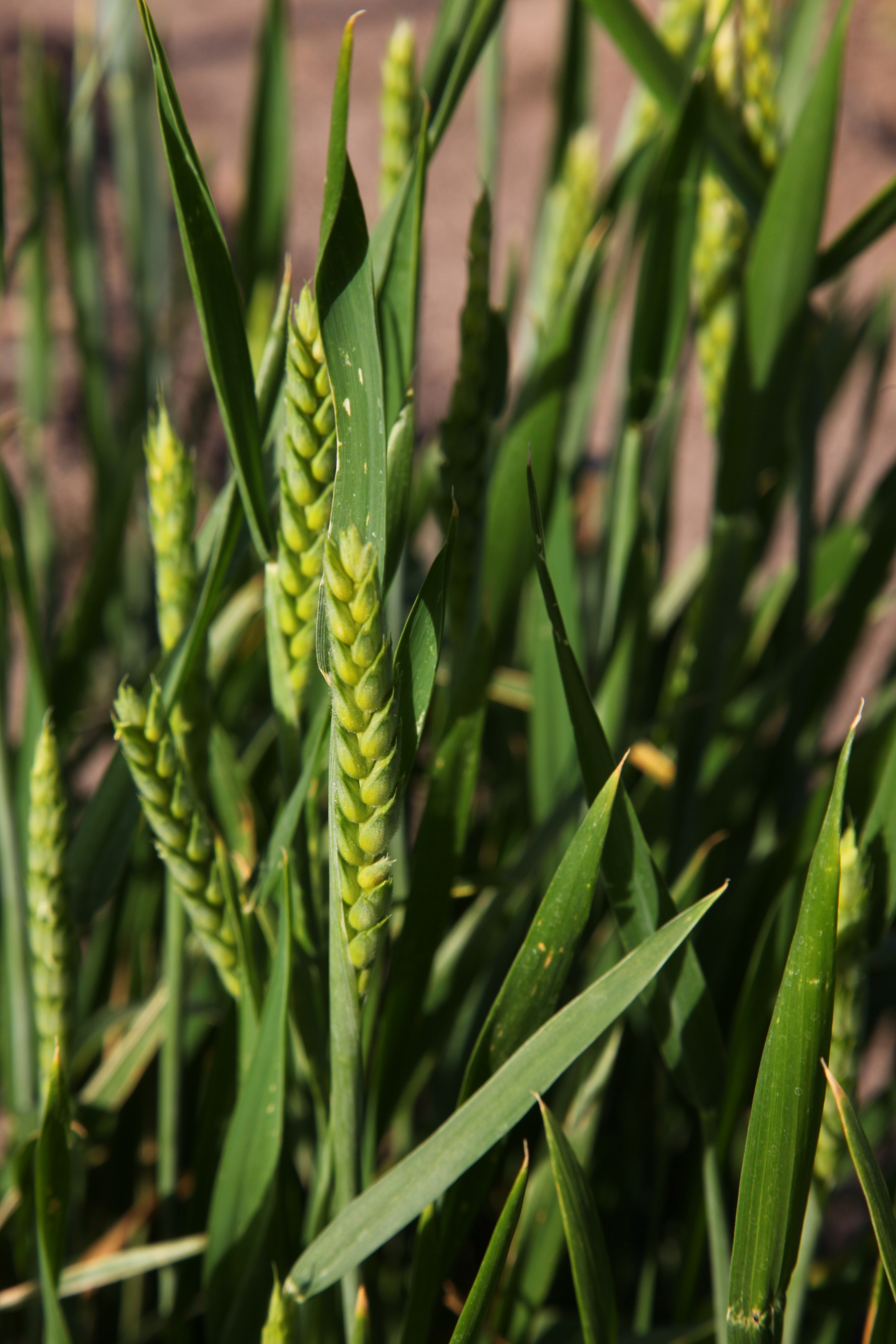
Heirlooom White Sonora Wheat growing at Mission Garden April 2013--Rod Mondt photo

Heirlooom White Sonora Wheat growing at Mission Garden April 2013–Rod Mondt photo

Tia Marta here from Flor de Mayo to share news of an ancient grain newly emerging from its historic quietude as a flavorful and nutritious gift to Southwestern cuisine—a real boon to desert agriculture and health!   I’m talking about the White Sonora Wheat, introduced by Padre Kino, kept alive and well in a Sonoran village for 300 years, “rediscovered” and propagated by Native Seeds/SEARCH plant-sleuths, and at last being grown commercially by a few caring farmers in Baja Arizona.

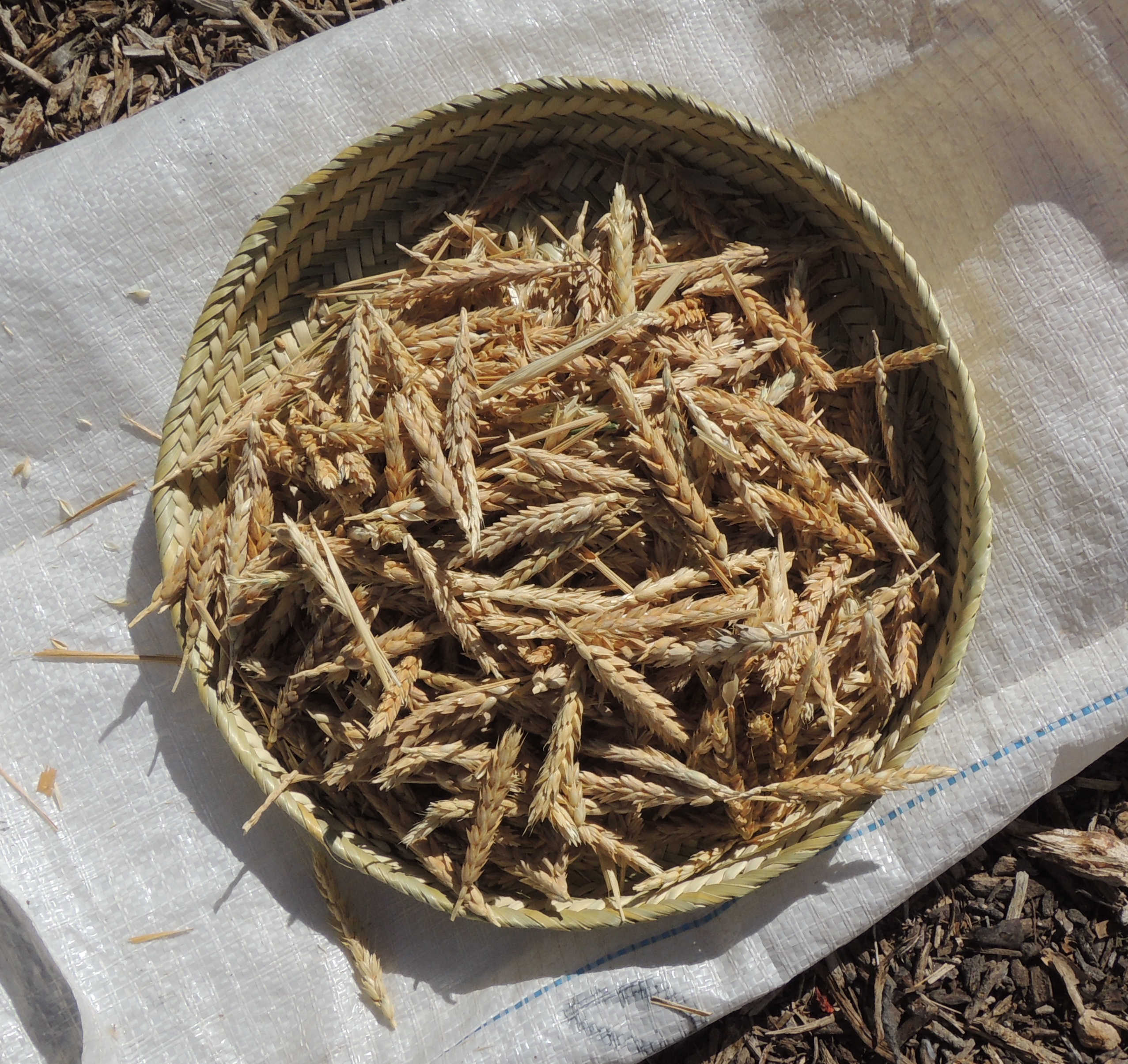
Fresh harvest of White Sonora Wheat Mission Garden May 2013--Bill O'Malley photo

Fresh harvest of White Sonora Wheat Mission Garden May 2013–Bill O’Malley photo

This particular Triticum aestivum variety is a winter wheat for the desert.  Now is the time to plant it in your own garden plot through February for a later harvest into May and June.

Precious White Sonoran Wheat grain was provided by Native Seeds/SEARCH as a start-up ag experiment to a local grower, BKW Farms, and it has really taken off.  Tohono O’odham Elders may likely remember the Wong family of Marana who provided fresh produce out to the res in the early-mid 1900s.  Now in their 5th generation of attuned farming, the Wong family (as BKW Farms www.bkwazgrown.com ) have turned their attention to growing heirloom wheat—USDA Certified Organic.  Bravo for feeding us well AND improving the soil, air and water!  With their first crop a real bumper, BKW Farms is returning more than twice the wheat seed back to NativeSeeds/SEARCH than the original “starter kit” quantity loaned to them.  Kneaded by the skilled hands of Barrio Bread and BigSkye bakers, their White Sonoran Wheat’s flavor is spreading and exciting many a Tucson palate.  Check out www.barriobread.com and www.bigskyebakers.com .

At our Flor de Mayo farmers market booth, a few wheat-sensitive consumers have reported they are actually not affected by this heirloom wheat.  (Hey, scientists, there is information in its genes and constituents we need to know more about!)

BKWFarms' White Sonoran wheat berries cleaned and ready--MABurgess photo

BKWFarms’ White Sonoran wheat berries cleaned and ready–MABurgess photo

Using whole kernals of wheat in cooking seems to be almost an unknown in modern culinary culture, but health benefits are significant.  For one thing wheat berries are “live food” truly sharing life energy.  Vitamins in the bran and germ are super-active.  In commercial so-called “whole wheat bread” the vibrant living constituents have been removed for transport and storage then added back artificially when baked to make it “whole” again.  By eating the wheat berries whole from the git-go, we can enjoy their full nutrition.   [For local, fresh, the only truly whole flour (no parts removed) milled from White Sonora Wheat commercially available, we are blessed with the new Hayden Flour Mills in Phoenix (www.haydenflourmills.com) providing packaged flour to the NSS store and to Flor de Mayo LLC.] 

Providers of other heirloom wheat berry varieties locally are Ramona Farms (www.ramonafarms.com)  and San Xavier Farm Coop (www.sanxaviercoop.org) with Pima Club wheat, and the NSS Store with faro also known as emmer (www.nativeseeds.org).

I made mini “greenhouses” of recycled clear plastic boxes.  Try rice bowls, berry or hamburger boxes for sprouting. MABurgess photo

I made mini “greenhouses” of recycled clear plastic boxes. Try rice bowls, berry or hamburger boxes for sprouting. MABurgess photo

I’ve been having a wheat-berry “hay-day” in the kitchen with White Sonoran Wheat berries.  Here are a few appetizing ideas to introduce wheat berries into your culinary repertoire:

Sprouted White Sonora Wheat Berries:

Sprouts will take about 3-4 days until ready.  Plan on rinsing them daily.  Soak 1 tablespoon of wheat berries overnight in a jar.  Prep “greenhouse” box with coffee filter or paper towel cut to size to prevent grains from passing thru any holes as a strainer.  Pour wheat berries into “greenhouse” box, wash and drain.  Place box on a dishtowel out of direct sunlight.  Rinse and drain them twice a day to keep them from getting sour.  Within 2 days you will see rootlets like tiny white spiders forming.  By the third day greenish stems will rise.  That’s when they are ready to eat.  Try sprouts as a surprise snack—you won’t believe how its relatively blah starch can change with the magic of living enzymes into the sweetest pleasant sweet you ever tasted!  To slow down growth of young wheat sprouts put “greenhouse” box in frig.  You can snip or “mow” elongating wheatgrass and add it to green drinks or smoothies.  Separate wheat sprouts and toss them in salads.  With a hand-crank masa-grinder (such as the one sold at Native Seeds/SEARCH store) grind them fresh to add flavor and texture to bread-baking.  [I will be interested you hear your wheat sprout ideas too!]

White Sonora Wheat berry sprouts at 5 days

White Sonora Wheat berry sprouts at 5 days

Cracked Wheat Berries–Speaking of grinders—a masa grinder or meat grinder can be used to crack dry wheat berries for cooking bulgar dishes.  If you have a stone-burr hand mill, White Sonoran Wheat berries mill to a beautiful flour for baking.  Keep your ear to the ground about upcoming wheat-berry milling events to be announced with my new WonderMill…..

Basic cooking directions for Whole Wheat Berries:  (Simply cooking wheat berries ahead makes some tasty recipes a breeze!)

1) Rinse 1 cup dry White Sonoran Wheat berries to remove any chaff or grit.  Drain.

2) In saucepan cook washed wheat berries with 3 cups drinking water and ¼ tsp sea salt.  Bring to a boil then reduce to low simmer.

3) Check berries after 30 minutes, adding more water if necessary to cover.  Taste for doneness every 5-10 minutes thereafter.   When done, berries should be round, fully plump, softly chewy (beyond al dente) with no white starch remaining.  It may take 45 minutes to an hour to finish taking up water, i.e. to be fully cooked.  One cup dry wheat berries yields about 4 cups of cooked wheat berries.

Then…you can eat hot wheat berries right away (or zap them later) as a hot cereal.  Or, refrigerate them for up to a week for use in pilaf or marinated salads—recipes follow….

wheat berry cereal makes a wonderful hot breakfast

wheat berry cereal makes a wonderful hot breakfast

Berry-Delish Hot Wheat Berry Cereal

1 cup hot white Sonora wheat berries cooked

2 T dry blueberries and/or dry cranberries

1 T chopped walnuts or pecans (optional)

Pinch of sea salt

½ cup warmed milk, rice milk or almond milk

1 pat of butter on top (optional)

Serve hot and enjoy the soft crunchiness.  My elderly mother got a nostalgic look of bliss after tasting this hot wheat berry cereal, saying that it reminded her of what her mother served her as a young child.

hot and tasty White Sonora Wheat berry pilaf-MABurgess photo

hot and tasty White Sonora Wheat berry pilaf-MABurgess photo

Perfect Wheat Berry Pilaf

In  2+ Tablespoons flavored olive oil, sautee 1-2 cups chopped fresh vegetables, such as red onion, yellow or winter squash, red sweet pepper, carrots, celery, greens (optional).

When veggies are al dente in the pan, add 2 cups cooked wheat berries to the mix and 2 more tablespoons flavored olive oil.  Stir-fry until hot through.

Add 2 T pine nuts (optional—they won’t show) and 1 T chopped tops of I’itoi’s Onion (or chives)

Dress with salt, pepper, and spices, such as Santa Cruz Chile and Spice Company’s “zapp.”  Serves 3-4 generously.  Enjoy!

[A cool idea is to make extra pilaf (more than recipe) and chill it to use later as a flavorful salad.]

Wheat Berry Salad Supreme

Marinate 2 cups cooked wheat berries in your favorite Italian, balsamic, or Asian dressing overnight (8-12 hours) then toss with fresh chopped romaine, carrots, celery, sweet peppers, olives.  Serves  4.  As Mom says, “It’s so chewy—you know you’ve eaten something!”

*                                                                 *                                                                    *                                                                     *

Three cheers –for our local seed-savers and growers bringing this ancient grain afresh to our tables!  For our local bakers helping it rise again!  And for our creative Baja Arizona chefs honoring pre-industrial wheat with their culinary alchemy!

Local, heirloom, organic—wow, what more could we ask?  That is White Sonora Wheat.  Come taste a White Sonora wheat berry sprout.  Stop by and see me, Tia Marta, at the St. Phillip’s Sunday Farmer’s Market where I’ll have the BKW organic White Sonoran Wheat berries for sale in 6oz and 1 kilo size packages ready to use.   Or you can find them packaged at the Native Seeds/SEARCH Store, 3061 N Campbell, Tucson.  Order online at www.nativeseeds.org.  Please visit my website for other desert food products and scheduled events at www.flordemayoarts.com.

Heirloom Beans for Holiday Feasts!

Colorful Christmas lima, also known as Chestnut lima, will keep some of its purple color and its shape in cooking.  Photo by Muffin Burgess

Colorful Christmas lima, also known as chestnut lima, will keep some of its purple color and its shape in cooking. Photo by Muffin Burgess

Among beans, Christmas Lima is a giant not only in size but in flavor!  This heirloom Phaseolus lunatus is dramatic mottled purple and white, and lends itself to many colorful dishes.  Try a holiday tip from the Heirloom Bean Queen “Tia Pan Dulce”—sure to please vegetarian and omnivore alike:  Curried Christmas Limas!

The evening before cooking, sort and wash ½ lb of dry Christmas Limas.  Presoak overnight in plenty of water (at least a qt) as they will swell.  Next day give remaining water to your compost and add a qt of fresh drinking water.  Simmer limas without salt until they test tender (1 ½-2hrs stove top; 2-3hrs solar oven; 3-5 hrs crock pot).  Some people prefer them al dente.  I like them soft and done through but not mushy.  Reserve the bean liquid.

Saute ½ cup chopped onion, ½ cup chopped celery, ½ cup thin-sliced winter squash, and ½ cup chopped sweet pepper in olive oil and stir in 2 tsp curry powder.  (My favorite curry powder is from Santa Cruz Chile and Spice Co, available at most southern Arizona groceries.  If you are ever in the Tubac area give yourself an olfactory adventure by visiting the SC Spice Co outlet just south of Tumacacori Mission Nat Hist Park.)

Add cooked limas to the veggie curry stir-fry adding either veggie stock or the reserved bean liquid as needed.  Simmer on low heat until flavors are blended (about 1/2 hr) and salt to taste.  Serve with brown rice or polenta for a complete protein complement.

(Here’s another idea to try with cooked Christmas limas:  If they keep their shape as individual beans when done, you can serve them as veggie hors d’oeuvres with toothpicks dipped in your favorite sauce.  Try BBQ or Asian or chilpotle sauce.  They are better than meatballs and much healthier!)

If you want to GROW Christmas limas for yourself, save a few seed out of the bag you find at Sunday’s Heirloom farmers’ market or at the Native Seeds/SEARCH store (3061 N Campbell, Tucson).  Plant them in April where they can vine their way up a trellis in dappled light or into a low-growing tree.  They are long-season, so plan on tending them thru heat of May and June until the monsoons give them a boost.  You will be climbing the tree or trellis to harvest big pods in the fall, ready for homegrown holiday cookery next year.

Bright and beautiful Four Corners Gold beans are used in the traditional winter ceremony by the Zuni.  These beans are truly light-returning and life-renewing.  photo by Muffin Burgess

Bright and beautiful Four Corners Gold beans are truly light-returning and life-renewing.  photo by Muffin Burgess

An important heirloom for the season– used by Native cultures of the Southwest since time-immemorial to celebrate the Winter Solstice—is the festive yellow and white Four Corners Gold Bean (aka Zuni Gold).  It will lend itself to any hearty dish you may want to have simmering in a crock pot ready to drive off any chill from ski-ing, hiking, cycling, or dog-walking thru these short wintry days.  Try them in a bean soup with an oxtail from Jojoba Beef at the farmers’ market; or as chile beans with Native Seeds/SEARCH’s amazing chilpotle chile powder; or as a dip mashed with a Tarahumara bean masher, dashes of Red Devil tabasco sauce and 1 tsp of cumin powder.

"Moon Beans" spiced with Pipian Rojo Mole from Mano y Metate makes an exceptionally festive vegetarian dish!  photo by Muffin Burgess

“Moon Beans” spiced with Pipian Rojo Mole from Mano y Metate makes an exceptionally festive vegetarian dish! photo by Muffin Burgess

My grandmother always served us black-eyed peas for New Year’s telling us grandkids that the number of them we ate was the number of dollars we would make in the new year.  In her tradition of black-eyed peas, as New Year’s approaches, I like to fix a Southwestern version of black-eyes:  Moon Beans!   For a festive flavor try moon beans with pipian rojo mole as a centerpiece dish, adding the prepared mole powder from Mano y Metate in the last half hour of bean cooking.

Solar-cooked Moon Beans can be downright celestial.  If December 30 or 31 is going to be sunny, and if you know you will be “hanging out” available for re-orienting your solar oven every ½ hour or hour, soak your Moon Beans the night before, change the water next day, and in a saucepan with plenty of drinking water add a ham hock and/or chopped onions and veggies to your Moon Beans.  A few hours of solar cookery will provide a New Year’s home-made feast worth a million dollars.

Happy Holiday-time with Heirloom Beans– and Bon appetit from Martha Burgess!  http://www.flordemayoarts.com