A Holiday Crackers Challenge!

Have you noticed that a box of crackers is costing a whole lot more these days than it used to?–especially if you’re wanting specialized grains or herbed flavors? Why not “save” and make my own? Right! I’ve had a hankering for cracker flavors you just can’t find at the grocery, a lust for crackers made with our super-nutritious Southwest flours and herbs. So…fortified with locally-sourced materials, I searched cracker recipes to guide me, but I batted almost zero–so few recipes are out there. I took this dearth as a challenge. Tia Marta here to share some of my cracker experiments–and to challenge YOU to invent your own holiday crackers!
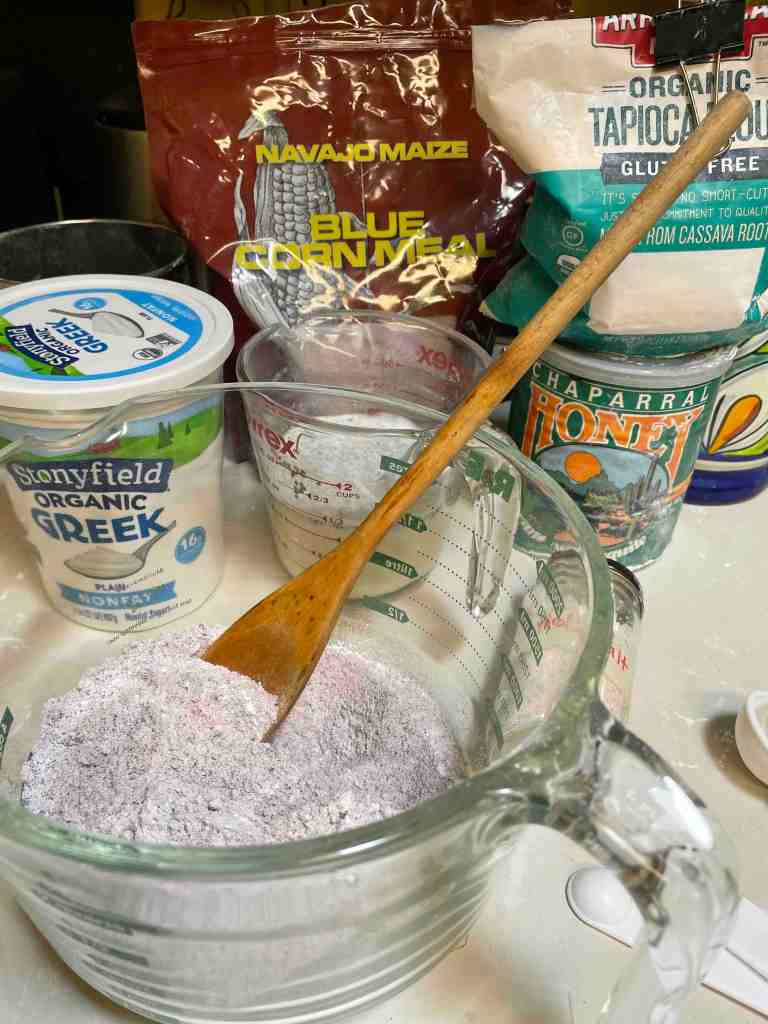
This is fun new territory. First with the goal of a gluten-free Southwest cracker, I took on Native blue cornmeal as the major delicious ingredient, with tapioca flour and chia seed as “binders”.

Recipe for Gluten-free BlueCorn-Amaranth-Chia Crackers:

Ingredients:

3/4 Cup blue corn meal (available from NativeSeedsSEARCH)

3/4 Cup tapioca flour

1/2 Cup amaranth flour 

1/2 tsp baking soda

1/2 tsp sea salt (I used salt from Baja California)

2 Tbsp non-fat plain yogurt (Greek yogurt can be a no-fat substitute for butter)

3/4 Cup lowfat buttermilk

1 Tbsp. chia seed

1 Tbsp mesquite honey (optional, amaranth flour can be a little bitter) (or a generous glob of honey on a teaspoon)

You’ll need a greased pizza pan and a greased rolling pin.

Place half the dough in center of a greased pizza pan. With your fingers press the dough down and outward. Your goal is to create a thin 1/8″ layer of dough on the pan. Using a greased rolling pin, flatten the dough out from the center. Use fingers to push the the thinnest edges back to a uniform thickness, or edges will scorch in the baking. Carefully cut the thinned dough with a sharp knife into squares, and make holes with a fork to even the heat. Bake 8-10 minutes or until you see a toastiness. With a metal spatula, lift the hot crackers off the pan right away to cool.
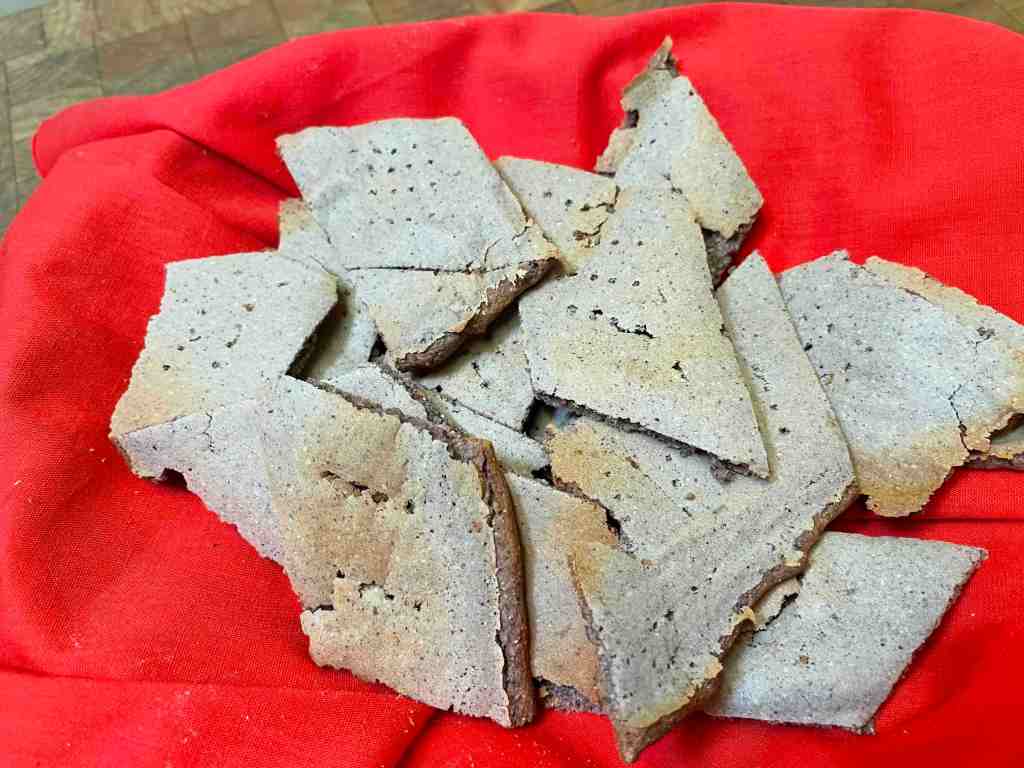
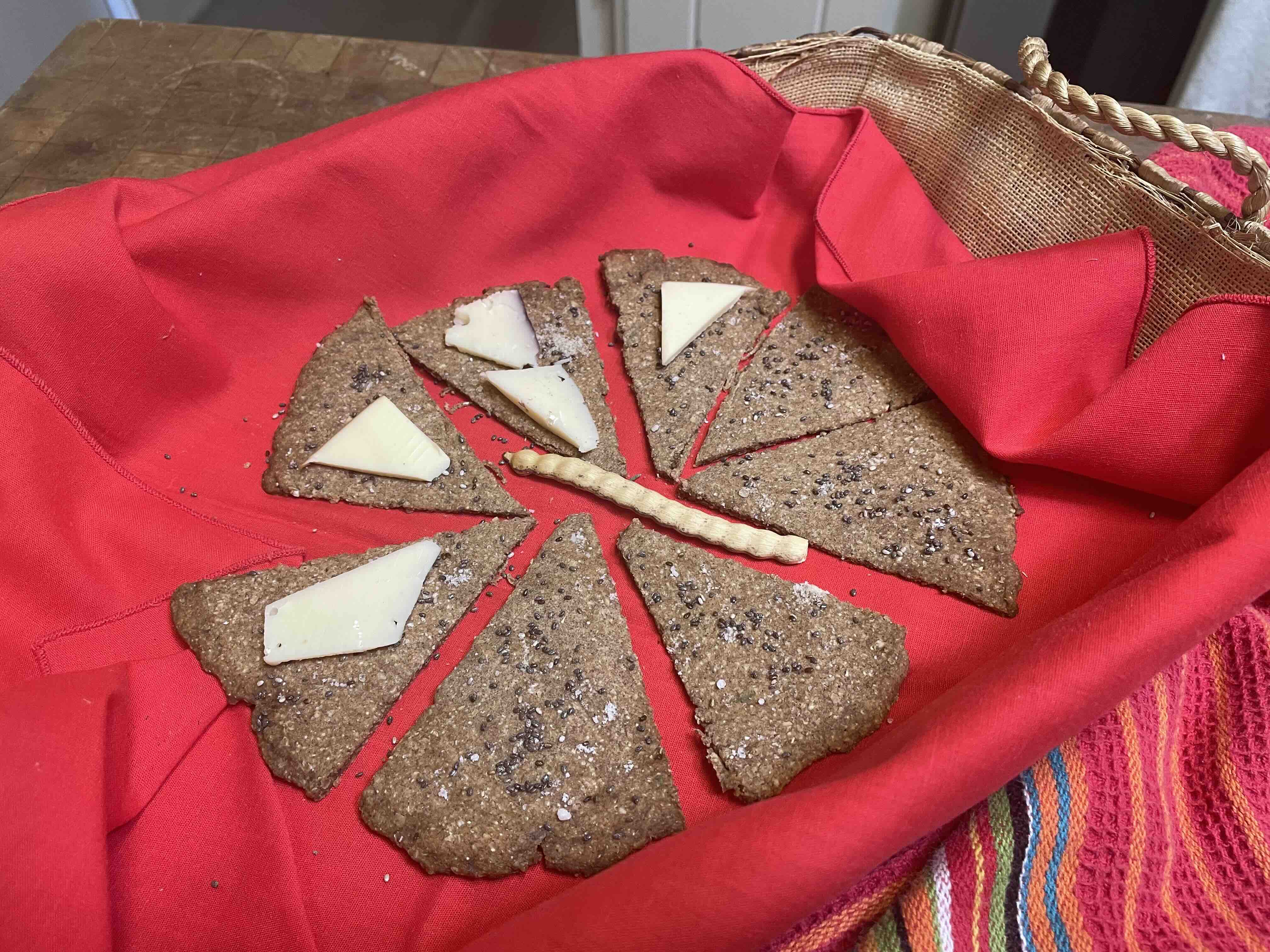
Enjoy nutritious gluten-free BlueCorn-Amaranth crackers with thin slices of membrillo, or with a creamy cheese–a new taste treat with a hint of sweetness.

You’ll see more pictures of the cracker dough prep-process below.
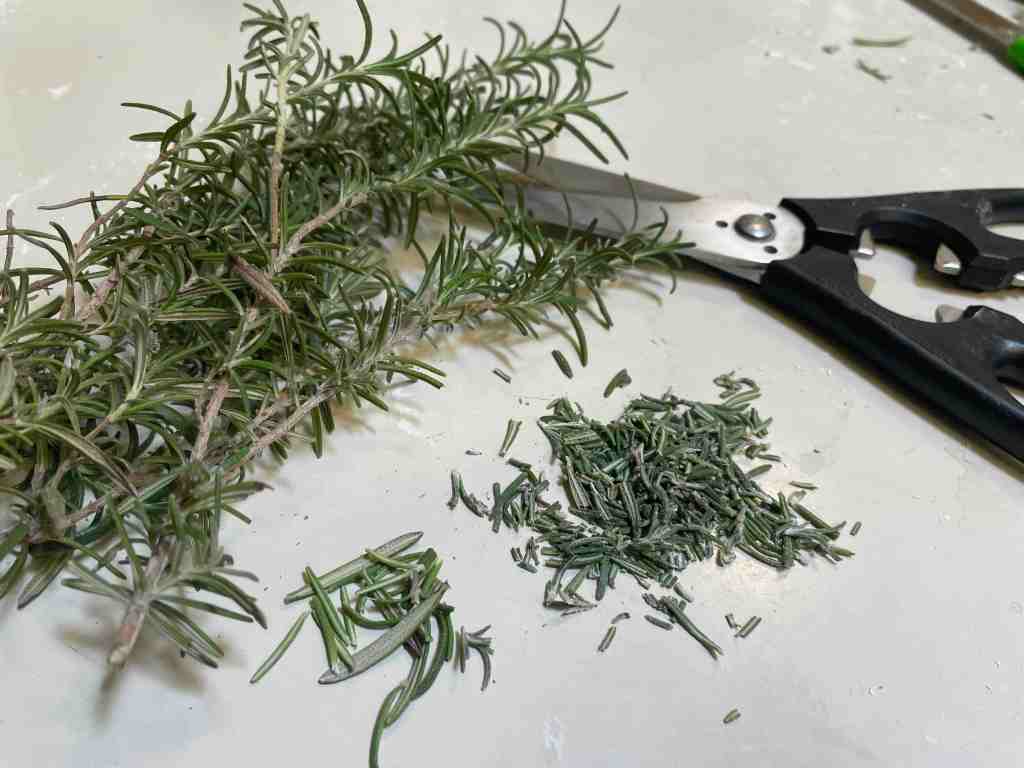
Inspired by rosemary-flavored flatbreads, I decided to try making a rosemary mesquite cracker with local heirloom wheat. Our garden supplied the fresh rosemary to cut into edible bits…. This local combination came out great:

Recipe: ROSEMARY-MESQUITE-PIMACLUB WHEAT Crackers

Ingredients:

3/4 Cup barley flour

1/2 Cup Pima Club wheat flour (from Ramona Farms, Sacaton, AZ)

1/4 Cup mesquite pod flour (any more than this will become too strong a flavor)

1/2 tsp baking soda

1/2 tsp fine sea salt (I used Sea of Cortez pilgrimage salt crystals collected by a friend)

1/4 Cup oat bran

2 Tbsp non-fat plain yogurt

1/2 to 1 Cup low-fat buttermilk

1/2 tsp glob of mesquite honey (optional)

Optional “topping” suggestions: 1/8 tsp additional, dry, finely chopped rosemary leaf; 1/8 tsp crystallized sea salt; 1/2 tsp barrel cactus seed or saguaro seed; 1/2 tsp popped amaranth seed; 1 Tbsp grated aged cheddar

You’ll need a greased pizza pan or baking sheet, and a greased rolling pin.

Directions (similar to previous recipe):

Preheat oven to 350F.  Pre-soak rosemary bits in buttermilk to enhance flavor.  Sift together all dry ingredients except the oat bran.  Add oat bran separately as it will not pass thru sifter easily.  Cut yogurt into dry ingredient mixture.  Add buttermilk mixture gradually until dough is firm–not liquidy.
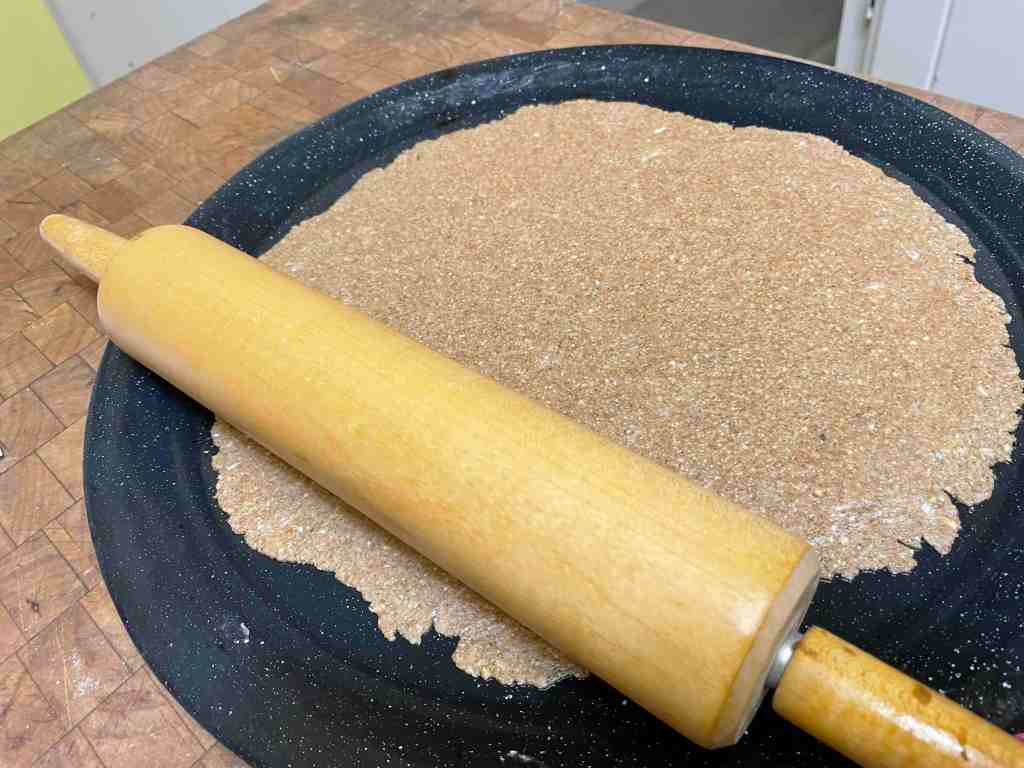
Place half the dough in center of greased pan and roll outwards until very thin and even (approx 1/8″ thickness). Be sure to tuck edges back to be equal thickness as center.
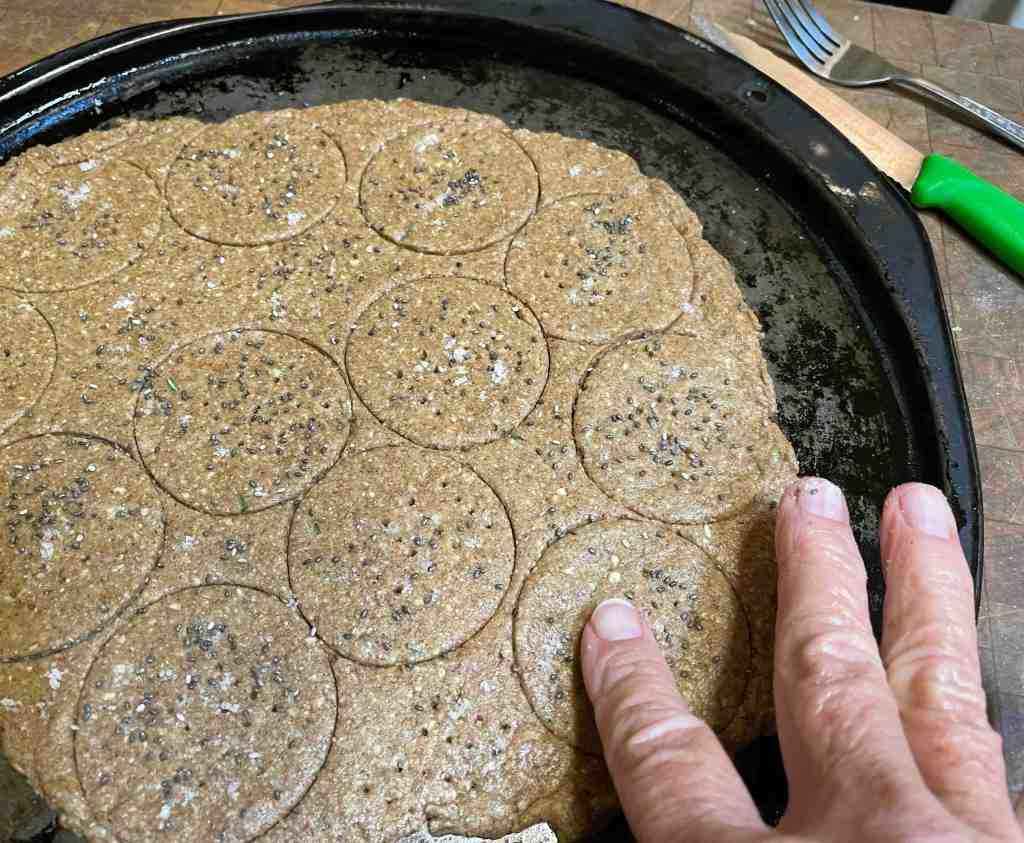
Sprinkle top of thinned dough with your desired topping. Here I’ve used rosemary bits, crystals of sea salt, and a sprinkle of chia. Pat the “topping” into the dough with your fingers so it will stick when baked. For this batch I used a cookie cutter through the rolled dough to make round crackers.
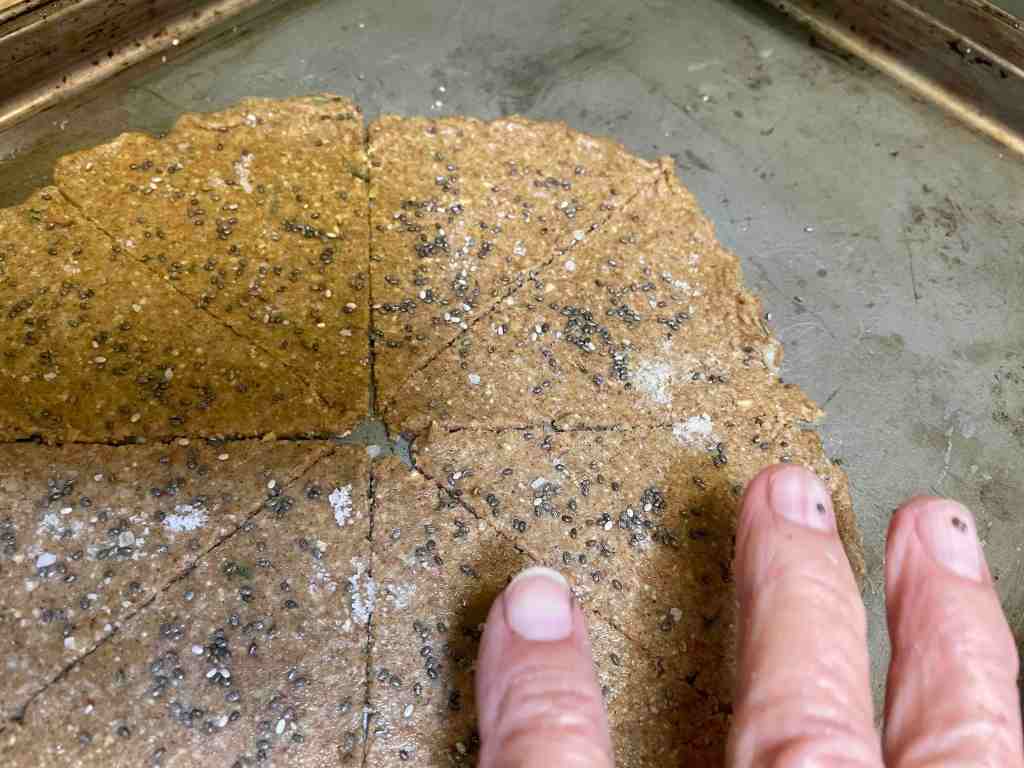
With the other half of the dough I used a greased rectangular pan which confined the rolling pin action to only two directions. Here I formed the dough into a thin circle to make “pie” wedge crackers.
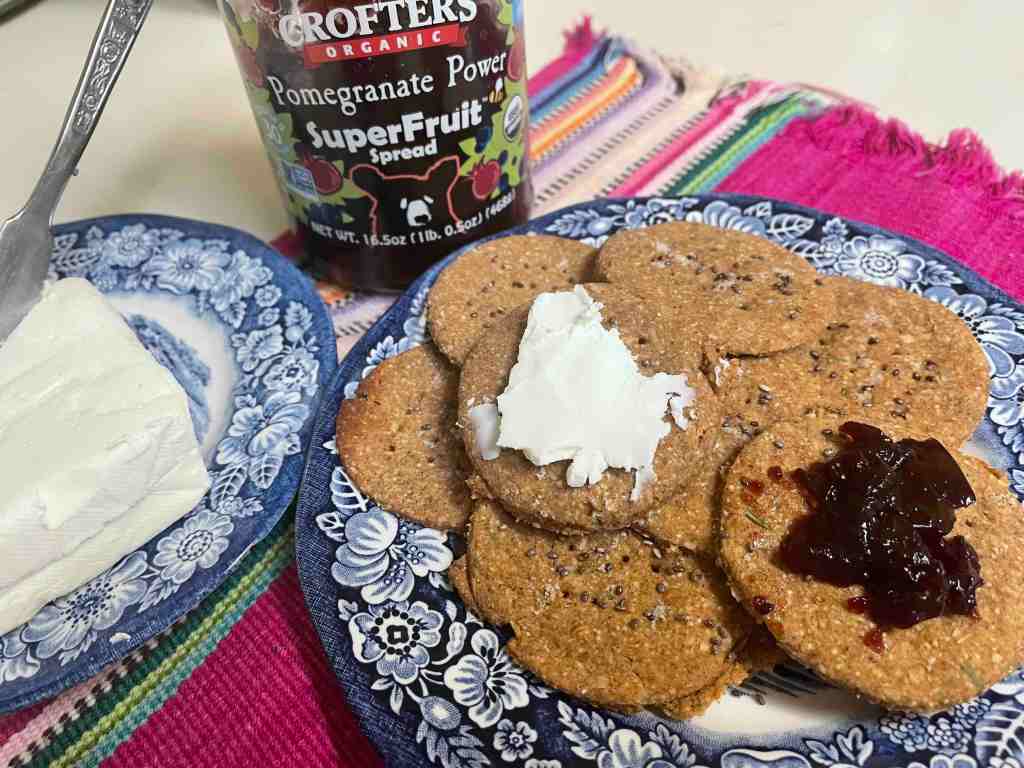
Bake 8-10 minutes and check to see that the crackers have crisped. With metal spatula lift them from pan immediately to cool.

These Rosemary-Mesquite-PimaClub Wheat crackers are savory and pair well with cream cheese and jam, or as a foundation for colorful holiday canapes.

Lots of work goes into making crackers! But if our wonderful local desert grains aren’t available as crackers commercially, this is the only way to go. I challenge you to give them a try–to experiment with your own local grain combos!

Crackers are best made in greater quantity–not piecemeal. I’ve had this vision of an Indigenous-owned and -operated enterprise, with ingredients sourced sustainably from the desert, someday filling this “cracker niche,” making good revenues and providing us all with nutritious, appropriate Southwest-flavored crackers….
A Foraging Consciousness for Famine Times

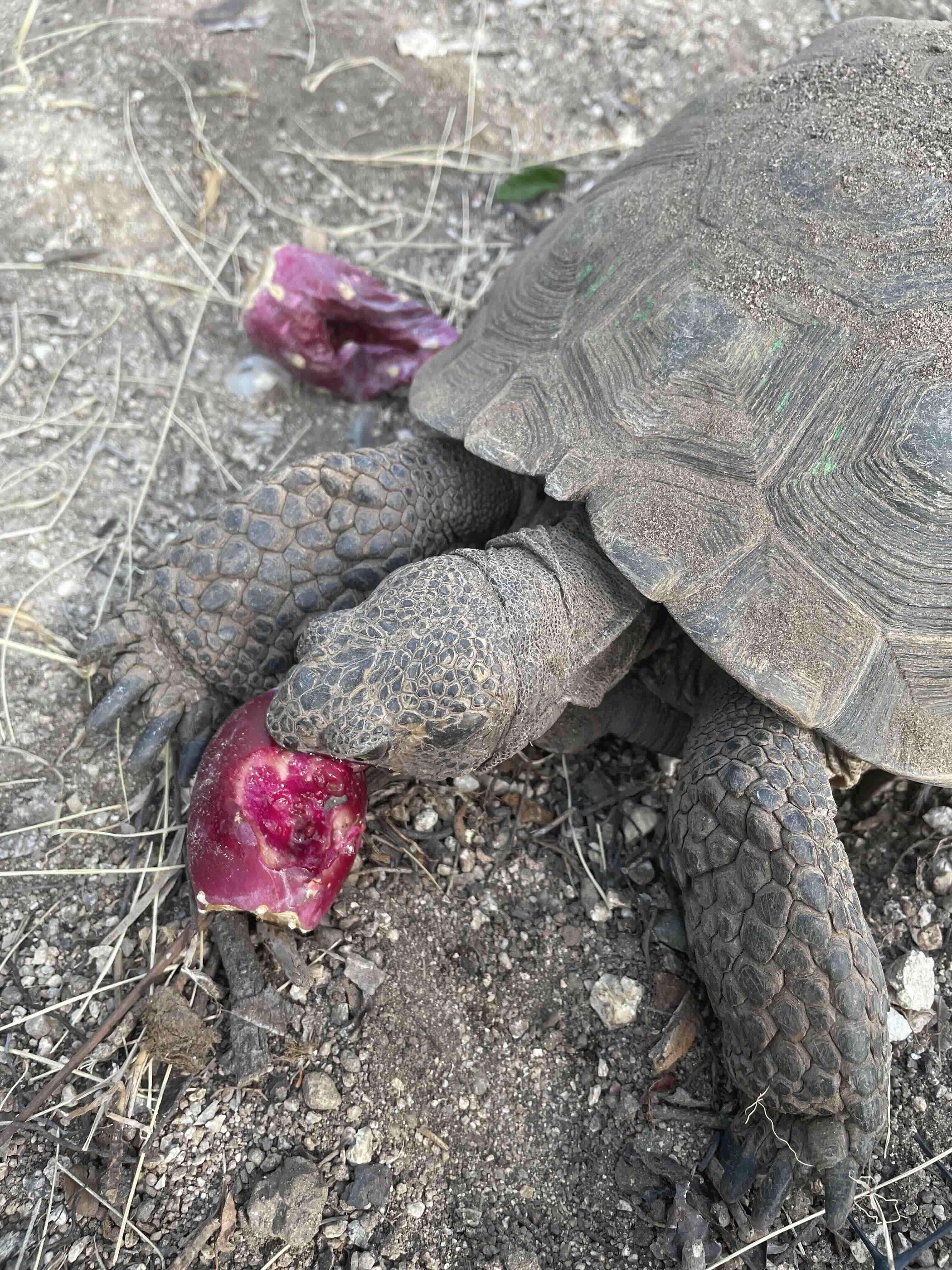
We aren’t alone. Living through this extended drought and awesome heat in the Sonoran Desert is a major feat for any creature out there–plant or animal–no matter how desert-adapted it may be! We are all feeling it. Difficult to imagine how creatures, like the long-lived desert tortoise, manage through the kind of intense drought we are experiencing.

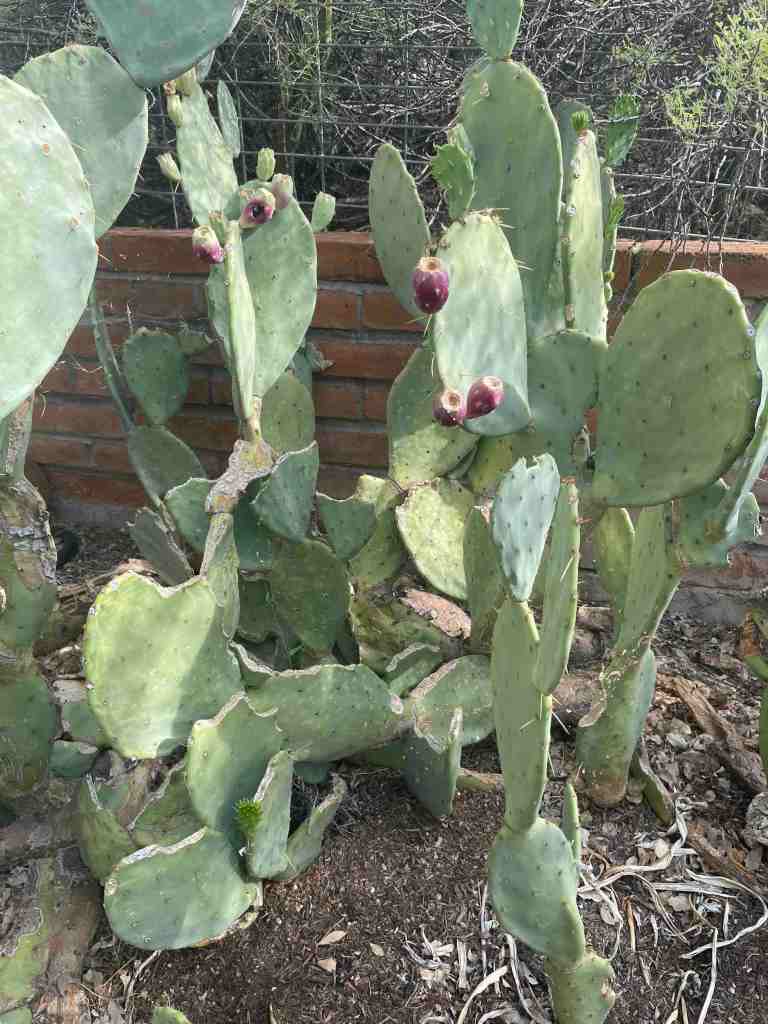
Even in my back yard, my tended prickly pear, covered in buds and tender nopales last April, is ending this summer with tunas dropping before mature or devoured by cactus wrens, and pads chomped by packrats or ground squirrels.

Tia Marta here to share some thoughts about us humans harvesting from the wild. As I learned from my Tohono O’odham mentor, in earlier times Indigenous people had to suffer through lean times using the desert foods they’d stored from times of plenty. They knew sporatic seasonal productivity is the name of the game in the desert. Wise cultural tradition dictates that you harvest abundance when it happens, share your plenty, and store as much as possible against the expected lean times.

Very few native prickly pears have produced fruit this year in the Sonoran Desert, so as human desert harvesters I feel we must refrain this year, and consider the needs of our wild neighbors, the deer, javalina, cottontails, rodents, birds, etc who need what forage remains– far more than we do.

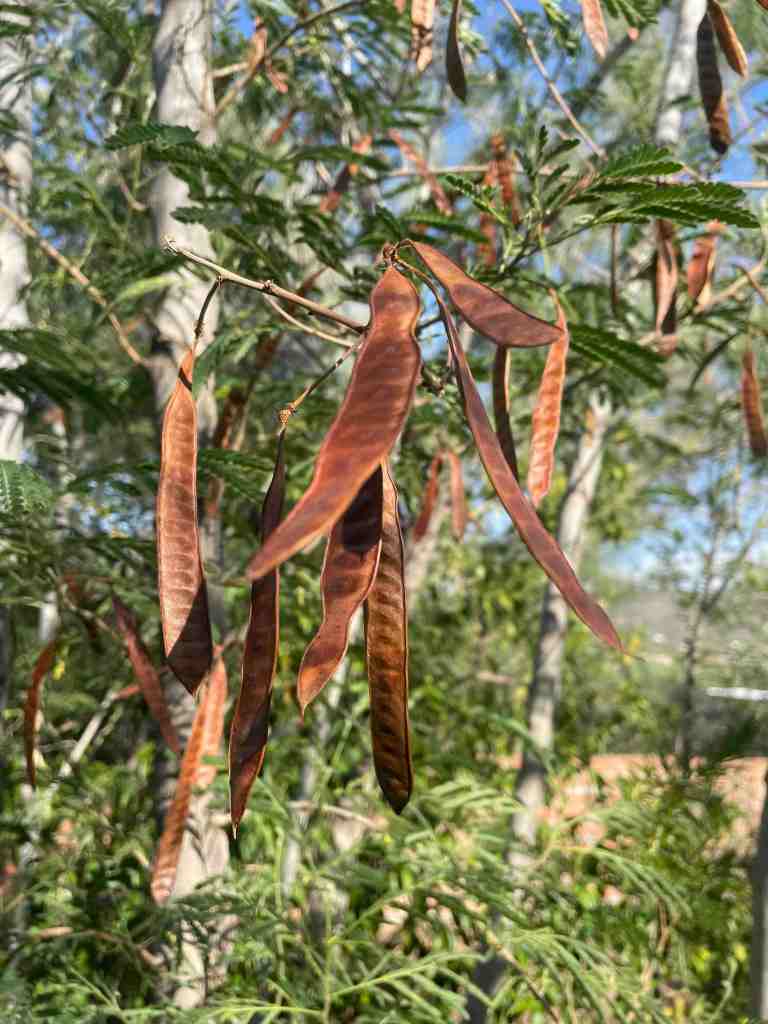
Instead, I suggest we go for an invasive! How about eating from the white lead tree, known as guaje in Mexico, huaxin by the Aztec in its region of origin? Its presence as an invader into the Sonoran Desert generates interesting controversy. The seeds contain an amino acid mimocine toxic for us mammals who have no rumen for digestion. However Guaje‘s young pods, when green, can be cooked in soups or in tacos, as cooking removes the toxicity. This small fast-growing tree has other positive attributes: It is used as great cattle fodder, provides stovewood fuel, erosion remediation, herbal medicine, and it adds soil nitrogen. Its profuse and often continued flowering makes it a good pollinator support. Caution: it IS an invasive species and, if let loose in our desert, could compromise our precious natives..

Guajes (Leucaena leucocephala) have been known and appreciated in Sonora, Mexico, for decades if not centuries. It is planted on the University of Arizona campus (see UA Arboretum) and is being researched as a potential future food plant for climate change by horticulturists at Mission Garden. I’m glad guaje volunteered in our yard from soil in a potted plant. It created a little grove of blessed shade for us, and bees have been abuzz over its puffs of cream-white flowers every spring.

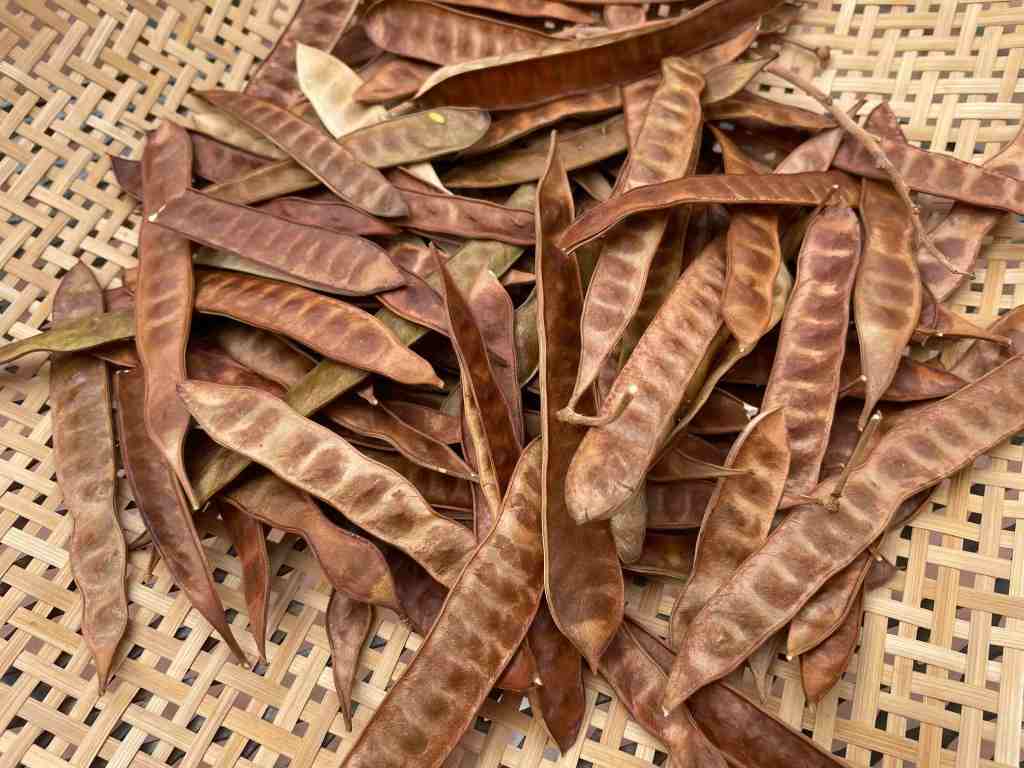
I recently gathered a gallon bag of dry pods which yielded only 1/8 cup of small seed. They resemble flax seed. I soaked them to see if any were viable. About 1/3 of them swelled. When cooked for 15 minutes to remove mimosine, and drained, they proved nut-like and tasty. I’m adding them to my home-made bean dip. As a legume they will provide good protein in addition to texture and new flavor.

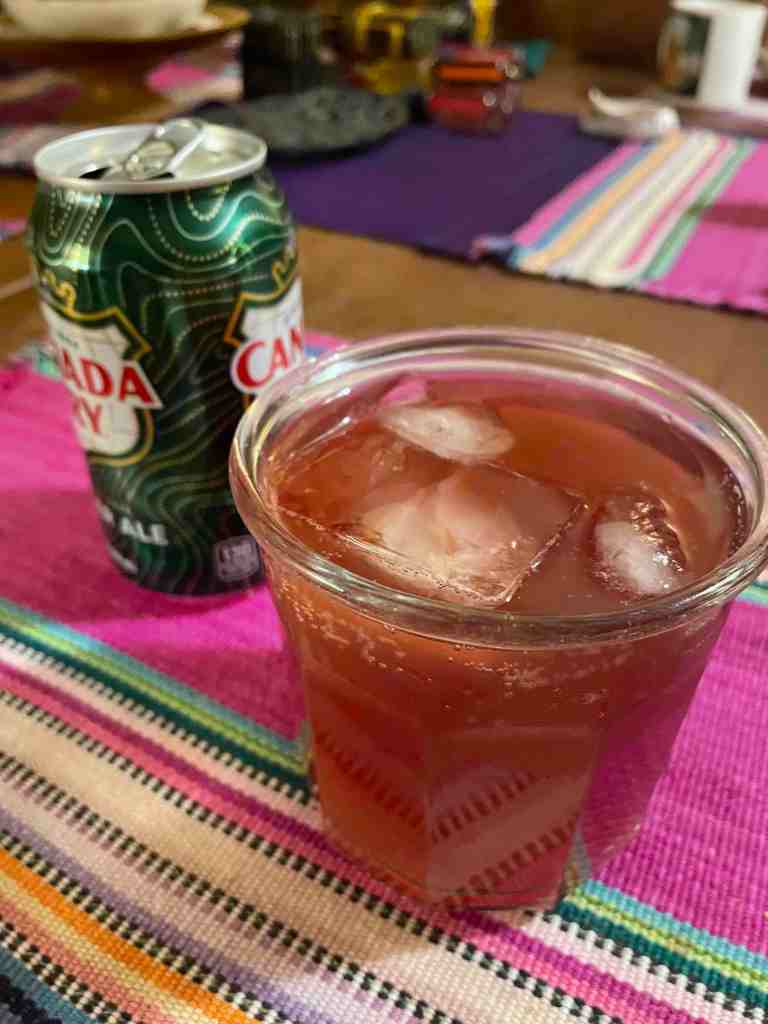
To go with the dip, I’m using a scant amount (a tablespoon per 8oz) of my conserved prickly pear juice, harvested and frozen August last year, with flavored fizzy, gingerale and a splash of mescal. With this dressed up punch, we’re sending a toast to all desert creatures out there! We hope they are benefitting from any prickly pear tunas that may be ripening in our hot, dry desert!

May we be conscious of all the plants and animals around us during these weather-stress times! For more ideas on local “famine foods” see SavorSister Carolyn’s post and Tia Marta’s post. For ideas of what we can grow in prep for more climate extremes, check out Ethnobotanist Gary Paul Nabhan’s inspirational book Growing Food in a Hotter, Drier Land: Lessons from Desert Farmers on Adapting to Climate Uncertainty.

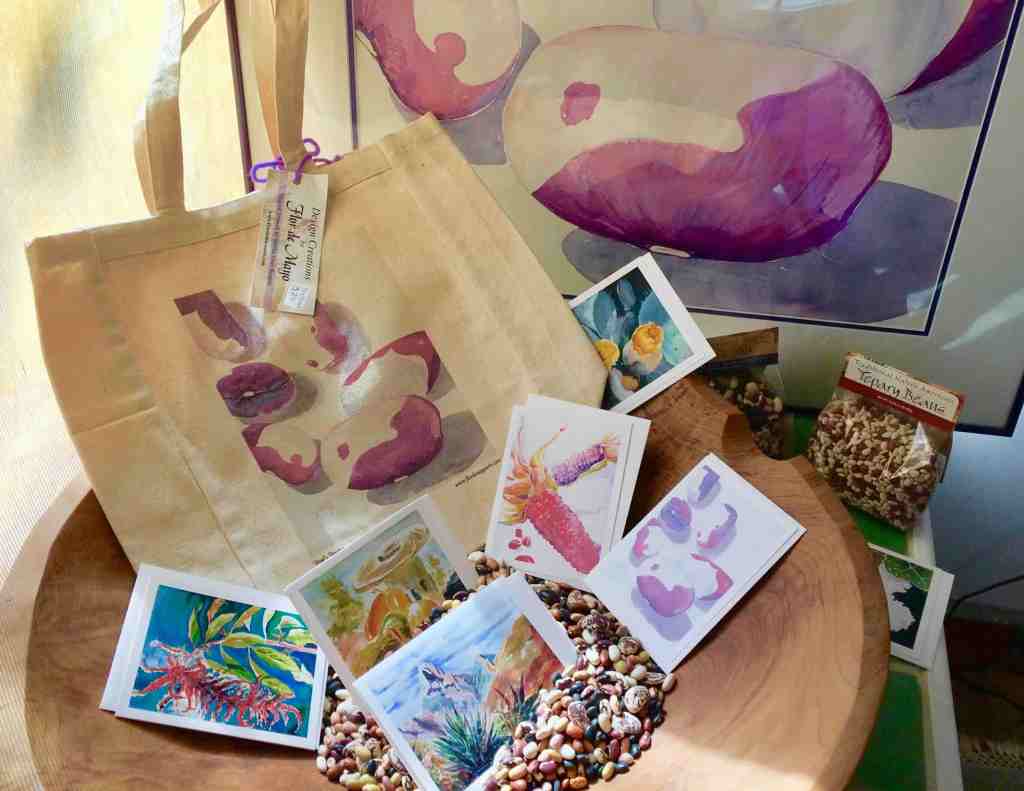
A colorful assortment of Tia Marta’s watercolor art-notecards depicting Southwest Native American heirloom foods can be found at the Mission Garden shop, or online at NativeSeeds/SEARCH.

Stuffed Squash-Blossom Time!

Squash vines absolutely LOVE this monsoon-season humidity! If you’re growing squash this late-summer season–or if you know anyone who is–now is the time to harvest for the rare and wonderful treat of stuffed squash blossoms! I was inspired by a fantastic meal in Winslow, Arizona, at the Turquoise Room in the lovely old La Posada Hotel, by the SP Railroad and historic Rt.66. The chef there served batter-fried squash blossoms to die for! Tia Marta here to share some experimental ideas for going SW-Gourmet in this short season.

The glorious flower image above is from NativeSeedsSEARCH’s heirloom Magdalena Big Cheese squash grown out at Mission Garden.

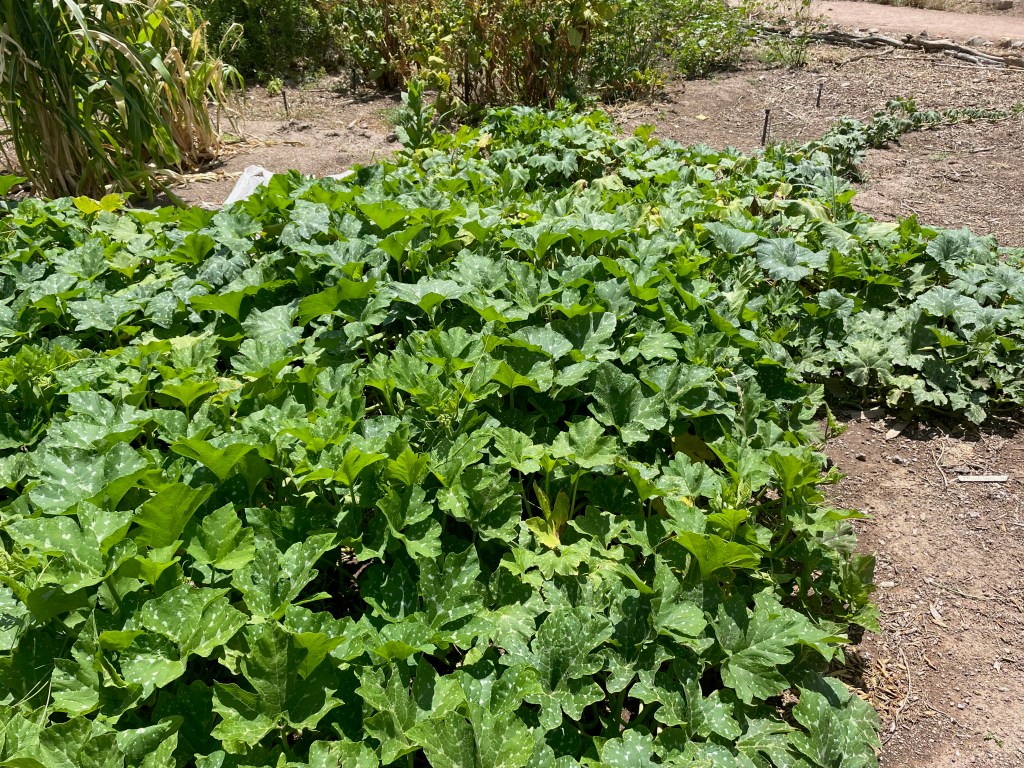
Image to left: Hiding under that green cloak of giant spotted leaves of this year’s Tohono O’odham HA:L (growing in the Hohokam-period Timeline Garden at Mission Garden) you might find male flowers, then later, female flowers

.

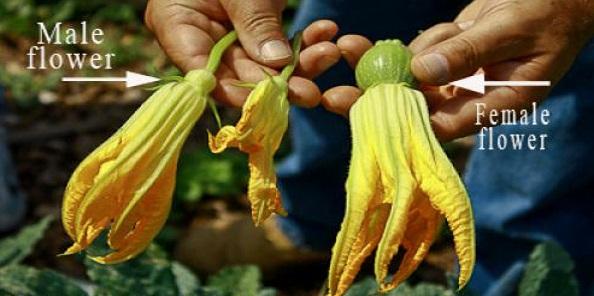
Knowing the difference between male and female flowers is really important! You can tell them apart because the female flowers, which usually appear later on the vines, have a bulbous base below the fused petals which will become the fruit. Keep the female flowers protected on the plant! You can actually aid and abet pollination by “playing bee”–by cutting off male flowers to hand pollinate the stigma of the female flowers. Then–tah dah!–instead of throwing that male flower in the compost, take it to the kitchen to prep some fun hors d’oevres!

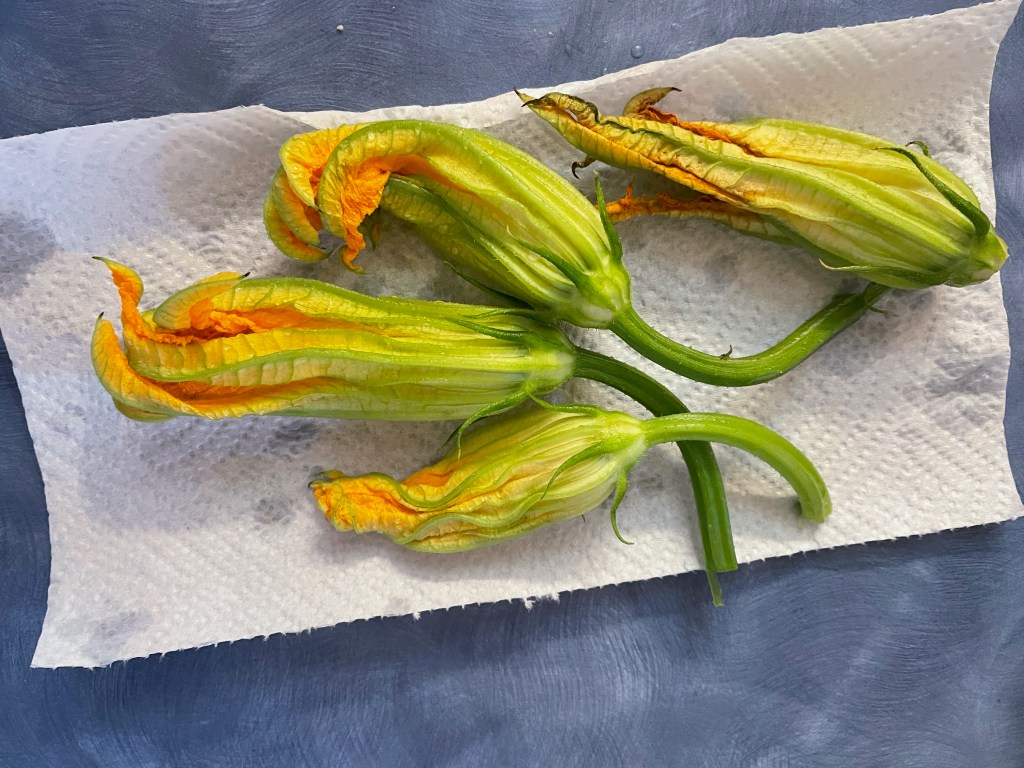
Squash flowers are so sculptural, even animate with a jaunty twist to the petals. These male flowers are washed and ready to stuff!

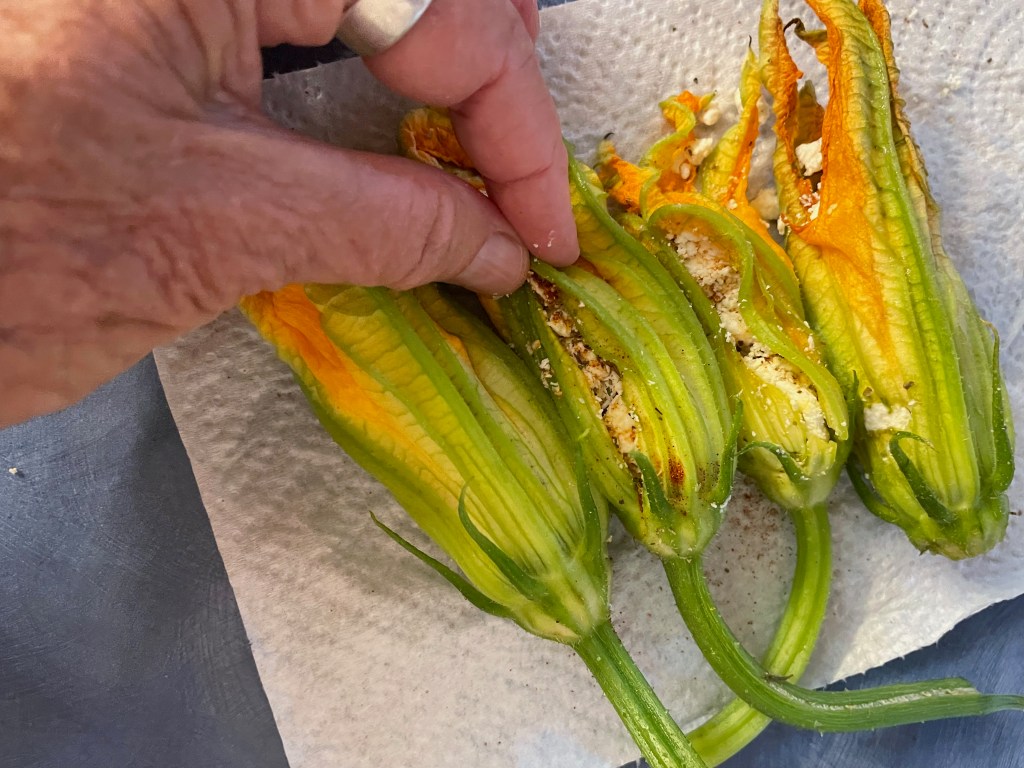
Gently slice open one side of each male flower vertically “with the grain”. The thick yellow pollen-covered anther will be visible.

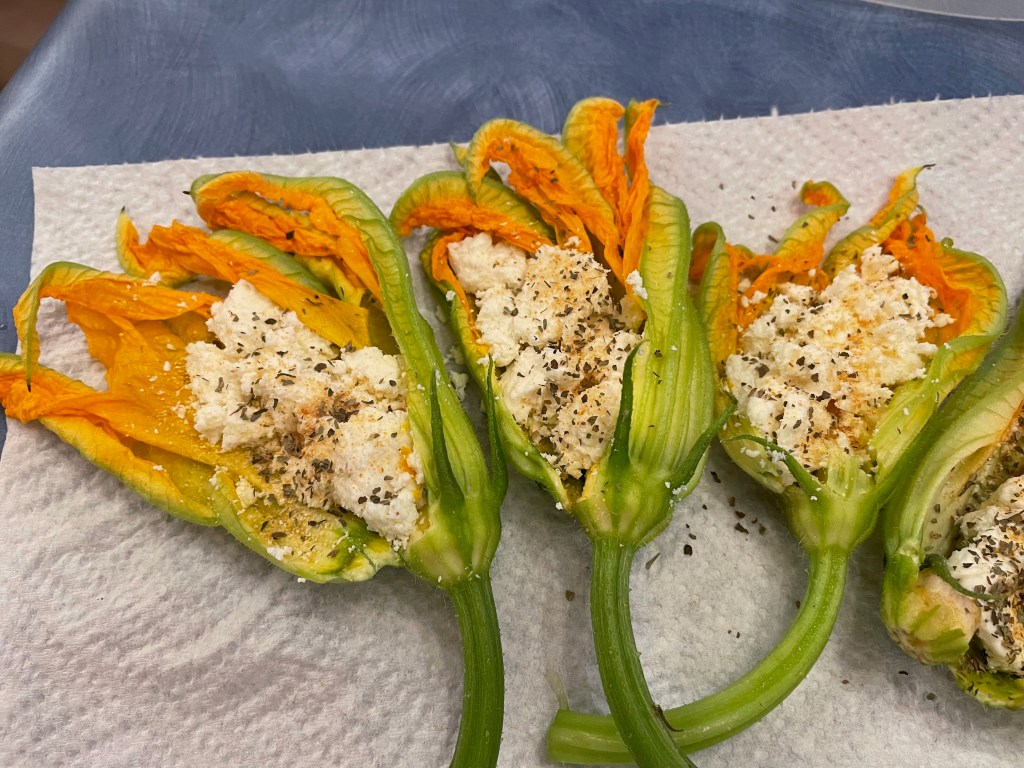
For this stuffing, I mixed blue cheese with enough cream cheese as a binder and added garlic, dried basil, pimenton, and a touch of sea salt. I spooned the mixture into the “cavity” of the flower calyx.

I then carefully closed the petals and sepals together….

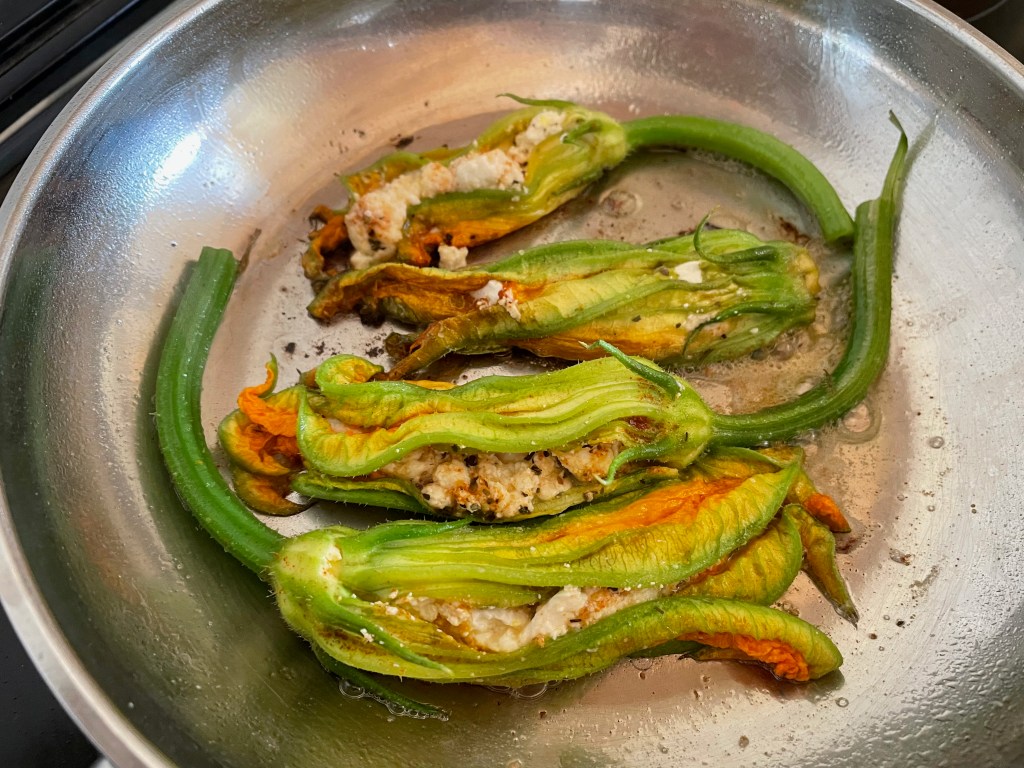
….and simply sauteed them in butter on all sides. The cheese stuffing melted slightly. I served them with toasted Barrio Bread cut melba-thin, and oh my, what a delicacy!

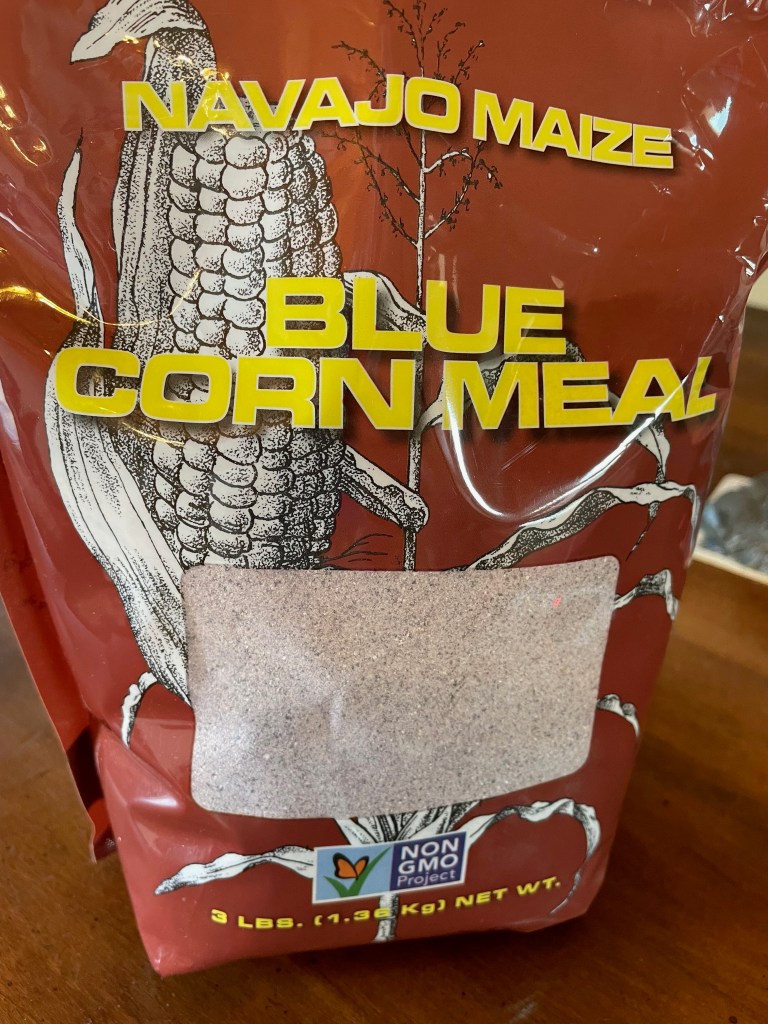
With a new harvest of squash flowers at a later occasion, I decided to try a batter-blossom. I found fabulous Navajo blue cornmeal and made a simple batter with one fresh egg beaten with a generous pinch of sea salt and 1/3 cup cornmeal. (I didn’t add milk but you could if you want a thinner batter.)

This time I made a chilpotle and cheese stuffing mix: Melt a 1/2 cup of any good grated Mexican cheese and lace with a 1/4 tsp chilpotle flakes or chilpotle powder to taste. I added garlic salt, and pinches of dry Mexican oregano and parsley leaf…..and mixed it to the consistency of a thick dip. I

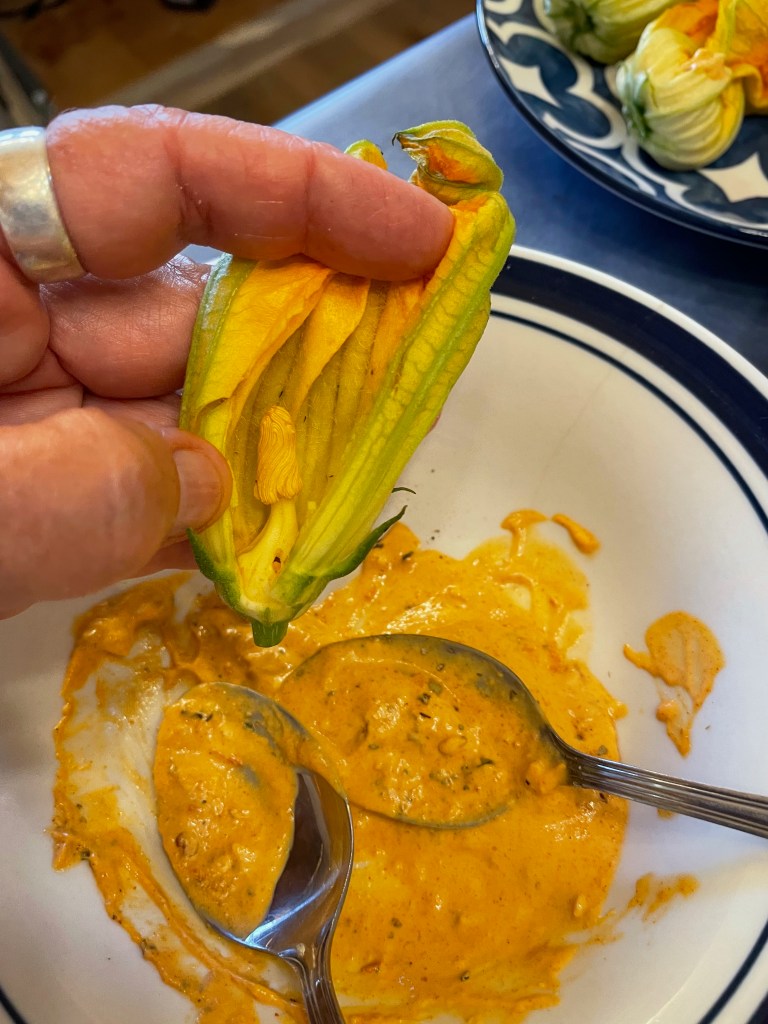
I spooned the cheese mix again into the open flower cavity and, holding the stuffed closed flower by the petal ends, I dipped each into the blue cornmeal batter….

…..so that 3/4 of each stuffed flower was covered with the batter. I then sauteed these little gems in lots (2 tbsp+) butter on 3 sides….

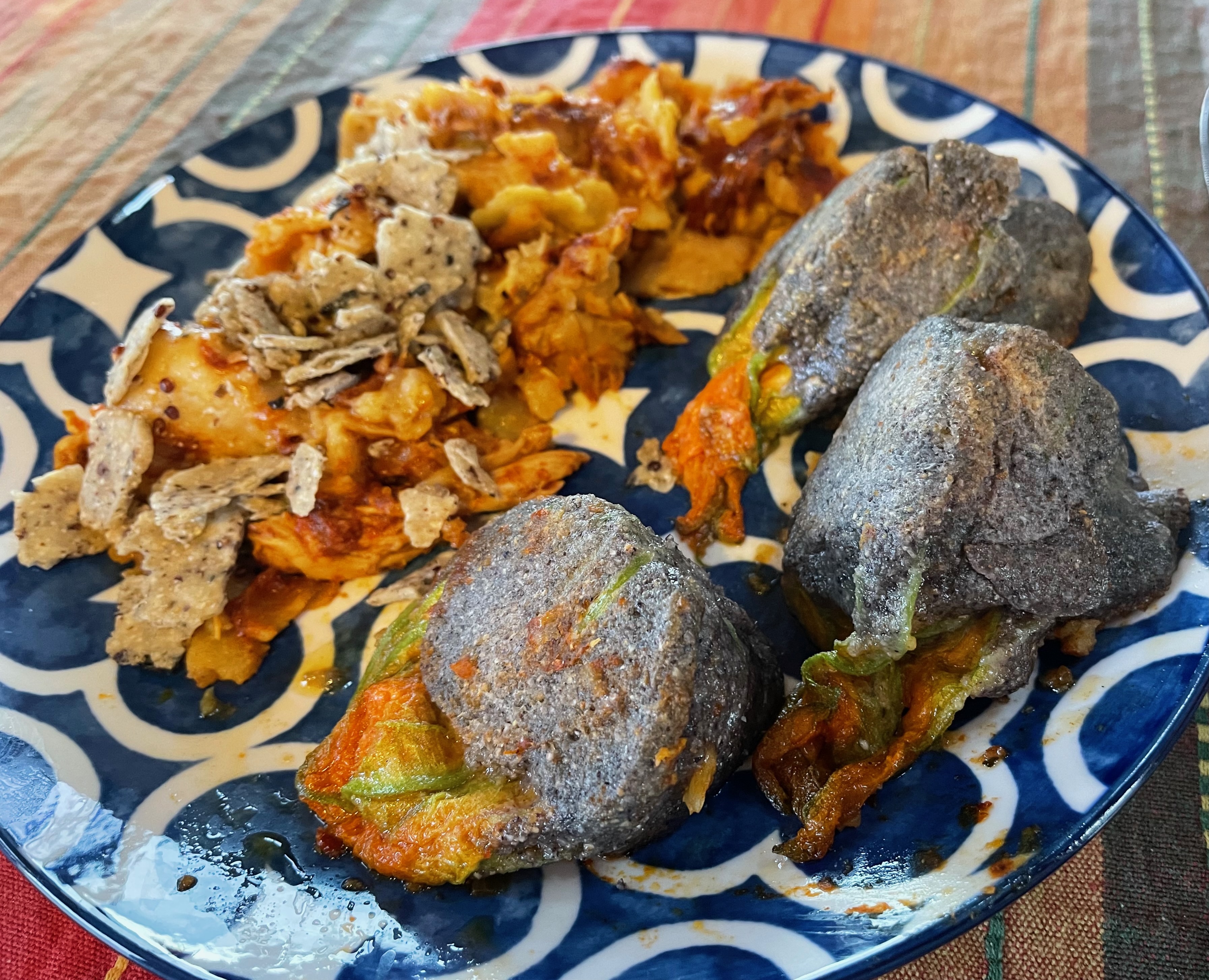
….and served them with enchiladas. What a surprise–They looked like little baby tortoises! And oh they were SO tasty, with a crunch on the outside and a hot spicy, creamy center.

Tia marta hoping you enjoy your late summer in a garden–perhaps with a visit to Tucson’s amazing Mission Garden–exploring for squash blossoms with which to invent new recipes! And do let me know of your successes!

Plan now for next year’s monsoon garden, Tohono O’odham-style. Seeds for many delicious time-and-temperature-tested local squash varieties are available from NativeSeedsSEARCH and Mission Garden. Next summer, have your garden plot ready to put your seeds in the ground with a song when monsoon clouds begin to form. That’s when the O’odham know the squash will be happiest and perform the best.

Eat Mesquite and More: a Cookbook for Sonoran Desert Living

Happy Summer, friends!

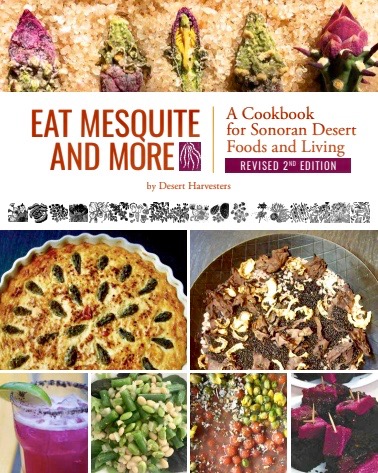
Amy here, on a hot, hot morning, sitting the shade. Have you seen Desert Harvester’s new edition of the cookbook??? It is 400 pages! with lots of color photographs and original art. It really is worth getting the book for the art alone.

But today I want to highlight the ethics in book. It starts with a poem by Ofelia Zepeda, followed by a land acknowledgement, and a Desert Harvesters ManiFEASTO in English and Spanish. There is a recipe for Abundance and a detailed primer on Reciprocity, elaborating on “Get to Know vs Grab and Go” and “Rewild vs Defiled” and a whole other section on living and eating in place. So yes, even if you don’t live in the desert where these plants grow, and even if you never plan to cook, this is still a tremendous resource and inspiration.

As the title declares, Desert Harvesters has morphed from mesquite milling focused to offering intimate portraits and recipes of over 20 desert ingredients. Have you harvested: mesquite, ironwood, saguaro, acorn, devil’s claw, wolfberry, hackberry, mushrooms, chiltepin, barrel cactus, prickly pear pads and fruit, cholla, chia, agave, palo verde, yucca, ocotillo, globe mallow, purslane, packrats, grasshoppers or cicadas? With detailed harvesting instructions, seasonal timing and expert tips, a novice harvesters can actually get out there and try! Many desert plants offer multiple delicacies, such as ironwood tree as green seeds, mature seeds, flowers and seed sprouts.

There are a LOT of recipes, some easy and some taking days or longer to make. I didn’t count how many recipes are in the book, but it says only 80 of them are bilingual, English and Spanish and 65 are new to this edition. There are a few medicine recipes, too. This book really does have something new for even the most seasoned harvester. The recipes are contributed and tested by community members far and wide, encompassing ancient wisdom and modern innovation from many cultures. It also includes many recipes from us Savor Sisters, Carolyn, Tia Marta and I.

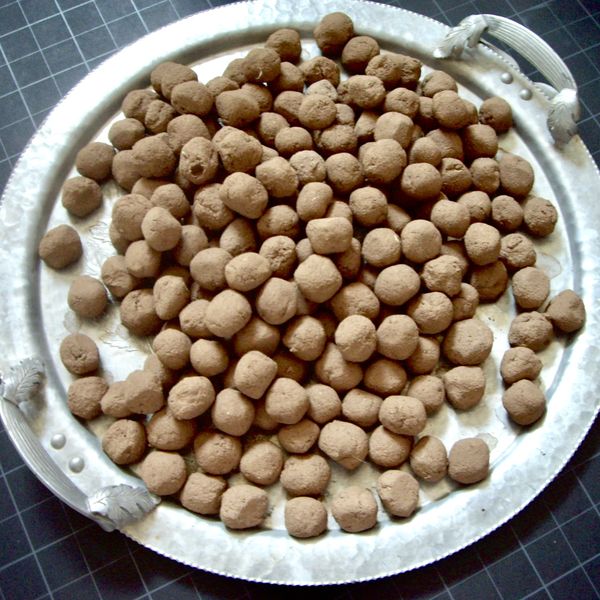
If you still aren’t convinced to buy this book or find it in the library, go to Desert Harvesters Facebook page. There you will see recipes for Seed Balls for planting and Saguaro Fruit Truffles for eating. Don’t mix them up!

Holiday Citrus-Mesquite Bars

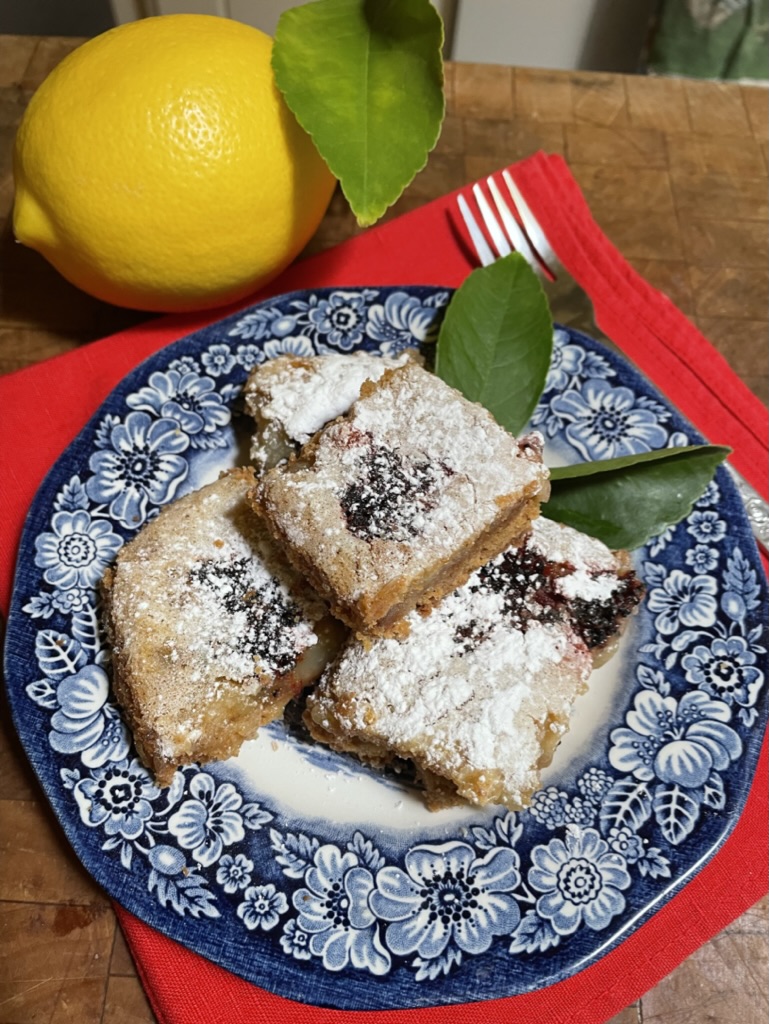
OK, anyone can put sugar, butter and flour together, but if you give yourself carte blanche to invent new local variations on old-time favorites you can come up with some winners, especially for special winter occasions. Tia Marta here to share what I did with traditional lemon bars for a totally Southwest flair:

Try this delicious locally-inspired RECIPE for HOLIDAY CITRUS BARS:

You will need a 9×13″ baking dish and mixing bowls

Ingredients for crust:

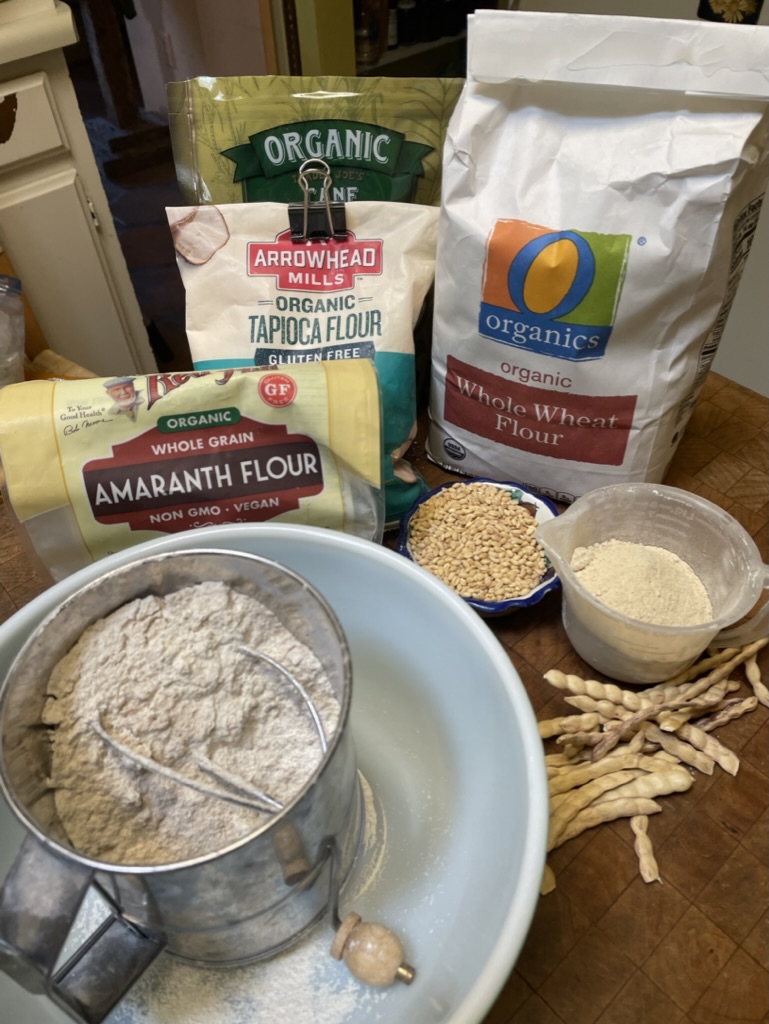
1 and 1/2 cups flour mix (I used 1 cup organic fine whole wheat and 1/2 cup white Sonora wheat flour*)

1/2 cup mesquite meal (in place of crushed graham crackers used in other recipes)

3/4 cup butter, softened room temperature

1/2 cup powdered sugar

Ingredients for top layer:

2 cups regular sugar

1/2 cup lemon juice (lime juice or tangerine juice also are delish)

1-2 Tbsp lemon-zest (I used minced Meyer lemon rind; lime- or tangerine-zest would be great)

4 lg. eggs

optional wild desert fruits (I used saguaro fruit; prickly pear or hackberries would work great)

!/4 cup flour (added separately for this top-layer mixture)

*white Sonora wheat flour is available from Barrio Bread milled with heirloom grain grown by BKW Farms in Marana

Directions follow with pictures:

Preheat oven to 350 degrees F.

To begin crust, sift flour mixture, mesquite meal, and and powdered sugar together.

(Since the crust is not leavened, you can make it gluten-free by using tapioca flour as your binder and amaranth flour with the mesquite flour.)

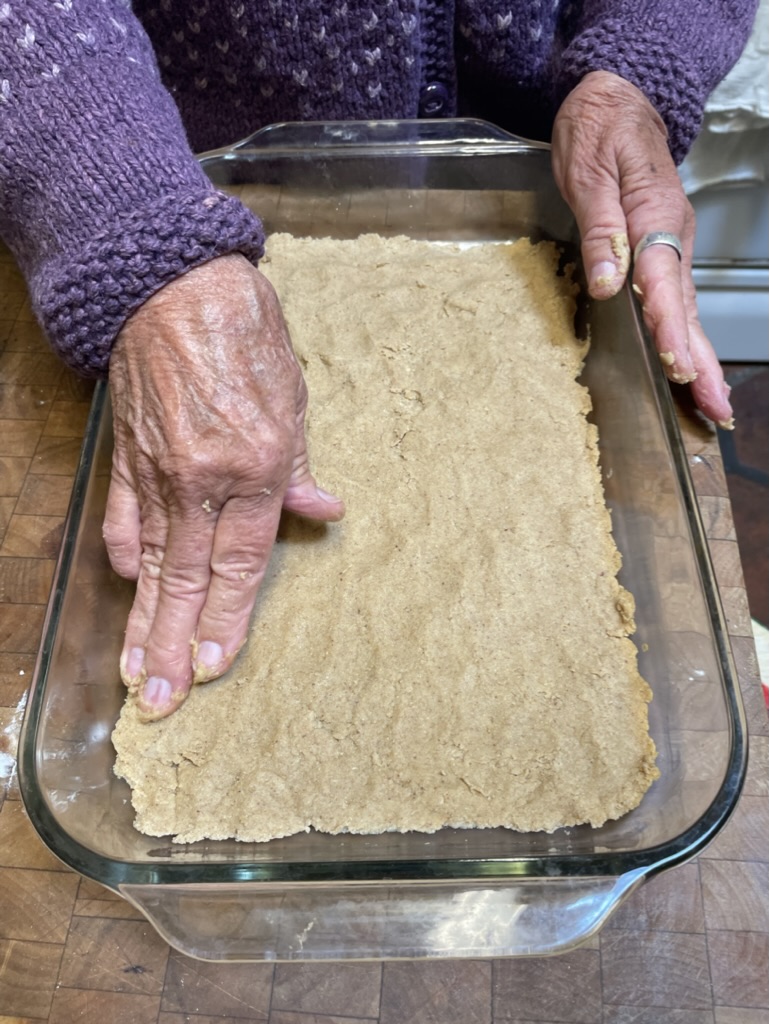
Mix crust ingredients–flours, confectioners’ sugar, and softened butter– to make a “dough”.

Press “dough” into the bottom of the 9×13″ baking pan, relatively evenly (maybe 3/4-1/2″ thick. Be sure to crimp down the edges with a clean knife so the thickness of dough is not tapered thin.

Bake crust at 350F until light brown, about 20-25 minutes. Keep oven on….
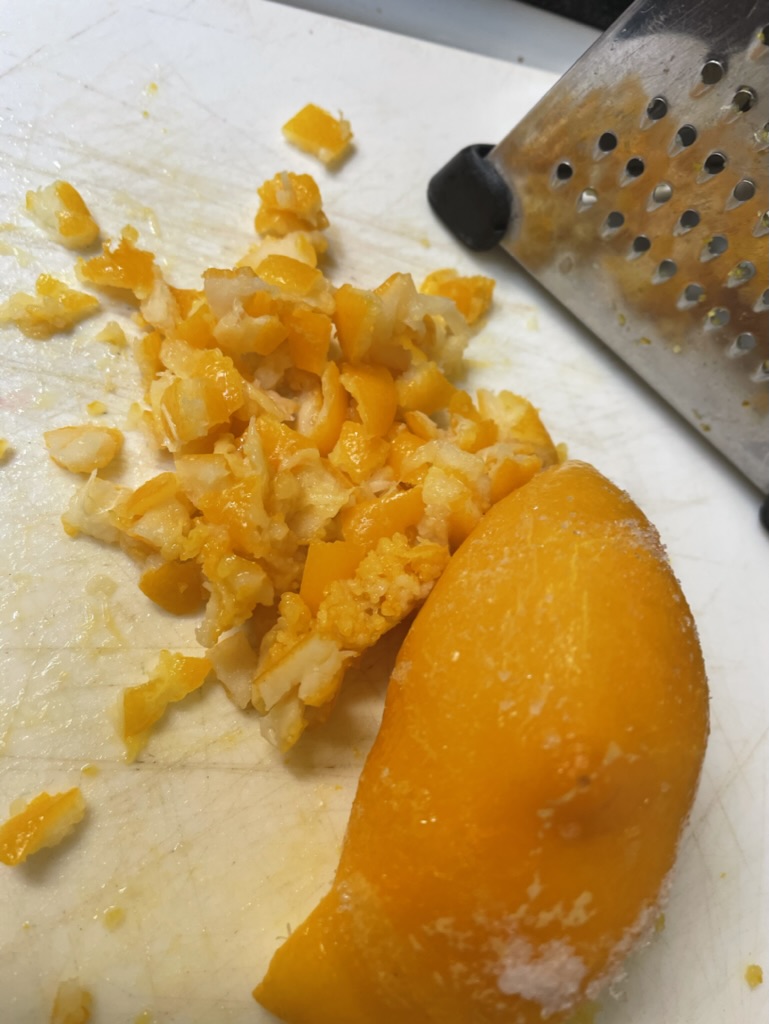
Grate 1-2 tablespoons lemon, lime or tangerine zest.
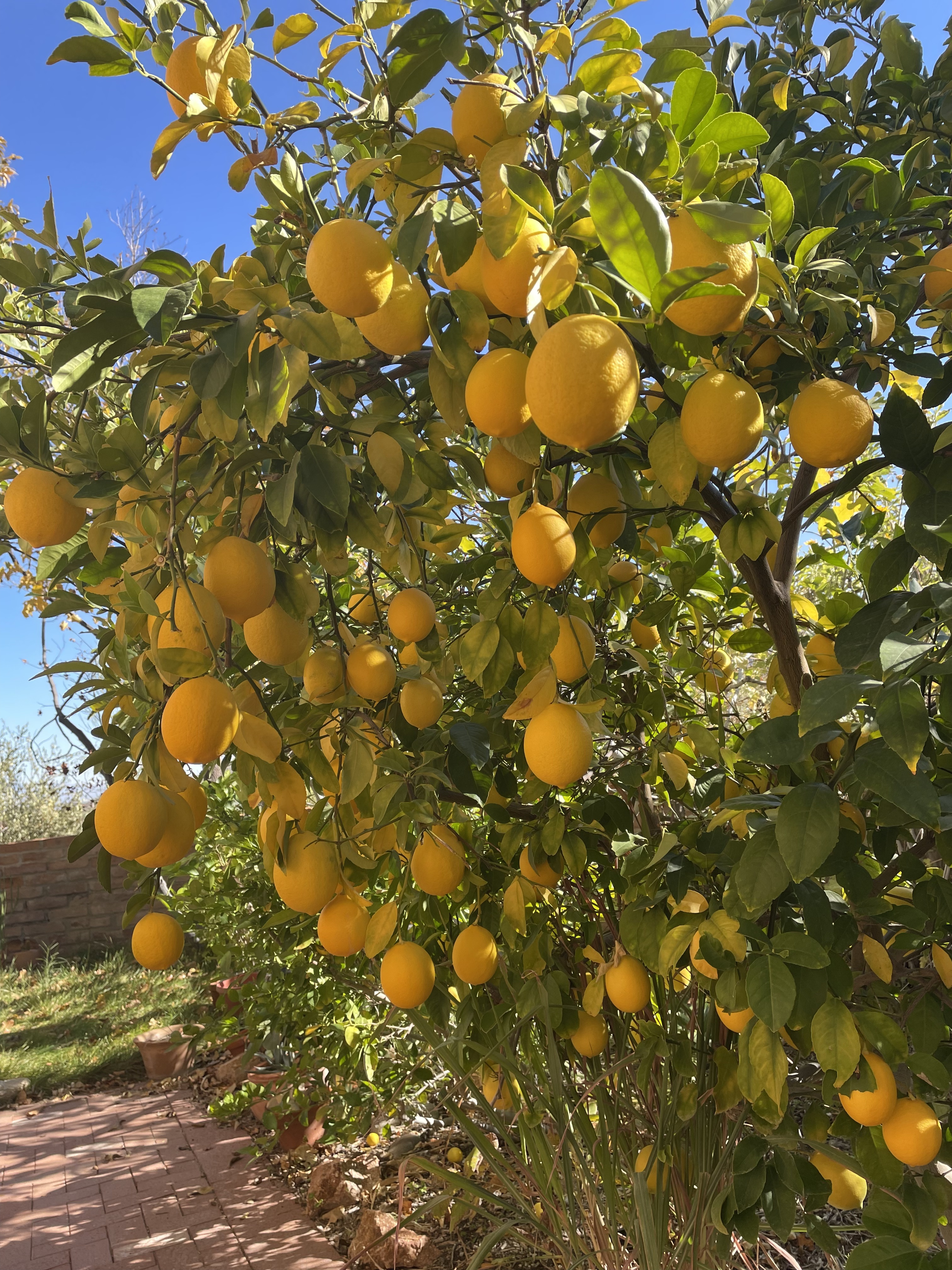
We have Meyer lemons which have such a mild sweet rind that I experimented by mincing, instead of zesting them. I had juiced the fruits previously, and had frozen the rinds for zesting and for making limoncello (that’s another fantastic blog by SavorSisterCarolyn!) . For the top-layer mixture I used 3 tablespoons of minced Meyer lemon rind.

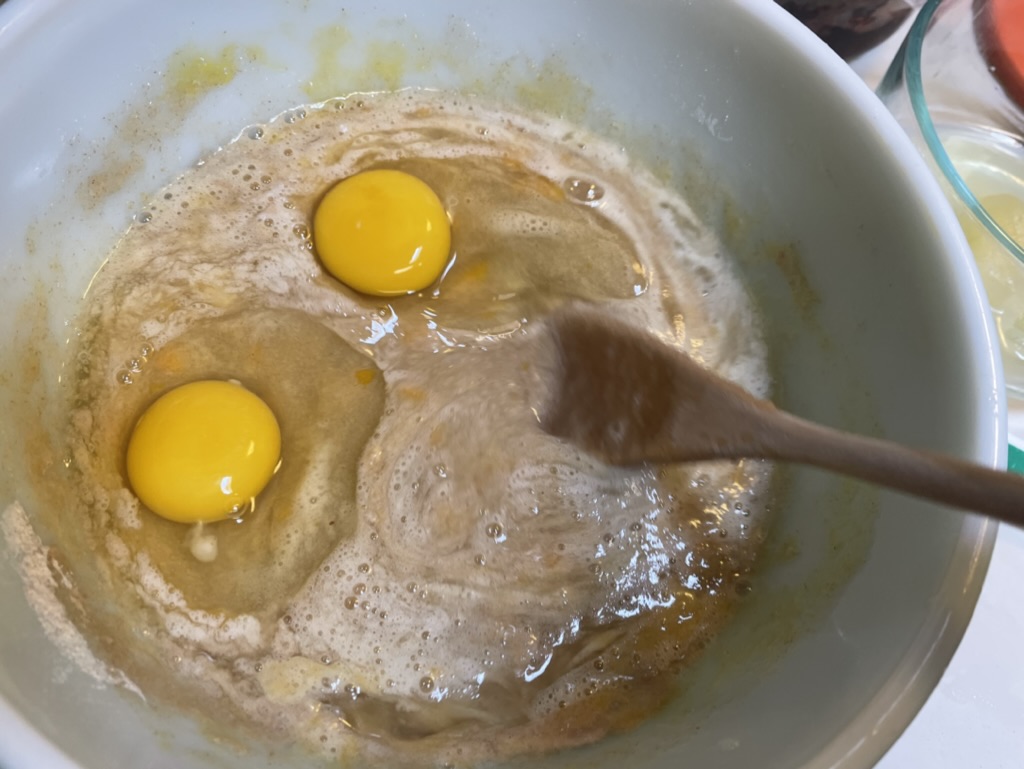
While crust is baking, beat together the top-layer ingredients: sugar, citrus juice, minced or zested rind, 4 eggs, and 1/4 cup flour as thickener. (If you are using a pyrex bake pan, make sure this mixture is warm enough so as not to shock the hot pyrex when poured on crust.)

When crust is light brown and done, bring out of the oven. Pour top-layer mixture onto the crust.

To provide festive decoration and texture, I garnished the top with saguaro fruit collected last June, frozen and now thawed.

Return the now double-layered pan back into oven. Continue baking for another 20-25 or until top layer “sets” firmly.

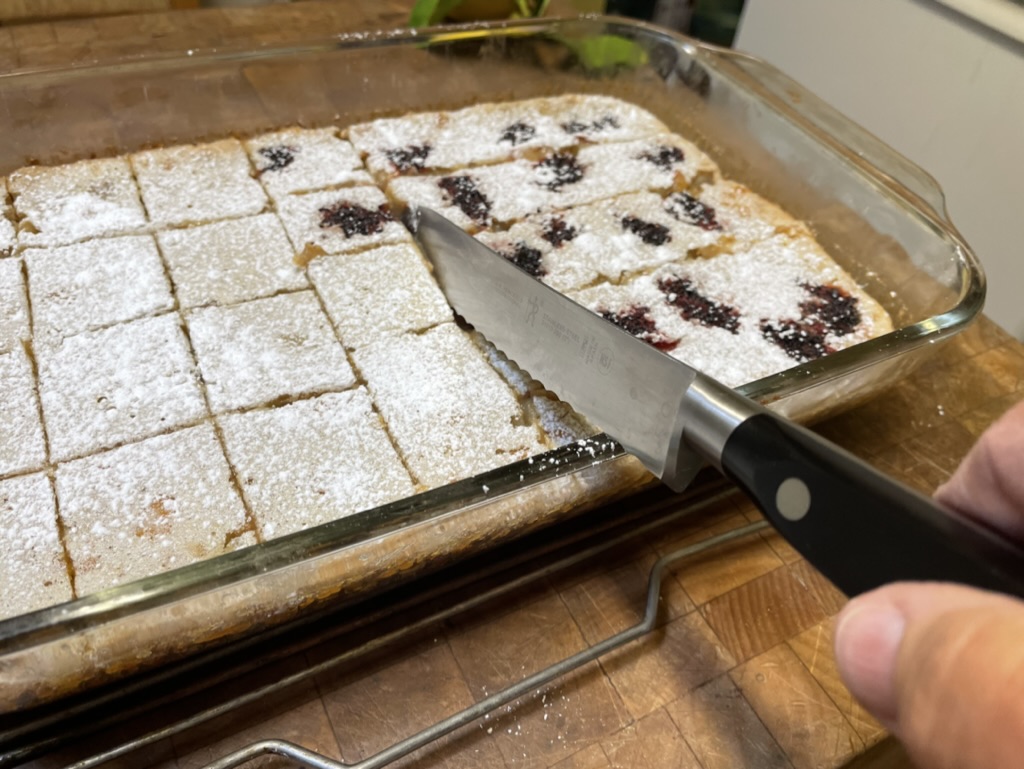
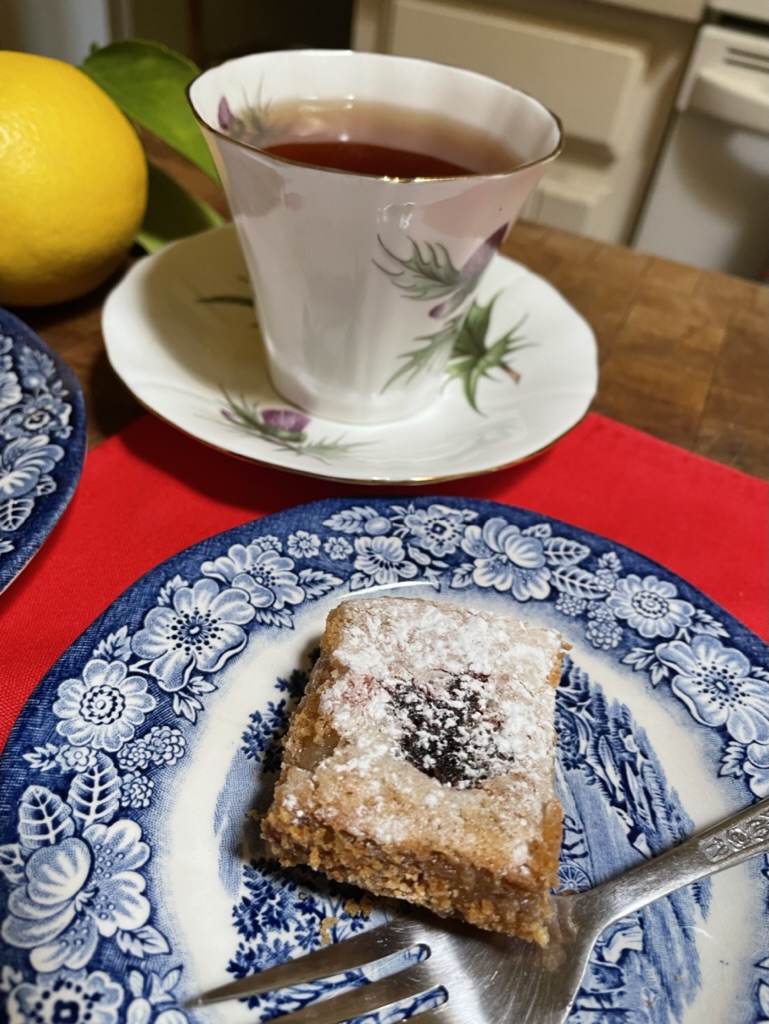
When done, place on raised rack to cool evenly. Dust the top with powdered sugar.

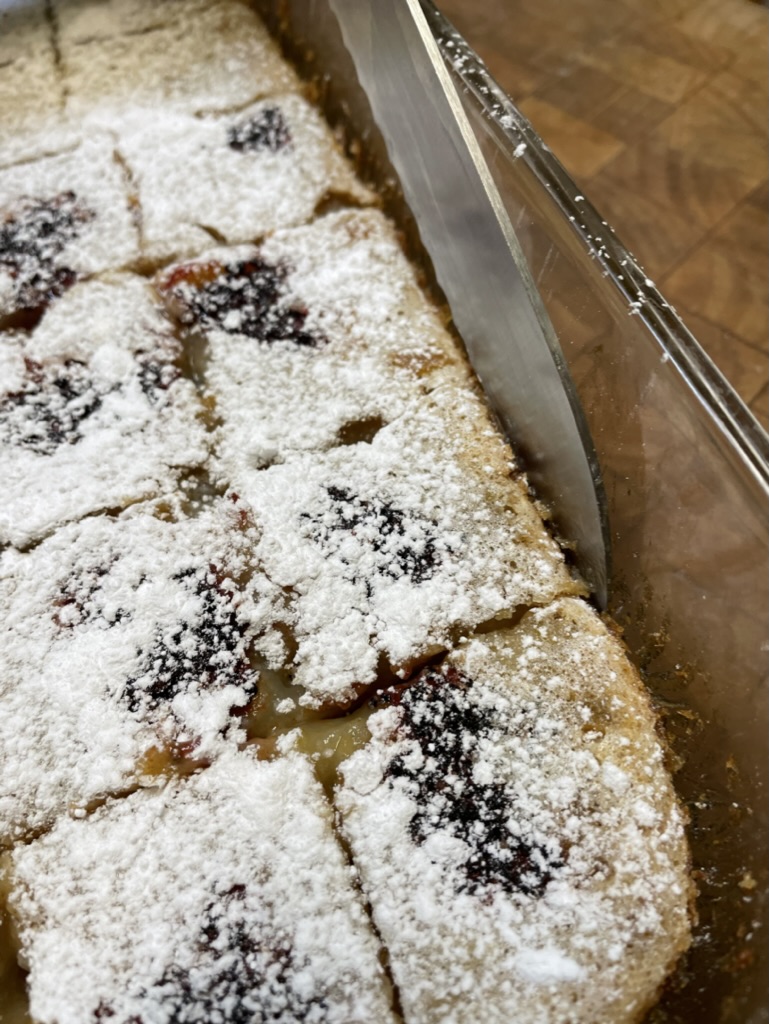
When cool, separate crust from edge with sharp knife to make removal easier. Slice into small squares. These bars are so deliciously RICH –small is better!

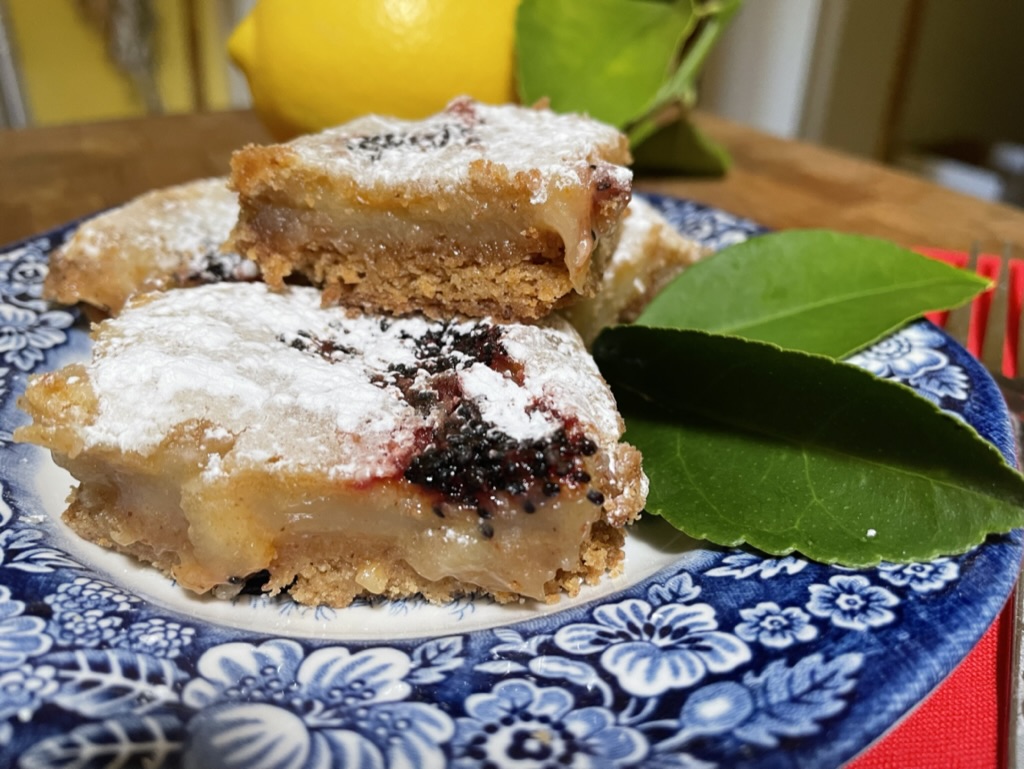
Good and gooey –with that wonderful mesquite flavor, the crunch of saguaro seed,

…and the internalized hope that–with this–we can let the desert plants know how important they are to us!

Enjoy a cold-weather tea-time, a citrus harvest with purpose, or a Thanksgiving dessert made with your own variation on this Citrus Bar treat!

As winter festivities draw near, for more great ideas….check out our earlier blog post Southwest Style Holiday Buffets.

A joyous holiday to all from Tia Marta!

[Mesquite flour or saguaro fruit are special tastes of what makes Tucson an International City of Gastronomy! But these desert foods are not available just anywhere. Plan ahead–the way traditional Tohono O’odham harvesters have always known to do– future culinary opportunities will open to you if ye desert goodies while ye may, that is, when they are in season. Here’s a word of encouragemen from Tia Marta: Put it on your 2023 calendar now. Set aside time in mid-late June, tho’ it is super hot, to collect saguaro fruit, peel and freeze it in sealed container. Also mid-late June before the rains, gather brittle dry mesquite pods for community milling, and freeze the meal in sealed containers. In mid-late August, gather whole prickly pear tunas to freeze in paper and plastic, for juicing later. YOU WILL BE SO GLAD LATER THAT YOU SET ASIDE THESE DESERT FRUITS. Use the SEARCH box on this blog for instructions about harvesting a cornacopia of desert delicacies and staples.]

Southwest “Seed Cakes” –inspired by Little Women–really?

This new cookbook–inspired by treats and festive meals in the book Little Women–was my inspiration for the “Southwest Seed Cakes”!

It’s hot off the press and already has us salivating! — a fun book to bring back memories, and to share with kids or grandkids in the kitchen. The two authors of The Little Women Cookbook are not only devourers of books themselves, but also creative foodies. (Tia Marta here, speaking with some familiarity, as the first author, Jenne Bergstrom–prima librarian and ace cook–is the talented daughter of one of my best friends.)

So of course my first inclination, after savoring the culinary moment in LIttle Women that each page brings forth vividly, is to see how you and I might adapt those endearing old recipes to our contemporary Southwest fare. On page 64, when I contemplated Meg, Jo, Beth and Amy’s caraway “seed cakes”, it was an image of saguaro seeds that popped into my mind….

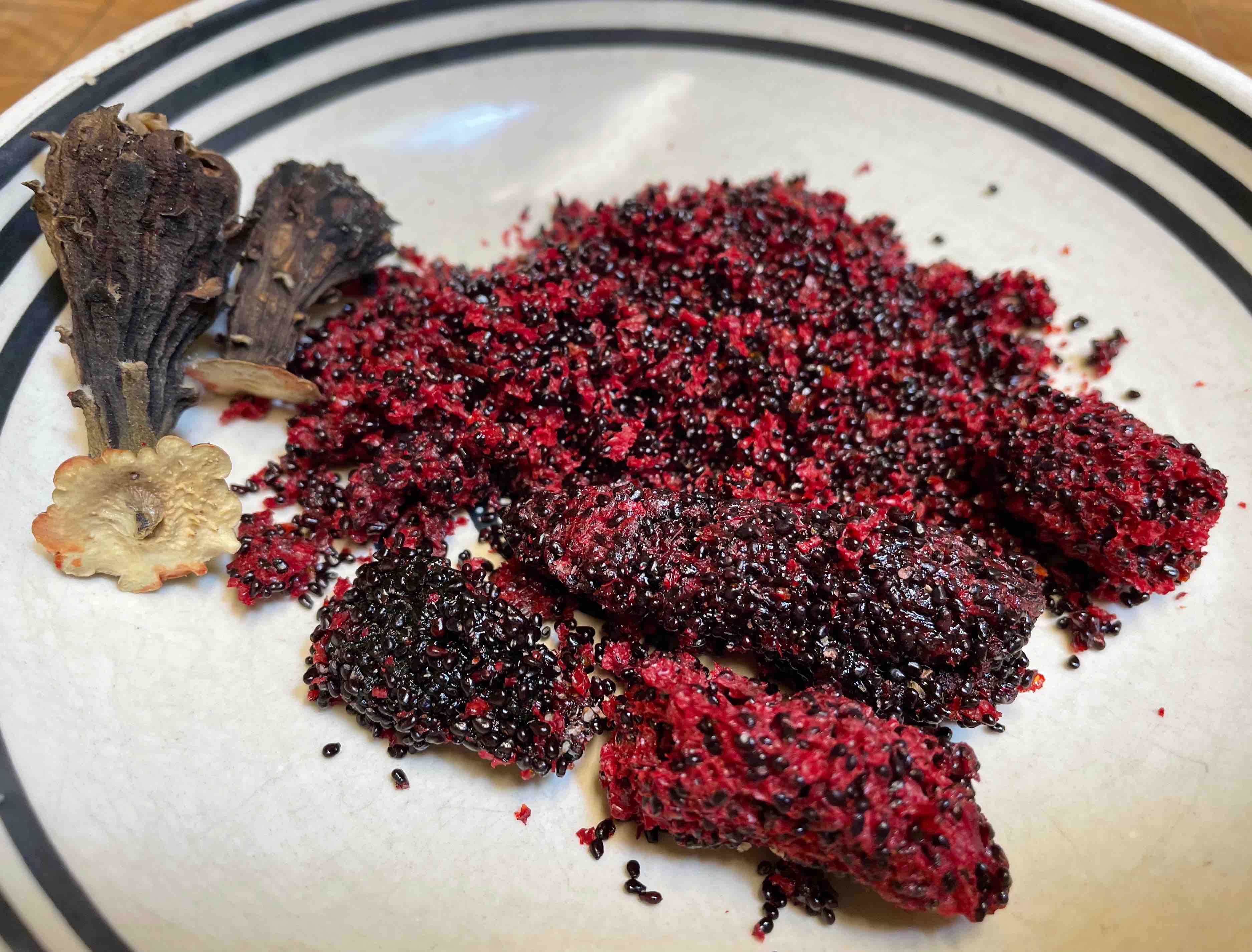
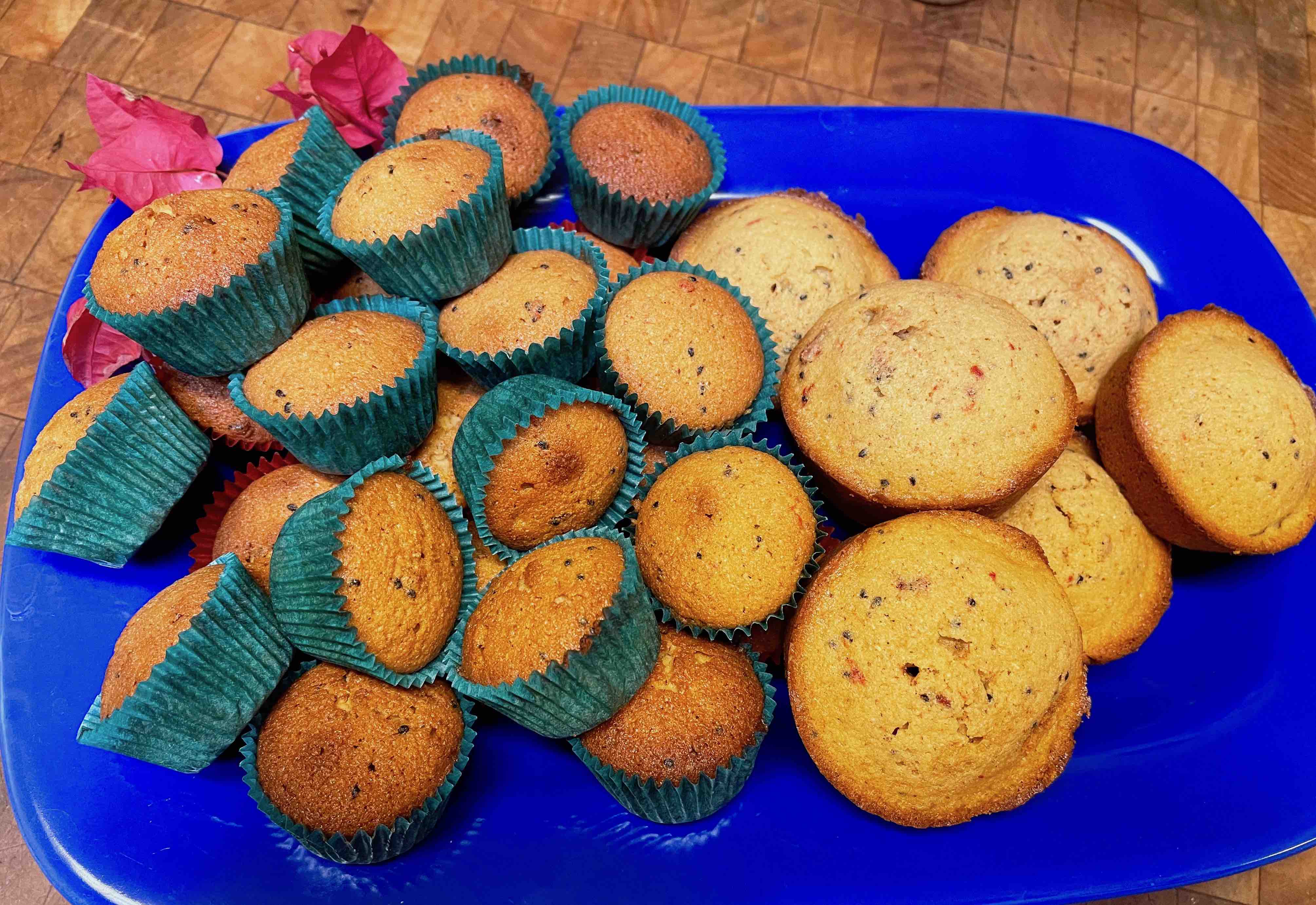
At Solstice saguaro harvest time, I used the dried flower calyx to open fruits and dry them for later. NOW I get to enjoy them again in a Seed Cake…

Hooray–here’s a new way to use the bahidaj cuñ that my Tohono O’odham friend and mentor Juanita-baḍ long ago taught me to harvest. I’ve had them sealed and frozen since June. For the following recipe I could have used barrel cactus seeds (collected last spring) or the nutritious amaranth seed (collected last fall), but for this first experiment I wanted to try just one kind of seed. You’ll see that many of our local Southwest heirlooms lend themselves to this “Seed Cake” treat:

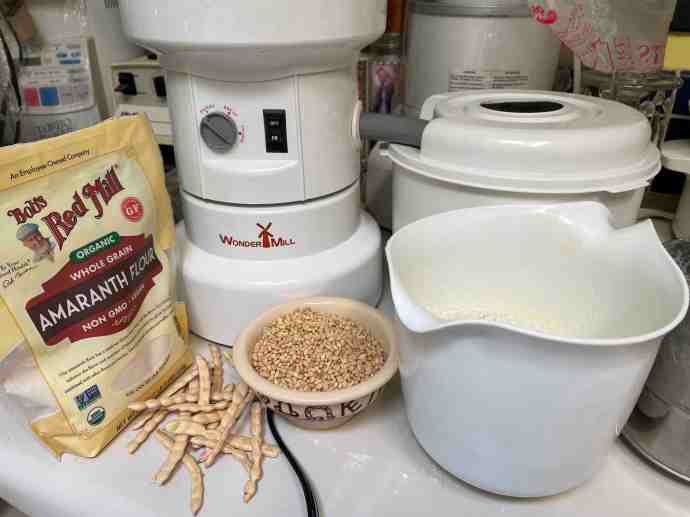
For the flour in the Seed Cakes recipe, I created a mix of amaranth seed flour, mesquite pod flour, and heirloom white Sonora wheat flour which I milled from whole kernel wheat in my Wondermill.

Southwest “Seed-Cakes” Recipe:

(You’ll need a small bowl, a sifting bowl, and a large mixing bowl, muffin tins w/cups if desired, and a beater.)

Ingredients:

2-3 Tbsp dried saguaro seed, with pulp is better (alternatively barrel cactus seed or amaranth seed)

8 oz. (2 sticks) butter (plus more for greasing muffin tins if you don’t have paper liners)

1/2 cup agave “nectar” (agave syrup)

1/2 cup sugar (use sugar to “dredge” remaining agave syrup out of measuring cup to get it all)

4 eggs

2 Tbsp mescal or brandy (optional) or prickly pear juice (to soften seeds)

2 1/4 cups flour (I used 1 3/4 cups heirloom white Sonora wheat flour, 1/2 cup mesquite pod flour, and 1/4 cup amaranth flour)

1/2 tsp sea salt

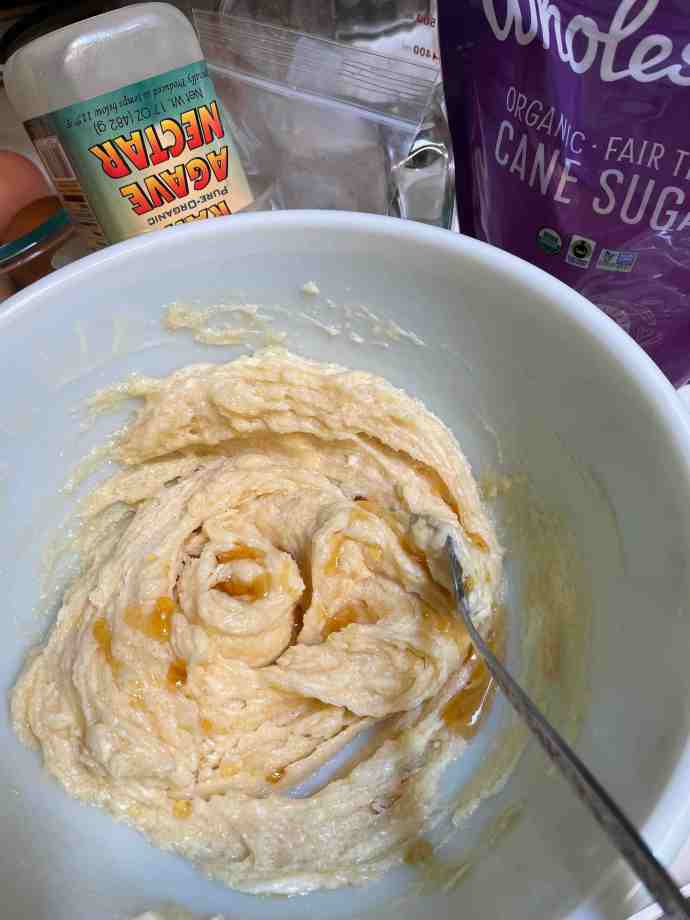
Directions: Preheat oven to 350F. Put seeds in small bowl with mescal or juice to “hydrate”. In large bowl, cream butter, agave nectar and sugar until fluffy. In separate bowl, sift together flours and salt. To the creamed butter, add eggs, and beat at high speed til smooth (2-3 minutes). Gradually add the flour mixture to the wet mixture, mixing on medium speed until well combined. Stir in seeds and remaining liquid.

Pour batter into greased muffin tins, to 3/4 full per cup.

Bake 18-20 minutes……or

…..until muffins turn golden brown and test done with a thin skewer.

Serve with iced tea on the patio, or for birthday celebrations, or have ready when friends pop in–so versatile.

These tastes of the desert are nutritious too! Mesquite flour and amaranth flour are packed with protein, complex carbs and fiber for sustained energy. White Sonora wheat is a low-gluten flour with its own sweet character. Seeds have vegetable proteins and beneficial oils.

So enjoy every Seed Cake bite!

My copy of The Little Women Cookbook is already opening to new pages that will sprout delectable ideas for cool weather and holidays to come….Stay tuned. It’s such fun to adapt our time-honored local ingredients to favorite old-time recipes in totally new combinations!

This “Southwest Seed Cake” recipe made 14 large muffins and 24 minis!

Where to locate ingredients: Find mesquite flour on the NativeSeedsSEARCH online catalog. Plan to safely harvest your own mesquite pods next year and have them milled at one of several milling events. Amaranth flour (Bob’s Red Mill is easy to use) can be found at Sprouts and Natural Grocers. Amaranth seed is available via NativeSeedsSEARCH. White Sonora wheat grain is celebrated every May at Mission Garden‘s San Ysidro Fiesta. Find this heirloom flour from the first grower BKWFarmsInc (organic), or from Barrio Bread or NativeSeedsSEARCH. Harvesting your own desert seeds for “Seed Cakes” is the most satisfying activity of all. Amaranth will be ready to gather in September and October. And put on your calendar to harvest your own bahidaj kaij (saguaro fruit seed) next June!

May these “Seed Cakes”, from The Little Women Cookbook and Tia Marta, inspire you to celebrate our desert’s bounty with your own creativity!

Spicy Joys of Zhoug!

So, what in the world is Zhoug?? Tia Marta here to share a fun new taste experience. An exploratory-cook neighbor introduced us to this wonderfully flavor-filled sauce that hails originally from Yemen, Israel, the Middle East. It’s a bright green, savory thrill that can embolden–and bedeck–many totally different dishes. Zhoug tastes a little like a Chimichuri sauce from Argentina…

With Spring exploding in the desert, NOW is the time to harvest greens from your winter garden–quick–before they bolt–to make into spicy Zhoug sauce!

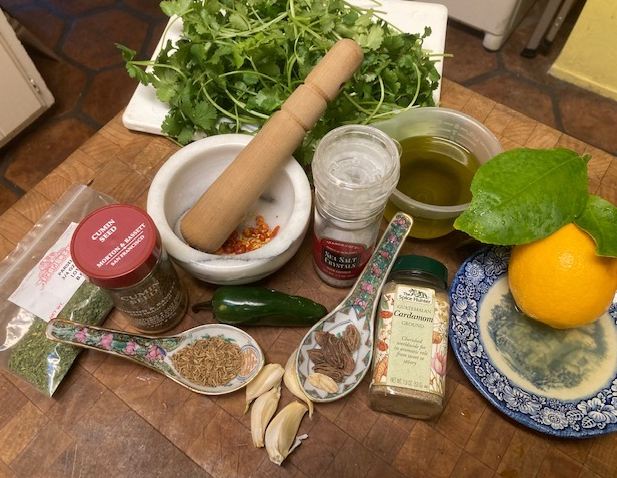
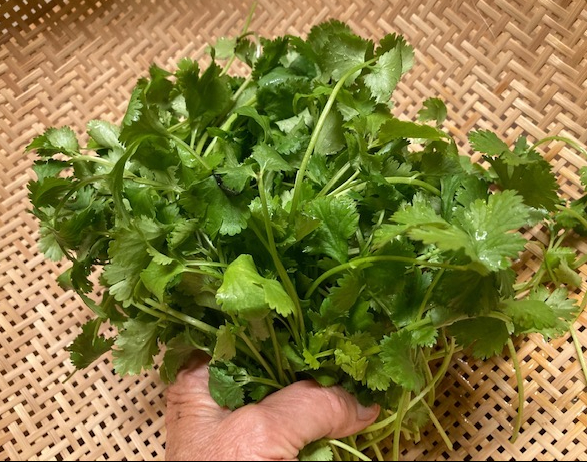
Most of the Zhoug sauce ingredients can be grown locally in the Sonoran Desert, some in winter, a few in summer. Many are available right now–fresh for the picking. Cilantro is my green of choice, because, “when it rains it pours.” There are lots of other greens options. Some peoples’ palates are not attuned to cilantro, so almost any leafy green fortunately can be used for Zhoug! Try fresh Italian parsley, crinkly parsley, or mint leaves–or try acelgas leaves from the Mission Garden.

Many ingredients for Zhoug saurce can be grown easily in your own backyard garden plot….
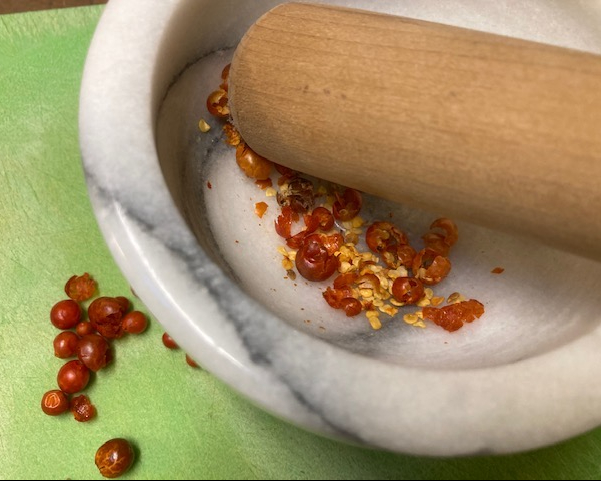
Harvest picante chiltepines from your own garden--or find them at NSS or the Mexican food section at the grocery.

Wild chiltepin peppers make the best Zhoug spice of all!

Recipe for Zhoug! sauce:

Ingredients: 2+ packed cups of slightly chopped cilantro or other leafy greens (2 bundles of cilantro) (with chopped stems ok)

4 medium cloves garlic (chopped) (try heirloom garlic from NativeSeedsSEARCH or MissionGarden)

1/2-3/4 tsp chiltepin peppers, ground (e.g.saved from summer-fall garden Tucson)

1 medium jalapeno, seeds removed (summer-fall garden Tucson)

1 tsp sea salt

1 tsp cardamom, ground

3/4-1 tsp cumin seed, ground. (winter garden Tucson)

3/4 cup olive oil

2 Tbsp lemon juice (from your own or your neighbor’s tree, or from Iskashitaa Refugee Network)

For processing Zhoug sauce, put all your fresh “dry” ingredients in, then add the final olive oil and lemon juice just before blending (or poured in as you blend).

Directions: In a food processor, starting with your fresh greens, garlic, herbs & spices, then adding your wet ingredients, blend all to your desired consistency. I like to see little flecks of leaves still in the sauce as in the photo.

Glorious green Zhoug sauce can be used as a dip with chips, melba toast, sourdough slices… Invent your own spicy canape!

There is almost no end of ideas for Zhoug sauce! Zhoug will enliven tacos, beans, lentils, pita sandwiches, eggs, roasted veggies, hummus, grilled meats…..Wow. Try adding 1-2 Tbsp of Zhoug to 1 cup plain yogurt….

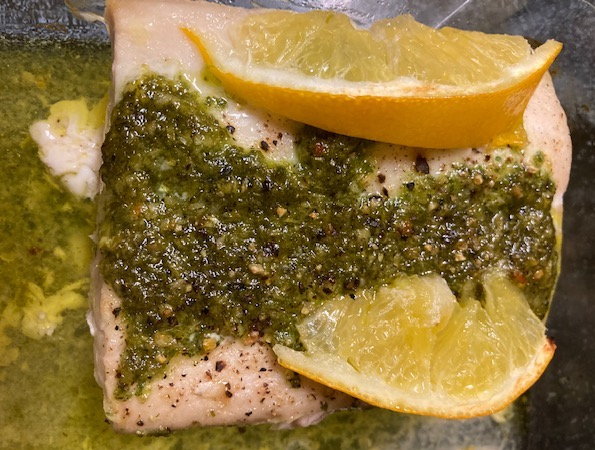
Our favorite is fish with Zhoug. We swooned over mahi mahi shown here with our Meyer lemon slices and Zhoug!

So get creative with our harvest of winter garden greens, and have fun creating new Zhoug dishes with that perfect chiltepin kick. Salud! from Tia Marta

Three-Sisters for a Holiday Feast

The First Sister–Big beautiful squashes for this project include Tohono O’odham Ha:l, a super-hard-shelled winter squash–also known as O’odham Pumpkin. Any winter squash like acorn or butternut will work great for stuffing. Heirloom winter squashes can be found in Hispanic markets and grown at San Xavier Coop Farm. A really hard shell makes a perfect “bowl” for cooking this fantastic compote comprising the Three-Sisters–corn, beans and yes squash!

Let’s invite the Three Sisters to a holiday table!

So who are they? Tia Marta here to share a delicious idea to bring the traditional Indigenous triumvirate of squash (or pumpkin), beans and corn–the Three Sisters–together in a 1-dish vegetarian delight. A stuffed Three-Sisters compote is fun for the whole family to participate in making. It takes some pre-planning but the process is almost as enjoyable as the finished combo–Stuffed O’odham Pumpkin!

Here’s the Second Sister! Since beans take the longest to cook, I get my heirloom beans soaking at least 2 days before using them fully cooked in the squash “stuffing”. I suggest Bolitas, tepary, Colorado River beans, or FourCornersGold–all available at www.nativeseeds.org. After a day of soaking, drain, add water and simmer until totally soft and done.

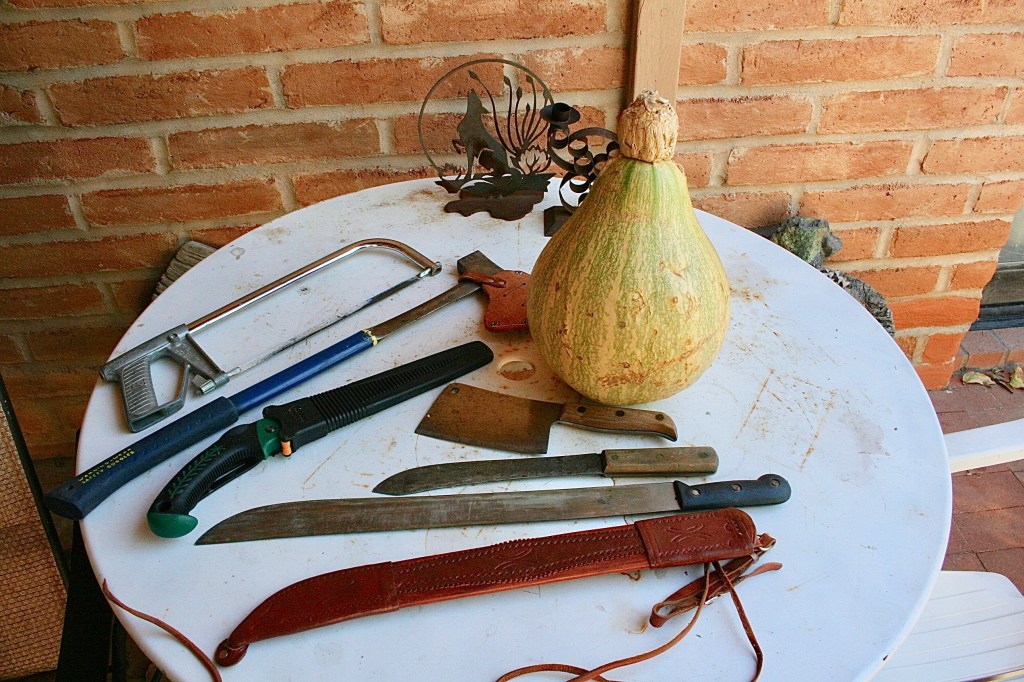
A Tohono O’odham Pumpkin is accompanied by suggested cutting tools. No joke–hard-shelled squashes may take a major whack or sawing to open. It’s adult work. You’ll want to cut the shell carefully, outside on a stable surface. Locate cut near narrow neck of squash to allow access to the central cavity.

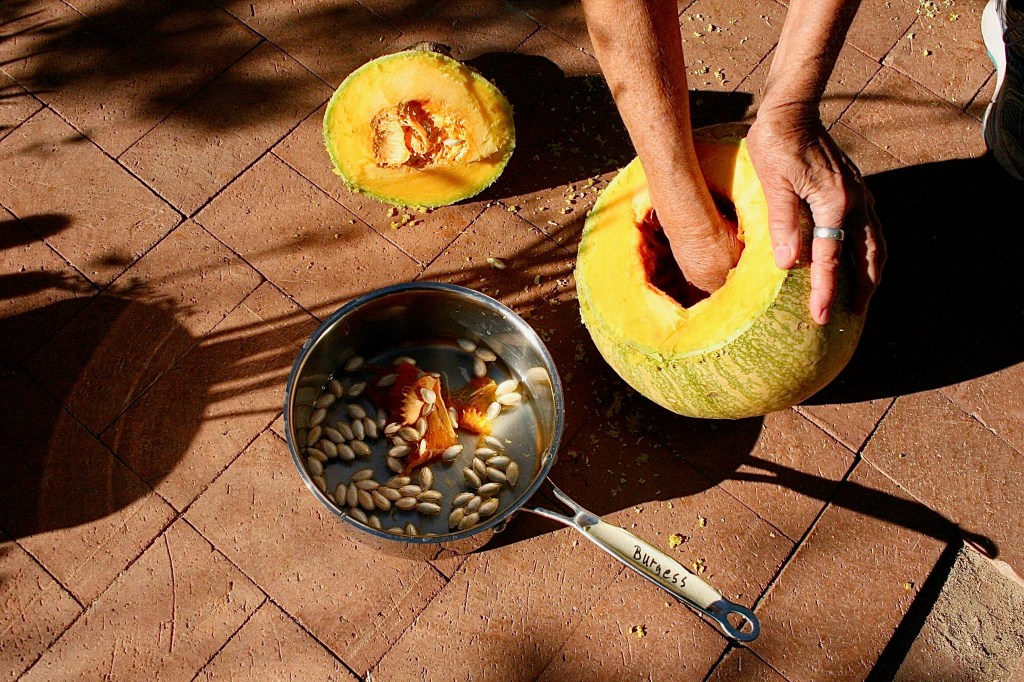
Kids may enjoy this part –it is really messy and slimy! Scoop out the plump seeds and slippery fiber and pulp from the insides of your pumpkin. Save the seeds for growing next year, or for almost-instant gratification as roasted and salted snacks.

The Third Sister is corn (maize); you can use fresh off the cob or canned (which is easier). For a binder I actually add a Fourth Sister, the wonderful Incan grain quinoa, and I cook it ahead.

For the Three-Sisters Stuffing Mix:  In a big mixing bowl, mix 6-8 cups cooked & drained beans, 1-2 cans sweet corn, plus 2-3 cups cooked grain.  Add sea salt to taste. Optional-add ½ cup chopped I’itoi’s Onions or other onions to taste.  For an additional zip, add 4-8 crushed chiltepin peppers.  Mix thoroughly. Adjust these quantities for the size squash(es) you have.

Stuffing the “bowl”:  Into the cleaned-out squash “bowl” put alternating spoonfuls of the bean mix without mashing it down until the “bowl” is full.  If your conventional oven or solar oven allows space, place the squash “lid” back onto the top of your stuffed “bowl” for baking.  My solar oven is small I had to place a black pan-lid on top of the “bowl”.

Bake at about 300-350F for a few (2-3) hours until the squash “bowl” appears to be partially slumping, the stuffing is bubbling and it smells done.  Solar cooking may take longer as you follow the sun.

Serve piping hot right out of the squash “bowl” adding scoops of the cooked squash from the inner side to blend with the stuffing. Left-overs can be frozen and reheated later as a casserole.

Enjoy this tasty combo from traditional desert gardens, their great nutrition and complete protein! Happy healthy holidays from Tia Marta and the Three Savor Sisters!

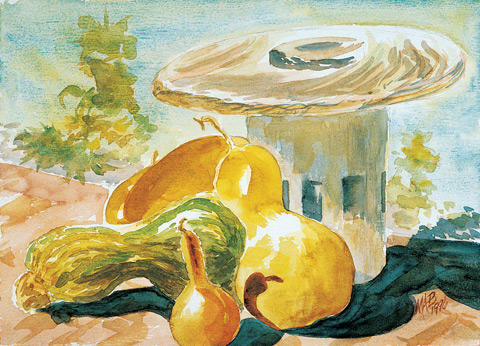
Tia Marta’s artwork…

….including images of heirloom squash and many other Indigenous foods, is available at www.flordemayoarts.com and as watercolor notecards possibly at Tucson’s Mission Garden in the near future…

Hu:ñ Pasti:l — Pastel de Elote — muy saboroso as in yummy!

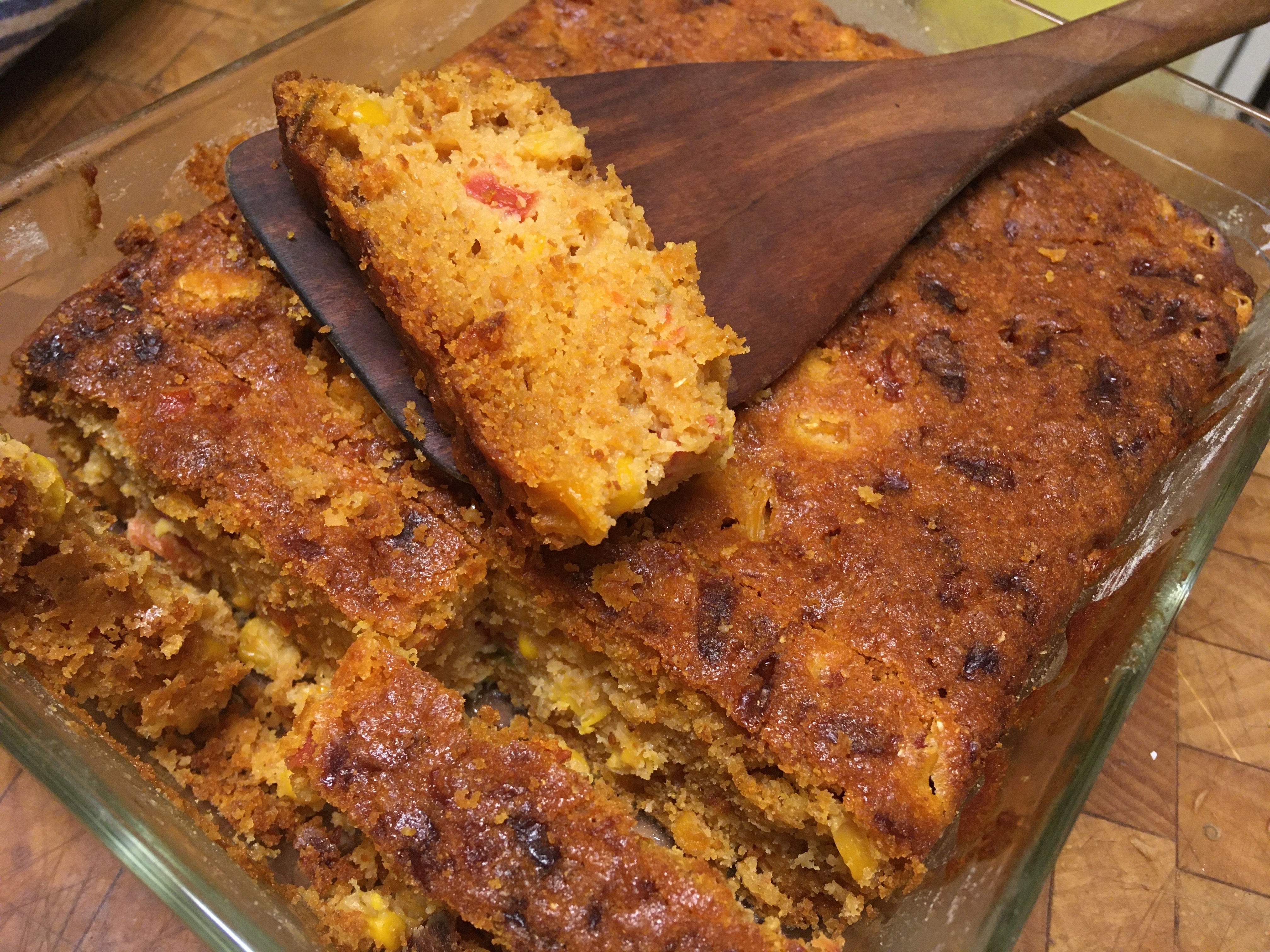
HU:Ñ PASTI:L aka PASTEL DE ELOTE — A most delectable treat inspired by corn-harvesting time (MABurgess photo)

So in case you are wondering…. Hu:ñ (pronounced HOOONya) is corn and Pasti:l (pronounced pasTEEEEra) is pie in O’odham language. The Spanish Pastel de Elote (passTELL day ay-LOW-tay) essentially means pie made of fresh corn. In English it goes by a more pedestrian name — sweet corn casserole–but it is just as delish.

It’s like a slightly sweet tamale pie or casserole–full of protein—easy to make! Tia Marta here to share a fun fast recipe using our local Native summer corn in its fresh and dried forms….

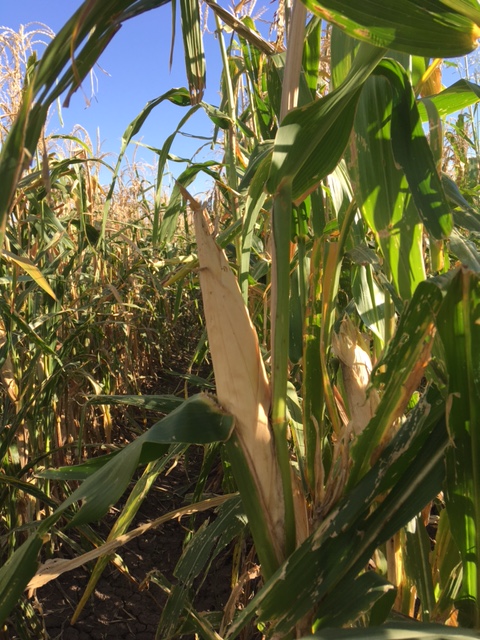
Heirloom O’odham 60-day corn ripe in the husk ready to harvest at San Xavier Coop Farm

This ancient and honorable 60-days-to-ripen corn was genetically selected long ago by the Desert People, and almost lost in the mid-20th Century due to agricultural “faddism.”  Thanks to a few traditional gardening families and to NativeSeedsSEARCH gardeners and seed-bankers, a handful of kernels were saved and multiplied through that bottleneck of time, so that now seeds are available for many farms to grow this amazing corn.  San Xavier Farm alone now has ACRES producing perhaps TONS of ears to feed a growing population–and a community also growing in appreciation of this amazingly nutritious and desert-adapted grain.  Imagine a protein-packed grain that can handle the heat of the Sonoran Desert summer and can ripen in 60 days!  In food production terms, that’s like zero to sixty in less than 10 seconds!

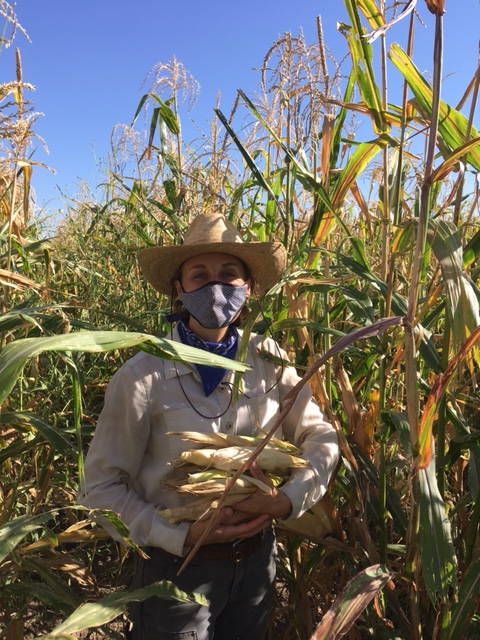
Mission Garden’s Garden Supervisor Emily Rockey cradles an armload of Tohono O’odham 60-day corn at San Xavier Coop Farm harvested for the community. (MABurgess photo)

A group of us volunteers from Mission Garden recently went to help hand-harvest traditional Tohono O’odham 60-day corn at a community picking in the productive fields of San Xavier Coop Farm. Harvesting this sacred corn together inspired me to prepare a dish to share with dear friends.

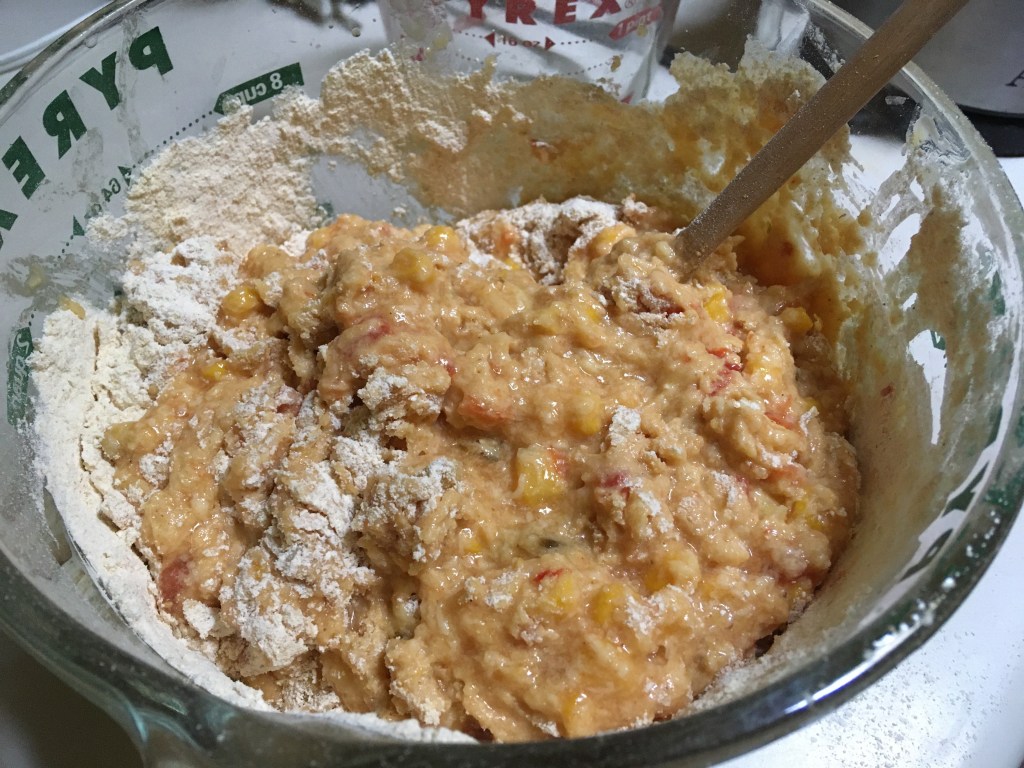
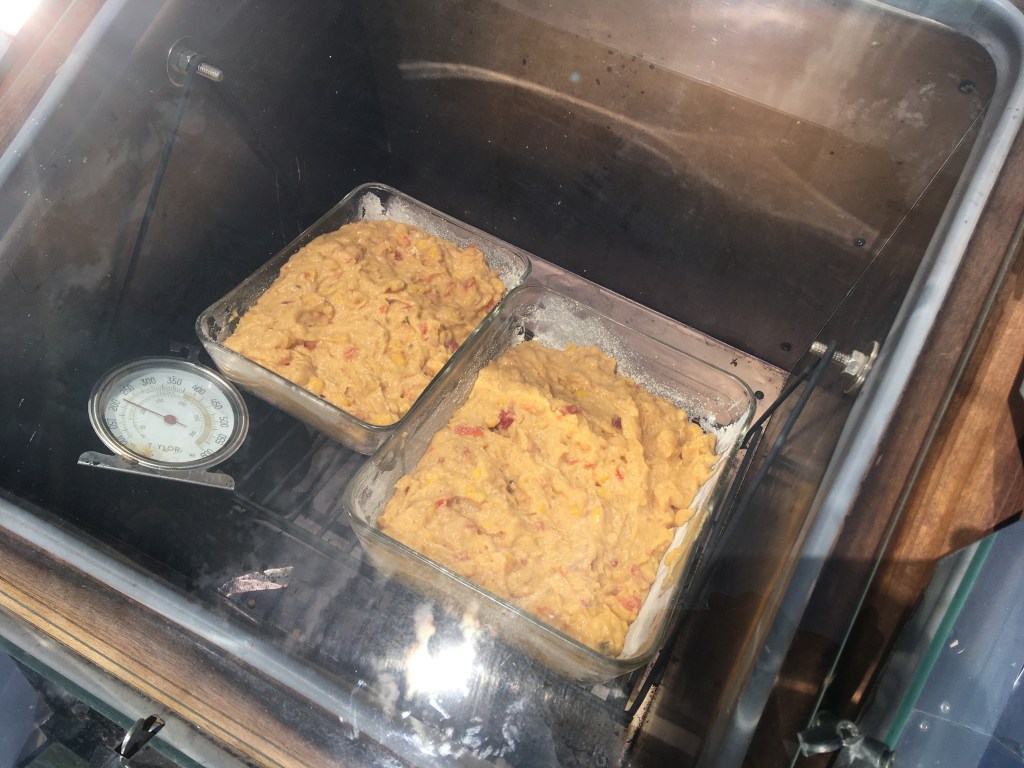
The recipe calls for fresh corn cut off the cob, but you can easily substitute canned corn.  Since our household is trying to “go local” as much as possible, I used flour milled from BKWFarms’ organic white Sonora wheat, eggs from the happy chickens at Mission Garden, and local naturally-grown corn and cornmeal. I used a sunny day and a solar oven!

Muff’s Hu:ñ Pasti:l or Pastel de Elote Recipe:

Preheat solar oven or conventional oven to 350F degrees–(solar may be less).

Grease and lightly flour one large (or 2 smaller) baking dish(es) or iron skillet.

Cream together: 3/4 cup (1 1/2 sticks) butter. and ½ cup agave syrup “nectar” or sugar

Beat in 4 eggs.

Add and mix thoroughly into the moist mixture:

1 cup homemade salsa, OR 1 can Herdez Salsa Casera, OR 1 cup diced green chiles

1 pint fresh corn kernels cut off the cob (ca.3 ears), OR 1 16oz. canned corn (I use organic non-GMO)

1 cup shredded longhorn/cheddar cheese

Sift together, then stir into the corn/cheese mixture:

1 cup white Sonora wheat flour (or other whole grain flour)

1 cup cornmeal (non-GMO)

 4 tsp. baking powder

¼-1/2 tsp. sea salt

Pour mixture into greased and floured baking dish(es).

Reduce heat to 300F and Bake 50+ minutes in conventional or solar oven, or until “pie” tests done with toothpick. (Solar may take longer.)

This recipe serves 8 graciously, piping hot or chilled, for dinner, lunch or snack. Hu:ñ Pasti:l (Pastel de Elote) can be refrigerated for a week-plus, then sliced and re-zapped in microwave for quick easy servings.  Or, it can be sealed and frozen for longer storage.

You can find fabulous local cornmeals roasted or made as pinole (that work great in this recipe) at Ramona Farms online and NativeSeedsSEARCH online store.

White Sonora Wheat flour is available at NativeSeedsSEARCH, San Xavier Coop Farm, BKWFarms, and Barrio Bread. You can come soon to see O’odham 60-day corn in the field at Tucson’s Mission Garden, soon to be harvested. While there you can pick up fresh eggs from their heirloom chickens.

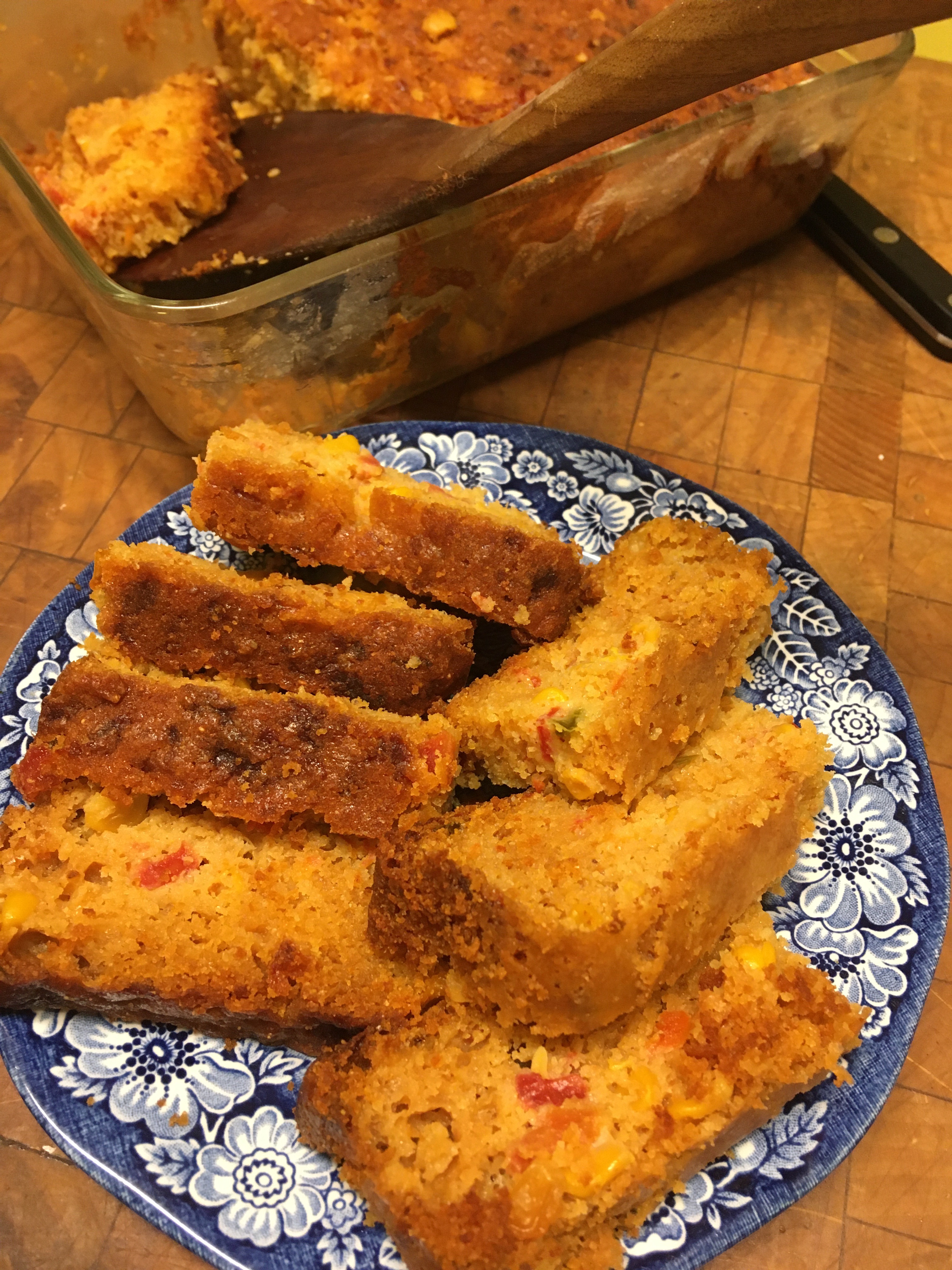
[Also check out a totally different dish of sweet mole cornbread–entirely different personality–made with many of these same maize ingredients by Savor-blog-Sister Amy in an earlier post.]

Enjoy these flavors and nutrition, and rejoice in a local monsoon desert crop!

“Tepa-lites!”=Teparies + Quelites=Summer Beans and Greens

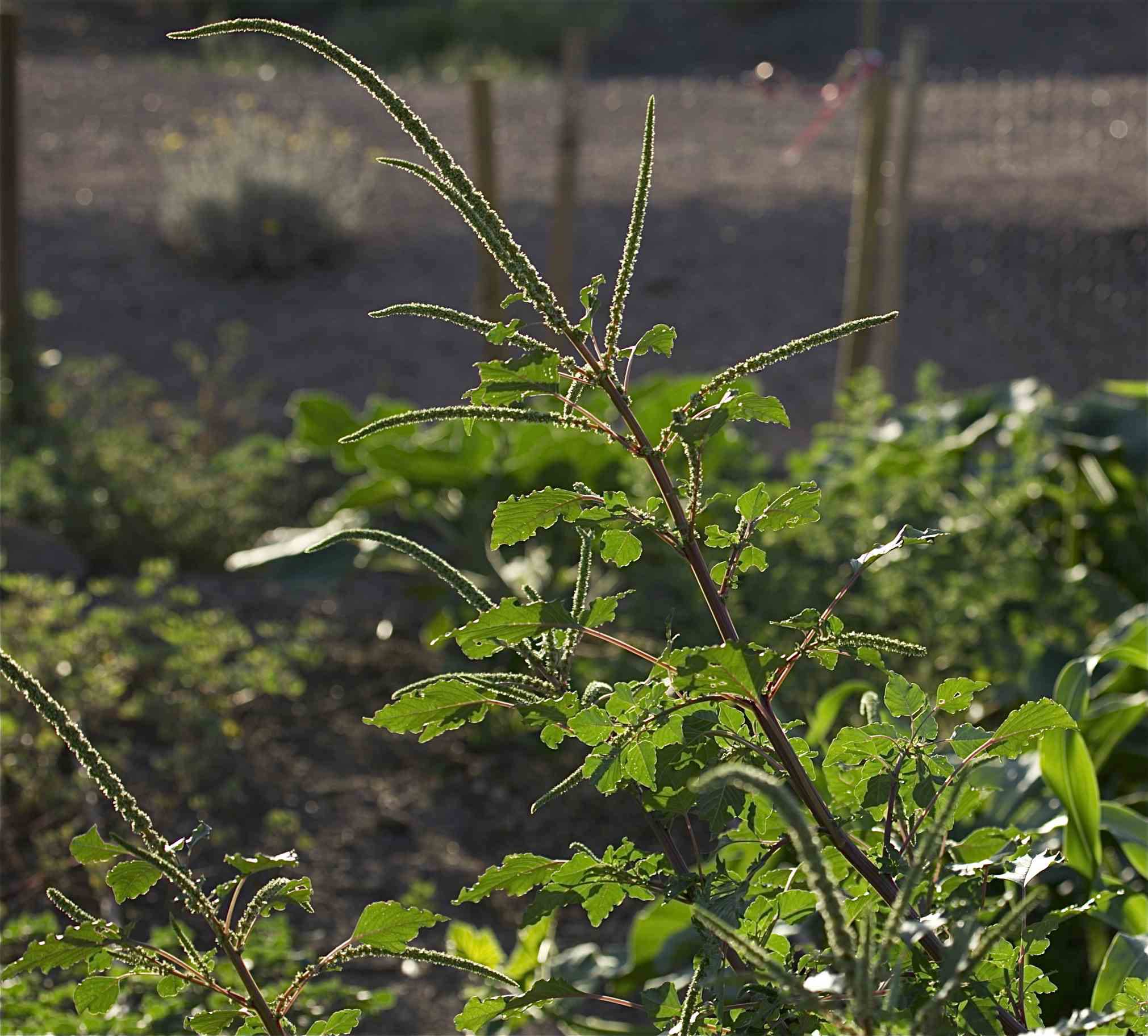
Quelites or Bledo in Spanish–Cuhuggia I:wagĭ in O’odham–These nutritious “weeds” of Amaranthus palmeri are springing up all around us after good warm-season rains, ready for harvesting. (MABurgess photo)

At last, summer monsoons have gifted the Sonoran Desert with a veritable explosion of delicious wild greens and a growing gardenful of traditional tepary beans! You don’t have to look far to see patches of what many people call “WEEDS” sprouting up. But you and I know better–and others will too after they taste those yummy greens.

Tia Marta here inviting you to appreciate show-time for many species of greens like Amaranth—”rain spinach”–our wild Amaranthus palmeri, and many varieties long cultivated by traditional farmers of Northwest Mexico and the American Southwest.  You can find seeds and info of locally adapted greens and tepary varieties at NativeSeedsSEARCH for planting your own. Come and see living, flowering examples of several Native varieties of greens and teparies right now at Tucson’s Mission Garden

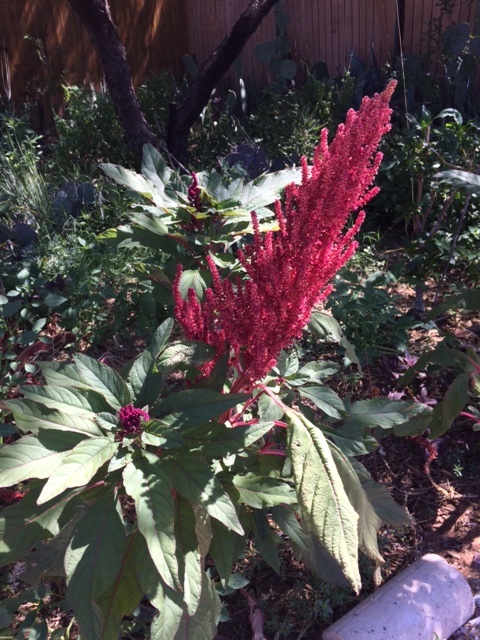
Hopi Red Dye Amaranth is a quadruple-whammie for garden and kitchen: Its glorious flower makes an ornamental show, its leaves are tasty greens, its seeds are nutritous grain, and then it is used as a safe and pleasing red food dye–used in ceremonial piiki bread. (MABurgess photo)

If you can’t visit Mission Garden in person, you are invited to join us virtually at Mission Garden where will be presenting the “Tepa-lites” (short for teparies and quelites) workshop live next Saturday morning, August 7, 2021, 9-11a.m. (Tucson time) via Zoom or on Facebook Live. This community workshop—free, with no pre-registration necessary—is supported by grant funds through the University of Arizona Desert Lab at Tumamoc Hill.

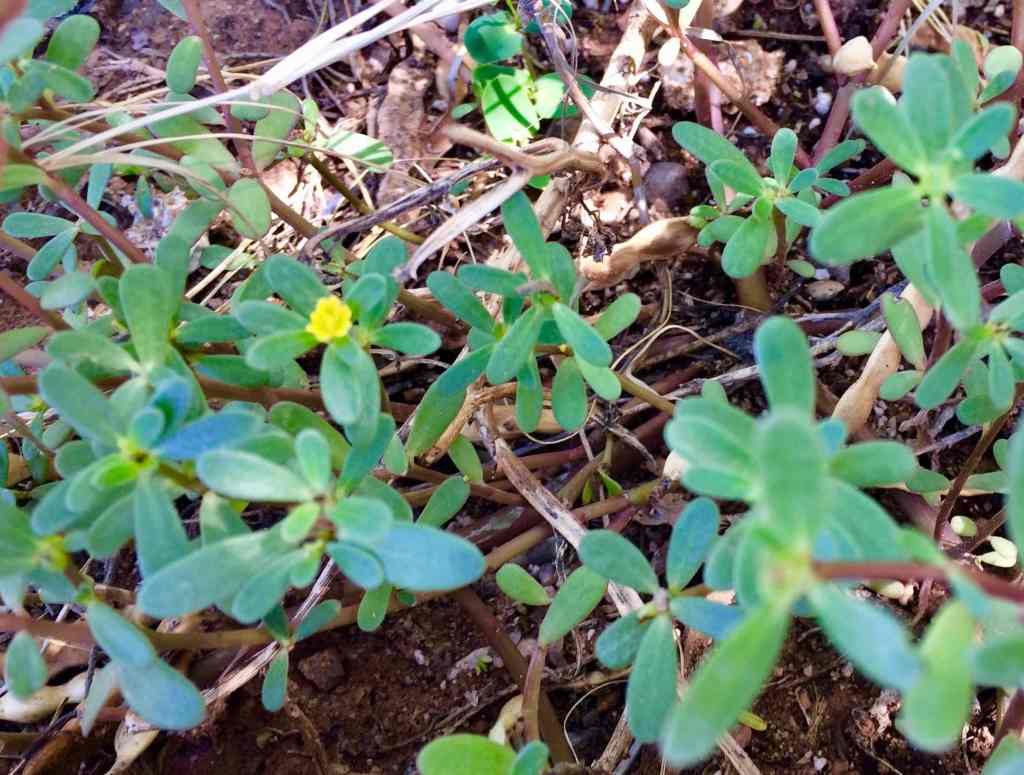
Now is also show-time for verdulagas, that ground-hugging, tasty, succulent summer “weed” also known as “purslane” (Portulaca oleracea) which can be eaten fresh in salads or steamed as a nutritious veggie.  Learn some great purslane recipe ideas at the zoom workshop. (Note its small elongate succulent leaves.)

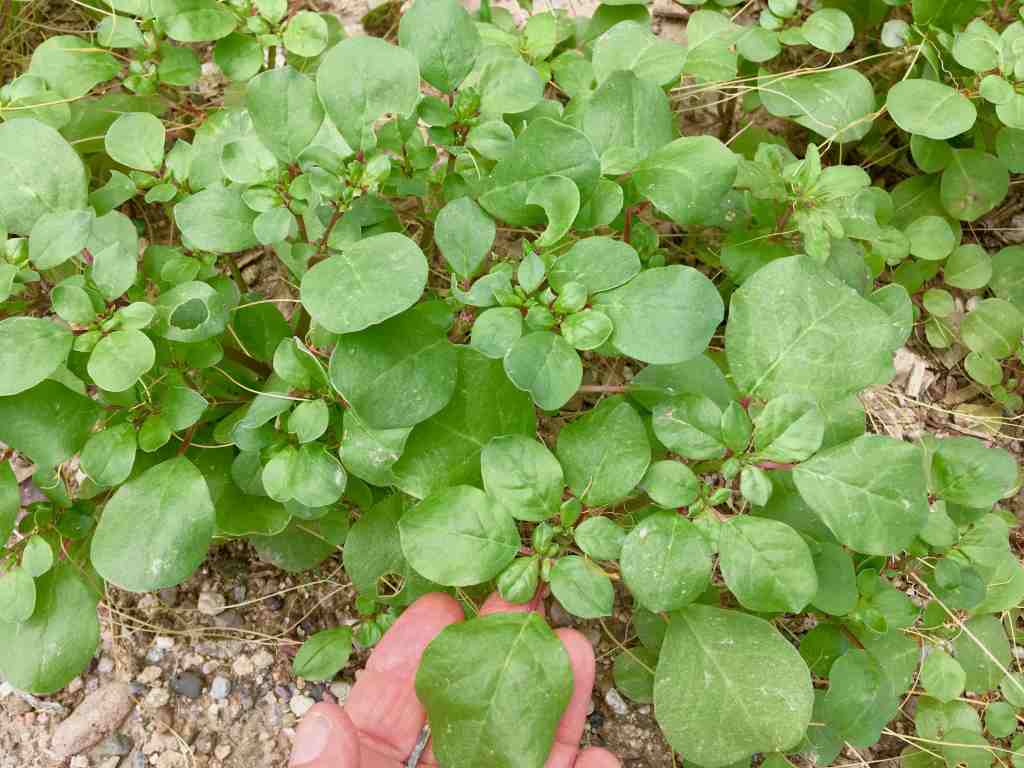
A confusing verdulaga look-alike known as “horse purslane”, is a low-growing succulent that can fool you. Some people might find this one palatable, but for others it has a taste of soap or an unpleasantly bitter after-taste. (Note its rounder leaves.)

Don’t let yourself be swayed by derogatory names like “pigweed” and “careless weed.”  (Those terms are shop-talk by the weed-killer salesperson or the yard guy that wants to eradicate your edible landscaping).  Far better to call good weeds by positive names, like “rain spinach” or cuhuggia i:wagĭ (“sleeping spinach” when they wilt),  as they are called by the Tohono O’odham, the Desert People who have eaten them in good health for hundreds of years.  

At the online workshop we will celebrate the nutritional combination of these monsoon greens and traditional teparies.  It’s a way to open eyes and tastebuds to the nutritious foods available right out the front door—Nature’s provender—and to encourage easy planting of the fastest beans known. 

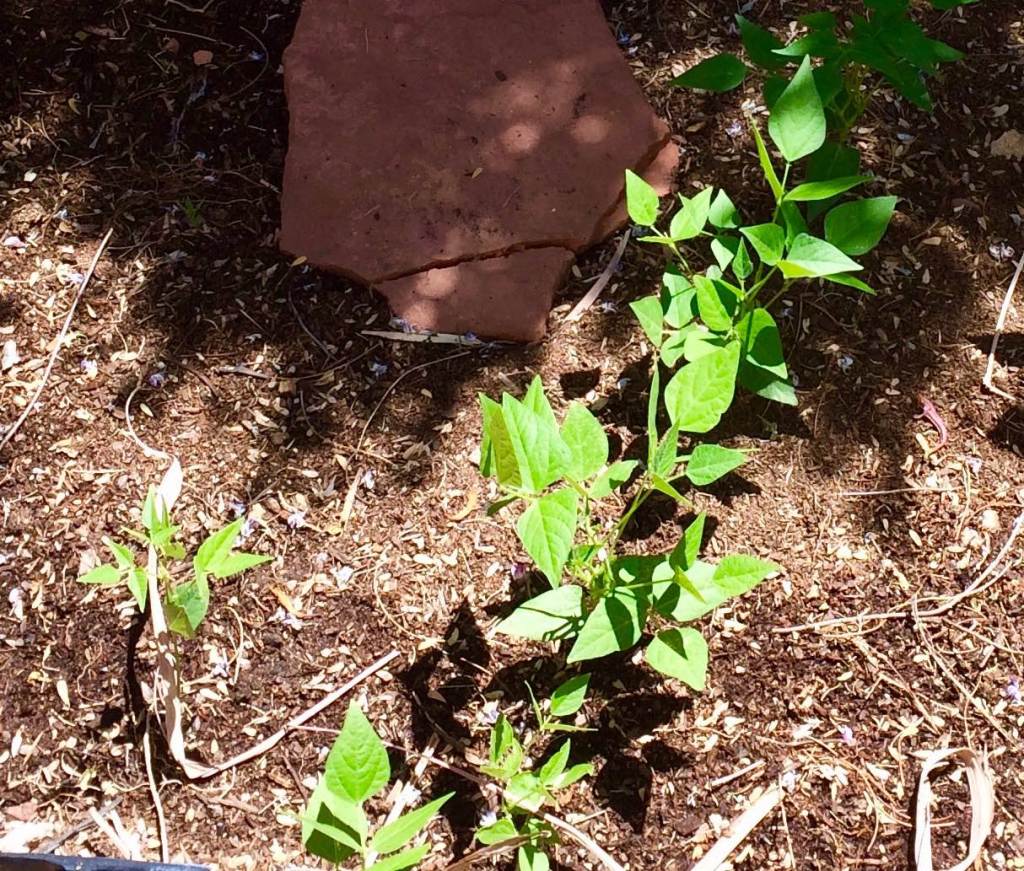
When they are young, tepary plants look like miniature versions of common beans, with a three-some of pointed leaves that fold up to save water when the sun is strong at midday. It is the most arid-adapted bean alive, domesticated from wild teparies by early farmers right here in the desert possibly 6,000 years ago.

OK, admittedly tepary beans aren’t “fast food” per se (they do take a long time to soak and cook), but you can grow them to maturity in about 60 days—and that’s fast for a bean.  THIS WEEK is the last opportunity to get them into the ground for a harvest this fall.  My admired O’odham gardener-friends, Laura Kerman-bad, her brother, and Juanita Ahil-bad, always recommended that teparies (and other traditional summer crops) could be planted successfully through the first week in August.  So make it happen….get busy and dive into planting that little garden plot which is now soaked with Nature’s own irrigation!

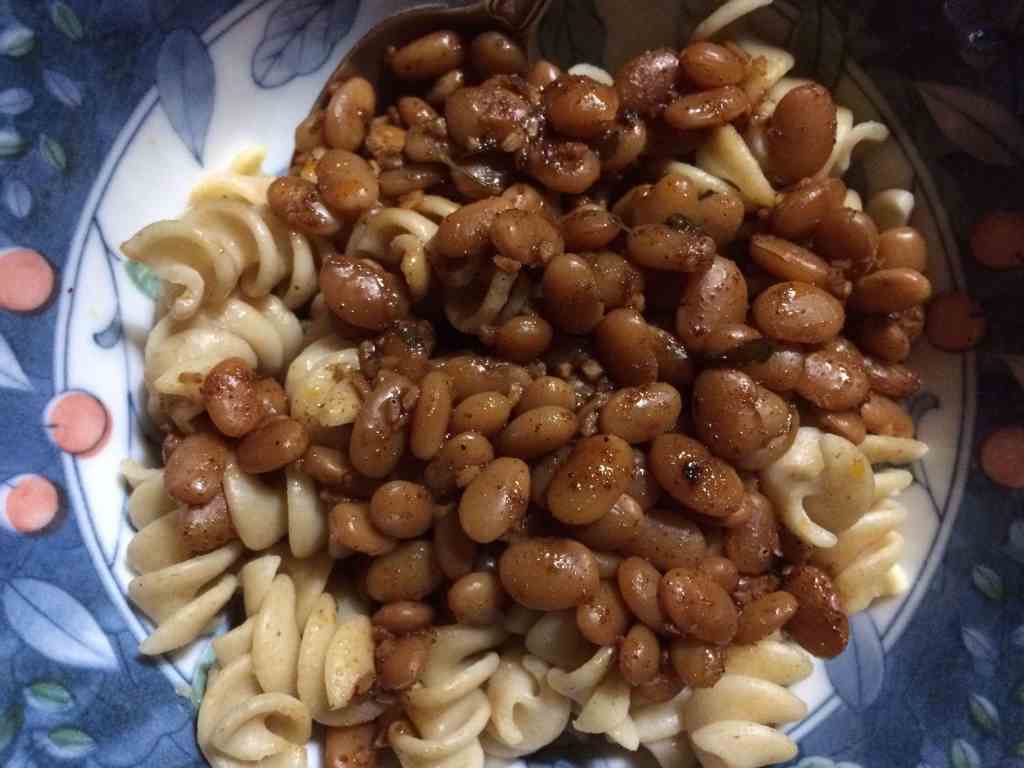
Chilpotle red teparies–pasta faggioli Sonoran style with greens–will be introduced at the workshop….

Here is the link to join the Zoom “Tepa-lites” class: https://us02web.zoom.us/j/85958074230?pwd=S1htT1JKVXNCN3g4NWhoWGRPdS9UZz09
Meeting ID: 859 5807 4230
Passcode: 2021

Hoping to see you virtually on August 7!

Additional info: For helpful greens identification and surprising recipes for greens and tepary beans, check Tia Marta’s earlier post “Blessed Monsoon Weeds”

also SavorSister Carolyn’s post on Sherman’s tepary recipe

SavorSisterAmy’s post for a fabulous tepary-with-veggie stew

and for more appreciation of ba:wĭ–tepary beans–Tia Marta’s “Tepary Time” post