Pescado en Mole Verde, Spring Roots with Spicy Creamy Dip

053

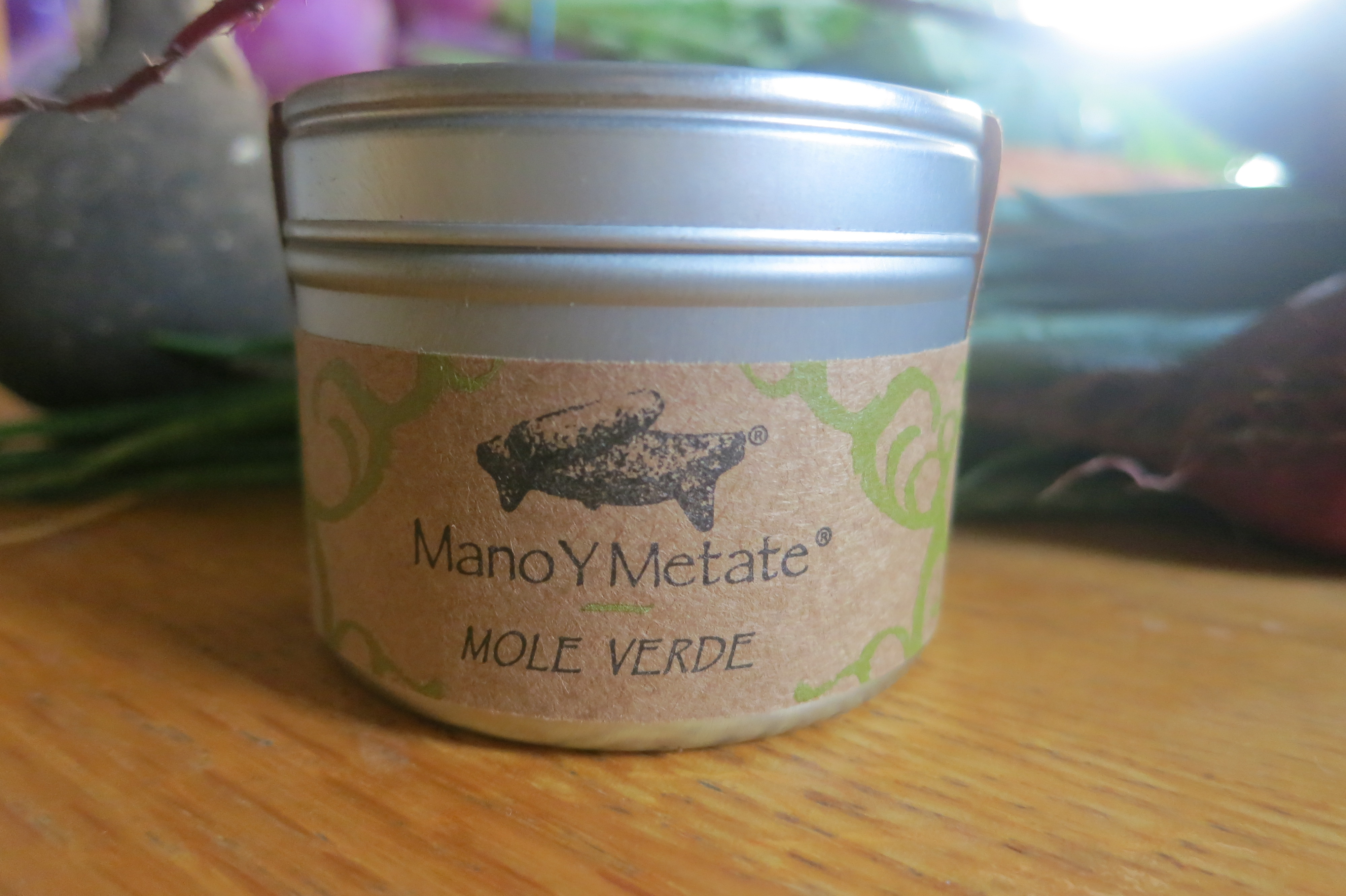
Hello, Amy Valdés Schwemm here, celebrating spring with two recipes using Mano Y Metate Mole Verde.

Spring root vegetables are on the table now! Carrots and purple diakon from Tucson CSA/Crooked Sky Farms, baby onions, and Cylindra beets from the Breckenfelds are very tender. The purple daikon is so mild and the baby beets and carrots sweet, and all prettiest when fresh. I’m sure we’ll have humongous taproots later in the season that will need roasting or pureeing.

023029

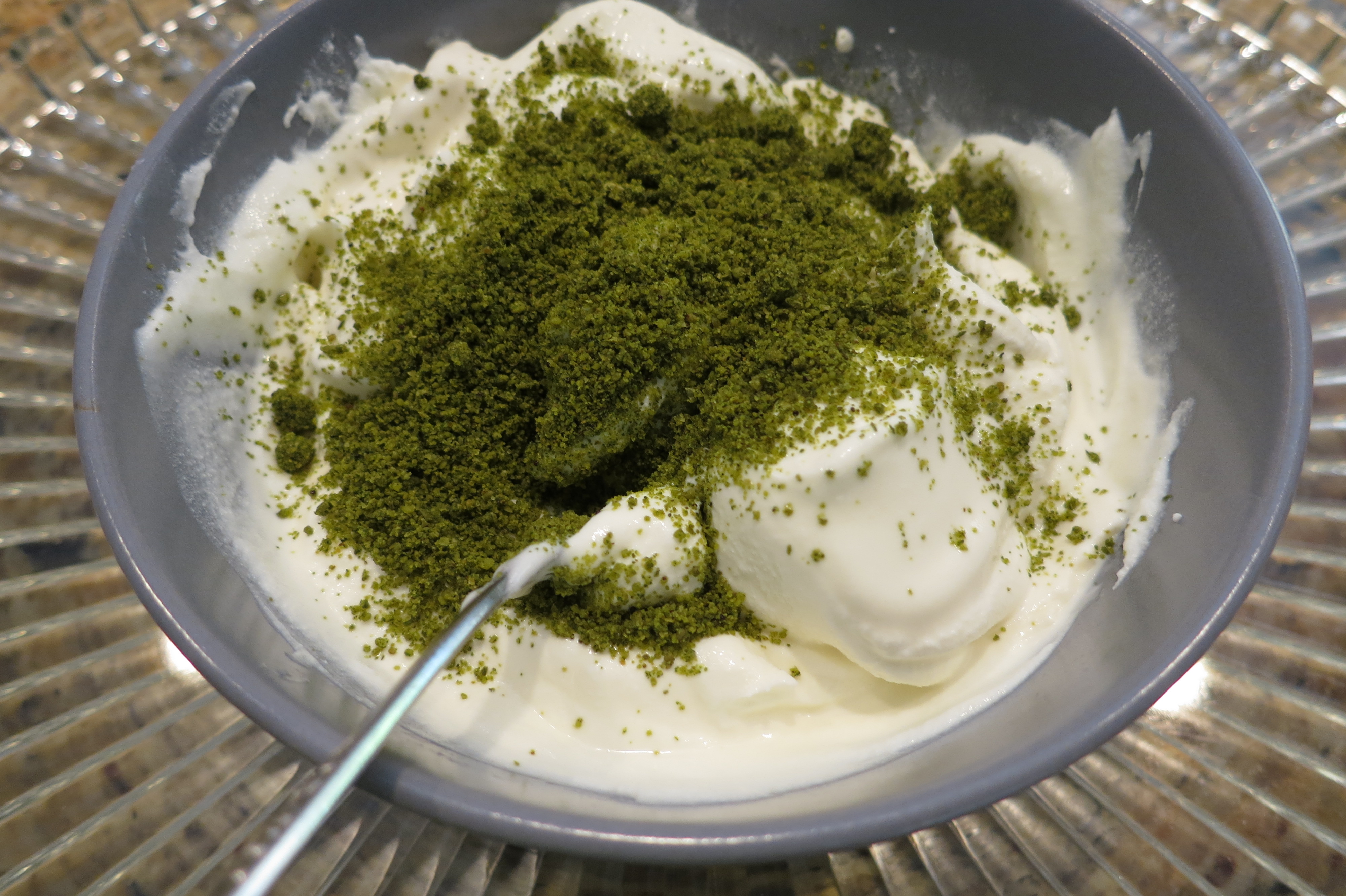
I love creamy dips with crisp, raw veggies. My sister makes a spicy and creamy dip from Mole Verde powder and sour cream. Just mix the two ingredients to taste and refrigerate to let the flavors blend.

thanksgiving 2012 (2)

Common sour cream works beautifully for this dish, but I had milk to use up, so I made homemade cultured ricotta to use as the base.

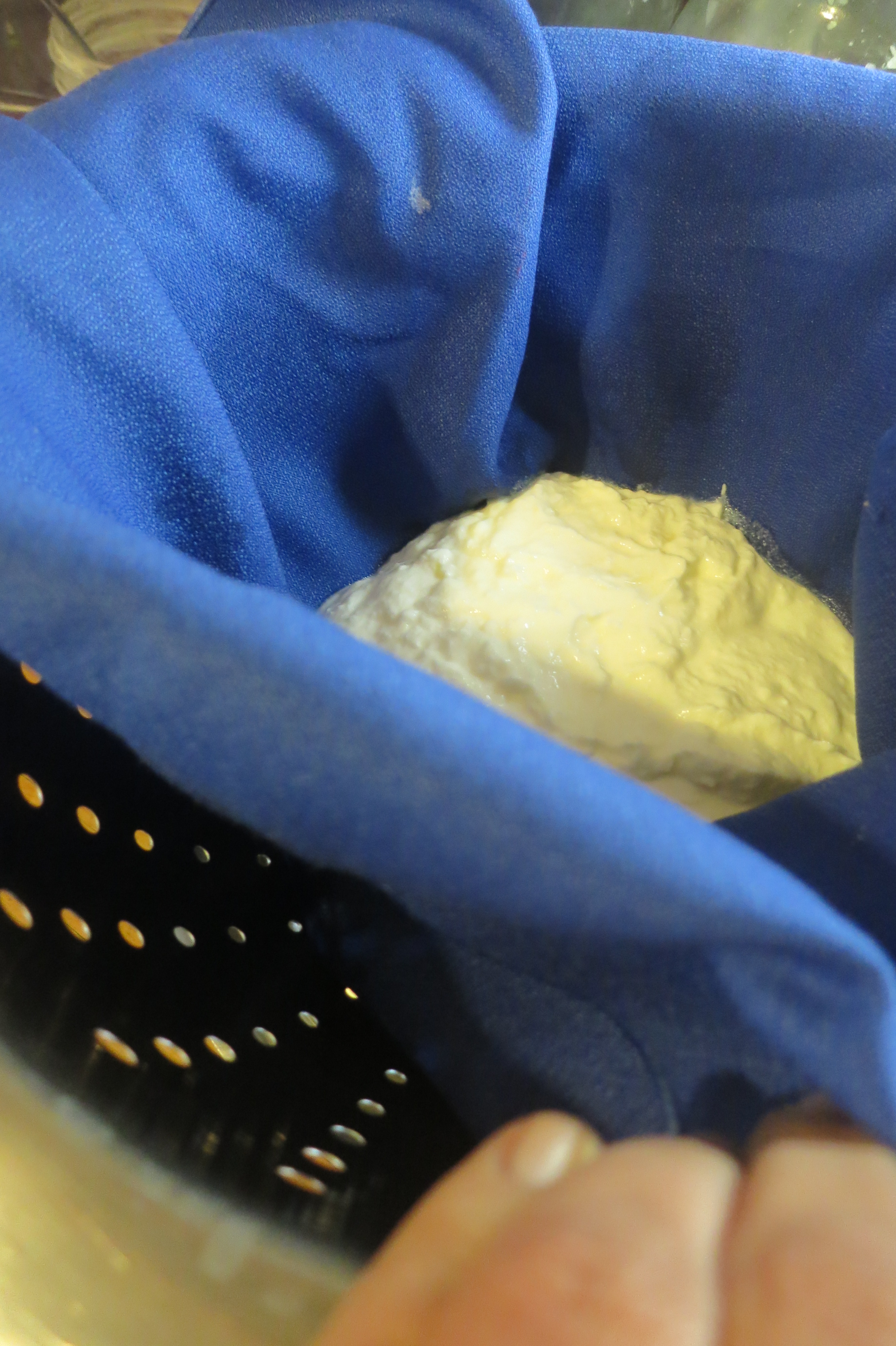
021To make, gently heat any milk in a pot directly on the stove to almost boiling, add strained lemon juice a spoonful at a time, then stir and watch the tiny curds form and the whey turn translucent. (My milk was raw and apparently soured enough to form curds when heated without added acid.) Allow to cool to room temperature, add an envelope of “Bob and Ricki’s Sour Cream Culture” available in Tucson from Brew Your Own Brew.

Strain though a cloth napkin, incubate at room temperature for 24 hours (either hanging in the tied up cloth or in a covered dish). For a smooth texture, whip in a blender or food processor. Salt to taste and refrigerate.

When you add the Mole Verde powder to taste, it can be as spicy or mild as you like. Delicious on tacos or any savory dish where you would use Mexican crema.


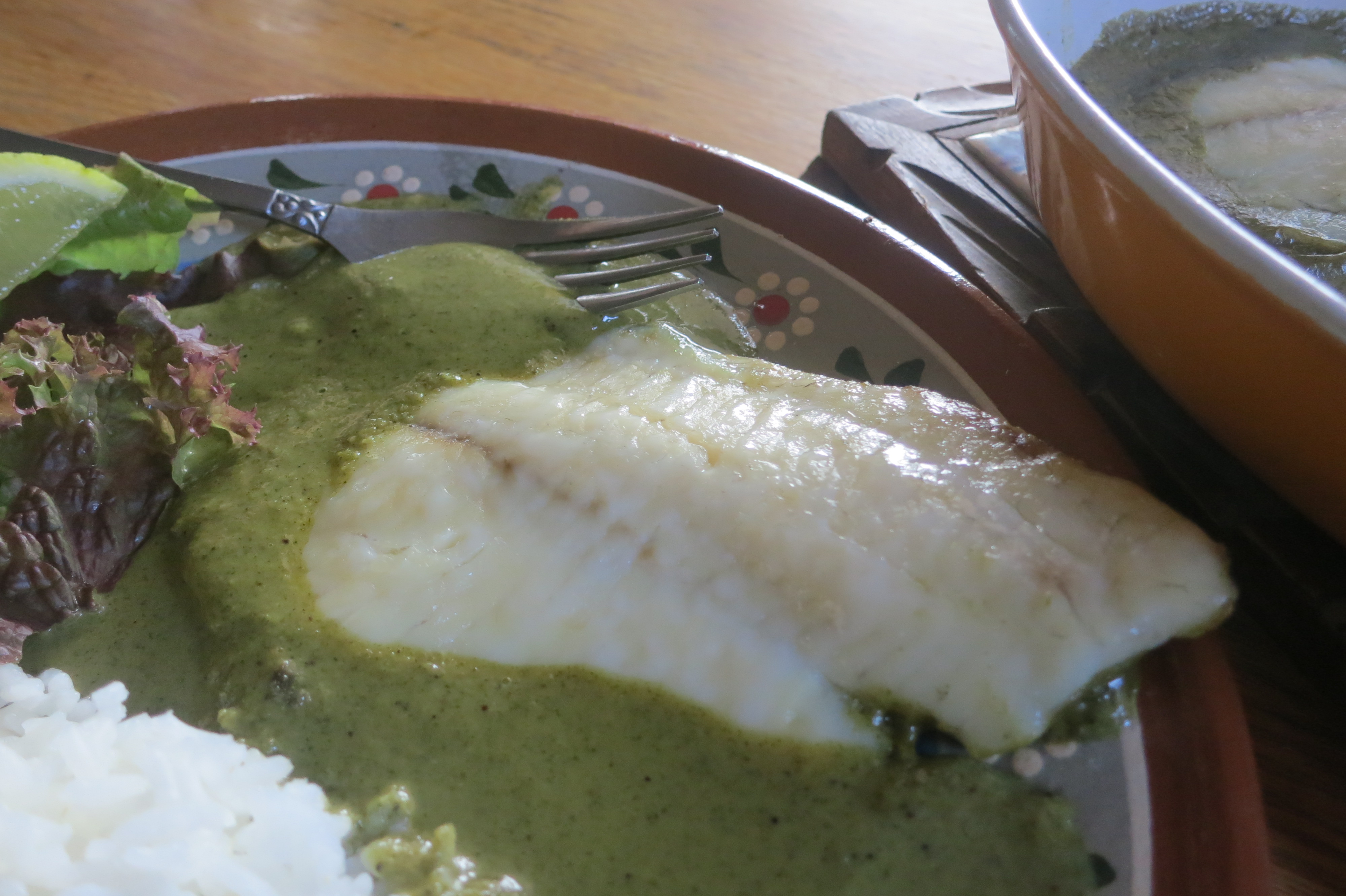
Pescado en Mole Verde/Fish with Mole Verde

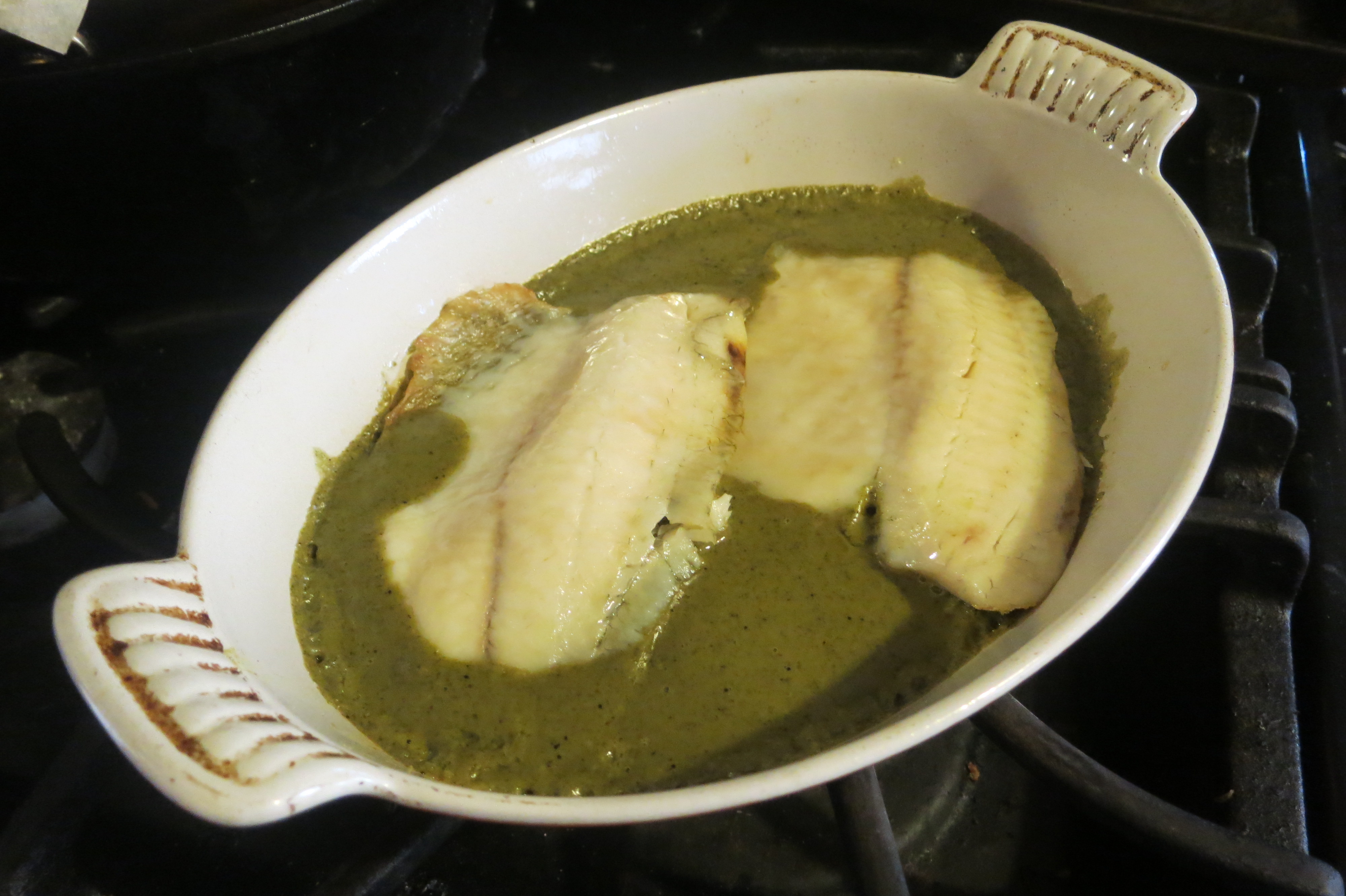
I’m waiting patiently for the tilapia to grow to harvestable size at a local school’s aquaponic system, so in the meantime, I purchase filets from the market. Simply oil both sides and bake for about 15 minutes at 400 degrees F. To make the sauce, put a couple tablespoons of chicken fat and one tin of Mole Verde powder in a saucepan, and stir until the paste is sizzling and fragrant. Add a cup of chicken broth and simmer until it thickens. (Any mild oil and broth can be used.) Pour over fish and return to the oven to keep warm.

001025
Mano Y Metate Mole Verde powder is only thickened with pumpkin seeds and sesame, where the other mole powders are thickened with organic corn tortilla meal and/or organic graham cracker in addition to other nuts and seeds. So Mole Verde makes a lighter sauce than the other moles, perfect for spring. It is spicy from roasted green Hatch chiles and jalapeno. The herbal notes are from parsley, cilantro and epazote. See Jacqueline’s excellent posts about each of those herbs.

014

Serve with plain rice, corn tortillas, and lettuce drizzled with lime juice. I had an anxious tester that doesn’t eat dairy, but I sometimes I add creama and a melty cheese to the sauce, reminiscent of Mariscos Chihuahua’s famous Filete Culichi.

krik

Have a good spring and enjoy the weather and wildflowers, and I’ll be back here in May.

Amy

ManoYMetate.com


Gifts from September Gardens–intentional and otherwise

Tia Marta here to share some culinary ideas happening now in Baja Arizona herb gardens, and to extend an invitation to visit el jardinito de hierbas at Tucson’s Mission Garden to experience the herbs in action!
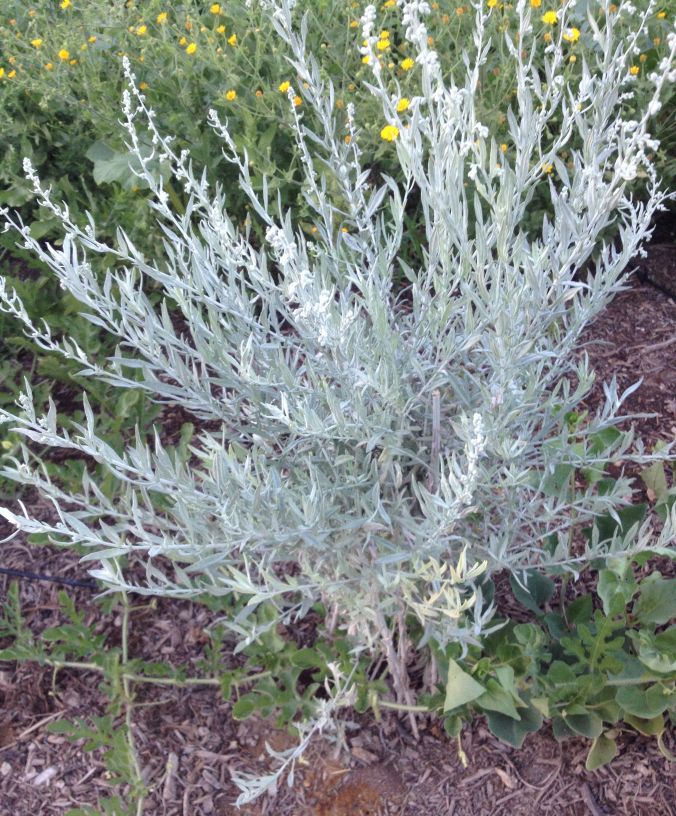
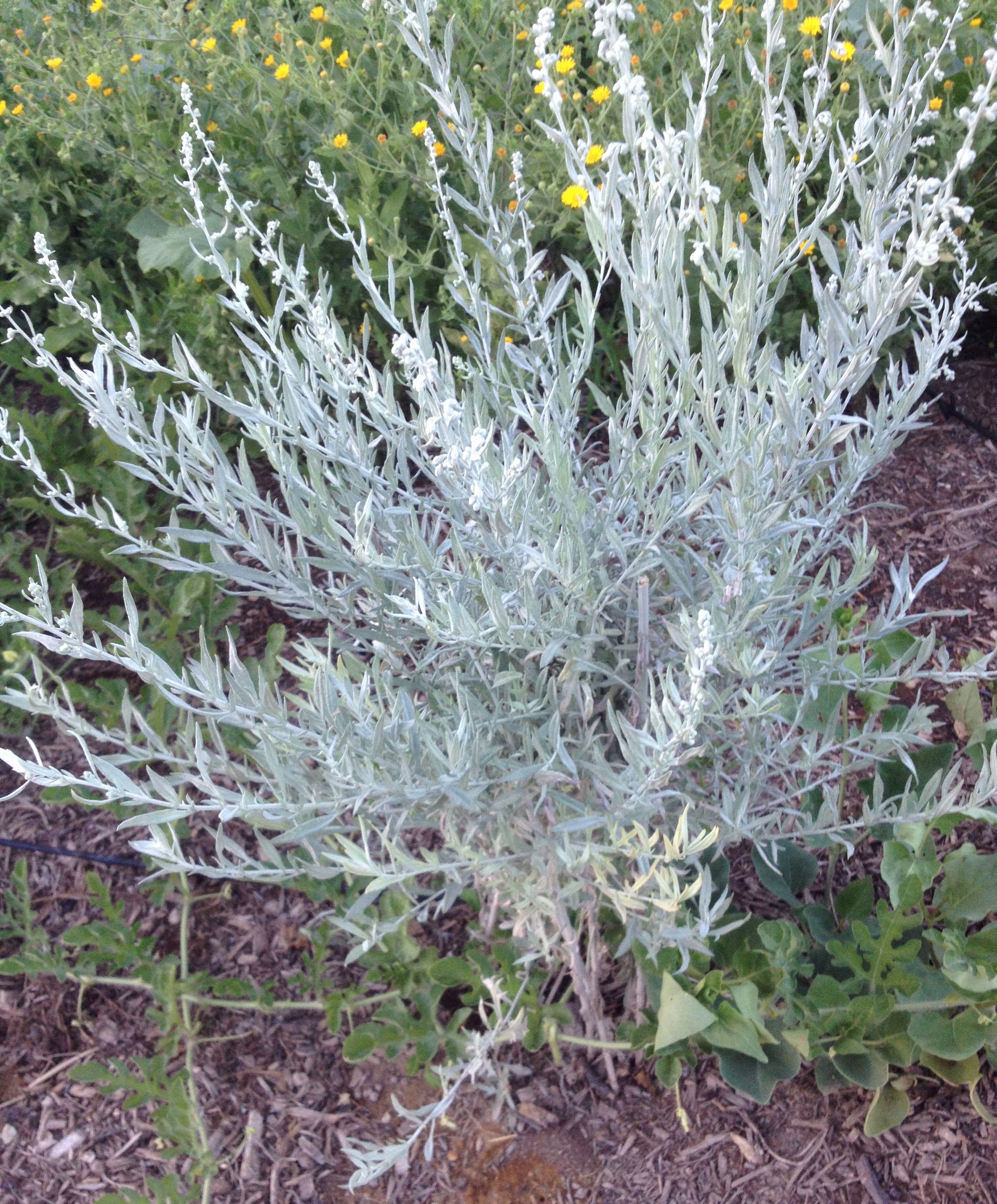
Estafiate--all purpose Artemisia ludoviciana--in the herb plot, Mission Garden (MABurgess photo)

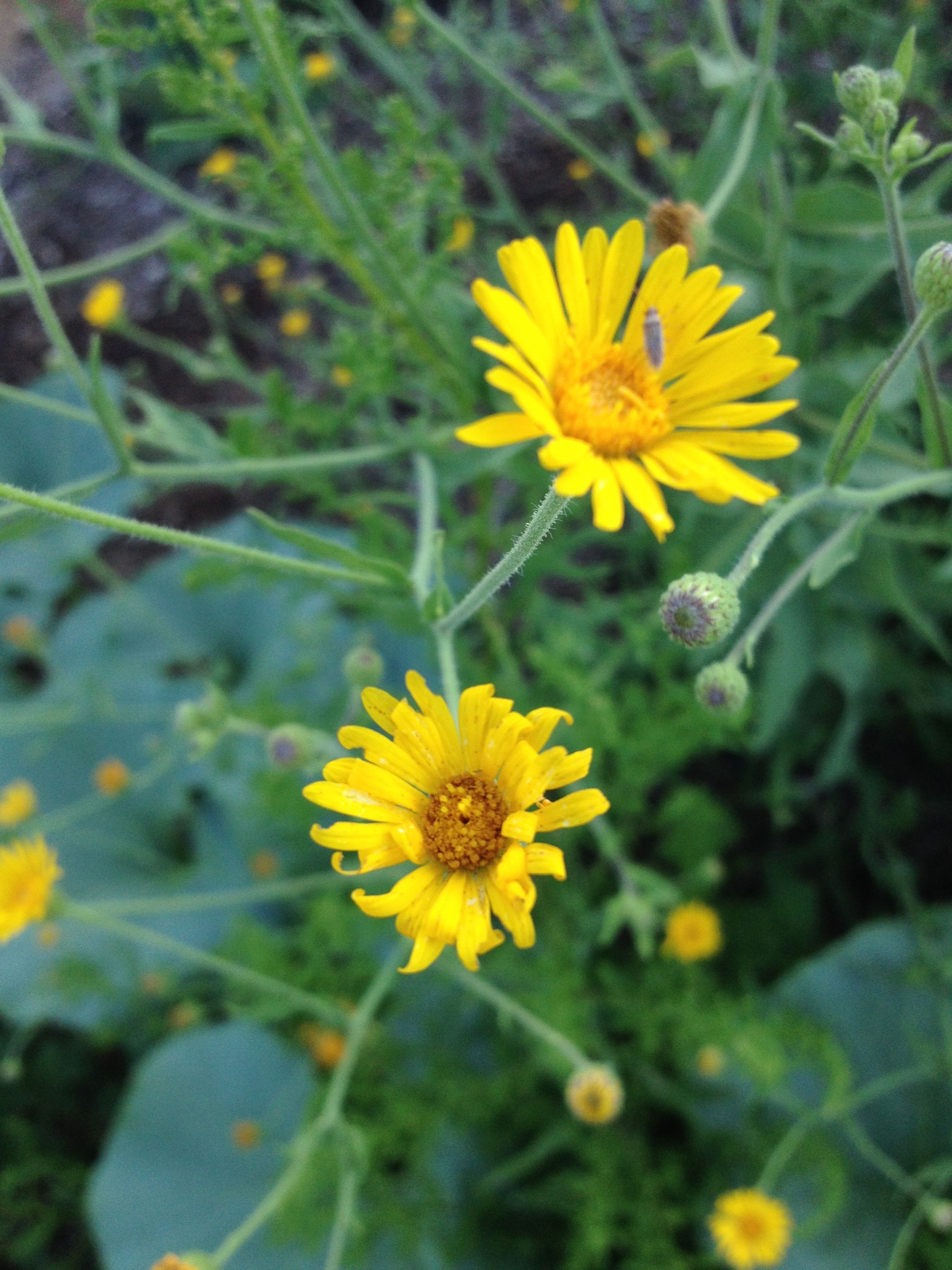
Estafiate–all purpose Artemisia ludoviciana–and Mexican arnica beyond (close-up of flower below), in the herb plot, Mission Garden (MABurgess photos)
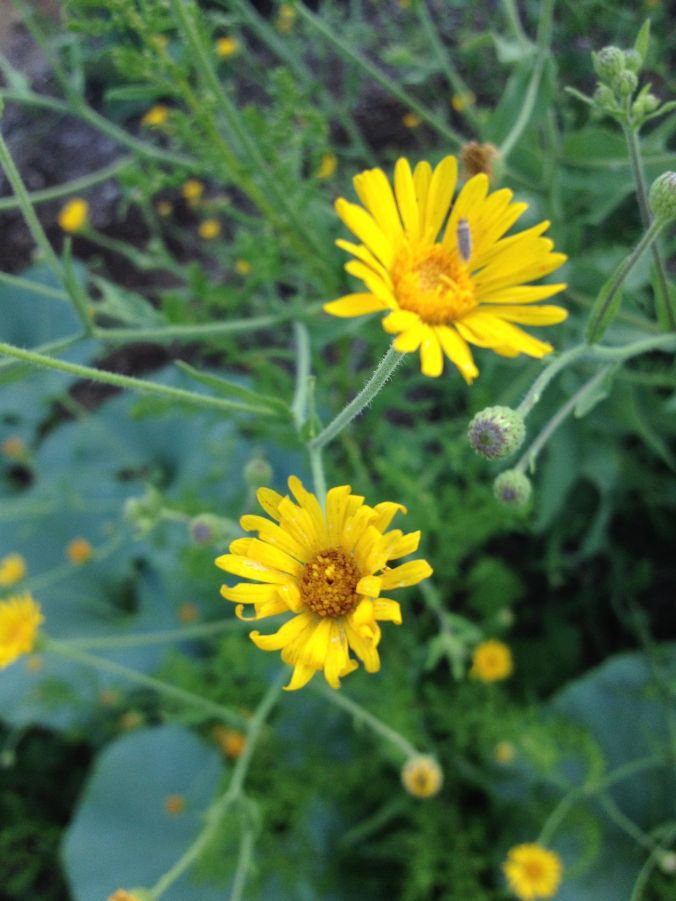
Heterotheca--Mexican arnica flower (MABurgess photo)

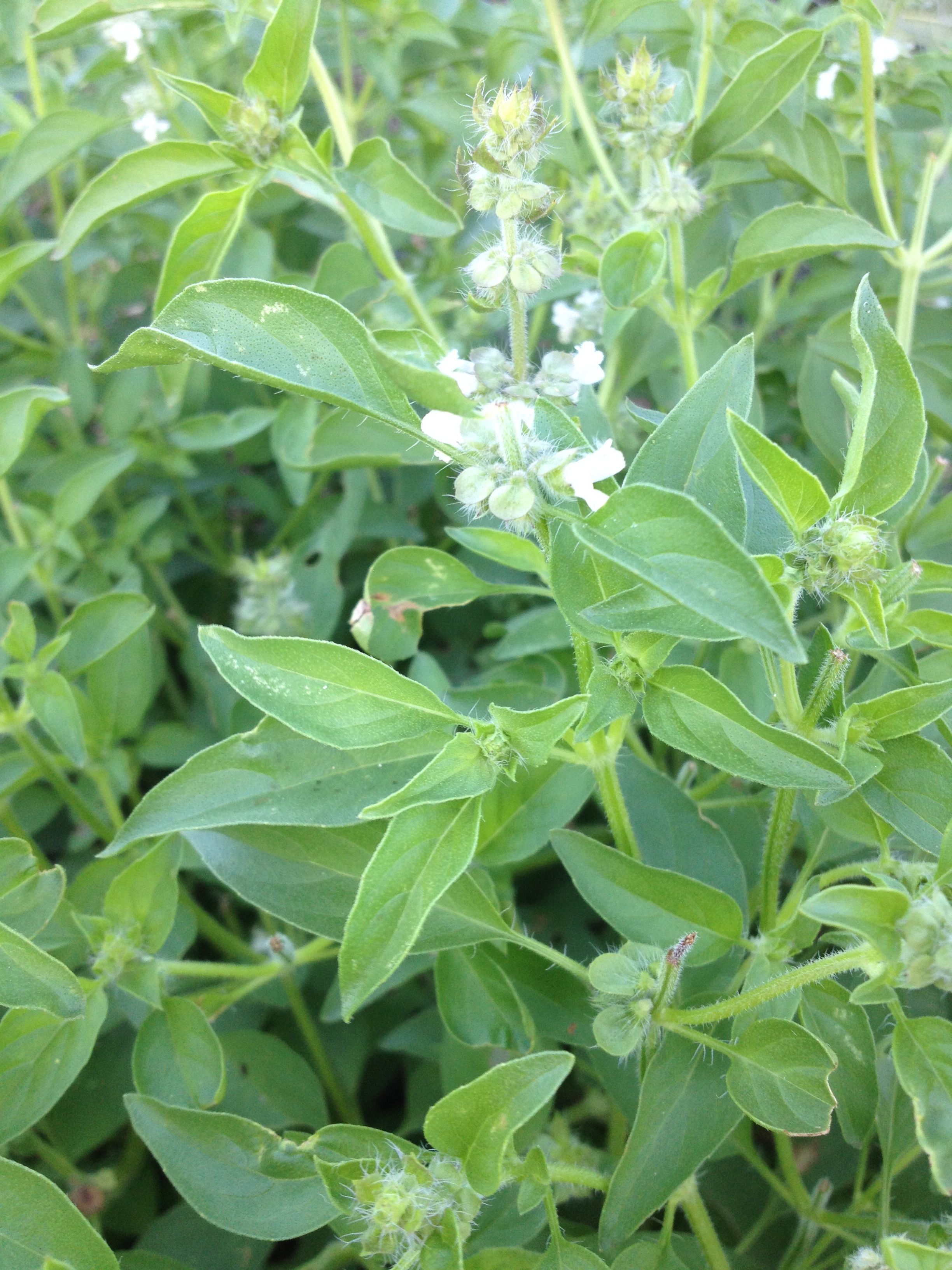
Of all the herbs in our Southwest summer gardens—presently rejoicing in monsoon humidity and in the soppy tail of Hurricane Norbert—I think the most exuberant has gotta be Mrs Burns’ Famous Lemon Basil……..
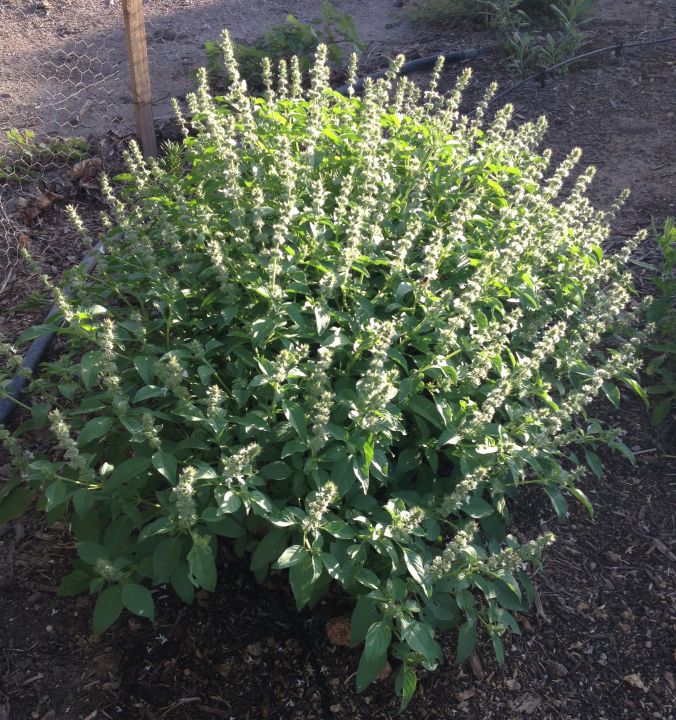
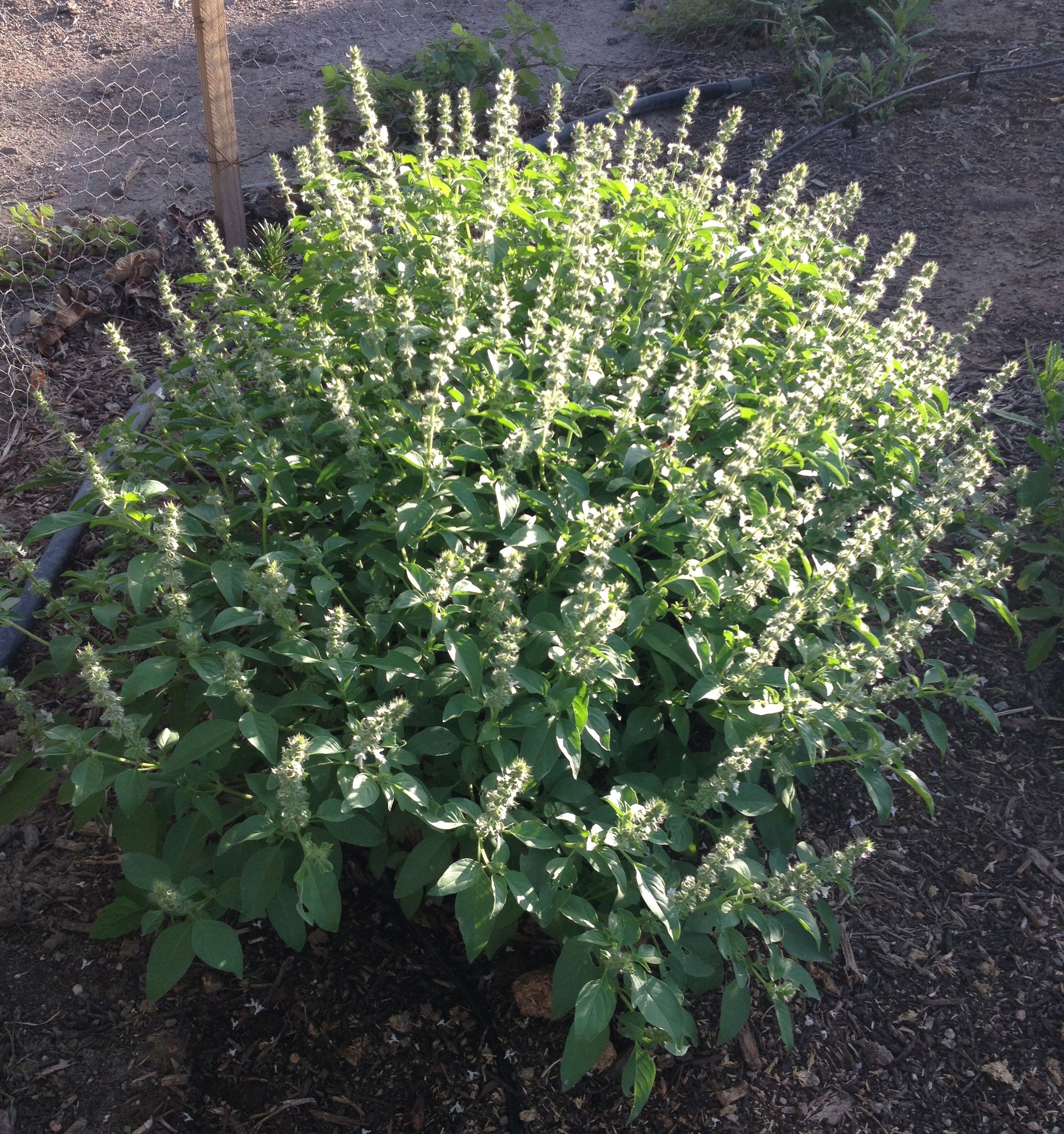
Mrs Burns' Famous Lemon Basil, at Mission Garden (MABurgess photo)

Mrs Burns’ Famous Lemon Basil, at Mission Garden (MABurgess photo)

In its versatility, Mrs Burns’ lemon basil provides many possibilities for the kitchen and the cosmetic chest, the first being olfactory delight. Brush its foliage lightly with your hands and you get an instant rush of enlivening yet calming lemon bouquet. Like Monarda or lavender, this lemon basil is definitely one to plant in a “moon garden” for nighttime enjoyment, or along a narrow walkway where you have to pleasantly brush up against it, getting a hit en route, always a reminder that life is good.

I wish this blog could be “scratch-and-sniff” so you could sense the sweet lemony aroma of this heirloom right now. Maybe technology can do that for us someday, but meanwhile, find a Native Seeds/SEARCH aficionado who has planted it and get yourself a sprig to sniff.   On any Saturday morning, come visit and whiff this desert-adapted basil at Mission Garden (the living history exhibit at the base of “A”-Mountain created by Friends of Tucson’s Birthplace). There, among Padre Kino’s heirloom fruit trees, in the monsoon Huerta vegetable plot, a group of herbalists known as Tucson Herbalist Collective (usually referred to as THC—like far out, righteous herbs, man, whatever) has planted a patch of traditional Mission-period medicinal and culinary herbs within reach of the fence. Lean over and touch Mrs Burns’ lemon basil for a real treat. At present (mid-September) “her” basil is a mound of dense smallish leaves and is sending up a zillion flower stalks sporting tiny white flowers. High time to snip the tops to encourage more foliage. Snippings can be used to zest a salad, to bedeck a platter of lamb chops, or to dry for a long-lasting potpourri.
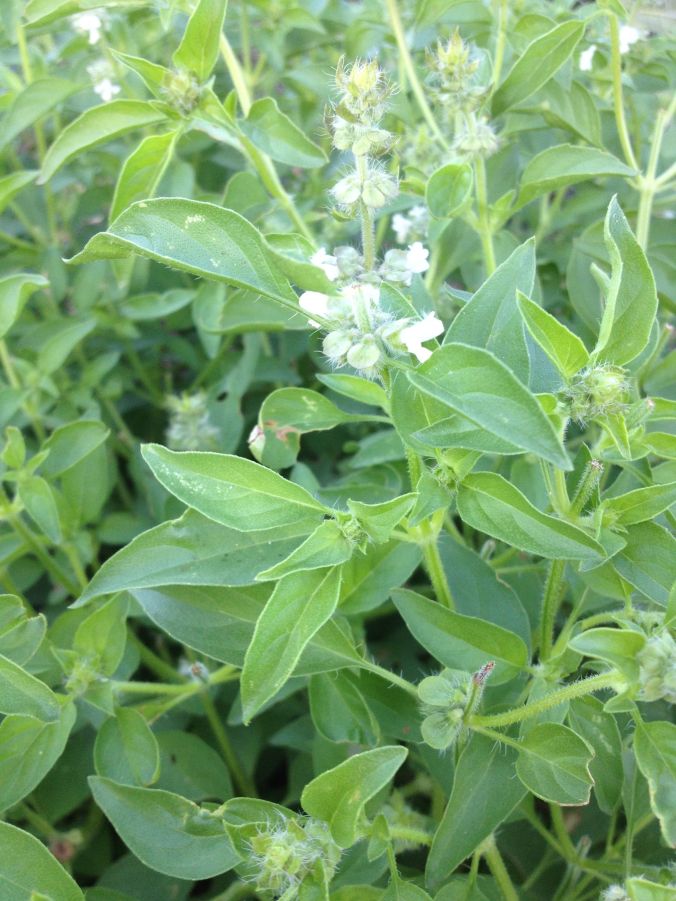
Close-up view of Mrs Burns' Famous Lemon Basil flowers and foliage (MAB)

Close-up view of Mrs Burns’ Famous Lemon Basil flowers and foliage (MAB)

Mrs Burns’ lemon basil—not your typical, soft, floppy-leafed basil—is bred for desert living, with smaller, sturdier foliage. Yes, it does need water, but it can take the desert’s heat and sun. This heirloom’s history is worthy of note and relating it honors the Burns family. The person who put “Famous” into the name Mrs Burns’ Famous Lemon Basil was Dr. Barney T. Burns, one of the founders of the seed conservation organization NativeSeeds/SEARCH and an amazing seed-saver himself, whose recent passing we mourn and whose life we gratefully rejoice in. It was his mother, Janet Burns, transplanted from Canada to Carlsbad, NM, who, with a neighbor over several decades, continued to grow and select surviving, desert-hardy seed in Southwestern heat. Barney contributed her basil seed as one of the first arid heirlooms to become part of the NSS collection. Interestingly, these tiny seeds have since traveled around the globe. One year Johnny’s Seeds picked it up, grew it out for their catalog, and sent NSS a check for $600 in royalties, having profited considerably from its sale.

You can use Mrs Burns’ Famous Lemon Basil leaf in many marvelous dishes. Layer fresh leaves with slices of farmers’ market tomatoes and thin slices of feta or fontina cheese and droozle with flavored olive oil. (I like Queen Creek Olive Mill blood-orange.) And OMG—this basil makes phenomenal pesto. Include this lemon basil with roast chicken for the best lemon-chicken ever. Dry it and put it in stuffing. Add a few fresh leaves to salad for a taste surprise. Or, add a sprig to soups to add a tang. You can even bedeck a glass of V-8 or your Bloody Mary with a lemon basil sprig to fancy up your presentation.
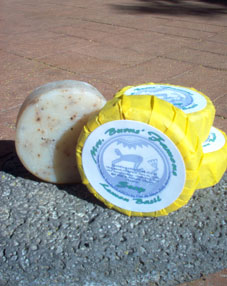
 

Handmade soap with Mrs Burns' Lemon Basil-infused jojoba oil (MABurgess photo)

Handmade soap with Mrs Burns’ Lemon Basil-infused jojoba oil (MABurgess photo)

Once when I enthusiastically grew a 50-foot row of Mrs Burns’ basil, it produced for me bags of dried herb, inspiring some fragrant projects. I distilled the aroma-rich herb to make a gentle hydrosol spray which, I feel, carries medicinal/psychological qualities of soothing, pacifying refreshment. By first infusing this marvelous herb in jojoba oil, I create beauty bars—with Mrs Burns’ Famous Lemon Basil as the exfoliant in the soap—available at the NativeSeeds/SEARCH store, the Flor de Mayo booth at St Phillips Farmers Market, or at http://www.flordemayoarts.com.

In my mass planting of lemon basil, I observed bees going totally ecstatic over the profuse flowers and so wished that I had had bee boxes close-by. If any desert bee-keepers want to try a new gift to their bees and to us consumers of honey, I recommend they plant this one. Can’t think of anything finer than Mrs Burns’ Famous Lemon Basil honey!
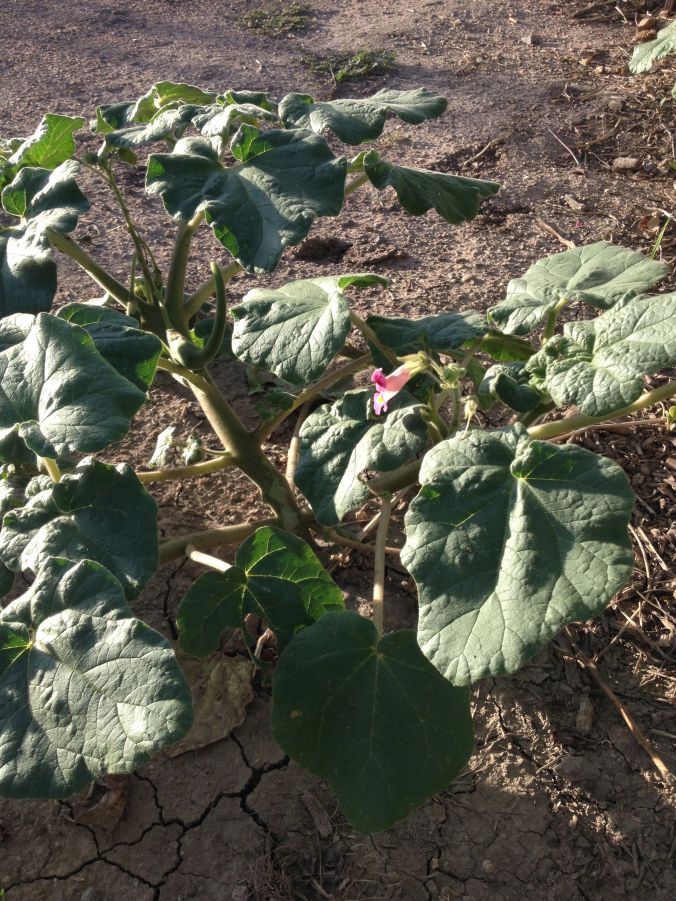
Brush leaves of devilsclaw for a cooling sensation (MABurgess)

Brush leaves of devilsclaw for a cooling sensation (MABurgess)

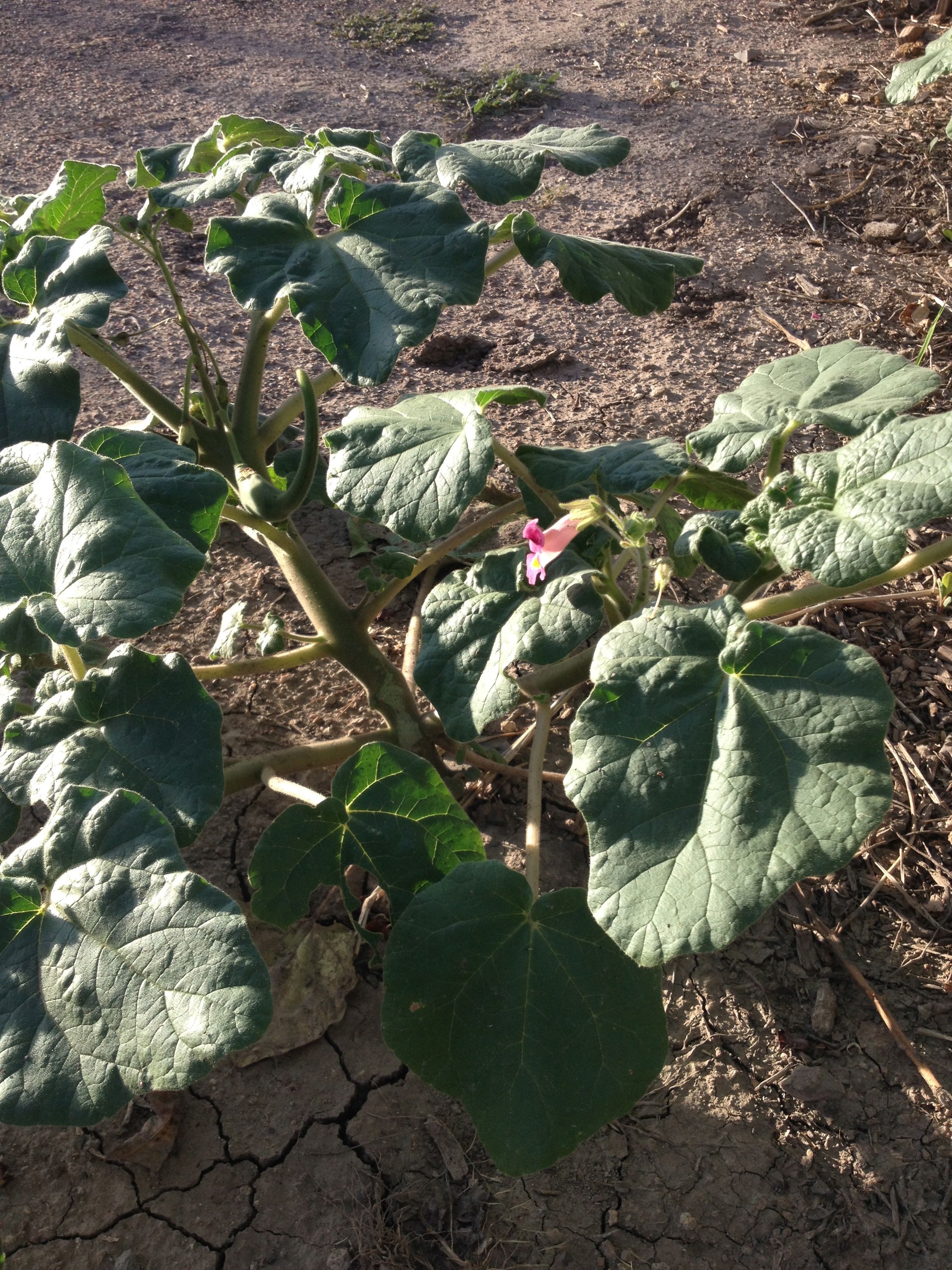
Here in culinarily-exciting Baja Arizona, as we promote the uniqueness of Tucson as an International City of Gastronomy, it is fun to consider another of our unique local food plants, a wild and unlikely weed which pops up with monsoon rains in low places, including at Mission Garden and is respectfully spared there. Known as i:hug by the Tohono O’odham (pronounced eee’hook), devilsclaw or unicorn-plant by Anglos, and Proboscidea spp by taxonomists, ours is not to be confused with the herb devilsclaw of commerce, Harpagophytum procumbens native to South Africa. Our native i:hug (of which there are a few species, some yellow-flowered, some pink) is a weed of many uses.
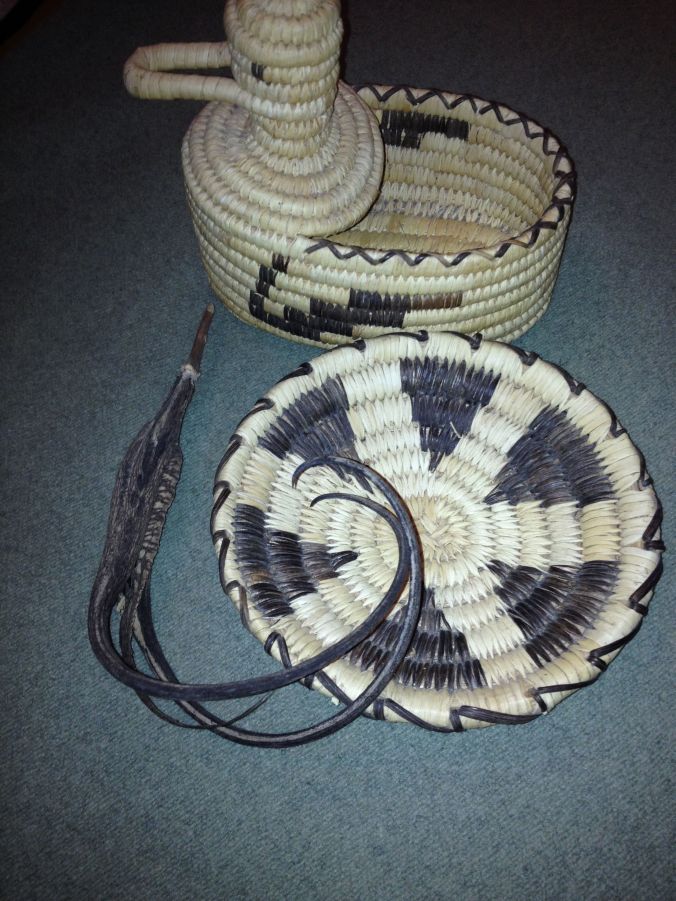
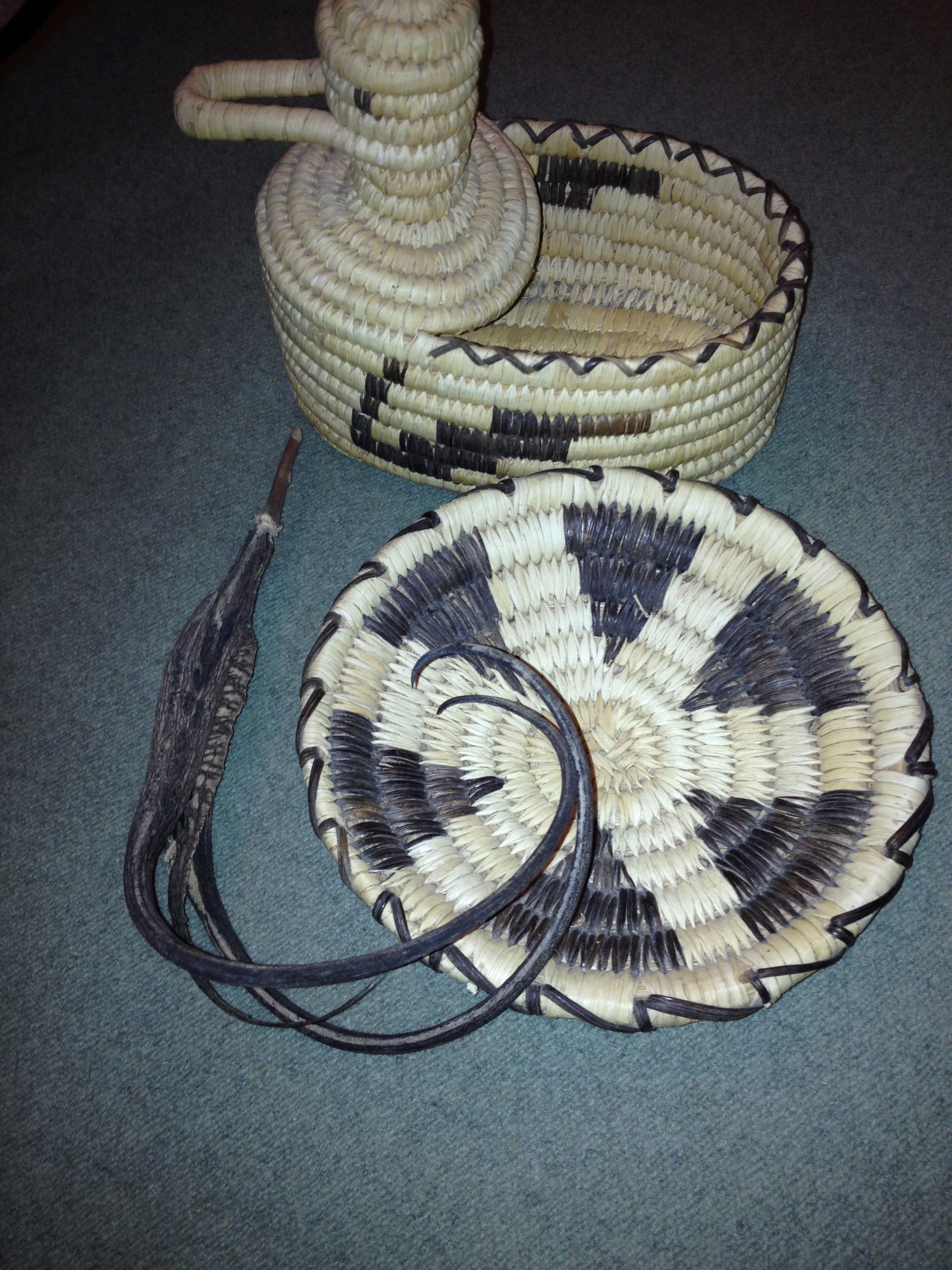
Tohono O'odham coiled basket by Juanita Ahil with domestic long-clawed i:hug (MABurgess photo)

Tohono O’odham coiled basket by Juanita Ahil with domestic long-clawed i:hug (MABurgess photo)

It is primarily known as the fiber used by Tohono O’odham, Akimel O’odham, and N’de weavers to create the striking black designs in their coiled basketry. Otis Tufton Mason’s tome Aboriginal American Indian Basketry, first published by Smithsonian Institution in 1904, shows beautiful specimens of unicorn-plant weaving, and mentions its use by many desert people including Panamint basket-makers of Death Valley.

I have a feeling that the devilsclaws that are volunteering now at Mission Garden are the children of plants that have been grown by Native People in that very place along the Santa Cruz for many centuries.
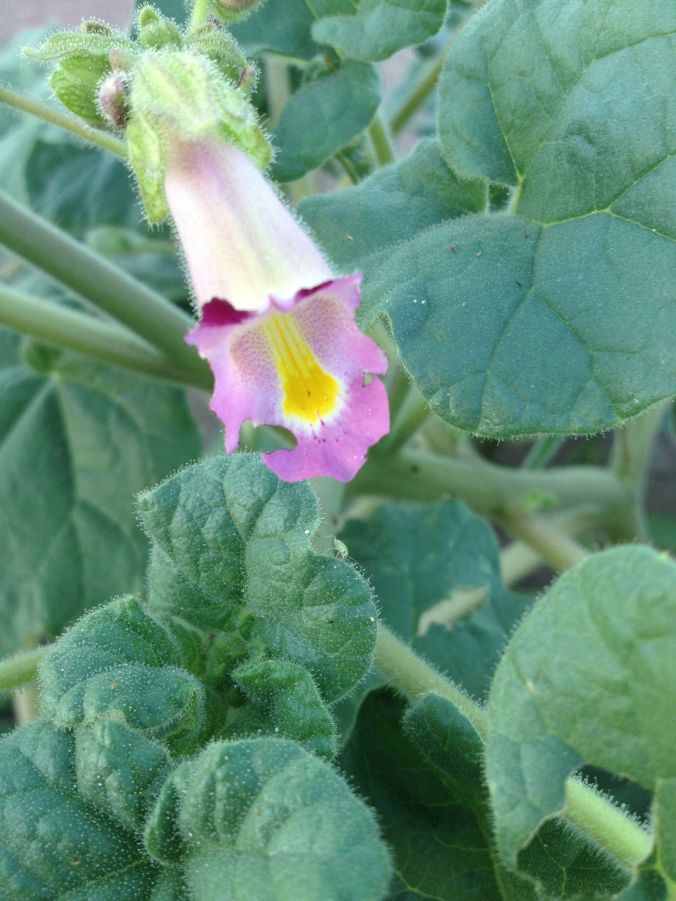
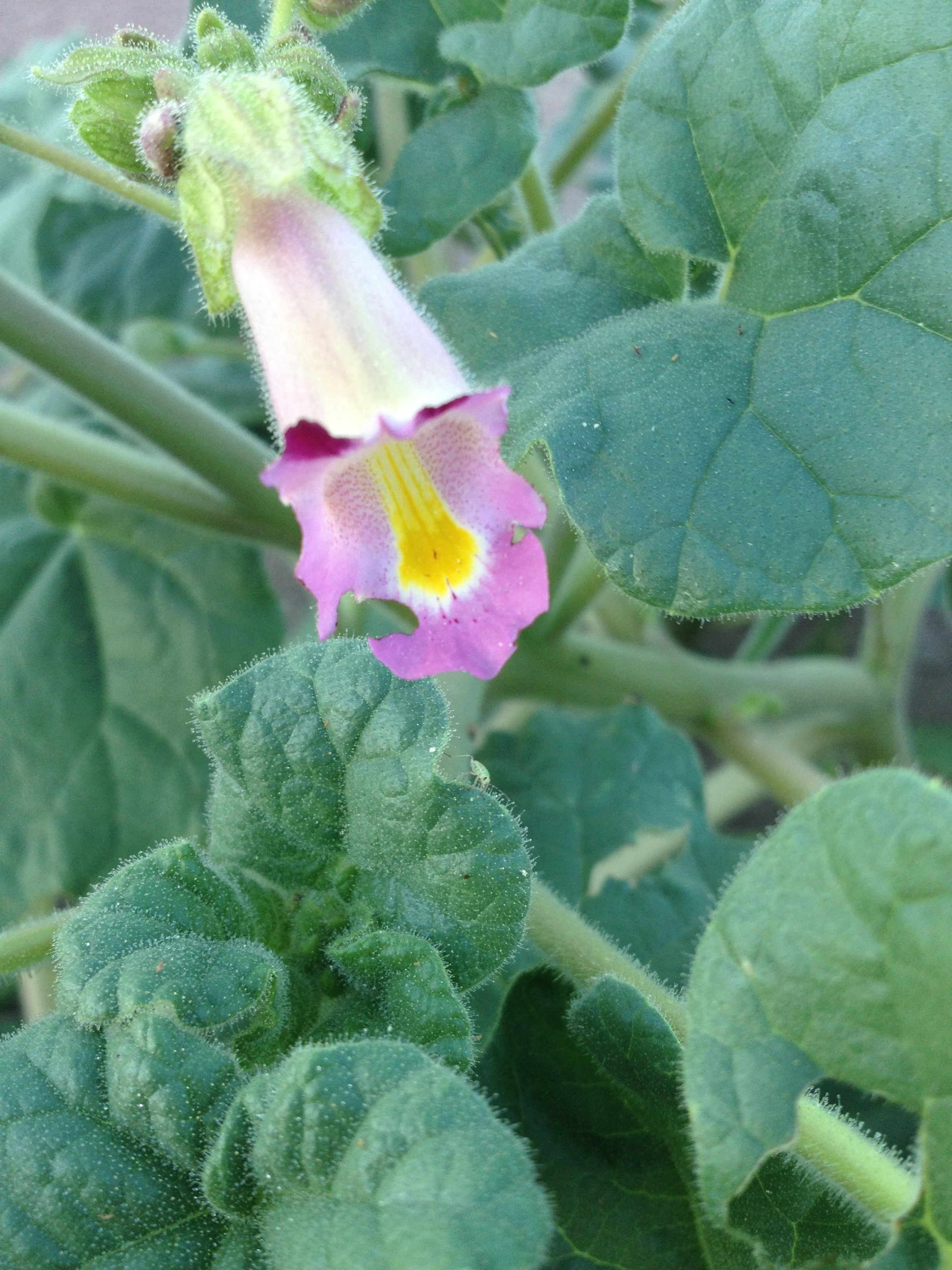
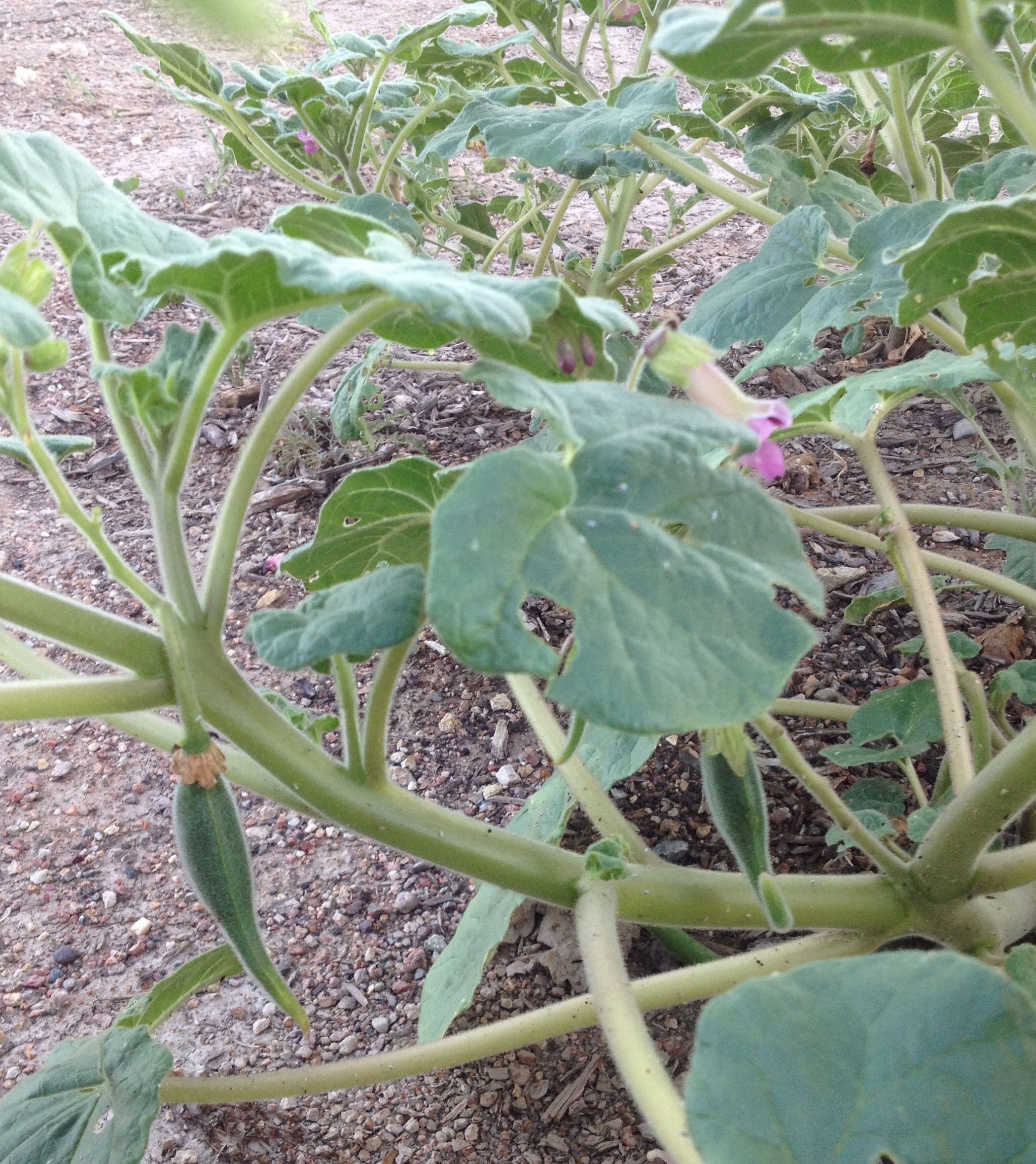
Devilsclaw (Proboscidea) flower close-up (MABurgess photo)

Devilsclaw (Proboscidea) flower close-up (MABurgess photo)

As an ornamental, unicorn-plant or devilsclaw can be a welcome surprise of greenery in late summer into fall, making a mound of large leaves sometimes 2’ high and 3’ wide. Tucked among its spreading fuzzy branches, under velvety maple-leaf-shaped foliage, will appear tubular flowers edged in pink. Should you need a cooling touch on a hot day, just lightly brush one of its big leaves and you are instantly refreshed. The velvety look of devilsclaw foliage is actually one of the plant’s defenses against water-loss. Each leaf is covered with fine hairs. At each hair tip is a gland containing a microscopic bead of moisture. Hair causes wind-drag, slowing evaporation from the leaf surface. What evaporates from the glands acts to cools the leaf—what remains can also cool our skin, should we touch it.
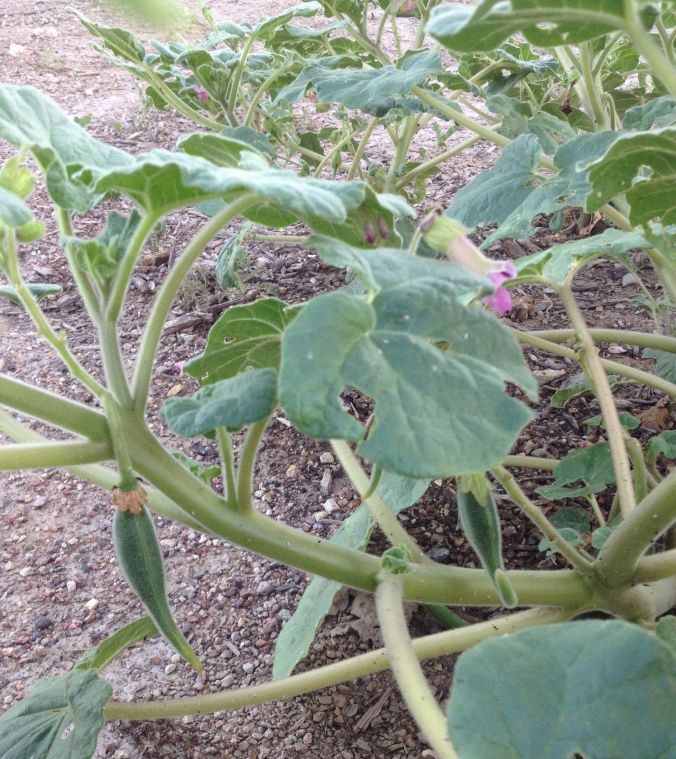
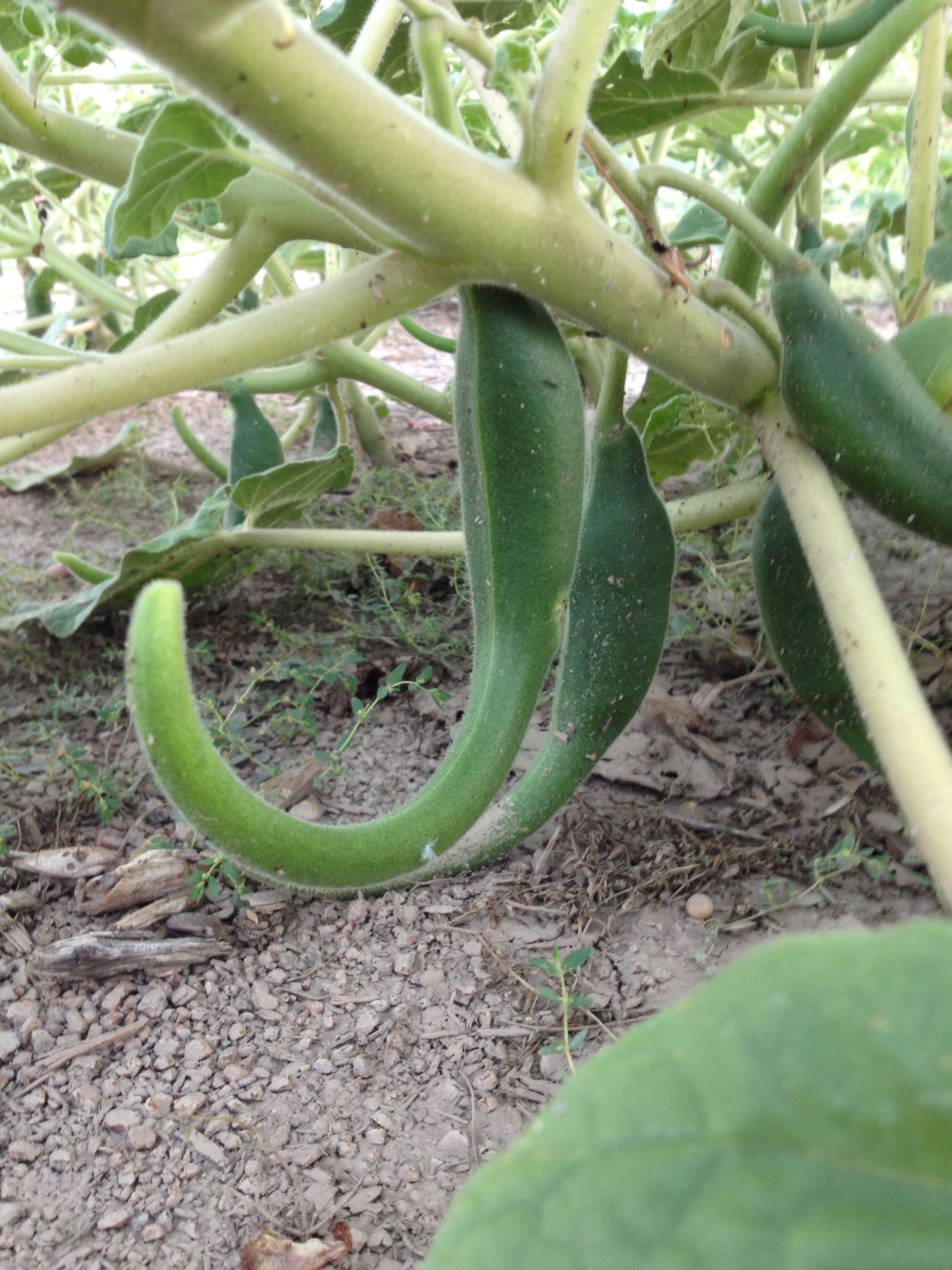
Young, harvestable devilsclaw pods (MABurgess photo)

Young, harvestable devilsclaw pods (MABurgess photo)

Most interesting of all are the foods that our native devilsclaw can provide. After pollination of the flower, a small green curved pod emerges like a curled, fuzzy okra. When young, that is, under about 2 ½” long, and before the pod develops woody tissue inside, these small green unicorns can be steamed as a hot vegetable, stir-fried with onion, green chile or nopalitos, or pickled for a Baja Arizona snack.
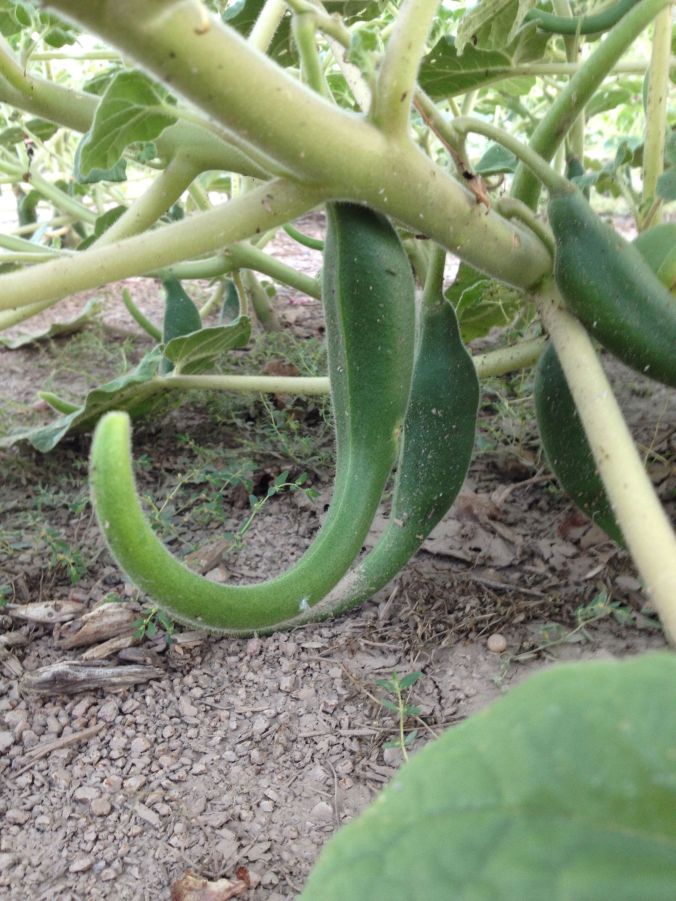
Maturing green devilsclaw pods beyond the food stage (MABurgess)
Maturing green devilsclaw pods beyond the food stage (MABurgess)

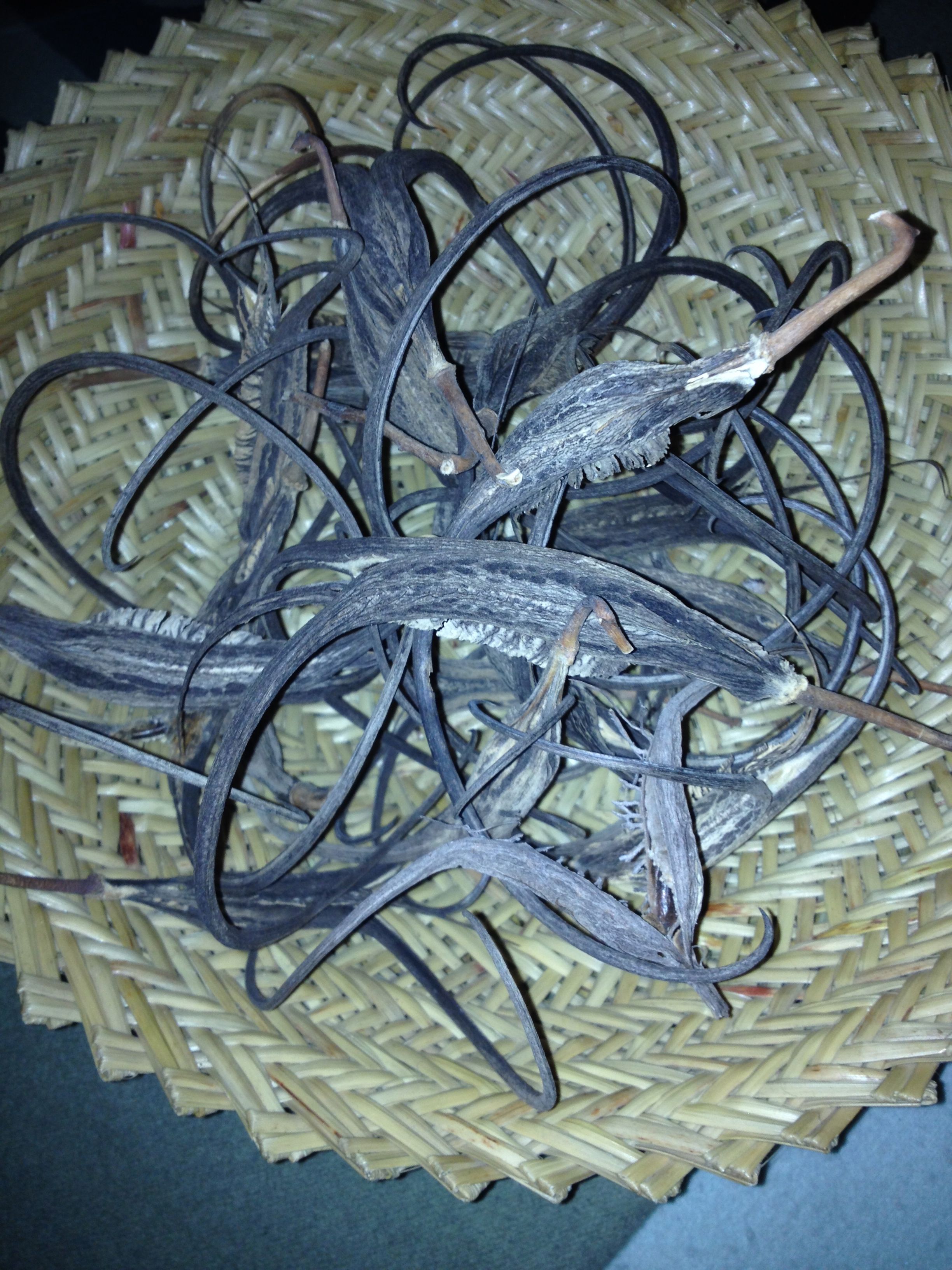
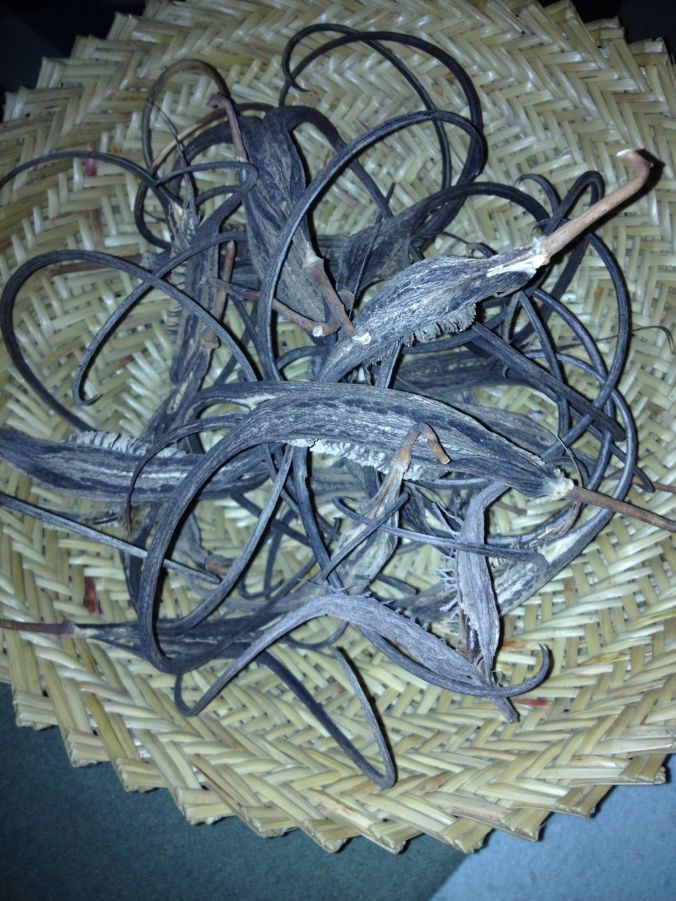
Tangled wild devilsclaw dry pods ready to split for basketry and seed harvesting (MABurgess)

Tangled wild devilsclaw dry pods ready to split for basketry and seed harvesting (MABurgess)

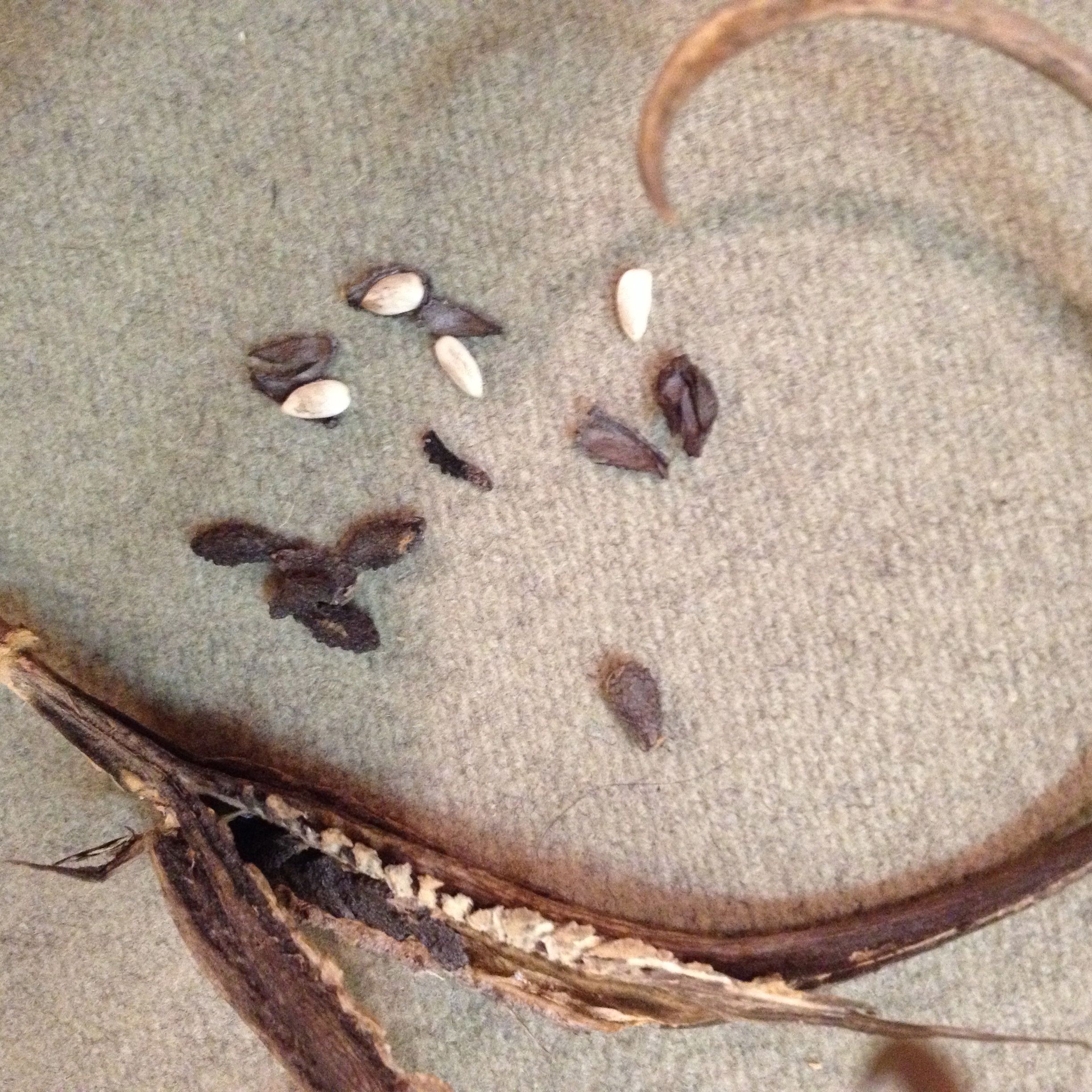
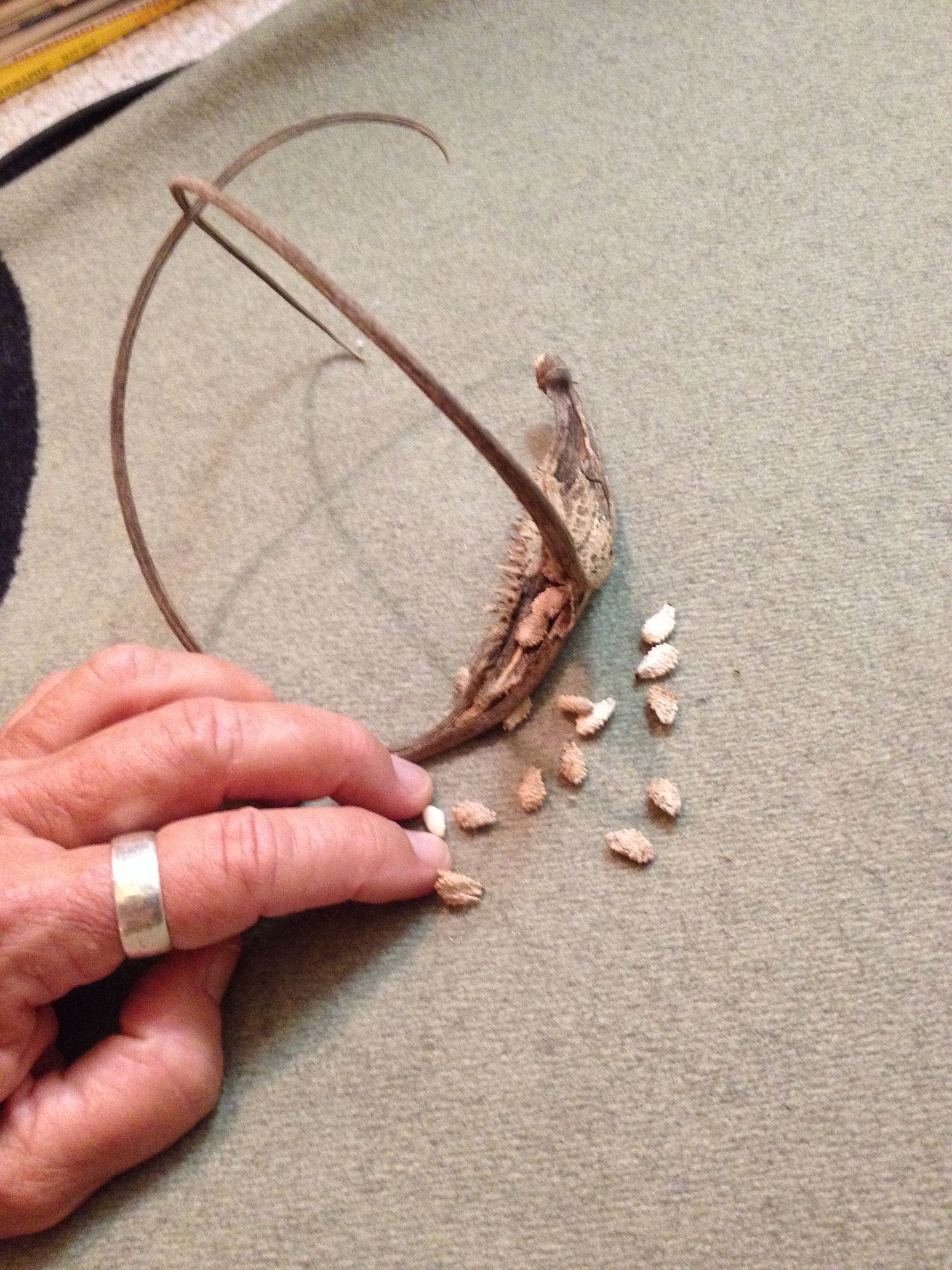
When the long green pods of devilsclaw ripen, the skin will dry and slough off leaving a tough, black, woody seed-pod that splits with very sharp tips. (Beware how they can grab—they were “designed” to hitch a ride on a desert critter’s hoof or fur and thus spread the seed.) With care, and sometimes the need for pliers, open the pod and out will come little rough-surfaced seeds. If your incisors are accurate, and if you have lots of time to get into meditations on i:hug, you can peel off the rough outer seed skin. Inside is a yummy, oil-rich and fiber-rich seed that looks like an overgrown sesame seed. (In fact, scientists at one point had classified Proboscidea in the same taxonomic family as sesame but it now stands in its own.)
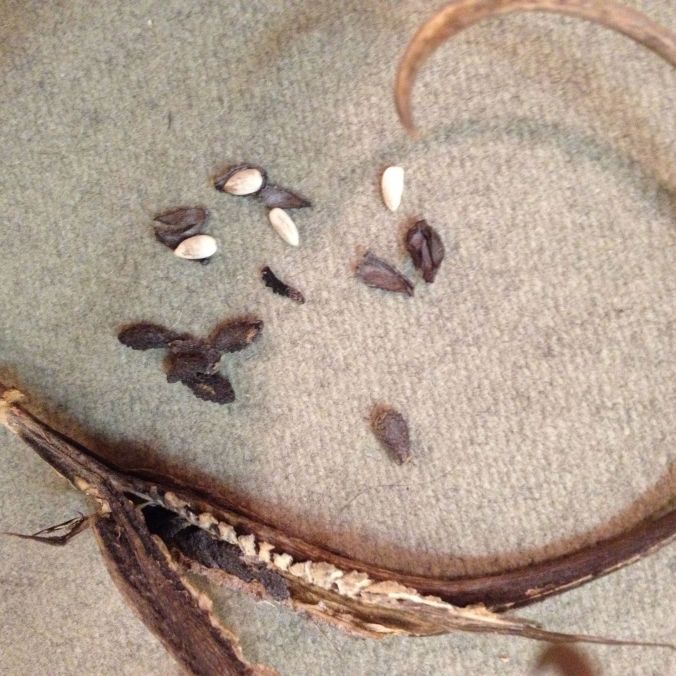
Black seeds of wild devilsclaw from split pod.  White inner seeds delish after peeling (MABurgess photo)

Black seeds of wild devilsclaw from split pod. White inner seeds are delish after peeling. (MABurgess photo)
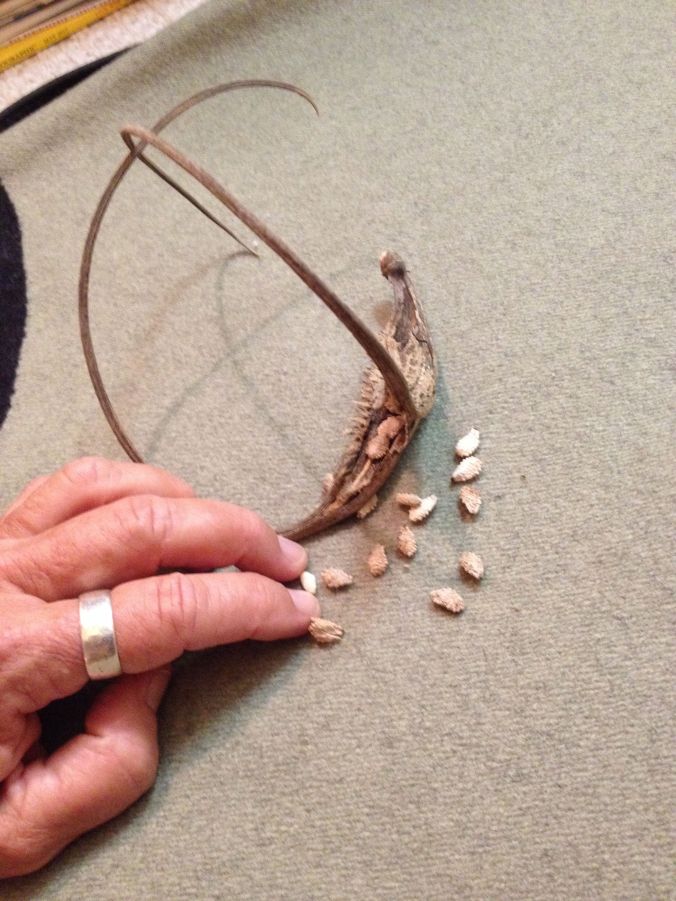
White-seeded domestic devilsclaw has slightly larger seeds like giant sesames (MABurgess photo)

White-seeded domestic devilsclaw has slightly larger seeds like giant sesames.  Peeled inner seed between fingers is ready to eat. (MABurgess photo)

When I see cutesy figurines of roadrunners or Christmas ornaments made with devilsclaw pods, my first thought is, wow, what a waste of a good treat, but then gladly, I realize that this unique plant produces more than enough fresh pods and mature pods to satisfy all the purposes of Nature or hungry and/or creative humans. Give i:hug a try!

Edible Flowers of Spring

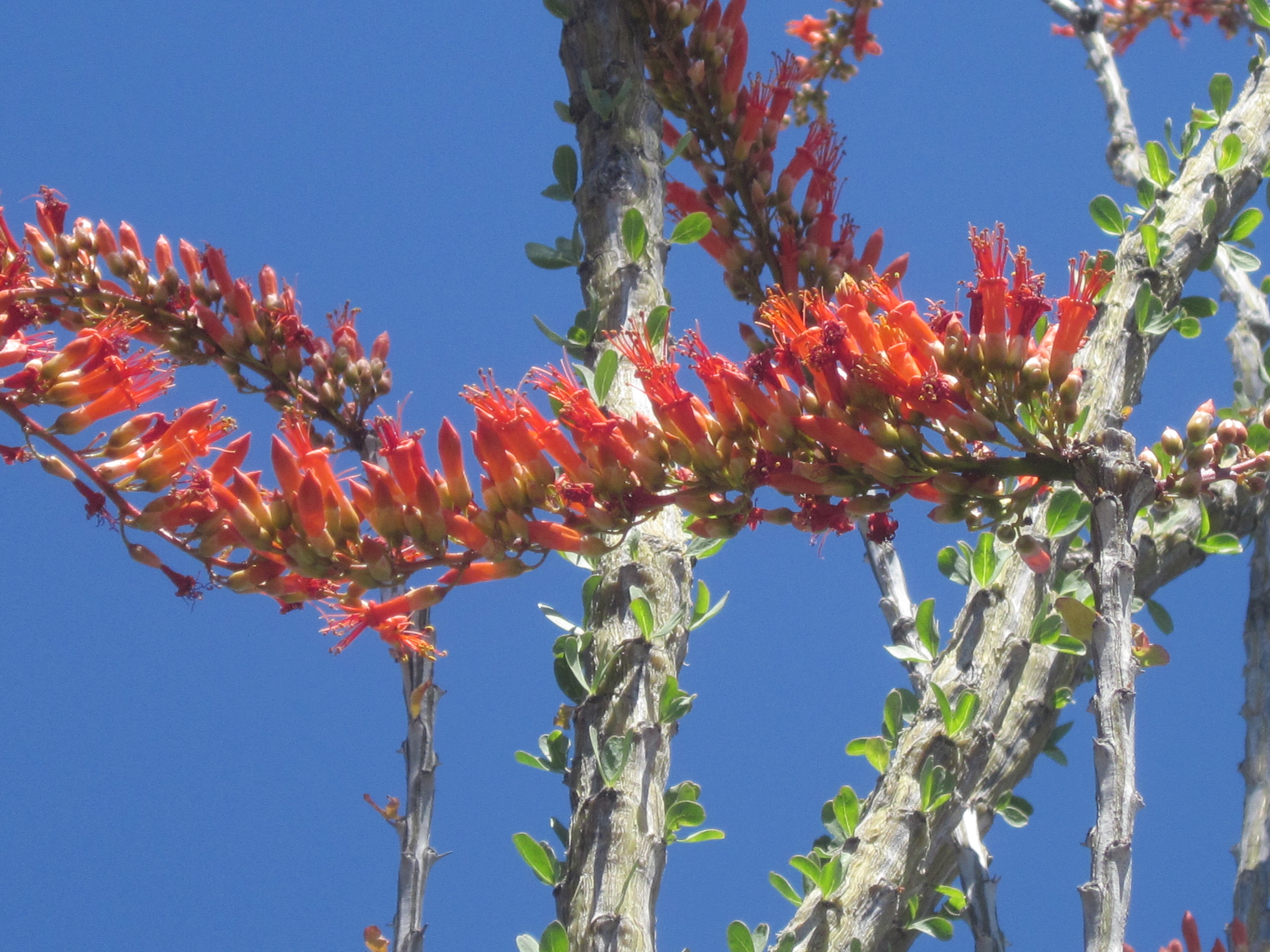
Ocotillo blossoms

Ocotillo blossoms

It’s Carolyn today. Two months ago Tia Marta wrote about gathering and preparing delicious cholla buds, but that is only the barest beginning of the edible flowers that can add fun and interest to our meals. Spring is the best time to find the biggest bounty of  beautiful munchibles.  Gather a bowlful of ocotillo blossoms, add water, and let it stand overnight. You’ll have a delicate juice. The flowers must be open for the nectar to leach into the water.  I wrote about the early Native American uses to ocotillo as a medicinal herb in American Indian Cooking: Recipes from the Southwest. 
Ford at Empire 015

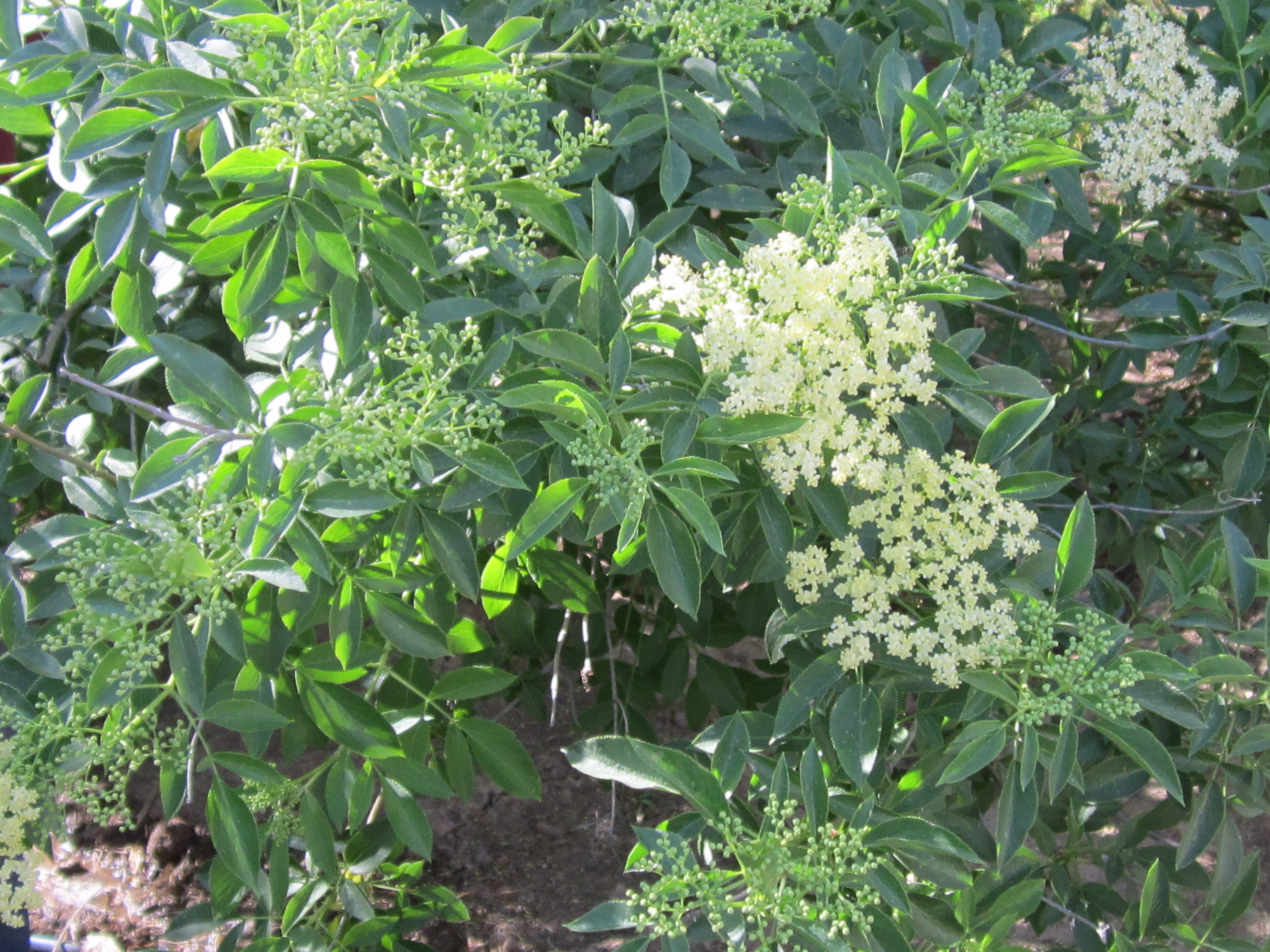
Blossoms on elderberry bush.

This is also the season for elderberry bushes to flower.  Sometimes called elderblow, the flowers make delicious fritters.  I have given full directions in my earlier blog Carolyn’s Southwest Kitchen and you can see it here.

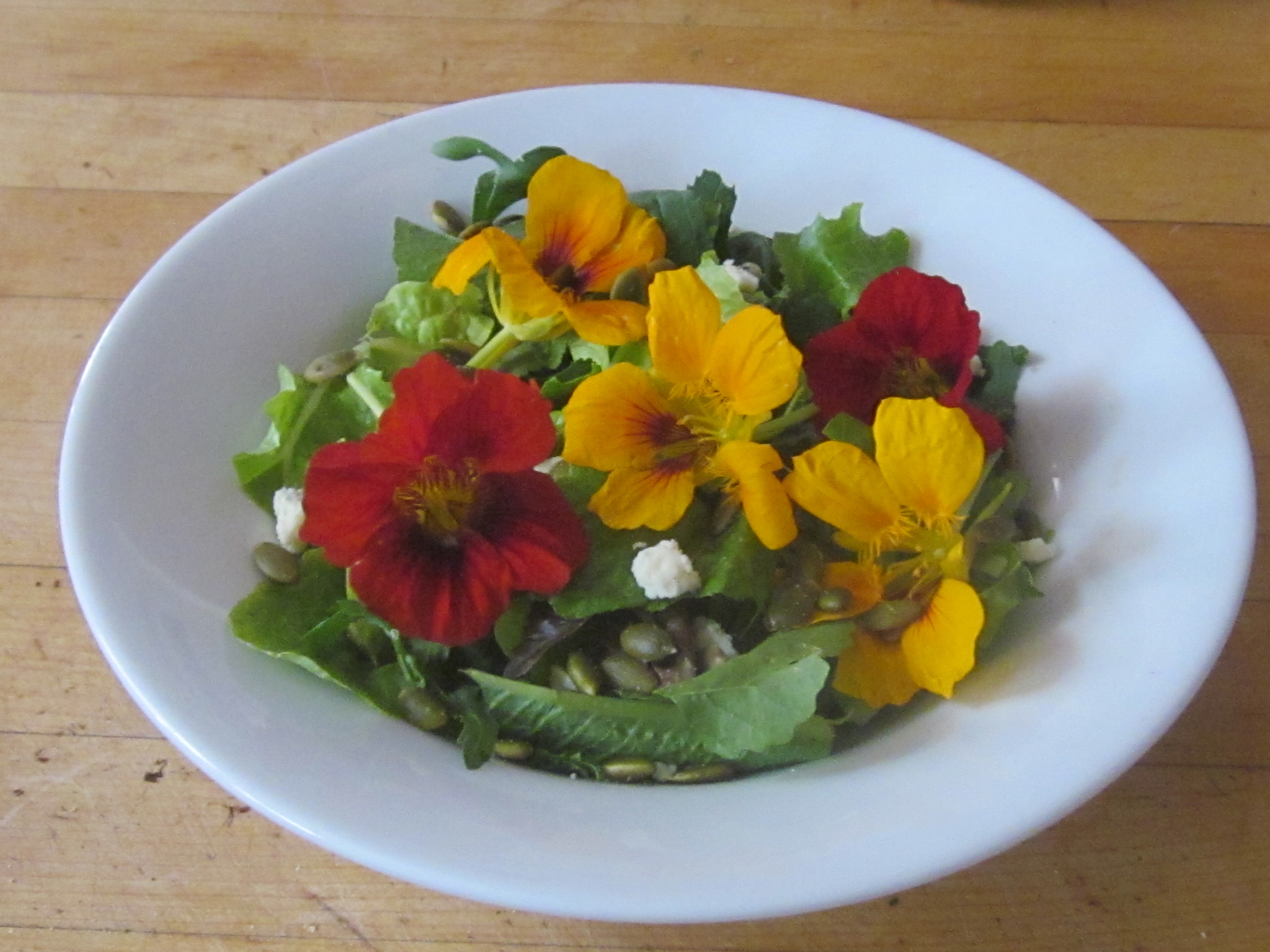
Moving from the desert to your own garden, you’ll find many edible flowers. Many of them make delicious additions to salads.  Among them are nasturtium flowers, which have bright, peppery flavor.

Two colors of nasturtium flowers on a fresh garden salad.

Two colors of nasturtium flowers on a  garden salad.

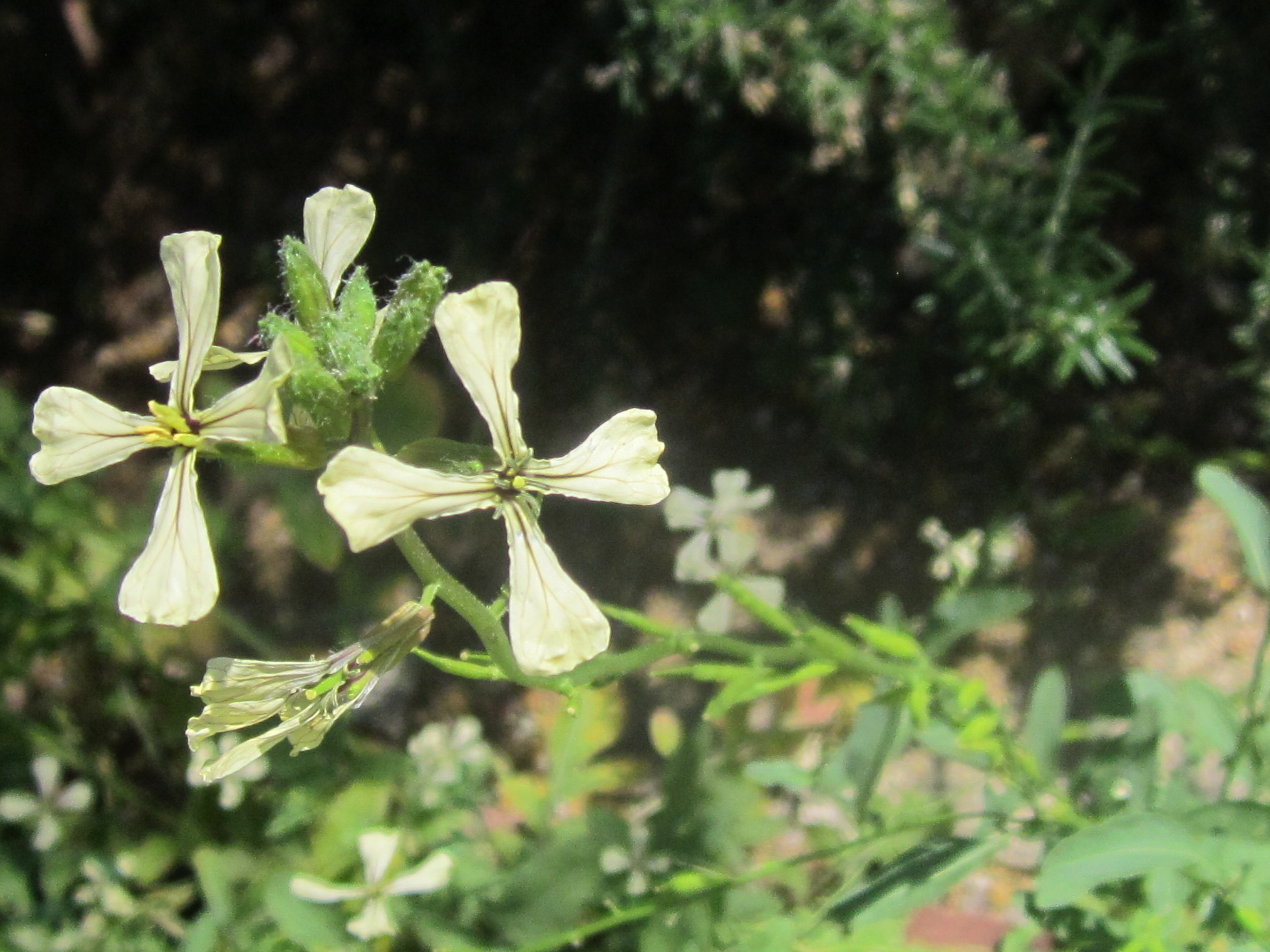
Arugula tends to bolt early and especially did so on this very hot spring on the Sonoron Desert.  But the flowers, though small, taste lovely, not quite as intense as the the leaves.

Arugula flowers

Arugula flowers


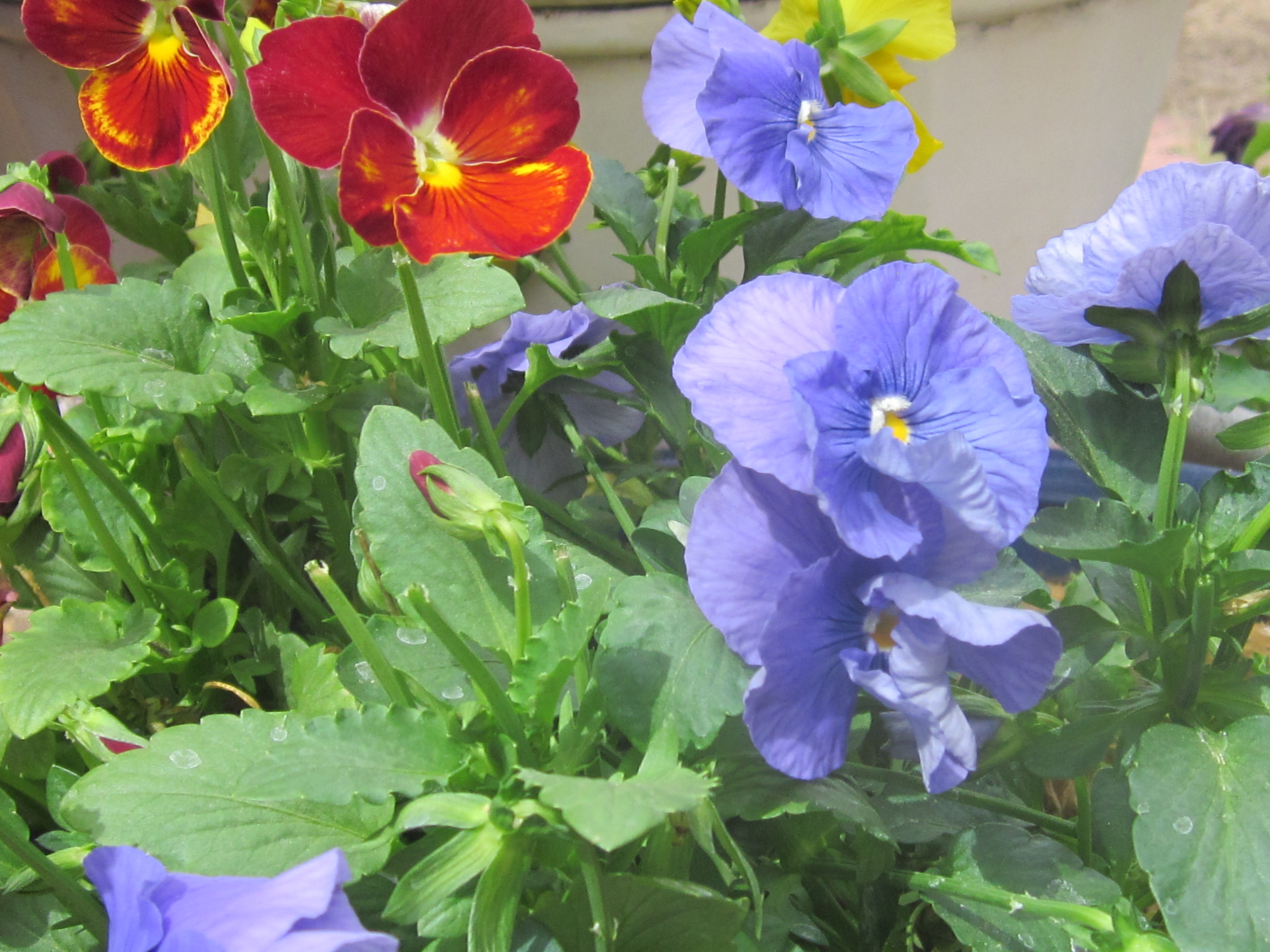
Other delicious salad additions are pansies and violas, their smaller cousins.

Pansies

Pansies

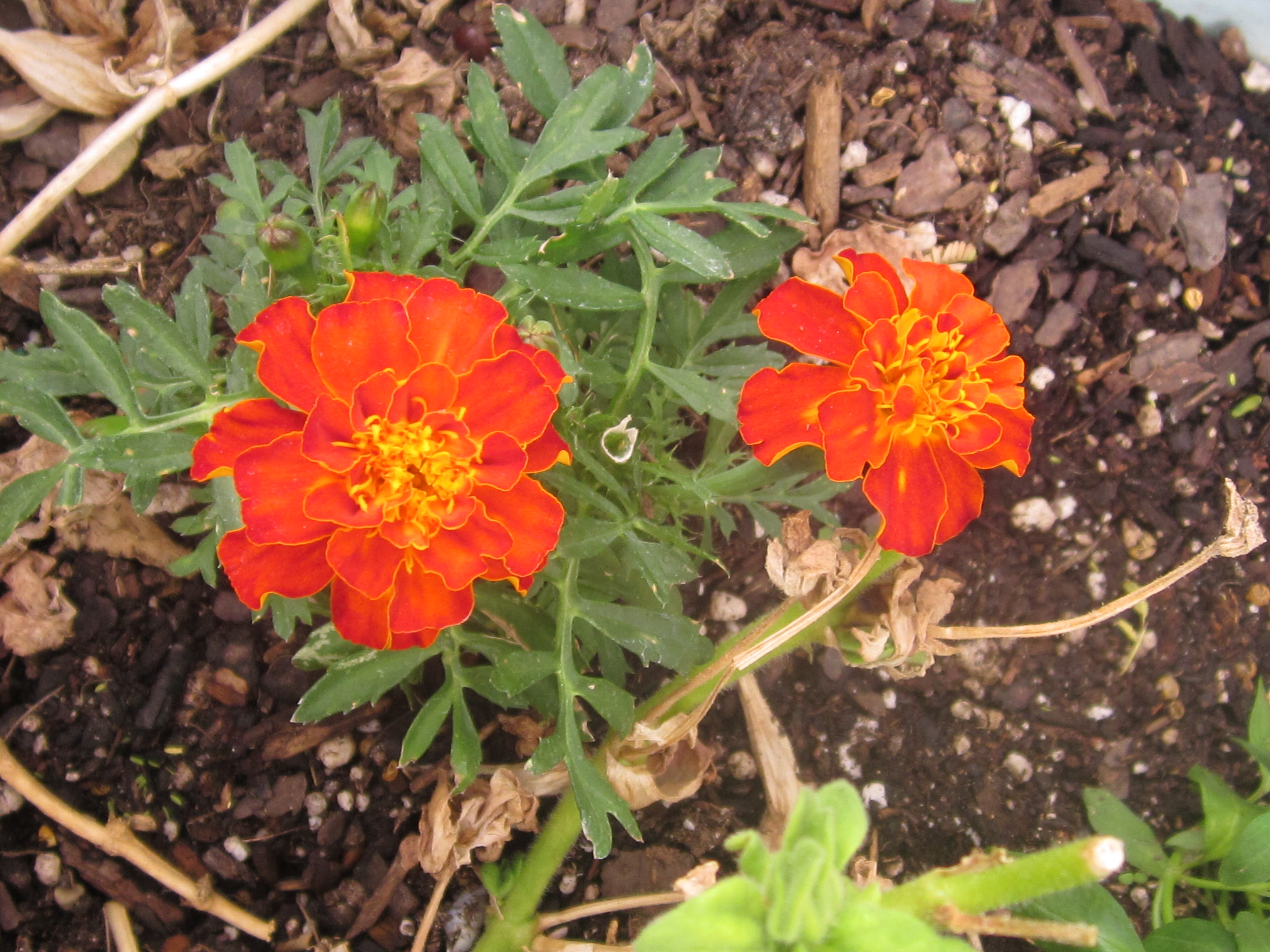
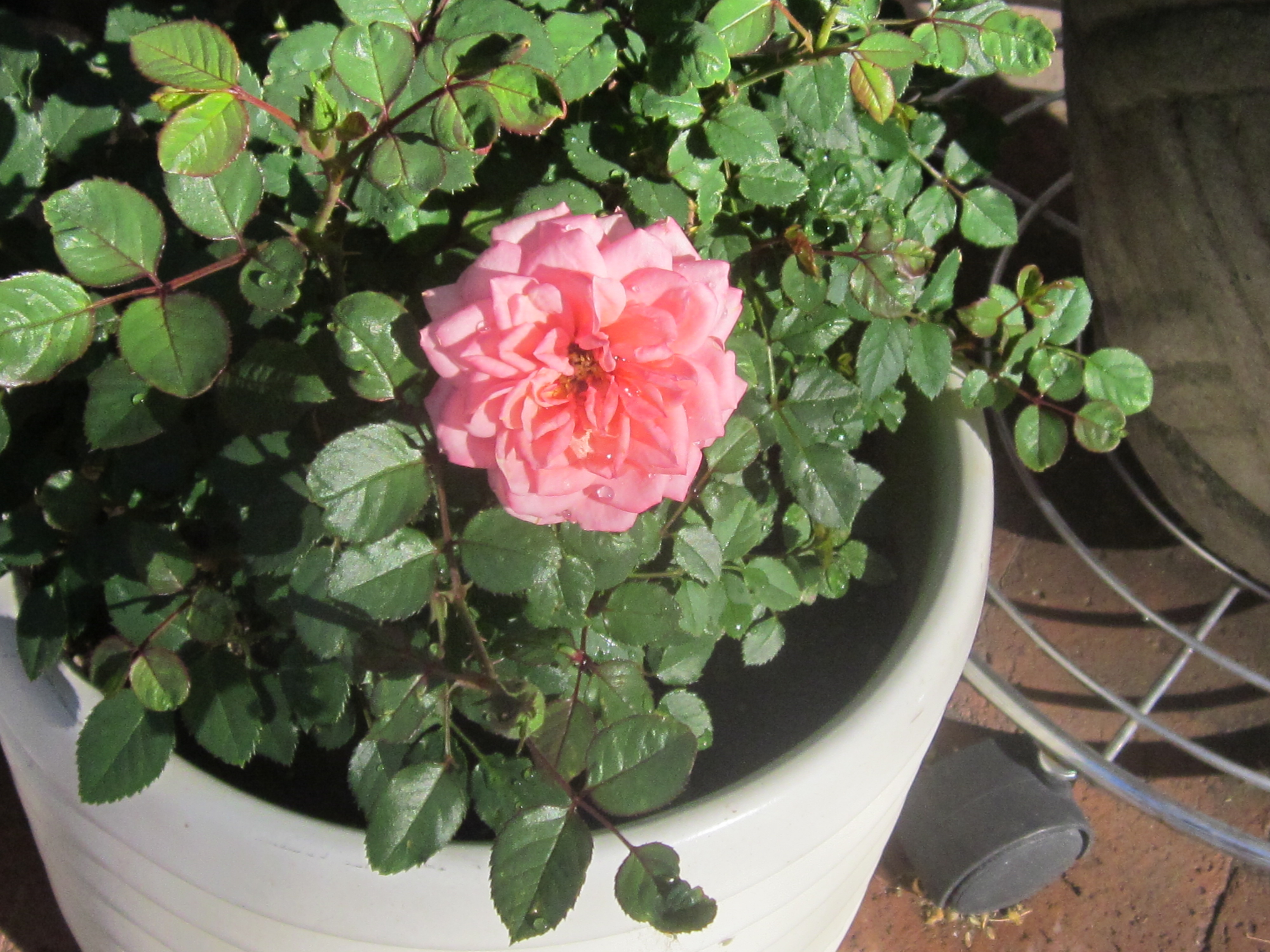
When I began gathering material for this post, I recalled a dish I made  years ago that involved sauteeing chicken with cinnamon and rose water and then finishing the dish with a sprinkle of small rose and marigold petals.  My friend Suzann and I served that at a wedding we catered for two naturalists.

Marigold

Marigold

Teacup rose

Teacup rose


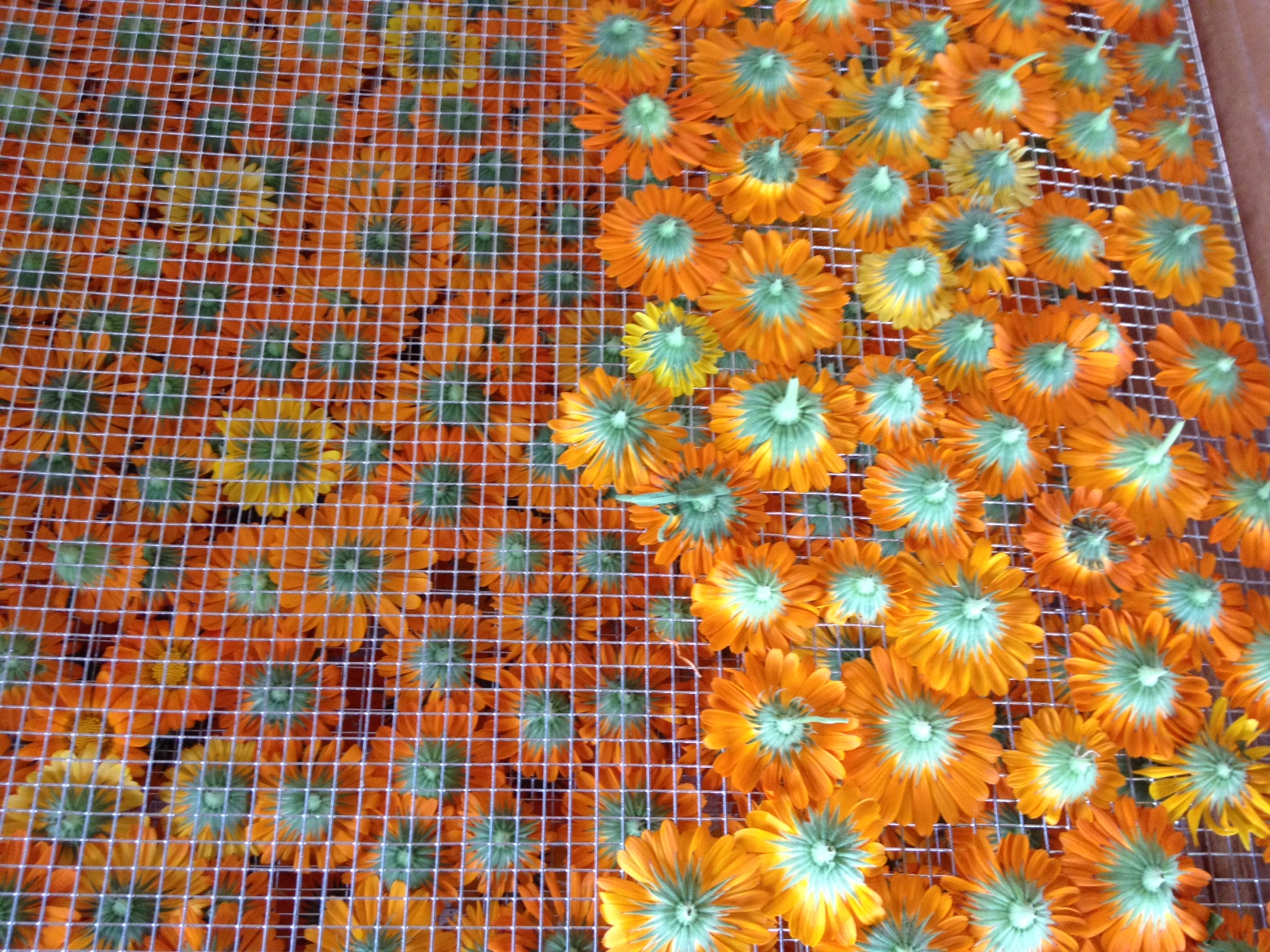
Dried edible flowers make wonderful and healthy teas. Tina Bartsch at Walking J Farm grows and dries calendula flowers for John Slattery  at Desert Tortoise Botanicals who uses them as one ingredient in his Desert Flower Tea. He combines them with desert willow flowers, ocotillo flowers, hollyhock flowers, and prickly pear flowers.  His website says that the tea is an anti-oxidant and good for tissue repair.  The tea is available at Native Seeds Search,  Tucson Community Acupuncture,  the Food Conspiracy. Calendula petals taste  tangy and peppery and add a golden hue to food. Calendula has been called “the poor man’s saffron.”

Calendula flowers drying

Calendula flowers drying


Desert Flower Tea

Desert Flower Tea


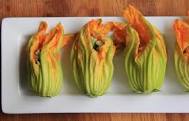
One of the most used flowers in cooking, particularly in Mexico, is the squash flower.  The male flowers will never develop into squash, so you can harvest some of them. When I was in Oaxaca a few summers ago, I took a cooking class from Chef Oscar Crespo and just had the best time.  One of the things we cooked was stuffed squash blossoms.  Here is the recipe.

Squash blossoms

Squash blossoms

FLORES DE CALABAZA RELLENAS DE QUESO
Cheese-filled Squash Flower Blossoms


12 squash flower blossoms, washed

½ cup (2.5 oz/80 g) fresh cheese, sliced into sticks

12 epazote leaves (optional)

1 cup all-purpose  flour

3/4 cup club soda

Oil for frying


Slice the cheese so that it fits in the blossoms. Remove the sepals and pistils (that’s the parts inside the petals), then cut the stem to 1¼ in . Fill the whole blossom with a slice of cheese and an epazote leaf. Push the cheese all the way in, and twist the petals to close.

Make a batter with the flour and club soda, starting with 1/2 cup of the club soda. Add more if necessary to make a thin batter like pancake batter.

Place the oil in a frying pan and bring to high heat, about 350 degrees. Dip the stuffed blossoms in the flour mixture. Fry them for 2 minutes or until golden brown, turning at least once. Remove from the oil and drain on absorbent paper.

These can be served accompanied with a red or green salsa or floated in a tomato  broth.

For more ideas on cooking squash blossoms, check here.  If you want more information on edible flowers, you can click here and here.

__________________________

Carolyn Niethammer writes books on the food and people of the Southwest.


Limoncillo

Savor Sister Jacqueline Soule posting today.

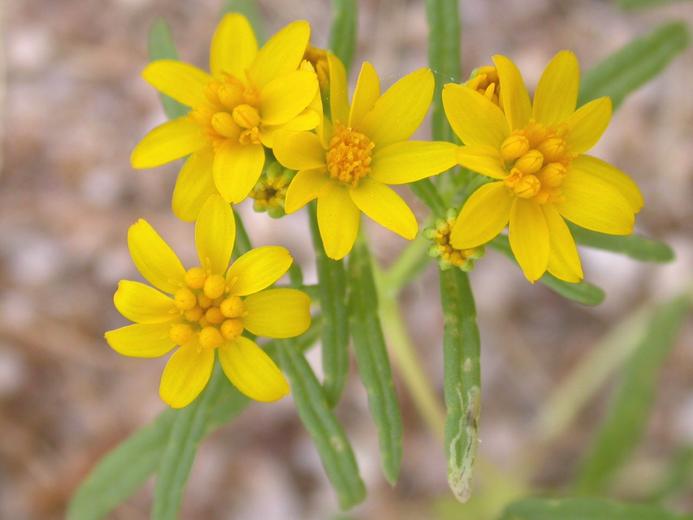
Chinchweed or limoncillo is known to scientists as Pectis papposa, a member of the Compositae family, now called the Asteraceae, and arguably the largest plant family out there.  If you aren’t “into” the Compositae, it is generally considered just another one of those DYC’s (Dratted Yellow Compositae).  (Well, we scientists don’t say “dratted” but we don’t want the parental controls to censor this blog.)

Pectis_papposa_flowers

Pectis papposa is just a “DYC” to some, but it can be so much more!

This sprightly summer blooming annual is found across the desert Southwest from New Mexico to California and northern Mexico (in the Sonoran and Chihuahuan Deserts) at elevations below 6000 feet.  With surprising promptness after the first summer rain, the desert floor is carpeted with the small yet bright yellow flowers – DYC’s.


Pectis_papposa_field

A carpet of Pectis papposa. Too lovely to trod upon!


Hopi, Zuni, and Havasupai all use the chinchweed plant as a condiment, especially to flavor meat.  There are also references to its use as a fresh green and potherb.  In Mexican markets, bundles of fresh or dried plants are sold as limoncillo and used as a culinary spice, generally to flavor meat. There are also references to its use as a dye plant.

Pectis_papposa_leaves

The leaves of limoncillo are dotted with a number of glands filled with flavorful oils.

Planting and Care.
Sow seeds of this charming summer annual anywhere in your yard you wish them.  Plants look especially lovely in a cactus garden, and appear to prefer well drained soil.  Since chinchweed is a summer annual, sow in the warmer months, from April onward.  Ideally have the seeds in the soil prior to the first monsoon rain, generally around San Juan’s Day or summer solstice.   This may be tough as seeds are generally not available in seed catalogs.  You may have to wild collect some of the herb this year, and while you are at it, collect seeds for your own next year.  Once you have some limoncillo your yard it seems to cheerfully find new places to tuck itself, including in areas of reflected light, which is often a tough site for plants to thrive in.


Pectis_papposa_habit

These tiny plants will find their way into unexplored corners of you yard. A weed only by common name, the seed is excellent food for native birds.


Harvesting and Use.
As a culinary spice, chinchweed may be used fresh or dried.  Simply chop up the fresh material or crumble the dried and sprinkle on meat.  If you like lemony chicken, then limoncillo is a great local herb to use!  Fresh cinchweed greens add a nice zing to stir fry, but I have not tried them cooked alone as a potherb (yet).  This will be part of my New Years resolution to grow and use all of the native plants in my Father Kino’s Herbs book (More on this at 30 minutes in on America’s Web Radio –  http://www.americaswebradio.com/podcasts/VeggieHourJan18.2014.mp3).  For dye, pluck the flower heads off and use them fresh or dried.  I could not find if there was a specific mordant.

Pectis_papposa_var_papposa_5_SS

Harvest the flower heads for dye and the leaves together with the flowers for culinary use.

Now I have thought of a new way to think of this DYC – it’s a Delightfully Yummy Compositae!  And I hope you will consider some for your yard.

Pectis_papposa_003

DYC stands for Delightfully Yummy Composite with Darling Yellow Crowns!

 [For another species of DYC flowering now, and some of its uses, please visit my blog on Native Plants & Wildlife Gardens – http://nativeplantwildlifegarden.com/brittle-bush-in-bloom/]

The information presented here is a sample of what appears in my book Father Kino’s Herbs, Growing and Using Them Today (Tierra del Sol Press, 2011).  Available through amazon.com.  Free public lectures on growing and using our wonderful native plants, at a number of branches of the Pima County Library.

Photos copyright free and courtesy of Wikimedia except where noted.  Article © 2014, Jacqueline Soule.  All rights reserved. I have received many requests to reprint my work. My policy is that you are free to use a very short excerpt which must give proper credit to the author, and must include a link back to the original post on our site. My photos may not be used.  Please use the contact me if you have any questions. JAS avatar

Wondrous Weeds!

Tia Marta here to share ideas about our new neighbors—the weedy greens popping up all around us.  With those fall rains we had here in the low desert, there is a bloomin’ haze of green on the desert floor– not what you’d call a florid show—but wait—what is happening where November’s mud-puddles were collecting?  That may be real food lurking in your own backyard!  Now is prime time to take advantage of spontaneous tender mercies and phytonutrients.  Interesting tastes await us, to spice up our salads and bedeck our burritos.

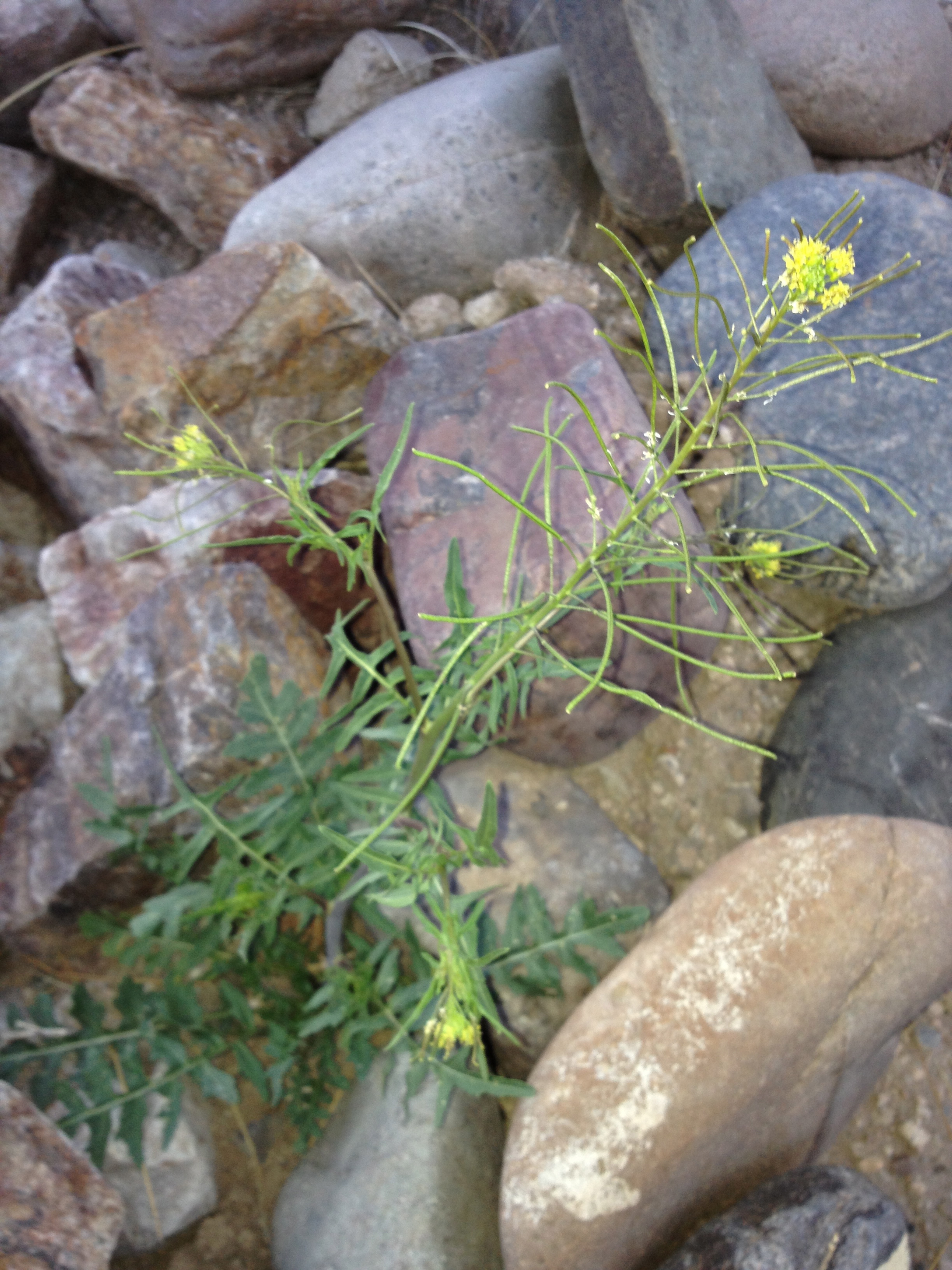
"Wild arugula” or London rocket (Sisymbrium irio) provides zesty greens, flower garnish, and later, mustard seeds when mature. (MABurgess photo)

“Wild arugula” or London rocket (Sisymbrium irio) provides zesty greens, flower garnish, and later, mustard seeds when mature. (MABurgess photo)

London rocket (read “wild arugula”) is everywhere, its greenery literally growing before our eyes in every low swale, rocky hillside, every ditch where water has run.  Sisymbrium irio is an introduced weed which we can enjoy with impunity—the more we eat of them the more we are removing competition for our beloved native plants.  So harvest away!  (A good rule of thumb is to collect at least 50’ from a road.  No need to ingest road dust and pollutants when there is so much to be found in friendly yards or out in the des.)

Prepare for a picante treat, sometimes a picante bite, from these wild mustards.  Toss a few wild arugula leaves with baby greens, or in a BLT to liven it up.  Try them steamed with your favorite garden greens or added to stir-fry.

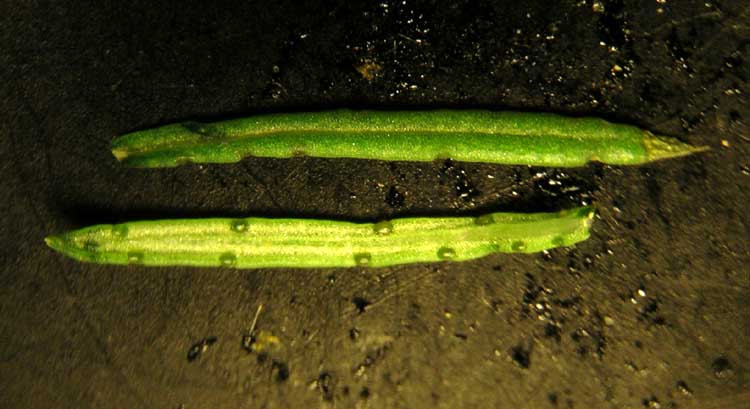
Hot February weather is telling our wild mustards, “Summer’s coming.  Better go ahead and bloom fast!”  Already we see tiny 4-petaled yellow flowers rising from the rosettes of deeply lobed leaves.  Small erect spikelets of seedpods (called siliques) stand out from the central stem.  Whole flower heads with seedpods are edible, and zingingly picante.  Sooner than we think, seedheads will mature and you can harvest their tiny mustard seeds for dressings or salad sprinkles.

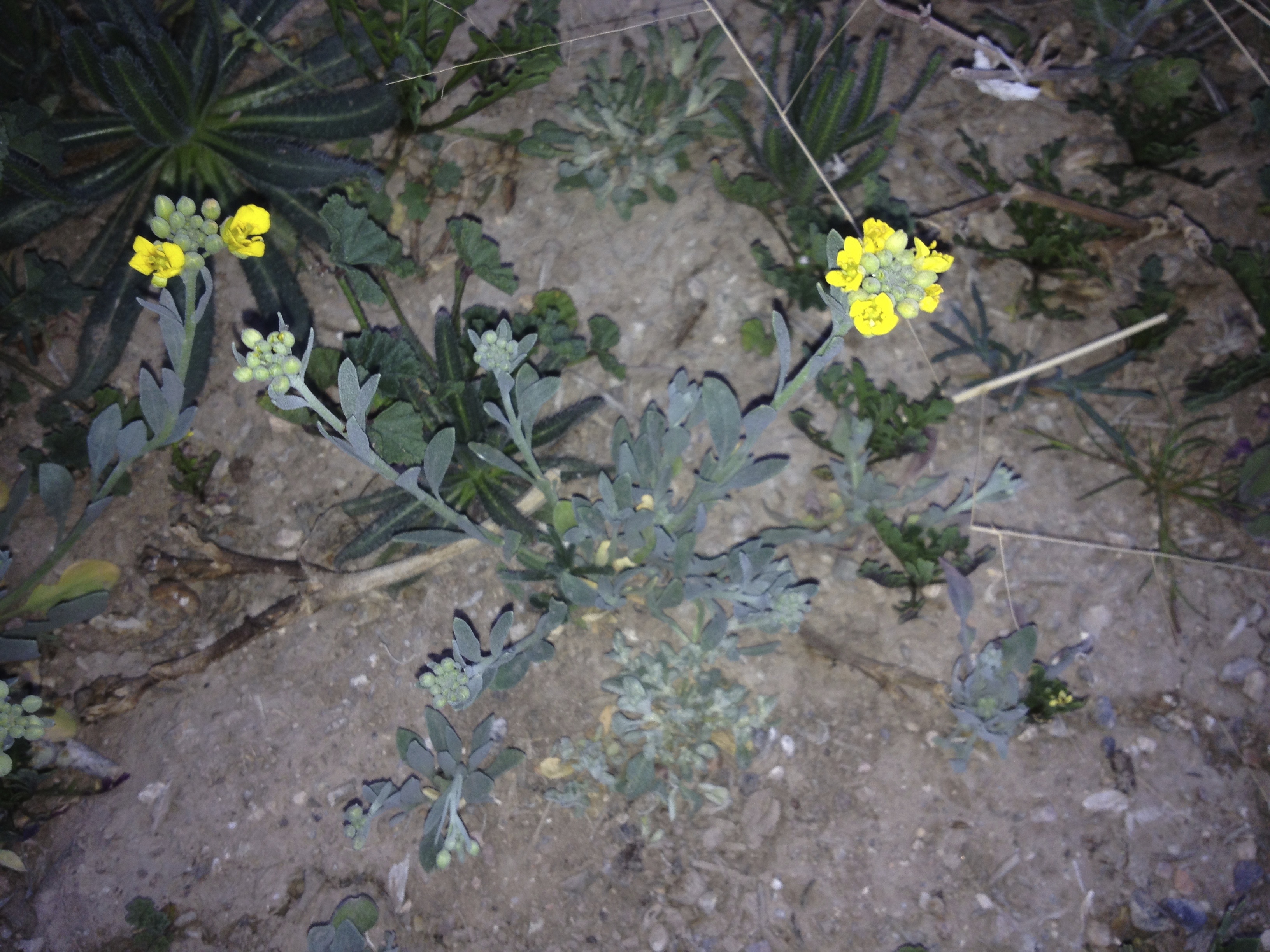
This year, if you spy Lesquerella gordoni (bladderpod), it will stand out like little yellow stars on the bare ground. (MABurgess photo)

This year, if you spy Lesquerella gordoni (bladderpod), it will stand out like little yellow stars on the bare ground. (MABurgess photo)

In some wet winters, a different native mustard known as bladderpod has made carpets of lemon-yellow flowers on the desert floor.  No such show this year.  Should you find a patch of blooming bladderpod, try a taste of its petals.  Their nice nip will add vivid color, nutrition, and excitement to any salad, garni, or burrito topping.

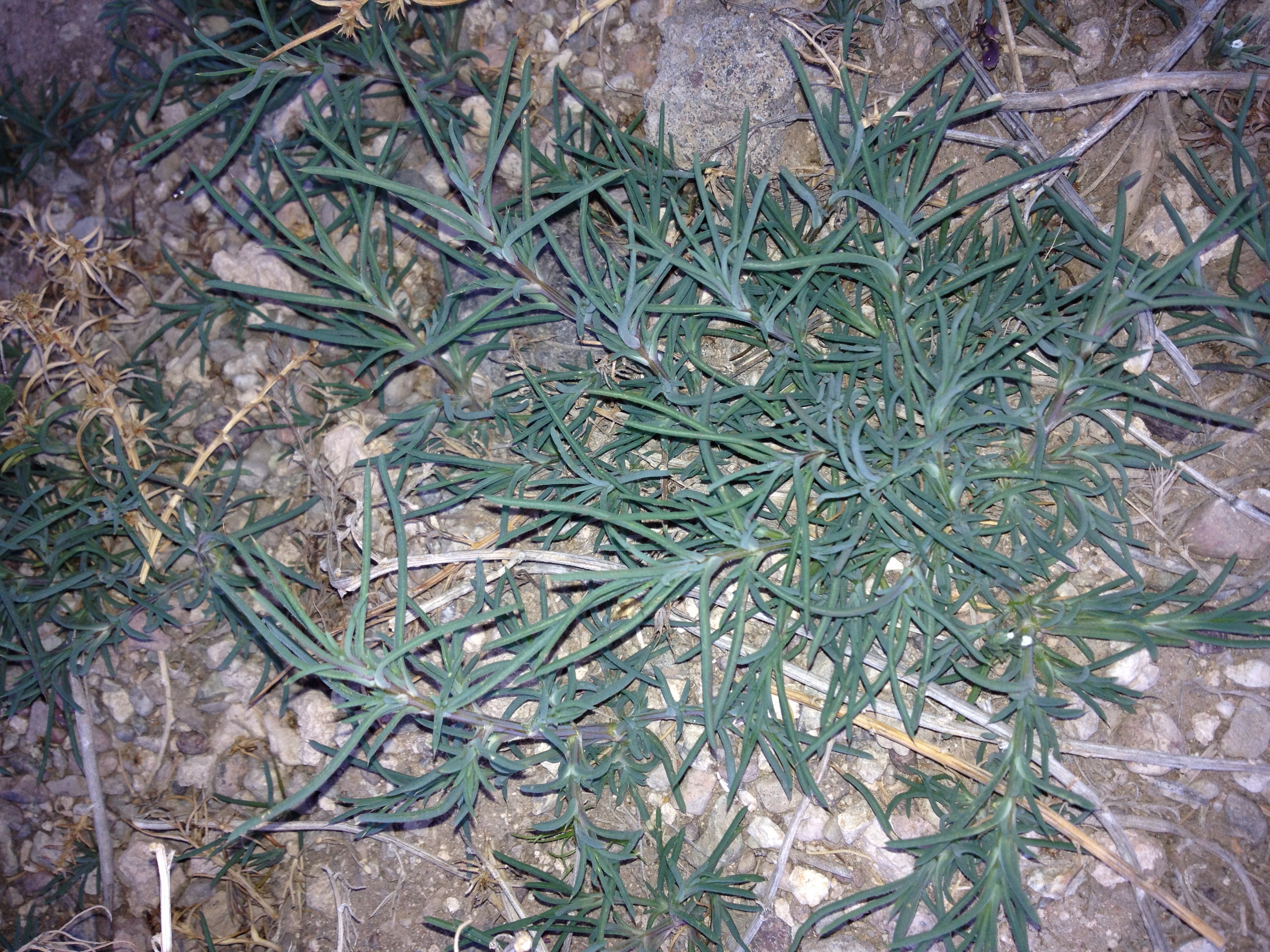
Better known as tumbleweed, Russian thistle (Salsola kali) is best harvested in this tender stage—and every rancher will thank you for your service! (MABurgess photo)

Better known as tumbleweed, Russian thistle (Salsola kali) is best harvested in this tender stage—and every rancher will thank you for your service! (MABurgess photo)

The most ubiquitous of weeds is the introduced Russian thistle which no one seems to notice until it dries, dislodges, tumbles across the road on a crosswind, and stacks up next to a fence or obstacle.  So now, while it is in its infancy, go out to that windbreak and find its progeny!  Have no compunction about snipping it at ground level while it is only inches high, young, and tender—before sharp stems develop making it unpalatable to humanoids.  You will be amazed at what it adds, snipped in short pieces fresh in a salad, steamed with butter and pepper, or stir-fried with other veggies.

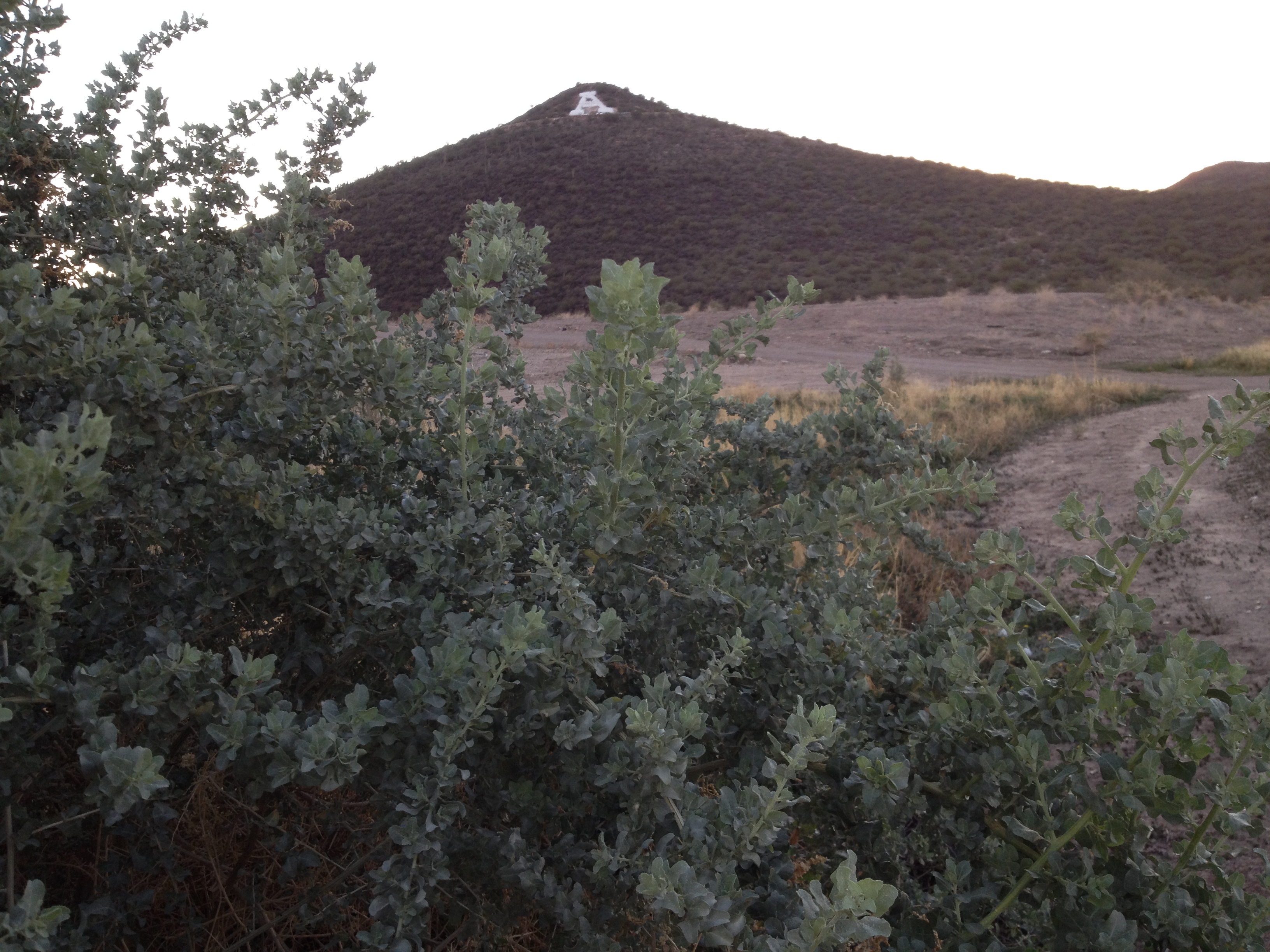
Our many species of saltbush (Atriplex spp.) are tender and ready for picking in late winter into spring. (MABurgess photo)

Our many species of saltbush (Atriplex spp.) are tender and ready for picking in late winter into spring. (MABurgess photo)

Find saltbush's gray greenery along the Santa Cruz floodplain--or plant it in your yard for wildlife habitat. (MABurgess photo)

Find saltbush’s gray greenery along the Santa Cruz floodplain–or plant it in your yard for wildlife habitat. (MABurgess photo)

Now is saltbush’s time to shine—in landscaping and in cuisine.  Here in Baja Arizona there are many species of Atriplex, and all are edible.  These tough shrubs are desert survivors for sure.  They tend to grow in “waste places” where hardly any other plants can make it.  The name saltbush indicates its habitat, where soil is salty,heavy, or full of caliche.  Quail and other creatures find refuge and forage in the dense shrubs.  If you want to attract birds into your yard, go to Desert Survivors Nursery, Tucson, and buy any saltbush to plant—then stand back.  We humans can join in the saltbush foraging guiltlessly, as saltbush is plentiful and our harvesting may even stimulate re- growth.

Nearly every Native nation in the Southwest has a tradition of using saltbush in multiple ways.   When its stiff salty leaves are youthful they can be picked for cooking with other greens, the style of traditional Akimel O’odham, the River Pima.  My Tohono O’odham teacher Juanita would steam saltbush with cholla buds, and told me how “the old people would roast their cholla buds in layered beds of ontk i:wagi [salt spinach].”  Hopi cooks make a kind of baking powder out of pulverized saltbush foliage.

Try young saltbush leaves cooked with heirloom cannelini beans or cranberry beans—for a flavorful variation on beans-and-greens.  You’ll find that the salts which the plants have sequestered from the soil will add a delicious desert flavoring.  Move over, Hawaiian sea-salt!  (After saltbushes have flowered, we will “talk seeds”—stay tuned….)

NativeSeeds/SEARCH (www.nativeseeds.org) and Mission Garden (www.tucsonsbirthplace.org) carry seed of a domestic relative of saltbush called “orache” which provides a purple-leafed “green” for a winter veggie garden.

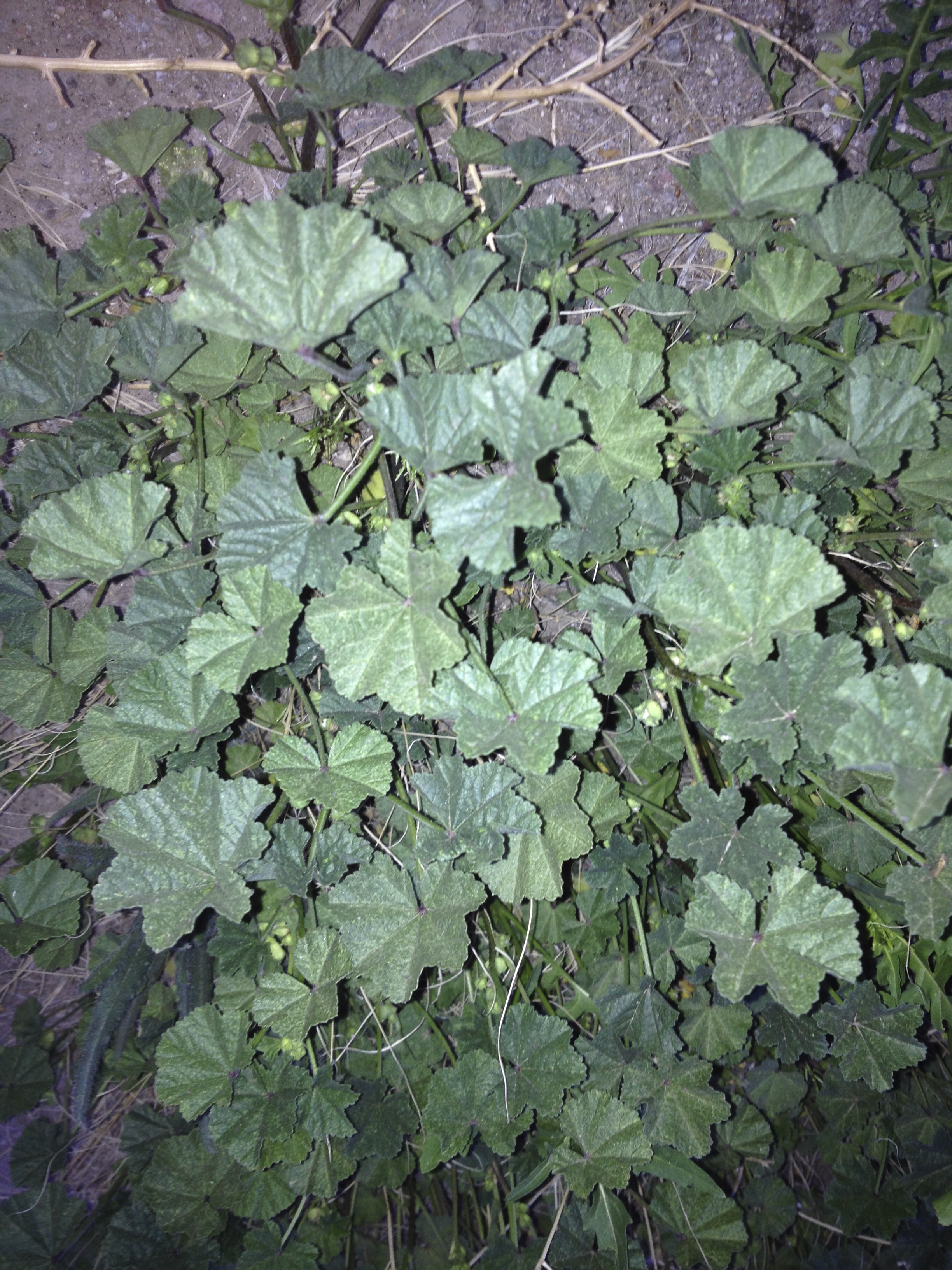
Did you ever contemplate cheeseweed thru the day? (Are you kidding?) Its palmate leaf is a sun-tracker!  I discovered these young Malva neglecta in late afternoon with each leaf bent westerly, cupped, facing the setting sun.(MABurgess photo)

Did you ever contemplate cheeseweed thru the day? (Are you kidding?) Its palmate leaf is a sun-tracker! I discovered these young Malva neglecta in late afternoon with each leaf bent westerly, cupped, facing the setting sun.(MABurgess photo)

Ah, cheeseweed—the “scourge” of gardeners, when it gets established.  Malva or cheeseweed, so called for its cheese-wheel shaped seed pod, is another one of those introduced weeds which tend to follow humans.  Only harvestable when young– get it while you can.  You’ll find it in disturbed flat areas where stock or off-roaders have churned up the natural soil, along fencelines or untended sidewalk margins.  Beware, cheeseweed seems to be sought-after by wandering dogs as a “marker plant” so wash your harvest well.

New Malva foliage can make a nutritious addition to steamed collards, kale, acelgas, or turnip tops; or stir-fried with peppers, onion, and slices of winter squash.  If you want to explore Malva’s medicinal qualities, try the foliage steeped as a tea for soothing tender digestive tract tissue or urinary tract.  It makes a healing topical poultice as well.

Life-giving weeds are all around us, especially now with their ju-ju rising.  Really no one need be hungry here.  We’d all be healthier if we were eating more of these spontaneous gifts brought by Nature and human mobility.  My respect for weeds and knowledge of their goodness outweighs my frustration as I pull them from my garden.  Here’s wishing you happy weed harvesting, a new way of enjoying the pulses of life in the desert!

If you are lucky enough to locate Carolyn Niethammer’s book Tumbleweed Gourmet, Univ. of AZ Press, 1987, grab it!  Find more info about traditional uses of saltbush in Food Plants of the Sonoran Desert by Wendy Hodgson, Univ. of AZ Press, 2001.  Find medicinal uses of Malva neglecta in Medicinal Plants of the Desert and Canyon West, Mus. of NewMexico Press, 1989.  Mission Garden is open on Saturday afternoons for guided tours, and NativeSeeds/SEARCH store at 3061 N Campbell Ave, Tucson, is open daily 10am-5pm.

Visit me, Tia Marta, for more weedy ideas and heirloom beans galore at the Flor de Mayo booth, St Phillips Farmers Market on Sundays 9am-1pm. (www.flordemayoarts.com).

Seasonal Flavors and Scents of the Southwest Spice Up the Holidays

Wake Up Holiday Salads With Chiltepines!

Contributed by Tia Linda

Chiltepines add zip to holiday salads.

Chiltepines add zip to holiday salads.

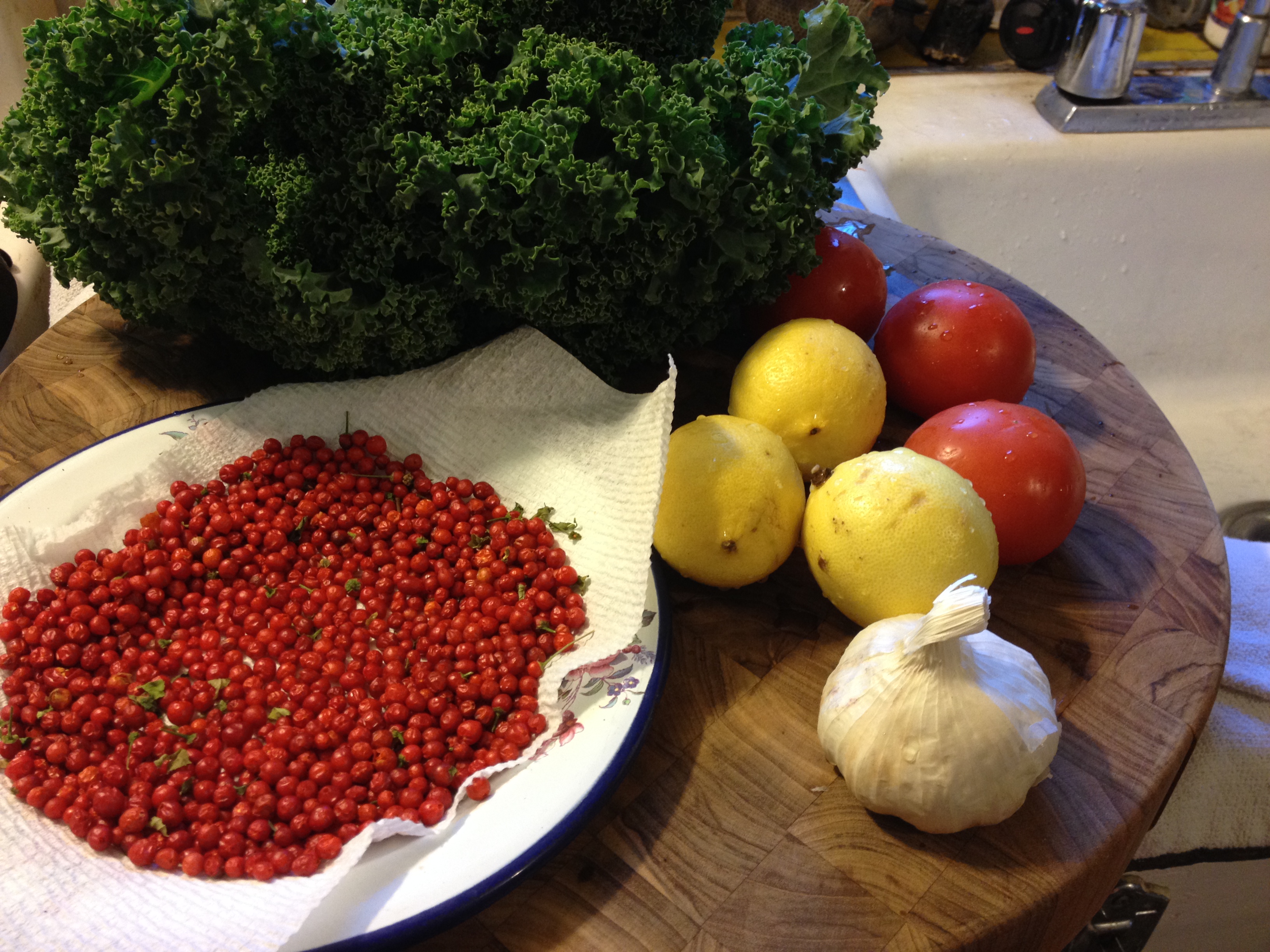
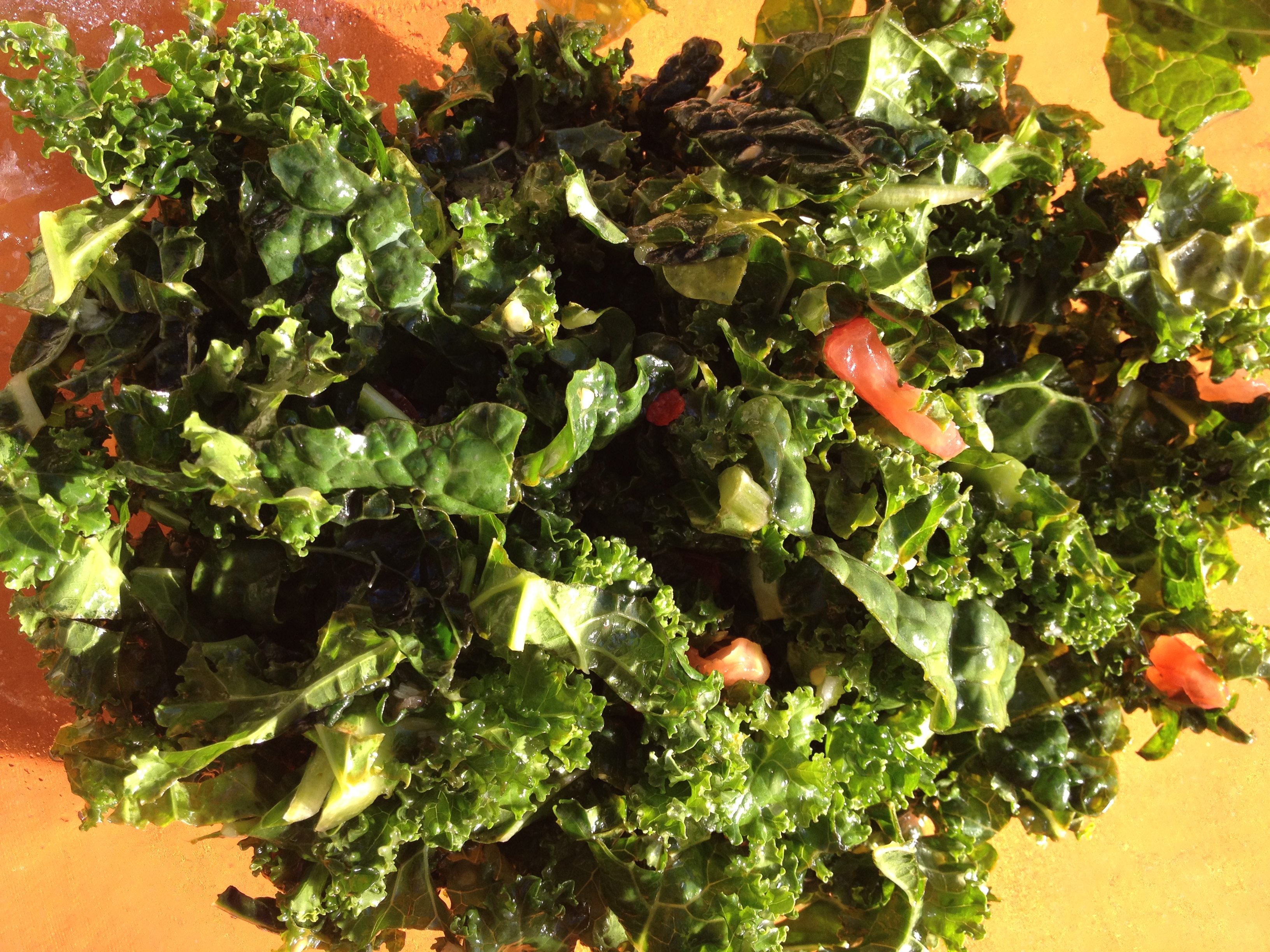
The red, round fruits of  the ancient chiltepin are making a comeback this year, after a rough bout with erratic weather patterns.  This is “their” time of year, as they mature between October and December, giving us just enough time to dry them for use throughout the holidays.  Marinated Kale Salad is easy to make, and offers a fresh, raw energy to the heavy-ish meals often served at the holidays. Prepare it the night before you wish to serve it, to give the juices of the lemon and tomatoes time to work their magic and soften the raw kale.

Here’s the recipe: In a bowl, combine 3 bright red chiltepin (crushed),  3 medium tomatoes (diced), the juice of 5 lemons,  about half a cup of olive oil, and salt to taste.  Then chop about 5 cups of raw Kale (also grows in your garden this time of year, here in the SW) as finely as you wish and add it to the mixture.  Place it in some kind of container with a tight fitting lid so that you can periodically shake the green mixture, allowing the juices that inevitably fall to the bottom of the container the chance to coat the kale above.

Kale salad lightens heavy holiday meals.

Kale salad lightens heavy holiday meals.

Make a Sonoran Scents Pomander

Contributed by Jacqueline Soule

Pomanders are used to add fragrance to stored clothing while they are said to also deter moths.  Pomanders have traditionally been made by sticking cloves into oranges, or mixing cinnamon and nutmeg with applesauce.  For those of you that love the scent of creosote bush, here is a Sonoran Pomander recipe I invented.

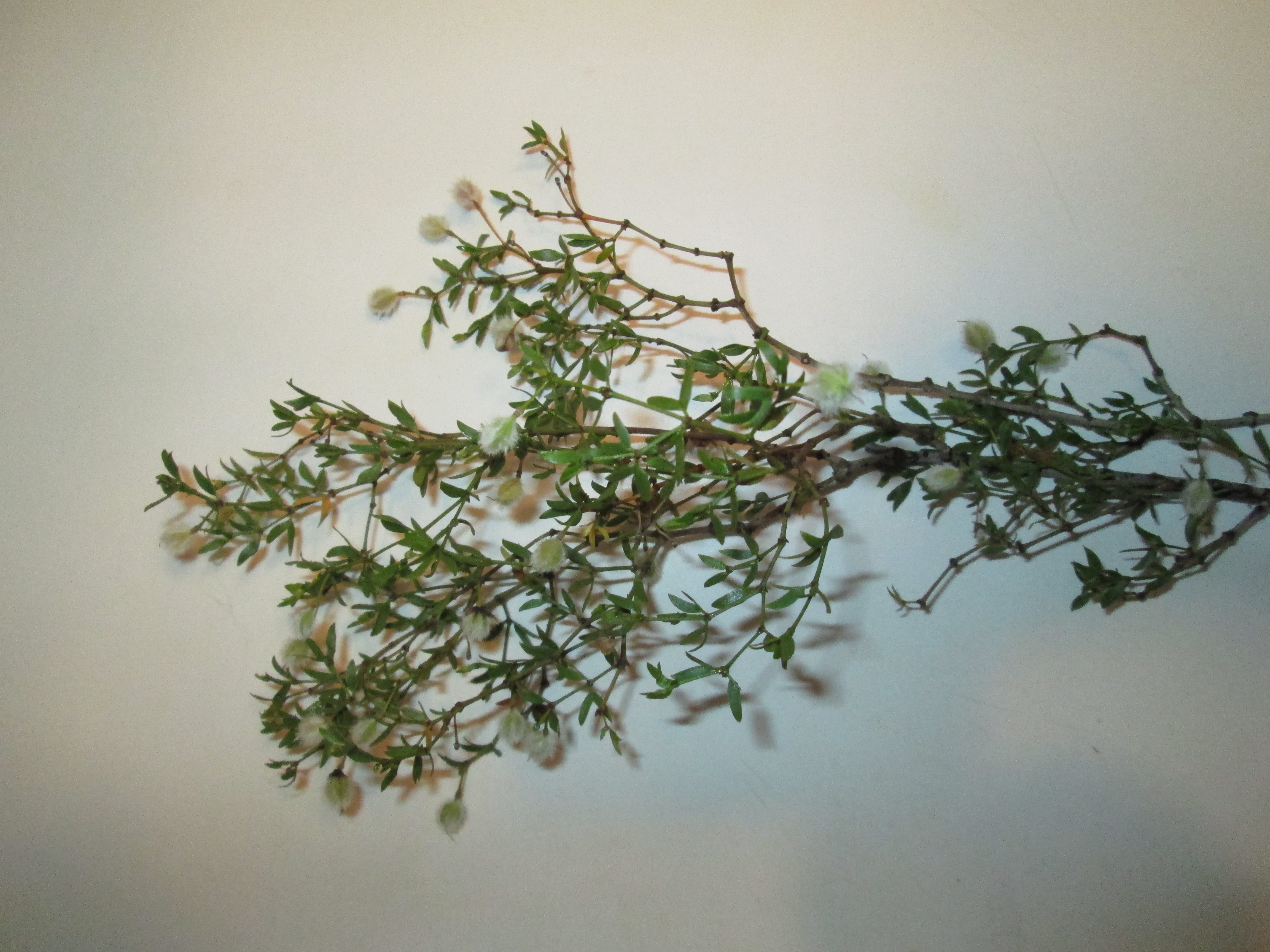
Dry creosote leaves until well dried.

Dry leaves of creosote bush.  Collect more than you think you need!

Dry leaves of creosote bush. Collect more than you think you need!

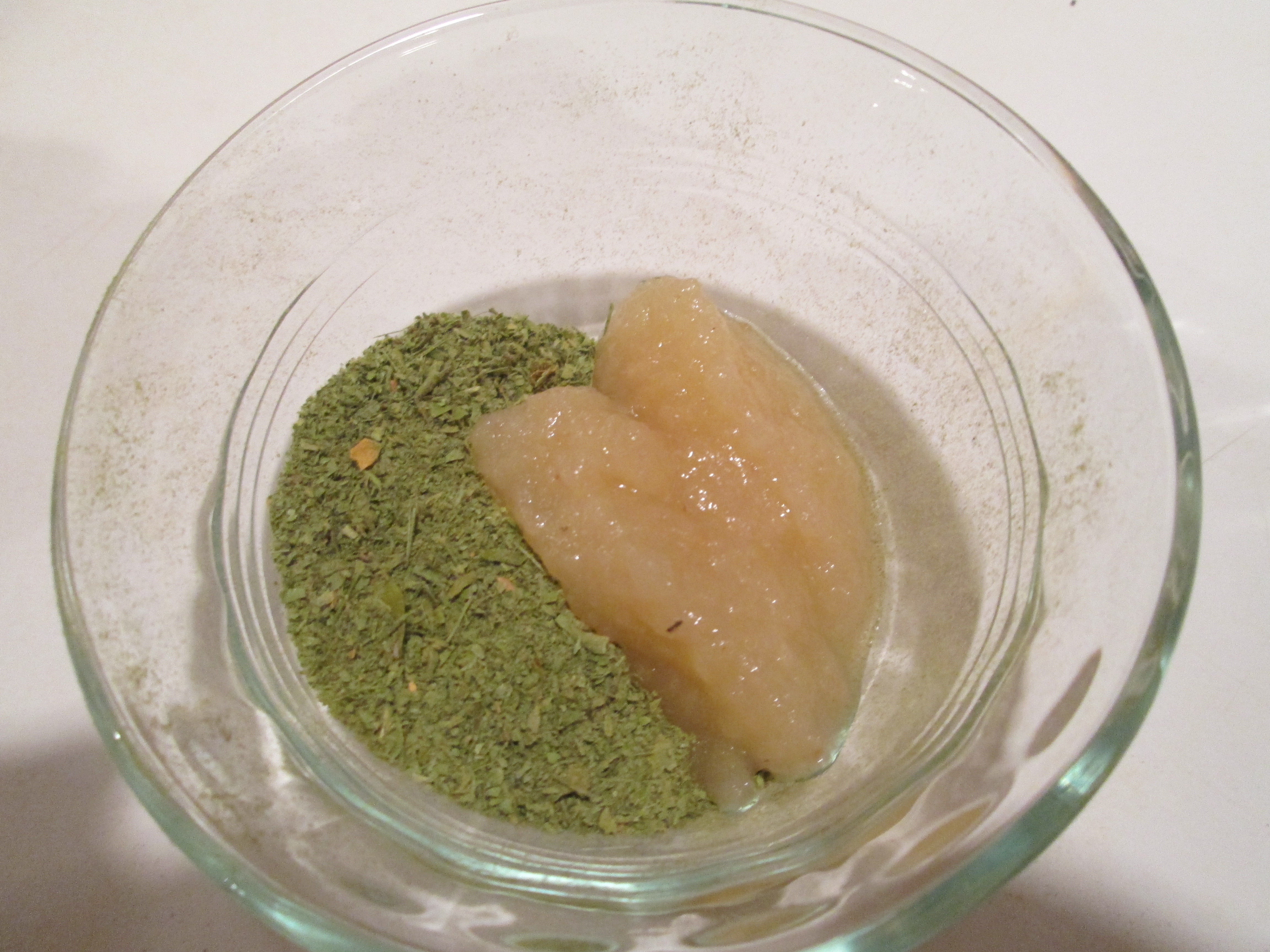
Turn them into leaf “powder” in a blender.  Mix three parts leaf powder to one part applesauce.

Mix powdered leaves with applesauce.

Mix powdered leaves with applesauce.

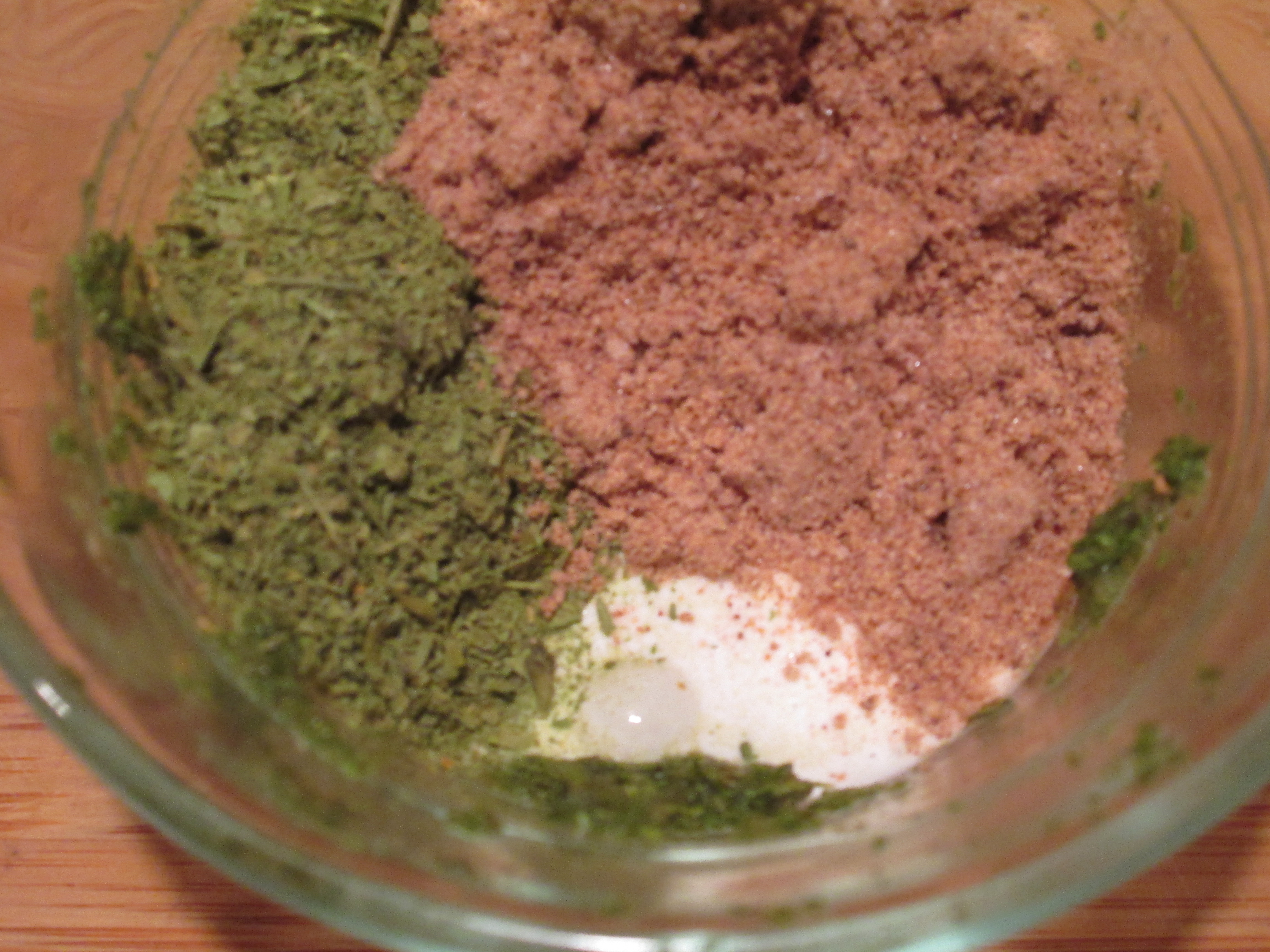
Form into walnut sized balls, or pat into thick disks.  If you get the mix too wet and have no more leaf powder, use a mild spice (like nutmeg) to add more “powder.”  Don’t use something moths eat, like flour or mesquite meal.

You can use nutmeg if you run out of powdered leaves.

You can use nutmeg if you run out of powdered leaves.

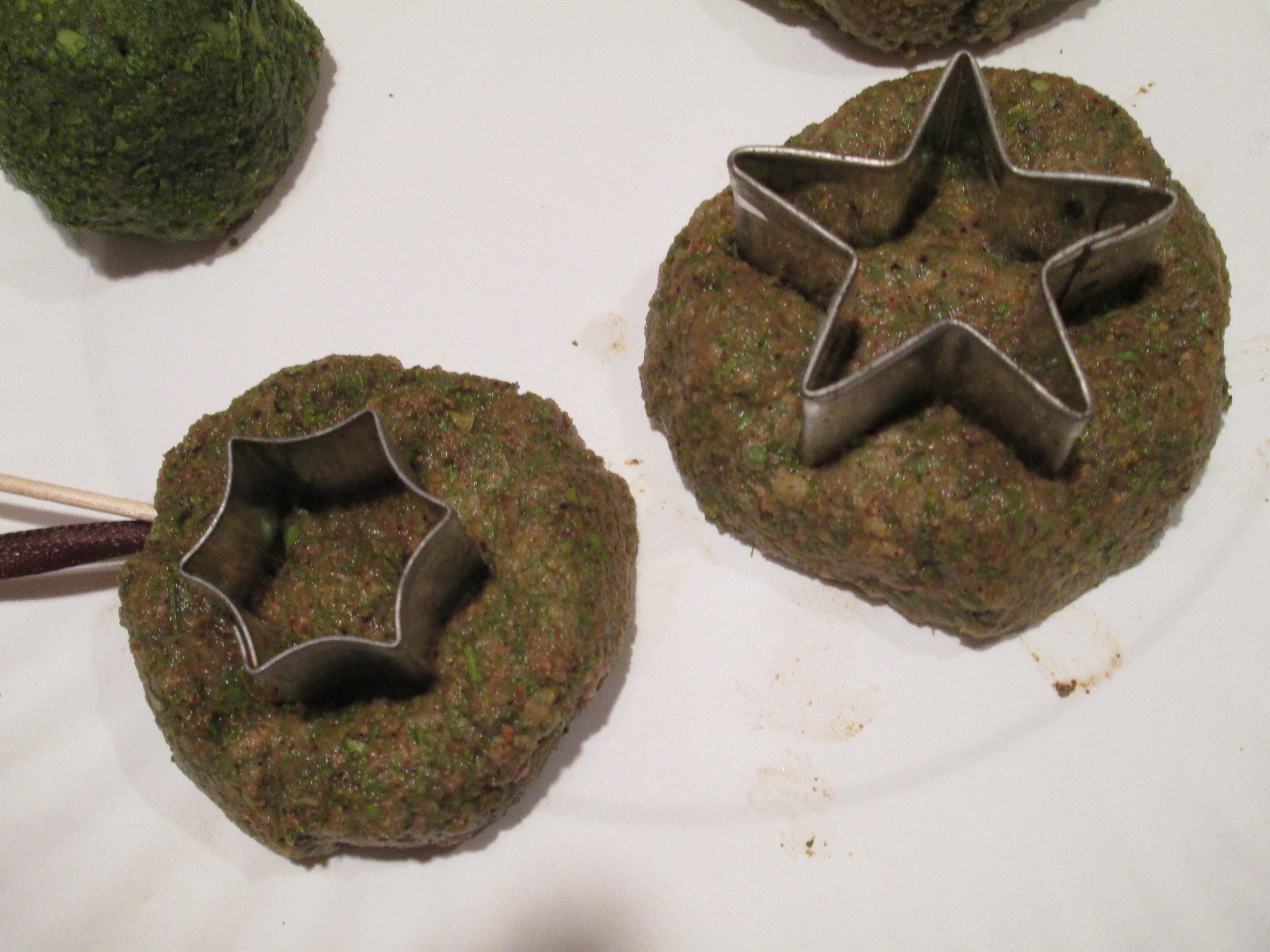
Use small cookie cutters to make impressions if you wish.

Use small cookie cutters to make impressions if you wish.

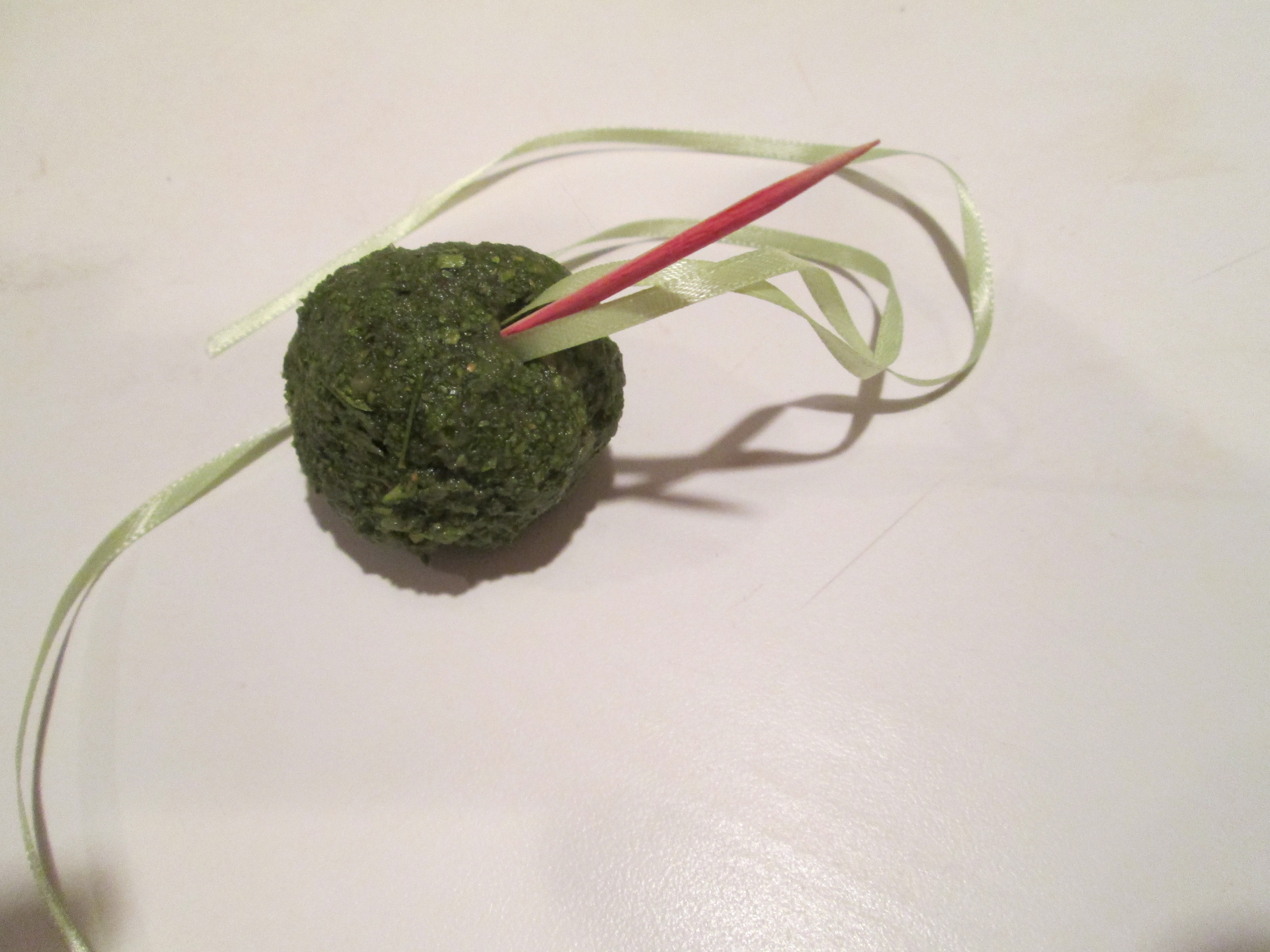
Add ribbon if you wish to hang them (later!).  Poke ribbon into the center with a toothpick.
Allow to dry for three to seven days.

Insert ribbon into still moist pomander with a toothpick.

Insert ribbon into still moist pomander with a toothpick.

Notes:
* Substitute white glue for some or all of the applesauce.
* Hang one of these in your car and carry the desert with you as you drive!

* To learn how to grow creosote in your yard, visit my other blog on creosote, available on http://nativeplantwildlifegarden.com/lovely-larrea/

* You can also read more about using creosote bush (and other native herbs) in my book Father Kino’s Herbs: Growing and Using them Today (available at amazon.com).