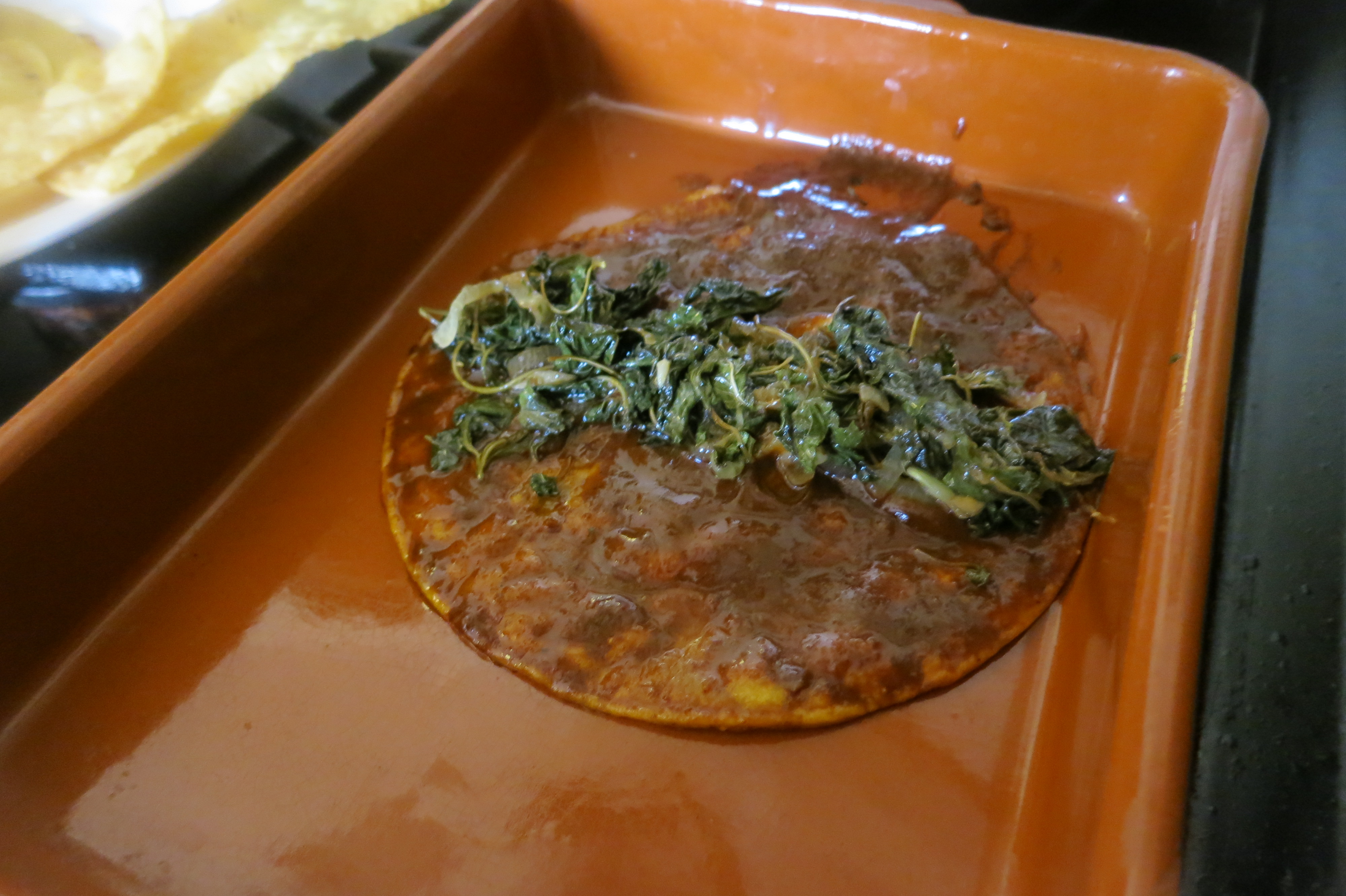
Soup Weather: Adobo Mixed Veggie Stew

013 Hello, this is Amy. I always love a bowl of hot soup, but especially when evenings are cool. We’ve been camping in the yard this week with our new dog, Leila and eating lots of soup. I have many basic templates and here is one of the easiest. Adobo powder really brings together the disparate characters in the veggie drawer. The entire CSA share in one big pot!A1 tin
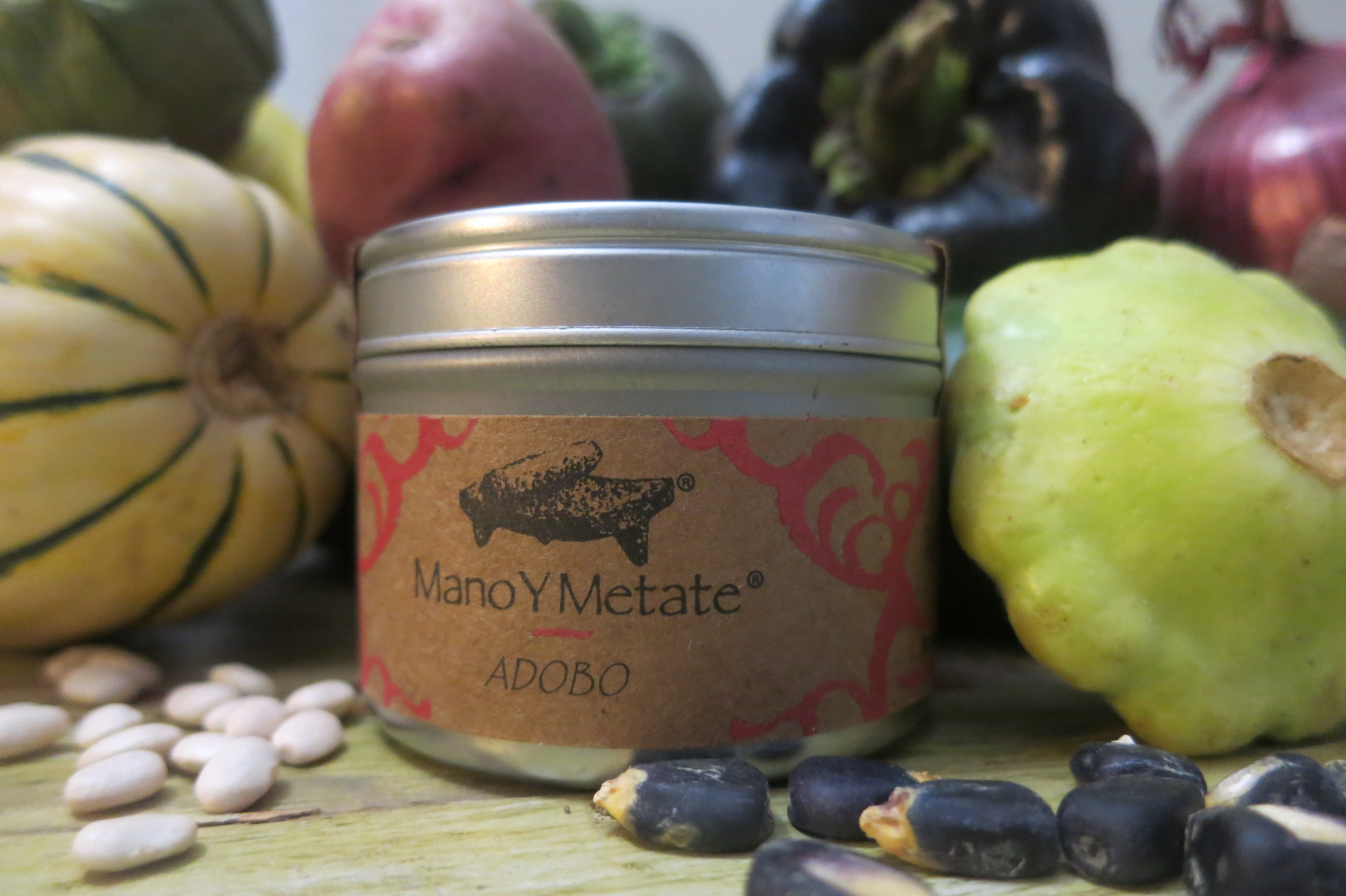
Adobo refers to many different things around the world. It comes from the word adobar, to marinate. Made into a sauce (especially with vinegar) or used dry, it does make an excellent marinade. Mano Y Metate Adobo is made with Santa Cruz Chili, hot. This is very special chile from Tumacacori, Arizona. That bright red color! I pair that with a little chile ancho for depth. Sesame seed and organic corn tortilla meal give the finished soup or sauce some body. Cumin and Mexican oregano are two of the standout spices, with cloves and Mexican cinnamon in the background. Five flavors: spicy chile, the little bit of ancho has a hint of bitter, plenty of salt and evaporated cane juice for balance. All that’s missing is sour from a lime wedge squeezed into the bowl.
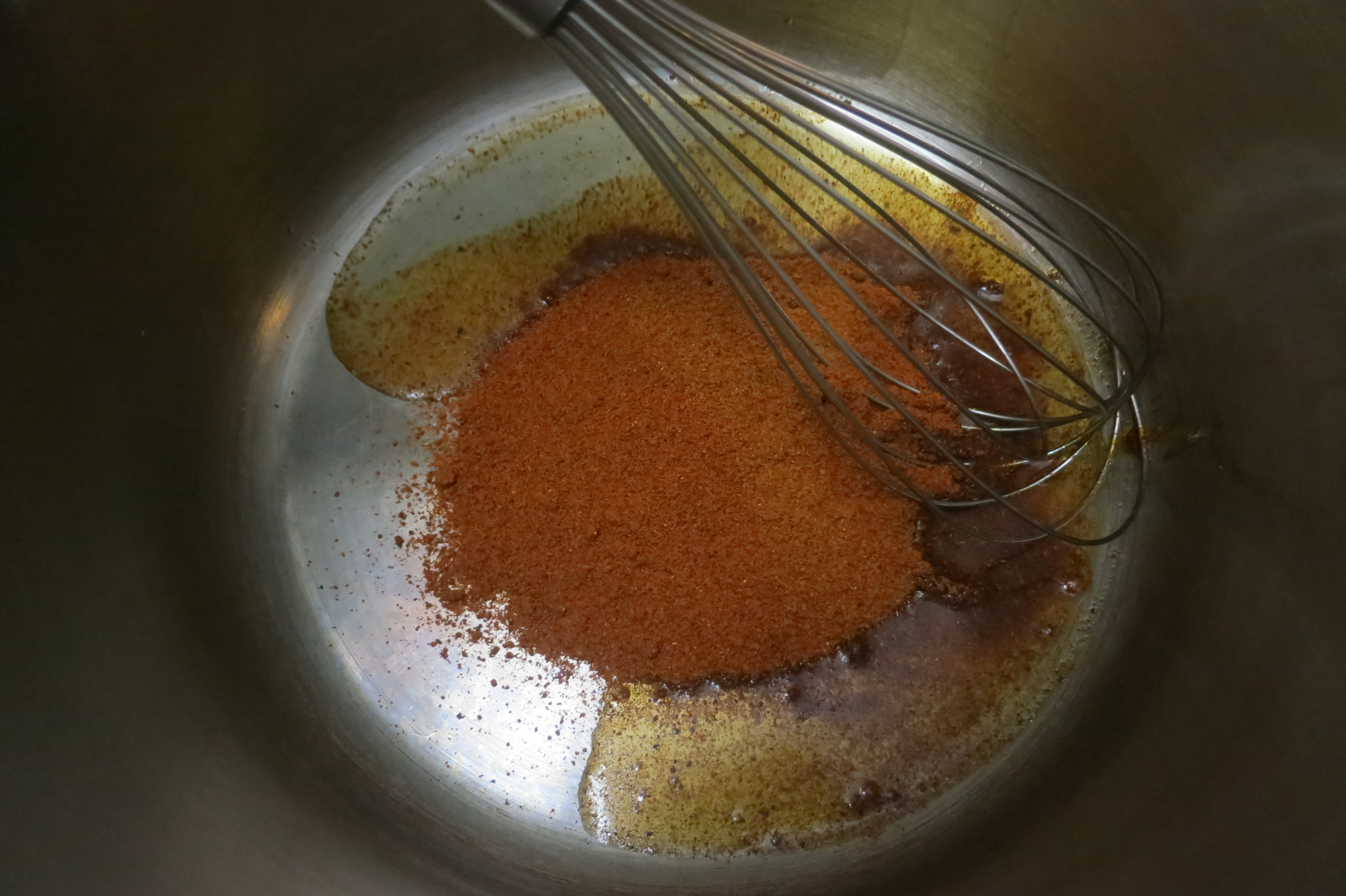
A2 pdr

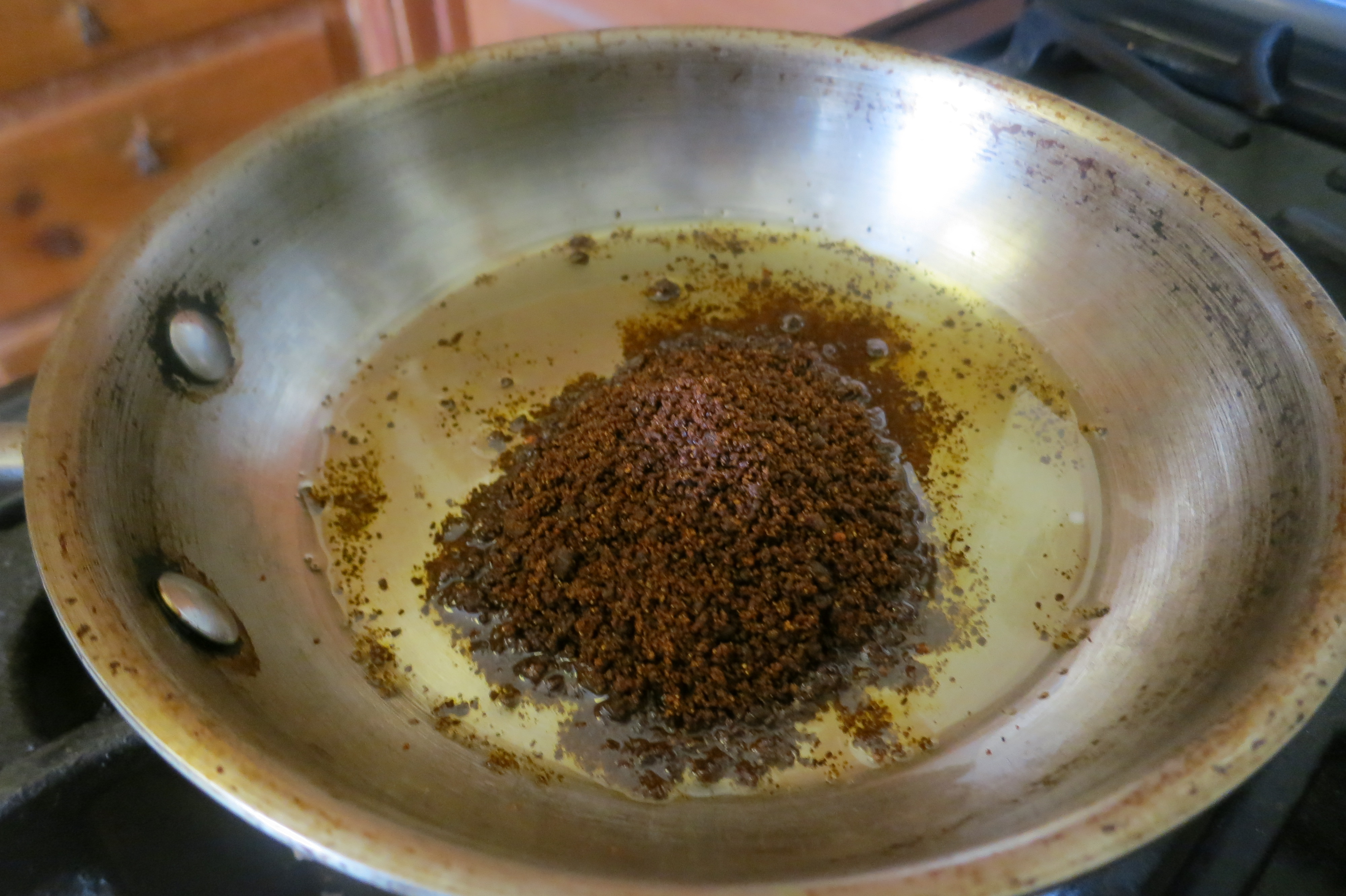
To make a soup, put a tin of Adobo powder and a few tablespoons of oil in a soup pot.
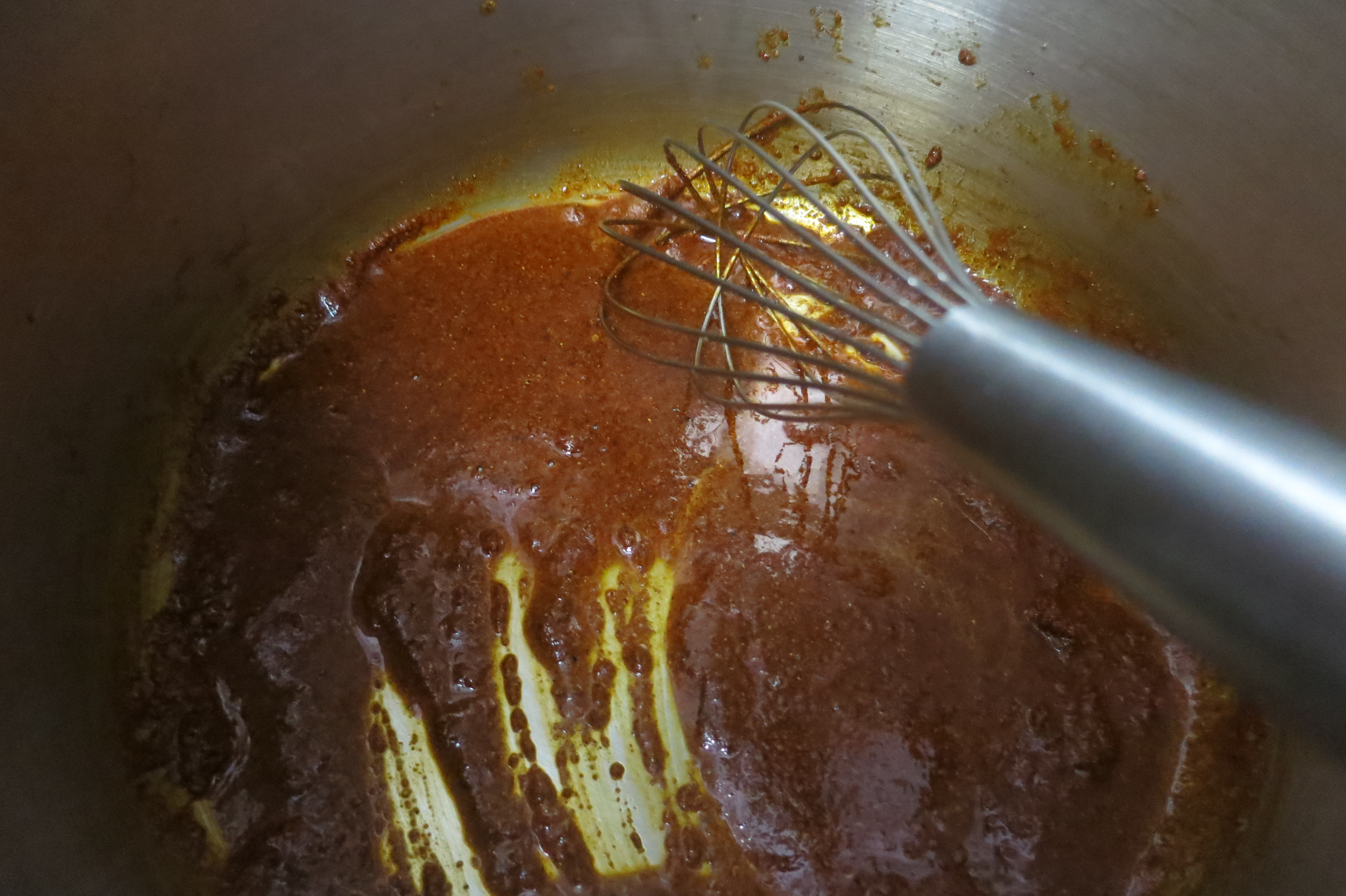
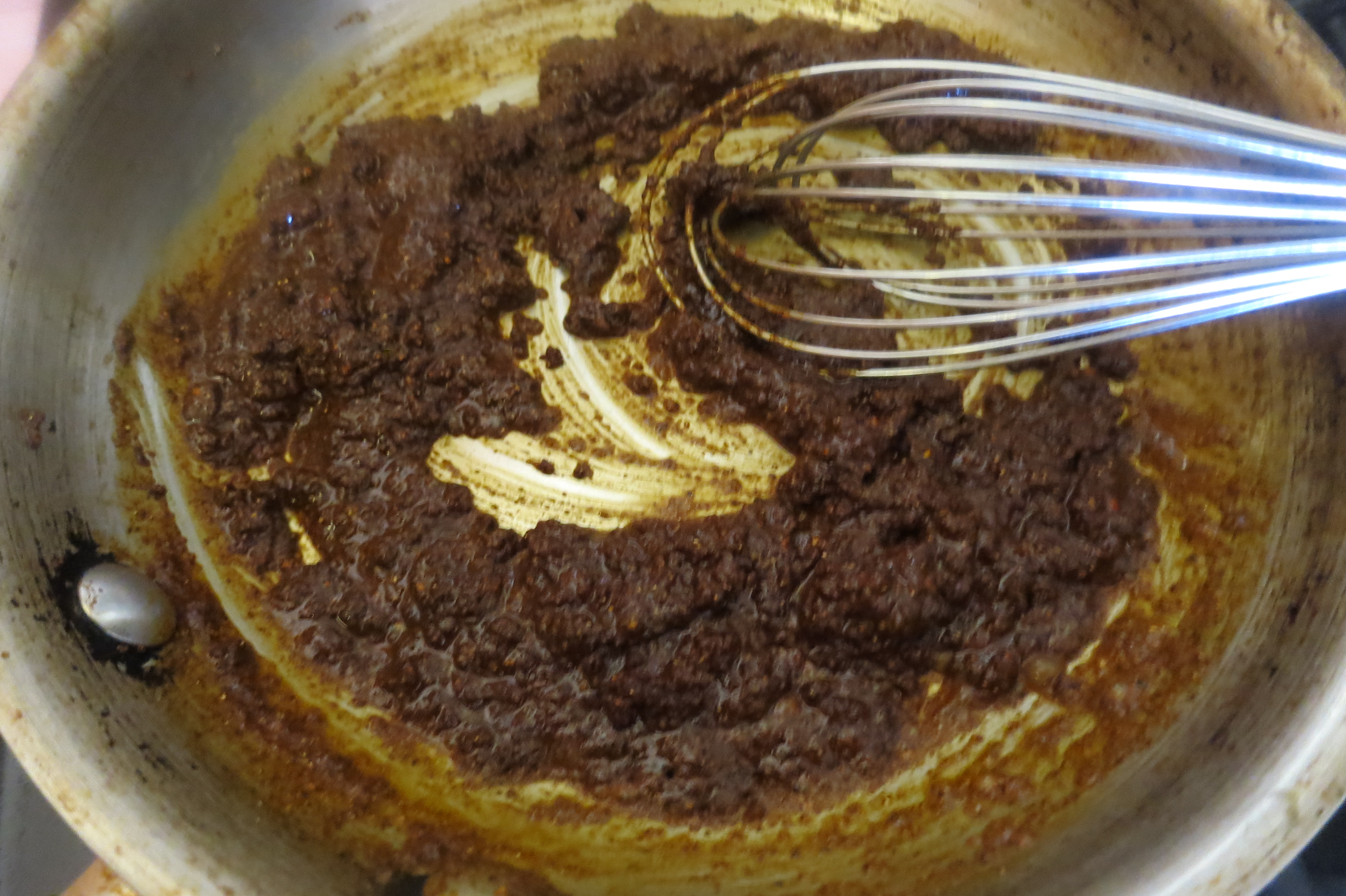
A3 paste

Cook over medium heat until it turns a shade darker in color and smells fragrant.
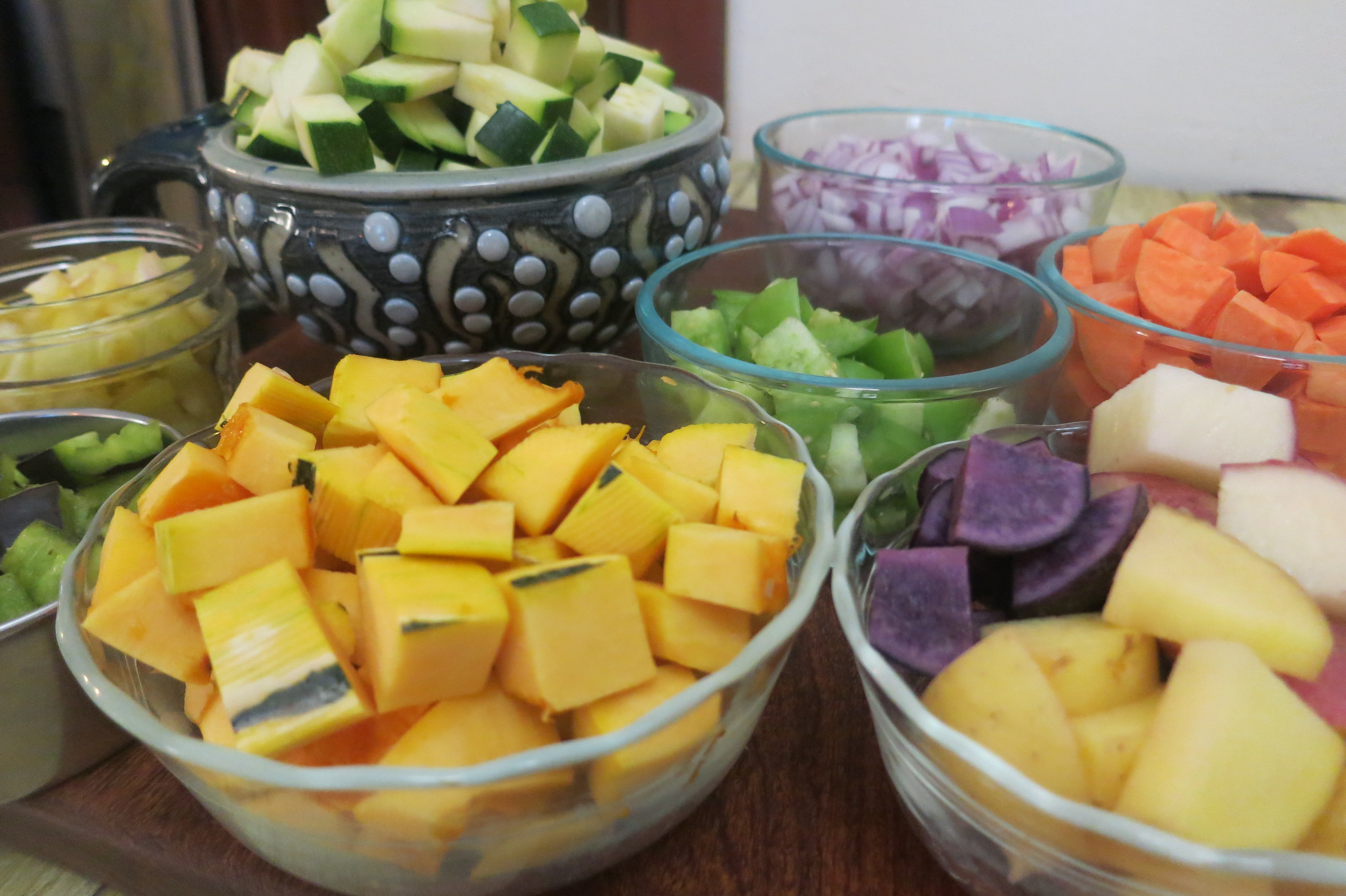
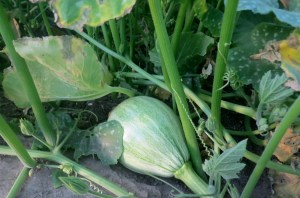
a4diced veg

I have listed below some of the specific vegetables I used simply because I love them. Use what you have and love. Fresh or leftover meat is a great addition. Every single ingredient in this recipe is optional.

a5add veggies

Add the longer cooking veggies and stir to prevent sticking. Before it burns, add a quart of water or broth. When making Adobo into a sauce, I insist upon using broth. However, for this soup water works fine.

a6blue posole

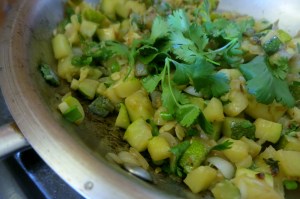
Add the quicker cooking veggies as inspired, including precooked posole or beans, if using. I cook the posole and beans separately to ensure that they cook thoroughly but not at the expense of overcooking the tender veggies.
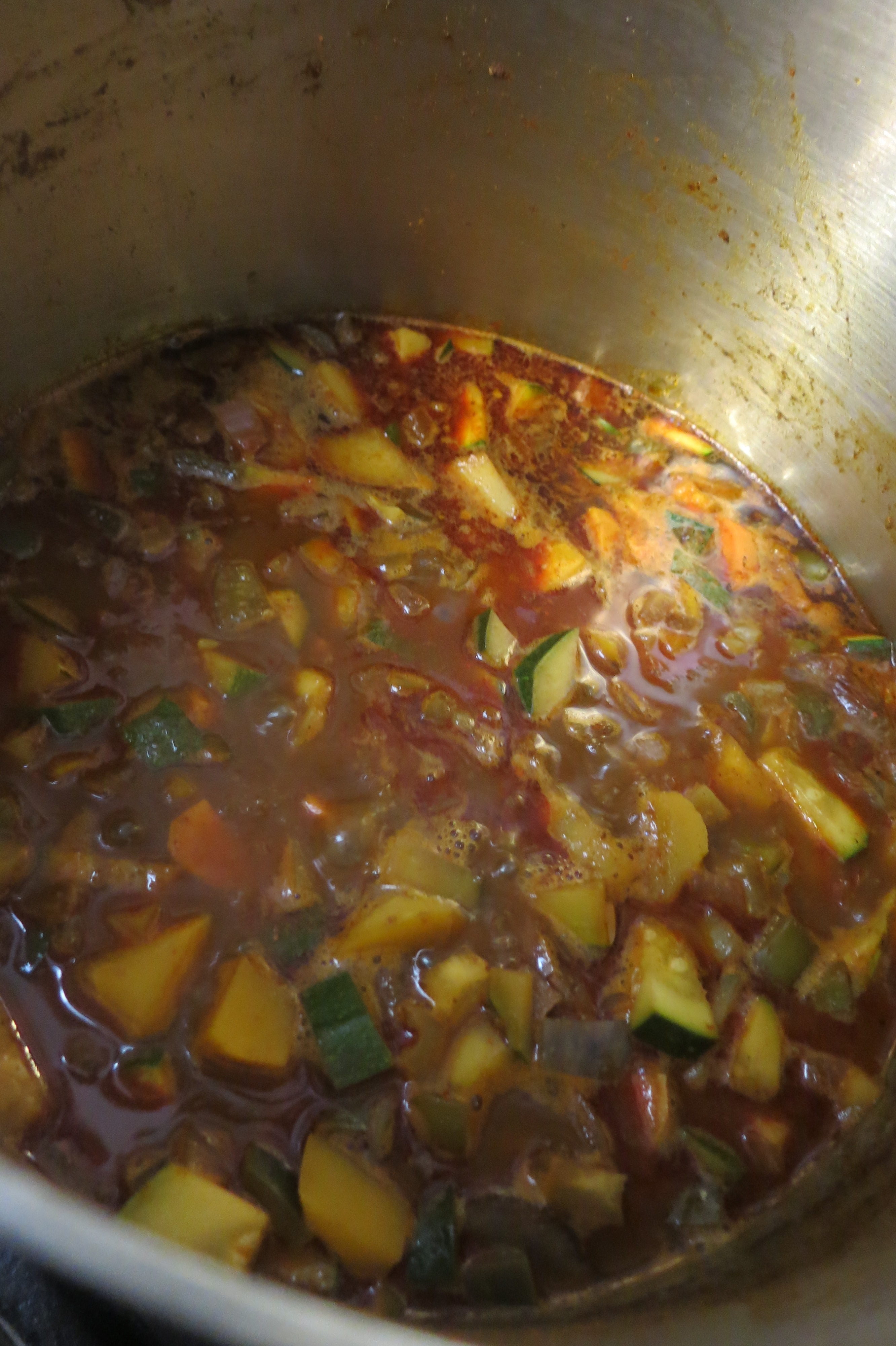
a7 soup cooking

When everything is tender, salt to taste. Garnish with lime wedges, avocado, thinly sliced white or green onion and cilantro.

Ingredients:

Mano Y Metate Adobo Powder
Cooking oil, like mild olive
Water or broth
Summer squash (zucchini, patty pan)
Winter squash (Delicata)
Potatoes (Red LaSoda, Yukon Gold, Purple)
Sweet Potato (Beauregard)
Sweet peppers (various colors and shapes)
Chiles (roasted and peeled, or diced and sautéed in oil first)
Tomatillo
Onion (red)
Garlic
Blue posole (heirloom dry posole available from NS/S or Flor de Mayo. The Savor Sisters promise at least one post soon about traditional posole.)
White Tepary Beans
Salt
Lime wedges, green onion, avocado and cilantro for garnish

Mac and Leila
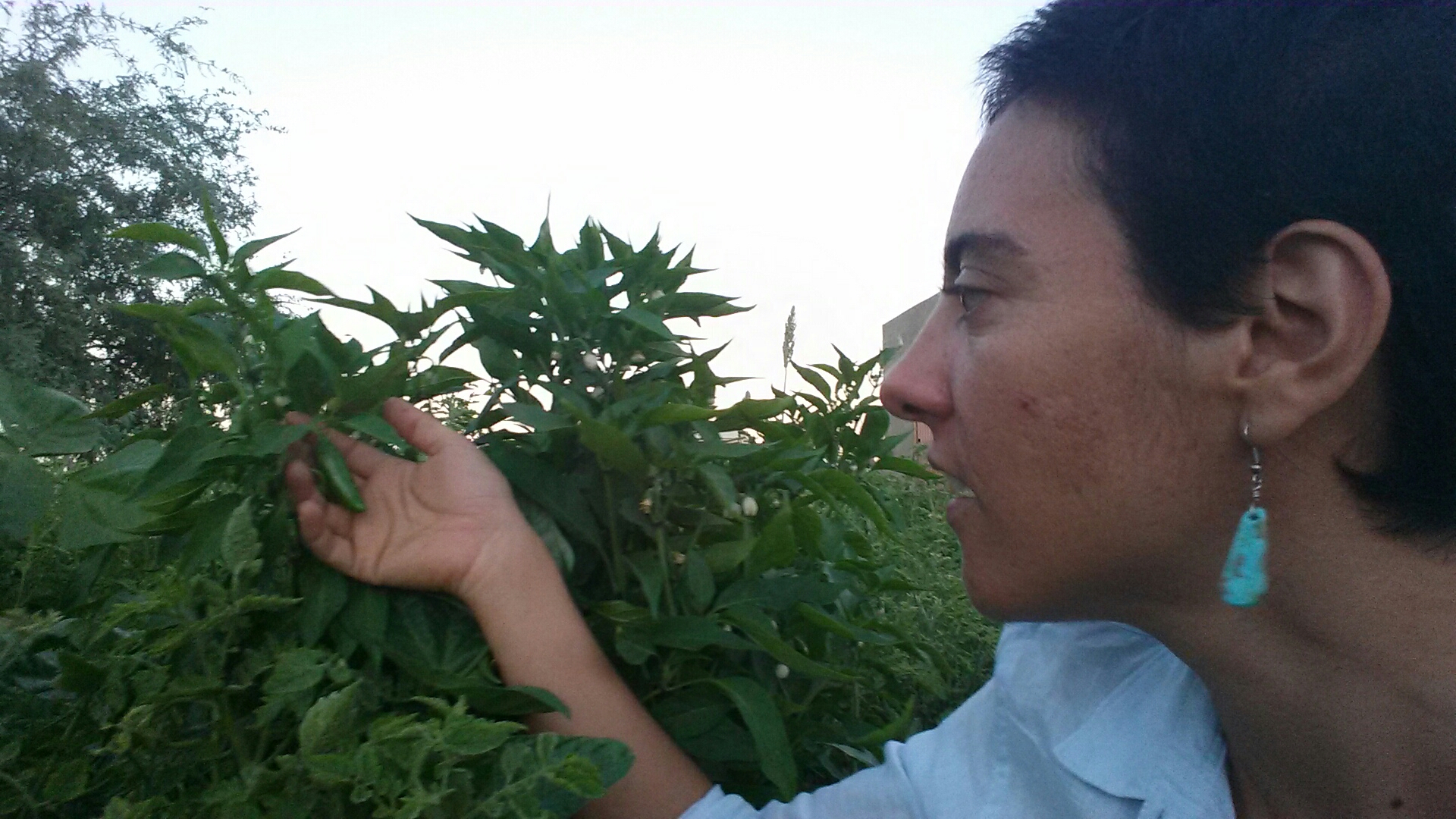
Mac and Leila

Fermented salsas

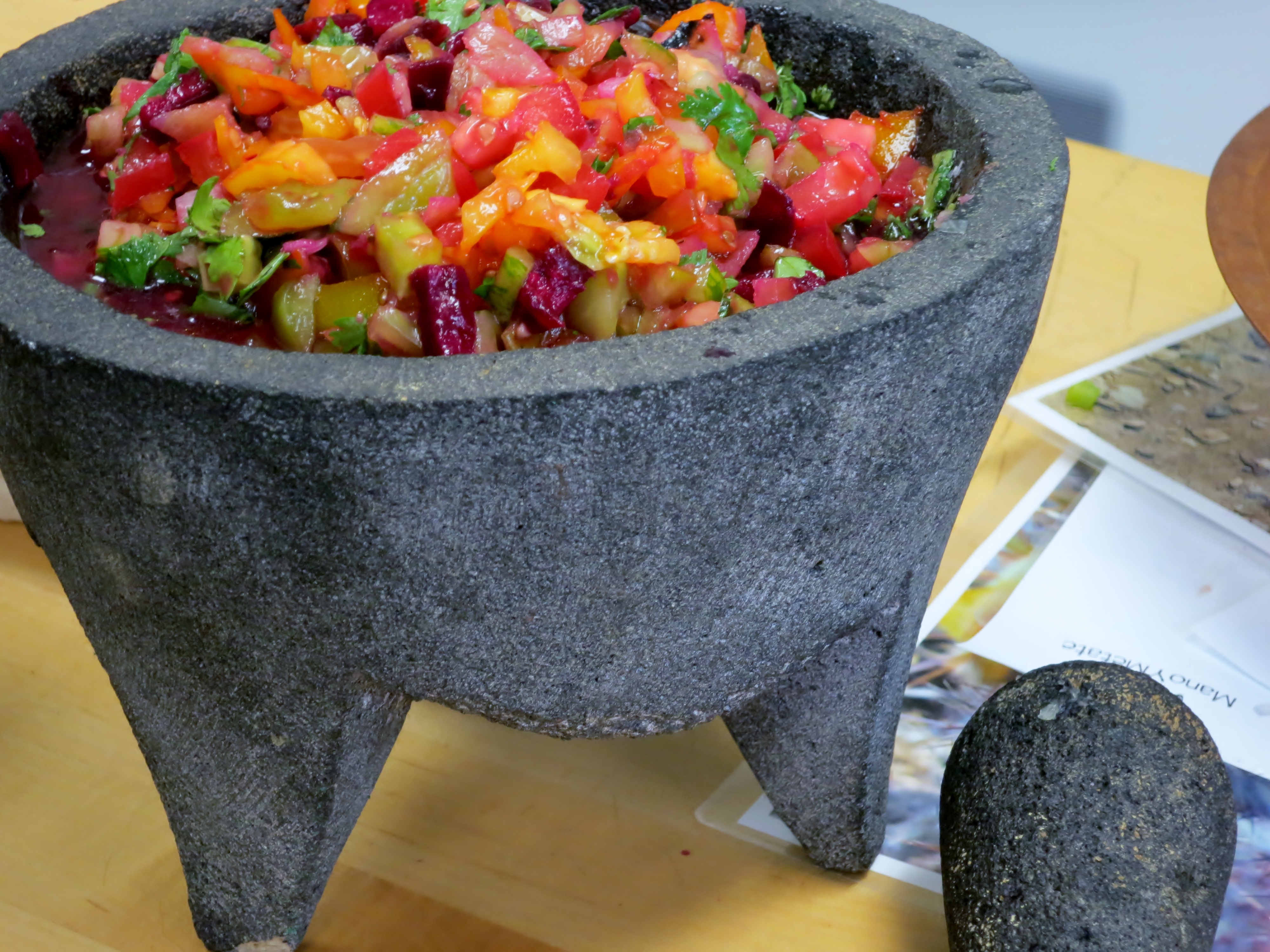
molcajete

fermented salsa,with fresh cilantro and tunas (prickly pear fruit) added before serving

Amy Valdés Schwemm

Amy Valdés Schwemm

Naturally fermenting salsa makes a richer and more complex flavor than simply adding vinegar or lime juice, but it does take a little patience. I love tart salsas and sour foods with a bite. Grandma and Grandpa Schwemm on my dad’s side passed on a tradition of sauerkraut, and my mom’s family loves chile. How could chiles fermented like kraut not be my favorite food?

Fermented salsa is a source of pro-biotic microorganisms, recently rediscovered as essential for the digestive system. Home fermented foods probably provide more active and diverse cultures than what comes in a capsule at great expense.

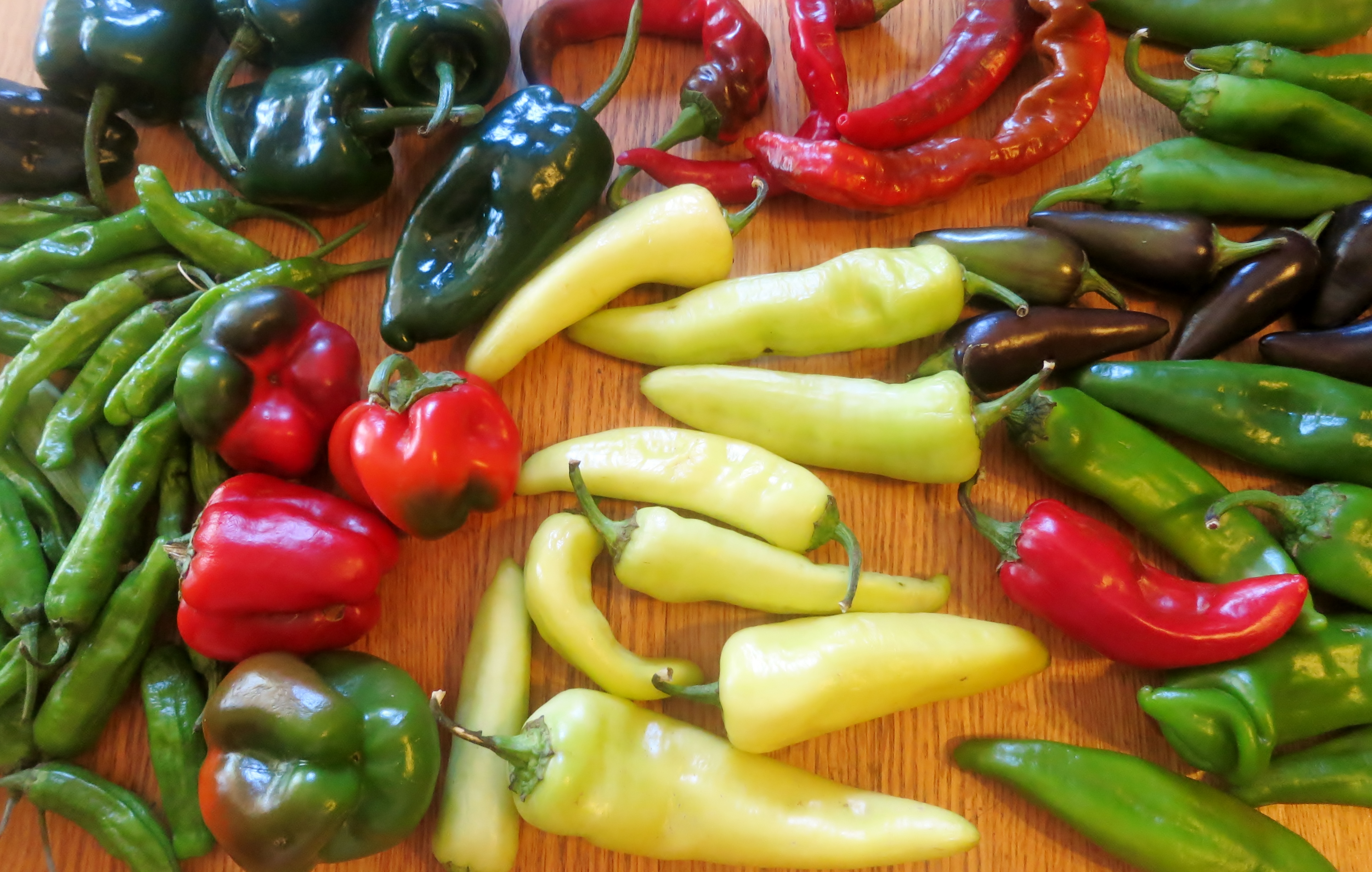
late summer is chile season at Tucson CSA, Walking J, Santa Cruz Farmers' Market Consignment

late summer is chile season at Tucson CSA, Walking J, Santa Cruz Farmers’ Market Consignment

Chiles for this preparation can be fresh or roasted or even dried. I’ve used everything from dried chiltepines to fresh Big Jims and sweet peppers. Hot, fleshy chiles like Jalapeño, Serrano, Guero, Wenks Yellow Hot, and Sinahuisa are ideal.

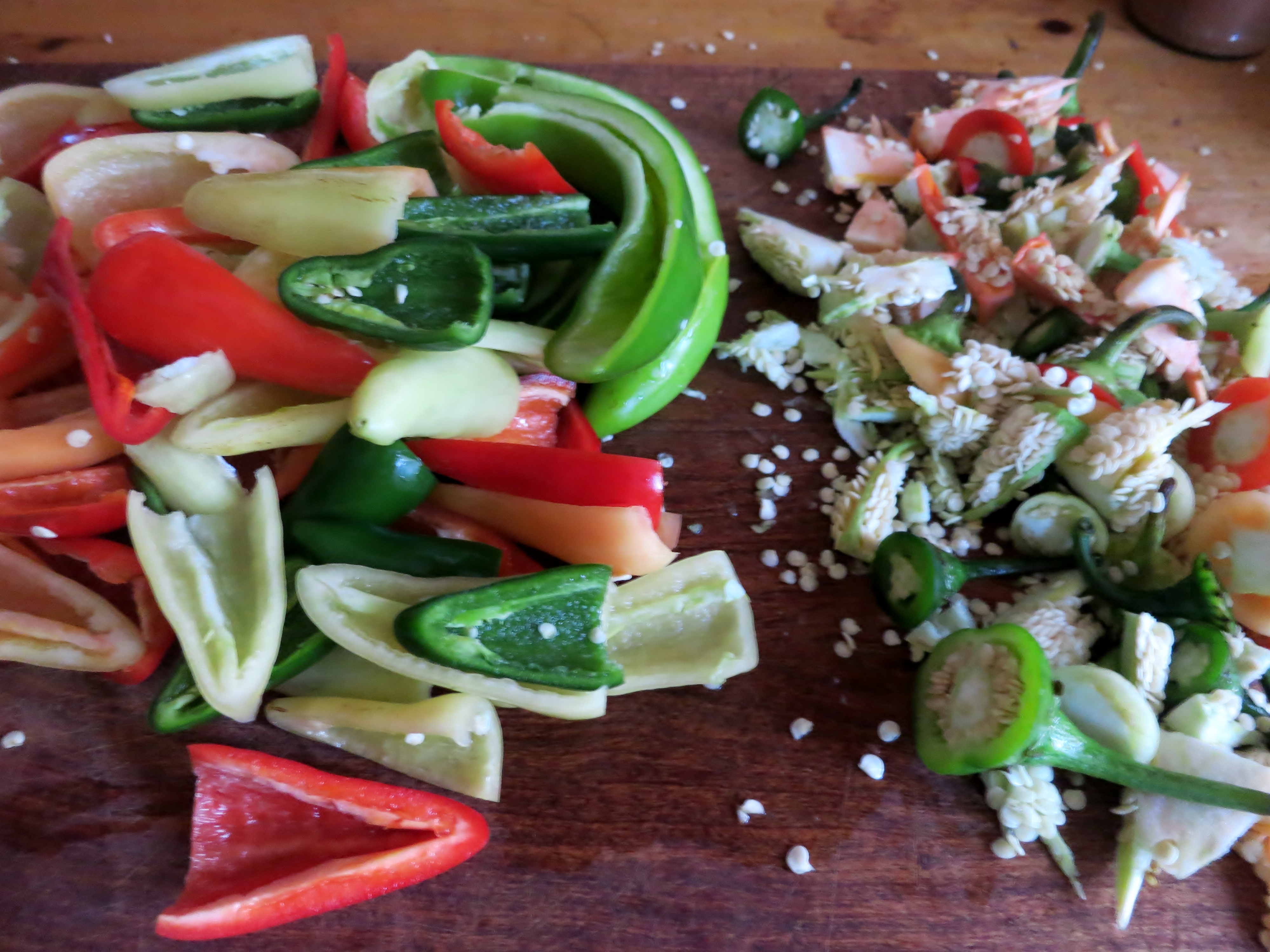
deseeding chiles

deseeding chiles

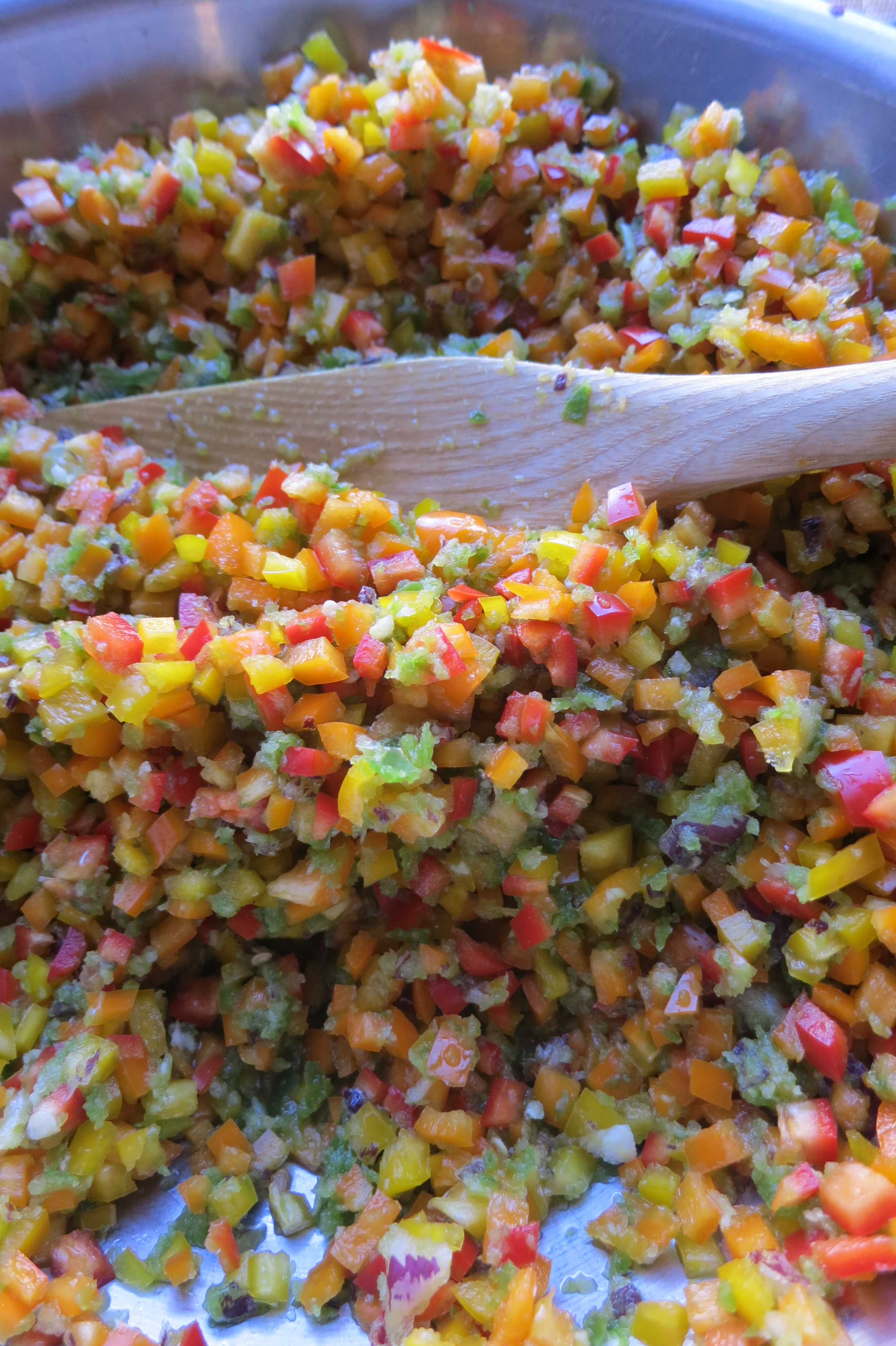
Sometimes I meticulously seed and dice the chiles, sometimes I only cut off the stems and coarsely chop in the food processor.

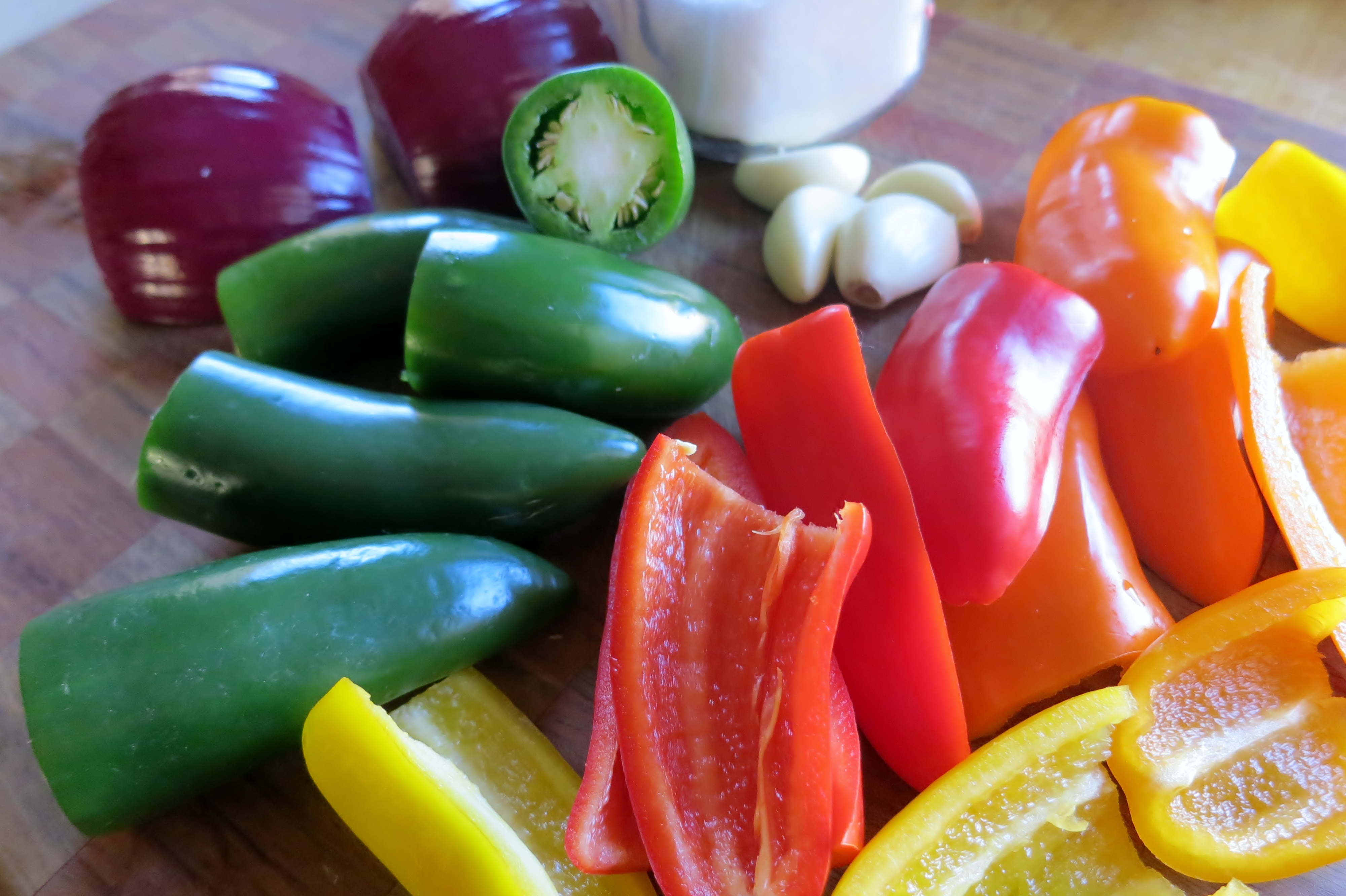
chiles, onion, garlic and salt

chiles, onion, garlic and salt

I usually add onion, garlic and herbs, as the season and whim direct.

chopping chiles reminds me of Uncle Bob and cousin Doug

chopping chiles reminds me of Uncle Bob and cousin Doug

Add salt to the salsa, 2% of vegetables’ weight. This is roughly 1 teaspoon non-iodized salt per cup of diced vegetables, more or less. Salt slows and directs biological activity to make the food more delicious. Lactobacilli thrive in salty environments where other organisms cannot, and the lactic acid they make further inhibit harmful bacteria. Since this is a condiment, I don’t mind it a little salty. There are enough beneficial bacteria on the fresh produce and in the air, so no starter culture is necessary.

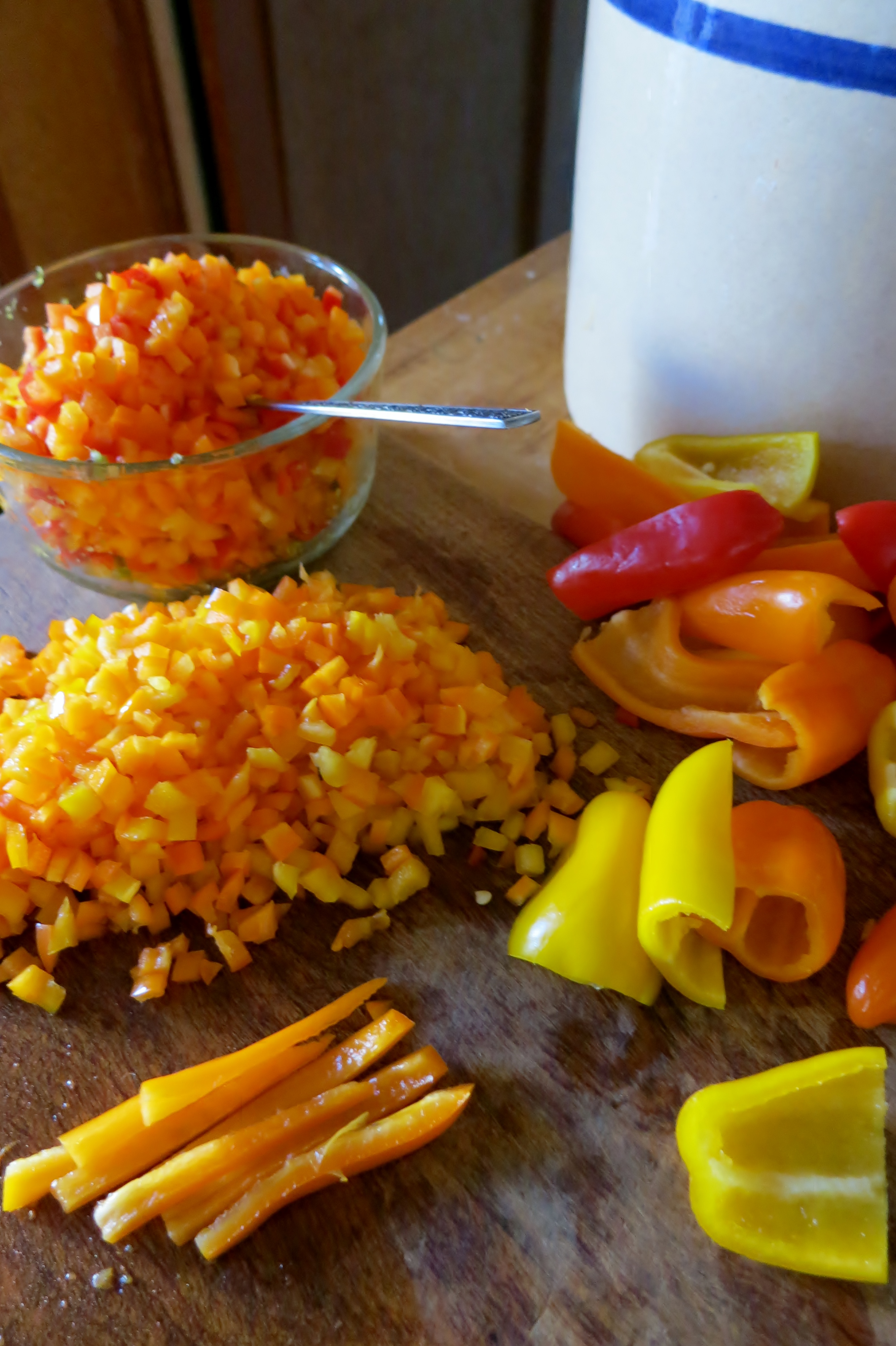
diced chiles

diced chiles

If the chiles are not very fleshy or I want a thinner sauce, I add a little brine made with 2 teaspoons salt per cup of water. Thinning the sauce is a good idea when the chiles are very hot!
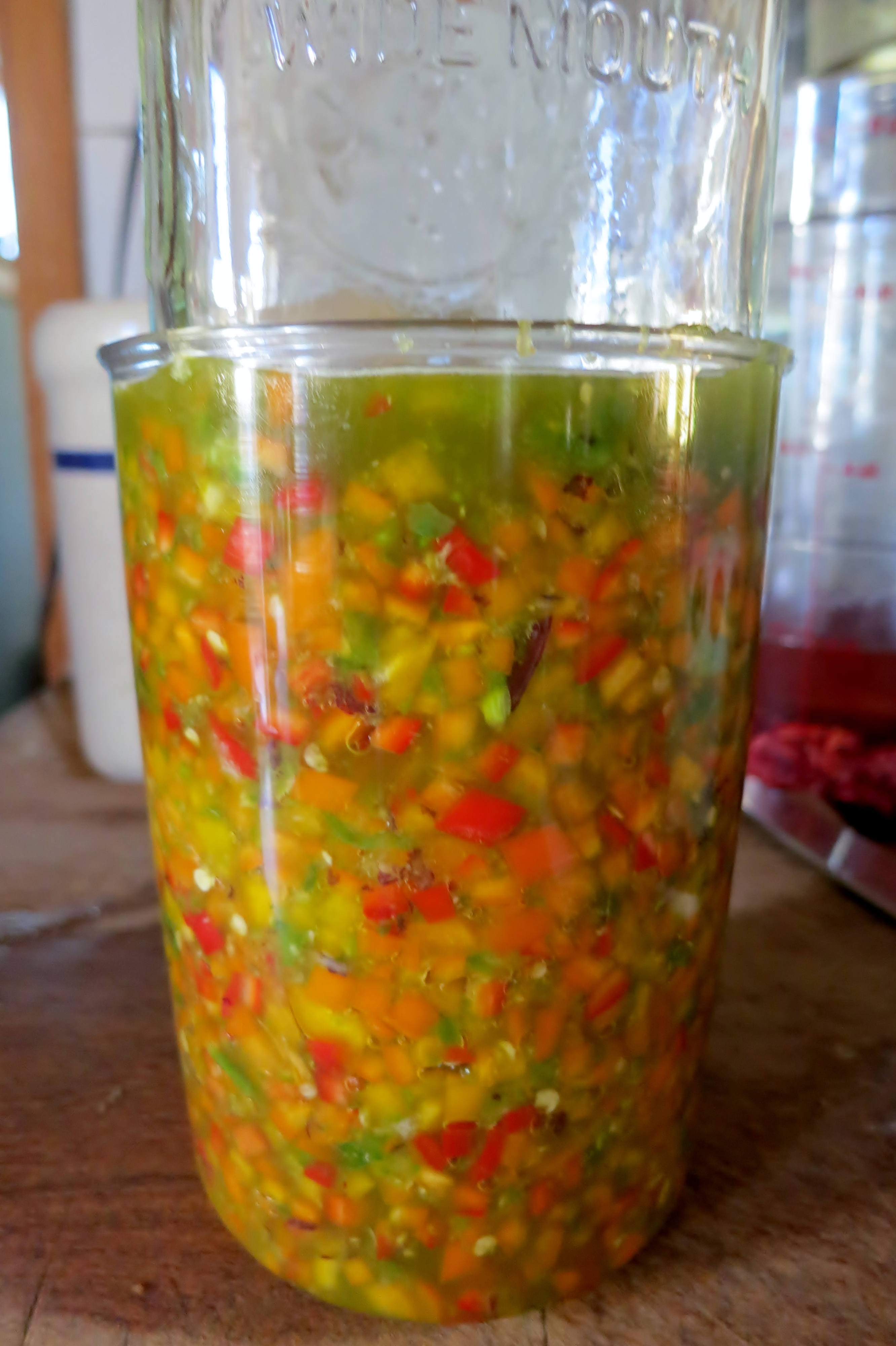
Put the salsa in a jar with a weight on top, keeping the pieces of chile submerged in exuded juice or brine. I use a smaller jar as a weight.

pureed jalapenos with  diced multicolor sweet peppers

pureed jalapenos with diced multicolor sweet peppers

Cover the tower with a tea towel to keep out dust and insects, and keep at room temperature.

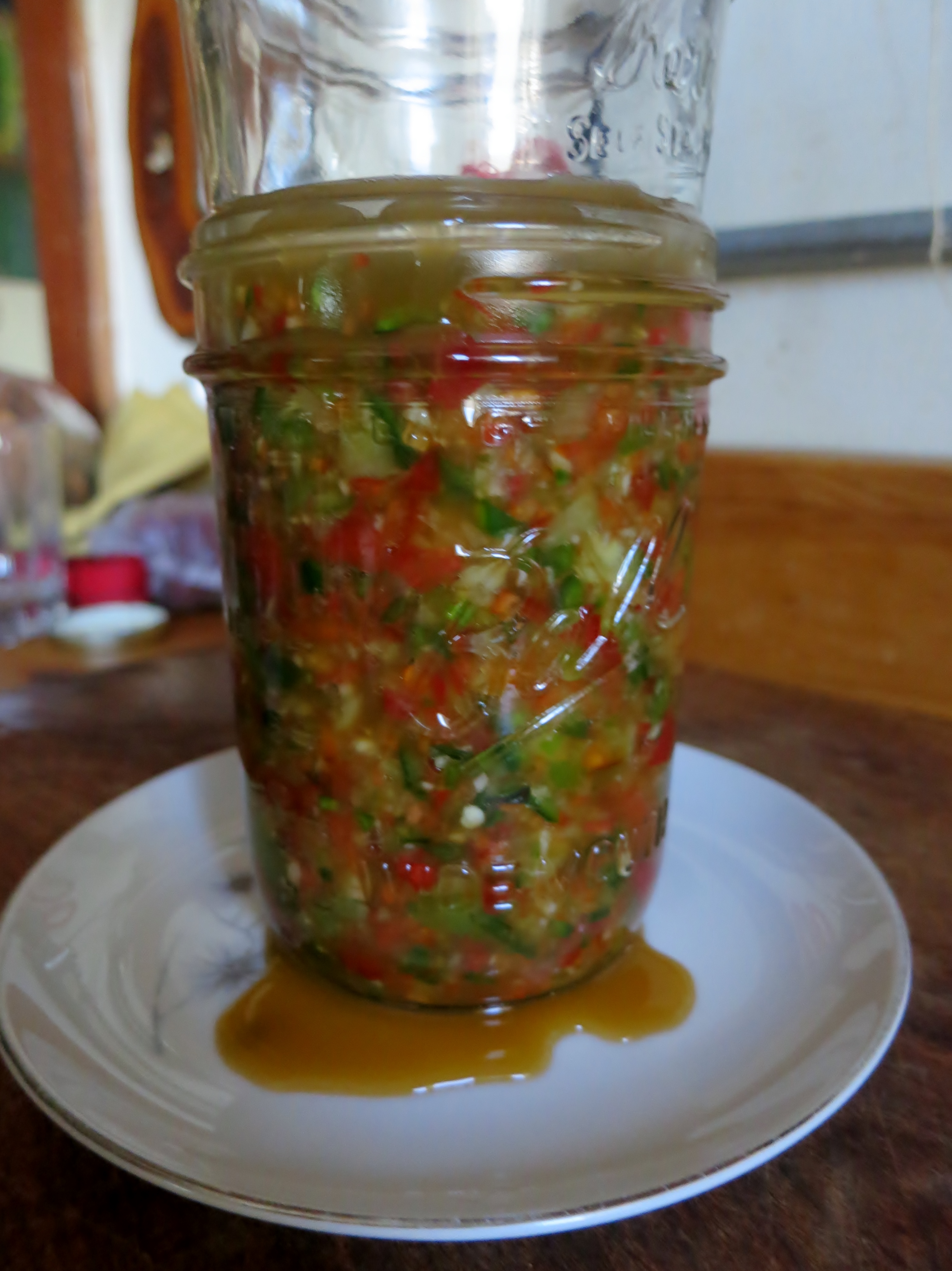
fermenting chiles can be messy

fermenting chiles can be messy

How long before it’s ready? Test daily in warm weather to see if it is sour enough for your taste. In winter, the process is slower, taking up to a couple weeks. If white mold forms on the surface, skim off the top. It is harmless. If the mold is any color other than white, or below the surface of the liquid, discard the whole batch. Better safe than sorry.
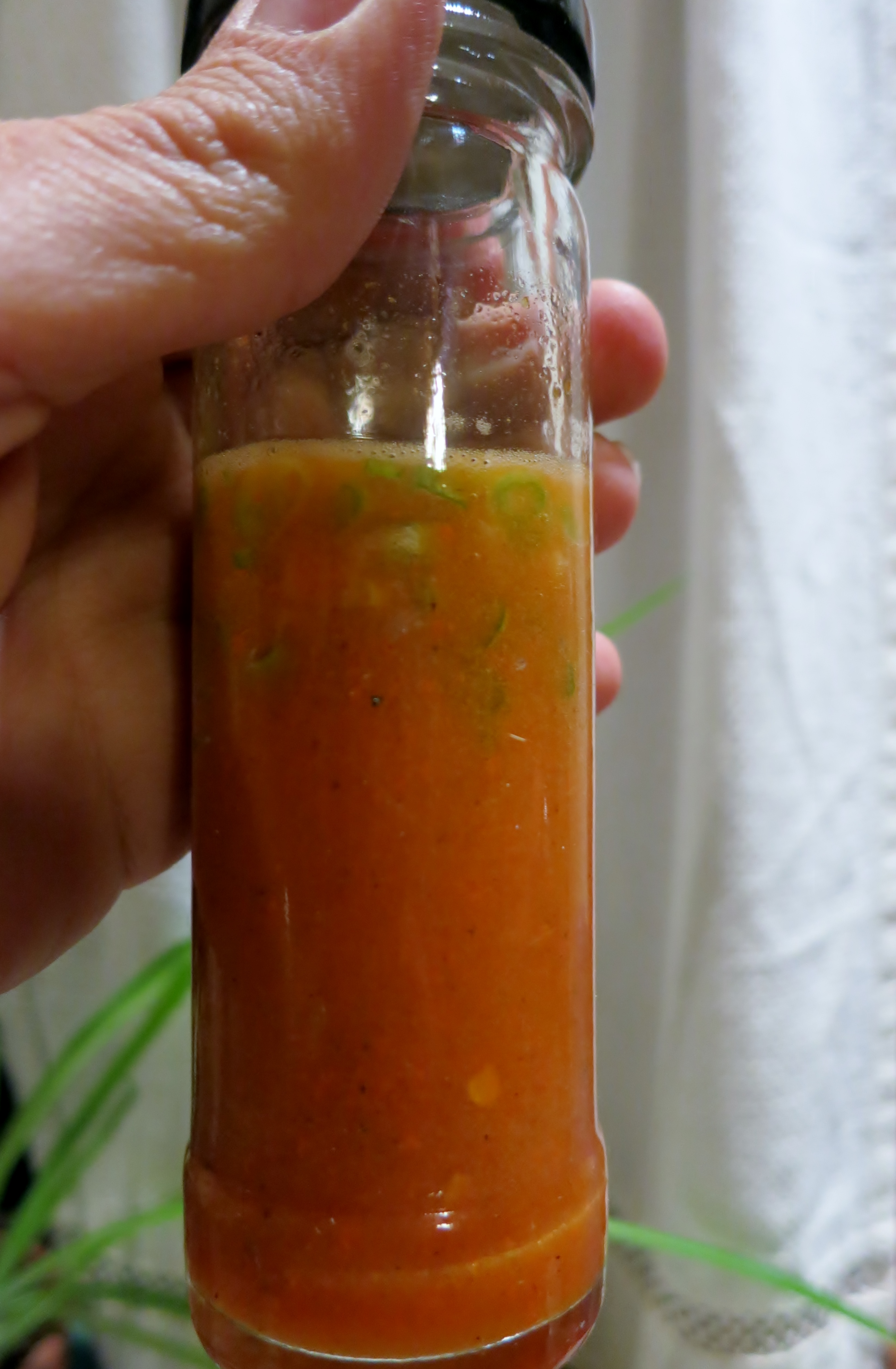
When the salsa is tart and delicious, it can be eaten as is or pureed. For a smooth salsa, it can be strained. Sometimes I add fresh herbs or minced I’itoi onion tops.

pureed salsa with diced I'itoi onion tops

pureed salsa with diced I’itoi onion tops

Store fermented salsa in the refrigerator with an airtight lid.
Chef Molly Beverly from Prescott, Arizona suggested fermenting a sauce from Mano Y Metate Pipian Rojo, so I have some of that going now. I can’t wait to taste it!
elote salsa
For more details about fermenting food, see Sandor Katz’s The Art of Fermentation. For an encouraging primer on safely fermenting food, find Wild Fermentation also by Katz. This is one of my all time favorite cookbooks.

Wild Greens and Mole Enchiladas

blog1Hello, this is Amy Valdés Schwem, and I’m honored to be here with such esteemed plant and cooking women!

I love harvesting wild greens, but my day job is making mole as Mano Y Metate. Today I’m going to make enchiladas made with Mole Dulce and fill them with wild greens and summer squash. It won’t heat up the house, if you take the toaster oven outside! Enchiladas made with tomato sauce instead of chile are called entomatados, and those made with mole are enmoladas. So the menu can read: Enmoladas de Mole Dulce con Quelites y Calabacitas.

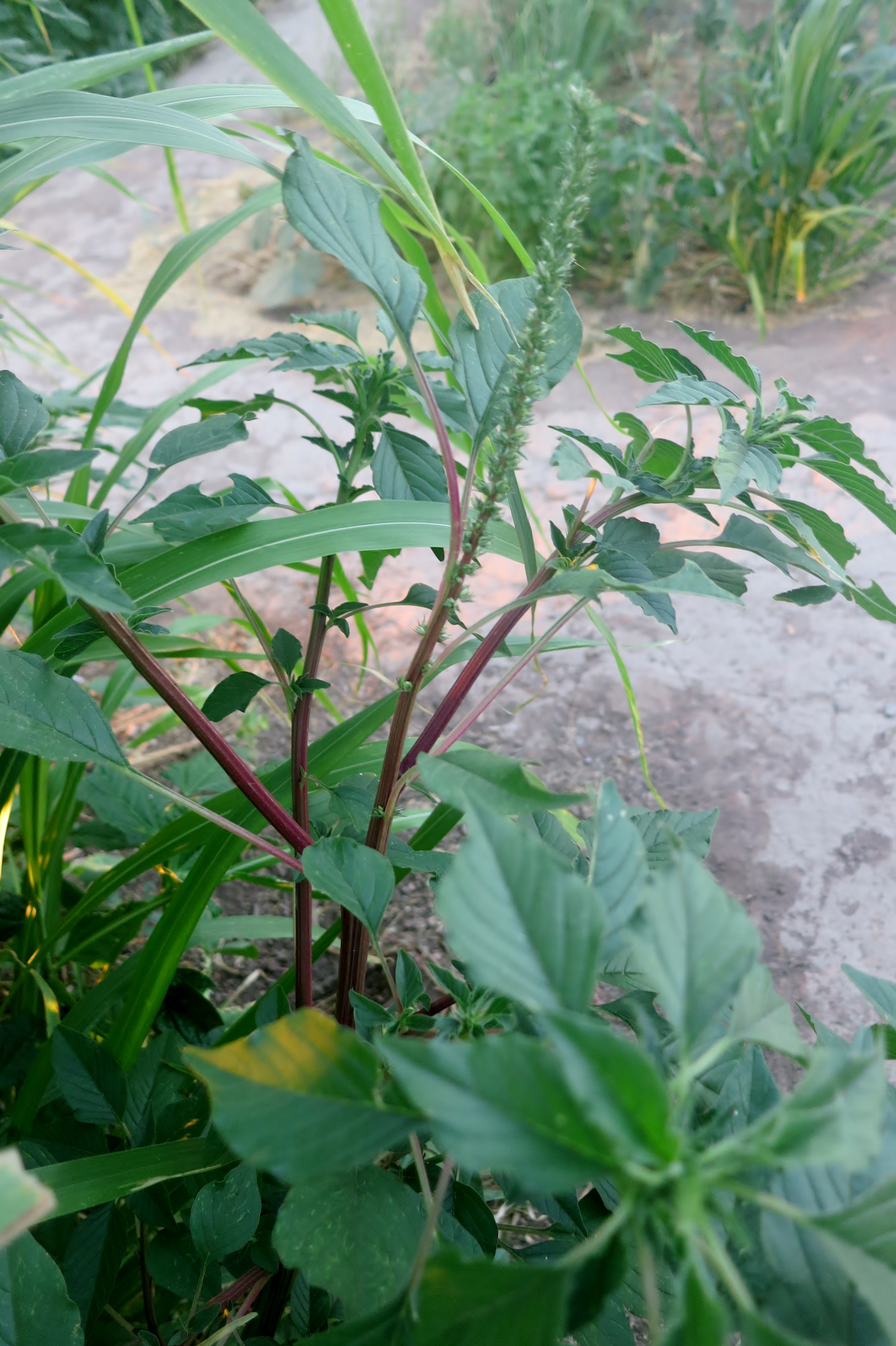
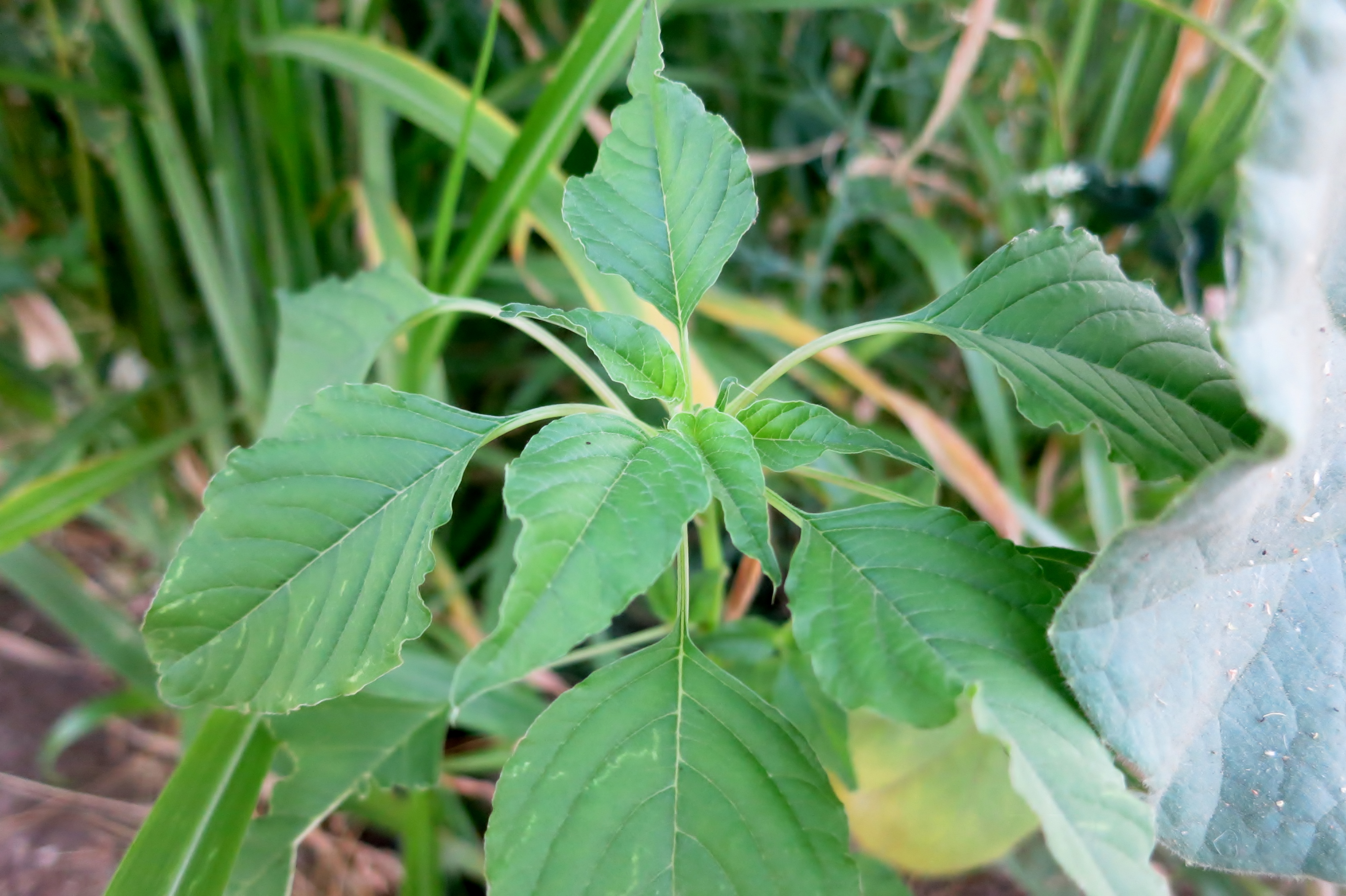
Quelites can refer to several unrelated wild greens, but to me they are wild amaranth greens, Amaranthus palmeri, also known as pigweed.

I grew up eating quelites with my maternal grandfather, and he knew no shame jumping fences to pick weeds. They make a few tiny black seeds, unlike its Mexican domesticated relatives that make enough blond seed to fill bulk bins at the health food store.

It is native to the southwest US and northwest Mexico, and its wild and domesticated relatives are enjoyed around the world both as a green and for its grain-like seed. It easily out-competes summer garden and field crops and is becoming resistant to glyposphate (Roundup). But you wouldn’t want to harvest from those over fertilized fields anyway, since it can absorb too much nitrate, making it unsafe for humans and animals. However, grown in native desert soil, they are safe and nutritious, high in vitamin A, vitamin C, and folate, among other vitamins and valuable minerals.

Some species and cultivars available at Native Seeds/SEARCH are used for dye and have red leaves, and some make a huge red inflorescence pretty enough to grow as an ornamental, even if the birds eat all the seed. I’ve never had much luck popping the seed I grew, but you can buy commercially popped seed, like miniature popped corn.

blog2 blog4

I just visited my closest community garden, Las Milpitas de Cottonwood, and found these beauties in the irrigated beds already in flower. If this was all I had, I would pick the smallest leaves from the stalks and use those.

blog5Hopefully you find quelites before flowering, shorter than a foot tall. I found a few plants in my yard where other things get watered. Many more will sprout with the summer rains.

blog7a


Last year I had so many from my Tucson Community Supported Agriculture share that I dried some, just like my great aunt Tia Lucy told me they used to do. I just plucked leaves from the stems and air dried them in the house. To use, I soaked in water overnight, then sauteed with the others. I’ll dry more this summer, for sure.

blog7b blog8


To prepare the fresh quelites, wash, chop tender stems and all, and saute with a little onion and garlic in oil. My grandfather always used bacon grease, so that’s what I did.

blog6


It’s also prime season for calabacitas, so use them if you don’t have any fresh or dried quelites. My grandfather also collected and cooked verdolagas for us, which would work here, too.


blog9a


Calabacitas, sauteed with onion and garlic. This filling with mushrooms and queso fresco, inside mole dulce enchiladas, is my brother’s signature dish. Well, one of his signature dishes.


blog9b blog9c


Now for the mole! For a half dozen enchiladas, to serve two people, I used about half of a tin of Mano Y Metate Mole Dulce powder, cooked in mild olive oil to make paste.

blog9d

Then I added about half a cup homemade chicken stock and a dash of salt, but veggie stock is great, too. Water doesn’t quite do it. Simmer until you have a nice sauce, adding more broth as necessary. There will be steam and good smells.


blog9f blog9g


The secret to enchiladas: start with thin corn tortillas and fry briefly in oil hot enough to sizzle, but not hot enough to make them crispy!!! DO NOT skip this step!

If the tortilla cooks too much, or if it breaks, just turn up the heat and make that one into a corn chip.

Dip the flexible tortilla in the mole dulce.

blog9h blog9i


Put quelites or calabacitas in the tortilla and roll.

blog9j blog9l


Top with homemade queso fresco and bake until heated though. My grandfather used the toaster oven outside on the patio in the summer to make enchiladas. No need to heat the house!

Depending on your oven, you may need to cover them with foil, but I didn’t. I like crispy edges. Serve with a cucumber, tomato salad dressed with a squeeze of lime, beans, and prickly pear grapefruit-ade.

Leftovers are best fried in a cast iron pan until crispy.

Mano Y Metate moles can be purchased from Martha Burgess of Flor de Mayo Arts at the Sunday Heirloom Farmers’ Market at St. Philip’s Plaza, Native Seeds/SEARCH, and ManoYMetate.com.


Heirloom Beans for Holiday Feasts!

Colorful Christmas lima, also known as Chestnut lima, will keep some of its purple color and its shape in cooking.  Photo by Muffin Burgess

Colorful Christmas lima, also known as chestnut lima, will keep some of its purple color and its shape in cooking. Photo by Muffin Burgess

Among beans, Christmas Lima is a giant not only in size but in flavor!  This heirloom Phaseolus lunatus is dramatic mottled purple and white, and lends itself to many colorful dishes.  Try a holiday tip from the Heirloom Bean Queen “Tia Pan Dulce”—sure to please vegetarian and omnivore alike:  Curried Christmas Limas!

The evening before cooking, sort and wash ½ lb of dry Christmas Limas.  Presoak overnight in plenty of water (at least a qt) as they will swell.  Next day give remaining water to your compost and add a qt of fresh drinking water.  Simmer limas without salt until they test tender (1 ½-2hrs stove top; 2-3hrs solar oven; 3-5 hrs crock pot).  Some people prefer them al dente.  I like them soft and done through but not mushy.  Reserve the bean liquid.

Saute ½ cup chopped onion, ½ cup chopped celery, ½ cup thin-sliced winter squash, and ½ cup chopped sweet pepper in olive oil and stir in 2 tsp curry powder.  (My favorite curry powder is from Santa Cruz Chile and Spice Co, available at most southern Arizona groceries.  If you are ever in the Tubac area give yourself an olfactory adventure by visiting the SC Spice Co outlet just south of Tumacacori Mission Nat Hist Park.)

Add cooked limas to the veggie curry stir-fry adding either veggie stock or the reserved bean liquid as needed.  Simmer on low heat until flavors are blended (about 1/2 hr) and salt to taste.  Serve with brown rice or polenta for a complete protein complement.

(Here’s another idea to try with cooked Christmas limas:  If they keep their shape as individual beans when done, you can serve them as veggie hors d’oeuvres with toothpicks dipped in your favorite sauce.  Try BBQ or Asian or chilpotle sauce.  They are better than meatballs and much healthier!)

If you want to GROW Christmas limas for yourself, save a few seed out of the bag you find at Sunday’s Heirloom farmers’ market or at the Native Seeds/SEARCH store (3061 N Campbell, Tucson).  Plant them in April where they can vine their way up a trellis in dappled light or into a low-growing tree.  They are long-season, so plan on tending them thru heat of May and June until the monsoons give them a boost.  You will be climbing the tree or trellis to harvest big pods in the fall, ready for homegrown holiday cookery next year.

Bright and beautiful Four Corners Gold beans are used in the traditional winter ceremony by the Zuni.  These beans are truly light-returning and life-renewing.  photo by Muffin Burgess

Bright and beautiful Four Corners Gold beans are truly light-returning and life-renewing.  photo by Muffin Burgess

An important heirloom for the season– used by Native cultures of the Southwest since time-immemorial to celebrate the Winter Solstice—is the festive yellow and white Four Corners Gold Bean (aka Zuni Gold).  It will lend itself to any hearty dish you may want to have simmering in a crock pot ready to drive off any chill from ski-ing, hiking, cycling, or dog-walking thru these short wintry days.  Try them in a bean soup with an oxtail from Jojoba Beef at the farmers’ market; or as chile beans with Native Seeds/SEARCH’s amazing chilpotle chile powder; or as a dip mashed with a Tarahumara bean masher, dashes of Red Devil tabasco sauce and 1 tsp of cumin powder.

"Moon Beans" spiced with Pipian Rojo Mole from Mano y Metate makes an exceptionally festive vegetarian dish!  photo by Muffin Burgess

“Moon Beans” spiced with Pipian Rojo Mole from Mano y Metate makes an exceptionally festive vegetarian dish! photo by Muffin Burgess

My grandmother always served us black-eyed peas for New Year’s telling us grandkids that the number of them we ate was the number of dollars we would make in the new year.  In her tradition of black-eyed peas, as New Year’s approaches, I like to fix a Southwestern version of black-eyes:  Moon Beans!   For a festive flavor try moon beans with pipian rojo mole as a centerpiece dish, adding the prepared mole powder from Mano y Metate in the last half hour of bean cooking.

Solar-cooked Moon Beans can be downright celestial.  If December 30 or 31 is going to be sunny, and if you know you will be “hanging out” available for re-orienting your solar oven every ½ hour or hour, soak your Moon Beans the night before, change the water next day, and in a saucepan with plenty of drinking water add a ham hock and/or chopped onions and veggies to your Moon Beans.  A few hours of solar cookery will provide a New Year’s home-made feast worth a million dollars.

Happy Holiday-time with Heirloom Beans– and Bon appetit from Martha Burgess!  http://www.flordemayoarts.com