It’s Carolyn this week and we Savor Sisters have decided that’s it’s time to share some of the brilliance of our cooking friends with our readers. Tia Marta and I began experimenting with wild foods and Southwest flavorings five decades ago ( I wrote about that last month), Amy is a little younger. But as we have been cooking, and testing, and writing about it, many friends have taken parallel journeys to come up with marvelous and tasty dishes using Southwest ingredients, both wild and domestic. This year we are inviting some of them of do guest posts. We are going to start with David Scott Allen who writes a blog called Cocoa & Lavender that every week offers inventive and delicious recipes. You can check it out and subscribe here.
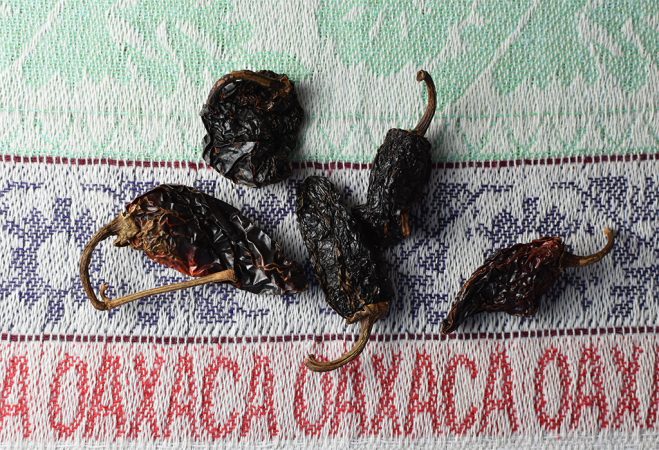
David’s post this week seemed perfect for the readers of Savor the Southwest–homemade chipotles in adobo sauce. I never considered it, but his reasons, avoiding garlic, make perfect sense. Chipotle chiles are jalapenos that have ripened to red and then been smoked. And it sounds delicious. I’ll let David take it from here:
A Smokin’ Hot Condiment by David Scott Allen
As always, it’s the condiments that (could) kill me.
When I dine at friends’ homes, and they know of my garlic allergy, they are so kind and careful never to cook with garlic. But it is hidden everywhere – not just in prepared foods where one might expect it, but in all sorts of condiments: mustards, mayos, ketchups, steak sauces, soup bases, hot sauces, and rubs.
Who would think that a teaspoon of Worcestershire Sauce would make me sick? Or that a run-of-the-mill mustard would have garlic. I have nearly poisoned myself by. Maybe my next thriller will be “Death by Condiments.”
Chipotle chiles in adobo (smoked jalapeño peppers in a tomato-based sauce) is one of our favorite condiments for adding to soups, stews, vegetables, marinades, and sauces. They are widely available in small cans but only once was I able to find a can that didn’t list garlic. And that was more than 25 years ago.
Thus, like many condiments everyone else has the luxury of taking for granted – taking from the grocery shelf – I need to make my own. Truth be told, this turns out to be a lot of fun, and the kitchen smells great.
Honestly, I think learning to make my own condiments has made me better cook. It certainly makes me appreciate how flavoring happens in food, and what the home cook had to do before there were millions of tiny bottles of this-and-that available for purchase.
If you are unfamiliar with this condiment, here is a link to a New Mexico corn chowder that will warm any winter night. I hope it is warm where you are… if not, make some chipotles in adobo and feel the heat!

Chipotle Chiles in Adobo
1 tablespoon olive oil
1/2 large white onion, peeled and chopped (a generous cup)
2 shallots, peeled and chopped
1 ounce dehydrated chipotle peppers (I got them from Penzeys)
3 cups boiling water
1 cup canned tomato sauce
1 tablespoon tomato paste
2 teaspoons brown sugar
1/2 cup water
1/2 cup cider vinegar
1/2 teaspoon salt, or more to taste
reserved soaking liquid, as necessary
Heat the olive oil on a skillet over medium-low heat and cook onions and shallots until clear and slightly golden.
While the onions and shallots are cooking, remove the stems from the chiles and place them in a bowl. Cover them with boiling water and weigh them down with a small plate; soak for 20 minutes. They will not soften as much as other chiles; don’t be concerned if they feel leathery.
Remove the soaked chipotles and place them in a blender (see note below); reserve soaking liquid. Add the tomato sauce, tomato paste, and brown sugar. Blend until you have a uniform paste.
Scrape the blended chipotles and tomato sauce into saucepan and add in 1/2 cup of the soaking liquid.
Add the cooked onions and shallots, along with the salt and vinegar to the pan. (If you are keeping some chiles whole, add them at this point.) Mix well. Bring to a boil, then reduce heat and simmer for 90 minutes until very thick. Check often after the first hour. If the sauce has dried too much, add reserved soaking liquid as needed, using water if you run out of soaking liquid. As it cooks, the mixture will turn a very dark, mahogany brown. (Note from Carolyn: watch this like a hawk. Putter around the kitchen to keep an eye on it. You don’t want it to burn.)
I like to purée the mixture one more time before putting it in jars. Leave it chunky, if you prefer.
Note: If you would like some whole chipotle chilies, purée half of them with the tomato sauce, and reserve the remainder to cook whole.

How can you use your homemade chipotle sauce? Add a bit to spaghetti, soup, or sauces. Find links to these recipes in the Cocoa & Lavender blog here.
___________________________________________
Carolyn Niethammer writes about the foods and people of the Southwest. Her most recent book, A Desert Feast, Celebrating Tucson’s Culinary History, tells the story of the last 4,000 years of food history in Tucson and the Santa Cruz River Valley. 
 Savor the Southwest: