Mexican Cornbread: Familiar, Comforting and Delicious

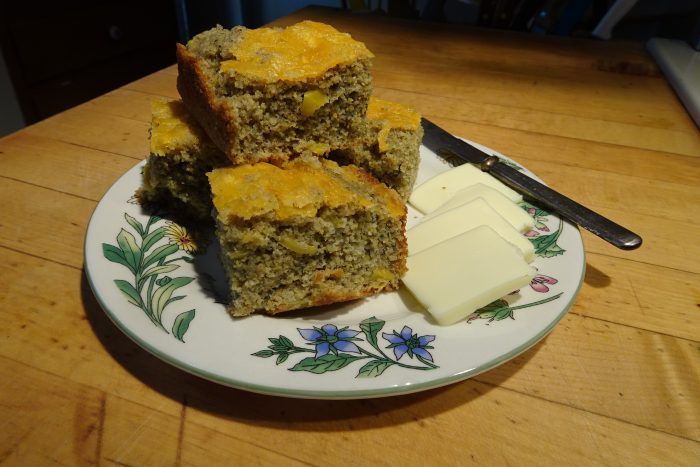
Mexican Cornbread goes with every meal. Great for breakfast, aside a salad for lunch, and the perfect accompaniment to a hearty soup for dinner.

In this food blog, we often challenge you with recipes using wild plants, unusual flavors, and special ingredients that will help you make great food with Southwest flavors.  But maybe this is time time for something familiar and comforting. Mexican Cornbread used to be in regular rotation on our dinner menu, but I’d forgotten about it.

It’s Carolyn today and this has been a head-spinning month for anyone in the food world. Which I guess includes anyone who eats, but especially those involved in getting you that food. First, I want to celebrate the incredible response of the Tucson restaurant community in the first American UNESCO City of Gastronomy. Many sit-down restaurants managed to pivot in a day to take-out establishments after our mayor declared they could no longer seat patrons. When hundreds of restaurant workers lost their jobs, some of their colleagues with funding from generous donors, stepped up to provide meals for their out-of-work buddies.

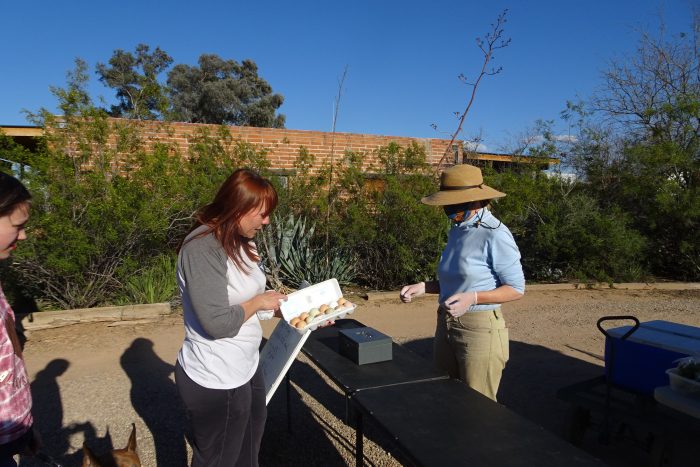
My friend Lorien who has a small in-town farm is staying away from the farmer’s market and instead is serving customers from the alleyway behind her garden. (Those are her chicken’s beautiful eggs in the photo below). This is just one example of how Tucson’s food community is adapting to the pandemic. My forthcoming book “A Desert Feast: Celebrating Tucson’s Culinary Heritage” is entering the design stage, but my editors allowed me the opportunity to quickly add an Epilogue discussing the heroic measures that help keep the food flowing in our city.

Lorien’s neighbor gets some eggs from the alley behind her Dreamflower Garden.

So, on to the recipe. There is a standard method for putting all the ingredients together, but I’d bet if you just dumped everything in the bowl at once and stirred, it probably would be fine.

Most of the ingredients for Mexican Cornbread are pantry staples.

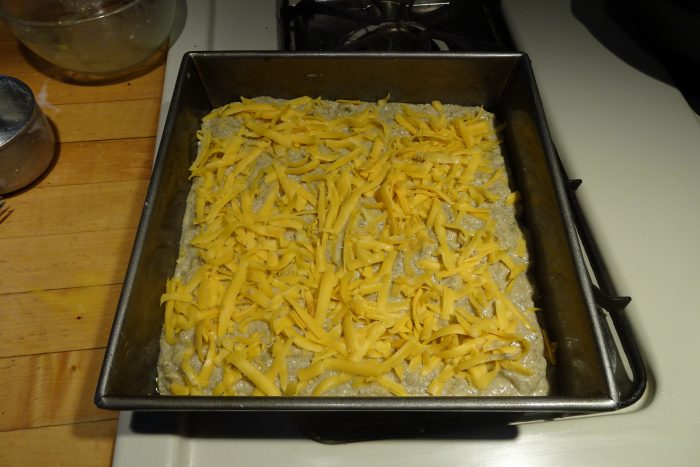
Ready for the oven.


This recipe is remarkably forgiving. Since I store my cornmeal at the back of the fridge and hadn’t seen it recently, I was surprised to find that I didn’t have quite enough yellow cornmeal. I certainly wasn’t going to run to the store for one item, so I  filled in with blue cornmeal of which I had an abundance. I prefer to use whole wheat flour, but you might want to use white flour. You probably don’t have buttermilk. Instead add a tablespoon of vinegar to regular milk. It will help the baking soda to do its work.  Here in the Southwest, we are used to eating spicy food, so we’d use at least some pepperjack cheese and add some jalapeños. But the cornbread is delicious in the milder version as well.

If you live in an area where prickly pear cactus are growing new pads and you are itching to use them, feel free to add some nopalitos to this recipe. Here, in a previous post, are full instructions on how to prepare them.  Nopalitos will add additional nutrition to your cornbread.

Mexican Cornbread

1 cup cornmeal

1 cup flour

1/2 cup melted butter

1 tablespoon sugar

1 1/2 teaspoons salt

1 1/2 teaspoons baking powder

1/2 teaspoon baking soda

2 large eggs, lightly beaten

3/4 cup buttermilk or milk

1 cup cream-style canned corn

1 (4-ounce) can chopped green chiles (chopped)

1/4 cup minced jalapeño peppers (optional)

1 ½  cups shredded longhorn, pepperjack or cheddar cheese

Instructions

Preheat oven to 425 degrees. Grease a 9-inch square baking pan.

In a large mixing bowl, combine the cornmeal, melted butter, sugar, salt, baking powder and baking soda.

In another bowl, whisk the eggs with the buttermilk. Add melted butter. Add the wet mixture to the dry ingredients and mix just until blended. Stir in the cream-style corn and chopped chiles. Add jalapeños if using. Stir to blend.

Pour half the mixture into the prepared baking pan. Sprinkle half of the shredded cheese over the batter.

Spoon remaining batter over the cheese layer and then top with the remaining cheese.

Bake for 20 to 25 minutes until lightly browned around the edges.

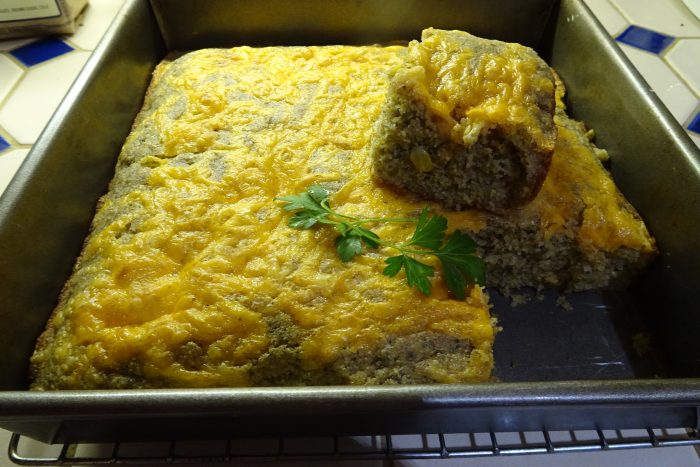
Just out of the oven.

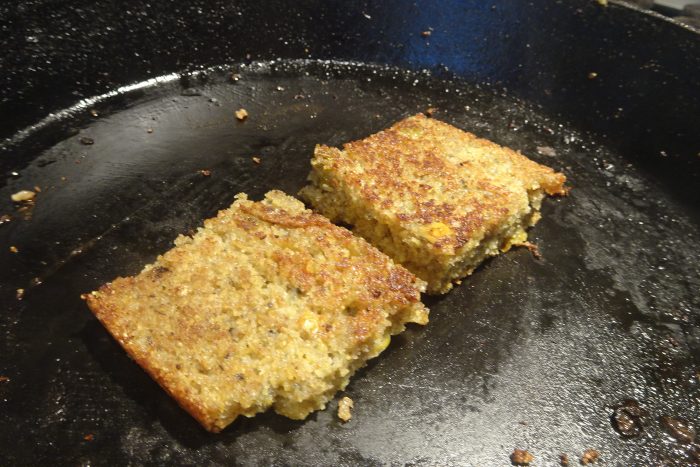
Unless you have a large family or are really hungry, you’ll have some cornbread left. This is a good thing. It makes a lunch salad a satisfying meal, it is great beside a supper soup, and any leftovers can be fried in a little butter for breakfast. Add an over easy egg.  Oh my!

Try frying Mexican Cornbread for breakfast.

_____________________________________

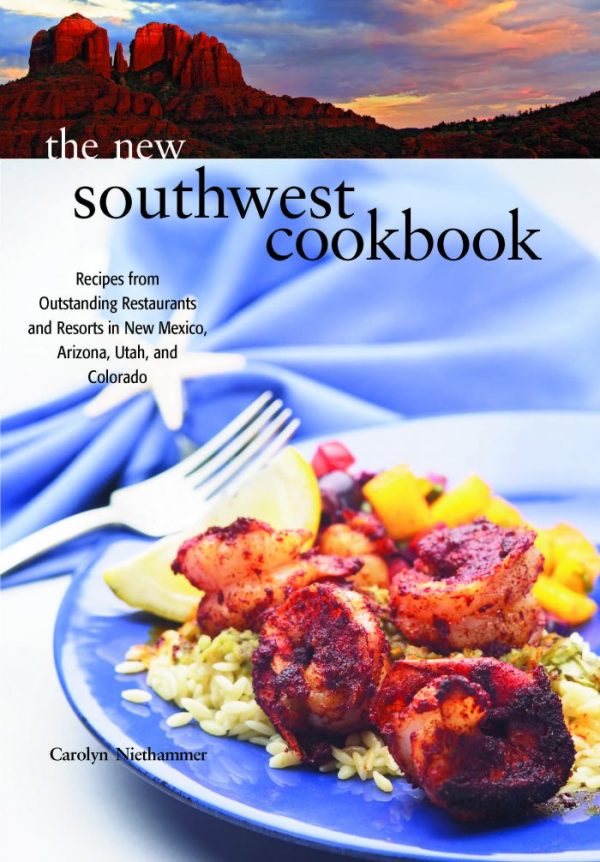
Carolyn Niethammer has written about the food of the Southwest for more decades that she is willing to admit to. She is excited that The New Southwest Cookbook has been recently re-released. The New Southwest Cookbook can help you up your game with easy but innovative recipes. The dishes originated with top chefs using familiar Southwest ingredients in delicious new ways. These chefs were well-trained and knew how to layer flavors to come up with either new spins on the old favorites or entirely unique ways of blending the iconic chiles, corn, beans, and citrus.  The New Southwest Cookbook can be ordered from your favorite bookstore or ordered from Barnes & Noble, Amazon, or the publisher.

Herb-y Salad Dressing for Spring

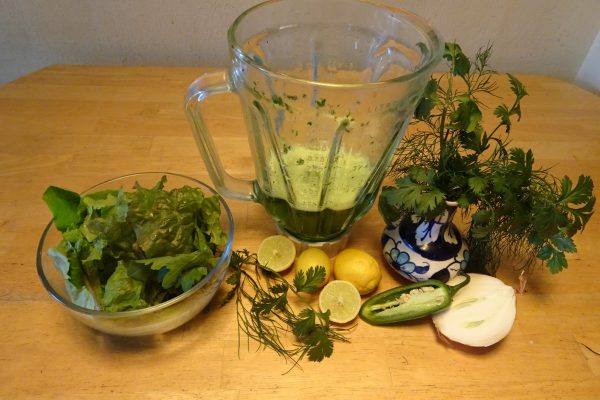
Herbs, citrus, and a little onion and jalapeno make a sprightly dressing for spring greens.

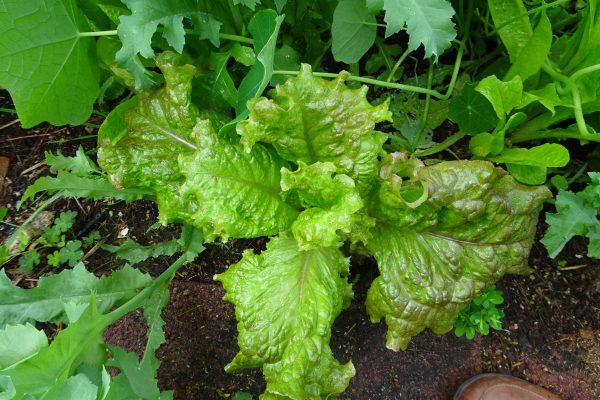
It’s Carolyn here today to share with you what’s going on at my house. The lettuce in my salad garden is doing very well this year and we are eating at least one or two big salads every day. The homegrown greens are full of vitamins and flavor.

  Garden lettuce is full of flavor and vitamins.

I usually make a simple vinegar & oil dressing, but that’s getting a little boring. I remembered that The New Southwest Cookbook has a great recipe for salad dressing from La Cocina de Luz, a popular restaurant in Telluride, Colorado.  La Cocina de Luz makes the dressing with cilantro and lime and a hint of jalapeno, all distinctively Southwest flavors.

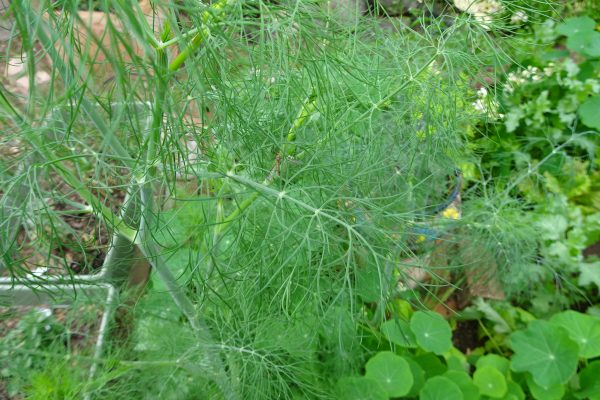
                                     Dill

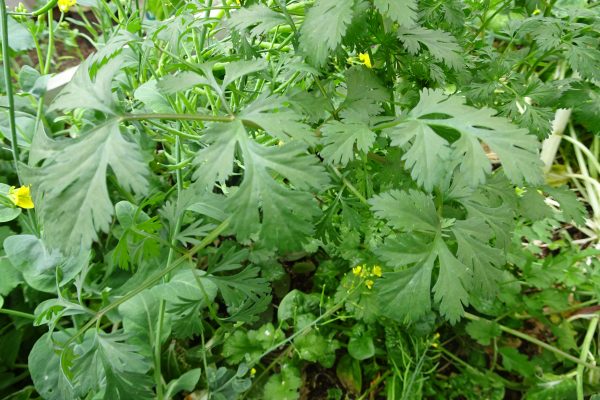
                                Cilantro

I have abundant cilantro in my garden, although with the warming weather it is beginning to flower and make the little balls known as coriander which I will harvest in a few weeks. I know that there are cilantro-haters out there who think the herb tastes soapy, so I tried substituting dill in the dressing recipe. I also have lots of dill in the garden. It makes a dressing that is just as delicious in a very different way.

Herb Lime Dressing

¼ teaspoon minced jalapeno chile

3 tablespoons minced white or yellow onion

¼ cup fresh-squeezed lime juice

½ cup canola or neutral-flavored oil

2-3 tablespoons white sugar or agave syrup

½ teaspoon salt

¼ cup cilantro leaves or dill fronds

Combine all ingredients except herbs in a blender and process until creamy. Taste and correct the salt/sugar/lime relationship to your taste if necessary. Add herbs and pulse until the cilantro is in small flakes and evenly distributed. Do not over blend or you lose contrast. Serve within 24 hours over torn lettuce.

__________________________________________

Ready to expand your Southwest recipe repertoire beyond the basic enchiladas and tacos? The New Southwest Cookbook can help you up your game with easy but innovative recipes. The dishes originated with top chefs using familiar Southwest ingredients in delicious new ways. These chefs were well-trained and knew how to layer flavors to come up with either new spins on the old favorites or entirely unique ways of blending the iconic chiles, corn, beans, and citrus.  The New Southwest Cookbook can be ordered from your favorite bookstore or ordered from Barnes & Noble, Amazon, or the publisher.


Green Chile Makes Zippier Mac n’ Cheese

A recent discussion somewhere on social media had people recalling their favorite foods as kids. For many, it was macaroni and cheese. Carolyn here today recalling that when my dad worked late, my mom would let me and my brother choose what we wanted for dinner. It was always macaroni and cheese. Specifically Kraft macaroni and cheese in the blue box. Recently when planning a kid-friendly dinner for my 4-year-old nephew I remembered my own childhood and made macaroni and cheese, but from scratch. He wouldn’t eat it, didn’t even recognize it. Not like what he gets at daycare. Not like the stuff in the box.

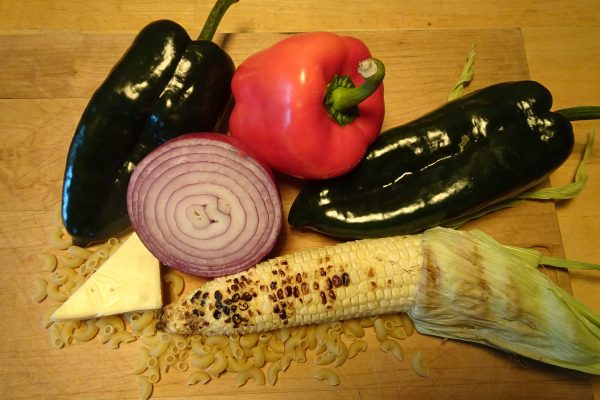
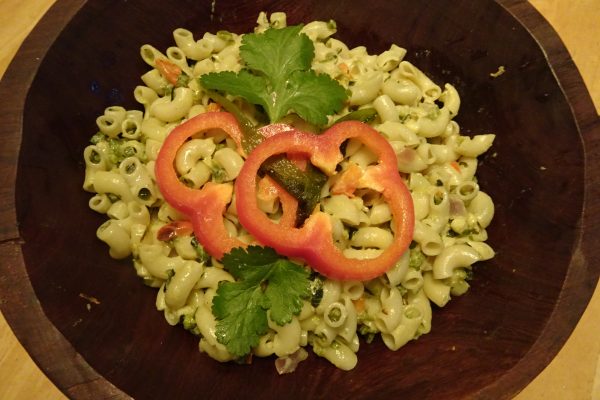
If you have moved beyond daycare food, this version of the old favorite includes ingredients that raise the flavor level many notches. It is almost  impossible to eat just one serving. The roasted poblano chiles add a deep chile flavor that isn’t too spicy. The recipe originated with Chef Robert McGrath at Roaring Fork restaurant in Scottsdale and is included in the recently re-released New Southwest Cookbook. that includes dozens of recipes that bring Southwest flavors to salads (Chile Lime Dressing), entrees (Pork with Prickly Pear Glaze), and desserts (Pumpkin Flan) . This mac n’ cheese recipe takes a little more time than dumping out the box, but it is so worth it.

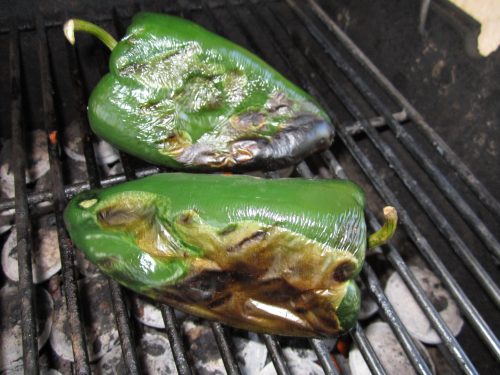
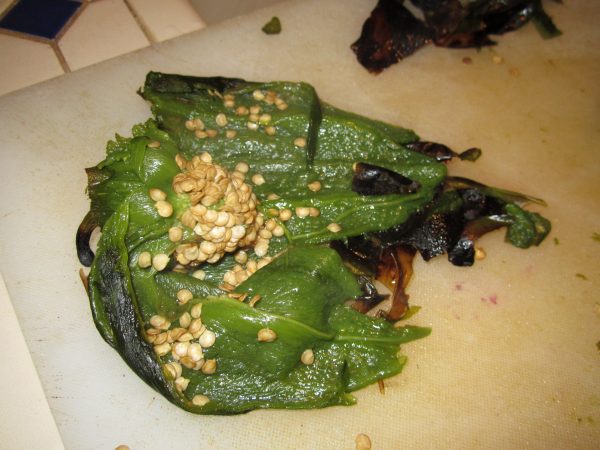
Poblano chiles are broader and fleshier than the more widely available Anaheims. Roast them on a grill or under a broiler until blistered black, then transfer to a lidded casserole dish or plastic bag to steam before peeling and removing the seeds .If you have fresh corn on the cob, roast it along with the chiles. If not, canned or frozen kernels will do fine.

Roast chiles on a grill or under a broiler until all skin is blistered.


Open chiles and clean out seeds and ribs. Chop until you have a puree.

Chop chile flesh until you have a puree.

This is billed as four servings. Nobody eats just one serving so plan accordingly.

Green Chile Macaroni and Cheese

1/4 cup diced red bell pepper

1/2 cup sweet corn kernels

1/4 cup diced red onion

2 teaspoons chopped garlic

1 teaspoon corn oil

2 cups cooked macaroni

1/2 – 3/4 cup puree of roasted peeled poblano chile

2/3 cup grated hot pepper jack cheese

1/4 cup heavy cream or half and half

Kosher salt and cracked black pepper to taste

Sauté the bell pepper, corn, red onion and garlic in oil in a medium heavy saucepan or deep frying pan over medium heat until the vegetables are soft. Add the macaroni, poblano puree, and jack cheese, and stir until cheese is melted. Fold in heavy cream. Season with salt and pepper to taste.

______________________________

Ready to expand your Southwest recipe repertoire beyond the basic enchiladas and tacos? The New Southwest Cookbook can help you up your game with easy but innovative recipes. The dishes originated with top chefs using familiar Southwest ingredients in delicious new ways. These chefs were well-trained and knew how to layer flavors to come up with either new spins on the old favorites or entirely unique ways of blending the iconic chiles, corn, beans, and citrus.  The New Southwest Cookbook can be ordered from your favorite bookstore or ordered from Barnes & Noble, Amazon, or the publisher.


The New Southwest Cookbook: Recipe Inspiration

All of my kitchen appliances, including the stove from the dismantled island, are sitting on the back patio as two workers go about putting in a new kitchen floor in our 100-year-old house. Forty-two years ago, my mother-in-law Dorothy and I spent days on our knees scraping off linoleum and the black gunk beneath to reveal the reddish fir floor underneath. But that has begun to splinter, and its time is up.

Unable to cook and photograph something yummy for today’s column, I’m going to talk about my re-released The New Southwest Cookbook and what adventurous home cooks can learn from the talented chefs from all over the Southwest who contributed recipes to the book.

In the early 1990s, professional chefs began to look at our traditional Southwestern ingredients and come up with new and delicious ways to combine them. The one element that seems to characterize the best of the recipes is a willingness to go for bold flavors enhanced by chiles, citrus and herbs. Not just a squirt or a sprinkle, but lots. Even if you don’t have time to go all out on a recipe, using flavorings generously can elevate a weeknight recipe.

Preparing for the new kitchen floor. The pipe in the foreground is where the stove should be.

I took the Tequila Braised Country-style ribs to a recently widowed neighbor who loved them. Rub the ribs with brown sugar, 5-spice, and lots of garlic and marinate overnight. Then bake in a sauce of caramelized onions, garlic, tequila, orange juice, tomatoes, and chipotle. The recipe came from a chef in Albuquerque.

Another winner is roasted poblano chiles stuffed with a mixture of goat and cream cheese, dried cranberries, corn kernels, mint, and basil. The recipe originated at the Hilton in Santa Fe.

My favorite recipe in the book and the one I’ve made for company so often that the page is spattered in Chicken with Citrus, Prickly Pear and Chipotle. It was invented by Sue Scheff, a popular Tucson caterer. It involves marinating chicken thighs in a citrus chile mixture, then coating them in mustard and herbs before roasting. They are topped with a prickly pear-chipotle-orange sauce. It is dreamy with flavors that explode in your mouth (in a good way.). For a company dinner it is a wow entree that isn’t expensive.

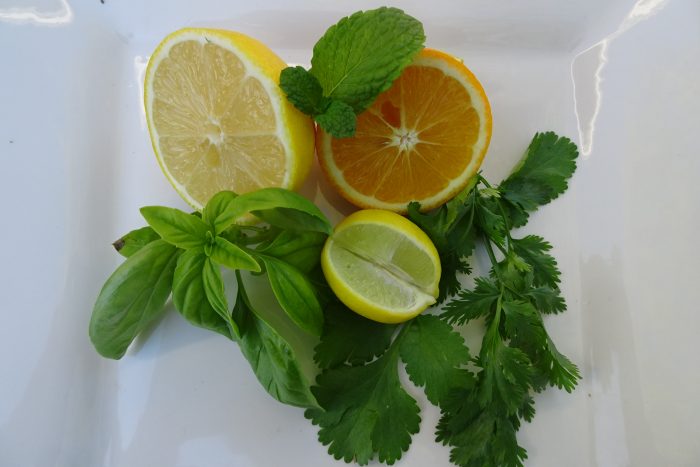
Southwest cuisine often incorporates citrus juices and lots of fresh herbs such as  mint, cilantro, and basil.

Another favorite is Green Chile Macaroni from Roaring Fork in Scottsdale. It’s a more complex take on the dish with added vegetables and pureed poblano chiles. It goes well beside roasted salmon or grilled steak or burgers.

These recipes do not require complicated techniques and have few exotic ingredients. Those ingredients not available outside the Southwest, such as prickly pear syrup, can be easily found on-line. The prime factor that leads to their deliciousness is the creativity of the chef who invented them.

If you are an adventurous cook, you can possibly follow the ideas and come up with something fabulous. Or if you like to follow a recipe, at least the first time,  you can order The New Southwest Cookbook directly from the publisher, Rio Nuevo, or from your independent bookstore, or Amazon or Barnes & Nobel.


The Sioux Chef Cooks Southwest Heritage Foods

Chef Sean Sherman, founder of the company The Sioux Chef, uses indigenous ingredients in creative dishes.  He was invited by the New York Times to submit ten essential Native American dishes.   (Photo courtesy of The Sioux Chef)

The Desert People have grown and eaten tepary beans for more than a thousand years. In the mid-20th century they nearly disappeared, but became popular again when people began to realize how well they were adapted to the hot, dry Southwestern climate. Just recently, they appeared in the food pages of the New York Times, courtesy of Chef Sean Sherman , founder of the company”The Sioux Chef.”

Sherman  grew up on the Pine Ridge Reservation in South Dakota in the 1970s. As a kid, he and his cousins harvested edible wild plants that grew there including chokecheries, wild prarie turnips and juniper berries. As an adult he became a professional chef, eventually turning to more wild foods from his heritage and that of other Native American nations. In 2014, he started The Sioux Chef, connecting with other indigenous chefs, farmers, seed keepers and leaders. His cookbook, The Sioux Chef, won the 2018 James Beard Foundation Book Award. Sherman focuses on making appealing foods using only indigenous American ingredients, nothing imported by Europeans.

Sherman’s recipe for teparies involves seasoning the cooked beans with sautéed onions, a little agave nectar, and chile–either Hatch ground dried chile or chipotle chile. He calls for half brown and half white teparies, but you can use whatever you have on hand. The New York Times sends readers wanting to purchase teparies to two sources we’ve often cited here, Ramona Farms and Native Seeds/SEARCH.

Teparies have been a frequent subject on this blog. We love their flavor and adaptability. Tia Marta wrote about them here; Amy uses them in a mixed vegetable stew.

Below is another of the Sioux Chef recipes the Times printed, this one using chia, which grows wild in Southern Arizona, and domesticated amaranth grain, a relative of the wild amaranth that shows up after the summer monsoons. Sherman calls for domestic berries, but they are found in woodlands. If you are lucky enough to have access to wild wolf berries or hackberries, they would be a perfect addition. I used some saguaro fruit I had in the freezer.

Popping the amaranth is easy in a dry hot wok. The popped kernels look like teensy pieces of popped corn. Watch closely when popping. The time between popped and burnt can be a matter of seconds.

Amaranth showing both popped and unpopped seed. Like popcorn, seeds don’t all pop at the same time. Keep stirring until most are popped.


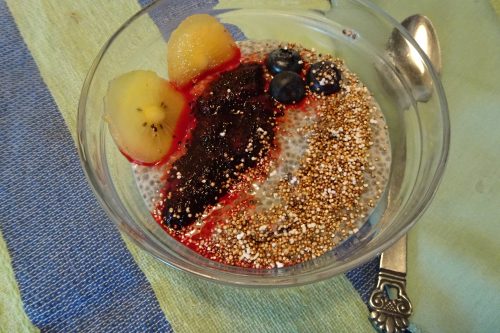
Chia pudding with saguaro fruit and popped amaranth. I added a couple of blueberries and some kiwi for contrast. After I made this for the photo, my husband and I ate it for breakfast.

Almond Chia Pudding

1 ½ cups unsweetened almond milk, plus more if needed

½ cup chia seeds

¼ cup light agave nectar

Pinch of fine sea salt

¼ cup amaranth

1 to 2 cups fresh mixed berries (any combination of blackberries, blueberries and raspberries)

¼ cup crushed manzanita berries (optional)

Small fresh mint sprigs, for garnish

In a lidded quart container, vigorously whisk together the 1 1/2 cups almond milk, chia seeds, agave and salt. (This ensures the chia seeds are evenly hydrated.) Let the mixture soak in the refrigerator at least 1 hour and up to overnight, so it develops a rich, creamy texture that is similar to that of rice pudding. If the mixture becomes too thick, whisk in more almond milk.

While the pudding soaks, heat a small skillet over medium-high. Add the amaranth and cook, shaking the skillet, until the amaranth begins to smell toasty and about half of the seeds have popped, 1 to 2 minutes. Transfer the amaranth to a plate to cool to room temperature. (Popped amaranth can be prepared up to 3 days ahead and stored in a lidded container in a cool, dark place.)

To serve, whisk the pudding to incorporate any liquid on top and break up the chia seeds, then spoon pudding into bowls. Top with the berries, popped amaranth and mint sprigs.

___________________________________________

One more thing: My book on the 10,000 years of culinary history that led to Tucson being named a UNESCO City of Gastronomy has entered editing and over the next few months I’ll be posting a few bits of the most interesting information I learned in the two years I spent researching. Please follow me on my Facebook author page (Carolyn Niethammer author). I learned lots and would like to share it with you.  This will be the first book authorized to use the City of Gastronomy logo.  See my other books at http://www.cniethammer.com.

Home-Cured Olives are Easy

I like to pick olives when they are part green and part black. But all green or all black, if they aren’t over ripe, are fine as well.

Fall may mean colorful leaves and apple harvests in the temperate regions of the globe, but in Southern Arizona and warm desert regions around the world, it is olive harvest time. Several years ago, a famous author died, and many notables who had been guests in his home on the coast of Southern Italy recalled their visits. One woman remembered walking through the olive groves and plucking and eating juicy olives. I laughed aloud when I read that. She may have plucked something, but it wasn’t olives. Olives off the tree are very bitter and they must be processed to be edible. The bitterness is due to a substance called oleuropein.

Various cultures have their own methods of removing the bitterness from olives. There’s the dry salt method, the brine method, the water method and the lye method. For 30 years I have followed instructions taught by the late Dr. Robert H. Forbes, who became dean of the College of Agriculture at the University of Arizona in 1899. He had made an intensive study of the home processing of curing olives. His process uses lye and the method has always worked for me. Last week when I went to the hardware store to buy the lye and told the clerk what I was going to do with it, he kept cautioning me that it was poison and came close to refusing to sell it to me. By following the instructions carefully, I never poisoned myself or the recipients of my olives.

(Aside: Dr. Forbes was still alive when I was a young journalism student in 1964. I interviewed him at his home on the edge of the University of Arizona campus on Olive Street, surrounded by gnarled old olive trees. His house stood where the Center for Creative Photography is now.)

You can home process green olives, black olives or those somewhere in between. Many people with olive trees would be happy to have you harvest from their yard and cut down on the mess when the olive drop. I just knock on the door and ask. Then later I leave a small jar of finished olives on their porch with a note.

You’ll need some glass jars to process your olives.

It’s too much typing to explain Dr. Forbes’ method, but the good folks at UC Davis have done a complete description of each method of olive processing and you can find them by searching for UC Davis Olive Curing. (sorry, link unresponsive but you can find it yourself.)   The difference in Dr. Forbes’ lye method is that it doesn’t call for a changing of the lye bath.  You just leave the olives in the original lye solution until either taste or a litmus paper shows that the bitterness has been removed.  For me, this has been between five and seven days.  But lye is cheap and you’ll have more than necessary, so if changing helps, why not?  You can find another whole way to dealing with olives in a months’ long process here.

If you happen to live in Tucson, Jill Lorenzini will be discussing olive curing at the Santa Cruz River Farmers Market on the afternoon of October 24.

With the lye plan, after the bitterness is gone, the olives are rinsed (and rinsed!) to remove the lye and hardened with successively strong salt brine solutions. Lastly, they are freshened in water.  Whatever your processing plan, I like to flavor mine with a mixture of olive oil, wine vinegar, garlic cloves and fresh herbs from my garden. You can also slip in a small chile.

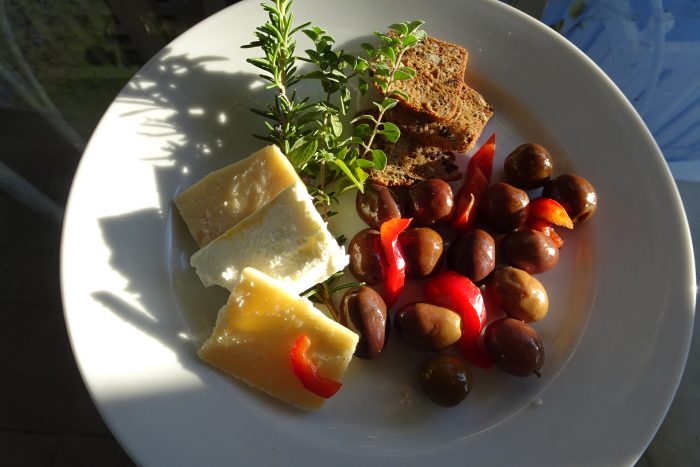
A few olives, some cheeses, all you need is a glass of wine to make a perfect Happy Hour snack.

Home processing olives is neither difficult nor overly time consuming, but you do need to get yourself some big glass jars and commit about five minutes a day to the endeavor.  For that little bit of effort, you can end up with a year’s supply of olives for only the cost of lye and salt and some nice gifts for your friends and family. Just one caution: don’t tell the clerk what you are buying the lye for.

One more thing: My book on the 10,000 years of culinary history that led to Tucson being named a UNESCO City of Gastronomy has entered editing and over the next few months I’ll be posting a few bits of the most interesting information I learned in the two years I spent researching. Please follow me on my Facebook author page (Carolyn Niethammer author). I learned lots and would like to share it with you.

Savoring Bellotas in Apache Acorn Stew

Emory oak acorns (bellotas in Spanish, chich’il in Ndee, and wi-yo:thi or toa in O’odham), harvested from our native Southwestern live-oak Quercus emoryi, have traditionally provided a superbly nutritious and flavorful summer staple for the Tohono O’odham, the Apache, and other local people of the borderlands. (MABurgess photo)

You can shake them off the tree.  You can buy them by the (expensive!) bag on the roadside en route to Magdalena on pilgrimage for Dia de San Francisco.  You can sometimes find them in small Mexican markets in Tucson–if you ask.  These are bellotas, a seasonal treat of late summer gathered from the desert oak grasslands and woodlands flanking our sky islands.

The White Mountain Apache now have a richly productive community farm. It is the venue for their Traditional Foods Festival where they celebrate their young farmers, their delicious roasted heirloom corn, and many wild foods that their ancestors thrived on. (MABurgess photo)

Tia Marta here to share a recipe learned on a trip recently to the Ndee Nation, to the Western Apache Traditional Foods Festival.  With my talented friend Dr. Letitia McCune (known as BotanyDoc) we enjoyed this special event where elders and young people together were celebrating and sampling their harvest of heirloom crops and wild mountain foods. Botanist and diabetes-nutritionist McCune has recently provided the Ndee Nation with nutritional analyses of their ancient, honored foods.  It’s eye-opening to learn how important the traditional Native foods are for health and disease prevention.

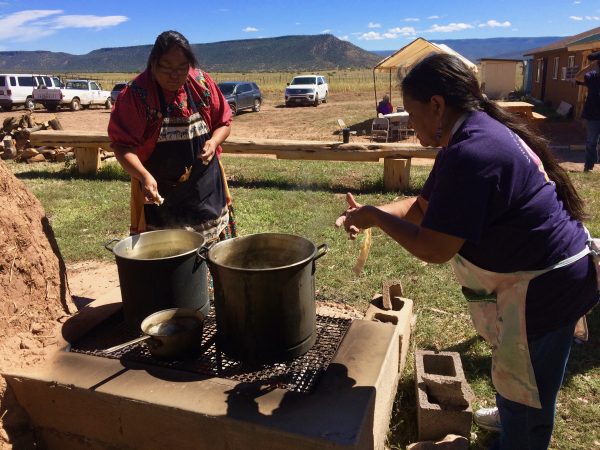
Apache ladies at their Traditional Foods Festival prepare cauldrons of acorn stew. As the stock simmers they add pieces of dough to make dumplings that will take on the rich flavor of the bellotas. (MABurgess photo)

The breeze was full of delicious aromas of oakwood smoke, pit-roasted corn in the husk and juicy banana yucca pods (…that’s another post!) We watched as the Ndee cooks slowly simmered locally-farmed squash and chunks of range beef over the open fire.  They had prepped dough to pull into ribbons then tore pieces to drop into the stock as dumplings.  Over some hours, we kept returning to the cook-fire to watch the stew process.  Whole corn cobs covered with plump kernels went into the giant pot.  At last the cooks brought out the precious acorn flour they had ground from the chich’il (Quercus emoryi) they’d collected this summer and stored carefully for feast occasions.  With the acorn flour the soup stock became thicker and “creamier.”

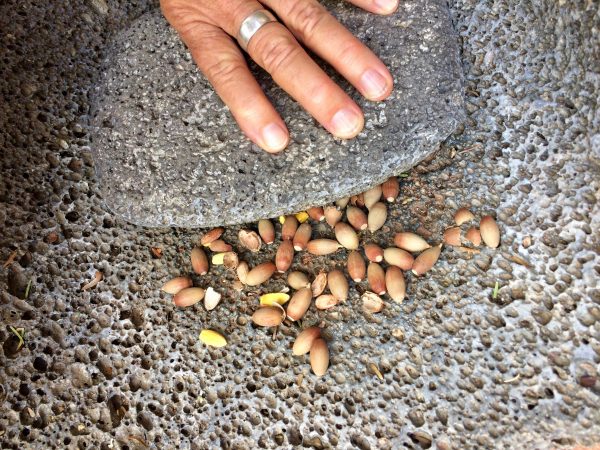
You can easily crack the shells of Emory oak acorns (bellotas) with a rolling pin or, as in this image, on a stone metate with a mano to release the yummy golden nut-meat inside. (MABurgess photo)

Acorns are chuck-full of healthy oils that are akin to olive oil, complex carbs that slow down the release of sugars into the bloodstream, enabling sustained energy and blood sugar balancing.  It is no surprise that Indigenous people all over the planet have used acorns wherever oaks naturally grow.  The big issue with most acorns is their high tannin content, a chemical that can be damaging internally, but which can be easily leached out with water treatments beforehand.  Fortunately –hooray for our Emory oak acorn!–bellota–it is one of the few acorns which has low tannin content and can be eaten raw right off the tree!

You may not be able to see it but you can taste its wonderful bitter-sweetness–the flavor and thickening of Emory oak acorn flour–in delectable Apache acorn stew. (MABurgess photo)

Here’s a recipe for the Apache Acorn Stew that we tasted in delight at the Festival, here adapted to serving 8-10 persons instead of a whole tribal gathering:

Ingredients:

4-5 qts (or more) drinking water

1-2 lbs bigger-than-bite-size chunks of stew beef or wild elk meat

4-5 summer squash of whatever you grow (e.g.medium to large zucchini or 8-10 paddie-pan)

8-10 whole corn-on-the-cob (de-husked, broken in half)

1-3 cups prepared bread dough, pinched into ribbons and torn into 2″ pieces

1/2-1cup ground Emory oak acorn flour

Directions:

Over an open fire in a big pot, boil beef until tender, making a rich stock.  Add chunked/diced summer squash. Keep simmering. Add torn pieces of bread dough and let puff up.  Add whole corn cobs cut in half. When everything is well-simmered and tastes great, and still on the fire, gradually stir in the acorn flour.  Serve outside with a sample of each ingredient in each bowl.

This hearty stew has elements of Mexican cocido, but in taste it is all its own.  Enjoy the timeless flavors!

An interesting note:  It was the Spanish who brought the name “bellota”–their name for Old World cork oak–to apply to our New World Emory oak, as the two oaks are so similar in their animate, tortuous yet graceful shape.  Andalusians must have felt quite at home when they first encountered our Emory oak in what is now southern Arizona.  To gather bellotas for yourself, head to the grasslands in July or early August to groves of the beautiful Emory oak, shake a branch and let the bellotas fall onto a blanket, and enjoy these precious acorns as Nature’s manna.

[For another traditional acorn stew recipe check out SavorSister and gourmet cook Carolyn Niethammer’s American Indian Cooking, Univ.of Nebraska Press. You can find other great acorn recipes and instructions in DesertHarvesters‘ book Eat Mesquite and MoreSouthwest Foraging by wild-crafter and herbalist John Slattery also gives good instructions how to remove tannins from acorns.   Grow your own heirloom squash and corn, and white Sonora wheat for dough, as ingredients for this stew with saved seed from NativeSeedsSEARCH  !]

Prickly Pear Peach Sherbet

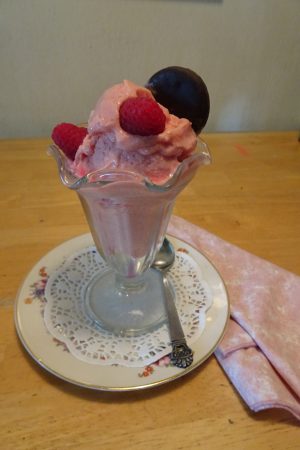
Combine prickly pear, peaches, and honey for a delicious and healthy homemade sherbet.

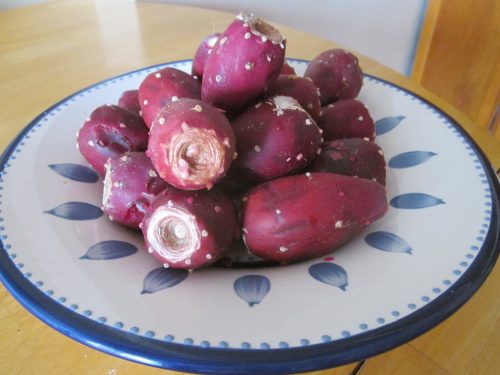
It was a relatively wet spring in the Southwest this year, at least in the Sonoran Desert. This has made for a bounty of prickly pears. Once you’ve picked and juiced them, then what? There’s always prickly pear margaritas, prickly pear lemonade, and prickly pear jelly. But why not expand? Since it is still pretty warm throughout the fall, frozen desserts are a good place to start. Combining prickly pear juice with the luscious ripe stone fruits of the season is a good way to combine flavors.

Making your own frozen desserts is easy and healthy-nothing but fruit, honey, and cream. No weird emulsifiers or gums.

No need to peel or dethorn the prickly pear fruits. Make your juice with this easy recipe, then on to the sherbet.


Easy Prickly Pear Juice

Using tongs, collect 18-24 prickly pears. Wearing rubber gloves, rinse fruit and quarter. Working in batches, puree fruit in a blender. You’ll need to add a little water to get the first batch started. Strain through a fine mesh strainer and discard solids. The thorns will get caught in the strainer.

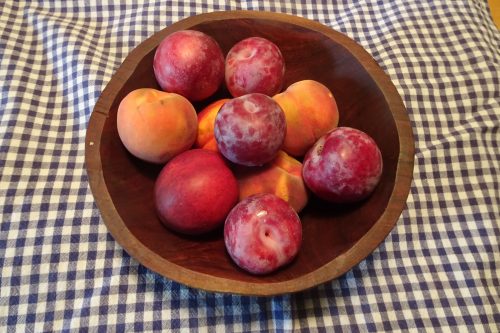
Although this recipe calls for peaches, any ripe stone fruits will do. Plums and apricots combine deliciously with prickly pear.

Prickly Pear Honey Sherbet

3 medium very ripe peaches, peeled

2 ½ cups prickly pear juice

½ cup honey

3 tablespoons lemon juice

½ cup whipping cream or half and half

Slice peaches. Combine with 1 cup of the prickly pear juice in a medium saucepan. Simmer over low heat for 5 minutes. Add honey and cook gently, stirring until honey is dissolved.  Transfer the mixture with the remaining 1 ½  cups prickly pear juice to a blender. If you have an ice cream maker, also add the whipping cream. Refrigerate until chilled and then transfer to an ice cream maker.

If you don’t have an ice cream maker, transfer to a bowl and freeze until nearly hard. Break up and beat with an electric mixer. Beat whipping cream until stiff and fold into the fruit mixture. Refreeze until hard.

We Savor Sisters love to write about prickly pear. Find more posts here where Amy writes about an upside down cake and where I write about a cocktail made with prickly pear juice.

Need more prickly pear recipes? You’ll find them in my Prickly Pear Cookbook in the Native Seeds/SEARCH store, in National Parks stores, or on Amazon. It includes 60 recipes for cocktails, salads, barbecue sauces, main dishes, and desserts including not just the fruit but the cactus pads (nopales) as well. Even more recipes in Cooking the Wild Southwest, Delicious Recipes for Desert Plants.

Chad’s Sky Island Spice Company

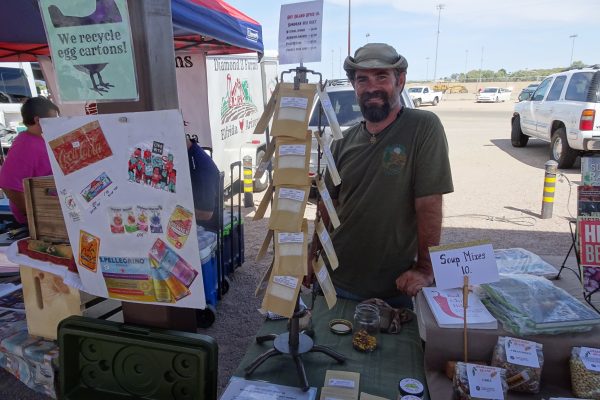
Chad Borseth sells his wild-crafted products from his website and at farmers’ markets.

Chad Borseth grew up in rural Southern Arizona, roaming the hills, learning about the plants, picking up clues to what was edible, such as mesquite and Emory acorns. This past January, he started Sky Island Spice Company to introduce others to some of the flavors unique to the Sonoran Desert.  It’s Carolyn here today to introduce you to another of the small entrepreneurs who are sharing their knowledge and enthusiasm for local desert products.

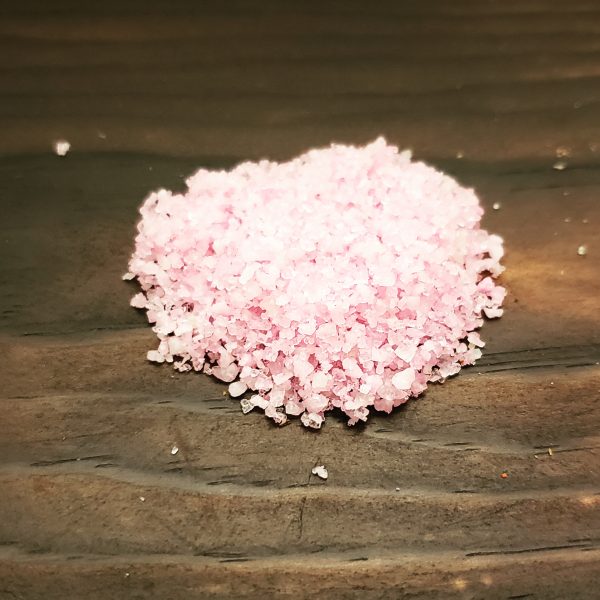
One of Chad’s products is solar-evaporated Sonoran Sea Salt. “It’s got a unique blend of minerals,” he says, “and lower sodium. But it’s high in magnesium and potassium. It also has a different mouthfeel.”  People who like to rim their margarita glasses with salt, will go for his  prickly pear and lime salt.

The solar-evaporated salt from the Sea of Cortez is infused with prickly pear juice and lime juice.

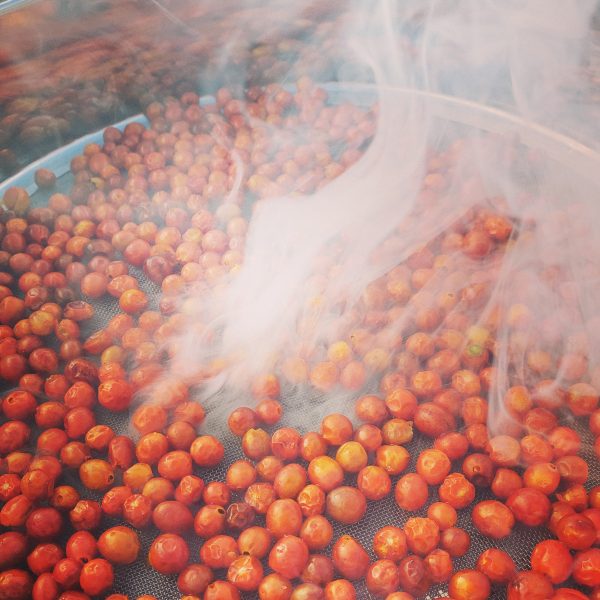
Because of the nature of wild supplies (that would be Mother Nature), Chad’s stock varies with the season. Through the year he will have granola made with acorns and mesquite, hot cocoa mix made with cacao and powdered mushrooms, and something he calls “nopaliditos,” salt-cured nopal or prickly pear pads. They are reminiscent of the saladitos beloved of Tucson kids. He adds flavor to our native chiltepines by smoking them over mesquite. Chad doesn’t confine himself to the desert; summer finds him in the pine forests looking for mushrooms and plants that grow in the higher altitudes. (No worries about the mushrooms–they are for his own use. The mushrooms in his products come from reliable commercial sources.)

Fiery hot chiltepines picking up flavor over mesquite coals.

Those with adventurous palates who are willing to be surprised (pleasantly), can sign up for the Sky Island Spice Company subscription box. At this point, Chad is limiting the subscriptions to just fifteen customers. Every month they will receive a box of three special items not in the regular stock. That might include such items as cookies or wildflower tea. The July box included syrup made from manzanita blossoms.

You can find Chad’s products on the web at Sky Island Spice Company or on Facebook.

Here’s an easy recipe to use Chad’s smoked chiltepins. It is from my cookbook Cooking the Wild Southwest: Delicious Recipes for Desert Plants. The combination of chile and chocolate is a favorite of mine and adding the smokiness of both the smoked chiltepins and the chipotle chiles adds a sophisticated taste. Of course, you can add the chiles to your own homemade ice cream, but if time is short, a good quality commercial ice cream works fine.

Easy Chocolate-Chile Ice Cream

1/2 gallon commercial chocolate ice cream

1/4 to 1/2 teaspoon dried and crushed chiltepins, seeds removed

1/2 teaspoon ground chipotle chiles

Transfer the ice cream from the carton in large clumps and transfer to a flat baking pan to soften evenly. (If you try to soften it in the carton, the outside will get too soft while the inside stays hard.)

Meanwhile, crush the chiltepins in a small mortar, removing the seeds. Sprinkle the crushed chiltepins and the ground chipotle chiles over the ice cream and stir to combine. Repack into the carton or transfer into a bowl and refreeze.

__________________________________

Carolyn Niethammer writes about the foods and people of the Southwest. She has just completed a book on why Tucson was named a UNESCO City of Gastronomy. It will be published by the University of Arizona Press in the fall of 2020. Find her books on her website.

Raspados-A Sonoran Summer Treat

                  Summer fruit perfect for a raspado.

We’re heading into deep summer here in Southern Arizona. Days typically top 100 degrees. It’s perfect time for a raspado.  Raspados are sweet, creamy, fruity, sometimes a little salty, and always very cold. They are a cross between a Snow Cone, a slushie, and a fruit sundae. Perfect to cool you down from the inside out on a Tucson summer day. Since there is usually plenty of fruit, you could call it lunch.

A raspado from a shop that puts the ice cream on top with fruit layered between crushed ice.

The raspados that hail from Sonora are found throughout Southern Arizona and other spots where Mexican culture florishes. Similar treats appear throughout the tropical world, differing in detail from country to country.

The typical prep steps of the Sonoran style raspados are simple,  but they vary from shop to shop. In general, it is a layer of shaved or finely crushed ice, then fruit in syrup,  then the layers are repeated. A topping of  sweetened condensed milk trickles down. Canned Mexican crema can be used instead of the condensed milk. Sometimes vanilla ice cream is the final layer. Or the ice cream could be added halfway up. Typical fruits are fresh strawberries or peaches. Go tropical with mango, coconut, or pineapple. Then there can be nuts or chile in some form. If you followed Tia Marta’s suggestion for gathering saguaro fruit, you could add some of that for a special regional flavor.

My raspado with the ice cream in the middle, and more fruit on top.

The fancier raspados called Macedonias include several fruits and more creaminess.  Obviously, you’ll have to explore for yourself! Be bold with the flavors. There’s no way you can go wrong.

____________________________________

Carolyn Niethammer has been writing about ancient and modern foods of the Southwest for forty years. You can see her books at her website. She has a new book coming out (Fall 2020) on the 10,000 years of food history of the Santa Cruz Valley that is the basis for why Tucson was named the UNESCO World City of Gastronomy.