In Praise of Seeds and Rebirth

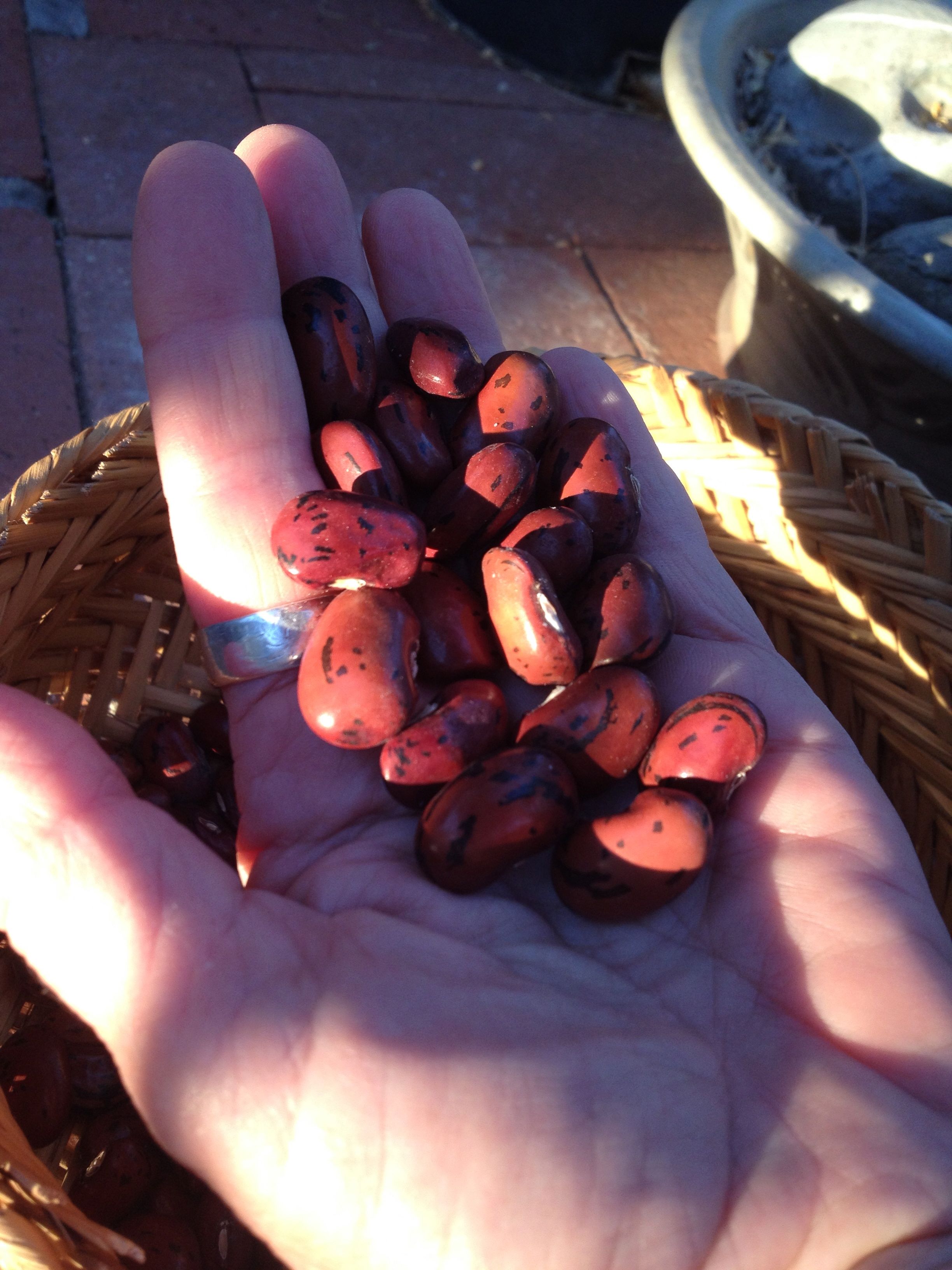
Scarlet runner beans grown by ace gardener T.S.Swain–good nutrition and beauty besides (MABurgess photo)

Tia Marta here this beautiful Easter week, singing the praises of seeds, with stories of rebirth to share! When I hold seeds in my hand, I am blown away by their significance. These little lightweight packages of starch and protein, exine skins and genetic chains, are weighty with potential for what they can do in the future, and truly weighty with messages from the past—genetic wisdom selected by the many forces of Nature through time, and in the case of agricultural seed, by caring humans—all encased in a holding pattern, a portal where time stretches. Seeds are life in abeyance. Each seed is a nexus, connecting the ways of the past with hopes for the future. To see life spring again from a seed is a miracle every time it happens—even for elders who have seen it happen a zillion times, and one worth sharing with children for their first.

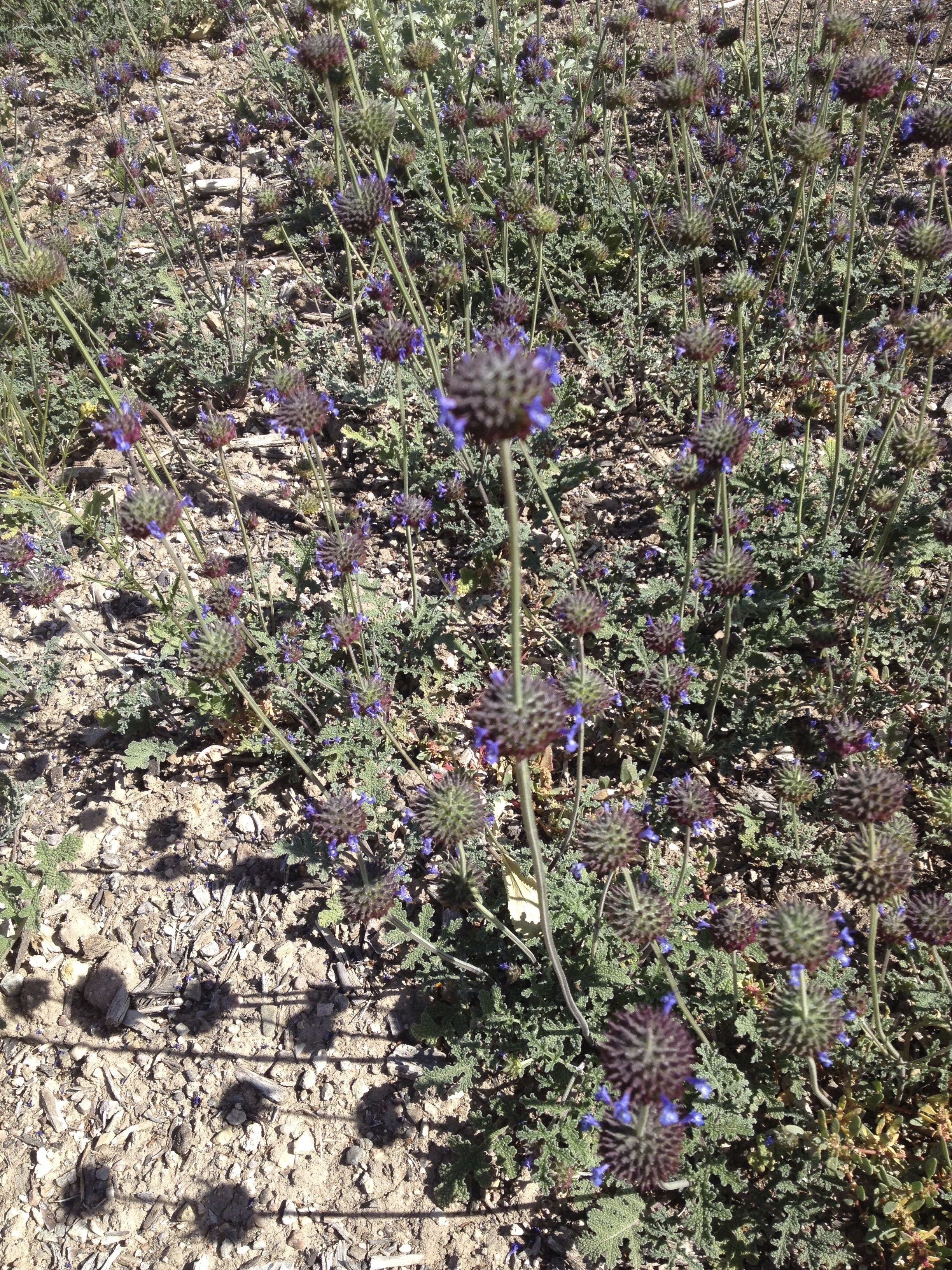
native chia (Salvia columbariae) in bloom at Mission Garden (MABurgess)

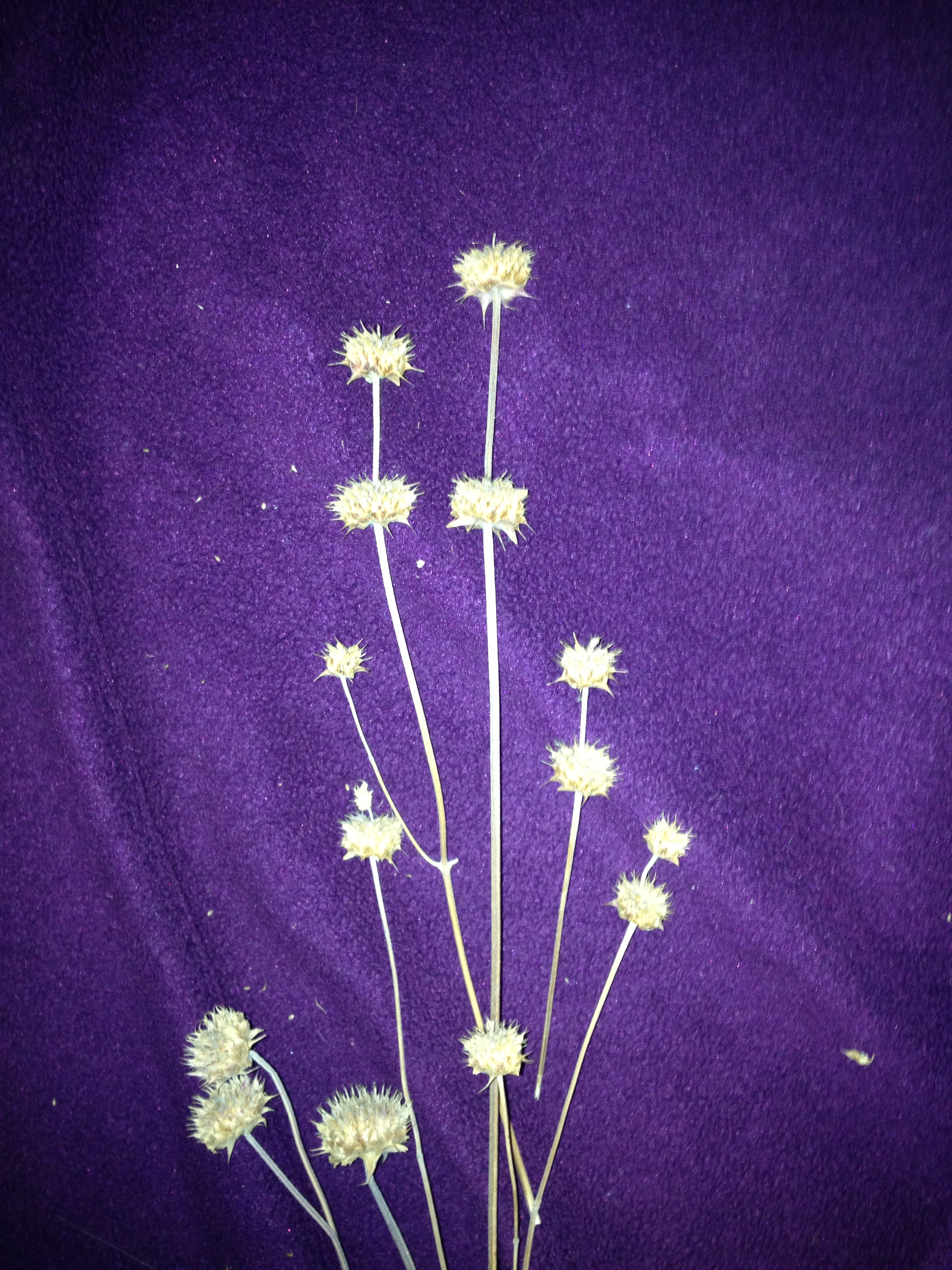
wild native chia seedheads (Salvia columbariae) ready to winnow (MABurgess photo)

wild native chia seedheads (Salvia columbariae) ready to winnow (MABurgess photo)

All of life celebrates spring re-energizing time with Nature’s renewal, Easter’s message of life out of death. In the Sonoran Desert we are celebrating not only new growth but also nourishment with the spring harvest, the results of winter rains. Here, our winter ephemerals (a totally different suite of plants than our hot-weather annuals) are completing their blooming and pollination cycles, their seedheads bulging and ready to be scattered, shattered, caught by wind, coyote legs, or human socks, to be spread to the next possible patch of desert soil in prep for this fall’s rainy season (or for feeding furry or feathered desert dwellers.) Chia seedheads will soon be ready to gather and winnow for their superfood nutrition. Don’t forget to thank the plant (and all the forces which brought those chia seeds to fruition) as you chow down on its high omega-3 fatty acids and its blood-sugar-balancing complex carbs in your smoothie or chia fruit salad!


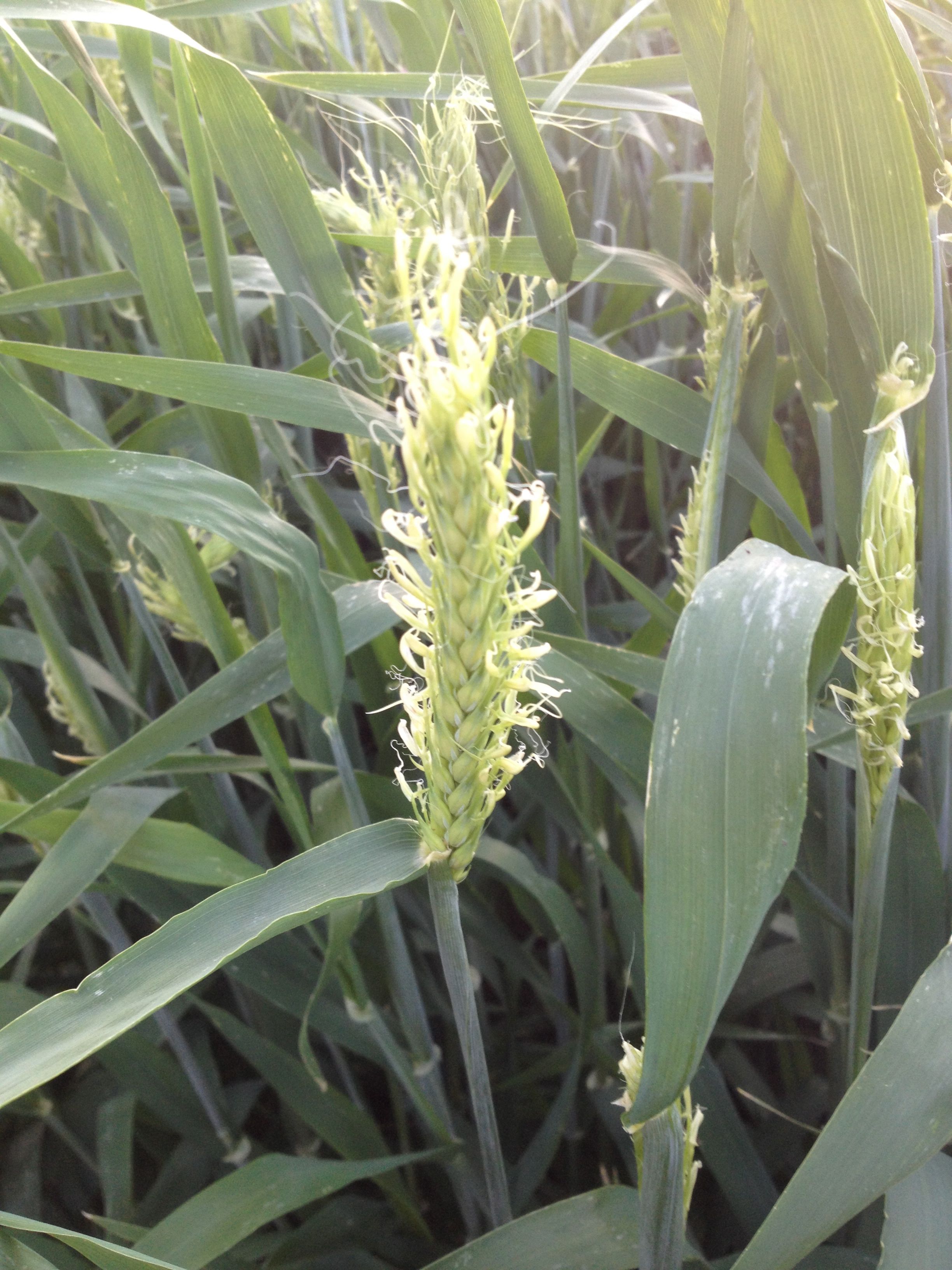
Heirloom barley in flower at Mission Garden (MABurgess photo)

Heirloom barley in flower at Mission Garden (MABurgess photo)

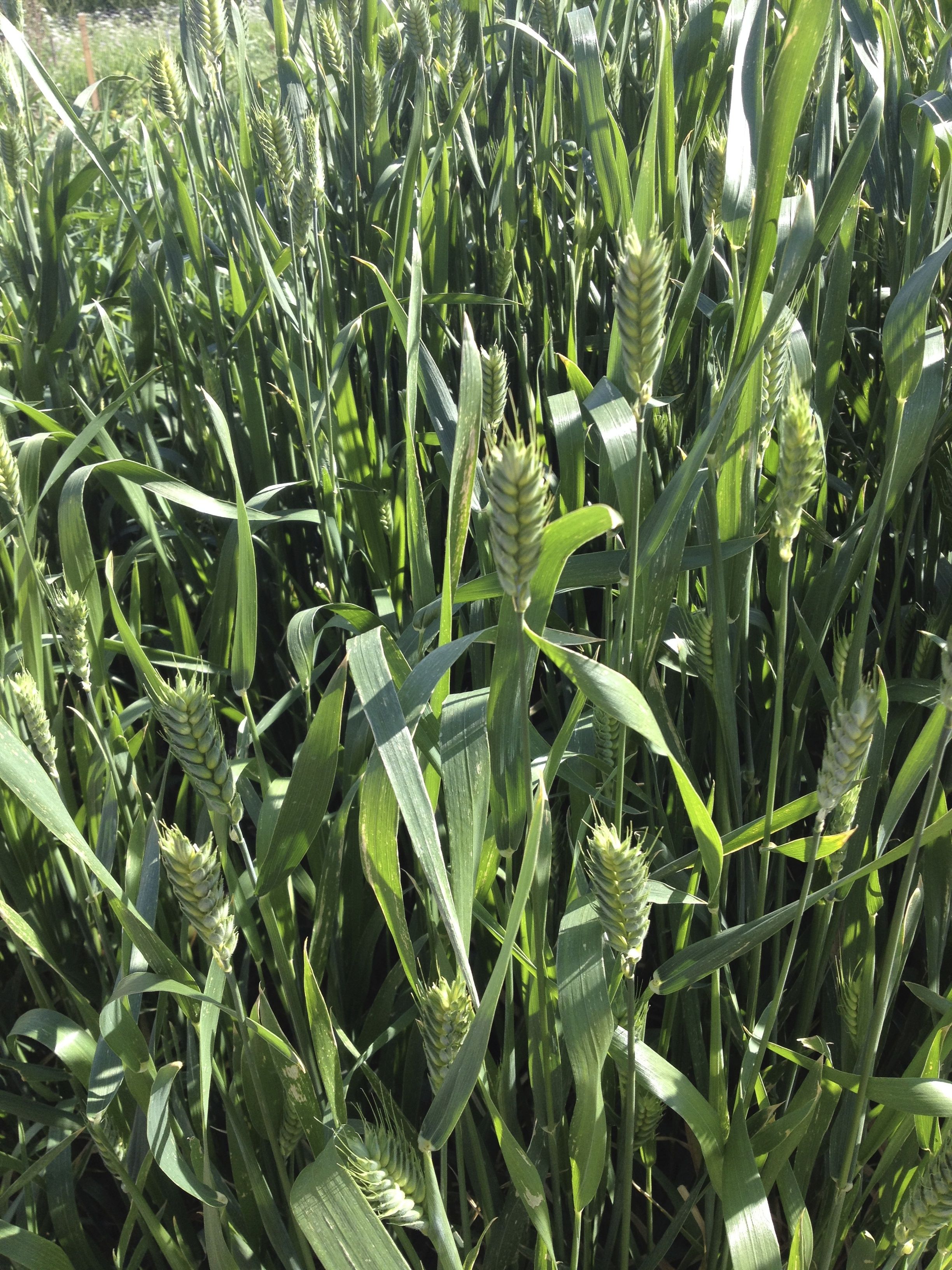
Heirloom White Sonoran Wheat seedheads filling out at Mission Garden (MABurgess photo)

Heirloom White Sonoran Wheat seedheads filling out at Mission Garden (MABurgess photo)

It is written that Passover (the roots of which began in a desert akin to our own with winter rainfall and grains grown as winter crops) cannot be celebrated until the barley is harvested. When Father Kino and other Padres brought Old World grains like wheat and barley to our corner of the Southwest, the same winter growing was observed. Now, at the Friends of Tucson’s Birthplace Mission Garden (at the foot of A-Mountain) direct descendants of those original heirloom grains are topping out where you can see them “in action” any Saturday for a tour (see http://www.tucsonsbirthplace.org).

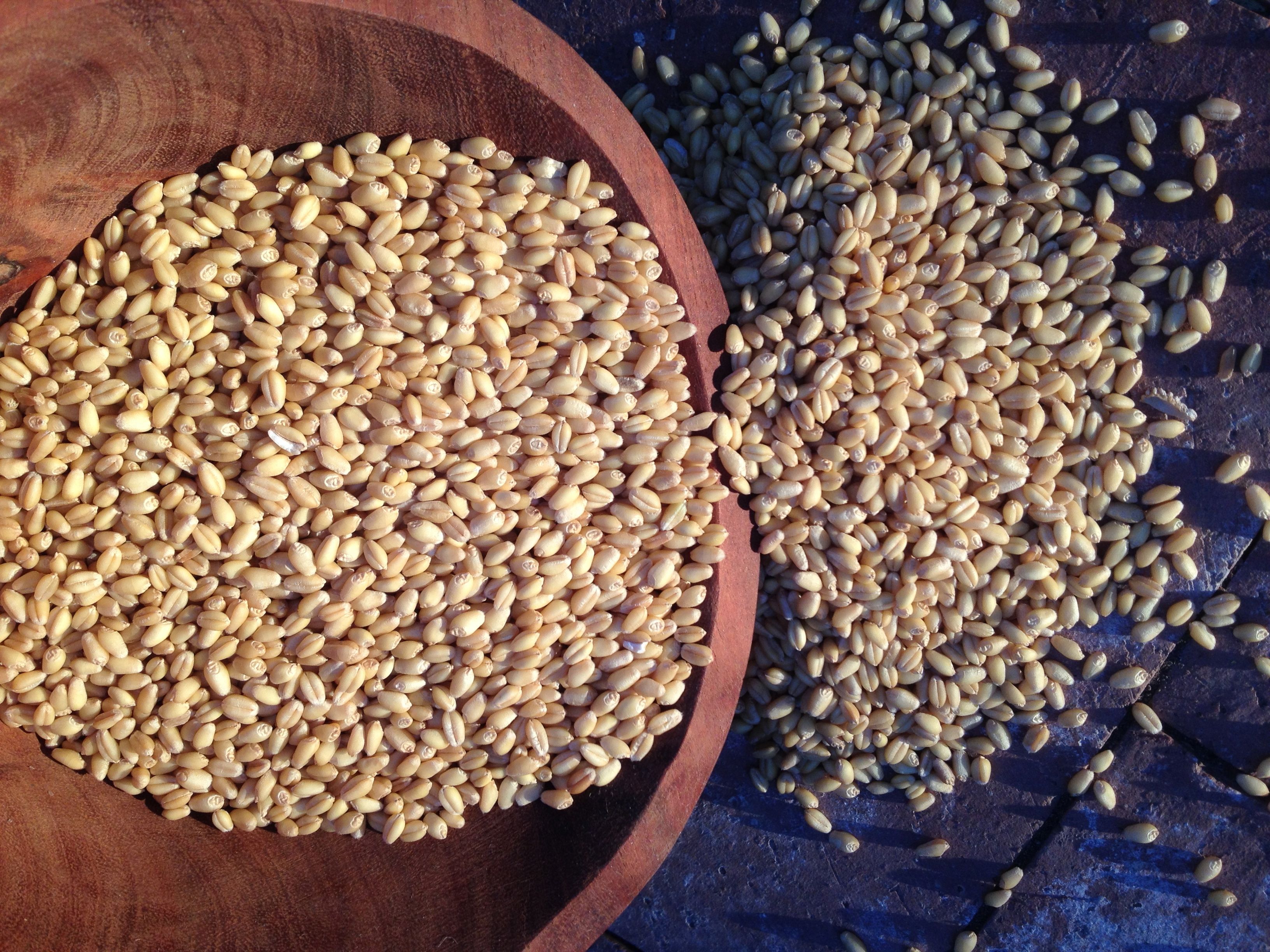
Heirloom White Sonoran Wheat berries, local, organic, traditional, from BKWFarms (MABurgess photo)

Heirloom White Sonoran Wheat berries, local, organic, traditional, from BKWFarms (MABurgess photo)

Scroll thru our savorthesouthwest posts to check out Tia Marta’s January blog for some enjoyable insights on the ancient White Sonoran Wheat and great recipe ideas, and a nutshell history –introduced by Kino, found again by Native Seeds/SEARCH, and now being grown with soil-enriching organic methods by the Wong Family in Marana.

Wheat is rich with symbolism as well as nutrition—full of life-giving energy, complex carbohydrates when the whole grain is eaten, and good protein. Irish farmers weave complex seedhead sculptures and hangings for good luck, representing protection, provender, and plenty. For traditional Italians especially, wheat symbolizes renewal and rebirth and has become an important Easter food.

Tucson Foodie-par-excellence Vanda Gerhardt located a most marvelous recipe for an Italian traditional Easter pie (judysculinaria.wordpress.com) made with wholesome wheat grain. She has served samples to delighted farmers market visitors at the Flor de Mayo booth at St Phillips Sunday market (www.heirloomfarmersmarkets.com).  With her inspiration I have modified it for a totally local treat, made with our own Padre Kino White Sonoran Wheat berries from BKWFarms!

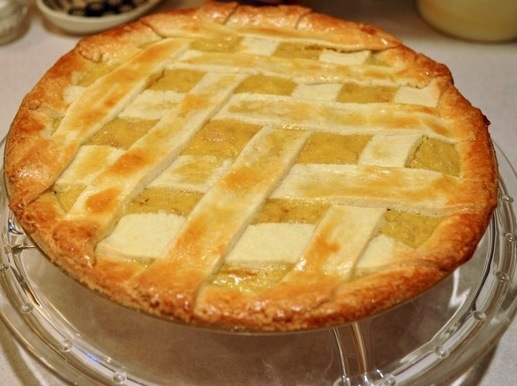
Luscious Easter Wheatberry pie, from judysculinaria.wordpress.com

Luscious Easter Wheatberry pie, from judysculinaria.wordpress.com

Here’s my version of this yummy custard Pastiera di Grano dessert for you to enjoy with its Sonoran Desert name:

Heirloom Wheat Berry Pie—Postre de TrigoEntero–Pastel Pascual de la Pimeria Alta!

Ingredients for pre-cooking wheat berries:
1 cup whole grain heirloom White Sonoran Wheat Berries (available from NSS or Flor de Mayo)
5 cups drinking water
2-4 narrow strips lemon peel, orange or tangerine peel
Pinch salt optional
Instructions for cooking wheat:
Rinse white Sonoran Wheat berries to remove chaff. (Overnight soak optional.)
In saucepan, bring to boil, cover, reduce heat and simmer an hour, then check doneness. Berries are best when they are al dente but done through. Allow more simmer time if need be.
[After wheat berries are cooked you can use them for many different delicious recipes.]

Sweet Pie Crust (Pasta Frolla)
(You can make this and the filling while your wheat berries are simmering!)
Ingredients for pie crust:
1 2/3 cups White Sonoran Wheat pastry flour or 00 (available from NSS, HaydenFlourMills)
1/3 cup organic sugar, OR ¼ cup sugar and 1 T mesquite pod flour
1 tsp lemon or orange zest (optional)
½ cup butter chilled and diced
1 large egg lightly beaten
1 tsp vanilla
1/8 tsp salt (if unsalted butter)
Instructions for pie crust:
Combine flour, sugar, zest, and salt. Mix thoroughly (in food processor if available). Cut in butter until breadcrumb texture. Whisk in wet ingredients—egg and vanilla. If needed (as in dry climates) add 1-3 T of ice water and mix. Form mixture into a ball, wrap in plastic and chill at least an hour.

Ingredients for Pastry Cream Filling:
2 T organic sugar
1 T White Sonoran Wheat flour
½ cup milk
1 large egg
1 tsp vanilla
Pinch of salt
Instructions for Pastry Cream:
Sift sugar, flour, salt together into saucepan. Whisk in egg and milk. Mix well. Cook on low heat stirring constantly until it boils and thickens (approx. 3 minutes). Place in bowl and cover with plastic wrap directly on top of cream mixture eliminating all air bubbles, and set in frig to chill.

Ingredients for Ricotta Cheese Filling:
1 cup ricotta cheese
¼ cup organic sugar
2 large eggs
½ cup finely chopped orange or tangerine peel candied (optional)
1 tsp orange flower water or rose water
½ tsp cinnamon
Instructions for making Ricotta Filling:
Preheat oven to 350 degreesF
In mixing bowl beat ricotta until creamy. Mix in sugar and eggs. Fold in candied citrus peel, flower water, and cinnamon. Next fold in the refrigerated pastry cream and 1 cup of the cooked White Sonoran Wheat berries. Mixture should feel thick.

Final steps–Cooking Wheat berry Custard Pie:
Roll out 2/3 of the pastry dough and spread on floor of 9-inch pie dish. Pour in the cream/ricotta/wheatberry mixture. For creating lattice top on pie, roll out remaining 1/3 dough. Cut in strips about ½ inch wide and place atop pie filling.
For a glistening egg wash, whisk 1 egg and pinch of salt and brush the pastry lattice.
Bake 50-60 minutes or until top and crust edges are golden brown and the custard filling is firm in the middle. Test with cake tester or toothpick in pie center. Cook additional minutes until tester comes out clean. Remove from oven and cool on wire rack. Best chilled for a few hours before serving.
Buon Appotito –y buen provecho!

Note: you can find organic White Sonoran Wheat Berries at Native Seeds/SEARCH store or online http://www.nativeseeds.org, also at Flor de Mayo’s booth at Sunday St Phillips Farmers’ Market, Tucson, http://www.flordemayoarts.com or 520-907-9471. Orange blossom water is available at Mid-Eastern groceries.


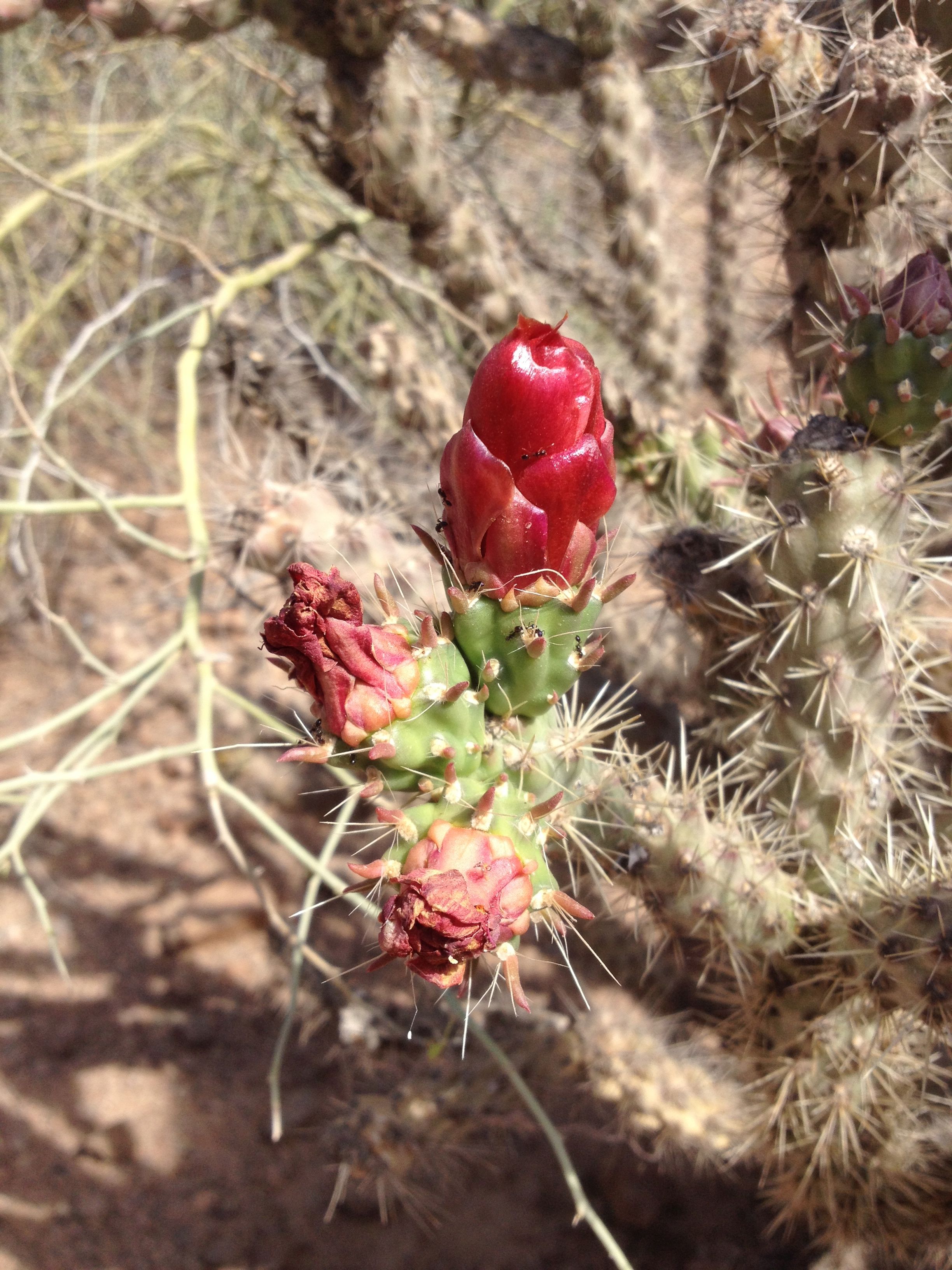
Staghorn cholla bud about to open, with ants enjoying extra-floral nectaries (MABurgess photo)

Staghorn cholla bud about to open, with ants enjoying extra-floral nectaries (MABurgess photo)


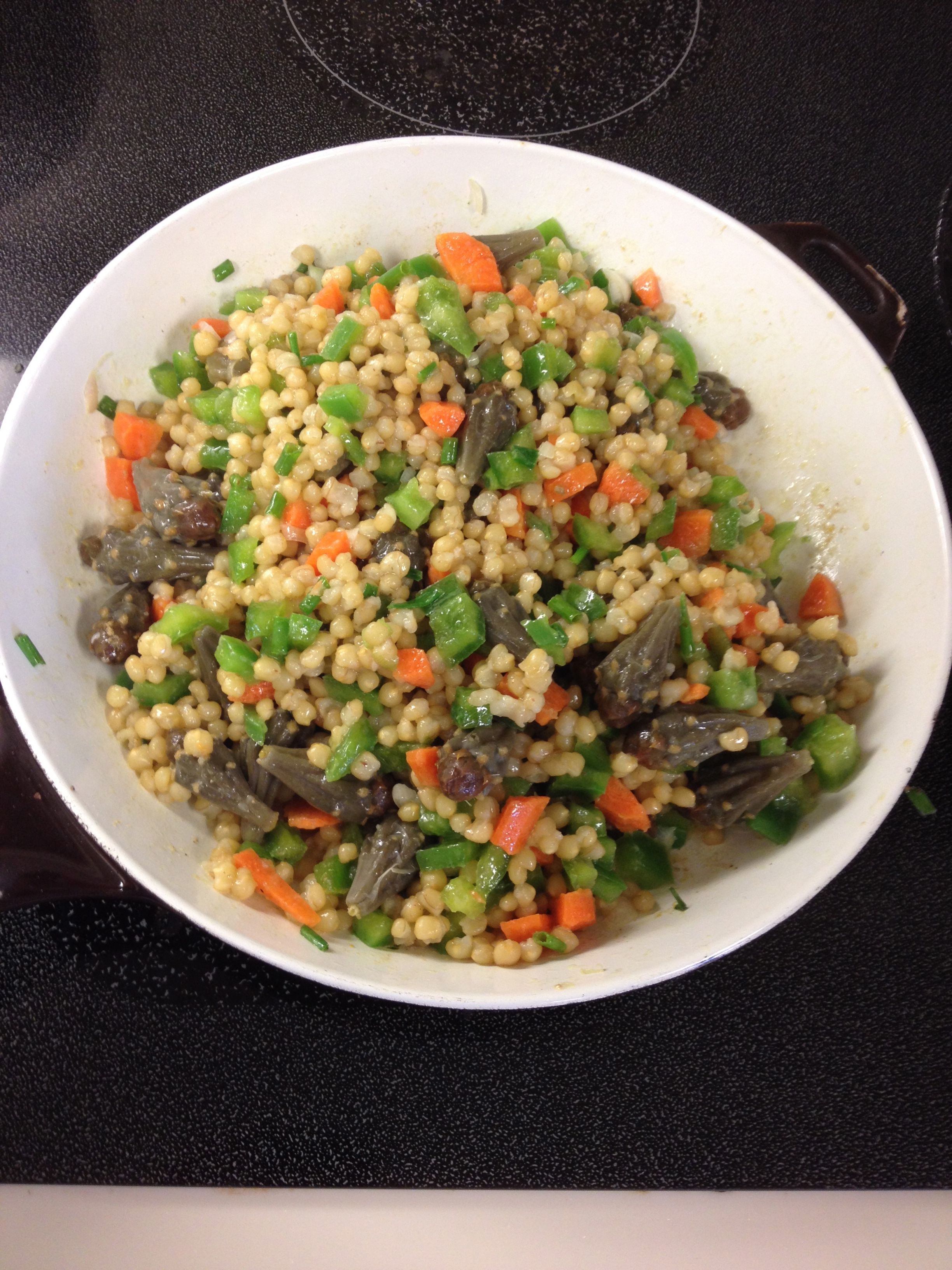
Wheatberry salad with cholla buds--an April delight (MABurgess photo)

Wheatberry salad with cholla buds–an April delight (MABurgess photo)

With cholla bud season in full swing, it’s a great time to make a marinated wheatberry and cholla bud salad for a refreshingly cool hot-weather dish. Marinate cooked wheatberries in your favorite dressing, chop fresh veggies and add cooked cholla buds—and voila you have flavor, fun, and nutrition!

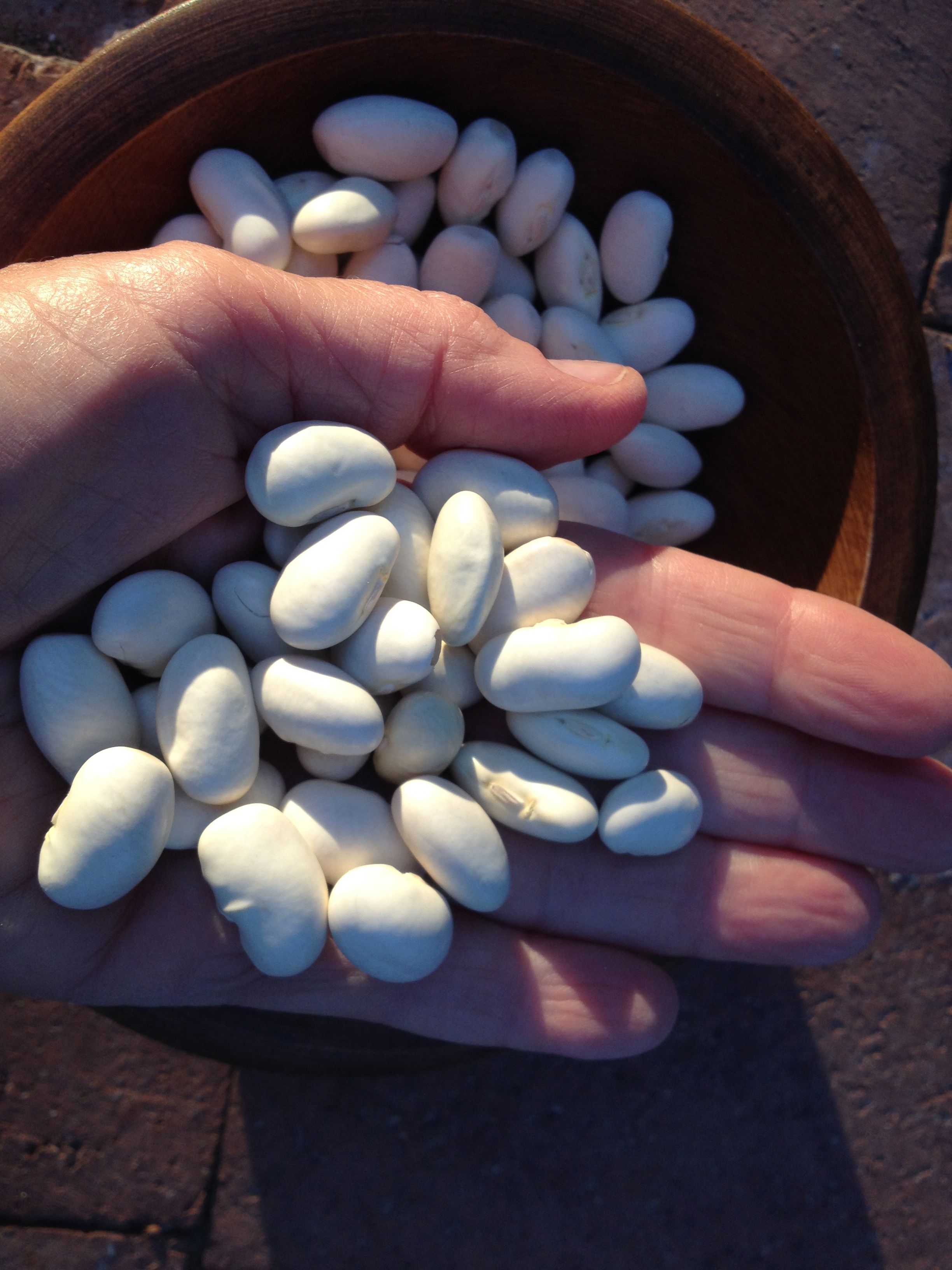
Giant Aztec white runner-beans, aka bordal and "mortgage lifter" (MABurgessphoto)

Giant Aztec white runner-beans, aka bordal and “mortgage lifter” (MABurgessphoto)

With the sap rising, and the gardening bug tugging at you, now is the perfect time to sew seeds of two very special long-season beans—the Tarahumara scarlet runner (see top of post) and the Aztec white runner (available at http://www.nativeseeds.org).   (Note: white runners looking like small Easter eggs are also referred to as “bordal” and, similar to the tomato by the same name, “mortgage lifter.”  If you can baby your young plants thru the heat and drought of May and June into monsoon growth, both of these beans will give you not only great food next fall but also glorious ornamental vines until then. Trellis them on the east side of your house or a wall for eastern light and protection from the blasting western sun. Hummingbirds will love you as they visit both the brilliant scarlet flowers and even the white flowers.

May your garden and your table be blessed with the fruits of the desert, bringing rebirth of good nutrition to the land and to our greater community of creatures and cultures!

On Java Chickens, the Egg Tooth, and Very Simple Poached Eggs

Image

Aunt Linda here:  Mother hens are keeping their hatchlings close this cool Tucson morning. As it warms up, they will give vigorous lessons in scratching and foraging. While most hens will teach their young the skills they need to survive, the heirloom Java breed is especially good at parenting. This breed is known not only for being excellent parents, but robust foragers – and are able to tolerate heat well.  The second oldest variety of chicken in the U.S, they are a wonderful heirloom breed for the desert southwest.One Java rooster that I raised will wait to eat until all his hens and chicks are well into their meal. He watches attentively, and only once he is satisfied that all are well fed, will he begin his own feasting.  So strong is their parental instinct, ( they are the one breed in my flock that can I count on to “go broody” each year), that I in a pinch, I have been able to use Java hens to hatch duck and turkey eggs, when no mother of those species had been available or willing. (Note: I am emphasizing the parental strengths of the Java here;  there can be unexpected adventures (read complications), so query someone with experience before you undertake this. It is just one of those creative pieces of animal husbandry that are sometimes necessary, but not necessarily the ideal. It is much like using a goat to nurse a baby calf whose mother has died; just because one can do it does not mean that you should when a perfectly good mama cow is around; whenever possible go for the technology that nature selected).

Image

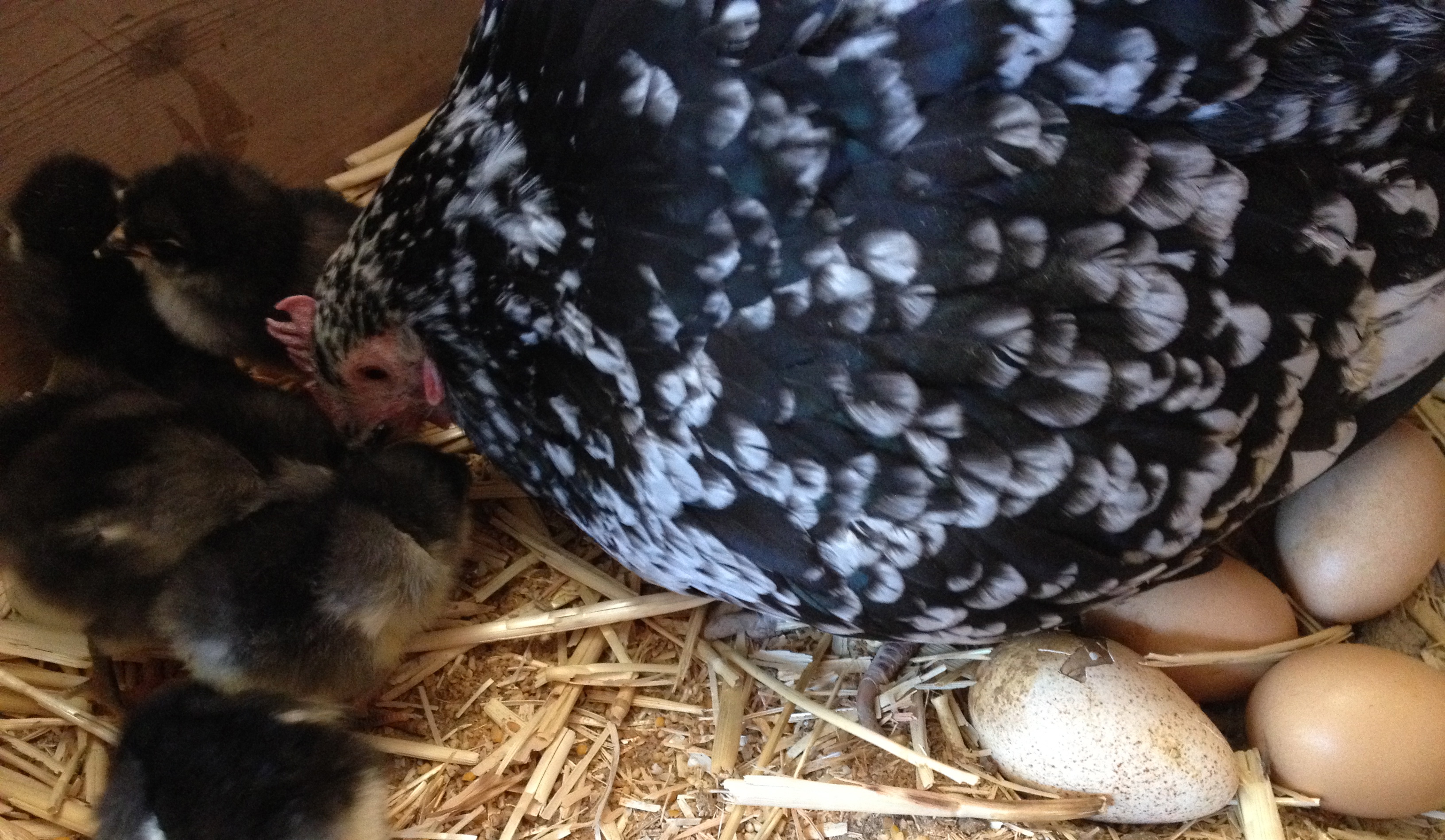
(above – Java hatchlings on left with an turkey egg beginning to hatch in front; the timing needs to be right for this)

Image

(above – the baby turkey from the egg in the photo above this photo, resting its wing on a Java egg yet to hatch)

I could wax on and on about Java Chickens all day, but really would like to focus on a hatching chick’s greatest tool: The Egg Tooth.  It is a small, sturdy protuberance attached to the upper mandible of a hatching bird’s (or reptile’s) beak (or bill) that helps it break through the shell. I am captivated by this practical, ancient, tool.

Image

(above – a newly hatched Java Chick, with the “hatched-from- egg-shell”  in front. Note the white tip on it’s beak. That is it’s egg tooth)

So, the Egg Tooth.  In addition to being a very practical tool of evolution, I would consider it  also as a kind of “a state of mind”, as well.  Or, perhaps as a practical metaphor. Or an evolutionary tool in our own lives. What fortifies us enough that we are able to “break through” to the ideas/behaviors we have been incubating, so that they come to fruition?  The answer(s), vary from person to person.  Querying ourselves alone may help us break through to “the larger world”, to a more expansive sense of self, or to seeing something in a whole new light.


After all that hatching and breaking through you might be hungry. And for something simple and nutritious. Here is today’s recipe:  Very Simple Poached Eggs

Ingredients: 2 Organic Eggs.                Then: pasture raised butter (or olive oil), salt, (optional: chiltepin) for flavor.

How: You really do not need a fancy poacher to make a great poached egg. The key is in using really fresh eggs.In fact, the addition of vinegar that we so often hear about is really for eggs that are not so fresh; like the kind from the grocery store. If you have access to a neighbors hens, or a local farmers market, you can proceed as follows. Crack an egg into a small bowl. In a small saucepan, bring water to a boil, reduce the heat, with a spoon swirl the water into a tiny whirlpool, and gently slip the egg into the center of the swirl. Keep water just below boiling – cook until the white is set and to your preference of yolk. Add the butter (I use pasture raised butter), salt, and (optional dried red chiltepin crushed on top) to taste. Savor the taste of that fresh egg without much fancy coverup or fanfare.

I love these atop beans, or on a fresh tortilla/bread.

Worthy of Note: There is so much to say about the joys and benefits of raising heirloom breeds; about their dispositions and superior nutritional value. I am a part of a Java Recovery Project, to increase their numbers. Many heirloom animals are endangered and if it appeals to you to steward an heirloom breed of some sort, I encourage you to visit:  http://www.livestockconservancy.org.  The website is a goldmine of information and you can educate yourself on the types of breeds, where they thrive, which are especially in need of breeders, as well about the nutritional needs of heritage breeds. Who knows!? You might use your metaphorical egg tooth in the service of something larger than your own life. Perhaps to be in service to the earth, (from whom both the egg tooth and we humans emerged), and consider learning about/raising heirloom breeds of some sort yourself.

Limoncillo

Savor Sister Jacqueline Soule posting today.

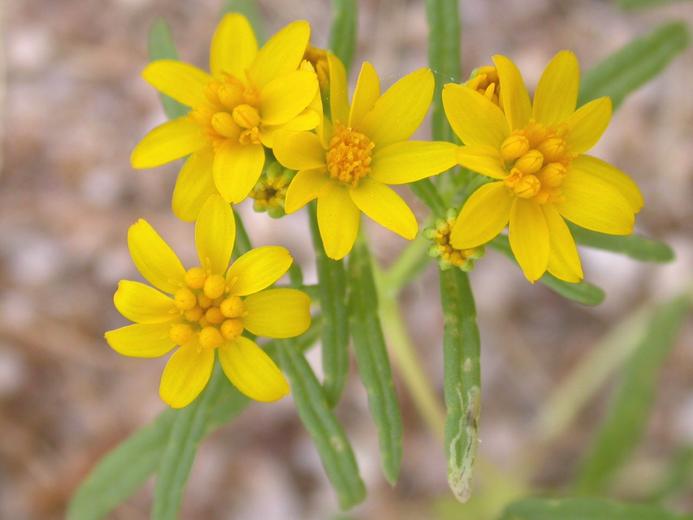
Chinchweed or limoncillo is known to scientists as Pectis papposa, a member of the Compositae family, now called the Asteraceae, and arguably the largest plant family out there.  If you aren’t “into” the Compositae, it is generally considered just another one of those DYC’s (Dratted Yellow Compositae).  (Well, we scientists don’t say “dratted” but we don’t want the parental controls to censor this blog.)

Pectis_papposa_flowers

Pectis papposa is just a “DYC” to some, but it can be so much more!

This sprightly summer blooming annual is found across the desert Southwest from New Mexico to California and northern Mexico (in the Sonoran and Chihuahuan Deserts) at elevations below 6000 feet.  With surprising promptness after the first summer rain, the desert floor is carpeted with the small yet bright yellow flowers – DYC’s.


Pectis_papposa_field

A carpet of Pectis papposa. Too lovely to trod upon!


Hopi, Zuni, and Havasupai all use the chinchweed plant as a condiment, especially to flavor meat.  There are also references to its use as a fresh green and potherb.  In Mexican markets, bundles of fresh or dried plants are sold as limoncillo and used as a culinary spice, generally to flavor meat. There are also references to its use as a dye plant.

Pectis_papposa_leaves

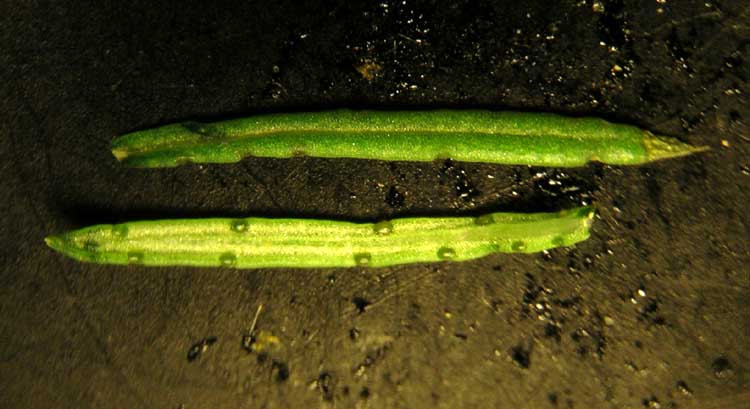
The leaves of limoncillo are dotted with a number of glands filled with flavorful oils.

Planting and Care.
Sow seeds of this charming summer annual anywhere in your yard you wish them.  Plants look especially lovely in a cactus garden, and appear to prefer well drained soil.  Since chinchweed is a summer annual, sow in the warmer months, from April onward.  Ideally have the seeds in the soil prior to the first monsoon rain, generally around San Juan’s Day or summer solstice.   This may be tough as seeds are generally not available in seed catalogs.  You may have to wild collect some of the herb this year, and while you are at it, collect seeds for your own next year.  Once you have some limoncillo your yard it seems to cheerfully find new places to tuck itself, including in areas of reflected light, which is often a tough site for plants to thrive in.


Pectis_papposa_habit

These tiny plants will find their way into unexplored corners of you yard. A weed only by common name, the seed is excellent food for native birds.


Harvesting and Use.
As a culinary spice, chinchweed may be used fresh or dried.  Simply chop up the fresh material or crumble the dried and sprinkle on meat.  If you like lemony chicken, then limoncillo is a great local herb to use!  Fresh cinchweed greens add a nice zing to stir fry, but I have not tried them cooked alone as a potherb (yet).  This will be part of my New Years resolution to grow and use all of the native plants in my Father Kino’s Herbs book (More on this at 30 minutes in on America’s Web Radio –  http://www.americaswebradio.com/podcasts/VeggieHourJan18.2014.mp3).  For dye, pluck the flower heads off and use them fresh or dried.  I could not find if there was a specific mordant.

Pectis_papposa_var_papposa_5_SS

Harvest the flower heads for dye and the leaves together with the flowers for culinary use.

Now I have thought of a new way to think of this DYC – it’s a Delightfully Yummy Compositae!  And I hope you will consider some for your yard.

Pectis_papposa_003

DYC stands for Delightfully Yummy Composite with Darling Yellow Crowns!

 [For another species of DYC flowering now, and some of its uses, please visit my blog on Native Plants & Wildlife Gardens – http://nativeplantwildlifegarden.com/brittle-bush-in-bloom/]

The information presented here is a sample of what appears in my book Father Kino’s Herbs, Growing and Using Them Today (Tierra del Sol Press, 2011).  Available through amazon.com.  Free public lectures on growing and using our wonderful native plants, at a number of branches of the Pima County Library.

Photos copyright free and courtesy of Wikimedia except where noted.  Article © 2014, Jacqueline Soule.  All rights reserved. I have received many requests to reprint my work. My policy is that you are free to use a very short excerpt which must give proper credit to the author, and must include a link back to the original post on our site. My photos may not be used.  Please use the contact me if you have any questions. JAS avatar

Food Security in the Desert

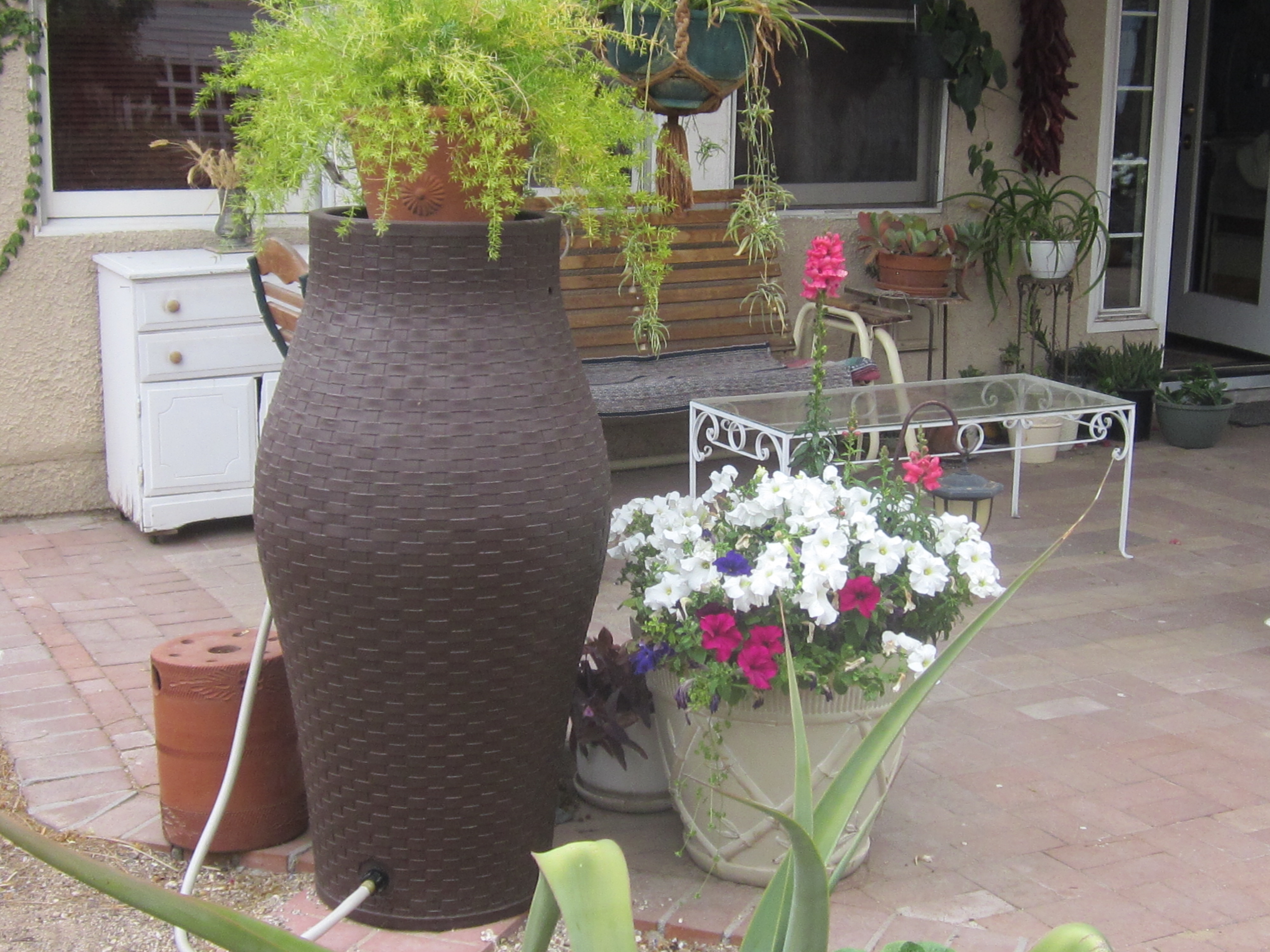
A small water-harvesting tank from Home Depot.

A small water-harvesting tank from Home Depot.

Carolyn here. This is an extra mid-week post regarding not only harvesting food in the desert, but growing it as well.  The issue, of course, is water.  Tucson community activist Tres English is prodding Tucsonans to look to their food future and consider how we can become secure by growing more of our own food. A hundred years ago this would not be a novel idea but family business as usual.  We are moving in the right direction as a communty. Tucson already has 44 community gardens, thousands of fruit trees,  and over 100 experimental aquaponics systems. Nearby farms are keeping are farmers’ markets well stocked. But still, the vast majority of  our food is imported from far away.

Because I get deep satisfaction from gardening, my husband and I have installed three rain water tanks on our property. In a really good rain, I should be able to catch about a thousand gallons. I have watered most of my winter veggies this year with rain water from our first tank.  Unfortunately, it hasn’t rained much since we installed the last two tanks, but when (if??) it does rain, I should be able to take care of the flowers as well, leaving only the trees  and the house on city water.

Our biggest tank drains water from roof of guest house and provided water for my winter vegetable garden.

Our biggest tank drains water from roof of guest house and provided water for my winter vegetable garden.

We need to pull more people into growing their own food. Whether you catch the rain in big tanks, 55 gallon drums, or 5 gallon paint buckets (like I did until recently), you can water your garden at least partially with rain water. You can read what Tres has put together on his website FeedingTucson.org, but here are some of the points:

We have vast, untapped resources

Every square foot of Tucson receives an average of over 6.5 gallons of rain every year (that’s before Global Climate Change), or about 175 million gallons per square mile.  That’s 80,000 gallons of harvestable rain per person.

We have about 40 square miles of rooftops in metro Tucson and over 80 square miles of paving. If we harvest (and use) water very near where it falls, we could potentially have over 50,000 acre-feet of “new” water that isn’t currently being used for any productive purpose.

When combined with directly used rain and net natural recharge from mountain fronts and river beds, our maximum potential renewable, harvestable, local water supply is close to 260,000 acre-feet per year — compared to 192,000 AF used by all municipalities.

Tres English says: “We are not alone in developing local food systems, so we don’t have to start from scratch.  What are some of the most innovative approaches in the world to creating all elements of a complete food system?  What will it take adapt them for our needs?”  These are the answers he will seek but he needs a little money to do it.  To that end, he has set up a crowd-funding site at StartSomeGood.org/FeedingTucson.    Or you can also donate on the FeedingTucson.org website. If you want to see all Tucsonans have access to fresh, local food, go to the site and chip in a few bucks.


Cholla Bud Workshops.

If you enjoyed Martha Burgess’s post on cholla harvesting, perhaps you’d like to go gathering with her.  Sign up through Native Seeds SEARCH. It’s been unseasonably warm here in Tucson, and the chollas are budding a bit early.  Choose one of two dates: Saturday, April 12 and Friday, April 25 8 – 11 am $30 – NS/S Members $40 – Non-members

How Nopales Become Nopalitos

Pick prickly pear pads when they are the size of your hand.

Pick new prickly pear pads in the spring when they are the size of your hand.

Carolyn Niethammer with you this week. In our last post,  Martha Burgess wrote about how early cholla buds were appearing this year. I have seen pads beginning to form on the native prickly pear, but not yet on my Ficus Indica, the tall Mexican variety.  But they will be out soon, so let’s talk about how to prepare them for use in salads and casseroles.

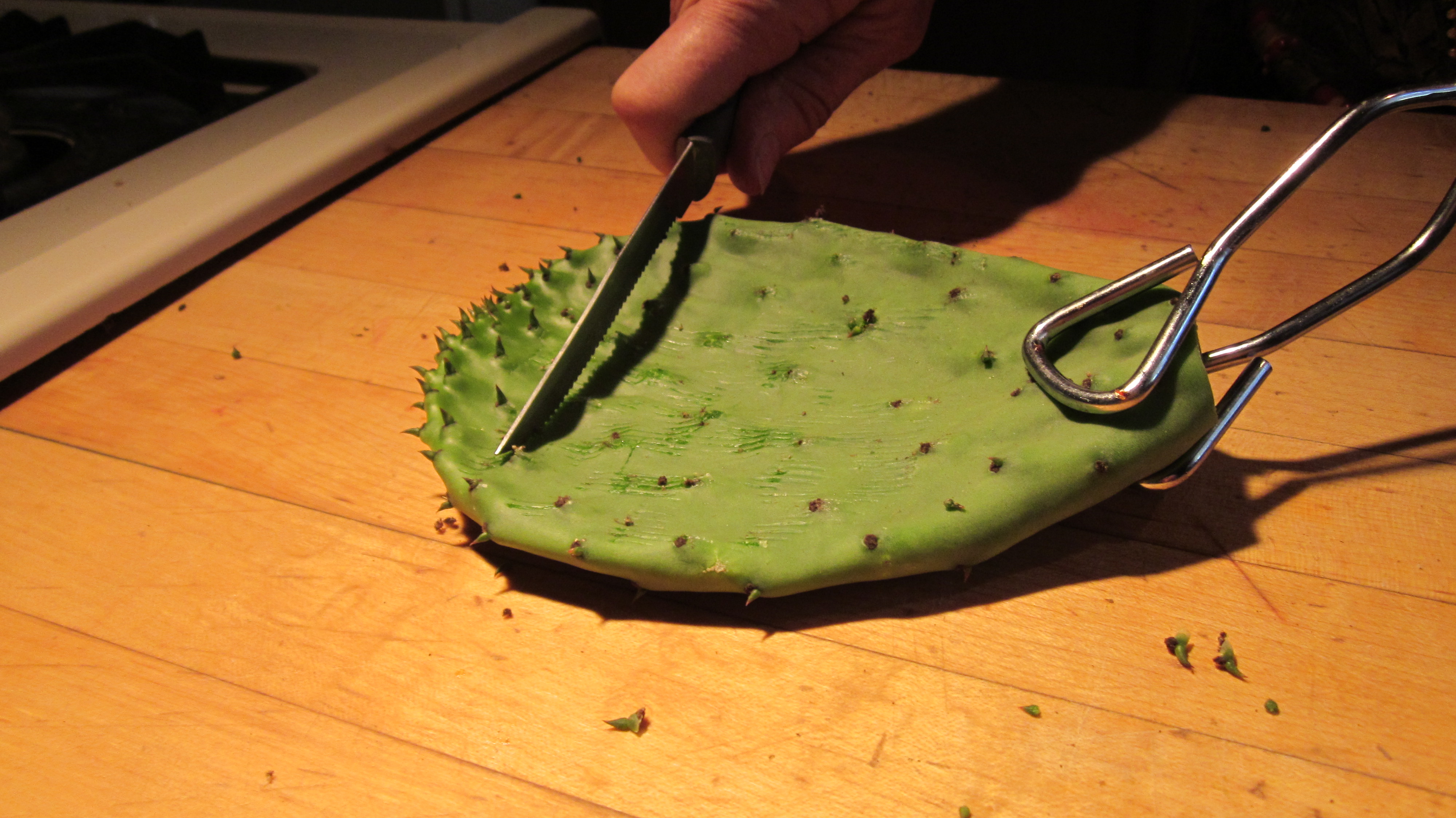
Scape off the stickers with a serrated steak knife.

Scape off the stickers with a serrated steak knife.

First thing is to don your rubber gloves. Even though these cactus pads don’t have large stickers, they do have the tiny glochids that can be awful to get out of your hands. Then using an old-fashioned steak knife with a serrated edge, go against the grain to scrape off the stickers. Keep a paper towel nearby to clean the knife and keep your working surface clean.

Trim off the edge.

Trim off the edge.

There are an abundance of stickers on the edge of the pad, so just trim it off and discard it.

The nopal becomes nopalitos.

The nopal becomes nopalitos.

At this point you can put the whole, cleaned  nopal on the grill next to  some chicken pieces or pork chops. Or you can chop the pad into smallish pieces. The Chicago restaurant owner, TV star and author Rick Bayless coats the pieces with oil, puts them on a cookie sheet and bakes until done.  You can also do it in a frying pan.  Cook until the color changes to a more olive hue. The slippery substance that is so healthy for your blood will dry up and become less noticeable.

Cook nopalitos until they turn olive colred and loose some of their moisture.

Cook nopalitos until they turn olive colred and loose some of their moisture.

I watched my friend Amy Valdez Schwemm do a nopal cooking demo at the Mercado last year. Her method is a little different. After cleaning the nopal, she cooks it whole and cuts it up later.  If you are cooking in a frying pan, this eliminates having to flip each piece individually.


Amy cooks the pads whole then cuts later.

Amy cooks the pads whole then cuts later.

At this point you can add to a salad (maybe picnic-style potato salad) or a casserole such as this one with lentils from my cookbook Cooking the Wild Southwest.

French Green Lentils with Nopalitos

French Green Lentils with Nopalitos

Although prickly pear is a New World plant, it has spread over the globe. The Spaniards originally took it back to Europe from Mexico. I was fascinated to learn that it has colonized in Ethiopia in a big way.  Some impoverished groups live on the prickly pear fruits for months when they are ripe. But people do not eat the pads there, although they feed them to their livestock.  Here are some photos my friend Seyoum took showing prickly pear and his family in Irob, Ethiopia.

A very large prickly pear plant in Irob, Ethiopia.

A very large prickly pear plant in Irob, Ethiopia.


Preparing nopales for the livestock.

Preparing nopales for the livestock.

All prickly pear pads are edible; it just depends on how much time you want to spend getting the stickers off. I usually wait until the Ficus Indica pads develop. Those with access to a Mexico grocery store can usually find them there, sometimes already cleaned. Once they are cleaned, they tend to deteriorate quickly, so buy just before you want to cook them. The very best tasting prickly pear pads I’ve ever eaten are grown on the foggy slopes of central California by John Dicus at Rivenrock Gardens. You can find him at http://www.rivenrock.com. He will go in the morning and pick you a boxful and it will be on your porch the next day. They are so fresh, they will last for many weeks in the refrigerator. He grows a variety he found in Maya country in Mexico and they are virtually spineless. And delicious!

________________________________________

Excited to try prickly pear?  I give you lots of recipes in The Prickly Pear Cookbook and Cooking the Wild Southwest.  Very helpful for controlling blood sugar and cholesterol.


They’re here–they’re ready! Cholla buds’ grand opening!

staghorn cholla flower just opening (N.Stahler photo)

staghorn cholla flower just opening (N.Stahler photo)

Tia Marta here with important news—something I was planning to share with you next month but wow here it is—our staghorn cholla cacti flowered yesterday.  That is a herald-horn in the desert for sure—it is cholla bud harvesting time again!

Ever since I was first led into the desert to learn cholla harvesting decades ago now by my Tohono O’odham mentor and teacher, Juanita, I’ve looked forward to this signal and to our ritual, with hope for the return of desert-food-season, and with gladness —not to mention with a little trepidation for the hazards of the business.  But in all the years of practicing our ritual harvest I’ve never seen the buds come on so early.   This is fully a month sooner than the “old normal.”  All through the 1970s,’80s, into the ‘90s, we could predict the cholla harvest to be cranking up about mid-April and ending in the first week in May, a small window of opportunity.  Curiously, the cholla season since the turn of the recent millennium has extended in both directions, beginning earlier and lasting longer into May.  It is as if the chollas are hedging their bets, not knowing where climate change will lead….In spring of 2013 cholla flowers were open by April 2 and I picked my last bud on San Ysidro Day, May 15.  And this year?  Buds were showing before March and the first flowers were open on St. Patrick’s Day, March 17!

traditional saguaro rib tongs for cholla bud harvest (MABurgess photo)

traditional saguaro rib tongs for cholla bud harvest (MABurgess photo)

These plants are sensing subtle climate signals to which we also should attune ourselves.  While we have been basking in this desert’s “winter without a winter,” the chollas have been storing energy and the scant rainwater that fell, in prep for an early show.  What this all means for its pollinators, for spiders, ants, packrats, birds—the whole food chain and web of life here in the Arizona Uplands of the Sonoran Desert—remains to be seen.
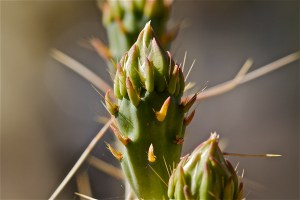
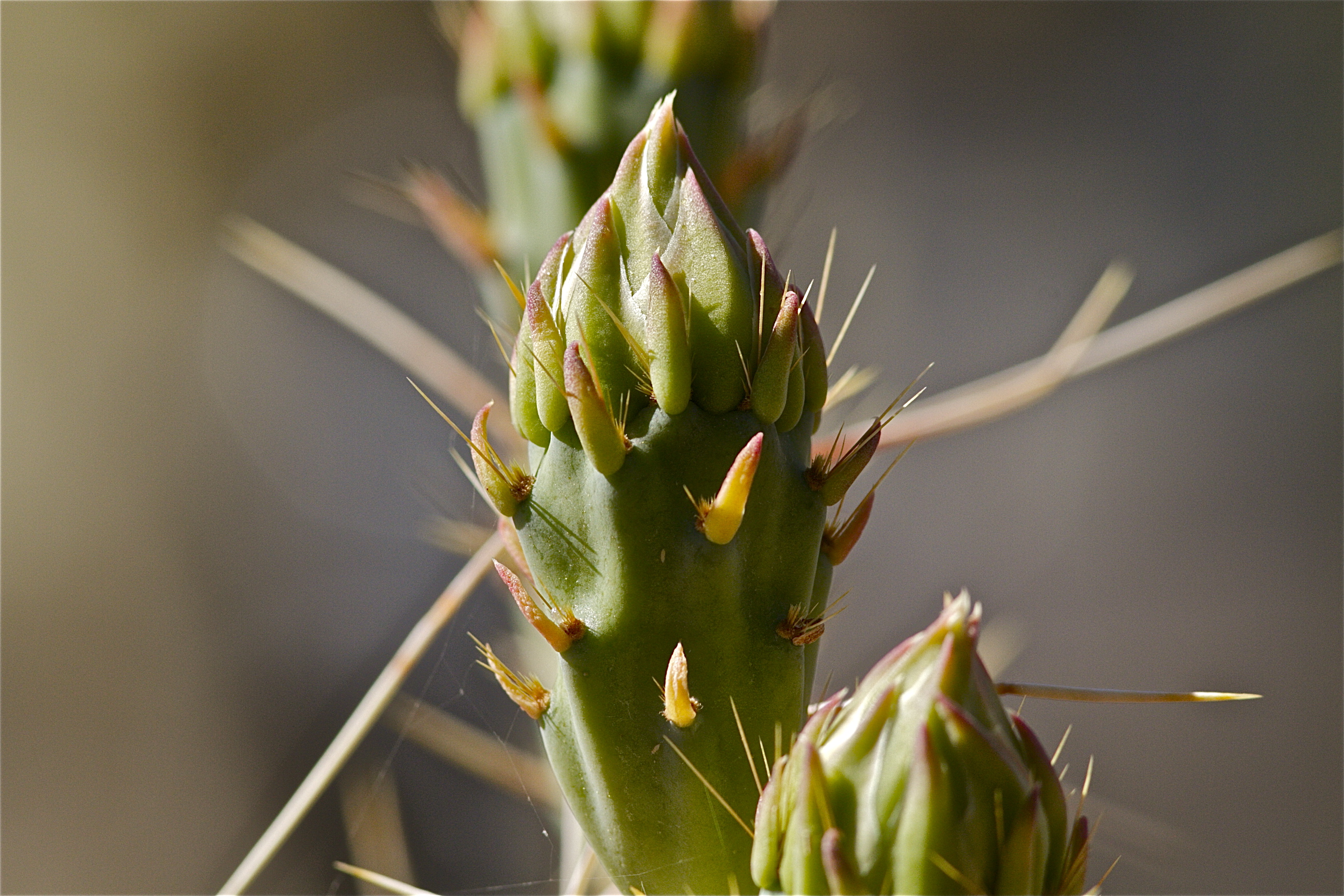
staghorn cholla bud showing true leaves and spines at aereole (JRMondt photo)

staghorn cholla bud showing true leaves and spines at aereole (JRMondt photo)

So, time to grab your hat, collecting tongs, bucket (and don your non-floppy long sleeves, pants, tough boots) and head for the nearest cholla-covered hills for the harvest.   As Juanita taught, begin your cholla harvesting expedition with respect and a touch of humility.  This land can feed us from its prickly productivity if we shed the gimme-gimme attitude of contemporary culture and enter into it mindfully.

first de-spining of cholla buds (MABurgess photo)

first de-spining of cholla buds (MABurgess photo)

All cacti are protected by law in Arizona.  However, cactus buds or fruits, harvested with care and frugality, and with the landowner’s permission, is the only part of the cactus which is fair game.  Our Native Plant Law is most enlightened and far-thinking.  One might go so far as to call it sustainable.  Imagine Arizona legislators realizing that our cacti and succulents are important to us!  (That decision thankfully happened in an era of greater wisdom and compassion.)  While cacti and other succulents appear so tough, and really can withstand extremes of heat and dryness, they are also vulnerable to many forms of human disturbance, to invasive grasses, fire, fungal attacks where tissue has been damaged, insect and rodent infestations.  When native cacti or succulents are scraped from desert soil, we are left with aggressive, blah and boring, foreign grasses and weeds.  The Sonoran Desert natives we know and love can’t easily re-vegetate.

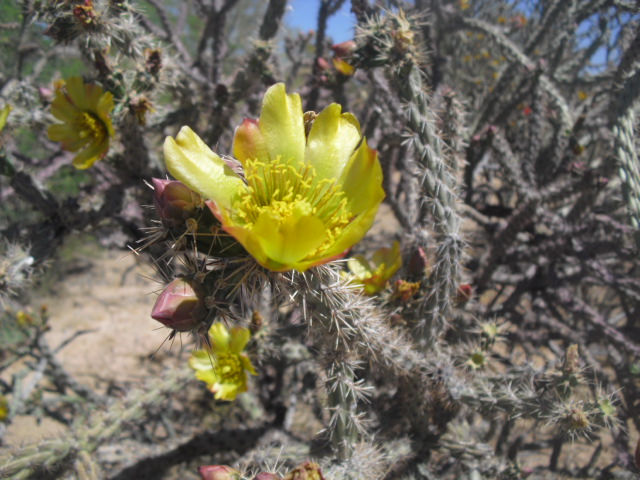
For best harvesting, Juanita would seek out stands of the gangly staghorn cholla (Cylindropuntia versicolor) growing plentifully over the foothills of the Tucson Mountains, Catalinas and Rincons.   They are found on rocky upslopes down to lower rocky ground.  Staghorn is the one with the sensational variety of colors—each plant a different brilliant phase of lemon yellows, oranges, rust, reds, wine, or maroon.   While you  are searching out unopened buds for collecting, give yourself a chance to savor the opened cholla flowers up close.  Their petals appear to be made of shiny silk or satin with sparkling surfaces that leave you (and their insect pollinators) visually jazzed, maybe momentarily breathless with their beauty.  You might see a tiny beetle or solitary bee bumbling about in a forest of stamens in search of the nectar the cactus pays them for their pollination services.  We aren’t the only ones out harvesting.
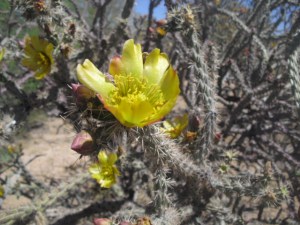
stamen strands in staghorn cholla flower (B.Sandlin photo)

stamen strands in staghorn cholla flower (B.Sandlin photo)

Juanita would jump at the chance to find a stand of pencil cholla (Cylindropuntia arbuscula, think arbusto in Spanish, referring to its shrub-like shape) because wee’pah-noy (as she called it in Tohono O’odham neok) has the largest bud and the fewest spines of all the chollas she sought, but it also is the most infrequently found.  Pencil cholla tends to grow in a few clustered stands in flatter places, like the upper terrace of the Santa Cruz near Green Valley or lower bajadas in Avra Valley.

The buckhorn cholla (Cylindropuntia acanthacarpa meaning spiny-fruited), was Juanita’s least favorite because, despite its large delectable bud, the spines at every aereole on the buds are tough and difficult to remove, making preparation for eating a real ordeal.  If left to mature into fruit, they still have a spiny cover.

cane cholla flowers, buds, and last year's yellow fruits (MABurgess photo)

cane cholla flowers, buds, and last year’s yellow fruits (MABurgess photo)

Another cholla found in higher desert into the grasslands, which Juanita occasionally collected, is cane cholla (Cylindropuntia spinosior)—the one with perky right-angle branches off a single trunk, which sag in winter frost-hardiness.  They have recognizable round yellow fruits which may remain on the branch-tips all year.  Their bud is a fat round, easily de-spined joy to harvest, and their open flower is a brilliant magenta.

In a neat video by cinematographer Vanda Gerhardt  (link on my website www.flordemayoarts.com), and in my recent Edible Baja Arizona article “A Budding Meal” (Vol. 5, pp122-24, www.ediblebajaarizona.com ), I have described how Juanita would initially brush off spines while on the plant, harvest one bud at a time always leaving some for other creatures and for the plants themselves, carry them back home in her bucket to de-spine fully in a wire mesh screen-box with an old broom.
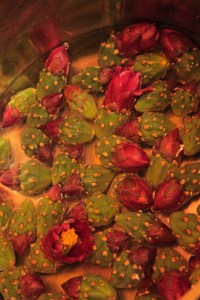
red cholla buds de-spined ready for cooking (MABurgess photo)
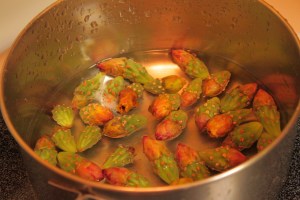
red cholla buds de-spined ready for cooking (MABurgess photo)

yellow staghorn buds in the cook pot (MABurgess photo)

yellow staghorn buds in the cook pot (MABurgess photo)

After a 15 or 20-minute boiling, she would discard the water, and voila, there were the delicious buds, tangy and tasty, ready to eat, or to stirfry with chiles and garlic, to pickle, or dry.  Drying is an ordeal and takes a full week in dry weather to become stone-hard and safely storable, but it makes them available year round.  If you have freezer space, freezing in its own juice is a perfect way to preserve them for the rest of the year’s enjoyment.

When it comes to nutrition, cholla is up there with the super-foods, with highest measures of available calcium and complex carbs–plus flavor like a tangy artichoke.  It can help strengthen bones, balance blood sugar, remove cholesterol, and provide sustained energy—wow what more do we need?

Janos’ Downtown Kitchen has created a stupendous cholla en escabeche, and native foods writer Carolyn Niethammer in Cooking the Wild Southwest (UA Press, 2011) teaches how to use cholla as the primo ingredient in her Cholla-Pasta-Primavera.  For a gourmet treat, try my cholla buds in mole sauce recipe, made easily with Amy Valdes Schwemm’s Mano y Metate mole powders (www.manoymetate.com):

Botones de Cholla en Mole Pipian Rojo 

2 cups fully cooked cholla buds

2-3 Tbsp organic olive oil

2-3 tsp Mano y Metate Pipian Rojo Mole powder

1 Tbsp minced organic garlic

1-1 ½ cups organic chicken broth or vegetable broth

Sautee mole powder in hot olive oil about 1 minute; quickly add minced garlic and stir-fry; slowly stir in 1 cup or more broth, extending it into a sauce of desired consistency as it re-thickens.  Add cooked cholla buds to the sauce.  Serving suggestion:  serve hot with corn tortillas and heirloom beans.  Serves 4.

If you want to try someone else’s harvest, try the Tohono O’odham Community Action’s (www.TOCAonline.org ) Desert Rain Café in Sells, Arizona, serving a mouthwatering cholla picadillo salad worth the trip out for lunch.  

For more of my favorite ideas for fabulous cholla dishes and hors d’oeuvres, check out www.flordemayoarts.com.   And for my detailed instructions on reconstituting dried cholla buds you can download from the same website.  Dried cholla buds will be available for purchase from Native Seeds/SEARCH store (3061 N Campbell, Tucson) and web-store (www.nativeseeds.org) seasonally after April.

Happy harvesting!
On Cows and the Sweetness of Milk (Dulce de Leche)

Image

Tia Linda:  It is Springtime and we are preparing for our spring roundup.  At a roundup we move all cattle into the corrals, eye each animal, and tend to any that need tending. We  talk about pasture and how to work with “the conditions”. Climate and weather are huge topics of conversation, because when you ranch, you first and foremost raise grass and pasture.  After that, you can raise animals.

Image

Here a mother cow nurses two calves, one her own, one an orphan.

During roundup we have a few cows set in one area for milking.  All milking is done my hand.  It is both a reverent and practical act to milk an animal.  And one you need to be completely present to, as you are working with big animals with big hoofs who are shifting their weight here and there, while you balance on the balls of your feet, as you grip a cold metal pail between your knees. Working warm moist teats, the humid smell of fresh milk flows, the sounds of the warm liquid hits the metal of the pail and then softens as the pail fills.  Most milking happens right before dawn, so the stars are still above, the air is cool, bats are still out hunting insects. As they fly by, I can feel their batwing air currents on my face. The metal pail, initially cold from the morning air, warms as it fills.

Image

Image

Image

We milk some “Vacas de Leche” because they have great udders. Others because they need a bit of “gentle-ing”. Milking a cow can be just as much about a process as a product. You are teaching her – inviting her –  to trust you, and every morning as you work with her, the hope is that she accepts your invitation.

To the ancient Celts the beginning of spring was called Imbolic, from the old words for “ewes milk” or “in the belly” as pregnant sheep began to lactate.  I love that this ritual is rooted in hoofed animals and milk. I feel a kind of  archetypal resonance with lactating animals.   Female animals.  In Anne Baring’s and Jules Cashford’s scholarly book,  The Myth of the Goddess, they write “there was (a) tradition,… in which the Primeval Waters and the High God (was) feminine, and the heavenly ocean was imagined as a ‘great flood’, which was manifest in the form of a great cow nourishing the world with her rain-milk, an image familiar from the Neolithic.” (P252) Isis and Hathor are just two Goddesses that the authors reference, that embody the cow as cosmic mother.

Image

Photo Above: This painting on papyrus is from 1000BC shows Hathor; stars of the night on her. You can find this and other ancient Cow as Cosmic Mother representations, in the book cited above. This photo is on the internet.

The image of the cosmic mother as cow is not one most in people modern life have been exposed to.  Nourishment happens on multiple levels, and  we see that pasture based animals’ “life giving” energies manifest in the  nutritional content of milk.  Their milk differs greatly from cows whose lives are spent in the mainstream, industrial food system. In her book,  The Grassfed Gourmet, ,  Shannon Hayes’s  writes: “…  milk from grass-fed animals offers exceptional health benefits, due in large part to the proper ratio of omega-3 to omega-6 fatty acids and the high levels of conjugated linoleic acid (CLA). As a result of their pasture based diet, the milk from grass fed cows is naturally high in vitamins A and E and rich in beta-carotene, which contributes to its characteristic buttery color.” She goes on to cite “recent research (that has) uncovered significant findings pointing to the cancer-fighting properties of grass-fed dairy products. A recent Finnish study … concludes that a diet composed of CLA-rich foods, particularly cheese, may protect against breast cancer in post menopausal women.” (see p219)

Just like flowers for honey, grapes for wine, and cactus (liquors) for your margarita, milk directly reflects the land on which the animals are raised. The flavor and texture of milk depends upon the condition of the grasses, and forage, and are affected by  whether or not we  received summer and/or winter rains.

Feeding hard working folks nourishing foods is important during the long “up before sunset -working past dark days” of a cattle roundup. Sweets make it all the sweeter. And one sweet is made with a ranch ingredient: Milk.

RECIPE: Dulce de Leche   (Adapted a tad from Marilyn Noble’s, Southwest Comfort Food)

Ingredients:

2 quarts whole cows milk (pasture raised if you can find it)

3 cups sugar (i had good success with organic cane sugar; honey didn’t work texture   wise, but it tastes OK)

1 vanilla bean

½ teaspoon baking soda

(Note: the goat milk option is called Cajeta. For a vegan option: try coconut milk.)

Image

In a large saucepan, stir together the milk, sugar, and vanilla bean – and bring to a simmer over medium heat. Stir until the sugar is dissolved. Add the baking soda and stir. Reduce heat to low and continue to barely simmer, stirring occasionally, for 1 hour. Remove the Vanilla bean and continue to simmer for another few hours until the liquid is a golden brown and thickened and reduced to about 2 cups.

Image

I love eating this simple “sweet”  by the spoonful.  If you have never eaten Dulce de Leche, try it this way first, without any other flavors or on top of any other foods. The flavor and texture are so pure it is as if Life is revealing one of Her simpler riches to you, saying “Ahhhh, you thought it had to be complicated …and all along it was right here, in this very spoon.”

In Sonora, it is eaten on tortillas, cookies, bread, and  stirred into in Atole de Pechita (a Mesquite drink).  I like in on top of mesquite pancakes, mesquite cookies, ice cream, or fresh fruit.

Note: picking up on the theme of nourishment coming in many forms ….  the Aroma that wafts through the kitchen while the milk and sugar are reducing is amazing. It is worth making JUST for the pleasure of inhaling such sweetness.

Eclectic Ephedra

ephedra_viridis_ver_587

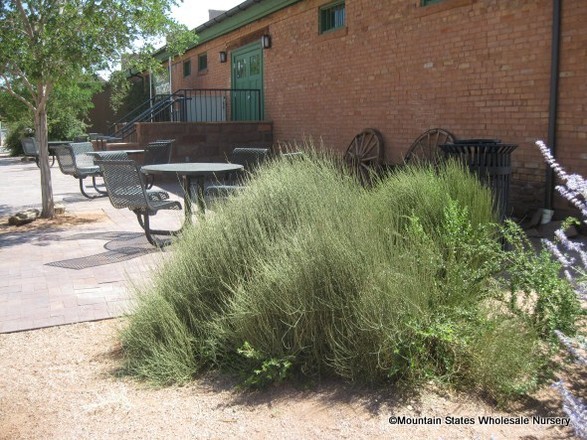
Ephedra is a lovely landscape shrub, but not one for you if you want a plant that can be sheared into an abnormal ball shape. Photo courtesy Mountain States Nursery.


For an unusual herb in your landscape, why not try a unique desert-adapted shrub that was around before dinosaurs roamed the earth — Ephedra.  In fact, there is some evidence that dinosaurs fed on this unusual herb, and it has lived on while the dinosaurs are gone.  You gotta respect a history like that.  Human history with this herb is also extensive, well over 5000 years.  As with many long used herbs, the common name and scientific name are the same, Ephedra.  In the Southwest, ephedra is also known as Mormon tea or joint fir.


Ephedra_trifurca_by_Derrick Coetzee

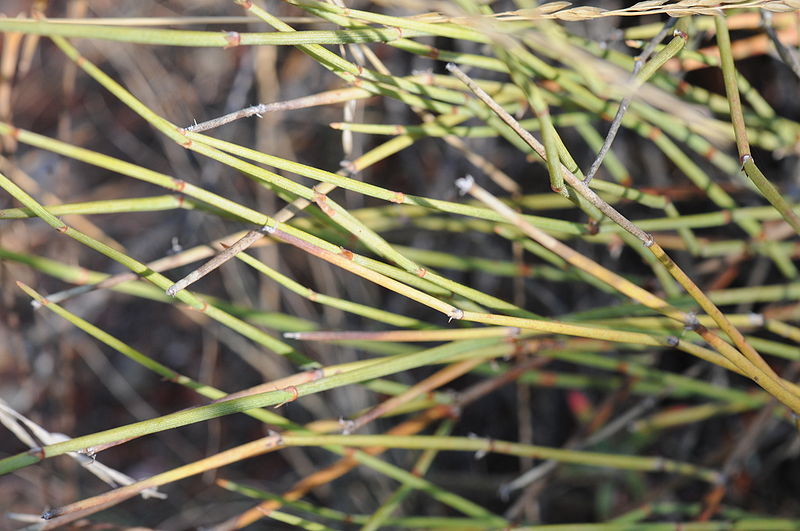
Ephedra trifurca is the species most common in the Tucson area. Photo by D. Coetzee


The ephedra around Tucson, Ephedra trifurca, is ideal for the full sun landscape featuring native plants.  Its leafless olive green branches reach skyward with a dichotomous branching pattern that is a joy to trace with your eye.  Ephedra is a low-water plant, and does best in a well-drained soil.

Ephedra Graham Co IMG_2764

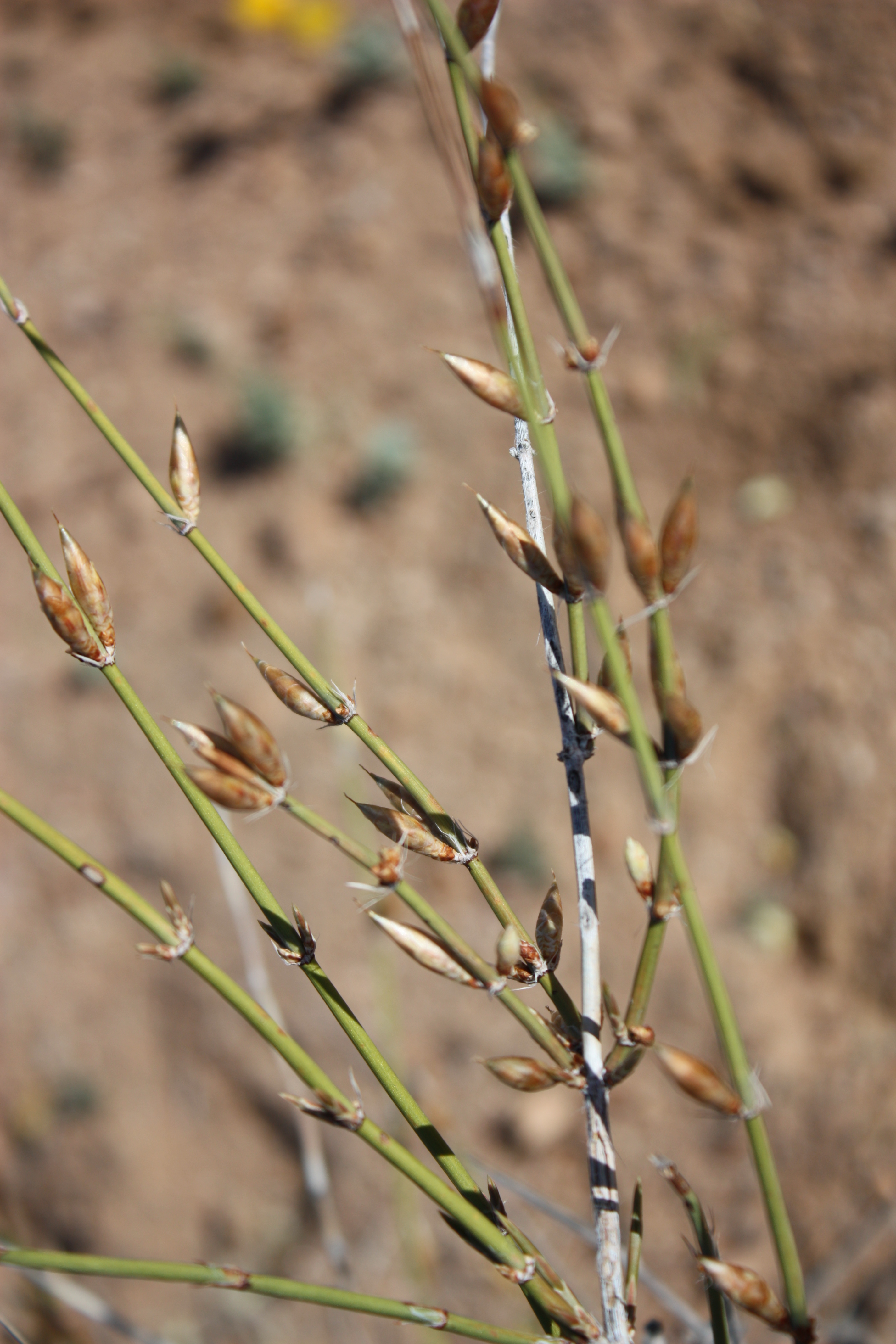
Ephedra is a “dinosaur plant.” Rather than flowers, it produces cone-like structures that protect the tiny plant embryos. Timing has to be just right to get them to germinate. Or they can be toasted and eaten, as native peoples did.


Ephedra is very easy to grow, but tough to get started.  If you find some in a nursery, be very careful to transplant it with the root ball intact.  You can try it from cuttings, and I have had the best success with young wood cuttings taken after the first monsoon rain has soaked the plant.  You can also grow it from “seed” (technically cone-like structures, not true seeds).  As soon as the tiny hairs exerted from the cone have dried up, harvest these cones and plant them in a blend of three parts sand to one part potting soil.  Keep evenly moist for three months and you should see results.

ephedra_trifurca_dried_JAS_004

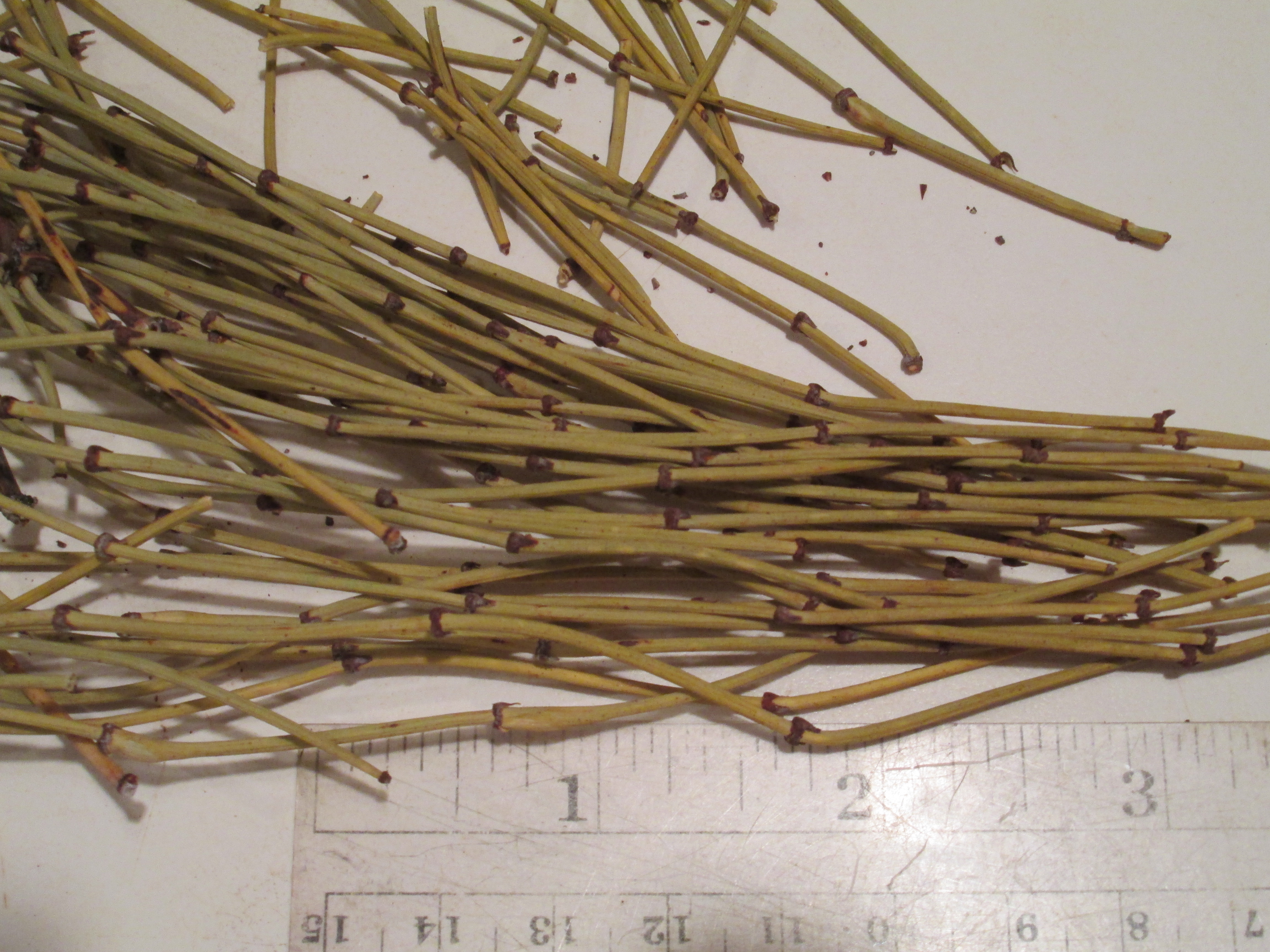
Dried ephedra, and all your dried herbs, should be used within the year, before their phytochemicals degrade.


If you wish to avoid coffee or Chinese tea because of the very “ungreen” way these products are grown, harvested, and shipped, ephedra tea can serve as a morning beverage.  Steep a tea using one heaping teaspoon of finely broken dried branches per cup of water.  This makes a brew similar to green tea in intensity of flavor.   Harvest and dry your own ephedra in early spring.  Just remember that moderation is key.  Another use is to finely grind ephedra twigs and use in an exfoliating skin wash.  The plant is relatively high in silica, a compound used to make glass.

Ephedra Graham Co IMG_2761

Plants like ephedra protect themselves from being eaten by creating phytochemicals that can be useful in moderation. Photo by J. A. Soule


The active compounds in ephedra include ephedrine, pseudoephedrine, and phenylpropanolamine.  These compounds are used today in clinical settings, including in local anesthetics and surgical vasoconstrictors.  A number of drugs contain pseudoephedrine, including flu, allergy and cold remedies.  You have to sign for these drugs now because pseudoephedrine can be converted into methamphetamine.  In the last days of World War II, many of the Japanese Kamikaze pilots were given injections of a highly refined and potent ephedra extract just prior to their final flights.  The excessive dose mimicked the effects of methamphetamine, including, in some cases, death by stroke or heart attack.

Known locally as Mormon tea, ephedra has long been used as a morning “pick me up” by Mormons and gentiles alike who wish to avoid caffeine.  In The Consumer’s Guide to Herbal Medicine (1999), Steven B. Karch, M.D., evaluates Ephedra along with 67 other medicinal herbs.  He mentions that ephedra is used to treat asthma, bronchospasm, and colds.  “. . . [ephedra affects] . . . the heart and lungs, causing bronchial dilation, and the blood vessels in the nose to shrink.  [It] also exerts influence on the central nervous system.  In very large doses, five to ten times the amounts found in most food supplements, ephedrine produces effects very much like methamphetamine.  Ephedrine, like methamphetamine, [can affect] the heart and blood vessels, leading to stroke and heart attacks.”

Ephedra-nevadensis-cones_by_ Joe Decruyenaere

The cones of ephedra have historically been used as food by peoples around the globe where ephedra occurs.

Note: the information in this article is for your reference, and is not intended to be used as a substitute for qualified medical attention.

Jacqueline Soule has a number of lectures on native herbs this spring at various Pima County Public Library locations.  Ask at your local library or check the events listing on the library website (http://www.library.pima.gov/calendar/).  As well as writing and speaking about plants, Jacqueline works as a garden coach – making house calls to help you with your plants or landscape design. More information at http://www.gardeningwithsoule.com/

Post Script. (P.S.):  for the stamp-lovers out there, here is ephedra celebrated on a stamp from Moldavia.  ephedra_Stamp_of_Moldova

Wondrous Weeds!

Tia Marta here to share ideas about our new neighbors—the weedy greens popping up all around us.  With those fall rains we had here in the low desert, there is a bloomin’ haze of green on the desert floor– not what you’d call a florid show—but wait—what is happening where November’s mud-puddles were collecting?  That may be real food lurking in your own backyard!  Now is prime time to take advantage of spontaneous tender mercies and phytonutrients.  Interesting tastes await us, to spice up our salads and bedeck our burritos.

"Wild arugula” or London rocket (Sisymbrium irio) provides zesty greens, flower garnish, and later, mustard seeds when mature. (MABurgess photo)

“Wild arugula” or London rocket (Sisymbrium irio) provides zesty greens, flower garnish, and later, mustard seeds when mature. (MABurgess photo)

London rocket (read “wild arugula”) is everywhere, its greenery literally growing before our eyes in every low swale, rocky hillside, every ditch where water has run.  Sisymbrium irio is an introduced weed which we can enjoy with impunity—the more we eat of them the more we are removing competition for our beloved native plants.  So harvest away!  (A good rule of thumb is to collect at least 50’ from a road.  No need to ingest road dust and pollutants when there is so much to be found in friendly yards or out in the des.)

Prepare for a picante treat, sometimes a picante bite, from these wild mustards.  Toss a few wild arugula leaves with baby greens, or in a BLT to liven it up.  Try them steamed with your favorite garden greens or added to stir-fry.

Hot February weather is telling our wild mustards, “Summer’s coming.  Better go ahead and bloom fast!”  Already we see tiny 4-petaled yellow flowers rising from the rosettes of deeply lobed leaves.  Small erect spikelets of seedpods (called siliques) stand out from the central stem.  Whole flower heads with seedpods are edible, and zingingly picante.  Sooner than we think, seedheads will mature and you can harvest their tiny mustard seeds for dressings or salad sprinkles.

This year, if you spy Lesquerella gordoni (bladderpod), it will stand out like little yellow stars on the bare ground. (MABurgess photo)

This year, if you spy Lesquerella gordoni (bladderpod), it will stand out like little yellow stars on the bare ground. (MABurgess photo)

In some wet winters, a different native mustard known as bladderpod has made carpets of lemon-yellow flowers on the desert floor.  No such show this year.  Should you find a patch of blooming bladderpod, try a taste of its petals.  Their nice nip will add vivid color, nutrition, and excitement to any salad, garni, or burrito topping.

Better known as tumbleweed, Russian thistle (Salsola kali) is best harvested in this tender stage—and every rancher will thank you for your service! (MABurgess photo)

Better known as tumbleweed, Russian thistle (Salsola kali) is best harvested in this tender stage—and every rancher will thank you for your service! (MABurgess photo)

The most ubiquitous of weeds is the introduced Russian thistle which no one seems to notice until it dries, dislodges, tumbles across the road on a crosswind, and stacks up next to a fence or obstacle.  So now, while it is in its infancy, go out to that windbreak and find its progeny!  Have no compunction about snipping it at ground level while it is only inches high, young, and tender—before sharp stems develop making it unpalatable to humanoids.  You will be amazed at what it adds, snipped in short pieces fresh in a salad, steamed with butter and pepper, or stir-fried with other veggies.

Our many species of saltbush (Atriplex spp.) are tender and ready for picking in late winter into spring. (MABurgess photo)

Our many species of saltbush (Atriplex spp.) are tender and ready for picking in late winter into spring. (MABurgess photo)

Find saltbush's gray greenery along the Santa Cruz floodplain--or plant it in your yard for wildlife habitat. (MABurgess photo)

Find saltbush’s gray greenery along the Santa Cruz floodplain–or plant it in your yard for wildlife habitat. (MABurgess photo)

Now is saltbush’s time to shine—in landscaping and in cuisine.  Here in Baja Arizona there are many species of Atriplex, and all are edible.  These tough shrubs are desert survivors for sure.  They tend to grow in “waste places” where hardly any other plants can make it.  The name saltbush indicates its habitat, where soil is salty,heavy, or full of caliche.  Quail and other creatures find refuge and forage in the dense shrubs.  If you want to attract birds into your yard, go to Desert Survivors Nursery, Tucson, and buy any saltbush to plant—then stand back.  We humans can join in the saltbush foraging guiltlessly, as saltbush is plentiful and our harvesting may even stimulate re- growth.

Nearly every Native nation in the Southwest has a tradition of using saltbush in multiple ways.   When its stiff salty leaves are youthful they can be picked for cooking with other greens, the style of traditional Akimel O’odham, the River Pima.  My Tohono O’odham teacher Juanita would steam saltbush with cholla buds, and told me how “the old people would roast their cholla buds in layered beds of ontk i:wagi [salt spinach].”  Hopi cooks make a kind of baking powder out of pulverized saltbush foliage.

Try young saltbush leaves cooked with heirloom cannelini beans or cranberry beans—for a flavorful variation on beans-and-greens.  You’ll find that the salts which the plants have sequestered from the soil will add a delicious desert flavoring.  Move over, Hawaiian sea-salt!  (After saltbushes have flowered, we will “talk seeds”—stay tuned….)

NativeSeeds/SEARCH (www.nativeseeds.org) and Mission Garden (www.tucsonsbirthplace.org) carry seed of a domestic relative of saltbush called “orache” which provides a purple-leafed “green” for a winter veggie garden.

Did you ever contemplate cheeseweed thru the day? (Are you kidding?) Its palmate leaf is a sun-tracker!  I discovered these young Malva neglecta in late afternoon with each leaf bent westerly, cupped, facing the setting sun.(MABurgess photo)

Did you ever contemplate cheeseweed thru the day? (Are you kidding?) Its palmate leaf is a sun-tracker! I discovered these young Malva neglecta in late afternoon with each leaf bent westerly, cupped, facing the setting sun.(MABurgess photo)

Ah, cheeseweed—the “scourge” of gardeners, when it gets established.  Malva or cheeseweed, so called for its cheese-wheel shaped seed pod, is another one of those introduced weeds which tend to follow humans.  Only harvestable when young– get it while you can.  You’ll find it in disturbed flat areas where stock or off-roaders have churned up the natural soil, along fencelines or untended sidewalk margins.  Beware, cheeseweed seems to be sought-after by wandering dogs as a “marker plant” so wash your harvest well.

New Malva foliage can make a nutritious addition to steamed collards, kale, acelgas, or turnip tops; or stir-fried with peppers, onion, and slices of winter squash.  If you want to explore Malva’s medicinal qualities, try the foliage steeped as a tea for soothing tender digestive tract tissue or urinary tract.  It makes a healing topical poultice as well.

Life-giving weeds are all around us, especially now with their ju-ju rising.  Really no one need be hungry here.  We’d all be healthier if we were eating more of these spontaneous gifts brought by Nature and human mobility.  My respect for weeds and knowledge of their goodness outweighs my frustration as I pull them from my garden.  Here’s wishing you happy weed harvesting, a new way of enjoying the pulses of life in the desert!

If you are lucky enough to locate Carolyn Niethammer’s book Tumbleweed Gourmet, Univ. of AZ Press, 1987, grab it!  Find more info about traditional uses of saltbush in Food Plants of the Sonoran Desert by Wendy Hodgson, Univ. of AZ Press, 2001.  Find medicinal uses of Malva neglecta in Medicinal Plants of the Desert and Canyon West, Mus. of NewMexico Press, 1989.  Mission Garden is open on Saturday afternoons for guided tours, and NativeSeeds/SEARCH store at 3061 N Campbell Ave, Tucson, is open daily 10am-5pm.

Visit me, Tia Marta, for more weedy ideas and heirloom beans galore at the Flor de Mayo booth, St Phillips Farmers Market on Sundays 9am-1pm. (www.flordemayoarts.com).

Cracks and Creation: “How the Light Gets In” Tea Eggs

Cracks and Creation: “How the Light Gets In Tea Eggs”

Tia Linda:   Spring seems to be arriving early in the desert, again, this year and egg laying is increasing significantly among my birds.  It is less a function of temperature than it is the increase in light to the pituitary glad that increases egg laying. And my hens are broody,  feeling strongly the impulse to sit upon and incubate eggs.  Broodiness is a trait to be cherished in your birds. This is a great time of year (here in the Southwest) for the poultry aficionado to begin preparing for a new batch of chicks. In fact, it is not too early to have a eggs under a hen or in your incubator already.

Image

For me, eggs have properties that go beyond being beautiful and nutritious.  I feel more whole when I am collecting eggs; more in touch with Cycles.  Aesthetically, they arrive in surprising varieties of oval shapes, sizes and colors. Nutritionally, they are chock full of minerals, are good for eyesight, and are a great source of (affordable) protein.  In Michael Pollan’s book COOKED, he cites research from 2011, that states “ninety percent of a cooked egg is digested, where as only 65 percent of a raw egg” (Page 61n).   Whether or not you are raising chicks, today’s recipe is a fun way to cook your eggs to get the most nutrition – and beauty-  out of them.

Image

But, before we get to the recipe.

Many cultures across time and space celebrate the egg.  A few (painfully truncated) myths that include the egg show this.

*** The Universe began as an egg and a god (Pangu) born inside the egg broke the egg in two halves – the upper becoming the sky while the lower half became the earth. (Chinese).    ***The concept of the universe as an Egg-shaped Cosmos, arose in Vedic thought. And so in Sanskrit, the term for it is Brahmanda.  “Brahm” meaning ‘Cosmos’ or ‘expanding’ and “Anda” meaning EGG.  In one version, the Golden Womb/Golden Fetus of the universe floated around in emptiness for a time, and them broke in two halves, forming heaven and earth. (Vedic). *** Another myth from Europe reveals the world being created from fragments of an egg laid by a diving duck perched on the knee of Ilmatar, a goddess of the air. (Finnish)

I sense a theme arising here.  Cracks.  And Creation.     They seem to have something to do with one another.

Whether or not your believe myths to be literal or metaphorical, an explanation of mystery or a reflection of the human psyche, is yours to decide. Regardless, we can act as creators within our own pots and kitchens, and enjoy where the cracks take us.  In our lives, “the cracks” are often involuntary and unasked for.  Often, it is only later that we realize that it is these very cracks that allow some needed shift or change to occur.

With this recipe we can actively crack some shells.  Let in some flavor.  Some color. Create some beauty, all while being nourished.

The Recipe:

Put 8-10 eggs in a pot and begin to hard boil them.

While you are doing this, begin making a tea/spice bath for the eggs to go into after boiling. I use a handful of whatever tea I particularly like at the moment (or 3-4 teabags if you prefer). Lately I have been using black tea, but have also experimented with oolong and green teas. Experimentation is the key, and you, being the creator, can shift and change your recipe as you like. To the tea, I add about three tablespoons of Chinese Five Spice.  This is the basic recipe.

To this basic recipe you can add, fresh ginger (chopped) and/or some chile (I use chiltepin).  Whatever spices that want to play on our tongue are the ones to use. Remember you are the creator, and the choice of spices and how you use, is completely up to you.

Image

When the eggs are just boiled, cool them enough to handle them, and crack the shells.      (above)

Image

The tea and spice mixture, dry.

Image

Place the tea and spice mixture in another pot, and add enough water to just cover the cracked eggs.

Image

Simmer the eggs in the spice bath, for a good half an hour. Then turn off the heat, and let them sit for at least another hour. Do not rush this; steeping-time is needed to really absorb the flavor and color. Check the eggs while still in the bath; the membrane right under the shell will have a deeper color than that on the egg itself. (above)

Image

Peel and enjoy both their beauty and flavor.  I included this photo to inspire you, as well as to show that if you peel off chunks of the shell you can create darker patterns (and deeper flavor), as in the egg top left.

These also make a great egg salad, as they impart a great flavor.

If you do not eat them all right away, store the eggs in a glass jar, in the tea bath water (strain out the spices/tea), in the refrigerator.