Desert Lavender

posted by Jacqueline A. Soule

In the days before indoor plumbing, daily showers, and sanitation in general, the clean fresh fragrance of lavender was highly welcome. The name lavender is derived from the Latin “lavare,” meaning to wash. Leaves and flowers have been used for several millennia to do just that, wash. Fragrant baths, hair rinses, to cleanse and treat skin ailments, and, in the past, to help eliminate lice and bedbugs from the household. Tea made from leaves and flowers has been used to treat sleeplessness, restlessness, headache, flatulence, and nervous stomach.
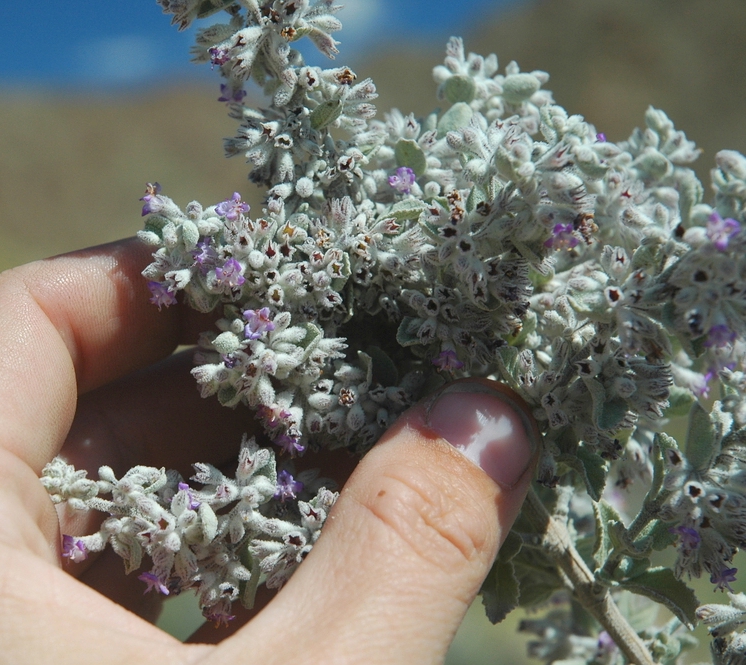
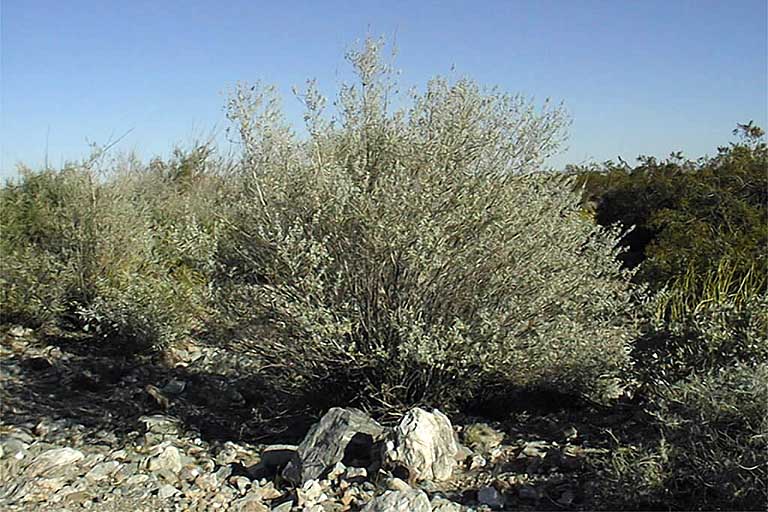
 

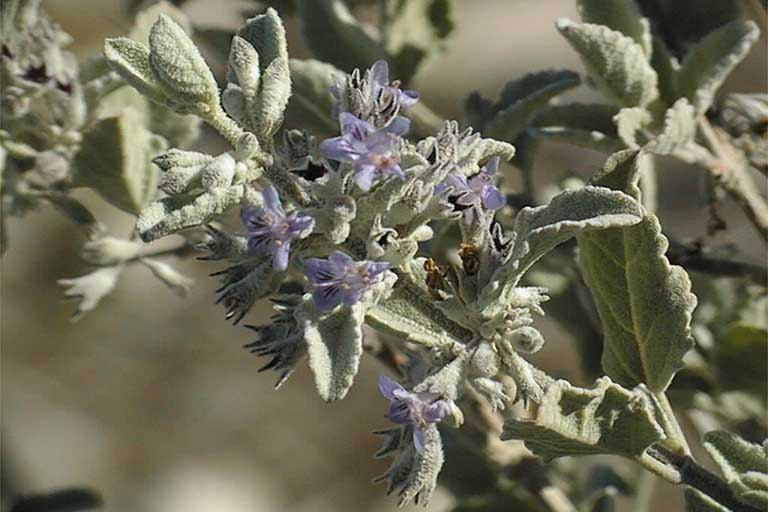
Hyptis_emoryi_flowers_002


Hyptis_emoryi_habit


Imagine the delight the Europeans experienced when first encountering this fragrant desert plant in our area. Here they were, after an arduous sea voyage, months of horseback travel along dusty deer trails, riding into progressively odder lands – strange towering saguaros, bulging barrel cactus, pungent creosote bush – to come across a gentle evocative fragrance of their childhood home, the sweet scent of lavender. Some, like Father Kino, may have seen it as a sign from God that their journey was blessed.
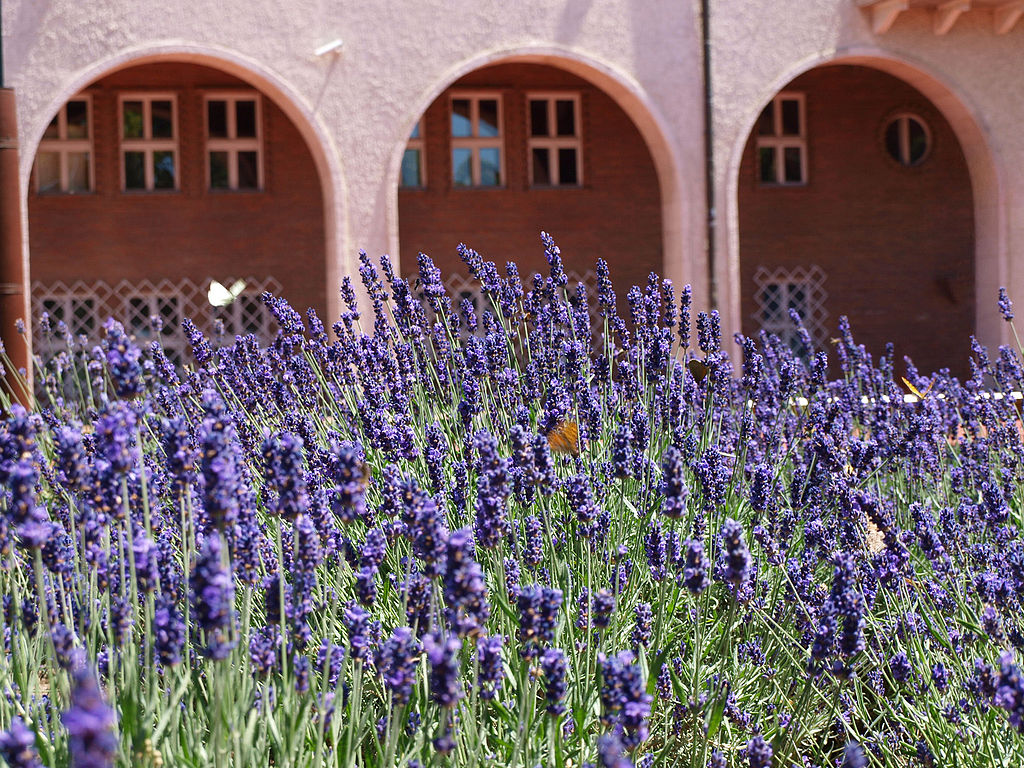
 

lavendula in Hungary


Hyptis_emoryi_flowers_001


Native Seri use a tea of desert lavender (Hyptis emoryi) to help treat a cold. The Franciscans (who came to the area well after Padre Kino) were known to have harvested and used the leaves and flowers in the sick room, to soothe the ill with the fragrance and to bathe fevered foreheads.

Harvesting and Use.
Harvest stalks of desert lavender as the lower-most flowers open. This gives you buds with optimum fragrance. Dry these, like all herbs, out of direct sunlight. I have used desert lavender in all the same external applications European lavender is used for with no observed ill effects. Here are three ways you can use desert lavender.


Herbal sachets can be made with desert lavender.
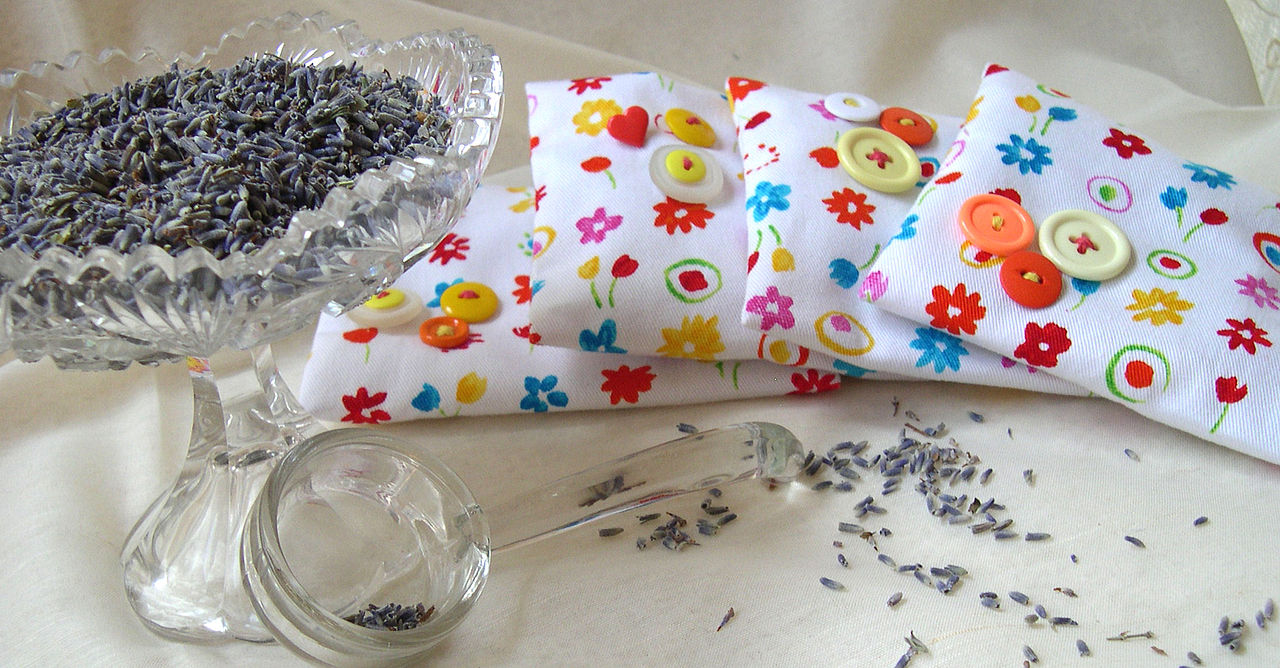
Lavender_Sachets


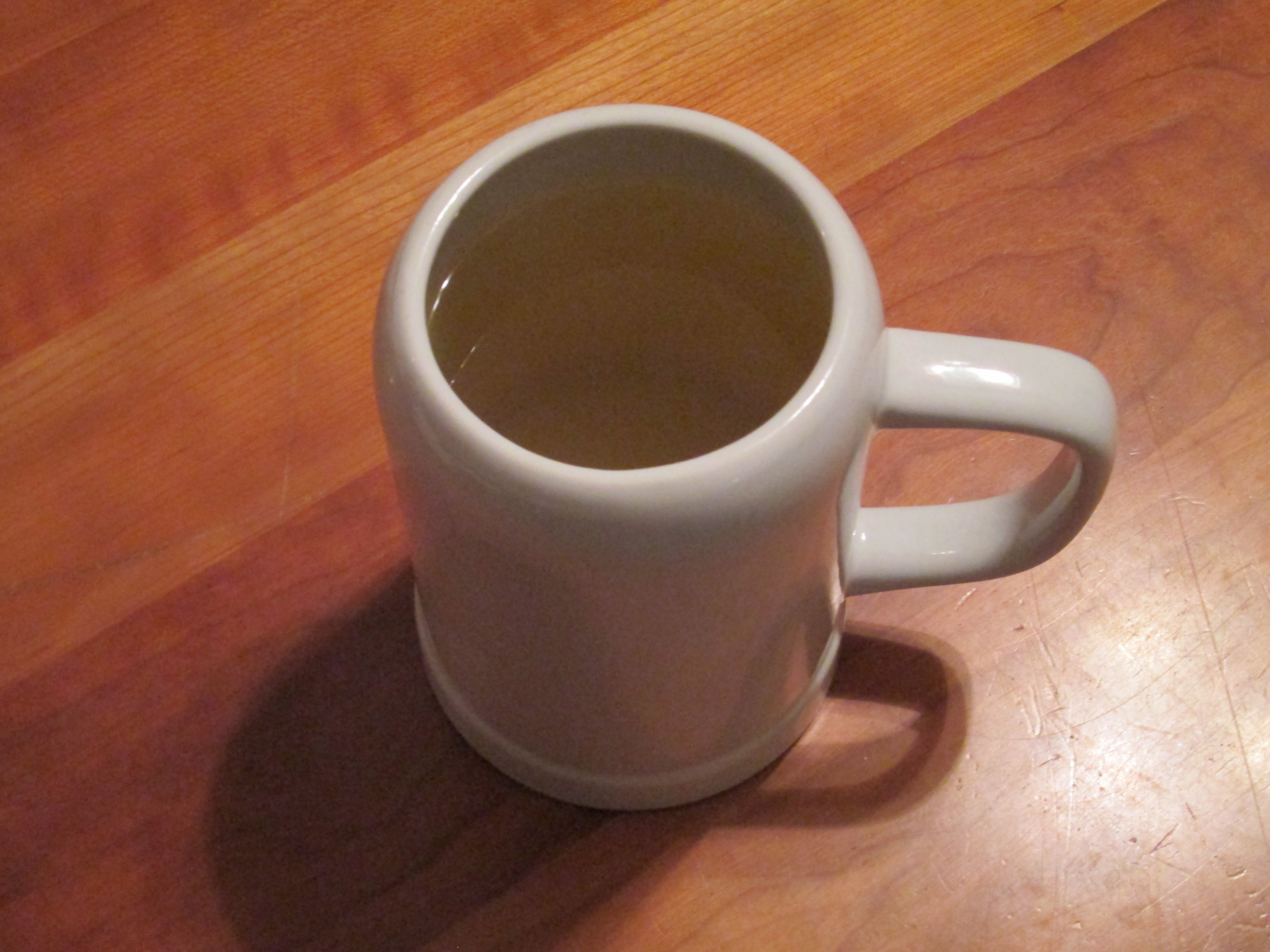
Herbal Tisane
“Tisane” is the general term for a herbal tea not consumed as a medicinal tea.
1 tablespoons dried herbs or 2 tablespoons fresh herbs
1 cup boiling water
Pour boiling water over the herbs and steep for 3 to 5 minutes. Strain. Sweeten to taste. Serve warm or chilled. Serves 1.
herb_tea_JAS_004


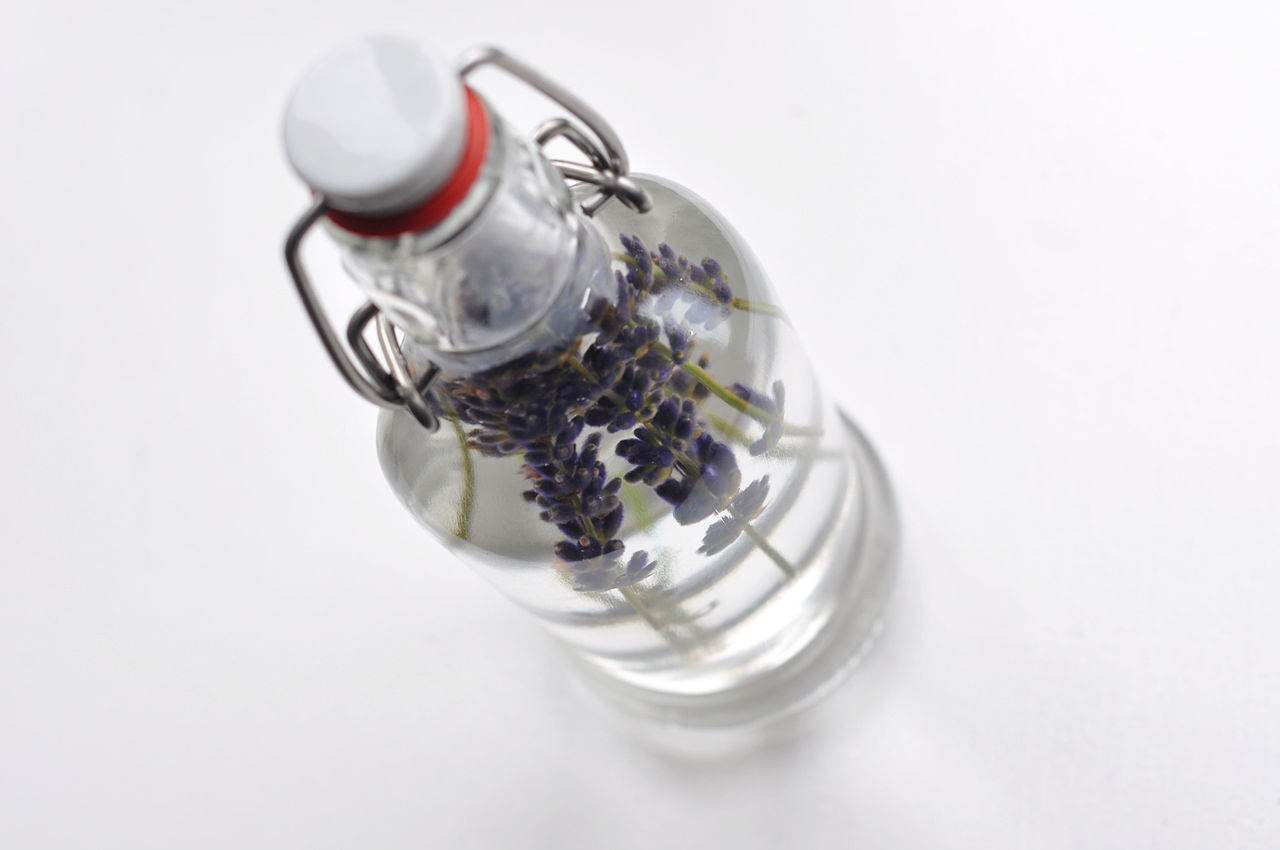
Floral Water
In the Victorian age, floral waters became popular. Floral waters are made by steeping leaves and flowers in water until it becomes fragrant. The water can then be used in tea, pudding, cake, and pastries. There are a number of commercially available floral waters, such as rose water and orange water (made with orange blossoms).
Lavendula in vodkaelsnaps_(4917058844).jp


Herb Syrup
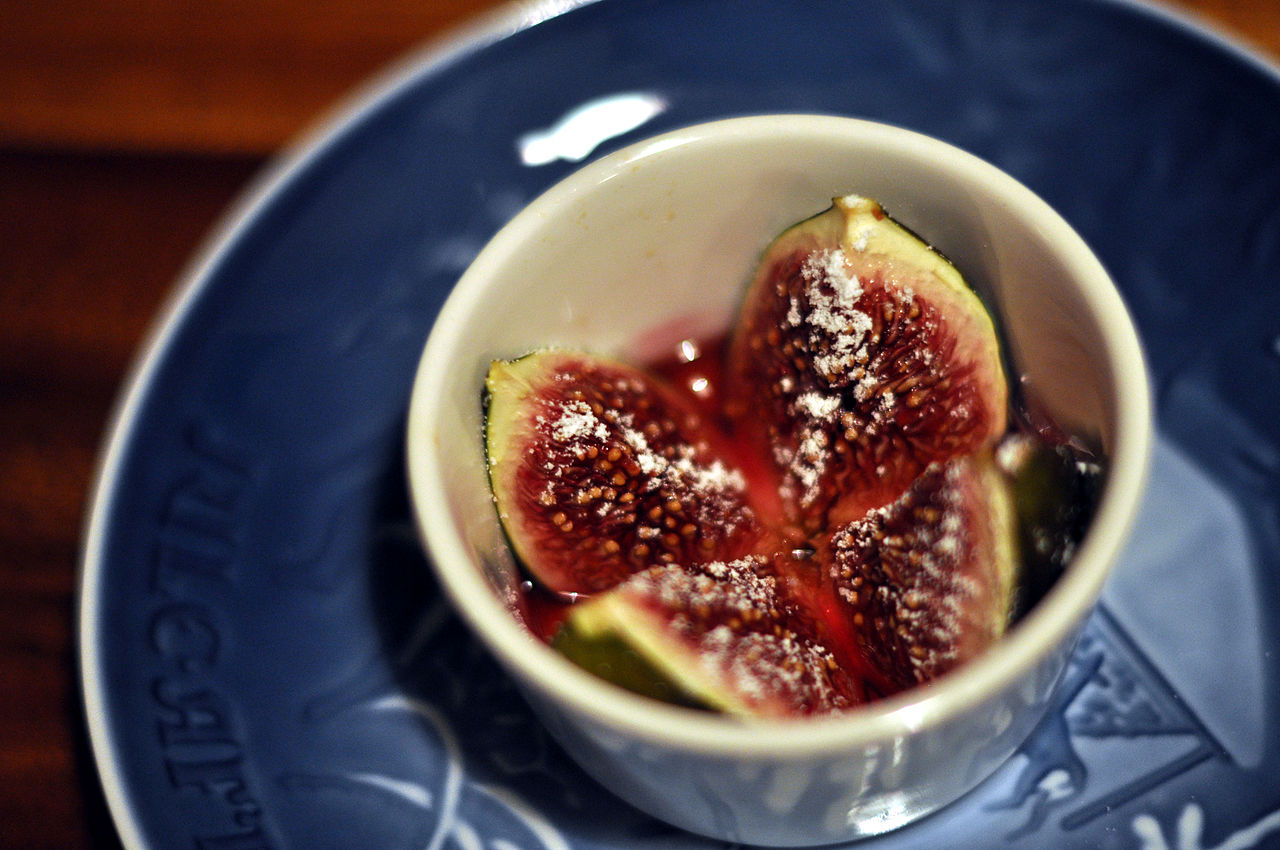
One of the more famous herb syrups is the mint syrup used in making mint juleps. But herb syrups can be used in many other ways, like topping cakes, ice cream, fruit, pancakes, waffles, or as a base in preparing other foods, like sorbet. In general herb syrups can be used to sweeten anything, including tea. Some herb syrups are used medicinally, like elderberry syrup. Desert lavender syrup makes a nice topping over poached pears, fresh figs or perhaps canned fruit for a quick yet elegant dessert.

1 cup water
3 cups sugar
1 cup chopped fresh herbs
or 1/2 cup crumbled dry herbs

Boil all ingredients together for 10 minutes, or until thickened into a syrup. Strain into a clean glass jar. Store in refrigerator for up to two weeks or preserve by canning.
lavendula syrup over figs


Planting and Care of this Sonoran native will be covered on August 17 in my blog on the Native Plants and Wildlife Gardens site.  The Sonoran butterflies that appreciate this shrub will be discussed in my blog on Beautiful  Wildlife Gardens site on August 5.  I will return to this site to post the links, or follow you can the thread on my Facebook page, Gardening With Soule.

Note:   This topic is covered more extensively in my book “Father Kino’s Herbs: Growing and Using Them Today” (2011, Tierra del Sol Press, $15).  If you live in Tucson, I hope you will consider purchasing a copy locally at Antigone Books, Arizona Experience Store, Magic Garden, Mostly Books, or Rillito Nursery.


© 2014, Jacqueline Soule.  All rights reserved. I have received many requests to reprint my work. My policy is that you are free to use a very short excerpt which must give proper credit to the author, and must include a link back to the original post on our site. Please use the contact me if you have any questions. JAS avatar

Marvelous – and Medicinal – Mesquite

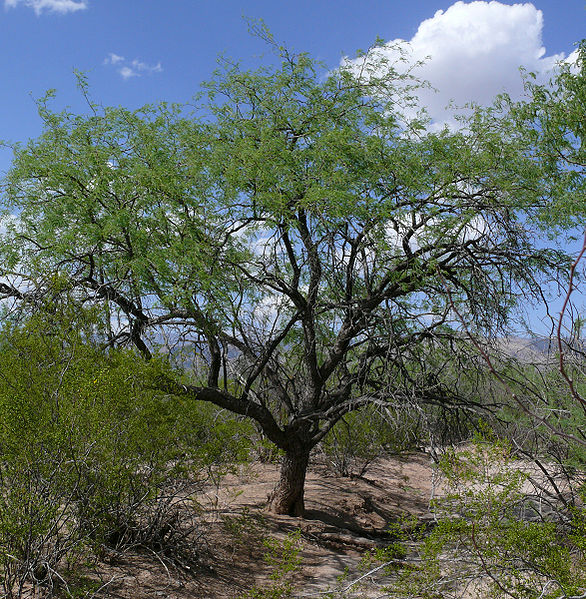
The tall stately velvet mesquite tree (Prosopis velutina) is not what most people think of as a herb! But this graceful tree with durable wood was used as a medicinal herb as well as a source of food, tools, and building materials.


prosopis_velutina_habit_001

The velvet mesquite can grow into a lovely tree especially when given minimal pruning.


Sore throats were treated with a hot tea blend of the clear sap plus inner red bark, while stomach aches were treated with a tea made from the leaves. Toothache was treated by chewing the root. For flagging appetite, a tea made from the leaves was taken before meals. Along with medicinal uses, the bark was used for baskets and fabrics, the wood used for tools, building and firewood, and perhaps most importantly, the pods are a protein-rich food.

.

The clear mesquite sap (usabi in O’odham) is not only edible but a highly palatable treat, eaten right off the tree. It was often collected and saved, sealed in pottery vessels, and fed the ill (children especially) to help bolster flagging appetites.


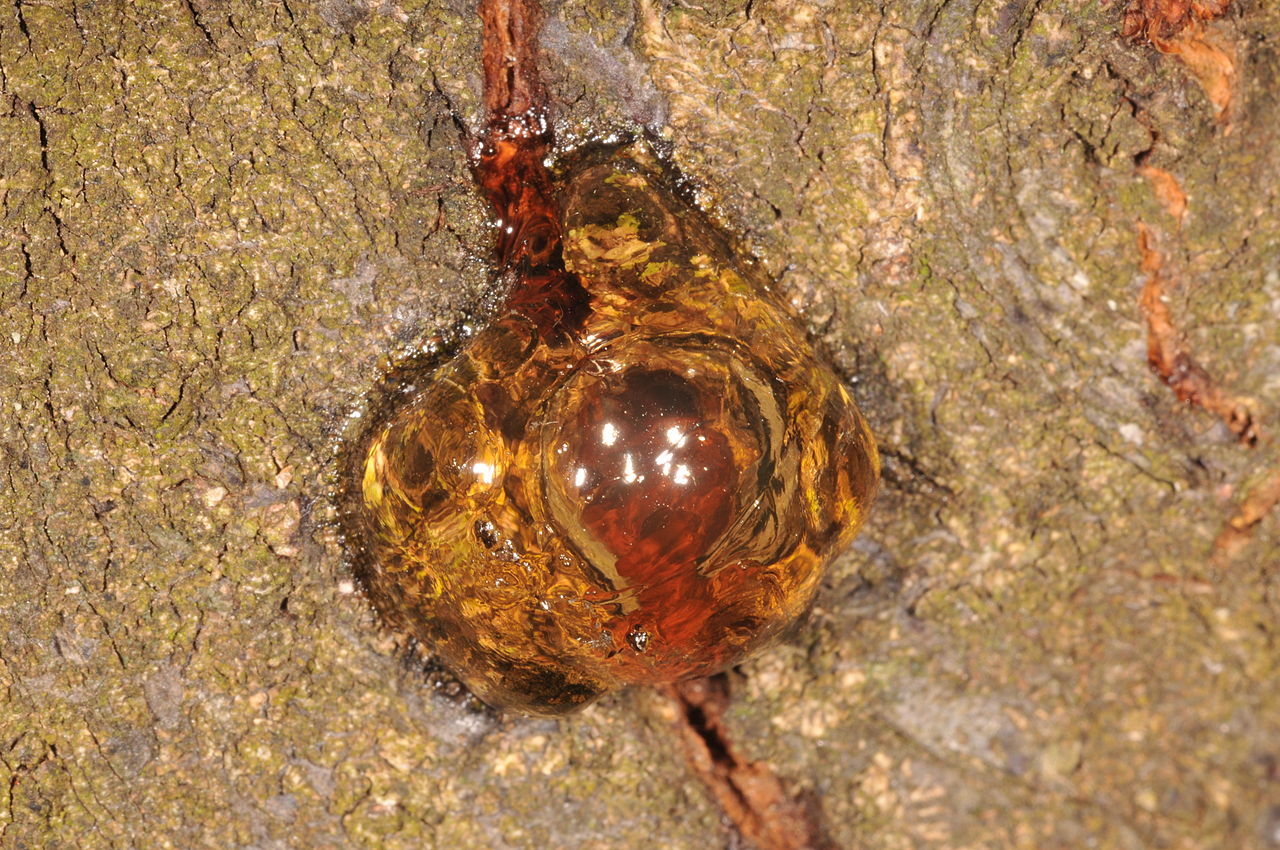
resin by t. bresson

Mesquite trees can produce a clear-ish sap, like this cherry sap, that has a sweet flavor. Photo by T. Bresson.

.

Mesquite seed pods (wihog in O’odham) were an important food source for the natives, and are becoming increasingly important today as research determines how healthful they are for humans. Mesquite pods, and their meal and flour, are considered a “slow release” food due to galactomannin gums which have been found to lower glycemic responses. Their glycemic index is 25 percent, compared to 60 for sweet corn, and 100 for white sugar. I believe some of my “Savor Sisters” will discuss this issue further. Today I am looking at the medicinal uses and how to grow this marvelous plant.

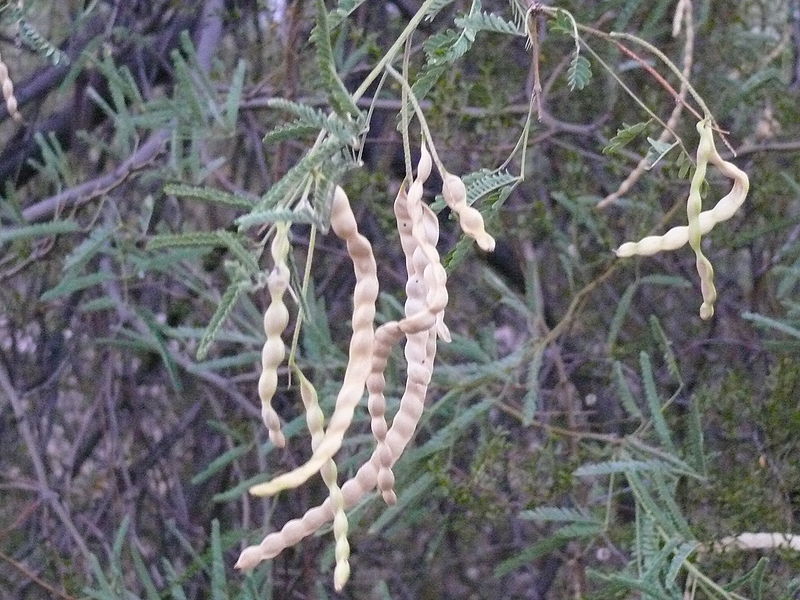
Prosopis_velutina_pods

Mesquite pods fresh off the tree are a tasty treat.

Of vital importance to a select number of folks was the use of mesquite against hair loss. This treatment was used by men only, and consisted of the black sap that oozes from mesquite wounds (not the clear sap) mixed with other secret herbs and applied to the scalp. Mesquite herbal soap for “macho” hair is still available in parts of Mexico..


resin_indet

. The dark sap that oozes from mesquite wood is said to be good against hair loss.

.

Planting and Care.

Our Sonoran Desert native velvet mesquite is slower growing than the grassland mesquite species from Argentina and Chile, but it is a far better choice for a number of reasons. Unlike the non-natives, velvet mesquite is well adapted to our climate, and it feeds the native animals. Leaves serve native butterfly larvae and Gambel’s quail. The pods nourish almost every Sonoran Desert inhabitant, from bunnies and squirrels to coyotes, javalina and humans. The velvet mesquite also has deep tap roots, making it much less likely than the non-natives to blow over in the swirling summer winds that often accompany the monsoon rains.

.

Since all mesquites can cross, it is now difficult to find pure velvet mesquite. If you go far from town you may get a pure species. Harvest a handful of seed pods, then plant them, pods and all, where you want your tree to grow. Water well and stand back. When about twenty little seedlings have several clusters of true leaves, select the one or two with the most velvety blue leaves. Keep watering but do not fertilize. We started a tree this way and in three short years it grew to a sturdy and robust 20 foot tall tree. In the same time frame, mesquite trees we planted from 15 gallon containers were scarcely any taller than when they were planted –about seven feet tall.

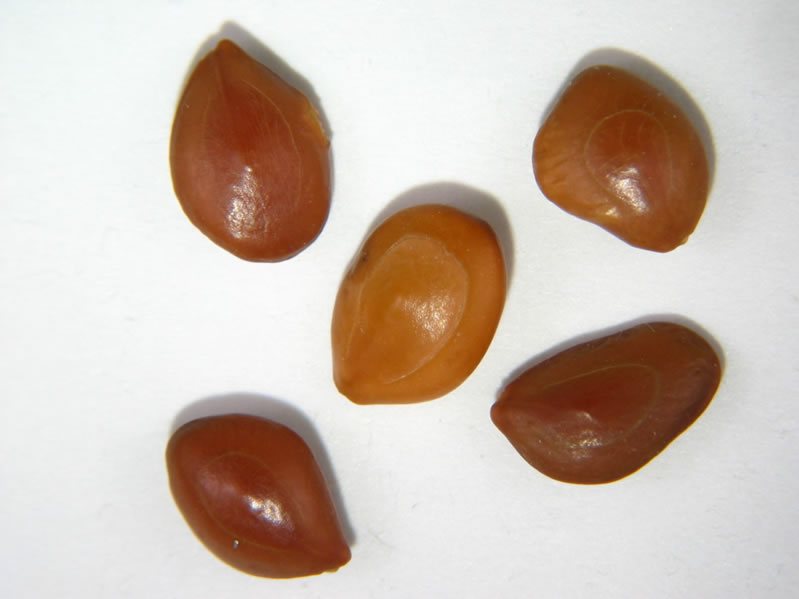
Prosopis_velutina_seeds

No need to remove the seeds from the pod prior to planting. Just put them into the soil, pod and all and keep evenly moist.

.

Mesquite are drought toleratant once they are established, but they grow more quickly and larger with a thorough soaking of root zone once every month or two during the warm months.

.

Do not fertilize mesquite trees or any plant in the pea family. They have a special relationship with bacteria that fix nitrogen out of the soil atmosphere. If you want to encourage more rapid growth of your mesquite, mulch it with an organic mulch, such as the leaves that have dropped off it or composted organic material from a nursery.

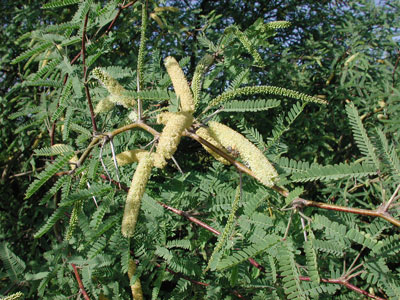
prosopis_velutina by MJ Plagens

Mesquite blooms are many flowers on a single stalk, termed a catkin. Photo by M.J. Plagens.To learn more about the native animals that use mesquite trees, visit my blog this month at: http://nativeplantwildlifegarden.com/vital-velvet-mesquite/

.

To learn more about how native animals use this plant, visit my blog on: http://nativeplantwildlifegarden.com/vital-velvet-mesquite/

.

This article copyright Jacqueline A. Soule, 2014. The topic is covered more extensively in my book “Father Kino’s Herbs: Growing and Using Them Today” (2011, Tierra del Sol Press, $15). If you live in Tucson, I hope you will consider purchasing a copy locally at Antigone Books, Arizona Experience Store, Magic Garden, Mostly Books, or Rillito Nursery.

Wild Greens and Mole Enchiladas

blog1Hello, this is Amy Valdés Schwem, and I’m honored to be here with such esteemed plant and cooking women!

I love harvesting wild greens, but my day job is making mole as Mano Y Metate. Today I’m going to make enchiladas made with Mole Dulce and fill them with wild greens and summer squash. It won’t heat up the house, if you take the toaster oven outside! Enchiladas made with tomato sauce instead of chile are called entomatados, and those made with mole are enmoladas. So the menu can read: Enmoladas de Mole Dulce con Quelites y Calabacitas.

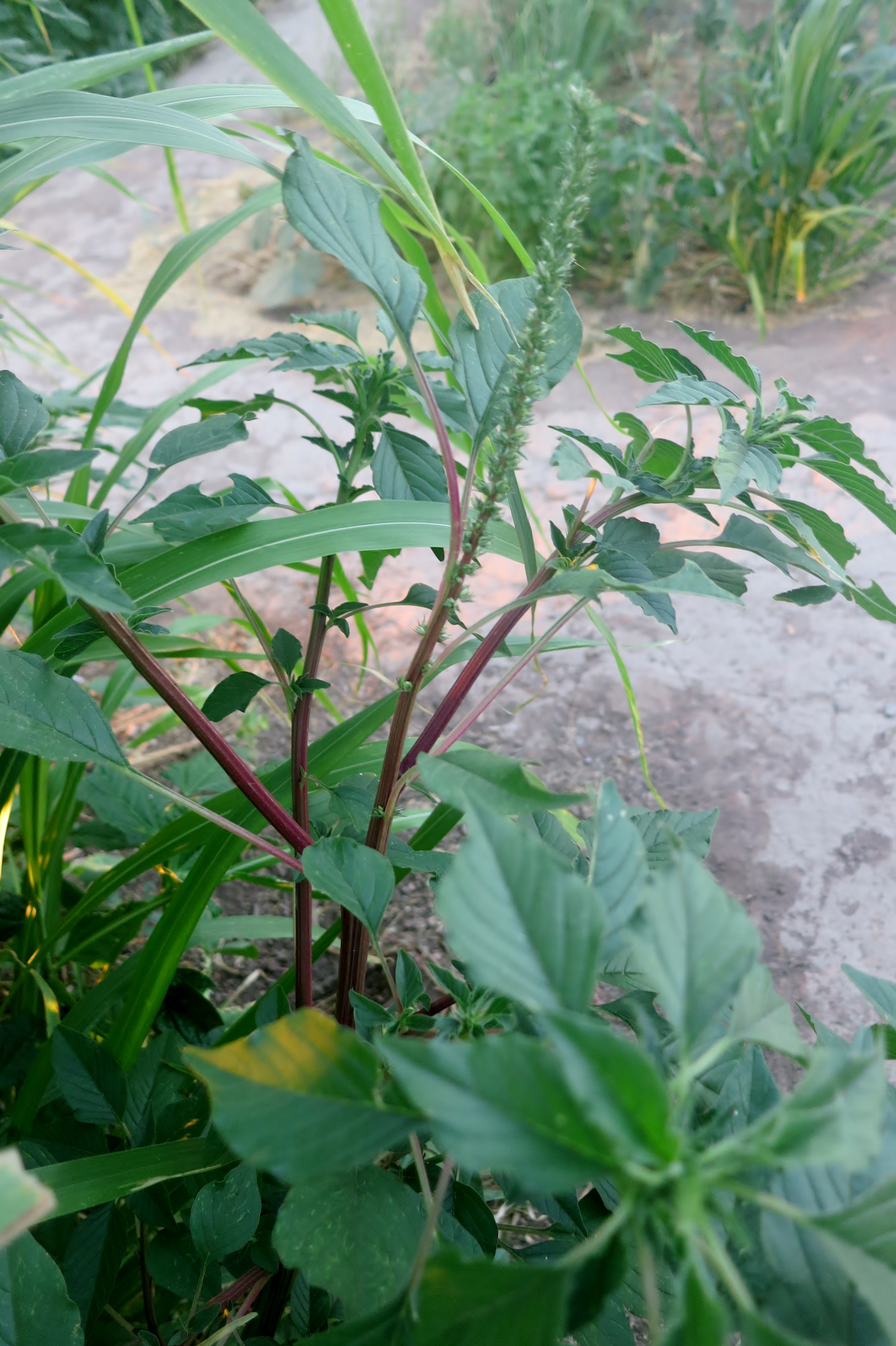
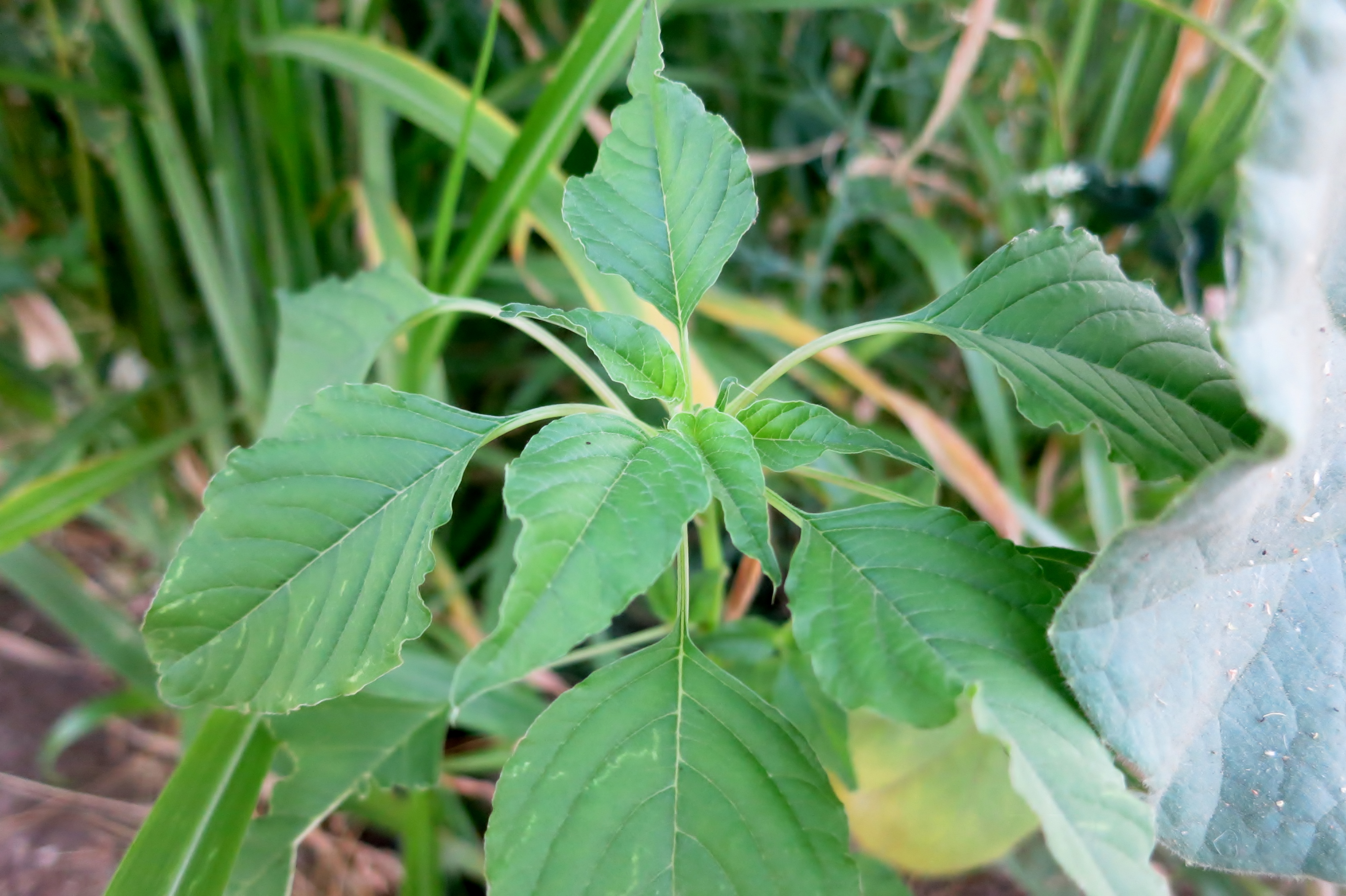
Quelites can refer to several unrelated wild greens, but to me they are wild amaranth greens, Amaranthus palmeri, also known as pigweed.

I grew up eating quelites with my maternal grandfather, and he knew no shame jumping fences to pick weeds. They make a few tiny black seeds, unlike its Mexican domesticated relatives that make enough blond seed to fill bulk bins at the health food store.

It is native to the southwest US and northwest Mexico, and its wild and domesticated relatives are enjoyed around the world both as a green and for its grain-like seed. It easily out-competes summer garden and field crops and is becoming resistant to glyposphate (Roundup). But you wouldn’t want to harvest from those over fertilized fields anyway, since it can absorb too much nitrate, making it unsafe for humans and animals. However, grown in native desert soil, they are safe and nutritious, high in vitamin A, vitamin C, and folate, among other vitamins and valuable minerals.

Some species and cultivars available at Native Seeds/SEARCH are used for dye and have red leaves, and some make a huge red inflorescence pretty enough to grow as an ornamental, even if the birds eat all the seed. I’ve never had much luck popping the seed I grew, but you can buy commercially popped seed, like miniature popped corn.

blog2 blog4

I just visited my closest community garden, Las Milpitas de Cottonwood, and found these beauties in the irrigated beds already in flower. If this was all I had, I would pick the smallest leaves from the stalks and use those.

blog5Hopefully you find quelites before flowering, shorter than a foot tall. I found a few plants in my yard where other things get watered. Many more will sprout with the summer rains.

blog7a


Last year I had so many from my Tucson Community Supported Agriculture share that I dried some, just like my great aunt Tia Lucy told me they used to do. I just plucked leaves from the stems and air dried them in the house. To use, I soaked in water overnight, then sauteed with the others. I’ll dry more this summer, for sure.

blog7b blog8


To prepare the fresh quelites, wash, chop tender stems and all, and saute with a little onion and garlic in oil. My grandfather always used bacon grease, so that’s what I did.

blog6


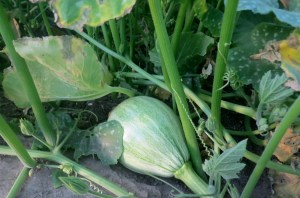
It’s also prime season for calabacitas, so use them if you don’t have any fresh or dried quelites. My grandfather also collected and cooked verdolagas for us, which would work here, too.


blog9a


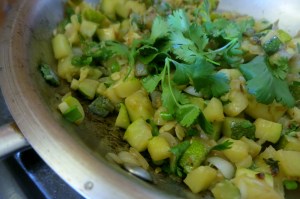
Calabacitas, sauteed with onion and garlic. This filling with mushrooms and queso fresco, inside mole dulce enchiladas, is my brother’s signature dish. Well, one of his signature dishes.


blog9b blog9c


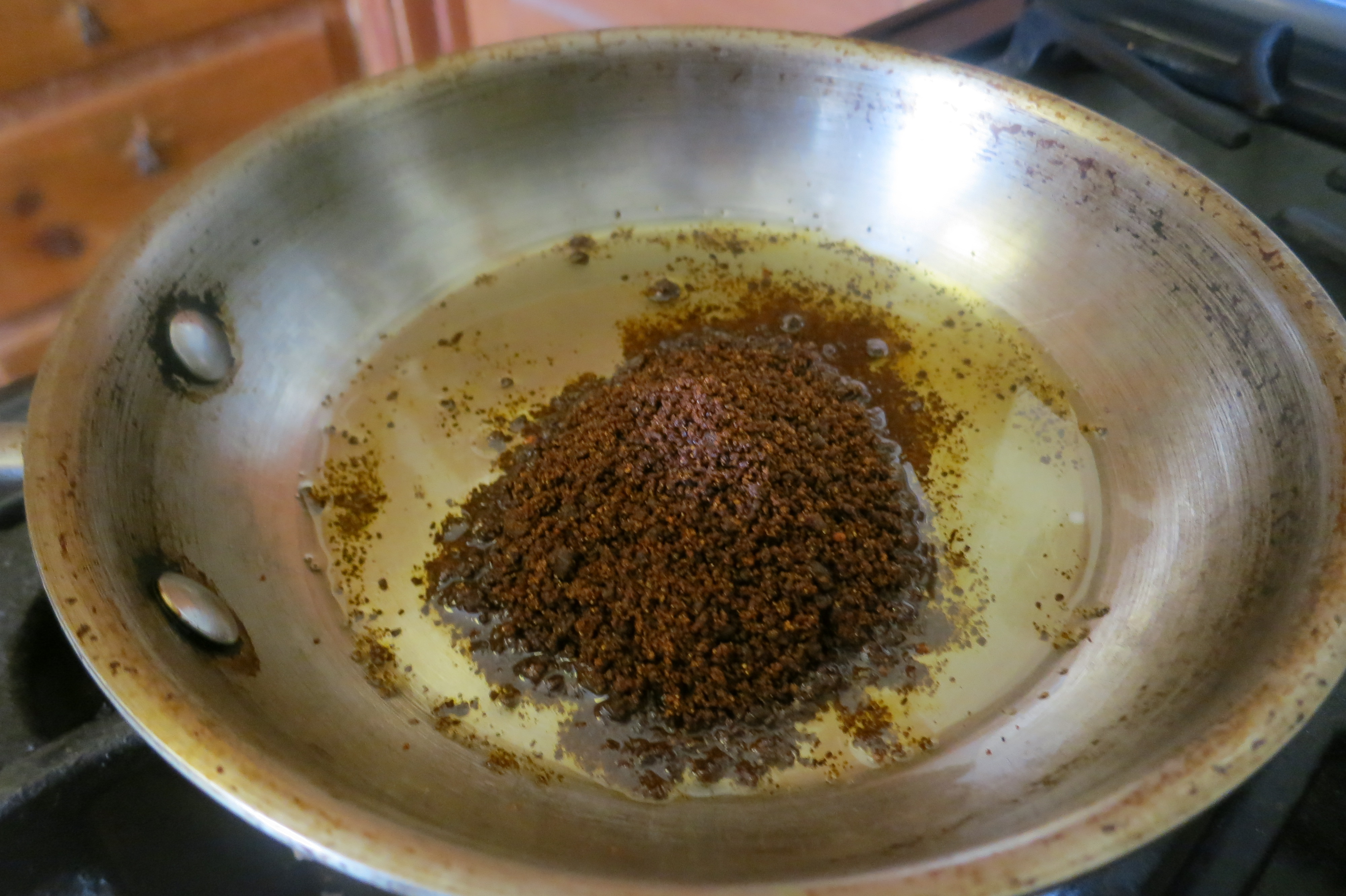
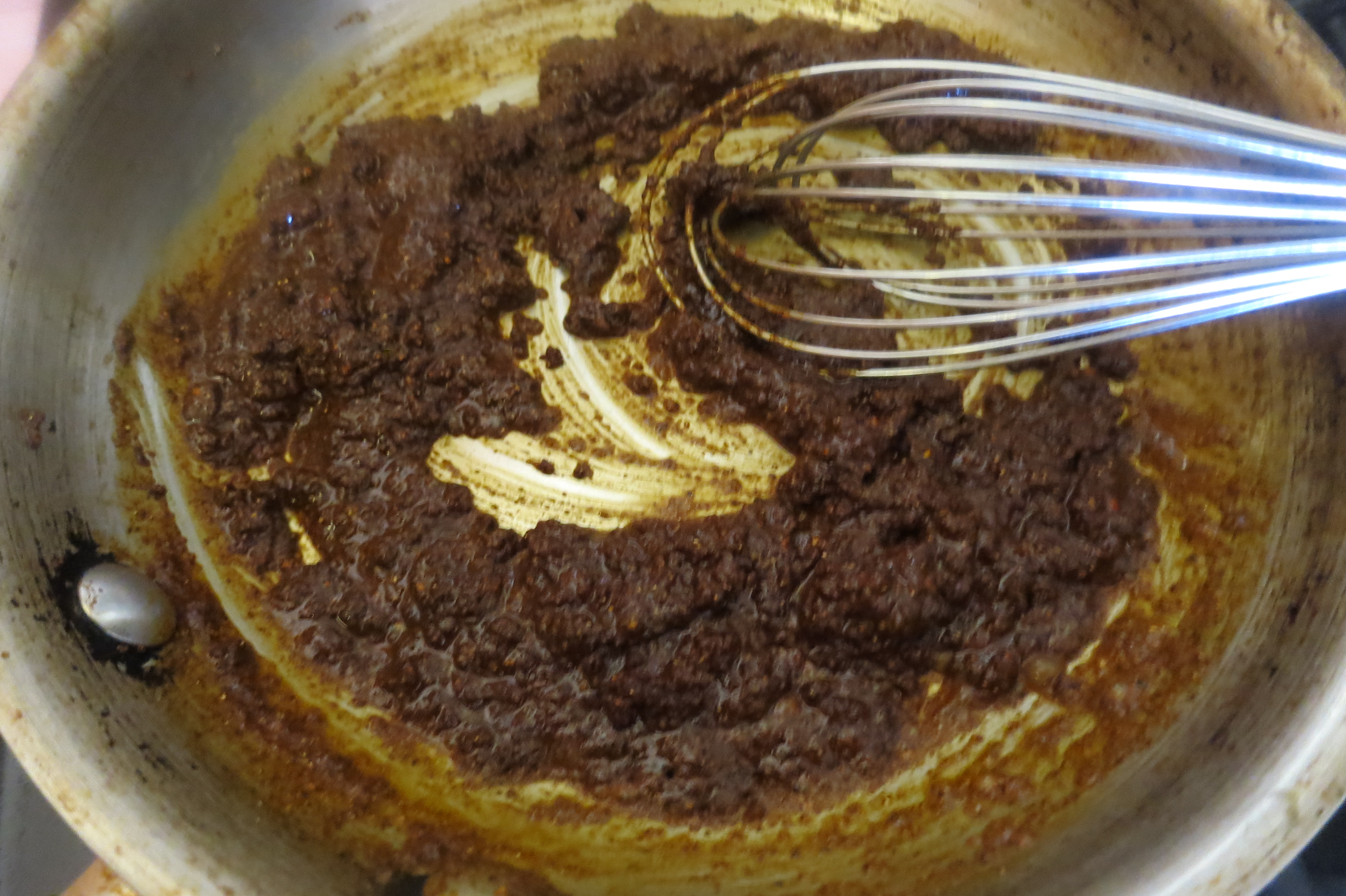
Now for the mole! For a half dozen enchiladas, to serve two people, I used about half of a tin of Mano Y Metate Mole Dulce powder, cooked in mild olive oil to make paste.

blog9d

Then I added about half a cup homemade chicken stock and a dash of salt, but veggie stock is great, too. Water doesn’t quite do it. Simmer until you have a nice sauce, adding more broth as necessary. There will be steam and good smells.


blog9f blog9g


The secret to enchiladas: start with thin corn tortillas and fry briefly in oil hot enough to sizzle, but not hot enough to make them crispy!!! DO NOT skip this step!

If the tortilla cooks too much, or if it breaks, just turn up the heat and make that one into a corn chip.

Dip the flexible tortilla in the mole dulce.

blog9h blog9i


Put quelites or calabacitas in the tortilla and roll.

blog9j blog9l


Top with homemade queso fresco and bake until heated though. My grandfather used the toaster oven outside on the patio in the summer to make enchiladas. No need to heat the house!

Depending on your oven, you may need to cover them with foil, but I didn’t. I like crispy edges. Serve with a cucumber, tomato salad dressed with a squeeze of lime, beans, and prickly pear grapefruit-ade.

Leftovers are best fried in a cast iron pan until crispy.

Mano Y Metate moles can be purchased from Martha Burgess of Flor de Mayo Arts at the Sunday Heirloom Farmers’ Market at St. Philip’s Plaza, Native Seeds/SEARCH, and ManoYMetate.com.


Desert Mistletoe for Food and Fun

Jacqueline Soule here today to discuss a edible “weed.”  Most people associate mistletoe it with kisses and winter holidays. Sad to say, here in the desert southwest, many homeowners think of our local mistletoe as a weed to be eliminated from their trees. In reality, they should be thinking of it as a crop to be harvested!

Phoradendron_californicum_6 by Stan Shebs

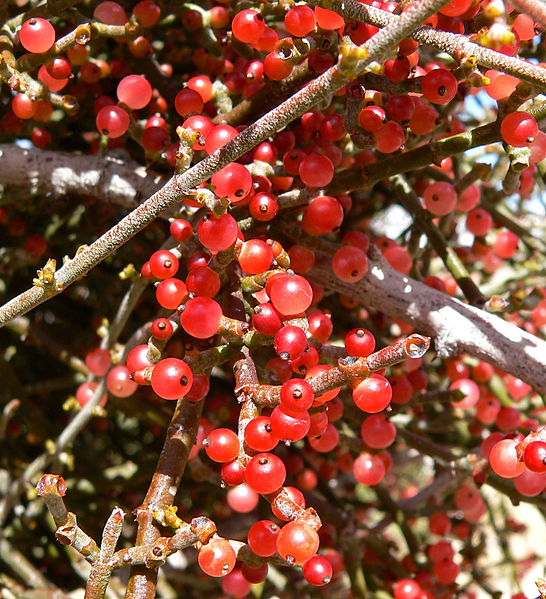
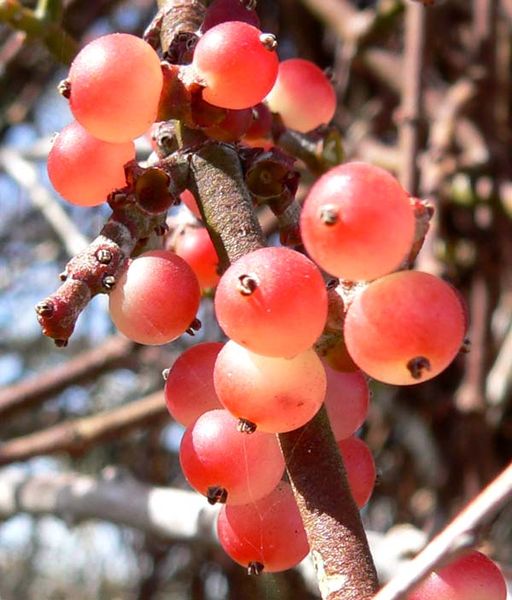
Desert mistletoe fruit is the only mistletoe fruit that is edible. Photo by S. Shebs.


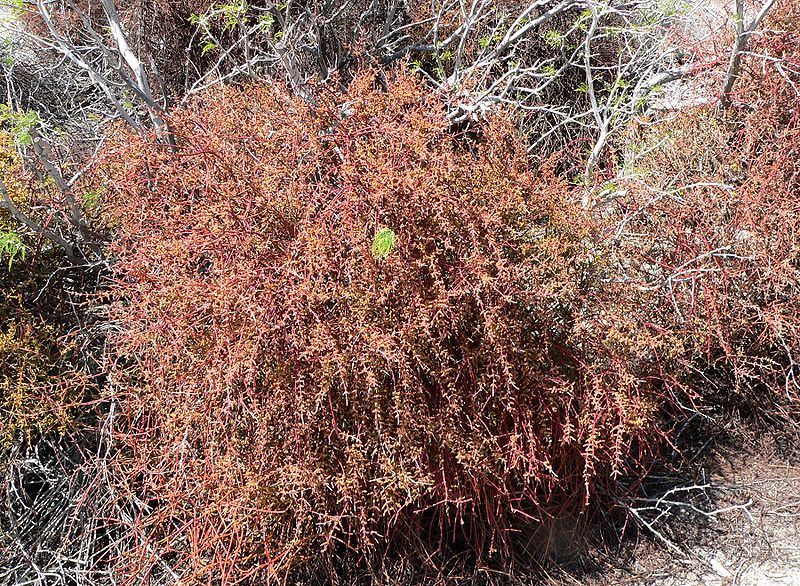
There are many species of mistletoes around the world. The mistletoe plants themselves are all toxic. The berries of most species are toxic. The one exception is our local desert mistletoe, Phoradendron californicum, bearing not only edible but highly palatable white to reddish translucent berries. Native peoples ate only the fruits of mistletoes growing on mesquite, ironwood or catclaw acacia. Found growing on palo verdes or Condalia (desert buckthorn) the fruits are considered inedible.


Phoradendron_californicum_1 by Stan Shebs

Plants of desert mistletoe can become quite large and offer a bountiful harvest of berries. Photo by S. Shebs.


According to literature, the Seri consider mistletoe fruit ripe and harvestable once it turns translucent. Harvest is done by spreading a blanket below the plant and hitting it with sticks to release the fruit. Seri consumed the fruit raw. The Tohono O’odham also consumed the fruit raw. River Pima ate the fruit boiled and mashed, which made it the consistency of a pudding. The Cahilla gathered the fruits November through April and boiled them into a paste with a sprinkle of wood ash added to the pot.  (Bibliography at the end of this article.)

Some desert mistletoe are more red and less translucent.  This is just normal variation within the species.  Photo by S. Shebs.

Some desert mistletoe are more red and less translucent. This is just normal variation within the species. Photo by S. Shebs.


By the way, desert mistletoe plants (not the fruit) contain phoratoxins which can easily lead to death via slowed heart rate, increased blood pressure, convulsions, or cardiac collapse. Some of these compounds can cause hallucinations, but there is no way to judge dosage. People seeking a “high” from mistletoe still turn up in morgues each year. Native peoples used plants other than mistletoe to seek visions, and if one desires visions, one would be wise to follow their example. Although toxic, if used in a well-ventilated place, the foliage of desert mistletoe can be used in crafts and as a dye, producing a pale beige to dark sienna.

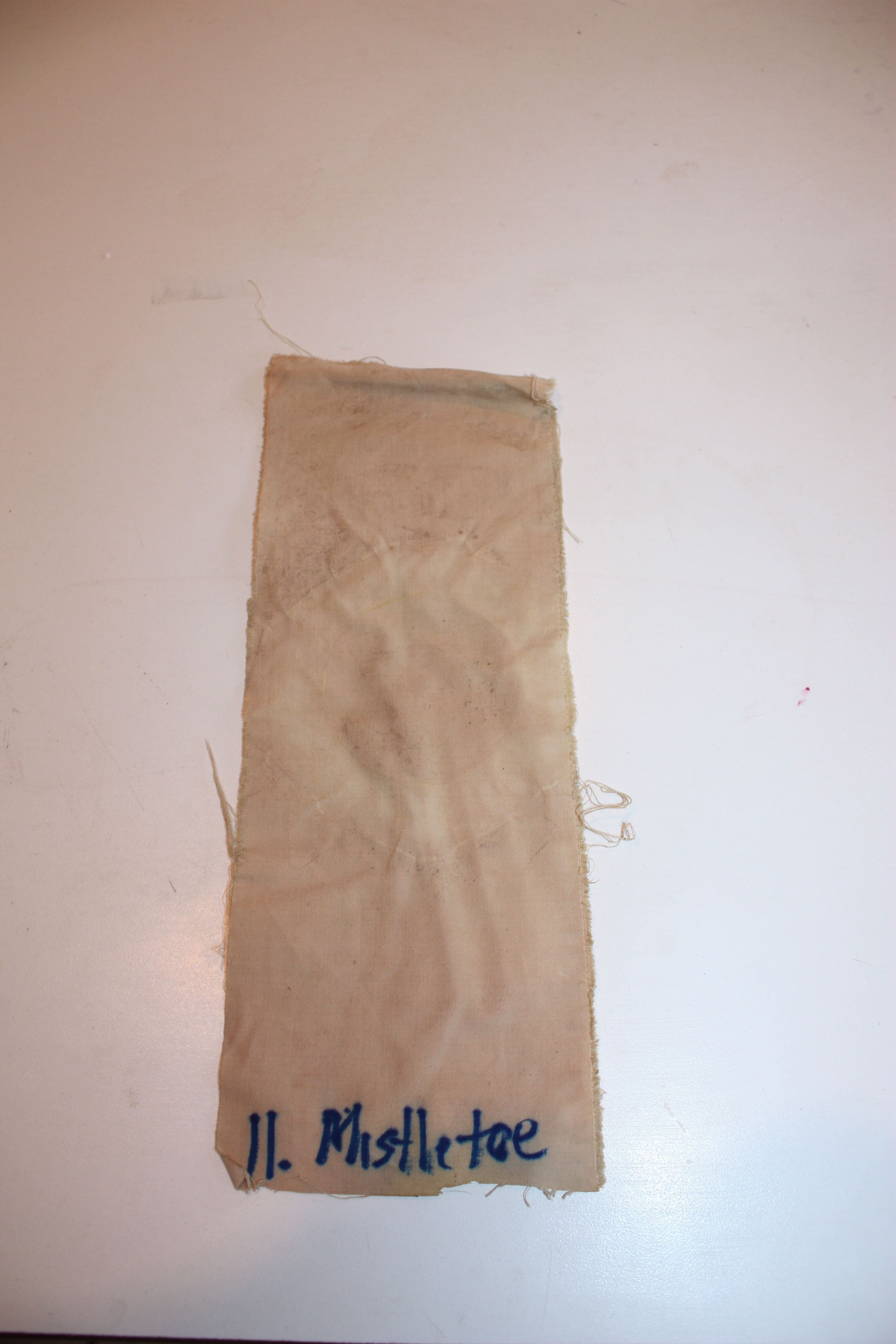
Mistletoe dye on cotton

Mistletoe dye on cotton. Photo by J. A. Soule


Harvesting and Use.

Mistletoe berries are ripe once they turn translucent and you can generally see the red seed inside. They also become soft and squishy, losing their hardness. Watch the phainopeplas, when they start devouring berries, then the fruit is ripe! I have only eaten the berries fresh, and find them reminiscent of elderberry in flavor. I was going to experiment with making a jelly this year, but missed my window of opportunity.

When ripe, the berries turn translucent and fall off the plant easily. Photo by S. Shebs.

When ripe, the berries turn translucent and fall off the plant easily. Photo by S. Shebs.


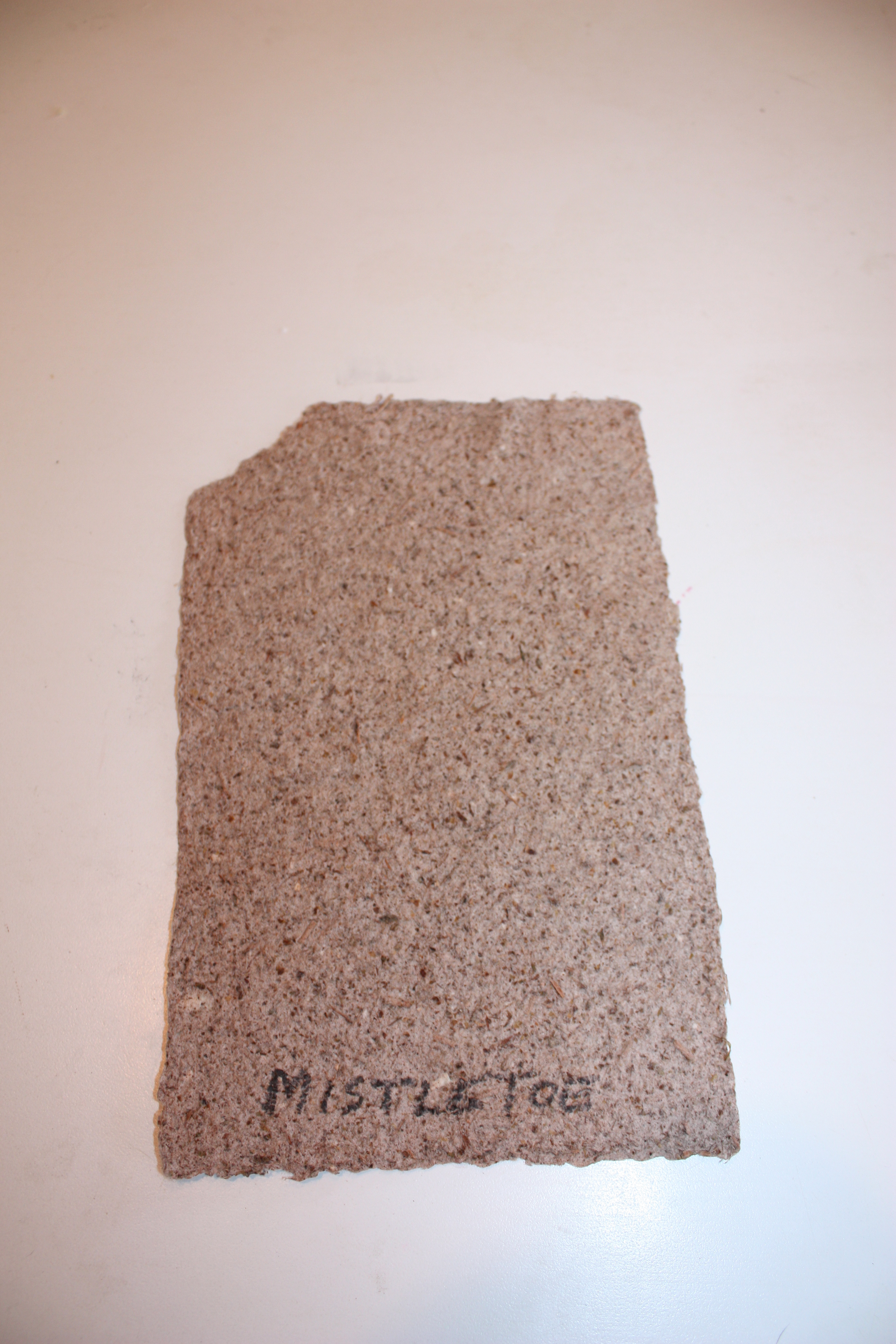
As a dye, mistletoe plants themselves are used. They can be fresh or dried. Place the herbage in the pot, cover with water, bring to a boil, strain. Add an alkalizing agent (ammonia) to intensify the color. You can dye both protein fibers (wool, silk) and plant fibers (cotton) with this solution. Ideally mordant with alum prior to dyeing, but post-mordant baths also work.

paper with desert plants 004

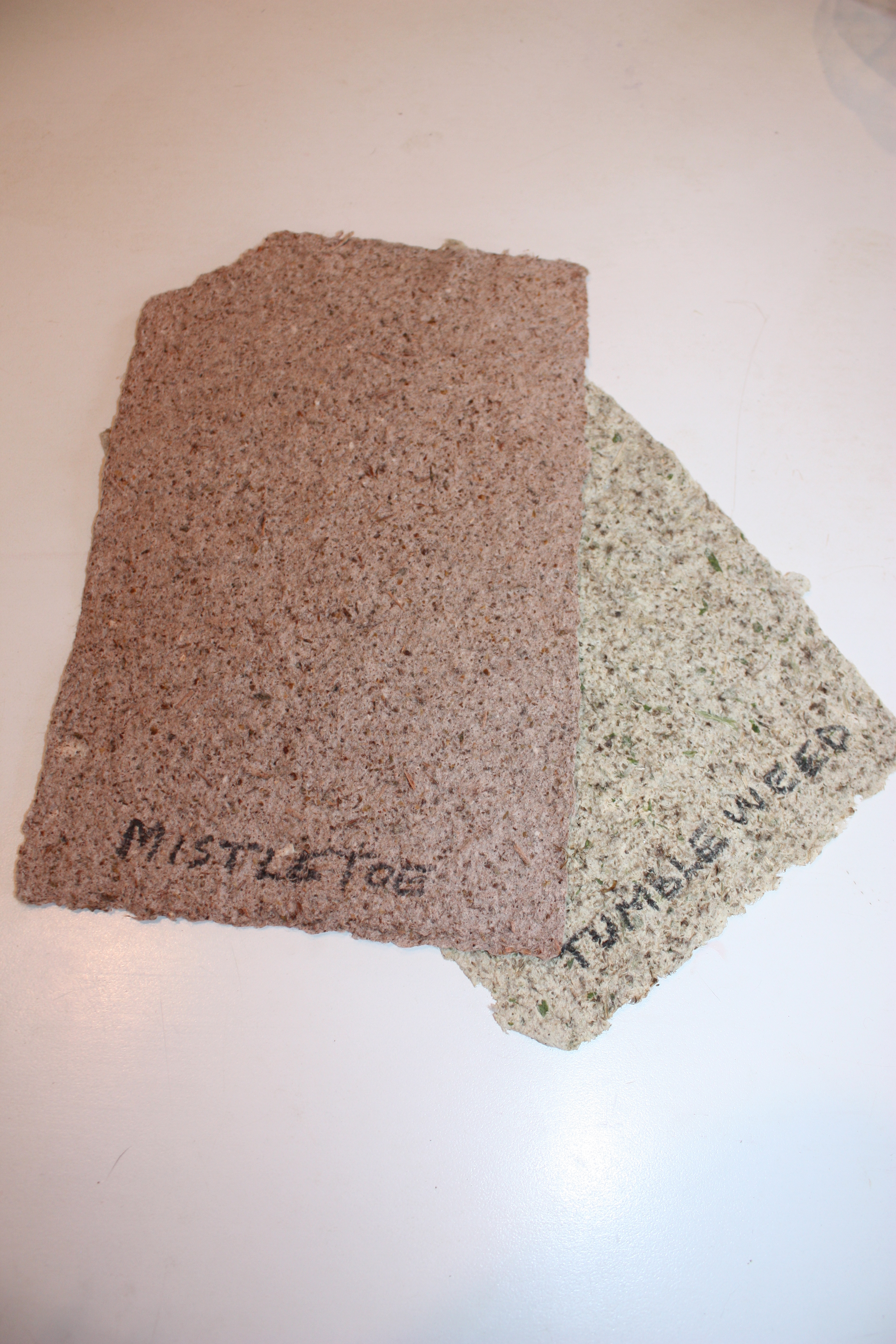
A blend of half paper pulp and half mistletoe plant material yields a nicely textured craft paper. Photo by J. A. Soule.


paper with desert plants 002

All manner of desert plants can be used in papermaking. Photo by J. A. Soule


Rather than discarding the spent mistletoe herbage from making dye, I have frozen it for later use in papermaking. Grind the cooked mistletoe in a blender and mix it half and half with paper pulp to create a lovely, rough-textured, craft paper with a warm brown hue.


Note: This month I have been looking at desert mistletoe in some of my other online articles.

Desert mistletoe and human use is presented here, the third in a series on the topic.
Desert mistletoe and wildlife can be read at: http://www.beautifulwildlifegarden.com/?s=mistletoe
Desert mistletoe as part of a native garden caan be read at: http://nativeplantwildlifegarden.com/?s=mistletoe

This article copyright Jacqueline A. Soule, 2014. The topic is covered more extensively in my book “Father Kino’s Herbs: Growing and Using Them Today” (2011, Tierra del Sol Press, $15). If you live in Tucson, I hope you will consider purchasing a copy locally at Antigone Books, Arizona Experience Store, Magic Garden, Mostly Books, or Rillito Nursery.


For the last eight months, Savor the Southwest has been brought to you every week by four Savor Sisters, me (Jacqueline), Tia Marta, Aunt Linda and Carolyn. Look for our fifth Savor sister, Amy Valdes Schwemm will make her first appearance in June, otherwise she will return to post whenever a month has five Fridays.


Bibliography for this article
Felger, R. S. and M. B. Moser. 1985. People of the Desert and Sea. University of Arizona Press, Tucson, AZ.

Hodgson, W. C. 2001. Food Plants of the Sonoran Desert. University of Arizona Press, Tucson, AZ.

Kearny T. H. and Peebles R. H., et al. 1960. Arizona Flora. University of California Press, Berkeley, CA.

Rea, A. M. 1997. At the Desert’s Green Edge. University of Arizona Press, Tucson, AZ.

Tohono O’odham Nation (s.d.). When Everything Was Real: An Introduction to Papago Desert Foods. Tohono O’odham Nation, Sells, AZ.


© 2014, Jacqueline Soule.  All rights reserved. I have received many requests to reprint my work. My policy is that you are free to use a very short excerpt which must give proper credit to the author, and must include a link back to the original post on our site. Please use the contact me if you have any questions. JAS avatar
Enjoy Beans with Epazote

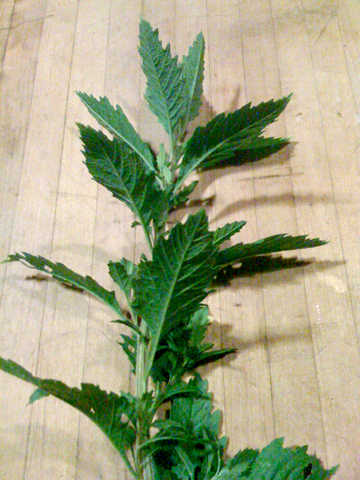
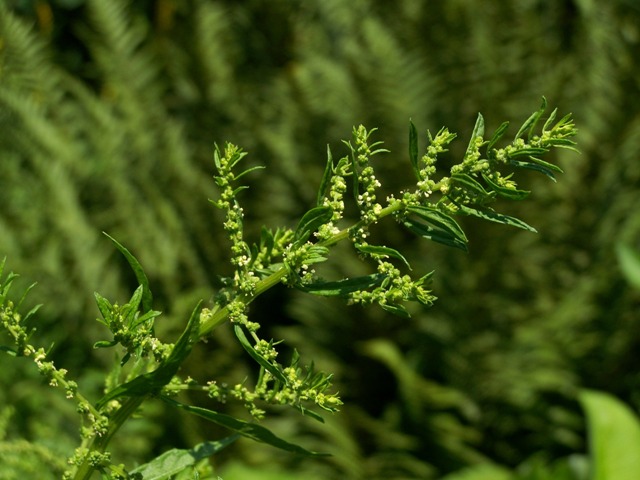
Chenopodium_Dysphania_ambrosioides_08_by H ZellEpazote (formerly Chenopodium ambrosoides, now renamed Dysphania ambrosioides) came to our area from Mayan lands. The name is the same in Nahuatl, Spanish, and English. Who says you are not multilingual?!

Epazote is a summer annual herb popular for culinary and medicinal uses. By the time of Contact, epazote had been cultivated for well over a thousand years in southern and southeast coastal Mexico. It was, and still is, a principle flavoring for a large number of Yucatan and Veracruz dishes, and is indispensable for cooking black beans.

Chenopodium Dysphania ambrosioides by iamtexture

Epazote, like the Old World herbs of cumin and ginger, has the unique ability to help break down hard-to-digest vegetable proteins. These difficult proteins are found most often in beans, peas, and members of the cabbage family. A few leaves of epazote cooked in the pot with the potential offender help break down these offending proteins while alo providing a delightfully piquant flavor to the dish.

This strongly scented herb is reported as a deer repellent. I can report that javalina, jackrabbits, cottontails and quail all avoid eating the plants. Medicinally, epazote has been used in an infusion as a vermifuge (against intestinal parasites), and in a decoction to help induce labor. These uses lead to one of it’s common names, wormseed.

Chenopodium Dysphania_ambrosioides_9061 by t voekler

Planting and Care. Plant epazote from seed in spring once night temperatures rise above the low 50’s. Seeds can take as long as four weeks to germinate. Plants will thrive through the warm season and freeze to the ground at 35 degrees, but often regrow from the roots.

Seed Sources. Check the Pima County Seed Library.  No need to drive there, go online to check for seed availability then reserve some sent to your local branch.  I have also found seed through Renee’s Garden Seed and Botanical Interests.

Soil. Epazote tolerates poor, even clay soil, but plants grow best in average, well-drained soil. Can be grown in containers that are at least eight  inches deep.

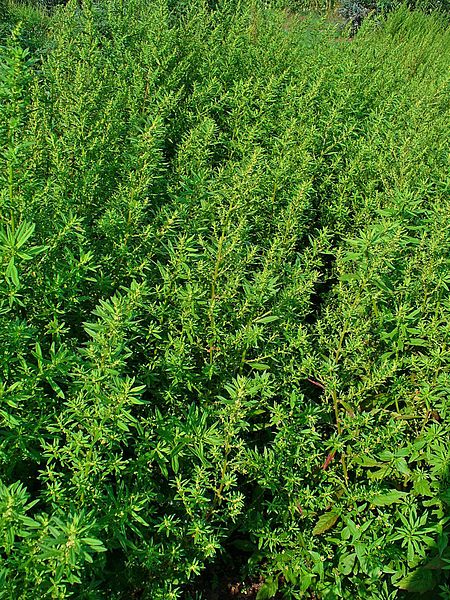
Chenopodium_Dysphania_ambrosioides  by S Doronenko

Location. Full sun is ok in the Southwest, but afternoon shade is appreciated by this tropical herb.

Water. Moderate.

Fertilize. Not necessary, but once a month with general purpose fertilizer will help make bushy plants. To really keep the plants bushy, you will need to pinch often. This is a technical term, really! (see “Care”).

Habit & Care. Epazote can reach 5 feet, but will be scraggly. Pinch or clip off the growing tips often to keep it around 2 to 3 feet tall, compact, leafy, and looking attractive in the garden. Usually a single plant provides enough for the household. Epazote reseeds readily, remove the flowering stalks, or be ready to weed excess plants next year. Seed heads turn an attractive bronze in autumn, and finches enjoy the seeds.

Chenopodium_ambrosioides_9059

Harvest and Use. Epazote is used fresh for culinary purposes, and loses “digestive” properties when dried. Chop or mince leaves and add early to dishes that require long cooking, like beans, roasts, soups, or stews. Use one tablespoon minced leaves per cup of beans or to a two pound roast. Not used as a garnish, due to bitter taste. If you want to save epazote for winter use, chop up fresh leaves and freeze them.

Chenopodium_Dysphania_ambrosioides_courtesy of UDSA_01

Go Green. Use epazote to avoid using manufactured bean-digestive compounds. Having the plants in your yard saves packaging, shipping, and all the associated waste of resources inherent in manufactured goods. Even greener, epazote plants provide food for birds, a way to capture carbon, plus a lovely low green plant for your yard.

This article is exerpeted from my book “Father Kino’s Herbs: Growing and Using Them Today” (2011, Tierra del Sol Press, $15). I hope you will consider purchasing a copy locally at Antigone Books, Arizona Experience Store, Magic Garden, Mostly Books, or Rillito Nursery. You can visit my booth at the Arizona Feeds Country Store Spring Expo, Sat. May 3 (10-3), 4743 N. Highway Dr.

Limoncillo

Savor Sister Jacqueline Soule posting today.

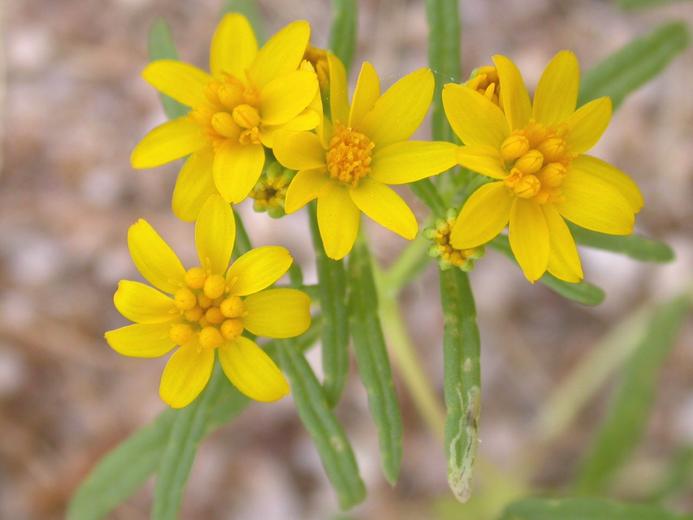
Chinchweed or limoncillo is known to scientists as Pectis papposa, a member of the Compositae family, now called the Asteraceae, and arguably the largest plant family out there.  If you aren’t “into” the Compositae, it is generally considered just another one of those DYC’s (Dratted Yellow Compositae).  (Well, we scientists don’t say “dratted” but we don’t want the parental controls to censor this blog.)

Pectis_papposa_flowers

Pectis papposa is just a “DYC” to some, but it can be so much more!

This sprightly summer blooming annual is found across the desert Southwest from New Mexico to California and northern Mexico (in the Sonoran and Chihuahuan Deserts) at elevations below 6000 feet.  With surprising promptness after the first summer rain, the desert floor is carpeted with the small yet bright yellow flowers – DYC’s.


Pectis_papposa_field

A carpet of Pectis papposa. Too lovely to trod upon!


Hopi, Zuni, and Havasupai all use the chinchweed plant as a condiment, especially to flavor meat.  There are also references to its use as a fresh green and potherb.  In Mexican markets, bundles of fresh or dried plants are sold as limoncillo and used as a culinary spice, generally to flavor meat. There are also references to its use as a dye plant.

Pectis_papposa_leaves

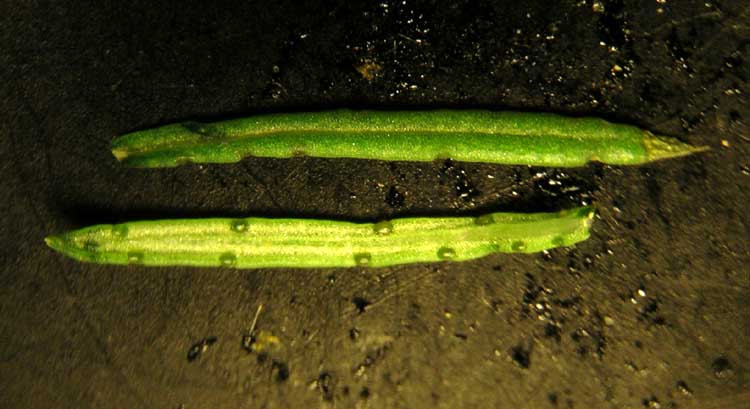
The leaves of limoncillo are dotted with a number of glands filled with flavorful oils.

Planting and Care.
Sow seeds of this charming summer annual anywhere in your yard you wish them.  Plants look especially lovely in a cactus garden, and appear to prefer well drained soil.  Since chinchweed is a summer annual, sow in the warmer months, from April onward.  Ideally have the seeds in the soil prior to the first monsoon rain, generally around San Juan’s Day or summer solstice.   This may be tough as seeds are generally not available in seed catalogs.  You may have to wild collect some of the herb this year, and while you are at it, collect seeds for your own next year.  Once you have some limoncillo your yard it seems to cheerfully find new places to tuck itself, including in areas of reflected light, which is often a tough site for plants to thrive in.


Pectis_papposa_habit

These tiny plants will find their way into unexplored corners of you yard. A weed only by common name, the seed is excellent food for native birds.


Harvesting and Use.
As a culinary spice, chinchweed may be used fresh or dried.  Simply chop up the fresh material or crumble the dried and sprinkle on meat.  If you like lemony chicken, then limoncillo is a great local herb to use!  Fresh cinchweed greens add a nice zing to stir fry, but I have not tried them cooked alone as a potherb (yet).  This will be part of my New Years resolution to grow and use all of the native plants in my Father Kino’s Herbs book (More on this at 30 minutes in on America’s Web Radio –  http://www.americaswebradio.com/podcasts/VeggieHourJan18.2014.mp3).  For dye, pluck the flower heads off and use them fresh or dried.  I could not find if there was a specific mordant.

Pectis_papposa_var_papposa_5_SS

Harvest the flower heads for dye and the leaves together with the flowers for culinary use.

Now I have thought of a new way to think of this DYC – it’s a Delightfully Yummy Compositae!  And I hope you will consider some for your yard.

Pectis_papposa_003

DYC stands for Delightfully Yummy Composite with Darling Yellow Crowns!

 [For another species of DYC flowering now, and some of its uses, please visit my blog on Native Plants & Wildlife Gardens – http://nativeplantwildlifegarden.com/brittle-bush-in-bloom/]

The information presented here is a sample of what appears in my book Father Kino’s Herbs, Growing and Using Them Today (Tierra del Sol Press, 2011).  Available through amazon.com.  Free public lectures on growing and using our wonderful native plants, at a number of branches of the Pima County Library.

Photos copyright free and courtesy of Wikimedia except where noted.  Article © 2014, Jacqueline Soule.  All rights reserved. I have received many requests to reprint my work. My policy is that you are free to use a very short excerpt which must give proper credit to the author, and must include a link back to the original post on our site. My photos may not be used.  Please use the contact me if you have any questions. JAS avatar
Seasonal Flavors and Scents of the Southwest Spice Up the Holidays

Wake Up Holiday Salads With Chiltepines!

Contributed by Tia Linda

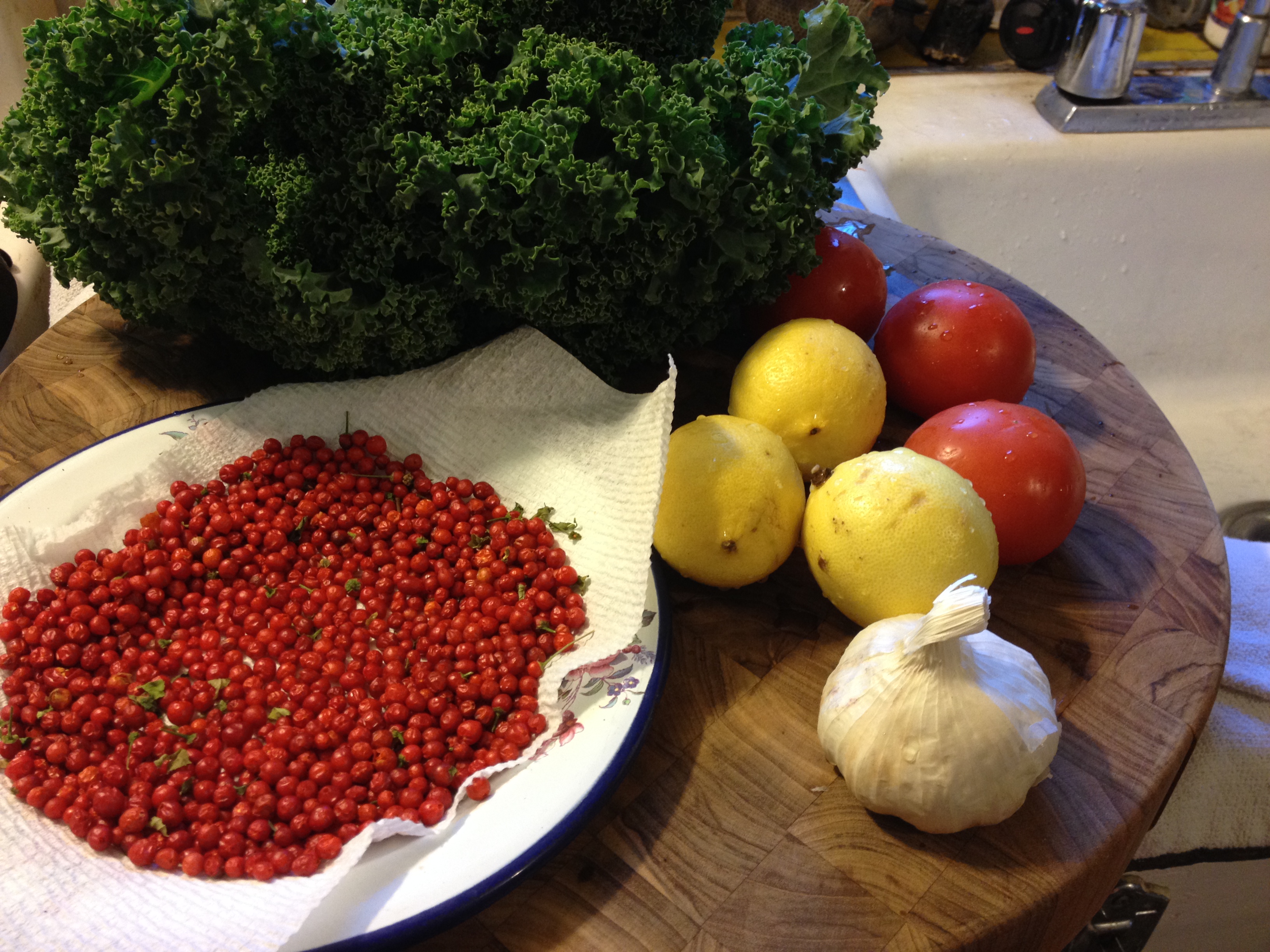
Chiltepines add zip to holiday salads.

Chiltepines add zip to holiday salads.

The red, round fruits of  the ancient chiltepin are making a comeback this year, after a rough bout with erratic weather patterns.  This is “their” time of year, as they mature between October and December, giving us just enough time to dry them for use throughout the holidays.  Marinated Kale Salad is easy to make, and offers a fresh, raw energy to the heavy-ish meals often served at the holidays. Prepare it the night before you wish to serve it, to give the juices of the lemon and tomatoes time to work their magic and soften the raw kale.
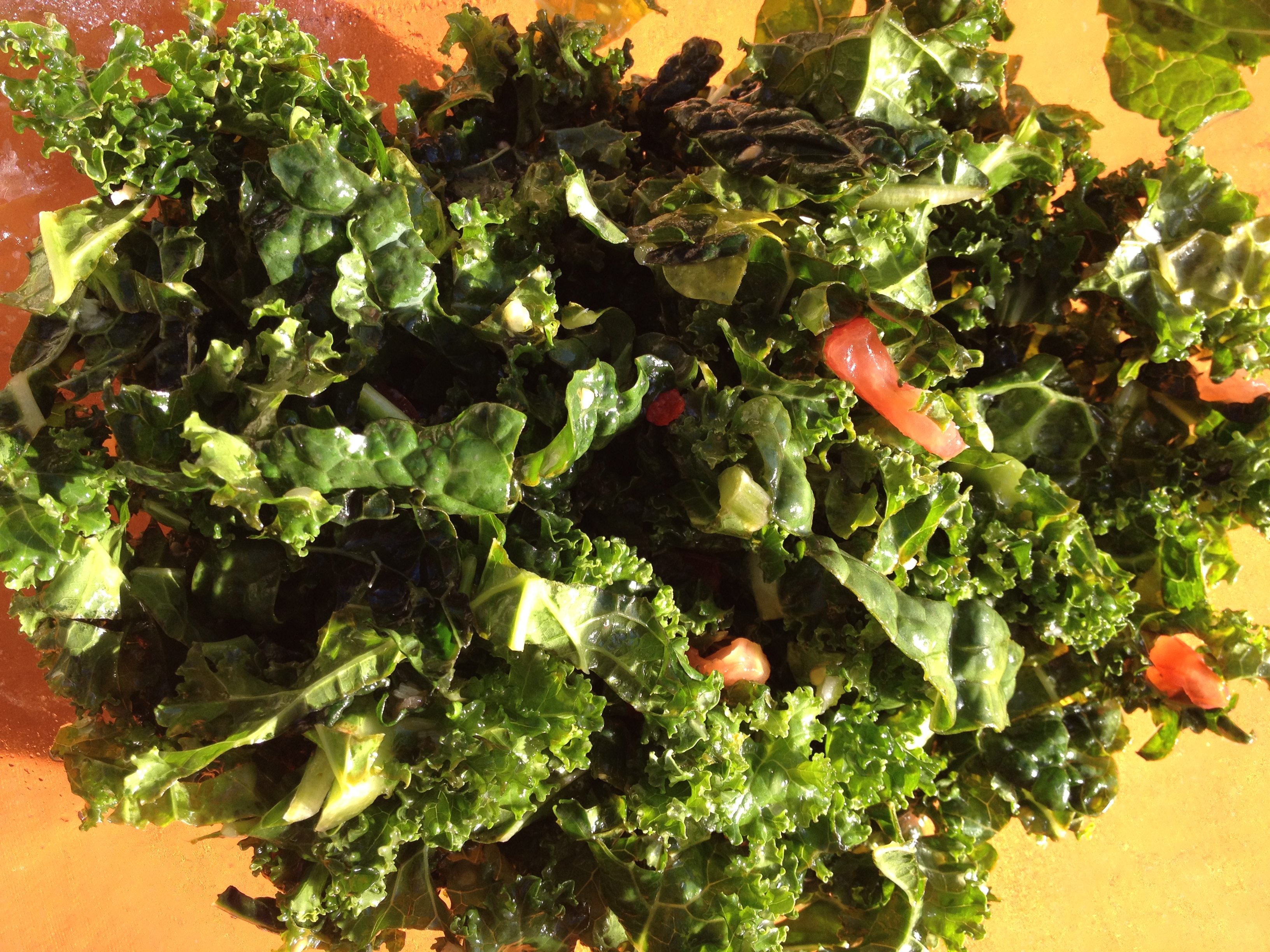
Here’s the recipe: In a bowl, combine 3 bright red chiltepin (crushed),  3 medium tomatoes (diced), the juice of 5 lemons,  about half a cup of olive oil, and salt to taste.  Then chop about 5 cups of raw Kale (also grows in your garden this time of year, here in the SW) as finely as you wish and add it to the mixture.  Place it in some kind of container with a tight fitting lid so that you can periodically shake the green mixture, allowing the juices that inevitably fall to the bottom of the container the chance to coat the kale above.

Kale salad lightens heavy holiday meals.

Kale salad lightens heavy holiday meals.

Make a Sonoran Scents Pomander

Contributed by Jacqueline Soule

Pomanders are used to add fragrance to stored clothing while they are said to also deter moths.  Pomanders have traditionally been made by sticking cloves into oranges, or mixing cinnamon and nutmeg with applesauce.  For those of you that love the scent of creosote bush, here is a Sonoran Pomander recipe I invented.

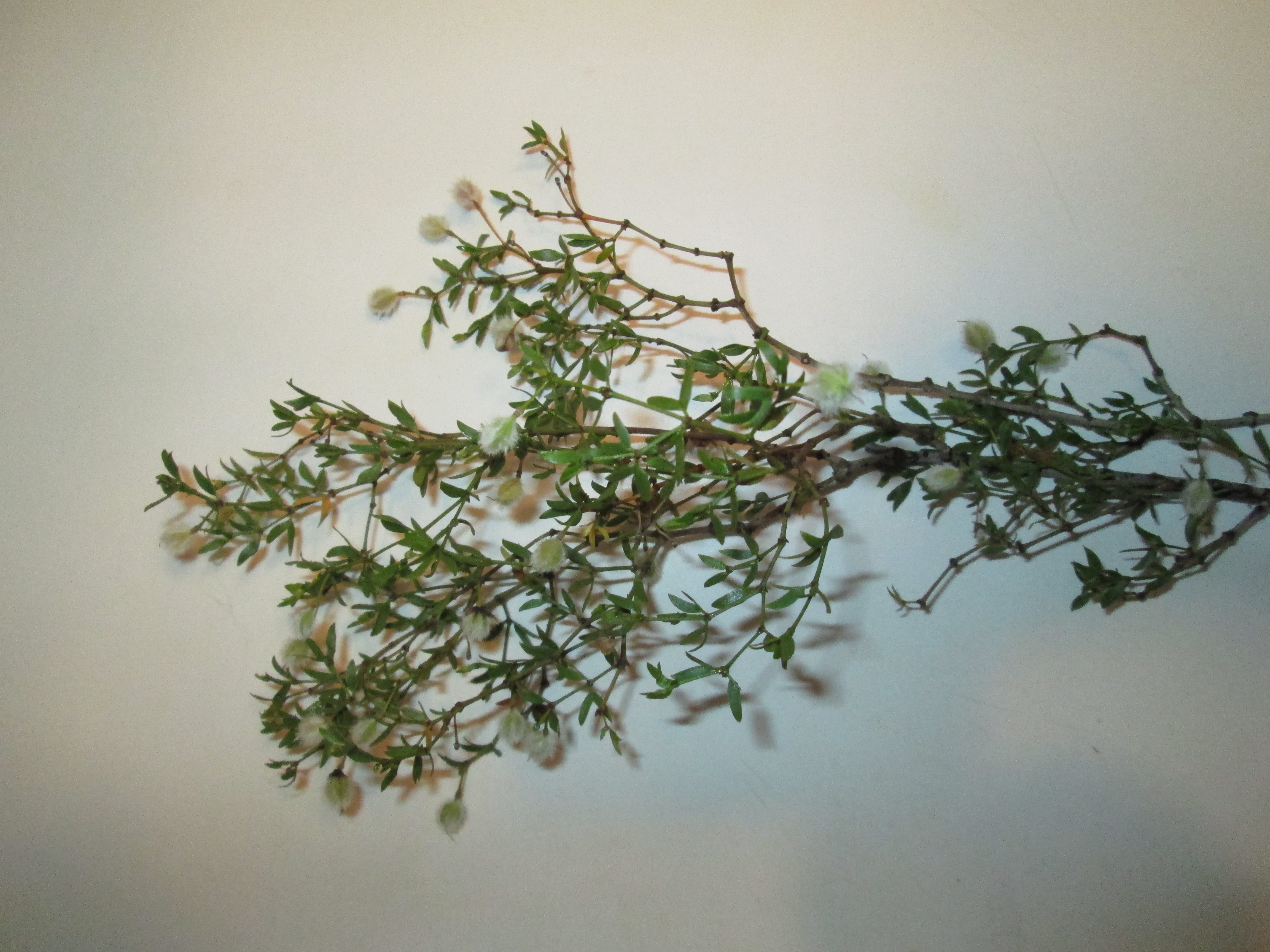
Dry creosote leaves until well dried.

Dry leaves of creosote bush.  Collect more than you think you need!

Dry leaves of creosote bush. Collect more than you think you need!

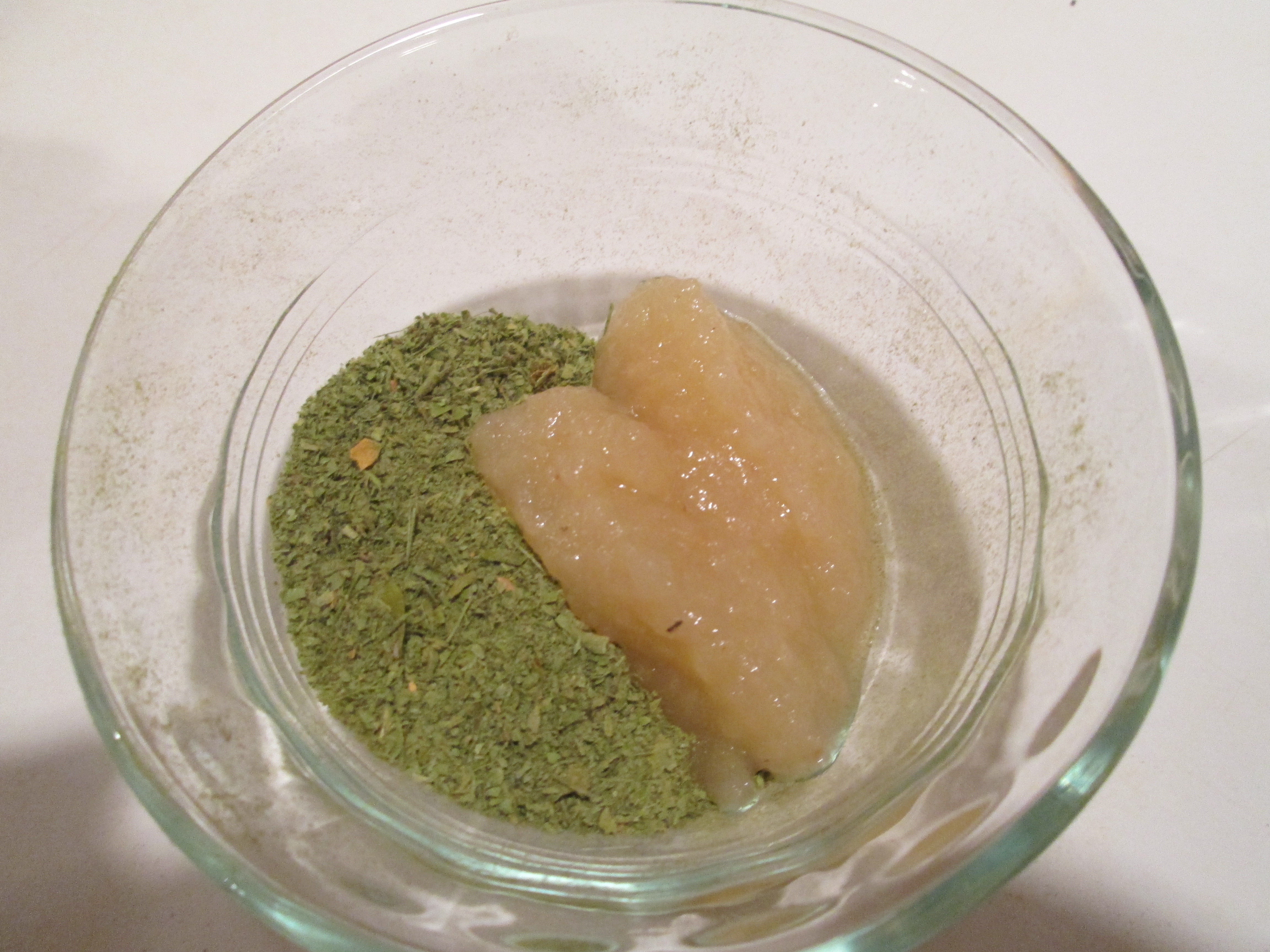
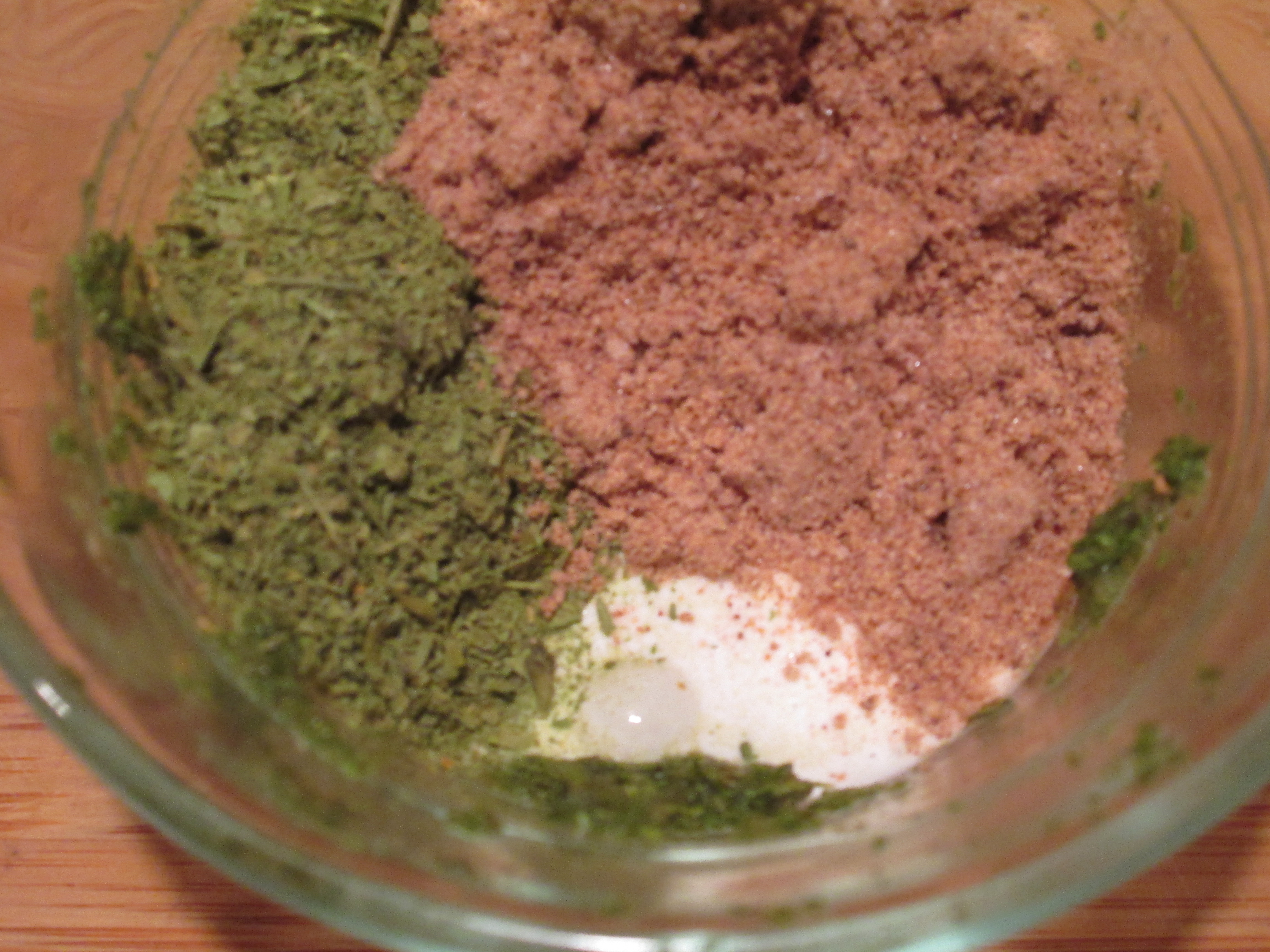
Turn them into leaf “powder” in a blender.  Mix three parts leaf powder to one part applesauce.

Mix powdered leaves with applesauce.

Mix powdered leaves with applesauce.

Form into walnut sized balls, or pat into thick disks.  If you get the mix too wet and have no more leaf powder, use a mild spice (like nutmeg) to add more “powder.”  Don’t use something moths eat, like flour or mesquite meal.

You can use nutmeg if you run out of powdered leaves.

You can use nutmeg if you run out of powdered leaves.

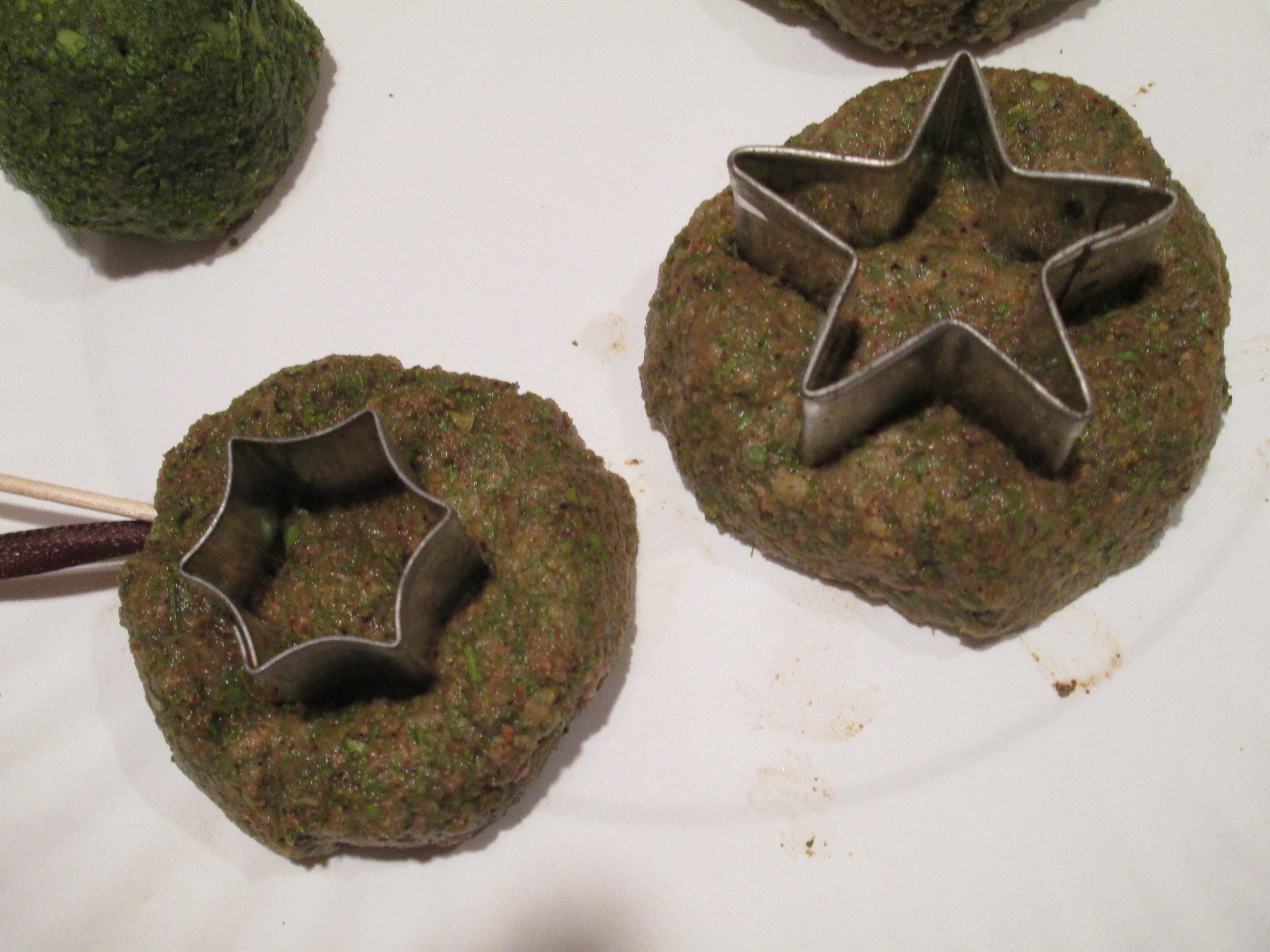
Use small cookie cutters to make impressions if you wish.

Use small cookie cutters to make impressions if you wish.

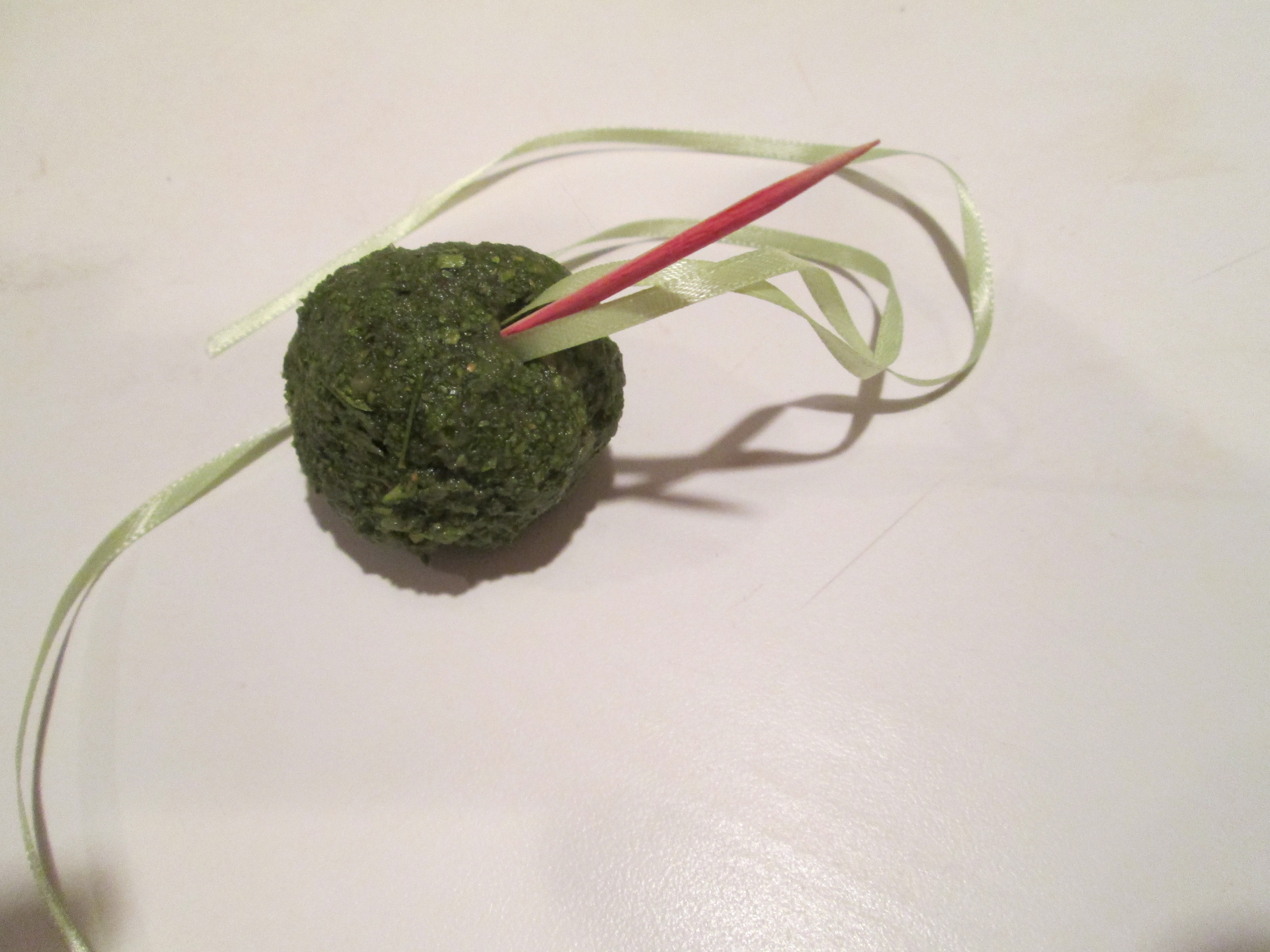
Add ribbon if you wish to hang them (later!).  Poke ribbon into the center with a toothpick.
Allow to dry for three to seven days.

Insert ribbon into still moist pomander with a toothpick.

Insert ribbon into still moist pomander with a toothpick.

Notes:
* Substitute white glue for some or all of the applesauce.
* Hang one of these in your car and carry the desert with you as you drive!

* To learn how to grow creosote in your yard, visit my other blog on creosote, available on http://nativeplantwildlifegarden.com/lovely-larrea/

* You can also read more about using creosote bush (and other native herbs) in my book Father Kino’s Herbs: Growing and Using them Today (available at amazon.com).