Lovely Lavender

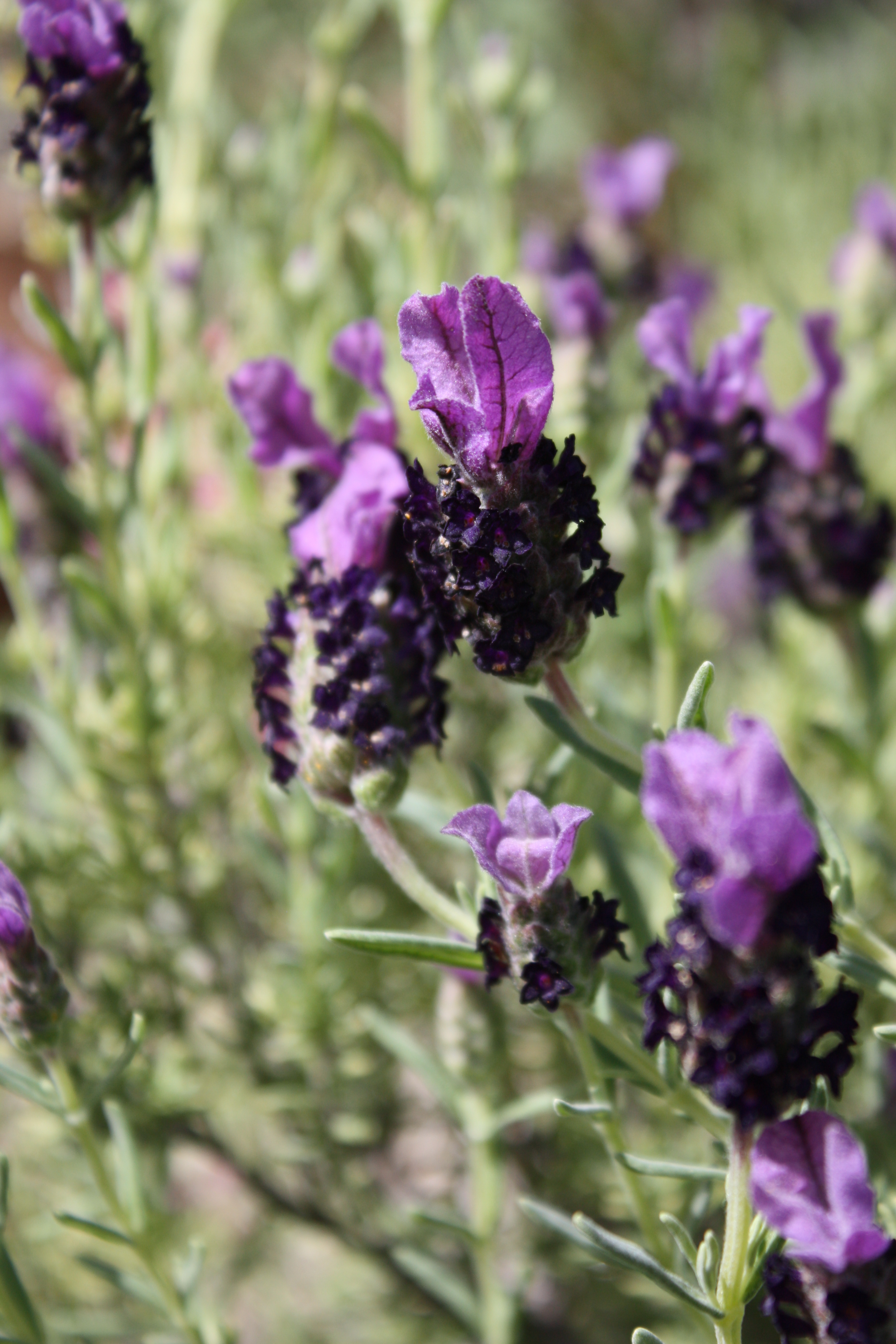
lavandula _5487

by Jacqueline A. Soule, Ph.D.

If you want to grow and use your own herbs, or if you simply desire an attractive plant for the landscape, you can’t beat lavender. Cultivated for centuries, this charming low growing perennial has wonderfully fragrant flowers and leaves.
lavandula _5175

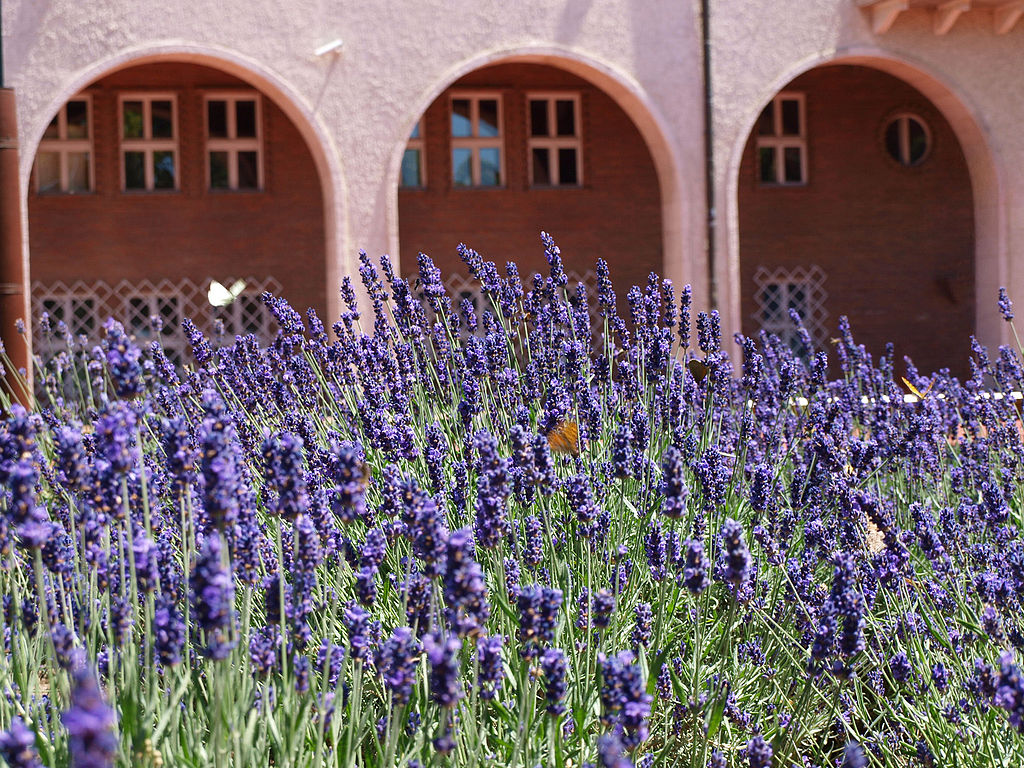
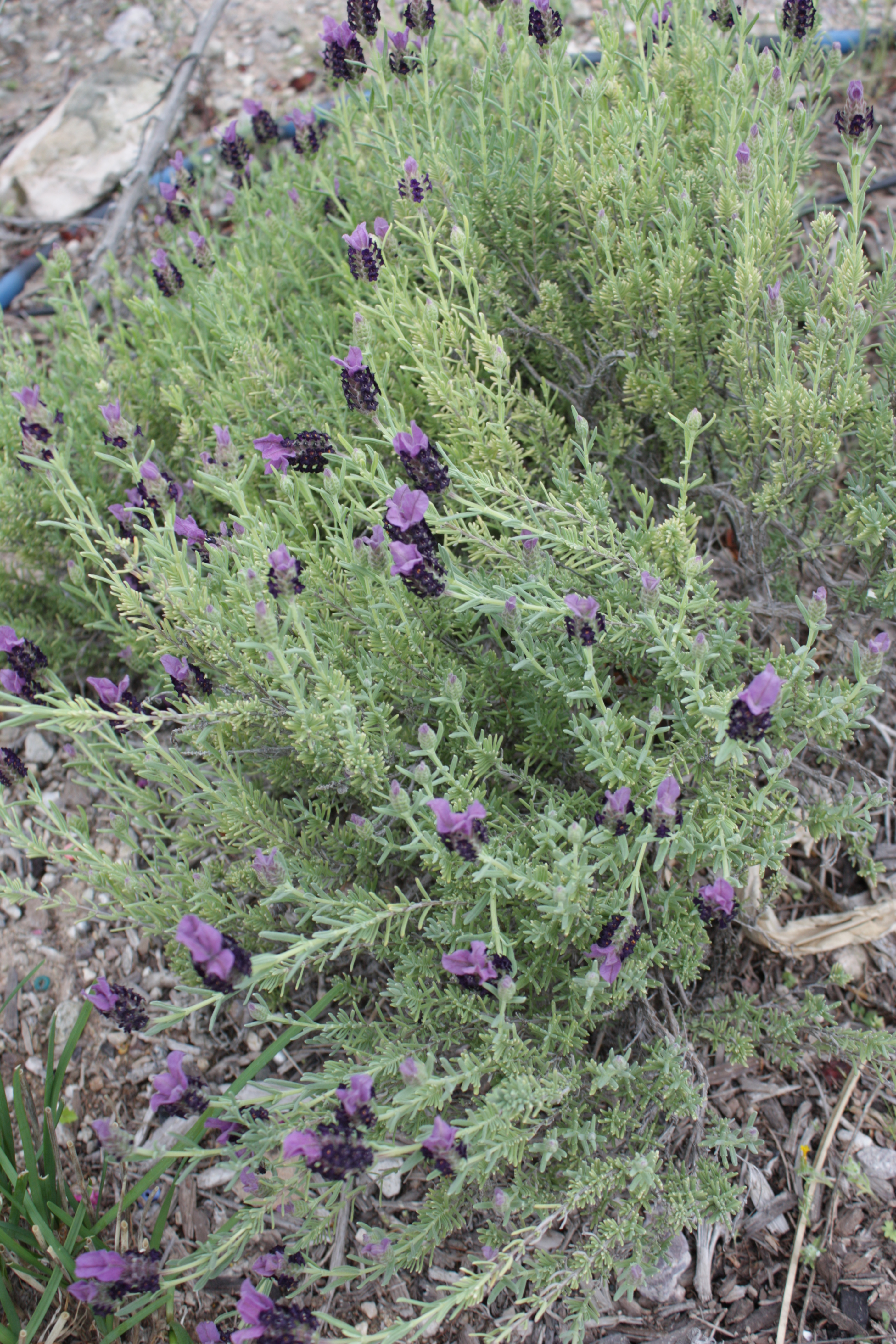
Lavender is forms a fragrant mound and can bloom for months with some added water.

Lavender Uses

The name of the plant is derived from the Latin “lavare,” meaning to wash. Leaves and flowers have been used for several millennia to do just that, wash. Fragrant baths, hair rinses, to cleanse and treat skin ailments, and, in the past, to help eliminate lice and bedbugs from the household. Lavender essential oil is popular in aromatherapy. Tea made from leaves and flowers has been used to treat sleeplessness, restlessness, headache, flatulence, and nervous stomach. At this time, Commission E, a German-based group which scientifically studied herbal medicines, recommends using lavender for insomnia and circulatory and gastrointestinal disorders.
lavandula _5331

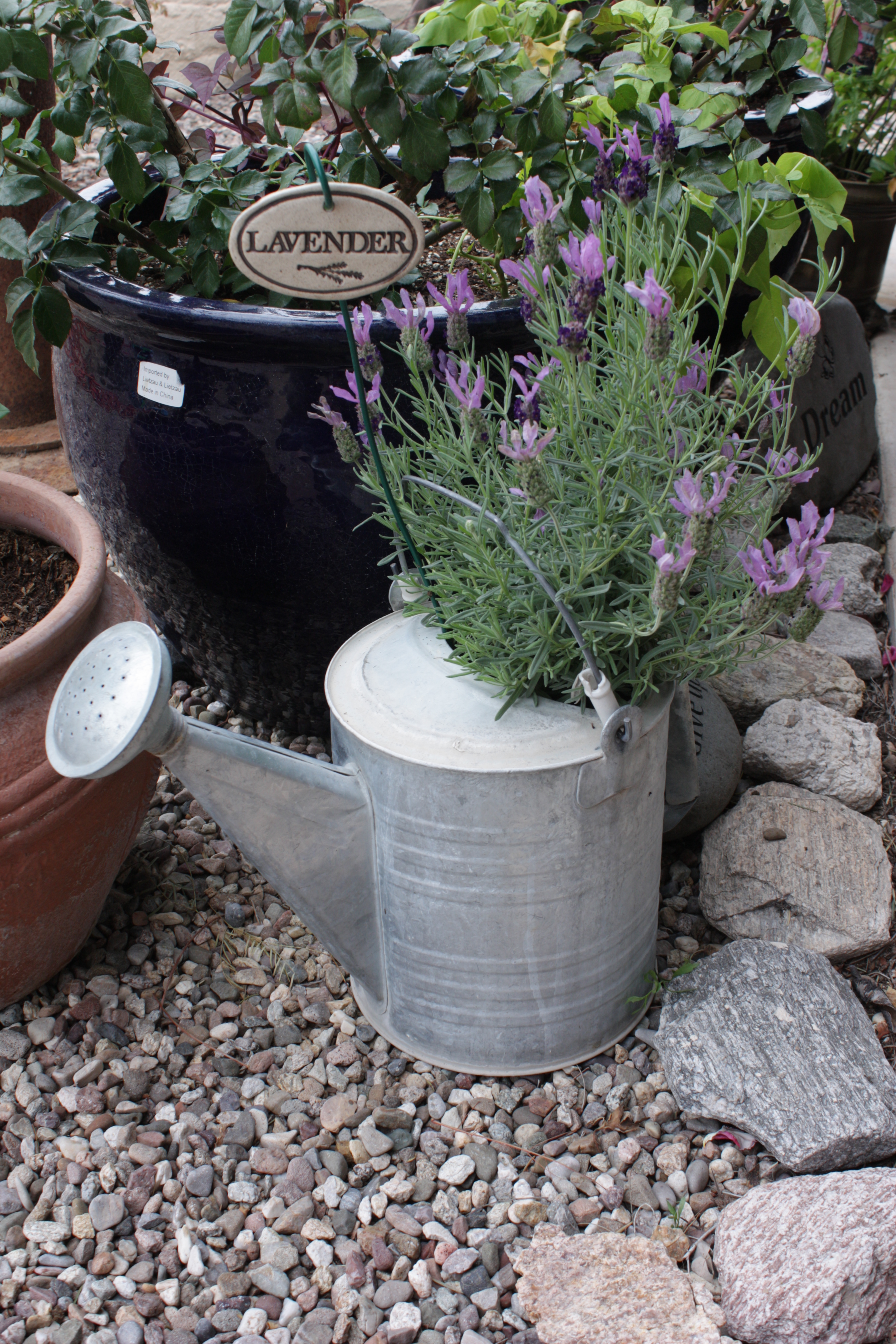
Lavender also grows well in containers, but unlike many herbs, is fussy about being moved.

Growing Lavender

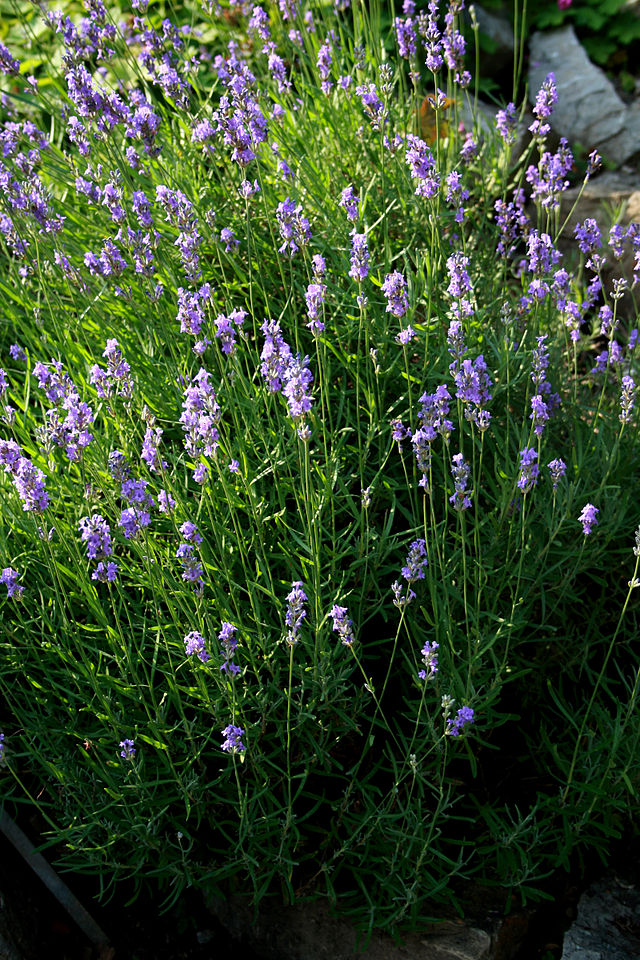
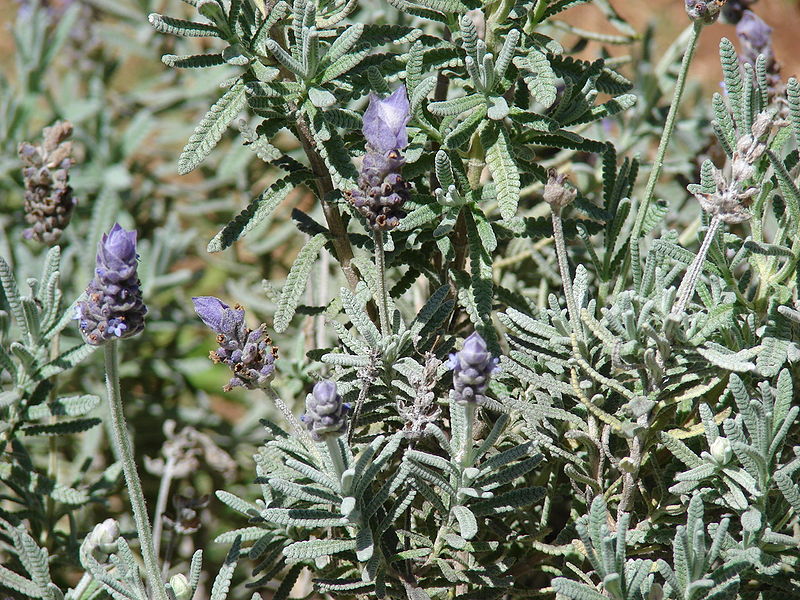
Lavender is easy to grow in our area. There are a number to choose from. English lavender (Lavandula angustifolia) and Spanish lavender (Lavandula stoechas) both tend to be stressed by our summers, but grow well in a garden that gets only morning sun. The French or toothed lavender (Lavandula dentata) does best in my yard in full sun with some noon-time summer shade. Perhaps the fuzziness of the leaves helps reflect sunlight and reduce water loss.
Lavandula_angustifolia_prg_1

English lavender has difficulty surviving the Southwest summer. Photo by Karelj
Lavandula_dentata_plant

French lavender is more tolerant of the heat than its’ English cousin.

Like most herbs, all of these lavenders do best in well drained soil. They will need watering during the dryer months, but can often survive on rainfall during monsoon or winter months. Fertilize in moderation or not at all to encourage greater production of the fragrant oils. Harvest and prune often. Like most herbs, lavender should be trimmed two to three times per year to control rampant growth and keep the plant producing quality blooms.

Native Lavender

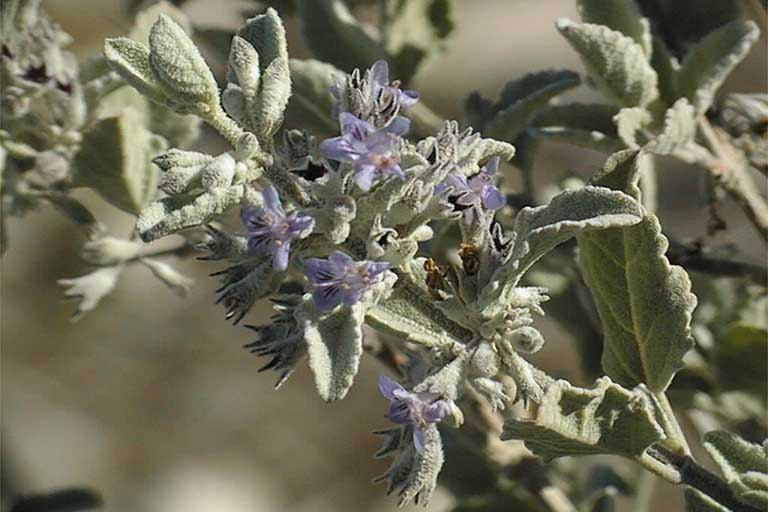
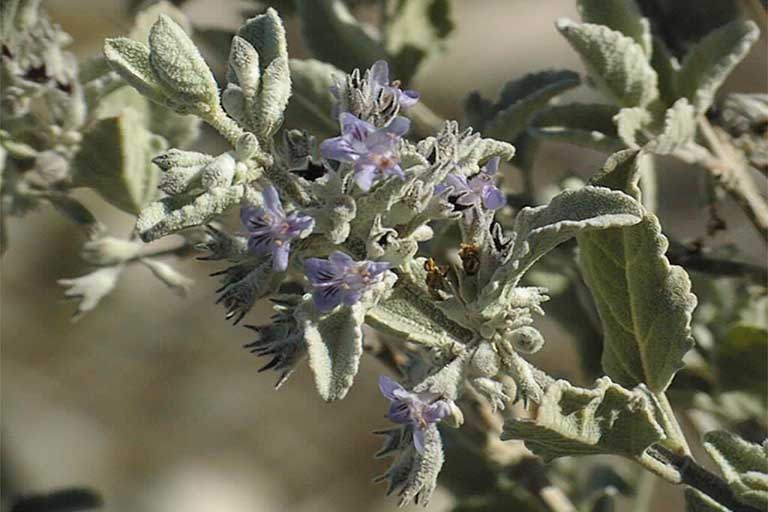
Ideally however, plant the native desert lavender (Hyptis emoryi), a shrub often found growing along area washes. Desert lavender is a shrub reaching 4 to 6 feet high and covered with fragrant gray green leaves. Summer brings spikes of fragrant purple flowers that butterflies adore.
Hyptis emoryi_flowers_001

The native desert lavender is more of a shrub than its’ European cousins.


Harvest Lavender

Harvest stalks of lavender blooms as the lower-most flowers open. This gives you buds with optimum fragrance.

Dry your lavender, like all herbs, out of direct sunlight.
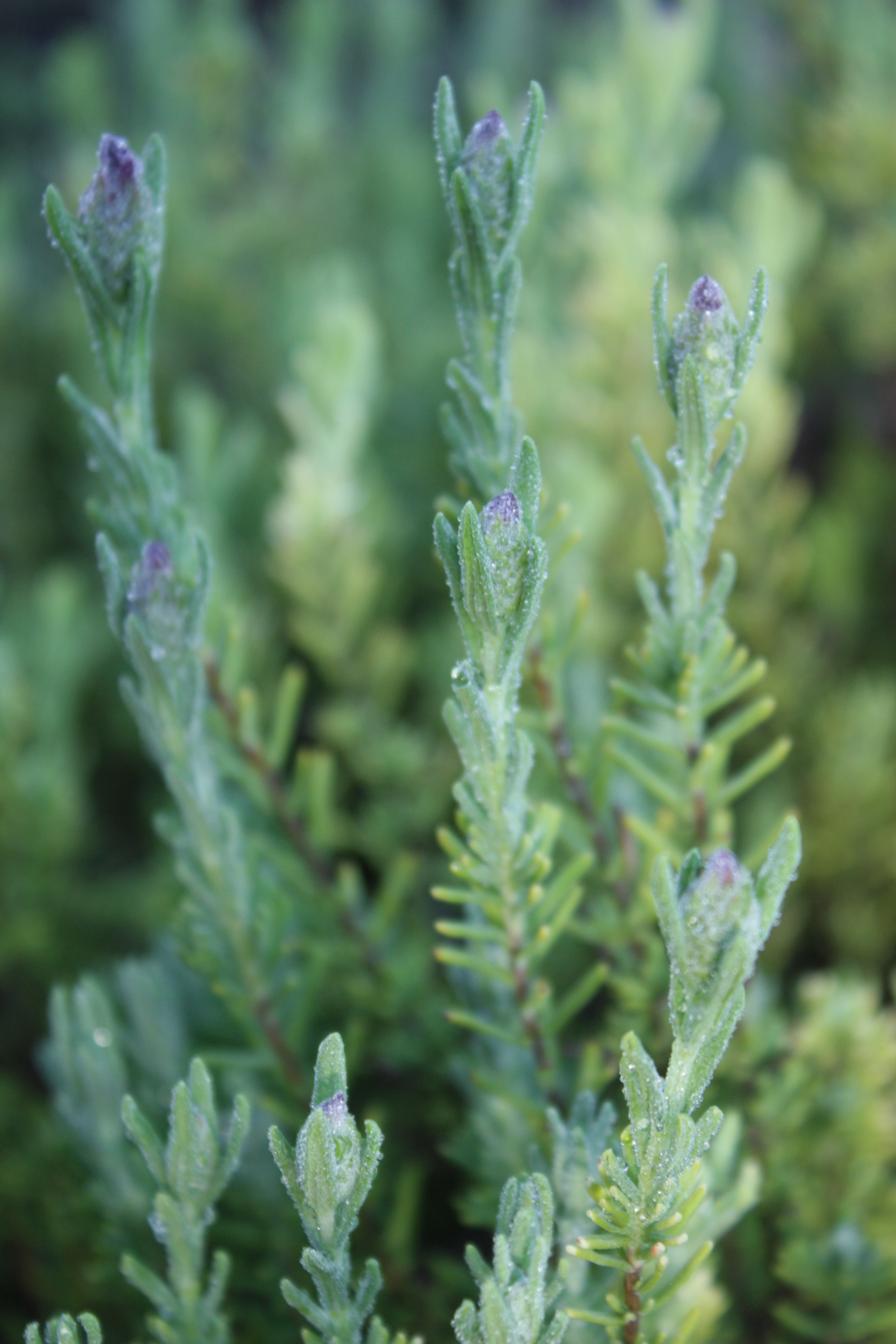
lavandula_2015_5108

It is delightful

lavandula_2015_5106

to watch over time

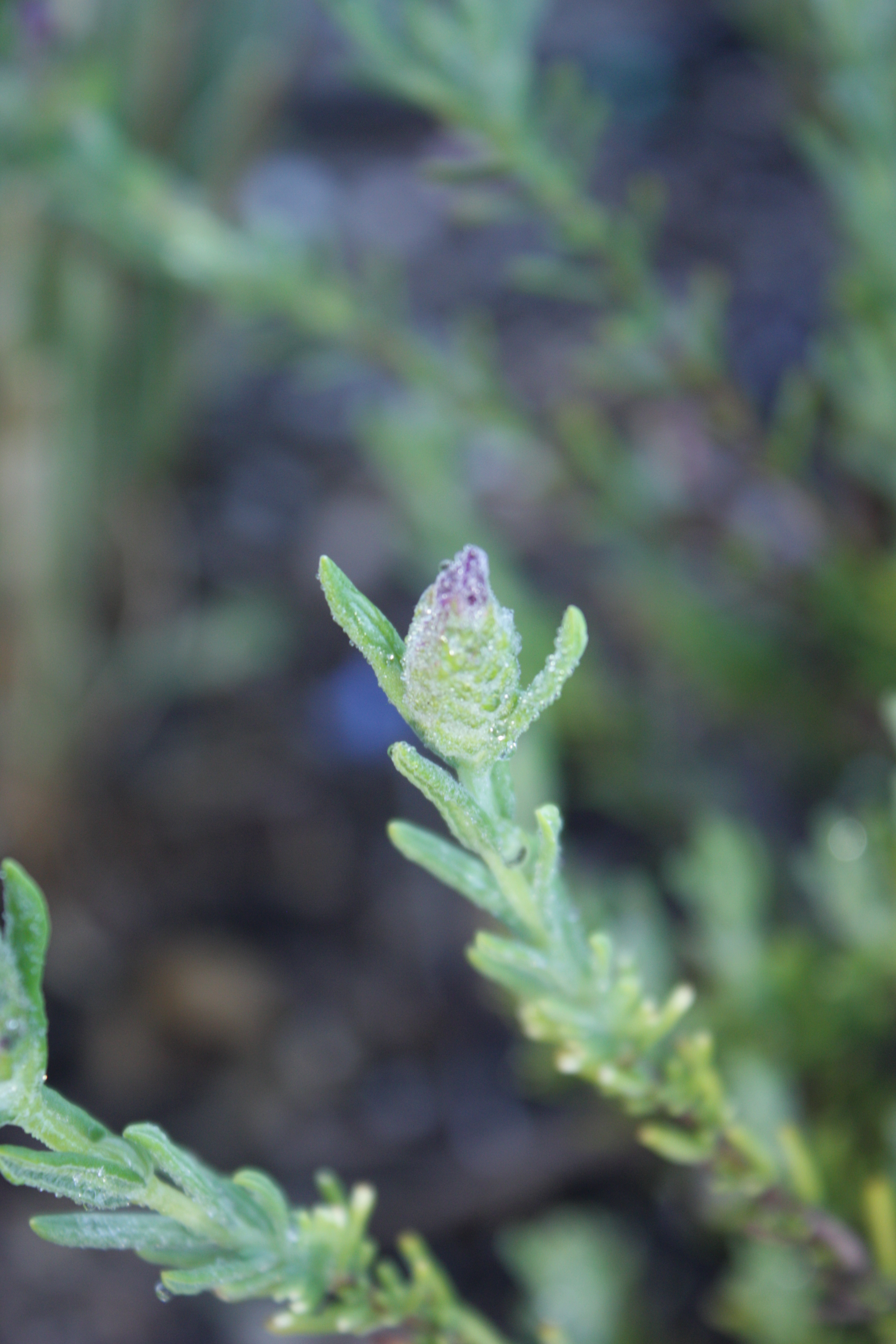
lavandula _5487

as the flowers unfurl.

Live Green

No matter what species of lavender you plant, you’ll be living green. Growing your own lavender reduces lavender imported from half a globe away, usually southeastern Europe. Growing your own also insures that you have a good source of quality organic lavender. For those exploring the energetics (chi) of products, growing your own lavender and harvesting as needed offers the many benefits of strong chi.

Native desert lavender or European species, lavender adds refreshing fragrance to your living spaces, both indoors and out.
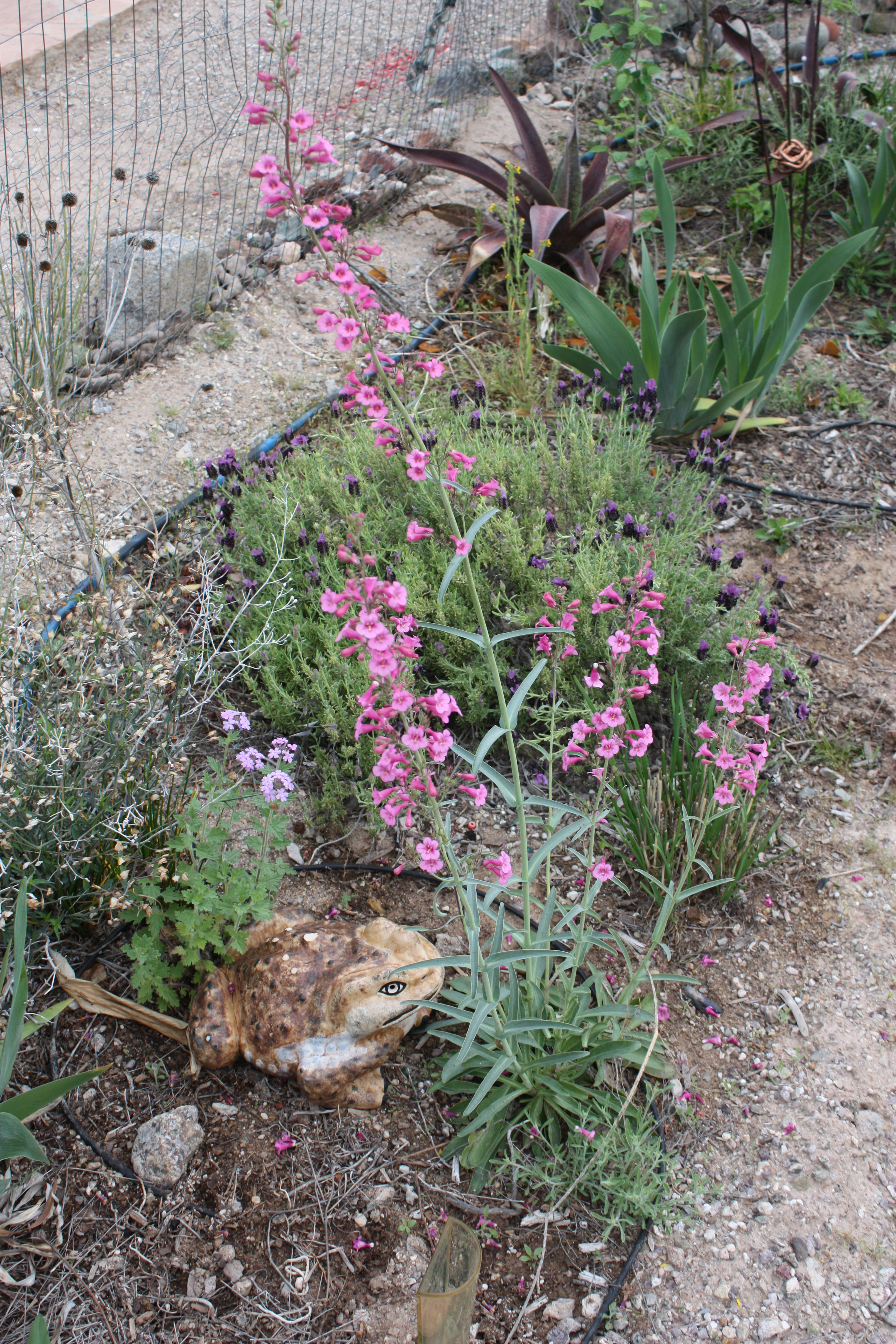
lavandula and penstemon_5174

Lavender and Parry’s penstemon grow well beside one another and attract many native pollinators to the garden.


Special Book Signing:

Eastside Costco, Saturday April 4, from 12 noon to 3 pm

Northwest Costco, Saturday April 11, from 12 noon to 3 pm

If you live in Southeastern Arizona, please come to one of my lectures. Look for me at your local Pima County Library branch, Steam Pump Ranch, Tubac Presidio, Tucson Festival of Books and more. After each event I will be signing copies of my books, including the latest, “Southwest Fruit and Vegetable Gardening,” written for Arizona, Nevada and New Mexico (Cool Springs Press, $23).

JAS avatar

All photos (except where noted) and all text are copyright © 2015, Jacqueline A. Soule.

All rights reserved. I receive many requests to reprint my work. My policy is that you may use a short excerpt but you must give proper credit to the author, and must include a link back to the original post on our site. Photos may not be used.
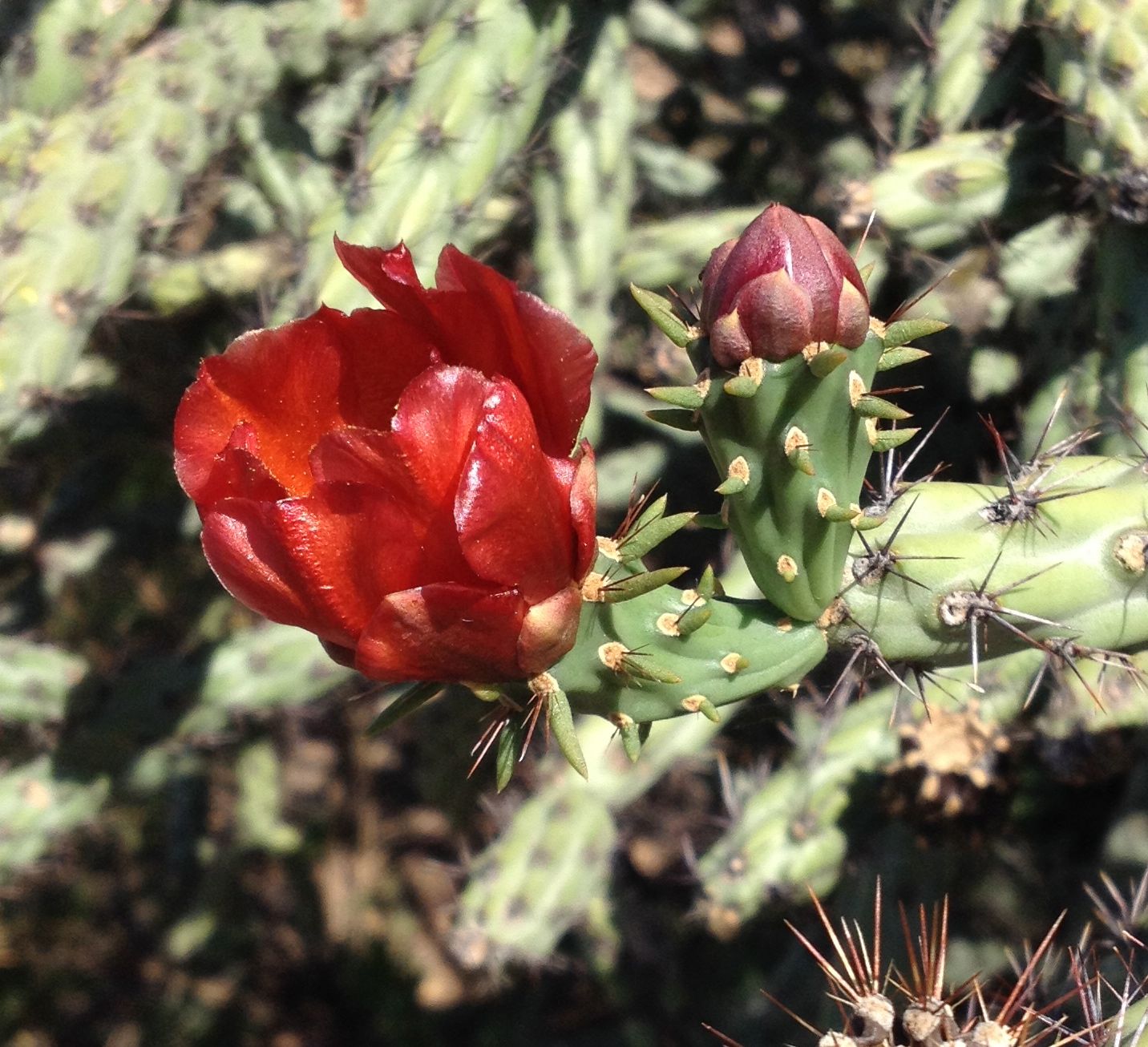
Here’s to the Budding Desert!

red staghorn cholla flower and bud (MABurgess photo)

red staghorn cholla flower and bud (MABurgess photo)

Can you almost hear them?  I mean the sound of buds swelling and bursting with life out there is the rain-soaked desert?  This spring the wildflowers are a joy, for sure, but the perennials this season will really be in their glory.  Tia Marta here with some wonderful ideas about how we can share in the coming cornucopia of cholla.

Cholla cactus flower buds emerging, covered with spines--brimming with goodness for all desert creatures….

Cholla cactus flower buds emerging, covered with spines–brimming with goodness for all desert herbivores….(MABurgess)

It should be a bountiful bloom this year–the buds are off and running already.  Every branch on our Sonoran Desert chollas is loaded with little buds, and they seem to double in size every day.  It looks the same in the western part of Arizona, the Mojave….a zillion buds on the golden branches of Cylindropuntia echinocarpa.

While the chollas are preparing for their yearly reproductive ritual–a wildly colorful show for attracting pollinators–many desert creatures will be benefitting from this flamboyant event, including Native Desert People who have always shared in the bounty.

cholla feeds many desert creatures (MABurgess photo)

cholla feeds many desert creatures (MABurgess photo)

You can learn traditional and modern ways of harvesting, preparing and cooking cholla buds in one of several classes coming up soon in April.  With the guidance of ethnobotanist of Tia Marta (yo,) we will get out in the bloomin’ stickery desert, get up close and personal with chollas, get to know their lore, their anatomy, their culture, learn to carefully de-spine them, cook, dry, pickle, and prep them into the most unusual and fun recipes.  Their health benefits are off the charts–we’ll learn about those too.

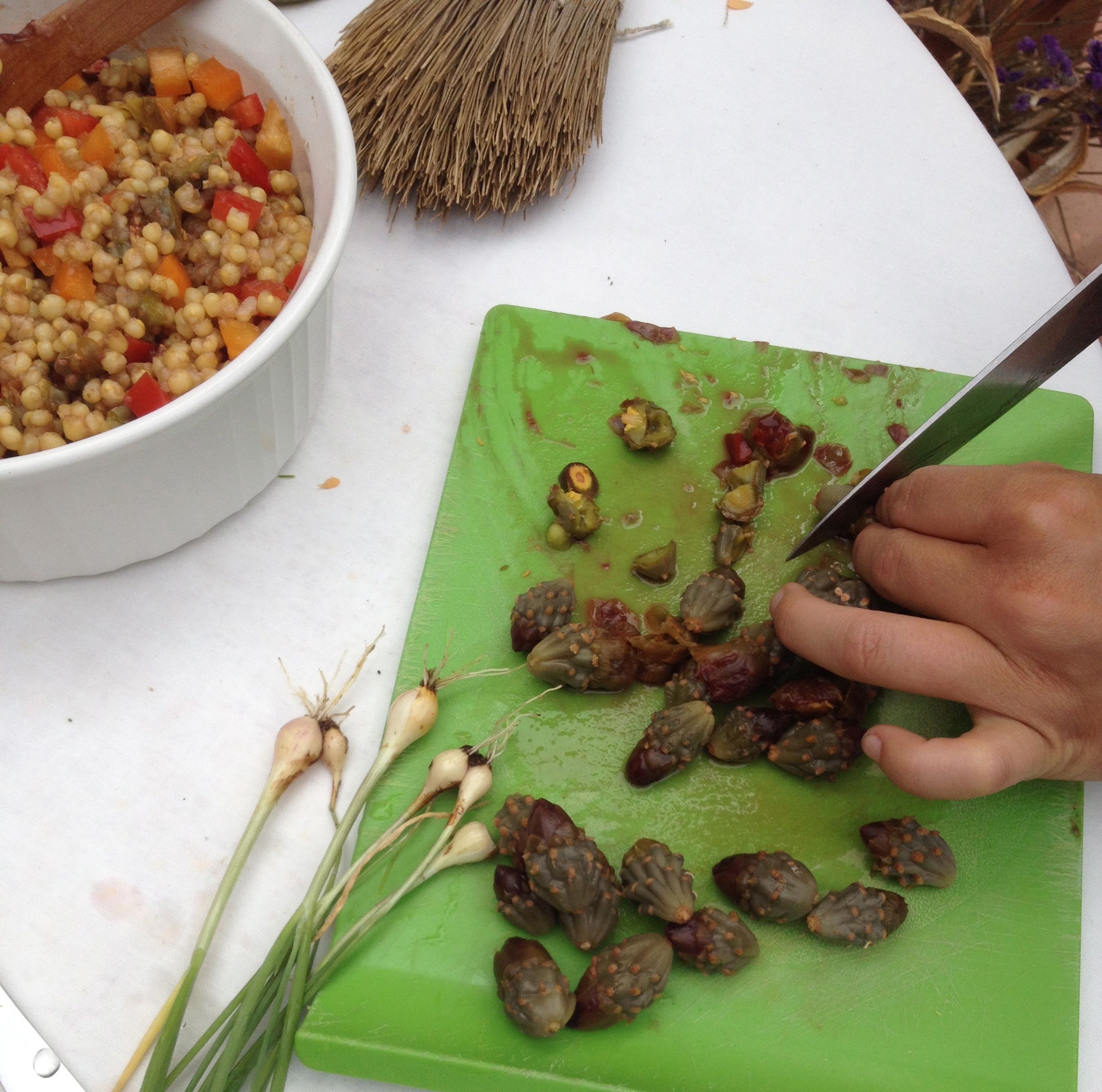
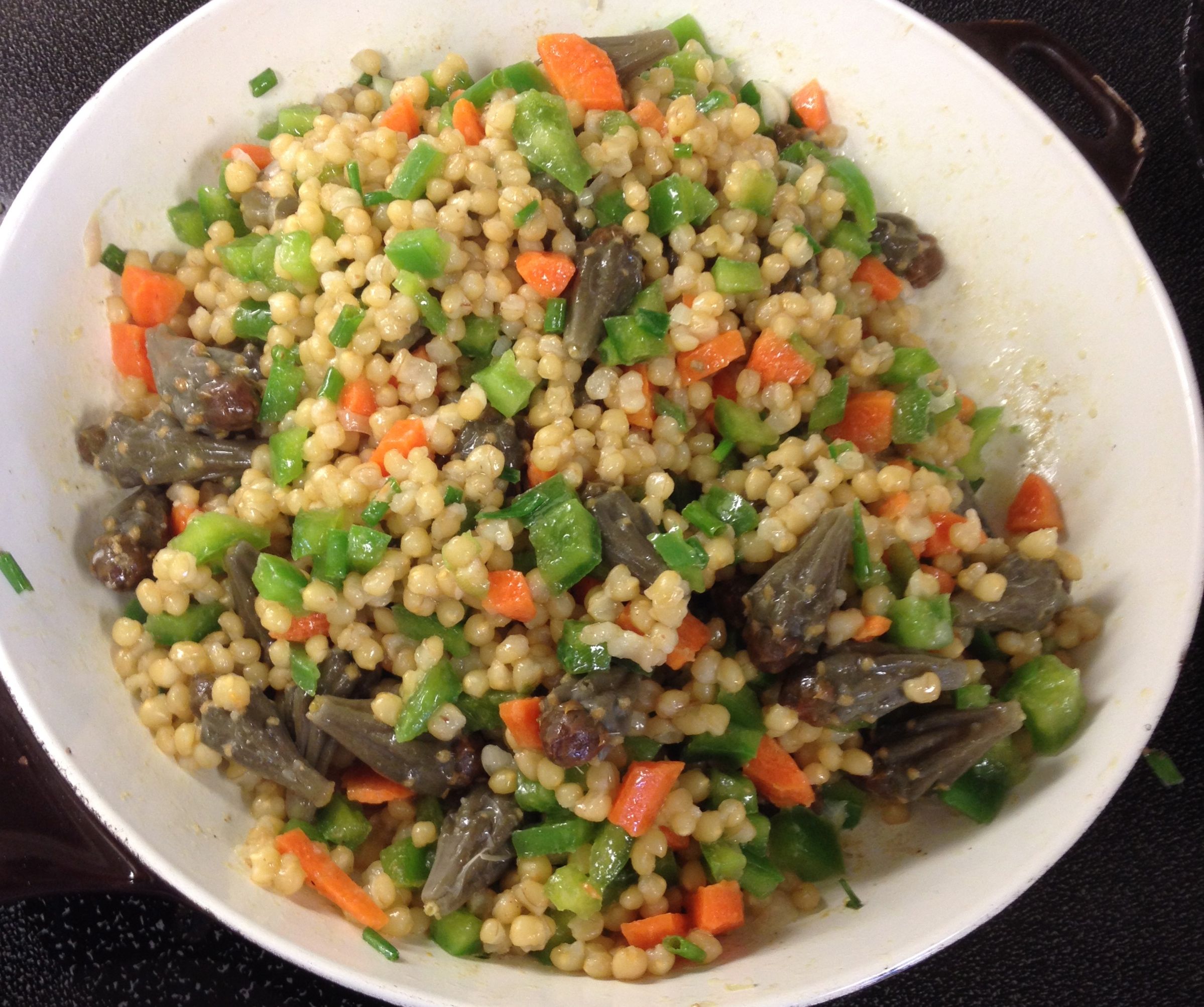
prepping cooked cholla buds with I'itoi's onions for White Sonoran Wheatberry salad

prepping cooked cholla buds with I’itoi’s onions for White Sonoran Wheatberry salad (MABurgess photo)

The biggest kick will be impressing your family and friends with off-the-wall gourmet recipes that no one else makes (other than some wild and wonderfully creative foodies like Janos Wilder, Chef of the Downtown Kitchen, not to mention NativeSeeds/SEARCH staff cooks!)


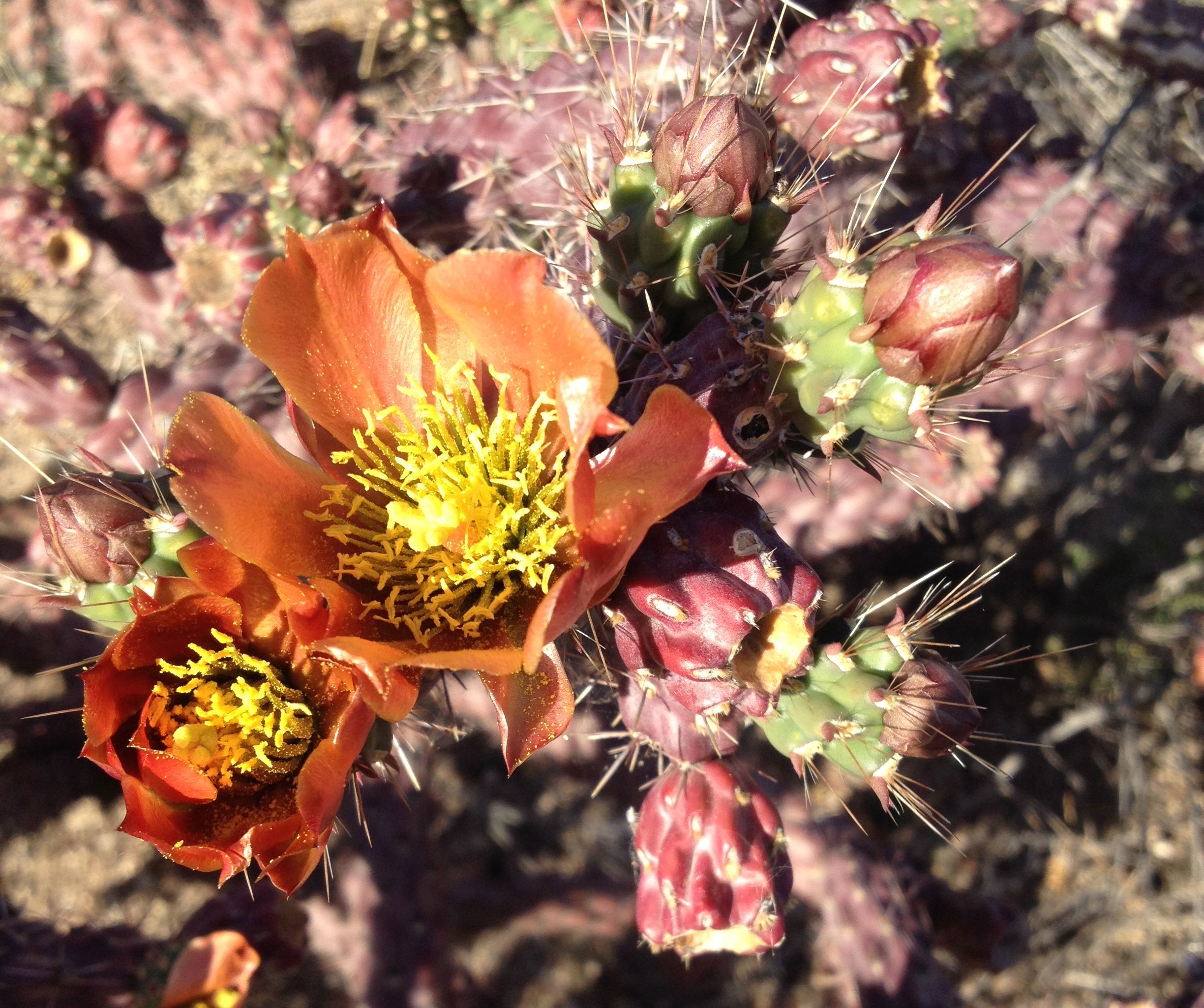
rusty orange flower of the various-colored staghorn chollas

Rusty orange flower of the various-colored staghorn cholla, Cylindropuntia versicolor (MABurgess photo)

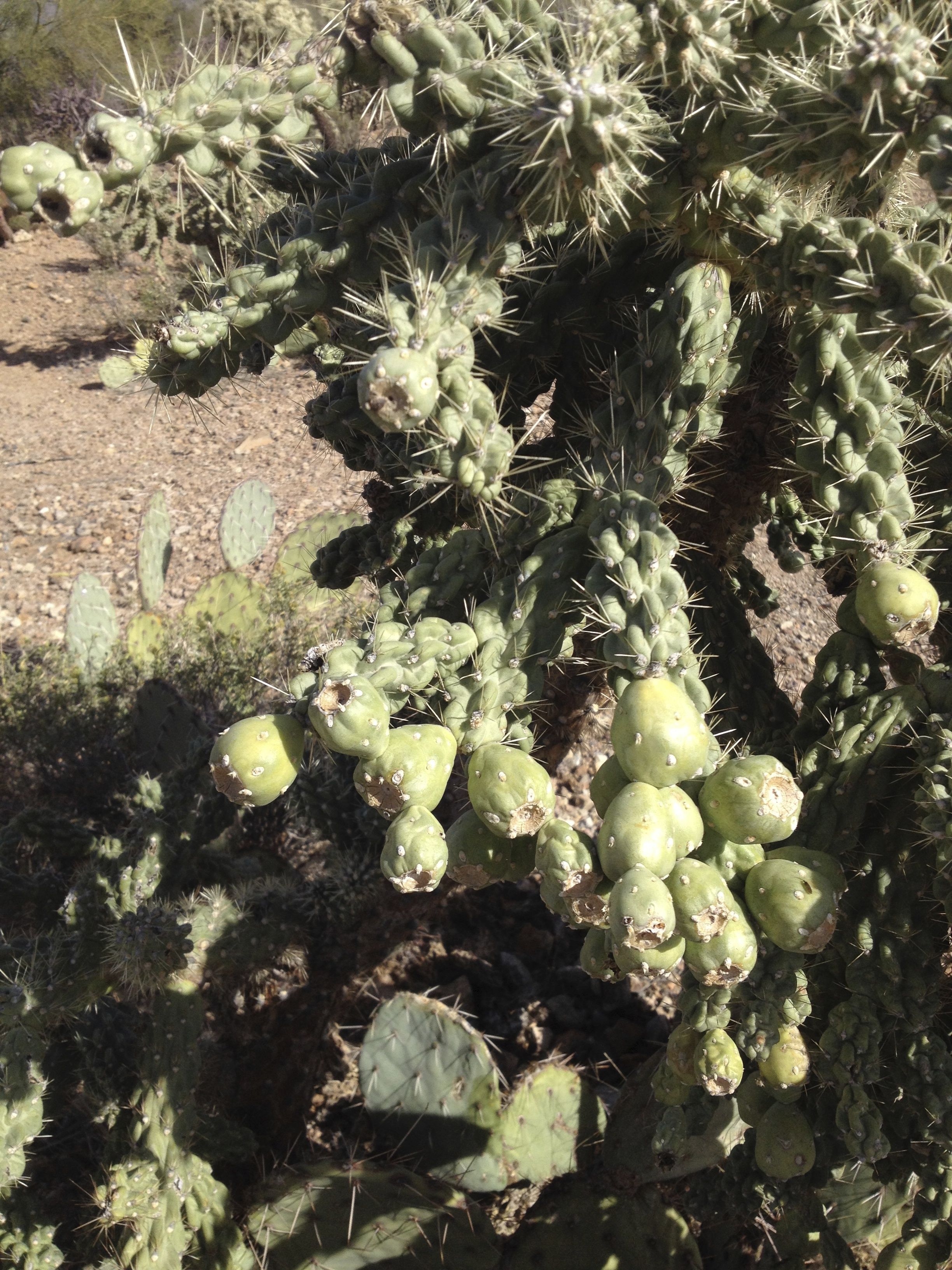
We have many cholla varieties in the Sonoran Desert—each with its own distinct characters and timing of flowering. The cane cholla (Cylindropuntia spinosior) is found in a few places in low desert but is more typical of higher desert and desert grassland. It’s the one with the persistent round yellow fruits, and gorgeous magenta flowers. The jumping cholla (C. fulgida) always has long clusters of green persisting green fruits hanging like bunches of grapes. It typically blooms with the monsoon rains of summer with a lovely deep rose flower. If you can find the buds of either of these chollas in their season, their buds are great tasting too.  The buds of both are spiny, but the first-mentioned staghorn cholla (C.versicolor) bears easily-removable spines, so that’s the one my Tohono O’odham “grandmother” and mentor Juanita preferred to pick. I will be demonstrating her teaching at our upcoming workshops in April.

cane cholla in bud with last year's persistent yellow fruits

Cane cholla (C.spinosior) in bud with last year’s persistent yellow fruits

fruits of jumping cholla clinging to former years' fruits

Fruits of jumping cholla (C.fulgida) clinging to former years’ fruits


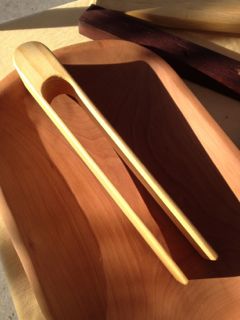
tongs specially designed for harvesting cholla buds and prickly pear--available at Flor de Mayo tent Sunday St Phillips farmers' market

Tongs specially designed for harvesting cholla buds and prickly pear–available at Flor de Mayo tent Sunday St Phillips farmers’ market

The best instrument for safely harvesting buds is simply a pair of tongs. Long barbeque tongs can help you maneuver through hazardous cactus branches at a safe distance. We commissioned a young woodworker from Sedona to fabricate the right size tongs for us out of fire-killed ponderosa pine—available at the NativeSeeds/SEARCH store and in our selection of handmade wooden utensils at our Flor de Mayo booth at the Sunday St Phillips market.

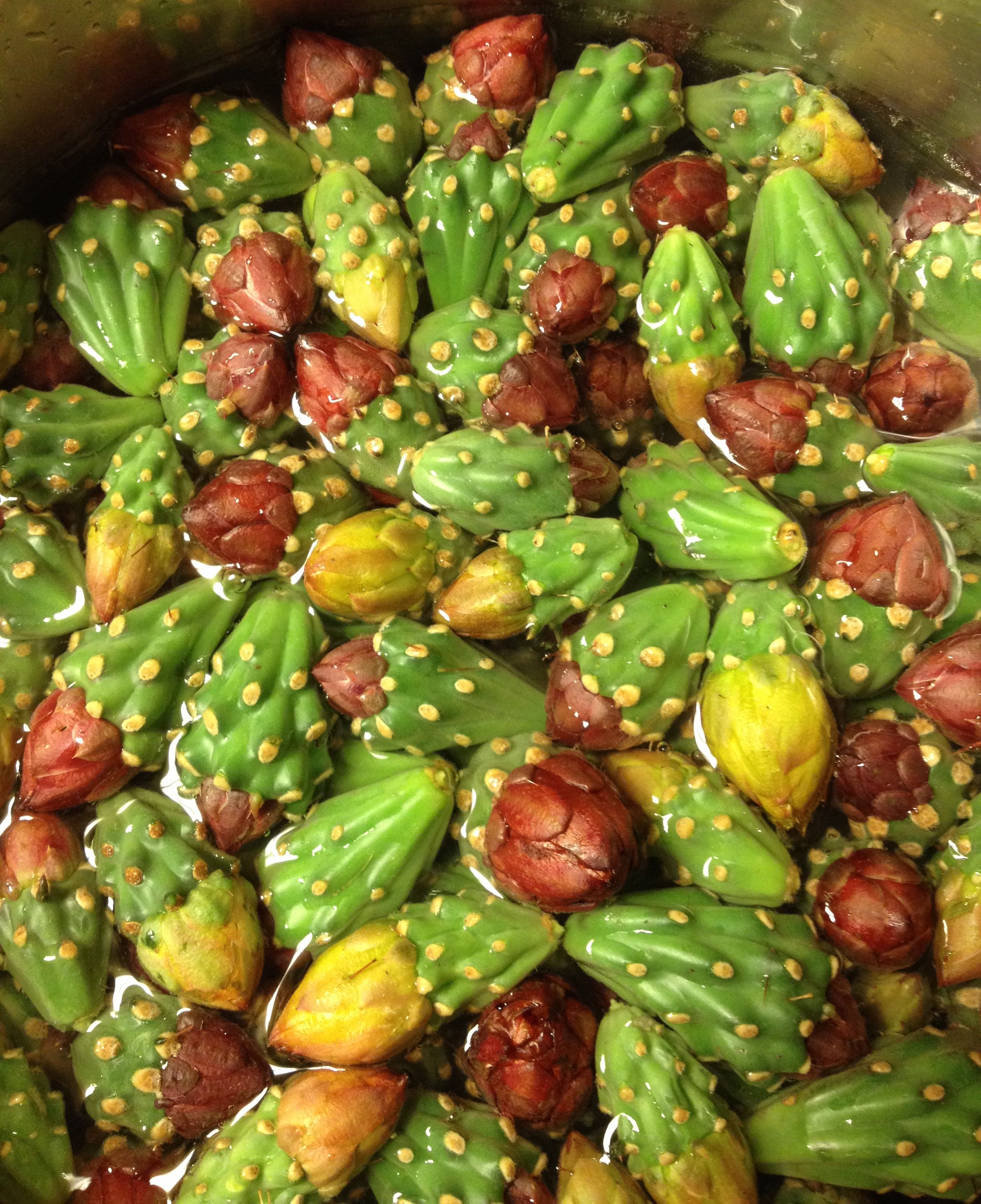
Cholla buds from yellow and red flowers--de-spined and ready to cook

Cholla buds from yellow and red flowers–de-spined and ready to cook (MABurgess)

After de-spining, the buds must be further prepared by roasting or boiling before eating them either plain as a tasty vegetable or fixing into other delectable dishes.


Here’s an easy sure-fire winner for pot lucks……

delectable cholla bud and white Sonora wheat-berry salad

Delectable cholla bud and white Sonora wheat-berry salad


Marinated Wheat-berry Salad with Cholla Buds!                                                                                         

Ingredients:                                                                                                                                                                                                                    2 cups cooked and cooled White Sonora Wheat-berries**                                                                                                                                1/4 -1/2 cup of your favorite Italian vinagrette dressing

¼ cup chopped celery
¼-1/2 cup chopped colorful sweet peppers
¼ cup minced I’itoi’s Onion bulbs and tops, or minced red onion
1/2 cup cherry tomatoes cut in half (optional)
½ cup cooked and cooled cholla buds.                                                                                                                                                                                                                     Romaine lettuce leaves as bed

Instructions: Marinate cooked white Sonora wheat-berries in the dressing overnight in frig, stir once or twice.
Mix in all fresh chopped veggies and cholla buds.
Serve on a fresh romaine leaf.   Makes 6 generous servings.

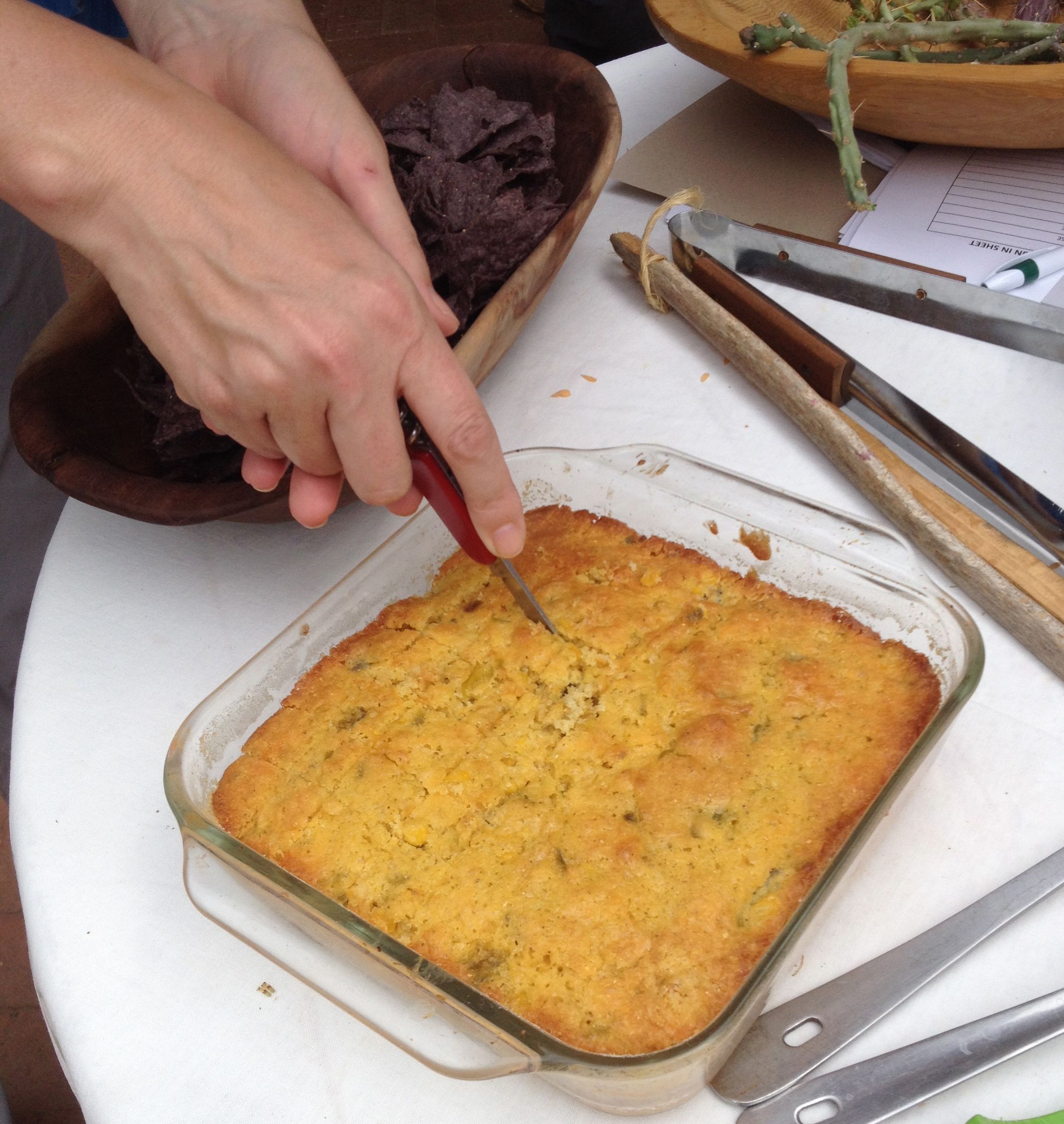
first cut into cholla bud cornbread--yum!

first cut into cholla bud cornbread–yum!

At our up-coming Cholla Bud Harvesting Workshops you will joyously taste cholla in a variety of gourmet recipes. You will a;sp learn how to preserve them, dry them for storage, learn their survival strategies and how those natural “tricks” can help us. Come “internalize” a deeper appreciation of these desert treasures!

For more photos and interesting details, please check out my Edible Baja Arizona article from April 2014 online at http://www.ediblebajaarizona.com. You can view a neat short clip about cholla harvesting created by videographer Vanda Pollard through a link on my website http://www.flordemayoarts.com.  Best of all, you can attend one of our scheduled Cholla Bud Harvesting Workshops to learn the process first-hand!  From there you can harvest your own–and bring these nutritious and off-the-wall taste treats into your home and party menus.


Workshop Dates (find a downloadable flyer on the website http://www.flordemayoarts.com):
Saturday April 4, 2015, 7:30-9:30am—register at 520-907-9471
Wednesday, April 8, 8-11am, Pima Co Parks & Rec 520-615-7855 x 6
Saturday, April 11, 8-11am, Westside, sponsored by NativeSeeds/SEARCH, call 520-622-0830×100                   Saturday, April 18, 8:30-11:30am, Tohono Chul Park, 520-742-6455 x 228

Hoping to see you at one of these fun classes!  Happy harvesting–to all budding harvesters and cholla aficionados!

**Certified organic heirloom White Sonora Wheat-berries from BKWFarms are available at the Flor de Mayo booth at FoodInRoot’s Sunday St Phillips Farmers Market, St Phillips Plaza, N Campbell Avenue, or online from http://www.flordemayoarts.com in ½ lb, full pound, kilo bags, and greater quantities for chefs. Also available from the NativeSeeds/SEARCH Store, 3061 N Campbell Ave, Tucson.

Dry cholla buds for reconstituting to cook are available at San Xavier Coop Association booth at Thursday Santa Cruz Market and at NativeSeeds/SEARCH.

Time for Some Thyme

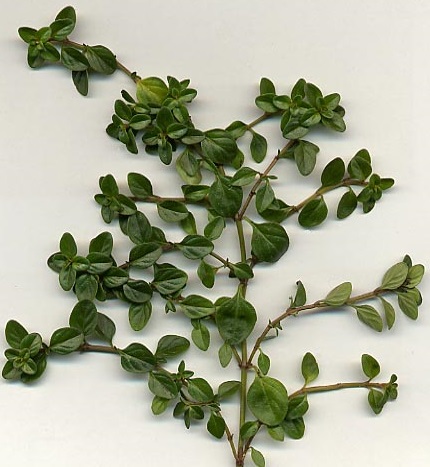
Thymus_vulgaris_branch crop

Common thyme (Thymus vulgaris)  is best grown with a dappled noon-time shade in the summer in the southwest.

Special for Savor the Southwest  February 2015
by Dr. Jacqueline A. Soule

Spring is springing out in my garden – and the little thyme cutting I got from Savor Sister Muffin Burgess back in at our anniversary party in November is finally starting to take off.  November was a terrible time to take cuttings of this warm climate herb – but the great thing about herbs is that humans have been mistreating them for 7000 years or so, and the weak ones have mostly died out.

Thymus_(zaatar)_Jerusalem_BG crop

There are many species of thyme, like this species in the Jerusalem Botanical Garden, used for the herb blend za’atar.

Thyme is a large and very popular genus, with over 350 species and countless cultivars grown around the world. Aside from looking lovely in the landscape, thyme is a strong herb used in cooking, and has some proven medicinal properties as well. It can also be grown indoors in bright, indirect light.

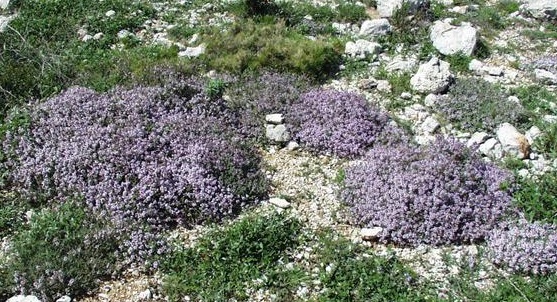
Thymus_vulgaris_habitat_003 crop

Many herbs that do in the Southwest are originally from a similar climate – like this Thymus vulgaris growing wild on the rocky hillsides of the Galilee.

This lovely, fragrant, tasty, and healthful herb in native to the rocky slopes of the mountains of the eastern Mediterranean region, in the area that is now mostly Greece. Since they are pre-adapted to low water conditions, most species of thyme can be grown here. I grow my thyme plants where they get roof run-off, thus I rarely need to water them; and yet they offer a lush look to my entryway with their glossy green leaves.

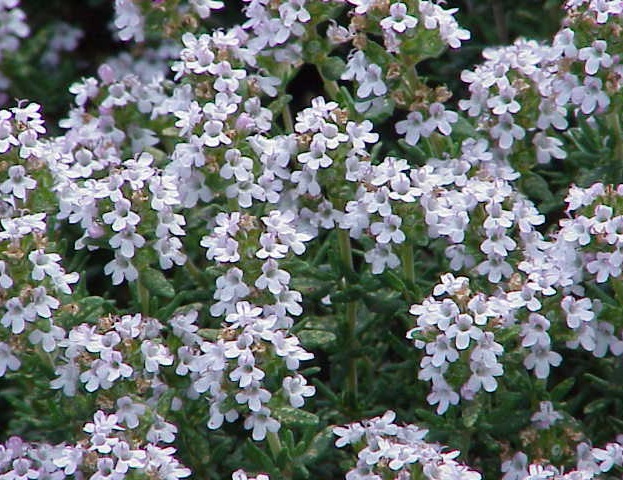
Thymus_vulgaris_bloom_001 crop

Not just tasty, thyme is also another pretty face in the garden! For peak flavor, it is best to harvest this (and most culinary herbs) just before they bloom.

Make sure you grow your thyme in well-drained soil. You may have to add some sand to your soil. I killed several thyme plants until I had finally added enough sand to their bed.

There are many thymes to choose from, but here are the species most commonly found in the nursery.

Common or culinary thyme (Thymus vulgaris) is a low woody plant barely reaching a foot tall. It quickly becomes leggy with bare wood showing so harvest and use or dry your thyme often. (You can give friends jars of your dried herbs as truly personal and unique gifts.)

Creeping thyme (Thymus praecox) makes an attractive and useful groundcover. It is culinary too! Harvest as needed.

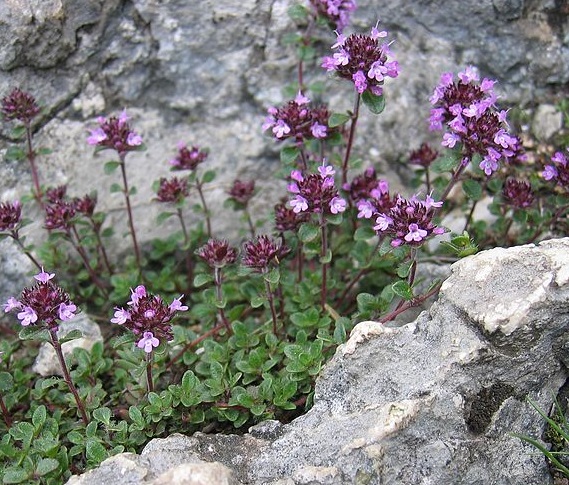
Thymus_praecox crop

Creeping thyme, with tiny leaves and charming purple flowers, is perfect for a fairy garden.

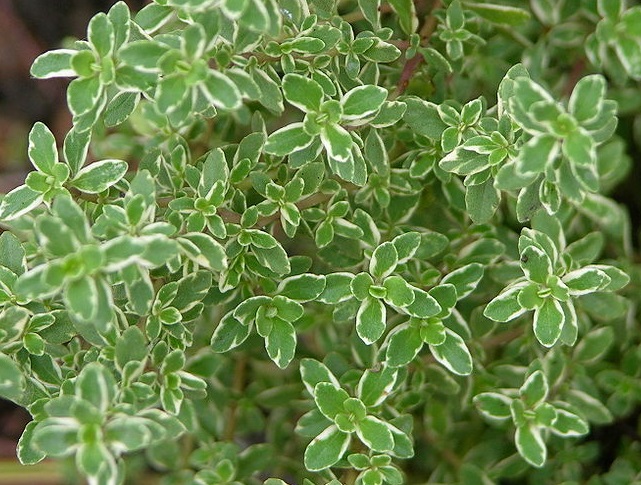
Lemon thyme (Thymus X citriodorus) is a delicious and fragrant low-growing variety with glossy green leaves, and goes wonderfully with fish dishes.

Thymus_citriodorus_variegata_crop

Lemon thyme is great for flavoring fish dishes – two flavors for the price of one!

Equally fragrant and delicious is the golden lemon thyme (Thymus X citriodorus ‘Aureus’). With wonderfully variegated leaves, it looks good in the landscape.

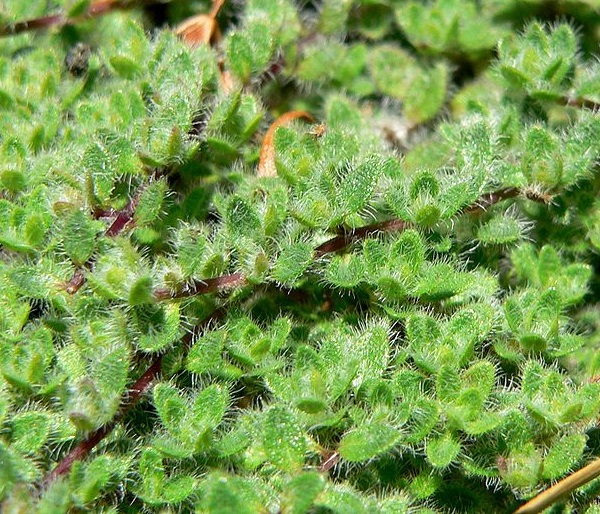
Not generally used as culinary herbs, two popular species of creeping thyme are useful in the landscape. Mother-of-thyme (Thymus serpyllum) and woolly thyme (Thymus pseudolanginosis) both grow well between shady flagstones, and smell great when stepped on.

Thymus_pseudolanuginosus_crop

Add some fragrance to your landscape – plant this heat tolerant woolly thyme between the flagstones of your path.

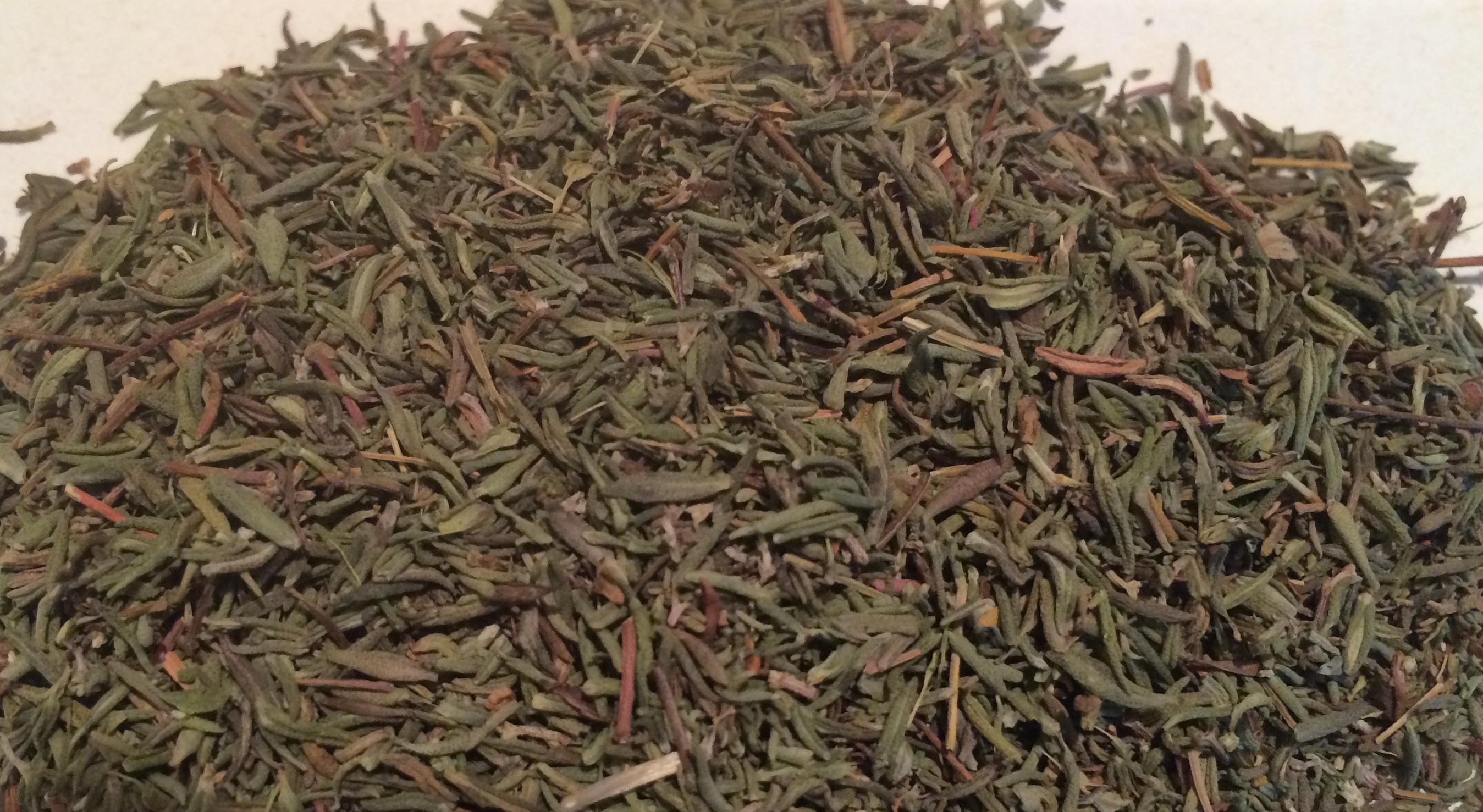
Sprinkle thyme (either fresh or dried) in soups, salads, on meat dishes or use in herb breads. Use an ample number of sprigs in herbal vinegars and oils for an intense and refreshing flavor.

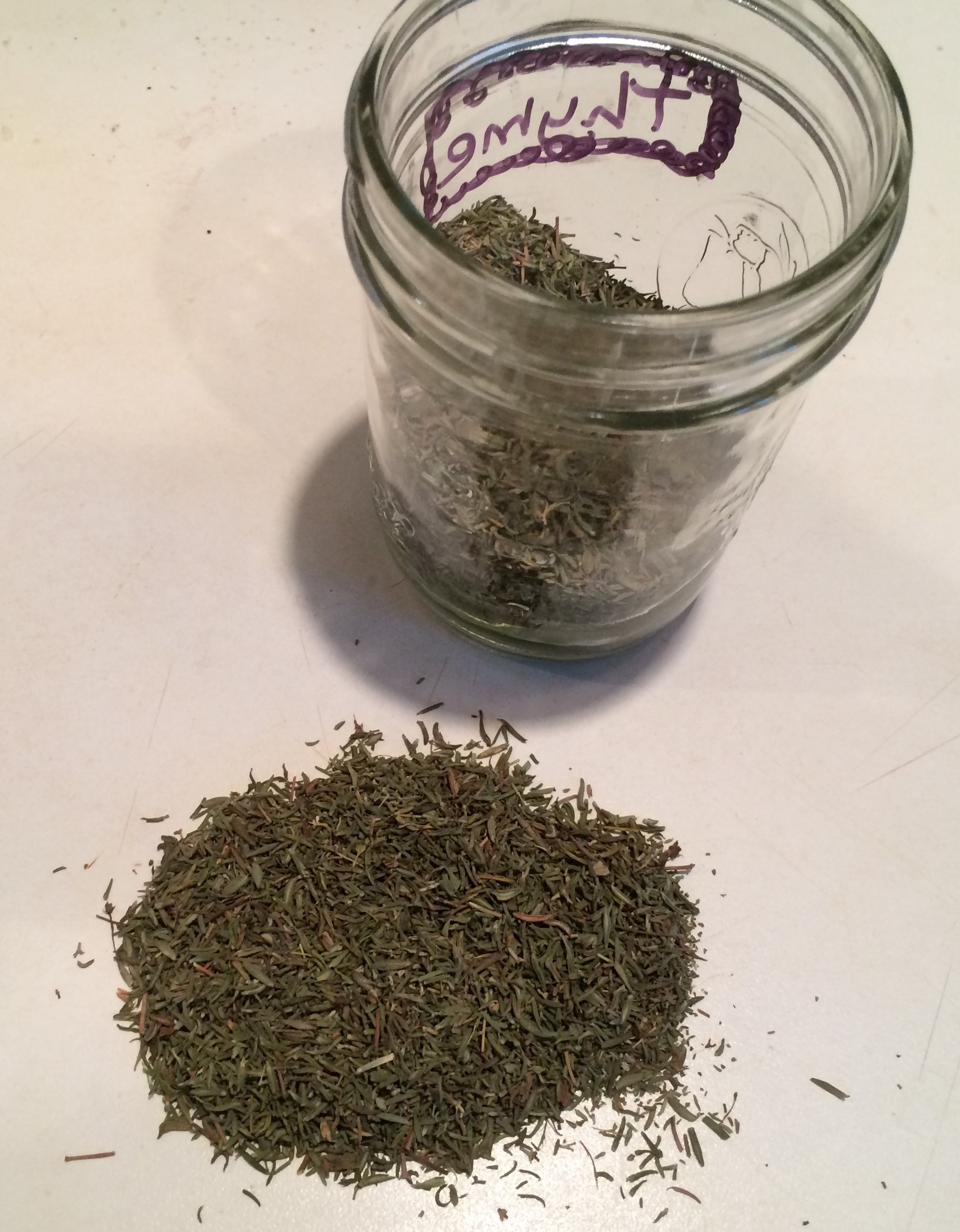
thyme IMG_2655 crop

We use ample thyme in our cooking. This 8 ounce jar gets refilled several times a year.

For a quick meal at the end of a long day make Sopa de Farigola, or Thyme Soup, a dish popular in the Catalonia region of northeastern Spain, and thus part of our Sonoran heritage as well.  Fresh eggs and day-old bread are topped with a boiling broth made from water, sprigs of thyme and some olive oil. Great for replacing electrolytes after a day working in the garden!

More about thyme in my books which I will be selling and signing at the Tucson Festival of Books March 14 & 15 this year – Southwest Fruit & Vegetable Gardening (Cool Springs Press 2014, $23), and Father Kino’s Herbs: Growing & Using Them Today (Tierra del Sol Press 2011, $15) also available at Tucson area bookstores, nurseries, botanical gardens, and state parks.

JAS avatar  © 2015, Jacqueline Soule. All rights reserved. I have received many requests to reprint my work. My policy is that you are free to use a very short excerpt which must give proper credit to the author, and must include a link back to the original post on our site. Please use the contact me if you have any questions.

thyme IMG_2657 crop

Within & Without: WILDFLOWER Honey Facial Mask (DIY)

Aunt Linda here, on this breezy Tucson morning. IMG_7283 As I write, the full moon shines powerfully in the west, as it sets. The bee yard is aglow. The beams of moonlight bounce off the hives;  alight upon the honey house roof;  shine through west facing doors and windows. The bees are hunkered down in their hives this morning. They will not launch into their foraging flights as early as they did in the summer. They are solar beings, and navigate with the sun. Being past the equinox , and with less sunlight available, their first flight begin later and their return home in the evening, earlier. They are also affected by cooler temperatures,  and are not partial to the winds we have been having. We are all, bee and human, between night and day; between summer and winter. As the cycles of flow and blossoming  constantly change, so do the stores of nectar, pollen and honey within the hive. The “inside” of a hive here in Tucson reflects the light yellow color/light aroma of Mesquite Flows from earlier in season, to the darker, stronger tasting and smelling honey of desert wildflowers of late summer and fall. The pollen comes in different colors as well. So it is that bees, in the process of their practicality, create mosaics of pollen and canvases of honey, depending on what is available to them regionally and seasonally. Below: you can see the variation of color and texture of pollen both on the bees’s “pollen baskets” on their hind legs, as well as in their “mosaic” of pollen stores within the hive. IMG_2744

IMG_7186

See how this desert wildflower yields a bight orange colored pollen (back legs of bee) as compared to the lighter yellow in the above photo.

By now you may be reveling in all the colors and tastes (and smells!)  of honey. Visit your local beekeeper at a farmers market  or health food store this weekend, and see how real and raw honey differs from the “honey bear honey” sold on many grocery store shelves. Bees have “honey stomachs” that they use to carry nectar back from the flowers, and into the hives to produce honey. The variation in plant nectars account for the variation on types of honey.

DSC_7013

Note the difference in color of the  very light Mesquite Honey (in the exquisite photo ABOVE – taken by Ben Johnson; you can learn more about this talented man at ben@benjohnsonart.com) as compared with the deeper colored Cactus Flower honey (photo below).

IMG_7793 True Fall Wildflower honey is usually an even deeper brown (bottom photo) and has higher antioxidant levels, which may be better for our skin! IMG_7218  Within and Without:  WILDFLOWER Honey Facial Mask (DIY)

Ingredients: raw honey and time How To:

This simple facial mask takes us from our own pores to the pores of plants.  As you can see in the photos,  the honey produced inside the hive literally reflects the environment around it. When we plant a garden or keep a hive, we move from being being a food consumer, to a participant in our food production. So, too, with our health products. It is wildly fun, and often more economical,  to use your own honey (or to purchase directly from a local beekeeper!!! That is a powerful act which moves you closer the “source”), than to purchase a  prepared product.

Honey has been used for skin repair and nourishment for thousands of years. Literally.  It is a humectant,  an anti-oxidant (darker, fall wildflower honey shows higher anti-oxidant levels than other types of honey,  in scientific studies),  and aroma “therapy” (is smells so, well, sweet!).

The idea here is as much about the Ritual as the Result.  Enjoy the smells and sensations WHILE applying the honey. Place the attention we so easily abdicate to the external world within once again. Our attention is rarely our own anymore, and a ritual as simple and everyday as washing our faces, can be a vehicle to practice enjoying the moment.

1) Exfoliate, however you like. This allows the properties of the honey to do their magic, without the barriers of dirt and oils.  Rinse. (Facials are not for everyday … at least not in my world.   I like to do the facial mask in the shower, on days when I wash my hair (which is not everyday) in order to utilize the humidity that the shower provides to open pores. (Water is a precious element in the desert, and I like to use Permaculture wisdom of “stacking functions” in order to lessen my water use.)    Truthfully, I do this facial mask less frequently than I should.

2) Right as you apply your conditioner, apply the honey to your face. Then wrap up your conditioning hair in a towel and step out of the shower  for about 20 minutes.  Who knows … during those magical twenty minutes you might even the feel the flights of the worker bees,  the “waggle dance” as specific foraging information is passed along,  the way the flowers tip and bend in the breeze, the smell of flower,  the sacred offering of pollen at dawn.  Once you have soaked up both the tangible and intangible properties of the fall facial mask, rinse (both face and hair, if you are doing a duo) and apply your favorite facial cream. Your skin will GLOW.

More Wild-Flower Foraging Fotos IMG_7193 The photo above shows how the hairs on a bees body gather pollen; note head on left bee. The photos  below show honey bees (and native bees) foraging in a variety of desert plants; and what “uncapped” honey looks like.   IMG_0748 IMG_1293 IMG_7804 IMG_1886 IMG_2173 IMG_7071

Parsley

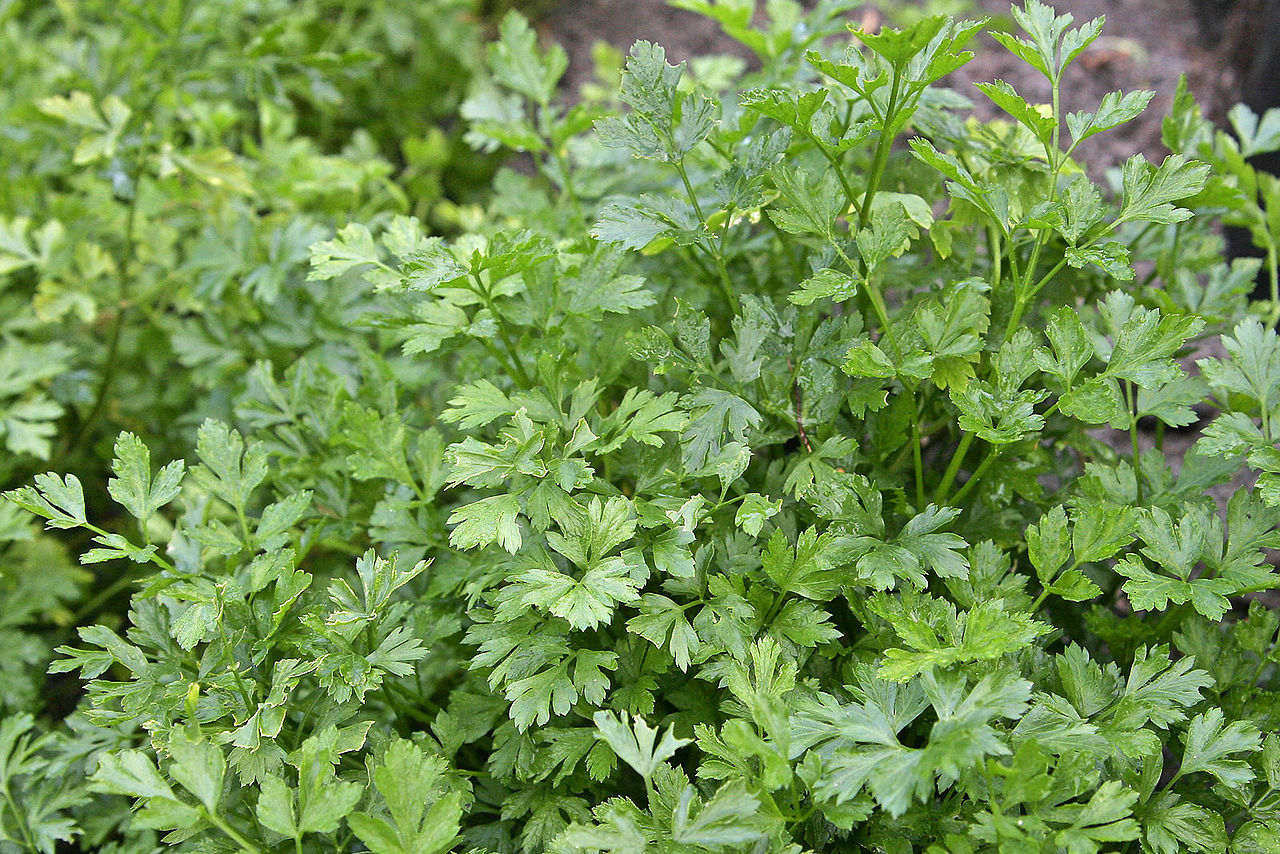
Petroselinum crispum flat leaf parsley

Flat leaf parsley grows well in the winter garden here in the middle desert regions of the Southwest.

Special for Savor the Southwest October 2014 by Jacqueline A. Soule, Ph.D.

Ever notice that restaurants often provide a sprig of fresh parsley on each dinner plate? They may not even know why, but it is a holdover from Victorian times and parsley’s reputed value as a digestive aid. Most diners avoid this strongly flavored green, but they shouldn’t! It may well be the most nutritious thing on the plate! Rich in vitamins A, B1, B2, B3, B5, B6 B9 (folate), C, and K as well as the minerals calcium, iron, magnesium, phosphorous, potassium and zinc. Parsley also helps the body in manganese absorption, a mineral important in building and maintaining healthy bones.

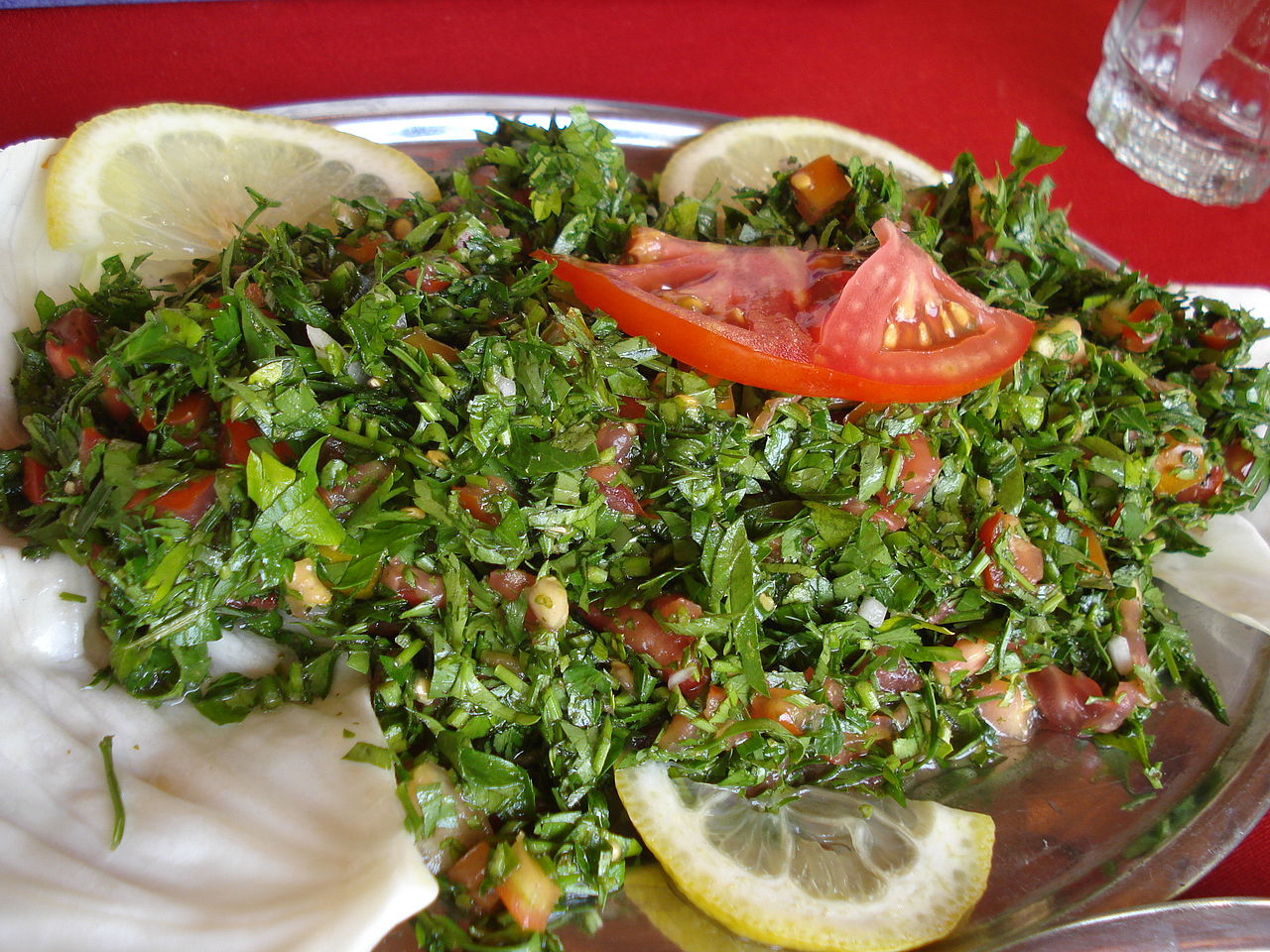
Petroselinum crispum salad

In Europe, salads may consist of parsley, onion and tomato, lacking the salad greens often seen in American salads.

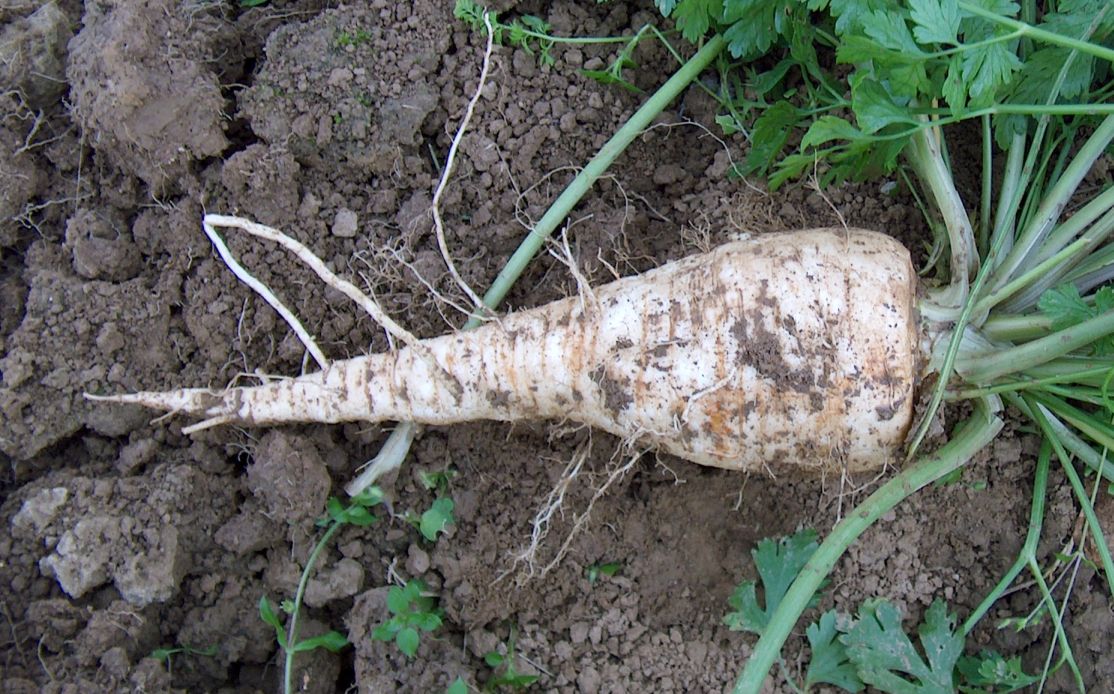
Parsley is one of those plants that is easy to add to the garden, or even just a pot on the patio. And now is the time to plant them! First – there are several parsleys to choose from. Curly leaf parsley (Petroselinum crispum) or flat leaf parsley (P. neopolitanum), and popular for stews, parsley root (P. crispum var. tuberosum). All of these forms of parsley are members of the Carrot Family.   [[By the way, cilantro is als in the same family and can be grown just like parsley.]]


Petroselinum crispum var tuberosum root

One variety of parsley is grown for it’s root – tasty in stews and can be stored for months in a root cellar.

Soil. All carrot kin grow best in a well drained, even sandy, slightly acidic soil, rich in organic matter. That makes them easy to grow in containers. Use a pot one and a half feet deep. Potting soil with some added sand makes a good growing media.

Petroselinum crispum IMG_1371

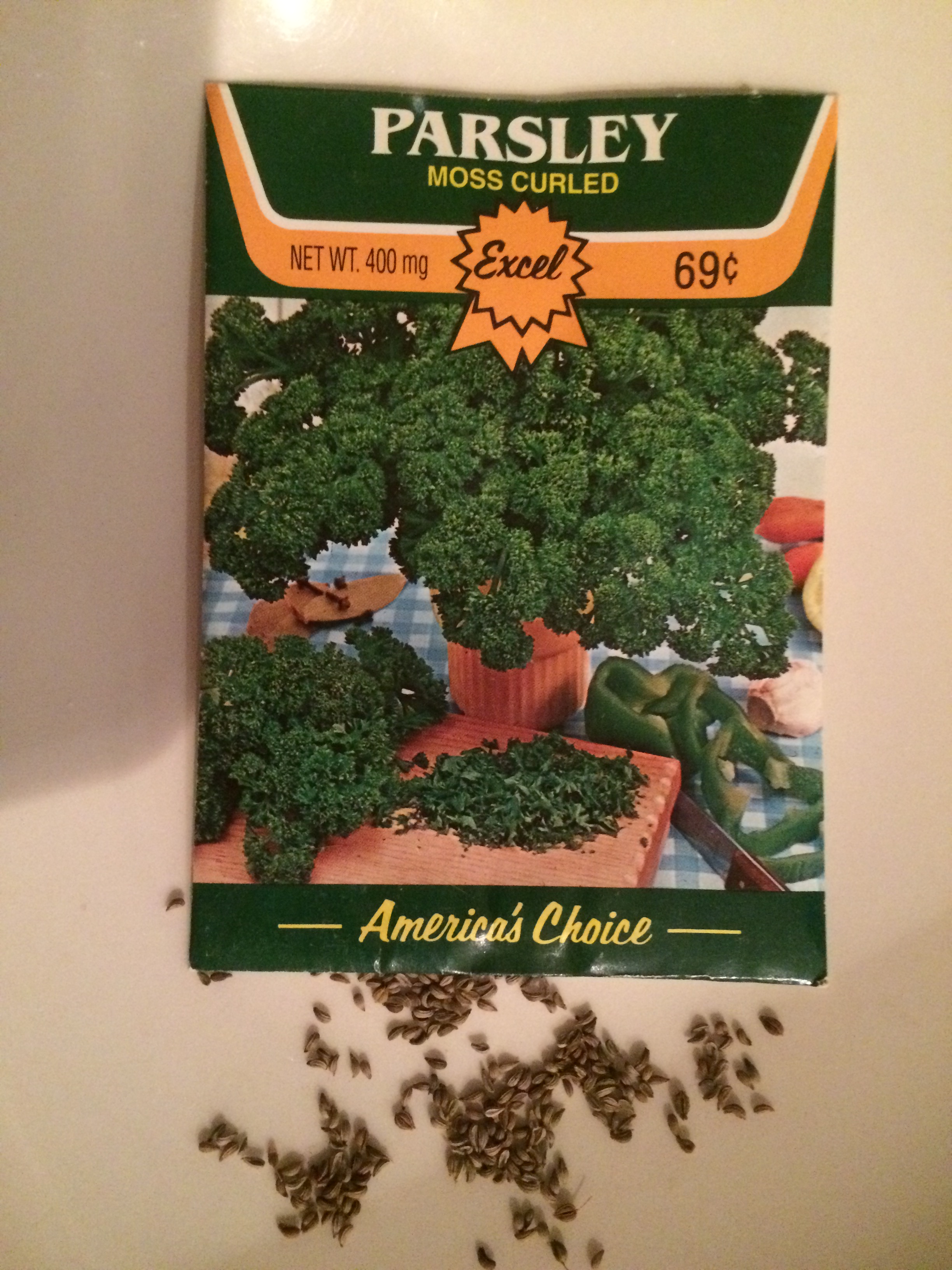
Just a few plants of parsley can be enough so you don’t need a giant package of seeds.

Light. Six or more hours of winter sun to do well.

Plant. Parsley can be bought as a seedling from a nursery or grown from seed. One or two plants are usually enough for most families so seedlings might be a better option.

Water. Keep the soil relatively moist during establishment. You can let parsley dry a little more between water once they get larger. Some people believe this makes their flavors stronger.

Fertilizer. Parsley gets very lush and full with some fertilizer. However, if you amended your soil at the start you don’t need to purchase fertilizer. Plus, avoid fertilizing anything when frosts are a possibility. Come late February you could apply a half strength general purpose fertilizer.

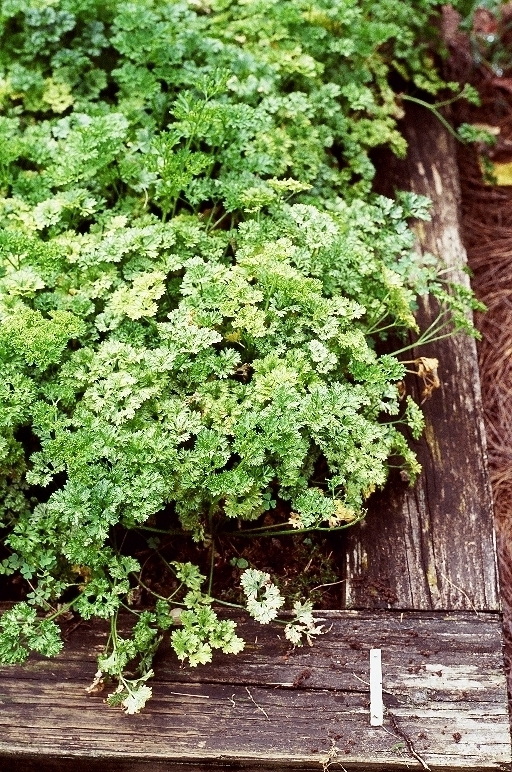
Petroselinum neopolitanum curley parsley_PA_08

Curly leaf parsley grows well in the arid Southwest.

Harvest and Storage. Parsley tastes wonderful when fresh but loses much flavor when dried. Freezing the leaves retains more flavor. Select healthy leaves, rinse, pat dry but leave some moisture. Chop into roughly quarter inch squares and freeze in a labeled plastic bag or yogurt container. This can be used directly from the freezer.

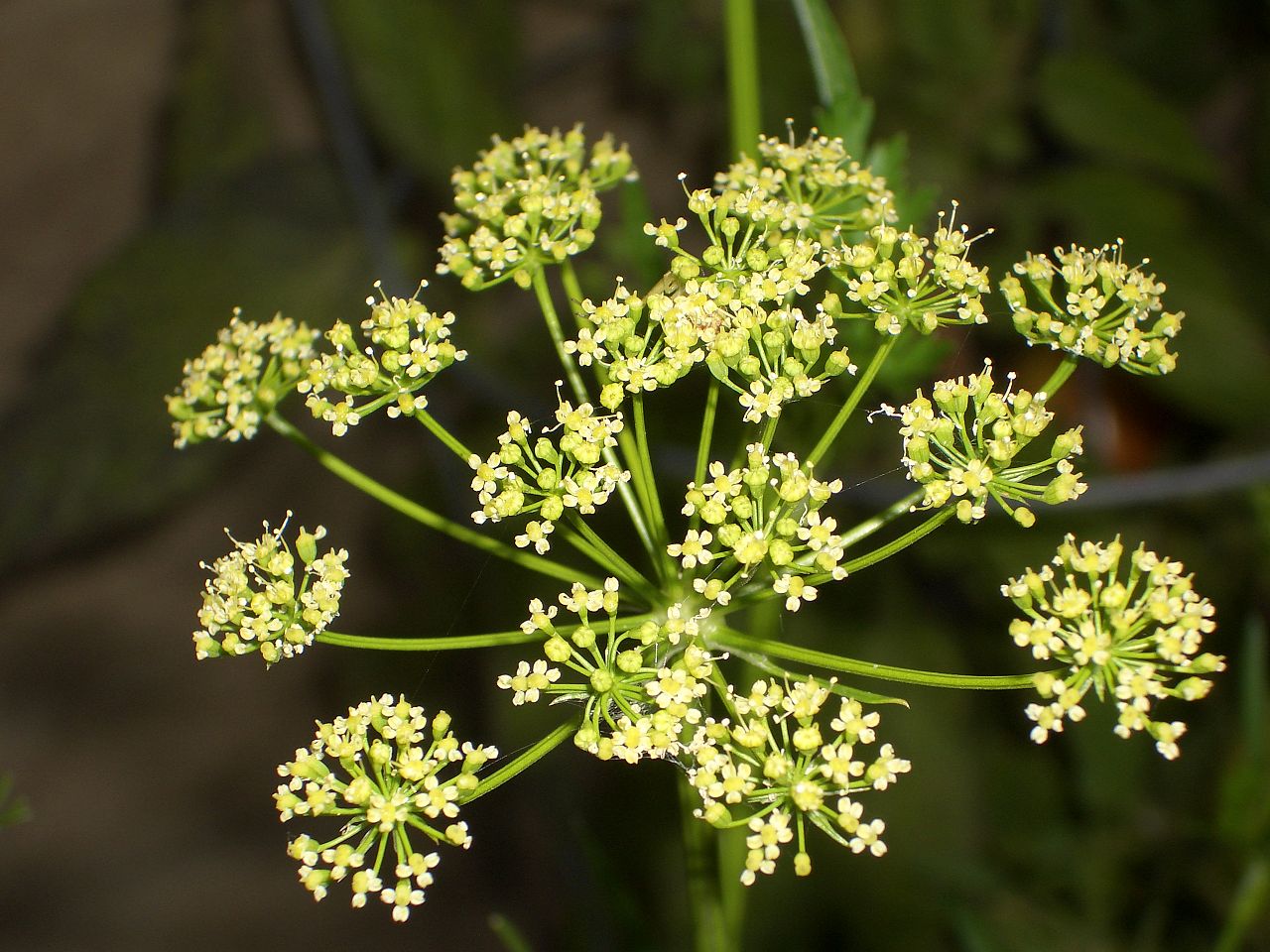
Petroselinum_neapolitanum_flower

If you let your parsley flower, it should attract butterflies to your garden. Plus you will then get seeds to plant next year.

Not only does parsley look pretty on the plate and in the garden, it also attracts winged wildlife. Indeed, one species of swallowtail butterfly use parsley as a host plant for their larvae. Caterpillar are black and green striped with yellow dots, and will feast upon parsley for a brief two weeks before turning into lovely butterflies. Along with butterflies, bees visit the blooms. Seed eaters such as the lesser goldfinch also adore the seed. I let some parsley develop flowers and go to seed each year so the animals can enjoy it once I am done harvesting the leaves. And I save some seeds for replanting.

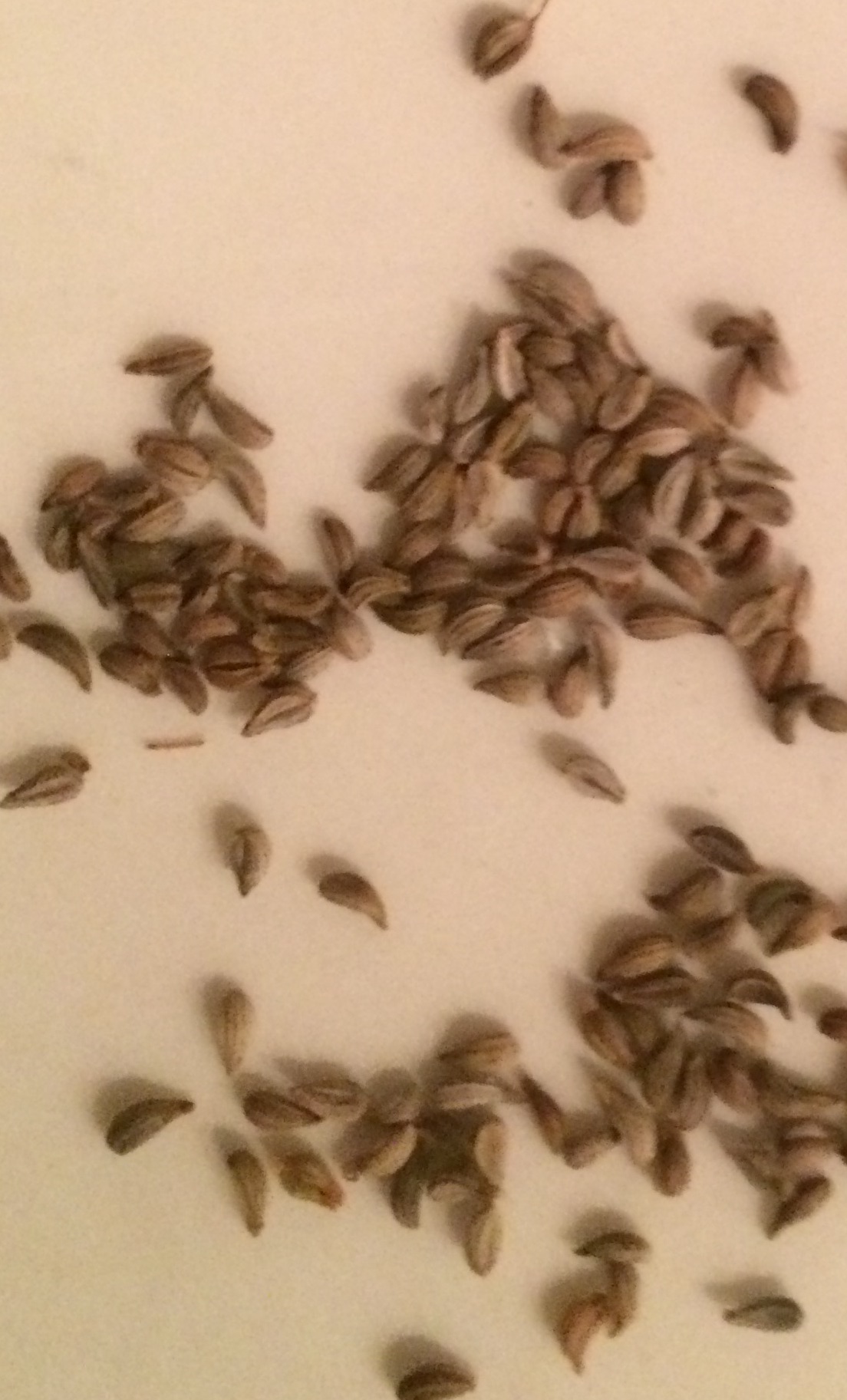
Petroselinum crispum seed crop

Do save some seed for next year. The best thing to plant in your garden is seed of what did well in your garden!

JAS avatarJacqueline A. Soule has been writing about plants and growing in Tucson for decades. Her latest book “Southwest Fruit and Vegetable Gardening” (Cool Springs Press $22.99) is available at local bookstores and botanical gardens. (Call first though, some venues have been selling out.)

©  Jacqueline Soule.  All rights reserved. I have received many requests to reprint my work. My policy is that you are free to use a very short excerpt which must give proper credit to the author, and must include a link back to the original post on our site. Photos may not be used.
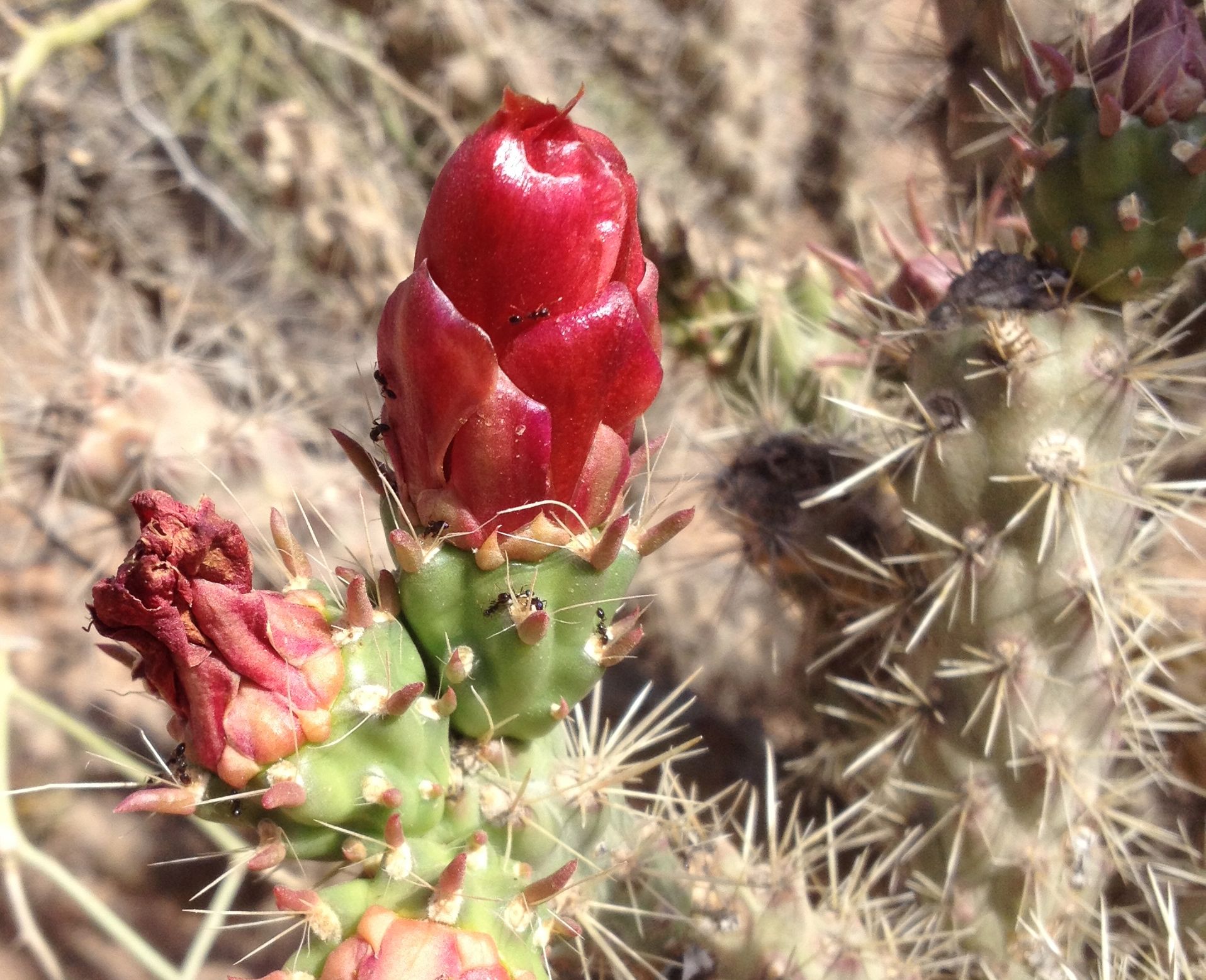
Hearty Jojoba

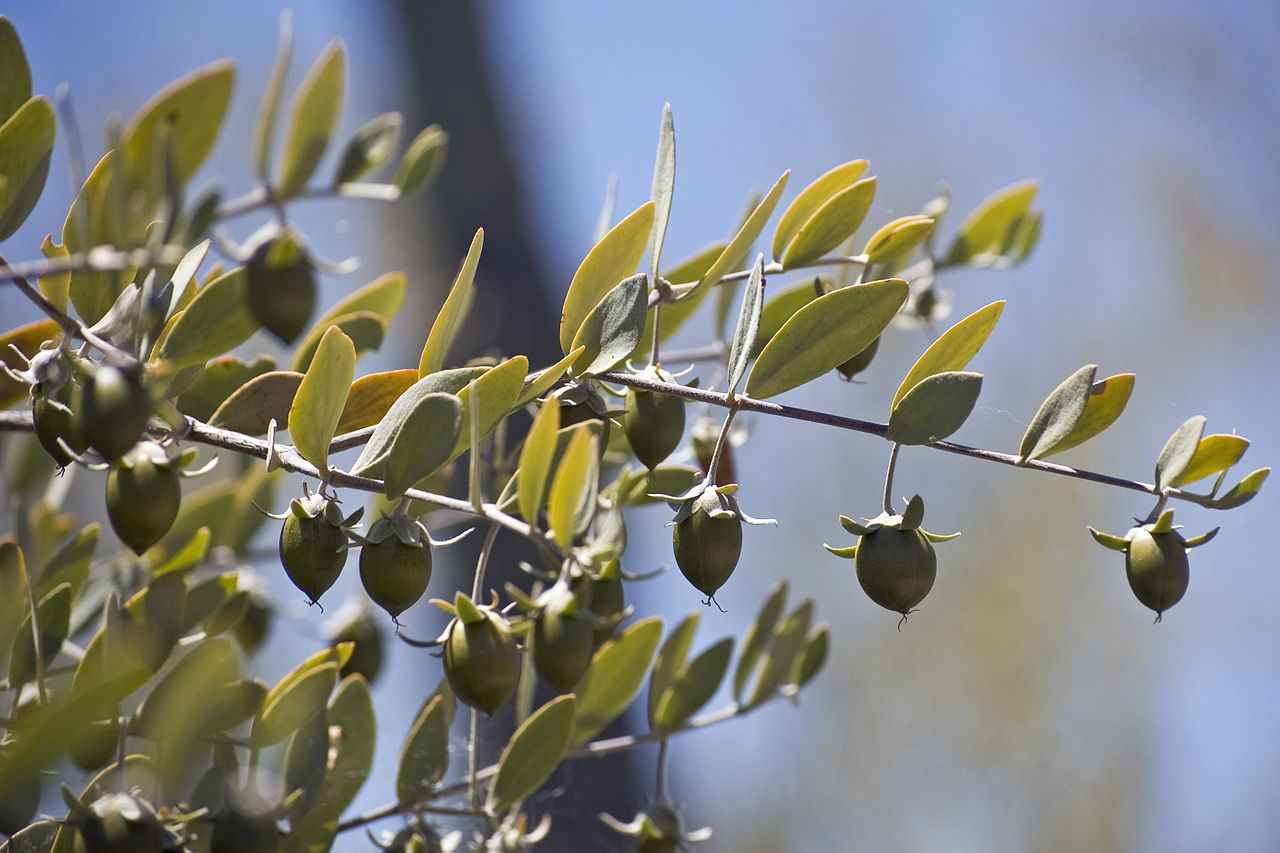
jojoba green fruit

Green jojoba fruit dangle below the branches, slowly ripening in the desert sun.

posted by Jacqueline A. Soule

If you know how I title most of my blogs, you now have a hint on how to pronounce jojoba – it’s pronounced ho-ho-ba. (The “j” is an “h” sound in Spanish. Which reminds me of the time at the busy health clinic when “Hakalina” did not recognize her name called out by the nurse – but that’s another story.)

Jojoba is the O’odham name for the plant (Simmondsia chinensis) and it came into Spanish via the work of Father Kino. Indeed, Father Kino wrote in his journals about the plant. In Bolton’s 1919 translation of Kino’s journals, Kino writes of a visit with “Pima Indians” (pg. 93) and states that, among other items “. . . they also have bezoar, the medicinal fruit called jojoba, blankets, cotton fabrics, curious and very showy baskets or pitchers, macaws . . . and other conveniences.” Later, Kino describes the fruit as “. . . like the almond, and with a very salutary and effective remedy for different kinds of sickness.”

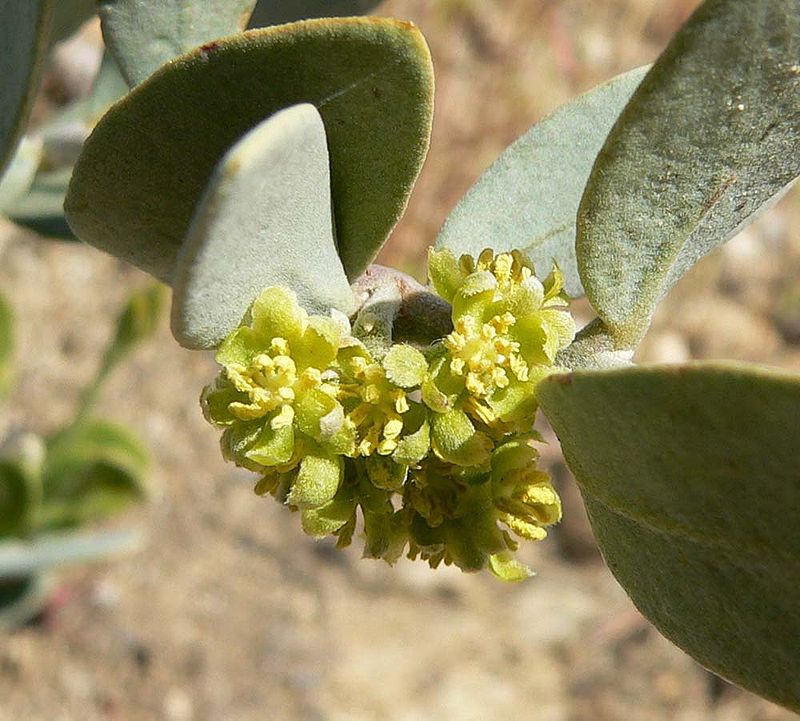
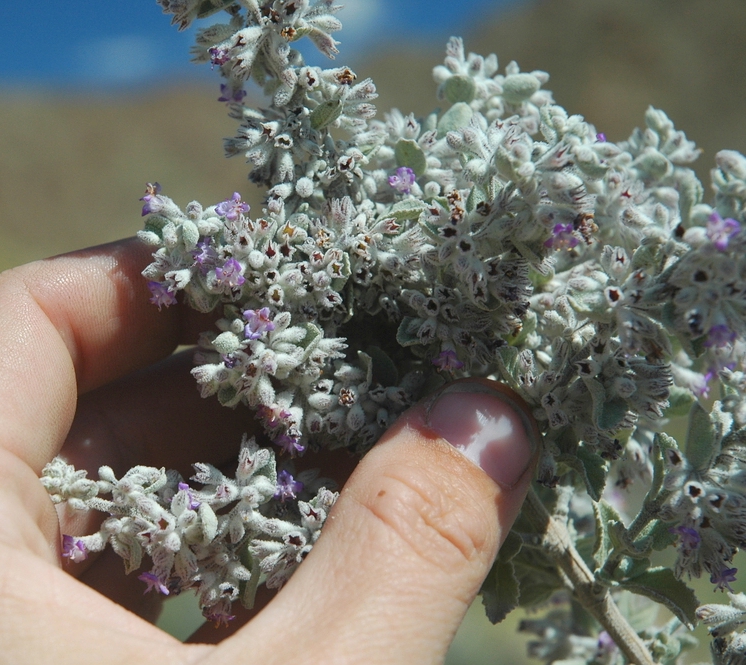
Simmondsia_chinensis_male_flower

Jojoba shrubs are either male or female. Here a male shrub offers it’s pollen filled flowers to passing pollinators.

Other common names for the plant include goat nut, deer nut, pignut, wild hazel, quinine nut, coffeeberry, and gray box bush. Although there are references to jojoba as nuts, they are, botanically speaking, a seed.

Jojoba was used in most areas where it is native. The uses varied with tribe. O’odham would crush the seeds to yield an oily paste useful for dry cracked skin, chapped lips, cuts, scrapes, and burns. Seeds were ground and pressed into cakes, and small portions were eaten in moderation as food. Too much jojoba has a laxative action. Seri used seeds as an emergency food, but more commonly as part of a shampoo process. Seeds can also be made into necklaces.

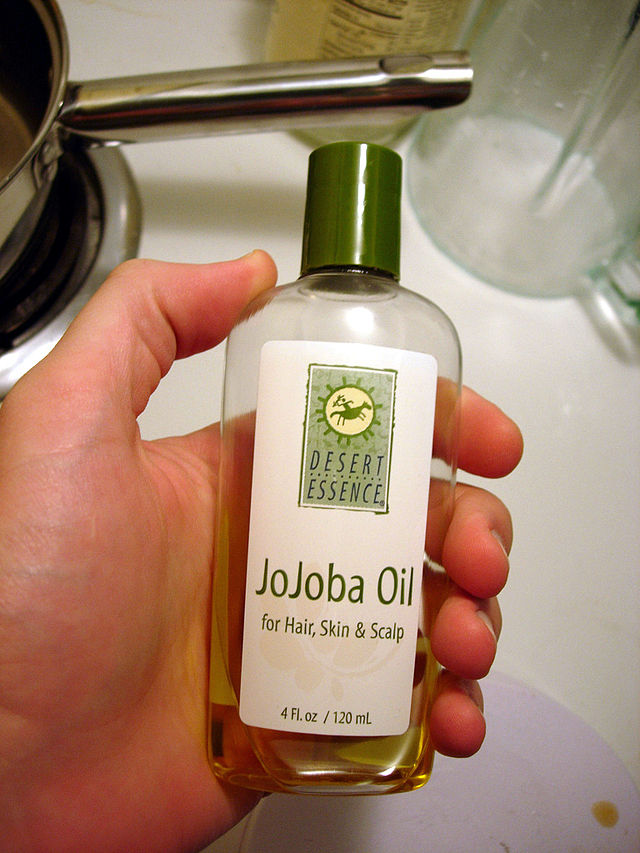
Jojoba-oil

You can purchase pressed jojoba “oil” in many stores. I use the oil in making lotion.


Currently, jojoba is grown commercially for its “oil,” in reality a liquid wax ester, expressed from the seed. This oil is rare in nature. Technically it is an extremely long straight-chain wax ester and not a triglyceride, making jojoba and its derivative jojoba esters more similar to human sebum (body oil) and sperm whale oil than to vegetable oils. Jojoba oil is easily refined to be odorless, colorless and oxidatively stable, and is often used in cosmetics as a moisturizer and as a carrier oil for specialty fragrances. It also has potential use as both a biodiesel fuel for cars and trucks, as well as a biodegradable lubricant. Plantations of jojoba have been established in a number of desert and semi-desert areas.


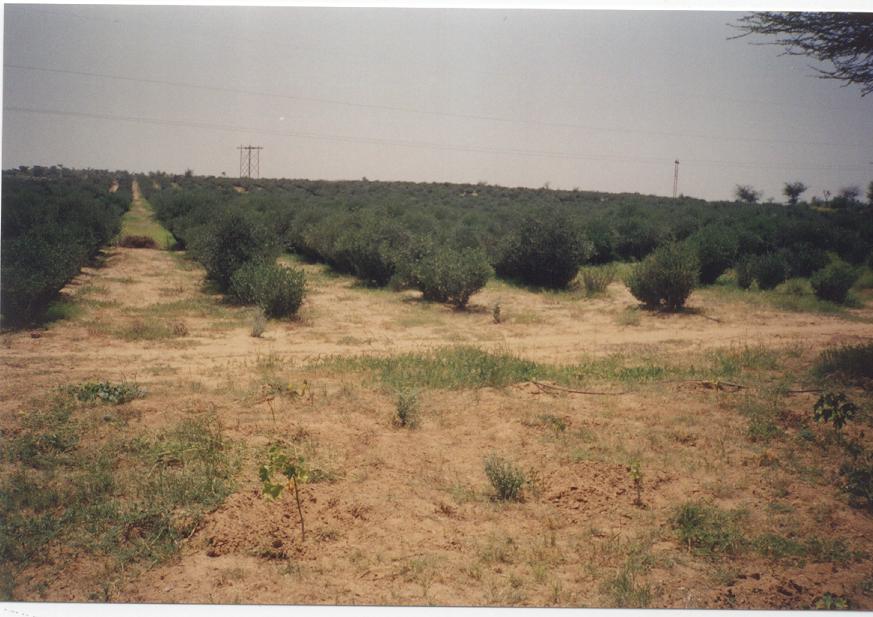
jojoba plantation in India

Jojoba plantation in one of the semi-arid areas of India.

Jojoba is currently the Sonoran Desert’s second most economically valuable native plant (overshadowed only by the Washingtonia palms used in ornamental horticulture). Plant breeders are doing selective breeding to develop plants that produce more seeds, seeds with higher oil content, and characteristics that will facilitate mechanical harvesting.

A few interesting taxonomic notes. Jojoba is the only species in its plant family, making it quite unique among flowering plants. While there are around 400 monotypic genera, this is the only monotypic flowering plant family. The scientific name, Simmondsia chinensis, is an example of the need for good penmanship. Jojoba does not originate in China! Johann Link, the botanist naming the species, misread Nuttall’s collection label “Calif” as “China.”

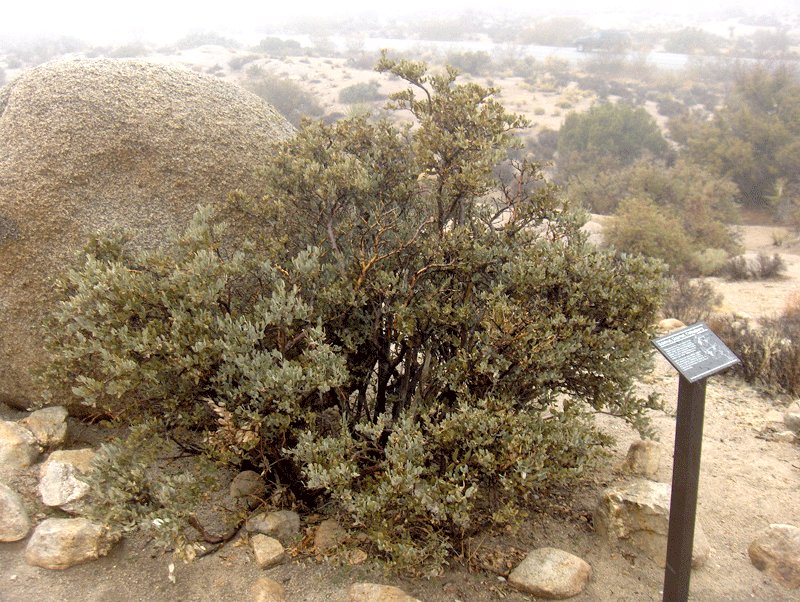
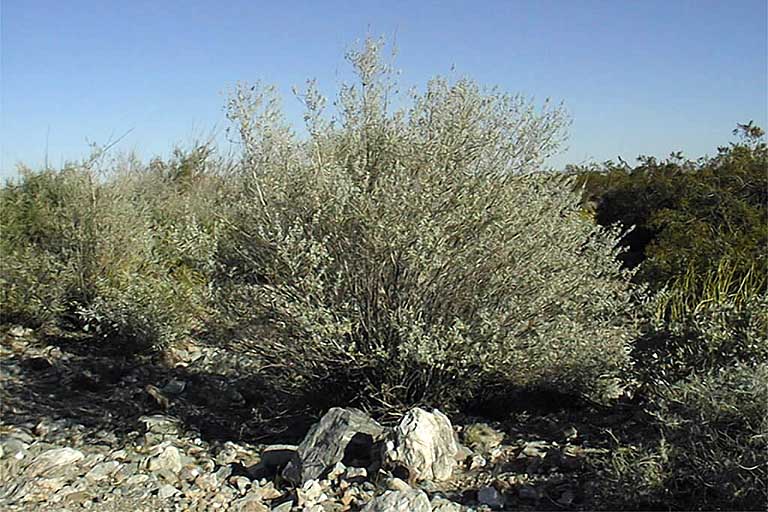
Jojoba habit

Jojoba shrubs live well in the desert.

Harvesting and Use.
Jojoba seed on a single bush will ripen slowly over several months. This is one of the traits breeders are seeking to change. Seed is ready to be harvested when the hulls easily fall off and a slight tug releases it into your hand. If it resists, it isn’t ripe.

Store harvested seed in jars or even in the freezer. Grind jojoba seeds in a mortar and pestle for topical use. Alternatively toast the seeds and munch as an occasional snack.

If you have the technology, you can harvest seeds and press them for the oil. Or simply plant them in your native landscape and let the native wildlife use the seed.

Planting and Care will be covered in a future blog.


To learn more about jojoba and other native plants used as herbs, please come to my free presentation “Father Kino’s Native Herbs” at the Main Library on Saturday Sept 13 at 1:30. More at http://www.library.pima.gov/calendar/?ID=26635

Some of the information in this article is excerpted from my book “Father Kino’s Herbs: Growing and Using Them Today” (2011, Tierra del Sol Press, $15). I hope you will consider purchasing a copy locally at Antigone Books, Arizona Experience Store, Magic Garden, Mostly Books, or Rillito Nursery.

© 2014, Jacqueline Soule.  All rights reserved. I have received many requests to reprint my work. My policy is that you are free to use a very short excerpt which must give proper credit to the author, and must include a link back to the original post on our site. Please use the contact me if you have any questions. JAS avatar

Desert Lavender

posted by Jacqueline A. Soule

In the days before indoor plumbing, daily showers, and sanitation in general, the clean fresh fragrance of lavender was highly welcome. The name lavender is derived from the Latin “lavare,” meaning to wash. Leaves and flowers have been used for several millennia to do just that, wash. Fragrant baths, hair rinses, to cleanse and treat skin ailments, and, in the past, to help eliminate lice and bedbugs from the household. Tea made from leaves and flowers has been used to treat sleeplessness, restlessness, headache, flatulence, and nervous stomach.


Hyptis_emoryi_flowers_002


Hyptis_emoryi_habit


Imagine the delight the Europeans experienced when first encountering this fragrant desert plant in our area. Here they were, after an arduous sea voyage, months of horseback travel along dusty deer trails, riding into progressively odder lands – strange towering saguaros, bulging barrel cactus, pungent creosote bush – to come across a gentle evocative fragrance of their childhood home, the sweet scent of lavender. Some, like Father Kino, may have seen it as a sign from God that their journey was blessed.
 

lavendula in Hungary


Hyptis_emoryi_flowers_001


Native Seri use a tea of desert lavender (Hyptis emoryi) to help treat a cold. The Franciscans (who came to the area well after Padre Kino) were known to have harvested and used the leaves and flowers in the sick room, to soothe the ill with the fragrance and to bathe fevered foreheads.

Harvesting and Use.
Harvest stalks of desert lavender as the lower-most flowers open. This gives you buds with optimum fragrance. Dry these, like all herbs, out of direct sunlight. I have used desert lavender in all the same external applications European lavender is used for with no observed ill effects. Here are three ways you can use desert lavender.


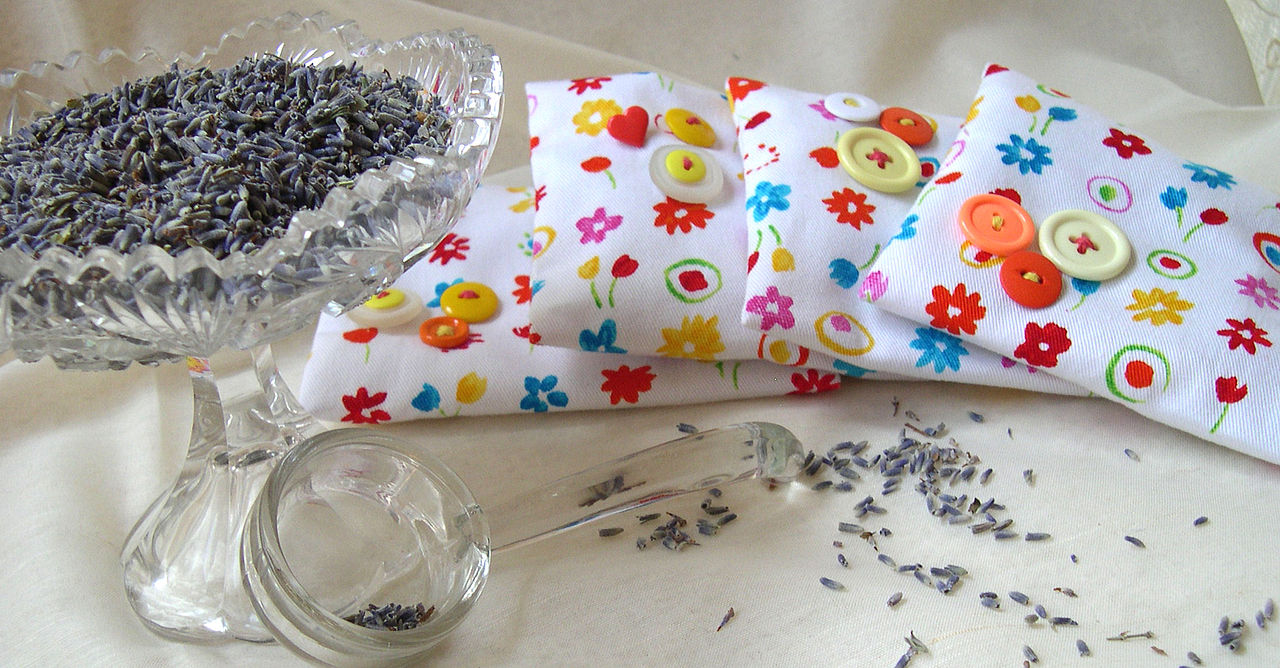
Herbal sachets can be made with desert lavender.

Lavender_Sachets


Herbal Tisane
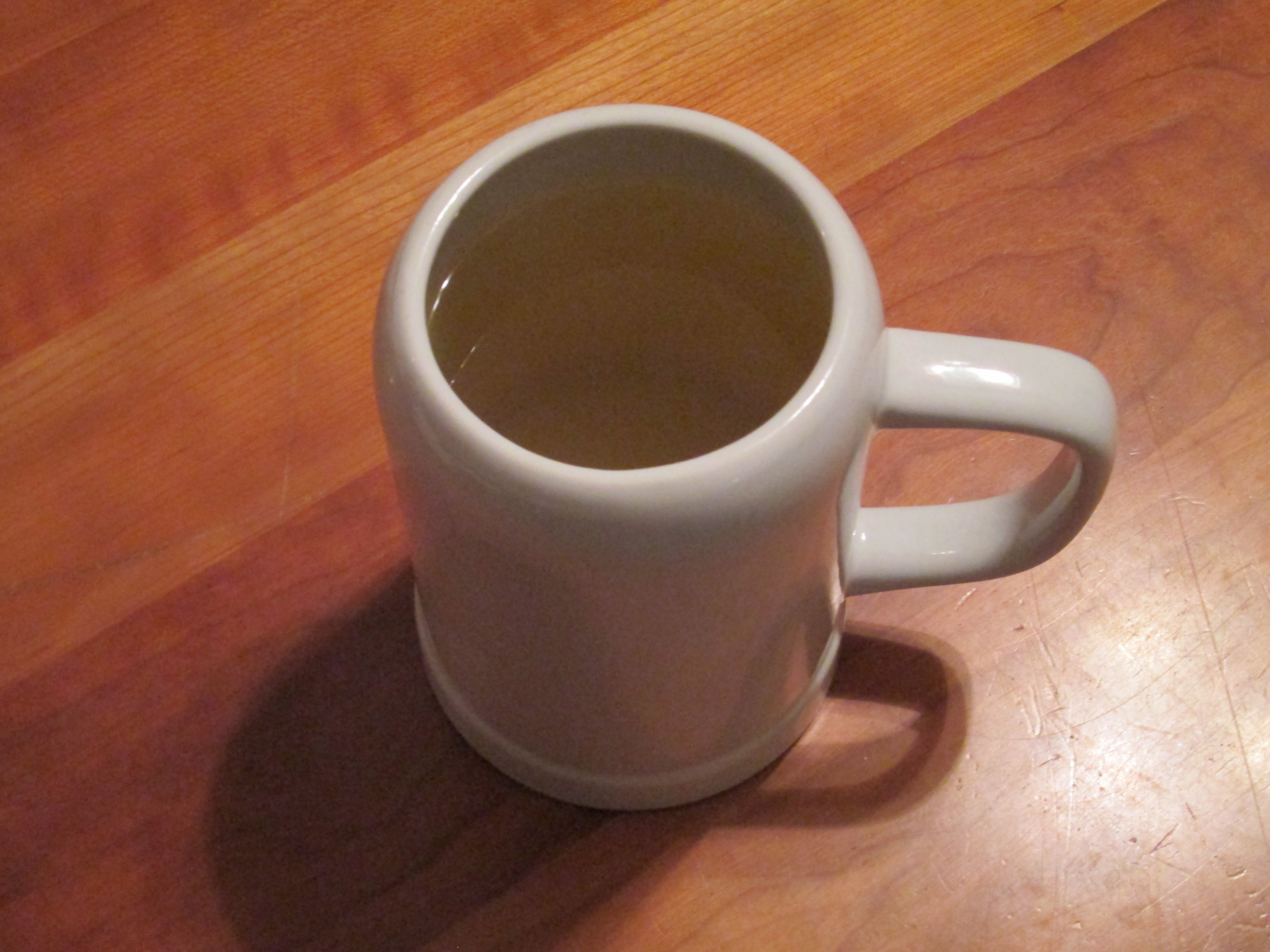
“Tisane” is the general term for a herbal tea not consumed as a medicinal tea.
1 tablespoons dried herbs or 2 tablespoons fresh herbs
1 cup boiling water
Pour boiling water over the herbs and steep for 3 to 5 minutes. Strain. Sweeten to taste. Serve warm or chilled. Serves 1.
herb_tea_JAS_004


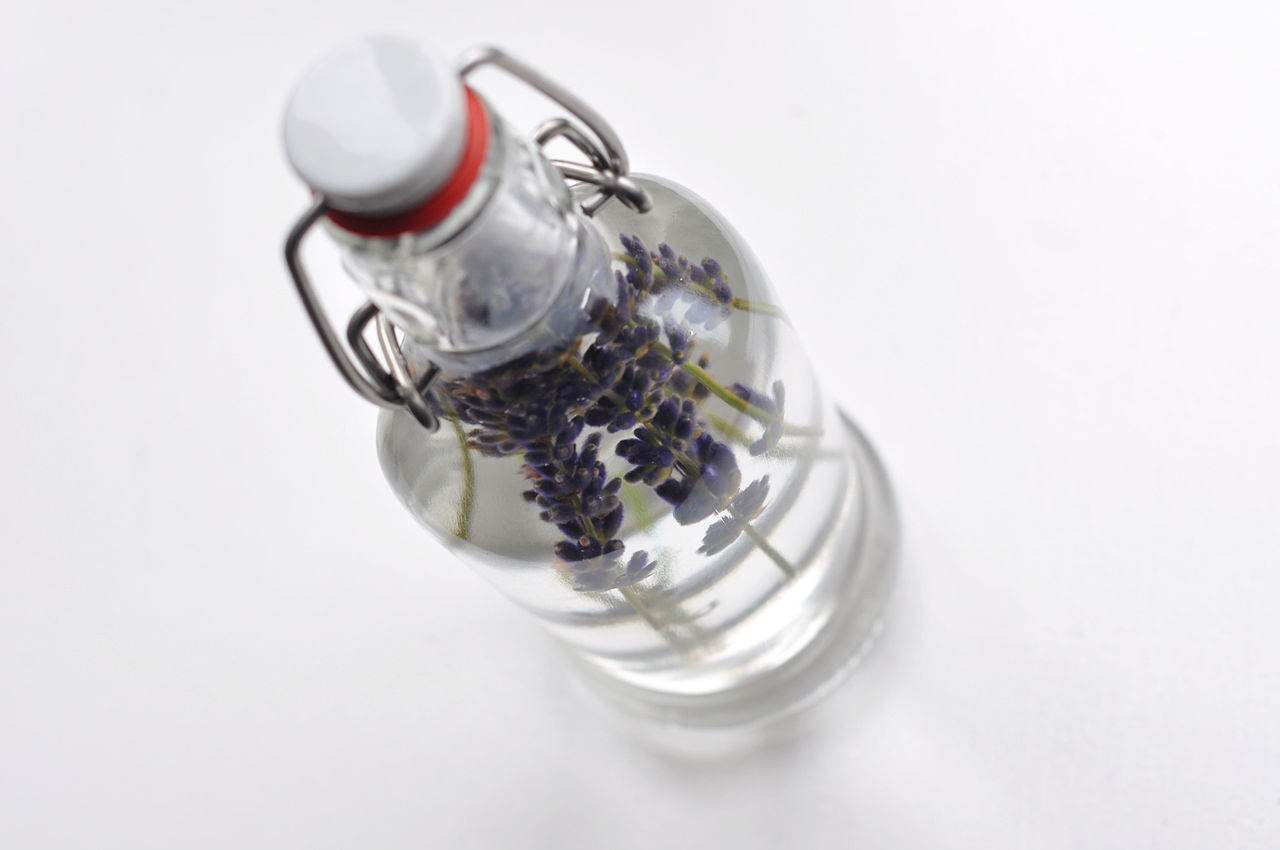
Floral Water
In the Victorian age, floral waters became popular. Floral waters are made by steeping leaves and flowers in water until it becomes fragrant. The water can then be used in tea, pudding, cake, and pastries. There are a number of commercially available floral waters, such as rose water and orange water (made with orange blossoms).

Lavendula in vodkaelsnaps_(4917058844).jp


Herb Syrup
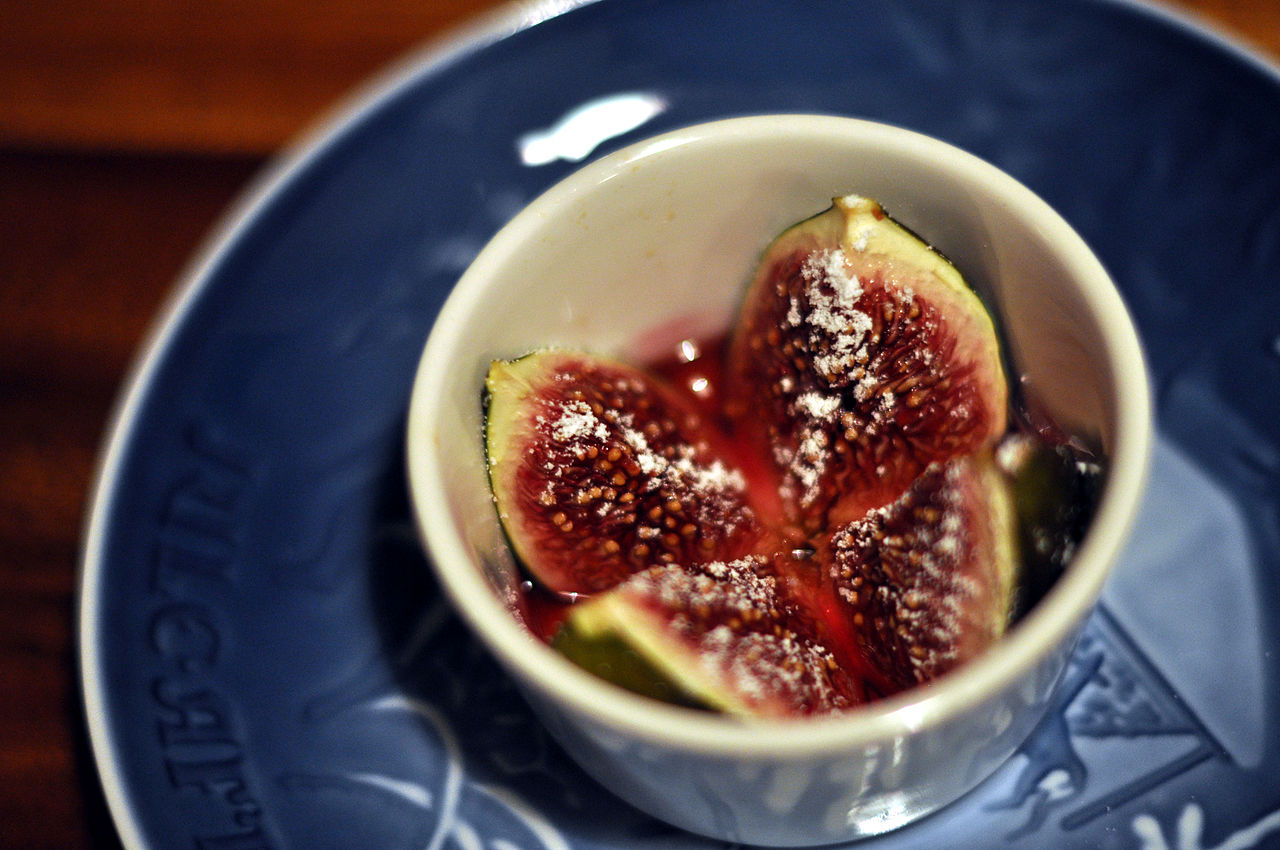
One of the more famous herb syrups is the mint syrup used in making mint juleps. But herb syrups can be used in many other ways, like topping cakes, ice cream, fruit, pancakes, waffles, or as a base in preparing other foods, like sorbet. In general herb syrups can be used to sweeten anything, including tea. Some herb syrups are used medicinally, like elderberry syrup. Desert lavender syrup makes a nice topping over poached pears, fresh figs or perhaps canned fruit for a quick yet elegant dessert.

1 cup water
3 cups sugar
1 cup chopped fresh herbs
or 1/2 cup crumbled dry herbs

Boil all ingredients together for 10 minutes, or until thickened into a syrup. Strain into a clean glass jar. Store in refrigerator for up to two weeks or preserve by canning.

lavendula syrup over figs


Planting and Care of this Sonoran native will be covered on August 17 in my blog on the Native Plants and Wildlife Gardens site.  The Sonoran butterflies that appreciate this shrub will be discussed in my blog on Beautiful  Wildlife Gardens site on August 5.  I will return to this site to post the links, or follow you can the thread on my Facebook page, Gardening With Soule.

Note:   This topic is covered more extensively in my book “Father Kino’s Herbs: Growing and Using Them Today” (2011, Tierra del Sol Press, $15).  If you live in Tucson, I hope you will consider purchasing a copy locally at Antigone Books, Arizona Experience Store, Magic Garden, Mostly Books, or Rillito Nursery.


© 2014, Jacqueline Soule.  All rights reserved. I have received many requests to reprint my work. My policy is that you are free to use a very short excerpt which must give proper credit to the author, and must include a link back to the original post on our site. Please use the contact me if you have any questions. JAS avatar