Admirable Anise

anise-bloom-01

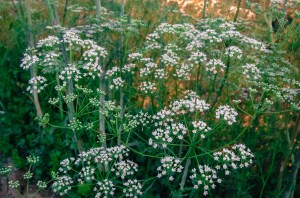
Jacqueline Soule here with another delightful herb you can plant now in your winter garden – anise.

The fragrant anise plant has a long history of use.  Pictures of it have been found in ancient Babylonian carvings, Egyptian tombs, and Roman ruins.  Ancient uses were perhaps medicinal as well as ornamental.  We know that by the Middle Ages anise was used in cooking, medicine and mouse traps.
anise-illustration_pimpinella_anisum

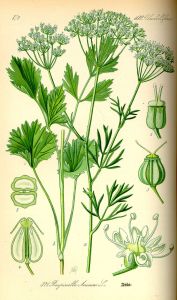
Anise seed and fresh leaves are used to promote digestion and to relieve stomach upsets.  An infusion (tea) of the seeds has been shown to increase glandular secretions, including gastric glands, sweat glands, and mammary glands.  Anise has mild expectorant qualities, thus it was once used in asthma powders, and is currently used in some cold remedies.  There is some indication that it is also helpful to alleviate menstrual cramps.  In aromatherapy, anise properties are: digestive, head-clearing, warming, clarifying, respiratory, and muscle relaxant.
anise-seedling

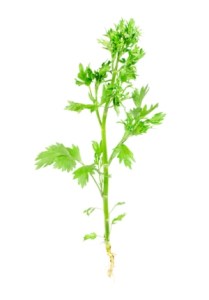
Much of the anise plant is useful.  Leaves, flowers, and seed are edible, and are often used as a flavoring agent.  Spice uses vary by ethnic origin, but generally the seed is used, as it is most flavorful and easily stored.  If you have access to fresh anise, enjoy leaves and the edible flowers in salads or sautéed with other greens.  And let us not forget anise is used to make liqueurs, including anisette.

In the 1970’s there was some concern that anise oil was carcinogenic.  Those fears have since been shown to be groundless.
star-anise_1

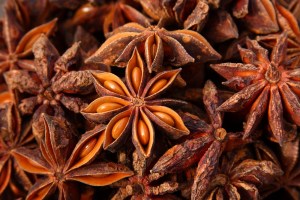
Star anise has a similar flavor but comes from the fruit pods of a tropical tree.

Planting and Care.  
Native to the dry rocky soils of the eastern Mediterranean, anise does well in our area.  Late September to November is the ideal time to plant seeds.  In its homeland, anise grows after the start of their winter rains (the only rain they get).

Due to its taproot, and dislike of being transplanted, anise is generally planted from seed and rarely found for sale as seedlings.  That said, if do you see seedlings -go ahead and buy some.  Much quicker results.
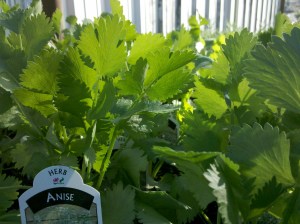
anise-in-nursery-gi

Plant seed in well drained (sandy) soil.  Keep evenly moist for the best flavor and highest seed production.  Plants require at least six hours of sun and can be grown in containers at least two feet deep.  Fertilizer is not necessary, but if you desire ample seeds, a flowering fertilizer, high in phosphorous, helps produce an ample seed crop.
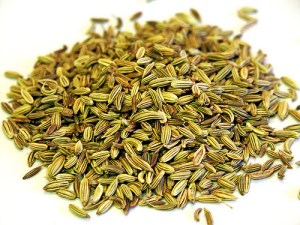
anise-seed-gi

Anise seed cleaned and ready for cooking.

Harvesting and Use.
Use anise leaves fresh in salads or as a flavoring in cooking.
Leaves may be used fresh or dried for tea or use as a culinary herb.
Seeds are harvested for use and can be winnowed with a kitchen colander or strainer.

JAS avatar

About Jacqueline: If you live in Southeastern Arizona, please come to one of my lectures. Look for me at your local Pima County Library branch, Steam Pump Ranch, Tubac Presidio, Tucson Festival of Books and other venues. After each event I will be signing copies of my books, including the latest, “Southwest Fruit and Vegetable Gardening,” written for Arizona, Nevada and New Mexico (Cool Springs Press, $23).

© Article copyright by Jacqueline A. Soule. All rights reserved. Republishing an entire blog post or article is prohibited without permission. I receive many requests to reprint my work. My policy is that you may use a short excerpt but you must give proper credit to the author, and must include a link back to the original post on our site. Photos may not be used.

Fantastic Fennel

Jacqueline Soule here today to discuss an herb you can plant in your cool season Southwest garden any time in the next few weeks – fennel.

fennel-bulbing-laval-unv-que-0333

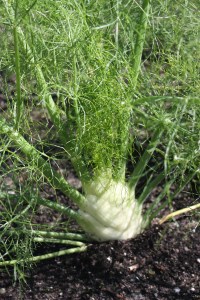
Some varieties of fennel form tasty “bulbs” that can be eaten raw or cooked.

Fennel has a long history of use, and why not? The entire fennel plant is useful! Leaves, roots, stems, flowers, and seed are all edible. As a spice, the seed is used in beef dishes, sausage, or in breads and cakes, depending on nationality. Leaves, stems, and flowers can be eaten raw, steamed, or added to soups and stews. Father Kino brought seed to our area over 325 years ago. He no doubt ate fennel as a boy, the seeds in sausage and the bulbs as a vegetable.

kino-blessing-food-by-jose-cirilo-rios-ramos

Father Kino blessing food.  Art by Jose Cirilo Rios Ramos.

Fennel (Foeniculum vulgare) is so well-liked that there are a number of cultivars. First are varieties with an inflated leaf base which form a bulb-like structure popular as a vegetable, eaten either raw or cooked. This goes by the names: sweet fennel, Florence fennel, finocchio, and occasionally it is sold as “anise.” Another group of cultivars are grown for leaf and seed production and include the standard and bronze fennels. Note that “giant fennel” is a different species (Ferula communis) and is a large, coarse plant, with a pungent aroma, not feathery and fragrant like fennel.

foeniculum-vulgare-seedling

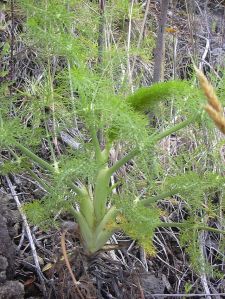
Leaves can be enjoyed well before bulbs are formed.

Planting and Care. 

Fennel is a tall herb, reaching four to six feet tall. Leaves can be over a foot long and are finely dissected into filiform (thread-like) segments a bare one-eighth inch wide. Foliage comes in a variety of hues, from the bronze fennels that may appear almost purple to sweet fennel in chartreuse green.

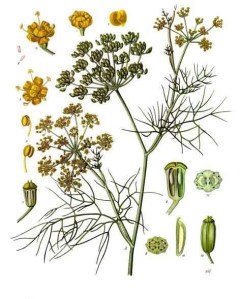
fennel-foeniculum-vulgare-kohlers-medizinal-pflanzen-148

Clusters of yellow flowers are attractive to pollinators.

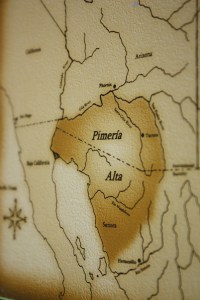
In the Pimería Alta, start fennel in October in your winter garden. Local nurseries carry fennel seedlings, or you can start plants from seed. For eating, select sweet fennel, Florence fennel or finocchio, while for seed you can use any of the above or merely “fennel.”

pimaria-alta-3088

The Pimeria Alta was under Father Kino’s care.

Like most herbs, fennel grows best in a well-drained, slightly acidic soil, rich in organic matter. It is also easy to grow in containers. Use a container at least one and a half feet deep. Potting soil with some added sand makes a good growing media.

Fennel needs six or more hours of winter sun to do well. It is also important to choose a planting site that is protected from high winds because towards the end of the season (in March) the tall hollow stalks can be easily blown over.

Sow seeds a quarter inch deep in rows around eighteen inches apart. When seedlings are two inches high, thin them to stand around a foot apart. Or they also look nice planted in a dense clump in a flower bed.

Keep the soil evenly moist during seed or seedling establishment. Once well established, you can let fennel dry a little between waterings. Some people believe this makes the flavor stronger.

Fennel should not require fertilizer. If you amended your soil at the start of the growing season, the plants should do fine. Plus, avoid fertilizing anything when frosts are a possibility. In late February you could apply a general purpose fertilizer at half strength.

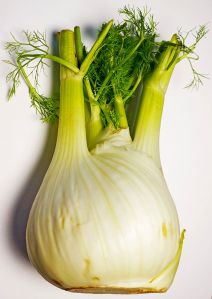
fennel-bulb
Harvesting and Use.

Fennel leaves are delicately flavored and can be harvested at any time. They taste quite refreshing in green salads or added to stir fry. I like to munch on them as I work in the garden.

Harvest fennel bulbs once they reach softball size. They make a crisp raw snack and individual leaf bases can be delightful used as a healthy dipper instead of potato chips. This vegetable can also be sautéed, stewed, braised, grilled, or perhaps best of all – sliced and roasted with root crops such as potatoes, beets, and onion.

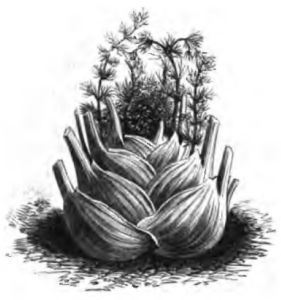
fennel-by-vilmorin-andrieux-1883

The “bulb” has easily separated leaf bases that are perfect for scooping up dip.

Harvest seed of fennel by cutting stalks and tipping the entire mass into a paper bag. Let dry for several weeks before cleaning and storage. Store such herbs in airtight containers out of direct sunlight.

JAS avatar

If you live in Southeastern Arizona, please come to one of my lectures. Look for me at your local Pima County Library branch, Steam Pump Ranch, Tubac Presidio, Tucson Festival of Books and other venues. After each event I will be signing copies of my books, including the latest, “Southwest Fruit and Vegetable Gardening,” written for Arizona, Nevada and New Mexico (Cool Springs Press, $23).

© Article copyright by Jacqueline A. Soule. All rights reserved. Republishing an entire blog post or article is prohibited without permission. I receive many requests to reprint my work. My policy is that you may use a short excerpt but you must give proper credit to the author, and must include a link back to the original post on our site. Photos may not be used.
Castor for Sonoran Summers

Riccinus in NC 8088

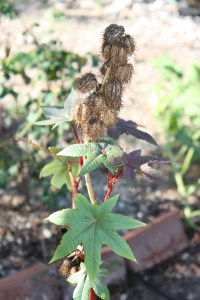
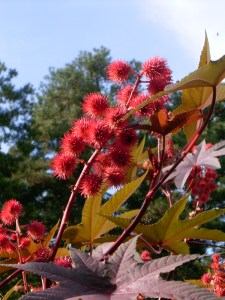
Developing seedpods on a castor plant are striking.

Jacqueline Soule here today to talk about a great plant for the summer herb garden, castor bean (Ricinus communis).  It is called ricio or higuerilla in Spanish, and called “blech” by small children dosed with it’s oil.  It is a member of the Euphorbiaceae, the spurge or poinsettia family, which is widely considered a plant family to avoid consuming, so who first figured the oil was a good laxative and spring tonic?!  Not only for internal use, but the oil was popular 3000 years ago for body lotion, hair dressing, and for lamp oil.

Riccinus in NC 8090

Yes, some highly effective medicines, insecticides, and uses of the oil come from the castor seeds (they are not botanically beans), but it is not a plant for home remedies.  All parts of the plant contain both useful and highly toxic compounds.  I mention the plant today because it was used in the Southwest starting in Father Kino’s time, indeed was planted in his mission gardens, plus it is a lovely ornamental plant.  I like to grow castor in my modern day garden as a link to such ancestral gardens.

Riccinus communis AMAP IMG_4616

The seed pods dry to brown and easily release the seed.

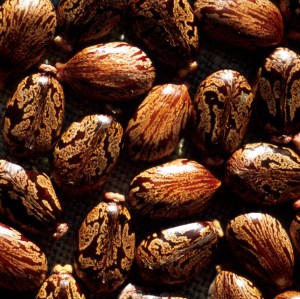
Castor beans are toxic due to ricin, a chemical present in the flesh of the seeds, but not present in the oil.  Although the lethal dose in adults is considered to be four to eight seeds, reports of human poisoning are rare as the seed coat is quite durable and can pass intact through the human digestive system.  Poisoning occurs when animals ingest broken seeds or break the seed by chewing.

Planting and Care.

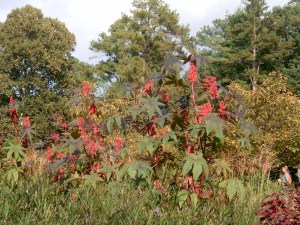
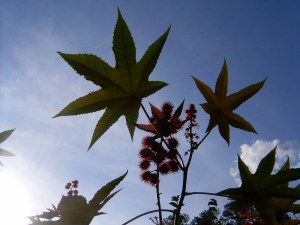
Castor plants are striking ornamentals.  They can vary greatly in growth habit and appearance. The variability has been increased by breeders who have selected a range of cultivars for leaf and flower colors, including scarlet, bronze, or maroon leaves, topped by large, decorative seed pods in shades of red, orange, or maroon.  Plants make an excellent temporary screen or exotic backdrop for the back of the border.

Riccinus in NC 8086

In this North Carolina garden, the castor plants provide a backdrop to the annual beds.

Intolerant of frost, castor plants can be started indoors and planted out once the soils warm, or planted directly in the soil in spring.  For best results, soak seeds in water for 24 hours before planting. The large seeds should be buried about one inch deep. Castor plants prefer full sun and should be kept evenly moist to get growing.

Ricinus communis seeds

Harvesting and Use.

It is not recommended to attempt processing of castor oil at home.  But do save some seed of your plants, as there is some effort to outlaw their sale.

kino festival 2016

The 19th Annual Festival of Kino will be held throughout the town of Magdalena, in Sonora Mexico,  18 to 22 of May.  This year the celebration commemorates 50 years since finding Padre Kino’s bones.

JAS avatarIf you live in Southeastern Arizona, please come to one of my lectures. Look for me at your local Pima County Library branch, Steam Pump Ranch, Tumacacori Mission (founded by Father Kino), Tucson Festival of Books and other venues. After each event I will be signing copies of my books, including the latest, “Southwest Fruit and Vegetable Gardening,” written for Arizona, Nevada and New Mexico (Cool Springs Press, $23).

© This article and photos are copyright by Jacqueline A. Soule. All rights reserved. Republishing an entire blog post or article is prohibited without permission. I receive many requests to reprint my work. My policy is that you may use a short excerpt but you must give proper credit to the author, and must include a link back to the original post on our site. Photos may not be used.
Beautiful Bay

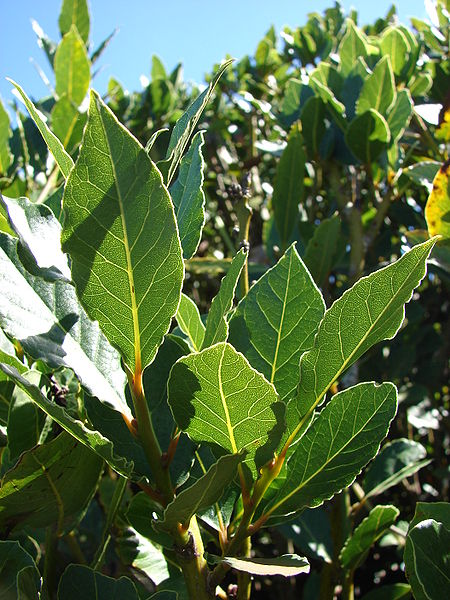
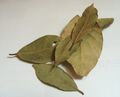
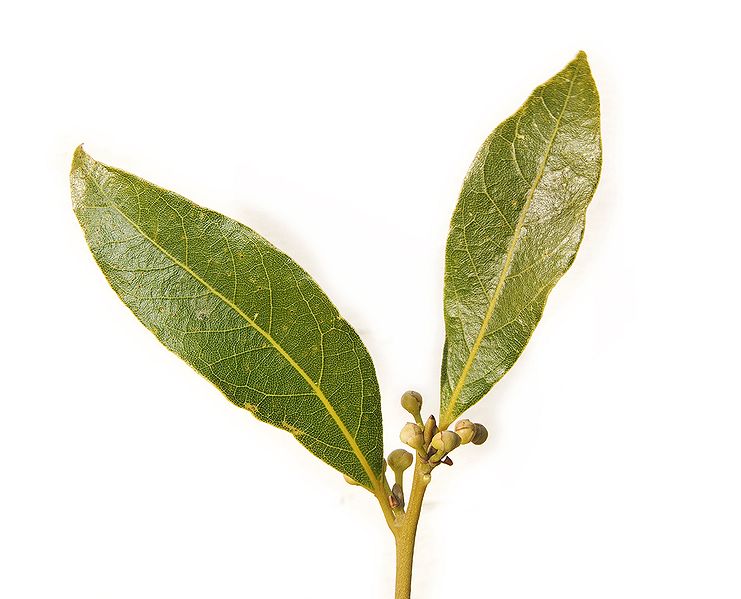
Laurus_nobilis_leaves_004Jacqueline Soule this week, to discuss an herb you can plant now. This herb is a large shrub/small tree that can even be used as a houseplant! I am speaking of bay (Laurus nobilis), also called laurel, or bay laurel. (In Spanish it is called laurel.) Bay is used for Craft, Culinary, Ornamental and Pest Control purposes.


Laurel_paintingHistory.

In ancient Greece and Rome, the bay tree was considered sacred to Apollo, the sun deity. Leafy branches of bay were woven into wreaths to crown the heads of kings and queens, priests, priestesses, poets, bards, and the victors of battles and athletic or scholarly contests. At the first Olympics in 776 B.C.E., laurel garlands were presented to the champions of each contest. During the Renaissance, doctors, upon passing their final examinations, were decorated with berried branches of bay. From this ancient custom derives the French word baccalaureate (from “bacca,” a berry, and “laureus,” of laurel); this has been modified into the term “bachelor” in referring to one type of college degree.


Laurus_nobilis_driedUses

Bay has been used medicinally for centuries. It has a reputation for soothing the stomach and relieving flatulence. Bay has also been used as an astringent, diuretic, narcotic, or stimulant. An infusion (tea) is prepared for these purposes.


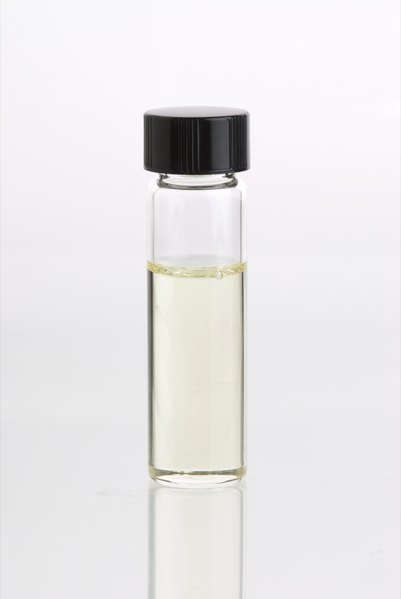
LaurusNobilisEssOilOil of Bay, extracted from the leaves, contains many components, including cineol, geraniol, and some eugenol. Studies of the purified essential oil have proven bactericidal and fungicidal properties. Use as a narcotic may be due to the eugenol found in bay (an oil also found in cloves), which has been shown to have sedative and narcotic effects in mice. Bay is used externally, and considered by some to be a healing agent for rheumatism. In such cases the essential oil is rubbed on the aching joints. A soothing bath soak is prepared from an infusion of the leaves, and added to the bath water. External use of bay may cause dermatitis in sensitive individuals. Always test a small patch of skin before widespread use.


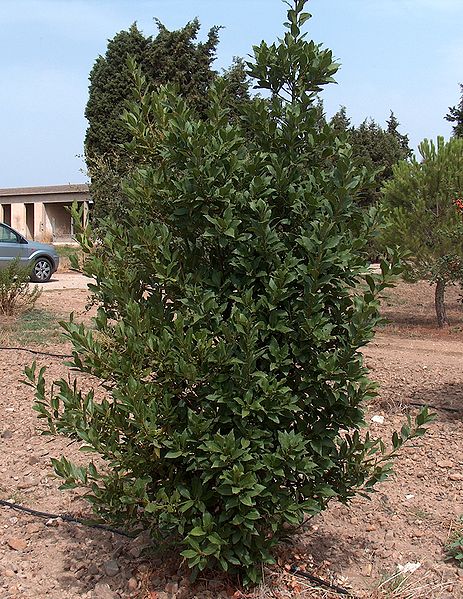
Laurus_nobilis_landscape_01Planting and Care.
The bay laurel is an evergreen tree with glossy, deep green leaves. It grows well in arid climates such as Greece, Italy, southern France, and here in the Pimería Alta. Bay is a lovely tree for the yard or even poolside. Growing slowly to form a stately tree, in the very best conditions it will eventually reach 40 feet high (it takes decades). Like most herbs, soil with good drainage is required.


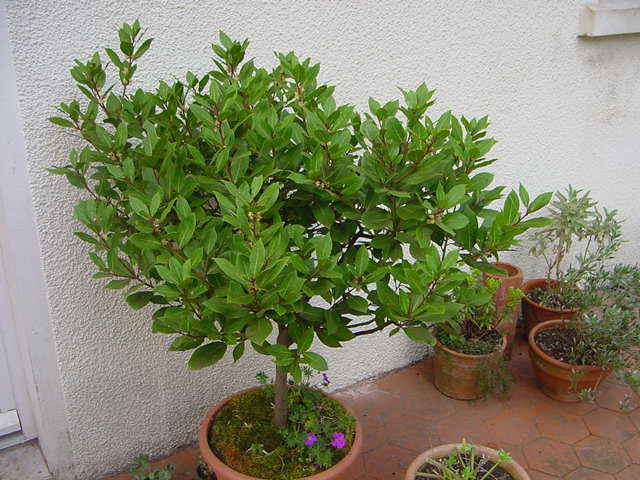
laurel-tree-5The only problem with bay is that young trees are frost tender, and must be protected much like a citrus tree. You can grow bay in a container when it is young and move it onto a protected porch for the winter. Plant it out once the plant has some size as it is less likely to freeze, or you can keep in a container for years.  Indeed, you can also grow bay indoors, if you have a well-lit space.

Be sure you buy true bay laurel. Landscape plants sold as “laurel” may be Prunus laurocerasus, also called the English or cherry laurel; a member of the rose family.


Laurus nobilis_lvs_01Harvesting and Use.
Bay as a flavoring herb is always used dried. There are several bitter tasting compounds which are lost with drying, leaving the flavorful and useful oils. Leaves are used whole and removed prior to serving as they leave a bitter taste if chewed. Add bay to your cooking, or prepare as an infusion base for soups.

Bay leaves are used as a pest repellent for flour weevils. Just add several leaves, ideally in a muslin bag, to your flour canisters. Change to fresh leaves every six months. Use the old leaves as organic mulch in the garden.

Bay leaves, either fresh or dried, can be used to create lovely long lasting herbal wreaths.


JAS avatarIf you live in Southeastern Arizona, please come to one of my lectures. Look for me at your local Pima County Library branch, Steam Pump Ranch, Tubac Presidio, Tucson Festival of Books and other venues. After each event I will be signing copies of my books, including the latest, “Southwest Fruit and Vegetable Gardening,” written for Arizona, Nevada and New Mexico (Cool Springs Press, $23).

© All articles are copyright by Jacqueline A. Soule. All rights reserved. Republishing an entire blog post or article is prohibited without permission. I receive many requests to reprint my work. My policy is that you may use a short excerpt but you must give proper credit to the author, and must include a link back to the original post on our site. Photos may not be used.
Glorious Garlic Chives

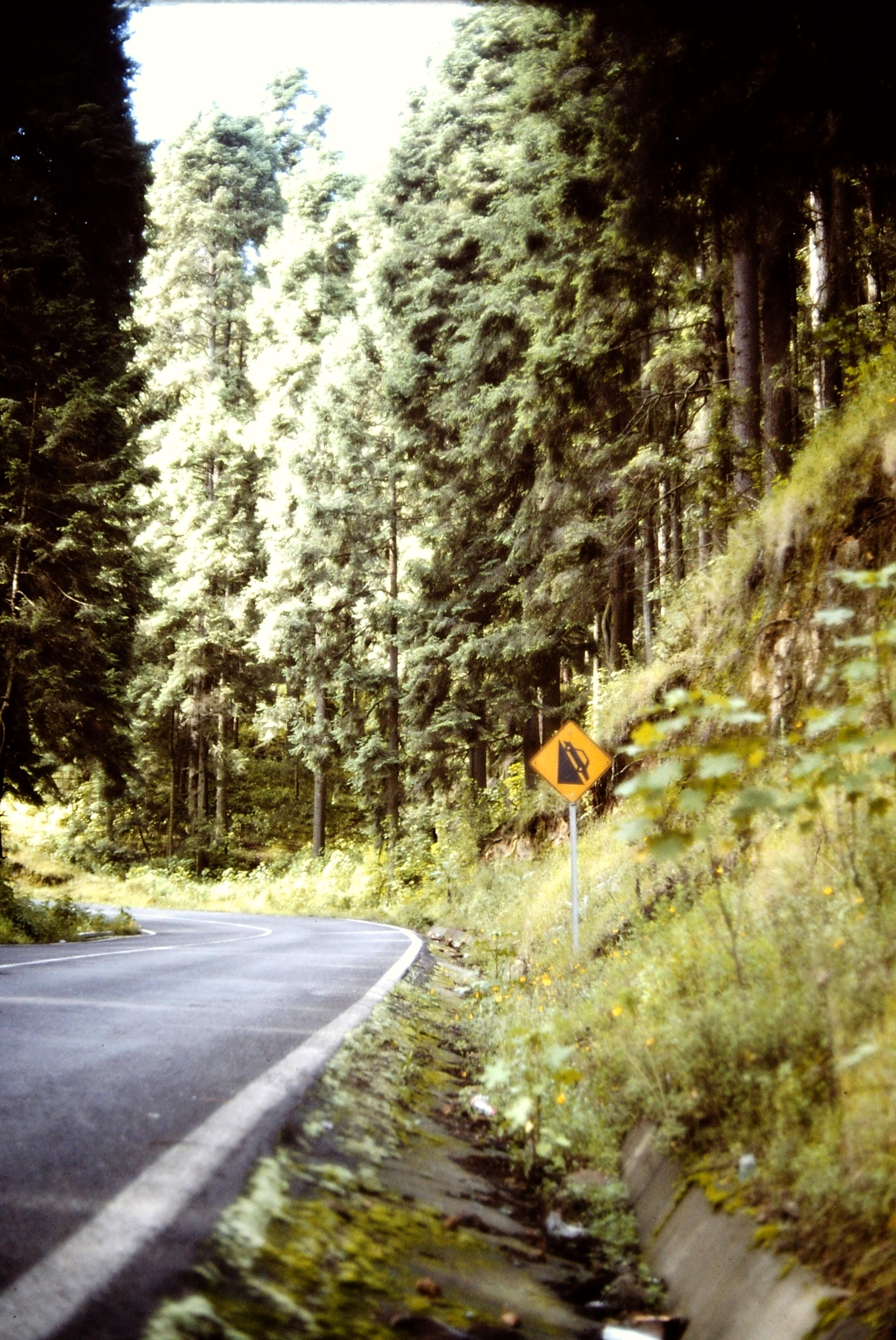
MICHO Mts near Uruzpan 6 Aug 90 050

The mountains of Michoacan in 1990. That road sign is only a slight exaggeration.

Jacqueline Soule this week with a charming and easy-to-grow herb – garlic chives.  This herb offers a dish the hint of garlic and the fresh crispness of scallions. 

The first time I ate garlic chives that I know of was chopped and sprinkled on my soft tacos at a little roadside food stop in a forgotten town in Michoacan. The woman serving us was so taken with my questions about the plant that she sent her son scurrying home to dig up some bulbs to give me. Since I was on a plant collecting trip I had all the permits I needed to legally bring the bulbs back to the USA with me.  These tough perennials have been surviving in my gardens in various USDA zones and even indoors in pots for the next 30 plus years.

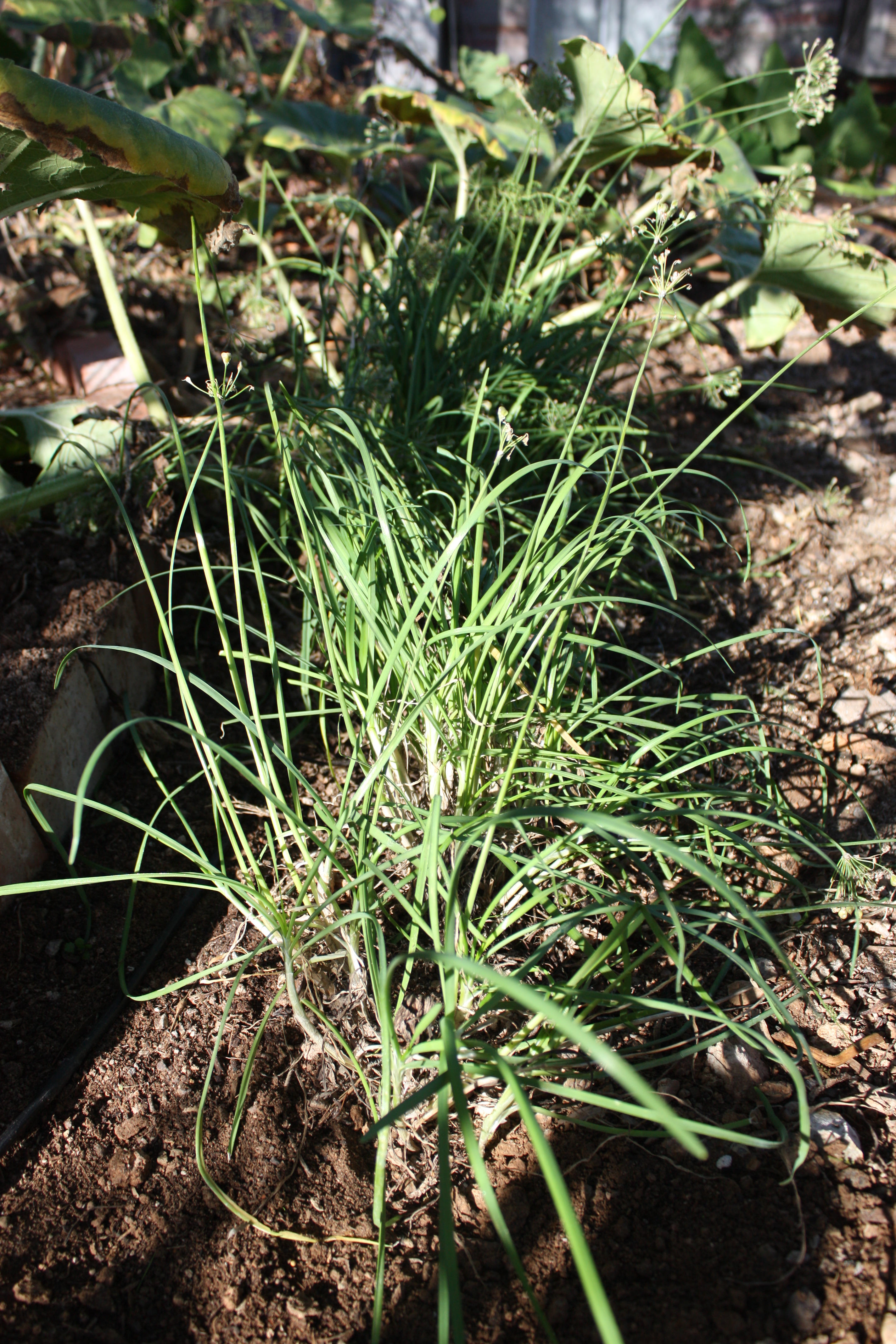
Allium tuberosum AMAP IMG_4640

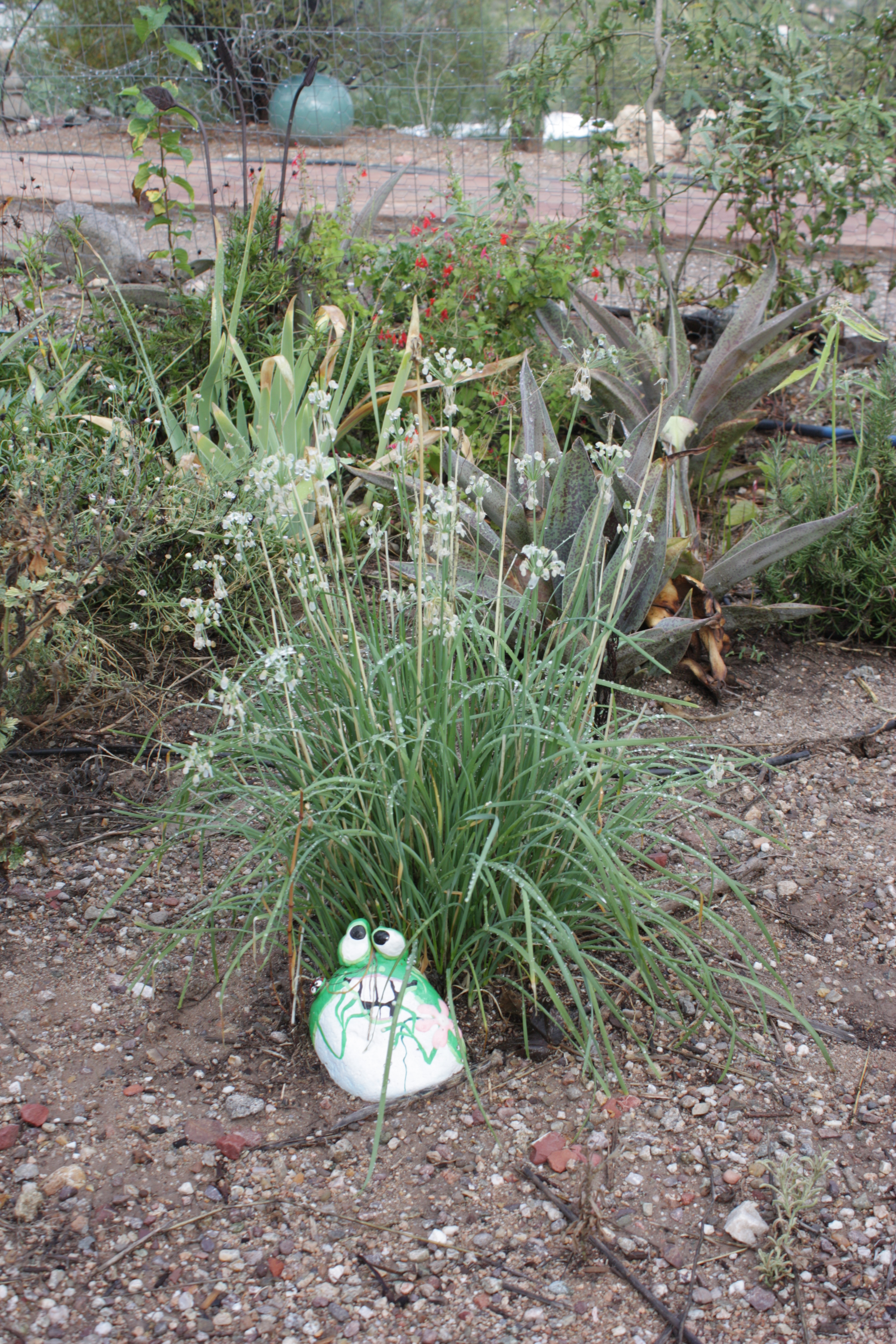
Garlic chives are tough plants that survive with little extra water and taste great.

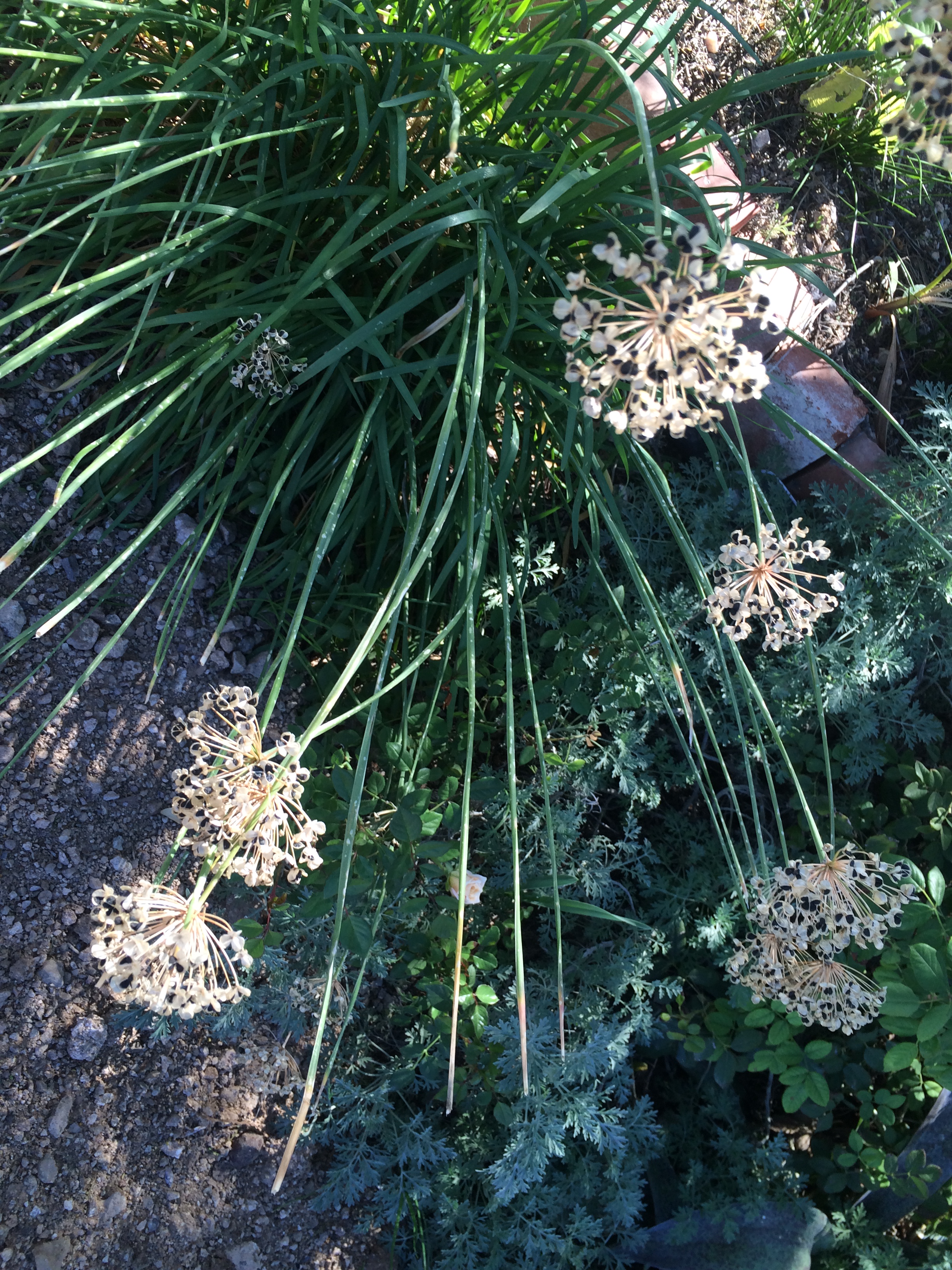
Garlic chives (Allium tuberosum) make a graceful green statement in the landscape, are low water users, and bloom in September and October with a fireworks-like burst of white bloom on a tall stalk held above the grassy green leaves.

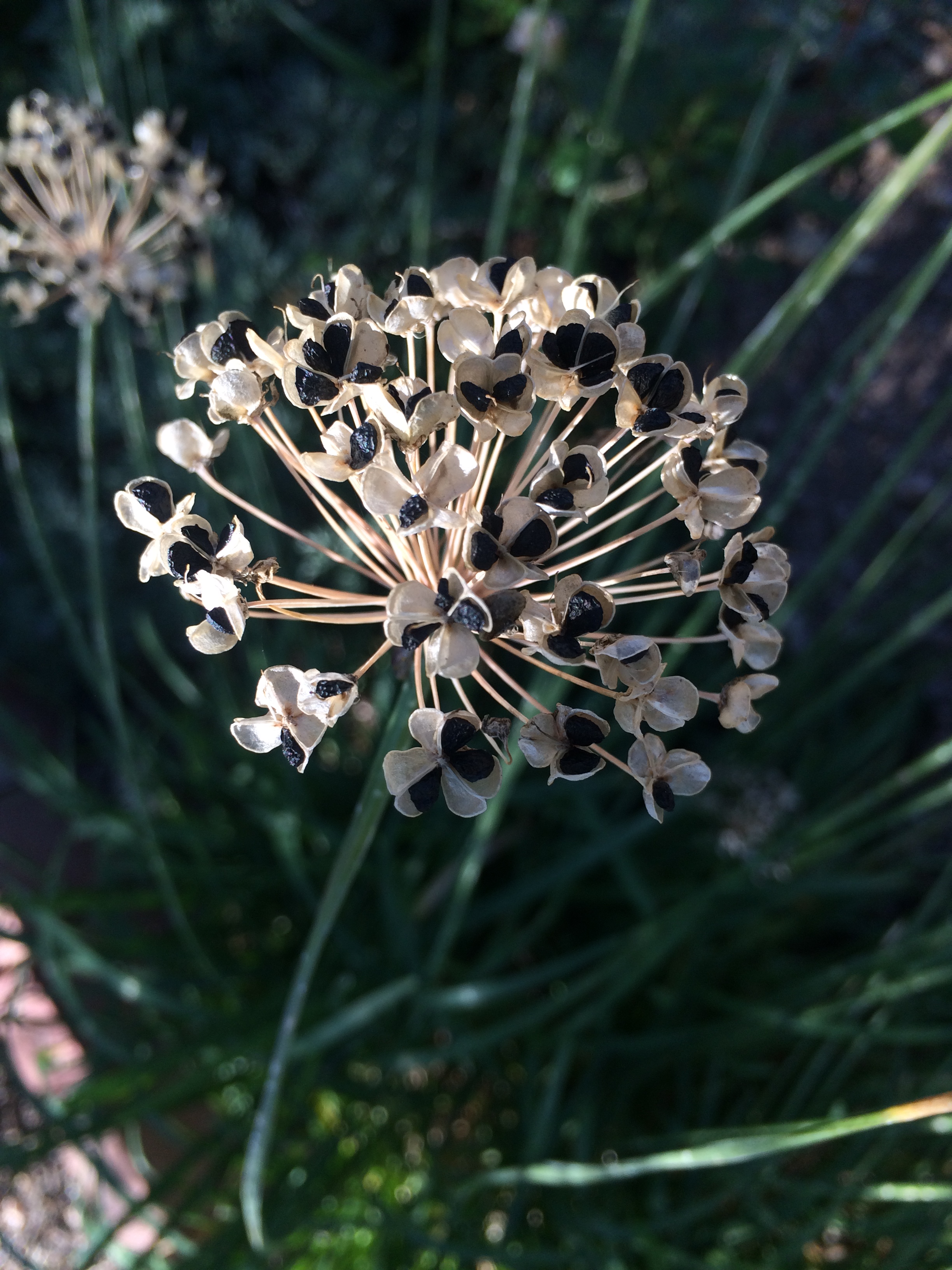
Allium tuberosum AMAP c_4763

Blooms are white, followed by easy to harvest seed heads.

Originally from the Mongolian steppes, plants tolerate our alkaline soils and thrive in zones 10 to 4. Despite the tuberous name, the part you eat are the leaves. Harvest anytime to add raw or cooked to any dish where you desire a mild garlic flavor.

Allium tuberosum AMAP c_4761

Garlic chives are equally edible when vegetative, in bloom or in seed – quite unlike many other herbs.

Use garlic chive leaves how you would use scallions. We like them in stir-fry and omelets, or just a few to give zing to salad. They are also great in soup, even in simple soup made to hydrate and warm on a cool winter day.

Plant grow readily from seed, and can spread through the garden, appearing in watered areas. It is easily removed if it comes up where you don’t want it. If you are trying to eat only plants that are in season, these are always in season! Garlic chives great addition to the garden, even if you never plan to eat any.

Allium tuberosum AMAP IMG_4590

No matter what your garden style, garlic chives can fit right in.

JAS avatarIf you wish tips on gardening in the Southwest, please visit my facebook page Gardening With Soule.  If you live in Southeastern Arizona, please come to one of my lectures. Look for me at your local Pima County Library branch, Tumacacori (Fruits & Herbs of the Old Missions, 12:30, Thursday February 4th, 2016), Steam Pump Ranch, Tubac Presidio, Tucson Festival of Books and other venues. After each event I will be signing copies of my books, including the latest, “Southwest Fruit and Vegetable Gardening,” written for Arizona, Nevada and New Mexico (Cool Springs Press, $23).

© This article and these photos are copyright by Jacqueline A. Soule. All rights reserved. Republishing an entire blog post or article is prohibited without permission. I receive many requests to reprint my work. My policy is that you may use a short excerpt but you must give proper credit to the author, and must include a link back to the original post on our site. Photos may not be used.
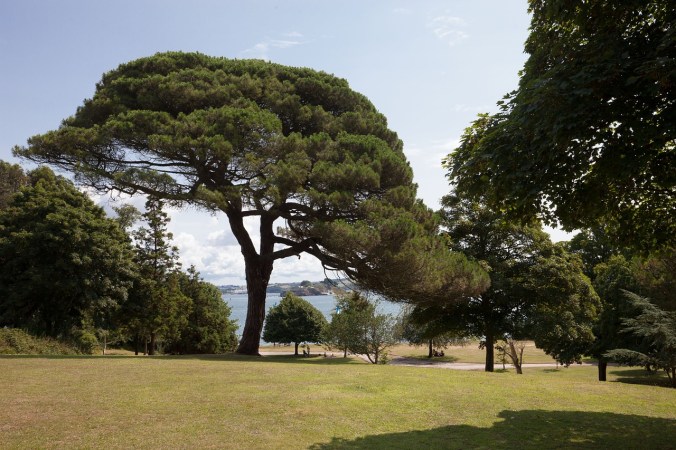
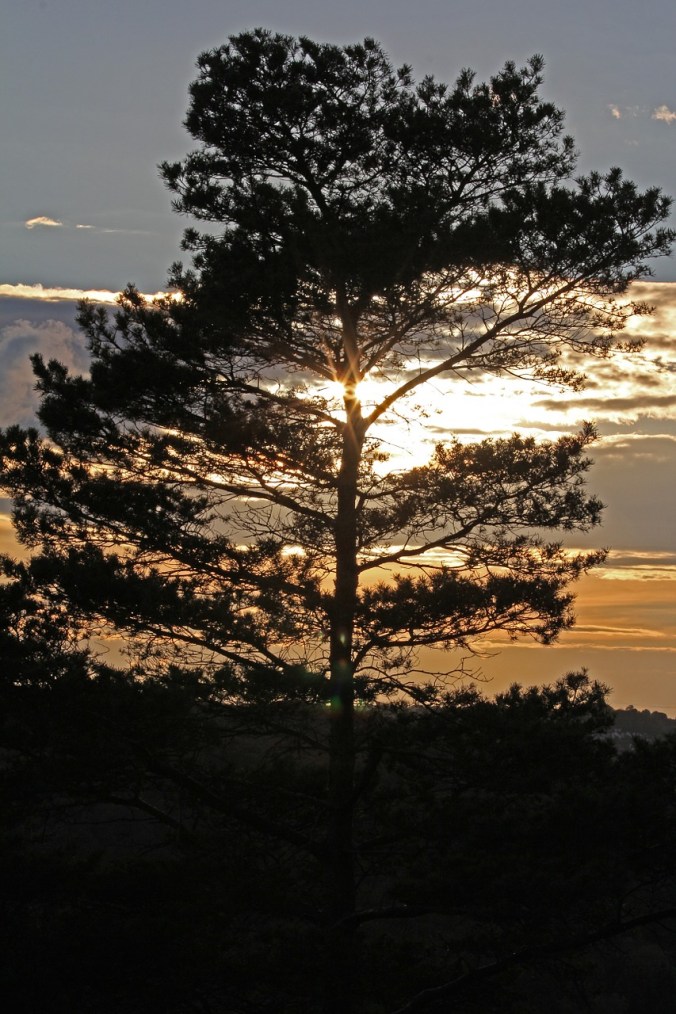
Pine – as an Herb and More

By Jacqueline A. Soule, Ph.D.

As December approaches, let’s look at an herb that many bring into their homes for the holiday season – the pine. Why not opt for a living Christmas tree (or Chanukah bush, as some of my friends call them)?  They are evergreen …. plus green.

christmas tree 685920_1280

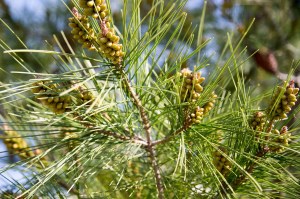
Humans around the world have used pine as herbs for eons. They used whichever species of pine lived near them to treat just about every sort of affliction. Pine has especially used for the ailments that have truly plagued humankind, like internal and external parasites and the aches and pains of being human and getting older.

In almost every case pine needles or bark are used as a tea (infusion) to either drink or bathe tissues. For intestinal parasites, the tea was drunk, for external ones such as ringworm (a fungal infection) or lice, the tissues were bathed with pine tea. Pine oils and resins have also been extracted, purified, and used medicinally.

herb_tea_JAS_004

At this time, Commission E, a German-based group which scientifically studies herbal medicines, recommends using pine oils externally for rheumatic and neuralgic complaints, as well as for upper and lower respiratory tract inflammation.

Ideally, harvest and dry pine needles before use. This allows some of the more acrid compounds to evaporate. The active ingredients are predominately in the oils and are not lost by drying.

pine 1813622_1280

Modern housekeepers around the world use pine based cleaners to keep the house smelling clean and fresh, little realizing that this harkens back to a yesteryear tradition of using pine products, including turpentine, to kill off pests, treat colds, and dress wounds.

Pines can be grown here in Tucson. Once established, they will need extra water in the hot dry months, especially May and June. Indeed, pines are a very green landscape plant. They provide housing for wildlife, especially hawks and owls, plus shade your home helping reduce energy consumption for cooling. The needles can be used as a wonderful mulch for plants around your yard or garden.

pine 419642_1280

For a living holiday tree that you can plant in your yard, chose from the eldarica (Pinus eldarica) from Afghanistan or Aleppo (Pinus halepensis) from the Middle East.

What about a Southwestern pinyon pine? If you can find some – go for it! I do have to warn you, they grow in higher altitudes than Tucson and will be stressed by our comparatively hotter summers. Extra water should help them survive.

pine 544503_1280What about the pine beetle now attacking Tucson trees? The beetle is the six-spined engraver beetle, one of 11 species of insects living in the inner bark of pine trees. It typically infests the thicker-barked and deeply fissured main tree trunks of older trees. An obnoxious pest to be sure. It appears to only be an issue with larger mature trees. A young tree should be able to grow in your yard for many years. Be sure to keep it healthy with extra water in the dry months.

Dr. Soule is trained as a botanist. She teaches workshops on plants and writes science and garden articles. Jacqueline has been using, growing, researching and writing about herbs for over three decades.

JAS avatarIf you live in Southeastern Arizona, please come to one of my lectures. Look for me at your local Pima County Library branch, Steam Pump Ranch, Tubac Presidio, Tucson Festival of Books and other venues. After each event I will be signing copies of my books, including the latest, “Southwest Fruit and Vegetable Gardening,” written for Arizona, Nevada and New Mexico (Cool Springs Press, $23).

© This article copyright by Jacqueline A. Soule. All rights reserved. Republishing an entire blog post or article is prohibited without permission. I receive many requests to reprint my work. My policy is that you may use a short excerpt but you must give proper credit to the author, and must include a link back to the original post on our site. Photos may not be used.
# # # # #

Cozy Chamomile


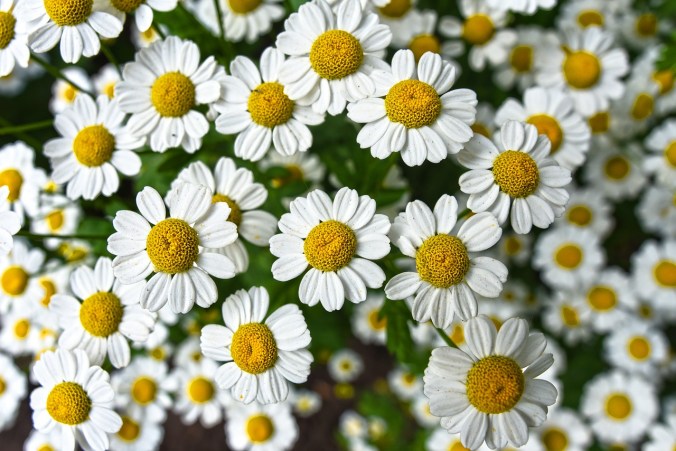
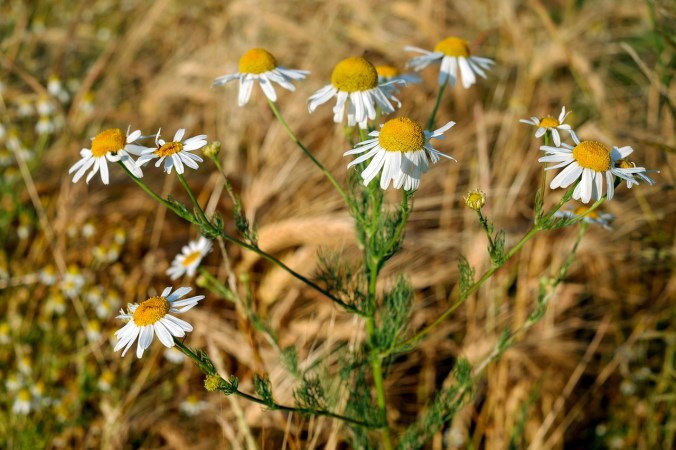
chamomile 3489847_1280Jacqueline Soule this week to discuss a pretty, plus pretty useful, herb to plant in your winter garden.  And, if you plant seedlings now, you should be able to harvest some within a month!  As cooler weather comes along, it is nice to curl up with a cup of chamomile tea – and here is how to have your own.

The herb known to most Americans as chamomile comes from two different species of plants. German chamomile comes from an annual plant (Matricaria rectita), while Roman chamomile comes from perennial plant (Chamaemelum nobile). They both have many of the same plant compounds in them, and work much the same way, the difference is in how you grow them. The French “chamomile” is a related plant (Achillea millefolium) but with different compounds and actions. In English, that last one is known as yarrow.

European people have used chamomile, in one form or another, to treat just about every sort of affliction, from hemorrhoids to hay fever, sleeplessness to sores, and tummy aches to tooth aches. In almost every case chamomile is used as a tea (infusion) to either drink or bathe tissues. For tooth ache folks used chamomile wrapped in muslin and placed on the afflicted tooth. Peter Rabbit’s mom gave him a cup of chamomile tea after his adventures, to soothe his stomach and calm his nerves.


herb_tea_JAS_001The flavinoid apigenin found in chamomile tea is thought to be responsible for its anti-inflammatory ability. Apogenin combined with another phytochemical called bisabolol are thought to work in concert to calm gastrointestinal spasms. Apogenin has been proven to bind to the same brain receptor sites that the drug Valium binds to, and are believed to exert a calming influence in much the same manner.

With recent scientific investigation, a number of uses have been validated. Chamomile is recommended by Commission E for the treatment of gastrointestinal tract inflammation, gastrointestinal spasm, irritations of the mucous membrane, skin injury or irritation, as a gargle or mouthwash to alleviate oral or pharyngeal inflammation, and to treat anxiety disorders. (Peter Rabbit’s mom was right on track!)

German chamomile can be grown very easily in the cooler months of winter, while the Roman chamomile is best planted in spring. Both need six to eight hours of sunlight per day. Like many herbs, they do best in well drained soil. Thus if you have caliche soils , consider growing them in pots with a cactus soil mix. The German chamomile will die in the heat, so replant some next year.

chamomile 774818_1280Harvest chamomile flowers and dry before use. This allows some of the more bitter tasting compounds to evaporate. The active ingredients are predominately in the oils and are not lost by drying.

Chamomile is green to grow in our area, even though it uses more water than native plants. It does reduce your carbon footprint by reducing the need to import chamomile. It can also help reduce your reliance on manufactured drugs. Headache? Take a cup of chamomile tea and lay down for a half hour rest. Far better for the environment than aspirin. Just remember that moderation is key in this and all herbs.

chamomile 2442331_1280

Note: the information in this article is for your reference, and is not intended to be used as a substitute for qualified medical attention.

JAS avatarIf you live in Southeastern Arizona, please come to one of my lectures. Look for me at your local Pima County Library branch, Steam Pump Ranch, Tumacacori, Tucson Festival of Books and other venues. After each event I will be signing copies of my books, including the latest, “Southwest Fruit and Vegetable Gardening,” written for Arizona, Nevada and New Mexico (Cool Springs Press, $23).
Text is copyright © 2015, Jacqueline A. Soule. All rights reserved. I receive many requests to reprint my work. My policy is that you may use a short excerpt but you must give proper credit to the author, and must include a link back to the original post on our site.

# # # # #

A Useful Desert Broom

baccharis AMP_5239

People complain that they want more green in their landscape. Desert broom is one option for bright green foliage.

Desert broom is called escoba amarga in Spanish, and also called a weed by many.  But I advocate you take a moment to consider this shrub more fully.

Desert broom (Baccharis sarothroides) is a vigorous plant – often the first plant to grow on a cleared stretch of desert (or over the septic tank).  It can be useful to have such a tough plant in your landscape palatte.  Along with landscaping it is useful in a number of other ways.

baccharis seedling crop_6477

Sad to say – some people think the only good desert broom is a dead one.

Uses.

Desert broom has a history of use as a medicinal plant.  A decoction made by cooking the twigs of desert broom is used to treat colds, sinus headache, and in general “sore aching” ailments. The Seri use this when other medicinal plants are not available. The same tea is also used as a rub for sore muscles.  (Perchance Father Kino used some after one of his epic rides.)

Studies done on plant extracts show that desert broom is rich in leutolin, a flavonoid that has demonstrated anti-inflammatory, antioxidant, and cholesterol-lowering capabilities. Desert broom also has quercetin, a proven antioxidant, and apigenin, a chemical which binds to the same brain receptor sites that Valium does. However, many members of the Sunflower family also contain compounds that cause negative side effects, thus caution is advised.

baccharis seedling AMP_6330

Desert broom seedlings are often among the first plants to appear in a cleared area. The rabbits do not eat them.

As it’s name indicates, branches of desert broom do make a passable broom for sweeping the dirt floors of an adobe home.

Desert broom is so plentiful, and many of it’s seep willow cousins are used as dye, so I had to do the experiment. The result – yes! It does dye wool. Various mordants result in differing shades as seen below.  Other members of the Baccharis genus have excellent colorfastness.

baccharis dye on wool crop

Baccharis on wool with different mordants. I use the chemical symbols to mark my mordants. Al = alum, Cu = copper, FE = iron.

Desert broom can be used as filler in fresh and dried floral arrangements, with long lasting color and minimum mess since it has few leaves to lose.

baccharis AMP_5426

This plant gets chopped often for filler in my flower arrangements. Regular clipping helps keep it a dense and bushy.

Desert broom comes in separate male and female plants. The females release their tiny fluffy seeds at the same time a number of other plants release their pollen, thus the seeds of desert broom often get erroneously called an allergen. The pollen of the male plants is released in fall and can be allergenic.

IMG_2701

No, desert broom does not have yellow flowers. In this case a desert broom grew up through a Cassia.

Planting and Care.
Plants may be purchased at nurseries or can be grown from seed. Avoid over-watering in heavy soils as desert broom will drown.

Desert broom will accept shearing and can be trained into a decent, short-lived privacy hedge. Such a short lived hedge is helpful while the longer-lived, taller, non-allergenic, but slower growing Arizona rosewood (Vauquelinia californica) reaches hedge size. Desert broom can also be useful in the landscape since it grows in heavy clay or saline soils where few other plants thrive.

IMG_2708

These plants get sheared once a month by landscapers with power tools. Note that the native desert broom is growing more vigorously than the non-native cassia from Australia.

JAS avatar If you live in Southeastern Arizona, please come to one of my lectures. Look for me at your local Pima County Library branch, Steam Pump Ranch, Tubac Presidio, Tucson Festival of Books and more. After each event I will be signing copies of my books, including the latest, “Southwest Fruit and Vegetable Gardening,” written for Arizona, Nevada and New Mexico (Cool Springs Press, $23).

All photos and all text are copyright © 2015, Jacqueline A. Soule. All rights reserved. I receive many requests to reprint my work. My policy is that you may use a short excerpt but you must give proper credit to the author, and must include a link back to the original post on our site. Photos may not be used.
Bountiful Basil

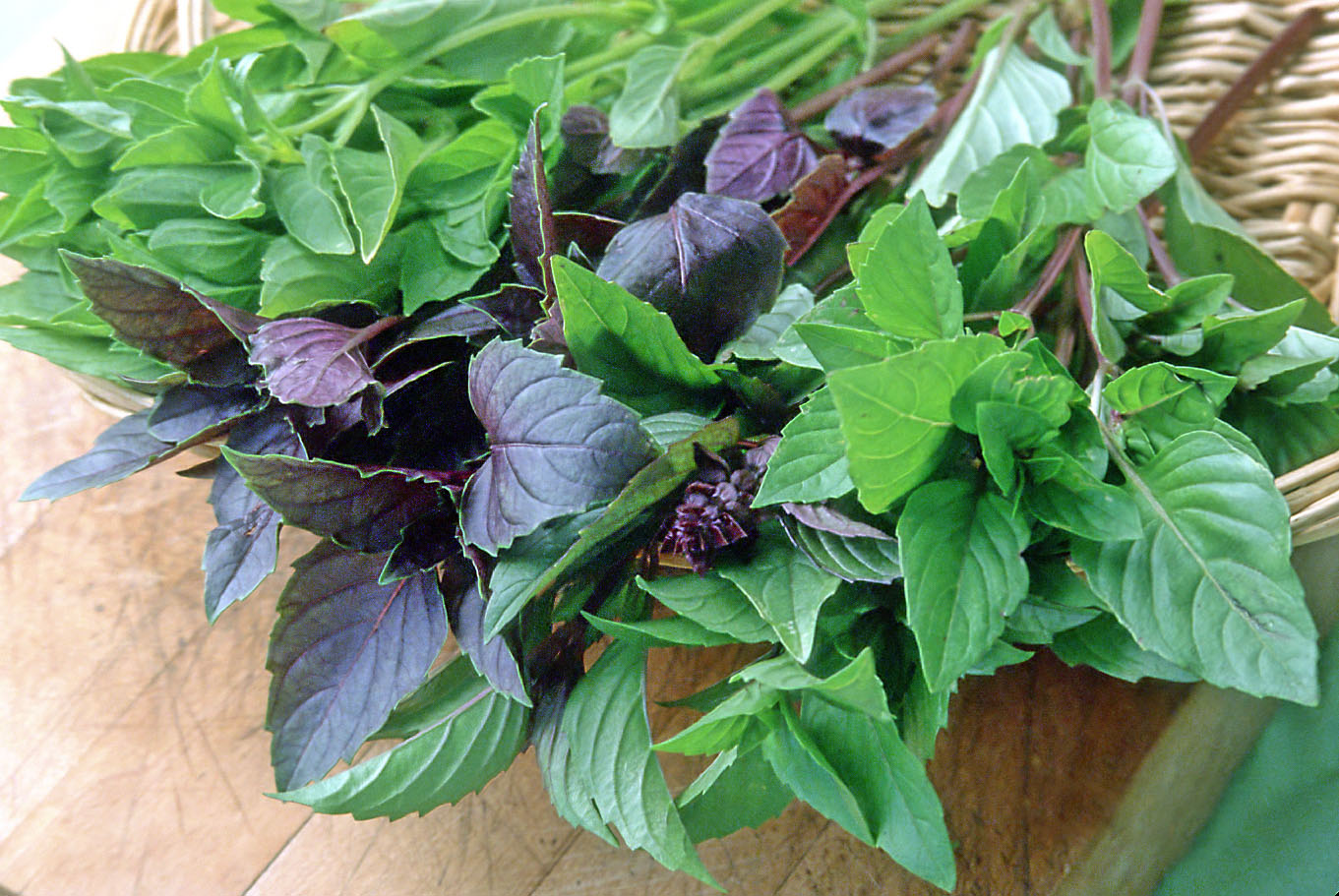
basil-trio_renees garden_1

Basil comes in over 150 varieties. Here is a trio grown in Renee’s Garden. Photo courtesy of Renee’s Garden Seeds.


by Jacqueline A. Soule, Ph.D.

Summertime is basil-time in the Old Pueblo. As the nights turn to their sultry summer phase, the sun provides light for hours on end, and the soil temperatures become toasty warm – in other words, we enter our tropical phase of the year – and basil is truly delighted. Originally native to India, basil is genetically a tropical plant, even though it is now grown around the globe wherever (and whenever) it is warm enough.

basil lemon mrs burns famous nss

Mrs. Burn’s Famous Lemon Basil is a lemony flavored basil that grows well indeed in our climate. Photo courtesy of Native Seeds/SEARCH.

Basil is a real taste treat. It can be used in Italian cooking (like the pesto recipe below), fresh, in green salads, and it even has a reputation as a medicinal herb.

basil-saladleaf_renees garden

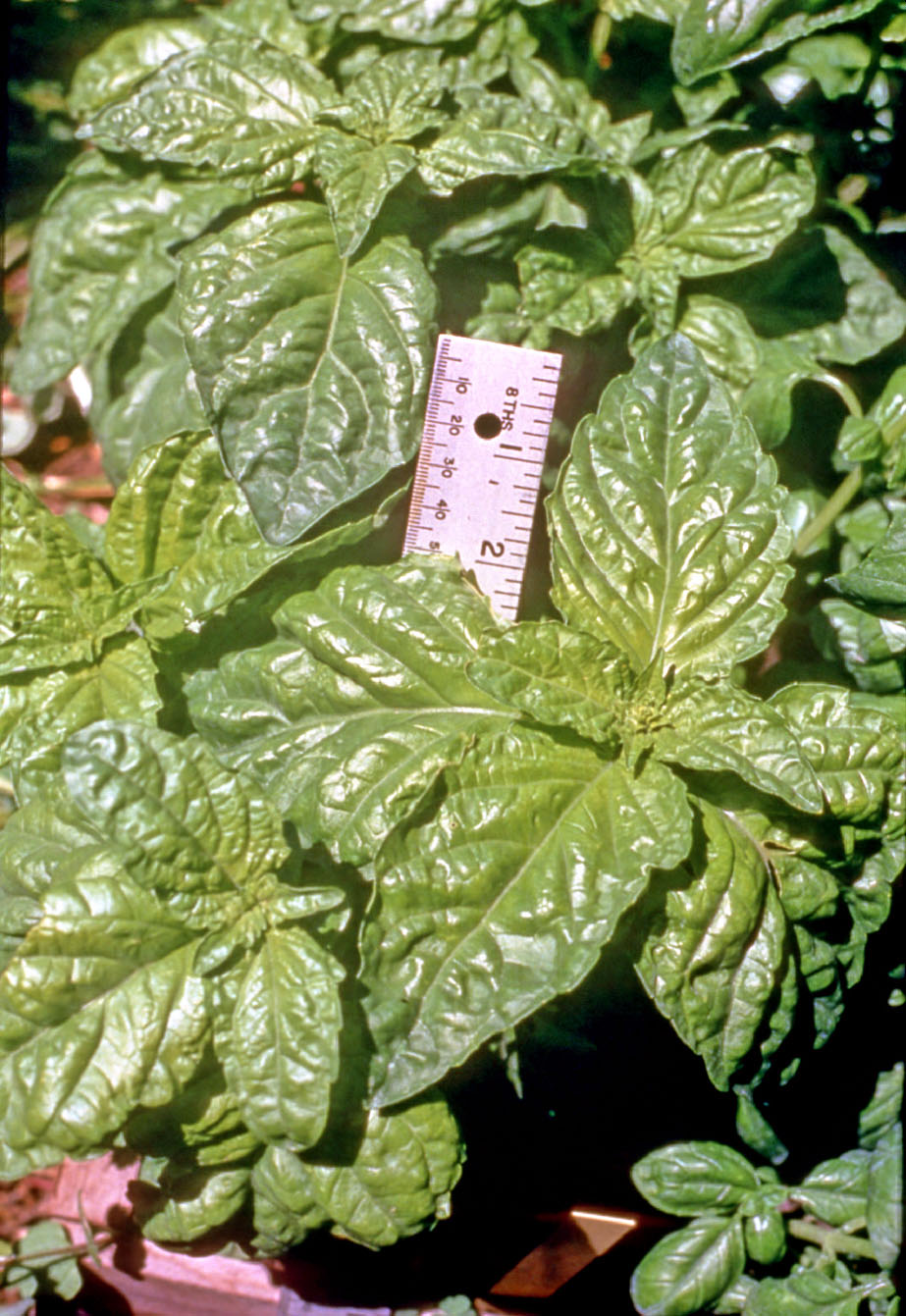
Salad leaf basil features large leaves. Not as strongly flavored as other basils, it does taste great in salads. Photo courtesy of Renee’s Garden Seeds.

Basil does grow well in the Tucson area, but it isn’t the easiest herb to grow. It has some very specific preferences if it is to thrive. I will put growing tips up on my Gardening With Soule blog on June 4th. Why wait? Because the 4th of each month is national “You Can Grow That” Day.

basil_PA_08

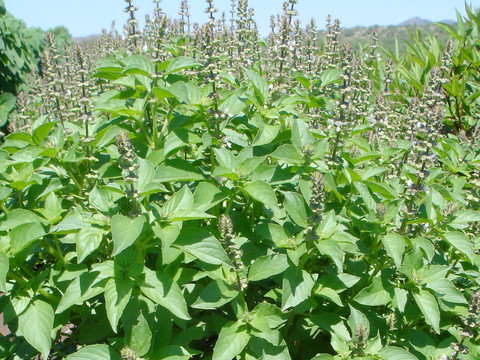
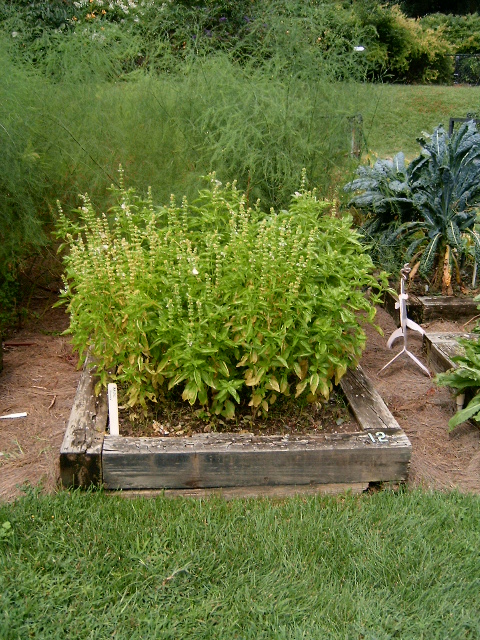
I was in Philadelphia and spotted a bunch of basil growing in a raised bed. Ideally, you want to pinch the blooms off to encourage more leafy growth.

The National Institute of Health reports that Americans consume too much salt. Cooking with flavorful herbs like basil could help you reduce your salt use and stay heart healthy.  Here’s an easy to make pesto to get you started.

Basil Pesto

4 oz. fresh basil leaves (a generous double handful)
1/4 cup pine nuts
2 cloves garlic, peeled (double amount of onion may be substituted if garlic is an issue)
8 tablespoons olive oil
1/4 cup grated Romano cheese
1/4 cup grated Parmesan cheese

1. Rinse basil and pat dry.
2. Toast pine nuts in an ungreased skillet over medium heat until golden. Cool.
3. Place cooled pine nuts, basil, garlic and olive oil in a food processor or blender and puree until creamy.
4. Stir in the cheeses and serve over pasta or rice. Also excellent with quinnoa or toasted tofu. Vegans can omit the cheese or use shredded soy cheese.


JAS avatarAbout Jacqueline Soule

Jacqueline’s latest book “Fruit and Vegetable Gardening in the Southwest” (Cool Springs Press, 2014) is available at Tohono Chul Park and the Tucson Botanical Gardens. It is divided into warm season and cool season growing so you can easily select other plants to grow this summer.

All text and all photos (except where noted) are copyright © 2015 by Jacqueline A. Soule. All rights reserved. I receive many requests to reprint my work. My policy is that you may use a short excerpt but you must give proper credit to the author, and must include a link back to the original post on our site. Photos may not be used.
Lizard Tail Plants

yerba mansaIMG_6196 (4)

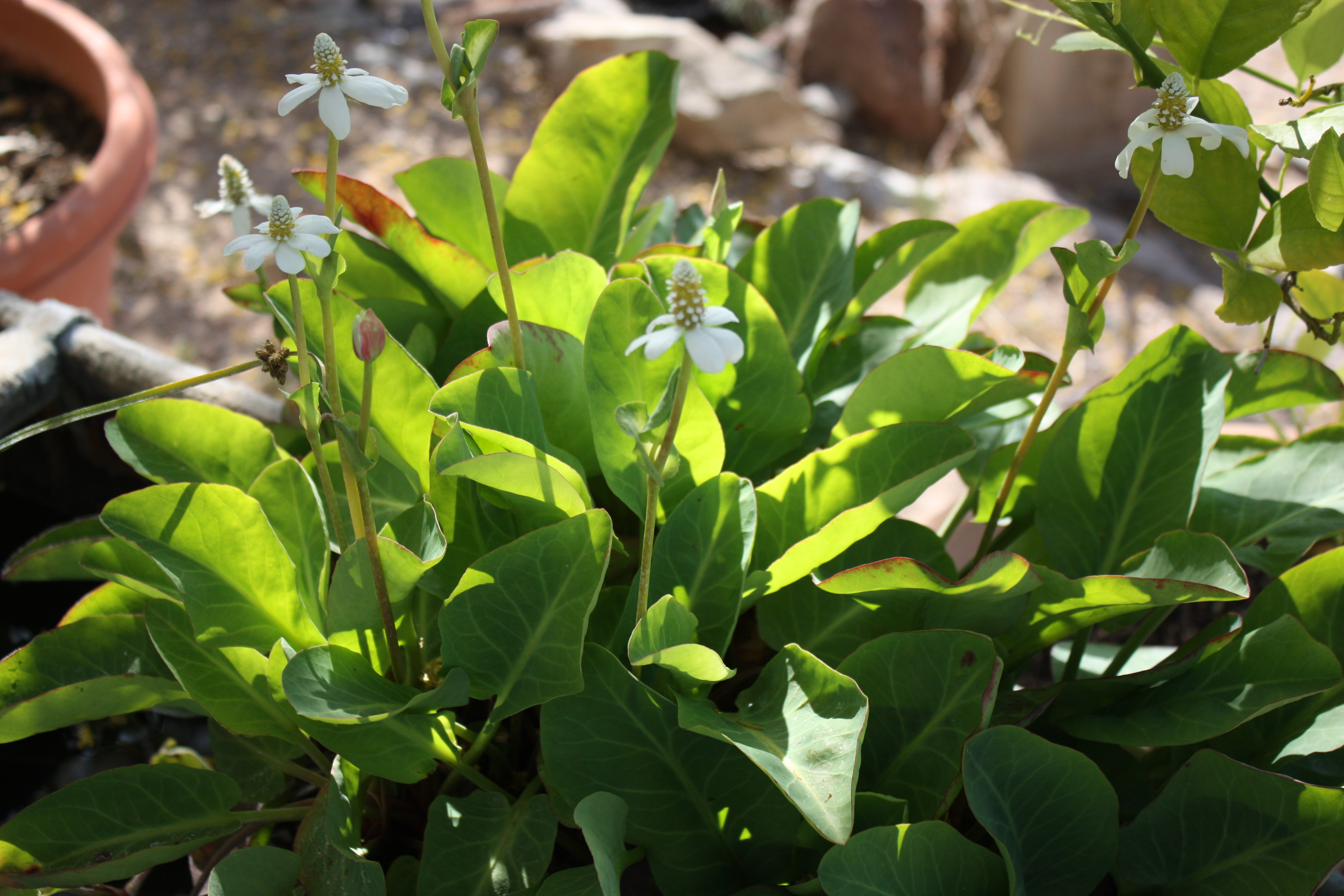
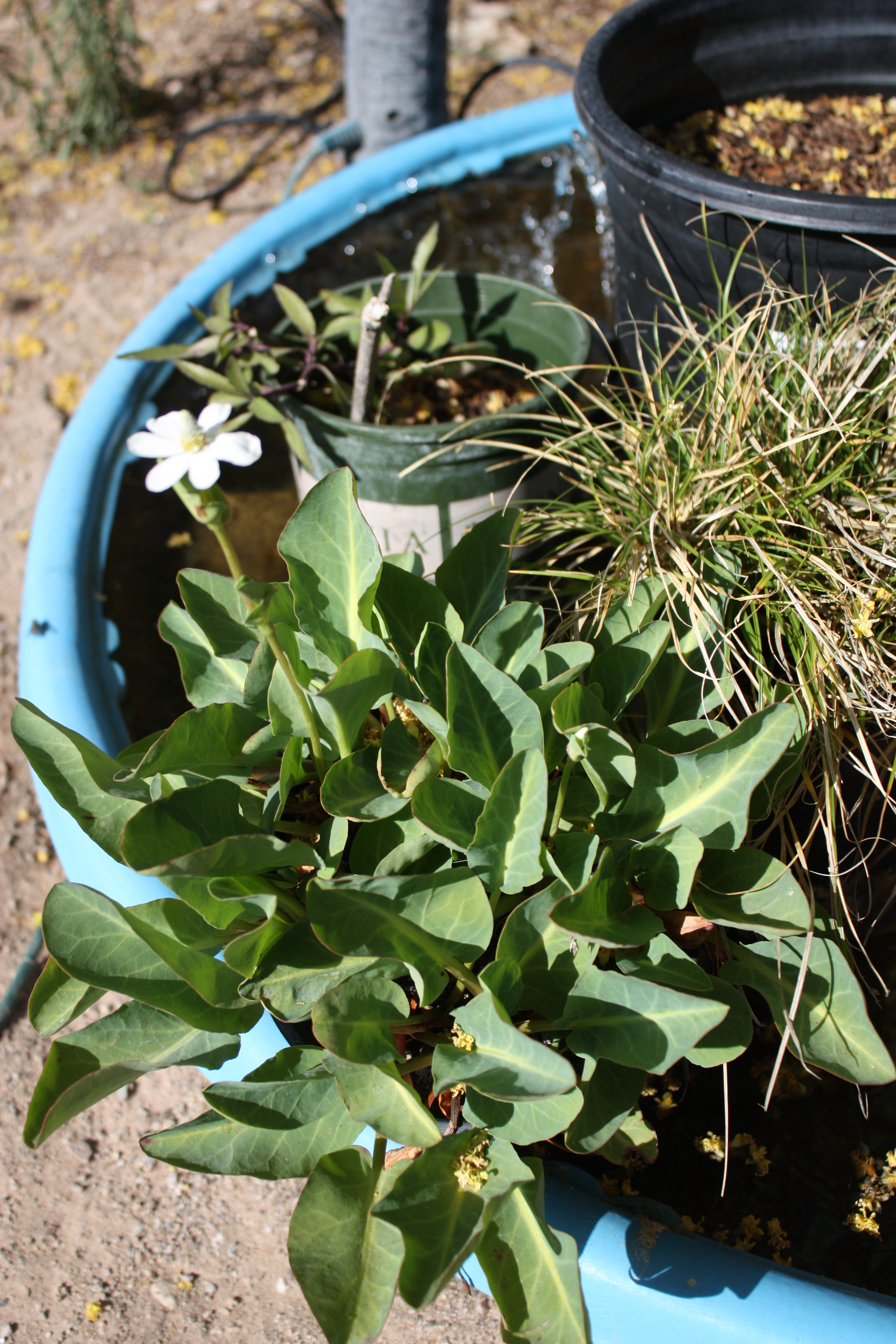
Yerba mansa is a member of a tiny plant family. Our Sonoran Desert has many such unique plants in it.

Jacqueline Soule here to tell you of a very unusual plant blooming in my garden right now – a member of the very unique Lizard Tail Family, the Saururaceae. This distinct plant family has only seven species in it, grouped into four genera. I am writing today about Anemopsis californica, also called yerba mansa.

yerba mansaIMG_6196 (1)

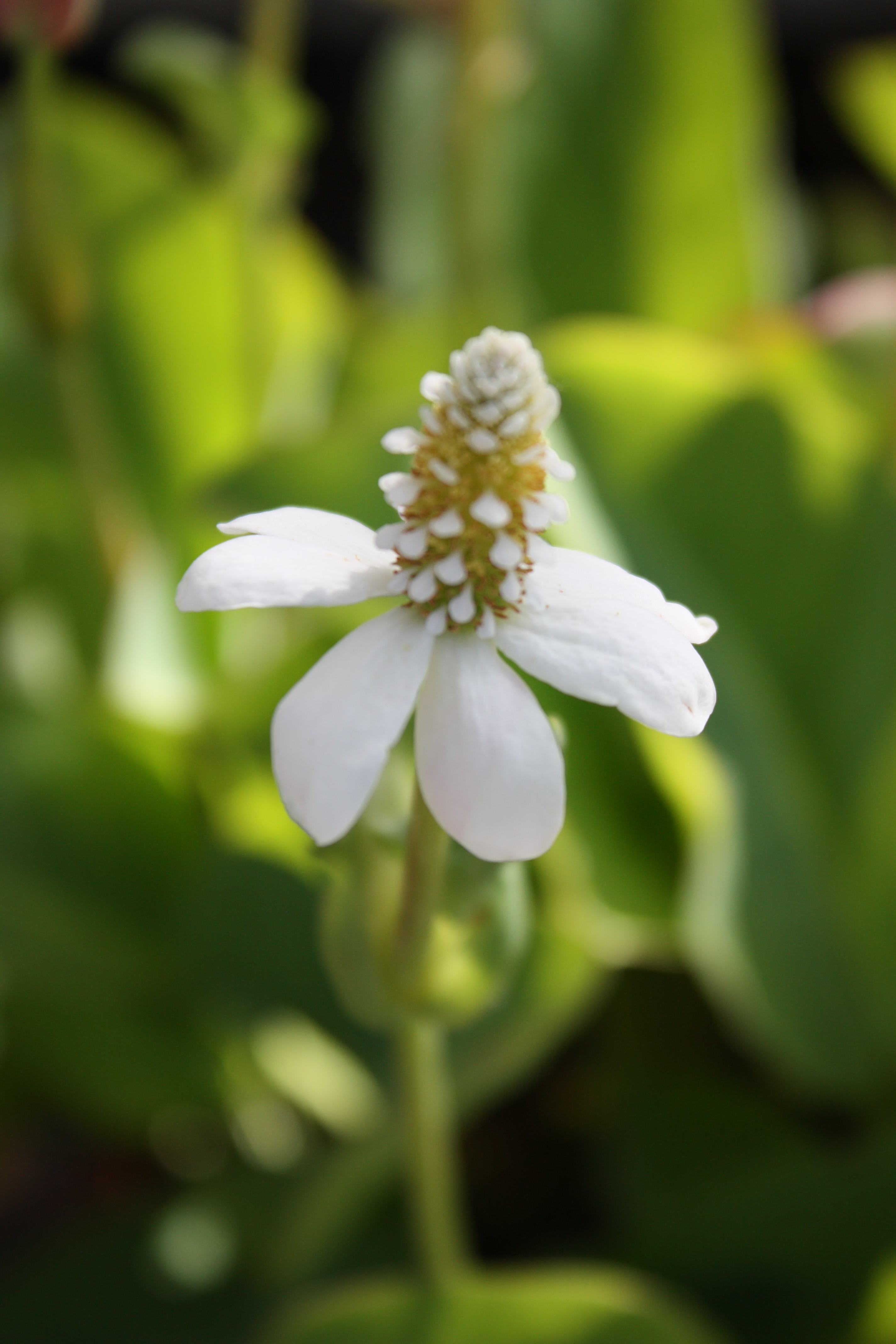
What looks like a single flower is technically a cluster of tiny flowers.

Medicinal.

Yerba mansa is used as a medicinal herb, but it also makes a pretty pond plant. All parts of the plant have a distinct spicy fragrance, a blend of ginger, eucalyptus, a touch of juniper and a dash of pepper. The roots are especially fragrant, reminiscent of a cross between camphor and eucalyptus with a hint of pepper. One of the active compounds in yerba mansa is methyleugenol, an anti-spasmodic, similar in chemical structure to compounds found in other medicinal herbs.

yerba mansa IMG_6212 (8)

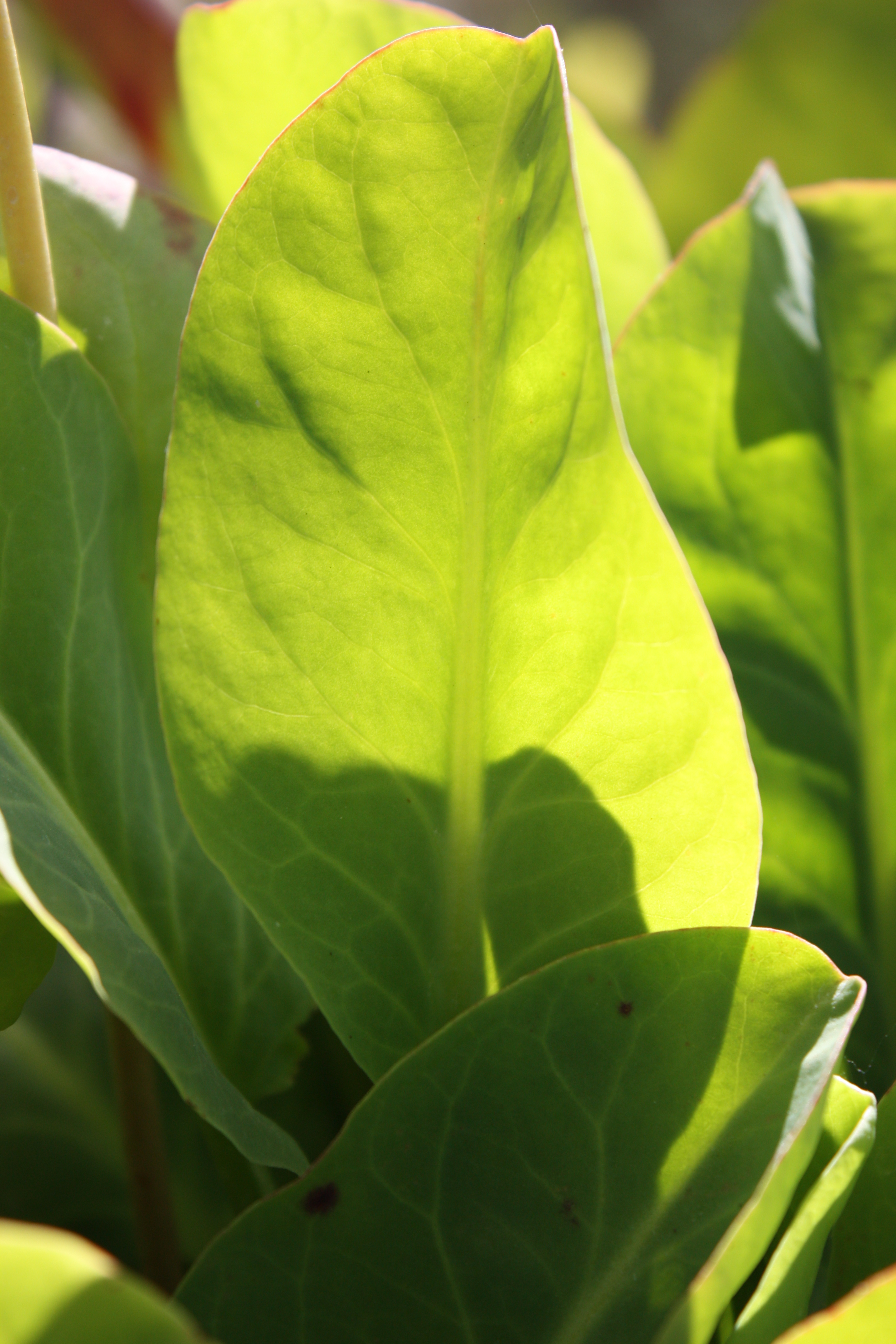
Even when they are newly emerged, the leaves bear a tracery of the red pigments they feature in fall.

Yerba mansa is versatile; it can be taken orally as a tea, tincture, infusion or dried in capsule form. It can be used externally for soaking inflamed or infected areas. It can be ground and used as a dusting powder. In New Mexico the leaves are used to make a poultice to relieve muscle swelling and inflammation. Spanish settlers in California used the plant as a liniment for skin troubles and as a tea for disorders of the blood.

Planting and Care.

While it is a pretty garden plant, yerba mansa would not appear in xeriscape books. It requires consistently moist soil and will not tolerate drying out between waterings. But by definition a xeriscape should include some oasis, and this is often a water garden.

yerba mansa IMG_6205 (3)

Yerba mansa features large leathery leaves when it gets ample water.

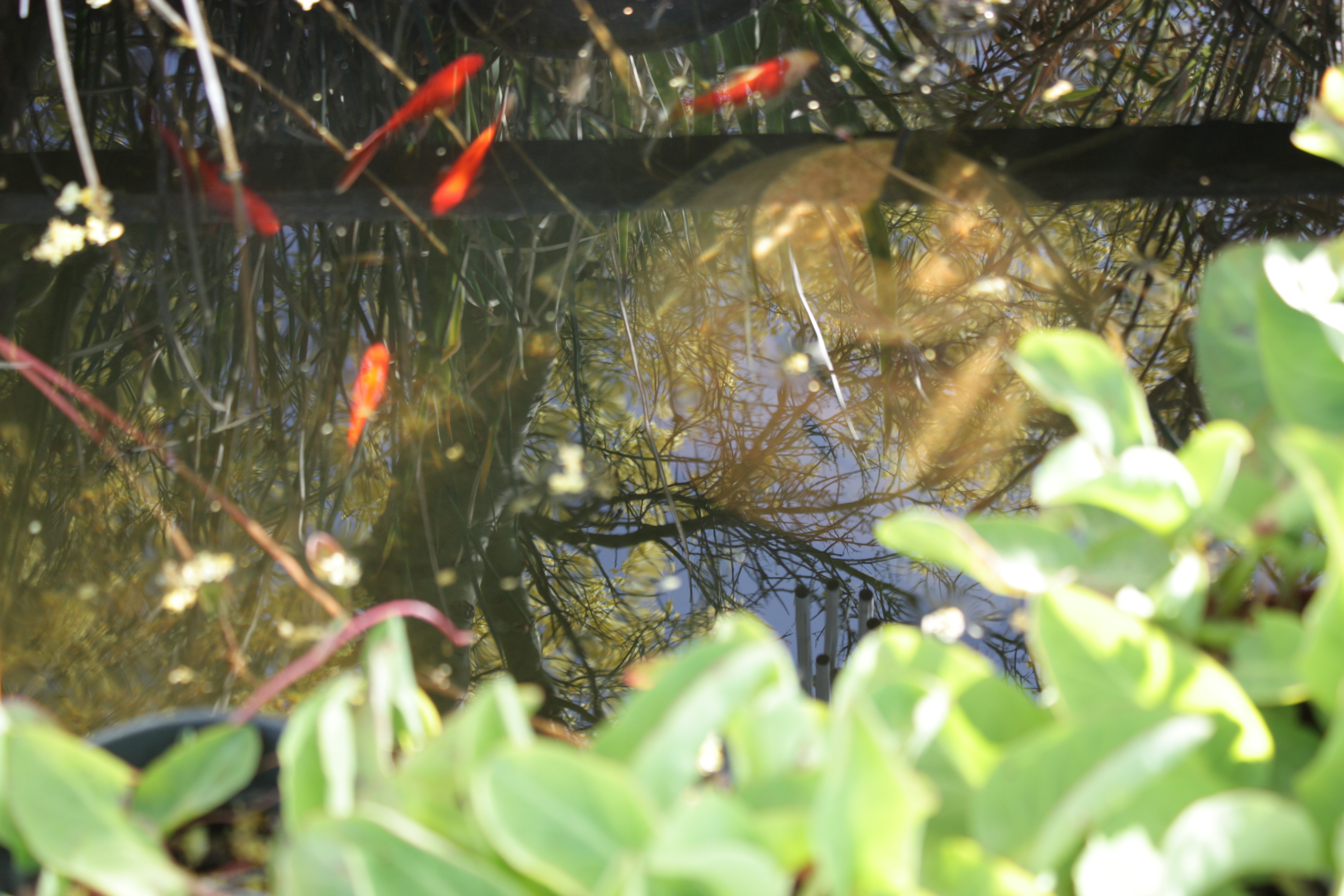
Yerba mansa is valuable in the water garden. Koi and other fish do not browse it like they do many other plants, thus it can readily spread and help clean the water. It also appears to help keep fish from getting bacterial infections such as Pseudomonas fluorescens (causing fin rot and fish dropsy) and fungal infections such as Saprolegnia.

yerba mansa IMG_6212 (19)

Great for the water garden, yerba mansa’s antibacterial properties can help keep your fish healthy.

Cooler autumn weather can bring blotches of maroon to the leaves and stems. If the temperatures are cool but not freezing, the entire plant may turn color. If the temperature falls below 20 F, the leaves die. Not to worry, the plant readily comes back from the roots. The plant is considered hardy to USDA Zone 5.

yerba mansa IMG_6212 (2)

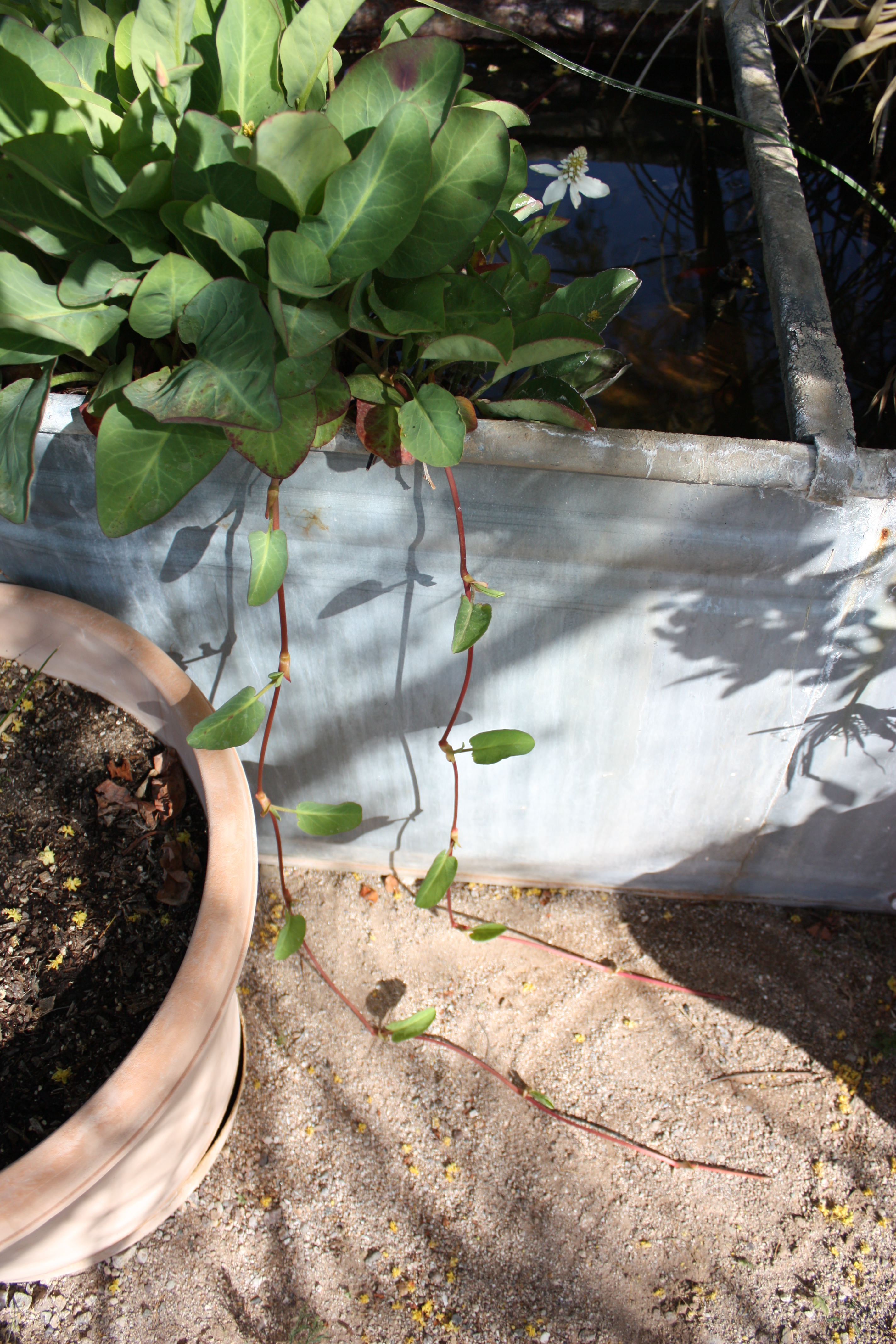
Yerba mansa will send out runners seeking to colonize new territory. It will not take root where there is not ample water – like in the desert outside the water garden!

In our area the plant is gaining popularity and can now be found in a number of nurseries that carry water garden plants.

Harvesting and Use.

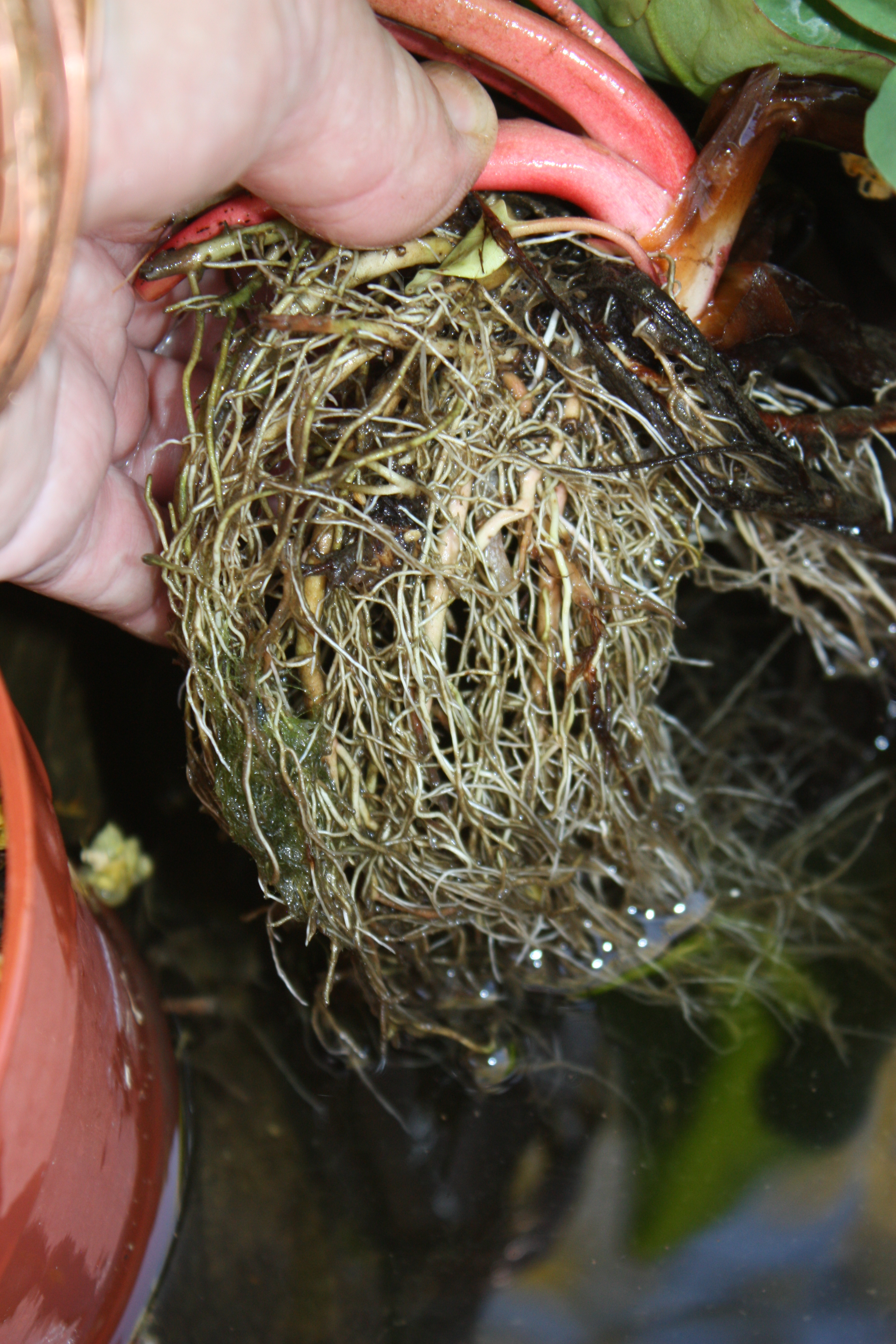
Roots for medicinal purposes should be collected in the fall preferably after the first freeze. After the first freeze the plant will begin to store the useful chemicals in its root system. Harvest the thick fleshy roots under the main part of the plant, not the thin roots on the runners.

yerba mansa IMG_6212 (5)

The smaller white roots are the ones harvested and dried for their medicinal properties.

Wash roots to remove clay and silt, then set them to wilt for several hours before cutting them into small pieces (roughly 1/4 inch square). Continue to dry the chopped roots until firm and dry.

About Jacqueline Soule

If you live in Southeastern Arizona, please come to one of my lectures. Look for me at your local Pima County Library branch, Steam Pump Ranch, Tubac Presidio and more. After each event I will be signing copies of my books, including the latest, “Southwest Fruit and Vegetable Gardening,” written for Arizona, Nevada and New Mexico (Cool Springs Press, $23).

All text and all photos (except where noted) are copyright © 2015 by Jacqueline A. Soule. All rights reserved. I receive many requests to reprint my work. My policy is that you may use a short excerpt but you must give proper credit to the author, and must include a link back to the original post on our site. Photos may not be used.