A Useful Desert Broom

baccharis AMP_5239

People complain that they want more green in their landscape. Desert broom is one option for bright green foliage.

Desert broom is called escoba amarga in Spanish, and also called a weed by many.  But I advocate you take a moment to consider this shrub more fully.

Desert broom (Baccharis sarothroides) is a vigorous plant – often the first plant to grow on a cleared stretch of desert (or over the septic tank).  It can be useful to have such a tough plant in your landscape palatte.  Along with landscaping it is useful in a number of other ways.

baccharis seedling crop_6477

Sad to say – some people think the only good desert broom is a dead one.

Uses.

Desert broom has a history of use as a medicinal plant.  A decoction made by cooking the twigs of desert broom is used to treat colds, sinus headache, and in general “sore aching” ailments. The Seri use this when other medicinal plants are not available. The same tea is also used as a rub for sore muscles.  (Perchance Father Kino used some after one of his epic rides.)

Studies done on plant extracts show that desert broom is rich in leutolin, a flavonoid that has demonstrated anti-inflammatory, antioxidant, and cholesterol-lowering capabilities. Desert broom also has quercetin, a proven antioxidant, and apigenin, a chemical which binds to the same brain receptor sites that Valium does. However, many members of the Sunflower family also contain compounds that cause negative side effects, thus caution is advised.

baccharis seedling AMP_6330

Desert broom seedlings are often among the first plants to appear in a cleared area. The rabbits do not eat them.

As it’s name indicates, branches of desert broom do make a passable broom for sweeping the dirt floors of an adobe home.

Desert broom is so plentiful, and many of it’s seep willow cousins are used as dye, so I had to do the experiment. The result – yes! It does dye wool. Various mordants result in differing shades as seen below.  Other members of the Baccharis genus have excellent colorfastness.

baccharis dye on wool crop

Baccharis on wool with different mordants. I use the chemical symbols to mark my mordants. Al = alum, Cu = copper, FE = iron.

Desert broom can be used as filler in fresh and dried floral arrangements, with long lasting color and minimum mess since it has few leaves to lose.

baccharis AMP_5426

This plant gets chopped often for filler in my flower arrangements. Regular clipping helps keep it a dense and bushy.

Desert broom comes in separate male and female plants. The females release their tiny fluffy seeds at the same time a number of other plants release their pollen, thus the seeds of desert broom often get erroneously called an allergen. The pollen of the male plants is released in fall and can be allergenic.

IMG_2701

No, desert broom does not have yellow flowers. In this case a desert broom grew up through a Cassia.

Planting and Care.
Plants may be purchased at nurseries or can be grown from seed. Avoid over-watering in heavy soils as desert broom will drown.

Desert broom will accept shearing and can be trained into a decent, short-lived privacy hedge. Such a short lived hedge is helpful while the longer-lived, taller, non-allergenic, but slower growing Arizona rosewood (Vauquelinia californica) reaches hedge size. Desert broom can also be useful in the landscape since it grows in heavy clay or saline soils where few other plants thrive.

IMG_2708

These plants get sheared once a month by landscapers with power tools. Note that the native desert broom is growing more vigorously than the non-native cassia from Australia.

JAS avatar If you live in Southeastern Arizona, please come to one of my lectures. Look for me at your local Pima County Library branch, Steam Pump Ranch, Tubac Presidio, Tucson Festival of Books and more. After each event I will be signing copies of my books, including the latest, “Southwest Fruit and Vegetable Gardening,” written for Arizona, Nevada and New Mexico (Cool Springs Press, $23).

All photos and all text are copyright © 2015, Jacqueline A. Soule. All rights reserved. I receive many requests to reprint my work. My policy is that you may use a short excerpt but you must give proper credit to the author, and must include a link back to the original post on our site. Photos may not be used.
All That Bountiful Basil

by Jacqueline A. Soule.

Last month I wrote about basil  in these pages.  In my Gardening With Soule Blog I wrote about how to grow basil in the desert.  Now let’s look at more basil uses, and some plant care in our heat not discussed previously.


Hot Plants. 

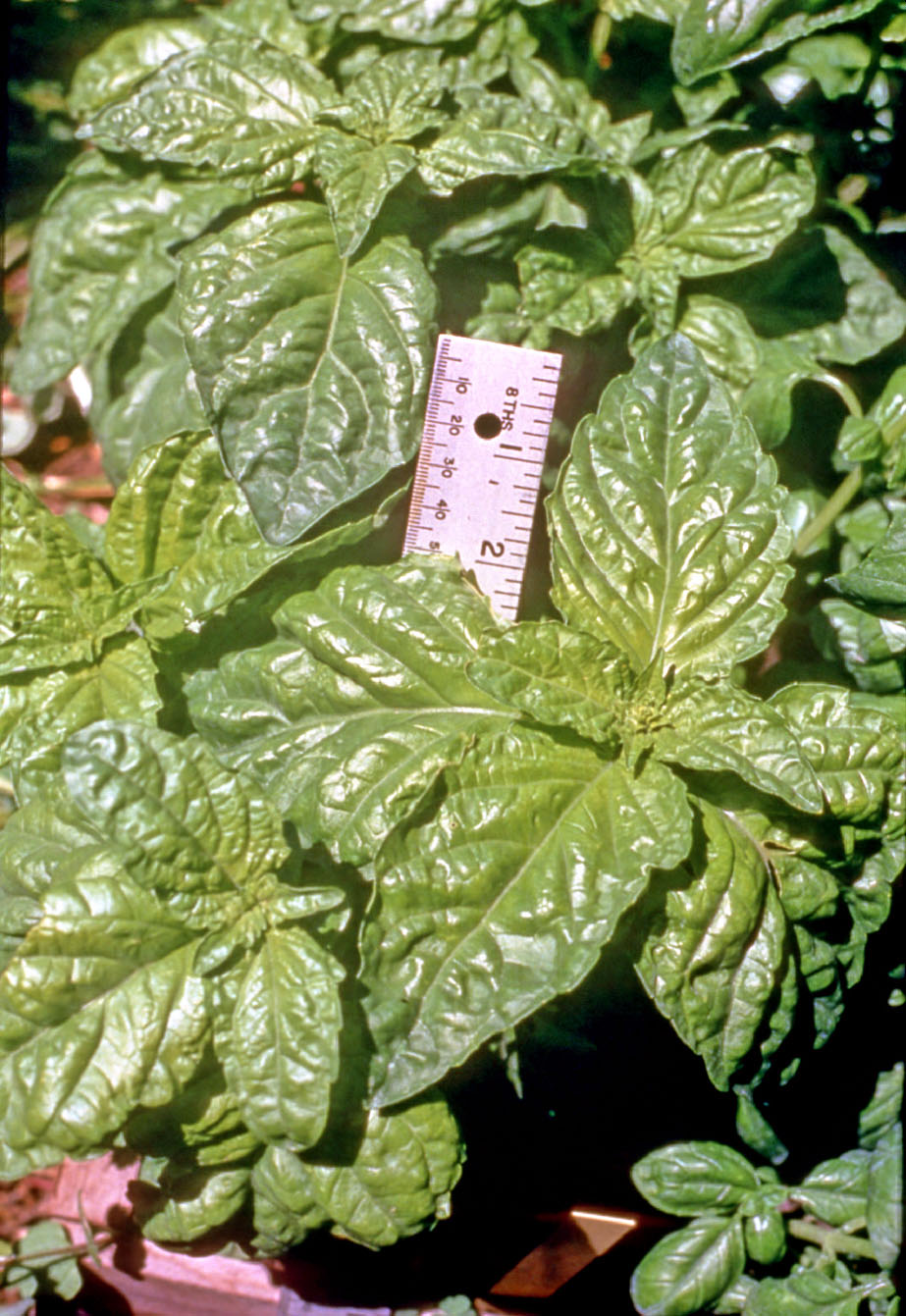
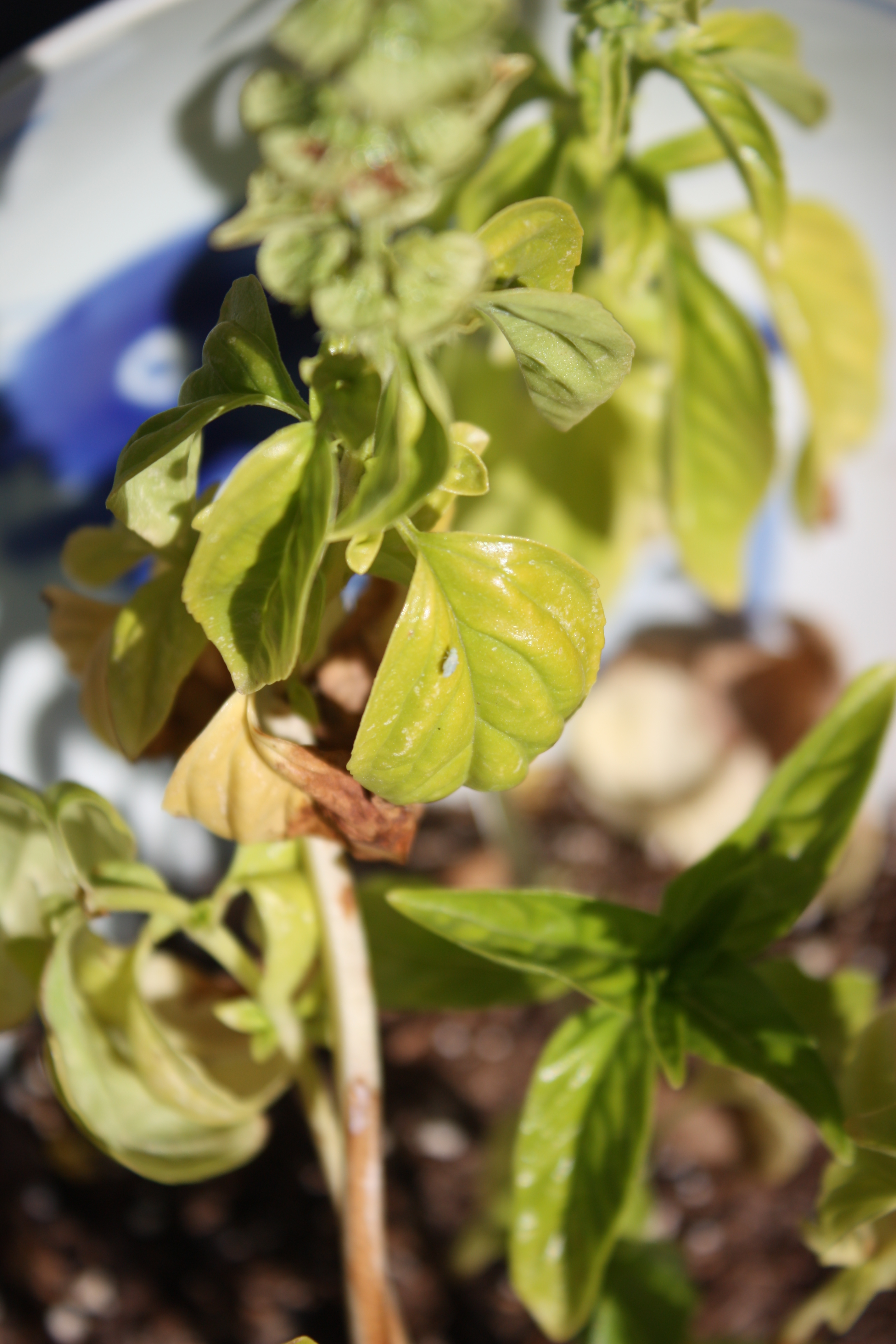
If you bought your basil plants at a big box store, chances are it is not an ideal variety of basil to grow here.  In the image below, the plant shows signs of both excessive light and heat stress with yellowing leaves and some sunburned and browned leaves.  Basil harvested from such a stressed plant will taste bitter, not really worth the water it takes to keep the plant alive.  If you did end up with a large leaved basil, consider growing it on a covered patio or under shade cloth.

basil habit 009

Some varieties of basil, like this large leaf cultivar, do not appreciate hot sun and high temps.

Basil Blooms.

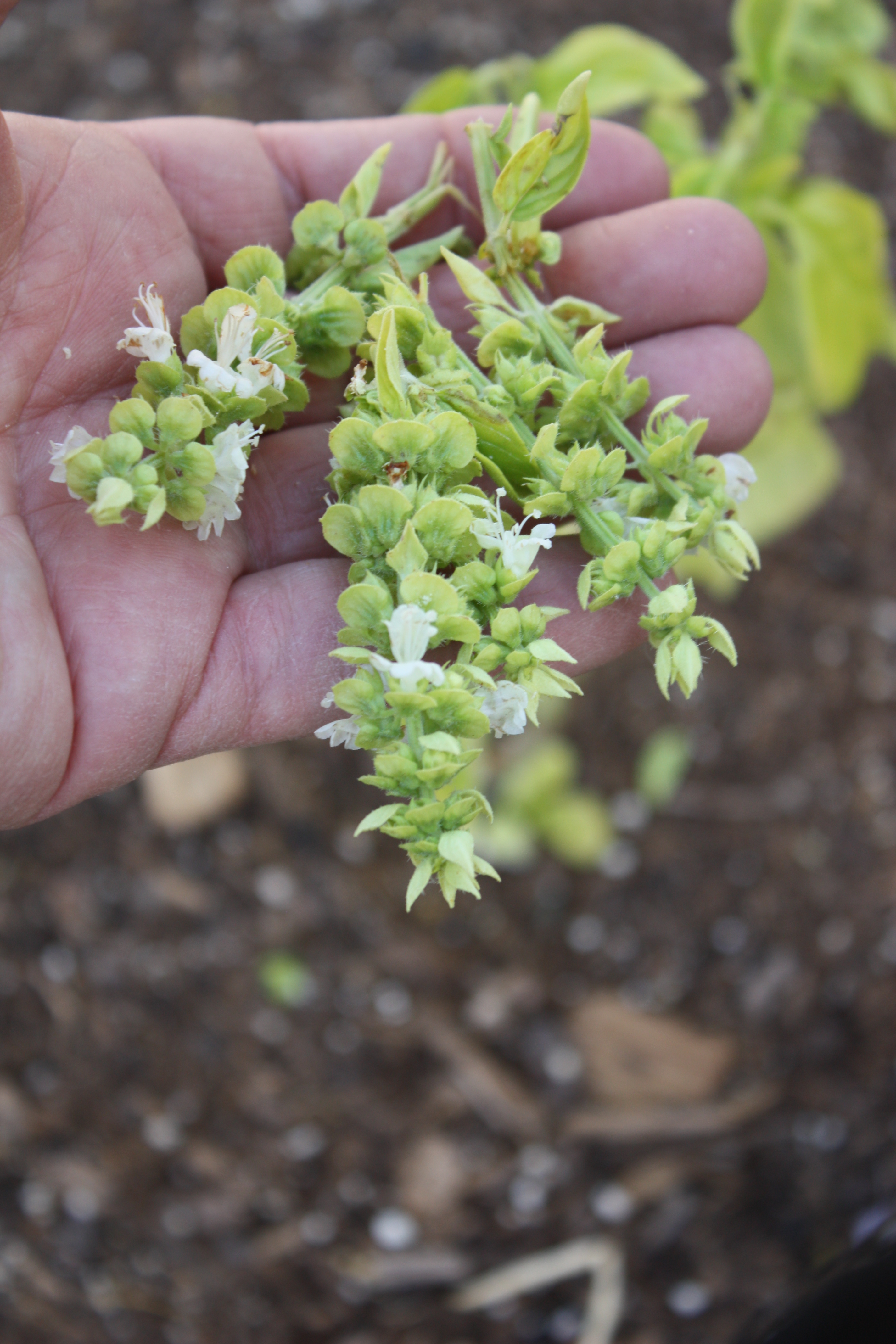
If you want basil seeds, let your basil bloom.  Otherwise, you should remove and spikes of blooms – ideally before they get too big and use up the energy the plant could use making more luscious leaves instead of flowers.

basil pinch 001

These spikes of basil blooms were pinched off the plant.

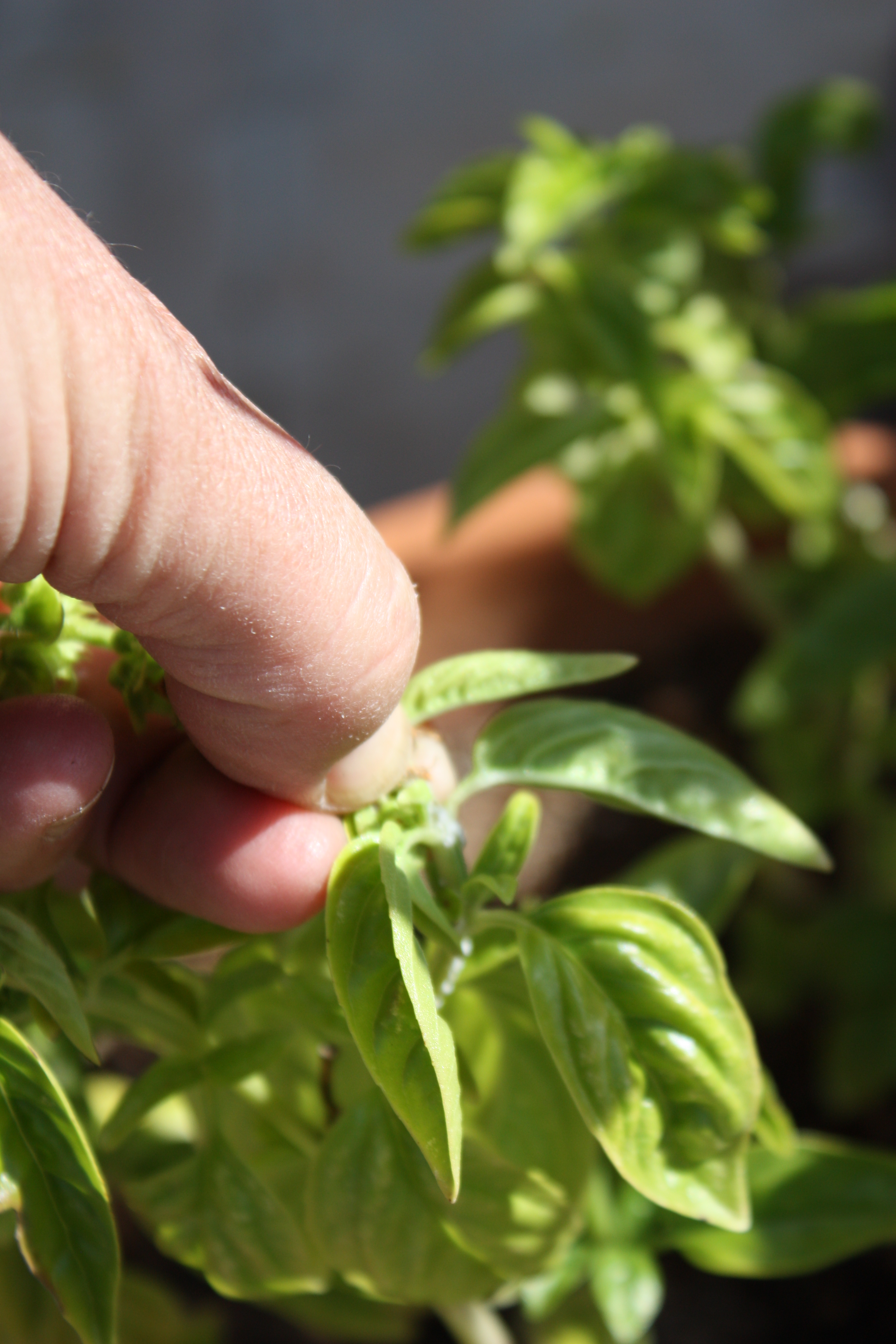
Remove the spikes of blooms by pinching them off.  Yes, you can use pruners or scissors or a knife, but scientific evidence shows that good old fashioned fingers are the best tool for the job.  Why?  Because when we cut, we cut through plant cells, but when we pinch, the plant ruptures between cell walls.  The plant heals more quickly when the damage is between the cells instead of right through the middle of them.

basil pinch 006

The best tool for removing basil blooms is your own hand.


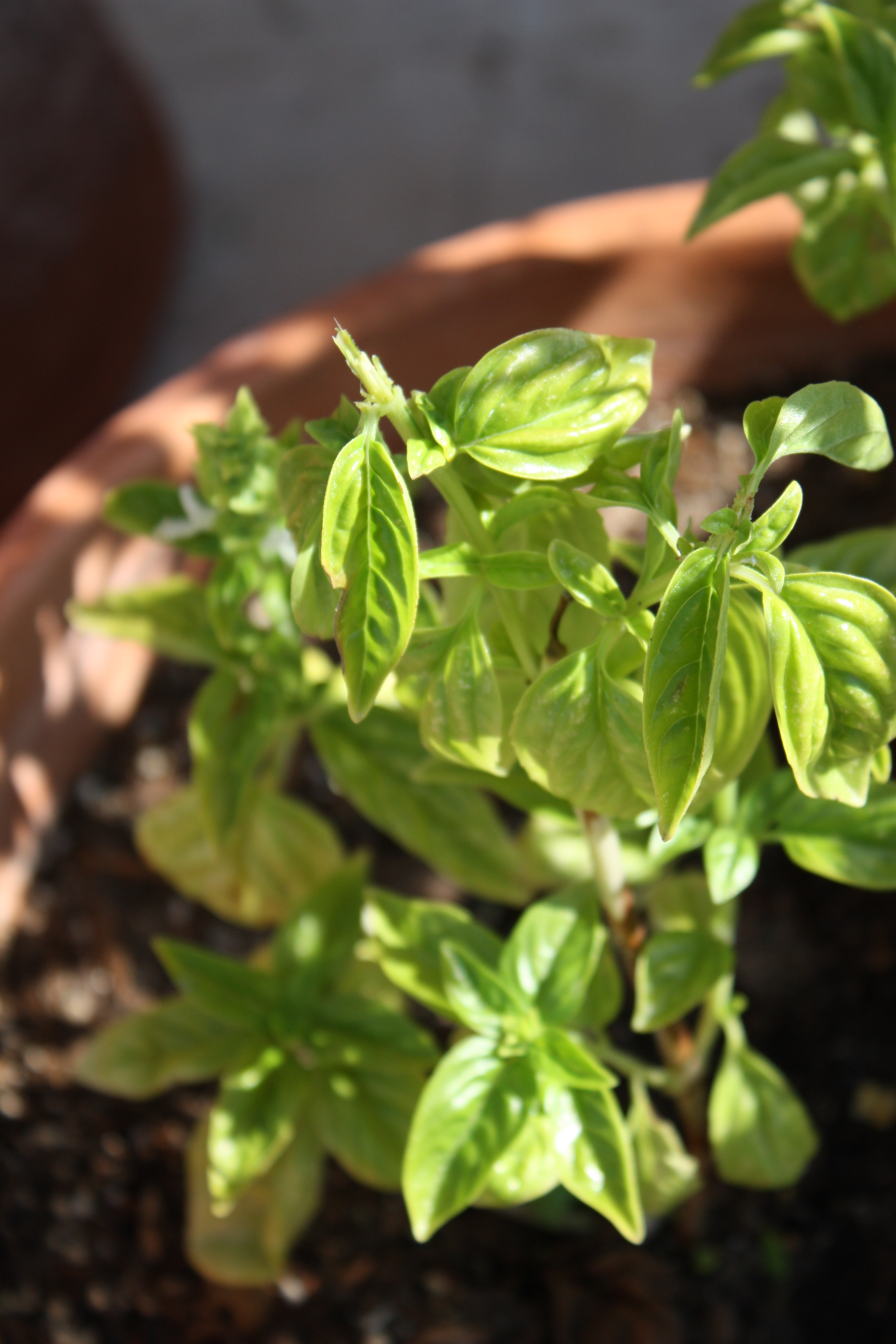
basil pinched stalk 002

The plant heals more rapidly when hand pinched, even though a tidy-minded person might not like the ragged look to the pinch site.

Harvesting Basil.

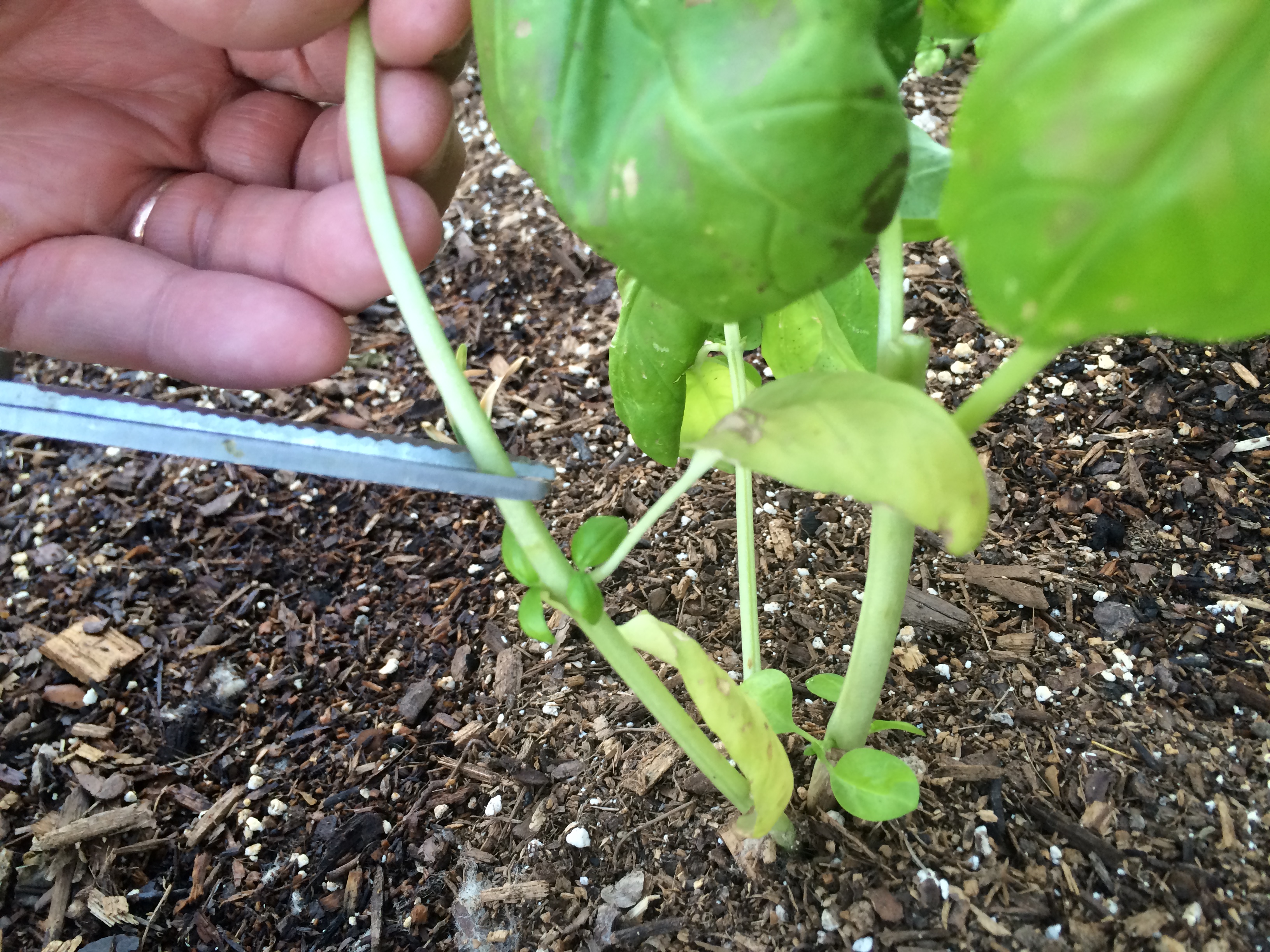
You can harvest basil leaves any time you need some.  If you are careful about it, your plant will just keep making more leaves, especially if you harvest just above a node of young leaves.


basil harvest_2678

Yes you should pinch your harvest – just like you pinch blossoms. The scissors are in the picture to indicate where to cut – just above a node of young leaves.


Using Your Basil.

Tons of ways to use basil, but I am fond of one I just learned – basil spreadable pseudo-cheese.  (I have to come up with a better name!)

You will need: a clean bandanna, a quart of plain Greek yogurt, a bowl, a colander, time, and some basil.

Put the colander into the bowl and line the colander with the clean bandanna.  Dump the yogurt into the bandanna and let this sit in the ‘fridge overnight.  The whey will drip out of the yogurt.  (You can leave it for 24 hours if you want.) From a quart of yogurt, I got almost a cup of whey.

This un-wheyed yogurt becomes thick and spreadable, almost like cream-cheese, and it does not stick to the bandanna!  It is not as creamy as cream cheese, but if you add flavorful herbs like basil, it is entirely tasty!

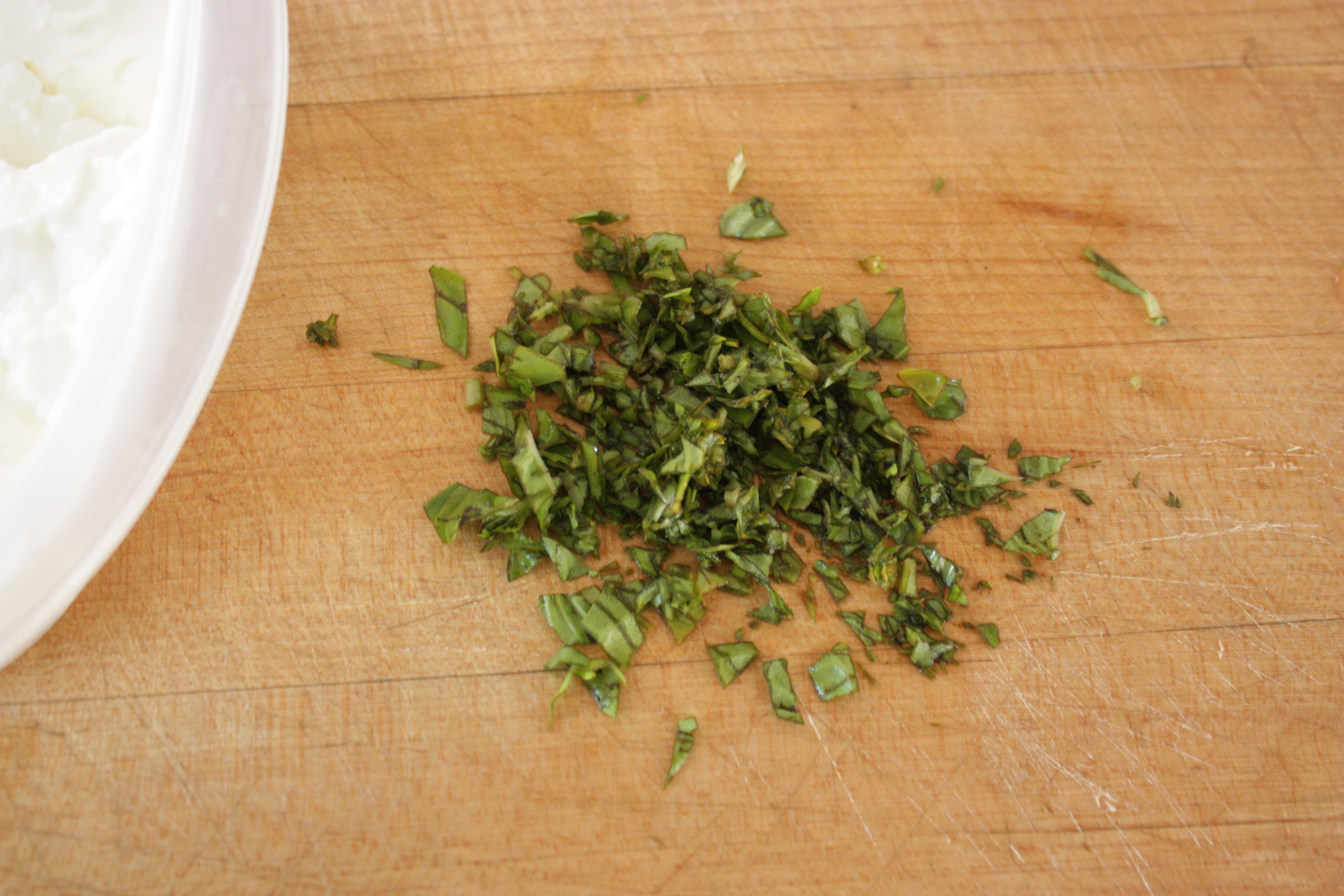
basil chop_6259

Chop your basil finely for this dish.


Dump your yogurt-cheese out of the bandanna.  Harvest some basil, chop it up, mix it into your yogurt, and let it sit for at least four hours to help the basil flavor to merge into the cheese.

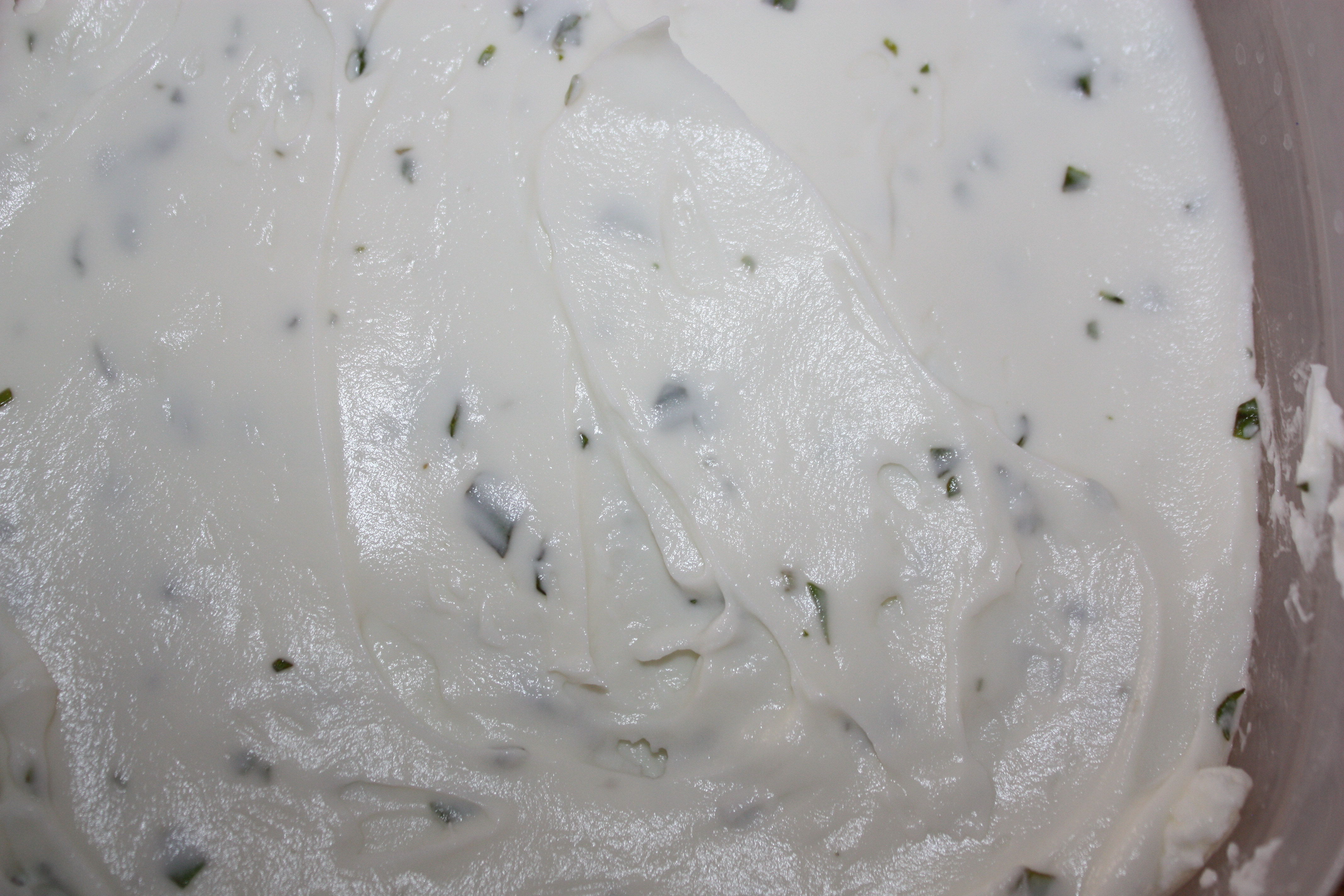
basil chop_6262

Let your basil flavor infuse into the cheese for at least 4 hours. Longer is just fine.

Using the Whey.  

Since I got a cup of whey, I did not want to throw it away.  I tried a sip – not my cup of tea!  Since it is an animal product it shouldn’t go into the compost heap either.  I put it into a smoothy with sweet fruit and with a dollop of honey it was fine.


About Jacqueline Soule

JAS avatarJacqueline’s latest book “Fruit and Vegetable Gardening in the Southwest” (Cool Springs Press, 2014) is available at Tohono Chul Park and the Tucson Botanical Gardens. It is divided into warm season and cool season growing so you can easily select other plants to grow this summer.

All text and all photos (except where noted) are copyright © 2015 by Jacqueline A. Soule. All rights reserved. I receive many requests to reprint my work. My policy is that you may use a short excerpt but you must give proper credit to the author, and must include a link back to the original post on our site. Photos may not be used.


Bountiful Basil

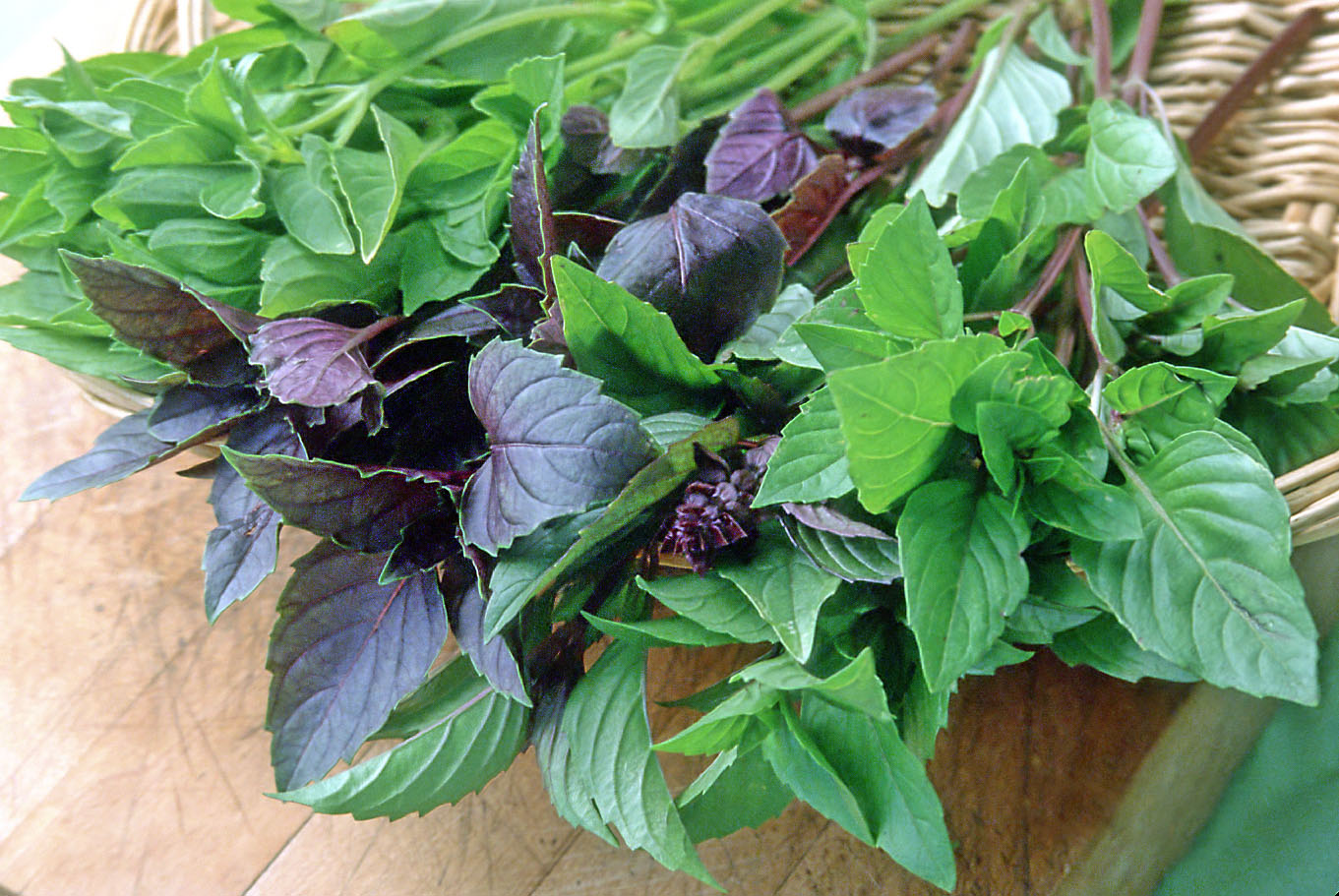
basil-trio_renees garden_1

Basil comes in over 150 varieties. Here is a trio grown in Renee’s Garden. Photo courtesy of Renee’s Garden Seeds.


by Jacqueline A. Soule, Ph.D.

Summertime is basil-time in the Old Pueblo. As the nights turn to their sultry summer phase, the sun provides light for hours on end, and the soil temperatures become toasty warm – in other words, we enter our tropical phase of the year – and basil is truly delighted. Originally native to India, basil is genetically a tropical plant, even though it is now grown around the globe wherever (and whenever) it is warm enough.

basil lemon mrs burns famous nss

Mrs. Burn’s Famous Lemon Basil is a lemony flavored basil that grows well indeed in our climate. Photo courtesy of Native Seeds/SEARCH.

Basil is a real taste treat. It can be used in Italian cooking (like the pesto recipe below), fresh, in green salads, and it even has a reputation as a medicinal herb.

basil-saladleaf_renees garden

Salad leaf basil features large leaves. Not as strongly flavored as other basils, it does taste great in salads. Photo courtesy of Renee’s Garden Seeds.

Basil does grow well in the Tucson area, but it isn’t the easiest herb to grow. It has some very specific preferences if it is to thrive. I will put growing tips up on my Gardening With Soule blog on June 4th. Why wait? Because the 4th of each month is national “You Can Grow That” Day.

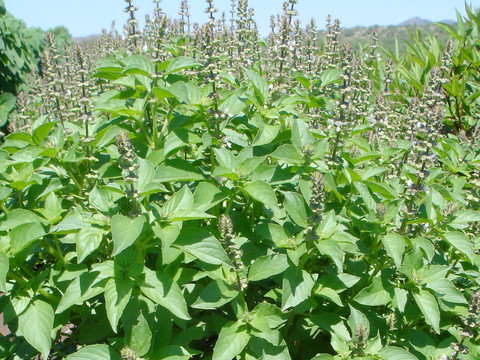
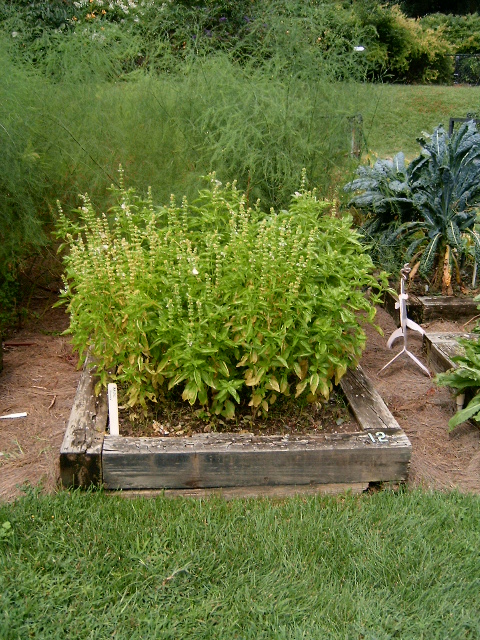
basil_PA_08

I was in Philadelphia and spotted a bunch of basil growing in a raised bed. Ideally, you want to pinch the blooms off to encourage more leafy growth.

The National Institute of Health reports that Americans consume too much salt. Cooking with flavorful herbs like basil could help you reduce your salt use and stay heart healthy.  Here’s an easy to make pesto to get you started.

Basil Pesto

4 oz. fresh basil leaves (a generous double handful)
1/4 cup pine nuts
2 cloves garlic, peeled (double amount of onion may be substituted if garlic is an issue)
8 tablespoons olive oil
1/4 cup grated Romano cheese
1/4 cup grated Parmesan cheese

1. Rinse basil and pat dry.
2. Toast pine nuts in an ungreased skillet over medium heat until golden. Cool.
3. Place cooled pine nuts, basil, garlic and olive oil in a food processor or blender and puree until creamy.
4. Stir in the cheeses and serve over pasta or rice. Also excellent with quinnoa or toasted tofu. Vegans can omit the cheese or use shredded soy cheese.


JAS avatarAbout Jacqueline Soule

Jacqueline’s latest book “Fruit and Vegetable Gardening in the Southwest” (Cool Springs Press, 2014) is available at Tohono Chul Park and the Tucson Botanical Gardens. It is divided into warm season and cool season growing so you can easily select other plants to grow this summer.

All text and all photos (except where noted) are copyright © 2015 by Jacqueline A. Soule. All rights reserved. I receive many requests to reprint my work. My policy is that you may use a short excerpt but you must give proper credit to the author, and must include a link back to the original post on our site. Photos may not be used.
Lizard Tail Plants

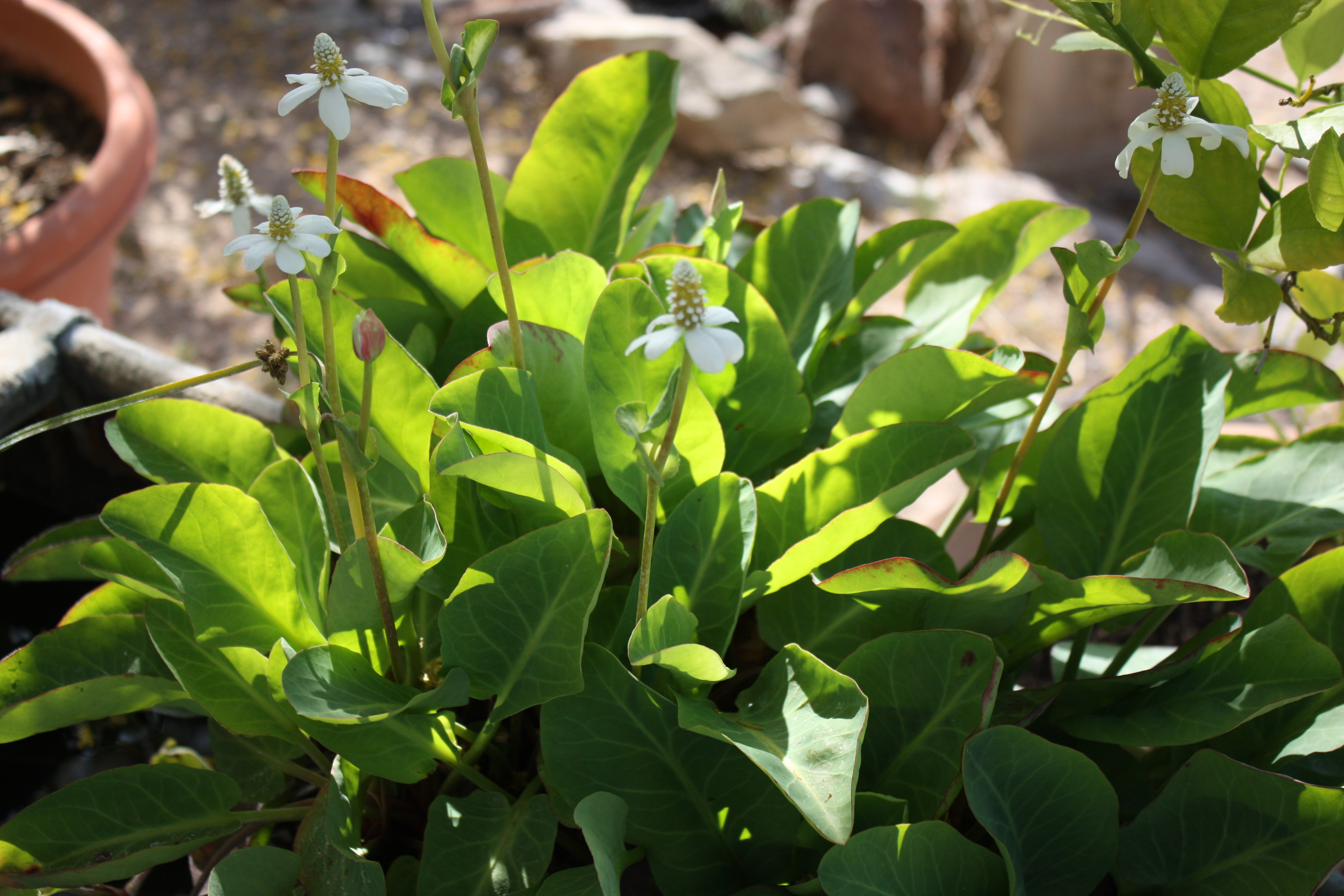
yerba mansaIMG_6196 (4)

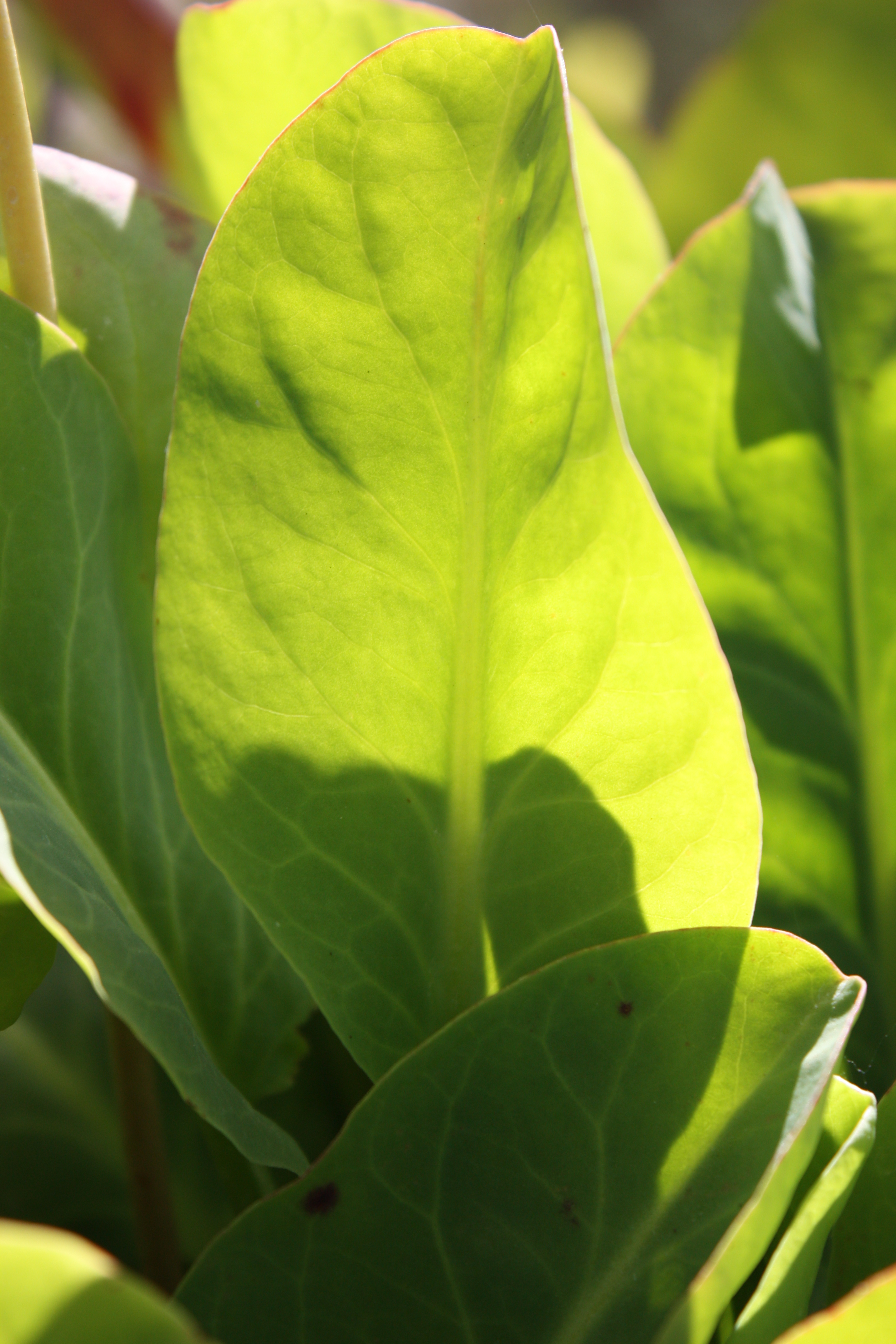
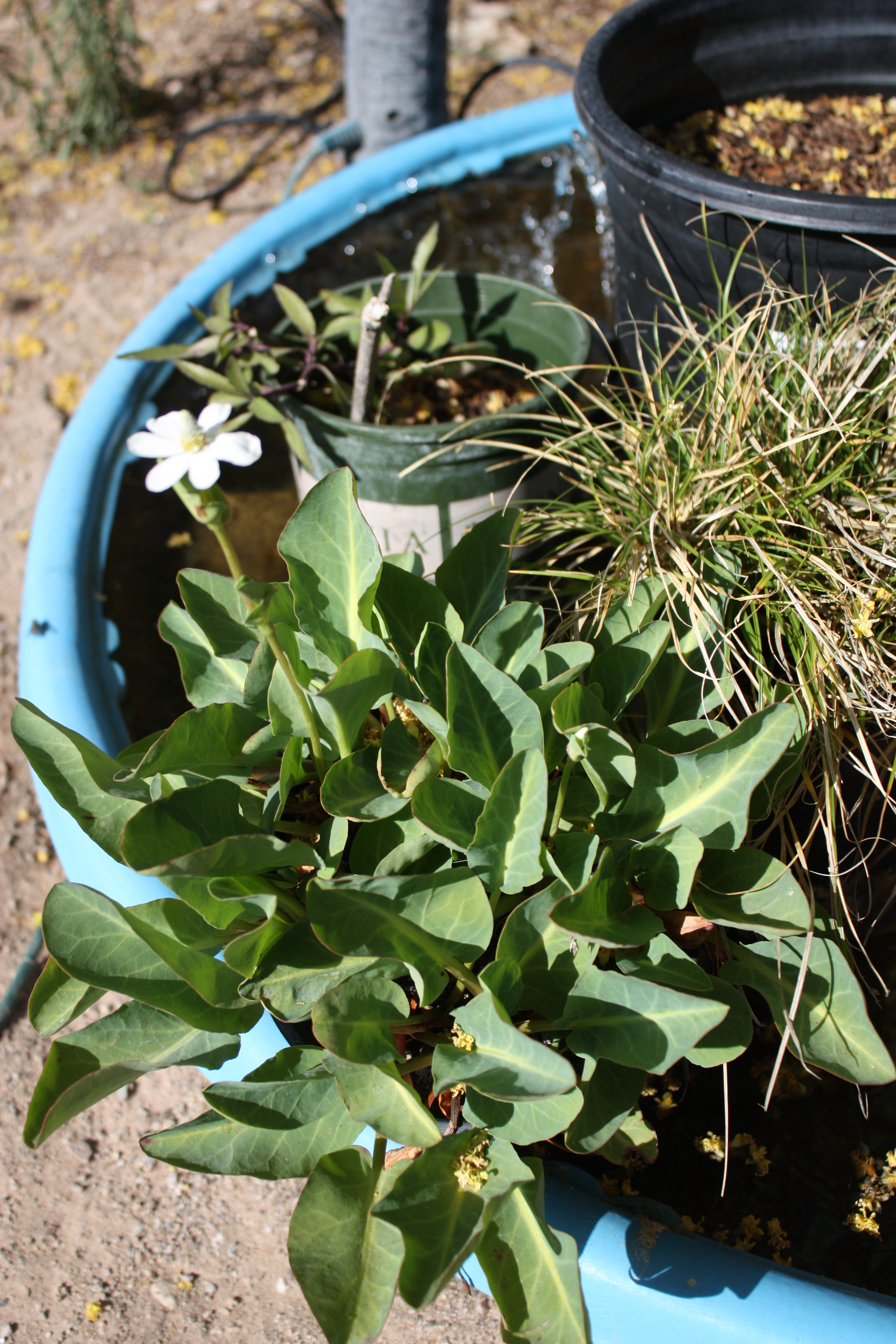
Yerba mansa is a member of a tiny plant family. Our Sonoran Desert has many such unique plants in it.

Jacqueline Soule here to tell you of a very unusual plant blooming in my garden right now – a member of the very unique Lizard Tail Family, the Saururaceae. This distinct plant family has only seven species in it, grouped into four genera. I am writing today about Anemopsis californica, also called yerba mansa.

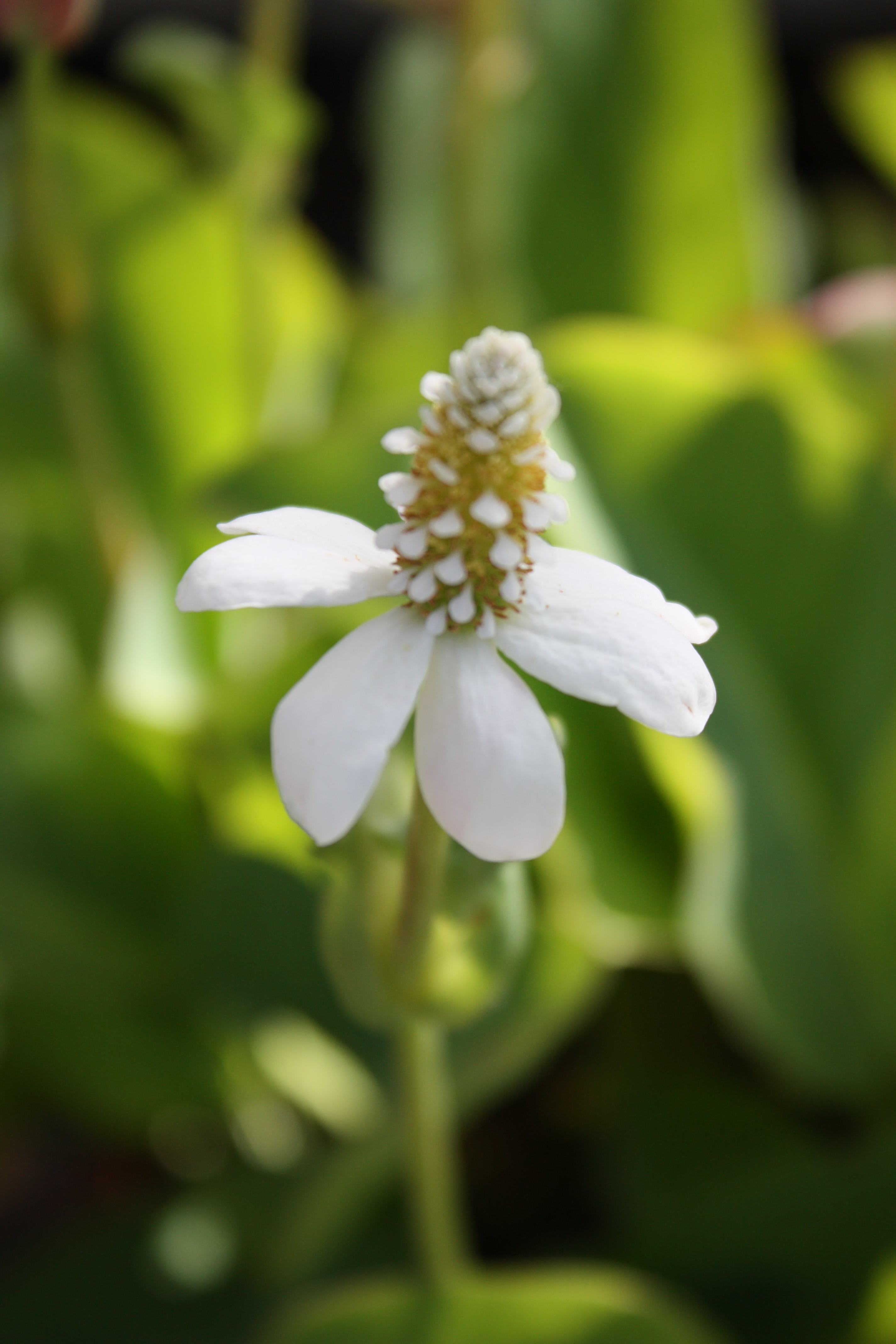
yerba mansaIMG_6196 (1)

What looks like a single flower is technically a cluster of tiny flowers.

Medicinal.

Yerba mansa is used as a medicinal herb, but it also makes a pretty pond plant. All parts of the plant have a distinct spicy fragrance, a blend of ginger, eucalyptus, a touch of juniper and a dash of pepper. The roots are especially fragrant, reminiscent of a cross between camphor and eucalyptus with a hint of pepper. One of the active compounds in yerba mansa is methyleugenol, an anti-spasmodic, similar in chemical structure to compounds found in other medicinal herbs.

yerba mansa IMG_6212 (8)

Even when they are newly emerged, the leaves bear a tracery of the red pigments they feature in fall.

Yerba mansa is versatile; it can be taken orally as a tea, tincture, infusion or dried in capsule form. It can be used externally for soaking inflamed or infected areas. It can be ground and used as a dusting powder. In New Mexico the leaves are used to make a poultice to relieve muscle swelling and inflammation. Spanish settlers in California used the plant as a liniment for skin troubles and as a tea for disorders of the blood.

Planting and Care.

While it is a pretty garden plant, yerba mansa would not appear in xeriscape books. It requires consistently moist soil and will not tolerate drying out between waterings. But by definition a xeriscape should include some oasis, and this is often a water garden.

yerba mansa IMG_6205 (3)

Yerba mansa features large leathery leaves when it gets ample water.

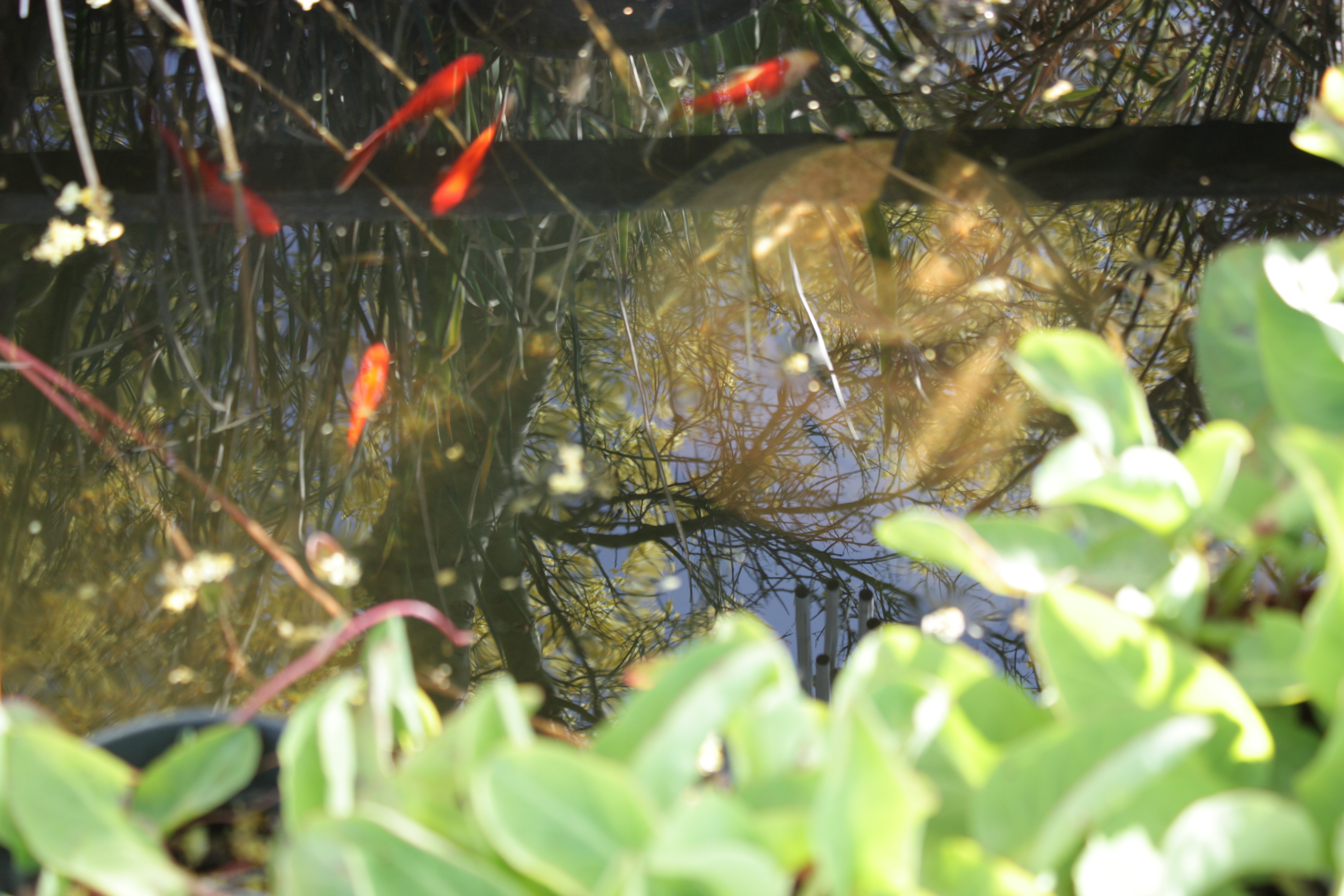
Yerba mansa is valuable in the water garden. Koi and other fish do not browse it like they do many other plants, thus it can readily spread and help clean the water. It also appears to help keep fish from getting bacterial infections such as Pseudomonas fluorescens (causing fin rot and fish dropsy) and fungal infections such as Saprolegnia.

yerba mansa IMG_6212 (19)

Great for the water garden, yerba mansa’s antibacterial properties can help keep your fish healthy.

Cooler autumn weather can bring blotches of maroon to the leaves and stems. If the temperatures are cool but not freezing, the entire plant may turn color. If the temperature falls below 20 F, the leaves die. Not to worry, the plant readily comes back from the roots. The plant is considered hardy to USDA Zone 5.

yerba mansa IMG_6212 (2)

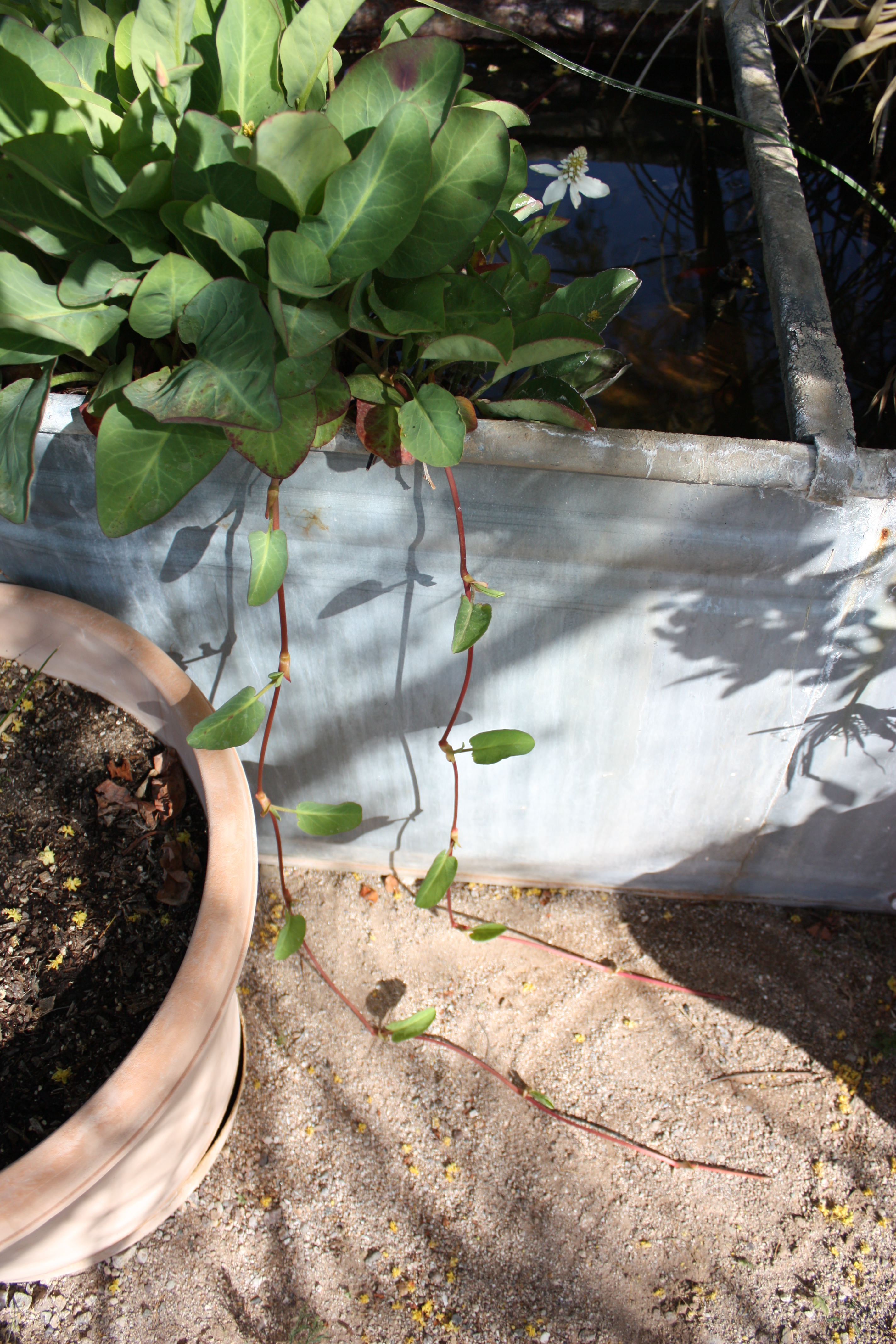
Yerba mansa will send out runners seeking to colonize new territory. It will not take root where there is not ample water – like in the desert outside the water garden!

In our area the plant is gaining popularity and can now be found in a number of nurseries that carry water garden plants.

Harvesting and Use.

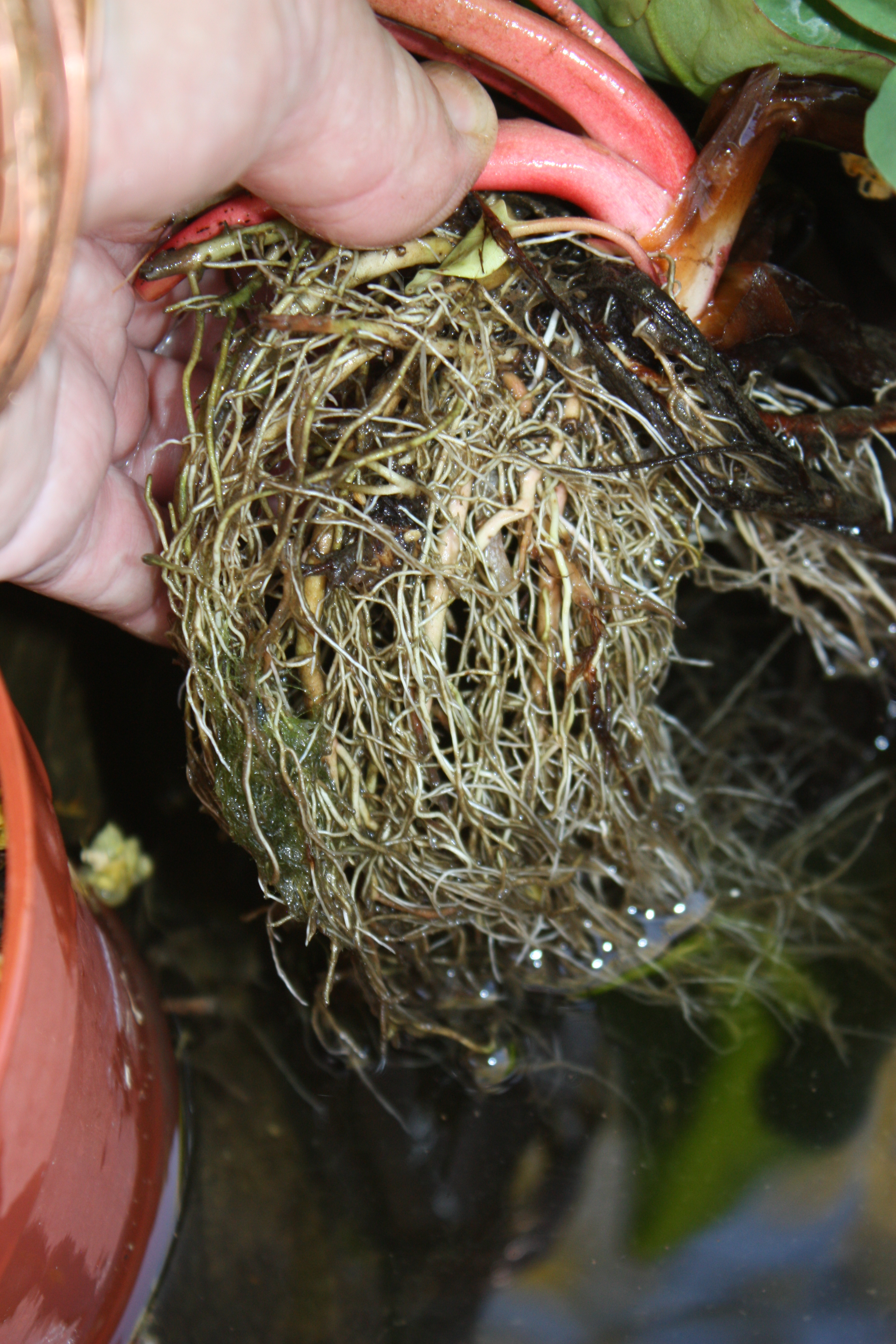
Roots for medicinal purposes should be collected in the fall preferably after the first freeze. After the first freeze the plant will begin to store the useful chemicals in its root system. Harvest the thick fleshy roots under the main part of the plant, not the thin roots on the runners.

yerba mansa IMG_6212 (5)

The smaller white roots are the ones harvested and dried for their medicinal properties.

Wash roots to remove clay and silt, then set them to wilt for several hours before cutting them into small pieces (roughly 1/4 inch square). Continue to dry the chopped roots until firm and dry.

About Jacqueline Soule

If you live in Southeastern Arizona, please come to one of my lectures. Look for me at your local Pima County Library branch, Steam Pump Ranch, Tubac Presidio and more. After each event I will be signing copies of my books, including the latest, “Southwest Fruit and Vegetable Gardening,” written for Arizona, Nevada and New Mexico (Cool Springs Press, $23).

All text and all photos (except where noted) are copyright © 2015 by Jacqueline A. Soule. All rights reserved. I receive many requests to reprint my work. My policy is that you may use a short excerpt but you must give proper credit to the author, and must include a link back to the original post on our site. Photos may not be used.
Time for Some Thyme

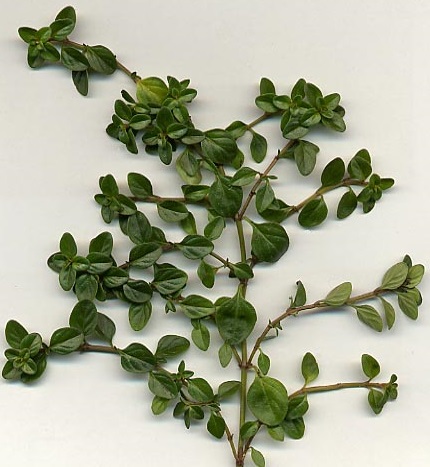
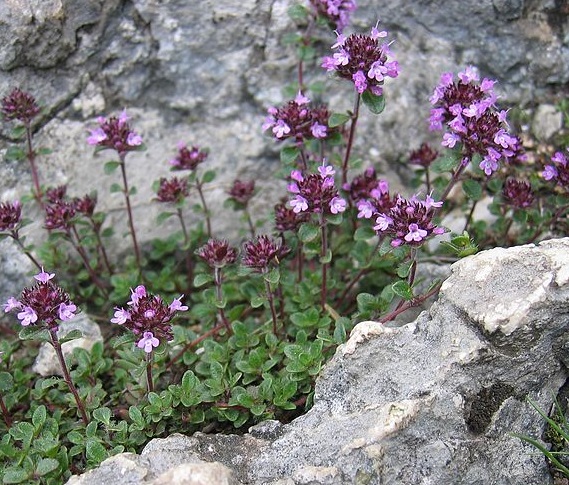
Thymus_vulgaris_branch crop

Common thyme (Thymus vulgaris)  is best grown with a dappled noon-time shade in the summer in the southwest.

Special for Savor the Southwest  February 2015
by Dr. Jacqueline A. Soule

Spring is springing out in my garden – and the little thyme cutting I got from Savor Sister Muffin Burgess back in at our anniversary party in November is finally starting to take off.  November was a terrible time to take cuttings of this warm climate herb – but the great thing about herbs is that humans have been mistreating them for 7000 years or so, and the weak ones have mostly died out.

Thymus_(zaatar)_Jerusalem_BG crop

There are many species of thyme, like this species in the Jerusalem Botanical Garden, used for the herb blend za’atar.

Thyme is a large and very popular genus, with over 350 species and countless cultivars grown around the world. Aside from looking lovely in the landscape, thyme is a strong herb used in cooking, and has some proven medicinal properties as well. It can also be grown indoors in bright, indirect light.

Thymus_vulgaris_habitat_003 crop

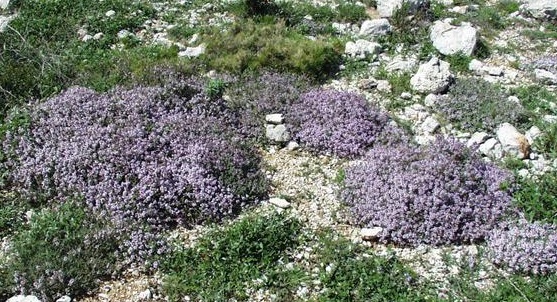
Many herbs that do in the Southwest are originally from a similar climate – like this Thymus vulgaris growing wild on the rocky hillsides of the Galilee.

This lovely, fragrant, tasty, and healthful herb in native to the rocky slopes of the mountains of the eastern Mediterranean region, in the area that is now mostly Greece. Since they are pre-adapted to low water conditions, most species of thyme can be grown here. I grow my thyme plants where they get roof run-off, thus I rarely need to water them; and yet they offer a lush look to my entryway with their glossy green leaves.

Thymus_vulgaris_bloom_001 crop

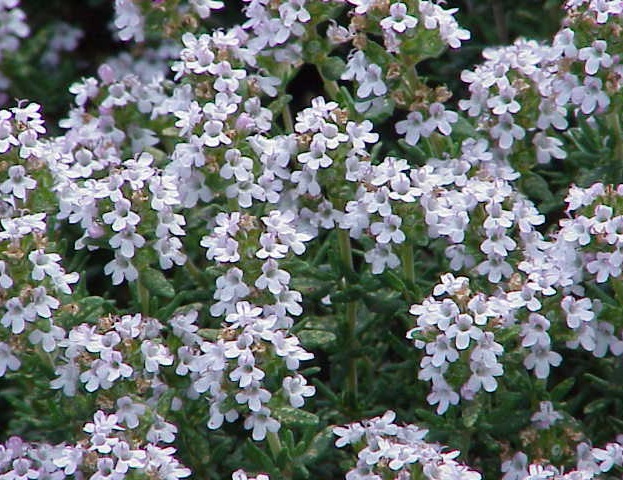
Not just tasty, thyme is also another pretty face in the garden! For peak flavor, it is best to harvest this (and most culinary herbs) just before they bloom.

Make sure you grow your thyme in well-drained soil. You may have to add some sand to your soil. I killed several thyme plants until I had finally added enough sand to their bed.

There are many thymes to choose from, but here are the species most commonly found in the nursery.

Common or culinary thyme (Thymus vulgaris) is a low woody plant barely reaching a foot tall. It quickly becomes leggy with bare wood showing so harvest and use or dry your thyme often. (You can give friends jars of your dried herbs as truly personal and unique gifts.)

Creeping thyme (Thymus praecox) makes an attractive and useful groundcover. It is culinary too! Harvest as needed.

Thymus_praecox crop

Creeping thyme, with tiny leaves and charming purple flowers, is perfect for a fairy garden.

Lemon thyme (Thymus X citriodorus) is a delicious and fragrant low-growing variety with glossy green leaves, and goes wonderfully with fish dishes.

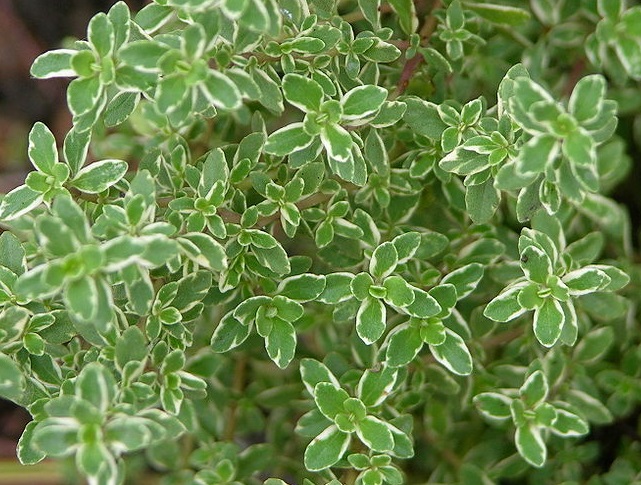
Thymus_citriodorus_variegata_crop

Lemon thyme is great for flavoring fish dishes – two flavors for the price of one!

Equally fragrant and delicious is the golden lemon thyme (Thymus X citriodorus ‘Aureus’). With wonderfully variegated leaves, it looks good in the landscape.

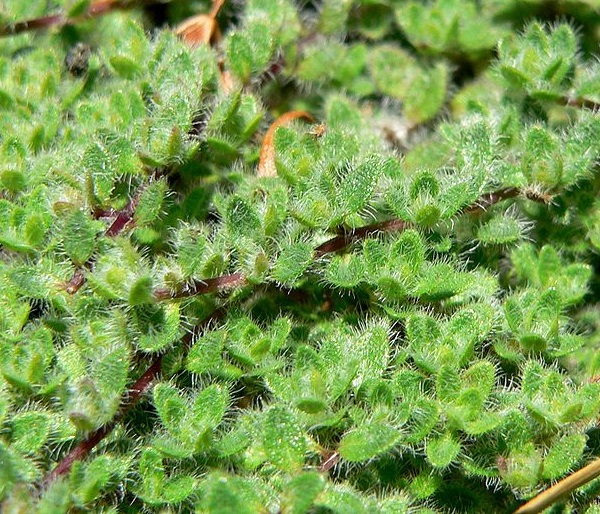
Not generally used as culinary herbs, two popular species of creeping thyme are useful in the landscape. Mother-of-thyme (Thymus serpyllum) and woolly thyme (Thymus pseudolanginosis) both grow well between shady flagstones, and smell great when stepped on.

Thymus_pseudolanuginosus_crop

Add some fragrance to your landscape – plant this heat tolerant woolly thyme between the flagstones of your path.

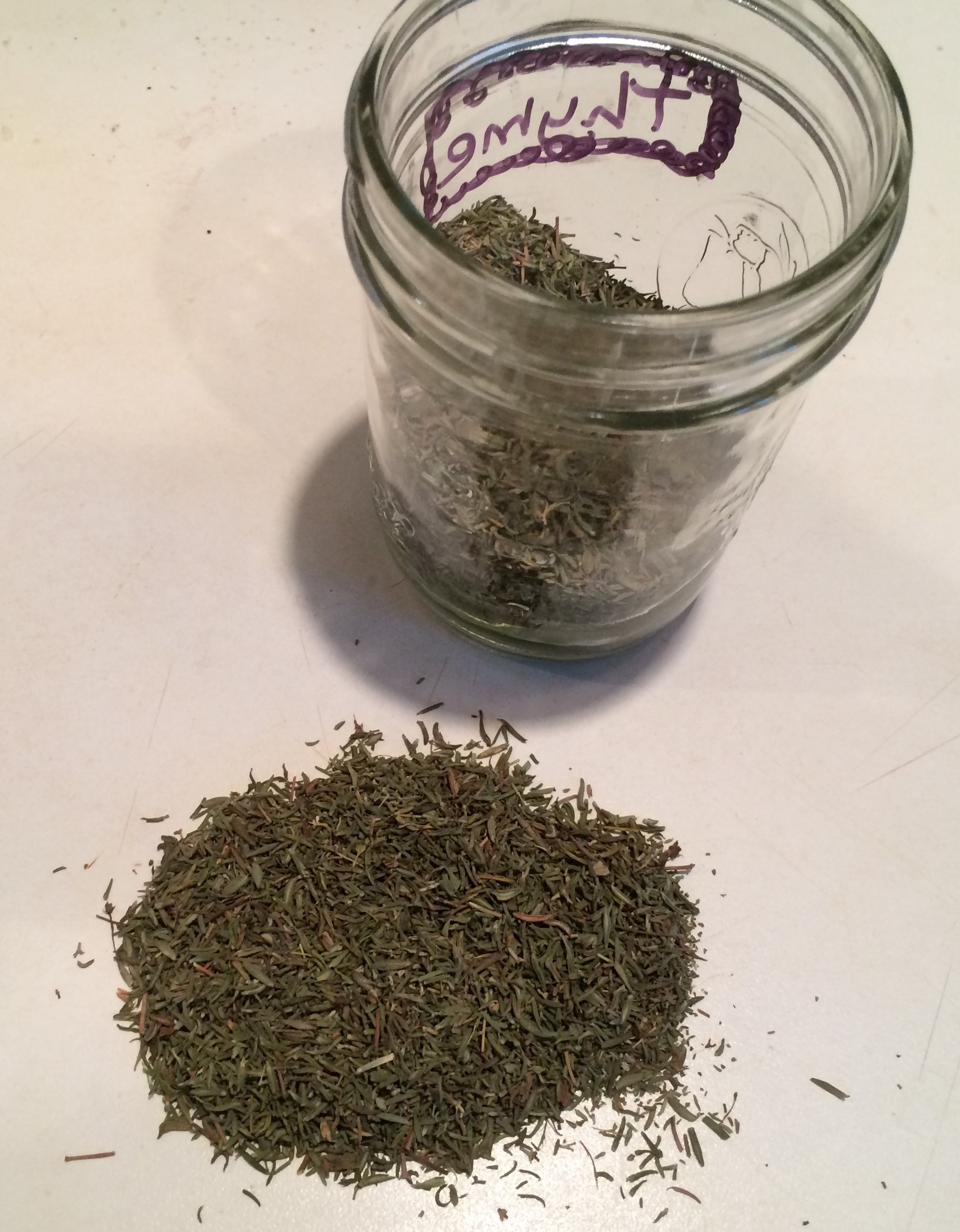
Sprinkle thyme (either fresh or dried) in soups, salads, on meat dishes or use in herb breads. Use an ample number of sprigs in herbal vinegars and oils for an intense and refreshing flavor.

thyme IMG_2655 crop

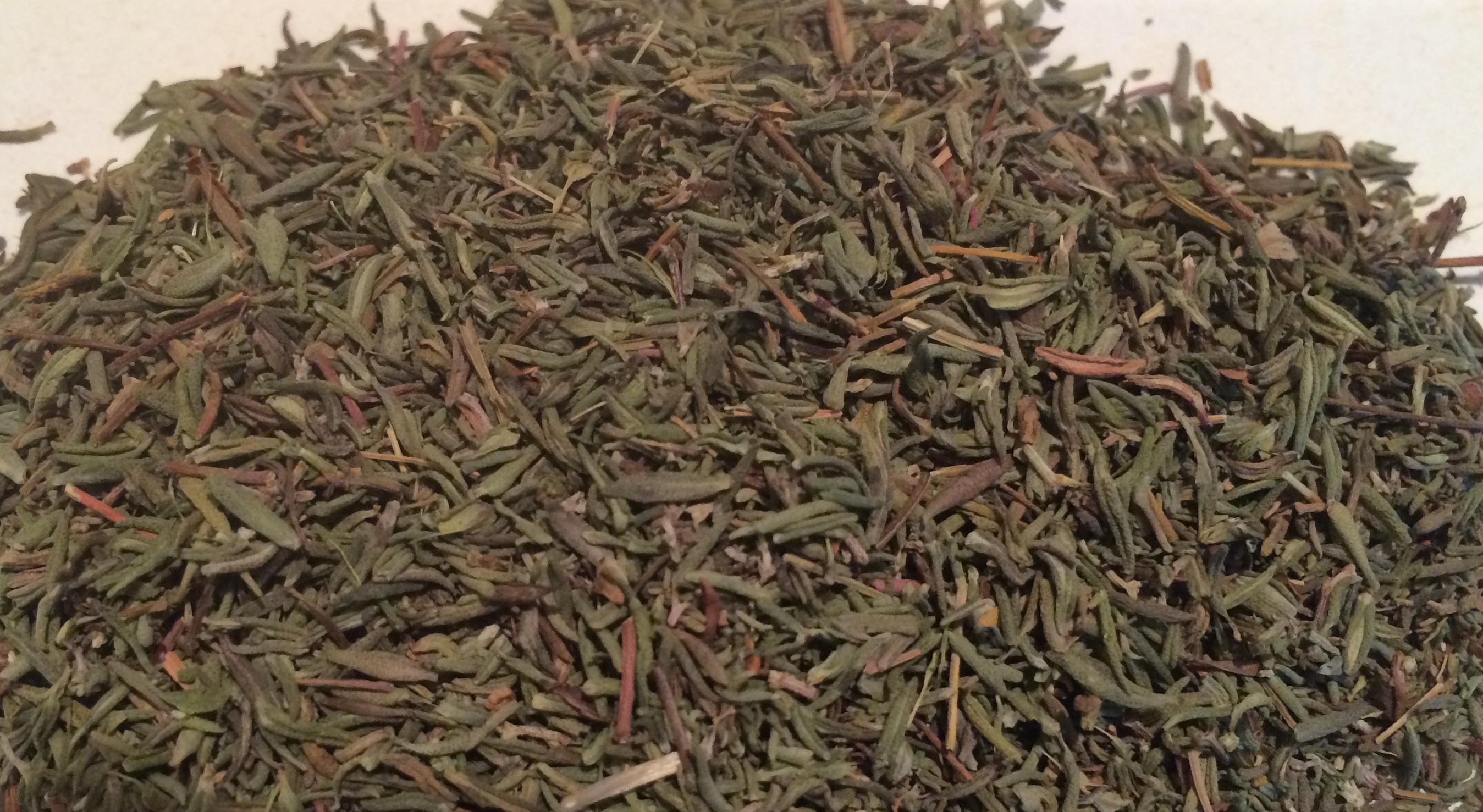
We use ample thyme in our cooking. This 8 ounce jar gets refilled several times a year.

For a quick meal at the end of a long day make Sopa de Farigola, or Thyme Soup, a dish popular in the Catalonia region of northeastern Spain, and thus part of our Sonoran heritage as well.  Fresh eggs and day-old bread are topped with a boiling broth made from water, sprigs of thyme and some olive oil. Great for replacing electrolytes after a day working in the garden!

More about thyme in my books which I will be selling and signing at the Tucson Festival of Books March 14 & 15 this year – Southwest Fruit & Vegetable Gardening (Cool Springs Press 2014, $23), and Father Kino’s Herbs: Growing & Using Them Today (Tierra del Sol Press 2011, $15) also available at Tucson area bookstores, nurseries, botanical gardens, and state parks.

JAS avatar  © 2015, Jacqueline Soule. All rights reserved. I have received many requests to reprint my work. My policy is that you are free to use a very short excerpt which must give proper credit to the author, and must include a link back to the original post on our site. Please use the contact me if you have any questions.

thyme IMG_2657 crop

Onion Planting Time!

allium BUR HPIM0665

The Southwest is ideal for gardening all year long.

Jacqueline Soule with you here to share some timely planting tips.  Speaking as a gardener – one of the best things about living here in the Southwest is that every month is the month to plant something! Right now, in these cool months with short days and long nights, it is time to plant onions.

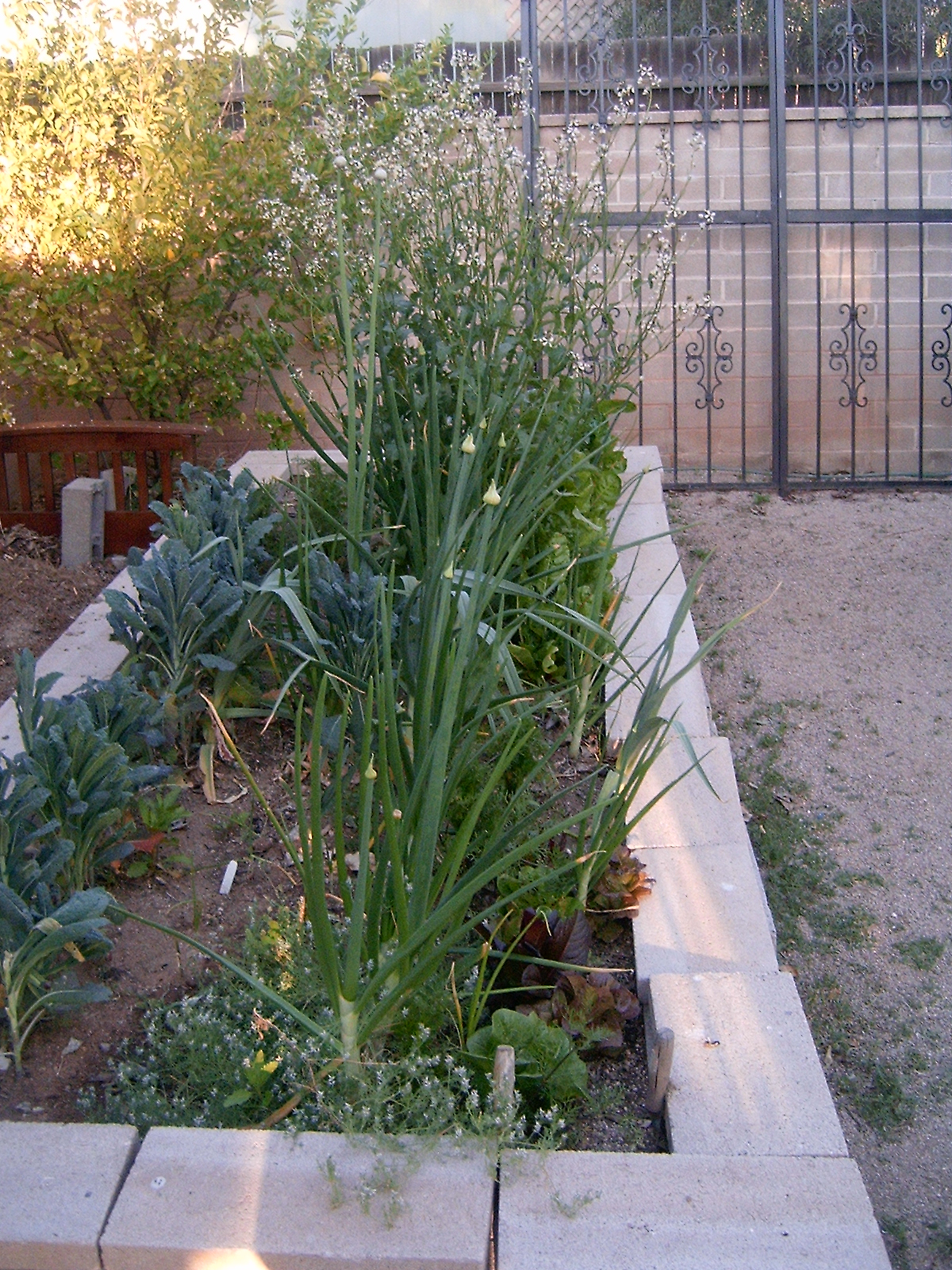
If you have never before had a vegetable garden, onions are a great way to start. Of all the garden vegetables, they are tolerant of abuse and forgiving of mistakes. In the ground, in large or small pots, under the shrubs in the front yard of your HOA home (the weed-police are mollified by “bulbs”), wherever you have a little space you can plant some onions. As long as we get rain every ten days, you may not even need to water them. Onions fresh out of the ground have so much more flavor you owe it to yourself to try them.

allium I'itoi BUR HPIM0664

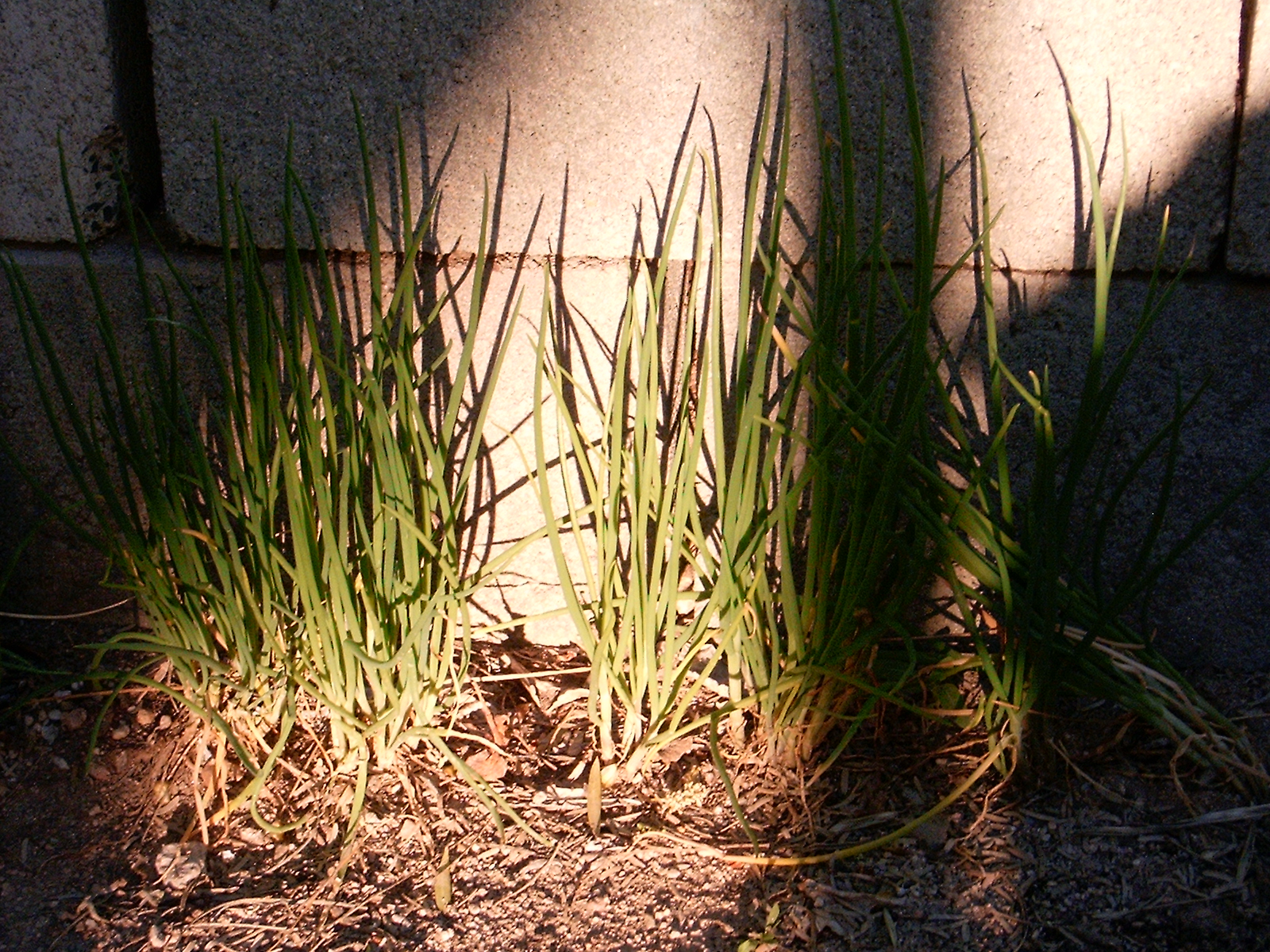
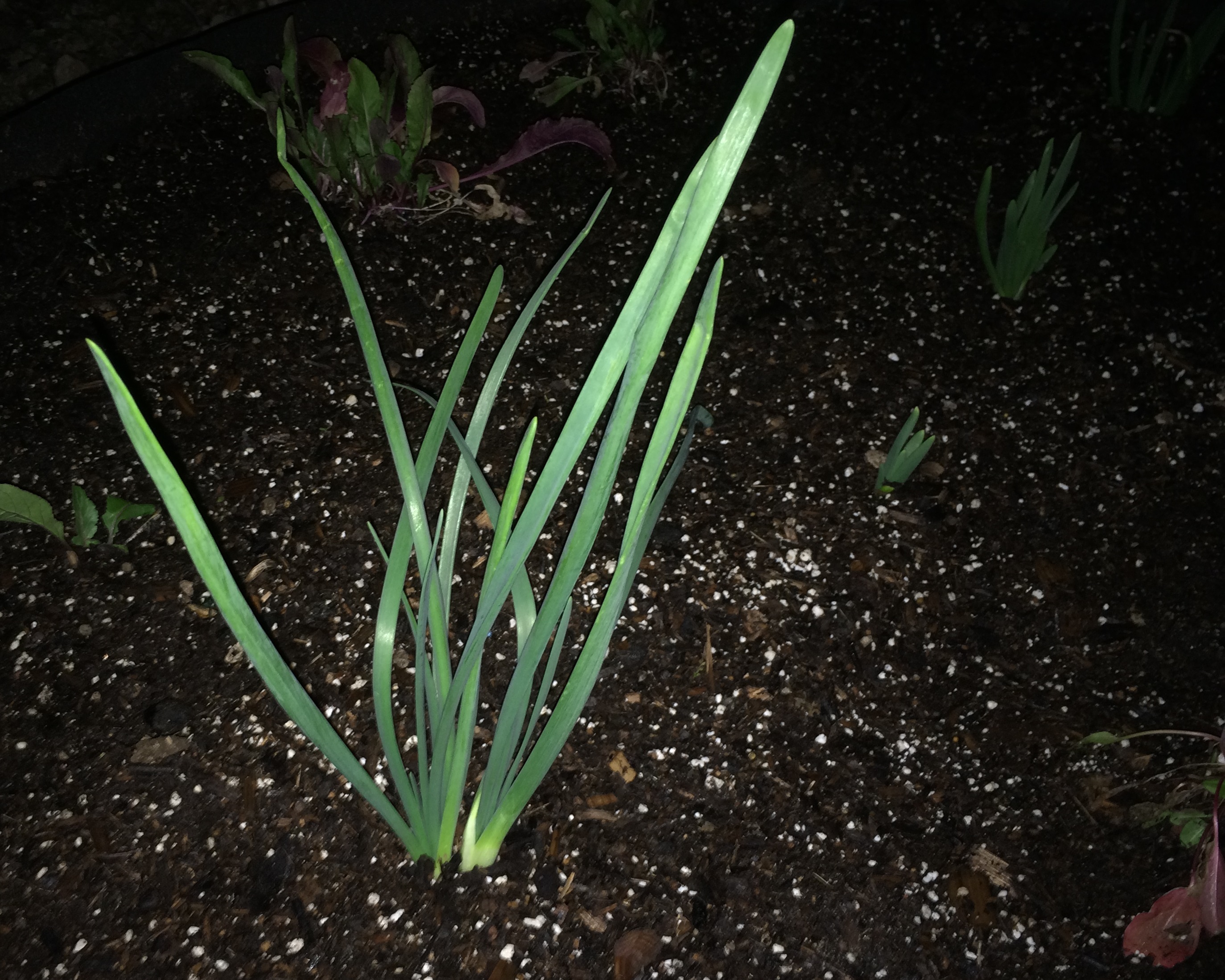
Onions can be tucked into almost any space in the yard. These I’itoi onions stay small.

Which ones? There are more varieties of onions than you can shake a stick at, a number of different types with conflicting names (bunching, bulbing, multiplier) and technically a few different species, but rather than start a discourse on all of that, lets just key into the fact that the days are short, thus you need to plant “short day” varieties.

allium AMP set 001

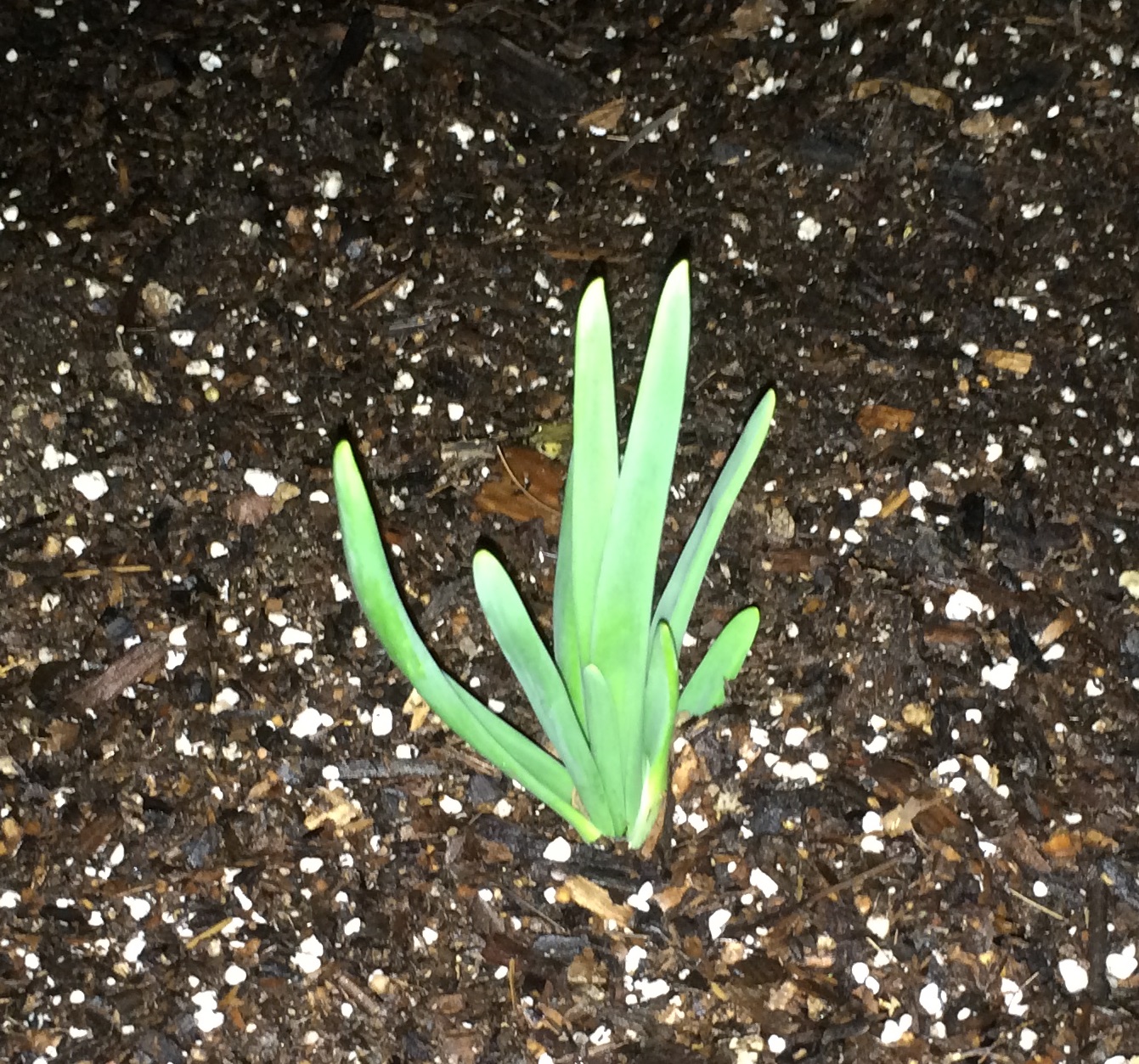
Onion sets can be planted in pots with potting soil.

Now? In the coldest time of year? Yes! But you will plant “sets” not seeds. Sets are already started from seed onions, or, in the case of multiplier onions and garlics, they are divisions off a larger bulb.

How to plant sets? Just set them into the soil. (Sometimes gardening terminology makes sense.)  Plant with the green side up, the bulb entirely below the soil.

allium AMP set 002

Look in the background in this shot. Some varieties will grow faster than others.

Most of our local nurseries know that now is the time for onions and have a selection of sets to choose from. Big box stores don’t – just another reason to shop local. In past years some of the Farmer’s Market vendors also offered onion sets.

A general planting guide follows.

Light.  Remember the whole “short day” thing?  The short days of winter will mean that the onions will need as much as you can give them.

Soil is not as critical as with most vegetables. But for best overall health, plus full flavor and good final size of your crop, an improved garden soil is recommended. Or plain potting soil if you grow them in containers.

Water is needed on a regular basis for nice fat bulbs and succulent leaves. In general this means two or three times per week, but maybe more if the onions are in pots.

Fertilizer is not much needed by onions. If you want to, use one for root crops, high in nitrogen and potassium. Avoid fertilizer for flowers, like a rose or tomato food. Flowering takes energy away from creating succulent bulbs.

Allium_onion_flowers_J001

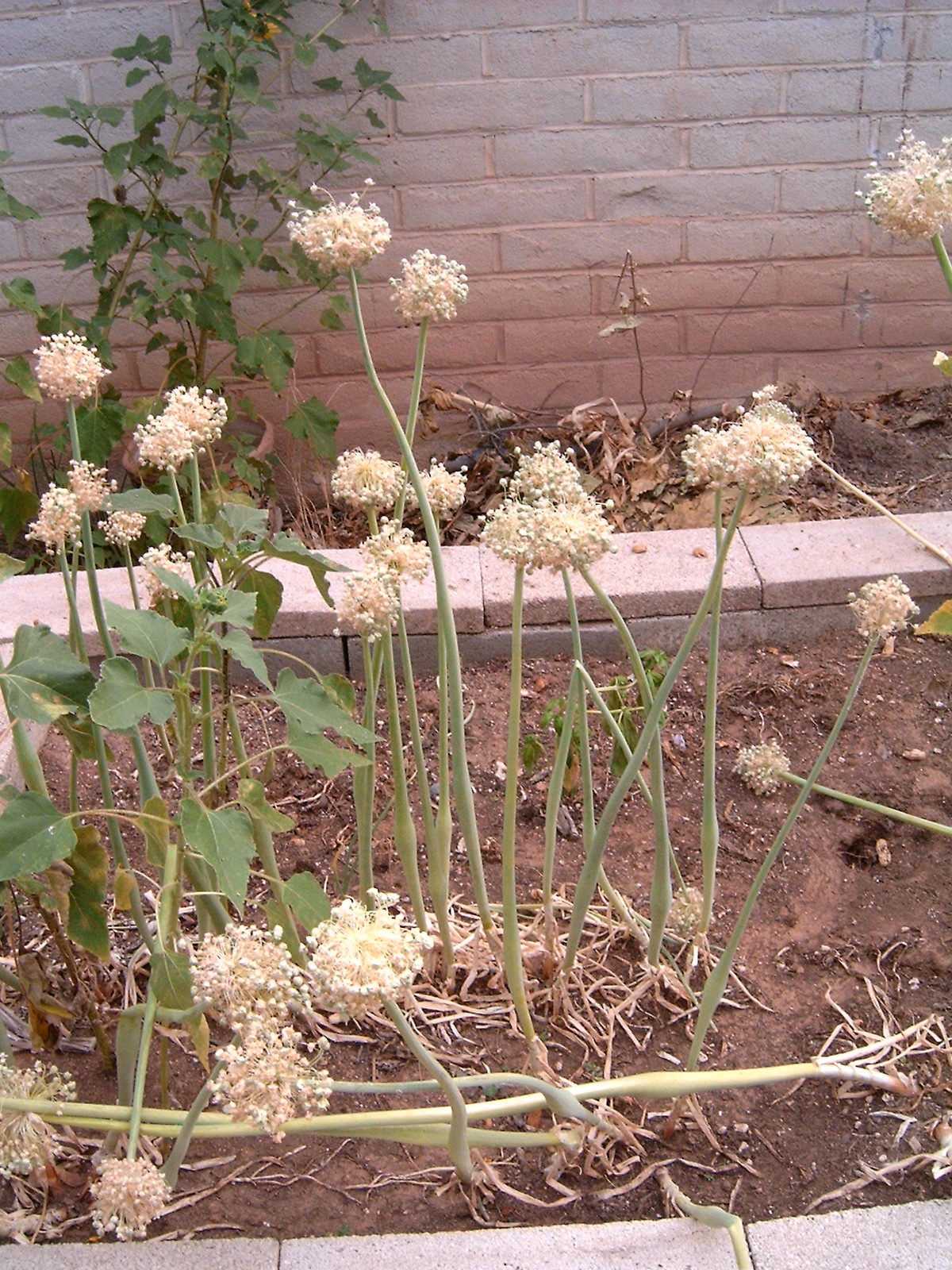
These onions got too much flowering fertilizer. Rather than develop good bulbs, they spent their energy producing flowers and seeds.

Harvest – once the tops die down and start to turn brown (usually in late May into June).  For long term storage the garden books from “back east” tell you to dry your onions in the sun – but don’t do that here!! – they will get sun scald and taste yucky. Dry onions in a cool dark place that does have good air flow. I put mine on screens in the laundry room and leave the ceiling fan on low for about three days. Once they have dried onions will store without rotting.

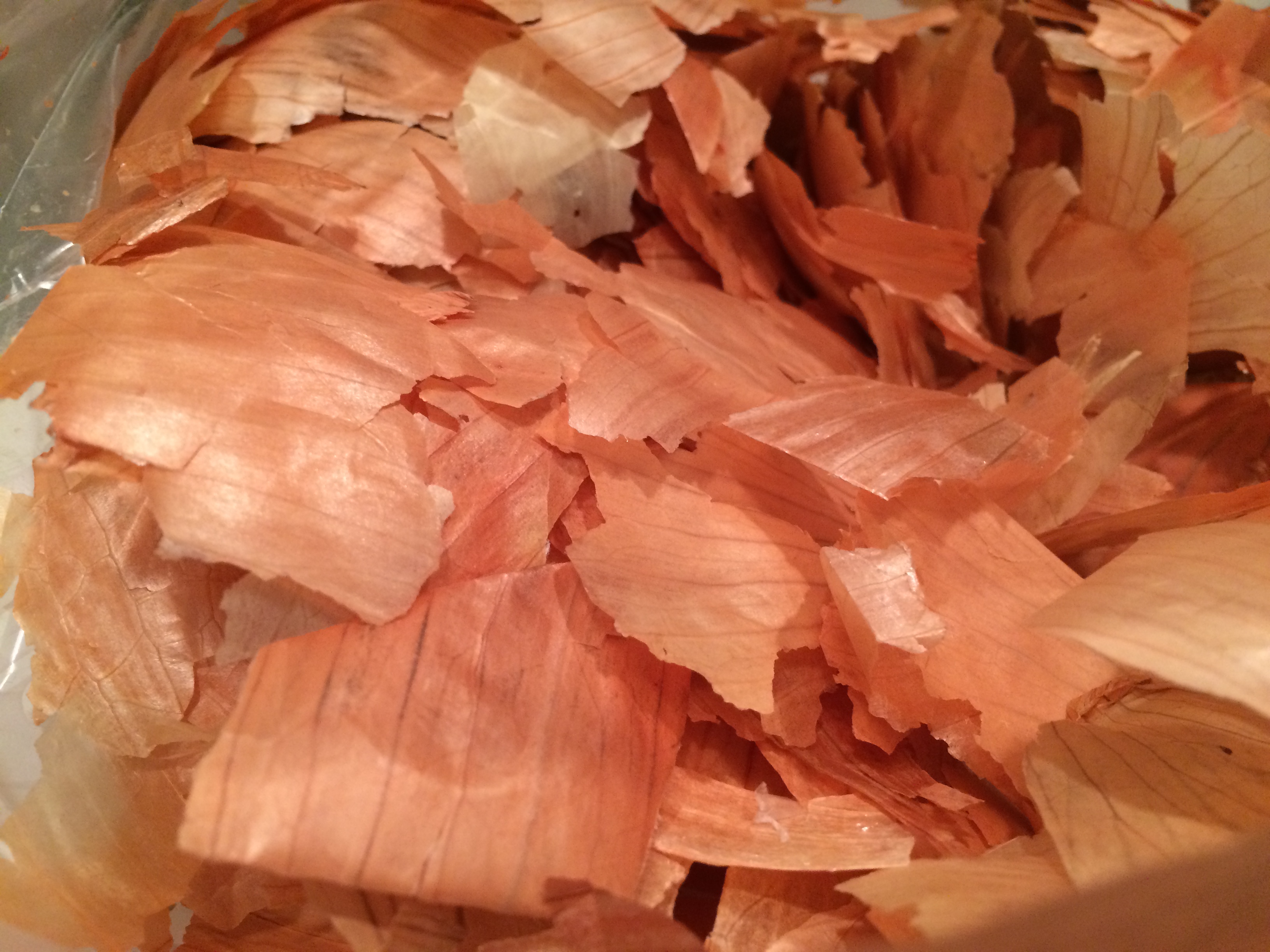
Storage & Use. Some varieties of onions store better than others. Plan on about four months maximum for best flavor and texture. (Ours are eaten so fast this is not an issue.) Don’t forget to save your onion skins to make a great natural dye for Easter eggs and textiles.

onion skin IMG_2348

I keep a bag to add my onion skins to every time I cook.

onion skin IMG_2349

Onion skins produce a warm brown dye.


For more about onions and other vegetables and fruits that will thrive in your Southwestern garden, please consider my book Southwest Fruit and Vegetable Gardening (Cool Springs Press 2014), available at Antigone, Arizona Experience Store, local botanical gardens, state parks, and nurseries.

© 2015, Jacqueline Soule.  All rights reserved. I have received many requests to reprint my work. My policy is that you are free to use a very short excerpt which must give proper credit to the author, and must include a link back to the original post on our site. Please use the contact me if you have any questions. JAS avatar


Hearty Jojoba

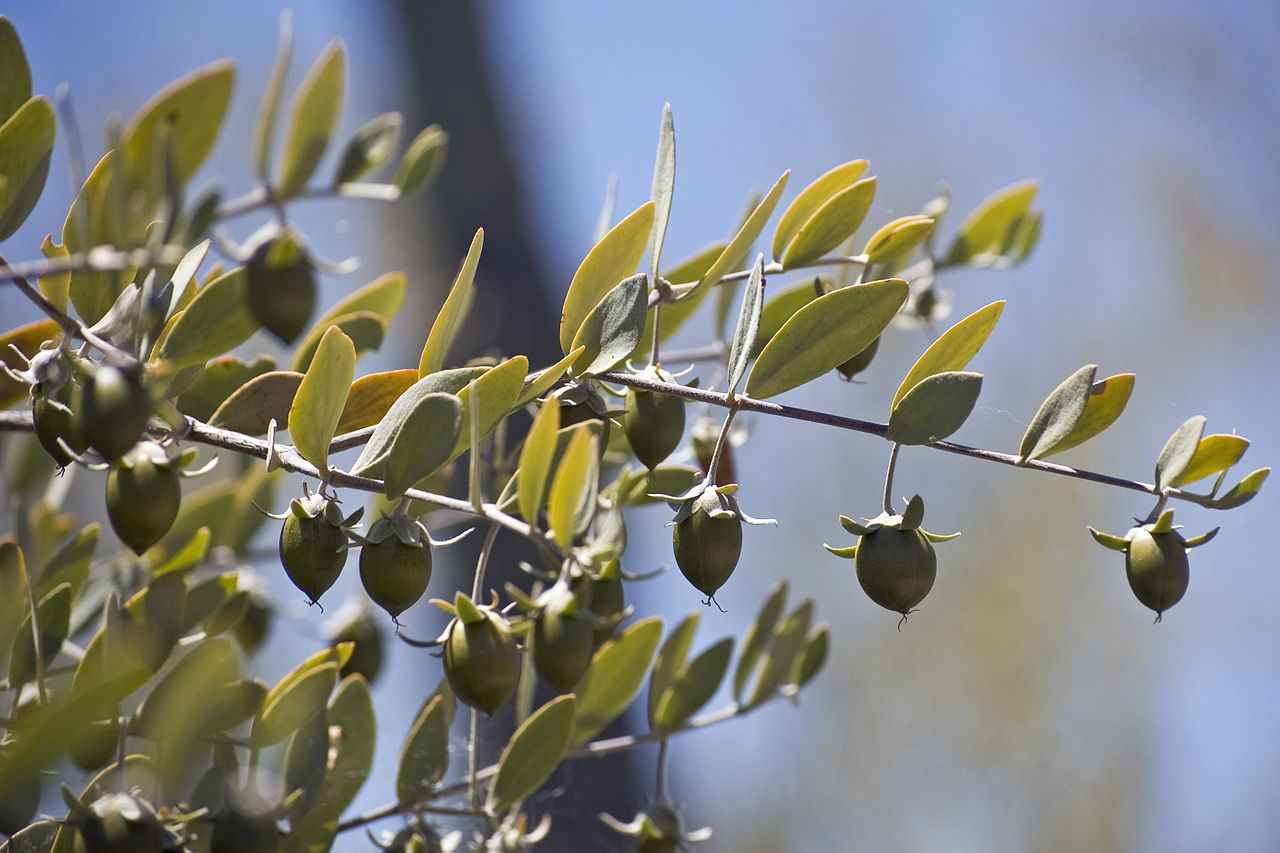
jojoba green fruit

Green jojoba fruit dangle below the branches, slowly ripening in the desert sun.

posted by Jacqueline A. Soule

If you know how I title most of my blogs, you now have a hint on how to pronounce jojoba – it’s pronounced ho-ho-ba. (The “j” is an “h” sound in Spanish. Which reminds me of the time at the busy health clinic when “Hakalina” did not recognize her name called out by the nurse – but that’s another story.)

Jojoba is the O’odham name for the plant (Simmondsia chinensis) and it came into Spanish via the work of Father Kino. Indeed, Father Kino wrote in his journals about the plant. In Bolton’s 1919 translation of Kino’s journals, Kino writes of a visit with “Pima Indians” (pg. 93) and states that, among other items “. . . they also have bezoar, the medicinal fruit called jojoba, blankets, cotton fabrics, curious and very showy baskets or pitchers, macaws . . . and other conveniences.” Later, Kino describes the fruit as “. . . like the almond, and with a very salutary and effective remedy for different kinds of sickness.”

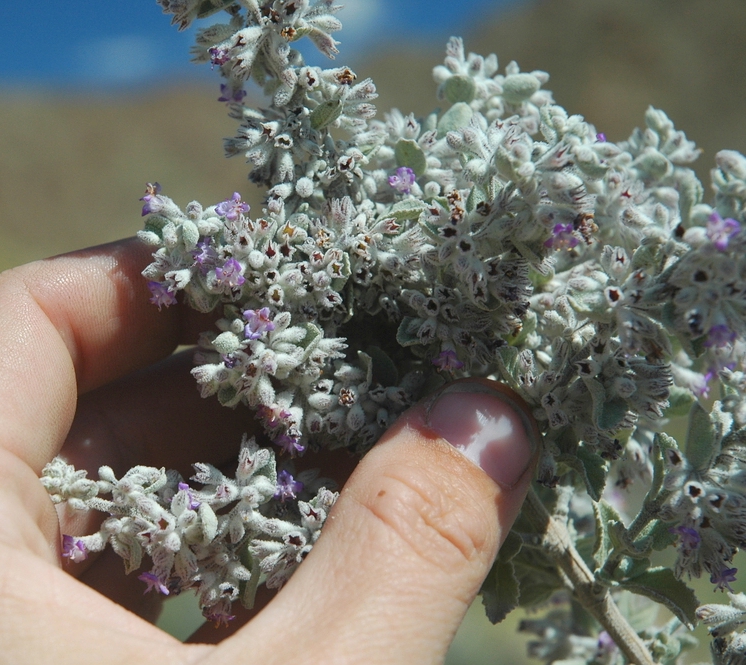
Simmondsia_chinensis_male_flower

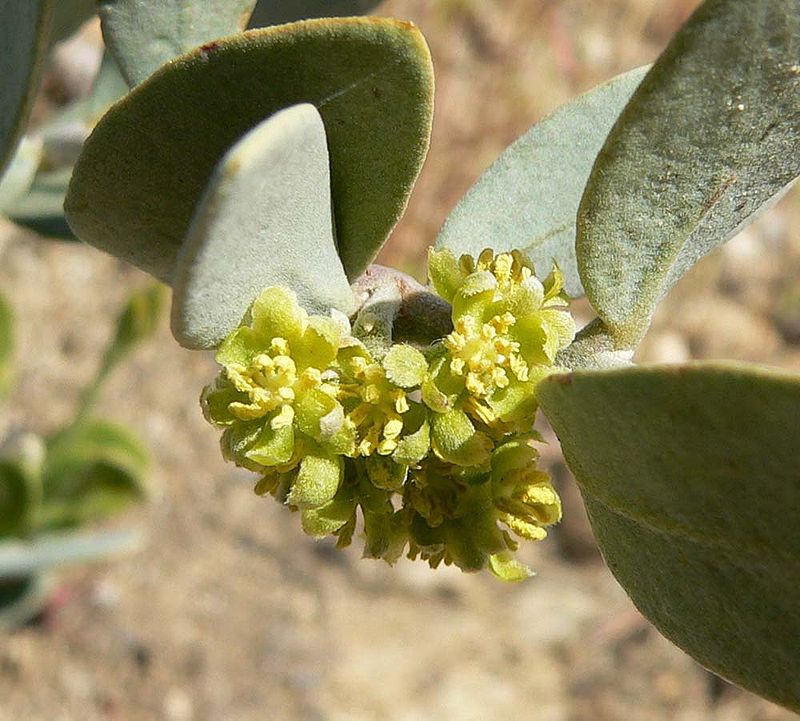
Jojoba shrubs are either male or female. Here a male shrub offers it’s pollen filled flowers to passing pollinators.

Other common names for the plant include goat nut, deer nut, pignut, wild hazel, quinine nut, coffeeberry, and gray box bush. Although there are references to jojoba as nuts, they are, botanically speaking, a seed.

Jojoba was used in most areas where it is native. The uses varied with tribe. O’odham would crush the seeds to yield an oily paste useful for dry cracked skin, chapped lips, cuts, scrapes, and burns. Seeds were ground and pressed into cakes, and small portions were eaten in moderation as food. Too much jojoba has a laxative action. Seri used seeds as an emergency food, but more commonly as part of a shampoo process. Seeds can also be made into necklaces.

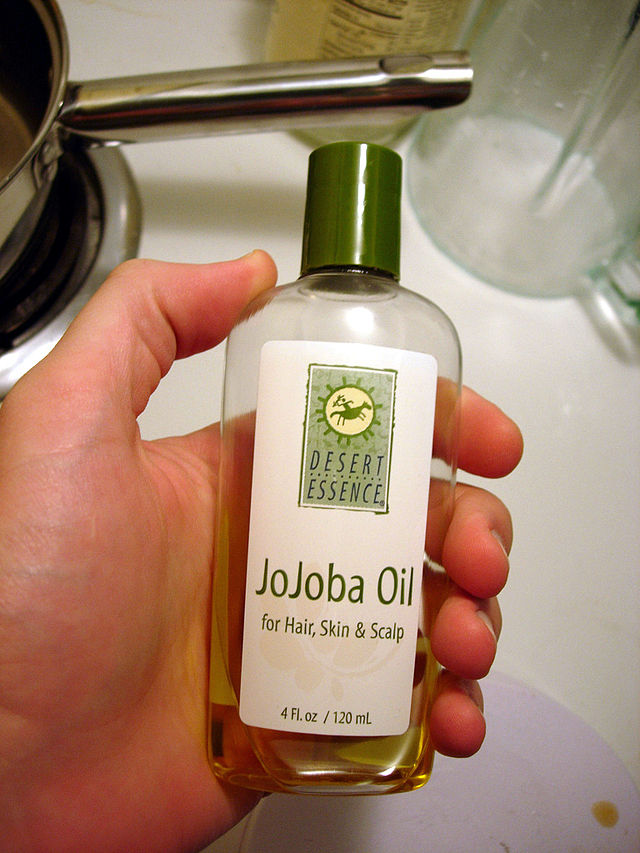
Jojoba-oil

You can purchase pressed jojoba “oil” in many stores. I use the oil in making lotion.


Currently, jojoba is grown commercially for its “oil,” in reality a liquid wax ester, expressed from the seed. This oil is rare in nature. Technically it is an extremely long straight-chain wax ester and not a triglyceride, making jojoba and its derivative jojoba esters more similar to human sebum (body oil) and sperm whale oil than to vegetable oils. Jojoba oil is easily refined to be odorless, colorless and oxidatively stable, and is often used in cosmetics as a moisturizer and as a carrier oil for specialty fragrances. It also has potential use as both a biodiesel fuel for cars and trucks, as well as a biodegradable lubricant. Plantations of jojoba have been established in a number of desert and semi-desert areas.


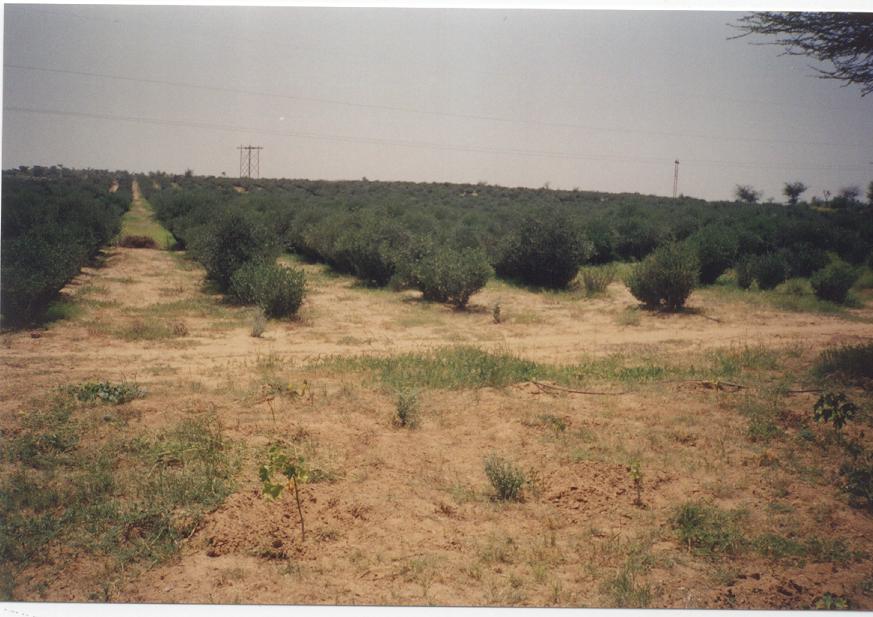
jojoba plantation in India

Jojoba plantation in one of the semi-arid areas of India.

Jojoba is currently the Sonoran Desert’s second most economically valuable native plant (overshadowed only by the Washingtonia palms used in ornamental horticulture). Plant breeders are doing selective breeding to develop plants that produce more seeds, seeds with higher oil content, and characteristics that will facilitate mechanical harvesting.

A few interesting taxonomic notes. Jojoba is the only species in its plant family, making it quite unique among flowering plants. While there are around 400 monotypic genera, this is the only monotypic flowering plant family. The scientific name, Simmondsia chinensis, is an example of the need for good penmanship. Jojoba does not originate in China! Johann Link, the botanist naming the species, misread Nuttall’s collection label “Calif” as “China.”

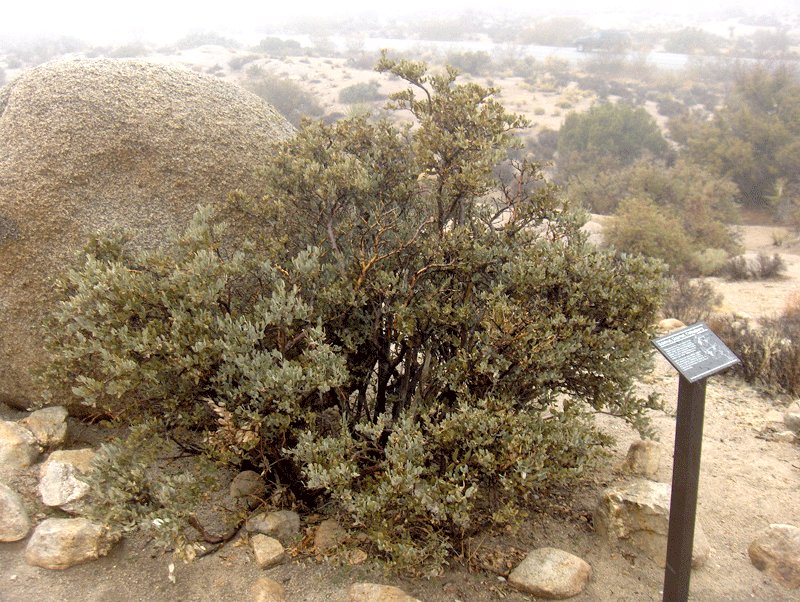
Jojoba habit

Jojoba shrubs live well in the desert.

Harvesting and Use.
Jojoba seed on a single bush will ripen slowly over several months. This is one of the traits breeders are seeking to change. Seed is ready to be harvested when the hulls easily fall off and a slight tug releases it into your hand. If it resists, it isn’t ripe.

Store harvested seed in jars or even in the freezer. Grind jojoba seeds in a mortar and pestle for topical use. Alternatively toast the seeds and munch as an occasional snack.

If you have the technology, you can harvest seeds and press them for the oil. Or simply plant them in your native landscape and let the native wildlife use the seed.

Planting and Care will be covered in a future blog.


To learn more about jojoba and other native plants used as herbs, please come to my free presentation “Father Kino’s Native Herbs” at the Main Library on Saturday Sept 13 at 1:30. More at http://www.library.pima.gov/calendar/?ID=26635

Some of the information in this article is excerpted from my book “Father Kino’s Herbs: Growing and Using Them Today” (2011, Tierra del Sol Press, $15). I hope you will consider purchasing a copy locally at Antigone Books, Arizona Experience Store, Magic Garden, Mostly Books, or Rillito Nursery.

© 2014, Jacqueline Soule.  All rights reserved. I have received many requests to reprint my work. My policy is that you are free to use a very short excerpt which must give proper credit to the author, and must include a link back to the original post on our site. Please use the contact me if you have any questions. JAS avatar

Desert Lavender

posted by Jacqueline A. Soule

In the days before indoor plumbing, daily showers, and sanitation in general, the clean fresh fragrance of lavender was highly welcome. The name lavender is derived from the Latin “lavare,” meaning to wash. Leaves and flowers have been used for several millennia to do just that, wash. Fragrant baths, hair rinses, to cleanse and treat skin ailments, and, in the past, to help eliminate lice and bedbugs from the household. Tea made from leaves and flowers has been used to treat sleeplessness, restlessness, headache, flatulence, and nervous stomach.


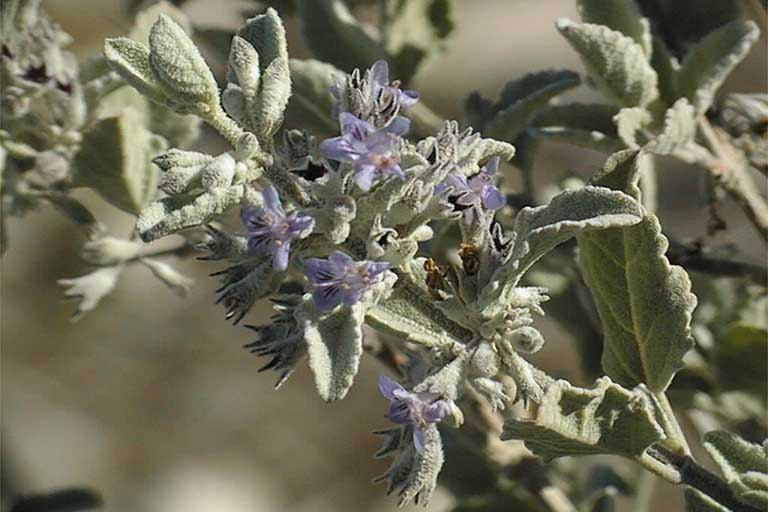
Hyptis_emoryi_flowers_002


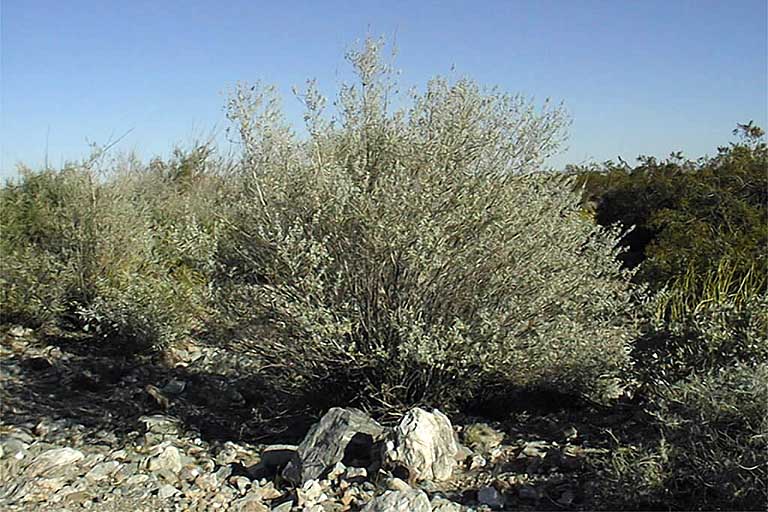
Hyptis_emoryi_habit


Imagine the delight the Europeans experienced when first encountering this fragrant desert plant in our area. Here they were, after an arduous sea voyage, months of horseback travel along dusty deer trails, riding into progressively odder lands – strange towering saguaros, bulging barrel cactus, pungent creosote bush – to come across a gentle evocative fragrance of their childhood home, the sweet scent of lavender. Some, like Father Kino, may have seen it as a sign from God that their journey was blessed.
 

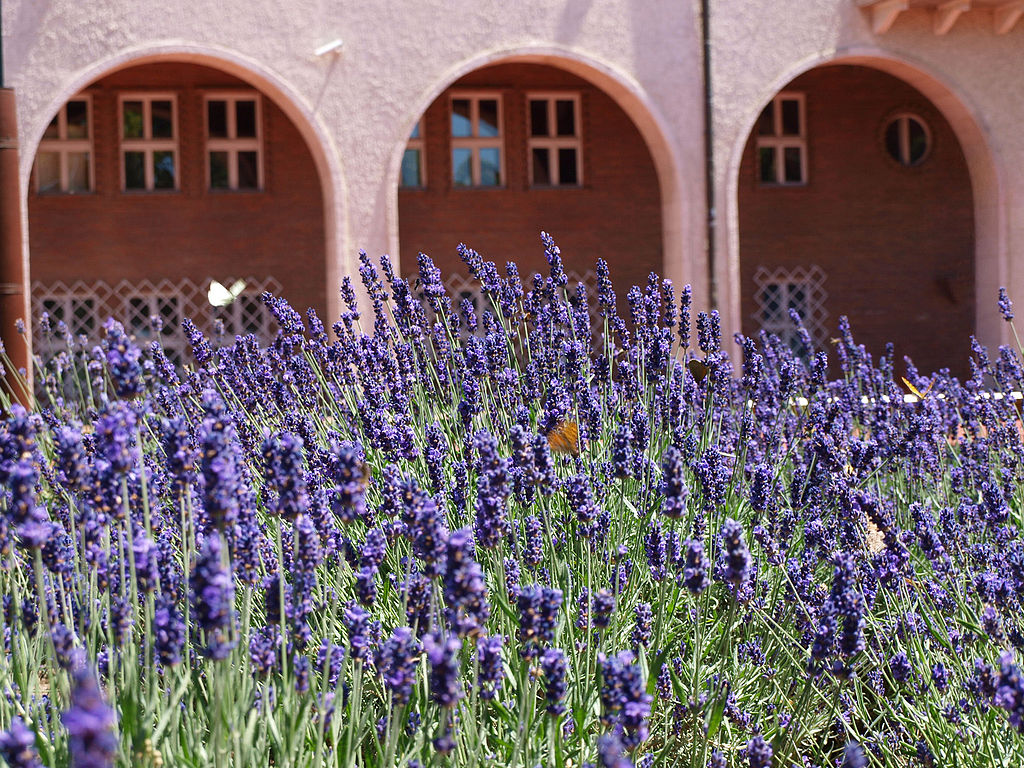
lavendula in Hungary


Hyptis_emoryi_flowers_001


Native Seri use a tea of desert lavender (Hyptis emoryi) to help treat a cold. The Franciscans (who came to the area well after Padre Kino) were known to have harvested and used the leaves and flowers in the sick room, to soothe the ill with the fragrance and to bathe fevered foreheads.

Harvesting and Use.
Harvest stalks of desert lavender as the lower-most flowers open. This gives you buds with optimum fragrance. Dry these, like all herbs, out of direct sunlight. I have used desert lavender in all the same external applications European lavender is used for with no observed ill effects. Here are three ways you can use desert lavender.


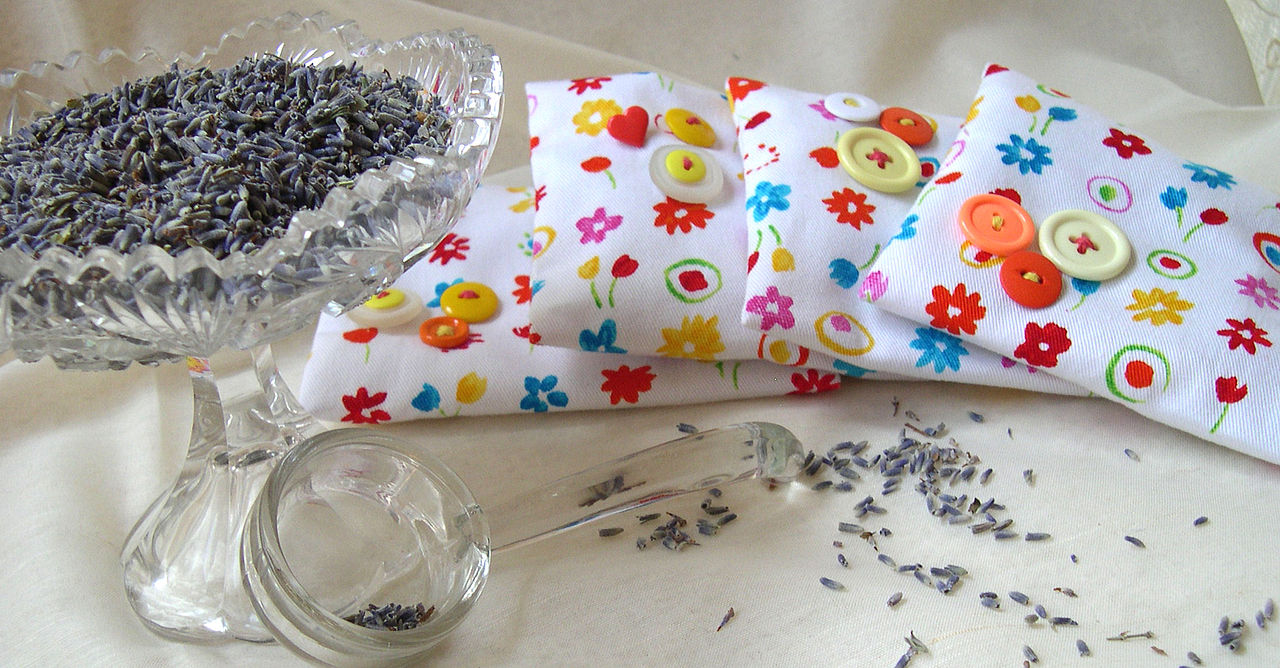
Herbal sachets can be made with desert lavender.

Lavender_Sachets


Herbal Tisane
“Tisane” is the general term for a herbal tea not consumed as a medicinal tea.
1 tablespoons dried herbs or 2 tablespoons fresh herbs
1 cup boiling water
Pour boiling water over the herbs and steep for 3 to 5 minutes. Strain. Sweeten to taste. Serve warm or chilled. Serves 1.
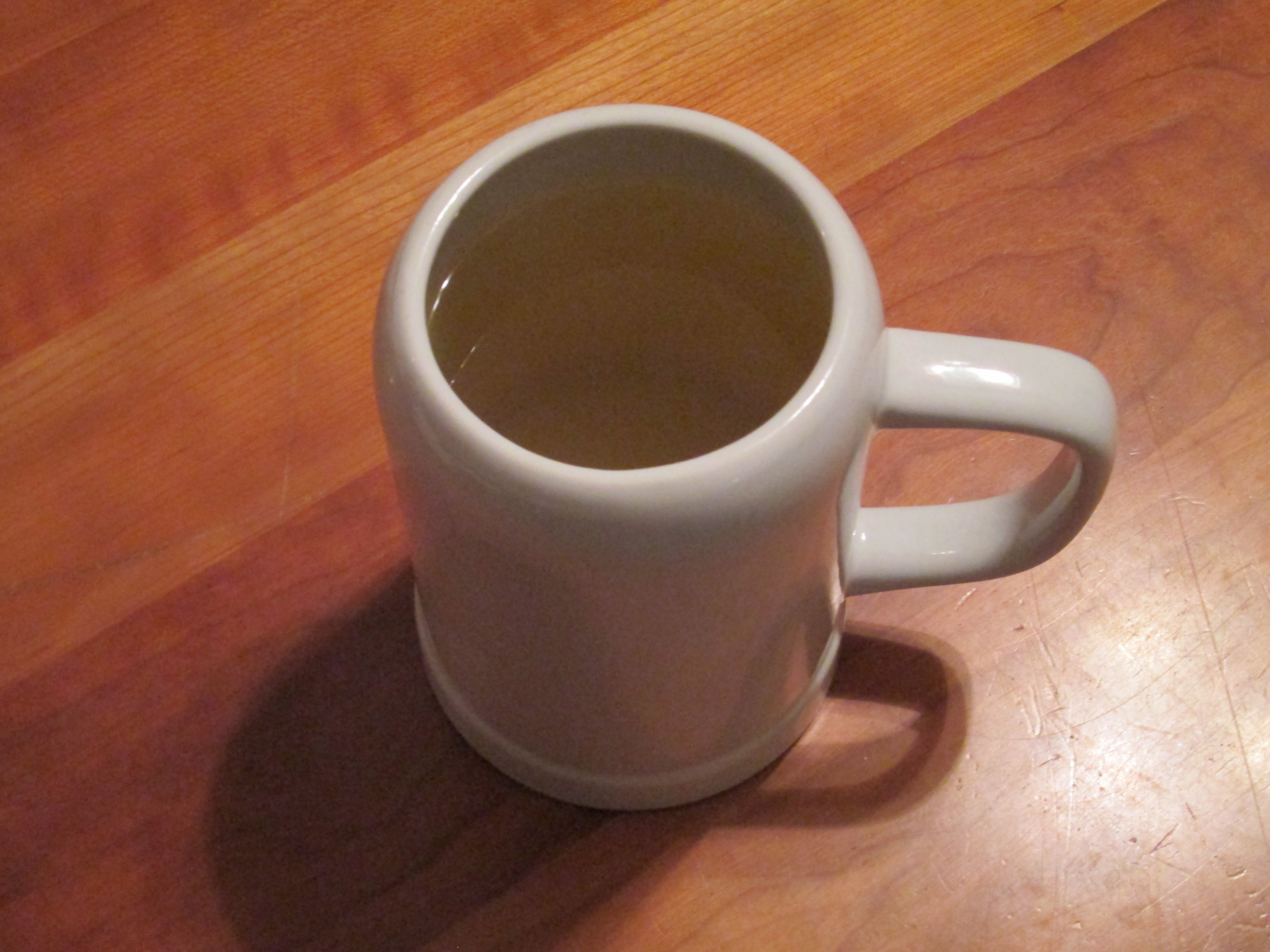
herb_tea_JAS_004


Floral Water
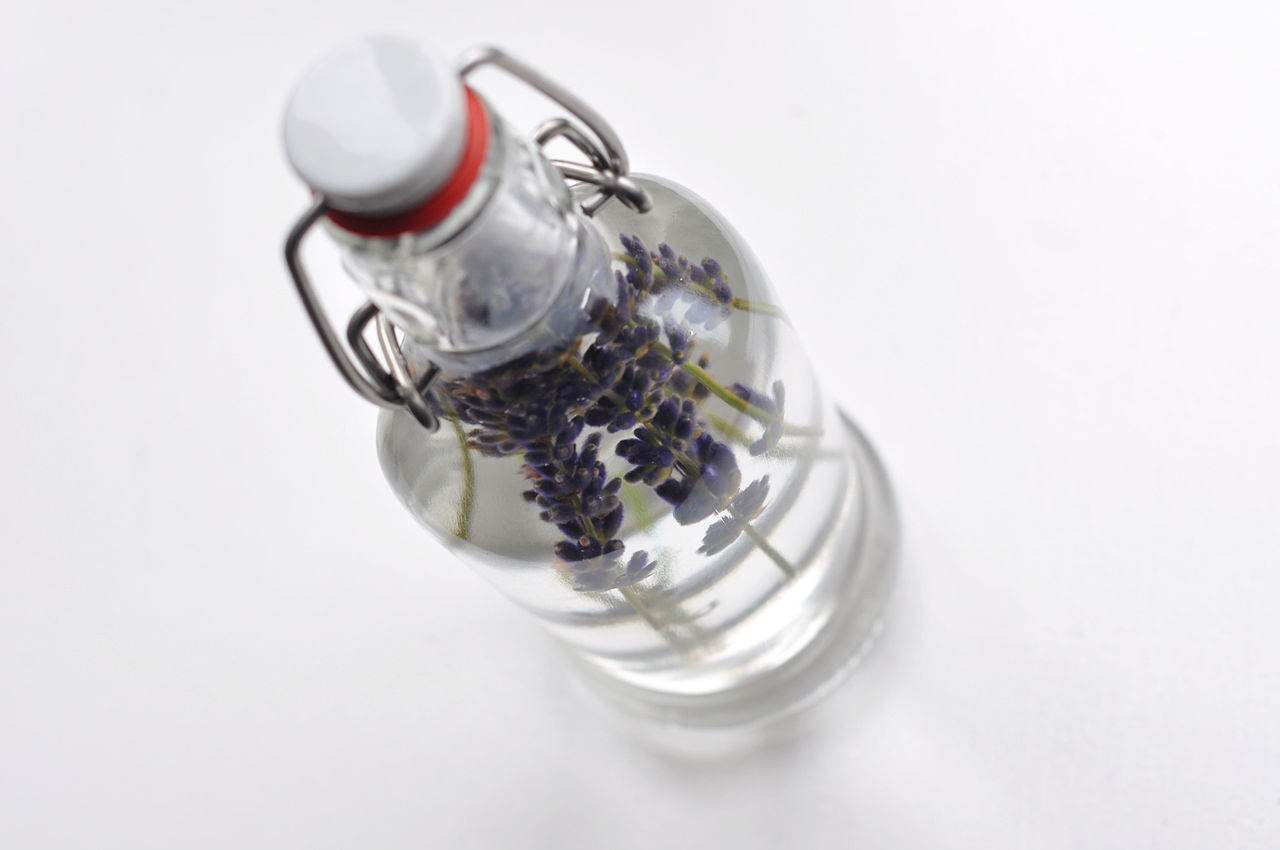
In the Victorian age, floral waters became popular. Floral waters are made by steeping leaves and flowers in water until it becomes fragrant. The water can then be used in tea, pudding, cake, and pastries. There are a number of commercially available floral waters, such as rose water and orange water (made with orange blossoms).

Lavendula in vodkaelsnaps_(4917058844).jp


Herb Syrup
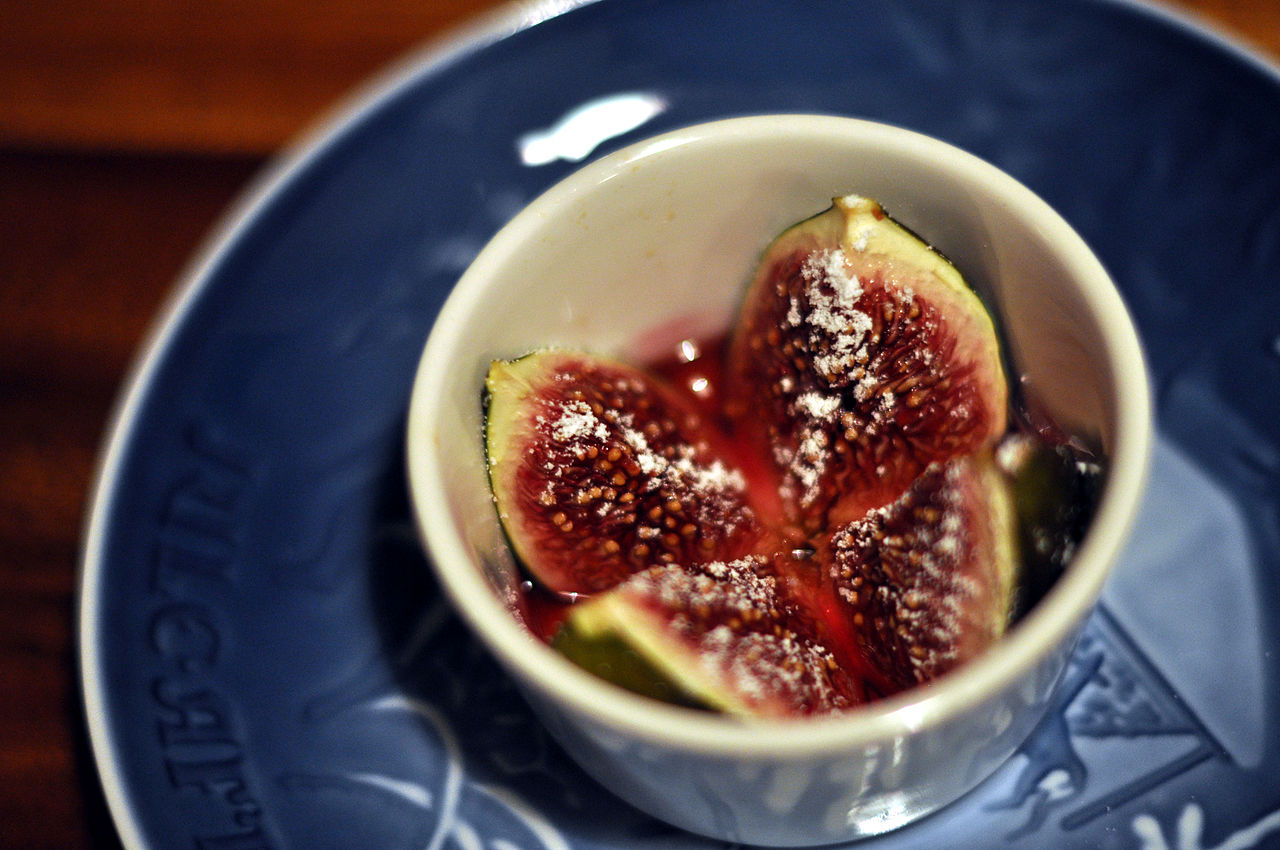
One of the more famous herb syrups is the mint syrup used in making mint juleps. But herb syrups can be used in many other ways, like topping cakes, ice cream, fruit, pancakes, waffles, or as a base in preparing other foods, like sorbet. In general herb syrups can be used to sweeten anything, including tea. Some herb syrups are used medicinally, like elderberry syrup. Desert lavender syrup makes a nice topping over poached pears, fresh figs or perhaps canned fruit for a quick yet elegant dessert.

1 cup water
3 cups sugar
1 cup chopped fresh herbs
or 1/2 cup crumbled dry herbs

Boil all ingredients together for 10 minutes, or until thickened into a syrup. Strain into a clean glass jar. Store in refrigerator for up to two weeks or preserve by canning.

lavendula syrup over figs


Planting and Care of this Sonoran native will be covered on August 17 in my blog on the Native Plants and Wildlife Gardens site.  The Sonoran butterflies that appreciate this shrub will be discussed in my blog on Beautiful  Wildlife Gardens site on August 5.  I will return to this site to post the links, or follow you can the thread on my Facebook page, Gardening With Soule.

Note:   This topic is covered more extensively in my book “Father Kino’s Herbs: Growing and Using Them Today” (2011, Tierra del Sol Press, $15).  If you live in Tucson, I hope you will consider purchasing a copy locally at Antigone Books, Arizona Experience Store, Magic Garden, Mostly Books, or Rillito Nursery.


© 2014, Jacqueline Soule.  All rights reserved. I have received many requests to reprint my work. My policy is that you are free to use a very short excerpt which must give proper credit to the author, and must include a link back to the original post on our site. Please use the contact me if you have any questions. JAS avatar