
View inside a clay cooking pot made in Sonora, Mexico. Hand crafted several years ago, by an elder woman who digs the clay herself; each March.
Aunt Linda here this still, cool morning in the Old Pueblo. Today’s post is inspired by the tiny pots I discovered when removing a birdhouse filled with wasps, instead of baby birds. Wearing my bee veil I safely peeked inside – immediately mesmerized by the sight of beautifully crafted, tiny mud pots. Potter Wasps I wondered? And what on earth do they DO with these pots? I began to research these tiny pots. English naturalist John Crompton described them as “vases of earthenware that the Greeks might have envied.”

Tiny mud pots
Eric Grissell, in his book BEES, WASPS, and GARDENS writes “unlike many wasps that simply place their egg on the prey or at the bottom of a cell, potter wasps suspend their eggs by a thread from the top of the pot. When it hatches, the wasp larva is hanging directly over it’s supper, and it remains attached safely to it’s line until the first caterpillar or two is consumed, then it is bold enough to drop down and feast among it’s hosts. Apparently, the reason for this odd behavior is that female potter wasps only partially paralyze their hosts, which are still capable of some movement. A tiny wasp larva might be crushed if it had no way to retreat from its twitching dinner plate, so it essentially becomes a trapeze artist.”(p177)

insect potter in action
Potter Wasps may not cook per se; but they do collect mud, shape pots, and provide meals in those pots for their larva. Which gets me thinking about pots. And how humans feed – and have fed ourselves – over time. How might such a simple thing as a fired clay pot have transformed our lives?

Simple Cook pot whose “insides” are shown in the top photo.
Research offered by Michael Pollan in his book COOKED fascinates me. Before the technology of fired clay cooking pots humans heated stones (found in archaeological sites as ‘burned stones’) and fired clay balls. These “cooking stones” were added to the water held in animal skins or watertight baskets (which were not fire proof; that would come later with firing clay) to boil water. Boiling water – another thing we take for granted – allowed humans to transform previously inedible foods edible. This opened wide up our culinary and nutritional world – and seeds, nuts, grains, sometimes rendering some toxic plants safe to eat.
Pollan writes “the cook pot is a kind of second stomach, and external organ of digestion” … “these auxiliary clay stomachs made it possible for humans to thrive on a diet of stored dry seeds which in turn led to the accumulation of wealth, the division of labor, and the rise of civilization. These developments are usually credited to the rise of agriculture, and rightly so, but they depend as much on the cook pot as on the plow.” (154)

Stew forming with vegetables and, yes you saw right, some chicken feet; no part goes unused.
Todays Recipe is to add some reverence for the deceptively simple cook pot – (as well as for the act of boiling water) – to your very favorite ingredients. There is no need to use a clay pot; nor to even get complicated. You might add this reverence to making a pot of beans, your grandmothers favorite soup or stew, or even to jam making.

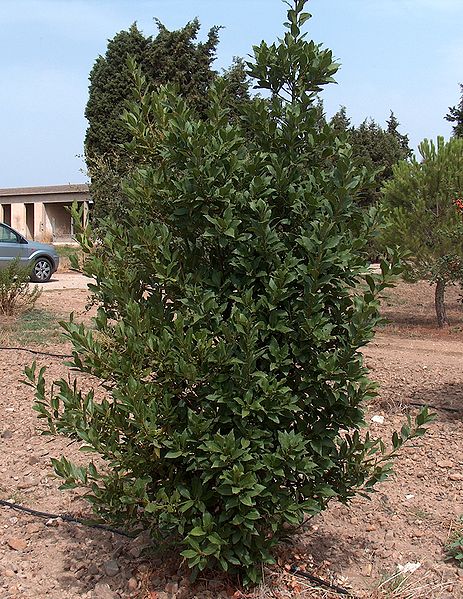
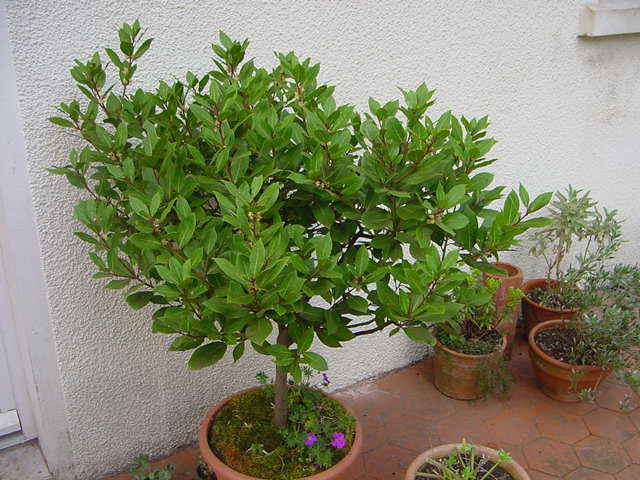
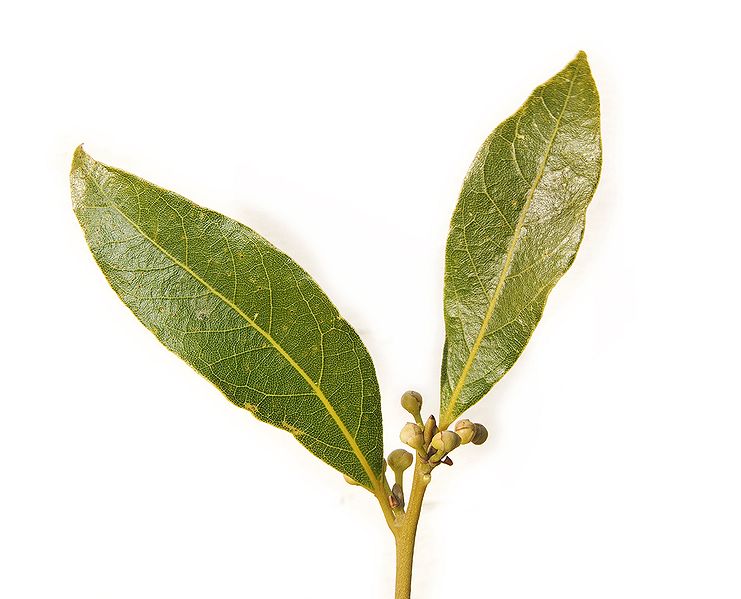

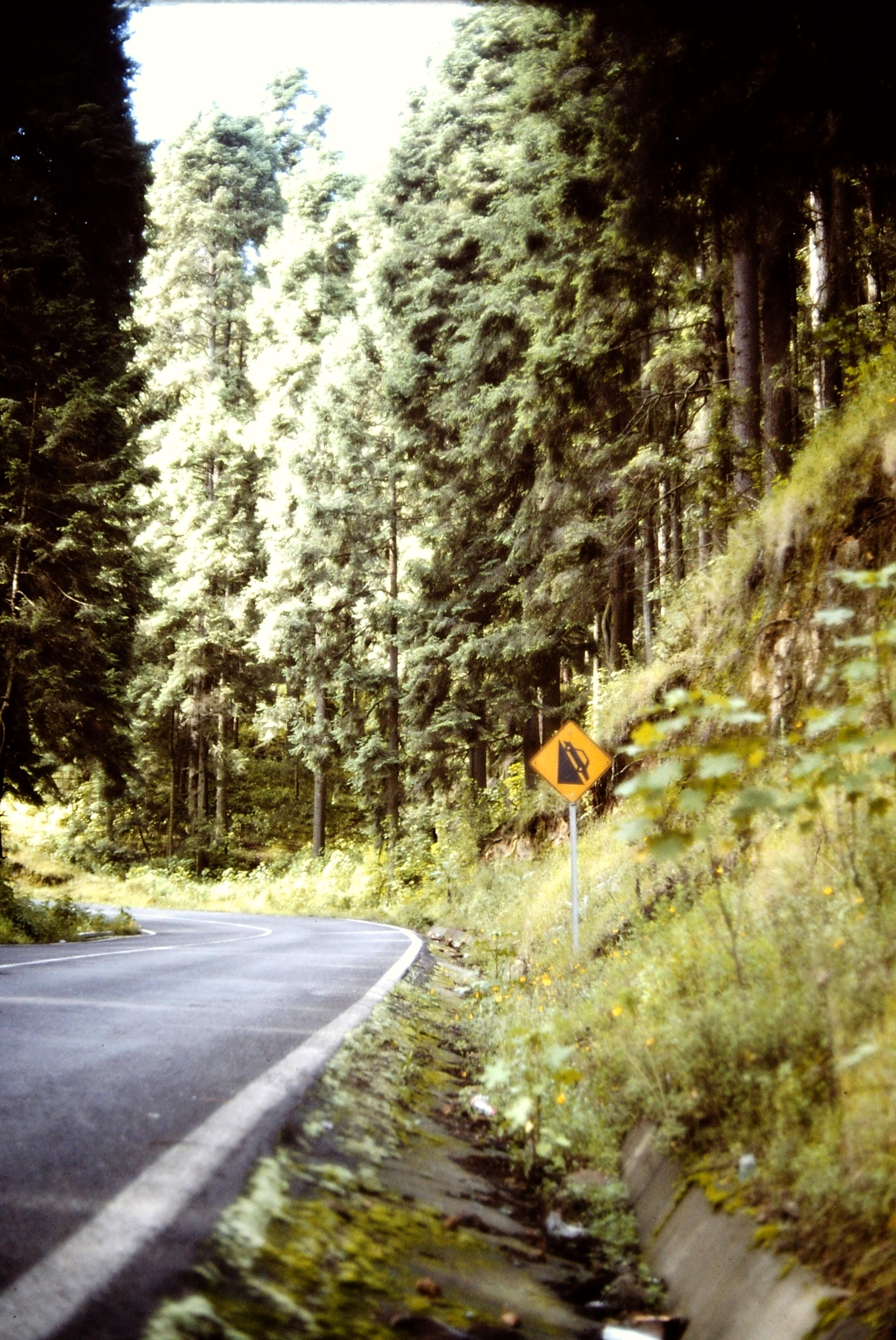
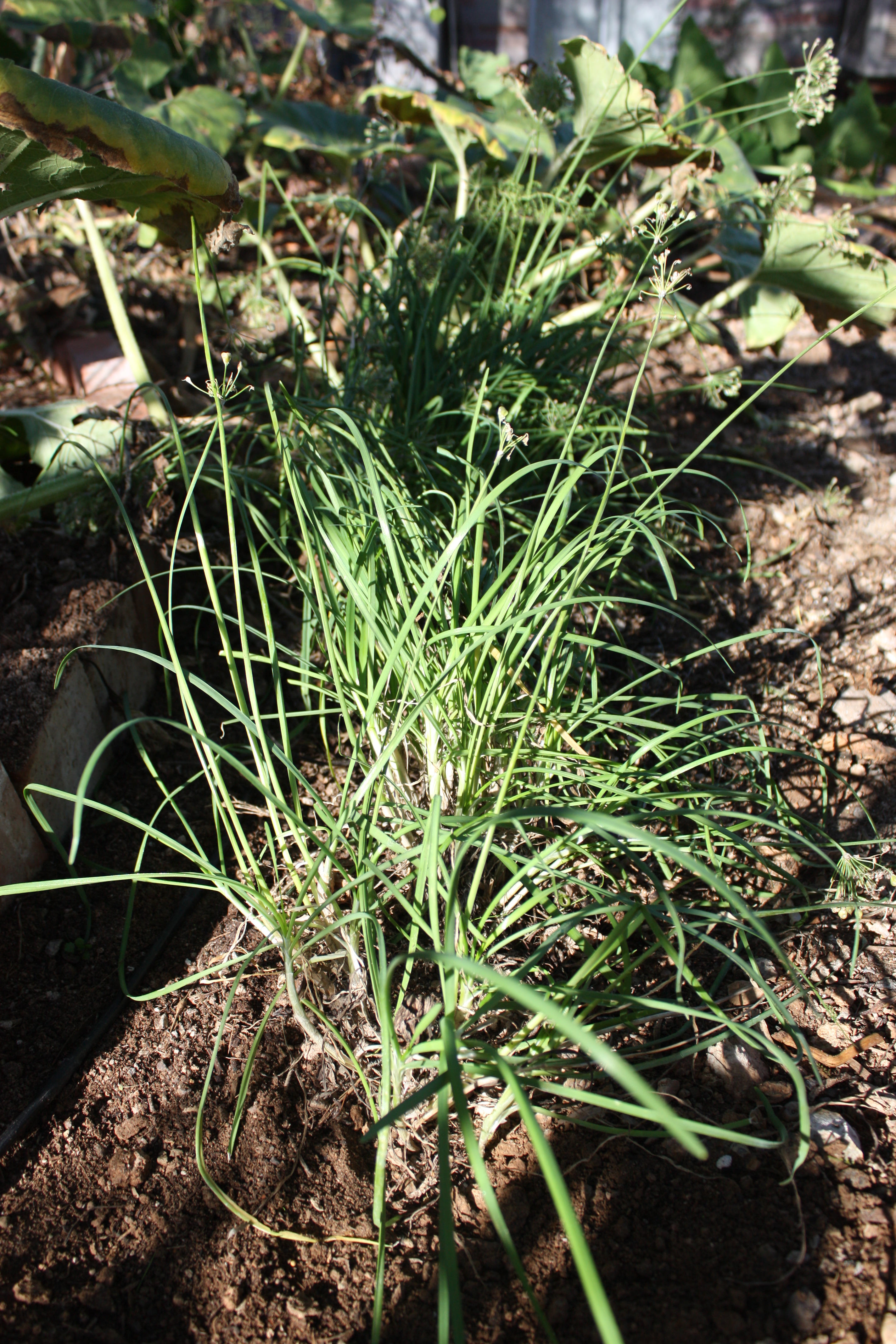


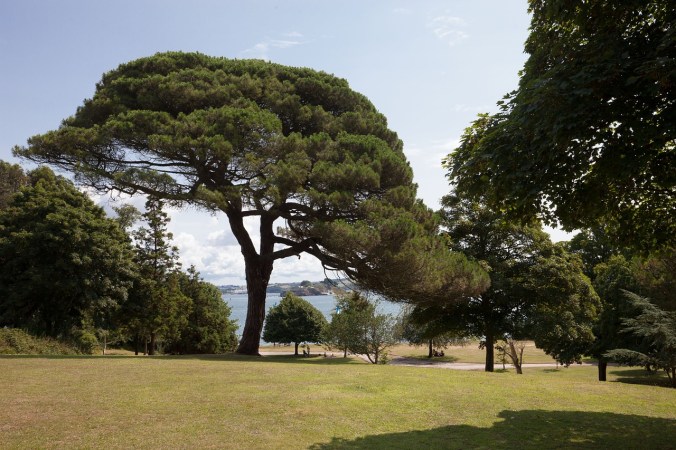
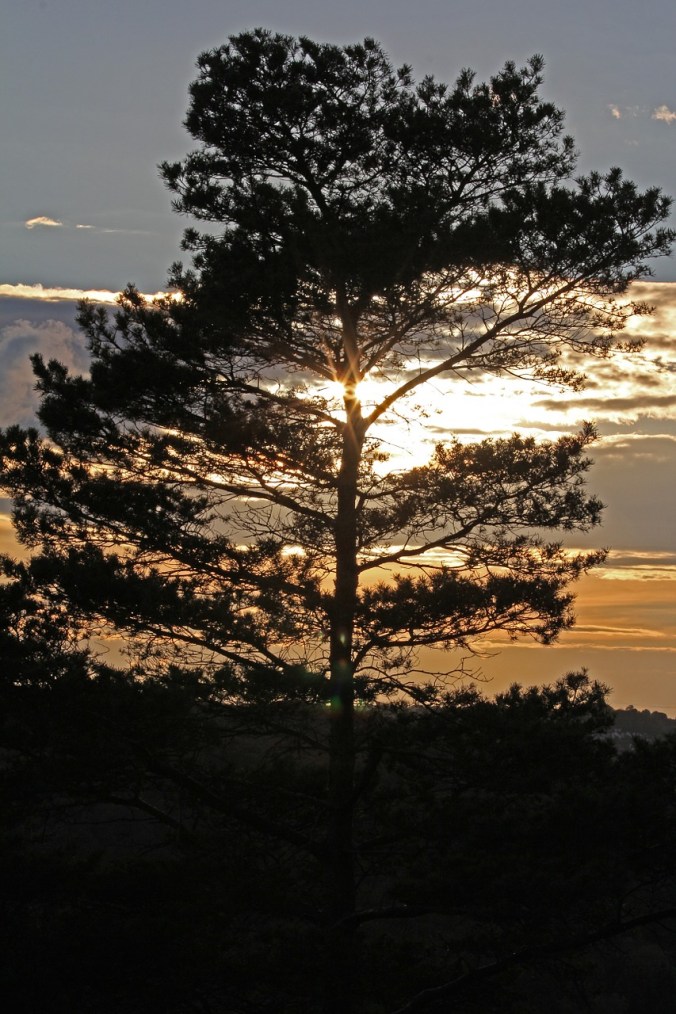 What about the pine beetle now attacking Tucson trees? The beetle is the six-spined engraver beetle, one of 11 species of insects living in the inner bark of pine trees. It typically infests the thicker-barked and deeply fissured main tree trunks of older trees. An obnoxious pest to be sure. It appears to only be an issue with larger mature trees. A young tree should be able to grow in your yard for many years. Be sure to keep it healthy with extra water in the dry months.
  If you live in Southeastern Arizona, please come to one of my lectures. Look for me at your local Pima County Library branch, Steam Pump Ranch, Tubac Presidio, Tucson Festival of Books and other venues. After each event I will be signing copies of my books, including the latest, “Southwest Fruit and Vegetable Gardening,” written for Arizona, Nevada and New Mexico (Cool Springs Press, $23).


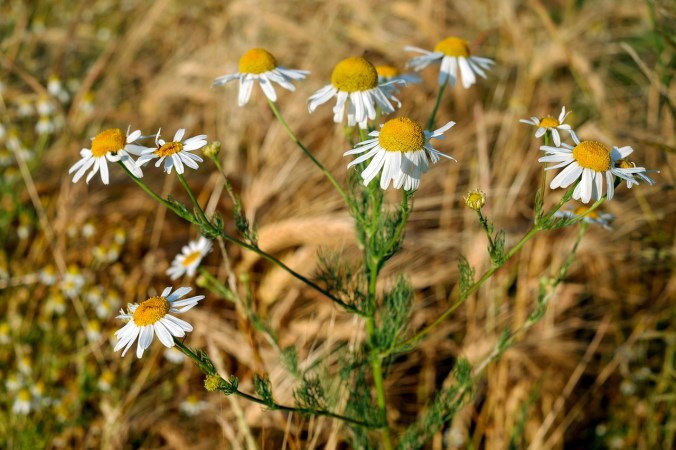
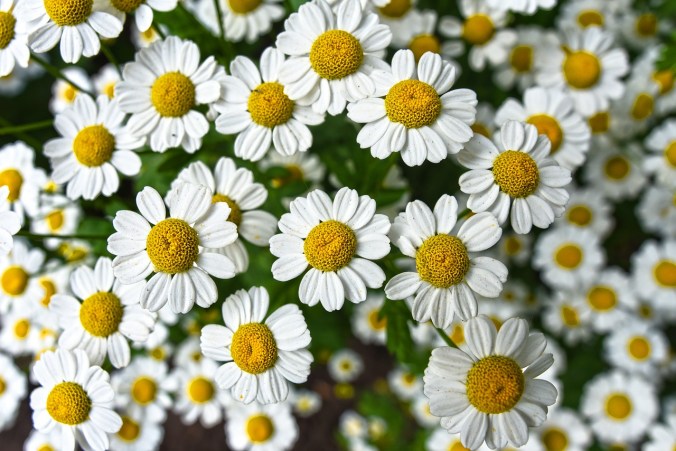 Jacqueline Soule this week to discuss a pretty, plus pretty useful, herb to plant in your winter garden. And, if you plant seedlings now, you should be able to harvest some within a month! As cooler weather comes along, it is nice to curl up with a cup of chamomile tea – and here is how to have your own.
 The flavinoid apigenin found in chamomile tea is thought to be responsible for its anti-inflammatory ability. Apogenin combined with another phytochemical called bisabolol are thought to work in concert to calm gastrointestinal spasms. Apogenin has been proven to bind to the same brain receptor sites that the drug Valium binds to, and are believed to exert a calming influence in much the same manner.







 Savor the Southwest: