Epazote and Garden Herbs Blend Into Delicious Mole Verde

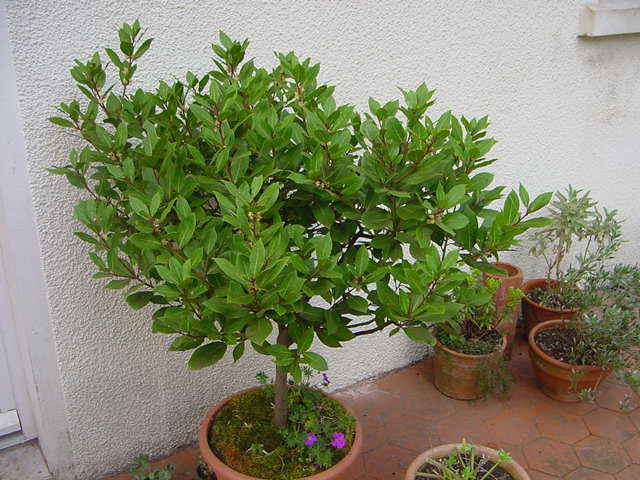
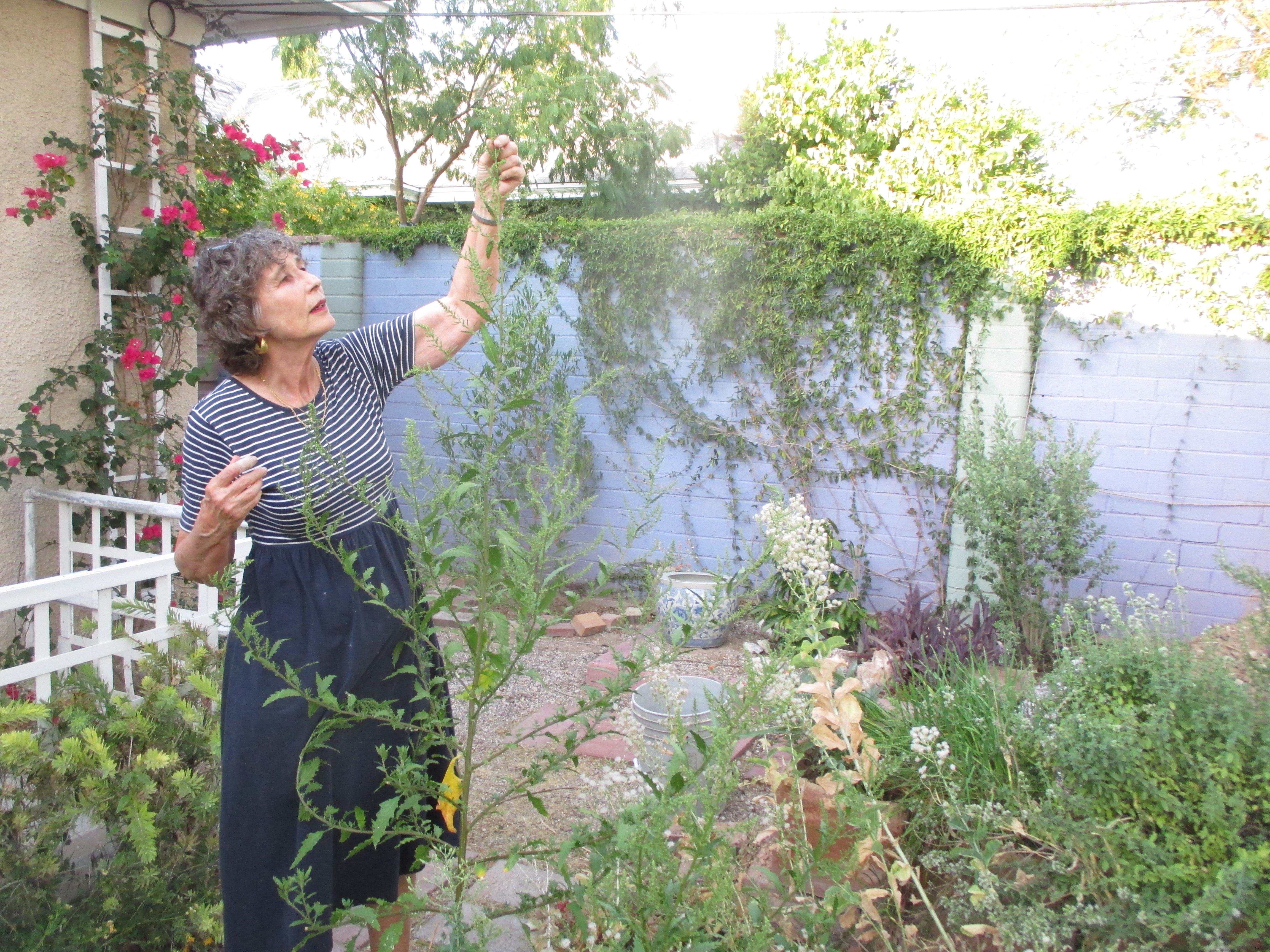
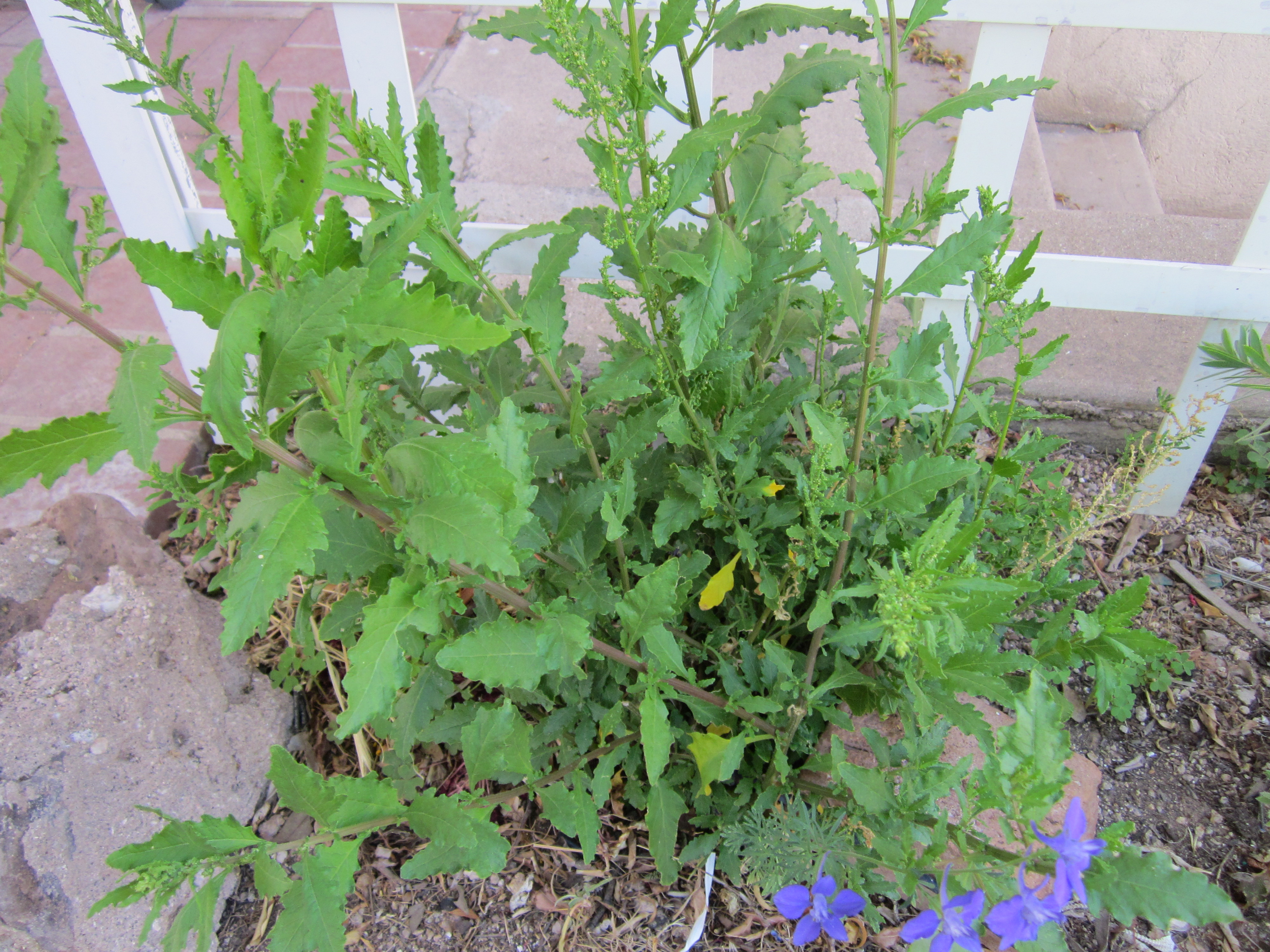
This epazote plant has grown to over 6 feet.

This epazote plant has grown to over 6 feet. It was a volunteer in the lettuce bed and loved the rich soil.

Carolyn here this week. This spring I have had epazote sprouting between my tomato plants, epazote in the pea pots, epazote in the kale and in the I’itoi onions. I harvested the last of the chard today and there was an epazote plant hiding in that row. For fun, I left one in the lettuce patch and it has grown over 6 feet, thriving in the rich soil and organic inputs in that area. After taking a picture today, I’m going to pull it before it releases a couple thousand seeds and takes over my entire garden.

I bought my first epazote plant from a lovely Mexican woman at the farmer’s market. That one died, but I tried again the next fall. This time I was more successful and now I can supply epazote to anyone who needs it.

Healthy epazote plant earlier in the spring.

Healthy epazote plant earlier in the spring.

Epazote is a New World herb that originated in Central America and parts of Mexico and in the Nahuatl language is called epazo-tl. It has spread north to the U.S. and to the Caribbean. The scientific name was formerly Chenopodium ambrosoides but has been changed to Dysphania ambrosoides. Interestingly, it is related to quinoa, spinach and beets.

Epazote is used as an flavoring herb and its taste changes slightly as the plant ages. Chew on a leaf of a young plant and you will notice a light citrus-y flavor that starts on your tongue and spreads through your mouth. Leaves from older plants intensify the pine-y or eucalyptus flavor notes that underlie the citrus. Some say it tastes similar to tarragon.

In the Southwest, epazote is most frequently used in cooking black beans for flavor and also for its anti-gas effects. Add two or three sprigs during the last 15 minutes of cooking. If you have access to fresh epazote, feel free to try it in other dishes. A little chopped up in a corn relish adds a spritely flavor. If you make your own mole sauces, add a few leaves, particularly to a green mole. It also goes well in filling for tamales and sprinkled on the cheese in quesadillas

Another traditional use of epazote as developed by the native Mayans is as a tea, particularly as a remedy for intestinal parasites. Epazote includes 60-80 % ascaridole, which is toxic to several intestinal worms.

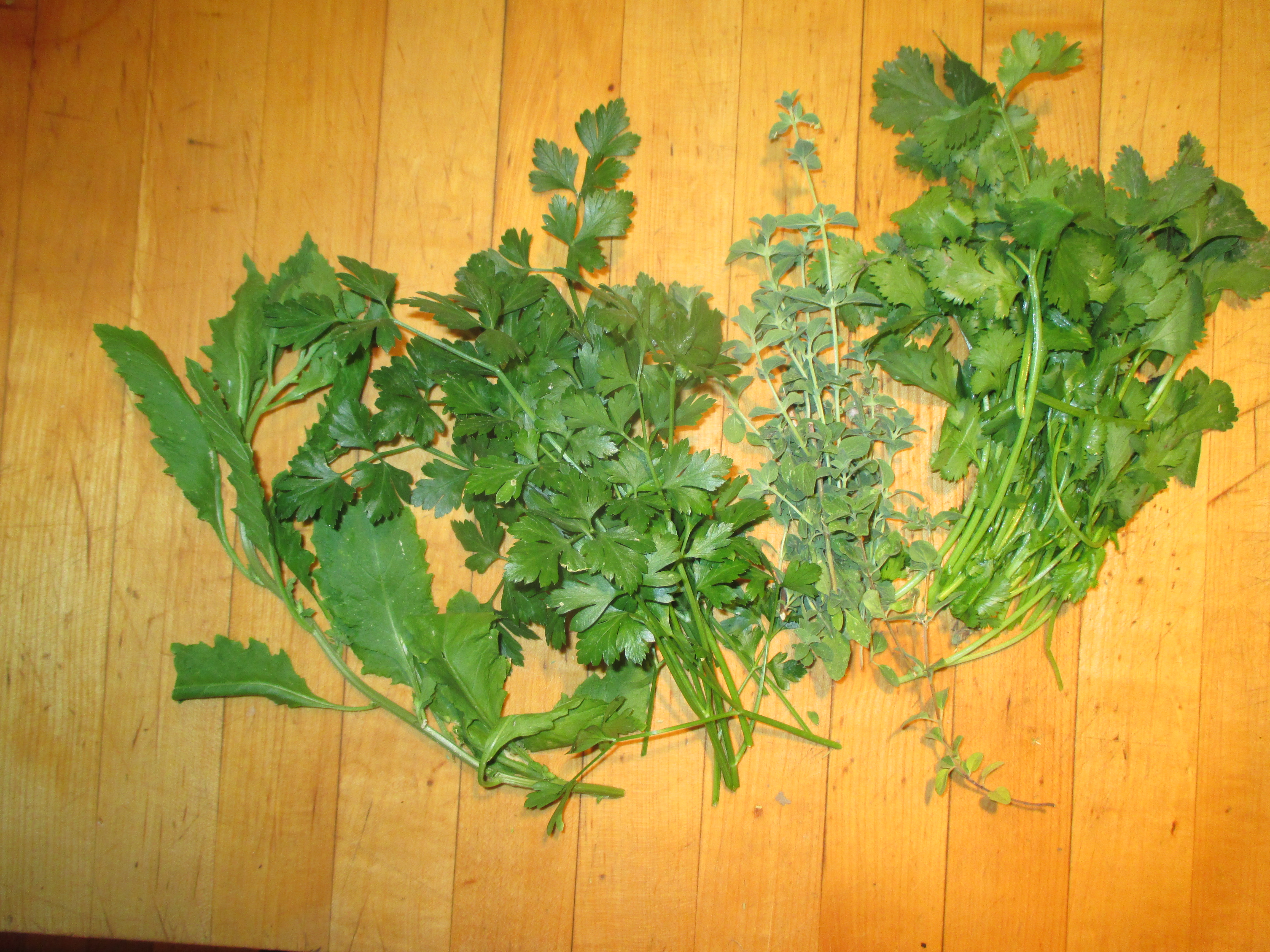
Herbs for Mole Verde from left: epazote, parsley, oregano, and cilantro.

Herbs for Mole Verde from left: epazote, parsley, oregano, and cilantro.

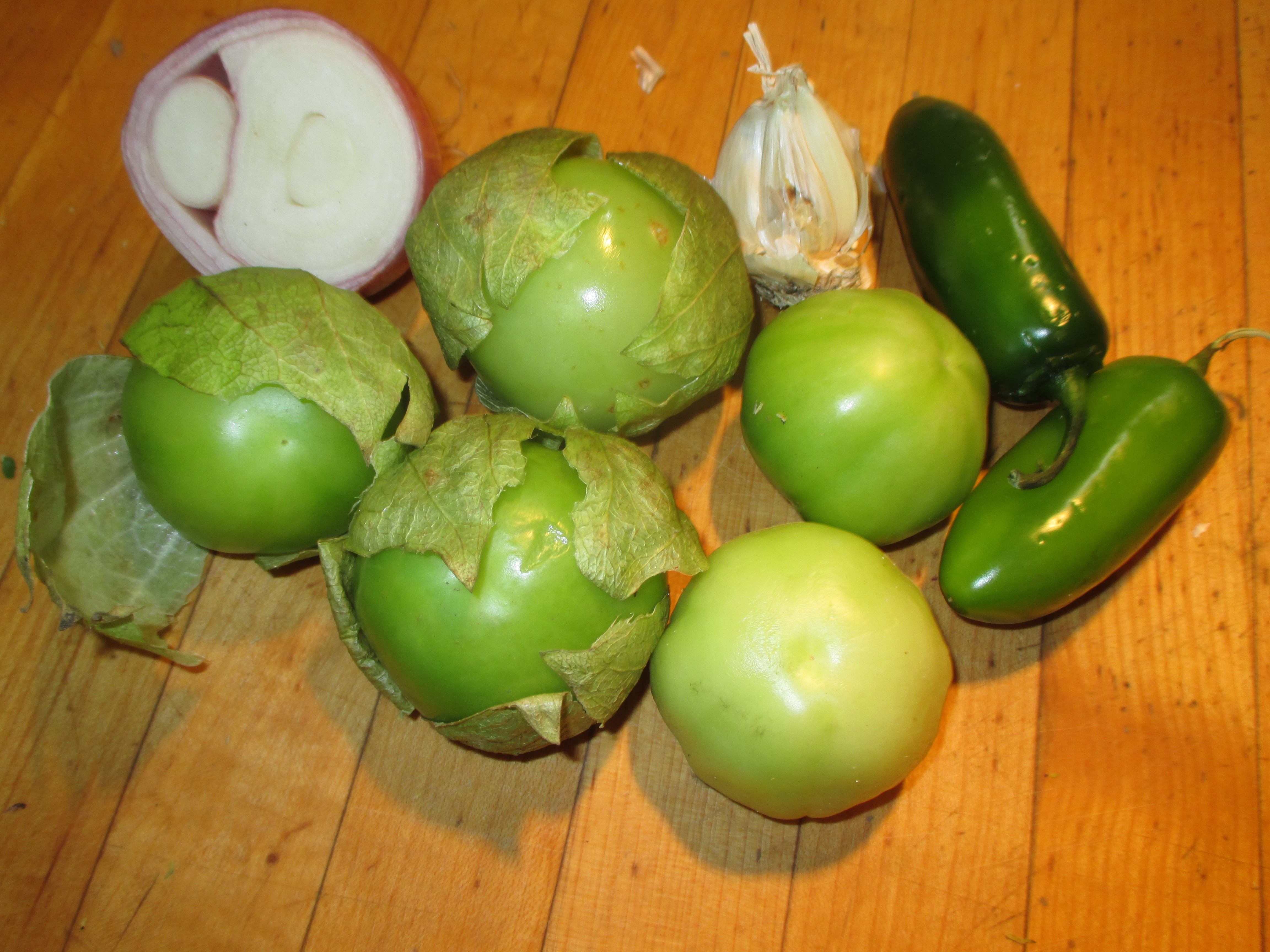
Here are the vegetables you will use: tomatillos, onion, garlic and jalapenos.

Here are the vegetables you will use: tomatillos, onion, garlic and jalapenos.

As with most leafy greens, epazote also provides some vitamins and minerals including vitamin A, B-complex vitamins (specifically folic acid) and vitamin C as well as calcium, manganese, copper,  potassium, phosphorous and zinc.

Mole Verde

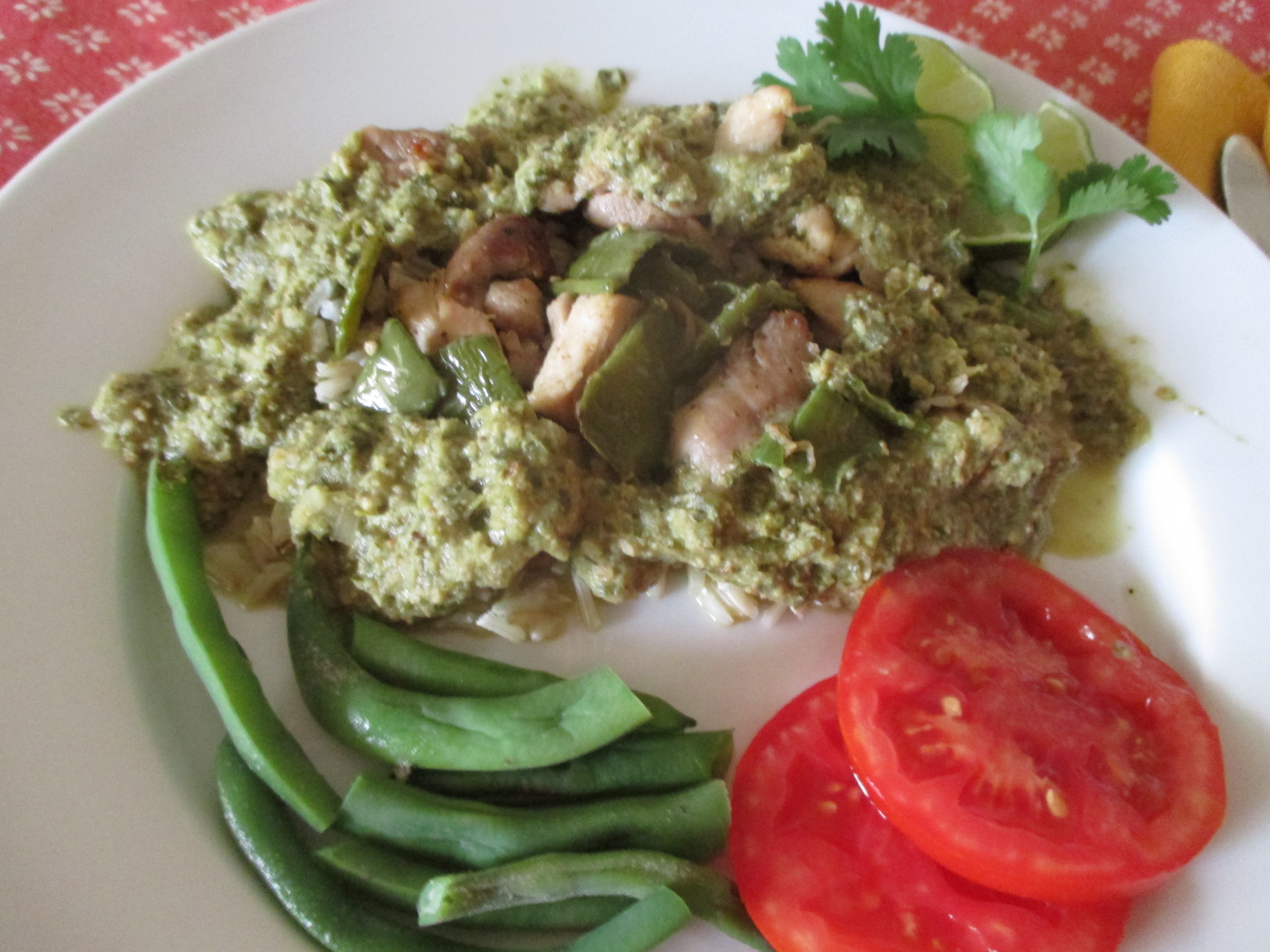
Here’s a recipe for a delicious green mole with epazote. This is a chewy, substantial version due to the pepitas.  I served the sauce with sautéed chicken breast pieces and fresh nopalitos from my garden. Makes about 6 generous servings.

Ingredients

1 cup pepitas (hulled pumpkin seeds)

1 cup roughly chopped white onion (about 1 small)

1 tablespoon minced garlic (about 3 medium cloves)

1 tablespoon vegetable oil

1/2 pound tomatillos, husked and cut in eighths (about 5 large)

2 medium jalapeño peppers, roughly chopped (seeds removed for a milder sauce)

1 cup packed coarsely chopped fresh cilantro leaves and tender stems

1/2 cup packed coarsely chopped fresh epazote

½ cup parsley leaves

2 tablespoons fresh oregano

2 cups low-sodium chicken stock, divided

Salt, to taste

Directions

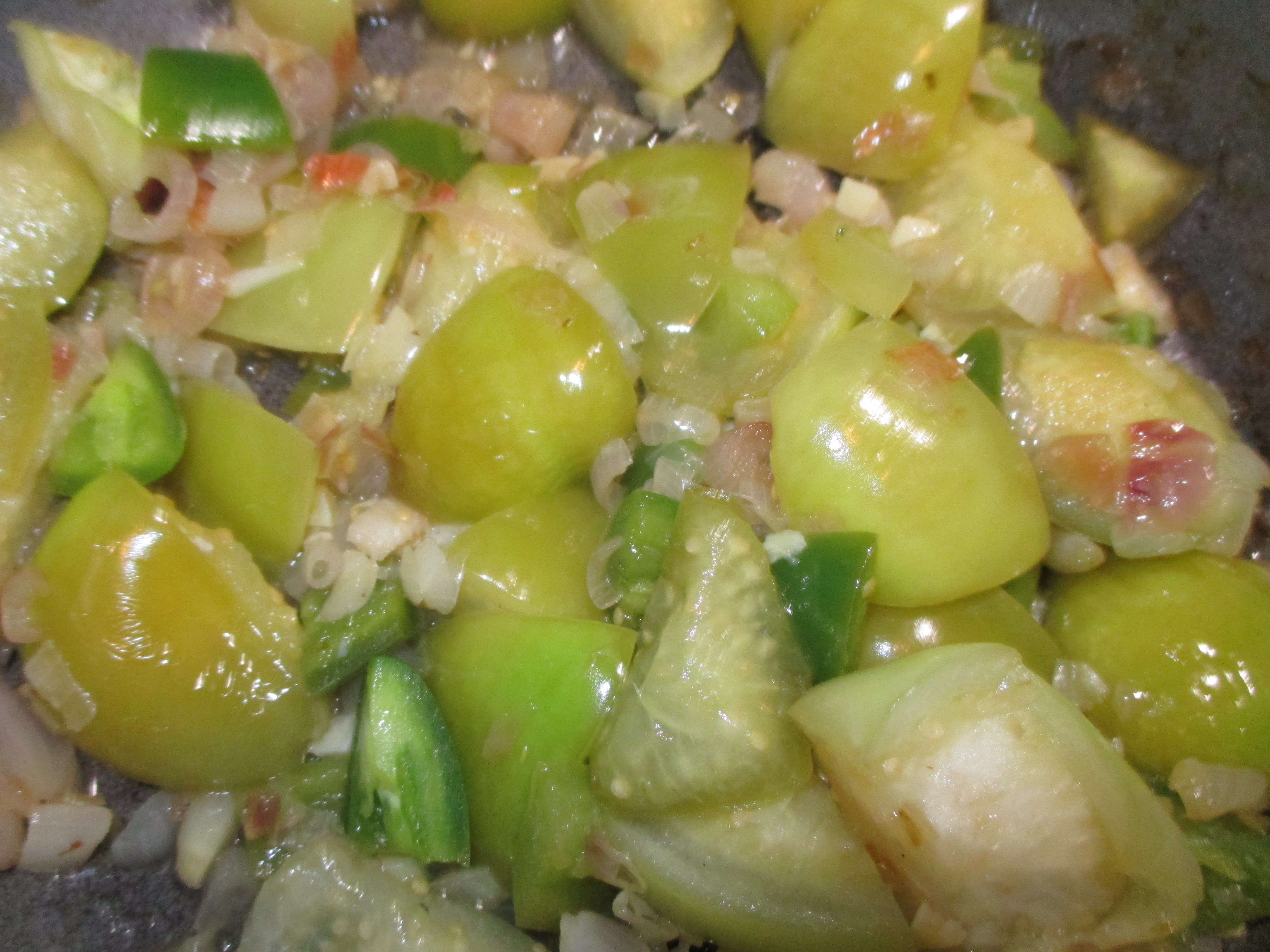
Saute the onion, garlic, and tomatillos until soft.

Saute the onion, garlic, and tomatillos until soft.

  1. Prepare all your herbs first and set aside. In a medium heavy skillet over medium-high heat, toast pepitas until they start to pop and turn a light golden brown. Toss constantly so they won’t burn. Transfer to a blender and process until finely ground. You will have to stop the blender every few seconds to redistribute the contents.
  2. In a heavy saucepan, heat the oil and sauté the onion until it starts getting translucent. Add the garlic and cook another minute. Add the tomatillos and jalapeno and cook, stirring frequently until soft.
  3. Transfer the sautéed vegetables to the blender jar with the pepitas and the herbs. Add one cup of the chicken stock and puree until well combined. This may take a couple of minutes.
  4. Return the blended mixture to the saucepan and put it over medium heat. Meanwhile rinse the blender jar with the remaining cup of chicken broth and add to the pot. Reduce heat and simmer for 10 to 15 minutes to let the herbs release their flavors and the flavors to blend. Stir frequently.
  5. Use immediately or transfer to an airtight container and store in refrigerator for up to 3 days, reheating before use.
Serve the sauce with chicken, fish, or vegetables.

Serve the sauce with chicken, fish, or vegetables.

_____________________________________________________

You can buy seeds for epazote from Native Seeds/SEARCH.   They also carry a selection of cookbooks by Carolyn Niethammer. The books are also available online from Amazon and Barnes&Noble.

Spring Salad

cholla 2016

Amy collecting cholla buds

Some years, spring seems to last about a week in the desert, going from winter to summer too fast. When the weather is beautiful, we know to celebrate these days outside!!!!

blog 20160415_100732

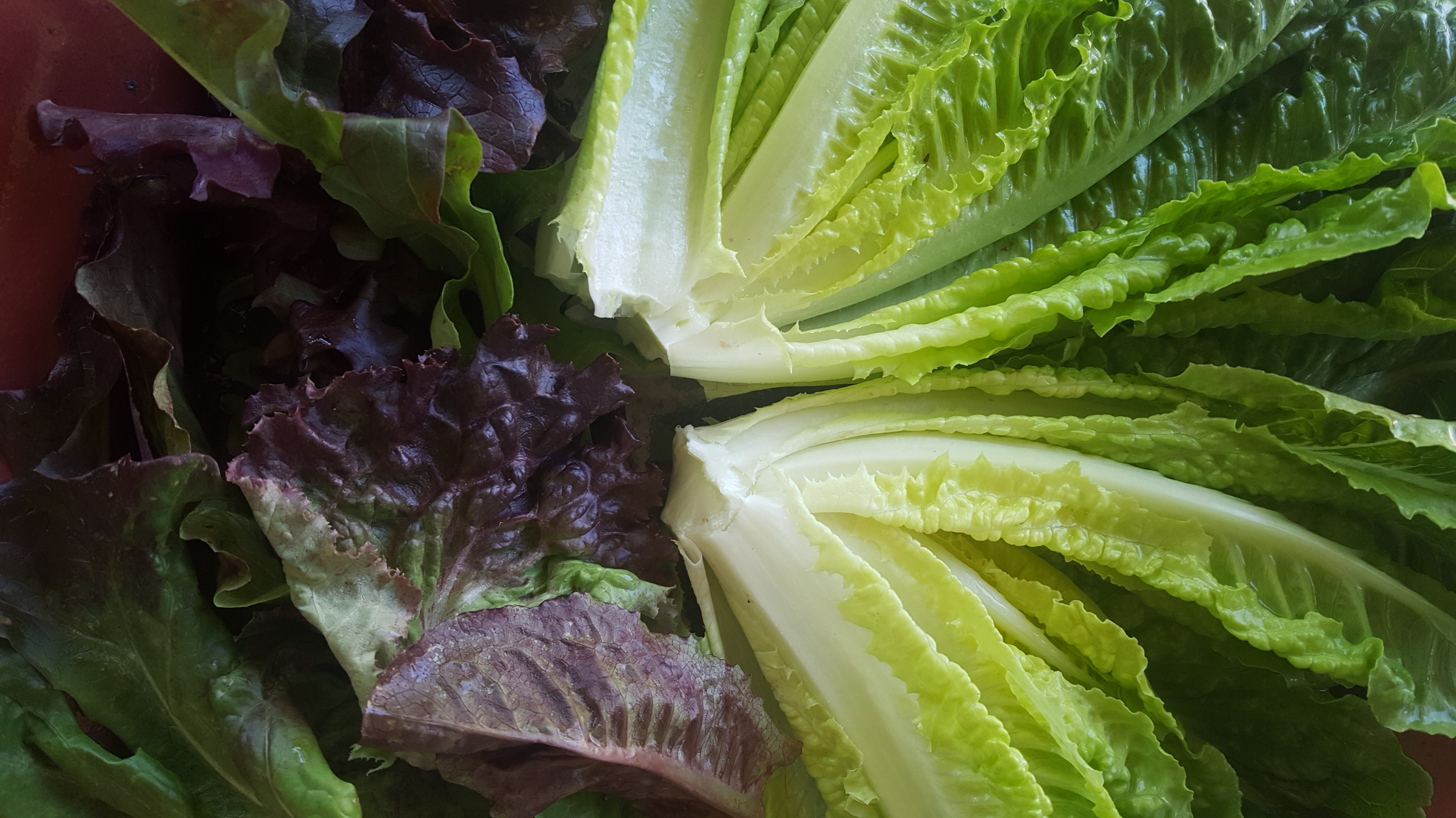
Romaine hearts and assorted red lettuces

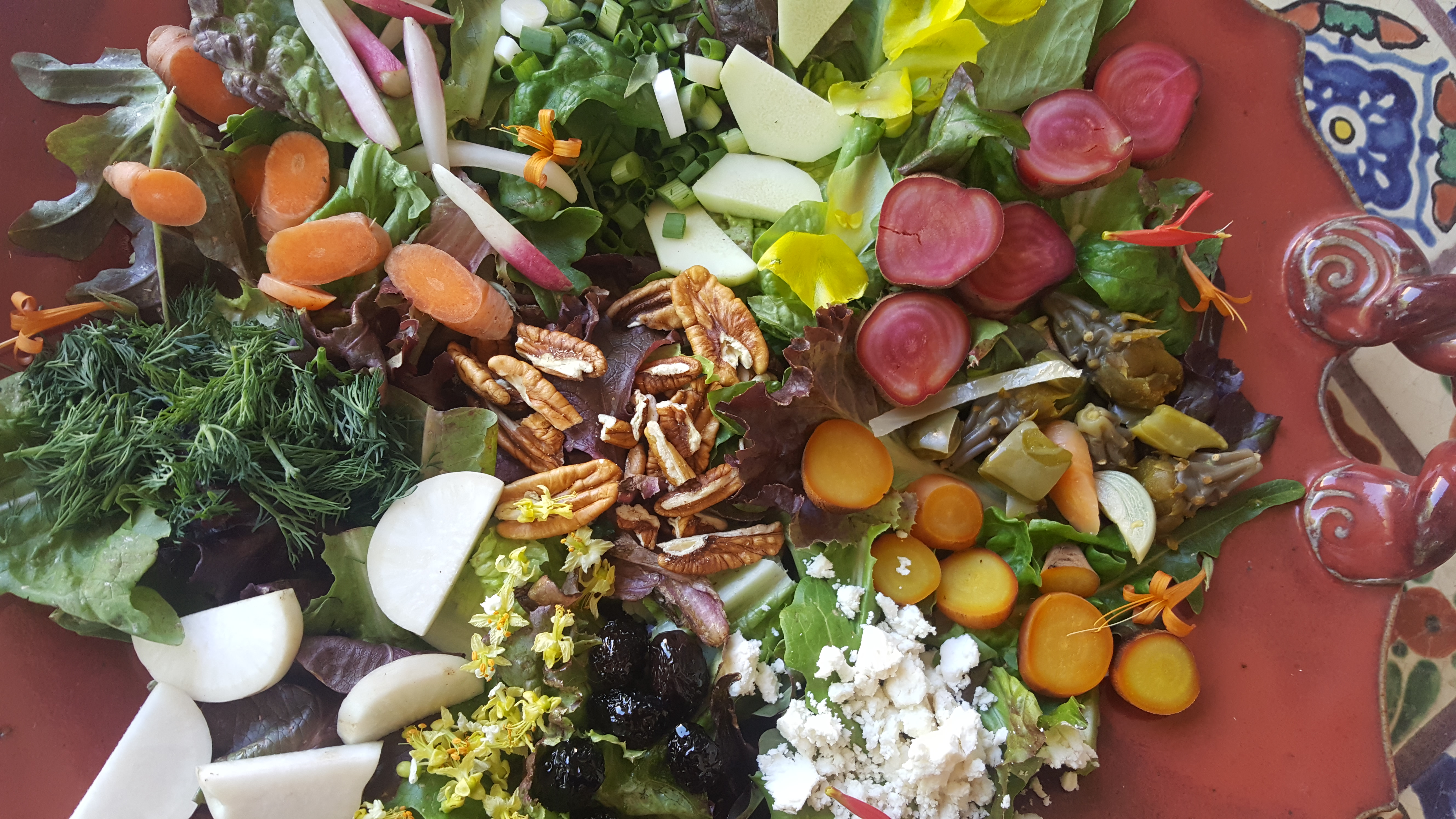
Winter lettuces are still around for a short time more, and the weather is finally warm enough that I feel like eating a salad. Here is a salad made with ingredients I had on hand. I traded for most items, the exceptions being the items I made. I hope this serves as an inspiration to go to a farmers’ market, use little bits of what you have in the refrigerator, go into the desert near your home, and forage in your yard.

blog 20160415_093007

Hakurei turnips, Chioggia and Golden beets, Carrots, Kholrabi, , and French Breakfast Radishes.

Hakurei “salad turnips” are so sweet and tender, they can win over stubborn turnip haters, and are a treat raw for turnip lovers.

I steamed and sliced the beets, peeled and sliced the kholrabi, and simply sliced the turnips, carrots and radishes.

I'itoi onions and dill.

I’itoi onions and dill.

For fresh herbs, I used dill and I’itoi onions. I like the green tops as much as the white parts.

Crusts of Small Planet Bakery Cottage Wheat make excellent croutons. Just chop, drizzle with olive oil, salt, and garlic powder (my guilty pleasure), then toast in a skillet until crunchy.

blog 20160415_104817

Heels of Cottage Wheat.

blog 20160415_104958

Cast iron skillet croutons.


blog 20160415_085613

Brined goat feta.

20150910_120612

Mango Salsa.

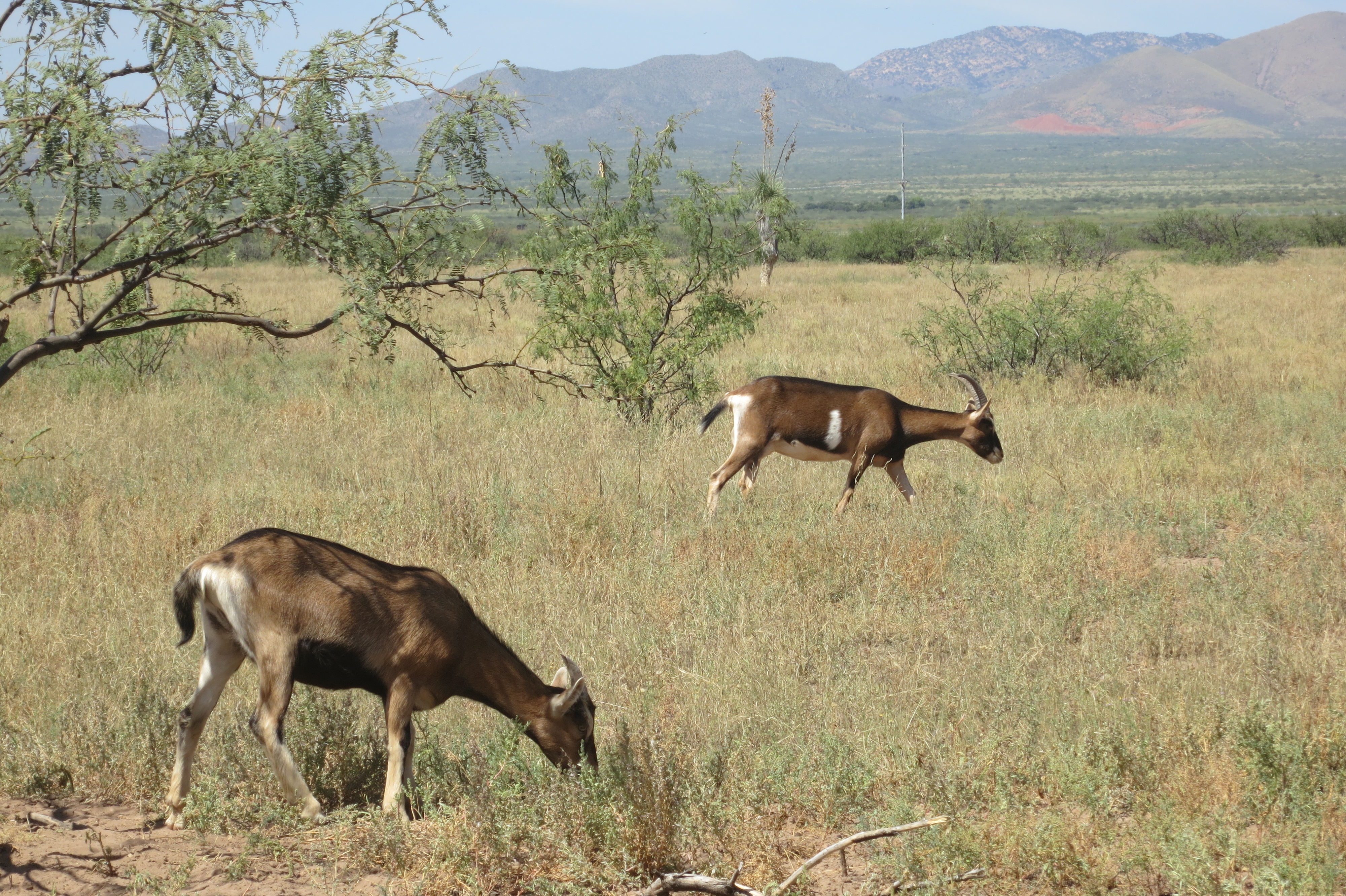
Last fall, I goat/house sat for a friend, and this is the feta I made from the milk. Mango the goat has mellowed over the years since I first learned to milk and she first learned to be milked.

IMG_3508

The heard on the grassland.


IMG_3517

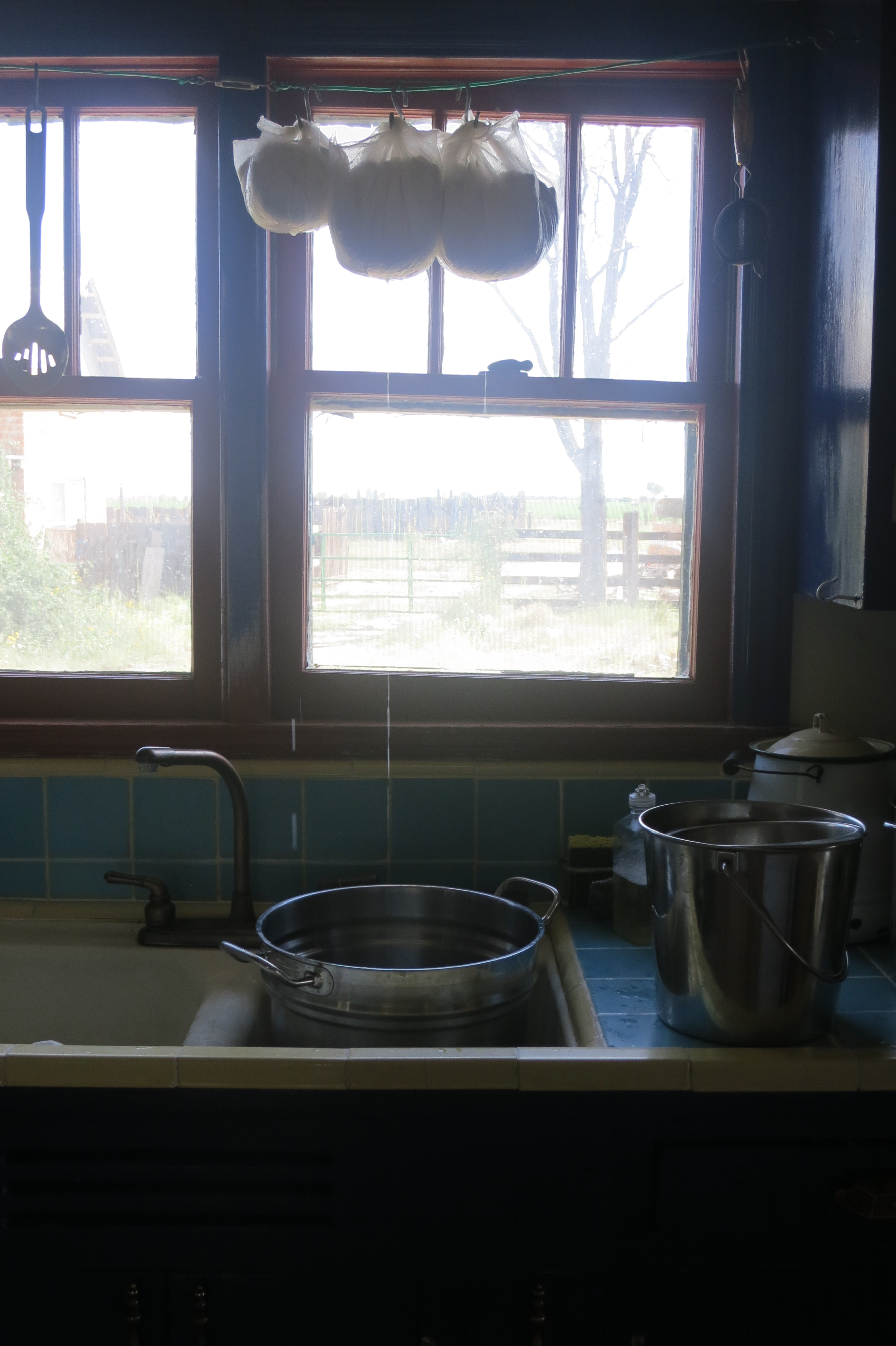
Fresh cheese curds draining whey.

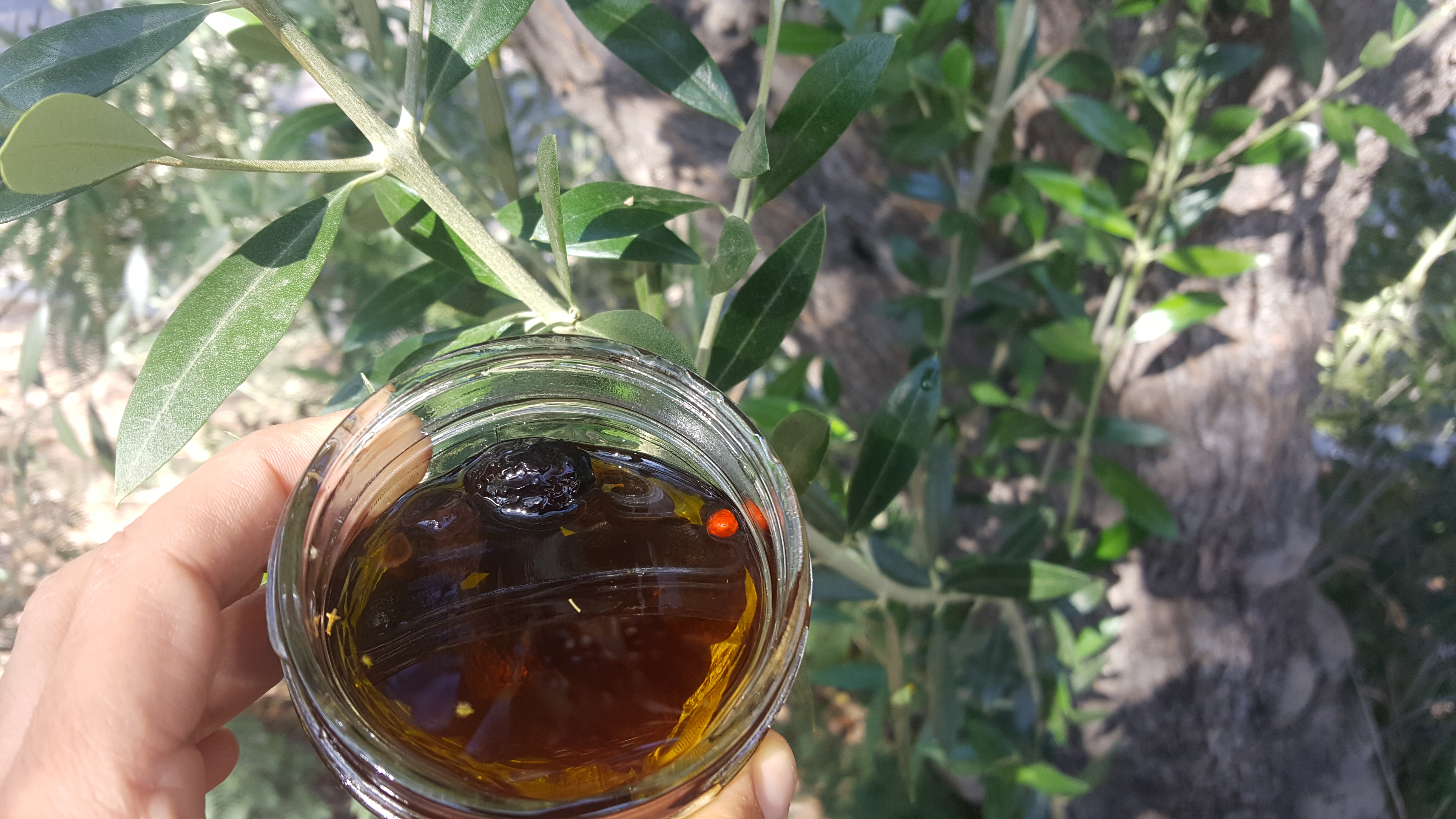
Solar cured olives from Bean Tree Farm.

Solar cured olives from Bean Tree Farm.

Pickles! Cholla buds and nopalitos en escabeche.

Pickles! Cholla buds and nopalitos en escabeche.

blog 20160415_103012

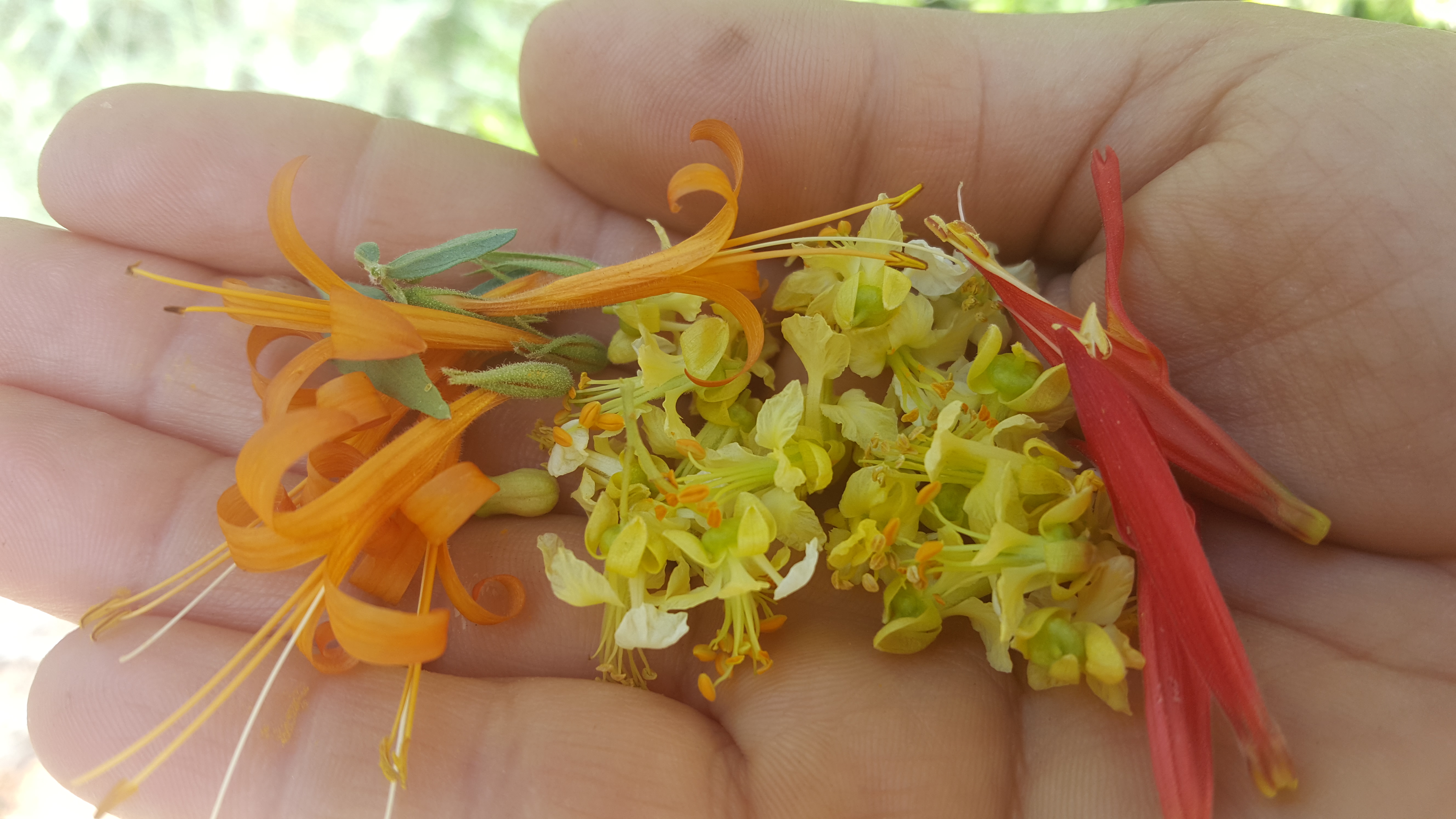
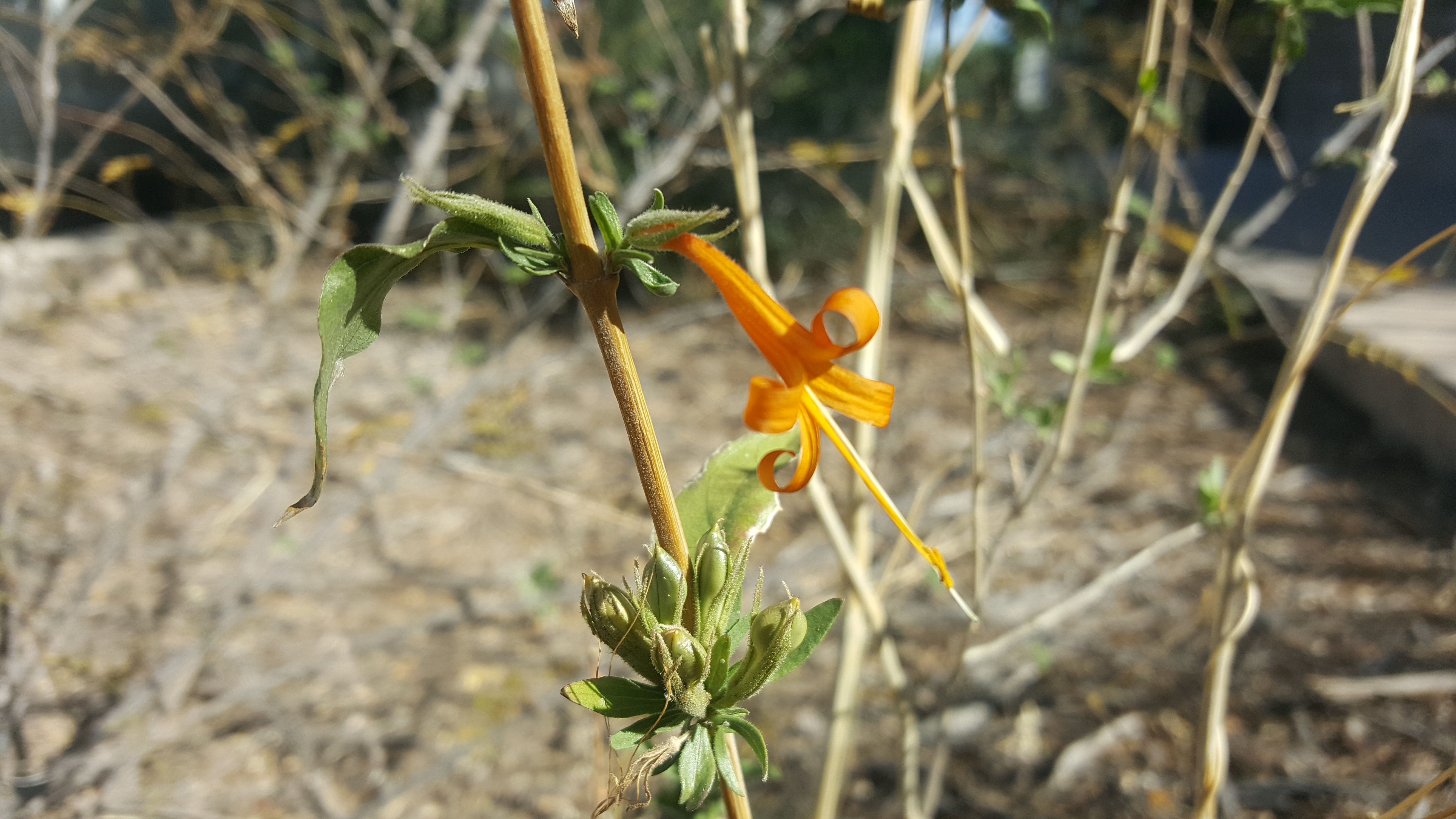
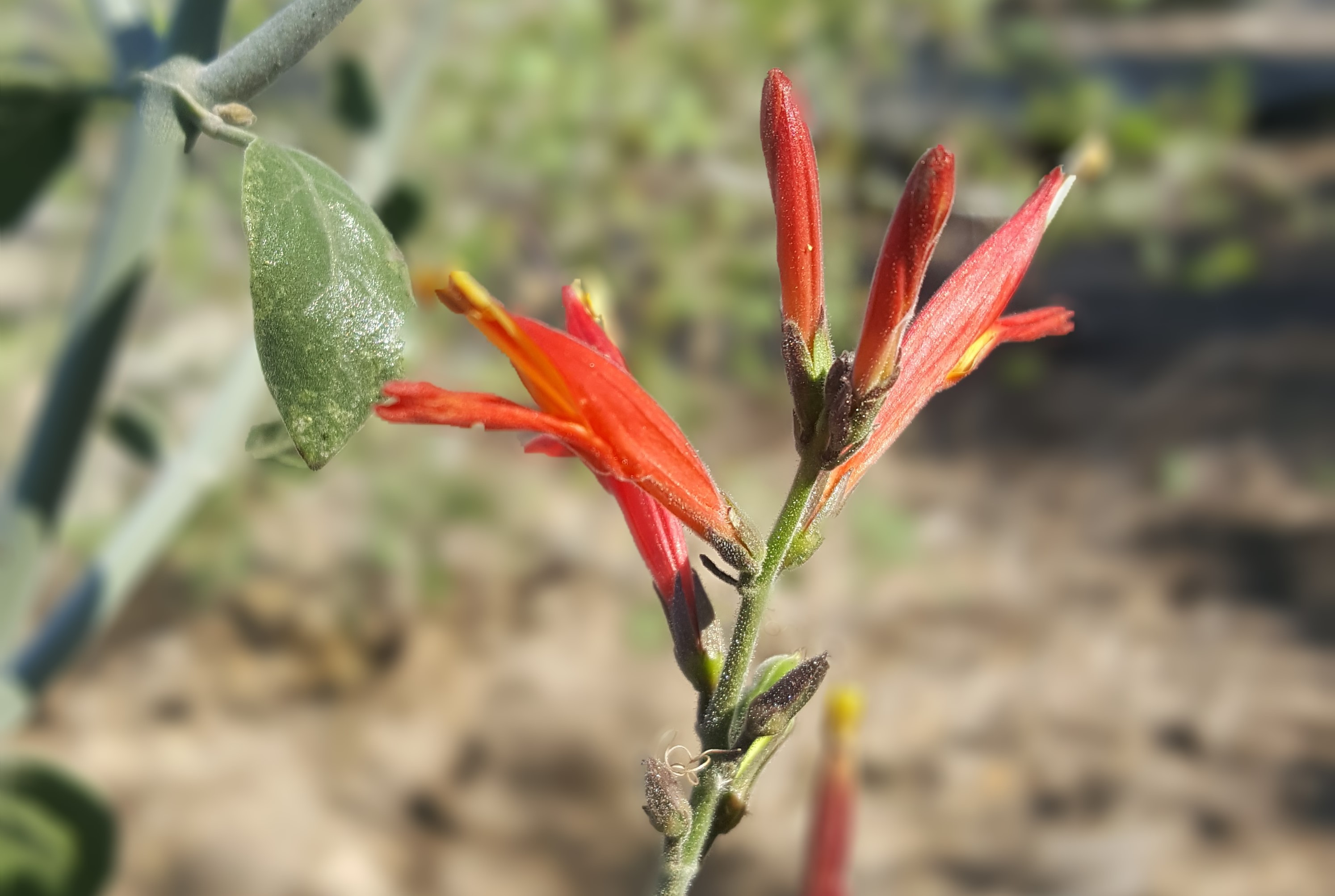
Fresh flowers for garnish.


blog 20160415_090830

Desert Honeysuckle, Anisacanthus thurberi.

blog 20160415_104348

Foothills Palo Verde, Parkinsonia microphylla.

blog 20160415_091001

Chuparosa, Justicia californica.

Prickly Pear Cactus flowers are a fleshy, vegetal garnish. Opuntia engelmannii

Prickly Pear Cactus flowers are a fleshy, vegetal garnish. Opuntia engelmannii

blog 20160415_103501

Dress with olive oil and lemon juice. Enjoy!


Beautiful Bay

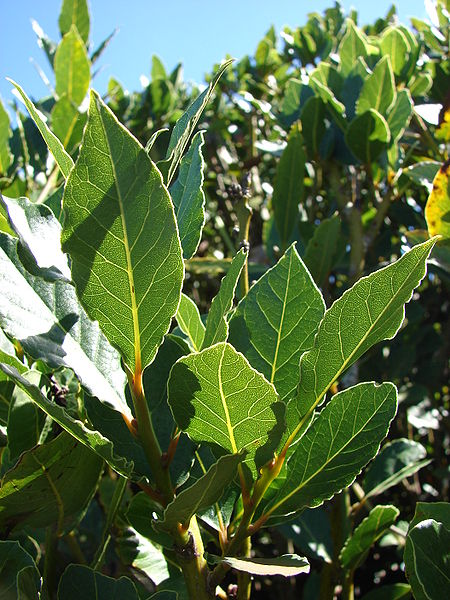
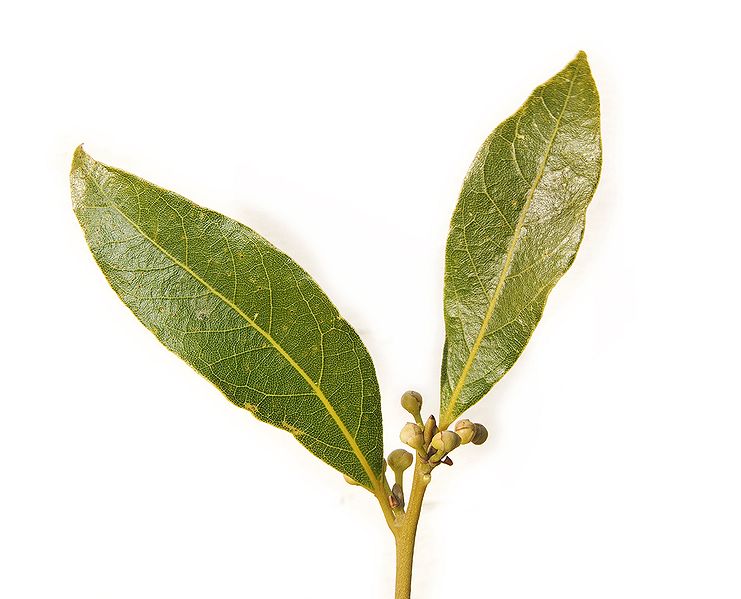
Laurus_nobilis_leaves_004Jacqueline Soule this week, to discuss an herb you can plant now. This herb is a large shrub/small tree that can even be used as a houseplant! I am speaking of bay (Laurus nobilis), also called laurel, or bay laurel. (In Spanish it is called laurel.) Bay is used for Craft, Culinary, Ornamental and Pest Control purposes.


Laurel_paintingHistory.

In ancient Greece and Rome, the bay tree was considered sacred to Apollo, the sun deity. Leafy branches of bay were woven into wreaths to crown the heads of kings and queens, priests, priestesses, poets, bards, and the victors of battles and athletic or scholarly contests. At the first Olympics in 776 B.C.E., laurel garlands were presented to the champions of each contest. During the Renaissance, doctors, upon passing their final examinations, were decorated with berried branches of bay. From this ancient custom derives the French word baccalaureate (from “bacca,” a berry, and “laureus,” of laurel); this has been modified into the term “bachelor” in referring to one type of college degree.


Laurus_nobilis_driedUses

Bay has been used medicinally for centuries. It has a reputation for soothing the stomach and relieving flatulence. Bay has also been used as an astringent, diuretic, narcotic, or stimulant. An infusion (tea) is prepared for these purposes.


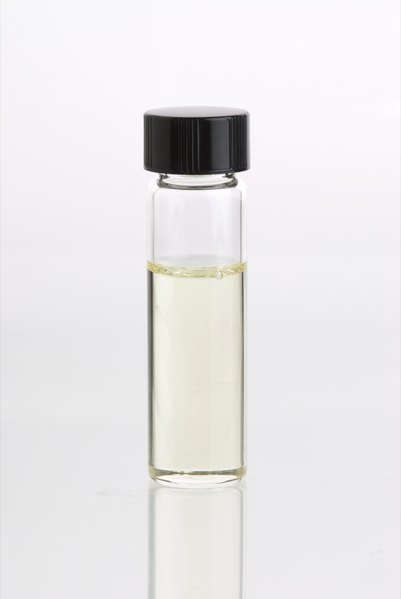
LaurusNobilisEssOilOil of Bay, extracted from the leaves, contains many components, including cineol, geraniol, and some eugenol. Studies of the purified essential oil have proven bactericidal and fungicidal properties. Use as a narcotic may be due to the eugenol found in bay (an oil also found in cloves), which has been shown to have sedative and narcotic effects in mice. Bay is used externally, and considered by some to be a healing agent for rheumatism. In such cases the essential oil is rubbed on the aching joints. A soothing bath soak is prepared from an infusion of the leaves, and added to the bath water. External use of bay may cause dermatitis in sensitive individuals. Always test a small patch of skin before widespread use.


Laurus_nobilis_landscape_01Planting and Care.
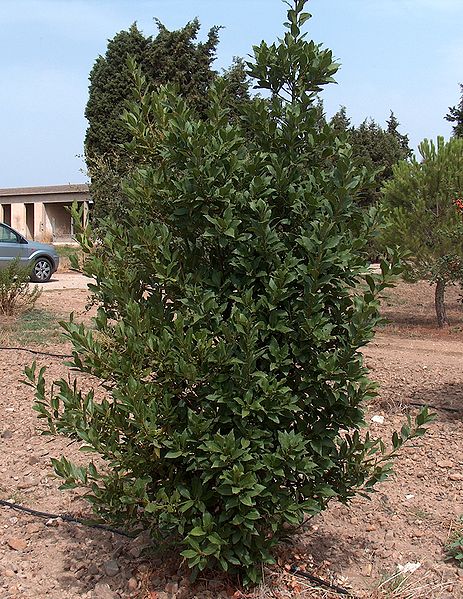
The bay laurel is an evergreen tree with glossy, deep green leaves. It grows well in arid climates such as Greece, Italy, southern France, and here in the Pimería Alta. Bay is a lovely tree for the yard or even poolside. Growing slowly to form a stately tree, in the very best conditions it will eventually reach 40 feet high (it takes decades). Like most herbs, soil with good drainage is required.


laurel-tree-5The only problem with bay is that young trees are frost tender, and must be protected much like a citrus tree. You can grow bay in a container when it is young and move it onto a protected porch for the winter. Plant it out once the plant has some size as it is less likely to freeze, or you can keep in a container for years.  Indeed, you can also grow bay indoors, if you have a well-lit space.

Be sure you buy true bay laurel. Landscape plants sold as “laurel” may be Prunus laurocerasus, also called the English or cherry laurel; a member of the rose family.


Laurus nobilis_lvs_01Harvesting and Use.
Bay as a flavoring herb is always used dried. There are several bitter tasting compounds which are lost with drying, leaving the flavorful and useful oils. Leaves are used whole and removed prior to serving as they leave a bitter taste if chewed. Add bay to your cooking, or prepare as an infusion base for soups.

Bay leaves are used as a pest repellent for flour weevils. Just add several leaves, ideally in a muslin bag, to your flour canisters. Change to fresh leaves every six months. Use the old leaves as organic mulch in the garden.

Bay leaves, either fresh or dried, can be used to create lovely long lasting herbal wreaths.


JAS avatarIf you live in Southeastern Arizona, please come to one of my lectures. Look for me at your local Pima County Library branch, Steam Pump Ranch, Tubac Presidio, Tucson Festival of Books and other venues. After each event I will be signing copies of my books, including the latest, “Southwest Fruit and Vegetable Gardening,” written for Arizona, Nevada and New Mexico (Cool Springs Press, $23).

© All articles are copyright by Jacqueline A. Soule. All rights reserved. Republishing an entire blog post or article is prohibited without permission. I receive many requests to reprint my work. My policy is that you may use a short excerpt but you must give proper credit to the author, and must include a link back to the original post on our site. Photos may not be used.

Glorious Garlic Chives

MICHO Mts near Uruzpan 6 Aug 90 050

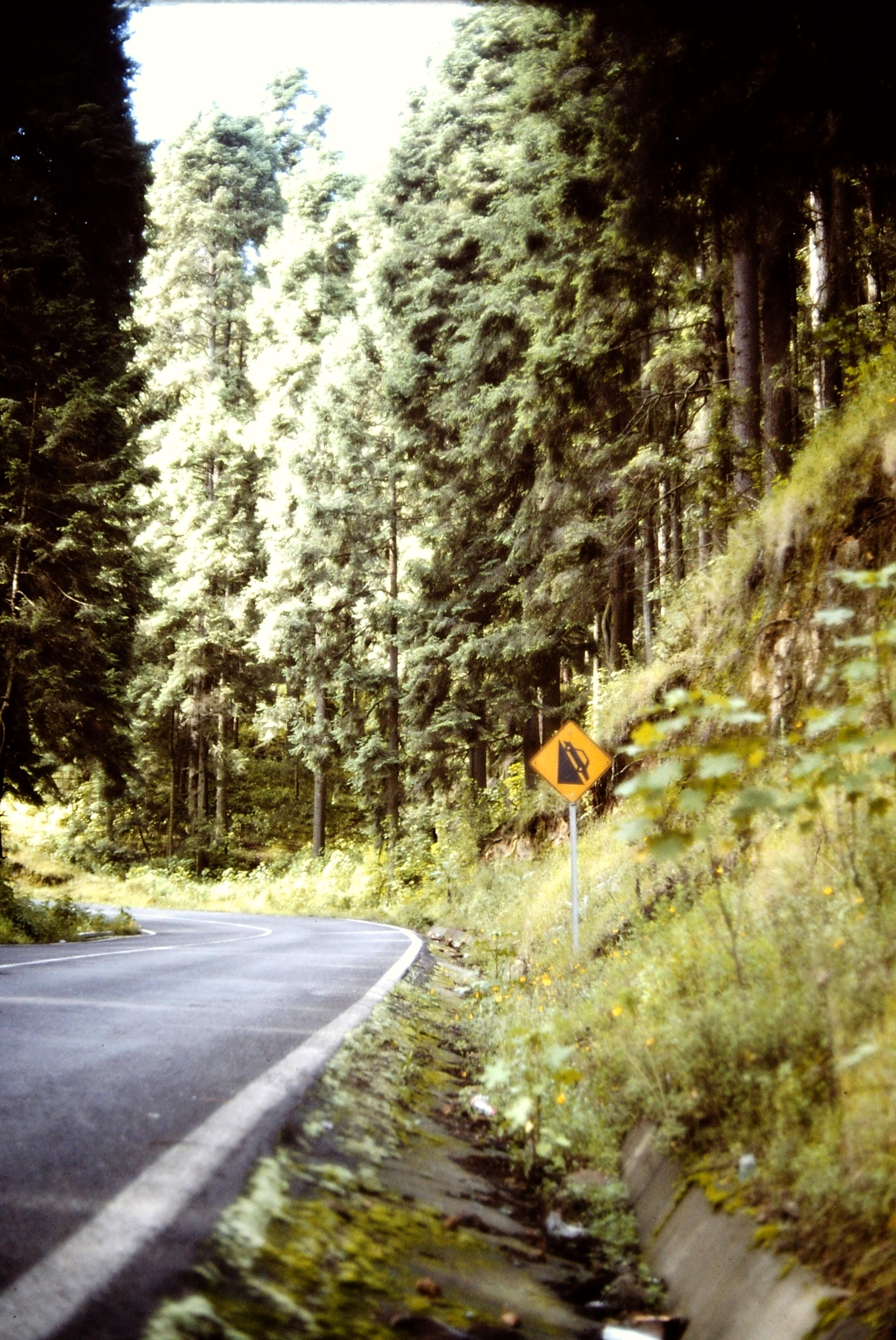
The mountains of Michoacan in 1990. That road sign is only a slight exaggeration.

Jacqueline Soule this week with a charming and easy-to-grow herb – garlic chives.  This herb offers a dish the hint of garlic and the fresh crispness of scallions. 

The first time I ate garlic chives that I know of was chopped and sprinkled on my soft tacos at a little roadside food stop in a forgotten town in Michoacan. The woman serving us was so taken with my questions about the plant that she sent her son scurrying home to dig up some bulbs to give me. Since I was on a plant collecting trip I had all the permits I needed to legally bring the bulbs back to the USA with me.  These tough perennials have been surviving in my gardens in various USDA zones and even indoors in pots for the next 30 plus years.

Allium tuberosum AMAP IMG_4640

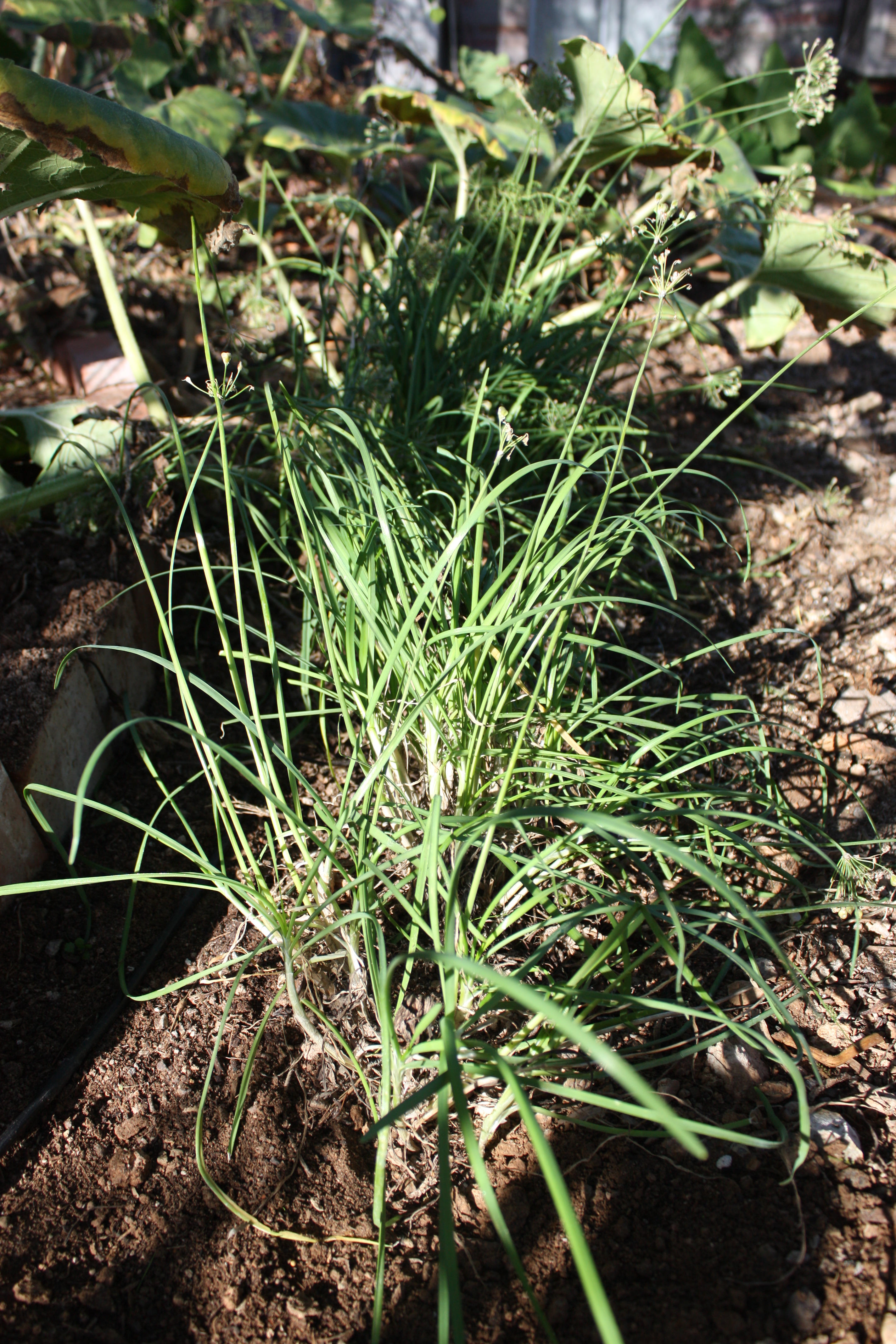
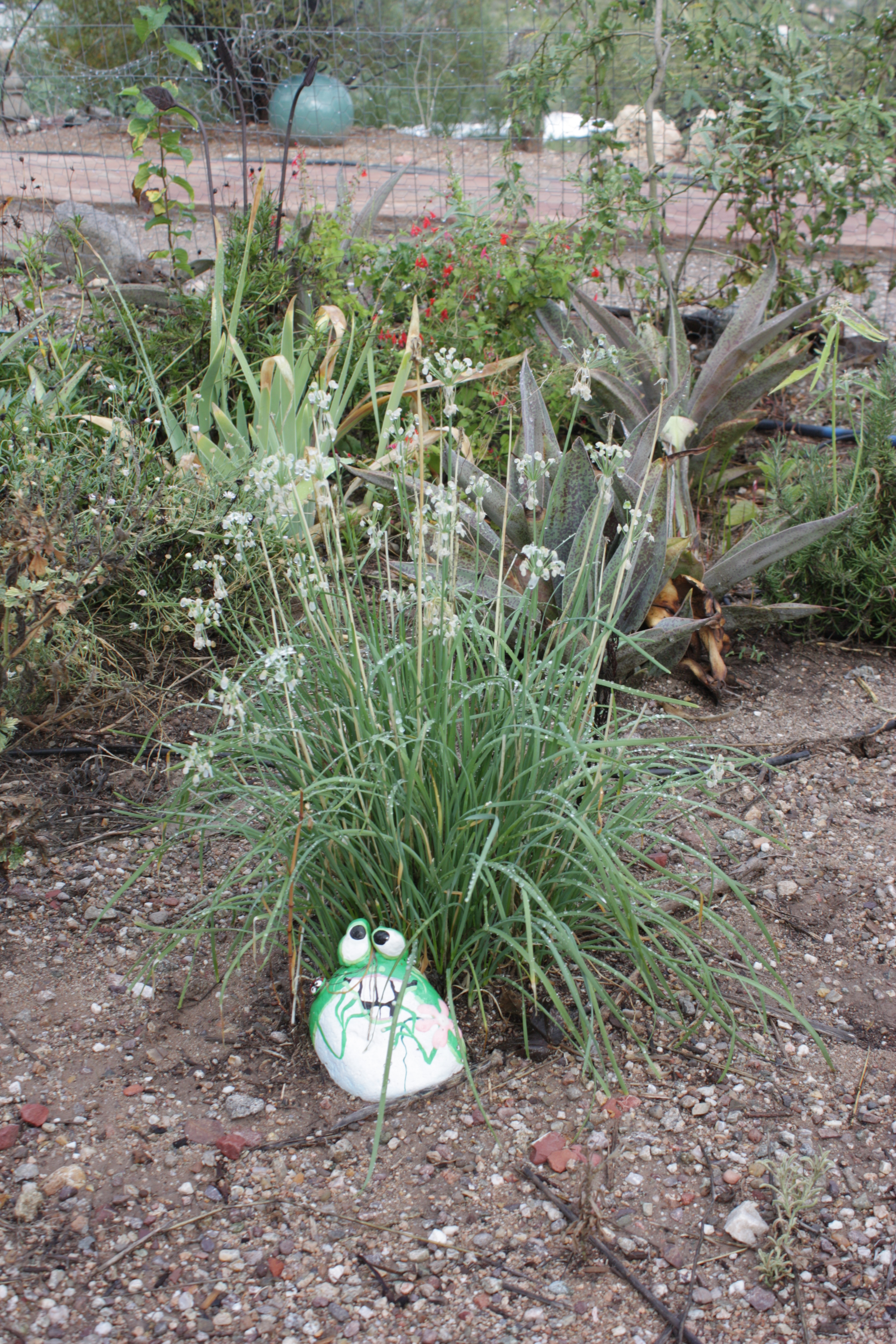
Garlic chives are tough plants that survive with little extra water and taste great.

Garlic chives (Allium tuberosum) make a graceful green statement in the landscape, are low water users, and bloom in September and October with a fireworks-like burst of white bloom on a tall stalk held above the grassy green leaves.

Allium tuberosum AMAP c_4763

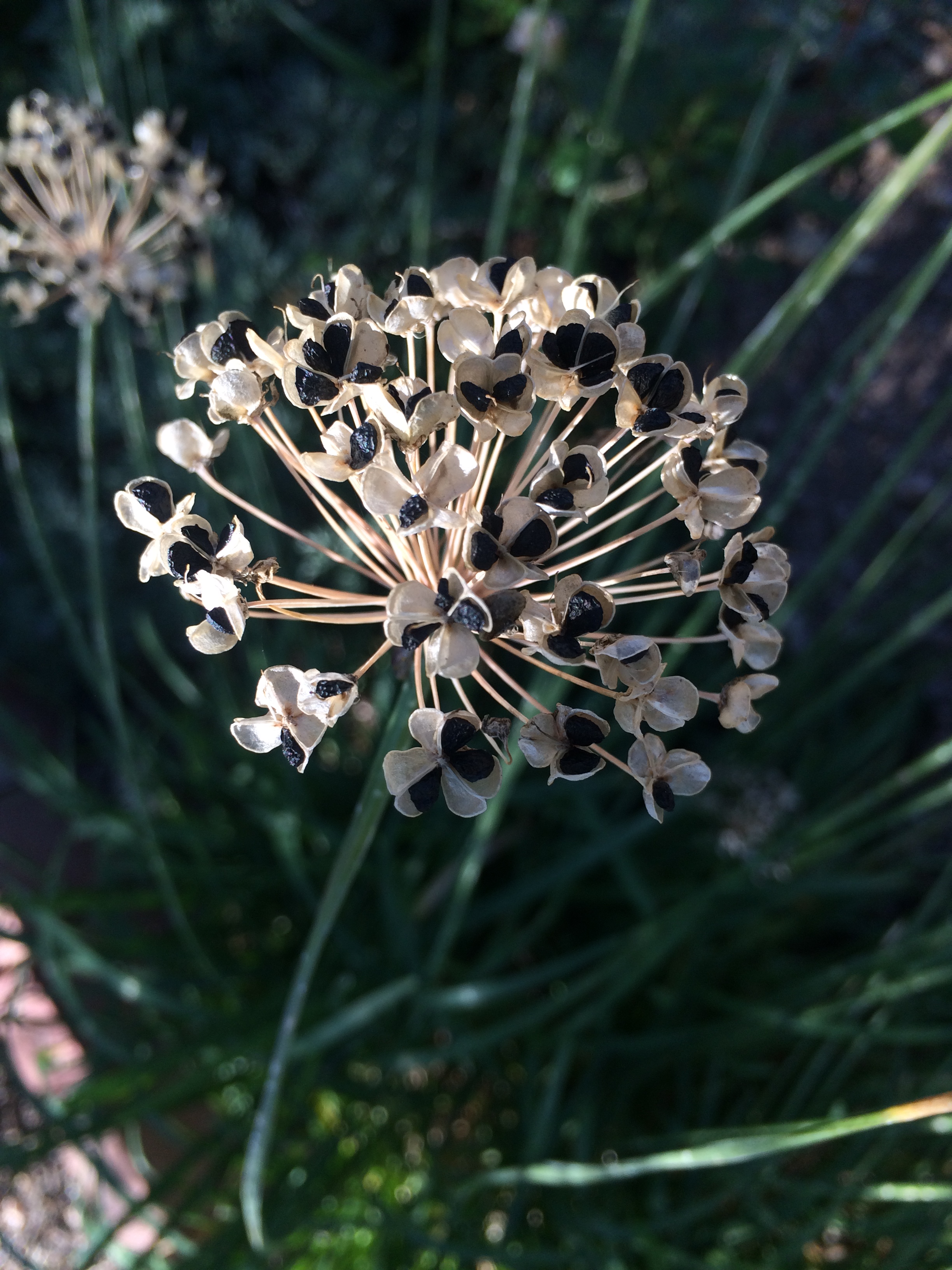
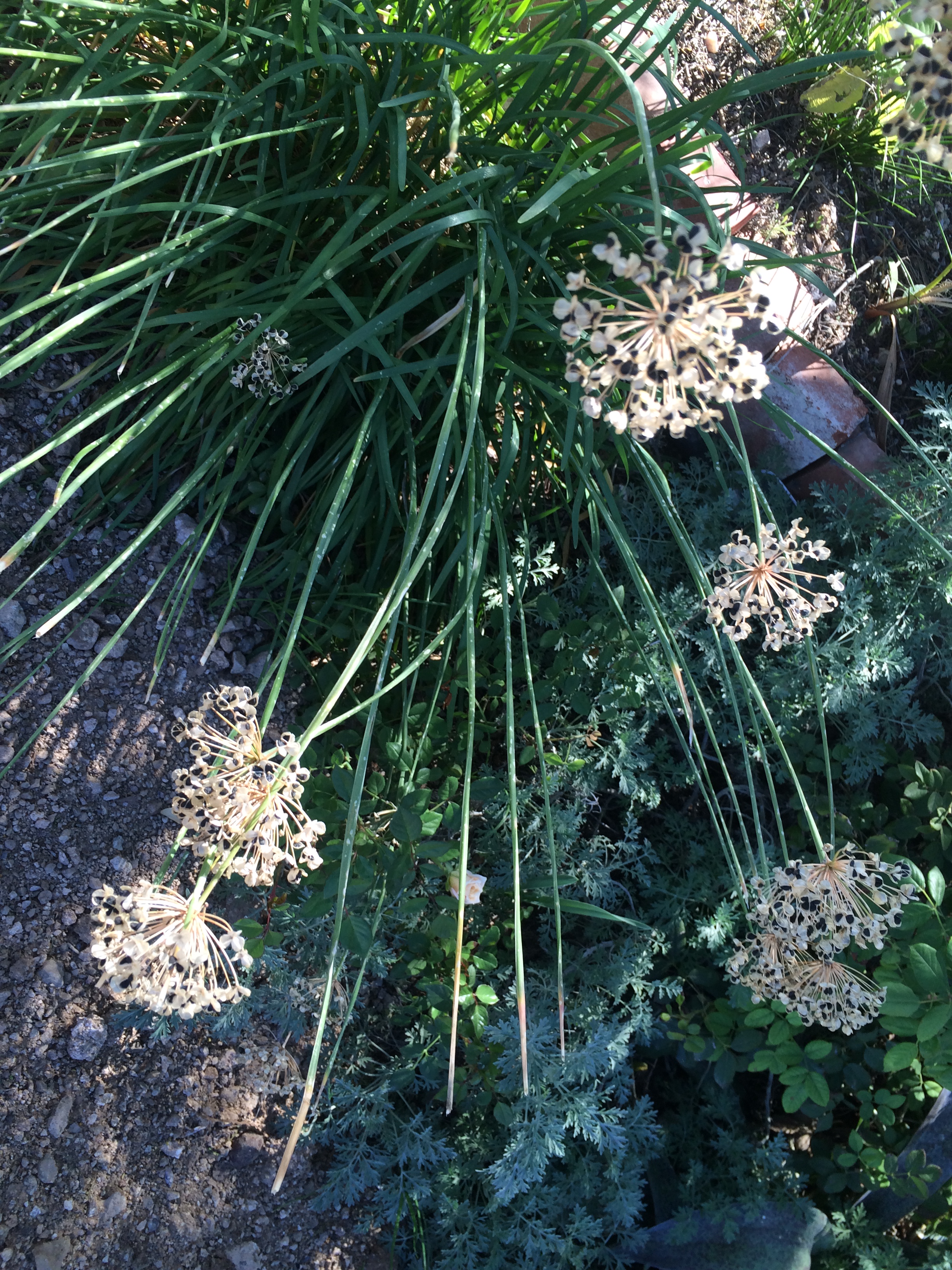
Blooms are white, followed by easy to harvest seed heads.

Originally from the Mongolian steppes, plants tolerate our alkaline soils and thrive in zones 10 to 4. Despite the tuberous name, the part you eat are the leaves. Harvest anytime to add raw or cooked to any dish where you desire a mild garlic flavor.

Allium tuberosum AMAP c_4761

Garlic chives are equally edible when vegetative, in bloom or in seed – quite unlike many other herbs.

Use garlic chive leaves how you would use scallions. We like them in stir-fry and omelets, or just a few to give zing to salad. They are also great in soup, even in simple soup made to hydrate and warm on a cool winter day.

Plant grow readily from seed, and can spread through the garden, appearing in watered areas. It is easily removed if it comes up where you don’t want it. If you are trying to eat only plants that are in season, these are always in season! Garlic chives great addition to the garden, even if you never plan to eat any.

Allium tuberosum AMAP IMG_4590

No matter what your garden style, garlic chives can fit right in.

JAS avatarIf you wish tips on gardening in the Southwest, please visit my facebook page Gardening With Soule.  If you live in Southeastern Arizona, please come to one of my lectures. Look for me at your local Pima County Library branch, Tumacacori (Fruits & Herbs of the Old Missions, 12:30, Thursday February 4th, 2016), Steam Pump Ranch, Tubac Presidio, Tucson Festival of Books and other venues. After each event I will be signing copies of my books, including the latest, “Southwest Fruit and Vegetable Gardening,” written for Arizona, Nevada and New Mexico (Cool Springs Press, $23).

© This article and these photos are copyright by Jacqueline A. Soule. All rights reserved. Republishing an entire blog post or article is prohibited without permission. I receive many requests to reprint my work. My policy is that you may use a short excerpt but you must give proper credit to the author, and must include a link back to the original post on our site. Photos may not be used.

Bat’s, “Seed-Dispersal” Clusters, and Taking Off by Letting Go

IMG_1225 (1)

“Seed Dispersal” Chocolate Clusters, are inspired by bat’s remarkable ability to drop seed where it is needed.

Aunt Linda here on this chilly early November day, writing to you from under a Tucson bridge. My feet are burrowed in the arroyos’ sand – which is dotted with bat guano. The smell of guano is thick and earthy. And while I am not in a cave, it smells like the inside of a cave from down here. The chattering and “chirping” from the bats above delights me. Bridges, it turns out, are comfortable roosting places for bats. The expansion joints offer 1 foot deep grooves for bats to roost. Habitat loss is a significant challenge that bats face, and while bridges were not constructed with bats in mind, it turns out that they are bat friendly places.

IMG_1152

Today we widen our scope beyond the Sonoran Desert and fly into the rainforests. Before we leave though, I’ll mention that bats are more closely related to primates (yes, humans included) than they are to rodents.They are the only mammals to achieve true flight. They are not flying mice; they do not glide like some squirrels. They fly. 

And they have been doing so for 50 million years.

One of many reason bats are considered a “keystone species” – meaning so essential to certain ecosystems that they would collapse without them – is that they are extremely effective “seed dispersers”.  As we know, huge areas of the planet’s rainforests are cleared every year. Regenerating these vast expanses of open areas, where once a forest thrived,  requires seed dispersal. Birds and many primates, fear crossing vast areas where there is little shelter from attacking flying predators, so they usually stick to trees, where they they defecate seeds directly beneath where they perch. In contrast, nocturnal fruit bats have no such concern. Covering large distances over large clearings every evening while they feed and forage, they also drop seeds in those wide expanses.  It turns out that many of those very seeds are from “pioneer plants”; those plants capable of growing in the hot/dry extreme conditions found in clearings. The growth of these plants invite other more delicate plants to grow and take root, they do this by the shelter they provide other plants, as well as by providing safe perching sites for birds and other primates, who are now too, dispersing more varieties os seeds.  I discovered that seeds dropped by bats usher in up to 95% of the first new growth within these clearings.

Bats have been reported to disperse seeds such as dates, figs, cashews (hence the recipe today) as well as MANY others.

RECIPE : Seed Dispersal Clusters

                                                                         Ingredients: 

  • 2, 3oz chocolate bars (or just a plane 6 oz) I used Lilly’s dark chocolate (coconut flavor) because I like the lack of sugar, but I have used the Trader Joe’s Jumbo bars for bigger batches, chocolate chips, … The Point: use whatever YOU Like. Dark, not dark ….
  • a handful of roasted salted (your preference of salted or not) cashews. I love the salt with the sweet.
  • 1-2  Figs – dried and unsulfured – slice
  • 4 dates (I used sun-dried and unsulfured) sliced
  • Optional: for the tops – 1 chiltepin per cluster, or a few pomegranate seeds. Or combine the two.

(And use what you have on hand.  I have used almonds, ginger, chia seeds, poppy seeds, sunflower seed, pepita (pumpkin)  seeds, dried cranberries … the bats might agree: sky is the limit)

                                                                             How To:

IMG_1238

In a double boiler (I used a pan inside a pan with boiling-roiling water), add the chocolate. As it melts you can begin adding the “seeds”.

IMG_1235

I chopped the figs and dates roughly because I like the unexpected texture; feel free to be as uniform as you would like.

Stir the cashews and dried fruit until coated with the chocolate.

Stir the cashews and dried fruit until coated with the chocolate.

Place dollops of the seed mixture onto wax or parchment paper - add chiltepin if you like the heat - or pomegranites if you like the sweet. Place in the freezer until chilled through. 10-15 minutes.

Place dollops of the seed mixture onto wax or parchment paper – add chiltepin if you like the heat – or pomegranates if you like the sweet. Place in the freezer until chilled through, about 10-15 minutes. Don’t freeze freeze them – you want them hard, but not so hard that you cannot bit into them.

When firm, delight in the flavors and taste! Put remaining, if there are any, in an air tight container and keep in the fridge.

When firm, try one; delight in the flavors and taste! Put remaining clusters, if there are any, in an air tight container and keep in the fridge. Eat soon and swiftly.

Letting Go

I discovered a bat fact that surprised me.  Unlike birds and bees and butterflies, very few bats actually “take off”, meaning they don’t push off of the ground or branch or flower in order to take flight.  Because most bats perch upside down, they simply let of the surface from which they are hanging, immediately flap their wings, and fly.

We know this one as well, don’t we. There are times when, having let go of something – (a way of perceiving, an idea no longer relevant,  an identity, a person) –  we have a sense of flight.  I know I have.  There is a sense of an inner lightness. And it can take us places.

—————————–

BATS!! I am ENCHANTED with them. There is so VERY much to admire about these flying mammals!  Stay tuned Bat Friendly Folk:  I will be returning to bats again in future posts. I hope to inspire the building of Bat Houses and the planting of Bat Gardens.  We’ll talk about all this before springtime so that you can  plan. Whether or not you want to build bat houses or plant bat gardens, you will definitely want to learn about making Guano Tea for the gardens you normally tend. Please feel free and write me with any comments and suggestions and experiences you have had with any of the above.

If luck permits, we may also explore the making of “bacanora”, which is a potent drink made from an agave species in Sonora.

The making of this product affects bats.

Stay tuned.

Cozy Chamomile


chamomile 3489847_1280Jacqueline Soule this week to discuss a pretty, plus pretty useful, herb to plant in your winter garden.  And, if you plant seedlings now, you should be able to harvest some within a month!  As cooler weather comes along, it is nice to curl up with a cup of chamomile tea – and here is how to have your own.

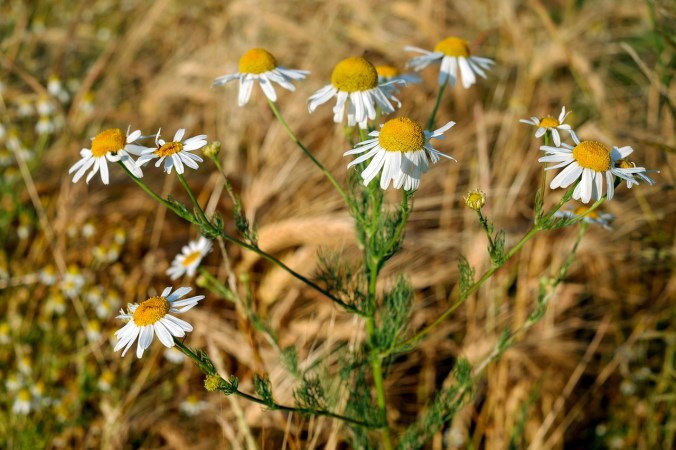
The herb known to most Americans as chamomile comes from two different species of plants. German chamomile comes from an annual plant (Matricaria rectita), while Roman chamomile comes from perennial plant (Chamaemelum nobile). They both have many of the same plant compounds in them, and work much the same way, the difference is in how you grow them. The French “chamomile” is a related plant (Achillea millefolium) but with different compounds and actions. In English, that last one is known as yarrow.

European people have used chamomile, in one form or another, to treat just about every sort of affliction, from hemorrhoids to hay fever, sleeplessness to sores, and tummy aches to tooth aches. In almost every case chamomile is used as a tea (infusion) to either drink or bathe tissues. For tooth ache folks used chamomile wrapped in muslin and placed on the afflicted tooth. Peter Rabbit’s mom gave him a cup of chamomile tea after his adventures, to soothe his stomach and calm his nerves.


herb_tea_JAS_001The flavinoid apigenin found in chamomile tea is thought to be responsible for its anti-inflammatory ability. Apogenin combined with another phytochemical called bisabolol are thought to work in concert to calm gastrointestinal spasms. Apogenin has been proven to bind to the same brain receptor sites that the drug Valium binds to, and are believed to exert a calming influence in much the same manner.

With recent scientific investigation, a number of uses have been validated. Chamomile is recommended by Commission E for the treatment of gastrointestinal tract inflammation, gastrointestinal spasm, irritations of the mucous membrane, skin injury or irritation, as a gargle or mouthwash to alleviate oral or pharyngeal inflammation, and to treat anxiety disorders. (Peter Rabbit’s mom was right on track!)

German chamomile can be grown very easily in the cooler months of winter, while the Roman chamomile is best planted in spring. Both need six to eight hours of sunlight per day. Like many herbs, they do best in well drained soil. Thus if you have caliche soils , consider growing them in pots with a cactus soil mix. The German chamomile will die in the heat, so replant some next year.

chamomile 774818_1280Harvest chamomile flowers and dry before use. This allows some of the more bitter tasting compounds to evaporate. The active ingredients are predominately in the oils and are not lost by drying.

Chamomile is green to grow in our area, even though it uses more water than native plants. It does reduce your carbon footprint by reducing the need to import chamomile. It can also help reduce your reliance on manufactured drugs. Headache? Take a cup of chamomile tea and lay down for a half hour rest. Far better for the environment than aspirin. Just remember that moderation is key in this and all herbs.

chamomile 2442331_1280

Note: the information in this article is for your reference, and is not intended to be used as a substitute for qualified medical attention.

JAS avatarIf you live in Southeastern Arizona, please come to one of my lectures. Look for me at your local Pima County Library branch, Steam Pump Ranch, Tumacacori, Tucson Festival of Books and other venues. After each event I will be signing copies of my books, including the latest, “Southwest Fruit and Vegetable Gardening,” written for Arizona, Nevada and New Mexico (Cool Springs Press, $23).
Text is copyright © 2015, Jacqueline A. Soule. All rights reserved. I receive many requests to reprint my work. My policy is that you may use a short excerpt but you must give proper credit to the author, and must include a link back to the original post on our site.

# # # # #

Taste Buds Ready to “Rejoice in Local”–at Mission Garden!

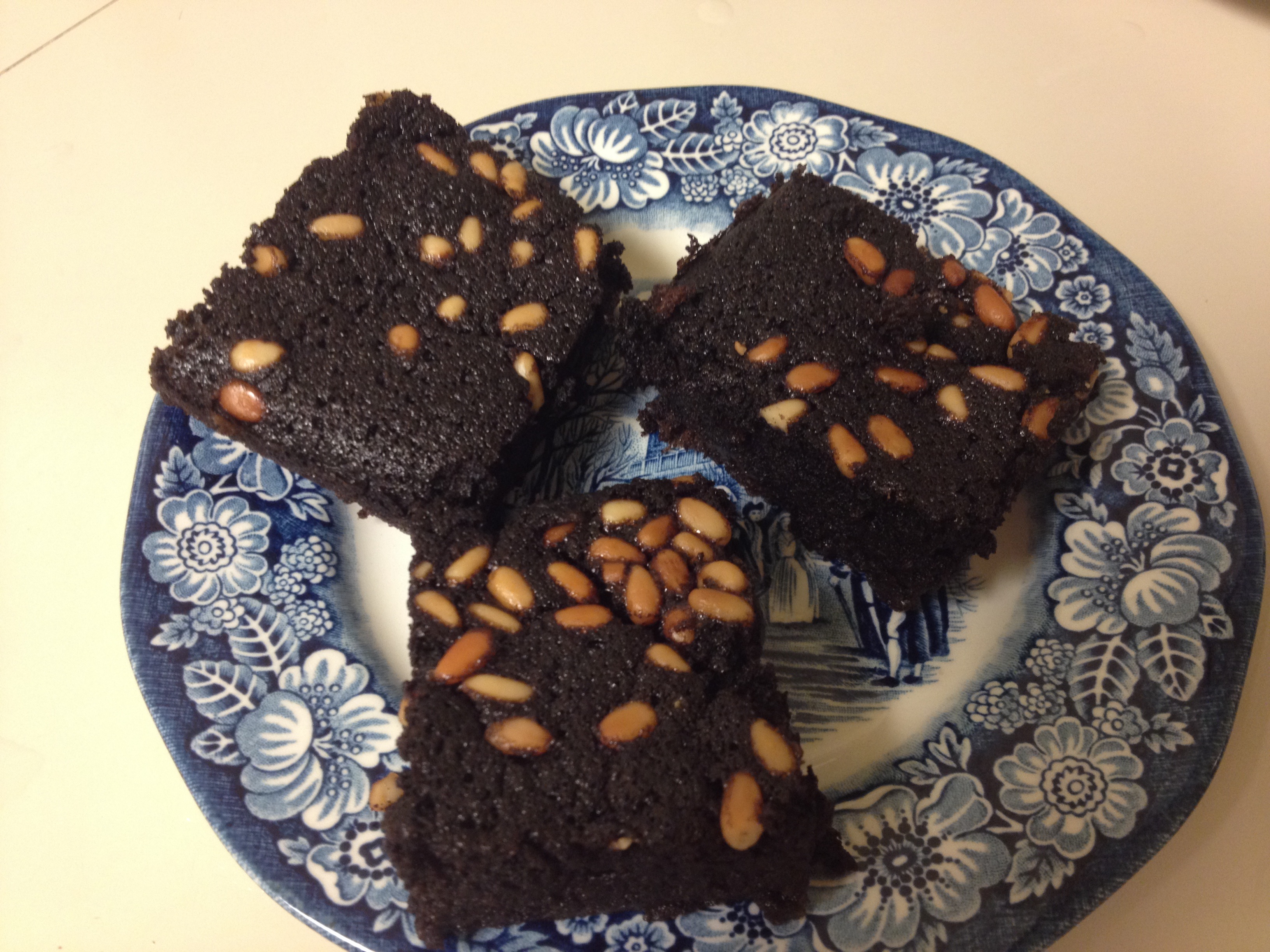
Gluten-free black tepary brownie-cockaigne for a desert dessert!

Yum!–Gluten-free Akimel O’odham Black Tepary Bean brownies with pinyones — a truly desert dessert served at the Farm-to-Table Picnic Feast at Mission Garden

Indeed, there is no doubt Tucson should be given the designation as an International City of Gastronomy!  Where else in the world could we enjoy a finer, more diverse, perfectly indigenous, more delectable and nutritious PICNIC-FEAST than here in Tucson?  Delicious dishes were the pieces de resistance by some of Tucson’s most renowned chefs for……the first-ever Farm-to-Table Picnic at Tucson’s Mission Garden.

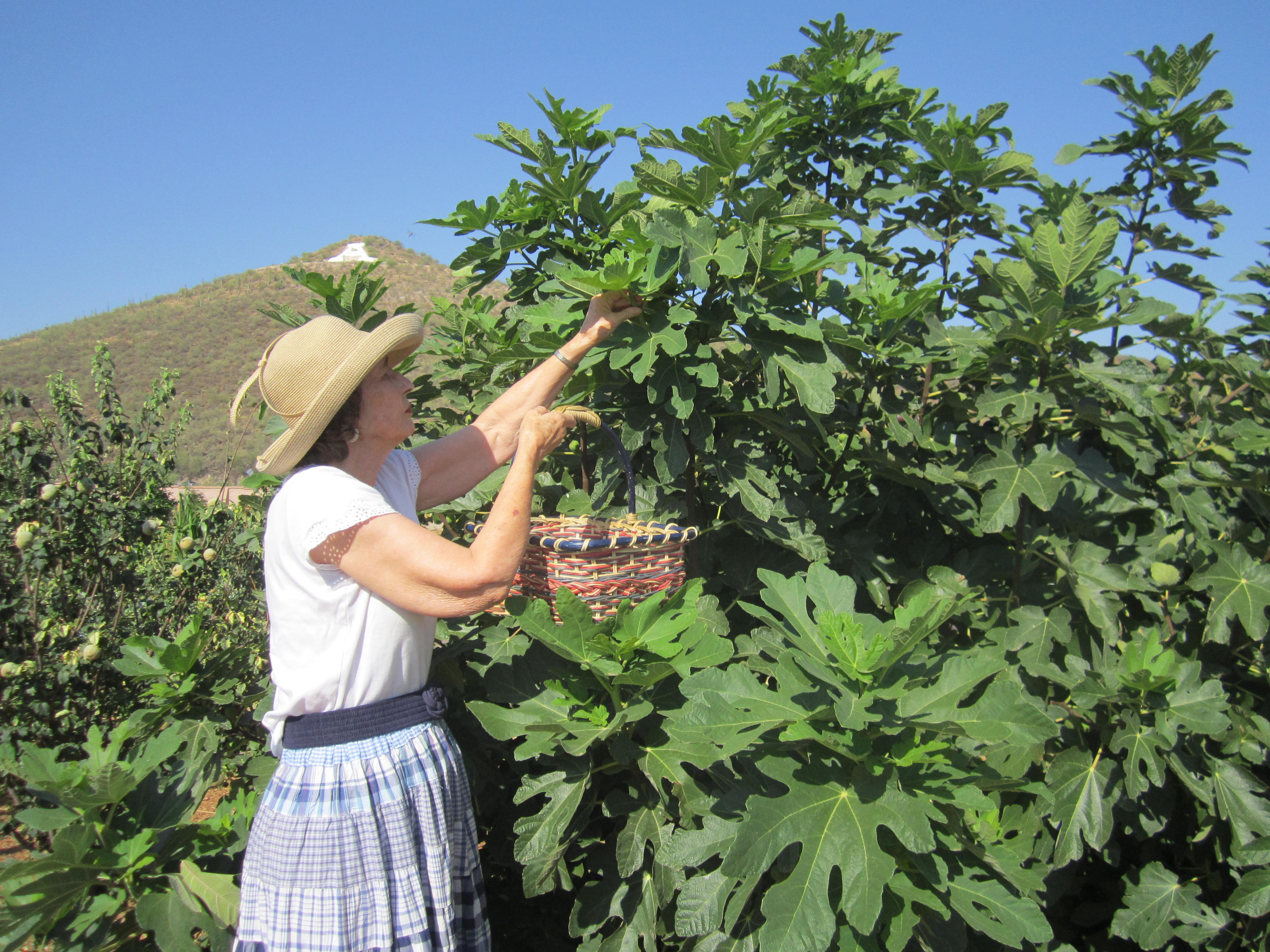
Picking heirloom figs at the Mission Garden for the Farm to Table Feast.

Native-foods cook and author Carolyn Niethammer picking heirloom figs at the Mission Garden for the Farm to Table Feast for her gone-to-heaven fig-bar postre.

At the base of our landmark A-Mountain–the very birthplace of Schuuck-shon–set in a scene of verdant orchard trees heavy with fruit, and heirloom vegetables bearing their colorful autumn harvest, we feasted this past Sunday, October 18, on the tried and true fruits of our desert land.    The community registered for this edible fundraiser via the two hosts of the Farm-to-Table Picnic Feast–our Tucson-born-and-bred organizations– Friends of Tucson’s Birthplace and NativeSeeds/SEARCH.   The cost of $75 covered a magnificent repast–not just a dainty little taste of hors d’oeuvres but a sumptuous serving of at least 7 gourmet entrees, plus a variety of hand-made desserts and some locally fermented beverages!  Either website can guide you to ways of supporting or volunteering for these worthy outfits–http://www.tucsonsbirthplace.org or http://www.nativeseeds.org.

At our special outdoor feast, we learned and appreciated where every single bite comes from!  Every ingredient was LOCAL–grown on our own Baja Arizona soil, bathed by our own Arizona sun, watered by our own Pleistocene aquifer, tended by our own neighbors’ hands not to mention those of Mission Garden and NSS volunteers and staff.

To recognize them from the source….the beautiful Native Tohono O’odham Ha:l squashes, grown at the NativeSeeds/SEARCH Conservation Farm, in combo with I’itoi’s Onions and other heirloom veggies, morphed into betacarotene-rich chile with Loew’s Ventana Canyon‘s Chef Ken Harvey’s magic.   Mission Garden’s heirloom pumpkins and greens transformed by Chef Doug Levy at Feast Tucson to a superb salad-supreme.

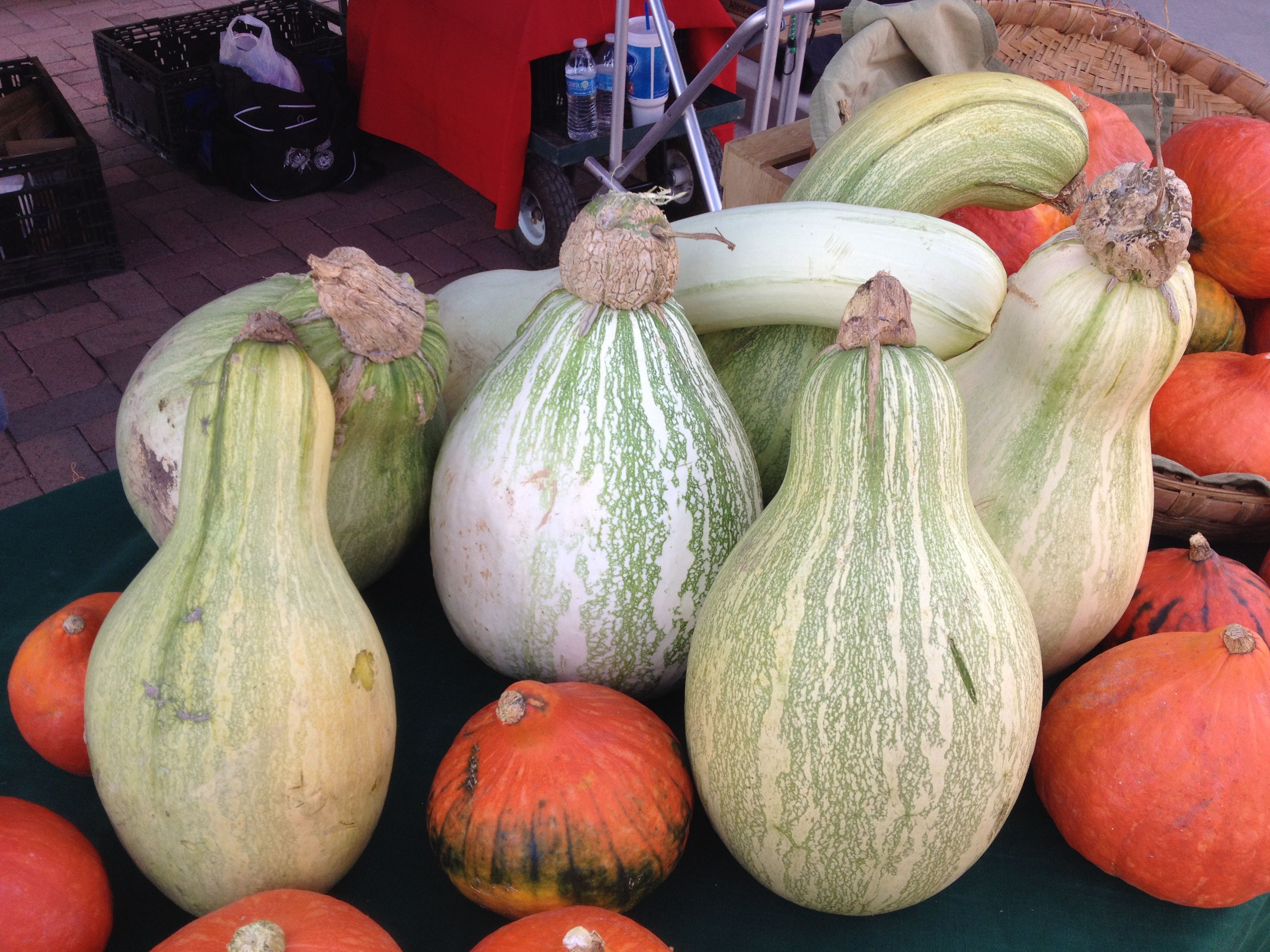
Traditional and delicious--Tohono O'odham Ha:l winter squash with magic inside--and curry pumpkins (MABphoto)

Traditional and delicious–Tohono O’odham Ha:l winter squash with magic inside of them–with curry pumpkins (MABphoto)

Akimel O’odham pearly black teparies from Pima farmer Ramona Button‘s fields  and locally-harvested cholla buds transformed with culinary sorcery by Chef Janos Wilder’s Downtown Kitchen into the most gourmet vegetarian delight.

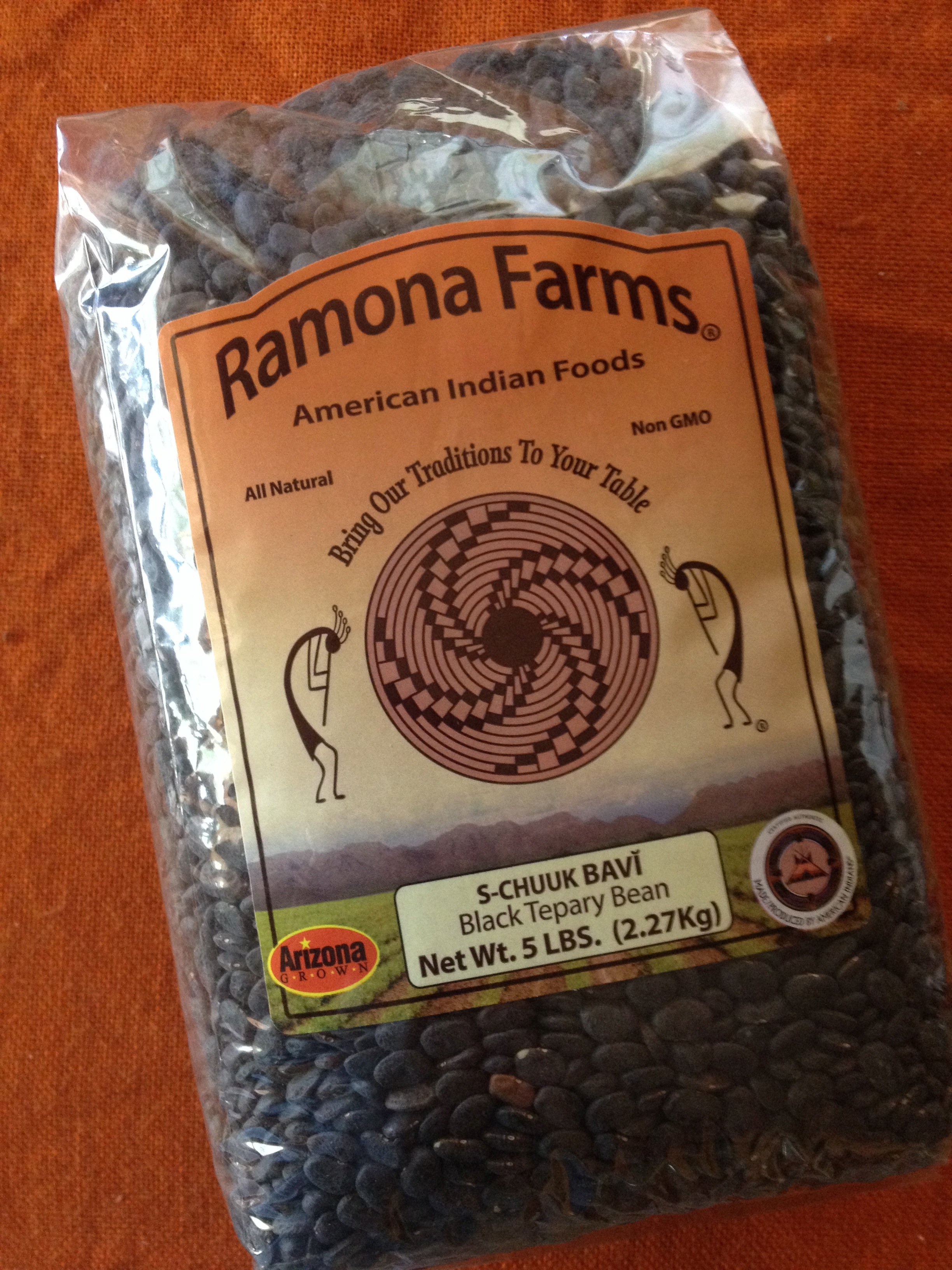
S-Chuuk Bavi from Ramona Farms

Padre Kino’s White Sonora Wheat from BKWFarms‘ organic fields became the most flavorful and delicately marinated wheat-berry salad by the hand of Chef Rebecca Ramey at Blue Willow Restaurant.  And speaking of transformation, BKWFarms’ organic white Sonora wheat, with the magic of friendly microbes at Dragoon Brewery, became a festive brew with an amazing back-story to delight all samplers.

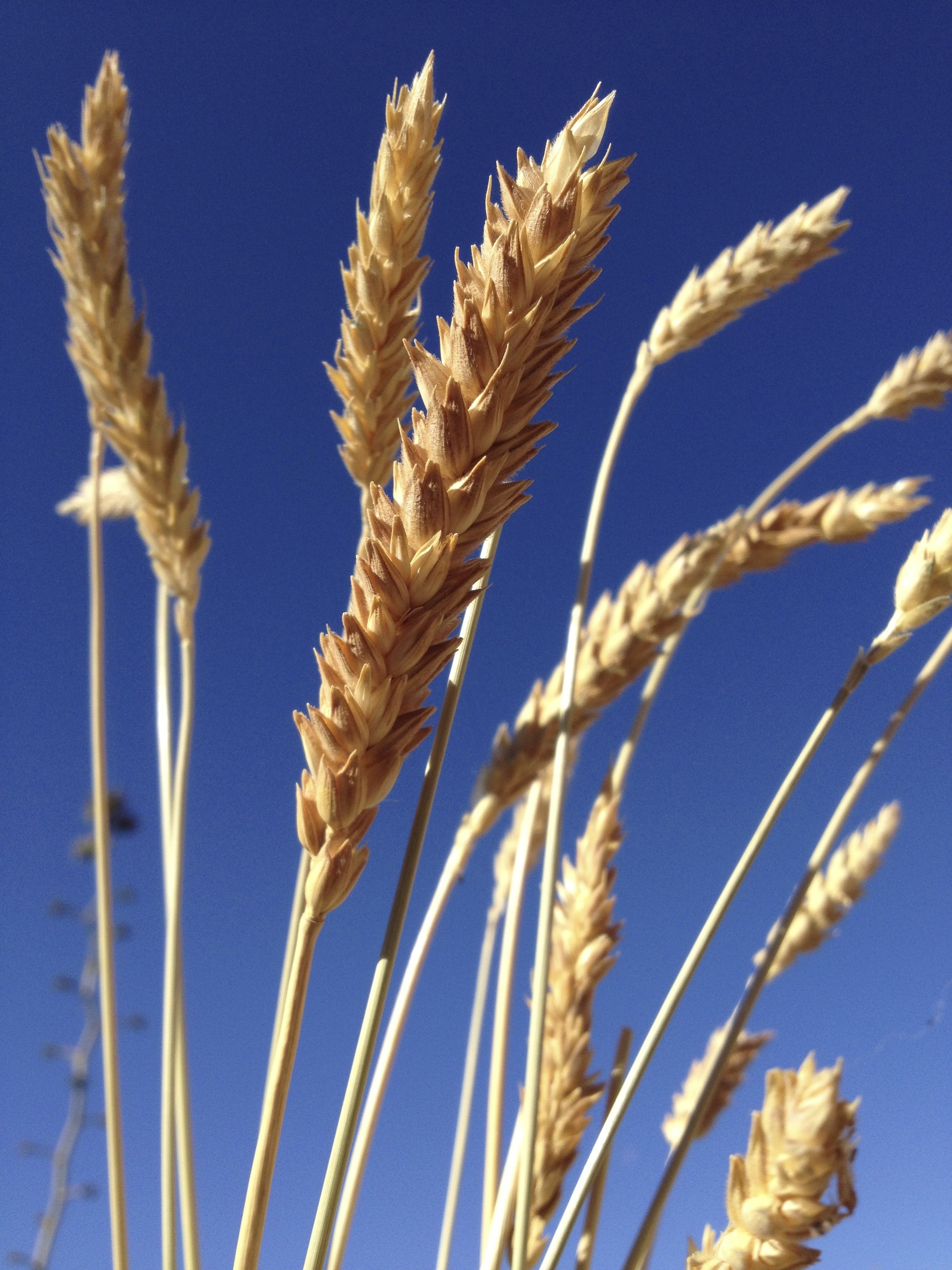
Ripened seed heads of organic heirloom Padre Kino White Sonora Wheat from BKWFarms in Marana (MABurgess photo)

Ripened seed heads of organic heirloom Padre Kino White Sonora Wheat from BKWFarms in Marana (MABurgess photo)


Farmer Frank’s Crooked Sky Farms‘ GMO-free fresh corn expressed itself in a fresh-from-the garden casserole by Proper’s Chef Kris Vrolijk.    Tohono O’odham traditional melon with other fresh corn and tomato, evolved into a gourmet gazpacho created by the Chef at Desert Diamond Casino, our major event sponsor.


Tia Marta here thanking ALL who came to the Table–the Farm-to-Table outdoor Picnic Feast at Mission Garden–to enjoy this enriching experience of Tucson’s traditional foods, cultivated with love in our own “desert terroir.”*  THANKS TO ALL our local–yet world-famous–culinary talent who prepared these sacred foods with care and dedication!  THANKS ALSO to the supporters and volunteers who made this event such a success!   Was it a sign of its significance at that moving moment culminating the feast when the heavens blessed us with a glorious sunset?

The public is invited to visit the ever-changing setting of this feast–the very garden and orchard where many of the heirloom foods are still hanging on fruit-tree boughs or ripening on the vine.  The Mission Garden is open for tours every Saturday with knowledgeable guides to take you through this special desert oasis–a living agricultural history museum.  (For info see http://www.tucsonsbirthplace.org).

For your own table, you too can source the heirloom foods served at the Picnic Feast, at the NativeSeeds/SEARCH Store, 3061 N Campbell, Tucson, http://www.nativeseeds.org, or at the Flor de Mayo booth (online at http://www.flordemayoarts.com) and other farm booths at Sunday’s St Philips Farmers’ Market (www.foodinroot.com).

Native Black Tepary Beans from Flor de Mayo at St Philips farmers market Sundays

Native Black Tepary Beans from Flor de Mayo at St Philips farmers market Sundays

Join NativeSeeds/SEARCH as a member and stay in touch with seed-savers, gardeners, and cooks as we keep these desert-adapted foods alive and well into an unknown future.

Yours truly, Tia Marta, have also honored these heirloom foods artistically by documenting them from my garden in their harvest splendor as watercolor images.  I invite you to view them firsthand at two upcoming OPEN STUDIO eventsART TRAILS on Saturday, Oct 24, and the TPAC OPEN STUDIO weekend Nov.14-15 at Carolyn Leigh Studio.  Search by my studio name, Flor de Mayo Studio, or by artist’s name, Martha Ames Burgess, at  http://www.ArtTrails.org , and at http://www.tucsonpimaopenstudiotour.org  for directions, and do come by for a visit.  You can also check out some of my Southwest Native heirloom food images on my website gallery http://www.flordemayoarts.com — enjoy!

NativeSeeds/SEARCH heirloom Navajo Cushaw Squash watercolor by artist Martha Ames Burgess

NativeSeeds/SEARCH heirloom Navajo Cushaw watercolor by artist Martha Ames Burgess


What will Tucson's top chefs cook for the Heritage Picnic?

Tucson’s top chefs cook for the Farm-to-Table Heritage Foods Picnic Feast


*Desert Terroir,  by renowned author and co-founder of NativeSeeds/SEARCH, available at the NSS store, is a great read about the deep significance of LOCAL.  We can “internalize” his messages by shopping at farmers’ markets,  growing our own, and honoring long-successful desert traditions, seeds, and foods.

Black Teparies Make a Come-Back!

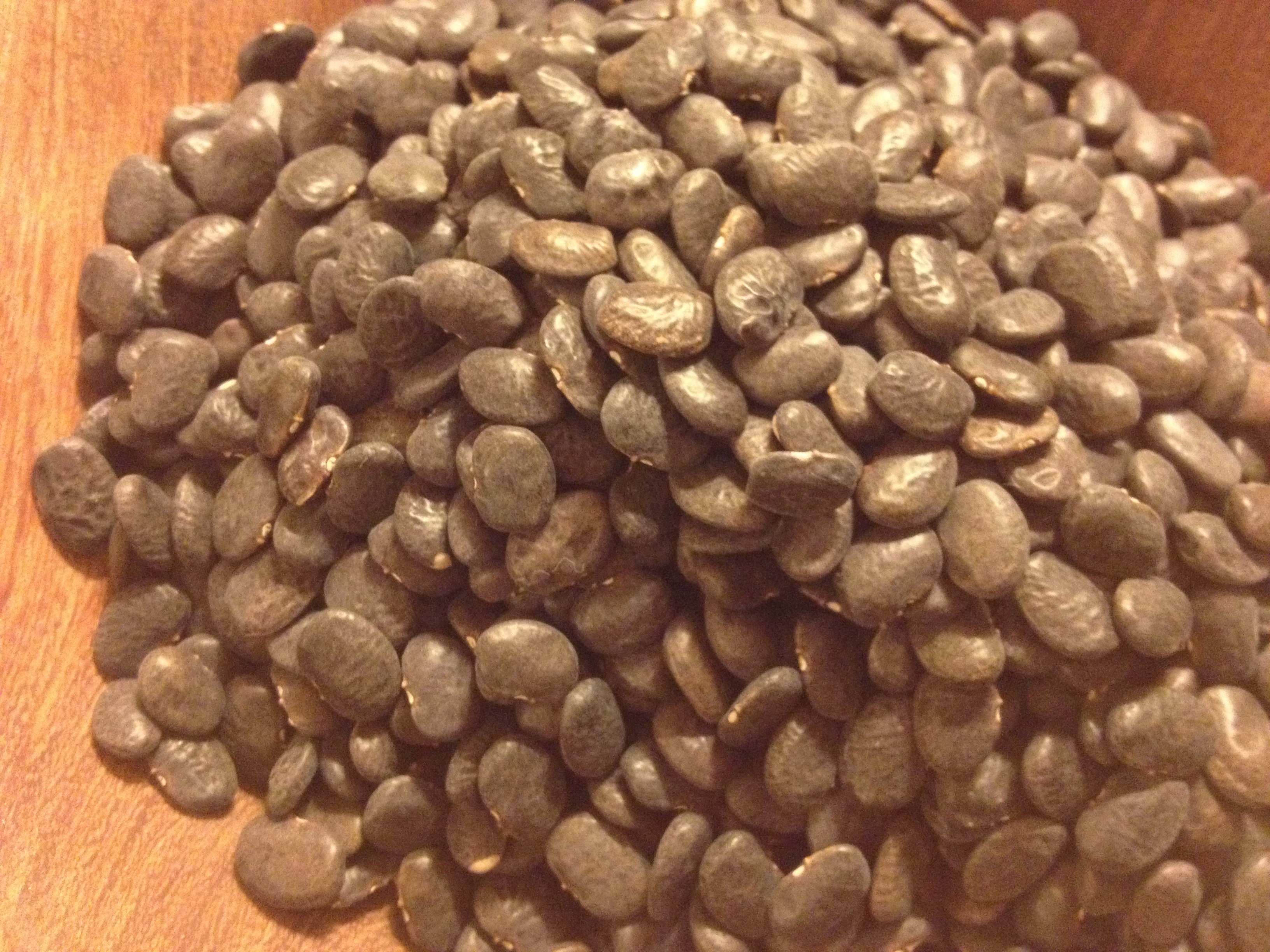
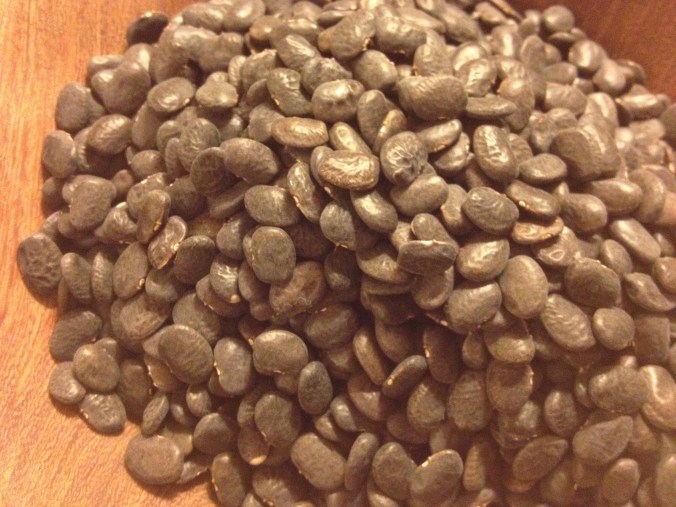
Rich black teary beans dried, ready to hydrate for cooking

Rich black tepary beans dried, ready to hydrate for cooking

In some light they are a dull charcoal difficult to spot if the pods shatter onto the ground. Sometimes they appear shiny black or opalescent. Somehow black teparies appear to have an antiquity about them–mysteriously harking back to a time rich in prehistory. Tia Marta here to tell you a little about the black tepary bean’s odyssey back into cultivation and into the cooking pots of Southwesterners once again.
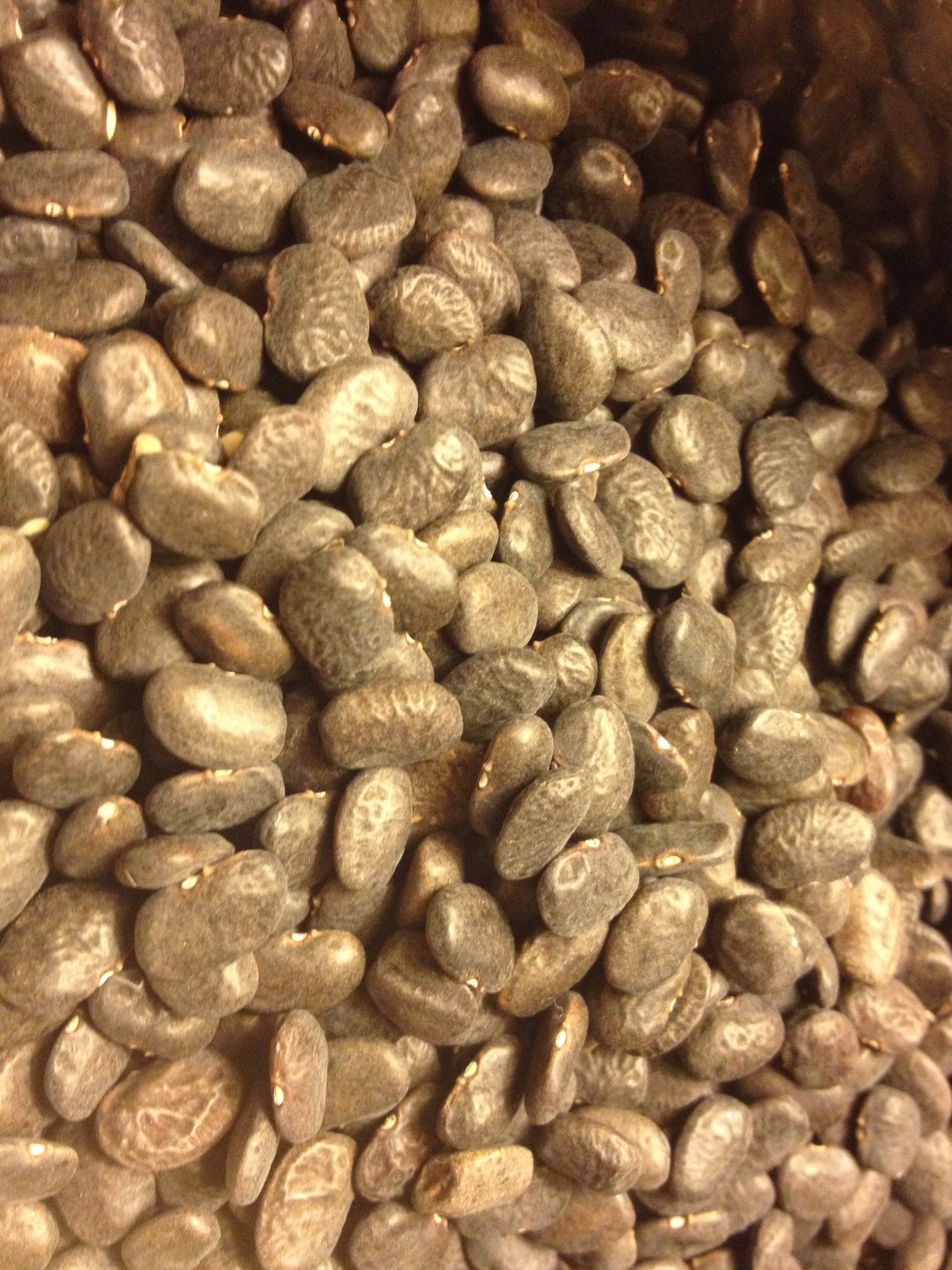
Shiny black teparies close up

Shiny black teparies close up

Back in 1912, before WWI and the rapid plunge the “remote” Southwest unavoidably took into East-Coast food fads, there was a crop survey done of the many types of tepary beans being grown and used by different Native American families and communities throughout the Borderlands. The diversity at that time was astounding—some 40+ different colors, forms, sizes, speckles, of tepary beans were reported. Within about a decade there remained only a couple of dominant tepary colors—“red” (an orangy-brown) and white. [For more history, check out Volume 5, No.1 of Desert Plants Journal published by the University of Arizona CALS. Specifically this issue is devoted to tepary beans, and includes an article by yours truly.]

The neat thing about cultivars that are still genetically close to their wild ancestors is that they still contain a diversity of genes that can “pop out” occasionally as visibly different seeds. In the case of the teparies, every so often in a harvest of white teparies, for example, there may turn up a few coral pink, or blue speckled, or even black beans. At the University of Arizona’s Maricopa Experimental Farm, an amazing crop researcher, Mike Sheedy, was, for several years growing teparies to isolate some of these genetic “sports”. He used assistance from his kids (In farming, child labor rules just can’t apply) to help pick out the odd-ball seeds from hundreds of pounds of harvested teparies. Over the years, he grew the separated colors in isolation from each other to preserve color purity. Before research funds ran out he had “re-created” an ancient lineage of black teparies—i.e. he has assisted the ancient genes to come again to the fore, to bring the “invisible” genotype back into the “visible” phenotypes. At termination of his research project he generously donated the black tepary collection to the traditional Pima farming family of Ramona and Terry Button.
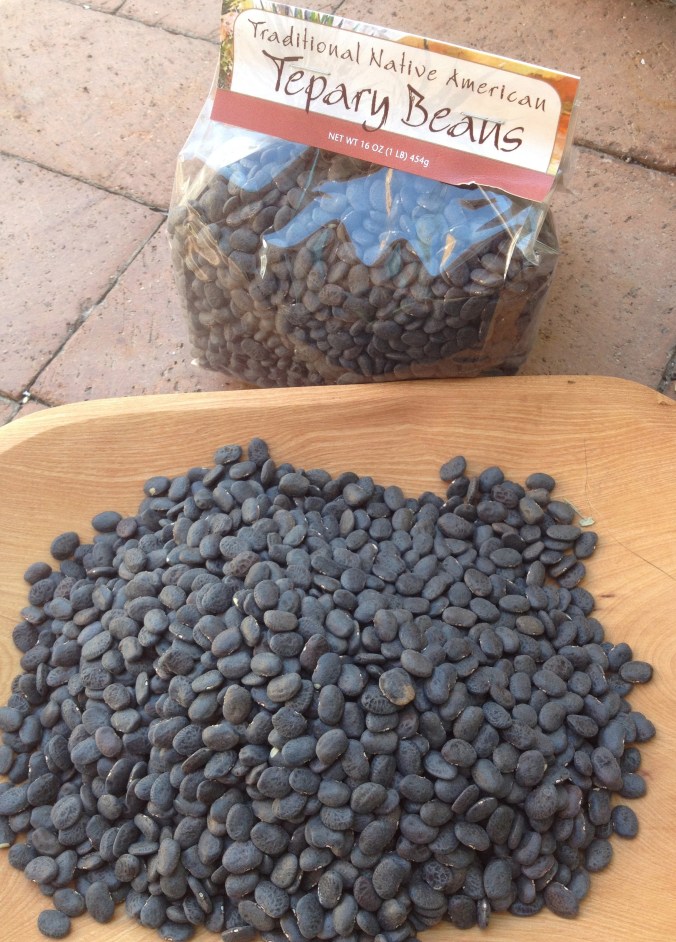
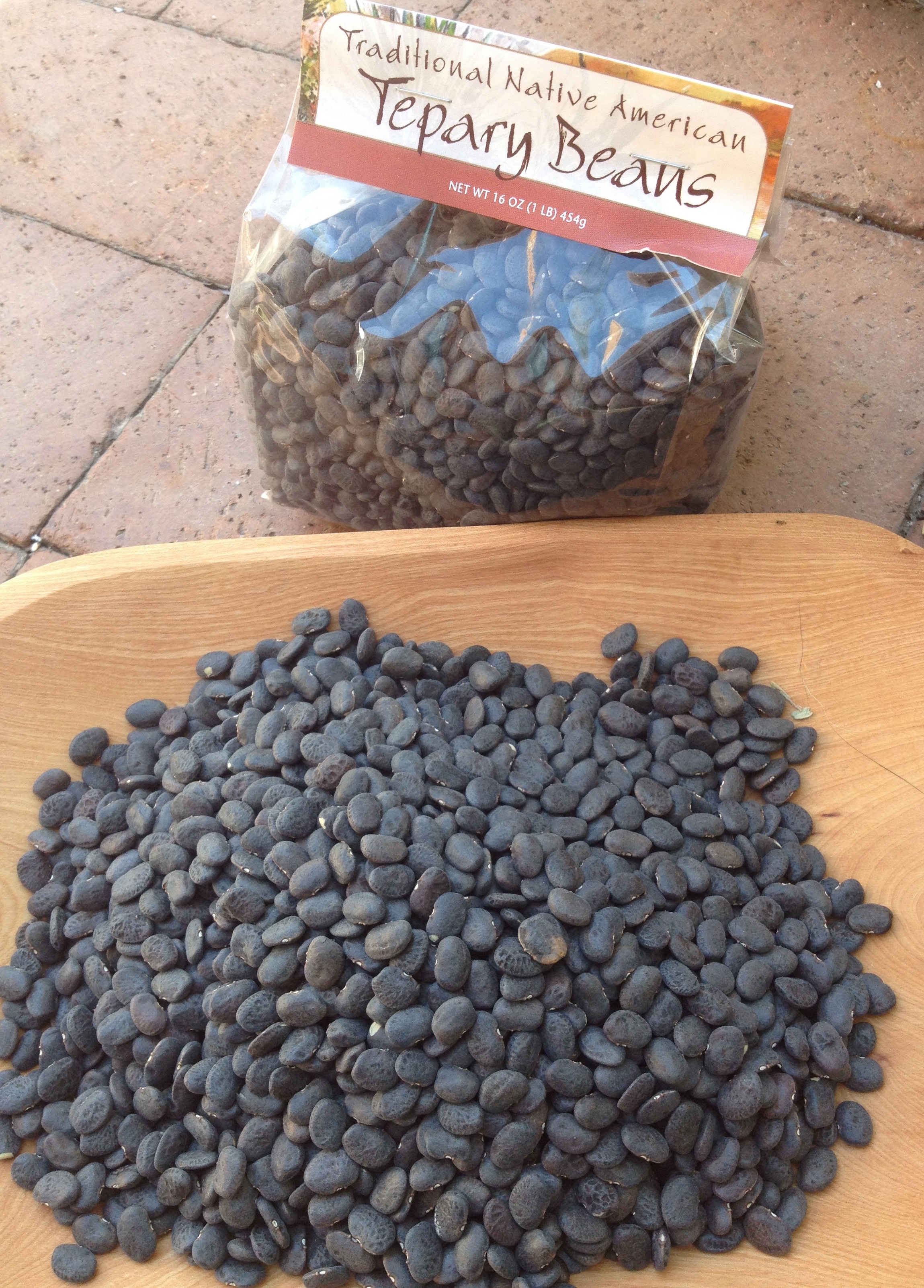
Native Black Tepary Beans & Flor de Mayo 1-lb pkg

Native Black Tepary Beans & Flor de Mayo 1-lb pkg

Now—tah-dah!—at last black teparies are in agricultural production on ancestral lands! The public can purchase these little food gems of antiquity now at the NativeSeeds/SEARCH store (3061 N Campbell Ave, Tucson) www.nativeseeds.org , at the Flor de Mayo booth at Sunday St Philips Farmers Market www.flordemayoarts.com , or online via www.ramonafarms.com.
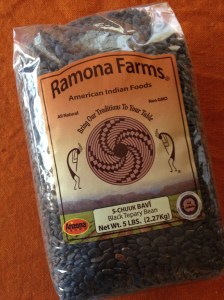
S-Chuuk Bavi from Ramona Farms

Black teparies are very different in taste from the red or white teparies—although all teparies are much richer than their more distant cousins like the common bean, lima or black-eye pea. Black tepary, schkug ba:wĭ of the Tohono and Akimel O’odham, is the deepest, nuttiest of all, with an earthy bouquet and a slightly bitter after-note reminiscent of coffee. Well, you will just have to try your own taste buds on them!

The public will have an exciting opportunity to taste black teparies prepared by none other than our beloved Tucson Chef Janos Wilder (of Downtown Kitchen fame) at the upcoming Farm to Table Picnic feast at Mission Garden, Sunday afternoon, October 18, 4-6:30pm. Janos is not letting on what his special black tepary recipe will be, but we can be sure it’ll be sensational. [The picnic is by pre-registration only so buy your tickets soon! Online purchase is via the Friends of Tucson’s Birthplace site www.tucsonsbirthplace.org.]
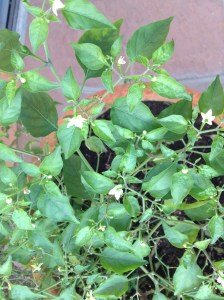
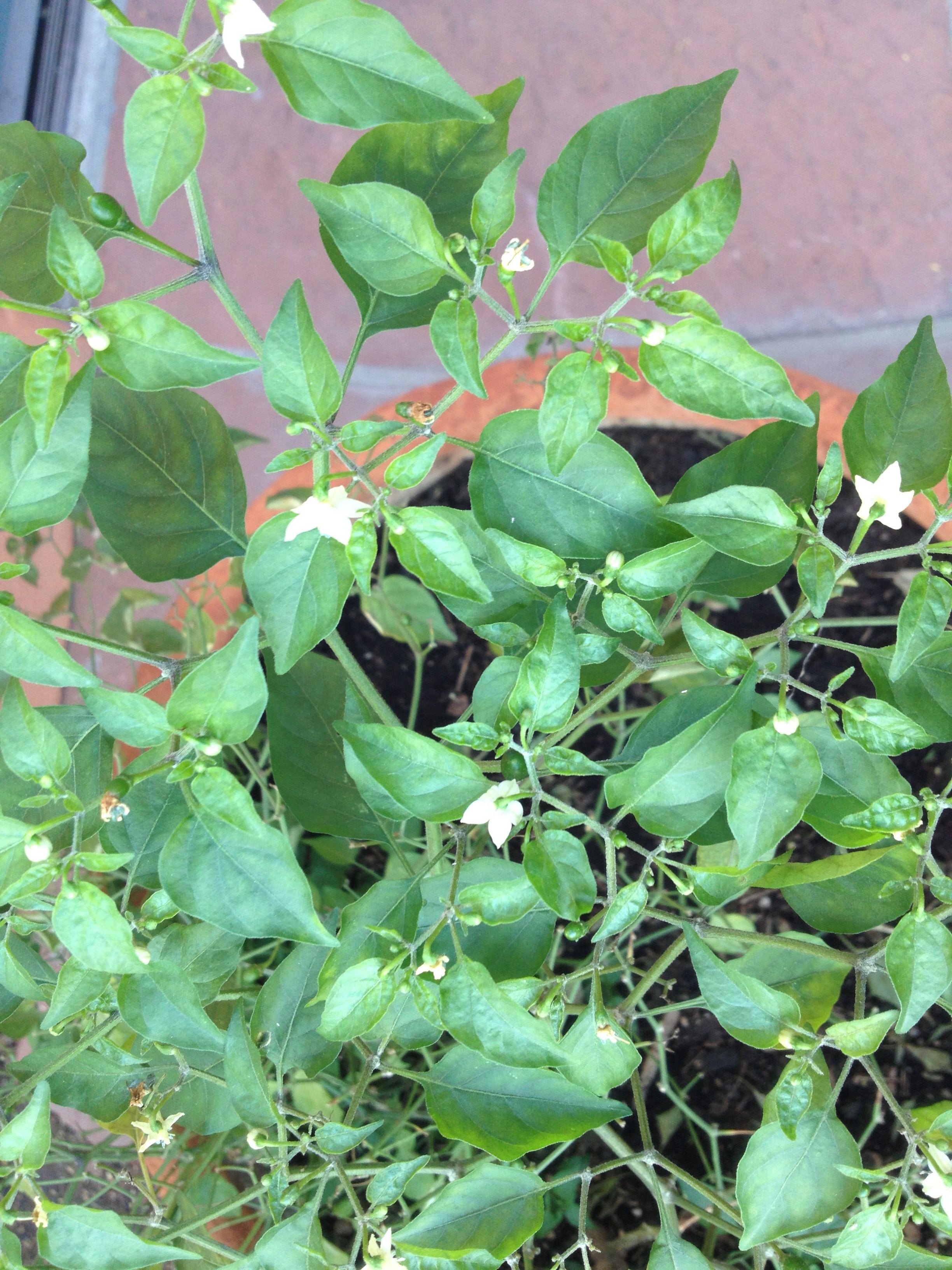
Potted blooming chiltepin plant for edible landscaping

Potted blooming chiltepin plant for edible landscaping

All of the heirloom foods served at the Farm to Table Picnic are being grown (even as I write) locally in Baja Arizona, either at the NativeSeeds/SEARCH Conservation Farm in Patagonia, or at the Mission Garden itself, or by sponsoring farmers and ranchers such as BKWFarmsInc, the 47-Ranch, and Ramona Farms. Some of Tucson’s best chefs are donating their skill and time to prepare different dishes for us. It will be a great opportunity to put the fun in fundraising for two worthy local non-profits, to share the delicious tastes of our heirloom foods of the Borderlands, and to share community joy in what we are able to produce together locally.

For adventuresome cooks, dessert addicts, and chocoholics, I would like to share two variations on brownies made with—yes, you guessed it—black tepary beans! You will not believe how yummy these are.
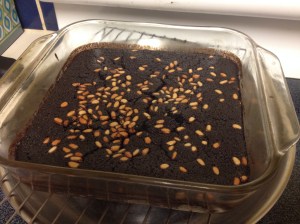
Gluten-free Black Tepary Brownie-Cockaigne on cooling rack

Gluten-free Black Tepary Brownie-Cockaigne on cooling rack


First, cooking black teparies (as with all teparies) takes some time—and premeditation.  The day before you want to use them, sort, wash, and pre-soak your black teparies. I hit them with a quick boil and let them sit overnight to hydrate slowly. Change the water the next day, adding fresh drinking water. Simmer until soft (it may take 2-3 hours on stovetop or 4-6 in crockpot). You want them beyond al dente in order to puree them in a blender or CuisinArt for the following recipes.


Muff’s Gluten-free Black Tepary Bean Brownies-Cockaigne

Ingredients:

1 cup cooked and pureed black tepary beans

1 stick butter= ¼ lb= ½ cup butter

5 Tbsp dark 100% cocoa powder, unsweetened (1 oz.)

¼ tsp sea salt

1 cup organic cane sugar

1 cup loose organic brown sugar

1 tsp vanilla extract

4 eggs well-beaten

¼- ½ cup nutmeats (I use pinyon nuts to keep the Southwest theme)

Directions for Muff’s Gluten-free Black Tepary Brownie-Cockaigne:

Preheat oven to 350 degrees F. Grease an 8×8” baking dish and place a wax paper cut to fit the bottom of pan. Melt butter (preferably in top of double boiler). Stir in thoroughly 5 Tbsp dark unsweetened cocoa powder. Let the mixture cool. Add sugars and sea salt to mixture and beat until creamy. Add vanilla. Beat 4 eggs and add to mixture stirring until uniform in color. Add 1 cup pureed black teparies and hand-mix. Pour batter into greased bake pan. Sprinkle top of batter with pinyones or other nutmeats. Bake 45-50 minutes until it tests done with toothpick.   Cool pan on a rack. Cut in small squares to serve because it is so rich and moist. Enjoy their delicious flavors AND the healthy qualities of high protein/high complex carb teparies, protein-rich eggs, and the benefits of dark chocolate!
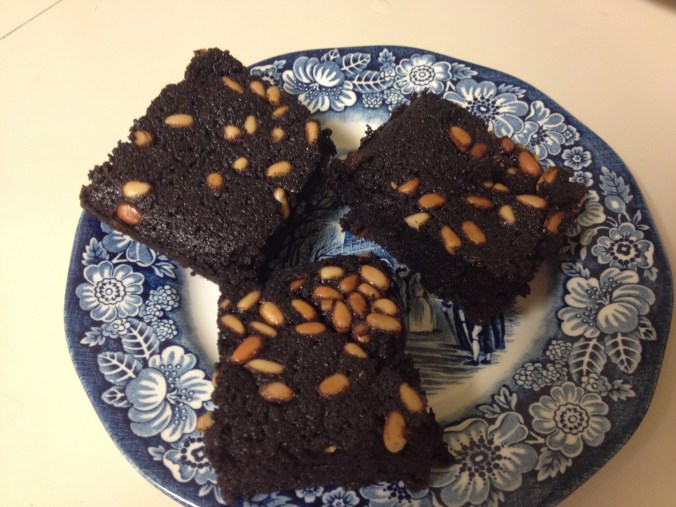
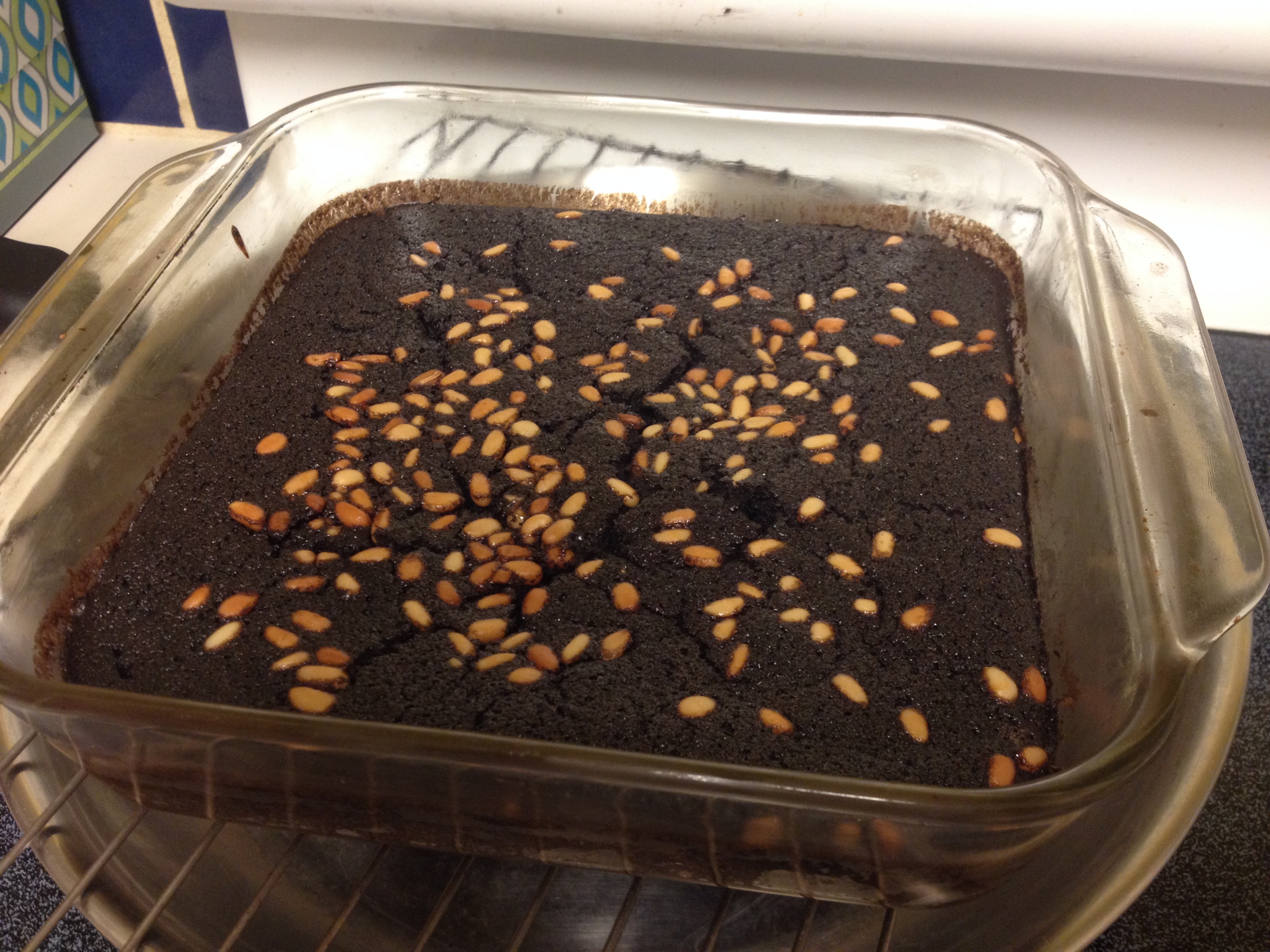
Gluten-free black tepary brownie-cockaigne ready to eat

Gluten-free Black Tepary Brownie-Cockaigne ready to eat–wheat-free, light, nutritious and delicious!

My next black tepary brownie recipe was first inspired by food-writer and “Blog-sister” Carolyn Niethammer’s recipe found in her book Cooking the Wild Southwest (p.133)–a must-have in every SW cook’s kitchen shelf. Here I’ve made some interesting gastronomic additions…including the use of our fantastic local heirloom White Sonora Wheat flour, crushed wild chiltepines, and Mano y Metate’s fresh-ground Mole Dulce powder produced by our local Molera herself, Amy Valdes Schwemm.


“Hot-Dam”* Black Tepary Brownie Bars [*in the best sense of the expression]

Ingredients:

5 Tbsp unsweetened 100% cocoa powder

½ stick (1/4 cup) melted butter

¾ cup organic cane sugar

¾ cup org brown sugar, not-packed

2 eggs, beaten

2 tsp vanilla extract

¾ cup pureed cooked black teparies

¾ cup organic heirloom White Sonora Wheat flour**

3 or 4+ crushed wild chiltepin peppers*** (number depends on your desired picante level)

¼ tsp sea salt

1-2 Tbsp Mano y Metate ground Mole Dulce powder

2 Tbsp raw pinyon nutmeats
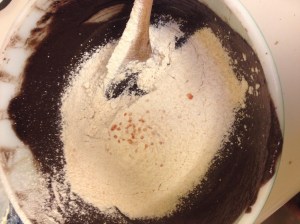
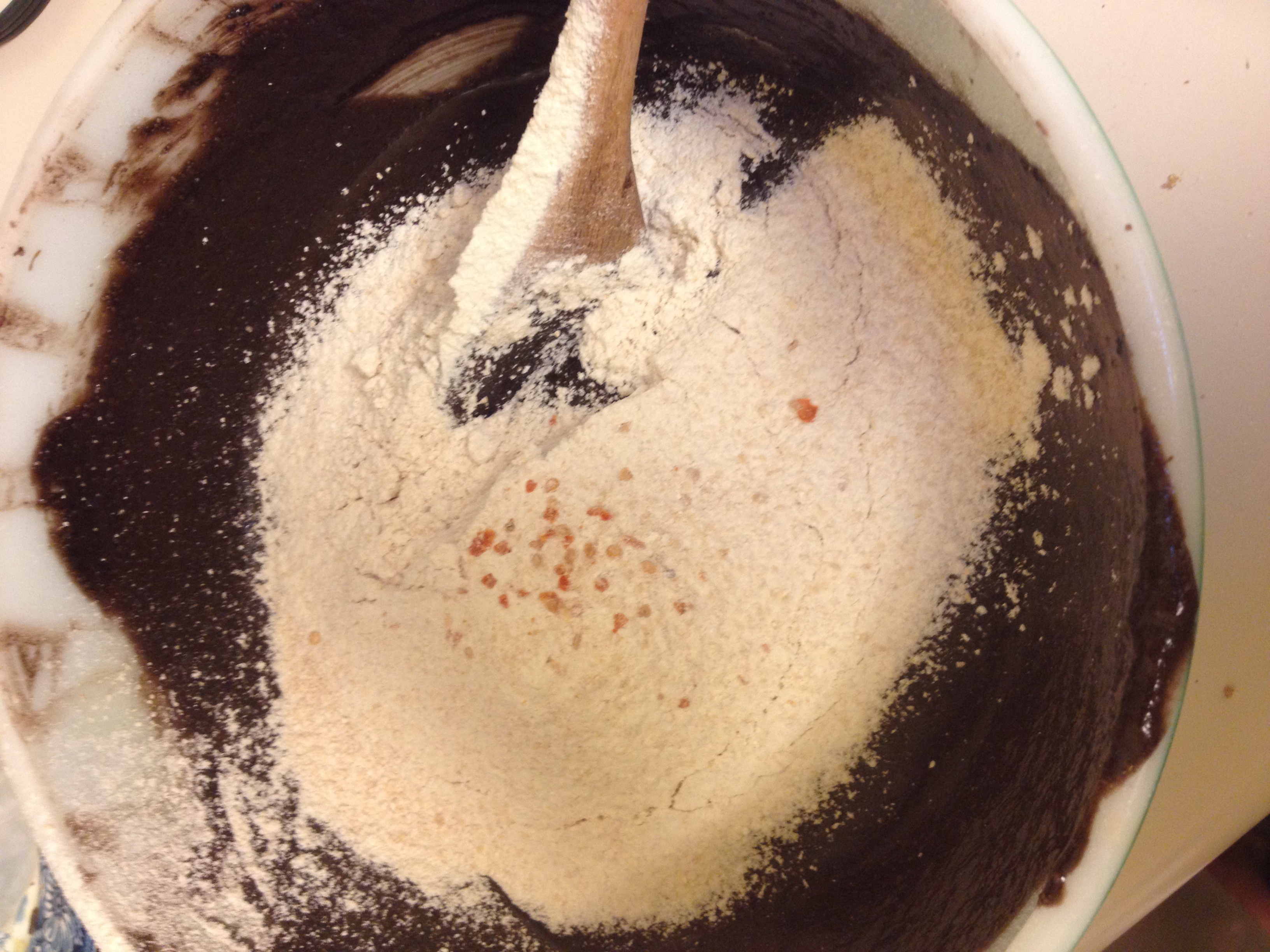
Adding White Sonora Wheat flour and crushed chiltepin to molten chocolate mixture

Adding White Sonora Wheat flour and crushed chiltepin to molten chocolate mixture

** Freshly milled White Sonora Wheat is available at our Flor de Mayo booth, Sunday’s St Philips farmers market (www.foodinroot.com). Call ahead for quantities larger than 1 kilo—520-907-9471.

***whole wild-harvested Chiltepines are available at the NSS Store, 3061 N Campbell, and at Flor de Mayo booth, Sunday St Philips farmers mkt. Chiltepin plants to grow can be purchased at NSS plant sales.
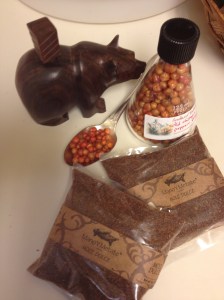
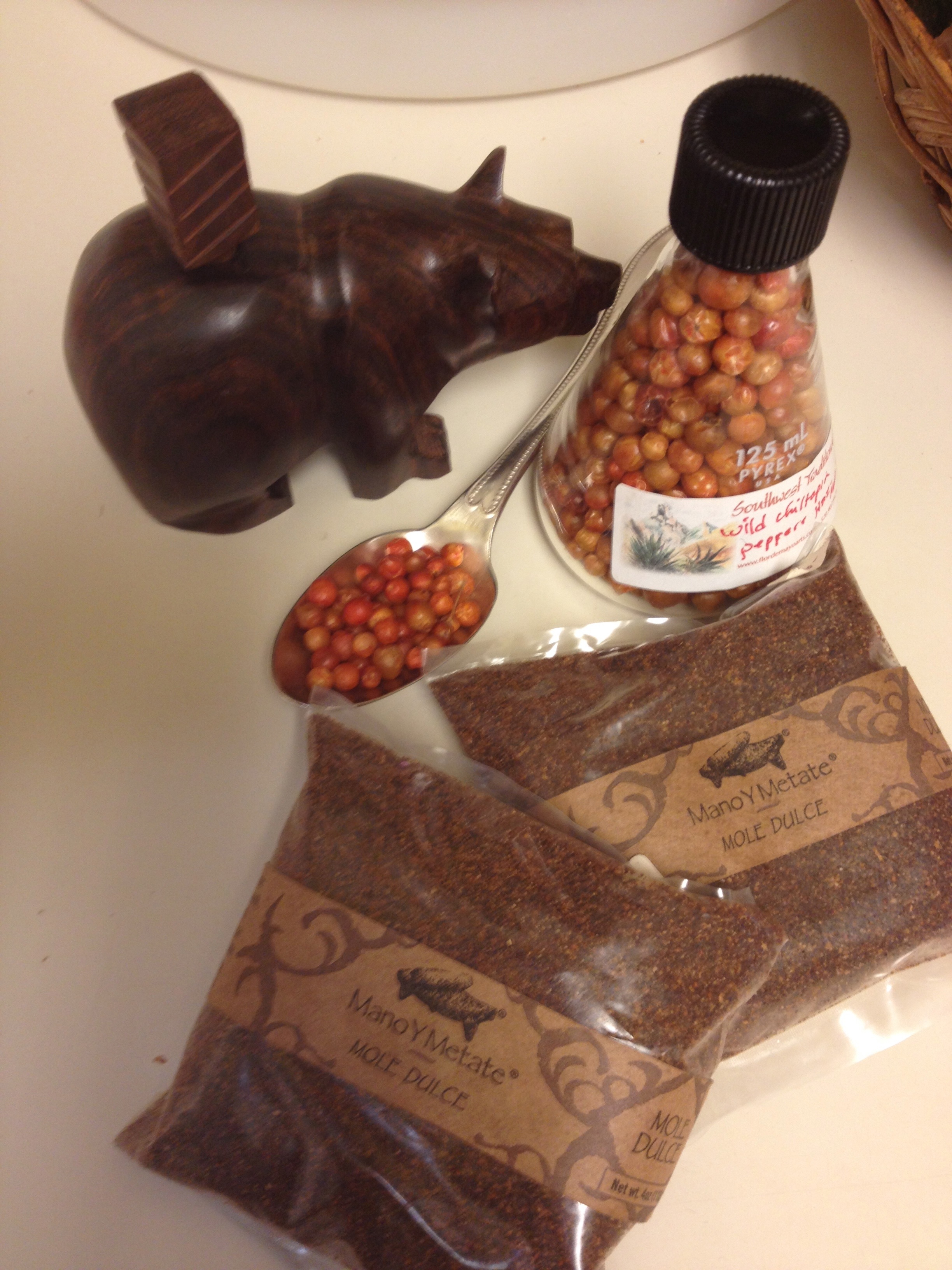
Flavors to guild the lily--Wild chiltepin peppers, ironwood bear molinillo grinder, and Mole Dulce powder

Flavors to guild the lily–Wild chiltepin peppers, ironwood bear molinillo chiltepin grinder, and Mole Dulce powder (all available at NSS store and Flor de Mayo at St Philips farmers market)


Directions for “Hot-dam” Black Tepary Brownie Bars:

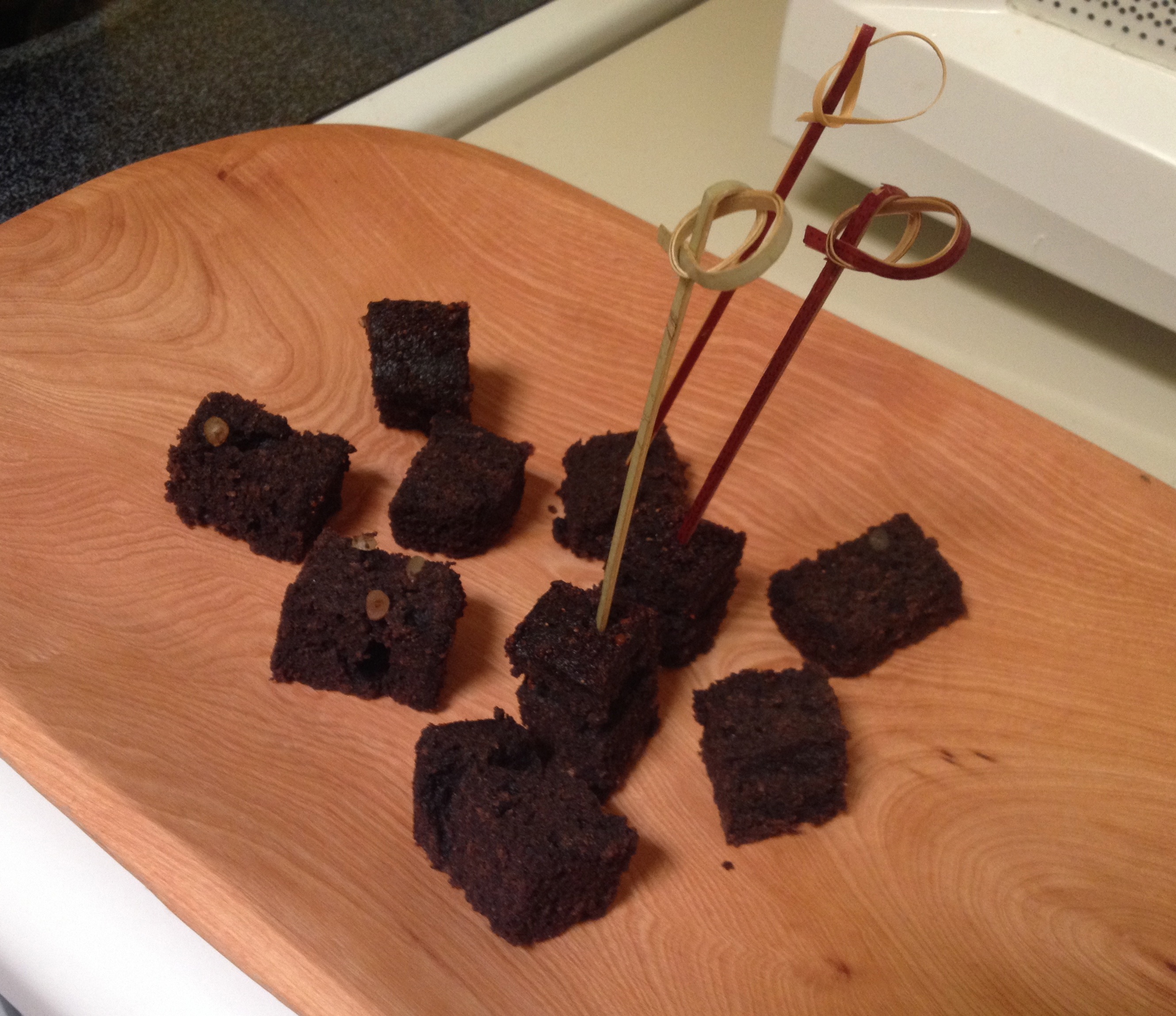
Pre-heat oven to 325F. Grease 8×8” baking pan with wax paper set in bottom. Melt butter and mix powdered cocoa in thoroughly. Add the brown sugar and organic white sugar and vanilla to the butter and cocoa, and beat. Beat 2 eggs and stir thoroughly into the choc/sugar mixture. Wisk in ¾ cup pureed black teparies. Sift together: ¾ C white Sonora wheat flour, ¼ tsp sea salt, and the well-crushed chiltepin peppers. Stir dry ingredients into liquid mixture. Add pinyon nutmeats. Pour batter into bake-pan. Sprinkle 1-2 Tbsp of Mole Dulce powder on top of the batter. Bake 25 minutes or until it tests done (when fingerprint pressed on top springs back). When cooled, cut into small bite-size squares to be served with hors d’oeuvre picks—you will see why…..(and don’t rub your eyes after eating.)
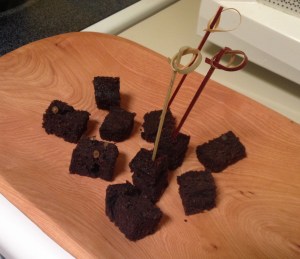
"Hot-dam" Black Tepary Brownies ready to enjoy!

“Hot-dam” Black Tepary Brownies ready to enjoy!


Tia Marta is hoping you enjoy these fruits and flavors of the Sonoran Desert assisted by fruits of tropical North America—a marriage made in dessert-Heaven! With every bite we should be thanking ancient tepary farmers, and the recent ones who have brought back the Black Tepary from near genetic-oblivion.


Coming this week to Tucson is a food event not to miss: the Farmer to Chef Connection, this Wednesday, September 16, at Tucson Community Center, 12:00noon-5:30pm, sponsored by LocalFirstArizona. Google their site for tickets and come enjoy a smorgasbord of local tastes.

Also be sure to mark your calendar for October 18 and join NativeSeeds/SEARCH and Friends of Tucson’s Birthplace at the very heart of Tucson’s Birthplace –the Mission Garden at the base of A-Mountain—for the first-ever outdoor Farm to Table Picnic. It will be a feast to remember. Make reservations now and we’ll see you there for fun, flavor, history and friendship!
Prickly Pear Upside-down Cake, Summer in Tucson

20150730_185022

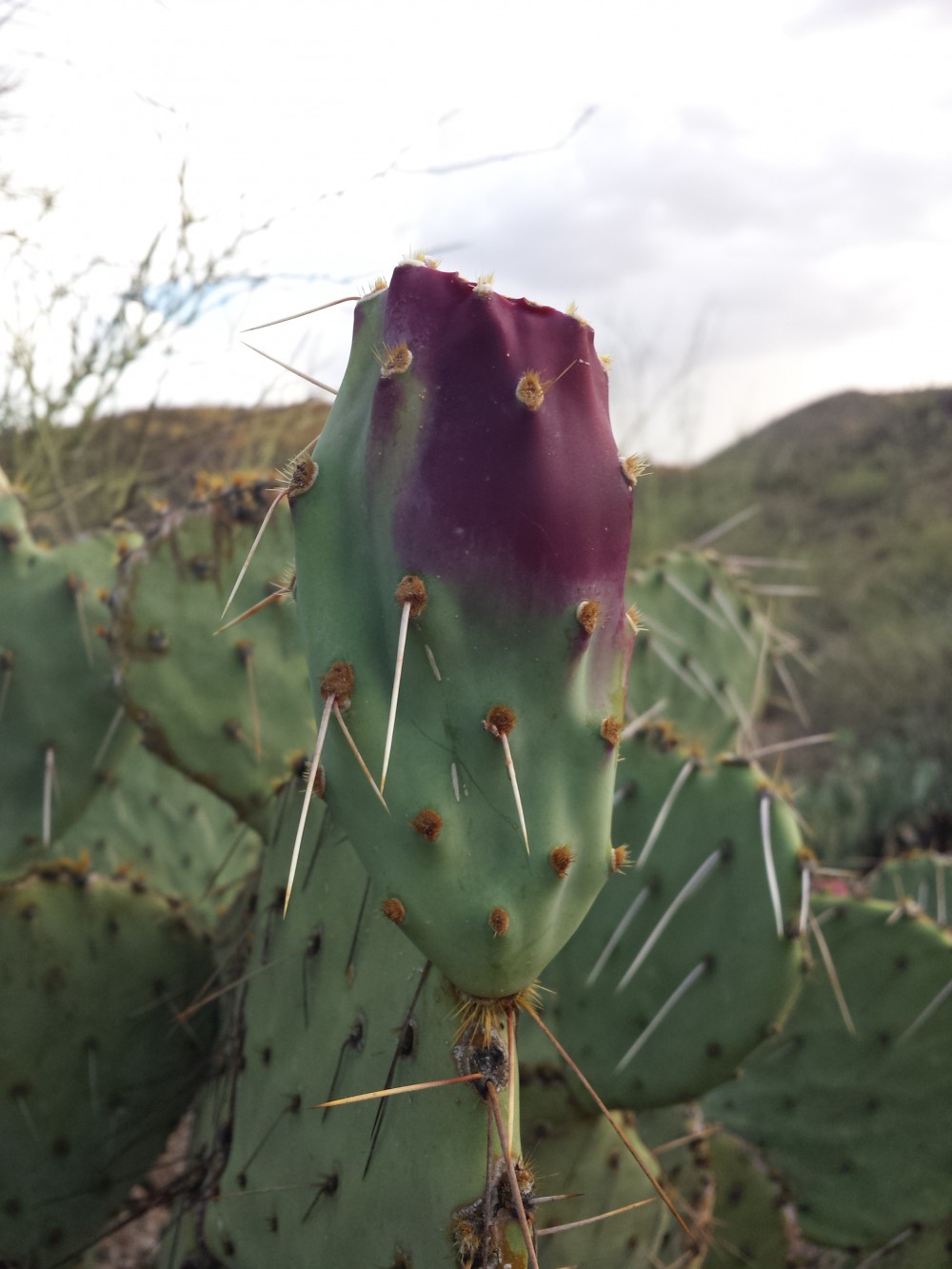
Amy Valdes Schwemm here today, with glochids in my hands.

20150811_111746

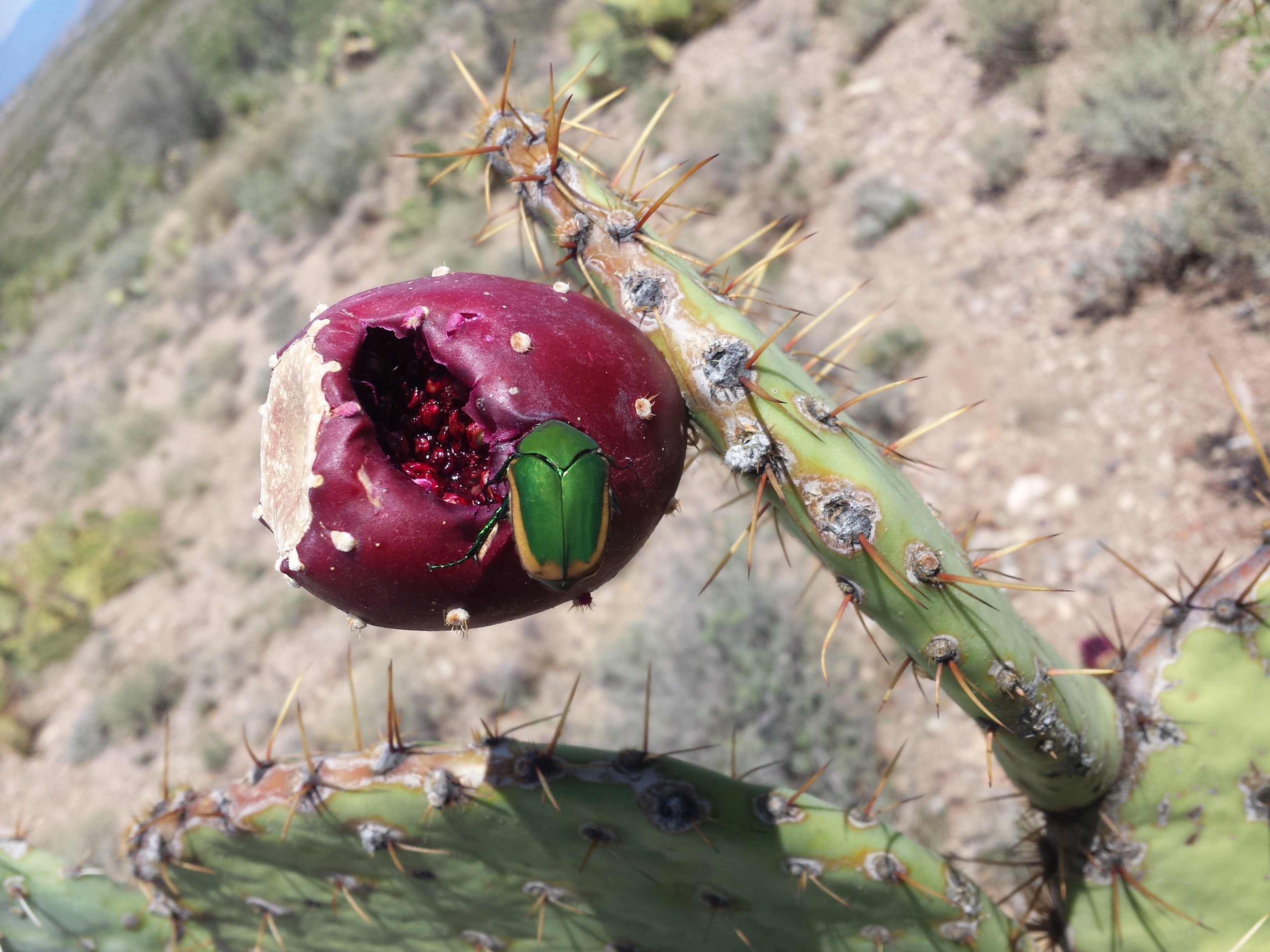
Figeater beetle, Cotinis mutablilis

20150813_185004

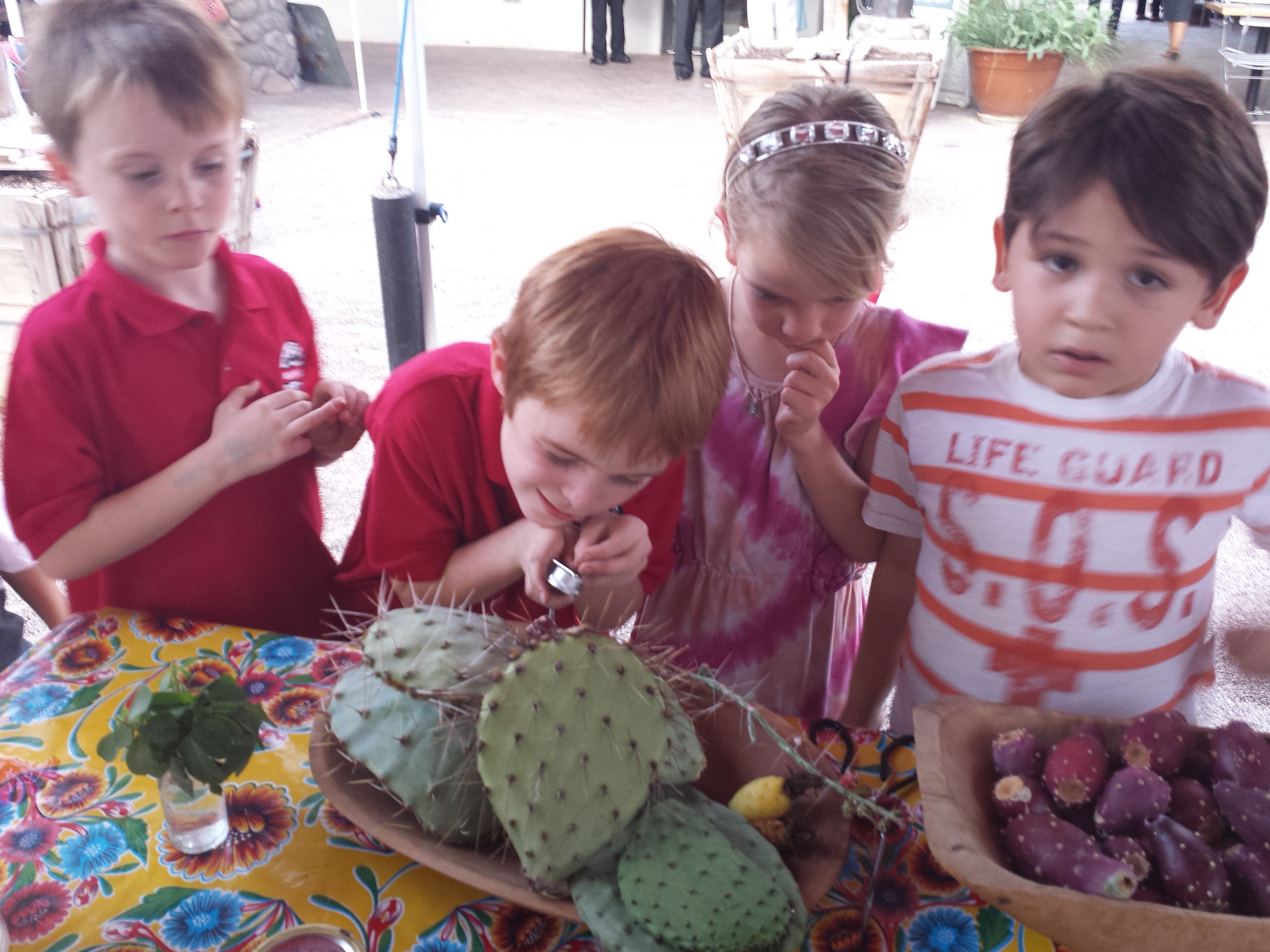
Santa Cruz River Farmers’ Market Workshop

20150813_184946

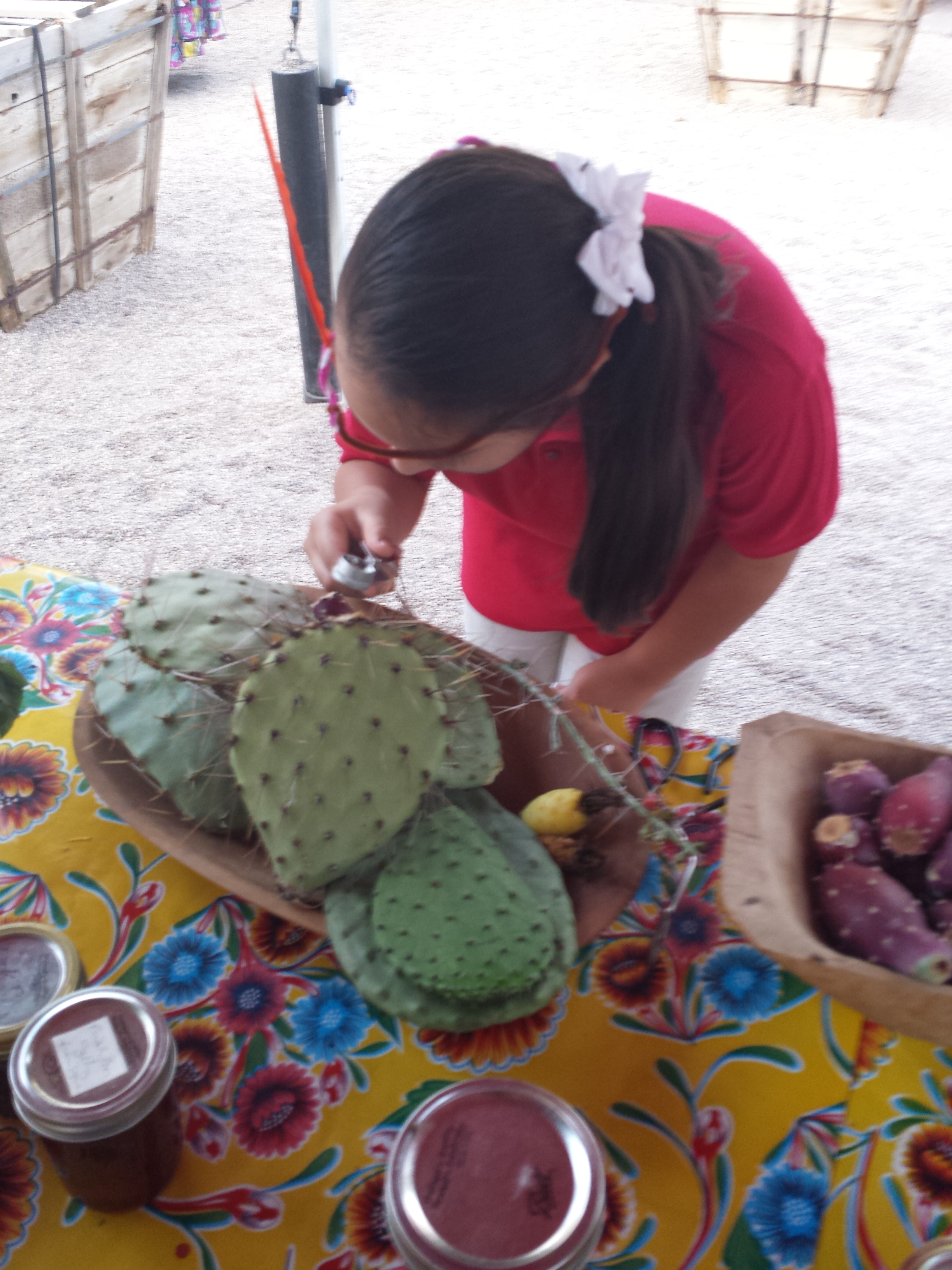
“I want to be a scientist!” she said.

20150814_145703

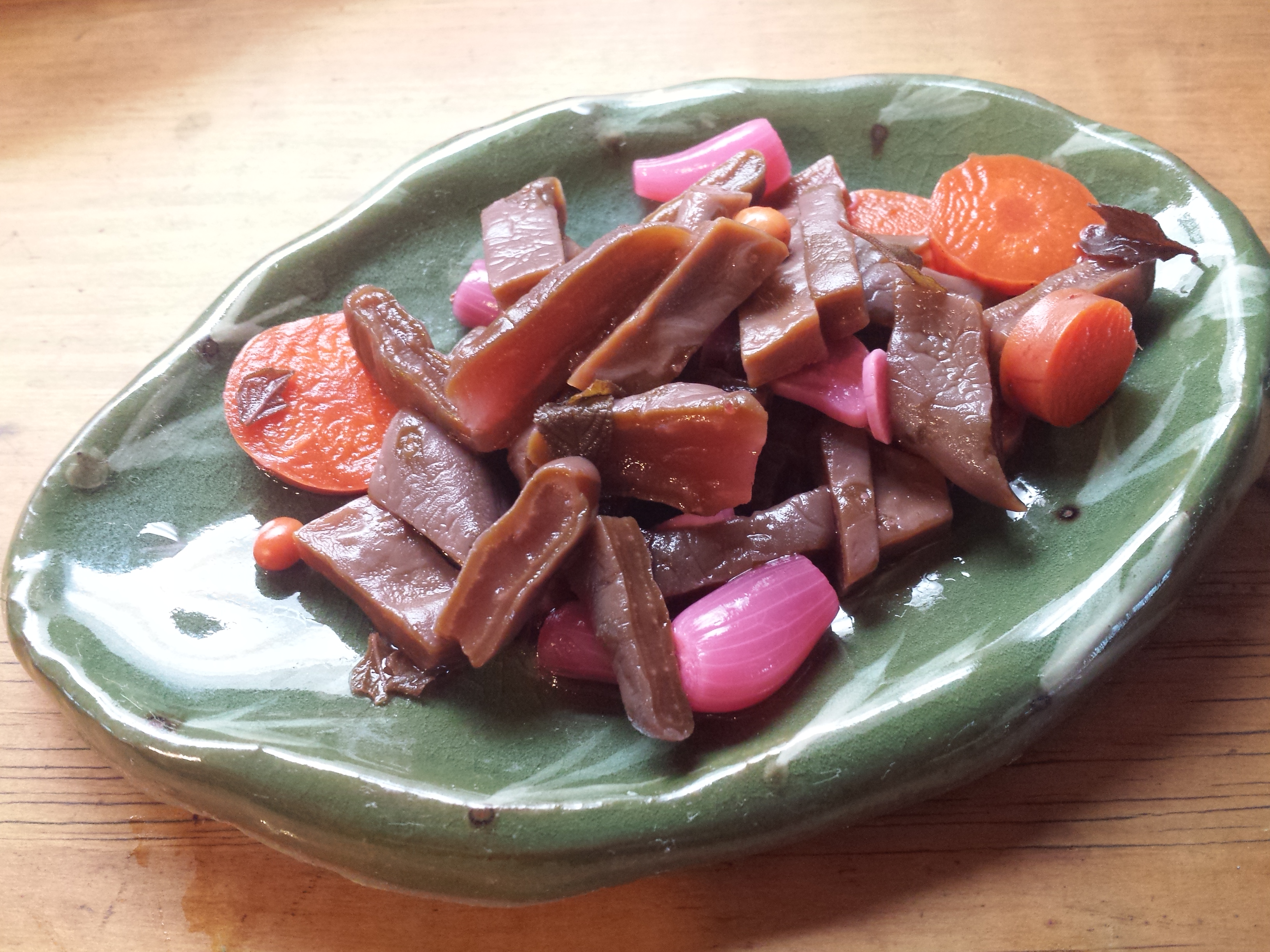
Nopalitos en escabeche (pickled cactus pads with carrots, garlic, I’itoi onion, chiltepin, Mexican oregano)

20150814_103012

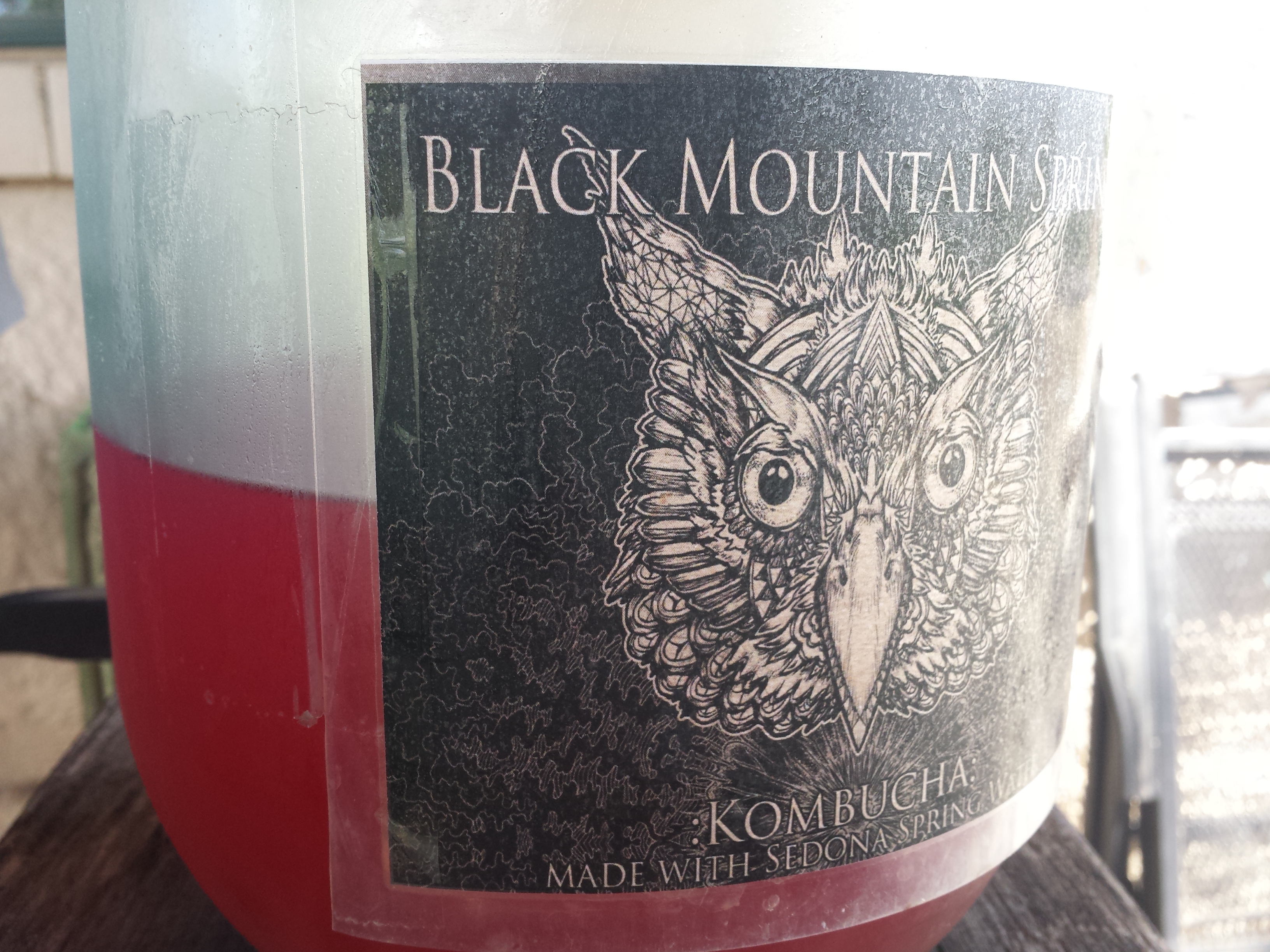
Prickly pear kombucha

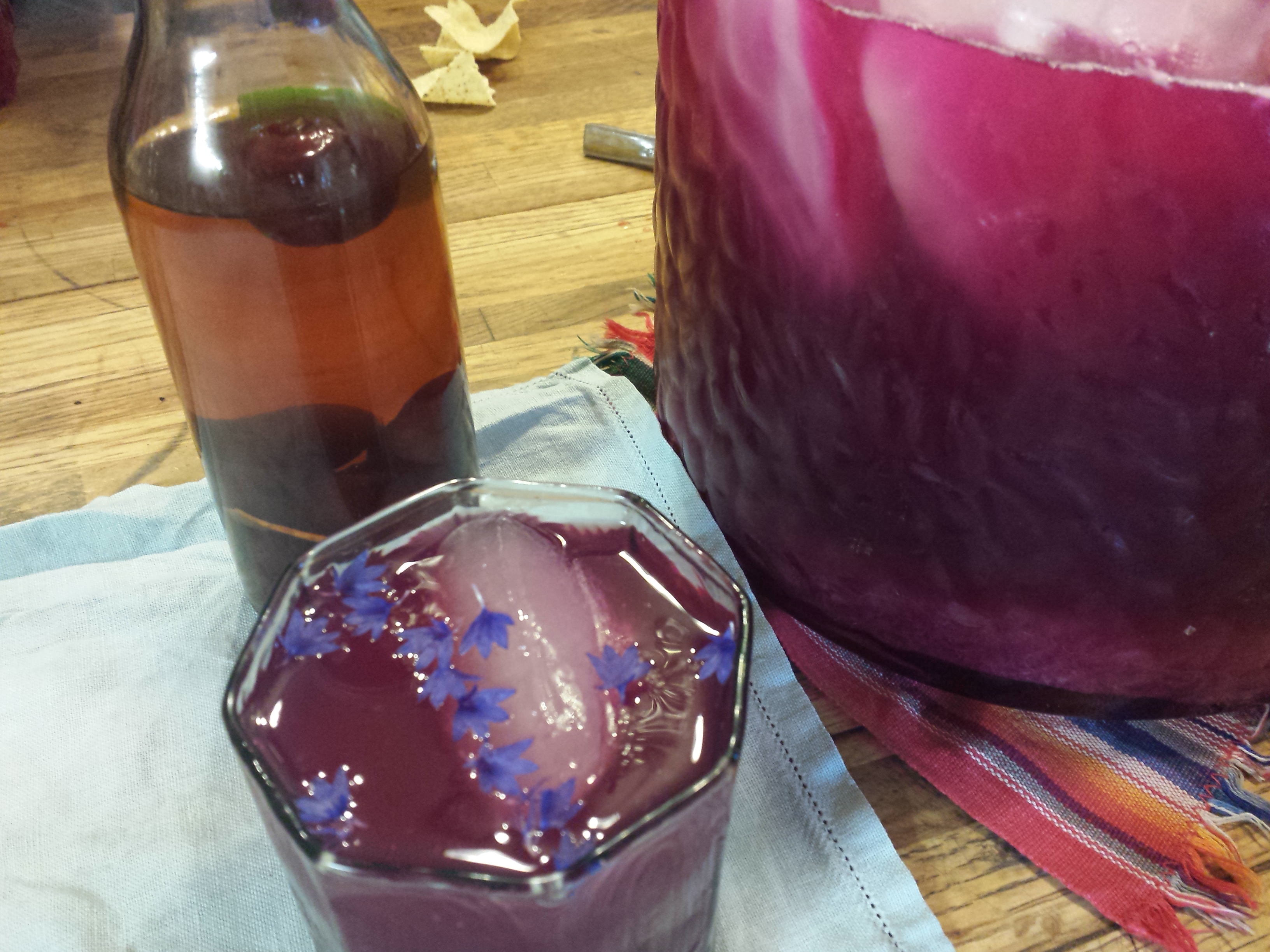
Harvest party at Bean Tree Farm. Classic Barbara Rose cocktail with too many ingredients to list!

Harvest party at Bean Tree Farm. Fancy cocktail by Barbara Rose!

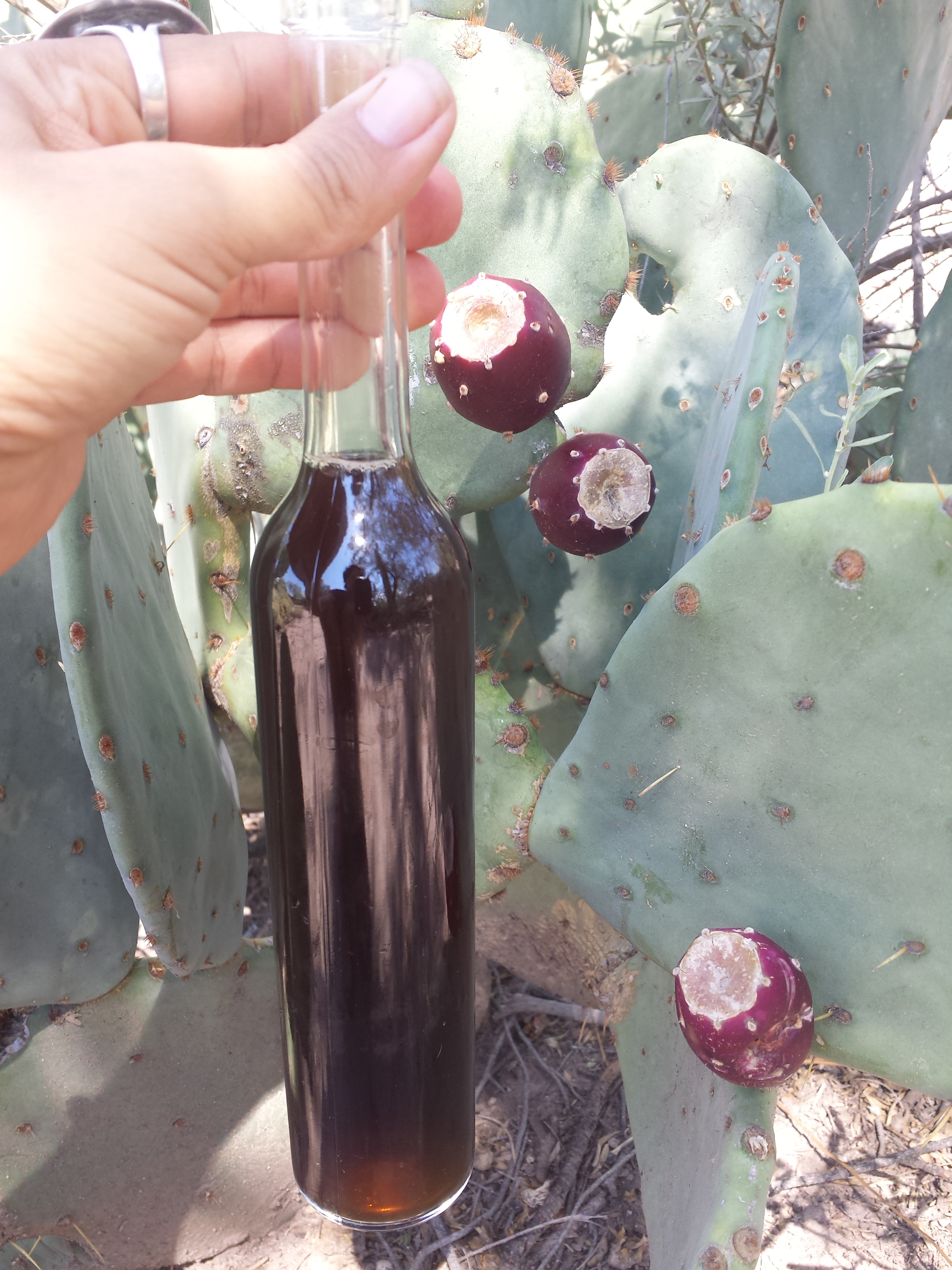
Prickly pear vinegar

Prickly pear vinegar

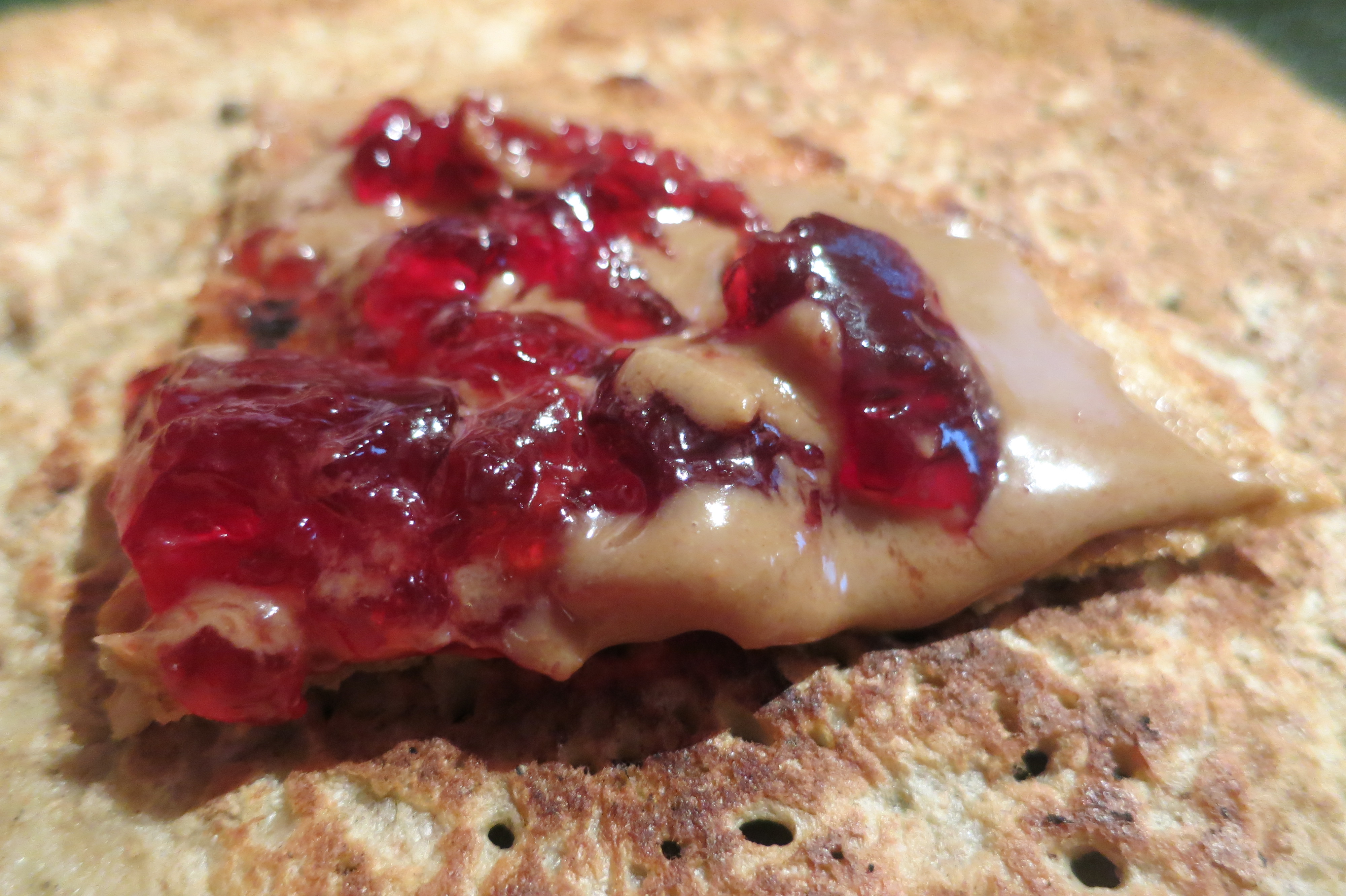
Prickly pear jelly on Sourdough Sonoran Wheat, Barley, Almond crepe

Prickly pear jelly and nut butter on sourdough Sonoran wheat, barley, almond crepe

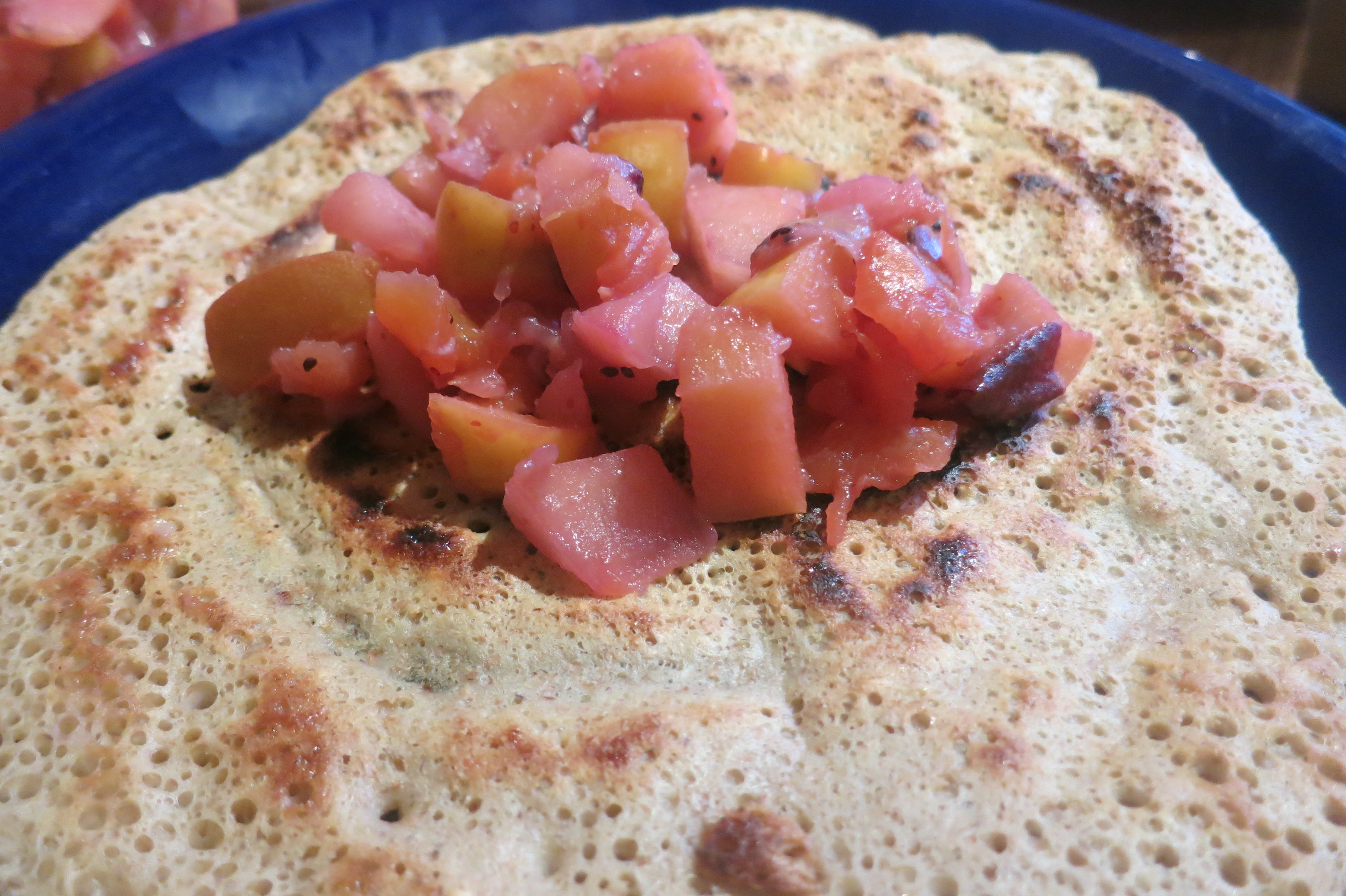
Apple, prickly pear and friends compote

Apple, prickly pear and friends compote

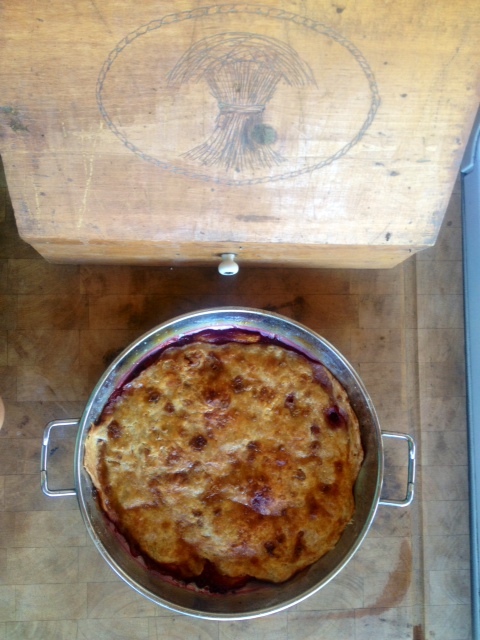
Peach prickly pear cobbler

Peach, raspberry, prickly pear cobbler

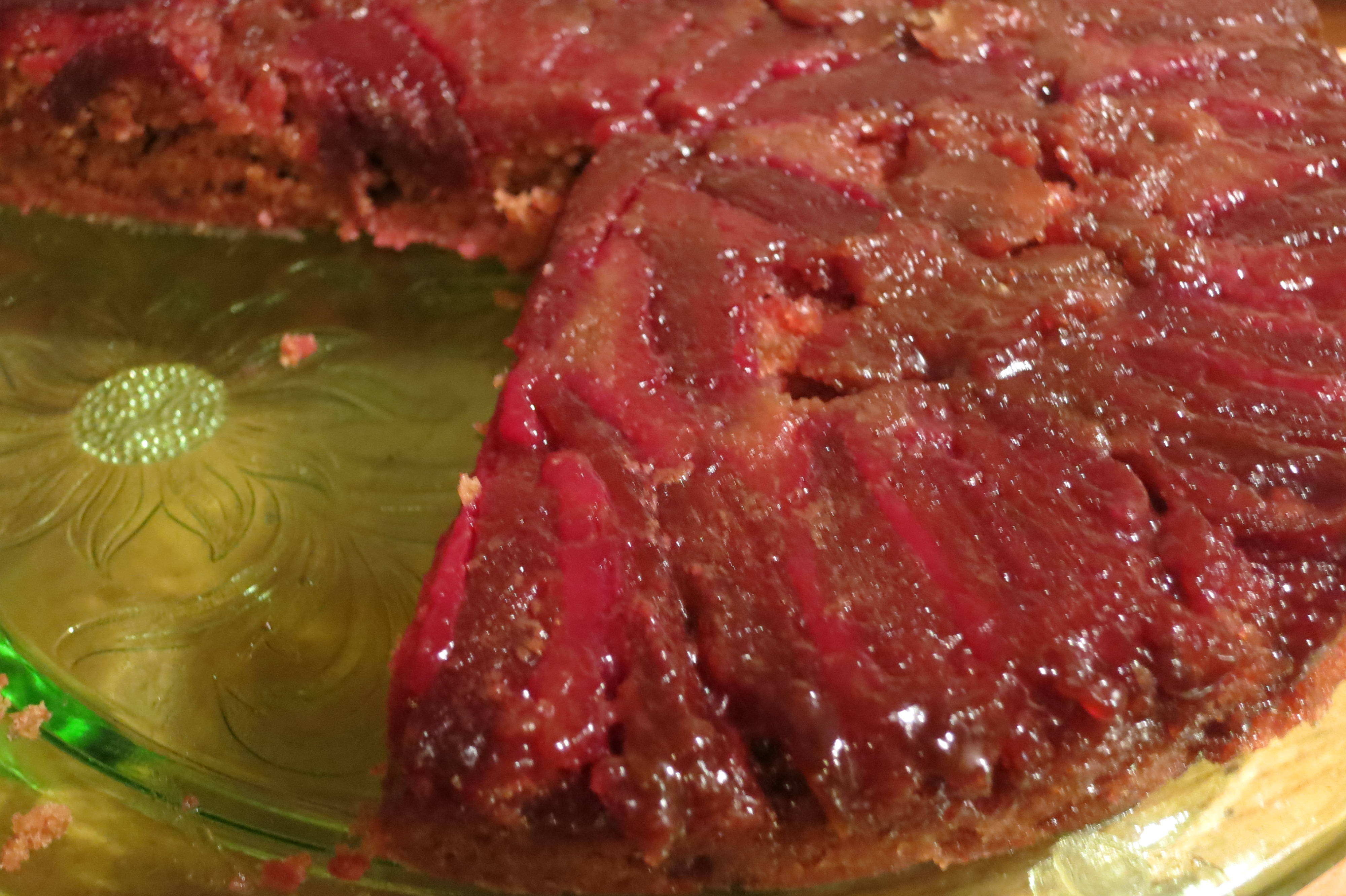
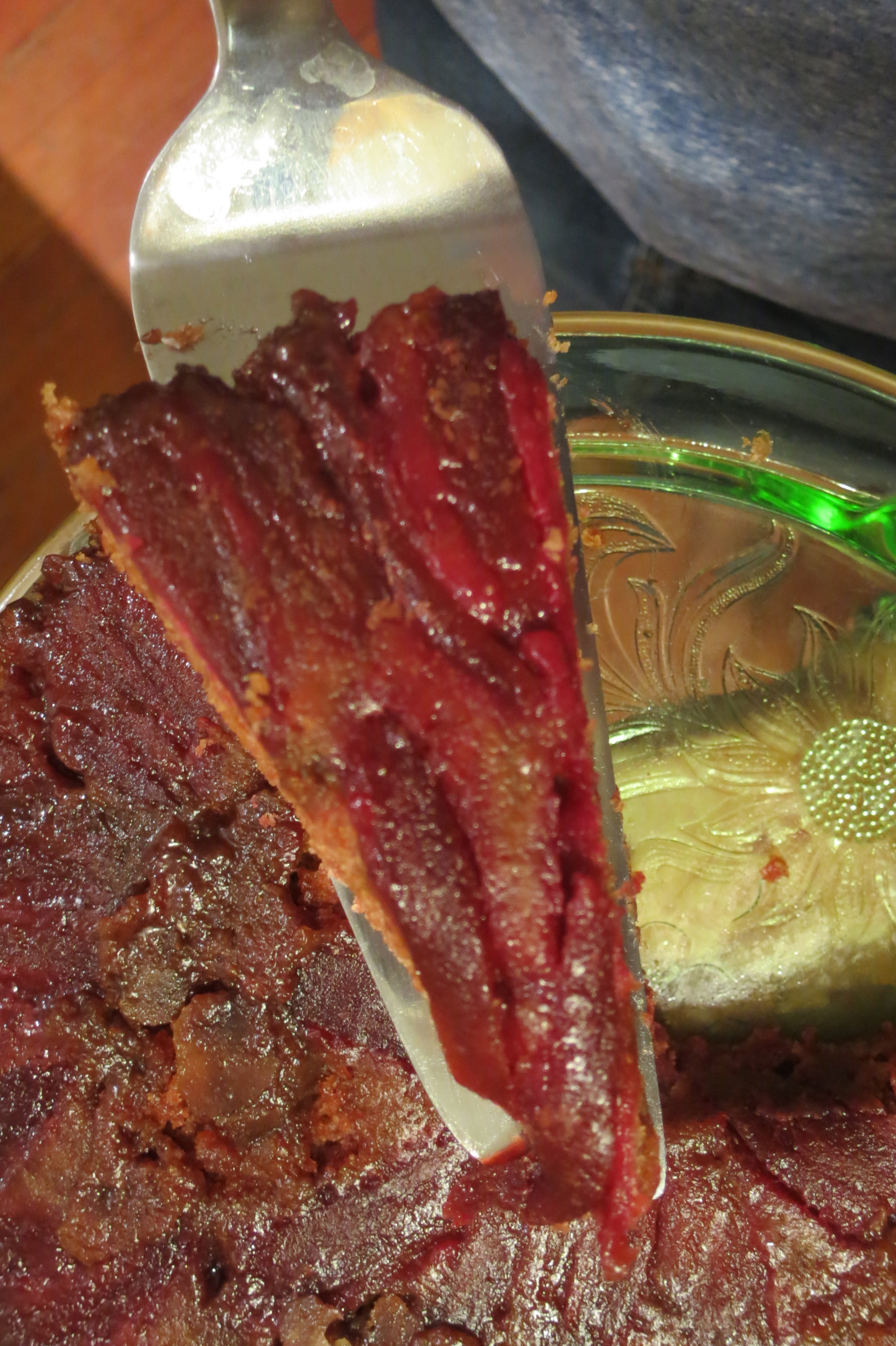
Prickly pear upside down cake

Prickly pear upside down cake

Prickly Pear Upside-down Cake

1/4 cup butter

1/2 cup brown sugar

3/4 cup whole wheat flour

3/4 cup unbleached all purpose flour

3/4 cup sugar

1 teaspoon baking powder

1/4 teaspoon salt

3/4 cup prickly pear juice

1/2 cup butter, melted

1 teaspoon vanilla

6 prickly pear fruit, glochids singed over fire, peeled, seeded and sliced

Preheat oven to 325 degrees F. In a 9 inch springform pan, put 1/4 cup butter. Put pan in the oven just until butter is melted. Sprinkle with brown sugar and arrange prickly pear fruit on top. Mix flours, sugar, baking powder and salt. Separately, mix prickly pear juice, 1/2 cup melted butter and vanilla. Combine the two mixtures and pour into prepared pan. Bake for 3o minutes or until a toothpick inserted in cake comes out clean. I like the cake to have some brown edges. Cool, invert on to a serving plate and enjoy. IMG_3286

Fig Jam Ready for Farm to Table Picnic

Picking figs at the Mission Garden.

Picking figs at the Mission Garden operated by Friends of Tucson’s Birthplace.

The hottest weather of summer brings Tucson one of its sweetest treats, figs. The figs at the Mission Garden operated by Friends of Tucson’s Birthplace, are ripening  now. Some of the trees have already produced and are beginning to  grow their second crop. This is Carolyn today, and that is me picking figs from one of the trees in the lush recreated historic garden near the Santa Cruz River.  The plan was to preserve the figs as jam to be used as an ingredient in cookies  for the Farm to Table Picnic being organized by the  Mission Garden and Native Seeds/ SEARCH.  On the late afternoon of October 18, dinners will be able to picnic on Southern Arizona’s agricultural  bounty at tables  spread through the Garden. (Ticket detals next month).

The brown figs at Mission Garden are living relics of trees brought to Southern Arizona by Father Kino. They were grown from twigs cut from plants behind the Sosa-Carrillo House. Historic records show that those trees came from cuttings of trees at San Xavier Mission. The green figs were grown from cuttings taken from trees at the  settlements near the Ruby and Oro Blanco mines.

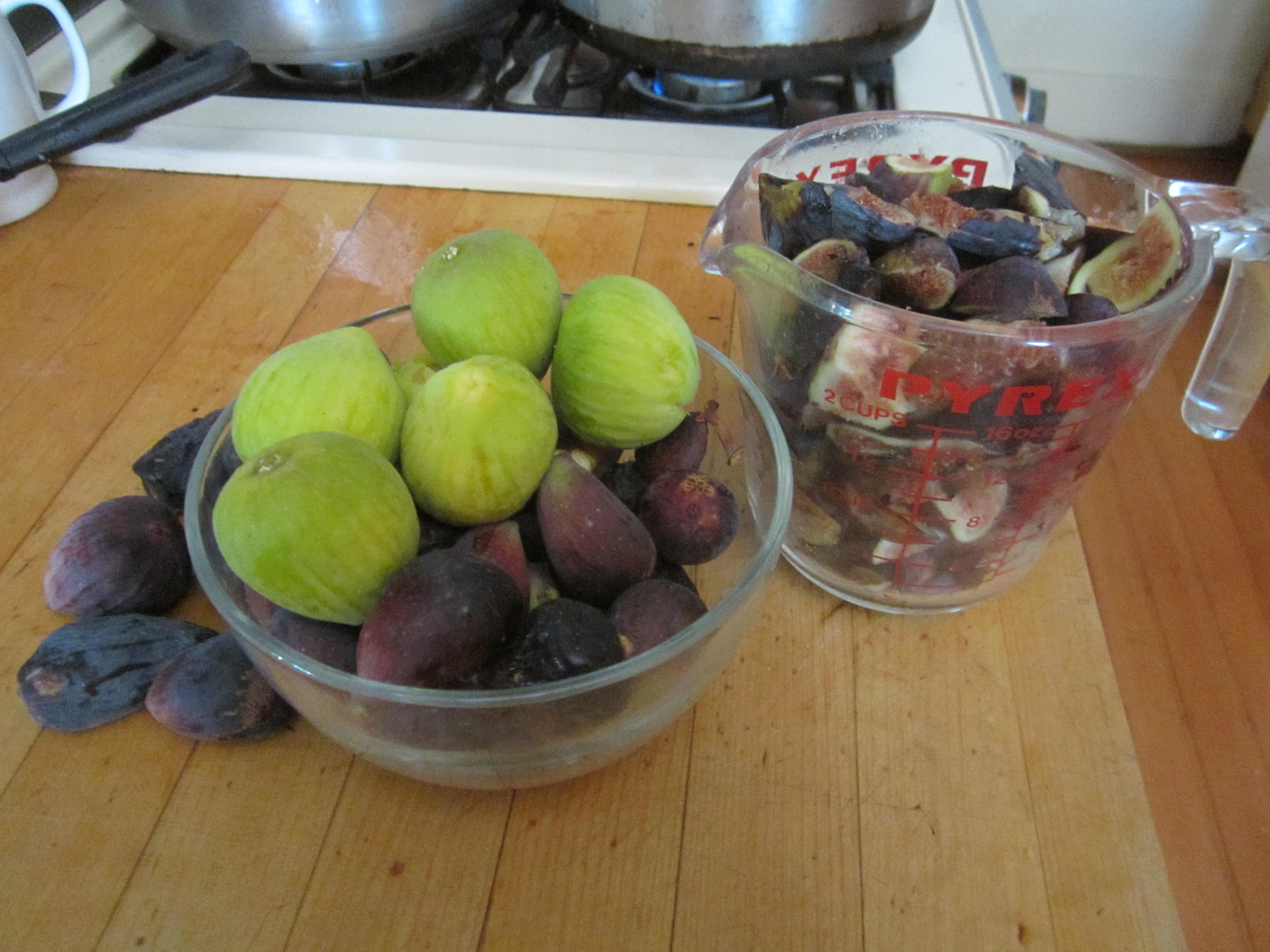
Plump figs from Mission Garden. The green ones are called "white" and some people think they are sweeter.

Plump figs from Mission Garden. The green ones are called “white” and some people think they are sweeter.

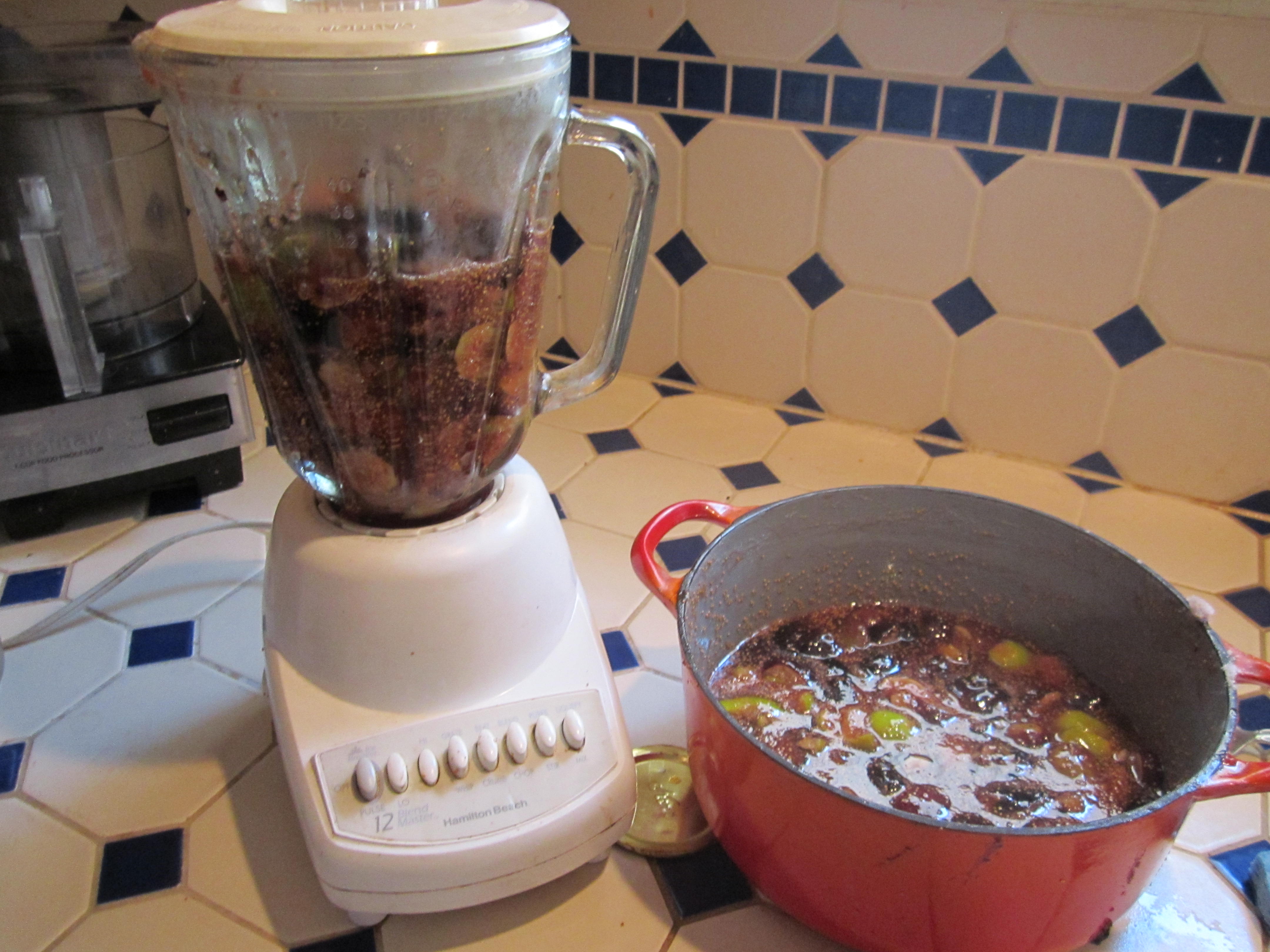
Generally in making jam the old-fashioned way without added commercial pectin, you measure an equal quantity of fruit and sugar and simmer until it is thick. Because these figs were incredibly sweet and because I plan to spread the jam over a base crust, I didn’t care if the jam set up like I would, say a plum or strawberry jam. So I thought it would be safe to use less sugar. Ultimately I used about 4 cups of sugar to 8 cups of chopped figs, about half the usual amount. Since I wanted a smooth product, I put the chopped figs through the blender.  I could have also used my food processor.

Blending the chopped figs for a smooth product.

Blending the chopped figs for a smooth product.

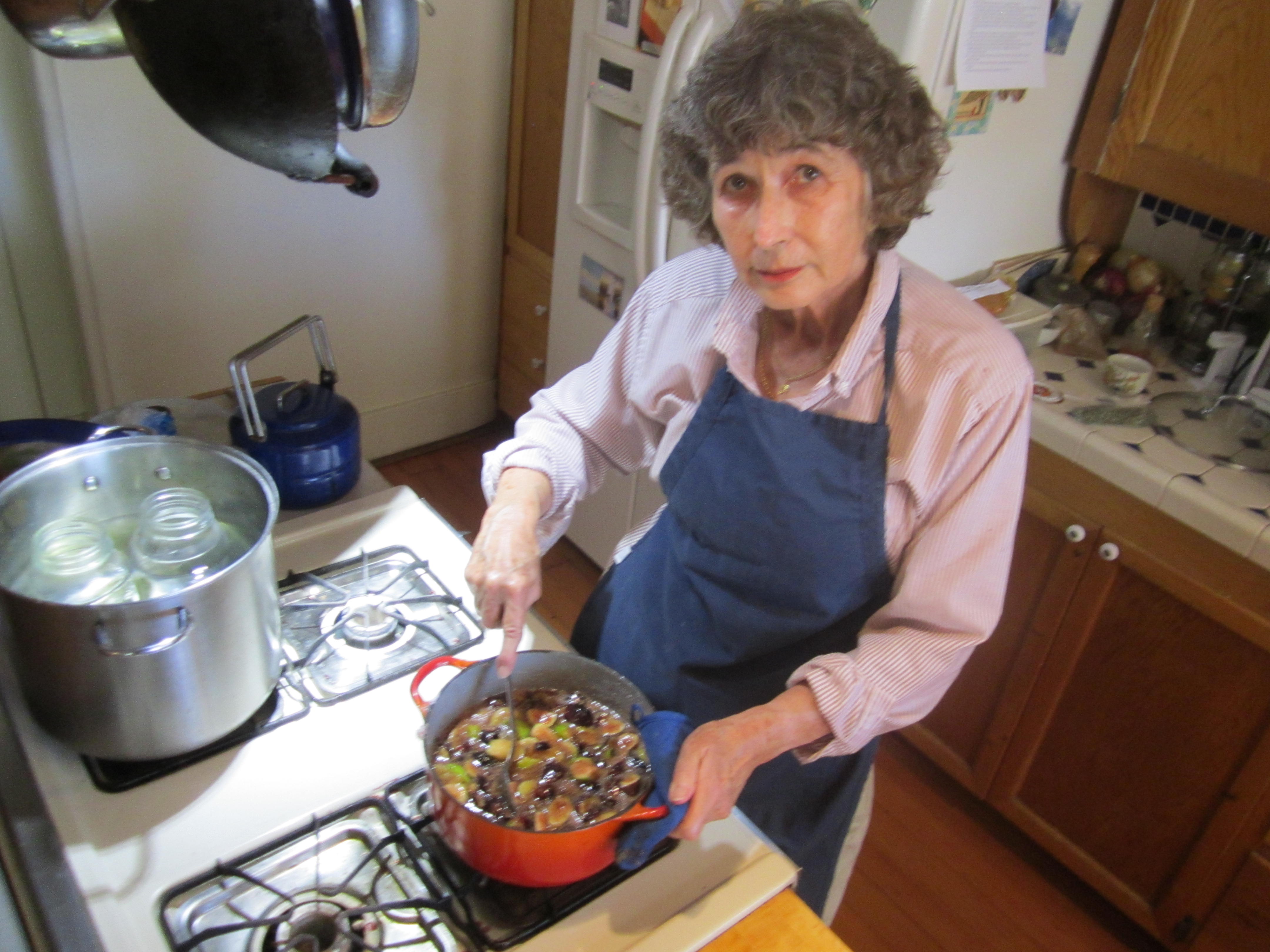
Next came the long slow cooking.  In the picture below, you can see the large pot on the left where I was boiling the storage  jars to sterilize them.

Cooking the jam.

Cooking the jam.

In any jam making, you need to simmer the fruit and sugar until it reaches about 220 degrees F. This takes both time and careful watching to get the jam to a point where it is not too runny and not too stiff.  In Tucson, because of our altitude, 218 degrees F usually gives a better product. Use too high a heat and the jam will burn on the bottom of the pot before it reaches the proper temperature.

To check the temperture,  I used to use a traditional candy thermometer that looks like this and works with a column of mercury:

Traditional candy thermometer.

Traditional candy thermometer.

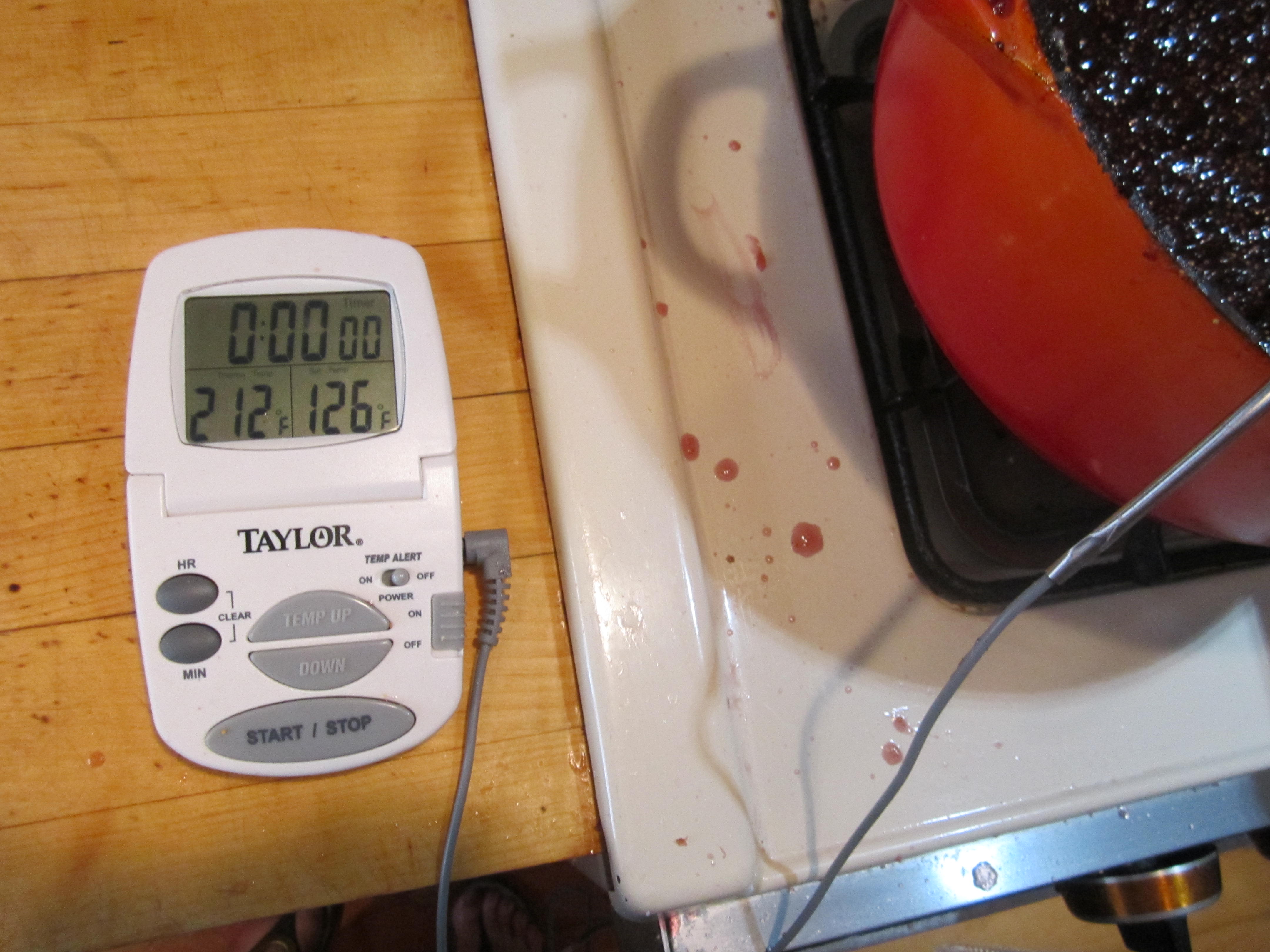
A couple of Christmases ago, however Santa brought me a digital thermometer that is good for roasting a turkey, cooking a thick steak and making jam. It has a probe that sticks in whatever you are cooking and gives you a readout.   See the photo below. You can see this one has reached 212 degrees F. and the jam is almost done.:

Battery-operated digital cooking thermometer.

Battery-operated digital cooking thermometer. The thin silver wire on the right is a probe that rested in the jam.

Once finished, the jam just needed to be ladled into the prepared jars, capped and processed for 10 minutes in a boiling water bath.  That’s a lot of jam, but I’ll be baking cookies for 200 ticket holders and a whole bunch of volunteers.

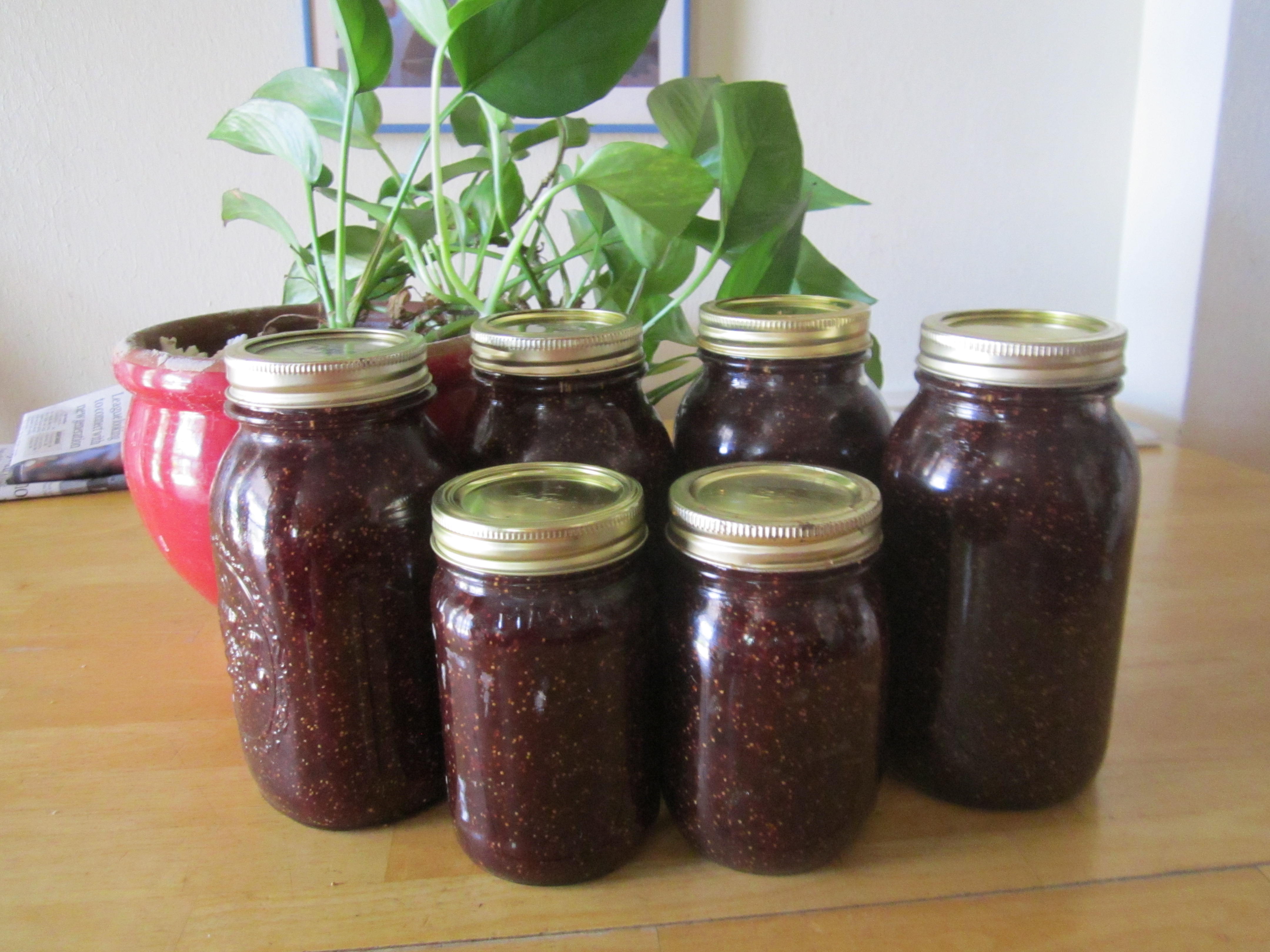
Five quarts of fig jam will wait until October to be made into fig bars for the Farm to Table Dinner.
Five quarts of fig jam will wait until October to be made into fig bars for the Farm to Table Dinner.
I can’t show you a picture of the fig bars, because I haven’t made them yet. But I have used this recipe previously and it is great. It is a modification of a recipe in Fruits of the Desert by the late food writer Sandal English.  If you have fresh figs and are looking for a way to showcase them, try this:

Layered Fig Bars

1 cup sifted flour

1/2 teaspoon baking soda

1/2 teaspoon salt

1 cup oatmeal, quick or old-fashioned

1 cup firmly packed brown sugar

1/2 cup butter, melted

1-1/2 to 2 cups fig jam

Preheat oven to 350 degrees F. and line an 8-inch square pan with foil or parchment paper, leaving some extending over two sides as flaps.

Sift together the flour, baking soda and salt in a large bowl. Mix in the oatmeal and sugar. Stir in the melted butter and mix until crumbly. Firmly press 2/3 of the mixture in the bottom of the prepared pan. Spread fig jam evenly over the base layer. Top with remaining crumb mixture. Gently pat the top layer down. Bake in preheated overn for about 30 minutes. Cool, lift from the pan using the paper flaps, and cut into 24 bars.

Note: If you are making this for your family and don’t care that the bars come out perfectly shaped, you can skip the step of lining the pan.

_________________________________________

Looking for ideas for how to use desert fruits and vegetables?  The Prickly Pear Cookbook has delicious recipes for both the fruit and pads and complete instructions for gathering and processing. Cooking the Wild Southwest gives directions for harvesting and cooking 23 easily gathered desert plants. Find both at the Native Seeds/SEARCH retail store on Campbell or at on-line sellers.