Spicy Joys of Zhoug!

So, what in the world is Zhoug?? Tia Marta here to share a fun new taste experience. An exploratory-cook neighbor introduced us to this wonderfully flavor-filled sauce that hails originally from Yemen, Israel, the Middle East. It’s a bright green, savory thrill that can embolden–and bedeck–many totally different dishes. Zhoug tastes a little like a Chimichuri sauce from Argentina…

With Spring exploding in the desert, NOW is the time to harvest greens from your winter garden–quick–before they bolt–to make into spicy Zhoug sauce!

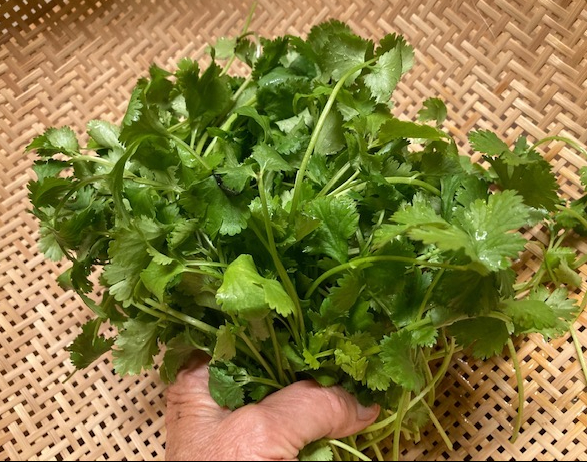
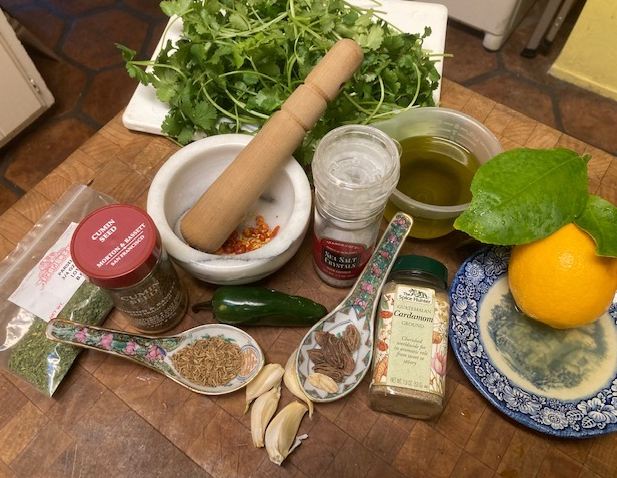
Most of the Zhoug sauce ingredients can be grown locally in the Sonoran Desert, some in winter, a few in summer. Many are available right now–fresh for the picking. Cilantro is my green of choice, because, “when it rains it pours.” There are lots of other greens options. Some peoples’ palates are not attuned to cilantro, so almost any leafy green fortunately can be used for Zhoug! Try fresh Italian parsley, crinkly parsley, or mint leaves–or try acelgas leaves from the Mission Garden.

Many ingredients for Zhoug saurce can be grown easily in your own backyard garden plot….
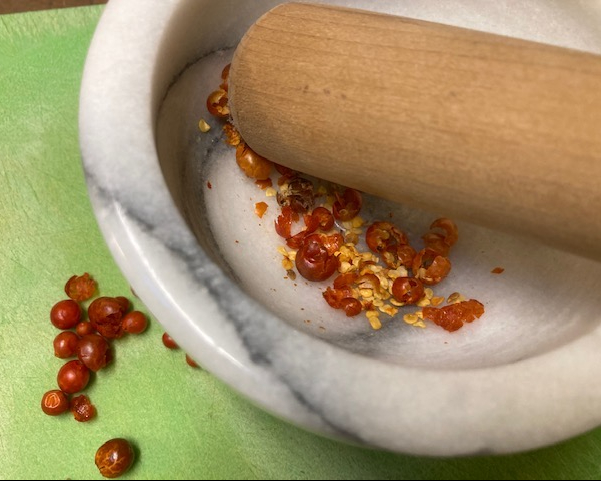
Harvest picante chiltepines from your own garden--or find them at NSS or the Mexican food section at the grocery.

Wild chiltepin peppers make the best Zhoug spice of all!

Recipe for Zhoug! sauce:

Ingredients: 2+ packed cups of slightly chopped cilantro or other leafy greens (2 bundles of cilantro) (with chopped stems ok)

4 medium cloves garlic (chopped) (try heirloom garlic from NativeSeedsSEARCH or MissionGarden)

1/2-3/4 tsp chiltepin peppers, ground (e.g.saved from summer-fall garden Tucson)

1 medium jalapeno, seeds removed (summer-fall garden Tucson)

1 tsp sea salt

1 tsp cardamom, ground

3/4-1 tsp cumin seed, ground. (winter garden Tucson)

3/4 cup olive oil

2 Tbsp lemon juice (from your own or your neighbor’s tree, or from Iskashitaa Refugee Network)

For processing Zhoug sauce, put all your fresh “dry” ingredients in, then add the final olive oil and lemon juice just before blending (or poured in as you blend).

Directions: In a food processor, starting with your fresh greens, garlic, herbs & spices, then adding your wet ingredients, blend all to your desired consistency. I like to see little flecks of leaves still in the sauce as in the photo.

Glorious green Zhoug sauce can be used as a dip with chips, melba toast, sourdough slices… Invent your own spicy canape!

There is almost no end of ideas for Zhoug sauce! Zhoug will enliven tacos, beans, lentils, pita sandwiches, eggs, roasted veggies, hummus, grilled meats…..Wow. Try adding 1-2 Tbsp of Zhoug to 1 cup plain yogurt….

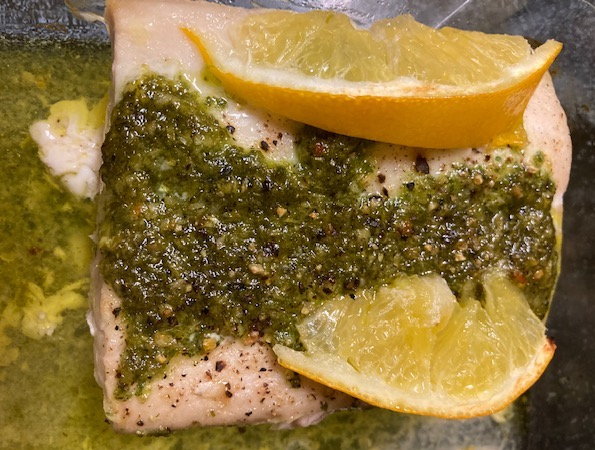
Our favorite is fish with Zhoug. We swooned over mahi mahi shown here with our Meyer lemon slices and Zhoug!

So get creative with our harvest of winter garden greens, and have fun creating new Zhoug dishes with that perfect chiltepin kick. Salud! from Tia Marta

Treat yourself day: Scallops with Mole Verde

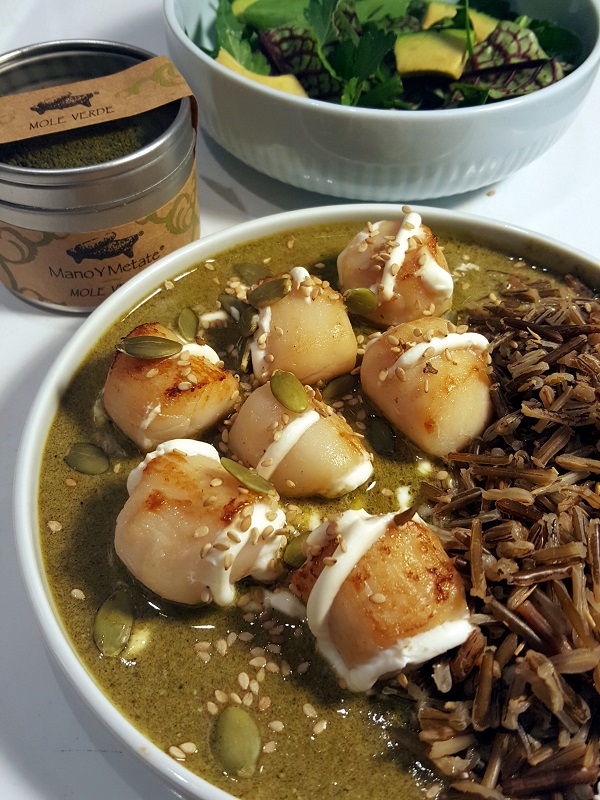
Hello Friends, I’ve always wanted to try mole with scallops since I saw saw it in a book. It paired a very modern white chocolate mole with scallops. Wanting to treat myself to a special meal today, I thought I would give it a go with my own mole.

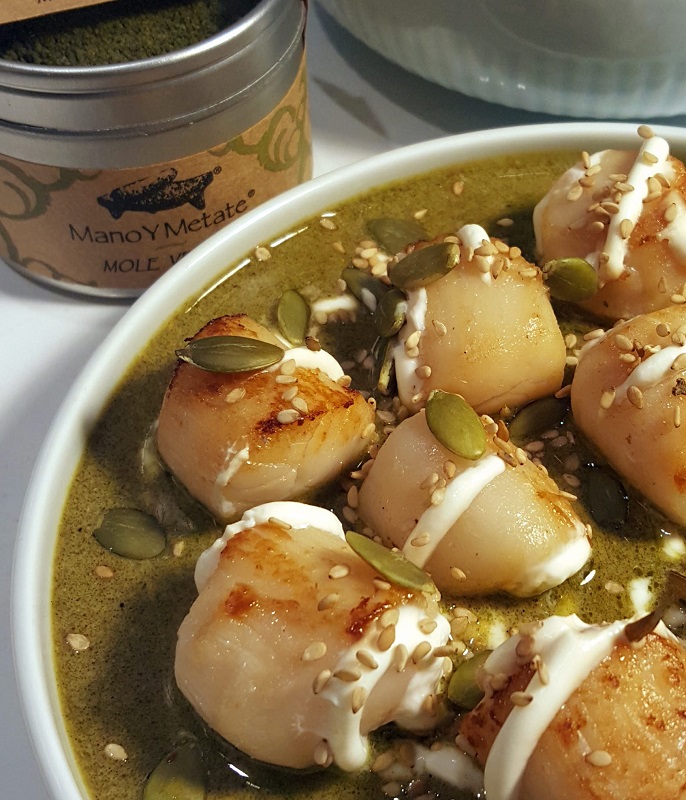
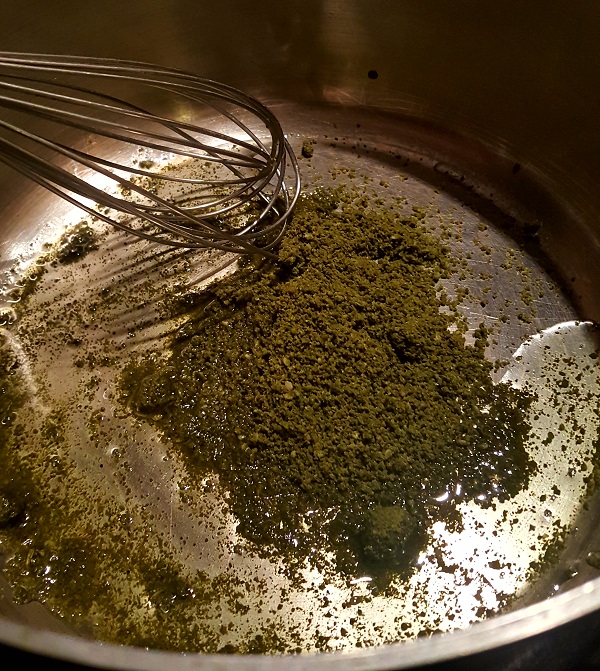
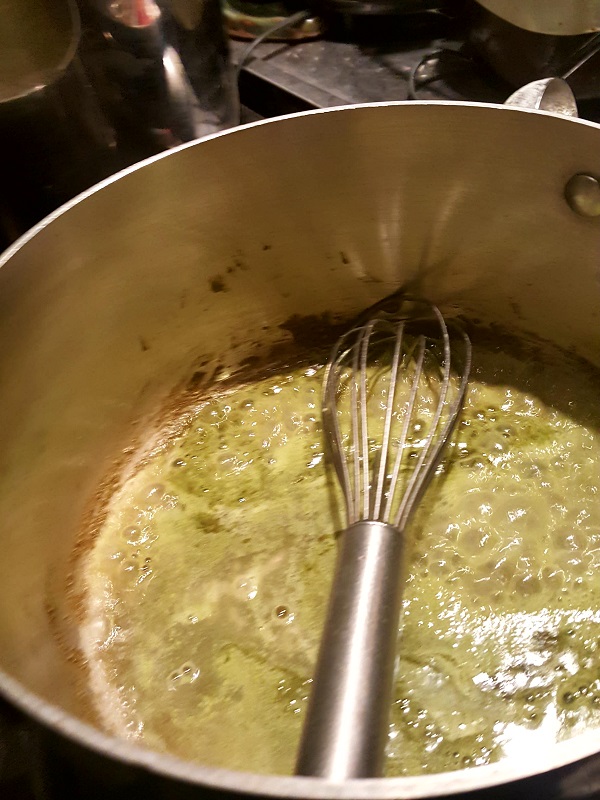
I started with Mano Y Metate Mole Verde powder, sautéed in mild oil and thinned with chicken broth.

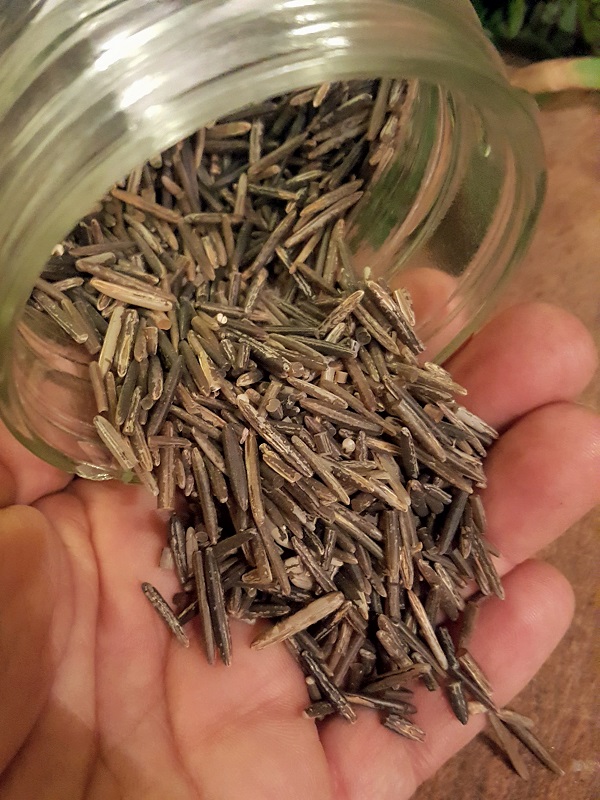
I broke out a stash of wild rice that a friend had given me as a gift. It was collected on lakes in northern Minnesota and parched over a wood fire.

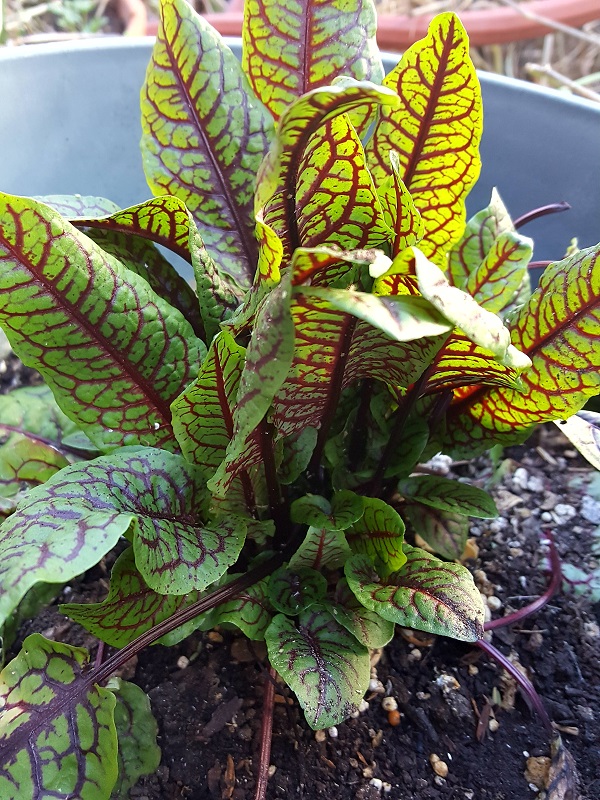
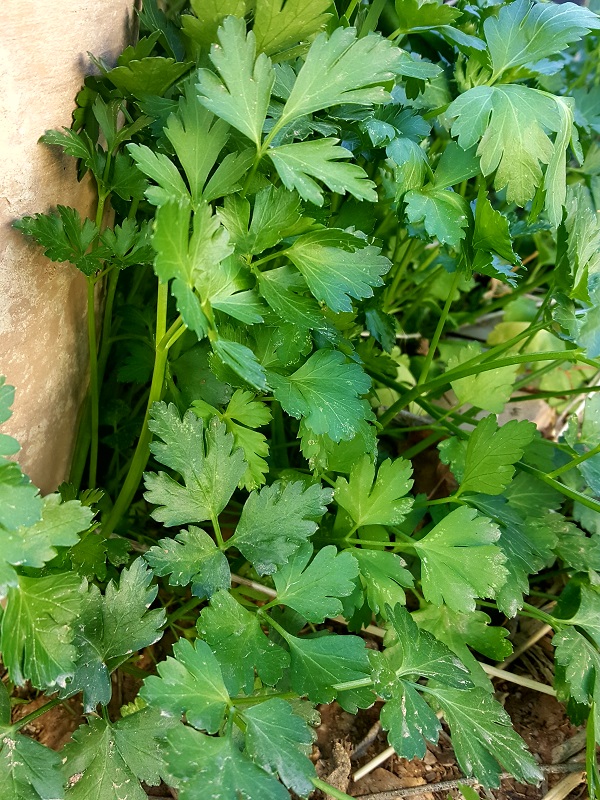
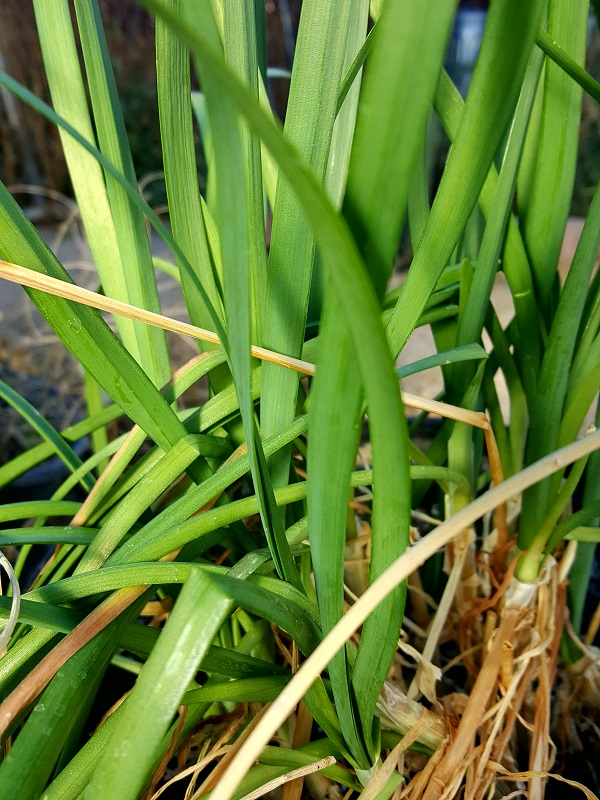
For a wild salad, I harvested some sorrel, parsley and garlic chives from the garden.

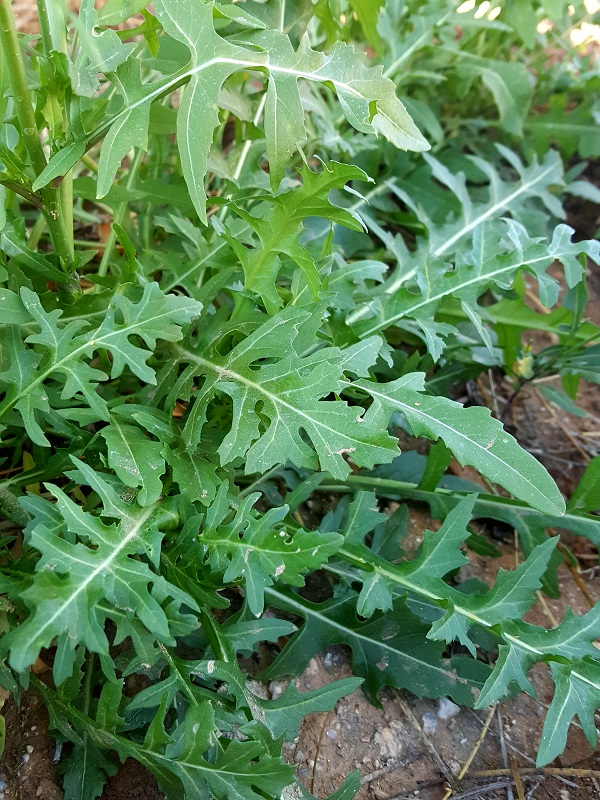
For bite I added some volunteer mustard greens aka “wild arugula” and for creaminess some avacado.

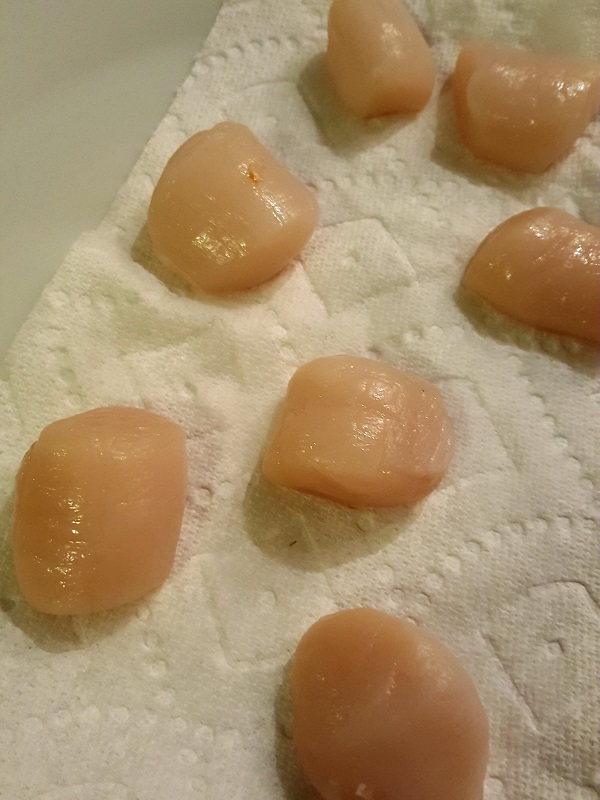
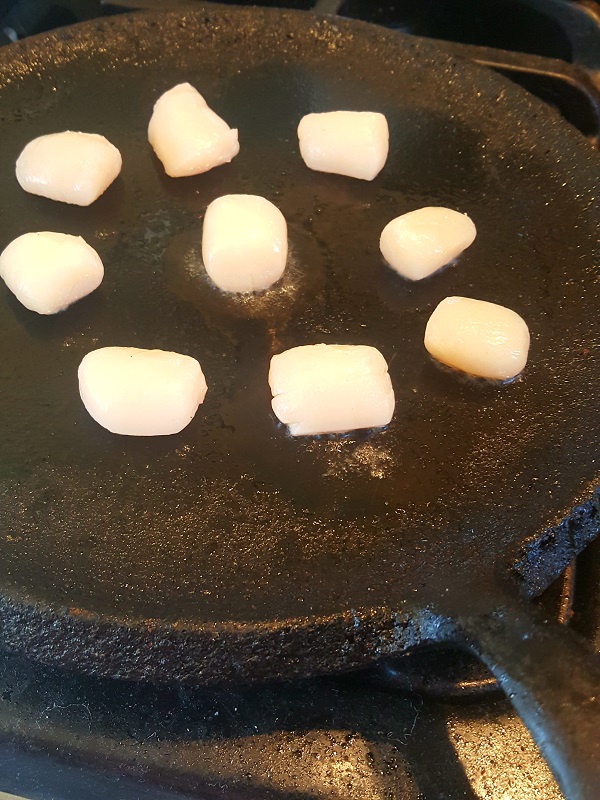
The scallops only needed a rinse, a pat dry and a sprinkle of salt.

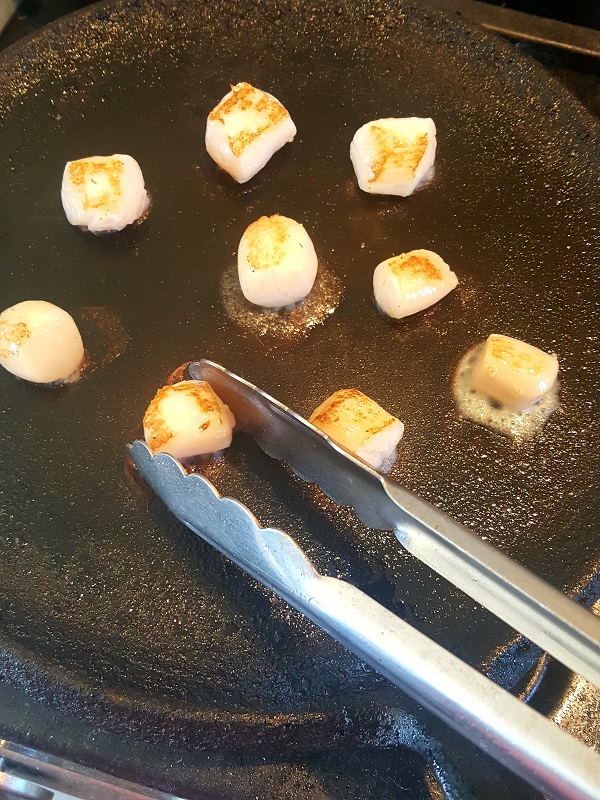
I seared in part oil and part butter on a hot skillet

Which went FAST!!!!

I hope you take the time for self care and make yourself a treat today, too. Love, Amy

Barrel Cactus Fruit and Lemon Combine for Tangy Winter Treat

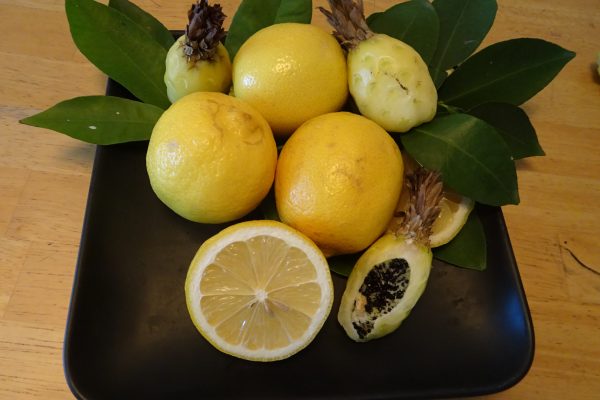
Barrel cactus fruit and lemons are tasty winter companions.

When I look back at the many blog posts we Savor Sisters have written over the years, frequently there are recipes including barrel cactus at this time of year. In a season where most other plants are resting and waiting out the cold desert nights, barrel cactus are providing glowing yellow fruit in abundance. January is also the season for citrus in the Southwest and there is no shortage of delicious baking recipes using lemon.

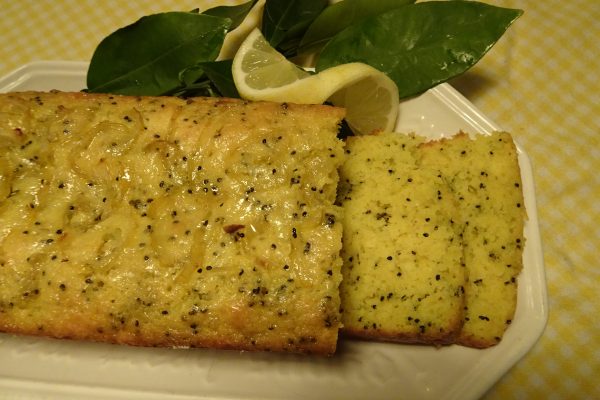
It’s Carolyn today and I’m going to modify a lemon recipe I’ve made a couple of times during the pandemic, a time many of us were amusing ourselves with baked goods. The original recipe starts with lemon, but I’m adding poached lemon-y barrel cactus fruit along with the crunchy seeds to make more of a good thing. However, you can making this recipe the super-easy way by just using the barrel cactus seeds and skipping the poached fruit topping. Suit yourself. In any case, you’ll end up with something delicious.  The recipe includes turmeric, a spice that has healthful properties. I’m not sure I can taste it, but it adds a bright yellow color that psychologically enhances the lemon flavors as we taste with our eyes as well as our mouth.

Preparing the Barrel Cactus Seeds and Slices

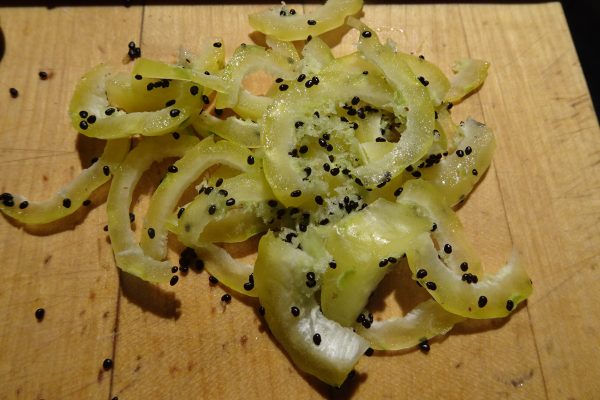
It is easiest to get the seeds by gathering your cactus fruit in advance. Halve the fruit and put it out in the sun. Once the fruit is dry, the seeds release more easily.  Now for the fruit topping. (You can skip this if you wish.) Choose four of the best barrel cactus fruit halves. Scoop out the seeds as well as you can and add to the others that are drying. Using your sharpest knife, slice the fruit as thinly as possible. Try to get about 36 slices. Put the slices in a small frying pan, cover with water, and simmer for a couple of minutes. Drain, return to the pan, add two tablespoons of water and two tablespoons of sugar. Simmer for about a minute, remove slices and dry on a sheet of waxed paper. 

Slice the fruit thinly and rinse off the seeds, catching them in a sieve. Don’t clog your drain!

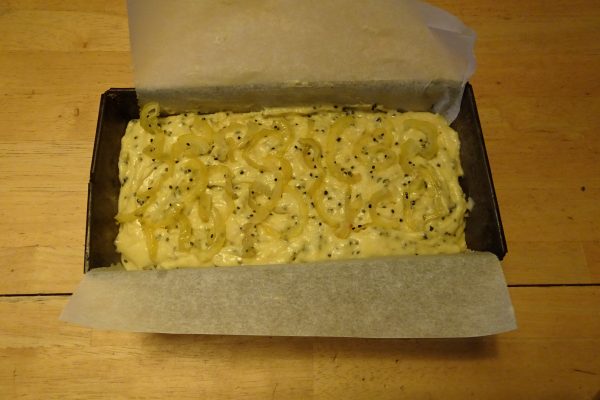
Some time during the 2000s, I began to learn about lining baking pans with parchment paper to help release cakes and breads. It takes extra time but does help with sticking. 

Consider lining your baking pan with parchment paper. When positioning your candied cactus fruit, lay the pieces crosswise to help in slicing.

Lemon Barrel Cactus Cake

Nonstick cooking spray or oil for greasing pan

1½ cups all-purpose flour

2 teaspoons baking powder

1 teaspoon salt

2-3 tablespoons barrel cactus seeds

¾ teaspoon ground turmeric

2 lemons

1 cup granulated sugar, plus 2 tablespoons for sprinkling

¾ cup  Greek yogurt

2 large eggs, beaten

½ cup (1 stick), melted

36 (or so) candied barrel cactus slices

  1. Heat the oven to 350 degrees. Lightly grease a 4-by-9-inch loaf pan with nonstick cooking spray or butter, and line it with parchment, leaving some overhang on both of the longer sides so you’re able to easily lift the cake out after baking.
  2. Whisk the flour, baking powder, salt and turmeric in a large bowl.
  3. Grate 2 tablespoons zest from 2 lemons into a medium bowl. Halve the zested lemons and squeeze 2 tablespoons juice into a small bowl.  You’ll have extra juice, so save the remainder for another use.
  4. Add 1 cup sugar to the lemon zest in the medium bowl; rub together with your fingertips until the sugar is fragrant and tinted yellow. Whisk in the Greek yogurt, beaten eggs and the 2 tablespoons lemon juice until well blended.
  5. Using a spatula, add the wet mixture to the flour mixture, stirring just to blend. Fold in the melted butter. Stir in the barrel cactus seeds. Scrape the batter into the prepared pan, smoothing the top. Arrange barrel cactus slices on top if using and sprinkle with 2 tablespoons sugar.
  6. Bake until the top of the cake is golden brown, the edges pull away from the sides of the pan, and a tester inserted into the center comes out clean, 50 to 60 minutes. (If the loaf is getting too dark, lay a piece of foil on top to prevent burning.) Let cool before slicing.

___________________________________________________________
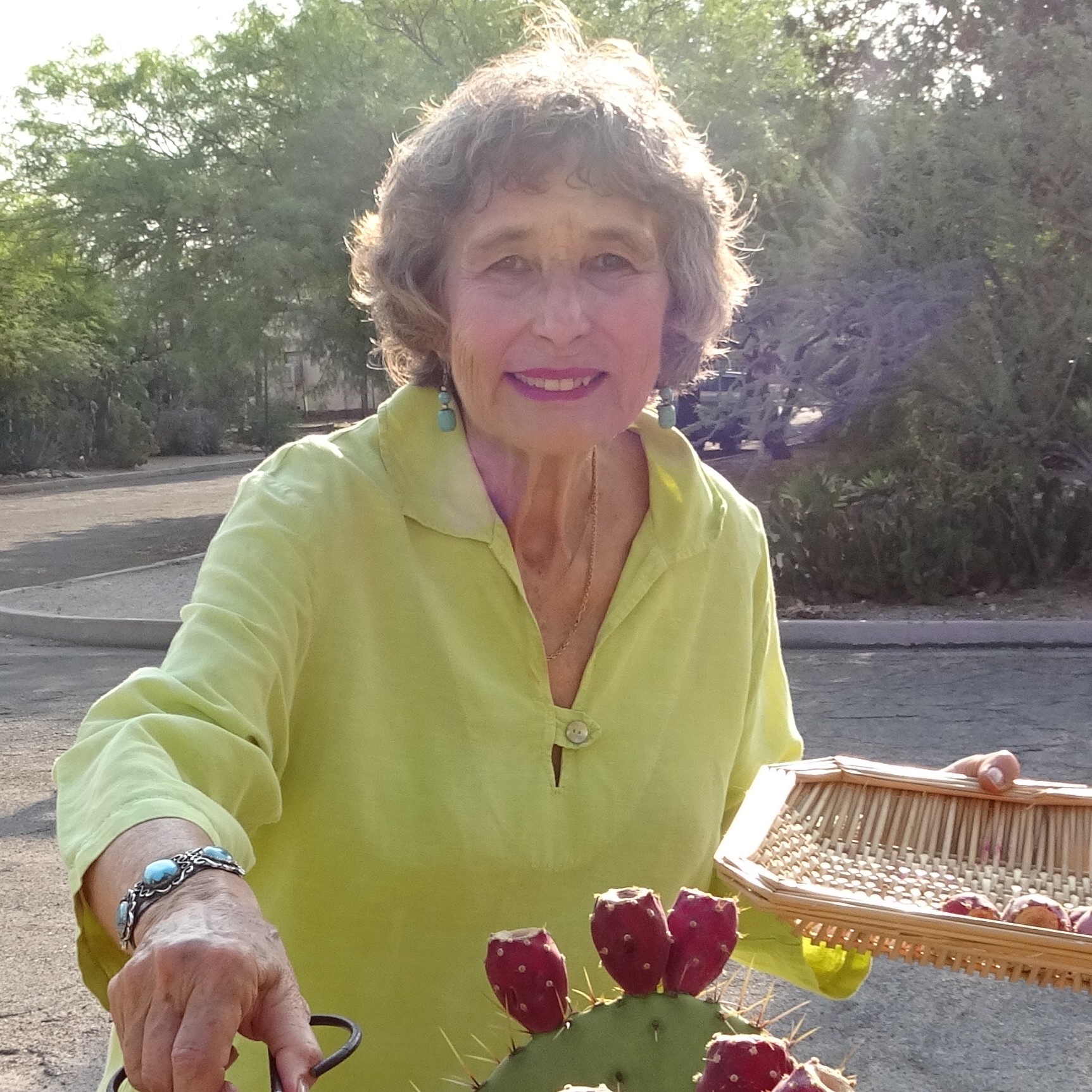
Want more recipes using wild foods of the Southwest? You’d find ideas for collecting and using 23 easily recognized and gathered desert foods in Cooking the Wild Southwest: Delicious Recipes for Desert Foods. If you are interested in prickly pear, The Prickly Pear Cookbook will teach you how to gather pads and fruits and turn them into tasty treats. Just click on the titles for more information. You can learn more about me on my website.

Three-Sisters for a Holiday Feast

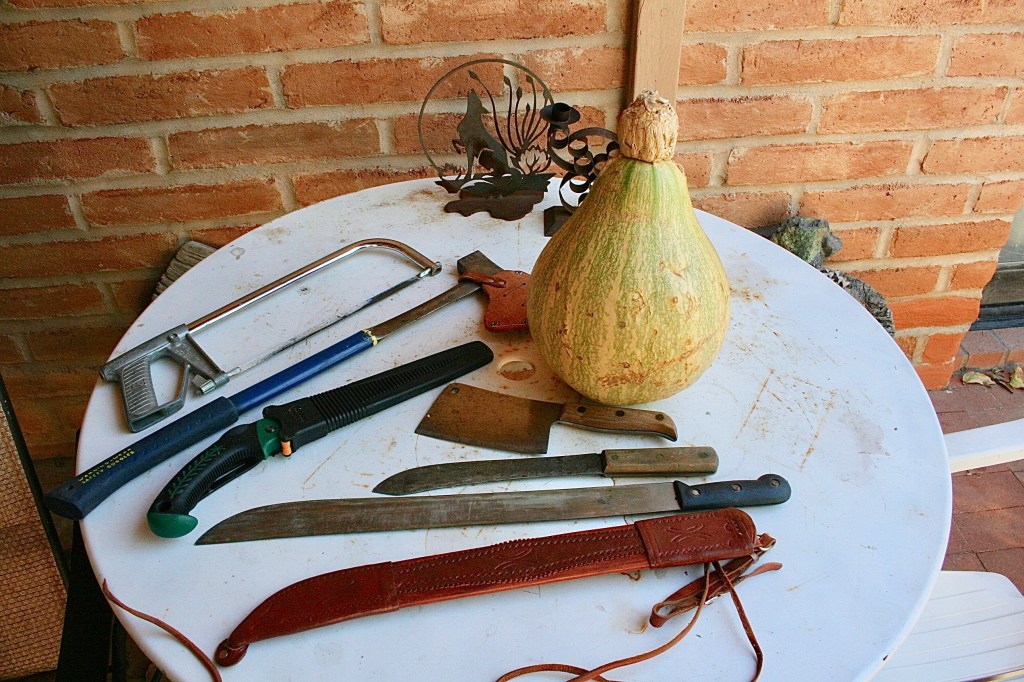
The First Sister–Big beautiful squashes for this project include Tohono O’odham Ha:l, a super-hard-shelled winter squash–also known as O’odham Pumpkin. Any winter squash like acorn or butternut will work great for stuffing. Heirloom winter squashes can be found in Hispanic markets and grown at San Xavier Coop Farm. A really hard shell makes a perfect “bowl” for cooking this fantastic compote comprising the Three-Sisters–corn, beans and yes squash!

Let’s invite the Three Sisters to a holiday table!

So who are they? Tia Marta here to share a delicious idea to bring the traditional Indigenous triumvirate of squash (or pumpkin), beans and corn–the Three Sisters–together in a 1-dish vegetarian delight. A stuffed Three-Sisters compote is fun for the whole family to participate in making. It takes some pre-planning but the process is almost as enjoyable as the finished combo–Stuffed O’odham Pumpkin!

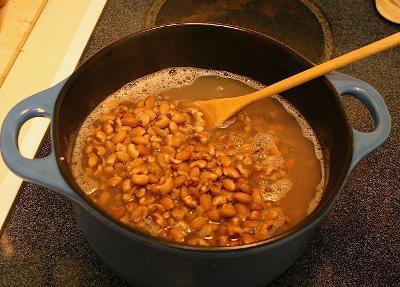
Here’s the Second Sister! Since beans take the longest to cook, I get my heirloom beans soaking at least 2 days before using them fully cooked in the squash “stuffing”. I suggest Bolitas, tepary, Colorado River beans, or FourCornersGold–all available at www.nativeseeds.org. After a day of soaking, drain, add water and simmer until totally soft and done.

A Tohono O’odham Pumpkin is accompanied by suggested cutting tools. No joke–hard-shelled squashes may take a major whack or sawing to open. It’s adult work. You’ll want to cut the shell carefully, outside on a stable surface. Locate cut near narrow neck of squash to allow access to the central cavity.

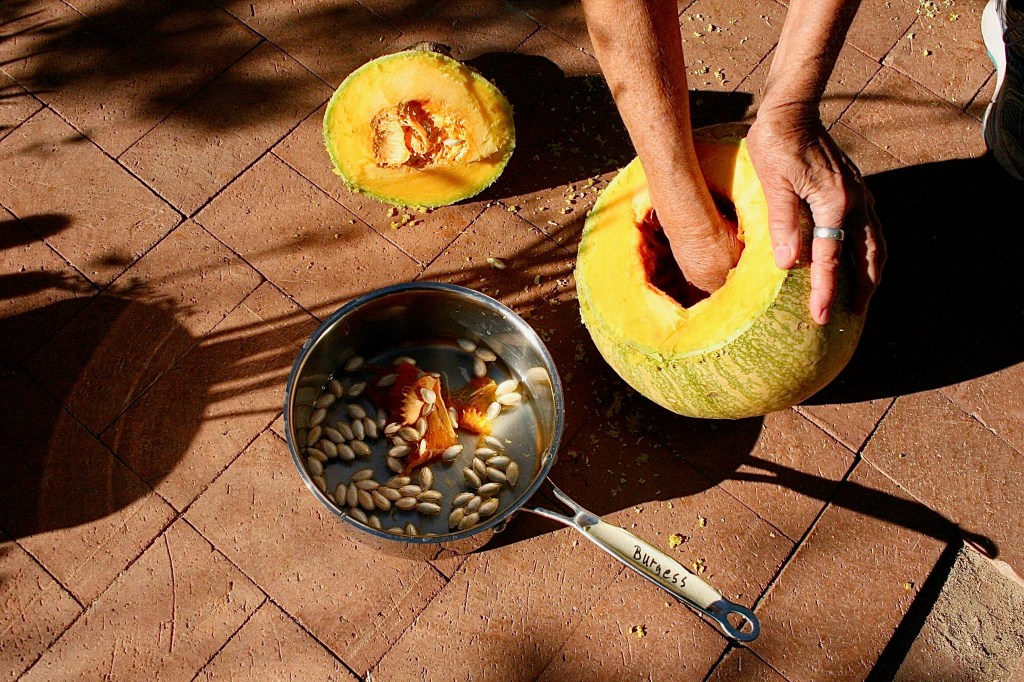
Kids may enjoy this part –it is really messy and slimy! Scoop out the plump seeds and slippery fiber and pulp from the insides of your pumpkin. Save the seeds for growing next year, or for almost-instant gratification as roasted and salted snacks.

The Third Sister is corn (maize); you can use fresh off the cob or canned (which is easier). For a binder I actually add a Fourth Sister, the wonderful Incan grain quinoa, and I cook it ahead.

For the Three-Sisters Stuffing Mix:  In a big mixing bowl, mix 6-8 cups cooked & drained beans, 1-2 cans sweet corn, plus 2-3 cups cooked grain.  Add sea salt to taste. Optional-add ½ cup chopped I’itoi’s Onions or other onions to taste.  For an additional zip, add 4-8 crushed chiltepin peppers.  Mix thoroughly. Adjust these quantities for the size squash(es) you have.

Stuffing the “bowl”:  Into the cleaned-out squash “bowl” put alternating spoonfuls of the bean mix without mashing it down until the “bowl” is full.  If your conventional oven or solar oven allows space, place the squash “lid” back onto the top of your stuffed “bowl” for baking.  My solar oven is small I had to place a black pan-lid on top of the “bowl”.

Bake at about 300-350F for a few (2-3) hours until the squash “bowl” appears to be partially slumping, the stuffing is bubbling and it smells done.  Solar cooking may take longer as you follow the sun.

Serve piping hot right out of the squash “bowl” adding scoops of the cooked squash from the inner side to blend with the stuffing. Left-overs can be frozen and reheated later as a casserole.

Enjoy this tasty combo from traditional desert gardens, their great nutrition and complete protein! Happy healthy holidays from Tia Marta and the Three Savor Sisters!

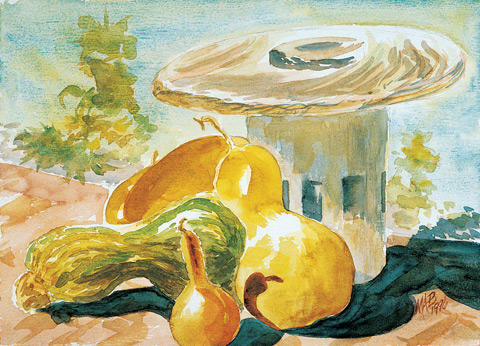
Tia Marta’s artwork…

….including images of heirloom squash and many other Indigenous foods, is available at www.flordemayoarts.com and as watercolor notecards possibly at Tucson’s Mission Garden in the near future…

Happy Holidays from the Savor Sisters

Happy Holidays to all our readers from the Savor Sisters: Amy, Carolyn and Tia Marta. we are grateful to all of you for following our blog, some of you for many years, as we share our enthusiasm for wild foods, local Southwestern foods, and spices and flavorings. Since you find our offerings interesting, perhaps you have friends or relatives who would also read or cook in Southwest style. If you are stymied for the perfect gift, we have some ideas for you. 

Prickly pear fruits are found throughout the Southwest. They are delicious, full of vitamins -and free! If someone you know likes to cook, a copy of The Prickly Pear Cookbook might help them try something new. The book includes recipes for both the magenta-colored fruit and the nutritious pads called “nopales.” The link above takes you to Amazon, but consider ordering from  your local bookseller. 

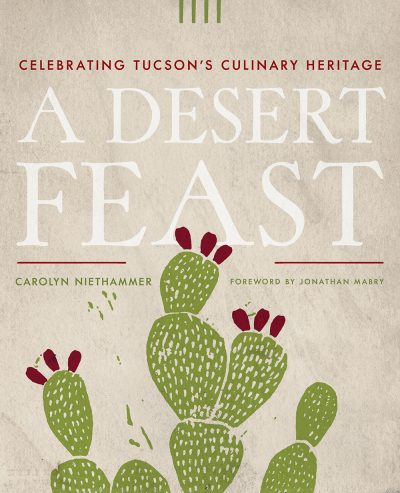
For the Southwest history buff and those interested in regional food, A Desert Feast: Celebrating Tucson Culinary History tells the tale of how corn and irrigation entered what we now call the United States. Agriculture spread from the Santa Cruz Valley very slowly north and east to the rest of the United States. Lavishly illustrated, the book has won four awards, one for design.  Order from Amazon, Native Seeds/SEARCH, or your local bookseller. 

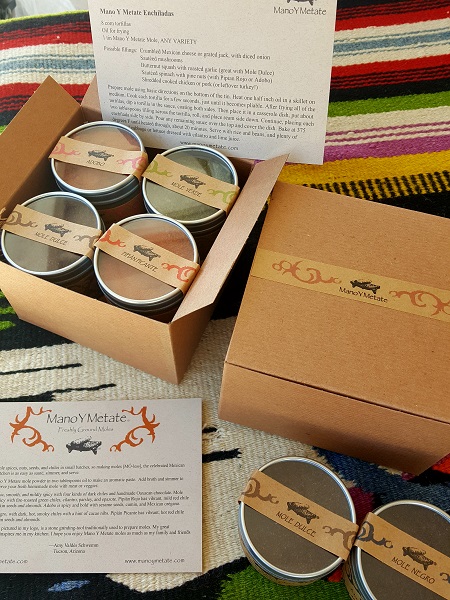
Also, FOODS make great inspiring, clutter free gifts! With Mano Y Metate mole powders, culinary creatives can go WILD and those just learning to season food can add a pinch to any dish for balanced flavor that taste like someone has been in the kitchen their whole life, and all that day.

Mole gift boxes can now be customized! Choose which variety of mole with chocolate: Mole Dulce with handmade Oaxacan chocolate and a homey taste that reminds me of my grandma, or Mole Negro with a spicier smoky complexity made with fair trade roasted cacao nibs. Also, choose between my original mild Pipian Rojo made with Santa Cruz mild red chile from Tumacacori Arizona or Pipian Picante made with Santa Cruz hot chile, for a medium spice level. Both pipianes are full of pumpkin seeds, or pepitas, almonds and warming spices.

Rounding out all gift box sets are tins of Adobo and Mole Verde for contrast and variety. Included are recipes to make the classic mole sauces and a recipe card for Enmoladas, enchiladas made with mole sauce, and lots of ideas for vegetarian, vegan and meaty fillings. Butternut squash is a favorite!

I (Amy here) personally make and package the mole, so I can send it directly to your loved ones or business contacts, or of course to you so you can give it in person.

I’ll be IN PERSON at Tohono Chul Park’s Holiday Nights December 10,11,17,18 evenings 5:30-8:30pm. (Masks required, outdoors). Stop by our booth and talk about food with my family. We would love to meet you!

Mole Marinated Roast Poultry

Happy November full moon! Amy here today experimenting with roast poultry.

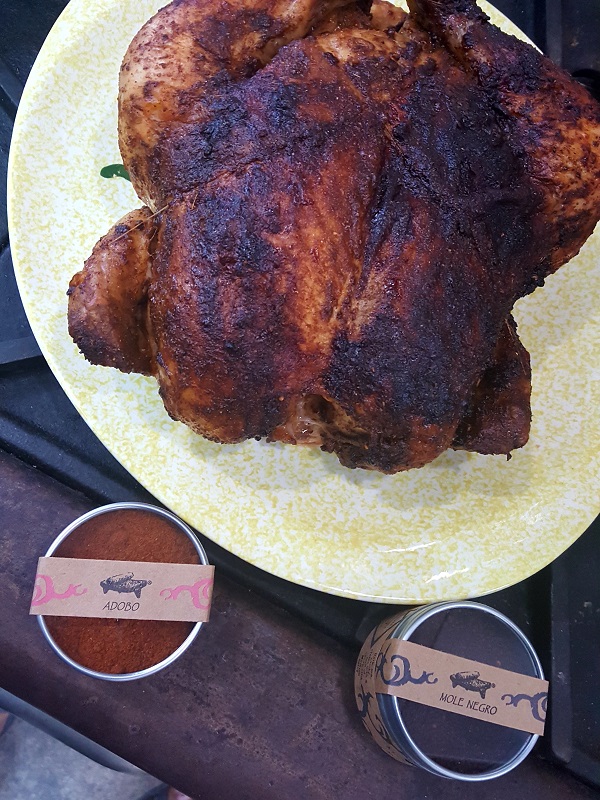
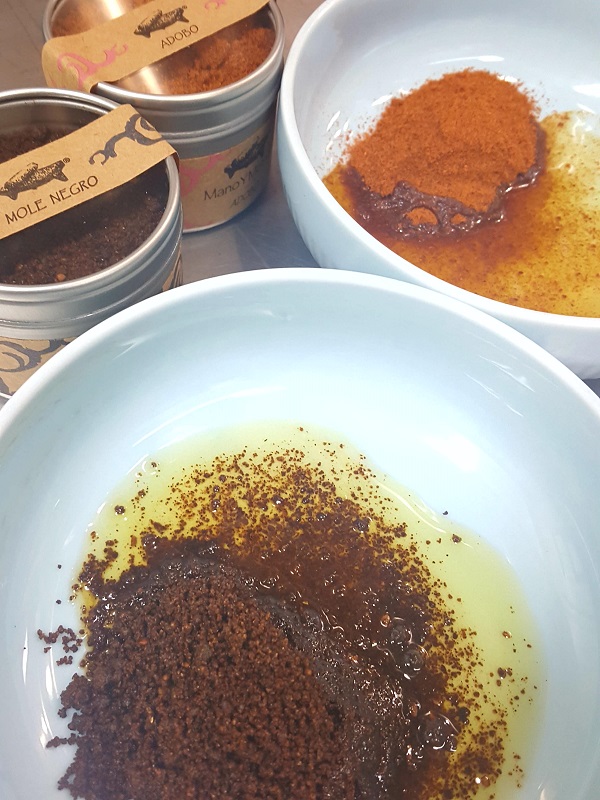
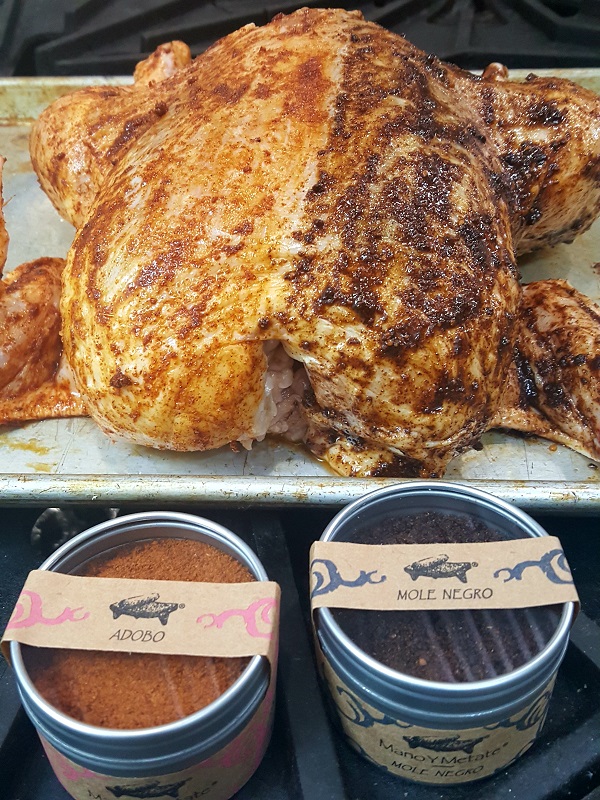
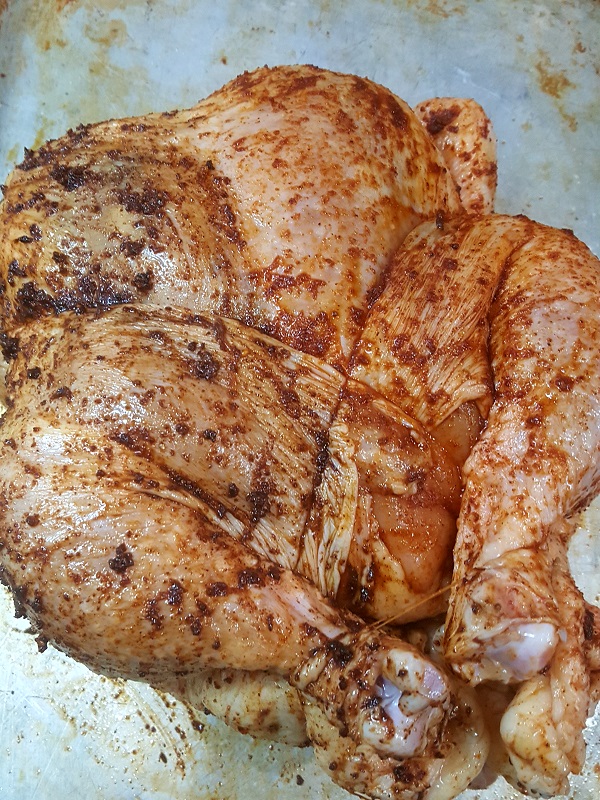
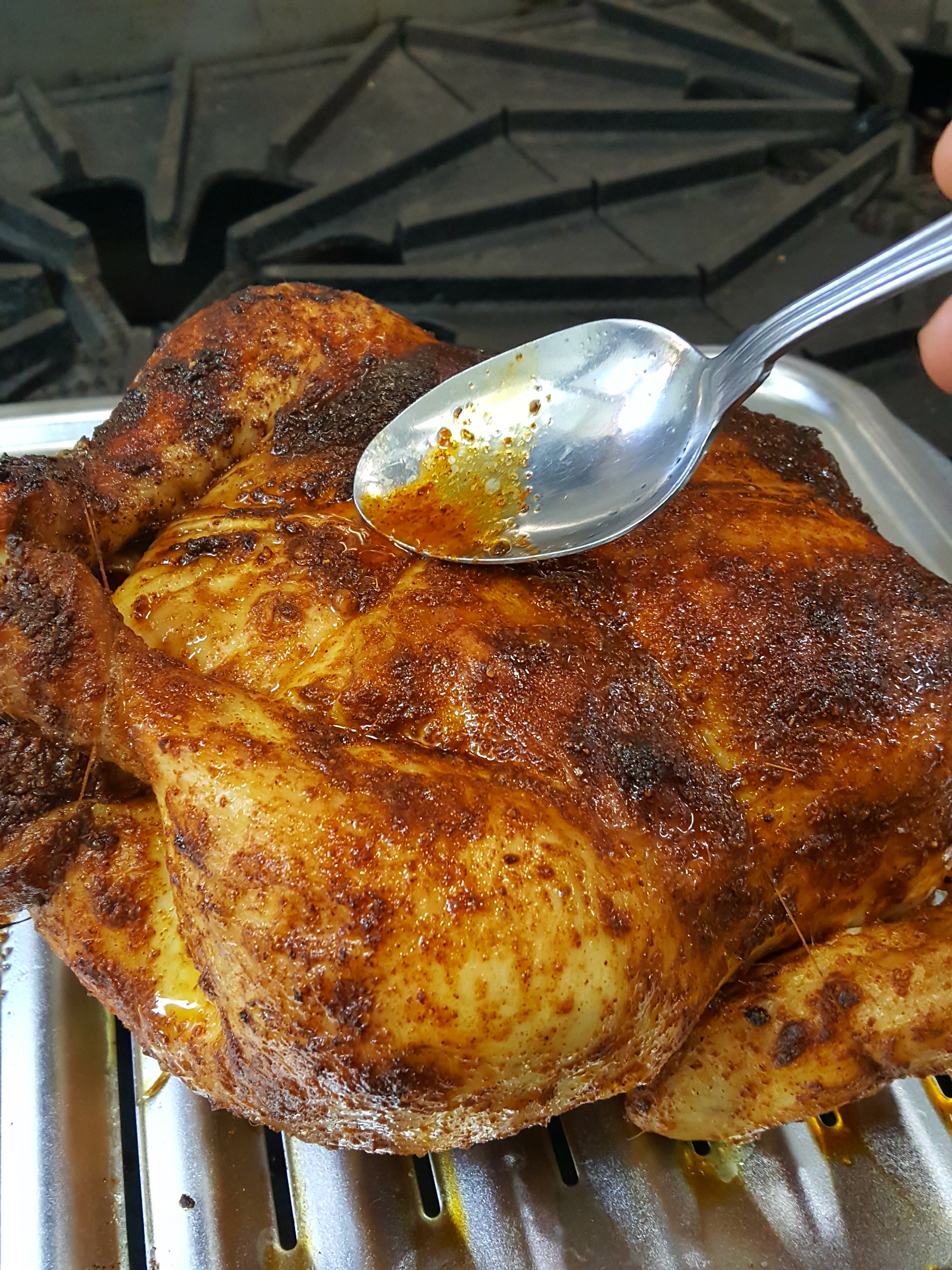
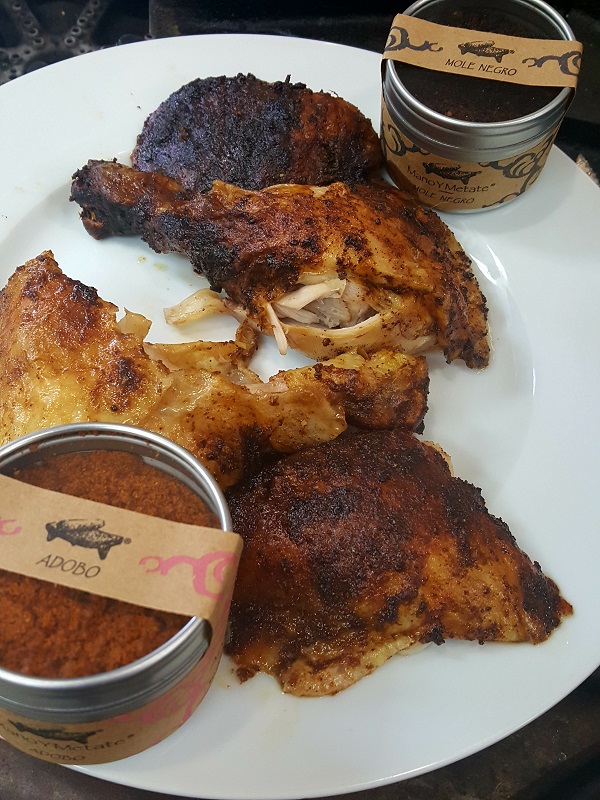
I wanted to make a roast chicken with mole as a seasoning, rather than as a sauce. Something exciting but still traditional enough for a roast chicken or turkey. Also, I couldn’t decide which variety of mole to use. So I separately mixed some Mano Y Metate Adobo and Mole Negro powders with olive oil and rubbed them one on each side of a chicken. I slid some under the skin and in the cavity. I sprinkled a little salt everywhere, too.

I trussed the wings and legs with dental floss.

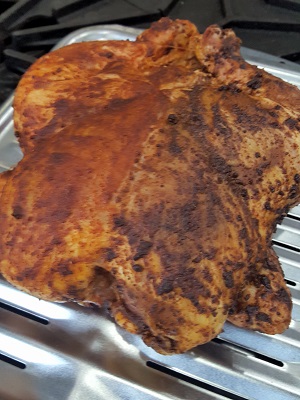
I let it marinate uncovered in the refrigerator for 36 hours. Supposedly this helps the skin get crisp when baking.

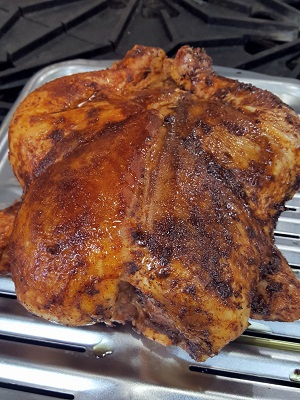
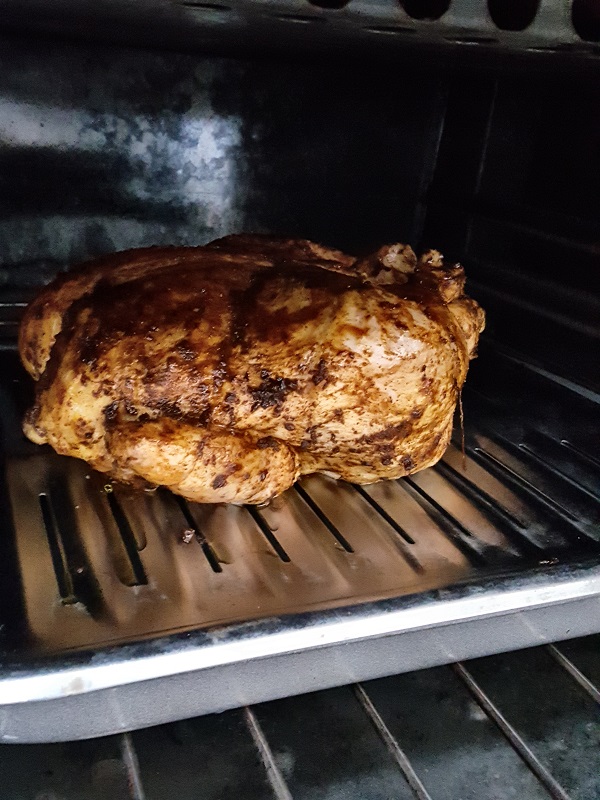
In that time the mole dyed the skin a deep color, but it looked dull. So I moistened it with a little more olive oil and set in a 375 degrees F oven.

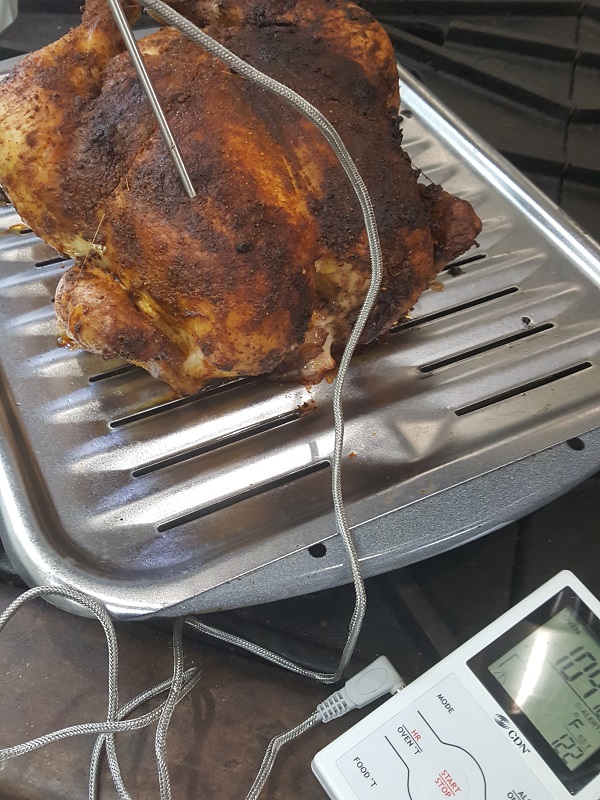
As it baked, I basted it a few times with its own drippings.

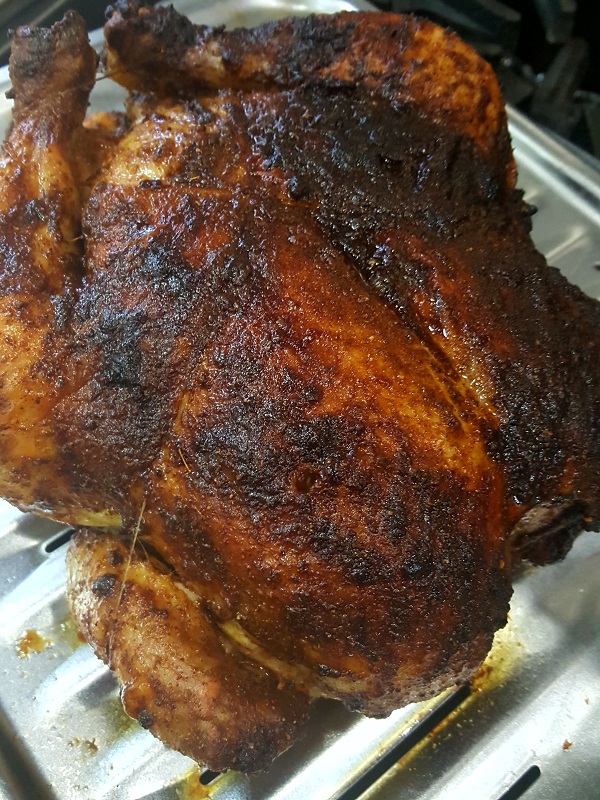
After it was almost to temperature (160 degrees F) I cranked the oven to 400 to crisp the skin for the last few minutes. Then I removed it from the oven, and while resting ensured the breast temperature climbed over 165F.

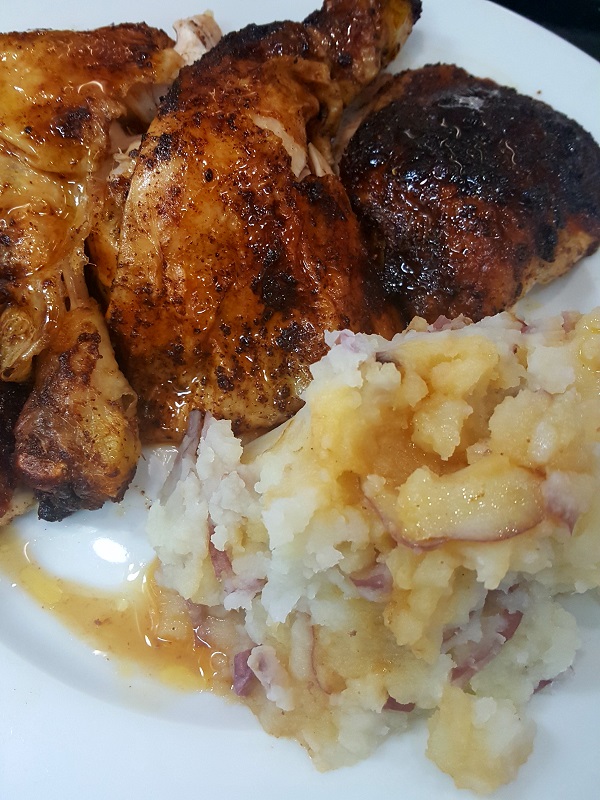
The skin was crisp and spicy! The meat was savory, flavorful and complex but less spicy. It was bold and special without feeling wild and crazy, or that the sides needed to work around the mole theme.

As for Mole Negro vs Adobo, I think the extra heat of the Mole Negro was my favorite, but the Adobo made the prettier crust and would be my choice for a serving a crowd.

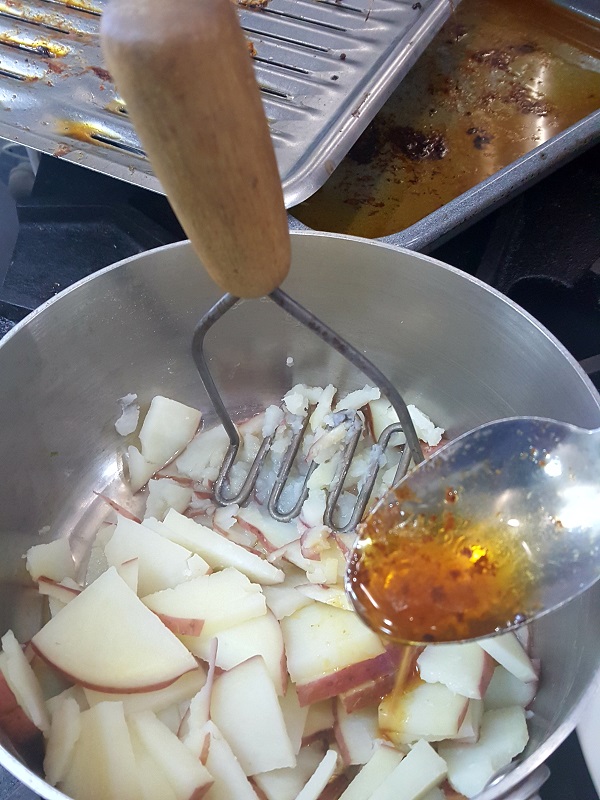
I considered making mole sauce to spoon on the plate, but instead put some of the drippings into and on top of the mashed potatoes. Delicious!!!!!

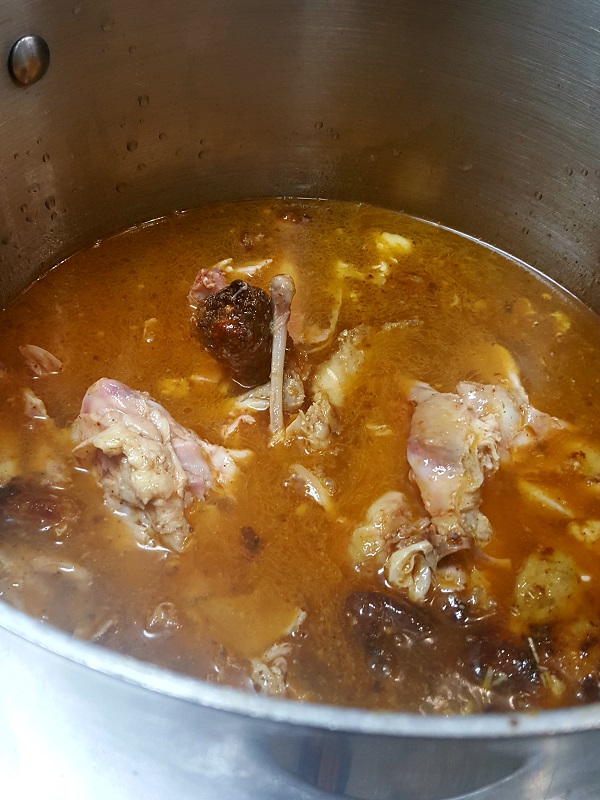
The bones and drippings made an incredibly rich colored broth with hints of mole. It was spicier than I thought it would be. I can’t wait to make it into soups, the best part of roasting a bird. Enjoy the weather and happy cooking!

Mesquite Popcorn: Two Old Foods Combine for a New Snack

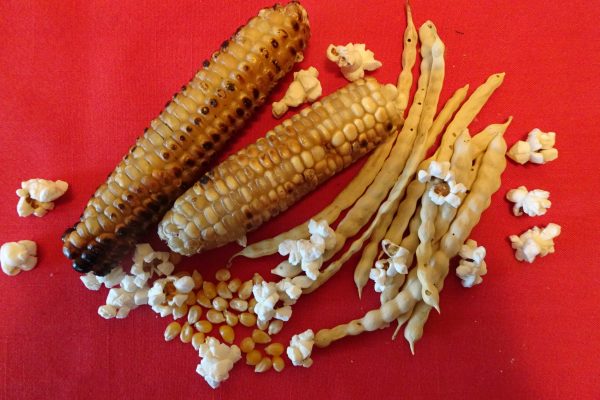
Native people in the Southwest have been growing popcorn and collecting mesquite pods for more than 4,000 years.  Not sure if they ate them together, but we can!

I have a simple, delicious recipe for you today, but first an announcement. It’s Carolyn this week thinking back to 2011 when I began my first food blog shortly after my book “Cooking the Wild Southwest” was published. I wrote the blog myself for a few years under the title “Carolyn’s Southwest Kitchen,” then thought it would be more fun for me and the readers if other authors joined in.  Writers have come and gone but today Tia Marta and Amy Schwemm and I are the regulars. Together we and our former colleagues have published 338 columns on wild greens, other edible wild plants, traditional chile recipes, delicious mole dishes and all manner of delicious Southwestern foods. Those columns will remain in the blogosphere and you can still search them. Recently, we’ve sent you a post every ten days, but knowing that everyone is so busy, we’re dropping back to one post a month. You will hear from each of us four times during the year in regular rotation.

Sprinkling mesquite meal on popped corn is so simple and so delicious I can’t believe I never thought of it before. It came about because I was giving a cooking demonstration to a small group and I knew they would get hungry as they watched me cook their dinner. The demo was in conjunction with my new book A Desert Feast.” It is my answer to why Tucson was named a UNESCO City of Gastronomy.  The answer is complex but one reason is that we are still eating some of the same foods people here have eaten for thousands of years. Throughout the dinner, I wanted to include a range of foods that had been eaten in the over the last 4,000 years in Southern Arizona and popcorn seemed like a good idea for a snack to keep my audience’s hunger at bay for the 45 minutes I’d need to put their complete meal together.  If I could season it with mesquite meal, that would help me tick off one of the earliest foods. It was a hit!  You’ll love it too.

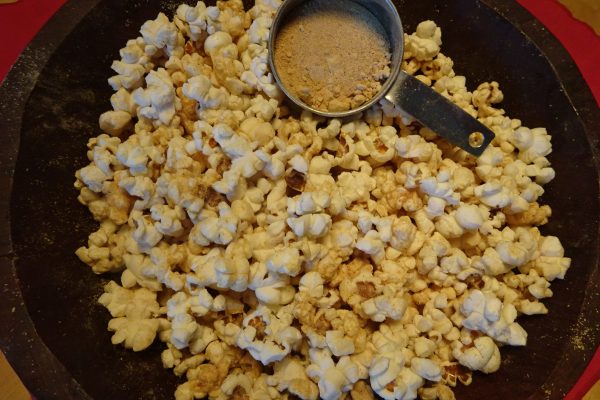
Sprinkle mesquite meal on plain or buttered popcorn for a naturally sweet treat.

Mesquite Popcorn

6 cups popped corn

2-4 tablespoons melted butter (optional)

6 tablespoons fine mesquite meal

Put the popped corn in a bowl large enough to allow mixing. Drizzle on the melted butter if using. Sprinkle on the mesquite meal, tossing until well combined.

________________________________________________
Want more recipes for mesquite and delicious wild foods of the desert? Find them in my book “Cooking the Wild Southwest: Delicious Recipes for Desert Plants.” And if you want to know why Tucson was named a UNESCO City of Gastronomy, I tell the whole 4,000-year story in my newest book “A Desert Feast: Celebrating Tucson’s Culinary History.” Buy them from your local bookstore or order on-line.

Mole Nachos

Hello Friends,

Amy here, sharing a classic dish that I’ve made several times recently. Years ago my young niece showed me how she made nachos. I didn’t grow up with them, and had never before gotten into making or eating nachos. Ava’s authoritative recipe in the microwave was such a delight that afternoon. So even if I make my own version now, I always think of her when I do.

I like to start with corn tortillas. Thin ones are best, and if they’re dried out a little, even better.

I fry them in a shallow layer of neutral oil until crispy and brown.

Then sprinkle them generously with salt right after coming out of the oil.

Freshly grated cheese is a must. I like jack, but of course anything that melts is good!

My niece used leftover beans and so did I. These are mayocoba beans cooked with just water, garlic and salt.

For sauce and spice, I made some Pipian Picante with my Mano Y Metate mole powder and the oil left after frying tortillas.

Then I added some leftover carnitas to it!

Since it is chile season, I roasted some from the Tucson CSA over the gas stove inside. After evenly charring, I put them in a lidded dry, cold saucepan, allowing them to steam in their own heat. Then the skins slip off easily.

Tucson CSA has had a good heirloom tomato year, so they go in whatever dish I’m making on the day they are ripe. And I sliced some white onion thinly.

I put the tortillas, cheese and beans to heat in the oven.

A thin layer of tortillas makes for more edges that can get crisp, but a full sheet pan with extra sauce and cheese is good, too! After baking, I top with the pork in Pipian Picante, tomato, onion and green chile. I recommend eating immediately like I did with my niece, enjoying the outdoors.

What in the world is a cardoon?

Have you ever heard of a cardoon?

I certainly didn’t know what a cardoon was– (a kind of cartoon? dragoon? vinagaroon? baffoon?)— until plant expert Dena Cowan at Mission Garden explained it to me. I had been oooing and ahhing over what I thought was a gorgeous “ARTICHOKE” plant growing in the Mission Period huerta garden plot there. She explained that it was a CARDOON–first cousin of artichoke and differing only slightly. She told me that while artichokes are grown for their delectable flower buds, the cardoon is grown for its edible leaf petioles and giant leaf veins! Tia Marta here to share what I learned–and what YOU can learn at our lovely Mission Garden when you see cardoon in person!

Inquiring further, I learned from an amazing Mission Garden volunteer, Jerome West, that actually the artichoke is a domesticated variety of the wild cardoon (Cynara cardunculus), native to the Mediterranean region and brought to the Southwest by missionaries. He told me that Homer recorded cardoon in ancient gardens in the 8th century BCE and Pliny the Elder mentioned ‘carduus’ growing in Classical Carthage and Cordova. This plant has been feeding people for a long time!

So I took on the challenge of learning to cook cardoon. Each leaf can be enormous, like 12-18″ long or more and widely lobed. The leaf petiole–its attachment to the stem–and the fat vascular tissue that continues through the leaf are the parts that are not only edible but flavorful and nutritious –bigtime.

Some prep is needed before you fix any recipe. Be sure to slice away any tough fibers, the way you might do with mature celery. Then chop and soak in lemon juice. I discovered online some helpful instructions–here is the best I found: https://foodandstyle.com/prepping-and-blanching-cardoons/ .

I fixed a surprise soup with red onions and pine nuts (believe it or not). Here’s another sensational soup recipe for Zuppa di cardi found online: https://memoriediangelina.com/2019/02/23/zuppa-di-cardi-cardoon-soup/ .

As for nutrition, check this: Cardoon is rich in good electrolytes–potassium, magnesium, calcium, plus Vit.B-6.

Cardoon (and artichoke) thrive particularly in our Sonoran Desert winters because they are attuned to the Mediterranean regime of winter rainfall. (Hopefully we shall have a good season of equipatas).

We need to grow more cardoons. Come see Mission Garden’s cardoons which are sporting tall drying flower stalks right now. AND plan to attend the Mission Garden Plant Sale coming up soon on Saturday, September 28, 2021, 8am-12noon. There might be a cardoon for sale or seeds for growing your own. A cardoon in your landscape will provide glorious visual texture and rich gray-greenery in your view-shed –not to mention good food when it is time to trim!

Sonoran Fall Cobbler with Prickly Pear, Apples and Plums and a Mesquite Crust

image4

Apples and plums combine with prickly pear syrup and a mesquite oatmeal topping for the perfect fall dessert.

Traditional fall fruits like apple and plums are natural go-togethers with prickly pears and mesquite. It’s Carolyn this week bringing you this recipe that is a good way to introduce people to new flavors because it is a recognizable old standard with a new twist. And it doesn’t take a large amount of either the prickly pear syrup or the mesquite to make a statement. I took this to a last of summer potluck recently and it was the first dessert consumed as people bypassed the whipped cream cake and even the chocolate brownies to give it a try. “You didn’t make enough,” is what I heard. 

DSC01772

Late summer country picnic perfect for Sonoran Fruit Cobbler.

To make the cobbler, you can use any kind of apples, but include at least one tart one, like Granny Smith, to give it a bit of brightness.

image1

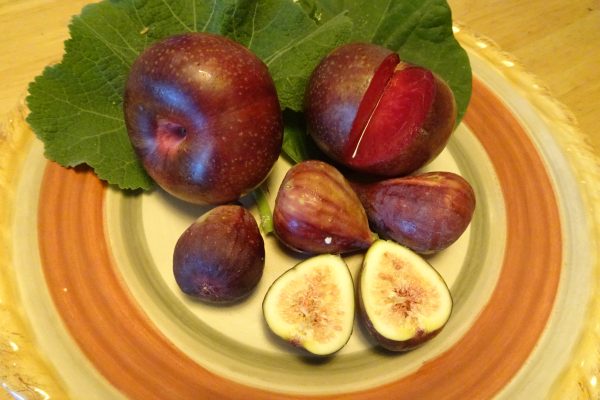
Mix the chopped apple and plums with a little bit of prickly pear syrup.

The mesquite oatmeal topping crisps up because of the butter that you rub into it.

image3

Sprinkle the top with a mixture of oatmeal, mesquite meal, and butter.

Sonoran Fall Cobbler

4 apples, chopped, no need to peel

4 large plums or pluots, chopped

1/4 cup prickly pear syrup

1/2 teaspoon corn starch

Topping:

1 cup dry oatmeal

1/4 cup mesquite meal

2-4 tablespoons brown sugar

1/4 cup (1/2 stick) butter

Heat oven to 350 degrees. Combine the chopped apples and peaches in casserole or pie plate or 8×8-inch pan. Stir the cornstarch into the prickly pear syrup and stir into the fruit mixture. In a bowl, combine the dry ingredients for the topping. Chop the butter into little pieces and with your fingers, rub it into the dry ingredients. Spread over the chopped fruit. Bake in preheated oven for about 25 minutes until fruit is tender and topping is nicely browned.

image2

Sonoran Fruit Cobbler is delicious as is or add cream, whipped cream, or ice cream.

____________________________________________
Want more recipes for mesquite and delicious wild foods of the desert? Find them in my book “Cooking the Wild Southwest: Delicious Recipes for Desert Plants.” And if you want to know why Tucson was named a UNESCO City of Gastronomy, I tell the whole 4,000-year story in my newest book “A Desert Feast: Celebrating Tucson’s Culinary History.” Buy them from your local bookstore or order on-line.