For a Spicy Solstice….

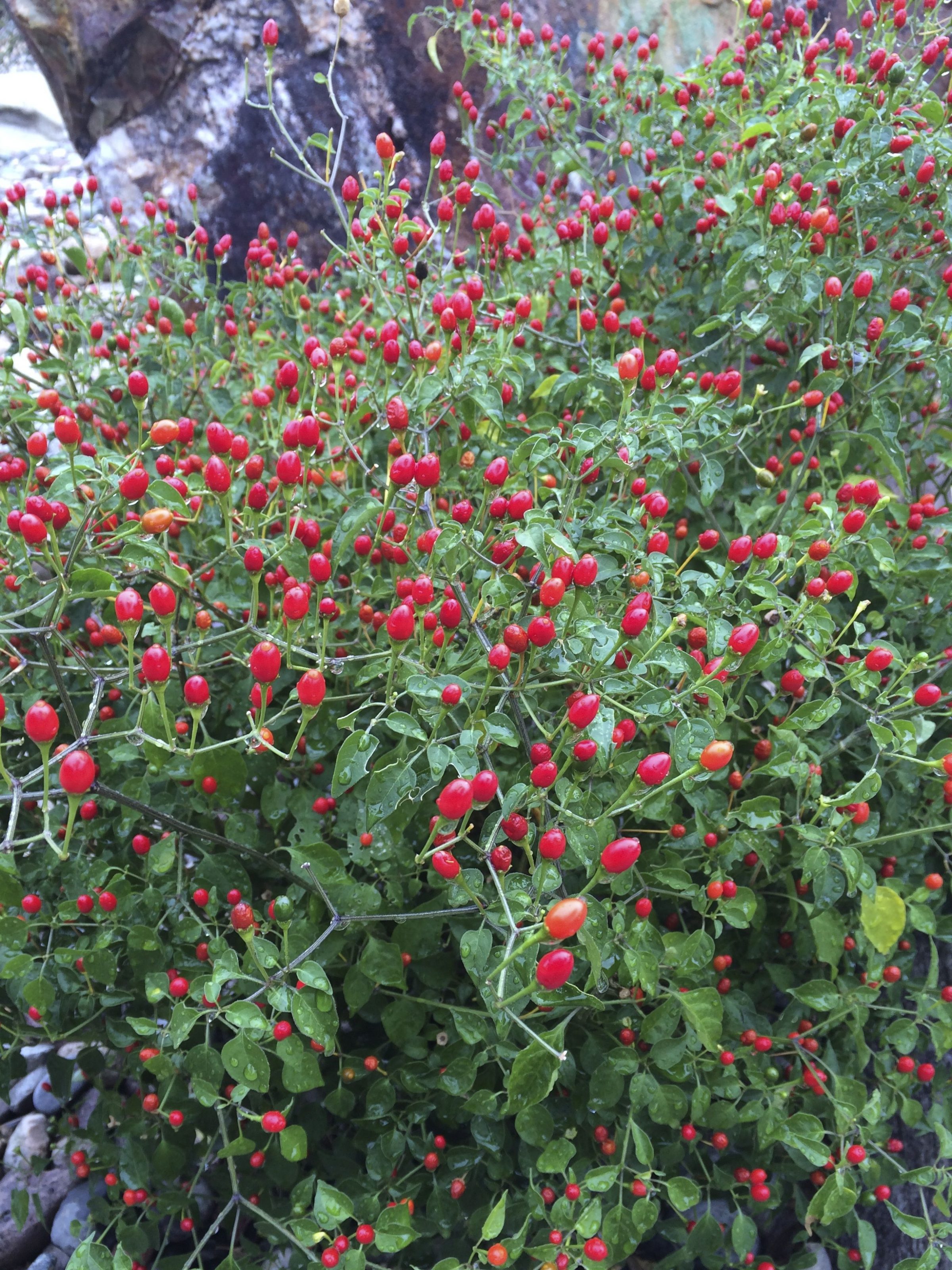
Chiltepin pepper from the wild, growing at Tohono Chul Park (Burgess photo)

Chiltepin pepper plant, originally from the wild, growing in the Tohono Chul Park landscape (Burgess photo)

It’s chile time in Baja Arizona!  The local goodness of our Sonoran Desert foods can assert itself tastefully—yea, vehemently!—into other imported cuisines. Tia Marta here to share a wonderful new wrinkle to celebrate this holiday season, by wedding the local “vehemence” of our chiltepin pepper with an imported tradition.

In decades since the 1940s, industrial ag and interstate grocery service have tried to make Baja Arizona into a food colony (but we are tastefully fighting back). Fossil fuels transport outside traditions to us that we do cherish and that help keep families together, like the many food traditions we celebrate at Tucson Meet Yourself in October each year.  At the top of the import list for Yuletide is one borrowed from East-coast First Nations. (See Renewing America’s Food Traditions by Gary Paul Nabhan, UA Press, for more.) This imported gift from Native People of Southern New England and coastal New Jersey bogs that I’m referring to for holiday feasts is naturally the cranberry. Thank Goodness for trade routes!

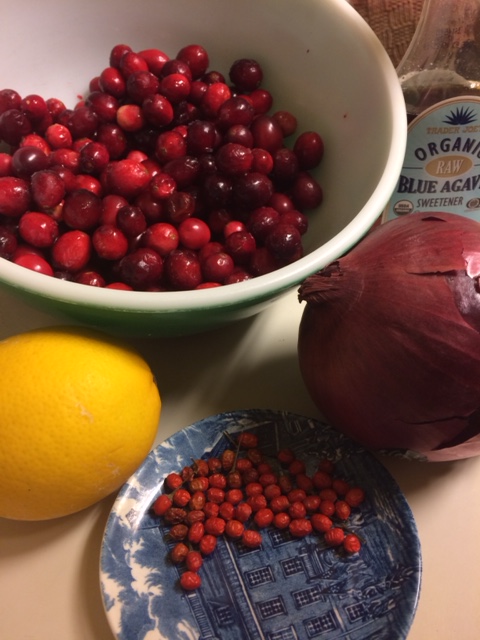
Ingredients for Chiltepin-Cranberry Relish--some local, some transported

Ingredients for Chiltepin-Cranberry Relish–my own Meyer lemon and chiltepines, plus transported cranberries, agave nectar, and red onion

Local and import come together sensationally in my recipe for a raw, vegan Chiltepin-Craberry Relish.
Yes, it is picante, sweet and tangy—and delicious! It was inspired by amazing cook and baker Cindy Burson of Country Harvest who won People’s Choice at a fair with her version. (Cindy’s Southwest treats can be enjoyed at Sunday’s Rillito Farmers Market and Wednesday’s Green Valley Farmers Market.)

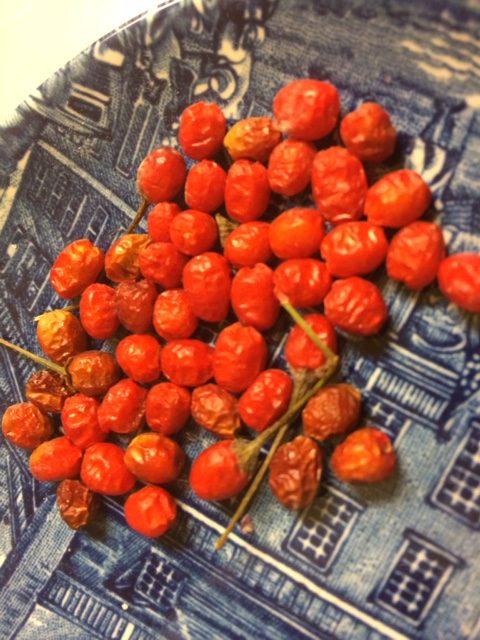
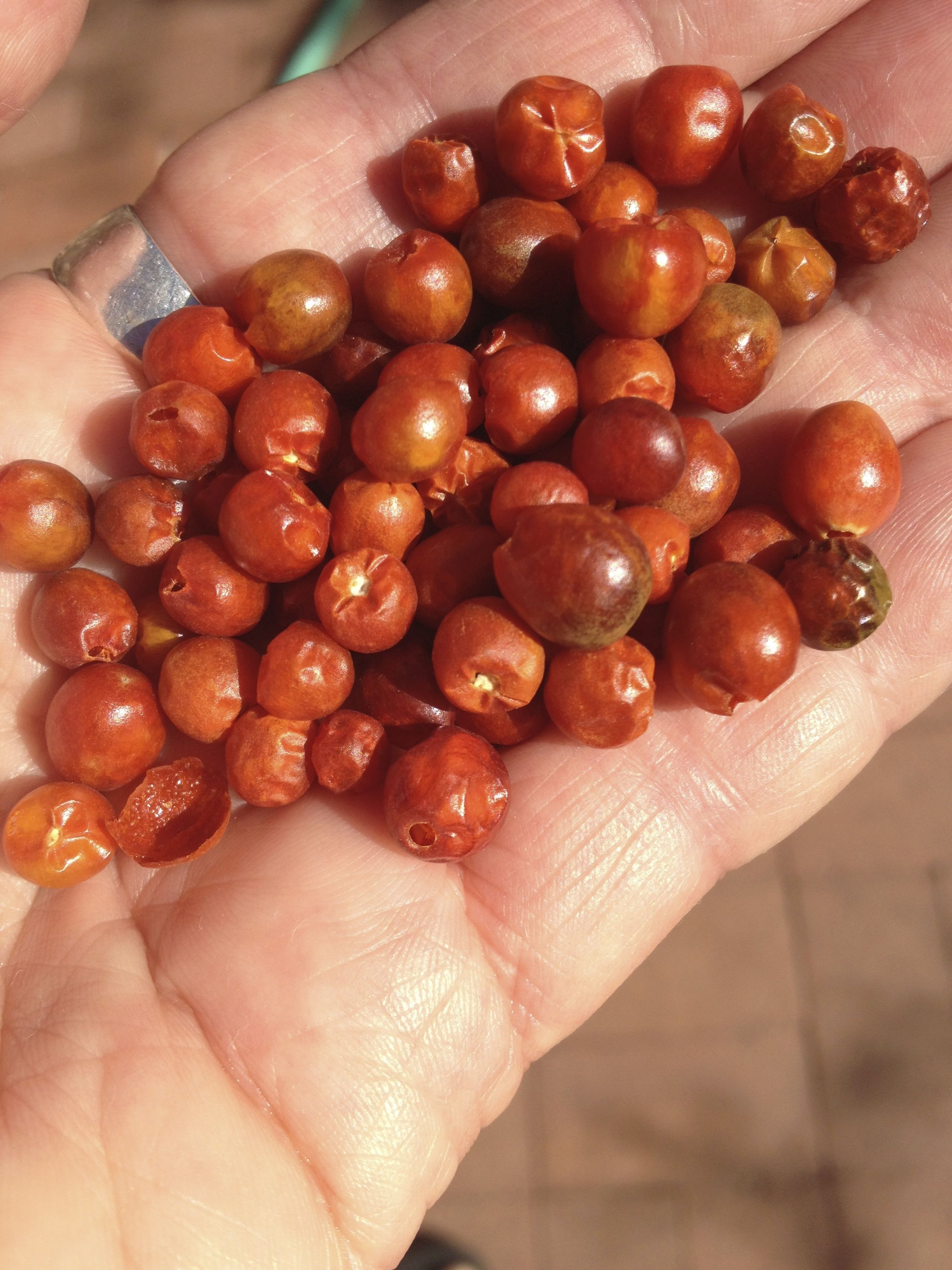
Dried chiltepines for the relish--They make a great snack, great flavoring for Tom's Mix SW Heirloom Beans, and super in any salsa

Dried chiltepines to use in the cranberry relish–They also make a great snack, great flavoring for Tom’s Mix SW Heirloom Beans, and super in any salsa.

Muff’s Fresh and Easy CHILTEPIN-CRANBERRY RELISH RECIPE

Ingredients:

3 cups fresh organic cranberries, washed

1/2 medium red onion, diced

8-12 dry chiltepin peppers for picante palettes, depending on “heat” desired (4-6 chiltepines for less picante).  Start with less, then add more later if higher “vehemence” is needed.

1/2 cup local raw honey or agave nectar

2 Tbsps lemon or lime juice

1-2 Tbsps tangerine rind or Meyer lemon rind, chopped

1/4 cup fresh cilantro, chopped (optional ingredient)

Directions:

In a food processor, pulse all the fresh ingredients and juice at least 6 to 8 times, keeping the texture coarse.

Chill in a covered bowl in refrigerator overnight or at least 8 hours, for time to meld the flavors.

Stir the mixture;  do a taste test.  Add more honey or agave nectar, or chiltepines as needed for the sweet toote or picante palette.

Spicy Chiltepin-Cranberry Relish can keep its freshness, flavor, and color in the frig for at least a week.

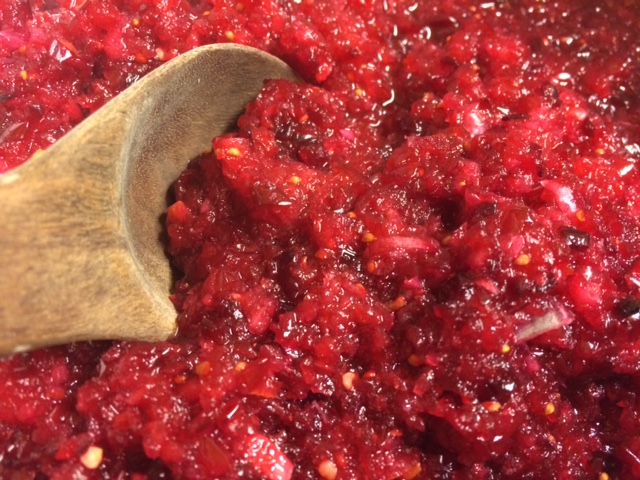
Note texture of fresh relish--not too fine. (Tarahumara and Mayo spoons like this for serving can be found at the NativeSeeds/SEARCH store)

Note texture of fresh relish–not too fine. (Tarahumara and Mayo spoons like this for serving can be found at the NativeSeeds/SEARCH store)

Even the conservative palette will relish this holiday condiment—perfect for Christmas dinner or festive smorgasbords. Chiltepin adds a glorious kick to the sweet tart of cranberries, with a non-lingering wave of excitement to the tastebuds! You will find Chiltepin-Cranberry Relish as a fine complement not only to turkey or ham. Try it with bagels and cream cheese. Use it as a savory side, or with a salad, on any holiday platter. It’s a celebration of East meeting Southwest—Enjoy!

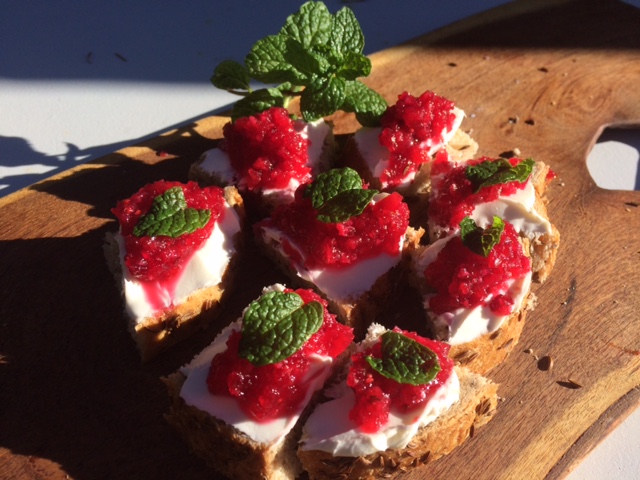
Here I've used Chiltepin-Cranberry Relish served with creamcheese-on-rye canapés

Here I’ve used Spicy Chiltepin-Cranberry Relish served as creamcheese-on-rye canapés

We harvest chiltepines one by one as we need them, from our own chiltepin plants. Birds appreciate our chiltepin bushes as much as we do! Some of our plants I propagated from wild chiltepines in Arispe, Sonora, and Baboquivari. Some, purchased at Tohono Chul Park’s Chiles and Chocolate event, were propagated by experts Charles DiConcini and blog sister Linda McKittrick from Sierra Madrean plants. To buy healthy, productive plants for your own garden, be sure to put the NativeSeeds/SEARCH Valentine’s Plant Sale on your calendar for February.

Fresh-picked mature chiltepin peppers--Caution: do not rub eyes after picking chiltepines!

Fresh-picked mature chiltepin peppers–Caution: do not rub eyes after picking chiltepines!

To source fresh dried chiltepin peppers for cooking and eating, visit the NativeSeeds/SEARCH store (3061 N Campbell Ave, Tucson or http://www.nativeseeds.org) or stop by Cindy’s Country Harvest booth at Rillito Farmers Market Sunday.  You can see live chiltepin plants in fruit at Tohono Chul Park and at Mission Garden in Tucson.

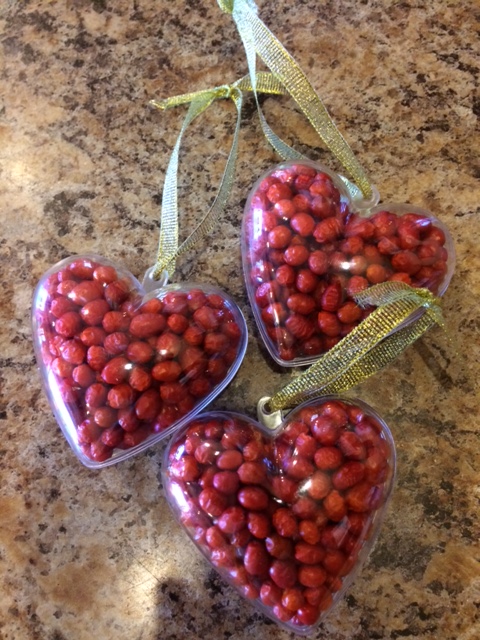
Chiltepin-filled Heart Ornaments available at NativeSeeds/SEARCH Store for holiday decor and spice into the New Year!

Chiltepin-filled Heart Ornaments are available at NativeSeeds/SEARCH Store for holiday decor and spice into the New Year!

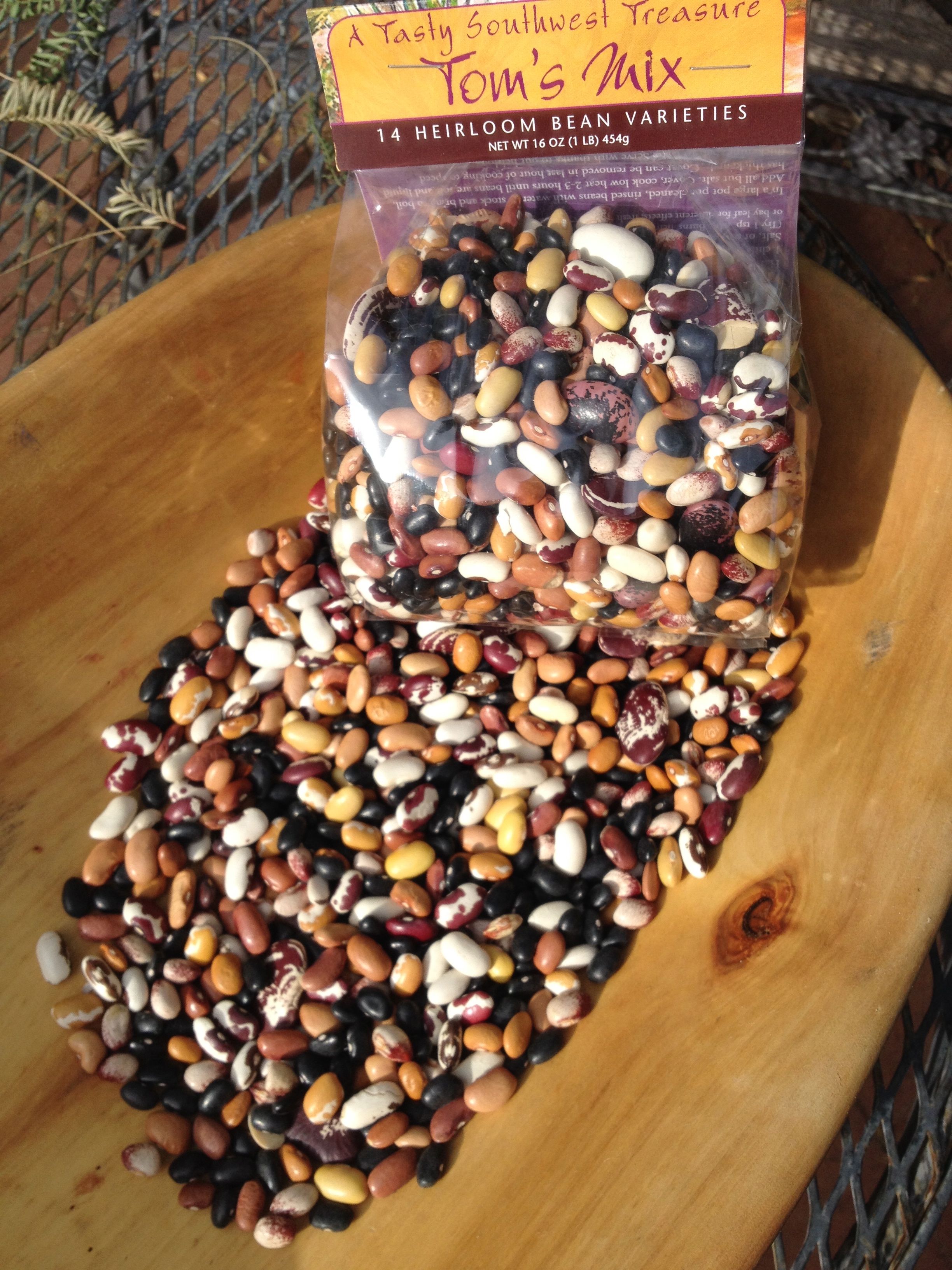
Another great idea:  A couple of chiltepines added to Southwest Heirloom Bean Tom’s Mix makes it a perfect potluck crowd-pleaser. You can find SW Heirloom Bean Tom’s Mix at NativeSeeds/SEARCH, or for online gifts at http://www.flordemayoarts.com.

Tom's Mix 14-Heirloom Bean Mix makes a perfect gift from the Southwest--made spicy with chiltepines! Find them at NativeSeeds/SEARCH store, Tohono Chul Museum Shop, Wiwpul Du'ag at San Xavier Plaza, and the UNICEF Store in Monterrey Village, Tucson; or online www.flordemayoarts.com

Tom’s Mix 14-Heirloom Bean Mix makes a perfect gift from the Southwest–made spicy with chiltepines! Find them at Rillito Sunday Farmers Market, NativeSeeds/SEARCH store, Tohono Chul Museum Shop, Wiwpul Du’ag at San Xavier Plaza, and the UNICEF Store in Monterrey Village, Tucson; or online http://www.flordemayoarts.com

Pepitas, Squash Bees, and The Power of Small Things

Linda here, writing to you this chilly, December morning.

Several people asked me about squash this week. What a surprise! –  as squash is  often a bit under-appreciated.

I adore squash. It is rare in that every part of the plant can be eaten – leaves, shoots, flowers (both the male and female flowers), and its seeds.


img_4768

Pumpkin Seeds (hulled) roasted with chiltepin

Let’s spend a moment with the Squash Bee. We think of squash as growing in the garden, that is, a domesticated plant. And it is. But Sophie D. Coe, in America’s First Cuisines reminds us that they were (as were so many of our not domesticated foods) WILD. She writes: “Their original distribution in the wild can be traced by the ranges of various species of bees of the genus Peponapis, whose sole source of nectar and pollen are the squashes, and specific species of squashes for specific species of bees at that.”

img_4747

Squash Bees – from a poster at a squash stand.

There have often been times in our shared human history (and present!) where food is scarce. People planned ahead for times of hunger. In terms of squash, it was prepared by cutting in into strips and dried for use later.

img_4778

This print was made by Jean Bales (1946-2004) and it titled Cushaw Melons: Pumpkin Harvest and Drying the Pumpkin (1980).

Most of you have favorite squash recipes that you turn to for you Holiday Tables. I want to remind you to not throw away the seeds when you are preparing your squash.

img_7558

A squash growing through the fence.

Before we get into the recipe maybe we better spend a moment on How to “get into” the squash. Think squash like the one growing on the fence can be tricky to cut open with a knife. A friend from Mexico showed me a simple trick that has changed my squash-culinary-life.

It is this: Use gravity.

Meaning: Drop the darned thing on the ground until it cracks open, then scoop out the seeds and save for the garden and for the recipe below. Then you can get your knif into the rind and cut for roasting or steaming of what have you.

Today’s recipe: Roasted Pumpkin Seeds (Pepitas) with chiltepin. 

img_4765

The key to this VERY tasty treat, is to roast on VERY low heat. I use heat around 175 (under 200 degrees for sure).

I put a handful of pumpkin seeds (hulled or not) on a baking sheet in a preheated oven.

Add a tablespoon of Braggs Liquid Aminos and make sure that the seeds are coated with and spread them out evenly on the sheet.

I sprinkle half of the pan with dried chiltepin – and the other half leave for those who may not like such heat.

Every oven is different, but mine take about 15 minutes to roast. While they are in the oven, check them once or twice moving them around with a utensil to keep them from sticking.

When they are dry (and not sticky) take them out and let them cool.

————————————————————————–

Here are a few other squash adventures that I have had. Please let me know what you make with your squash!

img_2731

Scramble squash blossoms into your eggs …. they are delicious!!!

img_2738


img_1487

Empanadas baking …

Make empanadas with squash filling sometime – they can be sweet or savory! The rustic oven you see above lends a nice smoky flavor to the empanadas – but they are fabulous in any kind of oven. img_1486

img_7213

An embroidery project I made as an Ode to this generous plant


Corn to posole

20161120_153431

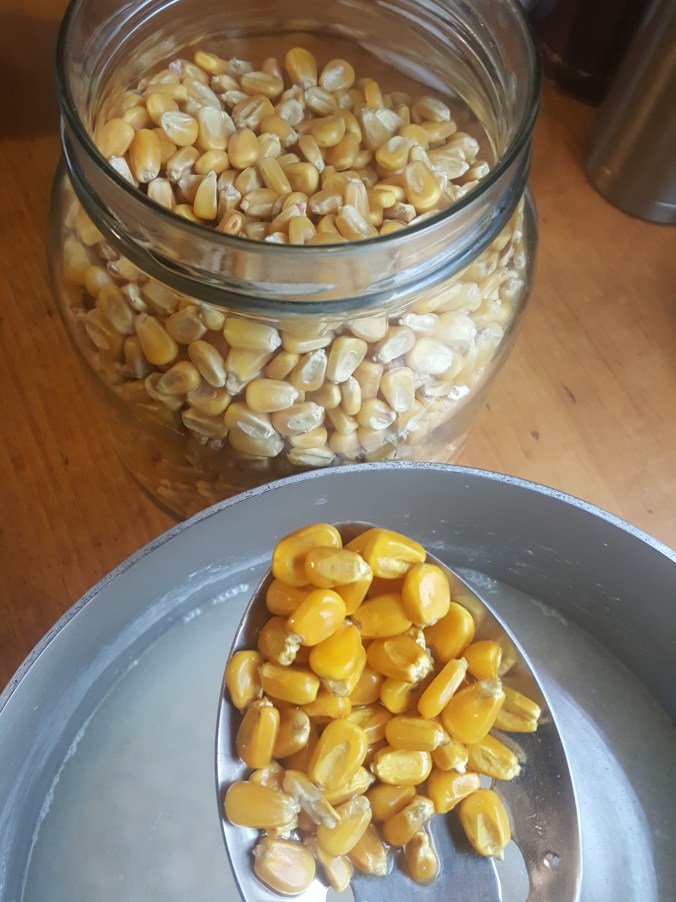
Do you love posole? Amy here today making posole from dry, untreated corn. What corn to use for posole? Flour corn varieties are good, as they have a large starch content. Also dent corn varieties, which contain some starch, dry unevenly on the cob and form an indentation in the top of the kernel. The dent corn I’m using today is sometimes called field corn, and it may have been grown to feed to livestock. I sometimes get dry corn, purple or white, from the bulk bins at the Mexican store. Use what you can find or grow and see what happens! This corn was a gift of completely unknown origin from my friend Lori.

20161120_154052

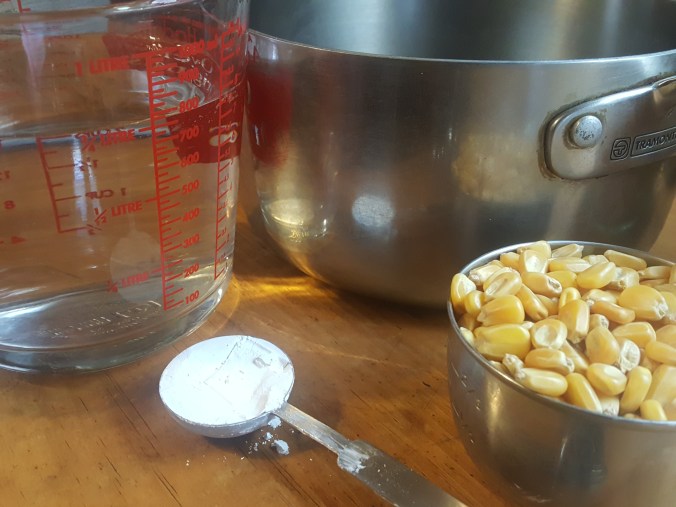
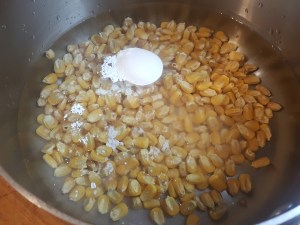
The ratio is 1 cup dry corn, 3 cups water and 1 tablespoon lime. Not lime, the citrus fruit, it is specially treated limestone. The best source for culinary calcium hydroxide is called cal sold with Mexican spices, or called pickling lime sold with canning supplies to keep pickles crisp. It is becoming rare since modern pickle recipes are more cautious of botulism growing in the less acidic environment. If necessary, type S (slaked) construction lime for concrete and mortar works, but you have to add more of it.

20161121_105421

20161120_154253


Place all in a non reactive pan, simmer for a few minutes and then remove from the heat. If you are making posole, it is not critical if the corn starts to cook a bit. If the corn will be ground into tamales or tortillas, it will be gummy and not stick together well if cooked.

As soon as the corn is in the lime water, it turns bright yellow!

20161120_154644

Then let it soak overnight. I decided to boil some corn in plain water to compare the results.

20161121_080957

The next morning: On the right, the limed corn is much darker yellow color than the corn boiled and soaked overnight in fresh water, on the left. On the right the lime water, formerly white, is now yellow from the seed coats of the corn. The water in the pot on the left remains clear.

Drain the lime water and send to the sewer, not your plants! It is very alkaline and will harm the soil and plants.

20161121_082053

The lime turns the seed coats into slime. Now rinse, rub, rinse, rub, rinse.

20161121_082941

Now the rinsed, limed treated corn in the colander is a lighter yellow than the plain water boiled corn in my hand.

This is called nixtamal, and can be ground into masa for tamales or tortillas, or cooked into posole. I will make masa in another post.

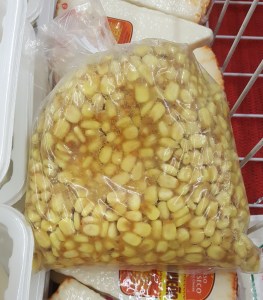
You can purchase nixtamal ready to rinse at most grocery stores. After rinsing, it freezes beautifully. I have purchased it dry, whole or ground, but never dried it myself. I use it dry in the Mano Y Metate Mole powders to give body to the sauce.

20160918_120010

When the corn rinsing water is clear, boil in fresh salted water. Add chopped onion and a few cloves of garlic. Cooking times vary wildly depending on the batch, but at least an hour, until tender and the kernels burst open.

20161121_083914

The same corn after identical soaking and cooking times: the treated corn on the right blossomed to toothsome tenderness and has the characteristic posole aroma. I see some residual seed coat, but I do not notice when eating. On the left, the fresh water soaked and cooked corn has a few kernels that blossomed some, but is overall texture is hard with seed coats remaining in my mouth after chewing. It does not smell like posole.

20161121_115028

This reason alone would justify the nixtamal-ization process, but it also makes it more nutritious. The niacin present in corn becomes more available, the amino acid balance improves and the lime adds a digestible source of calcium.
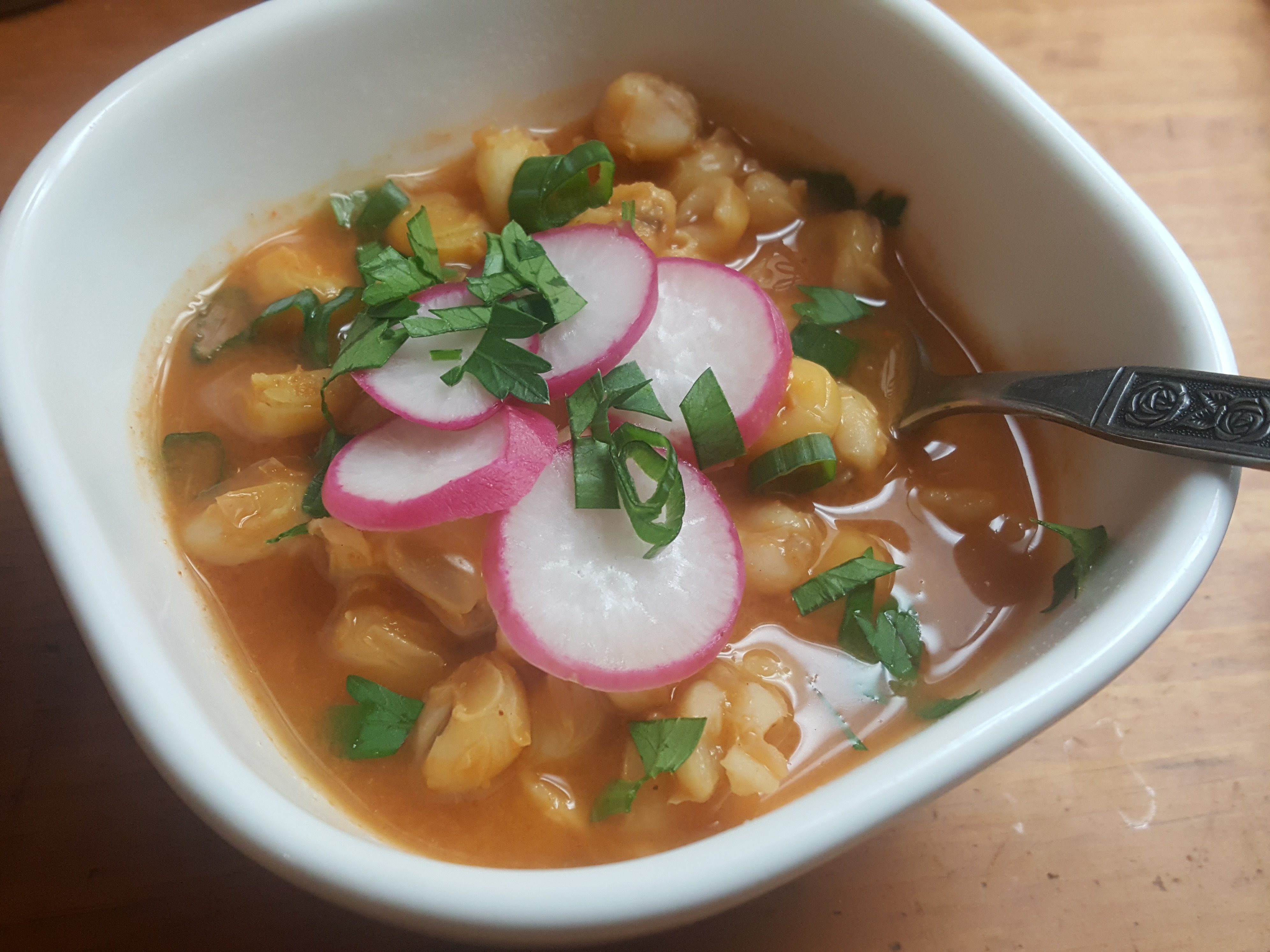
To the pot you can add little red chile, green chile, cubes of pork, beef tripe, pinto beans, or sliced carrots. I added Mano Y Metate Pipian Picante Powder. Garnish with shredded cabbage, sliced radishes, cilantro, white or green onion or lime wedges.
20161121_170748_001

Election Bread—Savoring an old Recipe

No matter who your candidate was this momentous month, by fixing this festive treat called “Election Bread,” we can at least toast the democratic process AND local heirloom foods all in one delicious slice!

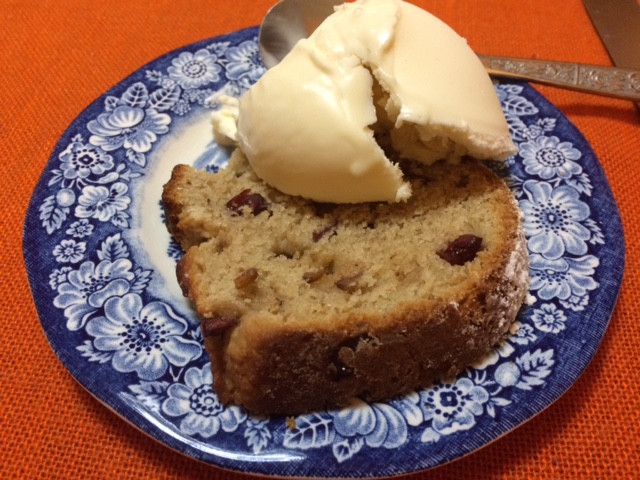
Ames Family Election Bread served joyously as a dessert

Ames family traditional Election Bread served joyously as a dessert topped with natural vanilla ice cream

Tia Marta here to share an Election Bread recipe inspired from my own family tradition served around election time each November. On the internet you might find historical variations of it with the moniker “Election Cake.” Technically it is a fruity yeast bread—probably one of the precursors of holiday fruit cake, reminiscent of Italian panettone–a nice addition as weather cools and fruits ripen. In the “old days” they say this Election Bread was baked to attract people to the polls on Election Day and fortify them for the trip home.

I gleaned our Ames Family Election Bread recipe from a cherished little cook’s notebook which my 80-year-old great Aunt Rina wrote for me when I was just learning to cook—yikes, some decades ago. My new adaptation of it reflects our home turf in the flavor-filled Sonoran Desert.

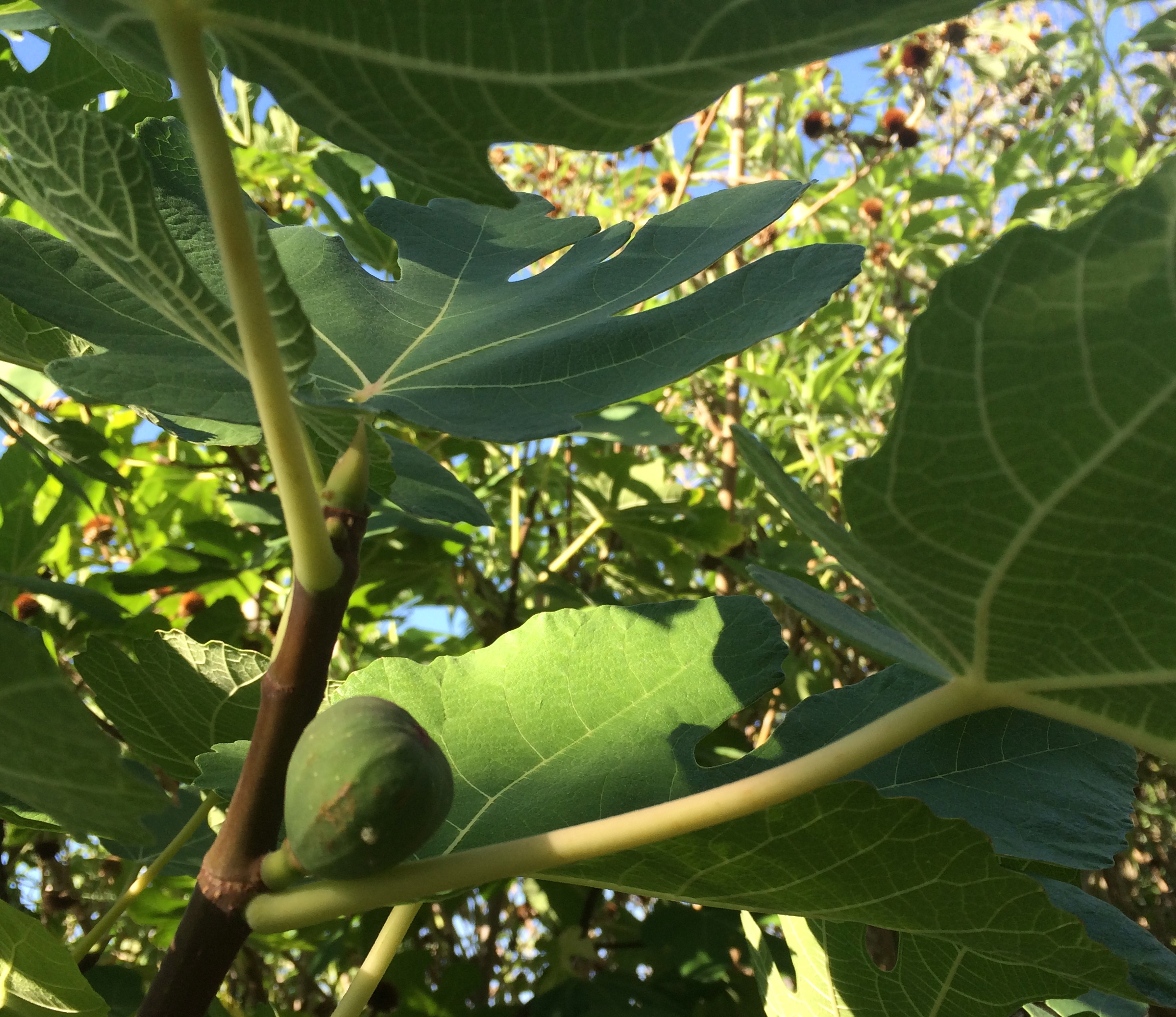
Heirloom Sosa-Carrillo fig (a Padre Kino introduction) from Mission Garden now producing in my yard (MABurgess photo)

Heirloom Sosa-Carrillo fig (a Padre Kino introduction) from Mission Garden now producing in my yard (MABurgess photo)

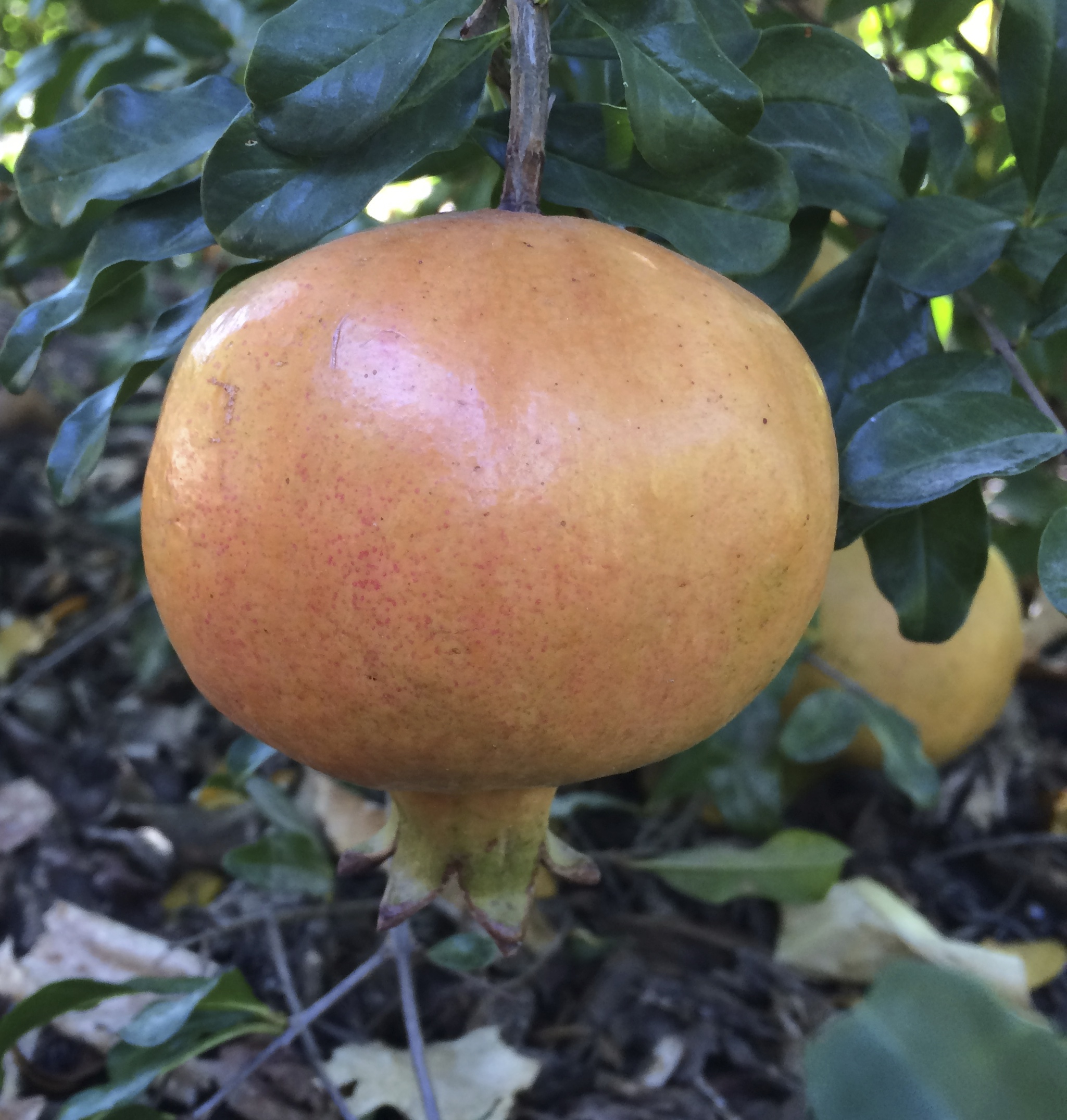
Heirloom pomegranate from Mission Garden, Tucson (MABurgess photo)

Heirloom pomegranate from Mission Garden, Tucson (MABurgess photo)

But here in Baja Arizona, instead of waiting for fall, I had to begin prep a few months ago by harvesting ripe heirloom figs, pomegranates and apricots as they ripened.  Father Kino’s figs grace my yard and the other two yummy fruits, grown at Tucson’s Mission Garden at the base of A-Mountain, were purchased at the Thursday Santa Cruz farmers’ market.

Preserving them for later use, I dried the fruits in my solar oven with the lid slightly opened, allowing humid air to escape.


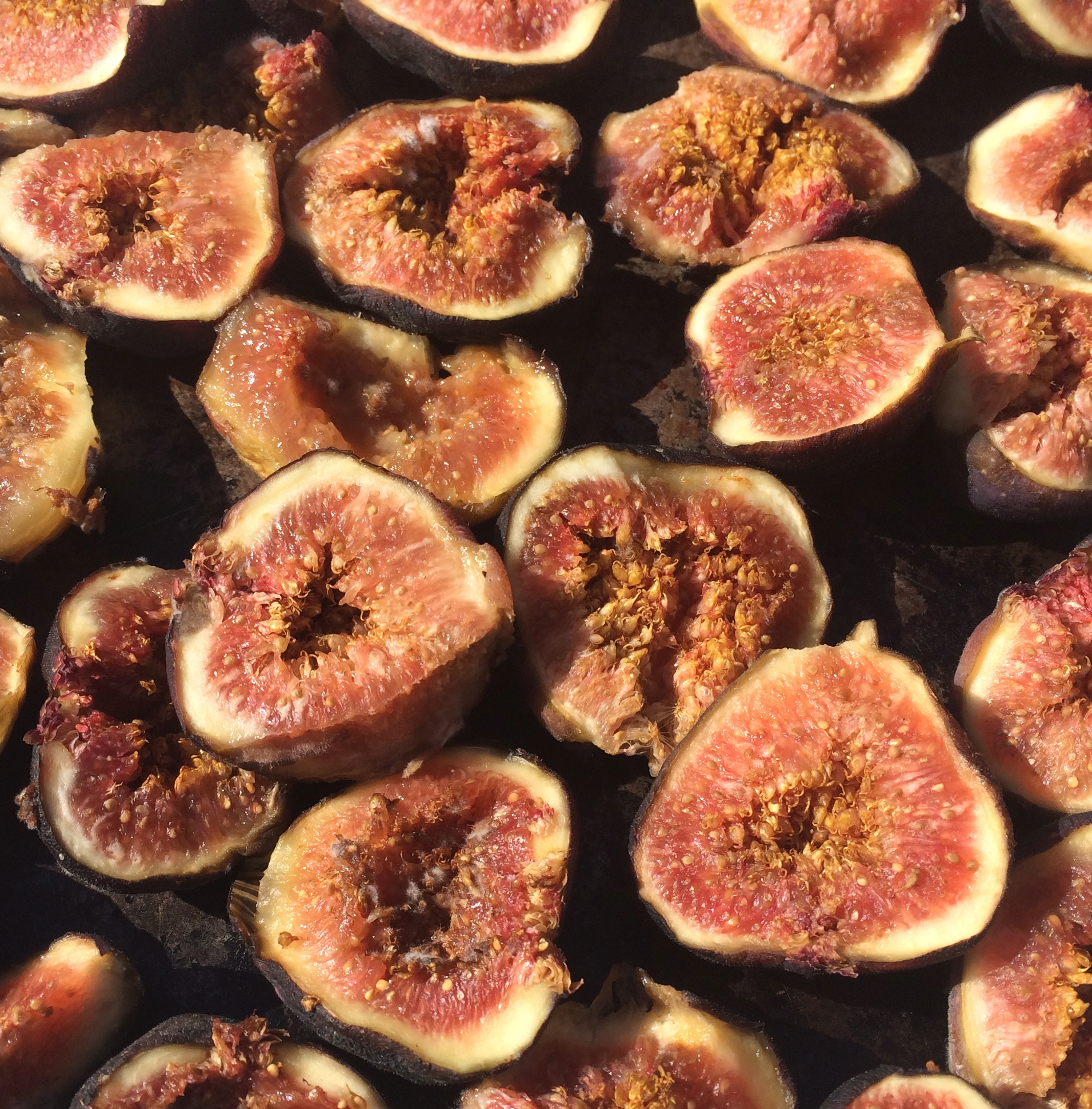
Fresh Mission figs cut ready for drying in the solar oven

Fresh Mission figs cut ready for drying in the solar oven

Sun-dried figs get even sweeter and more flavorful than when they are fresh!

Sun-dried figs get even sweeter and more flavorful than when they are fresh!

Celebrating our International City of Gastronomy, I rejoice in using flours grown and milled locally by BKWFarms in Marana, Arizona, to bake this rich bread.  Other ingredients I sourced close to home as well — Tucson’s precious mesquite-smoked Hamilton whiskey, homegrown heirloom fruit propagated at Mission Garden, agave nectar in place of sorghum molasses — from the bounty of Baja Arizona’s foodscape, its green thumbs, and its creative local “food-artists.”

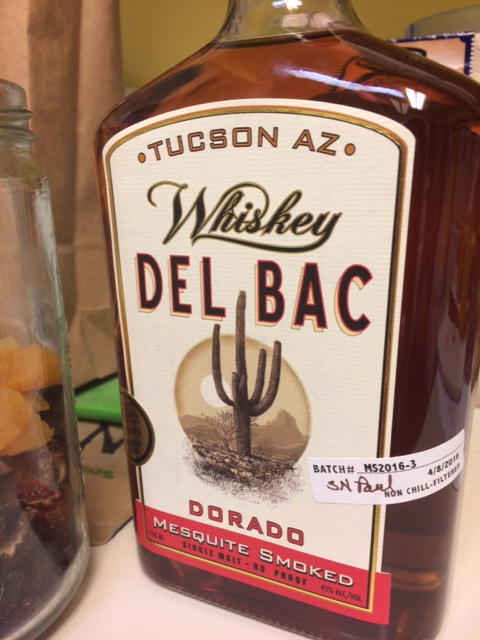
Tucson's best whiskey from Hamilton Distillers--made with organic local malted grain dried using local mesquite.

Tucson’s best whiskey from Hamilton Distillers–made with organic local malted grain dried using local mesquite.

Bread teaches us patience.  It is a beautiful meditation so take time to enjoy the process. There are tasks for this recipe to be done on two consecutive days.  At the very least, in between texts and emails, radio news and phone calls, take time out to go to the kitchen, check the status of your “rehydrating” fruit, or check your yeast sponge, take a nip, etc.  Bread is a living gift and this Election Bread in particular brings many quite lively foods together.  Be not daunted–become one with the yeasts!

If you are already into sourdough baking and have live starter, take method A.  If you are beginning with dry yeast, take method B.  Both will give olfactory pleasure from the git-go.


RECIPE FOR AMES FAMILY ELECTION BREAD

Day 1—Making the Pre-ferment –method A–Using Sourdough Starter
1 cup whole milk, warmed to ~ 70º F
¼ cup active starter — fully hydrated
2 ¼ cups all-purpose or whole wheat pastry flour *

OR Day 1 — Making the Pre-ferment — method B– Using Yeast
1 1/8 cup milk, warmed to ~70º F
1 tsp instant dry yeast
2 ¼ cups plus 2 Tbsp organic all-purpose or whole wheat pastry flour *

Pre-ferment Instructions:  In a bowl, combine milk and sourdough starter or yeast. Mix thoroughly until starter or yeast is well dispersed in the milk mixture. Add flour and mix vigorously until the yeast mixture is smooth. Scrape the sides of your bowl to use all yeast. Cover the bowl with a damp towel or plastic wrap. Allow your sponge to rest and ferment 8-12 hours at room temperature. When ready to use, your pre-ferment will have bubbles covering the surface.

Also Day 1–Pre-Soaking Dried Fruits

1 cup dried fruits, coarsely diced in 3/8-inch or ½-inch pieces **
1-1 ½ cup whiskey, bourbon, brandy, or non-alcoholic fruit juice ***

Instructions for Pre-soaking Dried Fruit:  To prepare dried fruits for your bread, soak them overnight, or for several days beforehand, in a lidded jar. Measure your dried fruit then cover with liquor or liquid of choice. (To speed up the soaking process put diced fruit in a small sauce pan, warm over low heat for a few minutes, remove from the heat, and allow fruit to soak, covered, for several hours.) Until the fruit is totally softened, you may need to add more liquid to keep fruit submerged.

Before adding fruit to your dough, strain the liquid off of the fruit. Use this fruity liquid as a cordial, or to make a simple glaze after bread is baked.

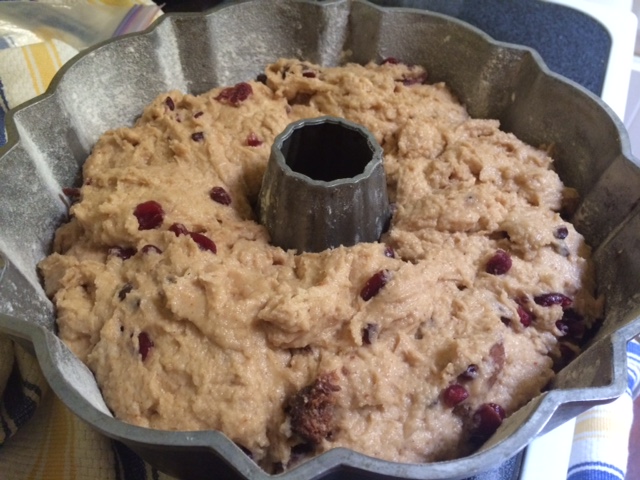
Freshly mixed dough in greased and floured bunt pan

Freshly mixed dough in greased and floured bunt pan

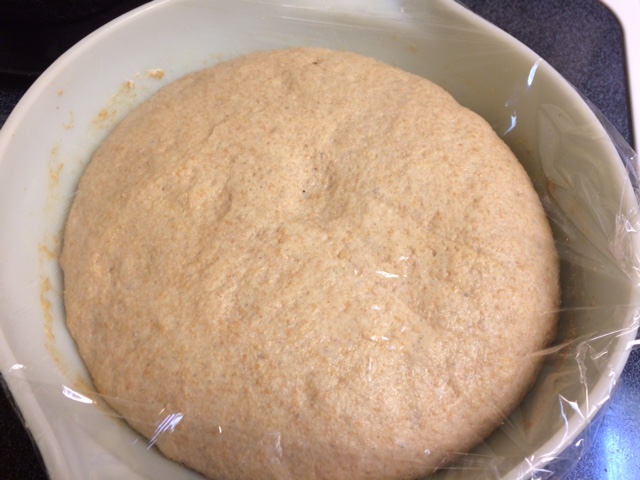
Proofing Election Bread dough--after covering and allowing dough to rise to almost double size--fruit bites visible

Proofing Election Bread dough–after covering and allowing dough to rise to almost double size–fruit bites visible

*** My secret to this “fruit marinade” is the smokey flavor of local Whiskey del Bac!  Using spirits results in a fabulous liqueur “biproduct” to enjoy later.  But, remember the words to that song “Oh we never eat fruitcake because it has rum, and one little bite turns a man to a bum……..”  For the tea- totaler, any fruit juices will work for re-hydrating the dried fruit chunks:  try apple cider, prickly pear, pomegranate juice, cranberry.  Then save the liquid after decanting as it will have delicious new flavors added.


Day 2 –Preparing Dough, Proofing, Baking Election Bread

Ingredients:  
1 cup unsalted butter
¾ cup unrefined organic sugar
2 eggs
1/3 cup whole-milk yogurt
¼ cup sorghum molasses, agave nectar, or honey
Your Pre-ferment –yeast mixture or sourdough mixture from Day 1
2 ¼ cups all-purpose or whole wheat pastry flour combination *
1-2 Tbsp mixed spice blend—your choice cinnamon, allspice, nutmeg, mace blend
¼ tsp ground coriander –optional
¼ tsp ground black pepper –optional
1-2 tsp salt
2 Tbsp sherry or another spirit- optional
2 cups rehydrated local fruit from dried/preserved fruits, decanted

* Create your own combination of pastry flours. My Southwest pastry flour mix to total 2 ¼ cups is:
½ cup organic all-purpose flour
¼ cup mesquite pod milling dust
1 cup organic BKWFarms’ hard red wheat flour                                                                                                                                          ½ cup organic heirloom BKWFarms’ White Sonora Wheat flour  (heirloom flours available at NativeSeeds/SEARCH and http://www.flordemayoarts.com)

** My Election Bread fruit mix honors the Kino Heritage Fruit Tree Project. You can purchase heirloom fruit seasonally at Santa Cruz Farmers’ Market. For this recipe I used:
1/3 cup diced dry figs
1/3 cup diced dry apricots
1/6 cup dry pomegranate “arils”
1/6 cup dry cranberries (a bow to East Coast food)

You can test to see if dough is done thru using a wooden kabob skewer or cake tester. Listen to hear if bubbles are still popping in the dough.

You can test to see if dough is done through by using a wooden kabob skewer or cake tester. Listen to hear if bubbles are still popping in the dough.

Day 2–Instructions for Election Day Bread Baking

a) Cream the butter well; add sugar, mixing until light and fluffy. Add the eggs one at a time with mixer (or spoon) on medium speed. Mix in the sorghum/honey and yogurt. If you have a dough hook mixer you can use it or good old elbow grease. Add the pre-ferment (starter or sponge) and mix slightly.
b) In a separate bowl, sift together all of the dry ingredients. Mix as you add dry ingredients into liquid ingredients, being careful not to over-mix.
c) Gently fold in the rehydrated fruit (then optional sherry).
d) Grease (with butter) and flour a bundt pan or round cake pan. Divide the dough evenly into the cake pan. Proof (i.e. let the dough rise) covered in a warm place for 2-4 hours, until the dough has risen by about ⅓ of its volume.
e) Preheat oven to 375F. Bake at 375° F (190° C) for 10 minutes. Reduce oven temperature to 350° F (177° C) and continue baking for about 25-35 minutes, or until a tester comes out clean. Let cake cool completely before cutting and eating.         Enjoy this sweet bread either plain or topped with a simple glaze.

If you are new to yeast bread baking, it would be fun to connect with a friend to chop fruit or get hands gooey together, or to have one person read directions while the other mixes. We always do it as a family and it’s so much more fun to add humor and gossip to the mix–or even a little political emoting.

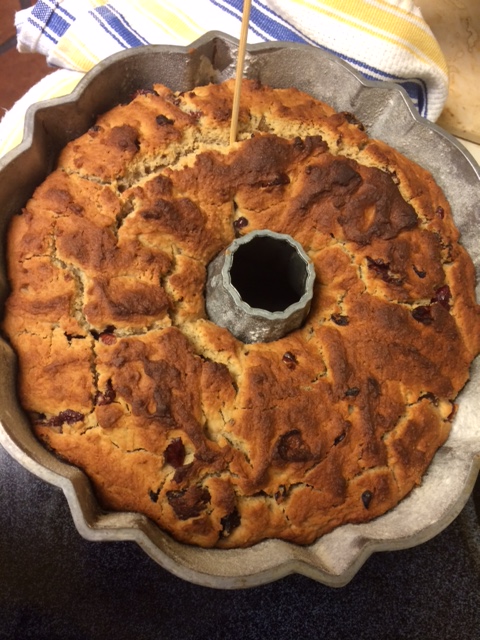
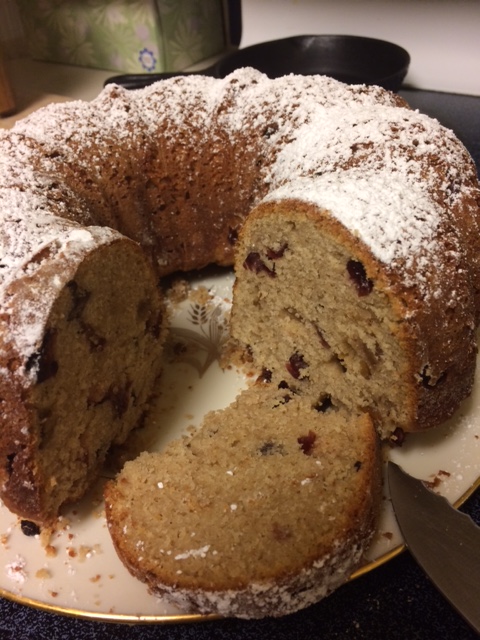
Sonoran Desert style Election Bread with local grains and local fruits--Ah the aromas!

Sonoran Desert style Election Bread with local grains and local fruits–Ahhhh, the aromas and rich history of Baja Arizona in a single slice!

During the coming holidays, you could try this easy bread for a great party treat, for breakfast, or for a colorful dessert topped with whipped cream or ice cream.
And feel free to play with the recipe, adding your own tastes, honoring your own family’s food culture and history and your own sense of place!
Buen provecho from Tia Marta!

On Color and Water.

“Water is H20, hydrogen two parts, oxygen one, but there is also a third thing, that makes it water, and nobody knows what that is.” D.H.Lawrence, Pansies.

img_4368

Linda here with you today, writing on a  downright cool November morning in the Old Pueblo.

I came across a bag of discounted, fresh cranberries this week. I picked it up and took it home, still not quite sure what I might do with it. It just felt nice to have a little color around as the days get cooler and darker.

Color can take us places.  And to actually drink it in gives me a little infusion of energy: a surprising  jolt of joy.

Cranberry Ginger Water.

Today’s recipe is Oh So Easy to make. It is Oh So Tasty on the Tongue. Cranberries are pollinated more and more often by a combination of bumblebees and honeybees. I like this partnership, and feel it worth mentioning as the humble bumblebee and its role in pollination is often overlooked. More food producers are finding that a combination of native pollinators with honeybees is more powerful than using just honeybees alone. While not a Southwest food, Cranberries are a food native to North America. For hard core food geeks, follow the link to explore more. Note: it is because cranberries are a native food that producers use a native pollinators!

Cranberries: The Most Intriguing Native North American Fruit

APSnet Feature. November, 2000

 Ingredients:

-Water in a standard size pot with tight fitting lid.

-1 8oz bag of fresh cranberries. I have been seeing them on sale in stores.

-2 Tablespoons worth of Fresh Ginger root, cut up in pieces.

img_4348

Rinse 8 oz of fresh cranberries.

img_4361

In a covered pot, boil the cranberries and ginger for about 15-20 minutes, or until the berries are quite soft. Turn off heat and with lid still on, let the flavors infuse while it cools.

img_4350

I love the way the water “Becomes cranberry”!

img_4353-1

Strain the mixture into a vessel that can show off the color.

img_4372

Place the vessel in front of a window to really savor the color. Somehow this also enhances the flavor as well.

Remember this is a basic recipe – and you can use it as a spring board! Drink it warm or cool. Add honey and drink it warm. Add one or two crushed dried chiltepin for some spice. Add a little “spirit” to it….. enjoy it. And while you Sip In all this color, you might joyfully ponder the native bees that pollinated it’s cranberry flowers –  and the water and sun the plants utilized to grow.

____________________________________________________________

It is fun to remember water and its role not just in our lives, but in the lives of  our fellow creatures.

img_5209

HoneyBees use water to cool their hives – they use tiny bee tongues.

img_4522

I love this photo of a hen teaching her chick to drink.

img_0270

A peaceful moment


Admirable Anise

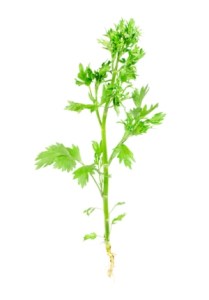
anise-bloom-01

Jacqueline Soule here with another delightful herb you can plant now in your winter garden – anise.

The fragrant anise plant has a long history of use.  Pictures of it have been found in ancient Babylonian carvings, Egyptian tombs, and Roman ruins.  Ancient uses were perhaps medicinal as well as ornamental.  We know that by the Middle Ages anise was used in cooking, medicine and mouse traps.

anise-illustration_pimpinella_anisum

Anise seed and fresh leaves are used to promote digestion and to relieve stomach upsets.  An infusion (tea) of the seeds has been shown to increase glandular secretions, including gastric glands, sweat glands, and mammary glands.  Anise has mild expectorant qualities, thus it was once used in asthma powders, and is currently used in some cold remedies.  There is some indication that it is also helpful to alleviate menstrual cramps.  In aromatherapy, anise properties are: digestive, head-clearing, warming, clarifying, respiratory, and muscle relaxant.

anise-seedling

Much of the anise plant is useful.  Leaves, flowers, and seed are edible, and are often used as a flavoring agent.  Spice uses vary by ethnic origin, but generally the seed is used, as it is most flavorful and easily stored.  If you have access to fresh anise, enjoy leaves and the edible flowers in salads or sautéed with other greens.  And let us not forget anise is used to make liqueurs, including anisette.

In the 1970’s there was some concern that anise oil was carcinogenic.  Those fears have since been shown to be groundless.

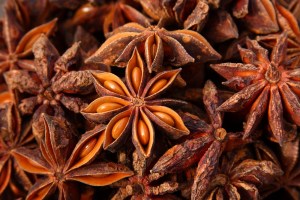
star-anise_1

Star anise has a similar flavor but comes from the fruit pods of a tropical tree.

Planting and Care.  
Native to the dry rocky soils of the eastern Mediterranean, anise does well in our area.  Late September to November is the ideal time to plant seeds.  In its homeland, anise grows after the start of their winter rains (the only rain they get).

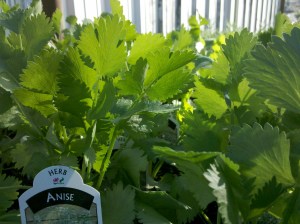
Due to its taproot, and dislike of being transplanted, anise is generally planted from seed and rarely found for sale as seedlings.  That said, if do you see seedlings -go ahead and buy some.  Much quicker results.

anise-in-nursery-gi

Plant seed in well drained (sandy) soil.  Keep evenly moist for the best flavor and highest seed production.  Plants require at least six hours of sun and can be grown in containers at least two feet deep.  Fertilizer is not necessary, but if you desire ample seeds, a flowering fertilizer, high in phosphorous, helps produce an ample seed crop.

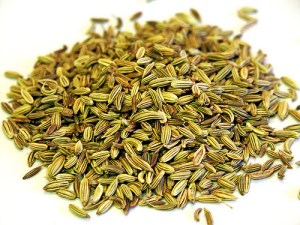
anise-seed-gi

Anise seed cleaned and ready for cooking.

Harvesting and Use.
Use anise leaves fresh in salads or as a flavoring in cooking.
Leaves may be used fresh or dried for tea or use as a culinary herb.
Seeds are harvested for use and can be winnowed with a kitchen colander or strainer.

JAS avatar

About Jacqueline: If you live in Southeastern Arizona, please come to one of my lectures. Look for me at your local Pima County Library branch, Steam Pump Ranch, Tubac Presidio, Tucson Festival of Books and other venues. After each event I will be signing copies of my books, including the latest, “Southwest Fruit and Vegetable Gardening,” written for Arizona, Nevada and New Mexico (Cool Springs Press, $23).

© Article copyright by Jacqueline A. Soule. All rights reserved. Republishing an entire blog post or article is prohibited without permission. I receive many requests to reprint my work. My policy is that you may use a short excerpt but you must give proper credit to the author, and must include a link back to the original post on our site. Photos may not be used.

Chapulines (Grasshoppers) con Mole

20160924_080146

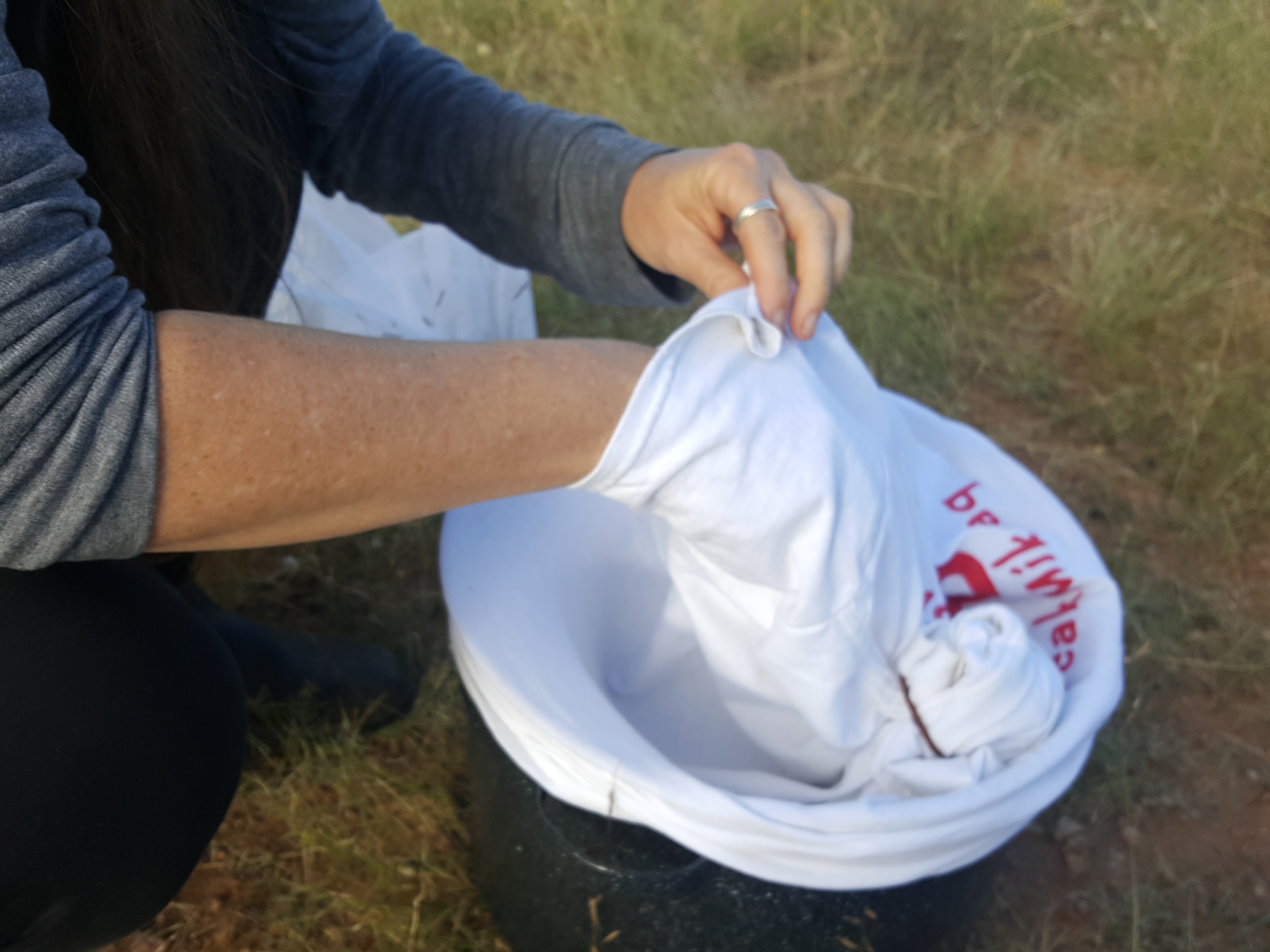
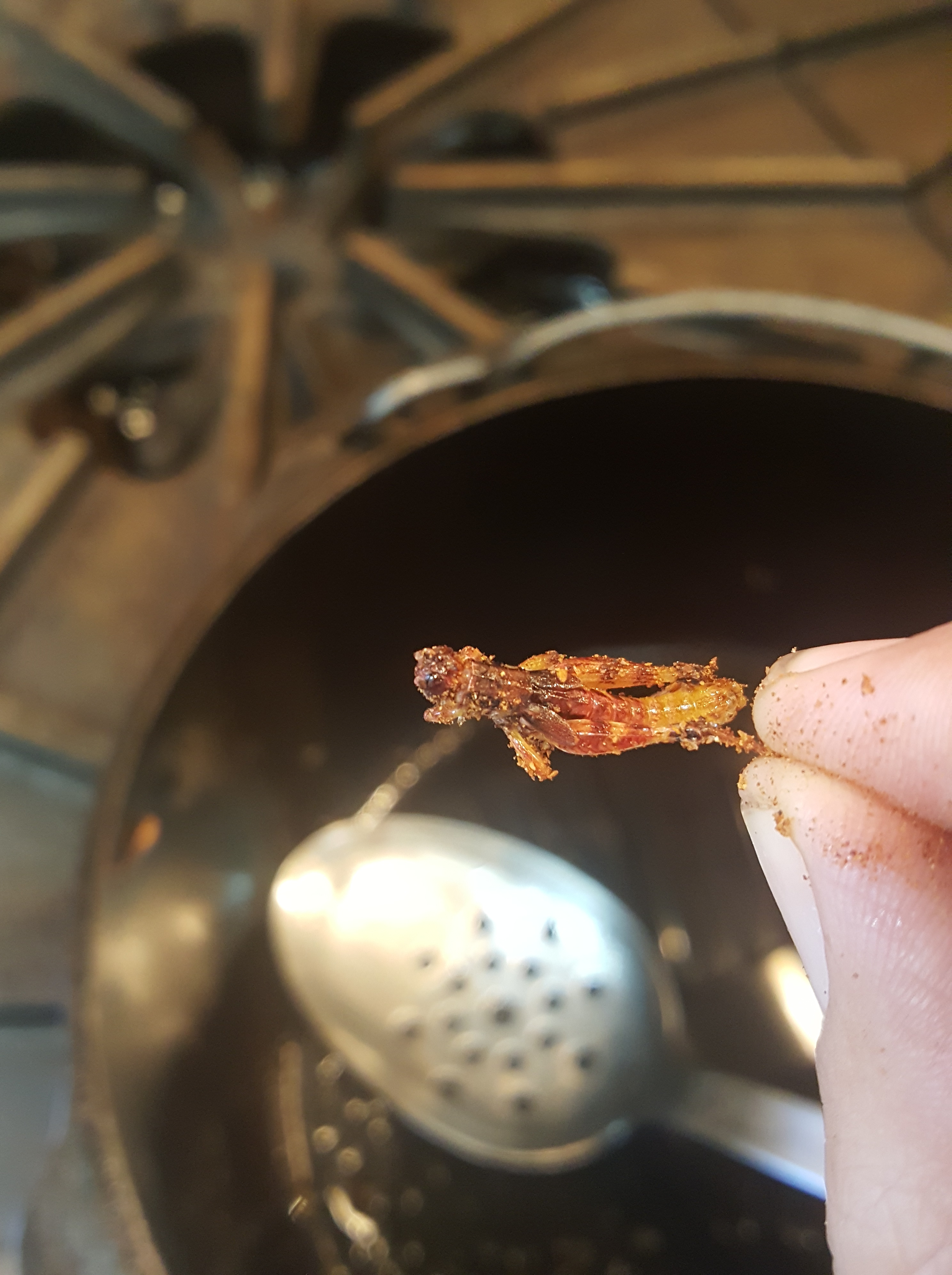
On a late season prickly pear harvesting trip, my friend Nicole and I found few tunas but lots of grasshoppers. I’ve always wanted to try chapulines, but never had the opportunity. Nicole learned how to harvest them this summer, so we attempted ourselves.

Catching them is the trick! When the sun is up, they are fast. We managed to flush some out of the grass into a clearing, toss a big straw hat over one, and grab it by hand. We bagged three, not even enough for one taco. As the sun set, they stopped jumping but were too hard to see in the grass in the low light. We returned with nets. In the cool early morning they weren’t active enough to jump into the nets but were easier to see; we tossed the net over one, and grabbed it by hand. As the day warmed, they got too fast for that method, and sweeping the grass with the net was more successful. Yes, it’s slow, but fun. Plus a beautiful day in the desert.

Nicole fashioned an way to hold our catch without letting any escape when we caught another.

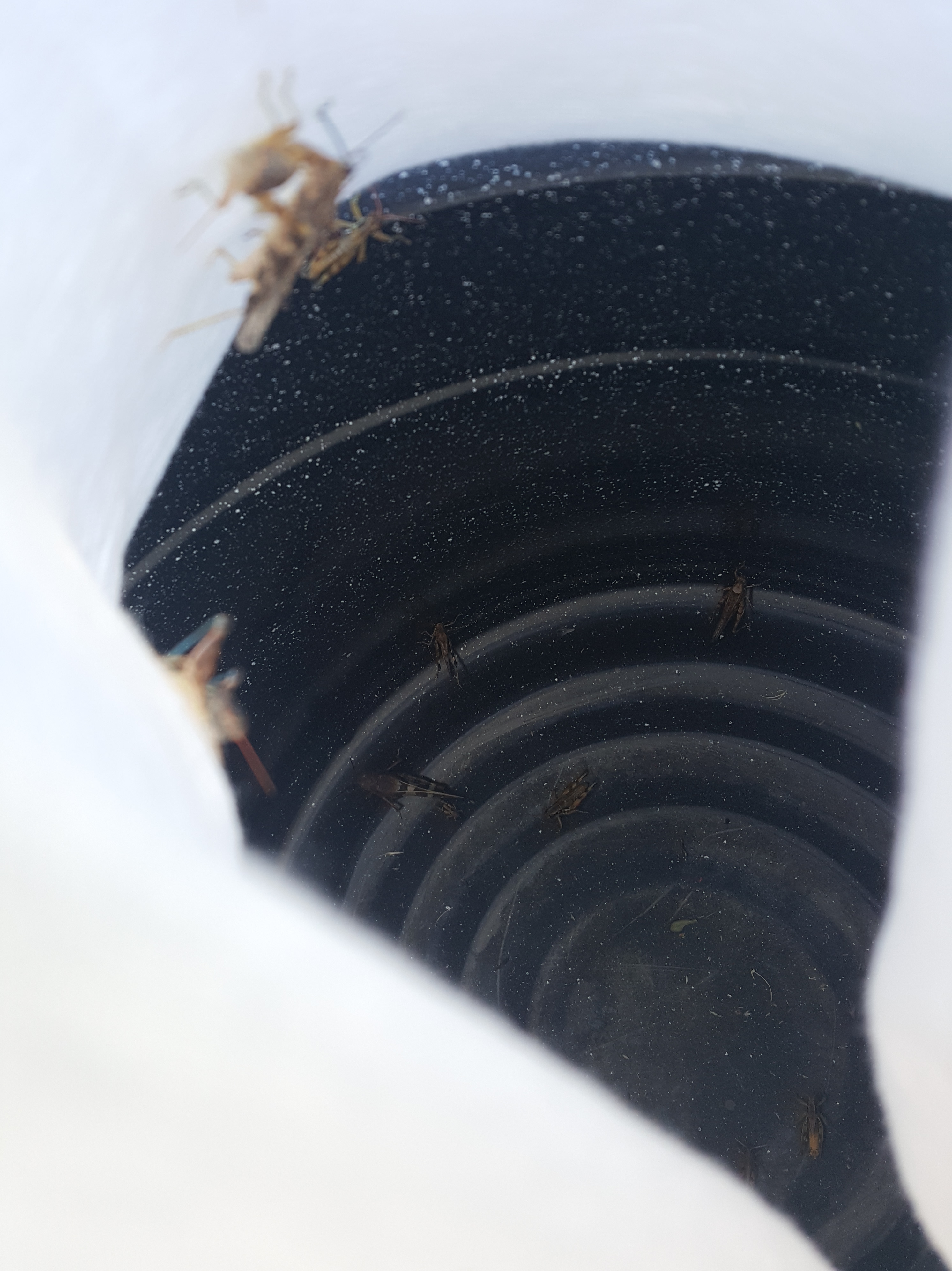
20160924_080408

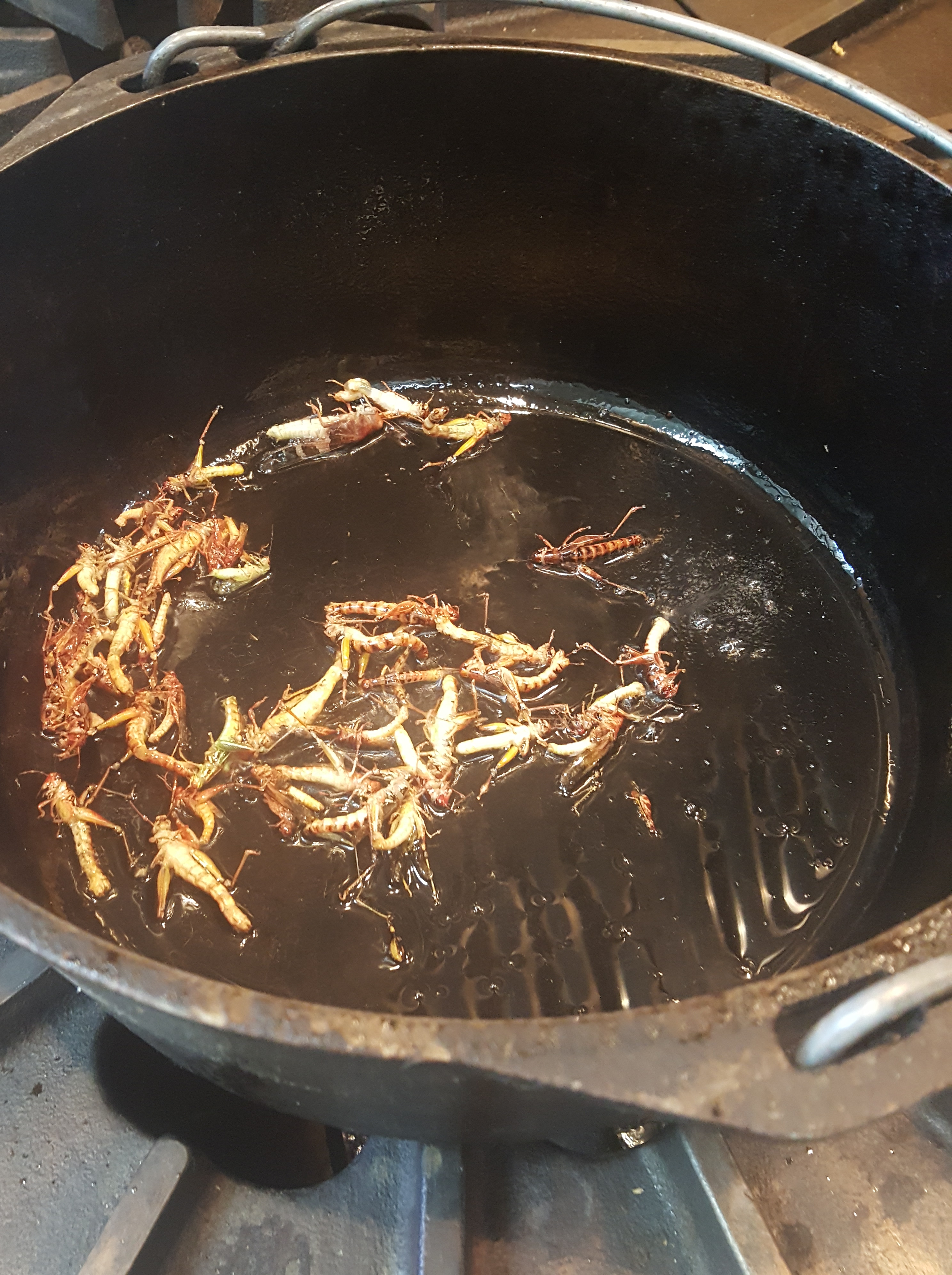
Here they are inside. While they hopped around, they emptied their digestive tracts.

20160924_080353

At home we put the whole container in the freezer.

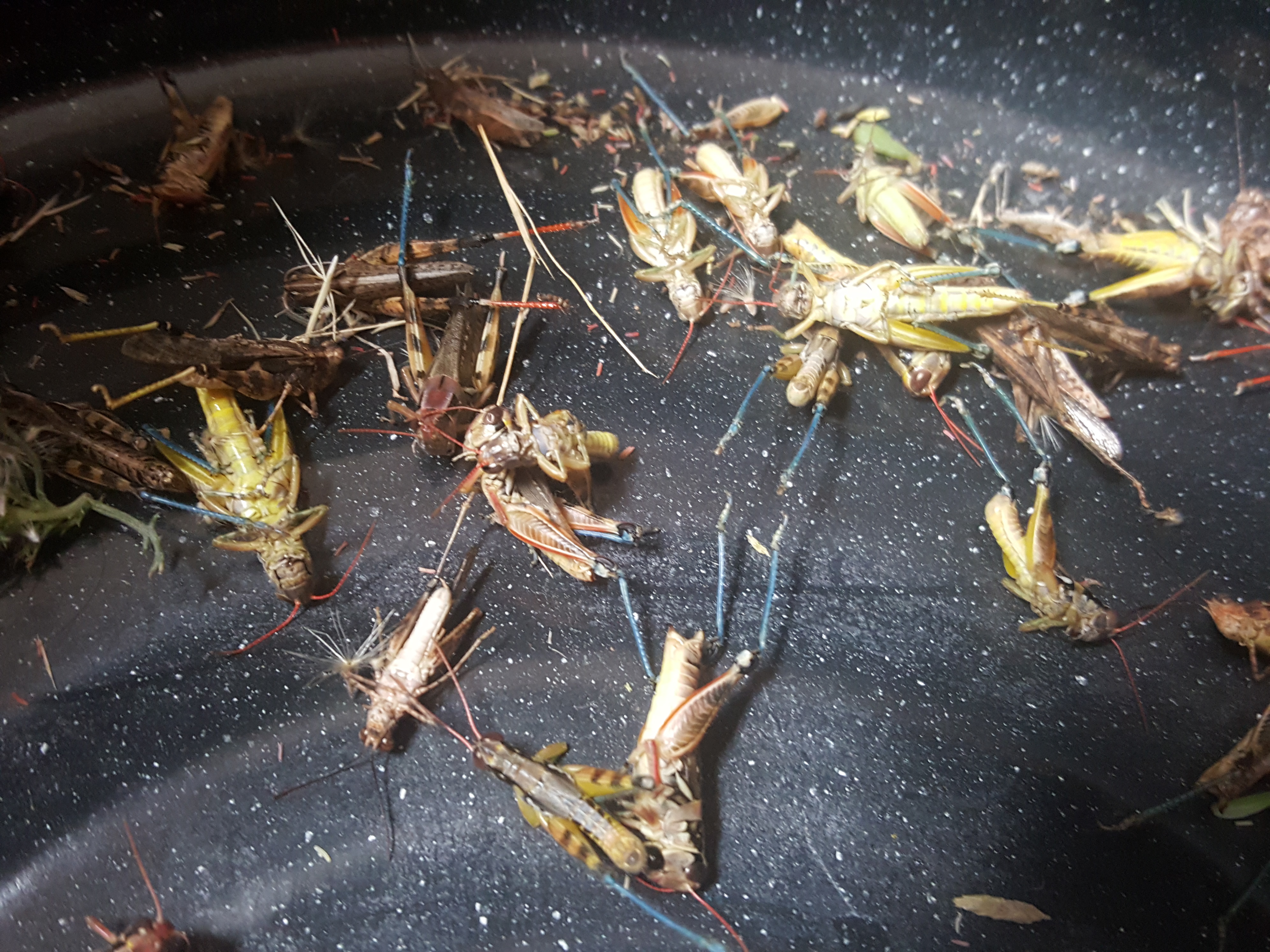
20160924_093610_001

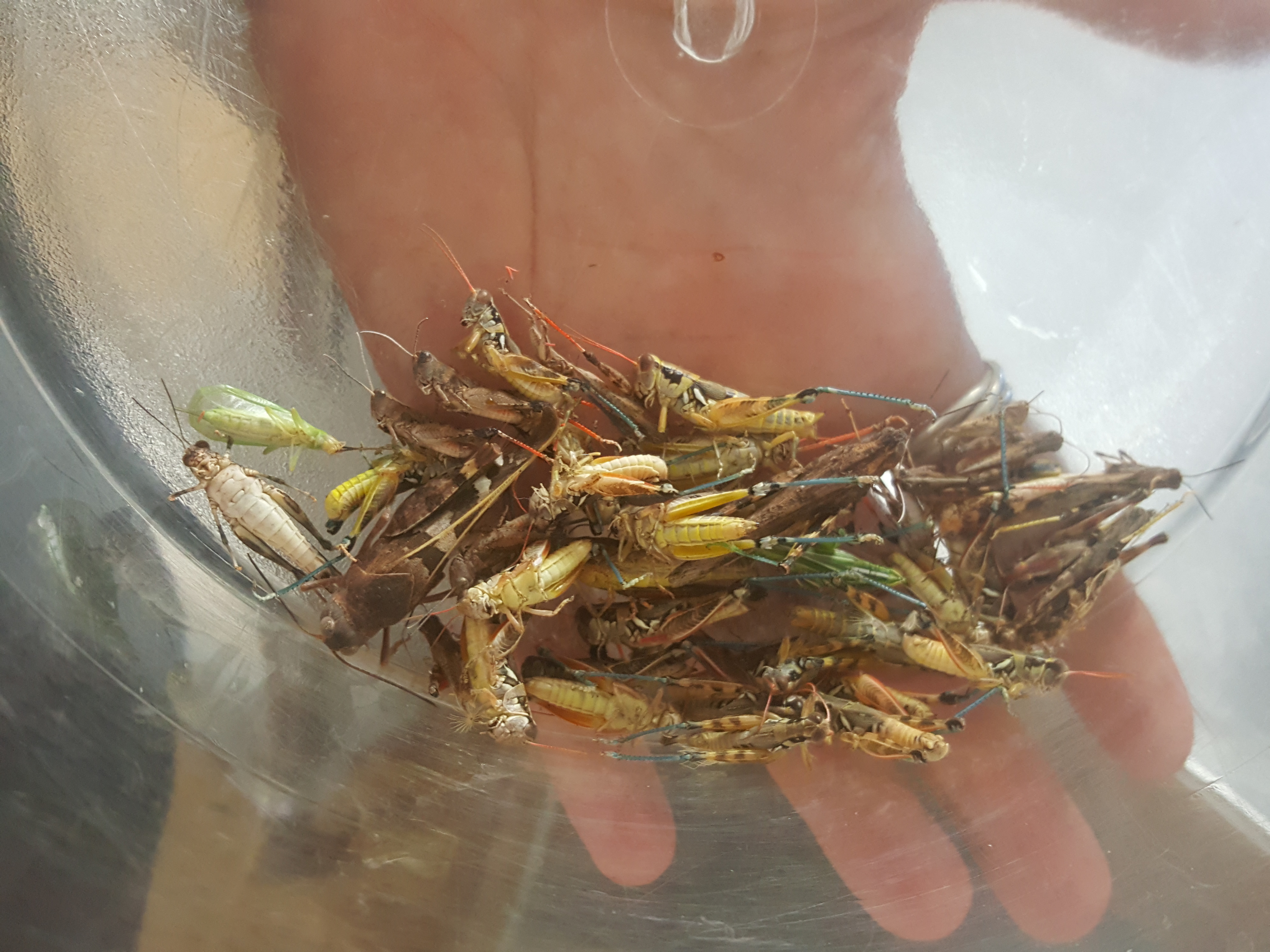
Then we picked them out of the grass seeds and debris. So beautiful.

20160924_093906

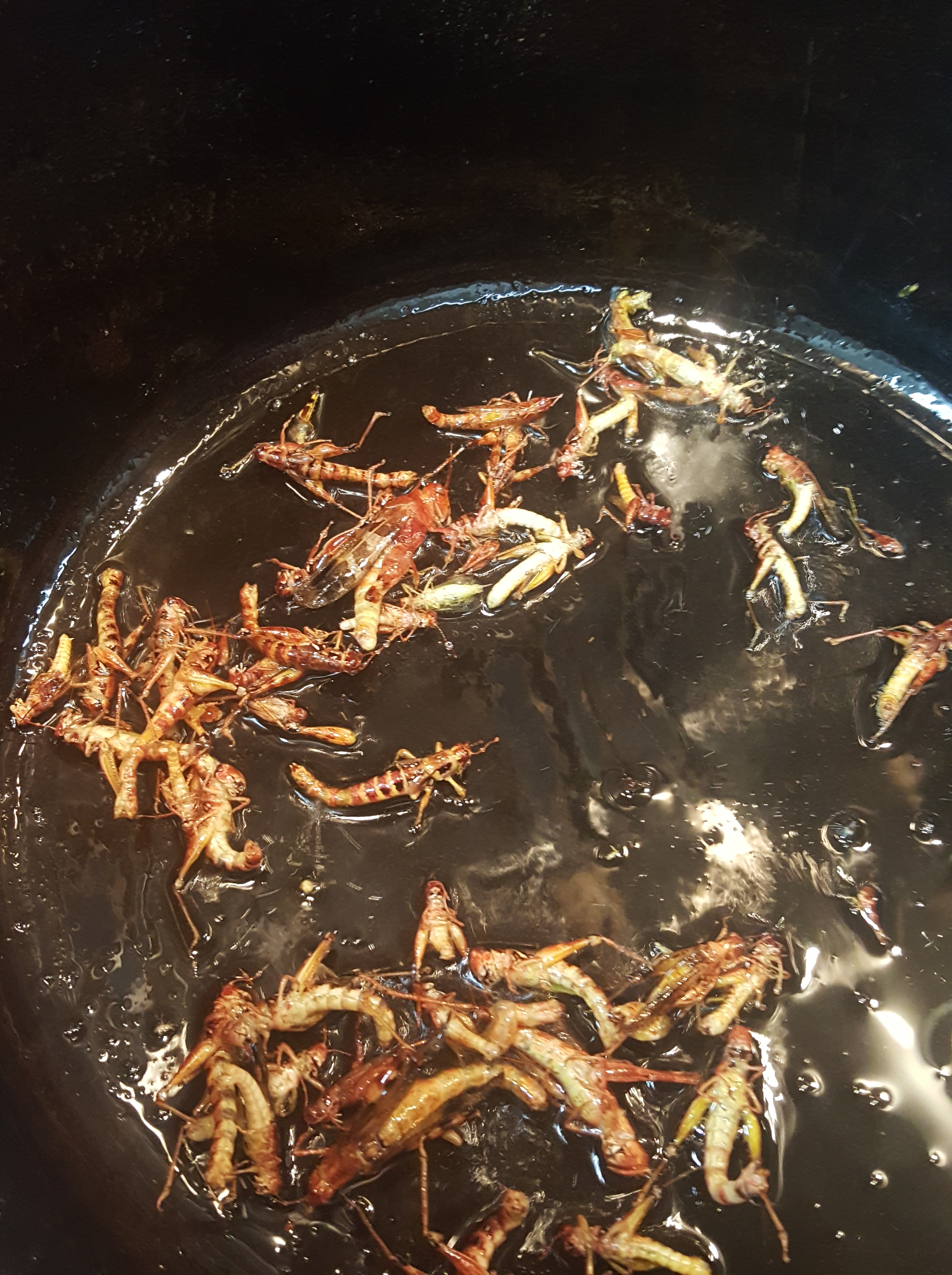
We melted a little duck fat a cast iron pan and fried the chapulines.

20160924_093938

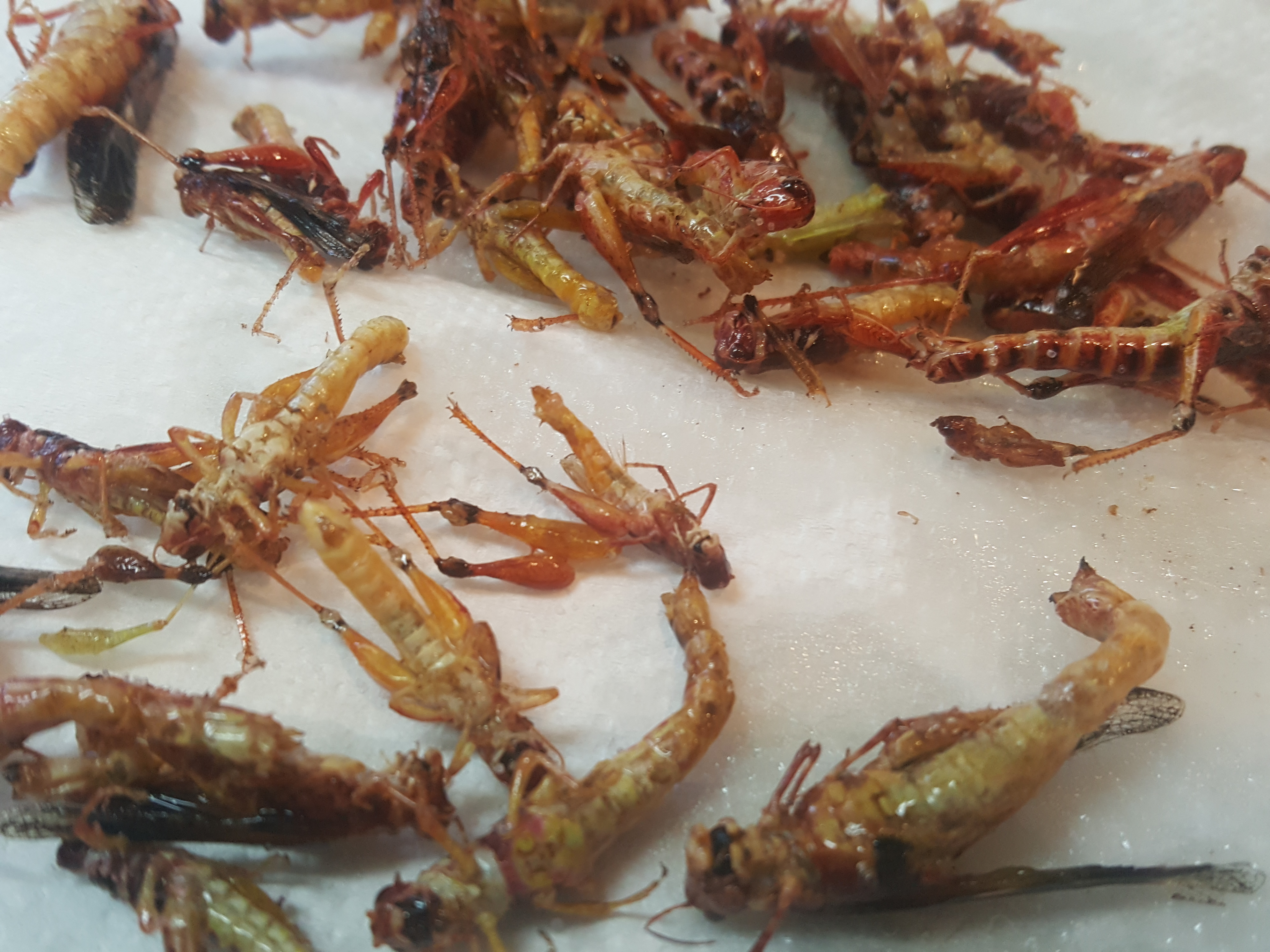
This is when they turned from animals to food, and the only moment in the process that made me a little uncomfortable. We let them get really crispy.

20160924_093953

But after all that work, I needed to at least try them. Nicole knew from previous experience to eat the small ones whole, but remove the wings and legs from the larger ones.

20160924_094229

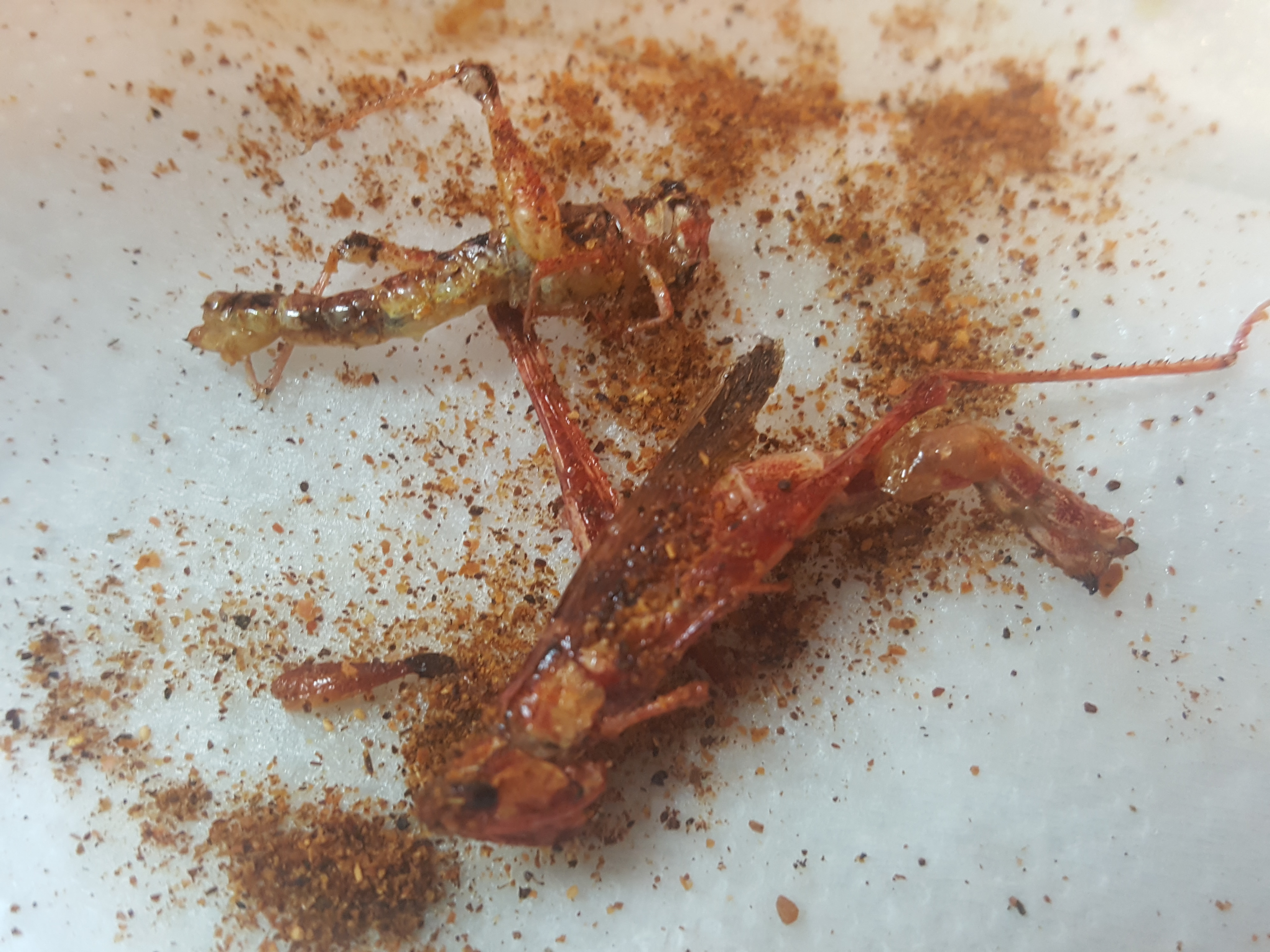
YUM!!!! Crispy fried meat. Then we dusted them with Mano Y Metate mole powder, of course.

20160924_094826

20160924_095149

Delicious, abundant, local, free. We’ll do that again!

Family Traditions


img_2418Linda here, just off the plane from a great family roots trip with my father. Hearty and strong at 87 yeas of age, we tromped though grave sites and Historical Society’s records to uncover what we could. We talked with older relatives, read through old letters,  were guided by local historians. Much of the conversation happened around meal tables.

So it was that I enjoyed the best applesauce of my life this week. It was made especially for us by an 86 year old farmer relative. It’s flavor had both simplicity and spark – and immediately wooed me.

Apples are a fruit of the fall. and applesauce is easily made. And it can be amended to the tastes you/your loved ones prefer quite easily, by simply choosing  tart or sweet apples. You can use your culinary wand and add traditional ingredients like cinnamon – or think outside the box and try adding red chili powder. You can also sway the texture this way or that, depending on how you thin or chunky you like it.


img_3448-1

Here is Cousin Mary’s Applesauce Recipe. Play with it with a bit this fall as the abundance of apples is upon us, and make it your own. Enjoy the aroma as you work with the apples! Note there is no sugar in this recipe.

Ingredients (4 people worth)

6-8  Apples – sweet or tart or a mix.

Water

How To:

Thinly peel about 6 or 8 apples (sweet variety if you like sweet, tart variety if you like tart); remove the core and cut each apple into about 6 or so pieces. Put the apples in a pan on the stove burner with about 1/2 cup of water, 3/4 cup if you like it thinner. Then cook this until the apples are soft but not too mushy. (They will turn dark if you cook them too much.)  While apples are still warm, use any type of masher (such as a potato masher) and mash to the consistency of chunkiness that you desire. The apple sauce freezes well also.

Significantly, as she shared this recipe with me, she interwove how her deceased husband, enjoyed it, that he liked sugar in his, what he ate it with etc. Hardly a sentence went by without such a caveat. Which reminded me: Fall is a time when many traditions – all over the globe – remember their ancestors.  Often a favorite food is set out by an alter, or even the grave of the person(s).  Consider making a favorite family food tradition that a deceased loved one especially liked, and make it this fall. Smell the aromas, savor the flavors, delight in the color and texture of that special food that your loved one enjoyed.


img_3451She paired the apple sauce with home made Bacon Quiche.

img_3442

One of the traditions near and dear to my own heart is beekeeping. I discovered that at least two of my great great grandfather’s kept bees. One also had fruit trees in a small orchard, and had seven hives. Upon his death, it appears that his widow obtained at least one of the hives, and his son another. I love the idea that she kept those bees – or maybe had been the beekeeper all along?

If you are interested in learning about keeping honeybees, there are a few spots left in Jaime de Zubeldia’s beekeeping class later this month. Here are the details:

Introduction to Natural Beekeeping – Saturday and Sunday, October 22nd and 23rd, 2016

 Want to be a bee keeper but don’t know where to start? How about a full weekend of hands on instruction with one of the Southwest’s most experienced bee keepers? This two day introductory beekeeping workshop in Avra Valley just west of Tucson, Arizona will get you started.   

Location:  The San Xavier Coop Farm.  Final directions and info for the day will be sent  about a week before the date of the workshop.  The San Xavier Coop Farm is located approximately 15 minutes south of downtown Tucson near the San Xavier Mission on the Tohono O’odham reservation.  Time: 9AM-4PM each day.  Cost: You must register for BOTH Saturday and Sunday.  The early bird discount is $150 on or before October 2nd  and $175 after that date up until one day before date of the workshop.  This workshop is taught by master bee keeper  Jaime de Zubeldia. To register by check, money order, cash, or on-line credit card follow the registration directions at http://www.sonoranpermaculture.org/courses-and-workshops/ or contact Dan at dorsey@dakotacom.net 

Dan Dorsey: Sonoran Permaculture Guild

Phone: 520- 624-8030

http://www.sonoranpermaculture.org


Fantastic Fennel

Jacqueline Soule here today to discuss an herb you can plant in your cool season Southwest garden any time in the next few weeks – fennel.

fennel-bulbing-laval-unv-que-0333

Some varieties of fennel form tasty “bulbs” that can be eaten raw or cooked.

Fennel has a long history of use, and why not? The entire fennel plant is useful! Leaves, roots, stems, flowers, and seed are all edible. As a spice, the seed is used in beef dishes, sausage, or in breads and cakes, depending on nationality. Leaves, stems, and flowers can be eaten raw, steamed, or added to soups and stews. Father Kino brought seed to our area over 325 years ago. He no doubt ate fennel as a boy, the seeds in sausage and the bulbs as a vegetable.

kino-blessing-food-by-jose-cirilo-rios-ramos

Father Kino blessing food.  Art by Jose Cirilo Rios Ramos.

Fennel (Foeniculum vulgare) is so well-liked that there are a number of cultivars. First are varieties with an inflated leaf base which form a bulb-like structure popular as a vegetable, eaten either raw or cooked. This goes by the names: sweet fennel, Florence fennel, finocchio, and occasionally it is sold as “anise.” Another group of cultivars are grown for leaf and seed production and include the standard and bronze fennels. Note that “giant fennel” is a different species (Ferula communis) and is a large, coarse plant, with a pungent aroma, not feathery and fragrant like fennel.

foeniculum-vulgare-seedling

Leaves can be enjoyed well before bulbs are formed.

Planting and Care. 

Fennel is a tall herb, reaching four to six feet tall. Leaves can be over a foot long and are finely dissected into filiform (thread-like) segments a bare one-eighth inch wide. Foliage comes in a variety of hues, from the bronze fennels that may appear almost purple to sweet fennel in chartreuse green.

fennel-foeniculum-vulgare-kohlers-medizinal-pflanzen-148

Clusters of yellow flowers are attractive to pollinators.

In the Pimería Alta, start fennel in October in your winter garden. Local nurseries carry fennel seedlings, or you can start plants from seed. For eating, select sweet fennel, Florence fennel or finocchio, while for seed you can use any of the above or merely “fennel.”

pimaria-alta-3088

The Pimeria Alta was under Father Kino’s care.

Like most herbs, fennel grows best in a well-drained, slightly acidic soil, rich in organic matter. It is also easy to grow in containers. Use a container at least one and a half feet deep. Potting soil with some added sand makes a good growing media.

Fennel needs six or more hours of winter sun to do well. It is also important to choose a planting site that is protected from high winds because towards the end of the season (in March) the tall hollow stalks can be easily blown over.

Sow seeds a quarter inch deep in rows around eighteen inches apart. When seedlings are two inches high, thin them to stand around a foot apart. Or they also look nice planted in a dense clump in a flower bed.

Keep the soil evenly moist during seed or seedling establishment. Once well established, you can let fennel dry a little between waterings. Some people believe this makes the flavor stronger.

Fennel should not require fertilizer. If you amended your soil at the start of the growing season, the plants should do fine. Plus, avoid fertilizing anything when frosts are a possibility. In late February you could apply a general purpose fertilizer at half strength.

fennel-bulb
Harvesting and Use.

Fennel leaves are delicately flavored and can be harvested at any time. They taste quite refreshing in green salads or added to stir fry. I like to munch on them as I work in the garden.

Harvest fennel bulbs once they reach softball size. They make a crisp raw snack and individual leaf bases can be delightful used as a healthy dipper instead of potato chips. This vegetable can also be sautéed, stewed, braised, grilled, or perhaps best of all – sliced and roasted with root crops such as potatoes, beets, and onion.

fennel-by-vilmorin-andrieux-1883

The “bulb” has easily separated leaf bases that are perfect for scooping up dip.

Harvest seed of fennel by cutting stalks and tipping the entire mass into a paper bag. Let dry for several weeks before cleaning and storage. Store such herbs in airtight containers out of direct sunlight.

JAS avatar

If you live in Southeastern Arizona, please come to one of my lectures. Look for me at your local Pima County Library branch, Steam Pump Ranch, Tubac Presidio, Tucson Festival of Books and other venues. After each event I will be signing copies of my books, including the latest, “Southwest Fruit and Vegetable Gardening,” written for Arizona, Nevada and New Mexico (Cool Springs Press, $23).

© Article copyright by Jacqueline A. Soule. All rights reserved. Republishing an entire blog post or article is prohibited without permission. I receive many requests to reprint my work. My policy is that you may use a short excerpt but you must give proper credit to the author, and must include a link back to the original post on our site. Photos may not be used.

Broiled figs in peach sauce and Plum almond cake

9-figs-fin-peach-sauce

Hello, Amy here playing with the last of the summer fruits. My mom’s Black Mission Fig tree, planted by my grandfather so many years ago, yields two crops a year, early and late summer. The flowers open and are self pollinated inside the developing fruit. This baby fig tree had its first two fruits this year.

1-fig-tree

We mostly eat them fresh, the entire fruit with skin, seeds and all, leaving only the stem. They dry beautifully on screens outside, or in a hot car.

2-fresh-whole-figs

I wanted to do something special with the figs, so I consulted Sweet Simplicity: Jaques Pépin’s Fruit Desserts. Broil the figs!

4-figs-in-oven

I halved the fruit and decided that they were plenty sweet. If they weren’t, I would have sprinkled with sugar as suggested. After a few minutes under the broiler, they were even sweeter and the flavor concentrated, but still moist and easier to eat than dried.

5-broiled-figs

Jacques made a sauce with strained peach preserves, but I had a few tiny fresh peaches from higher elevation southern Arizona.

6-whole-peaches

I seeded and chopped the peaches, skins included. So much color, nutrition and fiber is in the skin. Plus I like varied textures.

8-sliced-peaches

The peaches simmered with a tiny bit of water for a few minutes, until soft.

7-boiling-peaches

I pureed the peaches and seasoned with a squeeze of lemon and a splash of rum.

9-figs-fin-peach-sauce

That worked! So when someone gave me a handful of little plums, I immediately consulted the same book to show off the little treasures.

10-plum-cake

Here is my version of the Plum and Almond Cake

1 cup all purpose flour

1 cup almonds

2/3 cup sugar

1 teaspoon baking powder

1 teaspoon vanilla

6 tablespoons butter, softened

2 eggs

1/3 cup heavy cream

Garnish:

14 little plums

1/4 cup apricot jam

2 teaspoons hazelnut liqueur

Preheat oven to 350 degrees F. Grease an 8×8 inch or similar size baking dish. Grind almonds in a food processor until powdered. Add the rest of dry ingredients and process. Add the wet ingredients and pulse into a batter. Spread batter into prepared dish and nestle in the whole fruit. Bake for 55 minutes or until the cake is browned. Mix the jam and liqueur and brush on top of the cake. Warn the eaters of the pits and enjoy!